WESTMINSTER VILLAGE MUNCIE INC

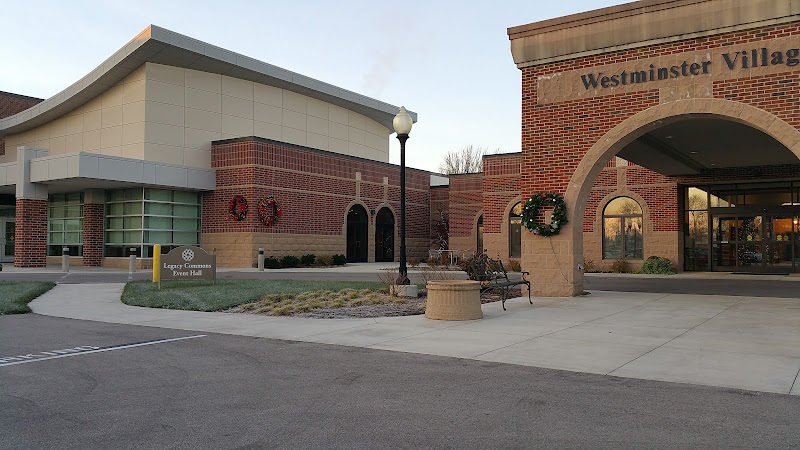
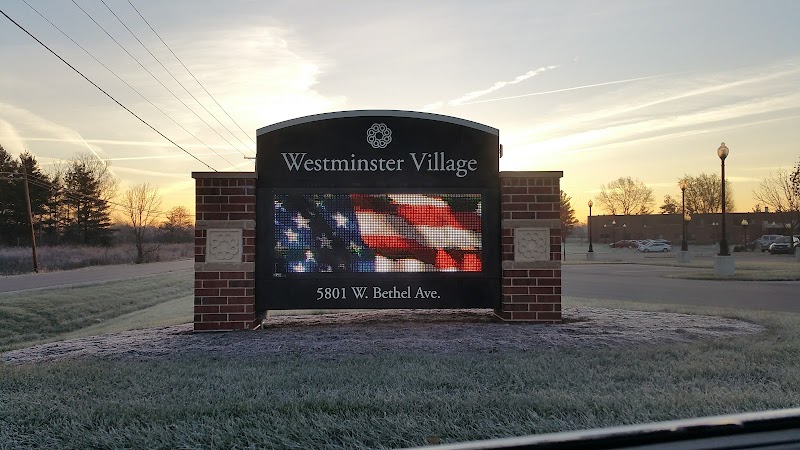
5801 W BETHEL AVE, MUNCIE, IN 47304 (765) 288-2155
Non profit - Corporation 76 Beds Independent Data: November 2025
Trust Grade
90/100
#108 of 505 in IN
Last Inspection: June 2025

Inspected within the last 6 months. Data reflects current conditions.

Overview

Westminster Village Muncie Inc has earned a Trust Grade of A, which indicates it is considered excellent and highly recommended for care. It ranks #108 out of 505 nursing homes in Indiana, placing it comfortably in the top half, and is the best option among 13 facilities in Delaware County. However, the facility is experiencing a worsening trend in issues, increasing from 3 in 2024 to 6 in 2025. Staffing is a strength, with a perfect rating of 5/5 stars and a turnover rate of 42%, which is below the state average, suggesting that staff are stable and familiar with residents' needs. Notably, there have been no fines recorded, and RN coverage is better than 79% of Indiana facilities, ensuring quality care. However, some concerns have been identified, including a failure to address resident council issues effectively and not implementing proper fall prevention measures for certain residents. Additionally, there were lapses in providing necessary discharge notifications for residents sent to the hospital. Overall, while Westminster Village offers strong staffing and is well-rated, families should be aware of these recent concerns.

Trust Score
A
90/100
In Indiana
#108/505
Top 21%
Safety Record
Low Risk
No red flags
Inspections
Getting Worse
3 → 6 violations
Staff Stability
○ Average
42% turnover. Near Indiana's 48% average. Typical for the industry.
Penalties
✓ Good
No fines on record. Clean compliance history, better than most Indiana facilities.
Skilled Nurses
✓ Good
Each resident gets 58 minutes of Registered Nurse (RN) attention daily — more than average for Indiana. RNs are trained to catch health problems early.
Violations
⚠ Watch
12 deficiencies on record. Higher than average. Multiple issues found across inspections.
★★★★★
5.0
Overall Rating
★★★★★
5.0
Staff Levels
★★★☆☆
3.0
Care Quality
★★★★☆
4.0
Inspection Score
Stable
2024: 3 issues
2025: 6 issues

The Good

  • 5-Star Staffing Rating · Excellent nurse staffing levels
  • Full Sprinkler Coverage · Fire safety systems throughout facility
  • No fines on record
  • Staff turnover below average (42%)

    6 points below Indiana average of 48%

Facility shows strength in staffing levels, fire safety.

The Bad

Staff Turnover: 42%

Near Indiana avg (46%)

Typical for the industry

The Ugly 12 deficiencies on record

Jun 2025 6 deficiencies
CONCERN (D)

Potential for Harm - no one hurt, but risky conditions existed

Deficiency F0628 (Tag F0628)

Could have caused harm · This affected 1 resident

**NOTE- TERMS IN BRACKETS HAVE BEEN EDITED TO PROTECT CONFIDENTIALITY** Based on record review and interview, the facility failed to provide bed hold policy and transfer/discharge notifications to the...

Read full inspector narrative →
**NOTE- TERMS IN BRACKETS HAVE BEEN EDITED TO PROTECT CONFIDENTIALITY** Based on record review and interview, the facility failed to provide bed hold policy and transfer/discharge notifications to the resident/representative for 2 of 2 residents reviewed for hospitalizations. (Residents 1 & 17) Findings include: 1. Resident 1's clinical record was reviewed on 6/17/25 at 11:41 a.m. Diagnoses included acute on chronic diastolic (congestive) heart failure, hypertensive heart disease with heart failure, and hypertension. A 4/6/25, quarterly, Minimum Data Set (MDS) assessment indicated the resident was cognitively intact. A 5/31/25, discharge, MDS assessment indicated the resident discharged with a return anticipated. A 5/31/25, progress note indicated the resident complained of pain in the right upper and lower quadrant of her chest, right side of her back, and under her right shoulder. The pain was getting worse and the resident requested to be sent to the emergency room. The ambulance arrived and all parties were notified. The clinical record lacked indication of whether a transfer/discharge form and the bed hold policy were provided to the resident or their representative. 2. Resident 17's clinical record was reviewed on 6/16/25 at 11:16 a.m. Diagnoses included primary hemiplegia and hemiparesis following a cerebral infarction, hypertension, and oropharyngeal dysphagia. A 5/18/25, quarterly, MDS assessment indicated the resident was severely cognitively impaired. A 4/16/25, progress note indicated the resident had fallen and suffered a forehead laceration. The nurse practitioner recommended the resident be sent to the emergency room. 911 was called and a verbal report of the situation was given. The resident Power of Attorney (POA) was notified. The clinical record lacked indication of whether a transfer/discharge form and the bed hold policy were provided to the resident or their representative. During an interview, on 6/17/25 at 3:05 p.m., LPN 16 indicated she utilized a transfer/discharge checklist to ensure she did not miss any steps when discharging a resident. Once an order for the discharge was obtained, she called for transportation or 911 and gave a verbal report to the hospital. The resident's family would be notified. She printed out the resident's code status, diagnoses, orders, medications, and other documents related to the discharge or transfer. These papers would be given to the emergency medical technicians (EMT) as the left with the resident. She would fill in the transfer event in the electronic medical record (EMAR) and document in a progress note. On 6/17/25 at 3:32 p.m., RN 9 indicated when a resident required a transfer or discharge to the hospital her first step was to contact the doctor and obtain an order to send the resident to the emergency room. She called 911 or transportation and would call to give verbal report to the hospital. She notified the resident's family and printed out resident information for the EMTs. She printed the resident's face sheet, code status, diagnoses, medications, progress notes, and any other documents related to the resident's discharge. She gave the papers to the ambulance drivers or EMTs. She would document this information in a progress note in the resident's medical record. On 6/18/25 at 10:16 a.m., the DON indicated the staff were required to call report to the receiving facility, complete the transfer/discharge form, fill out a bed hold form, print the resident's face sheet and orders, and the staff should have included in the clinical record information regarding who the information and copies of the above documents were given to. This information had not been done for Resident 1's discharge on [DATE] and Resident 17's discharge on [DATE]. She was unable to find transfer/discharge notifications or bed hold notifications for either of the above mentioned residents. A current facility policy, dated 5/15/25 and titled, Bed Hold Notice, provided by the DON on 6/18/25 at 10:16 a.m., indicated the following: . 1. As part of the admission packet and at the time of a transfer to the hospital or therapeutic leave, the facility will provide the resident and/or resident representative written information that specifies: a. The duration of the State bed-hold policy, of any, during which the resident is permitted to return and resume residence in the nursing facility . 2. In the event of an emergency transfer of a resident, the facility will provide written notice of the facility's bed hold policies to the resident and/or resident representative within 24 hours . A current facility policy, dated 5/15/25, titled, Transfer and Discharge (including AMA), provided by the DON on 6/18/25 at 10:16 a.m., indicated the following: .3. The facility's transfer/discharge notice will be provided to the resident and resident's representatives in a language and manner in which they can understand . 10. Emergency Transfers to Acute Care . d. The original copies of the transfer or discharge form and advance directives will accompany the resident. Copies will be retained in the medical record . g. Provide a notice of transfer and the facility's bed hold policy to the resident and representative as indicated . 3.1-12(a)(6)(A)(i)
CONCERN (D)

Potential for Harm - no one hurt, but risky conditions existed

Deficiency F0726 (Tag F0726)

Could have caused harm · This affected 1 resident

Based on interview and record review, the facility failed to ensure staff competency regarding narcotic administration and reconciliation for 2 of 3 residents reviewed for narcotic use. The deficiency...

Read full inspector narrative →
Based on interview and record review, the facility failed to ensure staff competency regarding narcotic administration and reconciliation for 2 of 3 residents reviewed for narcotic use. The deficiency had potential to impact 11 residents who received narcotic pain medication from the unit medication cart. (Resident 5 and Resident 263) Findings include: During a medication storage observation with LPN 6 on 6/13/25 at 12:58 p.m., the 50s hallway narcotic log indicated Resident 5 received as needed (PRN) doses of tramadol (a narcotic pain medication) on the following dates: 6/4/25 at 10:00 p.m. 6/5/25 at 9:00 p.m. 6/12/25 at 8:30 p.m., and signed by RN 7 6/6/25 at 8:00 p.m. 6/7/25 at 7:00 p.m. 6/8/25 at 7:12 p.m. 6/9/25 at 8:00 p.m. 6/10/25 at 7:30 p.m. 6/11/25 at 6:30 p.m. 6/12/25 at 8:30 p.m. and signed by RN 8 Resident 263 received PRN doses of oxycodone (narcotic pain medication) at the following dates and times: 5/28/25 at 9:44 p.m., 6/7/25 at 8:53 p.m., 6/9/25 at 12:30 a.m., and signed out by RN 8 and on 6/5/25 at 10:34 p.m., signed out by RN 7. Resident 5's clinical record was reviewed on 6/16/25 at 8:32 a.m. Diagnoses included, infection of internal joint prosthesis and left above knee amputation. Current physician orders included tramadol 50 milligram (mg) tablet, give one tablet for pain as needed (12/27/24). The electronic medication administration record (EMAR) indicated she received PRN doses of tramadol on 6/1/25 at 11:30 p.m., 6/2/25 at 11:02 p.m., and 6/5/25 at 9:44 p.m. The EMAR lacked documentation of administration and follow-up for doses given on 6/4, 6/6, 6/7, 6/8,6/9, 6/10, 6/11, or 6/12/25. Resident 263's record was reviewed on 6/16/25 at 8:31 a.m. Diagnoses included, right humerus (upper arm bone) fracture, type two diabetes, and hypertension (high blood pressure). Current physician orders included oxycodone (pain medication) 5 mg capsule orally every 6 hours as needed for pain greater than seven on a zero to ten scale (5/23/25). The EMAR indicated the resident received PRN doses of oxycodone on the following dates and times: 5/28/25 at 11:07 a.m. 5/29/25 at 6:42 a.m. and 7:08 p.m. 5/30/25 at 11:06 p.m. 5/31/25 at 11:28 p.m. 6/2/25 at 1:52 a.m. 6/4/25 at 11:10 p.m. 6/5/25 at 10:58 a.m., 6/6/25 at 7:55 a.m. and 8:25 p.m. 6/8/25 at 4:03 a.m., 10:12 a.m., and 4:56 p.m. 6/9/25 at 5:59 a.m. 6/10/25 at 10:35 a.m. 6/11/25 at 10:03 a.m. 6/12/25 at 6:42 a.m. and 8:18 p.m. 6/13/25 at 1:53 a.m. and 4:40 p.m. 6/14/25 at 3:40 a.m. and 6:03 p.m. 6/15/25 at 4:08 a.m. 6/16/25 at 5:35 a.m. The EMAR lacked documentation of administration and follow-up for doses given 5/28/25 at 9:44 p.m., 6/5/25 at 10:34 p.m. , 6/7/25 at 8:53 p.m. and 8:53 p.m., and 6/9/25 at 12:30 a.m. During an interview with RN 9 on 6/16/25 at 1:56 p.m., she indicated when narcotic pain medication was requested by a resident, the medication was signed out in the narcotic log book, given to the resident, then charted in the MAR. She indicated that it would never be appropriate to document in only the MAR or the log book. During an interview with the DON on 6/16/25 at 2:03 p.m., she indicated staff should have documented the narcotic administration in both the MAR and the narcotic log book. During an interview with RN 7 on 6/16/25 at 6:44 p.m., he indicated when a resident requested pain medication he got a pain rating from the resident, performed the 5 rights of medication administration, counted the narcotics, signed them on the narcotic sheet, then checked the medication off on the MAR. He was unable to provide reasoning for the discrepancies. During an interview with RN 8 on 6/17/25 at 2:28 p.m., she indicated when a resident requested pain medication, she looked to see which narcotic was available, signed it out on the narcotic log book, administered the medication, and documented it in the MAR. She noted she was not the best at documenting in both the narcotic log book and the MAR due to time constraints and there was not a place in the MAR to document a late administration or to amend administration time. During an interview with the DON on 6/17/25 at 2:35 p.m., she indicated unit managers audited the narcotic count sheets on a monthly basis. A current facility policy titled, Medication Administration, provided by the DON on 6/17/25 at 9:36 a.m. included the following: .20. Sign MAR after administered. 21. If medication is a controlled substance, sign narcotic book . A current facility policy titled, Controlled Substance Administration & Accountability, provided by the DON on 6/17/25 at 1:02 PM included the following: .The facility will have safeguards in place in order to prevent loss, diversion, or accidental exposure .ii.All controlled substances obtained from a non-automated medication cart or cabinet are recorded on the designated usage form.iii. All specially compounded or non stock Schedule II controlled substances dispensed from the pharmacy for a specific patient are recorded on the Controlled Drug Record supplied with the medication or other designated form as per facility policy. G. In all cases, the doses noted on the usage form or entered into the automated dispensing system must match the dose recorded on the Medication Administration Record(MAR), Controlled Drug Record, or other facility specified form and placed in the patient's medical record. i. The Controlled Drug Record is a permanent medical record document and in conjunction with the MAR is the source for documenting any patient-specific narcotic dispensed from the pharmacy. j. The charge nurse or other designee conducts a daily visual audit of the required documentation of controlled substances
CONCERN (D)

Potential for Harm - no one hurt, but risky conditions existed

Pharmacy Services (Tag F0755)

Could have caused harm · This affected 1 resident

**NOTE- TERMS IN BRACKETS HAVE BEEN EDITED TO PROTECT CONFIDENTIALITY** Based on observation, interview, and record review, the facility failed to ensure shift to shift narcotic reconciliations were c...

Read full inspector narrative →
**NOTE- TERMS IN BRACKETS HAVE BEEN EDITED TO PROTECT CONFIDENTIALITY** Based on observation, interview, and record review, the facility failed to ensure shift to shift narcotic reconciliations were completed to account for controlled medications for 2 of 5 medication carts reviewed for medication storage. ([NAME] Court Unit and Bristol Court Unit) This deficient practice had the potential to affect 21 out of 57 residents who resided in the facility and received controlled medications from [NAME] Court Unit and Bristol Court Unit medication carts. Findings include: 1. During a medication storage observation, accompanied by RN 10 on 6/13/25 at 11:40 a.m., the Narcotic Count Log for [NAME] Court Unit medication cart was reviewed and lacked a count or off-going staff signature when RN 10 took over the cart at the beginning of his shift at 6:00 a.m. on 6/13/25. During an interview on 6/13/25 at 11:51 a.m., RN 10 indicated a shift to shift count had not been completed at the beginning of his shift because the off-going nurse left before the count was completed. Counts and signatures of both staff members were required at each exchange of the cart. The Narcotic Count Log for May and June 2025 had multiple dates lacking counts and signatures for the [NAME] Court medication cart. During a controlled medication reconciliation of [NAME] Court medication cart, RN 10 indicated there were two controlled medications in the narcotic drawer that did not have a Controlled Substances Record sheet in the narcotic binder which included: Resident 42's unopened 15 milliliter (ml) bottle of morphine sulfate (opiate pain medication) 20 mg/5 ml and Resident 20's tramadol (opiate pain medication) 50 milligrams (mg) with one tablet left in the card. The morphine had been pulled from the emergency drug kit, on the previous shift, for a resident that recently admitted to hospice. A Controlled Substance Record sheet for the morphine had not been started nor placed in the binder to show the amount of remaining medication for the shift to shift medication reconciliation. Since he had not done a shift to shift reconciliation of the controlled medications at the exchange of the cart, he had not identified the missing Controlled Substance Record sheets nor notified anyone of the discrepancies. This was an opportunity for potential drug diversion. Review of the Narcotic Count Log records for [NAME] Court Unit medication cart, from 5/21/25 through 6/6/25, lacked shift to shift reconciliation of controlled substances for 37 out of 50 opportunities. Resident 42's clinical record was reviewed on 6/17/25 at 11:03 a.m. Diagnoses included Parkinson's disease and anxiety. Current orders included morphine solution 20 mg/5 ml- administer 0.25 ml by mouth every two hours as needed for pain, shortness of breath, or air hunger. A 4/13/25, quarterly Minimum Data Set (MDS) assessment indicated the resident was moderately cognitively impaired. Resident 20's clinical record was reviewed on 6/17/25 at 11:16 a.m. Diagnoses included osteoarthritis and spinal stenosis. Current orders included tramadol 50 mg by mouth every six hours as needed for pain. 11/13/24 A 4/20/25, quarterly MDS assessment, indicated the resident was severely cognitively impaired. 2. During a medication storage observation of the Bristol 1 cart, accompanied by LPN 5, on 6/13/25 at 12:44 p.m., the Narcotic Count Log was reviewed and was missing the beginning card count and ending card count numbers for 6/8/25. LPN 5 indicated the narcotic sign in sheet was completed at the beginning and end of each shift. The nurse on the cart filled in the columns showing if any medication cards had been added or removed from the cart during their shift. Then the oncoming nurse and the offgoing nurse counted the narcotic cards in the narcotic box and signed the count log to show it was completed. Review of the Bristol 1 cart Narcotic Count Log records from 5/21/25 through 6/8/15, lacked shift to shift reconciliation of controlled substances for 4 out of 45 opportunities. During an interview, on 6/16/25 at 2:06 p.m. LPN 16 indicated the narcotic sign in sheet was to be completed at the beginning and ending of each shift. The outgoing nurse and the oncoming nurse count the narcotics on the cart and sign the log to show the count was correct and completed. During an interview on 6/16/25 at 4:33 p.m., the DON indicated both staff were required to complete shift to shift controlled medication reconciliation with each exchange of the medication cart. During the reconciliations, both staff members were required to count the Controlled Substances Record sheets and the medications for identification of discrepancies. A facility policy, dated 6/16/25, titled, Controlled Substance Administration & Accountability, provided by the DON on 6/18/25 at 10:16 a.m., indicated the following: . f. All controlled substances (Schedule II, III, IV, V) are accounted in one of the following ways . iii. All narcotic are to be counted by the nurse's/QMA's with a change of hands of narcotic cart keys. ALL narcotic counts are to be recorded on the narcotic count log. The nurse's/QMA's are to also count a total number of all narcotic medications (cards, bottles, bags of patches, narcan, and refrigerated items) with ever narcotic count. iv. All specially compounded or non stock Schedule II controlled substances dispensed from the pharmacy for a specific patient are recorded on the Controlled Drug Record supplies with the medication or other designated form per facility policy . j. The charge nurse or other designee conducts a daily visual audit of the required documentation of controlled substances. Spot checks are performed to verify: .ii. Medications removed from either the automated dispensing system or medication cart/cabinet have a documented physician order . 3.1-25(b)(3)
CONCERN (D)

Potential for Harm - no one hurt, but risky conditions existed

Infection Control (Tag F0880)

Could have caused harm · This affected 1 resident

Based on observation, interview, and record review, the facility failed to follow enhanced barrier precautions (EBP) during catheter care for 1 of 3 residents reviewed for EBP. (Resident 255) Finding ...

Read full inspector narrative →
Based on observation, interview, and record review, the facility failed to follow enhanced barrier precautions (EBP) during catheter care for 1 of 3 residents reviewed for EBP. (Resident 255) Finding includes: During an observation on 6/11/25 at 3:49 PM, EBP signage was observed to the left of resident 255's door and indicated the following: Stop. Enhanced barrier precautions. Everyone must: clean their hands, including before entering and when leaving the room. Providers and staff must also: wear gloves and a gown for the following high contact resident care activities. Dressing, bathing/showering, transferring, providing hygiene, changing briefs or assisting with toileting, device care or use: central line, urinary catheter, feeding tube, tracheostomy, wound care: any skin opening requiring a dressing. During a catheter care observation on 6/17/25 at 1:17 PM, LPN 5 performed hand hygiene and donned gloves, but not a gown prior to entry into Resident 255's room. She knocked on the door, announced herself, and explained the procedure to the resident. LPN 5 prepared wet and dry wash cloths, then pulled the resident's blankets down and wiped his penis and the catheter tubing with a wet washcloth. A new dry washcloth was used to dry the aforementioned areas. She then removed her gloves, performed HHG, and exited the room. During an interview, immediately following the observation, LPN 5 indicated she had not worn a gown while performing catheter care. She indicated gowns and gloves should be worn when performing high contact resident care procedures, but she forgot to don a gown. Resident 255's record was reviewed on 6/13/25 at 11:58 AM. Current diagnoses included hypertension (high blood pressure), type two diabetes mellitus, unspecified dementia, and stage three chronic kidney disease. Current physician orders included the following: EBP for indwelling catheter twice a day (6/4/25), catheter care every shift (5/30/25), and change catheter bag monthly (5/30/25). A current facility policy titled, Enhanced Barrier Precautions, and provided by the DON on 6/16/25 at 2:33 p.m. indicated the following: .Enhanced barrier precautions (EBP) refer to an infection control intervention designed to reduce the transmission of multi-drug-resistant organisms that employs targeted gown and gloves use during high contact resident care activities .4. High-contact resident care activities include: f. Changing briefs or assisting with toileting. G. Device care or use: central lines, urinary catheters, 3.1-18(l)
CONCERN (E)

Potential for Harm - no one hurt, but risky conditions existed

Deficiency F0565 (Tag F0565)

Could have caused harm · This affected multiple residents

Based on record review and interview, the facility failed to have a system in place to respond to and promptly resolve resident council concerns. Finding includes: Review of the facility's Resident C...

Read full inspector narrative →
Based on record review and interview, the facility failed to have a system in place to respond to and promptly resolve resident council concerns. Finding includes: Review of the facility's Resident Council Minutes, on 6/16/25 at 9:36 a.m., included the following Resident Council concerns: On 4/17/25 at 10:30 am., six residents attended the resident council meeting. A concern in the minutes under dietary indicated the hot foods not. The Resident Council Action Form was left blank. The form had areas for the reported concern, date the form was due back to resident council, staff response and action plan, and staff signature and title. On 5/15/25 at 11:00 a.m., seven residents attended the resident council meeting. The Old Business section was left blank. A concern under dietary indicated some residents reported the food was cold sometimes. The minutes lacked a Resident Council Action Form. During an interview on 6/16/25 at 10:03 a.m., Life Enrichment Director 12 indicated she did not have additional follow-up/action information to provide regarding the concerns brought to her attention during Resident Council meetings. She typically took minutes during the meetings and handled any concerns brought up verbally with the different departments. The facility did not have a record of those interactions. She did not know how one would know when/if a concern was addressed or resolved for response to the resident group. During a resident group interview on 6/16/25 at 11:06 a.m., two of two residents in attendance indicated they were uncertain if anyone responded to the resident council concerns discussed during the monthly meetings. On 6/16/25 at 11:30 a.m., Life Enrichment Director 12 indicated she had taken the minutes in the resident council meetings for April and May 2025. In both April and May 2025, the Resident Council group had reported concerns with foods being cool, rather than hot, when it was served. She was unable to provide information or follow up on the concerns to show what had been done to correct the resident group concerns for April and May 2025. Life Enrichment Director 12 indicated she should have completed the Resident Council Action Form for each concern and followed up with the Resident Council group. On 6/16/25 at 2:36 p.m., Dietary Aide 14 indicated dietary management staff typically informed them if there were concerns regarding the food temperatures. She was unaware of any food temperature complaints for several months. She was unaware of any new processes put into place to ensure the resident's food was delivered warm. On 6/16/25 at 2:51 p.m., the Food Services Director denied knowledge of food temperature concerns brought to his attention from the Resident Council meeting concerns. He received information regarding a concern about the food being cold from management staff during a care plan meeting on 6/11/25. On 6/16/25 at 3:14 p.m., Administrator 1 indicated the Resident Council Action Form was not completed in April 2025 and May 2025 when food temperature concerns were reported in the Resident Council minutes. She was unable to provide additional information. On 6/16/25 at 3:17 p.m., Life Enrichment Director 15 indicated responses to the Resident Council group concerns should have been documented on the Resident Council Action Form. Without the Resident Council Action Forms for follow-up, one would not know if the concerns had been addressed. Further information was not provided. A current facility policy, revised on 5/14/25, titled Resident Council Meetings, provided by the facility on 6/16/25 at 1:31 p.m., indicated the following: Policy: This facility supports the rights of residents to organize and participate in resident groups, including a Resident Council . Policy Explanation and Compliance Guidelines: . 6. The facility shall act upon concerns and recommendations of the Council, make attempts to accommodate recommendations to the extent practicable, and communicate its decisions to the Council 3.1-3(l)
MINOR (C)

Minor Issue - procedural, no safety impact

Deficiency F0574 (Tag F0574)

Minor procedural issue · This affected most or all residents

Based on observation and interview, the facility failed to ensure the name and contact information for the State Long Term Care Ombudsman was posted and readily available for the resident and visitors...

Read full inspector narrative →
Based on observation and interview, the facility failed to ensure the name and contact information for the State Long Term Care Ombudsman was posted and readily available for the resident and visitors. This deficiency had the potential to affect 57 of 57 residents in the facility. Finding includes: During an observation on 6/16/25 at 12:18 p.m., a tour of the skilled areas of the facility was completed. The State Ombudsman information was not posted and readily available for residents and visitors. During an observation of the nursing home units of the facility, on 6/16/25 at 1:24 p.m., accompanied by the DON and Administrator 2, Administrator 2 indicated the State Ombudsman contact information was not located and should have been posted for the residents' access. During an interview on 6/17/25 at 10:28 a.m., Administrator 2 indicated the facility did not have a policy regarding posting of resident advocacy numbers. They followed the Indiana Department of Health guidelines regarding posting of advocacy numbers. 3.1-4(j)(3)
May 2024 2 deficiencies
CONCERN (D)

Potential for Harm - no one hurt, but risky conditions existed

Deficiency F0761 (Tag F0761)

Could have caused harm · This affected 1 resident

Based on observation, interview, and record review, the facility failed to provide safe and secure storage of medications for 17 of 17 residents on the Bristol Unit and to label a multi-use medication...

Read full inspector narrative →
Based on observation, interview, and record review, the facility failed to provide safe and secure storage of medications for 17 of 17 residents on the Bristol Unit and to label a multi-use medication vial with an open date for 1 of 4 residents reviewed for medication storage. (Resident 14) During an observation on 5/22/24 at 2:31 p.m., a medication cart was unattended and unlocked in a common area of the unit. At 2:34 p.m., RN 5 approached the cart and confirmed the cart was unlocked. RN 5 indicated it should be locked and contained medications for the residents on the unit only. During a medication administration observation for Resident 14, on 5/23/24 at 9:58 a.m., QMA 6 indicated an open vial of prescription eye drops, Latanoprost 0.005% solution (for glaucoma), did not have an open date on it, but should be dated. She was unsure which types of prescription eyedrops were supposed to be dated upon opening. A current facility policy titled LTC Facility's Pharmacy Services and Procedures Manual, revised on 7/21/22, was provided by the Health Operations Administrator on 5/28/24 at 12:01 p.m. The manual, under General Storage Procedures - 3.3, indicated the following: .Facility should ensure that all medications and biologicals, including treatment items, are securely stored in a locked cabinet/cart or locked medication room that is inaccessible by residents and visitors. The same policy, under the heading Ophthalmic Solutions Storage Parameters, indicated the following: Eye medication bottles/tubes with accelerated expiration dates must be dated/initialed upon opening. Follow manufacturer instructions, or facility policy. (e.g., Latanoprost - 42 days) 3.1-25(k)(6) 3.1-25(m)
CONCERN (D)

Potential for Harm - no one hurt, but risky conditions existed

Deficiency F0883 (Tag F0883)

Could have caused harm · This affected 1 resident

**NOTE- TERMS IN BRACKETS HAVE BEEN EDITED TO PROTECT CONFIDENTIALITY** Based on record review and interview, the facility failed to implement the facility's pneumococcal vaccines policy utilizing the...

Read full inspector narrative →
**NOTE- TERMS IN BRACKETS HAVE BEEN EDITED TO PROTECT CONFIDENTIALITY** Based on record review and interview, the facility failed to implement the facility's pneumococcal vaccines policy utilizing the Centers for Disease Control and Prevention (CDC) guidelines and failed to offer appropriate pneumococcal vaccinations for 1 of 5 residents reviewed for vaccinations. (Resident 49) Findings include: The clinical record for Resident 49 was reviewed on 5/22/24 at 2:39 p.m. Diagnosis included hypertensive heart disease with heart failure, unspecified chronic atrial fibrillation, and type 2 diabetes mellitus. Resident 49 was over [AGE] years of age. Resident 49's current vaccination record indicated she received the Pneumococcal Conjugate vaccine (PCV) 13 on 3/18/15 and the Pneumococcal Polysaccharide vaccine (PPSV) 23 on 5/22/18. The clinical record lacked indication of any other offered pneumococcal vaccinations. During an interview, on 5/28/24 at 10:10 a.m., RN 3 indicated she only utilized the Children and Hoosiers Immunization Registry Program (CHIRP) for all new residents. The CHIRP website contained the recorded vaccinations of residents and at the top of the document was a section to forecast upcoming and/or missed vaccinations. She indicated she was not aware Resident 49 was to have been offered the PCV 20 vaccine according to CDC guidance. Review of the current online CDC Pneumococcal vaccination guidelines, retrieved from www.cdc.gov/vaccines/vpd/pneumo/index.html on 5/29/24 at 11:56 a.m., indicated the following: . Adults 65 years or older have the option to get PCV 20 if they have already received PCV 13 (but not PCV 15 or PCV 20) at any age AND PPSV 23 at or after the age of [AGE] years old . A facility policy, provided by the Health Operations Administrator on 5/28/24 at 12:02 p.m., titled Pneumococcal Vaccine (Series) and implemented on 11/6/23, indicated the following: Policy: It is our policy to offer residents and staff immunizations against pneumococcal disease in accordance with the current CDC guidelines and recommendations 6. The type of pneumococcal vaccine (PCV 15, PCV 20, or PPSV 23) offered will depend upon the recipient's age and susceptibility to pneumonia, in accordance with current CDC guidelines and recommendations 3.1-13(a)
Mar 2024 1 deficiency
CONCERN (D) 📢 Someone Reported This

A family member, employee, or ombudsman was alarmed enough to file a formal complaint

Potential for Harm - no one hurt, but risky conditions existed

Deficiency F0726 (Tag F0726)

Could have caused harm · This affected 1 resident

**NOTE- TERMS IN BRACKETS HAVE BEEN EDITED TO PROTECT CONFIDENTIALITY** Based on observation, interview and record review, the facility failed to ensure employees were trained in and knowledgeable of ...

Read full inspector narrative →
**NOTE- TERMS IN BRACKETS HAVE BEEN EDITED TO PROTECT CONFIDENTIALITY** Based on observation, interview and record review, the facility failed to ensure employees were trained in and knowledgeable of the facility elopement policy and protocol, resulting in a cognitively impaired resident being unsupervised outdoors for 17 minutes (QMA 16). Findings include: Resident B's clinical record was reviewed on 3/5/24 at 10:23 a.m. Diagnoses included unspecified dementia, unspecified severity, without behavioral disturbance, psychotic disturbance, mood disturbance, and anxiety. Her physician orders included check placement of the wanderguard to her left ankle twice daily and check motion sensor for placement by her door and to make sure it was on and worked properly. An admission Minimum Data Set (MDS) assessment, dated 1/10/24, indicated she was severely cognitively impaired. She had a current care plan for psychosocial well-being, as she had the potential to exhibit wandering and exit seeking behaviors (1/12/24). Her interventions included document in the progress notes the intensity, duration or frequency of behavior, complete a behavior event when she wandered/exit sought (1/12/24), provide redirection or distraction to minimize frequency of behavior, identify pattern of behavior and behavior triggers (1/12/24), wanderguard in place and staff to check for placement each shift (1/12/24), and when she began to wander, provide comfort measures for basic needs (pain, hunger, toileting, too hot/cold, etc.) (1/12/24). A nurses note, dated 2/17/24 at 6:45 p.m., indicated at 6:11 p.m., the door 6 alarm on the Bristol Unit sounded at the same time the wanderguard system alerted at the nurses station. Per QMA 16, she saw the door 6 alarm alerting and switched it off. The alert light was still on, but the sound was turned off. She saw Resident B's name on the monitor of the wanderguard system. She went to Resident B's room and did not see her in there, then she went to the Bristol Unit's entrance and looked down the halls for Resident B. She asked the nurse on the [NAME] Unit if she had seen Resident B and was told no. The Unit Manager met QMA 16 in the hallway by the health center dining room and asked her about Resident B and what had happened. QMA 16 told her that she said she had heard the alarm but was not able to locate Resident B. The Unit Manager told her that Resident B was outside, but was inside now, and she was walking back with staff to the Bristol unit. From 6:20 p.m. to 6:23 p.m., a facility nurse was driving in front of the building and saw a person that could had possibly been a resident walking on the east side of the building by the Coopervista side doors. As he drove up closer to the building, he saw the resident fall to her knees in the snow. He was able to help her to her feet and assist her inside the Coopervista doors. At 6:28 p.m. the [NAME] Unit wanderguard alarm sounded as staff walked Resident B back to the Bristol Unit. Fifteen minute checks and one on one observations for Resident B were started at 6:45 p.m. There was a 17-minute difference between the door 6 alarm sounding and her being assisted back to the Bristol Unit. During an interview with QMA 16, on 3/5/24 at 2:21 p.m., she indicated prior to the elopement, she assisted Resident B to the bathroom and gave her medications. Resident B sat on her bed playing with a babydoll. The QMA heard a noise and went to another resident's room. She then heard an alarm going off and went to the wanderguard system monitor and saw Resident B's name across the monitor screen. She went to the [NAME] Unit, and they had not seen Resident B. She headed towards the Coopervista Unit, but didn't go all the way to the unit because she didn't think she could had gotten that far. She went back to the Bristol Unit and the alarm was still going off and still indicated Resident B's name. She headed back towards Coopervista Unit, and she met the Unit Manager in the hallway. The Unit Manager told her to go back to the Bristol Unit. QMA 16 didn't know the exit doors opened. She thought that was why the keypad was located on the wall at the exit doors. She had not really been educated on what to do when there was an elopement or who to call. Resident B was an exit seeker, and they kept her with staff, in the lounge, or occupied with activities. She was the only staff on the unit due to shift change and waiting for a CNA to come from another unit. During an observation of door 6, accompanied by the Bristol Unit Manager on 3/5/24 at 3:28 p.m., she had a wanderguard unit in her hand. As she approached the door, the keypad on the wall to the left of the door began to make a chirping sound and the small red light flashed. She opened door 6 and an alarm began to sound. At the back corner of the nurses station, there was a monitor for the wanderguard system with a map of the Bristol Unit on the screen. The wanderguard system was making a chiming sound and the door alarm was sounding, and she silenced the door alarm. The wanderguard monitor screen had a red dot on it where the wanderguard alarm was triggered and at the top of the screen showed the name of whom the wanderguard belonged to. During an interview with CNA 21, on 3/6/24 at 9:14 a.m., she indicated if a resident's wanderguard was alarming, she would go find and see where the resident was or where the alarm was going off at. She wouldn't know who was eloping, but she could find if any residents were going off the unit. She pointed towards the wanderguard monitor, but looked at the other CNA that was present during the interview for guidance. The other CNA then explained how the wanderguard system worked. During an interview with Housekeeper 18, on 3/6/24 at 1:51 p.m., she indicated she didn't know what to do if a resident eloped and she would need to ask her supervisor. At 2:20 p.m., she indicated she would alert the nurse and the front desk. During a review of the video footage (without audio) from the camera located at the Bristol Unit nurses station, on 3/6/24 at 2:25 p.m., with the Maintenance Director, the DON and Administrator 2 present, the Maintenance Director indicated the times to the video footage were not the same as the video footage from the Coopervista camera due to being on different Digital Video Recorders (DVRs). At 6:24 p.m., Resident B walked into the camera view from the vicinity of her room, passed the nurses station, and walked to the hall with door 6. At 6:25 p.m., QMA 16 walked from a medication cart located beyond the nurses station (opposite the hall of Resident B's room), towards Resident B's room and then to the nurses station. She walked towards the back corner of the nurses station where the wanderguard monitor system and the door alarm panel were located. (The wanderguard monitor and the door alarm panel were out of the camera view.) She walked out of the nurses station and towards Resident B's room. At 6:28 p.m., QMA 16 walked back into the nurses station to the back corner and back out of the nurses station towards Resident B's room. At 6:32 p.m., QMA 16 came into the camera view and walked towards the exit door 3, located in the lounge area across from the nurses station, then walked towards the nurses station and then to her cart at 6:33 p.m. At 6:35 p.m., QMA 16 walked towards the nurses station then towards exit door 5, then exit door 4 (located beyond her medication cart, at the end of the hallway). At 6:36 p.m., QMA 16 walked into the nurses station towards the back corner, then walked towards the hall where resident eloped from. At 6:37 p.m., RN 7 walked into the camera view, and QMA 16 came back into the camera view and walked in the direction of Resident B's room. At 6:38 p.m. QMA 16 walked towards her cart, and RN 7 walked in the direction of the hall from where Resident B eloped from. During an interview, after reviewing the video footage with Administrator 2 and the DON, with the Maintenance Director present, on 3/6/24 at 2:50 p.m., the DON indicated QMA 16 acknowledged Resident B was missing and Administrator 2 indicated QMA 16 knew what she was doing, but there was opportunity for education. During an interview with RN 7, on 3/6/24 at 3:06 p.m., she indicated she was alerted by the door alarm on Coopervista Unit where she was working. A family member opened the door for both the Resident B and the nurse who had found her outside back into the building. RN 7 took the wanderguard off Resident B to test it to make sure it was working properly. She checked it at the doors of the [NAME] Unit, then she went to the Bristol Unit. As she went onto the Bristol Unit, she was unable to find staff. The wanderguard system alarm and the door alarm were sounding simultaneously. She was not sure what door she exited from, because the Velcro stop signs to the exit doors were in place. In her opinion, QMA 16 didn't know the difference between the sounds of the door alarm and the wanderguard system alarm. QMA 16 was the only one on the Bristol Unit at the time of the incident, the CNA had already left, and the CNA from the Coopervista Unit was to replace the Bristol Unit CNA. Normally, the CNA was to wait until their replacement arrived on the unit before they were to leave. A current facility policy, titled ELOPEMENT/MISSING RESIDENT POLICY AND PROCEDURE PROGRAM FOR SKILLED FACILTY, dated 10/1/13, and provided by the DON, on 3/5/24 at 2:19 p.m., indicated the following: .IN THE EVENT OF A MISSSING RESIDENT .1. With occurrence of a Missing Resident/Elopement a call will be placed to the Front Desk to initiate an all call FREE BIRD over the intercom. 2. All areas/rooms checked will have a Yellow Door Tag placed to verify that area is cleared .3. An organized facility and grounds search will be initiated by all available staff including Maintenance and Security. The Front Desk and Administrator will be notified This citation relates to complaint IN00428793. 3.1-14(i)
Feb 2023 3 deficiencies
CONCERN (D)

Potential for Harm - no one hurt, but risky conditions existed

Deficiency F0655 (Tag F0655)

Could have caused harm · This affected 1 resident

**NOTE- TERMS IN BRACKETS HAVE BEEN EDITED TO PROTECT CONFIDENTIALITY** Based on record review and interview, the facility failed to complete a baseline care plan for 1 of 1 residents reviewed for acc...

Read full inspector narrative →
**NOTE- TERMS IN BRACKETS HAVE BEEN EDITED TO PROTECT CONFIDENTIALITY** Based on record review and interview, the facility failed to complete a baseline care plan for 1 of 1 residents reviewed for accidents. (Resident 13) Findings include: The clinical record for Resident 13 was reviewed on 2/8/23 at 10:14 a.m. Diagnoses included, but were not limited to, history of falling, osteoarthritis, and major depressive disorder. The resident admitted to the facility on [DATE] from an acute care hospital. An admission Minimum Data Set (MDS) assessment, dated 1/12/23, indicated the resident had moderate cognitive impairment, was not steady, and only able to stabilize herself with assistance from staff when moving from seated to standing and during transfer, and required extensive assist of two staff for transfer and toileting. The resident had fallen in the last month, prior to her admission to the facility. The clinical record lacked a baseline health care plan. A comprehensive care plan was completed on 1/12/23 at 1:09 p.m. On 1/11/23, the resident had a fall from her recliner. During an interview, on 2/10/23 at 8:58 a.m., the Unit Manager indicated the baseline care plan was not created in a timely manner, and staff were to develop the baseline care plan on admission. A current facility policy, dated 11/19/21, titled, Baseline Care Plan, provided for the Assistant Director of Nursing on 2/10/23 at 3:32 p.m., indicated the following: .Policy: The facility will develop and implement a baseline care plan for each resident that includes instructions needed to provide effective and person-centered care of the resident that meet professional standards of quality care .Policy Explanation and Compliance Guidelines: 1. The baseline care plan will: a. be developed within 48 hours of resident's admission 3.1-30(a)
CONCERN (D)

Potential for Harm - no one hurt, but risky conditions existed

Quality of Care (Tag F0684)

Could have caused harm · This affected 1 resident

Based on record review and interview, the facility failed to obtain daily weights per physician's order for 2 of 3 resident reviewed for edema (Residents 15 and 52), and failed to notify the physician...

Read full inspector narrative →
Based on record review and interview, the facility failed to obtain daily weights per physician's order for 2 of 3 resident reviewed for edema (Residents 15 and 52), and failed to notify the physician of weight gain per physician's ordered parameters for 3 of 3 resident's reviewed for edema. (Residents 15, 52 and 157) Findings include: 1. Resident 15's clinical record was reviewed on 2/9/23 at 11:06 a.m. Diagnoses included, but were not limited to, congestive heart failure (CHF) and diabetes mellitus. An admission minimum data set (MDS) assessment, dated 1/10/23, indicated the resident was cognitively intact, had no verbal or physical behaviors and no rejection of care. A baseline health care plan, dated 1/3/23, included a condition of CHF with a goal including no edema and an intervention of daily weights. A current physician's order, dated 1/4/23, indicated the resident was to be weighed daily for 30 days and to notify the physician of a gain of two pounds in 24 hours or four pounds in a week due to a diagnoses of CHF. A review of the resident's clinical records for weights, for January and February of 2023, indicated the following: a. The record lacked weights for 1/2/23, 1/4/23, 1/6/23, and 1/9/23. b. The record indicated a 5.2 pound weight gain for the week of 1/3/23 to 1/10/23 and lacked physician notification. c. The record indicated a 5.8 pound weight gain for the week of 1/5/23 to 1/12/23 and lacked physician notification. d. The record indicated a 2.8 pound weight gain on 2/4/23 in one day and lacked physician notification. During an interview, on 2/10/23 at 10:53 a.m., the Unit Manager indicated the physician had not been notified of resident's weight gain, per physician's order. 2. Resident 52's clinical record was reviewed on 2/9/23 at 9:01 a.m. Diagnoses included, but were not limited to, pulmonary edema, CHF, and presence of a implanted cardiac defibrillator. An admission MDS assessment, dated 1/8/23, indicated the resident had moderate cognitive impairment, had no verbal or physical behaviors, and no rejection of care. A health care plan, dated 1/29/23, indicated the resident was at risk for cardiac dysfunction, and included an intervention to obtain weights as ordered, and to notify the physician of significant changes. A current physician's order, dated 1/29/23, indicated the resident was to be weighed daily for 30 days and to notify the physician of a gain of two pounds in 24 hours or four pounds in a week. A review of the resident's clinical records for weights for February 2023, indicated the following: a. The record lacked weights on 1/4/23 and 1/6/23. b. The record indicated a 5.2 pound weight gain for the week of 1/3/23 to 1/20/23 and lacked physician notification. During an interview, on 2/10/23 at 10:28 a.m., the Assistant Director of Nursing (ADON) indicated the physician should have been notified of the weight gain on 1/10/23 per physician's order. 3. Resident 157's clinical record was reviewed on 2/07/23 at 2:08 p.m. Diagnosis included, but were not limited to, diabetes mellitus, atrial fibrillation, and stage three chronic kidney disease. An admission MDS assessment, dated 2/5/23, indicated the resident was cognitively intact, had no verbal or physical behaviors, and no rejection of care. A health care plan, dated 1/29/23, included resident was a risk for cardiac dysfunction, and included an intervention to obtain weights as ordered and to notify the physician of significant changes. A current physician's order, dated 1/29/23, indicated the resident was to be weighed daily for 30 days and to notify the physician of a gain of two pounds in 24 hours or four pounds in a week. A review of the resident's clinical records for weights, for February of 2023, indicated a 2.8 pound gain on 2/4/23 in one day. During an interview, on 2/10/23 at 10:57 a.m., the Unit Manager indicated the physician had not been notified regarding the resident's weight gain per physician order. A current facility policy, dated 11/19/22, titled, Following Medication-Physician Orders/Vital Sign Parameters, and provided by the ADON on 2/10/23 at 1:21 p.m., indicated the following: .Procedures: .R. Notification of Physician/Prescriber .2 abnormal test results, vital signs 3.1-37(a)
CONCERN (E)

Potential for Harm - no one hurt, but risky conditions existed

Accident Prevention (Tag F0689)

Could have caused harm · This affected multiple residents

Based on observation, interview, and record review, the facility failed to ensure residents, who were at risk for falls, had interventions in place in accordance with their care plan for 4 of 8 reside...

Read full inspector narrative →
Based on observation, interview, and record review, the facility failed to ensure residents, who were at risk for falls, had interventions in place in accordance with their care plan for 4 of 8 residents reviewed for fall prevention. (Residents 16, 38, 41 & 42 ) Findings include: 1. Resident 16's clinical record was reviewed on 2/7/23 at 1:05 p.m. Current diagnoses included dementia, hypertension, depression and chronic obstructive pulmonary disease. The resident had a current,8/12/22, physician's orders for a bed pad alarm, a low bed,a single blue mat on the floor beside the bed, and wheel chair anti- tippers. A current, 12/31/22, care plan problem indicated the resident was at risk for falls. Interventions included, chair alarm & bed pad alarm in place, check proper placement and functioning (attempt to place alarm boxes out of resident reach so she does not take them apart 3/17), and anti-tippers on wheelchair. A 1/22/23,quarterly, Minimum Data Set (MDS) assessment indicated the resident was severely cognitively impaired, used a wheelchair for mobility, could only stabilize her balance with the support of another person, and used a bed alarm daily. A 1/20/23 fall risk assessment indicated the resident was at risk for falls. Factors contributing to the identified risk included, intermittent confusion, poor recall, and poor safety awareness. During the following observations, the resident did not have fall prevention devices in place: On 2/6/23 at 9:48 a.m., the resident was in the lounge, seated in her wheel chair. The wheel chair did not have anti-tippers in place. On 2/7/23 at 9:16 a.m., the resident was seated in a wheelchair in the lounge, The wheelchair lacked anti-tippers. On 2/8/23 at 2:22 p.m., the resident was in her room seated in a personal recliner. No alarm was in place on the recliner. On 2/8/23 at 11:43 a.m., the resident was in the lounge, seated at a table in her wheelchair. The chair did not have anti-tippers. On 2/9/23 at 9:59 a.m., the resident was seated in her room in a personal recliner. There was no alarm in place. A clip alarm was observed attached to the empty wheelchair. During an observation and interview, with the Assistant Director of Nursing (ADON) and the Health Operations Administrator on 2/8/23 at 2:29 p.m., the ADON indicated the resident did not have a personal alarm on while she was sitting in her personal recliner. During an interview, on 2/08/23 at 2:36 p.m., the ADON indicated the resident did have current 8/12/22 orders for both bed and chair alarms. Additionally, care plans and orders should match. The facility would need to review care plans and orders and seek clarification. During an interview, on 2/8/22 at 2:38 p.m., the Health Operations Administrator indicated the resident's wheelchair had just been observed and was lacking anti-tipper devices, in conflict with her orders and care plan. 2. Resident 38's clinical record was reviewed on 2/7/23 at 1:09 p.m. Current diagnoses included Alzheimer's disease, hypertension, and atrial fibrillation. The resident had a current, 5/24/22, order for a low bed, bed pad alarm, and pull tab alarm while in the bed or chair. A current, 3/1/22, care plan problem indicated the resident was at risk for falls. Interventions included pressure pad alarm in bed, clip alarm on bed and chair, and bed in the lowest position. A 1/08/23, quarterly, MDS assessment indicated the resident was moderately cognitively impaired, used a wheelchair for mobility, could only stabilize her balance with the support of another person, and used a bed and chair alarm daily. An 11/14/22 fall risk assessment indicated the resident was at risk for falls. Factors contributing to the identified risk included, intermittent confusion, poor recall, and poor safety awareness During the following observations, the resident did not have fall prevention devices in place: On 2/8/23 at 2:19 p.m., the resident was in a recliner chair in the lounge. There was no alarm clipped to the resident in the recliner. An alarm was attached to the resident's wheelchair, which was a few feet away from the resident. During an observation and interview, on 2/8/23 at 2:25 p.m., the ADON indicated the resident did not have an alarm attached while in the recliner in the lounge. An alarm should have been moved from his wheelchair and placed on the recliner. During an interview, on 2/8/23 at 2:39 p.m., the ADON indicated the resident had an order for an alarm to be applied while he was in a chair. 3. Resident 41's clinical record was reviewed on 2/07/23 at 1:11 p.m. Current diagnoses included a history of traumatic hemorrhage of cerebrum, a history of fracture of neck, and dementia. A current, 3/27/22, care plan problem indicated the resident was at risk for falls. Interventions included a low bed, double blue mats to the floor beside the bed, and clip alarm to the bed and chair. A 12/11/22, annual, MDS assessment indicated the resident was severely cognitively impaired, used a wheelchair for mobility, could only stabilize her balance with the support of another person, and used a bed and chair alarm daily. A, 12/22/22, fall risk assessment indicated the resident was at risk for falls. Factors contributing to the identified risk included, intermittent confusion, poor recall, and poor safety awareness. During the following observations, the resident did not have fall prevention devices in place: On 2/7/23 at 1:37 p.m., the resident was in bed in his room. There was no mat of any kind on the floor by the bed. On 2/7/23 at 2:22 p.m., the resident was in bed in his room. There was no mat on the floor. On 2/8/23 at 2:21 p.m., the resident was in bed. There was no mat on the floor and no alarm present on the bed. During an observation and interview, on 2/08/23 at 2:27 p.m., the ADON indicated there was no mat or alarm in place while the resident was in bed. The ADON indicated the care plan should reflect the resident's current needs. During an interview, on 2/08/23 at 2:40 p.m., the ADON indicated the alarm and mat had been discontinued on 1/25/23. The care plan should indicate the current safety devices needed by the resident. 4. Resident 42's clinical record was reviewed on 2/7/23 at 1:06 p.m. Current diagnoses included dementia, chronic kidney disease, hemiplegia, and hypertension. The resident had a current, 9/2/22, order for a high-backed wheelchair with a left half-lap tray and a pummel cushion to assist with positioning and comfort related to hemiplegia. A current, 5/1/22, care plan problem indicated the resident was at risk for falls. Interventions included use appropriate assistance device and level of assistance as recommended: high back wheelchair, pummel cushion in chair, and two assist for transfers. A 10/30/22, quarterly, Minimum Data Set (MDS) assessment indicated the resident was severely cognitively impaired, used a wheelchair for mobility, and could only stabilize her balance with the support of another person. An 11/14/22 fall risk assessment indicated the resident was at risk for falls. Factors contributing to the identified risk included, intermittent confusion, poor recall, and poor safety awareness. During the following observations, the resident did not have fall prevention devices in place: On 2/6/23 at 9:47 a.m., the resident was in the lounge in a wheelchair. The wheelchair did not have a lap tray or pummel cushion. On 2/7/23 at 9:15 a.m., the resident was in the lounge in a wheelchair. It did not have a lap tray or pummel cushion. On 2/8/23 at 9:20 a.m., the resident was in the lounge in a wheelchair. It did not have a lap tray or pummel cushion. On 2/8/23 at 10:05 a.m., the resident was in the activity room in a wheelchair. It did not have a lap tray or pummel cushion. During an observation and interview, on 2/8/23 at 2:42 p.m., the ADON indicated the resident was using a chair without a half lap tray or a pummel cushion. During an interview, on 2/9/23 at 9:45 a.m., the ADON indicated the resident had therapy and hospice services, and should have had orders and a care plan for a modified low Broda chair. The current care plan and orders were incorrect. A current, 11/19/22, facility policy titled Fall Prevention Program, provided by the Health Operations Administrator on 2/10/23 at 11:35 a.m., indicated the following: .b. Implement interventions from Low/Moderate Risk Protocols. c. Provide interventions that address unique risk factors . d. Provide additional interventions as directed by the resident's assessment, including but not limited to: .i. Assistive devices .v. Low bed . 8.b. The plan of care will be revised as needed 3.1-45(a)
Understanding Severity Codes (click to expand)
Life-Threatening (Immediate Jeopardy)
J - Isolated K - Pattern L - Widespread
Actual Harm
G - Isolated H - Pattern I - Widespread
Potential for Harm
D - Isolated E - Pattern F - Widespread
No Harm (Minor)
A - Isolated B - Pattern C - Widespread

Questions to Ask on Your Visit

  • "Can I speak with families of current residents?"
  • "What's your RN coverage like on weekends and overnight?"

Our Honest Assessment

Strengths
  • • Grade A (90/100). Above average facility, better than most options in Indiana.
  • • No major safety red flags. No abuse findings, life-threatening violations, or SFF status.
  • • No fines on record. Clean compliance history, better than most Indiana facilities.
  • • 42% turnover. Below Indiana's 48% average. Good staff retention means consistent care.
Concerns
  • • 12 deficiencies on record. Higher than average. Multiple issues found across inspections.
Bottom line: Generally positive indicators. Standard due diligence and a personal visit recommended.

About This Facility

What is Westminster Village Muncie Inc's CMS Rating?

CMS assigns WESTMINSTER VILLAGE MUNCIE INC an overall rating of 5 out of 5 stars, which is considered much above average nationally. Within Indiana, this rating places the facility higher than 99% of the state's 100 nursing homes. This rating reflects solid performance across the metrics CMS uses to evaluate nursing home quality.
How is Westminster Village Muncie Inc Staffed?

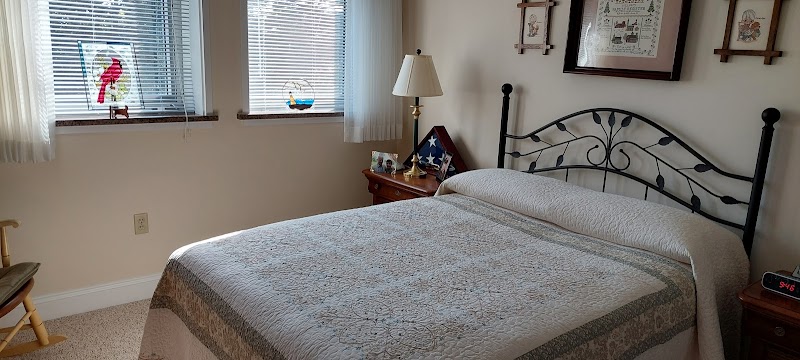
CMS rates WESTMINSTER VILLAGE MUNCIE INC's staffing level at 5 out of 5 stars, which is much above average compared to other nursing homes. Staff turnover is 42%, compared to the Indiana average of 46%. This relatively stable workforce can support continuity of care.

What Have Inspectors Found at Westminster Village Muncie Inc?

State health inspectors documented 12 deficiencies at WESTMINSTER VILLAGE MUNCIE INC during 2023 to 2025. These included: 11 with potential for harm and 1 minor or isolated issues.
Who Owns and Operates Westminster Village Muncie Inc?

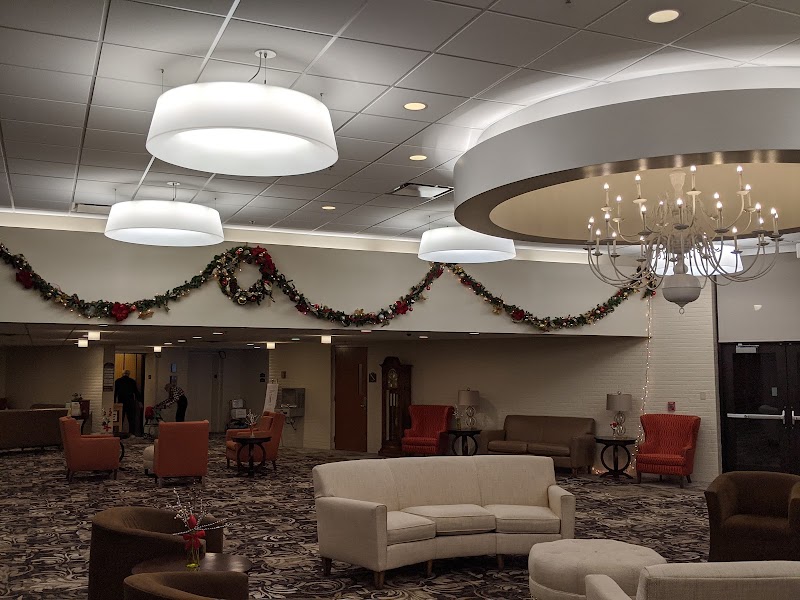
WESTMINSTER VILLAGE MUNCIE INC is owned by a non-profit organization. Non-profit facilities reinvest revenue into operations rather than distributing to shareholders. The facility operates independently rather than as part of a larger chain. With 76 certified beds and approximately 55 residents (about 72% occupancy), it is a smaller facility located in MUNCIE, Indiana.
How Does Westminster Village Muncie Inc Compare to Other Indiana Nursing Homes?

Compared to the 100 nursing homes in Indiana, WESTMINSTER VILLAGE MUNCIE INC's overall rating (5 stars) is above the state average of 3.1, staff turnover (42%) is near the state average of 46%, and health inspection rating (4 stars) is above the national benchmark.

What Should Families Ask When Visiting Westminster Village Muncie Inc?

Based on this facility's data, families visiting should ask: "Can I visit during a mealtime to observe dining assistance and food quality?" "How do you handle medical emergencies, and what is your hospital transfer rate?" "Can I speak with family members of current residents about their experience?"

Is Westminster Village Muncie Inc Safe?

Based on CMS inspection data, WESTMINSTER VILLAGE MUNCIE INC has a clean safety record: no substantiated abuse findings (meaning no confirmed cases of resident harm), no Immediate Jeopardy citations (the most serious violation level indicating risk of serious injury or death), and is not on the Special Focus Facility watch list (a federal program monitoring the lowest-performing 1% of nursing homes). The facility has a 5-star overall rating and ranks #1 of 100 nursing homes in Indiana. While no facility is perfect, families should still ask about staff-to-resident ratios and recent inspection results during their visit.

Do Nurses at Westminster Village Muncie Inc Stick Around?

WESTMINSTER VILLAGE MUNCIE INC has a staff turnover rate of 42%, which is about average for Indiana nursing homes (state average: 46%). Moderate turnover is common in nursing homes, but families should still ask about staff tenure and how the facility maintains care continuity when employees leave.

Was Westminster Village Muncie Inc Ever Fined?

WESTMINSTER VILLAGE MUNCIE INC has no federal fines on record. CMS issues fines when nursing homes fail to meet care standards or don't correct problems found during inspections. The absence of fines suggests the facility has either maintained compliance or corrected any issues before penalties were assessed. This is a positive indicator, though families should still review recent inspection reports for the full picture.

Is Westminster Village Muncie Inc on Any Federal Watch List?

WESTMINSTER VILLAGE MUNCIE INC is not on any federal watch list. The most significant is the Special Focus Facility (SFF) program, which identifies the bottom 1% of nursing homes nationally based on persistent, serious quality problems. Not being on this list means the facility has avoided the pattern of deficiencies that triggers enhanced federal oversight. This is a positive indicator, though families should still review the facility's inspection history directly.