WOODLANDS THE

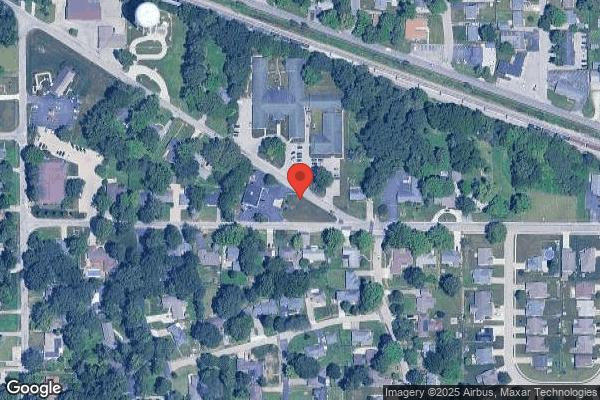
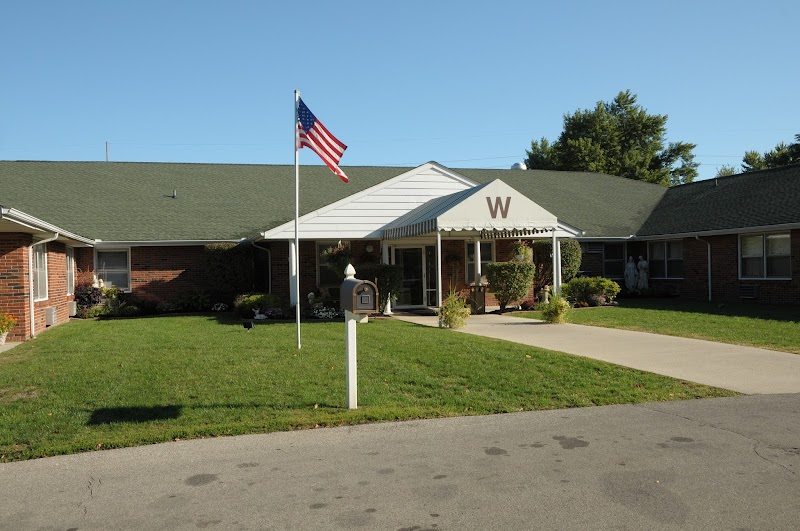
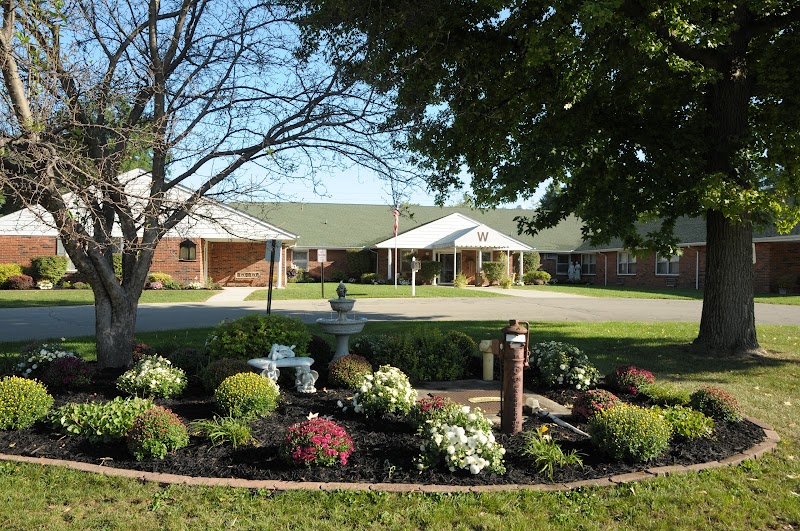
3820 W JACKSON ST, MUNCIE, IN 47304 (765) 289-3451
For profit - Corporation 108 Beds LIFE CARE CENTERS OF AMERICA Data: November 2025
Trust Grade
43/100
#412 of 505 in IN
Last Inspection: March 2025

Within standard 12-15 month inspection cycle. Federal law requires annual inspections.

Overview

Families considering Woodlands The nursing home should be aware of several important factors. The facility has a Trust Grade of D, indicating it is below average and has some concerning issues. It ranks #412 out of 505 facilities in Indiana, placing it in the bottom half, and #10 out of 13 in Delaware County, meaning there are only a few local options that are better. The situation appears to be worsening, with the number of reported issues increasing from 9 in 2024 to 12 in 2025. While the staffing rating is a weak 2/5 and has a turnover rate of 49%, it does have a quality measures rating of 5/5, suggesting some aspects of care are strong. However, there are serious concerns, including a reported incident of staff-to-resident abuse and failures in food safety practices that could risk the health of all residents. Families should weigh these strengths and weaknesses carefully when making their decision.

Trust Score
D
43/100
In Indiana
#412/505
Bottom 19%
Safety Record
Moderate
Needs review
Inspections
Getting Worse
9 → 12 violations
Staff Stability
⚠ Watch
49% turnover. Above average. Higher turnover means staff may not know residents' routines.
Penalties
✓ Good
$9,750 in fines. Lower than most Indiana facilities. Relatively clean record.
Skilled Nurses
⚠ Watch
Each resident gets only 22 minutes of Registered Nurse (RN) attention daily — below average for Indiana. Fewer RN minutes means fewer trained eyes watching for problems.
Violations
⚠ Watch
35 deficiencies on record. Higher than average. Multiple issues found across inspections.
★★☆☆☆
2.0
Overall Rating
★★☆☆☆
2.0
Staff Levels
★★★★★
5.0
Care Quality
★☆☆☆☆
1.0
Inspection Score
Stable
2024: 9 issues
2025: 12 issues

The Good

  • 5-Star Quality Measures · Strong clinical quality outcomes
  • Full Sprinkler Coverage · Fire safety systems throughout facility
  • No fines on record

Facility shows strength in quality measures, fire safety.

The Bad

2-Star Overall Rating

Below Indiana average (3.1)

Below average - review inspection findings carefully

Staff Turnover: 49%

Near Indiana avg (46%)

Higher turnover may affect care consistency

Federal Fines: $9,750

Below median ($33,413)

Minor penalties assessed

Chain: LIFE CARE CENTERS OF AMERICA

Part of a multi-facility chain

Ask about local staffing decisions and management

The Ugly 35 deficiencies on record

1 actual harm
May 2025 1 deficiency
CONCERN (D) 📢 Someone Reported This

A family member, employee, or ombudsman was alarmed enough to file a formal complaint

Potential for Harm - no one hurt, but risky conditions existed

Abuse Prevention Policies (Tag F0607)

Could have caused harm · This affected 1 resident

Based on record review and interview, the facility failed to implement their facility abuse policy when a staff member failed to report a suspicion of abuse of a cognitively impaired resident, which d...

Read full inspector narrative →
Based on record review and interview, the facility failed to implement their facility abuse policy when a staff member failed to report a suspicion of abuse of a cognitively impaired resident, which delayed the initiation of the facility investigation and reporting to the appropriate agencies, for 1 of 3 residents reviewed for abuse. (Resident B, RN 3 and QMA 1) Findings include: Resident B's clinical record was reviewed on 5/6/25 at 10:00 a.m. Diagnoses included chronic obstructive pulmonary disease (COPD), chronic kidney disease-stage 4, type 2 diabetes, obstructive and reflux uropathy, and depression. The most recent significant change Minimum Data Set (MDS) assessment, dated 4/9/25, indicated the resident was severely cognitively impaired. During an interview on, 5/7/25 at 1:08 p.m., LPN 2 indicated, on 4/8/25, she was having difficulty administering medications to Resident B. The resident was combative and repeatedly refused medication. RN 3 arrived and was appraised of the situation. RN 3 indicated the resident had to take the mediation due to terminal restlessness. LPN 2 told her she refused to make the resident take the medication and handed her the keys to the medication cart. RN 3 and QMA 1 took the medication cart keys. QMA 1 prepared the medication and entered the resident's room with RN 3 and shut the door. LPN 2 did not see staff interaction with the resident, but heard the resident yelling that she did not want the medication. QMA 1 came out of the resident's room and indicated they were able to get what they could inside her and the resident had been fighting and spitting out the medication. LPN 2 indicated the incident occurred approximately one month ago and she had not reported it to anyone. The Regional [NAME] President, Regional Clinical Director, and DON were present during the interview and indicated they had not been made aware of this incident. During an interview on 5/7/25 at 1:13 p.m., the Regional [NAME] President indicated anyone with a suspicion of abuse or mistreatment should report it to the Executive Director immediately. A current policy, dated 6/27/24, titled Abuse-Reporting and Response- Suspicion of a Crime was provided by Regional Clinical Director on 5/7/25 at 10:44 a.m. The policy indicated the following: Reporting Procedures 1. Once an associate or other covered individual at the facility (e.g., medical director) forms a reasonable suspicion that a crime has been committed against a resident or other individual receiving services at the facility, he or she must immediately notify the Executive Director of their suspicion. This citation relates to complaint IN00457345. 3.1-28(c)
Apr 2025 2 deficiencies
CONCERN (D) 📢 Someone Reported This

A family member, employee, or ombudsman was alarmed enough to file a formal complaint

Potential for Harm - no one hurt, but risky conditions existed

Deficiency F0561 (Tag F0561)

Could have caused harm · This affected 1 resident

Based on observation, record review, and interview, the facility failed to allow residents to continue to gather around the nurses' station, as was their preference and common practice, for 4 of 4 res...

Read full inspector narrative →
Based on observation, record review, and interview, the facility failed to allow residents to continue to gather around the nurses' station, as was their preference and common practice, for 4 of 4 residents reviewed for resident preferences. (Residents C, D, E, & F) Findings include: During an interview on 4/1/24 at 11:33 a.m., the Memory Care Activities Director indicated the Divisional Director of Clinical Services (DDCS) had insisted on moving furniture around and taking furniture away in the common areas of the secured unit. Specifically, a table that was in the dining room that was used during activities and meals by staff was removed. The residents enjoyed gathering around the nurses' station to talk with staff and each other. The DDCS indicated to staff they were to return the residents to their rooms following an activity or meals. On occasion, the residents had to be re-directed when they attempted to move a chair from the dining room or down the hall to the nurses' station area. The DDCS also removed tables and chairs from the activities room and the TV lounge. The TV lounge now had no seating and the activities area had only two chairs for residents to sit at a counter, facing the wall to do a puzzle or any other activity. The Memory Care Activities Director felt these changes had caused stress on the unit for the residents and staff and to provide a comfortable environment that they have been accustomed to in the past. There was a lot of confusion. During an interview on 4/1/25 at 11:53 a.m., CNA 3 indicated she felt the residents thought of the area around the nurses' station as a sort of living room area. They would gather there and talk, or rest when walking from the dining room to their rooms down the hallway. She felt the removal of the seating around the nurse's station had caused the residents stress and confusion, as they had nowhere to sit per their usual, and were confused as to what they should be doing and where to go. During an interview on 4/1/25 at 1:47 p.m., CNA 4 indicated the staff had been instructed to move residents to their rooms from the dining room and discourage them from gathering at the nurses's station. The TV lounge was observed with CNA 4 during the interview. There were two chairs placed against the wall facing the TV. A resident was observed seated in one of the chairs watching TV. CNA 4 indicated the staff were aware that the chairs would need to be removed when the DDCS visited again to avoid her becoming upset. The CNA indicated she felt the falls had increased and the changes have contributed to this. 1. Resident C's clinical record was reviewed on 4/1/25 at 3:01 p.m. Diagnoses included schizophrenia, difficulty walking, convulsions, history of falling, and dementia. A current care plan, revised on 8/13/25, indicated the resident had impaired cognitive ability/impaired thought processes related to the diagnoses of dementia. Interventions included to keep the resident's routine consistent and try to provide consistent care givers as much as possible in order to decrease confusion. An Event Note, dated 3/7/25 at 5:17 a.m., indicated the resident had a fall in her room. She indicated to staff she was getting up to go to the bathroom. The resident's call light was in reach but had not been activated. 2. Resident D's clinical record was reviewed on 4/1/25 at 3:08 p.m. Diagnoses included dementia, protein-calorie malnutrition, gastro-esophageal reflux disease (GERD), convulsions, and history of falls. A current care plan, revised on 5/2/23, indicated the resident had GERD. Interventions included, to avoid lying down for at least one hour after eating. Encourage resident to stand/sit upright after meals An Event Note, dated 3/8/25 at 7:00 a.m., indicated the resident had a fall in her room. She was observed in her room, sitting on her bottom with her back against the foot of the bed with her legs extended out. Resident was complaining about her head and the nurse observed a laceration and hematoma to the back of the resident's head. 3. Resident E's clinical record was reviewed on 4/1/25 at 3:11 p.m. Diagnoses included dementia, moderate protein-calorie malnutrition, muscle weakness, heart failure, and dysphagia. A current care plan, revised 1-8/15/24, indicated the resident had specific preferences. Interventions included, that most of the time, the resident chooses not to participate in group activities and prefers to eat her meals in her room. to keep the resident's routine consistent and try to provide consistent care givers as much as possible in order to decrease confusion. An Event Note, dated 3/8/25 at 2:55 p.m., indicated the resident had a fall in her room and was observed sitting on her bottom on the floor with her back against the bathroom door. Her walker was tipped over in front of her. 4. Resident F's clinical record was reviewed on 4/1/25 at 3:19 p.m. Diagnoses included Alzheimer's disease, muscle weakness, dysphagia, major depressive disorder, and history of falls. The resident admitted to the facility 5/15/24. A current care plan, created 5/17/24, indicated the resident was independent/dependent on staff for meeting emotional, intellectual, physical and social needs related to cognitive deficits. Interventions included, to introduce the resident to residents with similar background, interests and encourage/facilitate interaction. An Event Note, dated 3/8/25 at 11:45 p.m., indicated the resident had a fall in her room. She was found lying on the floor approximately five feet from her bed, lying on her back, arms bent at elbows with hands resting on upper abdomen. Her legs were bent at the knees with the soles of her shoes on the floor. Resident's walker was observed between resident's feet and the bathroom door. A review of the falls on the memory care unit for a Friday, Saturday or Sunday in January, February and March were as follows: In January 2025 there were two falls; in February 2025, there were seven falls on the weekends; and in March there were a total of eight weekend falls on or following 3/7/25, following the changes on the memory care unit. Anonymous interviews were completed during the survey. During an anonymous interview on 4/1/25 at 1:56 p.m., it was indicated the removal of the chairs around the nurses' station caused a lot of confusion for the residents. The DDCS had directed the staff to take the residents from the dining room following an activity or meal to their rooms to watch TV or into the TV lounge which now had no seating. During a telephone interview on 4/1/25 at 2:36 p.m., the facility's previous DON who resigned recently due to the stress caused by the DDCS, indicated falls had increased on the memory care unit following the rapid changes. She knew of four falls that occurred the weekend following the removal of the seating around the nurses' station and the seating in the activities and TV lounges. The staff had verbalized concerns regarding the changes and the effect they would have on the residents. The DDCS ignored the staff concerns. The residents who fell over that weekend, were know to sit at the nurses' station when leaving the dining room before continuing to their rooms. She felt the residents routine and continuity had been affected by the multiple rapid changes. The residents were confused and upset. During an interview on 4/1/25 at 3:12 p.m., an anonymous resident representative indicated they visited routinely. They felt changes like the ones that had been made were difficult for memory care residents to manage. The residents loved sitting together around the nurses' station, and they were very surprised and dismayed that the facility removed the chairs. They asked the staff why the chairs had been removed and they responded that corporate said they could not have them there anymore. There's a little room that they normally used to visit their relative, and it was nice because they didn't have to squeeze into the resident's room and disturb their roommate. The TV room had seating and was mostly private for their visit. They came in for a visit, and suddenly all the furniture and seating was gone. They could not have visits in that room any longer unless they all stood, including their relative. They felt it was very inconvenient and uncaring to do this without any notice or explanation. During an interview on 4/1/25 at 3: 24 p.m., the Regional Director of Clinical Services (RDCS) indicated his goal had been to improve the memory care unit and get residents more involved with activities such as using the life stations (i.e.,baby station, work bench, games, puzzles, etc.) His thought was by removing the chairs around the nurses' station, and the table and chairs out of the TV room, it might encourage the residents to use the physical objects. He now felt that removing the table and chairs from the TV room was premature when considering the residents would need a place to sit to watch the television. He and the Divisional Director of Clinical Services (DDCS) were using this facility as a pilot for memory care units in the state and were trying new things to engage the residents. They planned to ask the staff at some point for suggestions, but wanted to try some things first. He had not followed up with the memory care staff since making the changes, to see if the changes had been positive or negative, or if the changes had been effective at engaging the residents at the life stations. During a telephone interview on 4/1/25 at 3:53 p.m., the DDCS indicated her goal was to improve the quality of the day-to-day activities for the residents. She felt these changes would enhance the memory care unit. She felt having chairs at the nurses' station was not something she wanted to see. The residents could fall when trying to sit down. She would expect the staff to toilet the residents and encourage a nap following group activities and meals. The tables were removed from the activities room due to them being circular, and people with dementia do not do well with circular tables. The table in the activity room was square, but taller than she felt was safe, and the corners could cause injury. She also felt it was a fall hazard. Her plan was to replace the tables and chairs in time. The plan was to starting with this facility and make unit a premier memory care unit. She had not reached out to the staff, the Administrator, nor the DON to obtain feedback on the current changes that had been made. She would have liked the staff to embrace these changes better. She felt she had included the staff and asked for suggestions, but none of the staff provided any feedback. A current facility policy, reviewed 11/19/24, titled, Resident Rights, provided by the Administrator on 4/1/25 at 4:32 p.m., included the following: .The resident has a right to a dignified existence, self-determination, and communication with and access to persons and services inside and outside the facility, including those specified in this section .Exercise of Rights. The resident has the right to exercise his or her rights as a resident of the facility and as a citizen or resident of the United States. This citation relates to complaint IN00456358. 3.1-3(u)(3)
CONCERN (D) 📢 Someone Reported This

A family member, employee, or ombudsman was alarmed enough to file a formal complaint

Potential for Harm - no one hurt, but risky conditions existed

Deficiency F0603 (Tag F0603)

Could have caused harm · This affected 1 resident

**NOTE- TERMS IN BRACKETS HAVE BEEN EDITED TO PROTECT CONFIDENTIALITY** Based on record review and interview, the facility failed to prevent a resident's involuntary seclusion by placing her in an act...

Read full inspector narrative →
**NOTE- TERMS IN BRACKETS HAVE BEEN EDITED TO PROTECT CONFIDENTIALITY** Based on record review and interview, the facility failed to prevent a resident's involuntary seclusion by placing her in an activity room, alone and without explanation as to the reason for the deviation from her normal preferred activity and routine, for 1 of 1 residents reviewed for involuntary seclusion. (Resident B) Finding include: During an interview on 4/1/25 at 11:23 a.m., the Administrator indicated the Divisional Director of Clinical Services (DDCS) had been visiting the facility about once a month. She had been in the building Tuesday through Friday during the recent Annual Survey, which completed on 3/7/25. The facility's memory care unit was currently being focused on as a pilot unit for the corporation, so her main focus during her visits had been on the memory care unit. During an interview on 4/1/25 at 11:53 a.m., CNA 3 indicated Resident B enjoyed sitting outside the nurse's station. Resident B felt she was the Executive Director of the unit and liked to make sure things were running smoothly. During a recent visit, the DDCS moved the resident from the nurse's station area and directed her into the activities room. She had the resident sit at the counter in the room and then turned and walked away, leaving the resident alone. CNA 3 indicated she went into the activities room as Resident B appeared confused. Resident B indicated to her, What did I do wrong? Why have they put me in here by myself? Am I in trouble? CNA 3 indicated it had been upsetting seeing the resident's distress and wondered why the DDCS moved Resident B to sit in a room by herself, when her normal routine was to supervise the nurse's station. During an interview on 4/1/25 at 1:47 p.m., CNA 4 indicated she overheard Resident B talking with CNA 3. The resident sounded sad and confused as to why she had to sit in that room and could not understand what she had done wrong. CNA 3 removed the resident from the activities room and assisted her to the dining room with other residents. During an telephone interview on 4/1/25 at 3:53 p.m., the DDCS indicated having chairs around the nurses station was not something she personally wanted to see. The residents could fall when trying to sit down. She would have liked the staff to better embrace the changes being made. Resident B's clinical record was reviewed on 4/1/25 at 10:21 a.m. Diagnoses included Alzheimer's disease, severe protein-calorie malnutrition, and history of stroke. She admitted to the facility on [DATE]. A significant change minimum data set (MDS) assessment, dated 3/19/25, indicated the resident had moderate cognitive impairment, used a walker for mobility, self transferred, and had no behaviors or rejection of care during the assessment period. A current care plan, revised on 9/16/24, indicated the resident had impaired cognitive ability and impaired thought processes related to the diagnoses of dementia. Interventions included to keep the resident's routine consistent. A current facility policy, reviewed 11/19/24, titled, Area of Focus: Abuse & Neglect, provided by the Administrator on 4/1/25 at 4:32 p.m., included: What Each resident has the right to be free from abuse, neglect, .This includes but is not limited to freedom from corporal punishment, involuntary seclusion and any physical or chemical restraint not required to treat the resident's medical symptoms. This citation relates to complaint IN00456358. 3.1-27(a)(4)
Mar 2025 7 deficiencies
CONCERN (D)

Potential for Harm - no one hurt, but risky conditions existed

Deficiency F0568 (Tag F0568)

Could have caused harm · This affected 1 resident

Based on observation, interview, and record review, the facility failed to manage resident funds using acceptable accounting principles for 2 of 3 residents reviewed for personal funds. (Residents 34 ...

Read full inspector narrative →
Based on observation, interview, and record review, the facility failed to manage resident funds using acceptable accounting principles for 2 of 3 residents reviewed for personal funds. (Residents 34 and 27) Findings include: During a medication storage and labeling observation accompanied by LPN 14 on 3/6/25 at 9:49 a.m., in the Hickory medication room, small labeled and dated envelopes were on a storage shelf open with dollar bills in plain view. The envelopes were labeled November 2024 and October 2024, and included the names of Resident 34 and 27. During an observation of Hickory Medication Cart 1 accompanied LPN 15 on 3/6/25 at 10:04 a.m., hand-written money logs for Residents 34 and 27 were in the narcotic reconciliation book, dating back to December 2024. During an interview on 3/6/25 at 11:00 a.m., LPN 15 indicated the logs were kept for Residents 34 and 27, who were roommates, because they had a history of stealing each other's money when it was kept in their room. Resident 34's clinical record was reviewed on 3/6/25 at 11:15 a.m Diagnoses included unspecified dementia, bipolar disorder, and schizoaffective disorder. The current care plan indicated the resident had specific preferences and had misplaced personal items. She had ordered fast food on her own and required money during offsite hours and weekends. Due to her frequent misplacement of money, her funds were placed in the medication storage room. A facility Resident Fund Management Service agreement, dated 4/21/22, was signed by the resident. Resident 27's clinical record was reviewed on 3/6/25 at 11:10 a.m Diagnoses included unspecified schizophrenia and bipolar disorder manic without psychotic features. The current care plan indicated the resident had behaviors related to anxiety and would misplace personal items. She frequently ordered fast food on her own and required funds during offsite hours and weekends. Due to her repeated misplacement of money, her funds were kept in the medication storage room. A progress note, dated 5/17/24 at 6:28 a.m., indicated the resident requested money from her envelope. A facility Resident Fund Management Service agreement, dated 4/21/22, was signed by Resident 27's representative. During an interview on 3/6/25 at 12:11 p.m., the Director of Nursing indicated Residents 34 and 27 often misplaced money, as opposed to stealing from each other. The money logs and envelopes were interventions put in place by the business office. During an interview on 3/7/25 at 11:50 a.m , the Business Office Manager (BOM) indicated when a resident requested a deposit or withdrawal from their account, a receipt/deposit slip was created and signed by the resident and a witness. The BOM was unaware of the money logs controlled by nursing. During an interview on 3/7/25 at 11:53 a.m. , the Administrator indicated the facility lacked a policy regarding keeping of resident funds outside the trust, but noted, on admission, the facility offered residents and family a lockbox to be kept in the resident's room. If staff noticed the resident had valuables in plain view, they again offered a lockbox. A current facility policy titled Resident Trust Policy and Procedures, provided by the Regional Clinical Support on 3/7/25 at 11:15 a.m., indicated the following: .The facility will follow all regulations regarding resident trust funds .Resident Access to Funds: The facility shall maintain a petty cash-on-hand fund. This fund shall be made from operating funds. As such, disbursements to residents serve as an advance to the resident. The cash-on-hand is then replenished with withdrawals made from the resident accounts of those resident to whom the cash was advanced A disbursement of cash to a resident should be documented with a signed receipt in triplicate. a. One copy of the signed receipt shall be provided to the resident. b. One copy of the signed receipt shall be kept with the petty cash-on-hand until the next replenishment reconciliation. At that point, the receipt shall be kept with the reconciliation as backup. c. The final copy of the receipt shall remain in the receipt book as a chronological archive 3.1-6(e)
CONCERN (D)

Potential for Harm - no one hurt, but risky conditions existed

Comprehensive Care Plan (Tag F0656)

Could have caused harm · This affected 1 resident

Based on observation, record review, and interview, the facility failed to ensure preventative interventions were implemented for 1 of 3 residents reviewed for pressure ulcers. (Resident 5) Finding in...

Read full inspector narrative →
Based on observation, record review, and interview, the facility failed to ensure preventative interventions were implemented for 1 of 3 residents reviewed for pressure ulcers. (Resident 5) Finding includes: During an observation on 3/3/25 at 9:42 a.m., Resident 5 was seated in a wheelchair in her room. The resident indicated she had pain to her buttocks. The facility put cream on her buttocks, but she thought it needed more than that. This had been going on for the last couple of months. Staff used a mechanical lift when they assisted her in and out of bed. The resident's bed had a standard healthcare mattress. Resident 5's clinical record was reviewed on 3/4/25 at 3:49 p.m. Diagnoses included unilateral primary osteoarthritis of the right knee, difficulty in walking, unspecified lack of coordination, unsteadiness on feet, and pain. Current orders included an airflow mattress (1/10/23) and hydrocolloid dressing (wound treatment) (3/4/25) to the left guteal fold every three days and as needed for friction. An annual Minimum Data Set (MDS) assessment, dated 1/8/25, indicated the resident was cognitively intact. Rejection of care behaviors were not exhibited during the assessment period. She was dependent on staff assistance for toileting, bathing, lower body dressing, personal hygiene, rolling left and right, and transfers. The resident used a wheelchair for mobility. She was at risk for pressure ulcers. The resident did not have any pressure ulcers. Skin interventions included a pressure reducing device for the bed. A current care plan, initiated on 6/3/19, indicated the resident was at risk for a break in skin integrity/pressure ulcers related to decreased mobility, incontinence, and obesity. The resident had friction and shearing to the left buttocks. Interventions included the following: apply an air mattress to the bed and a cushion to the chair (1/15/23), clean and dry the skin after each incontinent episode (6/3/19), apply the treatment as ordered (4/10/24), and apply a cushion to the wheelchair (1/10/24). During an observation on 3/5/25 at 4:45 p.m., Resident 5 was in bed, turned slightly to her left side. The bed lacked a low air loss mattress. During an interview on 3/6/25 at 11:15 a.m., LPN 14 indicated Resident 5 had a skin impairment to the left gluteal fold that healed, then reopened on 3/3/25 due to friction and shear. During a wound observation on 3/6/25 at 3:00 p.m., Resident 5 was turned to her right side on a standard mattress. An intact hydrocolloid dressing was on her left lower buttock, where the unsecured brief rested against the skin. A low air loss mattress was not in place to the bed. During an interview on 3/7/25 at 12:20 p.m., CNA 12 indicated the resident did not have a low air loss mattress in place. During an interview on 3/7/25 at 1:53 p.m., Corporate Nurse Consultant 8 indicated the resident's low air loss mattress was not in place as ordered and care planned. The clinical record lacked documentation for a reason the low air loss mattress was not in place. During an interview on 3/7/25 at 1:58 p.m., LPN 10 indicated Resident 5 was at risk for skin impairment due to incontinence, skin moisture, and her lack of self mobility. The order for a low air loss mattress should have been followed. The clinical record typically contained an order to ensure the low air loss mattress was in place and working properly. The resident's clinical record lacked an order to check the low air loss mattress. A current facility policy, revised 8/25/21, titled Skin Integrity & Pressure Ulcer/Injury Prevention and Management, provided by the Regional Clinical Support on 3/7/25 at 2:12 p.m., indicated the following: POLICY .Provide associates and licensed nurses with procedures to manage skin integrity, prevent pressure ulcer/injury, complete wound assessment/documentation, and provide treatment and care of skin and wounds utilizing professional standards of the NPIAP [National Pressure Injury Advisory Panel] and WOCN [Wound, Ostomy, Continent Nurses Society] 3.1-35(g)(2)
CONCERN (D)

Potential for Harm - no one hurt, but risky conditions existed

Deficiency F0761 (Tag F0761)

Could have caused harm · This affected 1 resident

**NOTE- TERMS IN BRACKETS HAVE BEEN EDITED TO PROTECT CONFIDENTIALITY** Based on observation and interview, the facility failed to ensure insulin (a medication to treat diabetes mellitus) pens were da...

Read full inspector narrative →
**NOTE- TERMS IN BRACKETS HAVE BEEN EDITED TO PROTECT CONFIDENTIALITY** Based on observation and interview, the facility failed to ensure insulin (a medication to treat diabetes mellitus) pens were dated when opened and disposed of when expired for 1 of 4 carts reviewed for medication storage. (Hickory Hall 2 cart) Finding includes: During a medication storage observation of the Hickory Hall 2 cart, accompanied by LPN 14 on [DATE] at 9:55 a.m., the following was observed: One undated NovoLog (aspart insulin) Flexpen with 10 units remaining and one lispro (insulin) KwikPen, dated [DATE], with 185 units remaining. During an interview, at the time of the observation, LPN 14 indicated insulin was good for 28 days and all insulin pens and vials should be dated when opened. The lispro insulin was expired and should not be given to the resident. LPN 14 indicated there were 9 diabetic residents who received medication from the Hickory Hall 2 medication cart. During an interview, on [DATE] at 2:21 p.m., the Director of Nursing (DON) indicated the expectation for staff was to date all insulin pens and vials on the day they were opened. Staff should be checking this date each time the medication was utilized to ensure it was not expired. A current facility policy, revised [DATE], titled, Storage and Expirations Dating of Medications and Biological's, provided by the Administrator on [DATE] at 1:30 p.m., indicated the following: .11. Once any medication or biological package is opened, facility should follow manufacturer/supplier guidelines with respect to expiration dates for opened medications. Facility staff should record the date opened on the primary medication container (i.e.,vial, bottle, inhaler) when the medication has a shortened expiration date once opened or opened .11.3 If a multi-dose vial of an injectable medication has been opened or accessed (e.g. needle-punctured), the vial should be dated and discarded within 28 days unless the manufacturer specifies a different (shorter or longer) date for that opened vial . 3.1-25(j)
CONCERN (D)

Potential for Harm - no one hurt, but risky conditions existed

Infection Control (Tag F0880)

Could have caused harm · This affected 1 resident

A. Based on observation and interview, and record review, the facility failed to utilize infection prevention and control practices related to hand hygiene during medication administration for 2 of 3 ...

Read full inspector narrative →
A. Based on observation and interview, and record review, the facility failed to utilize infection prevention and control practices related to hand hygiene during medication administration for 2 of 3 random residents reviewed during medication administration. (Residents 26 and 6) B. Based on observation, interview, and record review, the facility failed to implement and follow enhanced barrier precautions (EBP) for a resident at higher risk for infection with a wound and indwelling urinary catheter for 1 of 3 residents reviewed for pressure ulcers. (Residents 22) Findings include: A. During a medication administration observation on 3/5/25 from 8:46 a.m. to 8:48 a.m., LPN 13 performed hand hygiene after she prepared Resident 26's medications and entered the resident's room. She administered one spray of saline nasal solution 0.65% in each of the resident's nostrils. Without performing hand hygiene, she cleansed the resident's left upper arm with an alcohol wipe using her right hand, and administered the resident's Humalog using her right hand. She removed the needle from the insulin pen with her left hand and placed it in the sharps container. She did not don gloves during the nasal spray administration, nor when she removed the used needle. LPN 13 administered oral medications to the resident. After LPN 13 disposed of the medication cup into the trash, she administered fluticasone nasal spray with her ungloved hand and administered one spray to each nostril. During an interview on 3/5/25 at 4:48 p.m., LPN 13 indicated she should have washed her hands prior to the administration of the resident's insulin during the medication administration observation and after she administered the resident's nasal sprays. Gloves should have been used for nasal spray administration and insulin administration. During an interview on 3/6/25 at 2:44 p.m., the DON indicated gloves were required when nasal sprays and insulins were administered. Hand hygiene was required after medication administration and prior to touching other surfaces. A current facility policy, last revised 11/15/24, titled Medication Administration through certain Routes of Administration, provided by the DON on 3/6/25 at 3:00 p.m., indicated the following: Applicability . establishes guidelines for the safe and effective administration of medications through various routes of administration in a long-term care [LTC] facility. It ensures that medications are administered according to best practices, physician orders, and in compliance with current practice guidelines, and state and federal regulations . Subcutaenous [sic] Injections . Procedure . 7. Perform hand hygiene and don gloves . 11. Cleanse site with alcohol swab beginning at center of site and rotating outward approximately 2 inches. Allow skin to dry completely; do not fan or blow on site . 14. Inform resident he/she will feel a slight pinch, pressure or stinging sensation as the medication is injected . 16. After injection, remove needle quickly and gently . 19. Remove gloves and perform hand hygiene . Nasal Medications . 4. Perform hand hygiene and put on gloves . 6. Shake the suspension well . 11. Atomizer (Nasal Spray) . Occlude one nostril . Insert atomizer tip into open nostril. Instruct resident to inhale and squeeze atomizer once, quickly, and firmly. Repeat if ordered, then repeat on other side, if appropriate . 13. Replace cap/cover; discard barrier. 14. Remove and dispose of gloves and perform hand hygiene B.1. During a random observation on 3/3/25 at 3:00 p.m., Resident 22 rested in her bed. A urinary catheter was hung on the bed frame. Resident 22's clinical record was reviewed on 3/4/25 at 3:47 p.m. Diagnoses included unspecified dementia, flaccid neuropathic bladder, need for assistance with personal care, and stage four pressure ulcer of the sacral region. A current physician's order, dated 2/28/25, indicated to cleanse the left buttock/coccyx area with normal saline and pat dry. Place a small amount of Medihoney (wound treatment) on the wound on day shift every 3 days and as needed for soilage or dislodgement. The clinical record lacked an order for enhanced barrier precautions. A quarterly Minimum Data Set (MDS) assessment, dated 1/29/25, indicated the resident had severe cognitive impairment. She was dependent on staff assistance for eating, toileting, dressing, bathing, repositioning, and personal hygiene. She utilized an indwelling urinary catheter and always had bowel incontinence. She was at risk for pressure ulcers and had one stage three pressure ulcer that was present on admission. Skin interventions included a pressure reducing device for the bed, a pressure reducing device for the chair, and pressure ulcer care. A current care plan, dated 12/20/24, indicated the resident had a stage two pressure area to the left buttocks/coccyx, unavoidable, related to the end of life. Interventions included the following: pressure reducing mattress (12/20/24), treatment as ordered (12/20/24), and Prosource and Med Pass (supplements) as ordered (12/23/24). The care plan lacked interventions for enhanced barrier precautions. A left buttock pressure wound assessment, dated 2/28/25, indicated the wound was present on admission. It was a partial thickness loss wound with exposed dermis. The wound to the left buttock was healing well and measured 0.9 centimeters (cm) length by 0.8 cm width by 0.1 cm depth. There was no drainage, wound edges were clean, and the surrounding skin was pink. There were no signs of infection. During an observation on 3/5/25 at 4:05 p.m., Resident 22 was lying in bed turned slightly to her left side on a low air loss mattress. The urinary catheter was hung on the right side bed frame. During a wound care observation for Resident 22 on 3/6/25 from 9:45 a.m. to 9:49 a.m., a urinary catheter drainage bag was hung on the frame of the bed. LPN 7, CNA 11, and the Staff Development Coordinator (SDC) entered the room. The SDC stood at the foot of the bed. CNA 11 donned gloves and leaned in, with her clothing directly against the resident's bed linens and catheter tubing, and she rolled the resident onto her left side. LPN 7 washed her hands in the sink after placing wound care supplies on the overbed table. LPN 7 donned gloves, removed the old dressing from the resident's sacral area, doffed her gloves, and washed her hands. LPN 7 donned clean gloves, performed cleansing of the wound, doffed her gloves, and washed her hands. With clean gloves, she measured the open wound which was slightly smaller than a dime coin with no discernable depth. LPN 7 doffed her gloves, washed her hands, donned clean gloves, and applied the Medihoney to the wound bed with a cotton tipped applicator. The wound was covered with the new dated dressing. CNA 11 assisted the resident to her back. Both CNA 11 and LPN 7 leaned in with their clothing directly against the bed linens and repositioned the resident. CNA 11 and LPN 7 did not wear gowns during the wound care observation. During an interview on 3/6/25 at 10:01 a.m., LPN 7 indicated Resident 22's room lacked indication that enhanced barrier precautions in place. Residents who required enhanced barrier precautions typically had a yellow PPE canister on the door and an enhanced barrier precaution sign similar to a room just down the Southern Pines Unit. She believed residents were in enhanced barrier precautions if they had specific bacteria in their urine. LPN 7 was uncertain what other reasons a resident required enhanced barrier precautions. She was not aware she should have followed enhanced barrier precautions and worn additional PPE when a resident had wounds or a urinary catheter. During an interview on 3/6/25 at 10:14 a.m., the SDC indicated the resident's room lacked indication of enhanced barrier precautions being in place. Neither LPN 7 nor CNA 11 wore gowns during high contact care during the wound care observation. The SDC was responsible for staff education. During an interview on 3/6/25 at 10:28 a.m., CNA 12 indicated residents who had central lines, feeding tubes, respiratory devices, and catheters required enhanced barrier precautions. Staff were required to wear gowns, masks, gloves, and potentially goggles to provide care for enhanced barrier precautions. When enhanced barrier precautions were implemented, the resident's door had an EBP sign and a PPE canister on the outside of the resident's door. Staff were required to clarify what PPE had to be worn in the room prior to entering the room for resident care in the event a resident had a urinary catheter without an EBP sign on their door, During an interview on 3/6/25 at 10:35 a.m., CNA 11 indicated she had not followed EBP during the wound care observation because an EBP sign and PPE canister was not on the resident's door. Residents with an open wound, catheter, tracheostomy, central lines, and dialysis access devices were required to have EBP. She regularly provided Resident 22's care since she admitted to the facility and she had never seen an EBP sign nor a PPE canister on the resident's door. The resident had an open wound and a urinary catheter since admission. To her knowledge, the resident had not been in EBP prior to the wound care observation on 3/6/25. A current facility policy, last revised 3/21/24, titled Enhanced Barrier Precautions, provided by the Administrator on 3/6/24 at 11:00 a.m., indicated the following: Policy . The facility should use Enhanced Barrier Precautions [EBP] as an additional MDRO [Multi-drug Resistant Organism] mitigation strategy for residents that meet the following criteria, during high-contact resident care activities; EBP are indicated for resident with any of the following: . 2. Wounds and/or indwelling medical devices even if the resident is not known to be infected or colonized with a MDRO 3.1-18(l) 3.1-18(b)(2)
CONCERN (E)

Potential for Harm - no one hurt, but risky conditions existed

Medication Errors (Tag F0758)

Could have caused harm · This affected multiple residents

Based on observation, interview, and record review, the facility failed to ensure residents who received psychoactive medications had gradual dose reductions or statements of clinical contraindication...

Read full inspector narrative →
Based on observation, interview, and record review, the facility failed to ensure residents who received psychoactive medications had gradual dose reductions or statements of clinical contraindication and/or had identified and documented targeted behavioral systems for the use of psychotropic medications for 2 of 5 residents reviewed for unnecessary mediation (Residents 19 and 54) and 2 of 2 residents reviewed for side effect monitoring of psychoactive medications and/or opioids (Residents 32 and 48). Findings include: 1. Resident 19's clinical record was reviewed on 3/4/25 at 1:51 p.m. Current diagnoses included dementia, anxiety, and delusional disorder. Current medication orders included olanzapine 5 mg (antipsychotic medication) give 1 tablet daily at bedtime (11/20/24), alprazolam 0.25 mg (antianxiety medication) give 1 tablet preceding showers on every Wednesday and Saturday (12/12/24), and sertraline HCl 25 mg (antidepressant medication) 1 tablet once daily (9/20/24). A 1/6/25 pharmacy Consultant Report indicated to please consider discontinuing olanzapine. Rationale for recommendation: CMS requires that antipsychotics, being used to treat expressions of distress associated with dementia, be evaluated at least quarterly with documentation regarding continued clinical appropriateness. The physician response to this recommendation was marked as I decline. The justification for the declination indicated the resident was irritable, slammed doors, had violent behaviors, and on-going agitation. The form lacked a statement of contraindication that included a risk-benefit analysis. An 11/6/24 pharmacy Consultant Report indicated the resident received alprazolam 0.25 mg two times weekly for showers. The physician response to this recommendation was marked as I decline. The justification for declination indicated no change, patient doing well on this regimen. The form lacked a statement of contraindication that included a risk-benefit analysis. A 12/24/24, quarterly, Minimum Data Set assessment (MDS) indicated the resident was severely cognitively impaired, received antipsychotic medication, antianxiety medication, antidepressant medication, had no delusions or hallucinations during the assessment, and displayed no maladaptive behaviors during the assessment period. The resident's clinical record lacked identified targeted behavioral indicators/identified behavioral symptoms for the use of the antipsychotic medication, antianxiety medication, and antidepressant medication. The resident's clinical record lacked care plans related to identified targeted behaviors for the use of an antianxiety medication, antidepressant medication, or antipsychotic medication. Review of the resident's clinical record for December 1, 2024 to March 7, 2025 lacked the documentation of maladaptive behaviors which negatively impacted quality of life or quality of care or documentation of any delusions or hallucinations. A 2/26/25, Psychiatry Progress Note indicated the resident had a generalized anxiety disorder and would exhibit agitation associated with personal care. She had a history of a single episode of a depressive disorder and depression was mild and stabilized. She had a diagnosis of psychotic disorder with delusions due to unknown physical condition. She exhibited agitation, but no recent or overt psychosis, paranoia or disorganized thoughts. She was on olanzapine and the primary care provider declined discontinuation. On 3/3/25 at 11:24 a.m., Resident 19 was observed sitting calmly in the activity/dining area on the dementia unit. On 3/4/25 at 9:48 a.m., Resident 19 was observed sitting calmly in the activity/dining area on the dementia unit. On 3/6/25 at 12:21 p.m., Resident 19 was observed sitting calmly in the activity/dining area on the dementia unit. During an interview on 3/6/25 at 11:30 a.m., the Dementia Unit Director indicated Resident 19 did not display either hallucinations or delusions. She did at times become agitated with care. She mostly displayed signs and symptoms of dementia. During an interview on 3/7/25 at 9:52 a.m., LPN 7 indicated Resident 19 did not appear to see or hear things that were not present. She did display dementia behaviors such as confusion. During an interview on 3/7/25 at 11:39 a.m. Activity Assistant 4 indicated Resident 19 did not appear to see or hear things that were not present. She did have dementia and was confused at times. 2. Resident 54's clinical record was reviewed on 3/04/25 at 1:59 p.m. Current diagnoses included dementia with psychotic disturbances, anxiety, and depression. Current orders included olanzapine 5 mg (antipsychotic medication) give 1 tablet daily at bed time (1/17/25) [on admission]. A 1/20/25 pharmacy Consultant Report indicated the resident received an antipsychotic, olanzapine, without documentation of diagnosis and adequate indication for use, in the medical record . If the antipsychotic is to continue, please update the medical record to include: 1. the specific diagnosis/indication requiring treatment that is based upon an assessment of the resident's condition and therapeutic goals. 2. a list of the symptoms or targeted behaviors . including their impact on the resident . 3. documentation that other causes .have been considered .and that ongoing monitoring has been ordered . The physician response to this recommendation indicated to add a diagnosis of dementia with delusional disorders. The clinical record lacked indication of symptomology related to the delusional disorder. A 1/23/25, admission MDS assessment indicated the resident was severely cognitively impaired, received antipsychotic medication, received antidepressant medication, had no delusions or hallucinations during the assessment, and displayed no maladaptive behaviors during the assessment period. The resident's clinical record lacked identified targeted behavioral indicators/identified behavioral symptoms for the use of the antipsychotic medication. The resident's clinical record lacked care plans related to identified targeted behaviors for the use of an antipsychotic medication. Review of the resident's clinical record for January 17, 2025 to March 7, 2025 lacked documentation of maladaptive behaviors which negatively impacted quality of life or quality of care or delusions and hallucinations. A 2/13/25, psychiatric Initial Consult indicated the resident's hallucinations were within normal limits, delusions-none. On 3/3/25 at 11:23 a.m., Resident 54 was seated calmly in the dining/activity area. On 3/4/25 at 9:56 a.m., the resident was napping in her room. On 3/6/25 at 12:26 p.m., the resident was walking calmly in her room. On 3/7/25 at 9:57 a.m., the resident was sitting in her room. During an interview on 3/6/25 at 11:30 a.m., the Dementia Unit Director indicated Resident 54 did not display either hallucinations or delusions. She did at times become agitated or upset. She mostly displayed signs and symptoms of dementia. During an interview on 3/7/25 at 9:52 a.m., LPN 7 indicated the resident did not appear to see or hear things that were not present. She did display dementia behaviors such as lack of understanding or confusion. During an interview on 3/7/25 at 11:39 a.m. Activity Assistant 4 (AA 4) indicated the resident did not appear to see or hear things that were not present. She did have dementia and was confused at times. During an interview on 3/06/25 at 11:09 a.m., the Administrator indicated the facility would review Resident 19 and 54's record for specific behavioral indicators for the use of psychoactive medications, documented behaviors, care plans related to said behavioral symptoms and/or statements of contraindications which included risk benefit analysis. As of the exit conference on 3/8/25 at 3:00 p.m., the facility had not provided resident specific behavioral indicators for the use of antipsychotic medications, documented symptoms, care planed regarding said symptoms and/or contraindications for use that included a risk benefit analysis. 3. Resident 32's clinical record was reviewed on 3/5/25 at 9:26 a.m. Diagnoses included Alzheimer's disease with late onset, unspecified schizophrenia, unspecified mood disorder due to known physiological condition with depressive features, and psychosis not due to a substance or known physiological condition. Current orders included risperdone ER (extended release) (antipsychotic medication) 37.5 milligrams (mg) intramuscular (IM) suspension, inject one time a day every 2 weeks on Wednesday for delusions and hallucinations (10/18/24) and sertaline (antidepressant medication) 50 mg give one tablet by mouth daily for depression (10/17/24). A 10/18/24 pharmacy Consultant Report indicated Resident 32 had a diagnosis of dementia and received risperidone ER. Antipsychotics have a BOXED WARNING for increased risk of morality in older adults with psychosis related to dementia .Please attempt a gradual dose reduction of Risperidone ER, with the end goal of discontinuation. The physician response to this recommendation was marked as I accept. The clinical record lacked a dose reduction to the Risperidone ER medication order. A 2/1/25 pharmacy Consultant Report indicated Resident 32 had received risperidone ER 37.5 mg IM every 14 days for delusions since 5/23 and sertraline 50 mg by mouth daily for depression since 8/24. Please consider decreasing the risperidone ER to 25 mg IM every 14 days for delusions. Document that a Gradual Dose Reduction (GDR) is a clinically contraindicated for the sertraline. The physician response to this recommendation was marked as I decline. The response indicated re-evaluate at next GDR, patient is impulsive and has behaviors, delusions. Patient has ongoing visual hallucinations. The form did not contain a statement of contraindication that included a risk-benefit analysis. A behavior progress note, dated 1/20/25, indicated the resident was yelling out and reported a baby being burnt in the oven. The resident was unable to recall the behavior. The care plan was reviewed and revised. A 1/23/25, quarterly, MDS assessment indicated the resident was cognitively intact and received antipsychotic and antidepressant medications, had no delirium, delusions, or hallucinations during the assessment period, did not reject care or wander and displayed no maladaptive behaviors during the assessment period. The resident's clinical record lacked care plans related to the specific delusions, hallucinations, or behaviors for the use of antipsychotic and antidepressant medications. The care plans specified side effects for staff to report. A 2/13/25, psychiatry progress note indicated the resident was discussed at an interdisciplinary (IDT) GDR/Behavioral meeting. At this meeting, the appropriateness of this patient's medications/diagnoses were reviewed. Any pertinent behavioral or mood changes were also discussed. After discussion, it was decided that a GDR of Risperadal was not appropriate for today. GDR was contraindicated due to patient remaining in need of this med for stability and psychotic clinical signs and/or symptoms. Staff reported it was variable .The resident's schizophrenia diagnosis was reviewed by the collaborating physician on 1/14/25 who indicated they did not have adequate historical information to justify diagnosis. The previous GDR was a failed attempt on 10/31/24. During an observation, on 3/3/25 at 1:45 p.m., Resident 32 was sleeping in a low bed. She did not awaken after multiple knocks on the door and verbal calls. On 3/4/25 at 9:46 a.m., Resident 32 was quietly lying in bed, awake. She indicated she liked the nursing staff. They assisted her with bathing and took good care of her. On 3/5/25 at 10:21 a.m., Resident 32 was reclined in a specialty wheelchair by the nurse station. The resident was asleep. The nurse station was loud and the resident did not awaken at the noise level. On 3/6/25 at 10:16 a.m., Resident 32 was being propelled to the dining room in her specialty wheelchair. She was awake and smiling as people passed by. During an interview, on 3/7/25 at 9:57 a.m., CNA 23 indicated Resident 32 was very nice and did not get aggressive. The resident would call out hey to people as they knocked on her door or passed by her room. During an interview, on 3/7/25 at 10:30 a.m., LPN 14 indicated the only behavior Resident 32 had was when she yelled out right at each meal time, probably when she was hungry. This resident had never been aggressive with her. During an interview, on 3/7/25 at 10:34 a.m., CNA 18 indicated Resident 32 had not talked about seeing things or hearing things that were not there. She was known to yell out hey a lot when she saw people pass her room or when someone made noises close by. During an interview, on 3/7/25 at 10:40 a.m., the DON indicated the facility had no further documentation to provide related to Resident 32's delusions, hallucinations, or behaviors. 4. Resident 48's clinical record was reviewed on 3/4/25 at 2:11 p.m. Diagnoses included delusional disorder, unspecified depression, unspecified anxiety, and failure to thrive. Current orders included risperidone 0.25 mg tablet, give one time a day for delusional disorder (8/1/24), risperidone 0.50 mg tablet, give one time at bedtime for delusions and hallucinations ( 8/1/24), and sertraline 50 mg tablet, give one time a day for depression (8/21/24). A 1/6/25 pharmacy Consultant Report indicated Resident 48 had received an antidpressant, sertraline 50 mg by mouth once a day for management of depressive symptoms since 7/24. For the initial attempt at a GDR, please document that a GDR is clinically contraindicated. The physician response to this recommendation was marked as I decline. The response area was left blank. The form did not contain a statement of contraindication that included a risk-benefit analysis. A 2/1/25 pharmacy Consultant Report indicated Resident 48 received an antipsychotic, risperidone 0.25 mg by mouth once a day and 0.50 mg by mouth at bedtime for delusions since 7/24. Please consider decreasing to risperidone 0.25 mg twice daily for delusions. The physician response to this recommendation was marked as I decline. The response area was left blank. The form did not contain a statement of contraindication that included a risk-benefit analysis. A nursing progress note, dated 2/10/25 indicated the resident's representative was informed of the GDR recommendation and did not want the medications changed. The facility continued with current medication dosages. The GDR was refused. A 2/23/25, quarterly, MDS assessment indicated the resident was cognitively intact and received antipsychotic and antidepressant medications, had no delirium, delusions, or hallucinations during the assessment period, did not reject care or wander and displayed no maladaptive behaviors during the assessment period. The clinical record lacked identified delusions, hallucinations, or behavioral symptoms for the use of the antipsychotic and antidepressant medications. The clinical record lacked care plans related to the specific delusions, hallucinations, or behaviors for the use of antipsychotic and antidepressant medications. The care plans specified side effects for staff to report. During an observation, on 3/3/25 at 10:57 a.m., Resident 48 was sleeping in a high bed with her oxygen in place. She was easy to awaken and indicated the staff were kind. On 3/4/25 at 10:02 a.m., Resident 48 was lying flat on her back in bed. She indicated she did not get out of bed much due to pain in her knees and she didn't like the lift device. On 3/5/25 at 10:34 a.m., Resident 48 was lying in bed with her head slightly elevated. She indicated she was doing fine today. During an interview, on 3/7/25 at 9:57 a.m., CNA 23 indicated she had never heard Resident 48 yelling out or talking about seeing things no one else could see, or hearing voices no one else could hear. She was never mean or violent during care. During an interview, on 3/7/25 at 10:30 a.m., LPN 14 indicated it had been several months since the resident last talked about seeing children or men in her room that were not there. During an interview, on 3/7/25 at 10:34 a.m., CNA 18 indicated Resident 48 sometimes talked without making much sense and it was hard to follow her train of thought. She used to mention seeing children in her room, but that was months ago. During an interview, on 3/7/25 at 10:40 a.m., the DON indicated she had spoken with the Medical Director and he explained per the current regulations, if the GDR was refused by the family this superceded any pharmacy recommendations or physician orders. Resident 48's family refused any medication changes. The DON indicated she had no further documentation to provided related to Resident 48's hallucinations or delusions. A current 11/19/24, facility policy titled Areas of Focus: Psychotropic Medication Management, which was provided by the DON on 3/7/25 at 10:00 a.m., indicated the following: .giving psychotropic medication only when necessary to treat a specific diagnosed and documented condition. 2. Implementing GDR and other non-pharmacological interventions for residents who receive psychotropic medications, unless contraindicated . The resident's medical record must show documentation of adequate indications for a medication's use . 3.1-48 (a)(1)
CONCERN (F)

Potential for Harm - no one hurt, but risky conditions existed

Food Safety (Tag F0812)

Could have caused harm · This affected most or all residents

Based on observation, interview and record review, the facility failed to ensure food was prepared and served using safe sanitary food preparation and handling methods. This deficient practice has the...

Read full inspector narrative →
Based on observation, interview and record review, the facility failed to ensure food was prepared and served using safe sanitary food preparation and handling methods. This deficient practice has the potential to impact 69 of 69 residents who received their meals from the kitchen. Findings include: During the lunch meal preparation and service on 3/6/25 from 11:48 a.m. to 12:10 p.m., the following concerns were observed: At 11:51 a.m.,Cook 6 touched the refrigerator door with her gloved hands. Using the same contaminated gloves, she removed two hot dogs from a plastic bag and placed them on plates to put them in the microwave. At 11:52 a.m., she used her same gloved hands to pull up her pants. She then removed her hotdogs from the microwave. At 11:53 a.m., she washed her hands and put on new clean gloves. She then went to the food service area where she began to serve food. Wearing the same gloves, she touched meal tickets, counter tops, trays, lids, end utensil handles. At 12:00 p.m., [NAME] 6 left the meal service area wearing her soiled gloves. She went into the dry storage area where she obtained a bag of hot dog buns. She opened the hot dog buns touching the exterior of the bag with her same soiled gloves. She then touched a hot dog and buns with the same soiled gloves she had been completing her other work. At 12:02 p.m., she touched a second hot dog and bun placing them on a plate, using her soiled gloves. She then touched tarter sauce packets with the same gloved hands. At 12:03 p.m., she moved a hot dog on the plate using her same gloved hands. At 12:05 p.m., she then touched a hamburger bun with her soiled gloved hands. At 12:08 p.m., she carried a hamburger bun on the flat palm of her soiled gloved hands over to the grill where a hamburger was being prepared. During an interview on 3/06/25 at 12:08 p.m., [NAME] 6 indicated she was not supposed to handle or serve food with her gloved hands. A current 9/8/22, facility policy titled Safe Food Handling, provided by the Dietary Manager on 3/6/25 at 3:15 p.m., indicated the following: .Cross-contamination-means to transfer of harmful substances or disease-causing organisms to food by hands, food contact surfaces, sponges, cloth towels, or utensils which are not cleaned All food is handled carefully to avoid contamination with potentially harmful debris . 3.1-21(i)(1)
MINOR (C)

Minor Issue - procedural, no safety impact

Staffing Information (Tag F0732)

Minor procedural issue · This affected most or all residents

Based on observation, record review, and interview, the facility failed to post the daily facility census number and actual hours worked of licensed and unlicensed nursing staff directly responsible f...

Read full inspector narrative →
Based on observation, record review, and interview, the facility failed to post the daily facility census number and actual hours worked of licensed and unlicensed nursing staff directly responsible for resident care per shift daily during random observations. Finding includes: During an observation and record review, on 3/3/25 at 9:25 a.m., the two Nursing Staff Directly Responsible for Resident Care boards were posted from 2/27/25- 2/28/25 on the wall outside the Admissions Office and indicated the following: On 2/27/25, the total number of licensed and unlicensed staff was 3 Registered Nurses (RN), 7 Licensed Practical Nurses (LPN), 1 Qualified Medication Aide (QMA), and 19 Certified Nursing Assistants (CNA). The census was 68. On 2/28/25, the total number of licensed and unlicensed staff was 3 RN's, 7 LPN's, 1 QMA, and 17 CNA's. The census number was 68. During an observation and record review, on 3/3/25 at 11:00 a.m., the two Nursing Staff Directly Responsible for Resident Care boards were updated and indicated the following: On 3/2/25, the total number of licensed and unlicensed staff was 3 RN's, 7 LPN's, 1 QMA, and 17 CNA's. The census was 69. On 3/3/25, the total number of licensed and unlicensed staff was 3 RN's, 8 LPN's, 1 QMA, and 19 CNA's. The census was 69. During an observation and record review, on 3/4/25 at 9:44 a.m., the two Nursing Staff Directly Responsible for Resident Care boards were unchanged and had not been updated. During an observation and record review, on 3/4/25 at 2:07 p.m., the two Nursing Staff Directly Responsible for Resident Care boards were unchanged and had not been updated. During an observation and record review, on 3/5/25 at 9:20 a.m., the two Nursing Staff Directly Responsible for Resident Care boards were unchanged and had not been updated. During an observation and record review, on 3/5/25 at 10:40 a.m., the two Nursing Staff Directly Responsible for Resident Care boards were updated and indicated the following: On 3/4/25, the total number of licensed and unlicensed staff was 2 RN's, 10 LPN's, 2 QMA's, and 21 CNA's. The census was 72. On 3/5/25, the total number of licensed and unlicensed staff was 3 RN's, 7 LPN's, 2 QMA's, and 24 CNA's. The census was 72. During an interview, on 3/7/25 at 10:45 a.m., the Administrator indicated the Director of Nursing (DON) was responsible for updating the staffing information daily. During an interview, on 3/7/25 at 10:57 a.m., the DON indicated this was a task recently added to her responsibilities as the facility did not have a scheduler. She tried to ensure this was updated daily. She was aware the staff posting on Monday, at the beginning of the annual survey, was incorrect and showed the previous Thursday and Friday information. She worked Monday through Friday and tried to remember to change the staff posting before she left work on Friday nights to reflect the weekend information. She also missed updating the staff posting on Tuesday of this week. A current facility policy, last reviewed on 11/26/24 and titled, Area of Focus: Facility Staffing Posting, was provided by the Regional Clinical Support on 3/7/25 at 11:04 a.m., and indicated the following: .The facility needs to post nurse staffing information in a prominent place where it is accessible to residents and visitors. The data should be clear, readable, up to date and current . The nurse staffing data needs to be posted on a daily basis at the beginning of each shift .
Feb 2025 2 deficiencies
CONCERN (D) 📢 Someone Reported This

A family member, employee, or ombudsman was alarmed enough to file a formal complaint

Potential for Harm - no one hurt, but risky conditions existed

Deficiency F0602 (Tag F0602)

Could have caused harm · This affected 1 resident

Based on record review and interview, the facility failed to prevent misappropriation of a resident's medication for 1 of 3 residents reviewed for misappropriation. (Resident C). The deficient practic...

Read full inspector narrative →
Based on record review and interview, the facility failed to prevent misappropriation of a resident's medication for 1 of 3 residents reviewed for misappropriation. (Resident C). The deficient practice was corrected on 1/15/25, prior to the start of survey, and was therefore past noncompliance. Finding includes: Review of a facility reported incident, dated 1/10/25 at 6:30 a.m., indicated the following: Brief Description of Incident: Upon shift change on 1/10/25, during medication count, Resident C's morphine sulfate IR (narcotic pain reliever) 15 milligram (mg) tablets were short by 2 tablets. LPN 5 returned to the facility and requested to speak with the Administrator and DON at 10:00 a.m. LPN 5 admitted she had taken the medication. There were no injuries. The immediate actions taken were as follows: On 1/10/25 an investigation was started immediately, the medication count was re-verified by 2 additional nurses, Resident C was assessed for any sign or symptoms of distress or pain, Resident C denied pain or missing his pain medication, the local police department was notified, and LPN 5 was placed on a suspension pending the investigation. Preventative measures taken included: interviews by Social Services of all the residents on the same unit with no complaints related to missing medications, initiation of the drug diversion protocol, initiation of abuse re-education, and the facility replacement of Resident C's morphine tablets. Resident C's clinical record was reviewed on 2/4/25 at 4:30 p.m. The resident discharged from the facility on 1/10/25. Diagnoses included intervertebral disc degeneration, pain, and malignant neoplasm of the liver. A physician's order, dated 12/30/24, included morphine sulfate 15 mg - one tablet by mouth every six hours as needed for pain. The order was discontinued on 1/10/25. A physician's order, dated 1/10/25, indicated the resident was able to be discharged home with all of his morphine tablets. Review of the resident's morphine narcotic sheet indicated the resident should have had 30 pills left during shift change on 1/10/25, and the card contained 28 pills. A quarterly Minimum Data Set (MDS) assessment, dated 12/30/24, indicated the resident had mild cognitive impairment. A care plan, dated 11/24/24, indicated the resident expressed pain and discomfort related to liver cancer and neuropathy. Interventions included, administer pain medications as ordered (11/24/24) and evaluate the effectiveness of pain interventions (11/24/24). A Nurse's note, dated 1/10/25 at 7:40 a.m., indicated during shift change narcotic count the resident's morphine 15 mg tablet card was short two pills. The medication count was verified by the (unidentified)QMA and the (unidentified) LPN and the pharmacy verified the amount of pills that were sent to the facility. The DON, Administrator, and provider were notified. The resident was evaluated for pain and denied any concerns. During an interview on 2/4/25 at 4:47 p.m., the Administrator indicated LPN 5 returned to the building and requested to speak with him and the DON on 1/10/25. The Administrator and DON spoke with LPN 5 on 1/10/25 at the facility regarding the missing medication during narcotic count at the end of her shift. LPN 5 admitted she had taken the two pills from Resident C's medications stored by the facility, and later ingested them at home rather than having a drink. She was initially suspended during the investigation and then terminated after completion of the investigation. A review of the facility investigation file, provided by the Administrator on 2/4/25 at 5:00 p.m., contained the following information: A hand-written statement from QMA 6, dated 1/10/25, indicated after she received report from the nurse, they began narcotic count. When they got to Resident C's morphine, it was two tablets short. They reviewed the Medication Administration Record (MAR) and recounted. It was unclear what happened to the missing medication. A second nurse was consulted and counted the medication again with the same result. Next, they contacted the DON. A hand-written statement from LPN 7, dated 1/10/25, indicated she was called by two nurses regarding Resident C's medication count being off. LPN 7 counted the chart and found it to be short by two. She reviewed the MAR and called the pharmacy to verify the amount of medication that was sent to the facility. The DON was notified. The off-going nurse was drug tested and sent home pending an investigation. LPN 7 assessed Resident C for pain concerns and he denied any concerns or pain during the night. The Social Services and Administrator were notified. The emergency drug kits were verified as well as the discontinued medications. A typed statement from the Administrator, dated 1/10/25, indicated he was requested by LPN 5 to meet, along with the DON, on 1/10/25 at 10:10 a.m. LPN 5 reported she had popped out two morphine tablets as few nights ago to keep the count from being off and she stuck the two morphine tablets in her pocket and forgot about it. On Wednesday, 1/8/25, she was doing laundry at home when she found the two morphine tablets in her pocket. LPN 5 went on to state that she had been under a lot of stress. She would usually have a drink, but she took the pills instead. LPN 5 was informed of her suspension pending further investigation on 1/10/25 at 10:20 p.m. Review of a shift to shift Controlled Substance Inventory Count Sheet from 1/8/25 to 1/10/25 indicated both on-coming and off-going medication cart attendees had verified count on each exchange of the Southern Pines medication cart and included the date of the discrepancy on the morning of 1/10/25 at 6:00 a.m. Review of LPN 5's urine drug screen results, dated 1/10/25 at 6:45 a.m., indicated the urine drug screen was positive for opiates (codeine/morphine) and opiates codeine/morphine/or hydrocodone. Review of LPN 5's employee file, provided by the Administrator on 2/5/25, indicated the nurse had an active nursing license. The nurse completed abuse and resident rights training upon hire. During an interview on 2/5/25 at 12:43 p.m., QMA 6 indicated, approximately three weeks ago around 6:00 a.m., she received shift report from LPN 5. They proceeded to do the narcotic count on the Southern Pines Unit, when they found two pills missing for Resident C. She called LPN 7 to check the cart and there was still a discrepancy. LPN 7 called the pharmacy while LPN 5 and QMA 6 finished counting the remainder of the cart to check for any further discrepancies. LPN 5 called the DON at home to report it. LPN 7 and QMA 6 re-counted the cart verifying the doses with the MAR to ensure no one had miscounted. The discrepancy remained. The DON arrived soon after that and took over. During an interview on 2/5/25 at 1:13 p.m., LPN 7 indicated, earlier in January, QMA 6 and LPN 5 notified her at shift change in the morning of a narcotic discrepancy. She was asked to do a count and found that two pills of morphine missing. She called the pharmacy to attempt to find the error but the two pills remained unaccounted for. She instructed LPN 5 to call the DON. The DON then instructed LPN 7 to complete a urine drug screen on LPN 5 and then she sent LPN 5 home. LPN 7 then assessed Resident C for any pain or missing medications, which he denied. During an interview on 2/5/25 at 3:08 p.m., the DON indicated she was notified at home of a medication discrepancy on 1/10/25 by LPN 5, QMA 6, and LPN 7 and gave them direction. Upon arrival to the facility, she counted all the carts and the two missing morphine pills on the Southern Pines cart remained missing. LPN 5 later returned to the building and admitted she had taken the two morphine pills from the medication cart a few nights ago, was stressed out, and later ingested the pills. No discrepancies were found prior to 1/10/25, until the shift-to-shift narcotic count after LPN 5's night shift. It was not acceptable for staff to take the residents' medications. This was considered misappropriation of the resident's medications. LPN 5 was not available for interview during the survey from February 4 through February 6, 2025. A current facility policy, last reviewed 6/17/24 and titled Abuse - Identification of Types, provided by the Administrator on 2/5/25 at 3:47 p.m., indicated the following: Policy . It is the policy of this facility to identify abuse, neglect, and exploitation of residents and misappropriation of resident property. This includes but is not limited to identifying and understanding the different types of abuse and possible indicators . Federal Regulations . The resident has the right to be free from abuse, neglect, misappropriation of resident property, and exploitation . Definition . Misappropriation of resident property - is defined as the deliberate misplacement, exploitation, or wrongful, temporary, or permanent use of a resident's property or money without the resident's consent The deficient practice was corrected by 1/15/25 after the facility implemented a systemic plan that included a facility in-service regarding abuse/misappropriation, report of misappropriation, an investigation, and quality assurance activities. This citation relates to complaint IN00451056. 3.1-28(a)
CONCERN (F) 📢 Someone Reported This

A family member, employee, or ombudsman was alarmed enough to file a formal complaint

Potential for Harm - no one hurt, but risky conditions existed

Deficiency F0801 (Tag F0801)

Could have caused harm · This affected most or all residents

Based on interview and record review, the facility failed to employ a qualified Food Services Director. This deficient practice had the potential to impact 70 of 70 facility residents. Finding include...

Read full inspector narrative →
Based on interview and record review, the facility failed to employ a qualified Food Services Director. This deficient practice had the potential to impact 70 of 70 facility residents. Finding includes: Review of the employee record form, completed by the facility following the entrance conference on 2/4/25, indicated the Food Services Director had been employed by the facility since 8/6/20. During an interview on 2/5/25 at 10:58 a.m., the Administrator indicated the Food Services Director had been enrolled in a dietary manager program, but failed to obtain the certification. The Food Services Director had since re-enrolled in the program. The Administrator believed the Food Service Director was ServSafe Management (a national certification for food service management) certified. The Food Services Director was not available during the survey from February 4 through February 6, 2025. During an interview on 2/6/25 at 12:08 p.m., the Assistant Dietary Manager indicated she was not ServSafe Management certified. The Registered Dietician came to the facility once a week on Thursdays. During an interview on 2/6/25 at 12:15 p.m., the Administrator indicated the Food Services Director began in that position on 5/16/22. She worked in a different position for the facility prior to that date. She was not a Certified Dietary Manager nor ServSafe Management certified, and lacked the required qualifications for the Food Services Director. During an interview on 12/6/25 at 12:27 p.m., the Administrator indicated all residents received meals from the facility kitchen. The census was currently 70. A current facility policy, revised on 4/16/24 and titled Departmental Leadership Requirements, provided by the Administrator on 2/6/25 at 12:20 p.m., indicated the following: Policy . The Food and Nutrition Services department operates under the direction of a qualified individual who has appropriate competencies and skills necessary to oversee the functions of the food and nutrition services. If a full-time dietician is not employed, the Executive Director designates a qualified person to serve as full-time Director of Food and Nutrition Services with frequently scheduled consultations from a qualified dietician or other clinically qualified nutrition professional This citation relates to complaint IN00452465. 3.1-20(c)
May 2024 1 deficiency
CONCERN (D) 📢 Someone Reported This

A family member, employee, or ombudsman was alarmed enough to file a formal complaint

Potential for Harm - no one hurt, but risky conditions existed

Medication Errors (Tag F0758)

Could have caused harm · This affected 1 resident

Based on observation, interview, and record review, the facility failed to ensure anti-depressant medication and mood stabilizer medication was not started without indication for use for 1 of 3 reside...

Read full inspector narrative →
Based on observation, interview, and record review, the facility failed to ensure anti-depressant medication and mood stabilizer medication was not started without indication for use for 1 of 3 residents reviewed for abuse (Resident D). Findings include: A Facility Reported Incident indicated, on 5/4/24 at 8:01 p.m., a female resident was discovered on the floor near the area of Resident D. Resident D indicated he had pushed her. They were immediately separated and the female resident was sent to the emergency room due to complaints of pain. On 5/15/24 at 10:40 a.m., Resident D was being propelled in a wheelchair by a staff member to an activity in the main dining room. On 5/15/24 at 1:57 p.m., Resident D was lying in bed and indicated concerns about the pain in his shoulder and how his right hand had not worked right in four years. On 5/16/24 at 1:15 p.m., Resident D was lying in bed. Resident D's clinical record was reviewed on 5/15/24 at 10:14 a.m. Diagnoses included unspecified dementia, unspecified severity, with agitation, anxiety disorder, insomnia, and depression. Resident D's medications included depakote (mood stabilizer) 125 mg (milligram) twice daily for unspecified dementia with unspecified severity with agitation (started on 5/6/24) and Celexa (antidepressant) 10 mg daily for depression (started on 5/7/24). A 4/25/24, quarterly, Minimum Data Set (MDS) indicated Resident D was severely cognitively impaired. He had verbal behavioral symptoms towards others (e.g., threatening others, screaming at others, cursing at others). This behavior occurred one to three days during the assessment period. Resident D's care plan indicated he was in the vicinity where another resident fell on 5/4/24 (initiated on 5/4/24). His goal was to have no further episodes of verbal and physical aggression (5/4/24). His interventions included he was immediately placed on one on one supervision, psychiatric services was contacted to see him and the table was removed from the lounge area as well (5/4/24), the social worker was to provide psychosocial support (5/4/24). Resident D's care plan indicated he exhibited a tendency to become territorial with his surroundings. He liked to sit in a specific spot in the hall in his wheelchair. He liked to people watch. He may exhibit feelings of being threatened with others close to his vicinity (initiated on 5/6/24). His goal was he would have fewer episodes of voicing out displeasure towards other when he felt another person maybe in the area, daily through next review (5/6/24). His interventions included keep the side of the room he sits in free from any items such as desks, chairs, or tables, let him sit completely alone on his side of the room, always encourage him to join others in group activities, he enjoyed Bingo (5/6/24). Review of Resident D's progress notes indicated the following: A behavior note, dated 2/24/24 at 2:52 p.m., indicated the resident kept yelling at other residents over a table at the front of the unit. He stated the table was his. Resident D kept trying to tell other residents they couldn't sit in the chairs up front, because someone was stealing from him. The table was moved into the lounge and it was explained to Resident D that it was not appropriate to yell and curse at others. Resident D calmed down after the table was removed. A behavior note, dated 2/22/24 at 2:26 p.m., indicated Resident D was agitated and yelled that someone took his four coffee cups from his stand. He was reassured that the cups were picked up and taken to be washed. He calmed down after the explanation. On 5/4/24 at 7:00 p.m., a call was placed to Resident D's family regarding the incident this evening. His family was informed Resident D would be on one on one observations for the next few days. The clinical record lacked indication of what the incident was or what had occurred on 5/4/24. On 5/5/24 at 5:38 a.m., he was on one on one observations due to the incident. He rested throughout the night. He had no worsening aggression or behaviors noted. He would continue to be monitored closely by staff and any changes would be noted. A behavior note, dated 5/5/24 at 1:27 p.m., indicated Resident D was interviewed, and he appeared to be calm with no signs or symptoms of anger. When he was asked what happened he said nothing, she fell on her own and refused to discuss anything else. He was a little agitated by the questions being asked and the writer of the note backed off. A care management note, dated 5/5/24 at 1:47 p.m., indicated his Brief Interview for Mental Status (BIMS) score demonstrated he was severely cognitively impaired. Another BIMS assessment would be administered the next day. The resident was on an antibiotic for an infection. A behavior note, dated 5/5/24 at 7:21 p.m., indicated Resident D had been on one on ones. He had no behavior such as verbal or physical aggression. He stated he was remorseful about the incident that occurred and had stated in several ways that the incident occurred. The table was removed from the lounge and Resident D had no concerns regarding this at this time. Psychiatric services would see him tomorrow and psychosocial support would continue to be offered. A care management note, dated 5/5/24 at 7:27 p.m., indicated the Interdisciplinary Team (IDT) discussed the event and Resident D was immediately placed on one on one supervision. Psychiatric services was contacted to see Resident D, the table was removed from the lounge area, and the social worker would provide psychosocial support. A behavior note, dated 5/6/24 at 12:52 a.m., indicated Resident D continued on one on one supervision. He had not shown any aggression or disruptive behavior today. He had been engaged and conversated with staff. He would continue to be monitored. On 5/6/24 at 10:22 a.m., his family was made aware of a new order for depakote. A behavior note, dated 5/6/24 at 4:02 p.m., indicated Resident D remained on one on ones. He had been polite and agreeable today. He appeared to enjoy the special attention. On 5/6/24 at 6:30 p.m., the psychiatric nurse practitioner saw Resident D and ordered Celexa 10 mg daily. The family was made aware. An Initial Psychiatry Consult note, dated 5/6/24, indicated Resident D was being seen at the request of the facility and primary care provider for dementia with mood disturbance and agitation, depression, anxiety and insomnia. Staff reported the resident was territorial, with increased paranoia that someone will take his things. He was verbally aggressive towards other residents. He pushed a resident down and the resident had fractures from the fall. He reported he was doing well, and could do better if he had his teeth. He felt like people were going to take his belongings. He was pleasant, and not reporting depression. He had anxiety and was aggressive when others were near his belongings. On 5/6/24 at 11:34 p.m., Resident D remained on observations from the resident-to-resident altercation. No adverse effects were noted. He had no emotional distress or mental anguish. He remained on one on one observations from the altercation. On 5/6/24 at 11:39 p.m., Resident D tolerated the start of Celexa and Depakote with no adverse effects thus far. A care management note, dated 5/7/24 at 11:57 a.m., indicated IDT reviewed Resident D's behavior. His current status, diagnoses, and medications were reviewed. His care plan was reviewed and revised as necessary. A communication note with family, dated 5/8/24 at 7:18 a.m., indicated Resident D's family was spoken to regarding moving him off the memory care unit. He was taken to the room by the one on one staff and he was shown the room. He liked it and liked his new roommate because he recalled him being on the unit before. He thought he used to work with him. Resident D had shown little patience with others who were demented. The move would be better for him emotionally and behavior-wise. The resident's family agreed. A behavior note, dated 5/8/24 at 7:44 a.m., indicated Resident D continued on one on one observations with no behaviors at that time. On 5/8/24 at 7:46 a.m., he was moved off the memory care unit. During an interview with the Social Service Director, on 5/15/24 at 10:46 a.m., she indicated Resident D was on the memory care unit and would get very territorial. There was a table by the exit door that he sat at in his wheelchair. He was territorial over the drawer in the table, so it was removed. He then became territorial over a chair. He had one altercation on the memory care unit where he shoved a female resident down. When the Social Service Director asked Resident D about the incident, he told her that the female resident reached down for the drawer and went to pull it out and she lost her balance and fell backward. He was just a grumpy old man, and he guarded his snacks in that drawer. No one witnessed the incident between Resident D and the female resident. He was not alert and oriented, and she thought he was severely cognitively impaired. During an interview with CNA 7, on 5/15/24 at 11:12 a.m., she indicated Resident D did not normally get up until after breakfast. He used a wheelchair and normally sat by the door to the memory care unit. He could be grumpy at times, and he didn't like people messing with his stuff. There was a little table at the entrance to the unit he would wheel up to and he kept his snacks in the drawer. He was territorial over the table. She hadn't seen him have an altercation with another resident. If anyone walked up to him and the table, he would say stay away from my stuff. She had never seen him be violent. During an interview with LPN 5, on 5/16/24 at 9:28 a.m., she indicated Resident D was a little grumpy and didn't want his things touched. Behaviors were documented in the nurses' notes. During an interview with the SSD, on 5/16/24 at 9:45 a.m., she indicated Resident D was put on depakote because he kept messing with his suprapubic catheter and he kept pulling it out. He liked to wear the catheter on the outside of his pants and indicated that's what the doctor had told him to do. The medication was also started because the resident was being territorial with the desk. If anyone got close to his desk he would yell Get them away. There was a resident who couldn't hear and would come near him, and he would tell her to get away. She would get away and sit in a chair. Then he would take out a cracker out of his drawer and take a bite, as if to taunt her. She would yell at him and tell him not to eat that. The SSD would sit in her office and just laugh at them. The worst thing the facility did was give him that table. During an interview with CNA 13, on 5/16/24 at 9:53 a.m., she indicated Resident D would growl if anyone got close to his coffee/table. She had never seen him be aggressive. During an interview with the DON, on 5/16/24 at 10:15 a.m., she indicated they took the table away from Resident D. He had no physical aggression towards others. They were not 100% sure he pushed the female resident down, but he was territorial with his surroundings. She reached for his coffee, and he tried to prevent her from getting it, and she stepped back and fell. His initial response was that he did push her, but they were not sure if he really did. He was seen by psychiatric services on the Monday afterward the incident and his medications were adjusted. He had not had prior physical aggression. He was on one-on-one observations for seven days. He didn't like his stuff messed with, they moved him off the memory care unit because he had no elopements, and the boundaries of other residents were different outside the unit. The Medical Director ordered the depakote on 5/6/24. The DON could not locate notes regarding why the doctor put Resident D on the medication and the psychiatric NP ordered the Celexa. The DON was not sure what the NP's notes indicated as the reason to prescribe the Celexa. Resident D had a diagnosis of depression. During an interview with the Medical Director, 5/16/24 at 10:44 a.m., he indicated he had been in the facility and staff reported Resident D had frequent behaviors. He had an altercation this one time with another resident, when they were trying to get the same item. Resident D grabbed her, pushed her, and she had received broken bones. The Medical Director treated the resident's aggressiveness and prevented him from injuring another resident. If they didn't do anything, they would receive a citation and if they do something like medicate a resident, they would receive a citation, so either way, it would be the same conversation. During an interview with the Psychiatric NP, on 5/16/24 at 11:23 a.m., she indicated this had been the first time she had seen Resident D. There were mixed reports about whether the incident was witnessed or unwitnessed. Resident D said he pushed the female resident and said he felt like people were taking his things. Basically, the resident said to her that he going to do what he could to keep other residents from getting his things. She tried to talk to him about what he would do, and he would change the conversation and she tried to redirect the conversation back. He did not present with agitation and was with a staff member for one on one observation. She had no justification to put him on an antipsychotic or to send him out to psychiatric hospital. She felt she needed to initiate Celexa to keep him from hurting somebody else and felt that was the best course of action to create more of an antianxiety effect. Celexa and Lexapro (antidepressant) were her go-to medications for a resident to be more restful. A current facility policy, titled Unnecessary Medication, provided by the DON on 5/16/24 at 1:42 p.m., indicated the following: . Procedure . 2. The facility will assess the resident's underlying condition, current signs, symptoms, and expressions and preferences and goals for treatment. This will assist the facility in determining if there are any indications for initiating, or withholding medication(s), as well as the use of non-pharmacological approaches. a. A diagnosis alone may not warrant treatment with medication . 3. e. The use of non-pharmacological approaches, unless contraindicated, to minimize the need for medications . 4. The resident's medical record should show documentation of adequate indications for a medication's use and the diagnosed condition for which a medication is prescribed This citation relates to Complaint IN00433954. 3.1-48(a)(4)
Feb 2024 8 deficiencies
CONCERN (D)

Potential for Harm - no one hurt, but risky conditions existed

Deficiency F0698 (Tag F0698)

Could have caused harm · This affected 1 resident

Based on interview and record review, the facility failed to ensure a communication process was utilized between the facility and dialysis center to maintain complete and accurate records for continui...

Read full inspector narrative →
Based on interview and record review, the facility failed to ensure a communication process was utilized between the facility and dialysis center to maintain complete and accurate records for continuity of care for 1 of 1 resident reviewed for dialysis. (Resident 4) Finding includes: During an interview on 2/22/24 at 3:53 p.m., LPN 4 indicated Resident 4's dialysis binder contained the communication held between the dialysis center and the facility for continuity of care. The Pre/Post Dialysis Communication forms were sent with the resident, after the facility nurse documented her assessment, and prior to the departure from the facility. Often, the dialysis center returned the communication form back to the facility without completing their assessment of the resident on the communication form. The nurses from the facility did not call the dialysis center for a report or to request the resident assessment information for continuity of care. If the dialysis center had any concerns, they called the facility. The facility completed the post dialysis section of the communication form when the resident returned and placed the incomplete communication in the dialysis binder. Resident 4's clinical record was reviewed on 2/22/24 at 3:54 p.m. Diagnoses included, stage 5 chronic kidney disease and dependence on renal dialysis. The resident's clinical record lacked communication between the facility and dialysis center for each day the resident received dialysis services at the dialysis center. A quarterly Minimum Data Set (MDS) assessment, dated 1/24/24, indicated the resident had severe cognitive impairment. He received dialysis while he was a resident. A care plan indicated the resident was non-compliant with his fluid restriction. Interventions included the following: monitor the resident's fluid intake (10/3/23), educate him as needed to stay within the parameter of his allotted fluids for the day, and explain the risks. (1/5/24) The Pre/Post Dialysis Communication log lacked the entire dialysis assessment on the following dates: 2/12/24, 2/14/24, 2/16/24, 2/19/24, and 2/21/24. The information lacked vitals, pre-dialysis weight, post-dialysis weight, bruit presence, thrill presence, type of vascular access site, the amount of lunch consumed if the resident at lunch at the dialysis center, medication given, and instructions for the skilled nursing facility. During an interview on 2/22/24 at 5:00 p.m., the DON indicated the dialysis provider often failed to completed their portion of the resident Pre-Post Dialysis Communication log when the resident returned to the facility from the dialysis center. They did not have any other location for dialysis communication. When the dialysis center did not complete the form, it was assumed nothing went wrong. She felt the dialysis center would call if they had had any concerns. The facility did not have anyone appointed as a liaison between the facility and the dialysis center to monitor the communication to ensure the facility maintained thorough communication for continuity of care. The nurse on the resident's unit was not expected to obtain the missing communication when they returned to the facility. Any additional communication via telephone was charted in the progress notes. During an interview on 2/23/24 at 9:32 a.m., the Administrator indicated the facility should have followed the facility's contract with the dialysis center regarding the maintenance of completed and thorough communication, between the facility and the dialysis center, in the resident's record. A current facility document, dated 1/1/2017, titled AGREEMENT FOR DIALYSIS SERVICES, provided by the Administrator on 2/19/24 at 12:00 p.m., indicated the following: .4. Record Maintenance. a. By Facility. Facility . have primary responsibility for maintaining all resident records . b.Facility shall be entitled to receive copies of medical records of Provider specific to the Services rendered to resident to facilitate and support the resident's treatment, plan of care 3.1-37(a)
CONCERN (D)

Potential for Harm - no one hurt, but risky conditions existed

Pharmacy Services (Tag F0755)

Could have caused harm · This affected 1 resident

Based on record review and interview, the facility failed to follow the pharmacy services and procedures manual during pharmacy delivery to ensure medication deliveries were accepted according to faci...

Read full inspector narrative →
Based on record review and interview, the facility failed to follow the pharmacy services and procedures manual during pharmacy delivery to ensure medication deliveries were accepted according to facility protocol, resulting in a missed dose of pain medication. (Resident 48) Findings include: A 2/16/24 facility reported incident record indicated Resident 48 was missing a card of medication containing 30 tablets of hydrocodone-acetaminophen (a narcotic pain reliever) 5-325 mg (milligram). The facility staff was not able to locate the medication card needed for a requested pain relief intervention. An undated written statement in the incident record, indicated LPN 13 called the pharmacy to request an update for delivery of Resident 48's hydrocodone-acetaminophen 5-325 mg medication and was advised the delivery was completed on 2/13/24. Review of a 2/16/24 written statement in the facility investigation indicated LPN 10 was called over to the Hickory hall nurse's station on 2/13/24 and signed the pharmacy delivery papers, took possession of the kits, and proceeded back to her assigned location on the Ivy Court unit. Review of a 2/19/24 written statement in the facility investigation indicated RN 6 was approached by hospice staff on 2/16/23 to provide Resident 48 with one dose of hydrocodone-acetaminophen pain relief medication. RN 6 was not able to provide this medication as it was not able to be found. Resident 48's clinical record was reviewed on 2/23/24 at 1:55 p.m. Diagnosis included chronic obstructive pulmonary disease and stage four chronic kidney disease. Resident 48 was admitted to hospice services on 10/16/23 with a terminal illness. A current physician order, dated 1/21/24, indicated one hydrocodone-acetaminophen 5-325 mg tablet to be given every 4 hours as needed for pain. During an interview, on 2/22/24 at 3:30 p.m., LPN 4 indicated pharmacy deliveries were done at the Hickory hall nurse's station only and two nurses were required to check that the correct medications were delivered and sign for acceptance of the delivery. She indicated the facility got a copy which was filed in the pharmacy review folders on each unit. The narcotic medication arrived in a different colored bag than the rest of the medications. The nurses assigned to each area would be contacted to come and retrieve the medications for that unit. A review of the pharmacy Proof of Delivery receipt for 2/13/24 indicated only one staff member signed for the delivery. During an interview, on 2/23/24 at 3:18 p.m., the DON indicated the pharmacy deliveries were made at the Hickory hall nurse's station and the policy states for two nurses to review the delivered medications before signing on the delivery drivers electronic tablet. The facility received the delivery receipt attached to the delivery bag. The DON indicated, during the course of the investigation, it was discovered LPN 10 failed to examine the contents received at the facility on 2/13/24. A current facility policy, revised 1/1/22, titled, LTC Facility's Pharmacy Services and Procedures Manual, provided by the Administrator on 2/23/24 at 2:34 p.m., indicated the following: . 1. Upon delivery by Pharmacy, Facility nurse or other authorized designee on behalf of Facility should: 1.1 Sign the delivery manifest (may be electronic signature if permitted by Applicable law), note the time of arrival, and take responsibility for the receipt, proper storage, and distribution of the delivered medications 2. A Facility nurse should inspect the package(s) for damage or errors and notify Pharmacy as soon as possible but within twenty-four hours of any damage or other discrepancies 3.1-25(a)
CONCERN (D)

Potential for Harm - no one hurt, but risky conditions existed

Food Safety (Tag F0812)

Could have caused harm · This affected 1 resident

Based on observation, interview, and record review, the facility failed to properly store food in accordance with facility policy for food service safety and storing of leftover foods. Findings includ...

Read full inspector narrative →
Based on observation, interview, and record review, the facility failed to properly store food in accordance with facility policy for food service safety and storing of leftover foods. Findings include: During the initial kitchen observation on 2/19/24 at 9:45 a.m., an upright refrigerator was observed with a pitcher of orange drink and two pitchers of fruit punch without labels present on the container. Dietary Aide 14 indicated the pitchers should have a made by date and discard date. Another upright refrigerator was observed with two covered containers without labels indicating made by date or discard date. Dietary Aide 14 indicated she believed one container had left over butterscotch pudding and the other had fortified pudding. She was unsure when they were placed in the refrigerator and should be dated. A current facility policy, revised 9/8/22, titled, Food Safety, provided by the Administrator on 2/23/24 at 1:31 p.m., indicated, .Food Service/Meal Service 9. Leftovers must be cooled, covered, labeled, dated, and stored in a refrigerator . 3.1-21(i)(3)
CONCERN (E)

Potential for Harm - no one hurt, but risky conditions existed

Resident Rights (Tag F0550)

Could have caused harm · This affected multiple residents

Based on observation, interview and record review, the facility failed to ensure cogntively impaired residents were offered services during dining to promote dignity and a homelike, comfortable atmosp...

Read full inspector narrative →
Based on observation, interview and record review, the facility failed to ensure cogntively impaired residents were offered services during dining to promote dignity and a homelike, comfortable atmosphere for 6 of 23 resident observed during dining observation. (Residents 9, 13, 23, 25, 31, and 66) Findings include: During a dining observation on the Ivy Court Memory Care Unit on 2/22/24 10:56 a.m. to 12:06 p.m., residents were observed seated around the dining room. Some residents had been served beverages. The activity assistant (AA 12) was observed seated at a table, alone, off in a small area in the dining room. She had a song playing on her cell phone with low volume. At 11:00 a.m., the song playing on AA 12's cell phone ended. No activity was occurring, no music was playing, and the TV in the dining room was off. Residents remained seated at the tables and two left the dining room. AA 12 remained seated in the area to the side of the dining room. At 11:18 a.m., AA 12 played a song on her cellphone with low volume. A few residents seated close to her table began to clap and move in their chairs. The song finished. At 11:23 a.m., Resident 31 indicated to Resident 9, I think I'll just lay my head down and take a nap. Resident 9 replied, yeah and sighed. The dining room remained quiet with no music, activity or TV. AA 12 could be heard having a conversation with Resident 23 who had sat at the side table with them. At 11:26 a.m., AA 12 indicated to Resident 23, I'll see you in a bit, I'm going to lunch. I'll show you those pictures when I get back. She had not addressed any other residents prior to exiting the dining room. At 11:28 a.m., Resident 19 indicated to no one in particular, I think I'll go to sleep and placed her head in her hands for a few seconds, then turned her wheelchair around and left the dining room. At 11:35 a.m., the room remained quiet with no music, activities or TV. Two residents were observed leaving the dining room. At 11:48 a.m., the drink cart had been delivered. Residents asked CNA 11, as she entered the dining room, when beverages would be served. Resident 25 approached the drink cart and CNA 11 asked her to go to a table please, and assisted Resident 25 to a table facing a window. At 11:50 a.m., Resident 23 began to sing God Bless America, joined by Resident 25 and Resident 66 and other residents began to clap. Following the song, the room remained quiet without music, activity or TV. At 11:57 a.m., several residents began entering or being escorted to the dining room. A nurse entered the dining room and turned on the TV. Residents watched a talk show. The first lunch tray was served at 12:06 p.m. A clinical record review for Resident 9 was completed on 2/23/24 at 10:30 a.m. Diagnoses included dementia, history of traumatic brain injury, and depression. A quarterly Minimum Data Set (MDS) assessment, dated 12/18/23, indicated the resident had severe cognitive impairment. An admission MDS assessment, dated 6/30/23, indicated she indicated having books, newspapers, and magazines to read as very important, and having music and doing things with groups of people as somewhat important. A clinical record review for Resident 13 was completed on 2/23/24 at 1:40 p.m. Diagnoses included dementia and cognitive communication deficit. An annual MDS assessment, dated 10/6/23, indicated she had severe cognitive impairment and found doing things with groups of people and music were somewhat important. A clinical record review for Resident 14 was completed on 2/23/24 at 1:45 p.m. Diagnoses included dementia and anxiety disorder. An annual MDS assessment, dates 5/18/23, indicated resident had severe cognitive impairment and found doing things with groups of people were somewhat important. A clinical record review for Resident 23 was completed on 2/23/24 at 1:48 p.m. Diagnoses included dementia and anxiety disorder. An annual MDS assessment, dated 5/8/23, indicated she had severe cognitive impairment and found doing things with groups of people were somewhat important. A clinical record review for Resident 25 was completed on 2/21/24 at 10:48 a.m. Diagnoses dementia, major depressive disorder, cognitive communication deficit. An annual MDS assessment, 4/7/23, indicated she had severe cognitive impairment and found doing things with groups of people and music were somewhat important. A clinical record review for Resident 31 was completed on 2/23/24 at 1:51 p.m. Diagnoses included dementia, schizophrenia, and cognitive communication deficit. An annual MDS assessment, dated 2/13/24, indicated she had severe cognitive impairment and found doing things with groups of people and music were somewhat important. A clinical record review for Resident 66 was completed on 2/23/24 at 1:34 p.m. Diagnoses included dementia and protein-calorie malnutrition. An annual MDS assessment, dated 1/25/24, indicated she had severed cognitive impairment, and found doing things with groups of people, music and news were somewhat important. During an interview on 2/23/24 at 1:57 a.m., the Activity Director indicated there should be a planned activity on the Memory Care unit during the wait for lunch service to engage residents. She was unsure why AA 12 had not engaged the residents. During review of the February 2024 Activity Calendar for Ivy Court, provided by the Activity Director on 2/23/24 at 2:37 p.m., indicated an activity scheduled at 11:30 a.m. as Daily Chronicles. A current facility policy, revised 11/2/21, titled, Therapeutic Activities Program, provided by the Administrator on 2/23/24 at 1:31 p.m., indicated, Policy, The facility activities program will be directed by a qualified activities director. The director is responsible for directing the development, implementation, supervision and ongoing evaluation of the activities program Definition, Activities - Refers to any endeavor, other than routine ADLs, in which a resident participates that is intended to enhance her/his sense off well-being and to promote or enhance physical, cognitive, and emotional health. These include, but are not limited to, activities that promote self-esteem, pleasure, comfort, education, creativity, success, and independence. 3.1-3(t)
CONCERN (E)

Potential for Harm - no one hurt, but risky conditions existed

Deficiency F0565 (Tag F0565)

Could have caused harm · This affected multiple residents

Based on interview and record review, the facility failed to resolve Resident Council concerns and provide a response to the group regarding their concerns. Findings include: Review of facility Resid...

Read full inspector narrative →
Based on interview and record review, the facility failed to resolve Resident Council concerns and provide a response to the group regarding their concerns. Findings include: Review of facility Resident Council minutes, on 2/21/24 at 2:30 p.m., indicated the following concerns were reported during the meetings: On 1/10/24, concerns with call lights, showers, and linen on the floor were reported. On 2/7/24, concerns with call lights, linen on floor, and care issues were reported. The minutes lacked specific details regarding these concerns. The minutes lacked a response to the resident council group or action taken to resolve any concerns from the previous meetings. Review of resident council concerns in the grievance binder was completed on 2/21/24 at 4:30 p.m. The reported resident council concerns/grievances from the resident council meeting held on 1/10/24 were not included. In response to the 2/7/24 resident council concerns, which did not include water temperature complaints, undated inservice materials indicated water temperature concerns were to be reported to the nurse immediately so it could then be reported to the Administrator or Maintenance Director. During an interview on 2/21/24 at 4:35 p.m., the Administrator indicated all of the grievances and responses were provided in the binder. During an interview on 2/21/24 at 4:49 p.m., the SSD indicated all grievances and resident council concerns were current and provided in the grievance binder. Any concerns brought up in the resident council meetings should have been placed on a blue card (grievance form). The appropriate manager who addressed the concerns completed the responses to the group or person who submitted the concerns. The Administrator signed off on the concern/grievance after it was addressed and feedback was provided to those who voiced the concerns. During a Resident Council group interview on 2/22/24 at 11:00 a.m., the following concerns were expressed: Two out of five residents in attendance indicated concerns/grievances were not addressed promptly. Four out of seven residents indicated no one provided feedback on their resident council concerns to inform them what or if anything was done to correct their concerns. The Activity Director (AD) attended the meetings and took minutes, but she did not discuss any action taken on the concerns reported from the previous meetings. Concerns reported during the resident council meeting in January were still unresolved and brought up again in February. A response/action taken was not provided to the resident council group on 2/7/24 regarding the unresolved concerns about call lights, showers, and linens on the floor. Seven out of seven residents indicated no one responded to them regarding how grievances/concerns were addressed. They discussed a lack of hot water in the residents' rooms, from approximately 12:00 a.m. to 4:00 a.m., during at least the last four months. The lack of hot water in resident rooms had not been corrected, nor a response provided to the resident council group regarding this concern. Three of seven residents indicated cold water was used during incontinence care and/or to wash their hands after toileting in the night. The water felt cold and was not a pleasant temperature for bathing or personal hygiene. This was not a water temperature they would select for bathing or personal hygiene at home. None of them received a response to the unresolved water concerns. During an interview on 2/22/24 at 11:32 a.m., the AD indicated she attended the Resident Council group monthly meetings and took minutes regarding their current month concerns mentioned during the meeting. Resident Council group concerns were placed on a blue card to be addressed by the proper department. Responses to the residents' concerns were not discussed from the previous meeting. The Resident Council group voiced a concern regarding cold water in the night during the 2/7/24 resident council meeting. The grievance/concern forms were to be filled out by the next morning. This concern was not documented in the resident council minutes, the grievance binder, nor the maintenance request forms provided. During an interview on 2/23/24 at 2:20 p.m., the AD indicated everything reviewed in the Resident Council group meeting was included in the minutes. She thought the concerns from the meeting on 1/10/24 were placed on a grievance form to be addressed, but they were not in the grievance binder. The same concerns again reported during the meeting on 2/7/24, were unresolved concerns from the 1/10/24 meeting. These concerns were not placed in the grievance process until mentioned again on 2/7/24. During an interview on 2/23/24 at 2:43 p.m., the Administrator indicated concerns brought to the resident council meeting should be placed on a grievance form. Follow up should be completed with the person or group who filed the concerns within 24 hours, and resolved within 48 hours. A current facility policy, revised on 9/27/23, titled Resident Council, and provided by the Administrator on 2/23/24 at 2:41 p.m., indicated the following: .Federal Regulations . The resident has a right to organize and participate in resident groups in the facility . (iv). The facility must consider the views of a resident or family group and act promptly upon the grievances and recommendations of such groups concerning issues of resident care and life in the facility. a. The facility must be able to demonstrate their response and rationale for such response . Procedure . 3. The Activities Director or Social Services Director will facilitate follow-up on all complaints, suggestions and ideas presented at the council meeting and will report results at the next meeting for the resident's information. This information will be included in the minutes. 4. Each department director will be responsible for filling out a comment and concern form, prior to the next meeting to provide his or her input . 3.1-3(l)
CONCERN (E) 📢 Someone Reported This

A family member, employee, or ombudsman was alarmed enough to file a formal complaint

Potential for Harm - no one hurt, but risky conditions existed

Safe Environment (Tag F0584)

Could have caused harm · This affected multiple residents

Based on observation, interview and record review, the facility failed to maintain proper hot water temperatures for personal hygiene in a comfortable and homelike manner for 3 of 5 residents reviewed...

Read full inspector narrative →
Based on observation, interview and record review, the facility failed to maintain proper hot water temperatures for personal hygiene in a comfortable and homelike manner for 3 of 5 residents reviewed for environment. (Residents B, D, and C) Findings include: 1. During an interview on 2/20/24 at 3:14 p.m., Resident B indicated the water in the resident's restroom was cold and very uncomfortable when staff provided incontinence care during the day and night shifts. It was difficult to get back to sleep when cold water was used on the resident's buttocks in the middle of the night. This was reported to all of the aides who provided care to the resident on multiple shifts weekly since December. This concern was also reported to LPN 4, RN 5, and RN 6 on various occasions. Over a month ago, the resident reported the concerns to the DON and ADON. The water temperature remained unchanged. During a continuous observation on 2/20/24 from 3:21 p.m. to 3:26 p.m., the resident's hot water faucet was turned on and ran continuously. The water was cold to the touch throughout the observation. During a continuous observation on 2/21/24 from 11:00 a.m. to 11:05 a.m., the resident's hot water faucet was turned on and ran continuously. The water was lukewarm to touch throughout the observation. 2. During an interview on 2/20/24 at 3:17 p.m., Resident D indicated the water in her restroom had been very cold since approximately September 2023. The resident reported this to multiple aides at least weekly and also reported it to LPN 4 and other unidentified nurses. The shower water was warm in the shower room, but when the residents' decided to get a bed bath or needed incontinence care, the water was cold. They had to wash their hands with cold water after toileting. The resident previously let the water run for up to 20 minutes, and it only got to room temperature. During a continuous observation on 2/20/24 from 3:21 p.m. to 3:26 p.m., the resident's hot water faucet was turned on and left running. The water was cold to the touch throughout the observation. During a continuous observation on 2/21/24 from 11:00 a.m. to 11:05 a.m., the resident's hot water faucet was turned on and ran continuously. The water was lukewarm to touch throughout the observation. 3. During an interview on 2/19/24 at 2:37 p.m., Resident C indicated the water was too cold for her bed baths. Since the water was cold, they marked her bed bath as a refusal. During an interview at the time of observation on 2/21/24 at 11:13 a.m., the resident's hair had an oily appearance. She indicated she preferred bed baths on Tuesdays. She refused bed baths on some days because the water was really cold in the resident's restroom. She tolerated incontinence care with the cold water so her skin would not break down, but it was really uncomfortable to have cold water used all over her body. The water temperature in the restroom had been cold since approximately November. She had reported the cold water to multiple aides, on a regular basis when they have provided incontinence care since November. The resident also reported the water temperature concerns to the Marketing Director and LPN 4 on unknown dates. The only response she received from LPN 4 was, Well it is winter, what do you expect? Otherwise, no one got back with her to indicate what, if anything, was done to resolve the water temperature problems. During a continuous observation on 2/21/24 from 11:32 a.m. to 11:38 a.m., the resident's hot water faucet was turned on and ran continuously. The water was lukewarm to touch throughout the observation. During an interview at the time of observation on 2/22/24 from 10:17 a.m. to 10:19 a.m., the Maintenance Director indicated Resident C's restroom hot water was 66.5 degrees Fahrenheit when he turned it on. The water was 89.1 degrees Fahrenheit after it ran continuously for two minutes. This was not an acceptable hot water temperature. He had not attempted to use a different thermometer to check for thermometer accuracy and no mechanical changes were made since August 2023. The two water heaters on the Hickory Unit also supplied hot water to the kitchen and laundry rooms. Hickory Unit was the only unit that reported water temperature concerns. The other units had their own independent water heaters. During a continuous observation at the time of interview on 2/22/24 from 1:44 p.m. to 1:47 p.m., Resident C's hot water faucet in her restroom was turned on by LPN 4 to complete hand hygiene. She indicated the water was cold and the water ran continuously for 3 minutes. The water was only tepid after it ran 3 minutes. Tepid water remained too cold to be used for personal hygiene and she understood why the residents would not want to be bathed with water that cold. During an interview on 2/22/24 at 9:04 a.m., CNA 7 indicated she was familiar with residents on all of the units. Several unnamed residents on the Hickory Unit had mentioned the water in the resident's restrooms was cold when she assisted them with incontinence care. She noticed it was cold in the mornings and had been cold between 1:00 a.m. and 3:00 a.m. as well. The warm water in the resident's room was not a temperature she would find comfortable for bathing. Although the water temperature concerns were ongoing for several residents, she had not reported the water temperature concerns to anyone for further review because she knew the Maintenance Director was aware of the water temperature concerns. During an interview on 2/22/24 at 9:16 a.m., LPN 4 indicated Residents B, D, and C had reported the cold water temperatures in the resident's restrooms since it got cold out. The hot water had to run approximately 11 minutes in the Hickory Unit before the residents got any warm water. Sometimes, it still remained cold. The water was not a temperature that was pleasant or homelike for bathing. The Maintenance Director had been notified of the water temperature concerns on several occasions, but it remained a problem. During an interview on 2/22/24 at 9:43 a.m., the Maintenance Director indicated the resident's hot water temperatures should be maintained between 100 - 120 degrees Fahrenheit. The water temperatures were logged weekly in an electronic system. During an interview on 2/22/24 at 9:57 a.m., the Maintenance Director indicated around November a resident complained about a lack of hot water in his restroom. He checked the water temperature, but the resident continued to complain weekly about cold water. The resident tells anyone who will listen to him. Different staff members have also mentioned water temperature concerns. Additionally, they have called him into the facility at midnight due to cold water. The water temperatures had been checked and were within acceptable guidelines. The Maintenance Request Forms from 11/1/23 to 2/22/24 were reviewed on 2/22/24 at 10:39 a.m. One request, dated 1/7/24, indicated there was no hot water on the halls and the shower was only lukewarm. Only one temperature of 113.4 degrees Fahrenheit was logged without a defined location. The request was marked completed on 1/8/24. During an interview on 2/23/24 at 2:43 p.m., the Administrator indicated he was aware of one unknown resident who reported room temperature water in the resident's restroom the first week of February. These concerns should have been placed through the grievance process to ensure they were followed through and resolved. He was unable to provide the hot water temperature monitoring logs for residents' rooms that should have been completed weekly. Instead, the Maintenance Director told him he had checked the shower room temperatures since the resident rooms ran on the same water heater. A review of the facility water temperature logs was completed on 2/23/24 at 3:18 p.m. Water temperature logs lacked weekly monitoring of the water temperatures in resident rooms from 11/10/23 to 2/22/24. The last resident room temperature monitoring occurred on 12/8/23. Further water temperature monitoring information was not provided prior to the survey exit. A current facility document, dated 2022, titled RESIDENT admission AGREEMENT, provided by the Administrator on 2/19/24 at 10:00 a.m., indicated the following: . Section 11: Resident Rights . 48. The resident has a right to a safe, clean, comfortable and homelike environment, including but not limited to receiving treatment and supports for daily living safely A current facility policy, dated 1/15/24, titled Water Temperature Inspection, provided by the Administrator on 2/23/24 at 2:59 p.m., indicated the following: Policy . The facility monitors all water temperatures on a weekly basis or more often if needed . Procedure . Shower/Faucet Temperatures: 1. Temperatures will be taken weekly from one resident's room on each wing on a rotating basis . 2. Satisfactory temperature range is maintained per state regulations. 3. All temperatures will be recorded on a temperature log sheet This tag relates to complaint IN00428872. 3.1-19(r)(1) 3.1-19(r)(2)
CONCERN (E) 📢 Someone Reported This

A family member, employee, or ombudsman was alarmed enough to file a formal complaint

Potential for Harm - no one hurt, but risky conditions existed

Grievances (Tag F0585)

Could have caused harm · This affected multiple residents

Based on observation, interview, and record review, the facility staff failed to utilize the grievance process to address and resolve resident grievances/concerns/complaints, to ensure follow up with ...

Read full inspector narrative →
Based on observation, interview, and record review, the facility staff failed to utilize the grievance process to address and resolve resident grievances/concerns/complaints, to ensure follow up with a corrective action for 3 of 3 residents reviewed for grievances about lack of hot water availability. (Residents B, D, and C) Findings include: 1. During an interview on 2/20/24 at 3:14 p.m., Resident B indicated the water in the resident's restroom was cold and very uncomfortable when staff provided incontinence care during the day and night shifts. This was reported to all of the aides who provided care to the resident on multiple shifts weekly since December. This concern was also reported to LPN 4, RN 5, and RN 6 on various occasions. Over a month ago, the resident reported the concerns to the DON and ADON. Although the concerns were reported to multiple staff, no one has responded to the resident with any plan of correction to resolve the water temperature. The water temperature remained unchanged. 2. During an interview on 2/20/24 at 3:17 p.m., Resident D indicated the water in her restroom has been very cold since approximately September 2023. The resident reported this to multiple aides at least weekly and also reported it to LPN 4 and other unidentified nurses. No one responded to her to let her know if the facility had any plans to fix the water problem. She was uncertain if anyone even cared about the residents' using cold water for personal hygiene. The shower water was warm in the shower room, but when the residents' decided to get a bed bath or needed incontinence care, the water was cold. The water was even cold to wash their hands in the restroom after toileting. The resident previously let the water run for up to 20 minutes and it was only room temperature. 3. During an interview on 2/19/24 at 2:37 p.m., Resident C indicated the water was too cold for her bed baths. Since the water was cold, staff marked her bed bath as a refusal. During an interview on 2/21/24 at 11:13 a.m., Resident C's hair had an oily appearance. The resident indicated she preferred bed baths on Tuesdays. The resident had refused bed baths on some days because the water was really cold in the resident's restroom. She tolerated incontinence care with the cold water so her skin would not break down, but it was really uncomfortable to have cold water used all over her body. The water temperature in the restroom had been cold since approximately November. She had reported the cold water to multiple aides on a regular basis when they have provided incontinence care. The resident also reported the water temperature concerns to the Marketing Director and LPN 4 on unknown dates. The only response she received from LPN 4 was, Well it is winter, what do you expect? Otherwise, no one got back with her to indicated what, if anything, was being done to resolve the water temperature problems. Review of the facility's grievances from 11/1/23 to 2/21/24 (in a binder provided by the Administrator) was completed on 2/21/24 at 4:30 p.m. It lacked concerns/grievances regarding water temperatures reported by staff or residents B, D, or C. During an interview on 2/22/24 at 9:04 a.m., CNA 7 indicated she was familiar with residents on all of the units. Several unnamed residents on the Hickory Unit had mentioned the water in the resident's restrooms was cold when she assisted them with incontinence care. She noticed it was cold in the mornings and has been cold between 1:00 a.m. and 3:00 a.m. as well. The warm water in the resident's room was not a temperature she would want to use for bathing. Even though the water temperature was ongoing for several residents, she had not reported the water temperature concerns to anyone for further review because she knew the Maintenance Director was aware of the water temperature concerns. During an interview on 2/22/24 at 9:16 a.m., LPN 4 indicated Residents B, D, and C had reported the cold water temperatures in the resident's restrooms since it got cold out. The facility had grievance forms, but none were completed for the water temperature concerns because the residents never told her to specifically make it a complaint. The hot water had to run over 10 minutes in the Hickory Unit for them to get any warm water. Sometimes, it remained cold. The water was not a temperature that was pleasant or homelike for bathing. The Maintenance Director had been notified of the water temperature concerns on several occasions, but it remained a problem. During an interview on 2/22/24 at 9:34 a.m., the Marketing Director indicated water temperature concerns in the residents' rooms was a concern that should be reported via a grievance form. Any staff member, resident, or visitor could complete a grievance form. The grievance forms were readily available for concerns. During an interview on 2/23/24 at 2:43 p.m., the Administrator indicated he was aware of one unknown resident who reported room temperature water in the restroom the first week of February. He was unaware of any further concerns regarding cold water in the residents' restrooms. These concerns should have been placed through the grievance process to ensure they were followed through. Grievances should have been responded to in 24 hours, and resolved in 48 hours. A current facility policy, dated 9/25/23, titled Grievance Program (Concern and Comment), provided by the Administrator on 2/23/24 at 2:52 p.m., indicated the following: Policy .1. Residents and their families have the right to file a complaint . 2. Residents' rights should be protected when voicing complaints to maximize the quality of life for each individual and to promote customer satisfaction with facility care and services. 3. The Concern & Comment Program is utilized to address the concerns of residents, family members and visitors . Federal Regulations . The resident has the right to voice grievances to the facility or other agency or entity that hears grievances . Such grievances include those with respect to care and treatment which has been furnished as well as that which has not been furnished . and other concerns regarding the LTC facility stay . The resident has the right to, and facility must make prompt efforts by the facility to resolve grievances the resident may have . Definitions . Prompt effort to resolve - This refers to a facility acknowledgment of a complaint/grievance and actively working toward resolution of that complaint/grievance . Procedure . 3. Any associate can assist in the completion of a Concern & Comment Form if a resident, family member, or guest expresses a concern or comment. Concern & Comment Forms can be found in centralized locations throughout the facility. a. Resolve the concern, if possible. If resolution is not possible at that time, explain to the individual that another staff member will be assigned to investigate the concern and will contact them in a timely manner. B. All concerns are reported to the Supervisor on duty who will then contact the Executive Director, Director of Nursing, and/or other personnel as needed . 8. Following up with the resident and family to communicate resolution or explanation and ensure that the issue was handled to the resident and family's satisfaction . Executive Director and/or Designee is responsible for the following: 1. Overseeing the facility's overall grievance program, including the Concern & Comment program. 2. Ensuring that all grievances and Concern & Comment Reports have been reviewed and addressed in a timely and appropriate manner and that concerned individuals feel that some type of resolution has been communicated, achieved, and maintained This tag relates to complaint IN00428872. Cross reference F584. 3.1-7(a)(1) 3.1-7(a)(2)
CONCERN (E)

Potential for Harm - no one hurt, but risky conditions existed

Deficiency F0761 (Tag F0761)

Could have caused harm · This affected multiple residents

Based on observation and interview, the facility failed to ensure medications were labeled with resident identifiers and directions for 1 of 2 medications storage rooms reviewed (Hickory) and for 2 of...

Read full inspector narrative →
Based on observation and interview, the facility failed to ensure medications were labeled with resident identifiers and directions for 1 of 2 medications storage rooms reviewed (Hickory) and for 2 of 4 medication carts reviewed (Hickory 2 and South carts). Findings include: 1. During a medication storage observation of the Hickory hall unit medication room, accompanied by LPN 4 on 2/22/24 at 3:22 p.m., five unlabeled 650 mg (milligram) acetaminophen (to treat fevers or mild pain) suppositories were in the refrigerator. During an interview, at the time of the observation, LPN 4 indicated there was not a label present on the medications. 2. During a medication storage observation of the Hickory 2 medication cart, accompanied by LPN 4 on 2/22/24 at 3:30 p.m., an open and unlabeled bottle of Copper (a supplement) 2 mg tablets was observed. During an interview, at the time of the observation, LPN 4 indicated there was not a label present on this medication. 3. During a medication storage observation of the South unit medication cart, accompanied by LPN 10 on 2/22/24 at 3:46 p.m., the following medications were observed without resident identifiers and directions: One bottle Bayer aspirin (a pain reliever) 81 mg tablets, One bottle loperamide hydrochloride (to treat diarrhea) 2 mg tablets, One bottle St. Joseph aspirin (a pain reliever) 81 mg tablets, and One bottle B-12 (a vitamin) 5000 mcg (micrograms) capsules. During an interview, at the time of the observation, LPN 10 indicated these medications did not have any resident identifier labels or markings on the bottles. During an interview, on 2/23/24 at 11:45 a.m., the DON indicated all medications stored in the medication rooms or carts should have a label with resident identifiers, or at least a name written on the containers. During an interview, on 2/23/24 at 2:33 p.m., the DON indicated the facility did not have a specific policy related to medication labeling but followed the Indiana State regulations as listed in the operations manual. 3.1-25(j) 3.1-25(k)
Nov 2023 1 deficiency
CONCERN (D) 📢 Someone Reported This

A family member, employee, or ombudsman was alarmed enough to file a formal complaint

Potential for Harm - no one hurt, but risky conditions existed

Notification of Changes (Tag F0580)

Could have caused harm · This affected 1 resident

Based on interview and record review, the facility failed to notify a cognitively impaired resident's (Resident D) representative when there was a change in the resident's condition. Findings include...

Read full inspector narrative →
Based on interview and record review, the facility failed to notify a cognitively impaired resident's (Resident D) representative when there was a change in the resident's condition. Findings include: The clinical record for Resident D was reviewed on 11/2/23 at 11:48 a.m. Diagnoses included Parkinson's disease, paranoid personality disorder, type 2 diabetes with diabetic chronic kidney disease, Alzheimer's disease, and delirium. An 8/15/23, admission, Minimum Data Set (MDS) assessment indicated the resident was severely cognitively impaired. Review of a progress note, dated 10/19/23 at 2:50 p.m., indicated the resident presented with redness and swelling on facial cheeks. The Medical Director was called and new order for Benadryl 25 mg every 6 hours as needed was received. The facility contacted a family member not listed as the POA (power of attorney). Review of a progress note, dated 10/27/23 at 11:38 a.m., indicated the resident complained of neck pain. The resident was seen by the Medical Director and a new order for Keflex (antibiotic) 500 mg three times daily was received. The facility contacted a family member who was not listed as the POA. Review of a progress note, dated 10/27/23 at 1:40 p.m., indicated the resident was seen by the Medical Director and an order for Keflex was received to treat a diagnoses of cellulitis. No representative notification was documented. During an interview on 11/2/2023 at 12:02 p.m., the resident's POA indicated the facility did not call her with the change of condition on 10/19/23. The POA was upset and indicated the resident could have been seen by a dermatologist much sooner if the facility had contacted her. During an interview on 11/2/23 at 3:49 p.m., the Director of Nursing indicated the POA should have been contacted instead of the other family member. Review of a current policy, dated 11/26/2018 and last reviewed on 8/9/2023, titled Change in Resident's Condition or Status, and provided by the DON on 11/3/23 at 10:06 a.m., indicated the following: .Policy The facility will notify the resident, his/her primary care provider, and resident, resident representative of changes in the resident's condition or status. This citation relates to Complaint IN00421004. 3.1-5(a)(3)
Aug 2023 2 deficiencies
CONCERN (D) 📢 Someone Reported This

A family member, employee, or ombudsman was alarmed enough to file a formal complaint

Potential for Harm - no one hurt, but risky conditions existed

Report Alleged Abuse (Tag F0609)

Could have caused harm · This affected 1 resident

A. Based on observation, interview, and record review, the facility failed to ensure abuse allegations were reported to the State Agency, and investigated per facility policy, for 1 of 3 abuse allegat...

Read full inspector narrative →
A. Based on observation, interview, and record review, the facility failed to ensure abuse allegations were reported to the State Agency, and investigated per facility policy, for 1 of 3 abuse allegations reviewed (Resident E). The facility also failed to complete a 5-day follow up report for an investigation of abuse for 1 of 3 facility reported incidents reviewed. Findings include: 1. Resident E's clinical record was reviewed on 8/23/23 at 3:58 p.m. Diagnoses included metabolic encephalopathy, unspecified dementia, unspecified severity, without behavioral disturbance, psychotic disturbance, mood disturbance, and anxiety. His medications included trazodone (insomnia) 50 mg at bedtime. A significant change MDS (Minimum Data Set) assessment, dated 7/1/23, indicated he was cognitively intact. He required extensive assistance of one staff member for bed mobility, walking in his room and the corridor, locomotion on and off the unit, dressing and personal hygiene. He required extensive assistance of two staff members to use the toilet. He had a current care plan problem for his feeling staff are being rough with him every morning when they got him out of bed. He hurt all over (8/2/23). His goal was he would take his pain medication before he got up in the mornings so it wouldn't feel so rough. (8/2/23). His interventions were try to get him to take his hydrocodone in the mornings before he was gotten up (8/2/23), make sure his pajamas were down so the gait belt was not on his skin and let him know when he was about to be lifted (8/2/23). A nurses note, dated 8/2/23 at 11:10 a.m., indicated he was very thin and fragile. He felt he was being treated rough when they were getting him up in the mornings. He had hydrocodone but often refused. He then told his family that staff was rough with him. The gait belt was probably not comfortable for him when it squeezed him. An event note, dated 8/14/23 at 4:56 p.m., indicated he was extremely frail with very thin skin. He stated a young female staff member was rough with him a couple of weeks ago and caused a bruise on his right hand. He told her she was being rough with him and she said no I'm not and he said yes you are. He said they argued back and forth like that and he told her they were not kids in school and she was rough with him. He was not afraid but stated he was a little angry with her for being rough with him. He exhibited no signs or symptoms of emotional or mental distress. He just wanted her to be a little more gentle but he was unable to recall who it was. The DON was investigating. During an interview with the SSD (Social Service Director), on 8/24/23 at 11:22 a.m., she indicated the 8/2/23 incident, he knew who the staff member was and she wasn't being mean to him. She was trying to get him up and he felt she was being rough with him. During an interview with Social Service Designee and with the SSD present, on 8/24/23 at 3:09 p.m., she indicated she was not sure of the date she went to talk to Resident E, but it was before the 8/14/23 incident and she asked him if anybody was rough with him and he told her when they put that around him it hurt but it wasn't that bad. The SSD felt the two incidents were two whole different scenarios. He was able to describe the staff member on 8/14/23. He knew the other staff member on 8/2/23 that used the gait belt on him and he loved her. 2. Review of a facility reported incident dated 7/11/23 at 8:53 p.m. indicated the following: Resident B was sitting in his wheelchair behind the nurse, and he placed his hands in between the legs of the nurse. The nurse then turned around and pulled his hand away. She spoke very loudly to him that he should not do that to anyone, it could cause him to be slapped. Resident B was taken to another area, the nurse was relieved from her shift, and was walked out of the building. Resident B had no injuries. The nurse was suspended immediately and an investigation was started. A follow up added on 8/24/23 indicated, upon the completion of the investigation, verbal abuse was substantiated. Staff were re-educated on the facility's abuse prohibition policy. The employee involved was pulled off the schedule immediately and exited the facility while the investigation was completed. The employee did not return to the facility and self-terminated employment. A current facility policy, titled Area of Focus: Abuse and Neglect, provided by the DON on 8/23/23 at 3:45 p.m., indicated the following: .Reporting Allegations .Report the results of all investigations to the administrator or his or her designated representative and to other officials in accordance with State law, including to the State Agency, within 5 working days of the incident This Federal tag relates to complaint IN00412752. 3.1-28(c) 3.1-28(e)
CONCERN (E) 📢 Someone Reported This

A family member, employee, or ombudsman was alarmed enough to file a formal complaint

Potential for Harm - no one hurt, but risky conditions existed

Free from Abuse/Neglect (Tag F0600)

Could have caused harm · This affected multiple residents

A. Based on observation, interview, and record review, the facility failed to protect the resident's right to be free from verbal abuse and physical abuse by staff for 2 of 4 residents reviewed for ab...

Read full inspector narrative →
A. Based on observation, interview, and record review, the facility failed to protect the resident's right to be free from verbal abuse and physical abuse by staff for 2 of 4 residents reviewed for abuse (Resident B and Resident E). B. Based on observation, interview, and record review, the facility failed to protect the resident's right to be free from neglect for 4 of 5 residents reviewed for ADL care and neglect (Residents C, E, H and J). Findings include: A. 1. Resident B's clinical record was reviewed on 8/23/23 at 10:40 a.m. Diagnoses included other specified mental disorders due to known physiological condition, cognitive communication deficit, unspecified symptoms and signs involving cognitive functions and awareness, alcohol dependence with alcohol-induced persisting dementia, alcohol use, and unspecified with alcohol-induced psychotic disorder with delusions. His current medications included lorazepam (anxiety) 0.5 mg (milligram) twice daily, fluoxetine (depression) 20 mg daily, mirtazapine (depression) 15 mg at bedtime, risperidone (antipsychotic) 0.25 mg daily and 0.5 mg at bedtime, and divalproex sodium (mood stabilizer) 250 mg at bedtime. A quarterly MDS (Minimum Data Set) assessment, dated 7/10/23, indicated he was severely cognitively impaired. He used a wheelchair. A nurses note, dated 7/11/23 at 10:31 p.m., indicated he was assessed for any mental anguish. During an interview with CNA 4, on 8/23/23 at 4:26 p.m., she indicated she was at the treatment cart near the nurses station. RN 6 was at the medication cart at the nurses station. She heard her say loudly Oh no, you don't do that! When she looked at RN 6, Resident B was behind her in his wheelchair. She had grabbed his hand and knelt down to him and said You touched my butt, you don't touch me in that way! That's how you get slapped in face, do you want slapped in the face? After she yelled at him, he was confused why she yelled at him and when they rolled him away he said I didn't know. RN 6 worked with her for a couple of months. She always had a bad attitude. She got frustrated and aggravated easily. During an interview with CNA 11, on 8/24/23 at 4:27 p.m., she indicated Resident B had been confused for awhile due to end of life. He was a fall risk and he kept trying to get up. She didn't see him pinch RN 6's butt, but she heard her yell at him in his face. She told him that he was not going to touch her like that and something about slapping him in the face. There were two other aides present and they told her about RN 6 grabbing his wrist, so they called LPN 17 because at that time they did not have an Administrator or a DON. During an interview with CNA 15, on 8/24/23 at 4:46 p.m., she indicated she watched Resident B pinch RN 6 on her bottom. The RN bent down in the resident's face and screamed at him That's how you get slapped you want me to slap you? A review of a facility investigation indicated the following: A handwritten statement by CNA 4, with the incident date of 7/11/23, indicated she was standing at the treatment cart on Hickory Hall, close to the nurses station, looking for tape for a resident. At 8:49 p.m. RN 6 stood close by the nurse station, setting up medication. She heard RN 6 shout No! F--k that! You do not do that! She turned around and saw RN 6 grab Resident B's wrist tightly and shout at him, You do not touch me like that! Do you want to be slapped, you do not touch me ever again in that way. She leaned down, face to face with Resident B, and shouted even louder Or you will get slapped in the face! Resident B had pinched RN 6's butt. At that time, CNA 4, CNA 15 and CNA 11 met at the soiled utility room and they agreed they all witnessed the same thing and thought it was abusive and agreed to call LPN 17 to report the incident. LPN 17 told them to move Resident B away from RN 6. They walked back to Resident B, but he had already been wheeled down the hall by himself or by LPN 23. A handwritten statement by LPN 23, dated 7/11/23, indicated RN 6 yelled in a loud and angry manner at a male resident. She demanded he listen to her and do what she said at all times because she was an RN and the boss. LPN 23 had moved the resident away from RN 6. From the time LPN 23 started her shift, until LPN 17 relieved RN 6, RN 6 yelled at both her and the CNAs. She was very disrespectful and unprofessional. A handwritten statement by CNA 11 indicated on 7/11/23 at 8:45 p.m., she heard RN 6 yell Don't do that. She turned around to see what was going on and witnessed RN 6 standing at her medication cart, bent down to where she was two inches from Resident B's face, and yelled loud and angrily F--k that no, I do not think so, you will not be touching me like that, it's a good way to be slapped in the face. CNA 11 finished her task, then CNAs 4 and 15 met her in the hallway outside the soiled utility room and asked if she heard what RN 6 had said. She called LPN 17 to find out what she was supposed to do. LPN 17 told them to get Resident B away from RN 6. LPN 23 had already removed Resident B away from RN 6 or he had wheeled himself away. A typed statement signed by LPN 17, dated 8/23/23, indicated on 7/11/23 she was called by the nursing staff around 10:00 p.m. to come in to the facility due to an allegation of abuse of Resident B by RN 6. The staff was able to remove Resident B to a safe environment. LPN 17 came into the building to relieve RN 6 of her duty. LPN 17 took RN 6 to an office to explained to her that she was being suspended due to an allegation of verbal abuse and asked her to write out a statement. LPN 17 walked her to retrieve her things and to clock out, then walked her to the door. LPN 17 obtained statements from the staff and interviewed the residents. A pain assessment was completed and Resident B was monitored throughout the night for any mental anguish. Upon investigation, it was determined that the incident was not substantiated as verbal abuse by the Administrator at the time. It was determined to be poor customer service. LPN 17 communicated to RN 6 she needed to come in and give an interview statement. She sent the statement via text message on 7/17/23. B.1. Resident E's clinical record was reviewed on 8/23/23 at 3:58 p.m. Diagnoses included metabolic encephalopathy, unspecified dementia, unspecified severity, without behavioral disturbance, psychotic disturbance, mood disturbance, and anxiety. His medications included trazadone (insomnia) 50 mg at bedtime. A significant change MDS (Minimum Data Set) assessment, dated 7/1/23, indicated he was cognitively intact. He required extensive assistance of one staff member for bed mobility, walking in his room and the corridor, locomotion on and off the unit, dressing and personal hygiene. He required extensive assistance of two staff members to use the toilet. He had a care plan that he felt staff were being rough with him every morning when they got him out of bed. He hurt all over (8/2/23). His goal was he would take his pain medication before he got up in the mornings so it wouldn't feel so rough. (8/2/23). His interventions were try to get him to take his hydrocodone in the mornings before he was gotten up (8/2/23), make sure his pajamas were down so the gait belt was not on his skin and let him know when he was about to be lifted (8/2/23). An event note, dated 8/14/23 at 4:56 p.m., indicated he was extremely frail with very thin skin. He stated a young female staff member was rough with him a couple of weeks ago and caused a bruise on his right hand. He told her she was being rough with him and she told that she wasn't and he told her she was. He said they argued back and forth like that and he told her they were not kids in school and she was rough with him. He was not afraid, but stated he was a little angry with her for being rough with him. He exhibited no signs or symptoms of emotional or mental distress. He just wanted her to be a little more gentle but he was unable to recall who it was. The DON was investigating. During an interview with Resident E, on 8/23/23 at 3:26 p.m., he indicated he didn't want to get anyone in trouble, but he was squeezed by a little girl around his body. She had a rope around him, and he couldn't remember if she was transferring him or what she was doing, but she was rough with him and he told her so. She told him that she wasn't being rough with him, but he told her that she was. He pointed to the bruising that was on both his hands and a scratch mark that was on his right hand. He didn't remember who she was. During an interview with the Social Services Director (SSD), on 8/24/23 at 11:22 a.m., she indicated Resident E said someone was treating him roughly and caused a bruise on his hand, but he didn't know who it was. He thought maybe she was new. Resident E and the girl went back and forth about her being rough with him. He thought she had dirty dishwater blonde hair, but hadn't seen there since. The SSD thought it could have been someone that worked, then quit. Resident E had a good memory, but he was confused at times. They reported it to the State, and it was investigated. They went up and down the halls asking residents if anyone was rough with them. If they were not cognitively intact, they would ask the roommate and/or residents across the hall. They couldn't figure out who the girl was. B.1. Resident C's clinical record was reviewed on 8/23/23 at 11:02 a.m. Diagnoses included muscle weakness, need for assistance with personal care, morbid (severe) obesity due to excess calories, and other reduced mobility. A quarterly MDS assessment, dated 6/14/23, indicated he was cognitively intact. During an interview with Resident C, on 8/23/23 at 12:04 p.m., he indicated there were times when he would push his call light and it would take the staff anywhere from 15 minutes to an hour to answer his call light. His expectation was the call light to be answered within 15 minutes. When staff would come into his room, he would ask the staff to change his wet brief, and they would shut off his call light and tell him they were giving a shower or something and they would come back after they were done. They wouldn't come back. He had to lay in a wet brief all that time. This would happen any the time of day. During an observation, Resident C pressed his call light at 12:10 p.m. CNA 26 answered the call light at 12:13 p.m. She exited his room and walked down the hall. On 8/23/23 at 12:16 p.m., CNA 26 stood near the nurses station with other staff members. She indicated when she answered Resident C's call light, he asked her if she had time to change him. She told him the lunch trays were there, and he told her she could change him after lunch. He didn't normally call for help during lunchtime. She had gone to the kitchen staff to see how long it was going to be until the trays were ready, and they told her that it was going to be a little bit. She was going to go back to the resident's room. During an interview with Resident C, on 8/23/23 at 12:27 p.m., he indicated CNA 26 had entered his room and turned off his call light, he asked her to change him. She told him she didn't have time, as they were passing trays. He told her he needed changed and she said she could do it after lunch. During an interview with the DON, on 8/24/23 at 2:43 p.m., she indicated the expectation of the staff answering call lights were to answer them timely or as soon as possible. CNA 26 had indicated to her she wasn't sure if she should pass trays, or go back in and change Resident C. She knew the food would get cold if they didn't pass the trays right away. The DON told CNA 26 to change him right away and if they needed to do a complete bed change they could go back in, in a timely manner, but they needed to make sure they were going back in. B.2.Resident E's clinical record was reviewed on 8/23/23 at 3:58 p.m. Diagnoses included metabolic encephalopathy, unspecified dementia, unspecified severity, without behavioral disturbance, psychotic disturbance, mood disturbance, and muscle weakness (generalized). A significant change MDS assessment, dated 7/1/23, indicated he was cognitively intact. During an interview with Resident E, on 8/23/23 at 3:26 p.m., he indicated sometimes he needed to use the bathroom and the staff would tell him they would be back. That be back became an hour or an hour and half, then they would come back and say to him Boy, are you wet. He would tell them No kidding, I wonder why? B.3. Resident H's clinical record was reviewed on 8/24/23 at 2:15 p.m. Diagnoses included morbid (severe) obesity due to excess calories, morbid (severe) obesity with alveolar hypoventilation, age-related physical debility, muscle weakness (generalized), and other reduced mobility. A quarterly MDS assessment, dated 7/6/23, indicated she was cognitively intact. During an interview with Resident H, on 8/24/23 at 3:36 p.m., she indicated it didn't matter the time of day, she would turn on her call light and the staff would either not come or they would come in and shut off her call light and say they were going to come back. They didn't come back. She would be soaked with urine when they didn't come back like they said they would. B.4. Resident J's clinical record was reviewed on 8/14/23 at 3:00 p.m. Diagnoses included body mass index [BMI] 32.0-32.9. A quarterly MDS assessment, dated 7/26/23, indicated he was cognitively intact. During an interview with Resident J, on 8/24/23 at 4:52 p.m., he indicated he had to wait five to ten minutes, or sometimes a half hour to an hour for staff to answer his call light. Or they would come in his room, turn off the call light and not come back in. It varied on how busy they were. He wore an incontinent brief and he would sometimes wet himself by the time they got to him. A current facility policy, dated 11/21/22 and titled, Area of Focus: Abuse and Neglect, provided by the DON, on 8/23/23 at 3:45 p.m., indicated the following: .Each resident has the right to be free from abuse, neglect .Resident's must not be subjected to abuse by anyone. This includes but is not limited to staff During an interview with the Interim Administrator, on 8/24/23 at 4:05 p.m., he indicated they did not have a policy related to customer service or call lights, but Life Care Center was focused on customer service. This Federal tag relates to complaint IN00412752 and IN00413764. 3.1-27(a)(1) 3.1-27(b) 3.1-27(a)(3)
Mar 2023 2 deficiencies
CONCERN (D) 📢 Someone Reported This

A family member, employee, or ombudsman was alarmed enough to file a formal complaint

Potential for Harm - no one hurt, but risky conditions existed

Notification of Changes (Tag F0580)

Could have caused harm · This affected 1 resident

**NOTE- TERMS IN BRACKETS HAVE BEEN EDITED TO PROTECT CONFIDENTIALITY** Based on record review and interview, the facility failed to notify a severely cognitively impaired resident's family (Resident ...

Read full inspector narrative →
**NOTE- TERMS IN BRACKETS HAVE BEEN EDITED TO PROTECT CONFIDENTIALITY** Based on record review and interview, the facility failed to notify a severely cognitively impaired resident's family (Resident B) of a fall resulting in a transfer to the emergency room and admission to the hospital for a fractured right hip. Using the reasonable person concept, it is likely the resident experienced fear, anxiety, and pain, which would have been lessened by the presence of a loved one, during hospital treatment. Findings include: The clinical record for Resident B was reviewed on [DATE] at 10:07 a.m. Diagnoses included vascular dementia, type 2 diabetes, hypertension, and abnormalities of gait and mobility. The most recent quarterly Minimum Data Set (MDS) assessment, dated [DATE], indicated the resident was severely cognitively impaired. Review of a progress note dated [DATE] at 2:00 p.m., indicated the facility called the hospital for an update on the resident after a fall, and was told the resident had a fractured right hip. The note indicated the Director of Nursing (DON), physician, and family were aware. Review of a hospital x-ray report, dated [DATE] at 8:13 p.m., indicated the resident had a significantly angulated proximal right femoral fracture. Review of the hospital Discharge summary, dated [DATE], indicated the resident admitted with a right femoral fracture. Orthopedics was consulted and the resident was deemed to be a high perioperative mortality risk. Family was educated on the risk benefits of surgical intervention and opted to place the resident on hospice care. The resident had died on [DATE]. During an interview on [DATE] at 10:40 a.m., the DON indicated the facility had not notified the resident's family of the fall, or the resident's transfer to the hospital, due to a miscommunication between nursing and the therapy department. During an interview on [DATE] at 12:00 p.m., CNA 6 indicated on [DATE] the resident had been observed ambulating with a walker. The resident attempted to sit on a bench located in the hallway. When the resident approached the bench, they stumbled and sat on the edge of the bench, slid off the bench and landed on the floor. During an interview on [DATE] at 12:30 p.m., LPN 7 indicated she was called to the locked unit to assist with a fall. When she arrived the resident was observed on the floor. She instructed staff not to move the resident. She assisted LPN 5 with the process of sending a resident to the hospital. LPN 7 indicated one of the therapists, she did not know their name, stated she had spoken with the family and they were aware. Later, they discovered the family had not been notified of the fall. During an interview on [DATE] at 12:32 p.m., the resident's daughter indicated she was very upset the family had not been notified the resident had been sent to the hospital after falling. The resident's spouse had arrived at the facility around 5:00 p.m. to have their evening meal with the resident, per his normal routine, and found out the resident had been sent to the hospital. The resident's husband called the daughter at approximately 5:00 p.m. and told her the resident was in the hospital. She immediately went to the hospital. The resident had been left alone at the hospital for approximately three hours. During an interview on [DATE] at 12:41 p.m., CNA 1 indicated she arrived to work on [DATE] for the 2:00 p.m. to 10:00 p.m. shift. When she arrived, the resident was observed on the floor and being sent out to the hospital. Between 5:00 p.m. and 5:30 p.m., the resident's husband arrived on the unit. She asked him if he knew his wife had been sent to the hospital, and he said no and left the facility. This Federal tag relates to complaint IN00403887. 3.1-5(a)(1) 3.1-5(a)(4)
CONCERN (D) 📢 Someone Reported This

A family member, employee, or ombudsman was alarmed enough to file a formal complaint

Potential for Harm - no one hurt, but risky conditions existed

Deficiency F0726 (Tag F0726)

Could have caused harm · This affected 1 resident

Based on record review and interview, the facility failed to ensure new nursing hires received appropriate supervision during the orientation process. Findings include: The clinical record for Reside...

Read full inspector narrative →
Based on record review and interview, the facility failed to ensure new nursing hires received appropriate supervision during the orientation process. Findings include: The clinical record for Resident B was reviewed on 3/16/2023 at 10:07 a.m. Diagnoses included: vascular dementia, type 2 diabetes, hypertension, and abnormalities of gait and mobility. The most recent quarterly Minimum Data Set (MDS) assessment, dated 11/20/2022, indicated the resident as severely cognitively impaired. Review of a facility reportable investigation, dated 2/10/2023, indicated Resident B fell while ambulating independently with a walker. The resident was sent to the hospital for evaluation and treatment. The resident was admitted to the hospital with a diagnoses of a fractured right hip. During an interview on 3/16/2023 at 12:00 p.m., CNA 6 indicated on 2/10/2023 the resident was observed ambulating with a walker and attempted to sit on a bench located in the hallway. When the resident approached the bench, they stumbled and sat on the edge of the bench, slid off the bench, and landed on the floor. During an interview on 3/16/2023 at 11:40 a.m., LPN 5 indicated on 2/10/2023 she was on orientation on the secured memory care unit. The nurse responsible for her orientation, LPN 12, had gone to lunch and left her on the unit with two CNAs (Certified Nursing Aides). LPN 5 had become a nurse in November 2022 and 2/10/2023 had been her second day of orientation on a nursing floor. During an interview on 3/16/2023 at 12:30 p.m., LPN 7 indicated she was called to the secured unit to assist with a resident who had fallen. When she arrived, the resident was observed on the floor. She assisted LPN 5 with the process of sending a resident to the hospital. LPN 7 indicated someone from the therapy department, she did not know their name, stated she had spoken with the family and they were aware. Later, they discovered the family had not been notified. During an interview on 3/16/2023 at 11:46 a.m., the Director of Nursing (DON) indicated the facility did not have a written orientation plan, program or guidelines. The DON indicated LPN 5 should not have been left unsupervised on the nursing unit During an interview on 3/17/2023 at , LPN 12 indicated she had went to lunch and left LPN 5 on the floor unsupervised. LPN 12 felt LPN 5 would be alright by herself, unsupervised. During an interview on 3/17/2023 at 2:49 p.m., LPN 8 indicated she had oriented new nursing hires in the past. She would never leave a new hire on the floor unsupervised. Breaks and lunches should be taken at the same time. During an interview on 3/17/2023 at 9:30 a.m., RN 10 indicated she had oriented new nursing hires in the past. They would not leave a new hire on the floor unsupervised. Breaks and lunches should be taken at the same time. During an interview on 3/17/2023 at 9:37 a.m., LPN 11 indicated she had oriented new nursing hires in the past. They would not leave a new hire on the floor unsupervised. Breaks and lunches should be taken at the same time.
Jan 2023 5 deficiencies
CONCERN (D)

Potential for Harm - no one hurt, but risky conditions existed

Quality of Care (Tag F0684)

Could have caused harm · This affected 1 resident

A. Based on interview and record review, the facility failed to ensure resident monitoring and treatment following a resident reported fall, which resulted in a delay for treatment for a fracture for ...

Read full inspector narrative →
A. Based on interview and record review, the facility failed to ensure resident monitoring and treatment following a resident reported fall, which resulted in a delay for treatment for a fracture for 1 of 9 residents reviewed for accidents. (Resident 49) B. Based on record review and interview, the facility failed to follow physician's orders regarding medication administration parameters for a hypertensive medication for 1 of 5 residents reviewed for unnecessary medications. (Resident 44) C. Based on observation, interview, and record review, the facility failed to obtain a therapy assessment/treatment per physicians order for 1 of 1 residents reviewed for therapy orders. (Resident 51) Findings include: A. The clinical record of Resident 49 was reviewed on 1/25/23 at 9:58 a.m. Diagnoses included, displaced fracture of the left femur, history of falling, lack of coordination, and mental health disorder. A quarterly Minimum Data Set (MDS) assessment, dated 9/9/22, indicated the resident had severe cognitive impairment, made self understood and understood others, had no hallucinations or delusions, and displayed no behaviors or rejection of care. The resident could transfer herself and walk using her walker, with supervision from staff. The resident's balance was not steady, but she was able to stabilize without assistance from staff. A Behavior Progress note, dated 9/7/22, indicated the resident had stated she was on the floor the day prior (9/6/22). However, staff did not find the resident on the floor or witness her being on the floor. She had a diagnosis of schizophrenia with delusional behaviors. She had no complaints of pain or discomfort reported. A late entry progress note, dated 9/9/22 at 12:15 p.m., indicated the resident had stated she fell and her left leg was hurting. x-rays were ordered, no bruising was noted to skin, and neurological checks were within normal limits. The resident had been noted to have a behavioral reaction to a recent room change, no staff witnessed a fall, and she ambulated independently. She was still able to ambulate. A Health Status Progress note, dated 9/9/22 at 4:59 p.m. indicated the resident stated she had a fall and complained of hip and pelvis pain. Pelvis and bilateral femur x-rays were scheduled immediately. A Health Status note, dated 9/9/22 at 10:39 p.m., indicated radiology presented to facility at 7:13 p.m. to perform the x-rays. The resident required assistance to roll and re-position as she was uncomfortable, and cussed out the radiology technologist. A Radiology report, dated 9/9/22 at 7:56 p.m., indicated an x-ray of the resident's right hip was obtained and showed no acute fracture or dislocation. The note lacked indication of a left hip x-ray being obtained. A Health Status note, dated 9/11/22 at 3:42 p.m., indicated the resident was aware of the recent x-ray results of the hip. She had been sitting in the dining room with her husband for hours during the shift, walking with a slow steady gait and slight limp of the left leg at times. A Care Management note, dated 9/12/22 at 10:06 a.m., indicated the resident had started to exhibit new behavior of stating she had fallen. The resident had experienced no falls to staff knowledge, with no bruising or physical indications of falls. X-rays were obtained and were negative. Staff continued to monitor for changes related to behavior. A Rehabilitation Services Multidisciplinary Screening Tool, dated 9/12/22, indicated, the resident stated she fell and her left leg was sore. Nursing stated she was having behaviors after a room change. She had been walking with a walker. X-rays were ordered and were negative. The form indicated the resident was not appropriate for skilled therapy intervention. A Health Status note, dated 9/14/22 at 3:33 p.m., indicated her left and right femur/pelvis x-ray results indicated no fracture or dislocation noted. The medical doctor was made aware of the results. The resident complained of left leg pain and walked very little on it. The doctor was aware and wanted therapy to assess her and assist with walking. Therapy was made aware of the request. An Order note, dated 9/15/22 at 11:28 a.m., indicated a new order to make an appointment with orthopedics. Management was made aware and was to set up transportation for the walk-in clinic. A Health Status note, dated 9/21/22 at 1:15 p.m., indicated the resident was sent to the emergency room from the orthopedics provider due to a fractured left hip. An Orthopedic Consultation report, dated 9/22/22, indicated Resident 49 had been scheduled for surgical stabilization of her left hip fracture on 9/23/22. During an interview, on 1/26/23 at 2:43 p.m., the Rehabilitation Manager indicated the resident was using her walker and the x-rays were reported as negative. The resident was complaining of pain at the time. The Rehabilitation Manager indicated she had not realized at the time the radiology provider had been unable to x-ray the resident's left hip and the x-ray results were of the non-affected right hip. Therapy had needed to evaluate as requested by physician. Review of an undated, current facility procedure, titled Fall management, long-term care, provided by the DON on 1/30/23 at 2:05 p.m., indicated the following: .Introduction . In a health care facility, an accidental fall can change a short stay for a minor problem into a prolonged stay for serious-and possibly life-threatening-problems .Implementation .To determine the extent of the resident's injuries, look for lacerations, abrasions, and obvious deformities. Note any deviations from the resident's baseline condition. Notify the practitioner .Ask the resident or a witness what happened; find out whether the resident experienced pain .Even if the resident shows no signs of distress or has sustained only minor injuries, increase the frequency of monitoring .Notify the practitioner if you note any changes from baseline B. Resident 44's clinical record was reviewed on 1/24/23 at 3:19 p.m. Diagnoses included hypertensive heart and chronic kidney disease, end stage renal disease, and diastolic heart failure. A current physician's order, dated 12/16/22, indicated hydralazine hydrochloride (medication to treat high blood pressure) 50 mg (milligram), one tablet, three times a day. Hold medication for systolic blood pressure (top number) less than 110. A review of the electronic medication administration record (eMAR) for December 2022 indicated the following: a. The resident had a blood pressure of 106/57 on 12/19/22 at 8:00 a.m. and the medication was administered. b. The resident had a blood pressure of 106/57 on 12/19/22 at 4:00 p.m. and the medication was administered. A review of the eMAR for January 2023 indicated the following: a. The resident had a blood pressure of 105/60 on 1/4/23 at 8:00 a.m. and the medication was administered. b. The resident had a blood pressure of 106/68 on 1/11/23 at 4:00 p.m. and the medication was administered. c. The resident had a blood pressure of 100/59 on 1/17/23 at 8:00 a.m. and the medication was administered. d. The resident had a blood pressure of 101/56 on 1/18/23 at 8:00 a.m. and the medication was administered. e. The resident had a blood pressure of 109/58 on 1/19/23 at 8:00 p.m. and the medication was administered. f. The resident had a blood pressure of 106/76 on 1/21/23 at 8:00 a.m. and the medication was administered. g. The resident had a blood pressure of 106/76 on 1/21/23 at 4:00 p.m. and the medication was administered. h. The resident had a blood pressure of 108/56 on 1/25/23 at 4:00 p.m. and the medication was administered. i. The resident had a blood pressure of 109/69 on 1/27/23 at 8:00 a.m. and the medication was administered. During an interview, on 1/30/23 at 11:04 a.m., the Director of Nursing (DON) indicated the resident should not have been administered the medication when the blood pressure was outside of physician ordered parameters. C. During an interview with Resident 51, on 1/30/23 at 10:22 a.m., he indicated he was upset regarding the lack of physical therapy he had received. He was receiving services and making progress of walking with a walker and then the sessions ceased. A review of Resident 51's clinical record was completed 1/30/23 at 11:25 a.m. Diagnoses included, history of stroke, muscle weakness and unsteadiness on feet. A document from an outside orthopedic provider, dated 12/13/22, indicated resident had arthritis of his left knee. A treatment order for physical therapy to evaluate and treat twice per week for a duration of six weeks was indicated on the physician signed document. The referral was good for twelve visits. A therapy order, dated 12/27/22, indicated therapy was notified of the referral from [orthopedic provider]. During an interview, on 1/30/23 at 10:53 a.m., the Rehabilitation Manager indicated she was not aware of an order from [orthopedic provider] in December and the resident had not been evaluated or treated in December of 2022. During an interview, on 1/30/23 at 11:04 a.m., the DON indicated the order had been provided to therapy and he was unsure why the resident had not been evaluated. A current facility policy, revised 3/17/22, titled, Physician Orders, provided by the DON on 1/26/23 at 3:10 p.m., indicated the following: Policy .The facility is obligated to follow and carry out the orders of the prescriber in accordance with all applicable state and federal guidelines 3.1-37(a)
CONCERN (D)

Potential for Harm - no one hurt, but risky conditions existed

Deficiency F0698 (Tag F0698)

Could have caused harm · This affected 1 resident

Based on observation, interview, and record review, the facility failed to monitor and document fluids consumed by 1 of 1 residents on fluid restrictions reviewed for dialysis. (Resident 44) Findings ...

Read full inspector narrative →
Based on observation, interview, and record review, the facility failed to monitor and document fluids consumed by 1 of 1 residents on fluid restrictions reviewed for dialysis. (Resident 44) Findings include: The clinical record for Resident 44 was reviewed on 1/24/23 at 3:19 p.m. Diagnoses included end stage renal disease and diastolic congestive heart failure. Current signed physician's orders included a regular diet with a 1500 ml (milliliter) daily fluid restriction, dated 12/16/22. A current health care plan, initiated on 8/18/22, with revisions on 1/19/23, indicated the resident was at risk for potential fluid deficit related to end stage renal disease and was non-compliant with the fluid restriction. An intervention, initiated 8/18/22, indicated to educate the resident/family/caregivers on importance of fluid intake. An intervention, initiated 1/19/23 indicated a 1500 ml fluid restriction and the resident was educated on risk factors of non-compliance with the fluid restriction. A review of Pre/Post Dialysis Communication forms indicated the following: a. On 12/3/22, dialysis center staff included instruction to encourage [Resident 44] to limit fluid intake. He was currently 8 kg (kilograms) (approximately 2.2 pounds) over his dry weight, which contributes to his SOB (shortness of breath). b. On 12/6/22, dialysis center staff included instruction to limit fluid intake. [Resident 44] had a 6.6 kg gain since his last treatment and was 12.5 kg over his dry weight. This contributed to his SOB and they can only remove about 3 kg per treatment. c. On 12/8/22, dialysis center staff included comments of [Resident 44] being very lethargic when he arrived, but was better by the end of treatment. d. On 1/6/23, dialysis center staff included instruction of please restrict fluid to 1500 ml daily. e. On 1/20/23, dialysis center staff included instruction of please continue fluid restriction of 1500 ml. During a random observation, on 6/6/22 at 10:19 a.m., the resident's room was observed with a personal refrigerator and two insulated pitchers on his bedside table. A 12/8/22, nutrition/dietary progress note indicated the resident had fluid overload. The note lacked indication of a fluid restriction. A 12/10/22 health status progress note indicated the dialysis center had called to notify the facility the resident had been sent to the emergency room from the dialysis center due to fluid overload. A history and physical physician's note from the hospital, dated 12/10/22, indicated the resident had shortness of breath on admission, likely due to fluid overload. The resident was admitted to the hospital. A hospital discharge document, dated 12/16/22, indicated resident's diet as low carbohydrate, low sodium with a 2000 ml fluid restriction. During an interview, on 1/26/23 at 12:07 p.m., the Director of Nursing (DON) indicated Resident 44's fluid intakes had not been documented in the clinical record. There was no documentation regarding education provided to the resident or his family regarding his fluid restriction. He had no knowledge of the instructions present on the dialysis center's communication forms until this past week. During an interview, on 1/30/23 at 2:50 p.m., Licensed Practical Nurse (LPN) 11 indicated she reviewed the communication sheets received from the dialysis center and if recommendations were present, she would document in nursing progress notes. She was not aware of the references to the resident's fluid restrictions and there fluid intakes had not been monitored for Resident 44. During an interview, on 1/30/23 at 2:52 p.m., LPN 12 indicated she was not aware of Resident 44 being on a fluid restriction until this past week. She had not seen the documentation regarding a fluid restriction from the dialysis center. There had been no direction to monitor Resident 44's fluid intakes. Review of a a current facility policy, revised 1/1/2007 and titled, Fluid Restrictions, provided by the DON on 1/26/23 at 3:10 p.m., indicated the following: Policy: Fluid restrictions are coordinated between Nursing Services and Food and Nutrition Services . Guidelines: .Upon notification of a fluid restriction order, the Director of Food and Nutrition Services or designee meets with a Nursing Services representative to determine the amount of total fluid that will be provided by each department A current facility policy, revised 8/18/22 and titled, Dialysis, provided by the DON on 1/26/23 at 2:37 p.m., indicated the following: .General Guidelines: .2. Observe fluid restriction as ordered by the physician 10. Document any pertinent or relevant observations and information including compliance/non-compliance with food and fluid restrictions. 11. Document resident teaching regarding day and time of dialysis, fluid restriction if ordered by the physician 3.1-37(a)
CONCERN (E)

Potential for Harm - no one hurt, but risky conditions existed

Safe Environment (Tag F0584)

Could have caused harm · This affected multiple residents

**NOTE- TERMS IN BRACKETS HAVE BEEN EDITED TO PROTECT CONFIDENTIALITY** Based on observation and interview, the facility failed to ensure the carpet in hallways and common areas utilized by residents,...

Read full inspector narrative →
**NOTE- TERMS IN BRACKETS HAVE BEEN EDITED TO PROTECT CONFIDENTIALITY** Based on observation and interview, the facility failed to ensure the carpet in hallways and common areas utilized by residents, staff, and visitors was maintained in a clean manner for 2 of 3 units reviewed for environmental cleanliness. (Hickory Hall Unit and Southern Pines Unit) Finding includes: During a confidential interview, it was indicated the carpet in the Hickory Hall Unit and Southern Pines Unit had been heavily soiled and disgusting for at least five years. They pointed down the Hickory Hall Unit, where many dirty spots were dark enough to be seen in multiple areas from the Nurse's Station to the end of the Unit. The condition of the carpet had been brought to the attention of the Administrator and the Maintenance Director quite some time ago, but the carpet remained soiled. Additional confidential interviews confirmed and also agreed the carpet was disgusting but the condition of the soiled carpet remained unchanged. The soiled areas on the carpet were unsanitary for the residents, as bodily fluids were not able to be cleaned up on carpet. They were not aware of any plan to correct the soiled carpet concern. During an observation, on 1/23/23 from 11:24 a.m. to 11:45 a.m., the following was observed on the carpet in Hickory Hall Unit and Southern Pines Unit: a. A continuous, large, light brown soiled area on the carpet, approximately 10 feet in length, went from the Food Storage Room to the Mechanical Room on the Hickory Hall Unit. b. A continuous medium-sized brown spot on the carpet went from the Mechanical Room to the Beauty Shop on the Hickory Hall Unit. c. Three separate dark brown spots were noted on the carpet in front of the Nurse's cart at the Hickory Hall Nurse's Station, along with numerous, scattered, light brown spots. The light brown spots were too many in number to separately identify because they ran together. This area was so large it nearly covered the entire intersection of the Hallways at the Hickory Hall Nurse's Station. Though the carpet was originally green, it had a distinct brown, soiled color. d. A large,brown carpet stain was continuous along the east wall across from the Hickory Hall Unit Nurse's Station, where residents were in their wheelchairs. It was approximately the width of a wheelchair. e. A dark brown stained path was on the carpet along the wall at the Hickory Hall Nurse's Station and beneath the area where the television hung. The soiled carpet extended to the left and to the right of the large television on the wall. This carpet also extended up the wall about 3 inches and had a dark brown soiled area the entire height of the carpet a foot in length. f. A dried, white, thick crusty soiled area on the carpet was on the East side of the Hickory Hall Nurse's Station, slightly larger than a 50 cent coin, and had contained an apparent smear before it dried. The white soiled area had the appearance of dried phlegm that had been tracked through with a wheel before it dried. It was feet six to seven feet towards the Hickory Hall Nurse's Station from the lobby tile near the Administrator's Office. Another white dried white crusty spot on the carpet was closer to the fire doors between the lobby and the Hickory Hills Nurse's Station. g. Other scattered dark brown spots on the carpet to the East of the Hickory Hall Nurse's Station were noted as many staff members, to include the Administrator, walked through this area of heavily soiled carpet. h. A section of carpet in the lobby contained two chairs separated by an end table, towards the Hickory Hall Unit after entrance to the facility. This carpet contained brown stains around the legs and front of the right chair and in front of the end table. A resident was seated in this chair. i. Intermittently, quarter-sized dark brown stains were on the carpet near Hickory Hall room [ROOM NUMBER]. j. A large medium-brown stain was in the Hickory Hill Hallway in front of room [ROOM NUMBER] and was approximately the size of a full sheet of paper. k. A medium-brown carpet soil, the size of a grapefruit, was in the hallway on the right side of the doorway to Hickory Hill room [ROOM NUMBER]. l. Three scattered dark-brown carpet spots were in the middle of the Hickory Hall Unit between rooms [ROOM NUMBERS]. m. A light-brown carpet soil, the size of an orange, was in the Hickory Hall just outside the doorway for room [ROOM NUMBER]. n. A medium-brown carpet soil, slightly larger than a grapefruit, was in the Hickory Hall between the Staff Restroom and the Central Supply Room. o. A medium-brown spot on the carpet, approximately the size of a soccer ball, was in the Hickory Hall Unit, to the right of the activity bulletin board across from the Central Supply Room near the Director of Nursing Office. p. Various areas of carpet soil were readily visible down the Hickory Hall and South Pines Hallway from the Hickory Hall Nurse's Station. During an observation, on 1/23/23 at 2:42 p.m., the following soiled carpet areas were observed in the Hickory Hall Unit and Southern Pines Unit: a. A light-brown carpet spot, larger than the size of a basketball, in the center of the Southern Pines Hallway across from the lounge and in front of the shower room. b. A medium-brown stain just outside room [ROOM NUMBER] to the right of the doorway. c. An exterior door between Hickory Hall Unit Nurse's Station and room [ROOM NUMBER] had a distinct, two to three feet long brown path on the carpet towards the Nurse's Station. d. A large brown spot, larger than a basketball, on the carpet in the Southern Pines unit near the doorway of room [ROOM NUMBER]. During a random observation, on 1/24/23 at 4:00 p.m., the facility carpet remained soiled in the lobby, Hickory Hall Unit, and Southern Pines Unit. It was unchanged from the observations on 1/23/23. During an observation, on 1/26/23 at 11:03 a.m., the facility carpet remained soiled in the lobby, Hickory Hall Unit, and Southern Pines Unit. It was unchanged from the observations on 1/23/23. During an observation, on 1/27/23 at 9:27 a.m., the facility carpet remained soiled in the lobby, Hickory Hall Unit, and Southern Pines Unit. It was unchanged from the observations on 1/23/23. Three residents were seated along the East wall across from the Hickory Hall Unit Nurse's Station. One of the residents seated in the wheelchair had the front right wheel of her wheelchair next to the thick, white, crusty area dried on the carpet. Her right foot non-skid sock rested on the carpet right next to the white smeared and dried residue that remained in the same location from the beginning of the survey. During an interview, on 1/27/23 at 9:49 a.m., Certified Nurse's Aide (CNA) 7 indicated staff were required to identify and address any environmental cleanliness when it was identified or report it to housekeeping if it was something that needed further attention and/or could not be immediately corrected. During an interview, on 1/27/23 at 10:04 a.m., CNA 7 indicated if residents or resident representatives reported any environmental concerns, they were required to report them to the Director of Nursing. During an interview, on 1/27/23 at 10:32 a.m., the Housekeeping Supervisor indicated housekeeping was in charge of cleaning the carpet every 2 weeks. She was unable to provide any documentation of the dates when the carpets were cleaned by housekeeping. All staff were required to identify soiled carpet and report it to housekeeping or any management so it could be cleaned. Staff members had not notified her of any soiled carpet spots from 1/23/23 to 1/27/23. The carpet had some stained areas unable to be removed in high traffic areas, such as the following: outside the Beauty Shop, along the wall under the television in the Hickory Hall near the Nurse's Station (had been there for years), and along the East wall across from the Hickory Hall Nurse's Station where resident's frequently sat in wheelchairs (had been there for a very long time). Stains unable to be removed were reported to the Administrator, but she was unaware of any plan to further correct the heavily stained carpet. They used to have a contract carpet cleaner come in the facility but this had not happened since the COVID-19 pandemic began. During an interview, on 1/27/23 at 11:09 a.m., the Maintenance Director indicated he did not have any outstanding work orders. He had an upcoming project to replace the flooring in the Occupational Therapy Suite, but not any other floors. He was aware of stains on the carpets which were unable to be removed, as the Housekeeping Supervisor had discussed the carpet concerns in morning meeting on more than one occasion when the Administrator and DON were in attendance. This had been a concern since March of 2019. He was unaware of any planned solution to the heavily stained carpet. During in interview, on 1/27/23 at 11:36 a.m., the Administrator indicated he had not had any residents or resident representatives report any carpet concerns. He was unable to provide any grievances regarding the heavily soiled carpet. He could not recall any times he was made aware of any carpet concerns. Environmental concerns could be brought to his attention during morning meeting, on maintenance forms, and also during Quality Assurance Performance Improvement meetings. In the event of carpet stains, he could have had an outside source come in to clean. He had not had any contracted carpet cleaners in to clean the carpet since prior to the COVID-19 pandemic. He asked corporate to replace the carpet six years ago and it was declined. During an interview, on 1/27/23 at 11:48 a.m., the DON indicated a family came in for a tour of the facility in December 2022 and inquired about a pending admission. They declined to bring their family member to the facility due to the condition of the carpet. A couple of CNAs also mentioned to the DON the carpet needed replaced. It was not further discussed due to the past declination regarding the carpet. He was unable to recall any further discussion regarding the heavily soiled condition of the carpet. During an interview, on 1/27/23 at 1:07 p.m., the Administrator indicated the last time the carpet was professionally cleaned was over three years ago. Professional carpet cleaning was not common practice at the facility. A current facility policy, dated 3/2/22 and titled Carpet Shampooing, provided by the Administrator on 1/27/23 at 11:40 a.m., indicated the following: Policy . All carpeted floors will be cleaned in a thorough manner to ensure that carpets are free from obvious stains and spots and to ensure that carpets maintain a bacteriostatic-free environment Documentation of the last contracted carpet cleaning was not provided prior to the survey exit on 1/30/23. 3.1-19(f)(5)
CONCERN (E)

Potential for Harm - no one hurt, but risky conditions existed

Room Equipment (Tag F0908)

Could have caused harm · This affected multiple residents

Based on observation, interview, and record review, the facility failed to ensure wheelchair arms were in good repair in order to prevent possible skin tears or injury for 4 of 4 residents reviewed fo...

Read full inspector narrative →
Based on observation, interview, and record review, the facility failed to ensure wheelchair arms were in good repair in order to prevent possible skin tears or injury for 4 of 4 residents reviewed for equipment. (Resident 53, 20, 1 and 34) Findings include: 1. During the following observations, Resident 53 was observed in her wheelchair: 1/23/23 at 10:52 a.m., 1/26/23 at 10:51 a.m., 1/26/23 at 11:44 a.m., and 1/30/23 at 10:00 a.m. Her wheel chair had significant cracking on both the right and left armrest. The cracking revealed the padding underneath. The cracks made the wheel chair arm's surface rough and sharp with spiky vinyl pieces protruding in areas that could make contact with the resident's arms. Resident 53's clinical record was reviewed on 1/24/23 at 1:36 p.m. Current diagnoses included dementia, anorexia, and diabetics. A current, 12/21/22, Quarterly Minimum Data Set (MDS) assessment indicated the was severely cognitively impaired, required extensive assistance for locomotion on and off the unit and required a wheel chair for mobility. The resident had a current, 12/21/22, care plan problem/need regarding a risk for a break in skin integrity. 2. During the following observations, Resident 21 was observed in her wheel chair: 10/23/23 at 10:53 a.m., 10/26/23 at 10:43 a.m., 10/26/23 at 11:43 a.m., and 10/30/23 at 10:02 a.m. Her wheel chair had significant cracking on both the right and left armrest. The cracking revealed the padding underneath. The cracks made the wheel chair arm's surface rough and sharp with spiky vinyl pieces protruding in areas that could make contact with the resident's arms. Resident 21's clinical record was reviewed on 1/24/23 at 2:04 p.m. Current diagnoses included dementia, depression and chronic kidney disease. The clinical record indicated the resident had poor safety awareness. A current, 1/6/23, Quarterly Minimum Data Set (MDS) assessment indicated the was moderately cognitively impaired, required supervision for locomotion on and off the unit and required a wheel chair or walker for mobility. 3. During the following observations, Resident 1 was observed in her wheel chair: 1/30/23 at 9:57 a.m. and 1/30/23 at 10: 10 a.m. Her wheel chair had significant cracking on both the right and left armrest. The cracking revealed the padding underneath. The cracks made the wheel chair arm's surface rough and sharp with spiky vinyl pieces protruding in areas that could make contact with the resident's arms. Resident 1's clinical record was reviewed on 1/30/23 at 10:28 a.m. Current diagnoses included dementia, diabetes, and hypothyroidism. The record indicated the resident moved to the secured/dementia unit on 1/26/23. The record also indicated the resident had poor safety awareness. A current, 11/2/22, Quarterly Minimum Data Set (MDS) assessment indicated the was severely cognitively impaired, required extensive assistance for locomotion on and off the unit and required a wheel chair for mobility. 4. During an observation on 1/30/23 at 9:58 a.m., a wheel chair was observed in Resident 34's room. The wheel chair had a small pea sized whole in the vinyl of the right armrest. The hole exposed the padding underneath and had a silver appearance as well. When touched the hole was very sharp and felt like the metal of a screw. The sharp pointed item in the hole was located in an area that could make contact with the residents arm. Resident 34's clinical record was review on 1/24/23 at 1:36 p.m. Current diagnoses included dementia, diabetics, and hypertension. A current, 11/30/22, Quarterly Minimum Data Set (MDS) assessment indicated the was severely cognitively impaired, required supervision for locomotion on and off the unit. During an interview, on 1/30/23 at 10:08 a.m., CNA 6 indicated if he saw a wheel chair with cracked arms he would need to inform the nurse, maintenance, and the Administrator. During an observation and interview, on 1/30/23 at 10:13 a.m., the Dementia Unit Manager indicated Residents 53, 20, 1 and 34's wheelchairs each had cracked area which resulted in sharp areas that could cause skin injuries. Additionally staff should inform the Maintenance Supervisor to request a repair of the arms. A current, 8/26/21, facility policy titled Preventative Maintenance-Wheelchair , which was provided by the DON on 1/30/23 at 1:10 p.m., indicated the following: .3. Chairs which are found to have broken or missing parts or are in need of repair will be taken out of use immediately and reported to the maintenance department or rehab service for repair. 4. Needed repairs will be made and/or parts ordered for all broken chairs 3.1-19(bb)
CONCERN (F)

Potential for Harm - no one hurt, but risky conditions existed

Food Safety (Tag F0812)

Could have caused harm · This affected most or all residents

Based on observation, interview, and record review, the facility failed to maintain cooking equipment in a clean, sanitary manner and failed to ensure dishes were washed in a manner to prevent cross c...

Read full inspector narrative →
Based on observation, interview, and record review, the facility failed to maintain cooking equipment in a clean, sanitary manner and failed to ensure dishes were washed in a manner to prevent cross contamination. This deficient practice had the potential to impact 67 of 67 residents who received meals from the kitchen. Findings include: During the initial kitchen observation, on 1/23/23 at 10:12 a.m., the following concerns regarding kitchen cleanliness were observed: a. The ledge of the oven hood had a heavy, thick, gummy, dark brown/black residue covering the hood's ledge. When using a paper towel to sweep across the ledge of the hood, the towel was covered with a thick black Play-Doh like residue. b. The drip pan located under the burners of the stove had a substantial build up of burnt-on liquid and food residue. c. Both inside doors of the stove had a yellow and brown sticky residue. The bottom of the stove had a powdery white gray residue. During an interview, on 1/23/23 at 10:17 a.m., the Dietary Manager indicated the stove should have been cleaned the previous Wednesday. During a meal preparation observation, on 1/30/23 at 11:10 a.m., the following concerns regarding dietary cleanliness concerns were again observed: a. The ledge of the oven hood had a heavy, thick, gummy, dark brown/black residue covering the hood's ledge. When using a paper towel to sweep across the ledge of the hood, the towel was covered with thick black Play-Doh like residue. b. The drip pan located under the burners of the stove had a substantial build up of burnt on liquid and food residue. c. Both inside doors of the stove have a yellow and brown sticky residue. The bottom of the stove had a powdery white gray residue. During an interview, on 1/30/23 at 11:12 a.m., the Dietary Manager indicated the hood, stove and drip pan had been cleaned following the 1/23/23 observation. She did not know how the hood over the stove could have such a heavy thick build-up already. During an observation at this time, the Dietary Manager ran a paper towel over the hood ledge and removed a heavy thick black residue. During a dishwasher operation observation, on 1/30/23 at 11:15 a.m., the following dish handling concern was noted: Dietary Aide 5 was operating the dish machine. She was working on the soiled side of the machine. She was wearing disposable gloves. The picked up plates that were soiled with food particles using her gloved hands. She sprayed down the plates. She picked up glasses containing left over drinks and poured the drinks into the garbage disposal. She completed these tasks with the same set of gloves. She then opened the dish machine and pushed a soiled rack of dishes in resulting in the clean rack exiting the machine to the clean/washed side of the dish machine. She moved to the clean/washed side of the dish machine and with her soiled gloved hand began to pick-up the clean dishes and move them to the clean dish storage rack. During an interview, on 1/30/23 at 11:18 a.m., Dietary Aide 5 indicated she wasn't sure if she should handle the clean dishes with the gloves she had used on the soiled side of the machine and maybe she should have changed them. At this time, the Dietary Manager asked if she was supposed to change gloves each time she moved from the soiled to clean side of the dish machine. A current, 9/8/22, facility policy titled Sanitation and Maintenance, which was provided by the DON on 1/30/23 at 1:10 p.m., indicated the following: .Cleaning Fixed Equipment: When cleaning fixed equipment .that cannot readily be immersed in water), the removable parts must be washed and sanitized and none removable parts cleaned with detergent and hot water A current, 12/17/21, facility policy titled Prevention of Cross Contamination, which was provided by the DON on 1/30/23 at 1:10 p.m., indicated the following: .Handling of dirty dishes should be done separate from handling of clean dishes, if performed by one person, they must wash hands thoroughly after handling dirty dishes and transitioning to the handling of clean dishes 3.1-21(i)(3)
Dec 2022 4 deficiencies 1 Harm
SERIOUS (G) 📢 Someone Reported This

A family member, employee, or ombudsman was alarmed enough to file a formal complaint

Actual Harm - a resident was hurt due to facility failures

Free from Abuse/Neglect (Tag F0600)

A resident was harmed · This affected 1 resident

Based on observation, interview and record review, the facility failed to prevent staff to resident abuse for 2 of 2 residents reviewed for abuse (Resident G and C). Using the reasonable person concep...

Read full inspector narrative →
Based on observation, interview and record review, the facility failed to prevent staff to resident abuse for 2 of 2 residents reviewed for abuse (Resident G and C). Using the reasonable person concept, it is likely this deficient practice would lead to anxiety and fearfulness (Resident G). Findings include: 1. Resident G's clinical record was reviewed on 12/1/22 at 11:49 a.m. Diagnoses included, but were not limited to, communication deficit, unspecified focal traumatic brain injury without loss of consciousness, sequela, need for assistance with personal care, and major depressive disorder, single episode. Physician orders included citalopram hydrobromide (antidepressant) 20 mg (milligram) daily. A quarterly MDS (Minimum Data Set), dated 10/14/22, indicated he was severely cognitively impaired. He had a current care plan, initiated on 11/11/22, for having been traumatized by a staff member and he was trying to cope. He felt bad about himself and felt maybe he was to blame for her dislike for him and maybe he needed to change. His goal was he would find a way to feel good about himself again as evidenced by smiling and getting out of bed more and attending some activities with others. His interventions included to visit and encourage him to be up and out of bed, arrange for him to see the psychiatric nurse practitioner and continue with his weekly routine of seeing the mental health counseling services. A psychosocial note, dated 11/8/22 at 12:26 p.m., indicated he had an incident with a staff member which had upset him the prior morning. The occurrence had been addressed and would not happen again. Resident G was spoken to again this morning, he was still a little worried that the staff member may do something to him, but he was relieved when he was informed that the person was no longer at the facility. No injuries happened as a result of the incident, but it left him with some anxiety which had since been resolved. He exhibited no signs or symptoms of mental or emotional anguish. He would continue to be monitored to ensure no lasting concerns. A psychosocial note, dated 11/9/22 at 4:22 p.m., indicated he was doing well this day. He exhibited no sign or symptoms of mental or emotional anguish this day. He was smiling and stated that he felt good. A psychosocial note, dated 11/10/22 at 5:40 p.m., indicated he asked if CNA 6 was going to come back. He stated he was afraid of her and did not want to see her again. He was afraid she was mad at him and might do something. He was assured that he was safe, and no harm would come to him. He was relieved. He exhibited just a little sign of emotional distress. He had apparently been thinking about the whole thing and just wanted to make sure she would not be able to retaliate against him. He was afraid of her. He was seen by the mental health counseling services and she noted that he exhibited moderate depression. She tried to get him to identify a positive about himself and he was unable to. He may have just needed time to get back to his emotional baseline. A cognitive patterns/BIMS (Brief Interview for Mental Status) note, dated 11/11/22 at 9:54 a.m., indicated his BIMS score was 11 (moderately cognitively impaired) this day and stated he felt better and was not so afraid now. He had started to forget about the CNA who didn't like him, but he didn't know what he did that made her not like him. He was assured it was not him and to not take it personally. A mood/PHQ-9 (Patient Questionnaire-9) note, dated 11/11/22 at 1:20 p.m., indicated he had some depression, he felt bad about himself at least 7 out of 14 days. He thought others didn't like him but did not know why. It made him feel bad. He talked with the therapist from the mental health counseling service and stated it made him feel better. Review of CNA 6's employee file, on 12/2/22 at 10:00 a.m., indicated the following: On 8/24/22, she was reprimanded for poor job performance, staff members complained she was rude to residents, was not a team player, and was constantly on her cellphone. On 9/28/22, she was reprimanded for using her cellphone during resident care, poor job performance and not being a team player, and not attending to resident's needs in a timely fashion. The supervisor comments indicated multiple residents had complained she did not attend to needs in timely manner and multiple reports she took excessive breaks. On 10/6/22, she was reprimanded for cellphone use during resident care, not attending to resident needs in timely fashion and being a poor team player. Supervisor comments were multiple residents complained she did not attend to the resident needs in timely manner. She had made comments she was not charting and was not doing showers. During an interview, on 12/1/22 at 12:48 p.m., Dietary Aide 7 indicated CNA 6 was serving meals in the dining room. Resident G was heard to ask for something he didn't have. CNA 6 told him to stop complaining and eat his food. It was alarming to see her say that to him. Dietary Aide 7 had gone with Dietary Aide 10 to report another incident about a week later to the Admissions/Marketing staff member and the Administrator. They had them write statements. CNA 6 was always very short and rude to the residents. While assisting the residents with meals, she would be on her cellphone. A facility investigation was reviewed on 12/1/22 at 12:49 p.m. Other residents had indicated CNA 6 was very rude during care and had yelled at times. She used inappropriate language and behavior when providing care. She had told a resident to sit down now and asked what do you want now, she had just been in the room and she was busy. During an interview, with Dietary Aide 10 on 12/1/22 at 3:30 p.m., she indicated about a week or so prior to what Dietary Aide 7 had witnessed, a resident had been standing with her walker near the service window in the dining room. She looked like she was urinating and CNA 6 had indicated to the resident it was nasty, she was a grown woman and she needed to go to the bathroom. There were other resident's present in the dining room at the time. The dietary aide reported it to the Dietary Supervisor and then went with Dietary Aide 7 to the Administrator's office to report the incidents they both had witnessed with CNA 6. She was asked to write a statement and to slip it under the Administrator's door. CNA 6 seemed like she had an attitude towards the residents when they asked for help. During an interview with Resident G, on 12/2/22 at 9:35 a.m., he knew he had an incident with a staff member but couldn't remember what had happened at the time. During an interview with the Social Service Director, on 12/2/22 at 1:21 p.m., she indicated Resident G was afraid that CNA 6 was going to retaliate against him. He was reassured that would not happen. He was actually afraid of her for two to three days and was visibly upset about it. He was frightened to death. He was bullied in the past and was beat with a baseball bat for trying to defend a girl and had suffered a traumatic brain injury. He had told her he didn't know why she didn't like him. He had indicated to her CNA 6 would get down to his ear and tell him to stop asking for anything else. It was scary for him. At times, even she was afraid of some of the staff. 2. Resident B's clinical record was reviewed on 11/30/22 at 2:07 p.m. Diagnosis included, but were not limited to, depression, bipolar disorder, current episode depressed, severe, without psychotic features, agoraphobia without panic disorder, anxiety disorder and altered mental status. Her orders included alprazolam (antianxiety) 0.25 mg daily, divalproex sodium (treat bipolar disorder) 500 mg daily, paroxetine (antidepressant) HCL (hydrochloride) 20 mg daily and risperidone (antipsychotic) 0.5 mg daily. An admission MDS assessment, dated 10/24/22, indicated she was moderately cognitively impaired. She had a current care plan, dated 11/17/22, for an event with a staff member which had greatly upset her. Her goal was she would not let the event stop her from living her best life in the facility, as evidenced by going out of her room, socializing with others, attending and participating in activities of her choice. Her interventions were to arrange for her to be evaluated by psychiatric nurse practitioner and weekly visits from the local mental health counseling therapist, monitor her for any negative changes in her moods and report to her physician. As she was a fairly new resident, get her acquainted with others in the facility and have her down for morning coffee and invite her to activities. An event note, dated 11/16/22 at 7:00 a.m., indicated she stated an incident occurred the evening prior with a staff member, resulting in a tiny skin tear between her right thumb and index finger. The small area was cleaned and a band aid was placed on it. She had no complaints of pain or discomfort. The Administrator, DON, medical doctor, and family was made aware. A psychosocial note, dated 11/16/22 at 10:30 a.m., indicated an event the evening prior had left her upset, and was being investigated by administration. She felt bad about the situation and initially had not wanted to report it. She was in a wheelchair and required assistance from staff for her daily care needs. A cognitive patterns/BIMS note, dated 11/16/22 at 10:37 a.m., indicated she was cognitively intact. She talked about her experience the prior evening with the two staff members and stated how it made her feel. A psychosocial note, dated 11/17/22 at 4:25 p.m., indicated she was very happy, relaxed and glad things were back to normal. She was no longer afraid and was thankful to Social Services and the Administrator for taking care of everything for her. A facility investigation was reviewed on 12/1/22 at 10:49 a.m. It indicated staff had reported CNA 16 could be rude, she cursed in the hall because they were short staffed, and residents needed to be interviewed about her. A resident indicated CNA 16 was not allowed in her room because she had told her to do something now. During an interview with LPN 4, on 12/1/22 at 3:23 p.m., she indicated Resident C was moved to a new room while her roommate was receiving end of life care. Resident C had been expecting a phone call from her son and was sitting in the doorway to her old room because her phone was in the room. She had tried to remove Resident C from the doorway and she wouldn't move, so she went back to passing medications down the hall. She told CNA 16 about Resident C, so she had tried to remove Resident C from the doorway of the room. Resident C locked her wheelchair and wouldn't move. CNA 16 tried to pull Resident C from the doorway of the room in her wheelchair and Resident C received a skin tear to her right hand between her thumb and index finger. She did not ask CNA 16 to remove her from the room. During an interview with Resident C, on 12/2/22 at 9:00 a.m., she indicated she had moved rooms while her roommate was in the process of dying, but all her belongings were still in the room with her roommate. She was waiting on a phone call from her son in the doorway to the room. The nurse tried to pull her out of the room and then went back down the hall. The nurse then asked CNA 16 to get her out of the room. CNA 16 came to her and tried to pull her backwards out of the room. She locked her brakes and CNA 16 still tried to pull her out. When she grabbed her wheels, she hurt both her hands but she had a cut on her right hand. She believed CNA 16 no longer worked at the facility. A current facility policy titled, Abuse - Identification of Types, found on the table on 12/1/22 at 2:00 p.m., indicated the following: .Policy: It is policy of the facility to identify abuse . This includes but is not limited to, identifying, and understanding the different types of abuse and possible indicators This Federal tag relates to complaint IN00394806. 3.1-27(a) 3.1-27(b)
CONCERN (D) 📢 Someone Reported This

A family member, employee, or ombudsman was alarmed enough to file a formal complaint

Potential for Harm - no one hurt, but risky conditions existed

Abuse Prevention Policies (Tag F0607)

Could have caused harm · This affected 1 resident

Based on interview and record review, the facility failed to ensure abuse was reported to the Administrator immediately for 1 of 2 abuse allegations reviewed. Findings include: During an interview wi...

Read full inspector narrative →
Based on interview and record review, the facility failed to ensure abuse was reported to the Administrator immediately for 1 of 2 abuse allegations reviewed. Findings include: During an interview with the Dietary Supervisor, on 12/2/22 at 1:06 p.m., she indicated on November 8, Dietary Aide 7 and Dietary Aide 10 had called her at home and told her about CNA 6 and something about milk. She told them if they felt like it was abuse, they should go to the Administrator. Dietary Aide 10 told her she did not feel like it was abuse. Dietary Aide 7 asked her to talk to CNA 6 to see if she was having a bad day because she was acting like she was frustrated, and she was in the dining room by herself. She was told CNA 6 had asked the resident who was walking to go to the bathroom. In her eyes, it wasn't abuse or neglect. During an interview with the Administrator, on 12/2/22 at 12:45 p.m., he indicated if anyone suspected or witnessed abuse, they should report to him immediately. A current facility policy, titled Abuse - Reporting and Response - Suspicion of a Crime, provided by the Administrator, on 12/2/22 at 12:56 p.m., indicated the following: .Reporting Procedures: 1. Once an associate . forms a reasonable suspicion that a crime has been committed against a resident . he or she must immediately notify the Executive Director of their suspicion Cross reference F600. This Federal tag relates to complaint IN00394806. 3.1-28(c)
CONCERN (D) 📢 Someone Reported This

A family member, employee, or ombudsman was alarmed enough to file a formal complaint

Potential for Harm - no one hurt, but risky conditions existed

Infection Control (Tag F0880)

Could have caused harm · This affected 1 resident

**NOTE- TERMS IN BRACKETS HAVE BEEN EDITED TO PROTECT CONFIDENTIALITY** Based on observation and interview, the facility failed to properly prevent and/or contain COVID-19 by not ensuring housekeeping...

Read full inspector narrative →
**NOTE- TERMS IN BRACKETS HAVE BEEN EDITED TO PROTECT CONFIDENTIALITY** Based on observation and interview, the facility failed to properly prevent and/or contain COVID-19 by not ensuring housekeeping staff (Housekeeper 1) used appropriate cleaning procedures for COVID-19 positive resident rooms to prevent potential for cross contamination for 2 of 3 random observations. Findings include: During a random observation, on 11/30/2022 at 12:28 p.m., Housekeeper 1 was observed coming out of a resident room (room [ROOM NUMBER]). The door had a hand written note stating Do not use bleach. Thank you. The room signage indicated the resident was COVID-19 positive. Housekeeper 1 exited the room carrying a mop and placed it into the mop bucket located on the cleaning cart. They then removed their PPE (personal protective equipment) and indicated there was no trash container in the resident room. Housekeeper 1 disposed of the used PPE in the cleaning cart. No hand hygiene was performed. Housekeeper 1 then entered a resident room (room [ROOM NUMBER]) who was not positive for COVID-19, donned gloves, began sweeping the floor, and then used the same mop used in the COVID-19 positive room to mop the floor. During an interview, on 11/30/2022 at 12:38 p.m., Housekeeper 1 indicated he forgot to perform hand hygiene between cleaning rooms. It was okay to use the same mop in both rooms because he had been using bleach. He used germicidal bleach solutions to mop the floors and changed the mop water every two to three rooms. During an interview, on 12/1/2022 at 10:46 a.m., Housekeeper 2 indicated the Housekeeping Supervisor was not in the facility due to illness. Housekeeper 2 indicated mops should not be shared between COVID-19 positive rooms and non-COVID-19 rooms. Review of a current policy, dated 6/10/2020, titled Housekeeping Services indicated the following: . Cleaning Procedure Summary for Cleaning of Isolation Rooms 1. Clean the isolation room twice daily prior to cleaning any other patient care area and again at the end of the day after cleaning all other patient care areas . c. Use cleaning equipment dedicated to the isolation room . g. Dispose of or reprocess cleaning supplies and equipment immediately after cleaning 3.1-18(a)
CONCERN (D) 📢 Someone Reported This

A family member, employee, or ombudsman was alarmed enough to file a formal complaint

Potential for Harm - no one hurt, but risky conditions existed

Deficiency F0883 (Tag F0883)

Could have caused harm · This affected 1 resident

Based on interview and record review, the facility failed to obtain consents for influenza and pneumococcal vaccination for 2 of 5 residents reviewed for immunization consents (Residents H and J). Fin...

Read full inspector narrative →
Based on interview and record review, the facility failed to obtain consents for influenza and pneumococcal vaccination for 2 of 5 residents reviewed for immunization consents (Residents H and J). Findings include: 1. The clinical record for Resident H was reviewed on 12/1/2022 at 11:11 a.m. Diagnoses included, but were not limited to, diabetes, hypertension and dementia. Review of the immunization record indicated the resident received the Influenza vaccine on 10/6/2022. The clinical record lacked documentation of education provided to the resident or family and no consent was located. Review of the immunization record indicated the resident refused the Pneumonia vaccine. The record lacked documentation of education provided to the family or the resident and a signed refusal of the vaccine. 2. The clinical record for Resident J was reviewed on 12/1/2022 at 10:30 a.m. Diagnoses included, but were not limited to, anxiety, depression, cerebrovascular accident, diabetes, hypertension and hypothyroidism. Review of the immunization record indicated the resident received the Influenza vaccination on 10/24/2022. The record lacked a consent for the vaccine. Review of the immunization record indicated the resident refused the Pneumonia vaccine. The record lacked documentation of education provided to the family or the resident and a signed refusal of the vaccine. During an interview, on 12/1/2022 at 12:50 p.m., the Infection Preventionist indicated the consents for resident vaccines were kept in a binder in her office. During an interview, on 12/2/2022 at 10:51 a.m., the Director of Nursing indicated the facility did not have vaccination consents or refusals for Resident H and Resident J. The DON was unsure how the facility missed obtaining the consent prior to administering the vaccines. Review of a current policy, dated 7/30/2019, titled Influenza Vaccine & Pneumococcal Vaccine Policy for Residents indicated the following: .Procedure - Influenza Vaccine . 7. Education, assessment finding, administration, refusal or did not receive due to medical contraindications, and monitoring are documented in the resident's medical record . Procedure - Pneumococcal Vaccine . 11. Education, assessment findings, administration, refusal or did not receive due to medical contraindications and monitoring are documented in the resident's medical record. Detailed recommendations are the same as the procedure for the influenza vaccine 3.1-13(a)
Understanding Severity Codes (click to expand)
Life-Threatening (Immediate Jeopardy)
J - Isolated K - Pattern L - Widespread
Actual Harm
G - Isolated H - Pattern I - Widespread
Potential for Harm
D - Isolated E - Pattern F - Widespread
No Harm (Minor)
A - Isolated B - Pattern C - Widespread

Questions to Ask on Your Visit

  • "Can I speak with families of current residents?"
  • "What's your RN coverage like on weekends and overnight?"

Our Honest Assessment

Strengths
  • • Licensed and certified facility. Meets minimum state requirements.
Concerns
  • • 35 deficiencies on record, including 1 serious (caused harm) violation. Ask about corrective actions taken.
  • • Grade D (43/100). Below average facility with significant concerns.
Bottom line: Trust Score of 43/100 indicates significant concerns. Thoroughly evaluate alternatives.

About This Facility

What is Woodlands The's CMS Rating?

CMS assigns WOODLANDS THE an overall rating of 2 out of 5 stars, which is considered below average nationally. Within Indiana, this rating places the facility higher than 0% of the state's 100 nursing homes. A rating at this level reflects concerns identified through health inspections, staffing assessments, or quality measures that families should carefully consider.

How is Woodlands The Staffed?

CMS rates WOODLANDS THE's staffing level at 2 out of 5 stars, which is below average compared to other nursing homes. Staff turnover is 49%, compared to the Indiana average of 46%. RN turnover specifically is 75%, which is notably high. RNs provide skilled clinical oversight, so turnover in this role can affect medical care quality.

What Have Inspectors Found at Woodlands The?

State health inspectors documented 35 deficiencies at WOODLANDS THE during 2022 to 2025. These included: 1 that caused actual resident harm, 33 with potential for harm, and 1 minor or isolated issues. Deficiencies causing actual harm indicate documented cases where residents experienced negative health consequences.

Who Owns and Operates Woodlands The?

WOODLANDS THE is owned by a for-profit company. For-profit facilities operate as businesses with obligations to shareholders or private owners. The facility is operated by LIFE CARE CENTERS OF AMERICA, a chain that manages multiple nursing homes. With 108 certified beds and approximately 70 residents (about 65% occupancy), it is a mid-sized facility located in MUNCIE, Indiana.

How Does Woodlands The Compare to Other Indiana Nursing Homes?

Compared to the 100 nursing homes in Indiana, WOODLANDS THE's overall rating (2 stars) is below the state average of 3.1, staff turnover (49%) is near the state average of 46%, and health inspection rating (1 stars) is much below the national benchmark.

What Should Families Ask When Visiting Woodlands The?

Based on this facility's data, families visiting should ask: "Can you walk me through typical staffing levels on day, evening, and night shifts?" "Can I visit during a mealtime to observe dining assistance and food quality?" "How do you handle medical emergencies, and what is your hospital transfer rate?" "Can I speak with family members of current residents about their experience?" These questions are particularly relevant given the below-average staffing rating.

Is Woodlands The Safe?

Based on CMS inspection data, WOODLANDS THE has a clean safety record: no substantiated abuse findings (meaning no confirmed cases of resident harm), no Immediate Jeopardy citations (the most serious violation level indicating risk of serious injury or death), and is not on the Special Focus Facility watch list (a federal program monitoring the lowest-performing 1% of nursing homes). The facility has a 2-star overall rating and ranks #100 of 100 nursing homes in Indiana. While no facility is perfect, families should still ask about staff-to-resident ratios and recent inspection results during their visit.

Do Nurses at Woodlands The Stick Around?

WOODLANDS THE has a staff turnover rate of 49%, which is about average for Indiana nursing homes (state average: 46%). Moderate turnover is common in nursing homes, but families should still ask about staff tenure and how the facility maintains care continuity when employees leave.

Was Woodlands The Ever Fined?

WOODLANDS THE has been fined $9,750 across 1 penalty action. This is below the Indiana average of $33,176. While any fine indicates a compliance issue, fines under $50,000 are relatively common and typically reflect isolated problems that were subsequently corrected. Families should ask what specific issues led to these fines and confirm they've been resolved.

Is Woodlands The on Any Federal Watch List?

WOODLANDS THE is not on any federal watch list. The most significant is the Special Focus Facility (SFF) program, which identifies the bottom 1% of nursing homes nationally based on persistent, serious quality problems. Not being on this list means the facility has avoided the pattern of deficiencies that triggers enhanced federal oversight. This is a positive indicator, though families should still review the facility's inspection history directly.