VILLAGES AT HISTORIC SILVERCREST THE
1 SILVERCREST DRIVE, NEW ALBANY, IN 47150 (812) 542-6720
For profit - Corporation 56 Beds TRILOGY HEALTH SERVICES Data: November 2025
Trust Grade
75/100
#196 of 505 in IN
Last Inspection: July 2024

Within standard 12-15 month inspection cycle. Federal law requires annual inspections.

Overview

The Villages at Historic Silvercrest in New Albany, Indiana, has received a Trust Grade of B, indicating it is a good choice among nursing homes. It ranks #196 out of 505 facilities in Indiana, placing it in the top half, and is #2 out of 7 in Floyd County, meaning only one local facility is rated higher. The facility is improving, having reduced its issues from 3 in 2024 to just 1 in 2025, and it has a strong staffing rating of 4 out of 5 stars, with a turnover rate of 38%, which is better than the state average. Notably, there have been no fines on record, and it has more RN coverage than 86% of Indiana facilities, enhancing resident care. However, there are some concerns. Recent inspections revealed issues in the kitchen, including a fire incident due to unclean equipment and multiple observations of grease and food particles in the kitchen, which can potentially affect residents' safety. Additionally, the facility failed to identify abnormal bowel patterns for one resident, which could indicate lapses in quality of care. While there are strengths in staffing and safety records, families should be aware of these areas needing improvement.

Trust Score
B
75/100
In Indiana
#196/505
Top 38%
Safety Record
Low Risk
No red flags
Inspections
Getting Better
3 → 1 violations
Staff Stability
○ Average
38% turnover. Near Indiana's 48% average. Typical for the industry.
Penalties
✓ Good
No fines on record. Clean compliance history, better than most Indiana facilities.
Skilled Nurses
✓ Good
Each resident gets 61 minutes of Registered Nurse (RN) attention daily — more than 97% of Indiana nursing homes. RNs are the most trained staff who catch health problems before they become serious.
Violations
⚠ Watch
16 deficiencies on record. Higher than average. Multiple issues found across inspections.
★★★★☆
4.0
Overall Rating
★★★★☆
4.0
Staff Levels
★★★★★
5.0
Care Quality
★★★☆☆
3.0
Inspection Score
Stable
2024: 3 issues
2025: 1 issues

The Good

  • 4-Star Staffing Rating · Above-average nurse staffing levels
  • 5-Star Quality Measures · Strong clinical quality outcomes
  • Full Sprinkler Coverage · Fire safety systems throughout facility
  • No fines on record
  • Staff turnover below average (38%)

    10 points below Indiana average of 48%

Facility shows strength in staffing levels, quality measures, fire safety.

The Bad

Staff Turnover: 38%

Near Indiana avg (46%)

Typical for the industry

Chain: TRILOGY HEALTH SERVICES

Part of a multi-facility chain

Ask about local staffing decisions and management

The Ugly 16 deficiencies on record

Apr 2025 1 deficiency
CONCERN (F) 📢 Someone Reported This

A family member, employee, or ombudsman was alarmed enough to file a formal complaint

Potential for Harm - no one hurt, but risky conditions existed

Food Safety (Tag F0812)

Could have caused harm · This affected most or all residents

Based on observation, interview, and record review, the facility failed to ensure kitchen equipment, related to the ovens, were properly cleaned and maintained to prevent a fire from occurring. This d...

Read full inspector narrative →
Based on observation, interview, and record review, the facility failed to ensure kitchen equipment, related to the ovens, were properly cleaned and maintained to prevent a fire from occurring. This deficient practice had the potential to affect 36 of 36 residents currently residing on the skilled nursing units. Findings include: Review of the State Complaint Report, dated 4/3/25, indicated at 5:00 a.m., a fire occurred in the right-side oven in the first-floor main kitchen. A hand-held fire extinguisher was utilized by the cook and the fire was put out. The local Fire Department arrived a few minutes later. Upon inspection of the oven, it was clean, but the Director of Food Services discovered a panel in the bottom of the oven that could be removed and cleaned. Some grease was seen on the panel and the bracket which held the panel. During an interview, on 4/15/25 at 9:45 a.m., the [NAME] 1, who was also present the day of the fire, indicated the fire happened the day after all the big storms at around 5:15 a.m. Due to the storms, the convection ovens and range hood were not able to be used. She turned on the ovens to be able to bake what was on the menu for the day and went into the freezer. When she came back out a few minutes later, she saw smoke coming from the oven and called a security guard to come to the kitchen. When she opened the oven door, she saw fire on the left side and in the back of the oven. She grabbed a fire extinguisher and put out the fire. The fire department then came in because of the alarms which were going off all over. When [NAME] 1 checked the oven, she noticed a panel on the bottom of the oven that could be removed. She removed it and saw just a little bit of grease on the panel and on the bracket that held the panel. During an interview, on 4/15/25 at 9:50 a.m., the Director of Food Service (DFS) indicated the fire started early in the morning, and the cook called her and told her what was happening. It happened in the first-floor kitchen and no residents were in the dining room. She checked the oven and noticed there was a panel on the bottom of the oven which could be removed. Very little grease was on the pan and bracket when she removed it, but she went ahead and scraped and cleaned the oven. The panel was always supposed to be removed when deep cleaning the oven, but guessed the staff just forget to remove and clean it. An observation of the kitchen, on 4/15/25 at 10:10 a.m., indicated the ovens were not in use and when the DFS pulled out the oven panel, a small amount of grease was observed on the bracket which held the panel. During an interview, on 4/15/25 at 10:40 a.m., the Director of Plant Operations (DPO) indicated he got a call early in the morning on 4/3/25, maybe 5:00 a.m. to tell him there was a fire in the kitchen oven. By the time he got to the facility, around 6:00 a.m., the cook had already put the fire out with a manual fire extinguisher. There was still some smoke left in the air. The checking of the oven equipment was not on the maintenance checklist, he relied on the dietary staff to tell him know if there were any problems. Review of the County Health Department report, dated 4/3/25, indicated the fire in the facility kitchen was believed to have started by oil or grease on bottom tray of the oven. The past noncompliance began on 4/3/25. The deficient practice was corrected on 4/7/25 after the facility implemented a systemic plan that included dietary staff education, development of additional duties to the cleaning schedule by the cooks, professional checking of the ovens, and the monitoring by the DFS of the cleaning schedules being completed prior to the start of the survey and was therefore Past Non-Compliance. This Federal tag relates to Complaint IN00456878. 3.1-21(i)(3)
Dec 2024 1 deficiency
CONCERN (D) 📢 Someone Reported This

A family member, employee, or ombudsman was alarmed enough to file a formal complaint

Potential for Harm - no one hurt, but risky conditions existed

Quality of Care (Tag F0684)

Could have caused harm · This affected 1 resident

Based on interview and record review, the facility failed to identify an abnormal bowel pattern for a resident (Resident B) with a previous diagnosis of C-diff for 1 of 3 residents reviewed for qualit...

Read full inspector narrative →
Based on interview and record review, the facility failed to identify an abnormal bowel pattern for a resident (Resident B) with a previous diagnosis of C-diff for 1 of 3 residents reviewed for quality of care. Findings include: The clinical record for Resident B was reviewed on 12/16/24 at 10:03 a.m. The resident's diagnoses included, but were not limited to, irritable bowel syndrome and a history of C-diff (Clostridium difficile). The progress note, dated 9/15/24 at 3:10 p.m., indicated the resident was confused with incoherent speech. The nurse practitioner was notified with a new order given for a urine dispstick. The dipstick results were communicated to the nurse practitioner with new orders for Macrobid (antibiotic for urinary tract infections) 100 mg (milligrams) twice daily for 5 days and Rocephin (antibiotic for urinary tract infections) 1 gram intramuscularly once. The progress note, dated 9/18/24 at 2:12 p.m., indicated the nurse practitioner reviewed the final urinalysis. New orders were obtained to discontinue the Macrobid and to Start Ciprofloxacin 1,000 mg daily for 7 days. Review of the September 2024 bowel record, between 9/16/24 and 9/30/24, indicated the resident had the following bowel movements: - 9/16/24 at 5:07 a.m. - Large BM with no consistency documented - 9/16/24 at 1:42 p.m. - Medium BM with no consistency documented - 9/17/24 at 1:12 p.m. - Medium BM with no consistency documented - 9/18/24 at 5:49 a.m. - Medium BM which was soft and formed - 9/18/24 at 1:33 p.m. - Small BM with no consistency documented - 9/18/24 at 7:25 p.m. - Large BM which was soft and formed - 9/19/24 at 5:24 a.m. - Large BM with a loose consistency - 9/19/24 at 1:51 p.m. - Medium BM with no consistency documented - 9/19/24 at 7:10 p.m. - Medium BM which was soft, formed and loose - 9/20/24 at 5:09 a.m. - Medium BM with a loose consistency - 9/20/24 at 10:17 a.m. - Large BM with a liquid consistency - 9/21/24 at 11:16 a.m. - Large BM with a loose consistency, foul odor and mucous - 9/21/24 at 12:41 p.m. - Small BM with a loose consistency, foamy, foul odor and mucous The IDT (interdisciplinary) note, dated 9/23/24 at 12:10 p.m., indicated the resident had multiple loose stools and a stool sample was sent for C-diff. The laboratory report for Resident B indicated the following: - Collected stool sample on 9/21/24 at 3:00 p.m. - Reported results on 9/23/24 at 4:10 p.m. - C-diff detected in residents stool. The progress note, dated 9/25/24 at 4:20 p.m., indicated the nurse practitioner was in with new orders for Vancomycin (antibiotic to treat C-diff) 125 mg four times a day for 10 days. The antibiotic was completed on 10/4/24. The progress note, dated 10/7/24 at 9:44 a.m., indicated the resident was very confused and disoriented. New orders were obtained for a urinalysis stat (immediately). The progress note, dated 10/7/24 at 2:51 p.m., indicated to start Macrobid 100 mg twice daily for 5 days. The nurse practitioner note, dated 10/7/24, indicated the resident had increased confusion and foul-smelling loose stools reported. Macrobid 100 mg twice daily for 5 days was ordered. The progress note, dated 10/10/24 at 11:47 a.m., indicated the nurse practitioner reviewed the urinalysis with culture. The Macrobid was discontinued and new orders obtained for Meropenem 1 gram every 12 hours for 10 days via midline. Review of the October 2024 bowel report indicated the resident had the following bowel movements: - 10/06/24 at 1:12 p.m. - Large BM with a foul odor and mucous - 10/08/24 at 10:32 p.m. - Medium BM with no consistency documented - 10/09/24 at 5:30 p.m. - Medium BM with no consistency documented - 10/09/24 at 11:38 p.m. - Medium BM with no consistency documented - 10/10/24 at 8:39 a.m. - Medium BM with no consistency documented - 10/10/24 at 4:15 p.m. - Large BM with no consistency documented - 10/10/24 at 9:45 p.m. - Large BM with no consistency documented - 10/10/24 at 11:19 p.m. - Medium BM with no consistency documented - 10/11/24 at 1:43 p.m. - Medium BM with no consistency documented - 10/12/24 at 10:32 a.m. - Large BM which was loose/liquidly - 10/13/24 at 1:09 p.m. - Large BM which was soft/formed and loose with mucous and a foul odor - 10/13/24 at 10:08 p.m. - Large BM with no consistency documented - 10/14/24 at 1:47 p.m. - Large BM with no consistency documented - 10/14/24 at 9:16 p.m. - Medium BM with no consistency documented - 10/15/24 at 1:45 p.m. - Large BM which was loose - 10/15/24 at 10:56 p.m. - Small BM with no consistency documented - 10/16/24 at 11:31 a.m. - Large BM with no consistency documented - 10/16/24 at 3:32 p.m. - Medium BM with no consistency documented - 10/16/24 at 5:15 p.m. - Large BM which was liquid - 10/17/24 at 4:38 a.m. - Large BM which was loose - 10/17/24 at 1:14 p.m. - Medium BM with no consistency documented - 10/18/24 at 5:26 a.m. - Medium BM with no consistency documented - 10/18/24 at 9:22 a.m. - Large BM which was liquid - 10/18/24 at 9:11 p.m. - Medium BM with no consistency documented - 10/18/24 at 11:04 p.m. - Large BM with no consistency documented - 10/19/24 at 9:32 a.m. - Large BM with mucous consistency - 10/19/24 at 5:09 p.m. - Large BM with no consistency documented - 10/20/24 at 5:06 a.m. - Large BM which was soft and formed - 10/20/24 at 12:56 p.m. - Medium BM with no consistency documented - 10/21/24 at 4:33 a.m. - Medium BM with loose consistency - 10/21/24 at 9:31 a.m. - Large BM with no consistency documented - 10/21/24 at 8:18 p.m. - Medium BM with no consistency documented - 10/22/24 at 4:59 a.m. - Large BM with liquid consistency - 10/22/24 at 12:35 p.m. - Medium BM with no consistency documented - 10/22/24 at 7:09 p.m. - Medium BM with a loose consistency - 10/23/24 at 1:13 p.m. - Large BM with no consistency documented - 10/24/24 at 1:08 p.m. - Large BM with no consistency documented Review of the facility staff report sheet for 10/13/24 indicated the resident continued with loose stool with a foul smell. The progress note, dated 10/23/24 at 3:58 p.m., indicated new orders for a stool test due to the resident's elevated white blood cells. The urinalysis was still pending and new orders for Rocephin 1 gram for 3 days for leukocytosis. The progress note, dated 10/24/24 at 1:10 p.m., indicated at the start of day shift, the resident had been receiving new orders for fluid and Rocephin. The nurse practitioner was notified of the residents assessment; Blood pressure was 98/58, heart rate was 110 and respirations were 30. A new order was received to send the resident to the emergency department for evaluation. The hospital lab, dated 10/24/24, indicated the resident was positive for C-diff. During a telephone interview on 12/16/24 at 12:58 p.m., the nurse practitioner (NP 15) indicated the resident had a diagnosis of IBS (irritable bowel syndrome). With IBS, there was either loose stool or constipation. The resident was more in the middle. According to the resident and the resident's daughter-in-law, the resident's normal bowel activity was a soft stool every 3 days. During a telephone interview on 12/18/24 at 9:52 p.m., NP 15 indicated the resident had a diagnosis of IBS and it would not be uncommon to have a loose stool here and there. If a resident had loose stools, she would have the nurse monitor for multiple loose stools during the day. If multiple loose stools throughout the day, she would order a stool sample for C-diff. With C-diff, loose stools are typically constant and consistent throughout the day. The resident did have loose stools, but they were not constant and consistent throughout the day. During an interview on 12/18/24 at 11:18 a.m., the Executive Director indicated the facility did not have a policy on bowel and bladder. According to the CDC (Centers for Disease Control and Prevention), those at greatest risk are those who have used an antibiotic over the past 3 months, previous infection with C-diff or known exposure to the germ, over the age of 65, and those with a recent hospital stay or nursing home. This Citation relates to Complaint IN00448119 3.1-37
Jul 2024 2 deficiencies
CONCERN (D)

Potential for Harm - no one hurt, but risky conditions existed

Incontinence Care (Tag F0690)

Could have caused harm · This affected 1 resident

**NOTE- TERMS IN BRACKETS HAVE BEEN EDITED TO PROTECT CONFIDENTIALITY** Based on record review and interview, the facility failed to monitor and appropriately document observation of the resident's ur...

Read full inspector narrative →
**NOTE- TERMS IN BRACKETS HAVE BEEN EDITED TO PROTECT CONFIDENTIALITY** Based on record review and interview, the facility failed to monitor and appropriately document observation of the resident's urinary output for 1 of 2 residents reviewed for bladder incontinence. (Resident 11) Findings include: The record for Resident 11 was reviewed on 7/21/24 at 1:30 p.m. The diagnoses included, but were not limited to, sepsis, urinary tract infection, acute kidney failure, overactive bladder, and dementia. The care plan, dated 5/6/24, indicated the resident experienced episodes of incontinence. The interventions included, but were not limited to encourage fluids unless contraindicated, observe for signs and symptoms of UTI (Urinary Tract Infection) and notify the physician as needed, observe skin and report any signs of breakdown as needed, offer and assist with toileting as needed and/or per request, provide incontinence care as needed, and provide incontinence products as needed. The physicians' orders, dated 5/6/24, indicated to monitor urinary output due to the removal of the resident's indwelling Foley catheter three times a day. If there was no void in 8 hours, complete straight catheter using a regular Foley and if greater than 250 ml output, re-anchor the Foley catheter. The nurse's note, dated 5/6/24 at 9:20 p.m., indicated the resident's Foley catheter and midline were both discontinued during the shift. The resident tolerated both procedures well. A pressure dressing was applied to RUE (Right Upper Extremity) following removal of the midline. The resident would be monitored to ensure that she was able to void without difficulty. The IDT (Interdisciplinary Team) urinary notes, dated 5/7/24 at 11:50 a.m., indicated the resident was admitted with a catheter and an order was received to discontinue the catheter and monitor for output. If the resident did not void within 8 hours complete an in and out catheterization and anchor if over 250 mL (milliliters). If indicated do a urine dip and send out for a urinalysis and a culture and sensitivity if indicated. The review of the urinary output documentation indicated the following: - On 5/7/24 the resident urinated a medium amount of urine at 8:15 p.m. Documentation dated 5/8/24 at 12:42 a.m., indicated zero urine output. The resident urinated a large amount of urine at 1:49 p.m. The resident did not urinate for 15.5 hours. - On 6/12/24 the resident urinated a medium amount of urine at 2:21 a.m. Documentation dated 6/12/24 at 12:57 p.m., indicated zero urine output. The resident urinated a large amount of urine on 6/13/24 at 5:45 a.m. The resident did not urinate for 22.5 hours. The resident's record lacked documentation and monitoring of the resident's urine output during the long time durations of no voiding. The nurse's note, dated 5/12/24 at 5:48 p.m., indicated the emergency room called the facility and indicated the resident was admitted to the hospital with a diagnosis of sepsis, urinary tract infection and urinary retention. The Five Day Scheduled Minimum Data Set (MDS) assessment, dated 5/24/24, indicated the resident was cognitively severely impaired. The resident required maximum assistance with toileting. The nurse's note, dated 6/12/24 at 7:56 p.m., indicated during the p.m. medication pass the resident seemed more lethargic than baseline and the resident's family member agreed. The resident was alert and oriented times 2. Her vital signs were WNL (within normal limits), her temperature was 99.2 degrees Fahrenheit. The resident denied any pain and was able to take medication with no concerns. The resident took a long time to answer questions and would stare off at times and required redirection. Her respirations were even and unlabored. She had active bowel sounds in all 4 quadrants; her lungs were clear in all fields. The NP (Nurse Practitioner) was notified, and she ordered to obtain CBC (Complete Blood Count) and dip her urine and send to the laboratory if the results were positive. The review of the resident's fluid and food intake indicated the following: Breakfast - On 5/8/24 the resident did not eat breakfast - On 6/12/24 the resident consumed 76% to 100% - On 7/10/24 the resident consumed 76% to 100% Lunch - On 5/10/24 the resident consumed 51% to 75% - On 6/12/24 the resident did not eat lunch - On 7/10/24 the resident consumed 26% to 50% Dinner - On 5/8/24 the resident consumed 1% to 25% - On 6/12/24 the resident consumed 76% to 100% - On 7/10/24 the resident consumed 26% to 50% Fluid intake - On 5/10/24 the resident's fluid intake was 480 mL - On 6/12/24 the resident's fluid intake was 720 mL - On 7/10/24 the resident's fluid intake was 1820 mL - On 7/10/24 the resident urinated a large amount of urine at 7:13 p.m. The documentation dated 7/10/24 at 11:08 p.m., indicated zero urine output. The resident urinated a large amount of urine on 7/11/24 at 4:57 a.m. The resident did not urinate for 9.5 hours. The clinical record indicated the resident was admitted to the hospital on [DATE] and 7/16/24. During an interview on 07/19/24 09:48 a.m., LPN (Licensed Practical Nurse) 5 indicated typically when a resident hadn't urinated for 8 hours the NP (Nurse Practitioner) would be notified. The facility was working with the NP to implement a time frame for when a resident should urinate. During an interview 7/19/24 at 11:04 a.m., the DON (Director of Nursing) indicated at the time the CNA (Certified Nursing Aide) documented in the record, the resident had not urinated. The CNA did not go back in and chart the output at the end of her shift. She indicated she educated the staff on documenting their charting at the end of their shift. The review of the staff education record indicated the following: - On 5/10/24 the documentation indicated CNA 6 documented on 5/8/24 at 12:30 a.m., the resident had no urine output. The CNA indicated that the resident had urinated around 4:00 a.m. - On 6/15/24 the documentation indicated the resident did not have an output on 6/12/24 on the night shift. CNA 7 documented on 6/12/24 at 10:45 p.m. The CNA indicated the resident urinated around 3:15 a.m. - On 7/13/24 the documentation indicated CNA 7 documented that the resident did not have a urine output on 7/10/24 on the night shift. This was documented on 7/10/24 at 11:00 p.m. The CNA indicated the resident urinated around 2:20 a.m. During an interview on 7/19/24 at 12:15 p.m., LPN 8 indicated the residents were checked and changed every 2 hours. She would not let a resident go any longer than 6 hours without urinating. She would call the doctor. During an interview on 7/19/24 at 12:30 p.m., CNA 9 indicated she would do her output charting at the end of her shift. She had been educated on when to chart the outputs. If she had a resident that did not urinate, she would tell the nurse. An attempt was made to call CNA 7 and LPN 10 without an answer and voicemail messages were left to return the call. No return call was received. The Bladder Continence policy, dated 12/31/23, included, but was not limited to, .To provide measures for a resident who is incontinent to receive appropriate treatment and services to prevent urinary tract infection and to restore as much normal bladder function as possible .10. Toileting and continence interventions shall be communicated to care givers via the resident profile . 3.1-41(a)(2)
CONCERN (E)

Potential for Harm - no one hurt, but risky conditions existed

Food Safety (Tag F0812)

Could have caused harm · This affected multiple residents

Based on observation, record review, and interview, the facility failed to ensure the kitchen equipment was clean and free from grease and food particles for 3 of 3 kitchen observations. This deficien...

Read full inspector narrative →
Based on observation, record review, and interview, the facility failed to ensure the kitchen equipment was clean and free from grease and food particles for 3 of 3 kitchen observations. This deficient practice had the potential to affect 46 residents currently residing on the 200 and 300 Halls. Findings include: During an initial tour of the kitchen on 7/15/24 at 9:28 a.m., the following was observed: -A saucer sized whitish/yellow unknown mound was observed on the floor behind the double door heating oven. -Aluminum foil was in the drip pan under the stove top. - The stove top burners had a buildup of black charcoal, which had crackled on the surface area in the back of the burners. -The grill had black grease on the front surface of the grill grates and there was a buildup of black charcoal chunks between the grates. -The deep fryer had food particles on the front edge counter of the grease basin. -The vents had dust hanging down between the stove top and the steam table and preparation area. There were black areas in the vent holes above the area between the grill, stove, and heating oven, wrapping around above the side of the heating oven. -The floor in front of the stove, oven and grill was slippery with a greasy feel. There was a wet slippery puddle in front of the grill, which appeared to be oil. During a second tour of the kitchen on 7/17/24 at 8:22 a.m., the following was observed: -The aluminum foil was still observed in the drip pan under the stove top. -The stove top burners still had a buildup of black charcoal, which had crackled on the area in the back of the burners. -The grill still had black grease on the front surface of the grill grates and there was a buildup of black charcoal chunks on the grates. -The 2 drip pans under the grill had a heavy amount of black charcoal mounds and grease, which reached the underside of the grill. -The fryer had food particles on the front edge counter of the grease basin. -The wire under the oven doors still had a 5-inch area without the cloth covering. -The vents still had dust hanging down between the stove top and the steam table and preparation area. There were black areas in the vent holes above the area between the grill, stove, and heating oven, wrapping around above the side of the heating oven. -The floor in front of the stove, oven and grill was still slippery with a greasy feel. There was a wet slippery puddle in front of the grill, which appeared to be oil. During a return tour of the kitchen on 7/19/24 at 8:52 a.m., the same issues were observed as well as the following: -Streaks of brown grease was observed down the right side of the stove. -The dust on the vents was hanging lower, between the stove top and the steam table and preparation area. There were black areas in the vent holes above the area between the grill, stove, and heating oven, wrapping around above the side of the heating oven. During an interview on 7/17/24 at 8:26 a.m., the Dietary Manager indicated the equipment was cleaned weekly with specific scheduled tasks, to be completed each day on both shifts. Once a week on Saturdays, the floors were cleaned. She did not mention that the equipment was cleaned as needed. She provided the schedule which indicated the following: -On Monday, the a.m. cook was to clean the convection oven and the p.m. cook was to clean the stovetop burners and boil out fryer. -On Tuesday, the a.m. cook was to clean the flat top, drip pans, and the stove backsplash. The p.m. cook was to clean the steamer. -The Friday p.m. cook was to clean the hood vents. During a follow up interview on 7/19/24 at 8:54 a.m., the Dietary Manager indicated staff would clean the equipment as needed along with the scheduled cleaning days and shifts, if a problem was observed. She felt that the stove would take time to clean the charcoal off the top. They had been chipping away at the buildup. The vents were cleaned on Fridays on the p.m. shift. The 15 Minutes of Cleaning policy, dated 2/7/23, included, but was not limited to, . For a 15-minute timeframe every day, your team will be working together on kitchen sanitation practices . Many other items need to be cleaned inside of our kitchens that are not on our weekly cleaning schedules . 3.1-21(i)(3)
Dec 2023 1 deficiency
CONCERN (D) 📢 Someone Reported This

A family member, employee, or ombudsman was alarmed enough to file a formal complaint

Potential for Harm - no one hurt, but risky conditions existed

Free from Abuse/Neglect (Tag F0600)

Could have caused harm · This affected 1 resident

Based on observation, interview and record review, the facility failed to ensure staff to resident neglect did not occur for 1 of 3 residents reviewed for abuse. (Resident C) Findings include: The cli...

Read full inspector narrative →
Based on observation, interview and record review, the facility failed to ensure staff to resident neglect did not occur for 1 of 3 residents reviewed for abuse. (Resident C) Findings include: The clinical record for Resident C was reviewed on 12/14/23 at 1:51 p.m. The diagnoses included, but were not limited to, left patella fracture, rheumatoid arthritis and anxiety. The incident report, dated 11/18/23 at 9:01 p.m., indicated Resident C voiced care concerns and called her family member with her personal cell phone. The family member called the facility and spoke with LPN (Licensed Practical Nurse) 4 whom worked the floor. CNA (Certified Nursing Aide) 3 was removed from her care. The care plan, dated 11/13/23, indicated the resident required staff assistance with activities of daily living and to assist with toileting as needed and/or per request. On 12/14/23 at 1:15 p.m., the resident was observed resting in bed with her eyes open. left knee immobilizer in place and her call light in reach. The resident indicated, on 11/18/23, she had to go to the bathroom and turned her call light on. CNA 3 entered her room, told her she had already gone to the bathroom and then pulled her call light cord out from the wall. She tried to turn her light on again and it would not work. She then called her family member and told her the call light did not work. Her family member then called the facility. LPN 4 came to her room and seen the call light was not hooked in the wall. She plugged the light back in and assisted her to use the bathroom. During an interview on 12/15/23 at 9:46 a.m., LPN 4 indicated on the evening of 11/18/23, she had been at the medication cart. A staff member let her know she had a phone call. When she answered the phone, Resident C's family member informed her that the resident had been trying to get someone for over 40 minutes and that Resident C's call light was out of the wall. She went to Resident C's room and the call light cord was pulled out from the wall. The resident told her CNA 3 had pulled it out. She plugged the light back in and assisted the resident to the bathroom. She went and found CNA 3 who confirmed she had done it. Review of the statement of witness form for CNA 3, dated 11/20/23, indicated CNA 3 and CNA 5 entered Resident C's room to help her put her night gown on and then placed Resident C on the bedside commode. When Resident C finished, she put her call light on and CNA 3 and CNA 5 assisted the resident to bed. Shortly after that, Resident C placed her light on again to have her knee brace adjusted. Shortly after that, Resident C put her call light back on and wanted to go on the bedside commode. CNA 3 turned off the call light and told Resident C she had already been toileted. CNA 3 pulled the cord out of the box because Resident C would not quit ringing it. CNA 3 went back in about 15 minutes later and LPN 4 had assisted Resident C to the bedside commode and pushed the call light back in. CNA 3 stated she learned it from agency. The current policy titled Abuse and Neglect Procedural Guidelines dated 8/29/19 included, but was not limited to, Purpose .has developed and implemented processes, which strive to ensure the prevention .of suspected .neglect .Neglect - is the failure of the facility, its employees .to provide .services to a resident that are necessary to avoid .mental anguish, or emotional distress The Past noncompliance began on 11/18/23. The deficient practice was corrected by 11/22/23 after the facility implemented a systemic plan that included the following actions: All call lights were checked to ensure proper functionality and resident interviews conducted to ensure no concerns with call lights while on (11/20/23); All call lights were monitored for function; All staff were educated on abuse and neglect, avoiding burnout and inoperable call light Standard Operational Procedure (11/20/23); Staff time cards were reviewed and any staff member who worked over 50 hours per week were interviewed to ensure there were no signs of burnout present (11/22/23). 3.1-27(a)(3)
Sept 2023 2 deficiencies
CONCERN (D) 📢 Someone Reported This

A family member, employee, or ombudsman was alarmed enough to file a formal complaint

Potential for Harm - no one hurt, but risky conditions existed

Notification of Changes (Tag F0580)

Could have caused harm · This affected 1 resident

Based on record review and interview, the facility failed to notify the physician of a critical laboratory result for 1 of 3 residents reviewed for Notification of Change. (Resident B) Findings inclu...

Read full inspector narrative →
Based on record review and interview, the facility failed to notify the physician of a critical laboratory result for 1 of 3 residents reviewed for Notification of Change. (Resident B) Findings include: The clinical record for Resident B was reviewed on 9/26/23 at 10:30 a.m. The diagnoses included, but were not limited to, presence of cardiac pacemaker, hypertensive heart and chronic kidney disease with heart failure and stage 1 through stage 4 chronic kidney disease, heart failure, long term (current) use of anticoagulants, and chronic atrial fibrillation. The Annual MDS (Minimum Data Set) assessment, dated 3/23/23, indicated the resident was cognitively intact. The physician's orders, dated 4/10/23, 4/11/23 and 4/14/23 indicated the resident was to have a PT/INR (Prothrombin ratio and international normalized ratio) per coagulation machine. If the INR was greater than 8.0 staff were to obtain a laboratory blood draw. The resident was on Warfarin 3 mg (milligram) once a day for atrial fibrillation with a start date of 2/5/23. The care plan, dated 8/29/17 and last revised 3/29/23, indicated the resident was at risk for excessive bleeding and bruising related to medications. The interventions included but were not limited to, notify the physician of abnormal bruising and or bleeding, administer medications as per current physician's orders, laboratory as ordered and notify the physician of abnormal laboratory results. The nurse's note, dated 4/7/23 at 2:21 a.m., indicated the resident was observed to have a critical high PT/INR during the shift. The results indicated the PT was 68.7 and the INR was 5.7. The laboratory results were put in the NP (Nurse Practitioner) binder for her to review in the a.m. when she came in. The nurse's note, dated 4/7/23 at 9:56 a.m., indicated the NP was notified for the resident's INR of 5.7. The NP ordered the warfarin 3 mg times 2 days and resume the warfarin 3 mg on Sunday then repeat the PT/INR on Monday. The nurse's note, dated 4/10/23 at 3:59 a.m., indicated the resident's PT/INR results were 74.4 and 6.2. The night shift communicated the laboratory results to the day shift nurse and placed the results in the NP binder. The nurse's note, dated 4/10/23 at 12:43 p.m., indicated the resident had a second critical laboratory result. The residents INR was critical at 6.2. The nurses note, dated 4/10/23 at 1:11 p.m., indicated the NP ordered a one-time dose of vitamin K and recheck the resident's PT/INR on 4/11/23 in the a.m. The nurse's note, dated 4/11/23 at 4:01 a.m., indicated the resident's laboratory results indicated the PT/INR was 32.6/2.7. The night shift nurse placed the results in the NP binder for her to review when she arrived at the facility and reported the laboratory results to the day shift nurse. The nurse's note, dated 4/11/23 at 10:38 a.m., indicated the resident's INR was rechecked and the result was 2.7. The NP was notified, and the resident's warfarin was held and ordered to be restarted on Wednesday at 2.5 mg and repeat the INR on Friday. During an interview on 9/26/23 at 12:20 p.m., RN 2 indicated if a laboratory result came back critical the NP (Nurse Practitioner) would be called immediately with the results. There would be an NP on call for the facility 24 hours a day. During an interview on 9/26/23 at 12:30 p.m., LPN 3 (Licensed Practical Nurse) indicated when a laboratory result for a PT/INR came back critical the NP would be called immediately. There would be a NP on call 24 hours a day and there would be no reason not to call or leave a message in the NP binder for the next day. The Notification of Change in Condition policy, dated 12/31/22, provided on 9/26 /23 at 10:30 a.m. by the DON (Director of Nursing, included, but was not limited to, . To ensure appropriate individuals are notified of change in condition. The facility must inform the resident, consult with the resident's physician and if known notify the resident's legal representative when: 4. A critical lab value which requires an immediate intervention [excluding glucose values within the sliding scale] . This Federal tag relates to Complaint IN00412995. 3.1-5(a)(2)
CONCERN (D) 📢 Someone Reported This

A family member, employee, or ombudsman was alarmed enough to file a formal complaint

Potential for Harm - no one hurt, but risky conditions existed

Accident Prevention (Tag F0689)

Could have caused harm · This affected 1 resident

Based on record review, and interview, the facility failed to ensure a resident received adequate supervision and interventions were properly implemented to prevent accidents for 1 of 3 residents revi...

Read full inspector narrative →
Based on record review, and interview, the facility failed to ensure a resident received adequate supervision and interventions were properly implemented to prevent accidents for 1 of 3 residents reviewed for accidents. (Resident B) Findings include: The record for Resident B was reviewed on 9/26/23 at 10:30 a.m. The diagnoses included, but were not limited to, presence of cardiac pacemaker, hypertensive heart and chronic kidney disease with heart failure and stage 1 through stage 4 chronic kidney disease, heart failure, long term (current) use of anticoagulants, and chronic atrial fibrillation. The Annual MDS (Minimum Data Set) assessment, dated 3/23/23, indicated the resident was cognitively intact. The physician's order, dated 2/6/23, indicated the resident was to have two staff assistance during toileting; and dated 7/29/21, the resident was to have two staff assistance if the resident has periods of weakness. The care plan, dated 8/29/27 and revised on 3/29/23, indicated the resident was at risk for falls related to decreased mobility, weakness, medications, edema, pain, and vertigo. Interventions included but were not limited to, a referral was made to psychiatric services and non-skid tape was added to the bathroom floor in front of the toilet, staff was educated on proper transfer for the resident, 2 staff assistance when toileting, offer 2-person assistance with transfers for periods of weakness, Physical therapy to evaluate for transfers, and use a gait belt when transferring the resident in case of sudden weakness. The nurse's note dated 2/3/23 at 10:24 a.m., indicated the resident reported that she fell on 2/2/23 while being assisted off the toilet. The resident stated she had some lower extremities weakness and indicated she was ok, but she was afraid of falling when being assisted with her toilet needs. The nurse's note, dated 2/6/23 at 9:14 a.m., the CNA (Certified Nursing Aide) indicated she lowered the resident down on the floor during a transfer. The resident was made a 2-person assistance when toileting. The nurse's note, dated 3/12/23 at 7:00 a.m., indicated the CNA called the residents nurse to the resident's room. The resident was observed sitting on the floor in an upright position with her back against the side of her bed. Both of her legs were in a normal position, and she was wearing gripper socks as ordered. Her right leg was straight in front of her, and her left leg was bent at the knee and her ankle was lying under her right ankle. Her wheelchair was close by her left side and facing her. The CNA stated that she was attempting to transfer the resident from her bed to her wheelchair when the resident's legs gave out. The CNA had both arms wrapped around the resident's waist and lowered her gently to the floor. The resident was tearful and complained that her left knee was hurting. During an interview on 9/26/23 at 12:15 p.m., CNA 5 indicated the CNA's had a patient care work sheet that they would go by. If a resident required, an assistance of 2 staff members there would be no reason not to transfer the resident with one staff member. The patient care work sheet would be updated by the nurses and the CNA's. During an interview on 9/26/23 at 12:20 p.m., RN 5 indicated fall prevention included nonskid footwear or shoes, no clutter in the resident's rooms and common areas, and monitor for mental changes. The nurse's and CNAs had a report sheet on the residents they would be caring for. If the resident required, an assistance of two staff members there would be no reason to transfer the resident with one person. The Fall Management policy, provided on 9/26/23 at 1:30 p.m. by the DON, included, but was not limited to, . Purpose . mitigate fall risk factors and implement preventative measures . Procedure . 1 . b. Care plan interventions should be implemented that address the resident's risk factors . 5. The resident care plan should be updated to reflect any new or change in interventions . This Federal tag relates to Complaint IN00412995. 3.1-45(a)(1)
Jun 2023 5 deficiencies
CONCERN (D)

Potential for Harm - no one hurt, but risky conditions existed

Quality of Care (Tag F0684)

Could have caused harm · This affected 1 resident

Based on record review and interview, the facility failed to ensure a resident's blood sugar levels were tested at the appropriate time sequence as ordered by the physician, related to every two hours...

Read full inspector narrative →
Based on record review and interview, the facility failed to ensure a resident's blood sugar levels were tested at the appropriate time sequence as ordered by the physician, related to every two hours for three days, for 1 of 12 residents reviewed for quality of care. (Resident 32) Findings include: The clinical record for Resident 32 was reviewed on 6/9/23 at 9:54 a.m. The diagnosis included, but was not limited to, Diabetes Mellitus type 1. The Quarterly MDS (Minimum Data Set), dated 4/17/23, indicated the resident was severely cognitively impaired. The care plan, dated 11/1/22 and revised on 5/31/23, indicated Resident 32 was at risk for hypoglycemia and hyperglycemia related to Diabetes Mellitus. The interventions included, but were not limited to, laboratory test per physician orders, medications per orders, and monitor blood sugars per physician orders. The physician's orders, dated 1/3/23, indicated staff were to obtain a blood sugar q (every) 2 hours for 24 hours a day for 3 days. Fax over the results to the physician after completed for the 3 days. Twelve times a day at 4:00 p.m., 6:00 p.m., 8:00 p.m., 10:00 p.m., 12:00 a.m., 2:00 a.m., 4:00 a.m., 6:00 a.m., 8:00 a.m., 10:00 a.m.,12:00 p.m., and 2:00 p.m. The Vital Records indicated the following: - On 1/3/23 at 12:41 the residents blood sugar was 230 mg/dL (milligrams per deciliter). The next blood sugar was not documented as completed until 4:16 p.m. - On 1/4/23 at 4:00 a.m., the residents blood sugar was 258 mg/dL. The next blood sugar was not documented as completed until 6:56 a.m. - On 1/4/23 at 6:56 a.m., the residents blood sugar was 251 mg/dL. The next blood sugar was not documented as completed until 10:08 a.m. - On 1/4/23 at 1:23 p.m., the residents blood sugar was 118 mg/dL. The next blood sugar was not documented as completed until 4:32 p.m. - On 1/4/23 at 5:59 p.m., the residents blood sugar was 192 mg/dL. The next blood sugar was not documented as completed until 8:55 p.m. - On 1/4/23 at 11:53 p.m., the residents blood sugar was 146 mg/dL. The next blood sugar was not documented as completed until 1/5/23 a.m., at 2:59 a.m. - On 1/5/23 at 7:32 a.m., the resident blood sugar was 74 mg/dL. The next blood sugar was not documented as completed until 11:15 a.m. - On 1/6/23 at 1:01 p.m., the residents blood sugar was 142 mg/dL. The next blood sugar was not documented as completed until 3:57 p.m. The MAR (Medication Administration Record), dated 1/4/23, 1/5/23, and 1/6/23, indicated the vital record document for the blood sugars and the MAR did not correspond. The staff initialed the BS by clicking on the box and entered the information on the vital record indicated the blood sugars were late. During an interview 6/9/23 at 10:48 a.m., LPN (Licensed Practical Nurse) 13 indicated If the physician ordered a blood sugar to be checked every 2 hours, she would follow the physician's order and do the blood sugar as ordered. During an interview on 6/12/23 at 10:30 a.m., the DON (Director of Nursing) indicated she expected the staff to follow the physician's orders. During an interview on 6/12/23 at 12:00 p.m., LPN 14 indicated when staff charted off that they had taken the resident's blood sugar, they check it was completed at the scheduled time on the MAR and on the vital records the staff can correct the time to when the blood sugar was actually taken instead of the test showing up late with late charting. The resident's vital records indicated the resident's blood sugars were taken late on multiple occurrences and not every two hours as ordered. 3.1-37(a)
CONCERN (D)

Potential for Harm - no one hurt, but risky conditions existed

Incontinence Care (Tag F0690)

Could have caused harm · This affected 1 resident

Based on observation, record review, and interview, the facility failed to ensure proper maintenance of a catheter and drainage system was off the floor for 1 of 2 residents reviewed for bowel and bla...

Read full inspector narrative →
Based on observation, record review, and interview, the facility failed to ensure proper maintenance of a catheter and drainage system was off the floor for 1 of 2 residents reviewed for bowel and bladder. (Resident 29) Findings include: The record for Resident 29 was reviewed on 6/7/23 at 10:14 a.m. The diagnoses included, but were not limited to bacteremia, acute kidney failure, chronic kidney disease stage 3, altered mental status, urine retention, and neuromuscular dysfunction of bladder. The care plan, dated 2/2/23, indicated the resident used a catheter due to urinary retention related to neurogenic bladder. The interventions included, but were not limited to, maintain a closed system with urinary bag below the residents bladder and cover, observe for any signs of complication such as UTI (Urinary Tract Infection), urethral trauma, strictures, bladder calculi or silent hydronephrosis, observe tubing and avoid any obstructions, and provide assistance with catheter care and change catheter per physician orders. The physician's order, dated 2/2/23, indicated the resident had a urinary catheter size 16 Fr (french) to the bedside related to urinary retention. The IDT (Interdisciplinary Team) note, dated 2/8/23 at 2:01 p.m., indicated a urinary catheter was placed due to the resident having intermittent catheters with high output and refusals to allow intermittent catheterization. A Foley catheter was ordered to be anchored by the resident's urologist. The nurse's note, dated 2/21/23 at 1:34 p.m., indicated the resident's urinalysis was positive for nitrates and the resident was started on omnicef 300 milligrams (mg) twice daily for 7 days. The nurse's note, dated 3/8/23 at 10:58 a.m., indicated the resident had a positive urinalysis and was started on an antibiotic for a UTI. The Quarterly MDS (Minimum Data Set) assessment, dated 4/14/23, indicated the resident was severely cognitively impaired. The nurse's note, dated 5/2/23 at 3:06 p.m., indicated the resident was started on vibramycin 100 mg twice daily for 15 days related to a UTI. During the initial tour on 6/5/23 at 10:10 a.m., Resident 29's catheter tubing was observed on the floor under his wheelchair where the resident could not have reached or manipulated the tubing per himself. The resident was rolling back and forth near the tubing. He was unable to answer questions and seemed confused. During an observation on 6/7/23 at 1:00 p.m., Resident 29 was sitting in his wheelchair in his room. His Foley catheter was hanging underneath his wheelchair, where the resident could not have manipulated or reached the tubing. The tubing and the catheter bag were sitting directly on the floor with pale yellow urine in the tubing. During an interview on 6/8/23 at 11:05 a.m., LPN (Licensed Practical Nurse) 5 indicated the resident had a catheter and they were to make sure it had a dignity bag, was kept emptied, and that it was up off the ground and positioned below the bladder. She had been informed yesterday the catheter bag had been on the floor. During an interview on 6/8/23 at 11:12 a.m., LPN 15 indicated they were to make sure catheters were kept up off the ground. They put it on the inside of his chair, but not on the ground. They didn't want to pull it or have it tear open, and it was an infection risk if it was on the floor. During an interview on 6/8/23 at 11:17 a.m., the Assistant Director of Nursing indicated she had seen the resident's catheter bag low the day prior. He was capable of placing it on the floor and refused care a lot. She had not ever recalled using a secondary barrier between the bag and tubing and the floor. The Urinary Catheter Care policy, last revised 12/31/22, provided on 6/9/23 at 1:24 p.m. by the Corporate Nurse, included, but was not limited to, . 11. Be sure the catheter tubing and drainage bag are kept off the floor . 3.1-41(a)
CONCERN (D)

Potential for Harm - no one hurt, but risky conditions existed

Respiratory Care (Tag F0695)

Could have caused harm · This affected 1 resident

Based on observation, record review, and interview, the facility failed to ensure emergency respiratory supplies were available for a resident with a tracheostomy for 1 of 2 residents reviewed for Res...

Read full inspector narrative →
Based on observation, record review, and interview, the facility failed to ensure emergency respiratory supplies were available for a resident with a tracheostomy for 1 of 2 residents reviewed for Respiratory Care. (Resident 35) Findings include: The record for Resident 35 was reviewed on 6/6/23 at 1:13 p.m. The diagnoses included, but were not limited to, COPD (chronic obstructive pulmonary disease), pleural effusion, chronic respiratory failure with hypoxia, chronic bronchitis, chronic cough, shortness of breath, history of COVID-19, and encounter for attention to tracheostomy. The admission MDS (Minimum Data Set) assessment, dated 3/23/23, indicated the resident was cognitively intact and required assistance with oxygen therapy, suctioning, and tracheostomy care. The care plan, initiated on 3/24/23, indicated the resident had a potential for complications related to having a tracheostomy. The interventions included, but were not limited to, assess lung sounds and report any wheezes, crackles, or decreased breath sounds; avoid unnecessary diagnostic or therapeutic procedures and devices; monitor and report signs of localized infection (localized swelling, redness, pain or tenderness, heat at the infected area, purulent drainage, loss of function); monitor and report signs of systemic infection (fever, lassitude or malaise, change in mental status, anorexia, nausea, headache, lymph node tenderness/enlargement); monitor vital signs as ordered and report any presence of fever; provide oral hygiene every shift; provide tracheostomy care as ordered; suction trach (tracheostomy) as ordered and needed for increased secretions; and use principles of infection control, universal and standard precautions. The nurse's note, dated 5/27/23 at 4:17 p.m., indicated the CNA (Certified Nurse Aide) called the nurse to the room when the resident's trach completely fell out. Another nurse assisted to replace the trach after cleansing and was unsuccessful. A smaller trach was inserted. The resident complained of feeling like his breathing was restricted and thought it was because of the smaller tube. He requested the larger tube be reinserted. Insertion of the larger tracheostomy was attempted by another nurse and unsuccessful. The smaller tracheostomy was cleansed and reinserted. The resident continued to complain of feeling like his breathing was restricted. The resident's vitals were within normal limits. The physician and family were notified and orders were given to send the resident to the hospital. He was not in any distress. During an observation on 6/5/23 at 12:00 p.m., Resident 35 was lying abed. The resident had a tracheostomy observed with the inner cannula and collar in place. A size six spare trach and obturator were hanging on the wall behind the resident's bed and to the left. There was no smaller size trach in sight. During an interview on 6/5/23 at 12:04 p.m., Resident 35 indicated on 5/27/23 he went into a coughing spell and he coughed so hard his trach was dislodged. The CNA was with him when it happened and immediately got the nurse. The nurse was either uncertain of what to do or hesitant to do it, so she got a second nurse. He was not in any distress. He was breathing fine. The second nurse said she knew what to do, but wasn't sure she could do it right so she sent for a third nurse. The third nurse came in after about 10 minutes and tried to put the original cannula in. The stoma had closed a little and she got resistance, so she got a smaller one. They thought it was a size 6, but it was actually a size 4. He was having a bit of trouble breathing and felt it was too small so he went to the hospital to see if they could put the original back in, however they as well encountered resistance. He followed up with his pulmonologist the following week and had a size 6 put back in. During an observation on 6/7/23 at 1:09 p.m., Resident 35 was lying abed. The resident had a tracheostomy observed with the inner cannula and collar in place. A size six spare trach and obturator were hanging on the wall behind the resident's bed and to the left. There was no smaller size trach in sight. During an interview on 6/9/23 at 9:40 a.m., the DON (Director of Nursing) indicated for a resident with a trach, they kept the obturator, the current size trach and a smaller size down, the ambu bag, and suction equipment at the bedside. During an observation on 6/9/23 at 9:44 a.m., Resident 35 was lying abed. The resident had a tracheostomy observed with the inner cannula and collar in place. A size six spare trach and obturator were hanging on the wall behind the resident's bed and to the left. There was no smaller size trach in sight. During an interview on 6/9/23 at 9:46 a.m., RN 16 indicated she had been trained on changing a tracheostomy prior to the resident's arrival to the facility, but had not ever had to do it before. She had confidence in her ability, but she would probably get someone to be in the room with her to ensure it was done properly as long as the resident was not in distress. He was to have different sizes of trachs available at the bedside. During an observation on 6/9/23 at 9:54 a.m., RN 16 entered the resident's room. She located the size 6 trach however could not locate the size 4 in the room. Upon being unable to locate the size 4, she went to find her supervisor. During an interview on 6/9/23 at 9:58 a.m., the AL (Assisted Living) Director 17 indicated she spoke to the DON and there was supposed to be both a size 6 and a size 4 trach in the room. She was initially unable to locate the size 4. It was not hanging at the bedside with the other spare trach. The resident told the staff he believed his family member may have a spare size 4 in the bottom of his dresser. Staff searched the drawers and were able to located the size 4 trach. AL Director 17 then indicated it needed to be hung up with the other spare trach on the wall as that was the uniform placement. They did not have a system for ensuring the trach supplies were where they were supposed to be. Resident 35 was their first tracheostomy patient in some time. During an interview on 6/9/23 at 10:00 a.m., RN 16 indicated over the head of the bed was the standard placement. In the bottom of the resident's dresser was not the ideal place to be. She indicated, What if he wasn't able to tell us? She had been trained to keep the spare trachs on the wall by the head of the bed. Guidance on Tracheostomy Tube Change was obtained from the National Institute for Health website on 6/12/23. The guidance included, but was not limited to, . The equipment required for (I) tube change are . Two tracheostomy tubes of appropriate make or type, where one is the same size, and the other is smaller, which can be used when stomal obstruction or collapse is encountered . 3.1-47(a)(6)
CONCERN (D) 📢 Someone Reported This

A family member, employee, or ombudsman was alarmed enough to file a formal complaint

Potential for Harm - no one hurt, but risky conditions existed

Food Safety (Tag F0812)

Could have caused harm · This affected 1 resident

Based on observation and interview, the facility failed to ensure expired foods were removed from service related to the mustard, fruit cups and mango chunks. This deficient practice had the potential...

Read full inspector narrative →
Based on observation and interview, the facility failed to ensure expired foods were removed from service related to the mustard, fruit cups and mango chunks. This deficient practice had the potential to affect 46 of 48 residents receiving regular diets. Findings include: During a tour of the kitchen on 6/5/23 at 9:45 a.m., with the Dietary Manager the following was observed: -In the dry goods storage room sitting on the dry goods storage shelf was a bottle of mustard with an indicated use by date 5/10/23. -The Dietary Manager indicated there was another bottle of the mustard open in the stand-alone refrigerator. The bottle had a use by date of 5/10/23. -In the steam tables' refrigerator, there were 2 fruit cups with a use by date of 6/4/23. -In the freezer there was an open bag of mango chunks with a hand-written use by date of 1/25/23. During an interview on 6/5/23 a 2:07 p.m., Resident D indicated last week she did have one instance where she got the wrong food, and then she got a fruit cup that had a sticker with a use by date for the previous day. It was prepared 4 days prior. During an interview on 6/9/23 at 8:11 a.m., the Dietary Manager indicated when new food supplies arrived it was first in and first out. The staff pushed the old food forward, so that the new food was behind the product. Every dietary staff was responsible for making sure the expired foods were removed. She had not been informed of any residents receiving expired food. The Food Safety and Handling policy, last reviewed June 2016, was provided by the ED (Executive Director) on 6/9/23 at 8:10 a.m. The policy included, but was not limited to, . The growth of pathogenic bacteria at dangerous levels can result when potentially hazardous foods are held at refrigerated temperature for extended periods. To monitor and limit refrigeration time, refrigerated ready-to-eat (RTE) potentially hazardous food must be date marked to assure that the food is either consumed or discarded within seven days . This Federal tag relates to Complaint IN00406418. 3.1-21(i)(3)
CONCERN (D) 📢 Someone Reported This

A family member, employee, or ombudsman was alarmed enough to file a formal complaint

Potential for Harm - no one hurt, but risky conditions existed

Safe Environment (Tag F0921)

Could have caused harm · This affected 1 resident

Based on observation and interview, the facility failed to ensure an electrical outlet was maintained in a safe, functioning manner during 2 of 2 observations of the laundry room. This deficient pract...

Read full inspector narrative →
Based on observation and interview, the facility failed to ensure an electrical outlet was maintained in a safe, functioning manner during 2 of 2 observations of the laundry room. This deficient practice had the potential to affect all 48 residents currently residing at the facility. Findings include: During an observation of the laundry room on 6/9/23 at 12:11 p.m., the electrical outlet behind the washing machines was observed to have black scorch marks on the two bottom electrical sockets. The top two sockets were unable to be visualized as they were currently in use with the detergent dispensers plugged into them. During an interview on 6/9/23 at 12:15 p.m., Laundry Aide 11 indicated one of the detergent dispensers had shorted out and they were having to load the detergent manually into the machine. She thought there was a work order in on the outlet. She believed the top two outlets were okay to use. She thought the Director of Plant Operations (DPO) and the Housekeeping Supervisor were aware. During an interview on 6/9/23 at 12:19 p.m., the Housekeeping Supervisor indicated he thought the plug had shorted out 3 months ago, right before the DPO went on leave. He was not sure if anyone looked at it. He wasn't there when it happened and didn't know what happened, but it was reported to the maintenance department and they were aware of it. He didn't know if it had been cleared for use. During an observation of the laundry room on 6/9/23 at 12:36 p.m. with the Assistant DPO, he indicated he did observe the scorch marks to the outlets. He removed the plugs from the top two outlets. The top left outlet was observed to have scorch marks under the plug and did appear to have melting damage to it. The detergent dispenser plug-end on the top right was observed to have some melting damage to it. Heavy amounts of white substance was observed on the outlet, the water fixture hoses, and the floor beneath the outlet and dispensers. During an interview on 6/9/23 at 12:38 p.m., the Assistant DPO indicated he was not aware of issues with the plug in the laundry room. It was a concern, as the scorch marks would mean there was a shortage somewhere. He did not have any work orders for anything in the laundry department. He felt the white substance was from where the detergent dispenser was leaking onto the outlet. He believed the issue was the box being below the chemical dispensers. The scorch marks were coming from the plugs, because the box was caked with detergent residue. The bottom of the right dispenser was caked with detergent. He raked his hand across the bottom of the dispenser and copious amounts of white flaky substance was observed to fall to ground. He would not operate the three shorting outlets. The top left and both outlets on the bottom were non-operational. They needed to switch out the box and raise the conduit. During an interview on 6/9/23 at 12:45 p.m., Laundry Aide 11 indicated the dispenser on the right was non-functioning and it had been that way for a while. It had been that way since a prior employee had left back in October or November of 2022. Since then the device had been non-functioning and the outlets had been scorched. During an interview on 6/9/23 at 12:48 p.m., the ED (Executive Director) indicated she was not aware of any issues with the outlets. During an interview on 6/9/23 at 12:56 p.m., the Assistant DPO indicated he called the DPO and he didn't give him any idea of how long the outlet had been out, but they were calling an electric company to come and take care of it. The detergent was causing it to malfunction. The system had been out for some time. He thought there was a ticket for the dispenser. They received a quote to fix the dispenser and had not moved forward with it because they were waiting to put new dispensers in all of their facilities. They weren't proactive in switching out the dispenser that had caused the issue with the outlet in the meantime and they were not aware of it. It was a simple fix and could be repaired quickly. During an interview on 6/9/23 at 1:16 p.m., the Corporate Nurse indicated the ED had informed her they did not have any prior work orders for the electrical outlet. The Equipment Care Policy, last revised on 2/14/18, was provided on 6/9/23 at 1:24 p.m. by the Corporate Nurse. The policy included, but was not limited to, . Procedures . Generate work orders through [Name of Maintenance Program] when repairs are needed on equipment . The Receptacle Inspection policy, last revised on 3/1/19, was provided on 6/9/23 at 1:24 p.m. by the Corporate Nurse. The policy included, but was not limited to, . Visually inspect the physically [sp.] integrity of the receptacle. Ensure ports are not damaged. If there is damage repair immediately and note repairs on the log. Record all findings on the log . 3.1-19(a)(4)
Jun 2022 4 deficiencies
CONCERN (D)

Potential for Harm - no one hurt, but risky conditions existed

Deficiency F0558 (Tag F0558)

Could have caused harm · This affected 1 resident

Based on observation, interview and record review, the facility failed to ensure a resident was provided a bed and mattress that could accommodate his height comfortably for 1 of 47 residents' accommo...

Read full inspector narrative →
Based on observation, interview and record review, the facility failed to ensure a resident was provided a bed and mattress that could accommodate his height comfortably for 1 of 47 residents' accommodations of needs observed. (Resident 41). Finding included: The clinical record for Resident 41 was reviewed on 5/31/22 at 11:00 a.m. The diagnoses included, but were not limited to, encounter for surgical care following surgery on the digestive system, sepsis, peripheral vascular disease and osteoarthritis. The admission Minimum Data Set (MDS) assessment, dated 5/9/22, indicated the resident's height was 6 feet 6 inches. He was alert and oriented. An observation on 5/31/22 at 11:31 a.m., indicated the resident's mattress was too short for the bed and the resident's feet were hanging over the edge of the mattress. During an interview on 6/1/22 at 9:05 a.m., the resident indicated his mattress was too short. It had been too short for him since he was first admitted and that staff were aware of this fact, but nothing was done. It was a bit uncomfortable having his feet hang over the bottom edge of the mattress. During an interview on 6/1/22 at 9:10 a.m., the Administrator was made aware of the resident's mattress length and she indicated she would contact maintenance to replace mattress. An observation and interview on 6/3/22 at 10:05 a.m., indicated the resident's bed had a bolster placed at the foot of the bed. The bolster filled the gap and allowed the resident to fully extend his legs without his feet hanging off the bed. The resident indicated he felt much better now and there was no pulling at his stomach muscles when his legs were extended. On 6/6/22 at 11:05 a.m., the Director of Health Services (DHS) indicated the mattress issue had been already addressed prior to the 5/31/22 observation. A copy of the invoice was presented where the mattress had been ordered. The date on the invoice was 6/1/22. On 6/6/22 at 2:10 p.m., the DHS presented a copy of the facility's Standard Operating procedure Resident Rights with an effective date of 1/1/17. Review of this policy at this time included, but was not limited to, .5. Respect and dignity: The resident has a right to be treated with respect and dignity, including: .The right to reside and receive services in the facility with reasonable accommodation of resident needs and references . 3.1-3(v)(1)
CONCERN (D)

Potential for Harm - no one hurt, but risky conditions existed

Quality of Care (Tag F0684)

Could have caused harm · This affected 1 resident

Based on observation and interview, the facility failed to ensure insulin pens were primed prior to administration of insulin for 1 of 14 residents observed for Quality of Care. (Resident 148) Finding...

Read full inspector narrative →
Based on observation and interview, the facility failed to ensure insulin pens were primed prior to administration of insulin for 1 of 14 residents observed for Quality of Care. (Resident 148) Findings include: During an observation on 6/1/22 at 8:23 a.m., RN 6 failed to prime the flexpen of lispro prior to dialing the ordered dosage of 14 units for Resident 148. During an observation on 6/1/22 at 11:28 a.m., RN 6 failed to prime the flexpen of lispro prior to dialing the ordered dosage of 14 units for Resident 148. During an interview on 6/1/22 at 11:30 a.m., RN 6 indicated he just forgot to prime the pen with 1 cc (cubic centimeters) of insulin. During an interview on 6/2/22 at 8:49 a.m., the DON (Director of Nursing) indicated when administering insulin with kwikpen, staff should uncap the pen, clean the top, attach the needle, prime the needle with 2 units of insulin, and then adjust the pen to the ordered insulin amount. The clinical record for Resident 148 was reviewed on 6/2/22 at 9:09 a.m. The diagnoses included type 2 diabetes mellitus with diabetic polyneuropathy, type 2 diabetes mellitus with diabetic peripheral angiopathy without gangrene, type 2 diabetes mellitus with hypoglycemia without coma, and type 2 diabetes mellitus with diabetic chronic kidney disease. The admission MDS (Minimum Data Set) assessment, dated 6/1/22, indicated the resident was cognitively intact. The 48-Hour Baseline Care Plan, completed on 6/2/22, indicated the resident had a history or observed triggers related to a diabetes diagnosis. The physician's orders, with a start dated of 5/25/22, indicated the resident was to receive lispro 100 units/ml (milliliters) at 14 units with meals, three times a day. The Humalog (lispro) KwikPen manufacturers instructions for administration, copyright dated 2020, was provided by the Regional Director of Clinical Support on 6/2/22 at 1:20 p.m. He indicated at this time the facility followed the manufacturer's instructions. The instructions indicated to .Prime before each injection. Priming your Pen means removing the air from the Needle and Cartridge that may collect during normal use and ensures that the Pen is working correctly. If you do not prime before each injection, you may get too much or too little insulin. to prime your Pen, turn the Dose Knob to select 2 units. Hold your Pen with the Needle pointing up. Tap the Cartridge Holder gently to collect air bubbles at the top. Continue holding your Pen with Needle point up. Push the Dose Knob in until it stops, and '0' is seen in the Dose Window. Hold the Dose Knob in and count to 5 slowly. You should see insulin at the tip of the Needle . 3.1-37(a)
CONCERN (D)

Potential for Harm - no one hurt, but risky conditions existed

Accident Prevention (Tag F0689)

Could have caused harm · This affected 1 resident

Based on observation, record review, and interview, the facility failed to ensure a hot liquid assessment was completed related to accidents for 1 of 3 residents reviewed for accidents. (Resident 17) ...

Read full inspector narrative →
Based on observation, record review, and interview, the facility failed to ensure a hot liquid assessment was completed related to accidents for 1 of 3 residents reviewed for accidents. (Resident 17) Findings include: During an observation on 6/3/22 at 2:15 p.m., the coffee temp was observed with the Dietary Manager. The temperature was 155 degrees in a hard plastic cup with a suction type lid. The clinical record for Resident 71 was reviewed on 5/31/22 at 11:46 a.m. The diagnoses included, but were not limited to, dementia without behavioral disturbance, chronic obstructive pulmonary disease, hypertensive heart disease, esophagus without dysplasia, Alzheimer's disease, glaucoma, anxiety disorder, Parkinson's disease, cognitive communication deficit, weakness, lack of coordination, unsteadiness on feet, muscle weakness, and difficulty in walking. The Annual MDS (Minimum Data Set) assessment, dated 7/30/21, indicated the resident was moderately cognitively impaired. The Quarterly MDS assessment, dated 4/19/22, indicated the resident was severely cognitively impaired. The care plan, dated 7/12/21 and last revised on 4/20/22, indicated the resident had a history of spilling her hot coffee in her lap related to her preference for hot coffee and to remove the lid from her coffee cup. The interventions included, but were not limited to, place a waterproof apron prior to meals, plastic cup with a secured lid for hot liquids, hot liquids need to be cooled with ice prior to serving, encourage the resident to leave lid on her coffee cup, and if the resident would like to take her coffee back to her room, staff are to carry the coffee for her. The physician's order, with a start date of 4/25/22, indicated staff were to provide a blue waterproof apron for every meal, staff were to carry all hot liquids for the resident if the resident chooses to bring hot liquids back to her room, and the hot liquids need to be cooled with ice prior to serving. The nurse's note, dated 11/1/2019 at 2:27 p.m., indicated the resident obtained a superficial partial thickness burn wound to her right hip. The resident received all her drinks in a Styrofoam cup with a lid per her preference. She asked for a cup of coffee to take back to her room following lunch service in the main dining room, which was her normal baseline request. She verbalized removing the lid from the Styrofoam cup and accidentally spilling coffee on her right leg when the cup tilted as she was putting her arms on the armrest of the wheelchair. The nurse's note, dated 7/6/21 at 5:30 p.m., indicated the resident was having dinner in the dining room. The resident called out and a staff member observed the resident drinking coffee by herself. Resident 71 tilted her coffee cup causing her coffee to spill out onto her lap. The resident's coffee had been served in Styrofoam cup with lid and straw in place. The resident was to have a extra clothing protector in place on lap, but when attempting to don the apron she declined. Her lap was immediately dried, and the resident was taken to her room where her pants were removed. She had a reddened area to her inner thighs. After approximately 30 minutes the wound care nurse reassessed the areas, and she had a small blister to right inner thigh. The nurse's note, dated 4/14/22 at 1:20 p.m., indicated at 11:30 a.m., the resident was in the dining room for lunch and spilled her coffee. The coffee was in a Styrofoam cup, with a lid, per her request. An extra clothing protector was in her lap as ordered. The resident was immediately taken to her room so that the nurse could assess her skin. Her skin to her lower right hip and outer right thigh was reddened. The area measured 29 cm (centimeters) by 10 cm. The clinical record lacked documentation of any hot fluid assessments to address the resident's decline in her mental status until after the actual accidents occurred. The wound care notes indicated the following: -On 4/14/22 at 4:15 p.m., the resident's wound length was 24 cm and the width was 10 cm. The wound tissue was very moist with serous drainage (thin watery fluid that was produced in response to local inflammation) and drainage less than 25 percent of the dressing. There was no odor and the burn type was a partial thickness, reddened, moist, and painful blister. -On 4/20/22 at 2:00 p.m., the wound length was 22 cm and the width was 10 cm. No drainage was present. A partial thickness, reddened, moist, painful blister. The wound was stable. -On 4/27/22 The wound width was 10 cm and the length was 22 cm. The drainage was serous with moderate wet wound tissue with partial thickness, redness, moist, painful blister. The drainage involved 25 to 75 percent of the dressing. The burn was healing well with no sign and symptoms of infection. -On 5/4/22 at 10:29 a.m., the wound length was 22 cm and the width from hip to hip was 10 cm. The drainage serous with moderate wet wound tissue. The drainage involved 25 to 75 percent of the dressing. The wound was partial thickness, reddened, moist, and painful blister. Wound healing status was improving with 90 percent epithelialized and free from any signs and symptoms of infection. -On 5/11/22 at 10:30 a.m., the wound in length was 0.8 cm and the width was 8 cm. The wound had serous drainage and was moist. The drainage was less than 25 percent of the dressing. No odor was noted. The burn was a partial thickness, reddened, moist, and painful blister. The wound was improving. -On 5/18/22 the length was 0.4 cm, width from hip to hip was 0.6 cm. The drainage was serous with a scant wound tissue moisture. The burn type was a partial thickness, reddened, moist, and painful blister. The wound was healing. During an interview on 6/3/22 at 2:15 p.m , the Dietary Manager indicated the coffee machine was set 175 degrees, and that would be the lowest temperature it would go unless the coffee was used at a mealtime and the coffee was building back up. The resident had her own hard plastic coffee with a suction tight lid, and she was unable to take the lid off. She wore a waterproof apron. The housekeeper was trying to be helpful at lunch time and gave the resident a cup of hot coffee in a Styrofoam cup, lid, and a straw. The resident removed the lid, and she spilled the hot coffee. During an interview on 6/3/22 at 12:00 p.m., LPN (Licensed Practical Nurse) 2 indicated the resident should have had an assessment by nursing or occupational therapy after a coffee spill and burns. The recommendations would be made on what assistive devices would benefit the resident. During an interview on 6/6/22 at 12:00 p.m., the Physical Therapy Director indicated if a resident was already on occupational therapy, they would have a complete evaluation done. The nursing staff would inform O.T. (occupational therapy) and if there was a concern with any changes in the resident's health status, O.T. would evaluate. If the resident was not on any therapies, then they would get a rehabilitation evaluation and that was just one form. During an interview on 6/6/22 at 3:15 p.m., the DON (Director of Nursing) indicated the resident probably did not have the cognitive ability to determine the temperature of the coffee and that she could get burned if spilled. The resident's BIMS (Brief Interview for Mental Status) assessment score was at a three which indicated she was severely impaired. During an interview on 6/6/22 at 3:00 p.m., the RDCO (Regional Director of Clinical Operations) indicated the cooperation did not have a specific hot fluids assessment policy. 3.1-45(a)(1)
CONCERN (D)

Potential for Harm - no one hurt, but risky conditions existed

Infection Control (Tag F0880)

Could have caused harm · This affected 1 resident

Based on observation and interview the facility failed to follow infection control guidelines related to Personal Protective Equipment (PPE) being donned and doffed upon entrance into and exit from is...

Read full inspector narrative →
Based on observation and interview the facility failed to follow infection control guidelines related to Personal Protective Equipment (PPE) being donned and doffed upon entrance into and exit from isolation rooms during 2 of 3 observations. (CNA 5 and CNA 10) Findings include: 1. During an observation on 5/31/22 at 12:14 p.m. CNA (Certified Nurses Aide) 5 entered Resident 17's room to deliver the lunch meal tray. Signage was on the door, indicating a Yellow Zone room and the personal protective equipment required of an N-95 mask, gown, eyewear or goggles, and gloves. He applied a gown, gloves, and pulled off his surgical mask and applied an N-95 mask. He placed his surgical mask over the N-95 mask. He already had goggles on. He delivered the meal tray and upon exiting the room, he had removed his gown, N-95 mask and gloves prior to opening the resident's door. He had the surgical mask and goggles on. He used hand sanitizer at the cart outside of the room. He entered the dining room and obtained a drink. He then entered Resident 4's room with the drink and placed a straw into the drink cup with his bare hands for the resident. Resident 17 was placed in contact and droplet transmission based precautions on 5/30/22 after her roommate had been exposed to a Covid-19 positive person. The facility currently had 11 residents and 1 staff member test positive for Covid 19 who were placed in transmission based precautions. There were 9 other residents in transmission based precaution rooms due to exposure or awaiting results. During an interview on 6/2/22 at 10:55 a.m., CNA 5 indicated only gloves were kept inside of resident rooms. The surgical masks were kept in carts outside of rooms, at the nurse's station or were on already. He indicated when he left Resident 17's room, he obtained the mask outside of the room. He just held his breath. The goggles were thrown away and were replaced from the medication room. He didn't remember. He may have grabbed the clean surgical mask and had put it in his pocket. It's been a crazy week. During an interview on 6/6/22 at 10:24 a.m., the DON indicated in the Transmission Based Precaution rooms the staff should wear eye wear, an N-95 mask, a full gown, and gloves. When doffing, they would remove the gloves, gown, N-95 mask, and eyewear. They should remove their surgical mask and discard. They should get a new one outside of the room in the cart. 2. During a lunch observation on 6/1/22 at 12:10 p.m., CNA 10 was observed to take Resident 1's tray into her room, place it on a table at bedside, wake the resident up and move things around the bed area. The CNA was observed to don personal protective equipment consisting of a surgical mask, gloves, goggles and a gown prior to going into the room. She failed to don an N-95 mask. Before leaving the room, the CNA doffed her gloves and gown into the trash can except her surgical mask and used alcohol gel to sanitize her hands. She went to the restroom to wash her goggles. During and interview, on 6/1/22 at 12:12 p.m., CNA 10 indicated she knew she was supposed to also wear an N-95 mask, but just couldn't wear it as it made her a little dizzy and feel like she couldn't breath well. She did not have a medical excuse to not wear an N-95 mask, it was just something she couldn't do. There was signage on the door which indicated an N-95 mask was required to enter the room. The facility management was not aware of her problems with the use of an N-95 mask. There were no interventions in place related to the CNA's lack of N-95 mask usage. Review of Resident 1's clinical record on 6/6/22 at 1:30 p.m., indicated the resident was positive for COVID and was placed in isolation (red zone), on 5/31/22. The COVID-19 Guideline for PPE policy revised on 10/20/21 was provided by the DON on 6/6/22 at 11:06 a.m. The policy indicated . Any staff member that provides direct care in the Yellow Zone is required to wear PPE as outlined below. Face mask and eye protection will follow the extended use guidelines. Approved Facemask . Staff must take care not to touch their facemask . Eye Protection . Washable gowns . Gloves . The https://www.cdc.gov/coronavirus/2019-ncov/downloads/A_FS_HCP_COVID19_PPE.pdf titled Use Personal Protective Equipment (PPE) When Caring For Patients with Confirmed or Suspected COVID-19 dated 6/3/2020 indicated . Remove and discard respirator (or facemask if used instead of respirator).* Do not touch the front of the respirator or facemask. 3.1-18(b)(1) 3.1-18(l)
Understanding Severity Codes (click to expand)
Life-Threatening (Immediate Jeopardy)
J - Isolated K - Pattern L - Widespread
Actual Harm
G - Isolated H - Pattern I - Widespread
Potential for Harm
D - Isolated E - Pattern F - Widespread
No Harm (Minor)
A - Isolated B - Pattern C - Widespread

Questions to Ask on Your Visit

  • "Can I speak with families of current residents?"
  • "What's your RN coverage like on weekends and overnight?"

Our Honest Assessment

Strengths
  • • No major safety red flags. No abuse findings, life-threatening violations, or SFF status.
  • • No fines on record. Clean compliance history, better than most Indiana facilities.
  • • 38% turnover. Below Indiana's 48% average. Good staff retention means consistent care.
Concerns
  • • 16 deficiencies on record. Higher than average. Multiple issues found across inspections.
Bottom line: Generally positive indicators. Standard due diligence and a personal visit recommended.

About This Facility

What is Villages At Historic Silvercrest The's CMS Rating?

CMS assigns VILLAGES AT HISTORIC SILVERCREST THE an overall rating of 4 out of 5 stars, which is considered above average nationally. Within Indiana, this rating places the facility higher than 99% of the state's 100 nursing homes. This rating reflects solid performance across the metrics CMS uses to evaluate nursing home quality.
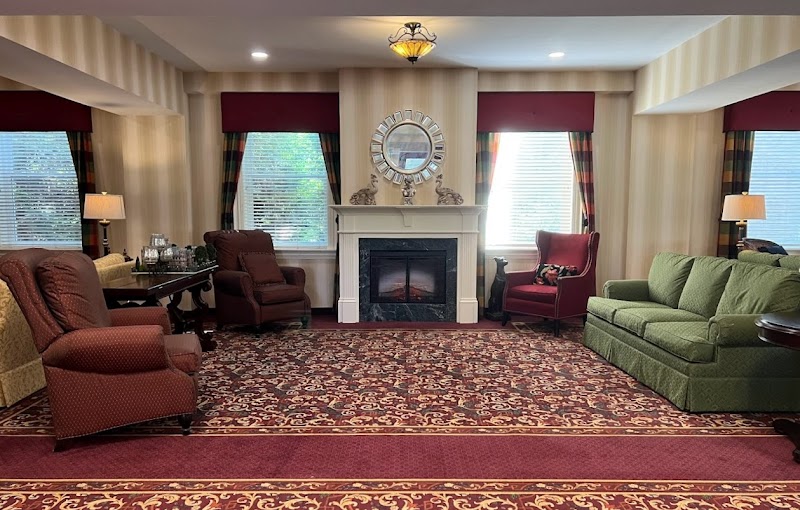
How is Villages At Historic Silvercrest The Staffed?

CMS rates VILLAGES AT HISTORIC SILVERCREST THE's staffing level at 4 out of 5 stars, which is above average compared to other nursing homes. Staff turnover is 38%, compared to the Indiana average of 46%. This relatively stable workforce can support continuity of care.

What Have Inspectors Found at Villages At Historic Silvercrest The?

State health inspectors documented 16 deficiencies at VILLAGES AT HISTORIC SILVERCREST THE during 2022 to 2025. These included: 16 with potential for harm.
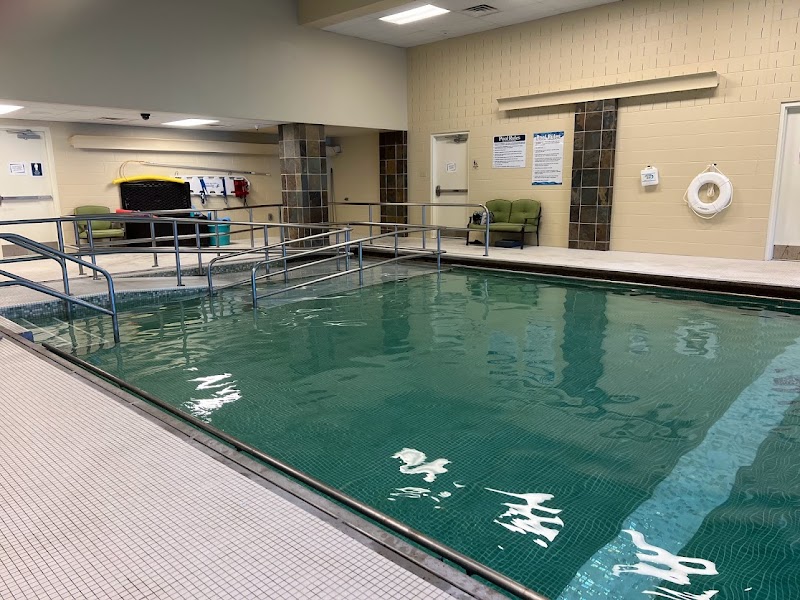
Who Owns and Operates Villages At Historic Silvercrest The?

VILLAGES AT HISTORIC SILVERCREST THE is owned by a for-profit company. For-profit facilities operate as businesses with obligations to shareholders or private owners. The facility is operated by TRILOGY HEALTH SERVICES, a chain that manages multiple nursing homes. With 56 certified beds and approximately 43 residents (about 77% occupancy), it is a smaller facility located in NEW ALBANY, Indiana.
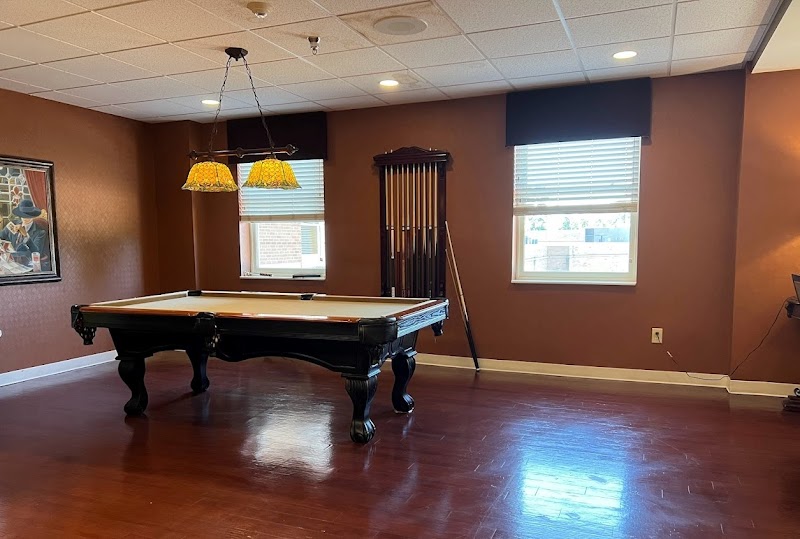
How Does Villages At Historic Silvercrest The Compare to Other Indiana Nursing Homes?

Compared to the 100 nursing homes in Indiana, VILLAGES AT HISTORIC SILVERCREST THE's overall rating (4 stars) is above the state average of 3.1, staff turnover (38%) is near the state average of 46%, and health inspection rating (3 stars) is at the national benchmark.

What Should Families Ask When Visiting Villages At Historic Silvercrest The?

Based on this facility's data, families visiting should ask: "Can I visit during a mealtime to observe dining assistance and food quality?" "How do you handle medical emergencies, and what is your hospital transfer rate?" "Can I speak with family members of current residents about their experience?"

Is Villages At Historic Silvercrest The Safe?

Based on CMS inspection data, VILLAGES AT HISTORIC SILVERCREST THE has a clean safety record: no substantiated abuse findings (meaning no confirmed cases of resident harm), no Immediate Jeopardy citations (the most serious violation level indicating risk of serious injury or death), and is not on the Special Focus Facility watch list (a federal program monitoring the lowest-performing 1% of nursing homes). The facility has a 4-star overall rating and ranks #1 of 100 nursing homes in Indiana. While no facility is perfect, families should still ask about staff-to-resident ratios and recent inspection results during their visit.

Do Nurses at Villages At Historic Silvercrest The Stick Around?

VILLAGES AT HISTORIC SILVERCREST THE has a staff turnover rate of 38%, which is about average for Indiana nursing homes (state average: 46%). Moderate turnover is common in nursing homes, but families should still ask about staff tenure and how the facility maintains care continuity when employees leave.

Was Villages At Historic Silvercrest The Ever Fined?

VILLAGES AT HISTORIC SILVERCREST THE has no federal fines on record. CMS issues fines when nursing homes fail to meet care standards or don't correct problems found during inspections. The absence of fines suggests the facility has either maintained compliance or corrected any issues before penalties were assessed. This is a positive indicator, though families should still review recent inspection reports for the full picture.

Is Villages At Historic Silvercrest The on Any Federal Watch List?

VILLAGES AT HISTORIC SILVERCREST THE is not on any federal watch list. The most significant is the Special Focus Facility (SFF) program, which identifies the bottom 1% of nursing homes nationally based on persistent, serious quality problems. Not being on this list means the facility has avoided the pattern of deficiencies that triggers enhanced federal oversight. This is a positive indicator, though families should still review the facility's inspection history directly.