GLEN OAKS HEALTH CAMPUS
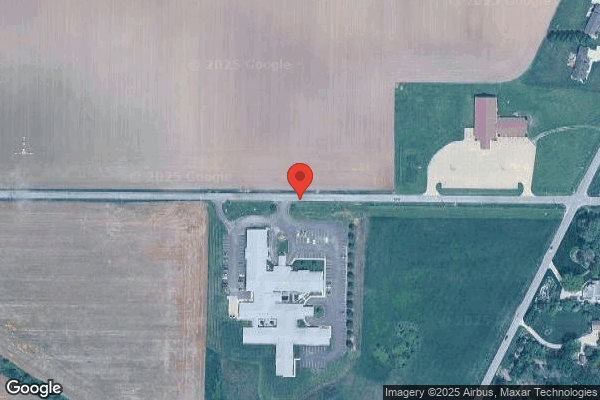
601 W CR 200 S, NEW CASTLE, IN 47362 (765) 529-5796
For profit - Corporation 68 Beds TRILOGY HEALTH SERVICES Data: November 2025
Trust Grade
85/100
#37 of 505 in IN
Last Inspection: August 2024

Within standard 12-15 month inspection cycle. Federal law requires annual inspections.

Overview

Glen Oaks Health Campus in New Castle, Indiana has a Trust Grade of B+, meaning it is above average and recommended for families considering care for their loved ones. It ranks #37 out of 505 facilities in Indiana, placing it in the top half, and is the best option among the seven nursing homes in Henry County. The facility is improving, with issues decreasing from eight in 2023 to four in 2024. Staffing is a relative strength, with a 3/5 star rating and only 20% turnover, which is significantly lower than the state average. While there are no fines on record, which is a positive sign, there have been some concerns raised during inspections. For instance, there were instances of expired food being found in the kitchen, which could affect residents' health, and medications were administered late for some residents due to insufficient staffing on one occasion. Additionally, one resident did not have fresh ice water available, raising hydration concerns. These findings indicate areas for improvement, but overall, Glen Oaks Health Campus offers a stable and recommended option for families seeking care.

Trust Score
B+
85/100
In Indiana
#37/505
Top 7%
Safety Record
Low Risk
No red flags
Inspections
Getting Better
8 → 4 violations
Staff Stability
✓ Good
20% annual turnover. Excellent stability, 28 points below Indiana's 48% average. Staff who stay learn residents' needs.
Penalties
✓ Good
No fines on record. Clean compliance history, better than most Indiana facilities.
Skilled Nurses
✓ Good
Each resident gets 56 minutes of Registered Nurse (RN) attention daily — more than average for Indiana. RNs are trained to catch health problems early.
Violations
⚠ Watch
25 deficiencies on record. Higher than average. Multiple issues found across inspections.
★★★★★
5.0
Overall Rating
★★★☆☆
3.0
Staff Levels
★★★★★
5.0
Care Quality
★★★★☆
4.0
Inspection Score
Stable
2023: 8 issues
2024: 4 issues

The Good

  • 5-Star Quality Measures · Strong clinical quality outcomes
  • Low Staff Turnover (20%) · Staff stability means consistent care
  • Full Sprinkler Coverage · Fire safety systems throughout facility
  • No fines on record
  • Staff turnover is low (20%)

    28 points below Indiana average of 48%

Facility shows strength in quality measures, staff retention, fire safety.

The Bad

Chain: TRILOGY HEALTH SERVICES

Part of a multi-facility chain

Ask about local staffing decisions and management

The Ugly 25 deficiencies on record

Aug 2024 4 deficiencies
CONCERN (D)

Potential for Harm - no one hurt, but risky conditions existed

Deficiency F0558 (Tag F0558)

Could have caused harm · This affected 1 resident

Based on observation, interview, and record review, the facility failed to ensure Resident 9 had fresh ice water available at the bedside for 1 of 1 resident reviewed for hydration. Findings include:...

Read full inspector narrative →
Based on observation, interview, and record review, the facility failed to ensure Resident 9 had fresh ice water available at the bedside for 1 of 1 resident reviewed for hydration. Findings include: The clinical record for Resident 9 was reviewed on 8/9/2024 at 12:40 p.m. The medical diagnosis included heart failure. The Minimum Data Set assessment, dated 7/15/2024, indicated Resident 9 was cognitively impaired but was not dehydrated. A diuretic care plan, dated 10/30/2023, indicated Resident 9 was at risk for medication complications related to the use of diuretics. An intervention, dated 10/30/2023, indicated to encourage fluids throughout the day if not contraindicated. During an interview and observation, on 8/7/2024 at 11:32 a.m., Resident 9 indicated ice water was rarely passed to the resident's room. The cup of water in the room was room temperature and had no ice in it. During an interview and observation, on 8/9/2024 at 1:30 p.m., Resident 9 indicated the staff rarely passed ice water to the resident's room. There were three containers of water in the room. First was a Styrofoam cup, dated 8/8/2024, which Resident 9 stated was hot and stale, the second was a clear cup with no date which Resident 9 stated was warm and from breakfast yesterday, and the third was metal container personal glass which had no water in it. Resident 9 indicated outside of meals and medication pass, no one had given any additional fluids, and no staff had refreshed the water in the room since yesterday, 8/8/2024. An interview with CNA 1, on 8/9/2024 at 1:35 p.m., indicated staff were to pass ice water every shift, but ice water had not been passed yet because CNA 1 did not have time to complete the task yet. An interview with the Director of Health Services, on 8/12/2024 at 2:05 p.m., indicated any staff member can pass ice water, but it was primarily the responsibility of the direct care staff to pass ice at least every shift unless medically contraindicated. An interview with the Regional Nurse Consultant, on 8/12/2024 at 2:40 p.m., indicated that the facility did not have a policy for passing ice water to residents. 3.1-3(v)(1)
CONCERN (D)

Potential for Harm - no one hurt, but risky conditions existed

Grievances (Tag F0585)

Could have caused harm · This affected 1 resident

**NOTE- TERMS IN BRACKETS HAVE BEEN EDITED TO PROTECT CONFIDENTIALITY** Based on interview and record review, the facility failed to follow their grievance policy regarding a resident's missing clothi...

Read full inspector narrative →
**NOTE- TERMS IN BRACKETS HAVE BEEN EDITED TO PROTECT CONFIDENTIALITY** Based on interview and record review, the facility failed to follow their grievance policy regarding a resident's missing clothing for 1 of 1 resident reviewed for personal property. (Resident 39) Findings include: The clinical record for Resident 39 was reviewed on 8/8/24 at 11:40 a.m. The diagnoses included, but were not limited to, anxiety. She was admitted to the facility on [DATE]. The 6/17/24 admission MDS (Minimum Data Set) assessment indicated Resident 39 was cognitively intact. An interview was conducted with Resident 39 on 8/8/24 at 11:20 a.m. She indicated she was missing two shirts and a pair of jean pedal pushers. The two tops went missing a couple weeks after she was admitted to the facility, and the jeans went missing about two weeks ago. She informed staff, including some of the CNAs (Certified Nursing Assistants) and laundry staff, of the missing items, and they informed her they'd keep an eye out. An interview was conducted with the ED (Executive Director) on 8/12/24 at 1:50 p.m. She indicated when a resident voiced they were missing clothing, they typically took the resident into the laundry room to identify the clothing and/or contacted laundry staff to look for the clothing. If the clothing was unable to be located, the facility replaced it. They also filled out a resident concern form and documented follow-up with the resident. She did not recall a concern for Resident 39 regarding missing clothing. On 8/12/24 at 10:30 a.m., the ED provided the Resident Concerns Log for the past month. There were no concerns regarding missing clothing for Resident 39. An interview was conducted with ESA (Environmental Services Assistant) 2 in the laundry room of the facility on 8/12/24 at 1:57 p.m. She indicated Resident 39 informed her and some of the CNAs of her missing jean pedal pushers and two shirts a few weeks ago. ESA 2 looked for the items but was unable to locate them. ESA 2 did not fill out a resident concern form, as many residents complained of missing items. She informed staff they could bring Resident 39 into the laundry room to look for her items, but no one ever did. The Resident Concern Process policy was provided by the ED on 8/12/24 at 2:04 p.m. It read, Purpose: To provide a process for handling, tracking and resolving customer concerns to provide excellence in customer service. Procedures: .5. Enter the concern using the desktop icon labeled 'Resident Concern Form.' All concerns should be entered electronically, however Environmental and Dining departments may use a paper Resident Concern form, submitting to their supervisor who will enter 6. Concerns are reviewed in morning meeting, noting new entries and assigning them for follow up and resolution. 7. Follow up from the department leader will occur within 24-48 [sic] with resolution entered in KeyStats. 8. The Executive Director will review and manage the follow up of the concerns. 9. The department leader will investigate and discuss the concerns with the team and will implement, or educate to prevent further concerns. 10. The department leader will document the resolution on the concerns form using an addendum when needed and will follow up with the person reporting the concern to explain the resolution. 3.1-7(b)
CONCERN (D)

Potential for Harm - no one hurt, but risky conditions existed

Deficiency F0688 (Tag F0688)

Could have caused harm · This affected 1 resident

**NOTE- TERMS IN BRACKETS HAVE BEEN EDITED TO PROTECT CONFIDENTIALITY** Based on observation, interview and record review the facility failed to implement a sling for a resident with impaired range of...

Read full inspector narrative →
**NOTE- TERMS IN BRACKETS HAVE BEEN EDITED TO PROTECT CONFIDENTIALITY** Based on observation, interview and record review the facility failed to implement a sling for a resident with impaired range of motion (ROM) for 1 of 1 resident reviewed for ROM (Resident 16). Findings include: During an observation and interview on 8/07/24 at 1:43 p.m., Resident 16 was sitting in a wheelchair outside. The resident's right hand was curved inward. Resident 16 indicated he was unable to move his right arm and right hand. The resident took his left hand and picked up his right arm and hand and they were flaccid (hanging loosely/limp). The resident indicated he had a sling to wear, and it was in his room. During an observation and interview on 8/08/24 at 10:31 a.m., Resident 16 was sitting in a wheelchair outside with no sling in place. The resident's right arm and hand was laying on his lap. During an observation on 8/09/24 at 10:57 a.m., Resident 16 was sitting in a wheelchair outside with no sling in place. The resident's right arm and hand was laying on his lap. During an observation on 8/12/24 at 10:20 a.m., Resident 16 was sitting in a wheelchair outside with no sling in place. The resident's right arm and hand was laying on his lap. During an observation and interview on 8/12/24 at 1:53 p.m., Resident 16 was sitting outside with a sling in place to the right arm and hand. The resident indicated the sling was in a drawer in his room and the staff helped him put it on. He indicated his right arm and hand felt better supported in the sling. During an interview with the Director of Health Services (DHS) on 8/12/24 at 1:58 p.m., indicated she found Resident 16's sling in a drawer in his bedroom. The DHS indicated she talked with the resident, and he wanted to wear the sling for comfort. The clinical record for Resident 16 was reviewed on 8/9/24 at 11:00 a.m. The diagnoses included, but were not limited to, hemiplegia (paralysis) and hemiparesis (weakness) affecting the right dominant side and cerebral vascular accident (CVA). The face sheet for Resident 16 provided from the discharging facility, dated 6/3/24, had a picture of the resident with a sling present on the right arm. The physician progress note from the discharging facility for Resident 16, dated 6/3/24, indicated the resident denied any pain or increased weakness to right side and right hand was in the sling. The resident reported pain control was adequate. The resident had right sided hemiplegia and right lower extremity decreased ROM. The resident had a mild contracture of the right upper extremity and limited use of the right hand. The resident was up in a wheelchair with a sling. The admission Minimum Data Set (MDS) assessment for Resident 16, dated 6/18/24, indicated the resident had the ability to make himself understood and was able to understand others. The resident had limited function in range of motion and had impairment on one side of the upper and lower extremities. The resident required substantial assistance with upper body dressing (helper does more than half of the effort). The resident was admitted to the facility on [DATE]. The plan of care for Resident 16, dated 6/25/24, indicated the resident had impairment in functional status related to a cerebral vascular accident (CVA) with hemiplegia. The interventions included, but were not limited to, encourage resident to be as independent safely as possible, medications as ordered, provide assistance as needed with self-care and mobility, and therapy evaluation/treatment as needed. The plan of care did not address the utilization of a sling. The plan of care for Resident 16, dated 6/25/24, indicated the resident had a diagnosis of cerebrovascular accident with hemiparesis/hemiplegia and required assistance with activities of daily living. During an interview with the Executive Director (ED) on 8/13/24 at 11:05 a.m., they indicated the facility had no policy for ROM, splints, or contractures. 3.1-42(a)(2)
CONCERN (D)

Potential for Harm - no one hurt, but risky conditions existed

Deficiency F0692 (Tag F0692)

Could have caused harm · This affected 1 resident

Based on observation, interview, and record review the facility failed to provide fortified food and fortified shakes as recommended by the Registered Dietician (RD) and as ordered by the physician fo...

Read full inspector narrative →
Based on observation, interview, and record review the facility failed to provide fortified food and fortified shakes as recommended by the Registered Dietician (RD) and as ordered by the physician for a resident who had experienced significant weight loss for 1 of 2 residents reviewed for nutrition (Resident 34). Findings include: The clinical record for Resident 34 was reviewed on 8/9/24 at 11:20 a.m. The diagnoses included, but were not limited to, hemiplegia (paralysis), hemiparesis (one-sided muscle weakness), ataxia (loss of muscle control), polyosteoarthritis, pulmonary fibrosis, and hypothyroidism. The clinical record for Resident 34 was reviewed on 8/9/24 at 11:30 a.m. The following weights were noted: 6/1/24 of 131.8 pounds, 7/2/24 of 129.8 pounds, and 8/2/24 of 122.6 pounds. This indicated the resident lost 6.98 % body weight in two months and lost 5.5 % body weight in one month. The quarterly Minimum Data (MDS) assessment for Resident 34, dated 7/26/24, indicated the resident was severely impaired for daily decision making. A physician order for Resident 34, dated 8/8/24, indicated the resident was ordered fortified food with puree texture. The plan of care for Resident 34, dated 8/8/24 indicated the resident had experienced a significant weight loss. The interventions included, but were not limited to, provide diet and supplements. The RD assessment for Resident 34, dated 8/8/24, indicated the resident had a 5% weight loss in one month that was not physician prescribed. The recommendation was for the resident to receive fortified foods and include fortified shakes with meals to promote protein and calorie intake and reweigh the resident. During an observation on 8/9/24 at 12:29 p.m., Resident 34 did not have a shake with her meal. She had tea and water. During an observation on 8/12/24 at 12:17 p.m., Resident 34 was in the assisted dining room. She had a pureed diet with a divided plate. The resident had eaten approximately a quarter of her food. The resident did not have a fortified shake. She had tea and water. During an interview with the Dietary Manager on 8/12/24 at 2:14 p.m., they indicated when a resident was ordered fortified food and fortified shake the dietary department would get a diet order from nursing for a diet change. The Dietary Manager indicated he was not aware Resident 34 was supposed to be provided fortified food and fortified shake. The Dietary Manager indicated Resident 34 had not been receiving fortified foods or fortified shakes. During an interview with the Director of Health Services (DHS) on 8/12/24 at 2:32 p.m., they indicated nurses were responsible for printing out Resident 34's diet order and provide it too dietary. The DHS indicated the nursing staff were responsible to reweigh as recommended by the RD and it was not completed. The weight policy provided by the DHS, on 8/13/24 at 10:48 a.m., indicated the purpose was to ensure resident weight was monitored for weight loss to prevent complications arising from compromised nutrition. 3.1-46(a)(2)
Jun 2023 8 deficiencies
CONCERN (D)

Potential for Harm - no one hurt, but risky conditions existed

Deficiency F0557 (Tag F0557)

Could have caused harm · This affected 1 resident

Based on observation, interview and record review the facility failed to provide a dignity bag to cover catheters for 2 of 4 reviewed for catheters (Resident 30 and Resident 50). Findings include: 1.)...

Read full inspector narrative →
Based on observation, interview and record review the facility failed to provide a dignity bag to cover catheters for 2 of 4 reviewed for catheters (Resident 30 and Resident 50). Findings include: 1.) During an observation on 6/08/23 at 4:26 p.m., Resident 30 was laying in bed. The resident had a catheter with no dignity bag covering. During an observation on 6/12/23 at 1:11 p.m., Resident 30 laying in bed with no dignity bag covering the catheter. Review of the record of Resident 30 on 6/14/23 at 2:40 p.m., indicated the resident's diagnoses included, but were not limited to, acute respiratory disease, diabetes, depression, bipolar disorder, urinary retention and history of urinary tract infection. The plan of care for Resident 30, dated 6/23/21, indicated the resident used a Foley catheter. The interventions included, but were not limited to, maintain closed system with urinary bag below the resident's bladder and cover. The physician order for Resident 30, dated 6/9/23, indicated the resident was ordered to have indwelling Foley catheter for obstructive uropathy and reflux uropathy. 2.) During an observation on 6/13/23 at 11:05 a.m., Resident 50 in therapy gym with no dignity bag covering her Foley catheter. Review of the record of record of Resident 50 on 6/13/23 at 12:20 p.m., indicated the resident's diagnoses included, but were not limited to, urinary tract infection, cerebrovascular disease, non inflammatory disorder of the vagina, dehydration, non inflammatory disorder of the vulva, urinary retention, acute kidney failure and hypertension. The plan of care for Resident 50, dated 5/18/23, indicated the resident uses a Foley catheter for a diagnoses of vaginal cyst, labial adhesions and adnexal cyst. The interventions included, but were not limited to, cover urinary bag. The physician order for Resident 50, dated 6/9/23, indicated the resident was to have a Foley catheter for vaginal cyst impeding bladder. During an interview with the Director of Health Services on 6/13/23 at 11:55 a.m., indicated the CNA's and nurses were responsible to ensure residents with catheters had dignity bags covering the catheter. During an interview with the Executive Director on 6/14/23 at 11:17 a.m.,indicated the facilities expectation was that dignity bags would be used for residents catheter. 3.1-3(t)
CONCERN (D)

Potential for Harm - no one hurt, but risky conditions existed

Deficiency F0558 (Tag F0558)

Could have caused harm · This affected 1 resident

Based on interview, observations, and record review, the facility failed to ensure the call light was in reach for 1 of 3 residents reviewed for accommodation of needs. (Resident 2) Findings include: ...

Read full inspector narrative →
Based on interview, observations, and record review, the facility failed to ensure the call light was in reach for 1 of 3 residents reviewed for accommodation of needs. (Resident 2) Findings include: The clinical record Resident 2 was reviewed on 6/15/2023 at 11:45 a.m. The medical diagnoses included dementia and right-hand contracture. A Quarterly Minimum Data Set Assessment, dated for 5/10/2023, indicated that Resident 2 was cognitively impaired and had impairment on one upper extremity. A fall care plan, dated for 11/12/2021, indicated for Resident 2 to have a call light within reach. An observation on 6/8/2023 at 4:47 p.m. indicated Resident 2 was in her room at this time. She was sitting in her wheelchair, facing towards a television on the wall with her call light out of reach. An observation on 6/12/2023 at 11:35 a.m., indicated Resident 2 was in her room at this time. She was sitting in her wheelchair, facing towards a television on the wall with her call light out of reach. CRCA 1 verified that Resident 2 could not reach her call light. CRCA 1 indicated she had not seen Resident 2 use her call light in the last couple months. When the call light was placed within reach, the resident was unable to press the button call light. A nursing progress note, dated for 6/13/2023, indicated that the button call light was replaced with a soft touch call light. A policy entitled, Guidelines for Answering Call Lights, was provided my Clinical Support RN on 6/15/2023 at 12:20 p.m. The policy indicated, .Ensure the call light is plugged in security to the outlet and in reach of the resident .Adaptive call lights are available if needed . 3.1-3(v)(1)
CONCERN (D)

Potential for Harm - no one hurt, but risky conditions existed

Deficiency F0679 (Tag F0679)

Could have caused harm · This affected 1 resident

Based on observation, interview, and record review, the facility failed to ensure a resident had an ongoing activity program. This affected 1 of 3 residents reviewed for activities. (Resident 9) Find...

Read full inspector narrative →
Based on observation, interview, and record review, the facility failed to ensure a resident had an ongoing activity program. This affected 1 of 3 residents reviewed for activities. (Resident 9) Findings include: During an interview, on 6/08/23 at 2:03 p.m., Resident 9 indicated she chooses not to go to activities. On 6/12/23, at 2:30 p.m., Resident 9 was observed asleep in her recliner, her TV was not on. On 6/13/23, at 9:39 a.m., Resident 9 was observed laying on her bed, eyes closed, her TV was not on. On 06/13/23, at 2:58 p.m., Resident 9 was observed asleep in her recliner, her TV was off but her roommate's TV was on. On 06/14/23, at 3:02 p.m., Resident 9 was observed asleep on her bed. On 6/15/23, at 11:10 a.m., Resident 9 indicated activities are lax right now. She said no one comes in and talks to her for a one on one activity every day. She was sitting in her chair and her TV was not on. Resident 9's clinical record was reviewed on 6/13/23 at 2:05 p.m. The clinical record indicated Resident 9 had diagnoses that included, but were not limited to, dementia, difficulty swallowing, chronic obstructive pulmonary disease, generalized muscle weakness, depression, macular degeneration, legal blindness, and chronic pain. An Annual Minimum Data Set assessment, dated 11/11/2022, indicated Resident 9 was cognitively intact, and activities were music and her favorite activities. A care plan, last reviewed 4/18/23, indicated While in the campus, I may not engage in activities that are meaningful to me because of: I am dx (diagnosed) with Blindness, and dementia. I enjoy listening to Wild Cat games on my TV, visiting with such as mindful mornings. Long Term Goal Target Date: 07/18/2023 I will accept and/or utilize adaptations and modifications to enable participation in activities that are meaningful to me. Approach Start Date: 12/07/2022 Please engage me in Mindful moment activities to help me manage my dementia at least once a week .Provide me with one to one visits, daily. A Live Enrichment Progress note, dated 4/13/23, indicated accommodations utilized for successful participation were: 1:1 settings, verbal instructions and hand under cueing/guidance to support visual impairment, use of her wheelchair, verbal prompts, and supplies placed within reach. The programming participation responses were: her participation level was active, type of participation was independent, large groups, small groups and one to one, participates in activities of expressed importance of pets and favorite activities of listening to KY Wild Cat. The specific programming participation this quarter was mindful moments, theme dinner, celebrated birthday and happy hour. The frequency of visitors indicated daily visits. Her independent activities of interest in which resident participates was watching TV and visits with others. Also she was not interested in changing activity pursuits or trying activities, she was satisfied with current activities. Review of May, 2023 activity logs indicated she had 2 one to one visits, she listened to her TV every day, and she had six visits by family, friends, clergy, or pets. She also had her nails done once, had one mindful morning, and had her mail read to her one time by staff. Review of June activity logs from June 1 through June 13, 2023, indicated she listened to her TV every day, she participated in the traveling garden, had 3 visits by family, friends, clergy, or pets, and had one staff one to one visit. The activity logs failed to indicate she had mindful moment activities weekly or daily one to one visits as addressed in her care plan. In an interview, on 06/15/23, at 12:05 p.m., the Life Enrichment Director indicated Resident 9 has a lot of one on ones because she is blind and likes to stay in her room. The activity girls see her twice a week and she sees the therapy dogs. She will go to mindful moments if she is up, and staff read her mail to her. She indicated they need to document it better. Life Enrichment Assistant 8 indicated she likes the traveling garden and mindful mornings, and she uses her other senses like smelling and feeling, because she can't see. On 6/16/23 at 11:42 a.m., the Executive Director indicated they don't have a specific policy for activities, they follow the regulations. 3.1-33(a)
CONCERN (D)

Potential for Harm - no one hurt, but risky conditions existed

Quality of Care (Tag F0684)

Could have caused harm · This affected 1 resident

Based on interview, observation, and record review the facility failed to obtain orders for a preventive dressing to a non-pressure skin area for Resident 18, failed to obtain treatment orders for a n...

Read full inspector narrative →
Based on interview, observation, and record review the facility failed to obtain orders for a preventive dressing to a non-pressure skin area for Resident 18, failed to obtain treatment orders for a non-pressure skin area for Resident 13, and failed to follow call parameters for Resident 11 for 3 of 14 residents reviewed for compliance for physician orders. Findings include: 1. The clinical record for Resident 18 was reviewed on 6/14/2023 at 2:06 p.m. The medical diagnoses included chronic obstructive pulmonary disease and dementia. An admission Minimum Data Set Assessment, dated for 4/25/2023, indicated Resident 18 was cognitively intact and was at risk for skin impairments. An observation on 6/8/2023 at 3:18 p.m. indicated that Resident 18 was sitting in her wheelchair. She had a pink foam dressing applied to the left lower leg without a date or initial upon the dressing. An observation on 6/13/2023 at 2:50 p.m. indicated Resident 18 sitting in her wheelchair. She had a pink foam dressing applied to the left lower leg without a date or initials. RN 2 came to resident's room and verified the pink dressing was in place without an indication of date of application. Resident 18 indicated the dressing had been in place forever. When asked to clarify, she said about a week or so. The dressing was changed to reveal multiple scabbed areas and a scant amount of drainage on the dressing. RN 2 indicated that Resident 18's skin was very fragile and the dressing was more a preventative measure. Review of the medical record indicated Resident 18 did not have an order for dressings to the left lower leg on 6/8/2023 or 6/13/2023. 2. The clinical record for Resident 13 was reviewed on 6/14/2023 at 2:49 p.m. The medical diagnoses included stroke and edema. An admission Minimum Data Set Assessment, dated for 4/26/2023, indicated that Resident 13 was cognitively intact, was at risk for skin impairments, and had pressure areas and skin tear(s). An observations on 6/8/2023 at 2:01 p.m. indicated Resident 13 sitting in her wheelchair. She had a pink foam dressing applied to the left knee with no date and had no dressing to the right knee with visible open areas. A scant amount of drainage was noted on her pants. A nursing note, dated 6/11/2023, indicated that dressings were changed to Resident 13's knees. An observations on 6/12/2023 at 12:59 p.m. indicated that Resident 13 was in bed. She had two pink foam dressings on her knees without any date or initials on the dressing. No dressings orders for Resident 13's bilateral knees were on the physician orders. A policy entitled, Guidelines for General Wound and Skin Care, was provided by the Executive Director on 6/14/2023 at 10:00 a.m. The policy indicated, .Date, time, and initial all dressings at the time of applications . 3. The clinical record for Resident 11 was reviewed on 6/12/2023 at 11:00 a.m. The medical diagnoses included chronic kidney failure and heart failure. A Quarterly Minimum Data Set Assessment, dated 6/4/2023, indicated Resident 11 had a mild cognitively impairment. A care plan, dated for 1/26/2023, indicated for Resident 11 to have weights as ordered. A physician order, dated 1/6/2023, indicated for Resident 11 to have daily weights and to call the physician for a three-pound weight gain in 24 hours and/or a five-pound weight gain in five days. Review of the medical record indicated that between 1/6/2023 and 4/19/2023, Resident 11 had 14 instances of a weight gain of three pounds, or more, in a 24-hour period. Of these instances, the physician was notified five times. An interview with Clinical Support RN, on 6/14/2023 at 3:30 p.m. indicated that the staff should follow physician orders as written, including those to obtain weights and call parameters. 3.1-37(a)
CONCERN (D)

Potential for Harm - no one hurt, but risky conditions existed

Pressure Ulcer Prevention (Tag F0686)

Could have caused harm · This affected 1 resident

**NOTE- TERMS IN BRACKETS HAVE BEEN EDITED TO PROTECT CONFIDENTIALITY** Based on observation, interview and record review the facility failed to follow up with the physician related to a pressure ulce...

Read full inspector narrative →
**NOTE- TERMS IN BRACKETS HAVE BEEN EDITED TO PROTECT CONFIDENTIALITY** Based on observation, interview and record review the facility failed to follow up with the physician related to a pressure ulcer with increased odor, failed to implement a pressure relieving cushion and failed to complete a thorough and accurate skin assessment for 2 of 6 residents reviewed for pressure ulcers (Resident 36 and Resident 155). Findings include: 1.) Review of the record of Resident 36 on 6/12/23 at 11:00 a.m., indicated the resident's diagnoses included, but were not limited to, osteomyelitis of vertebra, sacral and sacrococcygeal, stage four pressure ulcer, hypertension, colon cancer and altered mental status. The local hospital note for Resident 36, dated 3/27/23, indicated the resident had a pressure ulcer on the sacrum that was red, blanchable and not open. The resident was discharged to the facility on 3/30/23. The admission observation assessment for Resident 36, dated 3/30/23 at 11:16 a.m., indicated the resident had skin impairment (no location or description of wound documented), at high risk for developing pressure ulcers and offloading was the intervention implemented. There was no wound event documented for this skin impairment. The admission Minimum Data Set (MDS) assessment for Resident 36, dated 4/4/2023, indicated the resident was severely cognitively impaired. The resident did not have behavior of rejecting care. The resident required extensive assistance of two people for bed mobility and transfers. The resident did not ambulate. The resident was at risk of developing pressure and had one unhealed pressure ulcer. The wound assessment for Resident 36, dated 4/4/23, indicated the resident had a unstageable (slough/eschar) on the coccyx measuring 2.5 centimeters (cm) by 1.4 cm. The plan of care for Resident 36, dated 4/5/23, indicated the resident was at risk for skin breakdown. The interventions included, but were not limited to, pressure reducing cushion to chair. The progress note for Resident 36, dated 4/10/23 at 5:51 a.m., indicated the resident had a strong odor noted from wound. The fax to the physician for Resident 36, dated 4/10/23, indicated the resident had increased odor to wound. Please advise. The progress note for Resident 36, dated 4/15/23 at 1:49 p.m., indicated the resident's wound had a foul odor. The progress note for Resident 36, dated 4/17/23 at 10:28 a.m , indicated the resident's wound had a foul odor. The progress note for Resident 36, dated 4/19/23 at 10:35 a.m., indicated the resident was out to the wound center. The wound center called and stated the physician wanted to admit the resident resident for wound care and observation. The local hospital note for Resident 36, dated 4/19/23, indicated the assessment of the resident was stage 4 pressure ulcer (full thickness loss with exposed bone, tendon or muscle) and osteomyelitis (infection of the bone). During an observation on 6/13/23 at 2:50 p.m., Resident 36 was sitting in her wheelchair on a pillow, there was no pressure relieving cushion under the pillow. During an interview with the Nurse Consultant on 6/15/23 at 10:42 a.m., indicated Resident 36 had a stage one pressure ulcer (skin intact with redness and non blanchable) on admission from the hospital and there was no wound event completed for the stage one pressure ulcer. The facility would not necessarily complete a wound event for stage one pressure ulcer. During an interview the Director Of Health Services (DHS) on 6/15/23 at 1:35 p.m., indicated the physician did not respond to the fax sent on 4/10/23 related to Resident 36's wound having an increase in odor and the physician did not evaluate the resident's wound. During an interview with the DHS on 6/15/23 at 1:40 p.m., indicated the nurses were responsible to follow up with the physician when there was no response from the 4/10/23 fax about resident 36's wound with an increase in odor. The facility would expect a response from a fax to the physician within 1 to 2 days. 2.) Review of the record of Resident 155 on 6/13/23 at 2:01 p.m., indicated the resident's diagnoses included, but were not limited, acute respiratory failure with hypoxia, pleural effusion, chronic obstructive pulmonary, dementia and chronic kidney disease. The admission Minimum Data Set (MDS) assessment for Resident 155, dated 6/5/23, indicated the resident was severely impaired for daily decision making. The resident was extensive assistance of two staff for bed mobility, transfers and did not ambulate. The resident was at risk of developing a pressure ulcer and had an unhealed pressure ulcer. The resident was admitted to the facility on [DATE]. The progress note for Resident 155, dated 6/7/23 at 10:07 a.m., indicated the resident was complaining of right ankle pain and upon assessment found a douderm dressing dated 5/29/23, which was prior to admission to the facility. The area looked like a stage two pressure ulcer, with redness and edema, very tender to touch. Cleaned area and applied a new dressing. The ankle was wrapped and an ice pack placed for pain and swelling. The progress note for Resident 155, dated 6/7/23 at 11:54 a.m., indicated the resident had a wound on the right lateral ankle over bone measuring 0.5 cm by 0.7 cm. The area was yellow/pink. The margins white/soft in appearance, light serous drainage noted to old dressing. A foam dressing was applied. The wound assessment for Resident 155, dated 6/7/23, indicated the resident had an unspecified ulcer of the right lateral ankle. Wound bed pale yellow/pink. Margins white/soft. Periwound reddened; blanches. Foam dressing applied over site. Measuring 0.5 centimeter (cm) by 0.7 cm. During an interview with DHS on 6/15/23 at 2:20 p.m., indicated it was the admitting nurse who was responsible to complete a thorough and accurate skin assessment and initiate a treatment for Resident 155. The notification of change in condition provided by the Executive Director on 6/15/23 at 10:40 a.m., indicated the purpose was to ensure appropriate individuals are notified of change in condition. The facility must inform the resident's physician when there was a significant change in the resident's physical status or a need to alter treatment significantly. Sample reasons to notify the physician immediately included, but were not limited to, a deterioration in health status in either life threatening conditions or clinical complications and a need to alter treatment significantly. The pressure ulcer policy provided by the Nurse Consultant on 6/15/23 at 12:20 p.m., indicated appropriate wound event is completed by a nurse in the electronic health record for each impaired skin area with measurements, color, odor, wound margins, surrounding tissue, exudate and tunneling. The purpose was to provide weekly documentation of wound measurements and condition. 3.1-40(a)(2)
CONCERN (D)

Potential for Harm - no one hurt, but risky conditions existed

Respiratory Care (Tag F0695)

Could have caused harm · This affected 1 resident

2. The clinical record for Resident 3 was reviewed on 6/14/2023 at 2:14 p.m. The medical diagnoses included respiratory failure and heart failure. A Quarterly Minimum Data Set Assessment, dated 5/15/...

Read full inspector narrative →
2. The clinical record for Resident 3 was reviewed on 6/14/2023 at 2:14 p.m. The medical diagnoses included respiratory failure and heart failure. A Quarterly Minimum Data Set Assessment, dated 5/15/2023, indicated that Resident 3 was cognitively intact and utilized oxygen therapy. An observation on 6/8/2023 indicated Resident 3 sitting in his motorized chair utilizing portable oxygen. He had a nasal cannula in place. No date was on the nasal cannula, nor a storage bag noted for the portable oxygen tubing. An observation on 6/12/2023 at 4:05 p.m. indicated Resident 3 was sitting in his motorized chair utilizing portable oxygen. He had a nasal cannula in place. No date was on the nasal cannula, nor a storage back noted for the portable oxygen tubing. 3. The clinical record for Resident 37 was reviewed on 6/15/2023 at 10:55 a.m. The medical diagnoses included respiratory failure and pneumonia. A Quarterly Minimum Data Set Assessment, dated 5/12/2023, indicated that Resident 37 was cognitively impaired and utilized oxygen therapy. An observations on 6/9/2023 at 12:26 p.m. indicated that the portable oxygen nasal cannula tubing did not have a date, but a bag on the back of the Geri chair was dated for 4/17. An observation on 6/12/2023 indicated that Resident 37 was sitting in her Geri chair. She had her portable oxygen therapy in place. The nasal cannula did not have a date, but an oxygen storage bag was on the back off the chair dated 4/17. CRCA 1 verified no date on the tubing, but the date of 4/17 on the storage bag. She immediately changed the oxygen set up and tubing. A policy entitled, Administration of Oxygen, was provided by the Executive Director on 6/13/2023 at 2:15 p.m. The policy indicated, .Date the tubing for the date it was initiated .Tubing should be changed monthly and PRN [as needed] . 3.1-47(a)(6) Based on observation, interview and record review the facility failed to maintain an nebulizer machine in sanitary manner, failed to change the tubing monthly and failed to have oxygen tubing dated for 3 of 7 residents reviewed for respiratory care (Resident 15, Resident 37 and Resident 3). Findings include: 1.) During an observation on 6/08/23 at 3:54 p.m., Resident 15 nebulizer tubing was dated 4/17/23, the oxygen tubing did not have a date on it. During an observation and interview with Resident 15 on 6/12/23 at 1:56 p.m., the resident's nebulizer mask was laying on the bedside table, Resident 15 indicated she did not know where the bag was to store it in. The resident searched for a bag to store it in, but was unable to locate one. Review of the record of Resident 15 on 6/12/23 at 2:20 p.m., indicated the resident's diagnoses included, but were not limited to, Chronic respiratory failure with hypoxia, Chronic obstructive pulmonary disease with (acute) exacerbation, Unspecified fall, osteoarthritis, Unsteadiness on feet, repeated falls, dependence on supplemental oxygen and difficulty in walking. The physician order for Resident 15, dated 4/12/23, indicated the resident was ordered Albuterol sulfate solution for nebulization three times a day. The physician order for Resident 15, dated 6/14/23, indicated the resident was ordered oxygen at 2.5 liters nasal cannula continuous. During an interview with the Director of Health Services (DHS) on 6/13/23 at 12:00 p.m., the nurse on night shift was suppose to change oxygen tubing weekly on Sundays and are responsible to date oxygen tubing and keep nebulizer in a mask. The facility policy says monthly, but the DHS preferred it be done weekly. During an interview with the Executive Director on 6/14/23 at 1:25 p.m., Resident 15 did not have an order for oxygen until today, she should of had an order. The resident had went to the hospital and when she came back the facility did not get an order.
CONCERN (D)

Potential for Harm - no one hurt, but risky conditions existed

Deficiency F0761 (Tag F0761)

Could have caused harm · This affected 1 resident

Based on interview, observation, and record review, the facility failed to ensure Resident 18 did not have medications at bedside for 1 of 6 residents reviewed for medication administration. Findings ...

Read full inspector narrative →
Based on interview, observation, and record review, the facility failed to ensure Resident 18 did not have medications at bedside for 1 of 6 residents reviewed for medication administration. Findings include: The clinical record for Resident 18 was reviewed on 6/14/2023 at 2:06 p.m. The medical diagnoses included chronic obstructive pulmonary disease and dementia. An admission Minimum Data Set Assessment, dated for 4/25/2023, indicated Resident 18 was cognitively intact and was at risk for skin impairments. The clinical record did not indicate that Resident 18 could self-administer medications. Review of the medical record indicated that Resident 18 did not have an order for Systane or Refresh eye drops. A physician order, dated 6/8/2023, indicated for Resident 18 to utilize a Spiriva inhaler 2 puffs daily. An observation on 6/12/2023 at 11:30 a.m. indicated that Resident 18 had a Spiriva inhaler, a bottle of Systane eye drops, and a bottle of Refresh eye drops on her beside table. An observation on 6/12/2023 at 1:45 p.m. indicated that Resident 18 had a Spiriva inhaler, a bottle of Systane eye drops, and a bottle of Refresh eye drops on her beside table. An observation on 6/13/2023 at 3:02 p.m. indicated that she Systane eye drops, and Refresh eye drops on her beside table. She indicated her family had brought in the eye drops awhile back, but she does not use them that often. She indicated the nurses bring in her inhaler and usually leave it for her to take as she gets up then will pick it up at the end of their shift. An interview with RN 2 on 6/13/2023 at 3:06 p.m. indicated she did not believe Resident 18 could self-administer her inhaler or eye drops. She told Resident 18 was going to place the eye drops in the medication cart. An interview with the Director of Health Services on 6/15/2023 at 2:55 p.m. indicated that Resident 18 does not self-administer medications and medications should not be let at the bedside. Review of the medical record indicated that Resident 18 did not have an order for Systane or Refresh eye drops. A policy entitled, Medication Storage in the Facility, was provided by the Executive Director on 6/16/2023 at 11:40 a.m. The policy indicated, .medications intended for internal use are storage in a medical cart or other designated area . 3.1-25(m)
CONCERN (D)

Potential for Harm - no one hurt, but risky conditions existed

Medical Records (Tag F0842)

Could have caused harm · This affected 1 resident

Based on interview and record review, the facility failed to complete to complete an inventory sheet for Resident 11 for 1 of 3 reviewed for inventory sheets. Findings included: The clinical record ...

Read full inspector narrative →
Based on interview and record review, the facility failed to complete to complete an inventory sheet for Resident 11 for 1 of 3 reviewed for inventory sheets. Findings included: The clinical record for Resident 11 was reviewed on 6/12/2023 at 11:00 a.m. The medical diagnoses included chronic kidney failure and heart failure. A Quarterly Minimum Data Set Assessment, dated 6/4/2023, indicated Resident 11 had a mild cognitively impairment, was moderately hard of hearing, and utilized assistive devices for hearing. An interview with Resident 11's Power of Attorney (POA), indicated that Resident 11 had hearing aids when she was admitted to the facility. The POA indicated that Resident 11 has lost her hearing aids and they have not been replaced yet, but she would like Resident 11 to see audiology services. A review of Resident 11 record indicated that no inventory sheet was completed at admission. An interview with the Executive Director on 6/14/2023 at 3:35 p.m. indicated that no inventory sheet was completed for Resident 11. The facility does not have a policy for inventory sheets, but it is the expectation that these are completed at the time of admission. 3.1-50(a)(1)
Mar 2022 13 deficiencies
CONCERN (D)

Potential for Harm - no one hurt, but risky conditions existed

Deficiency F0558 (Tag F0558)

Could have caused harm · This affected 1 resident

Based on observation, interview and record review the facility failed to provide fluids at the bedside for 2 of 2 residents reviewed for hydration (Resident 47 and Resident 26). Findings include: 1.) ...

Read full inspector narrative →
Based on observation, interview and record review the facility failed to provide fluids at the bedside for 2 of 2 residents reviewed for hydration (Resident 47 and Resident 26). Findings include: 1.) During an observation on 3/17/22 at 11:28 a.m., Resident 47 was sitting in a geriatric chair in her room, the resident had no fluids in the room. During an interview with Resident 47's family member on 3/17/22 at 1:11 p.m., indicated the resident liked to drink lots of water and the family hoped the facility was providing the resident water in her room. During an observation on 3/21/22 at 10:30 p.m., Resident 47 had no fluids in her room. During an observation on 3/21/22 at 1:30 p.m., Resident 47 had no fluids in her room. During an observation on 3/22/22 at 10:40 a.m., Resident 47 had no fluids in her room. During an observation on 3/22/22 at 12:30 p.m., Resident 47 was in the main dining room, eating and drinking fluids independently During an observation on 3/22/22 at 2:23 p.m., Resident 47 had no fluids in her room. Review of record of the record of Resident 47 on 3/22/22 at 2:15 p.m., indicated the resident's diagnoses included, but were not limited to, chronic obstructive pulmonary disease, Unspecified dementia without behavioral disturbance, chronic pain, Essential (primary) hypertension, Muscle weakness (generalized), age-related physical debility, The Annual Minimum Data Set (MDS) for Resident 47, dated 2/25/22, indicated the resident was severely impaired for daily decision making. The physician recapitulation for Resident 47, dated March 2022, indicated the resident was ordered thin liquids. 2.) During an observation on 3/21/22 at 10:30 a.m., Resident 26 had no fluids in her room. During an observation on 3/21/22 at 2:59 p.m., Resident 26 had no fluids in her room. The resident indicated she does not usually have water in her room, but she would like to have something to drink in her room. During an observation on 3/22/22 at 10:41 a.m., Resident 26 had no fluids in her room. During an observation on 3/22/22 at 12:30 p.m., Resident 26 was in the main dining room, drinking independently. Review of the record of Resident 26 on 3/21/22 at 10:40 a.m., indicated the resident's diagnoses included, but were not limited to, history of urinary tract infections, primary generalized (osteo)arthritis, Unspecified dementia with behavioral disturbance and Bipolar disorder, unspecified. The Quarterly Minimum Data Set (MDS) assessment for Resident 26, dated 2/3/22, indicated the resident was severely impaired for daily decision making. The physician recapitulation for Resident 27, dated March 2022, indicated the resident was ordered thin liquids. During an interview with CNA 1 on 3/22/22 at 1:45 p.m., indicated she had not took the hydration cart around to residents in forever, CNA 1 indicated she tried to give residents a cup of water when she took them to the bathroom. During an interview with the Nurse Clinical Support on 3/22/22 at 3:00 p.m., indicated the CNA's were responsible to ensure Resident 47 and Resident 27 had fluids in their room. The CNA's were to take the hydration cart around to the residents once a shift. 3.1-3(v)(1)
CONCERN (D)

Potential for Harm - no one hurt, but risky conditions existed

Assessment Accuracy (Tag F0641)

Could have caused harm · This affected 1 resident

**NOTE- TERMS IN BRACKETS HAVE BEEN EDITED TO PROTECT CONFIDENTIALITY** Based on interview, observation, and record review, the facility failed to accurately code Minimum Data Set (MDS) fall severity ...

Read full inspector narrative →
**NOTE- TERMS IN BRACKETS HAVE BEEN EDITED TO PROTECT CONFIDENTIALITY** Based on interview, observation, and record review, the facility failed to accurately code Minimum Data Set (MDS) fall severity (Resident 29) and antipsychotic medication administration (Resident 21) for 2 of 20 residents reviewed for MDS. Findings include: 1. The clinical record for Resident 29 was review on 3/22/2022 at 3:01 p.m. The clinical diagnoses included, but were not limited to, fractures, unsteadiness on feel, and lack of coordination. A Quarterly MDS, dated [DATE], indicated Resident 29 was cognitively impaired, needed assistance for transferring and walking, and had no falls. An Annual MDS, dated [DATE], indicated Resident 29 was cognitively impaired, needed assistance for transferring, supervision for walking, and had a fall without injury in the last review period. A nursing progress note, dated 10/26/2021, indicated Resident 29 had a fall. A interdisciplinary note, dated 10/27/2021, indicated that Resident 29 had bruising to her right hand from the fall on 10/26/2021. A nursing progress note, dated 10/27/2021, indicated that Resident 29 had sustained a nondisplaced fracture to the distal third metacarpal. An interview with MDS Support on 3/22/2022 at 2:20 p.m., indicated there was an error on the MDS for Resident 29's 12/9/2021 assessment. The severity of her fall was coded as no injury, but should be indicated as fall with major injury due to her fracture. Indicated they would follow the Resident Assessment Instrument 3.0 for coding MDS assessments. 2. The clinical record for Resident 21 was reviewed on 3/17/22 at 4:04 p.m. The diagnoses included, but were not limited to, bipolar disorder, major depressive disorder, and cognitive communication deficit. A physician order, dated 1/7/22, was noted for Risperdal (antipsychotic medication) 3 milligrams daily. A Quarterly MDS assessment, dated 3/16/22, was marked 0 for number of occasions where antipsychotics were administered for the MDS time period. The electronic medication administration record for March of 2022, noted Resident 21 as receiving her Risperdal medication daily during the period prior to 3/16/22. An interview conducted with MDS Support on 3/22/22 at 2:44 p.m., indicated the Quarterly MDS for Resident 21 was incorrect.
CONCERN (D)

Potential for Harm - no one hurt, but risky conditions existed

ADL Care (Tag F0677)

Could have caused harm · This affected 1 resident

Based on interview and record review, the facility failed to ensure bathing was provided per the policy for 1 of 1 residents reviewed for activities of daily living (ADLs). (Resident 37) Findings incl...

Read full inspector narrative →
Based on interview and record review, the facility failed to ensure bathing was provided per the policy for 1 of 1 residents reviewed for activities of daily living (ADLs). (Resident 37) Findings include: The clinical record for Resident 37 was reviewed on 3/21/22 at 12:29 p.m. The diagnoses included, but were not limited to, Cerebral palsy, repeated falls, and weakness. The Annual Minimum Data Set (MDS) assessment, dated 2/18/22, indicated he was cognitively intact and required extensive assistance with one staff person for personal hygiene and physical help with one staff person for bathing. An interview conducted with Resident 37, on 3/16/22 at 2:12 p.m., indicated he has only had 1 shower in the past 6 weeks. A care plan for ADLs, dated 6/4/20, indicated Resident 37 required extensive assistance with ADLs with the potential to fluctuate. Bathing documentation, including electronic and shower sheets, were reviewed and noted showers documented on the following date(s): 1/3/22, 1/31/22, 2/17/22, and 3/3/22. An interview conducted with MDS Support, on 3/22/22 at 2:44 p.m., indicated she believes Resident 37's charting was a documentation issue. A policy titled Guidelines for Bathing Preference, revised 5/11/16, was provided by Clinical Support on 3/21/22 at 1:44 p.m. The policy indicated the following, .4. Bathing shall occur at least twice a week unless resident preference states otherwise 3.1-38(a)(2)(A)
CONCERN (D)

Potential for Harm - no one hurt, but risky conditions existed

Quality of Care (Tag F0684)

Could have caused harm · This affected 1 resident

**NOTE- TERMS IN BRACKETS HAVE BEEN EDITED TO PROTECT CONFIDENTIALITY** Based on interview, observation, and record review, the facility failed to schedule an orthopedic consult for an acute fracture ...

Read full inspector narrative →
**NOTE- TERMS IN BRACKETS HAVE BEEN EDITED TO PROTECT CONFIDENTIALITY** Based on interview, observation, and record review, the facility failed to schedule an orthopedic consult for an acute fracture as ordered by an emergency room physician for 1 of 1 resident reviewed for continuity of care. (Resident 29) Findings include: The clinical record for Resident 29 was review on 3/22/2022 at 3:01 p.m. The clinical diagnoses included, but were not limited to, fractures, unsteadiness on feel, and lack of coordination. A Quarterly MDS, dated [DATE], indicated Resident 29 was cognitively impaired, needed assistance for transferring and walking, and had no falls. An emergency room discharge note, dated 1/29/2022, indicated Resident 29 had a left distal radius fracture post fall and to follow up with an orthopedic consult (ORTHO) within one week. Interview with LPN 4 at ORTHO on 3/22/2022 at 2:02 p.m., indicated Resident 29 did not have any appointments scheduled in this calendar year. An interview with Clinical Support on 3/22/2022 at 2:10 p.m., indicated there was no policy for scheduling follow up visits, but it would be the expectation that nursing staff to set up medical appointments as directed. 3.1-37(b)
CONCERN (D)

Potential for Harm - no one hurt, but risky conditions existed

Deficiency F0688 (Tag F0688)

Could have caused harm · This affected 1 resident

Based on observation, interview and record review the facility failed to assess, treat and document a resident's bilateral hand contractures and failed to provide an active range of motion program for...

Read full inspector narrative →
Based on observation, interview and record review the facility failed to assess, treat and document a resident's bilateral hand contractures and failed to provide an active range of motion program for 1 of 2 residents reviewed for range of motion (Resident 26). Finding include: During an observation on 3/17/22 at 11:40 a.m., Resident 26 had bilateral hand contractures with no splint in place. During an observation on 3/21/22 at 10:30 a.m., Resident 26 was sitting in the common area, the residents hands were contracted and she had no splints in place. During an observation on 3/22/22 at 12:30 p.m., Resident 26 was drinking and eating independently with bilateral hand contractures. Review of the record of Resident 26 on 3/21/22 at 10:40 a.m., indicated the resident's diagnoses included, but were not limited to, history of urinary tract infections, primary generalized (osteo)arthritis, Unspecified dementia with behavioral disturbance and Bipolar disorder, unspecified. The Quarterly Minimum Data Set (MDS) assessment for Resident 26, dated 2/3/22, indicated the resident was severely impaired for daily decision making. The resident had behaviors of rejection of care. The plan of care for Resident 26, dated 5/4/20, indicated the resident was at risk for decline in her range of motion related to dementia. The interventions included, but were not limited to, provide the resident to complete active range of motion to bilateral upper and lower extremities two times a day. The restorative active range of motion for Resident 26, dated March 2022, indicated the resident did not receive her restorative active range of motion program 16 times. During an interview with CNA 1 on 3/22/22 at 1:45 p.m., indicated Resident 26 had bilateral hand contractures since being admitted to the facility. Resident 26's bilateral hand contractures had gotten worse and the resident had pain when attempting to open her hands. The resident use to have cones that the staff would place in her hands, but she was unsure what happened to them. During an interview with the Nurse Clinical Support on 3/22/22 at 2:55 p.m., indicated she was not able to find an assessment or documentation of Resident 26 bilateral hand contractures. It was responsibility of the MDS Coordinator to implement splints/cones for residents and ensure the restorative programs were complete for residents. The facility did not have an MDS Coordinator employed at the facility at this time. The Therapy department should have addressed the resident's bilateral hand contractures and an event for Therapy to evaluate the resident now. During an interview with Occupational Therapist 1 on 3/22/22 at 3:14 p.m., indicated it was the nurse and/or the CNA's to report concerns to therapy. There had not been any referrals or concerns related to Therapy about Resident 26's bilateral hand contractures. The MDS Coordinator Restorative oversight training provided by the Nurse Clinical Support on 3/23/22 at 11:55 a.m., indicated the restorative nursing involved assessing each residents strengths, identifying barriers to goal achievement, and involving them in facilitating progression to the highest level of functioning. Restorative nursing had benefits to both the campus and the residents when programs were carried out consistently, including but not limited to, increased resident dignity and self worth, increased resident function to highest practicable level and increased resident independence. 4.1-42(a)(2)
CONCERN (D)

Potential for Harm - no one hurt, but risky conditions existed

Accident Prevention (Tag F0689)

Could have caused harm · This affected 1 resident

**NOTE- TERMS IN BRACKETS HAVE BEEN EDITED TO PROTECT CONFIDENTIALITY** Based on interview, observation, and record review, the facility failed to follow fall interventions of dycem to chair (Resident...

Read full inspector narrative →
**NOTE- TERMS IN BRACKETS HAVE BEEN EDITED TO PROTECT CONFIDENTIALITY** Based on interview, observation, and record review, the facility failed to follow fall interventions of dycem to chair (Resident 27), assist of 2 staff and [NAME] steady lift with transfers (Resident 39), and provide non-skid footwear for a resident dependent on staff for dressing tasks and transfer assistance (Resident 44) for 3 of 5 residents reviewed for falls. Findings include: 1.) The medical record for Resident 27 was reviewed on 3/22/2022 at 2:47 p.m. The clinical diagnoses included, but were not limited to, dementia, weakness, and falls. A Quarterly Minimum Data Set, dated [DATE], indicated Resident 27 was cognitively impaired, need assistance with transferring, and could not stabilize in movement without staff assistance. A fall care plan, last revised 3/1/2022, indicated intervention of, but limited to, dycem to gerichair. A nursing progress note from 2/28/2022, indicated Resident 27 slid out of her gerichair in an attempt to self transfer. An interdisciplinary team note from 3/1/2022, indicated Resident 27 intervention for the fall was to have dycem in her gerichair. Dycem is a non-skid material that provides additional grip, such as to slick surfaces. An observations at 3/17/2022 at 12:33 p.m., Resident 27 was in her gerichair. She was sliding out of her gerichair with her hips placed on the edge of the hair and legs over the bottom of the extended foot rest. CNA 2 then repositioning Resident 27 by single person repositioning. No dycem was present in the gerichair. An interview with CNA 2 on 3/17/2022 at 12:36 p.m., indicated Resident 27 slid out of her gerichair often and she was afraid she was about to again so she repositioning her. CNA 2 indicated there was no dycem present in the gerichair. 2. The clinical record for Resident 39 was reviewed on 3/22/2022 at 3:07 p.m. The medical diagnoses included, but were not limited to, contusions of lower extremities and repeated falls. A Quarterly Minimum Data Set, dated [DATE], indicated that Resident 39 was cognitively intact, needed assistance for transfers, and was only able to stabilize during transfers with human assistance. A fall care plan, last reviewed on 3/21/2022, indicated intervention of assist resident sit on the side of the bed, to much sure she doesn't feel weak, have 2 staff members help resident to get up with Sara Steady and to provide non-skid footwear. A fall event was started on 2/26/2022. The event indicated Resident 39 was being assisted with transferring and was lowered to the floor due to weakness. An interdisciplinary note, dated 2/27/2022, indicated an intervention of having 2 staff members utilized a Sara Steady to get Resident 39 up. No nursing progress note in the following 72 hours post fall on 2/26/2022 present to indicate effectiveness of intervention. An observation on 3/17/2022 at 1:57 p.m., CNA 2 assisted Resident 39 to the toilet by one person stand-pivot transfer. Resident was wearing smooth socks without footwear of grippers. An observation on 3/21/2022 at 3:21 p.m., CNA 5 assisted Resident 39 out of bed to her wheelchair and then from her wheelchair to the toilet via one person assisted stand-pivot transfer. Resident was not wearing any footwear at this time. No [NAME] Steady was used. An interview with CNA 5 on 3/21/2022 at 3:26 p.m., indicated she assisted Resident 39. She has worked with Resident 39 before and never has used the [NAME] Steady with her. She indicated there is not enough staff to use a two person assist with Resident 39. Review of Resident 39's point of care guidance, on 3/22/2022 at 2:20 p.m., indicated transfer assistance of 2 with use of [NAME] Steady. A policy entitled, Fall Management Program Guidelines, was provided on 3/21/2022 at 9:45 a.m. The policy indicated, care plan interventions should be implemented that address the resident's risk factors, the resident care plan should be updated to reflect any new or change in interventions, and nursing staff will monitor and document resident response and effectiveness of interventions for 72 hours. 3.) The clinical record for Resident 44 was reviewed on 3/21/22 at 2:00 p.m. The diagnoses included, but were not limited to, scoliosis, anxiety, and chronic kidney disease. A fall event, dated 3/17/22, indicated Resident 44 slid out of wheelchair and had on improper or ill-fitting footwear. New interventions were to apply grippy socks. A fall care plan, start date of 2/27/22, indicated the following, .Resident at risk for falling R/T [related to]: decreased mobility .Approach .Start Date: 03/17/2022 .grippy socks applied .Start Date: 03/03/2022 .Provide nonskid footwear An admission Minimum Data Set (MDS) assessment, dated 3/3/22, indicated Resident 44 needed extensive assistance with 1 staff person for dressing. The following observations were conducted to where Resident 44 was only wearing socks that were not non-skid: 3/17/22 at 2:30 p.m., 3/21/22 at 2:40 p.m., 3/22/22 at 9:48 a.m., & 3/22/22 at 12:20 p.m. An interview conducted with Clinical Support on 3/22/22 at 2:44 p.m., indicated Resident 44 doesn't like to wear non-skid socks and they asked for the family to bring in shoes that fit him. They were unsure if he doesn't like to wear shoes at that time. A policy titled Falls Management Program Guidelines, revised 5/31/2017, was provided by Clinical Support on 3/21/22 at 9:45 a.m. The policy indicated the following, .Procedure .1. B. Care plan interventions should be implemented that address the resident's risk factors .2. Should the resident experience a fall the attending nurse shall complete the Fall Event This includes an investigation of the circumstances surrounding the fall to determine the cause of the episode, a reassessment to identify possible contributing factors, interventions to reduce risk of repeat episode and a review by the IDT to evaluate thoroughness of the investigation and appropriateness of the interventions .6. Nursing staff will monitor and document continued resident response and effectiveness of interventions for 72 hours 3.1-45(a)(1) 3.1-45(a)(2)
CONCERN (D)

Potential for Harm - no one hurt, but risky conditions existed

Incontinence Care (Tag F0690)

Could have caused harm · This affected 1 resident

**NOTE- TERMS IN BRACKETS HAVE BEEN EDITED TO PROTECT CONFIDENTIALITY** Based on interview, observation, and record review, the facility failed to complete nursing event documentation for a resident b...

Read full inspector narrative →
**NOTE- TERMS IN BRACKETS HAVE BEEN EDITED TO PROTECT CONFIDENTIALITY** Based on interview, observation, and record review, the facility failed to complete nursing event documentation for a resident being treated with an antibiotic for urinary tract infection for 1 of 2 residents reviewed for urinary tract infections. (Resident 45) Findings include: The medical record for Resident 45 was reviewed on 3/22/22 at 2:37 p.m. The diagnoses included, but were not limited to urinary tract infections and acute kidney failure. An Annual Minimum Data Set, dated [DATE], indicated that Resident 45 was cognitively intact and needed staff assistance for toileting and hygiene tasks. Resident 45 was always continent of bowel and bladder. An incontinence care plan, last revised on 3/11/2022, indicated that Resident 45 has occasional episodes and needed to be monitored for signs and symptoms of a UTI. A physician order for Resident 45, dated 11/24/2021, indicated Macrobid (antibiotic) 100 milligrams twice a day for 7 days. No additional nursing note or event was associated with this order. In an interview with Clinical Support, on 3/22/2022 at 12:35 p.m., indicated an event should be started with any acute change of condition such as a wound, an infection, or fall. A policy, entitles Infection Prevention and Control Program (IPCP), was provided by Clinical Support on 3/21/2021 at 9:45 a.m. The policy indicated that the IPCP should evaluate implementations and effectiveness of recommended actions and monitor compliance with infection control procedures. 3.1-41(a)(2)
CONCERN (D)

Potential for Harm - no one hurt, but risky conditions existed

Deficiency F0697 (Tag F0697)

Could have caused harm · This affected 1 resident

Based on observation, interview and record review the facility failed to pain relief timely for a resident experiencing back, buttock and shoulder pain for 1 of 2 residents reviewed for pain managemen...

Read full inspector narrative →
Based on observation, interview and record review the facility failed to pain relief timely for a resident experiencing back, buttock and shoulder pain for 1 of 2 residents reviewed for pain management (Resident 47). Finding include: During an observation on 3/17/22 at 11:26 a.m., Resident 47 was yelling out help help. The resident indicated her back, buttocks and shoulder was hurting her. The resident's call light was activated. CNA 2 came in the resident's room and the resident continued to yell out that she was in pain. CNA 2 indicated the resident did yell out in pain and when she reported it to the nurses she was told the resident had to request the pain medication because it was ordered as needed. CNA 2 indicated the resident was not cognitively able to request for pain medication. During an interview with the Nurse Clinical Support and LPN 3 on 3/17/22 at 11:40 a.m., reported Resident 47 was yelling out in pain. Nurse Clinical Support and LPN 3 indicated they would let the resident's nurse know the resident was experiencing pain. Review of record of the record of Resident 47 on 3/22/22 at 2:15 p.m., indicated the resident's diagnoses included, but were not limited to, chronic obstructive pulmonary disease, Unspecified dementia without behavioral disturbance, chronic pain, Essential (primary) hypertension, Muscle weakness (generalized), age-related physical debility, The Annual Minimum Data Set (MDS) for Resident 47, dated 2/25/22, indicated the resident was severely impaired for daily decision making. The physician recapitulation for Resident 47, dated March 2022, indicated the resident was ordered tylenol 650 milligrams (mg) every 4 hours as needed for mild pain and oxycodone 5 mg every 6 hours as needed for moderate to severe pain. The Medication Administration Record (MAR) dated, 3/17/22 at 1:31 p.m., indicated the resident received tylenol 650 mg for pain. There was no further pain assessment documented. This indicated the resident waited 1 hour and 59 minutes for pain medication after she started experiencing pain. During an interview with the Nurse Clinical Support on 3/22/22 at 3:00 p.m., indicated the expectation of the facility was the Resident 47 would have received her pain medication on 3/17/22 sooner then 1 hour and 59 minutes after she had reported experiencing pain. The pain policy provided by the Nurse Clinical Support on 3/22/22 at 11:55 a.m., indicated the resident would ensure each resident's pain including its origin, location, severity, alleviating and exacerbating factors, current treatment and response to the treatment would be observed and documented according to the needs of each individual. 3.1-37(a)
CONCERN (D)

Potential for Harm - no one hurt, but risky conditions existed

Medication Errors (Tag F0758)

Could have caused harm · This affected 1 resident

**NOTE- TERMS IN BRACKETS HAVE BEEN EDITED TO PROTECT CONFIDENTIALITY** Based on interview, observation, and record review, the facility failed to either document clinical rationale to contraindicate ...

Read full inspector narrative →
**NOTE- TERMS IN BRACKETS HAVE BEEN EDITED TO PROTECT CONFIDENTIALITY** Based on interview, observation, and record review, the facility failed to either document clinical rationale to contraindicate a gradual dose reduction (GDR) or provide a GDR at least annual for psychotropic medications (Resident 25), and (Resident 21) for 2 of 5 residents reviewed for unnecessary medications. Findings include: 1. The clinical record for Resident 25 was reviewed on 3/22/2022 at 3:11 p.m. The medical diagnoses included, but were not limited to, dementia with behavioral disturbances, insomnia, depression, and anxiety. A Quarterly Minimum Data Set, dated [DATE], indicated Resident 25 received antipsychotic, antianxiety, antidepressant, and opioids. The assessment indicated that GDR was attempted and no contraindication to GDR. An antipsychotic medication care plan, last reviewed 2/10/2022, indicated to attempt a GDR twice a year unless contraindicated. A physician order for Resident 25, dated 3/4/2021, indicated Clonazepam 0.5 milligrams (mg) once a day. A physician order for Resident 25, dated 3/4/2021, indicated Clonazepam 1 milligrams (mg) once a day at bedtime. A physician order for Resident 25, dated 11/28/2019, indicated Zyprexa 2.5 mg once a day. A physician order for Resident 25, dated 7/2/2019, indicated Pristiq 50 mg once a day. A physician order for Resident 25, dated 12/4/2019, indicated trazadone 100 mg once a day at bedtime. A pharmacy recommendation for Resident 25, dated 1/28/2021, indicated if GDR was contraindicated, then to clinically contraindicate rationale. The recommendations was closed administratively on 3/12/2021. A physiatrist visit note for Resident 25, dated 6/25/2021, indicated to consider discontinuing Zyprexa if clinically warranted. A psychiatric visit note for Resident 25, dated 7/7/2021, indicated to consider discontinuing Zyprexa if clinically warranted. A psychiatric visit for Resident 25, dated 8/16/2021, indicated the possible of being able to GDR Clonazepam soon if no issues. A pharmacy recommendation for Resident 25, dated 3/21/2022, indicated recommendation if GDR was contraindicated to document clinical rational. An interview with Clinical Support on 3/21/2022 at 3:00 p.m., indicated she would attempt to find additional information regarding Resident 25's GDR. Interview with Clinical Support on 3/22/2022 at 2:15 p.m., indicated there were no further documents that she could provide regarding GDR or documented clinical rationale contraindicating. 2.a. The clinical record for Resident 21 was reviewed on 3/17/22 at 4:04 p.m. The diagnoses included, but were not limited to, myoneural disorders, bipolar disorder, major depressive disorder, insomnia, and unspecified psychosis. Resident 21 was admitted to the facility on [DATE]. A physician order, dated 1/7/22, was noted for Risperdal (antipsychotic medication) 3 milligrams daily. This was increased from 2 milligrams. A Quarterly Minimum Data Set (MDS) assessment, dated 9/13/21, indicated a GDR was not conducted and no physician documentation of a GDR being clinically contraindicated. A Quarterly MDS assessment, dated 12/14/21, indicated a GDR was not conducted a no physician documentation of a GDR being clinically contraindicated. A Quarterly MDS assessment, dated 3/16/22, indicated a GDR was not conducted a no physician documentation of a GDR being clinically contraindicated. A care plan for psychotropic drug use, dated 6/23/21, indicated Resident 21 received antipsychotic medication related to bipolar disorder and psychosis. Approach was to attempt a GDR in two separate quarters (with at least one month in between the attempts) during the first year the resident receives an antipsychotic medication, then yearly, unless clinically contraindicated. A Change in Condition Form, dated 1/7/22, indicated the following, .Resident has order for Risperdal 2 mg [milligrams] at bedtime. Resident's daughter requested dose be increased to 3 mg for resident's depression The order was signed by the physician to increase the dose of Risperdal from 2 mg to 3 mg on 1/7/22 due to the daughter's request and mentioning of depression. The progress notes were reviewed for January of 2022 and there was no behaviors noted for Resident 21 prior to the increase of the Risperdal from 2 mg to 3 mg on 1/7/22. 2b. A care plan for the use of anti-depressant medication, dated 6/23/21, indicated to attempt a GDR in two separate quarters (with at least one month between the attempts) during the first year the resident receives an anti-depressant medication, then yearly, unless clinically contraindicated. A physician order, dated 1/28/22, was noted for Cymbalta (antidepressant medication) 20 milligrams daily. Resident 21 was on 30 milligrams of Cymbalta prior to. A Change in Condition Form, dated 1/27/22, indicated the following, .Res [resident's] daughter brought in a bottle of Cymbalta 20 mg caps from [name of pharmacy]. She is requesting take these [sic]. Order is for 30 mg The form was signed by the physician and indication to decrease the Cymbalta dose to 20 mg at that time with no indication for such other than the family member's request. A progress note, dated 3/20/22, indicated Resident 21's order for Cymbalta was increased to the previous dose of 30 milligrams. An interview conducted with Clinical Support on 3/23/22 at 12:07 p.m., indicated she doesn't have an answer for the Cymbalta that was decreased from 30 mg to 20 mg. The Risperdol was increased but Resident 21 does have a diagnosis of bipolar disorder and was experiencing some behaviors during that time. She was unsure why depression was mentioned as part of the reasioning on the change in condition form. A policy titled Psychotropic Medication Usage and Gradual Dose Reduction, undated, was provided by Clinical Support on 3/22/22 at 9:00 a.m. The policy indicated the following, .1. Residents shall receive psychotropic medications only if designated medically necessary by the prescriber, with appropriate diagnosis or documentation to support its usage. The medical necessity will be documented in the resident's medical record and in the care planning process .3. Efforts to reduce dosage or discontinue psychotropic medication will be ongoing, as appropriate .4. A gradual dose reduction (GDR) will be attempted for two (2) separate quarters (with at least one month between attempts) per the physician's recommendation. Gradual dose reduction must be attempted annually thereafter, unless medically contraindicated 3.1-48(a)(4) 3.1-48(b)(1) 3.1-48(b)(2)
CONCERN (D)

Potential for Harm - no one hurt, but risky conditions existed

Infection Control (Tag F0880)

Could have caused harm · This affected 1 resident

Based on observation, interview and record review, the facility failed to ensure infection control practices were maintained during medication administration for 1 of 4 residents observed. (Resident 2...

Read full inspector narrative →
Based on observation, interview and record review, the facility failed to ensure infection control practices were maintained during medication administration for 1 of 4 residents observed. (Resident 253) Findings include: An observation was conducted on 3/18/22 at 9:25 a.m., with Registered Nurse (RN) 6 preparing medications for Resident 253. While preparing 16 pills for Resident 253 to take RN 6 touched 5 of the medications that contained the following: Aldactone 25 milligram tablet, Aspirin 81 milligram tablet, Vitamin B12 tablet, Pepcid 40 milligram tablet, & Multivitamin tablet from a bottle. An interview conducted with Clinical Support on 3/22/22 at 2:44 p.m., indicated nursing staff shouldn't be touching medications during medication administration. A policy titled Medication Administration, revised 11/18, was provided by Clinical Support on 3/22/22 at 9:00 a.m. The policy indicated the following, .6) Tablet Splitting .perform appropriate hand hygiene prior to handling tablets and examination gloves must be worn to prevent touching of tablets during the process 3.1-18(l)
CONCERN (D)

Potential for Harm - no one hurt, but risky conditions existed

Deficiency F0888 (Tag F0888)

Could have caused harm · This affected 1 resident

Based on interview and record review, the facility failed to ensure 100% employee vaccination rate by not fully documenting qualifying criteria for medical exemptions, including the clinical reasons, ...

Read full inspector narrative →
Based on interview and record review, the facility failed to ensure 100% employee vaccination rate by not fully documenting qualifying criteria for medical exemptions, including the clinical reasons, contraindications, and which vaccines were contraindicated. This resulted in a 94.87% vaccination rate amongst employees. (Employee 9, Employee 10, Employee 11, and Employee 12) Findings include: The medical exemption forms were provided for Employee 9, 10, 11 and 12 by the Executive Director (ED) on 3/18/22 at 2:50 p.m. Employee 9's exemption form, dated 5/12/21, indicated there was a history of a previous allergic reaction to indicate an immediate hypersensitivityreaction [sic] to a component of the vaccine. There was no documentation specifying which COVID-19 vaccine was clinically contraindicated for Employee 9 and/or the recognized clinical reasons for the contraindications. Employee 10's exemption form, dated 5/11/21, indicated there was a history of a previous allergic reaction to indicate an immediate hypersensitivityreaction [sic] to a component of the vaccine. There was no documentation specifying which COVID-19 vaccine was clinically contraindicated for Employee 10 and/or the recognized clinical reasons for the contraindications. Employee 11's exemption form, dated 6/3/21, indicated there was a history of a previous allergic reaction to indicate an immediate hypersensitivityreaction [sic] to a component of the vaccine. There was no documentation specifying which COVID-19 vaccine was clinically contraindicated for Employee 11 and/or the recognized clinical reasons for the contraindications. Employee 12's exemption form, dated 9/29/21, indicated there was a history of a previous allergic reaction to indicate an immediate hypersensitivityreaction [sic] to a component of the vaccine. There was no documentation specifying which COVID-19 vaccine was clinically contraindicated for Employee 12 and/or the recognized clinical reasons for the contraindications. An interview conducted with the Director of Health Services (DHS), on 3/17/22 at 1:56 p.m., indicated the corporate office receives and approves the medical exemptions. There should be more documentation for the medical exemptions and she was going to see if she could locate it. A policy titled COVID-19 Health Care Staff Vaccination, dated 2/1/22, was provided by the Executive Director on 3/18/22 at 11:44 a.m. The policy indicated the following, .An employee who is disabled, has a qualifiying medical condition that is a contraindication to the vaccination or who objects based on sincerely held religious beliefs and practices may request a reasonable accommodation with respect to the vaccine requirements under this policy .Medical Accommodation .The written request must include a medical statement from the employee's healthcare provider that states the specific reason(s) that the employee is unable to safely receive the vaccine and must be signed and dated by the provider 3.1-18(b)(1)
CONCERN (E)

Potential for Harm - no one hurt, but risky conditions existed

Deficiency F0725 (Tag F0725)

Could have caused harm · This affected multiple residents

Based on observation, interview, and record review, the facility failed to ensure sufficient staffing that resulted in medications being administered late for 2 of 4 residents observed for medication ...

Read full inspector narrative →
Based on observation, interview, and record review, the facility failed to ensure sufficient staffing that resulted in medications being administered late for 2 of 4 residents observed for medication administration and 3 residents clinical records reviewed for medication administration. (Resident 39, 51, 46, 50 and 2) Findings include: 1. An observation of medication administration was conducted with Registered Nurse (RN) 6 on 3/18/22 at 9:25 a.m. She indicated the morning medication pass times are from 6:00 a.m. until 10:00 a.m. Any medication administered after 10:00 a.m. is considered late. RN 6 was preparing medications for Resident 39 at 9:56 a.m. and didn't administer until 10:05 a.m. She documented the medications as administered late. RN 6 proceeded to prepare morning medications for Resident 51and administered such at 10:13 a.m. She documented the medications as administered late. RN 6 was interviewed and indicated there was only 2 nurses on the healthcare side the morning of 3/18/22, and when that happens medication administration is often delayed. 2. An interview conducted with Licensed Practical Nurse (LPN) 3, on 3/17/22 at 11:38 a.m., indicated there were previously 3 nurses scheduled to work on the healthcare side but now they are running with only 2. When it's scheduled like this medications are often late. Medications were administered late to Residents 46, 50 and 2 that morning. The clinical record for Resident 46 was reviewed on 3/22/22 at 10:45 a.m. The electronic medication administration record (EMAR) for March of 2022 was reviewed. Medications were documented as administered late on the following date(s): 3/13/22, 3/14/22, & 3/19/22. The clinical record for Resident 50 was reviewed on 3/22/22 at 10:47 a.m. The EMAR for March of 2022 was reviewed and medications were documented as administered late on the following date(s): 3/7/22 & 3/17/22. The clinical record for Resident 2 was reviewed on 3/22/22 at 10:50 a.m. The EMAR for March of 2022 was reviewed and medications were documented as administered late on the following date(s): 3/5/22 & 3/17/22. 3. An interview conducted with RN 8 on 3/18/22 at 9:00 a.m. She indicated she had more morning medications to administer but someone just laid a tray down in front of a resident that needed assistance with eating. She was going to assist the resident at that time and then resume medication administration. She also indicated there were only 2 nurses on the healthcare side that morning and when that happens morning medications can be delayed. An interview conducted with LPN 14 on 3/21/22 at 9:50 a.m., indicated when there was only 2 nurses working on the healthcare side the medications are administered late at times. An interview conducted with LPN 16 on 3/22/22 at 9:54 a.m., indicated there have only been 2 nurses working on the healthcare side for over 6 months, or so. Some days are better than others but there are times where the medications are delayed. She will attend to call lights, assist residents with eating, and other care needs before resuming medication administration. An interview conducted with Clinical Support on 3/22/22 at 2:44 p.m., indicated there wasn't a facility policy in regards to staffing. The expectations are to follow the regulations for sufficient staffing. A policy titled Medication Administration General Guidelines, revised 11/18, was provided by Clinical Support on 3/22/22 at 9:00 a.m. The policy indicated the following, .B. Administration .5) Medications are administered without unnecessary interruptions .11) Medications are administered within 60 minutes of scheduled time, except before, with or after meal orders, which are administered based on mealtimes. Unless otherwise specified by the prescriber, routine medications are administered according to the established medication administration schedule for the facility 3.1-17(a)
CONCERN (F)

Potential for Harm - no one hurt, but risky conditions existed

Food Safety (Tag F0812)

Could have caused harm · This affected most or all residents

Based on observation, interview and record review, the facility failed to ensure proper food storage related to expired and undated food in the main refrigerator and the nutrition pantry. This had the...

Read full inspector narrative →
Based on observation, interview and record review, the facility failed to ensure proper food storage related to expired and undated food in the main refrigerator and the nutrition pantry. This had the potential to affect all 52 residents that reside in the facility. Findings include: 1. A tour was conducted of the kitchen on 3/16/22 at 11:30 a.m. The main refrigerator was noted with the following: - Cream of chicken soup with a use by date of 3/11/22, - Chicken gravy with a use by date of 3/12/22, - Ham salad with a use by date of 3/13/22, - Left over soup with a use by date of 3/12/22, - Chicken salad with a use by date of 3/13/22, - [NAME] vegetables with a use by date of 3/11/22, - Pureed sweet potatoes with no date, - Pasta salad with a use by date of 3/13/22, & - Package of 4 limes that appeared to be brown and soft. There was a muffin pan than contained 10 muffins that was located on top of a clean rack with clean pots and pans located on and underneath. An interview conducted with the Assistant Director of Food Services, on 3/16/22 at 11:45 a.m., indicated the muffin pan shouldn't be located on the clean dish rack and the food should have been dated and discarded before the use by date. 2. An observation was conducted of the nutrition pantry by the nurses' station on 3/18/22 at 10:35 a.m. The following was noted in the refrigerator: Buttermilk with a best by date of 3/2/22, Prune juice with a use by date of 1/26/22, Prune juice with a use by date of 2/24/22, & Yogurt with a best by date of 2/25/22. The same concerns were noted on 3/21/22 at 2:40 p.m. A policy titled Storage was provided by the Executive Director, on 3/22/22 at 12:00 p.m. The policy indicated the following, .Food and supplies shall be properly stored to keep foods safe and preserve flavor, nutritive value, and appearance .Refrigerated Storage .5. Food is covered, dated and stored loosely to permit air circulation .7. Prepared perishables such as salads, puddings, milk, etc., are stored in a refrigerator and covered, labeled, and dated until used 3.1-21(i)(3)
Understanding Severity Codes (click to expand)
Life-Threatening (Immediate Jeopardy)
J - Isolated K - Pattern L - Widespread
Actual Harm
G - Isolated H - Pattern I - Widespread
Potential for Harm
D - Isolated E - Pattern F - Widespread
No Harm (Minor)
A - Isolated B - Pattern C - Widespread

Questions to Ask on Your Visit

  • "Can I speak with families of current residents?"
  • "What's your RN coverage like on weekends and overnight?"

Our Honest Assessment

Strengths
  • • Grade B+ (85/100). Above average facility, better than most options in Indiana.
  • • No major safety red flags. No abuse findings, life-threatening violations, or SFF status.
  • • No fines on record. Clean compliance history, better than most Indiana facilities.
  • • 20% annual turnover. Excellent stability, 28 points below Indiana's 48% average. Staff who stay learn residents' needs.
Concerns
  • • 25 deficiencies on record. Higher than average. Multiple issues found across inspections.
Bottom line: Generally positive indicators. Standard due diligence and a personal visit recommended.

About This Facility

What is Glen Oaks Health Campus's CMS Rating?

CMS assigns GLEN OAKS HEALTH CAMPUS an overall rating of 5 out of 5 stars, which is considered much above average nationally. Within Indiana, this rating places the facility higher than 99% of the state's 100 nursing homes. This rating reflects solid performance across the metrics CMS uses to evaluate nursing home quality.

How is Glen Oaks Health Campus Staffed?

CMS rates GLEN OAKS HEALTH CAMPUS's staffing level at 3 out of 5 stars, which is average compared to other nursing homes. Staff turnover is 20%, compared to the Indiana average of 46%. This relatively stable workforce can support continuity of care.

What Have Inspectors Found at Glen Oaks Health Campus?

State health inspectors documented 25 deficiencies at GLEN OAKS HEALTH CAMPUS during 2022 to 2024. These included: 25 with potential for harm.

Who Owns and Operates Glen Oaks Health Campus?

GLEN OAKS HEALTH CAMPUS is owned by a for-profit company. For-profit facilities operate as businesses with obligations to shareholders or private owners. The facility is operated by TRILOGY HEALTH SERVICES, a chain that manages multiple nursing homes. With 68 certified beds and approximately 53 residents (about 78% occupancy), it is a smaller facility located in NEW CASTLE, Indiana.

How Does Glen Oaks Health Campus Compare to Other Indiana Nursing Homes?

Compared to the 100 nursing homes in Indiana, GLEN OAKS HEALTH CAMPUS's overall rating (5 stars) is above the state average of 3.1, staff turnover (20%) is significantly lower than the state average of 46%, and health inspection rating (4 stars) is above the national benchmark.

What Should Families Ask When Visiting Glen Oaks Health Campus?

Based on this facility's data, families visiting should ask: "Can I visit during a mealtime to observe dining assistance and food quality?" "How do you handle medical emergencies, and what is your hospital transfer rate?" "Can I speak with family members of current residents about their experience?"

Is Glen Oaks Health Campus Safe?

Based on CMS inspection data, GLEN OAKS HEALTH CAMPUS has a clean safety record: no substantiated abuse findings (meaning no confirmed cases of resident harm), no Immediate Jeopardy citations (the most serious violation level indicating risk of serious injury or death), and is not on the Special Focus Facility watch list (a federal program monitoring the lowest-performing 1% of nursing homes). The facility has a 5-star overall rating and ranks #1 of 100 nursing homes in Indiana. While no facility is perfect, families should still ask about staff-to-resident ratios and recent inspection results during their visit.

Do Nurses at Glen Oaks Health Campus Stick Around?

Staff at GLEN OAKS HEALTH CAMPUS tend to stick around. With a turnover rate of 20%, the facility is 26 percentage points below the Indiana average of 46%. Low turnover is a positive sign. It means caregivers have time to learn each resident's needs, medications, and personal preferences. Consistent staff also notice subtle changes in a resident's condition more quickly. Registered Nurse turnover is also low at 10%, meaning experienced RNs are available to handle complex medical needs.

Was Glen Oaks Health Campus Ever Fined?

GLEN OAKS HEALTH CAMPUS has no federal fines on record. CMS issues fines when nursing homes fail to meet care standards or don't correct problems found during inspections. The absence of fines suggests the facility has either maintained compliance or corrected any issues before penalties were assessed. This is a positive indicator, though families should still review recent inspection reports for the full picture.

Is Glen Oaks Health Campus on Any Federal Watch List?

GLEN OAKS HEALTH CAMPUS is not on any federal watch list. The most significant is the Special Focus Facility (SFF) program, which identifies the bottom 1% of nursing homes nationally based on persistent, serious quality problems. Not being on this list means the facility has avoided the pattern of deficiencies that triggers enhanced federal oversight. This is a positive indicator, though families should still review the facility's inspection history directly.