HICKORY CREEK AT NEW CASTLE
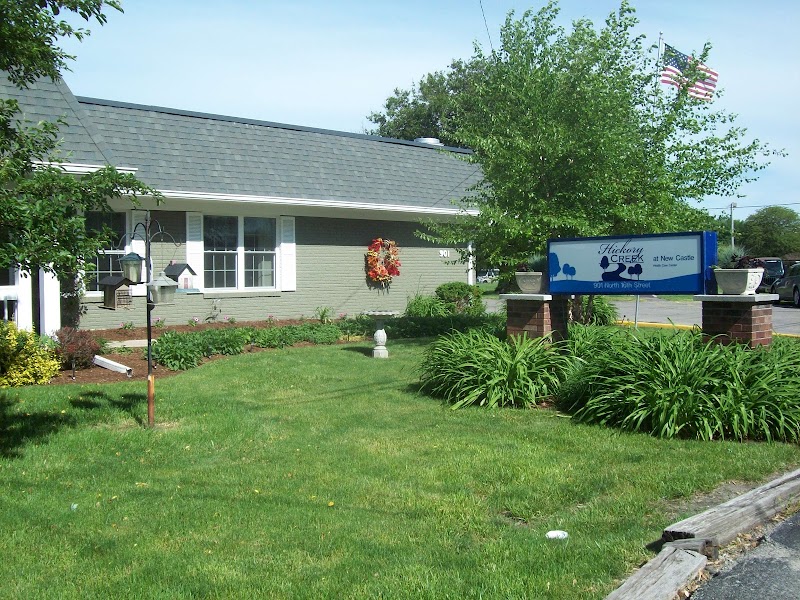
901 N 16TH STREET, NEW CASTLE, IN 47362 (765) 529-4695
Government - County 36 Beds AMERICAN SENIOR COMMUNITIES Data: November 2025
Trust Grade
55/100
#251 of 505 in IN
Last Inspection: May 2025

Inspected within the last 6 months. Data reflects current conditions.

Overview

Hickory Creek at New Castle has a Trust Grade of C, which means it is average-neither great nor terrible. It ranks #251 out of 505 nursing homes in Indiana, placing it in the top half of facilities in the state, and #4 out of 7 in Henry County, indicating that only three local options are better. However, the facility is facing challenges as its performance has worsened, increasing from 2 issues in 2024 to 8 in 2025. While the nursing home has no fines on record, which is a positive sign, it struggles with staffing, earning only 1 out of 5 stars, and has a concerning 71% turnover rate, significantly higher than the state average. Additionally, RN coverage has been inconsistent, with reports showing that the facility failed to provide the required eight hours of RN coverage on multiple days, which could impact the quality of care for residents. On a positive note, quality measures received a perfect score of 5 out of 5, indicating that the overall health outcomes for residents are excellent despite these staffing and compliance issues.

Trust Score
C
55/100
In Indiana
#251/505
Top 49%
Safety Record
Low Risk
No red flags
Inspections
Getting Worse
2 → 8 violations
Staff Stability
⚠ Watch
71% turnover. Very high, 23 points above average. Constant new faces learning your loved one's needs.
Penalties
✓ Good
No fines on record. Clean compliance history, better than most Indiana facilities.
Skilled Nurses
⚠ Watch
Each resident gets only 28 minutes of Registered Nurse (RN) attention daily — below average for Indiana. Fewer RN minutes means fewer trained eyes watching for problems.
Violations
⚠ Watch
18 deficiencies on record. Higher than average. Multiple issues found across inspections.
★★★☆☆
3.0
Overall Rating
★☆☆☆☆
1.0
Staff Levels
★★★★★
5.0
Care Quality
★★★☆☆
3.0
Inspection Score
Stable
2024: 2 issues
2025: 8 issues

The Good

  • 5-Star Quality Measures · Strong clinical quality outcomes
  • Full Sprinkler Coverage · Fire safety systems throughout facility
  • No fines on record

Facility shows strength in quality measures, fire safety.

The Bad

3-Star Overall Rating

Near Indiana average (3.1)

Meets federal standards, typical of most facilities

Staff Turnover: 71%

25pts above Indiana avg (46%)

Frequent staff changes - ask about care continuity

Chain: AMERICAN SENIOR COMMUNITIES

Part of a multi-facility chain

Ask about local staffing decisions and management

Staff turnover is very high (71%)

23 points above Indiana average of 48%

The Ugly 18 deficiencies on record

Aug 2025 3 deficiencies
CONCERN (D) 📢 Someone Reported This

A family member, employee, or ombudsman was alarmed enough to file a formal complaint

Potential for Harm - no one hurt, but risky conditions existed

Free from Abuse/Neglect (Tag F0600)

Could have caused harm · This affected 1 resident

Based on interview and record review, the facility failed to ensure a resident was free from verbal and mental abuse by a staff member to where the resident exhibited behaviors such as irritability an...

Read full inspector narrative →
Based on interview and record review, the facility failed to ensure a resident was free from verbal and mental abuse by a staff member to where the resident exhibited behaviors such as irritability and verbal disappointment in response to the staff member's presence for 1 of 3 residents reviewed for abuse. (Resident D)Findings include:The clinical record for Resident D was reviewed on 8/11/25 at 11:27 a.m. His diagnoses included, but were not limited to, depression, anxiety, pseudobulbar affect, hemiplegia, and hemiparesis. The 6/24/25 Quarterly MDS (Minimum Data Set) assessment indicated he was moderately cognitively impaired. A care plan, last reviewed/revised 7/7/25, indicated his cognition level could fluctuate throughout the day. A care plan, last reviewed/revised 7/7/25, indicated he was at risk for signs and symptoms of anxiety, and could have episodes of uncontrolled outbursts. The goal was for him to not have increased signs and symptoms of anxiety or uncontrolled outbursts. Approaches were to encourage him to verbalize fears and anxiety, and to offer validation and reassurance, and to maintain a calm environment. A care plan, last reviewed/revised 7/7/25, indicated he had a diagnosis of pseudobulbar affect and was known to exhibit angry outbursts related to extreme irritability, low frustration tolerance and a history of quick temper. The goal was for him to accept staff redirection/reassurance when angry. Approaches were for staff to always approach him calmly and in a non-confrontational manner; for staff to approach him only one at a time and not in a group; for staff to give him space and time to calm; and for staff to quietly ask him to stop his behavior. On 8/12/25 at 11:15 a.m., the Administrator provided the investigative file into an incident that occurred between Resident D and the Maintenance Director on 7/10/25 at 12:15 p.m. The file included the 7/15/25 follow-up incident report, the documented 7/10/25 CNA (Certified Nurse Aide) 3 interview, the documented 7/10/25 SSD (Social Services Director) interview, the undated written SSD statement, the documented 7/10/25 Resident C interview, and the documented 7/10/25 Resident D interview. The 7/15/25 follow-up incident report, completed by the Administrator, indicated a resident reported concerns with a staff member using harsh tones. An investigation was started, and the Maintenance Director was suspended pending investigation. The follow-up section of the report indicated the investigation was completed. Resident and staff interviews were conducted with no concerns noted. Resident D showed no signs or symptoms of psychosocial distress and denied staff using harsh tones. The Maintenance Director returned to work. The 7/10/25 CNA 3 interview, documented by the Administrator and signed by CNA 3, indicated CNA 3 was at the nurse's station when she heard Resident D yelling. Resident D sounded angry. CNA 3 went to Resident D's room. Resident D was sitting on the side of his bed, crying. Resident D informed CNA 3 he wanted to lay down, so CNA 3 covered him up in bed. The Maintenance Director and the SSD walked into the room, and Resident D started attempting to get out of bed. The Maintenance Director was standing at the foot of Resident D's bed, pointing his finger at Resident D and saying, You don't talk to me like that, in a loud voice. An interview was conducted with CNA 3 on 8/11/25 at 4:22 p.m. She indicated she worked at the facility for about a year as a CNA. About a week before her scheduled last day at the facility, due to transferring to a sister facility, she was sitting at the nurse's station and heard Resident D yelling. He sounded upset, so she went to check on him. When she walked toward Resident D's room, she saw the Maintenance Director walking down the hallway. When she entered the room, Resident D was crying and really upset. She calmed him down by changing the subject, talked about a local NFL (National Football League) team, and covered him up in bed. Then the Maintenance Director and SSD walked into the room. Resident D immediately freaks out, went into fight or flight. She remembered the Maintenance Director saying to Resident D, You don't f****** talk to me like that, while standing at the end of Resident D's bed, pointing his finger at Resident D. It was like a Walmart video. People yelling and crazy. It gives me chills. There were five people in the room at the time, including CNA 3, Resident D, Resident C who was Resident D's roommate, The Maintenance Director, and the SSD. The SSD ended up taking the Maintenance Director out of the room, and she followed. CNA 3 explained to the Maintenance Director that Resident D was cognitively impaired, and that he couldn't correct someone who was cognitively impaired like that. After explaining this the Maintenance Director, the Maintenance Director acted as if he didn't care. The Maintenance Director was mad and brushed it off. Resident C informed her that all Resident D wanted was for the Maintenance Director to take his lunch tray. Resident D had only one hand and one leg that worked, so if he saw anyone being lazy, it kind of pisses him off. CNA 3 had Resident D laid down, covered up, and calmed down, but as soon as the Maintenance Director came in the room, Resident D pulled his blankets off immediately, and got himself to the side of his bed, like he was trying to get at the Maintenance Director. Resident D normally needed assistance to get to the side of the bed. I would absolutely describe what I saw as verbal abuse. CNA 3 informed the Administrator of what she witnessed.An interview was conducted with the Administrator on 8/12/25 at 11:56 a.m. The Administrator reviewed CNA 3's documented interview and indicated that was how she recalled the interview. CNA 3 did not inform her that the Maintenance Director cussed at Resident D. If she had, she would have put that in the statement.The 7/10/25 SSD interview, documented by the Administrator and the SSD, indicated the SSD and Maintenance Director went into Resident D's room, because the Maintenance Director wanted the SSD to talk to Resident D. After entering the room, Resident D told the Maintenance Director to get out of his room. The Maintenance Director told the SSD that Resident D was not going to talk to him that way. Resident D was trying to get out of his bed to get at the Maintenance Director. Resident D basically just told the Maintenance Director to get out of his room. The SSD, CNA 3, and the Maintenance Director all left the room. The SSD informed the DON (Director of Nursing,) the Administrator, and nurse on duty of what happened. The SSD checked back in on Resident D.An interview was conducted with the SSD on 8/12/25 at 9:19 a.m. He indicated he worked at the facility for three and a half years as the SSD and Marketing Director. He was let go about a week ago. On 7/10/25, he was walking down the hallway, when the Maintenance Director asked him to go into Resident D's room. As soon as the SSD and Maintenance Director walked into the room, Resident D was screaming, Get this guy out my room, referencing the Maintenance Director. CNA 3 was present in the room as well. The SSD and CNA 3 were trying to prevent Resident D from getting out of bed, because he can't walk. The Maintenance Director was saying, This is what I'm talking about. The SSD witnessed how the Maintenance Director raised his voice, saying you're not going to talk to me like that, being confrontational. It was getting louder and louder. The SSD did not hear the Maintenance Director curse, just had a tone to his voice. When the SSD and the Maintenance Director first came to the room, the Maintenance Director stayed by the door, but by the end of the incident, he was at the end of Resident D's bed. The SSD was in between the Maintenance Director and Resident D, who was red in the face. The Maintenance Director was pointing at Resident D, saying, Look, this is what I'm talking about. The SSD thought the Maintenance Director verbally abused Resident D, based on what he witnessed. Resident D was screaming at the top of his lungs, and the Maintenance Director was matching his energy. The SSD was trying to calm down both Resident D and the Maintenance Director and keep Resident D safe. This went on for like ten minutes. The SSD saw the Maintenance Director in the hallway prior to entering Resident D's room with him, so there was clearly something that happened before then. Eventually the Maintenance Director left the room. The SSD remained in the room for a bit, to try and assist with calming Resident D down. Resident C, Resident D's roommate, informed him Resident D and the Maintenance Director were jaw jacking, raising their voices. The SSD informed the nurse on duty, the DON at the time, and the Administrator. The SSD informed the Administrator there was craziness going on down there. The SSD went back to check on Resident D, and things had calmed down. The SSD interviewed residents for the investigation later on, including Resident C. Resident C informed him Resident D and the Maintenance Director were going back and forth. Resident D yelled at the Maintenance Director. Then the Maintenance Director yelled at Resident D. The SSD did not know why the Maintenance Director went back into the room a second time, because he would not have done that. The Maintenance Director was sent home during the investigation, then called and told to come back. The Administrator asked the SSD back into her office and asked him if he thought Resident D was abused. The SSD wrote a statement to say Resident D was abused. The Administrator questioned his written statement, because it said abuse, so he changed his statement to say Resident D was not abused. The SSD indicated you could tell by looking at the statement that he originally wrote abuse and changed it to was not abused. The undated written statement by the SSD indicated, I believe that [name of Maintenance Director] was being firm with resident that his speech and tone was not acceptable and brought me in to be witness but was not abusive. The words was not were squeezed in between the words but and abusive, in smaller writing with the word was on top of the word not. An interview was conducted with the Administrator on 8/12/25 at 11:56 a.m. She indicated the SSD wrote his statement at the same time she interviewed him on 7/10/25. She asked the SSD if he thought it was abusive, and the SSD told her no. She absolutely did not have the SSD change his statement to reflect it was not abusive. The 7/10/25 Resident C interview, documented by the Administrator, indicated the Maintenance Director brought lunch trays into their room. Resident D said he did not want it and to take it away. Resident D cussed at the Maintenance Director. The Maintenance Director said don't talk to me like that. Resident C did not feel like the Maintenance Director was abusive at all.An interview was conducted with Resident C on 8/11/25 at 1:20 p.m. He indicated he witnessed an incident between Resident D and the Maintenance Director last month. Resident D became snippy and curses at people, and he cursed at the Maintenance Director. The Maintenance Director got huffy, when he realized he couldn't win, and left to get the SSD. They all came back into their room with another staff member. The Maintenance Director pointed his finger at Resident D, while standing towards the end of Resident D's bed. The Maintenance Director was not abusive, but he did yell.An interview was conducted with the Maintenance Director on 8/11/25 at 1:38 p.m. He indicated when he brought Resident D his lunch tray, Resident D asked him to remove an inhaler from his room. He did not feel comfortable removing the medication, and informed Resident D of that. Only he, Resident D, and Resident C were present in the room when he delivered the lunch trays. Resident D told him to get the f*** out of there, so the Maintenance Director left to get the SSD to handle it. The Maintenance Director also went back into the room with the SSD, but eventually left. CNA 3 was also present in the room. The Maintenance Director indicated he did not yell at or raise his voice at Resident D. He only asked if Resident D would please not cuss at him. I did not point my finger at him at all. The reason he went back into the room with the SSD was to explain what was going on, so he would get full picture, and so that everyone was on the same page as to what was going on. He explained it in the room in front of Resident D. He'd been trained on abuse upon hire, in April 2025, and again after this incident. He was told he handled the situation appropriately, that he backed out of the situation, because he wasn't helping.An interview was conducted with Resident D on 8/11/25 at 1:25 p.m. He indicated he did not recall an incident with the Maintenance Director. The 7/10/25 interview with Resident D, documented by the Administrator, indicated she spoke with Resident D at length regarding the incident between Resident D and the Maintenance Director. Resident D denied that the Maintenance Director yelled at him. Using the reasonable person concept, Resident D had the potential to experience ongoing anxiety, fear, agitation, and verbal outbursts in regards to the allegation involving the Maintenance Director. An interview was conducted with the Administrator on 8/11/25 at 2:15 p.m. and 8/12/25 at 11:56 a.m. She indicated when she spoke with Resident D and Resident C, neither of them said anything happened, so she unsubstantiated the allegation of abuse. Resident C said it was not abusive in any way. The Maintenance Director was trying to talk to Resident D, but when Resident D was upset, you couldn't talk to him. The Maintenance Director, being a newer employee, didn't know that about Resident D. The Maintenance Director just needed to walk away, instead of continuing to try to explain. The Maintenance Director was in-serviced on abuse, zero tolerance, and better ways to handle resident behaviors. The Abuse Prohibition, Reporting, and Investigation policy was provided by the Administrator on 8/11/25 at 1:50 p.m. It indicated, It is the policy of [name of facility] to provide each resident with an environment that is free from abuse, neglect, or misappropriation of resident property, and exploitation. This includes but is not limited to verbal abuse, sexual abuse, physical abuse, mental abuse, corporal punishment, and involuntary seclusion.Willful, used in the definition of abuse, means the individual must have acted deliberately, not that the individual intended to inflict injury or harm.Verbal Abuse-The use of oral, written, and/or gestured language that willfully includes disparaging and derogatory terms to residents or their families or within their hearing distance, regardless of their age, ability to comprehend, or disability. This includes any episode of staff to resident.Mental Abuse-Verbal or nonverbal infliction of anguish, pain, or distress that results in psychological or emotional suffering. This includes any episode of staff to resident; and resident to resident if it appears to be willfully directed to a specific resident. Examples of mental abuse include but are not limited to: Harassing a resident.Yelling or hovering over a resident, with the intent to intimidate.This citation relates to Complaint 2568713. 3.1-27(a)(1)3.1-27(b)
CONCERN (D) 📢 Someone Reported This

A family member, employee, or ombudsman was alarmed enough to file a formal complaint

Potential for Harm - no one hurt, but risky conditions existed

Deficiency F0740 (Tag F0740)

Could have caused harm · This affected 1 resident

Based on interview and record review, the facility failed to administer Resident B's psychotropic medications as ordered and failed to implement Resident D's behavioral care plan for management of beh...

Read full inspector narrative →
Based on interview and record review, the facility failed to administer Resident B's psychotropic medications as ordered and failed to implement Resident D's behavioral care plan for management of behavioral outburst for 2 of 3 residents reviewed for behavioral care management. (Resident B and Resident D)Findings include: 1. The clinical record for Resident B was reviewed on 8/11/2025 at 1:10 p.m. The medical diagnoses included stroke and behavioral disturbances. A Quarterly Minimum Data Set assessment, dated 7/16/2025, indicated Resident B had moderate cognitive impairment and exhibited behaviors of verbal aggression towards others. A psychotropic medication care plan for Resident B, initiated on 8/1/2024 and revised 7/28/2025, indicated an intervention to administer medications as ordered. A physician's order, dated 6/25/2025, indicated to administer an antipsychotic medication via intramuscular injection every second month on the 25th of the month. Review of the Medication Administration Record for June of 2025, indicated that Resident B did not receive her dose of intramuscular antipsychotic medication. During an interview on 8/12/2025 at 11:56 a.m., the Psychiatric Nurse Practitioner (NP) indicated she had treated Resident B on and off for ten years. She resumed care for Resident B in July of 2025. During this time, she was concerned about Resident B not receiving her June dose of antipsychotic medication via intramuscular injection based on the escalating behaviors Resident B was exhibiting. During an interview on 8/12/2025 at 12:45 p.m., the Interim Director of Nursing Services (DNS) indicated it was the expectation for staff to follow physician orders as written unless clinically contraindicated. 2. The clinical record for Resident D was reviewed on 8/11/25 at 11:27 a.m. His diagnoses included, but were not limited to, depression, anxiety, pseudobulbar affect, hemiplegia, and hemiparesis. The 6/24/25 Quarterly MDS (Minimum Data Set) assessment indicated he was moderately cognitively impaired. A care plan, last reviewed/revised 7/7/25, indicated his cognition level could fluctuate throughout the day. A care plan, last reviewed/revised 7/7/25, indicated he was at risk for signs and symptoms of anxiety, and could have episodes of uncontrolled outbursts. The goal was for him to not have increased signs and symptoms of anxiety or uncontrolled outbursts. Approaches were to encourage him to verbalize fears and anxiety, and to offer validation and reassurance, and to maintain a calm environment. A care plan, last reviewed/revised 7/7/25, indicated he had a diagnosis of pseudobulbar affect and was known to exhibit angry outbursts related to extreme irritability, low frustration tolerance and a history of quick temper. The goal was for him to accept staff redirection/reassurance when angry. Approaches were for staff to always approach him calmly and in a non-confrontational manner; for staff to approach him only one at a time and not in a group; for staff to give him space and time to calm; and for staff to quietly ask him to stop his behavior. On 8/12/25 at 11:15 a.m., the Administrator provided the investigative file into an incident that occurred between Resident D and the Maintenance Director on 7/10/25 at 12:15 p.m. The 7/15/25 follow-up incident report, completed by the Administrator, indicated a resident reported concerns with a staff member using harsh tones. An investigation was started, and the Maintenance Director was suspended pending investigation. The follow-up section of the report indicated the investigation was completed. Resident and staff interviews were conducted with no concerns noted. Resident D showed no signs or symptoms of psychosocial distress and denied staff using harsh tones. The Maintenance Director returned to work. An interview was conducted with Certified Nurse Aide (CNA) 3 on 8/11/25 at 4:22 p.m. She indicated she worked at the facility for about a year as a CNA. About a week before her scheduled last day at the facility, due to transferring to a sister facility, she was sitting at the nurse’s station and heard Resident D yelling. He sounded upset, so she went to check on him. When she walked toward Resident D’s room, she saw the Maintenance Director walking down the hallway. When she entered the room, Resident D was crying and really upset. She calmed him down by changing the subject, talked about a local NFL (National Football League) team, and covered him up in bed. Then the Maintenance Director and SSD walked into the room. Resident D “immediately freaks out, went into fight or flight.” She remembered the Maintenance Director saying to Resident D, “You don’t f****** talk to me like that,” while standing at the end of Resident D’s bed, pointing his finger at Resident D. “It was like a Walmart video. People yelling and crazy. It gives me chills.” There were five people in the room at the time, including CNA 3, Resident D, Resident C who was Resident D’s roommate, The Maintenance Director, and the Social Services Director (SSD). The SSD ended up taking the Maintenance Director out of the room, and she followed. CNA 3 explained to the Maintenance Director that Resident D was cognitively impaired, and that he couldn’t correct someone who was cognitively impaired “like that.” After explaining this the Maintenance Director, the Maintenance Director acted as if “he didn’t care.” The Maintenance Director was mad and brushed it off. Resident C informed her that all Resident D wanted was for the Maintenance Director to take his lunch tray. Resident D had only one hand and one leg that worked, so if he saw anyone being lazy, it “kind of pisses him off.” CNA 3 had Resident D laid down, covered up, and calmed down, but as soon as the Maintenance Director came in the room, Resident D pulled his blankets off immediately, and got himself to the side of his bed, “like he was trying to get at” the Maintenance Director. Resident D normally needed assistance to get to the side of the bed. An interview was conducted with the SSD on 8/12/25 at 9:19 a.m. He indicated he worked at the facility for three and a half years as the SSD and Marketing Director. He was let go about a week ago. On 7/10/25, he was walking down the hallway, when the Maintenance Director asked him to go into Resident D’s room. As soon as the SSD and Maintenance Director walked into the room, Resident D was screaming, “Get this guy out my room,” referencing the Maintenance Director. CNA 3 was present in the room as well. The SSD and CNA 3 were trying to prevent Resident D from getting out of bed, because he can’t walk. The Maintenance Director was saying, “This is what I’m talking about.” The SSD witnessed how the Maintenance Director raised his voice, saying you’re not going to talk to me like that, being confrontational. It was getting louder and louder. The SSD did not hear the Maintenance Director curse, just had a tone to his voice. When the SSD and the Maintenance Director first came to the room, the Maintenance Director stayed by the door, but by the end of the incident, he was at the end of Resident D’s bed. The SSD was in between the Maintenance Director and Resident D, who was “red in the face.” The Maintenance Director was pointing at Resident D, saying, “Look, this is what I’m talking about.” Resident D was screaming at the top of his lungs, and the Maintenance Director was “matching his energy.” The SSD was trying to calm down both Resident D and the Maintenance Director, and keep Resident D safe. “This went on for like ten minutes.” The SSD saw the Maintenance Director in the hallway prior to entering Resident D’s room with him, “so there was clearly something that happened before then.” Eventually the Maintenance Director left the room. The SSD remained in the room for a bit, to try and assist with calming Resident D down. Resident C, Resident D’s roommate, informed him Resident D and the Maintenance Director were “jaw jacking,” raising their voices. The SSD informed the nurse on duty, the DON at the time, and the Administrator. The SSD informed the Administrator there was “craziness” going on down there. The SSD went back to check on Resident D, and things had calmed down. The SSD interviewed residents for the investigation later on, including Resident C. Resident C informed him Resident D and the Maintenance Director were going back and forth. Resident D yelled at the Maintenance Director. Then the Maintenance Director yelled at Resident D. The SSD did not know why the Maintenance Director went back into the room a second time, because he would not have done that. An interview was conducted with Resident C on 8/11/25 at 1:20 p.m. He indicated he witnessed an incident between Resident D and the Maintenance Director last month. Resident D became “snippy and curses at people,” and he cursed at the Maintenance Director. The Maintenance Director “got huffy,” when he realized he “couldn’t win,” and left to get the SSD. They all came back into their room with another staff member. The Maintenance Director pointed his finger at Resident D, while standing towards the end of Resident D’s bed. The Maintenance Director was not abusive, but he did yell. An interview was conducted with the Maintenance Director on 8/11/25 at 1:38 p.m. He indicated when he brought Resident D his lunch tray, Resident D asked him to remove an inhaler from his room. He did not feel comfortable removing the medication, and informed Resident D of that. Only he, Resident D, and Resident C were present in the room when he delivered the lunch trays. Resident D told him to get the f*** out of there, so the Maintenance Director left to get the SSD to handle it. The Maintenance Director also went back into the room with the SSD, but eventually left. CNA 3 was also present in the room. The Maintenance Director indicated he did not yell at or raise his voice at Resident D. He only asked if Resident D would please not cuss at him. “I did not point my finger at him at all.” The reason he went back into the room with the SSD was to explain what was going on, “so he would get full picture,” and so that “everyone was on the same page as to what was going on.” He explained it in the room in front of Resident D. He'd been trained on abuse upon hire, in April 2025, and again after this incident. He was told he handled the situation appropriately, that he backed out of the situation, because he wasn’t helping. An interview was conducted with Resident D on 8/11/25 at 1:25 p.m. He indicated he did not recall an incident with the Maintenance Director. An interview was conducted with the Administrator on 8/11/25 at 2:15 p.m. and 8/12/25 at 11:56 a.m. She indicated when she spoke with Resident D and Resident C, neither of them said anything happened, so she unsubstantiated the allegation of abuse. Resident C said it was not abusive in any way. The Maintenance Director was trying to talk to Resident D, but when Resident D was upset, you couldn’t talk to him. The Maintenance Director being a newer employee, didn’t know that about Resident D. The Maintenance Director just needed to walk away, instead of continuing to try to explain. The Maintenance Director was in-serviced on abuse, zero tolerance, and better ways to handle resident behaviors. The Behavior Management policy was provided by the Administrator on 8/11/25 at 1:50 p.m. It indicated, “It is the policy of [name of facility] to provide behavior interventions for resident with problematic or distressing behaviors. Interventions provided are both individualized and non-pharmacological and part of a supportive physical and psychosocial environment that is directed toward preventing, relieving and/or accommodating a resident’s behavioral expressions….Direct care staff will be educated as to the interventions for residents reviewed by the IDT (Interdisciplinary Team.)” This citation relates to Complaint 2582411 and Complaint 2568713. 3.1-37(a)
CONCERN (D) 📢 Someone Reported This

A family member, employee, or ombudsman was alarmed enough to file a formal complaint

Potential for Harm - no one hurt, but risky conditions existed

Deficiency F0745 (Tag F0745)

Could have caused harm · This affected 1 resident

Based on interview and record review, the facility failed to determine residents' ability to consent and establish individualized resident-centered care plans for a resident-to-resident relationships ...

Read full inspector narrative →
Based on interview and record review, the facility failed to determine residents' ability to consent and establish individualized resident-centered care plans for a resident-to-resident relationships for 2 of 3 residents reviewed for resident-to-resident relationships. (Resident B and Resident C)Findings include: 1. The clinical record for Resident B was reviewed on 8/11/2025 at 1:10 p.m. The medical diagnoses included stroke and behavioral disturbances.A Quarterly Minimum Data Set assessment, dated 7/16/2025, indicated Resident B had moderate cognitive impairments.During an interview with Resident B on 8/11/2025 at 12:38 p.m., Resident B indicated she was in a relationship with Resident C. The relationship entailed her holding hands, playing cards, and kissing Resident C.Review of clinical record did not establish an assessment of Resident B's ability to consent nor care plans for Resident B's sexuality and relationship with Resident C.2. The clinical record for Resident C was reviewed on 8/11/2025 at 1:30 p.m. The medical diagnoses included chronic obstructive pulmonary disease and depression. A Quarterly Minimum Data Set assessment, dated 5/13/2025, indicated Resident C was cognitively intact.During an interview on 8/11/2025 at 12:52 p.m., Resident C indicated he was in a relationship with Resident B, but they had recently broken up. During the time they were together, they would spend time together, hold hands, and kiss each other. Resident C stated it did not go further than kissing in the mouth. Review of the clinical record did not establish an assessment for Resident C's ability to consent nor care plans for Resident C's sexuality and relationship with Resident B.An interview with the Executive Director, on 8/12/2025 at 12:20 p.m., indicated she was unable to find documentation of Resident B or C's capacity to consent and Resident B and C's care plans for resident-to-resident relationship. It was the responsibility of the Social Service Director to develop the care plans.A policy entitled, Resident Sexuality, was provided by the Executive Director on 8/11/2025 at 1:40 p.m. The policy indicated .A determination of the ability to consent to sexual activities must be made in conjunction with the IDT and physician.Determination of capacity to make decision regarding sexual activity will be documented by the physician in the medical record.This citation relates to Complaint 2582411.3.1-34(a)(1)
May 2025 5 deficiencies
CONCERN (D)

Potential for Harm - no one hurt, but risky conditions existed

Resident Rights (Tag F0550)

Could have caused harm · This affected 1 resident

Based on observation, interview, and record review, the facility failed to promote dignity by ensuring residents were changed in a timely manner after episodes of incontinence for 2 of 2 residents rev...

Read full inspector narrative →
Based on observation, interview, and record review, the facility failed to promote dignity by ensuring residents were changed in a timely manner after episodes of incontinence for 2 of 2 residents reviewed for dignity. (Residents 7 & 11) Findings include: 1. The clinical record for Resident 11 was reviewed on 5/6/25 at 10:02 a.m. The diagnoses included, but were not limited to, chronic respiratory failure with hypoxia, epilepsy, and major depressive disorder. The Annual Minimum Data Set (MDS) assessment, dated 2/4/25, indicated Resident 11 was cognitively intact, was always incontinent of bowel and bladder, and was dependent with toileting. An incontinence due to impaired mobility and overactive bladder care plan, dated 4/5/24, indicated to assist with incontinent care as needed and to check and change every two hours for incontinence. During an interview with Resident 11 on 5/5/25 at 10:44 a.m., they indicated they have to wait long periods at night to be changed when calling out that they have been incontinent. Resident 11 indicated night shift will not check her during the night, so by the time morning comes she was completely soaked in urine and required a complete bed change due to her linens being soaked in urine. Resident 11 indicated it made her frustrated, angry, and humiliated from having to lay in her urine. During an interview with Resident 11 on 5/6/25 at 11:08 a.m., she indicated staff had already been on her today for needing to be changed so much. She indicated it upset her, and she was crying, saying she can't help it. She indicated the staff does this to her every day when she was wet and waiting to be changed. During an observation with Licensed Practical Nurse (LPN) 2 on 5/6/25 at 11:29 a.m., LPN 2 was performing incontinent care to Resident 11. LPN 2 indicated her brief was wet when she removed it. During an interview with Resident 3 (Resident 11's roommate) on 5/7/25 at 12:40 p.m., she indicated she had seen Resident 11 wait several times for her call light to be answered when she calls out wet. Resident 3 indicated staff will come into the room, turn off the call light, and say they will be back, but then not return for a long time. Resident 3 had a Quarterly Minimum Data Set (MDS) assessment, on 2/11/25, indicating they were cognitively intact. During an interview with the Director of Nursing (DON) on 5/7/25 at 12:18 p.m. she indicated staff conduct every two hour checks with residents who are incontinent. The DON indicated Resident 11's bed was soaked a lot of times due to medications she was on and that could occur even an hour after being toileted. 2. The clinical record for Resident 7 was reviewed on 5/6/2025 at 1:22 p.m. The medical diagnoses included bilateral lower limb amputations and major depression. An Annual MDS assessment, dated 3/18/2025, indicated Resident 7 needed assistance with transferring and toileting, was cognitively intact, and incontinent of bowel and bladder. An activities of daily living (ADL) care plan, revised 3/18/2025, indicated Resident 7 needed assistance with activities of daily living with an intervention to provide Resident 7 with toileting routinely. During an interview and observation on 5/5/2025 at 1:10 p.m., Resident 7 indicated she had to wait a long time, up to two hours, to get assistance after putting on her call light. The last time this happened was during the last week, and it was worse in the evening after supper. Due to the waiting times, she stated she had to sit in urine for a long time and it makes me [Resident 7] feel disgusting and humiliated. Resident 7's room was noted to smell of urine. Resident 7 stated she had accidents, and they do not clean her room on the weekends so it sometimes smells. A policy entitled Resident Rights was provided by the Executive Director on 5/7/2025 at 12:40 p.m. The policy indicated that residents have the right to be treated with consideration, respect, and full recognition of their dignity. 3.1-3(a) 3.1-3(t)
CONCERN (D)

Potential for Harm - no one hurt, but risky conditions existed

Deficiency F0558 (Tag F0558)

Could have caused harm · This affected 1 resident

2. The clinical record for Resident 21 was reviewed on 5/6/2025 at 11:45 a.m. The medical diagnoses included schizophrenia and chronic kidney disease. A Quarterly MDS assessment, dated 3/11/2025, ind...

Read full inspector narrative →
2. The clinical record for Resident 21 was reviewed on 5/6/2025 at 11:45 a.m. The medical diagnoses included schizophrenia and chronic kidney disease. A Quarterly MDS assessment, dated 3/11/2025, indicated Resident 21 was cognitively intact. A nursing assessment, dated 3/11/2025, indicated Resident 21 was not at risk for developing a pressure area. A skin care plan, revised 3/21/2025, indicated Resident 21 was at risk for skin breakdown and to utilize a pressure-reducing cushion while in the wheelchair. During an interview and observation, on 5/5/2025 at 12:53 p.m., Resident 21 was noted to be sitting in his wheelchair. Midway through the interview, Resident 21 stood up and transferred to bed. Resident 21's wheelchair was noted to have a cushion in place. Resident 21 indicated he had never used a cushion in his wheelchair. During an interview and observation, on 5/6/2025 at 1:09 p.m., Resident 21's wheelchair was noted to be without a cushion. During an interview with the Director of Nursing (DON) on 5/7/2025 at 12:32 p.m., she indicated Resident 21's cushion was in the second bathroom and drying after it was washed. The DON verified they have spare cushions that staff could utilize, but she was unsure why the staff did not utilize one. A policy entitled Resident Rights was provided by the ED on 5/4/2025 at 12:05 p.m. The policy indicated residents have the right to .receive services in the facility with reasonable accommodation of resident needs and preferences . 3.1-3(v)(1) Based on observation, interview, and record review, the facility failed to provide showers as preferred for Resident 4 and failed to ensure Resident 21 had a pressure-reducing cushion in place as care planned for 2 of 2 residents reviewed for accommodation of needs (Resident 4 and Resident 21). Findings include: 1. During an interview with Resident 4 on 5/5/25 at 11:09 a.m., she indicated she was supposed to get a shower three times a week and the facility staff were not assisting her with showers. The resident indicated there was one CNA (Certified Nurse Aide) who would give her a shower, the other CNAs gave her bed baths because she had to use a mechanical lift to transfer. The resident indicated she preferred to have a shower instead of a bed bath. Review of the shower book, on 5/6/25 at 1:42 p.m., indicated Resident 4 was scheduled to have a shower three times a week on Tuesday, Wednesday, and Saturday. Review of the record of Resident 4, on 5/8/25 at 11:10 a.m., indicated the resident's diagnoses included, but were not limited to, cerebral palsy, diabetes, cerebral infarction with hemiplegia and hemiparesis affecting unspecified side, anxiety, and major depressive disorder. The Quarterly Minimum Data Set (MDS) assessment, dated 4/8/25, indicated the resident was moderately impaired for daily decision making. The resident was dependent on the staff for showering. The plan of care for Resident 4, dated 4/14/25, indicated the resident required assistance with activities of daily living (ADLs) related to cerebral palsy and hemiplegia. The interventions included, but were not limited to, transfer resident with two staff with a mechanical lift and assist with bathing per residents' preference of showers. The preference for customary routine and activities for Resident 4, dated 5/7/24, indicated the resident preferred to have a shower. The shower report for Resident 4, dated March 2025, indicated the resident received a bed bath instead of a shower on 3/6/25, 3/8/25, 3/11/25, 3/13/25, 3/15/25, 3/25/25, 3/27/25, and 3/29/25. The shower report for Resident 4, dated April 2025, indicated the resident received a bed bath instead of a shower on 4/1/25, 4/2/25, 4/5/25, 4/19/25, 4/27/25 and 4/30/25. The preference for daily routine policy was provided by the Executive Director (ED) on 5/7/25 at 12:50 p.m. The policy indicated the purpose was to identify and develop a plan of care that reflects a resident's past and current daily customary routines.
CONCERN (D)

Potential for Harm - no one hurt, but risky conditions existed

ADL Care (Tag F0677)

Could have caused harm · This affected 1 resident

Based on observation, interview, and record review, the facility failed to provide incontinent care in a timely manner for a resident dependent on staff for toileting needs for 1 of 4 residents review...

Read full inspector narrative →
Based on observation, interview, and record review, the facility failed to provide incontinent care in a timely manner for a resident dependent on staff for toileting needs for 1 of 4 residents reviewed for activities of daily living (ADLs). (Resident 22) Findings include: During an interview with Resident 22 on 5/5/25 at 12:48 p.m., she indicated last week or last weekend, she had to wait four hours in an incontinent brief that was wet with urine and had a bowel movement in it. The resident turned her call light on at 10:00 a.m., and they did not change her until 2:00 p.m. The roommate (Resident 17) indicated she was present when this happened and witnessed it. Resident 22 indicated she reported it to Licensed Practical Nurse (LPN) 6 and Certified Nurse Aide (CNA) 7 and various other nursing staff. The resident had a clock in her room with the correct time and indicated she had timed it the day it happened. The resident indicated her bottom was raw from laying in a dirty incontinent brief that long. During an observation on 5/7/25 at 11:45 a.m., CNA 3 and CNA 4 provided incontinent care for Resident 22. The resident's incontinent brief was soaked with urine and had also leaked through her jean shorts. LPN 5 applied magic butt paste to the resident's buttocks. The resident's buttocks were pink, shiny, and raw. Review of the record of Resident 22, on 5/7/25 at 1:08 p.m., indicated the resident's diagnoses included, but were not limited to, urinary tract infection, multiple sclerosis, chronic kidney disease, morbid obesity, neuromuscular dysfunction of bladder, and need for assistance with personal care. The admission Minimum Data Set (MDS) assessment, dated 3/25/25, indicated the resident was cognitively intact for daily decision making. The resident was always incontinent of her bowels and bladder. The resident was dependent for toileting needs. The plan of care for Resident 22, dated 3/31/25, indicated the resident required assistance with ADLs related to multiple sclerosis, morbid obesity, and incontinence. The interventions included, but were not limited to, assistance with toileting and/or incontinent care as needed. The skin assessment for Resident 22, dated 5/3/25, indicated the resident was observed to have moisture associated dermatitis on her buttocks. The physician order for Resident 22, dated 5/5/25, indicated the resident was ordered magic butt paste to buttocks every shift for redness. The nursing skills competency provided by the Executive Director, on 5/8/25 at 11:45 a.m., indicated the procedure included, but were not limited to, assistance with toileting or perineal care as needed. 3.1-38(a)(3)(A)
CONCERN (D)

Potential for Harm - no one hurt, but risky conditions existed

Accident Prevention (Tag F0689)

Could have caused harm · This affected 1 resident

Based on observation, interview, and record review, the facility failed to follow policy for a resident who utilized an electronic cigarette and was on oxygen for 1 of 1 resident reviewed for accident...

Read full inspector narrative →
Based on observation, interview, and record review, the facility failed to follow policy for a resident who utilized an electronic cigarette and was on oxygen for 1 of 1 resident reviewed for accidents. (Resident 11) Findings include: The clinical record for Resident 11 was reviewed on 5/6/25 at 10:02 a.m. The diagnoses included, but were not limited to, chronic respiratory failure with hypoxia, epilepsy, and schizoaffective disorder. The Annual Minimum Data Set (MDS) assessment indicated Resident 11 was cognitively intact for daily decision making and was dependent on laying to sitting up in bed. During an observation and interview with Resident 11 on 5/5/25 at 10:46 a.m., Resident 11 was sitting up in bed with oxygen on and using an electronic cigarette. During an interview with Resident 11 on 5/6/25 at 11:10 a.m., she indicated she did use their electronic cigarette while on oxygen. Resident 11 indicated she had been told by some staff it was okay to use the electronic cigarette while on oxygen, and then some staff have said it was not okay. Resident 11 indicated that the Executive Director (ED) came into her room yesterday and told her she had to turn her oxygen off when she used her electronic cigarette. Resident 11 indicated she was unable to turn the oxygen off herself because it was out of her reach while lying in bed. During an observation and interview on 5/7/25 at 10:45 a.m., Resident 11 was lying in bed with her oxygen concentrator behind her bed. She indicated she continues to use her electronic cigarette while on oxygen. Resident 11 indicated she cannot reach the oxygen to turn it off, so it stays on while she uses her electronic cigarette. She indicated she has used her electronic cigarette for over two years while wearing oxygen, and no one had said anything about it until the State came in. A use of electronic cigarette care plan, dated 4/1/24, indicated the electronic cigarette policy would be reviewed with the resident upon using and as needed During an interview with the Director of Nursing (DON) on 5/7/25 at 12:13 p.m., they indicated they were aware that Resident 11 uses an electronic cigarette in her room while on oxygen. The DON indicated Resident 11 does not have an order to self-administer her oxygen and has not been educated to manage her oxygen. The DON indicated Resident 11 could use her call light to have staff turn her oxygen on and off for her when she wanted to use her electronic cigarette. An Electronic Cigarettes policy was provided by the ED on 5/6/25 at 1:00 p.m. It indicated 9. Residents using oxygen are restricted from using electronic cigarettes when oxygen is in use. Oxygen must be shut off and removed prior to the resident using electronic cigarettes . 3.1-45(a)(1)
CONCERN (F)

Potential for Harm - no one hurt, but risky conditions existed

Deficiency F0727 (Tag F0727)

Could have caused harm · This affected most or all residents

Based on interview and record review, the facility failed to provide eight consecutive hours of registered nurse (RN) coverage daily for 2 of 30 days reviewed. This deficient practice had the protenti...

Read full inspector narrative →
Based on interview and record review, the facility failed to provide eight consecutive hours of registered nurse (RN) coverage daily for 2 of 30 days reviewed. This deficient practice had the protentional to affect all 35 residents. Findings include: Preliminary review of the survey, completed on 5/4/2025 at 8:35 a.m., indicated the facility had a nurse-staffing waiver for RN coverage of eight consecutive hours every day. Review of the nursing schedule from April 4, 2025, through May 5, 2025, indicated the facility did not have RN coverage for the following days: April 20, 2025, and May 3, 2025. During an interview on 5/6/2025 at 12:45 p.m., the Executive Director (ED) indicated the facility will continue to utilize the RN waiver at that time. Overall, their staffing of RNs had improved, but not completely stabilized at that time. They are currently using as needed (PRN) RNs as well as their DON as the RN coverage, but it was mainly PRN RNs, and it was not consistent enough to get rid of the waiver currently. During an interview on 5/8/2025 at 11:35 a.m., the ED indicated there were no residents that needed RN specific care. The facility had a mitigation strategy to not admit any residents who would need RN specific care, to have an RN on-call, and an understanding with a local facility within the same corporation to have an RN come on-site in the case of need. During an interview on 5/8/2025 at 11:52 a.m., the ED indicated there was no policy regarding RN coverage, but the facility's expectation was to utilize the federal regulations. 3.1-17(b)(3)
Apr 2024 2 deficiencies
CONCERN (D)

Potential for Harm - no one hurt, but risky conditions existed

Comprehensive Care Plan (Tag F0656)

Could have caused harm · This affected 1 resident

Based on interview and record review, the facility failed to develop and implement care plans for the utilization of oxybutynin and NicoDerm for Resident 7, dementia medication for Resident 13, and ir...

Read full inspector narrative →
Based on interview and record review, the facility failed to develop and implement care plans for the utilization of oxybutynin and NicoDerm for Resident 7, dementia medication for Resident 13, and iron, Jardiance, and omeprazole for Resident 14. This affected 3 of 5 residents reviewed for medication management. Findings include: 1. The clinical record for Resident 7 was reviewed on 4/4/2024 at 11:45 a.m. The medical diagnosis included acute and chronic respiratory failure with hypoxia. A Significant Change Minimum Data Set (MDS) Assessment, dated 3/6/2024, for Resident 7 indicated she was cognitively intact. A physician order, dated 2/29/2024, indicated for Resident 7 to utilize Ditropan 5 milligrams (mg) daily. A physician order, started on 3/7/2024 and discontinued on 4/4/2024, indicated for Resident 7 to utilize a NicoDerm transdermal patch daily. No care plans were developed and implemented to address the utilization of the aforementioned medications for Resident 7. 2. The clinical record for Resident 13 was reviewed on 4/3/202 at 1:30 p.m. The medical diagnosis included dementia. A Quarterly MDS Assessment, dated 2/72/2024, indicated that Resident 13 was moderately cognitively impaired and had a progressive neurological condition. A physician order, dated 8/22/2023, indicated for Resident 13 to utilize donepezil 5 mg daily for dementia. A physician order, dated 8/22/2023, indicated for Resident 13 to utilize memantine 5 mg twice daily for dementia. A dementia care plan for Resident 13, dated 11/22/2022, did not indicate the utilization of medication. This dementia care plan was revised on 4/5/2024 at 10:34 a.m. 3. The clinical record for Resident 14 was reviewed on 4/3/2024 at 11:35 a.m. The medical diagnosis included gastro-esophageal reflux disease (GERD). A Quarterly MDS Assessment, dated 2/20/2024, indicated that Resident 14 was cognitively intact. A physician order, dated 10/14/2023, indicated for Resident 14 to utilize ferrous sulfate 325 mg daily. A physician order, dated 10/14/2023, indicated for Resident 14 to utilize Jardiance 10 mg daily. A physician order, dated 10/15/2023, indicated for Resident 14 to utilize omeprazole 20 mg daily. No care plans were developed and implemented to address the utilization and monitoring of the aforementioned medications for Resident 14. An interview with the Administration on 04/05/24 at 10:40 a.m. indicated that she had spoken with the MDS Coordinator regarding the care plans for Resident 7, 13, and 14. The facility did not have care plans in place for the utilization of oxybutynin and NicoDerm for Resident 7, dementia medication for Resident 13, nor for iron, Jardiance, and omeprazole for Resident 14, but the MDS coordinator would develop care plans for those medications for those residents. A policy, entitled IDT Comprehensive Care Plan Policy, was provided by the Administrator on 4/5/2024 at 10:45 a.m. The policy indicated, .The care plan must include measurable goals and resident specific interventions base on the resident needs and preferences to promote the resident's highest level of functioning including medical, nursing, mental and psychological well-being . 3.1-35(a) 3.1-35(b)(1)
CONCERN (F)

Potential for Harm - no one hurt, but risky conditions existed

Deficiency F0727 (Tag F0727)

Could have caused harm · This affected most or all residents

Based on interview and record review, the facility failed to ensure there was Registered Nurse (RN) coverage for at least eight consecutive hours a day, seven days a week for 14 of 31 days reviewed. T...

Read full inspector narrative →
Based on interview and record review, the facility failed to ensure there was Registered Nurse (RN) coverage for at least eight consecutive hours a day, seven days a week for 14 of 31 days reviewed. This had the potential to affect 27 residents. Findings include: Review of the schedule and RN time sheets from 3/1/2024 to 4/1/2024, indicated that eight hours of RN coverage were not completed on 3/6/2024, 3/7/2024, 3/8/2024, 3/9/2024, 3/10/2024, 3/16/2024, 3/17/2024, 3/24/2024, 3/25/2024, 3/26/2024, 3/27/2024, 3/28/2024, 3/30/2024, and 3/31/2024. An interview with the Director of Nursing on 4/4/2024 at 11:25 a.m. verified that eight hours of RN coverage was not provided on the 14 aforementioned dates. An interview with the Director of Nursing on 4/4/2024 at 11:35 a.m. indicated that there was no specific policy to RN coverage, but the facility would follow the federal regulation of RN coverage of at least eight consecutive hours a day, seven days a week.
Mar 2023 8 deficiencies
CONCERN (D)

Potential for Harm - no one hurt, but risky conditions existed

Deficiency F0557 (Tag F0557)

Could have caused harm · This affected 1 resident

Based on interview and record review the facility failed to maintain a dignified environment for a resident requested assistance with care for 1 of 2 residents reviewed for abuse (Resident 4). Finding...

Read full inspector narrative →
Based on interview and record review the facility failed to maintain a dignified environment for a resident requested assistance with care for 1 of 2 residents reviewed for abuse (Resident 4). Finding include: During an interview with Resident 4 on 3/21/23 at 1:45 p.m., indicated CNA 1 yelled at her the other day on 3/17/23. The resident indicated she wanted to go to bed and CNA 1 yelled and told her that she had to wait her turn. The resident indicated she told her she wasn't going to treat her like a dog. The nurse heard CNA 1 yelling at me. The resident indicated it made her mad and she told CNA 1 she paid to live at the facility and she was not allowed to yell at me. Review of the record of Resident 4 on 3/23/23 at 1:05 p.m., Cerebral palsy, respiratory failure, cerebral infarction, personal history of transient ischemic attack, hypertensive heart disease, obstructive sleep apnea, diabetes, anxiety disorder, major depressive disorder and muscle weakness. The Quarterly Minimum Data Set (MDS) for Resident 4, dated 2/14/23, indicated the resident was moderately impaired for daily decision making. The resident had no behaviors. The resident required extensive assistance of two people for transfers and toileting. The resident utilized a wheelchair for mobility. The resident did not ambulate. The plan of care for Resident 4, dated 1/24/23, indicated the resident was at risk for signs and symptoms such as withdrawal, decreased appetite, tearfulness and insomnia. The interventions included, but were not limited allow resident to express feelings and frustrations; offer validation and support, emphasize and promote independence, encourage activities of interest. The plan of care for Resident 4, dated 1/24/23, indicated the resident was at risk for signs and symptoms of anxiety. The interventions included, but were not limited to, encourage the resident to verbalize fears and anxiety and offer validation and reassurance, maintain a calm environment and move to a quiet area. The witness statement for CNA 1, dated 3/21/23 (no time), indicated that on 3/17/23 Resident 4 and herself got into an argument regarding assisting the resident to bed. CNA 1 told the resident that she would get to her the first opportunity she could and then the resident indicated she needed to go to the bathroom, CNA 1 told the resident to go to the back hallway and she would come assist the resident. Resident 4 kept arguing with CNA 1, CNA 1 then told her there were 27 other residents besides her to take care of and the resident was not the queen of the building and she would have to learn to wait her turn. The resident began saying the staff were treating her like a dog and she was going to move to another facility. CNA 1 told the resident that was her choice if she wanted to go to another facility. LPN 2 then told CNA 1 to take a break and walk away from Resident 4. During an interview with the Administrator on 3/23/23 at 2:53 p.m., indicated the abuse allegations made by Resident 4 were not founded after the facility conducted an investigation. The facility suspended CNA 1 and brought her back after the investigation was completed. During an interview with CNA 1 on 3/23/23 at 3:09 p.m., indicated on 3/17/23 during the evening time Resident 4 was being demanding wanting to be put to bed. The resident stalks staff in her wheelchair and wants us to stop everything we are doing and take care of her. The resident started getting mouthy and back talking the CNA. The CNA told her she had to wait her turn. The nurse came and told me to take a break and not to provide care for the resident the rest of the night. The Director Of Nursing (DON) and the Assistant Director Of Nursing (ADON) did provide education to the CNA on 3/22/23 that if a resident starts an argument to walk away. During an interview with the DON on 3/23/23 at 3:26 p.m., indicated she did provide education to CNA 1 to be careful how she reacted to residents with behaviors and to get the charge nurse if a resident was making her feel uncomfortable. During an interview with LPN 2 on 3/23/23 at 3:40 p.m., indicated she was the nurse on 3/17/23 when CNA 1 and Resident 4 had the incident. LPN 2 indicated she intervened and told CNA 1 to walk away and take care of other residents. CNA 1 was being firm with Resident 4 but LPN 2 could tell it was going to escalate into an argument. The resident rights policy provided by the Administrator on 3/24/23 at 11:10 a.m., indicated All staff members recognize the rights of the residents at all times and residents assume responsibilities to enable personal dignity, well being, and proper delivery of care. 3.1-3(a)(1)(t)
CONCERN (D)

Potential for Harm - no one hurt, but risky conditions existed

Deficiency F0558 (Tag F0558)

Could have caused harm · This affected 1 resident

Based on observation, interview and record review the facility failed to provide fresh ice water daily for 1 of 1 resident's reviewed for hydration (Resident 20). Finding include: During an observati...

Read full inspector narrative →
Based on observation, interview and record review the facility failed to provide fresh ice water daily for 1 of 1 resident's reviewed for hydration (Resident 20). Finding include: During an observation on 3/21/23 at 11:05 a.m., Resident 20 had no water available in his room. During an observation on 3/22/23 at 11:50 a.m., Resident 20 was laying in bed, the resident had a small medication cup of water on his bedside table. Review of the record of Resident 20 on 3/22/23 at 11:03 a.m., indicated the resident's diagnoses included, but were not limited to, chronic obstructive pulmonary disease (COPD), Alzheimer's disease, hypertensive heart disease, diabetes, muscle weakness and pneumonia. The Quarterly Minimum Data Set (MDS) assessment for Resident 20, dated 3/14/23, indicated the resident was severely impaired for daily decision making. The resident required set up with drinking. During an observation on 3/22/23 at 2:00 p.m., Resident 20 was sitting on the side of his bed, the resident had no water available. During an observation on 3/23/23 at 10:50 a.m., Resident 20 had a small medicine cup of water on his bedside table. During an observation on 3/23/23 at 11:20 a.m., Resident 20 had a small medicine cup of water on his bedside table. During an interview with the Director Of Nursing (DON) on 3/23/23 at 2:30 p.m., indicated nursing was responsible to ensure Resident 20 had fresh ice water available and it should be passed during medication administration. 3.1-3(v)(1)
CONCERN (D)

Potential for Harm - no one hurt, but risky conditions existed

Deficiency F0657 (Tag F0657)

Could have caused harm · This affected 1 resident

2.) During an interview with Resident 4 on 3/21/23 at 1:55 p.m., indicated the facility did not have care plan meetings with her and her family. Review of the record of Resident 4 on 3/23/23 at 1:05 ...

Read full inspector narrative →
2.) During an interview with Resident 4 on 3/21/23 at 1:55 p.m., indicated the facility did not have care plan meetings with her and her family. Review of the record of Resident 4 on 3/23/23 at 1:05 p.m., Cerebral palsy, respiratory failure, cerebral infarction, personal history of transient ischemic attack, hypertensive heart disease, obstructive sleep apnea, diabetes, anxiety disorder, major depressive disorder and muscle weakness. The care plan meeting for Resident 4, dated 5/18/22, indicated the resident and her sister attended. During an interview with the Social Service Director (S.S.D.) on 3/23/23 at 1:50 p.m., indicated Resident 4 had no documentation of a care plan meeting since May 2022. During an interview with the S.S.D. on 3/23/23 at 1:16 p.m., indicated care plan meetings were suppose to be completed every three months. The care plan policy provided by the Administrator on 3/23/23 at 3:45 p.m., indicated all Interdisciplinary Team (IDT) should promptly meet with the resident and resident representative. The facility would go over advanced directives, discharge goals, vision, dental, hearing, podiatry needs, medications, treatments, Activities Of Daily (ADL) status, update preferences, pain, adaptive devices, interventions, diet orders, weight, activity preferences and any complaints or concerns. 3.1-35(B) Based on interview and record review, the facility failed to complete care plan meetings for 2 of 21 residents reviewed. (Residents 9 and 4) Findings include: 1. During an interview, on 3/21/23 at 11:42 a.m., Resident 9 indicated she has only been to one care plan meeting when she first came to the facility. Resident 9's record was reviewed on 3/22/23 at 11:30 a.m. The record indicated Resident 9 had diagnoses that included, but were not limited to, chronic respiratory failure with hypoxia, chronic obstructive pulmonary disease, high blood pressure, heart disease with heart failure, paranoid schizophrenia, bipolar disorder, depression, anxiety, epilepsy, type 2 diabetes mellitus, osteoarthritis, difficulty swallowing, sleep terrors, and difficulty in walking, A Significant Change Minimum Data Set assessment, dated 1/24/23 indicated Resident 9 was cognitively intact. No documentation could be located in the electronic record that Resident 9 had had a quarterly care plan meeting. During an interview, on 3/23/23 at 2:24 p.m., the Social Service Director indicated they had a care plan meeting on 2/15/23 and he is looking for the notes of the meeting. He could not find documentation of the meeting and is still looking. On 3/23/23, at 4:40 p.m., the Social Service Director provided an Interdisciplinary Team Care Plan Pathway, dated 1/24/23 that had the components of care plan goals, but failed to provide documentation a care plan meeting had been held, who was invited, who attended, or any notes from the meeting.
CONCERN (D)

Potential for Harm - no one hurt, but risky conditions existed

ADL Care (Tag F0677)

Could have caused harm · This affected 1 resident

The clinical record for Resident 2 was reviewed on 3/23/2023 at 12:08 p.m. The medical diagnoses included intracranial injury and convulsions. An Annual Minimum Data Set Assessment, dated 2/7/2023, i...

Read full inspector narrative →
The clinical record for Resident 2 was reviewed on 3/23/2023 at 12:08 p.m. The medical diagnoses included intracranial injury and convulsions. An Annual Minimum Data Set Assessment, dated 2/7/2023, indicated Resident 2 was severely cognitively impaired, did not reject care, and required extensive assistant for personal hygiene tasks, including shaving. An activities of daily living care plan, dated 12/2/2015, indicated an intervention to assist Resident 2 with activities of daily living as needed. An observation of Resident 2 on 3/21/2023 at 1:39 p.m., indicated long facial hair on the chin. An observation of Resident 2 on 3/22/2023 at 1:30 p.m., indicated long facial hair on the chin. An interview with CNA 1 on 3/24/2023 at 2:02 p.m., indicated that Resident 2 is not able to provide shaving by herself. A policy entitled, A.M. Care, was provided on 3/23/2023 at 3:45 p.m. by the Administrator. The policy indicated, .Shave resident, is needed . [sic] 3.1-38(a)(3)(D) Based on observation, interview and record review the facility failed to assist dependent residents with removal of facial hair for 2 of 2 residents reviewed for Activities Of Daily Living (ADL) (Resident 20 and Resident 2). Findings include: 1.) During an observation on 3/21/23 at 10:59 a.m., Resident 20 was laying in bed with his eyes closed the resident had a moderate amount of facial hair. During an observation on 3/22/23 at 11:50 a.m., Resident 20 laying in bed, unshaven with a moderate amount of facial hair. Review of the record of Resident 20 on 3/22/23 at 11:03 a.m., indicated the resident's diagnoses included, but were not limited to, chronic obstructive pulmonary disease (COPD), Alzheimer's disease, hypertensive heart disease, diabetes, muscle weakness and pneumonia. The Quarterly Minimum Data Set (MDS) assessment for Resident 20, dated 3/14/23, indicated the resident was severely impaired for daily decision making. The resident required extensive assistance of one person for personal hygiene. During an observation on 3/22/23 at 2:00 p.m., Resident 20 was sitting on the side of his bed, unshaven with a moderate amount of facial hair. During an observation on 3/23/23 at 11:20 a.m., Resident 20 was laying in bed with his eyes closed, the resident had a moderate amount of facial hair. During an observation and interview with Resident 20 on 3/23/23 at 2:10 p.m., the resident indicated he did not like having a beard and would like to be shaved every day, but not right now because he had to use the bathroom.
CONCERN (D)

Potential for Harm - no one hurt, but risky conditions existed

Deficiency F0727 (Tag F0727)

Could have caused harm · This affected 1 resident

Based on interview and record review, the facility failed to provide eight hours of consecutive registered nurse (RN) coverage for 5 of 30 days reviewed for RN coverage. Findings include: As worked n...

Read full inspector narrative →
Based on interview and record review, the facility failed to provide eight hours of consecutive registered nurse (RN) coverage for 5 of 30 days reviewed for RN coverage. Findings include: As worked nursing scheduled for dates 2/25/2023, 2/26/2023, 3/5/2023, 3/18/2023, and 3/19/2023 indicated that no RN provided direct care to residents on those days. An interview with the Assistant Director of Nursing on 3/23/2023 at 3:40 p.m. indicated that they did not have RN coverage on those aforementioned days due to staffing. An interview with the Administrator on 3/24/2023 at 11:30 a.m., indicated there is no policy for 8 hours of RN coverage but they follow the CMS regulation and guidelines.
CONCERN (E)

Potential for Harm - no one hurt, but risky conditions existed

Respiratory Care (Tag F0695)

Could have caused harm · This affected multiple residents

2. The clinical record for Resident 23 was reviewed on 3/22/2023 at 2:34 p.m. The medical diagnoses included dementia and chronic obstructive pulmonary disease. A Significant Change of Condition Asse...

Read full inspector narrative →
2. The clinical record for Resident 23 was reviewed on 3/22/2023 at 2:34 p.m. The medical diagnoses included dementia and chronic obstructive pulmonary disease. A Significant Change of Condition Assessment, dated 2/21/2023, indicated that Resident 23 was cognitively impaired, utilized oxygen therapy, and needed assistance with activities of daily living. A physician ordered for Resident 23, dated 7/17/2022, indicated to change oxygen tubing and humidification weekly. An observation on 3/20/2023 at 6:53 p.m. indicated oxygen tubing on the in-room concentrator was dated for 2/27/2023. An observation on 3/20/2023 at 7:10 p.m. with LPN 4 indicated the tubing was dated for 2/27/2023. 3. The clinical record for Resident 12 was reviewed on 3/23/2023 at 1:55 p.m. The medical diagnoses included pulmonary hypertension and muscle weakness. A Significant Change of Condition Assessment, dated 1/31/2023, indicated that Resident 12 was cognitively intact, used oxygen therapy, and needed assistance for activities of daily living. A physician order, dated 1/25/2023, indicated to change Resident 12's oxygen tubing and humidification every week. An observation on 3/20/2023 at 6:55 p.m. indicated oxygen tubing on the in-room concentrator was dated for 2/1/2023. An interview and observation on 3/20/2023 at 7:15 p.m. with LPN 4 indicated the tubing was dated for 2/1/2023. LPN 4 indicated she was not sure how often oxygen tubing should be changed. 4. The clinical record for Resident 26 was reviewed on 3/23/2023 at 1:55 p.m. The medical diagnoses included tremor and weakness. A Quarterly Minimum Data Set Assessment, dated 2/21/2023, indicated that Resident 26 was cognitively confused and needed assistance with activities of daily living. An observation on 3/21/2023 at 2:25 p.m., indicated Resident 26's nebulizer was in the top drawer of the bedside table with no storage bag. An observation on 3/22/2023 at 2:45 p.m. indicated Resident 26's nebulizer was in the top drawer of the bedside table with no storage bag. A policy entitled, Oxygen Therapy and Devices, was provided by the Administrator on 3/23/2023 at 3:45 p.m. The policy indicated to change oxygen tubing out weekly or as needed and to place in a labeled bag when not in use. A policy entitled, Aerosolized Medication Therapy, was provided by the Administrator on 3/23/2023 at 3:45 p.m. The policy indicated to change the nebulizer equipment weekly and to place in a labeled bag with patient's name when finished with nebulizer treatments. 3.1-47(a)(6) Based on observation, interview and record review the facility failed to maintain respiratory equipment in a bag for good infection control practices and failed to change oxygen tubing as ordered by the physician for 4 of 5 residents reviewed for respiratory care (Resident 20, Resident 23, Resident 12, and Resident 26). Finding include: 1.) During an observation on 3/21/23 at 10:53 a.m., Resident 20 a respiratory mask sitting on bedside table not in a bag and a nebulizer mouth piece laying on the edge of the raised floor not in a bag. During an observation on 3/22/23 at 11:50 a.m., Resident 20 laying in bed with oxygen on, a respiratory mask on nightstand not in a bag and nebulizer mouth piece laying on the edge of the raised floor not in a bag. Review of the record of Resident 20 on 3/22/23 at 11:03 a.m., indicated the resident's diagnoses included, but were not limited to, chronic obstructive pulmonary disease (COPD), Alzheimer's disease, hypertensive heart disease, diabetes, muscle weakness and pneumonia. The physician recapitulation (recap) for Resident 7, dated March 2023, indicated the resident was order albuterol sulfate aerosol inhaler 90 micrograms (mcg), 2 puffs every four hours as needed for wheezing and shortness of breath. Albuterol sulfate solution for nebulization: 2.5 milligram (mg)/ 3 milliliter (ml) inhalation every 6 hours as needed for shortness of breath or wheezing. Ipratropium bromide solution: 0.02% for shortness of breath or wheezing. The resident was ordered a Trelegy Elipta (fluticasone-umeclidin-vilanter) (respiratory tract agent/anti-inflammatory agent) one puff one time a day COPD. During an observation on 3/22/23 at 2:00 p.m., Resident 20 was sitting on the side of his bed, oxygen on 3 liters, respiratory mask and nebulizer mouth piece was not in a bag laying on the raised floor. During an observation on 3/23/23 at 10:50 a.m., Resident 20 had a respiratory mask was laying on his nightstand not in a bag and his nebulizer mouthpiece laying on the edge of the raised floor not in a bag. During an observation on 3/23/23 at 11:20 a.m., Resident 20's respiratory mask was laying on his nightstand not in a bag, his nebulizer mouthpiece laying on the edge of the raised floor not in a bag.
CONCERN (E)

Potential for Harm - no one hurt, but risky conditions existed

Staffing Data (Tag F0851)

Could have caused harm · This affected multiple residents

Based on record review and interview, the facility failed to ensure they accurately reported licensed nursing hours for 14 of 91 days of payroll based journal data reviewed. Findings include: Payroll ...

Read full inspector narrative →
Based on record review and interview, the facility failed to ensure they accurately reported licensed nursing hours for 14 of 91 days of payroll based journal data reviewed. Findings include: Payroll Based Journal Staffing Data Report for Quarter 1 of Fiscal Year 2023 (10/1/22 to 12/31/22) indicated the facility did not report 24 hours of licensed nurse coverage on 10/1/22, 10/8/22, 10/9/22, 10/15/22, 10/23/22, 11/19/22, 11/20/22, 11/24/22, 12/3/22, 12/4/22, 12/18/22, 12/23/22, 12/25/22, and 12/29/22. Review of the as worked schedules indicated that agency or salary licensed staff was present on the aforementioned dates. An interview with Administrator on 3/23/2023 at 2:30 p.m. indicated she believed there was an issue with reporting agency staff members to the payroll-based journal. At the time agency and salaried staff would not clock in using the electronic time clock so the offsite reporter was not able to see those shifts as worked. Agency and salaried members would utilize paper time clocks for verification and payment. An interview with the Administrator on 3/24/2023 at 1:35 p.m. indicated there is no policy regarding payroll-based journal reporting but they would follow the CMS guideline.
CONCERN (F)

Potential for Harm - no one hurt, but risky conditions existed

Food Safety (Tag F0812)

Could have caused harm · This affected most or all residents

Based on interview and record review the facility failed to maintain refrigerator/freezer temperature logs to ensure food was stored at a appropriate temperature and failed to maintain temperature log...

Read full inspector narrative →
Based on interview and record review the facility failed to maintain refrigerator/freezer temperature logs to ensure food was stored at a appropriate temperature and failed to maintain temperature logs for the dish machine to ensure dishes were sanitized for 7 out of 7 days, this had to potential effect 27 residents residing in the facility. Finding include: During initial tour of the kitchen on 3/20/23 at 6:55 p.m., Dietary Aide 3 provided the low temperature dish machine log, dated March 2023, the log was blank for lunch and supper from 3/13/23 to 3/19/23. The log indicated the facility was to check the water temperature and sanitation level of the dish machine when preparing to wash dishes for each meal; breakfast, lunch and supper. If the water temperature is below 120 STOP and notify the dietary manager. Any items washed when minimum standards are not met are to be held and re-washed when issue resolved. During initial tour of the kitchen on 3/20/23 at 6:55 p.m., Dietary Aide 3 provided the refrigerator/freezer temperature log, dated March 2023, the log was blank for evening from 3/13/23 to 3/19/23. During an interview with the Dietary Manager on 3/22/23 at 12:00 p.m., indicated it was the responsibility of cook to log refrigerator/freezer temperatures to ensure food was maintained at appropriate temperatures. The Dishwasher was responsible to log the dishwasher temperatures to ensure dishes were sanitized. The facility had not had any food borne illness outbreaks. The Dietary Manager was unsure why the refrigerator/freezer or dishwasher temperatures were not checked. During an interview with the Dietary Manager on 3/22/23 at 1:53 p.m., indicated all 27 residents residing in the facility ate meals from the facility kitchen. The dish machine temperature/sanitizer policy provided by the Dietary Manager on 3/22/23 at 1:50 p.m., indicated dishwashing staff would monitor and record dish machine temperatures to assure proper sanitizing of dishes. The food storage policy provided by the Dietary Manger on 3/22/23 at 1:50 p.m., indicated food would be stored at an appropriate temperature and by methods designed to prevent contamination. Refrigeration temperatures for refrigerators should be less than 41 degrees Fahrenheit and should be checked two times a day, if food is at above 41 degrees Fahrenheit, the food should be discarded. The freezer temperature should be at 0 degrees Fahrenheit and checked at least two times daily. 3.1-21(i)(3)
Understanding Severity Codes (click to expand)
Life-Threatening (Immediate Jeopardy)
J - Isolated K - Pattern L - Widespread
Actual Harm
G - Isolated H - Pattern I - Widespread
Potential for Harm
D - Isolated E - Pattern F - Widespread
No Harm (Minor)
A - Isolated B - Pattern C - Widespread

Questions to Ask on Your Visit

  • "Why is there high staff turnover? How do you retain staff?"
  • "Can I speak with families of current residents?"
  • "What's your RN coverage like on weekends and overnight?"

Our Honest Assessment

Strengths
  • • No major safety red flags. No abuse findings, life-threatening violations, or SFF status.
  • • No fines on record. Clean compliance history, better than most Indiana facilities.
Concerns
  • • 18 deficiencies on record. Higher than average. Multiple issues found across inspections.
  • • Grade C (55/100). Below average facility with significant concerns.
  • • 71% turnover. Very high, 23 points above average. Constant new faces learning your loved one's needs.
Bottom line: Mixed indicators with Trust Score of 55/100. Visit in person and ask pointed questions.

About This Facility

What is Hickory Creek At New Castle's CMS Rating?

CMS assigns HICKORY CREEK AT NEW CASTLE an overall rating of 3 out of 5 stars, which is considered average nationally. Within Indiana, this rating places the facility higher than 0% of the state's 100 nursing homes. This mid-range rating indicates the facility meets federal standards but may have areas for improvement.
How is Hickory Creek At New Castle Staffed?

CMS rates HICKORY CREEK AT NEW CASTLE's staffing level at 1 out of 5 stars, which is much below average compared to other nursing homes. Staff turnover is 71%, which is 25 percentage points above the Indiana average of 46%. High turnover can affect care consistency as new staff learn residents' individual needs.

What Have Inspectors Found at Hickory Creek At New Castle?

State health inspectors documented 18 deficiencies at HICKORY CREEK AT NEW CASTLE during 2023 to 2025. These included: 18 with potential for harm.
Who Owns and Operates Hickory Creek At New Castle?

HICKORY CREEK AT NEW CASTLE is owned by a government entity. Government-operated facilities are typically run by state, county, or municipal agencies. The facility is operated by AMERICAN SENIOR COMMUNITIES, a chain that manages multiple nursing homes. With 36 certified beds and approximately 33 residents (about 92% occupancy), it is a smaller facility located in NEW CASTLE, Indiana.
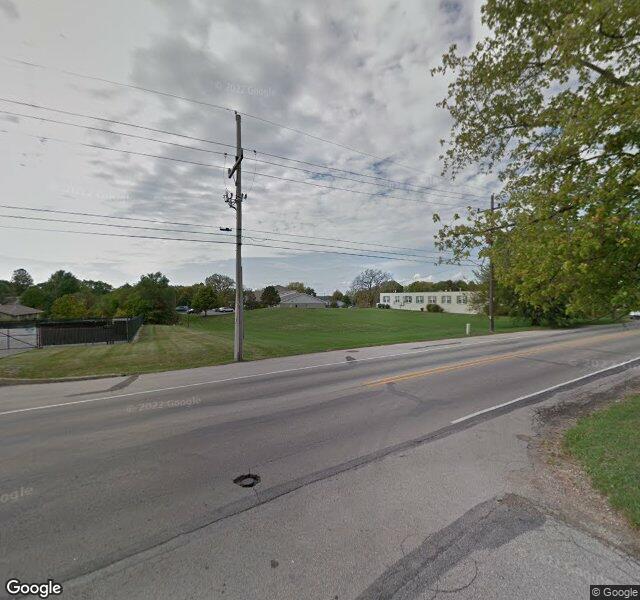
How Does Hickory Creek At New Castle Compare to Other Indiana Nursing Homes?

Compared to the 100 nursing homes in Indiana, HICKORY CREEK AT NEW CASTLE's overall rating (3 stars) is below the state average of 3.1, staff turnover (71%) is significantly higher than the state average of 46%, and health inspection rating (3 stars) is at the national benchmark.

What Should Families Ask When Visiting Hickory Creek At New Castle?

Based on this facility's data, families visiting should ask: "How do you ensure continuity of care given staff turnover, and what is your staff retention strategy?" "Can you walk me through typical staffing levels on day, evening, and night shifts?" "Can I visit during a mealtime to observe dining assistance and food quality?" "How do you handle medical emergencies, and what is your hospital transfer rate?" These questions are particularly relevant given the facility's high staff turnover rate and the below-average staffing rating.

Is Hickory Creek At New Castle Safe?

Based on CMS inspection data, HICKORY CREEK AT NEW CASTLE has a clean safety record: no substantiated abuse findings (meaning no confirmed cases of resident harm), no Immediate Jeopardy citations (the most serious violation level indicating risk of serious injury or death), and is not on the Special Focus Facility watch list (a federal program monitoring the lowest-performing 1% of nursing homes). The facility has a 3-star overall rating and ranks #100 of 100 nursing homes in Indiana. While no facility is perfect, families should still ask about staff-to-resident ratios and recent inspection results during their visit.

Do Nurses at Hickory Creek At New Castle Stick Around?

Staff turnover at HICKORY CREEK AT NEW CASTLE is high. At 71%, the facility is 25 percentage points above the Indiana average of 46%. High turnover means new staff may not know residents' individual needs, medications, or preferences. It can also be disorienting for residents, especially those with dementia who rely on familiar faces. Families should ask: What is causing the turnover? What retention programs are in place? How do you ensure care continuity during staff transitions?

Was Hickory Creek At New Castle Ever Fined?

HICKORY CREEK AT NEW CASTLE has no federal fines on record. CMS issues fines when nursing homes fail to meet care standards or don't correct problems found during inspections. The absence of fines suggests the facility has either maintained compliance or corrected any issues before penalties were assessed. This is a positive indicator, though families should still review recent inspection reports for the full picture.

Is Hickory Creek At New Castle on Any Federal Watch List?

HICKORY CREEK AT NEW CASTLE is not on any federal watch list. The most significant is the Special Focus Facility (SFF) program, which identifies the bottom 1% of nursing homes nationally based on persistent, serious quality problems. Not being on this list means the facility has avoided the pattern of deficiencies that triggers enhanced federal oversight. This is a positive indicator, though families should still review the facility's inspection history directly.