STONEBROOKE REHABILITATION CENTER
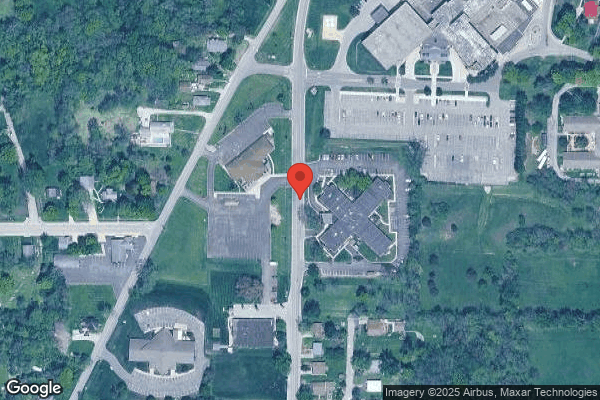

990 N 16TH ST, NEW CASTLE, IN 47362 (765) 529-0230
Government - County 117 Beds AMERICAN SENIOR COMMUNITIES Data: November 2025
Trust Grade
60/100
#295 of 505 in IN
Last Inspection: May 2025

Inspected within the last 6 months. Data reflects current conditions.

Overview

Stonebrooke Rehabilitation Center has a Trust Grade of C+, which means it is slightly above average but not particularly impressive. It ranks #295 out of 505 facilities in Indiana, placing it in the bottom half, and #5 out of 7 in Henry County, indicating limited options for better care nearby. While the facility is improving, having reduced its issues from 8 in 2024 to 6 in 2025, it still faces concerns with cleanliness and maintenance. Staffing is rated average, with a turnover rate of 40%, which is better than the state average, but the facility has less RN coverage than 82% of Indiana facilities, which is concerning. Specific incidents include issues with food safety in the kitchen, such as expired items and a lack of proper sanitizing solutions, and multiple resident rooms that are not in good repair, with peeling walls and missing paint. Overall, while there are some strengths, families should be aware of these weaknesses when considering this facility for their loved ones.

Trust Score
C+
60/100
In Indiana
#295/505
Bottom 42%
Safety Record
Low Risk
No red flags
Inspections
Getting Better
8 → 6 violations
Staff Stability
○ Average
40% turnover. Near Indiana's 48% average. Typical for the industry.
Penalties
✓ Good
No fines on record. Clean compliance history, better than most Indiana facilities.
Skilled Nurses
⚠ Watch
Each resident gets only 27 minutes of Registered Nurse (RN) attention daily — below average for Indiana. Fewer RN minutes means fewer trained eyes watching for problems.
Violations
⚠ Watch
27 deficiencies on record. Higher than average. Multiple issues found across inspections.
★★★☆☆
3.0
Overall Rating
★★★☆☆
3.0
Staff Levels
★★★★☆
4.0
Care Quality
★★★☆☆
3.0
Inspection Score
Stable
2024: 8 issues
2025: 6 issues

The Good

  • 4-Star Quality Measures · Strong clinical quality outcomes
  • Full Sprinkler Coverage · Fire safety systems throughout facility
  • No fines on record
  • Staff turnover below average (40%)

    8 points below Indiana average of 48%

Facility shows strength in quality measures, fire safety.

The Bad

3-Star Overall Rating

Near Indiana average (3.1)

Meets federal standards, typical of most facilities

Staff Turnover: 40%

Near Indiana avg (46%)

Typical for the industry

Chain: AMERICAN SENIOR COMMUNITIES

Part of a multi-facility chain

Ask about local staffing decisions and management

The Ugly 27 deficiencies on record

May 2025 5 deficiencies
CONCERN (D) 📢 Someone Reported This

A family member, employee, or ombudsman was alarmed enough to file a formal complaint

Potential for Harm - no one hurt, but risky conditions existed

Deficiency F0561 (Tag F0561)

Could have caused harm · This affected 1 resident

2. Review of the clinical record of Resident B, on 5/16/25 at 11:51 a.m., indicated the diagnoses included, but were not limited to, diabetes mellitus, major depressive disorder, anxiety disorder, pri...

Read full inspector narrative →
2. Review of the clinical record of Resident B, on 5/16/25 at 11:51 a.m., indicated the diagnoses included, but were not limited to, diabetes mellitus, major depressive disorder, anxiety disorder, primary open-angle glaucoma, age-related cataract, unspecified hearing loss, and anorexia. The Significant Change MDS assessment, dated 3/26/25, indicated the resident was severely impaired for daily decision making and was dependent on the staff for showers. The preference for customary routine for Resident B, dated 3/26/25, indicated it was very important for the resident to have a shower. The plan of care for Resident B, dated 4/8/25, indicated the resident required assistance with ADLs related to Alzheimer's disease. The interventions included, but were not limited to, offer showers two times a week. Resident B's profile, dated 4/28/25, indicated to provide assistance with bathing as needed per resident preference and offer showers two times per week with a partial bed bath in between. The shower report for Resident B, dated March 2025, indicated the resident received a complete bed bath instead of a shower on 3/4/25, 3/7/25, 3/18/25 and 3/28/25. The shower report for Resident B, dated April 2025, indicated the resident received complete bed bath instead of a shower on 4/4/25, 4/8/25, 4/25/25 and 4/29/25. The shower report for Resident B, dated 5/15/25, indicated the resident received a complete bed bath instead of a shower. During an interview with the Director of Nursing Services (DNS) on 5/19/25 at 2:30 p.m., she indicated the staff were informed of what resident preferences were by the resident profile. The preferences for daily routine provided by the Executive Director, on 5/19/25 at 1:51 p.m., indicated the purpose was to identify and develop a plan of care that reflects a resident's past and current daily customary routines. This citation relates to Complaint IN00459386. 3.1-3(u)(1) Based on observation, interview, and record review, the facility failed to provide showers as preferred for 2 of 3 residents reviewed for activities of daily living (ADLs). (Resident B and Resident E) Findings include: 1. During an interview with Resident E's daughter on 5/14/25 at 1:00 p.m., she indicated she did not think her mother was receiving her showers as regularly as she preferred. The clinical record for Resident E was reviewed on 5/16/25 at 9:42 a.m. The diagnoses included, but were not limited to, dementia, chronic kidney disease, repeated falls, and chronic pain syndrome. The admission Minimum Data Set (MDS) assessment, dated 4/17/25, indicated the resident was severely cognitively impaired for daily decision making. The resident was dependent on the staff for showering. The plan of care for Resident E, dated 4/4/25, indicated the resident required assistance with ADLs related to a mobility deficit, recent right hip fracture, and dementia. The interventions included, but were not limited to, assistance with bathing as needed per resident preference and to offer showers two times per week. The preference for customary routine and activities for Resident E, dated 4/15/25, indicated the resident preferred to have a shower. The shower report for Resident E, dated April 2025, indicated the resident received a bed bath instead of a shower on 4/3/25, 4/7/25, 4/14/25, 4/17/25, 4/22/25, 4/25/25, and 4/29/25. The shower report for Resident E, dated May 2025, indicated the resident received a bed bath instead of a shower on 5/3/25, 5/7/25, and 5/14/25.
CONCERN (D)

Potential for Harm - no one hurt, but risky conditions existed

Pressure Ulcer Prevention (Tag F0686)

Could have caused harm · This affected 1 resident

Based on observation, interview, and record review, the facility failed to ensure a chair cushion was in place for a resident with stage 2 pressure ulcers (partial thickness skin loss) for 1 of 1 resi...

Read full inspector narrative →
Based on observation, interview, and record review, the facility failed to ensure a chair cushion was in place for a resident with stage 2 pressure ulcers (partial thickness skin loss) for 1 of 1 resident reviewed for pressure ulcers. (Resident E) Findings include: The clinical record for Resident E was reviewed on 5/16/25 at 9:42 a.m. The diagnoses included, but were not limited to, dementia, repeated falls, and chronic pain syndrome. During an observation on 5/14/25 at 1:25 p.m., Resident E had a chair cushion laying on the floor beside a chair. An interview with Resident E's daughter at that time indicated she had soiled the cushion the day before. So, the staff took the cover off for washing and put the cushion on the floor. During an observation on 5/15/25 at 10:26 a.m., Resident E was sitting in a wheelchair with no cushion in the seat. The cushion was lying on the floor beside a chair. The admission Minimum Data Set (MDS) assessment, dated 4/17/25, indicated Resident E was severely cognitively impaired, was at risk for pressure ulcers, and used a pressure reducing device for her chair. A wound management detail report, dated 4/28/25, indicated Resident E had stage 2 pressure ulcers to her right and left buttocks. A plan of care for Resident E, dated 4/4/25, indicated the resident was at risk for skin breakdown due to weakness, decline in mobility, and incontinence of bowel and bladder with moist skin. The interventions included, but were not limited to, have a Roho cushion in chair/wheelchair. During an interview with the Executive Director (ED) on 5/19/25 at 2:30 p.m., he indicated it was nursing's responsibility to ensure a cushion was in Resident E's wheelchair. A Skin Management Program policy was provided by the ED on 5/19/25 at 11:27 a.m. The policy indicated .Procedure for Wound Prevention . 3. Interventions to prevent wounds from developing and or promote healing will be initiated based upon the individual's risk factors to include but no limited to the following . All residents who utilize a wheelchair will have a pressure redistribution cushion in chair . 3.1-40(a)(2)
CONCERN (D)

Potential for Harm - no one hurt, but risky conditions existed

Deficiency F0692 (Tag F0692)

Could have caused harm · This affected 1 resident

**NOTE- TERMS IN BRACKETS HAVE BEEN EDITED TO PROTECT CONFIDENTIALITY** Based on observation, interview, and record review, the facility failed to ensure a resident was weighed, as ordered, and a resi...

Read full inspector narrative →
**NOTE- TERMS IN BRACKETS HAVE BEEN EDITED TO PROTECT CONFIDENTIALITY** Based on observation, interview, and record review, the facility failed to ensure a resident was weighed, as ordered, and a resident was provided with an adaptive drinking device, as ordered, for 2 of 6 residents reviewed for nutrition. (Resident 50 and Resident 59) Findings include: 1. The clinical record for Resident 59 was reviewed on 5/15/25 at 12:39 p.m. His diagnoses included, but were not limited to, hemiplegia and hemiparesis and malnutrition. He was admitted to the facility on [DATE]. The 5/6/25 ADL (activities of daily living) care plan indicated he required assistance with eating with an intervention to assist with eating and drinking, as needed. The vitals section of the clinical record indicated a weight of 100 pounds and a BMI (body mass index) of 16.64 (less than 18.5 was considered underweight) on 5/5/25. The 5/5/25 Malnutrition Criteria assessment indicated he met the criteria for malnutrition. The physician's orders indicated, Regular, Honey Thick/Moderately Thick, Pureed, Special Instructions: magic cup with breakfast and lunch; nosey cup, effective 5/14/25. An observation of Resident 59 was conducted on 5/15/25 at 12:40 p.m. He was in bed in his room with his lunch meal in front of him on his bedside table. His food was pureed, and he had what appeared to be vomit on the cloth napkin placed over his chest. His drink was in a regular cup, not a nosey cup. Resident 59 attempted to take a drink from the cup. Some of the liquid from the cup went into his mouth, but most of it ran out of the underside of the cup onto his chin and onto the napkin. LPN (Licensed Practical Nurse) 5 was retrieved for observation at that time. An interview was conducted with LPN 5, on 5/15/25 at 12:46 p.m., after the above observation. He indicated Resident 59 did not have a nosey cup, and it was not on his meal ticket for him to have one. The 5/15/25 lunch meal ticket for Resident 59 did not reference a nosey cup. The Adaptive Eating Devices policy was provided by the Executive Director on 5/19/25 at 1:05 p.m. It indicated Adaptive eating devices are available for those who need them . The type of adaptive equipment needed will be listed on the tray ticket and culinary will provide as ordered. 2. The clinical record for Resident 50 was reviewed on 5/16/25 at 9:27 a.m. The diagnoses included, but were not limited to, Alzheimer's disease and atrial fibrillation. A physician's order, dated 2/12/25, indicated Resident 50 was to have bi-weekly weights, on the 1st and 3rd Monday of the month. A Quarterly Minimum Data Set (MDS) assessment, dated 3/5/25, indicated Resident 50 was severely cognitively impaired and had weight loss of 5% or more in the last month. A follow-up nutrition review, dated 3/5/25, indicated Resident 50 had a weight loss of 10.2% in 17 days. The Electronic Health Record (EHR) for Resident 50 recorded the following weights: 2/4/25- 147 pounds, 2/21/25- 132 pounds, 4/7/25- 126 pounds, 4/23/25- 121 pounds, and 5/7/25- Weight not obtained due to refusal. The Treatment Administration Record (TAR), for March 2025, indicated Resident 50 did not have any weights recorded for the month or refusals of weights documented. The plan of care for Resident 50, dated 5/1/24, indicated the resident was at a nutritional risk, related to weight loss. The interventions included, but were not limited to, monitoring weight. During an interview with the Director of Nursing Services (DNS) on 5/19/25 at 2:36 p.m., she indicated it was nursing's responsibility to obtain weights and to document any refusals of weight in the EHR. The DNS indicated she did not know why Resident 50's weights were not obtained in March 2025. A Resident Weight Monitoring policy was provided by the Executive Director (ED) on 5/19/25 at 1:53 p.m. It indicated .to weigh residents no less than monthly or per physician orders .4. Bi-Monthly Weights will be obtained at a minimum for the following residents: Residents who may be at risk for insidious weight loss .Residents who have experienced a significant weight loss of 5% in 30 days, 7.5% in 90 days or 10% in 180 days . 3.1-21(h) 3.1-46(a)(1)
CONCERN (D)

Potential for Harm - no one hurt, but risky conditions existed

Deficiency F0744 (Tag F0744)

Could have caused harm · This affected 1 resident

Based on observation, interview, and record review, the facility failed to implement interventions when residents were kissing in the common area on the memory care unit for 1 of 1 observation of beha...

Read full inspector narrative →
Based on observation, interview, and record review, the facility failed to implement interventions when residents were kissing in the common area on the memory care unit for 1 of 1 observation of behaviors (Resident 35 and Resident 53). Findings include: During an observation on 5/14/25 at 1:22 p.m., Resident 35 was sitting at a dining room table when Resident 53 bent down and kissed Resident 35 on the lips. This was reported to Registered Nurse (RN) 7. Certified Nurse Aide (CNA) 6 attempted to separate the residents and was unable to. Resident 35 and Resident 53 were holding hands, going up and down the hallway, and into their shared bedroom with the door shut unsupervised. CNA 6 indicated she attempted to separate them, but they were roommates and there was nothing she could do. CNA 6 indicated the residents were care planned for behaviors, but she was unsure what the interventions were. RN 7 was unsure what the interventions were and was looking them up on the computer. The Memory Care Coordinator indicated she had not seen this behavior of them kissing before and only previously noted the residents' holding hands. During an observation at 1:43 p.m., Resident 35 and Resident 53 continued to walk down the hallway while holding hands and going into their bedroom unsupervised with the door shut. When queried at 1:47 p.m., what the Memory Care Coordinator was going to do about this behavior, she indicated she did not know what to do because she had not dealt with this type of behavior before. The Memory Care Coordinator indicated she would talk to someone about it and probably would have to separate them. During this observation, no staff attempted to intervene between Resident 35 and Resident 53 for 25 minutes. Review of the record of Resident 35, on 5/16/25 at 11:20 a.m., indicated the diagnoses included, but were not limited to, Alzheimer's disease, dementia, major depressive disorder, anxiety, and psychotic disorder with delusion. The Significant Change Minimum Data Set (MDS) assessment for Resident 35, dated 3/16/25, indicated the resident was severely impaired for daily decision making. The resident had wandering that significantly intruded on the privacy of other residents. Review of the record of Resident 53, on 5/19/25 at 11:48 a.m., indicated the diagnoses included, but were not limited to, Alzheimer's disease, dementia, and major depressive disorder. The Annual Minimum Data Set (MDS) assessment for Resident 53, dated 3/18/25, indicated the resident was severely impaired for daily decision making. The resident had wandering that significantly intruded on the privacy of other residents. A progress note for Resident 53, dated 5/15/25 at 10:02 a.m., indicated the resident was found kissing a peer. The staff attempted to redirect the resident. The potential root cause was unmet affection. After lunch staff were cleaning up and the environment was noisy and busy. The resident had a cognitive decline and had dementia. The staff were to redirect the resident from others and into an activity. The resident was also moved to another room. During an interview with the Executive Director on 5/19/25 at 11:28 a.m., he indicated the facility did not have a dementia care policy. During an interview with the Director of Nursing Services (DNS) on 5/19/25 at 2:27 p.m., she indicated the nurses had access to the care plans and CNAs had access to the resident's profile. The dementia care training provided by the facility would also help staff with knowledge on what interventions to utilize for behaviors. 3.1-37(a)
CONCERN (D)

Potential for Harm - no one hurt, but risky conditions existed

Infection Control (Tag F0880)

Could have caused harm · This affected 1 resident

Based on observation, interview, and record review, the facility failed to ensure proper infection control measures were maintained during incontinence care for 1 of 1 resident observed for pressure u...

Read full inspector narrative →
Based on observation, interview, and record review, the facility failed to ensure proper infection control measures were maintained during incontinence care for 1 of 1 resident observed for pressure ulcers. (Resident E) Findings include: The clinical record for Resident E was reviewed on 5/16/25 at 9:42 a.m. The diagnoses included, but were not limited to, dementia, repeated falls, and chronic pain syndrome. The admission Minimum Data Set (MDS) assessment, dated 4/17/25, indicated Resident E was severely cognitively impaired, was at risk for pressure ulcers, and was dependent on staff for toileting needs. During an observation of Resident E on 5/16/25 at 9:51 a.m., Certified Nurse Aide (CNA) 2 and CNA 3 entered Resident E's room to clean her up after being incontinent of bowel and bladder while lying in bed. CNA 2 and CNA 3 both donned gowns and gloves due to the resident being in Enhanced Barrier Precautions (EBP) due to wounds on the right and left buttock and labia. CNA 3 was cleaning Resident E's peri-area (area between the anus and the genitals) with a soapy wet washcloth. Each dirty washcloth used was then placed on Resident E's fitted sheet at the end of the bed. After cleaning Resident E's peri-area, the soiled pad underneath her was removed, placed in the trash, and a clean pad was placed underneath the resident. CNA 3 then took the soiled washcloths off the bed and placed them into a plastic bag. The fitted sheet was not changed, and Resident E was then covered with a clean sheet. During an interview with CNA 3 on 5/16/25 at 10:14 a.m., CNA 3 indicated the soiled linens/washcloths should have been placed into a plastic bag after each use to be disposed of and not placed directly onto Resident E's bed. During an observation of Resident E on 5/16/25 at 12:15 p.m., Resident E's daughter pointed out that there was a washcloth with dried up stool laying in Resident E's windowsill and smears of dry stool on the right side of Resident E's fitted bed sheet. An interview was conducted with Registered Nurse (RN) 4 on 5/16/25 at 12:27 p.m. RN 4 indicated the soiled washcloth should have been placed into a plastic bag after use and the soiled sheet should have been changed, bagged, and both taken to the soiled utility room. A Nursing Skills Competency: Perineal Care checklist was provided by the Executive Director (ED) on 5/19/25 at 11:27 a.m. It indicated to gather supplies including plastic bag at foot of bed or on chair for soiled linens. 3.1-18(b)(4)
Apr 2025 1 deficiency
CONCERN (D) 📢 Someone Reported This

A family member, employee, or ombudsman was alarmed enough to file a formal complaint

Potential for Harm - no one hurt, but risky conditions existed

Medical Records (Tag F0842)

Could have caused harm · This affected 1 resident

Based on interview and record review, the facility failed to routinely document the meal intakes for 1 of 3 residents reviewed for resident assessment. (Resident B) Findings include: The clinical reco...

Read full inspector narrative →
Based on interview and record review, the facility failed to routinely document the meal intakes for 1 of 3 residents reviewed for resident assessment. (Resident B) Findings include: The clinical record of Resident B was reviewed on 4-9-25 at 10:55 a.m. Her diagnoses included, but were not limited to, vascular dementia, heart failure and moderate protein-calorie malnutrition. Her most recent Minimum Data Set (MDS) assessment, a significant change assessment, dated 2-18-25, indicated she was severely cognitively impaired, required supervision or touching assistance for meal consumption, had been identified for weight loss within the last six months, and received a therapeutic and mechanically altered diet. In an interview with Certified Nurse Aide (CNA) 4 on 4-9-25 at 12:35 p.m., she indicated Resident B had a big decline in eating and drinking abilities, prior to being sent out to an area hospital on 3-11-25. In an interview with the Assistant Director of Nursing (ADON) on 4-9-25 at 12:45 p.m., she indicated in the weeks prior to Resident B being sent out to an area hospital, one of the biggest problems we had was getting her to eat or drink. To be honest, I think she was just in a decline and wanted us to leave her alone. She needed to be fed in the last week or two before she left here and even with that, she just didn't seem to take much in. The ADON recalled Resident B would swat at the staff trying to help her with her meals and her intake was minimal, at best. The ADON indicated the Nurse Practitioner was made aware of her decline and the Nurse Practitioner attributed this to her advanced dementia. A review of Resident B's progress notes indicated she was being monitored for weight loss by the facility's interdisciplinary team. An entry, dated 2-26-25, from the Registered Dietitian (RD), identified a significant weight loss within the last 30 days. An entry, dated 2-21-25, from the Certified Dietary Assistant, identified Resident B had a significant weight loss of 6.9 % (percent) in the last 30 days. A review of Resident B's meal intakes was reviewed for February and March 2025, which indicated the following inconsistent meal intake documentations: -2-4-25: lack of documentation for breakfast and lunch. -2-5-25: lack of documentation for breakfast and lunch. -2-7-25: lack of documentation for breakfast, lunch and dinner. -2-9-25: lack of documentation for breakfast, lunch and dinner. -2-12-25: lack of documentation for lunch. -2-13-25: lack of documentation for breakfast and lunch. -2-17-25: lack of documentation for breakfast and lunch. -2-20-25: lack of documentation for lunch. -2-21-25: lack of documentation for lunch and dinner. -2-22-25: lack of documentation for breakfast and lunch. -2-24-25: lack of documentation for lunch. -2-26-25: lack of documentation for dinner. -2-27-25: lack of documentation for breakfast, lunch and dinner. -2-28-25: lack of documentation for lunch. -3-3-25: lack of documentation for breakfast and lunch. -3-4-25: lack of documentation for breakfast and lunch. -3-6-25: lack of documentation for breakfast and lunch. -3-7-25: lack of documentation for lunch. -3-8-25: lack of documentation for breakfast and lunch. -3-9-25: lack of documentation for breakfast and lunch. -3-10-25: lack of documentation for dinner. On 4-9-25 at 2:39 p.m., the Director of Nursing provided a copy of a procedure entitled, Food and Fluid Intake Record-EMR [electronic medical record], with a revision date of 2/2015. This procedure indicated its purpose as, To accurately document intake of food and fluids. It indicated, Upon completion of the meal a member of nursing staff (CNA, QMA or Licensed Nurse) will document the percentage of food .consumption for the meal . This citation relates to Complaint IN00457172. 3.1-50(a)(1) 3.1-50(a)(2)
Mar 2024 8 deficiencies
CONCERN (D)

Potential for Harm - no one hurt, but risky conditions existed

Deficiency F0637 (Tag F0637)

Could have caused harm · This affected 1 resident

Based on interview and record review, the facility failed to complete a Minimum Data Set (MDS) Assessment for a resident discharged from hospice services (Resident 78) for 1 of 3 resident reviewed for...

Read full inspector narrative →
Based on interview and record review, the facility failed to complete a Minimum Data Set (MDS) Assessment for a resident discharged from hospice services (Resident 78) for 1 of 3 resident reviewed for timeliness of significant change assessments. Findings include: The clinical record for Resident 78 was reviewed on 3/21/2024 at 1:45 p.m. The medical diagnosis included dementia. A payor census for Resident 78 indicated she discharged from hospice services on 10/12/2023. A physician note, dated 10/12/2023, indicated that Resident 78 was .hospice is releasing her soon . No significant change MDS Assessment was completed for Resident 78 in October of 2023. A policy entitled, Significant Change in Status Assessments (SCSA), was provided by the Administrator on 3/22/2024 at 10:00 a.m. The policy indicated, .SCSA is required to be performed when a terminally ill resident enrolls or revokes hospice program . An interview with the MDS Coordinator on 3/22/2024 at 11:15 a.m. indicated that she coded to the Resident Assessment Instrument Manual for accuracy and timeliness of assessments. She stated that the Significant Change Assessment for Resident 78 was missed. 3.1-31(d)(1)
CONCERN (D)

Potential for Harm - no one hurt, but risky conditions existed

Assessment Accuracy (Tag F0641)

Could have caused harm · This affected 1 resident

**NOTE- TERMS IN BRACKETS HAVE BEEN EDITED TO PROTECT CONFIDENTIALITY** Based on interview and record review, the facility failed to accurately indicate the use of hospice services (Resident 43) and f...

Read full inspector narrative →
**NOTE- TERMS IN BRACKETS HAVE BEEN EDITED TO PROTECT CONFIDENTIALITY** Based on interview and record review, the facility failed to accurately indicate the use of hospice services (Resident 43) and failed to accurately code oxygen therapy (Resident 10 and 65) for 3 of 16 resident reviewed for MDS accuracy. Findings include: 1. The clinical record for Resident 43 was reviewed on 3/21/2024 at 2:30 p.m. The medical diagnosis included Alzheimer's disease with late onset. An Annual MDS Assessment for Resident 43, dated 2/18/2024, did not indicate the resident had a 6-month prognosis or received hospice services. A hospice certification, dated 1/30/2024, indicated that Resident 43 was terminally ill, elected the hospice benefit with a start of care date of 1/30/2024, and had a life expectancy of less than six months. An interview with MDS nurse on 3/21/2024 at 3:10 p.m., indicated that Resident 43 did not have a significant change completed due to not being sure when she was going to hospice because of the payor source confusion. 2. On 3/19/24 at 2:06 p.m., Resident 10 was observed lying in bed, and received oxygen through a nasal cannula that was looped around her ears and connected to an oxygen concentrator. Resident 10's record was reviewed, on 3/21/24 at 1:49 p.m., and indicated diagnoses that included, but were not limited to, pneumonia, chronic respiratory failure with low oxygen in the blood, emphysema, and high blood pressure. A physician's order, dated 2/13/24, indicated oxygen at 4 liters per nasal cannula every shift. On 3/22/24, at 10:48 a.m., Resident 10 was observed lying in bed with her oxygen in place via nasal cannula. An admission MDS assessment, dated 2/16/24, indicated Resident 10 was cognitively intact, was at risk for pressure ulcer development, and did not receive oxygen therapy. 3. Resident 65's record was reviewed, on 3/21/24 at 10:18 a.m., and indicated diagnoses that included, but were not limited to, dementia, high blood pressure, anemia, and atrial fibrillation. On 3/21/24 at 3:10 p.m., Resident 65 was observed in bed with her eyes closed, and oxygen was in use at 2 liters per minute with a nasal cannula. A Quarterly MDS assessment, dated 1/19/24, indicated Resident 65 did not receive oxygen therapy. A care plan, with a start date of 9/27/23, indicated an approach for as needed oxygen at 2 liters. An interview with the MDS Coordinator, on 3/22/2024 at 11:15 a.m., indicated that she coded to the Resident Assessment Instrument Manual for accuracy of assessments. She stated she would enter a modification of record for Resident 43's assessment dated [DATE] to reflect the hospice benefit and 6-month prognosis, and for Resident 10 and 65 for oxygen therapy.
CONCERN (D)

Potential for Harm - no one hurt, but risky conditions existed

Pressure Ulcer Prevention (Tag F0686)

Could have caused harm · This affected 1 resident

Based on interview and record review, the facility failed to ensure continuation of treatment for a resident with pressure ulcers for Resident 55, and failed to ensure Resident 10 and 136's interventi...

Read full inspector narrative →
Based on interview and record review, the facility failed to ensure continuation of treatment for a resident with pressure ulcers for Resident 55, and failed to ensure Resident 10 and 136's interventions were in place for pressure ulcer prevention and treatment. This affected 3 of 4 residents reviewed for pressure ulcers. Findings include: 1. The clinical record for Resident 55 was reviewed on 3/19/24 at 2:35 p.m. The diagnoses included, but were not limited to, cerebral infarction (or stroke, is a brain lesion in which a cluster of brain cells die when they don't get enough blood), hemiplegia (total or nearly complete paralysis on one side of the body), dementia, glaucoma, and weakness. A pressure ulcer care plan, dated 1/3/24, indicated Resident 55 had pressure ulcers to the left and right heel, right hip, left intergluteal cleft, and left buttock. The approaches included, but were not limited to, treatments as ordered. A physician order, dated 3/5/24, indicated the utilization of Medihoney (sterile, hydrocolloidal dressing with 100% active Leptospermum honey that supports the removal of necrotic tissue and aids in wound healing) to the right heel and left buttock daily. The order was discontinued on 3/6/24. A physician order, dated 3/12/24, indicated the utilization of Medihoney to the left buttocks daily. The order was current. A physician order, dated 3/12/24, indicated the utilization of Medihoney to the right heel daily. The order was current. The electronic treatment administration record (ETAR) for March of 2024 indicated there were no treatment orders to Resident 55's right heel or left buttock from 3/6/24 until 3/12/24. An interview conducted with the Director of Nursing (DON), on 3/21/24 at 3:25 p.m., indicated she could not find any orders for Resident 55's pressure ulcer treatment of the right hip and left buttocks for the period of 3/6/24 to 3/12/24. Resident 55 was put on hospice effective 3/2/24 and they, hospice, were conducting a comprehensive review of Resident 55's orders. 2. On 3/19/24 at 2:06 p.m., Resident 10 was observed in bed, and received oxygen through a nasal cannula that was looped around her ears, and connected to an oxygen concentrator. Resident 10's record was reviewed, on 3/21/24 at 1:49 p.m., and indicated diagnoses that included, but were not limited to, pneumonia, chronic respiratory failure with low oxygen in the blood, emphysema, and high blood pressure. A physician's order, dated 2/13/24, indicated oxygen at 4 liters per nasal cannula every shift. A physician's order, dated 2/13/24, indicated Ear protectors to O2 (oxygen) tubing, special instructions: check placement q (every) shift, every shift. On 3/22/24, at 10:48 a.m., Resident 10 was observed lying in bed with her oxygen in place via a nasal cannula. The tubing around her ears was not padded and Resident 10 indicated her right ear was sore when it rubs and stated it just got sore a couple of days ago. On 3/22/24 at 11:03 a.m., LPN 5 assessed Resident 10's ears and said the right ear was reddened and not open, and placed a folded tissue on the ear crease, then placed the oxygen tubing on the ear. She said she would get ear pads and place them on the tubing. An assessment of the right ear was completed by LPN 5 and a copy provided on 3/22/24 at 12:28 p.m. The assessment indicated Resident 10 had a reddened area on the back of the right eat, at the top, that was not present on admission, measured 0.05 by 0.05 cm and no depth, and was a dark/dull red in color. There was no drainage or odor and a new intervention was to ensure ear pads were on the oxygen tubing at all times. A care plan with a start date of 2/18/24, indicated a problem for Resident is at risk for skin breakdown or further skin breakdown due to: decreased mobility, incontinence, poor nutrition, declining health, COPD, oxygen use, sliding down in bed, sliding during transfers, refuses to get out of bed 3. During an interview, on 3/18/24 at 2:34 p.m., Resident 136 indicated she had developed pressure areas on both heels after she was admitted , and said she didn't move around very much. Both heels were observed to touch the bed, and the resident said the pillow was slick and slides, and her heels will touch the bed. Resident 136's record was reviewed, on 3/21/24 at 2:30 p.m., and indicated diagnoses that included, but were not limited to, type 2 diabetes mellitus with diabetic neuropathy, infection and inflammatory reaction due to internal right hip prosthesis, generalized muscle weakness, and right artificial hip joint. On 3/21/24, at 2:52 p.m., LPN 6 indicated Resident 136 should be checked every 2 hours as she will slide down in the bed, and she does get out of her bed every day, and gets therapy daily. LPN 6 said there was a blister there, and it gets monitored for the left heel, it is changed every Friday and as needed. It is done with the wound doctor. The right heel didn't have any issues, it was just soft. A care plan with a start date of 3/14/24, indicated a problem for dissipated blister to bilateral heels: chronic pain, and recent surgical repair to right hip. The interventions included Heel offloading pillow. A policy titled Skin Management Program, revised 5/22, was provided by the DON on 3/21/24 at 3:24 p.m. The policy indicated the following, .PROCEDURE FOR ALTERATIONS IN SKIN INTEGRITY - PRESSURE AND NON-PRESSURE .2. Treatment order will be obtained from MD/NP 3.1-40(a)(2)
CONCERN (D)

Potential for Harm - no one hurt, but risky conditions existed

Accident Prevention (Tag F0689)

Could have caused harm · This affected 1 resident

Based on interview and record review, the facility failed to ensure fall interventions were in place after a fall had occurred for 1 of 2 residents reviewed for accidents. (Resident 55) Findings incl...

Read full inspector narrative →
Based on interview and record review, the facility failed to ensure fall interventions were in place after a fall had occurred for 1 of 2 residents reviewed for accidents. (Resident 55) Findings include: The clinical record for Resident 55 was reviewed on 3/19/24 at 2:35 p.m. The diagnoses included, but were not limited to, cerebral infarction (or stroke, is a brain lesion in which a cluster of brain cells die when they don't get enough blood), hemiplegia (total or nearly complete paralysis on one side of the body), dementia, glaucoma, and weakness. A care plan for fall risk, dated 4/6/23, indicated Resident 55 was at risk for falls due to history of falls, medication usage, incontinence, and weakness. The approach included, but were not limited to, a bedside mat while resting in bed that was started on 11/20/23. A fall event, dated 2/15/24 at 11:42 p.m., indicated Resident 55 fell out while sleeping and the Matt [sic] not at bedside. A progress note, dated 2/15/24 at 11:52 p.m., indicated the following, .This nurse alerted to resident's room per roommate yelling for help, Resident found lying on his L [left] side at bedside wearing gown and socks .2 s/t [skin tears] noted 5x3cm [centimeters] to L [left] hand and 1x1cm to R [right] pinky finger .Matt [sic] now at bedside A policy titled Fall Management Policy, revised 8/2022, was provided by the Administrator on 3/21/24 at 9:08 a.m. The policy indicated the following, .3. A care plan will be developed at time of admission with specific care plan interventions to address each resident's fall risk factors 3.1-45(a)(1) 3.1-45(a)(2)
CONCERN (D) 📢 Someone Reported This

A family member, employee, or ombudsman was alarmed enough to file a formal complaint

Potential for Harm - no one hurt, but risky conditions existed

Deficiency F0744 (Tag F0744)

Could have caused harm · This affected 1 resident

**NOTE- TERMS IN BRACKETS HAVE BEEN EDITED TO PROTECT CONFIDENTIALITY** Based on interview and record review the facility failed to have an ongoing activity program on the dementia care unit for 2 of ...

Read full inspector narrative →
**NOTE- TERMS IN BRACKETS HAVE BEEN EDITED TO PROTECT CONFIDENTIALITY** Based on interview and record review the facility failed to have an ongoing activity program on the dementia care unit for 2 of 3 residents reviewed for activities (Resident C and Resident D). Findings include: 1.) During an interview with CNA 3 on 3/20/24 at 11:58 a.m., indicated she normally worked the dementia care unit. CNA 3 indicated there was not enough activities on the dementia care unit until recently when an activity assistant started working. The dementia unit went a long time without activity staff. During an interview with the Dementia Care Coordinator on 3/20/24 at 12:21 p.m., indicated the facility had not had an activity assistant since June 2023. The Dementia Care Coordinator was working in three different roles on the dementia care unit, the Dementia Care Coordinator, Social Services and activities. The facility did hire someone the end of February 2024 for activities. The staff did the best they could with activities, providing self initiated packets and coloring. During an interview with CNA 4 on 3/20/24 at 12:30 p.m., indicated she normally worked the dementia care unit. The staff did the best they could with activities without having an activity assistant. The staff were happy to have an activity assistant now. During an interview with LPN 6 on 3/21/24 at 1:08 p.m., indicated it was tough for the dementia care unit to go without activity staff. The staff did the best they could to provide some activities, but ultimately resident care had to come first. The dementia care unit had a lot residents who required assistance with their care. During an interview with Resident C's family member on 3/20/24 at 3:50 p.m., indicated the dementia care unit did not have any activities. The residents would sit around in the dining room with nothing to do. Review of the record of Resident C on 3/22/24 at 10:47 p.m., indicated the resident's diagnoses included, but were not limited to, dementia, anxiety, mood disturbance, major depressive disorder psychotic disturbance. The Significant Change Minimum Data Set (MDS) assessment for Resident C, dated 4/7/23, indicated the resident was severely cognitively impaired for daily decision making. It was very important for the resident have books, newspapers, magazines, listen to music, be around animals, keep up with the news, do things in groups of people, attend her favorite activity, go outside to get fresh air, participate in religious services The plan of care for Resident C, dated 5/17/24, indicated the resident exhibited severe cognitive impairment related to dementia. The interventions included, but were not limited to, encourage participation in daily activities particularly regarding orientation, socialization and stimulation and encourage social interaction. The plan of care for Resident C, dated 5/17/24, indicated the resident enjoyed the following activities, spending time with family, sewing, bingo and socialization. The interventions were encourage activities of interest such as spending time with family, sewing, bingo, socialization, verbal reminders of activities and may participate in therapeutic structured work activities. 2.) During an interview with Resident D's family member on 3/18/24 at 11:50 a.m., indicated the facility was dishonest with him when he admitted his family member to the dementia care unit in August 2023. The family member indicated they were told the facility would provide lots of activities such as bingo etc. The facility did no activities for the resident and she would sit around all day until recently. The resident enjoyed cards, board games, bingo, being outside and live music. The resident was a [NAME] when she was younger. Review of the record of Resident D on 3/22/24 at 11:10 a.m., indicated the resident's diagnoses included, but were not limited to, Alzheimer's disease, dementia, anxiety and major depressive order. The plan of care for Resident D, dated 8/25/23, indicated the resident was severely cognitively impaired related to dementia. The interventions included, but were not limited to, encourage to participate in daily activities particularly regarding orientation, socialization and stimulation and encourage social interaction. The plan of care for Resident D, dated 8/25/23, indicated the resident enjoyed the following type of activities: cooking, sitting outside, playing with her dog, spending time with family. The interventions included, but were not limited to, give verbal reminders to activities of interest and provide assistance to activities as needed. The Significant Change MDS assessment for Resident D, dated 1/23/24, indicated the resident was severely cognitively impaired for daily decision making. It was somewhat important to have books, newspapers and magazines, keep up with news, do things in groups of people It was was very important to listen to music, be around animals and attend her favorite activity, go outside and get fresh air and participate in religious services. During an interview with the Administrator on 3/21/24 at 11:41 a.m., indicated the facility had no documentation of Resident C and Resident D participating in any activities for the past 3 months. During an interview with the Administrator on 3/21/24 at 1:47 p.m., indicated the facility did not have a dementia care policy. The facility followed the State guidelines with dementia training. The activity policy provided by the Director Of Nursing on 3/21/24 at 12:30 p.m., indicated the facility would provide an ongoing program of activities designed to meet the interests and the physical, mental and psychosocial well-being of each resident. This Federal tag relates to Complaint IN00430463. 3.1-37(a)
CONCERN (D)

Potential for Harm - no one hurt, but risky conditions existed

Infection Control (Tag F0880)

Could have caused harm · This affected 1 resident

Based on interview and record review, the facility failed to ensure a dietary staff member did not work while experiencing signs and symptoms of a gastrointestinal illness and ensure 48 hours had pass...

Read full inspector narrative →
Based on interview and record review, the facility failed to ensure a dietary staff member did not work while experiencing signs and symptoms of a gastrointestinal illness and ensure 48 hours had passed since symptoms started. Findings include: A kitchen tour was conducted on 3/18/24 at 10:45 a.m. with [NAME] 2. [NAME] 2 indicated the Dietary Manager was out ill. An interview conducted with the Dietary Manager (DM), on 3/20/24 at 2:53 p.m., indicated that she was having symptoms of a gastrointestinal illness while at work on 3/18/24 and so she went home. She did return to work on 3/19/24 and was putting away the food shipment that came on Friday, 3/15/24. A policy titled Employee Illness, revised 12/2023, was provided by the Administrator on 3/21/24 at 3:30 p.m. The policy indicated the following, .Purpose of Policy: Resident(s) will not be exposed to employee(s) who show signs and symptoms of illness or infectious disease .Employees returning to duty after an infectious illness will consult the DNS [Director of Nursing Services], Infection Preventionist/designee before returning to work. If the absence has been related to an infectious illness, a physician's statement of fitness to return to work is required A Centers for Disease Control and Prevention (CDC) document, titled Norovirus, reviewed 5/10/23, indicated the following, .Prevention .Do not prepare and handle food or care for others when you are sick .You should not prepare food for others or provide healthcare while you are sick and for at least 2 days (48 hours) after symptoms stop. This also applies to sick workers in restaurants, schools, daycares, long-term care facilities, and other places where they may expose people to norovirus 3.1-18(b)(6)
CONCERN (E)

Potential for Harm - no one hurt, but risky conditions existed

Safe Environment (Tag F0921)

Could have caused harm · This affected multiple residents

Based on observation, interview, and record review, the facility failed to ensure resident rooms were in good repair related to the walls, headboard, and cove base (soft flexible material along the bo...

Read full inspector narrative →
Based on observation, interview, and record review, the facility failed to ensure resident rooms were in good repair related to the walls, headboard, and cove base (soft flexible material along the bottom part of the wall) in a bathroom for 6 of 72 residents reviewed for environment. (Resident 283, 40, 18, 44, 11, and 28) Findings include: An observation conducted on 3/19/24 at 9:38 a.m. noted Resident 283's room with the cove base peeling in the bathroom. An observation conducted on 3/18/24 at 12:23 p.m. noted Resident 40's room with missing paint alongside the wall behind the headboard. An observation conducted on 3/18/24 at 12:34 p.m. noted Resident 18's room with missing paint and drywall behind the headboard. An observation conducted on 3/19/24 at 9:46 a.m. noted Resident 44's room with a flexible strip of material hanging down her headboard and onto her bed. She was lying in bed during the observation. An observation conducted on 3/19/24 at 1:07 p.m. noted Resident 11's room with missing paint alongside the wall behind the headboard. An observation conducted on 3/18/24 at 12:19 p.m. noted Resident 28's room with missing paint alongside the wall behind the headboard. An environmental tour was conducted on 3/21/24 at 3:44 p.m. with the Maintenance Director and Housekeeping Supervisor. Resident 40, Resident 18, Resident 44, and Resident 283's room were noted with the same observations of missing paint, headboard, and cove base. The Maintenance Director indicated that it has been on ongoing issue with getting the walls repaired. He just repaired 5 walls on the Moving Forward Unit and when he returned the following week there were 2 rooms, previously repaired, noted with the same issues again. It appeared the nursing staff had been pushing the bed or recliner towards the wall and causing the missing paint along the walls. The Maintenance Director indicated they have implemented a training program for the staff regarding the beds going alongside the walls but it's a work in progress. He was waiting for approval to conduct such repairs due to only having a limited amount of work to conduct monthly. They have a system to where the nursing staff and housekeeping can input work orders if they were to see any environmental concerns. The work orders go to the Maintenance Director. 3.1-19(f)(5)
CONCERN (F)

Potential for Harm - no one hurt, but risky conditions existed

Food Safety (Tag F0812)

Could have caused harm · This affected most or all residents

Based on observation, interview, and record review, the facility failed to ensure to maintain a clean, sanitary kitchen, ensure the holding refrigerator didn't contain unlabeled and/or expired foods, ...

Read full inspector narrative →
Based on observation, interview, and record review, the facility failed to ensure to maintain a clean, sanitary kitchen, ensure the holding refrigerator didn't contain unlabeled and/or expired foods, ensure bread was discarded that contained a fuzzy green, yellow substance, and ensure a cup was not present in the bulk storage bin. This had the potential to affect all 72 residents who receive food from the kitchen. Findings include: A kitchen tour was conducted on 3/18/24 at 10:45 a.m. with [NAME] 2. The holding fridge had a container of diced ham with a date of 3/6/24 and a use by date of 3/16/24. [NAME] 2 indicated she wasn't sure why they would make the use by date 10 days after the preparation date. The date was usually 7 days after the preparation date. There was prepared salad that contained cubed ham that did not have a date. There was a container of bacon bits underneath the cubed ham that was not dated. [NAME] 2 indicated she would add the label on the bacon bits due to them being prepared over the weekend. There were multiple boxes stored on the floor of the main freezer. The dry storage room had 11 boxes observed to be stacked while placed directly on the floor. [NAME] 2 indicated the food shipments come on Tuesdays and Fridays and the boxes were stacked from the delivery this past Friday. There were not enough staff to put the items away. There was a bulk storage bin that contained a food substance along with a plastic cup located inside the bin and contacting the food substance. Outside of the kitchen was a rack that contained bread and buns. A total of 3 packages each containing 8 buns was noted to have a green, yellow fuzzy substance on all 3 packages of buns. Another kitchen observation was conducted on 3/18/24 at 5:20 p.m. The plastic cup remained in the bulk storage container, the boxes continued to be stacked on the floor in the dry storage room, boxes were stacked on the floor of the main freezer, and the buns were still present on the rack and noted with the yellow, green fuzzy substance. Another kitchen observation was conducted on 3/19/24 at 4:30 p.m. The plastic cup was no longer located in the bulk storage bin, there were no stacked boxes along the floor of the dry storage room, and there were still boxes stacked on the floor of the main freezer. An interview conducted with the Dietary Manager (DM), on 3/20/24 at 2:53 p.m., indicated that she was at the facility on 3/19/24 and put away the food shipment that came on Friday, 3/15/24. The bulk storage bin contained oats, but the facility was in the process of getting rid of it since they now receive their oats in a smaller bag that doesn't require the need for a bulk storage bin. She was unaware that the buns were moldy. The bread is stored on the rack located outside of the kitchen due to the environment in the dry storage room making the bread become moldy quicker. The freezer does not have enough room to store the delivered food without it being placed on the floor. They are working on a plan to have the space, so items don't have to be stored in boxes, on the floor of the freezer. A policy titled Food Storage, revised 10/17, was provided by the Administrator on 3/21/24 at 9:08 a.m. The policy indicated the following, .Procedure .3. Food items will be stored on shelves, with heavier and bulkier items stored on the lower shelves 7. Scoops must be provided for flour, sugar, cereals, dried vegetables, and spices. Scoops are not stored in the food containers, but may be kept covered in a protected area near the containers .10. Food is stored a minimum of 6'' above the floor and 18'' below the sprinkler heads on clean racks or other clean surfaces, and is protected from splash, overhead pipes, or other contaminations .12. Leftover prepared foods are to be stored in covered containers or wrapped securely. The food must clearly be labeled with the name of the product, the date it was prepared and marked to indicate the date by which the food shall be consumed or discarded. Leftover foods can be held at 41 [symbol for degrees] or less for nor more than 3 days .13. Refrigerated, ready-to-eat, potentially hazardous food purchased from approved vendors, shall be clearly marked with the date the original container is opened and the date by which the food shall be consumed or discarded. This opened food can be held at 41 [symbol for degrees] or less for no more than 7 days and the date marked may not exceed the manufacturer's use-by-date 3.1-21(i)(2) 3.1-21(i)(3)
Sept 2023 1 deficiency
CONCERN (D) 📢 Someone Reported This

A family member, employee, or ombudsman was alarmed enough to file a formal complaint

Potential for Harm - no one hurt, but risky conditions existed

Quality of Care (Tag F0684)

Could have caused harm · This affected 1 resident

Based on interview and record review, the facility failed to ensure a resident identified with non-pressure-related skin concerns had timely and routine assessments and documentation of the same condu...

Read full inspector narrative →
Based on interview and record review, the facility failed to ensure a resident identified with non-pressure-related skin concerns had timely and routine assessments and documentation of the same conducted of their skin concerns for 1 of 3 residents reviewed for skin issues. (Resident D) Findings include: The clinical record of Resident D was reviewed on 9-25-23 at 3:45 p.m. Her diagnoses included, but were not limited to a history of acute respiratory failure, COPD (chronic obstructive pulmonary/lung disease), diabetes, neuromuscular dysfunction of bladder, morbid obesity, high blood pressure, hyperlipidemia, depression, occlusion and stenosis of bilateral carotid arteries, IBS, fatty liver disease, weakness, anxiety, general muscle weakness, spinal stenosis of lumbar region, knee pain, unspecified osteoarthritis and nutritional anemia. Her most recent Minimum Data Set assessment, dated 5-18-23, indicated she was cognitively intact, had mood issues related to tiredness, depression and sleep, was dependent of 1 or more staff for activities of living, such as bed mobility, transfer, bathing and locomotion and required extensive assistance of 1 or more staff for toileting and hygiene services. It indicated she was non-ambulatory and used a wheelchair for mobility and was incontinent of bowel and bladder. It indicated she was at risk for pressure ulcers, but did not have any pressure ulcers or any other type of non-pressure areas to her skin. It indicated she was provided with pressure-reducing devices to her bed and wheelchair. A review of Resident D's progress notes included a notation she had a newly identified area of MASD (moisture-associated skin damage) to her unspecified gluteal fold. A New Skin Event was entered into the electronic health record on 5-16-23, identifying the MASD as a bright red rash, measured as 4 centimeters (cm) by 0.5 cm. to the gluteal folds, with no drainage or odor. It indicated the Nurse Practitioner was notified of this area, as well as the family and/or responsible party. A review of Resident D's progress and medication/treatment administration records, related to the gluteal MASD, indicated treatments were conducted as ordered, with some notes addressing continuation of redness of the area. The 6-2-23 note indicated there was no improvement of the MASD. The resident discharged to another nursing facility on 6-22-23. No additional assessment, including measurements of the area could be located in the clinical record. In an interview on 9-26-23 at 10:45 a.m. with the Wound Nurse, she indicated she located the nursing progress note of 5-16-23 about MASD, but did not locate any follow-up charting for this. The Wound Nurse shared for a resident with MASD, the Wound Nurse typically will monitor the area for several days and then would transition to become part of the hot charting for the floor nurse to monitor the MASD. She added she had no recall at all of any blister-like areas to Resident D's buttocks or leg area, but was aware she had a history of edematous legs. She indicated it is normal practice for the wound nurse/team to monitor any resident with skin issues at least weekly and document their findings. In a subsequent interview on 9-26-23 at 12:02 p.m., with the Wound Nurse, she indicated, I take the blame for the confusion on the skin problems. I took over the wound nurse position not all that long ago and am learning things all the time. She shared she has learned that with the MASD, she should have opened up a wound management [event in the electronic health record], in addition to the event that had been opened up for hot charting, related to Resident D's MASD. The progress notes for Resident D also included an identification of a new open area to the 2nd toe of her left toe on 5-23-23, measuring 1.5 cm. by 1.5 cm. A Documentation Guidelines/Hot Charting event was initiated in the electronic health record on 5-23-23 at 11:08 a.m., specific to area to 2nd toe on left foot. It indicated the attending physician and resident representative were notified of the new area on 5-23-23 at 11:11 a.m. Treatment orders were received from the nurse practitioner on 5-23-23 at 11:23 a.m. It indicated the event was closed, effective 5-25-23. No additional documentation was located, specific to this area. An IDT (interdisciplinary team) meeting note, dated 5-24-23, indicated the new area of trauma to rt [right] gt [great] toe was reviewed. It described the area as redness and slight swelling to rt gt toe medially .caused by bumping foot on therapy machine. An observation note by the Wound Nurse, dated 5-24-23 at 3:24 p.m., indicated Resident D had dried red drainage to the left great toe, measuring 1.2 cm. by 2.0 cm., with the toenail cleansed with no exudate being removed. A second observation note by the Wound Nurse, dated 5-24-23 at 3:24 p.m., indicated Resident D had a bruise [to the] left big toe. Subsequent documentation was conducted at least daily by the nursing staff of the left great toe, until it was identified as healed on 6-14-23. In an interview with the Wound Nurse on 9-26-23 at 10:45 a.m., she queried if there had been a mistaken entry regarding which toe was affected with the entries dated 5-23-23 and 5-24-23. She indicated she was able to locate a skin/hot charting event that was opened in the electronic health record for the second toe by another nurse and she had opened one for the great toe. She added she had found treatment orders from the nurse practitioner, dated 5-24-23, for the great toe, but was unable to locate any treatment orders for the second toe. In a second interview with the Wound Nurse 9-26-23 at 12:02 p.m., she indicated I take the blame for the confusion on the skin problems. I took over the wound nurse position not all that long ago and am learning things all the time. I found out that not only does a skin event have to be opened up in the computer [electronic health record], but also [a] wound management [event] has to be opened up. She recalled when she went to do the evaluation for the second toe, she found some blood on that left second toe from the problem on the left great toe. She recalled after cleansing the old blood off of the second toe, she found no skin issue as it appeared the actual problem was the great toe. I should have documented all of this, but I didn't. I should have closed out the second toe issue when I opened up the event for the great toe. On 9-26-23 at 4:07 p.m., the Director of Nursing provided a copy of a policy entitled, Skin Management Program, with a revision date of 5-2022. This policy indicated, It is the policy of American Senior Communities to ensure that each resident receives care, consistent with professional standards of practice, to prevent pressure ulcers and does not develop pressure ulcers unless the individual's clinical condition demonstrates they were unavoidable; and a resident with pressure ulcers receives necessary treatment and services, consistent with professional standards of practice, to promote healing, prevent infection and prevent new ulcers from developing .Residents identified at risk for pressure ulcer/injury and those with pressure ulcer/injury will have an individualized care plan developed with specific risk factors and contributing factors including preventative measures. Direct care givers will be notified of the resident specific prevention interventions. The Interdisciplinary Team (IDT) will review risk factors upon admission, quarterly and with changes in condition and update plan of care as indicated. Any skin alterations noted by direct care givers during daily care and/or shower days must be reported to the licensed nurse for further assessment, to include but not limited to bruises, open areas, redness, skin tears, blisters, and rashes. The licensed nurse is responsible for assessing all skin alterations by the direct care caregivers on the shift reported. Facility skin sweeps (head-to-toe assessments) are conducted monthly to assess all residents' current skin conditions and to ensure appropriate preventative measures are in place .All newly identified areas after admission will be documented on the New Skin Event [in the electronic health record]. The wound nurse/designee will be notified of alterations in skin integrity. The wound nurse/designee is responsible for communicating to IDT on a weekly basis for pressure and non-pressure wounds. The wound nurse/designee will complete further evaluation of the wounds identified and complete the appropriate evaluation on the next business day. The 'observed date indicated on the Wound Management document is the date the wound was assessed, including, but not limited to measurements, staging, condition of tissue, and drainage .Wound management entries will be completed for non-ulcers (bruises, skin tear, abrasion, rashes). If no signs of complications or worsening in condition of skin altercation and doesn't meet the guideline for IDT Weekly Wound Review, the wound management entry can be closed after 72 hours. (select discontinue documentation) .IDT will review residents with alterations in skin integrity weekly, if applicable, based on the IDT initial and Weekly Wound Documentation Policy. This federal tag relates to Complaint IN00411770. 3.1-37(a)
Jan 2023 12 deficiencies
CONCERN (D)

Potential for Harm - no one hurt, but risky conditions existed

ADL Care (Tag F0677)

Could have caused harm · This affected 1 resident

Based on observation, interview, and record review, the facility failed to ensure showers were provided as preferred (Resident 31) and a resident was toileted timely that resulted in incontinence (Res...

Read full inspector narrative →
Based on observation, interview, and record review, the facility failed to ensure showers were provided as preferred (Resident 31) and a resident was toileted timely that resulted in incontinence (Resident 46) for 2 of 3 residents reviewed for activities of daily living (ADLs). Findings include: 1. The clinical record for Resident 31 was reviewed on 1/20/23 at 2:18 p.m. The diagnoses included, but were not limited to, muscle weakness, anxiety disorder, and repeated falls. A quarterly minimum data set (MDS) assessment, dated 12/26/22, indicated Resident 31 was cognitively intact and assistance of 1 staff person for personal hygiene and bathing. An interview conducted with Resident 31, on 1/19/23 at 10:28 a.m., indicated she had not received a shower for 2 weeks and within the past week she had received a sponge shower. She prefers to have a shower. A care plan for ADLs, dated 4/7/22, indicated Resident 31 required assistance with ADLs and the approach to assist with bathing as needed per resident preference. Offer showers two times per week with a partial bath in between. A document titled Preferences for Customary Routine and Activities, dated 1/17/23, indicated Resident 31 preferred showers. A document titled ADL Category Report, dated for December of 2022 and January of 2023, indicated the following date(s) where Resident 31 received a shower: 11/30/22, 1/4/23, 1/11/23, & 1/21/23. Shower Report sheets were reviewed and noted the following: 12/3/22- complete bed bath, 12/7/22- partial bed bath, 12/14/22- no documentation of complete bed bath or shower given, 12/17/22- refused shower, 12/21/22- no documentation of complete bed bath or shower given, 12/28/22- no documentation of complete bed bath or shower given, 12/31/22- complete bed bath, 1/7/23- complete bed bath, 1/11/23- complete bed bath, 1/14/23- complete bed bath, & 1/18/23- no documentation of complete bed bath or shower given. An interview conducted with the Director of Nursing (DON), on 1/24/23 at 1:58 p.m., indicated Resident 31 had treatments to her bilateral lower extremities that are to be changed weekly. The staff were trying to coordinate when her showers were given based on the dressing change. She was unsure if the nursing staff made attempts to wrap or have an option to keep the dressings dry while providing a shower to Resident 31. 2. An observation conducted of Resident 46, on 1/23/23 at 12:08 p.m., of resident sitting up in wheelchair. There was a puddle underneath Resident 46's wheelchair and he indicated that he had been waiting for approximately 15 to 20 minutes for staff assistance. He came to his room, and he notified the staff that he needed to utilize the bathroom bad. He ended up having an incontinent episode of urine and feces while waiting for staff assistance. Resident 46 indicated he was embarrassed because that's not right. Resident 46's call light was not on during the observation. The nursing staff still proceeded to pass lunch trays on 1/23/23 at 12:14 p.m. A staff member proceeded to enter Resident 46's room on 1/23/23 at 12:15 p.m. to offer assistance. On 1/23/23 at 12:21 p.m., the staff went into Resident 46's room to pass the last lunch tray to him. An interview conducted with Certified Nursing Assistant (CNA) 8, on 1/23/23 at 12:38 p.m., indicated she was told to wait until the meal trays were passed before conducting resident care. She told Resident 46 that the staff would assist him when they were done passing meal trays. The clinical record for Resident 46 was reviewed on 1/23/23 at 3:39 p.m. The diagnoses included, but were not limited to, chronic obstructive pulmonary disease, acquired absence of left leg below knee, pain, and muscle weakness. An ADL care plan, dated 5/3/21, indicated Resident 46 required staff assistance with ADLs including transfers and toileting. A quarterly MDS assessment, dated 11/21/22, indicated extensive assistance with 2 staff for transfers and toilet use. Extensive assistance with one staff for dressing and personal hygiene was noted as well as being occasionally incontinent of urine and frequently incontinent of bowel. An interview conducted with the DON on 1/24/23 at 2:03 p.m., indicated the expectations are for the nursing staff to prioritize their needs. A document titled Resident Rights, undated, was provided by the Executive Director on 1/24/23 at 10:20 a.m. The document indicated the right to a dignified existence. 3.1-38(a)(2)(A) 3.1-38(a)(2)(C) 3.1-38(a)(3)(A) 3.1-38(a)(3)(B)
CONCERN (D) 📢 Someone Reported This

A family member, employee, or ombudsman was alarmed enough to file a formal complaint

Potential for Harm - no one hurt, but risky conditions existed

Quality of Care (Tag F0684)

Could have caused harm · This affected 1 resident

**NOTE- TERMS IN BRACKETS HAVE BEEN EDITED TO PROTECT CONFIDENTIALITY** Based on interview and record review, the facility failed to follow-up with a change in a resident's condition of decreased leve...

Read full inspector narrative →
**NOTE- TERMS IN BRACKETS HAVE BEEN EDITED TO PROTECT CONFIDENTIALITY** Based on interview and record review, the facility failed to follow-up with a change in a resident's condition of decreased level of consciousness and decreased appetite that was later hospitalized with sepsis for 1 of 3 residents reviewed for change of condition. (Resident G) Findings include: The clinical record for Resident G was reviewed on 1/24/23 at 1:25 p.m. The diagnoses included, but were not limited to, weakness, chronic obstructive pulmonary disease, chronic kidney disease, muscle weakness, congestive heart failure, atrial fibrillation, diabetes mellitus, repeated falls, and mild cognitive impairment. A quarterly MDS (Minimum Data Set) assessment, dated 11/4/22, indicated he was cognitively intact and required extensive staff assistance with transfers, dressing, personal hygiene along with supervision for bed mobility and toilet use. He was occasionally incontinent of bladder and always continent of bowel. A care plan, dated 10/21/22 and discontinued on 1/17/22, indicated Resident G was at risk for ineffective tissue perfusion related to: systolic and diastolic congestive heart failure, atrial fibrillation, hyperlipidemia, hypertension, and coronary artery disease. The approach was administer medications as ordered, monitor vital signs, observe for and document signs and symptoms: change in mental status, disorientation, increased confusion, anxiety, and notify the physician. A progress note, dated 1/2/23 at 12:49 p.m., indicated the following, .Resident sitting up in w/c [wheelchair] in room. Dressings changed to both legs with no s/s [signs and symptoms] of infection or drainage noted. BLE [bilateral lower extremity] edema noted; ace wraps in place. Resident elevating legs on chair at this time A progress note, dated 1/6/23 at 8:54 a.m., indicated the following, .Called to residents room per cna [certified nursing assistant] and found res [resident] with his head bent over and slightly responding to verbal stimuli. VS checked and Bp [blood pressure] 128/72, pulse 74, resp19 sats [oxygen saturation] on room air is 94%, bs [blood sugar] checked and was 94 breakfast being passed at this time. Unable to get him to take his meds. Checked with other staff on unit what was his normal condition and they voiced that sometimes he responds and sometimes he goes into a deep sleep The progress note was signed by Registered Nurse (RN) 5. A progress note, dated 1/6/23 at 1:30 p.m., indicated the following, .Resident responded when checked and changed, incon [incontinent] of large amount of urine, res only took a few small bites of his lunch. Still refused to take his meds [medications] The progress note was signed by RN 5. There was no follow up noted after Resident G continued to refuse his medications and had a decreased appetite. A progress note, dated 1/6/23 at 7:09 p.m., indicated the following, .Resident sent out to ED [emergency department] via ambulance. Resident found in room sitting in wheelchair, resident unable to lift up his head, unable to converse only able to mumble. Residents BS [blood sugar] 89, HR [heart rate] 111, 94% r/a [room air], temp [temperature] 98.6. 107/71 b/p [blood pressure]. Placed 2 sugar packets under residents tongue. Resident has not been responsive today, resident has been in same position as reported to this nurse per staff. Resident unable to lift head A progress note, dated 1/6/23 at 11:30 p.m., indicated Resident G was admitted to the hospital for sepsis, respiratory failure, CHF (congestive heart failure) exacerbation, and pneumonia. An interview conducted with RN 5, on 1/23/23 at 3:54 p.m., indicated she was not familiar with the residents on that unit due to her only working up there one other time previously. Certified Nursing Assistant (CNA) 10 was working on that unit on 1/6/23. She asked the staff what Resident G's baseline was, and the staff told her he loves food. So, she took his tray into his room, and she attempted to get Resident G to respond, and he would moan when she asked him about taking his medications or that breakfast was here. So, that was Resident G responding. She asked Resident G to grip her hands and he did on command and so she took that as Resident G responding. If Resident G was septic he would be running a temperature. An interview conducted with CNA 10, on 1/24/23 at 9:15 a.m., indicated Resident G was always sleepy. He didn't consume breakfast the morning on 1/6/23 and there were times in the past that he didn't consume breakfast. Right before lunch, he was still sleepy, and she was concerned because he's a good eater. She asked RN 5 to check his vital signs and RN 5 commented on how she already took Resident G's vital signs. Resident G was responding when we approached him. At lunch, he was sleepy but responded by saying yeah when asked by CNA 10. When Resident G was still sleepy at lunch time I was concerned. He was usually more alert at lunch then compared to breakfast time. An interview conducted with the Director of Nursing (DON), on 1/24/23 at 2:11 p.m., indicated she interviewed the Qualified Medication Aide (QMA) to get a timeline. Resident G was up around 6:00 a.m. and the staff obtained his weight, and he was able to engage in a conversation. The CNA on day shift commented on how Resident G was alert and oriented per his usual. The only change the staff observed was when he didn't want to eat as much for lunch. RN 5 was new and not familiar with Resident G. The nursing staff say it was normal for Resident G to be tired in the morning and would only mumble sometimes. The DON indicated she conducted coaching and counseling for RN 5 about when she isn't familiar with a situation to obtain a manager. The nurse came in on evening shift, at 6:00 p.m., and noticed enough of a change to send out Resident G to the hospital. The vital signs were reviewed in Resident G's clinical record. There were no vital signs documented for the afternoon of 1/6/23 for Resident G besides a heart rate of 78 beats per minute. On 1/6/23, it was documented that Resident G consumed 76-100% of breakfast and 51-75% of lunch. There was documentation that Resident G consumed 76-100% of dinner at 7:54 p.m. but he was sent out to the hospital prior to that time. A policy titled Resident Change of Condition, dated 11/2018, was provided by the Executive Director on 1/23/23 at 10:20 a.m. The policy indicated the following, .It is the policy of this facility that all changes in resident condition will be communicated to the physician and family/responsible party, and that appropriate, timely, and effective intervention takes place .2. Acute Medical Change .a. Any sudden or serious change in a resident's condition manifested by a marked change in physical or mental behavior will be communicated to the physician .d. All nursing actions/interventions will be documented in the medical record as soon as possible after resident needs have been met This Federal tag relates to Complaint IN00399789. 3.1-37(a)
CONCERN (D)

Potential for Harm - no one hurt, but risky conditions existed

Pressure Ulcer Prevention (Tag F0686)

Could have caused harm · This affected 1 resident

Based on interview and record review, the facility failed to ensure a treatment was initiated timely for an identified pressure ulcer after readmission to the facility for 1 of 3 residents reviewed fo...

Read full inspector narrative →
Based on interview and record review, the facility failed to ensure a treatment was initiated timely for an identified pressure ulcer after readmission to the facility for 1 of 3 residents reviewed for pressure ulcers. (Resident 47) Findings include: The clinical record for Resident 47 was reviewed on 1/23/23 at 3:10 p.m. The diagnoses included, but were not limited to, congestive heart failure, vascular dementia, malnutrition, and diabetes mellitus. A care plan for skin integrity, dated 12/21/22, indicated Resident 47 admitted with pressure ulcers to left buttock and right heel. An approach was listed for treatment as ordered. An admission observation, dated 1/4/23, indicated Resident 47 had an ulcer to the right buttock and left buttock that was open upon readmission to the facility. A document titled Wound Management Detail Report for Resident 47 indicated a wound assessment of the right buttock pressure ulcer was noted on 1/5/23 with measurements of 0.4 x 0.5 x 0.1 centimeters. A pressure ulcer was noted to the left buttock with measurements of 1.5 x 1 x 0.2 centimeters. A physician order, dated 1/10/23, indicated to cleanse left and right buttocks with wound wash, pat dry, and apply a foam dressing to bilateral buttocks daily. There was no physician order for a treatment to Resident 47's buttocks from the readmission date, 1/4/23, until 1/10/23. An interview conducted with the Director of Nursing on 1/24/23 at 11:20 a.m., indicated she did not see a treatment to Resident 47's buttocks until 1/11/23. A policy titled SKIN MANAGEMENT PROGRAM, dated 5/2022, was provided by the Executive Director on 1/24/23 at 10:00 a.m. The policy indicated the following, .1. Alterations in skin integrity will be reported to the MD/NP [Medical Director/Nurse Practitioner], the resident and/or resident representative as well as to the direct care staff .2. Treatment order will be obtained from MD/NP 3.1-40(a)(2)
CONCERN (D)

Potential for Harm - no one hurt, but risky conditions existed

Accident Prevention (Tag F0689)

Could have caused harm · This affected 1 resident

Based on observation, record review, and interview, the facility failed to implement fall interventions for a Resident at risk for falls for 1 of 3 residents review for fall management. (Resident 43) ...

Read full inspector narrative →
Based on observation, record review, and interview, the facility failed to implement fall interventions for a Resident at risk for falls for 1 of 3 residents review for fall management. (Resident 43) Findings include: The clinical record for Resident 43 was reviewed on 1/20/2023 at 11:40 a.m. The medical diagnoses included end stage renal disease and diabetes mellitus type two. A 5-day Minimum Data Set Assessment, dated 12/28/2022, indicated that Resident 43 was cognitively impaired and had one fall since prior assessment without injury. A care plan, dated 1/22/2021, indicated that Resident 43 was at risk for falls due to history of falling, incontinence, high risk medication, oxygen acting a tether, impaired cognition, impaired mobility, unsteady gait, multiple comorbidities, weakness, and amputation. A fall intervention, dated 11/21/2022, indicated to wrap call light with brightly colored tape. An observation on 1/19/2023 at 4:44 p.m. indicated Resident 43 was laying in bed at this time with his call light within reach, it was a standard off-white call light with no tape in place. An observation on 1/20/2023 at 4:23 p.m. indicated Resident 43 was laying in bed at this time with his call light within reach, it was a standard off-white call light with no tape in place. A policy entitled, Fall Management Policy, was provided by the Infection Preventionist Nurse on 1/24/2023 at 3:30 p.m. The policy indicated, .Facilities must implement comprehensive, resident-centered fall preventions plans for each resident as risk for falls or with a history of falls . 3.1-45(b)
CONCERN (D)

Potential for Harm - no one hurt, but risky conditions existed

Incontinence Care (Tag F0690)

Could have caused harm · This affected 1 resident

Based on interview, observation, and record review, the facility failed to promote Resident 234's dignity by utilizing a dignity bag with a urinary catheter drainage bag and failed to ensure Resident ...

Read full inspector narrative →
Based on interview, observation, and record review, the facility failed to promote Resident 234's dignity by utilizing a dignity bag with a urinary catheter drainage bag and failed to ensure Resident 74's urinary catheter drainage bag was kept free of contact with the floor for 2 of 3 residents reviewed for urinary catheter management. Findings include: 1. The clinical record for Resident 234 was reviewed on 1/19/2023 at 1:14 p.m. The medical diagnoses included muscle weakness and urinary tract infections. A 5-day Minimum Data Set Assessment, completed on 1/12/2023, indicated Resident 234 was cognitively intact, utilized an indwelling urinary catheter and needed extensive assistant with hygiene activities of daily living. A urinary catheter care plan, dated 1/10/2023, indicated the intervention of storing the urinary catheter collection bag inside a protective dignity pouch. An observation on 1/18/2023 at 4:30 p.m. indicated Resident 234 laying in bed with a urinary catheter drainage bag hanging from the left side of her bed with a moderate amount of yellow urine visible. An observation on 1/19/2022 at 10:17 a.m. indicated Resident 234 sitting in bed with her urinary catheter drainage bag hanging from the lift side of her bed with a moderate among of yellow urine visible. 2. The clinical record for Resident 74 was reviewed on 1/20/2023 at 11:13 a.m. The medical diagnoses included severe protein malnutrition and urinary retention. A Significant Change of Condition Minimum Data Set Assessment, dated 12/6/2022, indicated that Resident 74 was cognitively impaired and utilized an indwelling urinary catheter. A physician order, dated 12/15/2022, indicated for Resident 74 to have a foley catheter (a type of indwelling urinary catheter) anchored. No active urinary catheter care plan was indicated on the record. An observation on 1/19/2023 at 2:14 p.m. indicated Resident 74 laying in a low bed with his urinary catheter drainage bag contacting the floor and partially under his fall mat. An observation on 1/20/2023 at 2:48 p.m. indicated Resident 74 laying in a low bed with the bottom fourth of his urinary catheter bag contacting the floor. An interview with the Director of Nursing on 1/24/2023 at 2:27 p.m. indicated that it is the expectation that urinary catheter drainage bags would be kept in dignity pouches and that urinary catheter tubing and drainage bags would be kept free of contact with the floor. 3.1-41(a)(2)
CONCERN (D)

Potential for Harm - no one hurt, but risky conditions existed

Drug Regimen Review (Tag F0756)

Could have caused harm · This affected 1 resident

**NOTE- TERMS IN BRACKETS HAVE BEEN EDITED TO PROTECT CONFIDENTIALITY** Based on record review and interview, the facility failed to ensure a pharmacy recommendation was followed up timely by the phys...

Read full inspector narrative →
**NOTE- TERMS IN BRACKETS HAVE BEEN EDITED TO PROTECT CONFIDENTIALITY** Based on record review and interview, the facility failed to ensure a pharmacy recommendation was followed up timely by the physician, for 1 of 5 residents reviewed. (Resident 72) Findings include: Resident 72's record was reviewed on 1/20/23 at 11:49 a.m. The record indicated Resident 72 had diagnoses that included, but were not limited to, Alzheimer's disease with late onset, dementia, with behavioral disturbance, high blood pressure, cognitive communication deficit, visual hallucinations, depression, delirium, and wandering. An admission Minimum Data Set assessment (MDS), dated [DATE], indicated Resident 72 was severely impaired in cognitive skills for daily decision making, understands others and is understood by others, had no behaviors, had Alzheimer's disease, and non-Alzheimer's dementia, received antipsychotic medications for 7 of the 7 assessment days, and antidepressant medications for 6 of the 7 assessment day. Current physician's orders included, but were not limited to, fluoxetine (antidepressant) 40 milligrams (mg) at bedtime every day, started on 10/12/22 for depression, and olanzapine (antipsychotic) 2.5 milligrams at bedtime, started 12/13/22 for major, recurrent, moderate depressive disorder. A Pharmacy Consultation Report, dated 10/12/22, indicated: Comment: [Resident 72] has a diagnosis of Alzheimer's disease and receives Olanzapine 5 mg once a day. Recommendations: Please attempt a gradual dose reduction to Olanzapine 2.5 mg once a day, with the end goal of discontinuation The pharmacy recommendation was not addressed by the physician until 12/8/22. On 1/24/23, at 1:16 p.m., the Director of Nursing indicated they had waited on the family to get back to them about psych services, and the family declined psych services. They forwarded the pharmacy recommendation to the physician and they had a change of physicians right after that time. They have an action plan to give psych services a week to get back with them, then notify the physician, and they notify them every week until they get a response. She indicated it is more streamlined now because they have one physician provider for the building. A Policy for Medication Regimen Reviews and Pharmacy Recommendations was provided by the Memory Care Specialist on 1/24/23 at 12:10 p.m. The policy indicated, but was not limited to, Purpose: It is the policy of [American Senior Communities] that the facility maintains the resident's highest practicable level of physical, mental, and psychosocial well-being and prevents or minimizes adverse consequences related to medication therapy to the extent possible by providing oversight by a licensed Pharmacist, Attending Physician Medical Director, and Director of Nursing. Policy: Medication Regimen Review: The drug regimen of each resident must be reviewed at least once a month by a licensed pharmacist. The drug regimen review must include a review of the resident's medical chart .The Consultant Pharmacist recommendations will be reviewed by the Director of Nursing and the Attending Physician will e notified promptly of any recommendations needing immediate attention, Pharmacy recommendations should be reviewed with follow up by the physician within 30 days of the facility receiving 3.1-25(i)
CONCERN (D)

Potential for Harm - no one hurt, but risky conditions existed

Medication Errors (Tag F0758)

Could have caused harm · This affected 1 resident

3. The clinical record for Resident 42 was reviewed on 1/23/2023 at 10:15 a.m. The medical diagnoses included metabolic encephalopathy and dementia with mood disturbances. An admission Minimum Data S...

Read full inspector narrative →
3. The clinical record for Resident 42 was reviewed on 1/23/2023 at 10:15 a.m. The medical diagnoses included metabolic encephalopathy and dementia with mood disturbances. An admission Minimum Data Set Assessment, dated 12/5/2022, indicated that Resident 42 was cognitively impaired and did not exhibit behaviors of wander, physical or verbal behaviors, rejection of care, or other behavioral symptoms. A physician order for Resident 42, dated 11/29/2022, indicated fluoxetine (an antidepressant) 20 milligrams (mg) daily for the use of major depressive disorder. A physician order for Resident 42, dated 11/29/2022, indicated quetiapine (an antipsychotic) 25 mg at bedtime for other specified aftercare. No specialized care plan for indication of use, nonpharmacological interventions for, nor behaviors to monitor for the use of antipsychotic medication was noted on the record. A Behavior Health Monthly Review for Resident 42, dated 1/4/2023, indicated the use of fluoxetine but did not indicate the use of quetiapine, had no behavioral expressions exhibited, and it was not applicable for staff educated as to interventions. A policy entitled, Psychotropic Management, was provided by the Executive Director on 1/24/2023 at 10:00 a.m. The policy indicated, .These medications are managed in collaboration with professional services and facility staff to include non-pharmacological interventions .Symptoms and therapeutic goals must be clearly documented . A policy entitled, Behavior Management, was provided by the Executive Director on 1/24/2023 at 10:00 a.m. The policy indicated, .Care plans should be initiated when a resident is receiving a psychotropic mediation used to treat either mood or behavior. The care plan should clearly identify the specific mood, thought process, or behavioral expression which the prescriber has identified as the indicate of use of the psychotropic medication . 3.1-3(n)(2) 3.1-48(b)(2) Based on observation, interview and record review, the facility failed to provide education for the risk of using antipsychotic medications (Residents 36 and 72), and failed to identify and monitor target behaviors for a resident receiving antipsychotic medications (Resident 42). This affected 3 of 5 residents reviewed for unnecessary medications. Findings include: 1. Resident 36's record was reviewed, on 1/20/23 at 1:53 p.m., and indicated diagnoses that included, but were not limited to, dementia without behavioral disturbance, psychotic disturbance, mood disturbance and anxiety, psychotic disorder with delusions, other sleep disorders, depression, anxiety, high blood pressure, cognitive communication deficit, and low thyroid hormone. An admission Minimum Data Set assessment, dated 12/11/22, indicated Resident 36 was severely impaired in cognitive skills for daily decision making, had behaviors directed toward others, wandering, had non-Alzheimer's dementia, anxiety and depression, received antipsychotic medication 7 of the 7 assessment days, and a gradual dose reduction was not attempted. Current medications included, but were not limited to, Risperdal (antipsychotic medication) 0.5 milligrams (mg) by mouth twice a day, started on 1/9/23 for psychotic disorder with delusions due to known physiological condition, On 1/24/23 at 12:59 p.m., the Administrator indicated she was unable to find anything that had been signed that the family had been educated on the black box warning; no informed consent. 2. Resident 72's record was reviewed on 1/20/23 at 11:49 a.m. The record indicated Resident 72 had diagnoses that included, but were not limited to, late onset Alzheimer's disease, dementia, with behavioral disturbance, high blood pressure, cognitive communication deficit, visual hallucinations, major depressive disorder, delirium, and wandering. An admission Minimum Data Set assessment, dated 10/17/22, indicated Resident 72 was severely impaired in cognitive skills for daily decision making, understands others and is understood by others, had no behaviors, had Alzheimer's disease, and non-Alzheimer's dementia, and received antipsychotic medications for 7 of the 7 assessment days. Current physician's orders included, but were not limited to, olanzapine (antipsychotic) 2.5 milligrams at bedtime, started 12/13/22 for major, recurrent, moderate depressive disorder. A Pharmacy Consultation Report, dated 10/12/22 indicated: Comment: [Resident 72] has a diagnosis of Alzheimer's disease and receives Olanzapine 5 mg once a day. Recommendations: Please attempt a gradual dose reduction to Olanzapine 2.5 mg once a day, with the end goal of discontinuation On 1/24/23 at 12:59 p.m., the Administrator indicated she was unable to find anything that had been signed that the family had been educated on the black box warning; no informed consent. A Policy for Medication Regimen Reviews and Pharmacy Recommendations was provided by the Memory Care Specialist on 1/24/23 at 12:10 p.m. The policy indicated, but was not limited to, Purpose: It is the policy of [American Senior Communities] that the facility maintains the resident's highest practicable level of physical, mental, and psychosocial well-being and prevents or minimizes adverse consequences related to medication therapy to the extent possible by providing oversight by a licensed Pharmacist, Attending Physician Medical Director, and Director of Nursing. Policy: Medication Regimen Review: The drug regimen of each resident must be reviewed at least once a month by a licensed pharmacist. The drug regimen review must include a review of the resident's medical chart .The Consultant Pharmacist recommendations will be reviewed by the Director of Nursing and the Attending Physician will e notified promptly of any recommendations needing immediate attention, Pharmacy recommendations should be reviewed with follow up by the physician within 30 days of the facility receiving
CONCERN (D)

Potential for Harm - no one hurt, but risky conditions existed

Deficiency F0825 (Tag F0825)

Could have caused harm · This affected 1 resident

**NOTE- TERMS IN BRACKETS HAVE BEEN EDITED TO PROTECT CONFIDENTIALITY** Based on interview and record review, the facility failed to ensure therapy recommendations were followed through and therapy re...

Read full inspector narrative →
**NOTE- TERMS IN BRACKETS HAVE BEEN EDITED TO PROTECT CONFIDENTIALITY** Based on interview and record review, the facility failed to ensure therapy recommendations were followed through and therapy referrals were followed up with timely for 1 of 2 residents reviewed for therapy services. (Resident 62) Findings include: The clinical record for Resident 62 was reviewed on 1/19/23 at 1:46 p.m. The diagnoses included, but was not limited to, dysphagia, adult failure to thrive, and cognitive communication deficit. Resident 62 was admitted to the facility on [DATE]. An admission (MDS) Minimum Data Set assessment, dated 1/7/21, indicated no impairment in Resident 62's range of motion (ROM) to the upper and lower extremities. An Occupational Therapy (OT) Discharge summary, dated [DATE], indicated the following, .Discharge Plans & Instructions .Patient discharge to same SNF [skilled nursing facility] with 24 hour assistance as needed due to payor change. Recommendations for continuation of skilled therapy services under new payor in order to facilitate increased engagement and independence in transfers and self care tasks A Physical Therapy (PT) Discharge summary, dated [DATE], indicated the following, .Discharge Plans and Instructions .Patient discharged to SNF with recommendations including wellness program A quarterly MDS assessment, dated 5/10/21, indicated no impairment in ROM to the upper extremities but impairment on one side of the lower extremities. A significant change MDS assessment, dated 6/23/21, indicated impairment in ROM in both upper extremities and lower extremities. There was no indication in Resident 62's clinical record that therapy services continued and/or were offered after 1/21/21. There were no care plans that indicated Resident 62 was in a restorative program in regard to her limited ROM or had received a device for any impairment in her ROM. A document titled Nursing to Therapy Referral, dated 12/29/21, indicated a therapy referral was requested due to wheelchair positioning. A document titled Therapies and Wellness Therapy Screen, dated 2/14/22, indicated the following, .Resident requires therapy screen for wheelchair positioning due to poor posture A document titled Nursing to Therapy Referral, dated 3/23/22, indicated a therapy referral was requested, again, due to wheelchair positioning and transfers. A document titled Therapies and Wellness Therapy Screen, dated 3/25/22, indicated Resident 62 was screened by therapy staff in regard to transfer difficulty and taught staff proper way of transfer. A MDS assessment, dated 5/27/22, indicated impairment in ROM to upper and lower extremities. There were no therapy documents to indicated Resident 62 was receiving therapy services and/or a restorative program due to the decline in her ROM. A document titled Therapies and Wellness Therapy Screen, dated 9/30/22, indicated Resident 62 was screened for the use of a mechanical lift. The comments stated Patient requiring use of dependent mechanical lift in order to improve safety and comfort of patient. Per Nursing, patient with decline in physical functional and no longer able to assist staff with transfers. An interview conducted with the Assistant Director of Nursing (ADON), on 1/20/23 at 2:30 p.m., indicated Resident 62's lower extremities are stiff and she didn't believe Resident 62 had concerns with her upper extremities. An interview conducted with Registered Nurse (RN) 9, on 1/20/23 at 2:50 p.m., indicated Resident 62's legs are more stiff but she doesn't believe they are contracted. RN 9 has worked at the facility since September of 2022 and Resident 62 had been wheelchair bound with her condition remaining the same since then. An interview conducted with Certified Nursing Assistant (CNA) 8, on 1/23/23 at 12:03 p.m., indicated Resident 62 was able to move her legs but they appear still with limited ability to bend them. When Resident 62 first admitted to the facility she was more talkative and had more mobility. An interview conducted with Resident Assessment Instrument (RAI) Specialist, on 1/23/23 at 3:57 p.m., indicated she reviewed therapy notes from after she initially admitted to the facility. There was no indication of limitations in her ROM. Therapy was working with her in regard to walking and transfers. Resident 62 was not in a restorative program. Her legs are stiff now. Another interview with RAI Specialist, on 1/23/23 at 4:45 p.m., indicated she went to assess Resident 62 and believes the MDS is coded correctly. Resident 62's upper and lower extremities are still, and she wasn't able to bend either extremity. An interview conducted with the Director of Nursing (DON), on 1/24/23 at 11:20 a.m., indicated she didn't see a care plan for therapy for Resident 62 and she was not on a restorative program. Another interview conducted with the DON, on 1/24/23 at 1:20 p.m., indicated there was a referral for therapy in December of 2021. She was told that the payer source had changed, and she was then private pay. The family didn't want to pay for therapy services privately and wanted to wait for her to start on Medicaid. Resident 62 went on Medicaid in November of 2021. She thought Resident 62 was on a restorative program, but it was paper charting. They were unable to locate such charting. An interview conducted with the Therapy Director, on 1/24/23 at 1:27 p.m., indicated due to Resident 62's cognition she wasn't able to follow commands. It wasn't indicative that she needed to be picked up for therapy. There was a list of dates provided of what the Therapy Director called screenings. The dates were from the year 2022. A policy titled Restorative Nursing Program, dated 11/2018, was provided by the Executive Director on 1/24/23 at 10:20 a.m. The policy indicated the following, .Purpose .To provide a nursing program for residents who no longer need skilled therapy, but still have functional goals to be met or maintained through practice and repetition. The resident can also be placed on a program to maintain the ability to function at his or her optimal level within the given environment. These programs facilitate the use of skills that are present but not utilized unless compensations or adaptations are provided and designed to foster maximum independence in functional activities .Program initiation .Appropriateness of current programs or the need for a new program will be determined by routine assessment of the resident via the RAI process .Programs may also be initiated following cessation of skilled therapy .Programs may also be initiated when IDT [interdisciplinary team] determines there is a potential for decline in resident function 3.1-23(a)(1) 3.1-23(a)(2)
CONCERN (E)

Potential for Harm - no one hurt, but risky conditions existed

Safe Environment (Tag F0584)

Could have caused harm · This affected multiple residents

Based on observation, interview, and record review, the facility failed to maintain clean tables in the activity/dining room on the locked unit. This affected all 19 residents who used the activity/di...

Read full inspector narrative →
Based on observation, interview, and record review, the facility failed to maintain clean tables in the activity/dining room on the locked unit. This affected all 19 residents who used the activity/dining room. Findings include: On 1/20/23 at 2:03 p.m., the six square tables in the activity/dining area were observed to have a build up of a brown, gummy substance around all the edges. There were six square tables and one rectangle table. The rectangle table is wooden and the wooden legs were scuffed and marred. On 1/23/23 at 3:14 p.m., the dining room/activity room was observed to have six square tables and one rectangle table. The square tables have a metal stand in the center of the table to the floor with 4 supports that come out from the metal pole. The square tables have a laminated wood grain top with an off white band around the table edges. The band has streaks of a brown substance in the crease of the edge of the table, and scattered brown/tan smudges along the band. The rectangle table has scuffed and marred table legs on all 4 of the legs. The edge of the table has faded brown around the edges revealing an off white surface underneath. During the day, residents have been observed seated at the four square tables lined up together, and at the rectangle table. Two square tables sat along the wall between the double outside doors and a window and sometimes had no residents seated at them. The residents have been observed eating their meals at the tables, and have activities throughout the day at the tables. On 1/23/23 at 3:57 p.m., the Memory Care Specialist used a sanitizing bucket and washed the edge of one of the tables. The brown substance washed off onto the cloth, and when she rubbed in the groove on the edge, with her gloved fingernail, the brown substance came out of the groove. She indicated it comes out when you use your fingernail. On 1/24/23 at 3:20 p.m., the Administrator indicated the brown substance is like a varnish, and it keeps rubbing off the more they clean it. She said they used a brush and it didn't clean more off. A policy for Cleaning Practices was provided by the Administrator on 1/24/23 at 10:07 a.m. The policy included, but was not limited to, 1. Cleaning always precedes disinfection .4. Cleaning and disinfection shall be done in a manner that begins at the least soiled area moving to the most soiled area, using a one directional cleaning method 3.1-(f)(5)
CONCERN (E)

Potential for Harm - no one hurt, but risky conditions existed

Assessment Accuracy (Tag F0641)

Could have caused harm · This affected multiple residents

3. The clinical record for Resident 39 was reviewed on 1/20/2023 at 11:27 a.m. The medical diagnoses included obstructive sleep apnea and chronic obstructive pulmonary disease. A Significant Change o...

Read full inspector narrative →
3. The clinical record for Resident 39 was reviewed on 1/20/2023 at 11:27 a.m. The medical diagnoses included obstructive sleep apnea and chronic obstructive pulmonary disease. A Significant Change of Condition Minimum Data Set Assessment, dated 1/9/2023, indicated that Resident 39 was cognitively intact and did not indicate the use of Bi/CPap. A physician order, dated 12/7/2022, indicated for Resident 39 to have BiPap at home settings twice a day. An interview with RAI Specialist (Resident Assessment Instrument Specialist) on 1/23/2023 at 1:25 p.m. indicated that Resident 39's 1/9/2023 assessment should have reflected the use of a Bi/CPap, and she would open a modification of this assessment. 4. The clinical record for Resident 43 was reviewed on 1/20/2023 at 11:40 a.m. The medical diagnoses included end stage renal disease and diabetes mellitus type two. A Significant Change of Condition Minimum Data Set Assessment, dated 11/2/2022, indicated that Resident 43 was cognitively impaired and did not receive dialysis service. A physician order, dated 10/27/2022, indicated that Resident 43 received dialysis at an outside dialysis center on Mondays, Wednesdays, and Fridays. A nursing progress note, dated 10/28/2022, indicated dialysis reported complications during treatment. An interview with RAI Specialist on 1/23/2023 at 1:25 p.m. indicated that Resident 43's 11/2/2022 assessment should have reflected the specialized services of dialysis and she would open a modification of this record. An interview with the RAI Specialist on 1/23/2023 at 2:35 p.m. indicated that there is no specific policy for accuracy of Minimum Data Set Assessment, but that they code to the Long-Term Care Facility Resident Assessment Instrument 3.0 User's Manual published by the Center for Medicare and Medicaid Services. Based on observation, interview, and record review the facility failed to ensure accuracy of the MDS (Minimum Data Set) assessment regarding 2 residents' dental status (Resident 61 and Resident 47), indicate the use of BiPap/CPAP device for Resident 39, and indicate dialysis for Resident 43 for 4 of 29 residents reviewed for MDS accuracy. Findings include: 1. The clinical record for Resident 47 was reviewed on 1/23/23 at 10:43 a.m. The diagnoses included, but were not limited to, congestive heart failure, diabetes mellitus, vascular dementia, weakness, dysphagia, and malnutrition. A care plan for dental care, dated 2/8/22, indicated Resident 47 had caries or missing teeth. An admission MDS assessment, dated 2/17/22, indicated Resident 47 had none of the above in regard to dental concerns. A significant change MDS assessment, dated 3/22/22, indicated Resident 47 had none of the above in regard to dental concerns. Another significant change MDS assessment, dated 4/17/22, indicated Resident 47 had none of the above in regard to dental concerns. Another significant change MDS assessment, dated 7/3/22, indicated none of the above in regard to dental concerns. An observation conducted of Resident 47, on 1/18/23 at 3:33 p.m., with missing front teeth. An interview conducted with the Assistant Director of Nursing (ADON), on 1/20/23 at 2:30 p.m., indicated Resident 47's partial was broken and he was on the list to be seen by the dentist. An interview conducted with the RAI (Resident Assessment Instrument) Specialist, on 1/23/23 at 3:57 p.m., indicated she would go back and modify the MDS assessments that noted no concerns in regard to Resident 47's dental status. 2. The clinical record for Resident 61 was reviewed on 1/23/23 at 3:00 p.m. The diagnoses included, but were not limited to, dementia, malnutrition, and muscle weakness. An interview conducted with Resident 61, on 1/19/23 at 1:10 p.m., indicated she wore upper and lower dentures. She didn't have any natural teeth. A dental care plan, dated 12/31/20, indicated she was edentulous (lacking teeth) and had a full set of dentures. An admission MDS assessment, dated 1/5/21, marked Resident 61 as edentulous. An annual MDS assessment, dated 12/22/21, marked Resident 61 as edentulous. A significant change MDS assessment, dated 4/19/22, marked none of the above in regard to dental status. A significant change MDS assessment, dated 6/13/22, marked none of the above in regard to dental status. A document titled Oral Status and Swallowing Disorder Screening, dated 12/20/22, indicated Resident 61 was edentulous. An interview conducted with RAI specialist, on 1/23/23 at 3:57 p.m., indicated she would go back and modify the MDS assessments that noted no concerns in regard to Resident 61's dental status.
CONCERN (E)

Potential for Harm - no one hurt, but risky conditions existed

Comprehensive Care Plan (Tag F0656)

Could have caused harm · This affected multiple residents

**NOTE- TERMS IN BRACKETS HAVE BEEN EDITED TO PROTECT CONFIDENTIALITY** 2. The clinical record for Resident 74 was reviewed on 1/20/2023 at 11:13 a.m. The medical diagnoses included severe protein mal...

Read full inspector narrative →
**NOTE- TERMS IN BRACKETS HAVE BEEN EDITED TO PROTECT CONFIDENTIALITY** 2. The clinical record for Resident 74 was reviewed on 1/20/2023 at 11:13 a.m. The medical diagnoses included severe protein malnutrition and urinary retention. A Significant Change of Condition Minimum Data Set Assessment, dated 12/6/2022, indicated that Resident 74 was cognitively impaired and utilized an indwelling urinary catheter. A physician order, dated 12/15/2022, indicated for Resident 74 to have a foley catheter (a type of indwelling urinary catheter) anchored. No active urinary catheter care plan was indicated on the record. An interview with RAI Specialist (Resident Assessment Instrument Specialist) on 1/23/2023 at 1:25 p.m. indicated that Resident 74 had a urinary catheter care plan, but it had been discontinued in December when he was trialing a discontinuation of his catheter. He failed this trial, and an indwelling urinary catheter was replaced, and the care plan was not re-initiated., 3. The clinical record for Resident 39 was reviewed on 1/20/2023 at 11:27 a.m. The medical diagnoses included obstructive sleep apnea and chronic obstructive pulmonary disease. A Significant Change of Condition Minimum Data Set Assessment, dated 1/9/2023, indicated that Resident 39 was cognitively intact. A physician order, dated 12/7/2022, indicated for Resident 39 to have BiPap at home settings twice a day. No active BiPap care plan was indicated on the record. An interview RAI Specialist on 1/23/2023 at 1:25 p.m. indicated that Resident 39 did not have his BiPap/CPap listed on his care plan, but she would update the care plans to reflect this device. 4. The clinical record for Resident 50 was reviewed on 1/23/2023 at 9:45 a.m. The medical diagnoses included weakness and protein-calorie malnutrition. An admission MDS, dated [DATE], indicated that Resident 50 was cognitively intact, was at risk for new/worsened pressure areas, and had current pressure areas. A physician order, dated 12/21/2022, indicated for Resident 50 to have a low air loss mattress. A low air loss mattress is a specialty mattress utilize to aid in the prevention and healing of pressure areas. No active care plan was indicated on the record to the low air loss mattress. An interview with RAI Specialist on 1/23/2023 at 1:25 p.m. indicated that the intervention of the low air loss mattress was discontinued with the wound care plans when they resolved, she would update the skin impairment care plan to include the intervention of a low air loss mattress. A policy entitled, IDT [Intradisciplinary Team] Comprehensive Care Plan Policy, was provided by the Executive Director on 1/24/2023 at 10:00 a.m. The policy indicated, .The care plan will include measurable foals and resident specific interventions based on the residents needs and preference to promote the resident's highest level of functioning including medical, nursing, mental and psychosocial needs . 3.1-35(a) 3.1-35(b)(1) Based on interview and record review, the facility failed to develop and implement care plans for a resident with high blood pressure medications and low thyroid hormone medication (Resident 36), a resident with a catheter (Resident 74), a resident with a BiPap (bilevel positive airway pressure)/CPAP (continuous positive airway pressure) for Resident 39, and low air loss mattress for Resident 50. This affected 4 of 29 reviewed for care plans. Findings include: 1. Resident 36's record was reviewed, on 1/20/23 at 1:53 p.m., and indicated diagnoses that included, but were not limited to, dementia, psychotic disorder with delusions, other sleep disorders, depression, anxiety, high blood pressure, cognitive communication deficit, and hypothyroidism (low thyroid hormone). An admission Minimum Data Set assessment, dated 12/11/22, indicated Resident 36 was severely impaired in cognitive skills for daily decision making, had behaviors directed toward others, wandering, had non-Alzheimer's dementia, anxiety and depression. Current medications included hydrochlorothiazide (removes excess water in the body to decrease blood pressure) 25 milligrams every day, started 12/8/22 for high blood pressure, losartan 50 milligrams by mouth every day, started 12/8/22 for high blood pressure, and levothyroxine 125 micrograms by mouth every day, started 12/8/22 for hypothyroidism. There were no care plans in the clinical record that addressed the use of the high blood pressure medications nor the hypothyroidism medication. On 1/24/23 at 12:12 p.m., the Memory Care Specialist indicated several staff update and implement the care plans and she could not locate a care plan for the use of the levothyroxine or for the blood pressure medications.
CONCERN (F)

Potential for Harm - no one hurt, but risky conditions existed

Food Safety (Tag F0812)

Could have caused harm · This affected most or all residents

Based on observation, interview, and record review, the facility failed to ensure temperature logs were completed and the sanitizing solution was tested for a chemical dishwasher that resulted in lack...

Read full inspector narrative →
Based on observation, interview, and record review, the facility failed to ensure temperature logs were completed and the sanitizing solution was tested for a chemical dishwasher that resulted in lack of sanitizing solution being distributed for an unknown period of time. This had the potential to affect all 78 residents that receive food from the kitchen. Findings include: An observation of the kitchen was conducted on 1/18/23 at 10:30 a.m. Culinary Assistant (CA) 11 was proceeding to run dirty dishes through the dishwasher. CA 11 indicated the machine was a chemical dishwasher. The dial registered the temperature to be 138 degrees. She took a testing strip for the sanitizing solution and the strip did not change color to indicate the presence of a chemical sanitizing solution. CA 11 proceeded to press a button the prime the line to see if sanitizing solution was coming out and there wasn't any exiting the line. There was a bin located underneath the dishwasher to which CA 11 indicated was the sanitizing solution and it was low. This will occur when the sanitizing solution bin is low. CA 11 indicated she hadn't checked the test strip to check for the concentration of sanitizing solution that morning. There was a temperature log located on the wall by the dishwasher. The log showed temperature and sanitizing solution checks not being conducted since 1/17/23 in the morning, breakfast time. The facility was expected to receive a shipment of sanitizing solution 1/17/23 but it was delayed and should be in on 1/18/23. A follow up observation of the kitchen was conducted with the Culinary Manager (CM) on 1/18/23 at 11:10 a.m. Maintenance staff came to look at the dishwasher and they were able to advance the tubing to the sanitizing solution to allow for more solution to come out. A test strip was utilized and registered at 50 PPM (parts per million) per the guide. CM indicated she checked the dishwasher the evening on 1/17/23 but if it wasn't written, it wasn't done. A document titled Low Temp [Temperature] Dishmachine Temperature/Sanitizer Log, dated January of 2023, was provided by the Executive Director (ED) on 1/18/23 at 11:14 a.m. The log indicated the dishwasher temperature and sanitation was not documented as checked on 1/17/23, lunch and dinner, and 1/18/23, breakfast. A document titled Cleaning Dishes and Dish Machine, dated 10/17, was provided by the ED on 1/24/23 at 10:20 a.m. The policy stated to ensure detergent and sanitizer dispensers are properly loaded. 3.1-21(i)(2) 3.1-21(i)(3)
Understanding Severity Codes (click to expand)
Life-Threatening (Immediate Jeopardy)
J - Isolated K - Pattern L - Widespread
Actual Harm
G - Isolated H - Pattern I - Widespread
Potential for Harm
D - Isolated E - Pattern F - Widespread
No Harm (Minor)
A - Isolated B - Pattern C - Widespread

Questions to Ask on Your Visit

  • "Can I speak with families of current residents?"
  • "What's your RN coverage like on weekends and overnight?"

Our Honest Assessment

Strengths
  • • No major safety red flags. No abuse findings, life-threatening violations, or SFF status.
  • • No fines on record. Clean compliance history, better than most Indiana facilities.
  • • 40% turnover. Below Indiana's 48% average. Good staff retention means consistent care.
Concerns
  • • 27 deficiencies on record. Higher than average. Multiple issues found across inspections.
Bottom line: Mixed indicators with Trust Score of 60/100. Visit in person and ask pointed questions.

About This Facility

What is Stonebrooke Rehabilitation Center's CMS Rating?

CMS assigns STONEBROOKE REHABILITATION CENTER an overall rating of 3 out of 5 stars, which is considered average nationally. Within Indiana, this rating places the facility higher than 0% of the state's 100 nursing homes. This mid-range rating indicates the facility meets federal standards but may have areas for improvement.
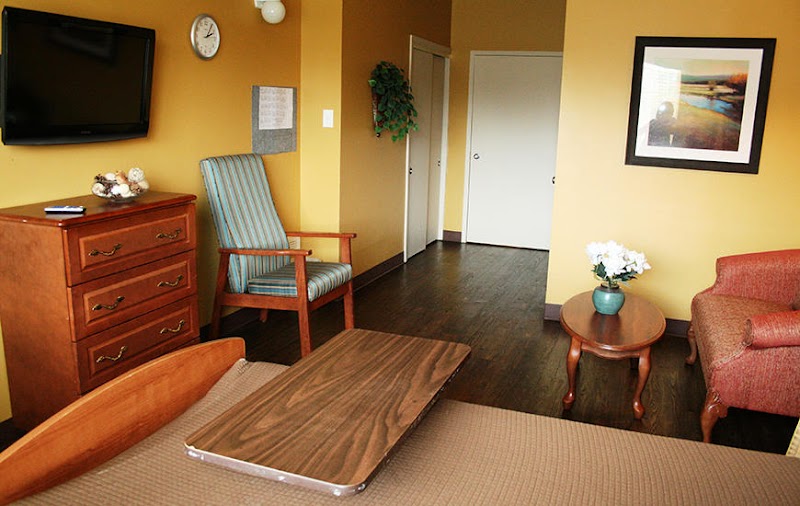
How is Stonebrooke Rehabilitation Center Staffed?

CMS rates STONEBROOKE REHABILITATION CENTER's staffing level at 3 out of 5 stars, which is average compared to other nursing homes. Staff turnover is 40%, compared to the Indiana average of 46%. This relatively stable workforce can support continuity of care.

What Have Inspectors Found at Stonebrooke Rehabilitation Center?

State health inspectors documented 27 deficiencies at STONEBROOKE REHABILITATION CENTER during 2023 to 2025. These included: 27 with potential for harm.
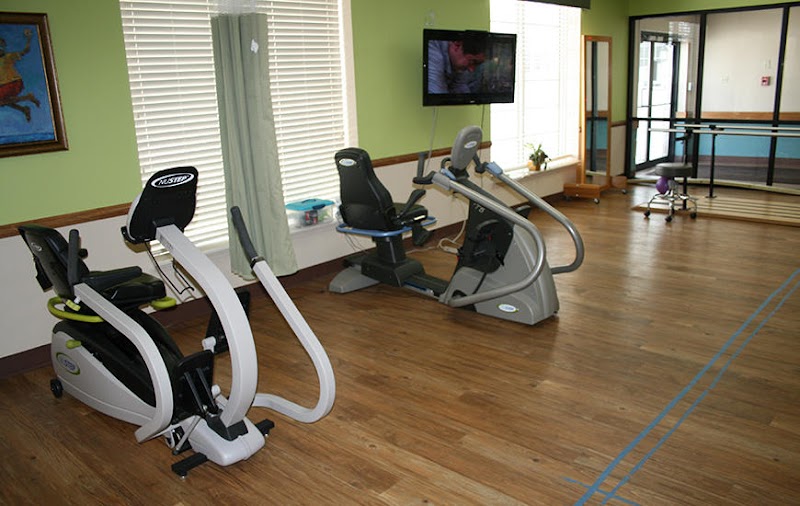
Who Owns and Operates Stonebrooke Rehabilitation Center?

STONEBROOKE REHABILITATION CENTER is owned by a government entity. Government-operated facilities are typically run by state, county, or municipal agencies. The facility is operated by AMERICAN SENIOR COMMUNITIES, a chain that manages multiple nursing homes. With 117 certified beds and approximately 76 residents (about 65% occupancy), it is a mid-sized facility located in NEW CASTLE, Indiana.

How Does Stonebrooke Rehabilitation Center Compare to Other Indiana Nursing Homes?

Compared to the 100 nursing homes in Indiana, STONEBROOKE REHABILITATION CENTER's overall rating (3 stars) is below the state average of 3.1, staff turnover (40%) is near the state average of 46%, and health inspection rating (3 stars) is at the national benchmark.

What Should Families Ask When Visiting Stonebrooke Rehabilitation Center?

Based on this facility's data, families visiting should ask: "Can I visit during a mealtime to observe dining assistance and food quality?" "How do you handle medical emergencies, and what is your hospital transfer rate?" "Can I speak with family members of current residents about their experience?"

Is Stonebrooke Rehabilitation Center Safe?

Based on CMS inspection data, STONEBROOKE REHABILITATION CENTER has a clean safety record: no substantiated abuse findings (meaning no confirmed cases of resident harm), no Immediate Jeopardy citations (the most serious violation level indicating risk of serious injury or death), and is not on the Special Focus Facility watch list (a federal program monitoring the lowest-performing 1% of nursing homes). The facility has a 3-star overall rating and ranks #100 of 100 nursing homes in Indiana. While no facility is perfect, families should still ask about staff-to-resident ratios and recent inspection results during their visit.

Do Nurses at Stonebrooke Rehabilitation Center Stick Around?

STONEBROOKE REHABILITATION CENTER has a staff turnover rate of 40%, which is about average for Indiana nursing homes (state average: 46%). Moderate turnover is common in nursing homes, but families should still ask about staff tenure and how the facility maintains care continuity when employees leave.

Was Stonebrooke Rehabilitation Center Ever Fined?

STONEBROOKE REHABILITATION CENTER has no federal fines on record. CMS issues fines when nursing homes fail to meet care standards or don't correct problems found during inspections. The absence of fines suggests the facility has either maintained compliance or corrected any issues before penalties were assessed. This is a positive indicator, though families should still review recent inspection reports for the full picture.

Is Stonebrooke Rehabilitation Center on Any Federal Watch List?

STONEBROOKE REHABILITATION CENTER is not on any federal watch list. The most significant is the Special Focus Facility (SFF) program, which identifies the bottom 1% of nursing homes nationally based on persistent, serious quality problems. Not being on this list means the facility has avoided the pattern of deficiencies that triggers enhanced federal oversight. This is a positive indicator, though families should still review the facility's inspection history directly.