WILLOWS OF NEW CASTLE
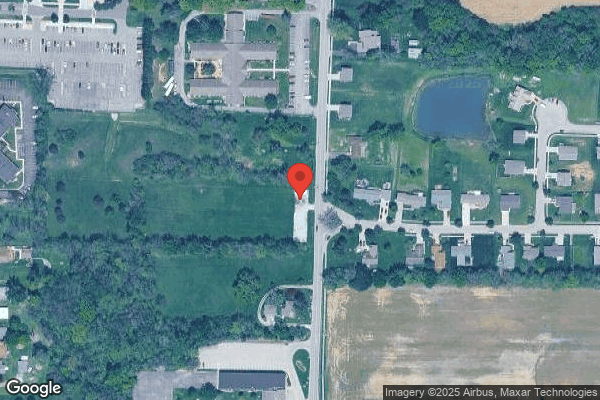
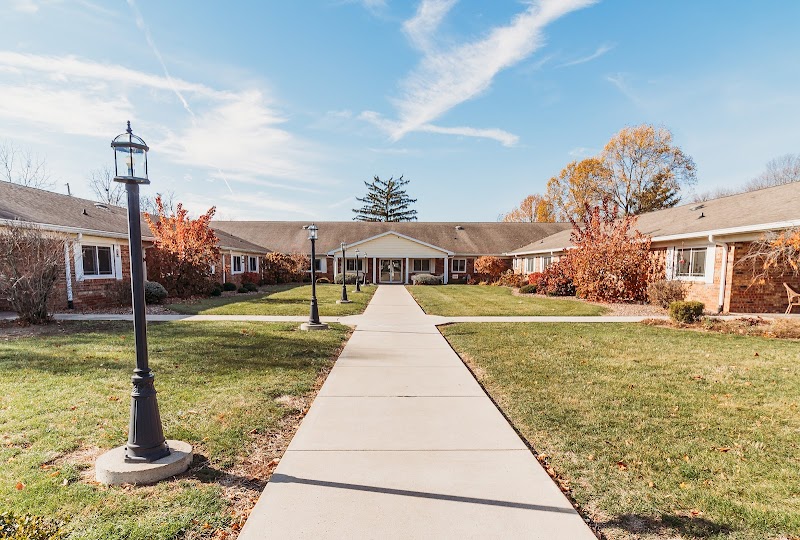
1023 N 20TH ST, NEW CASTLE, IN 47362 (765) 529-9694
Government - County 95 Beds Independent Data: November 2025
Trust Grade
55/100
#316 of 505 in IN
Last Inspection: March 2025

Within standard 12-15 month inspection cycle. Federal law requires annual inspections.

Overview

The Willows of New Castle has a Trust Grade of C, which means it is average and falls in the middle of the pack compared to other nursing homes. It ranks #316 out of 505 facilities in Indiana, placing it in the bottom half, and #7 out of 7 in Henry County, indicating there are no better local options available. The facility is improving, having reduced its issues from 11 in 2024 to 6 in 2025. Staffing is a concern, with a 62% turnover rate, which is higher than the state average, meaning they may struggle to retain experienced staff. There have been no fines, which is a positive sign, and the facility offers average RN coverage, ensuring some oversight but not at a superior level. However, there have been serious incidents, including a resident falling out of bed resulting in significant injuries due to inadequate supervision, and another resident was not provided with necessary fall prevention measures. Additionally, there was an incident where a resident was able to leave the facility unnoticed, raising concerns about security. While the facility shows some strengths, such as no fines and a recent trend of improvement, the staffing issues and specific incidents raise red flags for families considering care options.

Trust Score
C
55/100
In Indiana
#316/505
Bottom 38%
Safety Record
Moderate
Needs review
Inspections
Getting Better
11 → 6 violations
Staff Stability
⚠ Watch
62% turnover. Above average. Higher turnover means staff may not know residents' routines.
Penalties
✓ Good
No fines on record. Clean compliance history, better than most Indiana facilities.
Skilled Nurses
○ Average
Each resident gets 40 minutes of Registered Nurse (RN) attention daily — about average for Indiana. RNs are the most trained staff who monitor for health changes.
Violations
⚠ Watch
20 deficiencies on record. Higher than average. Multiple issues found across inspections.
★★★☆☆
3.0
Overall Rating
★★★☆☆
3.0
Staff Levels
★★★☆☆
3.0
Care Quality
★★★☆☆
3.0
Inspection Score
Stable
2024: 11 issues
2025: 6 issues

The Good

  • Full Sprinkler Coverage · Fire safety systems throughout facility
  • No fines on record

Facility shows strength in fire safety.

The Bad

3-Star Overall Rating

Near Indiana average (3.1)

Meets federal standards, typical of most facilities

Staff Turnover: 62%

15pts above Indiana avg (46%)

Frequent staff changes - ask about care continuity

Staff turnover is elevated (62%)

14 points above Indiana average of 48%

The Ugly 20 deficiencies on record

1 actual harm
Jul 2025 1 deficiency
CONCERN (D) 📢 Someone Reported This

A family member, employee, or ombudsman was alarmed enough to file a formal complaint

Potential for Harm - no one hurt, but risky conditions existed

Accident Prevention (Tag F0689)

Could have caused harm · This affected 1 resident

**NOTE- TERMS IN BRACKETS HAVE BEEN EDITED TO PROTECT CONFIDENTIALITY** Based on interview and record review, the facility failed to prevent a resident from eloping (leaving the facility without other...

Read full inspector narrative →
**NOTE- TERMS IN BRACKETS HAVE BEEN EDITED TO PROTECT CONFIDENTIALITY** Based on interview and record review, the facility failed to prevent a resident from eloping (leaving the facility without others being aware or giving permission) through the resident's room window for 1 of 3 residents reviewed for elopement. (Resident B) The deficient practice was corrected on 7-23-25, prior to the start of the survey, and was therefore past noncompliance. The facility had completed a physical assessment of the resident after the elopement, placed her on one-on-one direct supervision by facility staff, began an immediate investigation of the elopement, conducted interviews with facility staff regarding the elopement, conducted education with all staff on elopement policy and what to do in the event of an elopement, conducted an elopement drill, conducted an audit of all exit doors and alarms, ensured all windows were secured to not allow an opening more than six (6) inches and completed new assessments on all residents for wandering and elopement risks. Care plans were updated to reflect any residents which were indicated to be an elopement risk. Resident B remained under direct supervision until she was discharged to an area facility with a secured memory care unit. Findings include:The facility submitted a reportable incident to the Indiana Department of Health's Long-Term Care (IDOH-LTC) division on 7-18-25, which indicated Resident B had been found on 7-18-25, outside facility, on facility grounds at 3:10 p.m. Prior to incident, at 3pm [3:00 p.m.], resident and staff member [were in the resident's] in room attempting to make phone call to daughter. It indicated a therapy staff member had observed the resident outside of the facility. Licensed nurse immediately notified, and head to toe assessment completed. Vital signs within normal limits. Resident was clothed appropriately. Current temp 82 degrees. Resident [NAME] [sic] back inside of facility and offered refreshments. No distress noted. Staff interviews and investigation [were] initiated. Family, MD [medical provider], ED [Executive Director], ombudsman notified of incident. No injuries noted. 1:1 [one-on-one direct supervision] will now be provided by staff. All pertinent information will be added to 5- day follow up. Family and MD in agreement with plan of care. A 5-day follow-up report was sent to the IDOH-LTC division on 7-23-25, which indicated Resident B had been discharged to a local facility with a secured memory care unit. It indicated Resident B had sustained a non-emergent skin tear during her elopement. It indicated the facility had conducted an investigation which included, but was not limited to, staff statements related to the elopement, all staff were educated on the facility's elopement policy, an elopement drill had been conducted successfully, the maintenance department had conducted an audit of all exit doors and alarms with no issues identified, windows were secured to not allow opening more than six (6) inches and the Minimum Data Set (MDS) Coordinator had completed new assessments on all residents for wandering and elopement risks. In an interview on 7-28-25 at 12:15 p.m., with the ED, she indicated Resident B had been experiencing escalating behaviors in the weeks prior to the elopement, for which the facility had involved psychiatric services and her primary care doctor, as well as the resident's family. The ED indicated a urinalysis had been obtained with the results being negative. There were several med changes. At the time she eloped, she was on 15-minute checks and then we advanced those to 1:1 after the elopement out of her window. She had been sent out a time or two [to psychiatric facilities] for behaviors. My guess is that her dementia was advancing and she is now in a safer environment. A social services progress note, dated 7-16-25 at 2:56 p.m., indicated a family member of Resident B had scheduled a tour with a local facility to visit their memory care unit, related to possibly transferring Resident B to that facility's memory care unit. In an interview on 7-28-25 at 2:48 p.m., with the Director of Nursing (DON), she indicated Resident B remained on every 15- minute visual checks prior to the elopement. She indicated on the night shift of 7-17-25 through 7-18-25, the nursing staff had someone sitting with her and I think the reason they had charted she was on 1:1's during the night, was she seemed to need more attention. The morning of 7-18, she was actually on every 15-minute checks. The staff member who had been sitting with her [on the afternoon of 7-18-25] came back to the room and found the screen broken out of the window. Of course, after that, she was [placed] on 1:1's until she was discharged . The clinical record of Resident B was reviewed on 7-28-25 at 11:47 a.m. Her diagnoses included, but were not limited to, early onset Alzheimer's disease, dementia, hallucinations, unspecified psychosis and depression. A review of her most recent MDS assessment, dated 6-18-25, indicated she was moderately cognitively impaired, did display wandering behaviors, which were unchanged from the previous assessment time frame. It indicated she was independently ambulatory with the use of a walker and had no falls since the last assessment time frame. Elopement risk assessments, dated 6-16-25 and 7-18-25, indicated she was at risk for elopement. A care plan for Resident B, developed on 3-31-25 and updated on 7-11-25 and 7-18-25, indicated she wanders aimlessly trying to enter doors.refuses to wear wander guard [security device used to assist in provision of safe boundaries]. Another care plan was developed on 6-9-24 and updated on 8-9-24, indicated Resident B had impaired cognition as evidenced by diagnoses of dementia and Alzheimer's disease and via cognitive assessments. On 7-28-25 at 1:20 p.m., the ED provided a copy of an undated policy entitled, Missing/Wandering Resident. This policy indicated it purpose was to locate the missing or wandering resident as soon as possible. It indicated the administrative team and charge nurse are to be notified immediately when a resident is missing. The administrative team and/or charge nurse will organize a thorough search of the premises. Notification will be made to all staff of the potentially missing resident.[including] the name and description of the missing resident.will include the clothing worn, if the resident is ambulatory or uses a wheelchair/walker, and any other information that may be useful.If the resident is not located on the premises, a more extensive search will be conducted as directed by the Administrator/DON. As appropriate, the Administrator will notify the resident's family, the police authorities, the Indiana State Board of Health, Adult Protective Services and the Ombudsman.Once the resident is located.Administrator/DON will conduct a reassessment of events to determine whether present placement is appropriate for the resident's needs and condition. The resident will have an Elopement Risk Assessment completed to assess his/her current risk.The Care Plan will be updated and reviewed for new interventions initiated related to the elopement. Family, resident, and staff will be notified of the new interventions initiated. This citation relates to Complaint 2566622. 3.1-45(a)(1)3.1-45(a)(2)
Mar 2025 3 deficiencies
CONCERN (D)

Potential for Harm - no one hurt, but risky conditions existed

Resident Rights (Tag F0550)

Could have caused harm · This affected 1 resident

2a. A confidential resident record was reviewed during the survey period. The medical diagnoses included dementia and chronic pain. The last Minimum Data Set (MDS) assessment indicated the confidenti...

Read full inspector narrative →
2a. A confidential resident record was reviewed during the survey period. The medical diagnoses included dementia and chronic pain. The last Minimum Data Set (MDS) assessment indicated the confidential resident was cognitively intact. A depression care plan, revised on 1/23/24, indicated the confidential resident was at risk for feeling bad about themselves, and received mental health services. The interventions included listening to the resident and validating their feelings. During a confidential resident interview, the resident indicated they were not treated with respect during care. Staff are often rough and holler at them, have accused them of trying to have someone fired, and did not listen to them when they told them how to provide their care. This resulted in the confidential resident feeling disrespected and bad about themselves. 2b. The medical record for Resident 155 was reviewed on 3/12/25 at 11:45 a.m. The medical diagnoses included depression and Chron's disease. An admission assessment, completed on 2/24/25, indicated Resident 155 was alert and oriented to person, place, time, and situation. During an interview on 3/10/25 at 1:45 p.m., Resident 155 indicated she becomes very upset with the way staff talk and treat the confidential resident. She stated, they [staff] are very unkind to [the confidential resident] at times and should not be in this line of work if they [staff] are going to treat people like that. She indicated that if they were to speak to her in that manner, she would be very upset, and it would make her cry. She had on numerous occasions heard the confidential resident state the staff were hurting her, but they didn't stop care or even acknowledge it. During an interview on 3/14/25 at 12:00 p.m., the Administrator indicated it was the expectation of the facility to treat all residents with respect. 3.1-3(t) Based on interview and record review, the facility failed to ensure residents, including a confidential resident, were treated with dignity during care for 2 of 3 residents reviewed for dignity. (Resident 9 and Confidential Resident) Findings include: 1. During an interview with Resident 9 on 3/10/25 at 1:26 p.m., they indicated it had taken an hour for anyone to come into her room when she turned her call light on to go to the restroom. Resident 9 indicated she had to wait so long for help, that she ended up having incontinent episodes of urine and feces in bed. Resident 9 indicated it made them feel bad and it upset them because it was unnecessary and could have been avoided. Resident 9 indicated this occurrence happens at least once a week. The clinical record for Resident 9 was reviewed on 3/11/25 at 12:09 p.m. Diagnoses included, but were not limited to, generalized anxiety disorder, muscle weakness, and chronic pain syndrome. The Quarterly Minimum Data Set (MDS) assessment, dated 2/5/25, indicated Resident 9 was cognitively intact. The quarterly MDS also indicated Resident 9 was frequently incontinent of bowel and bladder, required a wheelchair for ambulation, and needed substantial/maximal assistance with personal hygiene and required moderate assistance with toilet transferring. A care plan for Impaired/Risk for impaired skin integrity was provided by the Administrator on 3/13/25 at 8:30 a.m. It indicated that incontinent care would be performed every two hours and as needed and to turn and reposition every two hours and as needed. A care plan for Bowel/Bladder Incontinence, initiated 10/23/24, indicated to check resident approximately every two hours. Wash, rinse and dry perineum. Change clothing as needed after incontinence episodes. During an interview with the Administrator on 3/13/25 at 9:36 a.m., she indicated she was never aware of this occurring and will start Resident 9 on a toileting program and check in with her more often for care needs.
CONCERN (D)

Potential for Harm - no one hurt, but risky conditions existed

ADL Care (Tag F0677)

Could have caused harm · This affected 1 resident

Based on interview and record review, the facility failed to provide a bath and/or shower upon request and as care planned for 1 of 1 resident reviewed for bathing. (Resident 6) Findings include: The ...

Read full inspector narrative →
Based on interview and record review, the facility failed to provide a bath and/or shower upon request and as care planned for 1 of 1 resident reviewed for bathing. (Resident 6) Findings include: The clinical record for Resident 6 was reviewed on 3/11/25 at 12:27 p.m. Diagnoses included, but were not limited to, stress incontinence and osteoarthritis of the left hand. During an interview with Resident 6 on 3/10/25 at 12:32 p.m., she indicated a couple months ago when she had COVID-19, she went several days without a bed bath or shower. Resident 6 indicated she asked staff for a shower, but they told her she could not have one because she had COVID-19 and would have to bathe her in her room. Resident 6 indicated she would have to go into her bathroom and wash up on her own. She indicated no bed baths were offered or given. She also indicated she takes her showers on Tuesdays and Fridays. During an interview with Licensed Practical Nurse (LPN) 2 on 3/12/25 at 11:47 a.m., they indicated when anyone was in isolation, they could take a shower, they are just taken last for the day due to sanitizing afterwards. An admission Minimum Data Set (MDS) assessment, dated 8/22/24, indicated Resident 6 was cognitively intact, had no behaviors of rejection of care, and it was very important for her to be able to choose from a tub bath, shower, bed bath, or sponge-bath. An Interdisciplinary Team (IDT) follow up note, dated 1/11/25, indicated Resident 6 tested positive for COVID-19. A physician's order, dated 1/11/25, indicated Resident 6 was to be placed in droplet/contact isolation precautions for ten days. Shower sheets were provided by the Administrator, on 3/12/25 at 9:45 a.m., and indicated Resident 6 had a shower, on 1/10/25, and a bed bath given due to isolation documented on 1/14/25. A shower sheet, dated 1/16/25, showed no documentation of a shower or bath being given. The Electronic Health Record (EHR) bathing documentation was provided by the Administrator, on 3/13/25 at 10:25 a.m., and indicated Resident 6 did not receive a shower or bath, on 1/17/25, on her scheduled showering day. The next shower documented for Resident 6 was on 1/21/25. This indicated Resident 6 went seven days without a bath and/or shower being given as documented in her plan of care. During an interview with Resident 6 on 3/12/25 at 11:50 a.m., she indicated she was miserable and crying after she had gone several days without a bath or shower when she was sick. An Activities of Daily Living care plan was provided by the Administrator on 3/12/25 at 9:45 a.m. It indicated Resident 6 would receive tub bath or showers as she preferred, and staff would provide supervision/touching assist of one helper with dressing and grooming. A Resident Showers policy was provided by the Administrator on 3/12/25 at 9:45 a.m. It indicated, .1. Residents will be provided showers as per request .2. Partial baths may be given between regular shower schedules .4. Assist the resident to the shower room 3.1-38(a)(3)(A) 3.1-38(a)(3)(B)
CONCERN (D)

Potential for Harm - no one hurt, but risky conditions existed

Dental Services (Tag F0791)

Could have caused harm · This affected 1 resident

Based on interview and record review, the facility failed to provide routine dental care to residents when an inside source was not available for 1 of 3 residents reviewed for dental services. (Reside...

Read full inspector narrative →
Based on interview and record review, the facility failed to provide routine dental care to residents when an inside source was not available for 1 of 3 residents reviewed for dental services. (Resident 2) Findings include: During an interview on 3/10/25 at 1:16 p.m., Resident 2 indicated she would like to see a dentist. Resident 2 indicated she had not seen the dentist in a long time. The clinical record for Resident 2 was reviewed on 3/11/25 at 12:05 p.m. Diagnoses included, but were not limited to, diabetes mellitus and cerebral infarction. The Annual Minimum Data Set (MDS) assessment, dated 1/8/25, indicated Resident 2 was cognitively intact for daily decision making. A Complimentary Dental Assessment consent was provided by the Administrator on 3/12/25 at 9:45 a.m. Resident 2 signed to give consent for dental services on 5/27/21. Resident 2's last dental exam provided by the Administrator, on 3/12/25 at 9:45 a.m., indicated Resident 2 had a dental exam on 9/9/22. During an interview with the Administrator on 3/12/25 at 9:55 a.m., she indicated the facility recently switched dental services to a new company because the facility was having issues with the previous company not providing services. The Administrator indicated the dental company had not seen their residents on a regular basis or conducted annual screenings for everyone enrolled. During an interview with the Social Service Director (SSD) on 3/14/25 at 11:28 a.m., they indicated the dental company, whom they worked with, stopped doing annual dental exams after COVID-19. The SSD indicated the facility did not offer to take residents to an outside provider for an annual screening. They only took residents out of the facility if they had any dental problems. A Dental Services policy was provided by the Administrator on 3/12/25 at 10:30 a.m. It indicated, .It is the policy of this facility to assist residents in obtaining routine (to the extent covered under the State plan) . [Routine dental services] means an annual inspection of the oral cavity 3.1-24(a)(1)
Jan 2025 2 deficiencies
CONCERN (D) 📢 Someone Reported This

A family member, employee, or ombudsman was alarmed enough to file a formal complaint

Potential for Harm - no one hurt, but risky conditions existed

Quality of Care (Tag F0684)

Could have caused harm · This affected 1 resident

**NOTE- TERMS IN BRACKETS HAVE BEEN EDITED TO PROTECT CONFIDENTIALITY** Based on interview and record review, the facility failed to ensure 2 of 2 residents diagnosed with Clostridium difficile infect...

Read full inspector narrative →
**NOTE- TERMS IN BRACKETS HAVE BEEN EDITED TO PROTECT CONFIDENTIALITY** Based on interview and record review, the facility failed to ensure 2 of 2 residents diagnosed with Clostridium difficile infection (c-diff) were receiving care which included thorough and accurate assessments on a routine basis and the documentation of the assessments reflected the thorough assessments and resident status. (Residents B and C) Findings include: 1. The clinical record of Resident B was reviewed on 1-7-25 at 2:32 p.m. Her diagnoses included, but were not limited to, a history of urinary tract infections (UTI), systemic inflammatory response syndrome (SIRS), Alzheimer's disease and generalized muscle weakness. A hospital Discharge summary, dated [DATE], indicated she was diagnosed with a c-diff infection upon admission to the hospital on [DATE]. She returned to the facility on [DATE]. A review of the progress notes and Nursing Infection Charting ATB [antibiotic] daily assessments, dated 11-12-24 through 11-19-24, was conducted. The documentation failed to address the stooling status, such as the presence of watery type diarrhea, foul-smelling or mucous-type stools or presence of abdominal pain, nausea, vomiting or change in appetite for Resident B on 11-12-24 at 11:03 p.m., 11-13-24 at 1:40 a.m., 11-13-24 at 11:51 a.m., 11-17-24 at 5:19 p.m., 11-18-24 at 1:56 p.m., 11-18-24 at 9:28 p.m., and 11-19-24 at 12:57 a.m. Additionally, the clinical record documentation failed to identify Resident B was in contact isolation, related to c-diff, on 11-13-24 at 1:40 a.m., 11-16-24 at 4:58 p.m., 11-17-24 at 5:19 p.m., 11-18-24 at 6:23 a.m., 11-18-24 at 9:28 p.m. and 11-19-24 at 12:57 a.m. The clinical record failed to identify the date of the initiation of contact isolation or the date it ended. A review of the Infection Control Surveillance, information for November 2024, indicated Resident B was started on an antibiotic for c-diff on 11-13-24, but did not specify she was on isolation of any type. During an interview with the Director of Nursing (DON) on 1-8-25 at 12:18 p.m., she indicated the documentation from the nursing staff, related to Resident B's c-diff, appeared to be put in briefly and was more hit and miss. I would expect the documentation to be detailed. During an interview with the DON on 1-9-25 at 11:19 a.m., she indicated the Infection Preventionist's (IP) notation for Resident B indicated the resident was identified with c-diff, on 11-13-24, upon her return from the hospital and was placed in isolation on that date; isolation was discontinued on 11-18-24, per physician orders. The facility's guidelines for continuation of isolation were until the antibiotic was completed. It is a case-by-case basis from the facility's doctors as to how long the person stays in isolation, based on the status of their stools being solid and their antibiotic. Generally, they error on the side of caution. The DON indicated the former IP left employment about a week before Christmas, with no notice. Additionally, the DON indicated she was out for surgery around the same time the former IP left employment and was trying to get some of the paperwork done from home. In an interview with the DON on 1-9-25 at 3:50 p.m., she indicated her expectations for the assessments for c-diff to be thorough and conducted at least daily. 2. The clinical record of Resident C was reviewed on 1-8-25 at 2:17 p.m. His diagnoses included, but were not limited to, unspecified dementia, ulcerative colitis, diabetes, a history of severe sepsis with septic shock, gastrointestinal hemorrhage, noninfective gastroenteritis and colitis, and prior noncompliance with other medical treatment regimen due to an unspecified reason. A progress note, dated 12-21-24, indicated Resident C had experienced frequent, loose, watery, and foul smelling stools, and a stool sample was sent out to determine if he had c-diff. He was placed in contact isolation, pending the results of the stool sample. A notation the following day, 12-22-24, indicated the stool sample was positive for c-diff and the resident remained in contact isolation. It indicated Resident C was placed on an oral medication for 14 days to treat the c-diff infection. A review of the progress notes and Nursing Infection Charting ATB [antibiotic] daily assessments, dated 12-22-24 through 1-7-25, was conducted. The documentation failed to address the stooling status, such as the presence of watery type diarrhea, foul-smelling, or mucous-type stools, or presence of abdominal pain, nausea, vomiting or change in appetite for Resident C on 12-23-24 and 1-6-25. Additionally, the clinical record documentation failed to identify Resident C was in contact isolation, related to c-diff on 12-23-24. A progress note, dated 1-7-25, indicated the contact isolation had been discontinued. A review of the Infection Control Surveillance, information for December 2024, indicated Resident C's c-diff infection was not located on the Monthly Infection Surveillance Report. In an interview with the DON on 1-9-25 at 11:19 a.m., she indicated Resident C's c-diff diagnosis was not added to the infection surveillance log like it should have been. During an interview with the DON on 1-9-25 at 9:30 a.m., she indicated it appeared as if Resident C's clinical record documentation, related to the c-diff infection started out pretty good, but the quality of the documentation and frequency of the documentation of the assessments went downhill. I would expect the documentation, and assessments should remain of a high quality throughout the resident's care needs. The assessments should be at least twice daily for c-diff and address the number and quality of the stooling, as well as any abdominal pain or discomfort. In an interview with the DON on 1-9-25 at 11:19 a.m., she indicated the facility's guidelines for continuation of isolation was until the antibiotic was completed. It is a case-by-case basis from our doctors as to how long the person stays in isolation, based on the status of their stools being solid and their antibiotic. Generally, they error on the side of caution. The DON indicated the former Infection Preventionist (IP) left employment about a week before Christmas, with no notice. Additionally, the DON indicated she was out for surgery around the same time the former IP left employment and was trying to get some of the paperwork done from home. In an interview with the DON on 1-9-25 at 3:50 p.m., she indicated her expectations for the assessments for c-diff infections are they will be thorough and conducted at least daily. On 1-9-25 at 9:15 a.m., the Administrator provided a copy of an undated policy entitled, Management of C. Difficile Infection. It indicated, This facility implements facility-wide strategies for the prevention and spread of Clostridium difficile (C. difficile) infections .Licensed nurses may implement preemptive contact precautions when C. difficile infection is suspected, pending results of testing. Once confirmed, contact precautions shall be implemented in accordance with a physician order and facility policy for transmission-based precautions . This citation relates to Complaint IN00449670. 3.1-37(a)
CONCERN (D) 📢 Someone Reported This

A family member, employee, or ombudsman was alarmed enough to file a formal complaint

Potential for Harm - no one hurt, but risky conditions existed

Incontinence Care (Tag F0690)

Could have caused harm · This affected 1 resident

**NOTE- TERMS IN BRACKETS HAVE BEEN EDITED TO PROTECT CONFIDENTIALITY** Based on interview and record review, the facility failed to ensure 2 of 2 residents reviewed for urinary tract infections (UTI)...

Read full inspector narrative →
**NOTE- TERMS IN BRACKETS HAVE BEEN EDITED TO PROTECT CONFIDENTIALITY** Based on interview and record review, the facility failed to ensure 2 of 2 residents reviewed for urinary tract infections (UTI), received prompt treatment for complaints of dysuria (painful urination), urine culture and sensitivity reports be reviewed with the medical provider for accuracy related to the proper medications be ordered to treat the identified organisms, and their daily nursing assessments related to their diagnosis are thorough and accurate. (Resident B and D) Findings include: 1. The clinical record of Resident B was reviewed on 1-7-25 at 2:32 p.m. Her diagnoses included, but were not limited to, a history of urinary tract infections (UTIs), systemic inflammatory response syndrome (SIRS), Alzheimer's disease and generalized muscle weakness. 1.a. A review of the progress notes, dated 12-19-24 at 10:42 p.m., indicated a urinalysis with a culture and sensitivity (C&S) request was obtained from Resident B and sent to the lab for analysis on 12-20-24 at 5:58 a.m. An entry, dated 12-22-24 at 8:49 a.m., indicated the facility had received a new physician's order for Cipro (antibiotic) 500 milligrams (mg) to be administered twice daily for seven days for a UTI. The corresponding urinalysis report, including the C&S report, indicated the urine sample had been received by the laboratory on 12-21-24 at 5:21 a.m. The C&S report indicated the urine sample analysis identified the organisms present were a high level of Escherichia coli (e-coli) and low level of Enterococcus faecalis. It indicated these organisms were resistant to Ciprofloxacin, Levofloxacin and Trimethoprim/Sulfamethoxazole. It indicated these organisms were susceptible to 14 common antibiotics. During an interview with the Director of Nursing (DON) on 1-9-25 at 2:20 p.m., she indicated she was unable to address why the Cipro was started for this resident's UTI when the C&S showed it was resistant to Cipro. She indicated one of the nurses should have caught this and notified the doctor or NP (nurse practitioner) of this. I will check with the doctor to see how he wants to handle this. The DON indicated this occurred around the time she was off work for surgery and the Infection Preventionist (IP) and the Assistant Director of Nursing (ADON) had left employment. 1.b. A hospital Discharge summary, dated [DATE], indicated Resident B was diagnosed with a UTI upon admission to the hospital on [DATE]. She returned to the facility on [DATE]. A review of the progress notes and Nursing Infection Charting ATB [antibiotic] daily assessments, dated 11-12-24 through 11-19-24, was conducted. The documentation failed to address the urinary status, such as the color and shade of the urine, any urinary odors, clarity of the urine, presence of blood, mucus, or sediment in Resident B's urine on 11-12-24 at 11:03 p.m., 11-13-24 at 1:40 a.m. and 11-18-24 at 9:28 p.m. During an interview with the DON on 1-9-25 at 3:50 p.m., she indicated her expectations for the assessments for UTI's to be thorough and conducted at least daily. 2. The clinical record of Resident D was reviewed on 1-9-25 at 11:05 a.m. Her diagnoses included, but were not limited to, diabetes with neuropathy, unspecified mild dementia, and a history of urinary tract infections (UTIs). A review of Resident D's progress notes reflected she had completed intravenous antibiotic therapy on 12-22-24 for a UTI. It indicated, on 12-26-24, Resident D was reporting blood in her urine and the attending physician ordered for a urinalysis with culture and sensitivity (C&S) testing to be obtained. A notation, on 12-31-24, indicated a urine sample had been obtained and was awaiting the laboratory to pick up the sample. Another entry, dated 12-31-24, indicated Resident D had tested positive for Covid-19 and was ordered to begin a regimen of the anti-viral medication, Paxlovid. Another entry, dated 1-1-25, indicated a second urine sample had been obtained for this resident and was to be sent to the laboratory for analysis. It did not indicate the reason for a second sample. During an interview with the DON on 1-9-25 at 2:20 p.m., she indicated the attending physician for Resident D, does not like to order any antibiotics when someone is on Paxlovid. That is my guess as to why he wouldn't have ordered an antibiotic for the UA [urinalysis] of 1-1-25. The lab had requested a repeat urine from the 12-31-24 urine sent to them as to why it was repeated on 1-1-24. I can't answer as to why there was a delay in getting her urine, from 12-26-24 until 12-31-24. Again, this was during the time frame that I was out of the office, and we had recently had the ADON [Assistant Director of Nursing] and IP [Infection Preventionist] leave employment. Again, one of the nurses should have caught this and gotten it done. It looks like there was a lapse in documentation, so have no idea if she was having blood in her urine or dysuria. During an interview with the DON on 1-9-25 at 3:50 p.m., she indicated the facility does not have a specified policy on documentation. She indicated her expectations for the assessments for UTI's to be thorough and conducted at least daily. This citation relates to Complaint IN00449670. 3.1-41(a)(2)
Jan 2024 11 deficiencies 1 Harm
SERIOUS (G) 📢 Someone Reported This

A family member, employee, or ombudsman was alarmed enough to file a formal complaint

Actual Harm - a resident was hurt due to facility failures

Accident Prevention (Tag F0689)

A resident was harmed · This affected 1 resident

A.) Based on observation, interview and record review the facility failed to adequate supervision during care and ensure two staff were providing care for a dependent resident resulting in the residen...

Read full inspector narrative →
A.) Based on observation, interview and record review the facility failed to adequate supervision during care and ensure two staff were providing care for a dependent resident resulting in the resident falling out of bed and sustaining 3 brain bleeds and 5 facial sutures (Resident B). B.) Based on observation, interview and record review the facility failed to have fall interventions of two assistive devices in place and failed to have a call light available for a resident who had sustained a fall with a fracture (Resident D). This affected 2 of 4 residents reviewed for accidents (Resident B and Resident D). Findings include: A.) During an interview with Resident B's Family member 1 on 1/22/24 at 1:21 p.m., indicated on 12/22/23 CNA 2 was attempted to provide incontinent care by herself and the resident rolled out of bed. When CNA 2 rolled the resident on her side, the resident grabbed the privacy curtain and fell out of bed. The family member indicated she visits the resident every day but she was not at the facility when this occurred it happened early in the morning, RN 1 called her and notified her of what had happened. The resident was suppose to have 2 staff provide care. The resident sustained 3 brain bleeds and 5 sutures above her eyebrow. The resident was in the Intensive Care Unit (ICU) for one night. Family member 1 indicated the resident had significantly declined since the fall, the resident was now on hospice, the resident would get up every day and would go to activities, now the resident slept all day. The resident now takes morphine (pain medicine) in the morning and in the evening. The family member pointed to a sign on the wall that said care in pairs and indicated after the fall the facility put the sign up. Resident B was observed to be lying in bed with her eyes closed, the resident had a scab above her right eye brow. During an interview with CNA 2 on 1/24/24 at 11:53 a.m., indicated she was Resident B's CNA on 12/22/23 when she fell out of the bed. CNA 2 indicated the resident was incontinent of urine and was laying on her side. CNA 2 turned around to get clothes out of the resident's closet and when she turned around the resident had grabbed the privacy curtain and her legs were off of the bed. CNA 2 indicated she grabbed the resident's upper body to try to keep her from falling but the resident had a tight grip on the privacy curtain with both hands. The resident went on over the bed and fell onto the floor. During an interview with RN 1 on 1/24/24 at 11:41 a.m., indicated she was Resident B's nurse on 12/22/23 when she fell out of bed. RN 1 indicated CNA 2 came running out and told her she had been providing incontinent care for Resident B and she had fell out of bed onto the floor. The resident had a huge laceration on the right eye brow and she attempted to get the bleeding to stop. RN 1 had CNA 2 get the Director Of Nursing and another nurse come help her. CNA 2 did not have another staff member assisting her with the resident's care. During an interview with RN 1 on 1/24/24 at 12:58 p.m., indicated the resident had on socks and hospital gown when she fell. The resident did not have on a brief. The resident had urinated on the floor when she fell. RN 1 indicated it was a struggle to clean the resident and put on the brief because they were trying not to move the resident. RN 1 indicated LPN 4 assisted her. During an interview with LPN 4 on 1/24/24 at 7:58 p.m., indicated she assisted with Resident B on 12/22/23 when she fell out of bed. LPN 4 indicated CNA 2 came to the nursing station and said she had rolled the resident over to clean her up and get her dressed and the resident grabbed the privacy curtain and rolled out of bed. The resident had a laceration above her right eye, the right side of her face was red and there was blood on the floor. LPN 4 held a washcloth on the resident's laceration to prevent blood from going into her eyes and held the resident's hand while RN 1 was vital signs. Resident B did not have on a brief and had urinated on the floor after she fell out of the bed. LPN 4 and RN 1 put a brief on the resident before the ambulance arrived. During an interview with Resident B Family member 2 on 1/25/24 at 11:57 a.m., indicated the resident should have never fallen out of bed on 12/22/23, the resident was suppose to have two staff when providing care. Family member 2 indicated she talked with the Administrator and the Director Of Nursing and they told her the resident was suppose to have to have 2 staff when providing care and they would ensure that she would have 2 staff from now on. Family member 2 indicated this was an unfortunate situation that should have never happened to begin with. Review of the record of Resident B on 1/24/24 at 1:17 p.m., indicated the resident's diagnoses included, but were not limited to, Alzheimer's disease, diabetes, bipolar, dementia, pain, hypertension and depression. The Annual Minimum Data Set (MDS) assessment for Resident B, dated 11/30/23, indicated the resident was severely cognitive impaired for daily decision making. The resident was dependent with toileting needs and was always incontinent of bowel and bladder. The resident ability to roll from lying on back to left and right side, and returning to lying on back on the bed, the resident was dependent. The resident had a fall with a major injury. The State Optional MDS assessment for Resident B, dated 11/30/23, the resident required extensive assistance of two people for bed mobility and toileting need. The fall plan of care for Resident B, dated 11/30/23, indicated the resident at risk for falls related to dementia, arthritis, cancer, diabetes mellitus, history of falls, impaired mobility, non ambulatory, use of anti anxiety medication. The interventions included, but were not limited to, 2 staff to assist with bathing, turning and repositioning. The fall risk assessment for Resident B, dated 11/30/23, indicated the resident was disoriented x 3, chair bound, required assistance with elimination, and takes 3-4 medications that can contribute to falls, and 1-2 predisposing diseases that could contribute to falls. The progress note for Resident B, dated 12/22/23 at 6:40 a.m., Interdisciplinary Team (IDT) progress note indicated resident noted with fall during staff assistance. Nurse called to room, found resident on right side, laceration noted to right outer eyebrow, forehead , applied cold towel and pressure, notified the physician and orders to send to emergency room for evaluation and called Emergency medical Services, notified the daughter and care plan updated with bed moved to wall if daughter agreeable. The hospital note for Resident B, dated 12/22/3, indicated per report the resident fell out of bed while being cleaned this morning. The CAT SCAN (CT) of the head showed Parenchymal hemorrhage in the right frontal lobe, right parietal lobe and left parietal lobe (largest in the left parietal region) (bleeding in the brain). The resident was not a candidate for surgery and a hospice consult was obtained. The resident had a 2.5 centimeter (cm) laceration on the right eyebrow and 5 sutures was applied. During an observation on 1/26/24 12:27 p.m., CNA 2 and CNA 3 provided the Resident B with incontinent care, rolling the resident from side to side with total assist, the resident did not participate in the bed mobility. B.) During an observation on 1/22/24 at 1:41 p.m., Resident D was sitting in her recliner, the resident's call light was on the floor between the bed and the wall. The roommates call light was activated. CNA 2 came into the room and retrieved the resident's call light and indicated she would get a clip on the call light so she could clip it to her bed. The resident was observed to have one touch pad call light and not two as care planned. During an interview with Resident D's family on 1/23/24 at 1:14 p.m., indicated the resident fell in October 2023 and fractured her pelvis. During an observation on 1/25/24 at 11:11 a.m., Resident D was sitting in her recliner , the resident did not have a call light available it was located between the wall and bed on the floor. RN 1 came in and clipped the pad call light to the resident's bed. The resident was observed to have one touch pad call light and not two as care planned. Review of the record of Resident D on 1/29/24 at 12:00 p.m., indicated the resident's diagnoses included, but were not limited to, thrombocythemia, vascular dementia, major depressive disorder, history of transient ischemic attack, cerebral infarction, hyperlipidemia, urinary tract infection, Alzheimer's disease and pelvic fracture. The progress note for Resident D, dated 10/11/23 at 11:24 a.m., indicated the resident had a fall and was complaining of right groin pain. An order was received for an x-ray. Received x-ray and resident had a pelvic fracture. Called Orthopedics for an appointment. The Significant Change Minimum Data (MDS) assessment for Resident D, dated 10/28/23, indicated the resident was severely impaired for daily decision making. The resident required substantial/maximal assistance with toileting, putting on and taking off footwear. The resident had a fall with a major injury. The plan of care for Resident D, dated 1/2/23, indicated the resident was at risk for falls related to dementia, history of falls, history of transient ischemic attack and pelvic fracture. The interventions included, but were not limited to, 2 touch pad call lights on bed/chair and call light in reach, encourage resident to use it. and respond promptly to call light. During an interview with the Director Of Nursing (DON) on 1/25/24 at 3:30 p.m., indicated it was the responsibility of all nursing staff to ensure Resident D's fall interventions were in place and her call light was within reach. The fall management policy provided by the Administrator on 1/26/24 at 10:50 a.m., indicated the purpose was to protect residents and promote safety. The call light policy provided by the Administrator on 1/26/24 at 10:50 a.m., indicated the resident's call light was to be within reach. This Federal tag relates to Complaint IN00425076. 3.1-45(a)(1) 3.1-45(a)(2)
CONCERN (D)

Potential for Harm - no one hurt, but risky conditions existed

Deficiency F0554 (Tag F0554)

Could have caused harm · This affected 1 resident

Based on interview, observation, and record review, the facility failed to complete self-administration assessment for a resident that self-administers nasal spray for 1 of 1 resident reviewed for sel...

Read full inspector narrative →
Based on interview, observation, and record review, the facility failed to complete self-administration assessment for a resident that self-administers nasal spray for 1 of 1 resident reviewed for self-administration. (Resident 37) Findings include: The clinical record for Resident 37 was reviewed on 1/24/2023 at 11:30 a.m. The medical diagnosis included paranoid schizophrenia. A physician order for Resident 37, dated 12/7/2021, indicated for him to utilize a nasal spray that may be kept at the bedside and self-administered. An observation on 1/22/2024 at 11:05 a.m. indicated Resident 37 sitting in his recliner with a bottle of nasal spray on the table next to him. An observation and interview with Resident 37 on 1/22/2024 at 1:30 p.m. indicated that he utilized nasal spray for the last few years for congestion. The staff will order more when he runs low, but he is able to take care of giving himself the nasal spray. An interview with the DON on 1/25/2024 at 1:00 p.m., indicated that they did not have a self-administration assessment for Resident 37. A policy entitled, Medication Administration-Prerpation and General Guidelines, was provided by the Administrator on 1/25/2024 at 2:50 p.m. The policy indicated, .For those resident who self-administer, the interdisciplinary team verified the resident's ability to self-administer medication by means of a skill assessment conducted on a [quarterly] basis or when there is a significant change in condition . [sic] 3.1-11(a)
CONCERN (D)

Potential for Harm - no one hurt, but risky conditions existed

Deficiency F0558 (Tag F0558)

Could have caused harm · This affected 1 resident

Based on observation, interview and record review the facility failed to provide fresh water daily for 2 of 5 residents reviewed for hydration (Resident D and Resident 45). Findings include: 1.) Duri...

Read full inspector narrative →
Based on observation, interview and record review the facility failed to provide fresh water daily for 2 of 5 residents reviewed for hydration (Resident D and Resident 45). Findings include: 1.) During an observation on 1/22/24 at 1:45 p.m., Resident D was sitting in her recliner, there was no water pitcher in the room. Resident D indicated she has a faucet in the bathroom that she could get water out of. During an observation on 1/23/24 at 10:49 a.m., Resident D was sitting in her recliner with no water pitcher in her room. During an observation and interview on 1/23/24 at 1:12 p.m., Resident D and her family was visiting in the resident's room, the resident did not have any water available. Resident D's family searched the resident's room for her water pitcher and was unable to locate it. Resident D's family indicated they were unsure why the resident did not have water available. During an observation on 1/24/24 at 11:22 a.m., Resident D was sitting in her recliner with no water pitcher in her room. During an observation and interview on 1/24/24 at 1:06 p.m., Resident D was sitting in her recliner with no water pitcher in her room. The resident searched her room for her water pitcher and was unable to find one. The resident indicated staff must have forgotten to give her water. During an observation on 1/25/24 at 11:11 a.m., Resident D was sitting in her recliner with no water pitcher in her room. Review of the record of Resident D on 1/29/24 at 12:00 p.m., indicated the resident's diagnoses included, but were not limited to, thrombocythemia, vascular dementia, major depressive disorder, history of transient ischemic attack, cerebral infarction, hyperlipidemia, urinary tract infection, Alzheimer's disease and pelvic fracture. The plan of care for Resident D, dated 2/7/23, indicated the resident had the potential for fluid deficit related to dementia. The interventions included, but were not limited to, encourage fluid intake, Offer fluids between meals and water pitcher at bedside. The dehydration assessment for Resident D, dated 11/2/23, indicated the resident was independent with fluid intake. 2.) During an observation on 1/23/24 at 11:14 a.m., Resident 45 was sitting in a recliner in the telephone room with a bedside table beside her with no fluids available. Interview with RN 1 indicated the resident never stayed in her room, she preferred to sit in the telephone During an observation on 1/23/24 at 1:32 p.m., Resident 45 was sitting in a recliner in the telephone room with a bedside table beside her with no fluids available. During an observation on 1/24/24 at 11 a.m., Resident 45 was sitting in a recliner in the telephone room with a bedside table beside her with no fluids available. During an observation on 1/25/24 at 11:01 a.m., Resident 45 was sitting in a recliner in the telephone room with a bedside table beside her with no fluids available. Review of the record of Resident 45 on 1/29/24 at 11:40 a.m., indicated the resident's diagnoses included, but were not limited to, dementia, anxiety, hyperlipemia and diverticulosis. The dehydration risk assessment for 45, dated 1/2/24, indicated the resident required limited assist with fluid intake, incontinent of urine, had 1-3 predisposing factors and took 1-3 medications of consideration for dehydration. The plan of care for Resident 45, dated 3/13/23, indicated the resident had potential for fluid deficit related to dementia and use of diuretic medication. The interventions included, but were not limited to, encourage fluid intake and keep fluids within reach. During an interview with the Director Of Nursing (DON) on 1/25/24 at 3:45 p.m., indicated it was the responsibility of all nursing staff to ensure Resident D and Resident 45 was provided fluids. The protocol was fluids were passed every shift. The hydration policy provided by the Administrator on 1/26/24 at 10:50 a.m., indicated the facility would offer each resident sufficient fluid, including water and other liquids, consistent with the resident needs and preferences to maintain proper hydration and health. 3.1-3(v)(1)
CONCERN (D)

Potential for Harm - no one hurt, but risky conditions existed

Deficiency F0561 (Tag F0561)

Could have caused harm · This affected 1 resident

Based on interview and record review the facility failed to provide a resident with her choice and preference to when she went to bed for 1 of 2 residents reviewed for choices (Resident 56). Finding ...

Read full inspector narrative →
Based on interview and record review the facility failed to provide a resident with her choice and preference to when she went to bed for 1 of 2 residents reviewed for choices (Resident 56). Finding include: During an interview with Resident 56 on 1/22/24 at 12:52 p.m., indicated she did not feel like her right to choose was honored by the facility. The resident indicated the staff put her to bed at 7:00 p.m., and she preferred to go to bed at 9:00 p.m. or later,. The resident indicated she had talked to the facility about her preference about her bedtime, but they continue to assist her to bed at 7:00 p.m. Review of the Resident 56 on 1/25/24 at 2:00 p.m., indicated the resident's diagnoses included, but were not limited to, dementia, chronic kidney disease, depression, anxiety, osteoarthritis and history of falling. The activity interview and preferences for Resident 56, dated 12/12/23, indicated it was very important to choose her own bedtime. The resident preferred to go to bed after 9:00 p.m., 10:00 p.m., or later. The resident was a late night person. The plan of care for Resident 56, dated 12/13/23, indicated the resident required assistance with Activities of Daily Living (ADL) related to impaired mobility. The interventions include, but were not limited to, bedtime as preferred. During an interview with Minimum Data Coordinator 1 on 1/25/24 at 2:05 p.m., indicated it was communicated to the CNA's what resident's preferences were on plan of care. The resident rights policy provided by the Administrator on 1/26/24 at 10:50 a.m., indicated each resident had the right to choose his/her own activities, schedules including sleeping and waking times. 3.1-3(u)(1)
CONCERN (D)

Potential for Harm - no one hurt, but risky conditions existed

Safe Environment (Tag F0584)

Could have caused harm · This affected 1 resident

Based on interview and observations, the facility failed to promote a clean environment for Resident 35 by having dried fecal matter on his toilet and a dried brown substance on his bed linens for 1 o...

Read full inspector narrative →
Based on interview and observations, the facility failed to promote a clean environment for Resident 35 by having dried fecal matter on his toilet and a dried brown substance on his bed linens for 1 of 2 residents reviewed for clean environment. Findings include: The clinical record for Resident 35 was reviewed on 1/25/2024 at 10:55 a.m. The medical diagnosis included Parkinson's disease and chronic respiratory failure. A Quarterly Minimum Data Set Assessment, dated for 12/28/2023, indicated that Resident 35 was cognitively intact. An observation and interview with Resident 35 on 1/22/2024 at 1:19 p.m. indicated that his bathroom had dried fecal matter on the toilet bowl and debris on the floor. He stated that they don't clean his bathroom often or always change his linens. An observations on 1/23/2024 at 1:08 p.m. of Resident 35's room indicated he continues to have dried fecal matter on his toilet bowl and dried brown substance on his linens. An interview with the Administrator on 1/25/2024 at 1:15 PM indicated that it is the housekeeping and nursing staff's responsibility to ensure rooms are kept cleaned. A policy entitled, Safe and Homelike Environment, was provided by the Administrator on 1/25/2024 at 2:50 p.m. The policy indicated, .the facility will provide a safe, clean, comfortable and homelike environment . 3.1-19(f)
CONCERN (D)

Potential for Harm - no one hurt, but risky conditions existed

Assessment Accuracy (Tag F0641)

Could have caused harm · This affected 1 resident

Based on interview and observation, the facility failed to submit a Discharge or Death Entry Minimum Data Set (MDS) assessment for Resident 48 and failed to accurately code specialized services for Re...

Read full inspector narrative →
Based on interview and observation, the facility failed to submit a Discharge or Death Entry Minimum Data Set (MDS) assessment for Resident 48 and failed to accurately code specialized services for Resident 32 for 2 of 2 residents reviewed for MDS assessment accuracy. Findings include: 1. The clinical record for Resident 48 was reviewed on 1/25/2024 at 12:57 p.m. The last MDS assessment for Resident 48 was an admission MDS on 8/28/2023. A nursing progress note, dated 8/30/2023, indicated Resident 48 had passed away. No discharge/death MDS completed. 2. The clinical record for Resident 32 was reviewed on 1/23/2024 at 1:47 p.m. A MDS assessment, dated 11/2/2023, indicated Resident 32 was receiving specialized services of chemotherapy, oxygen therapy, suctioning, tracheostomy care, invasive and non-invasive ventilation, IV medications, dialysis, transfusion, hospice, and isolation. These services were not reflected in the medical record. An interview with the MDS nurse on 1/25/2024 at 2:00 p.m. indicated that the death/discharge assessment for Resident 48 was missed and the specialized services for Resident 32 were coded incorrectly. She would enter a modification for Resident 32's assessment and enter the death/discharge assessment for Resident 48. A policy entitled MDS 3.0 Completion, was provided by the Administrator on 1/25/2024 at 2:50 p.m. The policy indicated that MDS assessments should be standardized and accurate, and that Death Tracking should be completed within seven calendar days of the of the discharge (death) date.
CONCERN (D)

Potential for Harm - no one hurt, but risky conditions existed

Comprehensive Care Plan (Tag F0656)

Could have caused harm · This affected 1 resident

Based on observation, interview and record review, the facility failed to develop a care plan for 1 of 2 residents reviewed for skin tears. (Resident 111) Findings include: On 1/23/24 at 2:05 p.m., R...

Read full inspector narrative →
Based on observation, interview and record review, the facility failed to develop a care plan for 1 of 2 residents reviewed for skin tears. (Resident 111) Findings include: On 1/23/24 at 2:05 p.m., Resident 111 was observed sitting in a chair by the nurse's station on the South Unit. The area was above her right wrist, oval in shape and scabbed with a black color. Resident 111's record was reviewed on 1/25/24 at 1:32 p.m. and indicated diagnoses that included, but were not limited to, weakness, heart disease, and high blood pressure. An admission Minimum Data Set assessment, dated 1/9/24, indicated Resident 111 was severely impaired in cognitive skills for daily decision making, and had a skin tear. Progress notes, dated 1/3/24 at 11:30 a.m., indicated: resident in MDR (main dining room) playing noodle ball with peers, called to MDR and resident has 2 skin tears to her right forearm. 1cm (centimeter) x 1cm x 0.1cm and 0.5cm x 0.5cm x 0.1cm. Treatment applied to arm. On 1/29/24 at 1:36 p.m., the Administrator indicated they did not have a care plan for the skin tear. A policy for Comprehensive Care Plans was provided by the Administrator on 1/25/24 at 2: 50 p.m. The policy included, but was not limited to: It is the policy of this facility to develop and implement a comprehensive person-centered care plan for each resident, consistent with resident rights, that includes measurable objectives and timeframes to meet a resident's medical, nursing, and mental and psychosocial needs that are identified in the resident's comprehensive assessment .3. The comprehensive care plan will describe, at a minimum, the following: a. The services that are to be furnished to attain or maintain the resident's highest physical, mental, and psychosocial well-being .Resident specific interventions that reflect the resident's needs and preferences 3.1-35(a) 3.1-35(b)(1)
CONCERN (D)

Potential for Harm - no one hurt, but risky conditions existed

Deficiency F0657 (Tag F0657)

Could have caused harm · This affected 1 resident

Based on interview, observation, and record review, the facility failed to update a fall care plan for Resident 15 after his refusal to utilize careplanned fall interventions for 1 of 3 reviewed for f...

Read full inspector narrative →
Based on interview, observation, and record review, the facility failed to update a fall care plan for Resident 15 after his refusal to utilize careplanned fall interventions for 1 of 3 reviewed for fall care plans. Findings include: The clinical record for Resident 15 was reviewed on 1/24/2024 at 2:05 p.m. The medical diagnosis included dementia. A fall care plan, dated 3/24/2023, indicated interventions for Resident 15 of adding a sign to his walker for shows on 4/16/2023, call don't fall sign on the walker on 4/12/2023, and to utilize a walker instead of rollator on 4/12/2023. An observation of Resident 15's room on 1/22/2024 at 11:45 a.m. indicated he had a rollator in his room without signage, did not have a standard walker, and a call don't fall sign was on the closed bathroom door. An interview and observation on 1/25/2024 at 12:03 p.m. indicated that he did not have a standard walker in his room, did not have signage on his rollator, and had a call don't fall sign on the back of his bathroom door. Resident 15 indicated they tried to get him to use a walker and he turned it in to the nurse months ago and later elaborated it was in the end of summer last year. He indicated when he did that, they took the sign for call don't fall off of his walker and hung it on his door. He stated he did not want to use a walker or have signs on his rollator. An interview with the Administrator on 1/25/2024 at 1:00 pm. Indicated that it is the responsibility of the interdisciplinary team to update care plans as needed. A policy entitled, Comprehensive Care Plan, was provided by the Administrator on 1/25/2024 at 2:50 p.m. The policy indicated, .The comprehensive care plan will be reviewed and revised by the interdisciplinary team . 3.1-35(b)(1)
CONCERN (D)

Potential for Harm - no one hurt, but risky conditions existed

Quality of Care (Tag F0684)

Could have caused harm · This affected 1 resident

Based on interview, observation, and record review, the facility failed to complete weekly nursing assessments per physician order for 3 of 3 residents reviewed for potential impaired skin integrity. ...

Read full inspector narrative →
Based on interview, observation, and record review, the facility failed to complete weekly nursing assessments per physician order for 3 of 3 residents reviewed for potential impaired skin integrity. (Resident 18, Resident 32, and Resident 38) Findings include: 1. The clinical record for Resident 18 was reviewed on 1/26/2024 at 1:02 p.m. The medical diagnosis included peripheral vascular disease. A Quarterly Minimum Data Set (MDS) Assessment, dated 12/14/2023, indicated that Resident 18 was at risk for developing pressure areas, had one stage three pressure area, and received pressure ulcer care, surgical wound care, and applications to ointments/medications to the feet. A physician order for Resident 18, dated 12/12/2023, indicated to complete Weekly Nursing Assessment V2 every Tuesday. A review of the medical record indicated that Resident 18 had Weekly Nursing Assessments completed on: 1/23/2024, 1/2/2024, 12/26/2023. Assessments were not able to be located for 12/19/2023, 1/9/2024, or 1/16/2024. 2. The clinical record for Resident 32 was reviewed on 1/23/2024 at 1:47 p.m. A MDS assessment, dated 11/2/2023, indicated Resident 32 was at risk for developing pressure areas. A physician order for Resident 32, dated 10/13/2023, indicated to complete Weekly Nursing Assessment V2 every Friday. Weekly nursing assessments completed on 1/19/2024, 1/12/2024, 1/6/2024, 12/29/2023. The weekly nursing assessment was not completed on 1/26/2024. 3. The clinical record for Resident 38 was reviewed on 1/23/2024 at 11:10 a.m. the medical diagnosis included dementia. An admission MDS Assessment, dated 11/30/2023, indicated Resident 38 was at risk for pressure areas and received applications of ointments/medications other than to feet. An observation and interview on 1/22/2024 at 2:30 p.m. indicated that Resident 38 had a noticeable dried scab to his left forehead and had scabs to his right knee that he reported was from a fall. A physician order for Resident 38, dated 11/23/2023, indicated to complete Weekly Nursing Assessment V2 every Thursday. Weekly nursing assessments were completed on 12/21/2023, 12/28/2023, and 1/4/2024. No weekly nursing assessment could be located for 1/11/2024, 1/18/2024, or 1/25/2024. An interview with the DON on 1/25/2024 at 1:15 p.m. indicated that the nurse taking care of the resident is responsible for completing the weekly nursing assessment and that herself, or the corporate support, should be auditing for the completion of those assessments. A policy entitled, Physician Medications/Ancillary Order Policy & Procedure, was provided by the Administration on 1/25/2024 at 2:50 p.m. The policy indicated, .Physician orders may include non-medication orders .[that] may be assess to the MAR/TAR [Medication Administration Record/Treatment Administration Record] for documentation as needed . and to .Ensure medications/treatments are provided to resident . 3.1-17(a) 3.1-50(a)(1)
CONCERN (D)

Potential for Harm - no one hurt, but risky conditions existed

Medical Records (Tag F0842)

Could have caused harm · This affected 1 resident

Based on interview, and record review, the facility failed to accurately complete weekly nursing assessments to reflect pressure areas for 2 of 2 residents reviewed for pressure areas (Resident 19 and...

Read full inspector narrative →
Based on interview, and record review, the facility failed to accurately complete weekly nursing assessments to reflect pressure areas for 2 of 2 residents reviewed for pressure areas (Resident 19 and Resident 32) Findings include: The clinical record for Resident 18 was reviewed on 1/26/2024 at 1:02 p.m. The medical diagnosis included peripheral vascular disease. A Quarterly Minimum Data Set (MDS) Assessment, dated 12/14/2023, indicated that Resident 18 was at risk for developing pressure areas, had one stage three pressure area, and received pressure ulcer care, surgical wound care, and applications to ointments/medications to the feet. A physician order for Resident 18, dated 12/12/2023, indicated to complete Weekly Nursing Assessment V2 every Tuesday. A rounding wound care provider had seen Resident 18 for skin areas, including a pressure area to the right heel, on 1/12/2024, 1/17/2024, and 1/24/2024. During the 1/24/2024, the pressure area was resolved. The medical record indicated that Resident 18 had Weekly Nursing Assessment completed on 1/23/2024. The assessment did not indicate the presence of a pressure area. 2. The clinical record for Resident 32 was reviewed on 1/23/2024 at 1:47 p.m. A MDS assessment, dated 11/2/2023, indicated Resident 32 was at risk for developing pressure areas. A physician order for Resident 32, dated 10/13/2023, indicated to complete Weekly Nursing Assessment V2 every Friday. A rounding wound care provider had seen Resident 32 for a stage three pressure area to the left buttock on 1/24/2024, 1/17/2024, and 1/12/2024. Weekly nursing assessments were completed on 1/19/2024, 1/12/2024. These assessments did not indicate the presence of a pressure area. An interview with the DON on 1/28/2024 at 11:45 a.m. indicated that charting should be complete and accurate. A policy entitled, Charting and Documentation was provided by the Administrator on 1/26/2024 at 10:50 a.m. The policy indicated, .Documentation in the medical record will be objective (not opinionated or speculative), complete, and accurate . 3.1-50(a)(2)
CONCERN (D)

Potential for Harm - no one hurt, but risky conditions existed

Deficiency F0909 (Tag F0909)

Could have caused harm · This affected 1 resident

Based on observation, interview, and record review, the facility failed to ensure one resident's bed rail had safe dimensions. This affected 1 of 1 resident reviewed for accident hazards related to be...

Read full inspector narrative →
Based on observation, interview, and record review, the facility failed to ensure one resident's bed rail had safe dimensions. This affected 1 of 1 resident reviewed for accident hazards related to bed rail use. (Resident 21) Findings include: On 1/22/24, at 1:18 p.m., Resident 21 was observed sitting in her recliner watching TV. Attached to the open side of her bed was a one quarter width bed rail, and the lower section of the bed rail had a large opening between the lower bars of the bed rail. On 1/22/24, at 1:32 p.m., the bed rail was measured by the Administrator, and the Director of Nurses was also present. The inside dimensions of the lower part of the bed rail measured eight and one half inches by fifteen inches. The Director of Nurses said Resident 21 didn't walk, so they could remove the bar, and Resident 21 indicated she wanted them to leave it alone. On 1/23/24, at 10:40 a.m., Resident 21 was observed in bed watching TV and the bed rail was in place on the bed. On 1/24/24, at 9:40 a.m., Resident 21 was observed in bed, the bed rail remained on the open side of the bed. The head of the bed was raised about 25 degrees and the resident was awake. Resident 21's record was reviewed on 1/24/24, at 11:35 a.m. The record indicated Resident 21 had diagnoses that included, but were not limited to, small strokes, stroke with weakness on one side, type 2 diabetes mellitus, anxiety, dementia with mood disturbance, glaucoma and macular degeneration (eye diseases that decrease vision), depression, and high blood pressure. A Significant Change Minimum Data Set assessment, dated 12/10/23, indicated Resident 21 was moderately impaired in cognitive skills in daily decision making and required substantial/maximal assistance for bed mobility. A side rail assessment, dated 9/26/23, was provided by the Administrator on 1/25/24 at 10:06 a.m. The assessment indicated Resident 21 utilized side rails, her cognitive skills for decision making were severely impaired, her mental function varied throughout the day, she was unable to turn herself from side to side unassisted while in bed, she did not attempt to get in and out of bed unassisted, she was able to turn side to side while in bed with side rails, she currently used the side rail for positioning or support, and the side rail has been measured and gaps between the rails themselves and the gaps between the side rail and mattress is conducive to the resident safety. The assessment indicated one side rail would be used, one fourth side rail in size. Physician orders for the bed rail were: Left m-rail to be placed to promote bed mobility. No directions specified for order. A Care plan, initiated 2/28/21, indicated: Resident requires use of M-rail to assist with positioning and bed mobility. Goal: Resident will demonstrate no decline in ability to use M-rail to assist with repositioning or bed mobility thru next review. Interventions: Assess resident's ability to reposition self in bed and encourage to continue to do so Requires use of M-rail to assist with repositioning and bed mobility. L side, [Resident name] has an ADL self-care performance deficit r/t decreased mobility, hemiparesis R side, generalized weakness. Extensive assist to total dependence with bed mobility On 1/25/24, at 12:20 p.m., the bed rail remained on Resident 21's bed. On 1/29/24, at 10:13 a.m., Resident 21 was observed in bed, awake, and her TV was on. The bed rail remained on her bed. During an interview, on 1/29/24 at 11:18 a.m., the Social Service Director indicated they had taken a piece of the bed rail off, and when they removed that piece, Resident 21 had become upset. Her family wanted her to have a side rail, and she has always had one, so they are going to replace it with a different bed rail. A Policy for Side or Bed Rails was provided by the Administrator on 1/25/24 at 10:06 a.m. The policy included, but was not limited to: Purpose: Side and/or bed rails are used, when ordered by a physician or when requested by the resident and if after the resident's request they are then ordered by the physician, as needed to enable the resident to turn and reposition while in bed. The use of bed rails may be ordered by a physician for a dependent Resident whose medical symptoms would warrant their use. Definitions: Bed rails are adjustable metal or rigid plastic bars that attach to the bed. They are available in a variety of types, shapes, and sizes ranging from full to one-half, one-quarter, or one-eight lengths. Also, some bed rails are not designed as part of the bed by the manufacturer and may be installed on or used along the side of a bed .Entrapment is an event in which a resident is caught, trapped, or entangled in the space in or about the bed rail .After installation staff will: B. Maintenance will follow the bed manufacturer instructions a FDA Guidance on dimensional limits in entrapment zones for safe bed rail installation as follows .2). Zone 4 = 2 and 3/8 inches (under the rail, at the ends of the rail) 3.1-45(1)
Nov 2022 3 deficiencies
CONCERN (D)

Potential for Harm - no one hurt, but risky conditions existed

Respiratory Care (Tag F0695)

Could have caused harm · This affected 1 resident

2. The clinical record for Resident 16 was reviewed on 11/2/2022 at 11:50 p.m. The medical diagnoses included, but were not limited to, chronic respiratory failure and chronic obstructive pulmonary di...

Read full inspector narrative →
2. The clinical record for Resident 16 was reviewed on 11/2/2022 at 11:50 p.m. The medical diagnoses included, but were not limited to, chronic respiratory failure and chronic obstructive pulmonary disease. A Quarterly Minimum Data Set (MDS) Assessment, dated 7/29/2022, indicated that Resident 16 had mild cognitive impairment, needed assistance with activities of daily living, and utilized supplemental oxygen. A physician's order, dated 9/28/2022, indicated to for Resident 16 to have oxygen at 3 liters per minute. A care plan, dated 4/15/2022, indicated for Resident 16 to have oxygen at 3 liters per minute. An observation on 10/31/2022 at 12:38 p.m. indicated that Resident 16 was utilizing oxygen at 4 liters per minute via nasal cannula. An observation on 11/2/2022 at 11/2/2022 at 3:06 pm. Indicated that Resident 16 was utilizing oxygen at 4 liters per minute via nasal cannula and a nebulizer mask that was not in use was stored on the bedside table without a plastic bag. An interview with the DON on 11/2/2022 at 1:30 p.m. indicated that the nebulizer should be stored in a clean plastic bag when not in use. A policy, entitled Oxygen Administration, was provided by the Administrator on 11/3/2022 at 10:15 a.m. The policy indicated, .Turn on oxygen. Adjust flow of oxygen for the liters as ordered by the physician . 3.1-47(a)(6) Based on observation, interview and record review the facility failed to keep a nebulizer mask in a bag as not to be contaminated and failed to follow the physician order for correct oxygen liters for 2 of 3 residents reviewed for respiratory care (Resident 11 and Resident 16). Findings include: 1.) During an observation on 11/01/22 at 10:41 a.m , Resident 11's nebulizer and mask was sitting on the bedside table, the mask was face down on the nebulizer machine and not in a bag. During an observation on 11/2/22 at 10:10 a.m., Resident 11's nebulizer was sitting on the nightstand the mask was not in a bag sitting face down on the machine. During an observation on 11/2/22 at 2:20 p.m., Resident 11's nebulizer was sitting on the nightstand the mask was not in a bag sitting face down on the machine. During an interview with the Director Of Nursing (DON) on 11/2/22 at 2:50 p.m., indicated it would be the nurse who provided the last nebulizer treatment to place the mask in a bag. During an interview with the Administrator on 11/02/22 at 3:10 p.m., verified Resident 11's nebulizer mask was not in a bag. Review of the record of Resident 11 on 11/3/22 at 12:10 p.m., indicated the resident's diagnoses included, but were not limited to, dementia, Parkinson disease, anemia and atrial fibrillation. The physician Recapitulation for Resident 11, dated November 2022, indicated the resident was to have the nebulizer bag changed every Tuesday.
CONCERN (D)

Potential for Harm - no one hurt, but risky conditions existed

Deficiency F0727 (Tag F0727)

Could have caused harm · This affected 1 resident

Based on interview and record review, the facility failed to ensure the services of a Registered Nurse (RN) for eight (8) consecutive hours daily were utilized. Findings include: In review of the fac...

Read full inspector narrative →
Based on interview and record review, the facility failed to ensure the services of a Registered Nurse (RN) for eight (8) consecutive hours daily were utilized. Findings include: In review of the facility's nursing schedule for the time period of 10-9-22 through 11-5-22, it indicated there was no RN coverage for the weekends of 10-15-22 through 10-16-22 and 10-29-22 through 10-30-22. In an interview with the Director of Nursing on 11-3-22 at 1:30 p.m., she indicated the facility did not have RN coverage for the facility on those four dates. On 11-3-22 at 2:25 p.m., the Administrator provided a copy of an undated policy entitled, RN Coverage, identified as the current policy utilized by the facility. This policy indicated, The facility will provide RN coverage at least 8 hours a day for coverage. An RN will be scheduled for coverage at least 8 hours per day. The DON will be contacted if an RN fails to come in for her/his shift. In the absence of RN coverage, the DON will cover the shift. 3.1-17(b)(3)
CONCERN (E)

Potential for Harm - no one hurt, but risky conditions existed

Pressure Ulcer Prevention (Tag F0686)

Could have caused harm · This affected multiple residents

4. The clinical record for Resident 26 was reviewed on 11/2/2022 at 12:01 p.m. The medical diagnoses included, but were not limited to, dementia, debility, and muscle weakness. A Quarterly Minimum Da...

Read full inspector narrative →
4. The clinical record for Resident 26 was reviewed on 11/2/2022 at 12:01 p.m. The medical diagnoses included, but were not limited to, dementia, debility, and muscle weakness. A Quarterly Minimum Data Set Assessments, dated 8/11/2022, indicated that Resident 26 was cognitively impaired, needed assistance with bed mobility and transferring, and was at risk for pressure areas by formal assessment and Braden scale. A Brand Scale Assessment, dated 8/12/2022, indicated that Resident 26 was at high risk for developing pressure areas. A care plan, dated 3/30/2018, indicated that Resident 26 was to offload heels. An observation on 10/31/2022 at 1:44 p.m., indicated that Resident 26 was laying in bed with her heels contacting the mattress. A pair of heel boots were on the bedside table. An observation on 11/2/2022 at 2:10 p.m., indicated that Resident 26 was laying in bed with her heels contacting the mattress. A pair of heel boots were on the bedside table with hand splints. A policy, entitled Pressure Ulcer Prevention, indicated .It is the policy of this facility that information will be provided to prevent pressure ulcers and to identify risk factors and appropriate intervention for prevention .For a resident in a chair .Use gel or air cushion as indicated to relive pressure .All residents identified at risk to develop a pressure ulcer development should have a pressuring reducing cushion in chair or pressuring [sic] relieving seat . The policy also indicated to .Protect bony prominence's as needed . 3.1-40(a) 3.1-40(b) 3. The clinical record for Resident 46 was reviewed on 11/1/22 at 2:47 p.m. The diagnoses included, but was not limited to, chronic obstructive pulmonary disease, respiratory failure, anxiety disorder, hypertension, and nausea. A Quarterly Minimum Data Set (MDS) assessment, dated 8/26/22, indicated Resident 46 did not have any pressure ulcers at that time and was at risk for developing pressure ulcers. A care plan for skin integrity, canceled date of 10/27/22, indicated Resident 46 was at risk for skin breakdown and had a history of a stage 2 pressure ulcer. The interventions included, but were not limited to, observe skin while providing care for any changes and notify the charge nurse if any were noted. A care plan for pressure ulcer, canceled date of 10/27/22, indicated Resident 46 had a stage 2 pressure ulcer to the right buttock. The interventions included, but were not limited to, treatment as ordered. A Skin/Wound Assessment, dated 10/20/22, indicated a stage 2 pressure ulcer was noted to Resident 46's right buttock. The area measured 1.8 centimeters (cm) x 2 cm x < 0.1 cm in depth. The treatment was to apply barrier cream. There was no physician order for barrier cream in Resident 46's clinical record for 10/20/22. There were no physician orders for the treatment to Resident 46's buttocks from 10/20/22 to 10/25/22. A physician order, dated 10/26/22, was noted for house barrier cream to bilateral buttocks every shift and as needed for a stage 2 pressure ulcer. The electronic treatment administration record (ETAR) for October of 2022 indicated the house barrier cream was initially signed off, as administered, on 10/26/22 on evening shift. An interview conducted with the Director of Nursing on 11/1/22 at 3:37 p.m., indicated during the review of the orders the nursing staff noticed there wasn't a scheduled order for barrier cream for Resident 46. When they noticed there was no scheduled order, they initiated it. She was not sure how it was missed. Based on observation, interview and record review the facility failed to implement pressure ulcer interventions for residents at risk for developing pressure ulcers for 4 of 6 residents reviewed for pressure ulcers (Resident 24, Resident 33, Resident 46 and Resident 26 Findings include: 1.) During an interview and observation on 10/31/22 at 10:55 p.m., Resident 24 was sitting in a recliner with sock on and both heels flat on the footrest of the recliner. The resident indicated her heels did get raw and the staff normally floated her heels with a pillow in bed, but did not while she was sitting in her recliner. The resident indicated she would not mind if the staff floated her heels while in the recliner. Review of the record of Resident 24 on 11/1/22 at 3:40 p.m., indicated the resident's diagnoses included, but were not limited to, diabetes mellitus, hemiplegia and hemiparesis, breast cancer, depression and hypertension. The Quarterly Minimum Data (MDS) assessment for Resident 24, dated 9/29/22, indicated the resident was cognitively intact for daily decision making. The resident was at risk for pressure ulcer and had a stage two pressure ulcer. The pressure ulcer care plan for Resident 24, dated 10/3/22, indicated the resident was at risk for skin breakdown related to decreased mobility, incontinence, and history of pressure ulcers. The interventions included, but were not limited to, off load heels. The pressure ulcer risk assessment for Resident 24, dated 10/3/22, indicated the resident was at risk for pressure ulcers. The skin wound assessment for Resident 24, dated 10/27/22, indicated the resident's heels were dark pink, firm and intact. The resident had skin prep daily. The resident was encouraged to float heels while in bed. The resident has a stage two on her right buttock measuring 0.8 centimeters (cm) by 0.5 cm by 0 cm. During an observation on 11/2/22 at 10:00 a.m., Resident 24 was sitting in her recliner with her heels flat on foot rest. During an observation on 11/2/22 at 1:40 p.m., LPN 5 showed Resident 24's heels and there were no pressure ulcers. The resident's heels were flat on the recliner foot rest. 2.) During an observation on 10/31/22 at 10:44 a.m., Resident 33 was sitting in dining room in a high back wheelchair and no pressure relieving cushion. During an interview and observation with Resident 33's family member on 11/01/22 at 1:07 p.m., Resident 33 was sitting in a high back wheelchair and did not have a pressure relieving cushion in the chair. The the family confirmed the resident had no pressure relieving cushion in her high back wheelchair and had not seen a cushion in the resident's wheelchair before. Review of the record of Resident 33 on 11/1/22 at 3:10 p.m., indicated the resident's diagnoses included, but were not limited to, Alzheimer's disease, diabetes mellitus, chronic obstructive pulmonary disease, chronic atrial fibrillation, dementia, left ear carcinoma, hypertension, depression, anxiety and leukemia. The plan of care for Resident 33, dated 8/10/22, indicated the resident was at risk for skin breakdown related to incontinence, impaired mobility, cancer, arthritis, diabetes mellitus and leukemia. The interventions included, but were not limited to, off loading heels and pressure reducing cushion in the wheelchair. The pressure ulcer risk assessment for Resident 33, dated 8/20/22, indicated the resident was at high risk for pressure ulcers. The Quarterly Minimum Data Set (MDS) assessment for Resident 33, dated 8/23/22, indicated the resident required extensive assistance of two people for bed mobility , transfers and did not ambulate. The resident was always incontinent of bowels and bladder. The resident had a stage two pressure ulcer and was at risk for developing pressure ulcers. The resident had a pressure ulcer reducing device for the chair. During an observation on 11/2/22 at 10:42 a.m., CNA 1 and CNA 2 transferred Resident 33 with a mechanical lift into the high back wheelchair, there was no pressure relieving cushion in the chair. During an interview with the Director Of Nursing (DON) on 11/2/22 at 2:50 p.m., indicated all nursing staff were responsible to ensure Resident 24's heels were offload while in the recliner and responsible to ensure Resident 33 had a pressure relieving cushion in her wheelchair.
Understanding Severity Codes (click to expand)
Life-Threatening (Immediate Jeopardy)
J - Isolated K - Pattern L - Widespread
Actual Harm
G - Isolated H - Pattern I - Widespread
Potential for Harm
D - Isolated E - Pattern F - Widespread
No Harm (Minor)
A - Isolated B - Pattern C - Widespread

Questions to Ask on Your Visit

  • "Why is there high staff turnover? How do you retain staff?"
  • "Can I speak with families of current residents?"
  • "What's your RN coverage like on weekends and overnight?"

Our Honest Assessment

Strengths
  • • No fines on record. Clean compliance history, better than most Indiana facilities.
Concerns
  • • 20 deficiencies on record, including 1 serious (caused harm) violation. Ask about corrective actions taken.
  • • Grade C (55/100). Below average facility with significant concerns.
  • • 62% turnover. Above average. Higher turnover means staff may not know residents' routines.
Bottom line: Mixed indicators with Trust Score of 55/100. Visit in person and ask pointed questions.

About This Facility

What is Willows Of New Castle's CMS Rating?

CMS assigns WILLOWS OF NEW CASTLE an overall rating of 3 out of 5 stars, which is considered average nationally. Within Indiana, this rating places the facility higher than 0% of the state's 100 nursing homes. This mid-range rating indicates the facility meets federal standards but may have areas for improvement.
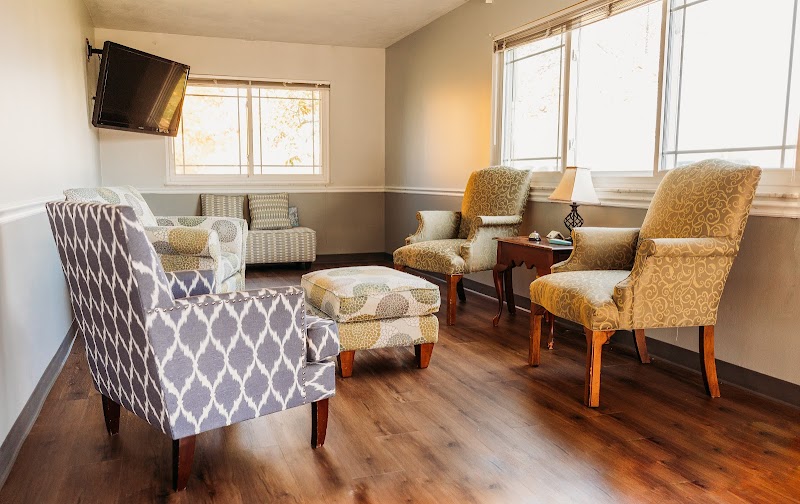
How is Willows Of New Castle Staffed?

CMS rates WILLOWS OF NEW CASTLE's staffing level at 3 out of 5 stars, which is average compared to other nursing homes. Staff turnover is 62%, which is 15 percentage points above the Indiana average of 46%. High turnover can affect care consistency as new staff learn residents' individual needs. RN turnover specifically is 70%, which is notably high. RNs provide skilled clinical oversight, so turnover in this role can affect medical care quality.

What Have Inspectors Found at Willows Of New Castle?

State health inspectors documented 20 deficiencies at WILLOWS OF NEW CASTLE during 2022 to 2025. These included: 1 that caused actual resident harm and 19 with potential for harm. Deficiencies causing actual harm indicate documented cases where residents experienced negative health consequences.
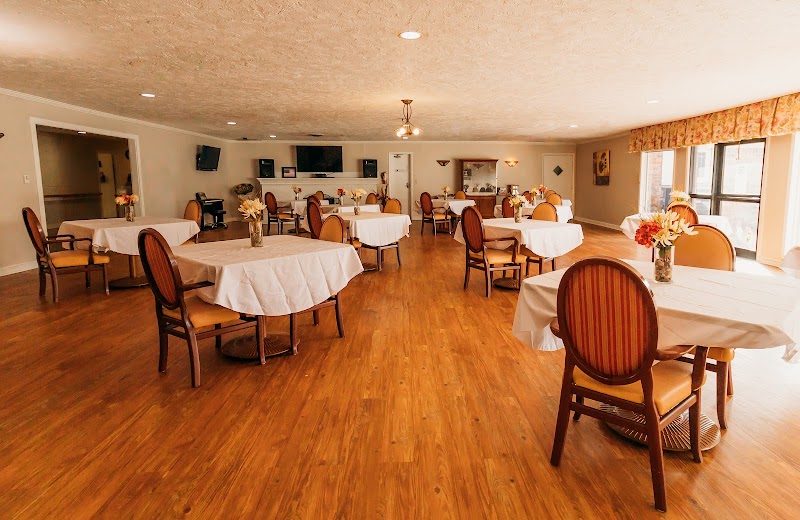
Who Owns and Operates Willows Of New Castle?

WILLOWS OF NEW CASTLE is owned by a government entity. Government-operated facilities are typically run by state, county, or municipal agencies. The facility operates independently rather than as part of a larger chain. With 95 certified beds and approximately 51 residents (about 54% occupancy), it is a smaller facility located in NEW CASTLE, Indiana.
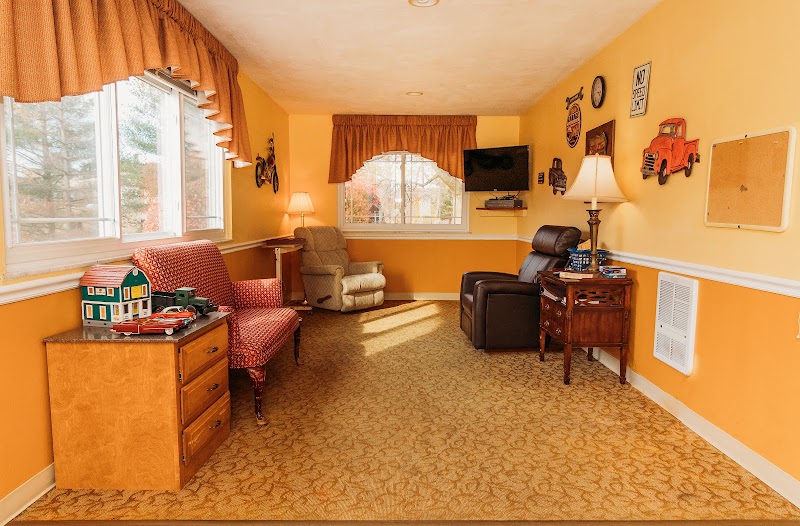
How Does Willows Of New Castle Compare to Other Indiana Nursing Homes?

Compared to the 100 nursing homes in Indiana, WILLOWS OF NEW CASTLE's overall rating (3 stars) is below the state average of 3.1, staff turnover (62%) is significantly higher than the state average of 46%, and health inspection rating (3 stars) is at the national benchmark.

What Should Families Ask When Visiting Willows Of New Castle?

Based on this facility's data, families visiting should ask: "How do you ensure continuity of care given staff turnover, and what is your staff retention strategy?" "Can I visit during a mealtime to observe dining assistance and food quality?" "How do you handle medical emergencies, and what is your hospital transfer rate?" "Can I speak with family members of current residents about their experience?" These questions are particularly relevant given the facility's high staff turnover rate.

Is Willows Of New Castle Safe?

Based on CMS inspection data, WILLOWS OF NEW CASTLE has a clean safety record: no substantiated abuse findings (meaning no confirmed cases of resident harm), no Immediate Jeopardy citations (the most serious violation level indicating risk of serious injury or death), and is not on the Special Focus Facility watch list (a federal program monitoring the lowest-performing 1% of nursing homes). The facility has a 3-star overall rating and ranks #100 of 100 nursing homes in Indiana. While no facility is perfect, families should still ask about staff-to-resident ratios and recent inspection results during their visit.

Do Nurses at Willows Of New Castle Stick Around?

Staff turnover at WILLOWS OF NEW CASTLE is high. At 62%, the facility is 15 percentage points above the Indiana average of 46%. Registered Nurse turnover is particularly concerning at 70%. RNs handle complex medical decisions and coordinate care — frequent RN changes can directly impact care quality. High turnover means new staff may not know residents' individual needs, medications, or preferences. It can also be disorienting for residents, especially those with dementia who rely on familiar faces. Families should ask: What is causing the turnover? What retention programs are in place? How do you ensure care continuity during staff transitions?

Was Willows Of New Castle Ever Fined?

WILLOWS OF NEW CASTLE has no federal fines on record. CMS issues fines when nursing homes fail to meet care standards or don't correct problems found during inspections. The absence of fines suggests the facility has either maintained compliance or corrected any issues before penalties were assessed. This is a positive indicator, though families should still review recent inspection reports for the full picture.

Is Willows Of New Castle on Any Federal Watch List?

WILLOWS OF NEW CASTLE is not on any federal watch list. The most significant is the Special Focus Facility (SFF) program, which identifies the bottom 1% of nursing homes nationally based on persistent, serious quality problems. Not being on this list means the facility has avoided the pattern of deficiencies that triggers enhanced federal oversight. This is a positive indicator, though families should still review the facility's inspection history directly.