PREMIER HEALTHCARE OF NEW HARMONY
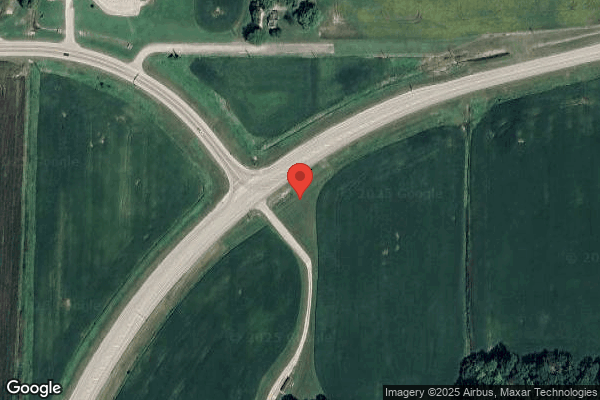

251 HIGHWAY 66, NEW HARMONY, IN 47631 (812) 682-4104
For profit - Limited Liability company 96 Beds PREMIER HEALTHCARE OF ILLINOIS Data: November 2025
Trust Grade
30/100
#474 of 505 in IN
Last Inspection: September 2024

Within standard 12-15 month inspection cycle. Federal law requires annual inspections.

Overview

Premier Healthcare of New Harmony has received a Trust Grade of F, indicating significant concerns about the quality of care provided. They rank #474 out of 505 nursing homes in Indiana, placing them in the bottom half of facilities in the state, and #2 out of 2 in Posey County, meaning they are not competitive locally. The facility's trend is improving, with a decrease in reported issues from 22 in 2024 to just 1 in 2025, although they still have a concerning 69% staff turnover rate, which is higher than the state average. Although there are no fines on record, there have been serious incidents reported, including a failure to provide adequate care for a resident with a urinary catheter, resulting in multiple hospitalizations due to urinary tract infections. Additionally, there were concerns about medication storage practices and the lack of documented care plan conferences for residents, highlighting areas that still need improvement.

Trust Score
F
30/100
In Indiana
#474/505
Bottom 7%
Safety Record
Moderate
Needs review
Inspections
Getting Better
22 → 1 violations
Staff Stability
⚠ Watch
69% turnover. Above average. Higher turnover means staff may not know residents' routines.
Penalties
✓ Good
No fines on record. Clean compliance history, better than most Indiana facilities.
Skilled Nurses
✓ Good
Each resident gets 44 minutes of Registered Nurse (RN) attention daily — more than average for Indiana. RNs are trained to catch health problems early.
Violations
⚠ Watch
54 deficiencies on record. Higher than average. Multiple issues found across inspections.
★☆☆☆☆
1.0
Overall Rating
★★★☆☆
3.0
Staff Levels
★☆☆☆☆
1.0
Care Quality
★☆☆☆☆
1.0
Inspection Score
Stable
2024: 22 issues
2025: 1 issues

The Good

  • Full Sprinkler Coverage · Fire safety systems throughout facility
  • No fines on record

Facility shows strength in fire safety.

The Bad

1-Star Overall Rating

Below Indiana average (3.1)

Significant quality concerns identified by CMS

Staff Turnover: 69%

23pts above Indiana avg (46%)

Frequent staff changes - ask about care continuity

Chain: PREMIER HEALTHCARE OF ILLINOIS

Part of a multi-facility chain

Ask about local staffing decisions and management

Staff turnover is elevated (69%)

21 points above Indiana average of 48%

The Ugly 54 deficiencies on record

1 actual harm
Mar 2025 1 deficiency
CONCERN (D) 📢 Someone Reported This

A family member, employee, or ombudsman was alarmed enough to file a formal complaint

Potential for Harm - no one hurt, but risky conditions existed

Pharmacy Services (Tag F0755)

Could have caused harm · This affected 1 resident

Based on observation, interview, and record review, the facility failed to ensure a resident received only the medications ordered by a physician and that medications were properly labeled for 1 of 3 ...

Read full inspector narrative →
Based on observation, interview, and record review, the facility failed to ensure a resident received only the medications ordered by a physician and that medications were properly labeled for 1 of 3 residents reviewed for pharmacy services. A resident was self-administering an antacid medication without the medication being properly labeled or ordered by a physician. (Resident D) Finding includes: During an interview and observation on 3/4/25 at 10:30 A.M., Resident D was sitting in a reclining chair in her room. A clear plastic cup was approximately two-thirds full of multi-colored tablets. The cup contained no labels or information that indicated what the contents of the cup were. Resident D indicated that her stomach had been bothering her and that the Tums (motioned towards the cup of tablets)(calcium carbonate medications) had not helped. Resident D was holding a sheet of paper and indicated that a nurse had just brought her the results of a scan completed the previous day. During record review on 3/4/25 at 2:00 P.M., Resident D's diagnoses included but were not limited to dysphagia, gastro-esophageal reflux disease, congestive heart failure, and type II diabetes. Resident D's most recent quarterly minimum data set (MDS) assessment, dated 2/15/25, indicated the resident had no cognitive impairment. Resident D's physician orders did not contain an order for any calcium carbonate medications. Resident D did have an order to administer insulin per self and keep insulin and accu-check supplies at bedside (ordered 1/16/25). A self administration of medications assessment, dated 1/20/25, indicated Resident D was capable of self-administering medications. Resident D's nurse's progress notes indicated the following: 3/4/25 at 8:00 A.M. - Yesterday's (3/3/25) Doppler results were negative. Resident aware of results. 3/4/25 at 9:00 A.M. - Resident D was in a pleasant mood with no complaints. Resident watching television in recliner. During an interview on 3/4/25 at 2:45 P.M., LPN 6 indicated Resident could keep insulin and accu-check supplies at bedside but did not have an order to self-administer any other medications and that the resident did not have a physician's order for Tums. LPN 6 indicated Resident D's family had likely brought the medication in without informing nursing staff. On 3/4/25 at 3:10 P.M., the Assistant Director of Nursing (ADON) supplied a facility policy titled, Resident Self-Administration of Medication, dated 5/30/23. The policy included, .7. All nurses and aides are required to report to the charge nurse on duty any medication found at the bedside not authorized for bedside storage. Unauthorized medications are given to the charge nurse for return to the family or responsible party . This citation relates to complaint IN00454320. 3.1-25(a) 3.1-25(b)(1) 3.1-25(j)
Sept 2024 21 deficiencies
CONCERN (D)

Potential for Harm - no one hurt, but risky conditions existed

Deficiency F0554 (Tag F0554)

Could have caused harm · This affected 1 resident

**NOTE- TERMS IN BRACKETS HAVE BEEN EDITED TO PROTECT CONFIDENTIALITY** Based on observation, record review, and interview, the facility failed to ensure that a resident who had medication at bedside ...

Read full inspector narrative →
**NOTE- TERMS IN BRACKETS HAVE BEEN EDITED TO PROTECT CONFIDENTIALITY** Based on observation, record review, and interview, the facility failed to ensure that a resident who had medication at bedside had a physician order for the medication to be kept at bedside and self-administer, a completed assessment to self-administer, and a care plan based on 2 of 2 residents reviewed for self-administration of medications. (Resident 14. Resident 36) Findings include: 1. On 9/10/24 at 9:22 A.M., Resident 14 was observed having 1 bottle of eye relief drops and 1 bottle of cooling pain relief medication sitting on the bedside table. On 9/12/24 at 11:23 A.M., Resident was observed having 1 bottle of eye relief drops and 1 bottle of cooling pain relief medication sitting on the bedside table. On 9/16/24 at 10:25 A.M., Resident 14's clinical record was reviewed. Diagnoses included, but were not limited to, dementia, anxiety, and depression The current Quarterly MDS (Minimum Data Set) assessment dated [DATE] indicated Resident 14 was cognitively intact. Resident 14 needed partial assistance with transfer, dressing, and toileting. The clinical record lacked a physician order, self-administration assessment, and care plan for the self-administration of medication. 2. On 9/12/24 at 11:45 A.M., Resident 36's clinical record was reviewed. Diagnoses included, but were not limited to, COPD (Chronic Obstructive Pulmonary Disease). The current admission MDS dated [DATE] indicated Resident 36 was cognitively intact. Resident 36 was independent with toileting and eating but needed supervision with mobility and transfer. The clinical record lacked and order and care plan to self-medicate medications. During an interview on 9/12/24 at 11:35 A.M., the DON (Director of Nursing indicated no medications should be left at bedside unless there was an order and self-medication administration assessment. The DON also indicated there the residents needed an order and care plan when they were able to self-administer medication. On 9/16/24 at 12:30 P.M., the Regional Clinical Support Nurse provided a current policy Resident Self- Administration of Medication date 5/30/23. The policy indicated . a resident may only self-administer medications after the facility's interdisciplinary team has determined which medications may be self-administered safely .When determining if self-administration is clinically appropriate for a resident, the interdisciplinary team should at a minimum consider the following: the resident's cognitive status, .comprehension of instructions for the medication taking .the ability to ensure that medication is stored safely and securely .the care plan must reflect resident self-administration and storage arrangements for such medications . 3.1-11
CONCERN (D)

Potential for Harm - no one hurt, but risky conditions existed

Notification of Changes (Tag F0580)

Could have caused harm · This affected 1 resident

**NOTE- TERMS IN BRACKETS HAVE BEEN EDITED TO PROTECT CONFIDENTIALITY** Based on interview and record review, the facility failed to notify a Resident's representative during change in condition for 1...

Read full inspector narrative →
**NOTE- TERMS IN BRACKETS HAVE BEEN EDITED TO PROTECT CONFIDENTIALITY** Based on interview and record review, the facility failed to notify a Resident's representative during change in condition for 1 of 2 Residents with severely impaired cognition reviewed for unnecessary medications. (Resident 37) Finding includes: On 9/10/24 at 8:37 A.M., Resident 37's clinical record was reviewed. Resident 37 was admitted on [DATE]. Diagnoses included, but were not limited to, Alzheimer's Disease, anxiety, major depressive disorder, and visual/auditory hallucinations. The most recent Significant Change MDS (Minimum Data Set) assessment, dated 8/14/24, indicated Resident 37's cognition was below measurable, was completely dependent on staff for eating, bathing, toileting, and transfers, and was receiving antipsychotic, antianxiety, antidepressant, hypnotic, and opioid medications during the seven day lookback period. Physician orders included, but were not limited to: Olanzapine Oral Tablet 10 MG Give 10 mg by mouth two times a day for schizophrenia behavior disorder. Start date 7/12/24 Mirtazapine Oral Tablet 15 MG Give 0.5 tablet by mouth in the evening related to major depressive disorder single episode. Start date 2/29/24 Sertraline HCl Tablet 100 MG Give 1 tablet by mouth one time a day for depression. Start date 8/15/24. A hospital provider follow up note, dated 8/9/24 at 12:30 P.M., indicated Resident 37 was seen in office due to nasal bone fracture. The physician indicated he spoke with the Resident's POA (power of attorney) (spouse) and the POA was unaware the Resident was being seen in office for discussion of treatment options of possible closed reduction surgery. The clinical record lacked documentation of notification to Resident 37's POA during psychotropic medication increases of the following medications: 6/14/24 Olanzapine increased from 7.5 mg each day to 10 mg each day. 6/15/24 Sertraline 75 mg started. 7/8/24 Olanzapine increased from 10 mg each day to 20 mg each day. 7/30/24 Sertraline increased from 75 mg daily to 100 mg daily. 7/29/24 Haloperidol 5 mg PRN (as needed) started. During an interview on 9/16/24 at 9:08 A.M., the ADON (assistant director of nursing) indicated staff are expected to notify the resident's representative anytime there is a new event, new change in condition, and order update. On 9/16/24 at 12:30 A.M., the regional consultant provided a policy titled Notification of Change, dated 11/19/23, that indicated The facility must inform the resident, consult with the resident's physician and/or notify the resident's family member or legal representative when there is a change requiring such notification. Circumstances requiring notification include: Circumstances that require a need to alter treatment. A transfer or discharge from the facility. Residents incapable of making decisions: the representative would need to make any decisions that have to be made. 3.1-5(a)
CONCERN (D)

Potential for Harm - no one hurt, but risky conditions existed

Transfer Requirements (Tag F0622)

Could have caused harm · This affected 1 resident

**NOTE- TERMS IN BRACKETS HAVE BEEN EDITED TO PROTECT CONFIDENTIALITY** Based on interview and record review, the facility failed to ensure proper clinical documentation was sent with a resident durin...

Read full inspector narrative →
**NOTE- TERMS IN BRACKETS HAVE BEEN EDITED TO PROTECT CONFIDENTIALITY** Based on interview and record review, the facility failed to ensure proper clinical documentation was sent with a resident during a transfer for 1 of 4 residents reviewed for hospital transfers. (Resident 37) Findings include: On 9/10/24 at 8:37 A.M., Resident 37's clinical record was reviewed. Resident 37 was admitted on [DATE]. Diagnoses included, but were not limited to, Alzheimer's Disease and abnormalities of gait and mobility. The most recent Significant Change MDS (Minimum Data Set) assessment, dated 8/14/24, indicated Resident 37's cognition was below measurable, was completely dependent on staff for eating, bathing, toileting, and transfers, and was receiving antiphychotic, antianxiety, antidepressant, hypnotic, and opioid medications during the seven day lookback period. A nurses progress note, dated 8/1/24 at 8:00 P.M., indicated Resident 37 was transferred from the facility to the emergency department by ambulance. The clinical record lacked documentation sent with Resident 37 during the transfer. During an interview on 9/13/24 at 1:07 P.M., the ADON (assistant director of nursing) indicated paperwork could not be provided for the transfer that occurred 8/1/24 because the paperwork was not completed and did not exist. On 9/16/24 at 12:30 P.M., the regional consultant provided a policy titled Transfer and Discharge, dated 2/10/24, that indicated Emergency transfers initiated by the facility for medical reasons to an acute care setting such as a hospital The original copies for the transfer form and Advanced Directive accompany the resident. Copies are retained for the medical record. 3.1-50(h)
CONCERN (D)

Potential for Harm - no one hurt, but risky conditions existed

Transfer Notice (Tag F0623)

Could have caused harm · This affected 1 resident

**NOTE- TERMS IN BRACKETS HAVE BEEN EDITED TO PROTECT CONFIDENTIALITY** Based on interview and record review, the facility failed to ensure a notice of transfer was provided during a transfer for 1 of...

Read full inspector narrative →
**NOTE- TERMS IN BRACKETS HAVE BEEN EDITED TO PROTECT CONFIDENTIALITY** Based on interview and record review, the facility failed to ensure a notice of transfer was provided during a transfer for 1 of 4 residents reviewed for hospital transfers. (Resident 37) Findings include: On 9/10/24 at 8:37 A.M., Resident 37's clinical record was reviewed. Resident 37 was admitted on [DATE]. Diagnoses included, but were not limited to, Alzheimer's Disease and abnormalities of gait and mobility. The most recent Significant Change MDS (Minimum Data Set) assessment, dated 8/14/24, indicated Resident 37's cognition was below measurable, was completely dependent on staff for eating, bathing, toileting, and transfers, and was receiving antiphychotic, antianxiety, antidepressant, hypnotic, and opioid medications during the seven day lookback period. A nurses progress note, dated 8/1/24 at 8:00 P.M., indicated Resident 37 was transferred from the facility to the emergency department by ambulance. The clinical record lacked documentation provided to Resident 37 or her representative. During an interview on 9/13/24 at 1:07 P.M., the ADON (assistant director of nursing) indicated paperwork could not be provided for the transfer that occurred 8/1/24 because the paperwork was not completed and did not exist, and documentation sent with a resident during transfer should include a face sheet, orders, post form, labs if recent, bed hold and discharge/transfer form. On 9/16/24 at 12:30 P.M., the regional consultant provided a policy titled Transfer and Discharge, dated 2/10/24, that indicated Emergency transfers initiated by the facility for medical reasons to an acute care setting such as a hospital The original copies for the transfer form and Advanced Directive accompany the resident. Copies are retained for the medical record. Provide a notice of transfer and the facility's bed hold policy to the resident and representative as indicated. The social services director will provide copies of notices for emergency transfers to the Ombudsman. 3.1-12(a)(6)(A)
CONCERN (D)

Potential for Harm - no one hurt, but risky conditions existed

Deficiency F0625 (Tag F0625)

Could have caused harm · This affected 1 resident

**NOTE- TERMS IN BRACKETS HAVE BEEN EDITED TO PROTECT CONFIDENTIALITY** Based on interview and record review, the facility failed to ensure a bed hold was provided upon transfer for 1 of 4 residents r...

Read full inspector narrative →
**NOTE- TERMS IN BRACKETS HAVE BEEN EDITED TO PROTECT CONFIDENTIALITY** Based on interview and record review, the facility failed to ensure a bed hold was provided upon transfer for 1 of 4 residents reviewed for hospital transfers. (Resident 37) Findings include: On 9/10/24 at 8:37 A.M., Resident 37's clinical record was reviewed. Resident 37 was admitted on [DATE]. Diagnoses included, but were not limited to, Alzheimer's Disease and abnormalities of gait and mobility. The most recent Significant Change MDS (Minimum Data Set) assessment, dated 8/14/24, indicated Resident 37's cognition was below measurable, was completely dependent on staff for eating, bathing, toileting, and transfers, and was receiving antiphychotic, antianxiety, antidepressant, hypnotic, and opioid medications during the seven day lookback period. A nurses progress note, dated 8/1/24 at 8:00 P.M., indicated Resident 37 was transferred from the facility to the emergency department by ambulance. The clinical record lacked documentation provided for Resident 37. During an interview on 9/13/24 at 1:07 P.M., the ADON (assistant director of nursing) indicated paperwork could not be provided for the transfer that occurred 8/1/24 because the paperwork was not completed and did not exist. On 9/16/24 at 12:30 P.M., the regional consultant provided a policy titled Transfer and Discharge, dated 2/10/24, that indicated Emergency transfers initiated by the facility for medical reasons to an acute care setting such as a hospital The original copies for the transfer form and Advanced Directive accompany the resident. Copies are retained for the medical record. Provide a notice of transfer and the facility's bed hold policy to the resident and representative as indicated. The social services director will provide copies of notices for emergency transfers to the Ombudsman. 3.1-12(a)(25) 3.1-12(a)(26)
CONCERN (D)

Potential for Harm - no one hurt, but risky conditions existed

Assessment Accuracy (Tag F0641)

Could have caused harm · This affected 1 resident

**NOTE- TERMS IN BRACKETS HAVE BEEN EDITED TO PROTECT CONFIDENTIALITY** 3. On 9/10/24 at 8:37 A.M., Resident 37's clinical record was reviewed. Resident 37 was admitted on [DATE]. Diagnoses included, ...

Read full inspector narrative →
**NOTE- TERMS IN BRACKETS HAVE BEEN EDITED TO PROTECT CONFIDENTIALITY** 3. On 9/10/24 at 8:37 A.M., Resident 37's clinical record was reviewed. Resident 37 was admitted on [DATE]. Diagnoses included, but were not limited to, Alzheimer's Disease, anxiety, and major depressive disorder. The most recent Significant Change MDS (Minimum Data Set) assessment, dated 8/14/24, indicated Resident 37's cognition was below measurable, was completely dependent on staff for eating, bathing, toileting, and transfers, had not had any falls since the prior MDS assessment, and was receiving antiphychotic, antianxiety, antidepressant, hypnotic, and opioid medications during the seven day lookback period. During an interview on 8/16/24 at 12:40 P.M., the DON (director of nursing) indicated Resident 37 had fallen since the prior MDS assessment and the section marked no for falls was marked in error. During an interview on 09/11/24 at 10:30 A.M., DON, indicated that she left the opioid off for the last MDS and had been coding that the resident was receiving and anticoagulant and antiplatelet. She indicated that Plavix was listed as an anticoagulant in the drug resource she was using. She was unaware in the RAI (Resident Assessment Instruction) Manual that Plavix was antiplatelet. During the same interview, the DON indicated the facility follows the RAI Manual for the MDS Assessment. During an interview on 9/11/24 11:14 A.M., the DON indicated that she had been coding the MDS wrong with regards to the restraints. During an interview on 9/11/24 at 10:30 A.M., the DON indicated that she left the opioid off for the last MDS and had been coding that the resident receiving an anticoagulant and antiplatelet. She indicated the Plavix was listed and anti coagulant in the drug resource she was using. She was unaware in the Resident Assessment Instruction (RAI) Manual that Plavix was antiplatelet. During the same interview, the DON indicated the facility follows the RAI Manual for the MDS assessments. On 9/11/24 at 11:14 A.M. the DON indicated she had been coding the MDS wrong in regards to the restraints. Based on record review and interview, the facility failed to ensure the MDS (Minimum Data Set) Assessment was completed accurately for 2 of 2 residents reviewed for restraints (Resident 11, Resident 19), 1 of 5 residents reviewed for unnecessary medications(Resident 37) and 1 of 6 residents review for falls(Resident 37). (Resident 11, Resident 19, Resident 37) Findings include: 1. On 9/10/24 at 10:12 A.M., Resident's 11 clinical record was reviewed. Diagnoses included, but not limited to, systemic lupus erythematosus, chronic kidney disease stage 3, and neuromuscular dysfunction of bladder. The Current Quarterly MDS (Minimum Data Set) Assessment date 7/23/24 indicated Resident was cognitively intact and was dependent to transfer and toilet. The assessment indicated that the resident had a restraint of bed rails and used daily Current physician orders included, but were not limited to, Bilateral 1/2 siderails every shift related to weakness. For resident to assist with positioning and turning dated 6/12/24. 2. On 9/10/24 at 12:49 P.M., Resident 19's clinical record was reviewed. Diagnoses included, but were not limited to, unilateral primary osteoarthritis of the left knee and Alzheimer Disease. The current 5-day MDS assessment dated [DATE] indicated Resident 9 was mildly cognitively intact, the resident needed assistance to transfer and was dependent for toileting. The 7 days look back indicated the resident was taking anticoagulant, antiplatelels, but not on opioid. Resident does not take an anticoagulant. The MDS also indicated that the resident had a physical restraint of bed rails and was used daily. The previous MDS Assessment was reviewed dated 7/29/24 indicated the 7 days look back for medications indicated the resident was on antiplatelet, anticoagulant, opioid, diuretic, hypoglycemic, and antidepressant. Current physician orders included, but not limited to, Cloperidal TAB 75 MG (Milligrams) (antiplatelets). Give 1 tablet orally in the morning dated 8/20/21. Aspirin 81 MG (antiplatelets). Give 1 tablet orally at bedtime dated 8/19/24. Hydrocodone-Acetaminophen Oral Tablet 5-325 MG (Hydrocodone-Acetaminophen) (pain medication) Give 5 mg by mouth every 4 hours as needed for pain HOLD FOR BP < 110/60 dated 7/21/23. Bilateral 1/2 siderails on bed for bed mobility every shift related to obesity, dated 7/21/24.
CONCERN (D)

Potential for Harm - no one hurt, but risky conditions existed

Comprehensive Care Plan (Tag F0656)

Could have caused harm · This affected 1 resident

**NOTE- TERMS IN BRACKETS HAVE BEEN EDITED TO PROTECT CONFIDENTIALITY** Based on interview and record review, the facility failed to develop care plans for 1 of 3 residents reviewed for UTIs and 1 of ...

Read full inspector narrative →
**NOTE- TERMS IN BRACKETS HAVE BEEN EDITED TO PROTECT CONFIDENTIALITY** Based on interview and record review, the facility failed to develop care plans for 1 of 3 residents reviewed for UTIs and 1 of 5 residents reviewed for unnecessary medications. A care plan was not developed for residents with new diagnoses and new medication orders. (Resident 12 and Resident 7) Findings include: 1. On 9/11/24 at 11:26 A.M., Resident 12's clinical record was reviewed. Diagnoses included, but were not limited to, urinary tract infection (UTI). The most current Annual Minimum Data Set (MDS) Assessment, dated 6/17/24, indicated Resident 12 had severe cognitive impairment, required setup assistance for toileting, and did not have a UTI. Current physician orders included, but was not limited to: Ciprofloxacin (an antibiotic) 500 milligrams (mg) - Give 1 tablet by mouth every 12 hours for UTI until 09/13/24, dated 9/8/24 A Nursing progress note, dated 9/7/24 at 2:17 P.M., indicated Resident 12 returned from the hospital on that date with antibiotics for a UTI. The clinical record lacked a care plan related to the UTI diagnosis or antibiotic use. On 9/12/24 at 2:02 P.M., the Director of Nursing (DON) indicated care plan were developed for residents with a new infection or antibiotic order. At that time, she indicated Resident 12's new diagnosis and antibiotic order had been overlooked. 2. On 9/12/24 at 10:35 A.M., Resident 7's clinical record was reviewed. Diagnoses included, but were limited to, hypertension and deep vein thrombosis, and diabetes mellitus The current annual MDS (Minimum Data Set) assessment dated [DATE] indicated the resident was cognitively intact. The resident needed supervision with toileting and set up with dressing, eating, and transfer. During the 7 days look back period the resident was on the following types of medications antiplatelets, anticoagulant, antidepressant, diuretic, opioid, and hypoglycemic Current physician orders included, but not limited to: Apixaban Oral Tablet 5 MG (Milligrams) (blood thinner), Give 5 mg by mouth two times a day for DVT (Deep Vein Thrombosis) dated 9/20/23 Aspirin Tablet Chewable 81 MG. Give 1 tablet by mouth one time a day dated 8/4/23. Lasix Oral Tablet 20 MG (Furosemide) (Water Pill). Give 20 mg by mouth two times a day dated 9/6/24. The clinical record lacked a care plan for antiplatelets and anticoagulants. During an interview on 9/13/24 at 10:40 A.M., the DON (Director of Nursing) indicated there should be a care plan for antianxiety, anticoagulants, antiplatelets, and antipsychotics. 3. On 9/13/24 at 9:37 A.M., Resident 17's clinical record was reviewed. Diagnoses included, but were not limited to, unspecified dementia, unspecified severity, with other behavioral disturbance and psychotic disorder with delusions due to physiological condition. clinical record review. The current 5-day Medicare MDS dated [DATE] indicated Resident 17 was cognitively intact. Resident 17 was independent with eating and transfer but required set up assistance for dressing and hygiene. The 7 days look back for medications indicated the resident was on antipsychotic, antidepressant, antianxiety, antihypnotic, anticoagulant, and antiplatelets. Current physician orders included, but were not limited to: Lexapro Oral Tablet 10 MG (Escitalopram Oxalate) (Antidepressant) Give 10 mg(milligrams) by mouth at bedtime date 8/30/24. Risperidone Oral Tablet 0.25 MG (antipsychotic). Give 0.25 mg by mouth in the morning dated 8/27/24. Apixaban Oral Tablet 5 MG (anticoagulant). Give 5 mg by mouth two times a day dated 9/23/23 Current care plan indicates that Resident 17 is at risk for side effects of due to taking antipsychotic, antidepressants, anticoagulants, antianxiety, and antihypnotics, these interventions included, but are not limited to, monitoring for adverse effects for all these medication and monitoring for behaviors. The MAR/TAR for September 2024 indicated the following dates lacking documentation and not following care plan interventions: Lacking monitoring for behaviors- 9/7/24 day shift Lacked monitoring for side effects of antidepressant- 9/7/24 day shift Lacked monitoring for sedation/hypnotic -9/7/24 day shift Lacked monitoring for side effects of antianxiety-9/7/24 days Lacked monitoring for side effects for anticoagulant-9/7/24 day shift Lacked monitoring for side effects for antipsychotics -9/7/24 day shift The MAR/TAR for August 2024 indicated the following dates lacking documentation and not following care plan interventions: Lacked monitoring for side effects of antidepressant- 8/13 and 8/14/24 nigh shift Lacked monitoring for side effects of antianxiety-8/13 and 8/15/24 night shift Lacked monitoring for side effects for anticoagulant-8/13 and 8/25/24 night shift Lacked monitoring for side effects for antipsychotics -8/13 and 8/14/24 night shift Lacked monitoring for behaviors- 8/13 and 8/15/24 night shift On 9/16/24 at 12:20 P.M., the Regional Consultant provided a Comprehensive Care Plans policy, dated 9/19/2023, that indicated The comprehensive care plan will describe, at minimum, the services that are to be furnished to attain or maintain the resident's highest practicable physical, mental, and psychosocial well being. 3.1-35(a)
CONCERN (D)

Potential for Harm - no one hurt, but risky conditions existed

Deficiency F0658 (Tag F0658)

Could have caused harm · This affected 1 resident

**NOTE- TERMS IN BRACKETS HAVE BEEN EDITED TO PROTECT CONFIDENTIALITY** Based on interview and record review, the facility failed to ensure practitioner's diagnostic practices met professional standar...

Read full inspector narrative →
**NOTE- TERMS IN BRACKETS HAVE BEEN EDITED TO PROTECT CONFIDENTIALITY** Based on interview and record review, the facility failed to ensure practitioner's diagnostic practices met professional standard of care for 1 of 1 Resident reviewed for a schizophrenia diagnosis over [AGE] years of age after admission. (Resident 37) Finding includes: On 9/10/24 at 8:37 A.M., Resident 37's clinical record was reviewed. Resident 37 was admitted on [DATE]. Diagnoses included, but were not limited to, Alzheimer's Disease, anxiety, major depressive disorder, and visual/auditory hallucinations. On 7/12/24 Resident 37 was given a new diagnosis of schizophrenia. The clinical record lacked any documentation related to that diagnosis, why the diagnosis was given, or any assessment that lead to the diagnosis. The most recent Significant Change MDS (Minimum Data Set) assessment, dated 8/14/24, indicated Resident 37's cognition was below measurable, was completely dependent on staff for eating, bathing, toileting, and transfers, and was receiving antipsychotic, antianxiety, antidepressant, hypnotic, and opioid medications during the seven day lookback period. Physician orders included, but were not limited to: Lorazepam Oral Concentrate 2 MG/ML (milligrams/milliliter) Give 0.25 mL by mouth every 2 hours as needed for anxiety/restlessness. Resident on hospice services with less than 6 months life expectancy. Start date 9/2/24 Morphine Sulfate (Concentrate) Solution 20 MG/ML Give 0.25 ml by mouth every 2 hours as needed for Pain/SOB (shortness of breath). Start date 9/2/24 Olanzapine Oral Tablet 10 MG Give 10 mg by mouth two times a day for schizophrenia behavior disorder. Start date 7/12/24 Mirtazapine Oral Tablet 15 MG Give 0.5 tablet by mouth in the evening related to major depressive disorder single episode. Start date 2/29/24 Sertraline HCl Tablet 100 MG Give 1 tablet by mouth one time a day for depression. Start date 8/15/24 Haloperidol 5 MG Give 5 mg by mouth every 8 hours as needed for psychosis. 7/29/24-8/16/24 Antipsychotic medication monitoring, Start date 4/18/23 Care plans included, but were not limited to: (Resident) uses psychotropic medications. Interventions: Administer psychotropic medications as ordered by physician; monitor for side effects and effectiveness every shift. Consult with pharmacy, physician to consider dosage reduction when clinically appropriate at least quarterly. Monitor/document/report as needed any adverse reactions of psychotropic medications: unsteady gait, tardive dyskinesia, EPS (shuffling gait, rigid muscles, shaking) frequent falls, refusal to eat, difficulty swallowing, dry mouth, depression, suicidal ideation, social isolation, blurred vision, diarrhea, fatigue, insomnia, loss of appetite, weight loss, nausea, vomiting, behavior symptoms not usual to the person. Monitor/record occurrences for target behavior symptoms of auditory and visual hallucination and document per facility protocol. Date initiated: 4/19/23 (Resident) uses antidepressant medication. Interventions: administer antidepressant medication as ordered by physician. Monitor/document side effects and effectiveness every shift. Educate caregivers about risk, benefits and the side effects and/or toxic symptoms of anti-depressant drugs being given. Monitor and report as needed adverse reactions to antidepressant therapy: change in behavior/mood/cognition, hallucinations/delusions, social isolation, suicidal thoughts, withdrawal, decline in activities of daily living ability, continence, no voiding, constipation, fecal impaction, diarrhea, gait changes, rigid muscles, balance problems, tremors, muscle cramps, falls, dizziness/vertigo, fatigue, insomnia, appetite loss, weight loss, nausea/vomiting, dry mouth, dry eyes. Date initiated: 4/19/23. During an interview on 9/16/24 at the ADON (assistant director of nursing) indicated there was no documented rationale available why the diagnosis was given. On 9/16/24 at 11:30 A.M., a policy related to services provided meeting professional standards was requested and unable to be provided. 3.1-35(g)(1)
CONCERN (D)

Potential for Harm - no one hurt, but risky conditions existed

Pressure Ulcer Prevention (Tag F0686)

Could have caused harm · This affected 1 resident

**NOTE- TERMS IN BRACKETS HAVE BEEN EDITED TO PROTECT CONFIDENTIALITY** Based on record review and interview, the facility failed to monitor progression of pressure ulcers and document assessments for...

Read full inspector narrative →
**NOTE- TERMS IN BRACKETS HAVE BEEN EDITED TO PROTECT CONFIDENTIALITY** Based on record review and interview, the facility failed to monitor progression of pressure ulcers and document assessments for 2 of 2 residents reviewed for wound care. (Resident 23 and Resident 18) Findings include: 1. On 9/11/24 at 10:21 A.M., Resident 23's clinical record was reviewed. Resident 23 was admitted on [DATE]. Diagnoses included, but were not limited to, multiple sclerosis and peripheral vascular disease. The most recent Quarterly MDS assessment, dated 8/20/24, indicated Resident 23 was cognitively intact, was dependent on staff for toileting, showers, and transferring, and had two stage four pressure ulcers. Physician orders included, but were not limited to: Right Ischium: Cleanse area with wound cleanser, pat dry, skin prep peri wound, apply Leptospermum Honey and Calcium Alginate to wound bed, cover with bordered dressing every day shift. Start date 8/28/24 Sacral wound: Cleanse with wound cleanser, pat dry, skin prep peri wound, apply Leptospermum honey and Calcium Alginate to slough areas of wound bed, cover with bordered foam dressing every day shift. Start date 8/28/24 Weekly skin assessment. Nurse must go to forms and document skin only assessment. Document any abnormalities, obtain a full set of vital signs at bedtime every Tuesday. Start date 10/17/23 Care plans included, but were not limited to: Alteration in skin integrity: Surgical site/non resolving to right gluteal fold/ischium with history of surgical debridement and closure failure Interventions: air mattress, labs as directed, observe for changes in wounds, notify doctor of changes, observe for pain during, treatment as ordered. (Resident) has a non-healing surgical wound to right gluteal/ischium fold. Assess/record/monitor wound healing every seven days and as needed Measure length, width and depth where possible. Assess and document status of wound perimeter, wound bed and healing progress. Report improvements and declines to the doctor. The completion of skin assessments for August and September for the following weeks was lacking: 8/5 - 8/11 8/26 - 9/1 9/2 - 9/8 During an interview on 9/13/24 at 1:07 P.M, the ADON indicated a contracted wound physician had started following Resident 23's wound progress at the end of August and staff should still be documenting weekly skin assessments. 2. On 9/10/24 at 10:28 A.M., Resident 18's clinical record was reviewed. Resident 18 was admitted on [DATE]. Diagnoses included, but were not limited to, hemiplegia and hemiparesis. The most recent Quarterly MDS assessment, dated 8/11/24, indicated Resident 18 was cognitively intact and was dependant on staff for toileting, showers, and transferring. Current physician orders included, but were not limited to: Cleanse area to lumbar spine with soap and water. Pat dry. Apply hydrocolloid. every day shift every 5 day(s) 9/5/2024 Cleanse area to thoracic spine with soap and water. Pat dry. Apply hydrocolloid. every day shift every 5 day(s) 9/5/2024 Weekly skin assessment. Nurse must go to forms and document a skin only assessment. Document any abnormalities. Obtain a full set of vital signs at bedtime every Monday. Start date 8/14/23 The clinical record lacked documentation for a wound assessment or rationale why wound treatments were being applied to Resident 18's lumbar and thoracic spine. The clinical record lacked skin only assessments during the following weeks in August and September: 7/29-8/4 8/12-8/18 8/26-9/1 9/2-9/8 During an interview on 9/13/24 at 1:07 P.M., the ADON (assistant director of nursing) indicated no wound documentation for Resident 18 was completed and the dressings were applied for pressure prevention. On 9/16/24 at 11:30 A.M., a policy relating to complete and accurate wound documentation was requested. On 9/16/24 at 1:00 P.M., the regional consultant indicated the facility policy was to follow standard nursing practice and document completely and accurately. 3.1-40(a)(2) 3.1-50(a)(1) 3.1-50(a)(2)
CONCERN (D)

Potential for Harm - no one hurt, but risky conditions existed

Accident Prevention (Tag F0689)

Could have caused harm · This affected 1 resident

**NOTE- TERMS IN BRACKETS HAVE BEEN EDITED TO PROTECT CONFIDENTIALITY** Based on interview, record review, and observation, the facility failed to provide care, services, and supervision to prevent ac...

Read full inspector narrative →
**NOTE- TERMS IN BRACKETS HAVE BEEN EDITED TO PROTECT CONFIDENTIALITY** Based on interview, record review, and observation, the facility failed to provide care, services, and supervision to prevent accidents, lacked thorough and complete assessments post fall, and failed to update interventions after falls for 1 of 6 residents reviewed for falls (Resident 37) and 1 of 1 for unsafe wandering. (Resident 201) Resident 37 experienced an unwitnessed fall and sustained a nose fracture. Findings include: 1. On 9/10/24 at 8:37 A.M., Resident 37's clinical record was reviewed. Resident 37 was admitted on [DATE]. Diagnoses included, but were not limited to, Alzheimer's Disease, anxiety, major depressive disorder, and abnormalities of gait and mobility. A physician order for antipsychotic medication monitoring was started on 4/18/23. A care plan, created on 4/19/23 and last revised on 4/19/23, and indicated (Resident) is risk for falls. Interventions: Be sure (Resident's) call light is within reach and encourage the resident to use it for assistance as needed. Ensure that (Resident) is wearing appropriate footwear non-skid sock or shoes when ambulating or mobilizing in wheelchair. Date initiated: 4/19/23. The care plan did not include documentation to show the care plan was not reviewed or revised after 4/19/23. A care plan, created on 4/19/23, indicated (Resident) uses psychotropic medications. Interventions: Administer psychotropic medications as ordered by physician; monitor for side effects and effectiveness every shift. Consult with pharmacy, physician to consider dosage reduction when clinically appropriate at least quarterly. Monitor/document/report as needed any adverse reactions of psychotropic medications: unsteady gait, tardive dyskinesia, EPS (shuffling gait, rigid muscles, shaking) frequent falls, refusal to eat, difficulty swallowing, dry mouth, depression, suicidal ideation, social isolation, blurred vision, diarrhea, fatigue, insomnia, loss of appetite, weight loss, nausea, vomiting, behavior symptoms not usual to the person. Monitor/record occurrences for target behavior symptoms of auditory and visual hallucination and document per facility protocol. A care plan, created on 4/19/23, indicated (Resident) uses antidepressant medication. Interventions: administer antidepressant medication as ordered by physician. Monitor/document side effects and effectiveness every shift. Educate caregivers about risk, benefits and the side effects and/or toxic symptoms of anti-depressant drugs being given. Monitor and report as needed adverse reactions to antidepressant therapy: change in behavior/mood/cognition, hallucinations/delusions, social isolation, suicidal thoughts, withdrawal, decline in activities of daily living ability, continence, no voiding, constipation, fecal impaction, diarrhea, gait changes, rigid muscles, balance problems, tremors, muscle cramps, falls, dizziness/vertigo, fatigue, insomnia, appetite loss, weight loss, nausea/vomiting, dry mouth, dry eyes. Mirtazapine (an antidepressant medication) Oral Tablet 15 MG Give half a tablet by mouth in the evening related to major depressive disorder single episode was ordered by the physician to start on 2/29/24. The most recent Annual MDS (Minimum Data Set) assessment, dated 3/4/24, indicated Resident 37's cognition assessment was not able to be assessed, was completely dependent on staff (staff does all of the effort) for bathing and toileting, and received antipsychotic and antidepressant medications during the assessment period. The eTAR (electronic treatment administration record), dated 5/1/24-5/31/24, indicated Resident 37 experienced no side effects related to antipsychotic medications during the month of May. The most recent Quarterly MDS (Minimum Data Set) assessment, dated 5/29/24, indicated Resident 37 was severely cognitively impaired, was completely dependent on staff (staff does all of the effort) for bathing, toileting, and transfers, and received antipsychotic and antidepressant medications during the assessment period. The eTAR, dated 6/1/24-6/30/24, indicated Resident 37 experienced no side effects related to antipsychotic medications from 6/1/24-6/13/24 (6/14, 6/15, 6/16 day shift were not completed), and had not experienced any side effects from 6/24/24-6/30/24 (6/23, 6/29, 6/30 day shift were not completed). An order note, dated 6/14/24 3:38 P.M., indicated Resident 37's medication olanzapine was increased from 7.5 mg daily to 10 mg daily. Pharmacy relayed drug to drug warning included, but was not limited to: mirtazapine for major depressive disorder. Severity: Moderate Interaction: mirtazapine may enhance the adverse/toxic effect of olanzapine. Specifically, serotonergic agents may enhance dopamine blockade, possibly increasing the risk for neuroleptic malignant syndrome. Olanzapine may enhance the serotonergic effect of Mirtazapine. On 6/15/24, a physician order for sertraline 75 MG Give every day for depression, was started. A nurse's progress note dated 6/16/24 2:44 P.M., indicated Resident was sleeping all day. Attempted to give morning medications, resident was too lethargic to attempt to give and yesterday during day shift resident was pacing the floor and continuously expressing anger and frustration. On 6/16/24, a pharmacist recommendation was made to discontinue medication mirtazapine 15 mg. The discontinuation was declined by the facility. A nurse's progress note, dated 6/24/24 at 3:37 P.M., indicated Resident 37 was pacing in front of nurses station. Fall #1. A nurse's progress note, dated 6/24/24 6:00 P.M., indicated Resident 37 had an unwitnessed fall in the dining room. A document titled Post Fall Evaluation, dated 6/24/24 at 6:09 P.M., indicated Resident 37 was wearing non-skid shoes/socks at the time of the fall. Care plans, post fall evaluation, and progress notes, dated 6/24/24, lacked documentation to indicate a new intervention was put in place immediately post-fall. A fall risk evaluation, dated 6/24/24 at 6:32 P.M., did not include documentation to show staff reviewed the resident's medication, assessed the resident's risk to experience further falls, or implemented immediate interventions to prevent further falls. A document titled Neuro Assessment, dated 6/24/24-6/28/24, was missing assessments on 6/25/24 and 6/26/24. The clinical record did not include documentation in progress notes, assessments, or care plans to determine 6/24/24 through 8/1/24 to indicate the fall was discussed by the interdisciplinary team (IDT) to determine cause of the fall, intervention put in place related to the fall, or plan of care updated to prevent further falls. Olanzapine (an antipsychotic medication) Oral Tablet 10 MG Give 10 mg by mouth two times a day for schizophrenia behavior disorder was ordered by the physician to start on 7/12/24. Haloperidol (an antipsychotic medication) five MG Give five mg by mouth every eight hours as needed for psychosis, was ordered by the physician from 7/29/24-8/16/24. Fall #2. A nurses note, dated 8/1/24 at 7:39 P.M., indicated Resident had an unwitnessed fall in the hallway, Resident 37 was wandering and ambulating independently. Resident's nose was bleeding and crooked and had a laceration on the bridge of her nose. Resident 37 was transferred to the hospital. The resident had an unwitnessed fall while ambulating independently in the hallway without the use of a wheelchair. A hospital radiology result, dated 8/1/24 at 9:28 P.M., indicated Resident 37 had acute comminuted (broken in at least two places) and mild to moderate displaced fractures of bilateral nasal bone involving the nasal boney septum. A care plan, initiated on 8/1/24, indicated (Resident) has an actual fall. Interventions: Resident is to have 1:1 monitoring along with referral to PT/OT (physical therapy/occupational therapy) (start on 8/1/24). Offer activities when restless (start on 8/7/24). Staff are to ensure that resident is wearing appropriate footwear when up ambulating (start on 8/10/24). A document titled Post Fall Evaluation, dated 8/2/24 12:25 A.M., indicated Resident 37 was wearing non-skid shoes/socks at the time of the fall. The clinical record lacked an immediate intervention put in place post-fall. A document titled Fall Risk Evaluation, dated 8/2/24 at 12:23 A.M., lacked risk for falls or interventions put in place. Documents titled Resident safety check dated 8/2/24, 8/11/24, 8/12/24, and 8/13/24 were provided by the ADON (assistant director of nursing) on 9/16/24 at 8:46 A.M., were not complete. The clinical record, including care plan, progress notes, and assessments, lacked documentation stating how long Resident 37 should have received one on one monitoring. A hospital provider follow up note, dated 8/9/24 at 12:30 P.M., indicated Resident 37 was seen in office due to nasal bone fracture. The physician indicated he spoke with the Resident's power of attorney (POA), and the POA was unaware Resident 37 was seen in office for discussion of treatment options of possible closed reduction surgery. Fall #3. A post fall evaluation was created on 8/7/24 at 4:45 A.M., that indicated resident was unsupervised and experienced an unwitnessed fall, lacked documentation, related to how the fall occurred, where the fall occurred, if the fall was witnessed, and any interventions put in place post-fall. The progress notes on 8/7/24 did not include documentation to determine how the resident experienced a fall, the specific characteristics of the fall, or to show interventions were immediately implemented to prevent further falls. The most recent Significant Change MDS (Minimum Data Set) assessment, dated 8/14/24, indicated Resident 37's cognition assessment was not able to be assessed, was completely dependent on staff (staff does all of the effort) for eating, bathing, toileting, and transfers, had not had any falls since the prior MDS assessment (5/29/24) and received antipsychotic, antianxiety, antidepressant, hypnotic, and opioid medications during the assessment period. Sertraline (an antidepressant medication) HCl Tablet 100 MG Give one tablet by mouth one time a day for depression was ordered by the physician to start on 8/15/24. Fall #4. A documented titled Neuro Assessment was reviewed on 9/12/24. The clinical record including progress notes and assessments lacked a post fall evaluation, documentation related to how the fall occurred, where the fall occurred, if the fall was witnessed, and an immediate intervention put in place post-fall. The clinical record lacked documentation to indicate the fall was discussed by the interdisciplinary team (IDT) to determine cause of the fall or new fall intervention put in place related to the fall. A nutrition note, dated 8/16/24 at 6:49 P.M., indicated Resident 37 was experiencing significant weight loss and diet was downgraded to mechanical soft/ground per ST (speech therapy) this date during a one-time evaluation review for tolerance of diet consistency related to recent nose fracture. An order on 8/16/24 indicated Resident 37 was admitted to hospice related to Alzheimer's Disease. During an observation on 9/11/24 at 1:13 PM , Resident 37 was laying in bed and the call light was clipped to the privacy curtain, out of reach. On 9/12/24 at 9:48 A.M., the DON indicated a plan of care was not updated after the fall on 6/24/24, and a fall assessment for Resident 37 was not created on 8/10/24. The DON stated that after an unwitnessed fall, an assessment including vitals and a post fall should be completed and neuro checks should be started, and that the interdisciplinary team (IDT) meets every day, and IDT talks about interventions and what needs to be done after a fall, then it should be added to the care plan immediately. The DON indicated that the facility had a falls protocol. During an interview on 9/13/24 at 2:14 P.M., the pharmacist indicated that a resident receiving multiple psychiatric medications should be managed closely by a psychiatrist to review medications often due to the drug to drug interactions, and that Haloperidol would cause drowsiness and can be increased by other antidepressant medications that should be closely monitored for falls. During an interview on 9/16/24 at 9:45 A.M., the ADON provided a document titled Consent to Treat, dated 4/21/23, that indicated Resident 37's POA elected for her to receive psychiatric services, but that Resident 37 had not received any psychiatric services since admission. On 9/16/24 at 12:20 P.M., the Regional Consultant provided a current undated Assessing Falls and Their Causes policy that indicated After a Fall: If a resident has just fallen or is found on the floor without a witness to the event, the nursing staff will record vital signs and evaluate for possible injuries to the head, neck, spine, and extremities . Once an assessment rules out significant injuries, the nursing staff will .document relevant details . Nursing staff will observe for delayed complications of a fall for approximately forty-eight (48) to seventy-two (72) hours after an observed or suspected fall and will document findings in the medical record . An incident report must be completed for resident falls. The incident report form should be completed by the nurse on duty at the time . When a resident falls, the following information should be recorded in the resident's medical record: The condition in which the resident was found . Assessment data, including vital signs and any obvious injuries. Interventions, first aid, or treatment administered. Notification of the physician and family . Completion of a fall risk assessment. Appropriate interventions taken to prevent future falls . 2 . On 9/9/24 at 11:45 A.M., Resident 201 was observed exhibiting exit seeking behaviors by attempting to open the door from the locked unit to the outside. Certified Nursing Aide (CNA) 8 attempted to redirect Resident 201 away from the doors. On 9/9/24 at 11:58 A.M., Resident 201 opened the door between the locked unit and the nurses station. Staff were not present in the hallways of the locked unit or at the nurses station. Resident 201 closed the door and went into the activities room. The door had a keypad on the locked unit side of the door and a manual lock switch on the nurses station side of the door. On 9/9/24 at 12:06 P.M., Resident 201 came out of the activities room and opened the door between the locked unit and the nurses station with the Memory Care Director present. The Memory Care Director texted the Maintenance Director to come fix the lock. On 9/9/24 at 12:18 P.M., the Maintenance Director arrived and turned the manual lock on the nurses station side of the door to lock the door. On 9/9/24 at 12:24 P.M., the Memory Care Director indicated the manual lock had gotten flipped and the door was unlocked from the nurses station side of the door. On 9/11/24 at 10:03 A.M., Resident 201's clinical record was reviewed. Resident 201 was admitted to the facility on [DATE]. Diagnoses included, but were not limited to, Alzheimer's disease. The admission Minimum Data Set (MDS) Assessment was still in progress. The Clinical admission Nursing Assessment, dated 9/3/24, indicated Resident 201 experienced chronic short term memory loss. An admission Elopement Evaluation, dated 9/3/24, indicated Resident 201 had a low risk of elopement. The clinical record lacked care plans relating to wandering and exit seeking behaviors. Nursing progress notes between 9/4/24 at 5:19 A.M. and 9/6/24 at 6:02 A.M., documented four separate occasions that Resident 201 was wandering and had exit seeking behaviors. The resident was described as wandering per usual behavior and becoming agitated, and exit seeking at doors to enter other unit. On 9/12/24 at 2:23 P.M., the Social Services Director (SSD) indicated that a resident would be care planned for wandering and exit seeking behaviors when it became excessive, or it occurred daily. On 9/16/24 at 12:03 P.M., the Maintenance Director indicated the latch to the door could have easily been knocked open with a staff member's thumb. At that time, the latch was observed to be secure, did not easily move, and needed to be fully turned to unlock the door. On 9/16/24 at 12:20 P.M., the Regional Consultant provided a current Elopements and Wandering Residents policy, dated 2/1/2024, that indicated The facility is equipped with door locks/alarms to help avoid elopements . Interventions to increase staff awareness of the resident's risk, modify the resident's behavior, or to minimize risks associated with hazards will be added to the resident's care plan and communicated to proper staff. Adequate supervision will be provided to help prevent accidents and elopements. On 9/16/24 at 12:20 P.M., the Regional Consultant provided a current undated Dementia Care - Clinical Protocol policy that indicated Care should be provided to the residents to provide quality of life even with dementia. Care includes but is not limited to .managing behavior . 3.1-45(a)(1) 3.1-45(a)(2)
CONCERN (D)

Potential for Harm - no one hurt, but risky conditions existed

Respiratory Care (Tag F0695)

Could have caused harm · This affected 1 resident

**NOTE- TERMS IN BRACKETS HAVE BEEN EDITED TO PROTECT CONFIDENTIALITY** Based on observation, interview, and record review, the facility failed to ensure oxygen equipment was properly labeled and resp...

Read full inspector narrative →
**NOTE- TERMS IN BRACKETS HAVE BEEN EDITED TO PROTECT CONFIDENTIALITY** Based on observation, interview, and record review, the facility failed to ensure oxygen equipment was properly labeled and respiratory services were provided according to the care plan for 2 of 3 residents reviewed for respiratory care. (Resident 15 and Resident 11) Findings include: 1. On 9/9/24 at 10:53 A.M., Resident 15 was observed receiving 3 Liters (L) of oxygen via nasal cannula. There was no date on the oxygen tubing or humidification bottle. An oxygen tubing storage bag was not observed in the resident's room. On 9/10/24 at 10:40 A.M., Resident 15 was not in her room. The oxygen concentrator was turned on to 3L and the nasal cannula tubing was lying across the resident's recliner. There was an oxygen tubing bag attached to the concentrator with no date. There was no date on the oxygen tubing. The date on the humidification bottle was 9/8/24. On 9/10/24 at 10:53 A.M., Resident 15's clinical record was reviewed. Diagnoses included, but were not limited to, chronic respiratory failure with hypercapnia and chronic obstructive pulmonary disease (COPD). The most current admission Minimum Data Set (MDS) Assessment, dated 8/25/24, indicated Resident 15 was cognitively intact, required partial to moderate assistance of staff (staff does less than half) for bed mobility, transfers, toileting, and bathing, and received oxygen. A current potential for impaired gas exchanged care plan, dated 8/3/24, included an intervention to administer oxygen as ordered. Current physician orders included, but were not limited to: Oxygen 3L via nasal cannula, dated 8/22/24 The clinical record lacked an order to change the oxygen tubing and humidification bottle. 2. On 9/12/24 at 8:45 A.M., Resident 11's clinical record was reviewed. Diagnoses included, but were not limited to, COPD (Chronic Obstructive Pulmonary Disease) and systemic lupus The current Quarterly MDS assessment dated [DATE] indicated Resident 11 was cognitively intact. The resident was dependent for transferring, toileting, and dressing. The resident also has an indwelling catheter. Current physician orders lacked an order for pulse oximetry. The current care indicated Resident 11 was at risk for impaired gas exchange and had an intervention for pulse oximetry bid (two times daily). On 9/12/24 at 9:00 A.M., the vital sign record of pulse oximetry indicated that the pulse ox was not being implemented twice a day review as follows: 9/10/2024 11:29 95.0% Room Air 9/4/2024 16:59 92.0% Room Air 8/28/2024 19:50 95.0% Room Air 8/28/2024 17:25 95.0% Room Air 8/17/2024 13:17 95.0% Room Air 8/4/2024 16:50 95.0% Room Air 7/21/2024 22:39 97.0% Room Air 7/20/2024 22:13 96.0% Room Air 7/19/2024 23:19 94.0% Room Air 7/17/2024 14:04 96.0% Room Air 7/17/2024 14:03 96.0% Room Air 7/3/2024 14:14 95.0% Room Air During an interview on 9/12/24 at 9:40 A.M.,the DON (Director of Nursing) indicated the care plan should be followed. On 9/12/24 at 1:35 P.M., the Assistant Director of Nursing (ADON) indicated that oxygen tubing and humidification bottles got changed out weekly, usually every Monday. The Infection Preventionist or a Certified Nurse Aid (CNA) did it. The facility did not have a system to document it had been done or a place where it was monitored in the TAR (Treatment Administration Record). Staff was supposed to check the dates on the equipment and make sure it got done. On 9/16/24 at 12:20 P.M., the Regional Consultant provided an undated Oxygen Administration policy that indicated Change nasal cannula weekly or PRN (as needed). Change the humidified prefilled bottle once the contents are consumed. For non-prefilled humidifier bottles, change weekly. If the oxygen tubing/facemask or nasal cannula is not being used, properly store it in a clean plastic bag. 3.1-47(a)(6)
CONCERN (D)

Potential for Harm - no one hurt, but risky conditions existed

Deficiency F0698 (Tag F0698)

Could have caused harm · This affected 1 resident

**NOTE- TERMS IN BRACKETS HAVE BEEN EDITED TO PROTECT CONFIDENTIALITY** Based on interview and record review, the facility failed to provide ongoing assessment of the resident's condition and monitori...

Read full inspector narrative →
**NOTE- TERMS IN BRACKETS HAVE BEEN EDITED TO PROTECT CONFIDENTIALITY** Based on interview and record review, the facility failed to provide ongoing assessment of the resident's condition and monitoring for complications of dialysis by completing Pre Dialysis Assessments, Post Dialysis Assessments, and Dialysis Communication Records for 1 of 1 residents reviewed for dialysis management. (Resident 15) Finding includes: On 9/9/24 at 10:51 A.M., Resident 15 indicated she went to dialysis every Tuesday, Thursday, and Saturday, and sometimes received an extra dialysis session during the week. On 9/10/24 at 10:53 A.M., Resident 15's clinical record was reviewed. Diagnoses included, but were not limited to, end stage renal disease. The most current admission Minimum Data Set (MDS) Assessment, dated 8/25/24, indicated Resident 15 was cognitively intact, required partial to moderate assistance of staff (staff does less than half) for toileting, and received dialysis. A current hemodialysis care plan, dated 8/3/23, indicated Resident 15 received dialysis related to renal failure. Current physician orders included, but were not limited to: Dialysis 3x per week on Tuesday, Thursday and Saturday at 9:30 A.M. for decreased renal function, dated 8/3/24 Nurse to go to N Adv Pre/Post Dialysis Assessment listed under forms tab and complete before and after dialysis two times a day every Tuesday, Thursday, and Saturday for dialysis, dated 8/1/24 The August and September 2024 Medication Administration Record (MAR) indicated the N Adv Pre/Post Dialysis Form had been completed as ordered. The clinical record lacked completed N Adv Pre/Post Dialysis Forms on the following days: 8/8/24 - pre and post 8/20/24 - post 8/22/24 - post 8/24/24 - pre and post 8/27 - post 8/29 - post 8/31 - pre and post 9/3 - pre and post 9/5 - pre and post 9/7 - pre and post 9/10 - pre and post The clinical record lacked completed Dialysis Communication Records forms on the following days: 8/3/24 - facility to complete upon return from dialysis section 8/6/24 - facility to complete upon return from dialysis section 8/8/24 - all sections 8/20/24 - all sections 8/22/24 - facility to complete upon return from dialysis section 8/24/24 - all sections 8/27 - all sections 8/29 - dialysis center to complete for facility and facility to complete upon return from dialysis sections 9/3 - all sections 9/5 - all sections 9/7 - facility to complete upon return from dialysis section 9/9 - facility to complete upon return from dialysis section 9/10 - dialysis center to complete for facility and facility to complete upon return from dialysis sections On 9/11/24 at 11:00 A.M., the Assistant Director of Nursing (ADON) provided all Dialysis Communication Record forms. At that time, she indicated Resident 15 was in the hospital from [DATE] to 8/19/24 so there were no forms completed during that time. On 9/12/24 at 1:35 P.M., the ADON indicated staff were supposed to complete the Pre and Post Dialysis Forms. If they were marking it done on the MAR, then the forms should be documented under the forms tab of the clinical record. If they were not there, staff were marking it complete when they hadn't been done. At that time, she indicated staff should complete all parts of the Dialysis Communication Record. On 9/16/24 at 12:20 P.M., the Regional Consultant provided a current Hemodialysis policy, dated 3/24/2023, that indicated The facility will coordinate and collaborate with the dialysis facility to assure that .documentation requirements are met to assure that treatments are provided as ordered by the nephrologist, attending practitioner, and dialysis team; and There is ongoing communication and collaboration for the development and implementation of the dialysis care plan by nursing home and dialysis staff . The licensed nurse will communicate to the dialysis facility via .written format, such as a dialysis communication form or other form . The nurse will monitor and document the status of the resident's access site(s) upon return from the dialysis treatment to observe for bleeding or other complications . the QAA committee should review the facility's dialysis care and service on an ongoing bases including: the communication, training, supervision and care coordination between the facility and the participating dialysis facility . and Communication and coordination between the facility and the dialysis facility in sharing data about outcomes and processes and reviewing quality indicators and care issues. 3.1-37(a)
CONCERN (D)

Potential for Harm - no one hurt, but risky conditions existed

Medication Errors (Tag F0758)

Could have caused harm · This affected 1 resident

**NOTE- TERMS IN BRACKETS HAVE BEEN EDITED TO PROTECT CONFIDENTIALITY** Based on interview, record review, and observation, the facility failed to ensure medication side effects were properly monitore...

Read full inspector narrative →
**NOTE- TERMS IN BRACKETS HAVE BEEN EDITED TO PROTECT CONFIDENTIALITY** Based on interview, record review, and observation, the facility failed to ensure medication side effects were properly monitored and pharmacy recommendations were considered for 1 of 5 Residents reviewed for unnecessary medications. (Resident 37) Finding includes: On 9/10/24 at 8:37 A.M., Resident 37's clinical record was reviewed. Resident 37 was admitted on [DATE]. Diagnoses included, but were not limited to, Alzheimer's Disease, anxiety, major depressive disorder, and visual/auditory hallucinations. The most recent Significant Change MDS (Minimum Data Set) assessment, dated 8/14/24, indicated Resident 37's cognition was below measurable, was completely dependent on staff for eating, bathing, toileting, and transfers, and was receiving antipsychotic, antianxiety, antidepressant, hypnotic, and opioid medications during the seven day lookback period. Physician orders included, but were not limited to: Lorazepam Oral Concentrate 2 MG/ML (milligrams/milliliter) Give 0.25 mL by mouth every 2 hours as needed for anxiety/restlessness. Resident on hospice services with less than 6 months life expectancy. Start date 9/2/24 Morphine Sulfate (Concentrate) Solution 20 MG/ML Give 0.25 ml by mouth every 2 hours as needed for Pain/SOB (shortness of breath). Start date 9/2/24 Olanzapine Oral Tablet 10 MG Give 10 mg by mouth two times a day for schizophrenia behavior disorder. Start date 7/12/24 Mirtazapine Oral Tablet 15 MG Give 0.5 tablet by mouth in the evening related to major depressive disorder single episode. Start date 2/29/24 Sertraline HCl Tablet 100 MG Give 1 tablet by mouth one time a day for depression. Start date 8/15/24 Haloperidol 5 MG Give 5 mg by mouth every 8 hours as needed for psychosis. 7/29/24-8/16/24 Antipsychotic medication monitoring, Start date 4/18/23 Care plans included, but were not limited to: (Resident) uses psychotropic medications. Interventions: Administer psychotropic medications as ordered by physician; monitor for side effects and effectiveness every shift. Consult with pharmacy, physician to consider dosage reduction when clinically appropriate at least quarterly. Monitor/document/report as needed any adverse reactions of psychotropic medications: unsteady gait, tardive dyskinesia, EPS (shuffling gait, rigid muscles, shaking) frequent falls, refusal to eat, difficulty swallowing, dry mouth, depression, suicidal ideation, social isolation, blurred vision, diarrhea, fatigue, insomnia, loss of appetite, weight loss, nausea, vomiting, behavior symptoms not usual to the person. Monitor/record occurrences for target behavior symptoms of auditory and visual hallucination and document per facility protocol. Date initiated: 4/19/23 (Resident) uses antidepressant medication. Interventions: administer antidepressant medication as ordered by physician. Monitor/document side effects and effectiveness every shift. Educate caregivers about risk, benefits and the side effects and/or toxic symptoms of anti-depressant drugs being given. Monitor and report as needed adverse reactions to antidepressant therapy: change in behavior/mood/cognition, hallucinations/delusions, social isolation, suicidal thoughts, withdrawal, decline in activities of daily living ability, continence, no voiding, constipation, fecal impaction, diarrhea, gait changes, rigid muscles, balance problems, tremors, muscle cramps, falls, dizziness/vertigo, fatigue, insomnia, appetite loss, weight loss, nausea/vomiting, dry mouth, dry eyes. Date initiated: 4/19/23 The eTAR (electronic treatment administration record), dated 5/1/24-5/31/24, indicated Resident 37 experienced no side effects related to antipsychotic medications during the month of May. The eTAR, dated 6/1/24-6/30/24, indicated Resident 37 experienced no side effects related to antipsychotic medications from 6/1/24-6/13/24 (6/14, 6/15, 6/16 day shift were not completed). According to documentation in the eTAR, Resident 37 had not experienced side effects related to antipsychotic medication for months prior to dosage increases and adding new antipsychotic medications. An order note, dated 6/14/24 3:38 P.M., indicated Resident 37's medication Olanzapine was increased from 7.5 mg daily to 10 mg daily. Drug to drug warning included, but was not limited to: Mirtazapine Oral Tablet 15 MG for major depressive disorder. Severity: Moderate Interaction: Mirtazapine Oral Tablet 15 MG may enhance the adverse/toxic effect of Olanzapine Oral tablet. Specifically, serotonergic agents may enhance dopamine blockade, possibly increasing the risk for neuroleptic malignant syndrome. Olanzapine Oral Tablet 5 MG may enhance the serotonergic effect of Mirtazapine Oral Tablet 15 MG. This could result in serotonin syndrome. On 6/15/24, a physician order for Sertraline 75 MG Give every day for depression, was started. A nurse's progress note dated 6/16/24 2:44 P.M., indicated Resident was sleeping all day. Attempted to give morning medications, resident was too lethargic to attempt to give. Yesterday during day shift resident was pacing the floor and continuously expressing anger and frustration. On 6/16/24, a pharmacist recommendation was made to discontinue medication mirtazapine 15 mg. The discontinuation was declined by the facility. The facility did not have a physician signed Gradual Dose Reduction (GDR) for that pharmacy recommendation. A nurse's progress note, dated 6/24/24 at 3:37 P.M., indicated Resident 37 was pacing in front of nurses station. A nurse's progress note, dated 6/25/24 2:36 P.M., indicated (Resident) sleeping less, continuous pacing, cussing at staff, unusual behavior for this resident. A nurse's progress note, dated 6/26/24 at 10:55 A.M., indicated Resident is crying and restless, she thinks there are people trying to kill her. Wandering throughout facility. A nurse's progress note, dated 7/4/24 1:15 P.M., indicated during lunch Resident was anxious and ate very poorly. A nurse's progress note, dated 7/4/24 at 6:05 P.M., indicated resident continued to have increased tearfulness and continued to wander the halls. An administration note, dated 7/11/24 3:22 P.M., indicated Resident 37 continued to pace the halls anxiously. A physician order note, dated 7/12/24 at 4:07 P.M., indicated Resident 37's medication Olanzapine was increased from 10 mg daily to 20 mg daily. Drug to drug warning from pharmacy included but was not limited to: Mirtazapine 15 MG for major depressive disorder. Severity: Moderate Interaction: Mirtazapine may enhance the adverse/toxic effect of Olanzapine. Specifically, serotonergic agents may enhance dopamine blockade, possibly increasing the risk for neuroleptic malignant syndrome. Olanzapine may enhance the serotonergic effect of Mirtazapine. This could result in serotonin syndrome. Sertraline HCl 75 MG one time a day for depression. Severity: Moderate Interaction: Mirtazapine and Sertraline HCl may enhance the adverse/toxic effect of Olanzapine. Specifically, serotonergic agents may enhance dopamine blockade, possibly increasing the risk for neuroleptic malignant syndrome. Olanzapine may enhance the serotonergic effect of Mirtazapine and Sertraline. This could result in serotonin syndrome. A nurse's progress note, dated 7/16/24 at 12:19 P.M., indicated Resident was resting in bed when it was noted by roommates' family that her cheeks appeared to be red. Upon walking in residents' room, resident was lying in bed eyes closed. Opened upon verbal stimuli, difficulty obtaining O2 (oxygen) saturation, resident was dressed and assisted out of bed. After ambulating halls, vitals were rechecked, O2 at 81% room air. Nurse practitioner saw resident for concerns and ordered STAT labs. Urine sample sent was accidentally sent without identifiers. A nurse's progress note, dated 7/16/24 at 7:25 P.M., indicated Resident intermittently tearful, resident seems paranoid, talking to herself at time. Auditory and visual hallucinations, wandering more than usual today. The clinical lacked any new assessment or progress note related to monitoring side effects from 7/16/24 to 7/25/24. A nurse's progress note, dated 7/25/24 at 12:56 P.M., indicated throughout the day resident wandered the hallway speaking nonsensical speech. An order administration note, dated 7/25/24 at 10:07 P.M., indicated Resident 37 was constantly pacing in the hall and was restless most of the night shift. The clinical lacked any new assessment or progress note indicating side effects of medications from 7/25/24 to 7/29/24. A nurse's progress note, dated 7/29/24 at 12:21 P.M., indicated physician called for orders related to Resident is crying off and on, drooling, auditory and visual hallucinations. An physician order note, dated 7/29/24 at 12:32 P.M., indicated Resident 37 was to start a new medication Haloperidol Tablet 5 MG, Give 5 mg by mouth every 8 hours as needed for psychosis. Drug to drug warning from pharmacy included but was not limited to: Olanzapine for schizophrenia behavior disorder. Severity: Moderate Sertraline HCl for depression Severity: Moderate Interaction: Plasma concentrations and pharmacologic effects of Haloperidol may be increased by Sertraline. Haloperidol toxicity and other symptoms similar to serotonin syndrome may occur. A progress note, dated 7/29/24 at 1:48 P.M., indicated Resident tearful, drooling frequently, crying at times, auditory and visual hallucinations. A nurse practitioner order note, dated 7/30/24 at 11:14 A.M., indicated Resident 37's medication Sertraline was increased from 75 mg daily to 100 mg daily. Drug to drug warning from pharmacy included but was not limited to: Olanzapine for schizophrenia behavior disorder. Severity: Moderate Mirtazapine and Sertraline may enhance the adverse/toxic effect of Olanzapine. Specifically, serotonergic agents may enhance dopamine blockade, possibly increasing the risk for neuroleptic malignant syndrome. Olanzapine may enhance the serotonergic effect of Mirtazapine and Sertraline. This could result in serotonin syndrome. Haloperidol for psychosis. Severity: Moderate Interaction: Plasma concentrations and pharmacologic effects of Haloperidol may be increased by Sertraline. Haloperidol toxicity and other symptoms similar to serotonin syndrome may occur. Mirtazapine for major depressive disorder. Severity: Severe Interaction: Additive serotonergic effects may occur during co-administration of selective serotonin re-uptake inhibitors (SSRIs) and Mirtazapine and the risk of developing serotonin syndrome may be increased. A nurses note, dated 7/30/24 9:59 P.M., indicated Resident was tearful knocking on window of nurse's station and was anxious; Haloperidol 5 mg was administered. A nurses note. dated on 7/31/24 at 7:39 A.M., indicated Resident is continuing to drool and spit, having hallucinations, and is trying to get what is in her mouth out. The eMAR (electronic medical record) indicated Resident 37 was given Haloperidol on 8/1/24 at 8:30 A.M. because she was pacing the halls, hollering nonsensical speech, and was too anxious to sit down and eat. A social service note, dated 8/2/24 at 12:29 P.M., indicated Resident was on 1:1 monitoring due to safety. The eMAR indicated Resident 37 was given Haloperidol on 8/3/24 at 1:08 P.M.; the clinical record lacked indication for medication administration. The eMAR indicated Resident 37 was given Haloperidol on 8/4/24 at 8:20 P.M. due to hallucinations and agitation. Documents titled Resident safety check dated 8/2/24, 8/11/24, 8/12/24, and 8/13/24 were provided by the ADON (assistant director of nursing) on 9/16/24 at 8:46 A.M., were not completed. The eMAR indicated Resident 37 was given Haloperidol on 8/9/24 at 9:46 A.M. due to hallucinations. The eMAR indicated Resident 37 was given Haloperidol on 8/12/24 at 7:18 P.M. due to psychosis but did not specify what symptoms of psychosis. During an interview on 9/13/24 at 2:14 P.M., the pharmacist indicated the medications Resident 37 was receiving could have contributed to the symptoms of serotonin syndrome, that a resident receiving multiple psych medications should be managed closely by a psychiatrist to review medications often due to the drug to drug interactions, and that Haloperidol would cause drowsiness and can be increased by other SSRI medications that should be closely monitored for falls. During an interview on 9/13/24 at 1:07 P.M., the ADON (assistant director of nursing) indicated there were no pharmacy recommendations for GDR (gradual dose reduction) previous to February 2024 available for review because the previous DON (director of nursing) had not been keeping them, and some GDR suggestions were not signed because the physician was refusing to sign GDR's for a period of time. During an interview on 9/16/24 at 9:45 A.M., the ADON provided a document titled Consent to Treat, dated 4/21/23, that indicated Resident 37's POA elected for her to receive psychiatric services, but that Resident 37 had not received any psychiatric services since admission. On 9/16/24 at 12:30 P.M., the regional consultant provided a policy titled Behavior Monitoring that indicated The nursing staff and the physician/nurse practitioner will monitor for side effects and complications related to the psychoactive medications, for example, lethargy, abnormal involuntary movements, anorexia, or recurrent falling. 3.1-48(a)(6)
CONCERN (D) 📢 Someone Reported This

A family member, employee, or ombudsman was alarmed enough to file a formal complaint

Potential for Harm - no one hurt, but risky conditions existed

Deficiency F0760 (Tag F0760)

Could have caused harm · This affected 1 resident

Based on interview and record review, the facility failed to ensure an intravenous (IV) antibiotic was administered in accordance with physician orders for 1 of 1 resident reviewed for IV therapy. Thi...

Read full inspector narrative →
Based on interview and record review, the facility failed to ensure an intravenous (IV) antibiotic was administered in accordance with physician orders for 1 of 1 resident reviewed for IV therapy. This deficient practice resulted in a resident being re-hospitalized to receive intravenous (IV) antibiotics. (Resident R) Finding includes: On 9/12/24 at 1:28 P.M., Resident R's clinical record was reviewed. Diagnoses included, but were not limited to, congestive heart failure, diabetes mellitus, and bacteremia. The most current Annual Minimum Data Set (MDS) Assessment, dated 5/14/24, indicated Resident R was cognitively intact, required setup assistance of staff to eat, and was not receiving IV therapy. The most current Quarterly MDS Assessment, dated 6/30/24, indicated Resident R had severe cognitive impairment, required supervision of staff to eat, and was not receiving IV therapy. Nursing progress notes from 9/1/24 at 2:28 P.M. to 9/3/24 at 12:22 P.M. indicated R was sent to the hospital on 9/1/24 for evaluation and treatment of pneumonia. Resident R returned to the facility on 9/3/24 at 11:45 A.M. without any antibiotic orders. A Nursing progress note dated 9/4/24 at 10:03 A.M., the hospital lab notified the facility that Resident R's blood culture results indicated the resident had bacteremia (an infection of bacteria in the blood). Nursing progress notes lacked documentation that staff notified the physician of the blood culture results. A physician's order for ertapenem sodium (an antibiotic) 1 gram one time a day via midline IV was entered on 9/5/24 at 8:10 P.M. with a start date of 9/7/24 at 9:00 A.M. A September 2024 Order Recapitulation lacked orders for IV placement, IV maintenance, IV flushing, and dressing change. A midline IV (a flexible tube inserted into a vein in the upper arm to provide intravenous treatment) insertion record from the outside company who placed the IV, dated 9/5/24, indicated the midline was placed in Resident R's left upper arm on 9/5/24 at 9:40 P.M. Nursing progress notes between 9/5/24 at 10:52 P.M. and 9/7/24 at 12:57 A.M. did not include an assessment of Resident R's midline IV or to show the resident was adequately monitored for signs and symptoms of bacteremia. A Nursing progress note, dated 9/7/24 at 12:57 A.M., indicated Resident R's midline IV flushed easily, had no symptoms of inflammation, and that the dressing was dry and intact. The clinical record did not document what substance was used to flush the IV, or the amount used. A Medication Administration Note, dated 9/7/24 at 9:38 A.M., indicated the ertapenem sodium antibiotic was not delivered to the facility and a nurse would need to contact the pharmacy. Nursing progress notes between 9/7/24 at 9:38 A.M. and 9/7/24 at 6:09 P.M. did not indicate staff notified the physician that the antibiotics did not come, communicated with the pharmacy about the antibiotics, or showed the resident was adequately monitored for signs and symptoms of bacteremia. A Nursing progress note, dated 9/7/24 at 6:09 P.M., indicated the resident was transported to the hospital for evaluation due to blood culture results. The Hospital Physician's Report, dated 9/12/24, indicated Resident R was brought to the emergency room on 9/7/24 to receive IV antibiotics ordered while the resident was living at the facility to treat a blood culture that was positive for Klebsiella pneumoniae. The resident's son contacted the physician because the resident had a midline IV placed at the facility, but the antibiotic was never started. The physician contacted the facility to order the resident be sent to the emergency room so the IV antibiotics could be started. The resident had no signs or symptoms of sepsis upon admission to the hospital; however, the resident refused all labs so there was no way to monitor the resident. IV antibiotics were started, but the patient was concerned with discharging back to the facility prior to completion of the IV antibiotic therapy. The resident was discharged back to the facility after the IV antibiotics were completed on 9/12/24 with orders for an oral antibiotic. On 9/13/24 at 10:00 A.M., the ADON indicated she was not sure why the order for IV antibiotics was entered on 9/5/24 with a start dated of 9/7/24 because antibiotics were usually started right away. She indicated the nurse who entered the order probably entered the wrong start date. At that time, she indicated that the pharmacy sent new medications before the start date. She was unsure why Resident R's IV antibiotic was not at the facility before the erroneously transcribed start date of 9/7/24. On 9/13/24 at 10:40 A.M., the Director of Nursing (DON) indicated there were no orders for the IV, to flush the IV, or to change the dressing. On 9/13/24 at 1:05 P.M., Resident R indicated she just got back from the hospital. She was hospitalized because the facility did not give her antibiotics that were ordered for a blood infection. She told her son that he needed to call the Doctor because she felt like she was about to die. She received the antibiotics in the hospital and felt better now. On 9/13/24 at 1:07 P.M., the Assistant Director of Nursing (ADON) indicated there was no documentation indicating staff notified the physician of the blood culture results or orders were received. During a confidential interview on 9/13/24 at 1:16 P.M., it was indicated that Resident R's doctor gave orders for an antibiotic to treat sepsis while the resident was in the facility, and the resident never received the antibiotic. The resident was re-hospitalized to receive the antibiotic. On 9/16/24 at 8:57 A.M., the ADON indicated that antibiotics should be started immediately after the order was given. The pharmacy delivered medications every day and if medications are not received, nursing staff should call the pharmacy and the Doctor. All documentation related to IV therapy monitoring, including but not limited to adverse side effects and vital signs, are documented in Nursing progress notes. On 9/16/24 at 12:20 P.M., the Regional Consultant provided a current Routine Intravenous Catheter Care and Infusion Site Care policy, dated 3/20, that indicated Peripheral IV site, unless ordered by the physician, the following are recommended but not limited to: If not in use, flush the catheter with 5 ml (milliliters) of normal saline every 12 hours. On 9/16/24 at 12:20 P.M., the Regional Consultant provided a current Notification of Changes policy, dated 11/19/2023, that indicated The facility must .consult with the resident's physician .when there is a change requiring such notification. Circumstances requiring notification include: .Significant change in the resident's physical, mental or psychosocial condition such as deterioration in health, mental or psychosocial status. This may include: Life-threatening conditions or clinical complications. Circumstances that require a need to alter treatment. This may include New treatment . On 9/16/24 at 1:00 P.M., the Regional Consultant indicated the facility did not have a policy for Documentation Requirements. It was the facility's policy that staff follow standard nursing practice and document accurately and completely. On 9/16/24 at 1:01 P.M., the Regional Consultant provided a current Pharmacy Services policy, dated 4/16/2024, that indicated The facility will provide pharmaceutical services to include procedures that assure the accurate acquiring, receiving, dispensing, and administering of all routine and emergency drugs and biologicals to meet the needs of each resident, are consistent with state and federal requirements, and reflect current standards of practice . The pharmacist is responsible for helping the facility obtain and maintain timely and appropriate pharmaceutical services that support resident's' healthcare needs, goals and quality of life that are consistent with current standards of practice and meet state and federal requirements . The pharmacist, in collaborate with the facility and medical director, should include within its services to .Strive to assure that medications are requested, received, and administered in a timely manner as ordered by the authorized prescriber (in accordance with state requirements) . This citation related to complaint IN00443107. 3.1-25(a) 3.1-47(a)(2)
CONCERN (E)

Potential for Harm - no one hurt, but risky conditions existed

Deficiency F0657 (Tag F0657)

Could have caused harm · This affected multiple residents

**NOTE- TERMS IN BRACKETS HAVE BEEN EDITED TO PROTECT CONFIDENTIALITY** 8. On 9/11/24 at 10:28 A.M., Resident 9's clinical record was reviewed. Diagnoses included, but were not limited to, Alzheimer's...

Read full inspector narrative →
**NOTE- TERMS IN BRACKETS HAVE BEEN EDITED TO PROTECT CONFIDENTIALITY** 8. On 9/11/24 at 10:28 A.M., Resident 9's clinical record was reviewed. Diagnoses included, but were not limited to, Alzheimer's disease, anxiety disorder, and schizoaffective disorder. The most current Quarterly Minimum Data Set (MDS) Assessment, dated 9/7/24, indicated Resident 9 was not assessed for cognitive impairment due to being rarely or never understood, and was dependent on staff for toileting and bathing. A care plan conference was documented on 7/16/24. The clinical record lacked documentation of care plan conferences prior to 7/16/24. 9. On 9/22/35 at 11:26 A.M., Resident 12's clinical record was reviewed. Diagnoses included, but were not limited to, dementia and urinary tract infection. The most current Annual Minimum Data Set (MDS) Assessment, dated 6/17/24, indicated Resident 12 had severe cognitive impairment and required substantial to maximal assistance of staff (staff does more than half) for bathing. A care plan conference was documented on 4/17/24. The clinical record lacked documentation of care plan conferences prior to or after 4/17/24. 10. On 9/11/24 at 8:56 A.M., Resident 13's clinical record was reviewed. Diagnoses included, but were not limited to, dementia, atrial fibrillation, and generalized anxiety disorder. The most current Annual Minimum Data Set (MDS) Assessment, dated 7/11/24, indicated Resident 13 had severe cognitive impairment and required substantial to maximal assistance of staff (staff does more than half) for toileting. A care plan conference was documented on 9/27/23 and 4/16/24. The clinical record lacked documentation of care plan conferences between 9/27/23 and 4/16/24 or after 4/16/24. 11. On 9/12/24 at 1:28 P.M., Resident R's clinical record was reviewed. Diagnoses included, but were not limited to, congestive heart failure and diabetes mellitus. The resident was admitted to the facility on [DATE]. The most current Quarterly Minimum Data Set (MDS) Assessment, dated 6/30/24, indicated Resident R had severe cognitive impairment, required supervision of staff for eating, and had verbal behaviors directed towards others daily. The clinical record lacked documented care plan conferences in the past year for Resident R. On 9/12/24 at 2:23 P.M., the Social Services Director indicated there were no care plan conferences for Resident R because she refused them. On 9/13/24 at 10:13 A.M., the Director of Nursing (DON) indicated that MDS meetings were held weekly where residents within their window of MDS comprehensive assessment were discussed. These meetings were not documented. On 9/16/24 at 12:20 P.M., the Regional Consultant provided an undated Care Planning- Interdisciplinary Team policy that indicated A comprehensive care plan for each resident is developed within seven (7) days of completion of the resident assessment (MDS). The care plan is based on the resident's comprehensive assessment and is developed by a Care Planning/Interdisciplinary Team . The resident, the resident's family, and/or the resident's legal representative/guardian or surrogate are encourage to participate in the development of and revision to the resident's care plan. Every effort will be made to schedule care plan meetings at the best time of the day for the resident and family. On 9/16/24 at 12:20 P.M., the Regional Consultant provided a Comprehensive Care Plans policy, dated 9/19/2023, that indicated The comprehensive care plan will be reviewed and revised by the interdisciplinary team after each comprehensive and quarterly MDS assessment. 3.1-35(a) 3.1-35(d)(2)(B) 3.1-35(e) 5. On 9/10/24 at 8:37 A.M., Resident 37's clinical record was reviewed. Resident 37 was admitted on [DATE]. Diagnoses included, but were not limited to, Alzheimer's Disease and abnormalities of gait and mobility. The most recent Significant Change MDS (Minimum Data Set) assessment, dated 8/14/24, indicated Resident 37's cognition was below measurable, was completely dependent on staff for eating, bathing, toileting, and transfers, and was receiving antiphychotic, antianxiety, antidepressant, hypnotic, and opioid medications during the seven day lookback period. Care conferences during the last year were held on 3/7/24 and 8/12/24. 6. On 9/10/24 at 10:28 A.M., Resident 18's clinical record was reviewed. Resident 18 was admitted on [DATE]. Diagnoses included, but were not limited to, hemiplegia and hemiparesis. The most recent Quarterly MDS assessment, dated 8/11/24, indicated Resident 18 was cognitively intact and was dependant on staff for toileting, showers, and transferring. The clinical record lacked documentation of any care conferences held during the past year. 7. On 9/11/24 at 10:21 A.M., Resident 23's clinical record was reviewed. Resident 23 was admitted on [DATE]. Diagnoses included, but were not limited to, multiple sclerosis. The most recent Quarterly MDS assessment, dated 8/20/24, indicated Resident 23 was cognitively intact and was dependent on staff for toileting, showers, and transferring. The clinical record lacked documentation of any care conferences held during the past year. Based on interview and record review, the facility failed to ensure care plans were revised quarterly in 12 of 13 residents reviewed for care planning and conferences, 1 of 2 residents reviewed for UTI (Urinary Tract Infections) catheters, and 2 of 3 for siderails. (Resident 7, Resident 9, Resident 11, Resident 12, Resident 13, Resident 17, Resident 18, Resident 19, Resident 12, Resident 23, Resident 37, Resident R) Findings include: 1. On 9/12/24 at 10:35 A.M., Resident 7's clinical record was reviewed. Diagnoses included, but were limited to, hypertension and Deep Vein Thrombosis. The current annual MDS (Minimum Data Set) assessment dated [DATE] indicated the resident was cognitively intact. The resident needed supervision with toileting and set up with dressing, eating, and transfer. During the 7 days look back period the resident was on the following types of medications antiplatelets, anticoagulant, antidepressant, diuretic, opioid, and hypoglycemic. Care conferences were offered but declined by the POA (Power of Attorney) on 8/6/24, 6/13/24, and 3/16/24. The clinical record lacked documentation of care plan conferences prior to February 2024. 2. On 9/10/24 at 10:12 A.M., Resident's 11 clinical record was reviewed. Diagnoses included, but not limited to, systemic lupus erythematosus, chronic kidney disease stage 3, and neuromuscular dysfunction of bladder. The Current Quarterly MDS (Minimum Data Set) Assessment date 7/23/24 indicated Resident was cognitively intact and was dependent to transfer and toilet. The assessment indicated that the resident had a restraint of bed rails and used daily. The assessment also identified the resident has an indwelling catheter Current physician orders included, but were not limited to, Bilateral 1/2 siderails every shift related to weakness. For resident to assist with positioning and turning dated 6/12/24. Bed in lowest position and perimeter mattress to bed dated 8/1/23. Catheter care to be done each shift dated 3/12/24 The current falls risk care plan, initiated 8/11/21, indicated Resident 11 had falls and would be free from falls through the review date. Interventions included, but were limited to, bed in lowest position when alone, parameter mattress to bed, and to anticipate and meet the resident's needs. The current restraint care, initiated 6/17/24, indicated Resident 11 uses physical restraints of bilateral; 1/2 rails related to weakness, Goals the resident will be free of complications related to siderail use. Interventions included but were not limited to discuss and record with resident and caregiver, the risks and benefits of siderails dated 6/17/24. The current indwelling catheter care plan indicated Resident 11 uses catheter for obstructive uropathy and would remain free from catheter-related trauma through review date. Interventions included, but were not limited to, monitor and document intake and output and monitor for s/sx of discomfort on urination and frequency. Care plan was not implemented for catheter care on the following dates: July 1, 2, 5, 6, 7, 19, 24, 27, and 28, 2024. August 2, 5, 9,16,19, 20, 21, 22, 25, 26, 27, 30, and 31, 2024 September 1, 5, 6, 7, and 10, 2024 During an interview on 9/13/24 at 3:40 P.M., the DON (Director of Nursing) indicated catheter care should be done every shift output should be documented also. Care conference was conducted on 7/16/24 and was offered on 6/5/24 but was declined by wife. There was no other care conferences conducted before February 2024. 3. On 9/13/24 at 9:37 A.M., Resident 17's clinical record was reviewed. Diagnoses included, but were not limited to, unspecified dementia, unspecified severity, with other behavioral disturbance and psychotic disorder with delusions due to physiological condition. The current 5-day Medicare MDS dated [DATE] indicated Resident 17 was cognitively intact. Resident 17 was independent with eating and transfer but required set up assistance for dressing and hygiene. The 7 days look back for medications indicated the resident was on antipsychotic, antidepressant, antianxiety, antihypnotic, anticoagulant, and antiplatelets. Current physician orders included, but were not limited to: Lexapro Oral Tablet 10 MG (Escitalopram Oxalate) (Antidepressant) Give 10 mg(milligrams) by mouth at bedtime date 8/30/24. Risperidone Oral Tablet 0.25 MG (antipsychotic). Give 0.25 mg by mouth in the morning dated 8/27/24. Apixaban Oral Tablet 5 MG (anticoagulant). Give 5 mg by mouth two times a day dated 9/23/23 Current care plan indicates that Resident 17 is at risk for side effects of due to taking antipsychotic, antidepressants, anticoagulants, antianxiety, and antihypnotics, these interventions included, but are not limited to, monitoring for adverse effects for all these medication and monitoring for behaviors. Care conferences was declined by guardian on 8/14/24 but one was conducted on 5/14/24. There was no other care conferences conducted before February 4. On 9/10/24 at 12:49 P.M., Resident 19's clinical record was reviewed. Diagnoses included, but were not limited to, unilateral primary osteoarthritis of the left knee and Alzheimer Disease. The current 5-day MDS assessment dated [DATE] indicated Resident 9 was mildly cognitively intact, the resident needed assistance to transfer and was dependent for toileting. The 7 days look back indicated the resident was taking anticoagulant, antiplatelels, but not on opioid. Resident does not take an anticoagulant. The MDS also indicated that the resident had a physical restraint of bed rails and was used daily. Current orders included, but not limited to, Bilateral 1/2 siderails on bed for bed mobility every shift dated 7/12/24. The current care plan indicated the Resident 19 uses physical restraints has 1/2 side rails on the bed bilateral r/t (related to) Chronic pain, positioning/bed mobility while in bed, transferring and at their request. During an interview on 9/11/24 at 11:14 A.M., the DON (Director of Nursing) indicated she had coded the MDS wrong. She indicated the restraints care plan template states prepopulates with the interventions for physical restraint and that she would go back and edit the care plans. Care conference was conducted on 5/11/24, and clinical record lacked documentation of a care conferences prior to this date
CONCERN (E)

Potential for Harm - no one hurt, but risky conditions existed

Deficiency F0761 (Tag F0761)

Could have caused harm · This affected multiple residents

Based on observation, interview, and record review, the facility failed to ensure proper storage of medications for 3 of 3 medication carts, 1 of 1 treatment cart, and 1 of 1 medication storage room o...

Read full inspector narrative →
Based on observation, interview, and record review, the facility failed to ensure proper storage of medications for 3 of 3 medication carts, 1 of 1 treatment cart, and 1 of 1 medication storage room observed. Loose pills were observed in the medication cart drawers, medication was not labeled, and medication room refrigerator temperature logs were not completed. (200-M Hall, 400 Hall, 300 Hall, [NAME] Medication Storage Room) Findings include: 1. On 9/9/24 at 9:18 A.M., the 200-M Hall medication cart was reviewed. The following loose pills were observed in the bottom of the drawers: 1 white circle pill with marking TCL 340 1 white circle pill with marking 44 157 2. On 9/9/24 at 9:23 A.M., the 200-M Hall treatment cart was reviewed. The following items were observed opened, without labels, and not in a resident bag: Triple Antibiotic Ointment Ready Prep Therahoney Gel At that time, Licensed Practical Nurse (LPN) 10 indicated that once house stock items were opened, they were stored in individual resident bags. 3. On 9/9/24 at 9:58 A.M., the 400 Hall medication cart was reviewed. The following items were observed without a label: clinical treatment antifungal powder 4. On 9/9/24 at 10:00 A.M., the 300 Hall medication cart was reviewed. The following loose pills were observed in the bottom of the drawers: 1 white oval pill with marking m10 1 white circle pill with marking 300 .5 red oval pill with marking 252 A bottle of Tylenol was observed in the cart with no resident name or label. At that time, LPN 15 indicated that the bottle of Tylenol needed a label, and she would get one printed off for it. 5. On 9/10/24 at 9:13 A.M., the [NAME] medication storage room was reviewed. The September 2024 refrigerator temperature log was observed on the locked refrigerator. Temperatures were not recorded on 9/2, 9/4, 9/5, 9/7, 9/8, and 9/9. At that time LPN 10 indicated the log got filled out by a nurse or whoever remembered to fill it out. On 9/12/24 at 1:35 P.M., the Assistant Director of Nursing (ADON) indicated either the nurses or the Qualified Medication Aides (QMA) would clean out the medication carts. On 9/16/24 at 12:20 P.M., the Regional Consultant provided a current Medication Storage policy, dated 5/30/2023, that indicated It is the policy of this facility to ensure all medications housed on our premises will be stored in the pharmacy and/or medication rooms according to the manufacturer's recommendations . Refrigerated Products: Temperatures are maintained within 36-46 degrees F (Fahrenheit). Charts are kept on each refrigerator and temperature levels are recorded daily by the charge nurse or other designee . The pharmacy and all medication rooms are routinely inspected by the consultant pharmacy for discontinued, outdated, defective, or deteriorated medications with worn, illegible, or missing labels. These medications are destroyed . On 9/16/24 at 12:20 P.M., the Regional Consultant provided a current Labeling of Medications and Biologicals policy, dated 4/16/2024, that indicated All medications and biologicals used in the facility will be labeled in accordance with applicable federal and state requirements and current accepted pharmaceutical principles and practices . Labels for individual drug containers must include: the resident's name; the prescribing physician's name; the medication name (generic and/or brand name); the prescribed dose, strength, and quantity of the medication; the prescription number (if applicable); the date the drug was dispensed; appropriate instructions and precautions .; the expiration date when applicable; the route of administration . Labels for medications designed for multiple administrations .the label will identify the specific resident for whom it was prescribed. 3.1-25(j) 3.1-25(l) 3.1-25(m)
CONCERN (E)

Potential for Harm - no one hurt, but risky conditions existed

Food Safety (Tag F0812)

Could have caused harm · This affected multiple residents

Based on observation, interview, and record review, the facility failed to ensure food was stored, labeled, and dated properly in accordance with professional standards for food service and ensure che...

Read full inspector narrative →
Based on observation, interview, and record review, the facility failed to ensure food was stored, labeled, and dated properly in accordance with professional standards for food service and ensure chemical sanitization was monitored for 2 of 2 kitchen observations. Findings include: On 9/9/24 at 8:57 A.M., an initial tour of the kitchen was conducted. The following items were observed: In the dry storage area,1 bottle apple cider vinegar labeled open 1/24/24 use by 4/24/24 In the walk in freezer: 1 bag of spanish rice labeled 5/14/24 use by 6/14/24 2 bags of coffee cake; 1 labeled 7/24/24 use by 8/24/24 and 1 with no dates/label 4 plastic containers labeled jalapeno's 8/16 use by 8/20 1 plastic container with foil covering top labeled tomatoes 8/13 to 8/18 1 unlabeled/undated package of raw meat 1 bag labeled pizza sauce 6/29 use 7/29 1 bag labeled biscuits 7/23/24 use 8/23/24 In the walk in fridge: 2 unlabeled/undated pitcher of brown liquid 2 unlabeled/undated pitchers of orange liquid 2 unlabeled/undated pitchers orange juice 1 box of black bananas with no dates 1 unlabeled/undated ketchup bottle 1 unlabeled/undated mustard bottle 1 bottle labeled ketchup 8/23 use by 8/26 1 bottle ketchup labeled 8/23 During an observation on 9/11/24 at 9:50 A.M., the following was observed: In the walk in freezer: 1 bag of spanish rice labeled 5/14/24 use by 6/14/24 2 bags of coffee cake; 1 labeled 7/24/24 use by 8/24/24 and 1 with no dates/label 4 plastic containers labeled jalapeno's 8/16 use by 8/20 1 plastic container with foil covering top labeled tomatoes 8/13 to 8/18 1 unlabeled/undated package of raw meat 1 bag labeled pizza sauce dated 12/21 1 bag labeled biscuits 7/23/24 use 8/23/24 In the walk in fridge: 1 box of black bananas with no dates 1 unlabeled/undated pitcher of orange juice 2 unlabeled/undated pitchers of red liquid During an interview on 9/9/24 9:35 A.M., the kitchen manager indicated the high temperature dishwasher was used for washing most items, but handwashed items were washed in the three compartment sink. The kitchen manager used a chemical test strip to test the sanitization level and indicated the kitchen staff did not keep a log of test results. On 9/16/24 at 12:45 P.M., the regional consultant provided a document titled Date Marking for Food Safety, dated 4/16/24, that indicated Refrigerated, ready to eat, time/temperature control for safety food shall be held at a temperature of 41 degrees Fahrenheit or less for a maximum of 7 days. The food shall be clearly marked to indicate the date or day by which the food shall be consumed or discarded. On 9/16/24 at 12:45 P.M., the regional consultant provided a document titled Manual Warewashing 3 Compartment Sink, dated 4/9/24, that indicated Sanitization solution shall be tested by a test kit or other device that accurately measures the concentration in MG/L. Testing will occur periodically but not limited to: When the sink is initially filled, at least once per shift, with extended use, and as needed. 3.1-21(i)(2) 3.1-21(i)(3)
CONCERN (E)

Potential for Harm - no one hurt, but risky conditions existed

Medical Records (Tag F0842)

Could have caused harm · This affected multiple residents

**NOTE- TERMS IN BRACKETS HAVE BEEN EDITED TO PROTECT CONFIDENTIALITY** Based on record review and interview, the facility failed to ensure the documentation was completed and accurate for 5 of 6 resi...

Read full inspector narrative →
**NOTE- TERMS IN BRACKETS HAVE BEEN EDITED TO PROTECT CONFIDENTIALITY** Based on record review and interview, the facility failed to ensure the documentation was completed and accurate for 5 of 6 residents reviewed for accuaracy of falls documentation. (Resident 9, Resident 12, Resident 19, Resident 7, Resident 11) Findings include: 1.On 9/11/24 at 10:28 A.M., Resident 9's clinical record was reviewed. Diagnoses included, but were not limited to, Alzheimer's disease. The most current Quarterly Minimum Data Set (MDS) Assessment, dated 9/7/24, indicated Resident 9 was not assessed for cognitive impairment because the resident was rarely or never understood, required partial to moderate assistance of staff (staff does less than half) for transfers, and had no falls since the prior assessment. A falls risk assessment, dated 9/13/23, indicated the resident was at high risk for falls. A potential for falls and injuries care plan, dated 6/23/21, included the intervention ensure well lit/clutter free area. Fall 1: On 10/7/23 at 6:15 P.M., Resident 9 had a witnessed fall. The resident was standing in the hallway by the nurses station and another resident ran into her with their walker. The resident sustained an abrasion to her back. The clinical record lacked documentation to indicate the fall was discussed by the Interdisciplinary Team (IDT). The care plan was not updated with a new intervention. A falls risk assessment, dated 10/17/23, indicated the resident was at high risk for falls. Fall 2: On 3/18/24 at 5:25 A.M., Resident 9 had an unwitnessed fall while attempting to self-toilet. The clinical record lacked documented neuro checks. The clinical record lacked documentation to indicate the fall was discussed by the IDT. A current Actual Falls care plan, initiated 3/18/24 and revised 8/16/24, indicated the resident had actual falls on 3/18/24, 5/14/24, and 8/16/24. The intervention [Resident 9] is to have a nightlight in her room was added to the care plan on 3/19/24. A falls risk assessment, dated 3/18/24, indicated the resident was at high risk for falls. Fall 3: On 5/14/24 at 2:32 A.M., Resident 9 had an unwitnessed fall while wandering around the hallway in her socks. The clinical record lacked documented neuro checks. The clinical record lacked documentation to indicate the fall was discussed by the IDT. The intervention Staff are to ensure that resident has non-skid socks when not wearing shoes was added to the care plan on 5/15/24. A falls risk assessment, dated 5/14/24, indicated the resident was at high risk for falls. Fall 4: A Nursing progress note, dated 8/9/24 at 6:00 A.M., indicated Resident 9 had a small tear on a finger on her right hand due to a fall that occurred on 8/8/24. The clinical record lacked facility documentation of the fall on 8/8/24. The clinical record lacked a Post Fall Evaluation for the fall that occurred on 8/8/24. The clinical record lacked documented neuro checks. The clinical record lacked documentation to indicate the fall was discussed by the IDT. The intervention Resident is not to be left unattended by staff when toileting was added to the care plan on 8/8/24. On 9/12/24 at 11:33 A.M., the Assistant Director of Nursing (ADON) indicated there was no fall evaluation for the fall that occurred on 8/8/24, and no documented neuro checks for the falls that occurred on 3/18/24, 5/14/24, and 8/8/24. 2. On 9/10/24 at 10:42 A.M., Resident 12 was observed in the activities room on the locked unit sitting in her wheelchair with a purple bruise on the right side of her face covering her temple, eye, and cheekbone. On 9/11/24 at 11:26 A.M., Resident 12's clinical record was reviewed. Diagnoses included, but were not limited to, dementia. The most current Annual Minimum Data Set (MDS) Assessment, dated 6/17/24, indicated Resident 12 had severe cognitive impairment, required supervision of staff for transfers, was independent in walking, did not use mobility devices, and had no falls since the prior assessment. A fall risk assessment, dated 9/29/23, indicated the resident was at low risk for falls. A risk for falls, dated 8/3/23, included the interventions anticipate needs, call light in reach, and footwear. A potential for a fall incident care plan, dated 10/17/23, that included the interventions assist with transfers, free of clutter, assist with adl (activities of daily living) care, and nonskid footwear. Fall 1: On 2/5/24 at 8:40 P.M., Resident 12 had an unwitnessed fall while attempting to self-toilet. The resident sustained a right eyelid laceration and a right facial bruise. An Interdisciplinary Team (IDT) note, dated 2/6/24 at 2:51 P.M., indicated the fall was discussed on 2/6/24 and the care plan had been updated. The intervention Motion sensored [sic] night light placed in resident room was added to the care plan on 2/20/24, two weeks after the IDT met. Fall 2: On 3/16/24 at 7:25 P.M., Resident 12 had an unwitnessed fall while adjusting the window blinds in the dining room. The clinical record lacked documented neuro checks. The clinical record lacked documentation to indicate the fall was discussed by the IDT. The intervention Visual reminder to walker was added to an actual fall incident 3/16/24 care plan on 3/18/24. Fall 3: A Trauma History and Physical from the hospital, dated 8/31/24, indicated [Resident 12] presented to the hospital from nursing facility after an unwitnessed fall . On evaluation, she is extremely lethargic and is minimally responsive. She does respond to pain . Scattered bruising noted throughout forearms and elbows. Hematoma noted to right forehead. Unable to obtain any history . A computed tomography (CT) scan of the head revealed no acute injuries. A urinalysis indicated the resident had a UTI (urinary tract infection). The resident was admitted to the hospital for monitoring. She was discharged back to the facility on 9/7/24 with an order for oral antibiotics. The clinical record lacked facility documentation of the fall on 8/31/24. The clinical record lacked a Post Fall Evaluation for the fall that occurred on 8/31/24. The clinical record lacked documentation that staff notified the physician of the fall and orders were received to send the resident to the hospital. The clinical record lacked documentation that staff notified the resident's representative of the fall. The clinical record lacked documentation to indicate the fall was discussed by the IDT. The intervention Bathroom light is to be left on in room at night was added to an actual fall incident 8/31/24 care plan on 8/31/24. On 9/12/24 at 11:33 A.M., the Director of Nursing (DON) indicated there was no fall evaluation for the fall that occurred on 8/31/24. On 9/12/24 at 9:50 A.M., the DON indicated that the facility had a fall prevention protocol. After a resident fell, the nurse did an assessment of the resident. If the fall was unwitnessed, neuro checks were initiated. The nurse completed a Post Fall Evaluation form. The physician, resident representative, and DON were notified of the fall. IDT met daily and talked about each new fall to determine the root cause of the fall and appropriate interventions to prevent future falls. A new and relevant intervention was added to the care plan immediately. IDT meetings were documented on an internal form and were not a part of the clinical record. All information in the IDT meetings would be documented as a progress note. 3. On 9/10/24 at 12:49 P.M., Resident 19's clinical record review was reviewed. Diagnoses included, but were not limited to, unilateral primary osteoarthritis of left knee, and pain in left knee. The current Five- Day MDS assessment dated [DATE] indicated Resident 9 was mildly cognitively impaired. The resident needed partial assistance to transfer and dressing and was dependent for toileting. Current physician's orders 7/12/2024 included, but were not limited to, resident is one assist with transfers to BS (Bedside) commode. Not to be left unattended while using BS commode dated 7/20/24. The current falls care plan dated 7/12/24 indicated Resident 19 was a fall risk and will resume usual activities without further incident by the next review. Interventions included, but were not limited to, call light in reach, encourage nonskid footwear, and ensure the room is well lit and clutter free. On 7/12/2024 at 5:30 A.M., an Alert Note indicated Resident 19 was assisted to the restroom by staff but decided to walk to the bed by their self without using the bathroom call bell. The resident became dizzy, lost their balance by the bed hitting their head and elbow. The nurse did an assessment but failed to complete a post fall evaluation and neuro check and did not use the call bell and decided to walk back to the bed by themself. The resident became dizzy and lost their footing by the bed, hit their head and elbow. The nurse did an assessment, but the incident lacked post fall evaluation and neurochecks. During an interview on 9/11/24 at 11:22 A.M., the ADON indicated there was no paperwork for the post fall evaluation or the neurochecks for the fall from 7/12/24. 4. On 9/12/24 at 10:16 A.M., Resident 7's clinical record was reviewed. Diagnoses included, but were not limited to, unilateral primary osteoarthritis, right hip and unspecified thoracic, thoracolumbar, and lumbosacral intervertebral disc disorder. The current annual MDS (Minimum Data Set) assessment dated [DATE] indicated the resident was cognitively intact. The resident needed supervision with toileting and set up with dressing, eating, and transfer. The resident used a walker and a wheelchair with ambulation. There were no falls indicated at this assessment. The most recent order recapitulation included, but were not limited to, Anticipate the resident's needs dated 4/1/2024. Encourage resident to properly use the assistive devise when ambulating with walker dated 4/1/2024 Non-skid stripes in front of bed dated 1/3/2024 revised on 4/3/24 Staff are to ensure that bed/chair alarms are functioning properly and in place dated 4/26/2024. Staff to ensure that alarming pad to chair is functioning properly (Resident is deaf alarm is alert the staff dated 4/25/2024 and revised on 5/14/2024. Staff are to toilet resident after each meal dated 5/22/2024. Staff are not to leave resident unattended while using the restroom dated 8/1/2024 and revised 8/26/2024. Fall#1 A Fall Risk Evaluation dated 12/31/23 at 3:05 A.M., indicated Resident 7 had an unwitnessed fall of sliding out recliner on slick floor falling on their bottom. Head to Toe assessment, vital signs, and neuro checks were initiated at 3:15 A.M. no injuries, deformities, or pain was noted. Fall Risk Score: 11.0 On 1/3/2024 7:11 A.M, The IDT (Interdisciplinary Team) Alert Note indicated that the root cause of the fall was due to the slick floor because the resident had slick house shoes on, and the intervention add was placing nonskid stripes in front of the recliner. On 9/16/24 at 11:30 A.M., the ADON provided a document The Neuro Assessment that was initiated on 12/31/23 at 3:15 A.M., the assessments were completed as per the required times but lacked an assessment of verbal responses for the first 15 minutes of the assessment. Fall #2 A Nurses Notes dated 3/30/2024 at 2:41 P.M., indicated that Resident 7 was found by a QMA (Qualified Medicine Aid) sitting on floor in front of bed. Resident indicated they was going from recliner to bed and floor was slick and slid on their bottom. Resident had a head-to-toe assessment with no injuries observed vital signs and neuro checks were initiated. On 9/12/24 at 10:30 A.M., the ADON provided a document Neuro Assessment that was initiated on 3/22/24 at 11:45 P.M., the assessments were completed at the required times but lacked every 4 hours times 3 on 3/23/24 at 11:30 P.M. On 9/16/24 at 11:30 A.M., the ADON provided a document The Neuro Assessment that was initiated on 3/30/24 at 3:00P.M., the assessments were completed as per the required times but lacked an assessment for the last 2 hours times 4 neuro checks at 2:45 A.M. Fall #3 A Nurse's Notes dated 3/30/2024 at 2:41 P.M., indicated that Resident 7 was found by a QMA (Qualified Medicine Aid) sitting on floor in front of bed. Resident indicated they was going from recliner to bed and floor was slick and slid on their bottom. Resident had a head-to-toe assessment with no injuries observed vital signs and neuro checks were initiated. A Post Fall Evaluation dated 3/30/2024 at 2:53 P.M., indicated the fall was unwitnessed and the resident was trying to transfer from chair to bed. Resident was wearing nonskid socks, but the personal alarm was ringing when Resident was found. Fall Risk Score: 13.0 Fall #4 A Nursing Health Status note dated 8/1/2024 at 6:50 A.M., indicated Resident 7 had an unwitnessed fall in bathroom while trying to self-toilet. Assessment, vital signs and neuro checks were initiated, but no documentation of the neuro checks was provided. A post-fall evaluation note done on 8/1/24 at 6:50 A.M., indicated the resident was attempting to self-toilet and the reason for the fall was not evident. The resident had on nonskid socks but did not use the call bell. New interventions were to not leave the resident unattended in the restroom. Fall risk score was. Fall Risk Score: 23.0 On 9/16/24 at 11:30 A.M., the ADON provided a document The Neuro Assessment that was initiated on 12/31/23 at 3:15 A.M., the assessments were completed as per the required times but lacked an assessment of verbal responses for the first 15 minutes assessment. The ADON (Assistant Director of Nursing) indicated they should have been done and documented completely. 5. On 9/10/24 at 10:12 A.M., Resident 11's clinical record was reviewed. Diagnoses included, but were not limited to, systemic lupus erythematosus unspecified, chronic kidney disease stage 3 unspecified, neuromuscular dysfunction of bladder. The current Quarterly MDS assessment dated [DATE] indicated Resident 11 was cognitively intact. The resident was totally dependent for transferring, toileting, dressing, and mobility. No falls this assessment. Current physician orders included, but were not limited to, Bed in lowest position and perimeter mattress to bed dated 8/1/23. Revised on 3/27/2024. On 8/1/2024 at 10:52 A.M., from a Fall Risk Evaluation indicated that the fall risk score is 13. The falls risk care plan, initiated 8/11/21, indicated Resident 11 had falls and would be free from falls through the review date. The care plan was revised on 8/16/2024. Interventions included, but were limited to, anticipate and meet resident need, have call bell within reach and encourage the resident to use, bed in lowest position initiated 8/11/202. Parameter mattress to bed initiated 7/14/2023 and revised 1/26/2024. Increased supervision until UTI (Urinary Tract Infection) initiated 3/27/22. PT evaluate and treat as ordered initiated 12/13/2022. Therapy to evaluate and treat as indicated initiated on 5/24/2023. These were all in place prior to fall the newest intervention started staff are to place over bed table on the opposite side of the where the change of plane mattress is not present. A Health Status Note dated 8/1/24 at 9:45 A.M., indicated a CNA (Certified Nurse Aide) heard resident crying out, and found resident laying the left side between bed and mat. Resident had repositioned self after when falling from bed. Had complaint of head pain. Nurse started head to toe assessment was completed but lacked neuro check initiation for 8/1/24. On 9/12/24 at 10:30 A.M., the ADON provided a document Neuro Assessment that was initiated on 3/22/24 at 11:45 P.M., the assessments were completed at the required times but lacked every 4 hours times 3 on 3/23/24 at 11:30 P.M. On 9/16/24 at 12:20 P.M., the Regional Consultant provided a current undated Assessing Falls and Their Causes policy that indicated After a Fall: If a resident has just fallen or is found on the floor without a witness to the event, the nursing staff will record vital signs and evaluate for possible injuries to the head, neck, spine, and extremities . Once an assessment rules out significant injuries, the nursing staff will .document relevant details . Nursing staff will observe for delayed complications of a fall for approximately forty-eight (48) to seventy-two (72) hours after an observed or suspected fall and will document findings in the medical record . An incident report must be completed for resident falls. The incident report form should be completed by the nurse on duty at the time . When a resident falls, the following information should be recorded in the resident's medical record: The condition in which the resident was found . Assessment data, including vital signs and any obvious injuries. Interventions, first aid, or treatment administered. Notification of the physician and family . Completion of a fall risk assessment. Appropriate interventions taken to prevent future falls . On 9/16/24 at 1:00 P.M., the Regional Consultant indicated the facility did not have a policy for Documentation Requirements. It was the facility's policy that staff follow standard nursing practice and document accurately and completely. 3.1-50(a)(1) 3.1-50(a)(2)
CONCERN (E)

Potential for Harm - no one hurt, but risky conditions existed

Infection Control (Tag F0880)

Could have caused harm · This affected multiple residents

**NOTE- TERMS IN BRACKETS HAVE BEEN EDITED TO PROTECT CONFIDENTIALITY** 7. During a wound treatment observation on 9/12/24 at 2:59 P.M. RN 3 was observed putting on PPE (personal protective equipment)...

Read full inspector narrative →
**NOTE- TERMS IN BRACKETS HAVE BEEN EDITED TO PROTECT CONFIDENTIALITY** 7. During a wound treatment observation on 9/12/24 at 2:59 P.M. RN 3 was observed putting on PPE (personal protective equipment) in the hall. RN 3 began by putting on gloves, mask, then gown. RN 3 entered Resident 23's room, removed a dressing from Resident 23's lower right buttock and sacrum, and began cleansing the wounds with wound cleanser and gauze. RN 3 removed gloves and put new gloves on, dried both wounds with gauze. RN 3 applied Leptospermum honey to the wound beds with her gloved finger, applied calcium alginate and dry dressings over sacral wound. RN 3 applied skin prep around the lower wound dressing, performed a glove change, applied the lower dressing, applied Desitin around both dressings, and performed a glove change. RN 3 rolled Resident 23 back over, retrieved linens out of the closet, put new linen on Resident 23's bed, put the soiled linen in a trash bag, assisted Resident with getting dressed. RN 3 removed her gown and gloves in the room, turned down the air conditioner temperature by the window, and adjusted the bed position with the bed remote. RN 3 exited the room, retrieved hand sanitization foam and rubbed hands together for 4 seconds, then walked back to the nurses station. During an interview on 9/16/24 at 9:08 A.M., the ADON indicated if a nurse is applying medication directly to a wound bed, they should be using sterile cotton applicators, and that hand hygiene should be performed before wound care, during wound care if there are glove changes, and after wound care. On 9/16/24 at 12:30 P.M., the Regional Clinical Support Nurse provided a current policy Policy/Guidelines on Enhanced Barrier Precautions dated 9/23/22. The policy indicated .indications for EBP included but not limited to .indwelling medical devices . which includes .urinary catheters. During this same time, the Regional Clinical Support Nurse provided a current policy Hand-Hygiene dated 5/29/24. The policy indicated .indicated all staff will perform proper hand hygiene procedures to prevent the spread of infections to other personnel, residents, and visitors .if task requires gloves, perform hand hygiene prior to donning, and immediately after removing gloves. An additional current policy Cleaning and Disinfection of Resident-Care Equipment dated 5/29/24. The policy indicated .resident-care equipment can be a source of indirect transmissions of pathogens . each staff is responsible for routine cleaning and disinfection of multi-resident items after each use, particularly before use for another resident . 3.1-18(b) 3.1-18(l) Based on observation, record review, and interview, the facility failed to ensure a resident was on EBP (enhanced barrier precautions) for 1 of 2 residents reviewed for catheters, for 3 of 3 random observations reviewed for hand hygiene during incontinence care and medication administration, and for 2 of 2 random observation for cleaning equipment in between residents (Resident 11, Resident 2, Resident 19, Resident 5, Resident 6 Findings include: 1. On 9/9/24 at 9:30 A.M., there was no Enhanced Barrier Precautions (EBP) Sign observed on a Resident 11's door for indwelling catheter. On 9/10/24 at 10:00 A.M., there was no Enhanced Barrier Sign observed on Resident 11's door for and indwelling catheter. On 9/11 at 12:46 P.M., there was no Enhanced Barrier Sign observed on Resident 11's door for and indwelling catheter. On 9/13/24 at 9:07 A.M., there was no Enhanced Barrier sign observed on Resident 11's door for and indwelling catheter. On 9/10/24 at 10:12 A.M., Resident 11's clinical record was reviewed. Diagnoses included, but not limited to chronic kidney disease stage 3, Benign prostatic hyperplasia without lower urinary tract symptoms, neuromuscular dysfunction of bladder. The currently Quarterly MDS (Minimum Data Set) assessment dated [DATE] indicated Resident 11 was cognitively intact. Resident 11 is totally dependent for transferring, toileting, dressing, and has an indwelling catheter. Current physician orders included, but were not limited to: Insert Coudet French size 18, balloon size 10 ml (milliliters). Change Foley (Indwelling Catheter) and urinary bag q (every) 14 days for system failure and if the urinary bag gets cloudy and with sediment, every day shift 14 days for urinary retention (related to) BPH (Benign Prostatic Hyperplasia) change catheter every 14 days dated 8/30/24. Catheter care to be done each shift dated 3/12/2024. The current EBP (Enhanced Barrier Precautions) for indwelling catheter with a goal to be monitored signs and symptoms of infection. Interventions included, but were not limited to: Place the resident on Enhanced Barrier Precautions and educate or encourage the resident on the importance of complying with enhanced barrier precaution measures to prevent the spread of the infection. 2. On 9/24 at 9:19 A.M., RN (Registered Nurse) 11 and CNA (Certified Nurse Aide) 20 were observed performing incontinence care for Resident 2. RN 11 and CNA 20 went into room and did not sanitize. Both placed gloves on with CNA 20 turned resident to left side and cleaned buttocks after bowel movement. Prior to cleaning, CNA 20 removed bed pan and placed in a bag. CNA 20 donned new gloves but did not perform hand hygiene prior to placing gloves. Pulled up clean brief. RN 11 fastened new brief and then began touching items in room with the same gloves on before got to get to the air freshener. Removed gloves and washed hands when completed. 3. On 9/11/24 at 1:20 P.M., RN 7 was observed giving Resident 14 medication and did not sanitize hands after leaving room. 4. On 9/12/24 at 7:11 A.M., RN 18 was observed leaving Resident 19's room after medication pass not sanitizing hands. RN 18 proceeded into Resident 5's room to move them up in bed. RN donned gloves but did not perform hand hygiene prior to entering and after leaving Resident 25's Room. 5. On 9/12/24 at 7:40 A.M., RN 18 was observed going into Resident 2's and did not perform hand hygiene prior to entering Resident 2's room. While in Resident 2's, RN 18 performed a blood pressure on BP was 151/85. RN exited Resident 2's room without performing hand hygiene or cleaning the BP (Blood Pressure) cuff. 6. On 9/12/24 at 11:35 A.M., RN 18 was observed performing an Accu-Chek on Resident 11. The test was performed, and the nurse left the room but did not clean machine after using it During an interview on 9/12/24 at 11:40 A.M., RN 17 indicated that each resident has their own machine and should be cleaned after each use. During an interview on 09/16/24 at 8:57 A.M., the ADON (Assistant Director of Nursing) indicated hands needed to be washed before, after, and during if there were glove changes. Equipment should be cleaned before and after the procedure complete such as a blood pressure cuff and glucometers.
CONCERN (E)

Potential for Harm - no one hurt, but risky conditions existed

Deficiency F0919 (Tag F0919)

Could have caused harm · This affected multiple residents

Based on observation and interview, the facility failed to ensure the safety of resident's by not utilizing an emergency call system for 6 of 6 days during survey. (Public Restroom) Finding includes: ...

Read full inspector narrative →
Based on observation and interview, the facility failed to ensure the safety of resident's by not utilizing an emergency call system for 6 of 6 days during survey. (Public Restroom) Finding includes: During random observations throughout the week of survey from dates September 9 to September 16, 2024. The visitor restroom located in the main hallway across from the beauty shop lacked an emergency call system. During an interview on 9/16/24 at 9:55 A.M., the DON (Director of Nursing) indicated that residents from the beauty shop used that restroom and there was no emergency call light system in the visitor restroom. A current nondated policy was provided by the Regional Clinical Support Nurse at 10:00 A.M. The policy Personal Property-Home Like Environment lacked information concerning call lights. 3.1-19(b)
CONCERN (E)

Potential for Harm - no one hurt, but risky conditions existed

Safe Environment (Tag F0921)

Could have caused harm · This affected multiple residents

Based on observation, record review, and interview, the facility failed to provide a safe and sanitary environment for residents, staff, and the public for 9 random observations on 6 of 6 days. Urine ...

Read full inspector narrative →
Based on observation, record review, and interview, the facility failed to provide a safe and sanitary environment for residents, staff, and the public for 9 random observations on 6 of 6 days. Urine odors in entrance hallway, conference room and [NAME] unit hallways. (Entrance Hallway, Conference Room, [NAME] Unit Hallways) Findings include: 1. On 9/9/24 at 8:50 A.M., the odor of urine was observed in the entrance hallway and the conference room. On 9/10/24 at 8:55 A.M., the odor of urine was observed in the entrance hallway and conference room. On 9/12/24 at 6:55 A.M., the odor of urine was observed in the conference room. On 9/13/24 at 8:20 A.m., the strong smell of urine was observed in the Entrance Hallway and the Conference Room. 2. On 9/10/24 at 12:48 P.M., the odor of urine was observed by the [NAME] Hall Unit Nurses Station. 3. On 9/11/24 at 8:20 A.M., the odor of urine was observed in hallway outside of the conference room. On 9/11/24 at 11:00 A.M., the strong odor of urine with air freshener was observed in the hallway by the conference room 4. On 9/12/24 at 7:04 A.M., the smell of urine was observed in the [NAME] Unit Hallway. 5. On 9/16/24 at 8:15 A.M. the strong of odor was observed in the conference and the hallway leading to patio. During an interview on 9/16/24 at 9:10 A.M., the Administrator indicated the facility should be free of smells and should be clean. On 9/16/24 at 10:00 A.M., the Regional Clinical Support Nurse provided a current, nondated policy Personal Property-Home Like Environment. The policy indicated .to eliminate odors and prevent pest, resident rooms will be cleaned daily . 3.1-19(f)(5)
Feb 2024 1 deficiency
CONCERN (D) 📢 Someone Reported This

A family member, employee, or ombudsman was alarmed enough to file a formal complaint

Potential for Harm - no one hurt, but risky conditions existed

Food Safety (Tag F0812)

Could have caused harm · This affected 1 resident

Based on observation and interview, the facility failed to ensure food was stored and labeled appropriately, and the areas free of food and debris in 2 of 2 kitchen observations. Food containers were ...

Read full inspector narrative →
Based on observation and interview, the facility failed to ensure food was stored and labeled appropriately, and the areas free of food and debris in 2 of 2 kitchen observations. Food containers were found not labeled in the dry storage area, walk-in freezer, walk-in refrigerator, and shelving for spices in food preparation area in the kitchen. Food debris and paper were located in the walk-in freezer, drink refrigerator, refrigerator and dry storage. Findings include: On 2/6/24, during the initial tour of the kitchen at 8:32 A.M. the following were viewed in the walk-in refrigerator: Dry onion skins on the floor Orange Juice jug was not dated Lemonade container not dated 1 gallon of 2% milk gallon jug no open date Cucumbers in a box with no open date At 8:46 A.M. the drink refrigerator included: 1-gallon sized container of with an open date of 1/23/24 1 jar of chopped garlic in water with no open date 2 pre-made bottles of dressing with no preparation or open date 1 bottle of raspberry vinaigrette dressing no open or expiration date 1 bottle of lemon juice that was separated with no open or expiration date 1 box of opened backing soda with no open date Vent under hood had grease build up. At 8:50 A.M. the spice rack included: 1 container of ground nutmeg opened 11/1/22 no expiration date 1 container of ginger opened 10/31/22 no expiration date 1 container of gloves with no open date 1 container of onion powder with no open date 2 bottles of Worcestershire Sauce with no open date- the bottle contents were separated- best by date of 8/25/25 1 large container of cinnamon with no open date 1 container of garlic powder with open date with use best date 11/25/25 At 9:00 A.M., the dry storage included: 1 large bag of bread crumb with no opening date not or stored securely. 2 bottles of vegetable oil with no open date 1 bottle of red wine vinegar with no open date 1 large box egg noodles not properly stored, was open to air with no open 3 packets of crackers on the floor under racks On 2/7/24 at 8:10 A.M. second observation of kitchen included: Hood under vent grease marks were present At 8:12 A.M., the drink refrigerator included: 1 jar of garlic in water not labeled 1 gallon container of cottage cheese with open date 1/23/24 Food debris on floor by prep table At 8:15 A.M., the dry storage room included: 3 packages of crackers still on floor 1 bag of breadcrumbs not dated and not securely cover At 8:20 A.M., the freezer included: several pieces of paper debris scattered on the floor During an interview on 2/6/24 at 8:46 A.M., [NAME] 10 indicated food needs to be dated on the day that is opened or prepared. During an interview on 2/7/24 at 8:15 A.M., [NAME] 7 indicated the crumbs should be in a closed bin and the date open marked on it. On 2/7/24 at 9:20 A.M., the Administrator indicated she was currently covering the supervision of the dietary department due to not having a Food Service Supervisor. She provided a current policy at that time Storage of Dry Goods/Foods dated 2010. The policy indicated .food stored in bins . will be removed from original packaging and bins will be labeled with item and date unpackaged .open products will be label and tightly secured to protect against contamination. On 2/7/24 at 9:20 A.M., the Administrator provided a current policy Storage of Refrigerated Foods dated 2010. The policy indicated .food in the refrigerator will be covered, labeled, and dated. This citation related to Complaint IN00427118. 3.1-21(i)(2) 3.1-21(i)(3)
Oct 2023 1 deficiency
CONCERN (D) 📢 Someone Reported This

A family member, employee, or ombudsman was alarmed enough to file a formal complaint

Potential for Harm - no one hurt, but risky conditions existed

Deficiency F0561 (Tag F0561)

Could have caused harm · This affected 1 resident

Based on interview and record review, the facility failed to ensure a resident's right of self-determination was promoted for 1 of 3 residents reviewed for notifications. A resident's scheduled appoin...

Read full inspector narrative →
Based on interview and record review, the facility failed to ensure a resident's right of self-determination was promoted for 1 of 3 residents reviewed for notifications. A resident's scheduled appointment was rescheduled by the facility without notifying or including the resident in the change of plan. (Resident B) Finding includes: During a review of facility grievances on 10/2/23 at 10:45 A.M., a grievance form was filed on 7/2/23 by Resident B with a concern regarding her appointments and a request that included, .Would like for staff to schedule appointments with [Resident B] . During record review on 10/3/23 at Resident B's diagnoses included but were not limited to; Chronic obstructive pulmonary disease (COPD), heart failure, pulmonary hypertension, and peripheral vascular disease. Resident B most recent quarterly Minimum Data Set (MDS) assessment, dated 9/19/23 , included that the resident was cognitively intact. Resident B's physician orders included but were not limited to; Follow up with [MD] Friday October 6th at 2:45 P.M. (order date 6/6/23 and discontinued date 9/26/23) and Follow up with (MD) Friday October 19th at 9:15 A.M. (order date 9/26/23). During an observation and interview on 10/3/23 at 10:30 A.M., Resident B was sitting in up in her recliner in her room. Resident B had several papers on a bedside table positioned in front of her. In with the papers were two forms from past physician appointments that included a visit summary and upcoming appointment information. Resident B supplied a physician's visit document from an appointment on 6/6/23 that indicated the following cardiologist appointment was scheduled for 10/6/23 at 2:45 P.M. Resident B indicated that she scheduled that appointment herself because she prefers afternoon appointments. A second physician's visit document from an appointment the previous day (10/2/22) indicated that her upcoming cardiologist appointment was scheduled for 10/19/23 at 9:15 A.M. Resident B indicated that she did not reschedule that cardiologist appointment and that the facility reschedules her appointments without her involvement, permission or notification. During an interview on 10/3/23 at 12:00 P.M. the SSD (Social Service Director) indicated staff likely had to rearrange the appointment due to transportation conflicts and that someone in the office would have called to change the appointment. Staff should notify residents when changes need to bed made to upcoming appointments. During an interview on 10/3/23 at 1:45 P.M. the facility administrator indicated someone from the facility had called the cardiologist office and changed the appointment date due to an issue with transportation. On 10/3/23 at the Assistant Director of Nursing (ADON) supplied a facility policy titled, Resident Rights and dated 6/1/23. The policy included, .Planning and implementing care. The Resident has the right to be informed of, and participate in, his or her treatment, including: .b. The right to participate in the development and implementation of his or her person-centered plan of care, including but not limited to: i. The right to participate in the planning process . iii. The right to be informed, in advance, of changes in the plan of care . 5. Self-determination. The resident has the right to and the facility must promote and facilitate resident self-determination through support of resident choice, including but not limited to: a. The resident has a right to choose activities, schedules ., health care and providers of health care services consistent with his or her interests . b. The resident has the right to make choices about aspects of his or her life in the facility that are significant to the resident . This Federal tag relates to complaints IN00418103 and IN00418102. 3.1-3(u)(1) 3.1-3(u)(3)
Jul 2023 3 deficiencies
CONCERN (D) 📢 Someone Reported This

A family member, employee, or ombudsman was alarmed enough to file a formal complaint

Potential for Harm - no one hurt, but risky conditions existed

Free from Abuse/Neglect (Tag F0600)

Could have caused harm · This affected 1 resident

**NOTE- TERMS IN BRACKETS HAVE BEEN EDITED TO PROTECT CONFIDENTIALITY** Based on interview and record review, the facility failed to ensure resident were free from abuse for 1 of 3 residents reviewed ...

Read full inspector narrative →
**NOTE- TERMS IN BRACKETS HAVE BEEN EDITED TO PROTECT CONFIDENTIALITY** Based on interview and record review, the facility failed to ensure resident were free from abuse for 1 of 3 residents reviewed for abuse. A resident with increased behaviors had not received psych services nor was the resident's care plan updated with a continuing intervention following a resident to resident physical altercation (Resident D), and prior to a second resident to resident physical altercation (Resident C). (Resident B, Resident C, Resident D) Finding includes: During a review of State Reportable Incidents on 7/12/23 at 10:00 A.M., an incident, dated 6/29/23, included that a resident was walking down the hall on the locked unit and turned to go in another resident's room. Resident B was in the room and made contact with the Resident D's face. During record review on 7/12/23 at 10:20 A.M., Resident B's diagnoses included but were not limited to dementia with other behavioral disturbance, insomnia, and depression. Resident B's most recent quarterly MDS (Minimum Data Set) assessment, dated 6/23/23, indicated the resident's cognition was severely impaired. Resident B's physician orders included but were not limited to; Chart any unwanted behaviors from resident every shift and as needed (started 6/13/23), Aricept 5 mg (milligrams) for dementia with behavioral disturbance (started 6/9/21), and Zoloft 25 mg for depression (started 6/22/23). Resident B's care plan included Resident is physically aggressive due to anger and dementia (initiated 11/28/22). A new intervention, dated 7/4/23, included, 15 minute checks. Prior interventions were dated, 11/28/23, and included that the resident believes people are stealing his belongings. Resident has behavior problem waking his girlfriend up frequently and obsessing over her (initiated 3/14/23). No additional interventions were added following the initiation date (3/14/23). Resident is verbally aggressive and yelled at another resident that opened bed room door (initiated 6/12/23). No additional interventions were added following the initiation date (3/14/23). Resident B's progress notes included but were not limited to: 6/29/23 at 3:59 P.M. - This afternoon resident swung fist at Resident D in the hallway for entering his room. Staff was able to intervene. Residents are now separated. 6/30/23 at 12:54 P.M. - [Social Service Director] (SSD) spoke to resident on this day regarding [behavior] noted yesterday. Resident did not recall [behavior] but did point out other resident involved in [behavior] and told SSD to, watch out for her. Resident otherwise appeared to be in positive mood and spirits and doing well. Resident kept separate from other resident by staff throughout the day. 7/6/23 at 8:15 P.M.- Resident was in hallway with another female resident. Resident was witnessed by CNA, grab female resident by the throat with both hands and throw her to the floor. CNA immediately separated both residents. 911 services notified for transport to [hospital], [physician] notified and updated and gave orders to send to hospital for full work up and evaluation. A 15 minute check for 72 hour period check off sheet, dated 6/30/23, indicated Resident B began 15 minute checks on 6/30/23 at 12:00 P.M. and concluded on 7/3/23. During an interview on 7/12/23 at 1:20 P.M., the Activities Director indicated that Resident B and Resident C had a non-romantic relationship, that Resident B had never been aggressive toward Resident C before and had never been physically aggressive towards other residents until he struck a resident on 6/29/23. The Activities Director indicated that it was unclear as to why Resident B had attacked Resident C on 7/6/23, but that Resident B's behaviors had escalated prior to that incident. During an interview on 7/12/23 at 12:45 P.M., the DON (Director of Nursing) and ADON (Assistant Director of Nursing) indicated that Resident B had not been physically violent towards other residents prior to striking a Resident D, on 6/29/23, after the resident had entered a private room that Resident B was in. On 7/6/23, Resident B was observed to grab Resident C by the throat in the hallways and throw her to the ground. Resident B was immediately sent to the hospital and had since been admitted to a Geri-Psych facility. Following the incident on 6/29/2, Resident B completed a 72 hour monitoring period including 15 minute checks that concluded on 7/2/23. No new intervention was added to Resident B's plan of care following the 72 hour monitoring period. During an interview on 7/13/23 at 11:05 A.M., the SSD indicated that when resident to resident behavioral events occur, residents plan of care should be updated or revised and new interventions should be put into place to prevent further incidents. During an interview on 7/13/23 at 12:40 P.M., the DON (director of nursing) indicated that a geri-psych unit would not admit a resident until they physically strike another individual (Resident B had not received psych services following the incident on 6/29/23 when he struck another resident, and prior to him attacking Resident C on 7/6/23). At that time, the Administrator indicated that they believed the root cause of Resident B's most recent behaviors had to do with Resident B being over-protective of Resident C. The Administrator indicated Resident C was moved off of the secured dementia unit in attempt to stop Resident B's aggressive behaviors, but that intervention had failed due to Resident C attempting to go out the doors, and Resident C was moved back onto the dementia unit. No new new intervention was created following Resident C's return to the unit. On 7/13/23 at 1:30 P.M., the Facility Administrator supplied an undated facility policy titled, Policy and Procedure Abuse Prevention. The policy included, .Residents must not be subjected to abuse by anyone, including, but not limited to, facility staff, other residents . C. All staff will identify, correct and intervene in situations in which abuse, neglect and/or misappropriation of resident property is more likely to occur. This includes an analysis of: .4. The assessment, care planning, and monitoring of residents with needs and behaviors which might lead to conflict or neglect, such as resident with a history of aggressive behaviors . Protection Purpose: Protect residents from harm during an investigation.3. Residents a. The resident accused will be assessed by the Social Service Director and Nurse Manager for necessary action [NAME] could include referral for inpatient psych treatment, evaluation by facility psychiatrist and/or psychologist, or routine counseling by social service director. b. Behavior management/care plan team will assess for behavior monitoring. c. Care plan will be developed as appropriate . This Federal tag relates to complaint IN00412692. 3.1-27(a)(1)
CONCERN (D) 📢 Someone Reported This

A family member, employee, or ombudsman was alarmed enough to file a formal complaint

Potential for Harm - no one hurt, but risky conditions existed

Report Alleged Abuse (Tag F0609)

Could have caused harm · This affected 1 resident

Based on interview and record review, the facility failed to report a resident to resident physical altercation to the state agency in the required time frame for 1 of 2 resident to resident abuse inc...

Read full inspector narrative →
Based on interview and record review, the facility failed to report a resident to resident physical altercation to the state agency in the required time frame for 1 of 2 resident to resident abuse incidents reviewed. Following a reportable altercation on 7/6/23, the facility did not report the incident until 7/13/23. (Resident B) Finding includes: During record review on 7/12/23 at 10:20 A.M., Resident B's nurse's notes included, 7/6/23 at 8:15 P.M.- Resident was in hallway with another female resident. Resident was witnessed by CNA, grab female resident by the throat with both hands and throw her to the floor. CNA immediately separated both residents. 911 services notified for transport to [hospital], [physician] notified and updated and gave orders to send to hospital for full work up and evaluation. During an interview on 7/13/23 at 1:00 P.M., the Facility Administrator indicated being on a vacation at the time of the incident on 7/6/23, and that staff had reported the incident to her, but that she was unable to report to the state agency at that time. On 7/13/23 at 1:30 P.M., the Facility Administrator supplied an undated facility policy titled, Policy and Procedure Abuse Prevention. The policy included, .Investigation Purpose: . A. Initial Reporting 1. The Administrator or Director of Nursing (in the absence of the Administrator) will contact [state agency] and local ombudsman by telephone or fax within 24 hours to report all alleged abuse, neglect, involuntary seclusion or misappropriation of property . This Federal tag relates to complaint allegation IN00412692. 3.1-28(c)
CONCERN (D) 📢 Someone Reported This

A family member, employee, or ombudsman was alarmed enough to file a formal complaint

Potential for Harm - no one hurt, but risky conditions existed

Deficiency F0740 (Tag F0740)

Could have caused harm · This affected 1 resident

**NOTE- TERMS IN BRACKETS HAVE BEEN EDITED TO PROTECT CONFIDENTIALITY** Based on observation, interview, and record review, the facility failed to provide behavioral healthcare needs for 2 of 3 reside...

Read full inspector narrative →
**NOTE- TERMS IN BRACKETS HAVE BEEN EDITED TO PROTECT CONFIDENTIALITY** Based on observation, interview, and record review, the facility failed to provide behavioral healthcare needs for 2 of 3 residents reviewed for behaviors. Residents' plan of care were not updated and continuing interventions were not put into place following multiple resident to resident behavioral incidents, and a resident's plan of care was not created following a diagnosis of depression and being ordered an antidepressant medication. (Resident B, Resident C) Findings include: 1. During a review of State Reportable Incidents on 7/12/23 at 10:00 A.M., an incident, dated 6/29/23, included that a resident was walking down hall on the locked unit and turned to go in another resident's room. Resident B was in the room and made contact with the resident's face. During record review on 7/12/23 at 10:20 A.M., Resident B's diagnoses included but were not limited to dementia with other behavioral disturbance, insomnia, and depression. Resident B's most recent quarterly MDS (Minimum Data Set) assessment, dated 6/23/23, indicated the resident's cognition was severely impaired. Resident B's physician orders included but were not limited to; Chart any unwanted behaviors from resident every shift and as needed (started 6/13/23), Aricept 5 mg (milligrams) for dementia with behavioral disturbance (started 6/9/21), and Zoloft 25 mg for depression (started 6/22/23). Resident B's care plan included Resident is physically aggressive due to anger and dementia (initiated 11/28/22). An new intervention, dated 7/4/23, included, 15 minute checks. Prior interventions were dated, 11/28/23, and included that the resident believes people are stealing his belongings. Resident has behavior problem waking his girlfriend up frequently and obsessing over her (initiated 3/14/23). No additional interventions were added following the initiation date (3/14/23). Resident is verbally aggressive and yelled at another resident that opened bed room door (initiated 6/12/23). No additional interventions were added following the initiation date (3/14/23). Resident B's progress notes included but were not limited to: 6/11/23 at 2:22 P.M. - Another resident opened bedroom door and Resident B became agitated and got up and slammed the bedroom door yelling, Get out and stay out. Nurse explained to resident that she did not know any different and he said, I don't care keep her out. 6/13/23 at 4:48 P.M. - Resident was in dining area . and he walked up to another resident and started yelling at her. Resident was moved away from other resident, no other occurrences noted during this shift. Received order for [lab work and urinalysis with culture and sensitivity if indicated] . for possible urinary tract infection (UTI). Will continue to monitor resident for any further behaviors. 6/25/23 10:13 A.M. - Another female resident was trying to enter room resident was in. Resident trying to shut door on resident and closed fist and put it up to female residents face. Did not strike resident. Stated 'Get the hell out of my room!' Redirected female resident to dining room and brought [Resident B] his morning medications. Took without difficulty and was pleasant with this nurse. 6/27/23 at 5:35 P.M. - Resident was verbally aggressive with another resident. Was able to redirect resident and no further issues noted. Will continue to monitor. 6/29/23 at 3:59 P.M. - This afternoon resident swung fist at other resident in the hallway for entering his room. Staff was able to intervene. Residents are now separated. 6/30/23 at 12:54 P.M. - [Social Service Director] (SSD) spoke to resident on this day regarding [behavior] noted yesterday. Resident did not recall [behavior] but did point out other resident involved in [behavior] and told SSD to, watch out for her. Resident otherwise appeared to be in positive mood and spirits and doing well. Resident kept separate from other resident by staff throughout the day. 7/6/23 at 8:15 P.M.- Resident was in hallway with another female resident. Resident was witnessed by CNA, grab female resident by the throat with both hands and throw her to the floor. CNA immediately separated both residents. 911 services notified for transport to [hospital], [physician] notified and updated and gave orders to send to hospital for full work up and evaluation. A 15 minute check for 72 hour period check off sheet, dated 6/30/23, indicated Resident B began 15 minute checks on 6/30/23 at 12:00 P.M. and concluded on 7/3/23. During an interview on 7/12/23 at 1:20 P.M., the Activities Director indicated that Resident B and Resident C had a non-romantic relationship, that Resident B had never been aggressive toward Resident C before and had never been physically aggressive towards other residents until he struck a resident on 6/29/23. The Activities Director indicated that Resident B's behaviors had escalated recently. During an interview on 7/12/23 at 12:45 P.M. - the DON (Director of Nursing) and ADON (Assistant Director of Nursing) indicated that Resident B had not been physically violent towards other residents prior to striking a resident on 6/29/23, after the resident had entered a private room that Resident B was in. On 7/6/23, Resident B was observed to grab Resident C by the throat in the hallways and throw her to the ground. Resident C sustained a skin tear to her right elbow when she fell to the ground. Resident B was immediately sent to the hospital and had since been admitted to a Geri-Psych facility. Following the incident on 6/29/2, Resident B completed a 72 hour monitoring period including 15 minute checks that concluded on 7/2/23. No new intervention was added to Resident B's plan of care following the 72 hour monitoring period. During an interview on 7/13/23 at 12:40 P.M., the Facility Administrator indicated Resident B's plan of care had not included monitoring the resident following a new diagnosis of dementia and an order to receive antidepressant medication Zoloft (started 6/22/23), but that it had been added to the plan of care on 7/13/23. 2. During an observation on 7/12/23 at 9:45 A.M., Resident C was lying in bed in their room fully dressed. Resident C was pleasant during an interview at that time. The resident was alert with confusion. During record review on 7/12/23 at 10:20 A.M., Resident C's diagnoses included but were not limited to dementia with behavioral disturbance, and anxiety disorder. Resident C's most recent quarterly MDS, dated [DATE], indicated the resident's cognition was severely impaired. Resident C's physician orders included but were not limited to; Donepezil 10 mg for dementia with behavioral disturbance (started 5/18/21), and Zoloft (antidepressant) for dementia with behavioral disturbance (started 12/3/22). Resident C's care plan included, resident has history of being physically aggressive (swatting at residents) (initiated 2/25/22). No interventions had been added to the plan of care since 5/30/23, following an incident regarding Resident C hitting another resident with her Bible. Resident C's nurses notes included the following: 6/14/23 at 5:39 P.M. - Resident was sitting in dining room on Cardinal Unit and another resident was sitting at table next to this resident. Resident had small cup of water and threw water towards other resident. Resident then got up from table and went to her room 6/25/23 12:36 P.M. - [Resident] in dining room eating lunch. Male resident next to [Resident C] and trying to take stuff off her tray. Attempted to redirect male resident, unsuccessful. Male resident tried to do it again. [Resident C] became increasingly agitated and started yelling at male resident. [Resident C] took her tray and shoved it at other resident. Tray with food went all over male resident and floor and plate broke. Staff removed male resident from situation to change clothes and [Resident C] went down the hallway to her room. 7/8/23 at 1:59 P.M. - Heard another resident hollering for help. Found in [Resident C's] room stating she was hitting her. When asked [Resident C] if she hit other resident. Stated 'Yes, I hit her and I will do it again. She needs to stop and get out of here.' Explained to resident that this was inappropriate behavior . During an interview on 7/13/23 at 11:05 A.M., the SSD indicated that when resident to resident behavioral events occur, residents plan of care should be updated or revised and new interventions should be put into place to prevent further incidents. On 7/13/23 at 1:30 P.M., the Facility Administrator supplied an undated facility policy titled, Behavior Management - Clinical Protocol. The policy included, Assessment and Recognition .4. For new and worsening behaviors, the nurse shall assess and document/ report the following: .i. Any recent medication changes . m. Interventions attempted to alleviate behavioral symptoms, both pharmacological and non-pharmacological . 1. The staff will use protocols to identify pertinent interventions, other than medications, for the nature and causes of the individual's problematic behavior. Review 1. New and worsening behaviors will be reviewed by the IDT (intra-disciplinary team) the following business day for: .f. New interventions targeted to the behavior . h. updating of care plan . Monitoring .5. The nursing staff and the Physician will monitor for side effects and complications related to psychoactive medications . This Federal tag relates to complaint IN00412692. 3.1-37(a)
Jun 2023 14 deficiencies 1 Harm
SERIOUS (G)

Actual Harm - a resident was hurt due to facility failures

Incontinence Care (Tag F0690)

A resident was harmed · This affected 1 resident

**NOTE- TERMS IN BRACKETS HAVE BEEN EDITED TO PROTECT CONFIDENTIALITY** Based on observation, interview, and record review, the facility failed to ensure that appropriate treatment and services were p...

Read full inspector narrative →
**NOTE- TERMS IN BRACKETS HAVE BEEN EDITED TO PROTECT CONFIDENTIALITY** Based on observation, interview, and record review, the facility failed to ensure that appropriate treatment and services were provided to prevent urinary tract infections (UTI) that resulted in hospitalizations for 1 of 2 residents reviewed for Urinary Catheter and UTI. This failure resulted in 11 UTIs which resulted in 5 hospital admissions and treatment with 12 antibiotics over the past year. (Resident 21) Finding includes: On 6/7/23 at 10:13 A.M., CNA 14 and CNA 19 were observed to provide catheter care for Resident 21. Both staff entered the room and put on gloves. Two basins of water and folded washcloths were observed prepared on a bedside table. CNA 19 moved the bed to the side by grasping the footboard. CNA 19 shut the door. CNA 19 obtained a trash bag from supplies on bed side table. CNA 19 raised the bed using the handheld bed remote and then moved the call light off of the bed. CNA 19 and CNA 14 pulled Resident 21's blanket down to his ankles. At that time Resident 21 only had on a brief. The catheter bag was observed lying at the foot of the bed with a dark yellow liquid inside it. CNA 19 and CNA 14 then removed Resident 21's brief. Without changing gloves, CNA 19 placed a washcloth in the basin on right side, grasped Resident 21's penis in her left hand and cleaned the meatus with the washcloth in her right hand. Using the same washcloth, CNA 19 cleaned down the shaft of the penis. Using the same washcloth, CNA 19 moved the catheter tubing and penis aside and cleaned Resident 21's testicles. CNA 19 disposed of the washcloth in the open trash bag. CNA 19 obtained a new washcloth, put it in the water basin, and, holding the top of Resident 21's penis and grasping the catheter tubing between her left thumb and pointer finger, cleaned down the tube. CNA 19 disposed of the washcloth in the open trash bag and obtained a new washcloth. CNA 19 cleaned around the meatus and around the testicles, then disposed of the washcloth in the open trash bag. CNA 19 obtained another washcloth, put it in the water basin, and cleaned around the meatus, around the testicles and thighs, and then grasped the tip of the penis and catheter tubing in her left hand and cleaned down the tubing. CNA 19 obtained a dry washcloth and patted Resident 21's genital area dry. CNA 19 removed the catheter bag from the bed and clipped it to the bars on the lower right side of the bed. CNA 19 obtained a tube from a basin of supplies. She indicated it was an antifungal cream. CNA 19 applied the cream to her left pointer finger and smeared it all over Resident 21's testicles. CNA 19 indicated to CNA 14 that they would leave Resident 21 without a brief on to air out. CNA 14 pulled the blanket over Resident 21. CNA 19 and CNA 14 pulled Resident 21 up in bed. CNA 14 used the handheld bed remote to lift Resident 21's feet and head up and lower the bed. CNA 19 emptied the two water basins. At that time CNA 19 and CNA 14 removed their gloves and performed hand hygiene using soap and water. CNA 19 put on new gloves and emptied the catheter bag of a dark yellow liquid. CNA 19 indicated she emptied 900 mL (milliliters) of fluid into the toilet. CNA 19 then emptied more dark yellow liquid from the catheter bag and indicated she emptied another 200 mL from the catheter bag. CNA 19 removed her gloves and performed hand hygiene. On 6/7/23 at 8:40 A.M., Resident 21's clinical record was reviewed. Resident 21 was admitted on [DATE]. Resident 21's diagnoses included, but were not limited to, chronic obstructive pulmonary disease, diabetes mellitus, chronic kidney disease, systemic lupus erythematosus, retention of urine, and major depressive disorder. The most recent annual MDS (Minimum Data Set) Assessment, dated 3/2/23, indicated the resident was cognitively intact, had an indwelling catheter, was always incontinent of bowel, required extensive assistance of two plus staff for toileting and bed mobility, and required total assistance of two plus staff for bathing. A Catheter Assessment, dated 2/28/23, indicated permanent placement due to urinary retention. Current orders included, but were not limited to: Catheter care to be done each shift two times a day, initiated 5/4/23. Flush F/C (foley catheter) with 60 mL (milliliters) of NS (normal saline) Q (every) day at bedtime, initiated 7/6/22. Foley Catheter output every shift two times a day, initiated 6/16/22. Change Foley catheter every 14 days at bedtime, initiated 5/24/23. Previous orders included, but were not limited to: Nurse to chart the use of cipro (ciprofloxacin, an antibiotic medication) for UTI. Chart urine characteristics, pain, burning at foley site, fever, lethargy every shift from 7/21/22 to 7/31/22. Ceftriaxone Sodium Solution Reconstituted 1 GM (gram) IM (intramuscularly) at bedtime for UTI from 9/2/22 to 9/8/22. Amoxicillin-Pot Clavulanate Tablet 500-125 MG (milligrams) by mouth three times a day for bacterial infection from 11/19/22 to 11/28/22. Nurse to chart the use of amoxicillin (an antibiotic medication) for uti. Chart output, color of urine, sediment, fluid intake, catheter care, pain, burning at catheter site, pain in abdomen every shift from 11/20/22 to 11/28/22. Cipro tablet 250 MG by mouth two times a day for UTI from 12/15/22 to 12/22/22. Bactrim DS Oral Tablet 800-160 MG by mouth two times a day for UTI from 2/2/23 to 2/9/23. Fosfomycin Tromethamine Oral Packet 3 GM by mouth in the morning every 3 days for UTI from 2/8/23 to 2/14/23. Augmentin Oral Tablet 500-125 MG by mouth three times a day for UTI-Klebsiella from 2/23/23 to 3/5/23. Ertapenem Sodium Injection Solution Reconstituted 1 GM intravenously one time a day for UTI from 3/6/23 to 3/9/23. Levaquin Oral Tablet 750 MG by mouth at bedtime for UTI from 5/5/23 to 5/12/23. Macrobid Oral Capsule 100 MG by mouth two times a day for UTI from 5/23/23 to 5/30/23. Ertapenem Sodium Injection Solution Reconstituted 1 GM intravenously one time a day for UTI from 5/25/23 to 6/4/23. Resident 21 had the following UTIs: Occurrence 1. On 7/17/22 a progress note indicated Resident was not feeling well and urine was dark yellow with sediment and foul order. On 7/18/22 a UA (urinalysis) and C&S (culture and sensitivity) was obtained. A lab report, dated 7/20/22, indicated Escherichia Coli was detected. A progress note, dated 7/21/22, indicated the resident was started on ciprofloxacin (an antibiotic medication) for UTI. A lab report, dated 7/20/22, indicated ciprofloxacin was resistant (ineffective) to Escherichia Coli. The MAR (medication administration record) from 7/2022 and 8/2022 indicated the resident received ciprofloxacin from 7/20/22 to 8/3/22. Occurrence 2. On 8/25/22 a progress note indicated Resident was having pelvic pain and urine was dark yellow with foul order. The note also indicated that a UA was sent. On 8/26/22 a progress note indicated Resident complaining of urinary leakage around tip of penis, noted approx. 100ml cloudy yellow urine in bedside drainage bag. Noted a moderate amount of urine in brief. Resident reports tenderness to left lower quadrant (Abdomen), tender with palpation, slight distension noted. Removed coude catheter, tip intact, and successfully reinserted an 18fr 30ml coude foley catheter, with immediate urine return, cloudy yellow, 100ml, to drainage bag. By end of procedure, another 300ml collected to drainage bag. Resident reported relief from catheter change, and bladder distension resolved. Will continue to monitor. A review of the census indicated that Resident 21 was admitted to the hospital from [DATE] to 9/2/23. A progress note on 9/2/22 indicated that the resident returned from the hospital where he was treated for a UTI with an order for ceftriaxone sodium (an antibiotic medication). The MAR from 9/2022 indicated the resident received ceftraixone sodium from 9/2/22 to 9/8/22. Occurrence 3. On 10/15/22, a progress note indicated F/C (foley catheter) leaking at this time. Resident total bed change. Removed Coduet [sic] French size 18F/10 ml at this time. Resident tolerated well. Inserted Coduet [sic] French size 18F/10 ml with no return of urine and large amount thick blood surrounding external cath. Insertion of Coduet [sic] attempted by second nurse at this time with success and returned of this mucus and medium blood clot noted. Urine clear amber in color. A progress note, dated 10/17/22, indicated the resident was admitted to the hospital for a UTI. A progress note, dated 10/20/22, indicated the resident returned to the facility. Occurrence 4. On 11/15/22, a progress note indicated Resident complained of bladder pain and burning. MD was notified and order given to send the Resident to the ER (emergency room) for evaluation and treatment. On 11/18/22, a progress note indicated Resident returned to the facility. A progress note, dated 11/19/22, indicated the resident was receiving antibiotics for a UTI. The MAR from 11/2022 indicated the resident received Amoxicillin-Pot Clavulanate (an antibiotic medication) from 11/19/22 to 11/28/22. Occurrence 5. On 12/13/22, a progress note indicated Resident's urine was yellow and cloudy with a strong foul odor. On 12/14/22, a UA and C&S was obtained. A lab report, dated 12/15/22, indicated multiple potential uropathogens present in the specimen indicating probable contamination and a recollection was recommended. The clinical record lacked documentation of recollection or follow up lab reports. A progress note, dated 12/15/22, indicated the MD (medical doctor) ordered ciprofloxacin (an antibiotic medication) for UTI. The MAR from 12/2022 indicated the resident received ciprofloxacin from 12/15/22 to 12/22/22. A progress note, dated 12/27/22, indicated a new order for Macrobid 50 MG once daily prophylactically for recurrent UTI. The MAR for 12/2022, 1/2022, 2/2022, and 3/2022 indicated the resident received Macrobid (an antibiotic medication) from 12/27/22 to 3/2/23. Occurrence 6. On 1/8/23, a progress note indicated that Resident had cloudy yellow urine with strong foul odor and the resident was receiving prophylactic antibiotics for chronic UTI. On 1/10/23, a progress note indicated that Resident had yellow urine with foul odor and sediment, and the resident was receiving Macrobid prophylactically for chronic UTI. The clinical record lacked documentation of MD notification. Occurrence 7. On 2/1/23, a progress note indicated the Resident was transferred to the hospital. On 2/2/23, a progress note indicated the Resident was transferred back to the facility with an order for Bactrim to treat UTI. The MAR from 2/2022 indicated the resident received Bactrim (an antibiotic medication) from 2/2/22 to 2/9/22, Occurrence 8. On 2/14/23, a progress note indicated Resident had amber urine with foul odor. On 2/16/23, a progress note indicated the IP (Infection Preventionist) nurse reviewed UA results with WBC (white blood cells) and bacteria noted. Culture in progress with resident on prophylactic Macrobid daily. A lab report, dated 2/18/23, indicated Klebsiella Pneumoniae was detected. On 2/20/23, a progress note indicated an order was received for IV Pipeacill/Tazob (an antibiotic medication). On 2/22/23, a progress note indicated the Resident refused IV placement because he was tired of getting stuck. On 2/23/23, a progress note indicated a new order for oral augmentin (an antibiotic medication) was received. A lab report, dated 2/18/23, indicated Klebsiella Pneumoniae carried an intermediate classification (response rates may be lower). On 2/24/23, a progress note indicated Resident, resident's wife, and IP nurse met for a care conference to discuss treatment. Wife and Resident agreed to continue with oral antibiotics and hold off on IV antibiotics at that time. On 2/25/23, a progress note indicated Resident was observed with temperature of 102.0 degrees Fahrenheit. An order was received to transfer the resident to the hospital for evaluation. On 3/2/23, a progress note indicated the Resident returned to the facility from the hospital where he was treated for acute pyelonephritis (kidney infection) with orders for IV antibiotics. The MAR for 3/2023 indicated the resident received Ertapenem Sodium (an antibiotic medication) from 3/3/23 to 3/9/23. Occurrence 9. On 4/6/23, a progress note indicated the Resident complained of pain in the bladder, was confused, and urine was amber in color with sediment present. MD notified and order given for UA and C&S if indicated. A lab report, dated 4/8/23, indicated Klebsiella Pneumoniae and Providencia Stuartii detected. On 4/8/23, order received for IV Amikacin. The MAR for 4/2023 indicated the resident received Amikacin Sulfate (an antibiotic medication) from 4/9/23 to 4/15/23. Occurrence 10. On 5/2/23, a progress note indicated Resident was confused and complained of burning. NP (nurse practitioner) notified and orders received for UA and C&S. A lab report, dated 5/6/23, indicated Klebsiella Pneumoniae was detected. Levofloxacin (an antibiotic medication) was ordered for UTI on 5/5/23. A lab report, dated 5/6/23, indicated Klebsiella Pneumoniae was resistant (ineffective) to levofloxacin. The MAR for 5/2023 indicated the resident received levofloxacin from 5/5/23 to 5/11/23. Occurrence 11. On 5/17/23, a progress note indicated Resident was confused and verbally expressed pain. NP notified and orders given for UA and C&S. A lab report, dated 5/19/23, indicated Enterococcus Faecalis and Klebsiella Pneumoniae were detected. On 5/19/23, a progress note indicated the NP was notified of UA and C&S results. A progress note, dated 5/21/23, indicated a PICC (peripherally inserted central catheter) was placed. On 5/22/23, a progress note indicated Resident continued to have confusion and NP contacted for orders. On 5/23/23, a progress note indicated orders were received for Macrobid (an antibiotic medication) for UTI. It also indicated resident complained of bladder pain. A lab report, dated 5/19/23, indicated Klebsiella Pneumoniae was resistant (ineffective) to Macrobid. A progress note, dated, 5/24/23, indicated that Resident attended an appointment with a urologist and a new order for IV antibiotics was received. The MAR for 5/2023 and 6/2023 indicated the resident received Ertapenem Sodium (an antibiotic medication) from 5/26/23 to 6/2/23 and Macrobid from 5/23/23 to 5/30/23. The TAR (treatment administration record) for July 2022 indicated the following: Foley catheter output every shift two times a day was not completed on 7/5, 7/10, 7/11, 7/16, 7/21, 7/23, 7/24, and 7/25. Nurse to chart cipro use for uti was not completed on 7/24 day shift. Flush foley catheter 60 mL NS (normal saline) daily at bedtime was not completed on 7/10, 7/18, and 7/24. The TAR for August 2022 indicated the following: Foley catheter output every shift two times a day was not completed on 8/1, 8/2, 8/3, 8/15, and 8/16. Flush foley catheter 60 mL NS daily at bedtime was not completed on 8/15. The TAR for September 2022 indicated the following: Foley catheter output every shift two times a day was not completed on 9/2, 9/8, 9/14, 9/24, and 9/25. Flush foley catheter 60 mL NS daily at bedtime was not completed on 9/22. The TAR for October 2022 indicated the following: Foley catheter output every shift two times a day was not completed on 10/11 and 10/23. The TAR for November 2022 indicated the following: Foley catheter output every shift two times a day was not completed on 11/13, 11/14, and 11/26. Nurse to chart every shift the use of amoxicillin for uti was not completed on 11/25 night shift. Flush foley catheter 60 mL NS daily at bedtime was not completed on 11/3, 11/7, and 11/20. Change Foley catheter and urinary bag at bedtime every 30 days for urinary retention was not completed on 11/7. The TAR for December 2022 indicated the following: Foley catheter output every shift two times a day was not completed on 12/3, 12/4, 12/12, 12/14, 12/17, 12/22, and 12/25. Flush foley catheter 60 mL NS daily at bedtime was not completed on 12/13, 12/18, and 12/22. The TAR for January 2023 indicated the following: Foley catheter output every shift two times a day was not completed on 1/4, 1/9, and 1/30. Flush foley catheter 60 mL NS daily at bedtime was not completed on 1/14. The TAR for March 2023 indicated the following: Foley catheter output every shift two times a day was not completed on 3/2, 3/7, and 3/22. Flush foley catheter 60 mL NS daily bedtime was not completed on 3/14. The TAR for April 2023 indicated the following: Foley catheter output every shift two times a day was not completed on 4/3, 4/16, 4/17, 4/23, 4/25, and 4/29. The TAR for May 2023 indicated the following: Foley catheter output every shift two times a day was not completed on 5/15. During an interview on 6/8/23 at 10:21 A.M., the DON (Director of Nursing) indicated that blank spaces in the MAR and TAR meant the treatment and/or medication was not provided. She further indicated that she expected all orders to be followed. During an interview on 6/7/23 at 2:24 P.M., CNA (Certified Nursing Aide) 4 indicated that when providing catheter care, gloves should be changed and hand hygiene performed after touching dirty items such as a remote, blanket, or table and before touching the resident or catheter tubing. During an interview on 6/9/23 at 10:05 A.M., the IP (Infection Preventionist) Nurse indicated new gloves should be put on before starting catheter care. She indicated that CNA's are not evaluated for catheter care competency. During an interview on 6/8/23 at 1:54 P.M., the IP Nurse indicated that she looks at antibiotic use daily for indications of use, susceptibility, side effects, and end dates. She indicated that she reviews all antibiotics whether they are prescribed in or out of facility. She indicated the antibiotics prescribed to Resident 21 on 7/20/22 and 5/5/23 were not appropriate for organism detected. At that time, the IP Nurse provided the facility tracker and Resident 21 was identified on September 2022 to May 2023 forms. On 6/9/23 at 9:59 A.M., a current Catheter Care policy, dated 11/28/22, was provided by the Administrator, and indicated steps to catheter care included, but were not limited to, Perform hand hygiene. [NAME] gloves . Gently grasp penis. Using circular motion, cleanse the meatus with a clean cloth moistened with water and perineal cleaner (soap). With a new moistened cloth, starting at the urinary meatus moving down, cleanse the shaft of the penis. With a new moistened cloth, starting at the urinary meatus moving outward, wipe the catheter making sure to hold the catheter in place so as to not pull on the catheter. Pat area with towel. On 6/7/23 at 12:44 P.M., a current Administration of Medications policy, dated 10/15, was provided by the Administrator, and indicated each dose administered shall be properly recorded on the resident's Mediation administration record or in the treatment administration record immediately following the administration by initial the box indicated for the medication given. On 6/5/23 at 11:30 A.M., a current Antibiotic Stewardship Program policy, dated 11/2017, was provided by the Administrator, and indicated the facility will review the use of antibiotic 2-3 days after antibiotics are initiated to answer . is the resident on the most appropriate antibiotic(s), dose, and route of admission. 3.1-41(a)(2)
CONCERN (D)

Potential for Harm - no one hurt, but risky conditions existed

Deficiency F0554 (Tag F0554)

Could have caused harm · This affected 1 resident

Based on observation, interview and record review, the facility failed to ensure that 1 of 5 residents observed during medication pass had a self administration assessment and order. (Resident 8) Find...

Read full inspector narrative →
Based on observation, interview and record review, the facility failed to ensure that 1 of 5 residents observed during medication pass had a self administration assessment and order. (Resident 8) Finding includes: On 6/7/23 at 8:03 A.M., QMA (Qualified Medication Aide) 8 was observed leaving Resident 8's medication on the food tray and left the room without watching the resident take the following medications: 1 Loratidine 10 mg (milligrams) 1 Baby Aspirin 81 mg 1 Carvedilol 25 mg 1 Diltiazem HCL ER 240 mg 1 Farxiga tablet 5 mg 1 Furosemide 40 mg 1 Levetiraceta 500 mg 1 Losartan 100 mg 1 Omeprazole 20 mg 1 Preservision capsule 1 Tradjenta 5 mg tablet On 6/8/23 at 9:00 A.M., Resident 8's clinical record was reviewed. Diagnosis included, but was not limited to, hemiplegia and hemiparesis following unspecified cardiovascular disease and heart failure. The current quarterly MDS (Minimum Data Set) assessment, dated 4/18/23, indicated Resident 8 was cognitively intact. Current physicians orders lacked a self administration order. Current care plan lacked self administration interventions. Clinical record lacked a self medication assessment. During an interview on 6/8/23 at 8:30 A.M., the Administrator indicated Resident 8 did not have a self administration assessment and does not administer medication. During an interview on 6/9/23 at 8:28 A.M., LPN (Licensed Practical Nurse) 15 indicated residents should take medications in front of her. The only time she would leave medication at the bedside if the resident had a self medication order. A current Self Administration Policy effective 10/25/2014, was provided by the Administrator indicated . if the resident desires to self-administer medication, an assessment is conducted by the interdisciplinary team of the resident . during the care planning process. 3.1-11(a)
CONCERN (D)

Potential for Harm - no one hurt, but risky conditions existed

Notification of Changes (Tag F0580)

Could have caused harm · This affected 1 resident

Based on interview and record review, the facility failed to provide notification of change for 1 of 6 residents reviewed for unnecessary medications. A resident's representative was not notified prio...

Read full inspector narrative →
Based on interview and record review, the facility failed to provide notification of change for 1 of 6 residents reviewed for unnecessary medications. A resident's representative was not notified prior to anti-anxiety or narcotic pain medication as requested by the representative. (Resident 48) Finding includes: Interview on 6/5/23 at 1:31 P.M., Resident 48's daughter (power of attorney) indicated she had spoken with the Director of Nursing (DON), as well as Resident 48's hospice team related to a new prescription of Ativan (an anti-anxiety medication) and Morphine (a narcotic pain medication). She indicated she had requested she be called prior to administration of these medications, as they were prescribed on an as needed basis, and she wanted to speak with staff about implementing other interventions prior to giving the medications. On 6/6/23 at 1:16 P.M., Resident 48's clinical record was reviewed. Diagnoses included, but were not limited to, dementia and COPD (chronic obstructive pulmonary disease). The most recent quarterly MDS (minimum data set) Assessment, dated 5/22/23, indicated Resident 48 was severely cognitively impaired, had experienced behavioral symptoms 1-3 days during the previous 7 days, wandered 1-3 days, required limited assistance of 1 staff for bed mobility, transfers, and eating, extensive assistance of 1 staff for bathing, was totally dependent of 1 staff for bathing, had taken an anti-anxiety medication 7 of 7 days, had not taken an opioid medication, had not experienced pain, and was on hospice. Current physician orders included, but were not limited to the following: Morphine Sulfate (Concentrate) Oral Solution 100mg (milligrams)/5ml (milliliters) 0.5 ml by mouth every 15 minutes as needed for shortness of breath/pain. GIVE FOR PAIN ONLY!!!!!!! dose is 0.5ml (10mg) GIVE ONLY IF ACTIVELY PASSING, started 4/21/23. lorazepam (Ativan) 0.5mg every 30 minutes as needed for anxiety/restlessness, started 2/20/23. A current pain care plan, last revised 8/31/22, included, but was not limited to, the following interventions: administer medications per order, dated 8/31/22, evaluate effectiveness of interventions as needed, dated 8/31/22, provide non pharmacological interventions to relieve pain such as: provide a quiet calm environment to promote rest and relaxation, reposition as needed, offer snack and fluids, offer bath/shower, validate feelings and provide reassurance, dated 8/31/22. The care plan lacked information to notify the resident's daughter prior to administration of pain medication. A current anti-anxiety medication care plan, last revised 5/2/23, included, but were not limited to, the following interventions: administer anti-anxiety medications as ordered and monitor for side effects and effectiveness, dated 3/22/23, monitor the resident as needed for safety, dated 3/22/23, monitor and record occurrence of target behavior symptoms such as refusal of care, aggression toward staff, placing self on floor, etc., dated 3/22/23. The care plan lacked information to notify the resident's daughter prior to administration of anti-anxiety medication. The medication administration record (MAR) from 2/2023 through current indicated the following dates that the as needed Ativan was administered: 2/20/23 3:00 P.M. 2/27/23 9:00 A.M. 3/5/23 11:30 P.M. 3/12/23 11:00 P.M. 3/17/23 8:02 P.M. 3/27/23 8:50 A.M. 3/29/23 7:00 P.M. 3/31 23 1:46 P.M. and 8:30 P.M. 4/3/23 10:00 A.M. and 3:31 P.M. 4/14/23 12:37 P.M. 4/23/23 8:00 P.M. 4/29/23 10:45 A.M. 5/13/23 12:01 A.M. 5/29/23 6:07 P.M. Resident 48's clinical record lacked documentation of notification to daughter prior to administering the as needed Ativan. The MAR from 2/2023 through current indicated the following dates that the as needed Morphine was administered: 4/3/23 3:30 P.M. 4/9/23 9:00 P.M. Resident 48's clinical record lacked documentation of notification to daughter prior to administering the as needed Morphine. Interview on 6/7/23 at 12:42 P.M., RN (Registered Nurse) 21 indicated staff was supposed to notify family prior to administering either Ativan or Morphine to Resident 48. Interview on 6/8/23 at 1:46 P.M., the DON indicated she recalled a conversation with Resident 48's daughter a long time ago that she wanted to be notified before Ativan or Morphine was administered to her father. At that time, the DON indicated there was no documentation of that conversation. On 6/9/23 at 1:30 P.M., a current Change in a Resident's Condition or Status policy, revised 12/2016, indicated Our facility shall promptly notify the resident, his or her Attending Physician, and representative (sponsor) when upon assessment, changes in the resident's medical/mental condition and/or status (e.g., changes in level of care, billing/payments, resident rights, etc.) was noted. 3.1-5(a)
CONCERN (D)

Potential for Harm - no one hurt, but risky conditions existed

Accident Prevention (Tag F0689)

Could have caused harm · This affected 1 resident

Based on observation, interview, and record review, the facility failed to ensure residents received supervision and consistent implementation of interventions to prevent falls for 2 of 5 residents re...

Read full inspector narrative →
Based on observation, interview, and record review, the facility failed to ensure residents received supervision and consistent implementation of interventions to prevent falls for 2 of 5 residents reviewed for accidents. Fall interventions were observed out of place, and care plans were not updated following falls. (Resident 40, Resident 48) Findings include: 1. On 6/6/23 at 1:42 P.M., Resident 40's clinical record was reviewed. Diagnoses included, but were not limited to, dementia and depression. The most recent quarterly MDS (minimal data set) Assessment, dated 3/29/23, indicated a severe cognitive impairment, no behaviors, and was on hospice. Resident 40 required limited assistance of one staff for bed mobility, transfers, and eating, supervision of one staff for toileting, and was totally dependent on one staff for bathing. Resident 40 had two or more falls since the prior assessment with no injury. A current risk for falls care plan, dated 5/18/22, included, but was not limited to, the following interventions: apply non skid strips to floor in front of the recliner, dated 2/8/23, non skid shoes with orthotic brace to be worn at all times while awake, dated 1/9/23, place sign in room to slow down, dated 2/15/23, walk to dine, dated 11/30/22. A current actual fall care plan, dated 5/23/22, included, but was not limited to, the following interventions: staff to walk resident to and from dining room for meals, dated 11/11/22. From June 2022 through June 2023, Resident 40 experienced the following 28 falls: Fall 1 6/7/22 at 8:45 P.M. Fall was not witnessed. Resident fell in the hallway while in a hurry/rush as indicated on the post fall evaluation. Resident was assessed. No other notes about the fall were included. The clinical record lacked an IDT (Interdisciplinary Team) note with an updated care plan intervention following the fall. Fall 2 6/8/22 at 4:49 A.M. Fall was not witnessed. The nurse observed the resident come out of his room with a roll of paper towels in his left hand. As the nurse walked ahead of the resident, another resident alerted the nurse that Resident 40 had fallen. Resident 40 then indicated to the nurse I'm ok. I've fallen so many times. I'm ok. The clinical record lacked a post fall evaluation or an IDT note with an updated care plan intervention immediately following the fall. Fall 3 6/15/22 at 11:20 A.M. Fall was witnessed. Resident was sitting in a chair in the dining room participating in an activity. The resident reached to the right to catch a ball and landed on the floor on the right side. Resident was assisted back into the chair. The post fall evaluation indicated reason for fall was poor safety awareness and a reacher was provided, but the new intervention was not added to the falls care plan. The falls care plan was updated on 6/17/22 to include intervention resident to have on non skid socks on bilateral feet when in bed. Fall 4 6/24/22 at 1:48 P.M. Fall was witnessed. Resident was walking in the hallway and his left leg gave out. The resident indicated My leg just gave out. I am fine. The post fall evaluation indicated fell without appropriate footwear. No new intervention was suggested or added to the falls care plan. Fall 5 7/16/22 at 3:00 P.M. Fall was witnessed. Resident lost balance in the dining room. The nurses note indicated resident had a brace to leg that was supposed to be worn, but resident refused the brace. A post fall evaluation indicated resident refused brace to leg, but did not suggest or initiate a new intervention in the falls care plan. Fall 6 7/19/22 at 7:45 A.M. Fall was witnessed. Resident lost balance while walking in the hallway, landed onto knees, and was able to stand independently. Resident was encouraged to use safety rails that were in the hallway. A post fall evaluation indicated resident continued to refuse brace to leg, and staff to encourage use. No new intervention was suggested or added to the falls care plan. Fall 7 7/22/22 (unknown time) Fall was unwitnessed. An IDT fall note indicated resident fell resulting in laceration to middle of forehead (required sutures) and skin tear to left upper extremity. Water was noted on the floor. Intervention was to spot check the resident's floor three times a day for one week. The falls care plan was updated with the new intervention. The clinical record lacked a post fall evaluation for the fall. Fall 8 8/10/22 at 12:50 P.M. Fall was unwitnessed. Resident fell in his room and was found lying on his right side, bleeding from the forehead. Resident was sent to the ER. The clinical record lacked other notes related to the fall. No new intervention was suggested or added to the falls care plan. Fall 9 8/15/22 at 9:30 A.M. Fall was witnessed. Resident lost balance in the hallway and fell while carrying a tray. A post fall evaluation indicated to obtain an order for therapy evaluation. Clinical record updated. Fall 10 9/8/22 at 5:00 P.M. Fall was witnessed. While sitting in the dining room, resident leaned too far in a chair and slid out the front. No new intervention was suggested or added to the falls care plan. Fall 11 9/15/22 at 9:00 A.M. Fall was witnessed. Resident was in restroom during morning care and lost balance. Resident bumped his right elbow resulting in two skin tears. No new intervention was suggested or added to the falls care plan. Fall 12 10/13/22 (time unknown) An IDT fall note indicated fall was witnessed. Resident came out of his room to place a tray on the floor outside the doorway. When leaning forward, resident fell and landed on the right side. A skin tear was noted to the right elbow and resident hit the right side of his head. Immediate intervention was to evaluate the splint for the left foot. No new interventions were added to the falls care plan. A post fall evaluation was not completed after the fall. Fall 13 11/1/22 at 5:40 P.M. Fall was witnessed. Resident was walking in the hallway, entered another resident's room, lost balance, and landed on the floor. No new intervention was immediately added to the falls care plan. Fall 14 11/3/22 at 12:50 P.M. Fall was witnessed. Resident was walking in the hallway towards the dining room and lost balance. Landed on the left shoulder and side. The falls care plan was updated 11/11/22 to include intervention: Fall on 11/1/22 and 11/3/22, new intervention for staff to walk resident to and from dining room for meals. Fall 15 11/29/22 at 5:05 P.M. Fall was witnessed. Resident was walking in the hallway using safety rail, turned quickly and landed on the floor. Resident's forehead was bruised. A new intervention to walk to dine was added to the falls care plan on 11/30/22 (same intervention that was added on 11/11/22). Fall 16 12/6/22 at 7:50 P.M. Fall was witnessed. Resident was walking from his room to the nurses station, became unsteady and lost balance. The immediate intervention was to assist resident to and from room. A new intervention to refer to orthotics to ensure brace is properly fitting was added to the falls care plan on 12/7/22. Fall 17 12/8/22 at 9:00 A.M. Fall was witnessed. Resident lost balance while exiting room and turning the corner into the hallway. Resident fell onto the right side. Immediate intervention was to encourage resident to not rise rapidly. No new intervention was added to the falls care plan. Fall 18 1/7/23 at 1:00 P.M. Fall was witnessed by spouse. Resident heard a noise in the hallway, attempted to get out of a chair, and landed onto his left side. An IDT fall note, dated 1/11/23, indicated resident was encouraged to transfer self slowly to prevent further falls, and the new intervention was to keep the resident free of injuries. A new intervention for non skid shoes with orthotic brace to be worn at all times while awake was added to the falls care plan on 1/9/23. Fall 19 2/7/23 at 6:58 A.M. Fall was unwitnessed. Resident was found in his room laying on his back by the recliner. The resident indicated at that time he had slipped out of the chair while trying to stand up. The new intervention was to add non skid strips in front of the recliner. The falls care plan was updated on 2/8/23. Fall 20 2/13/23 at 1:55 P.M. Fall was witnessed by son. Resident attempted to transfer self from chair to standing position. When resident pivoted, he lost balance and fell to the floor. A new intervention to place sign in room to slow down was added to the falls care plan on 2/15/23. Fall 21 2/23/23 at 4:45 P.M. Fall was unwitnessed. Resident was leaving bedroom with arms full, lost balance in the doorway and fell. The post fall evaluation indicated resident refused leg brace. No new intervention was suggested or added to the falls care plan. Fall 22 3/6/23 at 7:32 A.M. Fall was witnessed. Resident was walking in the hallway when staff indicated to resident we need to put on your brace. Staff attempted to reach resident as resident pivoted and he lost balance and fell. A post fall evaluation was not completed following the fall. An IDT fall note indicated the new intervention was to have day shift staff check on him first thing coming onto shift and assist with putting on his brace. The falls care plan was updated with the new intervention. Fall 23 4/7/23 unknown time. An incident note dated 4/7/23 at 2:00 P.M. indicated Resident on buttocks on floor sitting in front of recliner. Small 0.2cm (centimeter) skin tear noted to L (left) elbow . Resident states I was trying to catch myself from falling and grabbed rocking recliner and it slid away and I fell to the floor. A post fall evaluation was not completed following the fall. The clinical record lacked an IDT note related to the fall. No new intervention was suggested or added to the falls care plan. Fall 24 4/7/23 unknown time. An incident note dated 4/7/23 at 5:42 P.M. indicated Resident propelled self down hall and tried standing in doorway to room. Lost balance and fell to buttocks. Small 0.5cm skin tear noted to R (right) forearm . Educated to not stand up unattended at this time. A post fall evaluation was not completed following the fall. The clinical record lacked an IDT note related to the fall. No new intervention was suggested or added to the falls care plan. Fall 25 4/7/23 unknown time. An incident note dated 4/7/23 at 5:47 P.M. indicated Assisted resident to dining room for meal time. As staff turned to get trays from cart resident stood up and fell to the floor, landing on buttocks . A post fall evaluation was not completed following the fall. The clinical record lacked an IDT note related to the fall. No new intervention was suggested or added to the falls care plan. Fall 26 4/10/23 at 7:00 P.M. Fall was unwitnessed. The CNA (Certified Nurse Aide) observed the resident sitting against the wall on the floor. The resident indicated he was trying to sit down in his wheelchair, but put his foot on the wheel which caused him to fall off of the wheelchair. The resident indicated he hit his head. The falls care plan was updated with intervention for anti rollback device to the wheelchair, notify hospice of falls, and request medication review. Fall 27 4/21/23 at 11:43 A.M. Fall was unwitnessed. Resident was found sitting on the floor in the hallway outside of his room. A skin tear was noted to the left arm. The resident indicated I slid off the edge of my bed and scooted to the hallway. An IDT fall note indicated to place gripper strips beside the bed for better traction. The falls care plan was updated with the new intervention on 4/24/23. Fall 28 6/6/23 at 12:45 P.M. Fall was witnessed by spouse. Resident was transferring from the wheelchair to the recliner, lost balance, and sat on the floor. An IDT fall note indicated a new intervention education provided to wife to alert staff when assistance is needed but also non-compliance care plans in place r/t (related to) resident getting up per self aeb (as evidenced by) frequent falls The falls care plan was not updated with a new intervention. Interview on 6/7/23 at 12:31 P.M., CNA 7 indicated Resident 40 had been provided with a wheelchair, but would still get up and down which was how most of the falls occurred. She indicated Resident 40 would come out of his room for meals, but required staff assistance to get to the dining room. Interview on 6/7/23 at 12:47 P.M., RN (Registered Nurse) 21 indicated he was unaware of anything that might have contributed to Resident 40's falls, but it could have to do with self transferring from the bed to wheelchair. RN 21 indicated staff should check on Resident 40 frequently. Interview on 6/9/23 at 10:16 A.M., Resident 40's wife indicated to her knowledge, there had never been a sign in his room to slow down. At that time, a slow down sign was not observed in the room or the bathroom. Skid strips were observed several feet in front of the recliner, but none were observed directly in front of it. Resident 40 did not have on a leg brace, which was observed sitting on a dresser. Interview on 6/9/23 at 10:32 A.M., CNA 3 indicated she remembered Resident 40 having help signs in his room at one time, but was not sure why they were not currently in the room. She indicated the resident probably took them down. 2. During an interview on 6/5/23 at 1:21 P.M., Resident 48's daughter indicated his glasses were missing for a while, and he suffered a vision issue without them. She indicated he thinks he sees things that were not there because he couldn't make them out, and believed that his vision issue contributed to several falls he had related to not being able to align himself correctly to sit. She indicated staff was aware of the missing glasses. On 6/6/23 at 1:16 P.M., Resident 48's clinical record was reviewed. Diagnosis included, but was not limited to, dementia. The most recent quarterly MDS Assessment, dated 5/22/23, indicated a severe cognitive impairment, and was on hospice. Resident 48 required limited assistance of one staff for bed mobility, transfers, and eating, extensive assistance of one staff for toileting, and was totally dependent of one staff with bathing. The MDS indicated adequate hearing and vision with no hearing aids or corrective lenses, and unsteady transfers, but able to stabilize without staff assistance. Resident 48 had one fall since the prior assessment with no injury. Current physician orders included, but were not limited to, the following: May consult and be seen by the audiologist, cardiologist, dentist, eye care physician, podiatrist, psychiatrist, or wound care specialist for evaluation and treatment, dated 8/31/22. A current risk for falls care plan, dated 8/31/22, included, but was not limited to, the following interventions: apply hipsters, dated 2/20/23, resident will be provided with non skid footwear, dated 8/31/22. Falls included the following: Fall 1 11/11/22 at 5:47 P.M. Fall was unwitnessed. Resident was found on his knees in the dining room trying to get himself back up. A dining room chair was pulled out next to him. The resident indicated I just tripped. At the time the daughter was notified, she indicated to staff the resident's glasses were missing and because he can't see well, it may have contributed to the fall. A post fall evaluation indicated poor vision as a contributor to the fall. A nurses note dated 11/11/22 at 5:50 P.M. indicated Will follow up with eye doctor for appointment so res (resident) can get new glasses. Also to ensure dining room chairs were pushed in after meals. A new intervention was added to the falls care plan on 11/29/22 to assist resident with frequent and routine toileting in between meals and bedtime. Fall 2 A progress note dated 12/1/22 at 8:15 A.M. indicated therapy alerted staff to room and resident was found laying on the floor. Staff indicated he was last seen in his bed 10 minutes prior. Resident found to have a skin tear on the right forearm. An IDT note dated 12/2/22 at 11:53 A.M. indicated resident was found naked in the floor by therapy staff, while 10 minutes prior had been seen fully clothed in bed. Resident was unable to tell staff what had happened. The new intervention was to have resident up at the nurses station while awake or have him in the day room by the nurses station. The falls care plan was updated with interventions to check resident's location frequently and routinely when out of bed, dated 12/1/22 and low bed when in bed, dated 12/2/22. Fall 3 12/28/22 at 1:00 P.M. Fall was unwitnessed. Resident was found on the floor of another resident's room on his knees. An IDT fall note, dated 12/30/22, indicated the new intervention following fall was to ensure resident remained safe with all other fall interventions in place. The falls care plan was not updated with a new intervention. Fall 4 2/20/23 at 9:55 A.M. Fall was unwitnessed. Resident was up in the dining room, turned in the doorway, lost balance, and landed on buttocks. Resident had just returned from being assisted with toileting. An IDT fall note dated 2/27/22 indicated the new intervention was to place hipsters (adaptive briefs designed to minimize potential damage due to falls) on the resident to prevent injury. The falls care plan was updated with the new intervention on 2/20/22. Fall 5 3/28/23/at 11:05 A.M. Fall was witnessed. Resident attempted to sit on the couch in the dining room, missed, and landed on buttocks. The resident was fatigued and tired related to poor sleep the night before. The falls care plan was updated on 3/29/23 to include intervention staff re-education for fall prevention measures. The clinical record lacked documentation that Resident 48 had been to the eye care specialist for new glasses. On 6/7/23 at 9:07 A.M., Resident 48 was observed sitting in the dining room. He did not have glasses on and was not wearing hipsters. Resident 48 was wearing nonskid socks, but with the slick side down on the left foot. Resident 48 was then observed to get up and walk out of the dining room unassisted. On 6/7/23 at 12:25 P.M., Resident 48 was observed sitting in the dining room. He was not wearing hipsters. At that time, CNA 7 indicated Resident 48 should always have on gripper socks, and did wear hipsters for a while, but staff stopped using them. She indicated she was unsure why the hipsters were stopped, but maybe because he could not get his pants down. Interview on 6/7/23 at 12:43 P.M., RN (Registered Nurse) 21 indicated Resident 48's glasses were locked up in the medication cart, and had been there as long as he had been working at the facility (about 3 weeks). At that time, Resident 48's eyeglasses were observed in the top drawer of the medication cart. RN 21 indicated residents that took off their glasses, laid them down, and walked away from them, had their glasses put into the medication cart for safe-keeping. Interview on 6/8/23 at 9:43 A.M., the Social Services Director (SSD) indicated an optometrist came into the facility every 6 months, and the last visit was in May, 2023, but Resident 48 was not seen. At that time, the SSD indicated residents on hospice were generally not seen by optometry unless they were having a concern and needed to be seen. She indicated she was not aware that Resident 48 needed new glasses, and would need to be added to the list for the next visit. On 6/9/23 at 8:00 A.M., a current Fall Prevention policy, dated 10/22/22, was provided and indicated Each resident will be assessed for fall risk and will receive care and services in accordance with their individualized level of risk to minimize the likelihood of falls. 3.1-45(a)
CONCERN (D)

Potential for Harm - no one hurt, but risky conditions existed

Deficiency F0697 (Tag F0697)

Could have caused harm · This affected 1 resident

Based on interview and record review, the facility failed to ensure attempt for management of pain was provided for 1 of 1 residents reviewed (Resident 28). Finding includes: During an interview on ...

Read full inspector narrative →
Based on interview and record review, the facility failed to ensure attempt for management of pain was provided for 1 of 1 residents reviewed (Resident 28). Finding includes: During an interview on 6/8/23 at 10:57 A.M., Resident 28 indicated they were experiencing pain following a recent surgery on 5/11/23, had told staff on multiple occasions they were experiencing pain, and had not received any treatment for the pain in weeks. During an interview on 6/8/23 at 1:45 P.M., the DON (Director of Nursing) indicated that Resident 28 had a positive drug screen on 5/23/23, and the facility physician had discontinued all narcotics, but Resident 28 should still be receiving alternative pain management treatment. On 6/8/23 at 1:55 P.M., Resident 28's clinical records were reviewed. Diagnoses included, but were not limited to, chronic pain, fracture of right humerus, and encounter for orthopedic aftercare. The most recent admission MDS (Minimum Data Set) Assessment, dated 3/20/23, indicated resident was cognitively intact, required extensive assist of 2 staff for bed mobility, transfer, and toileting. Resident 28 was not on a scheduled pain medication regimen, had received as needed pain medications, and experienced pain frequently. The MDS indicated opioids had been given 6/7 days from the lookback period. The most recent care plan dated 3/14/23 addressed acute pain. Interventions included, but were not limited to, anticipate need for pain relief and respond immediately and administer analgesia. The active orders lacked treatments for pain management. Resident 28's TAR (treatment administration record) indicated that on the following days their pain was assessed and recorded 5/23/23 Pain level 5/10 (day) ; 7/10 (night) 5/24/23 Pain level 7/10 (night) 5/25/23 Pain level 8/10 (night) 5/28/23 Pain level 2/10 (day) ; 7/10 (night) 5/29/23 Pain level 7/10 (night) 6/5/23 Pain level 3/10 (night) 6/6/23 Pain level 7/10 (night) 6/7/23 Pain level 7/10 (night) 6/8/23 Pain level 3/10 (day) ; Pain level 9/10 (night) The clinical record lacked treatment of pain for pain levels assessed. On 6/9/23 at 1:30 P.M., the Administrator provided a current policy on pain management dated 12/16. The current policy included, but was not limited to, The purposes of this procedure are to help the staff identify pain the resident, and to develop interventions that are consistent with the resident's goals and needs. The pain management program is to provide comfort to the resident. Pain management is defined as the process of alleviating the resident's pain to a level that is acceptable to the resident. Pain management interventions shall address the underlying cause of the resident's pain. If pain has not been adequately controlled, the multidisciplinary team, including the physician, shall reconsider approaches and make adjustments as indicated. 3.1-37(a)
CONCERN (D)

Potential for Harm - no one hurt, but risky conditions existed

Deficiency F0745 (Tag F0745)

Could have caused harm · This affected 1 resident

Based on observation, interview, and record review, the facility failed to ensure appropriate social services were provided to meet the resident's needs for 1 of 4 residents reviewed for vision and de...

Read full inspector narrative →
Based on observation, interview, and record review, the facility failed to ensure appropriate social services were provided to meet the resident's needs for 1 of 4 residents reviewed for vision and dental services. (Resident 48) Finding includes: On 6/5/22 at 10:03 A.M., Resident 48 was observed sitting in the dining room. He was not wearing eyeglasses or dentures. Interview on 6/5/23 at 1:18 P.M., Resident 48's daughter indicated Resident 48 was currently eating without his dentures, as they had been in the nurses cart since 9/2022. She indicated speech therapy was supposed to work with him wearing the dentures, but to her knowledge had not done so yet. She further indicated his glasses were missing and staff was aware, but had not assisted to replace them. On 6/6/23 at 1:16 P.M., Resident 48's clinical record was reviewed. Diagnosis included, but was not limited to, dementia. The most recent quarterly MDS (minimum data set) Assessment, dated 5/22/23, indicated Resident 48 was severely cognitively impaired and was on hospice. Resident 48 had adequate vision with no corrective lenses, no broken or loosely fitting dentures, and required limited assist of one staff with bed mobility, transfers, and eating, extensive assist of one staff with toileting, and was totally dependent on one staff with bathing. Current physician orders included, but were not limited to: Regular diet, mechanical soft texture, regular/thin consistency, double portions with gravies on ground meats, dated 4/25/23. May consult and be seen by the audiologist, cardiologist, dentist, eye care physician, podiatrist, psychiatrist, or wound care specialist for evaluation and treatment, dated 8/31/22. Discontinued orders included, but were not limited to: Regular diet, pureed texture, regular/thin consistency, ordered 9/23/22 and discontinued 10/21/22. Progress notes included, but were not limited to the following: A dietary note, dated 9/16/22, indicated resident's family had brought in resident's dentures and may consider diet change after he had his teeth. A dietary note, dated 9/16/22, indicated Speech Therapy reported may trial for diet change now that resident had dentures. Therapy notes, dated 9/24/22, indicated Patient refused to allow donning (wearing) of dentures d/t (due to) behaviors this date, nursing reports patient has been anxious all day. Patient noted to display decreased mastication (chewing)/bolus prep on trial soft mech soft and required mod/max verbal cues to reduce rate of presentation as well. Caregiver education/training pertaining to reducing distractors (sic) during oral intake and reminders to slow pace as well as continued attempts at denture placement. Resident 48 remained on puree diet. Therapy notes lacked any documentation of denture placement attempts after 9/24/22. The clinical record lacked documentation of a dental consultation or eye specialist consultation. During an interview on 6/7/23 at 12:28 P.M., CNA (Certified Nursing Aide) 3 indicated Resident 48 did not have teeth. She indicated he had dentures, but did not know where they were or who had them. Interview on 6/7/23 at 12:43 P.M., RN (Registered Nurse) 21 indicated Resident 48's dentures and eyeglasses were locked up in the medication cart due to resident taking them off/out, and leaving them places. He indicated he had never seen the resident wearing dentures or eyeglasses. He was unaware of any appointments needed or made for a dentist or eye specialist. Interview on 6/7/23 at 1:00 P.M., the Social Services Director (SSD) indicated she was not aware of any dental or vision concern for Resident 48, and was unaware that his eyeglasses and dentures were in the medication cart. Interview on 6/8/23 at 9:43 A.M., the Social Services Director (SSD) indicated an optometrist came into the facility every 6 months, and the last visit was in May, 2023, but Resident 48 was not seen. At that time, the SSD indicated residents on hospice were generally not seen by optometry unless they were having a concern and needed to be seen. She indicated she was not aware that Resident 48 needed new glasses, and would need to be added to the list for the next visit. On 6/9/23 at 8:00 A.M., a Director of Social Services job description, last revised 11/2021, was provided and indicated the primary purpose of the SSD was to assure that the medically related emotional and social needs of the resident are met/maintained on an individual basis Duties and responsibilities included, but were not limited to, Plan, develop, organize, implement, evaluate, and direct the social service programs of this facility . Involve the resident/family in planning social service programs when possible . Assist in arranging transportation to other facilities when necessary . Develop preliminary and comprehensive assessments of the social service needs of each resident . Develop a written plan of care for each resident that identifies social problems/needs of the resident and the goals to be accomplished for each problem/need identified 3.1-34(a)
CONCERN (D)

Potential for Harm - no one hurt, but risky conditions existed

Deficiency F0757 (Tag F0757)

Could have caused harm · This affected 1 resident

Based on observation, interview, and record review, the facility failed to ensure medications were administered appropriately for 1 of 6 residents reviewed for unnecessary medication use. An antianxie...

Read full inspector narrative →
Based on observation, interview, and record review, the facility failed to ensure medications were administered appropriately for 1 of 6 residents reviewed for unnecessary medication use. An antianxiety medication and narcotic pain medication were administered without rationale. (Resident 48) Finding includes: Interview on 6/5/23 at 1:31 P.M., Resident 48's daughter (power of attorney) indicated she had spoken with the Director of Nursing (DON), as well as Resident 48's hospice team related to a new prescription of Ativan (an anti-anxiety medication) and Morphine (a narcotic pain medication). She indicated she wanted to speak with staff about implementing other interventions prior to giving the medications. She indicated about a month ago, a staff member had given Ativan and Morphine both without notifying her first. A nurse that was there at that time indicated to her that the staff that administered the medication had indicated I gave him enough meds to knock over a horse. He'd better find a couch soon. On 6/6/23 at 1:16 P.M., Resident 48's clinical record was reviewed. Diagnoses included, but were not limited to, dementia and COPD (chronic obstructive pulmonary disease). The most recent quarterly MDS (minimum data set) Assessment, dated 5/22/23, indicated Resident 48 was severely cognitively impaired, had experienced behavioral symptoms 1-3 days during the previous 7 days, wandered 1-3 days, required limited assistance of 1 staff for bed mobility, transfers, and eating, extensive assistance of 1 staff for bathing, was totally dependent of 1 staff for bathing, had taken an anti-anxiety medication 7 of 7 days, had not taken an opioid medication, had not experienced pain, and was on hospice. Current physician orders included, but were not limited to the following: Morphine Sulfate (Concentrate) Oral Solution 100mg (milligrams)/5ml (milliliters) 0.5 ml by mouth every 15 minutes as needed for shortness of breath/pain. GIVE FOR PAIN ONLY!!!!!!! dose is 0.5ml (10mg) GIVE ONLY IF ACTIVELY PASSING, started 4/21/23. lorazepam (Ativan) 0.5mg every 30 minutes as needed for anxiety/restlessness, started 2/20/23. Behavior every shift, dated 8/31/22. Evaluate pain level every shift, dated 3/24/23. Nurse to chart any behavior resident has, even if same behavior. Chart multiple times a day if need be, every shift, dated 4/10/23. Acetaminophen tablet 325mg, give 2 tablets every 4 hours as needed for pain, dated 12/25/22. A current pain care plan, last revised 8/31/22, included, but was not limited to, the following interventions: administer medications per order, dated 8/31/22, provide non pharmacological interventions to relieve pain such as: provide a quiet calm environment to promote rest and relaxation, reposition as needed, offer snack and fluids, offer bath/shower, validate feelings and provide reassurance, dated 8/31/22. A current anti-anxiety medication care plan, last revised 5/2/23, included, but were not limited to, the following interventions: administer anti-anxiety medications as ordered and monitor for side effects and effectiveness, dated 3/22/23, monitor and record occurrence of target behavior symptoms such as refusal of care, aggression toward staff, placing self on floor, etc., dated 3/22/23. The medication administration record (MAR) from 2/2023 through current indicated the following dates that the as needed Ativan was administered: 2/20/23 3:00 P.M. (MAR indicated other behavior) 2/27/23 9:00 A.M. (MAR indicated other behavior) 3/5/23 11:30 P.M. (MAR indicated no behaviors) 3/12/23 11:00 P.M. (MAR indicated no behaviors) 3/17/23 8:02 P.M. (MAR indicated no behaviors) 3/27/23 8:50 A.M. (MAR indicated combative/hitting/kicking staff/resists care and crying/restlessness/agitated and other behavior) 3/29/23 7:00 P.M. (MAR indicated no behaviors) 3/31/23 1:46 P.M. and 8:30 P.M. (MAR indicated combative/hitting/kicking staff/resists care during day shift, and no behaviors during night shift) 4/3/23 10:00 A.M. and 3:31 P.M. (MAR indicated no behaviors all day) 4/14/23 12:37 P.M. (MAR indicated crying/restlessness/agitated) 4/23/23 8:00 P.M. (MAR indicated crying/restlessness/agitated) 4/29/23 10:45 A.M. (MAR indicated combative/hitting/kicking staff/resists care and crying/restlessness/agitated) 5/13/23 12:01 A.M. 5/29/23 6:07 P.M. The MAR from 2/2023 through current indicated the following dates that that as needed Morphine was administered: 4/3/23 3:30 P.M. (MAR indicated no pain for the shift, but indicated a 7 as pain level at time of administration) 4/9/23 9:00 P.M. (MAR indicated no pain for the shift, but indicated a 10 as pain level at time of administration) The MAR from 2/2023 through current indicated Resident 48 had not been administered acetaminophen for pain. Behavior monitoring from 2/2023 through current indicated the only day Resident 48 had behaviors on the days Ativan was administered was 4/29/23. Behaviors on that date included, but were not limited to, anxiousness and restlessness. Interview on 6/9/23 at 9:05 A.M., CNA (Certified Nurse Aide) 3 indicated Resident 48 was able to indicate to staff what was hurting if he was in pain, but was not able to indicate the pain level on a 1-10 scale. Interview on 6/9/23 at 9:07 A.M., LPN (Licensed Practical Nurse) 25 indicated Resident 48 was able to tell staff he was in pain at times. She indicated it was more likely that staff would be able to visualize that he was in pain than for him to verbalize it. She indicated Resident 48 would not be able to indicate to staff the level of pain on a 1-10 scale. She further indicated staff should try non-pharmacological interventions prior to administering medications for pain or anxiety. She indicated because Resident 48 was not a complainer, staff should try to treat pain with acetaminophen first, and only give Morphine if needed. She indicated staff should try walks or redirection for anxiety first before administering Ativan for anxiety. On 6/7/23 at 12:41 P.M., an undated Administration of Medications policy was provided and indicated When giving PRN medications, narcotic or non-narcotic, the nurse administering must document the following on the Medication Administration Record . Reason for giving the PRN medication. 3.1-48(a)(3) 3.1-48(a)(4)
CONCERN (D)

Potential for Harm - no one hurt, but risky conditions existed

Medication Errors (Tag F0758)

Could have caused harm · This affected 1 resident

**NOTE- TERMS IN BRACKETS HAVE BEEN EDITED TO PROTECT CONFIDENTIALITY** Based on interview and record review, the facility failed to ensure residents were free from unnecessary medications for 2 of 6 ...

Read full inspector narrative →
**NOTE- TERMS IN BRACKETS HAVE BEEN EDITED TO PROTECT CONFIDENTIALITY** Based on interview and record review, the facility failed to ensure residents were free from unnecessary medications for 2 of 6 residents reviewed for unnecessary medications. Residents had PRN (as needed) anti-anxiety medications that were ordered for greater than 14 days without a rationale included in their clinical record (Resident 21, Resident 48). Findings include: 1. On 6/7/23 at 8:40 A.M., Resident 21's clinical record was reviewed. Resident 21 was admitted on [DATE]. Diagnosis included, but was not limited to, major depressive disorder. The most recent annual MDS (Minimum Data Set) Assessment, dated 3/2/23, indicated Resident 21 was cognitively intact and an anti-anxiety medication was administered for 7 of 7 days during the look back period. Current physician orders included, but were not limited to, the following: Xanax Oral Tablet 0.5 MG (Alprazolam) 0.5 mg by mouth at bedtime for restlessness/tearfulness/anxiousness, dated 4/19/23. Xanax Oral Tablet 0.5 MG (Alprazolam) by mouth every 24 hours as needed for restlessness/anxiousness/tearfulness, dated 4/19/23 with no end date documented. There was no extension of the medication ordered by the physician. The current MAR (medication administration record) from 4/1/23 through 6/7/23 was reviewed and indicated that Resident 21 received 0.5 mg at bedtime nightly and 1 as needed 0.5 mg dose on 5/21/23. A pharmacy review, dated 5/24/23, lacked a last GDR (Gradual Dose Reduction) date, next evaluation date, or comments for the Xanax 0.5mg every 24 hours PRN order. Resident 21's clinical records lacked documentation of a rationale as to why Resident 21 was taking a PRN antianxiety medication beyond 14 days. 2. On 6/6/23 at 1:16 P.M., Resident 48's clinical record was reviewed. Diagnoses included, but were not limited to, dementia and anxiety. The most recent quarterly MDS (minimum data set) Assessment, dated 5/22/23, indicated a severe cognitive impairment. Resident 48 had received an antianxiety medication 7 of 7 days during the look-back period. Current physician orders included, but were not limited to: lorazepam (an antianxiety medication) 0.5mg (milligrams) every 30 minutes as needed for anxiety or restlessness, dated 2/20/23. Resident 48's clinical record lacked documentation that the lorazepam was re-assessed every 14 days after it was ordered on 2/20/23. Interview on 6/7/23 at 2:13 P.M., the Administrator indicated that PRN antianxiety medications are supposed to be reviewed every 14 days. She indicated that because no end date was listed in the order, the medication did not get reviewed and was left as an active order. She indicated that there is no official policy regarding PRN Antianxiety Medication Usage; however, she expected the medication to be discontinued after 14 days if it isn't reviewed. 3.1-48(a)(2)
CONCERN (D)

Potential for Harm - no one hurt, but risky conditions existed

Deficiency F0761 (Tag F0761)

Could have caused harm · This affected 1 resident

**NOTE- TERMS IN BRACKETS HAVE BEEN EDITED TO PROTECT CONFIDENTIALITY** Based on observation and interview, the facility failed to provide proper storage of medications in 3 of 4 medication carts and ...

Read full inspector narrative →
**NOTE- TERMS IN BRACKETS HAVE BEEN EDITED TO PROTECT CONFIDENTIALITY** Based on observation and interview, the facility failed to provide proper storage of medications in 3 of 4 medication carts and 3 of 3 wound/treatment carts. Loose pills were found in the bottom of the medication cart drawers in 2 of 4 medication carts (Cardinal Hall and East Hall). There were improperly labeled bulk medications and over the counter medications in 3 of 3 wound/treatment carts (Wound/ treatment cart for East/Cardinal Hall, [NAME] Treatment Cart I/M Hall, Big Cart Wound Cart). Findings include: 1. On 6/7/23 at 6:12 A.M., the medication cart in the M Hall was observed to have the following unlabeled medications and bulk medications in a drawer: Nicotine gum. Active liquid protein [Patient Name], date present, but no MD (Medical Doctor) listed. 2. On 6/07/23 at 6:47 A.M., the medication cart on the Cardinal Hall was observed to have the following loose pills laying in 2 drawers: 1 green pill. 1 red with #(number) 242 pill. 1 1/2 oblong pill with # l1nvr. 1 small white pill with L #1. 1 large yellow TV # 9702. 3. On 6/7/23 at 7:45 A.M., the medication cart on the East Hall was observed to have the following loose pills laying in 2 drawers: 1 large white pill with # 610. 1 yellow and green capsule with E #91. 1 white capsule with # 216. The medication cart contained the following bulk and over the counter medications without the proper labels: 2 bottles of Active liquid protein date opened no name, MD name, or administration label. 1 box of hydro gel wound dressing, no name, date, MD name or administration label. 1 tube of Ascend Silvadene wound cream, no name, date, MD name, or administration label. 1 tube of phytoplex wound dressing, no name, date, MD name, or administration label. 4. On 6/7/23 at 8:48 A.M., the wound cart from the Cardinal/ East Hall was observed to have the following bulk medications in several drawers: 1 tube of phyoplex guard no label 2 tubes of silicone cream wound barrier no label. 1 tube of [NAME] Butt Cream wound care no label. 1 jar of Silvadene wound care no label. 2 tubes of Diflocin 1% no label. 1 tube of therahoney wound gel no label. 1 tube of dermasyn hydro gel wound no label. 1 bottle of hibicleans antiseptic cleaner no label. 5. On 6/7/23 at 11:00 A.M., the wound carts for I/M Halls were observed to have the following bulk and over the counter medications in several drawers: Brown Cart: 1 tube of phyoplex guard, no label. 1 tube of [NAME] skin protector, no label. 1 tube of Polysporin, bacitracin antibiotic cream, no label. 1 container of pain relief spray, no label. 1 container of Phyoplex antifungal powder, no label. 1 bottle of skin integrity wound cleaner, no label. 1 tube of Therahoney gel sterile dressing, no label. Big Cart: 1 bottle of Antifungal powder, no label 1 tube of Renewal skin protect, no label 1 bottle of Calamine skin protectant, no label. 1 bottle of Dermasil skin protectant, no label 1 Oxygen saturation probe dated 4/30/23. 2 packages of oxygen tubing dated 3/31/22 and 9/22. 1 package of nebulizer tubing no label for date open. Interview on 6/7/23 at 7:45 A.M., RN (Registered Nurse) 21 indicated there should be no loose medications in the carts and he tries to clean the carts every so often. He also indicated once discovered the loose pills should be put in the sharps container or drug buster to destroy. Interview on 6/7/23 at 10:52 A.M., DON (Director of Nursing) indicated if there were medications such as creams ordered, the pharmacy would send the medication in a bag with the resident's name and administration labeling. Tubes taken from stock that are laying in the carts would not be used communally, such as taking the tube into the resident rooms. The medication would be placed in medication cup and taken into the resident's room for administration. The medication was not dated when opened because the facility goes through this particular cream or medication quickly. A current Storage of Medications policy, with an effective date of 10/25/24, was provided on 6/7/23 at 12:44 P.M. by the Administrator, indicated . Mac RX dispenses medications in container that meet regulatory requirements. Medications are kept in these containers. Nurses may not transfer medications from from one container to another . Medications labeled for individual residents are stored separately from floor stock medications when not in the medication cart. A current Labeling of Medications and Biologicals policy, dated 5/20/23, was provided on 6/9/23 at 10:30 A.M. by the Administrator and indicated . All medications and biologicals will be labeled in accordance with . current accepted pharmaceutical principles and practices . labels for each floor/unit's stock medications must include: . manufacturer's or pharmacy applied label indicating the medications name . directions for use . labels for over-the-counter (OTC) medications must include: . the original manufacturer's or pharmacy-applied label indicating the medication name . directions for use. 3.1-25(b)(7) 3.1-25(j)
CONCERN (D)

Potential for Harm - no one hurt, but risky conditions existed

Deficiency F0805 (Tag F0805)

Could have caused harm · This affected 1 resident

Based on observation, interview, and record review, the facility failed to ensure meals were prepared to meet resident's needs according to the plan of care for 1 of 2 residents reviewed for dental ca...

Read full inspector narrative →
Based on observation, interview, and record review, the facility failed to ensure meals were prepared to meet resident's needs according to the plan of care for 1 of 2 residents reviewed for dental care. A resident was not provided a diet as ordered. (Resident 48) Finding includes: On 6/6/23 at 1:16 P.M., Resident 48's clinical record was reviewed. Diagnosis included, but was not limited to, dementia. The most recent quarterly MDS (minimum data set) Assessment, dated 5/22/23, indicated a severe cognitive impairment. Resident 48 required limited assist of one staff with eating, had no swallowing disorders, and required a mechanical soft diet. Current physician orders included, but were not limited to, the following: Regular diet, mechanical soft texture, regular/thin consistency, double portions with gravies on ground meats, dated 10/21/22. House shake mixed with ice cream at meals. Dietary to mix and provide on tray at meals, dated 3/13/23. A current nutrition care plan, dated 8/31/22, included, but was not limited to, the following interventions: provide house shake mixed with ice cream twice a day with meals, revised 3/17/23, and mechanical soft diet with gravy on meats, thin liquids, and double portions, revised 10/24/22. On 6/7/23 at 9:04 A.M., Resident 48 was served a breakfast tray in the dining room with cereal, bread, eggs, coffee, and milk. The plate did not have double portions of any food item. On 6/7/23 at 12:20 P.M., Resident 48 was observed eating lunch. No double portions were observed on the plate, and the mechanically altered meat was observed without gravy. At that time, CNA (Certified Nurse Aide) 9 indicated there was no gravy on the meat. CNA 9 opened the chocolate shake container that was on the tray and sat it back down on the tray. A container of ice cream was observed sitting on the tray, unopened. The meal card sitting beside Resident 48's plate indicated double portions with gravy on ground meats. During observation of kitchen service on 6/8/23 from 11:00 A.M. until 12:15 P.M., Resident 48's plate was observed to be prepared with a double portion of meat, but a single portion of carrots and a single portion of mashed potatoes. A carton of chocolate shake and a container of ice cream was placed on the tray. At that time, the kitchen manager indicated Resident 48 was sent meals with a carton of chocolate shake and a separate carton of ice cream and the nurses were to mix them. Interview on 6/9/23 at 9:30 A.M., the Registered Dietician (RD) indicated Resident 48's order for double portions with gravies on ground meats was meant to indicate double portions of all food on the plate, not only the meats. A policy related to following diet orders was requested and not provided. During an interview on 6/9/23 at 1:35 P.M., the Administrator indicated it was the policy of the facility to follow all physician orders, including diet orders. 3.1-21(a)(3)
CONCERN (D)

Potential for Harm - no one hurt, but risky conditions existed

Antibiotic Stewardship (Tag F0881)

Could have caused harm · This affected 1 resident

**NOTE- TERMS IN BRACKETS HAVE BEEN EDITED TO PROTECT CONFIDENTIALITY** Based on observation, interview, and record review, the facility failed to ensure that the appropriate antibiotics were prescrib...

Read full inspector narrative →
**NOTE- TERMS IN BRACKETS HAVE BEEN EDITED TO PROTECT CONFIDENTIALITY** Based on observation, interview, and record review, the facility failed to ensure that the appropriate antibiotics were prescribed in 1 of 6 residents reviewed for unnecessary medications. The resident was prescribed antibiotics on 3 occurrences that were resistant (ineffective) to the organism found in the culture and sensitivity (C&S). (Resident 21) Findings include: On 6/7/23 at 8:40 A.M., Resident 21's clinical record was reviewed. Resident 21 was admitted on [DATE]. Resident 21's diagnoses included, but were not limited to, chronic obstructive pulmonary disease, diabetes mellitus, chronic kidney disease, systemic lupus erythematosus, and retention of urine. The most recent annual MDS (Minimum Data Set) Assessment, dated 3/2/23, indicated the resident was cognitively intact, had an indwelling catheter, was always incontinent of bowel, and an antibiotic medication was administered for 5 of 7 days during the look back period. Previous orders included, but were not limited to: Ceftriaxone Sodium Solution Reconstituted 1 GM (gram) IM (intramuscularly) at bedtime for UTI (urinary tract infection) from 9/2/22 to 9/8/22. Amoxicillin-Pot Clavulanate Tablet 500-125 MG (milligrams) by mouth three times a day for bacterial infection from 11/19/22 to 11/28/22. Cipro tablet 250 MG by mouth two times a day for UTI from 12/15/22 to 12/22/22. Bactrim DS Oral Tablet 800-160 MG by mouth two times a day for UTI from 2/2/23 to 2/9/23. Fosfomycin Tromethamine Oral Packet 3 GM by mouth in the morning every 3 days for UTI from 2/8/23 to 2/14/23. Augmentin Oral Tablet 500-125 MG by mouth three times a day for UTI-Klebsiella from 2/23/23 to 3/5/23. Ertapenem Sodium Injection Solution Reconstituted 1 GM intravenously one time a day for UTI from 3/6/23 to 3/9/23. Levaquin Oral Tablet 750 MG by mouth at bedtime for UTI from 5/5/23 to 5/12/23. Macrobid Oral Capsule 100 MG by mouth two times a day for UTI from 5/23/23 to 5/30/23. Ertapenem Sodium Injection Solution Reconstituted 1 GM intravenously one time a day for UTI from 5/25/23 to 6/4/23. On 7/17/22 a progress note indicated Resident was not feeling well and urine was dark yellow with sediment and foul order. On 7/18/22 a UA (urinalysis) and C&S (culture and sensitivity) was obtained. A lab report, dated 7/20/22, indicated Escherichia Coli was detected. A progress note, dated 7/21/22, indicated the resident was started on ciprofloxacin (an antibiotic medication) for UTI. A lab report, dated 7/20/22, indicated ciprofloxacin was resistant (ineffective) to Escherichia Coli. The MAR (medication administration record) from 7/2022 and 8/2022 indicated the resident received ciprofloxacin from 7/20/22 to 8/3/22. On 12/13/22, a progress note indicated Resident's urine was yellow and cloudy with a strong foul odor. On 12/14/22, a UA and C&S was obtained. A lab report, dated 12/15/22, indicated multiple potential uro-pathogens present in the specimen indicating probable contamination and a recollection was recommended. The clinical record lacked documentation of recollection or follow up lab reports. A progress note, dated 12/15/22, indicated the MD (medical doctor) ordered ciprofloxacin (an antibiotic medication) for UTI. The MAR from 12/2022 indicated the resident received ciprofloxacin from 12/15/22 to 12/22/22. On 5/2/23, a progress note indicated Resident was confused and complained of burning. NP (nurse practitioner) notified and orders received for UA and C&S. A lab report, dated 5/6/23, indicated Klebsiella Pneumoniae was detected. Levofloxacin (an antibiotic medication) was ordered for UTI on 5/5/23. A lab report, dated 5/6/23, indicated Klebsiella Pneumoniae was resistant (ineffective) to levofloxacin. The MAR for 5/2023 indicated the resident received levofloxacin from 5/5/23 to 5/11/23. During an interview on 6/8/23 at 1:54 P.M., the IP (Infection Preventionist) Nurse indicated that she looks at antibiotic use daily for indications of use, susceptibility, side effects, and end dates. She indicated that she reviews all antibiotics whether they are prescribed in or out of facility. She indicated the antibiotics prescribed to Resident 21 on 7/20/22 and 5/5/23 were not appropriate for organism detected. At that time, the IP Nurse provided the facility tracker and Resident 21 was identified on September 2022 to May 2023 forms. On 6/5/23 at 11:30 A.M., a current Antibiotic Stewardship Program policy, dated 11/2017, was provided by the Administrator, and indicated the facility will review the use of antibiotic 2-3 days after antibiotics are initiated to answer . is the resident on the most appropriate antibiotic(s), dose, and route of admission. 3.1-18(b)
CONCERN (E)

Potential for Harm - no one hurt, but risky conditions existed

Food Safety (Tag F0812)

Could have caused harm · This affected multiple residents

Based on observation, interview, and record review, the facility failed to ensure food was stored and served in accordance with professional standards for food service safety, and food was prepared in...

Read full inspector narrative →
Based on observation, interview, and record review, the facility failed to ensure food was stored and served in accordance with professional standards for food service safety, and food was prepared in a sanitary manner for 2 of 2 observations of the kitchen, and 1 of 1 meal preparations observed. Food was open to air in the freezer, holes were observed in the walls of the kitchen, an expired label was observed on a container of flour, and food was touched with soiled gloves. (Main Kitchen) Findings include: During the initial kitchen observation on 6/5/23 at 8:09 A.M., the following was observed: A box of sliced carrots was open to air in the freezer. A tub of flour under a preparation table had a label on the side that indicated use by 5/20/23. The same was observed on 6/8/23 at 12:18 P.M. A basketball sized hole (approximately 12 inches in diameter) was observed in the wall under the oven, with several layers of drywall missing, and concrete with black spots exposed. The same was observed on 6/8/23 at 12:18 P.M. The paint around the electrical box was chipped. The same was observed on 6/8/23 at 12:18 P.M. The paint around the back door was chipped. The same was observed on 6/8/23 at 12:18 P.M. The wall behind the pots and pans rack had chipped paint. The same was observed on 6/8/23 at 12:18 P.M. A finger sized hole (approximately 2 1/2 inches) was observed in the wall under the sink. The same was observed on 6/8/23 at 12:18 P.M. A 12 inch ruler length area in the wall under the sink was missing paint. The same was observed on 6/8/23 at 12:18 P.M. The area just under the soap dispenser by the sink near the dishwasher had 13 nail-heads sticking out of the wall. The same was observed on 6/8/23 at 12:18 P.M. The wall around the dry storage door had chipped paint. The same was observed on 6/8/23 at 12:18 P.M. During an observation of meal preparation on 6/8/23 at 11:00 A.M., Kitchen Staff 5 was observed to prepare lunch for residents. Kitchen Staff 5 put on a pair of gloves, and while plating the food on all plates, touched all scoop handles that were in the food containers on the steamtable, touched all plates and bases, lids, meal cards, and bowls. With the same gloved hands, the underside of the steamtable counter was touched when the edge was grabbed with fingers underneath the table. Kitchen Staff 5 then touched the food with one hand while scooping food onto plates with the other hand. With visibly soiled gloves, baked potatoes were obtained from the steamtable and placed on plates. Interview on 6/8/23 at 12:18 P.M., the kitchen manager indicated the label on the flour container was not updated when the flour container was filled last, and food should not be open to air in the freezer. On 6/9/23 at 1:30 P.M., a current Handwashing/Hand Hygiene policy, revised 11/2017, was provided, and indicated The use of gloves does not replace handwashing/hand hygiene. At that time, the Administrator indicated the same policy did cover hand hygiene and glove use in the kitchen. 3.1-21(i)(2) 3.1-21(i)(3)
CONCERN (E)

Potential for Harm - no one hurt, but risky conditions existed

Safe Environment (Tag F0921)

Could have caused harm · This affected multiple residents

**NOTE- TERMS IN BRACKETS HAVE BEEN EDITED TO PROTECT CONFIDENTIALITY** Based on observation, interview, and record review, the facility failed to ensure a safe, comfortable, and sanitary environment ...

Read full inspector narrative →
**NOTE- TERMS IN BRACKETS HAVE BEEN EDITED TO PROTECT CONFIDENTIALITY** Based on observation, interview, and record review, the facility failed to ensure a safe, comfortable, and sanitary environment was maintained in 1 of 4 resident halls. Cracks and missing tiles were observed in the floor, the floor was sticky, a toilet paper roll was broken off, window blinds were broken, privacy curtains were torn and missing, and the walls were observed with layers of paint and wall missing. (Secured Hall floor, Secured Hall small dining area, room [ROOM NUMBER], room [ROOM NUMBER], room [ROOM NUMBER], room [ROOM NUMBER], room [ROOM NUMBER], room [ROOM NUMBER], room [ROOM NUMBER]) Findings include: 1. On 6/6/23 at 9:23 A.M., room [ROOM NUMBER] was observed with a bad odor in the room. The call light pull cord in the bathroom was observed with a brown substance on it, the back of the toilet seat was chipping and rusted brown. A string was missing from the right side of the window blinds. The same was observed on 6/9/23 at 10:27 A.M. 2. On 6/6/23 at 9:27 A.M., room [ROOM NUMBER] was observed with the window blinds folded on the left side. A cord was sticking out of the wall with the wall plate cracked with a nail sized hole. The caulking behind the sink was cracked, and the area behind the soap dispenser in the bathroom was observed with the outer layer of the wall peeled away. A 12 inch ruler sized area of tile on the floor was missing in front of the air conditioning unit, and the privacy curtain was torn. The same was observed on 6/9/23 at 10:28 A.M. 3. On 6/6/23 at 9:34 A.M., room [ROOM NUMBER] was observed with a cable cord outlet cover on the wall missing by the dresser. The air conditioning unit was observed with 2 broken pieces on the top, with sharp edges exposed and the door on the right was not attached. The bathroom sink was observed with a brown substance buildup around the base of the spout. The same was observed on 6/9/23 at 10:23 A.M. 4. On 6/7/23 at 9:36 A.M., the floor on the secured unit by the soiled utility room was observed with a crack in the tile that extended across the hall. The same was observed on 6/9/23 at 10:25 A.M. At that time, the Maintenance Supervisor indicated there were several areas of the floor on that unit that were missing, and needed to be replaced. 5. On 6/7/23 at 9:42 A.M., room [ROOM NUMBER] was observed with a sticky floor, a piece of the tile was missing from the floor in front of the bathroom, the toilet paper holder was broken with a piece not attached and coming off, and the bottom of the call light in the bathroom was observed with a brown substance. The same was observed on 6/9/23 at 10:25 A.M. At that time, the Maintenance Supervisor indicated he was unaware of the toilet paper roll or the brown substance on the call light cord. 6. On 6/7/23 at 9:46 A.M., the wall underneath the two air conditioning units in the small dining area was observed missing the outer layer of paint and wall, with pieces falling off. The same was observed on 6/9/23 at 10:25 A.M. At that time, the Maintenance Supervisor indicated he was aware of the wall, and that it needed to be fixed. 7. On 6/7/23 at 9:55 A.M., rooms [ROOM NUMBER] were observed with no privacy curtain. Each room had 2 residents that resided in the rooms. The same was observed on 6/9/23 at 10:25 A.M. At that time, the Maintenance Supervisor indicated he had not noticed the missing privacy curtains. During the survey, the following anonymous interviews were conducted: The floor was sticky, and there had been a urine odor in the resident rooms. Housekeeping did not clean properly, and had indicated to family it didn't need to be cleaned because the family did it when they came in. The floors were not mopped properly. [Room number] was not cleaned and had a bad odor, as well as the hall. During an interview on 6/9/23 at 11:44 A.M., the Maintenance Supervisor indicated there was no specific policy for maintenance, as he used an app/computer system for all routine maintenance that needed to be done. He indicated staff had been instructed to fill out work orders when non-routine concerns were observed. 3.1-19(f)
MINOR (C)

Minor Issue - procedural, no safety impact

Staffing Information (Tag F0732)

Minor procedural issue · This affected most or all residents

Based on observation, interview, and record review, the facility failed to ensure completed staffing sheets were posted daily for 5 of 5 days during the survey. Finding includes: On 06/05/23 at 9:10 A...

Read full inspector narrative →
Based on observation, interview, and record review, the facility failed to ensure completed staffing sheets were posted daily for 5 of 5 days during the survey. Finding includes: On 06/05/23 at 9:10 A.M., a nurse staffing sheet was observed across from the front desk hanging on the wall, dated 6/5/23. The sheet included, but was not limited to, the following information: Shift hours for RN (Registered Nurse), LPN (Licensed Practical Nurse), CNA (Certified Nursing Assistant), and QMA (Qualified Medication Aide) Total number of RN, LPN, CNA, and QMA for each shift Total hours of RN, LPN, CNA, and QMA for each shift The sheet did not specify which actual hours were worked by each discipline during the specified shift when the total hours were not equal to the number of staff. On 06/06/23 at 8:24 A.M., a nurse staffing sheet was observed across from the front desk hanging on the wall, dated 6/6/23. The sheet included, but was not limited to, the following information: Shift hours for RN, LPN, CNA, and QMA Total number of RN, LPN, CNA, and QMA for each shift Total hours of RN, LPN, CNA, and QMA for each shift The sheet did not specify which actual hours were worked by each discipline during the specified shift when the total hours were not equal to the number of staff. On 06/06/23 at 10:30 A.M., copies of nurse staffing sheets, dated 6/5/23, 6/6/23, 6/7/23, 6/8/23, and 6/9/23, were provided by the DON (Director of Nursing). The sheets included, but were not limited to, the following information: Shift hours for RN, LPN, CNA, and QMA Total number of RN, LPN, CNA, and QMA for each shift Total hours of RN, LPN, CNA, and QMA for each shift The sheet did not specify which actual hours were worked by each discipline during the specified shift when the total numbers were not equal to the number of staff. During an interview on 06/09/23 at 10:49 A.M., the Administrator indicated that she was unable to determine the actual number of nursing staff in the building at any given time just by looking at the posted nurse staffing sheet. She indicated there was no policy regarding posted nurse staffing.
Jan 2023 2 deficiencies
CONCERN (D) 📢 Someone Reported This

A family member, employee, or ombudsman was alarmed enough to file a formal complaint

Potential for Harm - no one hurt, but risky conditions existed

Deficiency F0658 (Tag F0658)

Could have caused harm · This affected 1 resident

Based on observation, interview, and record review, the facility failed to ensure that medications were administered according to manufacturer's guidance. Insulin was administered from a NovoLog FlexP...

Read full inspector narrative →
Based on observation, interview, and record review, the facility failed to ensure that medications were administered according to manufacturer's guidance. Insulin was administered from a NovoLog FlexPen without being primed (removing the air from the needle and cartridge that may collect during normal use) prior to insulin being administered to a resident for 1 of 1 residents reviewed for receiving insulin. (Resident B) Finding includes: During an observation on 1/24/23 at 11:30 A.M , QMA 1 (Qualified Medication Assistant) administered medication NovoLog FlexPen Solution Pen-Injector 100 units/mL (milliliter) - 16 units to Resident B. While preparing the insulin pen-injector, QMA failed to prime the pen prior to selecting 16 units. During an observation on 1/26/23 at 8:45 A.M , QMA 1 (Qualified Medication Assistant) administered medication NovoLog FlexPen Solution Pen-Injector 100 units/mL (milliliter) - 16 units to Resident B. While preparing the insulin pen-injector, QMA failed to prime the pen prior to selecting 16 units. During record review on 1/26/23 at 9:05 A.M. Resident B's physician orders included, but were not limited to, NovoLog FlexPen Solution Pen-Injector 100 units/mL (milliliter) - 16 units with meals (started 3/24/22). During an interview on 1/26/23 at 8:55 A.M., RN 2 indicated they had never been instructed that the NovoLog Flex-Pen should be primed prior to selecting the dose. During an interview on 1/26/23 at 9:00 A.M., QMA 1 indicated that the NovoLog FlexPen should be primed prior to selecting the dosage, and that they had forgot to do so before administering insulin to Resident B. Manufacturer's instructions for use from https://www.novologpro.com/administration-options/insulin-pens.html, revised 11/2021, include, prior to selecting a dose, perform an air shot by selecting 2 doses and pushing the push button until the dose selector returns to zero and a drop of insulin appears at the tip of the needle . On 1/26/23 at 10:10 A.M., the Facility Administrator supplied a facility policy titled, Administering Medications, dated 12/2015. The policy stated, Medications shall be administered in a safe and timely manner, and as prescribed. This Federal tag relates to Complaint IN00394992 and IN00394540. 3.1-35(g)(1)
CONCERN (E) 📢 Someone Reported This

A family member, employee, or ombudsman was alarmed enough to file a formal complaint

Potential for Harm - no one hurt, but risky conditions existed

Food Safety (Tag F0812)

Could have caused harm · This affected multiple residents

Based on observation, interview, and record review, the facility failed to ensure food was stored in accordance with professional standards for food service safety during 2 of 2 kitchen observations. ...

Read full inspector narrative →
Based on observation, interview, and record review, the facility failed to ensure food was stored in accordance with professional standards for food service safety during 2 of 2 kitchen observations. A reach in refrigerator in the kitchen contained unlabeled and undated food, a walk in freezer contained unlabeled and undated food, boxes of food stored on the floor, and food open to air. Boxes of food were stored on the kitchen floor, the kitchen floor did not appear to bed cleaned routinely, and a water softener was leaking onto the kitchen floor under a sink and dishwashing area. Findings include: During a kitchen observation on 1/24/23 at 10:10 A.M., the standing refrigerator contained an unlabeled and undated bowel of what appeared to be potato salad and an undated and unlabeled blue bowl of undetermined food. A walk in freezer contained packages of undated hot dog and hamburger buns. The kitchen floor contained crumbs around the cooking and prep areas and near the door to the main dining room. Light yellow colored splatters were on the floor near the door to the main dining room. And a water softener was leaking onto the floor near a dishwashing area. Boxes of food were stored on the kitchen floor near the walk in freezer and inside the walk in freezer. During an interview on 1/24/23 at 10:15 A.M., the Dietary Manager indicated the kitchen was messy and that they had just finished serving breakfast and had just received a food shipment order. During a kitchen observation on 1/25/23 at 6:30 A.M., the standing refrigerator contained an undated and unlabeled blue bowl of undetermined food. A walk in freezer contained packages of undated hot dog and hamburger buns. A box of meat patties were open to air. The kitchen floor contained crumbs around the cooking and prep areas and near the door to the main dining room. Light yellow colored splatters were on the floor near the door to the main dining room. The water softener was leaking onto the floor near a dishwashing area. Boxes of food were stored on the kitchen floor near the walk in freezer with a box of canned green beans, a box of vinegar, and container of foam plates resting directly on the kitchen floor, and a box of frozen peas, a box of Italian blend vegetables, a box of frozen strawberries, and a box of frozen hamburger patties resting directly on the walk in freezer floor. During an interview at 6:40 A.M., the Dietary Manager indicated the blue bowl of food in the walk in refrigerator was an employee's goulash, that the floors should be cleaned every day, that maintenance would be notified of the leaking water softener, that they hadn't yet had time to properly put away the food order from 1/24/23, but would do so, and that stored food should be labeled and dated and not open to air. On 9/26/23 at 10:20 A.M., the Facility Administrator supplied a facility policy titled, Dietary Department Sanitation & Safety Operation and dated, 2010. The policy included, .Foods and goods in dry storage will be at least 6 inches from the floor . Food in the refrigerator will be covered, labeled and dated . All foods should be stored at least 6 inches from the floor . This Federal tag relates to Complaint IN00399979. 3.1-21(i)(2) 3.1-21(i)(3)
Nov 2022 2 deficiencies
CONCERN (D) 📢 Someone Reported This

A family member, employee, or ombudsman was alarmed enough to file a formal complaint

Potential for Harm - no one hurt, but risky conditions existed

Deficiency F0659 (Tag F0659)

Could have caused harm · This affected 1 resident

Based on interview and record review, the facility failed to ensure residents received care by qualified staff for 3 of 4 resident record reviews. QMAs (Qualified Medication Aide) documented the compl...

Read full inspector narrative →
Based on interview and record review, the facility failed to ensure residents received care by qualified staff for 3 of 4 resident record reviews. QMAs (Qualified Medication Aide) documented the completion of assessments of pain, wounds, and the effectiveness of as need (PRN) medications. (Resident B, Resident C, Resident D) Findings include: 1. During record review on 11/1/22 at 1:00 P.M., Resident B's diagnoses included, but were not limited to; dementia, major depressive disorder, and schizoaffective disorder. Resident 'Bs most recent Significant Change MDS (Minimum Data Set) assessment, dated 10/6/22, indicated the resident's cognitive function was not assessable due to the resident being rarely to never understood. Resident B frequently had pain and received hospice care. Resident B's physician orders included, but were not limited to; Morphine Sulfate (Concentrate) Solution 20 mg/ml (milligrams/milliliter) - Give 0.5 ml orally every 30 minutes as needed for pain, and Lorazepam Intensol Concentrate 2 mg/ml - Give 0.25 ml by mouth every 4 hours as needed for restlessness. During a 30 day look back of Resident B's medication administration record (MAR), the following PRN medication documentation included follow up assessments completed by QMAs on the following dates: 10/15/22 at 12:16 A.M. - follow up to Morphine Sulfate (Concentrate) Solution 20 MG/ML - 0.5 ml as needed for pain administered by LPN 6 on 10/14/22 at 9:02 P.M. - Follow up pain scale: 0 (no pain), PRN administration was: effective - created by QMA 3 10/14/22 at 12:21 P.M. - follow up to Morphine Sulfate (Concentrate) Solution 20 MG/ML - 0.5 ml as needed for pain administered by QMA 9 on 10/14/22 at 11:10 A.M. - Follow up pain scale: 0, PRN administration was: effective - created by QMA 9 10/14/22 at 8:24 A.M. - follow up to Lorazepam Intensol Concentrate 2 MG/ML - 0.25 ml as needed for restlessness administered by QMA 9 on 10/14/22 at 8:05 A.M. - Administration was: effective - created by QMA 9 10/14/22 at 8:24 A.M. - follow up to Morphine Sulfate (Concentrate) Solution 20 MG/ML - 0.5 ml as needed for pain administered by QMA 9 on 10/14/22 at 8:02 A.M. - Follow up pain scale: 0, PRN administration was: effective - created by QMA 9 10/13/22 at 3:47 P.M. - follow up to Morphine Sulfate (Concentrate) Solution 20 MG/ML - 0.5 ml as needed for pain administered by RN 12 on 10/13/22 at 8:40 A.M. - Follow up pain scale: 0, PRN administration was: effective - created by QMA 9 10/10/22 at 4:18 P.M. - follow up to Lorazepam Intensol Concentrate 2 MG/ML - 0.25 ml as needed for restlessness administered by the ADON (Assistant Director of Nursing) on 10/10/22 at 8:51 A.M. - Administration was: effective - created by QMA 15 10/7/22 at 5:07 P.M. - follow up to Lorazepam Intensol Concentrate 2 MG/ML - 0.25 ml as needed for restlessness administered by QMA 15 on 10/7/22 at 1:38 P.M. - Administration was: effective - created by QMA 15 2. During record review on 11/2/22 at 9:30 A.M., Resident D's diagnoses included, but were not limited to; peripheral vascular disease, idiopathic peripheral autonomic neuropathy, and multiple sclerosis. Resident D's most recent Annual MDS assessment, dated 10/6/22, indicated the resident's cognitive function was moderately impaired and the resident frequently experienced pain. Resident D's physician orders included, but were not limited to; Norco Tablet 7.5-325 MG (hydrocodone-acetaminophen) - Give 1 tablet by mouth every 6 hours as needed for moderate to severe pain, and Banophen capsule 25 MG - Give 1 capsule orally every 6 hours as needed for itching. During a 30 day look back of Resident D's MAR, the following PRN medication documentation included follow up assessments completed by QMAs on the following dates: 10/28/22 at 3:58 A.M. - follow up to Norco Tablet 7.5-325 MG 1 tablet every 6 hours as needed for moderate to severe pain administered by LPN 6 on 10/27/22 at 9:00 P.M. - Follow up pain scale: 0 (no pain), PRN administration was: effective - created by QMA 3. 10/26/22 at 6:51 A.M. - follow up to Norco Tablet 7.5-325 MG 1 tablet every 6 hours as needed for moderate to severe pain administered by LPN 13 on 10/26/22 at 6:15 A.M. - Follow up pain scale: 0 (no pain), PRN administration was: effective - created by QMA 9. 10/24/22 at 8:09 A.M. - follow up to Norco Tablet 7.5-325 MG 1 tablet every 6 hours as needed for moderate to severe pain administered by QMA 9 on 10/24/22 at 7:10 A.M. - Follow up pain scale: 0 (no pain), PRN administration was: effective - created by QMA 9. 10/23/22 at 8:05 A.M. - follow up to Norco Tablet 7.5-325 MG 1 tablet every 6 hours as needed for moderate to severe pain administered by QMA 9 on 10/23/22 at 7:57 A.M. - Follow up pain scale: 0 (no pain), PRN administration was: effective - created by QMA 9. 10/19/22 at 11:48 P.M. - follow up to Norco Tablet 7.5-325 MG 1 tablet every 6 hours as needed for moderate to severe pain administered by QMA 3 on 10/19/22 at 7:50 P.M. - Follow up pain scale: 0 (no pain), PRN administration was: effective - created by QMA 3. 10/16/22 at 11:15 P.M. - follow up to Norco Tablet 7.5-325 MG 1 tablet every 6 hours as needed for moderate to severe pain administered by QMA 3 on 10/16/22 at 8:05 P.M. - Follow up pain scale: 0 (no pain), PRN administration was: effective - created by QMA 3. 10/16/22 at 11:14 P.M. - follow up to Banophen 25 MG 1 capsule every 6 hours as needed for itching administered by QMA 3 on 10/16/22 at 8:05 P.M. - PRN administration was: effective - created by QMA 3. During an interview on 11/2/22 at 10:47 A.M., QMA 9 indicated that a QMA can administer a PRN medication following a nurse's approval, but the nurse has to complete the follow up assessment for effectiveness. During an interview on 11/2/22 at 10:50 A.M., RN 18 indicated that nurses have to complete follow up assessments following PRN medications and that QMAs cannot complete assessments. 3. During record review on 11/2/22 at 10:00 A.M., Resident C's diagnoses included, but were not limited to; pressure ulcer of unspecified site. Resident C's most recent Quarterly MDS assessment, dated 8/4/22, indicated the resident's cognitive function was intact and the resident had pressure injuries. Resident C's physician orders included, but were not limited to; every shift documentation on wound status, dressing status, and pain with wound treatment (initiated 2/26/22 and 10/18/22). During a 30 day look back of Resident C's TAR (Treatment Administration Record), QMA 3 documented the completion of physician orders to document the status of Resident C's wounds, dressing status, and pain during wound treatment on following dates; 10/13/22, 10/14/22, 10/25/22, and 10/30/22 (evening shift). During an interview on 11/2/22 at 10:50 A.M., the ADON indicated that QMA's cannot complete assessments. On 11/2/22 at 1:00 P.M., the Facility Administrator supplied an undated facility policy titled, Qualified Medication Aide Scope of Practice. The policy included, .11. Administer previously ordered pro re nata (PRN) medication only if authorization is obtained from the facility's licensed nurse on duty or on call. If authorization is obtained, the QMA must do the following: .(B) Document in the resident record that the facility's licensed nurse was contacted, symptoms were described, and permission was granted to administer the medications, including the contact.(D) Ensure that the resident's record is cosigned by the licensed nurse who gave permission by the end of the nurse's shift . The following tasks shall NOT be included in the QMA scope of practice: .(6) Administer a treatment that involves advanced skin conditions, including stage II, III, and IV decubitus ulcers. This Federal tag relates to complaint allegation IN00393317. 3.1-35(g)(2)
MINOR (C) 📢 Someone Reported This

A family member, employee, or ombudsman was alarmed enough to file a formal complaint

Minor Issue - procedural, no safety impact

Staffing Information (Tag F0732)

Minor procedural issue · This affected most or all residents

Based on observation, interview, and record review, the facility failed to ensure accurately completed staffing sheets were posted daily for 2 of 2 days during the survey. Finding includes: During an...

Read full inspector narrative →
Based on observation, interview, and record review, the facility failed to ensure accurately completed staffing sheets were posted daily for 2 of 2 days during the survey. Finding includes: During an observation on 11/1/22 at 10:00 A.M., and 11/2/22 at 9:20 A.M., no daily posted staffing sheets were easily accessible to visitors and residents. During an interview on 11/2/22 at 9:20 A.M., the Facility Administrator indicated rooms had been moved around and the usual area where the posted nurse staffing sheets were hung was covered up. On 11/2/22 at 9:30 A.M., the Facility Administrator supplied a Daily Nursing Staffing Form dated 11/2/22. The form included, Post beginning of each shift in a prominent place that is readily accessible to residents and visitors. This Federal Tag relates to Complaint IN00393426.
Feb 2020 9 deficiencies
CONCERN (D)

Potential for Harm - no one hurt, but risky conditions existed

Assessment Accuracy (Tag F0641)

Could have caused harm · This affected 1 resident

**NOTE- TERMS IN BRACKETS HAVE BEEN EDITED TO PROTECT CONFIDENTIALITY** Based on record review and interview, the facility failed to accurately document in the MDS (Minimum Data Set) assessment for 1 ...

Read full inspector narrative →
**NOTE- TERMS IN BRACKETS HAVE BEEN EDITED TO PROTECT CONFIDENTIALITY** Based on record review and interview, the facility failed to accurately document in the MDS (Minimum Data Set) assessment for 1 of 1 residents reviewed for pressure risk and pressure related skin impairment. (Resident 50) Finding includes: On 2/11/2020 at 3:32 p.m., the record for Resident 50 was reviewed. The record indicated Resident 50's admission date was 12/23/19 and the discharge date was 1/17/2020. Diagnoses included, but were not limited to, type 2 diabetes mellitus with other diabetic neurological complication, chronic kidney disease stage 3 (moderate), neuropathy, and stroke. The facility admission assessment was not completed, marked invalid on 12/23/19. A Braden or formal assessment instrument for pressure risk was not completed. The admission MDS (Minimum Date Set), dated 12/30/19, indicated Resident 50 was cognitively intact, needed extensive assist of 1 staff member for bed mobility, transfers, ambulation, toileting, and hygiene. The assessment was marked as having a formal assessment/instrument tool completed, not being at risk for pressure ulcers, no venous or arterial ulcers, having diabetic foot ulcer and open lesion on the foot, with dressing to foot. The resident progress notes indicated on 12/23/19 at 9:34 p.m., alert and oriented, able to make wants and needs known, .+(plus) 1-2 edema, pedal pulses diminished no c/o (complaint of) pain or discomfort . The Care Plan, resident has alteration in skin integrity due to advancing age, deficits in sensory, presence of moisture, decrease activity and mobility, deficits in nutritional intake and potential for friction and shear as evidenced by: Ruptured Blister To Heel, problem start date 12/23/19, revised on 1/7/2020. Interventions included, but were not limited to, administer treatment/wound dressing as ordered by the physician/NP (Nurse Practitioner)/PA (physicians assistant), dated 12/23/19. Braden Scale risk assessment as needed, dated 12/23/19. Elevate heels off the bed by using pillows, dated 12/23/19. Podiatry notes indicated on 12/27/19 at 10:52 a.m., .he hasn't been up on his feet much. He has had repeated ulcerations in the past due to his lack of pain sensation .Assessment: PAD (peripheral artery disease) . ulcerations 1st and 2nd right toes - healed. Treatment Plan: . No bandages are required b/c (because) he has no openings remaining! .make sure he has shoes on anytime he has therapy and is up walking. On 2/12/2020 at 1:56 p.m., the Director of Nursing verified a Braden assessment had not been completed for this resident, and an admission assessment had not been completed. On 2/13/2020 at 9:24 a.m., LPN 1 indicated they follow the RAI (Resident Assessment Instrument) [NAME]. On 2/13/2020 at 12:04 p.m., LPN 2 provided the current facility policy, Resident Assessment, undated. The Policy included, but was not limited to, it is the policy of the facility to provide care and services related to Resident Assessment/Instrument and Process in accordance to State and Federal regulation. This policy will include .comprehensive assessments and timing .accuracy of assessments.
CONCERN (D)

Potential for Harm - no one hurt, but risky conditions existed

Comprehensive Care Plan (Tag F0656)

Could have caused harm · This affected 1 resident

Based on observation, interview, and record review, the facility failed to develop and implement a plan of care for 1 of 5 residents reviewed for unnecessary medications. (Resident 6) Findings include...

Read full inspector narrative →
Based on observation, interview, and record review, the facility failed to develop and implement a plan of care for 1 of 5 residents reviewed for unnecessary medications. (Resident 6) Findings include: On 2/10/2020 at 9:58 a.m., Resident 6 was observed to be observed sitting on the side of his bed. He indicated he wanted to go home but his family would not take him home. On 2/11/2020 at 1:32 p.m., Resident 6 was observed sitting in a recliner in his room. He indicated he would like to go home, but his family would not let him. Resident 6's clinical record was reviewed on 2/11/2020 at 9:32 a.m. Diagnoses included, but were not limited to, dementia with behavioral disturbance, depression, and insomnia. A quarterly MDS (Minimum Data Set) assessment, dated 10/21/19, indicated Resident 6 had no cognitive impairment. Physician's orders included, but were not limited to, the following: Citalopram (an antidepressant) 20 mg (milligrams) one tablet orally daily, start date 1/3/2020. Trazodone (an antidepressant) 50 mg one tablet every bedtime for insomnia, start date 10/4/19. The facility lacked documentation of a care plan for the antidepressants. On 2/12/2020 at 9:53 a.m., Social Services (SS) indicated the facility had recently had a care conference with the resident. Care plans would be initiated and updated with the care conferences. The facility should initiate a care plan for antidepressant medications and she would be developing a care plan for the resident. On 2/12/2020 at 10:13 a.m., RN 2 indicated the resident would call his family constantly everyday to take him home. The resident's daughter requested the resident have an antidepressant due to the resident calling her. On 2/12/2020 at 10:25 the Director of Nursing (DON) indicated the resident was not receiving any antidepressant medications. The current facility policy, Comprehensive Resident Centered Care Plans, undated, provided by LPN 2 on 2/13/2020 at 12:04 p.m., included, but was not limited to, It is the policy of the facility to promote seamless interdisciplinary care for our residents by utilizing the interdisciplinary plan of care based on assessment, planning, treatment, service and intervention. It is utilized to plan for and manage resident care as evidenced by documentation from admission through discharge for each resident .The care plan will contain information about the physical, emotional/psychological, psychosocial, spiritual, educational, and environmental needs as appropriate. 3.1-35(a)
CONCERN (D)

Potential for Harm - no one hurt, but risky conditions existed

Pressure Ulcer Prevention (Tag F0686)

Could have caused harm · This affected 1 resident

Based on record review and interview, the facility failed to prevent residents who entered the facility without pressure related skin impairment from developing pressure related injuries for 1 of 1 re...

Read full inspector narrative →
Based on record review and interview, the facility failed to prevent residents who entered the facility without pressure related skin impairment from developing pressure related injuries for 1 of 1 residents reviewed for pressure. (Resident 50) Finding includes: On 2/11/2020 at 3:32 p.m., the record for Resident 50 was reviewed. The record indicated Resident 50's admission date was 12/23/19 and the discharge date was 1/17/2020. Diagnoses included, but were not limited to, type 2 diabetes mellitus with other diabetic neurological complication, chronic kidney disease stage 3 (moderate), neuropathy, and stroke. The facility admission assessment was not completed. The resident progress notes indicated on 12/23/19 at 9:34 p.m., alert and oriented, able to make wants and needs known, .+(plus) 1-2 edema, pedal pulses diminished no c/o pain or discomfort . On 12/24/2019 at 10:00 p.m., .pitting edema to bil (bilateral) lower extremities .pedal pulses palpable. Legs elevated while in bed. On 12/27/2019 at 1:59 p.m., returned from Podiatry appointment .no new orders. On 12/28/2019 at 9:43 p.m., res (resident) presents with open area from closed blister to right lateral heel, daughter at side, res area measured at 1.0 cm (centimeter) x L (length) 1.4 cm w (width), no visible edema-redness surrounding site - no drainage, heel offloaded at this time .will update PCP (primary care physician)/wound nurse for tx (treatment) order . On 12/29/2019 at 3:42 p.m., blister is now open, skin prepped both heels and floated. The clinical documentation - Skin Integrity Conditions, observation dated 12/23/19, completed date 12/27/19, indicated laceration great toe, 2nd toe, right foot, 0.02 cm x 0.02 cm. The clinical documentation - Skin Integrity Conditions, observation dated 1/1/2020, indicated weekly measurements right heel open area, other-opened blister, right heel, 1.0 x 1.4.0 . The clinical documentation - Skin Integrity Conditions, observation dated 12/26/19, completed date 1/10/2020, indicated RT (right) toe areas resolved. The clinical documentation - Skin Integrity Conditions, observation dated 1/8/2020, completed date 1/8/2020, marked for other - Open blister, bottom of left heel, 1 cm X 1 cm X 0, epithelial tissue, no exudate, no odor, no edema, pain occasionally in the past 5 days, does not make it hard to sleep .elevate extremities .elevate edematous/affected area .other - float heels, no referrals necessary. The clinical documentation - Skin Integrity Conditions, observation dated 1/15/2020, listed other - healing blister, right bottom of heel, 0.6 cm x 0.6 cm x 0 heel protectors .other - elevate feet, no shoes at this time. The Treatment Administration History dated 12/23/2019 - 1/17/2020, indicated bilat (bilateral) heels off loaded AT ALL TIMES every shift, initialed for 1/10-1/17/2020. Bilat heels offloaded when in bed, every shift, dated 12/29/19 thru 1/10/2020. Keep all pressure off of the posterior heel, when in bed, use the blue foam pillow, dated 1/10-16/2020. Shoes for therapy only 1/10 thru 1/17/2020. The Care Plan, resident has alteration in skin integrity due to advancing age, deficits in sensory, presence of moisture, decrease activity and mobility, deficits in nutritional intake and potential for friction and shear as evidenced by: Ruptured Blister To Heel, problem start date 12/23/2020, revised on 1/7/2020. Interventions included, but were not limited to, administer treatment/wound dressing as ordered by the physician/NP (Nurse Practitioner)/PA (physicians assistant), dated 12/23/19. Braden Scale risk assessment as needed, dated 12/23/19. Elevate heels off the bed by using pillows, dated 12/23/19. The admission MDS (Minimum Date Set), dated 12/30/19, indicated Resident 50 was cognitively intact, needed extensive assist of 1 staff member for bed mobility, transfers, ambulation, toileting, and hygiene. The assessment was marked as having a formal assessment/instrument tool completed, not being at risk for pressure ulcers, no venous or arterial ulcers, having diabetic foot ulcer and open lesion on the foot, with dressing to foot. The Physical Therapy Treatment Encounter Note (s) dated 1/8/2020, indicated .report of R (right) heel pain while wearing shoes with long strides. Cues for small step length to decrease rubbing of shoes on heel, has foam on heel for pressure relief. Podiatry notes indicated on 12/27/2019 at 10:52 a.m., .he hasn't been up on his feet much. He has had repeated ulcerations in the past due to his lack of pain sensation .Assessment: PAD (peripheral artery disease) . ulcerations 1st and 2nd right toes - healed. Treatment Plan: . No bandages are required b/c (because) he has no openings remaining! .make sure he has shoes on anytime he has therapy and is up walking. Podiatry note, dated 1/10/2020, .he had ulcers on the right toes, but they healed a couple weeks ago .Wound 1: 0.7 X 0.5 X 0.1cm .location: posterior - lateral right heel .a decubitus ulceration like this is a know risk for persons in a nursing home, and I am frustrated that the staff at (facility name) did not prevent this ulcer from developing. Now, it is going to be difficult to get this to heal due to its location and his poor peripheral circulation keep all pressure off of the posterior heel. When he is in bed, use the blue foam pillow that I have dispensed to him. He should wear his shoes for therapy only; otherwise keep all shoe pressure off of the ulcer area. On 2/12/2020 at 1:56 p.m., the Director of Nursing verified a Braden assessment had not been completed for this resident, and an admission assessment had not been completed. On 2/12/2020 at 2:35 p.m., the Physical Therapist indicated on 12/30/19, we were told he had a spot on his heel, right lateral, and on the 31st it had improved. After that is was wrapped or covered. Resident 50 wore shoes for therapy only, and in her opinion the area was where the shoe sheared on the heel . On 2/12/2020 at 3:15 p.m., the Director of Nursing indicated we off load everyone unless they refuse. On 2/12/2020 at 2:17 p.m., the Director of Nursing provided the current facility policy, Pressure Ulcer - Clinical Protocol, undated. The Policy indicated, but was not limited to, the nursing staff and interdisciplinary team will assess and document an individual's significant risk factors for developing pressure sores .the nurse will examine the skin of a new admission for ulcerations or indications of a Stage I pressure area that has not yet ulcerated at the surface. 3.1-40(a)(1)
CONCERN (D)

Potential for Harm - no one hurt, but risky conditions existed

Deficiency F0757 (Tag F0757)

Could have caused harm · This affected 1 resident

2. On 2/10/2020 at 11:54 a.m., Resident 33 was observed to be yelling out at times during observation of meal trays being passed on the hallway. On 2/10/2020 at 3:15 p.m., the record for Resident 33 ...

Read full inspector narrative →
2. On 2/10/2020 at 11:54 a.m., Resident 33 was observed to be yelling out at times during observation of meal trays being passed on the hallway. On 2/10/2020 at 3:15 p.m., the record for Resident 33 was reviewed. Diagnoses included, but were not limited to, unspecified psychosis not due to a substance or known physiological condition, vascular dementia with behavioral disturbance, major depressive disorder recurrent, and generalized anxiety disorder. Physician's orders included, but were not limited to, Lexapro (an antidepressant) 5 mg (milligram) 1 oral in the morning, Lorazepam (used to treat anxiety) 0.5 mg 1 oral in the morning, Risperidone (an antipsychotic) 0.25 mg 1 oral twice daily. A nurse progress note, dated 1/14/2020 at 10:15 a.m., . had been calling out as per her normal behavior . A nurse progress note, dated 2/10/2020 at 12:26 a.m., .mood is pleasant with continued use of risperidone low dose - [sic] Lexapro, and Depakote (used to treat certain psychiatric conditions), res (resident) continues with periodic episodes of hollering out. A care plan, dated 9/6/2017, indicated Resident 33 had verbal behavioral symptoms directed towards staff .yells at staff, cursing at staff .yelling, Help . Psychotropic drug use, at risk for side effects due to the use of anti-psychotic medications for diagnosis of unspecified dementia with behavioral disturbance, dated 10/19/2018. Psychotropic drug use, at risk for side effects due to the use of anti-anxiety medications for diagnosis of generalized anxiety, yells out repetitively, not able to redirect. On 2/12/2020 at 11:43 a.m., the Social Services Director indicated behaviors should be tracked in the computer system in events, observations, or on the TAR (treatment administration record). On 2/12/2020 at 11:50 a.m., the Director of Nursing indicated that behaviors should be tracked in the other in the event category of the clinical record, they didn't have any tracking in place, but they were putting it in right now. On 2/12/2020 at 2:17 p.m., the Director of Nursing provided the current facility policy, Behavior Management - Clinical Protocol, undated. The Policy indicated, but was not limited to, nursing staff will document the nature, duration, and associated features of any changes over time in behavior, cognition, or mood .for new or worsening behaviors, the nurse shall assess and document .for recurring behaviors, the nurse shall assess and document occurrences on the behavior flow sheet. 3.1-48(a)(3) Based on observation, record review, and interview, the facility failed to ensure residents were free from unnecessary medications for 2 of 5 residents reviewed. Behaviors were not monitored for residents receiving antipsychotic medications. (Resident 6, Resident 33) Findings include: 1. On 2/10/2020 at 9:58 a.m., Resident 6 was observed to be sitting on the side of his bed. He indicated he wanted to go home but his family would not take him home. On 2/11/2020 at 1:32 p.m., Resident 6 was observed sitting in a recliner in his room. He indicated he would like to go home, but his family would not let him. Resident 6's clinical record was reviewed on 2/11/2020 at 9:32 a.m. Diagnoses included, but were not limited to, dementia with behavioral disturbance, depression, and insomnia. A quarterly MDS (Minimum Data Set) assessment, dated 10/21/19, indicated Resident 6 had no cognitive impairment. Physician's orders included, but were not limited to, the following: Citalopram (an antidepressant) 20 mg (milligrams) one tablet orally daily, start date 1/3/2020. Trazodone (an antidepressant) 50 mg one tablet every bedtime for insomnia, start date 10/4/19. The facility lacked documentation of behavior tracking for the resident. On 2/12/2020 at 10:13 a.m., RN 2 indicated the resident's behaviors were monitored on the Medication Administration Record (MAR) or the Treatment Administration Record (TAR). The resident had not had any behavior monitoring done. On 2/12/2020 at 10:15 a.m., the Director of Nursing (DON) indicated the resident received Trazodone for his insomnia but was not receiving any other antidepressants. The resident did have a history of suicidal thoughts. Behaviors should be monitored on the MAR or TAR.
CONCERN (D)

Potential for Harm - no one hurt, but risky conditions existed

Deficiency F0761 (Tag F0761)

Could have caused harm · This affected 1 resident

Based on observation, interview, and record review, the facility failed to ensure medications were labeled accurately for 1 of 1 residents reviewed for accuracy. Pharmacy labels and orders indicated t...

Read full inspector narrative →
Based on observation, interview, and record review, the facility failed to ensure medications were labeled accurately for 1 of 1 residents reviewed for accuracy. Pharmacy labels and orders indicated to give medications orally to resident who was NPO (nothing by mouth). (Resident 34) Finding includes: On 2/11/2020 at 8:05 a.m., LPN 1 was observed to prepare medications to be given per gastric tube (G/T) (directly into the stomach thru a tube). LPN 1 indicated all of Resident 34's medications given per G/T and she was NPO (nothing by mouth). The observed pharmacy medication label indicated Aspirin 81 mg (milligram) was to be given oral once in the morning. LPN 1 indicated I guess I should call the pharmacy. On 2/11/2020 at 3:25 p.m., LPN 2 provided the Physician Order Report for Resident 34, dated 1/1/2020 - 1/31/2020, and signed per the physician on 2/3/2020. The Report indicated orders for: Diet: nothing by mouth (NPO), dated 10/26/18. Aspirin (help prevent heart attack and/or stroke) 81 mg 1 oral once a morning, dated 9/21/19. Cyanocobalamin (vitamin B-12)(supplement) 1,000 mcg (microgram) 1 oral once a morning, dated 4/1/19. Atorvastatin (cholesterol lowering medication) 40 mg 1 oral at bedtime, dated 9/21/19. Famotidine (gastric acid reducer) 40 mg 1 oral once a morning, dated 12/20/19. On 2/12/2020 at 1:34 p.m., RN 2 indicated Resident 34 was NPO. They would have to correct each order and send to the pharmacy for labels, or add direction change to the labels. On 2/12/2020 at 2:17 p.m., the Director of Nursing provided the current facility policy, Medication Ordering and Receiving from Pharmacy, revised date 11/2018. The Policy indicated, but was not limited to, medications are labeled in accordance with facility requirements and State and Federal laws. Only the dispensing pharmacy/registered pharmacist can modify, change, or attach prescription labels .each prescription medication label includes: resident's name, specific directions for use, including route of administration. 3.1-25 (j)(5)
CONCERN (D)

Potential for Harm - no one hurt, but risky conditions existed

Infection Control (Tag F0880)

Could have caused harm · This affected 1 resident

**NOTE- TERMS IN BRACKETS HAVE BEEN EDITED TO PROTECT CONFIDENTIALITY** Based on record review and interview, the facility failed to ensure annual Mantoux skin tests (a skin test for tuberculosis) wer...

Read full inspector narrative →
**NOTE- TERMS IN BRACKETS HAVE BEEN EDITED TO PROTECT CONFIDENTIALITY** Based on record review and interview, the facility failed to ensure annual Mantoux skin tests (a skin test for tuberculosis) were provided for 2 of 5 residents reviewed. (Resident 28, Resident 34) Findings include: 1. The clinical record for Resident 28 was reviewed on 2/12/2020 at 9:57 a.m. Diagnoses included but were not limited to Alzheimer's disease, dementia without behavioral disturbance, and anxiety disorder. Resident 28 had allergies to Codeine Sulfate, Penicillin, and Sulfanomides. A physician's order, dated 1/1/2020 - 1/21/2020, included, but was not limited to: Annual Mantoux test with 0.1 ml (milliliter) intradermally once a day on the 1st of January, start date 8/31/18. On 2/12/2020 at 3:16 p.m., LPN 2 provided a copy of the resident's Medication Administration Record which indicated the resident had received her annual Mantoux test on 1/1/2020. The clinical record lacked documentation the Mantoux test had been read in 48-72 hours. 2. The clinical record for Resident 34 was reviewed on 2/12/2020 at 10:00 a.m. Diagnoses included, but were not limited to, progressive bulbar palsy and hypothyroidism. The resident had been admitted to the facility on [DATE]. The resident had an allergy to Sulfonamide medications. Resident 34's immunization history indicated the resident had received a 2-step Mantoux skin test on 10/27/18 and 11/6/18. A chest x-ray, dated 9/18/19, provided by LPN 2 on 2/12/2020 at 3:16 p.m., indicated the resident had prominent ill-defined opacification in each lung, may represent infiltrates, edema/congestion or a combination thereof. There are underlying pleural effusions which appear increased from prior study. There is scattered pulmonary scarring bilaterally. The chest x-ray lacked documentation of any active TB (tuberculosis) evidence. The clinical record lacked documentation of a physician's order for an annual Mantoux skin test, an annual tuberculin skin test, or tuberculosis risk assessment for the resident. On 2/13/2020 at 8:25 a.m., the Director of Nursing (DON) indicated the resident's Mantoux skin test had not been read. The facility had now put a plan in place to monitor for the resident's annual tuberculosis skin tests. The current facility policy, effective date 11/2019, provided by the DON on 2/13/2020 at 9:56 a.m., included, but was not limited to, All residents and employees will be tested for Mycobacterium Tuberculosis upon admission/hiring, and annually. 3.1-18(b) 3.1-18(e) 3.1-18(f)
CONCERN (E)

Potential for Harm - no one hurt, but risky conditions existed

Deficiency F0565 (Tag F0565)

Could have caused harm · This affected multiple residents

Based on observation, record review, and interview, the facility failed to ensure concerns from the resident council and food committee were responded to and solved promptly for 8 of 8 residents atten...

Read full inspector narrative →
Based on observation, record review, and interview, the facility failed to ensure concerns from the resident council and food committee were responded to and solved promptly for 8 of 8 residents attending the resident council meeting. Items on the always menu were not readily available, and new items agreed upon were not added to the always available menu. (Resident 21, Resident 14, Resident 8, Resident 38, Resident 39, Resident 15, Resident 9, Resident 16) Findings include: During the resident council meeting on 2/10/20 at 1:26 p.m., all residents in attendance (Resident 21, Resident 14, Resident 8, Resident 8, Resident 38, Resident 39, Resident 15, Resident 9, Resident 16) indicated chicken salad was not available as a substitute when requested. They indicated it was listed on the always available menu, but the Dietary Manager told them they were out of it. The always available menu was to include pimento cheese spread also, but it had also not been added to the menu, and was not available. These issues had been discussed in the food committee meeting with the Dietary Manager and she had said they would be resolved, but they were still out of both items. During a review of the food committee minutes from September 2019 through January 2020, provided by the Dietary Manager on 2/11/20 at 11:30 a.m., they indicated the following: September- Adding tuna and chicken salad to the always available menu either on a sandwich or a bed of lettuce with club crackers. October- Provided each table in the main dining room with an always available menu. November-no concerns noted regarding always available menu December- Requested pimento cheese as an always available option. January- During December resident council meeting a grievance was filed that residents likes/dislikes were not being honored and they requested they be updated more frequently. Dietary Manager and staff will update preference sheets and meal tickets. During a review of the always available menu, provided by the Dietary Manager on 2/11/20 at 1:33 p.m., it indicated the following always available menu items: hamburger or cheeseburger bologna sandwich grilled cheese cold deli meat sandwich chicken salad on plate or sandwich chips cheese puffs cottage cheese The always available menu lacked tuna salad and pimento cheese. During an interview with the Dietary Manager on 2/11/20 at 1:33 p.m., she indicated chicken salad was not always available because it needed to be made in-house. When it is made, it was only good for 3 (three) days or so, and was only made once a week, either with chicken or turkey. The chicken salad should always be available, as it was on the always menu. Indicated she would have staff make it today. The pimento cheese was not on the always menu, as it would need to be made in-house. It was discussed in the food committee meeting, but had not yet been made or added to the menu. During a review of the current policy, Menu Alternates (per your request menu), undated, provided by the Dietary Manager on 2/12/20 at 1:18 p.m., and reviewed on 2/13/20 at 8:50 a.m., it indicated, Nutritionally comparable menu items shall be available to accommodate resident food preferences .A By Request or Always Available menu will be written and available in all resident service areas. 3.1-3(g)
CONCERN (E)

Potential for Harm - no one hurt, but risky conditions existed

Food Safety (Tag F0812)

Could have caused harm · This affected multiple residents

Based on observation, record review, and interview, the facility failed to ensure food was properly stored and the kitchen was clean and sanitary for 1 of 3 kitchen observations. Dry storage items wer...

Read full inspector narrative →
Based on observation, record review, and interview, the facility failed to ensure food was properly stored and the kitchen was clean and sanitary for 1 of 3 kitchen observations. Dry storage items were open, unlabeled, and undated, and kitchen floors were soiled. (Kitchen) Findings include: During the initial tour of the kitchen on 2/10/20 at 8:07 a.m. through 8:18 a.m., the following was observed: 1. An open bag of grits was observed, unlabeled and undated. 2. An open bag of potato flakes was observed, unlabeled and undated. 3. A bottle of vanilla extract was open and undated. 4. The floor behind the icemaker had a white substance on the baseboard of the wall, and dirt and black debris on the floor under the icemaker, and on the wall behind it. 5. The floor under the sink next to the icemaker had a white and black substance and debris under it. On 2/12/20 at 1:18 p.m., the Dietary Manager provided a memo, undated, signed by the Administrator and Maintenance. The memo indicated the floor was professionally steamed by (local floor cleaning service) on 11/18/19 and was cleaned by Maintenance staff on 11/22/19. It further added a new chemical had been ordered for future cleanings. On 2/12/20 at 1:18 p.m., the Dietary Manager provided a copy of the Quality Improvement Action Plan. which contained the following: Identified and QAPI (Quality Improvement Action Plan) reviewed January 21, 2020, Maintenance to order a new chemical, per cleaning representative, that will help with grout. Areas of discoloration noted, but grout to be cleaned monthly. Completion date to be week of February 17, 2020. An invoice, dated 11/18/19, provided by the Dietary Manager, indicated tile was cleaned in the kitchen. An invoice, dated 2/6/20, provided by the Dietary Manager, indicated tile cleaner was ordered. The floor cleaner was scheduled to ship on 2/12/20. During a review of the cleaning schedules, provided by the Dietary Manager on 2/12/20 at 1:18 p.m., it indicated floors were to be swept after meals and mopped daily. The tasks were documented as complete for the full month of January and from February 1 through February 13, 2020. On 2/10/20 at 8:15 a.m., the Dietary Manager indicated she needed to replace the icemaker due to the amount of lime on it. She was unable to remove the lime buildup on the front of the machine and on the floor around it. On 2/12/20 at 11:36 a.m., the Dietary Manager indicated the floors were dirty with lime and a black substance. She had asked for help from Maintenance, but the floor did not look any different after they steamed it. Maintenance was supposed to be cleaning the floors monthly, but it had only been done one time. She further noted all foods should be labeled and dated when opened. During a review of the current policy, Labeling and Dating, undated, provided by the Dietary Manager on 2/12/20 at 1:18 p.m., reviewed on 2/13/20 at 10:21 a.m., it indicated, Leftovers and opened foods shall be clearly labeled with date food item is to be discarded. Food items to be labeled and dated include items prepared in house and food items that are stored for later use. During a review of the current policy, Dining Services: Sanitation, undated, provided by the Dietary Manager on 2/12/20 at 1:18 p.m., reviewed on 2/13/20 at 10:24 a.m., indicated, A cleaning schedule will be utilized to communicate frequency of cleaning equipment and areas of the kitchen .Assigned dining services staff will complete daily cleaning duties as assigned .Dietary Services Director will monitor cleaning schedule daily and address discrepancies. Dining Services Director will report to maintenance any areas of concern. 3.1-21(i)(2) 3.1-21(i)(3)
MINOR (C)

Minor Issue - procedural, no safety impact

Staffing Information (Tag F0732)

Minor procedural issue · This affected most or all residents

Based on observation, interview, and record review, the facility failed to ensure the daily posted nurse staffing was posted in a readily accessible area and the accurate census of the facility for 3 ...

Read full inspector narrative →
Based on observation, interview, and record review, the facility failed to ensure the daily posted nurse staffing was posted in a readily accessible area and the accurate census of the facility for 3 of 3 days of daily posted nurse staffing reviewed. The staff posting was posted on the 100/200 units at the back of the facility, and was not readily accessible to all residents and visitors, and was not posted accurately for all days reviewed. Findings include: During an observation on 2/10/20 at 10:57 a.m., no staff posting was noted in the lobby area. During an observation on 2/10/20 at 11:00 a.m., no staff posting was noted at the 300/400 nurses' station. During an observation on 2/10/20 at 11:36 a.m., a staff posting was noted on the wall behind the 100/200 unit nurses' station, dated 1/10/20. During an observation on 2/10/20 at 2:09 p.m., a staff posting was noted on the wall behind the 100/200 unit nurses' station, dated 1/10/20. During an observation on 2/11/20 at 8:06 a.m., no staff posting was noted in the lobby. During an observation on 2/11/20 at 8:07 a.m., no staff posting was noted on the 300/400 unit. During an observation on 2/11/20 at 8:08 a.m., a staff posting was noted on the 100/200 unit, hanging on the wall behind the nurses' station. The posting was dated 2/11/20. The posting lacked a daily census. It listed the following: Night No census noted Registered nurse total-1 Actual hours-8 Licensed practical nurse-1 Actual hours-8 CNA total-6 Actual hours- 48 Day No census noted Registered nurse total-1 Actual hours-8 Licensed Practical Nurse-1 Actual hours-8 CNA total-7 Actual hours- 1 (QMA) 6 Evening No census noted Registered nurse total-2 Actual hours-8 Licensed Practical Nurse- 2 Actual hours-8 CNA total- 4 Actual hours-32 During an observation on 2/12/20 at 7:55 a.m., no staff posting was noted in the lobby. During an observation on 2/12/20 at 8:10 a.m., no staff posting was noted at the 300/400 unit nurses' station. During an observation on 2/12/20 at 8:12 a.m., a staff posting was noted on the wall behind the 100/200 unit nurses' station. The posting noted a census of 47 on the night shift, no other census was noted. The hours were correct for scheduled staffing. During an interview with the DON (Director of Nursing) on 2/11/20 at 8:12 a.m., she provided a copy of the 2/11/20 staff posting. The DON indicated the hours for the CNA day shift were incorrect, and a census was not usually written on the staff posting. The staff posting should be posted daily with correct nursing staff hours. During a review of the current policy, Posting Direct Care Daily Staffing Numbers, undated, provided by the DON on 2/13/20 at 8:09 a.m., it indicated, Our facility will post, on a daily basis for each shift, the number of nursing personnel responsible for providing direct care to residents .Within one hour of licensed nurse day shift, the number of Licensed Nurses (RNs, LPNs, LVNs) and the number of unlicensed nursing personnel (CNAs) directly responsible for resident care will be posted in a prominent location (accessible to residents and visitors) and in a clear and readable format .Shift staffing information shall be recorded on the Daily Nurse Staffing Hours form for each shift. The information recorded on the form shall include: the name of the facility, the date for which the information is posted, the resident census at the beginning of the day for which the information is posted, twenty four hour shift schedule operated by the facility, Type (RN, LPN, LVN, or CNA) and category (licensed or non-licensed) of nursing staff working during that shift, the actual time worked during that shift for each category and type of nursing staff, total number of licensed and non-licensed nursing staff working for the posted date .Within one hour of licensed nurse day shift, the scheduling coordinator or designee shall compute the number of direct care staff and complete the Daily Nurse Staffing form. The shift supervisor shall date the form, record the census and post the staffing information in the location designated by the Administrator.
Understanding Severity Codes (click to expand)
Life-Threatening (Immediate Jeopardy)
J - Isolated K - Pattern L - Widespread
Actual Harm
G - Isolated H - Pattern I - Widespread
Potential for Harm
D - Isolated E - Pattern F - Widespread
No Harm (Minor)
A - Isolated B - Pattern C - Widespread

Questions to Ask on Your Visit

  • "Why is there high staff turnover? How do you retain staff?"
  • "Can I speak with families of current residents?"
  • "What's your RN coverage like on weekends and overnight?"

Our Honest Assessment

Strengths
  • • No fines on record. Clean compliance history, better than most Indiana facilities.
Concerns
  • • 54 deficiencies on record, including 1 serious (caused harm) violation. Ask about corrective actions taken.
  • • Grade F (30/100). Below average facility with significant concerns.
  • • 69% turnover. Above average. Higher turnover means staff may not know residents' routines.
Bottom line: Trust Score of 30/100 indicates significant concerns. Thoroughly evaluate alternatives.

About This Facility

What is Premier Healthcare Of New Harmony's CMS Rating?

CMS assigns PREMIER HEALTHCARE OF NEW HARMONY an overall rating of 1 out of 5 stars, which is considered much below average nationally. Within Indiana, this rating places the facility higher than 0% of the state's 100 nursing homes. A rating at this level reflects concerns identified through health inspections, staffing assessments, or quality measures that families should carefully consider.

How is Premier Healthcare Of New Harmony Staffed?

CMS rates PREMIER HEALTHCARE OF NEW HARMONY's staffing level at 3 out of 5 stars, which is average compared to other nursing homes. Staff turnover is 69%, which is 23 percentage points above the Indiana average of 46%. High turnover can affect care consistency as new staff learn residents' individual needs. RN turnover specifically is 60%, which is notably high. RNs provide skilled clinical oversight, so turnover in this role can affect medical care quality.

What Have Inspectors Found at Premier Healthcare Of New Harmony?

State health inspectors documented 54 deficiencies at PREMIER HEALTHCARE OF NEW HARMONY during 2020 to 2025. These included: 1 that caused actual resident harm, 50 with potential for harm, and 3 minor or isolated issues. Deficiencies causing actual harm indicate documented cases where residents experienced negative health consequences.

Who Owns and Operates Premier Healthcare Of New Harmony?

PREMIER HEALTHCARE OF NEW HARMONY is owned by a for-profit company. For-profit facilities operate as businesses with obligations to shareholders or private owners. The facility is operated by PREMIER HEALTHCARE OF ILLINOIS, a chain that manages multiple nursing homes. With 96 certified beds and approximately 43 residents (about 45% occupancy), it is a smaller facility located in NEW HARMONY, Indiana.

How Does Premier Healthcare Of New Harmony Compare to Other Indiana Nursing Homes?

Compared to the 100 nursing homes in Indiana, PREMIER HEALTHCARE OF NEW HARMONY's overall rating (1 stars) is below the state average of 3.1, staff turnover (69%) is significantly higher than the state average of 46%, and health inspection rating (1 stars) is much below the national benchmark.

What Should Families Ask When Visiting Premier Healthcare Of New Harmony?

Based on this facility's data, families visiting should ask: "How do you ensure continuity of care given staff turnover, and what is your staff retention strategy?" "Can I visit during a mealtime to observe dining assistance and food quality?" "How do you handle medical emergencies, and what is your hospital transfer rate?" "Can I speak with family members of current residents about their experience?" These questions are particularly relevant given the facility's high staff turnover rate.

Is Premier Healthcare Of New Harmony Safe?

Based on CMS inspection data, PREMIER HEALTHCARE OF NEW HARMONY has a clean safety record: no substantiated abuse findings (meaning no confirmed cases of resident harm), no Immediate Jeopardy citations (the most serious violation level indicating risk of serious injury or death), and is not on the Special Focus Facility watch list (a federal program monitoring the lowest-performing 1% of nursing homes). The facility has a 1-star overall rating and ranks #100 of 100 nursing homes in Indiana. While no facility is perfect, families should still ask about staff-to-resident ratios and recent inspection results during their visit.

Do Nurses at Premier Healthcare Of New Harmony Stick Around?

Staff turnover at PREMIER HEALTHCARE OF NEW HARMONY is high. At 69%, the facility is 23 percentage points above the Indiana average of 46%. Registered Nurse turnover is particularly concerning at 60%. RNs handle complex medical decisions and coordinate care — frequent RN changes can directly impact care quality. High turnover means new staff may not know residents' individual needs, medications, or preferences. It can also be disorienting for residents, especially those with dementia who rely on familiar faces. Families should ask: What is causing the turnover? What retention programs are in place? How do you ensure care continuity during staff transitions?

Was Premier Healthcare Of New Harmony Ever Fined?

PREMIER HEALTHCARE OF NEW HARMONY has no federal fines on record. CMS issues fines when nursing homes fail to meet care standards or don't correct problems found during inspections. The absence of fines suggests the facility has either maintained compliance or corrected any issues before penalties were assessed. This is a positive indicator, though families should still review recent inspection reports for the full picture.

Is Premier Healthcare Of New Harmony on Any Federal Watch List?

PREMIER HEALTHCARE OF NEW HARMONY is not on any federal watch list. The most significant is the Special Focus Facility (SFF) program, which identifies the bottom 1% of nursing homes nationally based on persistent, serious quality problems. Not being on this list means the facility has avoided the pattern of deficiencies that triggers enhanced federal oversight. This is a positive indicator, though families should still review the facility's inspection history directly.