MAJESTIC CARE OF NORTH VERNON
701 HENRY STREET, NORTH VERNON, IN 47265 (812) 346-9333
Non profit - Corporation 120 Beds MAJESTIC CARE Data: November 2025
Trust Grade
40/100
#365 of 505 in IN
Last Inspection: June 2025

Inspected within the last 6 months. Data reflects current conditions.

Overview

Majestic Care of North Vernon has received a Trust Grade of D, indicating below-average performance with some concerns regarding care. Ranking #365 out of 505 facilities in Indiana places it in the bottom half, although it is the only nursing home in Jennings County. The facility's trend is worsening, with issues increasing from 6 in 2024 to 9 in 2025. Staffing is a concern, rated only 1 out of 5 stars, and has a turnover rate of 56%, which is average but still high. However, there have been no fines recorded, which is a positive aspect. On the downside, specific incidents have raised red flags. For example, residents developed serious Stage 3 pressure ulcers due to inadequate care, and infection control guidelines were not followed during wound dressing changes and catheter management. Additionally, staff were observed not consistently practicing hand hygiene when serving meals, which poses a risk of spreading infections. While the facility has excellent quality measures, these weaknesses should be carefully considered by families researching care options.

Trust Score
D
40/100
In Indiana
#365/505
Bottom 28%
Safety Record
Moderate
Needs review
Inspections
Getting Worse
6 → 9 violations
Staff Stability
⚠ Watch
56% turnover. Above average. Higher turnover means staff may not know residents' routines.
Penalties
✓ Good
No fines on record. Clean compliance history, better than most Indiana facilities.
Skilled Nurses
⚠ Watch
Each resident gets only 16 minutes of Registered Nurse (RN) attention daily — below average for Indiana. Fewer RN minutes means fewer trained eyes watching for problems.
Violations
⚠ Watch
27 deficiencies on record. Higher than average. Multiple issues found across inspections.
★★☆☆☆
2.0
Overall Rating
★☆☆☆☆
1.0
Staff Levels
★★★★★
5.0
Care Quality
★★☆☆☆
2.0
Inspection Score
Stable
2024: 6 issues
2025: 9 issues

The Good

  • 5-Star Quality Measures · Strong clinical quality outcomes
  • Full Sprinkler Coverage · Fire safety systems throughout facility
  • No fines on record

Facility shows strength in quality measures, fire safety.

The Bad

2-Star Overall Rating

Below Indiana average (3.1)

Below average - review inspection findings carefully

Staff Turnover: 56%

10pts above Indiana avg (46%)

Frequent staff changes - ask about care continuity

Chain: MAJESTIC CARE

Part of a multi-facility chain

Ask about local staffing decisions and management

Staff turnover is elevated (56%)

8 points above Indiana average of 48%

The Ugly 27 deficiencies on record

1 actual harm
Jul 2025 1 deficiency
CONCERN (D) 📢 Someone Reported This

A family member, employee, or ombudsman was alarmed enough to file a formal complaint

Potential for Harm - no one hurt, but risky conditions existed

Resident Rights (Tag F0550)

Could have caused harm · This affected 1 resident

Based on interview, and record review, the facility failed to ensure staff treated a resident with respect and dignity for 1 of 3 residents reviewed. (Residents C)Findings include: During an interview...

Read full inspector narrative →
Based on interview, and record review, the facility failed to ensure staff treated a resident with respect and dignity for 1 of 3 residents reviewed. (Residents C)Findings include: During an interview on 07/28/2025 2:46 P.M., Certified Nurse Aide (CNA) 2 indicated in June of 2025 Resident C informed her she was hungry, and her cornbread was thrown away. CNA 2 then heard Licensed Practical Nurse (LPN) 3 talk about Resident C. LPN 3 stated that Resident C had asked her to microwave the cornbread she had saved from her lunch. LPN 3 agreed but told Resident C not to stand up while she was gone. Upon returning LPN 3 saw Resident C walking and told her she no longer can have the cornbread for not listening. LPN 3 then said she threw away the corn bread. CNA 2 reported it to her superiors. A facility document, dated 06/20/25 at 11:45 A.M., provided by the Director of Nursing (DON) on 07/28/25 at 3:18 P.M., indicated Resident C reported LPN 3 told her to sit down in her chair and not move until she got back. She pointed to the chair that was pushed in under the overbed table near the closet. The resident reported that LPN 3 went to go get her cornbread and milk. She returned with cornbread but forgot milk. LPN 3 again told her not to move. Resident C reported getting up to put her tablet away in a drawer. When LPN 3 walked into the room she acted mad and said, I told you not to move. Just for that, I'm not giving you this (milk). The resident reported LPN 3 took the cornbread and milk and threw it away in the trashcan at the nurse's station. During an interview, on 07/28/2025 at 2:18 P.M., the DON indicated LPN 3 refused to give a written statement of the incident and was terminated during the investigation. During an interview, on 07/28/2025 at 2:29 P.M., the Social Service Director indicated on June 20th Resident C's relative came to her with some concerns with a nurse who had taken care of Resident C recently. The relative indicated Resident C had asked LPN 3 for something to eat and drink after meal service, and LPN 3 told Resident C to not get out of her chair while she went and got the food. Upon returning Resident C had gotten out of her chair so LPN 3 threw away the food items and made a remark about her not getting it because of her actions. The Social Service Director then interviewed Resident C and was told the same story by the resident. Resident C added that she made the remark to LPN 3 that she didn't want it anyway after she threw away the cornbread and milk. The clinical record for Resident C was reviewed on 07/28/25 at 9:32 A.M. An Annual Minimum Data Set (MDS) assessment, dated 06/10/25, indicated the resident was moderately cognitively impaired. The resident's diagnoses included, but were not limited to, hypertension, arthritis, and gastroesophageal reflux disease.During an interview, on 07/28/25 at 11:37 A.M., Resident C indicated she had no memory of this incident, and indicated the staff were always nice to her.The current facility policy titled, Dignity dated 12/12/2023, was provided by the DON on 07/28/25 at 3:18 P.M. The policy indicated, .It is the practice of this facility to protect and promote resident rights and treat each resident with respect and dignity as well as care for each resident in a manner and in an environment, that maintains or enhances resident's quality of life . This citation relates to Complaint 1599379. 3.1-3(t)
Jun 2025 8 deficiencies
CONCERN (D)

Potential for Harm - no one hurt, but risky conditions existed

Deficiency F0554 (Tag F0554)

Could have caused harm · This affected 1 resident

2. During an observation and interview, on 06/08/25 at 10:19 A.M., Resident 37 was sitting on the side of the bed in her room. There were three medication cups sitting on the resident's bedside table....

Read full inspector narrative →
2. During an observation and interview, on 06/08/25 at 10:19 A.M., Resident 37 was sitting on the side of the bed in her room. There were three medication cups sitting on the resident's bedside table. One medication cup contained three small white capsules, the second one contained a large white capsule, and the third one contained a large round pill broke in half, a medium round peach colored pill, one large round pill, one medium round white pill. The resident indicated the medications were hers and the nurse had left them for her to take. No staff members were in or near the resident's room or in the hallway outside the resident's room. The clinical record was reviewed on 06/10/25 at 11:03 A.M. A Quarterly MDS assessment, dated 04/21/25, indicated the resident was cognitively intact. The resident's diagnoses included, but were not limited to, hypertension, heart failure, dementia, anxiety, and depression. During an interview, on 06/11/25 at 9:54 A.M., Licensed Practical Nurse (LPN) 3 indicated medications should not have been left at the resident's bedside. A resident should be watched while they take their medications unless they were assessed to self-administer. During an interview, on 06/11/25 at 11:17 A.M., the DON indicated the resident did not have a self-administration assessment. She was not safe to self-administer any of her medications. The current facility policy titled, Medication Administration, dated 01/02/2024, was provided by the DON on 06/11/25 at 11:40 A.M. The policy indicated, .23. Unless the resident has been assessed for safe self-administration of medications, medications are not to be left unattended for the resident to consume at a later time. The MEDICATION SELF-ADMINISTRATION SAFETY SCREEN records for the last six months for Resident 78 were provided by the Director of Nursing (DON) on 06/11/25 11:15 A.M. There was only one record for this resident. The record, with an effective date of 04/02/25, indicated the resident required assistance with medication administration and the Resident may NOT self-administer medications. Ongoing assessment should occur at a minimum of quarterly. 3.1-11(a) Based on observation, interview, and record review, the facility failed to ensure residents were deemed appropriate to self-administer medications prior to leaving medications at the residents bedside unsupervised for 2 of 2 residents reviewed for self-administering medications. (Residents 78 and 37) Findings include: 1. During an observation and interview, on 06/10/25 at 11:49 A.M., Resident 78 was reclining on her bed in her room. A medication cup was sitting on the resident's over the bed table. The medication cup contained one half of a round white tablet and one small red and white capsule. The resident indicated the medications were Lyrica (a pain medication) and her anxiety pill. She did not know the name of her anxiety pill. Sometimes the staff left them at the bedside and sometimes they stood at the bedside and watched her take them. If the staff member knew her, they would leave them at the bedside. If they did not know her, they would stand there and watch her take them. No staff members were in or near the immediate area of the resident's room. Other residents were independently mobile and propelling themselves down the hallway. The clinical record was reviewed on 06/11/25 at 10:05 A.M. A Quarterly Minimum Data Set (MDS) assessment, dated 05/05/25, indicated the resident was cognitively intact. The resident's diagnoses included, but were not limited to, stoke, anxiety, depression, and respiratory failure. During an interview, on 06/11/25 at 11:40 A.M., the DON indicated there were no residents currently in the building who self-administered their medications.
CONCERN (D)

Potential for Harm - no one hurt, but risky conditions existed

Deficiency F0657 (Tag F0657)

Could have caused harm · This affected 1 resident

Based on record review and interview, the facility failed to revise a resident's care plan related to prophylactic antibiotic usage for 1 of 21 residents reviewed for care plans. (Resident 58) Finding...

Read full inspector narrative →
Based on record review and interview, the facility failed to revise a resident's care plan related to prophylactic antibiotic usage for 1 of 21 residents reviewed for care plans. (Resident 58) Findings include: Resident 58's clinical record was reviewed on 06/11/25 at 3:24 P.M. A Quarterly Minimum Data Set assessment, dated 02/28/25, indicated the resident was moderately cognitively impaired. The resident's diagnoses included, but were not limited to, stroke, diabetes, and renal insufficiency. The resident had an indwelling urinary catheter. The resident's current physician's orders included, but were not limited to the following: - An open-ended physician's order, with a start date of 02/13/25, for Cephalexin (an antibiotic) 500 milligrams, once daily for prophylaxis for recurrent UTIs (Urinary Tract Infections). The resident's Electronic Medication Administration Records for February, March, April, May, and June 2025 indicated the resident received the antibiotic daily since 02/13/25. The resident's complete Care Plan Report was reviewed on 06/12/25 at 10:45 A.M. and lacked a care plan for the prophylactic antibiotic usage. During an interview, on 06/12/25 at 11:05 A.M., the Director of Nursing indicated the resident's family reported the resident had a history of UTIs. The resident's urologist ordered the prophylactic antibiotic. The facility called to see about discontinuing the antibiotic, but the urologist wanted the resident to continue to receive the medication daily. The resident's care plan should have been updated to indicate she was receiving the prophylactic antibiotic. The current facility policy, titled Comprehensive Care Plan, dated 11/01/24, was provided by the Director of Nursing on 06/12/25 at 1:42 P.M. The policy indicated, .The comprehensive care plan will describe, at a minimum .services .to maintain the resident's/patient's highest practicable physical, mental, and psychosocial well-being . 3.1-35(b)(1)
CONCERN (D)

Potential for Harm - no one hurt, but risky conditions existed

Quality of Care (Tag F0684)

Could have caused harm · This affected 1 resident

Based on record review and interview, the facility failed to follow physician's orders related to hold parameters for cardiac medications for 3 of 21 residents reviewed for quality of care. (Residents...

Read full inspector narrative →
Based on record review and interview, the facility failed to follow physician's orders related to hold parameters for cardiac medications for 3 of 21 residents reviewed for quality of care. (Residents 58, 15, and 7) Findings include: 1. Resident 58's clinical record was reviewed on 06/11/25 at 3:24 P.M. A Quarterly Minimum Data Set (MDS) assessment, dated 02/28/25, indicated the resident was moderately cognitively impaired. The resident's diagnoses included, but were not limited to, stroke, hypertension, and coronary artery disease. The resident's current physician's orders included, but were not limited to, an open-ended order, with a start date of 01/11/25, for Midodrine 10 milligram (mg) tablet, three times a day. The resident was to receive one tablet by mouth, at 8:00 A.M., 12:00 P.M., and 8:00 P.M., for hypotension. The medication was to be held if the resident's systolic blood pressure (top number) was greater than 120. The Electronic Medication Administration Record (EMAR) for May 2025 indicated the resident received the medication when the systolic blood pressure was over 120 on the following dates and times: - On 05/02/25 at 12:00 P.M., when the blood pressure was 136/80, - On 05/03/25 at 8:00 P.M., when the blood pressure was 140/63, - On 05/05/25 at 12:00 P.M., when the blood pressure was 122/64, - On 05/06/25 at 12:00 P.M., when the blood pressure was 124/74, - On 05/08/25 at 12:00 P.M., when the blood pressure was 128/74, - On 05/11/25 at 8:00 A.M., when the blood pressure was 128/72, at 12:00 P.M., when the blood pressure was 132/70, and at 8:00 P.M., when the blood pressure was 124/78, - On 05/12/25 at 8:00 A.M., when the blood pressure was 128/74, and at 12:00 P.M., when the blood pressure was 124/72, - On 05/16/25 at 8:00 P.M., when the blood pressure was 128/68, - On 05/20/25 at 12:00 P.M., when the blood pressure was 126/70, and at 8:00 P.M., when the blood pressure was 123/67, - On 05/21/25 at 8:00 A.M., when the blood pressure was 136/68, at 12:00 P.M., when the blood pressure was 124/72, and at 8:00 P.M., when the blood pressure was 129/68, - On 05/24/25 at 12:00 P.M., when the blood pressure was 123/63, and - On 05/29/25 at 8:00 A.M., when the blood pressure was 128/70, at 8:00 P.M., when the blood pressure was 133/69. 2. The clinical record for Resident 15 was reviewed on 06/10/25 at 10:30 A.M. A Quarterly MDS assessment, dated 03/06/25, indicated the resident was cognitively intact. The resident's diagnoses included, but were not limited to, diabetes, hypertension, neurogenic bladder, and aphasia. The resident had an indwelling urinary catheter. An open-ended physician's order, with start date of 12/11/24, indicated the resident was to receive Losartan (a blood pressure medication) 50 mg, once a day for hypertension. The staff were to hold the medication if the systolic blood pressure was less than 120 or the heart rate was less than 60. The March, April, May, and June 2025 EMAR indicated the resident received the medication when their systolic blood pressure was less than 120 on the following dates: - On 03/06/25 when the blood pressure was 108/61, - On 03/11/25 when the blood pressure was 97/55, - On 03/19/25 when the blood pressure was 91/50, - On 04/01/25 when the blood pressure was 101/62, - On 04/03/25 when the blood pressure was 107/65, - On 04/06/25 when the blood pressure was 101/65, - On 04/10/25 when the blood pressure was 106/68, - On 04/23/25 when the blood pressure was 108/60, - On 04/30/25 when the blood pressure was 108/60, - On 05/01/25 when the blood pressure was 109/66, - On 05/21/25 when the blood pressure was 93/59, - On 06/04/25 when the blood pressure was 108/63, and - On 06/06/25 when the blood pressure was 103/63. 3. The clinical record for Resident 7 was reviewed on 06/10/25 at 02:32 P.M. A Quarterly MDS assessment, dated 05/30/25, indicated the resident was cognitively intact. The resident's diagnoses included, but were not limited to, amputation, anemia, hypertension, obstructive uropathy, diabetes, seizure disorder, anxiety, and depression. A current, open-ended physician's order, with a start date of 04/07/25, indicated the resident was to receive Midodrine 10 mg, three times a day at 8:00 A.M., 12:00 P.M., and 8:00 P.M. The staff were to hold the medication if the residents systolic blood pressure was greater than 120. The April, May, and June 2025 EMAR indicated the resident had received the medication when their systolic blood pressure was greater than 120 on the following dates and times: - On 04/27/25 at 8:00 A.M., when the blood pressure was 129/51, - On 04/28/25 at 12:00 P.M., when the blood pressure was 136/69 and 8:00 P.M., when the blood pressure was 129/74, - On 05/05/25 at 12:00 P.M., when the blood pressure was 129/47, - On 05/10/25 at 8:00 A.M., when the blood pressure was 134/50 and 12:00 P.M., when the blood pressure was 138/48, - On 05/17/25 at 8:00 A.M., when the blood pressure was 134/62 and 12:00 P.M., when the blood pressure was 134/62, - On 05/22/25 at 8:00 P.M., when the blood pressure was 151/63, - On 05/27/25 at 12:00 P.M., when the blood pressure was 136/43, - On 05/29/25 at 8:00 P.M., when the blood pressure was 127/45, - On 06/03/25 at 8:00 A.M., when the blood pressure was 140/60, - On 06/07/25 at 8:00 P.M., when the blood pressure was 122/60, - On 06/09/25 at 12:00 P.M., when the blood pressure was 128/59, and - On 06/10/25 at 12:00 P.M., when the blood pressure was 143/56. During an interview, on 06/11/25 at 11:10 A.M., Licensed Practical Nurse 2 indicated if a resident's medication had hold parameters, she would obtain the vital signs and if they were outside the parameters to give the medication then she would not administer it to the resident. She would document in the EMAR that the medication was not administered due to it being outside the parameters. The current facility policy titled, Medication Administration was dated 01/02/2024, was provided by the Director of Nursing on 06/11/25 at 11:40 A.M. The policy indicated, .Obtain and record vital signs, when applicable or per physician orders. When applicable, hold medication for those vital signs outside the physician's prescribed parameters . 3.1-37(a)
CONCERN (D)

Potential for Harm - no one hurt, but risky conditions existed

Incontinence Care (Tag F0690)

Could have caused harm · This affected 1 resident

Based on observation, interview, and record review, the facility failed to ensure proper placement of a urinary catheter drainage bag for a resident that received prophylactic antibiotics for Urinary ...

Read full inspector narrative →
Based on observation, interview, and record review, the facility failed to ensure proper placement of a urinary catheter drainage bag for a resident that received prophylactic antibiotics for Urinary Tract Infections (UTIs) for 1 of 4 residents reviewed for indwelling urinary catheters. (Resident 58) Findings include: On 06/09/25 at 10:28 A.M., Resident 58 was observed in her room in bed. The resident's urinary catheter drainage bag was hanging on the side of her bed. Dark yellow urine with sediment was visible in the tubing. There was a mat on the floor next to the bed and the bed was in a lower position. About two inches of the drainage bag was resting on the bare floor in the space between the bed and the floor mat. Resident 58 was observed in the A-Hall dining room on 06/10/25 at 12:12 P.M. The resident's catheter drainage bag was hanging under her wheelchair, with about an inch of the drainage bag resting on the floor. Resident 58's clinical record was reviewed on 06/11/25 at 3:24 P.M. A Quarterly Minimum Data Set assessment, dated 02/28/25, indicated the resident was moderately cognitively impaired. The resident's diagnoses included, but were not limited to, stroke, diabetes, and renal insufficiency. The resident had an indwelling urinary catheter. The resident physician's orders included, but were not limited to the following: - An open-ended physician's order, with a start date of 02/13/25, for Cephalexin (an antibiotic) 500 milligrams, once daily for prophylaxis for recurrent UTIs. The resident recieved the medication every day as ordered. During an interview, on 06/10/25 at 2:57 P.M., the Corporate Clinical Support Nurse indicated no part of an indwelling urinary catheter should be touching the floor. The current facility policy, titled Indwelling Catheter, dated 01/02/24, was provided by the Director of Nursing on 06/12/25 at 1:32 P.M. The policy indicated, .if an indwelling catheter is in use, the facility will provide appropriate care for the catheter in accordance with current professional standards of practice . 3.1-41(a)(2)
CONCERN (D)

Potential for Harm - no one hurt, but risky conditions existed

Pharmacy Services (Tag F0755)

Could have caused harm · This affected 1 resident

Based on observation, interview, and record review, the facility failed to follow physician's orders related to medication administartion for 1 of 21 residents reviewed for pharamcy services. (Residen...

Read full inspector narrative →
Based on observation, interview, and record review, the facility failed to follow physician's orders related to medication administartion for 1 of 21 residents reviewed for pharamcy services. (Resident 23) Findings include: During an observation, on 06/09/25 at 8:48 A.M., RN 4 sanitized her hands and prepared medications for Resident 23. After placing all the medications into a cup that included, but was not limited to, a Potassium Chloride Extended-Release 10 milliequivalent (MEQ) tablet, she poured the medications into a pouch, crushed the medications, placed them back into the medication cup, and added applesauce. The medications were administered to the resident. The current, open-ended physician's order, with a start date of 07/13/23, indicated the resident was to receive Potassium Chloride 10 MEQ Extended-Release tablet, once a day. The staff were to place the medication in applesauce and allow it to dissolve. The tablet was not to be crushed. During an interview, on 06/11/25 at 12:07 P.M., the Director of Nursing (DON) indicated if a physician's order stated to not crush a medication, then it should not have been crushed. The current facility policy titled, Medication Administration was dated 01/02/2024, was provided by the Director of Nursing on 06/11/25 at 11:40 A.M. The policy indicated, .Administer medication as ordered in accordance with manufacturer specifications .Crush medications as ordered. Do not crush medications with do not crush instructions . 3.1-48(c)(2)
CONCERN (D)

Potential for Harm - no one hurt, but risky conditions existed

Deficiency F0761 (Tag F0761)

Could have caused harm · This affected 1 resident

**NOTE- TERMS IN BRACKETS HAVE BEEN EDITED TO PROTECT CONFIDENTIALITY** Based on observation and interview, the facility failed to store medications appropriately related to outdated/undated medicatio...

Read full inspector narrative →
**NOTE- TERMS IN BRACKETS HAVE BEEN EDITED TO PROTECT CONFIDENTIALITY** Based on observation and interview, the facility failed to store medications appropriately related to outdated/undated medications for 3 of 4 medication carts observed. (A, B, and C Hall medication Carts) Findings include: The A-Hall Medication Cart was observed on [DATE] at 10:14 A.M., with Licensed Practical Nurse 2. The following was observed: - an unopened vial of insulin Lispro for Resident 59 that was undated, - an opened Symbicort inhaler for Resident 17 that was undated, and - an opened Albuterol inhaler for Resident 17 that was undated. The B-Hall Medication Cart was observed on [DATE] at 10:19 A.M., with LPN 6. The following was observed: - a Combivent inhaler for Resident 65, that was dated [DATE]. The C-Hall Medication Cart was observed on [DATE] at 10:27 A.M., with LPN 3. The following was observed: - an opened vial of Humalog for Resident 16 that was 3/4 full that was undated. The nurse indicated it came from the pharmacy on [DATE] and wrote that as the open date on the vial. During an interview on [DATE] at 11:37 A.M., the Director of Nursing (DON) indicated all insulins should have dates on them if they were in the medication cart. If they were not opened, then they should have been in the refrigerator. The albuterol inhalers were good for one year after they were opened, the Symbicort and Combivent were good for 90 days. The inhalers should have had open dates and should be discarded after they expired. The current Product Expiration Dates with a revision date of [DATE], was provided by the DON on [DATE] at 1:38 P.M. The policy indicated, .Insulin vials .Room Temperature Exp [expiration] date .28 days .Albuterol [aerosol] .12 months .Combivent .3 months .Symbicort .90 days . 3.1-25(o)
CONCERN (E)

Potential for Harm - no one hurt, but risky conditions existed

Food Safety (Tag F0812)

Could have caused harm · This affected multiple residents

2. The D-Hall Dining room meal service was observed on 06/08/25 at 11:51 A.M. Certified Nurse Aide (CNA) 9 pushed a chair in the dining room using her hands, touched her nose with her left hand, sat d...

Read full inspector narrative →
2. The D-Hall Dining room meal service was observed on 06/08/25 at 11:51 A.M. Certified Nurse Aide (CNA) 9 pushed a chair in the dining room using her hands, touched her nose with her left hand, sat down in a chair by three residents sitting at the table nearest the kitchen door, touched her face and ear with her right hand, then served a meal tray to Resident 6. CNA 9 touched the resident's plate and napkin, unrolled the napkin, took out the silverware, removed the foil from the resident's baked potato, chopped it up with the resident's fork holding the fork in her right hand, opened the resident's sour cream packet, and squirted the sour cream on the resident's potato. The resident picked up the fork and fed herself. CNA 9 used hand sanitizer then served a tray to another resident. During an interview, on 06/11/25 at 2:11 P.M., CNA 9 indicated when serving meal trays, staff were to use hand sanitizer after each tray and wash their hands after three to five trays. Staff were not to touch themself before serving meal trays. The current Handwashing-Hand Hygiene policy, with an effective date of 03/01/25, was provided by the DON on 06/12/25 at 10:26 A.M. The policy indicated, .If hands are not visible soiled, use an alcohol-based hand rub .for all the following situations . After direct contact with residents .After contact with objects .in the immediate vicinity of the resident . 3.1-21(i)(2) 3.1-21(i)(3) Based on observation and interview, the facility failed to follow appropriate guidelines related to the use of hair coverings in the kitchen and store foods in a sanitary manner related to unlabeled and outdated foods and for 1 of 3 kitchen observations, and failed to follow appropriate infection control guidelines related to hand hygiene for 1 of 4 dining observations. (D-Hall Dining Room) Findings include: 1. During the initial tour of the kitchen on 06/08/25 at 10:10 A.M., Activity Aide 12 was observed in the kitchen preparing drinks near the coffee pots. The Activity Aide had a long beard the touched his collar bone that was not contained in a beard net. The kitchen refrigerators were observed on 06/08/25 at 10:12 A.M. and contained the following: - An undated rectangular metal pan covered in plastic wrap that contained tuna salad, - A large, lidded container 3/4 full of Dijon pork. The label indicated the pork was prepared on 06/02/25, and was to be used 06/05/25, - A 1/3rd full gallon of milk, with a best by date of 05/26/25, and - A 1/3 full clear pitcher of tomato juice. The label indicated the juice was made on 06/03/25 and was to be used by 06/06/25. During an interview, on 06/08/25 at 10:18 A.M., the Assistant Dietary Manager indicated the Activity Aide's beard should have been covered. The tuna salad should have been labeled with a prepared on date. The pork, milk, and tomato juice were expired and should have been thrown out. The current facility policy, titled Staff Attire, dated 10/2023, was provided by the Administrator on 06/12/25 at 10:26 A.M. The policy indicated, .All staff members will have .facial hair properly restrained . The current facility policy, titled Food Storage: Cold Foods, dated 02/2023, was provided by the Administrator on 06/12/25 at 10:26 A.M. The policy indicated, .All foods will be .labeled and dated .
CONCERN (E)

Potential for Harm - no one hurt, but risky conditions existed

Infection Control (Tag F0880)

Could have caused harm · This affected multiple residents

**NOTE- TERMS IN BRACKETS HAVE BEEN EDITED TO PROTECT CONFIDENTIALITY** Based on observation, interview, and record review, the facility failed to follow appropriate infection control guidelines durin...

Read full inspector narrative →
**NOTE- TERMS IN BRACKETS HAVE BEEN EDITED TO PROTECT CONFIDENTIALITY** Based on observation, interview, and record review, the facility failed to follow appropriate infection control guidelines during a wound dressing change, and for indwelling urinary catheter management for 4 of 21 residents reviewed for infection control. (Residents 2, 100, 101, and 15) Findings include: 1. A wound dressing change for Resident 2 was observed on 06/10/25 at 10:41 A.M., with Licensed Practical Nurse (LPN) 7 and LPN 10. The LPN's donned gowns in the hallway from a cart of supplies sitting next to the resident's room door. LPN 10 donned gloves. With her gloves on, she reached into her pocket on her scrubs, got her treatment cart keys out, and used them to open the cart. She gathered treatment supplies, took them into the resident's room, laid the supplies on the over bed table, went into the bathroom located in the resident's room, did not turn on the water or change gloves, came out with paper towels, and put the paper towels on the over bed table. LPN 10 opened several gauze pads and made a stack, touching the gauze pads with her gloved hands. The LPNs rolled the resident towards LPN 7, who held the resident on their side. LPN 10 sprayed a wound cleanser, Hibiclens, on a gauze pad from the stack, and wiped the resident's tennis ball sized bleeding wound located on her left buttock. LPN 10 patted the wound with more gauze pads in an attempt to stop the bleeding. She applied a small amount of a protective paste, Triad, when LPN 7 indicated the treatment was supposed to be Xeroform gauze (a non-adherent mesh infused with healing ointment). LPN 10 wiped off the Triad paste with a gauze pad, applied the Xeroform gauze to the wound bed, applied a border dressing, removed her gloves, washed her hands, and donned clean gloves to treat the next wound. The clinical record for Resident 2 was reviewed on 06/11/25 at 10:09 A.M. A Quarterly Minimum Data Set (MDS) assessment, dated 05/27/25, indicated the resident was severely cognitively impaired. The resident's diagnoses included, but were not limited to, stroke, hypertension, and neurogenic bladder. The current physician's order for the resident's wound on her left buttock indicated the wound was to be cleansed with Hibiclens, rinsed thoroughly, patted dry, Xeroform gauze applied to the wound bed, and covered with a border foam dressing. The LPN failed to change their gloves after touching contaminated objects and failed the rinse the wound thoroughly after using the Hibiclens cleansing agent. During an interview on 06/11/25 at 3:26 P.M., RN 4 indicated when providing wound treatments, once you don your gloves you should not touch anything below your waist, including door knobs, anything in your pockets, or anything dirty that had not been cleaned immediately prior. Staff should wash their hands and change gloves if they come into contact with a possibly contaminated item. The current Handwashing-Hand Hygiene policy, with an effective date of 03/01/25, was provided by the Director of Nursing (DON) on 06/12/25 at 10:26 A.M. The policy indicated, .If hands are not visible soiled, use an alcohol-based hand rub .for all the following situations . After direct contact with residents .After contact with objects .in the immediate vicinity of the resident . 2. Resident 100 was observed in the A-Hall dining room on 06/10/25 at 12:12 P.M. The resident's indwelling urinary catheter drainage bag was hanging under her wheelchair and touching the floor. The resident's sling used to transfer her with a mechanical lift was visible at her shoulders. On 06/10/25 at 1:33 P.M., the resident was propelling themselves down the D-Hall in her wheelchair. Her indwelling urinary catheter bag was dragging on the floor. At 1:35 P.M., a staff member assisted the resident by pushing her down the D-Hall, down the hallway with the staff offices, and to the A-Hall dining room to an activity. The sound of the bag dragging the floor was audible. On 06/10/25 at 2:05 P.M., a staff member was observed pushing the resident down the A-Hall all the way to the A-Hall dining room with the bottom of the indwelling urinary catheter bag dragging on the floor. The blue cover on the bag was flipped back as it was dragging on the floor. The clinical record for Resident 100 was reviewed on 06/10/25 at 2:46 P.M. An Entry MDS assessment indicated the resident was admitted to the facility on [DATE]. The resident's diagnoses included, but were not limited to, diabetes and acute neurological disorder. During an interview and observation, on 06/10/25 at 2:57 P.M., Corporate Clinical Support, while observing the resident in the A-Hall dining room, indicated no part of an indwelling urinary catheter should be touching the floor. 3. On 06/10/25 at 1:51 P.M., Resident 101 was in bed in their room. His bed was in a low position and two to three inches of his indwelling urinary catheter bag was directly touching the floor. No barrier was noted between the catheter bag and the bare floor. During an interview and observation on 06/10/25 at 3:04 P.M., Qualified Medication Aide (QMA) 8 indicated the resident was a complete assist with care. His indwelling urinary catheter bag should not be touching the floor without a barrier between the floor and the bag. The bag had two to three inches directly touching the floor. The clinical record was reviewed on 06/10/25 at 2:41 P.M. An admission MDS assessment, dated 06/05/25, indicated the resident was rarely/never understood. The resident's diagnoses included, but were not limited to, stroke and benign prostatic hyperplasia. The resident had not had a urinary tract infection (UTI) in the last 30 days. 4. During an observation, on 06/11/25 at 9:10 A.M., Resident 15 was sitting in her recliner in her room. Her indwelling urinary catheter bag was hooked to the right side if the chair with approximately one inch of the bag resting on the bare floor. During an observation, on 06/11/25 at 11:02 A.M., Resident 15 was sitting in her recliner in her room. Her indwelling urinary catheter bag was hooked to the right side if the chair with approximately one inch of the bag resting on the bare floor. During an observation, on 06/11/25 at 2:12 P.M., Resident 15 was sitting in her recliner in her room. Her indwelling urinary catheter bag was hooked to the right side if the chair with approximately one inch of the bag resting on the bare floor. During an observation and interview, on 06/11/25 at 2:13 P.M., Resident 15 was sitting in her recliner in her room. Her indwelling urinary catheter bag was hooked to the right side if the chair with approximately one inch of the bag resting on the bare floor. CNA 5 indicated the resident's catheter bag should not have been lying on floor. She moved the urinary catheter bag and hung it on the bed frame. The clinical record for Resident 15 was reviewed on 06/10/25 at 10:30 A.M. A Quarterly MDS assessment, dated 03/06/25, indicated the resident was cognitively intact. The resident's diagnoses included, but were not limited to, diabetes, hypertension, neurogenic bladder, and aphasia. The resident had an indwelling urinary catheter. The current facility policy, titled Indwelling Catheter, dated 01/02/24, was provided by the Director of Nursing on 06/12/25 at 1:32 P.M. The policy indicated, .if an indwelling catheter is in use, the facility will provide appropriate care for the catheter in accordance with current professional standards of practice . 3.1-18(b) 3.1-18(l)
Dec 2024 1 deficiency
CONCERN (D) 📢 Someone Reported This

A family member, employee, or ombudsman was alarmed enough to file a formal complaint

Potential for Harm - no one hurt, but risky conditions existed

Notification of Changes (Tag F0580)

Could have caused harm · This affected 1 resident

Based on record review and interview, the facility failed to notify the physician of a change in condition for 1 of 3 residents reviewed for Notification of changes. (Resident B) Findings include: The...

Read full inspector narrative →
Based on record review and interview, the facility failed to notify the physician of a change in condition for 1 of 3 residents reviewed for Notification of changes. (Resident B) Findings include: The clinical record for Resident B was reviewed on 12/19/24 at 10:38 A.M. A Quarterly MDS (Minimum Data Set) assessment, dated 01/10/24, indicated the resident was severely cognitively impaired. The resident's diagnoses included, but were not limited to, non-Alzheimer's dementia, hypertension, anxiety, and depression. Consumption Charting, dated 01/30/24 at 10:50 A.M., indicated Resident B had eaten less than a quarter of his meal. Consumption Charting, dated 01/30/24 at 1:50 P.M., indicated Resident B had eaten less than a quarter of his meal. A Progress Note made by Registered Nurse (RN) 2, dated 01/30/24 at 4:30 P.M., indicated Resident B was lethargic. A Progress Note made by Licensed Practical Nurse (LPN), 3 dated 01/30/24 at 7:19 P.M., indicated Resident B was found unresponsive and without a pulse at 6:05 P.M. During an interview on 12/19/24 at 12:40 P.M., RN 2 indicated she was unable to recall who the resident was and that she was unable to say anything other than what her documentation represents. During an interview on 12/19/24 at 3:40 P.M., the Director of Nursing (DON) indicated there was no documentation of the physician being notified on 01/30/24 when the resident was lethargic, and the last notification of change documented for Resident B was on 11/07/23. A current facility policy, titled Change in Condition / Physician Notification dated 01/02/24, was provided by the DON on 12/19/24 at 3:55 P.M. The policy indicated, . 2. When a change in condition is discovered, the nurse will evaluate the resident and notify the resident's physician/NP/PA with pertinent information to discuss care for the resident. 3. The nurse will notify the physician/NP/PA and the resident/resident representative when: . A significant change in the resident's physical, mental, or psychosocial status . This citation relates to Complaint IN00447341. 3.1-5(a)(3)
Sept 2024 2 deficiencies
CONCERN (D) 📢 Someone Reported This

A family member, employee, or ombudsman was alarmed enough to file a formal complaint

Potential for Harm - no one hurt, but risky conditions existed

Report Alleged Abuse (Tag F0609)

Could have caused harm · This affected 1 resident

Based on interview and record review, the facility failed to report an allegation of verbal abuse in a timely manner for 1 of 3 residents reviewed for reporting of alleged violations. (Resident C) Fin...

Read full inspector narrative →
Based on interview and record review, the facility failed to report an allegation of verbal abuse in a timely manner for 1 of 3 residents reviewed for reporting of alleged violations. (Resident C) Findings include: During an interview on 09/04/24 at 8:38 A.M., Resident C indicated that a girl that worked at the facility had called him a B**** last week. He was unsure of their name but believed other staff had reported it. During an anonymous staff interview, between 09/03/24 and 09/04/24, Staff 102 indicated that on 08/29/24, LPN (Licensed Practical Nurse) 3 was very rude to Resident C and was verbally abusive. The LPN was yelling at the resident over the top of the nurse's station. It was reported to the DON. During an anonymous staff interview, between 09/03/24 and 09/04/24, Staff 103 indicated that on 08/29/24, LPN 4 was cussing/yelling at Resident C and pointing her finger at him over the top of the nurse's station. The resident told her that she was upsetting him. She started to walk away from the resident and said, Someone better get him the F*** away from me because the B*** nurse in me is about to come out. The DON was notified of the situation. During an interview on 09/04/24 at 9:04 A.M., the DON indicated it was reported to her that there was a situation with Resident C and LPN 4. She was told that LPN was verbally abusive to Resident C on 08/29/24. She had called the Executive Director and started an investigation immediately. It was determined that abuse had not occurred, and the nurse was able to finish her shift that night. She had asked the Executive Director if the nurse needed to be removed from the floor, and the ED deemed that the nurse was stern with the resident. She was trying to get him to turn his radio down due to over stimulation. She had talked with Resident C the next morning after the incident and he had no concerns and was his usual self. After talking with the new Executive Director and Clinical Support Nurse it was determined that the allegation needed to be reported. The incident was reported to the Indiana Department of Health on 09/03/24. During an interview on 09/04/24 at 9:59 A.M., the DON indicated she did not come into the building the night of the incident on 08/29/24. She did everything via phone. She had talked with the resident the following day. The investigation report for the, 8/29/24, allegation between Resident C and LPN 4 was reviewed. The investigation lacked an interview with Resident C or any other residents in the facility. The current facility policy titled, ABUSE, MISTREATMENT, NEGLECT, EXPLOITATION, AND MISAPPROPRIATION, dated 01/02/24, was provided by the Regional Clinical Support on 09/04/24 at 2:04 P.M. The policy indicated, .It is the facilities policy to investigate all alleged violations involving Abuse, Neglect, Misappropriation of Resident Property, Exploitation or Mistreatment, including Injuries of Unknown Source, in accordance with this policy and to ensure that all individuals who report such incidents and allegations are free from retaliation or reprisal for reporting the incident .Initial Report .Timing .Department of Health. If abuse is alleged .If any form of abuse is alleged (e.g., physical, verbal,etc.) .related to any other reportable incident. The Administrator or his/her designee will notify the Department of Health immediately, but no later than 2 hours after the allegation is made . 3.1-28(c)
CONCERN (D) 📢 Someone Reported This

A family member, employee, or ombudsman was alarmed enough to file a formal complaint

Potential for Harm - no one hurt, but risky conditions existed

Investigate Abuse (Tag F0610)

Could have caused harm · This affected 1 resident

Based on interview and record review, the facility failed to appropriately investigate an allegation of abuse for 1 of 3 residents reviewed for abuse. (Resident C) Findings include: During an intervie...

Read full inspector narrative →
Based on interview and record review, the facility failed to appropriately investigate an allegation of abuse for 1 of 3 residents reviewed for abuse. (Resident C) Findings include: During an interview on 09/03/24 at 10:01 A.M., CNA (Certified Nurse Aide) 2 indicated she had heard that a nurse had gotten into a resident's face last Thursday, 08/29/24. She wasn't working at the time of the incident but had heard about it. She believed someone had reported it to the DON (Director of Nursing). During an anonymous staff interview, between 09/03/24 and 09/04/24, Staff 102 indicated that on 08/29/24, LPN (Licensed Practical Nurse) 3 was very rude to Resident C and was verbally abusive. The LPN had yelled at the top of her lungs that no one wanted to listen to his F***ing music. She was yelling at the resident over the top of the nurse's station. The nurse had turned away from the resident and said, You better get him the F*** away from me. It was reported to the DON. During an anonymous staff interview, between 09/03/24 and 09/04/24, Staff 103 indicated that on 08/29/24, LPN 4 was cussing/yelling at Resident C and pointing her finger at him over the top of the nurse's station. She was telling him to shut up and that no one wanted to listen to his stupid music. The nurse had turned away from the resident and the resident had said something. The nurse turned back and asked what the resident had said, and no one had answered her, so the nurse asked the resident what he had said. The resident told her that she was upsetting him. She started to walk away from the resident and said, Someone better get him the F*** away from me because the B*** nurse in me is about to come out. The LPN walked off the hallway and the resident remained where he was crying and upset. The DON was notified of the situation. During an anonymous staff interview, between 09/03/24 and 09/04/24, Staff 104 indicated that on 08/29/24, there was another resident sitting at the nurse's station being very loud. She was yelling for her family. Resident C had turned the music up really loud, to drown her out the other resident's yelling. During an interview on 09/04/24 at 8:38 A.M., Resident C indicated that a girl that worked at the facility had called him a B**** last week. He was unsure of their name but believed other staff had reported it. During an interview on 09/04/24 at 9:04 A.M., the DON indicated it was reported to her that there was a situation with Resident C and LPN 4. She was told that LPN was verbally abusive to Resident C on 08/29/24. She had called the Executive Director and started an investigation immediately. It was determined that abuse had not occurred, and the nurse was able to finish her shift that night. She had asked the Executive Director if the nurse needed to be removed from the floor, and the ED deemed that the nurse was stern with the resident trying to get him to turn his radio down due to over stimulation. She had talked with Resident C the next morning after the incident and he had no concerns and was his usual self. During an interview on 09/04/24 at 9:59 A.M., the DON indicated she did not come into the building the night of the incident on 08/29/24. She did everything via phone. She had talked with the resident the following day. When investigating allegations of abuse, she would make sure the resident was safe, and talk with staff and other residents. The aides had talked with the resident that night, but they did not initiate an investigation, it was to be done by the Executive Director. The Social Service Director usually talked to the other residents but that was not done. The investigation report for the, 8/29/24, allegation between Resident C and LPN 4 was reviewed. The investigation lacked an interview with Resident C or any other residents in the facility. The DON had talked with 5 staff members. The current facility policy titled, ABUSE, MISTREATMENT, NEGLECT, EXPLOITATION, AND MISAPPROPRIATION, dated 01/02/24, was provided by the Regional Clinical Support on 09/04/24 at 2:04 P.M. The policy indicated, .It is the facilities policy to investigate all alleged violations involving Abuse, Neglect, Misappropriation of Resident Property, Exploitation or Mistreatment, including Injuries of Unknown Source, in accordance with this policy and to ensure that all individuals who report such incidents and allegations are free from retaliation or reprisal for reporting the incident .Investigation Protocol. The person investigating the incident should generally take the following actions: Interview the resident, the accused, and all witnesses .If the allegation involves abuse/neglect, interview other residents, as appropriate, to determine if they may have been affected by the accused staff member or resident . 3.1-28(d)
Jul 2024 2 deficiencies
CONCERN (D)

Potential for Harm - no one hurt, but risky conditions existed

Food Safety (Tag F0812)

Could have caused harm · This affected 1 resident

Based on observation and interview, the facility failed to maintain residents' snack refrigerators related to the storage of non-food items and unlabeled food items, for 3 of 4 resident snack refriger...

Read full inspector narrative →
Based on observation and interview, the facility failed to maintain residents' snack refrigerators related to the storage of non-food items and unlabeled food items, for 3 of 4 resident snack refrigerators reviewed. (C-Hall, A-Hall, and D-Hall snack refrigerators) Findings include: 1. The C-Hall resident snack refrigerator was observed on 07/02/24 at 9:40 A.M., with LPN (Licensed Practical Nurse) 2. An ice pack was lying in the bottom bin of the freezer. The nurse indicated Resident 67 occasionally used it for their shoulder and resident items should be labeled with a name and a date. 2. The A-Hall resident snack refrigerator was observed on 07/02/24 at 9:47 A.M., with LPN 3. The freezer contained six small tubs of ice cream that were sitting right next to a large blue ice pack. The nurse indicated the ice pack was for a resident who had been discharged . The resident had used the ice pack following a knee replacement surgery. 3. The D-Hall resident snack refrigerator was observed on 07/02/24 at 9:59 A.M., with RN 4. The refrigerator contained a pudding cup that was opened, half full, and not labeled. During an interview on 07/02/24 at 10:06 A.M., the DON (Director of Nursing) indicated pudding that had been opened for medication administration should be kept in the refrigerator and labeled. Ice packs that had been placed on a resident's body should not be stored in the resident snack refrigerators. The current Refrigerators and Freezers policy, with a revised date of December 2014, was provided by the DON on 07/02/24 at 10:28 A.M. The policy indicated, .This facility will ensure safe refrigerator and freezer maintenance .sanitation .All food shall be appropriately dated . The current FOOD BROUGHT IN BY FAMILY OR VISITORS policy, dated 01/02/24, was provided by the DON on 07/02/24 at 10:57 A.M. The policy indicated, .All personnel involved in preparing, handling, serving or assisting the resident with meals or snacks will be trained in safe food handling practices . 3.1-21(i)(3)
CONCERN (D)

Potential for Harm - no one hurt, but risky conditions existed

Safe Environment (Tag F0921)

Could have caused harm · This affected 1 resident

Based on observation and interview, the facility failed to provide a homelike environment related to odors for 1 of 4 Hallways reviewed. (B- Hall) Findings include: During an observation on 06/26/24 a...

Read full inspector narrative →
Based on observation and interview, the facility failed to provide a homelike environment related to odors for 1 of 4 Hallways reviewed. (B- Hall) Findings include: During an observation on 06/26/24 at 11:05 A.M., there was a strong urine odor upon entering the B-Hall secured unit. During an observation on 06/26/24 at 12:34 P.M., there was a strong urine odor in the B-Hall dining room during mealtime. A sticky substance with a foul urine odor was on the floor causing resistance when walking next to the juke box in the common area. During an observation on 06/27/24 at 10:00 A.M., there was a strong urine odor upon entering the B-Hall secured unit. During an observation on 06/28/24 at 9:40 A.M., there was a strong urine odor upon entering the B-Hall secured unit. The odor was observed while walking down the hallway on the unit, and in the common area. During an observation on 06/28/24 at 2:11 P.M., a strong urine odor was in the common area/dining room of the B-Hall secured unit. During an observation on 07/01/24 11:45 A.M., residents 95's room smelled strongly of urine. The resident's bedding was removed, and the bed left bare. During an observation on 07/02/24 at 1:34 P.M., there was a strong urine odor upon entering the B-Hall secured unit. During an interview on 07/01/24 at 3:29 P.M., the Head of Maintenance indicated he had been trying to control the urine smell on the B-Hall. New interventions were in place, but there was a resident that would constantly urinate on something then move a cart over top of it. They had installed new ventilation systems in the main building that maintain the building at one point five negative pressure. The system sucks the air out of the building constantly, but with the secured unit doors being closed it did not work as well back there. He indicated he was hoping to get a separate ventilation system for the B-Hall to help with the ventilation. During an interview on 07/02/24 at 1:13 P.M., CNA (Certified Nurse Aide) 5 indicated there was an issue with urine on the floor on the B-Hall. One resident urinated randomly in their room and another resident was going into other residents' rooms and urinating. During an interview on 07/02/24 at 1:34 P.M., the housekeeping supervisor indicated there was a urine odor on the B-Hall. There were a few residents on the unit that urinated in different spots. They tried to keep up with moping, but they could not mop all day and the smell came right back. Last year there was an issue with the dining room recliners holding the urine odor so those had all been replaced. She believed they were trying to get a ventilation system to get the air moving more. The current facility policy, dated 01/02/24, titled, Resident Rights was provided by the administrator on 07/02/24 at 2:07 P.M. The Policy indicated, .The resident has a right to a safe, clean, comfortable, and homelike environment, including but not limited to receiving treatment and supports for daily living safely . 3.1-19(f)(5)
Jan 2024 1 deficiency
CONCERN (D) 📢 Someone Reported This

A family member, employee, or ombudsman was alarmed enough to file a formal complaint

Potential for Harm - no one hurt, but risky conditions existed

Deficiency F0604 (Tag F0604)

Could have caused harm · This affected 1 resident

During an interview on 01/28/24 at 2:56 P.M., Dietary Aide 3 indicated she had walked onto the memory care unit to retrieve the dinner trays. Resident B was acting a little different than normal and C...

Read full inspector narrative →
During an interview on 01/28/24 at 2:56 P.M., Dietary Aide 3 indicated she had walked onto the memory care unit to retrieve the dinner trays. Resident B was acting a little different than normal and CNA 2 had said the resident wasn't having a good day and that she had put a blanket around her so she wouldn't get up. The Dietary Aide told her she wasn't allowed to do that. The resident was sitting in her wheelchair and the blanket was around the resident's mid-section and tied around the back of the wheelchair. She went and reported it the LPN 6, who she believed reported it to the DON (Director of Nursing). The resident was put to bed shortly after the incident. During an interview on 01/28/24 at 3:27 P.M., CNA 4 indicated she worked on the memory care unit frequently. Resident B liked to get up and down a lot. On 12/31/23, she was working the memory care unit with CNA 2. She had stepped off the hall to make a phone call. When she returned, Resident B was in her wheelchair and had a fleece blanket around her mid-section and tied behind the back of the wheelchair. The resident would not have been able to remove the blanket. LPN 5 came back at the same time she did. The blanket was removed, the resident was laid in bed and CNA 2 was removed from the hallway and was not allowed to work back there. The incident was reported to the DON. During an interview on 01/29/24 at 10:18 A.M., the DON indicated LPN 6 had called her and told her that a staff member had alerted her that Resident B had a blanket around her. She had LPN 6 go and assess the resident and the situation. LPN 5 was already on the memory care unit when LPN 6 got there, and the resident had a blanket that was loosened around her. CNA 2 had put the blanket around the resident to keep her safe. During an interview on 01/29/24 at 10:25 A.M., the Administrator indicated a staff member had stepped into the dining room of the memory care unit and Resident B had a blanket tucked in tightly around her while she was in the wheelchair. The staff member said the resident wouldn't stay in her recliner, so she tucked the blanket in to keep the resident from falling out of the chair. The current facility policy, titled Use of Restraints, with a revised date of April 2017, was provided by the DON on 01/29/24 at 11:35 A.M. The policy indicated, .Restraints shall only be used to treat the resident's medial symptom(s) and never for discipline or staff convenience, or for the prevention of falls .Physical Restraints are defined as any manual method or physical or mechanical device, material or equipment attached or adjacent to the resident's body that the individual cannot remove easily, which restricts freedom of movement or restraints normal access to one's body .Prior to placing a resident in restraints, there shall be a pre-restraining assessment and review to determine the need for restraints .Restraints shall only be used upon the written order of a physician and after obtaining consent from the resident and/or representative (sponsor) . This citation relates to Complaint IN00425571. 3.1-26(b) 3.1-26(s) Based on interview and record review, the facility failed to prevent a resident from being physically restrained for 1 of 3 residents reviewed for restraints. (Resident B) Findings include: During an interview on 01/28/24 at 2:35 P.M., LPN (Licensed Practical Nurse) 6 indicated there was an incident last month where a CNA (Certified Nurse Aide) put a blanket around a resident. A staff member indicated they entered the memory care unit and saw the blanket around Resident B. That staff member reported it to another staff member, and that person reported it to LPN 6. LPN 6 got the Weekend Manager and they both went to check it out. The resident was sitting in her wheelchair. A blanket was wrapped around the resident at her waist, and it was tied in the back. The resident's clinical record was reviewed on 01/29/24 at 10:00 A.M. A Significant Change MDS (Minimum Data Set) assessment, dated 11/21/23, indicated the resident was severely cognitively impaired. The diagnoses included, but were not limited to, dementia, manic depression, psychotic disorder, and malnutrition. The resident required substantial/maximal staff assistance for toileting, personal hygiene, sitting to standing, and upper body dressing. The resident was dependent on staff for showering and lower body dressing. The record lacked a physician's order for a restraint or seat belt device. During an interview on 01/28/24 at 3:25 P.M., CNA 2 indicated she provided care for Resident B. The resident would often try and get up from her wheelchair or a recliner on her own and she had experienced several falls. On that particular day, when the resident was in her wheelchair she was leaning forward. When she put her in a recliner, the resident would lean over the side, headfirst. She was worried the resident was going to fall. She tried to place the resident in her wheelchair near the nurses' station, but the nurse didn't want her by the medication cart because she was trying to administer residents' medications. She tried to put the resident in bed, but the nurse wouldn't let her lay the resident down until after she received her medications, and they had time to kick in. CNA 2 asked the nurse why the resident didn't have a seat belt or an alarm. The nurse said the resident had no alarms. CNA 2 picked up a fleece blanket from the floor, and indicated she was going to take the blanket and make a seatbelt. She took the blanket, put it around the resident, tucked it into the sides of the resident's wheelchair, and pushed the resident up to the table. The resident was no longer falling forward, the blanket was keeping her in the wheelchair.
May 2023 9 deficiencies 1 Harm
SERIOUS (G)

Actual Harm - a resident was hurt due to facility failures

Pressure Ulcer Prevention (Tag F0686)

A resident was harmed · This affected 1 resident

Based on observation, interview, and record review, the facility failed to prevent pressure ulcers that resulted in the development of Stage 3 pressure ulcers (Residents 16 and 103) and follow a physi...

Read full inspector narrative →
Based on observation, interview, and record review, the facility failed to prevent pressure ulcers that resulted in the development of Stage 3 pressure ulcers (Residents 16 and 103) and follow a physician's order (Resident 91) for 3 of 7 residents reviewed for pressure ulcers. Findings include: 1. During an observation of Resident 16's wound on 05/11/23 at 9:43 A.M., the Wound NP (Nurse Practitioner) cleansed the wound to the left heel. The area had slightly macerated skin. The wound bed was pink with no drainage. The wound measured 0.4 cm (centimeters) x (by) 0.4 cm. The Wound NP indicated she expected the wound to be macerated due to the treatment she had in place. The clinical record for Resident 16 was reviewed on 05/10/23 at 1:52 P.M. A Quarterly MDS (Minimum Data Set) assessment, dated 02/22/23, indicated the resident was rarely/never understood. The diagnoses included, but were not limited to, Alzheimer's disease, hypertension, anxiety, depression, and contracture. The resident required total staff assistance with transfers, locomotion, eating, toileting, personal hygiene, and bathing. The resident had an unhealed Stage 3 (Full-thickness skin loss in which subcutaneous fat may be visible in the ulcer and granulation tissue and epibole [rolled wound edges] are often present. Slough and/or eschar may be visible but does not obscure the depth of tissue loss) pressure ulcer that was not present on admission. A Braden Scale for Predicting Pressure Sore Risk, dated 08/28/22, indicated the resident was a high risk for developing pressure ulcers. A Braden Scale for Predicting Pressure Sore Risk, dated 11/17/22, indicated the resident was a high risk for developing pressure ulcers. A Weekly Nursing Assessment, dated 11/23/22, indicated the resident had no current issues and the skin was warm and dry. The Shower Reports for the resident indicated the resident had no skin issues for the following dates: - 11/02/22, - 11/05/22, - 11/09/22, - 11/12/22, - 11/16/22, - 11/19/22, - 11/24/22, A Shower Report, dated 11/26/22, indicated the resident had open areas. A physician's order, dated 06/23/22 through 11/27/22, indicated the resident was to have skin prep to the left heel once a day for a preventative. A physician's order, dated 12/29/22 through 04/18/23, indicated the resident was to have Z-flow (off loading) boots, every shift, to the bilateral feet. The boots were to be removed for bathing and skin assessments. A Weekly Pressure Ulcer Observation, dated 11/28/22, indicated the resident had a Stage 3 pressure ulcer to the left heel, plantar surface, that was acquired in house. The pressure ulcer measured 3.4 cm x 2.4 cm x 0.1 cm. There was slough (yellow, tan, white, stringy) tissue present. The wound was moist and dry. There was a scant amount of serous (watery clear or slightly yellow/tan/pink fluid that has separated from the blood) drainage. A treatment was initiated. The facility indicated the wound was caused by the staff elevating the resident's leg rest on the Broda chair (a specialized wheelchair) due to edema of the left lower leg. Elevation of the leg rest had increased the pressure on the heels due to the resident's contractures. A Weekly Pressure Ulcer Observation, dated 12/29/22, indicated the resident had a Stage 3 pressure ulcer to the left heel. The pressure ulcer measured 3 cm x 4 cm x 0.1 cm. There was slough present with a moderate amount of serosanguineous drainage (drainage that contains blood and the liquid part of blood). A Weekly Pressure Ulcer Observation, dated 01/26/23, indicated the resident had a Stage 2 (partial thickness skin loss with exposed dermis) pressure ulcer to the left heel. The pressure ulcer measured 1.8 cm x 1.8 cm x 0.1 cm. The pressure ulcer was moist and had a small amount of serosanguineous drainage. A Weekly Pressure Ulcer Observation, dated 02/24/23, indicated the resident had a Stage 3 pressure ulcer to the left heel. The pressure ulcer measured 2.5 cm x 2.3 cm x 0.1 cm. The pressure ulcer had a moderate amount of serosanguineous drainage. A Weekly Pressure Ulcer Observation, dated 03/30/23, indicated the resident's Stage 3 pressure ulcer to the left heel was resolved. A Weekly Pressure Ulcer Observation, dated 04/13/23, indicated the resident had a Stage 3 pressure ulcer to the left heel that measured 2.3 cm x 3.2 cm. There was no drainage present. A Weekly Pressure Ulcer Observation, dated 05/04/23, indicated the resident had a Stage 3 pressure ulcer to the left heel that measured 0.8 cm x 0.6 cm x 0.2 cm. There was a scant amount of serosanguineous drainage. The progress notes lacked indication the resident had open areas to the left heel until the initial observation on 11/28/22. During an interview on 05/11/23 at 9:36 A.M., the Wound Nurse Practitioner indicated the resident's wound to the left heel had closed for about a week and it had opened again. The wound had always been a Stage 3. The resident had severe contractures to the legs and had pressure no matter where her feet were placed. She always wore heel boots and had even tried a different boot recently, but it hadn't worked well so they had to switch back. During an interview on 05/11/23 at 1:39 P.M., the ADON (Assistant Director of Nursing) indicated at the time of the development of the pressure ulcer the resident was having increased swelling in her legs. She had contractures with no flexion, so when her legs were elevated on the footrest it made her left heel dig in more to the footrest even though she wore heel boots. It only took about a day and a half for it to develop. She felt that the footrest of the Broda chair was what caused the pressure. It was hard to float her heels in bed because they would dig in due to her body alignment. The nurses were to check the skin weekly, and the CNAs would check the skin when providing care and alert the nurse. The resident received showers or bed baths twice a week. The resident had received skin prep to the bilateral heels once a day until 11/27/22 and then it went to twice a day. On 11/23/22 the skin was intact. She would think that the staff would have noticed some skin impairment before the wound was a Stage 3. The resident had jerked a lot with tactile touch. She believed the staff probably were not inspecting the skin when they were applying the skin prep, they were probably just lifting the heel, wiping it on, letting it dry, and replacing the Z-flow boot. The area had healed in April, and she had switched the type of boot she was wearing to provide better relief, but it had the opposite effect and opened the wound back up. 2. During an observation on 05/11/23 at 11:04 A.M., Resident 103 was laying on her left side in bed. She was alerted that the staff were going to change her dressing to the coccyx. An old dressing was removed and dated 05/11/23. There was a moderate amount of purulent drainage. The wound was cleansed. The wound was covered in slough. The Wound Nurse Practitioner debrided the wound. There was tunneling present. The wound was packed with Dakin's (a bleach solution) soaked gauze and covered with a dressing. The wound measured 4.2 cm x 3.4 cm x 0.3 cm pre-debridement and was 6 cm x 7.2 cm x 1.2 cm with undermining from 10 o'clock to 3 o'clock at 5.5 cm, and 5 o'clock to 8 o'clock at 4.7 cm. During an interview on 05/11/23 at 10:54 A.M., the Wound Nurse Practitioner indicated the resident had started in March with blanchable redness to the coccyx. She had fallen and broken her hip. She mostly sat in her wheelchair or recliner and developed the pressure ulcer. She had seen her once week with the blanchable redness and then the next week it was unstageable. She was recently notified that the family had told the facility that she had an unstageable pressure ulcer to the same area that had healed prior to coming to the facility. The facility tried to culture the wound last week, but it was to dry. She had started the resident on an antibiotic for a potential wound infection. During an interview on 05/11/23 at 11:20 A.M., the Wound Nurse Practitioner indicated the wound was unstageable that day and had worsened. She had planned for it to be worse that week but not as bad as it was. There was bone palpable, and she was worried it would tunnel to the rectum, so she was going to request for a general surgery consult. An admission MDS assessment, dated 03/27/23, indicated the resident was severely cognitively impaired. The diagnoses included, but were not limited to, fractures, hypertension, non-Alzheimer's dementia, anxiety, depression, and psychotic disorder. The resident was frequently incontinent of bowel and bladder. She was at risk for skin impairments and required extensive assistance of two or more staff for bed mobility, transfers, toileting, and personal hygiene. A Braden Scale for Predicting Pressure Sore Risk, dated 03/21/23, indicated the resident was at risk for pressure sore development. A Skilled Care Nursing Documentation, dated 04/12/23, indicated the resident had no current skin issues. A Skilled Care Nursing Documentation, dated 04/13/23, indicated the resident had no current skin issues. The Shower Reports for April 2023 indicated the resident had no open areas on 04/04/23 and 04/07/23. The Shower Report, dated 04/12/23, indicated the resident had and open wound and house barrier cream was applied. The report was signed by the nurse. A Wound Assessment Report, dated 04/13/23, indicated the resident had a Stage 3 pressure ulcer to the coccyx that measured 4.2 cm x 4 cm x 0.1 cm. The wound had 50 to 74% slough (non-viable yellow/tan/gray/green/brown tissue, usually moist, stringy, mucinous in texture), with a moderate amount of serous drainage. A treatment was initiated. A Wound Assessment Report, dated 05/04/23, indicated the Resident had a Stage 3 pressure ulcer to the coccyx that measured 4.2 cm x 3.4 cm x 0.3 cm. There was 75 to 99% slough with a moderate amount of serosanguineous drainage. During an interview on 05/12/23 at 10:45 A.M., LPN 6 indicated the resident should have orders in the EMAR/ETAR for a wheelchair cushion or offloading mattress that the nurse would document was in place, each shift. The Complete Care Plan, was provided by the DON on 05/15/23 at 8:30 A.M., the Care Plan included, but was not limited to, the following: - The resident was at risk for skin breakdown with a start date on 03/15/23 and a revision date of 04/03/23. The interventions included, to assist the resident with bed mobility to turn and reposition routinely, assist with routine toileting, check for incontinence, and provide incontinent care as needed. Notify the nurse of any redness or irritation, preventative skin care as ordered/indicated, skin inspection weekly and as needed, document and notify the MD of abnormal findings. The interventions were all initiated on 03/15/23. During an interview on 05/11/23 at 1:21 P.M., QMA 2 indicated the resident was admitted to the facility and then fell shortly after coming and broke her hip. Ever since the fall she had a decline in her health. She coccyx wound had gotten worse. The wound had started as a red area and then opened. The resident had a cushion in the wheelchair and the nursing staff would move it to the recliner when she wanted to sit in the recliner as she had not been in her bed a lot. She recently had an air mattress in place. She would alert the Unit Manager of any redness and they would document in a progress note. During an interview on 05/11/23 at 1:52 P.M., the ADON indicated the resident had not had very good nutrition. She believed the resident developed the area to her coccyx from pressure. The resident was thin. When she fell and broke her hip she liked to sit up in the den in her wheelchair or the recliner. She would grip the table and rock back and forth and cause friction on her coccyx. It didn't take long for the pressure to settle in. The resident had a cushion to the recliner and wheelchair. During an interview on 05/12/23 at 10:24 A.M., the ADON indicated she was told about the blanchable redness but had never documented it. The staff should have documented the blanchable redness on the skilled nursing assessments or shower sheets. During an interview on 05/12/23 at 10:36 A.M., CNA 11 indicated she would look for redness or open areas on residents skin while giving showers or daily care. She would alert the nurse of any redness or new open areas. During an interview on 05/12/23 at 1:35 P.M., the ADON indicated pressure reducing mattress and cushions were documented on the EMAR/ETAR. Every mattress in the building was offloading and every resident was issued a cushion when admitted to the facility. She didn't agree with the Wound Nurse Practitioners assessments that it was a Stage 3 when it was found. The current undated, facility policy titled, Prevention of Pressure Injuries, was provided by the DON on 05/15/23 at 8:30 A.M. The policy indicated, .The purpose of this procedure is to provide information regarding identification of pressure injury risk factors and interventions for specific risk factors .During skin assessment inspect presence of erythema, temperature of skin and soft tissue, and edema .Inspect the skin on a daily basis when performing or assisting with personal care of ADL's [Activities of Daily Living]. Identify any signs of developing pressure injuries .Evaluate, report and document potential changes in the skin .review the interventions and strategies for effectiveness on an ongoing basis . 3. Resident 91 was observed in his room on 05/09/23 at 1:56 P.M. The resident was in bed, under the covers. The resident was not wearing pressure reducing boots. On 05/11/23 at 10:37 A.M., the resident had moved to a different room. The resident was in bed and appeared to be sleeping. The head of the bed was elevated, and the resident was wearing non-skid socks with his heels resting on the mattress. The resident's pressure reducing boots were observed on a dresser against the wall. On 05/11/23 at 1:20 P.M., the resident was observed in his room in bed. The resident's heels were not floated, and the boots were in same place on the dresser. On 05/12/23 at 10:22 A.M., the resident was observed in his room in bed. The resident was wearing non-skid socks. The resident's heels were resting on the mattress. The pressure reducing boots were sitting on the dresser. The resident indicated the last time he wore the boots was a few weeks ago. A CNA (Certified Nurse Aide) entered the room and asked the resident if he needed anything. The CNA did not reposition the resident's heels to ensure they were not touching the mattress, nor did she offer to apply the pressure reducing boots to the resident's feet. On 05/15/23 at 10:37 A.M., the resident was observed in bed. The resident had pillows under his legs, but his legs were bent in such a way that that resident's heels were resting on the mattress. The pressure reducing boots were in the closet on top of a folded blanket. The resident's clinical record was reviewed on 05/15/23 at 11:19 AM. A Quarterly MDS assessment, dated 01/20/23, indicated the resident was moderately cognitively impaired. The diagnoses included, but were not limited to, stroke, hemiplegia affecting the left side, seizure disorder, and malnutrition. The resident received hospice services. The resident was at risk for pressure ulcers and utilized pressure reducing devices for the bed and chair. During an interview on 05/15/23 at 10:38 A.M., LPN 6 indicated the resident had no pressure ulcers at that time. He had pressure reducing boots and he usually wore them. Sometimes when he wore them, he might say his feet were stuck, but he was tall, so they usually would just need to pull him up in bed to reposition him so his feet wouldn't touch the end of the bed frame or the wall. The nurses signed off that the boots were in place every shift on the EMAR. If the resident refused to wear the boots it should be documented on the EMAR and in a Progress Note. The May 2023 EMAR was provided by the DON on 05/15/23 at 12:25 P.M. An open-ended physician's order, with a start date of 07/11/22, indicated the resident was to wear heel boots every shift as a preventative measure. The EMAR documentation indicated the boots were applied every day and night shift. A Care Plan, initiated on 04/15/2022, indicated the resident was at risk for skin breakdown. Interventions included, but were not limited to, bilateral heel protectors applied as a preventative measure, with a start date of 07/20/22. 3.1-40(a)(2)
CONCERN (D)

Potential for Harm - no one hurt, but risky conditions existed

Quality of Care (Tag F0684)

Could have caused harm · This affected 1 resident

**NOTE- TERMS IN BRACKETS HAVE BEEN EDITED TO PROTECT CONFIDENTIALITY** 2. The clinical record for Resident 22 was reviewed on 05/11/23 at 10:44 A.M. An admission MDS assessment, dated 04/03/23, indic...

Read full inspector narrative →
**NOTE- TERMS IN BRACKETS HAVE BEEN EDITED TO PROTECT CONFIDENTIALITY** 2. The clinical record for Resident 22 was reviewed on 05/11/23 at 10:44 A.M. An admission MDS assessment, dated 04/03/23, indicated the resident was moderately cognitively impaired. The diagnoses included, but were not limited to, hypokalemia, hypertension, and adult failure to thrive. The resident had falls prior to admission. A Progress Note, dated 04/04/23 at 1:27 P.M., indicated the staff had witnessed the resident sitting on the floor in front of her toilet. The resident had attempted to transfer herself from her wheelchair to the toilet and fell on her bottom. The vital signs and neurological checks were within normal limits. There were no injuries noted. The staff assisted the resident up and into her wheelchair. Education was provided to the resident to always ask for assistance. A Neuro Check Assessment Form, dated 04/04/23, indicated the resident was to have the following neuro checks: - every 15 minutes x 1 hour, - every 30 minutes x 1 hour, - every 1 hour x 4 hours, - every 4 hours x 24 hours, and - every shift until 72 hours. The Neuro Form for the resident, dated 04/04/23, indicated the following neuro checks were completed: - 12:15 P.M., - 12:30 P.M., - 12:45 P.M., and - 1:00 P.M., 45 minutes after the first neuro check. No other neuro checks were documented. During an interview on 05/11/23 at 1:15 P.M., QMA (Qualified Medication Aide) 2 indicated when a resident had a fall and neurological checks were started, they would complete them every fifteen minutes for the first hour, thirty minutes for an hour, every hour for four hours, and every four hours for 24 hours. The QMA could complete the vital signs and the nurse completed the assessment. 3. The clinical record for Resident 69 was reviewed on 05/12/23 at 2:16 P.M. A Significant Change MDS assessment, dated 01/28/23, indicated the resident was moderately cognitively impaired. The diagnoses included, but were not limited, malignant neoplasm of the stomach, cancer, hypertension, diabetes, non-Alzheimer's disease, dementia, anxiety, and depression. A Progress Note, dated 05/06/23 at 2:30 P.M., indicated the resident was found sitting on the floor in her room between the bed and the bedside table. The resident was trying to reach for the trash can and fell. A head-to-toe assessment was completed, and no injuries were observed. Neurological checks were initiated. A Neuro Check Assessment Form, dated 05/06/23, indicated the resident was to have the following neuro checks: - every 15 minutes x 1 hour, - every 30 minutes x 1 hour, - every 1 hour x 4 hours, - every 4 hours x 24 hours, and - every shift until 72 hours. The Neuro Form for the resident, dated 05/06/23, indicated the following neuro checks were completed: - 2:30 P.M., - 2:45 P.M., - 3:00 P.M., and - 3:15 P.M., 45 minutes after the first neuro check. No other neuro checks were completed. During an interview on 05/11/23 at 2:40 P.M., an Agency LPN (Licensed Practical Nurse) 3 indicated the nurse was to complete neurological checks on paper for 72 hours after a fall they would be given to medical records. The neuro checks were on paper and completed according to the guidelines at the top of the record form. They were every fifteen minutes for 1 hour, every thirty minutes for 1 hour, every hour for four hours, every four hours for 24 hours, and then every shift for 72 hours. 3.1-37(a) Based on record review, interview, and observation, the facility failed to complete Neurological Evaluations/Checks following falls for 3 of 22 residents reviewed for Quality of Care. (Residents 32, 22, and 69) Findings include: 1. The clinical record for Resident 32 was reviewed on 05/11/23 at 11:01 A.M. A Quarterly MDS (Minimum Data Set) assessment, dated 03/17/23, indicated the resident was severely cognitively impaired. The diagnoses included, but were not limited to, hypertension, anxiety, depression, and COPD (Chronic Obstructive Pulmonary Disease). The resident received special treatments while in the facility that included, but was not limited to, oxygen therapy. The resident required extensive assistance of one staff member for transfers and toileting. The resident had two or more falls, with injuries that were not major, since the last assessment, a Significant Change assessment dated [DATE]. An Event Note, dated 02/18/23 at 9:49 A.M., was provided by the DON (Director of Nursing) on 05/15/23 at 8:30 A.M. The note indicated the resident was heard saying, Help, from her room. The resident was found on the floor by the toilet. She was assessed for injuries and there was an abrasion found on her back. The resident was not wearing proper footwear. CNAs (Certified Nurse Aides) assisted her to the toilet. Neuro checks (neurological evaluations) were initiated. A Neuro Check Assessment Form, dated 02/18/23 at 9:30 A.M., was provided by the ADON (Assistant Director of Nursing) on 05/11/23 at 3:08 P.M. The record indicated Neuro Checks were to be completed as follows: - every 15 minutes x (times) 1 hour, - every 30 minutes x 1 hour, - every hour x 4 hours, - every 4 hours x 24 hours, and - every shift until 72 hours. Assessments were completed at the following times: - 9:30 A.M., the time of the fall, - 9:45 A.M., - 10:00 A.M., - 10:15 A.M., 45 minutes after the fall, the record lacked an assessment at one hour after the fall, - 10:45 A.M., and - 11:15 A.M. No assessments were completed every hour for four hours per the assessment guidelines. The next assessment completed was at: - 3:15 (1515 per the record) P.M., four hours later.
CONCERN (D)

Potential for Harm - no one hurt, but risky conditions existed

Accident Prevention (Tag F0689)

Could have caused harm · This affected 1 resident

**NOTE- TERMS IN BRACKETS HAVE BEEN EDITED TO PROTECT CONFIDENTIALITY** Based on observation, interview, and record review, the facility failed to implement Care Plan interventions for 1 of 5 resident...

Read full inspector narrative →
**NOTE- TERMS IN BRACKETS HAVE BEEN EDITED TO PROTECT CONFIDENTIALITY** Based on observation, interview, and record review, the facility failed to implement Care Plan interventions for 1 of 5 residents reviewed for falls in the facility. (Resident 32) Findings included: The clinical record for Resident 32 was reviewed on 05/11/23 at 11:01 A.M. A Quarterly MDS (Minimum Data Set) assessment, dated 03/17/23, indicated the resident was severely cognitively impaired. The diagnoses included, but were not limited to, hypertension, anxiety, depression, and (COPD) Chronic Obstructive Pulmonary Disease). The resident required extensive assistance of one staff member for transfers and toileting. The resident had two or more falls, with injuries that were not major, since the last assessment, a Significant Change assessment dated [DATE]. An IDT (Interdisciplinary Team) note, dated 12/12/22 at 10:03 A.M., was provided by the DON (Director of Nursing) on 05/15/23 at 8:30 A.M. The note indicated the resident had an unwitnessed fall on 12/09/22 at 5:42 A.M., in her room. The resident complained of left wrist pain and the wrist was swollen. The new intervention listed in the note was to put bright colored tape to the resident's call light. Event Notes, dated 02/18/23 and 02/20/23, indicated the resident had unwitnessed falls in her room. The Risk for Falls Care Plan was provided by the DON on 05/15/23 at 8:30 A.M. Interventions included, but were not limited to: Brightly colored tape on call light with an initiated date of 12/09/22. During an observation on 05/11/23 at 9:16 A.M., the resident was in her room sitting in her wheelchair. Her call light was laying on her bed within reach. The call light lacked brightly colored tape. During an observation on 05/12/23 at 2:17 P.M., with QMA (Qualified Medication Aide) 9, the resident was lying in bed, her call light was clipped to a blanket on her bed. No brightly colored tape was on the call light to assist the resident. During an interview on 05/12/23 at 2:41 P.M., with QMA 9 indicated she knew what Care Plan interventions were in place for the residents by looking at their [NAME] (brief overview of the resident) Report. Looking at the [NAME] on the computer, it indicated the resident was to have brightly colored tape on her call light. The QMA indicated she had not seen brightly colored tape on the resident's call light when we observed it earlier. The current Visual/Bedside [NAME] (brief overview of the resident) Report, dated As of 05/12/23, was provided by QMA 9 on 05/12/23 at 2:46 P.M. The report indicated, under Resident Care, Brightly colored tape on call light. The current Fall Management policy, with a revised date of January 2023, was provided by the DON on 05/15/23 at 10:55 A.M. The policy indicated, .The resident specific care requirements will be communicated to the assigned care team member utilizing the [NAME] . 3.1-45(a)(2)
CONCERN (D)

Potential for Harm - no one hurt, but risky conditions existed

Respiratory Care (Tag F0695)

Could have caused harm · This affected 1 resident

**NOTE- TERMS IN BRACKETS HAVE BEEN EDITED TO PROTECT CONFIDENTIALITY** Based on observation, interview, and record review, the facility failed to administer oxygen as ordered by the physician for 1 o...

Read full inspector narrative →
**NOTE- TERMS IN BRACKETS HAVE BEEN EDITED TO PROTECT CONFIDENTIALITY** Based on observation, interview, and record review, the facility failed to administer oxygen as ordered by the physician for 1 of 2 residents reviewed for Respiratory Care. (Resident 32) Findings include: During an observation on 05/08/23 at 11:50 A.M., CNA (Certified Nurse Aide) 8 brought Resident 32 out of the bathroom in her wheelchair. The resident was not wearing oxygen. The CNA turned on the oxygen concentrator machine sitting at the side of the resident's bed and assisted the resident with her oxygen tubing. The tubing was rolled up in a plastic bag hanging on her machine. The CNA placed the nasal cannula appropriately under the resident's nose. The oxygen was observed to be set on 2.5 liters per minute. During an observation on 05/10/23 at 11:23 A.M., the resident's oxygen concentrator was set at 2.5 liters per minute. The resident was lying in bed wearing her oxygen nasal cannula. During an observation and interview on 05/12/23 at 9:53 A.M., with the Weekend Nursing Supervisor, the resident's oxygen concentrator was running at 2 liters per minute. The nasal cannula and tubing were coiled and lying on top of the machine. The Supervisor indicated the resident took her oxygen off and propelled herself down the hall. The resident was on 2 liters of oxygen per minute. Staff checked her oxygen levels with a pulse oximeter at least once a shift. During an observation on 05/12/23 at 2:15 P.M., the resident was in her room in bed wearing oxygen at 2 liters per minute per nasal cannula. The clinical record for Resident 32 was reviewed on 05/11/23 at 11:01 A.M. A Quarterly MDS (Minimum Data Set) assessment, dated 03/17/23, indicated the resident was severely cognitively impaired. The diagnoses included, but were not limited to, hypertension, anxiety, depression, and COPD (Chronic Obstructive Pulmonary Disease). The resident received special treatments while in the facility that included, but were not limited to, oxygen therapy. The EMAR/ETAR (Electronic Medication Administration Record/Treatment Administration Record) for May 2023, was provided by the DON (Director of Nursing) on 05/15/23 at 10:55 A.M., and included, but was not limited to, the following physician's orders: - Oxygen at 1 liter via nasal cannula, every shift for oxygen therapy, with a start date of 08/16/22, and a discontinued date of 05/10/23 at 9:04 A.M., and - Oxygen at 1 liter via nasal cannula, as needed for shortness of breath/dyspnea, with a start date of 05/10/23 at 9:15 A.M. During an interview on 05/12/23 at 2:41 P.M., with QMA (Qualified Medication Aide) 9 indicated she knew what Care Plan interventions were in place for the residents by looking at their [NAME] (brief overview of the resident) Report. The current Visual/Bedside [NAME] Report, dated As of 05/12/23, was provided by QMA 9 on 05/12/23 at 2:46 P.M. The report indicated, under Resident Care, OXYGEN as ordered. A Care Plan indicating the resident was at risk for respiratory distress related to COPD was provided by the DON on 05/15/23 at 10:55 A.M. The interventions included, but were not limited to, OXYGEN as ordered with an initiated date of 03/23/23. The current Oxygen Administration policy, with a copyright date of 2022, was provided by the DON on 05/15/23 at 10:55 A.M. The policy indicated, .Oxygen is administered under orders of a physician .Staff shall perform hand hygiene and don gloves when administering oxygen or when in contact with oxygen equipment . 3.1-47(a)(6)
CONCERN (D)

Potential for Harm - no one hurt, but risky conditions existed

Pharmacy Services (Tag F0755)

Could have caused harm · This affected 1 resident

Based on observation, interview, and record review, the facility failed to appropriately follow the physician's orders related to once a day medication administration for 1 of 6 residents reviewed for...

Read full inspector narrative →
Based on observation, interview, and record review, the facility failed to appropriately follow the physician's orders related to once a day medication administration for 1 of 6 residents reviewed for pharmacy services. (Resident 98) Findings include: Resident 98 was observed in her room on 05/10/23 at 11:26 A.M. The resident indicated she had been experiencing stomach issues for the last few months. She had some pain, but mostly she was just nauseated all the time. The NP (Nurse Practitioner) adjusted some of her medications and started her on some new medications. She was supposed to have a consult with a specialist soon. She felt like she was taking too many pills for her stomach. The resident's clinical record was reviewed on 05/12/23 at 1:21 P.M. A Quarterly MDS (Minimum Data Set) assessment, dated 02/15/23, indicated the resident was cognitively intact. The diagnoses included, but were not limited to, major depressive disorder, hypertension, diabetes, quadriplegia, depression, and schizophrenia. A physician's order, dated 03/01/23, indicated the resident was to receive omeprazole (a medication used to treat GERD [gastroesophageal reflux disease], heartburn, and ulcers), 40 mg (milligrams) every day. The March, April, and May 2023 EMARs (Electronic Medication Administration Records) were provided by the DON (Director of Nursing) on 05/11/23 at 3:34 P.M. The EMARs included the following medication orders: - An open ended physician's order, with a start date of 03/04/23, to administer a 40 mg omeprazole delayed release capsule one time a day at 5:00 A.M. for GERD and, - An open ended physician's order, with a start date of 03/02/23, to administer a 40 mg omeprazole delayed release capsule one time a day at 6:00 A.M. for GERD. The medication was signed off as administered every day at 5:00 A.M. by a night shift nurse and at 6:00 A.M. by a day shift nurse. During an interview on 05/11/23 at 3:24 P.M., the DON indicated it looked like the resident was getting the medication twice a day. The resident shouldn't be getting the medication twice. The resident's pharmacy recommendations for April 2023 were reviewed on 05/12/23 at 2:05 P.M. The resident's medications were reviewed by the pharmacy consultant, and there were no recommendations related to the duplicate orders for the omeprazole medication. The current, undated facility policy, titled Medication Errors was provided by the Administrator on 05/15/23 at 2:22 P.M. The policy indicated, .It is the policy of the facility to provide protections for health, welfare, and rights of each resident .The facility shall ensure medications will be administered .according to physician's orders . 3.1-25(a)
CONCERN (D)

Potential for Harm - no one hurt, but risky conditions existed

Deficiency F0761 (Tag F0761)

Could have caused harm · This affected 1 resident

Based on observation and interview, the facility failed to store medication appropriately for 3 of 4 medications carts and 1 of 1 medication rooms observed. (A-Hall, B-Hall, and D-Hall medication cart...

Read full inspector narrative →
Based on observation and interview, the facility failed to store medication appropriately for 3 of 4 medications carts and 1 of 1 medication rooms observed. (A-Hall, B-Hall, and D-Hall medication carts and the facility medication room) Findings include: 1. During an observation and interview on 05/15/23 at 11:41 A.M., the B-Hall Medication Cart was observed with QMA (Qualified Medication Aide) 2. The cart contained an undated bottle of Lantus (an insulin medication) that was full. The medication bag indicated the medication was dispensed on 05/11/23. The QMA indicated the resident was newly admitted to the facility and already had an opened bottle of the Lantus in the medication cart that was opened on 05/12/23. The medication should have been put in the refrigerator until it was ready to be used. The resident received 25 units at bedtime. 2. During an observation on 05/15/23 at 11:44 A.M., the D-Hall Medication Cart was observed with RN 12 the cart contained the following: - a bottle of Humalog (an insulin medication) for Resident 56 was almost full, with an open date of 04/12/23, and - a bottle of Novolog (an insulin medication) for Resident 50 that was half full with an open date of 04/13/23. The RN indicated the medications were good for 28 days after they were opened and should have been discarded. The Humalog insert was provided by the DON on 05/15/23 at 12:30 P.M. The insert indicated .Humalog vials should be stored at room temperature .and must be used within 28 days or be discarded, even if they still contain Humalog . The Novolog insert was provided by the DON on 05/15/23 at 12:30 P.M. The insert indicated, Vials: After initial use a vial may be kept at temperature below 86 degrees for up to 28 days . 3. During an observation on 05/15/23 at 11:53 A.M., the A-Hall Medication Cart was observed with LPN (Licensed Practical Nurse) 6. The cart contained a bottle of insulin lispro for Resident 44. The insulin had an opened date of 04/14/23 that was half full. An Insulin Lispro insert was provided by the DON on 05/15/23 at 12:30 P.M. The insert indicated, .In-use Insulin Lispro Injection vials .should be stored at room temperature .and must be used within 28 days or be discarded . 4. The facility medication room was observed on 05/15/23 at 11:59 A.M. with RN 12. The refrigerator contained the following: - a bottle of nystatin mouth wash for Resident 11 with no open dated, the RN indicated the medication was no longer used and should have been discarded, - a bottle of liquid omeprazole that was 3/4 full for Resident (1), the bottle had an open date of 07/09/22 and expired date of 08/09/22. A plastic bag the medication was in had a dispense date of 04/13/23 and expire date of 05/14/23. The RN indicated she was unsure why all the dates were different, and -an opened bottle of liquid gabapentin that contained 300 ml (milliliters), 1/2 full, for Resident (1) with no open date. The current undated, facility policy titled, Medication Storage was provided by the DON (Director of Nursing) on 05/15/23 at 12:30 P.M. The policy indicated, .It is the policy of this facility to ensure all medications housed on our premises will be stored in the pharmacy and/or medication rooms according to the manufacturer's recommendations and sufficient to ensure proper sanitation, temperature, light, ventilation, moisture control, segregation, and security . The current facility policy titled, Expiration Dating, with a review date of 01/05/2018, was provided by the DON on 05/15/23 at 2:23 P.M. The policy indicated, .To ensure all prescription drugs/medication(s) are labeled with appropriate expiration dates according to manufacturer recommendations and in compliance with State and Federal regulations and that all expired drugs/medication(s) are removed from medication storage areas for proper disposal . 3.1-25(a)
CONCERN (D)

Potential for Harm - no one hurt, but risky conditions existed

Food Safety (Tag F0812)

Could have caused harm · This affected 1 resident

Based on observation and interview, the facility failed to maintain residents' snack refrigerators related to unlabeled items, outdated items, and the storage of non-resident food items for 2 of 3 res...

Read full inspector narrative →
Based on observation and interview, the facility failed to maintain residents' snack refrigerators related to unlabeled items, outdated items, and the storage of non-resident food items for 2 of 3 resident snack refrigerators reviewed. (Dementia unit and C-Hall snack refrigerators) Findings include: 1. The nourishment area on the Dementia unit was observed with QMA (Qualified Medication Aide) 2 on 05/15/23 at 10:13 A.M. The snack refrigerator contained the following: - A nearly empty two-liter bottle of soda. QMA 2 indicated it belonged to a resident. There was no label that indicated which resident it belonged to, - A less than half full clear pitcher of orange juice dated 05/08/23, - A less than a quarter full clear pitcher of reddish purple colored juice dated 05/08/23, - A half full clear pitcher of orange drink dated 05/11/23, and - A plastic grocery bag in the freezer that contained brine shrimp fish food for the fish tank. During an interview on 05/15/23 at 10:13 A.M., QMA 2 indicated resident items brought in from home should be labeled. The drinks were good for 3 days after the date on the pitchers, and the fish food shouldn't be stored in the resident refrigerator. 2. The nourishment room on C-Hall was observed with QMA 4 on 05/15/23 at 10:15 A.M. The snack refrigerator contained the following: - An unlabeled, 3/4 full container of a cheesecake dessert, with a store label that indicated use by 05/14/23, - A 1/2 full, unlabeled open bag of green grapes, - A nearly empty gallon container of orange juice, with a sell by date of 05/06/23, - A plastic grocery bag that contained a larger bag of string cheese. There was no label that indicated which resident it belonged to, and - A plastic grocery bag in the freezer that contained hot cheese puffs, a water bottle, candy, and a granola bar. During an interview on 05/15/23 at 10:15 A.M., QMA 4 indicated she thought the items in the freezer belonged to a staff member. Food that belonged to residents should be labeled. Expired items should be thrown away. Staff shouldn't store their things in the residents' refrigerator. The current facility policy, titled Foods Brought by Family/Visitors, with a revision date of October 2017, was provided on 05/08/23 at the entrance conference. The policy indicated, .Food brought in by family/visitors that is left with the resident to consume later will be labeled .nursing staff will discard perishable foods on or before the use by date . The current facility policy, titled Refrigerators and Freezers, with a revision date of December 2014, was provided by the Administrator on 05/15/23 at 2:22 P.M. The policy indicated, .All food shall be appropriately dated to ensure proper rotation by expiration dates .Supervisors will be responsible for ensuring food items in .refrigerators and freezers are not expired or past perish dates . 3.1-21(i)(3)
CONCERN (D)

Potential for Harm - no one hurt, but risky conditions existed

QAPI Program (Tag F0867)

Could have caused harm · This affected 1 resident

Based on record review and interview, the facility failed to demonstrate that ongoing corrective actions were in place to address unresolved quality deficiencies related to pressure ulcers, that were ...

Read full inspector narrative →
Based on record review and interview, the facility failed to demonstrate that ongoing corrective actions were in place to address unresolved quality deficiencies related to pressure ulcers, that were previously cited on the last annual survey, for 4 of 7 residents reviewed for pressure ulcers. Findings include: The current facility policy, titled Quality Assessment and Performance Improvement (QAPI) Plan, with a revised date of 10/03/17, was provided by the Administrator following the Entrance Conference on 05/08/23. The policy indicated, .This facility shall develop, implement, and maintain an ongoing, effective, comprehensive, facility-wide .QAPI .Program that focuses on indicators of the outcomes of care and quality of life .The Plan covers all systems of care .including .clinical care . During this annual Recertification survey, from 05/08/23 to 05/15/23, one deficiency was a repeated citation from the last annual survey, F686. The facility's Quality Assurance Committee did not implement on-going appropriate measures to correct identified issues or prevent deficiencies as follows: 1. Pressure Ulcers: Three residents acquired pressure ulcer wounds that the facility failed to identify and prevent. Cross reference F686 During an interview on 05/15/23 at 1:49 P.M., the Administrator indicated during the QAPI process, after data was presented, they determined if they would make an action plan. Over the last three months they had been looking at falls with injuries and at antipsychotic medications related to GDRs (Gradual Dose Reductions). He thought there was a QAPI on pressure ulcers before he came to the facility in October 2022. They had added Healing Partners (subcontractors) to assist in wound management. Things were being found and being found more quickly. During the exit conference on 05/15/23 at 2:27 P.M., no further documentation or QAPI audits related to pressure ulcers were provided by the facility for review. 3.1-52(b)(2)
MINOR (C)

Minor Issue - procedural, no safety impact

Deficiency F0572 (Tag F0572)

Minor procedural issue · This affected most or all residents

Based on observation and interview, the facility failed to ensure resident rights were posted and readily accessible to 107 residents who resided in the facility. Findings include: During the Residen...

Read full inspector narrative →
Based on observation and interview, the facility failed to ensure resident rights were posted and readily accessible to 107 residents who resided in the facility. Findings include: During the Resident Council meeting on 05/11/23 at 2:14 P.M., the group indicated they were aware the resident rights were signed upon admission. They were unaware where the resident rights were posted in the facility. During an interview on 05/15/23 at 11:25 A.M., the Administrator indicated the resident rights could be found in each resident's admission packet but, he was unaware where the resident rights were posted in the facility. During a walk through of the facility on 05/12/23 at 11:26 A.M., the Administrator stopped by the admissions office, she was unaware where the resident rights were posted in the facility. He stopped by the Social Services office, she too was unaware of where the resident rights were posted in the facility. During an interview on 05/12/23 at 11:29 A.M., the Administrator indicated when the facility walls were painted, approximately two months ago, the resident rights were taken down and never placed back on the wall. They should be posted in a common area, where they are accessible to all residents. The facility didn't have a specific policy for the posting of resident rights, they followed regulations. 3.1-4(a)
Mar 2023 2 deficiencies
CONCERN (D) 📢 Someone Reported This

A family member, employee, or ombudsman was alarmed enough to file a formal complaint

Potential for Harm - no one hurt, but risky conditions existed

Pressure Ulcer Prevention (Tag F0686)

Could have caused harm · This affected 1 resident

Based on observation, interview, and record review, the facility failed to provide wound care using the appropriate infection control guidelines related to hand hygiene during wound treatments for 1 o...

Read full inspector narrative →
Based on observation, interview, and record review, the facility failed to provide wound care using the appropriate infection control guidelines related to hand hygiene during wound treatments for 1 of 3 residents reviewed for wounds. (Resident F) Findings include: The clinical record for Resident F was reviewed on 3/13/23 at 3:33 p.m. The diagnoses included, but were not limited to, peripheral vascular disease, dementia, and heart disease. A Significant Change MDS (Minimum Data Set) assessment, dated 12/19/22, indicated the resident was severely cognitively impaired. She required extensive assistance of two or more staff for mobility, transfer, and ADLs (Activities of Daily Living). During an observation and interview on 3/14/23 at 9:58 a.m., RN (Registered Nurse) 2 indicated she was getting ready to provide a wound treatment for Resident F. She reviewed the order, and gathered the following supplies: Opti foam 4x4, skintegrity hydrogel (wound healing gel), sure prep, abdominal (ABD) pad, rolled gauze, and normal saline. She did not wash her hands or apply hand sanitizer, entered the room, and observed the resident's legs hanging off the bed. Resident F indicated she needed to use the bathroom. The RN donned gloves with no hand hygiene observed; placed the wheelchair next to the bed; placed her gloved hands under the resident's arm pits and assisted her to stand, pivot, and sit in the wheelchair. The RN wheeled the resident to the bathroom, assisted her to transfer to the toilet. When the resident was finished, the RN had the resident to stand holding onto the handrail, and cleansed her from front to back. RN 2 indicated she needed to change her gloves; she doffed the gloves and donned a clean pair. She did not wash her hands or use hand sanitizer. She removed a 4x4 gauze from the package, used a saline rinse to wet the gauze, used the wet gauze to wipe the sacral area, and indicated the area was healed. RN 2 applied skin prep to the sacral area, and placed a 4x4 foam pad over the area, indicating it was for preventative measures. She assisted the resident to sit in the wheelchair and returned the resident to the room. Resident F asked if the nurse would look for her wide toothed comb, so the RN looked through the bedside dresser drawers for the comb, picked up and showed her a blue brush, a black brush, a white brush, and a small black comb. The resident indicated none were the wide tooth comb she was looking for. The RN then doffed her gloves and donned clean gloves; no hand hygiene was observed. RN 2 then removed a yellow gripper sock from the resident's left foot, removed an old heel dressing noting a small amount of drainage. She doffed both gloves, donned clean gloves, and observed the heel was scabbed over. The resident had a dime size wound on her left heel. The RN placed hydrogel on a gloved finger and applied it to the heel, she picked up the rolled gauze off the floor and placed it on the bedside table, applied an ABD pad on the heel, retrieved and opened the rolled gauze and wrapped the heel. RN 2 doffed the right-hand glove, removed tape and a marker from her scrub pocket, dated the tape, placed the tape on the gauze to secure it in place. The RN placed the gripper sock, doffed the left glove, gathered the trash, picked up the call light from the floor and clipped it to the resident's gown. The RN then went to the bathroom and washed her hands, used her right hand to turn off the water, pulled three paper towels, and dried her hands. During an interview on 3/14/23 at 10:19 a.m., RN 2 indicated she should have performed hand hygiene before and after a dressing change. She had not performed hand hygiene after toileting the resident or after removing her old dressing during the dressing change. During an interview on 3/16/23 at 11:30 a.m., the DON (Director of Nursing) indicated she was aware of the Agency RN's failure to wash her hands during a dressing change. The current facility policy titled Dressings, Dry/Clean and with a revised date of 2/2018, was provided by the DON on 3/16/23 at 11:30 a.m. The Policy indicated, .to provide guidelines for the application of dry, clean dressings .Steps in the Procedure .1. Establish a clean field. 2. Arrange the supplies so they can be easily reached .7. Wash and dry hands .10. Wash and dry hands .20. Wash and dry hands .24. Wash and dry hands . This Federal tag relates to Complaint IN00400655. 3.1-40 (1)
CONCERN (D) 📢 Someone Reported This

A family member, employee, or ombudsman was alarmed enough to file a formal complaint

Potential for Harm - no one hurt, but risky conditions existed

Pharmacy Services (Tag F0755)

Could have caused harm · This affected 1 resident

Based on record review, observation, and interview, the facility failed to ensure proper storage and safe keeping of narcotics for 1 of 3 residents observed for medication storage. (Residents G) Findi...

Read full inspector narrative →
Based on record review, observation, and interview, the facility failed to ensure proper storage and safe keeping of narcotics for 1 of 3 residents observed for medication storage. (Residents G) Findings include: During an interview on 3/13/23 at 4:23 p.m., the DON (Director of Nursing) indicated on 1/17/23 a QMA (Qualified Medication Assistant) reported there was a missing card of oxycodone for Resident G. There was an investigation, and the card was missing. The DON attempted to determine when exactly the card disappeared but was not able to determine the exact time. The clinical record for Resident G was reviewed on 3/15/23 at 9:46 a.m. A Significant Change MDS (Minimum Data Set) assessment, dated 1/12/23, indicated Resident G was significantly cognitively impaired, had unclear speech, was rarely/never understood, and rarely/never understands others. The diagnoses included, but were not limited to, Alzheimer's disease, dementia, arthritis, and spondylosis cervical region. The resident required extensive assistance of two or more staff for mobility, transfer, eating, and ADLs (Activities of Daily Living). A current physician's order, with a start date of 1/4/23, indicated the resident was to receive Oxycodone HCI 5 mg (milligram), twice a day/. During an interview on 3/15/23 at 12:42 p.m., QMA 3 indicated on Friday evening, on 1/13/23, there was an agency nurse that came in to work the night shift. They did the narcotic count; everything was accounted for, and there were three cards of oxycodone for Resident G, two full and one partial. One full card had 26 doses and one full card had 28 doses. She did not recall the partial card quantity. On Tuesday morning, 1/17/23, upon her return, the night shift staff asked her if she thought there was a card of narcotics missing for Resident G. They looked and determined there was a card missing so they notified the DON. She thought the card that was missing was the one with 28 tablets. During an interview and record review on 3/16/23 at 9:38 a.m. The DON provided drug count sheets for Resident G. The sheets showed, on 12/30/22, the facility received 30 Oxycodone for Resident G. On 1/6/23, the facility received 26 Oxycodone for Resident G. A Pharmacy Packing Slip, dated 1/6/23, indicated Resident G had a card of 26 tablets and a card of 28 tablets. During an interview on 3/17/23 at 10:45 a.m., the Pharmacist indicated there were 210 tablets of Oxycodone dispensed for Resident G on the following dates: - on 12/29/22 the facility and Resident G received the first script of oxycodone for a total delivered of 30 tablets. - on 1/5/23 one card of 26 tablets and one card of 28 tablets were delivered and signed for by LPN 7. - on 1/17/23 one card of 28 tablets were sent and signed for by QMA 6 on 1/18/23. - on 2/1/23 one card of 18 tablets were sent and signed for by QMA 6 on 2/2/23. - on 2/14/23 one card of 30 tablets were sent and signed for by QMA 6 on 2/15/23. - on 2/28/23 50 tablets were sent and signed for by QMA 6 on 3/1/23. During an interview on 3/17/23 at 11:02 a.m., the DON indicated Resident G received oxycodone on the following dates and times: - December 2022, two PRN's (as needed) were administered on 12/30/22 and 12/31/22, - January 2023, the resident was administered 59 tablets, one scheduled 1/4/23 and two scheduled from 1/5/23-1/31/23. PRNs administered, one on 1/4/23, 1/12/23, 1/13/23, 1/15/23, - February 2023, the resident was administered two scheduled tablets for 28 days and one PRN on 2/19/23, and - March, the resident was administered 34 tablets, two scheduled per day from 3/1/23-3/16/23: one on 3/17/23 and one PRN on 3/7/23. During an interview and observation on 3/17/23 at 11:42 a.m., RN 2 was working the hall cart. She showed two oxycodone cards for Resident G. One sheet indicated there were 13 pills available and the card contained 13 pills and one sheet indicated 23 pills available and the card contained 23 pills. The RN indicated Resident G had a total of 36 oxycodone available. During an interview on 3/17/23 at 11:49 a.m., QMA 5 indicated she had worked the hall cart on 1/14/23. She only remembered Resident G having two cards of oxycodone tablets, one was capsules and one was tablets. She indicated the count sheets were very hard to follow and she restarted a count sheet paper. She remembered she did empty a card of tablets, but did not recall for which resident. She did not recall the total number of cards for the unit. During an interview on 3/17/23 at 12:17 p.m., the DON indicated she agreed with 210 pills being received from the pharmacy. She calculated there were 152 pills administered, and 36 pills remaining in the medication cart for a total of 188 pills for Resident G, leaving 22 pills being unaccounted for. The current facility policy titled Controlled Substances and with a revised date of December 2012, was provided by the DON on 3/16/23 at 12:03 p.m. The Policy indicated, .The facility shall comply with all laws, regulations, and other requirements related to handling, storage, disposal, and documentation of Schedule II and other controlled substances .5. Controlled substances must be stored in .a locked container .9. Nursing staff must count controlled medications at the end of each shift .They must document and report any discrepancies . The deficiency cited was past non-compliance when the facility completed staff education, residents medication audit, and proper storage and safe keeping of narcotics prior to the entrance of the survey. 3.1-25(e)(2) 3.1-25(e)(3) 3.1-25(n)
Nov 2022 1 deficiency
CONCERN (D) 📢 Someone Reported This

A family member, employee, or ombudsman was alarmed enough to file a formal complaint

Potential for Harm - no one hurt, but risky conditions existed

Comprehensive Assessments (Tag F0636)

Could have caused harm · This affected 1 resident

Based on interview and record review, the facility failed to provide appropriate care plan interventions for a severely cognitively impaired resident related to a safe environment by providing supervi...

Read full inspector narrative →
Based on interview and record review, the facility failed to provide appropriate care plan interventions for a severely cognitively impaired resident related to a safe environment by providing supervision during meal time for 1 of 3 resident reviewed. (Resident C) Findings include: The clinical record for Resident C was reviewed on 11/16/22 at 11:28 a.m. The diagnoses included, but were not limited to, dementia with behaviors and malignant neoplasm of pharynx. A 5-day MDS (Minimum Data Set) assessment, dated 9/18/22, indicated the resident was severely cognitively impaired, had clear speech, was rarely/never understood, and rarely/never understands others. The resident required one physical staff member's assistance for mobility, transfer, and ADLs (Activities of Daily Living). A Physician's Order, dated 9/14/22, indicated the resident was to receive a pureed texture, thin consistency diet. A Progress Note, dated 10/3/22 at 8:37 p.m., indicated the nurse entered Resident C's room at 8:37 p.m. and the resident was unresponsive. The nurse could not palpate a pulse. The nurse called for help, a second nurse arrived, and CPR (Cardio Pulmonary Resuscitation) was immediately started, a crash cart was obtained, at 8:42 p.m., 911 was called. CPR was continued until EMS (Emergency Medical Services) arrived at 8:50 p.m. EMS worked on the resident until 9:11 p.m., when the time of death was called. The DON (Director of Nursing) was notified, the resident's POA (Power of Attorney) was notified, and the coroner removed body from facility. An EMS (Emergency Medical Services) report, dated 10/3/22 at 8:43 p.m., indicated the resident was supposed to be a pureed liquids, however the patient was found with hamburger in her mouth and vomit. A Progress note, dated 9/29/22 at 3:41 p.m., indicated the resident was non-compliant with her mechanically altered diet. The resident was witnessed at the vending machine at that time. POA (Power of Attorney) and the NP (Nurse Practitioner) was made aware of non-compliance with the diet. A Progress note, dated 7/6/22 at 9:40 a.m., indicated the resident was observed on that date purchasing items out of the vending machine. The items in the vending machine were non-complaint with her mechanically altered diet. SSD (Social Service Director) offered education on the importance of following her prescribed diet. The resident voiced understanding. A Care Plan, initiated on 7/7/22, indicated Resident C exhibited behavior symptoms of non-compliant with mechanical altered diet AEB (as evidenced by) purchasing items out of the vending machine. The interventions, dated 7/7/22, were to educate the resident and POA on the importance of following the prescribed diet as ordered and to maintain a safe environment for the resident. A Speech Therapy Note, dated 7/1/22, indicated Resident C had clinical signs and symptoms of possible aspiration and was at risk for aspiration with puree foods. The recommended level of skill therapy services was required due to the resident had difficulty learning new information. The resident agreed to puree foods. The Week one Menu was provided by the DON on 11/16/22 at 12:25 p.m. Some of the alternate menu items available were a hamburger or a cheeseburger. During an interview on 11/18/22 at 11:28 a.m., the DON indicated she was not in the building at the time of the incident. She received a call from Agency Nurse 2 that was on duty. The nurse indicated she had found Resident C cold and nonresponsive. The resident was a full code and CPR was initiated. Agency CNA (Certified Nursing Assistant) 3 was on the floor prior to the incident. The food cart sat in the hallway and staff were busy with other residents. She saw Resident C putting her food tray in the cart as normal. Resident C had a roommate Resident H. Resident C also often returned her roommates meal tray to the cart. Resident C was fiddling in the food cart and CNA 3 checked on her. The CNA saw both resident's meal trays on the cart. The CNA did not see anything in the resident's hand. Agency Nurse 2 found Resident C cold and not responding and called a Code. The resident was non-compliant with her diet prior to the incident. On 10/3/22 there were three NPs who visited with Resident C. The resident was difficult to understand. The resident was not right that day and had been declining. There were no sandwiches in the vending machine, only snack cakes, chips, and candy. The menu that night was cheesy cheque and hamburger was alternative, but she had no idea if any hamburgers were served that night. During the interview on 11/18/22 at 11:35 a.m., the DON indicated she was notified Resident C had a fully intact piece of hamburger in her mouth, and when she asked the staff where the resident got that, and they did not know. The hamburger was on the tip of her mouth, not blocking the air way. During her investigation there was no food brought into the facility on the night of the incident. She had no idea how the resident received a hamburger. The current facility policy titled Care Planning-Interdisciplinary Team, and dated 9/28/2017, was provided by the DON on 11/18/22 at 1:40 p.m. The Policy indicated, .Interdisciplinary Teas was responsible for the development of an individualized comprehensive care plan for each resident . The current facility policy titled Menus and Adequate Nutrition, and dated November 2017, was provided by the DON on 11/18/22 at 1:40 p.m. The Policy indicated, .the purpose was to assure menus were developed and prepared to meet resident .needs . The current facility policy titled Accidents and Supervision, and dated October 2022, was provided by the DON on 11/18/22 at 1:40 p.m. The Policy indicated, .Each resident will receive adequate supervision .to prevent accidents .3. Implementing interventions to reduce hazards .Definitions: Accident refers to any unexpected or unintentional incident, which results in injury .Supervision/Adequate Super vision refers to intervention and means of mitigating risk of an accident .The facility shall establish and utilize a systematic approach to address resident risk and environmental hazards to minimize the likelihood of accidents .3. Implementation of Interventions - using specific interventions . to reduce resident's risks .e. ensuring that the interventions are put into action .5. Supervision .is an intervention and a means of mitigating accident risk . This Federal tag relates to Complaint IN00394434. 3.1-31(e)
Understanding Severity Codes (click to expand)
Life-Threatening (Immediate Jeopardy)
J - Isolated K - Pattern L - Widespread
Actual Harm
G - Isolated H - Pattern I - Widespread
Potential for Harm
D - Isolated E - Pattern F - Widespread
No Harm (Minor)
A - Isolated B - Pattern C - Widespread

Questions to Ask on Your Visit

  • "Why is there high staff turnover? How do you retain staff?"
  • "Can I speak with families of current residents?"
  • "What's your RN coverage like on weekends and overnight?"

Our Honest Assessment

Strengths
  • • No fines on record. Clean compliance history, better than most Indiana facilities.
Concerns
  • • 27 deficiencies on record, including 1 serious (caused harm) violation. Ask about corrective actions taken.
  • • Grade D (40/100). Below average facility with significant concerns.
  • • 56% turnover. Above average. Higher turnover means staff may not know residents' routines.
Bottom line: Trust Score of 40/100 indicates significant concerns. Thoroughly evaluate alternatives.

About This Facility

What is Majestic Care Of North Vernon's CMS Rating?

CMS assigns MAJESTIC CARE OF NORTH VERNON an overall rating of 2 out of 5 stars, which is considered below average nationally. Within Indiana, this rating places the facility higher than 0% of the state's 100 nursing homes. A rating at this level reflects concerns identified through health inspections, staffing assessments, or quality measures that families should carefully consider.
How is Majestic Care Of North Vernon Staffed?

CMS rates MAJESTIC CARE OF NORTH VERNON's staffing level at 1 out of 5 stars, which is much below average compared to other nursing homes. Staff turnover is 56%, which is 10 percentage points above the Indiana average of 46%. High turnover can affect care consistency as new staff learn residents' individual needs.

What Have Inspectors Found at Majestic Care Of North Vernon?

State health inspectors documented 27 deficiencies at MAJESTIC CARE OF NORTH VERNON during 2022 to 2025. These included: 1 that caused actual resident harm, 25 with potential for harm, and 1 minor or isolated issues. Deficiencies causing actual harm indicate documented cases where residents experienced negative health consequences.
Who Owns and Operates Majestic Care Of North Vernon?

MAJESTIC CARE OF NORTH VERNON is owned by a non-profit organization. Non-profit facilities reinvest revenue into operations rather than distributing to shareholders. The facility is operated by MAJESTIC CARE, a chain that manages multiple nursing homes. With 120 certified beds and approximately 98 residents (about 82% occupancy), it is a mid-sized facility located in NORTH VERNON, Indiana.
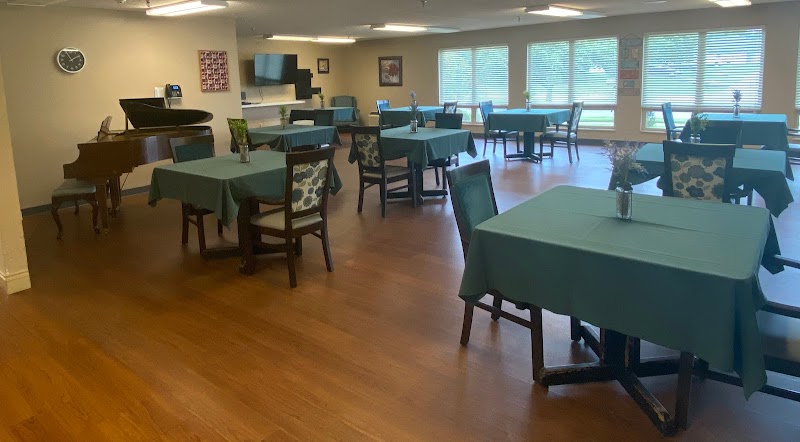
How Does Majestic Care Of North Vernon Compare to Other Indiana Nursing Homes?

Compared to the 100 nursing homes in Indiana, MAJESTIC CARE OF NORTH VERNON's overall rating (2 stars) is below the state average of 3.1, staff turnover (56%) is significantly higher than the state average of 46%, and health inspection rating (2 stars) is below the national benchmark.

What Should Families Ask When Visiting Majestic Care Of North Vernon?

Based on this facility's data, families visiting should ask: "How do you ensure continuity of care given staff turnover, and what is your staff retention strategy?" "Can you walk me through typical staffing levels on day, evening, and night shifts?" "Can I visit during a mealtime to observe dining assistance and food quality?" "How do you handle medical emergencies, and what is your hospital transfer rate?" These questions are particularly relevant given the facility's high staff turnover rate and the below-average staffing rating.

Is Majestic Care Of North Vernon Safe?

Based on CMS inspection data, MAJESTIC CARE OF NORTH VERNON has a clean safety record: no substantiated abuse findings (meaning no confirmed cases of resident harm), no Immediate Jeopardy citations (the most serious violation level indicating risk of serious injury or death), and is not on the Special Focus Facility watch list (a federal program monitoring the lowest-performing 1% of nursing homes). The facility has a 2-star overall rating and ranks #100 of 100 nursing homes in Indiana. While no facility is perfect, families should still ask about staff-to-resident ratios and recent inspection results during their visit.

Do Nurses at Majestic Care Of North Vernon Stick Around?

Staff turnover at MAJESTIC CARE OF NORTH VERNON is high. At 56%, the facility is 10 percentage points above the Indiana average of 46%. High turnover means new staff may not know residents' individual needs, medications, or preferences. It can also be disorienting for residents, especially those with dementia who rely on familiar faces. Families should ask: What is causing the turnover? What retention programs are in place? How do you ensure care continuity during staff transitions?

Was Majestic Care Of North Vernon Ever Fined?

MAJESTIC CARE OF NORTH VERNON has no federal fines on record. CMS issues fines when nursing homes fail to meet care standards or don't correct problems found during inspections. The absence of fines suggests the facility has either maintained compliance or corrected any issues before penalties were assessed. This is a positive indicator, though families should still review recent inspection reports for the full picture.

Is Majestic Care Of North Vernon on Any Federal Watch List?

MAJESTIC CARE OF NORTH VERNON is not on any federal watch list. The most significant is the Special Focus Facility (SFF) program, which identifies the bottom 1% of nursing homes nationally based on persistent, serious quality problems. Not being on this list means the facility has avoided the pattern of deficiencies that triggers enhanced federal oversight. This is a positive indicator, though families should still review the facility's inspection history directly.