HOLY CROSS VILLAGE AT NOTRE DAME INC
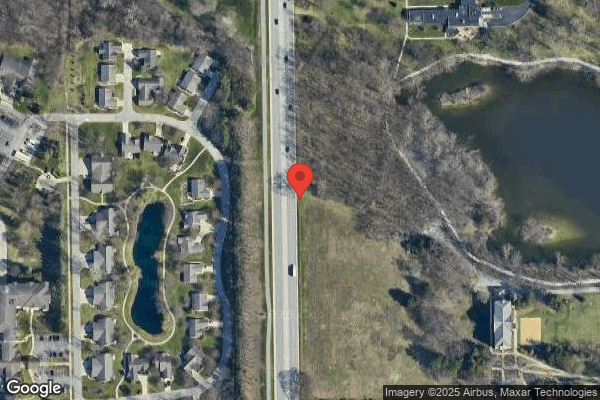
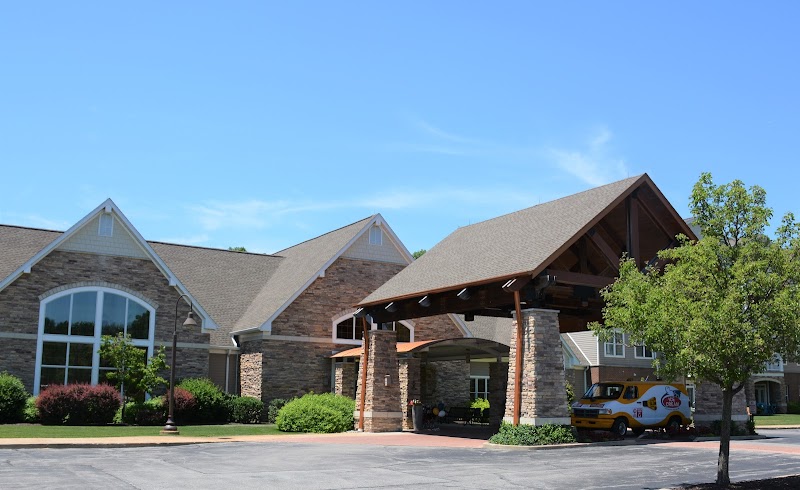
54515 STATE ROAD 933 NORTH, NOTRE DAME, IN 46556 (574) 287-1838
Non profit - Corporation 52 Beds Independent Data: November 2025
Trust Grade
63/100
#255 of 505 in IN
Last Inspection: March 2025

Within standard 12-15 month inspection cycle. Federal law requires annual inspections.

Overview

Holy Cross Village at Notre Dame Inc has a Trust Grade of C+, which means it is considered decent and slightly above average. In terms of rankings, it is #255 out of 505 facilities in Indiana, placing it in the bottom half, and #9 out of 18 in St. Joseph County, indicating only one local option is better. The facility is improving, as it went from 7 issues in 2024 to none in 2025. Staffing is a concern, as it received a poor rating of 1 out of 5 stars, but the turnover rate of 28% is good compared to the state average of 47%. On the positive side, there have been no fines, which is encouraging, and there is more RN coverage than many other facilities, helping to ensure quality care. However, there have been incidents, including a serious issue where a resident was improperly transferred, resulting in a fracture, and concerns about expired food in the kitchen and a failure to report an allegation of abuse, highlighting areas that need attention.

Trust Score
C+
63/100
In Indiana
#255/505
Top 50%
Safety Record
Moderate
Needs review
Inspections
Getting Better
7 → 0 violations
Staff Stability
✓ Good
28% annual turnover. Excellent stability, 20 points below Indiana's 48% average. Staff who stay learn residents' needs.
Penalties
✓ Good
No fines on record. Clean compliance history, better than most Indiana facilities.
Skilled Nurses
○ Average
RN staffing data not reported for this facility.
Violations
⚠ Watch
14 deficiencies on record. Higher than average. Multiple issues found across inspections.
★★★☆☆
3.0
Overall Rating
★☆☆☆☆
1.0
Staff Levels
★★★☆☆
3.0
Care Quality
★★★★☆
4.0
Inspection Score
Stable
2024: 7 issues
2025: 0 issues

The Good

  • Low Staff Turnover (28%) · Staff stability means consistent care
  • Full Sprinkler Coverage · Fire safety systems throughout facility
  • No fines on record
  • Staff turnover is low (28%)

    20 points below Indiana average of 48%

Facility shows strength in staff retention, fire safety.

The Bad

3-Star Overall Rating

Near Indiana average (3.1)

Meets federal standards, typical of most facilities

The Ugly 14 deficiencies on record

1 actual harm
Sept 2024 1 deficiency 1 Harm
SERIOUS (G) 📢 Someone Reported This

A family member, employee, or ombudsman was alarmed enough to file a formal complaint

Actual Harm - a resident was hurt due to facility failures

Accident Prevention (Tag F0689)

A resident was harmed · This affected 1 resident

Based on observation, record review and interview, the facility failed to ensure staff transferred a dependent resident with a mechanical lift in accordance with physician orders and the plan of care ...

Read full inspector narrative →
Based on observation, record review and interview, the facility failed to ensure staff transferred a dependent resident with a mechanical lift in accordance with physician orders and the plan of care for 1 of 3 residents reviewed for mechanical lifts. (Resident E) This deficient practice resulted in a fall and the resident sustained a left shin fracture. The deficient practice was corrected on 7/31/2024, prior to the start of the survey, and was therefore past non-compliance. Finding includes: On 9/26/24 at 2:08 P.M., a review of the clinical record For Resident E was conducted. The resident's diagnoses included, but were not limited to: Multiple Sclerosis, dementia and seizures. A current Physician's order, initiated on 4/26/22, indicated the resident was to be transferred with a mechanical lift with the assistance of two (2) persons. A Care Plan, initiated on 7/19/22, and revised on 9/9/24, indicated the resident required assistance with Activities of Daily Living (ADLs) including transfers and toilet use related to impaired balance and mobility with decreased trunk control with muscle weakness due to diagnoses of Multiple Sclerosis and a seizure disorder. The interventions included, but were not limited to: the resident required the use of a mechanical life with total assistance of 2 staff members for all transfers. A current care plan related to the resident's fall risk, revised on 9/9/24 had no specific instructions related to utilizing the mechanical lift to transfer the resident. A Fall Risk Assessment, dated 6/8/24, indicated the resident was a moderate risk for a falls. An Annual Minimum Data Set (MDS) assessment, dated 6/10/24, indicated the resident was cognitively intact and independent for decision making, had no recent falls and was dependent on staff for chair to bed transfers. A form titled, CNA Assignments, undated and provided by the Director of Nursing indicated the resident's transfer status was a Hoyer mechanical lift. A self-reported incident report, #344, dated 7/27/24 at 6:45 A.M., indicated Resident E was lowered to the floor during a transfer. No injuries were noted immediately after the fall. On 7/28/24 the resident complained of left ankle pain and a nurse provided an ibuprofen (an antiinflamatory medication utilized to treat mild pain) at 7:24 A.M. and notified the Nurse Practitioner (NP). A new order was received for a stat (immediately) x-ray. The results of the x-ray indicated there was a fracture of the left distal tibial metaphysis and fibular shaft (bones in the shin). The resident was transferred to a local ED (Emergency Department) for an evaluation. The incident report did not indicate failure of staff to utilize a mechanical lift and failed to identify staff members involved in the incident. A Nurse Progress Note, dated 7/27/24 07:00 A.M., indicated .This writer called to resident room per CNA[Certified Nursing Assistant]. CNA stated she was getting resident up for the day and during transfer from bed to w/c [wheelchair] resident was lowered to the floor. CNA stated that resident foot got caught on bed railing and while placing resident on floor resident left ankle/foot got twisted. Resident assessment completed. No apparent injury noted at this time. Will continue to observe The note did not indicate the manner in which the CNA had attempted to transfer the resident. A handwritten statement, by LPN 2, dated 7/28/24 and untimed, indicated, on 7/27/24 at 7:00 A.M., she was called into Resident E's room by a CNA.When I walked into the room it was noted that resident was on the floor with her feet tangled on the railing on her bed The resident was assessed by LPN 2 and resident appeared to have no injuries, so the resident was assisted off the floor and placed in bed. Resident E did complain of general discomfort and was administered an ibuprofen. The note explained Resident E continued to complain of discomfort, however, on 7/28/24, the resident had been more specific as to where her pain was located. LPN 2 assessed the left foot and found there were no issues with area being reddened, swollen or bruised. The resident was administered ibuprofen and the Nurse Practitioner (NP) was notified. A new ordered was received to obtain an x-ray of the left ankle. A Nurse Progress Note, dated 7/28/24 at 7:35 A.M., indicated Resident E continued to complain of left foot/ankle pain from a previous incident. The note indicated ibuprofen was administered and the NP was contacted and a new order was received to obtain an x-ray of the left ankle. A Nurse Progress Note, dated 7/28/20 at 1:58 P.M., indicated . X-ray results received, shows fracture to left ankle. new order from on call NP to send to ER [emergency room] for eval and treat An Emergency Department Progress Note, dated 7/28/24 at 4:29 P.M., indicated Resident E .suffered a fall when staff was attempting to transfer her yesterday. Family states patient is nonambulatory/bedridden at baseline and requires complete assistance with transfers. Apparently her feet got tangles (sic) and she dropped to the ground. She was reporting some left ankle pain and noticed edema at that site so x-ray was obtained A untimed, handwritten statement, by CNA 2, dated 7/28/24, indicated .I was trying to get her up but I can't find a sling to get her up so she told me to do what everyone [everyone] do her when they don't have no sling. She hug [sic] me to get her up her feet got stuck on the rails so I lower her down An untimed Corrective Action Form, dated 7/29/24, indicated LPN 2 did not notify facility management regarding Resident E's fall on 7/27/24. LPN 2 was provided with a final corrective action due to not notifying management of a fall, which resulted in a fracture. An untimed Corrective Action Form, dated 7/31/24, indicated CNA 3 did not transfer Resident E with a mechanical lift, on 7/27/24, in accordance with the plan of care. CNA 3 was provided with a final corrective action, regarding the transfer of Resident E who had been transferred inappropriately without considering the plan of care, which resulted in a fall and injury to the resident. During an interview, on 9/27/24 at 10:22 A.M., CNA 4 indicated she had never had any concerns about where to find a mechanical lift sling when she needed to transfer a resident via a mechanical lift. She indicated if a sling was not located in the resident's room it was probably being washed so slings could be in two places the laundry room and/or the clean utility room. She indicated the clean utility and laundry were accessible to her by a touch key pad. During an interview, on 9/27/24 at 10:43 A.M., CNA 3 indicated she tried to transfer Resident E alone, on 7/27/24, and had to lower her to the floor. She indicated the resident was a mechanical lift, however she could not find a mechanical lift sling when she needed to transfer the resident. She indicated she had looked for one but the resident told her to just do it like everybody else does it to me so she tried to transfer the resident without the mechanical lift, by hugging onto the resident. CNA 3 indicated during the transfer the resident's leg got caught on the rail, of the bed, so she lowered her to the floor. On 9/26/24 at 2:32 P.M., the DON provide a policy titled, Resident Handling and Transfers, dated 9/2022, and indicated the policy was the one currently used by the facility. The policy indicated .It is the policy of this facility to ensure that residents are handled and transferred safely to prevent or minimize risks for injury and provide and promote a safe, secure and comfortable experience for the resident while keeping the employee safe in accordance with current standards and guidelines .13. Staff members are expected to maintain compliance with safe handling/transfer practices. Failure to maintain compliance may lead to disciplinary action up to and including termination of employment On 9/26/24 at 2:32 P.M., the DON provide a policy titled, Incidents & Accidents Policy, dated 2/2024 and indicated the policy was the one currently used by the facility. The policy indicated .Accident refers to any unexpected or unintentional incident, which results or may result in injury or illness to a resident .9. The supervisor or other designee will be notified of the incident/accident .10. The nurse will contact the resident's practitioner to inform them of the incident/accident, report any injuries or other findings, and obtain orders, if indicated, which may include transportation to the hospital dependent upon the nature of the injury (ies) The deficient practice was corrected by 7/31/24 after the facility implemented a systemic plan that included the following actions: the facility interviewed all parties involved, provided a corrective actions, education to ensure nursing staff would notify management of all incidents, whether there had been an injury or not, CNA's were educated to follow the plan of care, with results of education discussed in QAPI (Quality Assurance and Performance Improvement) meeting in August 2024 and no other concerns regarding mechanical lifts had been observed or reported; however observations continued to ensure resident safety. 3.1-45(a)(2)
Jun 2024 1 deficiency
CONCERN (D) 📢 Someone Reported This

A family member, employee, or ombudsman was alarmed enough to file a formal complaint

Potential for Harm - no one hurt, but risky conditions existed

Report Alleged Abuse (Tag F0609)

Could have caused harm · This affected 1 resident

Based on record review and interview, the facility failed to report an allegation of abuse for 1 of 3 residents reviewed for abuse (Resident C). Finding includes: On 6/26/2024 at 1:30 P.M., a record r...

Read full inspector narrative →
Based on record review and interview, the facility failed to report an allegation of abuse for 1 of 3 residents reviewed for abuse (Resident C). Finding includes: On 6/26/2024 at 1:30 P.M., a record review was completed for Resident C. The resident's diagnoses included, but were not limited to, atrial fibrillation, dementia, cerebral infarction, and heart failure. Review of the an incident report and investigation on 6/26/2024 at 10:55 A.M., indicated the facility had received and investigated an allegation of physical abuse by a staff member toward Resident C. During an interview, on 6/26/2024 at 11:00 A.M., the DON indicated on 5/30/2024 she received a note on her desk which read open. Inside was a handwritten note, which indicated a staff member had purposely pushed a resident out of bed, causing the resident to hit her head. The facility did not substantiate the abuse and did not report the abuse. She indicated the facility lawyers had investigated the allegation and the lawyers believed there was no abuse. During an interview, on 6/26/2024 at 2:22 P.M., the DON and Administrator indicated within the 2 hours after they had received the allegation, they had already investigated the allegation and determined there was no abuse. They consulted their lawyers and felt it was not abuse but rather gossip. The determined the allegation did not fit under elder abuse and did not need to be reported. On 6/26/2024 at 2:43 P.M., the DON provided the policy titled, Abuse, Neglect, Exploitation, dated 3/31/2022, and indicated it was the policy currently in use by the facility. The policy indicated VIII. Reporting/Response. A. The facility will have written procedures that include: 1. Reporting of all alleged violations to the Administrator, state agency, adult protective services, and to all other required agencies (e.g., law enforcement when applicable) within the specified timeframes: a. Immediately, but no later than 2 hours after the allegation is made, if the events that cause the allegation involve abuse or result in serious bodily injury . This citation relates to Complaint IN00435850. 3.1-28(c)
Mar 2024 5 deficiencies
CONCERN (D)

Potential for Harm - no one hurt, but risky conditions existed

Deficiency F0657 (Tag F0657)

Could have caused harm · This affected 1 resident

Based on record review and interview, the facility failed to revise a care plan for an anti-anxiety medication for 1 of 15 residents whose care plans were reviewed. (Resident 8) Finding includes: A re...

Read full inspector narrative →
Based on record review and interview, the facility failed to revise a care plan for an anti-anxiety medication for 1 of 15 residents whose care plans were reviewed. (Resident 8) Finding includes: A record review was completed on 3/21/2024 at 9:11 A.M. Resident 8's diagnoses included, but were not limited to hypertension, anxiety, depression, psychotic disorder, hemiplegia, and seizures. A Quarterly MDS (Minimum Data Set) Assessment, dated 2/16/2024, indicated the resident received antipsychotics, antidepressants, and hypnotic medication. A current Care Plan, dated 9/10/2022, indicated Resident 8 utilized Ambien (a hypnotic) related to inability to sleep. A current Care Plan, dated 11/14/2023, indicated the resident had expressed feeling sad about not being able to use her left hand and losing her abilities. Interventions included, but were not limited to, staff will educate her regarding benefits, adverse effects, and risks of Ambien use. Monitor for adverse effects of Ambien use including but not limited to: rapid heart rate, nausea, vomiting, diarrhea, appetite loss, vision changes, low respiratory rate, new onset muscle cramps, nightmares, dizziness, and confusion. Follow with prescriber upon identification. Resident 8's current medication orders indicated the Ambien had been discontinued on 10/3/2023. During an interview on 3/21/2024 at 2:22 P.M., the Director of Nursing indicated the Care Plan should have been updated. On 3/21/2024 at 1:30 P.M., the Director of Nursing provided the policy titled,Comprehensive Care Planning, dated 12/2022, and indicated the policy was the one currently used by the facility. The policy indicated . 5. The comprehensive care plan will be reviewed and revised by the interdisciplinary team after each comprehensive and quarterly MDS assessment 3.1-35(d)(2)(B)
CONCERN (D)

Potential for Harm - no one hurt, but risky conditions existed

Pressure Ulcer Prevention (Tag F0686)

Could have caused harm · This affected 1 resident

Based on observation, record review, and interview, the facility failed to prevent the development of pressure areas for 1 of 3 residents reviewed for pressure areas. (Resident 9) Finding includes: Du...

Read full inspector narrative →
Based on observation, record review, and interview, the facility failed to prevent the development of pressure areas for 1 of 3 residents reviewed for pressure areas. (Resident 9) Finding includes: During an interview, on 3/19/2024 at 10:36 A.M., Resident 9 indicated he had 3 open areas on his buttocks and he had developed them at the facility. A record review was completed on 3/20/2024 at 11:18 A.M. His current diagnoses included, but were not limited to diabetes, chronic kidney disease stage 3, bladder neck obstruction, and benign prostatic hyperplasia. A Quarterly MDS (Minimum Data Set) assessment, dated 2/20/2024, indicated Resident 9 was cognitively intact. Resident 9 required extensive assist of 2 staff for bed mobility and was totally dependant for transfers and toileting. The resident was incontinent of bladder and bowel and had 2 stage 2 pressure areas. A current Care Plan, dated 6/19/2023, indicated the resident had an ADL (activities of daily living) deficit and needed assistance with bed mobility, transfers, and toileting. Interventions included, but were not limited to, toilet Use: the resident is incontinent of bowel and bladder. Please provide incontinence care as soon after event as possible, including cleansing, application of barrier cream, clean brief and clothing change if needed. A current Care Plan, dated 9/18/2023, indicated the resident was incontinent of bladder and bowel and required assistance with toileting. Interventions included, but were not limited to change after each incontinent episode and as needed. Incontinent of bladder and bowel. At those times, please provide incontinence care as soon after episode as possible including cleansing, application of barrier cream, clean brief and clothing change if needed. A current Care Plan, dated 12/3/2023, indicated the resident had MASD (moisture associated skin damage) and had a history of multiple pressure areas. Interventions included, but were not limited to follow facility policies and protocols for the prevention of skin breakdown. Provide incontinence care as soon after event as possible including cleansing, application of barrier cream, clean brief and clothing change if needed, Check and change per facility protocol. A Braden Scale for Predicting Pressure Ulcer Risk, dated 2/19/2024, indicated the degree to which skin was exposed to moisture was documented as very moist: skin is often but not always moist. Degree of physical activity was documented as chairfast: Ability to walk severely limited or non existent. Cannot bear own weight and/or must be assisted into chair or wheelchair. The score of the risk form totaled 15, indicating the resident was at mild risk for pressure ulcers. A current Care Plan, dated 2/24/2024, indicated Resident 9 had Stage II pressure areas to the right buttock and gluteal fold and remains at risk for continued pressure ulcer development related to decreased mobility, problem with friction/shearing, and incontinence. Had a history of multiple pressure areas. Interventions included, but were not limited to Braden assessment quarterly, with condition change and as needed. Brief un-taped/open when in bed. Provide incontinence care as soon after event as possible including cleansing, application of barrier cream and/or ordered treatment. A Wound/Skin Healing Record, dated 1/11/2024 through 3/21/2024, indicated Resident 9 had a pressure area to the right upper thigh/lower buttocks. A Wound/Skin Healing Record, dated 1/11/2024 through 3/8/2024, indicated Resident 9 had a pressure area to the right buttocks near the coccyx, which had healed on 3/8/2024. A Wound/Skin Healing Record, dated 3/21/2024, indicated Resident 9 had a DTI (deep tissue injury) measuring 0.5 x 0.5 to the right buttocks. During an observation, on 3/22/2024 at 9:10 A.M., Resident 9 was observed in his wheelchair in the dining room. During an observation, on 3/22/2024 at 9:13 A.M., Resident 9 was in his room in his wheelchair reading papers. During an interview, on 3/22/2024 at 9:28 A.M., Resident 9 indicated he usually did not get checked for incontinence until he went to bed after lunch around 1:00 P.M. Resident 9 inquired, am I supposed to tell them every time I go? During an observation, on 3/22/2024 at 1:05 P.M., Resident 9 was up in his wheel chair. On 3/22/2024 at 1:20 P.M., Resident 9 was observed being transferred to his bed via a Hoyer Lift by CNA's 6 and 7. CNA 6 removed the brief from the resident, which was saturated with urine and had a strong smell. An area was observed to the right gluteal fold that was scabbed over, and open areas observed to the left gluteal fold, and also one to the coccyx which measured 3 x 2 cm. During an interview, on 3/22/2024 at 1:22 P.M., CNA 6 indicated the resident had been changed when he was assisted out of bed this morning. CNA 6 indicated he had been sitting up on the soaked brief since getting up this morning and should have been checked more. A Nurses' Note, dated 3/22/2024 at 4:25 P.M., indicated a re-assessment of the wound to the right upper buttock observed that area had opened up and was a stage 2 which measured 1 x 1.5 x <0.1. During an interview, on 3/25/2024 at 9:44 A.M., the ADON (Assistant Director of Nursing) indicated the resident should have been checked more for incontinence. On 3/22/2024 at 2:17 P.M., the ADON provided the policy titled,Pressure Injury Prevention, dated 11/2023, and indicated the policy was the one currently used by the facility. The policy indicated . This facility is committed to the prevention of avoidable pressure injuries, unless clinically unavoidable, and to provide treatment and services to heal the pressure ulcer/injury, prevent infection and the development of additional pressure ulcers/injuries . 3. Assessment of Pressure Risk .b . Examples of risk factors include, but are not limited to: .vii. Exposure of skin to urinary and fecal incontinence . 4. Interventions for Prevention and to Promote Healing .b. Interventions will be based on specific factors identified in the risk assessment, skin assessment, and any pressure injury assessment (e.g. moisture management) .c. Evidence- based interventions fro prevention will be implemented for all residents who are assessed at risk or who have a pressure injury present . ii. Minimize exposure to moisture and keep skin clean, especially of fecal contamination. 3.1-40
CONCERN (D)

Potential for Harm - no one hurt, but risky conditions existed

Incontinence Care (Tag F0690)

Could have caused harm · This affected 1 resident

Based on observation, record review, and interview, the facility failed to provide timely incontinent care, for 1 of 2 residents who were reviewed for urinary incontinence. (Resident 9) Finding includ...

Read full inspector narrative →
Based on observation, record review, and interview, the facility failed to provide timely incontinent care, for 1 of 2 residents who were reviewed for urinary incontinence. (Resident 9) Finding includes: A record review for Resident 9 was completed on 3/20/2024 at 11:18 A.M. His current diagnoses, included, but were not limited to diabetes, chronic kidney disease stage 3, bladder neck obstruction, and benign prostatic hyperplasia. A Quarterly MDS (Minimum Data Set) Assessment, dated 2/20/2024, indicated Resident 9 was cognitively intact. He required extensive assist of 2 staff for bed mobility and was totally dependant for transfers and toileting. The resident was incontinent of bladder and bowel, and had 2 stage 2 pressure areas. A current Care Plan, dated 6/19/2023, indicated the resident had an ADL (activities of daily living) deficit and needed assistance with bed mobility, transfers and toileting. Interventions included, but were not limited to toilet Use: the resident is incontinent of bowel and bladder. Please provide incontinence care as soon after event as possible, including cleansing, application of barrier cream, clean brief and clothing change if needed. A current Care Plan, dated 9/18/2023, indicated the resident was incontinent of bladder and bowel and required assistance with toileting. Interventions included, but were not limited to change after each incontinent episode and as needed. Incontinent of bladder and bowel. At those times, please provide incontinence care as soon after episode as possible including cleansing, application of barrier cream, clean brief and clothing change if needed. A current Care Plan, dated 2/24/2024, Resident 9 had Stage II pressure areas to the right buttock and gluteal fold and remains at risk for continued pressure ulcer development related to decreased mobility, problem with friction/shearing, and incontinence. Provide incontinence care as soon after event as possible including cleansing, application of barrier cream and/or ordered treatment. During an observation, on 3/22/2024 at 9:10 A.M., Resident 9 was observed in his wheelchair in the dining room. During an observation, on 3/22/2024 at 9:13 A.M., Resident 9 was in his room in his wheelchair reading papers. During an interview, on 3/22/2024 at 9:28 A.M., Resident 9 indicated he usually did not get checked for incontinence until he went to bed after lunch around 1:00 P.M. Resident 9 inquired, am I supposed to tell them every time I go? During an observation, on 3/22/2024 at 1:05 P.M., Resident 9 was up in his wheel chair. On 3/22/2024 at 1:20 P.M., Resident 9 was observed being transferred to his bed via a Hoyer Lift by CNA's 6 and 7. CNA 6 removed the brief from the resident, which was saturated with urine and had a strong smell. An area was observed to the right gluteal fold that was scabbed over, an open area was observed to the left gluteal fold, and also one to the coccyx which measured 3 x 2 cm. During an interview, on 3/22/2024 at 1:22 P.M., CNA 6 indicated the resident had been changed when he was assisted out of bed this morning. CNA 6 indicated he had been sitting up on the soaked brief since getting up this morning and should have been checked more. During an interview, on 3/25/2024 at 9:44 A.M., the ADON (Assistant Director of Nursing) indicated the resident should have been checked more for incontinence. On 3/25/2024 at 9:50 A.M., the ADON provided the policy titled,Incontinence Policy, dated 11/2023, and indicated the policy was the one currently used by the facility. The policy indicated . Based on the resident's comprehensive assessment, all residents that are incontinent will receive appropriate treatment and services 3.1-41(a)(2)
CONCERN (D)

Potential for Harm - no one hurt, but risky conditions existed

Deficiency F0761 (Tag F0761)

Could have caused harm · This affected 1 resident

Based on observation, interview, and record review, the facility failed to ensure medication storage areas were free of expired medications, expired glucose testing solution, failed to ensure medicati...

Read full inspector narrative →
Based on observation, interview, and record review, the facility failed to ensure medication storage areas were free of expired medications, expired glucose testing solution, failed to ensure medications had resident identifiers, and failed to store medications in a safe/sanitary manner in a medication refrigerator, for 1 of 2 medications carts and 1 of 2 medication rooms observed. (Dujarie Medication Cart and Dujarie Medication Storage Room) Findings include: 1. An observation of the medication cart on the Dujarie Unit was completed with LPN 2 on 3/21/2024 at 9:07 A.M. a. The following medications and glucose testing solution were expired: - A bottle containing antacid tablets had an opened on date of 11/24/2023 and an expiration date of 9/2019 - An opened bottle containing vitamin D3 tablets had an expiration date of 2/2024 - An opened box of EvenCare G 2 solution (glucose testing solution) had an expiration date of 4/9/2021 b. The following medications did not have resident identifiers: - An opened box of anti-diarrheal tablets - An opened box of personal lubricant - An opened bottle of Vitamin D3 During an interview, on 3/21/2024 at 9:08 A.M., LPN 2 indicated the antacid tablets, Vitamin D3, and glucose control solution were expired and should not have been in the medication cart. The anti-diarrheal tablets, Vitamin D3, and personal lubricant were not labeled with a resident identifier, but should have a resident identifier. 2. During an observation of the medication storage room on the Dujarie Unit with LPN 2 on 3/21/2024 at 9:12 A.M., the medication refrigerator had a heavy build-up of ice on the back of the refrigerator. An interview with LPN 2 was completed, on 3/21/2024 at 9:15 A.M. LPN 2 indicated the medication refrigerator should not have an ice build-up. On 3/21/2024 at 10:00 A.M., the Director of Nursing provided a policy, dated 5/2023, and titled, Medication Storage and Labeling Policy The Director of Nursing indicated it was the current policy used by the facility. The policy indicated, It is the policy of this facility to ensure all medications housed on our premises will be stored in the pharmacy and/or medication rooms according to to the manufacturer's recommendations and sufficient to proper sanitation, temperature, light, ventilation, moisture control, segregation and security . 9. All medications will be labeled in accordance with applicable federal and state requirements On 3/22/2024 at 9:40 A.M., the Director of Nursing provided a policy, dated 2/2024, and titled, Medication Administration Policy The Director of Nursing indicated it was the current policy used by the facility. The policy indicated, .12. Identify expiration date. If expired, notify nurse manager 3.1-25 (l)(1)
CONCERN (F)

Potential for Harm - no one hurt, but risky conditions existed

Food Safety (Tag F0812)

Could have caused harm · This affected most or all residents

2. During an observation of the kitchen, on 3/19/2024, at 9:45 A.M. with the Regional Manager, there was an expired container of cottage cheese observed in the walk in cooler with a discard date of 3/...

Read full inspector narrative →
2. During an observation of the kitchen, on 3/19/2024, at 9:45 A.M. with the Regional Manager, there was an expired container of cottage cheese observed in the walk in cooler with a discard date of 3/14/2024. There were also 2 packages of expired lunch meat and 1 package of expired salad mix. During an interview, on 3/19/2024, at 09:51 A.M., with the Regional Manager, he indicated the expired foods should have been discarded. 3. An observation of the Dujarie panty was completed on 3/22/2024 at 10:32 A.M. with LPN 2. The following was observed: one opened and undated container of a yellow substance in the freezer. Two opened and undated bottles of thick and easy. The refrigerator shelves and door compartments had food substances and dried liquids. The microwave had a thick black film on its roof. During an interview, on 3/22/2024 at 10:35 A.M., LPN 2 indicated the shelves, compartments, and microwave should have been cleaned and the open items should have been dated. On 3/21/2024 at 1:05 P.M., the Regional Manager provided the policy titled, Food and Supply Storage, dated 1/2024, and indicated the policy was the one currently used by the facility. The policy indicated . Procedures: Cover, label and date unused portions and open packages. Products are good through close of business on the date noted on the label. Dry Storage: Store dry and staple items at least 6 above the floor and 18 below sprinklers . On 3/21/2024 at 1:05 P.M. the Regional Manager provided the policy titled, Cleaning of Food and Nonfood Contact Surfaces, dated 1/2024, and indicated the policy was the one currently used by the facility. The policy indicated . Food Contact Surfaces: Where equipment and utensils are used for the preparation of potentially hazardous on a continuous or production line basis, utensils and the food contact surfaces shall be washed, rinsed, and sanitized before and after each use with raw animal products; when changing from raw to ready eat products. The food contact surfaces of all cooking equipment shall be kept free of encrusted grease deposits and other accumulated soil. Discard any food contact surfaces with chips, nicks, or broken pieces, such as fryer baskets or skimmers that have damaged, loose, or broken wires, strainers, pans, skillets, and knives, which cannot be cleaned properly. Ware-washing sinks must be equipped with detergent and sanitizer. Nonfood Contact Surfaces: The cavities and door seals of microwave ovens shall be cleaned at least once a day 3.1-21(i)(l) 3.1-21(i)(3) Based on observation, interview, and record review, the facility failed to ensure food items in a cooler were sealed securely after opening, failed to have clean cooking utensils and skillets without missing Teflon, failed to ensure microwaves were clean and free of food debris, failed to remove expired foods, and failed to date foods when opened, in 1 of 1 kitchens and 1 of 3 pantries observed. This had the potential to affect the 47 of 48 residents who received meals from the kitchen. (Main Kitchen) Findings include: 1. During an initial tour of the kitchen, on 3/21/2024 at 10:00 A.M., with the Regional Director, the following was observed: - Cooking utensils with specs of dried foods. - Spatula with a burnt side. - Measuring cup with dried foods. - A microwave with a brown substance on the interior top, and another microwave with stuck on dried foods to the top of the inside. - A small cooler with cheese slices and a hunk of cheese not sealed appropriately/tight. - On a shelf were 5 skillets of various sizes with missing Teflon to the bottom and sides of the skillets. During an interview, on 3/21/2024 at 10:15 A.M., the Regional Staff indicated the skillets would be thrown out, the utensils should have been cleaned, and the cheeses should have been sealed.
Feb 2023 7 deficiencies
CONCERN (D)

Potential for Harm - no one hurt, but risky conditions existed

Resident Rights (Tag F0550)

Could have caused harm · This affected 1 resident

Based on observation, interview, and record review, the facility failed to provide adequate clothing for 1 of 2 residents reviewed for dignity. (Resident 32) Finding includes: During an observation on...

Read full inspector narrative →
Based on observation, interview, and record review, the facility failed to provide adequate clothing for 1 of 2 residents reviewed for dignity. (Resident 32) Finding includes: During an observation on 2/20/2023, CNA 1 was observed leaving Resident 32's room. Resident 32 was sitting in his recliner chair with his pants not fully pulled up and his shirt not pulled down over his torso. A clinical record review for Resident 32 was completed on 2/22/2023 at 11:05 A.M. Diagnoses included, but were not limited to: pulmonary embolism, dementia, diabetes mellitus type 2, and chronic kidney disease. An admission Minimum Data Set (MDS) Assessment was completed on 12/22/2022. The assessment indicated Resident 32 has severe cognitive impairment. He required extensive assistance one staff member for dressing. A Care Plan initiated on 12/24/2022, indicated Resident 32 required assistance with activities of daily living (ADL's). The Care Plan Indicated Resident 32 required extensive assistance of staff to dress. On 2/22/2023 at 3:31 P.M., Resident 32 was observed sitting in a titled wheelchair wearing only a shirt and disposable brief. Resident 32 was visible from the hallway. During an interview on 2/22/2023 at 3:33 P.M., CNA 5 indicated, it was inappropriate to be dressed this manner when others can see him. On 2/23/2023 at 11:19 A.M., Resident 32 was observed lying in bed with a facility gown in place. The facility gown was twisted into the left arm hole exposing a disposable brief. The blankets only covered the lower body. On 2/24/2023 at 7:48 A.M., Resident 32 was observed lying in bed with a shirt and disposable brief in place. He was uncovered and exposed. A policy was provided on 2/24/2023 at 1:55 P.M., by the Assistant Director of Nursing (ADON) titled, Resident Rights. The policy indicated, .4. Respect and dignity. The resident has the right to be treated with respect and dignity .b. The right to retain and use personal possessions, including furnishings, and clothing, as space permits, unless it would infringe upon the rights or health and safety of other residents 3.1-3(p)(4)
CONCERN (D)

Potential for Harm - no one hurt, but risky conditions existed

Deficiency F0561 (Tag F0561)

Could have caused harm · This affected 1 resident

Based on interview and medical record review, the facility failed to provide showers per the resident's choice for 1 of 1 resident reviewed for preferences. (Resident 6) Finding includes: During an in...

Read full inspector narrative →
Based on interview and medical record review, the facility failed to provide showers per the resident's choice for 1 of 1 resident reviewed for preferences. (Resident 6) Finding includes: During an interview, on 2/20/2023 at 10:42 A.M., Resident 6 indicated she only receives a shower on Fridays. A clinical record review for Resident 6 was completed on 2/21/2023 at 1:26 P.M. Diagnoses included, but were not limited to: hemiplegia affecting non-dominant side, psychotic disorder, epilepsy, anxiety disorder, and depressive disorder. An admission Minimum Data Set (MDS) Assessment on 9/9/2022 indicated it was very important to Resident 6 to choose between a tub bath, shower, bed bath or sponge bath. A Quarterly MDS Assessment on 12/7/2022 indicated Resident 6 was cognitively intact. She required total assistance with one staff member for bathing. A review of Resident 6's shower records, including electronic charting and shower sheet documentation, indicated she received the following showers for the past 30 days: 2/3/2023 2/14/2023 2/12/2023 2/17/2023 2/20/2023 2/21/2023 A Care Plan initiated on 9/10/2022, indicated Resident 6 required assistance with activities of daily living (ADL's). The Care Plan Indicated Resident was totally dependent on staff to provide a shower, and she preferred to have a shower in the evening three times a week. During an interview on 2/23/2023 at 1:55 P.M., CNA 5 indicated the facility provided a list that indicated a resident's shower day. She indicated Resident 6 received a shower three times a week. On 2/23/2023 at 2:19 P.M., the Assistant Director of Nursing (ADON) indicated that the facility does not have proof that Resident 6's showers are being completed three times a week, and that Resident 6 should have received showers three times a week. On 2/24/2023 at 1:55 P.M., the ADON provided a policy titled, Resident Self-Determination; Promoting & Maintaining. The policy indicated, .It is the practice of this facility to protect and promote resident rights by promoting and facilitating resident self-determination through support of resident choice 3.1-3(u)(3)
CONCERN (D)

Potential for Harm - no one hurt, but risky conditions existed

Deficiency F0657 (Tag F0657)

Could have caused harm · This affected 1 resident

Based on observation, interview and record review, the facility failed to update the plan of care for 2 of 17 residents reviewed for care planning. (Residents 32 & 24) Findings include: 1. A clinical ...

Read full inspector narrative →
Based on observation, interview and record review, the facility failed to update the plan of care for 2 of 17 residents reviewed for care planning. (Residents 32 & 24) Findings include: 1. A clinical record review for Resident 32 was completed on 2/22/2023 at 11:05 A.M. Diagnoses included, but were not limited to: pulmonary embolism, dementia, diabetes mellitus type 2, and chronic kidney disease. An End of Medicare A Stay Minimum Data Set (MDS) Assessment on 1/20/2023 indicated Resident 32 had one fall with injury and one fall without injury. A Nurse's Note on 1/13/2023 at 2:00 A.M., indicated .Resident fell out of bed while having brief change and bed linen change. Fall was witnessed by CNA (Certified Nursing Assistant). He had rolled onto his side while receiving peri-care. Resident then fell from bed onto the floor, face down. Resident has an abrasion/hematoma to Rt/mid [right/middle] forehead with possible bruising noted on upper right orbital near eyebrow .Left Front tooth has scant amount of bleeding near gums and does seem to be slightly loose. Very superficial abrasion to bridge of nose with no active bleeding .Floor mat placed at bedside. Ice pack applied to resident's hematoma on forehead On 1/23/2023 at 2:10 P.M., a Nurse's Note indicated, .This nurse heard someone yelling for help. When this nurse entered the room, resident was on his back on the floor fall mat .Resident admitted to turning over in bed and fell off the side onto the floor On 1/24/2023 at 9:45 A.M., a Nurse's Note indicated a bariatric bed was placed in the room. A Care Plan initiated on 6/7/2022 and revised on 12/24/2022 indicated Resident 32 had an increased risk for falls during basic activities of daily living. The last intervention placed was on 6/7/2022. A Care Plan initiated on 8/31/2022 indicated Resident 32 was at risk for falls due to poor safety awareness. The last intervention placed was on 8/31/2022. On 11/20/2022, a care plan indicated Resident 32 was a fall risk related to history of multiple falls, decreased mobility, balance, strength, endurance, and safety awareness; cognitive deficits; alteration in cardiac, endocrine, and prostate function; use of high-risk medications; frequent pain; shortness of breath; and bowel and bladder incontinence. An intervention included keeping the bed in the lowest position. The last intervention placed was on 12/23/2022. An observation on 2/23/2023 at 11:17 A.M., Resident 32 was observed to be in a bariatric bed with a mat to the left of bed. The bed was not placed in the lowest position. During an interview on 2/23/2023 at 2:03 P.M., the Assistant Director of Nursing (ADON) indicated she could not find an intervention placed on 1/13/2023 to prevent Resident 32 from falling out of the bed. An admission Minimum Data Set (MDS) Assessment on 12/22/2022, indicated Resident 32 had severe cognitive impairment. He did not have any significant weight loss or gain. He required supervision with set up help for eating. A review of Resident 32's weights indicated the following: 2/3/2023 159.9 pounds 1/3/2023 175.6 pounds 12/2/2022 197.0 pounds 11/1/2022 195.0 pounds 10/4/2022 195.4 pounds A Dietary Note on 1/5/2023 at 12:58 P.M., indicated Resident 32 triggered for a significant weight loss for the past month and six months. Resident 32 had lost 11.1 percent of his body weight in one month. The note indicated, .He has had a significant decline in the past 1 month with Covid-19 outbreak, having Covid himself and taking meals in his room for several weeks because of required Covid isolation. He is on a regular diet with lower sugar options for his diabetes if he chooses New interventions were placed for Carnation Instant Breakfast powder with 8 ounces of whole milk three times daily, fortified cereal at breakfast, fortified pudding at lunch, and fortified mashed potatoes with gravy at dinner. A Dietary Note on 2/7/2023 at 2:57 P.M., indicated Resident 32 had lost more weight this past month. Resident 32's weight was down 8.6 percent in one month and lost 18.8 percent in less than three months. The note indicated, .Therapy has order for feeding assistance at meals. He eats ok when fed/prompted A Care Plan initiated on 2/15/2022 and revised on 12/24/2022 indicated for Resident 32 to have adequate intake of oral foods and beverages and to maintain adequate weight and fluid intake. The Care Plan did not address weight loss, or any interventions placed to assist in weight loss reduction. During an interview on 2/23/2023 at 3:19 P.M., the Registered Dietician indicated Resident 32 was placed on the Nutritionally at Risk reviews. She indicated she should have updated the care plan when the supplements were added. 2. A clinical review for Resident 24 was completed on 2/22/2023 at 10:05 A.M. The diagnoses included, but not limited to: dementia with severe agitation, and severe protein-calorie malnutrion. A Physician Order, dated 10/20/2022, indicated mirtazapine tablet 7.5 MG (milligram), give 1 tablet by mouth one time a day for Appetite Stimulant related to unspecified severe protein-calorie malnutrition. A Care Plan, dated 8/24/2022, indicated [Name of Resident] is utilizing Marinol R/T appetite stimulation. During an interview on 2/22/2023 at 2:45 P.M., the Social Worker indicated the care plans are revised with every assessment period, quarterly, annual, significant change and any new behavioral changes. The Interdisciplinary team is responsible for the revisions. She is not on Marinol currently but on mirtazapine and the care plan was not updated and should have been. On 2/23/2023 at 1:45 P.M., the Assistant Director of Nursing ADON) provided a policy titled, Comprehensive Care Planning, revised 12/20/2022, and indicated the policy was the one currently used by the facility. The policy indicated .Policy Explanation and Compliance Guidelines: 5. The comprehensive care plan will be reviewed and revised by the interdisciplinary team after each comprehensive and quarterly MDS assessment On 1/24/2023 at 1:55 P.M., the ADON provided the policy titled, Care Plan Revisions Upon Status Change. The policy indicated, .The purpose of this procedure is to provide a consistent process for reviewing and revising the care plan for those residents experiencing a status change .d. The care plan will be updated with the new or modified interventions 3.1-35(d)(2)(B)
CONCERN (D)

Potential for Harm - no one hurt, but risky conditions existed

ADL Care (Tag F0677)

Could have caused harm · This affected 1 resident

**NOTE- TERMS IN BRACKETS HAVE BEEN EDITED TO PROTECT CONFIDENTIALITY** Based on observation, interview, and record review the facility failed to ensure residents received showers/bathing twice a week...

Read full inspector narrative →
**NOTE- TERMS IN BRACKETS HAVE BEEN EDITED TO PROTECT CONFIDENTIALITY** Based on observation, interview, and record review the facility failed to ensure residents received showers/bathing twice a week and fingernails were cleaned for dependent Residents for 2 out of 3 Residents reviewed for activities of daily living. (Resident 9 &19) Findings include: 1. A clinical record review for Resident 9 was conducted on 2/21/2023 at 1:28 P.M. The diagnoses included, but not limited to: Alzheimer's disease, major depressive disorder, and anxiety. The Resident 9's showers were scheduled for Monday and Thursday evening. The shower documentation in the electronic medical record indicated that he had a shower on 1/30/2023 and 2/16/2023, a bed bath on 1/26/2023, 2/6/2023 and 2/20/2023. There was no documentation for 1/23/2023, 2/2/2023, 2/9/2023 and 2/13/2023 of a shower or bed bath given. A Care Plan, dated 9/14/2022, indicated I have an ADL Self Care Performance Deficit and require assistance with ADL's, with an intervention of BATHING: [NAME]. Berg usually requires physical assistance of one staff member for bathing. During an interview on 2/22/2023 at 1:54 P.M., Certified Nurse Aide 11 (CNA) who works the day shift indicated that each resident gets two showers a week unless they request more. When she gives a resident a shower if it is a male she shaves them, washes hair, trims toe and fingernails, checks the skin for open areas or bruises. The charting is done on the computer on the wall and the only place they chart. If a resident refuses, you would check refused in the charting. During an interview on 2/22/2023 at 2:21 P.M., Certified Nurse Aide 12 (CNA) who works second shift indicated that each resident gets two showers a week but depends on if heavily soiled they will shower. She charts in the computer when she gives a shower and is the only place showers are charted. She washes under arms, back, legs, feet, peri-area, face, hair and trims toe and fingernails, take a stick and cleans under the nails. If the person is diabetic, she does not trim nails. If a resident refuses she tells the nurse or asks a coworker to try, if refused then it is charted refused in the computer. During an interview on 2/23/2023 at 1:50 P.M., the Memory Care Manager indicated the residents are given 2 showers a week unless they want more. The CNA's document in Point Click Care (PCC) wall mount or the computer and do not document anywhere else. She would expect the CNA to give showers, if refused a bed bath would be done and documented. If the resident refused, she would expect the CNA to select refusal and the nurse to document the refusal in the progress notes. She indicated it was not documented on 1/23/2023, 2/2/2023, 2/9/2023, or 2/13/2023 that a shower was given in CNA charting or the progress notes and should have been. 2. A clinical record review for Resident 19 was conducted on 2/21/2023 at 3:30 P.M. The diagnoses included, but not limited to: Alzheimer's disease, and dementia, severe, with agitation. During an observation on 2/20/2023 at 10:30 A.M., resident was sitting in a bedside chair looking at a magazine and noted a brown substance under his fingernails. During an observation on 2/21/2023 at 9:32 A.M., resident was sitting in a bedside chair looking at a paper and noted brown substance under his fingernails. During an observation on 2/22/2023 at 9:19 A.M., resident was sitting at the dining room table eating breakfast and noted a brown substance was under his fingernails. A Care Plan, dated 4/24/2022, indicated I have an ADL Self Care Performance Deficit and require assistance with ADL's, with an intervention of BATHING: Mr. [NAME] usually requires total assist of one staff member for bathing. Showers were documented in electronic medical record on 1/25/2023, 1/28/2023, 2/8/2023, 2/11/2023 on day shift. Bed baths were documented on 1/24/2023, 1/27/2023, 1/29/2023, 1/30/2023, 2/2/2023, 2/32023, 2/6/2023, 2/7/2023, 2/10/2023, 2/12/2023, 2/13/2023, 2/14/2023, 2/16/2023, 2/17/2023, 2/20/2023, 2/21/2023, & 2/22/2023. No refusals of showers were documented. During an interview on 2/22/2023 at 1:54 P.M., the Certified Nurse Aide 11 (CNA) who works the day shift indicated when she gives a resident a shower if it is a male she shaves them, washes hair, trims toe and fingernails, checks the skin for open areas or bruises. During an interview on 2/22/2023 at 2:21 P.M., Certified Nurse Aide 12 (CNA) who works second shift indicated that she washes under arms, back, legs, feet, peri-area, face, hair and trims toe and fingernails, takes a stick and cleans under the fingernails. On 2/23/2023 at 2:30 P.M., the Memory Care Manager provided a policy titled, Showering Residents, dated 3/2022, and indicated the policy was the one currently used by the facility. The policy indicated .Policy Explanation and Compliance Guidelines: 1. Residents will be provided showers per request and based upon resident safety. Showers are generally scheduled twice weekly or as preferred by residents. 2. Bed baths may be given on regular shower days if resident refuses showers On 2/23/2023 at 2:36 P.M., the Assistant Director of Nursing (ADON) provided a policy titled, Nail Care, dated 11/2022, and indicated the policy was the one currently used by the facility. The policy indicated .3. Routine cleaning and inspection of nails will be provided during ADL care on an ongoing basis. 4. Routine nail care, to include trimming and filing, will be provided on a regular schedule generally in accordance with shower schedules. Nail care will be provided between scheduled occasions as the need arises 3.1-38(3)(E)(2)
CONCERN (D)

Potential for Harm - no one hurt, but risky conditions existed

Accident Prevention (Tag F0689)

Could have caused harm · This affected 1 resident

2. A clinical record review for Resident 32 was completed on 2/22/2023 at 11:05 A.M. Diagnoses included, but were not limited to: pulmonary embolism, dementia, diabetes mellitus type 2, and chronic ki...

Read full inspector narrative →
2. A clinical record review for Resident 32 was completed on 2/22/2023 at 11:05 A.M. Diagnoses included, but were not limited to: pulmonary embolism, dementia, diabetes mellitus type 2, and chronic kidney disease. An End of Medicare A Stay Minimum Data Set (MDS) Assessment on 1/20/2023 indicated Resident 32 had one fall with injury and one fall without injury. A Nurse's Note on 1/13/2023 at 2:00 A.M., indicated .Resident fell out of bed while having brief change and bed linen change. Fall was witnessed by CNA (Certified Nursing Assistant). He had rolled onto his side while receiving peri-care. Resident then fell from bed onto the floor, face down. Resident has an abrasion/hematoma to Rt/mid [right/middle] forehead with possible bruising noted on upper right orbital near eyebrow .Left Front tooth has scant amount of bleeding near gums and does seem to be slightly loose. Very superficial abrasion to bridge of nose with no active bleeding .Floor mat placed at bedside. Ice pack applied to resident's hematoma on forehead On 1/23/2023 at 2:10 P.M., a Nurse's Note indicated, .This nurse heard someone yelling for help. When this nurse entered the room, resident was on his back on the floor fall mat .Resident admitted to turning over in bed and fell off the side onto the floor On 1/24/2023 at 9:45 A.M., a Nurse's Note indicated a bariatric bed was placed in the room. A Care Plan initiated on 6/7/2022 and revised on 12/24/2022 indicated Resident 32 had an increased risk for falls during basic activities of daily living. A Care Plan initiated on 8/31/2022 indicated Resident 32 was at risk for falls due to poor safety awareness. On 11/20/2022, a care plan indicated Resident 32 was a fall risk related to history of multiple falls, decreased mobility, balance, strength, endurance, and safety awareness; cognitive deficits; alteration in cardiac, endocrine, and prostate function; use of high-risk medications; frequent pain; shortness of breath; and bowel and bladder incontinence. An intervention included keeping the bed in the lowest position. An observation on 2/23/2023 at 11:17 A.M., Resident 32 was observed to be in a bariatric bed with a mat to the left of bed. The bed was not placed in the lowest position. During an interview on 2/23/2023 at 2:03 P.M., the Assistant Director of Nursing (ADON) indicated she could not find an intervention placed on 1/13/2023 to prevent Resident 32 from falling out of the bed. On 1/24/2023 at 1:55 P.M., the ADON provided the policy titled, Fall Prevention Policy. The policy indicated, .Each resident will be assessed for fall risk and will receive care and services in accordance with their individualized level of risk to minimize the likelihood of falls On 2/23/2023 at 8:35 A.M., the Administrator provided a policy titled, Salon Services, revised 2/2023, and indicated the policy was the one currently used by the facility. The policy indicated . 8. Be sure that hair salon staff and other pertinent staff are trained/oriented on the following issues: a. Keeping hair dryer settings on low heat and monitoring to ensure the air does not become to warm. b. Keeping the oxygen tank at least 5 feet from the dryer unit as the tubing will allow without creating another hazard for individuals walking in the area. f. When possible, consider taking the oxygen off while the resident is under the dryer. This will require a nursing assessment 3.1-45(a)(1)(2) Based on observation, interview and record review the facility failed to ensure safety measures were followed for a resident receiving a hair cut in the beauty shop while wearing oxygen for 2 out of 3 residents reviewed for accidents. Resident 9 & 32) Findings include: 1. A clinical review for Resident 9 was completed on 2/21/2023 at 1:28 P.M. The diagnoses included, but not limited to: Alzheimer's disease, major depressive disorder, and anxiety. During an observation on 2/22/2023 at 10:15 A.M., Resident 9 was sitting in the beauty shop with his oxygen on and another female resident went in, and the door was closed. At 10:25 A.M. heard a device in use knock on the door and asked the beautician what device she was operating, and she indicated the portable electric clippers then she proceeded to pick up the portable hair dryer cleaning hair from the resident. Requested the beautician to stop. Observed the oxygen was running at 2.5 liters per nasal cannula. During an interview on 2/22/2023 at 10:27 A.M., the beautician indicated that she can run a hair dryer but only if the resident was not on a portable green tank. During an interview on 2/22/2023 at 10:30 A.M., the Administrator indicated that they do not allow a hairdryer to be utilized when a Resident is on oxygen. On 2/23/2023 at 8:35 A.M., the Administrator provided a policy titled, Salon Services, revised 2/2023, and indicated the policy was the one currently used by the facility. The policy indicated . 8. Be sure that hair salon staff and other pertinent staff are trained/oriented on the following issues: a. Keeping hair dryer settings on low heat and monitoring to ensure the air does not become to warm. b. Keeping the oxygen tank at least 5 feet from the dryer unit as the tubing will allow without creating another hazard for individuals walking in the area. f. When possible, consider taking the oxygen off while the resident is under the dryer. This will require a nursing assessment
CONCERN (D)

Potential for Harm - no one hurt, but risky conditions existed

Respiratory Care (Tag F0695)

Could have caused harm · This affected 1 resident

2. During an observation on 2/20/2023 at 10:25 A.M., Resident 35's C-PAP mask was observed to be lying on the bed. On 2/21/2023 at 32:39 A.M., Resident 35's C-PAP mask and oxygen nasal cannula were ly...

Read full inspector narrative →
2. During an observation on 2/20/2023 at 10:25 A.M., Resident 35's C-PAP mask was observed to be lying on the bed. On 2/21/2023 at 32:39 A.M., Resident 35's C-PAP mask and oxygen nasal cannula were lying on the bed. A clinical record review for Resident 35 was completed on 2/22/2023 at 10:00 A.M. Diagnoses included, but were not limited to: dementia, atrial fibrillation, and diabetes mellitus type 2. A Quarterly Minimum Data Set (MDS) Assessment on 2/1/2023 indicated Resident 35 received oxygen therapy. A Care Plan initiated on 5/12/2022 indicated Resident 35 had altered respiratory status related to sleep apnea and reports of shortness of breath. On 2/22/2023 at 10:26 A.M., the C-PAP mask was observed to be lying on the bed, and the portable oxygen nasal cannula was lying in the seat of the wheelchair. On 2/23/2023 at 9:47 A.M., the C-PAP mask was observed lying on the bed, and the portable oxygen nasal cannula was lying on the bathroom floor. On 2/23/2023 at 9:49 A.M., CNA 6 was brought to Resident 35's room. CNA 6 indicated the portable oxygen nasal cannula should be in a respiratory bag, and the nasal cannula must have fallen out of the respiratory bag. CNA 6 picked the oxygen nasal cannula up from the bathroom floor and placed the nasal cannula in the respiratory bag attached to the wheelchair. CNA 6 indicated C-PAP masks are not stored in any particular way, and there was not a protocol for C-PAP mask storage. On 2/24/2023 at 1:55 P.M., the Assistant Director of Nursing provided the policy titled, C-Pap, BiPap. The policy did not address storage of the C-PAP mask when not in use. Based on observation, interview, and record review the facility failed to ensure proper storage of nasal cannula tubing and CPAP mask when not in use for 2 out 4 residents reviewed for respiratory care. (Resident 9 & 28) Findings include: 1. A clinical review for Resident 9 was completed on 2/21/2023 at 1:28 P.M. The diagnoses included, but not limited to: Alzheimer's disease, major depressive disorder, and anxiety. A Physician Order, dated 2/18/2023, indicated Oxygen at 2-5 liters per nasal cannula, titrate for BIOX above 90% every 24 hours as needed for oxygenation. During an observation, on 2/20/2023 at 11:57 A.M., Resident 9 was wearing nasal cannula attached to portable tank with tubing undated. During an observation, on 2/21/2023 at 9:26 A.M., nasal cannula was sitting on the wheelchair cushion and dated 2/19/23. During an observation, on 2/21/2023 at 12:55 P.M., there is a bag hanging on the back of the wheelchair dated 2/21 and the oxygen tubing was wrapped around the right handle of the wheelchair. During an observation, on 2/22/2023 at 9:20 A.M., a storage bag was hanging from the left handle of the wheelchair dated 2/21 and the tubing was wrapped around the right handle of the wheelchair. During an interview, on 2/22/2023 at 9:21 A.M., the Licensed Practical Nurse 16 (LPN) indicated that the oxygen tubing should have been placed in the bag when not in use. On 2/22/2023 at 2:15 P.M., the Assistant Director of Nursing provided a policy titled, Oxygen Administration, revised 11/2022, and indicated the policy was the one currently used by the facility. The policy indicated .b. Change oxygen tubing and mask/cannula weekly and as needed if it becomes soled or contaminated. e. Keep delivery devices covered in plastic bag when not in use
CONCERN (D)

Potential for Harm - no one hurt, but risky conditions existed

Food Safety (Tag F0812)

Could have caused harm · This affected 1 resident

Based on observation and interview, the facility failed to provide sanitary food service in 1 of 2 dining rooms residents observed for food delivery service. (main dining room) Findings include: 1. On...

Read full inspector narrative →
Based on observation and interview, the facility failed to provide sanitary food service in 1 of 2 dining rooms residents observed for food delivery service. (main dining room) Findings include: 1. On 2/20/2022 at 12:09 P.M. through 12:30 P.M., dining room food service was observed in the main dining room. Certified Nurse Aide (CNA) 1 and 2 was observed having their thumb beyond the rim of the plate when serving the residents' salad, dessert and main plate. 2. On 2/22/2023 at 8:22 A.M. through 8:31 A.M., breakfast was observed in the main dining room. Certified Nurse Aide 3 and 4 was observed having their thumb beyond the rim of the plate when serving the resident's main plate and served the bowl with the hand over the top. During an interview, on 2/22/2023 at 8:33 A.M., CNA 3 indicated that thumbs should not be on the plate and the bowls should be handled from the bottom and not over the top. On 2/27/2023 at 9:35 A.M., the Dietary Supervisor 15 provided a policy titled, Dining Room/Retail Service Table Service, undated, and indicated the policy was the one currently used by the facility. The policy indicated, Policy: The server will ensure proper service of all food and beverages, and proper removal of all courses and beverages. Procedure; Utilize The Service Experience training program located on the Seniors Resource page on Sodexonet for proper table service for all levels of dining. The Service Experience Trainer Guide, addressed serving meal tips with trainees. Hair and fingers should Never come in contact with food and/or any eating surface of the utensils or dinnerware 3.1-21(3)
Understanding Severity Codes (click to expand)
Life-Threatening (Immediate Jeopardy)
J - Isolated K - Pattern L - Widespread
Actual Harm
G - Isolated H - Pattern I - Widespread
Potential for Harm
D - Isolated E - Pattern F - Widespread
No Harm (Minor)
A - Isolated B - Pattern C - Widespread

Questions to Ask on Your Visit

  • "Can I speak with families of current residents?"
  • "What's your RN coverage like on weekends and overnight?"

Our Honest Assessment

Strengths
  • • No fines on record. Clean compliance history, better than most Indiana facilities.
  • • 28% annual turnover. Excellent stability, 20 points below Indiana's 48% average. Staff who stay learn residents' needs.
Concerns
  • • 14 deficiencies on record, including 1 serious (caused harm) violation. Ask about corrective actions taken.
Bottom line: Mixed indicators with Trust Score of 63/100. Visit in person and ask pointed questions.

About This Facility

What is Holy Cross Village At Notre Dame Inc's CMS Rating?

CMS assigns HOLY CROSS VILLAGE AT NOTRE DAME INC an overall rating of 3 out of 5 stars, which is considered average nationally. Within Indiana, this rating places the facility higher than 0% of the state's 100 nursing homes. This mid-range rating indicates the facility meets federal standards but may have areas for improvement.
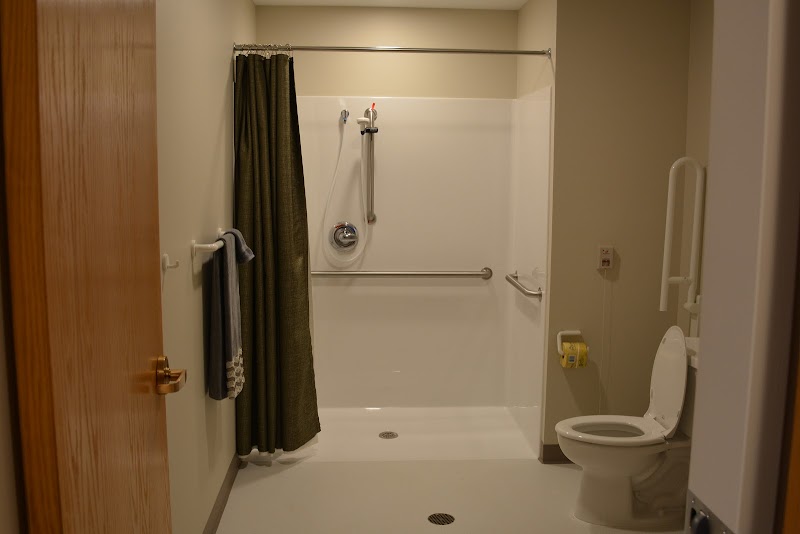
How is Holy Cross Village At Notre Dame Inc Staffed?

CMS rates HOLY CROSS VILLAGE AT NOTRE DAME INC's staffing level at 1 out of 5 stars, which is much below average compared to other nursing homes. Staff turnover is 28%, compared to the Indiana average of 46%. This relatively stable workforce can support continuity of care.

What Have Inspectors Found at Holy Cross Village At Notre Dame Inc?

State health inspectors documented 14 deficiencies at HOLY CROSS VILLAGE AT NOTRE DAME INC during 2023 to 2024. These included: 1 that caused actual resident harm and 13 with potential for harm. Deficiencies causing actual harm indicate documented cases where residents experienced negative health consequences.
Who Owns and Operates Holy Cross Village At Notre Dame Inc?

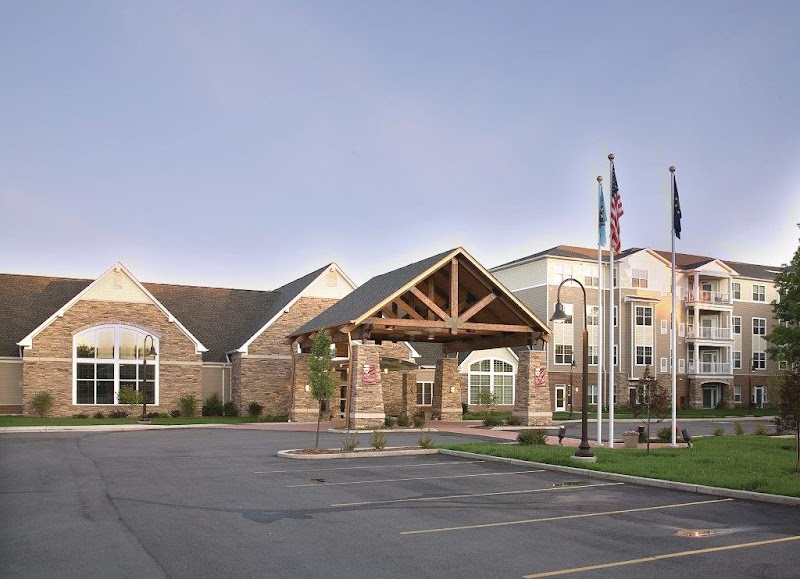
HOLY CROSS VILLAGE AT NOTRE DAME INC is owned by a non-profit organization. Non-profit facilities reinvest revenue into operations rather than distributing to shareholders. The facility operates independently rather than as part of a larger chain. With 52 certified beds and approximately 46 residents (about 88% occupancy), it is a smaller facility located in NOTRE DAME, Indiana.

How Does Holy Cross Village At Notre Dame Inc Compare to Other Indiana Nursing Homes?

Compared to the 100 nursing homes in Indiana, HOLY CROSS VILLAGE AT NOTRE DAME INC's overall rating (3 stars) is below the state average of 3.1, staff turnover (28%) is significantly lower than the state average of 46%, and health inspection rating (4 stars) is above the national benchmark.

What Should Families Ask When Visiting Holy Cross Village At Notre Dame Inc?

Based on this facility's data, families visiting should ask: "Can you walk me through typical staffing levels on day, evening, and night shifts?" "Can I visit during a mealtime to observe dining assistance and food quality?" "How do you handle medical emergencies, and what is your hospital transfer rate?" "Can I speak with family members of current residents about their experience?" These questions are particularly relevant given the below-average staffing rating.

Is Holy Cross Village At Notre Dame Inc Safe?

Based on CMS inspection data, HOLY CROSS VILLAGE AT NOTRE DAME INC has a clean safety record: no substantiated abuse findings (meaning no confirmed cases of resident harm), no Immediate Jeopardy citations (the most serious violation level indicating risk of serious injury or death), and is not on the Special Focus Facility watch list (a federal program monitoring the lowest-performing 1% of nursing homes). The facility has a 3-star overall rating and ranks #100 of 100 nursing homes in Indiana. While no facility is perfect, families should still ask about staff-to-resident ratios and recent inspection results during their visit.

Do Nurses at Holy Cross Village At Notre Dame Inc Stick Around?

Staff at HOLY CROSS VILLAGE AT NOTRE DAME INC tend to stick around. With a turnover rate of 28%, the facility is 18 percentage points below the Indiana average of 46%. Low turnover is a positive sign. It means caregivers have time to learn each resident's needs, medications, and personal preferences. Consistent staff also notice subtle changes in a resident's condition more quickly.

Was Holy Cross Village At Notre Dame Inc Ever Fined?

HOLY CROSS VILLAGE AT NOTRE DAME INC has no federal fines on record. CMS issues fines when nursing homes fail to meet care standards or don't correct problems found during inspections. The absence of fines suggests the facility has either maintained compliance or corrected any issues before penalties were assessed. This is a positive indicator, though families should still review recent inspection reports for the full picture.

Is Holy Cross Village At Notre Dame Inc on Any Federal Watch List?

HOLY CROSS VILLAGE AT NOTRE DAME INC is not on any federal watch list. The most significant is the Special Focus Facility (SFF) program, which identifies the bottom 1% of nursing homes nationally based on persistent, serious quality problems. Not being on this list means the facility has avoided the pattern of deficiencies that triggers enhanced federal oversight. This is a positive indicator, though families should still review the facility's inspection history directly.