OSSIAN HEALTH CARE AND REHABILITATION CENTER
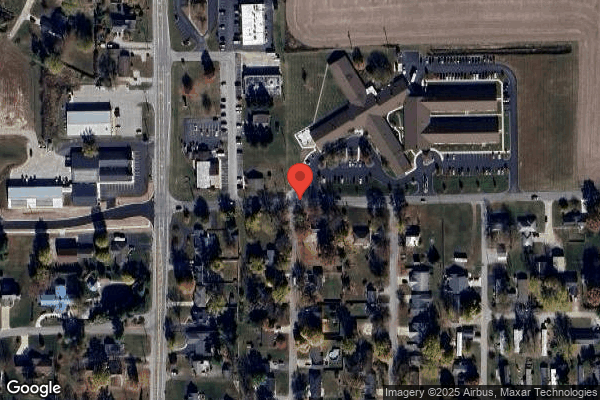

215 DAVIS RD, OSSIAN, IN 46777 (260) 622-7821
For profit - Individual 100 Beds TLC MANAGEMENT Data: November 2025
Trust Grade
90/100
#82 of 505 in IN
Last Inspection: May 2025

Inspected within the last 6 months. Data reflects current conditions.

Overview

Ossian Health Care and Rehabilitation Center has an excellent Trust Grade of A, indicating a high level of quality care and service. With a state rank of #82 out of 505 facilities, they are in the top half of Indiana, and locally, they rank #3 out of 4 in Wells County, meaning only one nearby option is rated higher. However, the facility is experiencing a worsening trend, with reported issues increasing from 1 in 2024 to 2 in 2025. Staffing is average, with a turnover rate of 55%, which is slightly above the state average, while they maintain decent RN coverage. Notably, the facility has had no fines, which is a positive sign, but there have been concerns, such as failing to properly contain COVID-19 for several residents and not addressing accident risks for one resident, highlighting areas for improvement amidst their strengths.

Trust Score
A
90/100
In Indiana
#82/505
Top 16%
Safety Record
Low Risk
No red flags
Inspections
Getting Worse
1 → 2 violations
Staff Stability
⚠ Watch
55% turnover. Above average. Higher turnover means staff may not know residents' routines.
Penalties
✓ Good
No fines on record. Clean compliance history, better than most Indiana facilities.
Skilled Nurses
⚠ Watch
Each resident gets only 28 minutes of Registered Nurse (RN) attention daily — below average for Indiana. Fewer RN minutes means fewer trained eyes watching for problems.
Violations
○ Average
6 deficiencies on record. Average for a facility this size. Mostly minor or procedural issues.
★★★★★
5.0
Overall Rating
★★★☆☆
3.0
Staff Levels
★★★★★
5.0
Care Quality
★★★★☆
4.0
Inspection Score
Stable
2024: 1 issues
2025: 2 issues

The Good

  • 5-Star Quality Measures · Strong clinical quality outcomes
  • Full Sprinkler Coverage · Fire safety systems throughout facility
  • No fines on record

Facility shows strength in quality measures, fire safety.

The Bad

Staff Turnover: 55%

Near Indiana avg (46%)

Higher turnover may affect care consistency

Chain: TLC MANAGEMENT

Part of a multi-facility chain

Ask about local staffing decisions and management

The Ugly 6 deficiencies on record

May 2025 2 deficiencies
CONCERN (D)

Potential for Harm - no one hurt, but risky conditions existed

Accident Prevention (Tag F0689)

Could have caused harm · This affected 1 resident

**NOTE- TERMS IN BRACKETS HAVE BEEN EDITED TO PROTECT CONFIDENTIALITY** Based on interview and record review, the facility failed to ensure accident risks were identified and interventions put into pl...

Read full inspector narrative →
**NOTE- TERMS IN BRACKETS HAVE BEEN EDITED TO PROTECT CONFIDENTIALITY** Based on interview and record review, the facility failed to ensure accident risks were identified and interventions put into place to prevent accidents for 1 of 1 resident reviewed (Resident 388). Findings include: In an interview, on 5/5/25 at 1:24 PM, Resident 78 indicated Resident 388 had entered their room multiple times asking for their family. Resident 78 indicated Resident 388 had entered their bathroom on 2 different occasions and rummaged through Resident 78's personal belongings. Resident 78 indicated they had activated their call light for staff to assist Resident 388 back to their own room. A Quarterly Risk Evaluation, dated 4/23/25, indicated Resident 388 had the ability to walk around the facility independently. The evaluation indicated Resident 388 did not have a history of wandering or searching for their family. Resident 388's [NAME] (care summary for direct care staff) indicated the resident's vision was adequate. The [NAME] indicated Resident 388 required limited assistance or supervision from staff for activities of daily living. The [NAME] did not indicate Resident 388 had a cognitive loss. The evaluation did not indicate Resident 388 had wandered in the facility. Resident 388's Care Plan, dated 4/23/25 and revised on 4/29/25, indicated the resident had a fall risk due to memory loss as specified by their BIMS score. The target goal was to minimize fall risk through 7/22/25. Interventions included following the care plan when the resident was in pain and placing the resident's call light in reach. Resident 388's Care Plan did not indicate the resident wandered or attempted to enter other residents' rooms. Resident 388's record was reviewed on 5/6/25 at 1:03 PM. Diagnoses included unspecified disorientation, macular degeneration (central vision loss) and open angle glaucoma (vision loss). Resident 388's admission Minimum Data Set, (MDS) dated [DATE], indicated their Brief Interview for Mental Status (BIMS) score was 4 (severe cognitive loss). A progress note, dated 4/25/25 at 3:16 AM, indicated Resident 388 had been confused and had trouble sleeping. Resident 388 indicated they wanted to go home. A progress note, dated 4/26/25 at 5:52 AM, indicated Resident 388 had been disoriented a few times. The note indicated Resident 388 was legally blind and was checked periodically to ensure safety. A progress note, dated 4/28/25 at 11:29 PM, indicated Resident 388 had been confused and wandering on the unit. A progress note, dated 4/30/25 at 5:30 AM, indicated Resident 388 was very confused and had been walking down the hallway asking to go to the hospital. Resident 388 indicated they wanted to call the police because they didn't belong there. A progress note, dated 5/1/25 at 3:53 AM, indicated Resident 388 had been very confused and was knocking on other residents' doors. A progress note, dated 5/3/25 at 4:05 AM, indicated Resident 388 had been wandering in the hall attempting to enter other residents' rooms. A progress note, dated 5/5/25 at 6:54 AM, indicated Resident 388 had been confused, wandering in the hall and indicated they were looking for a way to call the police. A progress note, dated 5/5/25 at 11:54 PM, indicated Resident 388 had been wandering on the unit looking for their daughter. A progress note, dated 5/6/25 at 5:18 PM, indicated Resident 388 had been confused at times. The resident had walked out of their room looking for the bathroom. A progress note, dated 5/7/25 at 12:47 AM, indicated Resident 388 had continued to be confused and often needed redirection. A progress note, dated 5/8/25 at 6:54 AM, indicated Resident 388 had indicated they needed to go somewhere and die and not be a bother to anyone. In an interview, on 5/8/25 at 9:07 AM, the Administrator indicated Resident 388 did not have a history of wandering when they were admitted . In an interview, on 5/8/25 at 10:29 AM, Licensed Practical Nurse (LPN) 35 indicated elopement assessments were completed upon admission, quarterly and as needed. In an interview, on 5/9/25 at 9:53 AM, the Director of Nursing (DON) indicated Resident 388 wandered when looking for the bathroom due to blindness. The DON indicated Resident 388 had not scored as an elopement risk upon admission. The DON indicated the resident had never attempted to leave the facility. The DON indicated direct care staff were made aware of possible behavior risks on each resident's individual [NAME]. The DON indicated on 5/8/25, Resident 388 had been ordered to have a sleep aid due to wandering at night. The DON indicated Resident 388's Care Plan had been updated after the resident had made statements of wanting to die. The DON indicated they were not aware of the resident's Care Plan having been updated to include wandering. The DON indicated a new risk evaluation should have been completed when the resident had been observed wandering and looking for their family. A current facility policy, titled Elopements and Wandering Residents, dated 11/1/23, provided by the DON on 5/8/25 at 10:34 AM, indicated the facility would identify and assess elopement risk. The policy indicated the risks would be added to the resident's care plan. The policy indicated the risk would be communicated to the appropriate staff. 3.1-45(a)
CONCERN (D)

Potential for Harm - no one hurt, but risky conditions existed

Deficiency F0699 (Tag F0699)

Could have caused harm · This affected 1 resident

Based on record review and interview the facility failed to ensure trauma informed care was implemented for 1 of 2 residents reviewed. (Resident 53) Findings include: Resident 53's record review began...

Read full inspector narrative →
Based on record review and interview the facility failed to ensure trauma informed care was implemented for 1 of 2 residents reviewed. (Resident 53) Findings include: Resident 53's record review began on 05/05/25 at 10:46 AM. The record indicated diagnosis included major depressive disorder, past traumatic stress disorder (PTSD), and anxiety disorder. Resident 53's care plan had a problem related to past trauma as evidenced by angry outbursts, anxiety, changes in sleeping patterns, depression, emotional swings, history of past traumatic events and refusing care. The goal of Resident 53's care plan was I will not display angry outburst or sadness through the next review. The interventions listed were as follows: o Encourage Resident 53 to participate in activities of my choice. o Provide Resident 53 time to express my feelings. o Provide Resident 53 time to talk to social services. o Consult with Psych Services and LCSW as needed. o When talking to Resident 53, allow her enough time to process the information. There were no triggers listed. There was no mention of Resident 53's original trauma to avoid re-traumatization. In an interview, on 05/07/25 at 11:20AM, Certified Nursing Assistant (CNA) 2 indicated to her knowledge no one had p PTSD on her hallway (200 hall). CNA 2 was only aware Resident 45 required a calm approach. In an interview, on 05/07/25 at 11:34 AM, Licensed Practical Nurse (LPN) 3, was not able to indicate anyone on the 200 hall with PTSD or any triggers to be aware of with any of her residents. She was able to determine after looking in the record; Resident 53 had a diagnosis of PTSD. She was unable to indicate any triggers, approaches, or actions to avoid doing or saying. LPN 3 was unaware of what Resident 53's trauma was in nature or what needed to be avoided implemented to ensure no re-traumatization occurred. In an interview, on 5/7/25 at 2:17PM, the Social Services Director indicated she changed Resident 53's care plan on 5/7/25 after doing an audit. The Social Services Director was unable to indicate any specific triggers for Resident 53 at the time of interview. The Social Service Director indicated Resident 53 became anxioux, restless, and at times had outbursts. She was unable to determine exact triggers or what occurred prior to behaviors or symptoms of Resident 53's PTSD. On 5/7/25 at 12:10PM, a current policy and procedure titled Trauma Informed Care dated 3/5/24 with a revision date of 3/4/25, was provided by the Administrator. The policy indicated; It is the policy of this facility to provide care and services which .address the needs of trauma survivors by minimalizing triggers and re-traumatization .Policy Explanation and Compliance Guidelines: 6. The facility will identify triggers which may re-traumatize residents with a history of trauma. Trigger specific interventions will identify ways to decrease the resident's exposure to triggers which re-traumatize the resident, as well as identify ways to mitigate or decrease the effect of the trigger on the resident, and will be added to the resident's care plan . No state rule applies.
Jun 2024 1 deficiency
CONCERN (D)

Potential for Harm - no one hurt, but risky conditions existed

Quality of Care (Tag F0684)

Could have caused harm · This affected 1 resident

**NOTE- TERMS IN BRACKETS HAVE BEEN EDITED TO PROTECT CONFIDENTIALITY** Based on interview, observation, and record review the facility failed to ensure an intrathecal pump (ITP) (surgically implanted...

Read full inspector narrative →
**NOTE- TERMS IN BRACKETS HAVE BEEN EDITED TO PROTECT CONFIDENTIALITY** Based on interview, observation, and record review the facility failed to ensure an intrathecal pump (ITP) (surgically implanted device that delivers medication directly to the fluid surrounding the spinal cord) had orders and directions for use for 1 of 7 residents reviewed (Resident 337). Findings include: In an interview on 6/25/24 at 12:06 PM, Resident 337 indicated she had a morphine pain pump in her abdomen for back and foot pain. She indicated the pump had been in place for about one year. Resident 337's record was reviewed on 06/26/24 at 11:27 AM. Diagnoses included rheumatoid arthritis, diabetic neuropathy, non-pressure chronic ulcer of part of right foot, hypotension, urine retention and back pain. Resident 337's quarterly Minimum Data Set (MDS), dated [DATE], indicated her Basic Interview for Mental Status (BIMS) score was 15 (cognitively intact). The MDS indicated the resident was on scheduled and as needed pain medication. The MDS did not indicate the resident was on opioid medication. Resident 337's current Care Plan, dated 2/15/24, indicated the resident had chronic pain related to rheumatoid arthritis with a goal date of 5/10/24. The plan indicated her pain would be managed at her current level of control. Interventions included Resident 337 had a pain pump she managed and was refilled at her Pain Management Clinic, she would be referred to the pain clinic for unmanageable pain, and she would be monitored for increased sedation, constipation, and respiratory depression. The care plan did not indicate the pain medication used in the ITP, monitoring for morphine side effects, and monitoring for signs/symptoms of infection that could occur with use of an ITP. Resident 337's medical record, dated 1/23/24 (faxed to the facility on 2/16/24), from the Pain Medicine clinic indicated the resident had an intrathecal pump for pain management of her lower back pain. The ITP which was filled in their office every other month. The record indicated on 1/23/24 Resident 337's ITP was refilled with Morphine Sulfate 4 milligram (mg) per milliliter (ml) for a total of 40 ml. A Special Instruction statement in Resident 337's medical record indicated the resident saw the Pain Medicine clinic for her pain pump management. In an interview on 6/26/24 at 11:36 AM, LPN , Resident 337's nurse, indicated the resident was on ibuprofen 400mg every 8 hours as needed and added she also received gabapentin 600mg 4 times a day and this was the only pain medication the resident received. In an interview on 6/27/27 at 11:21 PM, LPN 2 indicated she provided nursing staff with a 2-page handout at morning huddle on Resident 337's pain pump. The handout provided the pump's brand name, helpful information, and a third page indicated nurses should follow manufacturer guidelines. signed by the employees in attendance. The ITP User Guide (2019) indicated side effects related to intrathecal morphine use included nausea (vomiting), constipation, urinary retention, daytime drowsiness, itching, rash, excessive sleepiness, sleep difficulty, confusion, euphoria, withdrawal, excessive sweating, swelling caused by fluid retention, flushing of face or anxiety, diarrhea, dizziness, dry mouth, allergic reaction, dysphoria (profound state of dissatisfaction), hallucinations, leg weakness, fall, headache, flu-like symptoms, numbness after activating a dose, shortness of breath, taste distortion, and weight gain. The User manual indicated symptoms of overdose may include shallow or slow breathing, excessive sleepiness, swelling due to fluid retention, low blood pressure (blood pressure less than 90/60 mm Hg), and reduced heart rate. The User Guide indicated symptoms of withdrawal due to ITP failure may include restlessness, body aches, chills, sweating, and pupil dilation. A Delhaas and Huygen ([DATE]) article titled Complications associated with intrathecal drug delivery systems indicated health professionals often fail to recognize potential infection complications from an ITP following refilling the ITP reservoir. The article indicated possible resident signs and symptoms of infections included fever, headache, stiff neck, vomiting, and change in consciousness. Resident 337's current physician orders did not include an order for the resident's ITP management. No orders were located for the ITP, the medication, dosage, bolus, lockout rate for the ITP, monitoring of ITP pain medication side effect, or monitoring of signs/symptoms of infection from the ITP usage. Resident 337's Medication Administration record (MAR) dated 6/1/24 to 6/27/24 at 12:00 PM indicated the nursing staff observed for side effects of antipsychotic, antidepressant, anti-anxiety, and hypnotic use. Resident 337's MAR did not indicate to observe for and/or document side effects of morphine/opioid use. Resident 337's MAR did not indicate for nursing staff to document signs and/or symptoms of infection due to ITP usage. Resident 337's progress note dated 6/22/24 at 5:57 PM indicated the resident indicated her urine output had slowed, a bladder scan was conducted, and 523 milliliters of urine was in the bladder. Resident 337's progress notes, dated 6/22/24 through 6/27/24 did not indicate the resident's Pain Medicine Clinic was notified of her possible intrathecal morphine side effects of urinary retention with placement of a Foley catheter on 6/22/24. In an interview on 6/26/24 at 1:51 PM, the Director of Nursing (DON) indicated there was no current order for Resident 337's morphine pain ITP since the resident returned from the hospital on 6/17/24. The Assistant Director of Nursing (ADON) entered the following order: Implanted pain pump with Morphine 4.0 mg/mL. Continuous Morphine 0.0542 mg/hr with total of 1.3003 mg/day. Bolus Morphine 0.4504mg with duration 7 minutes, maximum activations 4/day, lockout interval 3 hours (hrs), dose restriction interval 1/(3 hrs). Managed by Doctor at Pain Medicine. No directions specified for order. In an interview on 6/28/24 at 9:30 AM, the Executive Director and DON indicated there was no current order for Resident 337's morphine pain ITP on her returned from the hospital 6/17/24 and should had been. They indicated the facility had not been monitoring for ITP morphine side effects and potential infection risk due to the ITP, but should had been. A current policy titled Following Physician Orders, provided by the ADON on 6/27/24 at 12:00 PM, indicated licensed healthcare providers would manage resident care in a safe and effective manner. The policy indicated the licensed healthcare provider would assess the resident for appropriate response to orders and it would be documented in the medical record. A current policy titled readmission to Facility, provided by the ADON on 6/27/24 at 12:00 PM, provided no information concerning the medication orders at readmission. No additional policies were provided by survey exit. 3.1-37
Sept 2023 2 deficiencies
CONCERN (D) 📢 Someone Reported This

A family member, employee, or ombudsman was alarmed enough to file a formal complaint

Potential for Harm - no one hurt, but risky conditions existed

Deficiency F0885 (Tag F0885)

Could have caused harm · This affected 1 resident

Based on interview and record review the facility failed to ensure families/representatives were notifed of COVID-19 exposure for 3 of 10 residents reviewed (Resident B, Resident C, Resident J). Find...

Read full inspector narrative →
Based on interview and record review the facility failed to ensure families/representatives were notifed of COVID-19 exposure for 3 of 10 residents reviewed (Resident B, Resident C, Resident J). Findings include: A list of COVID-19 positive residents was provided by the Administrator on 9/20/23 at 12:54 PM. The list indicated the roommates of Resident B, Resident C and Resident J were COVID-19 positive. The document indicated Resident B's roommate tested positive on 9/18/23, Resident C's roommate tested positive on 9/10/23 and Resident J's roommate tested positive on 9/10/23. A record review was completed for Resident B on 9/20/23 at 2:15 PM. There was no documentation indicating Resident B's representative/family was notified of the positive roommate exposure. A record review was completed for Resident C on 9/20/23 at 2:16 PM. A COVID Resident testing/screening assessment indicated Resident C's family was notified on 9/12/23 of the positive roommate exposure three days after the exposure. A record review was completed for Resident J on 9/20/23 at 2:17 PM. A progress note, dated 9/13/23, indicated Resident J's family was notified of positive roommate exposure three days after the exposure. A policy, dated 5/8/2023, titled Core Principles of COVID IPC & NH Visitation, was provided by the Administrator on 9/20/23 at 12:54 PM. The policy did not indicate notification procedures of positive exposures. This Federal citation relates to Complaint IN00417327, and IN00417226.
CONCERN (E) 📢 Someone Reported This

A family member, employee, or ombudsman was alarmed enough to file a formal complaint

Potential for Harm - no one hurt, but risky conditions existed

Infection Control (Tag F0880)

Could have caused harm · This affected multiple residents

Based on observation, interview and record review, the facility failed to properly contain the transmission of COVID-19 for 5 of 11 residents reviewed for infection control (Resident E, Resident G, Re...

Read full inspector narrative →
Based on observation, interview and record review, the facility failed to properly contain the transmission of COVID-19 for 5 of 11 residents reviewed for infection control (Resident E, Resident G, Resident N, Resident O, and Resident Q). Findings include: A list of COVID-19 positive residents was provided by the Administrator on 9/20/23 at 12:54 PM. The list indicated Resident E, Resident G, Resident N, Resident O and Resident Q tested positive for COVID-19. During an observation on 9/20/23 at 10:22 AM, Resident E, Resident G, Resident N, Resident O and Resident Q's rooms had signage to indicate the residents were on red zone precautions (COVID positive). The signage indicated upon entrance the staff donned personal protective equipment (PPE), a gown, gloves, N95 mask and face shield prior to entering the resident's room. During a continuous observation on 9/20/23 at 10:22 AM, Restorative Aide 2 donned PPE outside of Resident E and Resident G's room. Restortative Aide 2 donned a gown, gloves and face shield and kept on her surgical mask. Restorative Aide 2 entered Resident E and Resident G's room without an N95 mask on. During a continuous observation on 9/20/23 at 10:51 AM, Activity Assistant 3 entered Resident N's room with only a surgical mask on. Activity Assistant 3 handed Resident N a newspaper and patted his back. Activity Assistant 3 then exited the room. Activity Assistant 3 then donned a gown, gloves and an additional surgical mask. Activity Assistant 3 entered Resident O and Resident Q's room. Activity Assistant 3 did not put on a face shield prior to entering Resident O and Resident Q's room. Activity Assitant 3 exited the room at 10:54 AM with a gown, gloves and surgical masks on. Activity Assistant 3 did not dispose of her PPE, but walked around in the hallway with her PPE on until reminded to doff the PPE. In an interview on 9/20/23 at 10:54 AM, Activity Assistant 3 indicated she had worked at the facility for 5 months. Activity Assistant 3 indicated she had not been educated on what to wear into or when to take off PPE from a red zone room. In an interview on 9/20/23 at 10:28 AM, the Director of Nursing (DON) indicated staff should wear a gown, gloves, N95 mask and a face shield into a red zone room and take them off prior to exit from the room. In an interview on 9/20/23 at 2:09 PM Certified Nurse Aide 5 (CNA) and the Activity Director indicated prior to entering a red zone room staff donned PPE. CNA 5 and the Activity Director indicated staff donned a gown, gloves, face shield and N95 prior to entering a red zone room and doffed the PPE right before they exited the room. A policy, dated 5/8/2023, titled Core Principles of COVID IPC & NH Visitation, was provided by the Administrator on 9/20/23 at 12:54 PM. The policy indicated staff should use appropriate PPE in accordance with the Center for Disease Control and Prevention (CDC) when staff assisted those who tested positive for COVID-19, experienced symptoms or had close contact with someone with COVID-19. The CDC COVID Data Tracker,accessed on 9/20/23, indicated the county transmission level was low. This Federal citation is related to Complaint IN00417226. 3.1-18(a)
Jan 2023 1 deficiency
CONCERN (D) 📢 Someone Reported This

A family member, employee, or ombudsman was alarmed enough to file a formal complaint

Potential for Harm - no one hurt, but risky conditions existed

Free from Abuse/Neglect (Tag F0600)

Could have caused harm · This affected 1 resident

Based on interview and record review the facility failed to ensure 1 of 5 residents were free from mental abuse by staff. (Resident B) Findings include: A record review was completed on 1/5/23 at 11:1...

Read full inspector narrative →
Based on interview and record review the facility failed to ensure 1 of 5 residents were free from mental abuse by staff. (Resident B) Findings include: A record review was completed on 1/5/23 at 11:14 AM for Resident B. Diagnoses included Alzheimers, unspecified dementia and depression. A quarterly Minimum Data Set (MDS) assessment, dated 11/29/22, indicated Resident B had a Brief Mental Interview Status (BIMS) score of 5/15 (severely impaired). An investigation file was provided by the Director of Nursing (DON) on 1/5/23 at 12:24 PM. The file included a facility reported incident, dated 12/28/22. The report indicated on 12/28/22 a staff member alerted the DON there was a brief video put on snapchat (social media) of Resident B, dressed in pajamas and two nurse aides, Certified Nursing Assistant (CNA) 2 and CNA 3, were dancing with Resident B. Resident B was smiling and laughing with the staff members. A statement, dated 12/29/22, indicated Scheduler 7 received a video from a previous employee showing CNA 2 and CNA 3 dancing on snapchat with Resident B . A statement, dated 12/29/22, indicated the DON spoke with CNA 3 via phone. CNA 3 indicated she had posted a video of Resident B on snapchat and sent the video to 7 people. CNA 3 indicated she had not received any notifications that the video was recorded. CNA 3 also indicated she then deleted the video. A statement, dated 12/29/22, indicated CNA 2 was in the video with Resident B. CNA 2 indicated she did not think CNA 3 would post the video on social media. CNA 2 also indicated she had viewed the video on snapchat but did not send the video to anyone. In an interview on 1/5/23 at 12:16 PM, the DON indicated on 12/28/22 Scheduler 7 notified the DON that a former employee had sent a video of 2 CNAs with a resident to her. The DON indicated the video had been sent to a private group message of 7 people. The DON indicated through the investigation it was found that CNA 3 had taken a video of CNA 2 and Resident B dancing and posted the video on social media. In an interview on 1/5/23 at 11:44 AM, CNA 4 indicated videos and/or photographs should not be taken by anyone, including staff. A policy, dated 10/17/22, titled Freedom from Abuse, Neglect, Exploitation and Misappropriation of Property, was provided by the Executive Director on 1/5/23 at 12:13 PM. The policy indicated each resident has the right to be free from abuse, neglect and corporal punishment of any type by anyone. The policy also indicated mental abuse includes abuse that is facilitated or enabled through the use of technology, such as smartphones and other personal electronic devices. This would include keeping and/or distributing demeaning or humiliating photographs and recordings through social media or multimedia messaging. If a photograph or recording of a resident, or the manner that it is used, demeaned or humiliated a resident, regardless of whether the resident provided consent and regardless of the resident's cognitive states, the surveyor must consider the noncompliance related to abuse at this tag. This Federal Finding relates to Complaint IN00398123 3.1-27(b)
Understanding Severity Codes (click to expand)
Life-Threatening (Immediate Jeopardy)
J - Isolated K - Pattern L - Widespread
Actual Harm
G - Isolated H - Pattern I - Widespread
Potential for Harm
D - Isolated E - Pattern F - Widespread
No Harm (Minor)
A - Isolated B - Pattern C - Widespread

Questions to Ask on Your Visit

  • "Can I speak with families of current residents?"
  • "What's your RN coverage like on weekends and overnight?"

Our Honest Assessment

Strengths
  • • Grade A (90/100). Above average facility, better than most options in Indiana.
  • • No major safety red flags. No abuse findings, life-threatening violations, or SFF status.
  • • No fines on record. Clean compliance history, better than most Indiana facilities.
Concerns
  • • No significant concerns identified. This facility shows no red flags across CMS ratings, staff turnover, or federal penalties.
Bottom line: Generally positive indicators. Standard due diligence and a personal visit recommended.

About This Facility

What is Ossian Health Care And Rehabilitation Center's CMS Rating?

CMS assigns OSSIAN HEALTH CARE AND REHABILITATION CENTER an overall rating of 5 out of 5 stars, which is considered much above average nationally. Within Indiana, this rating places the facility higher than 99% of the state's 100 nursing homes. This rating reflects solid performance across the metrics CMS uses to evaluate nursing home quality.
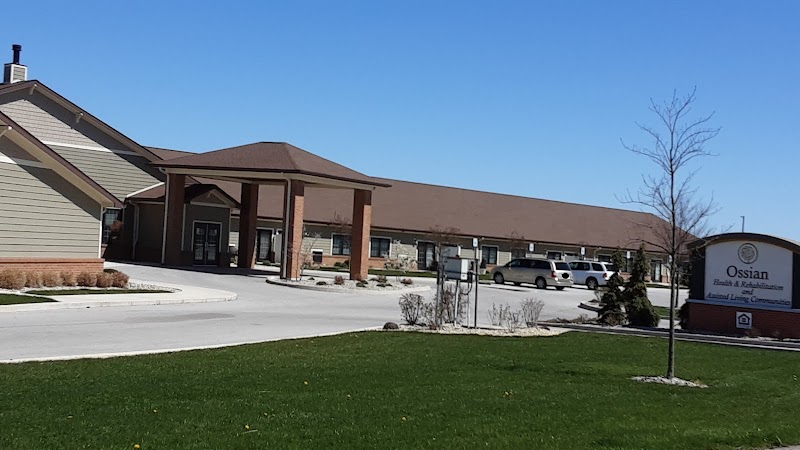
How is Ossian Health Care And Rehabilitation Center Staffed?

CMS rates OSSIAN HEALTH CARE AND REHABILITATION CENTER's staffing level at 3 out of 5 stars, which is average compared to other nursing homes. Staff turnover is 55%, compared to the Indiana average of 46%.

What Have Inspectors Found at Ossian Health Care And Rehabilitation Center?

State health inspectors documented 6 deficiencies at OSSIAN HEALTH CARE AND REHABILITATION CENTER during 2023 to 2025. These included: 6 with potential for harm.
Who Owns and Operates Ossian Health Care And Rehabilitation Center?

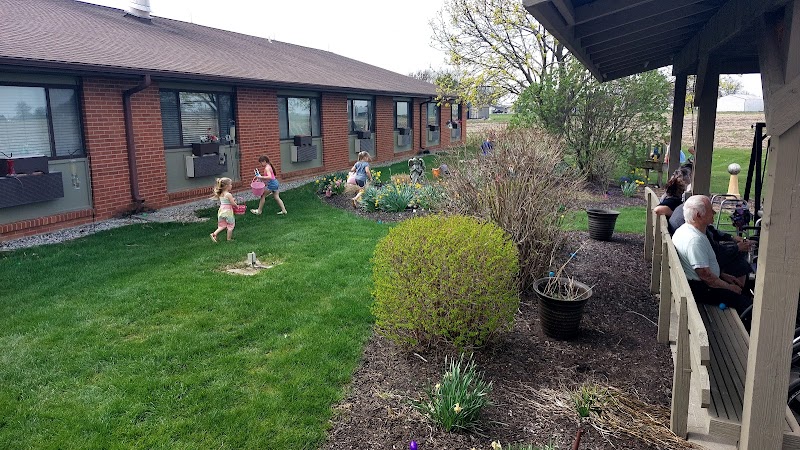
OSSIAN HEALTH CARE AND REHABILITATION CENTER is owned by a for-profit company. For-profit facilities operate as businesses with obligations to shareholders or private owners. The facility is operated by TLC MANAGEMENT, a chain that manages multiple nursing homes. With 100 certified beds and approximately 85 residents (about 85% occupancy), it is a mid-sized facility located in OSSIAN, Indiana.
How Does Ossian Health Care And Rehabilitation Center Compare to Other Indiana Nursing Homes?

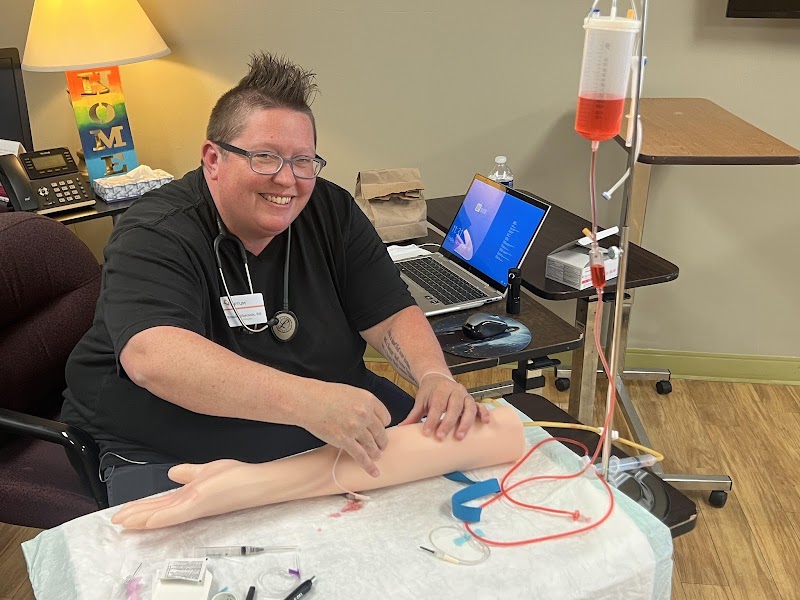
Compared to the 100 nursing homes in Indiana, OSSIAN HEALTH CARE AND REHABILITATION CENTER's overall rating (5 stars) is above the state average of 3.1, staff turnover (55%) is near the state average of 46%, and health inspection rating (4 stars) is above the national benchmark.

What Should Families Ask When Visiting Ossian Health Care And Rehabilitation Center?

Based on this facility's data, families visiting should ask: "Can I visit during a mealtime to observe dining assistance and food quality?" "How do you handle medical emergencies, and what is your hospital transfer rate?" "Can I speak with family members of current residents about their experience?"

Is Ossian Health Care And Rehabilitation Center Safe?

Based on CMS inspection data, OSSIAN HEALTH CARE AND REHABILITATION CENTER has a clean safety record: no substantiated abuse findings (meaning no confirmed cases of resident harm), no Immediate Jeopardy citations (the most serious violation level indicating risk of serious injury or death), and is not on the Special Focus Facility watch list (a federal program monitoring the lowest-performing 1% of nursing homes). The facility has a 5-star overall rating and ranks #1 of 100 nursing homes in Indiana. While no facility is perfect, families should still ask about staff-to-resident ratios and recent inspection results during their visit.

Do Nurses at Ossian Health Care And Rehabilitation Center Stick Around?

OSSIAN HEALTH CARE AND REHABILITATION CENTER has a staff turnover rate of 55%, which is 9 percentage points above the Indiana average of 46%. Moderate turnover is common in nursing homes, but families should still ask about staff tenure and how the facility maintains care continuity when employees leave.

Was Ossian Health Care And Rehabilitation Center Ever Fined?

OSSIAN HEALTH CARE AND REHABILITATION CENTER has no federal fines on record. CMS issues fines when nursing homes fail to meet care standards or don't correct problems found during inspections. The absence of fines suggests the facility has either maintained compliance or corrected any issues before penalties were assessed. This is a positive indicator, though families should still review recent inspection reports for the full picture.

Is Ossian Health Care And Rehabilitation Center on Any Federal Watch List?

OSSIAN HEALTH CARE AND REHABILITATION CENTER is not on any federal watch list. The most significant is the Special Focus Facility (SFF) program, which identifies the bottom 1% of nursing homes nationally based on persistent, serious quality problems. Not being on this list means the facility has avoided the pattern of deficiencies that triggers enhanced federal oversight. This is a positive indicator, though families should still review the facility's inspection history directly.