PAOLI HEALTH AND LIVING COMMUNITY
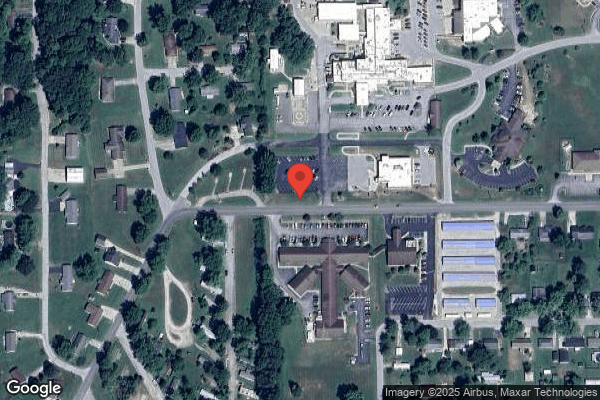

559 W LONGEST ST, PAOLI, IN 47454 (812) 723-2595
Government - County 109 Beds CARDON & ASSOCIATES Data: November 2025 2 Immediate Jeopardy citations
Trust Grade
0/100
#471 of 505 in IN
Last Inspection: April 2025

Within standard 12-15 month inspection cycle. Federal law requires annual inspections.

Overview

Paoli Health and Living Community has received a Trust Grade of F, which indicates significant concerns and poor performance. It ranks #471 out of 505 facilities in Indiana, placing it in the bottom half statewide and #2 out of 2 in Orange County, meaning there is only one other local option that is better. Unfortunately, the facility's trend is worsening, with issues increasing from 10 to 13 over the past year. Staffing is a weak point with a rating of 2 out of 5 stars and a turnover rate of 51%, which is about average for Indiana but suggests staff may not remain long enough to build reliable relationships with residents. There are concerning fines totaling $28,138, which is higher than 92% of facilities in the state, pointing to repeated compliance problems. Additionally, the facility has faced critical incidents, including a report of a resident being sexually abused by a staff member and another resident suffering multiple fractures after a failed transfer with a mechanical lift. While there is average RN coverage, the serious nature of these incidents raises serious questions about the quality of care provided.

Trust Score
F
0/100
In Indiana
#471/505
Bottom 7%
Safety Record
High Risk
Review needed
Inspections
Getting Worse
10 → 13 violations
Staff Stability
⚠ Watch
51% turnover. Above average. Higher turnover means staff may not know residents' routines.
Penalties
✓ Good
$28,138 in fines. Lower than most Indiana facilities. Relatively clean record.
Skilled Nurses
⚠ Watch
Each resident gets only 29 minutes of Registered Nurse (RN) attention daily — below average for Indiana. Fewer RN minutes means fewer trained eyes watching for problems.
Violations
⚠ Watch
25 deficiencies on record. Higher than average. Multiple issues found across inspections.
★☆☆☆☆
1.0
Overall Rating
★★☆☆☆
2.0
Staff Levels
★★★☆☆
3.0
Care Quality
★☆☆☆☆
1.0
Inspection Score
Stable
2024: 10 issues
2025: 13 issues

The Good

  • Full Sprinkler Coverage · Fire safety systems throughout facility
  • No fines on record

Facility shows strength in fire safety.

The Bad

1-Star Overall Rating

Below Indiana average (3.1)

Significant quality concerns identified by CMS

Staff Turnover: 51%

Near Indiana avg (46%)

Higher turnover may affect care consistency

Federal Fines: $28,138

Below median ($33,413)

Moderate penalties - review what triggered them

Chain: CARDON & ASSOCIATES

Part of a multi-facility chain

Ask about local staffing decisions and management

The Ugly 25 deficiencies on record

2 life-threatening
Apr 2025 10 deficiencies
CONCERN (D)

Potential for Harm - no one hurt, but risky conditions existed

Resident Rights (Tag F0550)

Could have caused harm · This affected 1 resident

Based on observation, interview, and record review, the facility failed to ensure each resident was treated with respect and dignity for 2 of 3 residents reviewed for dignity concerns and one random o...

Read full inspector narrative →
Based on observation, interview, and record review, the facility failed to ensure each resident was treated with respect and dignity for 2 of 3 residents reviewed for dignity concerns and one random observation. Staff leaned over a resident to provide care and remove a fitted sheet, a resident's hair was disheveled, food was observed on a resident's face, blood ran down a resident's neck and staff failed to wipe it off, a resident had a gauze dressing on her forehead that was not covered, water was observed on the bedside table of a (nothing by mouth) NPO resident, and staff indicated they would provide water with a mouth sponge to a resident and failed to provide it. (Resident 57, Resident 44, Resident 64) Findings include: 1. On 4/7/25 at 1:10 P.M., Resident 57's clinical record was reviewed. Diagnoses included, but was not limited to, anemia, hypertension, and anxiety disorder. The most recent Quarterly Minimum Data Set (MDS) assessment, dated 2/6/25, indicated Resident 57 was cognitively intact and had a skin tear. During an observation on 4/6/25 at 10:44 A.M., Resident 57 was observed in bed with an undated, uncovered yellow gauze dressing. During an observation of care on 4/10/25 at 11:01 A.M., Licensed Practical Nurse (LPN) 36 placed a yellow gauze dressing on Resident 57's forehead and failed to secure or cover the dressing. During an interview on 4/10/25 at 11:22 A.M., LPN 36 indicated sometimes a border dressing is placed over the gauze dressing for dignity reasons. During an interview on 4/10/25 at 1:12 P.M., Resident 57 indicated she liked for the bandage on her head to be covered up. During an interview on 4/10/25 at 1:17 P.M., the Assistant Director of Nursing (ADON) indicated Resident 57 would sometimes have the gauze covered because the gauze would fall down and Resident 57 felt like people were starring at her if it was not covered. 2. On 4/7/25 at 3:00 P.M., Resident 64's clinical record was reviewed. Diagnoses included, but were not limited to, traumatic brain injury, post traumatic stress disorder, schizophrenia, and dysphagia. The most recent Quarterly Minimum Data Set (MDS) assessment, dated 1/9/25, indicated Resident 64's cognition was not able to be assessed, he had no behaviors, and was totally dependent on staff. On 4/8/25 at 1:44 P.M., a Styrofoam cup of water with a lid and a straw were observed on the nightstand of Resident 64. While performing incontinence care, Certified Nurse Aide (CNA) 34 leaned over the resident and yanked on the upper corner of the fitted sheet to remove it from the mattress. The residents back was laying on the urine soaked sheet. CNA 34 leaned over the resident's legs and roughly wiped the buttocks of the resident. The resident's back was not wiped after laying on the soiled sheet. CNA 16 returned to the bedside and indicated the resident's sore on his chin was bleeding and the blood was going down his neck. CNA 34 went to the bathroom to remove gloves and wash their hands and all staff left the room. Resident 64 was left with blood running down his neck from his chin not wiped off and staff did not notify the nurse that the sore needed attention. On 4/8/25 at 4:07 P.M., Resident 64 was observed having medication administered through his g-tube (a tube inserted directly into the stomach through the abdominal wall) by Registered Nurse (RN) 66. Upon entrance into the room, blood was observed on the bed sheet, the resident's chin had dried blood on it, and there was dried blood observed down the resident's neck. During the medication administration, the resident repeatedly indicated I need water three times. RN 66 indicated she would use the oral sponges on him after she was finished with the medication administration. At that time, the resident's breath was observed to have a very strong odor and the skin inside his mouth was peeling and sticking on his teeth. The resident's bed sheet was not changed after the medication administration was over, the sore on his chin was not cleaned, the blood was not wiped off his neck, and the nurse did not return with the oral sponges to care for Resident 64. On 4/9/25 at 11:55 A.M., Resident 64 was laying in his bed and a Styrofoam cup of water with a lid and straw was sitting on his bedside table beside his bed. During an interview on 4/9/25 at 12:40 P.M., CNA 26 indicated if the sore on his chin was actively bleeding and it was going down his chin and neck, she would use an incontinence care wipe or wash cloth to clean it off and tell the nurse to look at it. At that time, she indicated Resident 64 was not to have anything by mouth (NPO) and they put the Styrofoam cup of water in his room for the nurse's to use when they flush his g-tube but it shouldn't have a straw in it because the resident can't have water. She indicated Resident 64 would ask for water and food especially if he saw his roommate getting it. She indicated they should use oral sponges to moisten his mouth. 3. On 4/7/25 at 10:13 A.M., Resident 44 was observed sitting in his room with dried food visible on his mouth and shirt, long fingernails with brown substance under them, and a thick white film covering his teeth. He indicated he had a shower earlier that morning. On 4/7/25 at 2:09 P.M., Resident 44's clinical record was reviewed. Diagnoses included, but were not limited to, Parkinson's disease, dementia without behaviors, schizophrenia, and anxiety. The most recent Annual MDS assessment, dated 3/8/25, indicated Resident 44's cognition was not able to be assessed, he had no behaviors, was partial to moderate assistance of staff (resident performed over half the effort) for oral hygiene, substantial to maximum assistance of staff (staff performed over half the effort) for personal hygiene, and dependent on staff for showering. On 4/8/25 at 2:17 P.M., Resident 44 was observed sitting in the bed in his room with dried food on his mouth and shirt, long fingernails with brown substance under them, and a thick white film covering his teeth. At that time, family indicated that they had brought concerns up with the staff about his cleanliness in the past and nothing had been done about it. They indicated when they visited, they took care of it or it wouldn't get done. On 4/9/25 at 11:55 A.M., Resident 44 was observed sitting in his wheelchair in the main lobby with his hair disheveled. During an interview on 4/09/25 12:34 PM CNA 26 indicated after resident's were done eating, the staff should make sure the resident doesn't have food on their face or clothing. She indicated Resident 44 was dependent on staff to do that for him, along with showering, combing his hair, and trimming his fingernails although his family sometimes did it for him too when they visit. During an interview on 4/10/25 at 1:42 P.M., the Assistant Director of Nursing (ADON) indicated staff should always treat the residents with dignity and respect when they were providing care to the residents. On 4/10/25 at 3:00 P.M., a current Resident Rights Policy, dated 6/6/19, was provided by Regional Clinical Support 2 and indicated [company name] and it's member communities are committed to protecting and promoting the rights of the residents who reside in out communities. It is our policy that residents shall be treated with kindness, respect and dignity by associates, volunteers, contractors, and visitors 3.1-3(a) 3.1-3(t)
CONCERN (D)

Potential for Harm - no one hurt, but risky conditions existed

Deficiency F0625 (Tag F0625)

Could have caused harm · This affected 1 resident

**NOTE- TERMS IN BRACKETS HAVE BEEN EDITED TO PROTECT CONFIDENTIALITY** 2. On 4/8/25 at 10:03 A.M., Resident 41's clinical record was reviewed. Diagnoses included, but were not limited to, malignant n...

Read full inspector narrative →
**NOTE- TERMS IN BRACKETS HAVE BEEN EDITED TO PROTECT CONFIDENTIALITY** 2. On 4/8/25 at 10:03 A.M., Resident 41's clinical record was reviewed. Diagnoses included, but were not limited to, malignant neoplasm of external lower lip and dysphasia. A progress note, dated 11/6/25 at 3:48 P.M., indicated Resident 41 was scheduled to leave the facility the following day for a surgery. Resident was discharged on 11/7/24 at 6:23 A.M. and returned 11/14/24. A Discharge Minimum Data Set (MDS) assessment was completed and signed on 11/7/24. Resident 41's clinical record lacked documentation that a Bed Hold policy was provided to the resident and representative at the time of discharge on [DATE]. On 4/8/25 at 10:20 A.M., the Assistant Director of Nursing (ADON) indicated when a resident was transferred, staff should sent a Continuity of Care Document (CCD), a transfer observation form, face sheet, and bed hold policy. She indicated the documents sent with a resident should have been scanned into the resident's clinical record. On 4/11/25 at 11:50 A.M., the Administrator provided a current Bed Hold policy, dated 12/15/22, that indicated [company name] and its member communities will provide the resident and resident representative written notice which specifies the duration of the bed-hold policy when a resident is admitted and again if the resident is hospitalized or on a therapeutic leave 3.1-12(a)(25) 3.1-12(a)(26) Based on interview and record review, the facility failed to ensure a bed hold policy was given to residents or resident representatives for 2 of 5 residents reviewed for hospitalizations. The bed hold form was not completed. There was no documentation of a resident or representative receiving a bed hold at the time of hospitalization. (Resident 15, Resident 41) Findings include: 1. On 4/9/25 at 9:03 A.M., Resident 15's clinical record was reviewed and indicated they were admitted from the facility to the hospital on 8/9/24 and returned back to the facility from the hospital on 8/13/24. Resident 15's clinical record lacked documentation of a bed hold policy given to the resident or a representative at the time of the transfer.
CONCERN (D)

Potential for Harm - no one hurt, but risky conditions existed

ADL Care (Tag F0677)

Could have caused harm · This affected 1 resident

2. On 4/7/25 at 10:13 A.M., Resident 44 was observed sitting in his room with dried food visible on his mouth and shirt, long fingernails with brown substance under them, and a thick white film coveri...

Read full inspector narrative →
2. On 4/7/25 at 10:13 A.M., Resident 44 was observed sitting in his room with dried food visible on his mouth and shirt, long fingernails with brown substance under them, and a thick white film covering his teeth. He indicated he had a shower earlier that morning. On 4/8/25 at 2:17 P.M., Resident 44 was observed sitting in the bed in his room with dried food on his mouth and shirt, long fingernails with brown substance under them, and a thick white film covering his teeth. At that time, family indicated that they had brought concerns up with the staff about his cleanliness in the past and nothing had been done about it. They indicated when they visited, they sometimes took care of it or it wouldn't get done. On 4/9/25 at 11:55 A.M., Resident 44 was observed sitting in his wheelchair in the main lobby with his hair disheveled. On 4/7/25 at 2:09 P.M., Resident 44's clinical record was reviewed. Diagnoses included, but were not limited to, Parkinson's disease, dementia without behaviors, schizophrenia, and anxiety. The most recent Annual MDS assessment, dated 3/8/25, indicated Resident 44's cognition was not able to be assessed, he had no behaviors, was partial to moderate assistance of staff (resident performed over half the effort) for oral hygiene, substantial to maximum assistance of staff (staff performed over half the effort) for personal hygiene, and dependent on staff for showering. The most recent Care Plan Conference for Resident 44, dated 4/3/25, indicated ancillary service preferences were reviewed and updated. Wife had raised concerns of recent issues with personal care of resident in recent visit [nails had some dirt under, some food fallen on shirt and wheelchair] The clinical record indicated Resident 44 missed showers on the following dates from February 1, 2025 through April 9, 2025 without documentation of refusals: 2/3/25 3/10/25 3/20/25 3/27/25 4/3/25 3. On 4/8/35 at 1:44 P.M., Resident 64 was observed to have long toenails and dark substance underneath his long fingernails during incontinence care. On 4/8/25 at 4:07 P.M., Resident 64 was observed during a medication administration. He repeatedly indicated I need water three times. Registered Nurse (RN) 66 indicated she would use the oral sponges on him after she was finished with the medication administration. At that time, the resident's breath was observed to have a very strong odor and the skin inside his mouth was peeling and sticking on his teeth. The nurse did not return with the oral sponges to provide oral care for Resident 64. On 4/7/25 at 3:00 P.M., Resident 64's clinical record was reviewed. Diagnoses included, but were not limited to, traumatic brain injury, post traumatic stress disorder, schizophrenia, and dysphagia. The most recent Quarterly Minimum Data Set (MDS) assessment, dated 1/9/25, indicated Resident 64's cognition was not able to be assessed, he had no behaviors, and was totally dependent on staff. The clinical record indicated Resident 64 missed the following showers February 1, 2025 through April 9, 2025 without documentation of a refusal: 2/12/25 2/15/25 2/22/25 3/1/25 3/15/25 3/29/25 During an interview on 4/9/25 at 12:39 P.M., the Administrator indicated the ancillary podiatrist came to the facility every other month, the ancillary dental hygienist came every other month, and the ancillary dentist came as needed to the facility to see residents. She provided notes on Resident 44 from the ancillary providers that his last completed dental exam, dated 5/15/24, indicated resident has poor oh [oral health], heavy plaque and podiatry last saw him on 2/26/25 for trimming dystrophic (misshapen or unhealthy) nails and debrided (damaged or infected parts of the nail are removed) 5 nails or less but indicated these notes were not part of the clinical record. At that time, she indicated Resident 64 was admitted in September of 2024 and there was not a signed refusal or consent to ancillary services in his clinical record at that time and they would be following up with family about that. During an interview on 4/9/25 at 12:34 P.M., CNA 26 indicated each hall had a shower schedule and provided the 300 Hall schedule at that time. At the bottom of the shower schedules, it indicated on shower days, bed linens were to be changed, nails were to be cleaned and trimmed, and resident may be shaven with showers on shower days and shaven daily. If resident refuses a shower, staff must notify assigned nurse and the nurse must make a progress note and notify the unit manager. Resident 64 should have a shower on Wednesday evenings and Saturday evenings according to the shower schedule and she would let the nurse know if his fingernails or toenails were long and needed attention because she wouldn't feel comfortable trimming his. She indicated oral care was part of the resident's morning care and she would use oral sponges on Resident 64 twice a shift when she worked and it was documented as A.M. care and not listed separately. CNA 26 indicated Resident 44 should have showers on Monday and Thursday during day shift, was dependent on staff to comb his hair, and trim his fingernails, although his family would sometimes did it for him when they visit. She indicated they would refuse care at times and the nurse was notified. During an interview on 4/10/25 at 10:32 A.M., the Director of Nursing (DON) indicated oral care should be performed at least once a day and as needed. During an interview on 4/10/25 at 1:42 P.M. the Assistant Director of Nursing (ADON) indicated CNAs should be looking at and cleaning the resident's nails every shower and letting the nurses know if the toenails or fingernails need clipped. Nurses should be clipping them or sending outside of the facility if they are not able to do it safely. Showers were done according to the shower schedule and documented on paper shower sheets and in the Point of Care section of the Electronic Medical Record. At that time, she indicated the shower sheets were not scanned into the resident's clinical record. On 4/10/25 at 3:00 P.M., a current Activities of Daily Living Policy was requested. At that time, Regional Clinical Support 2 indicated they did not have a policy for that but would use the Resident Rights Policy provided, dated 6/6/19, which indicated [company name] and it's member communities are committed to protecting and promoting the rights of the residents who reside in out communities. It is our policy that residents shall be treated with kindness, respect and dignity by associates, volunteers, contractors, and visitors . 3.1-38(a)(2)(A) 3.1-38(a)(3)(C) 3.1-38(b)(1)(2) Based on observation, interview, and record review, the facility failed to ensure residents requiring assistance with Activities of Daily Living (ADLs) received adequate assistance with bathing, nail care and oral care for 3 of 3 residents reviewed for ADL care. (Resident 44, Resident 64, Resident 14) Findings include: 1. During an interview on Monday 4/7/25 at 10:44 A.M., Resident 14 indicated she was supposed to get a bath on Monday and Thursday but didn't always get them. She indicated she couldn't remember the last bath she got but knew she didn't get one last Thursday. She indicated the aides would tell her they were too busy. On 4/8/25 at 10:32 A.M., Resident 14 was observed lying in bed. She indicated she did not get a bath the previous day (Monday). She indicated an aide had asked her if she would like a washcloth to wash her face and hands, but no one else had asked her that. On Thursday 4/10/25 at 11:00 A.M., Resident 14 was observed lying in bed. She indicated she had the same dress on since she had went to her doctor's appointment a week ago yesterday. She indicated she had not had a bath yet today. The aide had offered her a shower, but she prefers a bed bath and couldn't do it by herself. On 4/7/25 at 2:21 P.M., Resident 14's clinical records were reviewed. Diagnoses included, but were not limited to, infection and inflammatory reaction due to internal right knee prosthesis, thrombocytopenia, pain in right knee, and unsteadiness on feet. The most recent Quarterly Minimum Data Set (MDS) Assessment, dated 3/26/25, indicated Resident 14 was cognitively intact, required substantial/maximal assistance, helper does more than half the effort, for toilet use, bed mobility, shower/bath and hygiene. Resident 14's preference to choose between a tub bath, shower, bed bath or sponge bath was very important. A current Resident has specific personal preferences care plan, start date 10/12/20, included, but was not limited to, an intervention to honor resident's bathing preference if applicable-resident's preference is: (per facility schedule), start date 10/12/20. March-April ADLs-Type of Bath 3/7/25 Complete Bath 3/10/25 Complete Bath 3/13/25 Complete Bath 3/20/25 Complete Bath 3/24/25 Complete Bath No other complete baths recorded thru 4/7/25, no refusals documented. During an interview on 4/9/25 at 11:42 A.M., Certified Nurse Aide (CNA) trainee 28 indicated Resident 14 was a bath. Residents got 2-3 baths per week depending on their choice. She indicated she was able to get her work done during her shift, and if a bath wasn't able to be done she would tell the next shift.
CONCERN (D)

Potential for Harm - no one hurt, but risky conditions existed

Quality of Care (Tag F0684)

Could have caused harm · This affected 1 resident

Based on interview and record review, the facility failed to ensure care and services were provided to a resident with an open skin area for 1 of 3 residents reviewed with skin conditions. Assessments...

Read full inspector narrative →
Based on interview and record review, the facility failed to ensure care and services were provided to a resident with an open skin area for 1 of 3 residents reviewed with skin conditions. Assessments including measurements and description of the area were not completed for an open skin area. (Resident 60) Finding includes: On 4/7/25 at 2:05 P.M., Resident 60's clinical record was reviewed. Diagnoses included, but were not limited to, diabetes mellitus and depression. The most recent Quarterly Minimum Data Set (MDS) assessment, dated 2/9/25, indicated cognition status could not be assessed, the resident required partial to moderate assistance (helper does less than half the effort) with toileting, bathing, and transfers, and no skin concerns were identified. Physician orders included, but were not limited to: Observe (to right hip/buttock) dressing to open area every shift for soil or dislodgement. Observe for signs and symptoms of pain or infection, dated 4/4/25. Observe (right upper thigh/buttock) every shift. Observe for signs and symptoms of pain or infection, dated 3/4/25. mupirocin ointment; 2 %; apply a small amount to right upper thigh/buttock area twice a day, dated 3/4/25 through 3/6/25. mupirocin ointment; 2 %; apply a small amount to right upper thigh/buttock area twice a day, dated 3/6/25 through 3/18/25. A current care plan, revised 4/6/25, indicated resident had a boil to the buttocks. Interventions included, but were not limited to, record the location, size (length, width, and depth), color, distribution, contour, consistency of boil, dated 3/3/25. A Skin Integrity Event, dated 3/4/25, indicated a right upper thigh and buttock area was identified 3/3/25. The area was 1.5cm (centimeters) x 1cm, round, red, and an open boil like area that had popped. The area had scant, clear drainage. Progress notes included, but were not limited to, the following: 3/4/25 at 3:43 P.M. Area to right upper thigh/buttock. A new order was placed for mupirocin twice a day. 3/4/25 at 5:42 P.M. Area to buttocks measured today. (The clinical record lacked the measurement that was completed) 3/4/25 at 11:42 P.M. Area to right buttock, treatment completed per order. 3/5/25 at 10:09 A.M. Area to buttock, treatment in place. 3/6/25 at 1:48 A.M. Area to buttock, treatment completed per order. 3/6/25 at 11:35 P.M. Area to buttock, treatment in place. 3/29/25 at 11:46 A.M. A Physician note indicated resident getting wound care to area on buttock. 4/6/25 at 2:16 P.M. A Social Services note indicated family was updated that a couple of the nursing staff resident was familiar and comfortable with were able to observe and treat the area/boil on the resident's buttock. A Quarterly/Annual nursing assessment, dated 3/28/25, indicated no skin conditions. Resident 60's clinical record lacked any assessments of the open area to the buttock after the Skin Integrity Event, dated 3/4/25. Resident 60's clinical record lacked a reason for discontinuing the mupirocin ointment used for the buttock on 3/18/25. On 4/8/25 at 10:08 A.M., the Assistant Director of Nursing (ADON) indicated the resident had refused observation of the area on her buttock. However, she indicated at that time the resident did allow her to observe the area. She indicated there was not a dressing and the area was closed. She indicated that the area was one that had opened and closed many times. On 4/9/25 at 9:45 A.M., the ADON indicated the wound physician did rounds weekly, and the floor nurses did assessments of wounds on Fridays. At that time, she indicated she was not sure when Resident 60's buttock wound was healed, and would look for additional assessments on the wound (information was not provided). On 4/9/25 at 10:04 A.M., the ADON indicated after an initial assessment that included measurements, only pressure ulcers, vascular wounds, incisions, and diabetic wounds would continue to get measured routinely. She indicated a boil was not considered a wound and would be treated the same as a skin tear, observing daily visually but no documentation. She indicated the order for the open boil was to observe and not to monitor, therefore no measurements or other assessments were completed. On 4/9/25 at 11:23 A.M., the Director of Nursing (DON) provided a current Wound Management policy, dated 2/1/19, that indicated The Wound Team meets each week, preferably the same day and time to benefit the resident(s) being assessed. Each wound will be observed by the wound team to provide oversight of the care plan interventions and ensure that each resident's condition is accurately assessed in a timely manner. The skin conditions that the Wound Team should evaluate include, but are not limited to, the following: New wounds or open areas . Existing pressure and non-pressure open areas . Any other skin condition that has the potential to worsen without adequate management . Healed area for four (4) weeks after healing 3.1-37(a)
CONCERN (D)

Potential for Harm - no one hurt, but risky conditions existed

Deficiency F0740 (Tag F0740)

Could have caused harm · This affected 1 resident

Based on observation, interview, and record review, the facility failed to provide the necessary behavioral health care and services to attain or maintain the highest practicable physical, mental, and...

Read full inspector narrative →
Based on observation, interview, and record review, the facility failed to provide the necessary behavioral health care and services to attain or maintain the highest practicable physical, mental, and psychosocial well-being, in accordance with the comprehensive assessment and plan of care for 1 of 1 residents reviewed for behavioral health. A resident's clinical record lacked documentation of behavior monitoring. (Resident 64) Finding includes: On 4/8/25 at 1:44 P.M., Certified Nurse Aide (CNA) 34 and CNA 16 were observed performing incontinence care on Resident 64. During the care, the resident indicated Let her do it. At the conclusion of care, when CNA 34 was leaving the room, the resident yelled A--hole. On 4/7/25 at 3:00 P.M., Resident 64's clinical record was reviewed. Diagnoses included, but were not limited to, traumatic brain injury (TBI), post traumatic stress disorder, schizophrenia, and dysphagia. The most recent Quarterly Minimum Data Set (MDS) assessment, dated 1/9/25, indicated Resident 64's cognition was not able to be assessed, he had no behaviors, and was totally dependent on staff. A current Antipsychotic Medication Care Plan, dated 10/15/24, included, but was not limited to, the following intervention: Monitor resident's behavior and response to medication, created 11/15/24 A current Antidepressant Medication Care Plan, dated 12/31/24, included, but was not limited to, the following intervention: monitor resident's mood and response to medication, created 12/31/24 The clinical record lacked documentation of behaviors exhibited by Resident 64. During an interview on 4/8/25 at 3:15 P.M., the Director of Nursing (DON) indicated Resident 64 sometimes called staff names, covered up in his blanket in a cocoon, and would roll away from staff. During an interview on 4/8/25 at 4:03 P.M., the Administrator and Regional Clinical Support 1 indicated Resident 64 did not have a care plan that he had behaviors of refusing care or yelling out, because with a TBI, they weren't sure what behaviors he might have. During an interview on 4/9/25 at 12:40 P.M., Certified Nurse Aide (CNA) 26 indicated Resident 64 really doesn't complain or refuse much. He will sometimes if he was sleeping and wrapped up with his blanket over his head, but otherwise he was pretty easy going. During an interview on 4/10/25 at 10:13 A.M., the Administrator indicated all behavior documentation had been provided for Resident 44. On 4/10/25 at 3:00 P.M., A current Behavioral Health Management Program Policy, dated January 2024, was provided by Regional Clinical Support 2 and indicated [company name] communities provide services to our residents with specific diseases and disorders. Some of our residents have medical disabilities that can lead to disruptive behaviors and these behaviors have the potential to create a negative effect on the resident, other residents, visitors, and staff. It is [company name]'s policy that each community will have a behavior program that: identifies, monitors, manages, and disseminates (whenever possible) all behavior events . each individual resident will receive services according to their needs . Residents who demonstrate any of the following characteristics should be involved in the behavior program . any resident demonstrating new or worsening behaviors . unresolved repetitive behaviors . currently has a doctor's order to use antipsychotic, antidepressant . Each [company name] facility will use the following documents to track behaviors and document ongoing services/interventions . The nurse or social services will complete a behavioral event in the electronic medical record for each new or worsening behavior the resident demonstrates .CNAs are able to document . during the clinical meeting, when the IDT [Interdisciplinary team] is present, each behavior will be discussed . IDT will write a note . It is [company name] policy to ensure etiology of a resident's behavior is thoroughly investigated, documented, and care planned . 3.1-37(a) 3.1-43(a)(1)
CONCERN (D)

Potential for Harm - no one hurt, but risky conditions existed

Infection Control (Tag F0880)

Could have caused harm · This affected 1 resident

**NOTE- TERMS IN BRACKETS HAVE BEEN EDITED TO PROTECT CONFIDENTIALITY** Based on interview, observation, and record review, the facility failed to maintain proper infection control practices and provi...

Read full inspector narrative →
**NOTE- TERMS IN BRACKETS HAVE BEEN EDITED TO PROTECT CONFIDENTIALITY** Based on interview, observation, and record review, the facility failed to maintain proper infection control practices and provide a safe and sanitary environment for 1 of 2 residents observed for incontinence care and 1 of 1 residents reviewed for feeding tube care. Staff did not sanitize their hands between glove changes, wash cloths were laid on the side of the bathroom sink and then used for wiping the resident during incontinence care, clean linens and a resident's bare skin were touched with soiled gloves, and a bed sheet with blood on it was not changed. (Resident 64, Resident 281) Findings include: 1. On 4/8/25 at 1:44 P.M., Certified Nurse Aide (CNA) 34 and CNA 16 were observed performing incontinence care on Resident 64. CNA 34 rolled resident from left to right while pulling down the resident's pants and pulling out the lift pad that was underneath him. CNA 34 grabbed two wash cloths and went into the bathroom. CNA 34 laid the washcloths on the side of the sink while he washed his hands. After getting the wash cloths wet, CNA 34 took the wash cloths back to the bedside. CNA 34 unfastened Resident 64's incontinence pad. While CNA 16 was washing her hands, the resident was laying on his left side and urinated on the bed sheets. CNA 16 went out of the room to get clean linens while CNA 34 removed the residents wet pants and socks and laid them at the foot of the bed. CNA 34 laid the resident on his back, wiped the head of the penis with a wash cloth, and then quickly wiped the rest of the groin area with the same cloth. CNA 34 proceeded to touch the residents knee with the soiled gloves. CNA 16 returned with clean linens and laid them at the foot of the bed near the soiled clothing and went to the bathroom to wash her hands. CNA 34 reached across Resident 64 and yanked on the upper corner of the fitted sheet to remove it from the mattress. When the sheet was pulled down, the mattress was wet where Resident 64 had urinated through the sheet. CNA 34 touched the clean linens at the bottom of the bed with soiled gloves, grabbed the other wet wash cloth, and wiped the wet area on the mattress. When CNA 16 returned to the bedside, CNA 34 went into the bathroom and laid two wash cloths on the side of the sink while they washed their hands with a five second lather. CNA 16 proceeded to roll the soiled linens under the resident, put the clean fitted sheet over the wet area on the left side of the mattress, put the clean incontinence pad under the resident, , and then went to the bathroom to remove her gloves and wash her hands in the bathroom. Resident 64 was quickly rolled from his back to his right side in the fetal position by CNA 34. The residents back was laying on the urine soaked sheet while he was laying on his back. CNA 34 leaned over the resident's legs and roughly wiped the buttocks of the resident with a wet wash cloth wearing the same gloves. The resident had moisture associated skin damage to his sacrum. CNA 34 quickly rolled Resident 64 to his left side, touching the resident with the same gloves, pulled out the dirty linen from under the resident, and put them at the bottom of the bed on the clean fitted sheet. Then proceeded to pull the clean fitted sheet and incontinence pad from under the resident, put the sheet on the mattress, and fasten the incontinence pad. The resident's back was not wiped after laying on the soiled sheet. CNA 16 returned to the bedside and indicated the resident's sore on his chin was bleeding and the blood was going down his neck. CNA 34 went to the bathroom to remove gloves and wash their hands. They put gloves back on and proceeded to put the soiled linens that were laying on the clean fitted sheet at the bottom of bed into a trash bag. The bag tore and the soiled linens fell on the clean sheet again. CNA 34 double bagged the soiled linens and took them out of the room. Resident 64 was left with blood running down his neck from his chin. On 4/8/25 at 4:07 P.M., Resident 64 was observed having medication administered through his g-tube (a tube inserted directly into the stomach through the abdominal wall) by Registered Nurse (RN) 66. Upon entrance into the room, blood was observed on the bed sheet, the resident's chin had dried blood on it, and there was dried blood observed down the resident's neck. The resident's bed sheet was not changed after the medication administration was over, the sore on his chin was not cleaned, and the blood was not wiped off his neck. During an interview on 4/10/25 at 1:15 P.M., the Infection Preventionist (IP) indicated when staff performed incontinence care, they should sanitize hands and change gloves between dirty and clean tasks. Staff should not touch the resident with soiled gloves and the soiled linens should be placed into a bag, not on the clean bed linens. If dirty linen was laid on a clean sheet, the whole bed should be changed. Staff should not lay wash cloths on the side of the sink because it contaminates them and staff should not lean over the resident to do care. If a resident urinated in the bed, it soaked through the sheets, and the mattress was wet, she would expect staff to get the resident back out of bed and clean the mattress with purple top container cleaning wipes and let the mattress dry before putting the clean sheets on the mattress. If the resident was actively bleeding and there was blood on the bed sheets, she would expect staff to address the site of bleeding immediately and put a clean sheet on the bed. 2. On 4/7/25 at 1:16 P.M., Resident 281's clinical records were reviewed. Resident 281 was admitted on [DATE]. Diagnoses included, but were not limited to, dysphagia following unspecified cerebrovascular disease, traumatic subdural hemorrhage with loss of consciousness, and chronic pain syndrome. The current admission Minimum Data Set (MDS) assessment was in process. Current Physician's Orders included, but were not limited to, the following: Raise head of bed at least 30 degrees at all times while in bed. Every Shift, dated 3/25/2025 Enhanced barrier precautions, dated 3/26/2025 NPO (nothing by mouth), dated 3/31/2025 Feeding type: Nova Source Renal. Bolus at 240 mls (milliliters) QID (four times a day). Check placement prior to hooking up feeding, dated 4/2/2025 Flush G-tube (gastrostomy tube) with 90 mL of water prior to feeding and after feeding. Before flush,verify placement, check GI (gastrointestinal) contents for residual, hold flush and feeding if residual is greater than 100 mL. Notify MD (Medical Doctor) if GI content residual is greater than 100 mL. Four Times A Day, dated 4/2/2025 On 4/10/25 at 11:09 A.M., Licensed Practical Nurse (LPN) 32 was observed doing G-tube feeding for Resident 281. LPN 32 put gloves on, did not observe LPN 32 clean hands before or after entering room, and took a washcloth with a dried black substance on it from Resident 281, who indicated it was stool, took glove off but did not wash hands, put gloves on, then mask and gown, asked resident to lie down to do feeding, used remote to raise bed with gloves on, took one glove off and put clean glove on, did not clean hands, listened to stomach, opened G-tube, put syringe on G-tube, added 90 ml of water, poured in Novasource Renal 237 ml gravity infusion, 90 ml water added after infusion, G-tube clamped shut and placed under abdominal binder, rinsed syringe and placed in plastic bag, cleaned up bedside table, removed gloves, gown and mask, washed hands with 23 second lather, lowered bed, took trash bag out of trash can and tied, put clean trash bag in trash can, carried tied trash bag with soiled linen out to dirty linen closet. During an interview on 4/10/25 at 1:42 P.M., the Infection Preventionist (IP) indicated if staff took a soiled washcloth from resident with gloves on and removes gloves, hands should be sanitized or washed any times gloves were removed and before putting clean gloves on. On 4/11/25 at 10:00 A.M., the Administrator provided an undated Incontinence Care Skills Validation form which indicated .5. Wash hands and apply gloves . 3.1-18(b) 3.1-18(l) 3.1-19(g)(1) 3.1-19(g)(2)
CONCERN (D)

Potential for Harm - no one hurt, but risky conditions existed

Deficiency F0949 (Tag F0949)

Could have caused harm · This affected 1 resident

Based on interview and record review, the facility failed to ensure a sufficient and competent behavioral and mental health training program for all staff was implemented, as determined by staff needs...

Read full inspector narrative →
Based on interview and record review, the facility failed to ensure a sufficient and competent behavioral and mental health training program for all staff was implemented, as determined by staff needs and the facility assessment. Resident clinical records lacked documentation of behavior monitoring and staff were unaware of a resident's diagnosis. (Resident 64) Finding includes: 1. The current facility assessment, last reviewed 3/21/25, indicated the facility cared for an average of 80 long term care residents daily. Current diseases/conditions, physical, and cognitive disabilities of those residents included, but were not limited to, psychosis (hallucinations, delusions, etc), impaired cognition, mental disorder, depression, Bipolar disorder, Schizophrenia, PTSD, anxiety, TBI, Down Syndrome, autism, Alzheimer's disease, non-Alzheimer's dementia, and behaviors that need intervention. Eleven of those residents were indicated to have had behavioral health needs. It indicated the following mental health and behavior services were offered based on the resident's needs: manage the medical conditions and medication-related issues causing psychiatric symptoms and behaviors, identify and implement interventions to help support individuals with issues such as dealing with anxiety, care of someone with cognitive impairment, care of individuals with depression, trauma/PTSD, and other psychiatric diagnoses, intellectual and/or developmental disabilities. 2. On 4/10/25 at 11:33 A.M., the Assistant Director of Nursing (ADON) provided in services conducted in the last year. The in services lacked documentation of education given on individualized care needed, monitoring behaviors, non pharmacological interventions, and interacting with residents diagnosed with Schizophrenia, PTSD, and TBI. 3. Insufficient behavioral health in services and training resulted in behavior monitoring not being implemented. Cross reference F740. During an interview on 4/9/25 at 12:34 P.M., CNA 26 indicated staff did do in services but she did not remember talking about Schizophrenia, TBIs, or PTSD specifically. The in services talked about dementia, what to do when a resident refused care, and how to redirect residents. She was unaware of a resident having behaviors and PTSD, what his triggers were, and what to do about them. During an interview on 4/10/25 at 11:13 A.M., Regional Clinical Support 2 indicated the corporation had in services the employees have to do on their electronic training program, but in person in services were decided by the facility depending on what their resident's needs were and depending on what it dealt with, it usually wasn't for all employees. During an interview on 4/10/25 at 11:33 A.M., the ADON indicated they don't give in services based on specific mental health diagnoses, such as schizophrenia, PTSD, or TBI, but they will in the future. On 4/10/25 at 3:00 P.M., a current Behavioral Health Management Program Policy, dated January 2024, was provided by Regional Clinical Support 2 and indicated [company name] communities provide services to our residents with specific diseases and disorders. Some of our residents have medical disabilities that can lead to disruptive behaviors and these behaviors have the potential to create a negative effect on the resident, other residents, visitors, and staff. It is [company name]'s policy that each community will have a behavior program that: identifies, monitors, manages, and disseminates (whenever possible) all behavior events . each individual resident will receive services according to their needs . Residents who demonstrate any of the following characteristics should be involved in the behavior program . any resident demonstrating new or worsening behaviors . unresolved repetitive behaviors . currently has a doctor's order to use antipsychotic, antidepressant . Each [company name] facility will use the following documents to track behaviors and document ongoing services/interventions . The nurse or social services will complete a behavioral event in the electronic medical record for each new or worsening behavior the resident demonstrates .CNAs are able to document . during the clinical meeting, when the IDT [Interdisciplinary team] is present, each behavior will be discussed . IDT will write a note . It is [company name] policy to ensure etiology of a resident's behavior is thoroughly investigated, documented, and care planned . On 4/11/25 at 9:00 A.M., a current In service Education Meeting excerpt from the Employee Handbook was provided by the administrator and indicated Regular training and education for associates is provided to promote an informed and competent staff and to maintain a high quality of resident service and care . This training is provided in compliance with all relevant State and Federal regulations . 3.1-37(a) 3.1-43(a)(1)
CONCERN (E)

Potential for Harm - no one hurt, but risky conditions existed

Transfer Notice (Tag F0623)

Could have caused harm · This affected multiple residents

**NOTE- TERMS IN BRACKETS HAVE BEEN EDITED TO PROTECT CONFIDENTIALITY** 3. On 4/8/25 at 10:03 A.M., Resident 41's clinical record was reviewed. Diagnoses included, but were not limited to, malignant n...

Read full inspector narrative →
**NOTE- TERMS IN BRACKETS HAVE BEEN EDITED TO PROTECT CONFIDENTIALITY** 3. On 4/8/25 at 10:03 A.M., Resident 41's clinical record was reviewed. Diagnoses included, but were not limited to, malignant neoplasm of external lower lip and dysphasia. A progress note, dated 11/6/25 at 3:48 P.M., indicated Resident 41 was scheduled to leave the facility the following day for a surgery. Resident was discharged on 11/7/24 at 6:23 A.M. and returned 11/14/24. A Discharge Minimum Data Set (MDS) assessment was completed and signed on 11/7/24. Resident 41's clinical record lacked documentation that a Notice of Transfer or Discharge form was completed and/or sent with the resident and representative at the time of discharge on [DATE]. 4. On 4/8/25 at 9:47 A.M., Resident 48's clinical record was reviewed. Diagnoses included, but were not limited to, right hip fracture and dementia. Resident 48 was transferred to the hospital on 3/10/25 following a fall. Notification to the Ombudsman was lacking. 5. On 4/8/25 at 9:33 A.M., Resident 56's clinical record was reviewed. Diagnoses included, but were not limited to, dementia and anxiety. Resident 56 was transferred to the hospital on 1/9/25 following a fall. Notification to the Ombudsman was lacking. On 4/8/25 at 10:20 A.M., the Assistant Director of Nursing (ADON) indicated when a resident was transferred, staff should sent a Continuity of Care Document (CCD), a transfer observation form, face sheet, and bed hold policy. She indicated the documents sent with a resident should have been scanned into the resident's clinical record. On 4/9/25 at 2:29 P.M., the Social Services Director (SSD) indicated she was unaware that the ombudsman should have been notified of Resident 41, Resident 48, or Resident 56's transfer or discharge, and did not know how the previous SSD did the notifications as she had taken over the position in February of this year. On 4/11/25 at 10:04 A.M., the Administrator indicated the previous SSD had been responsible for the notification to the ombudsman, but was only able to go back 90 days in the old email and unable to see if notification had been sent. The facility did not have record of the notifications. On 4/11/25 at 11:50 A.M., the Administrator provided a current Bed Hold policy, dated 12/15/22, and indicated at that time the policy would have been the same for the transfer or discharge forms. The policy indicated [Company name] and its member communities will provide the resident and resident representative written notice which specifies the duration of the bed-hold policy when a resident is admitted and again if the resident is hospitalized or on a therapeutic leave 3.1-12(a)(6)(A)(iv) Based on interview and record review, the facility failed to ensure a notice of transfer or discharge was given to residents or resident representatives for 3 of 5 residents reviewed for hospitalizations, and the ombudsman was not notified for 5 of 5 residents reviewed for hospitalizations. The transfer discharge form was not completed. There was no documentation of a resident, representative, and the ombudsman receiving a notice of transfer or discharge at the time of hospitalization. (Resident 15, Resident 56, Resident 48, Resident 41, Resident 231) Findings include: 1. On 4/9/25 at 9:03 A.M., Resident 15's clinical record was reviewed and indicated they were admitted from the facility to the hospital on 8/9/24 and returned back to the facility from the hospital on 8/13/24. Resident 15's clinical record lacked documentation of ombudsman notification for Resident 15's transfer. 2. On 4/8/25 at 1:29 P.M., Resident 231's clinical record was reviewed. Diagnoses included, but were not limited to, stroke (cerebral infarction), hypertension (HTN), and congestive heart failure (CHF). The most recent Annual MDS assessment, dated 3/27/25, indicated Resident 231 was cognitively intact. The clinical record indicated Resident 231 was hospitalized on the following dates: 1/15/25-1/17/25 1/24/25-2/7/25 2/17/25-2/20/25 2/28/25-3/21/25 The Ombudsman was not notified of the transfers.
CONCERN (E)

Potential for Harm - no one hurt, but risky conditions existed

Assessment Accuracy (Tag F0641)

Could have caused harm · This affected multiple residents

**NOTE- TERMS IN BRACKETS HAVE BEEN EDITED TO PROTECT CONFIDENTIALITY** 2. On 4/8/25 at 10:28 A.M., Resident 56's clinical record was reviewed. Diagnoses included, but were not limited to, dementia an...

Read full inspector narrative →
**NOTE- TERMS IN BRACKETS HAVE BEEN EDITED TO PROTECT CONFIDENTIALITY** 2. On 4/8/25 at 10:28 A.M., Resident 56's clinical record was reviewed. Diagnoses included, but were not limited to, dementia and anxiety. The most recent Quarterly Minimum Data Set (MDS) assessment, dated 2/16/25, indicated cognition could not be assessed, and no falls since the last assessment (11/18/24) or re-entry (1/9/25 emergency room visit). From 11/18/24 through 2/16/25, Resident 56 experienced falls on 11/19/24, 1/9/25, and 1/30/25. On 4/11/25 at 10:28 A.M., the MDS Coordinator indicated Resident 56's falls should have been marked on the 2/16/25 Quarterly MDS assessment. 3. On 4/9/25 at 9:03 A.M., Resident 15's clinical record was reviewed. Diagnoses included, but were not limited to, diabetes mellitus, depression, and hypertension. The most recent Annual Minimum Data Set (MDS) assessment, dated 1/27/25, indicated Resident 15 received injections and insulin on 2 of the 7 days during the 7 day look back period. The MDS lacked documentation that Resident 15 received an anticonvulsant. Current Physician Orders included, but were not limited to, Mounjaro (insulin) pen injector 7.5 milligrams (mg) per 0.5 milliliters (ml) subcutaneous once a day, dated 4/1/25. Gabapentin (anticonvulsant) 600mg tablet once a day before bedtime, dated 7/5/22. Novolog flexpen U-100 insulin 100 unit/ml sliding scale three times a day, dated 9/18/24 Resident 15's Medication Administration Record (MAR) indicated he received the following medications on the following dates from 1/21/25 through 1/27/25: Mounjaro (insulin injection) on 1/22/25 Novolog (insulin injection) on 1/23/25 and 1/24/25 Gabapentin (anticonvulsant) 1/21/25, 1/22/25, 1/23/25, 1/24/25, 1/25/25, 1/26/25, 1/27/25 During an interview on 4/10/25 at 9:27 A.M., MDS Staff 38 indicated both the insulin and injections should have been marked for 3 days and the anticonvulsant should have been marked on the MDS. 4. During an interview on 4/6/25 at 10:44 A.M., Resident 57 indicated she had cancer on her forehead. On 4/7/25 at 1:10 P.M., Resident 57's clinical record was reviewed. Current diagnoses included, but was not limited to, malignant melanoma of scalp and neck (cancer), anemia, and anxiety disorder. The most recent Quarterly MDS, dated [DATE] indicated Resident 57 was cognitively intact. The MDS failed to indicate Resident 57 had cancer. During an interview on 4/10/25 at 9:24 A.M., MDS Staff 38 indicated cancer should have been marked on the MDS. During an interview on 4/10/25 at 9:30 A.M., MDS Staff 38 indicated the facility utilized the Resident Assessment Instrument (RAI) manual as their policy. Based on interview and record review, the facility failed to ensure the Minimum Data Set (MDS) assessments were accurate for 2 of 5 residents reviewed for unnecessary medications, 1 of 2 residents reviewed for skin conditions, and 1 of 4 residents reviewed for accidents. Residents were taking an anticoagulant, antiplatelet, and anticonvulsant medications and a resident had falls that were not listed on the MDS assessments. (Resident 231, Resident 57, Resident 15, Resident 56) Findings include: 1. On 4/8/25 at 1:29 P.M., Resident 231's clinical record was reviewed. Diagnoses included, but were not limited to, stroke (cerebral infarction), hypertension (HTN), and congestive heart failure (CHF). The most recent Annual MDS assessment, dated 3/27/25, indicated Resident 231 was cognitively intact and did not take an antiplatelet or anticoagulant medication. Current Physician's Orders included, but were not limited to, the following medications: Aspirin (antiplatelet) 81 milligram (mg) tablet, give one tablet orally once a day upon Rising, ordered 3/21/25 Eliquis (anticoagulant) 5 mg tablet, give one orally twice a day upon Rising and before bedtime, ordered 3/21/25 A current Antiplatelet Care Plan, dated 2/20/25 and last reviewed 2/20/25, included an intervention to administer medications as ordered, initiated 2/20/25. The Medication Administration Record (MAR) for March of 2025 indicated resident received both aspirin and Eliquis daily starting on 3/21/25. During an interview on 4/10/25 at 10:15 A.M., the MDS Coordinator indicated the MDS Assessment erroneously lacked the correct information and should have listed an anticoagulant and antiplatelet on the resident's current medication list.
CONCERN (E)

Potential for Harm - no one hurt, but risky conditions existed

Medical Records (Tag F0842)

Could have caused harm · This affected multiple residents

**NOTE- TERMS IN BRACKETS HAVE BEEN EDITED TO PROTECT CONFIDENTIALITY** 3. During an interview on 4/8/25 at 2:17 P.M., Resident 44's family indicated she was not made aware of when dental services was...

Read full inspector narrative →
**NOTE- TERMS IN BRACKETS HAVE BEEN EDITED TO PROTECT CONFIDENTIALITY** 3. During an interview on 4/8/25 at 2:17 P.M., Resident 44's family indicated she was not made aware of when dental services was coming to the facility and she did not know when the last time was that Resident 44 was seen but she paid for the services. At that time, she indicated his teeth were not cleaned and his nails were dirty underneath and long. The most recent Care Plan Conference for Resident 44, dated 4/3/25, indicated ancillary service preferences were reviewed and updated. The clinical record lacked dental and podiatry notes indicating the resident had been seen by ancillary services while he was in the facility. 4. On 4/8/35 at 1:44 P.M., Resident 64 was observed to have long toenails and dark substance underneath his long fingernails during incontinence care. On 4/8/25 at 4:07 P.M., Resident 64 was observed to have a very strong odor from his mouth and the skin inside his mouth was peeling and sticking on his teeth. The most recent Care Plan Conference for Resident 64, dated 3/27/25, indicated ancillary service preferences were reviewed and updated. The clinical record lacked dental and podiatry notes indicating the resident had been seen by ancillary services while he was in the facility. The clinical record lacked a signed ancillary services consent that information for ancillary services was provided. During an interview on 4/9/25 at 12:39 P.M., the Administrator indicated the ancillary podiatrist came to the facility every other month, the ancillary dental hygienist came every other month, and the ancillary dentist came as needed to the facility to see residents. She provided notes on Resident 44 from the ancillary providers that his last completed dental exam, dated 5/15/24, indicated resident has poor oh [oral health], heavy plaque. The resident had appointments scheduled with the hygienist since then, but the resident refused care on those dates. Podiatry last saw him on 2/26/25 for trimming dystrophic (misshapen or unhealthy) nails and debrided (damaged or infected parts of the nail are removed) 5 nails or less. At that time, she indicated these notes were not scanned into the resident's clinical record and were not part of the clinical record. She indicated Resident 64 was admitted in September of 2024 and there was not a signed refusal or consent to ancillary services in his clinical record at that time and they would be following up with family about that. During an interview on 4/11/25 at 10:03 A.M., the Assistant Director of Nursing (ADON) indicated there should be documentation that the resident and/or representative were notified what ancillary services were available. There was a refuse and consent box for ancillary services that they should mark and sign at admission and/or during their first care conference. At that time, she indicated there should be documentation of dental and podiatry visits, refusal of care, and notification of all to family in the resident's clinical record. On 4/11/25 at 10:00 A.M., a current Accurate Documentation Policy was requested. At that time, the Administrator indicated there was not a policy for that but they would use the Nurse Job Description provided, last revised April 2012, that indicated . The employee must be able to perform each essential function effectively to be successful in this position . 2. Completes assigned and required daily and weekly documentation including any ancillary assessment . On 4/11/25 at 10:20 A.M., a current Dental Services Policy, dated 6/1/18, was provided by the Administrator and indicated [company name] and its member Communities are committed to ensuring all residents have access to routine and emergency dental care . 3.1-50(a) Based on observation, interview, and record review, the facility failed to maintain medical records on residents that are complete and accurate for 2 of 2 residents reviewed for self administration of medications, and 2 of 4 residents reviewed for activities of daily living. Two residents who self-administered medication did not have assessments documented. Ancillary services were not documented accurately for two residents. (Resident 10, Resident 66, Resident 44, Resident 64) Findings include: 1. On 4/8/25 at 10:54 A.M., Resident 10's clinical records were reviewed. Diagnosis included, but was not limited to, Type 2 diabetes mellitus without complications. The most recent Quarterly Minimum Data Set, dated [DATE], indicated Resident 10 was cognitively intact, was independent with eating and bed mobility, needed set up or clean up assistance with toilet use, and needed supervision with transfers. Physician's Orders included, but were not limited to, the following: Humalog KwikPen Insulin (insulin lispro) insulin pen; 100 unit/mL (milliliter); amt: Per Sliding Scale; If Blood Sugar is less than 60, call MD (Medical Doctor). If Blood Sugar is 151 to 200, give 14 Units. If Blood Sugar is 201 to 250, give 16 Units. If Blood Sugar is 251 to 300, give 18 Units. If Blood Sugar is 301 to 350, give 20 Units. If Blood Sugar is 351 to 400, give 22 Units. If Blood Sugar is greater than 400, give 22 Units. If Blood Sugar is greater than 400, call MD. subcutaneous Special Instructions: Resident may administer insulin per self after nurse has drawn it up. IF over 400 give SSI (Sliding Scale Insulin) and call MD With Meals, dated 8/10/2023 1/30/2025 (DC Date) Lantus Solostar U-100 Insulin (insulin glargine) insulin pen; 100 unit/mL (3 mL); amt: 55 units; subcutaneous Special Instructions: Resident may administer insulin per self after nurse has drawn it up. Once A Day, Before Bedtime, dated 8/10/2023 1/29/2025 (DC Date) A current Diabetic Care Plan indicated resident has potential for hypo/hyperglycemia and diabetic complications related to diabetes mellitus. resident prefers to inject own insulin after nurse doses, initiated on 10/8/20 and last revised on 4/06/25, included, but was not limited to, an intervention to administer medications per MD order, initiated on 10/8/20. The clinical records lacked documentation that Resident 10 was assessed and could safely administer insulin herself. On 4/9/25 at 10:30 A.M., the Director of Nursing was asked for document that some type of assessment was done to show that Resident 10 could safely administer her own insulin, and not provided. During an interview on 4/10/25 at 11:35 A.M., Regional Clinical Specialist 1 indicated they didn't fill out a self administration assessment on Resident 10 for the insulin because none of the questions apply to her. During an interview on 4/10/25 at 11:43 A.M., Regional Clinical Specialist 1 indicated she did not have any documentation in medical record that Resident 10 was observed injecting insulin safely. She indicated they charted by exception. 2. On 4/10/25 at 2:29 P.M., Resident 66's clinical records were reviewed. Diagnoses included, but were not limited to, cerebral infarction, need for assistance with personal care, and abnormalities of gait and mobility. The most recent Quarterly Minimum Data Set (MDS) assessment, dated 2/5/25, indicated Resident 66 had moderate cognitive impairment, required set up for eating, supervision for toilet use, was independent for bed mobility and required partial/moderate assistance, helper does less than half the effort for transfers. Current Physician Orders included, but were not limited to, the following: Flonase Allergy Relief (fluticasone propionate) OTC (over the counter) spray,suspension; 50 mcg/actuation (microgram/actuation); amount: 1 spray both nostrils; Once A Day Upon Rising, dated 4/1/25. The clinical record lacked an order for Resident 66 to administer Flonase to herself, and a care plan that it was her preference to administer Flonase herself. There was no documentation that Resident 66 was observed being able to give Flonase correctly.
Jan 2025 3 deficiencies 2 IJ
CRITICAL (J) 📢 Someone Reported This

A family member, employee, or ombudsman was alarmed enough to file a formal complaint

Immediate Jeopardy (IJ) - the most serious Medicare violation

Free from Abuse/Neglect (Tag F0600)

Someone could have died · This affected 1 resident

Based on observation, interview, and record review, the facility failed to protect a resident's right to be free from sexual abuse by staff for 1 of 3 residents reviewed for abuse allegations. (Reside...

Read full inspector narrative →
Based on observation, interview, and record review, the facility failed to protect a resident's right to be free from sexual abuse by staff for 1 of 3 residents reviewed for abuse allegations. (Resident C) This deficient practice resulted in an alert and oriented female resident alleging staff to resident sexual abuse on 12/28/24 when Resident C indicated that Certified Nurse Aide (CNA) 13 lifted her gown during care and licked or sucked on her breast a week prior. CNA 13 indicated to a police detective on 12/21/24 that, she asked me to do it, so I done it, to shut her up. This Immediate Jeopardy began on 12/18/24 at approximately 4:00 P.M. when Resident C alleged that CNA 13 had lifted her gown and placed his mouth on her breasts. Resident C was tearful during staff interviews and indicated that she did not want the staff member to place his mouth on her breasts. On 12/21/24 local law enforcement placed CNA 13 under arrest after admitting the allegation. CNA 13 indicated to the police detective that he was assisting Resident C and she was flirting with him so he did it for like two seconds. The Facility Administrator 2 was notified of Immediate Jeopardy on 1/22/25 at 1:05 P.M. The Immediate Jeopardy was removed, on 1/24/25 at 1:44 P.M., and the deficient practice was corrected on 12/21/24, prior to the start of the survey and was therefore Past Noncompliance. Finding includes: An Indiana Department of Health (IDOH) Facility Reportable Incident (FRI) form, dated 12/18/24 at 4:15 P.M., indicated Resident C reported, a CNA made contact with her chest area during care . CNA 13 was suspended during the investigation. The facility's investigation of Resident C's allegation included an untimed, typed note, signed by the Social Service Director (SSD), dated 12/18/24. The note indicated when asked if anyone that worked at the facility had ever made her uncomfortable or scared, Resident C began to cry and stated, yes, [CNA 13]. When asked what CNA 13 had done to make her feel that way, Resident C indicated, he sucked my boob, and it felt weird. An untimed and unsigned, typed, facility interview summary with CNA 13, dated 12/19/24, indicated CNA 13 assumed the allegation of abuse came from Resident C because Resident C said things like that, rubbed his arm, and tried to hug him. The interview summary indicated CNA 13 identified he was always by himself in the resident's room. An undated local PD investigation report indicated a police officer arrived at the facility, on 12/20/24, and spoke with Facility Administrator 1 and the Social Service Director (SSD). Staff informed the police officer that Resident C had alleged that CNA 13 had, sucked on her nipples . for a while. CNA 13 had told her not to tell anyone. On 1/21/24, CNA 13 was placed under arrest for an offense of sexual battery after indicating to local PD that, .she asked me to do it, so I done it . The follow-up FRI, dated 12/26/24, indicated a police report was made by the facility. The police department started their investigation. The police department did notify the facility that the alleged employee was detained and that their investigation is ongoing. During an interview, on 1/21/25 at 12:30 P.M., Facility Administrator 2 and Registered Nurse (RN) 4 indicated CNA 13 admitted to sucking Resident C's nipples during a local Police Department (PD) investigation. During record review, on 1/22/25 at 10:45 A.M., Resident C's diagnoses included, but were not limited to cerebrovascular disease, major depressive disorder, anxiety, dysphagia, altered mental status, and chronic pain. The most recent quarterly Minimum Data Set (MDS) assessment, dated 11/13/24, indicated the resident had no cognitive impairment, had occurrences of feeling down, depressed, and/or hopeless, one-sided upper extremity impairment, had lower extremity impairment to both sides, was dependent while toileting, and required substantial to maximum assistance of two staff members to roll left to right in bed. A care plan, revised 1/15/25, included Resident C had specific needs related to their care. An intervention included bed mobility, resident dependent upon two-person assistance. During an observation and interview, on 1/22/25 at 3:00 P.M., Resident C was observed sitting up in bed in her room. She was wearing a gown. The resident spoke coherently but did not answer direct questions. A male entered the resident's room and identified himself as Resident C's boyfriend. The male indicated a staff member had touched Resident C inappropriately. During an interview on 1/24/25 at 2:30 P.M., the SSD indicated that Resident C did require reassurance that CNA 13 would not be returning to the facility. On 1/21/25 at 2:00 P.M., The Facility Administrator 2 supplied a facility policy titled, Abuse, Neglect, and Misappropriation Prohibition and Prevention Policy, dated 6/4/19. The policy indicated, It is the policy of [company name] . to provide each resident with an environment that is free from verbal, sexual, physical, and mental abuse . b. Examples of Actual Abuse: .iii. Rape or inappropriate sexual touching or relationship between staff and resident . The past noncompliance Immediate Jeopardy began on 12/18/24. The Immediate Jeopardy was removed on 1/24/25 and the deficient practice corrected 12/21/24 after the facility implemented a systemic plan that included the following actions; in-services related to procedures for resident abuse and ongoing monitoring. This citation relates to complaint IN00449522. 3.1-27(a)(1)
CRITICAL (J) 📢 Someone Reported This

A family member, employee, or ombudsman was alarmed enough to file a formal complaint

Immediate Jeopardy (IJ) - the most serious Medicare violation

Accident Prevention (Tag F0689)

Someone could have died · This affected 1 resident

**NOTE- TERMS IN BRACKETS HAVE BEEN EDITED TO PROTECT CONFIDENTIALITY** Based on interview and record review, the facility failed to ensure a resident was free from accidents for 1 of 3 residents revi...

Read full inspector narrative →
**NOTE- TERMS IN BRACKETS HAVE BEEN EDITED TO PROTECT CONFIDENTIALITY** Based on interview and record review, the facility failed to ensure a resident was free from accidents for 1 of 3 residents reviewed for the use of a mechanical lift. A resident was in the process of transferring in a mechanical lift while the lift pad was wrapped under the resident's legs rather than through the resident's legs. The resident did not possess the required stability to transfer safely with the lift pad wrapped under her legs. The resident slid feet first out of the lift pad which resulted in multiple lower extremity fractures and a laceration to the back of her head. The resident was transferred to a local Emergency Department (ED) where she expired. (Resident D) This Immediate Jeopardy began on [DATE] at approximately 7:50 A.M., when Resident D fell 3.5 to 4 feet from a mechanical lift while being transferred by Certified Nurse Aide (CNA) 6 and CNA 7. Resident D's fall resulted in a left femur fracture, left tibial fracture, right femur fracture, right ankle fracture, and a 3-centimeter (cm) laceration to the back of her head. Resident D expired at a local ED on [DATE] at 10:42 A.M. While Resident C was being transferred in the mechanical lift, CNA 6 and CNA 7 wrapped a lift pad under the resident's legs, rather than through her legs, due to the resident's rigidity in her lower extremity. The resident lacked the required good torso stability to use the under-leg method, as stated in the mechanical lift operator's instructions, and no assessment had been completed that indicated the resident was appropriate for the use of that method. Facility Administrator 2 was notified of Immediate Jeopardy on [DATE] at 3:10 P.M. The Immediate Jeopardy was removed on [DATE] at 4:48 P.M, and the deficient practice corrected, on [DATE], prior to the start of the survey and was therefore Past Noncompliance. Finding includes: An Indiana Department of Health (IDOH) Facility Reportable Incident (FRI) form dated [DATE] at 7:50 A.M., indicated that Resident D had a witnessed fall during a transfer using a lift with two staff present. The resident sustained a laceration to her head and complained of pain. Resident D was sent to Emergency Department (ED) for evaluation. An IDOH FRI follow up report dated [DATE], indicated the resident was found to have sustained a left distal femur fracture, left tibial fracture, a right distal femur fracture, and a right ankle fracture. Resident D passed while in the hospital. The facility's investigation report of Resident D's fall, on [DATE], included a typed note signed by CNA 6, dated [DATE]. CNA 6 indicated she and CNA 7 entered Resident D's room while Resident D was lying in bed. Following care and dressing the resident, a lift pad was placed under the resident. The bottom of the lift pad was crossed under Resident D's legs. The lift pad straps were hooked to the mechanical lift so that Resident D would be sitting up in a sitting position and due to the condition of the resident's legs. One of the resident's legs is stiff while the left leg hangs due to the resident having no use of her left side. CNA 6 was operating the mechanical lift. CNA 6 lifted Resident D up high enough that her legs were off the bed. CNA 7 was on the left side of the bed toward the bottom of the bed. CNA 6 pulled the lift out from her bed to place the resident in her chair when she began to fall feet first from the lift pad. As the resident's feet hit the floor, CNA 6 was trying to catch her head. Resident D's head came back and hit the battery box on the mechanical lift. The mechanical lift did not tip. Nursing was immediately notified. An untimed, typed interview conducted, dated [DATE], indicated CNA 6 did not know what went wrong during the transfer of Resident D. The report indicated CNA 6 placed the lower lift pad straps under the resident's legs, but did not place the excess sling legs over the thighs because one leg was kind of stiff and the other leg was flaccid. The report indicated CNA 6 reported the resident fell from the lift pad feet first and the pad remained attached to the mechanical lift. An untimed, typed interview with CNA 7, dated [DATE], included the question, What do you think went wrong? CNA 7 indicated, .If we would have put the pad in between (Resident D's) legs, it may have helped keep her in the pad . On [DATE] at 9:30 A.M., the mechanical lift, EZ Way Smart Lift 500, 600, & 1,000 pound (lb) Capacities Operator's Instructions, dated [DATE], was reviewed. The instructions indicated, Step 1 Position sling under resident . 6) Lift patient's left thigh and pull the left sling leg of the sling under patients' thigh. Then place excess sling leg over the top of the patient's left thigh. 7) Repeat the above step for right thigh. NOTE: If the patient's legs are extremely rigid, it may work better to bring the left sling leg under the right thigh and the right sling leg under the left thigh instead of threading between the patient's legs. The patient must have good torso stability to use this method . Assistant Director of Nursing (ADON) indicated during an interview, on [DATE] at 1:40 P.M., the facility used the EZ Way Smart Lift 600 mechanical lifts. The ADON indicated during an interview, on [DATE] at 12:30 P.M., she came to the facility on [DATE] following Resident D's fall from the mechanical lift. The ADON indicated, in an effort to understand what happened during the transfer, staff reenacted the transfer of Resident D, by transferring the ADON using the same lift and using same method . The ADON indicated that there were no issues during the reenactment, but that she possessed better body control than Resident D. A record review, on [DATE] at 11:00 A.M., indicated Resident D's diagnoses included, but were not limited to, hemiplegia (paralysis or weakness of one side of the body) and hemiparesis (paralysis or weakness on side of body) following nontraumatic intracerebral hemorrhage affecting the left non-dominant side, age-related physical debility, lack of coordination, weakness, and pain. Resident D's the most recent quarterly Minimum Data Set (MDS) assessment, dated [DATE], indicated a cognitive function assessment could not be completed due to the resident being rarely to never understood. Resident D had functional limitations to both right and left upper and lower extremities, was dependent for all transfers and mobility use of mech lift with two assistants, and utilized a wheelchair. Resident D's physician orders included, but were not limited to, physical therapy evaluation and treatment (started [DATE]). PT Evaluation & Plan of Treatment, dated [DATE], was reviewed. The evaluation indicated prior equipment used included a Broda chair (specialized chair), hospital bed, and mechanical lift. Prior level of function indicated resident was dependent for mobility and for all care. Resident D's mobility function was assessed with score of 0 out of 12 with 12 being highest or poor and 0 being the lowest. Resident D's balance assessment indicated the resident could not sit unsupported for 30 seconds, resident was unable to sit at the edge of bed, and resident was unable to stand without upper extremity support. Resident D's care plan included, but was not limited to, Resident has specific needs related to their care. Interventions included, the resident is a two person assist with mechanical lift for transfers (started [DATE]), use assistive device wheelchair (started [DATE]). Resident has self-care deficits related to left side hemiplegia/hemiparesis. An intervention included, follow guidelines of physical therapy (PT) (started [DATE]. Most recent review of plan was [DATE]. Resident D's nurse's progress notes included, but were not limited to: [DATE] at 11:03 A.M. - Resident has left lower extremity edema. Extremity elevated on pillow when in bed and when up in Broda chair. [DATE] at 8:30 A.M. - During a transfer, the resident fell onto floor while two staff were assisting with transfer. A 3 cm laceration was noted to the back of head. Bilateral legs were bent underneath resident. Resident complaining of pain all over. Ambulance at facility at 8:15 A.M. [DATE] at 11:30 A.M. - ED notified the facility that Resident D had passed away at hospital. Resident D's ED nursing progress note, dated [DATE] at 9:53 A.M., indicated Resident D was dropped from a lift operated by two CNA's and fell approximately 3.5 - 4 feet. The resident struck the back of her head on the lift. Emergency Medical Services (EMS) reported that Resident D was found in her room, on the floor, under the lift pad when they arrived at the facility. Hospital records included: Resident D's ED physician's progress note, dated [DATE] at 11:09 A.M., indicated Resident D fell out of a mechanical lift that morning. The resident hit the back of her head and her legs were bent under her. Resident D's physical examination indicated obvious deformity at left upper leg with bruising to the left knee. Resident D presented with trauma from fall with a concern of multiple injuries. At 10:35 A.M., Resident with extensive orthopedic trauma that included bilateral femur fractures and a right ankle fracture. At 10:45 A.M., Resident became apneic (temporary loss of breathing) and asystole(cardiac arrest). No heart sounds were heard. Resident D's time of death was 10:42 A.M. Final radiology results included a left femur fracture, left tibial fracture, right femur fracture, and a right ankle fracture. The Physical Therapy (PT) Director indicated during an interview, on [DATE] at 11:40 A.M., there was not a specific assessment to be completed for residents who required transfer with a mechanical lift using the under-leg method with the lift pad. The PT Director indicated that a balance test would be a good indicator of a resident's torso stability or if the resident was able to sit up at their bedside. The PT Director indicated during an interview, on [DATE] at 12:15 P.M., Resident D's balance assessment likely was not fully completed due to the resident being unable to perform any of the needed exercises to assess her balance. The PT Director indicated the resident had been using a Broda chair and that Broda chairs were generally used for residents who are unable support themselves in a regular wheelchair. The facility mechanical lift training documentation, dated [DATE], indicated CNA 6 completed a mechanical lift skills checklist, but did not include documentation to indicate CNA 6 was trained and competent to perform transfer with the EZ Way Smart Lift prior to [DATE]. During an interview, on [DATE] at 11:55 A.M., the ADON indicated that all staff completed the facility validations skills checklist for mechanical lifts. The facility had not initially provided the EZ Way Smart Lift competency checklist for new hires but did provide the training and ensure competency to all nursing staff immediately following the incident on [DATE]. On [DATE] at 3:30 P.M., Facility Administrator 2 and RN 4 indicated prior to Resident D's fall, on [DATE], no specific assessments were in place to determine which transfer methods were best suited for each resident that required a mechanical lift. Resident C had fallen as CNA 6 was pulling the mechanical lift out from under Resident D's bed. CNA 7 was at the foot of the bed and could not reach the resident as she slid from the sling until her feet hit the floor. CNA 7 could not support the resident as she continued to fall next to the bed. On [DATE] at 3:50 P.M., CNA 16 indicated that she had received training regarding the use of mechanical lifts for transfers following Resident D's fall on [DATE]. CNA 16 indicated that she was initially trained to place the mechanical lift pad straps through a resident's legs when transferring but had seen other staff use the under-leg method when using the mechanical lift. CNA 16 indicated that prior to recent in-services and trainings, CNA's that who provided assistance with mechanical lift transfers were able to determine which method to use and different staff used different methods. The EZ Way Smart lift Operator's Instructions provided by Facility Administrator on [DATE] at 9:30 A.M. indicated, For safe operation of the EZ Way Smart Lift, operators should watch the training video, read through this manual, complete the competency checklist, and practice on fellow staff members before use with patients. On [DATE] at 10:00 A.M., the Facility Administrator supplied a current facility policy titled, Safe Use of a Mechanical Lift, dated [DATE]. The policy indicated, [Company name] . are committed to taking steps to ensure the resident environment remains free of accident hazards as is possible and that each resident receives adequate supervision and assistive devices to prevent accidents . if facility training and instructions shall always be reviewed and followed . At least 2 [two] trained staff members are needed to safely move a resident using a mechanical lift . Lift design and operation varies across manufactures. Staff will be trained and demonstrate competencies using the lifts utilized in their community. Attached to the facility policy was a copy of the Transferring a Resident with a Hoyer/Mechanical Lift Skills Validations checklist. The checklist indicated, .9. One staff member will man the lift while the other staff member stabilizes the resident's head and feet during the transfer . 11. Raise sling/resident . 12. Have a staff member support the resident's legs while the other monitors the movement of the lift . 13. Raise the lift high enough to clear the bed and unlock the wheels of the lift . 14. One staff member moves the lift in position and lines the lift up to the chair, while the other staff member supports the legs and feet during the move. The past noncompliance Immediate Jeopardy began on [DATE]. The Immediate Jeopardy was removed and the deficient practice corrected by [DATE] after the facility implemented a systemic plan which included the following actions: in-services related to procedures for the use of mechanical lifts and ongoing monitoring. This citation relates to complaint IN00450157. 3.1-45(a)(1) 3.1-45(a)(2)
CONCERN (D) 📢 Someone Reported This

A family member, employee, or ombudsman was alarmed enough to file a formal complaint

Potential for Harm - no one hurt, but risky conditions existed

Report Alleged Abuse (Tag F0609)

Could have caused harm · This affected 1 resident

Based on interview and record review, the facility failed to completely and accurately report an allegation of sexual abuse to the state agency for 1 of 3 allegations of abuse reviewed. (Resident C) F...

Read full inspector narrative →
Based on interview and record review, the facility failed to completely and accurately report an allegation of sexual abuse to the state agency for 1 of 3 allegations of abuse reviewed. (Resident C) Finding includes: During a review of facility reported incidents on 1/21/25 at 11:45 A.M., an Indiana Department of Health (IDOH) Reportable Incident form, dated 12/18/24 at 4:15 P.M., indicated, [Resident C] stated that a Certified Nurses Aide [CNA] made contact with her chest area during care last week. She stated she had not reported to staff until now, but that she had told her roommate. One should note that resident does not have a roommate. A follow up to the incident, dated 12/26/24, indicated, Resident [C] continues to receive psychosocial monitoring and support as necessary. (Psychiatrist name) continues to follow resident. The facility investigation did not conclude any witnesses to any type of inappropriate actions from the alleged employee or any other employee. The alleged employee remained suspended during the investigation then was terminated. A police report was made by the facility. The police department started their investigation. The police department did notify the facility that the alleged employee was detained and that their investigation is ongoing. During review on 1/21/25 at 2:00 P.M., the facility's investigation of Resident C's allegation included a typed note signed by the Assistant Director of Nursing (ADON). The note indicated on 12/18/24 at approximately 4:00 P.M. the ADON was present in Resident C's room when Resident C indicated CNA 13 licked my nipples. A review of the local police department investigation report indicated that a police officer arrived at the facility on 12/20/24 and spoke with Facility Administrator 1 and the Social Service Director (SSD). Staff informed the police officer that Resident C had alleged that CNA 13 had sucked on her nipples . for a while. CNA 13 had told her not to tell anyone. On 1/21/24, CNA 13 was placed under arrest for an offense of sexual battery after indicating to a police detective that, .she asked me to do it, so I done it . During an interview on 1/22/25 at 10:25 A.M., RN 4 indicated that the facility was notified by the local police department on 1/21/24 that CNA 13 had admitted to Resident C's allegation. On 1/21/25 at 2:00 P.M., Facility Administrator 2 supplied a facility policy titled, Abuse, Neglect, and Misappropriation Prohibition and Prevention Policy, dated 6/4/19. The policy indicated, .C. Reporting to State Agencies and Local Law Enforcement 1. Allegations of abuse . will be reported immediately to the State licensing/certification agency . 4. Information reported to the agencies will include, as a minimum: .c. The type of allegation (abuse .) involved . 5. If a thorough investigation supports a conclusion that an associate of our Community is licensed or registered with the professional licensing agency or nurse aide registry and has abused . or mistreated a resident . the Administrator or designee shall ensure the allegation is reported to the appropriate board, agency or registry . This citation relates to complaint IN00449522. 3.1-28(b)(2) 3.1-28(c)
Jun 2024 1 deficiency
CONCERN (D) 📢 Someone Reported This

A family member, employee, or ombudsman was alarmed enough to file a formal complaint

Potential for Harm - no one hurt, but risky conditions existed

Comprehensive Care Plan (Tag F0656)

Could have caused harm · This affected 1 resident

Based on observation, interview, and record review, the facility failed to ensure the plan of care was implemented for 1 of 3 residents reviewed for resident abuse. A resident was not assisted by two ...

Read full inspector narrative →
Based on observation, interview, and record review, the facility failed to ensure the plan of care was implemented for 1 of 3 residents reviewed for resident abuse. A resident was not assisted by two staff members during a transfer according to the resident's plan of care. (Resident C) Finding includes: During a review of facility reported incidents on 6/10/24 at 12:30 P.M., a reported incident dated, 6/6/24 included that Resident C state that QMA was rough with her when positioning leg during a transfer. During record review on 6/11/24 at 10:30 A.M., Resident C's diagnoses included, but were not limited to, age-related physical debility, contracture of left knee, infection and inflammatory reaction due to internal left hip prosthesis, and unspecified displaced fracture of fourth cervical vertebra. Resident C's most recent admission MDS (Minimal Data Set) assessment, dated 4/21/24, included that Resident C had no cognitive impairment, had one-sided impairment to upper and lower extremities, and was dependent for transfers. Resident C's physician orders included, but were not limited to, up as tolerated per plan of care (initiated 4/18/24). Resident C's care plan included, but was not limited to; Resident requires assistance with ADLs including bed mobility and transfers. Interventions included, follow physical therapy/occupational therapy recommendations, provide assistance for transfers as needed, and provide assistive device as needed (started 4/25/24). During a review of CNA POC (Point of Care) documentation from 6/1/24 to 6/10/24, Resident C required total dependence daily for transfers. The facility's investigation of the reported incident from 6/6/24 included an undated handwritten note signed by PT 4 and included, .when I got to [Resident C's] room and observed [CNA 6] attempting to put [Resident C] in (wheelchair) with Hoyer lift alone. [CNA 6] had Hoyer lift control in her right hand and was pulling on [Resident C's] left leg, which made [Resident C] yell out in pain. I went into [Resident C's] room to assist and also noticed that the arm of the Hoyer (lift) was very close to [Resident C's] face . During an observation on 6/11/24 at 11:15 A.M., Resident C was lying in bed. Her left knee was bent and she appeared to have difficulty rolling over in bed without assistance. During an interview on 6/11/24 at 1:45 P.M., PT 2 indicated that Resident C was assessed to be dependent for transfers and required a mechanical lift such as a Hoyer lift for transfers and that two staff members are required to assist with a mechanical lift. During an interview on 6/11/24 at 2:00 P.M., PT 4 indicated that they had observed Resident C being transferred in a Hoyer lift by one staff member and that two staff should always be present during a Hoyer lift transfer to ensure resident and staff safety as well as proper positioning. On 6/11/24 at 3:40 P.M., the DON supplied a facility policy titled Safe Use of a Mechanical Lift, and dated 2/1/23. The policy included, .At least 2 trained staff members are needed to safely move a resident using a mechanical lift. This citation relates to complaint IN00432682. 3.1-35(g)(2)
Apr 2024 1 deficiency
CONCERN (D) 📢 Someone Reported This

A family member, employee, or ombudsman was alarmed enough to file a formal complaint

Potential for Harm - no one hurt, but risky conditions existed

Deficiency F0583 (Tag F0583)

Could have caused harm · This affected 1 resident

Based on observation, interview, and record review, the facility failed to ensure a resident's right to privacy was protected for 1 of 3 residents reviewed for privacy. Two photographs of a resident, ...

Read full inspector narrative →
Based on observation, interview, and record review, the facility failed to ensure a resident's right to privacy was protected for 1 of 3 residents reviewed for privacy. Two photographs of a resident, taken by facility staff, were shared to the facility's social media website without the resident's consent. (Resident F) Finding includes: During an interview and observation on 4/15/24 at 10:50 A.M., Resident F indicated that staff had shared photographs of her on the facility's social media website after she had refused consent to do so. Resident F indicated that a friend had contacted her after seeing the photographs on the facility's social media website. Resident F indicated that one of the photographs was taken during the solar eclipse (4/8/24) and the other was taken around Easter (2024). Resident F had saved the photographs to her personal phone. An observation of the images showed Resident F sitting in a wheelchair in what appeared to be the facility parking lot, and another image showed Resident F posing with an Easter bunny. During record review on 4/15/24 at 1:30 P.M., Resident F's diagnoses included, but were not limited to, intestinal obstruction, Sigmoid colostomy, abnormal posture, and age-related physical debility. Resident F's most recent Annual MDS (Minimum Data Set) assessment, dated 2/22/24, indicated that Resident F had no cognitive impairment, used a wheelchair for mobility, and required partial to moderate assistance with transfers. A Photography and Videography Consent Form/Release signed by Resident F and dated 1/30/24 included a checked box next to the statement, I do not grant permission to Community and its affiliates to take photographs, video footage and/or digital images of myself or grant the unrestricted right to permission to use, copyright and publish such video footage & photographs of me in print and/or electronically. My refusal will not affect my ability to obtain treatment or residency at Community. During an interview on 4/15/24 at 2:30 P.M., the Activity Director indicated that Resident F had previously consented to photographs, but had recently withdrawn permission to use her image. The Activities Director indicated that facility staff had shared images of Resident F on the facility's social media website, but had removed the photographs after being made aware that Resident F had withdrawn permission. On 4/16/24 at 12:15 P.M., the Director of Nursing supplied a facility policy titled, Compliance - Social Media Policy, dated 08/2016. The policy included, .Procedure for Institutional Posting .III. What Not to Post .C.Photographs of residents may be posted on Institutional Social Media in accordance with Community Policies and Procedures and always with the resident's knowledge and consent. This deficiency relates to complaint IN00430034. 3.1-3(o)
Feb 2024 8 deficiencies
CONCERN (D)

Potential for Harm - no one hurt, but risky conditions existed

Resident Rights (Tag F0550)

Could have caused harm · This affected 1 resident

2. On 2/07/24 at 2:17 P.M. during Resident Council, Resident 96 indicated he had been asking for clean sheets for his bed for a week and had been told they ran out and did not have any available. Duri...

Read full inspector narrative →
2. On 2/07/24 at 2:17 P.M. during Resident Council, Resident 96 indicated he had been asking for clean sheets for his bed for a week and had been told they ran out and did not have any available. During an observation on 2/7/23 at 3:06 p.m., Resident 96's bottom sheet on his bed was covered with a pillow case. At that time, the resident indicated he took his pillow case off his pillow to cover the stains on his sheets because he had been trying to get his sheets changed for a week and was told they were out of clean sheets each time he asked. When the resident lifted the pillow case from his sheet, there were multiple dried stains on the sheet. He indicated the stains on the side were from his abdominal wound and wound vac leaking and the stain in the middle was from an accident he had in bed. On 2/08/24 at 08:59 A.M., Resident 96's clinical records were reviewed. The diagnosis included, but was not limited to, encounter for surgical aftercare following surgery on the digestive system, sepsis, and perforation of intestine (nontraumatic). The admission MDS Assessment, dated 1/10/24, indicated Resident 96 was cognitively intact and required extensive assistance of two with bed mobility, transfer and toilet use and was getting surgical wound care. During an interview on 2/08/24 at 5:17 A.M., NA 21 indicated they were short on linens a lot. She was not sure if laundry was behind or if there weren't enough of them. A Resident Rights Policy provided on 2/9/24 at 2:20 P.M., dated 6/6/19, indicated the following: A. Federal and state laws guarantee certain basic rights to all residents of our community. These rights include the resident's right to: 1. A dignified existence; 2. Be treated with respect, kindness and dignity; .20. Privacy and confidentiality; .37. Receive care in a manner and in an environment that promotes maintenance or enhancement of his or her quality of life, recognizing each resident's individuality. 3.1-3(a)(1) Based on observation, interview, and record review, the facility failed to ensure each resident was treated with respect and dignity for 1 of 2 residents reviewed for dignity and 1 random interview during the resident council meeting. A resident was not given oral care after vomiting and a resident's stained linens were not changed. (Resident 66, Resident 96) Findings include: 1. On 2/6/24 at 10:18 A.M., Resident 66 was observed laying in bed wearing a hospital gown that was falling off both shoulders and she was holding it up with her contracted hands. Her hair was greasy and disheveled and was not wearing non skid socks. On 2/9/24 at 1:23 P.M., Resident 66's clinical record was reviewed. Diagnoses included, but were not limited to, cerebral infarction, dysphagia, aphasia The most recent Quarterly MDS (Minimum Data Set) Assessment, dated 12/22/23, indicated her cognition was not able to be assessed, and was an extensive assist of 2 staff for bed mobility, transfers, and toileting. On 2/8/24 at 6:03 A.M., Resident 66 was observed laying in her bed with a dark brown substance smeared on mouth, sheets, right hand, and gown. At that time, NA 21 grabbed bed linens from the closet and notified the nurse for the 300 hall that Resident 66 had vomited again. After Certified Nurse Aide (CNA) 19 and Nurse Aide (NA) 21 wiped the resident off, changed her gown, and changed her linens, no water was given because the resident was NPO (nothing by mouth) due to being a tube feed and no oral care was offered or provided at that time. CNA 19 indicated immediately after care was finished that she needed to get back to her hall. During an interview on 2/13/24 at 10:10 A.M., CNA 19 indicated oral care should be done immediately after a resident had vomited.
CONCERN (D)

Potential for Harm - no one hurt, but risky conditions existed

Deficiency F0554 (Tag F0554)

Could have caused harm · This affected 1 resident

Based on observation, interview, and record review, the facility failed to ensure residents that were self administering medications were assessed for capability to self administer medications for 1 o...

Read full inspector narrative →
Based on observation, interview, and record review, the facility failed to ensure residents that were self administering medications were assessed for capability to self administer medications for 1 of 4 residents observed during a medication pass. (Resident 58) Finding includes: On 2/8/24 at 7:11 A.M., Licensed Practical Nurse (LPN) 3 was observed during a medication pass to administer medications to Resident 58. The medications were obtained from the medication cart, placed in a medication cup, and taken into Resident 58's room. LPN 3 handed the medication cup to the resident, and the resident requested a pain medication. LPN 3 left the room prior to the resident taking the medications, closed the door, and obtained a pain medication from the cart. LPN 3 took that medication to Resident 58, and left the room prior to the resident taking that medication. On 2/9/24 at 1:30 P.M., Resident 58's clinical record was reviewed. Diagnosis included, but were not limited to, anxiety and emphysema. The most recent Quarterly MDS (Minimum Data Set) Assessment, dated 1/28/24, indicated no cognitive impairment, and a requirement of supervision for transfers and bed mobility. Resident 58's clinical record lacked an order for self administration of medications. Resident 58's clinical record lacked a care plan for self administration of medications. Resident 58's clinical record lacked a self administration of medications assessment. On 2/9/24 at 1:43 P.M., Clinical Support 5 indicated Resident 58 did not have an assessment to self administer medications. On 2/12/24 at 10:04 A.M., LPN 3 indicated staff should stay with residents when passing medications until they take them. On 2/9/24 at 1:15 P.M., a current non-dated Medication Administration Skills Validation form was provided. At that time, Clinical Support 5 indicated the form served as a medication administration policy. The form indicated Remain with the resident to ensure that the medication was swallowed 3.1-11(a)
CONCERN (D)

Potential for Harm - no one hurt, but risky conditions existed

Respiratory Care (Tag F0695)

Could have caused harm · This affected 1 resident

Based on observation, interview and record review, the facility failed to ensure the residents received the necessary respiratory care and services in accordance with the professional standards of pra...

Read full inspector narrative →
Based on observation, interview and record review, the facility failed to ensure the residents received the necessary respiratory care and services in accordance with the professional standards of practice for 2 of 2 residents reviewed for respiratory care. The facility failed to have a physician's order for oxygen and follow physician's order for oxygen. (Resident 15, Resident 88) Findings include: 1. During an observation on 2/7/24 at 1:50 P.M., Resident 15 was sitting in a wheelchair in the common area with portable oxygen (O2) on at 2 liters per minute per nasal cannula with her eyes closed and her chin resting on her chest. During an observation on 2/8/24 at 10:01 A.M., Resident 15 was sitting in a wheelchair in the hallway outside of her room holding her oxygen tubing in her hand. The portable tank was hanging on the back of her wheelchair set at 2 liters. During an observation on 2/9/24 at 9:45 A.M., Resident 15 was sitting up in a wheelchair in the common area with oxygen on per nasal cannula at 2.5 liters per minute with her eyes closed and chin on chest. During an observation on 2/9/24 at 2:30 P.M., Resident 15 was sitting on the side of her bed with oxygen on at 2 liters per minute per nasal cannula. During an observation on 2/12/24 at 10:15 A.M., Resident 15 was sitting in a wheelchair in her room and the oxygen tubing was lying on the floor. The portable oxygen tank on the back of the wheelchair was set at 2 liters per minute. On 2/7/24 at 10:54 A.M., Resident 15's clinical records were reviewed. Diagnosis included, but were not limited to, chronic obstructive pulmonary disease, chronic systolic (congestive) heart failure, and unspecified dementia. The most recent Quarterly MDS (Minimum Data Set) Assessment, dated 11/27/23, indicated Resident 15 had severe cognitive impairment and needed extensive assistance of 2 for bed mobility, transfers, toilet use and had oxygen. Current physician orders included but were not limited to the following: Change and date oxygen tubing, humidifier bottle and nebulizer tubing Special Instructions: Change weekly and PRN (as needed) Once A Day on Sunday 10:00 P.M. - 6:00 A.M., dated 4/24/2020. The clinical record lacked an order for oxygen. A current care plan for Resident is at risk for impaired gas exchange and requires oxygen therapy R/T (related to) COPD (chronic obstructive pulmonary disease), initiated 11/01/23, included, but was not limited to the following intervention: Administer oxygen as ordered Start Date, 11/01/2023. During an interview on 2/12/24 at 10:02 A.M., LPN 37 indicated if a resident was wearing O2 (oxygen) they need an order, and if a resident needed O2 and didn't have an order they should call the MD (Medical Doctor) to get an order. 2. On 2/6/24 at 9:50 A.M., Resident 88 was observed lying in bed with oxygen via nasal cannula on. She indicated at that time that she wears it all the time. The oxygen concentrator was observed to be at 3 lpm (liters per minute). On 2/7/24 at 12:16 P.M., Resident 88 was observed sitting in her room in a wheelchair with oxygen via nasal cannula on. The oxygen concentrator was observed to be at 3 lpm. On 2/9/24 at 9:45 A.M., Resident 88 was observed sitting in her room in a wheelchair with oxygen via nasal cannula on. The oxygen concentrator was observed to be at 3 lpm. On 2/12/24 at 9:53 A.M., Resident 88 was observed lying in bed with oxygen via nasal cannula on. The oxygen concentrator was observed to be at 3 lpm. On 2/8/24 at 9:46 A.M., Resident 88's clinical record was reviewed. Diagnosis included, but were not limited to, acute respiratory failure with hypoxia. The most recent Quarterly MDS Assessment, dated 12/7/23, indicated no cognitive impairment and no behaviors. Resident 88 required maximum assistance with toileting and bathing, and used oxygen therapy while a resident. Current physician orders included, but were not limited to, Oxygen (2 liter/min) continuous per nasal cannula, dated 10/4/23. A current potential for respiratory distress care plan, dated 11/14/23, included, but was not limited to, the following intervention: Administer oxygen per MD order, dated 11/14/23. On 2/12/24 at 10:02 A.M., LPN 3 indicated Resident 88's oxygen should be set at 2 lpm per the doctor's order, and was unaware that it was at 3 lpm. An Oxygen Administration Skills Validation form provided on 2/12/24 at 10:30 A.M. by the Director of Nursing indicated to Verify physician's order for the liter flow, method of delivery, length of administration prior to administering oxygen. 3.1-47(a)(6)
CONCERN (D)

Potential for Harm - no one hurt, but risky conditions existed

Medical Records (Tag F0842)

Could have caused harm · This affected 1 resident

Based on interview and record review, the facility failed to ensure complete and accurate documentation of resident records for 1 of 4 residents reviewed for hospitalizations. A resident's allergy lis...

Read full inspector narrative →
Based on interview and record review, the facility failed to ensure complete and accurate documentation of resident records for 1 of 4 residents reviewed for hospitalizations. A resident's allergy list was not updated. (Resident 2) Finding includes: On 2/7/24 at 12:14 P.M., Resident 2's clinical record was reviewed. Diagnoses included, but were not limited to, traumatic brain dysfunction, seizures, persistent vegetative state. The most current MDS (Minimum Data Set) Assessment, dated 12/5/23, indicated the resident's cognition was not able to be assessed and he was totally dependent on 2 staff for bed mobility, transfers, and toileting. The resident's clinical record did not list Bactrim (antibiotic) as an allergy. A current Allergy Care Plan, revised 11/27/23, included an allergy to Zosyn (antibiotic). Progress notes included, but were not limited to, the following: On 5/22/23 at 12:50 P.M., This nurse reviewed systems and symptoms with [Nurse Practitioner's name]. New order received and noted for Bactrim DS BID [twice daily] x [for] 1 week. [mother's name] aware. ATB [antibiotic] started via Cubex [emergency] supply. On 5/24/23 at 1:47 P.M., Resident has generalized rash to all extremities. suspected allergic reaction. contacted MD [medical doctor] who gave order to d/c [discontinue] Bactrim and start benadryl 25 mg [milligrams] q6h [every 6 hours] x [for] 3 days. order placed in matrix. family aware. On 5/26/23 at 12:22 P.M., [Recorded as Late Entry on 05/27/2023 12:25 AM] Resident continues to receive Benadryl d/t possible allergic reaction to medication for treatment of cellulitis. Rash is resolving . On 7/29/23 at 2:33 P.M., . Generally very little change with patient from day to day. However, to [two] months ago he has had [sic] fever, redness around feeding tube site, and discharge from penis. Was given Rocephin IM [antibiotic] and started on Bactrim, but he had a reaction which was assumed to be due to the Bactrim, so it was stopped. During an interview on 2/12/24 at 1:59 P.M., the Director of Nursing (DON) indicated resident allergies are added to clinical record and any nurse would be able to update. During an interview on 2/12/24 at 3:34 P.M., Clinical Support 1 indicated the staff added the allergy to Resident 2's clinical record. During an interview on 2/13/24 at 9:41 A.M., Clinical Support 1 indicated there was not a current Accurate Documentation Policy but they follow regulations for accurate documentation. 3.1-50(a)(2)
CONCERN (E)

Potential for Harm - no one hurt, but risky conditions existed

Comprehensive Care Plan (Tag F0656)

Could have caused harm · This affected multiple residents

**NOTE- TERMS IN BRACKETS HAVE BEEN EDITED TO PROTECT CONFIDENTIALITY** 4. On 2/7/24 at 12:14 P.M., Resident 2's clinical record was reviewed. Diagnoses included, but were not limited to, traumatic br...

Read full inspector narrative →
**NOTE- TERMS IN BRACKETS HAVE BEEN EDITED TO PROTECT CONFIDENTIALITY** 4. On 2/7/24 at 12:14 P.M., Resident 2's clinical record was reviewed. Diagnoses included, but were not limited to, traumatic brain dysfunction, seizures, and persistent vegetative state. The most recent MDS Assessment, dated 12/5/23, indicated the resident's cognition was not able to be assessed, had weight loss, height was 6 foot, weight was 149 lbs (pounds), and he was totally dependent on 2 staff for bed mobility, transfers, and toileting. Physician's orders included, but were not limited to, the following: Obtain and record daily weight upon rising before am feeding, ordered 7/24/23 and discontinued 8/24/23 Jevity 1.5 per pump. Rate: 55 ml/hr continuous. 50 ml of flush three times a day, ordered 5/2/23 and discontinued 10/30/23 Jevity 1.5 per pump. Rate: 65 ml/hr continuous. 150 ml of flush every 6 hours, ordered 10/30/2023 The clinical record lacked a current order for weights to be completed on Resident 2. A current Feeding Care plan, revised 11/27/23, included, but was not limited to, the following intervention: Monitor and record weight per MD (Medical Doctor) order, initiated 5/16/17 Progress Notes included, but were not limited to, the following: On 6/14/23-Resident weight: 157.7 lbs, Registered Dietician (RD) recommended weekly weights x 4 to be done On 6/19/23-Order for weekly weight from RD were put in (5 days later) On 7/18/23-Resident weight 145.4 lbs, RD recommended daily weights On 7/24/23-Order for daily weight was put in from RD (6 days later) On 8/15/23-Resident weight 141.2 lbs, RD recommended to increase Jevity tube feed from 55 to 65 ml/h (milliliter per hour) with 150 ml flush every 6 hours and continue with weight monitoring On 9/20/23-Resident weight on 9/4/23 was 146.7 lbs, RD recommended increase Jevity tube feed from 55 to 65 ml/h (milliliter per hour) with 150 ml flush every 6 hours On 10/23/23-Resident weight on 10/5/23 was 145.2 lbs, RD recommended increase Jevity tube feed from 55 to 65 ml/h and with 150 ml flush every 6 hours On 10/30/23-Order for Jevity tube feed from 55 to 65 ml/h was entered (2.5 months later) Review of resident weights from 6/1/23 to 8/24/23 when the daily weight order was discontinued were reviewed. The order for daily weights was entered on 7/24/23 but not started until 8/2/23 and the following days were missing: 8/8/23 8/10/23 8/11/23 8/17/23 8/20/23 5. On 2/9/24 at 2:46 P.M., Resident 64's clinical record was reviewed. Diagnoses included, but were not limited to, Parkinson's, dementia, dysphagia. The most recent Quarterly MDS Assessment, dated 11/6/23, indicated Resident 64's cognition was severely impaired and he was an extensive assist of 2 staff for bed mobility, transfers, and toileting. Physician's Orders included, but were not limited to the following: Obtain and record weekly weigh, ordered 2/6/24 A current Nutrition/Weight Loss Care plan, revised 1/23/24, included, but was not limited to, the following interventions: Monitor/record weight routinely, notify MD/RD of significant weight changes, initiated 12/4/20 Progress notes included, but were not limited to the following: On 11/17/23 9:33 A.M.-Wt [weight] record showing 13# [pound] loss in one month. Recommend to reweigh to verify accuracy. On 12/14/23 3:12 P.M.-Resident has a noted significant weight loss of 6.1% in 30 days . will be followed by IDT [interdisciplinary team and weight monitor weekly x 4 weeks. Plan of care in place and appropriate . On 1/23/24 11:29 A.M.- . nsg [nursing] noted prior edema which has resolved, and daily weights ordered to monitor changes . Resident 64's weights were reviewed from 9/4/23 to 2/5/24 and included, but were not limited to, the following weights: 10/6/23 220.1 lbs 11/6/23 206.6 lbs 12/6/23 204 lbs 12/10/23 203 lbs 12/17/23 204.2 lbs 12/24/23 200.4 lbs 12/31/23 196.4 lbs 1/4/24 196.4 lbs 1/7/24 197.8 lbs 1/14/24 196.9 lbs 1/21/24 195.7 lbs 1/28/24 187 lbs 2/5/24 197 lbs The clinical record lacked a reweigh for 11/17/23 and 1/28/24. During an interview on 2/9/24 at 3:45 P.M., Clinical Support 5 indicated the weight for 1/28/24 must have been an error but there was not a reweigh. During an interview on 2/12/24 at 3:34 P.M., the DON indicated she was not sure why Resident 64 was not weighed as recommended by the dietician. 6. On 2/8/24 at 9:31 A.M., Resident 80's clinical record was reviewed. Diagnoses included, but was not limited to, pressure ulcer of sacral region, unstageable and seizures The most recent Quarterly MDS Assessment, dated 1/22/24, indicated Resident 80 was cognitively intact and an extensive assist of 2 staff for bed mobility, transfers, and toileting. Physician's Orders included, but were not limited to, the following: Offer 240 ML Med-Pass Three Times A Day, ordered 12/4/23 Offer 30 ml pro heal liquid protein Once A Day Upon Rising, ordered 9/5/23 Obtain and record daily weight upon rising before breakfast, ordered 11/08/2023 and discontinued 12/13/2023 Weekly weight Once A Day on Mon, ordered 12/18/23 A current Nutrition Care Plan, revised 1/29/24, included, but was not limited to, the following interventions: Monitor/record weight routinely, notify MD/RD of significant weight changes, initiated 8/29/23 Progress notes included, but were not limited to, the following: On 11/17/23 10:32 A.M.-RD review . She has orders for daily weights to monitor changes . increase med pass from BID [twice daily] to TID [three times daily]. Continue with weight monitoring per order . On 12/4/23- Order from RD to increase Med pass to TID entered (17 days later) Resident 80's weights were reviewed from 11/6/23 to 1/15/24 and included, but were not limited to the following weights: 11/6/23 120 lbs 11/16/23 112.2 lbs 12/7/23 114.1 lbs During an interview on 2/12/24 at 1:59 P.M., the DON indicated she was responsible for getting the dietician's recommendations, asking the MD, and putting the orders into the resident's clinical record. She said the RD usually sends recommendations to her within 1 week of her visiting and she put orders in when she was able. During an interview on 2/12/24 at 3:34 P.M., Clinical Support 1 indicated the RD notes prior to October 2023 were before they started working at the facility and they weren't sure why the orders were missed. During an interview on 2/12/24 at 3:57 P.M., Clinical Support 1 indicated there was not a policy for the time frame orders should be put into the clinical record or for following MD orders but it was standard of Care to follow physician's orders. On 2/12/24 at 10:00 A.M., the Director of Nursing (DON) provided the Fall Prevention Policy and Procedure, dated May 2016, that indicated, .Care plans are a vital part of the nursing process and serve as an individualized pathway used by all care givers .Individualized interventions on the fall care plan will be duplicated onto care sheets to ensure care plan strategies are integrated into the health system . 3.1-35(g)(2) 2. During an observation on 2/8/24 at 5:21 A.M., Resident 53 was observed sitting in a wheelchair in the common area with plain white socks on both feet. During an observation on 2/8/24 at 7:24 A.M., Resident 53 was observed in a wheelchair in the common area with plain white socks on both feet. On 2/7/24 at 10:56 A.M., Resident 53's clinical record was reviewed. Resident 53's current diagnoses included, but was not limited to, Alzheimer's disease and anxiety disorder. The most recent Quarterly MDS (Minimum Data Set) Assessment, dated 11/21/23, indicated Resident 23 required extensive assistance of 2 people for bed mobility and transfers. Resident 53's current Physician Orders included, but was not limited to, Resident uses the following mobility devices: Wheelchair, dated 11/14/23. Resident 53's care plan included, but was not limited to, .at risk for falling and fall related injuries due to cognitive deficits secondary to dementia, auditory hallucinations, and a history of falls before admission, last revised 12/13/23. Current interventions included, but was not limited to, .Resident to wear non-skid socks at all times . start date 11/14/23. 3. During an observation on 2/5/24 at 2:21 P.M., Resident 68 was observed sleeping in bed. A padded mat was folded up and placed underneath the bed. During an observation on 2/8/24 at 5:20 A.M., Resident 68 was observed sleeping in bed. A padded mat was leaning sideways on the air conditioner system. On 2/8/24 at 9:50 A.M., Resident 68's clinical record was reviewed. Current diagnoses included, but was not limited to, Parkinson's disease, anxiety disorder, and ataxic [without coordination] gait. The most recent Significant Change MDS, dated [DATE], indicated the resident had a fall in the last month prior to admission or reentry. Resident 68's current Physician's Orders included, but was not limited to, .up as tolerated per plan of care, dated 1/25/24 Resident 68's care plan included, but was not limited to, .Resident at risk for falling and fall related injuries related to Parkinsons, revised 2/2/24. Current interventions included, but was not limited to, .padded mat at bedside . start date 7/13/23. During an interview on 2/12/24 at 10:06 A.M., Licensed Practical Nurse (LPN) 33 indicated Resident 53 should have non-skid socks on at all times and Resident 68 should have a fall mat placed on the floor beside his bed when he is in bed. Based on observation, interview, and record review, the facility failed to implement a comprehensive person-centered care plan for each resident in order to meet medical needs that were identified in the comprehensive assessment. Staff did not follow orders and implement care plan interventions for 6 of 8 residents reviewed for falls and nutrition. (Resident 38, Resident 53, Resident 68, Resident 2, Resident 64, Resident 80) Findings include: 1. On 2/5/24 at 10:00 A.M., Resident 38 was observed sitting in a wheelchair beside the bed. She was leaning over with her arms and head resting on the bed, her butt still in the wheelchair, and wearing socks that were not non-skid. On 2/7/24 at 1:57 P.M., Resident 38 was observed sitting in a wheelchair in her room with a bedside table in front of her. Resident 38 was wearing socks that were not non-skid. On 2/8/24 at 8:01 A.M., Resident 38's clinical record was reviewed. Diagnosis included, but were not limited to, dementia, anxiety, and right femur fracture. The most recent admission MDS (Minimum Data Set) Assessment, dated 1/17/24, indicated cognition status could not be determined. Resident 38 was dependent on staff with toileting and bathing, and had experienced a fall with fracture prior to admission. A current risk for falls care plan, dated 1/12/24, included, but was not limited to, the following intervention: Resident to have non skid socks while out of bed, dated 1/23/24. On 2/12/24 at 9:51 A.M., Licensed Practical Nurse (LPN) 7 indicated Resident 38 was supposed to have on non-skid socks at all times as a fall intervention.
CONCERN (E)

Potential for Harm - no one hurt, but risky conditions existed

Deficiency F0727 (Tag F0727)

Could have caused harm · This affected multiple residents

Based on interview and record review, the facility failed to ensure services of an RN (Registered Nurse) were available at least 8 consecutive hours a day, 7 days a week for 1 of 27 days reviewed from...

Read full inspector narrative →
Based on interview and record review, the facility failed to ensure services of an RN (Registered Nurse) were available at least 8 consecutive hours a day, 7 days a week for 1 of 27 days reviewed from the PBJ (Payroll Based Journal) Staffing Data Report during Quarter 4 of 2023 (weekends from July 1, 2023 through September 30, 2023). Finding includes: On 2/13/24 at 9:30 A.M., the Time Card Report from 7/1/23 through 9/30/23 was reviewed. Review of the Time Card Report indicated there was not any RN coverage on 9/29/23. During an interview on 2/7/24 at 1:46 P.M., the Administrator indicated the facility utilized Qualified Medication Aides (QMA) which may make their staffing ratio low. Corporate submits their staffing to the PBJ. On 2/14/24 at 12:33 P.M., a policy was requested, but not received during the survey period. 3.1-17(b)(3)
CONCERN (E)

Potential for Harm - no one hurt, but risky conditions existed

Deficiency F0728 (Tag F0728)

Could have caused harm · This affected multiple residents

Based on interview and record review, the facility failed to ensure staff were completed with the CNA training program and evaluation within 4 months of their hire date for 4 of 4 staff that completed...

Read full inspector narrative →
Based on interview and record review, the facility failed to ensure staff were completed with the CNA training program and evaluation within 4 months of their hire date for 4 of 4 staff that completed the CNA training program at the facility. Findings include: A list of staff that had completed the CNA training program at the facility was provided by the Assistant Director of Nursing (ADON) on 2/13/24 at 2:25 P.M., and indicated the following: On 2/12/24 at 9:47 A.M., employee records were reviewed. Hospitality Aide/Nurse Aide 25 had a start date of 8/25/23 and was not certified. Hospitality Aide/Nurse Aide 21 had a start date of 8/17/23 and was not certified. Hospitality Aide/Nurse Aide 29 had a start date of 6/29/23 and was not certified. Hospitality Aide/Nurse Aide 30 had a start date 6/30/23 and was not certified. During an interview on 2/13/24 at 11:10 A.M., Licensed Practical Nurse (LPN) 24 indicated as a Nurse Aide (NA) they have been checked off on everything but had not become certified. During an interview on 2/13/24 at 11:15 A.M., the ADON indicated they had completed the 120 hours but have not completed the certification test for various reasons. At that time, she indicated an unsupervised NA was allowed to do all care a CNA was responsible for, they just weren't certified. During an interview on 2/13/24 at 4:07 P.M., LPN 24 indicated they all took their first test and the ones who passed are certified. The ones who failed were responsible to reschedule the test and pay for it themselves. After delays with the electronic submission of applications to the State, they were waiting for the State to send information to the Director of Nursing (DON), who is the director of the program, to approve the applications for the test. On 2/15/23 at 2:15 P.M., a CNA/staffing policy was requested and not received during the survey period. 3.1-14(b)
CONCERN (E)

Potential for Harm - no one hurt, but risky conditions existed

Infection Control (Tag F0880)

Could have caused harm · This affected multiple residents

2. During an observation on 2/8/24 at 12:09 P.M., LPN (Licensed Practical Nurse) 27 changed the sacral dressing on Resident 65. LPN 27 gathered supplies from the treatment cart, put Betadine gel in a ...

Read full inspector narrative →
2. During an observation on 2/8/24 at 12:09 P.M., LPN (Licensed Practical Nurse) 27 changed the sacral dressing on Resident 65. LPN 27 gathered supplies from the treatment cart, put Betadine gel in a medication cup, and put muscle rub in a medication cup. LPN 27 put gloves on, pulled the curtains around Resident 65, did not change gloves, put the head of the bed down, did not change gloves. LPN 27 rolled resident to the left side. Resident 65 had a bowel movement, LPN 27 was unable to find wipes in the resident's room, went into the bathroom to get a wash cloth, sprayed three in one cleaner on the resident's buttocks, used the dry wash cloth to clean the resident, removed gloves without cleaning hands, put on clean gloves. LPN 27 cleaned 1 centimeter sized open area on sacrum with wound cleaner, applied skin prep around wound, put Betadine gel in opening, cut a piece off the Maxorb II dressing (with scissors), put Maxorb II dressing in wound and covered with Hydrocellular foam dressing, did not date dressing, removed gloves without cleaning hands and put on clean gloves. Resident 65 had another bowel movement. Certified Nurse Aide (CNA) 25 brought a package of wipes into room. LPN 27 cleaned buttocks with wipe, put clean brief under right side, turned resident to back, removed soiled brief and pulled clean brief through, cleaned front perineal area with a wipe, pulled brief between legs and fastened brief, removed gloves and put on clean gloves without cleaning hands. LPN 27 applied muscle rub to both legs, did not remove gloves. CNA 25 put on resident's socks and pants. LPN 27 helped pull pants up. CNA 25 assisted resident to sit on the side of the bed. LPN 27 and CNA 25 both lifted resident under the arms and assisted her to stand and pivot into wheelchair. LPN 27 brushed resident's hair, removed gloves, did not clean hands and wiped scissors with an alcohol wipe. 3. During an observation on 2/8/24 at 2:38 P.M., CNA 29 and CNA 31 were observed performing incontinence care on Resident 26. CNA 29 washed hands in bathroom and put on gloves, filled bath basin with warm water, took headphones off bed, put plastic bag on bed and put new bag in trash can, placed linens on wheelchair, uncovered resident and placed towel over perineal area without changing gloves. CNA 31 washed hands in bathroom and put on gloves, went back into bathroom and got soap, removed gloves and put clean gloves on. CNA 29 wet washcloth added soap, washed area under abd, wet washcloth and rinsed soap off, put wash cloth in plastic bag. Resident 26 complained of a sore area on right side under abdominal fold, 1/2 cm open area noted by CNA 29. CNA 29 wet wash cloth and put soap on it and washed groin area on left side, lifted scrotum and washed under scrotum, put wash cloth in plastic bag, wet washcloth and put soap on it and washed right groin area and under scrotum, put wash cloth in bag, wet wash cloth and put soap on it and washed penis, put wash cloth in bag. CNA 29 asked CNA 31 to go out to get more wash cloths. CNA 31 removed gloves, came back into room and went into bathroom, washed hands and put gloves on. CNA 29 wet wash cloth and rinsed penis and scrotum, put wash cloth in bag, dried resident, put towel in plastic bag. Resident 26 turned to left side, CNA 29 removed brief, pushed lift pad and lower sheet under resident. Resident 26's buttocks dark red but no open areas observed. CNA 29 wet wash cloth and put soap on it, washed buttocks, rinsed wash cloth and washed buttocks off again, put in trash bag, put bottom sheet on right side of bed and pushed under resident, folded top sheet twice to use as lift sheet, opened top drawer to get cream out with gloved hands, opened cream came out watery so removed gloves after throwing tube in trash, opened drawer again and removed another tube, put on his gloves and rubbed cream on buttocks, resident rolled to his back and turned to right side. CNA 31 removed sheets and handed to CNA 29 who put them in plastic bag, CNA 31 pulled sheets through and placed on mattress and pulled lift pad through, CNA 29 removed gloves,left room to go get top sheet returned to room and placed top sheet over resident. CNA 31 pushed sheet down behind mattress. CNA 29 put on gloves, carried basin into bathroom and dumped out water. Resident 26 used remote to raise head of bed. CNA 29 removed trash bag from trash can and tied shut, put wash basin in plastic bag and put in bathroom, pushed curtains back and removed plastic bags from room. During an interview on 2/12/23 at 10:30 A.M., the Assistant Director of Nursing (ADON) indicated staff should wash or sanitize hands and should change gloves between dirty and clean tasks. Based on observation and interview, the facility failed to ensure safe and sanitary infection control practices to help prevent the development and transmission of communicable diseases and infections for 4 of 5 residents observed for incontinence care, wound care, glucometer use. Gloves were not changed between dirty and clean tasks and the glucometer was cleaned with an alcohol wipe. (Resident 80, Resident 65, Resident 26, Resident 40) Findings include: 1. On 2/8/24 at 5:29 A.M., Nurse Aide (NA) 21 was observed performing incontinence care for Resident 80. NA washed her hands and put on gloves upon entering the room. She moved the bedside table, grabbed a clean brief, pulled down the sheets, removed the pillow between her legs and behind the resident, assisted resident onto her back, unfastened her brief, wiped creases of legs in front, grabbed a new wipe, and wiped the resident's peri area. Then she pulled out the wet brief. The resident indicated she had to urinate so NA placed the new brief under her and held it there. (A bedpan was not offered to the resident at the time.) After the resident was done, NA 21 grabbed another clean brief wiped the resident again, rolled the resident onto the right side to get the wet brief out, and put the new brief under the resident. NA 21 assisted the resident onto her back, pulled up and fastened the brief, pulled the draw sheet to roll the resident to her left side, adjusted the pillow under the resident's head, moved her call light, placed a pillow between her knees and one behind the resident, pulled her blanket up, took off her gloves, and sanitized hands. 4. During an observation on 2/8/24 at 7:16 A.M., Qualified Medication Aide (QMA) 35 obtained a blood sugar on Resident 40. After the blood sugar was completed, QMA 35 used an alcohol swab to wipe the top of the glucometer where the strip is inserted. QMA 35 failed to use a proper sanitizing agent for the glucometer. During an interview on 2/8/24 at 7:42 A.M., LPN 27 indicated that bleach wipes should be used to clean the glucometer and then the glucometer should dry for 5 minutes. During an interview on 2/12/24 at 10:57 A.M., the Director of Nursing (DON) indicated alcohol should not be used to clean the glucometer. Germicidal wipes should be used to clean it. On 2/12/24 at 10:29 A.M., an undated Licensed Nurse Blood Glucose Testing Skill Validation form was provided by the DON and indicated, .4. Prior to use the meter cleaned with bleach wipes or germicidal wipes .The meter should be vigorously rubbed over all surfaces and the meter should remain wet through the 2-3 minute kill time . On 2/12/24 at 10:00 A.M., a Hand Washing/Hand Hygiene Policy, dated 3/24/16, was provided by the DON which indicated, .5. Employees must wash their hands for at least twenty seconds using antimicrobial or non-antimicrobial soap and water under the following conditions: .c. Before and after direct resident contact (for which hand hygiene is indicated by acceptable professional practice); .h. Before and after assisting a resident with personal care; .k. Before and after changing a dressing .6. In most situation, the preferred method of hand hygiene is with an alcohol-based hand rub .If hands are not visibly soiled, use an alcohol-based hand rub containing 60-95% ethanol or isopropanol for all the following situations: a. Before and after direct contact with residents; .e. Before handling clean or soiled dressings, gauze pads, etc. [etcetera]; f. Before moving from a contaminated body site to a clean body site during resident care; .j. After removing gloves. 3.1-18(b) 3.1-18(l)
Mar 2022 2 deficiencies
CONCERN (D)

Potential for Harm - no one hurt, but risky conditions existed

Notification of Changes (Tag F0580)

Could have caused harm · This affected 1 resident

Based on record review and interview, the facility failed to notify the physician when a resident experienced changes in a level of consciousness, swallowing ability, wound condition, and the need to ...

Read full inspector narrative →
Based on record review and interview, the facility failed to notify the physician when a resident experienced changes in a level of consciousness, swallowing ability, wound condition, and the need to continue antibiotics for 1 of 19 residents reviewed for physician notification. (Resident 71) Findings include: The clinical record for Resident 71 was reviewed on 3/28/22 at 9:21 a.m. The diagnoses included, but were not limited to, cerebral palsy, pressure ulcer of sacral region, stage 4 pressure ulcer, sepsis, unspecified protein-calorie malnutrition, dysphagia, pharyngoesophageal phase; and type 2 diabetes mellitus with diabetic neuropathy. The nurse's note, dated 10/5/21 at 11:36 a.m., indicated the resident's dressing to the coccyx was saturated with foul-smelling fluid. Nursing was going to turn and reposition the resident. The nurse's note, dated 10/24/21 at 1:03 p.m., indicated the resident's dressing to the coccyx area was saturated with yellow foul smelling drainage with scant red streaks. Nursing staff were going to continue to monitor. The nurse's note, dated 10/26/21 at 10:54 a.m., indicated the resident's dressing to the coccyx area was saturated with serous drainage (thin and watery yellowish or brownish drainage) with drainage observed on the under pad. Nursing staff were going to continue to monitor. The nurse's note, dated 10/28/21 at 7:10 p.m., indicated the resident's skin was slightly clammy and she was not drinking and eating normally. Because the vital signs were within normal range and the resident seemed comfortable, staff were going to continue to monitor the resident. The nurse's note dated 11/24/21 at 8:55 p.m., indicated the resident's wound dressing would not seal and was unable to reapply a new dressing due to not enough supplies. The nurse's note, dated 1/4/22 at 10:29 p.m., indicated the resident returned from the hospital. The reporting nurse from the emergency room (ER) indicated the resident was given 1 liter of normal saline and 1 gram Rocephine while at hospital and the nursing home staff were to contact the resident's physician in the morning to find out if resident should continue on the antibiotic per the ER physician. The nurse's note, dated 3/3/22 at 1:17 p.m., indicated the resident had increased difficulty in swallowing foods and fluids. The resident was coughing at time's on fluids and had facial grimacing at times when swallowing. The nurse checked the resident's mouth for redness and spots with none seen. The nurse's note, dated 3/4/22 at 5:30 a.m., indicated the CNA (certified nurse aide) informed the nurse the resident wasn't looking or breathing well and was having periods of apnea. When the nurse arrived, the resident was cool, dry, and pale with stable vitals. She also was mouth breathing and responded to tactile and verbal stimulation. The nurse indicated she would continue to monitor the resident. The clinical record lacked documentation of the physician being notified when changes occurred or pertaining to the antibiotic use from the ER visit. The care plan, dated 9/21/21 and last reviewed on 3/1/22, indicated the resident was nutritionally at risk. The interventions included, but were not limited to, an approach to monitor and report difficulties with eating, chewing, and swallowing, and staff were to notify the physician and Speech Therapist if observed. During an interview with the Director of Nursing (DON) on 3/28/22 at 11:00 a.m., she indicated that whenever there was a change in the resident's condition or wound from their usual pattern, the physician should have been notified. On 3/29/22 at 9:10 a.m., the Administrator presented the facility's current policy titled Change in a Resident's Condition or Status dated 10/2010. Review of this policy at this time included, but was not limited to, Policy Statement: Our facility shall promptly notify the resident, his or her Attending Physician, .of changes in the resident's medical/mental condition and/or status .Policy Interpretation and Implementation: 1. The Nurse Supervisor/Charge Nurse will notify the resident's Attending Physician or On-Call Physician when there has been: .d. a significant change in the resident's physical/mental condition; e. A need to alter the resident's medical treatment significantly .h. Instructions to notify the physician of changes in the resident's condition .6. The Nurse Supervisor/Charge Nurse will record in the resident's medical record information relative to changes in the resident's medical/mental condition or status . 3.1-5(a)(2) 3.1-5(a)(3)
CONCERN (D)

Potential for Harm - no one hurt, but risky conditions existed

Incontinence Care (Tag F0690)

Could have caused harm · This affected 1 resident

Based on observation, record review, and interview, the facility failed to ensure proper catheter care was provided for 2 of 3 residents reviewed related to indwelling urinary catheters. (Residents 35...

Read full inspector narrative →
Based on observation, record review, and interview, the facility failed to ensure proper catheter care was provided for 2 of 3 residents reviewed related to indwelling urinary catheters. (Residents 35 and 40) Findings included: 1. During an observation of catheter care, on 3/30/22 at 10:40 a.m., CNA (Certified Nurse Aide) 4 provided catheter care for Resident 35. Upon removing his disposable brief, she used a disposable wipe with the same side of the wipe, cleansing first the left side of his groin with 3 swipes, the right side of his groin with 3 swipes, and the scrotum with 3 swipes. She then obtained a new disposable wipe, and used multiple swipes, more than 30 with the same side of the cloth, to cleanse from the meatus down. She then took the same side of the same wipe and cleansed in a scrubbing motion around the catheter insertion site in the urethra. She then collected a new wipe and cleansed the length of the catheter in a scrubbing motion, going back and forth and made several passes over the length of the catheter from the insertion site to approximately 6 inches outwards. The clinical record for Resident 35 was reviewed on 3/28/22 at 10:13 a.m. The diagnoses included, but were not limited to, urinary tract infection (UTI), weakness, difficulty walking, dementia, type 2 diabetes mellitus, repeated falls, malignant neoplasm of prostate, benign prostatic hyperplasia with lower urinary tract symptoms, obstructive and reflux uropathy, and hypertension. The care plan, with a start date of 2/4/22, indicated the resident had an indwelling urinary catheter related to obstructive uropathy. The interventions included, but were not limited to, avoid tugging of catheter during transfers and care delivery, catheter care every shift and as needed, do not allow tubing or any part of the drainage system to touch the floor, educate and involve the resident and family in the plan of care, keep catheter bag below level of the bladder, laboratory testing as ordered by the physician, report any new or worsening catheter related pain, report any signs/symptoms of UTI to the physician, report psychosocial changes related to indwelling catheter and offer psychosocial support as needed. The physician's order, dated 2/2/22, indicated staff were to provide urinary catheter care every shift, on days, evenings, and nights. The infection progress note, dated 2/2/22 at 11:42 a.m., indicated the resident was on cefdinir for the treatment of a UTI. The nurse's note, dated 3/16/22 at 9:36 p.m., indicated the resident's catheter had to be changed due to not draining appropriately. The nurse's note, dated 3/24/22 at 11:05 a.m., indicated the resident complained of supra pubic discomfort, and had leaking around his catheter. The physician was informed with an order given to change the catheter and obtain a urinalysis. The nurse's note, dated 3/24/22 at 2:00 p.m., indicated the physician gave a new order for Cipro (an antibiotic) 500 mg (milligrams) twice daily for 7 days while awaiting the urinalysis culture. The nurse's note, dated 3/26/22 at 1:21 p.m., indicated the resident remained on Cipro for a UTI. His urine was cloudy with a moderate amount of sediment observed. During an interview, on 3/30/22 at 10:05 a.m., LPN (Licensed Practical Nurse) 6 indicated the resident currently had a UTI and was on an antibiotic. Staff should make sure they do good perineal care in the genital areas, and to the catheter as well. During an interview, on 3/30/22 at 2:05 p.m., the resident's family member indicated the resident did have a UTI. She had noticed his catheter looked like it had purulent drainage in it, and had the nurse check on it. They came in, switched out the catheter, and sent a specimen to the hospital. Two hours later they told her they were putting him on an antibiotic. 2. During an observation of catheter care for Resident 40, on 3/30/22 at 11:15 a.m., CNA 5 obtained a wet washcloth and applied the soap. She cleaned the creases to the sides of the labia and across the groin area using 3 swipes with the same area of the washcloth. She then folded the washcloth and with 9 swipes cleaned the labia and onto the catheter tubing with the same area of the washcloth. She obtained a clean wet washcloth and applied soap. She used 2 swipes with the same area of the washcloth to clean the labia and down the catheter. She folded the washcloth and used 4 swipes with the same area of the washcloth and cleaned the labial area in a back-and-forth motion down onto the tubing. The washcloth had a brown stain when it was raised. She folded the washcloth and used 4 swipes with the same area of the washcloth, cleaned the labial area and down the tubing. She obtained a clean wet washcloth and proceeded to rinse the area of the labia and tubing using 4 swipes with the same area of the washcloth. She folded the washcloth and used 2 swipes with the same area of the cloth, pulled the washcloth down the tubing. She obtained a clean wet washcloth and used 3 swipes with the same area of the washcloth, pulled it down the labia and tubing. She folded the washcloth and used 2 swipes with the same area of the washcloth. She rinsed down the tubing from the labia. She folded and swiped, then folded and swiped, folded then used 2 swipes with the same area of the washcloth, folded then swiped the labia again. CNA 5 indicated she felt the resident had a bowel movement; the resident was rolled onto her left side. The brief was pulled back and wipes were obtained from the drawer. She used a wipe to clean the stool from the anus. She obtained another wipe and used 2 swipes with the same area of the wipe, cleaned the stool from the anus, folded the wipe, using 1 swipe, she cleaned the anus again. She obtained another wipe and swiped the anus, folded, then swiped again. She obtained 2 wipes and with 6 swipes with the same area of the wipe, cleaned the anus. She obtained 3 wipes and cleaned the anus using 5 swipes with the same area. A barrier cream was applied and the brief was placed under the resident. The clinical record for Resident 40 was reviewed on 3/29/22 at 11:10 a.m. The diagnoses included, but were not limited to hydronephrosis with renal and ureteral calculous obstruction, urinary tract infection, acute kidney failure, weakness, pain, hypertension and severe morbid obesity due to excess calories. The Quarterly MDS (Minimum Data Set) assessment, dated 2/7/22, indicated the resident was cognitively intact. The care plan, dated 10/12/21 and last revised on 2/8/22, indicated the resident required an indwelling urinary catheter related to hydronephrosis with renal and ureteral calculous obstruction. The interventions, dated 10/12/21, included, but were not limited to, avoid lying on top of tubing, document urinary output every shift, record the amount, type, color, odor, observe for leakage, monitor lab work as ordered, position the bag below the level of the bladder, provide catheter care every shift and as needed, report signs and symptoms of a UTI, such as foul odor, concentrated urine, and blood in the urine. The nurse's note, dated 10/6/21 at 1:51 a.m., indicated the resident was diaphoretic during bed check. The blood pressure was 92/50, pulse was 62, respiratory rate was 16, and her oxygen saturation was 96% (percent) on room air, and her temperature was 96.6 degrees Fahrenheit. The resident indicated it was difficult to breathe. The physician was contacted. The nurse's note, dated 10/6/21 at 8:42 a.m., indicated the nurse spoke with the physician. A new order was received to send the resident to a local hospital emergency room. The nurse's note, dated 10/11/21 at 6:05 p.m., indicated the resident remained on an antibiotic for a urinary tract infection without adverse effects. The indwelling urinary catheter was in place and had yellow urine output with a small amount of sediment. The nurse practitioner's note, dated 10/23/21 at 4:36 p.m., indicated the resident had recently been treated for a . terrible UTI . The resident had completed antibiotics. She continued to have the indwelling urinary catheter. The resident reported passing pus from time to time, and this was uncomfortable. The resident hoped to have the catheter out soon. The foley had clear urine and some sediment in the tubing. The nurse's note, dated 2/19/22 at 7:38 a.m., indicated the indwelling urinary catheter had a large amount of blood in the urine. The physician was notified. The nurse's note, dated 2/24/22 at 3:02 p.m., indicated the physician reviewed the culture and sensitivity. A new order was received for Bactrim DS (double strength) for 10 days. During an interview, on 3/30/22 at 11:29 a.m., CNA 5 indicated for catheter care, she would wash the entrance of the labia down, from front to back. She would use washcloths on the labial area and wipes on the anal area. She would obtain a different washcloth after each swipe. She would fold between each swipe. Use wipes from front to back on the anus. She would fold the wipe between swipes. During an interview, on 3/30/22 at 1:15 p.m., the DON (Director of Nursing) indicated when performing catheter care, she would expect staff to use disposable wipes to cleanse from outer to inner of the labia, and from the front to the back. She would expect them to use one wipe per swipe, and not wipe the same area with the same wipe more than once. She would expect them to cleanse the catheter tubing with a wipe, in one solid motion, moving from the labia or meatus down the tubing The Catheter Care, Urinary policy, revised December 2017, was provided by the DON on 3/30/22 at 1:15 p.m. The policy included, but was not limited to, The purpose of this procedure is to prevent infection of the resident's urinary tract . 10. With nondominant hand separate the labia of the female resident or retract the foreskin of the uncircumcised male resident. Maintain the position of this hand throughout the procedure . 12. For the female: Use a washcloth with warm water and soap to cleanse the labia. Use one are of the washcloth for each downward, cleansing stroke Change the position of the washcloth with each downward stroke. Next, change the position of the washcloth and cleanse around the urethral meatus . For the male: Use a washcloth with warm water and soap to cleanse around the meatus. Cleanse the glans using circular strokes from the meatus outward. Change the position of the washcloth with each cleansing stroke. With a clean washcloth, rinse with warm water using the above technique. Return the foreskin to normal position. 13. Use a clean washcloth with warm water and soap to cleanse and rinse the catheter from insertion site to approximately four inches outward . 3.1-41(a)(1) 3.1-41(a)(2)
Understanding Severity Codes (click to expand)
Life-Threatening (Immediate Jeopardy)
J - Isolated K - Pattern L - Widespread
Actual Harm
G - Isolated H - Pattern I - Widespread
Potential for Harm
D - Isolated E - Pattern F - Widespread
No Harm (Minor)
A - Isolated B - Pattern C - Widespread

Questions to Ask on Your Visit

  • "What changes have you made since the serious inspection findings?"
  • "What safeguards are in place to prevent abuse and neglect?"
  • "Can I speak with families of current residents?"
  • "What's your RN coverage like on weekends and overnight?"

Our Honest Assessment

Strengths
  • • Licensed and certified facility. Meets minimum state requirements.
Concerns
  • • Multiple safety concerns identified: Federal abuse finding, 2 life-threatening violation(s), $28,138 in fines. Review inspection reports carefully.
  • • 25 deficiencies on record, including 2 critical (life-threatening) violations. These warrant careful review before choosing this facility.
  • • $28,138 in fines. Higher than 94% of Indiana facilities, suggesting repeated compliance issues.
  • • Grade F (0/100). Below average facility with significant concerns.
Bottom line: This facility has a substantiated abuse finding. Extreme caution advised. Explore alternatives.

About This Facility

What is Paoli Health And Living Community's CMS Rating?

CMS assigns PAOLI HEALTH AND LIVING COMMUNITY an overall rating of 1 out of 5 stars, which is considered much below average nationally. Within Indiana, this rating places the facility higher than 0% of the state's 100 nursing homes. A rating at this level reflects concerns identified through health inspections, staffing assessments, or quality measures that families should carefully consider.

How is Paoli Health And Living Community Staffed?

CMS rates PAOLI HEALTH AND LIVING COMMUNITY's staffing level at 2 out of 5 stars, which is below average compared to other nursing homes. Staff turnover is 51%, compared to the Indiana average of 46%.

What Have Inspectors Found at Paoli Health And Living Community?

State health inspectors documented 25 deficiencies at PAOLI HEALTH AND LIVING COMMUNITY during 2022 to 2025. These included: 2 Immediate Jeopardy (the most serious level, indicating potential for serious harm or death) and 23 with potential for harm. Immediate Jeopardy findings are rare and represent the most serious regulatory concerns. They require immediate corrective action.

Who Owns and Operates Paoli Health And Living Community?

PAOLI HEALTH AND LIVING COMMUNITY is owned by a government entity. Government-operated facilities are typically run by state, county, or municipal agencies. The facility is operated by CARDON & ASSOCIATES, a chain that manages multiple nursing homes. With 109 certified beds and approximately 75 residents (about 69% occupancy), it is a mid-sized facility located in PAOLI, Indiana.
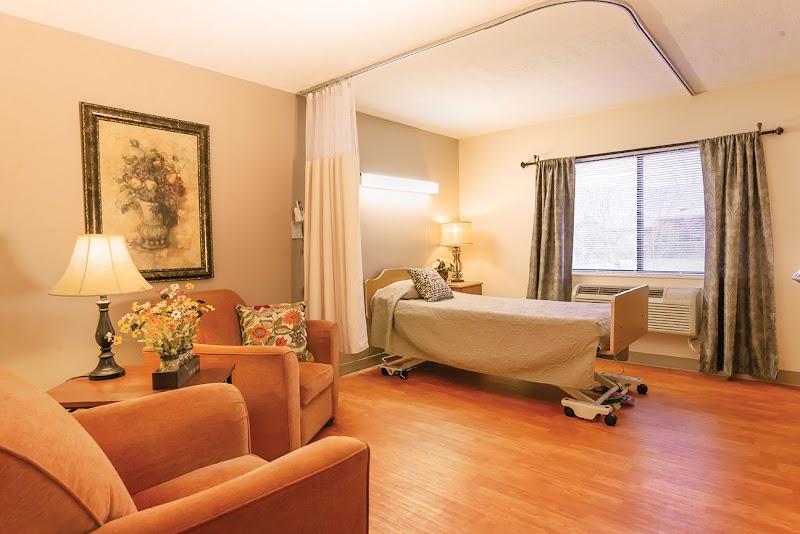
How Does Paoli Health And Living Community Compare to Other Indiana Nursing Homes?

Compared to the 100 nursing homes in Indiana, PAOLI HEALTH AND LIVING COMMUNITY's overall rating (1 stars) is below the state average of 3.1, staff turnover (51%) is near the state average of 46%, and health inspection rating (1 stars) is much below the national benchmark.

What Should Families Ask When Visiting Paoli Health And Living Community?

Based on this facility's data, families visiting should ask: "What changes have been made since the serious inspection findings, and how are you preventing similar issues?" "What safeguards and monitoring systems are in place to protect residents from abuse or neglect?" "Can you walk me through typical staffing levels on day, evening, and night shifts?" "Can I visit during a mealtime to observe dining assistance and food quality?" These questions are particularly relevant given the facility's Immediate Jeopardy citations, the substantiated abuse finding on record, and the below-average staffing rating.

Is Paoli Health And Living Community Safe?

Based on CMS inspection data, PAOLI HEALTH AND LIVING COMMUNITY has documented safety concerns. The facility has 1 substantiated abuse finding (meaning confirmed case of resident harm by staff or other residents). Inspectors have issued 2 Immediate Jeopardy citations (the most serious violation level indicating risk of serious injury or death). The facility has a 1-star overall rating and ranks #100 of 100 nursing homes in Indiana. Families considering this facility should ask detailed questions about what corrective actions have been taken since these incidents.

Do Nurses at Paoli Health And Living Community Stick Around?

PAOLI HEALTH AND LIVING COMMUNITY has a staff turnover rate of 51%, which is 5 percentage points above the Indiana average of 46%. Moderate turnover is common in nursing homes, but families should still ask about staff tenure and how the facility maintains care continuity when employees leave.

Was Paoli Health And Living Community Ever Fined?

PAOLI HEALTH AND LIVING COMMUNITY has been fined $28,138 across 2 penalty actions. This is below the Indiana average of $33,360. While any fine indicates a compliance issue, fines under $50,000 are relatively common and typically reflect isolated problems that were subsequently corrected. Families should ask what specific issues led to these fines and confirm they've been resolved.

Is Paoli Health And Living Community on Any Federal Watch List?

PAOLI HEALTH AND LIVING COMMUNITY is not on any federal watch list. The most significant is the Special Focus Facility (SFF) program, which identifies the bottom 1% of nursing homes nationally based on persistent, serious quality problems. Not being on this list means the facility has avoided the pattern of deficiencies that triggers enhanced federal oversight. This is a positive indicator, though families should still review the facility's inspection history directly.