PARKER HEALTH CARE & REHABILITATION CENTER
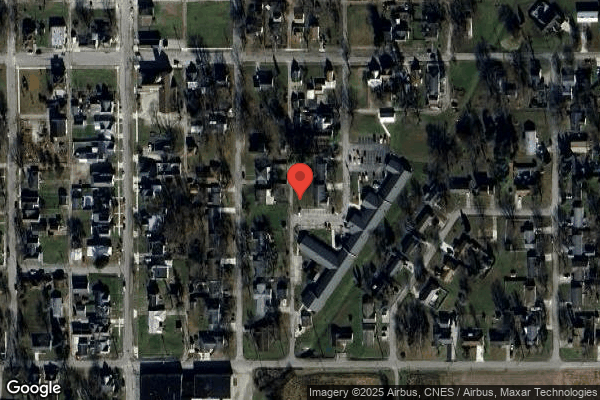
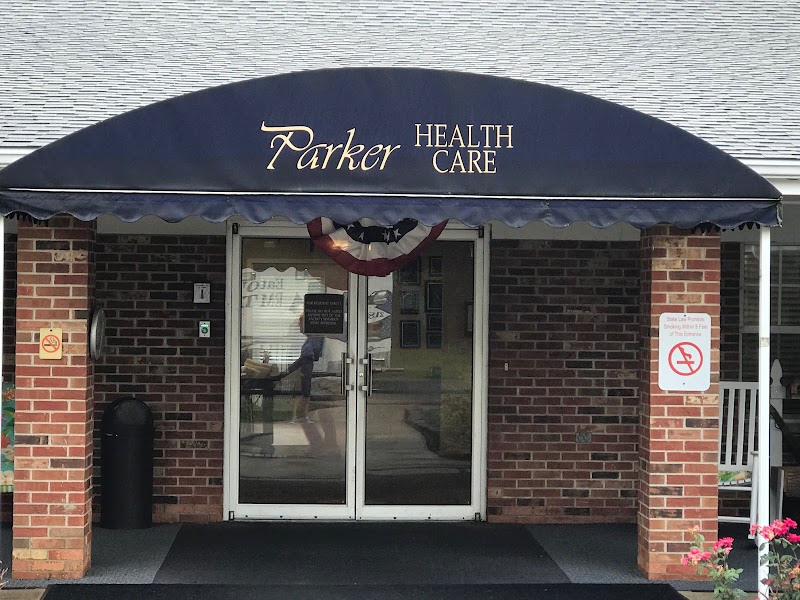
359 RANDOLPH ST, PARKER CITY, IN 47368 (765) 468-8280
For profit - Corporation 89 Beds TLC MANAGEMENT Data: November 2025
Trust Grade
85/100
#83 of 505 in IN
Last Inspection: August 2024

Within standard 12-15 month inspection cycle. Federal law requires annual inspections.

Overview

Parker Health Care & Rehabilitation Center has a Trust Grade of B+, which indicates it is above average and recommended for families considering care options. It ranks #83 out of 505 facilities in Indiana, placing it in the top half, and is the best option in Randolph County. The facility is improving, having reduced its issues from four in 2022 to just one in 2024. Staffing is rated average, with a 3/5 star rating and a turnover rate of 56%, which is close to the state average. Notably, there have been no fines recorded, which is a positive sign. However, there are some concerns to consider. Recent inspections revealed that residents were not given the opportunity to elect their own Resident Council President, which could impact their involvement in decision-making. Additionally, there was a failure to clarify a resident's end-of-life wishes, which is critical for ensuring their preferences are respected. Finally, a required assessment was not completed in a timely manner for another resident, indicating potential oversight in care processes. Overall, while the facility has strengths, families should weigh these concerns when making their decision.

Trust Score
B+
85/100
In Indiana
#83/505
Top 16%
Safety Record
Low Risk
No red flags
Inspections
Getting Better
4 → 1 violations
Staff Stability
⚠ Watch
56% turnover. Above average. Higher turnover means staff may not know residents' routines.
Penalties
✓ Good
No fines on record. Clean compliance history, better than most Indiana facilities.
Skilled Nurses
✓ Good
Each resident gets 45 minutes of Registered Nurse (RN) attention daily — more than average for Indiana. RNs are trained to catch health problems early.
Violations
✓ Good
Only 5 deficiencies on record. Cleaner than most facilities. Minor issues only.
★★★★★
5.0
Overall Rating
★★★☆☆
3.0
Staff Levels
★★★★★
5.0
Care Quality
★★★★★
5.0
Inspection Score
Stable
2022: 4 issues
2024: 1 issues

The Good

  • 5-Star Quality Measures · Strong clinical quality outcomes
  • Full Sprinkler Coverage · Fire safety systems throughout facility
  • No fines on record

Facility shows strength in quality measures, fire safety.

The Bad

Staff Turnover: 56%

Near Indiana avg (46%)

Frequent staff changes - ask about care continuity

Chain: TLC MANAGEMENT

Part of a multi-facility chain

Ask about local staffing decisions and management

Staff turnover is elevated (56%)

8 points above Indiana average of 48%

The Ugly 5 deficiencies on record

Aug 2024 1 deficiency
CONCERN (E)

Potential for Harm - no one hurt, but risky conditions existed

Deficiency F0565 (Tag F0565)

Could have caused harm · This affected multiple residents

Based on interview and record review, the facility failed to provide the resident group the opportunity to select a resident representative to serve as the Resident Council President for 10 of 10 resi...

Read full inspector narrative →
Based on interview and record review, the facility failed to provide the resident group the opportunity to select a resident representative to serve as the Resident Council President for 10 of 10 residents interviewed in a group setting. Findings include: During a resident group interview on July 31, 2024 at 10:00 a.m. the following concerns regarding Resident Council were indicated: The facility had informed the members of Resident Council they would no longer have a resident council president. The residents did not initiate this practice. The Activity Director informed the council that this was how it was going to be going forward. The residents indicated the Activity Director had told them that other facilities did not have a president of Resident Council, so they would not either. This had occurred approximately three months ago. Ten of ten residents present during the interview indicated they were never given the right to vote on this decision. Ten of ten residents present during the interview indicated they would like a resident representative to serve as the Resident Council President. The group had previously chosen the Resident Council President by election and there had not been a term limit for the position. The group felt they did not have voice within the facility. Review of monthly Resident Council Minutes from January 2024 through July 2024 indicated the following: March 2024 listed the name of a Resident Council President. The monthly minutes lacked the name of a Resident Council President in April, May, June, and July 2024. The monthly minutes for 2024 lacked mention of a group decision to no longer having a resident council president. During an interview on 8/1/24 at 11:33 a.m., the Activity Director indicated the resident council had slowly dwindled down to 3 or 4 members. The members were discouraged about the low participation. The Activity Director talked to her consultant about her concerns and her consultant said many facilities did not have a resident council president, so she then informed the resident council they would not have a resident council president. This idea was not offered to the resident council for consideration. The resident council did not vote on the matter. She implemented this practice following the recommendations of the consultant. A 10/1/2016, document titled Resident Council By-Laws, provided by the Activity Director on 8/1/24 at 1:55 p.m., indicated the following: .Officers: The President shall preside at all meetings of the Resident Council 3.1-3(k)
May 2022 4 deficiencies
CONCERN (D)

Potential for Harm - no one hurt, but risky conditions existed

Deficiency F0578 (Tag F0578)

Could have caused harm · This affected 1 resident

**NOTE- TERMS IN BRACKETS HAVE BEEN EDITED TO PROTECT CONFIDENTIALITY** Based on interview and record review, the facility failed to clarify a resident's end of life wishes for 1 of 3 residents review...

Read full inspector narrative →
**NOTE- TERMS IN BRACKETS HAVE BEEN EDITED TO PROTECT CONFIDENTIALITY** Based on interview and record review, the facility failed to clarify a resident's end of life wishes for 1 of 3 residents reviewed for Advanced Directives. (Resident 4) Findings include: A review of Resident 4's clinical record was completed on [DATE] at 2:24 p.m. Diagnoses included, but were not limited to, encephalopathy and a history of traumatic brain injury. The resident had a physician order that indicated he was a full code (to receive cardiopulmonary resuscitation) and a care plan regarding specific choices, dated [DATE], which indicated he was a full code. A quarterly Minimum Data Set (MDS) assessment, dated [DATE], indicated the resident had severe cognitive impairment, was able to understand and be understood, and did not have disorganized thinking. During an interview on [DATE] at 1:41 p.m., Resident 4 was able to identify the day of week and the calendar date within one day, and his location. He indicated he wished to be a DNR (do not resuscitate) and that he had let staff know that he felt it was time to just go if it came to that. A Code Status Form, dated [DATE], provided by the Director of Nursing (DON) on [DATE] at 3:11 p.m., indicated the resident did not want CPR (cardiopulmonary resuscitation). The form was signed by the resident and indicated verbal consent had been received by the resident representative. The form was signed by an LPN as the facility representative and dated [DATE]. A Code Status Form, dated [DATE], provided by the DON on [DATE] at 3:11 p.m., indicated the resident wanted CPR. The form indicated verbal-unable to sign for resident signature. The resident representative signature line was blank. The form was signed by an LPN as the facility representative and dated [DATE]. A Multidisciplinary Care Conference Summary, dated [DATE], indicated under the care level review, that the resident was a DNR. A Social Service Update Assessment and Plan, dated [DATE], indicated the resident had moderate cognitive impairment and was alert and oriented with short-term memory loss, was able to understand others and voice needs and wants with no communication barriers. Under the assessment and plan section of the assessment, the form indicated the resident was a DNR. During an interview on [DATE] at 1:20 p.m., the Social Services Director (SSD) indicated she did not ask about code status during the assessment, but had thought Resident 4 was a DNR. During an interview on [DATE] at 2:20 p.m., the DON indicated she had spoken to the resident and he had indicated his code status choice as DNR. She presented a Code Status Form, dated [DATE], signed by the resident and witnessed by a facility representative. A current facility policy, revised 7/2021, titled, CPR, provided by the DON on [DATE] at 2:21 p.m., included, but was not limited to, the following: Staff Policy Interpretation and Implementation: .4. The Code status form must be completed and signed by the resident, or the resident's representative, facility staff witness (and physician if applicable according to state laws) and scanned into the resident's medical record. 3.1-4(4)(A)(ii)
CONCERN (D)

Potential for Harm - no one hurt, but risky conditions existed

Deficiency F0645 (Tag F0645)

Could have caused harm · This affected 1 resident

**NOTE- TERMS IN BRACKETS HAVE BEEN EDITED TO PROTECT CONFIDENTIALITY** Based on record review and interview, the facility failed to ensure timely completion of a required Level I Preadmission Screeni...

Read full inspector narrative →
**NOTE- TERMS IN BRACKETS HAVE BEEN EDITED TO PROTECT CONFIDENTIALITY** Based on record review and interview, the facility failed to ensure timely completion of a required Level I Preadmission Screening and Resident Review (PASARR) assessment for 1 of 2 residents reviewed for PASARR. (Resident 21) Findings include: Resident 21's clinical record was reviewed on 5/18/22 at 2:17 p.m. He admitted to the facility on [DATE] and remained in the facility. Diagnoses included, but were not limited to, delusional disorders and schizophrenia. His clinical record lacked a pre-admission Level I PASARR. During an interview on 5/18/22 at 3:09 p.m., the Director of Nursing (DON) was requested to provide the PASARR document for Resident 21. Further documentation was not provided. Review of a Level I PASARR Screen Outcome, provided by the Social Services Director (SSD) on 5/20/22 at 11:25 a.m., indicated the PASARR Level I was canceled. The PASARR Outcome Explanation indicated the screen was canceled because the health care professional did not complete either the Level I screening form and/or submit requested documentation within the required timeframe. During an interview on 5/20/22 at 11:42 a.m., the SSD indicated the Level I PASARR for Resident 21 was canceled. She indicated she was unaware why the PASARR was canceled and it should have been completed within 14 days of the resident's admission to the facility. She indicated the resident's Level I PASARR paperwork was resubmitted during the survey on 5/18/22 and was in queue to be reviewed. A current policy, titled LEVEL I AND LEVEL II PROCESS, provided by Registered Nurse Consultant on 5/20/22 at 1:56 p.m., included, but was not limited to, the following: Policy .The Level I and II process is designed to determine the most appropriate setting for persons with a mental illness and/or intellectual or developmental disabilities and to identify the rehabilitation or specialized services that the person requires. It is the policy of this facility to participate in the Level I/Level II process Procedure .1. A level I screen will be completed for all resident's admitted to the facility. If a Level II is indicated at the time of admission, the Level II also will be completed prior to the resident being admitted to the facility 3.1-16(d)(1)(A) 3.1-16(d)(1)(B)
CONCERN (D)

Potential for Harm - no one hurt, but risky conditions existed

Deficiency F0679 (Tag F0679)

Could have caused harm · This affected 1 resident

Based on observation, interview, and record review, the facility failed to provide ongoing activity programs to meet individual resident needs for 2 of 2 physically dependant, cognitively impaired res...

Read full inspector narrative →
Based on observation, interview, and record review, the facility failed to provide ongoing activity programs to meet individual resident needs for 2 of 2 physically dependant, cognitively impaired residents reviewed for individualized activities. (Residents 51 and 55) Findings Include: 1. During an interview on 5/16/22 at 1:30 p.m., Resident 51's family member indicated the resident required assistance from staff to get out of bed and move about in her specialized wheelchair. The family member indicated he would like the resident to leave her room and move about the building a little bit. Resident 51 was observed in her room during the following observations: a. On 5/16/22 at 11:46 a.m., the resident was in bed with the TV on. She was not looking at the television. b. On 5/17/22 at 9:50 a.m., the resident was in bed. The TV was on. Her eyes were closed. c. On 5/17/22 at 10:47 a.m., the resident was in bed. Her eyes were closed. She was making soft snoring noises. The TV was on. d. On 5/17/22 at 12:03 p.m., the resident was in bed in her room. The TV was on. The resident appeared to be asleep. e. On 5/27/22 at 1:09 p.m., the resident was in bed. The TV was on. She was not looking toward the TV. f. On 5/17/22 at 2:58 p.m., the resident was in bed. Her eyes were open. The TV was on. She was looking towards the TV. g. On 5/18/22 at 9:56 a.m., the resident was in bed. She was awake. Her TV was on. h. On 5/18/22 at 11:52 a.m., the resident was in bed. The TV was on. The resident appeared to be asleep. i. On 5/18/22 at 2:18 p.m., the resident was in bed. She was awake. The TV was on. j. On 5/19/22 at 10:12 a.m., the resident was in bed. Her eyes were closed. The TV was on. k. On 5/19/22 at 1:47 p.m., the resident was up in a specialized wheel chair/Broda chair. She was awake. Her TV was on. l. On 5/20/22 at 9:34 a.m., the resident was in bed. She was awake. The TV was on. m. On 5/20/22 at 10:31 a.m., the resident was in bed. Her TV was on. She was smiling and looking out the window. n. On 5/20/22 at 2:39 p.m., the resident was in bed. She was awake. Her TV was on. At no time during the survey process on 5/16/22, 5/17/22, 5/18/22, 5/19/22, or 5/20/22, was the resident observed out of her room. The resident was observed out of her bed only one day, 5/19/22, of the survey. Resident 51's clinical record was reviewed on 5/17/22 at 3:37 p.m. Current diagnoses included, but were not limited to, dementia, hemipelgia and hemiparesis. The resident had a current, 5/19/21, care plan regarding the inability to self initiate activities due to cognitive decline. The care plan indicated the resident enjoyed socializing and being around people. Approaches included, but were not limited to, Assist me to and from activities of my choice and Continue to encourage me to participate in group activities of my interest such as, music entertainment, porch visits and intergenerational activities. The resident had a current, 7/18/19, care plan related to a risk for cognitive decline due to dementia. Approaches included, but was not limited to, Invite and encourage me to socialize with peers. I enjoy music entertainment such as [entertainer's name]. The resident had a current, 7/18/19, care plan regarding feeling bad about self, little interest, feeling down and depressed. Approaches included, but were not limited to, Encourage me to participate in activities of my interest such as music entertainment, pretty nails and animal visits. The resident's 4/19/22 Activity Update Assessment indicated the following: Resident uses a Broda chair when she is up and out of bed. Assistance is needed to and from activities of interest Resident does not have any behaviors that cause any problems. Resident loves to visit with the dogs when they come in. Resident will sing along to the music at times and enjoys being around people. Resident loves to go outside when the weather is nice . The assessment did not indicate the resident refused activities. A quarterly Minimum Data Set (MDS) assessment, dated 4/8/22, indicated the resident had severe cognitive impairment, usually was understood, usually understands others, displayed zero maladaptive behaviors during the assessment period, required staff assistance to transfer out of bed, and required staff assistance for locomotion or mobility. An annual MDS assessment, dated 1/7/22, indicated it was some what important for the resident to have books, music, attend group activities, and attend religious activities. The MDS indicated it was very important to see pets, participate in group activities, and be outside in fresh air. The resident's activity attendance record for 5/16/22 to 5/20/22 (the days of the survey observations), indicated the resident was provided, was invited to, or participated in the following activities: a. On Monday, 5/16/22: Exercise was marked refused, Movie was marked refused, Outdoor activity was marked refused, Tea Time/Coffee Break was marked refused, Current Events/News (receiving The Daily Chronicle paper) was marked as active. The resident had no one to one activity offered. b. On Tuesday, 5/17/22: Television was marked as independent. Bingo was marked refused, Current Events/News (receiving The Daily Chronicle paper) was marked as passive. The resident had no one to one activity offered. c. On Wednesday, 5/18/22: Television was marked as independent. Current Events/News (receiving The Daily Chronicle paper) was marked as active. The resident had no one to one activity offered. d. On Thursday, 5/19/22: One to One Sensory activity, Television was marked as independent. Bingo was marked refused. e. On Friday, 5/20/22: Party was marked refused. Television was marked as independent. Current Events/News (receiving The Daily Chronicle paper) was marked as passive. During an interview on 5/23/22 at 11:15 a.m., the Activity Director indicated this resident did not refuse activities. If the resident was documented as refused, it should have been documented as unavailable. This was a documentation error due to coding typos on the activity attendance record. Review of the residents activity attendance records for April 2022 and May 1 to 22, 2022, indicated the following: The resident was documented as refused, 41 times in April 2022 and 30 times during May 1 to 22, 2022. 2. Resident 55 was observed in her room during the following observations: a. On 5/16/22 at 11:46 a.m., the resident was in bed. Her eyes were closed. She appeared to be asleep. b. On 5/17/22 at 9:50 a.m., the resident was in a specialized wheelchair (a Broda chair). Her TV was on. She was looking toward the TV. c. On 5/17/22 at 10:48 a.m., the resident was in a Broda chair. Her TV was on. She was looking toward her TV. d. On 5/17/22 at 12:03 p.m., the resident was in a Broda chair being wheeled down the hallway toward the dining room. e. On 5/17/22 at 1:09 p.m., the resident was in bed. One of the two TVs on her side of the room was playing. f. On 5/17/22 at 2:58 p.m., the resident was in bed. She appeared to be asleep. One of the two TVs on her side of the room was playing. g. On 5/18/22 at 9:56 a.m., the resident was in a Broda chair. The TV was on. Her eyes were closed. h. On 5/18/22 at 2:18 p.m., the resident was in bed. She appeared to be asleep. Her side of the room was darkened. i. On 5/19/22 at 10:13 a.m., the resident was in her Broda chair. She was awake. The TV was on. j. On 5/19/22 at 1:48 p.m., the resident was in bed. Her eyes were closed. She appeared asleep. k. On 5/20/22 at 9:34 a.m., the resident was in bed. She appeared asleep. Her eyes were closed and her mouth was open. l. On 5/20/22 at 10:32 p.m., the resident was in bed. The TV was on. m. On 5/20/22 at 2:39 p.m., the resident was in a Broda chair in her room, awake. Resident 55's clinical record was reviewed on 5/18/22 at 10:00 a.m. Current diagnoses included, but were not limited to, vascular dementia and depression. The resident had a current, 4/16/20, care plan regarding the inability to self-initiate activities. Approaches included, but were not limited to, Ask and assist me to and from activities of my interest, I love being around people but may not be able to talk much but may try to sing ., I will benefit from sensory activities, Provide group activities of my interest and see that I get to them, and Provide me with 1:1 activities as I need them. The resident had a current, 1/26/17, care plan regarding cognitive deficits related to vascular dementia. Approaches included, but were not limited to, I will have activities individualized based on my cognitive ability. A quarterly MDS assessment, dated 4/8/22, indicated the resident had severe cognitive impairment, understood others, was understood by others, required staff assistance to get in and out of bed, required staff assistance for locomotion or mobility, and did not display any maladaptive behaviors during the assessment period. An annual MDS assessment, dated 1/8/22, indicated it was very important to the resident to see family and friends. It was some what important to the resident to hear music, see pets, attend group events, be involved in her favorite group activities, be outside in fresh air, and attend religious activities. A 4/19/22, Activities Update Assessment indicated the following: Short attention span during activities .Resident is not able to make decisions regarding activity participation but staff will take resident to activities of her interest .Resident has always loved music and any kind of religious activity. The resident's activity attendance record for 5/16/22 to 5/20/22 (the days of survey observation), indicated the resident was provided, was invited to, or participated in the following activities: a. On Monday, 5/16/22: Exercise was marked refused, Movie was marked refused, Outdoor activity was marked refused, Sensory was marked as active participant. Tea Time/Coffee Break was documented as refused and being a passive participant, in contradiction to one another. Current Events/News (receiving The Daily Chronicle paper) was marked as passive. b. On Tuesday, 5/17/22: Television-independent activity. Bingo was marked refused, Current Events/News (receiving The Daily Chronicle paper) was marked passive. c. On Wednesday, 5/18/22: Sensory was marked both active and passive during this event. d. On Thursday, 5/19/22: Television was marked as passive. Bingo was marked refused, Current Events/News (receiving The Daily Chronicle paper) was marked as passive. e. On Friday, 5/20/22: Party was marked refused, Television was marked as independent. Current Events/News (receiving The Daily Chronicle paper) was marked as passive. The resident had no documented individualized one to one activities offered Monday, Tuesday, Wednesday, Thursday or Friday. During an interview on 5/23/22 at 11:15 a.m., the Activity Director indicated this resident did not refuse activities. If the resident was documented as refused, it should have been documented as unavailable. This was a documentation error due to coding typos on the activity attendance record. Review of the residents activity attendance records for April 2022 and May 1 to 22, 2022, indicated the following: The resident was documented as refused, 52 times in April 2022 and 31 times during May 1 to 22, 2022. The record indicated the resident was offered zero individualized one to one visits in April 2022 or May 1 to 22, 2022. During an interview on 5/23/22 at 11:15 a.m., the Activity Director indicated the following: a. The activity, 11:45 a.m.-Sensory Time was an activity offered in the South Dining Room generally for residents who need assistance to dine. The activity should consist of sensory stimulation such as smelling flowers, talking about the season, talking about what day it was, the weather, touching items, etc. The activity was for residents with dementia or cognitive impairment. b. She did not know why the activity Sensory Time was not offered in Thursday 5/19/22. c. The Interdisciplinary Team had not worked together to ensure physically dependent residents with dementia were out of bed and able to attend afternoon activities that may be in their area of interest. They did not have a system for reviewing declines in activity attendance and sharing such declines with the Interdisciplinary Team to ensure resident emotional and social needs were being addressed. d. The 9:00 a.m.- Current Events/Mail Pass Room to Room activity was passing mail and giving each resident the The Daily Chronicle paper which was like a short newspaper. e. Resident 55 had declined and did not usually respond verbally to interactions. She does smile to music. The resident was resting in bed most afternoons and was not always available for music activities. f. If Resident 51 was out of bed in the afternoon, she could attend music activities. Although she could not eat food by mouth, food being served did not negatively impact the resident. g. Both Residents 51 and 55 could attend outdoor activities in the afternoon if they were out of bed. h. Both Residents 51 and 55 did not refuse activities. If they are out of bed, they would attend unless ill. i. Any coding of refused to attend activities by Residents 51 and 55 was most likely a typo and should have been coded as unavailable. She indicated the codes for unavailable and refused were close in the coding system and at times resulted in errors. During an observation on 5/18/22 at 2:32 p.m., a movie activity occurred in the South Dining Room. Residents 51 and 55 were not present. During an observation on 5/19/22 at 11:47 a.m. to 12: 10 p.m., no activity was offered in the South Dining Room. The May 2022 Activity Calendar indicated the activity, Sensory Time, would be offered at 11:45 a.m. in the South Dining Room. During an observation on 5/19/22 at 1:52 p.m., a nail polishing activity occurred in the South Dining Room. Residents 51 and 55 were not present. During an observation on 5/20/22 at 10:34 a.m., an exercise and music activity occurred in the main dining room. Residents 51 and 55 were not present. During an activity observation of The Birthday Party on 5/20/22 at 2:23 p.m., which included upbeat music performance, Residents 51 or 55 were not present. 3.1-33(a)
CONCERN (D)

Potential for Harm - no one hurt, but risky conditions existed

Deficiency F0744 (Tag F0744)

Could have caused harm · This affected 1 resident

Based on observation, interview and record review, the facility failed to ensure a resident with a diagnoses of dementia, who was displaying symptoms of emotional distress, was offered services to red...

Read full inspector narrative →
Based on observation, interview and record review, the facility failed to ensure a resident with a diagnoses of dementia, who was displaying symptoms of emotional distress, was offered services to reduce dementia symptoms and despair for 1 of 5 resident reviewed for dementia care. (Resident 49) Findings include: Resident 49's clinical record was reviewed on 5/18/22 at 2:41 p.m. Current diagnoses included, but were not limited to, Alzheimer's disease, hypertension, delusional disorder, and anxiety. The clinical record also indicated the resident had a current order for hospice services. The resident had a current, 7/7/21, care plan regarding, I had a cognitive deficit related to my diagnosis of dementia of Alzheimer's disease. I receive Aricept for this. Approaches included, but were not limited to, I will have my activities individualized based on my cognitive abilities and preferences, I will have one to one activity program, and I will participate in small group activities. The resident had a current, 10/29/21, care plan regarding a diagnoses of anxiety. A goal with a target date of 7/4/22 indicated, My symptoms will improve as evidenced by less than 3 episodes weekly . The resident had a current, 6/2/21, care plan regarding depressive episodes. Approaches included, but were not limited to, I will report and you will observe for changes in my depression symptoms. The resident had a current, 6/11/21, care plan which indicated, I have a cognitive decline and would benefit from personal invites, encouragement & reminders. During groups I would benefit from simple directions, repeats and assistance as needed. Approaches included, but were not limited to, Please assist me to and from activities I have shown interest in, Provide me with sensory activities, and Invite and remind me of what it is that we are doing before . A quarterly Minimum Data Set (MDS) assessment, dated 4/7/22, indicated the resident had severe cognitive impairment, understood others, was understood by others, experienced little interest in previously enjoyable activity, had trouble sleeping, was tired, had trouble concentrating, required extensive assistance for locomotion or mobility, both on and off the unit, received anti-psychotic medications seven days a week, and received anti-depressant medication seven days a week. A significant change MDS assessment, dated 10/5/21, indicated it was very important to the resident to choose what clothing she would wear, have her belongings safe guarded, see friends and family, be involved in her favorite activities, and participate in religious activities. Activity attendance records for April 2022 and May 1 to 22, 2022, indicated the resident had declined activities 48 times in April 2022 and 31 times from May 1 to 22, 2022. Resident 48 was observed in her room seated in a wheelchair with an over the bed table in front of her. She was on the side of the room with the window. The curtain that divided the room was pulled to obscure the resident's view of the hallway and/or view of her roommate. The outside window curtain was open, allowing outside light to enter. There was no other light source on the resident's side of the room. There was no form of stimulation on the side of the room. There was both a radio and TV on the resident's side of the room, and neither were on. The room appeared to be very dimly light during the following dates and times: on 5/16/22 at 11:44 a.m., 5/17/22 at 9:53 a.m., 5/17/22 at 10:46 a.m., 5/17/22 at 02:57 p.m., 5/18/22 at 11:51 a.m., 5/18/22 at 2:19 p.m., 5/19/22 at 1:46 p.m., 5/20/22 at 9:33 a.m., 5/20/22 at 9:38 a.m., and 5/20/22 at 10:30 a.m. During an interview on 5/18/22 at 2:19 p.m., the resident indicated she would listen to music if someone turned her radio on for her. During interviews on 5/19/22 at 10:36 a.m. and on 5/20/22 at 11:42 a.m., the Social Services Director indicated Resident 49 displayed behavioral symptoms of mental illness, including but not limited to, delusions, tearfulness, not speaking when spoken to, yelling, and calling out or speaking very loudly. During an interview on 5/23/22 at 11:15 a.m., the Activity Director indicated the following: a. She did not have a system for reviewing declines in activity attendance and sharing such declines with the Interdisciplinary Team to ensure resident emotional and social needs were being addressed. b. Resident 49 sometimes went up and down in her activity attendance. She had not realized the resident's activity attendance had decreased. She had not discussed the resident's decline with the Interdisciplinary Team. During an interview on 5/20/22 at 2:26 p.m., CNA 2 indicated Resident 49 was at times emotional, teary or upset. During an interview on 5/20/22 at 2:30 p.m., CNA 4 indicated Resident 49 was often sad or depressed, but pleasant and kind to work with. During an interview on 5/20/22 at 2:33 p.m., CNA 5 indicated the resident was sometimes sad and once yelled out in confusion and was moved to another quiet calm area were she slowly calmed down. The nurse was aware and involved in this one event. 3.1-37(a)
Understanding Severity Codes (click to expand)
Life-Threatening (Immediate Jeopardy)
J - Isolated K - Pattern L - Widespread
Actual Harm
G - Isolated H - Pattern I - Widespread
Potential for Harm
D - Isolated E - Pattern F - Widespread
No Harm (Minor)
A - Isolated B - Pattern C - Widespread

Questions to Ask on Your Visit

  • "Why is there high staff turnover? How do you retain staff?"
  • "Can I speak with families of current residents?"
  • "What's your RN coverage like on weekends and overnight?"

Our Honest Assessment

Strengths
  • • Grade B+ (85/100). Above average facility, better than most options in Indiana.
  • • No major safety red flags. No abuse findings, life-threatening violations, or SFF status.
  • • No fines on record. Clean compliance history, better than most Indiana facilities.
  • • Only 5 deficiencies on record. Cleaner than most facilities. Minor issues only.
Concerns
  • • 56% turnover. Above average. Higher turnover means staff may not know residents' routines.
Bottom line: Generally positive indicators. Standard due diligence and a personal visit recommended.

About This Facility

What is Parker Health Care & Rehabilitation Center's CMS Rating?

CMS assigns PARKER HEALTH CARE & REHABILITATION CENTER an overall rating of 5 out of 5 stars, which is considered much above average nationally. Within Indiana, this rating places the facility higher than 99% of the state's 100 nursing homes. This rating reflects solid performance across the metrics CMS uses to evaluate nursing home quality.
How is Parker Health Care & Rehabilitation Center Staffed?

CMS rates PARKER HEALTH CARE & REHABILITATION CENTER's staffing level at 3 out of 5 stars, which is average compared to other nursing homes. Staff turnover is 56%, which is 10 percentage points above the Indiana average of 46%. High turnover can affect care consistency as new staff learn residents' individual needs.

What Have Inspectors Found at Parker Health Care & Rehabilitation Center?

State health inspectors documented 5 deficiencies at PARKER HEALTH CARE & REHABILITATION CENTER during 2022 to 2024. These included: 5 with potential for harm.
Who Owns and Operates Parker Health Care & Rehabilitation Center?

PARKER HEALTH CARE & REHABILITATION CENTER is owned by a for-profit company. For-profit facilities operate as businesses with obligations to shareholders or private owners. The facility is operated by TLC MANAGEMENT, a chain that manages multiple nursing homes. With 89 certified beds and approximately 57 residents (about 64% occupancy), it is a smaller facility located in PARKER CITY, Indiana.
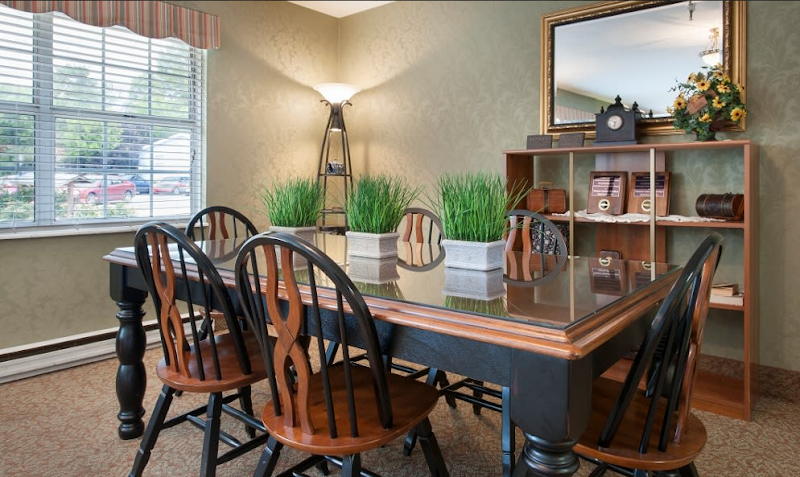
How Does Parker Health Care & Rehabilitation Center Compare to Other Indiana Nursing Homes?

Compared to the 100 nursing homes in Indiana, PARKER HEALTH CARE & REHABILITATION CENTER's overall rating (5 stars) is above the state average of 3.1, staff turnover (56%) is near the state average of 46%, and health inspection rating (5 stars) is much above the national benchmark.

What Should Families Ask When Visiting Parker Health Care & Rehabilitation Center?

Based on this facility's data, families visiting should ask: "How do you ensure continuity of care given staff turnover, and what is your staff retention strategy?" "Can I visit during a mealtime to observe dining assistance and food quality?" "How do you handle medical emergencies, and what is your hospital transfer rate?" "Can I speak with family members of current residents about their experience?" These questions are particularly relevant given the facility's high staff turnover rate.

Is Parker Health Care & Rehabilitation Center Safe?

Based on CMS inspection data, PARKER HEALTH CARE & REHABILITATION CENTER has a clean safety record: no substantiated abuse findings (meaning no confirmed cases of resident harm), no Immediate Jeopardy citations (the most serious violation level indicating risk of serious injury or death), and is not on the Special Focus Facility watch list (a federal program monitoring the lowest-performing 1% of nursing homes). The facility has a 5-star overall rating and ranks #1 of 100 nursing homes in Indiana. While no facility is perfect, families should still ask about staff-to-resident ratios and recent inspection results during their visit.

Do Nurses at Parker Health Care & Rehabilitation Center Stick Around?

Staff turnover at PARKER HEALTH CARE & REHABILITATION CENTER is high. At 56%, the facility is 10 percentage points above the Indiana average of 46%. High turnover means new staff may not know residents' individual needs, medications, or preferences. It can also be disorienting for residents, especially those with dementia who rely on familiar faces. Families should ask: What is causing the turnover? What retention programs are in place? How do you ensure care continuity during staff transitions?

Was Parker Health Care & Rehabilitation Center Ever Fined?

PARKER HEALTH CARE & REHABILITATION CENTER has no federal fines on record. CMS issues fines when nursing homes fail to meet care standards or don't correct problems found during inspections. The absence of fines suggests the facility has either maintained compliance or corrected any issues before penalties were assessed. This is a positive indicator, though families should still review recent inspection reports for the full picture.

Is Parker Health Care & Rehabilitation Center on Any Federal Watch List?

PARKER HEALTH CARE & REHABILITATION CENTER is not on any federal watch list. The most significant is the Special Focus Facility (SFF) program, which identifies the bottom 1% of nursing homes nationally based on persistent, serious quality problems. Not being on this list means the facility has avoided the pattern of deficiencies that triggers enhanced federal oversight. This is a positive indicator, though families should still review the facility's inspection history directly.