AMBER MANOR CARE CENTER

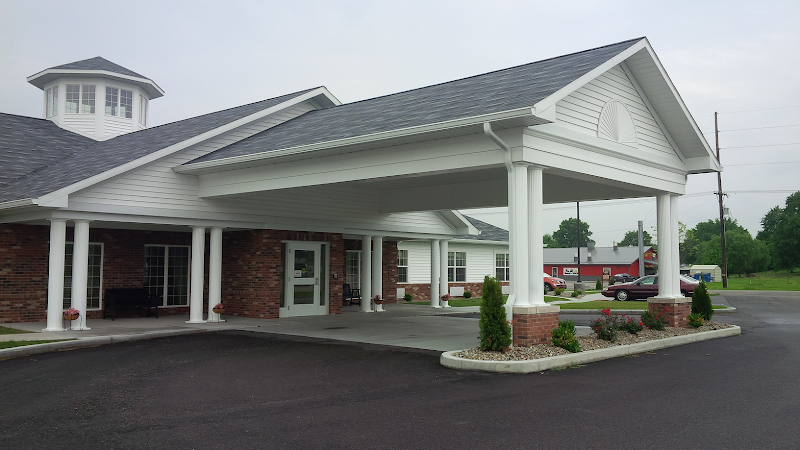
801 E ILLINOIS ST, PETERSBURG, IN 47567 (812) 354-3001
For profit - Limited Liability company 64 Beds TRILOGY HEALTH SERVICES Data: November 2025
Trust Grade
90/100
#3 of 505 in IN
Last Inspection: July 2024

Within standard 12-15 month inspection cycle. Federal law requires annual inspections.

Overview

Amber Manor Care Center in Petersburg, Indiana, has an impressive Trust Grade of A, indicating it is excellent and highly recommended for care. Ranked #3 out of 505 facilities in the state, it is in the top tier of nursing homes in Indiana, and also holds the #1 position among the two facilities in Pike County. The nursing home is showing an improving trend, with the number of issues noted decreasing from three in 2024 to two in 2025. Staffing is a strength, earning a 4/5 star rating and a turnover rate of 31%, which is significantly lower than the state average of 47%. While the facility has not incurred any fines, which is a positive sign, there are some concerns, including inadequate monitoring of pain medication effects for one resident and lapses in infection control practices, such as insufficient hand hygiene after glove removal. Overall, Amber Manor Care Center has notable strengths but also areas that need attention.

Trust Score
A
90/100
In Indiana
#3/505
Top 1%
Safety Record
Low Risk
No red flags
Inspections
Getting Better
3 → 2 violations
Staff Stability
○ Average
31% turnover. Near Indiana's 48% average. Typical for the industry.
Penalties
✓ Good
No fines on record. Clean compliance history, better than most Indiana facilities.
Skilled Nurses
✓ Good
Each resident gets 64 minutes of Registered Nurse (RN) attention daily — more than 97% of Indiana nursing homes. RNs are the most trained staff who catch health problems before they become serious.
Violations
✓ Good
Only 5 deficiencies on record. Cleaner than most facilities. Minor issues only.
★★★★★
5.0
Overall Rating
★★★★☆
4.0
Staff Levels
★★★★★
5.0
Care Quality
★★★★☆
4.0
Inspection Score
Stable
2024: 3 issues
2025: 2 issues

The Good

  • 4-Star Staffing Rating · Above-average nurse staffing levels
  • 5-Star Quality Measures · Strong clinical quality outcomes
  • Full Sprinkler Coverage · Fire safety systems throughout facility
  • No fines on record
  • Staff turnover below average (31%)

    17 points below Indiana average of 48%

Facility shows strength in staffing levels, quality measures, fire safety.

The Bad

Staff Turnover: 31%

14pts below Indiana avg (46%)

Typical for the industry

Chain: TRILOGY HEALTH SERVICES

Part of a multi-facility chain

Ask about local staffing decisions and management

The Ugly 5 deficiencies on record

Jan 2025 2 deficiencies
CONCERN (D) 📢 Someone Reported This

A family member, employee, or ombudsman was alarmed enough to file a formal complaint

Potential for Harm - no one hurt, but risky conditions existed

Deficiency F0757 (Tag F0757)

Could have caused harm · This affected 1 resident

Based on observation, interview, and record review, the facility failed to adequately monitor signs and symptoms of adverse reactions to newly prescribed pain medications for 1 of 3 residents reviewed...

Read full inspector narrative →
Based on observation, interview, and record review, the facility failed to adequately monitor signs and symptoms of adverse reactions to newly prescribed pain medications for 1 of 3 residents reviewed for pain. No routine monitoring of adverse reactions were documented in the resident's record while the resident displayed signs of decreased alertness and increased difficulty with mobilization and eating following an increase in the resident's pain medication regimen. (Resident D) Finding includes: During an observation on 1/14/25 at 11:15 A.M., Resident D was sitting up in a recliner in her room. Resident D did not respond when spoken to and appeared to be asleep. Resident D was holding a television remote control in her right hand, pushing the controller to cause the television channel menu to scroll continuously. During an observation on 1/14/25 at 11:42 A.M., Resident D was sitting in the same position in her recliner while the television channel menu continued to scroll. During record review on 1/14/25 at 12:00 P.M., Resident D's diagnoses included but were not limited to, migraines, chronic pain, convulsions, gout, opiod dependence, pain in left hand, and Parkinson's disease. Resident D's most recent Significant Change Minimum Data Set (MDS) assessment, dated 12/30/24, indicated the resident was cognitively intact, had unclear speech, was able to make self understood, and required partial to moderate assistance with eating. Resident D's quarterly MDS assessment, dated 11/6/24, indicated the resident was cognitively intact, had clear speech, was able to make self understood, and required supervision with eating. Resident D's care plan included, but was not limited to, Resident is at risk for pain due to decreased mobility, oseoarthritis, migraines, and chronic pain (initiated 9/22/22). Interventions included, but were not limited to, administer medications as ordered and notify physician for any side effects observed. Resident D's physician order's included, but were not limited to, gabapentin 600 milligrams (mg) for chronic pain (started 9/29/23), acetaminophen 325 mg every six hours for pain (started 12/25/24), hydrocodone-acetaminophen 10-325 mg for moderate pain every six hours as needed (started 11/26/23), oxycodone 10 mg for severe pain every two hours as needed (started 12/28/24), and fentanyl 72-hour patch 50 micrograms (mcg) per hour for pain once every three days (started 12/31/24). Resident D's Medication Administration Record (MAR) for the months of December 2024 and January 2025 indicated that the resident received her first dose of oxycodone 10 mg on 12/28/24 at 5:27 P.M. Resident continued to receive oxycodone 10 mg as needed for pain on; 12/29/24 at 3:32 P.M., 12/30/24 at 1:10 P.M., 3:14 P.M., and 7:21 P.M., 12/31/24 at 1:23 A.M., 1/1/25 at 6:44 A.M., 1/2/25 at 10:38 P.M., 1/8/25 at 2:55 P.M., 1/10/25 at 5:36 P.M., 1/13/25 at 4:50 P.M., and 1/14/25 at 10:42 A.M. Resident D also received hydrocodone-acetaminophen 10-325 mg as needed for pain on 12/29/24 at 10:01 A.M., 1/2/25 at 5:15 A.M., 1/6/25 at 11:18 P.M., 1/7/25 at 6:59 P.M., 1/8/25 at 8:21 A.M., 1/9/25 at 8:58 A.M., 1/10/25 at 1:31 A.M., 1/11/25 at 11:23 A.M. and 8:00 P.M., 1/12/25 at 1:53 A.M., 1/13/25 at 12:29 A.M. and 8:13 P.M. Resident D's nurses progress notes included, but were not limited to, the following: 12/20/24 at 6:33 P.M. - Triage contacted regarding resident pain becoming unmanageable. Resident moans and yells out in pain. Resident has been on hydrocodone-acetaminophen (Norco) at home for several years per family which may be why this medication is not effective if resident has built up a tolerance over the years. 12/24/24 at 1:10 A.M. - Resident is alert and responsive. Speech is slurred a per typical for resident but resident is able to express wants and needs. 12/23/24 at 3:33 P.M. - Orders received for hospice evaluation. 12/30/24 at 5:21 P.M. - New order received and noted to apply a fentanyl patch 50 mcg once every 3 days for pain. 1/6/25 at 2:48 P.M. - Resident has been very hard to transfer today. During an observation and interview on 1/14/25 at 2:05 P.M., Licensed Practical Nurse (LPN) 8 indicated that Resident D was hard of hearing and that she could answer questions and make self understood. LPN 8 then tried arouse Resident D while she slept in her recliner. Resident D had saliva hanging from her chin to her chest. LPN 8 was unable to arouse Resident D at the that time. LPN 8 indicated that Resident D did go in and out of alertness. During an interview on 1/1425 at 2:40 P.M., Resident D's family member indicated the resident has had a decline in her alertness and had nearly stopped talking over the past two weeks. Resident D's family member indicated they had noticed Resident D would seem to be more alert in the evening hours. During an interview on 1/15/25 at 12:10 A.M., Registered Nurse (RN) 4 indicated that if a resident was experiencing increased pain and began a new pain regimen, nursing staff would create a pain event that would trigger staff to assess and monitor the resident for pain levels, effectiveness of medications, and for signs or symptoms of adverse reactions from the medications. RN 4 indicated if increased lethargy was observed, that would be documented in the pain event or in the nurse's progress notes. During an interview on 1/15/25 at 11:00 A.M., hospice nurse 7 indicated that the contracted hospice nurse had been visiting Resident D twice a week since her admission to hospice. Hospice nurse 7 indicated that hospice does monitor the resident for any adverse reactions to new medications, but that they rely on the routine monitoring by the facility nursing staff. Hospice nurse 7 indicated that she was not very familiar with Resident D as she was not typically her nurse and had not yet met the resident. During an observation and interview on 1/15/25 at 11:15 A.M., Certified Nurse Aide (CNA) 6 and CNA 11 entered Resident D's room to assist her with toileting. Resident D was sitting in her recliner and appeared to be sleeping. CNA 6 was able to arouse Resident D. CNA 6 spoke to Resident D and the resident stood with the assist of 2 and transferred to a bedside commode. Resident D responded quietly and was difficult to understand. CNA 6 indicated Resident D's level of consciousness and alertness had declined since starting hospice and the increase in pain medications. CNA 6 indicated that the resident used to hear her room door when staff knocked and would respond, but lately staff have been having to wake her up when they come in to assist her. During an interview on 1/15/25 at 12:35 P.M., RN 2 indicated that if a resident displayed increased pain or started a new pain regimen, a change in condition or pain event would be created and any signs of increased drowsiness or other adverse reactions to any new pain medications would be documented. If a decrease in alertness was noted, triage would be contacted and notified. During an interview on 1/15/25 at 12:40 P.M., the Director of Nursing (DON) indicated that no events were created for Resident D regarding her new pain medications because the chronic pain had been an ongoing issue. On 1/15/25 at 2:45 P.M., the DON provided Resident D's hospice notes. The notes included, but were not limited to: 12/26/24 at 6:45 A.M. - Resident is alert to name. Resident is hard to understand. Resident denies pain. 12/27/24 at 12:25 P.M. - Resident was in chair in her room. Resident was hard to understand because of a low voice level. Resident read from her newspaper during the entirety of the visit. 12/30/24 at 4:05 P.M. - Resident was sitting in wheelchair upon arrival and very uncomfortable, moaning in pain. Facility nurse gave oxycodone one hour prior to visit and resident still in considerable pain. New order for fentanyl Duragesic patch 50 mcg, change every 72 hours was obtained. 12/31/24 at 2:24 P.M. - Resident was very lethargic this morning. Facility staff stated the resident did not respond very well and was difficult to awaken this morning and did not want to eat breakfast. Resident had been continuing to require pain medication. Fentanyl patch was applied this morning after breakfast. 1/1/15 at 10:50 A.M. - Resident was not responsive during visit. Facility nurse state she was up for breakfast and did eat well and was awake and alert. Resident was moaning in pain this morning and nurse administered oxycodone. Resident relaxed after that. 1/2/25 at 1:24 P.M. - Resident is alert but very drowsy. She opens eyes to answer questions and then drifts back to sleep but remains easily rousable. 1/4/25 at 5:19 P.M. - Resident resting comfortably in recliner. Patient's pain is much more controlled. 1/9/25 at 6:29 P.M. - Resident asleep upon arrival. She did open her eyes but did not respond very much today. She did state, no when asked if any pain. On 1/15/25 at 3:00 P.M., a facility policy titled, Guidelines for Pain Observations and Management, dated 12/17/24, was reviewed. The policy indicated, Purpose . To ensure each resident's pain including its origin, location, severity, alleviating and exacerbating factors, current treatment and response to treatment will be observed and documented according to the needs of each individual . 4. If there is a change in pain indicators or verbalizations from the resident, a pain event form will be completed to indicated the changes and care plan update . 7. Evaluate the effectiveness of pain management interventions and modify as indicated. This citation relates to complaint IN00449735. 3.1-48(a)(3)
CONCERN (D) 📢 Someone Reported This

A family member, employee, or ombudsman was alarmed enough to file a formal complaint

Potential for Harm - no one hurt, but risky conditions existed

Infection Control (Tag F0880)

Could have caused harm · This affected 1 resident

Based on observation, interview, and record review, the facility failed to ensure infection control practices were maintained during 1 of 3 observations of care. Staff failed to complete hand hygiene ...

Read full inspector narrative →
Based on observation, interview, and record review, the facility failed to ensure infection control practices were maintained during 1 of 3 observations of care. Staff failed to complete hand hygiene after removing their gloves and staff performed handwashing with less than a 20 second scrub time. (Resident D) Finding includes: During an observation on 1/15/25 at 11:15 A.M., Certified Nurse Aide (CNA) 3, CNA 6, and CNA 11 assisted Resident D with toileting. CNA 6 and CNA 11 assisted Resident D from her recliner to a bedside commode and removed the resident's brief. CNA 11 and CNA 6 both removed their gloves and performed handwashing. CNA 11 performed handwashing with a 10 second scrub time. CNA 3, CNA 6, and CNA 11 then assisted Resident D to stand from the commode, perform perineal care, apply a new brief, and pulled the resident's pants up. CNA 3 then placed a wheelchair behind Resident D as CNA 6 and CNA 11 lowered the resident into the chair. CNA 3 then removed gloves and performed handwashing with a 5 second scrub time. CNA 6 performed handwashing with a 9 second scrub time. CNA 6 removed her gloves and handed Resident D a tissue to wipe her face prior to performing hand hygiene. During an interview on 1/15/25 at 11:45 A.M., the Director of Nursing (DON) indicated that if/when contracted staff in the facility providing care to residents, they would be expected to follow the facility's policies. The DON indicated all staff should perform handwashing with at least a 20 second scrub time. On 1/15/25 at 12:40 P.M., the DON supplied a facility policy titled, Guidelines for Handwashing/Hand Hygiene, dated, 12/17/24. The policy indicated, .3. Health Care Workers (HCW) shall use hand hygiene at times such as: .c. Before/after having direct physical contact with residents. d. After removing gloves . 1. Handwashing . c) Wash well for at least 20 seconds, using a rotary motion and friction . This citation relates to complaint IN00449891. 3.1-18(b) 3.1-18(l)
Jul 2024 3 deficiencies
CONCERN (D)

Potential for Harm - no one hurt, but risky conditions existed

Notification of Changes (Tag F0580)

Could have caused harm · This affected 1 resident

Based on interview and record review, the facility failed to ensure physician notification prior to or after administration of an excessive dose of a medication as ordered for 1 of 2 residents reviewe...

Read full inspector narrative →
Based on interview and record review, the facility failed to ensure physician notification prior to or after administration of an excessive dose of a medication as ordered for 1 of 2 residents reviewed for pain. (Resident 21) Finding includes: On 7/9/24 at 10:04 A.M., Resident 21's clinical record was reviewed. Diagnosis included, but were not limited to, epilepsy and arthritis. The most recent Annual MDS (Minimum Data Set) Assessment, dated 5/3/24, indicated a moderate cognitive impairment. Resident 21 had received scheduled pain medication. Current physician orders included, but were not limited to: acetaminophen capsule 650 mg (milligram) twice a day for mild pain (6:00 A.M. - 10:00 A.M., 6:00 P.M. - 10:00 P.M.), dated 7/27/23. acetaminophen capsule 650 mg oral every 4 hours as needed for fever, DO NOT exceed 3000mg acetaminophen in 24 hr period, dated 7/27/23. acetaminophen tablet 650 mg every 4 hours as needed for pain, DO NOT exceed 3000mg acetaminophen in 24 hr period, dated 7/27/23. Resident 21's Medication Administration Record (MAR) for July 2024 indicated acetaminophen 650mg was administered on the following dates: 7/5/24 at 1:27 P.M. (as needed dose) 7/5/24 6-10 P.M. scheduled dose 7/6/24 at 12:21 A.M. (as needed dose) 7/6/24 at 5:13 A.M. (as needed dose) 7/6/24 6-10 A.M. scheduled dose 7/6/24 at 1:03 P.M. (as needed dose) Total amount of acetaminophen administered for the 24 hour period was 3900mg. On 7/10/24 at 9:55 A.M., Licensed Practical Nurse (LPN) 5 indicated staff was expected to add up all acetaminophen milligrams that had been given prior to giving an as needed dose to ensure they did not go over 3000mg in a 24 hour period. LPN 5 indicated if Resident 21 required a dose over the 3000mg limit, staff could either ask the resident if she would want to wait until it could be given, or staff could call the physician to request a different pain medication to give. LPN 5 indicated any communication with the physician would be placed in the progress notes. On 7/10/24 at 2:13 P.M., the Director of Nursing (DON) indicated staff was expected to monitor Resident 21's acetaminophen intake to make sure it did not go over 3000 mg in a 24 hour period. On 7/12/24 at 10:14 A.M., the DON provided a current Physician Notification policy, dated 9/17/17 that indicated To ensure the resident's physician or practitioner . is aware of all diagnostic testing results or change in condition in a timely manner to evaluate condition for need of provision of appropriate interventions for care . Attempts to notify the physician/provider and their response should be documented in the resident electronic health record 3.1-5(a)
CONCERN (D)

Potential for Harm - no one hurt, but risky conditions existed

Respiratory Care (Tag F0695)

Could have caused harm · This affected 1 resident

**NOTE- TERMS IN BRACKETS HAVE BEEN EDITED TO PROTECT CONFIDENTIALITY** Based on observation, interview, and record review, the facility failed to ensure respiratory care was provided consistent with ...

Read full inspector narrative →
**NOTE- TERMS IN BRACKETS HAVE BEEN EDITED TO PROTECT CONFIDENTIALITY** Based on observation, interview, and record review, the facility failed to ensure respiratory care was provided consistent with the resident's orders and care plans for 1 of 2 residents observed and reviewed for respiratory care (Resident 5). Findings include: On 7/8/24 at 1:48 PM Resident 5 was observed resting in bed, oxygen concentrator was observed to be set to 1LPM(liter per minute). On 7/10/24 at 1:54 PM Resident 5's clinical record was reviewed. Diagnoses included but were not limited to pulmonary fibrosis and COPD (chronic obstructive pulmonary disease). The most recent Quarterly MDS (Minimum Data Set) assessment dated [DATE] indicated Resident 5 is cognitively intact, had no behaviors, required substantial or maximum assistance from staff with bathing, transfers, and toileting, and used oxygen while a resident. Current physician orders included, but were not limited to: Continuous administration of oxygen at 2LPM per nasal cannula, dated 4/27/24. Assess/observe for signs and symptoms of shortness of breath while laying flat related to chronic lung disease, dated 4/27/24. Head of bed to be elevated to alleviate or reduce shortness of breath while laying flat related to chronic lung disease, dated 4/27/24. A current oxygen care plan related to COPD, dated 7/19/2018. Care plan had interventions as following but not limited to administer oxygen per orders, dated 7/19/2018. Observe and report signs of respiratory distress such as restlessness, wheezing, dyspnea (shortness of breath), difficulty with expectoration (coughing up phlem), diaphoresis (appearing pale and sweating), crackles, bubbling, tachycardia (elevated heart rated above 100 beats per minute), cyanosis (skin appearing blue) decreased breath sounds dated 7/19/2018. Resident requires elevation of head due to shortness of breath while lying flat as needed, dated 7/19/2018. Care plan dated 8/17/2018 related to COPD included intervention elevate head of bed or place in upright position. That intervention was dated 8/17/2018. On 7/10/24 at 9:55 AM Resident 5 was observed resting in bed, oxygen concentrator was observed to be set at 1LPM. On 7/10/24 observed CNA 2 and CNA 4 perform incontinence care on Resident 5 prior to getting her out of bed. CNA 2 lowered the Resident's head of bed prior to performing incontinence care at 11:17 AM. Resident 5 then removed her nasal cannula, of which was administering her oxygen, and handed it to CNA 4. CNA 4 placed it in storage bag connected to the stationary oxygen concentrator in the resident's room. CNA 4 left room to get supplies for incontinence care at that time. Resident remained flat in bed without supplemental oxygen and nasal cannula in place. When CNA 4 returned, care was provided. CNA 2 and CNA 4 assisted resident to the side of the bed, preparing to transfer to wheelchair. Resident 5 was observed to be audibly wheezing. Resident 5 was observed for 20 minutes without supplemental oxygen or nasal cannula in place during care and was not offered oxygen during the process. On 7/10/24 at 2:18 PM DON (Director of Nursing) indicated that if a resident had a care plan for the head of the bed to be elevated due to chronic lung disease and staff observed signs of respiratory distress during care, staff would be expected to stop what they are doing and allow the resident to recover before finishing care. On 7/12/24 at 9:57 AM it was observed that Resident 5 was resting in bed without head of bed elevated. At that time resident indicated that it is common to have oxygen off and the head of her bed flattened when CNAs are caring for her. Indicated that if she were to tell staff she is short of breath, they would put her nasal cannula and oxygen back on her. Resident verbalized she feels like she is getting enough oxygen through her tank and nasal cannula. On 7/12 at 10:01 AM RN (Registered Nurse) 6 indicated Resident 5 has an order for 2L continuous oxygen via nasal cannula. Also indicated it is expected staff or CNAs caring for the residents to notify the nurse if oxygen was not administered correctly so that it may be corrected. Asked that RN 6 look at Resident 5's oxygen concentrator to ensure it is set correctly. RN 6 observed it to be set at 1L, increased it to 2L per what resident is ordered for. RN 6 also raised Resident 5's head of bed at that time, as it was not elevated. On 7/12/24 at 10:15 AM the ADON (Assistant Director of Nursing) indicated it is facility policy to follow a resident's orders and care plan. On 7/12/24 at 10:40 AM an Administration of Oxygen policy dated 5/2018 was reviewed. It indicated that oxygen setting must be set and adjusted by a licensed nurse and adjust the oxygen delivery device so that it is comfortable for the resident and the proper flow of oxygen is administered. 3.1-47(a)(6)
CONCERN (D)

Potential for Harm - no one hurt, but risky conditions existed

Infection Control (Tag F0880)

Could have caused harm · This affected 1 resident

3. On 7/8/24 at 10:45 AM a random staff member in blue uniform was observed emptying a urinal in a resident's room without wearing gloves. During an interview on 7/10/24 at 1:32 P.M., the Infection P...

Read full inspector narrative →
3. On 7/8/24 at 10:45 AM a random staff member in blue uniform was observed emptying a urinal in a resident's room without wearing gloves. During an interview on 7/10/24 at 1:32 P.M., the Infection Preventionist (IP) indicated gloves should be changed and hand hygiene should be performed between dirty and clean tasks, and staff should obtain new gloves prior to providing direct care to a resident if they touched items in the room. On 7/12/24 at 10:20 AM a Standard Precautions Guidelines policy provided by the facility was reviewed. The policy indicated In addition to proper hand hygiene, it is important for staff to use appropriate protective equipment such as a barrier to exposure to any body fluids gloves and other equipment such as gowns and masks are to be used as necessary to control the spread of infections. On 7/10/24 at 2:17 P.M., the IP provided a Guideline for Handwashing/ Hand Hygiene policy, revised 2/9/17, that indicated, .Handwashing is the single most important factor in preventing transmission of infections. Hand hygiene is a general term that applies to either handwashing or the use of an antiseptic hand rub .1. All health care workers shall utilize hand hygiene frequently and appropriately .d. After removing gloves, worn per Standard Precautions for direct contact with excretions . 3.1-18(b) 3.1-18(l) Based on observation, interview, and record review, the facility failed to ensure infection control practices were followed for 2 of 5 residents during observation of perineal care. Staff touched items with gloved hands, gloves were not changed between dirty and clean tasks during perineal care, and staff failed to wash hands or sanitize between dirty and clean tasks. During a random observation, staff failed to don gloves to empty a urinal (Resident 33, Resident 150, Resident 301) Findings include: 1. During an observation on 7/10/24 at 9:47 A.M., Certified Nurse Aide (CNA) 7 and CNA 9 performed incontinence care on Resident 33. CNA 9 used 1 wipe to clean Resident 33's vaginal area, then Resident 33 rolled to her right side and CNA 9 used 1 wipe to clean Resident 33's rectal area/buttocks. At that time, CNA 9 failed to removed gloves and perform hand hygiene before she obtained a clean brief. 2. During an observation on 7/10/24 at 11:10 A.M., CNA 7 and CNA 9 performed incontinence care on Resident 150. CNA 7 used her gloved hand to pull the curtain in the room and then used both gloved hands to use the remote to lower Resident 150's head of the bed. CNA 9 failed to change gloves before she cleaned Resident 150's perineal area and stool off of his rectal area/buttocks.
Understanding Severity Codes (click to expand)
Life-Threatening (Immediate Jeopardy)
J - Isolated K - Pattern L - Widespread
Actual Harm
G - Isolated H - Pattern I - Widespread
Potential for Harm
D - Isolated E - Pattern F - Widespread
No Harm (Minor)
A - Isolated B - Pattern C - Widespread

Questions to Ask on Your Visit

  • "Can I speak with families of current residents?"
  • "What's your RN coverage like on weekends and overnight?"

Our Honest Assessment

Strengths
  • • Grade A (90/100). Above average facility, better than most options in Indiana.
  • • No major safety red flags. No abuse findings, life-threatening violations, or SFF status.
  • • No fines on record. Clean compliance history, better than most Indiana facilities.
  • • Only 5 deficiencies on record. Cleaner than most facilities. Minor issues only.
Concerns
  • • No significant concerns identified. This facility shows no red flags across CMS ratings, staff turnover, or federal penalties.
Bottom line: Generally positive indicators. Standard due diligence and a personal visit recommended.

About This Facility

What is Amber Manor's CMS Rating?

CMS assigns AMBER MANOR CARE CENTER an overall rating of 5 out of 5 stars, which is considered much above average nationally. Within Indiana, this rating places the facility higher than 99% of the state's 100 nursing homes. This rating reflects solid performance across the metrics CMS uses to evaluate nursing home quality.
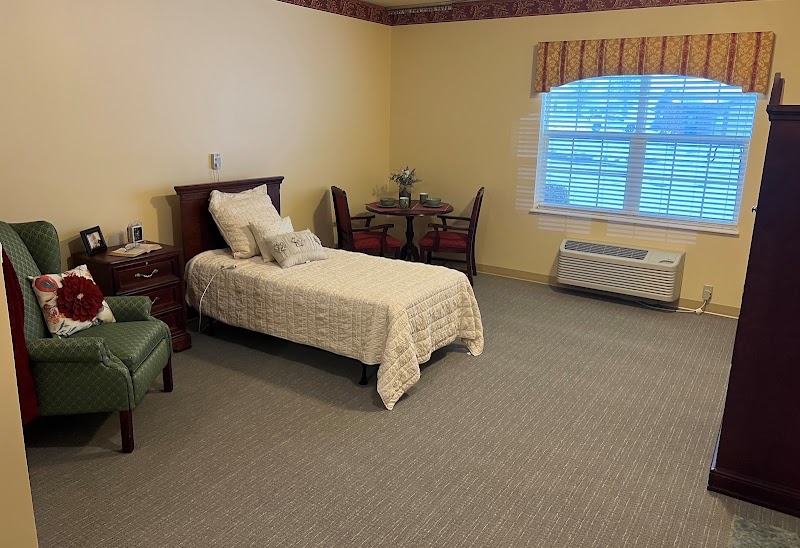
How is Amber Manor Staffed?

CMS rates AMBER MANOR CARE CENTER's staffing level at 4 out of 5 stars, which is above average compared to other nursing homes. Staff turnover is 31%, compared to the Indiana average of 46%. This relatively stable workforce can support continuity of care.

What Have Inspectors Found at Amber Manor?

State health inspectors documented 5 deficiencies at AMBER MANOR CARE CENTER during 2024 to 2025. These included: 5 with potential for harm.

Who Owns and Operates Amber Manor?

AMBER MANOR CARE CENTER is owned by a for-profit company. For-profit facilities operate as businesses with obligations to shareholders or private owners. The facility is operated by TRILOGY HEALTH SERVICES, a chain that manages multiple nursing homes. With 64 certified beds and approximately 50 residents (about 78% occupancy), it is a smaller facility located in PETERSBURG, Indiana.

How Does Amber Manor Compare to Other Indiana Nursing Homes?

Compared to the 100 nursing homes in Indiana, AMBER MANOR CARE CENTER's overall rating (5 stars) is above the state average of 3.1, staff turnover (31%) is significantly lower than the state average of 46%, and health inspection rating (4 stars) is above the national benchmark.

What Should Families Ask When Visiting Amber Manor?

Based on this facility's data, families visiting should ask: "Can I visit during a mealtime to observe dining assistance and food quality?" "How do you handle medical emergencies, and what is your hospital transfer rate?" "Can I speak with family members of current residents about their experience?"

Is Amber Manor Safe?

Based on CMS inspection data, AMBER MANOR CARE CENTER has a clean safety record: no substantiated abuse findings (meaning no confirmed cases of resident harm), no Immediate Jeopardy citations (the most serious violation level indicating risk of serious injury or death), and is not on the Special Focus Facility watch list (a federal program monitoring the lowest-performing 1% of nursing homes). The facility has a 5-star overall rating and ranks #1 of 100 nursing homes in Indiana. While no facility is perfect, families should still ask about staff-to-resident ratios and recent inspection results during their visit.

Do Nurses at Amber Manor Stick Around?

AMBER MANOR CARE CENTER has a staff turnover rate of 31%, which is about average for Indiana nursing homes (state average: 46%). Moderate turnover is common in nursing homes, but families should still ask about staff tenure and how the facility maintains care continuity when employees leave.

Was Amber Manor Ever Fined?

AMBER MANOR CARE CENTER has no federal fines on record. CMS issues fines when nursing homes fail to meet care standards or don't correct problems found during inspections. The absence of fines suggests the facility has either maintained compliance or corrected any issues before penalties were assessed. This is a positive indicator, though families should still review recent inspection reports for the full picture.

Is Amber Manor on Any Federal Watch List?

AMBER MANOR CARE CENTER is not on any federal watch list. The most significant is the Special Focus Facility (SFF) program, which identifies the bottom 1% of nursing homes nationally based on persistent, serious quality problems. Not being on this list means the facility has avoided the pattern of deficiencies that triggers enhanced federal oversight. This is a positive indicator, though families should still review the facility's inspection history directly.