WATERS OF PRINCETON, THE
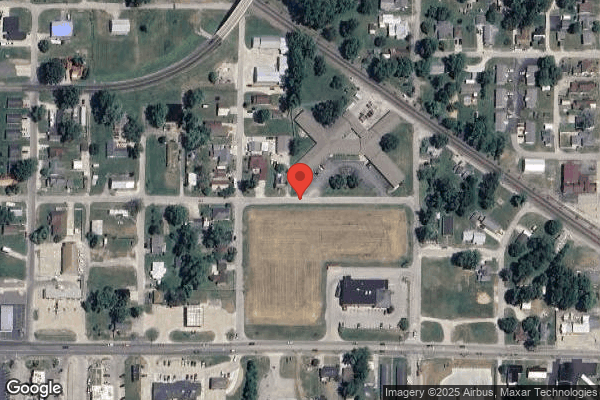
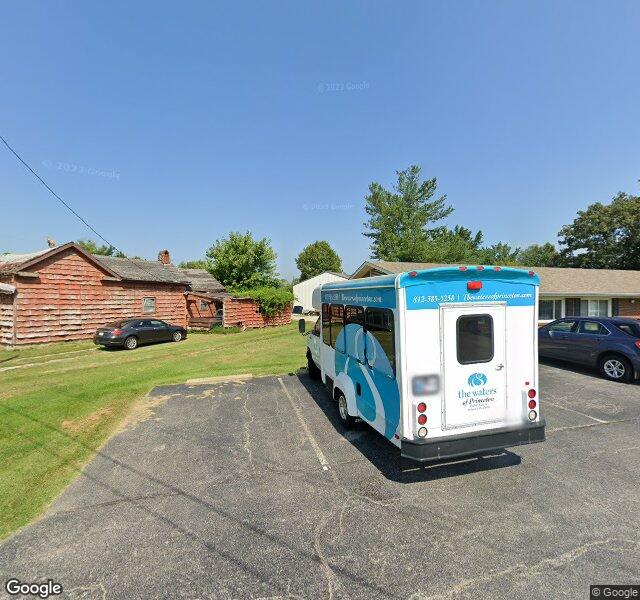
1020 W VINE ST, PRINCETON, IN 47670 (812) 385-5238
For profit - Corporation 95 Beds INFINITY HEALTHCARE CONSULTING Data: November 2025
Trust Grade
30/100
#496 of 505 in IN
Last Inspection: October 2024

Within standard 12-15 month inspection cycle. Federal law requires annual inspections.

Overview

The Waters of Princeton has received a Trust Grade of F, indicating significant concerns and a poor reputation among nursing homes. It ranks #496 out of 505 facilities in Indiana, placing it in the bottom half statewide and #4 out of 4 in Gibson County, meaning only one local option is worse. Although the facility is trending toward improvement, with issues decreasing from 18 in 2024 to 3 in 2025, it still reported 39 total issues, including serious incidents where a resident fell and suffered a major injury due to lack of supervision, as well as others developing pressure injuries. Staffing is a bit of a mixed bag; while the turnover rate is at 45%, which is slightly below Indiana's average, the staffing rating is poor at just 1 out of 5 stars. On a positive note, the facility has not incurred any fines, and while RN coverage is average, it’s crucial to note that the serious incidents highlight ongoing risks to resident safety.

Trust Score
F
30/100
In Indiana
#496/505
Bottom 2%
Safety Record
Moderate
Needs review
Inspections
Getting Better
18 → 3 violations
Staff Stability
○ Average
45% turnover. Near Indiana's 48% average. Typical for the industry.
Penalties
✓ Good
No fines on record. Clean compliance history, better than most Indiana facilities.
Skilled Nurses
⚠ Watch
Each resident gets only 28 minutes of Registered Nurse (RN) attention daily — below average for Indiana. Fewer RN minutes means fewer trained eyes watching for problems.
Violations
⚠ Watch
39 deficiencies on record. Higher than average. Multiple issues found across inspections.
★☆☆☆☆
1.0
Overall Rating
★☆☆☆☆
1.0
Staff Levels
★★★★☆
4.0
Care Quality
★☆☆☆☆
1.0
Inspection Score
Stable
2024: 18 issues
2025: 3 issues

The Good

  • 4-Star Quality Measures · Strong clinical quality outcomes
  • Full Sprinkler Coverage · Fire safety systems throughout facility
  • No fines on record
  • Staff turnover below average (45%)

    3 points below Indiana average of 48%

Facility shows strength in quality measures, fire safety.

The Bad

1-Star Overall Rating

Below Indiana average (3.1)

Significant quality concerns identified by CMS

Staff Turnover: 45%

Near Indiana avg (46%)

Typical for the industry

Chain: INFINITY HEALTHCARE CONSULTING

Part of a multi-facility chain

Ask about local staffing decisions and management

The Ugly 39 deficiencies on record

2 actual harm
Aug 2025 1 deficiency
CONCERN (E) 📢 Someone Reported This

A family member, employee, or ombudsman was alarmed enough to file a formal complaint

Potential for Harm - no one hurt, but risky conditions existed

Pharmacy Services (Tag F0755)

Could have caused harm · This affected multiple residents

Based on observation, interview, and record review, the facility failed to ensure drug records were in order and an account of all drugs were maintained for 2 of 2 nursing units reviewed. The narcotic...

Read full inspector narrative →
Based on observation, interview, and record review, the facility failed to ensure drug records were in order and an account of all drugs were maintained for 2 of 2 nursing units reviewed. The narcotic drug count was not accurate. (East Unit, [NAME] Unit) Finding includes: On 8/27/25 at 10:51 a.m., RN 2 was observed to do a narcotic drug count on the East unit medication cart. The following was observed:hydrocodone- acetaminophen oral tablet 5-325 mg (milligram) -the narcotic count log indicated 23 available, RN 2 indicated 22 were in the drug pack.hydrocodone- acetaminophen Tablet 5-325 mg- the narcotic count log indicated 30 available, RN 2 indicated 29 were in the drug pack. RN 2 indicated she must have been in a hurry and forgot to sign the medications out after giving them, she typically signs the narcotic log as she gives them. On 8/27/25 at 11:04 a.m., QMA 2 was observed to do a narcotic drug count on the [NAME] unit medication cart. The following was observed:clonazepam oral tablet 0.5 mg - the narcotic count log indicated 17 available, QMA 2 indicated 16 were in the drug pack.Ativan tablet 1 mg- the narcotic count log indicated 8 available, QMA 2 indicated 7 were in the drug pack. QMA 2 indicated she was passing medications on 2 halls, was just behind and normally signs the medication out as she gives it. On 8/28/25 at 11:52 a.m., the DON provided the current policy for controlled substance medications with a date of 7/22/23. The policy included but was not limited to : .2) record each dose at the time of administration, 3) confirm that the amount of the controlled drug supply is correct prior to, as well as after, assembling the required dose that is being given-verifying the following: date, time, dosage, signature of nurse administering dosse, number of doses/quantity remaining .This citation relates to Intake 2580774.3.1-25(b)(3)
Jun 2025 1 deficiency
CONCERN (D) 📢 Someone Reported This

A family member, employee, or ombudsman was alarmed enough to file a formal complaint

Potential for Harm - no one hurt, but risky conditions existed

Deficiency F0658 (Tag F0658)

Could have caused harm · This affected 1 resident

**NOTE- TERMS IN BRACKETS HAVE BEEN EDITED TO PROTECT CONFIDENTIALITY** Based on observation, interview, and record review, the facility failed to ensure physician orders were followed for 1 of 3 resi...

Read full inspector narrative →
**NOTE- TERMS IN BRACKETS HAVE BEEN EDITED TO PROTECT CONFIDENTIALITY** Based on observation, interview, and record review, the facility failed to ensure physician orders were followed for 1 of 3 residents reviewed for wounds. Wound treatments were not signed as completed on the Electronic Medical Administration Record (EMAR). Resident B Finding includes: On 6/9/25 8:47 a.m., Resident B's clinical record was reviewed. Diagnoses included, but were not limited to, cerebral infarction due to thrombosis of left middle cerebral artery, hemiplegia and hemiparesis following cerebral infarction affecting left dominant side, type 2 diabetes mellitus, dysphagia, aphasia following cerebral infarction, altered mental status, acquired absence of other right toe, unspecified protein-calorie malnutrition, hyperlipidemia, hypertension, peripheral vascular disease, occlusion and stenosis of carotid artery. An admission Minimum Data Set (MDS) assessment dated [DATE], indicated Resident B's cognition was severely impaired, impairment one side upper and lower, toileting partial/moderate assist,( helper does less than half the effort) roll left to right partial/moderate assist, height 66 inches, weight 126. Resident B admitted to the facility on [DATE]. Care plans were reviewed and included but were to limited to: Wound is present- Abscess, Right 3rd toe, date initiated 3/23/25. Interventions included but were not limited to: Skin assessments weekly and prn (as needed), TX (treatment) as ordered, pressure reducing mattress/cushion in chair, initiated 3/23/25, resolved 5/7/25. Wound is present -Abscess, Right 2nd toe, initiated 3/23/25. Interventions included but were not limited to: Skin assessments weekly and prn, Tx as ordered, pressure reducing mattress/cushion in chair, initiated 3/23/25 resolved 5/7/25. Wound is present- Arterial ulcer, right lateral foot, initiated 4/24/25. Interventions included but were not limited to: Enc (encourage) resident to leave dressings on, F/U with surgeon/MD as needed, Pillow boot as ordered, pressure reducing mattress/cushion in chair, Tx as ordered, skin assessments weekly and prn, initiated 4/24/25. Wound is present- Left second toe, arterial ulcer, initiated 5/7/25. Interventions included but were not limited to: Skin assessments weekly and prn, Encourage to keep dressings on, pillow boot as ordered, pressure reducing mattress/cushion in chair, update MD as needed, initiated 5/7/25. Removes dressings and boot from foot, initiated 5/20/25. Interventions included but were not limited to: enc to keep boot on, Enc to keep dressings on, pillow boot as ordered, Tx as ordered, initiated 5/20/25. Surgical wound -Right foot Amputation of 2nd and 3rd toes, initiated 4/24/25. Wound is present- Abscess, right great toe, initiated 3/23/25, resolved. Potential for alterations in skin integrity due to PVD (peripheral vascular disease), initiated 3/3/25. At risk for skin break down due to decreased mobility, initiated 3/3/25. The resident displays behavioral symptoms related to: restlessness, agitation. This is evidenced by resistive to care, flailing limbs over the side of the bed; hitting feet on the air conditioner wall unit, on foot board of bed. His resistive care is also evidenced by refusing to wear heel boots and/or kicking them off after being put on, initiated 4/25/25. Interventions included but were not limited to: Give psycho-active medications as ordered. Record behavioral symptoms (e.g; verbal/physical aggression, inappropriate behavior), side effects (e.g; tardive dyskinesia, anticholinergic effects, initiated 4/25/25. Physicians orders and the Electronic Medication Administration Record (EMAR) were reviewed for March- June 2025 and included, but were not limited to: Place gauze in between big toe and 2nd digit, and 2nd digit and third digit of rt foot then paint areas with Betadine daily,one time a day for treatment, order date 3/23/25, d/c date 4/3/25. The Electronic Medication Administration Record (EMAR) was not signed as done on 3/26/25. Clean abscess to 3rd toe with wound cleanser apply medihoney secure with rolled gauze change daily every day shift for abscess, order date 3/28/25, d/c on 4/4/25. The EMAR was not signed as done on 4/4/25. Clean 2nd toe with wound cleanser apply medihoney secure with rolled gauze change daily day shift foot treatment, order date 3/28/25, d/c date 4/4/25. The EMAR was not signed as done on 4/4/25. Clean R great toe with wound cleanser apply medihoney secure with rolled gauze change daily every day shift for abscess, order date 3/28/25, d/c date 4/4/25. The EMAR was not signed as done on 4/4/25. Left foot: Betadine to area on 2nd toe. Place layered gauze between toes for padding. Pillow boot at all times every day shift for treatment, order date 5/6/25, d/c date 6/6/25. The EMAR was not signed as done on 5/10, 5/11, 5/24, 5/25, 5/30. Right foot: Apply Betadine to lateral foot wound. Cover lightly with Kerlix. No compression. Pillow boot on at all times. No dressing required to amputation site, every day shift for treatment, order date 5/6/25, d/c 5/30/25. The EMAR was not signed as done on 5/10, 5/11, 5/24, 5/25,5/30. Left foot: Betadine to area on 2nd toe daily. Place layered gauze between toes for padding and secure with rolled gauze. Pillow boot at all times every day shift for treatment, order date 6/6/25. The EMAR was not signed as done on 6/7. Left foot: Betadine to area on 2nd toe. Place layered gauze between toes for padding. Pillow boot at all times, order date 5/6/25, d/c 6/6. The EMAR was not signed as done on 6/4. Right lateral foot: Apply Betadine to lateral foot wound daily and leave open to air. Pillow boot on at all times. No dressing required to amputation site, every day shift for treatment, order date 5/30/25. The EMAR was not signed as done on 6/2, 6/6, 6/7. On 6/10/25 at 3:05 p.m., The DON provided the current policy for guidelines for physician orders with a date of 6/18/23. The policy included, but was not limited to: It is the policy of the facility to follow the orders of the physician 4) All physician orders received pertaining to the resident will be implemented and followed throughout the course of the resident's stay in the facility as the orders are received. This citation relates to Complaint IN00460996. 3.1-50(a)(2)
Jan 2025 1 deficiency
CONCERN (D) 📢 Someone Reported This

A family member, employee, or ombudsman was alarmed enough to file a formal complaint

Potential for Harm - no one hurt, but risky conditions existed

Notification of Changes (Tag F0580)

Could have caused harm · This affected 1 resident

**NOTE- TERMS IN BRACKETS HAVE BEEN EDITED TO PROTECT CONFIDENTIALITY** Based on observation, interview and record review, the facility failed to notify the physician and resident representative of a ...

Read full inspector narrative →
**NOTE- TERMS IN BRACKETS HAVE BEEN EDITED TO PROTECT CONFIDENTIALITY** Based on observation, interview and record review, the facility failed to notify the physician and resident representative of a change in condition for 1 of 3 residents reviewed for skin/wounds. A treatment order was not obtained for a pressure injury, a resident representative was not notified of a pressure wound or facial bruising. (Resident B) Findings include: On 1/10/25 at 8:56 a.m., Resident B's clinical record was reviewed. Diagnoses included, but were not limited to, personality disorder, diabetes mellitus, dementia in other diseases classified elsewhere, unspecified severity, without behavioral disturbance, muscle weakness, unsteadiness on feet. A quarterly Minimum Data Set (MDS) assessment dated [DATE], indicated Resident B's cognition was severely impaired. Care plans included, but were not limited to: Wound is present - L (left) buttock, stage 2, date initiated 1/10/25. Interventions included, but were not limited to: Tx (treatment) as ordered, date initiate 1/10/25. January 2025 physician orders were reviewed and included but were not limited to: Lt. (left) buttock open area: cleanse with wound cleanser, apply skin prep, cover with hydrocolloid every t-t-sa (Tuesday, Thursday, Saturday), order date 1/10/25. Progress notes were reviewed and included, but were not limited to: 12/23/24 at 7:24 a.m., Resident has an open area Right side middle starting to red and starting to open, skin prepped and reported to ADON (Assistant Director Of Nursing). 12/23/24 9:31 a.m., Resident spot on the bottom 1x1 in size it is on the left middle of his(sic) buttocks. 12/24/24 2:56 a.m., continues on zpack for cough, no cough or adventitious lung sounds noted this shift, resident c/o (complained of) pain to coccyx, prn (as needed) Tylenol given, resident refused to roll onto side to alleviate pressure from coccyx, will continue to attempt pressure offloading and monitor resident status 1/1/25 at 10:34 p.m., Noted to have bruises around eyes from unknown cause/origin. Appeared to have caused by her eyeglasses. Resident denies pain to areas. 1/2/25 at 2:52 p.m., Res observed to have bruising to bilateral eyes from glasses. Res was picking something up and hit her bedside table and glasses were on and hit her nose bridge. [name of physician] gave order for X-ray to face. X-ray ordered. 1/3/25 at 2:38 p.m., X-ray results sent to NP Niece aware. On 1/10/25 at 10:00 a.m., Resident B was observed sitting in the dining room. Resident B was observed to have bruising around the eye area. On 1/10/25 at 10:36 a.m., the Assistant Director Of Nursing (ADON) indicated she was not aware of an open area to Resident B's buttock, she did not remember a nurse telling her about it, but may have been notified of area, she was going to investigate it. On 1/13/25 at 9:00 a.m., a progress noted dated 1/10/25 at 1:09 p.m. was reviewed: .8 x .8x(sic) .1, superficial area on It buttock with thin brown scab covering area. Denies and (sic) pain or tenderness to area and said , I'm alright. No drainage or odor present. Area cleansed with wound cleanser, area skin prepped and hydrocolloid applied and to be changed q t-t-sa. [name of physician] and niece (sic) [name] notified. Niece (sic) gave her care yesterday and said she did not see anything open at this time. A wound summary note dated 1/10/25 was reviewed and indicated the wound was identified on 1/10/25, left gluteal, stage 2, length .8, width .8, depth .1. On 1/13/25 at 9:10 a.m., the ADON indicated Resident B did have a pressure stage 2 to her left buttock, she had observed it on 1/10/25, the nurse did report it to her on 12/23/24, it just left her mind and she did not follow up on it. On 1/13/25 at 1:14 p.m., the Director Of Nursing (DON) indicated she could not find in the clinical record that Resident B's representative was notified of the bruising to the eyes when it was found on 1/1/25,the representative was at the facility on 1/2/25, she thought in the afternoon, and came and asked staff about the bruising she observed to Resident B. On 1/13/25 at 12:00 p.m., the DON provided the current policy on guidelines for notification of change in resident's condition/status/treatment, with a date of 6/29/24. The policy included, but was not limited to: Intent: It is the intent of the facility to ensure that the resident, their attending physician, and the resident's Responsible Party/POA are notified of changes in the resident's condition, status, or treatment. This notification will be done promptly in order to obtain any orders needed for appropriate treatment and/or monitoring related to the change- as well as to promote the resident right related to the right to make choices about treatment and care preferences .Nurses and other care staff are educated to identify changes in a resident's condition that require notification to the resident, their attending physician, and the resident's Responsible Party/POA .Examples of situations/circumstances when the physician must be immediately notified (after the physician is notified and the resident is stabilized, the resident's Responsible Party/POA will be notified .any incident/accident that results in injury to include injury of unknown origin .discovery of a pressure injury or skin alteration . This citation relates to Complaint IN00450688. 3.1-5(a)(1) 3.1-5(a)(2)
Oct 2024 16 deficiencies
CONCERN (D)

Potential for Harm - no one hurt, but risky conditions existed

Notification of Changes (Tag F0580)

Could have caused harm · This affected 1 resident

**NOTE- TERMS IN BRACKETS HAVE BEEN EDITED TO PROTECT CONFIDENTIALITY** Based on observation, interview, and record review, the facility failed to ensure physician consultation was provided before tre...

Read full inspector narrative →
**NOTE- TERMS IN BRACKETS HAVE BEEN EDITED TO PROTECT CONFIDENTIALITY** Based on observation, interview, and record review, the facility failed to ensure physician consultation was provided before treatment alterations occurred to modify medications prior to administration for 1 of 1 residents reviewed for crushed medications received. (Resident 47) Finding includes: On 10/18/24 at 10:23 A.M., Resident 47's clinical record was reviewed. Resident 47 was admitted on [DATE]. Diagnoses included, but were not limited to, dementia, major depressive disorder, and anxiety. The most recent Significant change MDS (Minimum Data Set) assessment, dated 9/13/24, indicated Resident 47 was severely cognitively impaired, required partial assistance from staff for eating, toileting, and bathing, and was completely dependent on staff for transfers. A progress note, dated 10/17/24 at 12:32 P.M., indicated Resident 47 had been given her medications in a crushed form. The clinical record, including physician orders, progress notes, care plan, and assessments, lacked an order for medications to be crushed prior to administration or physician notification indicating resident need for medications to be crushed for administration. During a random observation on 10/22/24 at 9:01 A.M., LPN (Licensed Practical Nurse) 16 placed four tablets and opened one capsule of medication into a medication cup, crushed the medications together, and mixed the crushed medications in chocolate pudding. LPN 16 took the medication and pudding mixture to Resident 47 and spooned the medications into Resident 47's mouth. During an interview on 10/22/24 at 11:46 A.M., the Director of Nursing indicated she was unable to find a physician order or evaluation related to crushing Resident 47's medications. On 10/22/24 at 11:01 A.M., the Director of Nursing provided a policy titled Medication Administration, dated 2/2017, that indicated Review the resident's Medication Administration Record (MAR). Read each order entirely. Remove the medication from the drawer. If there is any discrepancy between the MAR and the label, check physician orders before administering medication. Crush medications only after checking with the 'Crush List' reference. Refer to medication reference text for administration when when added to any substance i.e., applesauce, juice, milk, etc. 3.1-5(a)(3)
CONCERN (D)

Potential for Harm - no one hurt, but risky conditions existed

Comprehensive Assessments (Tag F0636)

Could have caused harm · This affected 1 resident

**NOTE- TERMS IN BRACKETS HAVE BEEN EDITED TO PROTECT CONFIDENTIALITY** Based on record review and interview, the facility failed to ensure residents' MDS (Minimum Data Set) Assessment's were complete...

Read full inspector narrative →
**NOTE- TERMS IN BRACKETS HAVE BEEN EDITED TO PROTECT CONFIDENTIALITY** Based on record review and interview, the facility failed to ensure residents' MDS (Minimum Data Set) Assessment's were completed within 14 days of admission for 1 resident reviewed for accidents and 1 resident reviewed for advanced directives. (Resident 259 and Resident 261) Findings included: 1. On 10/17/24 at 1:43 P.M., Resident 261's clinical record was reviewed. The resident's admission MDS dated [DATE] indicated it was in progress and was not complete. Resident 261 was admitted on [DATE]. 2. On 10/21/24 at 10:00 A.M., Resident 259's clinical record was reviewed. The resident's admission MDS dated [DATE], indicated it was in progress and was not complete. On 10/22/24 at 9:45 A.M., the DON (Director of Nursing) indicated it was expected that an admission MDS be completed within 14 days after admission to facility, and the facility followed the RAI (Resident Assessment Instrument) manual guidelines for comprehensive assessments. 3.1-31(d)(1)
CONCERN (D)

Potential for Harm - no one hurt, but risky conditions existed

Assessment Accuracy (Tag F0641)

Could have caused harm · This affected 1 resident

**NOTE- TERMS IN BRACKETS HAVE BEEN EDITED TO PROTECT CONFIDENTIALITY** 2. On 10/17/24 at 12:54 P.M., Resident 30's clinical record was reviewed. Diagnoses included, but were not limited to, dementia ...

Read full inspector narrative →
**NOTE- TERMS IN BRACKETS HAVE BEEN EDITED TO PROTECT CONFIDENTIALITY** 2. On 10/17/24 at 12:54 P.M., Resident 30's clinical record was reviewed. Diagnoses included, but were not limited to, dementia and hypertension. The most recent Annual MDS (Minimum Data Set) assessment, dated 10/2/24, indicated Resident 30 was cognitively intact, required partial assistance from staff for toileting, bathing, and transfers, and was receiving antipsychotic, antianxiety, anticoagulant, antiplatelet, and hypoglycemic medications during the 7-day lookback period. Physician orders for September 2024 and October 2024 lacked an antiplatelet medication. During an interview on 10/22/24 at 8:52 A.M., the MDS Coordinator indicated the antiplatelet medication marked as received by Resident 30 on the Annual MDS assessment, dated 10/2/24, was marked in error and Resident 30 had not received an antiplatelet medication. Based on observation, record review, and interview, the facility failed to ensure the MDS (Minimum Data Set) Assessments were completed accurately for 1 of 2 residents reviewed for falls, 1 of 2 residents for nutrition, 1 of 5 residents reviewed for unnecessary medications. (Resident 50, Resident 30) Findings include 1. On 10/16/24 at 11:44 A.M., Resident 50 was observed sitting in a chair in the activities room with a chair alarm attached to the resident's clothing. On 10/18/24 at 1:25 P.M., Resident 50 was observed sitting in a chair in the activities room with a chair alarm. On 10/21/24 at 9:55 P.M., Resident 50 was observed sitting in a chair in the activities without a chair alarm. On 10/18/24 at 9:53 A.M., Resident 50's clinical record was reviewed. Diagnoses included, but were not limited to, weakness, osteoarthritis, and dementia. The current Quarterly MDS assessment dated [DATE], indicated Resident 50 was moderately cognitively impaired. The resident needed supervision for toileting, dressing, and mobility. The resident was not coded for the quarterly assessment for a chair alarm or significant weight loss. Current physicians order included, but were not limited to: General diet, Regular texture, Thin Liquids consistency, fortified foods with meals as available dated 2/27/24. There were no orders for chair alarms or Dycem devices. The current fall risk care plan lacked interventions for a chair alarm and a Dycem device. The current care plan lacked a intervention for fortified foods with each meal. An IDT (Interdisciplinary Team) note dated 9/9/2024 at 12:02 P.M., indicated a recommendation to access chair for need of adding Dycem or other devices. During an interview on 10/21/24 at 10:35 A.M., the MDS (Minimum Data Assessment) Coordinator indicated the chair alarm should have been in the MDS Assessment. During an interview on 10/21/24 at 3:15 P.M., the DON (Director of Nursing) indicated it was the policy of the facility to use the RAI (Resident Assessment Instrument) as a guide for the MDS Assessment.
CONCERN (D)

Potential for Harm - no one hurt, but risky conditions existed

Comprehensive Care Plan (Tag F0656)

Could have caused harm · This affected 1 resident

**NOTE- TERMS IN BRACKETS HAVE BEEN EDITED TO PROTECT CONFIDENTIALITY** Based on interview and record review, the facility failed to develop care plans for 1 of 1 residents reviewed for communication....

Read full inspector narrative →
**NOTE- TERMS IN BRACKETS HAVE BEEN EDITED TO PROTECT CONFIDENTIALITY** Based on interview and record review, the facility failed to develop care plans for 1 of 1 residents reviewed for communication. A care plan was not developed for residents with English as a second language. (Resident 50) Findings include: 1. On 10/17/24 at 9:01 A.M., during a random observation in Resident 50's room there was no Spanish communication board available in room to meet the resident's needs if asked. On 10/18/24 at 9:53 A.M., Resident 50's clinical record was reviewed. Diagnoses included, but were not limited to, weakness, osteoarthritis, and dementia. The current Quarterly MDS assessment dated [DATE], indicated Resident 50 was moderately cognitively impaired. The resident needed supervision for toileting, dressing, and mobility. The resident was not coded this assessment for a chair alarm or significant weight loss. The clinical record lacked an order for the use of communication devices. The clinical record lacked a care plan to concerning the resident's communication needs. On 10/21/24 at 10:04 A.M., the communication board was observed under a stack of papers on the resident's dresser and readily available. On 10/21/24 at 2:22 P.M., the resident was observed using her wheelchair in the activities room trying to talk with a CNA (Certified Nurse Aide) in Spanish. The CNA indicated that she could not understand the resident and made no effort to communicate with the resident because she was preoccupied passing ice water. During an interview on 10/21/24 at 10:15 A.M., the ADON (Assistant Director of Nursing) indicated there should be a care plan for communication since the resident spoke Spanish as a first language. On 10/22/24 at 12:56 P.M., the DON (Director of Nursing) provided a current, non-date policy Communication in the Predominant Language. The policy indicated the resident has the right to a dignified existence .and communication with and access to persons and with services with the facility. The resident has the right to be full informed in a language that he or she understand of his/her health status . On 10/21/24 at 3:15 P.M., the DON provided a current policy Baseline Care Plan Assessment/ Comprehensive Care Plan revised 3/23/21. The policy indicated .the comprehensive care plan will further expand on the resident's medical, nursing, physical functioning . needs. These needs will be based on observation, record review, interviews, and thorough assessments .the comprehensive care plan shall include any specialized services . 3.1-35(b)(1) 3.1-35(d)(2)(A)
CONCERN (D)

Potential for Harm - no one hurt, but risky conditions existed

Deficiency F0657 (Tag F0657)

Could have caused harm · This affected 1 resident

**NOTE- TERMS IN BRACKETS HAVE BEEN EDITED TO PROTECT CONFIDENTIALITY** 2. On 10/21/24 at 11:54 A.M., Resident 36's clinical record was reviewed. The diagnoses included Sepsis and End Stage Renal Dise...

Read full inspector narrative →
**NOTE- TERMS IN BRACKETS HAVE BEEN EDITED TO PROTECT CONFIDENTIALITY** 2. On 10/21/24 at 11:54 A.M., Resident 36's clinical record was reviewed. The diagnoses included Sepsis and End Stage Renal Disease (ESRD). The most recent Quarterly MDS Assessment, on 10/4/24, indicated Resident 36 was cognitively intact, had complex medical conditions included, but not limited to, sepsis and end stage renal disease. Resident 36's clinical record lacked an updated care plan to reflect their recent hospitalization for sepsis with a Urinary Tract Infection. On 10/22/24 at 9:45 A.M., the DON (Director of Nursing) indicated that a resident's care plan should have been updated after a hospitalization. On 10/21/24 at 3:15 P.M., the DON provided a current policy Baseline Care Plan Assessment/ Comprehensive Care Plan revised 3/23/21. The policy indicated .the comprehensive care plan will be reviewed and updated every quarter at a minimum. The facility may need to be review the care plans more often based on changes in the resident's conditions and/or newly developed health/psychological-social issues . 3.1-35(a) Based on record review and interview the facility, failed to ensure that documentation of interventions were not revised for 1 of 2 residents reviewed for falls and revise a residents care plan after they returned to facility from a hospital admission with a urinary tract infection and sepsis for 1 of 1 resident reviewed for urinary tract infections. (Resident 36, Resident 50). Findings include: 1. On 10/18/24 at 9:53 A.M., Resident 50's clinical record was reviewed. Diagnoses included, but were not limited to, weakness, osteoarthritis, and dementia. The current Quarterly MDS (Minimum Data Set) assessment dated [DATE], indicated Resident 50 was moderately cognitively impaired. The resident needed supervision for toileting, dressing, and mobility. The resident was not coded in assessment for a chair alarm or significant weight loss. There were no orders for chair alarms or Dycem devices. The current fall risk care plan lacked interventions for a chair alarm and a Dycem device. During an interview on 10/21/24 at 10:12 A.M., the ADON (Assistant Director of Nursing) indicated care plans need to be updated with each fall and there should be an intervention for the Dycem and chair alarms.
CONCERN (D)

Potential for Harm - no one hurt, but risky conditions existed

Deficiency F0658 (Tag F0658)

Could have caused harm · This affected 1 resident

**NOTE- TERMS IN BRACKETS HAVE BEEN EDITED TO PROTECT CONFIDENTIALITY** Based on interview and record review, the facility failed to ensure practitioner's diagnostic practices met professional standar...

Read full inspector narrative →
**NOTE- TERMS IN BRACKETS HAVE BEEN EDITED TO PROTECT CONFIDENTIALITY** Based on interview and record review, the facility failed to ensure practitioner's diagnostic practices met professional standard of care for 1 of 1 resident diagnosed with scizoaffective disorder and bipolar disorder after admission. (Resident 47) Finding includes: On 10/18/24 at 10:23 A.M., Resident 47's clinical record was reviewed. Resident 47 was admitted on [DATE]. Diagnoses included, but were not limited to, dementia, major depressive disorder, and anxiety. The most recent Significant change MDS (Minimum Data Set) assessment, dated 9/13/24, indicated Resident 47 was severely cognitively impaired, required partial assistance from staff for eating, toileting, and bathing, was completely dependent on staff for transfers, and received antipsychotic, antianxiety, and antidepressant medications during the 7-day lookback period. Current physician orders included, but were not limited to: Depakote sprinkles (antiepileptic medication) oral capsule delayed release 125 MG, Give one capsule by mouth three times a day, Start date 6/8/24 risperidone (atypical antipsychotic medication) oral tablet 1 MG, Give one tablet by mouth two times a day for, Start date 6/8/2024 Alprazolam (antianxiety medication) tablet 0.5 MG, Give one tablet by mouth two times a day, Start date 6/13/2024 Escitalopram oxalate (antidepressant medication) oral tablet 10 MG, Give one tablet by mouth one time a day, Start date 6/8/2024 Hydroxyzine HCl (antihistamine medication) 25 MG, Give one tablet every eight hours as needed, Start date 6/12/24 The clinical record lacked a care plan related to behavioral disturbances requiring antipsychotic medication use or monitoring for side effects of antipsychotic medications. A pharmacy medication review, dated 7/13/24, indicated Resident 47 was receiving risperdone 1 mg twice a day for dementia with behaviors. The physician selected to change the diagnosis associated with the medication from dementia with behaviors to schizoaffective disorder. A pharmacy medication review, dated 7/13/24, indicated Resident 47 was receiving Depakote 125 mg three times a day for dementia. The physician selected to change the diagnosis associated with the medication from dementia with behaviors to bipolar disorder. During an interview on 10/22/24 at 11:46 A.M., the Director of Nursing indicated she was unable to find a physician evaluation related to Resident 47's diagnosis of schizoaffective disorder or bipolar disorder. On 10/21/24 at 1:30 P.M., a policy related to services provided meeting professional standards was requested and unable to be provided. 3.1-35(g)(1)
CONCERN (D)

Potential for Harm - no one hurt, but risky conditions existed

Pressure Ulcer Prevention (Tag F0686)

Could have caused harm · This affected 1 resident

Based on clinical record review and interview, the facility failed to ensure care consistent with professional standards of practice were received to prevent pressure ulcers from progressing by admini...

Read full inspector narrative →
Based on clinical record review and interview, the facility failed to ensure care consistent with professional standards of practice were received to prevent pressure ulcers from progressing by administering treatments as physician ordered and treatments were administered by qualified personnel for 1 of 2 residents reviewed for wounds. (Resident 16) Finding includes: On 10/17/24 at 12:08 P.M., Resident 16's clinical record was reviewed. Diagnoses included, but were not limited to, chronic obstructive pulmonary disease and diabetes mellitus. The most recent Quarterly MDS (Minimum Data Set) assessment, dated 8/19/24, indicated Resident 16 was cognitively intact, required partial assistance from staff for toileting and bathing, and was completely dependent on staff for transfers. Current physician orders included, but were not limited to: Sacral wound: Cleanse and pat dry, apply skin prep, and cover with bordered gauze every day shift, Start date 10/12/24. Left heel: cleanse with wound cleanser, apply skin prep to peri wound, apply collagen to wound bed, and cover with silver alginate. Secure with abdominal pad and rolled gauze every day shift, Start date 9/14/24. Use wedge or pillow to alleviate pressure off of wound to sacrum- document any non-compliance every shift, Start date 9/6/24 Off loading device to left foot every shift when in bed, Start date 9/11/23 Apply skin prep to left heel every shift for prevent skin break down, Start date 8/16/24 Care plan: Wound is present on sacral region- Pressure ulcer stage 3, Start date 4/25/24. Interventions: air mattress on bed, 9/17/24; treatment as ordered, 4/25/24. Wound is present on left heel- Pressure ulcer stage 3, Start date 9/15/23. Interventions: air mattress on bed, 9/17/24; treatment as ordered, 2/7/24. (Stage three pressure ulcer is defined as a full-thickness tissue loss that extends through the skin into deeper tissue and fat. ) Wound evaluations dated 8/29/24 through 10/17/24 indicated the following weekly measurements: Stage three left heel wound: 10/17: 2.6 cm x 3 cm x 0.1 cm 10/10: 2.5 cm x 3.1 cm x 0.1 cm 10/3: 2.6 cm x 3.2 cm x 0.1 cm 9/26: 2.6 cm x 3.2 cm x .1 cm 9/19: 3.1 cm x 4.1 cm x .1 cm 9/12: 1.6 cm x 1.2 cm x .1 cm 9/5: 1.4 cm x 1 cm x .1 cm 8/29: 1 cm x 0.5 x 0.1 cm Stage three sacral wound: 10/17: 4.4 cm x 7.1 cm 10/10: 4.5 cm x 8.2 cm 10/3: 0.2 cm x 0.2 cm 9/26: 0.8 cm x 1.4 cm x 0.2 cm 9/19: 2 cm x 1.5 cm x 0.2 cm 9/12: 1.9 cm x 1.2 cm x 0.2 cm 9/6: 2.5 cm x 2 cm x .1 cm 8/29: 2 cm x 2 cm x 0.1 cm On the following dates treatment administration was documented by a QMA on the electronic medication administration record during the last 60 day period: Stage three left heel wound: 9/12/24 9/20/24 9/23/24 9/27/24 10/2/24 10/3/24 10/17/24 10/21/24 Stage three sacral wound: 9/12/24 9/13/24 9/20/24 9/27/24 10/2/24 10/3/24 10/17/24 10/21/24 On the following dates treatment administration was not documented as completed during the last 60 days: Stage three left heel wound: 9/1/24 9/13/24 10/13/24 10/16/24 10/18/24 Stage three sacral wound: 10/11/24 10/16/24 The clinical record, including electronic administration record and progress notes, did not indicate any refusal of wound treatment during the last 60 days. A laboratory wound culture, resulted on 9/16/24, indicated Resident 16's stage three pressure ulcer left heel wound was positive for the organism methicillin resistant staphylococcus aureus. A nurse practitioner skin and wound note, dated 10/10/24, indicated staff had obtained a pressure reduction air flow mattress since last seen, on 10/3/24, due to long standing wound. Unfortunately, the air pressure mattress developed issues, so (resident) was placed back on a regular mattress. At today's visit the wound size worsened in size and shape. During an interview on 10/22/24 at 11:11 A.M., the Assistant Director of Nursing indicated a QMA (Qualified Medication Aide) should never administer treatments. On 10/22/24 at 9:58 A.M., the Director of Nursing provided a document titled Qualified Medication Aide Scope of Practice that indicated The QMA shall not document in a resident's clinical record any medication that was administered by another person or not administered at all. The following tasks shall not be included in the QMA scope of practice: Administer a treatment that involves advanced skin conditions, including stage two, three, and four decubitus ulcers. On 10/22/24 at 9:58 A.M., a policy related to treatment and staging of wounds was requested and was not provided. 3.1-40(a)(2)
CONCERN (D)

Potential for Harm - no one hurt, but risky conditions existed

Deficiency F0692 (Tag F0692)

Could have caused harm · This affected 1 resident

**NOTE- TERMS IN BRACKETS HAVE BEEN EDITED TO PROTECT CONFIDENTIALITY** Based on record review and interview, the facility failed to ensure diet recommendations were followed in 1 of 3 residents revie...

Read full inspector narrative →
**NOTE- TERMS IN BRACKETS HAVE BEEN EDITED TO PROTECT CONFIDENTIALITY** Based on record review and interview, the facility failed to ensure diet recommendations were followed in 1 of 3 residents reviewed for nutrition. (Resident 34) Findings include: On 10/17/24 at 1:11 P.M., Resident 34's clinical record was reviewed. Diagnoses included, but were not limited to, gastro-esophageal reflux disease, schizoaffective disorder, and dementia. The current Quarterly MDS (Minimum Data Set) assessment dated [DATE] indicated Resident 50 was moderated cognitively impaired. The resident needed partial assistance to for toileting and dressing. The resident was noted for significant weight loss during the assessment period. Physician orders included, but were not limited, General diet, regular texture, and thin liquid consistency dated 4/12/24. Weekly weight records as follows: 10/2/2024 1:06 P.M. 124.5 Lbs. (Pounds) 9/25/2024 10:35 A.M. 126.5 Lbs. 9/16/2024 9:25 A.M. 121.5 Lbs. 9/9/2024 10:49 A.M. 122.0 Lbs. 9/2/2024 9:34 A.M. 128.0 Lbs. 8/23/2024 7:22 A.M. 124.5 Lbs. 8/1/2024 10:12 A.M. 128.5 Lbs. 7/29/2024 3:08 P.M. 130.0 Lbs. 7/22/2024 12:20 P.M. 128.5 Lbs. 7/15/2024 10:20 A.M. 129.5 Lbs. 7/8/2024 9:37 A.M. 130.0 Lbs. 7/3/2024 11:07 A.M. 131.0 Lbs. 7/1/2024 11:19 A.M. 130.0 Lbs. 6/26/2024 1:14 P.M. 131.5 Lbs. 6/10/2024 9:08 A.M. 129.0 Lbs. 6/5/2024 10:25 A.M. 135.0 Lbs. 5/27/2024 10:31 A.M. 134.0 Lbs. 5/20/2024 1:18 P.M. 133.0 Lbs. 5/13/2024 10:02 A.M. 134.0 Lbs. 5/6/2024 10:00 A.M. 134.5 Lbs. 5/1/2024 2:09 P.M. 137.0 Lbs. 4/29/2024 1:20 P.M. 149.0 Lbs. 4/22/2024 12:31 P.M. 145.8 Lbs. 4/17/2024 10:53 A.M. 146.5 Lbs. The weight loss calculator indicated the resident had a 15.1% weight loss in 6 months A Nutrition at Risk Review (NAR) dated 5/8/24, at 2:40 P.M., recommended fortified food with breakfast to help prevent further weight loss. A NAR dated 5/22/24, at 3:24 P.M., recommended fortified food with meals to help prevent further weight loss. A NAR dated 5/29/24, at 3:15 P.M., recommended fortified food with meals to help discourage further weight loss. A NAR dated 6/12/24, at 2:41 P.M., recommended fortified food with meals to help discourage any further weight loss. A NAR dated 6/21/24, at 4:15 P.M., recommended fortified food with meals to help discourage any further weight loss the diet indicated it was general, regular, thin fluids, fortified foods with meals. The record lacked an order for change of of diet. A NAR dated 10/17/24, at 9:43 A.M., indicated the resident had a weight warning when the resident was at 126.5 pounds, had a weight change in 6 months of 15.01 pounds over 6 months, and the diet was general, regular, with thin liquids. The record lacked an order for fortified foods with meals. The current care plan for nutritional risk indicates the resident is at risk related to BMI (Body Mass Index) > (greater than) 25, with a diagnosis of depression and dementia. Interventions included, but were not limited to, serve diet as ordered and offer substitutions if resident consumes < (less than) 50 % (Percent) of meal dated 9/15/23. During an interview on 10/18/24 at 9:13 A.M., the DON (Director of Nursing) indicated the resident should be on supplements if there is significant weight loss. During an interview on 10/18/24 at 9:17 A.M., the Diet Manager indicated he had talked with the dietitian about the resident's weight loss and were suggesting using fortified shakes, boost, etc. and change had not been done yet. On 10/21/24 at 3:12 P.M., the DON provided a current, non-dated policy SWAT Program/ Skin and Weight Assessment Team. The policy indicated . it is the policy of the facility to assess the nutritional status of each resident .the program is designed to aggressively review and address those residents exhibiting significant weight changes. these residents will be monitored .involving all disciplines to best cater to the improvement of the resident nutritional status . 3.1-46(2)
CONCERN (D)

Potential for Harm - no one hurt, but risky conditions existed

Drug Regimen Review (Tag F0756)

Could have caused harm · This affected 1 resident

**NOTE- TERMS IN BRACKETS HAVE BEEN EDITED TO PROTECT CONFIDENTIALITY** Based on record review and interview, the facility failed to ensure a pharmacy recommendation was followed for 1 of 5 residents ...

Read full inspector narrative →
**NOTE- TERMS IN BRACKETS HAVE BEEN EDITED TO PROTECT CONFIDENTIALITY** Based on record review and interview, the facility failed to ensure a pharmacy recommendation was followed for 1 of 5 residents reviewed for unnecessary medications (Resident 47). Finding includes: On 10/18/24 at 10:23 A.M., Resident 47's clinical record was reviewed. Resident 47 was admitted on [DATE]. Diagnoses included, but were not limited to, dementia and cognitive communication deficit. The most recent Significant Change MDS (Minimum Data Set) assessment, dated 9/13/24, indicated Resident 47 was severely cognitively impaired, required partial assistance from staff for eating, toileting, and bathing, and was completely dependent on staff for transfers. Physician orders included, but were not limited to: Omeprazole (proton pump inhibitor (PPI) medication) 40 MG capsule delayed release, give one capsule by mouth one time a day. Start date 6/8/24 The clinical record lacked a care plan related to the use of a proton pump inhibitor (PPI) medication. A pharmacy recommendation, dated 9/14/24, indicated a pharmacy recommendation to reduce or hold Resident 47's omeprazole medication for two weeks and if no GI symptoms occur, discontinue the medication. The eMAR (electronic medication administration record) indicated omeprazole 40 MG was held for 14 days and started again. The clinical record, including orders, care plans, assessments, and progress notes, lacked documentation if any GI symptoms occurred during the 14 day hold period and rationale for Resident 47 continuing the medication. On 10/22/24 at 9:58 A.M., the Director of Nursing provided an undated policy titled Pharmacy Recommendations the stated It is the policy of the facility to monitor medication by pharmacy regimen review conducted monthly or more often if indicated. The objective being to ensure that the residents are receiving medications that are effective and safe. The pharmacy consultant will contact the DON and or the physician and the concern will be addressed and resolved per physician orders/direction. This will be documented. 3.1-25(b)(2)
CONCERN (D)

Potential for Harm - no one hurt, but risky conditions existed

Infection Control (Tag F0880)

Could have caused harm · This affected 1 resident

Based on observation, record review, and interview, the facility failed to implement infection prevention measures by following physician orders for enhanced barrier precautions for 1 of 1 residents o...

Read full inspector narrative →
Based on observation, record review, and interview, the facility failed to implement infection prevention measures by following physician orders for enhanced barrier precautions for 1 of 1 residents observed for wound care. (Resident 6) Finding includes: On 10/17/24 at 10:40 A.M., Resident 6's clinical record was reviewed. Diagnoses included, but were not limited to, seizures and bipolar disorder. The most recent Quarterly MDS (Minimum Data Set) assessment, dated 8/16/24, indicated Resident 6 was severely cognitively impaired and required partial assistance from staff for eating, bathing, toileting, and transfers. Current physician orders included, but were not limited to: Enhanced Barrier Precautions, start date 9/16/24 Left calf abrasion: Cleanse with wound cleanser, apply collagen and secure with rolled gauze due to fragile skin. No tape on skin every day shift, Start date 9/28/24. During an observation of wound care on 10/21/24 at 9:11 A.M., LPN (Licensed Practical Nurse)12 entered Resident 6's room. Resident 6's door had a sign that indicated enhanced barrier precautions. LPN 12 washed her hands, put gloves on, and began opening wound care supplies on a bedside table. LPN 12 sprayed wound cleanser on gauze and cleaned Resident 6's wound bed on her left calf. LPN 12 applied collagen to the wound, applied rolled gauze around the left lower extremity, secured the gauze with tape, removed her gloves, and used a marker to write the date on the tape. LPN 12 gathered the wound supplies, threw the trash away, and washed her hands. LPN 12 did not wear a gown while providing wound care. During an interview on 10/22/24 at 8:52 A.M., the MDS coordinator indicated Resident 6 had wounds that required enhanced barrier precautions. On 10/21/24 at 3:31 P.M., the Director of Nursing provided a policy titled Enhanced Barrier Precautions, dated 12/19/22, that indicated Enhanced Barrier Precautions (EBP) are defined as the use of PPE (gowns and gloves) during high-contact resident care activities that generate opportunities for transfer of MDROs (multi-drug resistant organisms) in the form of blood or body fluids, onto the hands and/or clothing of the rendering caregiver. EBP is to be used when Contact Precautions do not otherwise apply and where there is a diagnosis of MRDO or a colonized MRDO. 3.1-18(b)
CONCERN (E)

Potential for Harm - no one hurt, but risky conditions existed

Unnecessary Medications (Tag F0759)

Could have caused harm · This affected multiple residents

Based on observation, interview, and record review, the facility failed to ensure medications were administered according to physician's orders and professional standard for 4 of 4 residents observed ...

Read full inspector narrative →
Based on observation, interview, and record review, the facility failed to ensure medications were administered according to physician's orders and professional standard for 4 of 4 residents observed during medication pass. (Resident 10, Resident 39, Resident 42, Resident 30) Five medication errors were observed during 31 opportunities for error in medication administration. This resulted in a 16.13 error rate. Findings include: 1. During a medication administration on 10/18/24 at 8:02 A.M., RN 6 prepared the following medications for Resident 10: one tablet of certirizine 10 mg, one tablet of desvenlafaxine 100 mg, one tablet of famotidine 10 mg, one tablet of furosemide 40 mg, one tablet of meloxicam 7.5 mg, one tablet of Nuedexta 20-10mg, one tablet of vitamin D3 5000 units, one tablet of asenapine 5mg, and mixed a packet of polyethylene glycol in 8oz of water. RN 6 took the medications to Resident 10; Resident 10 took all of the medications orally and drank the polyethylene gylcol mixed in water. RN 6 then went to the EDK and removed a tablet of metoprolol 25mg, placed the pill in a medication cup, and gave the medication to Resident 10. On 10/18/24 at 9:45 A.M., Resident 10's clinical record was reviewed. Physician orders included, but were not limited to: asenapine 5mg take medication sublingually. During the medication administration, asenapine 5mg was not given to Resident 10 sublingually. 2. During the medication administration on 10/18/24 at 8:22 A.M., RN 6 prepared the following medications for Resident 39: one tablet of metformin 500mg, one soft gel of docusate sodium 100mg, one tablet of escitalopram 10 mg, one tablet of Farxiga 5 mg, one tablet of levetiracetam 1000mg, one tablet of metoprolol 25 mg, two tablets of quetiapine 25mg, attached a needle to the Admelog insulin pen and turned the dial to 10 units. RN 6 entered Resident 39's room and handed Resident 39 the cup of medications, then administered 10 units of Admelog insulin in Resident 39's right lower abdomen. During the medication administration, RN 6 did not prime the insulin pen needle prior to administration. Resident 39's clinical record was reviewed on 10/18/24 at 10:00 A.M. 3. During the medication administration on 10/18/24 at 8:40 A.M., RN 7 prepared the following insulin for Resident 42: Lantus insulin pen 70 units and lispro insulin pen 50 units. RN 7 primed each insulin pen with two units with the cap on, then set the dial to 70 units for Lantus insulin pen and 50 units to insulin lispro pen. RN 7 then administered 70 units of Lantus insulin in the resident's left lower abdomen and 50 units insulin lispro in the resident's left upper abdomen. During the medication administration, RN 7 did not prime the insulin pen needle properly prior to administration. Resident 42's clinical record was reviewed on 10/18/24 at 2:27 P.M. 4. During the medication administration on 10/18/24 at 8:52 A.M., RN 7 prepared the following medications for Resident 30: one tablet of Eliquis 5 mg, two tablets of Tylenol 235 mg, one tablet of folic acid 1mg, one tablet of lansoprazole 15mg, one tablet of vitamin D3 5000 units, one tablet of levothyroxine 50mcg, one tablet of lisinopril 20 mg, one tablet of loratadine 10 mg, a multivitamin tablet, and one tablet of olanzapine 5 mg. RN 7 took the cup of medications to Resident 30 and Resident 30 took the medications orally. On 10/18/24 at 9:55 A.M., Resident 30's clinical record was reviewed. Current physician orders included, but were not limited to: olanzapine 2.5mg give 2.5mg by mouth one time a day, Start date 10/1/24. During an interview on 10/18/24 at 10:07 A.M., RN 7 opened the medication cart and pulled the medication card for olanzapine and confirmed the instructions on the card indicated give 5mg twice a day. RN 7 indicated there were not 2.5 mg tablets available and Resident 30 had been given the incorrect dose during the medication pass. On 10/22/24 at 11:01 A.M., the Director of Nursing provided a policy titled Medication Administration, dated 2/2017, that indicated Review the resident's Medication Administration Record (MAR). Read each order entirely. Remove the medication from the drawer. If there is any discrepancy between the MAR and the label, check physician orders before administering medication. On 10/22/24 at 11:01 A.M., the Director of Nursing provided an insulin injection instruction leaflet that stated Always perform the safety test before each injection. Performing the safety test ensures that you get an accurate dose by: ensuring that pen and needle work properly, removing air bubbles. A. Select a dose of 2 units by turning the dosage selector. B. Take off the outer needle cap and keep it to remove the used needle after injection. Take off the inner needle cap and discard it. C. Hold the pen with the needle pointing upwards. D. Tap the insulin reservoir so that any air bubbles rise up towards the needle. E. Press the injection button all the way in. Check if insulin comes out of the needle. You may have to perform the safety test several times before insulin is seen. 3.1-48(c)(1)
CONCERN (E)

Potential for Harm - no one hurt, but risky conditions existed

Deficiency F0761 (Tag F0761)

Could have caused harm · This affected multiple residents

Based on observation, interview and record review, the facility failed to ensure medications were properly dated and labeled, failed to keep medications refrigerated until opening, and failed to destr...

Read full inspector narrative →
Based on observation, interview and record review, the facility failed to ensure medications were properly dated and labeled, failed to keep medications refrigerated until opening, and failed to destroy expired medications for 2 of 2 medication carts observed. (100 hall west medication cart and 200 hall east medication cart) Findings include: 1. During an observation on 10/16/24 at 9:03 A.M., the 200 hall east medication cart contained the following items: Humalog insulin pen - opened; lacked opened on or expiration date Lantus insulin pen- opened; lacked opened on or expiration date, pen needle attached and not capped Latanoprost eye drops- expiration date 10/13/24 Lantus insulin pen - expiration date 9/23/24 Humalog insulin pen- lacked identification tag or resident name - expiration date 10/14/24 insulin aspart pen- name rubbed off of identification tag two insulin lispro pens - seal is unopened, tag on insulin states refrigerate until opening opened bottle of Pro-Stat (liquid protein)- lacked label or opened date 2. During an observation on 10/16/24 at 9:25 A.M., the 100 hall west medication cart contained the following items: Humalog insulin pen- expiration date 9/11/24 insulin lispro pen- expiration 9/11/24 Basaglar insulin pen- opened; lacked opened on or expiration date two novolog insulin pens - opened; lacked opened on or expiration date Lantus insulin pen- opened; lacked opened on or expiration date Two novolog insulin pens - seal is unopened, tag on insulin states refrigerate until opening Ozempic (antidiabetic medication) injection- unopened, tag on injection box states refrigerate until opening two Basaglar insulin pens - opened; lacked opened on or expiration date Bottle of opened Pro-Stat (liquid protein)- lacked label or opened date During an interview on 10/22/24 at 11:46 A.M., the Director of Nursing stated the facility was aware of the injections in the medication carts not being refrigerated properly due to pharmacy delivering the injections without ice packs. On 10/21/24 at 3:31 P.M., the Director of Nursing provided a policy titled Medication Storage in the Facility, dated 6/2012, that stated Medications and biologicals are stored safety, securely, and properly following the manufacture or supplier recommendations. Medications requiring refrigeration or temperature between 36 degrees Fahrenheit and 46 degrees Fahrenheit are kept in a refrigerator. Outdated, contaminated, or deteriorated drugs and those in containers, which are cracked, soiled, or without secure closures will be immediately withdrawn from stock. They will be disposed of according to drug disposal procedures, and reordered from the pharmacy if a current order exists. 3.1-25(j) 3.1-25(m) 3.1-25(o)
CONCERN (E)

Potential for Harm - no one hurt, but risky conditions existed

Deficiency F0804 (Tag F0804)

Could have caused harm · This affected multiple residents

Based on observation, interview, and record review, the facility failed to ensure that food was served at palatable temperatures for 1 of 1 trays tested for temperature. (200-hall) Finding includes: O...

Read full inspector narrative →
Based on observation, interview, and record review, the facility failed to ensure that food was served at palatable temperatures for 1 of 1 trays tested for temperature. (200-hall) Finding includes: On 10/16/24 at 10:13 A.M., Resident 52 indicated the food was cold. On 10/16/24 at 10:38 A.M., Resident 31 indicated the food was cold. On 10/16/24 at 12:14 P.M., Resident 15 indicated the food tasted bad and was cold. On 10/17/24 at 10:45 A.M., Resident 42 indicated the food tasted bad and was cold. On 10/21/24 at 12:22 P.M., a test tray was obtained. Food temperatures for that meal were: BBQ chicken 102.9 F (Fahrenheit) Roasted potatoes 109.7 F Yellow squash 107.9 F At that time, the food tasted cold. On 10/21/24 at 12:31 P.M., the Dietary Manager expected food to be about 148 F when served. He indicated he was aware cold food was an issue and hoped to get new insulated holders and carts to help. On 10/22/24 at 10:05 A.M., the Dietary Manager provided an undated current Food Temperatures policy that indicated Best efforts will be made to present hot foods hot and cold foods cold at point of service . 3.1-21(a)(2)
CONCERN (E)

Potential for Harm - no one hurt, but risky conditions existed

Deficiency F0805 (Tag F0805)

Could have caused harm · This affected multiple residents

Based on observation, interview, and record review, the facility failed to ensure food was correctly prepared for 4 of 4 residents who received puree altered diets. Finding includes: On 10/17/24 at 1...

Read full inspector narrative →
Based on observation, interview, and record review, the facility failed to ensure food was correctly prepared for 4 of 4 residents who received puree altered diets. Finding includes: On 10/17/24 at 10:01 A.M., [NAME] 5 was observed preparing 4 servings of pureed beef and cheddar sandwiches. [NAME] 5 added the following ingredients to the blender and blended in between each item: 8 slices of pre-cooked roast beef 1-ounce (oz) scoop of mayonnaise 1-oz scoop of mayonnaise 1-oz scoop of mayonnaise 4 hamburger buns torn up 2 1-oz scoops of mayonnaise 2 1-oz scoops of mayonnaise 4 slices of cheese torn up 2 1-oz scoops of mayonnaise At that time, [NAME] 5 indicated the food did not look right and it would probably taste like straight mayonnaise. She indicated she usually would add broth to help with the consistency, but the recipe did not call for it. That was a new recipe and she had never made it before. Cook 5 added 4 more 1-oz scoops of mayonnaise. (Total mayonnaise added was 13-oz.) Cook 5 went to the reach-in refrigerator and obtained milk. The best by date on the milk was 10/16/24. She added a quarter cup of milk to the blender and blended to pudding consistency. On 10/21/24 at 9:37 A.M., the Dietary Manager provided the recipe for the Beef and Cheddar Sandwich that was prepared by [NAME] 5 on 10/17/24. The ingredients for one serving included: 2-oz shaved roast beef 1 slice cheese 1 bun The puree preparation instructions indicated to place in food processor and process to a smooth pudding like consistency. Add mayo, a little at a time, as needed to achieve smooth consistency. No serving size was identified per serving. On 10/21/24 at 2:32 P.M., the Dietary Manager indicated the menu and recipes were new to the facility. He indicated 13 oz of mayonnaise was a lot of mayonnaise and he would have advised [NAME] 5 to use milk to help achieve the appropriate consistency. At that time, he indicated expired food was thrown out daily and he didn't realize the milk in the refrigerator was expired. On 10/22/24 at 11:00 A.M., the Dietary Manager provided an undated current Characteristics and Procedures for Consistency Modified Foods policy that indicated Properly prepared pureed food has the following characteristics .it is soft (pudding like consistency) . Successfully pureeing food depends on using the right process as well as the right equipment. If you cannot puree an item to meet the above characteristics with the processing equipment that you have, contact your manager or dietician to determine an appropriate substitute. On 10/22/24 at 11:00 A.M., the Dietary Manager provided a current Pureed Food Preparation policy, dated 10/25/23, that indicated Milk, broth, soup, gravy, juice, and margarine will be used to thin the pureed food . The flavor of pureed foods will be checked as these items must have the same flavor as original regular menu item. On 10/22/24 at 11:21 A.M., the Director of Nursing (DON) provided a current First In First Out (FIFO) policy, dated 4/2017, that indicated Stock must be used before the expiration date. Items not used by the expiration date will be discarded. 3.1-21(a)(3)
CONCERN (E)

Potential for Harm - no one hurt, but risky conditions existed

Food Safety (Tag F0812)

Could have caused harm · This affected multiple residents

Based on observation, interview, and record review, the facility failed to ensure food was prepared under sanitary conditions during 3 of 3 kitchen observations and 1 of 1 dining observations. Staff d...

Read full inspector narrative →
Based on observation, interview, and record review, the facility failed to ensure food was prepared under sanitary conditions during 3 of 3 kitchen observations and 1 of 1 dining observations. Staff did not wear hairnets, and gloves were not changed before touching food items. (Dietary Manager, [NAME] 5, [NAME] 14, Activities Department Staff) Findings include: 1. During a lunchtime dining observation on 10/16/24 at 12:00 P.M., Activities Department staff were observed assembling and serving hot dogs for lunch in the dining room. Residents placed orders and staff assembled buns, hot dogs, condiments, and chili in the dining room. Staff did not change gloves in between touching the hot dog buns and touching condiment bottles. Staff were not wearing hairnets while assembling food. 2. On 10/16/24 at 9:12 A.M., the Dietary Manager was observed in the kitchen without a beard net. [NAME] 5 and [NAME] 14 were observed in the kitchen wearing a hairnet that did not cover all of their hair. 3. On 10/17/24 at 10:01 A.M., the Dietary Manager was observed in the kitchen without a beard net. [NAME] 5 was observed in the kitchen wearing a hairnet that did not cover all of her hair. 4. On 10/21/24 at 11:30 A.M., [NAME] 5 was observed taking temperatures of lunch foods on the steam table. [NAME] 5 was wearing gloves. She touched her face, the refrigerator, a cart, the hot plate heater, the oven, a cooking tray, and a hot pad. Without changing gloves, [NAME] 5 reached in a bread bag and retrieved a bun, opened the bun, and prepared a chicken sandwich. [NAME] 5 was observed wearing a hairnet that did not cover all of her hair. At that time, the Dietary Manager was observed in the kitchen without a beard net. On 10/21/24 at 2:32 P.M., the Dietary Manager indicated hairnets were worn when handling food. All hair should be covered while wearing a hairnet including facial hair. At that time, he indicated gloves should be changed after touching nonfood items and before touching food, and [NAME] 5 should have changed gloves before touching the bun. On 10/22/24 at 10:05 A.M., the Dietary Manager provided an undated Glove Use policy that indicated Gloved hands are considered a food contact surface that can get contaminated or soiled. If used, single use gloves shall be used for only one task (such as working with ready-to-eat food or with raw animal food), used for no other purpose, and discarded when damaged or soiled or when interruptions occur in the operation . Gloves are just like hands. They get soiled. Anytime a contaminated surface is touched, the gloves must be changed, and hands must be washed: . During food preparation, as often as necessary .to prevent cross contamination when changing tasks. On 10/22/24 at 10:05 A.M., the Dietary Manager provided an undated current Hair Restraints/Jewelry/Nail Polish policy that indicated Hairnet, hat or hair restraint will be worn at all times in the kitchen. On 10/22/24 at 12:56 P.M., the Administrator provided a current Employee Health and Personal Hygiene policy, dated 9/17/23, that indicated Hair restraints will be worn at all times. Beards should be well-trimmed and covered with an appropriate hair restraint. 3.1-21(i)(2) 3.1-21(i)(3)
CONCERN (E)

Potential for Harm - no one hurt, but risky conditions existed

Medical Records (Tag F0842)

Could have caused harm · This affected multiple residents

**NOTE- TERMS IN BRACKETS HAVE BEEN EDITED TO PROTECT CONFIDENTIALITY** 3. On 10/17/24 at 2:03 P.M., Resident 15's clinical record was reviewed. The most recent Quarterly MDS (Minimum Data Set) Assess...

Read full inspector narrative →
**NOTE- TERMS IN BRACKETS HAVE BEEN EDITED TO PROTECT CONFIDENTIALITY** 3. On 10/17/24 at 2:03 P.M., Resident 15's clinical record was reviewed. The most recent Quarterly MDS (Minimum Data Set) Assessment, on 10/27/24, indicated that the resident was cognitively intact, had diagnoses that included but was not limited to diabetes mellitus, and received insulin. Current orders included: Humalog KwikPen (short-acting insulin) dated 11/2/23. Resident 15's MAR (Medication Administration Record) for October 2024 indicated that the following doses of Humalog (insulin) for the resident were administered by QMA (Qualified Medication Aide) 10: 10/2/24 8 A.M. and 12 P.M. 10/3/24 8 A.M. and 12 P.M. 10/16/24 8 A.M. and 12 P.M. 10/17/24 8 A.M. and 12 P.M. QMA 10 was not qualified to administer insulin. On 10/18/24 at 11:30 A.M., Resident 15's MAR (Medication Administration Record) was reviewed. Resident's electronic MAR indicated that they had not received their medications due at 8 P.M. on 10/15/24 4. On 10/18/24 at 2:27 P.M., Resident 42's clinical record was reviewed. The most recent State Optional MDS , dated 8/9/24, indicated the resident was cognitively intact and had diagnoses that included but was not limited to diabetes mellitus and received insulin. Current orders included: Insulin Lispro Injection Solution 50 units before meals, dated 6/28/24. Insulin Lispro Injection Solution, inject as per sliding scale before meals and bedtime, dated 6/28/24. Resident 42's MAR (Medication Administration Record) for October 2024 indicated that the following doses of Insulin Lispro injections for the resident were administered by QMA (Qualified Medication Aide) 10: 10/3/24 11 A.M. insulin Lispro 50 units 10/3/24 11 A.M. insulin Lispro sliding scale QMA 10 was not qualified to administer insulin. Resident's electronic MAR indicated that they had not received their medications due at 8 P.M. on 10/15/24. 5. On 10/16/24 at 3:50 P.M., Resident 259's clinical record was reviewed. The resident was recently admitted and did not have a completed MDS. Resident 259 had diagnoses that included but was not limited to zoster (shingles). Resident's electronic MAR indicated that they had not received their medications due at 8 P.M. on 10/15/24. 6. On 10/18/24 at 2:30 P.M , Resident 17's clinical record was reviewed. The most recent Quarterly MDS dated [DATE], indicated the resident was cognitively intact, had diagnoses that included but was not limited to cerebrovascular accident, and was receiving opioid medications. Resident's electronic MAR indicated that they had not received their medications due at 8 P.M. on 10/15/24. 7. On 10/18/24 at 2:20 P.M., Resident 22's clinical record was reviewed. The most recent Quarterly MDS dated [DATE], indicated the resident was cognitively intact, had diagnoses that included but was not limited to coronary artery disease, and was receiving an opioid medication. Resident's electronic MAR indicated that they had not received their medications due at 8 P.M. on 10/15/24. On 10/18/24 at 2:40 P.M., RN (Registered Nurse) 7 indicated that she did not stay over her scheduled shift to give Resident 15, Resident 17, Resident 42, Resident 259, and Resident 22's medications and the nurse scheduled to relieve her had called in, the nurse working night shift gave Residents' 8 P.M. medications late but had not charted they were given. On 10/21/24 at 9:40 A.M., the Administrator indicated that RN 7 gave some of the scheduled medications and RN 22 gave the rest, also that RN 22 fixed their documentation to reflect that they had given these medications. On 10/21/24 at 10:00 A.M., controlled drug receipt/record/disposition forms were reviewed for Residents 15, 17, 42, 259, and 22. These indicated that the residents received their medications scheduled for 10/15/24 at 8:00 P.M., at 8:00 P.M. on 10/15/24 with the signature of RN 22. DON (Director of Nursing) indicated on 10/21/24, at 10:20 A.M., RN 22 clocked in for their shift on 10/15/24 at about 9 or 9:30 P.M. An official time stamp from RN 22's time card on 10/15/24, indicated they clocked in for their shift at 9:45 P.M. On 10/21/24 at 2:20 P.M., the Director of Nursing (DON) indicated that QMAs did not give insulin. A nurse would give the insulin for the QMA and the QMA could mark it done for the nurse who gave the insulin. At that time, the DON indicated that insulin is the only medication in the facility that one staff could give and another staff could sign off on giving. On 10/21/24 at 3:12 P.M., the DON provided a current Guidelines for Nursing Documentation, dated 5/17/23, that indicated be definite in what you record . If you did not write it down, you did not do it. If you did not do it, you were negligent.should you need to document something out of time do it properly and in an orderly manner by first documenting when you are making the last note, then detailing the actual time the event occurred. Never be deceptive and 'back-date' or fake that you are writing at an earlier time. 3.1-50(a)(1) 3.1-50(a)(2) Based on interview and record review, the facility failed to ensure documentation was complete and accurate for 4 of 5 residents reviewed for insulin, 5 of 5 reviewed for late medications and 1 of 2 residents reviewed for wound care. Insulin documentation and wound treatments were not documented by the staff that provided the service, medications were documented correctly when administered one hour and 45 minutes late. (Resident 53, Resident 15, Resident 42, Resident 16, Resident 259, Resident 17, Resident 22) Findings include: 1. On 10/17/24 at 12:37 P.M., Resident 53's clinical record was reviewed. Diagnoses included, but were not limited to, type 2 diabetes mellitus. The most current admission Minimum Data Set (MDS) Assessment, dated 8/20/24, indicated Resident 53 was cognitively intact and received insulin. Physician orders included, but were not limited to: Insulin lispro (a fast-acting insulin) 100 units/milliliter (mL) - Inject as per sliding scale: if 150 - 200 = 2 units; 201 - 250 = 3 units; 251 - 300 = 4 units; 301 - 350 = 5 units; 351 - 400 = 6 units; 401+ = 7units subcutaneously before meals for diabetes mellitus, dated 8/14/24 The Medication Administration Record (MAR) from 8/7/24 to 10/17/24 indicated Qualified Medication Aide (QMA) 10 administered insulin lispro to Resident 53 on the following dates: 8/24/24 at 7:02 A.M. 8/24/24 at 5:24 P.M. 9/7/24 at 12:48 P.M. 9/9/24 at 5:28 P.M. 9/24/24 at 10:20 A.M. 9/30/24 at 10:04 A.M. Medication Administration progress notes from QMA 10 indicated the insulin was given by the nurse on duty on those days. The progress notes did not specify which nurse on duty gave the insulin. The clinical record lacked documentation from the nurse that administered the insulin on those days.2. On 10/17/24 at 12:08 P.M., Resident 16's clinical record was reviewed. Resident 16 was admitted on [DATE]. Diagnoses included, but were not limited to, chronic obstructive pulmonary disease and diabetes mellitus. The most recent Quarterly MDS (Minimum Data Set) assessment, dated 8/19/24, indicated Resident 16 was cognitively intact, required partial assistance from staff for toileting and bathing, and was completely dependent on staff for transfers. Current physician orders included, but were not limited to: Basaglar (insulin medication) Inject 10 unit subcutaneously every morning and at bedtime for diabetes, Start date 4/9/24 On the following dates subcutaneous insulin administration was documented by QMA 10 on the electronic medication administration record during the last 30 day period: 9/20/24 8:00 A.M. 9/27/24 8:00 A.M. 10/2/24 8:00 A.M. 10/3/24 8:00 A.M. 10/16/24 8:00 A.M. 10/17/24 8:00 A.M. 10/21/24 8:00 A.M. On 10/22/24 at 9:58 A.M., the Director of Nursing provided a document titled Qualified Medication Aide Scope of Practice that indicated The QMA shall not document in a resident's clinical record any medication that was administered by another person or not administered at all. The following tasks shall not be included in the QMA scope of practice: Administering medication by the injection route, including the following: Subcutaneous route.
Jul 2024 1 deficiency
CONCERN (D) 📢 Someone Reported This

A family member, employee, or ombudsman was alarmed enough to file a formal complaint

Potential for Harm - no one hurt, but risky conditions existed

Comprehensive Care Plan (Tag F0656)

Could have caused harm · This affected 1 resident

Based on interview and record review, the facility failed to develop care plans for 1 of 3 residents reviewed for wounds. A care plan was not developed after a resident returned from the hospital with...

Read full inspector narrative →
Based on interview and record review, the facility failed to develop care plans for 1 of 3 residents reviewed for wounds. A care plan was not developed after a resident returned from the hospital with a new diagnosis and new medication order. (Resident M) Finding includes: On 7/2/24 at 10:19 A.M., Resident M's clinical record was reviewed. Diagnosis included, but was not limited to, cellulitis of the right lower limb, dated 5/22/24. The most current admission MDS (Minimum Data Set) Assessment, dated 4/24/24, indicated Resident M had moderate cognitive impairment, required partial to moderate assistance (staff does less than half) for sit to stand transfers and toileting, was at risk for pressure ulcers, and had no ulcers, wounds, or skin issues. The facility census indicated Resident M was discharged to the hospital on 5/20/24 and returned to the facility on 5/22/24. Hospital discharge papers, dated 5/22/24, indicated Resident M was discharged to the facility with a new diagnosis of cellulitis of right lower extremity and had new orders for clindamycin (an antibiotic) 300 mg (milligrams) by mouth three times a day for 7 days. The clinical record lacked a care plan for the new diagnosis of cellulitis and the newly prescribed antibiotic. On 7/2/24 at 3:35 P.M., the MDS Coordinator indicated a new diagnosis or medication got added to the care plan upon admission or re-admission to the facility. On 7/2/24 at 3:55 P.M., the Administrator provided a current Baseline Care Plan Assessment/Comprehensive Care Plans policy, revised 3/23/21, that indicated The MDS/Care Plan Coordinator and/or ancillary MDS staff will attend the Morning/CQI [continuous quality improvement] meetings where in-depth review of the 24 Hour Report(s) since the prior Morning/CQI meeting are reviewed and discussed as well as new or changed orders, new admissions, readmissions, falls and other pertinent circumstances regarding the residents. They will then see that the care plans for these residents are revised and updated as necessary. This citation relates to Complaint IN00436931 3.1-35(a)
May 2024 1 deficiency
CONCERN (D) 📢 Someone Reported This

A family member, employee, or ombudsman was alarmed enough to file a formal complaint

Potential for Harm - no one hurt, but risky conditions existed

Deficiency F0659 (Tag F0659)

Could have caused harm · This affected 1 resident

**NOTE- TERMS IN BRACKETS HAVE BEEN EDITED TO PROTECT CONFIDENTIALITY** Based on interview and record review, the facility failed to ensure physician orders were followed for 1 of 3 residents reviewed...

Read full inspector narrative →
**NOTE- TERMS IN BRACKETS HAVE BEEN EDITED TO PROTECT CONFIDENTIALITY** Based on interview and record review, the facility failed to ensure physician orders were followed for 1 of 3 residents reviewed for medications. A resident's blood pressure parameters were not followed for giving a medication. (Resident B) Finding includes: On [DATE] at 9:26 a.m., Resident B's clinical record was reviewed. Diagnoses included, but were not limited to, intellectual disabilities, generalized epilepsy, hypotension. A Quarterly MDS (Minimum Data Set) assessment, dated [DATE] indicated Resident B's cognition was moderately impaired. Resident B expired in the facility on [DATE]. Care plans were reviewed and no care plan related to hypotension was developed. Physicians orders for March and [DATE] included, but were not limited to: [DATE]: Midodrine HCI (hydrochloride) (antihypotensive agent ) oral tablet 5 mg (milligram) give 1 tablet by mouth every 8 hours for bp (blood pressure) hold if bp above 100/50, order date [DATE]. [DATE]: Midodrine HCI oral tablet 5 mg give 1 tablet by mouth every 8 hours for bp hold if bp above 100/50, order date [DATE]. Midodrine HCI oral tablet 5 mg give 1 tablet by mouth three times a day for bp hold if bp above 100/50, order date [DATE]. The [DATE] EMAR (Electronic Medication Administration Record) was reviewed and included, but was not limited to the following: Midodrine HCI oral tablet give 1 tablet via PEG-Tube every 8 hours for bp hold if bp above 100/50, start date [DATE], discontinued date [DATE]. The following dates and times were given out of blood pressure parameters: 0600 (6:00 a.m.) 3/2- bp 110/70 3/3- bp 102/68 3/4- bp 110/69 3/10- bp 110/69 3/11- 106/66 3/13- 110/72 3/14- 124/70 3/16- 106/60 3/17- 101/66 3/18- 109/67 3/23- 107/66 3/24- 110/70 3/25- 108/68 1400 (2:00 p.m.) 3/2- 108/72 3/3- 102/68 3/6- 122/62 3/14- 118/67 3/15- 108/76 3/16- 108/68 3/17- 101/66 3/28- 127/67 2200 (10:00 p.m.) 3/2- 108/72 3/3- 102/68 3/8- 107/67 3/9- 102/67 3/10- 112/68 3/12- 110/72 3/15- 106/60 3/16- 108/68 3/17- 101/66 3/18- 122/66 3/19- 132/60 3/22- 107/66 3/23- 110/70 3/24- 110/70 3/26- 118/60 3/27- 126/78 Midodrine HCI oral tablet 5 mg give 1 by mouth every 8 hours for bp hold if bp above 100/50, start date [DATE], discontinued date of [DATE]. 0600 (6:00 a.m.) 3/30- bp 110/67 3/31- bp 107/66 1400 (2:00 p.m.) 3/30- bp 114/68 3/31- bp 107/66 2200 (10:00 p.m.) 3/30- bp 114/68 3/31- bp 107/66 The [DATE] EMAR (Electronic Medication Administration Record) was reviewed and included, but was not limited to the following: Midodrine HCI oral tablet 5 mg give 1 tablet by mouth every 8 hours for bp hold if bp above 100/50, start date [DATE], discontinue date [DATE]. The following dates and times were given out of blood pressure parameters: 0600 (6:00 a.m.) 4/1-bp 107/68 1400 (2:00 p.m.) 4/5- bp 125/60 2200 (10:00 p.m.) 4/1- bp 115/60 4/3- bp 123/67 4/5- bp 106/68 Midodrine HCI oral tablet 5 mg give 1 tablet by mouth three times a day for bp hold if bp above 100/50, start date [DATE], discontinue date [DATE]. 0900 (9:00 a.m.) 4/6- signed as given, no bp documented 1300 (1:00 p.m.) 4/6- signed as given, no bp documented 1800 (6:00 p.m.) 4/6- signed as given, no bp documented On [DATE] at 9:40 a.m., RN 1 indicated if a medication has blood pressure parameters, she put the medication in a separate cup, takes a blood pressure, and if out of the parameters holds the medication, it is normally on the MAR (Medication Administration Record) if the medicine was held. On [DATE] at 1:10 p.m., the DON provided the current policy on following physician orders, the policy was undated. The policy included, but was not limited to: It is the policy of the facility to follow the orders of the physician .The facility will have orders to provide essential care to the resident, consistent with the resident's mental and physical status upon admission . This citation relates to Complaint IN00431180. 3.1-35(g)(1)
Aug 2023 9 deficiencies 1 Harm
SERIOUS (G)

Actual Harm - a resident was hurt due to facility failures

Accident Prevention (Tag F0689)

A resident was harmed · This affected 1 resident

Based on interview, observation, and record review, the facility failed to ensure safety or supervision of a resident for 1 of 1 residents reviewed for falls resulting in major injury. This deficient ...

Read full inspector narrative →
Based on interview, observation, and record review, the facility failed to ensure safety or supervision of a resident for 1 of 1 residents reviewed for falls resulting in major injury. This deficient practice resulted in a fall with a fractures requiring hospitalization. (Resident 43) Findings include: Resident 43's clinical record was reviewed on 8/23/23 at 2:21 P.M. Diagnoses included, but were not limited to, displaced fracture of second cervical vertebra. Resident 43's most recent Quarterly Minimum Data Set (MDS) Assessment, dated 7/31/23, indicated the resident was severely cognitively impaired and required extensive assistance of two people for mobility, transfers, and toileting. Resident 43's care plan dated 10/27/22 included, but was not limited to, Resident is at risk of falls due to history or recent fall, staff to assist with transfers, and staff to assist with toileting. A nursing progress note dated 8/8/23 at 20:22 (8:22 P.M.) indicated Resident 43 Depends upon staff for ADL care. All transfers by staff assist. Taken to BR (bathroom) prn (as needed) by staff. A Nursing progress note dated 8/9/23 at 6:32 A.M. indicated resident was being toileted when they stood up and fell. Resident had a laceration on their forehead that was bleeding. Resident was transported to the hospital for evaluation. A nursing note dated 8/9/34 at 9:19 A.M. indicated the hospital had called the facility to report Resident 43 had sustained an acute fracture of the cervical spine, and was being transferred to another hospital. An IDT (integrated disciplinary team) note dated 8/9/23 at 12:15 P.M. indicated a CNA (certified nurse aide) was assisting Resident 43, left the Resident alone in the bathroom to go find the Resident's clothes, and the resident fell to the floor. The intervention noted was for a medication review to be completed. A progress note dated 8/11/23 at 10:42 A.M. indicated Resident 43 was unable to ambulate, having difficulty moving extremities, and a request for an increase in pain medication was made. A physician's order dated 8/11/23 indicated a C collar (cervical support brace) was to be worn as needed for comfort. During an observation on 8/21/23 at 12:06 P.M., Resident 43 was observed sitting at the dining table with bruising to the face, appeared agitated, and was yelling out. Staff attempted to console Resident 43 by moving away from the table to look out the glass doors in the dining room. Resident 43 was not wearing a C collar during the observation. During an interview on 8/24/23 at 8:52 A.M., the Director of Nursing (DON) indicated Resident 43 had been transferred and toileted by one CNA during the fall that occurred on 8/9/23 due to the resident being impulsive at times. The DON agreed that the IDT note stating the Resident had been transferred then left alone was accurate. The DON indicated the MDS information regarding how many staff is recommended for assistance should be reflected on the CNA assignment record provided at the beginning of each day to the CNA's, and the assignment records are reviewed, before being released to staff, during morning meetings with the Administrator, Director of Nursing, and Assistant Director of Nursing. A document titled CNA Assignment Sheet was provided on 8/24/23 at 11:02 A.M. by LPN (licensed practical nurse) 19. Resident 43 was listed as assist of 1. An undated policy titled incidents/accidents/falls was provided by the Administrator on 8/25/23 at 1:09 P.M. and indicated information collected will be used to implement corrective actions to include any needed training and the CNA information sheet will be updated as indicated to reflect the plan of care. 3.1-45(a)(2)
CONCERN (D)

Potential for Harm - no one hurt, but risky conditions existed

Incontinence Care (Tag F0690)

Could have caused harm · This affected 1 resident

Based on interview and record review, the facility failed to attempt to obtain labs, indicate clinical signs of a UTI (urinary tract infection), or ensure the proper antibiotic was prescribed prior to...

Read full inspector narrative →
Based on interview and record review, the facility failed to attempt to obtain labs, indicate clinical signs of a UTI (urinary tract infection), or ensure the proper antibiotic was prescribed prior to administering an antibiotic for behaviors for 1 of 1 residents reviewed for current antibiotic use. (Resident 47) Findings include: During an interview on 8/22/23 at 1:07 P.M., LPN (licensed practical nurse) 19 indicated that resident 47 had been prescribed an antibiotic by hospice, due to agitated behaviors, without attempting to obtain a urine specimen for lab review of a possible urinary tract infection. On 8/23/23 at 1:07 P.M. Resident 47's clinical record was reviewed. Diagnoses included, but were not limited to, severe dementia with mood disturbances and major depressive disorder with severe psychotic symptoms. A quarterly MDS (Minimum Data Set) Assessment, dated 6/14/23, indicated resident 47 was severely cognitively impaired and required assistance for mobility, transfers, toileting, and bathing. A progress note, dated 8/18/23 at 12:30 P.M. indicated hospice had given an order for Macrobid (antibiotic) 100 mg (milligrams) daily for 7 days for a possible UTI. A physician's order, for Macrobid 100 mg daily for 7 days, indicated a start date of 8/19/23 and an end date of 8/26/23. Resident 47's care plan, dated 9/19/21, indicated dementia with behavioral disturbances was a common and frequent occurrence for this resident. The care plan indicated resident demonstrates verbally abusive behaviors at times, including yelling and cursing at staff and wife, r/t Dementia, MDD, and Poor impulse control. This is typically connected with rejections of care or demands to leave. The clinical record lacked an order to collect a urine specimen prior to the start of the antibiotic, or indication of an attempted urine specimen collection prior to the administration of an antibiotic. A request for documentation containing an attempt to collect a urine specimen was requested and not provided. The clinical record lacked symptoms indicating a possible infection such as recorded temperature for the resident. During an interview on 8/25/23 at 2:16 P.M., the infection prevention nurse indicated antibiotics are prescribed by physicians when there are clinical signs and symptoms present, and the appropriate antibiotic is determined by obtaining a urine specimen for culture and sensitivity. This nurse indicated a resident being on hospice does not exclude them from the antibiotic stewardship program, which is used to determine appropriate antibiotic use to prevent antibiotic resistance. An undated policy, provided by the administrator on 8/21/23 following the entrance conference, was reviewed on 8/25/23 at 1:50 P.M., titled Antibiotic Prescribing Guidelines indicated a. Prior to the initiation of an antibiotic regimen, a laboratory/culture result should be available . to ensure the infection is a true infection. and c. When requesting antibiotic orders, the nurse should verify that the antibiotic being prescribed is sensitive and/or appropriate . making sure to remain an advocate for the resident against unnecessary medications. 3.1-48(a)(4)
CONCERN (D)

Potential for Harm - no one hurt, but risky conditions existed

Respiratory Care (Tag F0695)

Could have caused harm · This affected 1 resident

Based on observation, interview, and record review, the facility failed to ensure that a resident who needs respiratory care is provided such care consistent with professional standards of practice fo...

Read full inspector narrative →
Based on observation, interview, and record review, the facility failed to ensure that a resident who needs respiratory care is provided such care consistent with professional standards of practice for 1 of 1 residents reviewed for respiratory care (Resident 38). Findings include: During an observation on 8/21/23 at 2:05 P.M., Resident 38's oxygen was observed to be on at 2.5 liters per minute (lpm) per nasal cannula (nc), without humidification. During an interview with the resident at the same time, she indicated the oxygen dries her nose out bad. The top of the oxygen concentrator was covered with a white powdery substance, the external filter had small amount of white powdery substance, inside filter had a larger amount of white powdery substance. Tubing was dated 8/20/23. On 8/24/23 at 11:41 A.M., the resident was observed asleep with oxygen on at 2+ lpm per nc, without humidification. The concentrator was covered with white powdery substance, external filter has small amount of white powdery substance, inside filter has more white powdery substance. Tubing dated 8/20/23. During an interview with Registered Nurse (RN) 15 on 8/24/23 at 11:41 A.M., she indicated the nurses check the oxygen rate every shift and make sure it's on and the resident has order for it. During an interview on 8/24/23 at 11:45 A.M., with Director of Nursing (DON), she indicated if resident's oxygen flow rate is greater than 2 lpm they humidify it. On 8/25/23 at 2:14 P.M., the resident's clinical record was reviewed. Diagnoses included, but were not limited to: chronic obstructive pulmonary disease (COPD), dementia, anxiety, depression. The current annual Minimum Data Set (MDS) Assessment, dated 7/14/23, indicated the resident had moderate cognitive impairment and required extensive assistance of 2 for bed mobility, transfers, and toileting, supervision and assistance of 1 for eating, and was total dependence for bathing. The MDS failed to document the physician's order for oxygen. Current physician orders included, but were not limited to: Oxygen at 2-3 lpm per nc as needed for shortness of breath, maintain O2 sats above ( ) [sic.); Change & date O2 tubing weekly on Sunday night shift. (4/23/23). Lacked order for humidification. Care plan included alteration in respiratory status related to COPD, may use oxygen as needed 2-3 lpm per nc (4/19/23). Interventions included: 1. Elevate head of bed (HOB) as indicated (4/19/23) 2. Labs as ordered (4/19/23) 3. Lung assessment as indicated (4/19/23) 4. Maintain elevation of HOB in order to facilitate breathing and prevent shortness of breath (SOB) (4/19/23) 5. Observe vital signs and oxygen saturation as needed (4/19/23) 6. Oxygen as ordered (4/19/23) 7. Respiratory treatment as ordered (4/19/23) Oxygen saturation was checked one time during the month of August, on August 24, when it was 95% at 3 lpm per nc. On 08/25/23 at 2:14 P.M., the oxygen administration policy, undated, indicated that residents with oxygen orders, routine or as needed (prn) will have oxygen saturation levels measured by oximetry and documented no less than daily. If MD order states to maintain sat then oxygen saturation will be checked and documented every shift. The policy lacked recommendations for maintenance and cleaning of oxygen concentrators and/or portable oxygen tanks. 3.1-47(a)(6)
CONCERN (D)

Potential for Harm - no one hurt, but risky conditions existed

Deficiency F0940 (Tag F0940)

Could have caused harm · This affected 1 resident

**NOTE- TERMS IN BRACKETS HAVE BEEN EDITED TO PROTECT CONFIDENTIALITY** Based on interview and record review, the facility failed to ensure that staff received sufficient training to ensure resident s...

Read full inspector narrative →
**NOTE- TERMS IN BRACKETS HAVE BEEN EDITED TO PROTECT CONFIDENTIALITY** Based on interview and record review, the facility failed to ensure that staff received sufficient training to ensure resident safety and reduce the number of adverse events or other resident complications for 1 of 1 residents reviewed who use the mechanical lift. (Resident 37) Findings include: During an interview with Resident 37 on 8/21/23 at 3:55 P.M., the resident indicated that the day before yesterday the mechanical lift had tipped over with her in it. During an interview with the Director of Nursing (DON) on 8/25/23 at 2:20 P.M., she indicated she was not at work that day but was aware of the incident. She indicated there were no injuries. During an interview with the Assistant Director of Nursing (ADON) on 8/28/23 at 8:43 A.M., she indicated she was aware of the incident and there was no injury. She indicated that on 8/11/23 at 12:12 P.M., Certified Nursing Assistant (CNA) 10 and CNA 14 were re-educated on making sure the legs on the mechanical lift were fully spread before using it. She indicated they have a bunch of in-services annually. ADON indicated they train nursing staff on hire to use the lift. A list of annual in-services was requested and not received. The incident was documented on 8/10/23 at 3:58 P.M. and was listed as a fall with no injuries. During an interview with the DON on 8/28/23 at 8:51 A.M., she indicated CNA 10 started getting the resident ready to transfer from the chair to the bed by getting her into the lift, and was waiting on CNA 14 to come help her. CNA 14 went to get the nurse because resident had fallen out of the lift onto her bed. DON indicated they do re-freshers on using the lift as needed or if they get a new lift. She indicated she hadn't been real organized with having a place to document in-services and was unaware of their location. The in-services binder was requested and not received. On 8/28/23 at 9:22 A.M., the resident's clinical record was reviewed. The progress notes included: 8/10/2023 at 15:00 Note Text: called to resident's room per CNA. Noted resident hooked up to stand up lift and lift is turned over and half laying on bed. Resident is lying on floor at foot of bed. CNA was in room at time and says the resident did not hit head and that lift started slowly tipping over. Resident stated that .she grabbed the foot of the bed to help ease herself to floor. Resident denies any pain or injuries at this time. Body assessment, range of motion (ROM) to ext w/out difficulty or pain . Notified Administrator (ADM), MD. vital signs 140/76-88-20-98.1. 8/11/2023 01:11 Nursing Progress Note. Text:: resident alert and oriented, able to make needs and wants known, denies any new discomfort, no s/s of injury noted r/t fall from lift resident resting quietly at this time, will continue to monitor 8/11/2023 12:12 IDT - General Note Late Entry: Note Text: fall reviewed by MDS, DON, Admin, SS, ADON. Resident was in stand aide and fell onto bed and floor, CNA's educated on ensuring legs of the base is spread out during transfer. 8/14/2023 23:04 Nursing Progress Note. Note Text: resident exhibits no signs or symptoms of injury related to fall on 8/10/23, denies pain, will monitor. On 8/28/23 at 10:04 AM CNA 10 and CNA 14's employee records were reviewed. CNA 10 was hired on 8/13/18. QMA/CNA New Hire Orientation skills checklist lacked an item for use of a mechanical lift to move a resident. There was no evidence that this employee attended any in-services on the use of a mechanical lift during her tenure in her position CNA14 was hired on 5/14/19. QMA/CNA Orientation skills checklist lacked an item for use of a mechanical lift to move a resident. There was no evidence that this employee attended any in-services on the use of a mechanical lift during her tenure in her position On 8/28/23 at 10:31 A.M. The resident's clinical record was reviewed. Diagnoses included, but were not limited to: hemiplegia and hemiparesis following cerebral infarction affecting left non-dominant side, chronic obstructive pulmonary disease (COPD), anxiety, depression, post-traumatic stress disorder (PTSD). Quarterly MDS dated [DATE] indicated resident has moderate cognitive impairment and requires extensive assist of 2 for bed mobility, transfers, and toileting, setup and assist of 1 for eating, and is totally dependent for bathing. Current physician orders included but were not limited to Resident may use stand-lift for transfers (6/13/22), Observe for side effects with antipsychotic use App = Mask like appearance, Dro = Drowsiness, Oth = Other see Nurses Notes), Stn = Stiff Neck TRM = Tremors every shift related to schizoaffective disorder (5/24/23). Care Care plan, dated 11/15/19, included resident has potential for falls R/T impulsive at times (8/26/2020). Interventions included: 1. Call light in reach (11/15/19) 2. Dycem placed in w/c Shows on [NAME]. (11/4/2020) 3. Encourage to ask for assist with transfer or ambulation prn (11/15/19) 4. Ensure legs on base of lift are opened for transfers. (8/14/23/0 5. Give verbal cues during transfers to slow down and when to move foot. Shows on [NAME]. 4/14/21) 6. Keep paths free of clutter (11/15/19) 7. Make sure pants are clear from w/c Shows on [NAME]. 5/26/21) 8. Position res feet on floor Shows on [NAME]. (4/7/2020) 9. Put rails on toilet in bathroom Shows on [NAME]. (5/17/21) 10. Resident to be 2 assist for shower transfer Shows on [NAME]. (8/24/20) 11. Resident to be 2 assist with toilet transfers Shows on [NAME]. (8/26/21) 12. Therapy screen quarterly and prn (11/15/19) 13. To have containers with lids to prevent frequently used items from falling on floor. (2/8/21) A Facility Assessment, dated 4/20/23, indicated that required in-service training for nurse aides must be sufficient to ensure the continuing competence of nurse aides but must be no less than 12 hours per year. A training/in-service policy was requested but not received. 3,1-13(b)(1)(2) 3.1-14(k)
CONCERN (E)

Potential for Harm - no one hurt, but risky conditions existed

Deficiency F0657 (Tag F0657)

Could have caused harm · This affected multiple residents

**NOTE- TERMS IN BRACKETS HAVE BEEN EDITED TO PROTECT CONFIDENTIALITY** 9. On 8/23/23 at 9:31 A.M., Resident 20's clinical record was reviewed. Resident 20 was admitted on [DATE]. Diagnoses included, ...

Read full inspector narrative →
**NOTE- TERMS IN BRACKETS HAVE BEEN EDITED TO PROTECT CONFIDENTIALITY** 9. On 8/23/23 at 9:31 A.M., Resident 20's clinical record was reviewed. Resident 20 was admitted on [DATE]. Diagnoses included, but were not limited to, dementia, dysphagia, and chronic kidney disease. The most recent quarterly Minimum Data Set (MDS) Assessment was completed on 6/15/23. The MDS assessment indicated resident 20 was severely cognitively impaired, and required extensive assistance for mobility, transfers, toileting, and bathing. A review of care conferences held during the last year for Resident 20 indicated a single care conference was held on 6/15/2023 at 12:23 P.M. 10. On 8/23/23 at 1:15 P.M., Resident 22's clinical record was reviewed. Resident 22 was admitted on [DATE]. Diagnoses included, but were not limited to, Alzheimer's disease, chronic obstructive pulmonary disorder, and diabetes mellitus. The most recent quarterly Minimum Data Set (MDS) Assessment was completed on 7/10/23. The MDS assessment indicated resident 22 was moderately cognitively impaired, and required extensive assistance for mobility, transfers, and toileting. Care conferences held during the past year for Resident 22 were requested and unable to be provided. 11. On 8/23/23 at 2:00 P.M., Resident 43's clinical record was reviewed. Resident 43 was admitted on [DATE]. Diagnoses included, but were not limited to,dementia, diabetes mellitus, and atrial fibrillation. The most recent quarterly Minimum Data Set (MDS) Assessment was completed on 7/31/23. The MDS assessment indicated resident 43 was severely cognitively impaired, and required extensive assistance for mobility, transfers, and toileting. Care conferences held during the past year for Resident 43 were requested and unable to be provided. 12. On 8/23/23 at 10:08 A.M., Resident 's 47's clinical record was reviewed. Resident 47 was admitted on [DATE]. Diagnoses included, but were not limited to, dementia, hypertension, and hyperlipidemia. The most recent quarterly Minimum Data Set (MDS) Assessment was completed on 6/14/23. The MDS assessment indicated resident 47 was severely cognitively impaired, and required assistance for mobility, transfers, and toileting. Care conferences held during the past year for Resident 47 were requested and unable to be provided. During an interview on 8/23/23 at 9:00 A.M., the social worker indicated care plan conferences are done quarterly with MDS update, significant changes,and upon admission. The family is invited by a phone call after the resident is asked to see if which one should be called. This is documented in the social services notes progress notes. During an interview on 8/24/23 at 9:00 A.M., the MDS coordinator indicated there was a binder for the care plan meetings. This binder is filled out for every care plan meeting. The care plans meetings have not been done recently. She really did not know it the care plans were to be done with every MDS. She indicated that she recently found out that they should be done again. On 8/24/23 at 10:00 A.M., a current nondated policy Baseline Care Plan Assessment/ Comprehensive Care Plans indicated .the facility Social Service Director will notify the resident's responsible by letter or phone call of the scheduled care plan conference to include the date and time. This notification will continue for subsequent care plan conferences. These notifications will be documented for reference . the resident will invited and encouraged to attend. These notifications will be documented for reference. 9 . the care plans will be reviewed and and updated quarterly at a minimum. The facility may need to review . more often based on resident condition and/or newly developed health . issues. 3.1-35(d)(2)(B) 3.1-35(e) 6. During an interview with Resident 16 on 8/22/23 at 9:20 A.M., he indicated he thought he went to a couple of care planning meetings when he first got to the facility but hasn't gone for a long time. He added that he doesn't even know when they're going to have one. They find out by word of mouth. He indicated he would like to go and talk about things in general. On 8/23/23 at 1:05 P.M., Resident 16's clinical records were reviewed. No documentation of quarterly care planning meetings was found. Resident 16's diagnoses included, but were not limited to: chronic obstructive pulmonary disease (COPD), alcoholic cirrhosis of the liver, cerebral infarction unspecified, diabetes, depression, chronic kidney disease. The most recent quarterly Minimum Data Set (MDS) Assessment, dated 6/7/23, indicated resident had moderate cognitive impairment, and required extensive assistance of 2 for bed mobility, transfers, and toileting, supervision and setup for eating, and was totally dependent for bathing. 7. During an interview with Resident 38 on 8/21/23 at 2:18 P.M., she indicated she does not know about any quarterly care planning meetings. On 8/24/23 at 9:54 A.M., Resident #38's clinical record was reviewed. Resident 38's diagnoses included, but were not limited to: COPD, abnormalities of gait and mobility, history of falling, dementia, type 2 diabetes. The most recent annual MDS, dated [DATE], indicated the resident has moderate cognitive impairment and requires extensive assist of 2 for bed mobility, transfers, and toileting, supervision and assist of 1 for eating, and is totally dependent for bathing. No documentation of quarterly care planning meetings was found. 8. During an interview with Resident 39 on 8/22/23 at 9:48 A.M., he indicated he doesn't go to care planning meetings as he doesn't know when they are. On 8/23/23 at 1:44 P.M., Resident 39's clinical records were reviewed. Resident 39's diagnoses included, but were not limited to, COPD, diabetes, schizoid personality disorder, opioid dependence, opioid abuse. The most recent quarterly MDS, dated [DATE], indicated resident is cognitively intact, requires limited assistance of 1 for bed mobility, transfers, and toileting, supervision and setup for eating, and needs physical help with part of bathing. No documentation of quarterly care planning meetings was found. Based on record review and interview, the facility failed to schedule care plan conferences and revise care plans for 12 of 12 residents reviewed. (Resident 14, Resident 16, Resident 20, Resident 22, Resident 24, Resident 25, Resident 30, Resident 36, Resident 38, Resident 39, Resident 43, and Resident 47). Findings include 1. On 8/23/23 at 9:20 A.M., Resident 14's clinical record was reviewed. Diagnoses included but were not limited to, Chronic Obstructive Pulmonary Disease and anxiety. The most recent MDS (Minimum Data Set) assessment dated [DATE] indicated that the resident was cognitively intact. The progress notes lacked documentation of a care plan conference being conducted. The MDS care plan binder lacked documentation of care plan conference. During an interview on 8/21/23 at 3:51 P.M., Resident 14 indicated she had never been asked to come to a care plan conference 2. On 8/23/23 at 1:47 P.M., Resident 24's clinical record was reviewed. Diagnoses included but were not limited to atrial fibrillation and coronary artery disease. The most recent quarterly MDS assessment dated [DATE] indicated Resident 24 was cognitively intact. The progress notes lacked documentation of a care plan conference being conducted. The MDS care plan binder lacked documentation of a care plan conference. During an interview 8/21/23 at 10:29 A.M., Resident 24 indicated she did not know anything about conferences and if they were required. 3. On 08/23/23 at 11:25 A.M., Resident 25's clinical record was reviewed. Diagnoses included but were not limited to generalized epilepsy and unspecified intellectual disabilities. Orders include a Do Not Resuscitate order from (Name of )Hospice dated 8/2/23. The most current significant change MDS assessment dated [DATE] that the resident was cognitively impaired. Resident 25's code status was changed on 8/2/23. A care plan dated 6/22/23 indicated Resident 25 was a full code. The current care plan lacked the documentation of the update. 4. On 8/23/23 at 8:33 A.M., Resident 30's clinical record was reviewed. Diagnoses included but were not limited to myocardial infarction and hypertension. The most current quarterly MDS assessment dated [DATE] indicated that Resident 30 was cognitively intact. The progress notes lacked documentation of a care plan conference being conducted. The MDS care plan binder lacked documentation of a care plan conference. During on interview on 8/21/23 at 2:52 P.M., Resident 30 indicated he was not aware of care plan conferences and neither did his family. 5. On 8/23/23 at 10:18 A.M., Resident 36's clinical record was reviewed. Diagnoses include but were not limited to polyarthritis and schzioaffective disorder bipolar type. A current quarterly MDS assessment dated [DATE] indicated that Resident 36 is cognitively intact. The progress notes lacked documentation of care plan conferences being conducted. The MDS care plan binder lacked documentation of care plans conference. During an interview on 8/21/23 at 3:27 P.M., Resident 36 indicated that she was not included in care conferences.
CONCERN (E)

Potential for Harm - no one hurt, but risky conditions existed

Deficiency F0761 (Tag F0761)

Could have caused harm · This affected multiple residents

Based on observation, interview, and record review, the facility failed to ensure that all drugs and biologicals used in the facility were stored under proper temperature controls for 1 of 2 medicatio...

Read full inspector narrative →
Based on observation, interview, and record review, the facility failed to ensure that all drugs and biologicals used in the facility were stored under proper temperature controls for 1 of 2 medication storage refrigerators reviewed during the survey, and that medications refused by a resident were disposed of properly (Resident 16, [NAME] hall, East Hall). Findings include: 1. During observation of the medication cart on the east hall on 8/23/23 at 11:00 A.M., loose pills were observed in the drawers of the medication cart. These included: 2 small white pills, 3 oblong white pills, 1 large yellow round pill, and 1 small yellow round pill. The pills were removed by QMA 5, who indicated they are supposed to dispose of them in the sharps container attached to the cart. 2. During observation of the medication cart on the west hall on 8/23/23 at 11:20 A.M., loose pills were observed in the drawers of the medication cart. These included: 1 oblong white pill, 2 medium yellow pills, one gold gel pill, 1 large white triangular pill, 3 small pink pills, 4 small white oblong pills, 5 white round pills, one oblong orange pill, 1/2 small white round pill x 2, 3 round pink pills, 2 large white round pills, 1 oval yellow pill, 1 small oval white pill. The pills were removed by the Assistant Director of Nursing (ADON) who was passing the medications and disposed of in the sharps container attached to the cart. 3. During interview with the Assistant Director of Nursing (ADON) on 8/23/23 at 11:40 A.M., she indicated that she and Director of Nursing (DON) destroy loose pills together. 4. During observation of medication pass on the east hall on 8/23/23 at 10:30 A.M., QMA 5 mixed a laxative powder in 8 oz. of water for Resident 16. The resident refused the medication. She then set it on the hand rail outside the resident's room and walked away. The medicine remained stored on the hand rail as follows: At 9:57 A.M., the medication was observed in the same place. At 10:47 A.M., the same was observed. 5. During observation of the west medication room on 8/23/23 at 8:45 A.M., the medicine refrigerator temperature was 50 degrees F. The refrigerator contained vaccines and resident medications. A box of Risperdal was wet and the label was unreadable. The ADON indicated they only have one resident on that drug (Resident 16). The resident's record indicated the drug was discontinued on 2/15/23. During an interview with QMA 5 on 8/23/23 at 10:51 A.M., she indicated that when a resident refuses a medication, they dispose of it in the sharps container. If the medication is a narcotic, they get another nurse to witness and destroy it in the medication room. They both sign the destruction form. On 8/25/23 at 11:00 A.M., the facility's medication administration policy, undated, was reviewed. The policy lacked recommendations for the disposal of medications refused by residents. On 8/25/23 at 11:05 A.M., The facility medication storage policy, undated, was reviewed. The policy indicated that outdated, contaminated, or deteriorated drugs and those in containers which are cracked, soiled, or without secure closures will be immediately withdrawn from stock. They will be disposed of according to drug disposal procedures .medications requiring refrigeration or temperatures between 36 degrees Fahrenheit and 46 degrees Fahrenheit are kept in a refrigerator. Medications requiring storage in a cool place are refrigerated unless otherwise specified on the label. The policy lacked recommendations related to proper drug labeling. 3.1-25(m) 3.1-25(n)
CONCERN (E) 📢 Someone Reported This

A family member, employee, or ombudsman was alarmed enough to file a formal complaint

Potential for Harm - no one hurt, but risky conditions existed

Safe Environment (Tag F0921)

Could have caused harm · This affected multiple residents

**NOTE- TERMS IN BRACKETS HAVE BEEN EDITED TO PROTECT CONFIDENTIALITY** Based on observation and interview, the facility failed to ensure a safe, functional, sanitary, and comfortable environment for ...

Read full inspector narrative →
**NOTE- TERMS IN BRACKETS HAVE BEEN EDITED TO PROTECT CONFIDENTIALITY** Based on observation and interview, the facility failed to ensure a safe, functional, sanitary, and comfortable environment for residents, staff, and the public for 4 of 6 resident rooms, 1 of 2 medication storage rooms, 1 of 1 pantries, and 4 of 4 units reviewed for environment. Floors were sticky and dirty, there were holes in the walls, sticky substances were on surfaces, drawers were missing, dressers were in disrepair, and clutter was present (2 east halls, 1 west hall, 1 locked unit, west medication room, east pantry, and room [ROOM NUMBER], room [ROOM NUMBER], and room [ROOM NUMBER]). Findings include: 1. During observation on 8/21/23 at 10:00 A.M., the floor in the hallway next to the kitchen was observed to be dirty, with a 10x 6 chunk out of the tile in front of the kitchen door. On 8/22/23 at 8:00 A.M. the same was observed. On 8/23/23 at 8:02 A.M. the same was observed. On 8/24/23 at 8:03 A.M. the same was observed. 2. During observation of the main dining area and the two east halls on 8/21/23 at 10:05 A.M., the floors were sticky and dirty. 3. During observation of the facility's front porch on 8/21/23 at 12:40 P.M., where the residents and visitors sit, the porch was littered with cigarette ashes, cigarette butts, dirt and crumbled leaves that had accumulated behind and around the furniture, and mulch from the landscaping. At the end of the porch was a large ant hill, plus weeds and dead plants in the landscaping. On 8/22/23 at 7:45 A.M., the same was observed. 4. On 8/21/23 at 9:45 A.M., the ladies restroom in the hallway by the kitchen was observed to have 2 large screws sticking about ½ inch out of the wall about 5 ft up on the wall next to the toilet, there were 2 1 x 1 holes in the wall next to the toilet paper and no paint where something had been removed from the wall, the drywall around the back of the sink was crumbling, there was a 14x 6 patch of wall behind the toilet that was not painted. On 8/22/23 at 8:45 A.M., the same was observed. On 8/23/22 at 9:00 A.M., the same was observed. On 8/24/23 at 8:30 A.M., the same was observed. 5. On 8/23/23 at 8:30 A.M., the pantry on the east hall was observed to have the hand sanitizer container missing from the wall, the bracket that was supposed to hold it was still there, the walls had paint scrapes and holes in the wall around the bracket. There were 8 1 x 1 holes in the wall under the paper towel holder. The shelves in the snack refrigerator door had a yellowish sticky substance on them. Boxes and clutter were piled on the floor. 6. On 8/23/23 at 8:45 A.M., the west medication room was observed to have 2 large holes in the lower cabinet next to the sink, where 2 drawers were missing. The drawers were not in the room, but the front panel to one of them was on the floor at the far end of the room. Two lower cabinet doors at the far end of the room had a brownish sticky substance on them. The floor and counter was cluttered with boxes and the floor dirty. 7. On 8/23/23 at 8:34 A.M., room [ROOM NUMBER] was observed to have 6 patched holes scattered on the wall above bed A, ranging from 6 to 10 inches long, 3 above the television. The front of the built-in dresser on the wall opposite of the beds was scratched up from top to bottom. 8. On 8/22/23 at 9:57 A.M., in room [ROOM NUMBER], the bathroom wall across from toilet had a 1-1/2 dent to the left of the call light, a 1 x 1 and a 1.5 x 1.5 patch of paint missing, a 2 x 4 and 1.5 x 1.5 gouge out of the inside door frame to the left of the toilet, black scrapes on the wall under the toilet paper holder, a 1.5 x 1.5 patch of paint missing on inside of door frame in room [ROOM NUMBER]. The bathroom is shared by rooms 219 and room [ROOM NUMBER]. On 8/23/23 at 8:42 A.M., the built-in dresser on the wall opposite the beds in room [ROOM NUMBER] was observed to be scratched up from top to bottom. 9. On 8/21/23 at 1:54 P.M., room [ROOM NUMBER] was observed to have a large nail sticking out of the wall about 5' above side of bed, 4 .5 x 1.5 patches of paint peeled off about 3' above head of bed, paint scrape about 2' long and 2' up on left side of heating and air conditioning unit. Floor is sticky and dull, the built-in dresser opposite the bed was observed to be missing a knob on the top drawer and was scratched up from top to bottom. 10. On 8/21/23 at 8:28 A.M., room [ROOM NUMBER] was observed to have 3 large nails sticking out 1/2 of wall above the head of the resident's bed, 2 large screw heads sticking about of the wall under the light switch, with 6 areas of paint chipped off the wall with some patches on three of them, 1 large nail sticking out over an inch from wall next to bathroom door about 4 feet up. Bathroom floor is dirty, sink has black greasy-looking substance in bowl and on drain pipes under the sink. The toilet has black flecks all over the inside of the bowl, behind the bowl, and on the floor. 12. On 8/25/23 at 2:00 P.M., the facility housekeeping cleaning schedule for the month of August, 2023, indicated the west hall and dining room had the floors deep cleaned on 8/9/23 by HK17, the service hall was high speed sprayed and buffed on 8/10/23 by HK17, the east halls were deep-cleaned on 8/23/23 by HK17, the locked unit floors were deep cleaned on 8/26/23 by HK17. The trash in front was completed by HK18 on 8/27/23. A facility maintenance policy was requested and not received. This Federal tag relates to Complaint IN00415004. 3.1-19(f)
CONCERN (F) 📢 Someone Reported This

A family member, employee, or ombudsman was alarmed enough to file a formal complaint

Potential for Harm - no one hurt, but risky conditions existed

Food Safety (Tag F0812)

Could have caused harm · This affected most or all residents

Based on observation, interviews and record review the facility failed to store, prepare and serve food in accordance with professional standards for food service for 1 of 2 kitchen observations. Food...

Read full inspector narrative →
Based on observation, interviews and record review the facility failed to store, prepare and serve food in accordance with professional standards for food service for 1 of 2 kitchen observations. Food was served on dishes that were not thoroughly sanitized, emergency use of paper goods was delayed for 55 of 55 residents served meals in the facility. The facility failed to ensure that the temperature of unit refrigerators were with acceptable range in 3 of 3 refrigerators observed. ( Kitchen, East Hall Nourishment Pantry) Findings include: 1. During the initial kitchen tour on 8/21/23 starting at 8:58 A.M., the Dietary Manager indicated that the temperature gauge on the dishwasher was not functioning properly and he had been using a digital thermometer to record temperatures. At that time, a load of dishes including, but not limited to, trays and plate covers was being ran through the dishwasher. The Dietary Manager used his digital thermometer to take the temperature of the wash water. The thermometer read 112 degrees Fahrenheit (F). At that time, the Dietary Manager indicated that the temperature of the wash was supposed to be 120F. A Dish Log Record was observed next to the dishwasher and temperatures and final rinse checks had not been recorded for the breakfast and lunch shifts on 8/17, no shifts on 8/18, breakfast and lunch shifts on 8/19, and breakfast and lunch shifts on 8/20. At that time, the Dietary Manager indicated that the information was not recorded because the dishwasher was broken and [name of company] had been in over the weekend, had ordered parts to fix it, and the parts should be in sometime this week. On 8/21/23 at 9:45 A.M., a dishwasher cycle was observed. Kitchen Staff 9 used a chemical strip to test the ppm (parts per million) of hypochlorite (chlorine). The chemical sanitization strips showed 0 ppm. Kitchen Staff 9 indicated she expected the strip to read between 25-50 ppm. At that time, the Dietary Manager indicated the sanitization liquid ran out, but has been ordered and should be here in 3 to 5 business days. On 8/21/23 at 11:34 A.M., staff was observed plating food for lunch. Food was being plated on regular plates using metal scoops and ladles. On 8/21/23 at 12:02 P.M., lunch was observed in the main dining room. Residents were served food on regular plates and used silverware. On 8/21/23 at 2:03 P.M., the Dietary Manager indicated that the thermometer on the dishwasher started fluctuating while reading temperatures 3 weeks ago and he had been using a digital thermometer to take the wash temperature for those 3 weeks. He indicated a replacement thermometer had been ordered and should be here in 3 to 5 business days. The Dietary Manager indicated that the sanitization liquid ran out last Wednesday (8/16/23) and he placed an order for sanitization supplies on Friday (8/18/23). He indicated he was currently using bleach to sanitize the dishes. The Dietary Manager indicated that the staff was supposed to check the bleach levels every 2 hours to ensure there was bleach in the tub. He indicated there was no log to show who checked off on the bleach levels. The Dietary Manager indicated he was out of town over the weekend, but when he left on Friday the bleach tub was full and he was unaware it was empty until the test strip did not register any ppm of chlorine this morning. The Dietary Manager indicated the emergency preparedness plan called for paper plates if the dishwasher wasn't functioning properly. When asked to provide work orders and invoices for supplies ordered, the Dietary Manager indicated that he called [name of company] himself because the maintenance staff member who usually takes care of equipment breakdown was out of town. On a follow-up tour of the kitchen on 8/21/23 at 3:00 P.M., the Dietary Manager indicated that the dishwasher sanitization operated on three chemicals, Detergent All Purpose, Rinse Additive In, and UltraSan Solution. The [name of company] UltraSan solution was out and staff had been adding bleach to this bucket every 2 hours in place of that solution. On 8/21/23 at 3:10 P.M., a dishwasher cycle was observed. Kitchen Staff 16 used a chemical strip to test the ppm (parts per million) of hypochlorite (chlorine). The chemical sanitization strips showed 0 ppm. Kitchen Staff 16 indicated she would record that result as 10 ppm. On 8/21/23 at 10:40 A.M., the Infection Preventionist indicated there were no residents in the facility with communicable diseases, including hepatitis. On 8/22/23 at 10:35 A.M., Resident 46's clinical record was reviewed. Diagnosis included, but was not limited to, viral hepatitis C. On 8/22/23 at 10:39 A.M., a current Machine Dishwashing policy, developed 4/2017, indicated a test kit will be .used to accurately measure the sanitizer concentrations and water temperature per manufacturer's recommendations. On 8/22/23 at 9:15 A.M., a dishwasher manufacturer manual was requested and not provided. On 8/22/23 at 9:45 A.M., documentation related to sanitation supplies orders and work orders was requested and not provided. 2. On 8/23/23 at 8:45 A.M., the East Hall nourishment panty refrigerator was observed to be 44 degrees F and also contained perishable foods: applesauce, yogurt in bowls and protein shakes. On 8/28/23 at 2:24 P.M., a current nondated policy Unit (Resident Room) Refrigerators indicated . the policy of the facility is to assure that perishable food requiring refrigeration is store at the proper temperatures .2. each refrigerator will be provided a thermometer to ensure that .it was maintained between 35 degrees and 40 degrees Fahrenheit. This Federal tag relates to Complaint IN00415004. 3.1-21(i)(2) 3.1-21(i)(3)
MINOR (C)

Minor Issue - procedural, no safety impact

Staffing Information (Tag F0732)

Minor procedural issue · This affected most or all residents

Based on observation, interview and record review, the facility failed to ensure the complete and accurate staffing records were posted for 6 of 6 days reviewed during the survey (8/21/23, 8/22/23, 8/...

Read full inspector narrative →
Based on observation, interview and record review, the facility failed to ensure the complete and accurate staffing records were posted for 6 of 6 days reviewed during the survey (8/21/23, 8/22/23, 8/23/23, 8/24/23, 8/25/23, 8/28/23). Findings include: 1. On 8/21/23 at 2:35 P.M., a nurse staffing record was observed hanging in a container on a wall in the main dining room, with a binder, next to the activity board. The posted nurse staffing record included the facility name and the current date. The record included, but was not limited to, the following information: Number of RN (Registered Nurse), LPN (Licensed Practical Nurse), QMA (Qualified Medication Aide), and CNA (Certified Nursing Assistant) scheduled for the day. Number of hours scheduled for RN, LPN, QMA, and CNA for each shift for the day. The record was missing the actual number of hours worked for each discipline, the total number of staff scheduled, the total number of hours scheduled, and the total actual number of hours scheduled On 8/24/23 at 2:04 P.M., copies of the daily nurse staffing records for 8/21/23 through 8/24/23 were received from QMA 5. At that time, QMA 5 indicated they had not known how to fill out the forms until the regional director had shown them the day before. On 8/28/23 at 10:10 A.M., the posted nurse staffing records for 8/25/23 and 8/28/23 were received. All the nurse staffing records were reviewed and found to contain the following information: On 8/21/23 the posted nurse staffing record was observed to list an incorrect facility census of 57. There were no total actual hours worked listed for any of the disciplines, total number of staff scheduled for the disciplines, the total number of hours scheduled, nor the total actual number of hours worked. On 8/22/23 the posted nurse staffing record was observed to be missing the facility census. There were no total actual hours worked listed for any of the disciplines, nor total number of staff scheduled for the disciplines, the total number of hours scheduled, nor the total actual number of hours worked. On 8/23/23 The posted nurse staffing record included only 7.5 hours actual hours worked for the day shift LPN, no other disciplines were totaled for actual hours worked. The total number of staff scheduled was listed incorrectly at 154. The total number of hours worked was listed incorrectly at 55, with 822.5 hours listed for 3 CNA's who worked 7.5-hour shifts. The total number of actual hours worked was listed incorrectly at 2.8. On 8/24/23 The posted nurse staffing record lacked actual hours worked for all disciplines. The total number of staff scheduled was listed incorrectly at 154. The total number of hours scheduled was listed incorrectly at 55. The total actual number of hours worked was listed incorrectly at 2.8. On 8/25/23 The posted nurse staffing record lacked actual hours worked for all disciplines. The total number of staff scheduled was listed incorrectly at 184.5. The total number of hours scheduled was listed incorrectly at 56. The total actual number of hours worked was listed incorrectly at 3.2. On 8/28/23 at 1:22 P.M., a census summary report that indicated the facility census was 55 on 8/20/23 through 8/23/23, and increased to 56 on 8/24/23 through 8/28/23 was received from the Business Office Manager (BOM). The facility's BIPA Staffing Posting Requirement policy, undated, indicated the facility must post daily the specific shift schedule for the 24-hour period, the number and category of nursing staff employed or contracted by the facility for each 24-hour period, as well as the total number of hours worked by licensed and licensed nursing staff who are directly responsible for resident care The posted data must include the current census.
Sept 2021 9 deficiencies 1 Harm
SERIOUS (G)

Actual Harm - a resident was hurt due to facility failures

Pressure Ulcer Prevention (Tag F0686)

A resident was harmed · This affected 1 resident

**NOTE- TERMS IN BRACKETS HAVE BEEN EDITED TO PROTECT CONFIDENTIALITY** Based on record review, observation, and interview, the facility failed to ensure residents, who admitted with no pressure ulcer...

Read full inspector narrative →
**NOTE- TERMS IN BRACKETS HAVE BEEN EDITED TO PROTECT CONFIDENTIALITY** Based on record review, observation, and interview, the facility failed to ensure residents, who admitted with no pressure ulcers, did not develop a pressure related skin injury for 2 of 2 residents reviewed for pressure. This deficient practice resulted in Resident 33 developing a Suspected Deep Tissue Injury (SDTI) (purple or maroon localized area of discolored intact skin or blood-filled blister due to damage of under-lying soft tissue from pressure and/or shear) to his right lateral foot, Stage II (partial thickness loss of dermis) areas to the buttocks, and Resident 5 developing a Stage III (full thickness tissue loss) to his right heel and Stage II to his buttocks. (Resident 33, Resident 5) Findings include: 1. On 9/7/21 at 9:03 a.m., Resident 5 indicated he had a sore on his foot and one on his butt from just lying in bed. He has had them for a couple weeks. On 9/8/21 at 2:39 p.m., Resident 5 was observed sitting in his wheelchair. CNA 3 and CNA 4 were observed to apply gloves, transfer Resident 5 from his wheelchair per Hoyer lift to bed. Resident 5 was assisted to roll and the Hoyer sling was removed from under him. He indicated he was going to get back up at 4:30 p.m. CNA 3 removed Resident 5's shoes and applied a pressure relieving boot to his right foot. CNA 3 and CNA 5 assisted Resident 5 to move over in bed and tilted to side with a pillow to back and under calves to position. CNA 3 and CNA 5 removed their gloves and performed hand hygiene. On 9/8/21 at 1:36 p.m., Resident 5 was observed outside sitting in his wheelchair with tennis shoes on both feet, smoking On 9/8/21 at 2:59 p.m., the clinical record for Resident 5 was reviewed. Diagnoses included, but were not limited to, peripheral vascular disease, chronic kidney disease, diabetes mellitus due to underlying condition with diabetic neuropathy, chronic obstructive pulmonary disease, and hemiplegia and hemiparesis following other cerebrovascular disease affecting left non-dominant side. The Significant change MDS assessment, dated 12/14/20, indicated no unhealed pressure ulcers. The Quarterly MDS assessment, dated 3/16/21, indicated 1 Stage II (2) and 1 Deep Tissue Injury in evolution, and was not coded for pressure reducing device in chair. No Cognitive impairment. The Quarterly MDS assessment, dated 6/10/21, indicated 1 Stage II (2) pressure ulcer, and was not coded for pressure reducing device in chair. No cognitive impairment. Extensive assist of 2 staff for transfer, bed mobility, and toileting. Care plan res has wounds stage 3 to R heel, stage, wounds will heal TNR (till next review), diet and supplements as ordered, 2 to coccyx, date initiated 12/17/20. Interventions included, but were not limited to, notify family and md of any changes, dated 12/17/20. Pressure relieving mattress, dated 12/17/20. Pressure relieving to boots to bilateral heels, dated 2/12/21. Tx (treatment) as ordered, dated 12/17/20. Physicians active orders as of 9/9/21: Heel protectors at all times every shift dated 2/24/21. Cleanse area on left buttock apply collagen powder, silicone foam boarder dressing change QD (every day) and PRN (as needed) every day shift for wound healing, start date 8/8/21. A nursing progress note, dated 9/3/21 at 5:13 a.m., there is a 2 cm x 2 cm pressure wound on the coccyx, repositioning to try to relieve pressure off the sight [sic]. No complaint from resident. 8/16/21 at 9:06 p.m., .has been up in a w/c by Hoyer lift and 2 assist for supper and later for smoke break .prn pain medication given for c/o (complaint of) back and leg pain. 8/16/21 at 12:40 p.m., Res requested to lay down to void in his brief. Res was offered to be toileted by sit to stand or be laid down in bed and changed and got right back up for smoke break, which is at 1:30 p.m. Res refused both options and agreed to stay in bed and relinquish his smoke break at this time. Dietary progress note dated 8/5/21 at 1:19 p.m., .wt. (weight) indicating a significant wt. loss of -6.6% (percent) x 30/90D (days), wt. stable x 180D. Resident continues with Stage II (two) PI (pressure injury) on Right heel with minimal decrease in size per wound care. PI on R buttock healed (7/28). Receiving general, regular, thin diet with double protein at breakfast .intake 90% of meals .appears adequate for needs . SWAT (Skin and Weight Assessment Team) meeting, dated 9/1/21, indicated, but was not limited to, Potential Contributors of Indicator: DM (diabetes mellitus) non -compliant, decreased mobility, smoker, daily consumption of alcohol/regular sodas .skin impairment Left buttock .Interventions/Treatments: collagen and silicone foam border dressing. Swat recommendations: continue POC (plan of care) as currently written. Weekly Wound Evaluation, dated 9/3/21, indicated right heel, pressure injury (In-house Acquired) Stage III (three), length: 2 cm (centimeters), width: 2 cm, depth: blank. When was wound identified 9/3/21, .additional descriptions: 2 cm x 2 cm pressure wound on coccyx. Exudate: serous (clear), scant, with no odor. Tissue types: granulation (regenerating tissue) 50% (percent), slough (dead tissue) 50% .current preventative interventions: positioning devices. Weekly Wound Evaluation, dated 8/31/21, indicated left buttock, pressure injury (In-house Acquired), Stage II (two), length: 5, width: 3, depth: 0.4. Wound identified on 8/3/21. Skin 100%, wound color pink. Current treatment: S/S collagen powder silicone boarder foam dressing, date treatment ordered 8/7/21. Current preventative interventions: pressure redistribution mattress, wheelchair cushion, nutritional supplements, and heel boots. On 9/9/21 at 10:07 a.m., LPN 1 donned gloves, TNA 1 assisted Resident 5 to turn on his right side to expose open area to left buttock. TNA 1 and LPN 1 indicated Resident 5 liked to lay on his back all the time, and Resident 5 responded not anymore. LPN 1 applied collagen square, Dermafilm dressing applied, and then removed gloves and laid them on the bed side table. LPN 1 applied new gloves with no hand hygiene, removed the protective boot and sock from Resident 5's right foot. LPN 1 removed scissors from her pocket and cut the Kerlix wrapping the heel and noted the inner dressing was adhered to the wound. Resident 5 denied having sensation to the heel area. LPN 1 returned to the treatment cart wearing her gloves, rummaged in the cart drawers, and returned with supplies. LPN 1 wet the inner dressing with sterile saline to remove from the wound bed, and placed the dressing with the Kerlix on the bedside table. LPN 1 applied Dermafilm to the right heel and wrapped the area in Kerlix. LPN 1 removed tape from her pocket to secure the Kerlix and put the tape back in her pocket. LPN 1 put Resident 5's sock and protective boot back on. LPN 1 then removed her gloves and wadded the gloves and the dressings from the bed side table in her left hand to the front of her uniform top, held the small empty saline bottle in the crook of her arm, then walked to the treatment cart trash bin to discard. LPN 1 then performed hand hygiene. On 9/13/21 at 3:33 p.m., the MDS Coordinator provided copies of the Treatment Administration Record, dated 9/1/13-9/30/21. The record indicated order for Apply Magic Butt paste or equivalent barrier to right buttock BID (two times a day) for wound healing, dated 2/5/21, coded with check mark and nurses initials. Heel protectors at all times every shift, dated 2/24/21, and coded with a check mark every shift and nurses initials. Skin prep bilateral heels Q (every) shift for wound healing, dated 8/7/21, and coded with check mark and nurses initials. Cleanse area on left buttock apply Collagen powder, silicone foam boarder dressing QD (every day) and PRN (as needed) for wound healing dated 8/8/21, not coded as being completed during September. 2. On 9/7/21 at 10:40 a.m., Resident 33 was observed on lying on his back on a low air loss pressure relieving mattress, non-responsive to verbal stimuli, head of the bed elevated, and covered with a sheet. On 9/7/21 at 11:19 a.m., the CNA 2 indicated they had reported a couple of small spots on Resident 33's bottom to the nurse that morning. CNA 2 removed Resident 33's right sock to visualize dark pink area right lateral distal foot on bony prominence below small toe. He was sitting up in a high back wheelchair with a pommel cushion noted in the seat of the wheelchair, dressed in street clothing. On 9/8/21 at 2:35 p.m., Resident 33 was observed sitting in a high back wheelchair beside the bed in his room. He was fully dressed, arms crossed over his chest with fingers curled to palm, with gray shorts observed to have a wet line across the thighs from urinary incontinence. On 9/9/21 at 8:52 a.m., the clinical record for Resident 33 was reviewed. admission date 3/16/21. Diagnoses included, but were not limited to, anoxic brain damage, acquired absence of left leg above the knee, contracture right hip, contracture left hip, contracture right knee, and aphasia. The admission MDS (Minimum Data Set) assessment dated [DATE], indicated at risk for pressure ulcers and no unhealed pressure ulcers The Quarterly MDS assessment dated [DATE], indicated Resident 33 had 1 unstageable-deep tissue: suspected deep tissue injury in evolution. Resident 33 required extensive assist of 2 or more staff for bed mobility, dependent for transfer with assist of 2 or more staff, and was always incontinent of bowel and bladder. The care plan, at risk for skin breakdown due to diagnosis decreased mobility, dated 3/23/21. Interventions included, but were not limited to, keep clean and dry, dated 3/23/21. pressure relieving mattress per facility policy, dated 3/23/21. The care plan, wound is present deep tissue pressure sore R foot, dated 7/10/21. Interventions included, but were not limited to, diet as ordered, dated 7/10/21. Pressure reducing mattress/cushion in chair, dated 7/10/21. Treatment as ordered, dated 7/10/21. Physicians order included, but were not limited to, up in chair daily, dated 5/21/21. Up with assistance of Hoyer and 2 staff in w/c, dated 8/11/21. Float heels every shift & T&R (turn and reposition), every 2 hours, dated 3/18/21. Apply skin prep to area on right foot BID two times a day for wound healing. Float heels every shift T&R (turn and reposition) every 2 hours, dated 3/18/21. Weekly Wound Evaluation dated 8/3/21 indicated, but was not limited to, right lateral foot (pinky toe), pressure injury (in house acquired), suspected deep tissue injury, length 0.2, width 0.2, .identified .7/1/21. Wound color: black. Current treatment: skin prep, .ordered 7/1/21. Current Preventative Interventions: pressure redistribution mattress, wheelchair cushion. Weekly Wound Evaluation dated 8/17/21, .Current Preventative Interventions: Pressure Redistribution Mattress, Wheelchair Cushion, Heel Boots. Weekly Wound Evaluation dated 9/7/21, Right buttock, pressure injury (In-house Acquired), Stage II (two), length: 1, width: 0.7, depth <(less than) 0.1, .wound identified 9/7/21 .current treatment: house barrier cream, ordered 9/7/21 .Current Preventative Interventions: Pressure Redistribution Mattress, Wheelchair Cushion, Heel Boots. Weekly Wound Evaluation dated 9/7/21, Left buttock, pressure injury (In-house Acquired), Stage II (two), length: 0.5, width: 0.5, depth <0.1, wound identified 9/7/21 .current treatment: house barrier cream, ordered 9/7/21 .Current Preventative Interventions: Pressure Redistribution Mattress, Wheelchair Cushion, Heel Boots. Nursing progress note dated 9/7/21 at 12:52 p.m., indicted while getting care from CNA it was noted resident has 2 areas open on buttocks. One on each side. Rt (right) measures 1 cm x 3/4 cm and left 1/2 cm x 1/2 cm. Applied skin prep . Nursing progress note dated 9/13/21 at 12:56 p.m., indicated, while receiving care from CNA, they noted another area on his left buttocks. Applied zinc cream to buttocks. Instructed CNA to turn side to side q (every) 2 hours and keep dry . Dr (Doctor) has been called. The Registered Dietician note dated 9/8/21 at 9:29 p.m., indicated .wt. (weight) loss of -9.7% (percent) times 180 days, wt. stable x 30/90 days. Res (resident) continues with PI (pressure injury) to R (right) lateral foot with no change in size per wound care. Stage II (two) PI on both R and L (left) buttock .intake appears adequate to meet needs . On 9/9/21 at 9:28 a.m., TNA 1 and CNA 1 were observed to provide incontinence care for Resident 33. An open area was observed on the left mid inner buttock, pale pink and irregularly shaped. Open area was observed on the right mid inner buttock beside the area on the left buttock with the appearance of a Stage II. Resident was observed to be incontinent of bowel and bladder. At completion of care, TNA 1 elevated the the head of the bed with Resident 33 positioned on his back, covered with a sheet, and left the room. No heel boot was visualized on Resident 33. On 9/9/21 at 9:55 a.m., LPN 1 was observed to do treatments for Resident 33's trach, then turned Resident 33 on his side, loosened the incontinence brief, and applied zinc oxide to the open areas on Resident 33's buttocks. LPN 1 indicated he developed the areas from lying flat on his bottom and she preferred side to side. LPN 1 was then observed to cleanse the gastrostomy insertion site, and left the room with Resident 33 lying on his back with the head of the bed elevated. On 9/9/21 at 2:30 p.m., LPN 1 indicated I try to look at the treatment list to see what is needed, if I don't have what is needed, I try to substitute it with something that I think will work. On 9/9/21 at 2:39 p.m., the Director of Nursing indicated she does the wound measurements, or a nurse does and opens the Wound Eval (Evaluation Assessment). She usually had to go behind and lock the assessment. On 9/13/21 at 3:30 p.m., the Administrator provided the current facility policy, Preventive Skin Care, revised date 10/14/15. The Policy indicated, but was not limited to, .provide preventive skin care through careful washing, rinsing, and drying to keep residents clean, comfortable, well-groomed and free from pressure sores . Residents identified as being at high risk for potential breakdown shall be turned and repositioned frequently to prevent redness that does not fade or blanche .positioning pillows or specialty devices may be used between two skin surfaces or to slightly elevate bony prominences/pressure areas off the mattress. Heels Up or specialty ordered therapeutic boots may be used to protect heels on those residents identified to be high risk. Pillows may be used to float heels to prevent potential pressure sores on those residents identified to be high risk. Ensure proper fit of wheelchairs, braces, shoes, and prosthetics devices .Maintain residents proper body alignment when repositioning and lifting residents .keep incontinent residents clean and dry . 3.1-40(a)(1) 3.1-40(a)(2)
CONCERN (D)

Potential for Harm - no one hurt, but risky conditions existed

Comprehensive Care Plan (Tag F0656)

Could have caused harm · This affected 1 resident

**NOTE- TERMS IN BRACKETS HAVE BEEN EDITED TO PROTECT CONFIDENTIALITY** Based on observation, interview, and record review, the facility failed to develop and implement a care plan and follow the phys...

Read full inspector narrative →
**NOTE- TERMS IN BRACKETS HAVE BEEN EDITED TO PROTECT CONFIDENTIALITY** Based on observation, interview, and record review, the facility failed to develop and implement a care plan and follow the physician's orders for 1 of 1 resident reviewed for tracheostomy care, and 2 of 4 residents reviewed for wound care. (Resident 33, Resident 5, Resident 4) Findings include: 1. On 9/7/21 at 10:40 a.m., Resident 33 was observed lying on his back, head of bed elevated, with a capped tracheostomy (trach) and covered with a sheet. Suctioning equipment was available in the room. On 9/9/21 at 8:52 a.m., the clinical record for Resident 33 was reviewed. Diagnoses included, but were not limited to, anoxic brain damage, acquired absence of left leg above the knee, contracture right hip, contracture left hip, contracture right knee, and aphasia. The admission MDS (Minimum Data Set) assessment dated [DATE], indicated suctioning and tracheostomy care were provided. The care plan, resident is at risk for respiratory distress due to tracheostomy AEB (as evidenced by) acute respiratory failure, dated 3/23/21. Interventions included but were not limited to, encourage head of bed up, dated 3/23/21. Encourage to keep airway clear, dated 3/23/21. Suction as needed /per order, dated 3/23/21. Trach care per order, dated 3/23/21. The plan of care lacked specific interventions to maintain and care for Resident 33's tracheostomy. Physicians orders included, but were not limited to, change trach dsg (dressing) BID two times a day, start date 3/17/2021. On 9/9/21 at 9:55 a.m., LPN 1 was observed to gather supplies and enter Resident 33's room, apply gloves with no hand hygiene, and wet the washcloths while touching the sink handles with her gloved hands. LPN 1 then opened the dressing package of gauze, removed the soiled trach gauze from under the trach collar stoma site, with yellow secretions observed on gauze, and placed it on the bed side table. No barrier was on the table. LPN 1 obtained the wet washcloth from the bedside table and washed around the track collar and stoma site, and then patted dry with wash cloth from the bed side table. She then inserted the gauze square under the trach collar on both sides. LPN 1 removed her gloves, and applied new gloves with no hand hygiene. LPN 1 was observed to apply treatment to pressure wounds on Resident 33's buttocks and treatment to the gastrostomy site before exiting the room. On 9/9/21 at 2:13 p.m., the Director of Nursing was informed of observation of LPN 1 providing trach care. She queried LPN 1 didn't use the trach kit? On 9/9/21 at 2:30 p.m., LPN 1 indicated I try to look at the treatment list to see what is needed, if I don't have what is needed, I try to substitute it with something that I think will work. On 9/9/21 at 2:39 p.m., the Director of Nursing indicated she does the wound measurements, or a nurse does and opens the Wound Eval (Evaluation Assessment). She usually had to go behind and lock the assessment. On 9/14/21 at 9:51 a.m., the Director of Nursing indicated the MDS (Minimum Data Set) Coordinator develops the care plans. 2. On 9/7/21 at 9:03 a.m., Resident 5 indicated he had a sore on his foot and one on his butt from just laying in bed. He has had them for a couple weeks. On 9/8/21 at 2:39 p.m., Resident 5 was observed sitting in his wheelchair. CNA 3 and CNA 4 were observed to apply gloves, transfer Resident 5 from his wheelchair per Hoyer lift to bed. Resident 5 was assisted to roll and the Hoyer sling was removed from under him. He indicated he was going to get back up at 4:30 p.m. CNA 3 removed Resident 5's shoes and applied a pressure relieving boot to his right foot. CNA 3 and CNA 5 assisted Resident 5 to move over in bed and tilted to side with a pillow to back and under calves to position. CNA 3 and CNA 5 removed their gloves and performed hand hygiene. On 9/8/21 at 1:36 p.m., Resident 5 was observed outside sitting in his wheelchair with tennis shoes on both feet, smoking. On 9/8/21 at 2:59 p.m., the clinical record for Resident 5 was reviewed. Diagnoses included, but were not limited to, peripheral vascular disease, chronic kidney disease, diabetes mellitus due to underlying condition with diabetic neuropathy, chronic obstructive pulmonary disease, and hemiplegia and hemiparesis following other cerebrovascular disease affecting left non-dominant side. The Significant change MDS, dated [DATE], indicated no unhealed pressure ulcers. The Quarterly MDS, dated [DATE], indicated 1 Stage II (2) and 1 Deep Tissue Injury in evolution, and was not coded for pressure reducing device in chair. No Cognitive impairment. The Quarterly MDS, dated [DATE], indicated 1 Stage II (2) pressure ulcer, and was not coded for pressure reducing device in chair. No cognitive impairment. Extensive assist of 2 staff for transfer, bed mobility, and toileting. A nursing progress note, dated 9/3/21 at 5:13 a.m., there is a 2 cm x 2 cm pressure wound on the coccyx, repositioning to try to relieve pressure off the sight [sic]. No complaint from resident. 8/16/21 at 9:06 p.m., .has been up in a w/c by hoyer lift and 2 assist for supper and later for smoke break .prn pain medication given for c/o (complaint of) back and leg pain. 8/16/21 at 12:40 p.m., Res requested to lay down to void in his brief. Res was offered to be toileted by sit to stand or be laid down in bed and changed and got right back up for smoke break, which is at 1:30 p.m. Res refused both options and agreed to stay in bed and relinquish his smoke break at this time. Physicians active orders as of 9/9/21: Heel protectors at all times every shift dated 2/24/21. Cleanse area on left buttock apply collagen powder, silicone foam boarder dressing change QD (every day) and PRN (as needed) every day shift for wound healing, start date 8/8/21. Care plan res has wounds stage 3 to R heel, stage, wounds will heal TNR (till next review), diet and supplements as ordered, 2 to coccyx, date initiated 12/17/20. Interventions included, but were not limited to, notify family and md of any changes, dated 12/17/20. Pressure relieving mattress, dated 12/17/20. Pressure relieving to boots to bilateral heels, dated 2/12/21. Tx (treatment) as ordered, dated 12/17/20. On 9/9/21 at 10:07 a.m., LPN 1 donned gloves, TNA 1 assisted Resident 5 to turn on his right side to expose open area to left buttock. TNA 1 and LPN 1 indicated Resident 5 liked to lay on his back all the time, and Resident 5 responded not anymore. LPN 1 applied collagen square, Dermafilm dressing applied, and then removed gloves and laid them on the bed side table. LPN 1 applied new gloves with no hand hygiene, removed the protective boot and sock from Resident 5's right foot. LPN 1 removed scissors from her pocket and cut the Kerlix wrapping the heel and noted the inner dressing was adhered to the wound. Resident 5 denied having sensation to the heel area. LPN 1 returned to the treatment cart wearing her gloves, rummaged in the cart drawers, and returned with supplies. LPN 1 wet the inner dressing with sterile saline to remove from the wound bed, and placed the dressing with the Kerlix on the bedside table. LPN 1 applied Dermafilm to the right heel and wrapped the area in Kerlix. LPN 1 removed tape from her pocket to secure the Kerlix and put the tape back in her pocket. LPN 1 put Resident 5's sock and protective boot back on. LPN 1 then removed her gloves and wadded the gloves and the dressings from the bed side table in her left hand to the front of her uniform top, held the small empty saline bottle in the crook of her arm, then walked to the treatment cart trash bin to discard. LPN 1 then performed hand hygiene. On 9/13/21 at 3:33 p.m., the MDS Coordinator provided copies of the Treatment Administration Record, dated 9/1/13-9/30/21. The record indicated order for Apply Magic Butt paste or equivalent barrier to right buttock BID (two times a day) for wound healing, dated 2/5/21, coded with check mark and nurses initials. Heel protectors at all times every shift, dated 2/24/21, and coded with a check mark every shift and nurses initials. Skin prep bilateral heels Q (every) shift for wound healing, dated 8/7/21, and coded with check mark and nurses initials. Cleanse area on left buttock apply Collagen powder, silicone foam boarder dressing QD (every day) and PRN (as needed) for wound healing dated 8/8/21, not coded as being completed during September. 3. On 9/7/21 at 11:34 a.m., Resident 4 was observed sitting in his room. He indicated that he had areas on his foot and leg that were being treated by the nurse. On 9/8/21 at 9:26 a.m., Resident 4's clinical record was reviewed. He had diagnoses that included, but were not limited to, Diabetes Mellitus, hypertension, periperal vascular disease. A quarterly MDS (Minimum Data Set), dated 6/9/21, indicated cognition intact. Physicians active orders as of 9/9/21: Cleanse area on the left lower leg apply collagen sheet cover with rolled gauze QD (every day) one time a day. Start date 8/31/21. Care plan res has blister on LLL (left lower leg) , and venous ulcer on L (left) toe, interventions : diet as ordered, notify MD and family of any change, observe areas for s/sx of infection, tx (treatment) as ordered. On 9/9/21 at 9:46 a.m., LPN 1 was observed to enter Resident 4's room, don gloves, cut off Resident' 4's old dressing to his lower left leg, clean the wound with Dakins solution, apply collagen sheet to wound, wrap the area in kerlix, and apply tape to the dressing. On 9/9/21 at 2:30 p.m., LPN 1 indicated I try to look at the treatment list to see what is needed, if I don't have what is needed, I try to substitute it with something that I think will work. On 9/14/21 at 12:46 p.m., the DON provided the current policy on following physician orders, undated. The policy included, but was not limited to, It is the policy of the facility to follow the orders of the physician. At the time of admission the facility must have physician orders for the resident's immediate care. The facility will have orders to provide essential care to the resident, consistent with the resident's mental and physical status upon admission. On 9/14/21 at 12:46 p.m., the DON indicated the facility did not have a specific policy regarding developing and implementation of care plans. 3.1-35(b)(1)
CONCERN (D)

Potential for Harm - no one hurt, but risky conditions existed

Respiratory Care (Tag F0695)

Could have caused harm · This affected 1 resident

**NOTE- TERMS IN BRACKETS HAVE BEEN EDITED TO PROTECT CONFIDENTIALITY** Based on observation, record review, and interview, the facility failed to provide necessary respiratory care and services for 1...

Read full inspector narrative →
**NOTE- TERMS IN BRACKETS HAVE BEEN EDITED TO PROTECT CONFIDENTIALITY** Based on observation, record review, and interview, the facility failed to provide necessary respiratory care and services for 1 of 1 residents reviewed for tracheotomy. Resident 33 did not receive tracheotomy care according to guidelines and facility policy. (Resident 33) Finding includes: On 9/7/21 at 10:40 a.m., Resident 33 was observed lying on his back, head of bed elevated, with a capped tracheotomy and covered with a sheet. Suctioning equipment was available in the room. On 9/9/21 at 8:52 a.m., the clinical record for Resident 33 was reviewed. Diagnoses included, but were not limited to, anoxic brain damage, acquired absence of left leg above the knee, contracture right hip, contracture left hip, contracture right knee, and aphasia. The admission MDS (Minimum Data Set) assessment dated [DATE], indicated suctioning and tracheotomy care were provided and resident was rarely or never understood. The care plan, resident is at risk for respiratory distress due to tracheotomy AEB (as evidenced by) acute respiratory failure, dated 3/23/21. Interventions included but were not limited to, encourage head of bed up, dated 3/23/21. Encourage to keep airway clear, dated 3/23/21. Suction as needed /per order, dated 3/23/21. Trach care per order, dated 3/23/21. Physicians orders included, but were not limited to, change trach dsg (dressing) BID two times a day, start date 3/17/2021. On 9/9/21 at 9:55 a.m., LPN 1 was observed to gather supplies and enter Resident 33's room, apply gloves with no hand hygiene, and wet the washcloths while touching the sink handles with her gloved hands. LPN 1 then opened the dressing package of gauze, removed the soiled trach gauze from under the trach collar stoma site, with yellow secretions observed on gauze, and placed it on the bed side table. No barrier was on the table. LPN 1 obtained the wet washcloth from the bedside table and washed around the track collar and stoma site, and then patted dry with wash cloth from the bed side table. She then inserted the gauze square under the trach collar on both sides. LPN 1 removed her gloves, and applied new gloves with no hand hygiene. On 9/9/21 at 2:13 p.m., the Director of Nursing was informed of observation of LPN 1 providing trach care. She queried LPN 1 didn't use the trach kit? On 9/9/21 at 3:59 p.m., the Director of Nursing provided the current facility policy, Respiratory : Tracheotomy Care, undated. The Policy indicted, but was not limited to, verify physician's order .assemble equipment .perform hand hygiene, position the plastic trash bag to receive contaminated disposable items, establish sterile field on over-bed table and maintain during procedure: cover the table with clean towel or clean paper towels, arrange supplies on table, open packages to reveal supplies-using insides of packages to form sterile field, add items to field by properly dropping items into the field being sure to keep packaging between the items to be used and hands, place sterile drape over chest area and surrounding site being treated, pour sterile normal saline on opened packages of 4 x 4's, pour 1/2 sterile normal saline and 1/2 hydrogen peroxide into one sterile container and sterile normal saline into the second container. Place resident in the upright position, put on sterile gloves .keep dominate hand sterile .discard dressings into plastic trash bag. Cleansing the tracheotomy site: squeeze out excess normal saline from 4 x 4 and cleanse under tracheotomy tube flanges and ties- use one 4 x 4 per wipe .dry area with sterile 4 x 4 sponges . 3.1-47(a)(4)
CONCERN (D)

Potential for Harm - no one hurt, but risky conditions existed

Deficiency F0698 (Tag F0698)

Could have caused harm · This affected 1 resident

Based on record review, and interview, the facility failed to ensure necessary care and services were provided for 1 of 1 residents reviewed for dialysis. A resident did not have an order to check the...

Read full inspector narrative →
Based on record review, and interview, the facility failed to ensure necessary care and services were provided for 1 of 1 residents reviewed for dialysis. A resident did not have an order to check the dialysis fistula site for bruit and thrill. ( Resident 16) Finding included: On 9/8/21 at 3:35 p.m., Resident 16's record was reviewed. Diagnoses included, but were not limited to end stage renal disease, type 2 Diabetes Mellitus. A quarterly MDS( Minimum Data Set), dated 7/1/21 indicated Resident 16's cognition was intact, and resident had dialysis while a resident. The current physicians orders for September 2021 were reviewed. The orders included but were not limited to goes to dialysis on Tuesdays, Thursday, Saturday for end stage renal disease. Order start date 3/27/21. Care plans were reviewed and included, but were not limited to: Focus: DX: ESRD with need for dialysis Tuesday, Thursday, Saturday (name of facility) date initiated 3/8/21. Goal: Will have no complications daily r/t ESRD TNR, date initiated 3/8/21. Interventions: monitor shunt for bruit & thrill, date initiated 3/8/21. Notify MD & family of noted problems such as : bleeding after removal of dressing, absence of bruit thrill or any decrease in physical or mental function. Date initiated 3/8/21. On 9/9/21 at 2:25 p.m., LPN 4 indicated she checks Resident 16's bruit and thrill on her shift, but it is not documented anywhere. On 9/14/21 at 7:57 a.m., LPN 1 indicated the resident will not let her in his room lately, she has not been able to access Resident 16's bruit and thrill, she is aware it is supposed to be done. On 9/14/21 at 1:48 p.m., the MDS Coordinator provided the current undated, procedure guide for assessment of arterio venous shunts, fistulas, and grafts. The guide included, but was not limited to, palpate -place hand over the site for presence of thrill, auscultate using stethoscope, listen for the presence of bruit over the site (swishing sound). 3.1-37(a)
CONCERN (D)

Potential for Harm - no one hurt, but risky conditions existed

Deficiency F0728 (Tag F0728)

Could have caused harm · This affected 1 resident

**NOTE- TERMS IN BRACKETS HAVE BEEN EDITED TO PROTECT CONFIDENTIALITY** Based on observation, record review, and interview, the facility failed to ensure an individual working as a certified nursing a...

Read full inspector narrative →
**NOTE- TERMS IN BRACKETS HAVE BEEN EDITED TO PROTECT CONFIDENTIALITY** Based on observation, record review, and interview, the facility failed to ensure an individual working as a certified nursing assistance had a State certification for 1 of 1 CNA with expired certification. A CNA's certification had expired. (CNA 5) Finding includes: On [DATE] at 9:55 p.m., CNA 5 was observed to provide perineal care to Resident 54. On [DATE] at 10:10 a.m., CNA 5 was observed to provide a shower to Resident 24. During review of the CNA certifications on [DATE] at 1:40 p.m., CNA 5 was observed to have begun employment at the facility on [DATE]. CNA 5's certification expired on [DATE]. Review of the CNA schedule from [DATE], through [DATE], indicated CNA 5 had worked on [DATE], [DATE], [DATE], [DATE], [DATE], [DATE], [DATE], and [DATE], providing resident care on the day and evening shifts. The facility lacked documentation of CNA 5's recertification from the Indiana Department of Health. On [DATE] at 2:30 p.m., the Administrator indicated CNA 5's CNA certification had expired. She indicated CNA 5 would be removed from the schedule until he obtained his recertification. The current facility policy, The Waters of Indiana-New Employee/Hiring Policy, revision date [DATE], provided by the Director of Nursing on [DATE] at 1:30 p.m., included, but was not limited to, License Verification - Licensure Verification must be completed on all new hires if applicable, Recertification completed annually before end of October on all LPNs/RNs. CNA's recertification completed by month if needed. CNA verification should be in a binder by month. 3.1-14(b)
CONCERN (E)

Potential for Harm - no one hurt, but risky conditions existed

Deficiency F0761 (Tag F0761)

Could have caused harm · This affected multiple residents

Based on observation, interview, and record review, the facility failed to ensure that medications were labeled and outdated medications were disposed of properly for 1 of 2 medication carts and 1 of ...

Read full inspector narrative →
Based on observation, interview, and record review, the facility failed to ensure that medications were labeled and outdated medications were disposed of properly for 1 of 2 medication carts and 1 of 2 medication storage rooms observed. Medications were outdated and had no open date. (East Front medication cart, East Back medication cart, and Secured Dementia Care unit refrigerator Medication Storage Room, Resident 56, Resident 57) Findings include: On 9/8/2020 at 1:50 p.m., the East Front medication cart was observed to have the following items: 1. Resident 56 had an open bottle of Lansoprazole (a proton pump inhibitor) Suspension 3 mg (milligrams)/ml (milliliter) and an open bottle of Gabapentin (an anticonvulsant) Suspension 250 mg/ml. LPN 1 indicated the resident had discharged on 8/30/21. 2. An open vial of Influenza Quadrivalent Afluria vaccine was observed with no open date. The bottle indicated the medication had expired on 6/22/21. 3. Resident 57 had four Bisacodyl Suppositories 10 mg. The resident had expired on 6/19/21. On 9/8/21 at 2:00 p.m., LPN 1 indicated the medications should have been disposed of. On 9/13/21 at 11:39 a.m., the East Back medication cart had an unlabeled and undated Humalog (a type of insulin) Kwikpen 100U/ml with no name, open date, or label on it. QMA 1 indicated she did not know who the Kwikpen belong to and she would be discarding it. On 9/13/21 at 2:27 p.m., the secured dementia unit medication refrigeration was observed to have a temperature of 50 degrees Fahrenheit and water was observed to be dripping from the freezer into the refrigerator. A box of Bisacodyl Suppositories and plastic bag with cheese in it were observed in the refrigerator. The temperature log indicated the refrigerator had a temperature of 28 degrees Fahrenheit on 9/9/21. No other temperatures were recorded and the freezer lacked a thermometer. The current facility policy, Medication Storage in the Facility, undated, provided by the Director of Nursing (DON) on 9/14/21 at 12:46 p.m., included, but was not limited to, Refrigerator medications are to be used stored in a manner separating internal; and external medications, and separate from fruit juices, applesauce, and other foods used in administering medications. Other foods (e.g. employee lunches, activity department refreshments) should be not be stored in this refrigerator. Outdated, contaminated, or deteriorated drugs and those in containers, which are cracked, soiled, or without secure closures will be immediately withdrawn from stock. They will be disposed of according to drug disposal procedures, and reordered from the pharmacy if a current order exists. The current facility policy, Unit Med/Resident Nutrition Refrigerators, undated, provided by the DON on 9/14/21 at 12:46 p.m., included, but was not limited to< All unit refrigerators will be maintained regarding temperature and cleanliness. Each refrigerator will be provided with a thermometer to ensure that the refrigerator is maintained between 35 degrees and 40 degrees Fahrenheit. Refrigerator temps will be checked and documented daily. Nutrition/Med Storage frig's (refrigerators) will be cleaned by nursing staff. 3.1-25(k) 3.1-25(o) 3.1-25(q) 3.1-25(r)
CONCERN (E)

Potential for Harm - no one hurt, but risky conditions existed

Food Safety (Tag F0812)

Could have caused harm · This affected multiple residents

**NOTE- TERMS IN BRACKETS HAVE BEEN EDITED TO PROTECT CONFIDENTIALITY** Based on observation, interview, and record review, the facility failed to ensure food was stored, prepared, and served in a san...

Read full inspector narrative →
**NOTE- TERMS IN BRACKETS HAVE BEEN EDITED TO PROTECT CONFIDENTIALITY** Based on observation, interview, and record review, the facility failed to ensure food was stored, prepared, and served in a sanitary manner for 2 of 2 observations. The dishwasher sanitizer was reaching the correct parts per million, food was unlabeled and undated in the refrigerators and freezer, food was uncovered, a large dog kennel was in the dietary manager's office adjacent to the kitchen, nourishment refrigerators and freezers lacked thermometers, were soiled, and had staff food in them. (Kitchen) Findings include: During an observation of the kitchen on 9/7/21 from 8:20 a.m. - 9:00 a.m., the following was observed: 1. The vent by the 3-compartment sink had dust and debris on it. 2. The back of the stove had a brownish-black substance on it. 3. A cake of butter was opened, uncovered, and sitting on the food processor table. 4. Two trays of cookies were observed sitting uncovered on a cart. 5. The free-standing refrigerator had a plastic bag with cheese slices with no label or open date on it and an open jar of grape jelly with no open date on it. 6. The walk-in freezer had an open container of Neapolitan ice cream with no open date on it and ice was observed on a plastic cart. 7. Dietary Aide 1 indicated the dishwasher was a low temperature and chemical sanitizing dishwasher. The dishwasher temperature was 140 degrees Fahrenheit. Dietary Aide 1 obtained a chemical sanitizing test strip and tested the dishwasher test it. The strip did not register on the comparison strip chart. Dietary Aide 1 was observed to prime the dishwasher sanitizing line and repeat the test strip which registered 25 ppm (parts per million). Dietary Aide 1 notified the maintenance person and indicated the facility would need to use paper products until the dishwasher was fixed. 8. Dietary Aide 1 was observed to lower his face mask when speaking. Dietary Aide 1 indicated he could not talk with his mouth covering his mouth and nose. 9. A large dog kennel was observed in the dietary manager's office adjacent to the kitchen and storage areas. During an observation of the kitchen on 9/7/21 from 11:26 a.m. - 12:45 p.m., the following was observed: 10. The large dog kennel remained in the dietary manager's office, the vent by the 3-compartment sink remained with dirt and debris, the back of the stove had a brownish-black substance on it, the Neapolitan ice cream remained undated in the walk-in freezer, the plastic bag with cheese slices and the opened, undated jar of grape jelly was observed in the free-standing refrigerator. 11. A blue rolling cart was observed with dirt and debris on it and the top shelf had a crack in it. 12. Dietary Aide 1 was observed to take a cart of food to the hall. Dietary Aide 1 was observed to open the microwave, remove a bowl of chicken noodle soup, place his right index finger into the soup to determine the temperature and handed the bowl to [NAME] 1 to serve to a resident. Dietary Aide 1 indicated he should not have put his finger into the bowl. Dietary Aide 1 was observed to obtain a container of chicken noodle soup from the refrigerator and a scoop and place the soup into another bowl. He placed the bowl into the microwave to heat the soup. Dietary Aide 1 removed the soup and handed the bowl to [NAME] 1. The temperature of the soup was not obtained. No hand hygiene was observed by Dietary Aide 1. Dietary Aide 1 indicated he should have not placed his finger into the bowl to test the temperature of the soup. On 9/7/21 at 12:55 p.m., [NAME] 2 indicated opened food was to be labeled and dated. The large dog kennel was for the dietary manager's 2 dogs. The dietary manager would bring the dogs to the facility as therapy dogs for the residents. The Neapolitan ice cream had been brought in for the residents from a family member and she was unsure when it had been opened. The kitchen staff were responsible for cleaning the kitchen and had a checklist for daily cleaning. She was unsure if the dietary manager had notified the Administrator regarding the cracked rolling cart but she would notify her. On 9/7/21 at 2:58 p.m., Dietary Aide 2 was observed to run a chemical sanitizing strip with the strip registering 25-50 ppm. The Maintenance Director indicated he had worked on the dishwasher earlier and the test strip was registering 50 ppm but would check the dishwasher again. On 9/7/21 at 4:33 p.m., the Housekeeping Director indicated the dog kennel belong to the dietary manager and the dogs were not service or therapy dogs. On 9/8/21 at 1:24 p.m., Dietary Aide 2 was observed to run a chemical sanitizing strip with the strip registering 100 ppm. 13. On 9/13/21 at 11:45 a.m., the east unit resident's nourishment refrigerator lacked documentation of the freezer or refrigerator temperatures for September, 2021. The refrigerator and freezer lacked a thermometer. The freezer had ice build-up in it and the refrigerator had a dried orange substance in the bottom. LPN 1 indicated the refrigerator had staff food and drinks in it and the residents did not have a nourishment refrigerator on the unit. 14. On 9/13/21 at 12:10 p.m., the secured dementia unit nourishment refrigerator was observed to have open and undated bottles of ranch dressing, Italian dressing, mayonnaise, spicy brown mustard, mustard, a Sprite soft drink, a protein bar, an uncovered bowl of pudding, a bowl of pudding with water sitting on the lid with no label or date, a plastic bag with bologna with no label or date, a plastic bag of cheese with no label or date, ice build-up in the freezer, and a frozen bottle of water in the freezer. The refrigerator did not have a thermometer for the refrigerator or freezer and there was no temperature log present. On 9/13/21 at 10:00 a.m., the Director of Nursing indicated the large dog kennel was for the dietary manager's 2 [NAME] dogs. The dogs were not therapy or service animals. She indicated she thought the dog kennel should not be in the dietary manager's office. She indicated she had never seen the dogs in the kitchen but the door was always open from the office into the kitchen area. The current facility policy, Pet Policy, undated, provided by the Director of Nursing (DON) on 9/14/21 at 12:46 p.m., included, but was not limited to, Restricted Areas: There are areas of the facility where the pets should not enter they are as follows: Dietary Areas/Kitchens . The current facility policy, Glove and Handwashing Procedures, undated, provided by the DON on 9/14/21 at 12:46 p.m., included, but was not limited to, All employees will wash hands upon entering the kitchen from any other location, after all breaks (including bathroom and smoking breaks), and between all tasks . Employees will wash hands before and after handling foods, after touching any part of the uniform, face, hair, and before and after working with an individual resident. Gloves are to be used whenever direct food contact is required with the following exception: bare hand contact is allowed with foods that are not in a ready to eat form, and that will be cooked or baked. The current facility policy, Food Storage, dated 2017, provided by the DON on 9/14/21 at 12:46 p.m., included but was not limited to, Label all food items. The label must include the name of the food and the date by which it should be sold, consumed, or discarded. Set refrigerators to the proper temperature. The setting must ensure the internal temperature of the food is 41 degrees or lower. Place hanging thermometer in the warmest part of the refrigerator. Keep freezer at a temperature that ensures products will remain frozen (0 degree Fahrenheit). Ensure cold air circulation by not overloading shelves . Check freezer temperature regularly. The current facility policy, Unit Med/Resident Nutrition Refrigerators, undated, provided by the DON on 9/14/21 at 12:46 p.m., included, but was not limited to, All unit refrigerators will be maintained regarding temperature and cleanliness. Refrigerator temps will be checked and documented daily. Nutrition/Med Storage frigs (refrigerators) will be cleaned by the nursing staff. The current facility policy, Monitoring Food Temperatures for Meal Service, undated, provided by the DON on 9/14/21 at 12:46 p.m., included, but was not limited to, A properly functioning, calibrated thermometer is used when taking temperatures. The current facility policy, Dishwashing:Machine, dated 2017, provided by the DON on 9/14/21 at 12:46 p.m., included, but was not limited to, All dishwashing machines should be operated according to manufacturer recommendations. If a chemical sanitizer is used, check the concentration using the correct test strip. Record wash/rinse temperature and sanitizer concentration if used on the dish machine log before any dishes are washed. Refer to the guidelines on the dish machine log for acceptable temperatures and sanitizer concentrations for high and low temp dish machines. The current facility policy, Sanitation of Dining and Food Service Areas, dated 2017, provided by the DON on 9/14/21 at 12:46 p.m., included, but was not limited to, All staff will be trained on the frequency of cleaning. Staff will be held responsible for all cleaning tasks. 3.1-21(a) 3.1-21(i)(2) 3.1-21(i)(3)
CONCERN (E)

Potential for Harm - no one hurt, but risky conditions existed

Infection Control (Tag F0880)

Could have caused harm · This affected multiple residents

**NOTE- TERMS IN BRACKETS HAVE BEEN EDITED TO PROTECT CONFIDENTIALITY** 7. On 9/7/21 at 11:45 a.m., LPN 1 was observed to enter a Yellow TBP (transmission based precaution) room carrying a glass of o...

Read full inspector narrative →
**NOTE- TERMS IN BRACKETS HAVE BEEN EDITED TO PROTECT CONFIDENTIALITY** 7. On 9/7/21 at 11:45 a.m., LPN 1 was observed to enter a Yellow TBP (transmission based precaution) room carrying a glass of orange liquid to Resident 8, wearing only a surgical mask and a face shield, exited the room and performed hand hygiene. On 9/9/21 at 9:46 a.m., LPN 1 indicated she had acted like a dodo and completely forgot Resident 8 was in Yellow isolation and knew she went in the room with no PPE (Personal Protective Equipment) on other than surgical mask and face shield. 8. On 9/8/21 at 9:18 a.m., LPN 2 was observed in surgical mask, face shield, donning isolation gown and gloves. Queried if there was anything that needed to be added or changed to her PPE (Personal Protective Equipment) and LPN 2 indicated she needed a N95 mask. The MDS Coordinator indicated she would get a box of N95 masks prior to her entering Resident 8's room which had sign in place for yellow isolation. On 9/8/21 at 9:21 a.m., LPN 1 was observed to knock and enter Resident 8's room wearing a surgical mask to administer medications, assist Resident 8 to the bathroom, and back to bed before exiting the room. 9. On 9/8/21 at 11:35 a.m., a Visitor was observed in Resident 8's room wearing an isolation gown, face shield, gloves and a surgical mask carrying a case of soft drinks. The MDS Coordinator was informed and instructed the Visitor of need to wear a N95 mask and assisted to change masks. The MDS Coordinator was unaware of who instructed the visitor on what to do or wear in the Yellow TBP (transmission based precaution) room. 10. On 9/9/21 at 9:01 a.m., Resident 43 wearing a cloth mask was observed walking with TNA 1 pushing a wheelchair to room [ROOM NUMBER] for transmission based precaution. TNA 1 indicated to Resident 43 she had to put on PPE before following her into the room and was observed to don N95 mask, face shield, isolation gown, and gloves and enter room [ROOM NUMBER]. She told the Speech Therapist she was unaware why Resident 43 was going into an isolation room. 11. On 9/9/21 at 9:01 a.m., LPN 1 was observed to take supplies to Resident 4's room for a dressing change. LPN 1 laid the supplies on the counter by the sink, and told Resident 4 what she was going to do. LPN 1 applied gloves with no hand hygiene, raised the pant left pant leg of Resident 4, took scissors from her pocket and cut off the Kerlix dressing around his mid lower leg. She dropped the Kerlix to the floor by Resident 4's foot, applied Dakin's solution to the wound with gauze, and discarded the gauze to the dressing on the floor. The wound and skin below the wound was noted to be reddened to below the sock line and LPN 1 indicated the skin was warm to touch. LPN 1 applied the inner dressing, wrapped the lower leg to cover it with Kerlix, used her scissors from her pocket to cut the dressing, removed paper tape from her pocket, applied tape to secure the dressing, and returned the roll to her pocket. LPN 1 picked up the dressing from the floor, moved the remaining clean dressing to the drawer, removed her gloves over the soiled dressing balled in her hand, and carried it to the medication cart trash before washing her hands. 12. On 9/9/21 at 9:55 a.m., LPN 1 was observed to gather supplies and enter Resident 33's room, apply gloves with no hand hygiene, and wet the washcloths while touching the sink handles with her gloved hands. LPN 1 then opened the dressing package of gauze, removed the soiled trach (tracheotomy) gauze from under the trach collar stoma site, with yellow secretions observed on gauze, and placed it on the bed side table. No barrier was on the table. LPN 1 obtained the wet washcloth from the bedside table and washed around the track collar and stoma site, and then patted dry with wash cloth from the bed side table. She then inserted the new gauze square under the trach collar on both sides. LPN 1 removed her gloves, and applied new gloves with no hand hygiene. She rummaged through personal supplies on a corner table and returned to the bedside with a tube of zinc oxide. LPN 1 turned Resident 33 on his side, loosened the incontinence brief, and applied the zinc oxide to the open areas on the buttocks, then allowed Resident 33 to roll to his back. She removed her gloves, applied new gloves with no hand hygiene, and utilized a washcloth to wash around the gastrostomy tube insertion site to remove the smears of bloody appearing drainage from his skin. LPN 1 placed the used wash cloth on the bed side table, removed her gloves, and washed her hands. She then gathered the soiled washcloths from the bed side table with her bare hands and carried them to the hamper in the hallway, and performed hand hygiene with alcohol gel. On 9/9/21 at 2:13 p.m., the Director of Nursing was informed of observation of LPN 1 providing trach care. She queried LPN 1 didn't use the trach kit? 13. On 9/9/21 at 10:07 a.m., LPN 1 donned gloves, TNA 1 assisted Resident 5 to turn on his right side to expose open area to left buttock. TNA 1 and LPN 1 indicated Resident 5 liked to lay on his back all the time, and Resident 5 responded not anymore. LPN 1 applied collagen square, Dermafilm dressing applied, and then removed gloves and laid them on the bed side table. LPN 1 applied new gloves with no hand hygiene, removed the protective boot and sock from Resident 5's right foot. LPN 1 removed scissors from her pocket and cut the Kerlix wrapping the heel and noted the inner dressing was adhered to the wound. LPN 1 returned to the treatment cart wearing her gloves, rummaged in the cart drawers, and returned with supplies. LPN 1 wet the inner dressing with sterile saline to remove from the wound bed, and placed the dressing with the Kerlix on the bedside table. LPN 1 applied Dermafilm to the right heel and wrapped the area in Kerlix. LPN 1 removed tape from her pocket to secure the Kerlix and put the tape back in her pocket. LPN 1 put Resident 5's sock and protective boot back on. LPN 1 then removed her gloves and wadded the gloves and the dressings from the bed side table in her left hand to the front of her uniform top, held the small empty saline bottle in the crook of her arm, the walked to the treatment cart trash to discard. LPN 1 then performed hand hygiene. The current facility policy, Gloves-Non-Sterile, undated, provided by the Administrator on 9/8/21 at 10:09 a.m., included, but was not limited to, Purpose: To protect staff/residents when directly touching or handling items or surfaces soiled by blood, body fluids containing blood semen, vaginal secretions, mucous membranes or non-intact skin and to protect staff/residents from infection. The current facility policy, Cleaning DME (Durable Medical Equipment) .Shower Chairs .Others, undated, provided by the DON on 9/14/21 at 11:55 a.m., included, but was not limited to, It is the policy of the facility to ensure that DME is clean and in good repair. The current facility policy, Cleaning/Disinfecting/Maintaining Glucose Meters. revised 5/4/16, provided by the Director of Nursing (DON) on 9/7/21 at 12:38 p.m., included, but was not limited to, the Glucose meters will be disinfected between each resident's use to prevent the spread of microorganisms including blood borne pathogens. Disinfection of the machine will be completed with PDI Super Sani Germicidal wipe or Bleach Wipes as per guidelines of the manufacturer of the glucometer. The procedure for cleaning and disinfecting included, but was not limited to, [NAME] nonsterile gloves. The current facility policy, Blood Glucose Monitoring, undated, provided by the DON on 9/14/21 at 12:46 p.m., included, but was not limited to, Don gloves. Clean the accucheck machine per policy. procedure. An Inservice 2/15/21, provided by the DON on 9/14/21 at 12:47 p.m., included, but was not limited to, Continue to wear face masks and face shields. Hand hygiene is still very important and must be done frequently. Offer residents face covering when in the room to provide care. On 9/9/21 at 3:59 p.m., the Director of Nursing provided the current facility policy, Hand Hygiene Guidelines, undated. The Policy indicted, but was not limited to, when hands are visibly soiled, exposure to a spore forming organism has been suspected for proved, before and after eating, and after using the restroom hands should be washed with a non-microbial or anti-microbial soap .when criteria above have not been met it is appropriate to use a waterless alcohol-based agent. On 9/9/21 at 3:59 p.m., the Director of Nursing provided the current facility policy, Policy and Procedure Enteral Tube Care and Feeding, undated. The Policy included but was not limited to, .wash hands and apply non-sterile gloves .clean under the disk with normal saline and gauze or cotton applicator beginning at the stoma and working outward . On 9/9/21 at 3:59 p.m., the Director of Nursing provided the current facility policy, Gloves Non-Sterile, undated. The Policy indicated, but was not limited to, to protect staff/residents when directly touching or handling items or surfaces soiled by blood, bodily fluids containing blood .or non-intact skin and to protect staff/residents from infection. Perform hand hygiene .apply .remove gloves .perform hand hygiene. Note: if for any reason there is a need to remove the gloves and reapply new gloves, Hand Hygiene must occur between the removal of the used pair of gloves and the application of the new pair of gloves. On 9/9/21 at 3:59 p.m., the Director of Nursing provided the current facility policy, Policy and Procedure Non-Sterile Dressings, undated. The Policy included but was not limited to, verify .place plastic trash bag within easy reach of worksite, wash hands and don gloves, . remove soiled dressing and place in plastic trash bag, remove soiled gloves and place in a plastic trash bag, wash hands, don new gloves, clean .with solution specified in treatment order. Pat periwound dry using dry gauze .remove gloves and discard in plastic bag, wash hands, don new gloves, apply .dressing per physician treatment orders .secure dressing in place if needed, remove gloves and discard in plastic bag. Seal plastic bag and discard, wash hands . On 9/9/21 at 3:59 p.m., the Director of Nursing provided the current facility policy, COVID-19 PPE Zones Guidelines, undated. The Policy included but was not limited to, YELLOW ZONE - SUSPECTED or PRESUMED COVID-19 Unit: Mask N95 .gown, gloves, eye protection, hair covering, shoe covering and face shields . 3.1-18(b)(1) 3.1-18(l) Based on observation, interview, and record review, the facility failed to properly prevent and/or contain COVID-19 and to ensure infection control practices were followed during resident care for 1 of 2 observations of glucometer cleaning, 2 of 2 observations of resident care, and 7 of 7 observations of wearing of face masks , 3 of 3 observations of wound care, 1 of 1 observation of tracheotomy care. Masks were not worn correctly, hand hygiene was not performed, the shower room was not cleaned after use, and glucometers were cleaned incorrectly. (Resident 54, Resident 24, Resident 5, Resident 51, Resident 8, Resident 43, Resident 4, Resident 33, CNA 5, Activity Director, LPN 1, TNA 1, LPN 2, LPN 3, Visitor) Findings include: 1. On 9/7/21 at 9:50 a.m., the Activity Director was observed providing an activity in the dining room. The Activity Director was observed with his face shield off. On 9/7/21 at 9:52 a.m., the Activity Director was observed with his mask under his nose. 2. On 9/7/21 at 9:55 a.m., CNA 5 was observed to provide perineal care to Resident 54. CNA 5 obtained clean washcloths and entered the resident's room. No hand hygiene was observed. CNA 5 wet the washcloths and placed them onto the resident's overbed table. He obtained a bedpan from the closet and placed the pan on the floor next to the resident's bed. CNA 5 pulled the bed curtain, positioned the resident onto her left side, obtained the bedpan from the floor and placed the resident onto the pan. CNA 5 placed soap onto 1 of the washcloths. After removing the bedpan, he wiped the resident with the toilet paper. He obtained toilet paper and assisted the resident on her left side again. He emptied, rinsed, and dried the bedpan with toilet paper, placing the bedpan back into the resident's closet. CNA 5 obtained the wet soapy washcloth, wiped the resident's bilateral groins, perineal area, and bilateral groins again. CNA 5 obtained the clean wet washcloth and wipe the areas the same way. He assisted the resident to turn to her left side. He obtained the same soapy washcloth and the same rinse washcloth and washed the resident buttocks and rectal area. The resident was placed onto her back. Resident 54 requested a towel to dry herself. CNA 5 obtained a clean brief and pants and placed them on the resident. He applied her socks and shoes and assisted the resident to the side of her bed. CNA 6 removed the resident's gown and applied a clean shirt onto the resident. He moved the overbed table, removed his gloves, and placed the towel into a plastic bag. He obtained the resident's wheelchair, donned a clean pair of gloves, obtained the resident's walker, and assisted the resident to her wheelchair, pulling up her brief and pants. He exited the resident room, obtained a plastic bag, donned a pair of gloves, placed the soiled linens into the plastic bag, removed his gloves, and took the soiled linen to the soiled linen bin. He went to the nourishment room and performed hand hygiene. The resident did not wear a facial covering nor was she offered any facial covering during the care. 3. On 9/7/21 at 10:10 a.m., CNA 5 was observed to provide a shower to Resident 24. CNA 5 moved a sit to stand lift down the hall. He obtained clean linens from the linen closet and took the linen to the shower room. He washed his hands, pulled up the back of his pants and pulled down his shirt. He obtained a plastic bag and entered the resident's room. CNA 5 obtained clean clothes, a clean brief, the resident's shoes, a caddy of personal care items, and socks, taking the items to the shower room. He re-entered the resident room, pulled the bed curtain, and shut the entry room door. CNA 5 donned a pair of gloves, removed the gloves, and exited the room. He obtained a clean towel, entered the resident's room, and placed the towel onto the resident's wheelchair. CNA 5 donned a clean pair of gloves, removed the resident's soiled brief, and assisted the resident onto her wheelchair, picking the resident up by her underarms. The resident was assisted to the bathroom and transferred the resident by her underarms onto the commode. CNA 5 removed the soiled brief and linens from the resident's bed, placing them into plastic bags. He took the plastic bags to the soiled bins in the hall. He sanitized his hands and donned a clean pair of gloves. After using the commode, Resident 24 was bodily transferred into her wheelchair. He applied a face mask onto the resident and removed his gloves. He exited the room, obtained a clean sheet, re-entered the room and covered the resident with the sheet. The resident was transported to the shower room. CNA 5 removed the earbud from his ear, placing the earbud into a plastic case he had obtained from his pant's pocket. He donned a clean pair of gloves, removed the resident's glasses, face mask, and gown. He removed 2 Lidocaine patches from the resident's back and assisted the resident onto the shower chair. He obtained a clean dry cloth for the resident, and rinsed her hair and body. He washed her hair. CNA 5 obtained a wet cloth, placed the wet cloth over his right forearm and applied soap to the cloth. The resident used the wet soapy cloth to wash her neck area. CNA 5 obtained a clean wet cloth, placed the cloth over his right forearm and applied soap to the cloth. He washed the resident's back, chest, bilateral axillae and arms, the resident's groins, perineum, bilateral legs, and feet. The soiled cloth was placed on the shower stall floor. CNA 5 picked up the soiled cloth from the floor and placed the cloth into a plastic bag. CNA 5 obtained a clean soapy washcloth and washed the resident buttocks and rectal area. The resident was rinsed. Resident 24 requested and was given a wet cloth to rinse her neck area. CNA 5 obtained 2 clean towels, placing one over the resident's lap and the other on the resident's back. CNA 5 removed his gloves, pulled his pants up in the back, and dried the resident's bilateral lower extremities. He obtained a clean towel and dried the resident's hair, chest, legs, and groin areas. He placed the towel over his right shoulder. CNA 6 obtained a clean brief and clean pants and placed them over his shoulder on top of the wet towel. Resident 24 was removed from the shower stall. The wet towel fell off of the CNA's shoulder onto the floor. CNA 5 wiped the floor using the towel and his foot. He picked the towel up from the floor and placed the towel into a plastic bag. CNA 5 obtained a clean towel and dried the resident's arms, obtained the resident's shoes, placed the resident's clean shirt over his shoulder, applied deodorant, and placed the resident's shirt on. He obtained a clean pair of socks, dropping one onto the floor, which he picked up from the floor and applied to the resident's foot. The resident's shoes were applied. The resident was assisted to stand and CNA 5 dried the resident's buttocks and pulled the resident's brief and pants up. Resident 24 was transferred to her wheelchair. CNA 5 applied the resident's face mask and glasses, removed the resident's personal care supplies off of the floor and placed them into the caddy, and transported the resident to her room. While moving the resident's overbed table, CNA 5 knocked a cup off of the table onto the floor. CNA 5 was observed to pick the cup up and place the cup back onto the resident's overbed table. No hand hygiene was observed. Resident 24 requested her supplies to brush her teeth. CNA 5 applied toothpaste to her toothbrush and obtained a clean cloth for the resident. CNA 5 exited the resident's room, went to the nourishment room and washed his hands. On 9/7/21 at 10:45 a.m., CNA 5 indicated hand hygiene should be performed whenever you change your gloves, and anytime you touch anything. He indicated the shower room is cleaned by the housekeeping department. On 9/7/21 at 10:50 a.m., Housekeeper 1 indicated she cleaned the shower room once a day. 4. On 9/7/21 at 11:03 a.m., LPN 1 was observed to obtain an accucheck from Resident 5. LPN 1 obtained the supplies and entered the resident's room. No hand hygiene was observed. LPN 1 wiped the resident's finger with an alcohol pad, stuck the resident's finger, obtained the blood sample, and obtained the resident's blood sugar. No gloves were worn during the procedure. LPN 1 exited the resident room. LPN 1 placed the glucometer on top of the medication cart, obtained an alcohol pad and wiped the glucometer. LPN 1 indicated she did not know what the policy was on cleaning of the glucometer. No hand hygiene was observed. 5. On 9/7/21 at 11:10 a.m., LPN 1 was observed to perform an accucheck on Resident 51. LPN 1 obtained the supplies and entered the resident's room. No hand hygiene was observed. LPN 1 wiped the resident's finger with an alcohol pad, stuck the resident's finger, obtained the blood sample, and obtained the resident's blood sugar. No gloves were worn during the procedure. LPN 1 exited the resident room. LPN 1 placed the glucometer on top of the medication cart and cleaned the cart with a Sani-wipe. No hand hygiene was observed. On 9/7/21 at 11:17 a.m., LPN 1 indicated hand hygiene should be performed and gloves worn with every resident visit and gloves should be worn with all finger sticks (accuchecks.) 6. On 9/8/21 at 10:15 a.m., LPN 3 was observed sitting at the East nurse's station with her mask under her chin. On 9/13/21 at 10:05 a.m., the Director of Nursing indicated masks should be offered to the residents prior to care and the nursing staff should clean the shower room and chair after each use. On 9/14/21 at 8:35 a.m., Agency RN 1 indicated hands should be sanitized between residents and washed when soiled. On 9/14/21 at 9:41 a.m., LPN 2 indicated face masks should be worn over the nose and mouth and face shields should be worn on the forehead to the chin.
MINOR (C)

Minor Issue - procedural, no safety impact

Staffing Information (Tag F0732)

Minor procedural issue · This affected most or all residents

Based on observation, interview, and record review, the facility failed to ensure the daily staffing posted the number of nursing staff by category (RN, LPN, and CNA) providing direct care to resident...

Read full inspector narrative →
Based on observation, interview, and record review, the facility failed to ensure the daily staffing posted the number of nursing staff by category (RN, LPN, and CNA) providing direct care to residents during each shift and the actual hours worked by the staff during each shift for 5 of 5 days of posted daily staffing was reviewed. (9/7/21, 9/8/21, 9/9/21, 9/13/21, 9/14/21) Findings include: On 9/7/21 at 9:20 a.m., the nursing staffing was not posted in the facility. On 9/8/21 at 8:20 a.m., the nursing staffing was not posted in the facility. On 9/9/21 at 10:15 a.m., the nursing staffing was not posted in the facility. On 9/13/21 at 8:45 a.m., the nursing staffing was not posted in the facility. On 9/14/21 at 9:50 a.m., the nursing staffing was not posted in the facility. On 9/13/21 at 11:07 a.m., the Director of Nursing indicated the nursing staffing should be posted on each nurse's station daily. The facility lacked documentation of a policy for posting nurse staffing.
Understanding Severity Codes (click to expand)
Life-Threatening (Immediate Jeopardy)
J - Isolated K - Pattern L - Widespread
Actual Harm
G - Isolated H - Pattern I - Widespread
Potential for Harm
D - Isolated E - Pattern F - Widespread
No Harm (Minor)
A - Isolated B - Pattern C - Widespread

Questions to Ask on Your Visit

  • "Can I speak with families of current residents?"
  • "What's your RN coverage like on weekends and overnight?"

Our Honest Assessment

Strengths
  • • No fines on record. Clean compliance history, better than most Indiana facilities.
  • • 45% turnover. Below Indiana's 48% average. Good staff retention means consistent care.
Concerns
  • • 39 deficiencies on record, including 2 serious (caused harm) violations. Ask about corrective actions taken.
  • • Grade F (30/100). Below average facility with significant concerns.
Bottom line: Trust Score of 30/100 indicates significant concerns. Thoroughly evaluate alternatives.

About This Facility

What is Waters Of Princeton, The's CMS Rating?

CMS assigns WATERS OF PRINCETON, THE an overall rating of 1 out of 5 stars, which is considered much below average nationally. Within Indiana, this rating places the facility higher than 0% of the state's 100 nursing homes. A rating at this level reflects concerns identified through health inspections, staffing assessments, or quality measures that families should carefully consider.

How is Waters Of Princeton, The Staffed?

CMS rates WATERS OF PRINCETON, THE's staffing level at 1 out of 5 stars, which is much below average compared to other nursing homes. Staff turnover is 45%, compared to the Indiana average of 46%. This relatively stable workforce can support continuity of care.

What Have Inspectors Found at Waters Of Princeton, The?

State health inspectors documented 39 deficiencies at WATERS OF PRINCETON, THE during 2021 to 2025. These included: 2 that caused actual resident harm, 35 with potential for harm, and 2 minor or isolated issues. Deficiencies causing actual harm indicate documented cases where residents experienced negative health consequences.

Who Owns and Operates Waters Of Princeton, The?

WATERS OF PRINCETON, THE is owned by a for-profit company. For-profit facilities operate as businesses with obligations to shareholders or private owners. The facility is operated by INFINITY HEALTHCARE CONSULTING, a chain that manages multiple nursing homes. With 95 certified beds and approximately 58 residents (about 61% occupancy), it is a smaller facility located in PRINCETON, Indiana.

How Does Waters Of Princeton, The Compare to Other Indiana Nursing Homes?

Compared to the 100 nursing homes in Indiana, WATERS OF PRINCETON, THE's overall rating (1 stars) is below the state average of 3.1, staff turnover (45%) is near the state average of 46%, and health inspection rating (1 stars) is much below the national benchmark.

What Should Families Ask When Visiting Waters Of Princeton, The?

Based on this facility's data, families visiting should ask: "Can you walk me through typical staffing levels on day, evening, and night shifts?" "Can I visit during a mealtime to observe dining assistance and food quality?" "How do you handle medical emergencies, and what is your hospital transfer rate?" "Can I speak with family members of current residents about their experience?" These questions are particularly relevant given the below-average staffing rating.

Is Waters Of Princeton, The Safe?

Based on CMS inspection data, WATERS OF PRINCETON, THE has a clean safety record: no substantiated abuse findings (meaning no confirmed cases of resident harm), no Immediate Jeopardy citations (the most serious violation level indicating risk of serious injury or death), and is not on the Special Focus Facility watch list (a federal program monitoring the lowest-performing 1% of nursing homes). The facility has a 1-star overall rating and ranks #100 of 100 nursing homes in Indiana. While no facility is perfect, families should still ask about staff-to-resident ratios and recent inspection results during their visit.

Do Nurses at Waters Of Princeton, The Stick Around?

WATERS OF PRINCETON, THE has a staff turnover rate of 45%, which is about average for Indiana nursing homes (state average: 46%). Moderate turnover is common in nursing homes, but families should still ask about staff tenure and how the facility maintains care continuity when employees leave.

Was Waters Of Princeton, The Ever Fined?

WATERS OF PRINCETON, THE has no federal fines on record. CMS issues fines when nursing homes fail to meet care standards or don't correct problems found during inspections. The absence of fines suggests the facility has either maintained compliance or corrected any issues before penalties were assessed. This is a positive indicator, though families should still review recent inspection reports for the full picture.

Is Waters Of Princeton, The on Any Federal Watch List?

WATERS OF PRINCETON, THE is not on any federal watch list. The most significant is the Special Focus Facility (SFF) program, which identifies the bottom 1% of nursing homes nationally based on persistent, serious quality problems. Not being on this list means the facility has avoided the pattern of deficiencies that triggers enhanced federal oversight. This is a positive indicator, though families should still review the facility's inspection history directly.