WATERS OF RISING SUN, THE
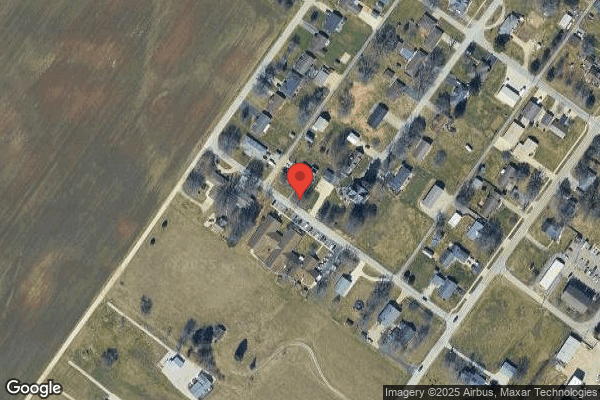
405 RIO VISTA LN, RISING SUN, IN 47040 (812) 438-2219
For profit - Corporation 58 Beds INFINITY HEALTHCARE CONSULTING Data: November 2025
Trust Grade
60/100
#309 of 505 in IN
Last Inspection: January 2025

Within standard 12-15 month inspection cycle. Federal law requires annual inspections.

Overview

The Waters of Rising Sun nursing home has a Trust Grade of C+, indicating it is decent and slightly above average compared to other facilities. It ranks #309 out of 505 in Indiana, placing it in the bottom half of the state, but it is the only option in Ohio County. The facility is showing improvement, as the number of issues decreased from 10 in 2024 to 6 in 2025. Staffing is a positive aspect, with a turnover rate of 37%, which is better than the state average of 47%, though the overall RN coverage is average. There are no fines recorded, but recent inspections noted some concerns: there were inaccuracies in discharge assessments for several residents, a lack of necessary fall prevention measures for one resident, and delays in identifying pressure ulcers for another. Overall, while there are strengths in staffing and no fines, families should be aware of the identified care concerns.

Trust Score
C+
60/100
In Indiana
#309/505
Bottom 39%
Safety Record
Low Risk
No red flags
Inspections
Getting Better
10 → 6 violations
Staff Stability
○ Average
37% turnover. Near Indiana's 48% average. Typical for the industry.
Penalties
✓ Good
No fines on record. Clean compliance history, better than most Indiana facilities.
Skilled Nurses
○ Average
Each resident gets 37 minutes of Registered Nurse (RN) attention daily — about average for Indiana. RNs are the most trained staff who monitor for health changes.
Violations
⚠ Watch
28 deficiencies on record. Higher than average. Multiple issues found across inspections.
★★★☆☆
3.0
Overall Rating
★★★☆☆
3.0
Staff Levels
★★☆☆☆
2.0
Care Quality
★★★☆☆
3.0
Inspection Score
Stable
2024: 10 issues
2025: 6 issues

The Good

  • Full Sprinkler Coverage · Fire safety systems throughout facility
  • No fines on record
  • Staff turnover below average (37%)

    11 points below Indiana average of 48%

Facility shows strength in fire safety.

The Bad

3-Star Overall Rating

Near Indiana average (3.1)

Meets federal standards, typical of most facilities

Staff Turnover: 37%

Near Indiana avg (46%)

Typical for the industry

Chain: INFINITY HEALTHCARE CONSULTING

Part of a multi-facility chain

Ask about local staffing decisions and management

The Ugly 28 deficiencies on record

Jan 2025 6 deficiencies
CONCERN (D)

Potential for Harm - no one hurt, but risky conditions existed

Quality of Care (Tag F0684)

Could have caused harm · This affected 1 resident

Based on observation, interview, and record review, the facility failed to ensure a care planned fall intervention was in place for 1 of 3 residents reviewed for Quality of Care. (Resident 12) Finding...

Read full inspector narrative →
Based on observation, interview, and record review, the facility failed to ensure a care planned fall intervention was in place for 1 of 3 residents reviewed for Quality of Care. (Resident 12) Findings include: During an observation Resident 12 was observed in his room on 01/02/25 at 11:35 A.M. The resident was sitting on the side of his bed. The resident denied concerns with the environment and denied falling in the facility. There was pale yellow tape wrapped around the resident's call light. There were no non-skid strips on the resident's floor near his bed or anywhere else on his side of the room. The clinical record for Resident 12 was reviewed on 01/07/25 at 1:43 P.M. A Significant Change Minimum Data Set (MDS) assessment, dated 11/15/24, indicated the resident was cognitively intact. The diagnoses included, but were not limited to, anemia, cirrhosis, diabetes, hypotension, and hypertensive heart disease. The resident had not experienced a fall since the last assessment. A Progress Note, dated 12/06/24 at 1:49 P.M., indicated the resident was found on the floor near his bed on 12/06/24 at 2:35 A.M. The resident did not remember what he was trying to do at the time. The resident was experiencing weakness due a recent decline in health and was receiving hospice services. The resident was not injured. An intervention to place non-skid strips on the floor beside the resident's bed was to be implemented. The resident's care plan was updated to include the intervention. A Progress Note, dated 12/16/24 at 11:47 A.M., indicated the resident experienced a fall on 12/13/24 at 5:31 P.M. The resident was incontinent and attempted to go to bathroom without assistance. The resident was not injured. The resident's call light was in reach, his bed was in the lowest position, and he had proper footwear on. There was no mention of any non-skid strips on the floor near the resident's bed. An intervention to place florescent tape on the resident's call light was implemented. A Progress Note, dated 1/06/25 at 3:53 P.M., indicated the resident experienced a fall on 01/05/25 at 2:02 A.M. The resident was attempting to get out of bed to go to the bathroom and fell. The resident was not injured. An intervention to ensure the resident's bed was in the lowest position while he was in bed was implemented. During an interview on 01/08/25 at 9:53 A.M., Certified Nurse Aide (CNA) 7 indicated the resident hadn't had any falls recently that she was aware of. He had a cane, but he didn't like to use it. They would put non-skid socks on his feet, and he would just take them off. The resident's room was observed with the Assistant Director of Nursing (ADON) on 01/09/25 at 2:50 P.M. There were no non-skid strips on the floor near the resident's bed. The ADON indicated the resident was supposed to have non-skid strips on the floor, she remembered when they discussed the intervention. The resident's Fall Care Plan was provided by the Director of Nursing (DON) on 01/09/25 at 3:05 P.M. The care plan indicated an intervention was initiated on 12/06/24 to place non-skid strips on the floor by the resident's bed. The current facility policy, titled GUIDELINES FOR INCIDENTS/ACCIDENTS/FALLS, dated 06/30/23, was provided by the DON on 01/09/25 at 3:05 P.M. The policy indicated, .All falls will have a site investigation .to define root cause of the fall .Each fall needs a new care plan interventions rolled out . 3.1-37(a)
CONCERN (D)

Potential for Harm - no one hurt, but risky conditions existed

Pressure Ulcer Prevention (Tag F0686)

Could have caused harm · This affected 1 resident

Based on interview, observation, and record review, the facility failed to identify pressure ulcers in a timely manner for 1 of 3 residents reviewed for pressure ulcers. (Resident 10) Findings include...

Read full inspector narrative →
Based on interview, observation, and record review, the facility failed to identify pressure ulcers in a timely manner for 1 of 3 residents reviewed for pressure ulcers. (Resident 10) Findings include: During an interview on 01/02/25 at 12:45 P.M., Resident 10 indicated she had a wound on her right elbow and a wound on the right side of her right thigh above her knee. The resident pulled up her pant leg to reveal an uncovered nickel size wound that had a reddened defined edge and was two to three millimeters deep. She indicated it was from her leg rubbing on the arm rest support on her wheelchair when she propelled herself. The resident had limited mobility in her right arm. During an interview on 01/08/25 at 10:28 A.M., the Assistant Director of Nursing (ADON) indicated the CNAs reported any redness or alterations in skin integrity on the shower sheets or, if they noticed areas when they were providing care for residents, they would notify the nurse on duty. When a wound was identified, the nurse should complete a wound assessment in the computer, even for areas of redness. The wound evaluations would include all of the resident's wounds. The wounds should be assessed, and the assessment should be documented weekly until the wounds were healed. During an interview on 01/09/25 at 10:19 A.M., the resident indicated the staff helped her to change her clothes. They cleaned her wounds when she got a shower twice a week. They had already changed the dressing on her elbow that day. They had a pillow they wanted her to use under her elbow. The pillow was nowhere in sight and the resident did not know where it was. She had gotten the pillow after the wound was found on her elbow. During an interview on 01/09/25 at 10:31 A.M., Certified Nurse Aide (CNA) 2 and CNA 3 indicated it took two staff members to assist the resident on and off the toilet. The resident's left leg had a metal rod in it and was always straight. They changed her clothes every morning. The resident needed help getting dressed. She used to be able to put her own shirt on but had declined and needed staff assistance with dressing for the last six months. During an interview on 01/09/25 at 2:34 P.M., the ADON indicated the resident's wound on her elbow, a pressure ulcer, was first observed on 12/24/24. It was unstageable (obscured full-thickness skin and tissue loss in which the extent of tissue damage within the ulcer cannot be confirmed because the wound bed is obscured by slough, non-viable yellow, tan, gray, green or brown tissue; usually moist, can be soft, stringy and mucinous in texture, or eschar, dead or devitalized tissue that is hard or soft in texture; usually black, brown, or tan in color, and may appear scab-like). It was dark and scabbed initially. This resident had progressed quite quickly with her wounds. Yesterday they found a new area on her right thigh, and it was scabbed. They determined the wound on her thigh was caused by rubbing on the wheelchair. They tried to put a pillow under her right arm after the wound developed but the resident indicated it kept falling out and the ADON felt it was an infection control issue. The thigh wound was being treated with Medihoney. The elbow was being treated with Santyl, a debriding medication. The elbow had slough on the wound bed the day before. Both of the wounds, the thigh and the elbow, had depth. The wounds should have been noticed before they were unstageable. The resident's clothes were changed daily, and she was toileted frequently. The dressing change to the resident's right elbow and right thigh were observed on 01/09/25 at 11:00 A.M., with RN 8. The right elbow wound was the size of a nickel with a red border. The wound bed was covered in slough and approximately three millimeters deep. The RN indicated they were treating it with Medihoney. The right thigh wound was the size of a dime with a red border. One third of the wound bed was covered in yellow slough. Two thirds were covered with a dark red/black scab. The RN indicated they were treating it with Santyl. The clinical record was reviewed on 01/06/25 at 12:20 P.M. A Quarterly Minimum Data Set (MDS) assessment, dated 12/12/24, indicated the resident was moderately cognitively impaired. The resident's diagnoses included, but were not limited to, diabetes, anxiety, and depression. The resident was at risk for pressure ulcers but had no unhealed pressure ulcers. The Weekly Wound Evaluation record for the wound on the resident's right elbow was provided by the ADON on 01/08/24 at 4:12 P.M. The record indicated the resident's wound was first identified on 12/24/24, was unstageable and measured 1 centimeter (centimeter) x (by) 1.5 cm x 0.25 cm. The wound had a small amount of thick sanguineous (pale red to pink) drainage. The wound bed was 100% covered in necrotic (dead) black tissue. The wound edges were red and defined. The current preventative interventions included a pressure redistribution mattress and a wheelchair cushion. The Braden Scale For Predicting Pressure Sore Risk, with an effective date of 12/08/24, was provided by the Director of Nursing (DON) on 01/09/25 at 3:05 P.M. The record indicated the resident's score was 16 and was categorized as being at Low Risk for developing pressure sores. The current GUIDELINES FOR PREVENTION/TREATMENT OF PRESSURE INJURIES policy, dated 10/09/23, was provided by the DON on 01/09/25 at 4:30 P.M. The policy indicated, .based on resident assessment, the facility will ensure .A resident receives care, consistent with professional standards of practice; to prevent pressure ulcers .A Risk Assessment is considered the starting point for prevention of pressure injury .It is important to note and at risk resident can develop a pressure injury within hours of the onset of pressure. For this reason, the at risk resident must be identified, and have specific interventions put promptly in place and care planned in an effort to prevent formation of a pressure injury . 3.1-40(a)(2)
CONCERN (D) 📢 Someone Reported This

A family member, employee, or ombudsman was alarmed enough to file a formal complaint

Potential for Harm - no one hurt, but risky conditions existed

Incontinence Care (Tag F0690)

Could have caused harm · This affected 1 resident

Based on record review and interview, the facility failed to treat a resident for a Urinary Tract Infection (UTI) in a timely manner for a resident who had a history of UTIs for 1 of 6 residents revie...

Read full inspector narrative →
Based on record review and interview, the facility failed to treat a resident for a Urinary Tract Infection (UTI) in a timely manner for a resident who had a history of UTIs for 1 of 6 residents reviewed for UTIs. (Resident B) Findings include: The clinical record for Resident B was reviewed on 01/06/25 at 12:37 P.M. A Quarterly Minimum Data Set (MDS) assessment, dated 11/01/24, indicated the resident was severely cognitively impaired. The resident's diagnoses included, but were not limited to, cancer, septicemia, and the resident had a UTI in the last 30 days. The resident had received intravenous (IV) medications. The INFECTION CONTROL LOG for October and December 2024, were provided by the Director of Nursing (DON) on 01/09/25 at 4:05 P.M., and indicated the resident received the following antibiotics for UTIs: - Meropenem IV, four times a day for 12 days, with a start date of 10/27/24 and a resolved date of 11/08/24, and - Macrobid 100 milligrams, twice a day for 14 days, with a start date of 12/16/24, and a resolved date of 12/30/24. The Order Details record, dated 12/06/24, was provided by the DON on 01/09/25 at 4:05 P.M., and indicated the Medical Director had ordered the facility to obtain a urine specimen for a Urinalysis/Culture and Sensitivity (UA/C&S) related to the resident having an increase in behaviors. The order was put in the Electronic Health Record with a start date of 12/08/24, and an end date of 12/09/24. The Lab Results Report, dated 12/13/24, was provided by the DON on 01/09/25 at 4:05 P.M., and indicated the urine sample was collected on 12/08/24, received by the lab on 12/09/24, and reported on 12/13/24 at 4:32 P.M. The resident's urine sample tested positive for Escherichia coli and Extended-spectrum beta-lactamase (ESBL). The Electronic Medication Administration Record for December 2024, indicated the resident had a urine specimen collected for a UA/C&S on 12/08/24. The resident was not started on an antibiotic for a UTI until 12/16/24 on night shift, eight days later. During an interview on 01/09/25 at 1:35 P.M., the Assistant Director of Nursing (ADON) indicated she writes the order to collect the urine sample the night before the lab was scheduled to pick up specimens on Mondays. For a UA sent on a Monday, the facility should have the results back by Wednesday evening at the latest. The lab results are sent back to the facility at any time of the day. If she doesn't receive the results she would call the lab. When the facility received the lab results, they contact the doctor. When they get the order from the doctor, the resident should be started on the medication within six hours. The facility staff can contact the doctor on the weekends. The resident was sent out to the hospital recently. She was lethargic, had a UTI, she had ESBL, and was in kidney failure. She came back to the facility on IV antibiotics. The facility can call the Infectious Disease Nurse Practitioner (ID NP) anytime of the day or night, even on the weekends. The Medical Director will often have the facility staff call the ID NP for infections and ordering antibiotics. During an interview on 01/09/25 at 1:48 P.M., the ADON indicated the resident should have been started on an antibiotic sooner for the UTI she had in December. During an interview on 01/09/25 at 4:05 P.M., the DON indicated they had issues with the Lab recently. The resident's lab order was dated 12/06/24. The lab comes on Mondays, so the specimen would have been collected on Sunday, the 8th, and the lab would have picked it up on the 9th. In her professional opinion, between the lab taking a long time and the MD and NP, she did not feel it was best practice to wait to treat the resident for the UTI for that many days. The current undated Change in Resident's Condition or Status policy was provided by the ADON on 01/09/25 at 2:24 P.M. The policy indicated, .The nurse will notify the resident's attending physician when .Any result of a specifically ordered diagnostic test/evaluation that is outside normal parameters .If the resident's physician does not respond to calls of a resident condition status change, the facility Medical Director will be notified to obtain orders, and this will be documented . The current GUIDELINES FOR OBSERVING AND IMPLEMENTING - RESIDENT RIGHTS policy, dated 07/12/23, was provided by the ADON on 01/09/25 at 2:24 P.M. The policy indicated, .Residents are to have their well-being and self-esteem and self-worth enhanced during all care and services interactions . This citation relates to Complaint IN00447592 . 3.1-41(a)(2)
CONCERN (D)

Potential for Harm - no one hurt, but risky conditions existed

Deficiency F0757 (Tag F0757)

Could have caused harm · This affected 1 resident

2. The clinical record for Resident 29 was reviewed on 01/06/25 at 12:01 P.M. An Annual MDS assessment, dated 12/05/24, indicated the resident was moderately cognitively impaired. The resident's diagn...

Read full inspector narrative →
2. The clinical record for Resident 29 was reviewed on 01/06/25 at 12:01 P.M. An Annual MDS assessment, dated 12/05/24, indicated the resident was moderately cognitively impaired. The resident's diagnoses included, but were not limited to, dementia, depression, and hypertension. The resident's current physician's orders included an open-ended order, with a start date of 09/12/24, for Metoprolol 25 mg, give one tablet two times a day (8:00 A.M. and 5:00 P.M.) for hypertension. The medication was to be held for a heart rate (HR) of less than 60. The October, November, and December 2024, EMAR was provided by the Director of Nursing on 01/09/25 at 4:30 P.M., and indicated the resident had received the medication when the HR was less than 60 on the following dates and times: - On 10/03/24, the 8:00 A.M. HR was 55, - On 10/08/24, the 8:00 A.M. HR was 55, - On 11/13/24, the 5:00 P.M. HR was 50, - On 11/15/24, the 5:00 P.M. HR was 54, - On 11/18/24, the 8:00 A.M. HR was 58, - On 11/26/25, the 5:00 P.M. HR was 56, and - On 12/11/24, the 5:00 P.M. HR was 51. A Care Plan, with an initiated date of 12/29/23, indicated the resident was at risk for elevated blood pressure related to a diagnosis of hypertension. The interventions included, but were not limited to, administer medications as ordered by the physician. The current MEDICATION ADMINISTRATION policy, dated February 2017, was provided by the Assistant Director of Nursing on 01/09/25 at 2:45 P.M. The policy indicated, .Review the resident's Medication Administration Record .Read each order entirely .Read and follow special instructions .Obtain and record any vital signs as necessary prior to medication administration . 3.1- 48(a)(3) Based on record review and interview, the facility failed to follow the physician's orders related to medication administration parameters for cardiac medications for 2 of 6 residents reviewed for medications (Residents 12 and 29) Findings include: 1. The clinical record for Resident 12 was reviewed on 01/07/25 at 1:43 P.M. A Significant Change Minimum Data Set (MDS) assessment, dated 11/15/24, indicated the resident was cognitively intact. The diagnoses included, but were not limited to, anemia, cirrhosis, diabetes, hypotension, and hypertensive heart disease. The resident's current physician's orders included an open-ended order, with a start date of 11/21/24, for midodrine (a medication used to treat low blood pressure) 5 milligrams three times a day (8:00 A.M., 11:00 A.M., and 4:00 P.M.). The special instructions indicated the medication was to be held for a systolic blood pressure (sbp) > (greater than) 130 or a diastolic blood pressure (dbp) > 90. The November and December 2024 and January 2025 Electronic Medication Administration Record (EMAR) indicated the resident had received the medication when the systolic blood pressure was greater than 130 or the diastolic blood pressure was greater than 90 on the following dates and times: - On 11/21/24, the 11:00 A.M. blood pressure was 146/79, - On 11/23/24, the 11:00 A.M. blood pressure was 159/80, - On 11/24/24, the 4:00 P.M. blood pressure was 148/82, - On 11/27/24, the 4:00 P.M. blood pressure was 135/74, - On 11/30/24, the 4:00 P.M. blood pressure was 138/74, - On 12/05/24, the 4:00 P.M. blood pressure was 134/74, - On 12/06/24 the 8:00 A.M. blood pressure was 158/85, the 11:00 A.M. blood pressure was 158/85, and the 4:00 P.M. blood pressure was 140/89, - On 12/09/24, the 11:00 A.M. blood pressure was 152/69, - On 12/10/24, the 4:00 P.M. blood pressure was 136/68, - On 12/24/24, the 8:00 A.M. blood pressure was 146/69, the 11:00 A.M. blood pressure was 152/71, and the 4:00 P.M. blood pressure was 135/75, - On 12/28/24, the 11:00 A.M. blood pressure was 144/62, - On 12/29/24, the 11:00 A.M. blood pressure was 155/73, - On 01/01/25, the 4:00 P.M. blood pressure was 152/68, - On 01/02/24, the 11:00 A.M. blood pressure was 140/80, - On 01/04/24, the 8:00 A.M. blood pressure was 139/100, and - On 01/07/24, the 11:00 A.M. blood pressure was 136/74 and the 4:00 P.M. blood pressure was 140/74. During an interview on 01/09/25 at 1:42 P.M., Licensed Practical Nurse (LPN) 6 indicated some medication orders included administration parameters. Sometimes a medication was to be held if the resident's blood pressure or pulse was too low or too high. She would check the resident's blood pressure and if it was out of range, she would not administer the medication. She would mark held on the EMAR and put in a progress note that indicated why the medication was held.
CONCERN (D)

Potential for Harm - no one hurt, but risky conditions existed

Food Safety (Tag F0812)

Could have caused harm · This affected 1 resident

Based on observation and interview, the facility failed to follow appropriate guidelines related to the use of hairnets in the kitchen for 2 of 3 staff observed for food procurement. (Dietary Aides 4 ...

Read full inspector narrative →
Based on observation and interview, the facility failed to follow appropriate guidelines related to the use of hairnets in the kitchen for 2 of 3 staff observed for food procurement. (Dietary Aides 4 and 5) Findings include: During a tour of the kitchen on 01/08/25 at 11:38 A.M., Dietary Aide (DA) 4's hairnet was on the back of her head with three inches of her bangs exposed while she was in the food preparation area. During an observation on 01/09/25 at 9:23 A.M., DA 4 was pushing a hall tray food cart out the kitchen door, three inches of her bangs were not covered by her hairnet. During a kitchen observation on 01/09/25 at 1:16 P.M., DA 4 had three inches of her bangs that were not covered by her hairnet and DA 5 had two inches of her hair around her face that was not covered by her hairnet. During an interview on 01/09/25 at 1:19 P.M., DA 4 indicated hairnets should cover the entire head and all their hair. The current Hair Restraints policy, dated 2017, was provided by the Assistant Director of Nursing on 01/09/25 at 2:34 P.M. The policy indicated, .Staff shall wear hair restraints in all food preparation, dishwashing, and serving areas. 3.1-21(i)(3)
CONCERN (D)

Potential for Harm - no one hurt, but risky conditions existed

Deficiency F0912 (Tag F0912)

Could have caused harm · This affected 1 resident

**NOTE- TERMS IN BRACKETS HAVE BEEN EDITED TO PROTECT CONFIDENTIALITY** Based on observation, interview, and record review, the facility failed to provide at least 80 sq (square) ft (feet) per residen...

Read full inspector narrative →
**NOTE- TERMS IN BRACKETS HAVE BEEN EDITED TO PROTECT CONFIDENTIALITY** Based on observation, interview, and record review, the facility failed to provide at least 80 sq (square) ft (feet) per resident for 2 of 28 resident rooms. (rooms [ROOM NUMBERS]) Findings include: Review of the facility documentation of room size certification, provided by the Administrator, on 01/03/25 at 11:15 A.M., indicated the following room sizes, as observed on facility tour, provided less than 80 square feet per resident: 1. room [ROOM NUMBER], SNF/NF (Skilled Nursing Facility/Nursing Facility), was 217 sq ft, had the capacity for 3 beds, and equaled 79.3 sq ft per resident. During an observation of room [ROOM NUMBER] on 01/09/25 at 1:20 P.M., each resident had adequate space to move about the room and store their belongings. The room measurements were confirmed. 2. room [ROOM NUMBER], SNF/NF, was 224 sq ft, had the capacity for 3 beds, and equaled 74.6 sq ft per resident. During an observation of room [ROOM NUMBER] on 01/09/25 at 1:21 P.M., each resident had adequate space to move about the room and store their belongings. The room measurements were confirmed. These room sizes were verified by the Administrator on 01/09/25 at 1:15 P.M. During an interview on 01/09/25 at 1:15 P.M., the Administrator indicated she would only use the beds as a last option and would like to continue the room waiver. 3.1-19(l)(2)(A) 3.1-19(l)(3) 3.1-19(l)(8)
Feb 2024 10 deficiencies
CONCERN (D)

Potential for Harm - no one hurt, but risky conditions existed

Notification of Changes (Tag F0580)

Could have caused harm · This affected 1 resident

Based on record review and interview, the facility failed to notify the physician of a resident's weight changes for 1 of 17 residents reviewed for notification of change. (Resident 16) Findings inclu...

Read full inspector narrative →
Based on record review and interview, the facility failed to notify the physician of a resident's weight changes for 1 of 17 residents reviewed for notification of change. (Resident 16) Findings include: The clinical record for Resident 16 was reviewed on 02/22/24 at 11:06 A.M. A Quarterly MDS (Minimum Data Set) assessment, dated 01/09/24, indicated the resident was cognitively intact. The diagnoses included, but were not limited to, heart failure and renal insufficiency. A current physician's order, with a start date of 07/13/23, indicated the staff were to weigh the resident daily and were to call the MD for a weight gain greater than 2 lbs. (pounds) in a day and greater than 5 lbs. in a week. The December 2023, January and February 2024 EMAR/ETAR (Electronic Medication Administration Record/Electronic Treatment Administration Record). The records either lacked a documented weight or the physician had been notified of the following weight gains: - 12/04/23, no weight documented, - 12/09/22, no weight documented, - 12/15/23 through 12/18/23, no weight documented, - 12/20/23, no weight documented, - 12/22/23, no weight documented, - 12/24/23, no weight documented, - 12/25/23, no weight documented, - 12/30/23, no weight documented, - 01/11/24, no weight documented, - 01/20/24, no weight documented, - 01/22/24, the weight was 343.8 lbs. and 01/23/24 the weight was 346 lbs., a 2.2 lb. weight gain, - 01/24/24, the weight was 346 lbs. and 01/25/24 the weight was 348.8 lbs., a 2.8 lb. weight gain, - 01/27/24, through 01/29/24, no weight documented, - 02/01/24, the weight was 352.6 lbs. and 02/02/24 the weight was 362 lbs., a 9.4 lb. weight gain, - 02/03/24, no weight documented - 02/04/24, the weight was 362.2 lbs. and 02/05/24 the weight was 365 lbs., a 2.8 lb. weight gain, - 02/10/24, the weight was 365.4 lbs. and 02/11/24 the weight was 367.7 lbs., a 2.3 lb. weight gain, and - 02/18/24, no weight documented. During an interview on 02/22/24 at 3:18 P.M., the ADON (Assistant Director of Nursing) indicated if the resident had a weight gain of greater than 2 pounds in 24 hours the MD should have been notified. The nurses were to document the weight daily and notification of the physician in the clinical record. If the resident refused to be weighed it would be documented as a refusal. The current, undated, facility policy titled, Change in Resident's Condition or Status was provided by the Regional Nurse Consultant on 02/22/24 at 4:06 P.M. The policy indicated, .It is the policy of the facility to ensure that the resident's attending physician and Representative are notified of changes in the resident's condition or status .The nurse will notify the resident's attending physician when: .There is a need to alter the resident's treatment plan significantly . 3.1-5(a)(3)
CONCERN (D)

Potential for Harm - no one hurt, but risky conditions existed

Quality of Care (Tag F0684)

Could have caused harm · This affected 1 resident

Based on record review and interview, the facility failed to follow physicians' orders for hold parameters related to blood pressures and heart rates for 2 of 17 residents reviewed for quality of care...

Read full inspector narrative →
Based on record review and interview, the facility failed to follow physicians' orders for hold parameters related to blood pressures and heart rates for 2 of 17 residents reviewed for quality of care. (Residents 42 and 17) Findings include: 1. The clinical record for Resident 42 was reviewed on 02/20/24 at 10:06 A.M. A Quarterly MDS (Minimum Data Set) assessment, dated 02/08/24, indicated the resident was cognitively intact. The diagnoses included, but were not limited to, hypertension, neurogenic bladder, seizure disorder, anxiety, and depression. A current physician's order, with a start date of 05/10/23, indicated the resident was to get Midodrine 5 mg (milligrams), three times a day, for hypotension. The staff were to hold the medication if the residents systolic (top number) blood pressure was greater than 140. The clinical record that included the January and February 2024 EMAR/ETAR (Electronic Medication Administration Record/Electronic Treatment Administration Record) indicated the resident had received the medication when the blood pressure was greater than 140 or the blood pressure was not obtained on the following dates and times: - 01/06/24 at 5:00 P.M., the blood pressure was 144/76, - 01/12/24, at 5:00 P.M., the blood pressure was not documented and lacked indication the resident received the medication, - 01/16/24 at 5:00 P.M., the blood pressure was 175/79, - 01/22/24 at 8:00 A.M., the blood pressure was 156/67, - 01/26/24 at 1:00 P.M., the blood pressure was 188/61, - 02/11/24 at 5:00 P.M., the blood pressure was not documented and lacked indication the resident received the medication, and - 02/19/24 at 5:00 P.M., the blood pressure was not documented and lacked indication the resident received the medication. During an interview on 02/22/24 at 10:03 A.M., RN 3 indicated if there were hold parameters on a resident's medication, then she would obtain the vitals. If the vitals were outside of the parameters, the medication wouldn't be administered. She would document the vitals in the EMAR and that the medication was held. 2. The clinical record for Resident 17 was reviewed on 02/21/24 at 9:57 A.M. A Quarterly MDS assessment, dated 11/14/23, indicated the resident was moderately cognitively impaired. The diagnoses included, but were not limited to, diabetes, renal insufficiency, hypertension, and a stroke. A current physician's order, with a start date of 08/29/23, indicated the resident was to get Atenolol 25 mg, one time a day, for hypertension. The staff were to hold the medication if the resident's heart rate was less than 60. The clinical record that included the January and February 2024 EMAR/ETAR indicated the resident had received the medication when the heart rate was not documented on the following dates: - 01/02/24, - 01/03/24, - 01/06/24 through 01/31/24, and - 02/05/24 through 02/14/24. During an interview on 02/22/24 at 10:49 A.M., the Assistant Director of Nursing indicated if a resident's medication had hold parameters for the heart rate, the heart rate should be obtained prior to the medication being given. If the heart rate was outside of the parameters, the medication shouldn't be administered, and the Medical Director and the family should be notified. The current, undated, facility policy titled, Physician Order-(Following Physician Orders) was provided by the Regional Nurse Consultant on 02/22/24 at 10:56 A.M. The policy indicated, .It is the policy of the facility to follow the orders of the physician . The current facility policy titled, Medication Administration dated February 2017, was provided by the Regional Nurse Consultant on 02/22/24 at 10:56 A.M. The policy indicated, .To administer medications safely and appropriately to aid residents to overcome illness, relieve and prevent symptoms, and help in diagnosis .Read and follow any special instructions written on labels .Obtain and record any vital signs as necessary prior to medication administration . 3.1-37(a)
CONCERN (D)

Potential for Harm - no one hurt, but risky conditions existed

Pressure Ulcer Prevention (Tag F0686)

Could have caused harm · This affected 1 resident

Based on record review and interview, the facility failed to prevent a DTI (Deep Tissue Injury) (Persistent non-blanchable deep red, maroon, or purple discoloration Intact skin with localized area of ...

Read full inspector narrative →
Based on record review and interview, the facility failed to prevent a DTI (Deep Tissue Injury) (Persistent non-blanchable deep red, maroon, or purple discoloration Intact skin with localized area of persistent non-blanchable deep red, maroon, purple discoloration due to damage of underlying soft tissue) pressure ulcer for 1 of 4 residents reviewed for pressure ulcers. (Resident 16) Findings include: During an interview on 02/19/24 at 11:11 A.M., Resident 16 indicated she had developed a wound to her left heel after coming to the facility. The wound was currently healed, but she continued with wearing heel boots at night while she was in bed. The clinical record for the resident was reviewed on 02/22/24 at 11:06 A.M. A Quarterly MDS (Minimum Data Set) assessment, dated 01/09/24, indicated the resident was cognitively intact. The diagnoses included, but were not limited to, anemia, heart failure, hypertension, renal insufficiency, diabetes, anxiety, and depression. A Weekly Skin Observation, dated 11/19/23 and 11/26/23, indicated the resident did not have any new skin conditions. The CNA (Certified Nurse Aide) Bath/Shower Checklist for November and December 2023, lacked indication the resident had any new skin conditions. A Wound NP (Nurse Practitioner) Assessment, dated 12/06/23, indicated the resident had a Deep Tissue Injury to the left heel that measured 1.5 cm (centimeters) by 1.5 centimeters. A Wound NP Assessment, dated 01/24/24, indicated the resident's left heel wound had healed. During an interview on 02/21/24 at 10:28 A.M., the Wound NP indicated the resident had chronic knee pain and would push her foot directly on the foot pedal of her wheelchair and caused the DTI to the left heel. The resident's wound healed well. They initiated boots for the resident to wear at all times, but she no longer needed them. The wound was a DTI when it was found. During an interview on 02/22/24 at 10:03 A.M., RN 3 indicated the nurses assessed the resident's skin weekly. If a resident had a new skin impairment, she would complete a skin risk management assessment and notify the appropriate management staff, MD, and family. The aides were to come to the nurse and let them know if they saw any skin impairments with daily care. During an interview on 02/22/24 at 10:21 A.M., CNA 5 indicated she looked at the resident skin anytime she was assisting them with care. She made sure to check bony prominences and high-pressure areas. If the resident had a new skin impairment, she would let the nurse know right away. During an interview on 02/22/24 at 2:57 P.M., the ADON (Assistant Director of Nursing) indicated the resident was alert and oriented. The resident was a diabetic. The resident developed a wound to her left heel from pushing her foot onto her foot pedal even after education and encouragement to not do so. When the wound developed the resident was given boots to wear at all times. She had recently started to not want to wear them while up in the wheelchair, but still wore them while she was in bed. The wound was a deep tissue injury when it was found. The staff should have noticed redness before and alerted her before it was a deep tissue injury. The current facility policy titled Guidelines for Prevention/Treatment of Pressure Injuries dated 10/09/23, was provided by the Regional Nurse Consultant on 02/22/24 at 4:06 P.M. The policy indicated, .It is the intent of the facility to recognize the following information and to act on it in such a way as to practice evidence-based recommendations for the prevention/treatment of pressure injuries to the residents who reside in the facility .In accordance with Federal Regulations-and based on resident assessment, the facility will ensure: A resident received care, consistent with professional standards of practice; to prevent pressure ulcers and does not develop pressure ulcers unless the individual's clinical condition demonstrates that they were unavoidable . 3.1-40(a)(1)
CONCERN (D)

Potential for Harm - no one hurt, but risky conditions existed

Incontinence Care (Tag F0690)

Could have caused harm · This affected 1 resident

Based on observation, interview, and record review, the facility failed to ensure appropriate catheter care was provided related to the positioning of an indwelling urinary catheter drainage bag and t...

Read full inspector narrative →
Based on observation, interview, and record review, the facility failed to ensure appropriate catheter care was provided related to the positioning of an indwelling urinary catheter drainage bag and tubing for 1 of 5 residents reviewed for indwelling catheters. (Resident 17) Findings include: The clinical record for Resident 17 was reviewed on 02/21/24 at 9:57 A.M. A Quarterly MDS (Minimum Data Set) assessment, dated 11/14/23, indicated the resident was moderately cognitively impaired. The diagnoses included, but were not limited to, diabetes, renal insufficiency, hypertension, and a stroke. The resident required substantial/maximal assistance with ADLs (Activities of Daily Living). During an observation on 02/21/24 at 11:24 A.M., Resident 17 was sitting in his wheelchair in the hallway between the nurse's station the main dining room. His urinary catheter bag was half full and approximately two inches of the bag was touching the floor. There were several staff members in the immediate area walking past him. During an observation on 02/21/24 at 11:44 A.M., Resident 17 propelled himself into the main dining room with his urinary catheter bag dragging on the floor. During an observation on 02/21/24 at 11:54 A.M., Resident 17 was sitting in the main dining room with his urinary catheter bag touching the floor. During an observation on 02/21/24 at 12:17 P.M., Resident 17 was removed from the main dining room and propelled down the hall to his room by CNA (Certified Nurse Aide) 4. The urinary catheter bag was dragging the floor. During an observation on 02/21/24 at 12:33 P.M., CNA 4 returned Resident 17 to the main dining room. His urinary catheter bag continued to drag the floor. During an observation on 02/22/24 at 12:19 P.M., Resident 17 was sitting in his wheelchair in the main dining room with two inches of his urinary catheter bag touching the floor. A current physician's order, with a start date of 02/16/24, indicated the resident received Macrobid (an antibiotic) 100 mg (milligrams), twice a day for nine days for a UTI (urinary tract infection). During an interview on 02/22/24 at 10:52 A.M., CNA 5 indicated a resident's urinary catheter tubing or bag should never touch the floor. During an interview on 02/22/24 at 11:15 A.M., the Regional Nurse Consultant indicated the facility did not have a policy related to keeping the urinary catheter bag and tubing off the floor, but the urinary catheter bag and tubing should never touch the floor. 3.1-41(a)(2)
CONCERN (D)

Potential for Harm - no one hurt, but risky conditions existed

Tube Feeding (Tag F0693)

Could have caused harm · This affected 1 resident

**NOTE- TERMS IN BRACKETS HAVE BEEN EDITED TO PROTECT CONFIDENTIALITY** Based on interview, observation, and record review, the facility failed to monitor a resident's Gastrostomy tube site for severa...

Read full inspector narrative →
**NOTE- TERMS IN BRACKETS HAVE BEEN EDITED TO PROTECT CONFIDENTIALITY** Based on interview, observation, and record review, the facility failed to monitor a resident's Gastrostomy tube site for several days after admission for 1 of 2 residents reviewed for tube feedings. (Resident 20) Findings include: During an interview and observation on 02/19/24 at 1:49 P.M., Resident 20 indicated he was having a hard time swallowing and had a feeding (gastorstomy) tube. He then raised his shirt revealing the end of the feeding tube protruding from his stomach. The clinical record was reviewed on 02/21/24 at 3:18 P.M. An admission MDS (Minimum Data Set) assessment, dated 02/12/24, indicated the resident was cognitively intact. The diagnoses included, but were not limited to, severe protein calorie malnutrition, GERD (Gastroesophageal Reflux Disease), and orthostatic hypotension. The resident was admitted to the facility on [DATE]. The AFTER VISIT SUMMARY from a local hospital following the resident's discharge on [DATE], was provided by the RDO (Regional Director of Operations) on 02/22/24 at 10:03 A.M. The report indicated the resident was Gastrostomy Tube (G-tube) dependent and there was a G-tube present over his LUQ (Left Upper Quadrant). The February 2024 Progress Notes were provided by the DON (Director of Nursing) on 02/22/24 at 10:49 A.M. A Nursing Progress Note, dated 02/12/24, indicated the resident had a G-tube in place. The February EMAR/ETAR (Electronic Medication Administration Record/Electronic Treatment Administration Record) indicated the resident took his medications by mouth and the G-tube site was not flushed or monitored from 02/09/24 through 02/14/24, five days after the resident was admitted to the facility. The orders included, but were not limited to: - An open-ended order, with a start date of 02/14/24 at 6:00 P.M., to cleanse the G-Tube site with NSS (Normal Saline Solution) daily on the 10:00 P.M. to 6:00 A.M. shift and as needed, and - An open-ended order, with a start date of 02/14/24 at 6:15 P.M., for Enteral feeding: flush tube with 45 cc (cubic centimeters) before and after bolus, administer water every shift for hydration. During an interview on 02/22/24 at 10:43 A.M., the ADON (Assistant Director of Nursing) indicated the resident had the G-tube since admission. If a resident had a G-tube that was not being used, staff were still supposed to monitor the site, flush the tube, and check placement daily and it should be documented in the EMAR/ETAR. The Complete Care Plan, including the Baseline Care Plan was provided by the MDS Coordinator on 02/22/24 at 4:05 P.M. The Care Plans did not address the resident's G-tube until 02/19/24, when an intervention to Provide enteral feeding and flushes as ordered was initiated on 02/19/24. The current undated Enteral Tube Care and Feeding policy was provided by the Regional Nurse Consultant on 02/22/24 at 10:37 A.M. The policy indicated, .Purpose .To describe care and use of enteral tube and feeding .SITE CLEANSING .Remove dressing of [sic] applicable .If tube has disc on the skin, clean under the disc with normal saline and gauze or cotton applicator beginning at stoma and working outward. Assure that any crusts are removed .Observe the site for redness, tenderness, swelling, or presence of drainage .Verify tube placement and flush tube with a minimum of 30 cc [sic] water . 3.1-47(a)(2)
CONCERN (D)

Potential for Harm - no one hurt, but risky conditions existed

Deficiency F0694 (Tag F0694)

Could have caused harm · This affected 1 resident

2. Resident 7 was observed in her room on 02/20/24 at 11:15 A.M. The resident indicated a PICC line was recently placed in her arm so she could receive antibiotics for a urinary tract infection. The r...

Read full inspector narrative →
2. Resident 7 was observed in her room on 02/20/24 at 11:15 A.M. The resident indicated a PICC line was recently placed in her arm so she could receive antibiotics for a urinary tract infection. The resident's upper right arm was observed. There was a clear dressing taped over the PICC line, with a piece of gauze with dried blood covering the actual insertion site in the resident's skin. The dressing was not initialed or dated. The resident's clinical record was reviewed on 02/20/24 at 10:30 A.M. A Quarterly MDS assessment, dated 01/29/24, indicated the resident was cognitively intact. The diagnoses included, but were not limited to, anemia, heart failure, and COPD (Chronic Obstructive Pulmonary Disease). The EMAR for February 2024 indicated the resident's PICC line dressing was changed by nursing staff on 02/19/24. During an interview on 02/21/24 at 2:56 P.M., the ADON (Assistant Director of Nursing) indicated the resident's PICC line was placed on 02/17/24. The dressing was to be changed weekly, and as needed. She knew another nurse changed the dressing on night shift the night before last (02/19/24), because that nurse called and spoke with the ADON about it. The resident's PICC line dressing was observed with the ADON on 02/21/24 at 3:00 P.M. The ADON indicated the dressing was not dated and it should have been. The current, undated facility policy, titled PICC Line Dressing, was provided by the Regional Nurse Consultant on 02/22/24 at 9:42 A.M. The policy indicated, .PICC dressing are changed 24 hours after placement of line .dressings with gauze shall be changed every 48 hours .Label dressing with dated and initials of the person performing the dressing change . 3.1-47(a)(2) Based on observation, interview, and record review, the facility failed to ensure residents with Peripherally Inserted Central Catheter lines dressing changes were appropriately marked and in place for 2 of 3 residents reviewed for PICC lines. (Residents 43 and 7) Findings include: 1. During an observation on 02/22/24 at 9:50 A.M., Resident 43 was in his room sitting on the side of his bed. He had an IV (Intravenous) medication infusing through a PICC (Peripherally Inserted Central Catheter) line in his right upper arm. The dressing covering the PICC line was undated with no staff member's initials as to when it was changed and by whom. One quarter of the dressing was peeled away from the resident's skin near his armpit. There was a small white disc covering the insertion site with a small amount of dried blood showing through the window dressing. The PICC line insertion site and dressing was observed on 02/22/24 at 12:05 P.M., with RN 3. The RN indicated the dressing should have been dated and initialed by the staff member who changed the dressing. The clinical record for Resident 43 was reviewed on 02/20/24 at 10:37 A.M. A Quarterly MDS (Minimum Data Set) assessment, dated 02/08/24, indicated the resident was moderately cognitively impaired. The diagnoses included, but were not limited to, hypertensive heart disease with heart failure, diabetes, anxiety disorder, and respiratory failure. The February EMAR/ETAR (Electronic Medication Administration Record/Electronic Treatment Administration Record) was provided by the DON (Director of Nursing) on 02/22/24 at 1:20 P.M. The record indicated the resident was receiving an IV antibiotic for a bacterial infection in his leg since 02/07/24.
CONCERN (D) 📢 Someone Reported This

A family member, employee, or ombudsman was alarmed enough to file a formal complaint

Potential for Harm - no one hurt, but risky conditions existed

Deficiency F0761 (Tag F0761)

Could have caused harm · This affected 1 resident

**NOTE- TERMS IN BRACKETS HAVE BEEN EDITED TO PROTECT CONFIDENTIALITY** Based on observation and interview, the facility failed to store medications appropriately related having unsecured loose pills ...

Read full inspector narrative →
**NOTE- TERMS IN BRACKETS HAVE BEEN EDITED TO PROTECT CONFIDENTIALITY** Based on observation and interview, the facility failed to store medications appropriately related having unsecured loose pills in the medication carts for 2 of 4 medication carts reviewed. (The [NAME] Hall Medication Cart and the Sycamore Hall Medication Cart) Findings include: 1. The [NAME] Hall Medication Cart was observed on 02/19/24 at 9:18 A.M., with LPN (Licensed Practical Nurse) 7. The Medication Cart contained the following loose pills laying in the bottom of the drawers: - 1/2 of a small white round tablet, - 1 small white round tablet, and - 2 large white round tablets. During an interview on 11/06/23 at 9:19 A.M., LPN 7 indicated there should not be any loose pills in the medication cart. 2. The Sycamore Hall Medication Cart was observed on 02/19/24 at 9:27 A.M., with QMA (Qualified Medication Aide) 6. The Medication Cart contained the following loose pills laying in the bottom of the drawers: - one yellow and green capsule and - one small white round tablet, During an interview on 02/19/24 at 9:28 A.M., QMA 6 indicated there should not be any loose pills in the medication cart. The current facility policy titled, MEDICATION STORAGE IN THE FACILITY with a date of 02/2017 was provided by the Regional Nurse Consultant on 02/20/24 at 1:01 P.M. The policy indicated, .Medications and biologicals are stored safely, securely, and properly, following the manufacturer or supplier's recommendations . This citation relates to Complaint IN00427737. 3.1-25(m)
CONCERN (D)

Potential for Harm - no one hurt, but risky conditions existed

Deficiency F0883 (Tag F0883)

Could have caused harm · This affected 1 resident

Based on interview and record review, the facility failed to administer pneumococcal vaccines for 2 of 6 residents reviewed for immunizations. (Residents 9 and 35) Findings include: 1. The clinical re...

Read full inspector narrative →
Based on interview and record review, the facility failed to administer pneumococcal vaccines for 2 of 6 residents reviewed for immunizations. (Residents 9 and 35) Findings include: 1. The clinical record for Resident 9 was reviewed on 02/20/24 at 2:45 P.M. A Quarterly MDS (Minimum Data Set) assessment, dated 12/10/23, indicated the resident was cognitively intact. The diagnoses included, but were not limited to, anemia, Alzheimer's disease, and malnutrition. A Nursing Progress Note, dated 12/08/2023 at 1:03 P.M., indicated the resident's family member called and wanted the resident to receive the pneumococcal vaccine when it was due. The resident's record lacked indication that the resident received the requested vaccination. During an interview on 02/22/24 at 2:45 P.M. the IP (Infection Preventionist) Nurse indicated the resident should have received the vaccine when her family member said she wanted her to have it. 2. Resident 35's clinical record was reviewed on 02/22/24 at 12:01 P.M. An Annual MDS assessment, dated 01/01/24, indicated the resident was moderately cognitively impaired. The diagnoses included, but were not limited to, stroke, atrial fibrillation, hypertension, and diabetes. The resident signed consents to receive the pneumococcal vaccine as determined by current CDC (Center for Disease Control) guidelines on 03/29/23. The resident's electronic health record lacked documentation the resident received any pneumococcal vaccinations. During an interview on 02/22/24 at 2:49 P.M., the Regional Nurse Consultant indicated documentation from a sister facility indicated the resident did receive a pneumococcal vaccine in the past. Currently, the resident was eligible for the PCV (Pneumococcal conjugate vaccine) 20, and he should have received it. The current facility policy, titled GUIDELINES FOR PNEUMOCOCCAL VACCINATION, dated 06/10/23, was provided by the Administrator on 02/19/24 during the entrance conference. The policy indicated, .each resident has the opportunity to receive the vaccine unless medically contraindicated . 3.1-18(b)
CONCERN (D)

Potential for Harm - no one hurt, but risky conditions existed

Deficiency F0912 (Tag F0912)

Could have caused harm · This affected 1 resident

**NOTE- TERMS IN BRACKETS HAVE BEEN EDITED TO PROTECT CONFIDENTIALITY** Based on observation, interview, and record review, the facility failed to provide at least 80 sq (square) ft (feet) per residen...

Read full inspector narrative →
**NOTE- TERMS IN BRACKETS HAVE BEEN EDITED TO PROTECT CONFIDENTIALITY** Based on observation, interview, and record review, the facility failed to provide at least 80 sq (square) ft (feet) per resident for 2 of 28 resident rooms. (rooms [ROOM NUMBERS]) Findings include: Review of the facility documentation of room size certification, provided by the Administrator, on 02/19/24 at 11:15 A.M., indicated the following room sizes, as observed on facility tour, provided less than 80 square feet per resident: 1. room [ROOM NUMBER], SNF/NF (Skilled Nursing Facility/Nursing Facility), was 217 sq ft, had the capacity for 3 beds, and equaled 79.3 sq ft per resident. During an observation of room [ROOM NUMBER] on 02/22/24 at 9:35 A.M., each resident had adequate space to move about the room and store their belongings. The room measurements were confirmed. 2. room [ROOM NUMBER], SNF/NF, was 224 sq ft, had the capacity for 3 beds, and equaled 74.6 sq ft per resident. During an observation of room [ROOM NUMBER] on 02/22/24 at 9:38 A.M., each resident had adequate space to move about the room and store their belongings. The room measurements were confirmed. These room sizes were verified by the Regional Director of Operations on 02/22/24 at 9:45 A.M. During an interview on 02/22/24 at 9:30 A.M., the Regional Director of Operations indicated he would only use the beds as a last option and would like to continue the room waiver. 3.1-19(l)(2)(A) 3.1-19(l)(3) 3.1-19(l)(8)
CONCERN (E)

Potential for Harm - no one hurt, but risky conditions existed

Assessment Accuracy (Tag F0641)

Could have caused harm · This affected multiple residents

**NOTE- TERMS IN BRACKETS HAVE BEEN EDITED TO PROTECT CONFIDENTIALITY** Based on record review and interview, the facility failed to accurately complete MDS (Minimum Data Set) assessments related to r...

Read full inspector narrative →
**NOTE- TERMS IN BRACKETS HAVE BEEN EDITED TO PROTECT CONFIDENTIALITY** Based on record review and interview, the facility failed to accurately complete MDS (Minimum Data Set) assessments related to residents' discharge status and diagnoses for 4 of 14 residents reviewed for accuracy of assessments. (Residents 49, 7, 38, and 50) Findings include: 1. The clinical record for Resident 49 was reviewed on 02/22/24 at 10:21 A.M. A Discharge MDS assessment, dated 12/18/23, indicated the resident was cognitively intact. The diagnoses included, but were not limited to, diabetes, anxiety, malnutrition, and heart failure. The assessment indicated this was a planned discharge and the resident's return was not anticipated. The discharge status section indicated the resident was discharged to a short-term general hospital. The resident's discharge summary in the EHR (Electronic Health Record) indicated the resident discharged from the facility on 12/18/23 to another nursing home. The resident's family provided transportation. During an interview on 02/22/24 at 11:12 A.M., the Social Services Director indicated the resident moved to a different facility that was closer to her family. During an interview on 02/22/24 at 11:16 A.M., the MDS Coordinator indicated the assessment should have indicated the resident discharged to another nursing home, not to a hospital. 2. The clinical record for Resident 7 was reviewed on 02/20/24 at 10:30 A.M. A Quarterly MDS assessment, dated 01/29/24, indicated the resident was cognitively intact. The diagnoses included, but were not limited to, anemia, heart failure, and COPD (Chronic Obstructive Pulmonary Disease). The Infections segment of the diagnosis section of the assessment indicated the resident had not had a UTI (Urinary Tract Infection) in the last 30 days. Urinalysis Culture and Sensitivity lab test results, dated 01/10/24, were provided by the MDS Coordinator on 02/22/24 at 11:43 A.M. The test results indicated the resident had greater than 100,000 CFU/ml (colony forming units per milliliter) of Escherichia coli (a bacteria). The resident was placed on an antibiotic. An INFECTION - UTI (McGeer Criteria) document, dated 01/11/24, indicated the resident's urinalysis results and complaints of dysuria or pain met McGeer's criteria for infection. During an interview on 02/22/24 at 11:20 A.M., the MDS Coordinator indicated the resident's urinalysis results did meet criteria for infection. The MDS should have indicated the resident had a UTI in the last 30 days of the assessment review period. The facility followed the RAI (Resident Assessment Instrument) manual. 3. The clinical record for Resident 38 was reviewed on 02/22/24 at 1:32 P.M. A Significant Change MDS assessment, dated 02/05/24, indicated the resident was severely cognitively impaired. The diagnoses included, but were not limited to, Alzheimer's disease and obstructive uropathy. The resident had an indwelling urinary catheter and had not had a UTI in the last 30 days. During an interview on 02/22/24 at 3:07 P.M., the MDS Coordinator indicated for a UTI to be documented on the MDS assessment it had to meet McGeer's Criteria and have over 100,000 organisms on the Culture and Sensitivity lab test. Culture and Sensitivity lab test results, dated 01/20/24, were provided by the MDS Coordinator on 02/22/24 at 3:13 P.M. The test results indicated the resident had greater than 100,000 CFU/ml of Proteus mirabilis and Psuedomonas aeruginosa and was placed on an antibiotic. The MDS Coordinator indicated the UTI should have been documented on the MDS assessment. 4. The clinical record for Resident 50 was reviewed on 02/20/24 at 8:58 A.M. A Discharge - Return Anticipated MDS assessment, dated 12/01/23, indicated the resident was cognitively intact. The diagnoses included, but were not limited to, diabetes and a fall at home. The resident was returning to the community. The Resident Discharge summary, dated [DATE], indicated the resident was returning home to the community. A progress note, dated 12/01/23 at 11:21 A.M., indicated the resident left the facility with her son and daughter-in-law. During an interview on 02/22/24 at 1:38 P.M., the MDS Coordinator indicated the assessment for Resident 50 should have been a discharged - return not anticipated.
Sept 2023 1 deficiency
CONCERN (D) 📢 Someone Reported This

A family member, employee, or ombudsman was alarmed enough to file a formal complaint

Potential for Harm - no one hurt, but risky conditions existed

Pharmacy Services (Tag F0755)

Could have caused harm · This affected 1 resident

Based on observation, record review, and interview, the facility failed to administer medication appropriatly and per the physician's order for 1 of 3 residents reviewed for pharmcy services. (Residen...

Read full inspector narrative →
Based on observation, record review, and interview, the facility failed to administer medication appropriatly and per the physician's order for 1 of 3 residents reviewed for pharmcy services. (Resident D) Findings include: The resident medication administration was observed on 09/26/23 at 11:44 A.M., with RN 2. Resident D was sitting in the hallway in a wheelchair. RN 2 prepared the resident's medications at the medication cart that was sitting in the hallway near the nurse's station. The RN pulled the resident close to the medication cart and administered her medications through her G (Gastrostomy)-tube. Two visitors passed by during the administration process. The nurse indicated sometimes she administered the resident's medications in the hallway and sometimes she did it in the resident's room. The clinical record for Resident D was reviewed on 09/26/23 at 1:00 P.M. A Quarterly MDS (Minimum Data Set) assessment, dated 06/19/23, indicated the resident was rarely/never understood. The diagnoses included, but were not limited to, Cerebral Palsy, seizure disorder, malnutrition, and depression. The EMAR (Electronic Medication Administration Record) for September 2023 was provided by the MDS Coordinator on 09/26/23 at 1:15 P.M. The EMAR indicated the resident had not received the following prescribed medications and supplements on the following dates and times based on blanks in the record: On September 9, 2023: - 2 Cal supplement 240 cc (cubic centimeters) three times a day to meet nutritional needs, thicken to honey thick liquid, with a start date of 04/24/23, at 1:00 P.M., and at 5:00 P.M. - Dicyclomine tablet 20 mg (milligrams), one tablet three times a day via G-tube for bowel spasms, with a start date of 12/22/22, at 12:00 P.M. - Gabapentin 600 mg, one tablet three times a day via G-tube for anticonvulsant, with a start date of 12/22/22, at 12:00 P.M. - Glycopyrrolate 1 mg, give one tablet three times a day via G-tube for constant drooling, with a start date of 12/22/22, at 12:00 P.M. - Power Pudding three times a day with meals to maintain weight, with a start date of 04/23/23, at 12:00 P.M. and 5:00 P.M. - Pyridostigmine Bromide tablet 60 mg, give one tablet four times a day via G-tube for underactive bladder with a start date of 12/22/22, at 12:00 P.M. - Enteral feeding: flush tube with 240 ml (milliliters) of water every four hours for fluid needs for tube feeding, with a start date of 05/11/23, at 12:00 P.M., and at 4:00 P.M. On September 10, 2023: - 2 Cal supplement 240 cc three times a day to meet nutritional needs, thicken to honey thick liquid, with a start date of 04/24/23, at 1:00 P.M., and at 5:00 P.M. - Dicyclomine tablet 20 mg one tablet three times a day via G-tube for bowel spasms, with a start date of 12/22/22, at 12:00 P.M. - Gabapentin 600 mg, one tablet three times a day via G-tube for anticonvulsant, with a start date of 12/22/22, at 12:00 P.M. - Glycopyrrolate 1 mg, give one tablet three times a day via G-tube for constant drooling, with a start date of 12/22/22, at 12:00 P.M. - Power Pudding three times a day with meals to maintain weight, with a start date of 04/23/23, at 12:00 P.M. and 5:00 P.M. - Pyridostigmine Bromide tablet 60 mg, give one tablet four times a day via G-tube for underactive bladder with a start date of 12/22/22, at 12:00 P.M. - Enteral feeding: flush tube with 240 ml of water every four hours for fluid needs for tube feeding, with a start date of 05/11/23, at 12:00 P.M., and at 4:00 P.M. On September 11, 2023: - Divalproex Sodium capsule delayed release 125 mg, give two capsules one time a day for seizure disorder, with a start date of 07/19/23, at 8:00 A.M. - Zinc 220 mg one time a day for COVID-19, with a start date of 09/02/23, at 8:00 A.M. - 2 Cal supplement 240 cc three times a day to meet nutritional needs, thicken to honey thick liquid, with a start date of 04/24/23, at 8:00 A.M. - Power Pudding three times a day with meals to maintain weight, with a start date of 04/23/23, at 8:00 A.M. - Enteral feeding: flush tube with 240 ml of water every four hours for fluid needs for tube feeding, with a start date of 05/11/23, at 8:00 A.M. The EMAR lacked documentation that the medications were refused, unavailable, or that the MD had been notified. The Progress Notes for September 2023 were provided by the MDS Coordinator on 09/26/23 at 1:15 P.M. The record lacked documentation the resident had been out of the facility, unavailable, or refused medications or supplements. During an interview on 09/26/23 at 12:43 P.M., RN 2 indicated when staff administered medications they documented on the EMAR. If there were blanks on the EMAR it meant the medication was not given. If the medication was not given staff should report to the MD and family that the resident had refused. Staff would document on the EMAR if a medication was refused. During an interview on 09/26/23 at 1:13 P.M., the MDS Coordinator indicated there should not be blanks on the EMAR. During an interview on 09/26/23 at 2:39 P.M., the DON (Director of Nursing) indicated Resident D had not been sent out of the facility nor had any seizures this month. The current undated MEDICATION ADMINISTRATION GUIDELINES policy was provided by the MDS Coordinator on 09/26/23 at 1:20 P.M. The policy indicated, .Administer medications .according to times of administration determined by the facility policy and/or the physician/prescriber .sign MAR immediately after administering the medications .Document necessary medication administration information .Document .refused, withheld medications per facility policy .Make sure that meds are administered in private environment when necessary . This Federal tag relates to complaint IN00417622. 3.1-25(a)
Aug 2023 2 deficiencies
CONCERN (D) 📢 Someone Reported This

A family member, employee, or ombudsman was alarmed enough to file a formal complaint

Potential for Harm - no one hurt, but risky conditions existed

Notification of Changes (Tag F0580)

Could have caused harm · This affected 1 resident

Based on record review and interview, the facility failed to notify the physician and family related to a resident's behaviors of refusing medications for 1 of 3 residents reviewed. (Resident D) Find...

Read full inspector narrative →
Based on record review and interview, the facility failed to notify the physician and family related to a resident's behaviors of refusing medications for 1 of 3 residents reviewed. (Resident D) Findings include: The clinical record for Resident D was reviewed on 07/31/23 at 2:45 P.M. A Quarterly MDS (Minimum Data Set) assessment, dated 05/31/23, indicated the resident was cognitively intact. The diagnoses included, but were not limited to, Parkinson's disease, coronary artery disease, and diabetes. The resident received an antidepressant and an opioid for seven of the seven days during the review period. The resident had no hallucinations, delusions, physical or verbal behaviors towards others, or themselves, nor any rejection of care. A Focus Care Plan, with an initiated date of 03/24/21, indicated the resident was resistive/declined care and frequently refused showers and medications. The interventions included, but were not limited to, encourage the resident to take medications to maintain physical and mental health, with an initiated date of 02/24/23; and staff were to inform the MD and family of any changes, with an initiated date of 03/24/21. The EMAR/ETAR (Electronic Medication Administration Record/Electronic Treatment Administration Record) for June and July 2023 indicated the resident refused medications on the following dates and times: - On June 2, 6, 7, 10, and 11 at 8:00 A.M., the resident refused Amlodipine 10 mg (milligrams) once a day for coronary artery disease, Aspirin 81 mg once a day for preventative, Cholecalciferol 50 mcg (micrograms) once a day for vitamin D deficiency, Ferrous sulfate 325 mg once a day for anemia, Multivitamin once a day to promote nutritional health, Omeprazole 20 mg once a day for GERD (Gastroesophageal Reflux Disease), Pimavanserin Tartrate 34 mg once a day for Parkinson's disease related to psychotic disorder with delusions due to physiological condition, Potassium chloride 10 MEQ (Millequivelents) once a day for supplement, Sennoside 8.6 mg two times a day for bowel motility, Carbidopa-Levodopa 25-100 mg three times a day for Parkinson's Disease, 8:00 A.M., June 2, 6, and 7, at 2:00 P.M., Gabapentin 200 mg three times a day for neuropathy, and Hydrocodone-Acetaminophen 5-325 mg three times a day for pain, - On June 2, 6, and 7 at 2:00 P.M., the resident refused Carbidopa-Levodopa 25-100 mg three times a day for Parkinson's Disease, Gabapentin 200 mg three times a day for neuropathy, and Hydrocodone-Acetaminophen 5-325 mg three times a day for pain. There were no signs or symptoms of delusions or hallucinations documented on the resident's June EMAR/ETAR. - On July 5, 8, 9, 14, and 25, at 8:00 A.M., the resident refused Amlodipine 10 mg once a day for coronary artery disease, Aspirin 81 mg once a day for preventative, Cholecalciferol 50 mcg (micrograms) once a day for vitamin D deficiency, Ferrous sulfate 325 mg once a day for anemia, Multivitamin once a day to promote nutritional health, Pimavanserin Tartrate 34 mg once a day for Parkinson's disease related to psychotic disorder with delusions due to physiological condition, Potassium chloride 10 MEQ (Millequivelents) once a day for supplement, Sennoside 8.6 mg two times a day for bowel motility, Carbidopa-Levodopa 25-100 mg three times a day for Parkinson's Disease, Gabapentin 200 mg three times a day for neuropathy, and Hydrocodone-Acetaminophen 5-325 mg three times a day for pain. - On July 5, 8, 9, and 14, at 8:00 A.M., the resident refused Omeprazole 20 mg once a day for GERD (Gastroesophageal Reflux Disease). - On July 19 and 26, at 8:00 P.M., the resident refused Mirtazapine 7.5 mg at bedtime for appetite stimulant, Sertraline 50 mg at bedtime for depression, Sennoside 8.6 mg two times a day for bowel motility, Carbidopa-Levodopa 25-100 mg three times a day for Parkinson's Disease, Gabapentin 200 mg three times a day for neuropathy, and Hydrocodone-Acetaminophen 5-325 mg three times a day for pain. There were no signs or symptoms of delusions, depression/withdrawn, or hallucinations documented on the resident's July EMAR/ETAR. The Progress Notes were provided by the Administrator on 08/01/23 at 12:10 P.M., and indicated the resident had refused medications on the following dates and times that were not documented as refused on the EMAR/ETAR: - On July 27, at 9:35 P.M., the resident did not take her pm (evening) medications. - On July 29, at 5:13 A.M., the resident refused her Omeprazole 10 mg. - On July 31, at 5:04 A.M., the resident refused her Omeprazole 10 mg. The EMAR/ETAR and Progress Notes lacked documentation the physician or family had been notified of the resident's refusals to take their medications. During an observation and interview on 08/01/23 at 9:44 A.M., RN 2 administered medications to Resident D. The medications were crushed and in applesauce. The resident took the medications with ease. The RN indicated the resident was not always alert and oriented, had hallucinations at times, and the staff sometimes had difficulty getting the resident to take her medications. If the resident refused her medications, after three attempts, they would destroy the medications. The staff were supposed to put a Progress Note in the resident's record if they refused their medications. If the resident refused her medications, the refusal usually came with a few choice words and that was one of their behaviors. The staff documented either on the EMAR/ETAR or in a Progress Note. They notified the physician through a secured messaging system on the computer at the nurse's station. During an observation and interview with the DON on 08/01/23 at 10:00 A.M., the secured messaging system site was observed on the computer at the nurse's station. There were other residents' messages visible to the physicians back through May of 2023. There were no documented messages related to Resident D provided. The DON indicated the messages sent through the messaging service were not in the residents' records. The staff would have to put a note in the Progress Notes for any message sent to the physician. The staff should put a note in the Progress Notes of the residents' record any time the physician was notified and the physician's response to the notification, whether the notification was about behaviors or refusals. The current undated Change in Resident's Condition or Status policy was provided by the Administrator on 08/01/23 at 12:25 P.M. The policy indicated, .It is the policy of the facility to ensure that the resident's attending physician and Representative are notified of changes in the resident's condition or status .The nurse will notify the resident's attending physician when .The resident repeatedly refuses treatment or meds (2 times consecutively or 3 times in a 7 day period) . This Federal tag relates to IN00412098. 3.1-5(a)(2)
CONCERN (D) 📢 Someone Reported This

A family member, employee, or ombudsman was alarmed enough to file a formal complaint

Potential for Harm - no one hurt, but risky conditions existed

Laboratory Services (Tag F0770)

Could have caused harm · This affected 1 resident

Based on record review and interview, the facility failed to follow a physician's order in a timely manner related to a Urinalysis for 1 of 3 residents reviewed for laboratory services. (Resident B) F...

Read full inspector narrative →
Based on record review and interview, the facility failed to follow a physician's order in a timely manner related to a Urinalysis for 1 of 3 residents reviewed for laboratory services. (Resident B) Findings include: The clinical record for Resident B was reviewed on 08/01/23 at 3:17 P.M. A Quarterly MDS (Minimum Data Set) assessment, dated 05/17/23, indicated the resident was moderately cognitively impaired. The diagnoses included, but were not limited to, stroke and dementia. The resident had no moods or behaviors identified or documented on the assessment. The Progress Note, dated 07/23/23 at 11:10 A.M., indicated Resident B went into Resident C's room thinking it was his room, got angry, and kicked Resident C's leg. The Progress Note, dated 07/23/23 at 12:50 P.M., indicated Resident B had a new order for a UA (urinalysis) C&S (Culture and Sensitivity) related to increased confusion and behaviors. The Progress Note, dated 07/24/23 at 4:33 P.M., indicated Resident B's specimen for his UA C&S had not been collected for the lab pick up that morning and a new order was placed in the Electronic Health Record. The Progress Note, dated 07/26/23 at 9:42 P.M., indicated the staff documented they were unable to obtain the specimen for the resident's UA C&S. The Progress Notes lacked an indication the physician was notified of the inability to collect the specimen or of any other failed attempts to collect the specimen. A Progress Note, dated 07/27/23 at 12:44 P.M., indicated the specimen for the UA had been obtained (four days after the order was placed in the resident's record). The EMAR/ETAR (Electronic Medication Administration Record/Electronic Treatment Administration Record) indicated the following physician's orders: - Dated 07/23/2023 at 1:00 P.M., the resident was to have an UA C&S one time only for increased confusion. - Dated 07/24/2023 at 4:45 P.M., the resident was to have an UA C&S one time only for UTI (Urinary Tract Infection), URINE NEEDS COLLECTED was added to the note. During an interview on 08/01/23 at 2:50 P.M., the DON indicated following an incident with behaviors, when a resident had an order for a UA, the timeliness of the collection of the specimen would depend on the resident's behaviors. The UA should have been collected within 48 to 72 hours. During an interview on 08/01/23 at 2:59 P.M., the DON indicated the facility had no policy related to the timeliness of obtaining a urine specimen. At 3:57 P.M., the DON indicated the facility did not have any policies related to Lab services. 3.1-25(b)
Jan 2023 9 deficiencies
CONCERN (D)

Potential for Harm - no one hurt, but risky conditions existed

Deficiency F0554 (Tag F0554)

Could have caused harm · This affected 1 resident

Based on observation, interview, and record review, the facility failed to ensure residents that self-administered medications were appropriately assessed for self-administration for 2 of 10 residents...

Read full inspector narrative →
Based on observation, interview, and record review, the facility failed to ensure residents that self-administered medications were appropriately assessed for self-administration for 2 of 10 residents reviewed for medication administration. (Residents 146 and 23) Findings include: 1. On 01/17/23 at 11:21 A.M., Resident 146 was observed in his room sitting in his wheelchair. The nebulizer was running, and the resident was holding a nebulizer mouthpiece up to his face. The nurse was not present in the resident's room. On 01/17/23 at 11:41 A.M., the resident was observed in his room sitting in his wheelchair. The nebulizer was running, and the resident was holding a nebulizer mouthpiece up to his face. The resident's nurse, LPN (Licensed Practical Nurse) 8 was not in the resident's room, she was at the nurses' station giving report while the treatment was running. On 01/17/23 at 3:59 P.M., LPN 3 administered the resident's wound treatment and began the nebulizer treatment. She indicated she liked to stay in the room with the resident while the nebulizer treatment was running. The resident had a recent diagnosis of pneumonia, and she wanted to ensure the resident received the full treatment. The resident's clinical record was reviewed on 01/18/23 at 2:32 P.M. An admission MDS (Minimum Data Set) assessment, dated 01/12/22, indicated the resident was cognitively intact. The diagnoses included, but were not limited to, acute respiratory failure with hypoxia, atrial fibrillation, heart failure, post COVID-19, and pulmonary fibrosis. The resident required extensive staff assistance with most ADLs (Activities of Daily Living), but only required supervision with eating. The resident's current MD orders included an open ended order, with a start date of 01/10/23, for administration of a DuoNeb solution four times a day for respiratory failure. The resident's record lacked documentation of a medication self-administration assessment. The current, undated facility policy, titled Nebulizer Medication Administration Guidelines was provided by the RDO (Regional Director of Operations) on 01/18/23 at 1:25 P.M. The policy indicated, .Licensed personnel required to stay at bedside if resident is unable to self-administer medication . 2. On 01/12/23 at 11:40 A.M., Resident 23 was observed sitting in a chair in his room. A handheld albuterol inhaler was laying on his overbed table. On 01/18/23 at 8:11 A.M., the resident was sitting on the side of his bed. RN 2 entered his room and administered his oral medications and a nasal spray. A handheld inhaler was laying on his bedside table. During an interview on 01/18/23 at 9:58 A.M., the resident indicated they've been leaving the inhaler at bedside for him since last year when he had some respiratory trouble. He had never used one before that. He took two puffs, probably two or three times a week. The resident's clinical record was reviewed on 01/17/23 at 2:36 P.M. A Discharge MDS assessment, dated 12/21/22, indicated the resident's short term memory was okay and he was independent with decision making. The diagnoses included, but were not limited to, chronic obstructive pulmonary disease with acute exacerbation. The resident's current MD orders included an open ended order, with a start date of 01/04/23, for an Ipratropium-Albuterol inhaler to be used every four hours as needed for shortness of breath. The resident's record lacked documentation of a medication self-administration assessment. During an interview on 01/18/23 at 12:26 P.M., RN 4 indicated if a resident wanted to self-administer medications, they would assess the resident on their ability to do so. If the resident could take their medications on their own safely, they would get a physician's order for medication self-administration. She was not sure on the exact time frame, but residents would be re-evaluated for self-administration every so many months or if there was a change in their condition. The current, undated facility policy titled SELF-ADMINISTRATION OF MEDICATIONS BY RESIDENTS was provided by the RDO on 01/18/23 at 1:25 P.M. The policy indicated, .Self-administration medications will be encouraged if it is .safe for the resident .ordered by the attending physician .the Interdisciplinary Team determines the resident's ability to self-administer medications by means of a skill assessment .A physician's order is obtained .Update the resident's care plan quarterly or as indicated . 3.1-11(a)
CONCERN (D)

Potential for Harm - no one hurt, but risky conditions existed

Deficiency F0583 (Tag F0583)

Could have caused harm · This affected 1 resident

Based on observation, interview, and record review, the facility failed to protect residents' information related to the disposal of resident meal tickets for 3 of 4 residents who ate in the main dini...

Read full inspector narrative →
Based on observation, interview, and record review, the facility failed to protect residents' information related to the disposal of resident meal tickets for 3 of 4 residents who ate in the main dining room. (Residents 11, 25, 38) Findings include: During an observation on 01/18/23 at 12:10 P.M., while serving lunch, CNA (Certified Nurse Aide) 6 disposed of a meal ticket in the trash can by the dining room door. During an interview on 01/18/23 at 12:13 P.M., CNA 5 indicated the meal tickets should be placed in the shred box not in the trash can. During an observation on 01/18/23 at 12:14 P.M., there were three meal tickets in the dining room trash can. The meal tickets retrieved from the trash can included the following resident information: name, room number, allergies, dislikes, preferences, and specialized equipment and diets. During an interview on 01/18/23 at 2:20 P.M., the DON (Director of Nursing) indicated any paperwork containing resident information should be shredded prior to disposal. The current Notice of Privacy Practices policy, with an effective date of September 2016, was provided by the Regional Director of Operations on 01/18/23 at 1:25 P.M. The policy indicated .Your [protected health information] is information about you (the resident) created by us (the facility) .We are required by law to maintain the privacy of your protected health information . 3.1-3(o)
CONCERN (D)

Potential for Harm - no one hurt, but risky conditions existed

Quality of Care (Tag F0684)

Could have caused harm · This affected 1 resident

Based on observation, interview, and record review, the facility failed to follow manufacturer's guidelines related to insulin pen usage for 1 of 12 residents reviewed for quality of care (Resident 12...

Read full inspector narrative →
Based on observation, interview, and record review, the facility failed to follow manufacturer's guidelines related to insulin pen usage for 1 of 12 residents reviewed for quality of care (Resident 12) Findings include: During a medication administration observation on 01/17/23 at 3:22 P.M., LPN (Licensed Practical Nurse) 3 cleaned the tip of the Novolog insulin pen, applied the needle, held the pen sideways, and primed the pen with two units of insulin. She dialed the pen to the correct sliding scale dose and went into Resident 12's room to administer the insulin. She administered the insulin in the right side of the resident's abdomen. During a medication administration observation on 01/18/23 at 11:33 A.M., RN 4 cleaned the tip of the Novolog insulin pen, applied the needle, held the pen sideways, and primed the pen with two units of insulin. She dialed the pen to the correct sliding scale dose, went into Resident 12's room to administer the insulin. She administered the insulin in the left side of his abdomen. During an interview on 01/18/23 at 11:38 A.M., RN 4 indicated she held the pen sideways when she primed it and should have held the pen with the needle pointing up. The clinical record for resident 12 was reviewed on 01/18/23 at 03:16 P.M., A Quarterly MDS (Minimum Data Set) assessment, dated 11/08/22, indicated the resident was cognitively intact. The diagnoses included, but were not limited to, liver cirrhosis and diabetes. During an interview on 01/18/23 at 11:40 A.M., the DON (Director of Nursing) indicated she was unaware of a specific policy for insulin pens. At 3:22 P.M., she indicated Resident 12 had no adverse effects related to the insulin pen having been primed incorrectly. The current Novolog package insert, with a revised date of 01/2019, was provided by the DON on 01/18/23 at 12:10 P.M. The insert indicated, .Before each injection .Turn the dose selector to select 2 units. With the pen pointing up, tap the insulin to move the air bubbles to the top .Press the button all the way in .A drop of insulin should appear at the needle tip . 3.1-47(a)(1)
CONCERN (D)

Potential for Harm - no one hurt, but risky conditions existed

Incontinence Care (Tag F0690)

Could have caused harm · This affected 1 resident

**NOTE- TERMS IN BRACKETS HAVE BEEN EDITED TO PROTECT CONFIDENTIALITY** Based on observation, interview, and record review, the facility failed to provide appropriate urinary catheter care for 1 of 3 ...

Read full inspector narrative →
**NOTE- TERMS IN BRACKETS HAVE BEEN EDITED TO PROTECT CONFIDENTIALITY** Based on observation, interview, and record review, the facility failed to provide appropriate urinary catheter care for 1 of 3 residents reviewed for urinary tract infections. (Resident 23) Findings include: On 01/12/23 at 11:40 A.M., Resident 23 was in his room sitting in his recliner. Catheter tubing was observed hanging from the bottom of the resident's pant leg, and a drainage bag containing dark yellow urine was hanging on the resident's walker. The resident indicated the catheter was fairly new and he had it because he had kidney stones. He recently completed antibiotics for a urinary tract infection. On 01/18/23 at 11:45 A.M., CNA (Certified Nurse Aide) 7 was observed as she provided urinary catheter care for the resident. The CNA entered the room and obtained the resident's permission to provide care. She gathered her supplies and placed them on the overbed table. With her bare hands she moved the resident's catheter drainage bag and hung it on the side of the bed. The CNA then donned gloves, grabbed the bed controller to adjust the bed and then hung the controller on the side of the resident's waste basket. She bumped the overbed table and the resident's inhaler fell on the floor. The CNA picked the inhaler up and placed it back on table. She retrieved the bed controller from the side of the waste basket, repositioned the resident's bed again, and then hung the controller back on the waste basket. She removed the blanket that was covering the resident and cleansed, rinsed, and dried the resident's perineal area and urinary catheter insertion site. When she was finished, she instructed the resident to reposition himself while she applied a new brief and assisted the resident with pulling his pants back up. The CNA then removed her gloves, grabbed the bed controller, adjusted the bed, and hung the controller back on the waste basket. She bagged the soiled linen and trash, disposed of the bags in the appropriate containers, and took the basin the utility room to be sanitized. During an interview on 01/18/23 at 11:58 A.M., CNA 7 indicated she should have performed hand hygiene before she entered the resident's room. She should have changed her gloves after she adjusted the bed and picked the inhaler off the floor. The resident's clinical record was reviewed on 01/17/23 at 2:36 P.M. A Discharge MDS (Minimum Data Set) assessment, dated 12/30/22, indicated the resident had a short-term memory problem but was but independent with decision making. The resident had an indwelling urinary catheter. The diagnoses included, but were not limited to, COPD (Chronic Obstructive Pulmonary Disease), and urinary tract infection in the last 30 days. A Progress Note, dated 01/05/23 at 1:26 P.M., indicated the resident was re-admitted to the facility from a hospital on [DATE]. The resident would continue to receive Levofloxacin (an antibiotic) for a urinary tract infection. The current, undated facility policy titled Policy and Procedure Indwelling Urinary Catheter Care was provided by the Regional Director of Operations on 01/18/23 at 1:25 P.M. The policy indicated, .To cleanse and maintain hygiene .obtain second staff member as needed .wash hands and don gloves . 3.1-41(a)(2)
CONCERN (D)

Potential for Harm - no one hurt, but risky conditions existed

Deficiency F0692 (Tag F0692)

Could have caused harm · This affected 1 resident

Based on observation, interview, and record review, the facility failed to notify the physician of a dietician recommendation, monitor supplement intake, and follow physician orders for obtaining weig...

Read full inspector narrative →
Based on observation, interview, and record review, the facility failed to notify the physician of a dietician recommendation, monitor supplement intake, and follow physician orders for obtaining weights for 2 of 3 residents reviewed for nutrition. (Residents 17 and 30) Findings include: 1a. During an observation on 01/12/23 at 12:15 P.M., Resident 17 was sitting in her room eating her lunch. The clinical record for Resident 17 was reviewed on 01/17/23 at 10:03 A.M. A Quarterly MDS (Minimum Data Set) Assessment, dated 10/10/22, indicated the resident was moderately cognitively impaired. The diagnoses included, but were not limited to, anemia, hypertension, non-Alzheimer's dementia, malnutrition, anxiety, and depression. A Nutritional Risk Quarterly Review, dated 10/04/22, indicated the resident weight on 09/06/22 was 115 pounds. The Summary of Nutritional Review, indicated the resident was overall stable from a nutritional standpoint as evidence by stable weight, intact skin, and adequate food and fluid intake. The resident was at risk for compromise in nutrition and hydration status due to advanced age, chronic disease, including dementia and dysphagia; need for a mechanically-altered diet; low BMI (Body Mass Index) for advanced age of 18.6; polypharamcy; and abnormal labs. A recommendation was made for house shakes, three times a day to promote a healthy weight gain and ensure adequate by mouth intake. The clinical record lacked indication that the physician had been notified of the recommendation. A Weight Summary, indicated the resident had the following weights: - 08/24/22, 120.4 - 09/06/22, 115 - 10/12/22, 113.4 - no documented November weight - 12/08/22, 111.0 - 12/19/22, 111.5. During an interview on 01/18/23 at 11:35 A.M., the RD (Registered Dietician) indicated the resident was nutritionally compromised. She required a mechanically-altered diet and was on supplements for weight loss. When she made a recommendation the facility would have to send it to the physician and they either agree or disagreed. The facility would then place an order if the MD had agreed to it. She would monitor the residents EMAR/ETAR (Electronic Medication Administration Record/Electronic Treatment Administration Record) to ensure the resident was consuming the supplements and the amount consumed. During an interview on 01/18/23 at 11:50 A.M., the Dietary Manager indicated that when the RD came to the facility she would make recommendations and the facility would send those to the MD. The would either agree or disagree. An order would be written if they agreed with the recommendation. During an interview on 01/18/23 at 11:57 A.M., the DON (Director of Nursing) indicated when the RD made a recommendation it would be discussed in the weekly SWAT meeting. The recommendations would be sent to the MD. There should have been a progress note that the MD was notified of the recommendation and if he agreed or disagreed with the recommendation. 1b. An open-ended physician's order, with a start date of 12/15/22, indicated the resident was to have power pudding, twice a day. The December 2022 and January 2023 EMAR/ETAR lacked documentation of the amount of power pudding the resident had consumed on the space provided. During an interview on 01/18/23 at 10:23 A.M., RN 4 indicated when a resident received supplements it would be documented on the EMAR/ETAR. They should be documenting how much the resident consumed. If it was a liquid they would document the cc (cubic centimeter) amount consumed and for puddings they should document the % (percentage) amount consumed. The current, undated, facility policy titled, Supplement Administration, was provided by the Regional Director of Operations on 01/18/23 at 1:27 P.M. The policy indicated, .To ensure that resident supplements are administered in a timely manner and documentation is completed to substantiate administration . 2. During an observation on 01/17/23 at 11:37 A.M., Resident 30 was in his room sitting in his wheelchair. He was awake and alert with no signs or symptoms of distress. The clinical record was reviewed on 01/18/23 at 10:19 A.M. An Annual MDS assessment, dated 12/29/22, indicated the resident was cognitively intact. The diagnoses included, but were not limited to, hemiplegia, hypertension, and malnutrition. The resident had received a diuretic medication for seven of the seven days during the review period. The EMAR/ETAR for November and December 2022, was provided by the Regional Director of Operations on 01/18/23 at 1:58 P.M., and included the following physician's orders: - Weight, Check and record weekly, on day shift, every Wednesday, with a start date of 06/22/22. The record lacked a weight entry or a refusal to be weighed on the following dates: - 11/16/22, - 11/23/22, - 11/30/22, - 12/07/22, and - 12/21/22. - Lasix (a diuretic/water pill) Tablet 40 mg (milligrams), twice a day for edema, with a start date of 06/22/22, and - hydrochlorothiazide (a diuretic/water pill) Tablet 12.5 mg, once daily for hypertension, with a start date of 06/22/22. The Progress Notes were provided by the Regional Director of Operations on 01/18/23 at 1:58 P.M. The record lacked documentation the resident refused to be weighed or was out of the facility at the times the weights were not documented. During an interview on 01/18/23 at 10:34 A.M., RN 2 indicated the staff came together as a team to obtain residents' weights. The CNAs (Certified Nurse Aides) generally weighed the residents, wrote them down on a sheet of paper and the nurses would put the weights in the computer. The resident would be on weekly weights for his malnutrition. The paper Daily Unit Management Forms, where the CNAs would have documented the resident's weights, as identified by the Regional Director of Operations, were provided on 01/18/23 at 12:00 P.M. The records lacked documentation of the resident's weights or any refusals to be weighed. The current undated S.W.A.T. (Skin and Weight Assessment Team) Program policy was provided by the ADON (Assistant Director of Nursing) on 01/18/23 at 11:48 A.M. The policy indicated, .PURPOSE .To identify those residents at nutritional risk for related medical concerns .It is the policy of this facility to assess the nutritional status of each resident. SWAT is designed to aggressively review and address those residents exhibiting significant weight change .These residents will be monitored through this team effort on a weekly basis, involving all applicable disciplines to best cater to the improvement of the resident's nutritional status . 3.1-46(a)(1)
CONCERN (D)

Potential for Harm - no one hurt, but risky conditions existed

Tube Feeding (Tag F0693)

Could have caused harm · This affected 1 resident

**NOTE- TERMS IN BRACKETS HAVE BEEN EDITED TO PROTECT CONFIDENTIALITY** Based on observation, interview, and record review, the facility failed to appropriately manage a resident's enteral tube feedin...

Read full inspector narrative →
**NOTE- TERMS IN BRACKETS HAVE BEEN EDITED TO PROTECT CONFIDENTIALITY** Based on observation, interview, and record review, the facility failed to appropriately manage a resident's enteral tube feeding for 1 of 1 resident reviewed. (Resident 43) Findings include: During an observation on 01/13/23 at 10:06 A.M., Resident 43 was lying in bed in her room and connected to her enteral feeding pump. The bottle of nutritional supplement hanging on the pump apparatus was dated 01/11/23, and running continuously at 45 ml (milliliters) per hour. There were no resident's initials, nurse's initials, or time documented on the bottle as to when it was initiated into service. During an observation on 01/13/23 at 10:56 A.M., the resident was lying in bed in her room and connected to her enteral feeding pump. The bottle of nutritional supplement hanging on the pump apparatus was dated 01/11/23, and running continuously at 45 ml per hour. There were no resident's initials, nurse's initials, or time documented on the bottle as to when it was initiated into service. During an observation on 01/13/23 at 2:49 P.M., the resident was lying in bed in her room and connected to her enteral feeding pump. The bottle of nutritional supplement hanging on the pump apparatus was dated 01/11/23, and running continuously at 45 ml per hour. There were no resident's initials, nurse's initials, or time documented on the bottle as to when it was initiated into service. During an observation on 01/17/23 at 9:49 A.M., the resident was lying in bed in her room and connected to her enteral feeding pump. The bottle of nutritional supplement hanging on the pump apparatus was dated 01/17/23, and running continuously at 45 ml per hour. There were no resident's initials, nurse's initials, or time documented on the bottle as to when it was initiated into service. During an interview and observation on 01/18/23 at 9:37 A.M., the ADON (Assistant Director of Nursing) indicated the resident was admitted to the facility with the enteral feeding tube in place. The nutritional supplement bottle was good for 24 hours. The staff changed the bottle and the tube running from the bottle every 24 hours on the night shift, 10:00 P.M. to 6:00 A.M. The staff were supposed to write a date and the time the bottle and tubing were put into service on the bottle and the tube. It was the facility policy to change it every 24 hours. The resident's enteral feeding apparatus was observed with the ADON. The bottle was labeled with the current date, 01/18/23, the time the bottle was initiated into service, the resident's initials, and the nurse's initials. The clinical record was reviewed on 01/18/23 at 9:50 A.M. A Quarterly MDS (Minimum Data Set) assessment, dated 12/29/22, indicated the resident was rarely/never understood. The diagnoses included, but were not limited to, cerebral palsy and malnutrition. The resident had a feeding tube. The resident was admitted to the facility on [DATE]. The EMAR/ETAR (Electronic Medication Administration / Electronic Treatment Administration Record) for January 2023, was provided by the Regional Director of Operations on 01/18/23 at 2:50 P.M., and included the following physician's order: - Weight, Check and record weekly, on day shift, every Wednesday, for four weeks, with a start date of 12/28/22. The record lacked a weight entry or a refusal to be weighed on the following dates: - 01/04/23, and - 01/11/23. During an interview on 01/18/23 at 11:41 A.M., the ADON indicated residents who were newly admitted or readmitted to the facility were placed on S.W.A.T. (Skin Weight Assessment Team) for four weeks. If their weights were unstable they would stay on S.W.A.T. until their weights were stable for four weeks. S.W.A.T. included monitoring weekly weights. The current ENTERAL TUBES: CONTINUOUS (PUMP) FEEDINGS policy was provided by the Regional Director of Operations on 01/18/23 at 10:00 A.M. The policy indicated, .Label container and tubing with resident's name, date, formula, rate and time formula was initiated . The current undated S.W.A.T. Program policy was provided by the ADON on 01/18/23 at 11:48 A.M. The policy indicated, .PURPOSE .To identify those residents at nutritional risk for related medical concerns .It is the policy of this facility to assess the nutritional status of each resident. SWAT is designed to aggressively review and address those residents exhibiting significant weight change .These residents will be monitored through this team effort on a weekly basis, involving all applicable disciplines to best cater to the improvement of the resident's nutritional status .Indicators determining implementation of S.W.A.T. monitoring .Tube feeding . 3.1-46(a)(1) 3.1-47(a)(2)
CONCERN (D)

Potential for Harm - no one hurt, but risky conditions existed

Pharmacy Services (Tag F0755)

Could have caused harm · This affected 1 resident

Based on record review, interview, and observation, the facility failed to ensure a resident received the physician prescribed medication for 1 of 6 residents reviewed for pharmacy services. (Resident...

Read full inspector narrative →
Based on record review, interview, and observation, the facility failed to ensure a resident received the physician prescribed medication for 1 of 6 residents reviewed for pharmacy services. (Resident 30) Findings include: During an observation on 01/17/23 at 11:37 A.M., Resident 30 was in his room sitting in his wheelchair. The clinical record was reviewed on 01/18/23 at 10:19 A.M. An Annual MDS (Minimum Data Set) assessment, dated 12/29/22, indicated the resident was cognitively intact. The diagnoses included, but were not limited to, hemiplegia, hypertension, anxiety, depression, and psychotic disorder. The EMAR/ETAR (Electronic Medication Administration Record/Electronic Treatment Administration Record) for January 2023, was provided by the Regional Director of Operations on 01/18/23 at 1:58 P.M. The record lacked documentation the resident had received or refused the following medications, leaving blanks on the record, on the following dates and times: - Lasix Tablet 40 MG (Milligrams), give 1 tablet by mouth two times a day of edema with a start date of 06/22/22. - 01/03/23 at 1:00 P.M. - Metformin Tablet 500 MG, give 2 tablets by mouth two times a day for diabetes with a start date of 06/27/22. - 01/01/23 at 5:00 P.M., and - 01/03/23 at 5:00 P.M. - Depakote Tablet 250 MG, give 1 tablet by mouth three times a day for mood stabilizer with a start Date of 10/04/22. - 01/01/23 at 5:00 P.M., and - 01/03/23 at 1:00 P.M. and at 5:00 P.M. - Tizanidine Tablet 2 MG give 1 tablet by mouth three times a day for muscle spasms with a start date of 08/24/22. - 01/01/23 at 5:00 P.M., and - 01/03/23 at 1:00 P.M. and at 5:00 P.M. During an interview on 01/18/23 at 10:34 A.M., RN 2 indicated when staff administered medications, they documented it on the EMAR/ETAR. If a resident refused a medication the staff documented the refusal in the EMAR/ETAR. There was a code they could use that would show up in the box on the EMAR. Technically there should not be blanks on the EMAR/ETAR. The Progress Notes were provided by the Regional Director of Operations on 01/18/23 at 1:58 P.M. The record lacked documentation the resident refused medications or was out of the facility at the times the medications were not documented. The current undated Electronic Health Record Documentation policy was provided by the Regional Director of Operations on 01/18/23 at 1:58 P.M. The policy indicated, .Purpose .A medical record is maintained for each resident to provide a permanent record of the care provided . The current undated Medication Administration policy was provided by the Regional Director of Operations on 01/18/23 at 1:58 P.M. The policy indicated, .Purpose .To ensure that resident medications are administered in a timely manner and documentation is completed to substantiate administration .Licensed professional nurses administer medications according to times documented on the Medication Administration Record . 3.1-25(a)
CONCERN (D)

Potential for Harm - no one hurt, but risky conditions existed

Deficiency F0757 (Tag F0757)

Could have caused harm · This affected 1 resident

Based on observation, record review and interview, the facility failed to follow physician orders related to hold parameters on medications for 1 of 6 residents reviewed for unnecessary medications. (...

Read full inspector narrative →
Based on observation, record review and interview, the facility failed to follow physician orders related to hold parameters on medications for 1 of 6 residents reviewed for unnecessary medications. (Resident 4) Findings include: During an observation on 01/17/23 at 9:53 A.M., Resident 4 was sitting in the common area with other residents. He had no concerns and was awaiting to participate in exercise. The clinical record for Resident 4 was reviewed on 01/17/23 at 1:41 P.M. A Quarterly MDS (Minimum Data Set) Assessment, dated 11/15/22, indicated the resident was cognitively intact. The diagnoses included, but were not limited to, stroke, hypertension, diabetes, and renal insufficiency. A Progress Note, dated 11/10/22 at 9:45 A.M., indicated the resident was returning to the facility from a hospital stay. A Hypertension Care Plan, started 11/29/17, included, but was not limited to, an intervention to give the medications as ordered. An open-ended physician's order, with start date of 11/10/22, indicated the staff were to administer Carvedilol 3.125 mg, 1 tablet, twice a day for hypertension. They were to hold the medication if the resident's heart rate was less than 60. The clinical record including the November 2022, December 2022, and January 2023 EMAR/ETAR (Electronic Medication Administration Record/Electronic Treatment Administration Record) lacked documentation that the resident's heart rate was assessed prior to administrator for the following dates and times: - 11/10/22 at 8:00 P.M., - 11/11/22 at 8:00 A.M., - 11/12/22 at 8:00 P.M., - 11/13/22 at 8:00 A.M. and 8:00 P.M., - 11/14/22 at 8:00 A.M., - 11/16/22 at 8:00 A.M. and 8:00 P.M., - 11/17/22 at 8:00 A.M. and 8:00 P.M., - 11/18/22 at 8:00 P.M., - 11/19/22 at 8:00 A.M. and 8:00 P.M., - 11/20/22 at 8:00 A.M. and 8:00 P.M., - 11/21/22 at 8:00 P.M., - 11/22/22 through 11/26/22 at 8:00 A.M. and 8:00 P.M., - 11/27/22 at 8:00 P.M., - 11/28/22 through 12/01/22 at 8:00 A.M. and 8:00 P.M., - 12/02/22 at 8:00 P.M., - 12/03/22 at 8:00 A.M. and 8:00 P.M., - 12/04/22 at 8:00 P.M., - 12/05/22 at 8:00 P.M., - 12/06/22 through 12/10/22 at 8:00 A.M. and 8:00 P.M., - 12/11/22 at 8:00 P.M., - 12/12/22 through 12/20/22 at 8:00 A.M. and 8:00 P.M., - 12/21/22 at 8:00 P.M., - 12/22/22 through 12/24/22 at 8:00 A.M. and 8:00 P.M., - 12/25/22 at 8:00 P.M., - 12/26/22 through 12/27/22 at 8:00 A.M. and 8:00 P.M., - 12/28/22 at 8:00 P.M., - 12/29/22 at 8:00 A.M. and 8:00 P.M., - 12/30/22 at 8:00 P.M., - 12/31/22 at 8:00 A.M. and 8:00 P.M., - 01/01/23 at 8:00 A.M. and 8:00 P.M., - 01/02/23 at 8:00 P.M., - 01/03/23 at 8:00 A.M. and 8:00 P.M., - 01/04/23 at 8:00 P.M., - 01/05/23 at 8:00 P.M., - 01/06/23 through 01/10/23 at 8:00 A.M. and 8:00 P.M., - 01/11/23 at 8:00 P.M., - 01/12/23 through 01/16/23 at 8:00 A.M. and 8:00 P.M., and - 01/17/23 at 8:00 A.M. An open-ended physician's order, with a start date of 12/25/22, indicated the staff were to administer hydralazine 10 mg, 2 tablets, twice a day. They were to hold the medication if the resident's blood pressure was less than 130/80. The January 2023 EMAR/ETAR indicated the medication was given outside of the parameters on the following dates and times: - 01/12/23 at 5:00 P.M., the blood pressure was 118/72, - 01/16/23 at 8:00 A.M. the blood pressure was 118/66, and - 01/16/23 at 5:00 P.M., the blood pressure was 124/62. During an interview on 01/17/23 at 2:50 P.M., RN 2 indicated the resident received a regular diet and needed assistance with all activities of daily living. The resident had just been switched to a mechanical lift for transfers. If a resident's medication had hold parameters she would obtain the vital signs, document them in the EMAR/ETAR and the medication would be given if within the acceptable parameters. If the vital signs were outside the parameters, the medication would not be given. A check on the EMAR would indicate the medication was given. The current, undated, facility policy titled, PHYSICIAN ORDERS-(FOLLOWING PHYSICIAN ORDERS), was provided by the Regional Director of Operations on 01/17/23 at 3:37 P.M. The policy indicated, .It is the policy of the facility to follow the orders of the physician . The current, undated, facility policy titled, Medication Administration, was provided by the Regional Director of Operations on 01/17/23 at 3:37 P.M. The policy indicated, .To ensure that resident medications are administered in a timely manner and documentation is completed to substantiate administration . 3.1-48(a)(3)
CONCERN (D)

Potential for Harm - no one hurt, but risky conditions existed

Deficiency F0912 (Tag F0912)

Could have caused harm · This affected 1 resident

**NOTE- TERMS IN BRACKETS HAVE BEEN EDITED TO PROTECT CONFIDENTIALITY** Based on observation, interview, and record review, the facility failed to provide at least 80 square feet per resident for 2 of...

Read full inspector narrative →
**NOTE- TERMS IN BRACKETS HAVE BEEN EDITED TO PROTECT CONFIDENTIALITY** Based on observation, interview, and record review, the facility failed to provide at least 80 square feet per resident for 2 of 28 resident rooms. (rooms [ROOM NUMBERS]) Findings include: Review of the facility documentation of room size certification, provided by the Administrator, on 01/12/23 at 11:15 A.M., indicated the following room sizes, as observed on facility tour, provided less than 80 square feet per resident: 1. room [ROOM NUMBER], SNF/NF (Skilled Nursing Facility/Nursing Facility), was 217 sq ft, had the capacity for 3 beds, and equaled 79.3 sq ft per resident. During an observation of room [ROOM NUMBER] on 01/12/23 at 11:35 A.M., each resident had adequate space to move about the room and store their belongings. The room measurements were confirmed. 2. room [ROOM NUMBER], SNF/NF, was 224 sq ft, had the capacity for 3 beds, and equaled 74.6 sq ft per resident. During an observation of room [ROOM NUMBER] on 01/12/23 at 11:38 A.M., each resident had adequate space to move about the room and store their belongings. The room measurements were confirmed. These room sizes were verified by the Maintenance Director on 01/12/23 at 11:45 A.M. During an interview on 01/18/23 at 10:09 A.M., the Regional Director of Operations indicated he would only use the beds as a last option and would like to continue the room waiver. 3.1-19(l)(2)(A) 3.1-19(l)(3) 3.1-19(l)(8)
Understanding Severity Codes (click to expand)
Life-Threatening (Immediate Jeopardy)
J - Isolated K - Pattern L - Widespread
Actual Harm
G - Isolated H - Pattern I - Widespread
Potential for Harm
D - Isolated E - Pattern F - Widespread
No Harm (Minor)
A - Isolated B - Pattern C - Widespread

Questions to Ask on Your Visit

  • "Can I speak with families of current residents?"
  • "What's your RN coverage like on weekends and overnight?"

Our Honest Assessment

Strengths
  • • No major safety red flags. No abuse findings, life-threatening violations, or SFF status.
  • • No fines on record. Clean compliance history, better than most Indiana facilities.
  • • 37% turnover. Below Indiana's 48% average. Good staff retention means consistent care.
Concerns
  • • 28 deficiencies on record. Higher than average. Multiple issues found across inspections.
Bottom line: Mixed indicators with Trust Score of 60/100. Visit in person and ask pointed questions.

About This Facility

What is Waters Of Rising Sun, The's CMS Rating?

CMS assigns WATERS OF RISING SUN, THE an overall rating of 3 out of 5 stars, which is considered average nationally. Within Indiana, this rating places the facility higher than 0% of the state's 100 nursing homes. This mid-range rating indicates the facility meets federal standards but may have areas for improvement.

How is Waters Of Rising Sun, The Staffed?

CMS rates WATERS OF RISING SUN, THE's staffing level at 3 out of 5 stars, which is average compared to other nursing homes. Staff turnover is 37%, compared to the Indiana average of 46%. This relatively stable workforce can support continuity of care.

What Have Inspectors Found at Waters Of Rising Sun, The?

State health inspectors documented 28 deficiencies at WATERS OF RISING SUN, THE during 2023 to 2025. These included: 28 with potential for harm.

Who Owns and Operates Waters Of Rising Sun, The?

WATERS OF RISING SUN, THE is owned by a for-profit company. For-profit facilities operate as businesses with obligations to shareholders or private owners. The facility is operated by INFINITY HEALTHCARE CONSULTING, a chain that manages multiple nursing homes. With 58 certified beds and approximately 45 residents (about 78% occupancy), it is a smaller facility located in RISING SUN, Indiana.

How Does Waters Of Rising Sun, The Compare to Other Indiana Nursing Homes?

Compared to the 100 nursing homes in Indiana, WATERS OF RISING SUN, THE's overall rating (3 stars) is below the state average of 3.1, staff turnover (37%) is near the state average of 46%, and health inspection rating (3 stars) is at the national benchmark.

What Should Families Ask When Visiting Waters Of Rising Sun, The?

Based on this facility's data, families visiting should ask: "Can I visit during a mealtime to observe dining assistance and food quality?" "How do you handle medical emergencies, and what is your hospital transfer rate?" "Can I speak with family members of current residents about their experience?"

Is Waters Of Rising Sun, The Safe?

Based on CMS inspection data, WATERS OF RISING SUN, THE has a clean safety record: no substantiated abuse findings (meaning no confirmed cases of resident harm), no Immediate Jeopardy citations (the most serious violation level indicating risk of serious injury or death), and is not on the Special Focus Facility watch list (a federal program monitoring the lowest-performing 1% of nursing homes). The facility has a 3-star overall rating and ranks #100 of 100 nursing homes in Indiana. While no facility is perfect, families should still ask about staff-to-resident ratios and recent inspection results during their visit.

Do Nurses at Waters Of Rising Sun, The Stick Around?

WATERS OF RISING SUN, THE has a staff turnover rate of 37%, which is about average for Indiana nursing homes (state average: 46%). Moderate turnover is common in nursing homes, but families should still ask about staff tenure and how the facility maintains care continuity when employees leave.

Was Waters Of Rising Sun, The Ever Fined?

WATERS OF RISING SUN, THE has no federal fines on record. CMS issues fines when nursing homes fail to meet care standards or don't correct problems found during inspections. The absence of fines suggests the facility has either maintained compliance or corrected any issues before penalties were assessed. This is a positive indicator, though families should still review recent inspection reports for the full picture.

Is Waters Of Rising Sun, The on Any Federal Watch List?

WATERS OF RISING SUN, THE is not on any federal watch list. The most significant is the Special Focus Facility (SFF) program, which identifies the bottom 1% of nursing homes nationally based on persistent, serious quality problems. Not being on this list means the facility has avoided the pattern of deficiencies that triggers enhanced federal oversight. This is a positive indicator, though families should still review the facility's inspection history directly.