HICKORY CREEK AT ROCHESTER
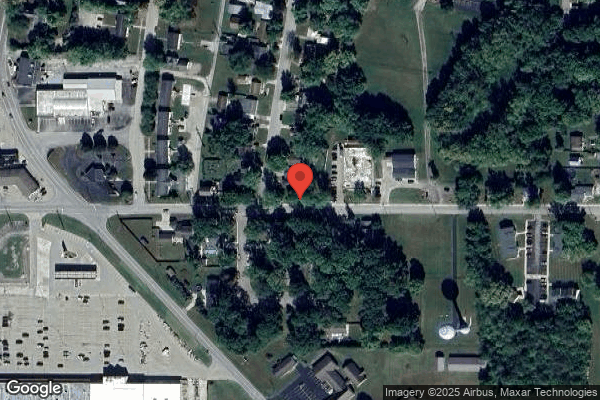

340 E 18TH STREET, ROCHESTER, IN 46975 (574) 223-5100
Non profit - Corporation 36 Beds AMERICAN SENIOR COMMUNITIES Data: November 2025 1 Immediate Jeopardy citation
Trust Grade
26/100
#354 of 505 in IN
Last Inspection: June 2024

Within standard 12-15 month inspection cycle. Federal law requires annual inspections.

Overview

Hickory Creek at Rochester has received a Trust Grade of F, indicating significant concerns about the quality of care provided. Ranked #354 of 505 facilities in Indiana, they are in the bottom half, but they do rank #1 out of 2 in Fulton County, meaning only one other local option is available. The facility is showing an improving trend, with issues decreasing from 6 in 2024 to 5 in 2025, but it still has a concerning staffing turnover rate of 60%, which is higher than the state average. Despite having good RN coverage, the facility has faced serious issues, such as failing to properly treat a resident's pressure ulcer, leading to severe complications, and not effectively managing a resident's pain from a leg fracture for 14 days. Additionally, the facility has incurred $18,046 in fines, which is higher than 96% of Indiana facilities, suggesting ongoing compliance problems.

Trust Score
F
26/100
In Indiana
#354/505
Bottom 30%
Safety Record
High Risk
Review needed
Inspections
Getting Better
6 → 5 violations
Staff Stability
⚠ Watch
60% turnover. Above average. Higher turnover means staff may not know residents' routines.
Penalties
✓ Good
$18,046 in fines. Lower than most Indiana facilities. Relatively clean record.
Skilled Nurses
✓ Good
Each resident gets 67 minutes of Registered Nurse (RN) attention daily — more than 97% of Indiana nursing homes. RNs are the most trained staff who catch health problems before they become serious.
Violations
⚠ Watch
29 deficiencies on record. Higher than average. Multiple issues found across inspections.
★★☆☆☆
2.0
Overall Rating
★★☆☆☆
2.0
Staff Levels
★★★★☆
4.0
Care Quality
★★☆☆☆
2.0
Inspection Score
Stable
2024: 6 issues
2025: 5 issues

The Good

  • 4-Star Quality Measures · Strong clinical quality outcomes
  • Full Sprinkler Coverage · Fire safety systems throughout facility
  • No fines on record

Facility shows strength in quality measures, fire safety.

The Bad

2-Star Overall Rating

Below Indiana average (3.1)

Below average - review inspection findings carefully

Staff Turnover: 60%

13pts above Indiana avg (46%)

Frequent staff changes - ask about care continuity

Federal Fines: $18,046

Below median ($33,413)

Minor penalties assessed

Chain: AMERICAN SENIOR COMMUNITIES

Part of a multi-facility chain

Ask about local staffing decisions and management

Staff turnover is elevated (60%)

12 points above Indiana average of 48%

The Ugly 29 deficiencies on record

1 life-threatening 1 actual harm
May 2025 1 deficiency
CONCERN (D) 📢 Someone Reported This

A family member, employee, or ombudsman was alarmed enough to file a formal complaint

Potential for Harm - no one hurt, but risky conditions existed

Accident Prevention (Tag F0689)

Could have caused harm · This affected 1 resident

Based on interview and record review the facility failed to ensure safety measures were followed to prevent a resident's fall while riding in the facility bus for 1 of 3 residents reviewed for unusual...

Read full inspector narrative →
Based on interview and record review the facility failed to ensure safety measures were followed to prevent a resident's fall while riding in the facility bus for 1 of 3 residents reviewed for unusual occurrences. (Resident B). The deficient practice was corrected on 4/18/2025, prior to the start of the survey, and was therefore past noncompliance. Finding includes: During an interview, on 5/7/2025 at 9:58 A.M., Employee 2 indicated a couple weeks ago she had transported Resident B from the facility to (Name of Hospital) to have a suprapubic catheter placed. Employee 2 indicated she had stayed with the resident the entire time during her recovery. The resident was talking and had eaten prior to being transported back to the facility. The resident's wheelchair was secured down on all four areas on the wheelchair to the floor of the bus/van. Employee 2 indicated when she tried to fasten the seat belt on the resident, it was positioned over her abdominal incision site, and the resident said ow, ow. The resident did not want it on because it was hurting her, so Employee 2 indicated she did not fasten the seat belt on the resident. Employee 2 stated, I slowed down and I put the brakes on hard because there was a school bus with the arm out and had stopped. Employee 2 indicated the resident leaned forward and hit her forehead and face on the back of the seat in front of her and then slid all the way out of her wheelchair and landed on her buttocks. Employee 2 indicated she turned into the school parking lot, and I put on the brakes and asked her if she was hurt, she said her head hurt. I asked if she hurt anywhere else and she said, No, I'm ok. Employee 2 indicated she had called the facility and asked what she should do. She indicated the Administrator, the Director of Nursing, the Assistant Director of Nursing and (name of staff) RVPO (Regional [NAME] President of Operations) all came to help with the resident. They lifted the resident up onto the regular bus seat and the Assistant Director of Nursing assessed her. A different seat belt was applied to the resident in the regular bus seat. The belt had to be adjusted because she did not fit in the seat very well. The Assistant Director of Nursing rode back to the facility with the resident. Employee 2 indicated she normally used seat belts on anyone being transported in the bus. The record for Resident B was reviewed on 5/7/2025 at 10:49 A.M. Diagnoses included, but were not limited to diabetes, obesity, hypertension, anxiety and depression. A Quarterly MDS (Minimum Data Set) assessment, dated 3/13/2025, indicated Resident B used a walker for ambulation, required total assist for toileting, partial to moderate assist to move from a seated to a standing position and transfers from a chair to the bed. A Nursing Progress Note, dated 4/16/2025 at 5:24 P.M., indicated the resident had a witnessed fall on the facility bus when she leaned forward and slid out of her wheelchair as it was slowing for a school bus stop. The resident was assessed by the nurses prior to moving her. The resident denied any new pain, moved her extremities with no pain reported and followed commands without difficulty. The resident was assisted off the floor with extensive assist of 4 to a stationary bus seat. The resident was noted to have an abrasion on her right lateral lower back near her waistline, a light pink abrasion to her left knee and a goose egg on her left forehead. A cold pack had been applied to her forehead. Upon return to the facility, neuro-checks and vital signs were initiated. (Name of Physician) was notified of the fall and minor injuries. The physician communicated no new orders but to continue with neuro-checks for changes in LOC (level of conscious). A Nursing Progress Note, dated 4/18/2025 at 1:51 A.M., indicated .Bruising continues to L (left) eye corner, hematoma to forehead, and abrasions to L knee and back During an interview, on 5/7/2025 at 12:20 P.M., the Administrator indicated she had interviewed Employee 2 about why the seat belt had not been used on the resident for the return trip to the facility. Employee 2 stated the resident didn't want it on. The Administrator stated Employee 2 had been disciplined for not using the seat belt on Resident B and had been required to complete more training on the use of seat belts during transporting residents. Employee 2 had been audited by another bus driver on the use of the bus prior to transporting residents again. On 5/7/2025 at 12:45 P.M., the Administrator provided the policy titled, Transportation, last dated 12/2017, and indicated the policy was the one currently used by the facility. The policy indicated .8. Seat belts are required to be worn by driver and passenger(s) This citation relates to Complaint IN00458540. 3.1-45(a)(2)
Apr 2025 2 deficiencies
CONCERN (D) 📢 Someone Reported This

A family member, employee, or ombudsman was alarmed enough to file a formal complaint

Potential for Harm - no one hurt, but risky conditions existed

Report Alleged Abuse (Tag F0609)

Could have caused harm · This affected 1 resident

**NOTE- TERMS IN BRACKETS HAVE BEEN EDITED TO PROTECT CONFIDENTIALITY** Based on record review and interview, the facility failed to ensure an allegation of misappropriation of resident property was r...

Read full inspector narrative →
**NOTE- TERMS IN BRACKETS HAVE BEEN EDITED TO PROTECT CONFIDENTIALITY** Based on record review and interview, the facility failed to ensure an allegation of misappropriation of resident property was reported to the appropriate state agency for 1 of 2 residents reviewed for misappropriation of resident property. (Resident E) Finding includes: During an interview, on 4/15/2025 at 2:35 P.M., the Regional Director of Clinical Services (RDCS) indicated she had received a call from a facility nurse, on 3/8/2025, concerning an allegation of another nurse taking antibiotic medications from the medication room. The RDCS indicated there had been an investigation concerning the antibiotic medication, and [NAME] a result of the investigation, it was determined an antibiotic medication had been signed off every day as being administered to Resident F. The RDCS indicated there was no confirmed misappropriation of medication as a result of the investigation. During an interview, on 4/15/2025 at 3:30 P.M., the Administrator indicated she had not reported the allegation of misappropriation to the state because the result of the investigation was antibiotic medication for Resident F had been signed for and the resident had received all ordered doses of the antibiotic. During an interview, on 4/15/2025 at 3:32 P.M., the RDCS indicated no other residents on antibiotics were investigated because the allegation had described description of the container the facility nurse had given her only matched Resident F's medications. On 4/15/2025 at 3:42 P.M., the RDCS provided the policy titled, Long-Term Care Abuse and Reporting Policy , dated 12/8/2023, and indicated the policy was the one currently used by the facility. The policy indicated . 9. Misappropriation of resident property: Misappropriation of resident property means the deliberate misplacement, exploitation, or wrongful, temporary, or permanent use of a residents belongings or money without the resident's consent . Abuse and incidents will be reported and submitted to the Indiana Department of Health in compliance with federal regulations and/or state rules and this policy, as applicable . B. Types of Incidents Reportable Under Federal and State Rules . 12. Misappropriation of resident property/exploitation .iii. Missing prescription medications This citation relates to Complaint IN00455366 3.1-38(c)
CONCERN (D) 📢 Someone Reported This

A family member, employee, or ombudsman was alarmed enough to file a formal complaint

Potential for Harm - no one hurt, but risky conditions existed

Medical Records (Tag F0842)

Could have caused harm · This affected 1 resident

**NOTE- TERMS IN BRACKETS HAVE BEEN EDITED TO PROTECT CONFIDENTIALITY** Based on record review and interview, the facility failed to ensure medication destruction form was completed for a resident tha...

Read full inspector narrative →
**NOTE- TERMS IN BRACKETS HAVE BEEN EDITED TO PROTECT CONFIDENTIALITY** Based on record review and interview, the facility failed to ensure medication destruction form was completed for a resident that was hospitalized for 1 of 3 residents reviewed for medications. (Resident E) Finding includes: On 4/15/2025 at 11:48 A.M., the Regional Director of Clinical Services (RDCS) provided a Surveillance Log of Resident Infections and Antibiotic Use form, dated February 2025. The form indicated Resident E had a wound infection with an onset date of 2/17/2025. An antibiotic, Augmentin 875/125 mg (milligram) was ordered with a start date of 2/17/2025 and a stop dated of 2/27/2025. The record for Resident E was reviewed on 4/15/2025 at 2:00 P.M. Diagnoses included, but were not limited to paraplegia, psychosis, hypertension and fusion of the spine. A Physician's Order, dated 2/17/2025, indicated Resident E was to receive Amoxicillian-Clauvulante (Augmentin), an antibiotic, 875/125 mg 1 tablet twice a day for 20 doses. The Medication Administration Record (MAR) for February 2025 indicated Resident E had received the first dose of Augmentin on 2/17/2025 at 8:00 P.M. He had received another 13 doses from 2/18/2025 through 2/23/2025, and had refused the morning dose on 2/24/2025. Resident E was admitted to the hospital on [DATE] and did not return until 3/7/2025. The current physician's orders did not include the Augmentin order. There should have been 6 remaining tablets that had not been administered of the antibiotic for Resident E. Resident E's record lacked the documentation to show a Drug Disposition form had been completed for the remaining antibiotic pills. During an interview, on 4/15/2025 at 2:21 P.M., RN 2 indicated if the nurses documented correctly, they should have filled out a drug destruction sheet and placed the form in the pharmacy bag, along with the medication. A copy of the form should have gone to the medical records staff so she could have scanned the form into the electronic chart. RN 2 checked the forms yet to be scanned into the records, but there were no sheets yet to be scanned in for Resident E. In addition, there were no scanned forms in Resident E's electronic chart for the mediction disposition. The medication cart holding Resident E's medications was observed, on 4/15/2025 at 2:00 P.M. and no antibiotic medications were located in the cart for Resident E. During an interview, on 4/15/2025 at 2:28 P.M., the Director of Nursing indicated there were no forms that needed to be scanned into charts at this time. The RDCS indicated she had completed some drug destructions recently but she could not provide a drug destruction sheet for Resident E's remaining Augmentin tablets. On 4/15/2025 at 3:40 P.M., the RDCS provided the policy titled, Drug Disposition Policy, dated 11.2024, and indicated the policy was the one currently used by the facility. The policy indicated .This policy provides procedural guidance on how to properly destroy, return or waste medications and document disposition of those medications . 1. When a non-controlled substance or medication is discontinued by physician's order it will be removed from the medication cart at time of order and placed in the designated location in the locked medication room. 2. The discontinued items need to either be destroyed or sent back to the pharmacy within 7 days via [name of pharmacy] This citation relates to Complaint IN00455366. 3.1-50(a)
Feb 2025 2 deficiencies 1 IJ
CRITICAL (J) 📢 Someone Reported This

A family member, employee, or ombudsman was alarmed enough to file a formal complaint

Immediate Jeopardy (IJ) - the most serious Medicare violation

Pressure Ulcer Prevention (Tag F0686)

Someone could have died · This affected 1 resident

**NOTE- TERMS IN BRACKETS HAVE BEEN EDITED TO PROTECT CONFIDENTIALITY** Based on observation, record review and interview, the facility failed to ensure a resident received the necessary treatment and...

Read full inspector narrative →
**NOTE- TERMS IN BRACKETS HAVE BEEN EDITED TO PROTECT CONFIDENTIALITY** Based on observation, record review and interview, the facility failed to ensure a resident received the necessary treatment and services to promote healing and prevent worsening of a pressure ulcer, as well as prevent the development of additional pressure ulcers for 1 of 2 residents reviewed for pressure ulcers. This deficient practice resulted in the worsening of an identified pressure ulcer, from a Stage 2 to a Stage 4 and the development of multiple pressure ulcers which progressed from a DTI (Deep Tissue Injury) to unstageable wounds with slough, the need for treatment from a local wound treatment center and the need for an upcoming surgical colostomy procedure to reduce contamination and damage to the area. (Resident B) The Immediate Jeopardy began on 10/10/24 at 4:28 P.M., when the facility identified a wound to the coccyx upon admission and failed to notify the physician and obtain immediate treatment orders which placed the resident in immediate jeopardy of serious harm. The Administrator, Regional Nursing Consultant and Facility Nursing Consultant were notified of the Immediate Jeopardy on 2/5/25 at 2:50 P.M. The deficient practice was corrected on 11/8/24, prior to the start of the survey, and was therefore past noncompliance. Finding includes: Resident B's clinical record was reviewed on 2/3/25 at 9:21 A.M. Resident B was admitted to the facility on [DATE] from an acute care facility. Diagnosis, included but were not limited to, non-pressure chronic ulcer, paraplegia, muscle wasting, unspecified psychosis, adjustment disorder, chronic total occlusion of artery of extremities, hypertension, fusion of spine, tortuous aortic arch, traumatic compartment syndrome of lower extremity, and an unspecified open wound of the abdominal wall. An admission Minimum Data Set (MDS) assessment, dated 10/16/24, indicated Resident B had moderate cognitive impairment, no behavioral issues, was always incontinent of bladder, frequently incontinent of bowel, required assistance for bed mobility and was dependent for all transfers and toileting hygiene. The resident required a wheelchair for mobility. The assessment indicated Resident B was at risk for pressure ulcers and had a stage 2 pressure ulcer that was present on admission. The assessment indicated Resident B had pressure reducing devices to his bed and chair. The assessment indicated Resident B was receiving pressure ulcer care including the application of nonsurgical dressings and application of ointments or medications. An Observation Report form, dated 10/10/24 at 3:29 P.M., indicated Resident B was admitted with an ulcer type friction wound to the coccyx measuring 1 cm x 1 cm with no depth. There was no documentation the physician was notified of the pressure ulcer. The Braden Scale for Predicting Pressure Sore Risk assessment, dated 10/10/24 at 4:24 P.M., indicated Resident B was at moderate risk for pressure wound development. The current Care Plans for Resident B related to skin and care needs included the following: Start Date: 10/10/2024 Resident requires assistance with ADLs (activities of daily living) including bed mobility, transfers, eating and toileting related to: recent hospitalization for cellulitis, paraplegia, muscle wasting/atrophy, unspecified psychosis, adjustment disorder with depressed mood, fusion of lumbar spine, and presence of wounds. Start Date: 10/10/2024 Resident requires assistance with ADLs including bed mobility, transfers, eating and toileting related to: recent hospitalization for cellulitis, paraplegia, muscle wasting/atrophy, unspecified psychosis, adjustment disorder with depressed mood, fusion of lumbar spine, and presence of wounds. Start Date: 10/15/2024 Resident was admitted with impaired skin integrity: PRESENT ON admission pressure to coccyx. Other wounds include sacral wound that merged with coccyx wound, right/left buttocks. Factors contributing to wound development include slightly limited sensory perception, moisture, chair fast, impaired mobility, and friction/shearing, paraplegia, muscle wasting and atrophy, hypoalbuminemia, protein-calorie malnutrition, chronic total occlusion of extremity arteries, HTN, HLD, adjustment disorder with anxiety, and major depressive disorder. Start Date: 10/28/2024, Resident is at risk for skin breakdown or further skin breakdown due to, dx paraplegia and muscle wasting and atrophy, episodes of incontinence, impaired mobility and requiring staff assistance for mobility and transfers. Review of a Wound Management Detail Report for the Coccyx and wound indicated the following wound assessments and progression: 10/10/24 at 4:39 P.M., stage 2 wound 1.5 cm x 1.6 cm x depth of 0.2 cm, 10/18/24 at 1:45 P.M., stage 2 wound 1.5 cm x 1.5 cm x depth of 0.1 cm, 10/25/24 at 9:14 A.M., stage not documented, wound 1.4 cm x 1.5 cm x depth not documented, 10/31/24 at 10:46 A.M. stage not documented, wound 1.8 cm x 1.5 cm x depth of 1.2 cm Resident B's admission orders, dated 10/10/24, included no orders for pressure ulcer treatment. Progress notes between 10/10/24 and 10/31/24 included, but were not limited to the following related to the residents wound on the coccyx and buttock: 10/15/24 at 8:37 A.M., the wound area was to the coccyx and healing. 10/16/24 at 12:49 A.M., the wound area was to the coccyx. 10/17/24 at 3:35 A.M., the wound area was to the coccyx. 10/19/24 at 8:02 A.M., barrier cream was applied to the coccyx and nursing would continue to monitor. 10/20/24 at 10:18 A.M., treatment was applied to buttock per a physician's order. 10/22/24 at 10:20 A.M., there were no signs or symptoms of infection to the buttocks 10/23/24 at 3:58 A.M., the wound area was to the coccyx. 10/23/24 at 9:37 A.M., treatment continued to the buttocks and there was no noted drainage, odor, or signs or symptoms of infection. 10/24/24 at 2:42 A.M., the wound area was to the buttock. 10/24/24 at 10:12 A.M. the area to the buttocks continued with treatments. No noted odor or drainage, no noted worsening. 10/25/24 at 9:52 A.M.,there was no noted drainage or odor to the buttock pressure ulcer. 10/26/24 at 1:22 P.M., there was no noted drainage or odor area to buttock pressure ulcer. 10/27/24 at 8:10 A.M., wound was to the buttock. 10/29/24 at 1:35 A.M., wound was to the coccyx. 10/29/24 at 9:11 A.M., wound on the coccyx was clean dry and intact 10/30/24 at 4:03 A.M., wound area to buttocks and coccyx. 10/31/24 at 2:19 A.M., wounds to coccyx, buttocks. 10/31/24 at 8:57 P.M., resident was in bed and the dressings were clean dry and intact. The progress notes above identified 2 wounds, coccyx and buttock, but did not indicated the physician was notified of the coccyx or buttock wound or any orders were obtained for specific treatment for the areas identified. A Physician's Progress Note, dated 10/21/24, indicated the facility staff had denied any acute issues related to the resident and staff had denied any new wounds for Resident B. An Event Report for a new skin event, dated 10/31/24 at 6:00 A.M., indicated a new deep tissue pressure wound was identified to the left buttock that measured 6.9 cm x 7.2 cm. The report indicated the physician was notified of the new pressure ulcer on 10/31/24 at 6:35 A.M. and a new treatment order was received for collagen (an anti-infective and anti-inflammatory treatment), an air mattress, treatments and labs. Review of a Wound Management Detail Reports for the Sacrum wound indicated the wound was identified on 10/31/24 at 9:17 A.M. and indicated the following wound assessments and progression: 10/31/24 at 9:17 A.M., stage not documented, wound 6.9 cm x 5.8 cm, depth could not be measured. Physician Orders related to skin care and pressure ulcer care included the following: 10/31/24: Cleanse bilateral buttocks, pat dry. Apply remedy repair cream every shift and with peri care. Cleanse coccyx/buttocks with soap and water, pat dry. Moisten collagen and apply to wound bed of DTI (deep tissue injury) and cover with optifoam every day and as needed beginning 10/31/24 to 12/6/24. Positioning/Devices: cushion to wheelchair beginning. Positioning/Devices: Low Air Loss Mattress to bed check functioning every shift beginning. Progress notes between 11/3-11/8/25 indicated DTI to buttocks and both buttocks. The coccyx wound is not mentioned in the notes. 11/03/24 at 8:58 A.M., resident had a deep tissue injury to the buttocks with a treatment ordered. 11/04/24 at 3:48 A.M., resident was checked and changed (for incontinence) every two hours. During every check and change, staff requested the resident to turn side to side to relieve pressure on the buttock wound. The Resident refused every request from staff to turn. Treatment was done to the buttock wounds. 11/05/24 at 3:42 A.M., pressure wound to the buttocks. 11/05/24 10:37 A.M., resident continues to have a deep tissue injury to the buttocks and continues with treatment as ordered. Resident was encouraged to be in bed more often and turn from side to side but was not always compliant with being checked and changed every two hours. The resident remained on a specialty air mattress. Dressings were clean dry and intact. 11/07/24 at 3:30 A.M., open areas to the buttocks with treatment. 11/08/24 at 9:33 A.M., pressure ulcers continued to both buttocks. Treatment was applied as ordered. Physician was there and stated the resident's wounds were definitely starting to heal and educated the resident as well. The resident remained on a low air loss mattress. Physician orders: 12/6/24: Cleanse coccyx/buttocks with soap and water, pat dry. Apply Santly to wound bed of the deep tissue injury and pressure ulcers, then cover them with optifoam every day and as needed 12/7/24-1/15/25: Santyl ointment topical to cleanse coccyx/buttocks with soap and water, pat dry. Apply Santyl to wound bed of DTI and cover with Optifoam daily and as needed. 12/19/24: Left distal gluteus wound: Left distal gluteus wound -cleanse with wound cleanser and apply Santyl Collegenase cut Aquacel ribbon and insert into wound bed as instructed and cover with mepilex border dressing once daily beginning 12/19/24 to 1/15/25. 12/19/24: Right distal gluteus: Right distal gluteus cleanse with wound cleanser apply santyl and cover with mepilex border dressing once daily. 12/19/24: Right superior gluteus: Right superior gluteus cleanse with wound cleanser apply Santyl and cover with mepilex border dressing daily 1/3/25: Appointment with local wound care center. 1/15/25: Wound vac at 125 mm/hg to wounds sacrum/buttocks, will be done at wound care. 2/3/25: Appointment with local wound care center. 2/4/25: Appointment with local hospital anesthia for colostomy consult. During an observation and interview on 2/4/25 at 9:05 A.M., Resident B was observed in his bed on his back with the head of the bed elevated. Resident B indicated when he was admitted to the facility, there had been no treatment for any pressure areas. The resident indicated he has some small pressure areas to his bottom that had gotten much worse after he was admitted to the facility and he had gone 2 to 3 weeks before the facility began any interventions for any pressure areas. Resident B indicated he had been going to a local wound care center for 4 weeks and the pressure ulcers seemed to be improving, but now he had a wound vac and would have to have a colostomy due to the pressure ulcers. During a telephone interview on 2/5/25 at 8:15 A.M., the facility Medical Director indicated he was first made aware of Resident B's pressure ulcers on 11/1/24 when he was at the facility for resident assessments. The Medical Director indicated he gave initial wound care orders on 11/1/24 and had not given any orders for pressure ulcer care before 11/1/24. The Medical Director indicated if the facility staff had notified him about Resident B's pressure ulcers earlier or upon admission, he would have started treatment immediately to possibly avoid the seriousness of the wounds. During an interview on 2/5/25 at 8:54 A.M., the Assistant Director of Nursing indicated she was doing new resident chart audits on 10/18/24 and noted the residents' pressure ulcer that had been identified on 10/10/24. The Assistant Director of Nursing indicated she believed she had notified the physician of Resident B's pressure ulcers on either 10/18/24 or 10/22/24 and received an order to apply Opifoam to the wound. The Assistant Director of Nursing did not document her communication with the physician. During a wound observation on 2/5/25 at 9:15 A.M., Resident B was noted to have four wounds to the sacral and buttock area. A wound was noted to the right of the sacrum that appeared to be approximately 3 cm x 3 cm with 5 cm depth, a wound to the coccyx that tunneled with the sacral wound that appeared to be approximately 5 cm x 5 cm x 5 cm depth, a wound to the right buttock proximal to the anus that appeared to be approximately 3 cm x 3 cm x 5 cm depth, and a wound to the left buttock proximal to the anus that appeared to be approximately 2 cm x 2 cm x 5 cm depth. On 2/4/25 at 4:15 P.M., The Administrator provided a policy titled, Resident Change of Condition, dated 11/04. The policy indicated, .It is the policy of this Community that changes in resident condition will be communicated to the physician and family/responsible party, and that appropriate, timely, and effective intervention occurs .Any sudden or serious change in a resident's condition .will be communicated to the physician with a request for physician visit promptly and/or acute care evaluation. The licensed nurse in charge will notify the physician . On 2/4/25 at 4:30 P.M., the Facility Consultant Nurse provided a policy titled Skin Management Program, most recently updated on 5/22, abd indicated it was the facility's current policy. The policy indicated it was the policy of the facility to ensure a resident with pressure ulcers received necessary treatment and services to promote healing, prevent infection and prevent new ulcers from developing. An avoidable pressure ulcer meant a resident had developed a pressure ulcer and the facility did not define and implement interventions that were consistent with the resident needs. Alterations in skin integrity was to be reported to the physician and treatment orders obtained. The deficient practice was corrected by 11/8/24 after the facility implemented a systemic plan of correction that included the following actions: a facility wide skin sweep to determine any resident with skin alterations/wounds, nursing staff re-education of the facility policies regarding change in condition, notification, assessment, documentation, weekly skin cheeks with notification of change, re-education of nurses and certified nursing assistants on completing shower sheets, notifying the nurse of any change in condition to include skin alterations, changes in condition notification to physician and family and documented in the clinical record, monthly skin sweeps, weekly skin assessments and shower sheet reviews by the interdisciplinary team, current wounds to be assessed for changes with physician notification, Care Plans and all prevention interventions and associated documents related to wound to be initiated or updated, In-service/Education for all licensed nurses regarding wound care, treatment, and physician notification and documentation for any changes in the wound. In addition, room rounds were to be completed daily for 5 weeks to ensure all preventative interventions were in place per the individual plan of care. Compliance for the plan of correction was to be monitored through the Quality Assurance and Performance Improvement Program and an audit tool related to Wound Management was to be completed monthly for 6 months. This Citation relates to complaint IN00452399. 3.1-40(1) 3.1-40(2)
CONCERN (D) 📢 Someone Reported This

A family member, employee, or ombudsman was alarmed enough to file a formal complaint

Potential for Harm - no one hurt, but risky conditions existed

Notification of Changes (Tag F0580)

Could have caused harm · This affected 1 resident

**NOTE- TERMS IN BRACKETS HAVE BEEN EDITED TO PROTECT CONFIDENTIALITY** Based on interview and record review, the facility failed ensure a resident's responsible party was notified in a timely manner ...

Read full inspector narrative →
**NOTE- TERMS IN BRACKETS HAVE BEEN EDITED TO PROTECT CONFIDENTIALITY** Based on interview and record review, the facility failed ensure a resident's responsible party was notified in a timely manner of condition and roommate changes for 1 of 3 residents reviewed for notification, (Resident B). Finding includes, During an interview on 2/4/25 at 9:37 A.M., Resident B's family member indicated that the residents' POA (Power of Attorney) and emergency contact was never notified that Resident B had been assessed to have a pressure area when he was admitted to the facility, that the pressure ulcer had worsened or that an additional pressure ulcer had developed. In addition, Resident B had multiple roommate changes and there was no notification of those changes. During an interview, on 2/4/25 at 2:12 P.M., the Administrator indicated Resident B had had room and roommate changes and the residents' POA and/or family member was not notified of the changes. The Administrator indicated the facility's Social Service Director, at the time of the moves, should have notified the resident's POA and/or family member. The Administrator indicated roommate changes had occurred on 10/19/24, 10/25/24, 11/17/24, 12/22/24, and 12/29/24 and the resident's POA and/or family member should have been notified. Resident B's clinical record was reviewed on 2/3/25 at 9:21 A.M. Resident B was admitted to the facility on [DATE] from an acute care facility. Diagnosis included, but were not limited to, non-pressure chronic ulcer, paraplegia, muscle wasting, unspecified psychosis, adjustment disorder, chronic total occlusion of artery of extremities, hypertension, fusion of spine, tortuous aortic arch, traumatic compartment syndrome of lower extremity, and an unspecified open wound of the abdominal wall. An admission Minimum Data Set (MDS) assessment, dated 10/16/24, indicated Resident B had moderate cognitive impairment, was always incontinent of bladder, was frequently incontinent of bowel, and had a stage 2 pressure ulcer that was present on admission. An Observation Report form, dated 10/10/24 at 3:29 P.M., indicated Resident B was admitted with an ulcer type friction wound to the coccyx measuring 1 cm x 1 cm with no depth. There was no documentation the POA and/or family member was notified of the pressure ulcer. A Nursing Progress Note, dated 10/16/24 at 12:49 A.M., indicate the resident had a wound to the coccyx area. There was no documentation that indicated POA and/or family notification. A Nursing Progress Note, dated 10/24/24 at 2:42 A.M., indicated the resident had a wound to the buttock. There was no documentation that indicated Resident B's POA and/or family had been notified of the new wound. A Nursing Progress Note, dated 10/30/24 at 4:03 A.M., indicated Resident B had wound areas to the buttocks and coccyx. There was no documentation that indicated POA and/or family notification. A Nursing Progress Note, dated 10/31/24 at 10:33 P.M., indicated Resident B's family member was informed of Resident B's new skin area to the buttocks. A Care Plan dated 10/15/24 indicated Resident B was admitted to the facility with impaired skin integrity that was present on admission regarding a pressure ulcer to the coccyx. The care plan also referred to other wounds, including a sacral wound that merged with a coccyx wound, and right/left buttocks wounds. On 2/4/25 at 4:15 P.M., the Administrator provided a policy titled, Resident Change of Condition, dated 11/04. The policy indicated, .It is the policy of this Community that changes in resident condition will be communicated to the physician and family/responsible party, and that appropriate, timely, and effective intervention occurs. This citation relates to complaint IN00452399. 3.1-5(a)(2) 3.1-5(b)(1)
Jun 2024 6 deficiencies
CONCERN (D)

Potential for Harm - no one hurt, but risky conditions existed

Transfer Notice (Tag F0623)

Could have caused harm · This affected 1 resident

Based on record review and interview, the facility failed to provide a transfer/discharge form for 2 of 2 residents reviewed for hospitalizations. (Residents 11 & 1) Findings include: 1. A record revi...

Read full inspector narrative →
Based on record review and interview, the facility failed to provide a transfer/discharge form for 2 of 2 residents reviewed for hospitalizations. (Residents 11 & 1) Findings include: 1. A record review for Resident 11 was completed on 6/6/2024 at 9:49 A.M. Diagnoses included, but were not limited to, sepsis, Alzheimer's disease, and cerebral infarction (stroke). A Nurse's Note, dated 5/28/2024 at 5:59 P.M., indicated Resident 11 refused to eat or drink. She had eaten one bite of pureed food, and refused to swallow which allowed food to run out of her mouth. Vital signs included: blood pressure 100/48 mmHg (millimeters of mercury), pulse 102 beats per minute, respirations 20 per minute, and temperature 98.9 Fahrenheit. The physician was notified, and he indicated the resident's Power of Attorney (POA) wanted Resident 11 sent to the hospital. During an interview, on 6/10/2024 at 10:18 A.M., the Director of Nursing (DON) indicated the transfer/discharge form was part of the Hospital-ER Transfer Form under the Observation tab of the electronic health record. She indicated the form should have been completed when a resident was transferred from the facility. The form, Hospital-ER Transfer Form could not be found in the electronic medical record for Resident 11. 2. A record review for Resident 1 was completed on 6/5/2024 at 10:37 A.M. Diagnoses included, but were not limited to, nondisplaced intertrochanteric fracture of right femur, hemiplegia and hemiparesis following CVA (stroke), and osteoporosis. A Nurse's Note, dated 4/13/2024 at 11:00 P.M., indicated Resident 1 was helped with a transfer when she stumbled and spun around, falling on her buttocks. Resident 1 complained of right hip and back pain. The physician was notified, and an order was obtained to send Resident 1 to the emergency department. A Nurse's Note, dated 4/14/2024 at 2:00 A.M., indicated Resident 1 was admitted to the hospital. During an interview, on 6/10/2024 at 10:18 A.M., the Director of Nursing (DON) indicated that the transfer/discharge form was part of the Hospital-ER Transfer Form under the Observation tab of the electronic health record. She indicated the form should be completed when a resident is transferred from the facility. The form, Hospital-ER Transfer Form, dated 4/13/2024 at 11:00 P.M., indicated the resident or resident representative was not provided the transfer/discharge form. A form titled, Notice of Transfer or Discharge was provided by the Regional Nurse Consultant on 6/10/2024 at 12:49 P.M. A policy was not attached to the form. 3.1-12(a)(6)(A)
CONCERN (D)

Potential for Harm - no one hurt, but risky conditions existed

Deficiency F0625 (Tag F0625)

Could have caused harm · This affected 1 resident

Based on record review and interview, the facility failed to provide the bed hold policy for 2 of 2 residents reviewed for hospitalizations. (Residents 11 & 1) Findings include: 1. A record review for...

Read full inspector narrative →
Based on record review and interview, the facility failed to provide the bed hold policy for 2 of 2 residents reviewed for hospitalizations. (Residents 11 & 1) Findings include: 1. A record review for Resident 11 was completed on 6/6/2024 at 9:49 A.M. Diagnoses included, but were not limited to, sepsis, Alzheimer's disease, and cerebral infarction. A Nurse's Note, dated 5/28/2024 at 5:59 P.M., indicated Resident 11 refused to eat or drink. She had eaten one bite of pureed food and refused to swallow, which allowed food to run out of the her mouth. Vital signs included: blood pressure 100/48 mmHg (millimeters of mercury), pulse 102 beats per minute, respirations 20 per minute, and temperature 98.9 Fahrenheit. The physician was notified, and he indicated the Resident's Power of Attorney (POA) wanted Resident 11 sent to the hospital. During an interview, on 6/10/2024 at 10:18 A.M., the Director of Nursing (DON) indicated that the bed hold policy was part of the Hospital-ER Transfer Form under the Observation tab of the electronic health record. She indicated the policy should be completed when a resident is transferred or discharged from the facility. The form, Hospital-ER Transfer Form could not be found in the electronic medical record for Resident 11. 2. A record review for Resident 1 was completed on 6/5/2024 at 10:37 A.M. Diagnoses included, but were not limited to, nondisplaced intertrochanteric fracture of right femur, hemiplegia and hemiparesis following CVA (stroke), and osteoporosis. A Nurse's Note, dated 4/13/2024 at 11:00 P.M., indicated Resident 1 was helped with a transfer when she stumbled and spun around, falling on her buttocks. Resident 1 complained of right hip and back pain. The physician was notified, and an order was obtained to send Resident 1 to the emergency department. A Nurse's Note, dated 4/14/2024 at 2:00 A.M., indicated Resident 1 was admitted to the hospital. During an interview, on 6/10/2024 at 10:18 A.M., the Director of Nursing (DON) indicated the bed hold policy was part of the Hospital-ER Transfer Form under the Observation tab of the electronic health record. She indicated the policy should be completed when a resident was transferred or discharged from the facility. The form, Hospital-ER Transfer Form, dated 4/13/2024 at 11:00 P.M., indicated neither the resident nor the resident's representative was provided with a copy of the bed hold policy. A policy was provided on, 6/10/2024 at 12:49 P.M. by the Regional Nurse Consultant. The policy titled, Bed Hold, indicated, .If a private pay resident leaves the facility for a temporary stay in an acute hospital or elsewhere for a medical therapeutic leave, the resident or resident's responsible party may request the facility to hold open the resident's bed during the absence by paying the full daily rate. If a Medicare/Medicaid resident leaves the facility for a temporary stay in an acute hospital or elsewhere for a medical therapeutic leave, the bed will be held .2. The residents will be provided the bed hold policy at the time of the hospital transfer or therapeutic leave. 3. The Resident's Representative will be informed of the bed hold policy at the time of notification of the transfer. The Resident's Representative will be provided a copy of the bed hold policy. 4. The staff will document the notification to thee resident and resident representative of the bed hold policy on the Emergency Resident Transfer Form 3.1-12(a)(25)(A)
CONCERN (D)

Potential for Harm - no one hurt, but risky conditions existed

Respiratory Care (Tag F0695)

Could have caused harm · This affected 1 resident

Based on observation, record review, and interview, the facility failed to properly store a Bi-Pap (bi-level positive airway pressure) mask for 1 of 1 resident reviewed for oxygen/respiratory equipmen...

Read full inspector narrative →
Based on observation, record review, and interview, the facility failed to properly store a Bi-Pap (bi-level positive airway pressure) mask for 1 of 1 resident reviewed for oxygen/respiratory equipment. (Resident 131) Finding includes: A record review for Resident 131 was completed, on 6/5/2024 at 1:08 P.M. Diagnoses included, but were not limited to, pulmonary hypertension, chronic obstructive pulmonary disease (COPD), and obstructive sleep apnea. During an observation, on 6/4/2024 at 9:35 A.M., Resident 131's Bi-Pap mask was observed on the floor under the bed. A Physician's Order, dated 5/31/2024, indicated Bi-Pap on at bedtime and off upon waking. A Care Plan, dated 6/3/2024, indicated Resident 131 had the potential for impaired gas exchange related to pulmonary hypertension and COPD. The goal indicated Resident 131 would have adequate respiratory functions as evidenced by decreased or absence of dyspnea, improved breath sounds, decreased or absence of shortness of breath, and improved oxygen saturation results. The care plan did not address the use of the Bi-Pap. During an interview, on 6/10/2024 at 10:17 A.M., the Director of Nursing (DON) indicated the Bi-Pap mask should be stored in a respiratory bag when not in use. A policy was provided on, 6/102024 at 12:49 P.M. by the Regional Nurse Consultant. The policy titled, Bi-Level Therapy. The policy did not address the storage of the mask when not in use. 3.1-47(a)(6)
CONCERN (E)

Potential for Harm - no one hurt, but risky conditions existed

Deficiency F0730 (Tag F0730)

Could have caused harm · This affected multiple residents

Based on interview and record review the facility failed to ensure performance evaluations were completed annually for 4 of 4 employee files reviewed. (CNA 3, CNA 4, CNA 7 & CNA 8) Findings include: 1...

Read full inspector narrative →
Based on interview and record review the facility failed to ensure performance evaluations were completed annually for 4 of 4 employee files reviewed. (CNA 3, CNA 4, CNA 7 & CNA 8) Findings include: 1. During an interview on 6/10/2024 at 10:05 A.M., CNA 3 indicated they (the facility) do not do competencies every year or evaluations. 2. During an interview on 6/10/2024 at 11:01 A.M., CNA 4 indicated she had not received a performance evaluation since she started working here (at the facility). 3. During an interview on 6/10/2024 at 1:23 P.M.,the Business Office manager indicated they (the facility) used to do them (competency evaluations) but when the new company took over they gave out the raises in January and they just didn't get done, but we are starting it back again. 4. During an interview on 6/10/2024 at 1:29 P.M., the Administrator indicated she and the Director of Nursing complete them and they should be done every year. There were some that were done, but there was a lot of turn over and she did not think they were all done. The employee file for CNA 3 was reviewed on 6/10/2024 at 1:36 P.M. CNA 3 was hired on 2/8/2023. No annual performance evaluation was located in the file. The employee file for CNA 4 was reviewed on 6/10/2024 at 1:38 P.M. CNA 4 was hired on 4/17/2023. No annual performance evaluation was located in the file. The employee file for CNA 7 was reviewed on 6/10/2024 at 1:40 P.M. CNA 7 was hired on 8/11/2017. No annual performance evaluation was located in the file. The employee file for CNA 8 was reviewed on 6/10/2024 at 1:43 P.M. CNA 8 was hired on 9/22/2019. No annual performance evaluation was located in the file. During an interview on 6/20/2024 at 1:45 P.M., the Business Office Manger indicated the performance evaluations should be done every year. During an interview on 6/10/2024 at 1:46 P.M., the Administrator indicated she did not have a policy regarding the performance evaluations. 3.1-14(h)
CONCERN (E)

Potential for Harm - no one hurt, but risky conditions existed

Infection Control (Tag F0880)

Could have caused harm · This affected multiple residents

Based on observation, record review and interview, the facility failed to ensure proper infection control practices were implemented related to Enhanced Barrier Precautions (EBP) for 1 of 4 residents ...

Read full inspector narrative →
Based on observation, record review and interview, the facility failed to ensure proper infection control practices were implemented related to Enhanced Barrier Precautions (EBP) for 1 of 4 residents reviewed for EBP; failed to follow infection control practices when completing a blood sugar check for 1 of 1 resident reviewed for blood sugar assessments and failed to complete changing gloves and hand washing during catheter care for 1 of 1 resident observed for urinary catheter care. (Resident 28, QMA 2, CNA 5, Resident 23) Findings include: 1. During an interview on 6/5/2024 at 8:27 A.M., Resident 28 indicated he went to dialysis 3 times a week. There was no signage and or indication the resident was to be in EBP isolation. The record for Resident 28 was reviewed on 6/6/2024 at 9:58 A.M. Diagnoses included, but were not limited to: cellulitis to the right leg, diabetes type 2, and end stage renal disease. A current Care plan, dated 5/7/2024 at 3:46 P.M., indicated the resident was receiving hemodialysis and was at risk for complications such as fluid imbalance, bleeding or infection due to a right jugular perma catheter. During an interview on 6/10/2024 at 10:05 A.M., CNA 3 indicated they had 3 residents on EBP. Resident 28 was not named. During an interview on 6/10/2024 at 10:27 A.M., the Director of Nursing indicted the resident had a porta cath (implanted port). The Regional Nurse Consultant indicated yes that is an indwelling catheter. 2. During an observation of a blood sugar check, on 6/6/2024 at 12:11 P.M.,with QMA 2, the following was observed: QMA 2 placed the glucometer (a device for obtaining a blood sugar level) on the bedside table without placing a barrier first. She then donned gloves. QMA 2 wiped the residents' finger with an alcohol pad, then with an opened hand fanned the area that had just been cleansed. She then obtained a blood sample. QMA 2 exited the resident's room with her gloves on, and went to the medication cart. She removed the gloves and threw away her trash. During an interview on 6/6/2024 at 11:56 A.M., QMA 2 indicated she should have used a barrier, not fanned the area, and removed her gloves prior to coming out of the room. 3. During an interview on 6/4/2024 at 9:46 A.M., Resident 6 indicated she had 2 catheters. The record for Resident 6 was reviewed on 6/5/2024 at 10:43 A.M. Resident 6's diagnoses included, but were not limited to Multiple Sclerosis, pressure ulcers stage 4 sacral region, left buttocks, right buttocks, and neuromuscular dysfunction of bladder. A Quarterly MDS (Minimum Data Set) Assessment, dated 3/28/2024, indicated the resident required total assist of 2 staff for bed mobility, transfers, and toilet use. A Care Plan, dated 5/6/2024, indicated the resident required a suprapubic (SP) urinary catheter and also had a Foley indwelling catheter due to: diagnosis of neuromuscular dysfunction of bladder. The resident had an indwelling Foley catheter placed upon return to the facility due to leakage of the SP catheter to keep urine off of her wounds to her bottom. On 6/7/2024 at 1:40 P.M., CNA 5 was observed to provide catheter care to Resident 6. The aide put her supplies on the over-the-bed table. She then washed her hands, applied a gown and gloves and filled the water basins with water. She then completed the washing, rinsing and drying of the catheter tube and the peri area. With the same gloves on, CNA 5 then rearranged the residents legs, moved a pillow, used the bed controls and then rearranged the sheet over the resident. During an interview, on 6/7/2024 at 2:02 P.M., CNA 5 indicated she knew she should have washed her hands and changed her gloves after completing peri and catheter care. 4. During an observation on 6/4/2024 at 11:11 A.M., Resident 13 was observed to have an urinary catheter drainage tube with a large amount of sediment in the tubing. The record for Resident 13 was reviewed on 6/5/2024 at 2:36 P.M. Resident 13's diagnoses included, but were not limited to: diabetes, neuromuscular dysfunction of bladder, and intellectual disabilities. A Quarterly MDS (Minimum Data Set) Assessment, dated 3/22/2024, indicated the resident required extensive assist of 1 staff for bed mobility, transfers, and extensive assist for 2 staff for toilet use, and had an indwelling urinary catheter. A current Care Plan, dated 5/4/2023, indicated the resident required an indwelling urinary catheter due to neuromuscular dysfunction of the bladder. Interventions included,, but were not limited to: Do not allow the tubing or any part of the drainage system to touch the floor. Store the collection bag inside a protective dignity pouch. During an observation, on 6/6/2024 at 10:29 A.M., Resident 13's catheter drainage bag was uncovered with the catheter tubing on the floor. During an observation, on 6/6/2024 at 12: 15 P.M., Resident 13's catheter tubing was on the floor. During an observation, on 06/6/2024 at 1:14 P.M., Resident 13's catheter tubing was on the floor. During an observation, on 6/6/2024 at 3:16 P.M., Resident 13's catheter tubing was on the floor. During an observation, on 6/7/2024 at 2:06 P.M., Resident 13's catheter tubing was on the floor. During an interview, on 6/7/2024 at 3:25 P.M., the Director of Nursing indicated the catheter tubing should have been off the floor. During an observation, on 6/10/2024 at 10:16 A.M., Resident 13's catheter tubing was on the floor. On 6/10/2024 at 1:36 P.M., the Regional Nurse Consultant provided the policy tithed,Shared Glucometer Cleaning and Disinfecting, dated 1/2024, and indicated the policy was the one currently used by the facility. The policy indicated . 2. Throughout thee procedure, perform appropriate hand hygiene. c. Perform hand hygiene immediately after removal of gloves and before touching other medical supplies intended for use on other residents On 6/10/024 at 1:36 P.M., the Regional Nurse Consultant provided a Skills Competency- Title:Catheter Care (Urinary), dated 5/2023, and indicated the policy was the one currently used by the facility. The policy indicated .17. Remove gloves. 18. Perform hand hygiene. 19. Dispose of soiled linen properly. 20. Perform hand hygiene On 6/10/2024 at 1:30 P.M. the Regional Nurse Consultant provided the policy titled,Bowel and Bladder Program, dated 5/2019. The policy did not address the catheter tubing and or drainage bag placement.
CONCERN (F)

Potential for Harm - no one hurt, but risky conditions existed

Food Safety (Tag F0812)

Could have caused harm · This affected most or all residents

Based on observation, interview and record review, the facility failed to ensure kitchen equipment were in good working condition in 1 of 1 kitchen reviewed. Finding includes: During a kitchen tour wi...

Read full inspector narrative →
Based on observation, interview and record review, the facility failed to ensure kitchen equipment were in good working condition in 1 of 1 kitchen reviewed. Finding includes: During a kitchen tour with the Dietary Manager on 6/4/2024 at 9:26 A.M., the following was observed: -broken seals to both doors of the freezer. -broken seals to both doors on 2 refrigerators. During an interview on 6/4/2024 at 9:45 A.M., the Dietary Manager indicated the seals needed to be fixed. On 6/10/2024 at 1:36 P.M., the Regional Nurse Consultant provided the policy titled,Kitchen Safety Guidelines, dated 4/2024, and indicated the policy was the one currently used by the facility. The policy indicated .2. All employees will report defective equipment, unsafe condition,acts, or safety hazards to the supervisor and/or the maintenance department . 13. The maintenance department is responsible for routine inspections and repair of fans, vents and equipment 3.1-21(i)(3)
May 2023 1 deficiency 1 Harm
SERIOUS (G) 📢 Someone Reported This

A family member, employee, or ombudsman was alarmed enough to file a formal complaint

Actual Harm - a resident was hurt due to facility failures

Notification of Changes (Tag F0580)

A resident was harmed · This affected 1 resident

Based on record review and interview, the facility failed to effectively treat a resident's pain for 14 days and failed to notify the physician of the residents' continued complaint of pain and after ...

Read full inspector narrative →
Based on record review and interview, the facility failed to effectively treat a resident's pain for 14 days and failed to notify the physician of the residents' continued complaint of pain and after receiving results of an x-ray that revealed the resident had a spiral fracture of the left leg for 1 of 3 residents reviewed for notification. (Resident B) Finding includes: A record review was completed, on 5/4/2023 at 9:44 A.M. Resident B's diagnoses included, but were not limited to hypertension, hemiplegia, cerebral vascular accident, dementia, and a spiral fracture of the left leg. An Annual MDS (Minimum Data Set) Assessment, dated 3/20/2023, indicated the resident required extensive assist of 2 staff for bed mobility, total assist of 2 staff for dressing, toilet use and transferred via Hoyer lift and had limitation in range of motion to both upper and lower extremities to the left side. A care plan, revised on 5/1/2023, indicated the resident was at risk to experience pain related to diagnoses of heart failure, hypertension, diaphragmatic hernia, and fractured left femur. Interventions included, but were not limited to pain assessments done quarterly, annually and with any significant change, and as needed. Staff to report to MD if new pain or worsening pain, and staff to monitor for signs and symptoms of nonverbal pain. Resident B's current Physician Orders, dated 2/23/2023, included Acetaminophen (analgesic) 325 mg (milligrams) 2 tablets every 6 hours as needed for unspecified abnormalities of gait and mobility. A MAR (Medication Administration Record), dated April 2023, indicated Resident B had received Acetaminophen 4/13/2023 for pain which was effective and on 4/18/2023 with somewhat effective. A Physician's Progress Note, dated 4/13/2023, indicated the resident had been seen for possible pain in the leg. The skin looked good and there was no erythema (redness) or tenderness. Leg edema is better with no infection noted. A Nurse's Note, dated 4/14/2023 at 4:48 P.M., indicated a new order per (name of doctor) received for Colchicine(anti- inflammatory) 0.6 mg (milligrams) twice daily for 14 days related to signs and symptoms of gout in the left leg. Resident B continued to complain of increased pain in left leg. Routine Tylenol continues and appears to help a bit. A Nurse's Note, dated 4/15/2023 at 11:59 A.M., indicated the resident continued to complain of pain to the left leg. A Nurse's Note, dated 4/16/2023 at 11:15 A.M., indicated the resident continued to complain of pain with movement. PROM (Passive Range of Motion) performed without difficulty. A Nurse's Note, dated 4/16/2023 at 3:29 P.M., indicated the Colchicine continued per order. Resident B continued to complain of left leg pain, mostly with movement. The resident has wanted to stay in bed the past few days related to complaints of pain. The resident was positioned every 2 hours and as needed. Nursing continuing to monitor effectiveness of new medication. A Nurse's Note, dated 4/17/2023 at 5:31 P.M., indicated the resident continued to complain of pain with movement. A Nurse's Note, dated 4/18/2023 at 1:02 P.M., indicated the resident continued to complain of pain with movement. PROM performed without difficulty. A Nurse's Note, dated 4/19/2023 at 12:45 P.M., indicated Resident B complained of knee pain when moved. A Nurse's Note, dated 4/19/2023 at 9:32 P.M., indicated the resident continued to complain of pain and discomfort with movement. Bilateral ankles continue to be swollen. Bilateral lower extremities elevated while in bed with pillows. A Nurse's Note, dated 4/20/2023 at 10:01 A.M., indicated the resident continued to complain of pain and discomfort with movement. Bilateral ankles continue to be swollen. Bilateral lower extremities elevated while in bed with pillows. A Physician Progress Note, dated 4/20/2023 at 5:51 P.M., and recorded as a late entry on 4/27/2023 at 5:53 P.M., indicated the physician saw the resident and she had no signs of pain on moving the legs, but thin legs likely from osteoporosis. Not in distress. Resident likely has osteoporosis. A Nurse's Note, dated 4/20/2023 at 8:24 P.M., indicated Resident B continues to complain of pain and discomfort during transferring. Bilateral ankles continue to be swollen with +1 pitting edema. The resident requested to stay in bed because of pain. The resident was encouraged to get out of bed. A Nurse's Note, dated 4/21/2023 at 12:17 A.M., indicated the resident had complained of pain when she had knee movement. A Nurse's Note, dated 4/22/2023 at 3:06 A.M., indicated the resident continued to complain of left leg pain with movement. Resident B was positioned every 2 hours and PRN (as needed). Nursing continuing to monitor effectiveness of this medication and pain level. A Nurse's Note, dated 4/22/2023 at 11:49 P.M., indicated the resident yells out when moved. A Nurse's Note, dated 4/23/2023 at 1:55 P.M., indicated the resident's left knee and leg were swollen, very painful with ROM (range of motion), outer extension/rotation noted at knee bend. The resident was crying out when moved. The Physician was notified and order for a STAT (Immediately) x ray. A Nurse's Note, dated 4/2320/23 at 8:08 P.M., indicated waiting on the mobile x-ray company to come do the x-ray of the left knee. The resident continued to cry out in pain with even the slightest movement of the left leg. A Nurse's Note, dated 4/23/2023 at 9:43 P.M., indicated the x-ray company called and informed the facility that they would not be here until 4/24/2023 to do the knee x-ray. A Nurses Note, dated 4/24/2023 at 9:11 A.M., indicated the x-ray was obtained and showed a left femur fracture. The physician was notified, and order received to send to the ER for evaluation and treatment. During an interview, on 5/4/2023 at 3:04 P.M., CNA 6 indicated the week before she was sent to the hospital, she had complained of her left leg hurting. The pain occurred mainly when she was rolled over in bed and or when using the Hoyer lift. During an interview, on 5/4/2023 at 3:12 P.M., LPN 4 indicated they had been treating the resident for gout. She indicated that the resident had complained of pain, one of the nurses had talked to him about the pain and the doctor stated that gout was painful and has flare ups, it comes and goes and he would see the resident again in a few days. LPN 4 indicated a nurse had called her, on 4/23/2023, and expressed concern about the pain, so she instructed the nurse to reach out to the MD one more time. LPN 4 indicated it was her understanding that the physician was notified from the time they had treated the resident for gout to when they had the x-ray done, but it was not documented. During an interview, on 5/5/2023 at 3:13 P.M., CNA 5 indicated Resident B had been complaining of pain when she was moved and had informed the nurse when the resident had complained of pain. On 5/5/2023 at 10:00 A.M., the Corporate Nurse provided the policy titled,Resident Change in Condition Policy, dated 11/2018, and indicated the policy was the one currently used by the facility. The policy indicated .It is the policy of this facility that all changes in resident condition will be communicated to the physician and family/responsible party, and that appropriate, timely, and effective interventions takes place. 3.a. All symptoms and unusual signs will be documented in the medical record and communicated to the attending physician promptly . b. The nurse in charge is responsible for notification of physician and family/responsible party prior to end of assigned shift when a significant change in the residents condition is noted. c. If unable to reach the physician or family/responsible party, all calls to physician or exchanges and family/responsible party requesting callbacks will be documented in th medical record . f. Document resident change of condition and response in the medical record. Documentation will include time and family/physician response On 5/5/2023 at 10:00 A.M., the Corporate Nurse provided the policy titled,Pain Management Policy, dated 4/2023, and indicated the policy was the one currently used by the facility. The policy indicated .It is the policy of [name of company] to provide the necessary care and services to attain or maintain the highest practicable physical, mental, and psychosocial wellbeing, including pain management . 4. Non- Interviewable Resident- Pain medications will be prescribed and given based upon nursing assessment of the following. NON VERBAL SOUNDS (crying, whining, gasping, moaning, or groaning) VOCAL COMPLAINTS OF PAIN (that hurts, ouch, stop) . 5. The physician will be notified of unrelieved or worsening pain The past non-compliance began on 4/14/2023. The tag was removed and the deficient practice corrected on 4/28/2023 after the facility implemented a systemic plan that included the following actions: in-serving education to Licensed nurses related to physician notification for unresolved pain/worsening pain, giving as needed pain medication when showing signs of pain and requesting new pain medications, notification to the physician for any delay in obtaining an x-ray, education on thorough assessments with changes in condition, education on Pain Management Policy, Change of Condition Policy, and SBAR with any change of condition guidelines, CNA's skills validation check off in using a Hoyer lift with the observations of staff participating in transfers and ongoing monitoring. This Federal tag relates to complaint IN00407220. 3.1-5(a)(2)
Apr 2023 2 deficiencies
CONCERN (D)

Potential for Harm - no one hurt, but risky conditions existed

Deficiency F0761 (Tag F0761)

Could have caused harm · This affected 1 resident

Based on observation, interview and record review, the facility failed to ensure medications were labeled, dated when opened, and failed to provide a clean medication cart for 1 of 1 medication carts ...

Read full inspector narrative →
Based on observation, interview and record review, the facility failed to ensure medications were labeled, dated when opened, and failed to provide a clean medication cart for 1 of 1 medication carts observed. (Front Hall Medication Cart) Finding includes: During a medication storage observation with LPN 3, on 4/21/2023 at 11:02 A.M., the following was observed: An opened and undated bottle of Milk of Magnesia for Resident 1. An opened and undated bottle of liquid Docusate Sodium for Resident 11. An opened and undated bottle of Mucinex D for Resident 5. An an opened bottle of fiber well gummies and an opened bottle of Centrum Silver vitamins with no resident labels. Three of the four drawers had a white powdery and gritty substance along the back edges of the drawers. During an interview, on 4/21/2023 at 11:14 A.M., LPN 3 indicated the medications's should have been labeled and dated when opened, and the medication cart needed to be cleaned. On 4/21/2023 at 12:03 P.M., the Administrator provided the policy titled,Storage and Expiration Dating of Medications, Biological's, with a revision date of 7/21/2022, and indicated the policy was the one currently used by the facility. The policy indicated . 5.1 Facility staff may record the calculated expiration date based on date opened on the medication container A policy was requested for labeling medications and medication cart cleaning, on 4/21/2023, but none were provided. 3.1-25(j)
CONCERN (F)

Potential for Harm - no one hurt, but risky conditions existed

Deficiency F0727 (Tag F0727)

Could have caused harm · This affected most or all residents

Based on record review and interview, the facility failed to have 8 consecutive hours of RN coverage in the facility. This deficient practice affected 31 of 31 Residents who resided in the facility. F...

Read full inspector narrative →
Based on record review and interview, the facility failed to have 8 consecutive hours of RN coverage in the facility. This deficient practice affected 31 of 31 Residents who resided in the facility. Finding includes: During an interview, on 4/20/2023 at 2:47 P.M., the Director of Nursing indicated they staff the day and evening shifts with one nurse, one QMA and 3 aides and on the night shift 1 nurse and 2 aides. The DON indicated if the facility were without RN coverage, she would be the one to come in and cover the shift. The PBJ staffing data report dated January, February and March 2023 indicated the facility did not have 8 hours of RN coverage on the following dates: 1/21, 1/22, and 1/27/2023; 2/4 only 1.03 hours covered, 2/5 only 1.4 hours covered, 2/18, and 2/19, 3/4, 3/5, 3/18, 3/19 and 2 hours covered on 3/26/2023. During an interview, on 4/21/2023 at 11:29 A.M., the Administrator indicated the Director of Nursing had not worked the above dates for R.N coverage. During an interview, on 4/21/2023 at 11:30 A.M., the Administrator and Business office manager indicated there should have been 8 hours of RN coverage on the above documented dates. On 4/21/2023 at 4:18 P.M. the Administrator indicated she had no policy on RN coverage. 3.1-17(b)(3)
Nov 2021 15 deficiencies
CONCERN (D)

Potential for Harm - no one hurt, but risky conditions existed

Transfer Notice (Tag F0623)

Could have caused harm · This affected 1 resident

Based on record review and interview, the facility failed to notify the local Ombudsman of a discharged resident for 1 of 2 residents reviewed for discharge. (Resident 29) A record review for Resident...

Read full inspector narrative →
Based on record review and interview, the facility failed to notify the local Ombudsman of a discharged resident for 1 of 2 residents reviewed for discharge. (Resident 29) A record review for Resident 29 was completed on 11/17/21 at 9:17 A.M. Diagnoses included, but were not limited to, dementia without behavioral disturbance, Parkinson's disease, and diabetes mellitus type 2. An admission MDS (Minimum Data Set) assessment, dated 6/28/21, indicated Resident 29 was expected to stay in this facility and did not want to speak with anyone about returning to the community. A Nurses' Note, dated 06/21/2021 at 1:18 P.M., indicated Resident 29 admitted to the facility as a long-term admission. A Care Plan on 6/28/21 indicated, My family and I wish for me to remain in the facility and age in place for as long as my needs can be met here. A Nurses' Note, dated 9/21/2021 at 3:58 P.M., indicated the Social Service Director, spoke with resident about discharging and resident explained that she was sad because she likes it here and enjoys all of the staff, but that her daughter works at the [receiving facility]. A Nurses' Note, dated 09/23/2021 at 8:31 A.M., indicated Resident 29 discharged to another long-term care facility via car accompanied by Daughter On 11/17/21 at 2:21 P.M., the Administrator provided the discharge summary, and information given to the receiving facility. The administrator also provided the discharge/admission summary report. There was no confirmation attached that the Ombudsman had been notified. During an interview on 11/17/21 at 3:36 P.M., the Administrator indicated in October, the September discharge list was faxed to the ombudsman but could not provide a conformation of the fax being sent. The Administrator then indicated in November, the discharge list for September and October were emailed. The Administrator could not provide confirmation of the email sent to the Ombudsman. On 11/17/21 at 4:05 P.M., a policy entitled, Interfacility Transfers/Discharges, was provided by the Dietary Manager. The policy indicated, .7. The Notice of Transfer/Discharge will be disturbed to: .The local long-term care ombudsman program 3.1-12(a)(6)(A)
CONCERN (D)

Potential for Harm - no one hurt, but risky conditions existed

PASARR Coordination (Tag F0644)

Could have caused harm · This affected 1 resident

Based on record review, observation and interview, the facility failed to submit a Level II PASARR evaluation as indicated for 1 of 1 residents reviewed for PASARR. (Resident 18) Finding includes: Res...

Read full inspector narrative →
Based on record review, observation and interview, the facility failed to submit a Level II PASARR evaluation as indicated for 1 of 1 residents reviewed for PASARR. (Resident 18) Finding includes: Resident 18 received a Level I PASARR Assessment on 10/9/2017 indicating there was no serious mental illness. The clinical record indicated a diagnosis of Psychotic disorder with delusions due to known physiological condition, was added 12/29/20, and a diagnosis of Psychotic disorder with hallucinations due to known physiological condition was added 6/2/21. A Care Plan, dated 10/8/2018, indicated dementia and altered mental status with bouts of confusion related to these diagnosis: chronic UTIs and possibly post-Covid-19 complications, that the doctor thinks is a new baseline. Intervention, dated 11/09/2020, indicated to provide reassurance and support if the resident spoke of hallucinations or delusional thoughts and offer a change of environment such as assisting the resident out of her room to the dining room. A Care Plan, dated 12/22/20, indicated the resident was on caseload with (Provider name). Consult with psych as needed and include psych in the behavior/psych med reviews. Progress Notes, dated 6/5/21, indicated Resident 18 had occasional hallucinations and yelling. Progress Notes, dated 6/7/21, indicated psych nurse present. No new recommendations given at this time. Continues with medication at current doses. No new behaviors or adverse effects noted. Will continue to monitor. Progress Notes, dated 6/12/21, indicated Resident 18 was having some delusions or hallucinations. Progress Notes, dated 6/15/21, indicated Resident 18 was having some delusions or hallucinations. Progress Notes, dated 6/17/21 at 7:23 p.m., indicate Resident 18 refused to talk today but urine is very concentrated consistent with dehydration. Progress Notes, dated 7/1/21 at 10:58 p.m. (Recorded as Late Entry on 7/14/21 at 4:01 p.m.), indicated Resident 18 continued with confusion and with some delusions. The resident was able to answer questions appropriately when asked. Progress Notes, dated 8/23/21, indicated FOLLOW-UP dementia, hallucinations, depression Staff report moods are at baseline; no new behaviors. Progress Notes, dated 10/15/21, indicated the reason for visit: FOLLOW-UP dementia, hallucinations, depression . HPI: Resident to be seen for psychiatric assessment of dementia, During an interview with the Social Service Director (SSD) on 11/18/21 at 3:58 p.m., regarding if there was a submission for Level II PASARR evaluation 12/29/2020 and 6/2/2021 for psychotic disorder diagnoses, she indicated she had to look into when the submission happened. Follow up interview with the SSD on 11/19/21 at 9:19 a.m. indicated the PASARR was completed, being reviewed on the online (Program name), and it was not submitted until 11/18/21. Interview with the Nurse consultant on 11/19/21 at 12:50 PM, indicated there was not a policy for PASARR.
CONCERN (D)

Potential for Harm - no one hurt, but risky conditions existed

Deficiency F0655 (Tag F0655)

Could have caused harm · This affected 1 resident

**NOTE- TERMS IN BRACKETS HAVE BEEN EDITED TO PROTECT CONFIDENTIALITY** Based on record review and interview, the facility failed to ensure base line care plans were implemented on re-admission for a ...

Read full inspector narrative →
**NOTE- TERMS IN BRACKETS HAVE BEEN EDITED TO PROTECT CONFIDENTIALITY** Based on record review and interview, the facility failed to ensure base line care plans were implemented on re-admission for a resident with a Foley catheter and a gastrostomy feeding tube for 1 of 1 residents reviewed for base line care plans. (Resident 228) Finding includes: During an observation on, 11/16/2021 at 10:50 A.M., Resident 228's urinary catheter drainage bag and catheter tubing was lying on the floor. During an observation on 11/16/2021 at 2:38 P.M., a gastrostomy feeding tube syringe was lying on the over the bed side table, not bagged or covered and a bulb syringe was lying on the night stand not covered. A clinical record review was completed on, 11/16/2021 at 4:04 P.M., and indicated Resident 228 was admitted on [DATE] and was transferred to the hospital on [DATE]. Resident 228 was readmitted to the facility on [DATE]. Resident 228's current diagnoses included, but were not limited to Parkinson's disease, depression, seizure disorder, urinary hesitancy and dysphagia. During an observation on, 11/17/2021 at 7:49 A.M., a nebulizer aerosol mask was lying on the bed side table not bagged and or dated when initiated. Resident 228''s current care plans lacked basic care plans for the use of the urinary catheter, the gastrostomy (feeding tube) and the respiratory equipment. During an interview, on 11/18/2021 at 4:20 P.M., the Director of Nursing indicated there was not a care plan for the Foley catheter, the tube feeding or the respiratory equipment upon re-admission and should have been one. On 11/19/2021 at 11:39 A.M., the Nurse Consultant provided the policy titled, Baseline Care Plan-Road to recovery Guideline, dated 9/28/2021, and indicated the policy was the one currently used by the facility, The policy indicated . Clinical Representative: Review clinical processes including communication with physician, medication reconciliation completed as needed, offers baseline care plan 3.1-30(a)
CONCERN (D)

Potential for Harm - no one hurt, but risky conditions existed

Comprehensive Care Plan (Tag F0656)

Could have caused harm · This affected 1 resident

**NOTE- TERMS IN BRACKETS HAVE BEEN EDITED TO PROTECT CONFIDENTIALITY** 2. A clinical record review was completed on 11/18/2021 at 09:00 A.M. Resident 11's diagnoses included, but were not limited to:...

Read full inspector narrative →
**NOTE- TERMS IN BRACKETS HAVE BEEN EDITED TO PROTECT CONFIDENTIALITY** 2. A clinical record review was completed on 11/18/2021 at 09:00 A.M. Resident 11's diagnoses included, but were not limited to: anxiety disorder, vascular dementia with behavioral disturbances, severe intellectual disabilities, violent behavior, major depressive disorder, restlessness and agitation, and seizures. Resident 11 was admitted to the hospital on [DATE] with possible aspiration pneumonia. She returned on 11/4/2021 with a diagnoses of aspiration pneumonia and new orders for oxygen at 2 liters per nasal cannula to maintain oxygen at 92 or higher, amoxicillin 875 mg/125 mg twice a day for three days, Ipratropine-Bromidel Albuterol sulfate 0.5 mg/3 ml inhalation solution three times a day and puree diet with nectar liquids. On 11/18/2021 at 9:05 A.M., the Director of Nursing indicated the resident should have had a care plan for oxygen. On 11/18/2021 at 10:22 A.M., the Nurse Consultant indicated that the resident should have had a care plan for nectar thick liquids. On 11/18/2021 at 10:26 A.M., the Nurse Consultant provided a policy titled, Care Planning - Comprehensive, dated May 2021,and indicated the policy was the one currently used by the facility. The policy indicated .The facility will develop and implement a comprehensive person-centered care plan for each resident that includes measurable objectives and timeframes to meet a resident's medical, nursing, mental and psychosocial well-being 3.1-35(a) Based on record review and interview, the facility failed to developed comprehensive care plans for the use of a Foley catheter, a gastrostomy feeding tube, significant weight loss, oxygen use and nectar thick liquids for 2 of 17 residents whose care plans were reviewed. (Residents 228 and 11) Findings include: 1. During an observation on 11/16/2021 at 10:50 A.M., Resident 228's urinary catheter drainage bag and catheter tubing was lying on the floor. During an observation on 11/16/2021 at 2:38 P.M., a gastrostomy feeding tube syringe was lying on the over the bed side table, not bagged or covered and a bulb syringe was on the night stand not covered or bagged. A clinical record review was completed on, 11/16/2021 at 4:04 P.M., and indicated Resident 228 was admitted on [DATE] and was transferred to the hospital on [DATE]. Resident 228 was readmitted to the facility on [DATE]. Resident 228's current diagnoses included, but were not limited to Parkinson's disease, depression, seizure disorder, urinary hesitancy and dysphagia. A dietary note, dated 11/04/2021 at 1:07 P.M., indicated Complete Nutrition Assessment related to MDS (Minimum Data Set) assessment. Reference date 10/26/2021 and significant weight loss. Weight changes of: -10.1 lbs (7.4 %) since admission - clinically significant. Notify MD/family of significant weight changes, weight 126.1 on 10/26/2021 and 136.2 on 10/18/2021 down 7.42 % in 8 days A current care plan, dated 10/18/2021, indicated the resident required assistance with ADLs (activities of daily living) including bed mobility, transfers, eating and toileting related to Parkinson's disease. Interventions included: assist with toileting and /or incontinent care as needed; assist with eating and drinking as needed. A current care plan, dated 10/18/2021, indicated the resident was at risk for altered nutritional status due to new admission to the facility. Interventions included, but were not limited to notify the physician and family of significant weight changes. During an interview, on 11/18/2021 at 4:20 P.M., the Director of Nursing indicated there should have been a care plan for the Foley catheter, the feeding tube and the significant weight loss.
CONCERN (D)

Potential for Harm - no one hurt, but risky conditions existed

Deficiency F0657 (Tag F0657)

Could have caused harm · This affected 1 resident

**NOTE- TERMS IN BRACKETS HAVE BEEN EDITED TO PROTECT CONFIDENTIALITY** Based on record review and interview, the facility failed to revised care plans for weight loss and a skin issues for 3 of 17 re...

Read full inspector narrative →
**NOTE- TERMS IN BRACKETS HAVE BEEN EDITED TO PROTECT CONFIDENTIALITY** Based on record review and interview, the facility failed to revised care plans for weight loss and a skin issues for 3 of 17 residents whose care plans were reviewed. (Residents 3, 6 and 228) Findings include: 1. A clinical record review was completed on 11/17/2021 at 1:30 P.M. Resident 3's diagnoses included, but were not limited to dementia, Parkinson's disease, psychotic disorder and arthritis. An Annual MDS (Minimum Data Set) assessment, dated 6/1/2021, indicated Resident 3 had severed memory impairment, required total assist of 2 staff for bed mobility, transfers, toilet use, extensive assist with dressing and total assist with eating. A Dietician's Note, dated 8/25/21, indicated: Quarterly Nutrition Assessment. Diet: pureed diet pudding thick liquids Weights: 136.4 lbs (8/13/21), 145.7 lbs (7/7/21), 150.1 lbs (5/2/21), 147.9 lbs (2/2/21). Weight changes of: -9.3 lbs (6.4%) at 30 days - clinically significant. -13.7 lbs (9.1%) at 90 days - clinically significant. -11.5 lbs (7.8%) at 180 days - not clinically significant. Assessment: The resident has experienced clinically significant weight losses at 30/90 days. Etiology of weight loss unknown however may be related to disease progression. Weight remains within normal limits. Additional weight loss is not desirable related to advanced age and resident may benefit from supplementation to help stabilize weight. No noted choking/coughing at meal times, pocketing foods/fluids,or difficulties swallowing. Tolerating pureed diet well. Continue diet as ordered. Will recommend resident be added to NAR monitoring with weekly weights. Recommend: Magic Cup once daily related to weight maintenance. A Dietician's Note, dated 9/8/2021, indicated: Nutrition Assessment related to significant weight loss at 90/180 days/NAR (nutrition at risk) monitoring. Diet: puree diet/pudding thick liquids related to dysphagia (difficulty swallowing). Weights: 132.6 lbs (9/1/21), 136.4 lbs (8/13/21), 149.1 lbs (6/1/21), 151.9 lbs (3/2/21). Weight changes of: -3.8 lbs (2.8%) at 30 days - not clinically significant: -16.5 lbs (11.1%) at 90 days - clinically significant: -19.3 lbs (12.7%) at 180 days - clinically significant. Assessment: The resident has experienced clinically significant weight losses at 90/180 days. Etiology of loss unknown however may be related to disease progression. Meal intakes remain good and weight is within normal limits. Additional weight loss is not desirable. NAR. Encourage >75% x 3 meals/day. Offer alternative options when meal intake is poor. Recommend: Magic cup twice a day related to weight maintenance. A Dietician's Note, dated 10/20/2021, indicated: Complete Nutrition Assessment related to significant weight loss of 12.7% at 180 days. Diet: puree texture, pudding thick liquids. Supplement: Magic Cup BID Weights: 135 lbs (10/18/21), 134 lbs (10/11/21), 132.6 lbs (9/1/21), 145.7 lbs (7/7/21), 154.6 lbs (4/2/21). Weight changes of: +2.4 lbs (1.8%) at 30 days - not clinically significant,-10.7 lbs (7.3%) at 90 days - not clinically significant, -19.6 lbs (12.7%) at 180 days - clinically significant. Assessment: The resident has experienced a clinically significant weight loss at 180 days and a nearly significant loss at 90 days. Weight loss likely was not detrimental to health status as weight continues to reside within normal limits. Magic Cup started twice a day to support weight maintenance and weight at 30 days has been stable. Meal intake is good for most meals and supplement is accepted well. Will continue to monitor. A Dietician's Note, dated 11/16/21, indicated -12.52 % in 6 months. The resident has had a weight loss of greater than 10% in 180 days, and has been added to NAR (Nutritional at Risk) list. A Care Plan, dated 10/3/2019 and revised on 11/16/2021, indicated the resident was at nutritional risk related to the diagnoses of dementia, depression, Parkinson's disease and dysphagia. Was receiving a puree diet and pudding thick liquids due to dysphagia; meal intakes vary; need staff to feed me at all meals; have history of skin breakdown. At risk for dehydration related to diuretic use/poor intake. Intermittently refuse meals and alternative offered. A Care Plan, dated 10/2020, indicated the resident was at nutritional risk related to history of COVID-19 infection. Interventions included, but were not limited to: serve diet as ordered, recording amount consumed, ensure access to pudding thick consistency fluids whenever possible, honor preferences and offer alternative items if my consumption is poor, offer alternatives when the main entrée being served is refused, obtain and evaluate weights, upon admission, as ordered/per policy and/or at minimum monthly. Notify my physician, dietician and family of any significant changes. A Nurse's Note, dated 11/3/2021, indicated: new area found on residents coccyx. Area appears to be a pressure ulcer that is opened. Area is with some redness to outer edges. Area is without bleeding nor drainage. Measurements 0.5 cm(centimeters) X 0.8 cm. and 0.1 cm in depth. An IDT (Interdisciplinary Team) Note dated, 11/4/2021, indicated: met to review slit like open area to resident's coccyx. Root probable cause is moisture associated skin weakening and a trauma that is likely to be from skin being held taut during peri care. Will provide staff education on positioning. Will do marathon as treatment and adhesive border silicone foam dressing to cover to prevent further breakdown from incontinence moisture. During an observation, on 11/17/2021 at 2:03 P.M., with CNA (certified nursing assistant) 7, Resident 3's coccyx had a small .5 x .5 cm red open area in between the residents buttocks cheeks with no drainage or odor. A Care Plan, dated 9/18/2019, indicated the resident had a history of pressure ulcers to both heels and coccyx. The resident had potential for further skin breakdown related to immobility, limited range of motion, incontinence, cognitive decline and the need of total assistance for bed mobility. The resident had the diagnoses of peripheral vascular disease, dementia, and dependence of wheelchair that place the resident at risk for pressure areas. The clinical record lacked a care plan for the significant weight loss and the open area. During an interview, on 11/19/2021 at 10:38 A.M., the Director of Nursing indicated the care plans should have been updated for the significant weight loss and the skin area. 2. A clinical record review was completed on 11/16/2021 at 3:39 P. M. Resident 6's diagnoses included, but were not limited to: hypertension, dementia, Alzheimer's disease and psychotic disorder. An Annual MDS (Minimum Data Set) assessment, dated 9/7/2021, indicated Resident 6 had severe cognitive impairment, required extensive assist of 1-2 staff for bed mobility, transfers, dressing toilet use and total staff dependence for eating. A Dieticians' Note, dated 9/7/21, indicated: Complete Nutrition Assessment: Diet: pureed. Supplement: ice cream with lunch and dinner. Weights: 102.1 lbs (9/1/21), -15.1 lbs (12.9%) at 90 days - clinically significant. 117.2 lbs (6/1/21), 119.9 lbs (3/3/21) -17.8 lbs (14.8%) at 180 days - clinically significant. Assessment: The resident has experienced clinically significant wt losses at 90/180 days. Weight loss may be attributed to disease progression or occasional poor oral intake. Weight loss was not desirable as weight is now low for advanced age. Resident would benefit from supplementation to help meet needs and support weight and resident would benefit from a gradual weight gain of until BMI (Basal Metabolic Index) >22. Pureed diet is tolerated well with no noted difficulties swallowing, pocketing food, or choking/coughing at meal times. Continue diet as ordered. Resident will be monitored via NAR (Nutritional at Risk). Recommend: Health Shake --three times a day. A Nurses' Note, dated 10/28/2021, indicated the resident is approaching a weight loss of 10% in 180 days. Currently weight loss is 9.8%. physician and dietician notified. A Care Plan, dated 1/29/2021 and revised on 9/9/2021, indicated:--the resident had potential for alteration in nutrition and weight status, dehydration, and/or weight status related to diagnoses of Alzheimer's, dementia, dysphagia and chronic pain. The resident can't eat on her own any longer, but may refuse to eat at times when staff you are assisting. In 5/2020 had a weight gain trend at 30/90 days, not significant. In 9/2020 had a significant weight loss at 90 days, with varied intakes. In 11/2020 due to advanced dementia. I need mechanical alteration of my diet. Interventions included, but were not limited to: puree texture diet as ordered, recording amount of consumption. Serve my supplements/snacks as ordered, offer ice cream at lunch and supper. A Physicians Order Summary, indicated on 9/9/2021, the resident was receiving health shakes ordered on 9/9/21, no new interventions were added for the weight loss. During an interview, on 11/19/2021 at 10:39 A.M., the Director of Nursing indicated the care plan was not updated and there were no further interventions implemented to prevent further weight loss. 3. A clinical record review was completed on 11/16/2021 at 4:04 P.M. Resident 228 was admitted on [DATE] and was transferred to the hospital on [DATE]. Resident 228 was readmitted to the facility on [DATE]. Resident 228's current diagnoses included, but were not limited to, Parkinson's disease, depression, seizure disorder, urinary hesitancy and dysphagia. A Dietary Note, dated 11/04/2021 at 1:07 P.M., indicated Complete Nutrition Assessment related to MDS (Minimum Data Set) assessment. Reference date 10/26/2021 and significant weight loss. Weight changes of: -10.1 lbs (7.4 %) since admission - clinically significant. Notify MD/family of significant weight changes, weight 126.1 on 10/26/2021 and 136.2 on 10/18/2021 down 7.42 % in 8 days. A Care Plan, dated 10/18/2021, indicated the resident was at risk for altered nutritional status due to new admission to the facility. Interventions included, but were not limited to notify the physician and family of significant weight changes. The clinical record lacked a care plan for the significant weight loss. During an interview, on 11/19/2021 at 10:39 A.M.,the Director of Nursing indicated the care plan was not updated for the significant weight loss. On 11/19/2021 at 11:39 A.M., the Nurse Consultant provided the policy titled,Care Planning-Comprehensive, dated May 2021, and indicated the policy was the one currently used by the facility. The policy indicated .1. Within 7 days of the completion of the comprehensive assessment (Admission, Annual or Significant Change in Status), a comprehensive care plan is developed. The care plan is reviewed and revised after each assessment, including quarterly assessments. Each discipline is to initiate or revise his/her portion of the care plan 3.1-35(d)(2)(B)
CONCERN (D)

Potential for Harm - no one hurt, but risky conditions existed

Quality of Care (Tag F0684)

Could have caused harm · This affected 1 resident

**NOTE- TERMS IN BRACKETS HAVE BEEN EDITED TO PROTECT CONFIDENTIALITY** Based on observation, interview and record review, the facility failed to follow physician order for residents' skin to be asses...

Read full inspector narrative →
**NOTE- TERMS IN BRACKETS HAVE BEEN EDITED TO PROTECT CONFIDENTIALITY** Based on observation, interview and record review, the facility failed to follow physician order for residents' skin to be assessed weekly for 1 out of 1 record reviewed. (Resident 8) Finding includes: On 11/16/21 at 2:54 P.M., the resident was observed in bed resting, her left outer arm was noted with multiple discolorations red purple in color, she had an enabler bar raised up on the side of the bed of the bruised arm. On 11/17/2021 at 10 A.M., the resident was observed sitting in her chair with the arm of the wheel chair frayed with metal edge exposed. During an interview on 11/17/21 at 10:24 A.M., CNA 4 indicated she has been taking care of the resident. She transfered with 2 person assist. She gave her a sponge bath daily and dressed her. She had done her care today. If she would see any bruises or skin tears, she would report it to the nurse. She indicated she did not see any new areas today. She indicated she saw the bruises a couple of days ago and did not report them. A clinical record review was completed on 11/17/2021 at 9:35 A.M. Resident 8's diagnoses included but were not limited to: dementia with behavioral disturbances, dysphagia, and hypertensive heart disease without heart failure. The resident was admitted on [DATE]. A Quarterly MDS (Minimum Data Set) assessment, dated 9/7/2021, indicated Resident 8 was severely cognitively impaired. Weekly skin observations were completed on 9/11/2021, 9/18/2021, 10/23/2021 [NAME] a weekly skin assessment since she was admitted . She indicated the four skin observations would be the only ones, they don't chart on paper anymore. On 11/17/2021 at 10:47 A.M., the Nurse Consultant provided a policy titled, Skin Management Program, dated 4/26/2021, and indicated the policy was the one currently used by the facility. The policy indicated . 6. Facility nurses will assess each resident's skin at least weekly and document the results on the weekly skin observation 3.1-37
CONCERN (D)

Potential for Harm - no one hurt, but risky conditions existed

Pressure Ulcer Prevention (Tag F0686)

Could have caused harm · This affected 1 resident

2. On 11/17/21 at 11:04 a.m., Resident 1 was observed with her husband in a wheelchair outside of the dining room Her legs were not elevated and no protective boots were in place. Interview with CNA 4...

Read full inspector narrative →
2. On 11/17/21 at 11:04 a.m., Resident 1 was observed with her husband in a wheelchair outside of the dining room Her legs were not elevated and no protective boots were in place. Interview with CNA 4 on 11/17/2021 at 11:30 a.m. indicated interventions performed to prevent skin break down would include the pressure area would be elevated and the use of heel protectors (especially if in bed). She indicated she was not aware Resident 1 had a pressure sore as the CNA assignment sheet did not indicate wounds or care of a wound. On 11/18/21 at 9:30 a.m., Resident 1 was observed sitting in wheelchair in the room with legs hanging and no protective padding to her legs/feet noted. On 11/18/21 at 3:07 p.m., Resident 1 was observed with RN 3. After RN 3 removed the resident's heel protector and sock, the left inner foot was observed to have a pencil eraser sized nondraining reddened area. A clinical record review was completed on 11/18/2021 at 11:52 P.M. Resident 1's diagnoses included, but were not limited to: degeneration of the brain, fibromyalgia, and Alzheimer's disease. A Quarterly MDS (Minimum Date Set) assessment, dated 8/10/2021, indicated Resident 1 required extensive assistance of 2 staff for bed mobility, toileting, transfers and 1 staff for dressing and eating. A Care Plan, dated 6/25/2021, indicated the resident was at risk for skin breakdown due to poor mobility and incontinence of bladder and bowels. Interventions included, but were not limited to, weekly skin assessments to be completed by charge nurse. A weekly skin assessment, dated 9/15/202, indicated Resident 1's body was assessed for skin issues. The clinical record lacked further documentation of any other weekly skin assessments being completed until 11/3/2021. NAR (nutrition at risk) Note, dated 10/27/2021 at 3:05 p.m., indicated, the resident remained on program due to Stage II pressure ulcer to left heel. Area showed signs of improvement. A Physician's order, dated 11/4/2021, indicated open and complete weekly skin observations on Wednesday. The current orders did not include treatment and or prevention of a Stage II pressure ulcer to left heel. During an interview, on 11/18/2021 at 3:18 P.M., the Nurse Consultant indicated a skin assessment was completed on 11/4 and 11/18/2021, but one was not completed on 11/11/2021. On 11/18/2021 at 4:00 P.M., the Nurse Consultant provided the policy titled, Skin Management Program, dated 4/26/2021, and indicated the policy was the one currently used by the facility. The policy indicated . 3. Interventions to prevent wounds from developing and /or promote healing will be initiated based upon the individual's risk factors to include, but not limited to the following: Redistribute pressure (such as repositioning, protecting and or off; loading heels etc. Minimize exposure to moisture and keep skin clean, especially for residents requiring incontinence care. 6. facility nurses will assess each resident's skin at least weekly and document the results on the weekly skin observation 3.1-40 Based on record review, observation and interview, the facility failed to provide care to prevent an open area and failed to assess wounds weekly for 2 of 2 residents reviewed for pressure ulcers. (Residents 3 and 1) Findings include: 1. A clinical record review was completed on 11/17/2021 at 1:30 P.M. Resident 3's diagnoses included, but were not limited to dementia, Parkinson's disease, psychotic disorder and arthritis. An Annual MDS (Minimum Data Set) assessment, dated 6/1/2021, indicated Resident 3 had severed memory impairment, required total assist of 2 staff for bed mobility, transfers, toilet use, extensive assist with dressing and total assist with eating. A Nurse's Note, dated 11/3/2021, indicated a new area found on residents coccyx. Area appears to be a pressure ulcer that is opened. Area is with some redness to outer edges and without bleeding nor drainage. Measurements 0.5 cm (centimeters) X 0.8 cm. and 0.1 cm in depth. A Nurse's Note, dated 11/4/2021, indicated the IDT (Interdisciplinary Team) met to review slit like open area to resident's coccyx. Root probable cause is moisture associated skin weakening and a trauma that is likely to be from skin being held taut during peri care. Will provide staff education on positioning. Will do marathon as treatment and adhesive border silicone foam dressing to cover to prevent further breakdown from incontinence moisture. A Wound Assessment, dated 11/4/2021 at 3:11 P.M., indicated: Wound Type :Other. Specify wound type: MASD related to trauma. Wound Location: Coccyx. Date/Time Identified: 11/04/2021 at 3:11 P.M. Present on Admission/Re-entry No. Length - head to toe direction (centimeters):0.5. Width - hip to hip direction (centimeters):0.8. Wound healing status: Stable. The clinical record lacked a weekly wound assessment for 11/11/2021. A Care Plan, dated 9/18/2019, indicated the resident had a history of pressure ulcers to both heels and coccyx. Have a potential for further skin breakdown related to immobility, limited range of motion, incontinence, cognitive decline and the need for total assistance for bed mobility. Diagnosis of dementia, major depressive disorder, dependence of wheelchair and take antipsychotic/anti anxiety/antidepressant medications that place at risk for pressure areas. Use of a pressure relieving mattress to aid in my prevention of pressure areas. Interventions included, but were not limited to: use draw sheet to assist with bed mobility, apply barrier cream as ordered, cleanse and pat dry with each incontinence episode. On 11/17/2021 at 9:18 A.M., Resident 3 was observed in her wheel chair in her room. On 11/17/2021 at 11:29 A.M., Resident 3 was observed in her wheel chair in her room. During an observation, on 11/17/2021 at 2:03 P.M. with CNA (certified nursing assistant) 7, Resident 3's coccyx had a small .5 x .5 cm red open area in between the residents buttocks cheeks with no drainage or odor. During a continuous observation, on 11/18/2021 from 8:30 A.M. through 1:30 P.M., Resident 3 remained in her wheel chair with no position change and or incontinence check. On 11/18/2021 at 10:00 A.M., CNA (certified nursing assistant) 7 entered the resident's room and had asked both residents if they wanted a drink of water. CNA 7 did not assist Resident 3 in a position change or check for incontinence. On 11/18/2021 at 10:25 A.M., a staff member wheeled Resident 3 to the dinning room to get her nails done. During an interview, on 11/1820/21 at 10:27 A.M., CNA 7 indicated the resident was incontinent, a total assist and was checked before and after meals and every 2 hours and used a hoyer lift. On 11/18/2021 Resident 3 was observed in the dining room from 10:25 A.M., through 1:20 P.M., when CNA 7 a brought the resident to her room and placed a stuffed animal in her lap. During an interview on 11/18/2021 at 1:24 P.M., CNA 7 indicated they were to keep the residents up who were on thickened liquids for at least 30 minutes after eating, and stated she would lay her down in 20 minutes or so. During an observation on 11/18/2021 at 1:30 P.M., Resident 3 was transferred to her bed via a hoyer lift. Resident 3's pants, hoyer pad and her brief were soaked with urine. Resident 3 also had a bowel movement . CNA 7 indicated she was the last up and was checked after breakfast. The resident's buttocks had a reddish color with indentations of where the brief was pressed against her skin. During an interview on 11/18/2021 at 10:16 A.M., RN 2 indicated the resident should have been checked every 2 hours for incontinence, should have had her position changed and there should have been a weekly wound assessment completed on 11/11/2021.
CONCERN (D)

Potential for Harm - no one hurt, but risky conditions existed

Accident Prevention (Tag F0689)

Could have caused harm · This affected 1 resident

**NOTE- TERMS IN BRACKETS HAVE BEEN EDITED TO PROTECT CONFIDENTIALITY** Based on observation, interview and record review, the facility failed to ensure supervision of residents to prevent the use of ...

Read full inspector narrative →
**NOTE- TERMS IN BRACKETS HAVE BEEN EDITED TO PROTECT CONFIDENTIALITY** Based on observation, interview and record review, the facility failed to ensure supervision of residents to prevent the use of regular liquids for a resident with physician orders for thickened liquids during dining observation and nursing not following through assessing the resident after the event. (Resident 11) Finding includes: On 11/16/2021 12:02 P.M., during the dining room lunch observation, Resident 11 was observed drinking an 8 oz glass of thin liquid lemonade served by Dietary Assistant 9. The resident also grabbed a straw from the beverage cart. Dietary Assistant 9 attempted to get the straw from the resident but was unsuccessful. The resident placed the straw into the glass and drank the rest of the lemonade. It was then discovered the resident had an order for nectar thickened liquids dated 11/5/2021. Interview on 11/16/2021 at 12:04 P.M. with Dietary Assistant 9, indicated the resident was to have thickened liquids. Dietary Assistant 9 indicated he was not told the resident had changed to thickened liquids. The resident started coughing after the lemonade was consumed and left the dining area. Two 8 oz glasses of nectar thick liquid were placed for the resident to consume after the incident. A clinical record review was completed on 11/18/2021 at 9:00 A.M. Resident 11's diagnoses included but were not limited to: anxiety disorder, vascular dementia with behavioral disturbances, severe intellectual disabilities, violent behavior, major depressive disorder, restlessness and agitation, and seizures. The resident was re-admitted on [DATE] with a diagnoses of aspiration pneumonia. A Quarterly MDS (Minimum Data Set) assessment, dated 9/21/2021, indicated Resident 11 was severely cognitively impaired. During an interview on 11/18/2021 at 9:19 A.M., the Director of Nursing, indicated the resident should have been assessed, an event filled out and the doctor/ family should have been notified of the resident receiving thin liquids instead of nectar. During an interview on 11/18/2021 11:12 A.M., Certified nursing assistant (CNA) 10, indicated that she was with Dietary Assistant 9 in dining room bringing residents in and observed Resident 11 taking a straw, then told Dietary Assistant 9 she was on thicken liquids, but she had already drank 1/2 glass of thin liquid. She indicated the resident did cough and there was no nurse in the dining room. She told RN 2 that Resident 11 drank thin liquids instead of nectar. RN 2 said she would check her. During an interview on 11/18/2021 at 12:23 P.M., RN 2 indicated she did not recall if CNA 10 told her that Resident 11 had received thin liquids instead of thickened. On 11/18/2021 at 10:32 A.M., the Nurse Consultant provided a policy titled, Altered Fluid Consistency, dated 1/1/2016, and indicated the policy was the one currently used by the facility. The policy indicated .8. The dietary department should provide fluids in the proper consistency for meals, bedside water, medication pass, hydration cart, and activities either in bulk or in individually-portioned containers. 10. Orders for thickened liquids should be part of the care plan. Staff should be educated on which residents require thickened liquids and why 3.1-45(a)
CONCERN (D)

Potential for Harm - no one hurt, but risky conditions existed

Incontinence Care (Tag F0690)

Could have caused harm · This affected 1 resident

**NOTE- TERMS IN BRACKETS HAVE BEEN EDITED TO PROTECT CONFIDENTIALITY** Based on record review, observation and interview, the facility failed to ensure a resident had an appropriate diagnosis for the...

Read full inspector narrative →
**NOTE- TERMS IN BRACKETS HAVE BEEN EDITED TO PROTECT CONFIDENTIALITY** Based on record review, observation and interview, the facility failed to ensure a resident had an appropriate diagnosis for the use of a urinary catheter and failed to provide timely incontinent care for 3 of 3 residents reviewed for catheters and urinary tract infections.(Resident 3 and 228) Findings include: 1. On 11/17/2021 at 9:18 A.M., Resident 3 was observed in her wheel chair in her room. On 11/17/2021 at 11:29 A.M., Resident 3 was observed in her wheel chair in her room A clinical record review was completed on 11/17/2021 at 1:30 P.M. Resident 3's diagnoses included, but were not limited to dementia, Parkinson's disease, psychotic disorder and arthritis. An Annual MDS (Minimum Data Set) assessment, dated 6/1/2021, indicated Resident 3 had severed memory impairment, required total assist of 2 staff for bed mobility, transfers, toilet use, extensive assist with dressing and total assist with eating During an observation on 11/17/2021 at 2:03 P.M., with CNA (certified nursing assistant) 7, Resident 3's coccyx had a small .5 x .5 cm red open area in between the residents buttocks cheeks with no drainage or odor. During a continuous observation, on 11/18/2021 from 8:30 A.M. through 1:30 P.M., Resident 3 remained in her wheel chair with no position change and or incontinence check. On 11/18/2021 at 10:00 A.M., CNA (certified nursing assistant) 7 entered the residents' room and had asked both residents if they wanted a drink of water. CNA 7 did not assist Resident 3 in a position change or checked for incontinence. On 11/18/2021 at 10:25 A.M., a staff member wheeled Resident 3 to the dinning room to get her nails done. During an interview, on 11/1820/21 at 10:27 A.M., CNA 7 indicated the resident was incontinent, a total assist and was checked before and after meals and every 2 hours and used a hoyer lift. On 11/18/2021 Resident 3 was observed in the dining room from 10:25 A.M., through 1:20 P.M., when CNA 7 a brought the resident to her room and placed a stuffed animal in her lap. During an interview, on 11/18/2021 at 1:24 P.M., CNA 7 indicated they were to keep the residents up who were on thickened liquids for at least 30 minutes after eating, and stated she would lay her down in 20 minutes or so. During an observation, on 11/18/2021 at 1:30 P.M., Resident 3 was transferred to her bed via a hoyer lift. Resident 3's pants, hoyer pad were soaked with urine and the brief was soaked with urine and feces. CNA 7 indicated the resident was the last up and was checked then after breakfast. The residents' buttocks had a reddish color with indentations of where the brief was pressed against her skin, making dents. During an interview, on 11/18/2021 at 10:16 A.M., RN 2 indicated the resident should have been checked every 2 hours for incontinence. 2. During an observation, on 11/16/2021 at 10:49 A.M., Resident 228's catheter drainage bag and catheter tubing was lying on the floor. A clinical record review was completed on, 11/16/2021 at 4:00 P.M. Resident 228 was admitted on [DATE] and was transferred to the hospital on [DATE]. Resident 228 was readmitted to the facility on [DATE]. An admission Observation, dated 11/11/2012, indicated Resident 228 current urinary continence level was unknown. Urine-complete if urine was assessed or had a urinary drainage bag. Clear. Resident 228's current diagnoses included, but were not limited to, Parkinson's disease, depression, seizure disorder, urinary hesitancy and dysphagia. The clinical record lacked an appropriate diagnosis for the use of the Foley catheter. During an interview on 11/18/2021 at 4:20 P.M., the Director of Nursing indicated Resident 228 did not have an appropriate diagnosis for the use of the urinary catheter. On 11/19/2021, a policy was requested but one was not provided. 3.1-41(a)(1)
CONCERN (D)

Potential for Harm - no one hurt, but risky conditions existed

Deficiency F0692 (Tag F0692)

Could have caused harm · This affected 1 resident

**NOTE- TERMS IN BRACKETS HAVE BEEN EDITED TO PROTECT CONFIDENTIALITY** Based on record review and interview, the facility failed to implement new interventions to prevent further weight loss and obta...

Read full inspector narrative →
**NOTE- TERMS IN BRACKETS HAVE BEEN EDITED TO PROTECT CONFIDENTIALITY** Based on record review and interview, the facility failed to implement new interventions to prevent further weight loss and obtain an re-admission weight for 3 of 4 residents reviewed for nutrition. (Residents 3, 6 and 228) Findings include: 1. A clinical record review was completed on 11/17/2021 at 1:30 P.M. Resident 3's diagnoses included, but were not limited to dementia, Parkinson's disease, psychotic disorder and arthritis. An Annual MDS (Minimum Data Set) assessment, dated 6/1/2021, indicated Resident 3 had severed memory impairment, required total assist of 2 staff for bed mobility, transfers, toilet use, extensive assist with dressing and total assist with eating. A Dietician's Note, dated 8/25/21, indicated: Quarterly Nutrition Assessment. Diet: pureed diet pudding thick liquids Weights: 136.4 lbs (8/13/21), 145.7 lbs (7/7/21), 150.1 lbs (5/2/21), 147.9 lbs (2/2/21). Weight changes of: -9.3 lbs (6.4%) at 30 days - clinically significant. -13.7 lbs (9.1%) at 90 days - clinically significant. -11.5 lbs (7.8%) at 180 days - not clinically significant. Assessment: The resident has experienced clinically significant weight losses at 30/90 days. Etiology of weight loss unknown however may be related to disease progression. Weight remains within normal limits. Additional weight loss is not desirable related to advanced age and resident may benefit from supplementation to help stabilize weight. No noted choking/coughing at meal times, pocketing foods/fluids,or difficulties swallowing. Tolerating pureed diet well. Continue diet as ordered. Will recommend resident be added to NAR monitoring with weekly weights. Recommend: Magic Cup once daily related to weight maintenance. A Dietician's Note, dated 9/8/2021, indicated: Nutrition Assessment related to significant weight loss at 90/180 days/NAR (nutrition at risk) monitoring. Diet: puree diet/pudding thick liquids related to dysphagia (difficulty swallowing). Weights: 132.6 lbs (9/1/21), 136.4 lbs (8/13/21), 149.1 lbs (6/1/21), 151.9 lbs (3/2/21). Weight changes of: -3.8 lbs (2.8%) at 30 days - not clinically significant: -16.5 lbs (11.1%) at 90 days - clinically significant: -19.3 lbs (12.7%) at 180 days - clinically significant. Assessment: The resident has experienced clinically significant weight losses at 90/180 days. Etiology of loss unknown however may be related to disease progression. Meal intakes remain good and weight is within normal limits. Additional weight loss is not desirable. NAR. Encourage >75% x 3 meals/day. Offer alternative options when meal intake is poor. Recommend: Magic cup twice a day related to weight maintenance. A Dietician's note, dated 10/20/202, indicated: Complete Nutrition Assessment related to significant weight loss of 12.7% at 180 days. Diet: puree texture, pudding thick liquids. Supplement: Magic Cup BID Weights: 135 lbs (10/18/21), 134 lbs (10/11/21), 132.6 lbs (9/1/21), 145.7 lbs (7/7/21), 154.6 lbs (4/2/21). Weight changes of: +2.4 lbs (1.8%) at 30 days - not clinically significant,-10.7 lbs (7.3%) at 90 days - not clinically significant, -19.6 lbs (12.7%) at 180 days - clinically significant. Assessment: The resident has experienced a clinically significant weight loss at 180 days and a nearly significant loss at 90 days. Weight loss likely was not detrimental to health status as weight continues to reside within normal limits. Magic Cup started twice a day to support weight maintenance and weight at 30 days has been stable. Meal intake is good for most meals and supplement is accepted well. Will continue to monitor. A Dietician's Note, dated 11/16/21, indicated -12.52 % in 6 months. The resident has had a weight loss of greater than 10% in 180 days, and has been added to NAR (Nutritional at Risk) list. A Care Plan, dated 10/3/2019 and revised on 11/16/2021, indicated the resident was at nutritional risk related to the diagnoses of dementia, depression, Parkinson's disease and dysphagia. Was receiving a puree diet and pudding thick liquids due to dysphagia; meal intakes vary; need staff to feed me at all meals; have history of skin breakdown. At risk for dehydration related to diuretic use/poor intake. Intermittently refuse meals and alternative offered. A Care Plan, dated 10/2020, indicated the resident was at nutritional risk related to history of COVID-19 infection. Interventions included, but were not limited to: serve diet as ordered, recording amount consumed, ensure access to pudding thick consistency fluids whenever possible, honor preferences and offer alternative items if my consumption is poor, offer alternatives when the main entrée being served is refused, obtain and evaluate weights, upon admission, as ordered/per policy and/or at minimum monthly. Notify my physician, dietician and family of any significant changes. 2. A clinical record review was completed on 11/16/2021 at 3:39 P. M. Resident 6's diagnoses included, but were not limited to: hypertension, dementia, Alzheimer's disease and psychotic disorder. An Annual MDS (Minimum Data Set) assessment, dated 9/7/2021, indicated Resident 6 had severe cognitive impairment, required extensive assist of 1-2 staff for bed mobility, transfers, dressing toilet use and total staff dependence for eating. Had no oral issues with a current weight of 102. A Dieticians' Note, dated 9/7/21, indicated: Complete Nutrition Assessment: Diet: pureed. Supplement: ice cream with lunch and dinner. Weights: 102.1 lbs (9/1/21), -15.1 lbs (12.9%) at 90 days - clinically significant. 117.2 lbs (6/1/21), 119.9 lbs (3/3/21) -17.8 lbs (14.8%) at 180 days - clinically significant. Assessment: The resident has experienced clinically significant wt losses at 90/180 days. Weight loss may be attributed to disease progression or occasional poor oral intake. Weight loss was not desirable as weight is now low for advanced age. Resident would benefit from supplementation to help meet needs and support weight and resident would benefit from a gradual weight gain of until BMI (Basal Metabolic Index) >22. Pureed diet is tolerated well with no noted difficulties swallowing, pocketing food, or choking/coughing at meal times. Continue diet as ordered. Resident will be monitored via NAR (Nutritional at Risk). Recommend: Health Shake --three times a day. A Nurse's Note, dated 10/28/2021, indicated the resident is approaching a weight loss of 10% in 180 days. Currently weight loss is 9.8%. Physician and dietician notified. A Care Plan, dated 1/29/2021 and revised on 9/9/2021, indicated:--the resident had the potential for alteration in nutrition and weight status, dehydration, related to diagnoses of Alzheimer's, dementia, dysphagia and chronic pain. The resident can't eat on her own any longer, but may refuse to eat at times when staff are assisting. Interventions included, but were not limited to: puree texture diet as ordered, recording amount of consumption, serve my supplements/snacks as ordered, offer ice cream at lunch and supper. A Physician's Order Summary, dated June 2021, indicated Resident 6 was receiving ice cream twice a day. A Physician's Order Summary, dated September 2021, indicated Resident 6 was receiving health shakes three times a day. Resident 6 had a weight loss of 14.5 lbs. in 6 months from May to November and a 17.8 lb loss from March to September. The clinical record lacked new interventions to prevent further weight loss. During an interview, on 11/19/2021 at 10:39 A.M.,the Director of Nursing indicated the there were no other interventions implemented to prevent further weight loss. 3. A clinical record review was completed on 11/16//2021 at 4:04 P.M. Resident 228 was admitted on [DATE] and was admitted to the hospital on [DATE]. Resident 228 returned to the facility on [DATE]. Resident 228's admission weight on 10/18/2021 was 136.2. A weekly weight on 10/26/2021 was 126.1, indicating a significant weight loss of 7.42 % in 8 days. There was no readmission weight documented when the resident returned to the facility on [DATE]. Physician Orders, dated 10/18/2021, indicated Resident 228 was receiving a regular diet with nectar thick liquids. A Care Plan, dated 10/18/2021, indicated Resident 228 was at risk for altered nutritional status due to new admission. Interventions included notify the family and the physician of significant weight changes. A Dietician's Note, dated 10/27/2021 at 10:32 A.M., indicated Resident 228 was on a program due to recent admission to facility. The resident currently weighs 126.1 lbs. Admit weight was 136.2 lbs. The resident admitted on a regular diet with nectar thick liquids. The diet has since been changed. Currently receives a Puree diet with Nectar Thick Liquids. Resident is awaiting barium swallow study for possible diet upgrade. Per IDT (Interdisciplinary Team)recommendation, dietary will offer fortified cereal at breakfast. Will continue to monitor and refer to admission. A Dietician's Note, dated 11/4/2021 at 1:07 P.M., indicated: Complete Nutrition Assessment related to MDS (Minimum Data Set) assessment Reference date 10/26/2021 and significant weight loss. Weights: 126.1 lbs (10/26/21), 136.2 lbs (10/18/21). Weight changes of: -10.1 lbs (7.4%) since admission - clinically significant Resident admitted to hospital on [DATE] related to difficulty breathing from phlegm. During admission in this facility resident's diet was downgraded from regular with nectar thick to puree with nectar thick. Swallow study at hospital will determine appropriate consistency. Resident has experienced a clinically significant weight loss since initial admission. Weight loss was not desirable. Resident would benefit from and additional wt loss of 1-2 lbs/week until BMI >22 is reached. Intakes were good during admission and etiology of weight loss unknown. Will reassess resident upon readmission: recommend obtain readmission weight and height upon arrival. The clinical record lacked a re-admission weight on 11/11/2021. During an interview, on 11/19/2021 at 10:48 A.M., the Director of Nursing indicated the resident should have been weighed when readmitted from the hospital. On 11/19/2021 at 11:38 A.M., the Nurse Consultant provided the policy titled, Nutrition at Risk-IDT Weight Review, dated 3/31/2021, and indicated the policy was the one currently used by the facility. The policy indicated .IDT Documentation of Residents with Weight Loss or Nutritional Concerns too Include: Current Nutrition Prescription which includes all interventions including, but not limited to, calorie dense foods, large portions, extra food items, nutritional supplements and pharmacokinetics. Acceptance of current interventions. New interventions implemented .Care plan updated including resident input and preferences when applicable 3.1-46
CONCERN (D)

Potential for Harm - no one hurt, but risky conditions existed

Respiratory Care (Tag F0695)

Could have caused harm · This affected 1 resident

Based on observation, interview and record review, the facility failed to ensure posting of cautionary and safety signs indicating the use of oxygen; and provide necessary respiratory care and service...

Read full inspector narrative →
Based on observation, interview and record review, the facility failed to ensure posting of cautionary and safety signs indicating the use of oxygen; and provide necessary respiratory care and services for 1 out of 2 residents reviewed for respiratory care. (Resident 11) Finding includes: On 11/16/21 at 11:30 A.M., the nebulizer machine was observed running with the nebulizer and tubing sitting on the machine not dated and the cautionary safety sign indicating oxygen was in use in the room was not posted outside the room. On 11/17/21 at 2:14 P.M., the oxygen concentrator was observed running in the room and cautionary safety sign indicating oxygen is in use in the room was not posted. The nebulizer equipment was not dated and sitting on top of the machine. On 11/18/21 at 9:05 A.M., the resident's room was observed no signage on the door oxygen is in use and nebulizer equipment not dated and not in a bag. On 11/18/21 at 9:11 A.M., the Director of Nursing indicated there should be sign a on the door indicating the use of oxygen in the room and the nebulizer should be dated and placed in a bag when not in use. A clinical record review was completed, on 11/18/2021 at 09:00 A.M. Resident 11's diagnoses included but were not limited to: anxiety disorder, vascular dementia with behavioral disturbances, severe intellectual disabilities, violent behavior, major depressive disorder, restlessness and agitation, and seizures. A Quarterly MDS (Minimum Data Set) assessment, dated 9/21/2021, indicated Resident 11's was severely cognitively impaired. On 11/18/2021 at 10:26 A.M., the Nurse Consultant provided a policy titled, Aerosol (Nebulizer) Therapy, dated 11/2004, revised 8/10, and indicated the policy was the one currently used by the facility. The policy indicated .13. After each treatment: -take apart the nebulizer cup and mouthpiece or mask. Rinse all parts with warm tap water. There is no need to clean the tubing that connects the nebulizer to the air compressor. - Shake off excess water and place parts on a clean, dry towel. -allow the parts to air dry thoroughly. 15. Reassemble the clean nebulizer parts and store them in a small bag between treatments On 11/18/2021 at 10:39 A.M., the Nurse Consultant provided a policy titled, Oxygen Administration/Therapy, dated 9/28/2021, and indicated it was the one currently used by the facility. The policy indicated . 6. Place the Oxygen in Use sign on the room door 3.1-47(a)(6)
CONCERN (D)

Potential for Harm - no one hurt, but risky conditions existed

Deficiency F0697 (Tag F0697)

Could have caused harm · This affected 1 resident

Based on observation, interview and record review, the facility failed to ensure residents' pain levels were monitored and as needed pain medication was documented appropriately for 2 of 2 residents o...

Read full inspector narrative →
Based on observation, interview and record review, the facility failed to ensure residents' pain levels were monitored and as needed pain medication was documented appropriately for 2 of 2 residents observed for pain. (Resident 5 and 16) Finding Includes: 1. A clinical record review was completed, on 11/17/2021 at 3:45 P.M. Resident 5's diagnoses included but were not limited to: gastroparesis, ventral hernia without obstruction, anxiety disorder, type 2 diabetes, major depressive disorder and chronic kidney disease. A Quarterly MDS (Minimum Data Set) assessment, dated 8/31/2021, indicated Resident 5's cognition was intact. A Physician's Order, dated 12/18/2017, indicated Tylenol -500 mg-RR-Gelcap, take 1 capsule by mouth every 6 hours as needed for pain or fever. The medication record indicated Resident 5 took it every day this month without documentation of why it was given. During an interview on 11/17/21 at 3:15 P.M., Registered Nurse 2 indicated the pain flowsheet for the whole month of November was the only one they had for documentation, and it began on 11/6/2021. She indicated that an entry should be documented on the flowsheet when a PRN is given and indicated there are entries missing. She indicated Tylenol was given every day this month and only 11/6, 11/7 and 11/8/2021 was documented. On 11/18/2021 at 1:03 P.M., the Director of Nursing indicated that for the order for Tylenol every 6 hours as needed for pain or fever, the pharmacy should have made it two orders, as there was no place for documentation of temperature and pain. 2. Interview with Resident 16 on 11/16/21 at 12:00 P.M., indicated she had returned from the wound clinic and her pain level was between 6-7. She indicated they did not give her anything prior to leaving and they only give her Tylenol. During an interview on 11/17/21 at 11:32 A.M., RN 2 indicated the residents usually have a pain flowsheet, but Resident 16 did not have one. Resident 16 did experience pain during dressing changes and they recently got a new order for ibuprofen. A clinical record review was completed, on 11/17/2021 at 11:11 A.M., Resident 16 's diagnoses included but were not limited to: multiple sclerosis, chronic pulmonary obstructive disease, hypertension, pain in left leg, muscle weakness and pressure ulcers. An admission MDS (Minimum Data Set), dated 9/28/2021, indicated Resident 16's cognition was intact. On 11/17/2021 at 11:45 A.M., RN 2 provided a policy titled, Pain Management, dated 3/2021, and indicated the policy was the one currently used by the facility. The policy indicated . 6. The charge nurse will assess the resident's pain level during rounds and/or medication pass. 8. Additional information including, but not limited to reasons for administration, and effectiveness of pain medication will be documented on the Medication Administration (MAR), or on the facility specific pain management flow sheet 3.1-37(a)
CONCERN (D)

Potential for Harm - no one hurt, but risky conditions existed

Medication Errors (Tag F0758)

Could have caused harm · This affected 1 resident

Based on record review and interview, the facility failed to ensure a resident's psychotropic medication was not increased without adequate indication/documentation for 1 of 5 residents reviewed for u...

Read full inspector narrative →
Based on record review and interview, the facility failed to ensure a resident's psychotropic medication was not increased without adequate indication/documentation for 1 of 5 residents reviewed for unnecessary medications.(Resident 3). Finding includes: A clinical record review was completed on 11/17/2021 at 1:30 P.M. Resident's diagnoses included,but were not limited to: dementia, Parkinson's disease, anxiety, depression, and psychotic disorder. An Annual MDS (Minimum data Set) assessment, dated 6/1/2021, indicated Resident 6's cognition was severely impaired. Required extensive to total assist of 2 staff for bed mobility, transfers, toileting, dressing and total assist for eating. Received antipsychotics, antidepressants, anti-anxiety, diuretics and opioids 7 days during the assessment period. A Care Plan, dated 10/24/2019 and revised on 11/18/2021, indicated the resident had times of high anxiety and yells out in fear related to diagnosis of Parkinson's and anxiety due to known psychological conditions. A Care Plan, dated 9/30/2018 and revised on 11/18/21, indicated the resident took an antidepressant daily related to having a diagnosis of major depressive disorder. A Nurse's Note, dated 8/17/2021 at 3:30 P.M., indicated recommendation received back from the Psych Nurse Practitioner to decrease Clonazepam (a sedative) 0.5 mg (milligrams) twice a day to 25 mg and .5 mg at hour of sleep for anxiety. A Nurse's Note, dated 8/30/2021 at 12:42 P.M., indicated the resident was yelling out this am. After medication administration, repositioning and breakfast resident is resting quietly in room. The August 2021 behavior log sheet did not have any behaviors documented. A Social Service Note, dated 9/23/2021, indicated Resident 3 had an increase in yelling out the last couple of days. On 9/23/2021, resident would yell out daddy, daddy, daddy and die, die, die. Social service director would go in and ask resident how she is doing and resident would respond appropriately and then continue to yell out. A Behavior Symptom Monthly Summary Form, dated 9/30/2021, indicated the behavior to be monitored was yelling out. Behavior symptom #1 ---days (number of episodes) Numerous days and evenings. Evaluation of interventions was blank. Medication order #1- supporting diagnoses: anxiety. Specific medication and dosage: Clonazepam 0.5 mg BID (twice a day). Date medication was started: 10/24/2019. Summary: recommended changes was blank. The September 2021 behavior log sheet did not have any behaviors documented. A Social Service Note, dated 9/30/2021, indicated: Resident was reviewed for psychoactive medication review on 9/28/2021 with IDT ( interdisciplinary team) and Psych NP. Psych NP gave new order to increase Clonazepam 0.25 mg every am and 0.5 mg every hour of sleep to Clonazepam 0.5 mg twice daily due to increase in yelling out and increased agitation resident has exhibited since last GDR attempt on 8/16/2021. A Nurse Practitioner's Note, dated 10/12/2021 at 11:56 A.M., indicated failed GDR attempt Clonazepam on 8/17/2021. Resident s/s (signs and symptoms) anxiety and yelling out worsened was increased to previous dose on 9/28/2021. Staff report s/s have improved. The October 2021 behavior log sheet did not have any behaviors documented. A Pharmacy Review, dated 11/2/2021, indicated received antidepressant Sertraline 50 mg for depression since 11/2019. The residents symptoms are mostly stable she does have occasional exacerbations and worsening of symptoms. A Nurse's Note, dated 11/5/2021, indicated a pharmacy recommendation was sent to Psych Nurse Practitioner asking to GDR (gradual dose reduction) of Zoloft (antidepressant). Waiting for response at this time. A Nurse's Note, dated 11/15/2021 at 11:43 A.M., indicated the psych Nurse Practitioner reviewed the pharmacy recommendation for the dose reduction of the Zoloft. The Nurse Practitioner feels that the medication should not be changed due to the resident had exacerbations and worsening symptoms occasionally. A Social Service Note, dated 11/16/2021, indicated the resident was seen by Psych NP on 11/15/2021 and the pharmacy recommendation to GDR on Zoloft is clinically contraindicated due to the resident had exacerbations and worsening symptoms occasionally. Resident continues to yell out at times throughout the day. Interventions ineffective at times. The Behavior Log Sheet, dated November 2021, indicated Resident 3 had one behavior of yelling out on 11/2/2021 at 9:00 A.M. successful interventions being used for the behavior. A review of Nurse's Notes, dated August to November 2021 lacked documentation to show Resident 3 had had an increase in her behaviors. During an interview on 11/19/2021 at 10:26 A.M., the Social Service Director indicated she had no further documentation to show the resident had had an increase in behaviors. On 11/19/2021 at 11:39 A.M., the Social Service Director provided the policy titled, Behavior Management dated 3/2021, and indicated the policy was the one currently used by the facility. The policy indicated . 8. Any new or worsening behavior will be brought to the next scheduled IDT meeting for review of the behavior to further examine the behavior, factors that may be affecting the behavior, and the possible resident needs that promote the behavior On 11/19/2021 at 11:39 A.M., the Social Service Director provided the policy titled, Medications-Unnecessary, dated 6/2021, and indicated the policy was the one currently used by the facility. The policy indicated .2. Based on a comprehensive assessment of a resident, this facility will ensure that: Residents who use antipsychotic drugs receive gradual dose reductions, and behavioral interventions, unless clinically contraindicated, to decrease or discontinue these drugs. Each resident receives only those medications in doses and for the duration clinically indicated to treat the resident's assessed condition(s). Excessive dose-total amount of any medication, including duplicate therapy, given at one time or over a period of time that is greater that the amount recommended by the manufacture's label, package insert, current standards of practice for a resident's age and condition, or clinical studies or evidenced based review articles that are published in medical and /or pharmacy journals and that lacks evidence of: A review for the continued necessity of the dose: Attempts at, or consideration of the possibility of, tapering a medication and a documented clinical rationale for the benefit of or necessity for, the dose or for the use of multiple medications from the same pharmacological class 3.1-48(b)(2)
CONCERN (D)

Potential for Harm - no one hurt, but risky conditions existed

Food Safety (Tag F0812)

Could have caused harm · This affected 1 resident

Based on observation, record review and interview, the facility failed to ensure proper labeling and dating of leftover foods and dairy products in the refrigerator, discarding dairy products that wer...

Read full inspector narrative →
Based on observation, record review and interview, the facility failed to ensure proper labeling and dating of leftover foods and dairy products in the refrigerator, discarding dairy products that were beyond the best by date, and failed to properly clean the hood vent system. Findings include: 1. On 11/16/21 at 9:38 A.M., an initial tour of the kitchen was completed with the Dietary Manager. In Refrigerator 2, a metal bowl with shredded lettuce and carrots was covered with clear plastic wrap without a label or date prepared. A bag of sausage crumbles was half used and not labeled or dated. In Refrigerator 1, two bowls of applesauce were covered with clear plastic wrap without a label or date. During an observation on 11/17/21 at 10:58 A.M., Refrigerator 1 had a full gallon of 2% milk with a best by date of 11/16/21, an opened gallon of 2% gallon of milk with no open date and best by date of 11/16/21, and two 5-pound tubs of plain yogurt with best by date of 11/15/21. During an interview on 11/17/21 at 11:14 A.M., [NAME] 8 indicated leftover foods in the refrigerator should be labeled and dated, and dairy products should be discarded 3 days after opening or 7 days of receipt or by the use by date. On 11/17/21 at 4:05 P.M., a policy entitled, Food Storage was provided by the Dietary Manager. The policy indicated, .10. Leftover prepared foods are to be stored in covered containers or wrapped securely. The food must clearly be labeled with the name of the product, the date it was prepared, and marked to indicate the date by which the food should be consumed or discarded. 11. Refrigerated, ready to eat food, potentially hazardous food .shall be clearly marked with the date the original container is opened and the date by which the food shall be consumed or discarded. This opened food can be held at 41 degrees Fahrenheit or less for no more than 7 days and the date marked may not exceed the manufacturer's use-by-date 2. During an observation on 11/17/21 at 11:06 A.M., [NAME] 9 took a sanitizer test strip to verify the concentration of the sanitizer in the surface cleaning wash bucket. The test strips had an expiration date of 1/30/2019. [NAME] 9 indicated the test strips were expired and read the date of expiration. On 11/17/21 at 11:09 A.M., [NAME] 9 tested the sanitation cycle of the dishwasher with chlorine strips. The test strips had an expiration of 1/31/2021. Dietary Aide 9 verified the test strips were expired. On 11/17/21 at 4:05 P.M., a policy entitled, Cleaning Cloths, Mops and Buckets was provided by the Dietary Manager. The policy indicated, .4. The solution will be tested and documented at a minimum of 3 times daily A policy titled Recording Dish Machine Temperature/Sanitizer was provided by the Dietary Manager. The policy indicated, .3. Staff will be trained to record dish machine temperatures foe the wash and rinse cycles and the sanitizer concentration (if appropriate) at each meal 3. During an observation on 11/16/21 at 9:38 A.M., the oven vent hood had shiny sticky debris with dust adhered to sprinkler piping and stainless-steel ceiling. The Dietary Manager indicated the last professional cleaning was 6/10/21 and the hood vent should be cleaned every 6 months. During an interview on 11/19/2021 at 10:15 A.M., [NAME] 12 indicated the hood was last cleaned on 11/15/21. He indicated the gray hood filters were removed and put through the dishwasher. He indicated he does not wash the walls of the hood. During an interview on 11/19/2021 at 10:35 A.M., the Maintenance Director indicated that the hood was cleaned every six months professionally. The last date was 6/23/2021. She indicated she kept a log when the hood vent was cleaned by the staff and the hood vent was cleaned weekly. The last date of cleaning was 11/5/2021 on the log. On 11/19/2021 at 11:10 A.M., the Maintenance Director indicated that the hood filters only need to be cleaned once a month. The Maintenance Director observed dust stuck to the shiny debris on the stainless-steel front wall and indicated it should be cleaned but the contractor only comes every six months to clean the hood vent. She is not aware if the kitchen staff clean the walls of the hood. On 11/17/21 at 4:05 P.M., a policy entitled, Hood and Filters, was provided by the Dietary Manager. The policy indicated .Monthly: 5. Clean hood thoroughly with warm detergent solution, rinse and sanitize. 6. Polish with stainless steel cleaner 3.1-21(i)(l) 3.1-21(i)(3)
CONCERN (D)

Potential for Harm - no one hurt, but risky conditions existed

Infection Control (Tag F0880)

Could have caused harm · This affected 1 resident

Based on record review, observation and interview, the facility failed to ensure proper infection control practices were implemented related to not bagging nebulizer aresol masks, not keeping catheter...

Read full inspector narrative →
Based on record review, observation and interview, the facility failed to ensure proper infection control practices were implemented related to not bagging nebulizer aresol masks, not keeping catheter drainage bags and tubing off the floor and not having tube feeding syringes covered after use for 2 of 3 residents reviewed for respiratory care and 1 of 2 residents reviewed for tube feedings. (Residents 12 and 228) Findings include: 1. During an observation on, 11/16/2021 at 11:23 A.M., Resident 12's oxygen water bottle was dated 11/7, and a nebulizer aresol mask, unbagged lying on the night stand During an observation on, 11/17/20/21 at 10:16 A M., the oxygen water bottle was dated 11/7, and a nebulizer aresol mask unbagged and lying on the night stand A clinical record review was completed on 11/17/2021 at 10:47 A.M., Resident 12's diagnoses's included, but were not limited to: dementia, hemiplegia, chronic obstructive pulmonary disease and psychotic disorder. During an interview, on 11/17/2021 at 10:17 A.M., RN 2 indicated the nebulizer mask should have been bagged and dated. 2. During an observation, on 11/17/2021 at 7:49 A.M., Resident 228's nebulizer aresol mask was on the bed side table unbagged and undated when initiated. During an observation, on 11/17/2021 at 9:50 A.M., the nebulizer aresol mask was unbagged on the bed side table. During an interview, on 11/17/2021 at 10:10 A.M., R N 2 indicated the nebulizer mask should have been in a bag and dated. During an observation on 11/16/2021 at 2:38 P.M., on Resident 228's bed side table was an uncovered 60 cc piston syringe (for tube feeding) and a bulb syringe on the night stand not covered. During an interview on 11/17/2021 at 10:10 R N 2 indicated the syringes should covered and not lying on the table. During an observation, on 11/16/2021 at 10:50 A.M., Resident 228's catheter drainage bag and tubing were lying on the floor. During an observation, on 11/16/2021 at 4:05 P.M., Resident 228's catheter drainage bag and tubing were lying on the floor. During an observation, on 11/17/2021 at 7:48 A.M., Resident 228's catheter drainage bag and tubing were lying on the floor. During an observation, on 11/17/2021 at 10:00 A.M., Resident 228's catheter drainage bag and tubing were lying on the floor. During an interview, on 11/17/2021 at 10:10 A.M., RN 2 indicated the drainage bag and the catheter tubing should not be on the floor. On 11/19/2021 at 11:39 A.M., the Nurse Consultant provided the policy titled, Oxygen Administration/Therapy, dated 9/28/2021, and indicated the policy was the one currently use by the facility. The policy indicated .Replace oxygen equipment, tubing, masks, cannulas at least weekly. Label oxygen tubing and bottle with date and time changed and signature. Keep tubing off floor and store in plastic when not in use On 11/19/2021 at 12:58 P.M., the Nurse Consultant provided the policy titled, Catheterization - Indwelling dated June 2004, and indicated the policy was the one currently used by the facility. The policy indicated .Catheter drainage bags and tubing must be off the floor at all times 3.1-18(b)
Understanding Severity Codes (click to expand)
Life-Threatening (Immediate Jeopardy)
J - Isolated K - Pattern L - Widespread
Actual Harm
G - Isolated H - Pattern I - Widespread
Potential for Harm
D - Isolated E - Pattern F - Widespread
No Harm (Minor)
A - Isolated B - Pattern C - Widespread

Questions to Ask on Your Visit

  • "What changes have you made since the serious inspection findings?"
  • "Why is there high staff turnover? How do you retain staff?"
  • "Can I speak with families of current residents?"
  • "What's your RN coverage like on weekends and overnight?"

Our Honest Assessment

Strengths
  • • Licensed and certified facility. Meets minimum state requirements.
Concerns
  • • Multiple safety concerns identified: 1 life-threatening violation(s), 1 harm violation(s). Review inspection reports carefully.
  • • 29 deficiencies on record, including 1 critical (life-threatening) violation. These warrant careful review before choosing this facility.
  • • $18,046 in fines. Above average for Indiana. Some compliance problems on record.
  • • Grade F (26/100). Below average facility with significant concerns.
Bottom line: Trust Score of 26/100 indicates significant concerns. Thoroughly evaluate alternatives.

About This Facility

What is Hickory Creek At Rochester's CMS Rating?

CMS assigns HICKORY CREEK AT ROCHESTER an overall rating of 2 out of 5 stars, which is considered below average nationally. Within Indiana, this rating places the facility higher than 0% of the state's 100 nursing homes. A rating at this level reflects concerns identified through health inspections, staffing assessments, or quality measures that families should carefully consider.

How is Hickory Creek At Rochester Staffed?

CMS rates HICKORY CREEK AT ROCHESTER's staffing level at 2 out of 5 stars, which is below average compared to other nursing homes. Staff turnover is 60%, which is 13 percentage points above the Indiana average of 46%. High turnover can affect care consistency as new staff learn residents' individual needs.

What Have Inspectors Found at Hickory Creek At Rochester?

State health inspectors documented 29 deficiencies at HICKORY CREEK AT ROCHESTER during 2021 to 2025. These included: 1 Immediate Jeopardy (the most serious level, indicating potential for serious harm or death), 1 that caused actual resident harm, and 27 with potential for harm. Immediate Jeopardy findings are rare and represent the most serious regulatory concerns. They require immediate corrective action.

Who Owns and Operates Hickory Creek At Rochester?

HICKORY CREEK AT ROCHESTER is owned by a non-profit organization. Non-profit facilities reinvest revenue into operations rather than distributing to shareholders. The facility is operated by AMERICAN SENIOR COMMUNITIES, a chain that manages multiple nursing homes. With 36 certified beds and approximately 25 residents (about 69% occupancy), it is a smaller facility located in ROCHESTER, Indiana.

How Does Hickory Creek At Rochester Compare to Other Indiana Nursing Homes?

Compared to the 100 nursing homes in Indiana, HICKORY CREEK AT ROCHESTER's overall rating (2 stars) is below the state average of 3.1, staff turnover (60%) is significantly higher than the state average of 46%, and health inspection rating (2 stars) is below the national benchmark.

What Should Families Ask When Visiting Hickory Creek At Rochester?

Based on this facility's data, families visiting should ask: "What changes have been made since the serious inspection findings, and how are you preventing similar issues?" "How do you ensure continuity of care given staff turnover, and what is your staff retention strategy?" "Can you walk me through typical staffing levels on day, evening, and night shifts?" "Can I visit during a mealtime to observe dining assistance and food quality?" These questions are particularly relevant given the facility's Immediate Jeopardy citations, the facility's high staff turnover rate, and the below-average staffing rating.

Is Hickory Creek At Rochester Safe?

Based on CMS inspection data, HICKORY CREEK AT ROCHESTER has documented safety concerns. Inspectors have issued 1 Immediate Jeopardy citation (the most serious violation level indicating risk of serious injury or death). The facility has a 2-star overall rating and ranks #100 of 100 nursing homes in Indiana. Families considering this facility should ask detailed questions about what corrective actions have been taken since these incidents.

Do Nurses at Hickory Creek At Rochester Stick Around?

Staff turnover at HICKORY CREEK AT ROCHESTER is high. At 60%, the facility is 13 percentage points above the Indiana average of 46%. High turnover means new staff may not know residents' individual needs, medications, or preferences. It can also be disorienting for residents, especially those with dementia who rely on familiar faces. Families should ask: What is causing the turnover? What retention programs are in place? How do you ensure care continuity during staff transitions?

Was Hickory Creek At Rochester Ever Fined?

HICKORY CREEK AT ROCHESTER has been fined $18,046 across 2 penalty actions. This is below the Indiana average of $33,259. While any fine indicates a compliance issue, fines under $50,000 are relatively common and typically reflect isolated problems that were subsequently corrected. Families should ask what specific issues led to these fines and confirm they've been resolved.

Is Hickory Creek At Rochester on Any Federal Watch List?

HICKORY CREEK AT ROCHESTER is not on any federal watch list. The most significant is the Special Focus Facility (SFF) program, which identifies the bottom 1% of nursing homes nationally based on persistent, serious quality problems. Not being on this list means the facility has avoided the pattern of deficiencies that triggers enhanced federal oversight. This is a positive indicator, though families should still review the facility's inspection history directly.