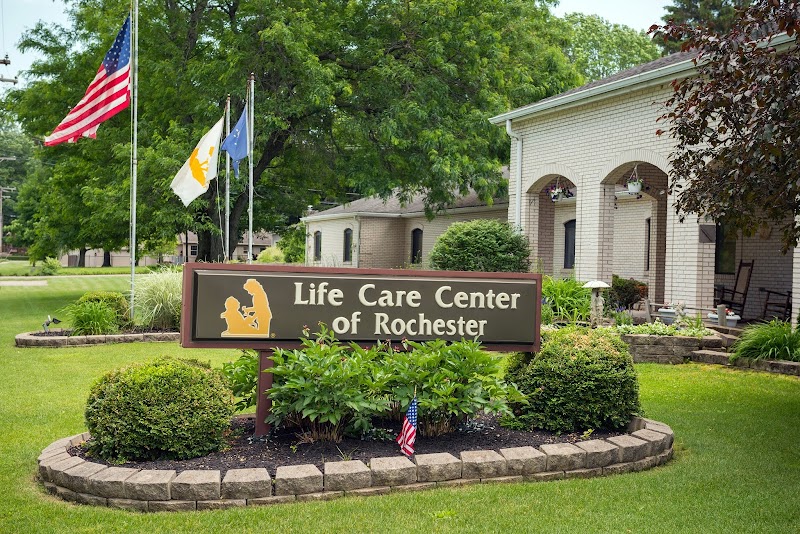
LIFE CARE CENTER OF ROCHESTER
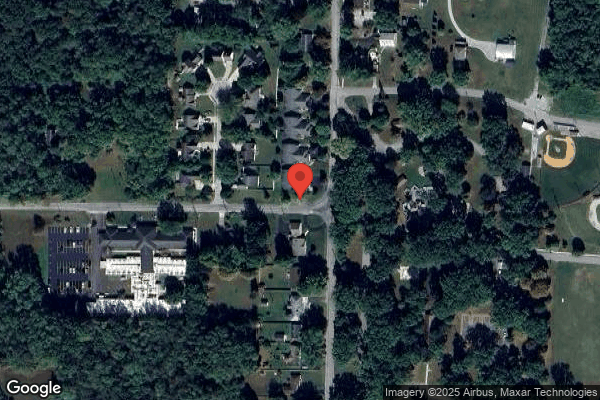
827 W 13TH ST, ROCHESTER, IN 46975 (574) 223-4331
Government - County 108 Beds LIFE CARE CENTERS OF AMERICA Data: November 2025
Trust Grade
50/100
#358 of 505 in IN
Last Inspection: September 2024

Within standard 12-15 month inspection cycle. Federal law requires annual inspections.

Overview

Life Care Center of Rochester has a Trust Grade of C, which means it is average and sits in the middle of the pack among nursing homes. It ranks #358 out of 505 facilities in Indiana, placing it in the bottom half, and is #2 out of 2 in Fulton County, indicating limited local options. The facility is improving, with the number of reported issues decreasing from 13 in 2023 to 12 in 2024. Staffing is rated 2 out of 5 stars, with a turnover rate of 54%, which is about average for Indiana. Notably, there have been no fines, which is a positive sign, and the facility has average RN coverage. However, there are some concerning incidents. For example, the kitchen failed to follow the menu for all residents during meal service, resulting in residents not receiving the appropriate food items. Additionally, the kitchen had issues with food storage, including expired and unlabeled items, and cleanliness was a problem, with visible food debris and rust in kitchen drawers. While there are strengths, such as no fines and an improving trend, families should weigh these alongside the identified weaknesses when considering this facility for their loved ones.

Trust Score
C
50/100
In Indiana
#358/505
Bottom 30%
Safety Record
Low Risk
No red flags
Inspections
Getting Better
13 → 12 violations
Staff Stability
⚠ Watch
54% turnover. Above average. Higher turnover means staff may not know residents' routines.
Penalties
✓ Good
No fines on record. Clean compliance history, better than most Indiana facilities.
Skilled Nurses
○ Average
Each resident gets 32 minutes of Registered Nurse (RN) attention daily — about average for Indiana. RNs are the most trained staff who monitor for health changes.
Violations
⚠ Watch
42 deficiencies on record. Higher than average. Multiple issues found across inspections.
★★☆☆☆
2.0
Overall Rating
★★☆☆☆
2.0
Staff Levels
★★★★☆
4.0
Care Quality
★★☆☆☆
2.0
Inspection Score
Stable
2023: 13 issues
2024: 12 issues

The Good

  • 4-Star Quality Measures · Strong clinical quality outcomes
  • Full Sprinkler Coverage · Fire safety systems throughout facility
  • No fines on record

Facility shows strength in quality measures, fire safety.

The Bad

2-Star Overall Rating

Below Indiana average (3.1)

Below average - review inspection findings carefully

Staff Turnover: 54%

Near Indiana avg (46%)

Higher turnover may affect care consistency

Chain: LIFE CARE CENTERS OF AMERICA

Part of a multi-facility chain

Ask about local staffing decisions and management

The Ugly 42 deficiencies on record

Nov 2024 1 deficiency
CONCERN (D) 📢 Someone Reported This

A family member, employee, or ombudsman was alarmed enough to file a formal complaint

Potential for Harm - no one hurt, but risky conditions existed

Accident Prevention (Tag F0689)

Could have caused harm · This affected 1 resident

**NOTE- TERMS IN BRACKETS HAVE BEEN EDITED TO PROTECT CONFIDENTIALITY** Based on observation, interview and record review, the facility failed to provide adequate supervision to prevent an alert and o...

Read full inspector narrative →
**NOTE- TERMS IN BRACKETS HAVE BEEN EDITED TO PROTECT CONFIDENTIALITY** Based on observation, interview and record review, the facility failed to provide adequate supervision to prevent an alert and oriented male resident (Resident B) from entering a severely cognitive impaired female resident's (Resident C) room and exposing himself, while kneeling on her bed. Finding includes: A self-reported incident #492, dated 10/12/24, indicated .Male resident found in female resident's room sitting on the foot of the bed with pants around ankles. Female resident lying on her back with her pants down around her ankles. No observation of any physical contact The report indicated Residents B (male) and Resident C (female) were placed on 1:1 observations by facility staff members. Family members, the facility physician and police were notified of the incident. The incident follow-up, dated 10/17/24, indicated Resident B was provided education and Resident C was evaluated by the psychiatric NP, on 10/15/24, with no new orders received. The 1:1 observations were continued for both Residents and a motion sensor had been in place at Resident C's doorway. The incident follow-up indicated after the completion of the investigation, it was determined neither resident had any negative outcomes and the facility concluded this was not an abusive situation. A typed statement, signed by the Social Service Director (SSD) indicated .On 10/12/24, SSD walked down to [name of Resident B] room to let him know it was time for a shower. [Name of Resident B] walked down with SSD to the shower room when it was occupied by another resident. [Name of Resident B] turned around and walked back down the hallway. SSD assisted the other resident out of the shower room. Walked back down the hallway to inform [name of Resident B] that the shower room was open. When SSD walked into [name of Resident B] room he was not in there. SSD turned around to walk down the hall looking for [name of Resident B] when [name of Resident C] door was noticed to be closed. SSD opened [name of Resident C] door, door alarm did not sound, SSD pulled back the privacy curtain. [Name of Resident B] was sitting at the end of [name of Resident C] bed with his pants down around his ankles and [name of Resident C] was laying down at the head of the bed with her pants down around her ankles as well. [Name of Resident B] got up and pulled his pants up and walked out of the room with SSD. While walking out of the room SSD checked door alarm, turned it back on and ensured it was working before walking [name of Resident B] to the shower room A typed interview, signed by the Administrator and SSD, dated 10/12/24, indicated .An interview was conducted with [name of Resident B] and Social Service Director (who had witnessed the incident). When asked what he was doing in room [ROOM NUMBER]. He stated just talking. When it was explained to [name of Resident B] what the staff witnessed, [name of Resident B] denied that he was sitting on the end of the bed with his pants down around his ankles. When explained to [name of Resident B] what the witness had stated, [name of Resident B] still denied his pants were not down and he was just talking 1. On 10/29/24 at 11:00 A.M., a review of the clinical record for Resident B was conducted. The resident's diagnoses included, but were not limited to; peripheral vascular disease, hypertension, anxiety and a left metatarsal (toe) amputation. A Behavioral Care Plan, dated 8/19/24, indicated the resident had sexual inappropriateness. Interventions included but were not limited to; .discuss The resident's behavior. Explain/reinforce why behavior is inappropriate and/or unacceptable to the resident A Psychiatry Progress Note, dated 9/20/24, indicated . Patient is NOT currently a danger to self/others The note indicated Resident B's judgement and thought processes were intact and he had good insight. A Quarterly Minimum Data Set (MDS) assessment, dated 10/2/24, indicated the resident was cognitively intact, was independent with transfers, walked independently, required supervision/cues for lower body dressing/undressing, was able to sit to stand independently and able to lie flat in bed without any assistance. A Nursing Progress Note, dated 10/12/24 at 10:16 A.M., indicated the SSD had opened Resident C's door and found the privacy curtain pulled around Resident C's bed. After opening the curtain, Resident B had been found in Resident C's room, sitting at the end of the bed, with his pants down. Resident B was asked to leave the room. A Nursing Progress Note, dated 10/12/24 at 3:25 P.M., indicated Resident B remained on 1:1 observations and his room change, had been completed. A Psychiatry Progress Note, dated 10/14/24, indicated Resident B was seen due to sexually inappropriate behavior via telehealth by the Nurse Practitioner (NP). It was reported to the NP, Resident B had been found with another resident, who had dementia, with his pants down. Resident B .denied his intentions but then confessed to the social worker of his intentions. When discussing the incident with the patient via telehealth, he reported I do not remember anything and refuses to talk about the incident. He was calm and kept repeating that he did not remember anything, although he had good recall of recent events such as what he ate for breakfast. Discussed boundaries with female residents. Pt [patient] has Dx [diagnoses] (depression). Pt is currently on 1:1 observation. ASSESSMENT AND PLAN 1. Inappropriate sexual behavior: Pt attempted to have sexual contact with a dementia resident Continue 1:1, Care plan with patient on boundaries . A Psychiatry Progress Note, dated 10/18/24 indicated Resident B had been seen for a follow-up visit for sexually inappropriate behavior. Resident B continued to state he did not have any recollection of event. Resident B appeared to know and realize he would be transferred to another facility, per the plan of care. Resident B remained on 1:1 observations, from facility staff, until he was discharged to another facility on 10/18/24. 2. On 10/29/24 at 11:51 A.M., a review of the clinical record for Resident C was conducted. The record indicated the resident was admitted to the facility on [DATE]. The resident's diagnoses included, but were not limited to; cancer, dementia and anxiety. A Quarterly Minimum Data Set (MDS) assessment, dated 8/19/24, indicated the resident was severely cognitively impaired, required supervision/cues for lower body dressing/undressing, was able to sit to stand independently and able to lie flat in bed without any assistance. A Care Plan, dated 8/19/24, indicated Resident C had episodes of masturbating with inappropriate objects and was at risk for self harm. The interventions included, but were not limited to: maintain safety during masturbation, offer privacy and consult psychiatric services as needed. A Care Plan, dated 8/19/24, indicated the resident had a behavior problem related to dementia, poor impulse control and had become sexually inappropriate in social areas. The interventions included, but were not limited to: document inappropriate behaviors, intervene as necessary to protect the safety of others, divert attention, offer to return resident to her room for privacy and refer to psychiatric services as needed. A Psychiatric Progress note, dated 8/23/24, indicated Resident C was a poor historian due to cognitive/psychiatric impairment. Resident had been seen for a follow-up visit for sexual hyperactivity. Resident C had been going into male rooms and soliciting sex. Pt has dementia and staff report that she has been having orgasms. Resident appeared calm and did not appear anxious. The Note indicated the resident had severe impairment of judgement and insight with poor short-term and long term memory. A Nursing Skin Integrity form, dated 10/12/24 at 10:28 A.M., indicated a skin inspection was conducted and indicated Resident C's skin was normal. There was no documentation which indicated the resident's vaginal area had been examined for tears, reddness or bruising. A Nursing Progress Note, documented by LPN 2, dated 10/12/24 at 3:17 P.M., indicated Resident C had left the dining room after her breakfast meal and followed LPN 2 to the medication cart, had medications administered and then the resident proceeded to return to her room. The note indicated LPN 2 had continued to pass more medications and then returned to her medication cart, near the nurse's station. LPN 2 was contacted by the Social Service Director, who reported she had found Resident B in Resident C's room. Resident C had her knees bent with legs apart, with her pants around her ankles. Resident B was sitting at the foot of the bed, pulling up his pants. The residents were separated from one another. Resident C went out of the facility with her daughter and will be place on 1:1 supervision when she returned. A form titled, BIMS/Staff Assessment for Mental Status, dated 10/12/24, indicated Resident C had a cognitive x deficit and needs were anticipated by staff.Resident is able to make simple daily decisions, when presented with choices, such as what to wear, eat and activities to participate in A Nursing Progress Note, dated 10/12/24 at 10:08 P.M., indicated the resident returned from LOA (Leave Of Absence ) with her daughter. A Nursing Progress Note dated 10/13/24 at 1:06 A.M., indicated Resident C continued to have 1:1 staff observations and had received a head to toe skin assessment, with no new skin issues noted. A Nursing Progress Note, dated 10/13/24 at 12:32 P.M., indicated Resident C had stayed in her room, with the doorway alarm activated. Resident C had been observed walking in her room, walking to the bathroom and showed no interest in coming out of her room. The note indicated the resident had meal trays delivered to her room. A Psychiatric Progress Noted, dated 10/16/24, indicated Resident C required a teleheath visit due to sexual inappropriate behaviors. The resident was unable to follow the conversation due to dementia and memory loss and had no recollection of the incident. The Resident had a tendency to wander around and into other resident rooms. The note indicated Resident C had been found with a male resident. A Psychosocial Note, dated 10/21/24 at 9:44 A.M., indicated the resident had been discharged to another facility on 10/18/24. During an interview, on 10/29/24 at 1:38 P.M., the Social Service Director (SSD) indicated she had walked with Resident B, to the shower room. When they arrived, the shower was occupied, so Resident B was observed by the SSD heading back towards his room. She then assisted the resident who had completed their shower out of the area, then proceeded to return to Resident B's room to inform him the shower room was available, but he was not in his room. As she walked back down the hallway, she noticed Resident C's door was closed, which was not normal, as she always had her door opened. The SSD indicated she stepped into the room and noticed the alarm (to alarm staff of anyone entering or exiting the room) had been turned off and Resident C's curtain was pulled. She pulled the curtain back to observe Resident B, on the bed, on his knees, with his pants/underpants around his ankles, facing Resident C. Resident C was observed to be lying down, face up, with her legs near where Resident B had been kneeling. The SSD indicated she observed Resident C with her pants/underwear down around her ankles. Resident B was observed by SSD to immediately pull up his pants and walk out of the room. She walked with him, away from Resident C's room, to the shower room, after she reset the door alarm. Resident B was then moved to a different room on another hallway, after his shower. The police had been contacted, as well as Resident C's daughter. The SSD indicated the daughter came to the facility and took the resident out of the facility for awhile and then brought her back to the facility, later the same day. The SSD indicated she had not observed if the male resident had an erection when she entered the room. During an interview, on 10/29/24 at 2:38 P.M., LPN 2 indicated she had went to the dining room to ask Resident C to walk with her to the medication cart, so she could administer Resident's medication. LPN 2 indicated Resident C went down the hallway and into her room and LPN 2 followed her and turned the doorway alarm on. LPN proceeded to go into another resident's room, across the hallway, to administer medications. After she had completed the administration task she went back to the nurse's station. Then she heard SSD yelling for assistance. She heard the SSD tell a resident to get dressed and heard her ask Resident B what he had been doing. Resident B replied just talking and I'm sorry LPN 2 went into Resident C's room and observed her dressed and seated on the side of her bed. LPN 2 then did a full skin assessment of Resident C and then she assessed Resident B. She did not talk to the daughter or call the police, as supervisors were in the facility. However, LPN indicated the daughter came in around lunch time and took Resident C out of the facility for a few hours. During an interview, on 10/29/24 at 253 P.M., the Administrator indicated she had contacted the daughter and the police. The Administrator indicated she had suggested, to the daughter, to take her out of the facility for a while. She indicated the physician had been notified, of the incident, and did not direct the facility staff to send Resident C for an examination at the local hospital. On 10/29/24 at 10:46 A.M., the Administrator provided a policy titled, Abuse - Prevention, dated 6/17/24, and indicated the policy was the one currently used by the facility. The policy indicated .It is the policy of this facility to prevent and prohibit all types of abuse .Procedure .4. Identify, assess, care plan for appropriate interventions, and monitor residents with needs and behaviors which might lead to conflict or neglect, such as: a. Verbally aggressive behavior; b. Physically aggressive behavior; c. Sexually aggressive behavior; d. Taking, touching, or rummaging through other's property; e. Wandering into other's rooms/space This citation relates to Complaint IN00445259. 3.1-45(a)(2)
Sept 2024 9 deficiencies
CONCERN (D)

Potential for Harm - no one hurt, but risky conditions existed

Transfer Notice (Tag F0623)

Could have caused harm · This affected 1 resident

Based on record review and interview, the facility failed to provide a transfer and discharge form for 3 of 3 residents reviewed for hospitalization. (Residents 16, 2 and 44) Findings include: 1. A re...

Read full inspector narrative →
Based on record review and interview, the facility failed to provide a transfer and discharge form for 3 of 3 residents reviewed for hospitalization. (Residents 16, 2 and 44) Findings include: 1. A record review for Resident 16 was completed on 9/17/2024 at 1:36 P.M. Diagnoses included, but were not limited to: paraplegia, pressure ulcer sacral region, schizoaffective disorder, pressure ulcer left hip, neuromuscular dysfunction of bladder, unspecified psychosis and presence of urogenital implants. An Annual Minimum Data Set (MDS) assessment, dated 7/11/2024, indicated Resident 16 was cognitively intact, and he received antipsychotic medication. He had four stage 4 pressure ulcers and had an indwelling bladder catheter. A Nursing Progress Note, dated 3/27/2024 at 1:09 P.M., indicated Resident 16 had exhibited an increase in delusional behavior and a referral was made to the neuropsychiatric hospital. Resident 16 agreed he needed more assistance with psychiatric services due to his mind was racing. Resident 16 was accepted for admission, and his guardian was informed of the pending admission. A Behavioral Health History and Physical Examination, dated 3/27/2024, indicated Resident 16 was admitted to the neuropsychiatric hospital on 3/27/2024. Resident 16 returned to the facility on 4/4/2024. A Nursing Progress Note, dated 6/27/2024 at 7:36 A.M., indicated Resident 16 left the facility for outpatient surgery for placement of a colostomy related to stage 4 wounds with a possible skin graft in the future. Resident 16 returned to the facility on 7/1/2024. A Nursing Progress Note, dated 7/7/2024 at 6:45 P.M., indicated Resident 16 had a significant amount of frank blood coming from his penis after a change of the suprapubic catheter. The nurse practitioner was contacted and advised to send Resident 16 to the emergency department for an evaluation. Resident 16 was transferred to the local hospital via emergency management services (EMS). A Nursing Progress Note, dated 7/8/2024 at 1:30 A.M., indicated Resident 16 returned from the emergency department During an interview, on 9/19/2024 at 2:26 P.M., the Social Service Director indicated the transfer and discharge form could not be located for transfers from the facility on 3/27/2024, 6/27/2024, and 7/7/2024. During an interview, on 9/20/2024 at 10:26 A.M., LPN 4 indicated a transfer and discharge form was to be sent for any transfer to the hospital. 2. During an interview with Resident 2, on 9/17/2024 at 10:34 A.M., she indicated she had been hospitalized four times for pneumonia recently. A record review for Resident 2 was completed on 9/18/2024 at 2:20 P.M. Diagnoses included, but were not limited to: diabetes mellitus type 2 with neuropathy, emphysema, atrial fibrillation, and paranoid personality disorder. A Significant Change Minimum Data Set (MDS) assessment, dated 7/31/2024, indicated Resident 2 was cognitively intact. The assessment indicated her primary medical categories were debility and cardiorespiratory conditions. She had a diagnosis of respiratory failure and chronic lung disease. A Nursing Progress Note, dated 2:55 P.M., indicated Resident 2 was lethargic, had oxygen saturations of 87 percent and lungs sounds were diminished with no air movement. New physician orders were obtained to treat Resident 2 in-house with the following: oxygen, a chest x-ray, Rocephin (antibiotic), Prednisone (steroid) and Mucinex (expectorant). A Nursing Progress Note, dated 6/16/2024 at 10:49 P.M., indicated the nurse practitioner gave an order to send Resident 2 to the emergency department for an evaluation and treatment. A Nursing Progress Note, dated 6/22/2024 at 10:55 A.M., indicated Resident 2 was readmitted to the facility after being placed in the Intensive Care Unit (ICU) at the hospital for altered mental status, acute respiratory failure, sepsis, urinary tract infection and bilateral lower extremity cellulitis. A Nursing Progress Note, dated 7/18/2024 at 2:17 P.M., indicated an order was received to send Resident 2 to the emergency department for an evaluation and treatment. A report was given to the emergency department nurse and indicated Resident 2 was confused, lethargic, responded to her name, but falls back asleep. A Nursing Progress Note, dated 7/22/2024 at 4:27 P.M., indicated Resident 2 returned to the facility from the hospital. A Nursing Progress Note, dated 7/24/2024 at 1:07 A.M., indicated the nurse noted Resident 2's left toes/foot had a purplish/blackish discoloration. Resident 2 complained of sharp pain to her left foot. There was no known injury to Resident 2's left foot/toes. Resident 2 was sent to the emergency department at 10:20 P.M. She arrived back to the facility, at 1:07 A.M., with no fracture, but edema noted. During an interview, on 9/19/2024 at 2:26 P.M., the Social Service Director indicated a transfer and discharge form could not be found for Resident 2's transfers to the emergency department on 6/16/2024, 7/18/2024 and 7/2024. During an interview, on 9/20/2024 at 10:26 A.M., LPN 4 indicated a transfer and discharge form should be sent for any transfer to the hospital. 3. During an interview with Resident 44, on 9/17/2024 at 11:22 A.M., she indicated she had been hospitalized with shortness of breath. A record review for Resident 44 was completed on 9/18/2024 at 1:33 P.M. Diagnoses included, but were limited to: chronic obstructive pulmonary disease (COPD), tracheostomy, chronic respiratory failure, and obstructive sleep apnea. A Quarterly Minimum Data Set (MDS) assessment, dated 8/3/2024, indicated Resident 44 was cognitively intact. and she received treatments of oxygen, suctioning, tracheostomy care, and non-invasive mechanical ventilation. A Nursing Progress Note, dated 7/14/2024 at 9:00 P.M., indicated Resident 44 had difficulty breathing with an oxygen saturation of 82 percent on three liters of oxygen. Resident 44's oxygenation levels continued to drop with oxygen saturations reading erratically between 36-46 percent with respirations of 28-34 per minute. EMS was called and Resident 44 was transported to the emergency department. A Nursing Progress Note, dated 7/29/2024 at 5:08 P.M., indicated Resident 44 was readmitted to the facility with respiratory failure due to pneumonia and fluid overload. During an interview, on 9/19/2024 at 2:26 P.M., the Social Service Director indicated a transfer and discharge form could not be found for Resident 44's transfer to the emergency department on 7/14/2024. During an interview, on 9/20/2024 at 10:26 A.M., LPN 4 indicated a transfer and discharge form should have been sent for any transfer to the hospital. A policy for a transfer and discharge form was requested on 9/20/24. A policy was not provided. 3.1-12(a)(6)(A)
CONCERN (D)

Potential for Harm - no one hurt, but risky conditions existed

Deficiency F0625 (Tag F0625)

Could have caused harm · This affected 1 resident

Based on record review and interview, the facility failed to provide a bed hold form for 3 of 3 residents reviewed for hospitalization. (Residents 16, 2, and 44) Findings include: 1. A record review f...

Read full inspector narrative →
Based on record review and interview, the facility failed to provide a bed hold form for 3 of 3 residents reviewed for hospitalization. (Residents 16, 2, and 44) Findings include: 1. A record review for Resident 16 was completed on 9/17/2024 at 1:36 P.M. Diagnoses included, but were not limited to: paraplegia, pressure ulcer sacral region, schizoaffective disorder, pressure ulcer left hip, neuromuscular dysfunction of bladder, unspecified psychosis, and presence of urogenital implants. An Annual Minimum Data Set (MDS) assessment, dated 7/11/2024, indicated Resident 16 was cognitively intact, and he received antipsychotic medication. He had four stage 4 pressure ulcers and had an indwelling bladder catheter. A Nursing Progress Note, dated 3/27/2024 at 1:09 P.M., indicated Resident 16 had exhibited an increase in delusional behavior and a referral was made to the neuropsychiatric hospital. Resident 16 agreed he needed more assistance with psychiatric services due to his mind was racing. Resident 16 was accepted for admission, and his guardian was informed of the pending admission. A Behavioral Health History and Physical Examination, dated 3/27/2024, indicated Resident 16 was admitted to the neuropsychiatric hospital on 3/27/2024. Resident 16 returned to the facility on 4/4/2024. A Nursing Progress Note, dated 6/27/2024 at 7:36 A.M., indicated Resident 16 left the facility for outpatient surgery for placement of a colostomy related to stage 4 wounds with a possible skin graft in the future. Resident 16 returned to the facility on 7/1/2024. A Nursing Progress Note, dated 7/7/2024 at 6:45 P.M., indicated Resident 16 had a significant amount of frank blood coming from his penis after a change of the suprapubic catheter. The nurse practitioner was contacted and advised to send Resident 16 to the emergency department for an evaluation. Resident 16 was transferred to the local hospital via emergency management services (EMS). A Nursing Progress Note, dated 7/8/2024 at 1:30 A.M., indicated Resident 16 returned from the emergency department During an interview, on 9/19/2024 at 2:26 P.M., the Social Service Director indicated a bed hold form could not be located for Resident 16's transfers from the facility on 3/27/2024, 6/27/2024, and 7/7/2024. During an interview, on 9/20/2024 at 10:26 A.M., LPN 4 indicated a bed hold policy should have been sent for any transfer to the hospital. 2. During an interview with Resident 2, on 9/17/2024 at 10:34 A.M., she indicated she had been hospitalized four times for pneumonia recently. A record review for Resident 2 was completed on 9/18/2024 at 2:20 P.M. Diagnoses included, but were not limited to: diabetes mellitus type 2 with neuropathy, emphysema, atrial fibrillation, and paranoid personality disorder. A Significant Change Minimum Data Set (MDS) assessment, dated 7/31/2024, indicated Resident 2 was cognitively intact. The assessment indicated her primary medical categories were debility and cardiorespiratory conditions. She had a diagnosis of respiratory failure and chronic lung disease. A Nursing Progress Note, dated 2:55 P.M., indicated Resident 2 was lethargic, had oxygen saturations of 87 percent and lungs sounds were diminished with no air movement. New physician orders were obtained to treat Resident 2 in-house with the following: oxygen, a chest x-ray, Rocephin (antibiotic), Prednisone (steroid) and Mucinex (expectorant). A Nursing Progress Note, dated 6/16/2024 at 10:49 P.M., indicated the nurse practitioner gave an order to send Resident 2 to the emergency department for an evaluation and treatment. A Nursing Progress Note, dated 6/22/2024 at 10:55 A.M., indicated Resident 2 was readmitted to the facility after being placed in the Intensive Care Unit (ICU) at the hospital for altered mental status, acute respiratory failure, sepsis, urinary tract infection and bilateral lower extremity cellulitis. A Nursing Progress Note, dated 7/18/2024 at 2:17 P.M., indicated an order was received to send Resident 2 to the emergency department for an evaluation and treatment. A report was given to the emergency department nurse and indicated Resident 2 was confused, lethargic, responded to her name, but falls back asleep. A Nursing Progress Note, dated 7/22/2024 at 4:27 P.M., indicated Resident 2 returned to the facility from the hospital. A Nursing Progress Note, dated 7/24/2024 at 1:07 A.M., indicated the nurse noted Resident 2's left toes/foot had a purplish/blackish discoloration. Resident 2 complained of sharp pain to her left foot. There was no known injury to Resident 2's left foot/toes. Resident 2 was sent to the emergency department at 10:20 P.M. She arrived back to the facility, at 1:07 A.M., with no fracture, but edema noted. During an interview, on 9/19/2024 at 2:26 P.M., the Social Service Director indicated a bed hold form could not be found for the transfers to the emergency department on 6/16/2024, 7/18/2024 and 7/2024. During an interview, on 9/20/2024 at 10:26 A.M., LPN 4 indicated a bed hold policy should have been sent for any transfer to the hospital. 3. During an interview with Resident 44, on 9/17/2024 at 11:22 A.M., she indicated she had been hospitalized with shortness of breath. A record review for Resident 44 was completed on 9/18/2024 at 1:33 P.M. Diagnoses included, but were limited to: chronic obstructive pulmonary disease (COPD), tracheostomy, chronic respiratory failure, and obstructive sleep apnea. A Quarterly Minimum Data Set (MDS) assessment, dated 8/3/2024, indicated Resident 44 was cognitively intact. and she received treatments of oxygen, suctioning, tracheostomy care, and non-invasive mechanical ventilation. A Nursing Progress Note, dated 7/14/2024 at 9:00 P.M., indicated Resident 44 had difficulty breathing with an oxygen saturation of 82 percent on three liters of oxygen. Resident 44's oxygenation levels continued to drop with oxygen saturations reading erratically between 36-46 percent with respirations of 28-34 per minute. EMS was called and Resident 44 was transported to the emergency department. A Nursing Progress Note, dated 7/29/2024 at 5:08 P.M., indicated Resident 44 was readmitted to the facility with respiratory failure due to pneumonia and fluid overload. During an interview, on 9/19/2024 at 2:26 P.M., the Social Service Director indicated a bed hold form could not be found for Resident 44's transfer to the emergency department on 7/14/2024. During an interview, on 9/20/2024 at 10:26 A.M., LPN 4 indicated a bed hold form would be sent for any transfer to the hospital. A policy for the bed hold policy was requested on 9/20/24. A policy was not provided. 3.1-12(a)(25)(A)
CONCERN (D)

Potential for Harm - no one hurt, but risky conditions existed

MDS Data Transmission (Tag F0640)

Could have caused harm · This affected 1 resident

**NOTE- TERMS IN BRACKETS HAVE BEEN EDITED TO PROTECT CONFIDENTIALITY** Based on record review and interview, the facility failed to ensure Minimum Data Set (MDS) assessments were transmitted timely f...

Read full inspector narrative →
**NOTE- TERMS IN BRACKETS HAVE BEEN EDITED TO PROTECT CONFIDENTIALITY** Based on record review and interview, the facility failed to ensure Minimum Data Set (MDS) assessments were transmitted timely for 2 of 2 resident assessments reviewed. (Resident 20 & 47) Findings include: 1. The record for Resident 47 was reviewed on 9/19/2024. Resident 47 was admitted on [DATE]. A Quarterly Minimum Data Set (MDS) assessment, dated 8/5/2024, was not locked and transmitted until 9/17/2024, which was over 120 days from the admission MDS assessment that was transmitted. 2. The record for Resident 20 was reviewed on 9/19/2024. Resident 20 was admitted on [DATE]. A Quarterly MDS assessment, dated 5/12/2024, was not transmitted and accepted until 9/17/2024. The accepted date was over 120 days from the last assessment that was transmitted. During an interview, on 9/19/2024 at 11:20 A.M., the MDS Coordinator indicated the next assessments due were listed on her schedule and that the MDS assessment in question had been transmitted. She indicated she completed the schedule for the MDS assessments and it did not trigger on the report . She indicated she had not gone back far enough and would begin reviewing for the previous 120 days. She indicated the facility used the Resident Assessment Instrument (RAI).
CONCERN (D)

Potential for Harm - no one hurt, but risky conditions existed

Comprehensive Care Plan (Tag F0656)

Could have caused harm · This affected 1 resident

Based on observation, record review and interview, the facility failed to develop comprehensive person-centered care plans for a resident with edema (Resident 29) and a resident with a history of itch...

Read full inspector narrative →
Based on observation, record review and interview, the facility failed to develop comprehensive person-centered care plans for a resident with edema (Resident 29) and a resident with a history of itching (Resident 34) for 2 of 20 residents reviewed. Findings include: 1. During an observation, on 9/16/2024 at 10:59 A.M., Resident 29 had +1 pitting edema (swelling with a slight indentation in the skin that was barely visible after pressure was applied) to his bilateral lower legs. During an observation, on 9/18/2024 at 10:59 A.M., Resident 29 was noted to have +1 pitting edema to his bilateral lower legs. The record for Resident 29 was reviewed on 9/18/2024 at 10:17 A.M. Diagnoses included but were not limited to: chronic venous idiopathic hypertension, congenital malformation syndrome, muscle weakness, sleep apnea, chronic obstructive pulmonary disease, hypertension and generalized edema. The record lacked a person-centered care plan for the resident's edema. During an interview, on 9/19/2024 at 11:17 A.M., the MDS Coordinator indicated she updated and completed the care plans along with other departments personnel. MDS Coordinator indicated there was a plan which indicated the resident was at risk for edema but there were no interventions regarding edema. During an interview, on 9/19/2024 at 11:36 A.M., the DON indicated edema should have been included in care plan for Resident 29. 2. During an observation, on 9/17/2024 at 9:47 A.M., Resident 34 was noted to have scabbed over scratches on his left leg shin. The record for Resident 34 was reviewed on 9/18/2024 at 11:05 A.M. Diagnoses included but were not limited to cerebral palsy, chronic obstructive pulmonary edema, epilepsy, cognitive communication deficit, muscle weakness, dysphagia, emphysema, hypertension and difficulty in walking. Resident 29's current medications included: Triamcinolone Acetonide External Cream 0.5 % to bilateral lower extremities topically one time a day for chronic red and irritated skin, ordered 7/16/2024, and N-Acetyl Cysteine (NAC) 600 mg (milligrams) one capsule by mouth two times a day for skin itching, ordered 2/10/2023. A psychiatric provider note, dated 7/29/2024, indicated Resident 34 took NAC for skin itching/picking. The record lacked a person-centered care plan for Resident 34's itching. During an interview, on 9/19/2024 at 9:48 A.M., LPN 4 indicated Resident 34 had scratched and itched his extremities for years. LPN 4 indicated staff applied medicated lotion as well as administered an oral medication for itching on a scheduled basis. During an interview, on 9/19/2024 at 11:23 A.M., MDS Coordinator, who completed and updated care plans along with other departments. The MDS Coordinator indicated she was not aware of Resident 34's itching as a continued issue and indicated itching was not care-planned. During an interview, on 9/19/2024 at 2:29 P.M., MDS Nurse and DON indicated Resident 34's itching/scratching should have been included on the resident's care plan. On 9/20/2024, at 10:00 A.M., requested a care plan policy and was policy was not provided. 3.1-35(a)
CONCERN (D)

Potential for Harm - no one hurt, but risky conditions existed

Quality of Care (Tag F0684)

Could have caused harm · This affected 1 resident

Based on interview and record review, the facility failed to provide timely notification of a change in condition and provide timely treatment for 2 of 3 residents reviewed for hospitalization and ins...

Read full inspector narrative →
Based on interview and record review, the facility failed to provide timely notification of a change in condition and provide timely treatment for 2 of 3 residents reviewed for hospitalization and insulin usage. (Resident 2 and 16) Findings include: 1. During an interview with Resident 2, on 9/17/2024 at 10:34 A.M., she indicated she had been hospitalized four times for pneumonia recently. A record review for Resident 2 was completed on 9/18/2024 at 2:20 P.M. Diagnoses included, but were not limited to: diabetes mellitus type 2 with neuropathy, emphysema, atrial fibrillation, and paranoid personality disorder. A Significant Change Minimum Data Set (MDS) assessment, dated 7/31/2024, indicated Resident 2 was cognitively intact and had a diagnosis of respiratory failure and chronic lung disease. The assessment indicated her primary medical categories were debility and cardiorespiratory conditions. A Nursing Progress Note, dated 7/10/2024 at 8:48 A.M., indicated Resident 2's vital signs included a blood pressure of 96/43, an irregular heart rate of 94-97 beats per minute and oxygen saturations levels of 87 percent on room air. The oxygen saturation levels increased to 94 percent with two liters of oxygen. Resident 2 was noncompliant with oxygen therapy during breakfast. Lungs sounds were diminished with no air movement in the lower lobes, diminished in the middle lobes, and rhonchi was heard in the upper lobes. A cough was present. The nurse practitioner was to be notified of the findings. A Nursing Progress Note, dated 7/11/2024 at 9:41 A.M., indicated Resident 2 fell asleep at the dining room table during breakfast and her oxygen saturation level on room air was 87 percent, which was consistent with the resident's levels without oxygen therapy. A Nursing Progress Note, dated 7/12/2024 at 12:05 P.M., indicated Resident 2 on antibiotic therapy for pneumonia with oxygen therapy at three liters per nasal cannula. Resident 2's oxygen saturation levels ranged from 78-93 percent depending on whether Resident 2 held her head up. A Nursing Progress Note, dated 7/12/2024 at 12:07 P.M., indicated Resident 2 started the day awake, but fell asleep in the dining room at breakfast. Three staff members assisted her back to bed. She continued to be treated with an antibiotic for pneumonia. A Nursing Progress Note, dated 7/12/2024 at 2:34 P.M., indicated Resident 2 was up and awake after sleeping most of the day. A Nursing Progress Note, dated 7/13/2024 at 9:53 A.M., indicated Resident 2 continued antibiotic therapy for pneumonia, but was very lethargic with diminished lung sounds. Resident 2 dropped food from her mouth during breakfast and continued to fall asleep during the meal. A Nursing Progress Note, dated 7/13/2024 at 1:57 P.M., indicated Resident 2 was not following simple directions, was unable to remember to use her call light for assistance, was throwing items in the trash can and was unable to lock her wheelchair brake, which she has done with ease in the past. Resident 2 seemed more confused on this day. A Nursing Progress Note, dated 7/14/2024 at 11:33 A.M., indicated Resident 2 was not following directions. She dropped a carton of milk on the floor due to falling asleep during breakfast. She was very disheveled and unaware of her surroundings. Her vital signs were within normal limits. Her lung sounds were diminished throughout the lung and there were spaces with no air movement in the upper, middle, and lower lung bases. A Nursing Progress Note, dated 7/16/2024 at 2:40 P.M., indicated Resident 2 needed two staff members for maximum assistance with transfers, and dependent for bed mobility. She finished her antibiotic therapy for pneumonia. She had been lethargic in the afternoon and required additional assistance with ADLs (activities of daily living). A Nursing Progress Note, dated 7/16/2024 at 11:21 P.M., indicated Resident 2 was lethargic, needed extra staff for care and needed fed dinner. A Nurse Practitioner Note, dated 7/16/2024, indicated a post-acute visit was provided due to recent hospitalization for decreased level of consciousness, lethargy, and pneumonia. The note indicated Resident 2 was compliant with oxygen therapy, was on antibiotics for pneumonia, now required 1-2 staff assistance due to not using her legs. The staff denied any acute issues related to Resident 2 today. A Nursing Progress Note, dated 7/17/2024 at 10:54 A.M., indicated Resident 2's blood pressure was 98/54. She was very lethargic and unable to feed herself her breakfast without assistance. She had more garbled speech. The nurse practitioner was aware of these symptoms. A Nurse Practitioner Note, dated 7/17/2024, indicated a post-acute visit day 2 was provided due to recent hospitalization and the last visit was on 7/16/2024 with the resident being monitored for oxygen saturation levels. The note indicted staff denied any acute issues related to the resident on that date. A Nursing Progress Note, dated 7/17/2024 at 5:48 P.M., indicated Resident 2 was not eating on her own as she had in the past. Her food continued to drop on the floor and her chest. A Nursing Progress Note, dated 7/18/2024 at 8:58 A.M., indicated Resident 2 was not able to follow simple directions, was having problems eating her food, was dropping drinks on her chest, was falling asleep with her meal and was needing assistance of 2-3 staff members for transfers due to weakness in the lower extremities. She had no air movement in all her lung fields with an irregular heartbeat. A Nursing Progress Note, dated 7/18/2024 at 11:27 A.M., indicated Resident 2 was placed on the list to be seen by the primary medical practitioner. A Medical Physician Note, dated 7/18/2024, resident had indicated an altered mental status with no obvious signs and to send to the emergency department. A Nursing Progress Note, dated 7/18/2024 at 2:17 P.M., indicated an order was obtained to send Resident 2 to the emergency department for an evaluation and treatment. During an interview, on 9/24/2024 at 10:20 A.M., LPN 4 indicated the nurse practitioner and/or physician should be notified immediately of any change of condition after vital signs were obtained. The record lacked documentation the Nurse Practitioner evaluated the resident when she initially displayed a change in condition on 7/11/2024. Although the resident was evaluated by the Nurse Practitioner on 7/17/2024, the resident's significant change in condition was not communicated and addressed. The documentation indicated the resident continued to decline and her change in condition was not addressed until 7/18/2024 when the physician noted the resident's altered level of consciousness and gave an order to send her to an acute care facility for an evaluation. 2. A record review for Resident 16 was completed on 9/17/2024 at 1:36 P.M. Diagnoses included, but were not limited to: paraplegia, pressure ulcer sacral region, schizoaffective disorder, pressure ulcer left hip, neuromuscular dysfunction of bladder, unspecified psychosis and presence of urogenital implants. An Annual Minimum Data Set (MDS) assessment, dated 7/11/2024, indicated Resident 16 was cognitively intact, received antipsychotic medication. He had four stage 4 pressure ulcers and had an indwelling bladder catheter. A Nursing Progress Note, dated 7/7/2024 at 2:51 P.M., indicated Resident 16 had no urinary output since the suprapubic catheter had last been changed. The bulb was of the catheter was deflated and the catheter was pulled back. Blood-tinged urine was noted in the catheter tubing, and active bleeding was noted coming from his penis. A Nursing Progress Note, dated 7/7/2024 at 6:45 P.M., indicated there continued to be significant frank blood coming from Resident 16's penis. The nurse practitioner was notified, and an order was obtained to send the resident to the emergency department. An Care Triage Note, dated 7/7/2024, indicated blood was coming out of Resident 16's penis. The blood had saturated Resident 16's brief and had saturated another brief immediately when changed. An order was given to send Resident 16 to the emergency department due to possible trauma caused when the the suprapubic catheter was changed and bleeding had occurred for 3.5 hours. During an interview, on 9/24/2024 at 10:20 A.M., LPN 4 indicated the nurse practitioner and/or physician should be notified immediately of any change of condition after vital signs were obtained. 3. A record review for Resident 16 was completed on 9/17/2024 at 1:36 P.M. Diagnoses included, but were not limited to: paraplegia, pressure ulcer sacral region, schizoaffective disorder, pressure ulcer left hip, and diabetes mellitus type 2. An Annual Minimum Data Set (MDS) assessment, dated 7/11/2024, indicated Resident 16 was cognitively intact and received insulin medication. A Physician's Order, dated 4/4/2024, indicated to notify the physician for a blood sugar less than 60 mg/dL (milligrams per deciliter) or greater than 400 mg/dL. A blood sugar of 489 mg/dL was recorded on 8/24/2023, and a blood sugar of 410 mg/dL was recorded on 9/4/2024. There was no documentation the physician was notified. A current Care Plan, initiated 9/5/2023, and revised on 12/7/2023, indicated Resident 16 had diabetes mellitus and was at risk for hypo/hyperglycemic reactions. Interventions included to obtain blood sugars as ordered. During an interview, on 9/20/2024 at 12:34 P.M., the DON indicated the physician should have been notified of the blood sugars greater than 400. A policy was provided, on 9/20/2024 at 12:33 P.M., by the Director of Nursing (DON). The policy titled, Changes in Resident's Condition or Status, indicated .This facility will notify the resident, his/her primary care provider, and resident/resident representative of changes in the resident's condition or status .(i) A facility must immediately inform the resident; consult with the resident's physician; and notify, consistent with his or her authority, the resident representative(s) when there is .(B) A significant change in the resident's physical, mental, or psychosocial status 3.1-37(a)
CONCERN (D)

Potential for Harm - no one hurt, but risky conditions existed

Respiratory Care (Tag F0695)

Could have caused harm · This affected 1 resident

**NOTE- TERMS IN BRACKETS HAVE BEEN EDITED TO PROTECT CONFIDENTIALITY** 2. During an observation, on 9/16/2024 at 10:13 A.M., Resident 44's nebulizer mask was lying on a bedside table with the respira...

Read full inspector narrative →
**NOTE- TERMS IN BRACKETS HAVE BEEN EDITED TO PROTECT CONFIDENTIALITY** 2. During an observation, on 9/16/2024 at 10:13 A.M., Resident 44's nebulizer mask was lying on a bedside table with the respiratory bag, dated 8/20/2024, and the tracheostomy suction tip was observed with the outer wrapper, undated, with the suction tip outside the wrapper. During an observation, on 9/16/2024 at 1:58 P.M., the suction tip was missing from the suctioning tubing, but the suctioning tubing was open to air. During an observation, on 9/17/1024 at 9:30 A.M., the suctioning Yankauer (tonsil tip suctioning device to remove secretions) was opened, placed in the opened packaging, undated and the sterile water was opened and not dated. During an interview with Resident 44, on 9/17/2024 at 11:23 A.M., she indicated her tracheostomy was cleaned everyday with suctioning and she preferred for daily cleaning or twice daily cleaning with suctioning. She indicated the tubing was changed once weekly. During an observation, on 9/20/2024 at 10:14 A.M., the nebulizer mask was observed on the bed. A record review for Resident 44 was completed on 9/18/2024 at 1:33 P.M. Diagnoses included, but were limited to: chronic obstructive pulmonary disease (COPD), tracheostomy, chronic respiratory failure, and obstructive sleep apnea. A Quarterly MDS assessment, dated 8/3/2024, indicated Resident 44 was cognitively intact and received treatments of oxygen, suctioning, tracheostomy care and non-invasive mechanical ventilation. A current Care Plan, initiated on 6/12/2024, and revised on 9/5/2024, indicated Resident 44 had a tracheostomy and was at risk for infection and/or complications. Interventions included to suction as needed. A Physician's Order, dated 7/29/2024, indicated to change nebulizer tubing every Friday. A Physician's Order dated 9/12/2024 indicated to change the nebulizer circuit every Tuesday on the day shift. During an interview, on 9/20/2024 at 10:15 A.M., LPN 4 indicated nebulizer equipment should have a respiratory bag placed by the nebulizer equipment and the bag was to be changed out weekly on Fridays or as needed. The nebulizer equipment should be placed in the respiratory bag when not in use. She indicated the suctioning tips should be thrown away after an initial use and not reused. LPN 4 indicated the Yankauers were used for a 24-hour period and stored in the packaging they were removed from for use. A policy was provided on 9/20/2024 at 12:33 P.M., by the Director of Nursing. The policy was titled, Small Volume Nebulizer Therapy. The policy indicated, .Policy .The facility will provide Small Volume Nebulizer Treatments in accordance with professional standards of practice, as outlined in [NAME] through the procedure linked below .Federal Regulation .The services provided or arranged by the facility, as outlined by the comprehensive care plan, must---(i) Meet professional standards of quality [NAME]'s procedure titled, Nebulizer treatment, small volume, indicated, .Nebulizer circuit should be stored in a patient-care set-up bag. Labeled with the patient's name and dated A policy was provided, on 9/20/2024 at 12:33 P.M., by the Director of Nursing. The policy titled, Oral Suctioning, indicated, .The facility will provide oral suctioning in accordance with professional standards of practice and physicians order, to clear secretions from the mouth in the event a resident is unable to remove secretions or foreign matter by effective coughing .4. Yankauer and tubing should be stored in a patient setup bag when not in use 3.1-47(a)(6) Based on observation, record review and interview, the facility failed to store respiratory equipment in a sanitary manor for 3 of 3 residents reviewed for oxygen therapy. (Resident 36, 44 & 154) Findings include: 1. During an observation, on 9/16/2024 at 2:48 P.M., Resident 36's equalizer tubing was dated 8/2020/24 and unbagged. Resident 36's current Physician's Orders included: change and date nebulizer tubing weekly every day shift on Tuesdays. During an interview, on 9/18/2024 at 2:17 P.M., Resident 36 indicated the nebulizer tubing was never in a bag.
CONCERN (D)

Potential for Harm - no one hurt, but risky conditions existed

Deficiency F0761 (Tag F0761)

Could have caused harm · This affected 1 resident

Based on observation, interview and record review, the facility failed to ensure discontinued medications were removed from a medication room and failed to ensure a medication refrigerator was free fr...

Read full inspector narrative →
Based on observation, interview and record review, the facility failed to ensure discontinued medications were removed from a medication room and failed to ensure a medication refrigerator was free from a large build up of ice for 1 of 2 medication rooms observed. (Skilled hall medication room) Finding includes: During an observation of the South/Skilled hall medication room, on 9/19/2024 at 9:23 A.M. with RN 2, the following was observed: a plastic bag with the following medications, along with a hand written list, dated 6/12/2024, of the following medications 30 Haldol 5 mg (milligram) tablets (antipsychotic); 70 Hydrocodone 10/325 mg tablets (narcotic); 45 Lorazepam 0.5 mg tablets; liquid Morphine Sulfate (narcotic); 2 Fentanyl 20 mcg (micrograms) and 3 25 mcg patches (narcotic). The freezer section of the medication refrigerator had a large build up of ice. During an interview, on 9/19/2024 at 9:25 A.M., RN 2 indicated the medications that had been discontinued ahsould have been desgtroyed and the medication refrigerator should not have had an ice build up. On 9/19/2024 at 10:00 A.M., the Regional Director of Clinical Services provided the policy titled, Controlled Substance Destruction Process, dated 5/6/2022, and indicated the policy was the one currently used by the facility. The policy indicated . 1. Once an order has been received to discontinue a medication, facility staff should remove this medication from the resident's medication supply .4. Destruction of controlled substances should occur as soon as possible ON 9/19/2024 at 10:05 A.M., the Regional Director of Clinical Services provided the policy titled, Medication Storage in Refrigerator/Freezer, dated 8/24/2023, and indicated the policy was the one currently used by the facility. The policy indicated .8. If there is excessive ice build-up in the freezer, the maintenance department should be notified to defrost the unit to ensure proper functioning 3.1-25(o) 3.1-25(r)
CONCERN (D)

Potential for Harm - no one hurt, but risky conditions existed

Infection Control (Tag F0880)

Could have caused harm · This affected 1 resident

Based on observation, interview and record review, the facility failed to ensure staff change gloves and complete hand hygiene when providing perineal care for 1 of 1 residents reviewed for incontinen...

Read full inspector narrative →
Based on observation, interview and record review, the facility failed to ensure staff change gloves and complete hand hygiene when providing perineal care for 1 of 1 residents reviewed for incontinence needs. (Resident 7) Finding includes: During an observation on, 9/17/2024 at 9:06 A.M., CNA 3 was observed to provide incontinence care for Resident 7. She donned gloves and removed the dirty brief from the resident. CNA 3 put the dirty brief and the dirty wipes she had used on the floor mat next to the resident. With her dirty gloves still on, she went into the bathroom to obtain a trash bag. She placed the wet brief and the wipes into the trash bag. CNA 3 then went to the closet and got a pair of clean pants without changing her contaminated gloves. CNA 3 then put the residents pants on, and repositioned the resident on the floor mat. CNA 3 rubbed the residents back and then moved a pillow under her head. During an interview, on 9/17/2024 at 9:13 A.M., CNA 3 indicated she should have removed her gloves and washed her hands after cleaning the resident's perineal area. On 9/19/2024 at 9:43 A.M., the Regional Director of Clinical Services provided the policy titled, Hand Hygiene, dated 6/3/2024, and indicated the policy was the one currently use by the facility, The policy indicated .2. Associated perform hand hygiene (even if gloves are uses) in the following situations: . b. After contact with blood, body fluids .d. after removing personal protective equipment) e.g., gloves 3.1-18(a)
CONCERN (E)

Potential for Harm - no one hurt, but risky conditions existed

Food Safety (Tag F0812)

Could have caused harm · This affected multiple residents

Based on observation and interview, the facility failed to store and serve food under sanitary conditions related to undated and unlabeled foods for 1 of 1 kitchen areas observed (Main kitchen) and se...

Read full inspector narrative →
Based on observation and interview, the facility failed to store and serve food under sanitary conditions related to undated and unlabeled foods for 1 of 1 kitchen areas observed (Main kitchen) and serving of plates during meal service. This issue had the potential to affect all 53 residents who resided in the facility and received food from these dietary areas. Findings include: During the initial tour of the main kitchen on 9/16/202 at 9:4 A.M., with the Dietary Manager, the following items were observed: - in the walk-in cooler there was 1 plastic bag with shredded carrots with an expiration date of 9/11/2024 and 1 opened plastic bag with cooked pork chops, undated and unlabeled. -In the dry pantry, there was an unlabeled and opened bag of brownie mix and powdered sugar, and stuffing mix with an expiration date of 10/19/2023. During an interview, on 9/16/2024 at 9:40 A.M., the Dietary Manager indicated nothing should be expired in the kitchen and food should have labels and expiration dates. On 9/16/2024, at 12:01 P.M., 33 residents were observed in main dining area. Two different staff were noted to have their thumbs on the eating portion of the dinner plates when serving 3 residents in the dining room. During an interview, on 9/20/2024 at 9:51 A.M., the Dietary Manager indicated staff should not have had their thumbs on the eating portion of the dinner plates when serving meals and dishes should be handled by the outside at an angle. On 9/17/2024, at 1:30 P.M., the Administrator provided the policy titled, Use By Date Guide, dated 3/18/2020, and indicated the policy was the one currently used by the facility. The policy indicated determine a use by date when labeling unopened and opened food .if uncertain of the appropriate date to place on an item, contact Director of Food Services all opened containers of food in dry storage area should be .labeled and dated with the open date and the use by date. On 9/20/2024, at 10:55 A.M., the DON provided the policy titled, Resident Dining Services, dated 4/30/2024, and indicated the policy was the one currently used by the facility. The policy indicated, the facility has an established process to ensure food is served in accordance with professional standards for food safety service . 3.1-21(i)(3)
Feb 2024 2 deficiencies
CONCERN (D) 📢 Someone Reported This

A family member, employee, or ombudsman was alarmed enough to file a formal complaint

Potential for Harm - no one hurt, but risky conditions existed

Safe Environment (Tag F0921)

Could have caused harm · This affected 1 resident

**NOTE- TERMS IN BRACKETS HAVE BEEN EDITED TO PROTECT CONFIDENTIALITY** Based on observation, record review, and interview, the facility failed to ensure a sanitary and comfortable environment was mai...

Read full inspector narrative →
**NOTE- TERMS IN BRACKETS HAVE BEEN EDITED TO PROTECT CONFIDENTIALITY** Based on observation, record review, and interview, the facility failed to ensure a sanitary and comfortable environment was maintained in 1 of 4 halls observed for environment. (Central Hall) Findings include: During an initial tour, on 2/19/2024 from 9:20 A.M. to 9:34 A.M., the following items were observed on the Central Hall: - room [ROOM NUMBER] had brown and yellow stains in the bathroom with a strong urine smell. - Rooms 203-204's shared bathroom had stained flooring, and a strong urine smell. - room [ROOM NUMBER]-212's shared bathroom had stained flooring with a slimy black substance along the wooden cove wall base. The wooden cove wall base had black stains. A liquid substance was seen around the toilet to the cove wall base. The drywall above the cove wall base was wavy in appearance. - Rooms 216-217's shared bathroom had stained flooring, debris on floor and a strong urine odor. - Rooms 220-221's shared bathroom had stained flooring, and odor of urine. - Rooms 222-223's shared bathroom had stained flooring, and odor of urine. During an observation and interview, on 2/19/2024 at 2:26 P.M., the Maintenance Director observed the black slimy substance in the shared bathroom of rooms 211-212. He indicated the black slimy substance was from the wood cove wall base giving away. The Maintenance Director moved the trash can, and gnats were observed flying from the black slimy substance. He indicated the facility had been repairing rooms and bathrooms when a room became available for repair. He provided a map of the facility, titled Refresh Rooms, that indicated rooms 213-225 had been completed. During an interview, on 2/19/2024 at 2:38 P.M., the Housekeeping Supervisor indicated the housekeeping staff were assigned to a hall daily, and daily residents' rooms responsibilities included, sweeping, and mopping of the residents' rooms and mopping the entirety of the residents' bathrooms. During an observation, on 2/19/2024 at 2:41 P.M., the Executive Director and the Housekeeping Supervisor observed the condition of the shared bathroom of rooms 211-212. They could not identify the black slimy substance, but agreed the bathroom had a strong urine odor. On 2/19/2024 at 2:45 P.M., the Executive Director indicated a plan was put in place after the last annual recertification in June 2023 for room renovations. She provided a form titled, Floor Care Plan, Started January 2024, Monday-Friday. The form had all rooms from Central East, Central West, Skilled, and South Halls listed. The form indicated on the Skilled Hall, room [ROOM NUMBER] had the walls completed, room [ROOM NUMBER] had the floors completed and bathroom completed, and the South Hall had room [ROOM NUMBER] with the floors completed and the completed. The Executive Director, the renovation or refresh of the rooms was not part of the Quality Assurance/Quality Improvement Plan of the facility. On 2/19/2024 at 3:36 P.M., the Executive Director provided the policy titled, Preventative Maintenance Program, dated 1/11/2023, and indicated the policy was the one currently used by the facility. The policy indicated, .The Plan Operations/Maintenance Department will respond to and correct identified problems within the scope of their operations or arrange for the correction by a qualified individual in a timely manner. Corrective actions will be recorded in TELS [a building management platform system] This Federal tag relates to complaint IN00428075. 3.1-19 (f)
CONCERN (F) 📢 Someone Reported This

A family member, employee, or ombudsman was alarmed enough to file a formal complaint

Potential for Harm - no one hurt, but risky conditions existed

Menu Adequacy (Tag F0803)

Could have caused harm · This affected most or all residents

Based on observation, record review, and interviews, the facility failed to ensure the menu was followed for 54 of 54 residents who consumed food in the facility. Finding includes: During an observati...

Read full inspector narrative →
Based on observation, record review, and interviews, the facility failed to ensure the menu was followed for 54 of 54 residents who consumed food in the facility. Finding includes: During an observation of the noon meal service in the kitchen and dining and resident halls, conducted on 2/19/2024 between 11:30 A.M. - 12:55 P.M., the following was observed: Cook 4 utilized a 3 ounce scoop to serve all the residents Dijon potatoes, except for two residents receiving pureed food. Cook 4 served two residents a pureed diet. There were only pureed hamburger steak and gravy and pureed Dijon potatoes on the plate. In addition, the two residents received a container of chocolate ice cream and beverages. The residents did not receive a dinner roll or a vegetable. Cook 4 served eight residents a mechanical soft diet, but they did not receive any dinner roll. Review of the facility menu for the day, provided by the Food Service Supervisor on 2/19/2024 at 1:00 P.M., indicated staff should have utilized a #8 (4 ounce) scoop for the Dijon potatoes for all residents, a #16 (2 ounce scoop) for pureed bread for those residents receiving a pureed and mechanical soft diet, and a #8 scoop (4 ounce) of pureed spinach for those residents receiving a pureed diet. During an interview with the Food Service Supervisor, on 2/19/2024 at 2:38 P.M., she indicated the wrong size scoop was used by [NAME] 4 for the potatoes. She also indicated the pureed and mechanical soft diet residents should have received pureed bread and the pureed residents should have received a pureed serving of vegetable. The facility policy and procedure, titled, Menus, Substitutions, and Alternatives provided by the Administrator on 2/19/2024 at 3:27 P.M. included the following: Menus are planned in advance and are followed as written in order to meet the nutritional needs of the residents in accordance with established national guidelines 1.3-20(i)(1)
Nov 2023 5 deficiencies
CONCERN (D) 📢 Someone Reported This

A family member, employee, or ombudsman was alarmed enough to file a formal complaint

Potential for Harm - no one hurt, but risky conditions existed

Deficiency F0602 (Tag F0602)

Could have caused harm · This affected 1 resident

Based on record review and interview, the facility failed to prevent a misappropriation of resident property for 1 of 1 resident's reviewed for misappropriation of property. (Resident B) Finding incl...

Read full inspector narrative →
Based on record review and interview, the facility failed to prevent a misappropriation of resident property for 1 of 1 resident's reviewed for misappropriation of property. (Resident B) Finding includes: A Reportable Incident, dated 10/5/2023, indicated .Description added- 10/5/2023 Allegation of fraudulent use of a debit card Immediate Action Taken- Staff member suspended, law enforcement notified. MD and family aware. Family canceled debit card. Preventative Measures Taken: Type of preventative measures added: 10/5/2023 Investigation initiated. Employee suspended pending investigation. Interviews being conducted with all residents for any concerns. Abuse inservice started A 5-day Follow up, dated 10/11/2023, indicated . Investigation was initiated by Executive Director into [Name of Resident] family's concern with unauthorized online activity on his back account with [Name of Bank]. Resident is his own responsible party with a BIMS (Brief Interview for Mental Status) score of 15- cognition intact. The Executive Director did speak with Deputy [Name of Deputy] during the investigation. Interviews with staff members were inconclusive and no issues identified. [Name of residents] family provided a bank statement from [Name of Bank].The bank statement showed a cash app to an [Name of Employee].The Executive Director reviewed the employee roster and identified [Name of Employee] as a staff member. [Name of Employee] was not working at the facility and was notified via telephone she was suspended pending investigation. The Executive Director interviewed the staff member over the phone about the allegation with the staff member denying any wrong doing. While following up the the resident's mother, she informed the Executive Director that another fraudulent charge had been discovered on the account on 9/25/2023. Staff to be reeducated on misappropriation of property and resident rights During an interview, on 11/5/2023 at 10:45 A.M., the Administrator indicated an investigation was initiated and the local police department had been notified During an interview, on 11/14/2023 at 11:00 A.M., Resident B indicated that he had his debit card used. He indicated his sister worked at the bank and saw the initials of (Initials of staff) on a withdrawal of money out of his account. He indicated he got the money back, and the staff person does not work at the facility anymore. The resident indicated he thought the staff member had taken a picture of the card. On 11/17/2023 at 10:00 A.M., the Director of Nursing provided the policy titled,Abuse -Identification of Types, undated, and indicated the policy is the one currently used by the facility. The policy indicated .Misappropriation of resident property- is defined as thee deliberate misplacement, exploitation, or wrongful, temporary, or permanent use of a resident's property or money without the resident's consent . Misappropriation of Property and Exploitation: .3. Examples of misappropriation of resident property include, but are not limited to: . c. Unauthorized /coerced use by staff of residents property. d. Theft of money from bank accounts This Federal tag relates to complaint IN00419069. 3.1-28(a)
CONCERN (D) 📢 Someone Reported This

A family member, employee, or ombudsman was alarmed enough to file a formal complaint

Potential for Harm - no one hurt, but risky conditions existed

Report Alleged Abuse (Tag F0609)

Could have caused harm · This affected 1 resident

**NOTE- TERMS IN BRACKETS HAVE BEEN EDITED TO PROTECT CONFIDENTIALITY** Based on record review and interview, the facility failed to notify a State agency of an attempted suicide for 1 of 4 reportable...

Read full inspector narrative →
**NOTE- TERMS IN BRACKETS HAVE BEEN EDITED TO PROTECT CONFIDENTIALITY** Based on record review and interview, the facility failed to notify a State agency of an attempted suicide for 1 of 4 reportable incidents reviewed. (Resident B) Finding includes: A clinical record review was completed on 11/15/2023 at 8:50 A.M. Resident B was admitted on [DATE] with diagnoses included, but were not limited to: hemiplegia, hemiparesis following cerebral infarct, epilepsy, anxiety, and psychosis not due to a substance or known physiological condition. An admission Note, dated 6/16/2023, from (Name of hospital) indicated Resident B was seen in ER (Emergency Room) and admitted because resident threatened to kill himself by wrapping a ligature around his neck. On arrival to emergency department, he denied any suicidality. A care plan, dated 6/23/2023, indicated the resident used antidepressant medication r/t (related to) depression and was at risk of adverse reactions. Interventions included but were not limited to: Observe for and report PRN adverse reactions to antidepressant therapy; suicidal thoughts. An admission MDS (Minimum Data Set) assessment, dated 6/27/2023, indicated Resident 2 had intact cognition. Feeling down and depressed 7-11 days, and never had thoughts that you would be better off dead or hurting yourself. A Behavior Note, dated 7/31/2023 at 5:48 P.M.resident propelled self to his room, rang his bell to get in bed. Resident assisted by staff. Approximately 10 minutes later [Name of Nurse] received phone call from ex-girlfriend that resident had posted a picture on [a social media application] with a cord around his neck attempting to commit suicide. [Name of Nurse] immediately went to resident room to find resident hold his phone with the picture posted with cord around his neck. Cord was telephone charger tightly wrapped around neck x 2. When [Name of Nurse] asked resident he began to pull hard and upward on the cord. [Name of Nurse] had to struggle with resident to get fingers under the phone cord due to attempting to strangulate self. [Name of Nurse] took phone cord and called management. Instructed to place resident with one-on-one care A Behavior Note, dated 7/31/2023 at 9:05 P.M.Resident on one-on-one supervision since 6:15 P.M. [Psych health] called for assessment for emergency psych placement. Resident initially refused, and EDO [Emergency Detention Order] was obtained by [Name of MD]. At this time has agreed to labs for placement and voiced understanding of need for psych eval and willingness to go. Openly admitted to writer, ED [Executive Director] and mobile crisis that he does not want to live and has suicidal ideation's. Resident asked ED to notify parents A Psych Progress Note, 8/1/2023, indicated the resident was seen for a suicide attempt and increased ideation's.Received telephone from acting Social Worker stating that on Monday around 5:30 PM patient's girlfriend had called the facility stating patient had posted himself on [a social media application] via phone with telephone cord wrapped around his neck. Staff ran to his room and found patient with a telephone cord wrapped tightly around his neck. They wrestled the cord off his neck and patient continued to express suicidal ideation's to end his life. Pt has had Suicidal attempts in the past per family. Staff also report that last week he had reported SI with no plan, and he was put on: 1 to 1 staff monitoring over the weekend per social worker. Pt needs psychiatric referral for inpatient psychiatric stay for treatment and stabilization A Health Status Note dated 8/1/2023 at 2:36 P.M., .resident transferred with one-on-one staff to [Name of Hospital] During an interview, on 11/15/2023 at 11:07 A.M., the Executive Director indicated the incident was not reported to the State Department of Health as she did not think it was a reportable incident. An Indiana Department of Health Care Abuse and Incident Reporting Policy, with the effective dates of 12/08/2022 to 12/08/2023, indicated, . Policy Statement: Abuse and incidents will be reported and submitted to the Indiana Department of Health in compliance with federal regulations and/or state rules and the policy, as applicable . Comprehensive Care Facilities .Types of Incidents Reportable Under Federal and State Rules .16. Suicide attempt - any 3.1-28(c)
CONCERN (D) 📢 Someone Reported This

A family member, employee, or ombudsman was alarmed enough to file a formal complaint

Potential for Harm - no one hurt, but risky conditions existed

Quality of Care (Tag F0684)

Could have caused harm · This affected 1 resident

Based on record review and interview, the facility failed to follow the physician's orders for reporting laboratory results timely, and providing oral medications as prescribed for 1 of 3 residents re...

Read full inspector narrative →
Based on record review and interview, the facility failed to follow the physician's orders for reporting laboratory results timely, and providing oral medications as prescribed for 1 of 3 residents reviewed. (Resident D) Finding includes: A record review was completed, on 11/16/2023 at 8:30 A.M. Resident D had intact cognition and was his own Power of Attorney (POA). Resident D's diagnoses included, but were not limited to: Psoriasis, latent tuberculosis, and Type 1 diabetes mellitus. A Physician's order, dated 5/12/2023, indicated to obtain the following labs: comprehensive metabolic panel, complete blood count with differential, Hepatitis A, Hepatitis B, Hepatitis C, and QuantiFERON Gold test on the next lab day. A Health Status Note, dated 5/25/2023 at 3:52 P.M., indicated the nurse had called [Name of Hospital Lab] to inquire about Resident D's CBC, CMP, Quantiferon Gold, Hepatitis A, B, and C lab results. It was at that time the nurse was informed that the labs would be drawn the next day on the normal lab draw day at the facility. A Health Status Note, dated 5/26/2023, indicated all ordered labs were completed at [Name of Hospital]. A Health Status Note, dated 5/30/2023, indicated that Resident D's lab results were received. A Health Status Note, dated 5//31/2023, indicated the lab called with a positive Tuberculosis (TB). NP (Nurse Practitioner) at facility and made aware. Resident D indicated, he had a chest X-ray for the situation in April 2023, and voiced several years ago having a positive PPD (Purified Protein Derivative) then having a chest X-ray done resulting in a negative result. Resident D's record, lacked the documentation to show that the laboratory results were forwarded to the ordering medical provider. Resident D's record lacked the documentation to show that his positive tuberculosis test results had been faxed to the dermatologist. A Health Status Note, dated 6/5/2023, indicated the Lab results had been faxed to the dermatologist. A Health Status Note, dated 6/6/2023, indicated the facility had called the dermatologist to inquire as to what they were waiting for from the facility, so resident can proceed with treatment for psoriasis. Lab work and X-ray results already sent. Message left for provider to return call. A Health Status Note, dated 6/6/2023, indicated the facility had received a call from the dermatology office who stated .resident is not an active patient in their office and hasn't been seen since 2021. An interview with resident stated he had been seeing a dermatologist at [Name of Hospital]. Writer called and left message A Health Status Note, dated 6/7/2023, indicated requested labs and X-rays were sent to the (Dermatology Office). A Physician's order, dated 9/7/2023, indicated pyridoxine (Vitamin B6) 50 mg (milligram) tablet, take 1 tablet every day for 30 days for 9 months, and isoniazid 300 mg tablet, take 1 tablet every day for 30 days for 9 months. A Physician's order, dated 10/7/2023, indicated to discontinued the isoniazid and the pyridoxine (Vitamin B6). A Physician's order, dated 10/30/2023, indicated to resume the pyridoxine (Vitamin B6) 50 mg tablet, take 1 tablet every day for 30 days for 8 months and isoniazid 300 mg tablet, take 1 tablet every day for 30 days for 8 months. During an interview, on 11/16/2023 at 2:40 P.M., the IP indicated that it was her responsibility to make sure Resident D's lab results were sent to the ordering provider and his medications for latent tuberculosis were correct. The IP indicated that Resident D's ordered labs were not reported to the Dermatologist because the facility had been sending the results to the wrong Dermatologist but should have sent the results to Resident D's current Dermatologist. IP indicated that Resident D's prescription for pyridoxine 50 mg and isoniazid 300 mg were ordered for one month, and both medications should have been ordered for nine months. On 11/15/2023 at 3:50 P.M., the Director of Nursing provided a policy title, Laboratory Services, dated 3/21/2023, and identified as the policy currently used by the facility. The policy indicated, .The facility will ensure that laboratory services meet the needs of resident, that results are reported promptly to the ordering provider . and the facility is responsible for the quality and timeliness of services whether services are provided by the facility or an outside resource On 11/16/2023 at 11:45 A.M., the Director of Nursing provided a policy title, Physician Orders, dated 3/10/2023, and identified as the policy currently used by the facility. The policy indicated, .The facility is obligated to follow and carry out the orders of the prescriber in accordance with all applicable state and federal guidelines .6. Physician orders include the following .b. Medications and Treatments .f. Lab and x-ray requirements This Federal tag relates to complaint IN00420938. 3.1-37(a)
CONCERN (D) 📢 Someone Reported This

A family member, employee, or ombudsman was alarmed enough to file a formal complaint

Potential for Harm - no one hurt, but risky conditions existed

Accident Prevention (Tag F0689)

Could have caused harm · This affected 1 resident

**NOTE- TERMS IN BRACKETS HAVE BEEN EDITED TO PROTECT CONFIDENTIALITY** Based on record review, observation and interview, the facility failed to act on a residents' statements of wanting to die, and ...

Read full inspector narrative →
**NOTE- TERMS IN BRACKETS HAVE BEEN EDITED TO PROTECT CONFIDENTIALITY** Based on record review, observation and interview, the facility failed to act on a residents' statements of wanting to die, and failed to ensure environmental hazards were removed from a resident's room after a suicide attempt for 1 of 1 resident's reviewed for accidents. (Resident 2) Finding includes: A clinical record review was completed on 11/15/2023 at 8:50 A.M. Resident 2 was admitted on [DATE] with diagnoses included, but were not limited to: hemiplegia, hemiparesis following cerebral infarct, epilepsy, anxiety, and psychosis not due to a substance or known physiological condition. An admission Note, dated 6/16/2023, from (name of hospital) indicated Resident 2 was seen in ER (Emergency Room) and admitted because resident threatened to kill himself by wrapping a ligature around his neck. On arrival to emergency department, he denied any suicidality. A PASSAR (Pre-admission Screening and Resident Review) Level II outcome, dated 6/21/2023, indicated .we learned you were admitted to the hospital 6/16/2023 because of weakness and thoughts to harm yourself by placing an object around your neck to cause compression On 6/22/2023, a Suicidality Screener form, indicated Resident 2 had thoughts of actually hurting himself, had attempted to harm himself in the past, and thought about how he would actually harm himself. He indicated he had tried hanging himself at home. He indicated he was not likely to act on his thoughts of harming himself or ending his life. He indicated he wanted to live. Minimal risk. A care plan, dated 6/22/2023, indicated the resident had psychosocial wellbeing problems (potential) related to anxiety, ineffective coping, recent admission, repeated accidents and falls, history of suicidal ideation. Interventions: consult with pastoral care, social services, and psych services. On 6/23/2023 Resident 2 was evaluated by Psych Services FNP (Nurse Practitioner) and indicated his diagnoses included adjustment disorder with mixed anxiety and depressed mood. At that time, was not a danger to self or others? No self-harm no suicidal ideation. A care plan, dated 6/23/2023, indicated the resident used antidepressant medication r/t (related to) depression and was at risk of adverse reactions. Interventions included but were not limited to: Observe for and report PRN adverse reactions to antidepressant therapy; suicidal thoughts. An admission MDS (Minimum Data Set) assessment, dated 6/27/2023, indicated Resident 2 had intact cognition, feeling down and depressed 7-11 days, and never had thoughts that he would be better off dead or hurting himself. A PHQ-9/Staff Assessment of Resident Mood, dated 6/27/2023, indicated the resident triggered for: feeling down, trouble falling asleep, and poor appetite. The score of 7 did not indicate depression at that time. A Social Service Note, dated 7/5/2023 at 3:26 P.M., indicated SSD (Social Service Director) and BOM (Business Office Manager), talked with the resident regarding a text he had sent to his sister. Resident 2 stated .he was very upset with his sister about getting into his bank account and giving money to his parents for his phone .Resident texted his sister he was going to wrap something around his neck .SSD asked the resident if he had a plan to harm himself. The resident replied to no. he was upset with his family because they don't really care. Resident was asked a 2nd time if he had a plan, he indicated he did not and was upset with his family The note indicated the SSD would follow. A Suicidality screener, dated 7/5/2023 at 3:38 P.M., indicated the resident did not have thoughts of hurting himself. An IDT (Interdisciplinary Team) Note, dated 7/7/2023 at 2:57 P.M., indicated Resident 2 wished to discharge back to the community. A Psych Progress Note, dated 7/7/2023, indicated the resident was seen for an acute psych med visit and GDR (gradual dose reduction) for Hydoxyzine (antihistamine). Staff reported patient appeared depressed. Patient indicated he was not depressed and he was coping well with the adjustment. Refused medications at that time. No self-harm or suicidal ideations. A Suicidality Screener form, dated 7/22/2023, indicated the resident did not have thoughts of actually hurting himself. A Nurses Progress Note, dated 7/22/2023 at 5:50 P.M., indicated .Resident has been in a bad mood all day, cussing at staff that can't do our f*****g jobs right, it doesn't matter no one will fix the issues. Resident made the statement I'm already dead. I wish they would have let me die on the table. Staff inquired if Resident 2 was having suicidal idealization. The resident stated, If I was gonna to kill myself, I would have already hung myself with the call light. Management on call notified with the resident placed on 15 min (minute) checks. Oncoming shift alerted to statements with call light and any string cord material removed from room A Psychosocial Note, dated 7/22/2023 at 7:49 P.M., indicated the SSD met with Resident 2 to discuss why he would say he wanted to die.SSD asked do you want to hurt yourself. No. Do you have a plan? No. I have a bell. What do you mean? If I had a plan, I would have done it by now, I have been here for a while. So, tell me what the real issue is? I am frustrated. I get rice and keep telling people in dietary I don't want rice and I need my meat cut up. SSD replied there had to be more to his frustration than that for him to say, he wanted to die earlier. No, I just get to a point where I am frustrated. Do you have any other concerns? No, I just want to be back in [NAME] area so that my friends and family can see me more and I can get out. I have a brain injury and I may never walk the way I want to. SSD asked do you want to hurt yourself. No. Do you believe you will be happier in [NAME]? Yes. Resident does not appear to be threat to self and currently has a bell in his room. Staff are aware that he is to eat the next meal on paper A Suicidal Screener, dated 7/22/2023 at 7:49 P.M., indicated the resident did not have thoughts of hurting himself. A Nurses' Note, dated 7/23/2023 at 6:13 A.M., indicated Continues 15-minute checks. No suicidal ideations. A Behavior Note, dated 7/23/2023 at 12:30 P.M., indicated .Resident refused all AM meds, meals, and fluids. Resident rang bell and request to get up to go outside to smoke. He will not be eating, drinking, or taking meds that he is leaving here today. Asked the nurse what do I have to do, hurt myself, to get out of here? States he is making phones calls to get a ride and understands the policy about AMA. States wants to return to [NAME]; states he will live under the bridge that he can fish and start a fire. Resident frustrated over care and waiting for someone to transfer him for any and all activities of daily care Management notified of concerns. A Psychosocial Note, dated 7/24/2023 at 1:34 P.M., indicated .SSD asked resident if he felt like hurting himself and he said no. SSD called psych NP and discussed him voicing he wanted to die on Saturday. NP stated the bell was a good start and if he voiced that he wanted to die again, we will have to send him out A PHQ-9/Staff Assessment of Resident Mood, dated 7/24/2023 at 1:47 P.M., indicated .Resident 2 answered yes to feeling down, depressed, and hopeless for 12-14 days, feeling bad about himself or that you are a failure or had let yourself down or your family for 12-14 days. Had thoughts that he would be better off dead or hurting yourself in some way for 2-6 days. Resident 2 scored a 13 on the PHQ-9. He is currently taking Remeron for depression. Referral to Psych NP who is reviewing medications A PHQ-9/Staff Assessment of Resident Mood, completed 6 minutes after the previous assessment, dated 7/24/2023 at 1:53 P.M., indicated .Resident 2 answered yes to feeling down, depressed and hopeless for 12-14 days, feeling bad about himself or that you area a failure or had let yourself down or your family for 2- 6 days, and had no thoughts that he would be better off dead or hurting himself in any way. PHQ-9 assessment completed. The resident was able to express himself very briefly and to the point. Did not make eye contact and gave yes, no answers. The resident's answers did not trigger any signs and symptoms of depression. The resident denies being depressed. The resident scores 00 on the assessment which does not indicate depression at this time On 7/24/2023 at 1:44 P.M., the SSD indicated a Cognitive Pattern/BIMS note the Resident did not appear to have any cognitive deficits, scoring 15 on BIMS. A current care plan, dated 7/24/2023, indicated the resident had a behavior problem related to threats of suicide or suicidal ideation. Episode of threatening suicide in response to anger and frustration. Resident had episode of wrapping phone cord around neck (updated 11/14/2023). Interventions included: Administer medications as ordered, determine if a plan was in place for possible self-harm, intervene as necessary to protect the rights and safety of others, approach/speak in calm manner, divert attention, remove from situation and take to alternative location as needed, monitor resident closely during med administration, notify psych as needed, notify social services in assistance in suicide prevention, observe for behaviors. Document, observe behavior and attempted intervention, and praise any indication of the resident's progress/improvement in behavior, provide 1 on 1 supervision until Emergency Care Plan can be held to discuss next steps. Remove potentially dangerous items from room (belts, shoestrings, electrical cords, call bell cord, glass, aluminum cans, silverware date initiated 7/31/2023. Serve resident on disposable dishes and cups- date initiated 7/31/2023. Social Services or designee to arrange transfer to an acute inpatient setting- date initiated 7/31/2023. Social Services or designee to arrange transfer to an acute inpatient setting. Serve resident on disposable plates or cups. Provide one on one supervision until emergency care plan can be held to discuss next steps. The clinical record lacked the documentation to show the facility had tried to assist the resident in finding another placement closer to home. On 7/25/2023 at 10:12 A.M., the Psych NP called with a new order to increase Mirtazapine (Remeron) from 15 mg (milligrams) to 30 mg at HS (hour of sleep). A Suicidality Screener form, dated 7/25/2023, indicated Resident 2 had no thoughts of hurting himself. A Psychosocial Note, dated 7/25/2023 at 3:59 P.M., indicated the resident appeared to have a flat affect.The resident reported I want to go to my room and lay down. SSD will follow A Health Status Note, dated 7/27/2023 at 3:16 P.M., indicated the resident refused all meds that morning. A Behavior Note, dated 7/27/2023 at 5:32 P.M., indicated LPN spoke to resident about AM medication refusal. Ask if med administration times changed to HS if resident would take medications, then? Resident stated no he was already dead and hoped to have a seizure to die. Resident indicated the only reason he was taking his HS meds was for his sleeping pill. A Care Management Note, dated 7/28/2023 at 1:43 P.M., indicated . the SSD met with resident to discuss his refusal of medication and making statements to nursing that he wanted to die. SSD asked if he wanted to hurt himself. He replied no. Why do you want to die? I don't know. What can we do to help you? Nothing. Do you want to try a short-term psych stay? No, that will not do any good. Can we discuss taking your medications? No. Do you want discharged ? I have nowhere to go. Do you have friends you can stay with? No. Is there anything we can do to make it more acceptable? No A Suicidality Screener form dated 7/31/2023 indicated: .A). Have you had thoughts of actually hurting yourself? Yes. (1) Have you attempted to harm yourself in the past? Yes. (2) Have you thought about how you might actually hurt yourself? Yes. How? Wrapping phone cord around neck, pulling hard, tight, and upward. (3) There's a big difference between having a thought and acting on a thought. How likely do you think it is that you will act on these thoughts about hurting yourself or ending your life sometime over the next month? His response was c very likely. (4) Anything that would prevent or keep you from harming yourself? No. Risk category .higher risk A Behavior Note, dated 7/31/2023 at 5:48 P.M.resident propelled self to his room, rang his bell to get in bed. Resident assisted by staff. Approximately 10 minutes later [Name of Nurse] received phone call from ex-girlfriend that resident had posted a picture on [social media application] with a cord around his neck attempting to commit suicide. [Name of Nurse] immediately went to resident room to find resident hold his phone with the picture posted with cord around his neck. Cord was telephone charger tightly wrapped around neck x 2. When [Name of Nurse] asked resident he began to pull hard and upward on the cord. [Name of Nurse] had to struggle with resident to get fingers under the phone cord due to attempting to strangulate self. [Name of Nurse] took phone cord and called management. Instructed to place resident with one-on-one care A Behavior Note, dated 7/31/2023 at 9:05 P.M., indicated .Resident on one-on-one supervision since 6:15 P.M. ( Health facility) called for assessment for emergency psych placement. Resident initially refused, and EDO [Emergency Detention Order]was obtained by [Name of MD]. At this time has agreed to labs for placement and voiced understanding of need for psych eval and wiliness to go. Openly admitted to writer, ED [Executive Director] and mobile crisis that he does not want to live and has suicidal ideations. Resident asked ED to notify parents A Psych Progress Note, dated 8/1/2023, indicated . the resident was seen for a suicide attempt and increased ideations. Received telephone from acting Social Worker stating that on Monday around 5:30 PM patient's girlfriend had called the facility stating patient had posted himself on [social media application] via phone with telephone cord wrapped around his neck. Staff ran to his room and found patient with a telephone cord wrapped tightly around his neck. They wrestled the cord off his neck and patient continued to express suicidal ideations to end his life. Pt has had Suicidal attempts in the past per family. Staff also report that last week he had reported SI with no plan, and he was put on: 1 to 1 staff monitoring over the weekend per social worker. Pt needs psychiatric referral for inpatient psychiatric stay for treatment and stabilization A Health Status Note dated 8/1/2023 at 2:36 P.M., .resident transferred with one-on-one staff to [Name of Hospital] During an observation, on 11/14/2023 at 3:45 P.M., the following items were noted in the resident's room: a gait belt, phone charger cord x2, and call light cord that was approximately at least 8 ft. in length, shoelaces in his tennis shoes and a play station cord, as well as 2 aluminum cans on bedside table. On 11/15/2023 at 4:30 P.M., the Director of Nursing provided the policy titled, Suicide Precautions, with a reviewed date of 8/22/0223, and indicated the policy was the one currently used by the facility. The policy indicated .The facility will assess residents who verbalize either through the PHQ-9 interview, or through other conversations, thoughts of being better off dead, or hurting themselves in some way. Based on the assessment conducted by the facility, the facility will initiate additional interventions based on the risk category identified as part of the P4 Suicidality Screener. Residents who make attempts should be transferred to an acute setting for evaluation and reported in accordance with state regulations. Procedure: Resident with history of a suicide attempt or suicide ideation. 1. Complete the PHQ9 an P4 Suicidality Screener at or prior to admission or readmission. 2. Implement appropriate interventions based on risk level identified. 3. Implement a resident specific safety plan that includes mental health follow-up. Expression of a Suicidal Ideation by a Resident. 1. Complete the P4 Suicidality Screener. 2. Report findings to the Director of Nursing, Executive Director, Social Service, and attending physician. 3. Make resident responsible party aware of risk and verbalizations. 4. Based on risk category, implement the following: Minimal Risk- Refer to mantal health provider. Develop/update an individualized care plan to address behavior. Lower Risk- Refer to mental health provider. Provide one on one supervision until emergency care plan meeting can be held to discuss next steps. Develop/update an individualized care plan to address behavior. Remove potentially dangerous items ( e.g., belts, shoestrings, electrical cords, call bell cord, glass, aluminum cans, silverware). Resident should be served on disposable dishes and cups. Monitor resident closely during medication administration. Higher Risk- Refer to mantal health provider. Develop/update an individualized care plan to address behavior. Lower Risk- Refer to mental health provider. Provide one on one supervision until emergency care plan meeting can be held to discuss next steps. Develop/update an individualized care plan to address behavior. Remove potentially dangerous items ( e.g., belts, shoestrings, electrical cords, call bell cord, glass, aluminum cans, silverware). Resident should be served on disposable dishes and cups. Monitor resident closely during medication administration. Documentation: 1. The 1-1 observations should be documented by the caregiver. 2. Nursing and Social Services documents observations, efforts, interventions, and resident response in progress notes. 3. Maintain communication with attending physician off recommendations made by mental health professionals. 4. End safety precautions when the interdisciplinary team, mental health consultant, social worker, and attending physician concur that they are no longer necessary. Secure a physician order to terminate the precautions During an interview, on 11/16/2023 at 8:58 A.M., LPN 3 indicated .it was at the end of my shift when the ex-girlfriend called screaming at me to go and check on him. I found him lying in bed with the charger cord for the phone wrapped around his neck twice. I asked him what was going on. He kept pulling on the cord tighter with his right hand. I had to dig underneath the cord to get my fingers under the cord. We took out the call light until we could find a bell, and his tennis shoes were put out of reach. He was brought to the nurse's station . The ED [Executive Director], the MD were called. He was his own POA [Power of Attorney]. LPN 3 indicated a staff member from [name of psychiatric facility] came to do an assessment. The resident was on one on one. When questioned, LPN 3 indicated in her professional opinion, with all the documentation he was at high risk for trying to commit suicide. He should have been put on alert charting for 72 hours on 7/5/2023 until 7/8/2023. There was no alert charting put in place after 7/5/2023 to alert nursing of any concerns of suicide During an interview, on 11/16/2023 at 9:57 A.M., QMA (Qualified Medication Aide) 4 indicated, she did not remember a whole lot. She indicated she had removed the call light, shoelaces she thought and the phone cord. He was moved to the nurse's station and placed on one on ones. The ED was called, and we were all working together to get him sent out.
CONCERN (D) 📢 Someone Reported This

A family member, employee, or ombudsman was alarmed enough to file a formal complaint

Potential for Harm - no one hurt, but risky conditions existed

Infection Control (Tag F0880)

Could have caused harm · This affected 1 resident

Based on record review and interview, the facility failed to report a positive QuantiFERON Gold test (Tuberculosis skin test) to the Indiana Department of Health for 1 of 1 resident reviewed for repor...

Read full inspector narrative →
Based on record review and interview, the facility failed to report a positive QuantiFERON Gold test (Tuberculosis skin test) to the Indiana Department of Health for 1 of 1 resident reviewed for reportable diseases. (Resident D) Finding includes: A Health Status Note, dated 5//31/2023, indicated the lab called with a positive Tuberculosis (TB). NP (Nurse Practitioner) at facility and made aware. Resident D indicated, he had a chest X-ray for this situation in April 2023, and voiced several years ago having a positive PPD (Purified Protein Derivative) then having a chest X-ray done resulting in a negative result. A Health Status Note, dated 6/2/2023, indicated a Chest X-ray was required related to a positive TB result. A Health Status Note, dated 6/3/2023, indicated: Chest X-ray results received. No tuberculosis seen. NP notified. A Progress Note, dated 6/7/2023, from the Dermatologist indicated that Resident D had a positive tuberculosis skin test and was referred to Infectious Disease for treatment of tuberculosis. An Infectious Disease Progress Note, dated 9/7/2023, indicated the resident had latent tuberculosis and required oral medications (Isoniazid and Pyriodoxine) for nine months. During an interview, on 11/16/2023 at 2:40 P.M., the Infection Preventionist Nurse (IP) indicated that it was her responsibility to notify the Indiana Department of Health of certain diseases. The IP indicated that the facility didn't report Resident D's positive tuberculosis test but they should have. On 11/17/2023 at 9:50 A.M., the IP provided a policy title, Reportable Conditions and Diseases (Indiana), dated 4/17/2023, and indicated the policy was the one currently used by the facility. The policy indicated, .All practitioners, hospitals, and laboratories in Indiana are required to notify the Indiana State Department of Health of diseases or conditions of public health significance . The policy cites, 2023 Indiana Reportable Disease List for Healthcare Providers and Hospitals as a guide for which diseases or conditions need to be reported and the time frame to be reported On 11/17/2023 at 10:30 A.M., the IP provided a document titled, 2023 Indiana Reportable Disease List for Healthcare Providers and Hospitals, dated 3/2/2023, and identified it as the current list of diseases and time frames for reporting diseases to the Indiana Department of Health. The list had tuberculosis disease cases and suspected cases listed as a reportable disease that should be reported within one working day This Federal tag relates to complaint IN00420938. 3.1-18 (7)
Jun 2023 8 deficiencies
CONCERN (D)

Potential for Harm - no one hurt, but risky conditions existed

Free from Abuse/Neglect (Tag F0600)

Could have caused harm · This affected 1 resident

**NOTE- TERMS IN BRACKETS HAVE BEEN EDITED TO PROTECT CONFIDENTIALITY** Based on interview, record review and observation, the facility failed to prevent a resident's right to be free from mental and ...

Read full inspector narrative →
**NOTE- TERMS IN BRACKETS HAVE BEEN EDITED TO PROTECT CONFIDENTIALITY** Based on interview, record review and observation, the facility failed to prevent a resident's right to be free from mental and physical abuse for 2 of 3 residents reviewed for abuse. ( Resident 53 and 12) Findings include: 1. During an interview, on 6/15/2023 at 12:27 P.M., employee 4 indicated she had been assigned to 1:1 care for a combative resident, Resident 53, and staff had been threatening the resident. Employee 4 indicated the aides and nurses were threatening. Employee 4 indicated, when the resident would try to go behind the nurses' station to get food, the staff would say do you want me to get the lotion? Employee 4 indicated this is a known trigger for him, and he would do anything to not have lotion applied to him, I believe he had sensory issues. When getting report, I was told if he doesn't listen threaten him with lotion. There was a chair with lotion outside his door in case someone needed to grab the lotion and show him to get him to cooperate. During an interview, on 6/15/2023 at 3:00 P.M., employee 5 indicated that Resident 53 was Autistic, and she had a family member like him, and she indicated she felt like he was being abused. She indicated he had a sensitivity to lotion, and if he was doing something that they (the nurse and the aides) didn't want him to do, they (the nurse and or the aides) would threaten him with the lotion. She indicated, she had seen this happen multiple times. It was not that long before he left, (could not remember the exact time/date) they (nurse or the aides) had said to him I'm going to get the lotion, and when they (the nurse and or aides) would tell him that, he would go the other way saying no, no, no, and they would laugh. Multiple times a day they would do this to him. Employee 5 indicated she reported to her supervisor. They (the nurse and or aides) would come to him with the lotion, and we would hear no-no-no. Employee 5 indicated the resident did not want to get a haircut, he kept telling them no, no, no. The nurse brought the hairdresser down to his room when he had already told her no. The resident received the haircut and after the hairdresser and nurse had left his room she stated his pants were wet as if had peed himself. During an interview, on 6/15/2023 at 3:15 P.M., employee 6 indicated she had overheard the resident saying no, no, no, when she heard some C.N.A's stating, I'm going to get the lotion you better behave-you need to stop; you need to sit down. She stated: she head this multiple times. Employee 6 indicated the Administrator was informed 2- 3 weeks ago of multiple times of taunting the resident with the lotion. During an interview, on 6/16/2023 at 2:09 P.M., the family of Resident 53 indicated that the lotion was a way to deter him to not be so persistent in the things he was doing. During an interview, on 6/19/2023 at 9:23 A.M., CNA 7 indicated she could redirect him. She indicated some staff did say they would use the lotion, and that he didn't like the lotion. She had heard staff laughing when he would go back to his room and the staff would laugh at him; everybody did it. CNA 7 indicated that could be abuse. During an interview, on 6/20/2023 at 4:10 A.M., CNA 8 indicated that yes they had used the lotion to get the resident to stop pushing the staff. She indicated she had not heard any of the staff laugh when he would walk away from them. She indicated this could be a form of abuse-- it was humiliating to him. A closed record review was completed on 6/21/2023 at 10:20 A.M., Resident 53 was admitted on [DATE] and discharged on 6/6/2023. Diagnoses included, but were not limited to cancer, Autism, and Asperger's' disease, Adult failure to thrive, mood disorder, and Malignant Neoplasm of parotid gland. An admission MDS (Minimum Data Set) Assessment, dated 4/7/2023, indicated Resident 53 had severe cognitive impairment. Displayed no behaviors during the assessment period. Required limited assist for bed mobility, transfers, eating, dressing and toilet use. A care plan, dated 5/10/2023, indicated the resident was resistive to care related to adjustment to nursing home and Aspergers syndrome. Resident was having episodes of refusing medication and treatments, refusing lotion for itching. Interventions included but were not limited to: Encourage as much participation/interaction by the resident as possible during care activities. Give clear explanation of all care activities prior to an as they occur during each contact. Praise the resident when behavior was appropriate. Provide resident with opportunities for choice during care provision. A Progress Note dated, 4/12/2023 at 5:03 A.M., indicated Resident 53 continued to impulsively requested Ensure or Fruit Loops as he continues to learn boundaries. Weight room doors locked, and nurse's station blocked with cart. A Progress Note dated, 4/13/2023 at 12:22 P.M., indicated the resident became agitated when told no to ensure, had 2 ensures this shift, and continues to ask. Other snacks offered, encouraged to drink water, and when told no he would attempt to grab female staff members breast, and laugh and say give me ensure. Message left with brother regarding behaviors, and staff continues to attempt to set boundaries. The clinical record lacked the documentation to show the physician had been notified of the behavior increase. A Progress Note, dated 4/13/2023 at 3:00 P.M., indicated the resident intrusive going behind Nurse's station looking for Ensure and insisting on calling 911 to bring Ensure. The resident educated resident on 911 being for emergency situations only. Resident observed chasing and grabbing on staff, not easily redirected. Resident already offered and accepted Ensure and snacks 20 minutes prior to behaviors. Resident assisted to room x 2 staff assist. Call light within reach. Staff will continue to observe. A Progress Note dated, 4/14/2023 at 5:49 P.M., indicated Resident 53 was observed on the phone at the Nurse's station. The writer asked resident for the phone, Police dispatcher on the other end stating that resident called Police asking for ensure and donuts and hung up. Dispatcher called facility back and resident answered the phone. The writer assured dispatcher that resident is in no immediate danger. Call ended, and educated resident on the severity of calling 911 for non-emergencies. Resident voiced understanding and went to room. Call light within reach. Staff will continue to observe. A Progress Note dated, 4/22/2023 at 5:41 P.M., indicated the resident woke up requesting donuts. Was pushing staff, grabbing their arm, and yelling for donuts, and attempted to enter another resident's room requesting donuts from staff. Grabbed at the telephones at the nurse's station. Swatted at writer as he blocked my path. Will continue to monitor. The clinical record lacked the documentation to show the physician had been notified of the behaviors. A Progress Note dated, 4/23/2023 at 3:29 A.M., indicated Resident 53 required constant redirection and reminders from staff as he tried to come behind the nurses' station multiply times- stop sign was in place but does not stop him. Requested snacks several times even as he was eating, and would ask for more. PRN (as needed) Benadryl given as resident seemed to be constantly itching all over. Refuses any type of lotion. A Progress Note dated, 4/24/2023 at 4:48 P.M., indicated the resident nails were trimmed to aid in itching skin. Resident refuses lotion. Resident's brother states smells triggers behaviors. A Progress Note dated, 4/25/2023 at 10:16A.M., indicated Resident 53 had dry leather like skin. Resident's brother stated his skin had always been that way. However, had gotten worse after Cancer treatments. Had Asperger/Autism with behaviors. Brother stated lotions and soaps trigger resident behaviors unknown as too why. Resident has given self-inflicted area to left mandible area. Measured 1.5 cm (centimeter) x 0.5 cm. All parties notified and new orders for hydrocortisone 2.5% apply three times a day RN (as needed) for 14 days. A Progress Note dated, 4/26/2023 at 5:05 A.M., indicated it was reported to nurse by the resident across the hall from this resident that he tried to come in her room and opened her door 3 x during the night. States she told him to go back to his room and he did. Resident also stated that he tried taking her coke from her bedside table a couple of times and that she feels she has to hide her stuff now. Will report behavior to supervisor. The clinical record lacked the documentation to show the physician had been notified of the behaviors from 4/13/2023 to 4/28/2023. A Progress Note, dated 4/26/2023, indicated Resident 53 allowed hydrocortisone to be applied to left mandible area of face. Behaviors have been minimal with redirection and consistency. A Progress Note dated, 4/28/2023 at 2:16 P.M., indicated the resident had been seen today for initial psychiatric visit. Progress notes to follow. New order to start Buspar (antianxiety) 5 mg (milligram) three times a day for anxiety. A Psychiatry Initial Consult note, dated 4/28/2023, indicated Resident 53 was evaluated for initial visit. The resident had presenting symptoms of: anxiety, cognitive decline, confusion, memory loss and poor decision making. Cognition: oriented to person, poor short-term memory, poor long-term memory, short attention, suspected below normal intelligence. Judgement: moderated impairment. Assessment and plan: major depressive disorder: patient appears depressed, continue Lexapro. Insomnia: no problems with sleep reported. Generalized anxiety disorder: patient has increased anxiety with food and impulsivity Buspar 5 mg three times a day and follow up in 2 weeks or as needed. A Physician's Note dated, 5/4/2023 at 1:38 P.M., indicated routine visit, no new issues. VSS (vital signs stable), chest-clear, abdomen soft non tender, extremities and no edema. Asperger's' syndrome, stable. Plan no changes in POC (plan of care). A Progress Note, dated 5/5/2023 at 3:19 P.M., indicated the resident had been seen today for acute psychiatric visit. Progress notes to follow. New orders: Obtain Valproic acid level and ammonia level on next lab day, D/C (discontinue) Buspar. A Psychiatry Progress Note, dated 5/5/2023, indicated Resident 53 was seen by the psychiatric NP for increased behaviors and aggression and anxiety. A Progress Note, dated 5/26/2023 at 2:09 A.M., indicated the resident had no behaviors observed thus far into shift, however the residents in the room next to his report that he's come into their room several times from the shared bathroom and will just stare at them or say peekaboo. Resident 53 reminded not to go into their room as it was upsetting them, and he stated ok. Will continue to monitor. A Progress Note, dated 5/31/2023 at 1:10 A.M., indicated Resident 53 had gone into the room next to his via the shared bathroom multiple times and was upsetting the residents in the other room. One of the residents reports that he touched his stuff and touched his face/head and tried to take his glasses. Staff has tried multiple times to redirect him, but he just laughs and seems to think it's funny. Will notify nurse manager of behaviors. The resident presents intrusive behavior- reaching over Nurses station for phone and items on counter, coming behind nurses' station and nutrition room, intrusive of personal space, resident has episodes of entering other residents' room during evening/ sleeping hours. Asked the resident not to reach over counter for phone or other items on counter, block entrance to nurses' station as needed to detour residents from being behind the nurse station and kept nutrition room locked as needed. A Progress Note, dated 5/31/2023 at 9:40 A.M. IDT (interdisciplinary Team) met to review resident wandering. SS (Social Services) is working with family to review alternative living. A Progress Note, dated 5/31/2023 at 3:53 P.M., indicated the resident in room [ROOM NUMBER] reported that this resident came into his room throughout night and hit him on the forehead. This resident placed on close supervision while asleep and one on one supervision when awake. Responsible party, physician, Director of Nursing, Administrator and ISDH notified. A Progress Note, dated 5/31/2023 at 4:03 P.M., indicated Resident 53 wandered into another resident room [ROOM NUMBER] and stood in front of his TV, telling male resident he wanted to watch his TV. He hit the pillow the resident was laying on and hit him in the forehead. Resident was told to leave the room, and eventually left the room. Social Service called the Psych NP to review medications with the Nurse. Resident 53 was on 1 on 1 staff observations until he sleeps- then on 15-minute checks. Social Service staff phoned the residents brother and left a voice mail to return call and ask brother to come in ASAP to discuss resident. A Progress Note, dated, 6/1/2023 at 2:10 P.M., indicated the physician had visited. Reviewed medications, behaviors, one on one status, refusals of labs. Resident had a fear of needles. To check Depakote level. New order to discontinue Risperdal (antipsychotic) and to start Lamictal (anticonvulsant) 25 mg every other day for 2 weeks then daily. If resident responds positive to Lamictal then will discontinue Depakote and lab draw. Add diagnosis of Mood Disorder. Physician states can discontinue one on one supervision at this time, however, can place back on one on one if necessary. Nursing will continue to monitor mood and behaviors. A Progress Note, dated 6/1/2023 at 3:44 P.M., indicated the resident continued one on ones with staff, and will end at 6:00 P.M. Resident 53 had teased staff throughout the day. Would tease about pulling alarm and walk away laughing. The resident noted to be touchy, feely with staff, and had no further incidents with residents. A Progress Note, dated, 6/2/2023 at 3:25 A.M., indicated Resident 53 had been placed back on 1:1 monitoring at the start of shift per direction from the Administrator. The resident was witnessed by family member and aide going into room next door and poking one of the residents on his shoulder and refusing to leave room. Once resident was back in his room, he was banging on the bathroom door trying to get back in room. The resident tried going into room a couple more times but 1:1 aide was able to redirect. Resident 53 had slept off and on and has had 2 cans of beefaroni and 2 cans of Pepsi so far this shift. The resident was in bed awake at this time with the aide at bedside. A Progress Note dated, 6/2/2023 at 12:31 P.M., indicated the one on ones continue. A Referral to (name of hospital) Social Service Staff called Resident 53'sbrother and left a message to return call regarding referral to hospital. A Progress Note, dated, 6/4/2023 at 1:46 AM., indicated the resident was yelling in the halls. Observed throwing pop can at TV and not easily redirected. Denies pain/discomfort. Continues 1:1 supervision. Staff will continue to observe. A Progress Note, dated 6/6/2023 at 2:16 P.M., indicated the Social Service staff spoke with (name of resident's sister) this morning and explained resident would be transferring to (facility name) this afternoon. Sister reported, she understood and stated she wanted resident to get a Neurology appointment. Social Service staff referred her to the Social worker at new facility. During an interview, on 6/21/2023 at 8:30 A.M., the Administrator indicated she did not know the staff were using lotion as an intervention to get the resident to stop doing things he was not to do. She indicated she was never made aware from any staff members that the staff were doing this. When asked if that could be considered a form of abuse she replied yes. During an interview, on 6/21/20223 at 9:02 A.M., CNA 21 indicated she had cared for this resident and stated she could get him to go out of the nurse's station with food and walking with him. She indicated other staff had used the lotion. During an interview, on 6/21/2023 at 9:07 A.M., Social Service Staff indicated she had told the staff in general to not use the lotion, due to it was a trigger. She had talked with the brother, and he indicated his behaviors started after the cancer treatments. He was a very high functioning resident and was not like this before the treatments. The Social Service staff indicated he liked sports and that would work for him. Stated in general the brother said that tactile things -- lotion would trigger his behaviors. She indicated the resident had been seen by psych services. She stated he did go into the other resident room that shares the bathroom and stands in front of the TV. The resident will say get away and he had pulled the pillow from under his head and touched the resident's forehead. She indicated they had reported this to state, and he had did this to a couple of other residents, as if he was teasing them. His behaviors had escalated and was very impulsive. She stated she had talked with the family on Monday and indicated she would be calling the facility he had come from because they had stated he could come back there if needed. She sent info to the facility, and he was transferred out to the facility on 6/6/2023. 2. During an interview, on 6/15/2023 at 10:47 A.M., Resident 12 indicated her roommate had hit her three times and it took 2 staff members to move her off. Indicated staff had moved her roommate to another room and indicated she has had an anxiety attack because of that. A record review was completed, on 6/19/2023 at 2:48 P.M. Resident 12's diagnoses included, but were not limited to Bipolar, vascular dementia, depression, anxiety, and Schizoaffective disorder. A Quarterly MDS (Minimum Data Set) Assessment, dated 3/18/2023, indicated Resident 12 was able to make her needs known and had intact cognition. She presented with no behaviors and required extensive staff assist of 2 for bed mobility, transfers, toilet use and dressing. A Nurses' Progress Note, dated 6/14/2023 at 11:23 P.M., indicated a CNA and the resident reported the roommate had grabbed her arm aggressively. Resident 12's roommate was moved to a different room. No injury observed from altercation. Resident 12 tearful and wished for room mate to remain out of room indefinitely. Staff member assigned to sit outside of residents' room to ensure safety. Physician, Administrator and emergency contact notified of event. A Nurse's Progress Note, dated 6/15/2023 at 4:45 P.M., indicated Social Service staff met with Resident 12 to discuss incident with roommate last evening. The resident reported roommate came up to her an hit her on the arm while she was sitting in her recliner. Resident 12 told her to get out and told the staff. She tried to hit me three times yesterday. A Nurse's Progress Note dated 6/15/2023 at 5:22 P.M., Resident 12 indicated her former roommate made her anxious today. A current care plan, dated 6/15/2023, indicated Resident 12 was at risk for change in mood due to recent incident with roommate. Document any changes in mood and behavior. Notify MD of any changes in mood. Social services will offer support. The Administrator provided a State Reportable Incident, dated 6/14/2023, indicating Resident 23 had grabbed Resident 12's arm. Type of injury: no physical injury, but Resident 12 is tearful and stated she is afraid of Resident 23. A Follow up Reportable, dated 6/20/2023, indicated neither resident have had on-going aggressive behaviors since initial room move. Resident 23 had been started on an antibiotic for UTI (urinary tract infection). Both residents will be seen by psych services. On 6/16/2023 at 1:30 P.M., the Administrator provided the policy titled, Abuse Prevention, dated 10/4/2022, and indicated the policy was the one currently used by the facility. The policy indicated .It is the policy of this facility to prevent and prohibit all types of abuse, neglect, misappropriation of resident property, and exploitation . 2. Identify, correct, and intervene in situations in which abuse, neglect, exploitation, and/or misappropriation of resident property is more likely to occur to include trained and qualified, registered, licensed, and certified staff on each shift in sufficient numbers to meet the needs of the residents, and sure that the staff assigned have knowledge of the individual resident's care needs and behavioral symptoms, if any . 4. Identify, assess, care plan for appropriate interventions, and monitor residents with needs and behaviors which might lead to conflict or neglect, such as; a. Verbally aggressive behavior; B. Physically aggressive behavior; c. Sexually aggressive behavior; d. Taking, touching, or rummaging through other; s property; e. Wandering into other's room/space . 8. Identify who is responsible for the supervision of staff on all shifts and how supervision will occur in order to identify inappropriate staff behaviors; 9. Provide staff information on how and to whom they report concerns, such as insufficient staffing or shortage of supplies, without the fear of retribution; and provide feedback regarding the concern they have expressed 3.1-27(a)
CONCERN (D)

Potential for Harm - no one hurt, but risky conditions existed

Deficiency F0657 (Tag F0657)

Could have caused harm · This affected 1 resident

Based on record review and interview, the facility failed to ensure resident care plan meetings were held timely for 1 of 20 residents reviewed for care plan meetings. (Resident 33) Finding includes: ...

Read full inspector narrative →
Based on record review and interview, the facility failed to ensure resident care plan meetings were held timely for 1 of 20 residents reviewed for care plan meetings. (Resident 33) Finding includes: During an initial interview with Resident 33 on 6/15/2023 at 12:09 P.M., she indicated that she was unsure if care plan meetings had occurred. She indicated her granddaughter worked at the facility. On 6/19/2023 a clinical record review was completed. Diagnoses included, but were not limited to: Diabetes Mellitus type 2, chronic kidney disease, and hearing loss. An Annual Minimum Data Set (MDS) Assessment on 5/31/2023, indicated Resident 33 was cognitively intact. A review of the Progress Notes indicated no entries for care plan meetings were documented. There were no documents in the electronic medical record that indicated a care plan meeting had occurred in the past year. During an interview on 6/20/2023 at 10:27 A.M., the Social Service Director indicated that a progress note would be placed when the care plan meeting occurred, and she had a binder that the care plan meeting notes were stored. She indicated the last meeting notes were in March of 2022. She indicated that care plan meetings should occur quarterly, with a significant change, and annually. A policy was provided on 6/21/2023 at 9:01 A.M., by the Director of Nursing. The current policy titled, Comprehensive Care Plans and Conferences indicated, .The facility will ensure the timeliness of each resident's person-centered, comprehensive care plan, and to ensure that the comprehensive care plan is reviewed and revised by an interdisciplinary team composed of individuals who have knowledge of the resident and his/her needs, and that each resident and resident representative, if applicable, is involved in developing the plan and making decisions about his or her care .1. Facility staff develops the comprehensive care plan within seven days of the completion of the comprehensive assessment (Admission, Annual or Significant Change in Status) and review and revise the care plan after each assessment .iii reviewed and revised by the interdisciplinary team after each assessment, including both comprehensive and quarterly review assessments .3. The facility has a responsibility to assist residents to engage in the care planning process. E.g., helping residents and resident representatives, if applicable, understand the assessment and care planning process, holding care plan meetings at the time of day when the resident is functioning best; planning enough time for information exchange and decision making; encouraging a resident's representative to participate in care planning and attend care planning conferences 3.1-35(d)(2)(B) 3.1-35(e)
CONCERN (D)

Potential for Harm - no one hurt, but risky conditions existed

Quality of Care (Tag F0684)

Could have caused harm · This affected 1 resident

Based on interview, record review and observation, the facility failed to ensure a physician's order had been followed for a resident who used a pacemaker monitoring device for 1 of 1 residents review...

Read full inspector narrative →
Based on interview, record review and observation, the facility failed to ensure a physician's order had been followed for a resident who used a pacemaker monitoring device for 1 of 1 residents reviewed for a heart device. (Resident 11) Finding includes: During an interview, on 6/19/2023 at 10:08 A.M., Resident 11's daughter indicated the staff didn't plug in the pacemaker monitoring device that resident 11's Cardiologist supplied to transmit data from the pacemaker. A record review, was completed on 6/19/2023 at 2:30 P.M. Diagnoses included, but not limited to: heart failure, unspecified atrial fibrillation, and hypertension. A physician's order, dated 3/31/2023, indicated to make sure pacemaker monitoring device is plugged in and functioning every shift. A care plan, dated 9/20/2022 and current through 6/21/2023, indicated Resident 11 had a pacemaker related to heart failure and atrial fibrillation and is at risk for mechanical failure. Interventions included, but were not limited to: nursing staff should check pacemaker monitoring device to ensure it is working properly, dated 3/31/2023. A June 2023 Treatment Administration Record (TAR) indicated that both Registered Nurse 9 and Licensed Practical Nurse 11 had signed off as performing the pacemaker monitoring device check for every shift they had been assigned to Resident 11. On 6/19/2023 at 2:40 P.M., RN 9 was observed checking the pacemaker's monitoring device. The monitoring device was plugged in, but not turned on. When the monitoring device was turned on, it showed a dead battery. During an interview, on 6/19/2023 at 2:42 P M., RN 9 indicated he typically takes care of Resident 11 when he works and had last checked the monitoring device a week prior. RN 9 indicated he didn't know how to work the monitoring device and didn't know if there was a manufacturer's manual. During an interview, on 6/20/2023 at 11:30 A.M., the Office Manager of the resident's Cardiology office, indicated the Cardiologist's office had tried to contact the facility by phone unsuccessfully in April to obtain a transfer of information from the pacemaker equipment. The Office Manager indicated a letter had been sent to the facility in April, asking for an upload and included directions to plug in the monitoring device and make sure it is always functioning. When no transmission was received in April, another letter had been sent to the facility in May indicating if a transmission was not received from the pacemaker monitoring device by the end of May 2023, the pacemaker would be turned off. A transmission of data from the pacemaker monitoring device was received at Resident 11's Cardiologist office on May 26, 2023. During an interview, on 6/21/2023 at 8:48 A.M., LPN 11 indicated she normally took care of Resident 11, and didn't know she had a pacemaker monitoring device, or where the device was located. LPN 11 indicated she had never received an in-service for the use of pacemakers. On 6/21/2022 at 1:15 P.M., a policy for following physician's orders was requested. A policy for following physician's orders was not provided prior to the survey exit. 3.1-37(a)
CONCERN (D)

Potential for Harm - no one hurt, but risky conditions existed

Pressure Ulcer Prevention (Tag F0686)

Could have caused harm · This affected 1 resident

Based on observation, record review and interview, the facility failed to prevent a resident from developing 2 new deep tissue injuries in 1 of 1 resident reviewed for pressure ulcers. (Resident 25) F...

Read full inspector narrative →
Based on observation, record review and interview, the facility failed to prevent a resident from developing 2 new deep tissue injuries in 1 of 1 resident reviewed for pressure ulcers. (Resident 25) Finding includes: During an observation, on 6/17/2023 at 9:53 A.M., Resident 25 was observed lying in bed with pressure relieving boots at the end of the bed. A record review was completed on 6/20/2023 at 5:34 A.M. Resident 25's diagnoses included, but were not limited to heart failure, anxiety, depression, diabetes, dementia, psychotic disorder, and Schizophrenia. An Annual MDS (Minimum Data Set) Assessment, dated 3/31/2023, indicated the resident had hallucinations and delusions. Required extensive assist of 2 staff for bed mobility, transfers, toilet use and dressing and supervision of 1 staff for eating and had no pressure ulcers. Current physician orders for Resident 25 included: apply skin prep to bilateral heels every shift, float heels while in bed every shift for preventative. Weekly skin assessment: complete skin integrity data collection tool every Saturday. During an observation, on 6/20/2023 at 6:45 A.M., Resident 25 was lying in bed with the pressure relieving booties lying at the end of the bed. With RN/Wound Nurse 19, Resident 25's feet were observed with the following observations: -On the outer aspect of the left foot was a blackened area along the side of the foot approximately 1 in length and 1/2 in width. The posterior of the left foot had a dime sized blacked area along the base of the foot. - On the right foot was a quarter size blackened area to the base of the right heel. During an interview, on 6/20/2023 at 6:55 A.M., RN 19 indicated the resident had seen the wound physician for a couple weeks. She indicated the areas to the left foot were not present there yesterday, and they had a hard time trying to see the residents' feet. RN 20 indicated the area to the right heel was a combination of diabetic and DTI (deep tissue injury) per the wound physician and the treatment to the area was painting the area with betadine (topical antiseptic). A current care plan, dated 9/20/2022, indicated Resident 25 had an ADL (activity of daily living) self-care performance deficit related to confusion, dementia, and limited mobility. Interventions included but were not limited to: resident requires limited to extensive weight bearing assist to perform bed mobility, toileting, and transfers. Bathing. Showering: provide sponge bath when full bath or shower cannot be tolerated. A current care plan, dated 6/8/2023 and updated on 6/20/2023, indicated the resident had the potential for pressure ulcer and diabetic ulcer development related to history of ulcers, visual deficits, impaired cognition, diabetes, incontinence and need for assist in ADL (activities of daily living) activities. DTI's (deep tissue injury) to right heel and left lateral foot. Resident often becomes combative when staff attempts to apply pressure reducing devices such as heel boots. Interventions included but were not limited to: Educate the resident/family/caregivers as to causes of skin breakdown; including transfer/positioning requirements; importance of taking care during ambulating/mobility, good nutrition, and frequent repositioning. Follow facility policies/protocols for the prevention/treatment of skin breakdown. Heel boots to bilateral feet as resident allows (if resident refuses attempt to offload with pillows) initiated 6/19/2023. Serve diet as ordered, monitor intake and record. The resident needs moisturizer applied daily to skin. Do not massage over bony prominence's and use mild cleansers for peri-care/washing. The resident requires supplemental protein, amino acids, vitamins, minerals as ordered to promote wound healing. The resident requires pressure reducing mattress and wheelchair cushion. During an interview, on 6/20/2023 at 1:26 P.M., QMA 2 indicated the resident indicated the resident dose wear the booties, but we are constantly having to put them back on. She indicated if an area was found, the nurse would be called to look at the area. QMA 2 indicated the resident received showers two times a week. During an interview, on 6/21/23 at 11:42 A.M., the Wound nurse indicated the wound were preventable. Shower sheets for Resident 25 were provided for May and June 2023. Resident 25 had received a shower on the following dates: 5/1, 5/4, 5/9, 5/11, 5/15, 5/18/2023. Resident 25 had not received a shower on the following dates due to refusals: 5/22, 5/25, 5/29, 6/1, 6/5, 6/8, 6/12, and 6/15/2023. Weekly nursing skin integrity data sheets dated 5/27, 6/3, and 6/17 indicated no skin issues and skin intact. A Nursing Wound Observation Tool, dated 6/12/2023, indicated Resident 25 had an acquired pressure area to the right anterior heel. The stage was unstageable. Specify: DTI (deep tissue injury). Describe other: calloused area. The area measured 1.7 cm length x 2.0 cm width and 0 cm depth. Current treatment included betadine and weekly wound rounds. A Wound Evaluation & Management Summary, dated 6/12/2023, indicated the resident was ambulatory with walker, for transfer. Unstageable DTI of the Right Heel- Partial thickness. Measured: 1.7 cm Length X 2.0 cm Width with the dept not measured. Dressing Treatment Plan: Betadine apply once daily for 30 days. Plan of Care Reviewed and Addressed: Off- load Wound: Pressure Off-loading Boot. A Weekly Skin Integrity Data Collection form, dated 6/17/2023, indicated Resident 25's skin was intact and no new findings. A Wound Evaluation & Management Summary, dated 6/19/2023, indicated the resident had wounds on the right heel. Was ambulatory with walker, for transfer of left lower extremities: No edema, Foot warm, wound present. Examination of the right lower extremities: No edema, Foot warm, wound present. Unstageable DTI of the Right Heel- Partial thickness. Measured: 1.5 cm Length X 1.8 cm Width with the dept not measured. Dressing Treatment Plan: Betadine apply once daily for 23 days. Plan of Care Reviewed and Addressed: Off- load Wound: Pressure Off-loading Boot. A Nursing Wound Observation Tool, dated 6/20/2023, indicated Resident 25 had an acquired pressure ulcer to the left lateral foot. Stage was unstageable. Specify: DTI (deep tissue injury). First observed. The area measured 2.0 cm length x 0.8 cm width and 0.1 cm depth. Current treatment included betadine and weekly wound rounds. A Braden Scale (For Predicting Pressure Sore Risk) form, dated 6/20/2023, indicated Resident 25 was slightly limited to sensory perception; occasionally moist; chairfast; could not bear own weight; had no limitations in mobility-made major and frequent changes in position; adequate nutrition; and potential problem with friction/shear- moves feebly in bed or requires minimum assistance. Mild risk was between 15-18 points. Resident 25 score was 17 points, indicating at low risk. Risk factors checked as apply included: decreased or Impaired Bed/Chair Mobility, existing pressure ulcers, incontinence, pain that effects movement or mood and diabetes. During an interview, on 6/21/2023 at 11:42 A.M., RN 19 indicated the wounds were preventable. On 6/21/2023 at 11:49 A.M., the Director of Nursing provided the policy titled, Skin Integrity & Pressure Ulcer/Injury Prevention and Management, undated, and indicated the policy was the one currently used by the facility. The policy indicated . A skin assessment/inspection occurs on admission/readmission. Skin observation also occur throughout points of care provided by CNA's during ADL care (bathing, dressing, incontinent care, ect). 3. A skin assessment/inspection should be performed weekly by a licensed nurse. 4. Measures to maintain and improve the residents tissue tolerance to pressure are implemented in the plan of care .4. a) skin inspections with particular attention to bony prominence's . 5. b). utilize positioning devices to keep bony prominences from direct contact; c). ensure proper body alignment when side- lying; d). heel protection/suspension if indicated . 7. When skin breakdown occurs, it requires attention and a change in the plan of care may be indicated to treat the resident 3.1-40
CONCERN (D)

Potential for Harm - no one hurt, but risky conditions existed

Deficiency F0726 (Tag F0726)

Could have caused harm · This affected 1 resident

Based on interview, record review, and observation, the facility failed to ensure nursing staff were competent in using a pacemaker monitoring device for 1 of 1 residents reviewed who required mechani...

Read full inspector narrative →
Based on interview, record review, and observation, the facility failed to ensure nursing staff were competent in using a pacemaker monitoring device for 1 of 1 residents reviewed who required mechanical device monitoring. (Resident 11) Finding includes: During an interview, on 6/19/2023 at 10:08 A.M., Resident 11's daughter indicated the staff didn't plug in the pacemaker monitoring device the Cardiologist supplied to transmit data from the pacemaker. A record review, completed on 6/19/2023 at 2:30 P.M. Resident 11's diagnoses included, but not limited to, heart failure, unspecified atrial fibrillation, and hypertension. A physician's order, dated 3/31/2023, indicated to make sure pacemaker monitoring device is plugged in and functioning every shift. A care plan, dated 9/20/2022 and current through 6/21/23, indicated Resident 11 had a pacemaker related to heart failure and atrial fibrillation and is at risk for mechanical failure. Interventions included but were not limited to nursing staff should check pacemaker monitoring device to ensure it is working properly, dated 3/31/2023. On 6/19/2023 at 2:40 P.M., RN 9 was observed checking the pacemaker's monitoring device. The monitoring device was plugged in, but not turned on. When the monitoring device was turned on, it showed a dead battery. During an interview, on 6/19/2023 at 2:42 P.M., RN 9 indicated he typically takes care of Resident 11 when he works and had last checked the monitoring device a week prior. RN 9 indicated he didn't know how to work the monitoring device and didn't know if there was a manufacturer's manual. During an interview, on 6/19/2023 at 2:50 P.M., the Director of Nursing indicated that she didn't know how to operate the pacemaker monitoring device and didn't know where the manufacturer's manual was, but she would locate the manual. A manual was never provided. During an interview, on 6/20/2023 at 10:22 AM, Registered Nurse 9 indicated that he has never received training on pacemakers or pacemaker monitoring devices while employed at the facility. During an interview, on 6/20/23 at 10:45 A.M., RN 19 indicated she was responsible for education of the staff, and if a resident was admitted with special medical equipment, she provided an in-service to provide education to staff on the medical equipment. RN 19 indicated she couldn't remember if she had an in-service for pacemakers but indicated she should have provided an in-service to staff. A request for any in-service training on pacemakers was requested but no in-service records for pacemaker education was provided. During an interview, on 6/20/2023 at 11:30 A.M., the Office Manager of the resident's Cardiology office indicated the Cardiologist's office had tried to contact the facility by phone unsuccessfully in April to obtain a transfer of information from the pacemaker equipment. The Office Manager indicated a letter had been sent to the facility in April, asking for an upload and included directions to plug in the monitoring device and make sure it is always functioning. When no transmission was received in April, another letter had been sent to the facility in May indicating if a transmission was not received from the pacemaker monitoring device by the end of May 2023, the pacemaker would be turned off. A transmission of data from the pacemaker monitoring device was received at Resident 11's Cardiologist office on May 26, 2023. During an interview, on 6/21/2023 at 8:48 A.M., LPN 11 indicated she normally took care of Resident 11, and didn't know she had a pacemaker monitoring device, or where the device was located. LPN 11 indicated she had never received an in-service for the use of pacemakers. On 6/20/2023 at 11:30 A.M, RN 19 provided the policy titled, Permanent Pacemaker, revised on 7/20/2016 and indicated the policy was the one currently used by the facility. The policy indicated .the facility will assist in facilitating the check of the pacemaker in accordance with the schedule set by the resident's cardiologist
CONCERN (D)

Potential for Harm - no one hurt, but risky conditions existed

Deficiency F0761 (Tag F0761)

Could have caused harm · This affected 1 resident

Based on observation, record review and interview, the facility failed to ensure medication carts were free from loose pills, failed to date medication when opened and failed to ensure the freezer sec...

Read full inspector narrative →
Based on observation, record review and interview, the facility failed to ensure medication carts were free from loose pills, failed to date medication when opened and failed to ensure the freezer section of a medication refrigerator was free from ice buildup in 3 of 3 medication storage areas observed. (Central Hall medication cart, Skilled Hall medication cart and South Hall Medication room) Findings include: 1. During a medication storage audit, on 6/17/2023 at 10:45 A.M., with LPN 20 on the Central East medication cart, the following was observed: 5 loose pills and 3 pieces of a white pill were observed in two of the med cart drawers. During an interview, on 6/17/2023 at 10:46 A.M., LPN 20 indicated the loose pills should not be in the cart. 2. During a medication storage audit, on 6/17/2023 at 10:50 A.M., with LPN 20 on the Central Hall medication cart, the following was observed: - A packaged Loperamide ( anit-diarrhea) pill in the drawer and an opened and undated bottle of Lactulose (laxative and ammonia reducer). During an interview, on 6/17/2023 at 11:00 A.M., LPN 20 indicated the pill should not be in the cart and the liquid should have been dated when opened. 3. During a medication storage audit, on 6/17/2023 at 11:00 A.M.,with LPN 20 on the South Hall medication room, the following was observed: - The medication/iv refrigerator had a large build up of ice in the freezer section of the fridge where the door to the area could not be moved. During an interview, on 6/17/2023 at 11:02 A.M., LPN 20 indicated the refrigerator/freezer should have been defrosted. On 6/17/2023 at 11:13 A.M., RN 19 provided the policy titled,Storage and expiration dating of Medications and Biological's, dated 7/1/2022, and indicated the policy was the one currently used by the facility. The policy indicated . 3.4 Facility should ensure that infusion therapy products and supplies are stored separately from other medications and biological's, under appropriate temperature . 5. Once any medication or biological package is opened, Facility should follow manufacturer/supplier guidelines with respect to expiration dates for opened medications. Facility staff should record the date opened on the primary medication container (vial, bottle, inhaler) when the medication has a shortened expiration date once opened . 17. Facility should inspect nursing station storage areas for proper storage compliance on a regularly scheduled basis 3.1-25(j) 3.1-25(q)
CONCERN (E)

Potential for Harm - no one hurt, but risky conditions existed

Food Safety (Tag F0812)

Could have caused harm · This affected multiple residents

Based on observation and interview, the facility failed to provide a cleanly kitchen environment with proper sanitation for 1 of 1 kitchens. This deficient practice had the potential to affect 55 of 5...

Read full inspector narrative →
Based on observation and interview, the facility failed to provide a cleanly kitchen environment with proper sanitation for 1 of 1 kitchens. This deficient practice had the potential to affect 55 of 55 residents who ate their meals in the kitchen. Findings include: On 6/15/2023 at 7:52 A.M., during the initial tour of the kitchen, the following was observed: - A bottle of 409 spray cleaner with Lawry's seasoning salt and a bucket of puree bread mix was observed on the bottom shelf of a three-tiered cart by the steam table. - The stovetop had food debris on top and three of the six wells had significant debris. The outside oven, convection oven, and knife holder had food debris visible. - The stainless-steel storage drawers with ladles, spoons, and spatulas in the first drawer, scoops in the second drawer, and whisks, large utensils and miscellaneous in the third drawer, had visible rust in the drawers. There were no coverings in the drawers. - A stainless steel six-drawer counter containing paper products of lids, souffle cups, bowl lids, condiment cups, cupcake liners, hand mixer with beaters, and plastic storage container lids had food debris in the drawers. During an interview on 6/15/2023 at 8:18 P.M., Dietary Aide 19 indicated the red bucket was the sanitation bucket for surfaces. She tested the bucket with a Hydrion test strip that indicated a test of 150. She felt the test was a proper sanitation concentration. She indicated that the test strip should be greater than 400 and 200 was the best testing indicator. The test strips used had an expiration date of 11/15/2021. She read the test strips and indicated the date on the cartridge. Dietary Aide 19 indicated she did not know the test strips had an expiration date. During handing of a bag of 10 test strips, she indicated, I see this has an expiration of March 1. During an observation on 6/20/2023 at 9:38 A.M., the oven continued to have food debris. There were no sanitation buckets prepared for table sanitation. The expired test strips were still available for use. The stainless steel six-drawer still had food debris observed. During an interview on 6/20/2023 at 9:43 A.M., the Dietary Manager indicated chemicals should not be mixed with food products. She indicated the sanitation test strips should not be used if outdated. During an interview on 6/21/2023 at 11:59 P.M., the Dietary Manager indicated the sanitation solution utilized was Quat 40. A policy was provided on 6/21/2023 at 9:01 A.M. The policy titled Safe Use of Chemicals, indicated, .Serve, prepare, describe and serve food in accordance with professional standards for food device safely .3. When chemicals are not in use, they are stored in a designed area away from any food products A policy was provided on 6/21/2023 at 9:01 A.M., titled Cleaning Schedule. The current policy indicated, .1. The Director of Food and Nutrition Services develops a cleaning schedule to include all equipment and areas to be cleaned .4. The Director of Food and Nutrition Services monitors the cleaning schedule to ensure the tasks are completed timely and appropriately On 6/21/2023 at 9:01 A.M., the Director of Nursing provided the policy titled, Sanitation and Maintenance. The current policy indicated, .3. The Director of Food and Nutrition Services develops a cleaning schedule and posts the schedule each month 3.1-21(i)(2)
CONCERN (E)

Potential for Harm - no one hurt, but risky conditions existed

Safe Environment (Tag F0921)

Could have caused harm · This affected multiple residents

**NOTE- TERMS IN BRACKETS HAVE BEEN EDITED TO PROTECT CONFIDENTIALITY** Based on observation, record review and interview, the facility failed to ensure a functional, sanitary and comfortable environm...

Read full inspector narrative →
**NOTE- TERMS IN BRACKETS HAVE BEEN EDITED TO PROTECT CONFIDENTIALITY** Based on observation, record review and interview, the facility failed to ensure a functional, sanitary and comfortable environment was maintained in 2 of 4 halls observed for environment.(South Hall and Central Hall) Findings include: During an environmental tour, on 6/22/2023 at 11:35 A.M., with the Maintenance Director the following items were observed on the South Hall: - room [ROOM NUMBER] The entry room door had gouged unpainted areas. Dark brown spots were on the floor by bed 1. A headboard was off the bed. the bathroom doors were scratched and had missing paint, the floor was stained and had wet floor tiles under the toilet with a strong urine smell. - room [ROOM NUMBER] had gouged doors, walls, floors with black marks in the entrance to the room. - room [ROOM NUMBER]'s entry door had gouges and missing paint. - room [ROOM NUMBER] the doors to the room and the bathroom had gouges with missing paint. The floor in the bathroom had black marks along the bathroom entrance. - room [ROOM NUMBER]'s entry door had a large area of gouged and missing paint. The bathroom inside door was gouged, a strong urine smell under the toilet and rust looking tiles were around the toilet. - room [ROOM NUMBER]'s room door was gouged and had areas of missing paint. A wall by the bathroom door had spackled areas that were not painted. - room [ROOM NUMBER]'s floor in the bathroom had black marks, a patched unpainted area to the wall and the door had gouged areas and missing paint. - room [ROOM NUMBER] had a missing room number out side of the door. The floor by bed 1 had dark brown stains under and bedside the bed. During an environmental tour on 6/21/2023 of the Central Halls the following was observed: - In the quiet TV lounge across from the nurse's station the cover to the heater/air conditioner was falling off the left side of the unit. - Outside of the kitchen door the wall with carpeting along side of it had a gouged area with exposed dry wall. During an interview, on 6/21/2023 at 11:45 P.M., the Maintenance Director indicated he was looking at a different hall every week and tries to complete the important things as they arise. He indicated the painting, patches and other areas should have been repaired. On 6/21/2023 at 11:49 A.M., the Director of Nursing provided the policy titled, Preventative Maintenance Program, dated 1/11/2023, and indicated the policy was the one currently used by the facility. The policy indicated .The Plan Operations/Maintenance Department will respond to and correct identified problems within the scope of their operations or arrange for the correction by a qualified individual in a timely manner. Corrective actions will be recorded in TELS 3.1-19 (f)
Dec 2022 2 deficiencies
CONCERN (D) 📢 Someone Reported This

A family member, employee, or ombudsman was alarmed enough to file a formal complaint

Potential for Harm - no one hurt, but risky conditions existed

Food Safety (Tag F0812)

Could have caused harm · This affected 1 resident

Based on observation, record review and interview, the facility failed to store foods in a sanitary manner, failed to date foods when opened and failed to remove out dated foods in 1 of 1 walk- in coo...

Read full inspector narrative →
Based on observation, record review and interview, the facility failed to store foods in a sanitary manner, failed to date foods when opened and failed to remove out dated foods in 1 of 1 walk- in cooler and 1 of 1 freezers observed. Findings include: 1. During an observation of the kitchen, on 12/20/2022 at 9:32 A.M., the following was observed in the walk- in cooler: a plastic container of potato soup with a date of 12/11/2022; 4 peanut butter and jelly sandwich's undated; 3 tuna salad sandwich's undated; a container of egg salad with a date of 12/15/2022; and an opened bag of shredded cheese unsealed. The floor was dirty with food particles and paper items under the shelving. 2. During an observation of the freezer on 12/20/2022 at 9:47 A.M., the following was observed: an opened box with a large piece of sausage with the end of it cut off unsealed and undated; a box of chicken fritters opened, undated and not sealed; 2 boxes of food sitting on the floor; an opened box of donut holes with no date and unsealed; and a container of chicken salad with a date of 12/14/2022. The freezer floor had pieces of food items and a dark brown substance under some of the shelving. During an interview, on 12/20/2022 at 9:58 A.M., the Dietary Manager indicated the food items should have been dated, thrown out if outdated and sealed properly. The boxes should not be sitting on the floor and the floor should be cleaned. On 12/20/2022 at 2:56 P.M., RN 2 provided the policy titled, Food Safety, dated 4/27/2022, and indicated the policy was the one currently used by the facility. The policy indicated .Procedure . 2. Pre packaged food is placed in a leak-proof, non-absorbent, sanitary (NSF) container with a tight fitting lid. The container is labeled with the name of the contents and date (when the item is transferred to the new container). 'Use by Date' is noted on the label or product when applicable. The 'use by date' guide is easily accessible to all associates involved with resident food storage.6. Food is labeled with the dated received, if date received is not on the item.9. Food in walk-in cooler/freezer is stored six inches off the floor. 10. Leftovers are dated properly and discarded after 72 hours unless otherwise indicated.2. Opened packages of food are resealed tightly to prevent contamination of the food item and 'use by date' will be used when applicable 3.1-21(i)(3)
CONCERN (E) 📢 Someone Reported This

A family member, employee, or ombudsman was alarmed enough to file a formal complaint

Potential for Harm - no one hurt, but risky conditions existed

Menu Adequacy (Tag F0803)

Could have caused harm · This affected multiple residents

Based on interview, record review and observation, the facility failed to ensure resident menu's and or individual resident's food plan met their preferences as a result of the facility not posting me...

Read full inspector narrative →
Based on interview, record review and observation, the facility failed to ensure resident menu's and or individual resident's food plan met their preferences as a result of the facility not posting menus and honoring resident food preferences with alternative choices complaints were made about the lack of variety in food choices. Findings include: During an interview, on 12/20/2022 at 9:30 A.M., the Dietary manger indicated she was the only cook at this time and was cooking all the meals. She indicated the aides will tell the cook what the resident wants to eat. She stated they do not give out menus or have it posted any place. If the resident did not like what was served to them, we will give them soup or a sandwich. 1. During an interview, on 12/20/2022 at 10:30 A.M., Resident B indicated he was not crazy about the food here. The resident indicated they do not offer a variety of foods, they get the same foods 2-3 times per week. The facility used to give a menu for them to choose from, but they stopped that. Resident B indicated if he did not like what was served to him, he would call his daughter to bring him food. A clinical record review was completed on 12/20/2022 at 10:35 A.M. Resident B's diagnoses included, but were not limited to: hypertension, diabetes, and atrial fibrillation. A Quarterly MDS (Minimum Data Set) Assessment, dated 9/19/2022, indicated Resident B was alert and had a BIMS (Brief Interview for Mental Status) score of 15, cognition intact and received a regular diet. 2. During an interview, on 12/20/2022 at 11:00 A.M., Resident C indicated the food was good so far, but some times it's the same things, 2-3 days in a row. A clinical record review was completed on 12/20/2022 at 11:15 A.M. Resident C's diagnoses included, but were not limited to: heart failure, chronic kidney disease, and osteoarthritis, and received a regular diet. 3. During an interview, on 12/20/2022 at 11:45 A.M., Resident D indicated the food was good, had cold food only once, and does not ask for anything else if he doesn't like it. A clinical record review was completed, on 12/20/2022 at 12:30 P.M. Resident D's diagnoses included, but were not limited to: mild protein malnutrition, atrial fibrillation, hypertension, and received a regular diet. A Quarterly MDS Assessment, ,dated 8/25/2022, indicated Resident D had a BIMS score of 10, was able to make himself understood and received a regular diet. 4. During an interview, on 12/20/2022 at 11:48 A.M., Resident E indicated the food was ok most of the time, but there is not a variety, and they send you automatically what they cook. Long time ago we could choose between 2 things, but not anymore. Resident E indicated if the food was something that she did not like she would just not eat it. A clinical record review was completed on 12/20/2022 at 12:45 P.M. Resident E's diagnoses included, but were not limited to: diabetes, obesity, hypertension, and depression. A Quarterly MDS Assessment, dated 9/1/2022, indicated Resident E's BIMS score was 15, cognition intact and received a regular diet. 5. During an interview, on 12/20/2022 at 12:15 P.M., Resident F indicated sometimes the food is cold, stated he used to get menus to choose things that they wanted to eat, but not now, and they get spaghetti a lot- it's easy to fix. A clinical record review was completed on 12/20/2022 at 1:15 P.M. Resident F's diagnoses included, but were not limited to: hypertension, peripheral vascular disease, diabetes, bi-polar and psychotic disorder. A Quarterly MDS Assessment, date 10/12/2022, indicated Resident F's BIMS score was 15, intact cognition and received a regular diet. 6. During an interview, on 12/20/2022 at 12:27 P.M., Resident G indicated the food is usually cold, but it was ok today. He indicated they usually get the same foods- there is no variety. A clinical record review was completed on 12/20/2022 at 12:55 P.M. Resident G's diagnoses included, but were not limited to: protein- calorie malnutrition, anemia, heart failure and peripheral vascular disease. A Quarterly MDS Assessment, dated 9/13/2022, indicated Resident G's BIMS score was 15, cognition intact and received a regular diet. During an observation in the main dining room, on 12/20/2022 at 12:00 PM., no menus were posted in the dining room or adjacent areas to inform the residents of what foods were going to be served and or any alternative if requested. During an interview, on 12/20/2022 at 2:05 P.M., the Dietary Manager indicated they do offer other things if the resident does not like what is served. She indicated they usually just tell the resident what is being served at that meal when the resident comes down to the dining room to eat. She indicated she did not know how to print off the menus and they were on the computer. On 12/20/2022 at 2:56 P.M., RN 2 provided the policy titled, Food Preferences, dated 4/27/2022, and indicated the policy was the one currently used by the facility. The policy indicated .Individual, cultural/religious food preferences are honored, when possible, to enhance the resident's satisfaction with food and dining This Federal tag relates to compliant IN00394946. 3.1-20(k)
Sept 2021 15 deficiencies
CONCERN (D)

Potential for Harm - no one hurt, but risky conditions existed

Notification of Changes (Tag F0580)

Could have caused harm · This affected 1 resident

Based on record review and interview, the facility failed to ensure the physician was notified of a anti seizure medication not given for 1 of 2 residents reviewed for notifications. (Resident 40) Fin...

Read full inspector narrative →
Based on record review and interview, the facility failed to ensure the physician was notified of a anti seizure medication not given for 1 of 2 residents reviewed for notifications. (Resident 40) Findings include: A clinical record review was completed on 9/17/2021 at 11:33 A.M., and indicated Resident 40's diagnoses included, but were not limited to: convulsions, unspecified intellectual disabilities and hypertension. A nurses' note, dated 9/12/2021 at 8:29 A.M., indicated Valproate Sodium Solution 250 MG (milligrams) /5 ML(milliliter) give 10 ml by mouth two times a day related to convulsions. On order will administer when received, nurse notified. A nurses' note, dated 9/12/2021 at 4:42 P.M., indicated Valproate Sodium Solution 250 MG/5 ML, give 10 ml by mouth two times a day related to convulsions. On order will administer when received, nurse notified. A nurses' note, dated 9/13/2021 at 9:02 A.M., indicated Valproate Sodium Solution 250 MG/5 ML, give 10 ml by mouth two times a day related to convulsions. On order will administer when received, nurse notified. A nurses' note, dated 9/13/2021 at 5:07 P.M., indicated Valproate Sodium Solution 250 MG/5 ML, give 10 ml by mouth two times a day related to convulsions. On order will administer when received, nurse notified. A nurses' note, dated 9/14/2021 at 8:53 A.M., indicated Valproate Sodium Solution 250 MG/5 ML, give 10 ml by mouth two times a day related to convulsions. On order will administer when received, nurse notified. A nurses' note, dated 9/14/2021 at 5:48 P.M., indicated Valproate Sodium Solution 250 MG/5 ML, give 10 ml by mouth two times a day related to convulsions. On order will administer when received, nurse notified. A nurses' note, dated 9/15/2021 at 4:58 P.M., indicated Resident 40 had a seizure. Current physician orders, dated September 2021, indicated Resident 40 was to receive Valproate Sodium Solution 10 ml (milliliters) twice a day for convulsions. During an interview, on 9/17/2021 at 11:48 A.M., RDCS (Regional Director of Clinical Services) 1 indicated the physician had not been notified of Resident 40 not receiving the medication. A policy was requested and one was not provided.
CONCERN (D)

Potential for Harm - no one hurt, but risky conditions existed

Transfer Notice (Tag F0623)

Could have caused harm · This affected 1 resident

3. A record review was conducted, on 9/14/21 at 10:03 A.M., for Resident 33. Diagnoses included, but were not limited to, postsurgical malabsorption, heart failure and anemia. Nurse's notes on 8/17/21...

Read full inspector narrative →
3. A record review was conducted, on 9/14/21 at 10:03 A.M., for Resident 33. Diagnoses included, but were not limited to, postsurgical malabsorption, heart failure and anemia. Nurse's notes on 8/17/21, indicated Resident having severe diarrhea and vomiting. Complaining of severe pain when abdomen is touched. Resident's skin is clammy. Vitals 190/90 [blood pressure], T [temperature]-97.7. Resident tested negative for covid. Received order to send to ER. 911 notified. Resident 33 returned to the facility on 8/24/21. During an interview, on 9/16/21 at 1:26 P.M., LPN 3 indicated a Transfer and Discharge Form is usually in the chart under the miscellaneous tab or social services may have the form. During an interview, on 9/16/21 at 1:28 P.M., the SSD (Social Service Director) indicated the Transfer and Discharge Form was not available for Resident 33. During an interview, on 9/16/21 at 1:32 P.M., the Director of Nursing indicated the Transfer and Discharge Form should be located in Resident 33 chart or social service office may have the form. The Director of Nursing indicated that if the form is not located on the chart or in the Social Service Director's office, then the form was not completed. The Director of Nursing indicated this form should be completed upon discharge to the hospital. The Director of Nursing provided a policy, on 9/20/21 at 12:15 P.M., titled, Transfers and Discharges. The policy indicated, .When a resident is temporarily transferred on an emergency bases to an acute care facility, notice of the transfer may be provided to the resident and resident representative as soon as practicable. As stated above, the timing of notification is based on state and federal regulations. The resident and family are notified verbally for unplanned acute transfers. A written notice follows the verbal notification as soon as possible. A copy of the written notice of transfer is included in the resident's medical record 3.1-12(a)(6)(A) Based on interview and record review, the facility failed to provide transfer notice for 3 of 4 residents reviewed for discharge. (Resident 6, 58 and 33) Finding Includes: 1. A record review was conducted, on 9/17/21 at 2:43 P.M., for Resident 58 and indicated she discharged on 8/2/21 to her home. Her diagnoses included, but were not limited to, hypertension, diabetes, cerebral vascular accident and anxiety disorder. An admission MDS (Minimum Data Set) assessment, dated 7/28/21, indicated Resident 58 had moderate cognitive impairment. No documentation present for review for a notice of transfer. During an interview, on 9/17/21 at 3:37 P.M., the DON indicated there were no documentation related to notice of transfer for Resident 58. 2. A record review was conducted, on 9/15/21 at 11:18 A.M., for Resident 6 and indicated she was discharged to the hospital on 5/19/21. Her diagnoses included, but were not limited to, non-displaced fracture of second cervical vertebra, chronic obstructive pulmonary disease, dementia, heart failure, cognitive communication deficit, seizures and type 2 diabetes, A Significant Change MDS (Minimum Data Set) assessment, dated 9/19/21, indicated she had severe cognitive impairment. No documentation present for review for a notice of transfer. During an interview, on 9/15/21 at 2:39 P.M., LPN (Licensed Practical Nurse) 4 indicated the notice of transfer is to be copied and placed in the front of the chart. During an interview, on 9/16/21 at 3:50 P.M., the DON (Director of Nursing) indicated there were no copies of the transfer notification available for Resident 6, but she should have have been provided one.
CONCERN (D)

Potential for Harm - no one hurt, but risky conditions existed

Deficiency F0625 (Tag F0625)

Could have caused harm · This affected 1 resident

2. A record review was conducted, on 9/14/21 at 10:03 A.M., for Resident 33. Diagnoses included, but were not limited to, postsurgical malabsorption, heart failure and anemia. Nurse's notes on 8/17/21...

Read full inspector narrative →
2. A record review was conducted, on 9/14/21 at 10:03 A.M., for Resident 33. Diagnoses included, but were not limited to, postsurgical malabsorption, heart failure and anemia. Nurse's notes on 8/17/21, indicated Resident having severe diarrhea and vomiting. Complaining of severe pain when abdomen is touched. Resident's skin is clammy. Vitals 190/90 [blood pressure], T [temperature]-97.7. Resident tested negative for covid. Received order to send to ER. 911 notified. Resident 33 returned to the facility on 8/24/21. During an interview, on 9/16/21 at 1:26 P.M., LPN 3 indicated a Bed-hold Policy is usually in the chart under the miscellaneous tab or social services may have the form. During an interview, on 9/16/21 at 1:28 P.M., the SSD (Social Service Director) indicated the Bed-hold Policy was not available for Resident 33. During an interview, on 9/16/21 at 1:32 P.M., the Director of Nursing indicated that the Bed-hold Policy should be located in Resident 33's chart or social service office may have the form. The Director of Nursing indicated that if the form is not located on the chart or in the Social Service Director's office, then the form was not completed. The Director of Nursing indicated this form should be completed upon discharge to the hospital. The Director of Nursing provided a policy, on 9/20/21 at 12:15 P.M., titled, Bed-hold/Reservation of Room. The policy states, At the time of transfer of a resident for hospitalization or therapeutic leave, a nursing facility must provide to the resident and the resident representative written notice which specifies the duration of the bed-hold policy 3.1-12(a)(25) Based on record review and interview, the facility failed to ensure a bed hold policy notification was provided for 2 of 3 residents reviewed for discharge. (Resident 6 and 33) Finding Includes: 1. A record review was conducted, on 9/15/21 at 11:18 A.M., for Resident 6 and indicated she was discharged to the hospital on 5/19/21. Her diagnoses included, but were not limited to, non-displaced fracture of second cervical vertebra, chronic obstructive pulmonary disease, dementia, heart failure, cognitive communication deficit, seizures and type 2 diabetes, A Significant Change MDS (Minimum Data Set) assessment, dated 9/19/21, indicated she had severe cognitive impairment. No documentation present for review for a notice of transfer. During an interview, on 9/15/21 at 2:39 P.M., LPN (Licensed Practical Nurse) 4 indicated the bed hold policy is to be copied and placed in the front of the chart. During an interview, on 9/16/21 at 3:55 P.M., the DON (Director of Nursing) indicated Resident 6 should have had a bed hold policy.
CONCERN (D)

Potential for Harm - no one hurt, but risky conditions existed

Comprehensive Care Plan (Tag F0656)

Could have caused harm · This affected 1 resident

**NOTE- TERMS IN BRACKETS HAVE BEEN EDITED TO PROTECT CONFIDENTIALITY** Based on observation, interview and record review, the facility failed to develop and implement a personalized plan of care for ...

Read full inspector narrative →
**NOTE- TERMS IN BRACKETS HAVE BEEN EDITED TO PROTECT CONFIDENTIALITY** Based on observation, interview and record review, the facility failed to develop and implement a personalized plan of care for depression for 1 of 5 residents reviewed for unnecessary medications. (Resident 44) Finding includes: A clinical record review was completed on 9/20/2021 at 11:53 A.M., and indicated that Resident 44 was admitted on [DATE] and readmitted on [DATE]. The resident's diagnoses include but not limited to: dementia without behavioral disturbances, generalized anxiety, major depressive disorder, atrial fibrillation, hypertension and osteoarthritis. A annual MDS (Minimum Data Set) assessment, dated 8/2/2021, indicated Resident 44 had a BIMS (Brief Interview of Mental Status) score of 3, severe cognitive impairment. A psychiatric evaluation progress note dated 5/28/2021, indicated that Resident 44 is on Lexapro 10 mg daily for depression and anxiety. Physician's order included but were not limited to: escitalopram oxalate tablet 10 mg give 1 tablet by mouth one time a day for depression related to major depressive disorder, generalized anxiety disorder, initiated 7/25/2020. During an interview, on 9/20/2021 at 11:45 A.M., the Director of Social Services indicated she should have had a care plan for depression. On 9/202/2021 at 12:25 P.M., the Regional Director Clinical Services 1 provided a policy titled, Behavioral Health Management, dated 5/18/2020, and indicated the policy was the one currently used by the facility. The policy indicated . Initiate behavior monitoring, behavior management care plan, and [NAME] as indicated by assessment findings, resident. responsible party conversations, and observations. The Social Worker is primarily responsible for initiation of the behavioral management care plan 3.1-35(a)
CONCERN (D)

Potential for Harm - no one hurt, but risky conditions existed

Deficiency F0657 (Tag F0657)

Could have caused harm · This affected 1 resident

**NOTE- TERMS IN BRACKETS HAVE BEEN EDITED TO PROTECT CONFIDENTIALITY** Based on observation, interview and record review, the facility failed to ensure a resident had care conference meetings upon ad...

Read full inspector narrative →
**NOTE- TERMS IN BRACKETS HAVE BEEN EDITED TO PROTECT CONFIDENTIALITY** Based on observation, interview and record review, the facility failed to ensure a resident had care conference meetings upon admission and quarterly for 1 of 1 resident reviewed for care conferences. (Resident 51) Finding includes: During an interview, on 9/13/2021 at 3:59 P.M., Resident 51 indicated she had never participated in a care plan meeting, did not have a power of attorney and was responsible for herself. A clinical record review was completed on 9/15/2021 at 9:04 A.M., for Resident 51, and indicated the resident was admitted on [DATE]. Resident 51's diagnoses included, but were not limited to: type 2 diabetes, cirrhosis of liver, arthropathy, traumatic hemorrhage of cerebrum, extended spectrum beta lactamase resistance. A quarterly MDS (Minimum Data Set) assessment, dated 12/1/2020, indicated the resident's BIMS (Brief Interview for Mental Status) score was 15, intact cognition. During an interview, on 9/15/2021 at 1:30 P.M., the social worker indicated Resident 51 had not had any care plan meetings and should have had scheduled care conferences. On 9/16/2021 at 9:26 A.M., the Director of Nursing provided a policy titled, Resident Care Conferences, undated, and indicated the policy was the one currently used by the facility. The policy indicated .1. The Resident Care Conference occurs within 21 days of admission and quarterly thereafter (as defined in OBRA Guidelines). The interdisciplinary team provides information to the appointed representative and/or the resident about the residents' health condition, current status, priorities, and needs during the care conference 3.1-35(c)(1)
CONCERN (D)

Potential for Harm - no one hurt, but risky conditions existed

ADL Care (Tag F0677)

Could have caused harm · This affected 1 resident

**NOTE- TERMS IN BRACKETS HAVE BEEN EDITED TO PROTECT CONFIDENTIALITY** Based on observation, interview and record review, the facility failed to ensure a resident received showers per resident prefer...

Read full inspector narrative →
**NOTE- TERMS IN BRACKETS HAVE BEEN EDITED TO PROTECT CONFIDENTIALITY** Based on observation, interview and record review, the facility failed to ensure a resident received showers per resident preferences for 1 of 1 resident's reviewed for activities of daily living. (Resident 211) Finding includes: During an observation, on 9/14/2021 at 1:44 P.M., Resident 211 was unshaven and had oily face and hair. A clinical record review was completed on 9/15/2021 at 2:13 P.M., for Resident 211 and indicated the resident was admitted on [DATE]. Diagnoses included, but not limited to: epilepsy, chronic heart failure, hypertension and mood disorder. An admission MDS (Minimum Data Set) assessment, dated 9/9/2021, indicated Resident 211's BIMS (Brief Interview for Mental Status) score was 10, cognitive status was moderately impaired and was totally dependent on staff for activities of daily living. A care plan, dated 9/2/2021, indicated Resident 211 required extensive to total assist of 1-2 staff with bathing/showering. The shower schedule, for Resident 211 indicated the resident was scheduled to receive showers on Tuesday and Friday evenings. The shower documentation indicated Resident 211 received a shower on 9/14/2021 only. During an interview, on 9/15/2021 at 2:10 P.M., Licensed Practical Nurse (LPN) 3 indicated there were no other shower sheets for Resident 211 and should have received a shower on 9/3/2021, 9/7/2021 and 9/10/2021. During an interview, on 9/15/21 2:30 P.M., the activity director indicated Resident 211's preference for bathing was a shower. During an interview, on 9/16/21 at 9:21 A.M., the Director of Nursing indicated the resident should have had more than one shower this month and residents are scheduled for showers twice a week On 9/15/2021 at 3:00 P.M., a policy for showers was requested but one was not provided. 3.1-38(a)(3)
CONCERN (D)

Potential for Harm - no one hurt, but risky conditions existed

Quality of Care (Tag F0684)

Could have caused harm · This affected 1 resident

Based on record review, observation and interview the facility failed to follow the physician orders for treatment to a skin tear and failed to administer an anit-seizure medication for 2 of 2 residen...

Read full inspector narrative →
Based on record review, observation and interview the facility failed to follow the physician orders for treatment to a skin tear and failed to administer an anit-seizure medication for 2 of 2 resident reviewed for physician's orders. (Resident 33 and 40) Findings include: 1. Observations on 9/13/21 at 2:17 P.M. and 9/14/21 at 9:42 A.M., of Resident 33 noted a gauze dressing to the left forearm with a date of 9/9 written on the dressing. On 9/16/21 at 9:48 A.M., Resident 33's record was reviewed. Diagnoses included, but were not limited to, postsurgical malabsorption, heart failure and anemia. A nurse's note, dated 9/5/21 3:07 P.M., indicated .Resident received a small skin tear to left forearm when rolling onto her left side. Resident remote to her bed caught her arm. Allevyn [foam dressing] dressing placed An order dated, 9/8/21, indicated .cleanse skin tear to lfa [left forearm] with wound cleanser, apply xerform [vasoline gause dressing, cover with dressing every day shift every 3 day(s) for skin tear AND as needed for soilage/dislodgement for 14 Days The TAR (Treatment Administration Record) indicated no signature for the date of 9/12/21 signifying the ordered treatment to the left forearm skin tear was not completed. During an interview, on 9/16/21 at 1:38pm, LPN 3 indicated treatments should be completed per physician order. The Director of Nursing provided a current policy on 9/20/21 at 12:15 P.M., titled, Skin Integrity & Pressure Ulcer/Injury Prevention and Management. The policy indicated, .When skin breakdown occurs, it requires attention and a change in the plan of care to appropriately treat the patient 2. A clinical record review was completed on 9/17/2021 at 11:33 A.M., and indicated Resident 40's diagnoses included, but were not limited to: convulsions, unspecified intellectual disabilities and hypertension. A nurses' note, dated 9/12/2021 at 8:29 A.M., indicated Valproate Sodium Solution 250 MG (milligrams) /5 ML(milliliter) give 10 ml by mouth two times a day related to convulsions. On order will administer when received, nurse notified. A nurses' note, dated 9/12/2021 at 4:42 P.M., indicated Valproate Sodium Solution 250 MG/5 ML, give 10 ml by mouth two times a day related to convulsions. On order will administer when received, nurse notified. A nurses' note, dated 9/13/2021 at 9:02 A.M., indicated Valproate Sodium Solution 250 MG/5 ML, give 10 ml by mouth two times a day related to convulsions. On order will administer when received, nurse notified. A nurses' note, dated 9/13/2021 at 5:07 P.M., indicated Valproate Sodium Solution 250 MG/5 ML, give 10 ml by mouth two times a day related to convulsions. On order will administer when received, nurse notified. A nurses' note, dated 9/14/2021 at 8:53 A.M., indicated Valproate Sodium Solution 250 MG/5 ML, give 10 ml by mouth two times a day related to convulsions. On order will administer when received, nurse notified. A nurses' note, dated 9/14/2021 at 5:48 P.M., indicated Valproate Sodium Solution 250 MG/5 ML, give 10 ml by mouth two times a day related to convulsions. On order will administer when received, nurse notified. A nurses' note, dated 9/15/2021 at 4:58 P.M., indicated Resident 40 had a seizure. Current physician orders, dated September 2021, indicated Resident 40 was to receive Valproate Sodium Solution 10 ml (milliliters) twice a day for convulsions. During an interview, on 9/17/2021 at 11:48 A.M., RDCS (Regional Director of Clinical Services) 1 indicated Resident 40 had not received the medication. On 9/17/2021 a policy was requested for following physician orders but one was not provided. 3.1-37
CONCERN (D)

Potential for Harm - no one hurt, but risky conditions existed

Deficiency F0688 (Tag F0688)

Could have caused harm · This affected 1 resident

**NOTE- TERMS IN BRACKETS HAVE BEEN EDITED TO PROTECT CONFIDENTIALITY** Based on observation, interview and record review, the facility failed to ensure a resident with limited range of motion had han...

Read full inspector narrative →
**NOTE- TERMS IN BRACKETS HAVE BEEN EDITED TO PROTECT CONFIDENTIALITY** Based on observation, interview and record review, the facility failed to ensure a resident with limited range of motion had hand splints in place to prevent further loss of mobility for 1 of 1 resident's reviewed for limited range of motion. (Resident 9) Finding includes: During an observation, on 9/13/2021 at 2:27 P.M., Resident 9 was sitting in the wheelchair in her room with two carrots (hand splints to prevent the development and or worsening of joint contractures) on the nightstand. Resident 9's hands were in a fist position. During an interview, on 9/13/2021 at 3:04 P.M., Licensed Practical Nurse (LPN) 12 indicated the resident wears carrots, in her hands at all times. During an observation, on 9/14/2021 at 11:06 A.M., Resident 9 was in her room with carrot in her right hand only. During an observation, on 9/16/2021 at 10:07 A.M., Resident 9 was sitting in the hallway with no carrots in her hands. During an observation, on 9/17/2021 at 9:03 A.M., Resident 9 was being fed in the dining room and had no carrots in her hands. A clinical record review was completed on 9/16/2021 at 10:50 AM and indicated that Resident 9 was admitted on [DATE]. Diagnoses included, but were not limited to: hypertension, dementia with behavioral disturbances, polyosteneoarthistis, chronic obstructive pulmonary disease and anorexia. A quarterly MDS (Minimum Data Set) assessment, dated 6/24/2021, indicated Resident 9's BIMS (Brief Interview for Mental Status) score of 2, severe cognitive impairment and limited range of motion to both upper extremities. During an interview, on 9/16/2021 at 10:07 A.M., the Director of Nursing indicated the resident should have had the carrots in her hands. A policy for range of motion devices was request on 9/17/2021 but one was not provided. 3.1-42(a)(1)
CONCERN (D)

Potential for Harm - no one hurt, but risky conditions existed

Deficiency F0694 (Tag F0694)

Could have caused harm · This affected 1 resident

Based on record review, observation and interview, the facility failed to date the intravenous administration tubing for 1 of 1 resident reviewed for total parenteral nutrition (TPN). (Resident 33) Fi...

Read full inspector narrative →
Based on record review, observation and interview, the facility failed to date the intravenous administration tubing for 1 of 1 resident reviewed for total parenteral nutrition (TPN). (Resident 33) Findings include: During observations at the following dates and times, the administration tubing for TPN (total parenteral nutrition) for Resident 33 was noted with no label to indicate when the tubing had been last changed: 9/13/21 at 2:17 P.M. 9/14/21 at 2:30 P.M. 9/20/21 at 9:55 A.M. On 9/16/21 at 9:48 A.M., Resident 33's record was reviewed. Diagnoses included, but were not limited to, postsurgical malabsorption, heart failure and anemia. A physician's order dated, 8/24/21, indicated, Change IV administration tubing every night shift for total parenteral nutrition (intravenous nutrition) usage every 24 hours. During an interview on 09/20/21 9:55 A.M., LPN 3 indicated the administration line should always be labeled with the date the administration line was changed. The Director of Nursing provided a policy titled, Parenteral nutrition, changing equipment on 9/20/21 at 12:15 P.M. The policy indicates, .Label the administration set with the date of initiation or date when change is required 3.1-47(a)(2)
CONCERN (D)

Potential for Harm - no one hurt, but risky conditions existed

Pharmacy Services (Tag F0755)

Could have caused harm · This affected 1 resident

Based on record review, observation and interview, the facility failed to provide a routine ordered medication for 1 of 6 residents whose medications were reviewed, and failed to document an accurate ...

Read full inspector narrative →
Based on record review, observation and interview, the facility failed to provide a routine ordered medication for 1 of 6 residents whose medications were reviewed, and failed to document an accurate reconciliation of narcotic count sheets for 4 of 4 narcotic books reviewed for pharmacy services. (Resident 40 & Skilled hall narcotic count book, South hall narcotic count book and Central [NAME] and Central East narcotic count book) Finding includes: 1. A clinical record review was completed on 9/17/2021 at 11:33 A.M., and indicated Resident 40's diagnoses included, but were not limited to: convulsions, unspecified intellectual disabilities and hypertension. A nurses' note, dated 9/12/2021 at 8:29 A.M., indicated Valproate Sodium Solution 250 MG (milligrams) /5 ML(milliliter) give 10 ml by mouth two times a day related to convulsions. On order will administer when received, nurse notified. A nurses' note, dated 9/12/2021 at 4:42 P.M., indicated Valproate Sodium Solution 250 MG/5 ML, give 10 ml by mouth two times a day related to convulsions. On order will administer when received, nurse notified. A nurses' note, dated 9/13/2021 at 9:02 A.M., indicated Valproate Sodium Solution 250 MG/5 ML, give 10 ml by mouth two times a day related to convulsions. On order will administer when received, nurse notified. A nurses' note, dated 9/13/2021 at 5:07 P.M., indicated Valproate Sodium Solution 250 MG/5 ML, give 10 ml by mouth two times a day related to convulsions. On order will administer when received, nurse notified. A nurses' note, dated 9/14/2021 at 8:53 A.M., indicated Valproate Sodium Solution 250 MG/5 ML, give 10 ml by mouth two times a day related to convulsions. On order will administer when received, nurse notified. A nurses' note, dated 9/14/2021 at 5:48 P.M., indicated Valproate Sodium Solution 250 MG/5 ML, give 10 ml by mouth two times a day related to convulsions. On order will administer when received, nurse notified. A nurses' note, dated 9/15/2021 at 4:58 P.M., indicated Resident 40 had a seizure. Current physician orders, dated September 2021, indicated Resident 40 was to receive Valproate Sodium Solution 10 ml (milliliters) twice a day for convulsions. During an interview, on 9/17/20/21 at 11:48 A.M., RDCS (Regional Director of Clinical Services) 1 indicated the medication should have been administered. 2. A review of the shift change controlled substance inventory count sheets, dated 9/5/2021 through 9/10/2021, for the Skilled medication cart indicated the following: 9/8/2021 through 9/10/2021 the total number of medication cards and the total number of narcotic count sheets were blank 1 time each, with 4 missing signatures to indicate a narcotic count was completed. 9/11/2021 through 9/16/2021 the total number of medication cards and the total number of narcotic count sheets were blank 3 times, with 8 missing signatures to indicate the narcotic count was completed. During an interview on 9/16/21 at 9:18 am the LPN (Licensed Practical Nurse) 4 indicated the count of narcotics was correct but the sheets had the incorrect numbers and missing signatures. 3. A review of the shift change controlled substance inventory count sheets, dated 8/7/2021 through 9/16/2021, for the South medication cart indicated the following: 8/7/2021 through 8/12/2021 the total number of medication cards and the total number of narcotic count sheets were blank 8 times each with 5 missing signatures to indicate the narcotic count was completed. 8/13/2021 through 8/19/2021 the total number of medication cards and the total number of narcotic count sheets were blank 12 times each with 8 missing signatures to indicate a narcotic count was completed. 8/19/2021 through 8/24/2021 the total number of medication cards and the total number of narcotic count sheets were blank 10 times, with 7 missing signatures to indicate the narcotic count was completed. 8/24/2021 through 8/30/2021 the total number of medication cards and the total number of narcotic count sheets were blank 2 times each with 2 missing signatures to indicate a narcotic count was completed. A shift change controlled substance inventory count sheet for the South hall, dated 9/7/2021 indicated on 9/8/2021 at 6:00 A.M. there were 21 total medication cards and 21 total narcotic count sheets. On 9/8/2021 at 6:00 P.M. through 9/12/2021 at 6:00 A.M., there were 22 total medication cards and 22 total narcotic count sheets. The sheet lacked the documentation to show the addition of more medication cards and or narcotic count sheets and lacked the documentation to show the narcotic count had been completed on 9/5/2021 at 6:00 P.M., 6:00 A.M., and 6:00 P.M. on 9/6/2021. A shift change substance inventory count sheet, dated 9/15/2021 at 6:00 P.M., indicated there were 24 total medication cards and 24 total narcotic count sheets. On 9/16/2021 at 6:00 A.M., the sheet had 30 total medication cards and 30 total narcotic count sheets. On 9/15/2021 at 6:00 A.M., there were 5 medication cards added and 5 medication narcotic count sheets added, totaling 29, not 30. 4. A review of the shift change controlled substance inventory count sheets, dated 7/1/2021 through 9/20/2021, for the Central [NAME] medication cart indicated the following: 7/1/2021 through 7/5/2021 the total numbers for medication cards and the total number for the narcotic count sheets were blank 10 times each with 5 missing signatures to indicate a narcotic count was completed. 7/6//2021 through 7/11/2021 the total number of medication cards and the total number of narcotic count sheets were blank 12 times each with 15 missing signatures to indicate a narcotic count was completed. 7/12/2021 through 7/19/2021 the total number of medication cards and the total number of narcotic count sheets were blank 12 times each with 8 missing signatures to indicate the narcotic count was completed. 7/20/2021 through 7/25/2021 the total number of medication cards and the total number of narcotic count sheets were blank 12 times each with 7 missing signatures to indicate the narcotic count was completed. 7/26/2021 through 7/21/2021 the total number of medication card and the total number of narcotic count sheets were blank 12 times each with 4 missing signatures to indicate the narcotic count was completed. 8//1/2021 through 8/5/2021 the total number of medication cards and the total number of narcotic count sheets were blank 19 times and 9 missing signatures to indicate the narcotic count was completed. 8/5/2021 through 8/10/2021 the total number of medication cards and the total number of narcotic count sheets were blank 12 times each with 15 missing signatures to indicate the narcotic count was completed. 8/11/2021 through 8/16/2021 the total number of medication cards and the total number of narcotic count sheets were blank 15 times with 7 missing signatures to indicate the narcotic count was completed. 8/17/2021 through 8/22/2021 the total number of medication cards and the total number of narcotic count sheets were blank 9 times each with 4 missing signatures to indicate a narcotic count was completed. 5. A review of the shift change controlled substance inventory count sheets, dated 7/1/2021 through 8/20/2021, for the Central East medication cart indicated the following: 7/1/2021 through 7/5/2021 the total number of medication cards and the total number of narcotic count sheets were blank 8 times each, with 6 missing signatures to indicate a narcotic count was completed. 7/6/2021 through 7/11/2021 the total number of medication cards and the total number of narcotic count sheets were blank 13 times, with 10 missing signatures to indicate a narcotic count was completed. 7/12/2021 through 7/18/2021 the total number of medication cards and the total number of narcotic count sheets were blank 12 times each, with 16 missing signatures to indicate a narcotic count was completed. 7/19/2021 through 7/25/2021 the total number of medication cards and the total number of narcotic count sheets were blank 12 times each, with 5 missing signatures to indicate a narcotic count was completed. 7/25/2021 through 7/31/2021 the total number of medication cards and the total number of narcotic count sheets were blank 12 times each, with 3 missing signatures to indicate a narcotic count was completed. 7/31/2021 through 8/6/2021 the total number of medication cards and the total number of narcotic count sheets were blank 12 times each, with 3 missing signatures to indicate a narcotic count was completed. 8/6/2021 through 8/12/2021 the total number of medication cards and the total number of narcotic count sheets were blank 10 times each with 1 missing signature to indicate a narcotic count was completed. 8/13/2021 through 8/20/2021 the total number of medication cards and the total number of narcotic count sheets were blank 12 times each, with 5 missing signatures to indicate a narcotic count was completed. During an interview, on 9/20/2021 at 11:05 A.M., RDCS (Regional Director of Clinical Services) 1 indicated the narcotic count sheets were not completed and should have been. During an interview, on 9/17/2021 at 11:48 A.M., RDCS 1 indicated they do not have a specific policy for the narcotic count sheets and they just go by what the count sheet indicates. The Shift Change Controlled Substance Inventory Count Sheet indicated: 1. Nurse coming on to shift must verify count of all controlled substances with nurse coming off shift OR any time the medication cart keys are exchanged. 2. Nurses must count total # (number) of cards/containers AND total # of count sheets, both for individual residents & applicable contingency supplies with controlled drugs. 3. Nurses must verify actual drug counts (# tabs,caps, patches, vials, etc.) against each individual resident count sheet. 4. Any discrepancies must be reported immediately to director of nursing or nursing supervisor. * Every controlled substance medication & count sheet added or removed form the medication cart MUST be documented below. Nurse signatures below denotes that the controlled drug inventory was true and correct at the date and time of shift change or key exchange. On 9/20/2021 at 9:00 A.M., the Director of Nursing provided the policy titled, 4.5 Reordering, Changing,and Discontinuing Orders, dated 10/13/2016, and indicated the policy was the one currently used by the facility. The policy indicated . 2. Reorder/Refill Orders: Facilities are encouraged to reorder medications electronically. 2.2 Verbal Orders: Refill orders can be submitted verbally. 2. 2.11 Facility is encouraged to follow verbal orders with a faxed copy to the pharmacy. 2.4.3 Facility staff should review the transmitted re-orders for status and potential issues and Pharmacy response. 2.4.4 {Pharmacy Name} will indicate if the re-order is confirmed, if Pharmacy follow-up is required, or an invalid prescription number has been entered into the system. 2.4.5 Facility staff should use{Pharmacy Name} to review the status of open orders for follow up with Pharmacy This Federal tag relates to Complaint IN00360992. 3.1-25(a) 3.1-25(e)(2) 3.1-25(e)(3)
CONCERN (D)

Potential for Harm - no one hurt, but risky conditions existed

Deficiency F0757 (Tag F0757)

Could have caused harm · This affected 1 resident

Based on record review and interview, the facility failed to ensure a resident receiving a medication for seizures was being monitored for the use of a seizure medication for 1 of 5 residents reviewed...

Read full inspector narrative →
Based on record review and interview, the facility failed to ensure a resident receiving a medication for seizures was being monitored for the use of a seizure medication for 1 of 5 residents reviewed for unnecessary medications. (Resident 6) Finding Includes: A record review was conducted, on 9/15/21 at 11:18 A.M., for Resident 6 and indicated her diagnoses included, but were not limited to, non-displaced fracture of second cervical vertebra, chronic obstructive pulmonary disease, dementia, heart failure, cognitive communication deficit and seizures. A Significant Change MDS (Minimum Data Set) assessment, dated 9/19/21, indicated Resident 6 had severe cognitive impairment and had a diagnoses of seizures. Lab orders, dated 3/18/21, indicated Resident 6's phenytoin level was 3.7 ug/ml (microgram per milliliter) (10-20 indicated normal levels). No further lab levels for phenytoin were present for review. Physician's Orders, dated 3/19/21, indicated Resident 6's Dilantin (seizure medication) was increased to 300 mg (milligrams) at bedtime from 200 mg at bedtime. No physician's orders for routine Dilantin level or a follow up Dilantin level found present in the physician's orders. A care plan intervention, dated 3/8/21, indicated Resident 6 would have Lab/diagnostic work as ordered. Report results to MD [Medical Doctor] and follow up as indicated. During an interview, on 9/17/21 at 10:14 A.M., NP (Nurse Practitioner) indicated she would not necessarily check labs on a resident on Dilantin after a medication change if they were not having seizures, but should have been a Dilantin level every 6 months. A policy was requested, but one was not provided. 3.1-48(a)(3)
CONCERN (D)

Potential for Harm - no one hurt, but risky conditions existed

Medication Errors (Tag F0758)

Could have caused harm · This affected 1 resident

**NOTE- TERMS IN BRACKETS HAVE BEEN EDITED TO PROTECT CONFIDENTIALITY** Based on record review and interview, the facility failed to ensure a resident receiving psychotropic medications had appropriat...

Read full inspector narrative →
**NOTE- TERMS IN BRACKETS HAVE BEEN EDITED TO PROTECT CONFIDENTIALITY** Based on record review and interview, the facility failed to ensure a resident receiving psychotropic medications had appropriate behavior monitoring in place for targeted behaviors for 2 of the 5 residents reviewed for unnecessary medication. (Resident 14 and 44) Findings include: 1. A clinical record review was completed on 9/20/2021 at 11:53 A.M., and indicated that Resident 44 was admitted on [DATE] and readmitted on [DATE]. The resident's diagnoses include but not limited to: dementia without behavioral disturbances, generalized anxiety, major depressive disorder, atrial fibrillation, hypertension and osteoarthritis. An annual MDS (Minimum Data Set) assessment, dated 8/2/2021, indicated Resident 44 had a BIMS (Brief Interview for Mental Status) score of 2, severe cognitive impairment. Physician's orders included but not limited to: escitalopram oxlate 10 mg daily for major depressive disorder and generalized anxiety disorder. Behavior monitoring: Behavior/Intervention Monthly Flow Record dated 9/21, indicated behavior 1 sad, pained, worried, confused. No documentation on the flow sheet. During an interview, on 9/20/2021 at 11:15 A.M., Licensed Practical Nurse 3 indicated she did not know who filled out the Behavior/Intervention Monthly Flow Sheet. During an interview, on 9/20/2021 at 11:21 A.M., the Director of Social Services indicated the nurses' fill out the Behavior/Intervention Monthly Flow Record. The Certified Nursing Assistants (CNA) fill out a behavior report slip when there is a behavior and hand into social worker. 2. A record review was conducted, on 9/17/21 at 3:12 P.M., for Resident 14 and indicated he was admitted on [DATE]. His diagnoses included, but were not limited to, hypertensive heart disease with heart failure, anxiety disorder, atherosclerotic heart disease , senile degeneration of brain, depression, cognitive communication deficit and alcohol dependence, A Quarterly MDS, dated [DATE], indicated Resident 14 had moderately cognitive impairment and received an anti-psychotic for 7 days of the look back period. A Physician's Order, dated 8/27/21, indicated Resident 14 received RisperDAL (risperiDONE) 0.5 mg (milligrams) by mouth in the evening for depression with psychotic features. A Physician's Order, dated 8/27/21, indicated Resident 14 received RisperDAL (risperiDONE) 1 mg by mouth in the morning for depression with psychotic features. A Care Plan, revised 9/13/21, indicated Resident 14 had suicidal ideation at times and known to urinate anywhere/anytime he feels the urge with/without privacy or appropriate receptacles. A Behavior/Intervention Monthly Flow Record, dated 8/21, indicated behavior 1 is throwing items across the room and 2 turning on call lights when staff arrived tells them I don't want anything. There were no documentation on the flow sheet for 8/21. No Behavior/Intervention Monthly Flow Record related to suicidal ideations present for review for 8/21. Behavior/Intervention Monthly Flow Recored, dated 9/21, indicated behavior 1 throwing items across the room, 2 turning on call lights when staff arrived tells them I don't want anything; 3 increase agitation (depression) There were no documentation on the flow sheet for 9/21. No Behavior/Intervention Monthly Flow Record related to suicidal ideations present for review for 9/21. During an interview, on 9/20/21 at 11:03 A.M., the SSD (Social Service Director) indicated the nurse is to document on the Behavior/Intervention Monthly Flow Record and the CNA's are to document on a Behavior Report Slip and turn it in to her. She indicated the behavior sheets should be filled out completely. During an interview, on 9/20/21 at 11:16 A.M., LPN (Licensed Practical Nurse) 4 indicated behaviors are documented on the MAR (Medication Administration Record). During an interview, on 9/20/21 at 11:19 A.M., QMA (Qualified Medication Aide) 8 indicated CNA's (Certified Nursing Assistant) document on a Behavior Report Slip and give to SSD (Social Service Director) when behaviors occur. A policy was provided by the Regional Director Clinical Services 1 on 9/20/21 at 12:25 P.M., titled Behavioral Health Management, revised 8/2/2021, and indicated this was the policy currently used by the facility. The policy indicated .Monitor the resident closely for expressions or indications of distress .Accurately document the changes, including the frequency of occurrence and potenial triggers in the resident's record .Initiate Behavior Monitoring, Behavior Management Care Plan and [NAME] as indicated by assessment findings 3.1-48(a)(3)
CONCERN (D)

Potential for Harm - no one hurt, but risky conditions existed

Laboratory Services (Tag F0770)

Could have caused harm · This affected 1 resident

Based on record review and interview, the facility failed to ensure a blood draw was completed as ordered for a resident receiving anti seizure medications for 1 of 2 residents reviewed for laboratory...

Read full inspector narrative →
Based on record review and interview, the facility failed to ensure a blood draw was completed as ordered for a resident receiving anti seizure medications for 1 of 2 residents reviewed for laboratory services. (Resident 40). Finding includes: A clinical record review was completed on 9/17/2021 at 11:33 A.M., and indicated Resident 40's diagnoses included, but were not limited to: convulsions, unspecified intellectual disabilities and hypertension. A nurses' note, dated 9/15/2021 at 5:58 P.M., indicated Resident 40 had a seizure. Resident 40's current physicians orders indicted the Resident 40 was to have a depakote level in March and September, starting on the 9th for seven days. The clinical record lack the documentation to show the laboratory order for September 9th was obtained. During an interview, on 9/17/2021 at 1:47 P.M., the Director of Nursing indicated the lab was ordered to be gotten any day from September 9th up until September 15th, but was not done per the physicians order this month. On 9/17/2021 a policy was requested for following physician orders but one was not provided. 3.1-49(a)
CONCERN (E)

Potential for Harm - no one hurt, but risky conditions existed

Deficiency F0761 (Tag F0761)

Could have caused harm · This affected multiple residents

Based on record review, observation and interview, the facility failed to ensure medications were dated upon opening for 2 of 3 medication carts reviewed. (Skilled medication cart and South medication...

Read full inspector narrative →
Based on record review, observation and interview, the facility failed to ensure medications were dated upon opening for 2 of 3 medication carts reviewed. (Skilled medication cart and South medication cart) Findings include: 1. During a medication storage audit on 9/16/2021 at 9:10 A.M., with LPN (Licensed Practical Nurse) 4 on the Skilled medication cart, the following was observed: An undated opened container of Breo Ellipta (inhalation medication) for Resident 209. 2. During a medication storage audit on 9/16/2021 at 9:36 A.M., with QMA (Qualified Medication Aide) 6 on the South medication cart the following was observed: An undated opened container of Combivent ( inhalation medication) for Resident 11. Undated opened containers of Ventolin and Breo Ellipta (inhalation medications) for Resident 54. Undated opened containers of Dulera and Breo Ellipta (inhalation medications) for Resident 7. Undated opened containers of Albuterol (inhalation medication); Prednisolone eye drops; Latanoprost eye drops for Resident 6. Undated opened containers of Ergocalciferol (liquid iron) and Levetiracetam (liquid antiseizure medication) for Resident 40. During an interview on 9/16/2021 at 9:18 A.M., LPN 4 indicated the medications should have had a date when they were opened. On 9/16/2021 at 1:23 P.M., the Director of Nursing provided the policy titled, 5.3 Storage and Expiration of Medications, Biological's, Syringes and Needles, dated 10/31/2016, and indicated the policy was the one currently used by the facility. The policy indicated .5. Once any medication or biological package is opened, facility should follow manufactures/suppliers guidelines with respect to expiration dates for opened medications. Facility staff should record the date opened on the medication when the medication has a shortened expiration date once opened 3.1-25(j)
CONCERN (E)

Potential for Harm - no one hurt, but risky conditions existed

Infection Control (Tag F0880)

Could have caused harm · This affected multiple residents

**NOTE- TERMS IN BRACKETS HAVE BEEN EDITED TO PROTECT CONFIDENTIALITY** 2. During a medication pass observation, on 9/15/2021 at 9:10 A.M., Qualified Medication Assistant (QMA) 8 administered eye drop...

Read full inspector narrative →
**NOTE- TERMS IN BRACKETS HAVE BEEN EDITED TO PROTECT CONFIDENTIALITY** 2. During a medication pass observation, on 9/15/2021 at 9:10 A.M., Qualified Medication Assistant (QMA) 8 administered eye drops to Resident 25. She administered the eye drops, removed her gloves and walked out of the room without completing hand hygiene. During an interview on 9/15/2021 at 9:18 A.M., QMA 8 indicated she should have washed her hands after removing her gloves. During a medication pass observation, on 9/15/2021 at 11:40 A.M., Licensed Practical Nurse (LPN) 4 performed a glucometer check on Resident 20, she donned her gloves did not see wash her hands or use hand gel prior, she did the blood sugar then came out of the room with her gloves on with the test strip and lancet in left hand and glucometer in the right. She disposed of the test strip and lancet in the sharps' container on the med cart and set the glucometer on the med chart without a barrier, removed her gloves and started documenting on the computer. No hand hygiene was performed. During an interview, on 9/15/2021 at 11:45 A.M., LPN 4 indicated she should had put the lancet and strip in the sharps' container in the bathroom, remove her gloves then wash her hands. 3. During a random observation on 9/16/2021 at 9:31 A.M., QMA (Qualified Medication Aide) 6 was observed to remove eye drops from the South medication cart and administer the eye drops to Resident 53 in the hallway. During an interview, on 9/16/2021 at 9:32 A.M., QMA 6 indicated she did not touch his eye, had used hand gel prior to doing the eye drops, but should have had gloves on. On 9/16/2021 at 1:23 P.M., the Director of Nursing provided the policy titled, Eye Drop Administration, reviewed date 5/6/2020. The policy indicated .Procedure- This facility will utilize the Lippincott procedure: Eyedrop administration On 9/16/2021 at 1:23 P.M., the Director of Nursing provided a sheet, titled Lippincott Eyedrop administration, and indicated the procedure was the one currently used by the facility. The procedure indicated .Equipment-gloves. Put on gloves to comply with standard precautions A policy was provided by the DON on 9/20/21 at 9:00 A.M., titled Keeping a Resident's Room in Order, dated 2/26/2021, and indicated this was the policy currently used by the facility. The policy indicated .All personal items, e.g., razorsc, hairbrushes, combs and toothpaste should be maked with the resident's name Complete personal care equipment, including .Storage facilities adequate for the resident's personal articles 3.1-18(a) Based on observation and interview, the facility failed to follow infection control procedures for glove use and handwashing for 3 of 3 staff randomly observed for infection control and resident personal hygiene products being stored in a shared bathroom for 2 of 2 bathrooms observed for infection control. (QMA 6, QMA 8, LPN 4, rooms [ROOM NUMBERS]) Findings Include: 1. During an observation in room [ROOM NUMBER], on 9/13/21 at 11:18 A.M., a shelf above the sink had a cup with 3 toothbrushes in it, a bottle of perfume, and a tube of toothpaste with no names identifying the items. This bathroom is shared by 3 residents. During an observation in room [ROOM NUMBER], on 9/13/21 at 2:32 P.M., a shelf above the sink had an emesis basin, lotion, a toothbrush, perineal cleanser, dermal wound cleanser, comb, mouthwash and 3 packets of calmoseptine. This bathroom is shared with 3 residents. During an observation in room [ROOM NUMBER], on 9/15/21 at 10:13 A.M., the shelf above the sink had a bottle of perfume without a name, 3 toothbrushes all in 1 cup without names and a small tube of toothpaste without a name. During an observation in room [ROOM NUMBER], on 9/15/21 at 10:17 A.M., the shelf above the sink had a bottle of soap without a name, perifresh with no name, dermal wound cleanser without a name, emesis basin with a resident's name written on it with tooth paste a tooth brush and mouth wash in it, but no name on the items, a bottle of lotion with a residents name written on it and a bottle of lotion without a name on it, a bottle of mouth wash sitting on the ledge without a name on it and a comb without a name on it. During an interview, on 9/15/21 at 10:22 A.M., CNA (Certified Nursing Assistant) 5 indicated the residents should not store their personal care items on the bathroom shelf. She indicated the residents are forgetful and they bring in their items and leave them. During an interview, on 9/17/21 at 2:35 P.M., the DON (Director of Nursing) indicated there should not be personal care items kept in the bathrooms.
Understanding Severity Codes (click to expand)
Life-Threatening (Immediate Jeopardy)
J - Isolated K - Pattern L - Widespread
Actual Harm
G - Isolated H - Pattern I - Widespread
Potential for Harm
D - Isolated E - Pattern F - Widespread
No Harm (Minor)
A - Isolated B - Pattern C - Widespread

Questions to Ask on Your Visit

  • "Can I speak with families of current residents?"
  • "What's your RN coverage like on weekends and overnight?"

Our Honest Assessment

Strengths
  • • No major safety red flags. No abuse findings, life-threatening violations, or SFF status.
  • • No fines on record. Clean compliance history, better than most Indiana facilities.
Concerns
  • • 42 deficiencies on record. Higher than average. Multiple issues found across inspections.
  • • Grade C (50/100). Below average facility with significant concerns.
Bottom line: Mixed indicators with Trust Score of 50/100. Visit in person and ask pointed questions.

About This Facility

What is Life Of Rochester's CMS Rating?

CMS assigns LIFE CARE CENTER OF ROCHESTER an overall rating of 2 out of 5 stars, which is considered below average nationally. Within Indiana, this rating places the facility higher than 0% of the state's 100 nursing homes. A rating at this level reflects concerns identified through health inspections, staffing assessments, or quality measures that families should carefully consider.
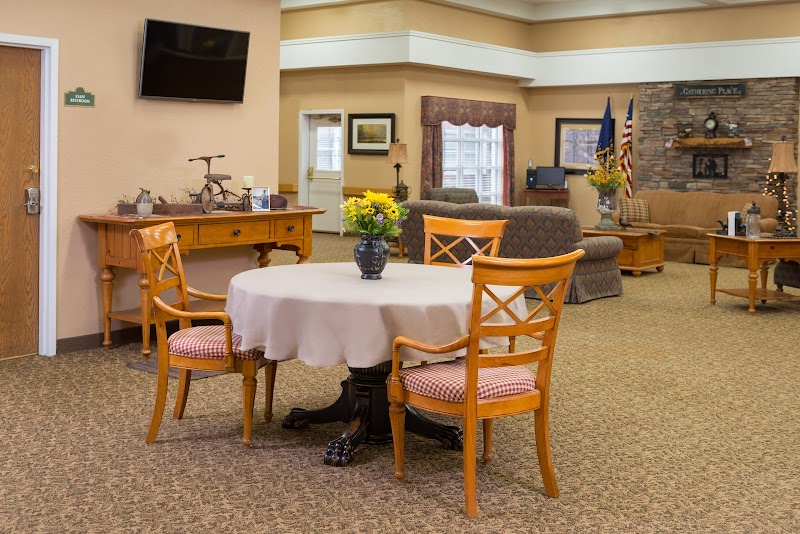
How is Life Of Rochester Staffed?

CMS rates LIFE CARE CENTER OF ROCHESTER's staffing level at 2 out of 5 stars, which is below average compared to other nursing homes. Staff turnover is 54%, compared to the Indiana average of 46%.

What Have Inspectors Found at Life Of Rochester?

State health inspectors documented 42 deficiencies at LIFE CARE CENTER OF ROCHESTER during 2021 to 2024. These included: 42 with potential for harm.
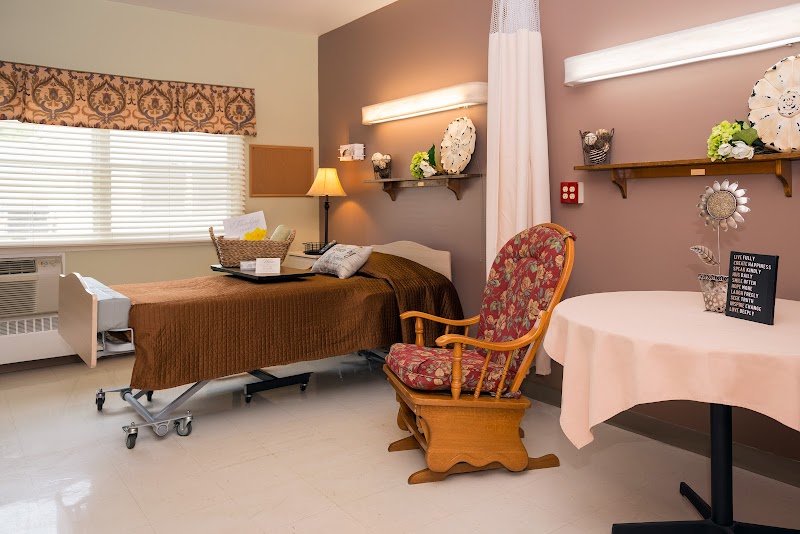
Who Owns and Operates Life Of Rochester?

LIFE CARE CENTER OF ROCHESTER is owned by a government entity. Government-operated facilities are typically run by state, county, or municipal agencies. The facility is operated by LIFE CARE CENTERS OF AMERICA, a chain that manages multiple nursing homes. With 108 certified beds and approximately 45 residents (about 42% occupancy), it is a mid-sized facility located in ROCHESTER, Indiana.

How Does Life Of Rochester Compare to Other Indiana Nursing Homes?

Compared to the 100 nursing homes in Indiana, LIFE CARE CENTER OF ROCHESTER's overall rating (2 stars) is below the state average of 3.1, staff turnover (54%) is near the state average of 46%, and health inspection rating (2 stars) is below the national benchmark.

What Should Families Ask When Visiting Life Of Rochester?

Based on this facility's data, families visiting should ask: "Can you walk me through typical staffing levels on day, evening, and night shifts?" "Can I visit during a mealtime to observe dining assistance and food quality?" "How do you handle medical emergencies, and what is your hospital transfer rate?" "Can I speak with family members of current residents about their experience?" These questions are particularly relevant given the below-average staffing rating.

Is Life Of Rochester Safe?

Based on CMS inspection data, LIFE CARE CENTER OF ROCHESTER has a clean safety record: no substantiated abuse findings (meaning no confirmed cases of resident harm), no Immediate Jeopardy citations (the most serious violation level indicating risk of serious injury or death), and is not on the Special Focus Facility watch list (a federal program monitoring the lowest-performing 1% of nursing homes). The facility has a 2-star overall rating and ranks #100 of 100 nursing homes in Indiana. While no facility is perfect, families should still ask about staff-to-resident ratios and recent inspection results during their visit.

Do Nurses at Life Of Rochester Stick Around?

LIFE CARE CENTER OF ROCHESTER has a staff turnover rate of 54%, which is 8 percentage points above the Indiana average of 46%. Moderate turnover is common in nursing homes, but families should still ask about staff tenure and how the facility maintains care continuity when employees leave.

Was Life Of Rochester Ever Fined?

LIFE CARE CENTER OF ROCHESTER has no federal fines on record. CMS issues fines when nursing homes fail to meet care standards or don't correct problems found during inspections. The absence of fines suggests the facility has either maintained compliance or corrected any issues before penalties were assessed. This is a positive indicator, though families should still review recent inspection reports for the full picture.

Is Life Of Rochester on Any Federal Watch List?

LIFE CARE CENTER OF ROCHESTER is not on any federal watch list. The most significant is the Special Focus Facility (SFF) program, which identifies the bottom 1% of nursing homes nationally based on persistent, serious quality problems. Not being on this list means the facility has avoided the pattern of deficiencies that triggers enhanced federal oversight. This is a positive indicator, though families should still review the facility's inspection history directly.