WATERS OF RUSHVILLE SKILLED NURSING FACILITY, THE
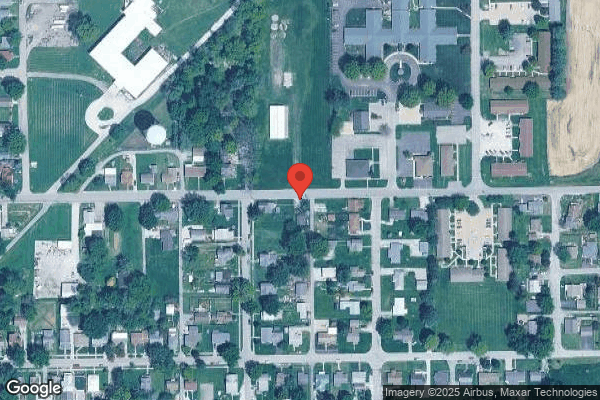

612 E 11TH ST, RUSHVILLE, IN 46173 (765) 932-4127
For profit - Limited Liability company 98 Beds INFINITY HEALTHCARE CONSULTING Data: November 2025
Trust Grade
35/100
#498 of 505 in IN
Last Inspection: March 2024

Within standard 12-15 month inspection cycle. Federal law requires annual inspections.

Overview

The Waters of Rushville Skilled Nursing Facility has received a Trust Grade of F, indicating significant concerns about care quality. They rank #498 out of 505 nursing homes in Indiana, placing them in the bottom half of facilities statewide, and are the second out of two in Rush County, meaning only one local option is better. While the facility is trending towards improvement, reducing issues from 12 to 11 over the past year, it still has serious problems, including a failure to provide adequate supervision for a resident, which led to a fall and injury. Staffing is a concern, with a 2 out of 5 star rating and a 54% turnover rate, which is average for Indiana, but the facility does have more RN coverage than 80% of state facilities, helping to catch potential issues. Although there have been no fines recorded, the facility's overall quality and the specific incidents noted highlight the need for careful consideration when choosing this nursing home.

Trust Score
F
35/100
In Indiana
#498/505
Bottom 2%
Safety Record
Moderate
Needs review
Inspections
Getting Better
12 → 11 violations
Staff Stability
⚠ Watch
54% turnover. Above average. Higher turnover means staff may not know residents' routines.
Penalties
✓ Good
No fines on record. Clean compliance history, better than most Indiana facilities.
Skilled Nurses
✓ Good
Each resident gets 46 minutes of Registered Nurse (RN) attention daily — more than average for Indiana. RNs are trained to catch health problems early.
Violations
⚠ Watch
36 deficiencies on record. Higher than average. Multiple issues found across inspections.
★☆☆☆☆
1.0
Overall Rating
★★☆☆☆
2.0
Staff Levels
★★★★☆
4.0
Care Quality
★☆☆☆☆
1.0
Inspection Score
Stable
2024: 12 issues
2025: 11 issues

The Good

  • 4-Star Quality Measures · Strong clinical quality outcomes
  • Full Sprinkler Coverage · Fire safety systems throughout facility
  • No fines on record

Facility shows strength in quality measures, fire safety.

The Bad

1-Star Overall Rating

Below Indiana average (3.1)

Significant quality concerns identified by CMS

Staff Turnover: 54%

Near Indiana avg (46%)

Higher turnover may affect care consistency

Chain: INFINITY HEALTHCARE CONSULTING

Part of a multi-facility chain

Ask about local staffing decisions and management

The Ugly 36 deficiencies on record

1 actual harm
Aug 2025 4 deficiencies
CONCERN (D) 📢 Someone Reported This

A family member, employee, or ombudsman was alarmed enough to file a formal complaint

Potential for Harm - no one hurt, but risky conditions existed

Deficiency F0583 (Tag F0583)

Could have caused harm · This affected 1 resident

Based on observation, interview, and record review, the facility failed to ensure a resident's personal and medical information were protected from possible observation by other persons in the area du...

Read full inspector narrative →
Based on observation, interview, and record review, the facility failed to ensure a resident's personal and medical information were protected from possible observation by other persons in the area during 5 medication administration observations with 5 staff and 11 residents. (Resident F and LPN 4)Findings include:During a medication administration observation on 8-21-25 at 1:16 p.m., a facility computer laptop was observed opened to Resident F's medical administration record, which had the resident's name and medical information visible. The computer was located on top of the medication cart, near the nurses' station and was visible for anyone walking near or by the medication cart. No staff were observed in the area until 1:20 pm. At that time, Licensed Practical Nurse (LPN) 4 returned to the medication cart. In an interview at 1:21 p.m., with LPN 4, she indicated she had been pulled away for care related to another resident and did not take the time to secure the computer.During a review of Resident F's medical record on 8-22-25 at 11:50 a.m., the record indicated she had multiple medical diagnoses and received multiple medications related to her diagnoses.In an interview with the Director of Nursing on 8-21-25 at 3:30 p.m., she indicated she had conducted an in-service (staff education) in the last month, addressing medication administration. She indicated she had educated all staff on the importance of securing all medications when staff were not present and staff were knowledgeable regarding keeping resident personal information secure.On 8-22-25 at 1:15 p.m., the Executive Director provided an undated copy of a policy entitled, Resident Rights. This policy indicated, Residents have a right to a dignified existence.The facility will protect and promote their rights.They have the right of privacy over their personal and clinical records.This citation relates to Intakes 1656340 and 2564836.3.1-3(o)
CONCERN (D) 📢 Someone Reported This

A family member, employee, or ombudsman was alarmed enough to file a formal complaint

Potential for Harm - no one hurt, but risky conditions existed

Deficiency F0726 (Tag F0726)

Could have caused harm · This affected 1 resident

Based on interview and record review, the facility failed to ensure staff members correctly administered medications as ordered for 1 of 4 residents reviewed for accuracy of medication receipt. (Resid...

Read full inspector narrative →
Based on interview and record review, the facility failed to ensure staff members correctly administered medications as ordered for 1 of 4 residents reviewed for accuracy of medication receipt. (Resident E and QMA 5)Findings include:In an interview with the Director of Nursing (DON) on 8-20-25 at 3:40 p.m. She indicated there was a medication error that had occurred since the most recent annual survey at the end of June 2025, and was identified on the day after it occurred. She indicated the staff member did not check the resident's medication administration record (MAR) as that staff member would have found out the pain medicine had been DC'd [discontinued]. I preach to the staff to read and double check those MAR's.A review of the progress notes for 7-16-25, failed to identify any documentation of Resident E receiving a dose of as needed, or PRN pain medication on the evening of 7-16-25. The Controlled Drug Receipt Record/Disposition Form, for Resident E's oxycodone 5 milligrams (mg) indicated Qualified Medication Aide (QMA) 5, administered one dose of this medication on 7-16-25 at 8:30 p.m. The last dose, prior to this dose, was received on 7-15-25 at 8:00 p.m. The form indicated the directions for this medication were to take one capsule orally every four hours as needed for pain for seven days, with the original start date listed as 7-9-25, and the form indicated 30 tablets had been received on 7-10-25, with the first dose received on 7-10-25 at 7:00 p.m. It indicated a total of seven doses had been administered to Resident E, including the last dose on 7-16-25 at 8:30 p.m., given by QMA 5. It indicated 23 doses of this medication were disposed of on 7-18-25, which was conducted by a staff nurse and the Assistant Director of Nursing.A review of the MAR for 7-16-25 failed to identify any documentation of Resident E receiving a dose of as needed, or PRN pain medication on the evening of 7-16-25. The entry for oxycodone 5 mg every four hours as needed for pain, indicated the order began on 7-9-25 and had a discontinue date of 7-16-25 at 11:45 a.m. In an interview on 8-22-25 at 9:10 a.m., with the DON, she indicated the facility's investigation identified QMA 5 had not signed the MAR or made an entry into the progress notes. She indicated the order had been discontinued on 7-16-25, on the same day the facility began staff education related to the facility's most recent annual survey related to medication administration citations. The DON indicated the facility did conduct a 72-hour follow-up on the resident with no complications identified. The DON indicated the discontinued order had been updated in the computer system and reflected on the MAR, but the med had not been pulled from the med cart yet, because the nurses aren't allowed to dispose of meds without the DON or ADON [Assistant Director of Nursing] being present. At the time, [name of QMA 5].had been employed about a month or so. In an interview on 8-22-25 at 1:58 p.m., with the DON, she indicated the facility couldn't find where QMA 5 had notified any of the nurses that he was going to give a prn, and since there were no notes or documentation on the MAR, apparently it was not done. The normal procedure for a prn the QMA's were wanting to give, they were to notify the licensed nurse and then put that in the notes either on the MAR that automatically places it in the progress notes, or they were to make a note in the progress notes about this. The clinical record for Resident E was reviewed on 8-21-25 at 3:28 p.m. His diagnoses included, but were not limited to, lung cancer. On 8-22-25 at 1:15 p.m., the Executive Director provided an undated copy of a document entitled, Qualified Medication Aide Scope of Practice. This document indicated, The following tasks are within the scope of practice for the QMA unless prohibited by the facility policy .11. Administer previously ordered pro re nata (PRN) medication only if authorization is obtained from the facility's licensed nurse on duty or on call. If authorization is obtained, the QMA must do the following: (A) Document in the resident record symptoms indicating the need for the medication and time the symptoms occurred. (B) Document in the resident record that the facility's licensed nurse was contacted, symptoms were described, and permission was granted to administer the medication, including the time of contact. (C) Obtain permission to administer the medication each time the symptoms occur in the resident. (D) Ensure the resident's record is cosigned by the licensed nurse who gave permission by the end of the nurse's shift, or if the nurse was on call, by the end of the nurse's next tour of duty. This citation relates to Intakes 1656340 and 2564836.3.1-14(i)
CONCERN (D) 📢 Someone Reported This

A family member, employee, or ombudsman was alarmed enough to file a formal complaint

Potential for Harm - no one hurt, but risky conditions existed

Deficiency F0760 (Tag F0760)

Could have caused harm · This affected 1 resident

Based on interview and record review, the facility failed to ensure a medication that had been discontinued was not administered by facility staff to 1 of 4 residents reviewed for accuracy of medicati...

Read full inspector narrative →
Based on interview and record review, the facility failed to ensure a medication that had been discontinued was not administered by facility staff to 1 of 4 residents reviewed for accuracy of medication receipt. (Resident E, QMA 5)Findings include:In an interview with the Director of Nursing (DON) on 8-20-25 at 3:40 p.m. She indicated this was the only medication error that had occurred since the most recent annual survey at the end of June 2025, and was identified on the day after it occurred. She indicated the staff member did not check the resident's medication administration record (MAR) as that staff member would have found out the pain medicine had been DC'd [discontinued]. I preach to the staff to read and double check those MAR's.The clinical record of Resident E was reviewed on 8-21-25 at 3:28 p.m. His diagnoses included, but were not limited to, lung cancer.A review of the progress notes for 7-16-25, failed to identify any documentation of Resident E receiving a dose of as needed, or PRN pain medication on the evening of 7-16-25. The Controlled Drug Receipt Record/Disposition Form, for Resident E's oxycodone 5 milligrams (mg) indicated Qualified Medication Aide (QMA) 5, administered one dose of this medication on 7-16-25 at 8:30 p.m. The last dose, prior to this dose, was received on 7-15-25 at 8:00 p.m. The form indicated the directions for this medication were to take one capsule orally every four hours as needed for pain for seven days, with the original start date listed as 7-9-25, and the form indicated 30 tablets had been received on 7-10-25, with the first dose received on 7-10-25 at 7:00 p.m. It indicated a total of seven doses had been administered to Resident E, including the last dose on 7-16-25 at 8:30 p.m., given by QMA 5. It indicated 23 doses of this medication were disposed of on 7-18-25, which was conducted by a staff nurse and the Assistant Director of Nursing.A review of the MAR for 7-16-25 failed to identify any documentation of Resident E receiving a dose of as needed, or PRN pain medication on the evening of 7-16-25. The entry for oxycodone 5 mg every four hours as needed for pain, indicated the order began on 7-9-25 and had a discontinue date of 7-16-25 at 11:45 a.m. In an interview on 8-22-25 at 9:10 a.m., with the DON, she indicated the facility's investigation identified QMA 5 had not signed the MAR or made an entry into the progress notes. She indicated the order had been discontinued on 7-16-25, on the same day the facility began staff education related to the facility's most recent annual survey related to medication administration citations. The DON indicated the facility did conduct a 72-hour follow-up on the resident with no complications identified. The DON indicated the discontinued order had been updated in the computer system and reflected on the MAR, but the med had not been pulled from the med cart yet, because the nurses aren't allowed to dispose of meds without the DON or ADON [Assistant Director of Nursing] being present. At the time, [name of QMA 5].had been employed about a month or so. This citation relates to Intakes 1656340 and 2564836.3.1-48(c)(2)
CONCERN (D) 📢 Someone Reported This

A family member, employee, or ombudsman was alarmed enough to file a formal complaint

Potential for Harm - no one hurt, but risky conditions existed

Deficiency F0761 (Tag F0761)

Could have caused harm · This affected 1 resident

Based on observation, interview, and record review, the facility failed to ensure a medication was stored safely in the absence of staff for 1 of 1 medication during 5 medication administration observ...

Read full inspector narrative →
Based on observation, interview, and record review, the facility failed to ensure a medication was stored safely in the absence of staff for 1 of 1 medication during 5 medication administration observations with 5 staff and 11 residents. (Resident F and LPN 4)Findings include: During a medication administration observation on 8-21-25 at 1:16 p.m., a packet of medication, labelled, phenazopyridine 100 mg with one tablet inside and labelled for Resident F was observed lying on top of medication cart, located near the nurses' station. No staff were observed in the area until 1:20 pm. At this time, Licensed Practical Nurse (LPN) 4 returned to the medication cart. In an interview at 1:21 p.m., with LPN 4, she indicated she had been pulled away for care related to another resident and did not take the time to secure the medication into the medication cart in her absence. The medication cart was observed to be locked during this time.In a review of Resident F's medications on 8-22-25 at 11:50 a.m., she was physician ordered to receive phenazopyridine 100 milligrams every 8 hours for bladder spasms. Her medical diagnoses, included but were not limited to neuromuscular bladder dysfunction.In an interview with the Director of Nursing on 8-21-25 at 3:30 p.m., she indicated she had conducted an in-service (staff education) in the last month, addressing medication administration. She indicated she had educated all staff on the importance of securing all medications when staff were not present.This citation relates to Intakes 1656340 and 2564836.3.1-25(m)
Jun 2025 4 deficiencies
CONCERN (D) 📢 Someone Reported This

A family member, employee, or ombudsman was alarmed enough to file a formal complaint

Potential for Harm - no one hurt, but risky conditions existed

Resident Rights (Tag F0550)

Could have caused harm · This affected 1 resident

2. During an interview with Resident B on 6/24/25 at 12:32 p.m., they indicated the resident had to wait up to 30 minutes for the call light to be answered. The resident indicated they had a cell phon...

Read full inspector narrative →
2. During an interview with Resident B on 6/24/25 at 12:32 p.m., they indicated the resident had to wait up to 30 minutes for the call light to be answered. The resident indicated they had a cell phone and timed how long they had to wait. Resident B indicated because they had to wait 30 minutes, it caused them to be incontinent of bowel and bladder. The resident indicated it was embarrassing to have the Certified Nurse Aides (CNAs) clean them up when this happened. The resident indicated they could not get out of bed by themselves due to frequent falls. Resident B indicated the weekends were when it happened the most. The resident did report this to the staff at the time it happened. Review of the Record of Resident B, on 6/25/25 at 1:20 p.m., indicated the diagnoses included, but were not limited to, weakness, lack of coordination, osteoarthritis, congestive heart failure, and repeated falls. The Quarterly MDS assessment, dated 5/13/25, indicated the resident was cognitively intact for daily decision making. The resident was consistent and reasonable. The resident had no behaviors. The resident utilized a wheelchair for mobility. The resident required substantial to maximal assistance with toileting and transfers. The resident rights policy was provided by the Administrator on 6/26/26 at 1:20 p.m. The policy indicated all residents would have their well-being and self-esteem and self-worth enhanced during all care service interactions. The staff were to treat each resident with respect and dignity. This citation relates to Complaints IN00456924 and IN00458111. 3.1-3(t) Based on interview and record review, the facility failed to promote dignity for a resident when requesting pain medication (Resident G), and failed to answer a call light timely, resulting in a resident being incontinent of bowel and bladder (Resident B) for 2 of 2 residents reviewed for dignity. Findings include: 1. The clinical record for Resident G was reviewed on 6/25/25 at 9:44 a.m. The diagnoses included, but were not limited to, presence of left artificial knee joint, pain in the left knee, and muscle weakness. The Quarterly Minimum Data Set (MDS) assessment, dated 5/9/25, indicated Resident G was cognitively intact and used opioid medication. During an interview with Resident G on 6/25/25 at 12:27 p.m., Resident G indicated on third shift, the night after she returned from the hospital on 6/20/25, she had an issue with Qualified Medication Aide (QMA) 4 when asking for pain medication. Resident G indicated she called out for a pain pill because her leg was hurting. Resident G indicated she told QMA 4 she needed pain medication and QMA 4 said, oh, you really need a pain pill? Resident G indicated QMA 4 brought the pain pill back to her, and QMA 4 said, Here! Here is your pain pill, is that all you are here for is pain medicine? Resident G indicated QMA 4 then said, I don't know what else I can do for you, I'm out of here. Resident G indicated QMA 4 speaking to her in that manner hurt her feelings.
CONCERN (D) 📢 Someone Reported This

A family member, employee, or ombudsman was alarmed enough to file a formal complaint

Potential for Harm - no one hurt, but risky conditions existed

Quality of Care (Tag F0684)

Could have caused harm · This affected 1 resident

**NOTE- TERMS IN BRACKETS HAVE BEEN EDITED TO PROTECT CONFIDENTIALITY** 2. The clinical record for Resident 12 was reviewed on 6/26/25 at 11:25 a.m. The diagnoses included, but were not limited to, ty...

Read full inspector narrative →
**NOTE- TERMS IN BRACKETS HAVE BEEN EDITED TO PROTECT CONFIDENTIALITY** 2. The clinical record for Resident 12 was reviewed on 6/26/25 at 11:25 a.m. The diagnoses included, but were not limited to, type 1 diabetes mellitus. She was admitted to the facility on [DATE]. The physician's orders indicated to administer ten units of insulin lispro (fast-acting insulin) injection solution 100 UNIT/ML (units per milliliter) with meals, effective 6/15/25; 15 units twice daily, effective 3/7/25; and sliding scale for blood sugar readings as follows, effective 6/15/25: 151 - 200 = two units; 201 - 250 = four units; 251 - 300 = six units; 301 - 350 = ten units; 351 - 400 = 12 units, subcutaneously three times a day, and to call the physician if blood sugar reading was below 60 or above 400. The 5/14/25 physician's order indicated to set up an appointment with Resident 12's endocrinologist. This order was revised on 6/2/25 to include the specific endocrinologist. The 6/11/25 nursing progress note indicated, Called and left a message with endocrinology [name of endocrinologist] through [name of provider network] to set up a follow up apt [appointment]. There were no progress notes prior to or after the above 6/11/25 nursing progress note to indicate an endocrinology appointment was scheduled after the 5/14/25 order to do so. An interview was conducted with Resident 12 on 6/27/25 at 11:38 a.m. She indicated she would like to see an endocrinologist, because of her diabetes. No one at the facility said anything to her about having an appointment scheduled. An interview was conducted with the NP (Nurse Practitioner) on 6/27/25 at 12:04 p.m. She indicated Resident 12's need for an endocrinology appointment stemmed from her having a lot of specialists upon admission, so she (NP) was trying to cover all the bases. Resident 12 was very brittle with her diabetes, so the NP thought they should get endocrinology back on board. The NP would have left the information regarding Resident 12's need for an endocrinology appointment with the DON or ADON (Assistant Director of Nursing). They had prior issues with appointments not being scheduled and orders not being followed through upon, so they agreed orders would be given directly to one of the two of them. An interview was conducted with the DON on 6/27/25 at 11:10 a.m. She indicated they had just scheduled Resident 12's endocrinology appointment yesterday, 6/26/25. The Guidelines For Resident Appointments Outside The Facility were provided by the DON on 6/27/25 at 11:50 a.m. It indicated, While the facility has in-house physician visits to residents per policy and State/Federal regulatory mandates, there are times when the resident may need to be seen outside of the facility by a provider that does not physically travel to the nursing home. This includes but is not limited to such services as: .Doctor Appointments (such as a follow up from a surgery or a consult .) Upon receiving a physician's order for a situation or event that will require the resident to need transport services, the nurse who processes the order will notify the staff member who coordinates transport orders so that appropriate transport can be scheduled. This citation relates to Complaint IN00460358. 3.1-37(a) Based on interview and record review, the facility failed to provide wound dressings as ordered (Resident C) and failed to timely schedule and follow-up on an endocrinology appointment (Resident 12) for 2 of 2 residents reviewed for quality of care. Findings include: 1. The clinical record for Resident C was reviewed on 6/25/25 at 9:42 a.m. The diagnoses included, but were not limited to, anxiety disorder, osteoarthritis, and neuromuscular dysfunction of the bladder. The Annual Minimum Data Set (MDS) assessment, dated 6/5/25, indicated Resident C was cognitively intact and had moisture-associated skin damage (MASD). A weekly wound evaluation, dated 6/3/25, indicated Resident C had erythema intertrigo (red, inflamed skin found in skin folds due to moisture, friction, and lack of ventilation) to the distal rectum. The current treatment indicated to cleanse with 0.125% Dakins solution (a diluted antiseptic solution, used for cleaning and disinfecting wounds) and pack with Dakins moistened gauze and border foam twice daily and as needed. The June 2025 Treatment Administration Record (TAR) indicated an order, dated 6/3/25, to cleanse the distal rectum with Dakins 0.125% solution and pack the wound with Dakins 0.125% moistened gauze and cover with border foam two times a day for wound care. The treatment times were 5:00 a.m. (0500) and 8:00 p.m. (2000). The June 2025 TAR indicated the following days and times that the wound dressings were omitted: -Friday, 6/6/25 at 2000, -Saturday, 6/7/25 at 2000, -Sunday, 6/8/25 at 2000, -Tuesday, 6/10/25 at 0500, -Wednesday, 6/11/25 at 0500 and 2000, -Friday, 6/13/25 at 2000, -Saturday, 6/14/25 at 0500, -Monday, 6/16/25 at 2000, -Tuesday, 6/17/25 at 0500, -Saturday, 6/21/25 at 0500 and 2000, -Sunday, 6/22/25 at 0500, and -Monday, 6/23/25 at 0500. The plan of care for Resident C, dated 5/15/25, indicated the resident had an alteration in skin integrity with potential for worsening due to impaired healing due to diabetes and incontinence. The interventions included, but were not limited to, providing treatment as per MD (Medical Doctor) order. During an interview with the Director of Nursing (DON) on 6/26/25 at 10:22 a.m., she indicated some missed dressing changes were due to having a Qualified Medication Aide (QMA) working down a hall where there was not a nurse scheduled. The QMA was to notify a nurse of any dressing changes due so they could be completed. The DON indicated either the QMA did not notify the nurse that a dressing down her hall needed to be changed, or the nurse did it and did not document it since it was not one of her scheduled residents for the shift. During an interview with Resident C on 6/26/25 at 11:30 a.m., he indicated occasionally the staff would miss doing the treatments to his bottom twice a day. The Following Physician's orders policy was provided by the Administrator on 6/26/25 at 1:20 p.m. It indicated, .it is the policy of the facility to follow the orders of the physician .
CONCERN (D) 📢 Someone Reported This

A family member, employee, or ombudsman was alarmed enough to file a formal complaint

Potential for Harm - no one hurt, but risky conditions existed

Infection Control (Tag F0880)

Could have caused harm · This affected 1 resident

2. On 6-23-25 at 7:46 p.m., during a medication administration observation, QMA 2 was observed to prepare five (5) oral medications for Resident 99. Those medications and their physician instructions ...

Read full inspector narrative →
2. On 6-23-25 at 7:46 p.m., during a medication administration observation, QMA 2 was observed to prepare five (5) oral medications for Resident 99. Those medications and their physician instructions included the following: - atorvastatin 40 milligrams (mg) at bedtime for elevated blood fats. - tab-a-vite one tablet once daily for unspecified vitamin deficiency. - hydroxyurea 500 mg twice daily on Monday, Wednesday and Friday and once daily on Tuesday, Thursday, Saturday and Sunday for gout: wear gloves when handling or crushing; do not crush. - furosemide 40 mg twice daily for congestive heart failure. - metoprolol succinate extended-release 50 mg twice daily for high blood pressure. QMA 2 was observed to touch each medication with his bare hands during the preparation of the medications. When queried about touching the hydroxyurea with his bare hands and the labeled instructions, he responded, I guess I didn't see that. When queried regarding touching each pill with bare hands, he indicated that he should not have done that and would now need to replace the medications. On 6-27-25 at 10:20 a.m., the Administrator provided a copy of a document, dated February of 2017, entitled Tips For Safe Medication Administration. This document indicated, Follow good infection control practices .Cleanse hands when contact is made with a medication .Never touch any of the medication with fingers .Accurately dispense medications to residents .Punch medications directly into cup and never into your hands . On 6-27-25 at 10:20 a.m., the Administrator provided a copy of a document dated, February of 2017, entitled Medication Administration. It indicated its purpose was to administer all medications safely and appropriately .Read and follow any special instructions written on labels. 3.1-18(b)(1)(A) Based on observation, interview, and record review, the facility failed to adhere to infection control standards of storing respiratory equipment in a clean plastic bag when not in use (Resident 14), ensure an indwelling urinary catheter drainage bag and tubing were free from contact with the floor (Resident 14), and utilize appropriate handling of medication (Resident 99) for 2 of 7 residents reviewed for infection control standards. Findings include: 1. The clinical record for Resident 14 was reviewed on 6/25/2025 at 1:30 p.m. The diagnoses included, but were not limited to, urinary tract infection and chronic obstructive pulmonary disease. An admission Minimum Data Set assessment, dated 6/10/2025, indicated Resident 14 was cognitively intact, needed substantial/maximal assistance with toilet hygiene and transfers, and utilized an indwelling urinary catheter. A respiratory care plan, initiated on 4/23/2025 and revised on 4/23/2025, indicated to utilize CPAP (Continuous Positive Airway Pressure) device as directed. A urinary care plan, initiated on 6/11/2025 and revised on 6/12/2025, indicated Resident 14 was at risk for developing urinary tract infections. An intervention was listed as providing catheter care and position catheter tubing to facilitate drainage. A physician order, dated 6/3/2025, indicated Resident 14 to utilize a CPAP device. A physician order, dated 6/3/2025, indicated Resident 14 to utilize an indwelling urinary catheter. During an observation on 6/24/2025 at 11:50 a.m., a CPAP mask was noted to be lying on Resident 14's bedside table in Resident 14's private room. No plastic storage bag for respiratory equipment was visible in the room. During an observation on 6/24/2025 at 12:04 p.m., Resident 14 was noted to be propelling himself back to his room in his wheelchair. Resident 14's urinary catheter drainage bag and tubing were noted to be contacting the ground. During an observation and interview on 6/24/2025 at 12:14 p.m., Resident 14 was in his room. He indicated that he utilized a CPAP at nighttime and when he naps, but he doesn't have anything to store it in. He stated the staff have not helped him clean it since he had been here, but the staff do fill up the water reservoir when he forgets to. Resident 14 was sitting in his wheelchair at this time. Resident 14's urinary catheter drainage bag was contacting the ground. During an observation and interview on 6/24/2025 at 12:22, Resident 14 was sitting in his room in his wheelchair. Qualified Medication Aide (QMA) 2 came in to reposition Resident 14's catheter drainage bag. QMA 2 indicated that Resident 14's urinary catheter bag and tubing were contacting the floor, the drainage bag and tubing should not be contacting the ground, and it should have been positioned in the back to ensure it was free of the ground. Resident 14's CPAP mask continued to be laying on the bedside table without a storage bag. During an interview on 6/26/2025 at 1:34 p.m., the Administrator indicated it was the expectation of the facility to have urinary catheter drainage bags and tubing free of contact with the floor. A policy entitled Continuous Positive Airway Pressure (CPAP), was provided by the Administrator on 6/25/2025 at 12:50 p.m. The policy indicated .When the CPAP machine is not in use the face mask is stored in a plastic bag at the beside .
CONCERN (F) 📢 Someone Reported This

A family member, employee, or ombudsman was alarmed enough to file a formal complaint

Potential for Harm - no one hurt, but risky conditions existed

Deficiency F0727 (Tag F0727)

Could have caused harm · This affected most or all residents

Based on interview and record review, the facility failed to have a Registered Nurse (RN) on duty at the facility for 5 of 30 days reviewed for RN coverage. This had the potential to affect 43 of 43 r...

Read full inspector narrative →
Based on interview and record review, the facility failed to have a Registered Nurse (RN) on duty at the facility for 5 of 30 days reviewed for RN coverage. This had the potential to affect 43 of 43 residents that reside in the facility. Findings include: Review of the schedules provided by the Director of Nursing (DON), on 6/25/25 at 12:44 p.m., indicated the facility did not have RN coverage, 8 hours a day, on 1/7/25, 1/21/25, 1/22/25, 1/25/25, and 1/26/25. During an interview with the DON on 6/25/25 at 12:44 p.m., she indicated the facility did not have RN coverage on 1/7/25, 1/21/25, 1/22/25, 1/25/25 and 1/26/25. The DON indicated there was no resident care and/or assessments not completed due to no RN in the building on those dates. The DON indicated there was no negative outcome for residents on these dates due to no RN coverage. During an interview conducted with the Administrator on 6/26/25 at 1:33 p.m., she indicated the facility did not have a policy on sufficient nurse staffing. The facilities expectation was to have RN coverage for 8 consecutive hours a day, 7 days a week. This citation relates to Complaint IN00460358. 3.1-17(b)(3)
Feb 2025 3 deficiencies
CONCERN (D) 📢 Someone Reported This

A family member, employee, or ombudsman was alarmed enough to file a formal complaint

Potential for Harm - no one hurt, but risky conditions existed

Pressure Ulcer Prevention (Tag F0686)

Could have caused harm · This affected 1 resident

**NOTE- TERMS IN BRACKETS HAVE BEEN EDITED TO PROTECT CONFIDENTIALITY** Based on interview and record review, the facility failed to ensure a resident who was admitted to the facility with a pressure ...

Read full inspector narrative →
**NOTE- TERMS IN BRACKETS HAVE BEEN EDITED TO PROTECT CONFIDENTIALITY** Based on interview and record review, the facility failed to ensure a resident who was admitted to the facility with a pressure ulcer received thorough assessment upon admission, initiated a treatment timely for an identified pressure ulcer, and initiated treatment changes per the wound provider promptly for 1 of 3 residents reviewed for pressure ulcers. (Resident C) This deficient practice was corrected on 2/14/25, prior to the start of the survey, and was therefore past noncompliance. The facility implemented a systemic plan that included the following actions: in-service education to nursing staff related to the policy and procedure regarding pressure ulcers, reviewed all wound reports from the wound care provider for January and February of 2025 to identity potential residents, and conducted a review of residents with pressure ulcers to ensure assessments have been completed and documented with ongoing review presented to the Quality Assessment and Assurance (QAA) Committee for review. Findings include: The clinical record of Resident C was reviewed on 2/20/25 at 10:00 a.m. The diagnoses included, but were not limited to, peripheral vascular disease, diabetes mellitus, congestive heart failure, and hypertension. Resident C was admitted to the facility on [DATE]. An admission Minimum Data Set (MDS), dated [DATE], indicated one unstageable pressure ulcer was noted. An admission nursing assessment, dated 2/5/25, indicated a pressure ulcer to the left heel with no further information regarding description, measurements, odor, drainage, and/or wound characteristics. There was noted redness and excoriation to the left and right buttock with no further description, measurements, odor, drainage, and/or wound characteristics. A skin integrity care plan, dated 2/10/25, indicated Resident C had a pressure ulcer to the right buttock. The interventions included, but were not limited to, provide treatment per physicians' order. A Wound Assessment Report, dated 2/7/25, indicated a stage 3 pressure ulcer to the right buttocks. The pressure ulcer contained 80% granulation tissue, 20% slough tissue, and measured 2.5 centimeters (cm) x 2.5 cm x 0.1 cm in depth. The treatment was listed to cleanse the wound with wound cleanser, apply medical grade honey, apply a bordered foam dressing, and change daily. The medication administration record (MAR), dated February 2025, did not reflect a treatment to the right buttock until 2/10/25. A physician order, dated 2/10/25, indicated the utilize medical grade honey, an abdominal pad, and bordered foam to bilateral buttocks daily. The order was discontinued on 2/13/25. The MAR, dated February 2025, indicated the treatment of the bilateral buttocks with medical grade honey was not signed off, as ordered, on 2/10/25 and 2/13/25. A Wound Assessment Report, dated 2/11/25, indicated a stage 3 pressure ulcer to the right buttocks and the pressure ulcer was improving without complications. The treatment was noted to cleanse the pressure ulcer with soap and water, pat dry, and apply triad, and leave open to air. A physician order, dated 2/13/25, indicated to cleanse the right buttock with soap and water, pat dry, apply triad paste, and leave open to air three times daily. An interview conducted with the Director of Nursing (DON), on 2/21/25 at 10:21 a.m., indicated the facility recognized the concern related to the lack of wound assessments, follow up pertaining to the wound care provider, and treatment completion. The DON indicated she was out on leave and the Assistant Director of Nursing (ADON) was overseeing the DON duties while the DON was out on leave. The ADON did not ask for assistance in covering the daily duties during the DON absence. There was an abrupt departure of the ADON, Scheduler, and a few staff nurses. The DON was working on the floor to cover staffing and did not have the time to work on the wound report. A policy entitled Guidelines For Prevention/Treatment of Pressure Injuries, dated 2019, was provided by the DON on 2/20/25 at 4:30 p.m. The policy indicated the following, .If upon any assessment an actual pressure ulcer/pressure injury is found immediate steps will be taken to ensure that all notifications to the physician and the resident and the resident's Responsible Party/POA [power of attorney] are made. Also, to ensure that a treatment is in place as well as any appropriate interventions related to area(s) . A trained clinician in staging will assess the wounds and record dimensions to include length, width, and depth. The wound bed and the peri-wound will be assessed and described. Any odor or drainage will be described . Treatment of Pressure Injuries . whether identified on admission or readmission or after admission or readmission have the factors that influenced its development defined. This will allow appropriate interventions to be put into place to guard against further development of more areas or worsening of current area(s) 3.1-40(a)(2)
CONCERN (D) 📢 Someone Reported This

A family member, employee, or ombudsman was alarmed enough to file a formal complaint

Potential for Harm - no one hurt, but risky conditions existed

Accident Prevention (Tag F0689)

Could have caused harm · This affected 1 resident

Based on interview and record review, the facility failed to ensure 3 of 3 residents reviewed for falls had a minimum of 72 hours post-fall assessments, including neurological (neuro) checks as approp...

Read full inspector narrative →
Based on interview and record review, the facility failed to ensure 3 of 3 residents reviewed for falls had a minimum of 72 hours post-fall assessments, including neurological (neuro) checks as appropriate. (Residents B, F and G) Findings include: 1. The clinical record of Resident B was reviewed on 2-19-25 at 2:56 p.m. His diagnoses included, but were not limited to, alcohol dependency with unspecified withdrawal, weakness, difficulty in walking and repeated falls. An admission note, dated 1-23-25 at 10:43 p.m., indicated he was weak and unsteady with his balance and gait. A fall risk assessment, dated 1-23-25, indicated he was at high risk for falls. His admission Minimum Data Set (MDS) assessment, dated 1-27-25, indicated he was moderately cognitively impaired, and he had sustained falls in the one month and two to six month time periods prior to admission. Resident B's care plans addressed both cognitive impairments and being at risk for falls. A nursing progress note, dated 1-28-25 at 5:45 a.m., indicated Resident B sustained an unwitnessed fall and was found lying on the floor of his room, but was unable to identify what he was doing prior to the fall and appeared disoriented. It indicated he was alert to person only. A review of the fall investigation, dated 1-28-25, included a document entitled, Post Fall 72-hour Monitoring Report. It indicated, This assessment should be completed at the following intervals for follow up for all falls. A fall that is unwitnessed, or in which the head is struck, requires neurological checks. Any change in resident condition requires a phone call to the primary care physician. Initial assessment (B) [baseline]; followed by q15 min [every 15 minutes] x4 [for first hour post fall], q30 min x2 [for second hour post fall]; every hour x2 [for hours 3 and 4 post-fall]; [then] once per shift for 72 hours [post fall]. The document reflected Resident B's neuro checks were initiated at 5:45 a.m. and continued at 6:00 a.m., and lastly at 6:15 a.m., with no changes denoted in neurological status or vital signs. No additional entries were documented regarding Resident B's neurological status or vital signs after 6:15 a.m., on this document. No additional progress notes to reflect Resident B's general status following his earlier fall were located in the clinical record until 1-28-25 at 7:45 a.m. A nursing progress note, dated 1-28-25 at 7:45 a.m., indicated, This nurse was called to residents room at 7:15 Am by CNA who was delivering breakfast tray. Resident was found to be without a pulse and no respiration. CPR [cardiopulmonary resuscitation] was performed by staff till [sic] medics arrived on scene. It indicated Resident B was pronounced deceased at 7:36 a.m., by the emergency medical services team. A documented handwritten Timeline, dated 1-28-25, but unsigned by facility staff, indicated Resident B had been observed on 1-28-25 at 6:10 a.m., by Staff 4, sleeping/snoring, in his recliner and by Staff 5, on 1-28-25, at approximately 7:00 a.m., to speak with the staff member, while in his chair. In an interview on 2-20-25 at 10:56 a.m., with the Director of Nursing (DON), she indicated she was not present at the facility on 1-28-25. I did not locate any neurochecks; the nurse [LPN 6] did not do any neurochecks. She said she was not aware to do this; our policy is to conduct neurochecks on any unwitnessed fall and she was inserviced on this. 2. The clinical record of Resident F was reviewed on 2-20-25 at 9:34 a.m. His diagnoses included, but were not limited to diabetes, a rare genetic autoimmune disorder, weakness, fatigue, unspecified dementia, difficulty in walking and a need for personal care assistance. His most recent Minimum Data Set (MDS) assessment, an annual assessment, dated 1-23-25, indicated he was severely cognitively impaired, was dependent on staff for toileting needs, required substantial assistance with bathing and hygiene, required moderate assistance for mobility, transfers and walking, and used a walker or wheelchair for mobility. It indicated he had two or more falls since his last MDS assessment. It indicated he was receiving physical therapy services from the facility. A review of falls for the time period of 1-1-25 through 2-19-25, indicated Resident F had multiple falls without injury during this time period with three of the falls having incomplete documentation of his 72 hour post fall status, as follows: - A nursing progress note, dated 1-10-25 at 6:53 p.m., indicated Resident F was heard calling out for help. When staff arrived to assist the resident, he was witnessed sliding out of his recliner. The resident was unable to explain what he was doing prior to his fall from his recliner. The note indicated he was assessed to have no injuries and had no change in his prior condition. An interdisciplinary note, dated 1-14-25, as a review of his fall, indicated the root cause of the fall was he slid out of his recliner. In an interview with the Director of Nursing (DON) on 2-21-25 at 1:10 p.m., she indicated she was unable to locate any documentation of monitoring conducted for 72 hours after this fall. - A fall investigation record, dated 1-31-25 at 5:12 a.m., indicated Resident F sustained an unwitnessed fall and was found lying on the floor in his room. It indicated Resident F was unable to explain what he was doing prior to being found on the floor. It indicated he did not sustain any injuries at that time. This document did not address his mental status, his mobility status, and identified predisposing physiological or situational factors only as, Other, with no further explanation. The accompanying, Post Fall 72-hour Monitoring Report, dated 1-31-25, indicated the fall occurred 1-31-25 at 4:30 a.m. This document indicated, This assessment should be completed at the following intervals for follow up for all falls. A fall that is unwitnessed, or in which the head is struck, requires neurological checks. Any change in resident condition requires a phone call to the primary care physician. Initial assessment (B) [baseline]; followed by q15 min [every 15 minutes] x4 [for first hour post fall], q30 min x2 [for second hour post fall]; every hour x2 [for hours 3 and 4 post-fall]; [then] once per shift for 72 hours [post fall]. The document reflected Resident F's neuro checks were initiated at 4:30 a.m. and continued through 1-31-25 at 8:30 a.m. This form failed to specify any assessments conducted in regards to Resident F's cognition or skin status. A progress note, dated 1-31-25 at 2:00 p.m., indicated neurological checks continued and were within normal range. However, it was noted Resident F had a hematoma to his forehead, an abrasion to the bridge of his nose, bruising to his left hand and a s/t [skin tear] to his L [left] arm, and abrasion to his L knee. A progress note, dated 1-31-25 at 2:05 p.m., indicated the physician was made aware of the changes to Resident F's status. In an interview with the DON on 2-21-25 at 1:10 p.m., she indicated the 72 hour post fall report was incomplete. -A nursing progress note, dated 2-15-25 at 1:40 p.m., indicated Resident F had a witnessed fall from his wheelchair with staff present at 11:00 a.m. It indicated he did not strike his head when he fell to the floor. A corresponding fall investigation, indicated Resident F had a witnessed fall on 2-15-25 at 11:00 a.m., while being pushed in his wheelchair by facility staff. It indicated the fall occurred when the resident put his feet down onto the floor, causing him to fall forward onto his knees. The resident was unable to offer any explanation of the event when requested to do so by staff. Resident F was assessed post fall and was identified with an abrasion to the left lower leg and swelling to the right lower leg. A corresponding Post Fall 72-hour Monitoring Report was not provided by the facility. 3. The clinical record of Resident G was reviewed on 2-21-25 at 11:30 a.m. Her diagnoses included, but were not limited to coronary artery disease, recent femoral artery graft with infection, arteriosclerotic heart disease, diabetes, peripheral vascular disease, anxiety and depression. Her admission Minimum Data Set (MDS) assessment, dated 1-22-25, indicated she was cognitively intact, used a walker for mobility, required moderate assistance with bed mobility, transfers, walking, toileting, bathing and hygiene. It indicated she had no falls or fractures in the six months prior to her admission to the facility. In an interview with the Executive Director on 2-19-25 at 3:50 p.m., she provided a copy of a document which indicated Resident G had a fall on 1-26-25. The Executive Director indicated the facility did send Resident G to the local emergency room and a chest x-ray indicated she did have a rib fracture, but its origin was of an indeterminate date. A review of the fall investigation indicated Resident G sustained an unwitnessed fall on 1-26-25 at 2:07 p.m. It indicated staff heard the resident yelling in her room and found her lying on the floor. Resident G indicated she was ambulating by using her IV pole to assist herself to the bathroom. It indicated the resident was determined to have no injuries at the time of the fall. It indicated when the physician was notified of the fall, on 1-26-25 at 2:16 p.m., he ordered for the resident to be sent to the local emergency room for further evaluation and treatment. The Post Fall 72-hour Monitoring Report, indicated Resident G refused the initial neurological assessment on 1-26-25 at 2:13 p.m. and was in the hospital for the time periods of 1-26-25 at 2:30 p.m., through [unknown time]. The Post Fall 72-hour Monitoring Report, instructions indicated, This assessment should be completed at the following intervals for follow up for all falls. A fall that is unwitnessed, or in which the head is struck, requires neurological checks. Any change in resident condition requires a phone call to the primary care physician. Initial assessment (B) [baseline]; followed by q15 min [every 15 minutes] x4 [for first hour post fall], q30 min x2 [for second hour post fall]; every hour x2 [for hours 3 and 4 post-fall]; [then] once per shift for 72 hours [post fall]. Upon Resident G's return to the facility on 1-26-25, the Post Fall 72-hour Monitoring Report, dated 1-26-25, indicated neurological checks began on 1-27-25 at 8:15 p.m. and was dated to reflect neurological checks, including vital signs, were to be conducted, as evidenced by handwritten dates and times of 1-27-25, 1-28-25, 1-29-25, 1-31-25, 2-2-25, 2-4-25, 2-7-25, 2-10-25 and 2-13-25, at 8:15 p.m., on these dates. The form was incomplete, with documentation of assessments for neurological check, but no assessments for skin assessment, for 1-27-25, 1-28-25 and 1-29-25 at 8:15 p.m. The document failed to reflect neurological assessments each shift from 1-26-25, beginning upon return from the hospital and continuing through 1-29-25 at/around 2:15 p.m. In an interview with the Director of Nursing on 2-21-25 at 1:10 p.m., she indicated the 72 hour post fall report was incomplete. On 2-20-25 at 3:37 p.m., the Corporate Nurse provided a copy of a policy entitled, Guidelines for Incidents/Accidents/Falls, and dated 630-23. This policy indicated, It is the policy of the facility to ensure that any incidents/accident to include falls is reported immediately to the nurse or appropriate person designated to be in charge. After the resident has had immediate attention and their safety is established, a written report will be entered into Risk Management (usually Risk Management section of PCC [an electronic health records system]). The facility will ensure that incidents and accidents that occur involving residents are identified, reported, investigated and resolved. The facility will create a data base related to incidents/accidents as part of the QAPI [quality assurance and performance improvement] process to enable trending and tracking. This information will be used to implement corrective actions to include any needed training to prevent reoccurrences when possible .In the case of a fall, the resident will have a head to toe assessment to include a pain assessment and assessment as to any change in the ROM [range of motion/movement] ability/function. Further, residents who have an unwitnessed fall much have neuro checks started and continued per policy. Neuro checks will be initiated even if the resident states they did not hit their head in an unwitnessed (by staff), fall .The occurrence will be documented (usually in the Risk Management section of PCC). The progress note within the resident's medical record is to be included. Documentation in the Medical Record should include the following: Description of the occurrence- to include time and place; Physical and mental status of the resident .Documentation of the physical and mental status of the resident(s) involved will be completed each shift (every 8 hours minimally) over at least the next 72 hours or until the resident(s)'s condition improves. Neuro checks will be completed after any head trauma as well as any unwitnessed fall (even if the resident states they did not hit their head) as per policy. The occurrence is to be communicated shift to shift as part of the report until the resident is stabilized and at least 72 hours post fall . On 2-20-25 at 4:05 p.m., the Executive Director provided a copy of an undated procedure entitled, Accident and Incident: Neurological Checks Guidelines. This procedure indicated, If a resident is involved in an incident/accident an immediate assessment of the resident is completed by the nurse .If a resident has an unwitnessed fall and is unable to express that their head was not impacted during the fall or the fall was witnessed and it can be verified that the resident did hit their head, neurological checks will be completed at intervals to ensure that a head injury has not occurred. Neurological checks consist of the obtain [sic] of vital signs, pupillary [eye] responses, orientation status, skin check, and range of motion ability. The intervals after a suspected head injury from a fall to complete neurological checks are as follows: Every 15 minutes x4 to equal 1 hour; Every 30 minutes x2 to equal 1 hour; Every 1-hour x2 to equal 2 hours; Once per shift x 72 hours. At any point during the neurological assessment time frame, if the resident presents with cognitive or neurological changes, appropriate individuals should be notified. 3.1-45(a)(1) 3.1-45(a)(2)
CONCERN (D) 📢 Someone Reported This

A family member, employee, or ombudsman was alarmed enough to file a formal complaint

Potential for Harm - no one hurt, but risky conditions existed

Deficiency F0760 (Tag F0760)

Could have caused harm · This affected 1 resident

**NOTE- TERMS IN BRACKETS HAVE BEEN EDITED TO PROTECT CONFIDENTIALITY** Based on interview and record review, the facility failed to ensure residents who admitted to the facility had their orders tran...

Read full inspector narrative →
**NOTE- TERMS IN BRACKETS HAVE BEEN EDITED TO PROTECT CONFIDENTIALITY** Based on interview and record review, the facility failed to ensure residents who admitted to the facility had their orders transcribed correctly into the electronic health record (EHR) that resulted in medication errors for 1 of 3 residents reviewed for medication administration. (Resident D) This deficient practice was corrected on 2/12/25, prior to the start of the survey, and was therefore past noncompliance. The facility implemented a systemic plan that included the following actions: in-service education to nursing staff related to the policy and procedure regarding transcribing physician orders and the admission process, reviewed all newly admitted residents to identity potential residents, and ongoing review of newly admitted residents during the morning clinical meetings have been completed and documented with ongoing review presented to the Quality Assessment and Assurance (QAA) Committee for review. Findings include: The clinical record for Resident D was reviewed on 2/20/25 at 2:10 p.m. The diagnoses included, but were not limited to, weakness, cognitive communication deficit, and Parkinson's disease. Resident D was admitted to the facility on [DATE]. The hospital discharge instructions, dated [DATE], indication the instructions to take Sinemet (carbidopa-levodopa) (medication used to treat Parkinson's disease) 25 mg - 100 mg (milligrams); two tablets four times a day. A physician order, dated 2/3/25, indicated the use of Sinemet 25-100 milligrams (mg), one tablet, four times a day for Parkinson's disease. The order did not match the discharge order from the hospital. The medication administration record (MAR), dated February 2025, indicated Sinemet 25-100 mg, one tablet, was administered on 2/4/25 for three administrations and 2/5/25 for two administrations. An interview conducted with the Director of Nursing (DON), on 2/20/25 at 3:45 p.m., indicated the following day, after a new admission arrived at the facility, she reviews the discharge orders and double checks them compared to what was entered into the electronic health record (EHR) for accuracy. There should be two nurses to double check and sign off on the review of the physician orders for newly admitted residents. An interview conducted with the Nurse Practitioner (NP), on 2/20/25 at 4:18 p.m., indicated there had been a concern regarding errors with transcribing orders from the hospital discharge instructions into the EHR. The NP reviews newly admitted residents and reviews their discharge orders from the hospital and compares such to the EHR. Resident D was a concern she noticed when the order for Sinemet was initially inputted for one tablet four times a day instead of two tablets four times a day as noted on the hospital discharge instructions. This citation is related to Complaint IN00453443. 3.1-48(c)(2)
Mar 2024 9 deficiencies
CONCERN (D)

Potential for Harm - no one hurt, but risky conditions existed

Assessment Accuracy (Tag F0641)

Could have caused harm · This affected 1 resident

Based on interview and record review, the facility failed to accurately code Section J regarding falls for 2 of 17 residents reviewed for Minimum Data Set accuracy. (Resident 14 and Resident 16) Find...

Read full inspector narrative →
Based on interview and record review, the facility failed to accurately code Section J regarding falls for 2 of 17 residents reviewed for Minimum Data Set accuracy. (Resident 14 and Resident 16) Findings include: 1. The clinical record for Resident 14 was reviewed on 3/25/2024 at 2:45 p.m. The medical diagnosis included dementia. An Annual Minimum Data Set (MDS) Assessment, dated 1/27/2024, indicated Resident 14 had one fall without injury during that review period. A nursing progress note, dated 1/13/2024, indicated that Resident 14 was found lying on her right side on her floor mat with a bruise to the right elbow. 2. The clinical record for Resident 16 was reviewed on 3/25/2024 at 2:10 p.m. The medical diagnosis included dementia. An Annual MDS Assessment, dated 9/26/2023, indicated that Resident 16 had one fall without injury during that review period. An intradisciplinary note for Resident 14, dated 8/23/2023, indicated she had a fall that resulted in head laceration requiring staples for closure. An intradisciplinary note for Resident 14, dated 9/13/2023, indicated she had slid off the bed without injury. An interview with the MDS Nurse on 03/27/24 at11:38 a.m. indicated that the facility codes MDS assessments to the Resident Assessment Instrument. After reviewing the two aforementioned assessments, she will be entering modifications of records to accurately reflect the falls.
CONCERN (D)

Potential for Harm - no one hurt, but risky conditions existed

Quality of Care (Tag F0684)

Could have caused harm · This affected 1 resident

Based on observations, interview, and record review, the facility failed to accurately monitor residents for bruising per physician order for 2 of 3 residents reviewed for bruising. Findings include:...

Read full inspector narrative →
Based on observations, interview, and record review, the facility failed to accurately monitor residents for bruising per physician order for 2 of 3 residents reviewed for bruising. Findings include: 1. The clinical record for Resident 14 was reviewed on 3/25/2024 at 2:45 p.m. The medical diagnosis included dementia. An Annual Minimum Data Set (MDS) Assessment, dated 1/27/2024, indicated Resident 14 was cognitively impaired and at risk for developing skin impairments, but did not have any alternations in skin. A bruising care plan, dated 2/6/2020, indicated to monitor skin daily during care. A physician order for Resident 14, dated 12/14/2022, indicated to monitor three times a day for chronic bruising to her bilateral arms. A physician's order for Resident, dated 1/24/2022, indicated for Resident 14 to utilize aspirin 81 milligrams (mg) every day. An observation on 3/25/2024 at 11:37 a.m. indicated she was sitting in the common area in her wheelchair. She was noted to have long sleeves that were slightly pulled up. A moderate sized bruise with a scabbed area was noted to her left forearm. Review of the treatment administration record for Resident 14 indicated that the bruising had been monitored on 3/25/2024 and the morning of 3/26/2024. The nursing progress notes did not reflect the bruised or scabbed area until 3/26/2024 at 4:05 p.m. The nursing note indicated Resident 14 had a bruise that measured 2.5 cm (centimeter) by 5.4 cm with a scabbed area measuring 0.6 cm by 0.1 cm. 2. The clinical record for Resident 21 was reviewed on 3/26/2024 at 11:14 a.m. The medical diagnosis included atrial fibrillation. A skin care plan, dated 10/11/2019, indicated to monitor Resident 21's skin daily during care. A physician's order, dated 5/31/2023, indicated that Resident 14 received blood thinning medication twice a day for atrial fibrillation. A physician's order, dated 5/17/2023, indicated to .Observe for Signs and Symptoms of Bleeding/Bruising every shift. Document unusual findings in progress note. During an interview and observation on 3/25/2024 at 12:03 p.m., Resident 14 was noted to have a small bruise to her left posterior hand near the thumb. She indicated she did not know how she received this bruise and that it was fading. Review of the treatment administration record for Resident 16 indicated that the bruising had been monitored on 3/25/2024 and the morning of 3/26/2024. The nursing progress notes did not reflect this bruise until 3/26/2024 at 5:36 p.m. The nursing note indicated Resident 16 had a bruise that measured 2.0 cm (centimeter) by 1.5 cm. A policy entitled, Physician order - (Following Physician Orders), was provided by the Regional Nurse Consultant on 3/27/2024 at 2:00 p.m. The policy indicated, It is the policy of the facility to follow the orders of the physician . 3.1-37(a)
CONCERN (D)

Potential for Harm - no one hurt, but risky conditions existed

Pressure Ulcer Prevention (Tag F0686)

Could have caused harm · This affected 1 resident

Based on observation, interview, and record review the facility failed to implement a pressure relieving intervention as ordered by the podiatrist for a resident with an unstageable pressure ulcer (fu...

Read full inspector narrative →
Based on observation, interview, and record review the facility failed to implement a pressure relieving intervention as ordered by the podiatrist for a resident with an unstageable pressure ulcer (full thickness tissue loss ulcer covered by eschar) on the right heel for 1 of 2 residents reviewed for pressure ulcers (Resident 4). Finding include: During an observation and interview with Resident 4 on 3/25/24 at 1:06 p.m., indicated she had a pressure ulcer on her right heel, the physician told her on 3/21/24 when she seen him in his office. The resident indicated the physician told her to keep it off the ground. The resident was observed to be sitting in her wheelchair with her right heel directly on the floor. During an observation on 3/26/24 at 11:05 a.m., Resident 4 was sitting in the dining room with her right heel on floor. During an observation and interview on 3/26/24 at 12:28 p.m., Resident 4 sitting in her room in wheelchair with her right heel on the floor, she indicated she had worn an off-loading boot before, but had not been offered one with this pressure ulcer on her right heel. The resident indicated she would be willing to wear one now. The resident indicated she did have some pain with pressure on the right heel pressure ulcer. During an observation on 3/26/24 at 2:11 p.m., Resident 4 was sitting in her wheelchair in dining room with right heel on the ground. During an interview the Director of Nursing (DON) on 3/26/24 at 2:23 p.m., indicated the nurse who received the order from the podiatrist should have implemented an intervention to keep Resident 4's right heel off the floor. During an observation and interview with Resident 4 on 3/26/24 at 2:27 p.m., indicated the pain in her right heel was between a 2-3 on pain scale and it was not constant, it's just enough to be annoying. The resident was pleased to know that the facility would be offering her pressure relieving boots. The resident remained in the dining room with her right heel on the floor. Review of the record of Resident 4 on 3/27/24 at 12:25 p.m., generalized osteoarthritis, soft tissue disorder, muscle weakness, venous insufficiency and congestive heart failure. The Quarterly Minimum Data (MDS) assessment dated , 1/21/24, indicated the resident was cognitively intact for daily decision making. The resident was consistent and reasonable. The resident was at risk of developing a pressure ulcer. The podiatrist seen the resident on 3/21/24 and observed a pressure ulcer on the right heel. The podiatrist ordered the resident to keep heel off the ground. The plan of care for Resident 4, dated 3/22/24, indicated the resident had a wound on the right heel. The interventions included, but were not limited to, (3/27/24) encourage the resident to keep the right heel off the ground per physician order and (3/27/24) encourage the resident to wear a heel boot when her heel was not elevated. The wound care note for Resident 4, dated 3/25/24, indicated the resident went to the podiatrist to get her toenails clipped, while the resident was there the physician found an unstageable pressure injury on the right heel. The area was 0.5 centimeter (cm) by 0.5 cm 100% eschar. The resident had no drainage and had pain of a 2 on the 1-10 pain scale. The physician order policy provided by the Nurse Consultant on 3/27/24 at 2:00 p.m., indicated the resident facility would follow the orders of the physician. 3.1-40(a)(2)
CONCERN (D)

Potential for Harm - no one hurt, but risky conditions existed

Deficiency F0688 (Tag F0688)

Could have caused harm · This affected 1 resident

**NOTE- TERMS IN BRACKETS HAVE BEEN EDITED TO PROTECT CONFIDENTIALITY** Based in interview, observation, and record review, the facility failed to ensure a left-hand protector or brace was available f...

Read full inspector narrative →
**NOTE- TERMS IN BRACKETS HAVE BEEN EDITED TO PROTECT CONFIDENTIALITY** Based in interview, observation, and record review, the facility failed to ensure a left-hand protector or brace was available for 1 of 1 resident reviewed for contractures. (Resident 2) Findings include: The clinical record for Resident 2 was reviewed on 3/26/2024 at 2:05 p.m. The medical diagnosis included heart failure. An Annual Minimum Data Set Assessment indicated Resident 10 had moderate cognitive impairment. An interview and observation with Resident 10 on 3/25/2024 at 1:22 p.m. indicated that her left hand does hurt sometimes and her contracture to the left hand has worsened. She stated they used to use padding to her left palm about a year ago, but the staff gave up on using it after it was lost. She was open to trying to utilize something to her left hand for her contractures. She stated there is nothing in her room they used for her hand, and nothing was visible on the surfaces like a hand brace or palm protector. An interview and observation with Resident 2 on 3/26/2024 at 1:00 p.m. indicated that no one placed anything in her hand last night and no brace or palm protector was visible in her room. A physician's order, dated 2/22/2023, indicated for Resident 2 to utilize a left-hand protector at night [NAME] to improve left hand range of motion. [NAME] order was placed on hold on 3/26/2024. An interview with the Regional Nurse Consultant on 3/27/2024 at 1:20 p.m. indicated that she was unable to find the protector for Resident 2's hand in her room, so she received an order from the physician to place it on hold and utilize a rolled washcloth or therapy carrot. A policy entitled, Physician order - (Following Physician Orders), was provided by the Regional Nurse Consultant on 3/27/2024 at 2:00 p.m. The policy indicated, It is the policy of the facility to follow the orders of the physician . 3.1-42(a)(2)
CONCERN (D)

Potential for Harm - no one hurt, but risky conditions existed

Accident Prevention (Tag F0689)

Could have caused harm · This affected 1 resident

Based on interview, observation, and record review, the facility failed to ensure the fall mat was in place for a resident while in bed for 1 of 3 residents reviewed for falls. (Resident 7) Findings i...

Read full inspector narrative →
Based on interview, observation, and record review, the facility failed to ensure the fall mat was in place for a resident while in bed for 1 of 3 residents reviewed for falls. (Resident 7) Findings include: The clinical record for Resident 7 was reviewed on 3/26/2024 at 11:00 a.m. The medical diagnosis included dementia. A Quarterly Minimum Data Set Assessment, dated 2/15/2024, indicated that Resident 7 was cognitively impaired. A nursing assessment, dated 3/22/2024, indicated that Resident 7 was at high risk for falls. A physician order, dated 1/3/2023, indicated for Resident 7 to .have a mat on the floor by her bed, while she is in it An observation on 3/25/2024 at 11:46 a.m., indicated Resident 7 was laying in her bed at this time with her fall mat folded in three and stored between the foot of her bed and closet. An observation on 3/25/2024 at 1:20 p.m., indicated Resident 7 was laying in her bed at this time with her fall mat folded in three and stored between the foot of her bed and closet. She had a bottled drink in her hand at this time. An observation and interview with CNA 2 on 3/26/2024 at 1:20 p.m. indicated Resident 7 should have a fall mat in place and Resident 7 was observed with her fall mat in place. An interview with the Regional Nurse Consultant on 3/27/2024 at 1:25 p.m. indicated that nursing staff are responsible for ensuring the use of fall interventions. A policy entitled, Guidelines for Incidents/Accidents/Falls, was provided by the Administrator on 3/27/2024 at 10:30 a.m. The policy indicated, .Based on the results of incident/accidents/fall, the resident's care plan will be addressed to ensure that any needed point of focus have measurable goals with appropriate interventions in place . 3.1-45(a)(2)
CONCERN (D)

Potential for Harm - no one hurt, but risky conditions existed

Deficiency F0692 (Tag F0692)

Could have caused harm · This affected 1 resident

Based on interview and record review, the facility failed to timely enter a resident with a significant weight loss into the Skin and Weight Assessment Team (SWAT) program for 1 of 3 residents reviewe...

Read full inspector narrative →
Based on interview and record review, the facility failed to timely enter a resident with a significant weight loss into the Skin and Weight Assessment Team (SWAT) program for 1 of 3 residents reviewed for significant weight loss. Findings include: The clinical record for Resident 14 was reviewed on 3/25/2024 at 2:45 p.m. The medical diagnosis included abnormal weight loss. Weights for Resident 14 were record as: 2/1/2024 - 99.8 lbs. (pounds) 3/1/2024 - 94.3 lbs. (-5.51% from 2/1/2024) 3/2/2024 - 92.1 lbs. (-7.72% from 2/1/2024) A SWAT note, dated 3/21/2024, indicated new interventions of including a power pudding to the lunch tray for Resident 14. An interview with the Regional Nurse Consultant on 3/27/2024 at 1:20 p.m. indicated that no SWAT notes were found for Resident 14 between 3/1/2024 and 3/21/2024. A policy entitled, SWAT PROGRAM (SKIN AND WEIGHT ASSESSMENT TEAM) was provided by the Regional Nurse Consultant on 3/26/2024 at 10:55 a.m. The policy indicated, .It is the policy of this facility to assess the nutritional status of each resident .These residents will be monitored through this team improvement of the resident's nutritional status. Indicators to determine implementation of the SWAT monitoring for a resident would include, .5% or more weight change (undesirable) in 30 days . and that the SWAT will .meet weekly to discuss residents in need of addressing currant health problems to determine appropriate interventions . 3.1-46(a)(1)
CONCERN (D)

Potential for Harm - no one hurt, but risky conditions existed

Deficiency F0710 (Tag F0710)

Could have caused harm · This affected 1 resident

Based on interview and record review, the facility failed to timely inform Resident 14's provider of a significant weight change for 1 of 3 residents reviewed for nutritional needs. Findings include:...

Read full inspector narrative →
Based on interview and record review, the facility failed to timely inform Resident 14's provider of a significant weight change for 1 of 3 residents reviewed for nutritional needs. Findings include: The clinical record for Resident 14 was reviewed on 3/25/2024 at 2:45 p.m. The medical diagnosis included abnormal weight loss. Weights for Resident 14 were record as: 2/1/2024 - 99.8 lbs. (pounds) 3/1/2024 - 94.3 lbs. (-5.51% from 2/1/2024) 3/2/2024 - 92.1 lbs. (-7.72% from 2/1/2024) An intradisciplinary note from 3/21/2024, that addressed Resident 14's weight loss, did not indicate the physicians was notified of the weight loss. An interview with the Regional Nurse Consultant on 3/27/2024 at 1:20 p.m. indicated she could not locate in the medical record where the attending physician was notified of the significant weight loss for Resident 14.
CONCERN (D)

Potential for Harm - no one hurt, but risky conditions existed

Drug Regimen Review (Tag F0756)

Could have caused harm · This affected 1 resident

Based in interview and record review, the facility failed to ensure that a pharmacy recommendation was completed in a timely manner for 1 of 5 residents reviewed for pharmacy services. (Resident 2) F...

Read full inspector narrative →
Based in interview and record review, the facility failed to ensure that a pharmacy recommendation was completed in a timely manner for 1 of 5 residents reviewed for pharmacy services. (Resident 2) Findings include: The clinical record for Resident 2 was reviewed on 3/26/2024 at 2:05 p.m. The medical diagnosis included heart failure. An Annual Minimum Data Set Assessment indicated Resident 10 had moderate cognitive impairment. A pharmacy recommendation, printed on 10/15/2023, contained a recommendation regarding a gradual dose reduction of Resident 2's antidepressant. This recommendation was not signed by a practitioner until 12/14/2023 agreeing with the reduction in her antidepressant. A correlating physician order to reflect the reduction in Resident 2's antidepressant was entered in the medical record on 12/19/2023. An interview with the Regional Nurse Consultant on 3/27/2024 at 2:20 p.m. indicated she had no further information to provide regarding the pharmacy recommendation. A policy entitled, Policy and Procedure-Pharmacy Recommendations, was provided by the Regional Nurse Consultant on 3/26/2024 at 1:45 p.m. The policy indicated, .A response as to the action to be taken regarding the Pharmacy Consultant's recommendation will be documented within 7 days of the receipt of the recommendation . 3.1-25(i)
CONCERN (F)

Potential for Harm - no one hurt, but risky conditions existed

Deficiency F0727 (Tag F0727)

Could have caused harm · This affected most or all residents

Based on interview and record review, the facility failed to ensure eight hours of consecutive RN coverage for 9 of 91 days reviewed. This deficient practice had the potential to affect 34 residents. ...

Read full inspector narrative →
Based on interview and record review, the facility failed to ensure eight hours of consecutive RN coverage for 9 of 91 days reviewed. This deficient practice had the potential to affect 34 residents. Findings include: The PBJ (Payroll Based Journal) Staffing Data Report CASPER Report 1705D FY (Fiscal Year) Quarter 1 2024 (October 1 - December 31) reviewed on 3/25/2024 at 1:45 p.m. indicated that nine days were noted without eight hours of consecutive RN coverage. An interview on 3/26/24 at 1:34 p.m. with Corporate Payroll indicated that he did not report any RN coverage for those aforementioned nine days due to no RN being on the skilled nursing facility. An interview with Regional Nurse Consultant on 3/27/2024 at 1:20 p.m. indicated that the facility was unable to find RN coverage for that time. During that time, they were utilizing their own staff and agency, but could not fill RN coverage consistently. An interview with Regional Nurse Consultant on 3/27/2024 at 2:20 p.m. indicated they did not have a specific policy for RN coverage, but the facility would follow the Center for Medicare and Medicaid regulation.
Mar 2024 3 deficiencies
CONCERN (D) 📢 Someone Reported This

A family member, employee, or ombudsman was alarmed enough to file a formal complaint

Potential for Harm - no one hurt, but risky conditions existed

Deficiency F0757 (Tag F0757)

Could have caused harm · This affected 1 resident

Based on interview and record review, the facility failed to ensure a prescription narcotic was not administered to a resident without an appropriate prescription for the narcotic for 1 of 6 residents...

Read full inspector narrative →
Based on interview and record review, the facility failed to ensure a prescription narcotic was not administered to a resident without an appropriate prescription for the narcotic for 1 of 6 residents reviewed for correct receipt of medications. (Resident C) Findings include: In an interview on 3-19-24 at 9:27 a.m., with a family member of Resident C, she indicated she remained upset that it took over 14 hours before family was notified of the medication error. They told me the nurse did not tell them and they did not find the error until the next day and that I was notified as soon as they were made aware of the error. A progress note for Resident C, dated 2-26-24 at 2:40 p.m. indicated, NP [nurse practitioner] approached AODN [Assistant Director of Nursing] this shift, res [resident] has stated to NP that she had received 2 Tramadol at HS [bedtime] on 2-25-24, ADON [Assistant Director of Nursing] confirmed that res did received [sic] medications, vs [vital signs] obtained, POA [power of attorney], admin [administrator], DON [Director of Nursing], notified, will cont [continue] to monitor for adverse reactions. A progress note, dated 2-27-24 at 3:50 p.m. indicated, IDT [interdisciplinary team] met to address root cause of medication error. Resident was given roommate's medication in error. Nurse counseled on medication error. Resident monitored for adverse effects. In an interview with the Administrator on 3-19-24 at 12:35 p.m., she indicated the facility was unaware of the medication error until the next day (2-26-24). Apparently [name of Resident C] told the nurse practitioner she had slept really well from the two Tramadol tablets she had received the night before. She did not have an order for Tramadol. I can't remember if the Tramadol belonged to her roommate or another resident with the same first name. In an interview with the Corporate Nurse on 3-19-24 at 4:55 p.m., she indicated Resident C did not have any negative outcomes from the Tramadol. The Corporate Nurse confirmed the facility thinks the medication (Tramadol) was from the resident's roommate, medication supplies. The Corporate Nurse provided a copy of Resident J's Controlled Drug Receipt Record/Disposition Form for her Tramadol 50 milligram (mg), with instructions listed as, take 2 tablets (100 mg) by mouth every 12 hours (scheduled), for dates 2-22-24 to 2-28-24. This form indicated two entries for 2-25-24 at 11:00 p.m., which indicated 2 tablets had been used for both entries, with one of the entries indicating the dose had been destroyed by the administering nurse and co-signed by another staff member as a destroyed dose. When the Corporate Nurse provided the copy of the form, she indicated, You will notice there were two doses signed out for 2-25-24 at 11 p.m. No explanation was provided as to why the initial dose documented on 2-25-24 at 11:00 p.m. was documented as destroyed. A review of the clinical record for Resident C was reviewed on 3-18-24 at 3:44 p.m. Her diagnoses included, but were not limited to an unspecified fracture of the left pubis (pelvic fracture). Her admission Minimum Data Set assessment, dated 2-20-24, indicated she was cognitively intact. A review of her physician orders reflected Resident C had no orders for Tramadol at the time she received the medication. On 3-19-24 at 1:45 p.m., the Director of Nursing provided a copy of a policy, dated February, 2017, and entitled, Medication Administration. This policy indicated its purpose as, To administer all medications safely and appropriately. It indicated, Review the resident's Medication Administration Record (MAR) .Identify resident before administering medication. Explain to resident the type of medication to be administered .Observe the resident for medication side effects and inform the physician if any occur. Document in Nursing Notes. This Federal tag relates to Complaints IN00428105 and IN00429415. 3.1-48(a)(4)
CONCERN (D) 📢 Someone Reported This

A family member, employee, or ombudsman was alarmed enough to file a formal complaint

Potential for Harm - no one hurt, but risky conditions existed

Unnecessary Medications (Tag F0759)

Could have caused harm · This affected 1 resident

Based on observation, interview and record review, the facility failed to ensure their medication administration error rate remained under five (5) percent during 3 observations with 4 staff and 11 re...

Read full inspector narrative →
Based on observation, interview and record review, the facility failed to ensure their medication administration error rate remained under five (5) percent during 3 observations with 4 staff and 11 residents. (Residents E,and G) Findings include: 1. During a medication pass observation on 3-18-24 at 4:50 p.m., with Resident E, RN 4 was observed to administer one tablet of omeprazole 20 milligrams (mg). Upon reconciliation of Resident E's physician orders, the order indicated to administer omeprazole 20 mg in the evening at 3:00 p.m. This indicated the medication was given outside of the accepted practice of medications being administered within one hour before or after their scheduled time. In an interview with RN 5 on 3-19-24 at 8:40 a.m., she indicated it was facility policy to administer medications within a one hour window of the scheduled medication administration time. 2. During a medication pass observation on 3-18-24 at 4:59 p.m. with Resident G, RN 4 was observed to administer 4 units of Humalog insulin via a Humalog Kwikpen device subcutaneously into the right deltoid. RN 4 was observed to remove the needle immediately from the skin upon completion of the injection. When queried in regard to this practice, she indicated she was unaware the needle should remain in place for several seconds after the injection. 3. The medication pass observation rate, calculated on 27, opportunities for errors with 2, actual errors, resulted in a medication administration error rate of 7.4 percent. Humalog KwikPen (revised July, 2023) was retrieved on 3-20-24, from the Lilly Pharmaceutical web site. In the section specific to how to use the KwikPen, step 11, indicates, Insert the Needle into your skin. Push the Dose Knob all the way in. Continue to hold the Dose Knob in and slowly count to 5 before removing the Needle. On 3-19-24 at 1:45 p.m., the Director of Nursing provided a copy of a guideline entitled, Guidelines for Insulin Pens, dated 8-10-23. This document indicated, It is the intent of the facility to monitor, maintain and administer insulin, to include insulin in INSULIN PENS per manufacturer's recommendations and peer physician order. This document did not address any issues with length of time the needle should remain in the skin upon administration. The facility did not provide any manufacturer's recommendations for this particular KwikPen. This Federal tag relates to Complaints IN00428105 and IN00429415. 3.1-48(c)(1)
CONCERN (D) 📢 Someone Reported This

A family member, employee, or ombudsman was alarmed enough to file a formal complaint

Potential for Harm - no one hurt, but risky conditions existed

Infection Control (Tag F0880)

Could have caused harm · This affected 1 resident

Based on observation, interview and record review, the facility failed to ensure infection control measures of handwashing and hand-hygiene were utilized during a medication pass administration observ...

Read full inspector narrative →
Based on observation, interview and record review, the facility failed to ensure infection control measures of handwashing and hand-hygiene were utilized during a medication pass administration observation conducted during 3 observations with 4 staff and 11 residents. (Residents E, F and G, ) Findings include: During a medication pass observation on 3-18-24 between 4:50 p.m. and 5:00 p.m., RN 4 indicated she wears gloves for medication passes. Upon completion of medication administrations to Residents E, F and G, RN 4 was observed to remove and discard her gloves, then obtain a single alcohol pad and wipe the palm of each of her hands with the alcohol pad. When queried about this practice, RN 4 responded she did not have any alcohol hand-sanitizer on her medication cart and the large container of alcohol hand-sanitizer was located on the desk at the nurse's station. In an interview on 3-19-24 at 12:35 p.m., with the Administrator, the Administrator was informed of concerns related to handwashing and hand-hygiene practices during a medication pass observation on 3-18-24, with RN 4. The Administrator was notified of concerns related to RN 4, cleansing her hands post glove removal by using a single alcohol wipe to cleanse only the palms of her hands. RN 4, explained she did not use alcohol hand-sanitizer as the only bottle was located at the nurse's station. The Administrator indicated she maintains a supply of personal-sized bottles of alcohol hand sanitizer readily available for use and indicated she (the Administrator) was in the building and available during the 3-18-24 medication pass observation. On 3-19-24 at 1:45 p.m., the Director of Nursing provided a copy of a policy entitled, Medication Administration, dated February 2017. This policy indicated its purpose as, To administer all medications safely and appropriately. It indicated, Wash hands before beginning, whenever you contaminate your hands, and if contact is made with the medication. This policy did not address the use of alcohol-based hand-sanitizer during a medication pass. CDC's Core Infection Prevention and Control Practices for Safe Healthcare Delivery in All Settings, (November, 2022) was retrieved on 3-20-24 from the Centers of Disease Control (CDC) website. The guidance indicated the following information: -Require healthcare personnel to perform hand hygiene in accordance with Centers for Disease Control and Prevention (CDC) recommendations. -Use an alcohol-based hand rub or wash with soap and water for the following clinical indications: Immediately before touching a patient; Before performing an aseptic task (e.g., placing an indwelling device) or handling invasive medical devices; Before moving from work on a soiled body site to a clean body site on the same patient; After touching a patient or the patient ' s immediate environment; After contact with blood, body fluids or contaminated surfaces; Immediately after glove removal. -Ensure that healthcare personnel perform hand hygiene with soap and water when hands are visibly soiled. -Ensure that supplies necessary for adherence to hand hygiene are readily accessible in all areas where patient care is being delivered. This Federal tag relates to Complaints IN00428105 and IN00429415. 3.1-18(l)
Oct 2023 2 deficiencies
CONCERN (D) 📢 Someone Reported This

A family member, employee, or ombudsman was alarmed enough to file a formal complaint

Potential for Harm - no one hurt, but risky conditions existed

Comprehensive Care Plan (Tag F0656)

Could have caused harm · This affected 1 resident

Based on observation, interview and record review, the facility failed to develop care plans related to the use of a wanderguard (safety device used as an audible alarm to notify staff of an exit or e...

Read full inspector narrative →
Based on observation, interview and record review, the facility failed to develop care plans related to the use of a wanderguard (safety device used as an audible alarm to notify staff of an exit or elopement attempt from a secured area) for 2 of 3 residents reviewed for the use of wanderguards. (Resident B and E) Findings include: 1. The clinical record of Resident B was reviewed on 10-30-23 at at 2:55 p.m. His diagnoses included, but were not limited to a history of traumatic brain injury (TBI), unspecified encephalopathy, viral hepatitis, falls and mild neurocognitive disorder. His most recent Minimum Data Set (MDS) assessment, dated 8-29-23, indicated he has moderate cognitive impairment, is ambulatory without use of an assistive device and did not indicate any wandering behaviors during the look-back period of the assessment. A review of Resident B's assessments for wandering and elopement reflected his admission assessment on 7-3-23 for wandering was a moderate risk, but he was not an elopement risk. Wandering risk assessments on 7-6-23 and 8-5-23 were unchanged. However, the next listed elopement risk assessment conducted on 10-26-23 identified him as a high risk. Multiple observations of Resident B confirmed he had a wanderguard placed onto his left ankle during the survey time. Resident B was identified by the facility as one of three current residents with a wanderguard alarm. In an interview with the Executive Director (ED) on 10-30-23 at 3:58 p.m., she indicated Resident B had a wanderguard since she began employment on 8-28-23. We just noticed that he did not have an official order on file for it until today when we were reviewing it. This is the only elopement we have had since I have been here. The ED indicated Resident B was near the facility's entrance on 9-29-23, when a pizza delivery person brought in a delivery. He held the door open for him [Resident B] and the alarm was going off and the guy didn't even seem to notice it was going off. As soon as the resident got outside, he took off like the wind. No walker, no rollator, just flew! It took us about 2 minutes to catch up to him and get him turned around and brought back in the building. He was not out of sight at any point. When the delivery guy got back to the entry, he made a comment to the effect of, 'Oh, I guess I let that guy out.' In a second interview with the ED on 10-31-23 at 11:25 a.m., she recalled Resident B received his wanderguard on the first or second day of her employment at the facility, when the facility's Nurse Practitioner (NP) wrote an order for it. I just assumed that the nursing staff had inputted the order into the system, which of course, would have triggered the care plan and it getting put on the MAR [medication administration record] or TAR [treatment administration record] for the daily checks. Well, that didn't happen, until afterward. He did receive the wanderguard to wear at that time, but none of the rest of the things got done until recently. As a matter of fact, it was audited just right before you showed up, when my corporate person was here. I was very honest with her, I told her, just like I'm telling you, that I assumed all of those things got done, but you know what can happen when one assumes something. I cannot tell you why things didn't happen like they should have, except I do know that we have had a lot of agency staff and that could be a contributing factor. As for why the Nurse Practitioner wrote an order for the wanderguard at the end of August, I would suggest you speak with her. My guess is that one of the staff talked to her about hugging or hanging around the doors more. The ED shared she was unaware of any specific policy or procedure related to the use of a wanderguard. In an interview on 10-31-23 at 11:35 a.m., with the facility Nurse Practitioner (NP), she indicated she could not recall which staff member spoke to her regarding Resident B, but it had to do with him hanging around the doors more than he had been and were concerned with possible exit seeking behaviors. That's why I wrote the order for the wanderguard. A telephone order form dated 8-28-23, and signed by NP 1, indicated, apply wanderguard. In another interview on 10-31-23 at 2:35 p.m., with the ED, she indicated, an order for a wanderguard placement is pretty easy and the nurses should be familiar with the process. If you receive an order for a wanderguard, then you should make the appropriate notifications, apply the wanderguard, put the orders into the computer and it should put in the appropriate triggers for checking the placement of the wanderguard and the orders in the computer system will trigger for the wanderguard to be tracked by IDT [interdisciplinary team]. It's all very routine. In an interview on 10-31-23 at 3:20 p.m., with the Corporate Staff, she indicated she had been at the facility last week, conducting a mock survey for the facility. She shared she had identified concerns with Resident B's wanderguard orders, as well as lack of care plans and lack of documentation on the MAR's and TAR's for the use of the wanderguard. She added she was called away to another facility and was unable to finish up some of the correction for that until 10-30-23. A careplan, with an initiation date of 10-30-23, indicated Resident B was at risk for elopement from the facility, related to his elopement risk assessment, as well as confusion, disorientation, and other cognitive deficits affecting decision making and general awareness. Interventions included for this concern, included, but were not limited to the placement of a wanderguard, with staff to check the placement and function of the wanderguard each shift and to conduct wandering and elopement risk assessments upon admission, quarterly and with any significant change in circumstances. The care plan did not address the elopement which occurred on 9-29-23. 2. The clinical record of Resident E was reviewed on 10-31-23 at 1:05 p.m. Her diagnoses included, but were not limited to, transient ischemic accidents (TIA's), type 2 diabetes with polyneuropathy, peripheral vascular disease, atherosclerotic heart disease, cardiovascular disease, anxiety and high blood pressure. A review of Resident E's most recent Minimum Data Set (MDS) assessment, dated 8-9-23, indicated she was moderately cognitively impaired and had verbal behaviors towards others. It did not indicate any wandering behaviors during the look-back period of the assessment. A review of Resident E's assessments for wandering reflected she was a high wandering risk of 11 on 5-29-23, but had been lowered to a moderate risk of 10 on 10-26-23. She was assessed as a low elopement risk on 4-24-23, but identified as a high elopement risk of 14 on 7-24-23 and 10-26-23. A progress note, dated 6-30-23 at 5:51 p.m., indicated Resident E was found wandering in the facility service hall by herself. Staff member found her as they were leaving the building and redirected her back to unit. Administrator notified. Doctor notified by faxing progress note. Wander guard is on right wrist at this time. An associated physician order, dated 7-3-23, indicated, Wandering- Resident has times where she wanders halls. Chart in a progress note if noted and interventions for redirection, with documentation to be completed each shift for any wandering events. An actual physician order was not recorded until 10-31-23 for the placement and the routine verification of the wanderguard. Resident E was identified by the facility as one of three current residents with a wanderguard alarm. During an observation of Resident E on 10-31-23 at 3:45 p.m., with LPN 4, she indicated she could not locate the wanderguard. LPN 4 indicated the facility routinely places wanderguard bands on a resident's left ankle. Another staff member suggested to look for the band on her right wrist, above her watch and the wanderguard band was located. Resident E was not aware she had a wanderguard band on. In an interview on 10-31-23 at 3:20 p.m., with the Corporate Staff, she indicated she had been at the facility last week, conducting a mock survey for the facility. She shared she had identified concerns with another resident's wanderguard orders, as well as lack of care plans and lack of documentation on the MAR's and TAR's for the use of the wanderguard. She added she was called away to another facility and was unable to finish up some of the correction for that until 10-30-23. She added when Resident E's clinical record was reviewed today, [it] was missing some of the same things. A review of Resident E's care plans revealed a care plan for at risk for elopement was initiated on 8-4-23. Initial interventions listed were to involve the resident in activities and to conduct wander risk assessments quarterly and as needed. An updated intervention, dated 10-30-23, included, wanderguard. On 10-31-23 at 11:15 a.m., the ED provided a copy of a policy entitled, Baseline Care Plan Assessment/Comprehensive Care Plans. This policy had was identified as last updated on 9-18-18, and was identified as the current policy utilized by the facility. It indicated, It is the policy of the facility to ensure that every resident has a Baseline Care Plan completed and implemented within 48 hours of Admission. The Baseline Care Plan is intended to promote continuity of care and communication among nursing home staff, increase resident safety, and safeguard against adverse events that are most likely to occur right after admission .The Baseline Care Plan will continue to be updated with changes in risk factors, goals and interventions until the Comprehensive Care Plan is completed. The Baseline Care Plan will be discontinued upon the completion of the Comprehensive Care Plan. The Comprehensive Care Plan will further expand on the resident's risks, goals and interventions .The Baseline Care Plan will continue to be revised until the final completion of the Comprehensive Care Plan .The Comprehensive Care Plan will be finalized within 7 days of the completion of the Full Comprehensive MDS assessments and corresponding CAA's .The Comprehensive Care Plans will be reviewed and updated every quarter at a minimum. The facility may need to review the care plans more often based on changes in the resident's condition and/or newly developed health/psycho-social issues. The MDS/Care Plan Coordinator and/or ancillary MDS staff will attend the Morning/CQI meetings where in-depth review of the 24-hour Report(s) since the prior Morning/CQI meeting are reviewed and discussed as well as new or changed orders, new admissions, readmissions, falls and other pertinent circumstances regarding the residents. They will then see that the care plans for these residents are revised and updated as necessary. This Federal tag relates to Complaint IN00419550. 3.1-35(a)
CONCERN (D) 📢 Someone Reported This

A family member, employee, or ombudsman was alarmed enough to file a formal complaint

Potential for Harm - no one hurt, but risky conditions existed

Accident Prevention (Tag F0689)

Could have caused harm · This affected 1 resident

Based on observation, interview and record review, the facility failed to ensure adequate supervision, related to the use of a wanderguard (safety device used as an audible alarm to notify staff of an...

Read full inspector narrative →
Based on observation, interview and record review, the facility failed to ensure adequate supervision, related to the use of a wanderguard (safety device used as an audible alarm to notify staff of an exit or elopement attempt from a secured area), for 2 of 3 residents reviewed for the use of wanderguards. (Resident B and E) Findings include: 1. The clinical record of Resident B was reviewed on 10-30-23 at at 2:55 p.m. His diagnoses included, but were not limited to a history of traumatic brain injury (TBI), unspecified encephalopathy, viral hepatitis, falls and mild neurocognitive disorder. His most recent Minimum Data Set (MDS) assessment, dated 8-29-23, indicated he has moderate cognitive impairment, is ambulatory without use of an assistive device and did not indicate any wandering behaviors during the look-back period of the assessment. A review of Resident B's assessments for wandering and elopement reflected his admission assessment on 7-3-23 for wandering was a moderate risk, but he was not an elopement risk. Wandering risk assessments on 7-6-23 and 8-5-23 were unchanged. However, the next listed elopement risk assessment conducted on 10-26-23 identified him as a high risk. Multiple observations of Resident B confirmed he had a wanderguard placed onto his left ankle during the survey time. Resident B was identified by the facility as one of three current residents with a wanderguard alarm. In an interview with the Executive Director (ED) on 10-30-23 at 3:58 p.m., she indicated Resident B had a wanderguard since she began employment on 8-28-23. We just noticed that he did not have an official order on file for it until today when we were reviewing it. This is the only elopement we have had since I have been here. The ED indicated Resident B was near the facility's entrance on 9-29-23, when a pizza delivery person brought in a delivery. He held the door open for him [Resident B] and the alarm was going off and the guy didn't even seem to notice it was going off. As soon as the resident got outside, he took off like the wind. No walker, no rollator, just flew! It took us about 2 minutes to catch up to him and get him turned around and brought back in the building. He was not out of sight at any point. When the delivery guy got back to the entry, he made a comment to the effect of, 'Oh, I guess I let that guy out.' In a second interview with the ED on 10-31-23 at 11:25 a.m., she recalled Resident B received his wanderguard on the first or second day of her employment at the facility, when the facility's Nurse Practitioner (NP) wrote an order for it. I just assumed that the nursing staff had inputted the order into the system, which of course, would have triggered the care plan and it getting put on the MAR [medication administration record] or TAR [treatment administration record] for the daily checks. Well, that didn't happen, until afterward. He did receive the wanderguard to wear at that time, but none of the rest of the things got done until recently. As a matter of fact, it was audited just right before you showed up, when my corporate person was here. I was very honest with her, I told her, just like I'm telling you, that I assumed all of those things got done, but you know what can happen when one assumes something. I cannot tell you why things didn't happen like they should have, except I do know that we have had a lot of agency staff and that could be a contributing factor. As for why the Nurse Practitioner wrote an order for the wanderguard at the end of August, I would suggest you speak with her. My guess is that one of the staff talked to her about hugging or hanging around the doors more. The ED shared she was unaware of any specific policy or procedure related to the use of a wanderguard. In an interview on 10-31-23 at 11:35 a.m., with the facility Nurse Practitioner (NP), she indicated she could not recall which staff member spoke to her regarding Resident B, but it had to do with him hanging around the doors more than he had been and were concerned with possible exit seeking behaviors. That's why I wrote the order for the wanderguard. A telephone order form dated 8-28-23, and signed by NP 1, indicated, apply wanderguard. In another interview on 10-31-23 at 2:35 p.m., with the ED, she indicated, an order for a wanderguard placement is pretty easy and the nurses should be familiar with the process. If you receive an order for a wanderguard, then you should make the appropriate notifications, apply the wanderguard, put the orders into the computer and it should put in the appropriate triggers for checking the placement of the wanderguard and the orders in the computer system will trigger for the wanderguard to be tracked by IDT [interdisciplinary team]. It's all very routine. In an interview on 10-31-23 at 3:20 p.m., with the Corporate Staff, she indicated she had been at the facility last week, conducting a mock survey for the facility. She shared she had identified concerns with Resident B's wanderguard orders, as well as lack of care plans and lack of documentation on the MAR's and TAR's for the use of the wanderguard. She added she was called away to another facility and was unable to finish up some of the correction for that until 10-30-23. A careplan, with an initiation date of 10-30-23, indicated Resident B was at risk for elopement from the facility, related to his elopement risk assessment, as well as confusion, disorientation, and other cognitive deficits affecting decision making and general awareness. Interventions included for this concern, included, but were not limited to the placement of a wanderguard, with staff to check the placement and function of the wanderguard each shift and to conduct wandering and elopement risk assessments upon admission, quarterly and with any significant change in circumstances. The care plan did not address the elopement which occurred on 9-29-23. 2. The clinical record of Resident E was reviewed on 10-31-23 at 1:05 p.m. Her diagnoses included, but were not limited to, transient ischemic accidents (TIA's), type 2 diabetes with polyneuropathy, peripheral vascular disease, atherosclerotic heart disease, cardiovascular disease, anxiety and high blood pressure. A review of Resident E's most recent Minimum Data Set (MDS) assessment, dated 8-9-23, indicated she was moderately cognitively impaired and had verbal behaviors towards others. It did not indicate any wandering behaviors during the look-back period of the assessment. A review of Resident E's assessments for wandering reflected she was a high wandering risk of 11 on 5-29-23, but had been lowered to a moderate risk of 10 on 10-26-23. She was assessed as a low elopement risk on 4-24-23, but identified as a high elopement risk of 14 on 7-24-23 and 10-26-23. A progress note, dated 6-30-23 at 5:51 p.m., indicated Resident E was found wandering in the facility service hall by herself. Staff member found her as they were leaving the building and redirected her back to unit. Administrator notified. Doctor notified by faxing progress note. Wander guard is on right wrist at this time. An associated physician order, dated 7-3-23, indicated, Wandering- Resident has times where she wanders halls. Chart in a progress note if noted and interventions for redirection, with documentation to be completed each shift for any wandering events. An actual physician order was not recorded until 10-31-23 for the placement and the routine verification of the wanderguard. Resident E was identified by the facility as one of three current residents with a wanderguard alarm. During an observation of Resident E on 10-31-23 at 3:45 p.m., with LPN 4, she indicated she could not locate the wanderguard. LPN 4 indicated the facility routinely places wanderguard bands on a resident's left ankle. Another staff member suggested to look for the band on her right wrist, above her watch and the wanderguard band was located. Resident E was not aware she had a wanderguard band on. In an interview on 10-31-23 at 3:20 p.m., with the Corporate Staff, she indicated she had been at the facility last week, conducting a mock survey for the facility. She shared she had identified concerns with another resident's wanderguard orders, as well as lack of care plans and lack of documentation on the MAR's and TAR's for the use of the wanderguard. She added she was called away to another facility and was unable to finish up some of the correction for that until 10-30-23. She added when Resident E's clinical record was reviewed today, [it] was missing some of the same things. A review of Resident E's care plans revealed a care plan for at risk for elopement was initiated on 8-4-23. Initial interventions listed were to involve the resident in activities and to conduct wander risk assessments quarterly and as needed. An updated intervention, dated 10-30-23, included, wanderguard. On 10-31-23 at 11:15 a.m., the ED provided a copy of a policy entitled, Elopement and Missing Resident Prevention, with an effective date of 4-20-23. This policy indicated, It is the policy of this facility that all residents are provided adequate supervision to meet each resident's nursing and personal care needs. All residents will be assessed for behaviors or conditions that put them at risk of elopement. Prevention of Missing Residents and Elopements: Environmental: All personal safety devices, (i.e., WanderGuard bracelets, door alarms), will have function validated at least daily .All residents shall be assessed for the risk of elopement utilizing an elopement risk assessment upon admission, quarterly, annually and upon significant change of condition to include an attempt to elope or an actual elopement .Residents at risk for elopement will be indicated on the resident's plan of care. The plan of care will be reviewed and updated at least quarterly and updated as necessary. On 10-31-23 at 11:15 a.m., the ED provided a copy of a policy entitled, Baseline Care Plan Assessment/Comprehensive Care Plans. This policy had was identified as last updated on 9-18-18, and was identified as the current policy utilized by the facility. It indicated, It is the policy of the facility to ensure that every resident has a Baseline Care Plan completed and implemented within 48 hours of Admission. The Baseline Care Plan is intended to promote continuity of care and communication among nursing home staff, increase resident safety, and safeguard against adverse events that are most likely to occur right after admission .The Baseline Care Plan will continue to be updated with changes in risk factors, goals and interventions until the Comprehensive Care Plan is completed. The Baseline Care Plan will be discontinued upon the completion of the Comprehensive Care Plan. The Comprehensive Care Plan will further expand on the resident's risks, goals and interventions .The Baseline Care Plan will continue to be revised until the final completion of the Comprehensive Care Plan .The Comprehensive Care Plan will be finalized within 7 days of the completion of the Full Comprehensive MDS assessments and corresponding CAA's .The Comprehensive Care Plans will be reviewed and updated every quarter at a minimum. The facility may need to review the care plans more often based on changes in the resident's condition and/or newly developed health/psycho-social issues. The MDS/Care Plan Coordinator and/or ancillary MDS staff will attend the Morning/CQI meetings where in-depth review of the 24-hour Report(s) since the prior Morning/CQI meeting are reviewed and discussed as well as new or changed orders, new admissions, readmissions, falls and other pertinent circumstances regarding the residents. They will then see that the care plans for these residents are revised and updated as necessary. This Federal tag relates to Complaint IN00419550. 3.1-45(a)(2)
Feb 2023 4 deficiencies
CONCERN (D) 📢 Someone Reported This

A family member, employee, or ombudsman was alarmed enough to file a formal complaint

Potential for Harm - no one hurt, but risky conditions existed

Resident Rights (Tag F0550)

Could have caused harm · This affected 1 resident

**NOTE- TERMS IN BRACKETS HAVE BEEN EDITED TO PROTECT CONFIDENTIALITY** Based on observation, interview, and record review, the facility failed to promote dignity for one resident when he was not toil...

Read full inspector narrative →
**NOTE- TERMS IN BRACKETS HAVE BEEN EDITED TO PROTECT CONFIDENTIALITY** Based on observation, interview, and record review, the facility failed to promote dignity for one resident when he was not toileted timely and left soiled (Resident B), and failed to promote dignity for two residents when their urinary drainage bags were not covered (Residents B and C). This affected 2 of 3 residents reviewed for dignity. Findings include: 1. On 1/31/23, at 11:33 a.m., a family member of Resident B's was interviewed and indicated on Monday, January 16, 2023, Resident B had a bowel movement in his brief, and the aide wouldn't help him because she didn't have any gloves. The aide helped him back to his chair, and there was blood and feces all over the commode, his back, and his peritoneal area but she took him back to his chair and left him like that. The family member indicated it was over an hour before he was cleaned up. Resident B's record was reviewed, on 1/31/23, at 12:10 p.m., and indicated diagnoses that included, but were not limited to, atrial fibrillation, high blood pressure, benign prostatic hyperplasia (enlarged prostate) with lower urinary tract symptoms, urinary retention, neuromuscular dysfunction of bladder, muscle wasting and atrophy of right and left upper arm, generalized muscle weakness, and gait and mobility abnormalities. An admission Minimum Data Set assessment (MDS), dated [DATE], indicated Resident B had minimal difficulty hearing, did not wear a hearing aid, speech was clear, makes self understood and understands others, he was cognitively intact, required extensive assist of two for bed mobility, transfers, dressing, toilet use, and personal hygiene, was totally dependent on two for bathing, did not walk, used a wheelchair, had no impairment in upper or lower extremities for functional limitation in range of motion, had an indwelling catheter, was always incontinent of bowels. Current physician's orders indicated an order for Catheter care every shift and ensure catheter drainage bag is below the waist and covered, do not have tension on catheter, dated 1/20/2023. Resident B had a care plan, dated 12/14/22, that indicated: CATHETER: I require the use of a catheter for Neurogenic Bladder, urinary retention. Goal: My catheter will be maintained per plan of care daily and I will remain free from catheter related complications daily such as leakage or infection. Interventions: 12/14/22: Assess for cause of leakage such as irritation due to large balloon, excessive catheter diameter, fecal impaction, and or improper catheter position .12/14/22: Catheter care each shift 12/14/22: Document any catheter related complications in EMR [electronic medical records] and update physician as needed .12/14/22: Establish frequency of drainage bag changes and keep bag covered On 1/31/23, at 12:37 p.m., Resident B was observed seated in his recliner beside his bed in his room. His urinary drainage bag was hooked on the side of the waste paper basket, facing the open door, and was not covered, and the bottom of the bag touched the floor. Resident B indicated a couple of weeks ago, a staff member walked him to the bathroom and didn't help him clean up. She told him to go back to his chair and sit down. Resident B said there was blood and bowel movement on himself, the commode, the floor, and his chair. He said he had to wait an hour and a half altogether, from the time he needed help to get to the bathroom, until he was cleaned up. A girl, he thought was a CNA, said she couldn't help him because she didn't have any gloves, and he said there were two boxes of gloves in the room. He said she had to wear special gloves but he didn't know that at the time. When they got him back out of his chair, the chair pad was covered with blood and bowel movement. His depends had blood and he said he had some diarrhea. He said he didn't like sitting there like that and he was upset about it at that time. During an interview, on 2/1/2023 at 1:24 p.m., CNA 3 indicated on January 16, 2023, Resident B used his call light, and he never uses his light, but it was on and she knew this was unusual for him. Resident B indicated a nurse came in and was helping him to the bathroom but had left him dirty and bloody. Resident B said [the nurse] assisted him to the bathroom and he was able to clean his front, but couldn't clean the back so he asked her to help. He was told to pull up his brief and stuff because this nurse didn't have gloves. When CNA 3 went to change him he was pretty soiled. The brief was completely soiled with bowel movement and blood, he needed a new one, and the bed pad was soaked and his pants were soaked with blood. The area on the bed pad was about the size of a cantaloupe, and the pants were soaked through. The male nurse came in and helped her clean the resident up. During an interview, on 2/1/23, 1:33 p.m., LPN 4 indicated she has worked with Resident B, and on January 16th, she came in at 2:30 p.m. At 3:00 p.m., she was told he was bleeding around his catheter, and he did have blood around his catheter. It was dislodged and she re-anchored it, but it wasn't draining at this time. So she took the catheter out and changed it fully at this time. At this time it, when she anchored it was an instantly a blood return. She reassessed during that time. It had amber, then cloudy, then clear urine. He didn't have further bleeding. He did have some pain and discomfort at the catheter, but this changed it cleared up. He thanked me for cleaning him. There was blood in the recliner and blood in his brief, she changed all of that. There was a pad. There were not external open areas. She hasn't worked with him after the 16th. He was upset because he was on a toilet longer than necessary. She didn't call the physician after this event since he was doing better. On 2/1/23, at 2:43 p.m., the Director of Nursing indicated all trained staff: aides, nurses, QMAs, and clinical staff are responsible to ensure catheter tubing and catheter bags are off the floor and the catheter bag is covered. The Director of Nursing said a resident should be given care when found incontinent, and not left soiled with a bowel movement or blood, and they try to answer the call light within 10 minutes. The QMA who answered the light had to go get different gloves due to an allergy, and she had told someone else he needed attention. 2. On 1/31/23, at 12:25 p.m., Resident C was observed as he sat in his room in his recliner. His catheter bag was hooked to his waste paper basket beside his recliner, on the door side of his bed, and the uncovered bag sat on the floor. He was dressed in street clothes. He said he has had problems with his catheter, it cut his penis and it gets sore. He said it is ok right now. Resident C's record was reviewed on 2/1/23 at 10:00 a.m. The record indicated diagnoses that included, but were not limited to, type 2 diabetes mellitus, dementia, congestive heart failure, benign prostatic hyperplasia with lower urinary tract symptoms, and weakness. A care plan, dated 1/31/23, included, but was not limited to, Resident C had an enlarged prostate with urinary obstruction with need for a Foley catheter. The goals were no signs and symptoms of infection daily, and had interventions for catheter care every shift and prn, document urine output every shift, encourage fluids, and position tubing to facilitate tube draining during positioning and as needed. Physician's orders indicated an order for catheter care every shift and ensure the catheter drainage bag is below the waist and covered, with a start date of 1/24/23. A policy for Indwelling Urinary Catheterization for Male Resident was provided by the Director of Nursing on 2/1/23 at 2:43 p.m. and included, but was not limited to: .Catheter care should be done eery shift for residents with catheters .Catheter bag will be changed monthly This Federal tag relates to Complaints IN00399411 and IN00400387. 3.1-3(t)
CONCERN (D) 📢 Someone Reported This

A family member, employee, or ombudsman was alarmed enough to file a formal complaint

Potential for Harm - no one hurt, but risky conditions existed

Notification of Changes (Tag F0580)

Could have caused harm · This affected 1 resident

**NOTE- TERMS IN BRACKETS HAVE BEEN EDITED TO PROTECT CONFIDENTIALITY** Based on interview and record review, the facility failed to promptly notify the physician after a change in a resident's condit...

Read full inspector narrative →
**NOTE- TERMS IN BRACKETS HAVE BEEN EDITED TO PROTECT CONFIDENTIALITY** Based on interview and record review, the facility failed to promptly notify the physician after a change in a resident's condition when the resident had bleeding around or in his urinary catheter tubing. This affected 1 of 3 residents reviewed for notification. (Resident B) Findings include: On 1/31/23, at 11:33 a.m., a family member of Resident B's was interviewed and indicated on Monday, January 16, 2023, Resident B had a bowel movement in his brief, and the aide wouldn't help him because she didn't have any gloves. The aide helped him back to his chair, and there was blood and feces all over the commode, his back, his peri area but she took him back to his chair and left him like that. The family member indicated it was over an hour before he was cleaned up. Resident B's record was reviewed, on 1/31/23, at 12:10 p.m., and indicated diagnoses that included, but were not limited to, atrial fibrillation, high blood pressure, benign prostatic hyperplasia (enlarged prostate) with lower urinary tract symptoms, urinary retention, neuromuscular dysfunction of bladder, muscle wasting and atrophy of right and left upper arm, generalized muscle weakness, and gait and mobility abnormalities. An admission Minimum Data Set assessment (MDS), dated [DATE], indicated Resident B had minimal difficulty hearing, did not wear a hearing aid, speech was clear, makes self understood and understands others, he was cognitively intact, required extensive assist of two for bed mobility, transfers, dressing, toilet use, and personal hygiene, was totally dependent on two for bathing, did not walk, used a wheelchair, had no impairment in upper or lower extremities for functional limitation in range of motion, had an indwelling catheter, was always incontinent of bowels. Resident B had a care plan, dated 12/14/22, that indicated: CATHETER: I require the use of a catheter for Neurogenic Bladder, urinary retention. Goal: My catheter will be maintained per plan of care daily and I will remain free from catheter related complications daily such as leakage or infection. Interventions: 12/14/22: Assess for cause of leakage such as irritation due to large balloon, excessive catheter diameter, fecal impaction, and or improper catheter position. 1/20/23: Cath changes by urologist ONLY 12/14/22: Catheter care each shift 12/14/22: Document any catheter related complications in EMR and update physician as needed 12/14/23: Encourage fluid intake and record outputs each shift on output record 12/14/22: Establish frequency of drainage bag changes and keep bag covered. 12/14/22: Follow physician specific order for size and frequency of changing 12/14/22: Maintain the urinary drainage bag below bladder level to facilitate flow of urine. 12/14/22: Monitor for changes in LOC 12/14/22: Provide measures to prevent excessive pulling/tension on catheter tubing- secure to leg, gather catheter bag prior to any transfer, etc Progress notes indicated: 1/16/2023 at 1:36 p.m. Communication of new or changed plan of care/orders .Replace foley catheter today .catheter blockage .Indicate who will carry out this task (RN, LPN, CNA, x-ray tech, lab tech, Practitioner etc):: nursing 1/16/2023 at 2:46 p.m. Residents foley was replaced this shift. Resident tolerated well. A 16 fr (size of catheter) was anchored with 5 cc (cubic centimeters) bulb. 100 ccs urine was immediate return. The urine was blood tinged. Will continue to monitor. 1/16/2023 at 5:19 p.m. Late Entry: Residents catheter dislodged after ambulating from bathroom, blood tinged urine noted in urinary bag, 16 french catheter and urinary bag replaced and urine was returned upon insertion, resident tolerated well, will continue to monitor. On 1/31/23, at 12:37 p.m., Resident B was observed seated in his recliner beside his bed in his room. His urinary drainage bag was hooked on the side of the waste paper basket, facing the open door, and was not covered. Resident B indicated a couple of weeks ago, a staff member walked him to the bathroom and didn't help him clean up. She told him to go back to his chair and sit down. Resident B said there was blood and bowel movement on himself, the commode, the floor, and his chair. He said he had to wait an hour and a half altogether, from the time he needed help to get to the bathroom, until he was cleaned up. A girl, he thought was a CNA, said she couldn't help him because she didn't have any gloves, and he said there were two boxes of gloves in the room. He said she had to wear special gloves but he didn't know that at the time. When they got him back out of his chair, the chair pad was covered with blood and bowel movement. His depends had blood and he said he had some diarrhea. He said he didn't like sitting there like that and he was upset about it at that time. On 2/1/23 at 12:20 p.m., QMA 2 indicated Resident B had a small bowel movement in his brief and he was trying to take it off before he got on the toilet, so she assisted him to the toilet and told him to ring the call bell when he was done. He pushed the call light and stood up from the toilet and walked over to the chair. He tried to take the soiled brief off before getting to the recliner and the recliner didn't have a pad on it, so she told him to pull up the brief soiled with bowel movement until she got some gloves and a pad for the chair. Then she went to the nursing station and let the other staff at the nursing station know that he needed help. Her relief came and she had to count narcotics with them. She didn't know which staff ended up helping him or when he was assisted. She had reported to LPN 4, CNA 3 and QMA 5. QMA 2 indicated Resident B had a little stool and tiny bit of blood in the brief, the catheter bag had quite a bit of blood in the bag. She said she was more concerned about the outside of the catheter insertion site having blood around it, as there was a lot of blood at the insertion site. During an interview, on 2/1/2023 at 1:24 p.m., CNA 3 indicated on January 16, 2023, Resident B used his call light, and he never uses his light, but it was on and she knew this was unusual for him. Resident B indicated a nurse came in and was helping him to the bathroom but had left him dirty and bloody. Resident B said she [the nurse] assisted him to the bathroom and he was able to clean his front, but couldn't clean the back so he asked her to help. He was told to pull up his brief and stuff because this nurse didn't have gloves. When CNA 3 went to change him he was pretty soiled. The brief was completely soiled with bowel movement and blood, he needed a new one, and the bed pad was soaked and his pants were soaked with blood. The area on the bed pad was about the size of a cantaloupe, and the pants were soaked through. She did look at his catheter, he was having a lot of bleeding on his penis. The catheter was clogged with blood clots. She reported it to the Administrator on January 16th. The night of January 16th he was dripping blood from his penis, but he wasn't bleeding on January 17th when she cared for him. The male nurse came in and helped her clean the resident up. She didn't know where exactly he was bleeding from. During an interview, on 2/1/23, 1:33 p.m., LPN 4 indicated she has worked with Resident B, and on January 16th, she came in at 2:30 p.m. At 3:00 p.m., she was told he was bleeding around his catheter, and he did have blood around his catheter. It was dislodged and she re-anchored it, but it wasn't draining at this time. So she took this out and changed it fully at this time. At this time it, when she anchored it was an instantly a blood return. She reassessed during that time. It had amber, then cloudy, then clear urine. He didn't have further bleeding. He did have some pain and discomfort at the catheter, but this changed it cleared up. He thanked me for cleaning him. There was blood in the recliner and blood in his brief, she changed all of that. There was a pad. There were not external open areas. She hasn't worked with him after the 16th. He was upset because he was on a toilet longer than necessary. She didn't call the physician after this event since he was doing better. There was no documentation in the Progress Notes that the resident had the large amount of bleeding that the CNA and LPN had described, and no documentation the Physician had been notified of the bleeding. On 2/1/23 at 2:43 p.m., the Director of Nursing indicated she had not been told it was a lot of bleeding, just blood tinged urine in the catheter. She had not been given the description that it was a lot of bleeding, and it was not reported to her as the same amount of bleeding that the staff had told the surveyors. A policy for Change in Resident's Condition or Status was provided by the Director of Nursing on 2/1/23 at 2:43 p.m. and included, but was not limited to: Policy: It is the policy of the facility to ensure that the resident's attending physician and Representative are notified of changes in the resident's condition or status. Procedure: 1. The nurse will notify the resident's attending physician when .There is a significant change in the resident's physical, mental or psychological status .6. The nurse will record in the resident's medical record any changes in the resident's medical condition or status. 3.1-5(a)(2) This Federal tag relates to Complaints IN00399411 and IN00400387.
CONCERN (D) 📢 Someone Reported This

A family member, employee, or ombudsman was alarmed enough to file a formal complaint

Potential for Harm - no one hurt, but risky conditions existed

Quality of Care (Tag F0684)

Could have caused harm · This affected 1 resident

**NOTE- TERMS IN BRACKETS HAVE BEEN EDITED TO PROTECT CONFIDENTIALITY** Based on observation, interview, and record review, the facility failed to ensure complete assessments were done after a residen...

Read full inspector narrative →
**NOTE- TERMS IN BRACKETS HAVE BEEN EDITED TO PROTECT CONFIDENTIALITY** Based on observation, interview, and record review, the facility failed to ensure complete assessments were done after a resident had bleeding in or around his catheter. This affected 1 of 3 residents reviewed for assessments. (Resident B) Findings include: Resident B's record was reviewed, on 1/31/23, at 12:10 p.m., and indicated diagnoses that included, but were not limited to, atrial fibrillation, high blood pressure, benign prostatic hyperplasia (enlarged prostate) with lower urinary tract symptoms, urinary retention, neuromuscular dysfunction of bladder, muscle wasting and atrophy of right and left upper arm, generalized muscle weakness, and gait and mobility abnormalities. An admission Minimum Data Set assessment (MDS), dated [DATE], indicated Resident B had minimal difficulty hearing, did not wear a hearing aid, speech was clear, makes self understood and understands others, he was cognitively intact, required extensive assist of two for bed mobility, transfers, dressing, toilet use, and personal hygiene, was totally dependent on two for bathing, did not walk, used a wheelchair, had no impairment in upper or lower extremities for functional limitation in range of motion, had an indwelling catheter, was always incontinent of bowels. Resident B had a care plan, dated 12/14/22, that indicated: CATHETER: I require the use of a catheter for Neurogenic Bladder, urinary retention. Goal: My catheter will be maintained per plan of care daily and I will remain free from catheter related complications daily such as leakage or infection. Interventions: 12/14/22: Assess for cause of leakage such as irritation due to large balloon, excessive catheter diameter, fecal impaction, and or improper catheter position .12/14/22: Catheter care each shift. 12/14/22: Document any catheter related complications in EMR (Electronic Medical Record) and update physician as needed .12/14/22: Provide measures to prevent excessive pulling/tension on catheter tubing- secure to leg, gather catheter bag prior to any transfer, etc Physician's orders included: Apixaban (blood thinner) tablet, give 5 milligrams two times a day for deep vein thrombosis and pulmonary embolism. started 11/15/22. Progress notes indicated: 1/16/2023 at 1:36 p.m. Communication of new or changed plan of care/orders List New/changed order(s) or plan of care : Replace foley catheter today Reason for change: catheter blockage 1/16/2023 at 2:46 p.m. Residents foley was replaced this shift. Resident tolerated well. A 16 fr (size of catheter) was anchored with 5 cc (cubic centimeters or one teaspoon) bulb. 100 ccs (3.3 ounces) urine was immediate return. The urine was blood tinged. Will continue to monitor. 1/16/2023 at 5:19 p.m. Late Entry: Residents catheter dislodged after ambulating from bathroom, blood tinged urine noted in urinary bag, 16 french catheter and urinary bag replaced and urine was returned upon insertion, resident tolerated well, will continue to monitor. 1/17/2023 at 1:45 p.m. Daily Skilled Nursing Note: Note Text: Resident up to recliner this [with no complaints of] pain this shift. urinary catheter patent and draining yellow urine. Good p.o. (by mouth) intake this shift. Resident able to make needs known. 1/17/2023 at 6:26 p.m. Incident Note: Note Text: Resident up to recliner per usual this shift. Resident also worked with therapy this afternoon. No c/o (complaints) voiced to this nurse at this time. Will continue to monitor. On 1/31/23, at 12:37 p.m., Resident B was observed seated in his recliner beside his bed in his room. Resident B indicated a couple of weeks ago, a staff member walked him to the bathroom and didn't help him clean up. She told him to go back to his chair and sit down. Resident B said there was blood and bowel movement on himself, the commode, the floor, and his chair. He said he had to wait an hour and a half altogether, from the time he needed help to get to the bathroom, until he was cleaned up. A girl, he thought was a CNA, said she couldn't help him because she didn't have any gloves, and he said there were two boxes of gloves in the room. He said she had to wear special gloves but he didn't know that at the time. When they got him back out of his chair, the chair pad was covered with blood and bowel movement. His depends had blood and he said he had some diarrhea. He said he didn't like sitting there like that and he was upset about it at that time. On 2/1/23 at 12:20 p.m., QMA 2 indicated Resident B had a small bowel movement in his brief and he was trying to take it off before he got on the toilet, so she assisted him to the toilet and told him to ring the call bell when he was done. He pushed the call light and stood up from the toilet and walked over to the chair. He tried to take the soiled brief off before getting to the recliner and the recliner didn't have a pad on it, so she told him to pull up the brief soiled with bowel movement until she got some gloves and a pad for the chair. Then she went to the nursing station and let the other staff at the nursing station know that he needed help. Her relief came and she had to count narcotics with them. She didn't know which staff ended up helping him or when he was assisted. She had reported to LPN 4, CNA 3 and QMA 5. QMA 2 indicated Resident B had a little stool and tiny bit of blood in the brief, the catheter bag had quite a bit of blood in the bag. She said she was more concerned about the outside of the catheter insertion site having blood around it, as there was a lot of blood at the insertion site. During an interview, on 2/1/2023 at 1:24 p.m., CNA 3 indicated on January 16, 2023, Resident B used his call light, and he never uses his light, but it was on and she knew this was unusual for him. Resident B indicated a nurse came in and was helping him to the bathroom but had left him dirty and bloody. Resident B said she [the nurse] assisted him to the bathroom and he was able to clean his front, but couldn't clean the back so he asked her to help. He was told to pull up his brief and stuff because this nurse didn't have gloves. When CNA 3 went to change him he was pretty soiled. The brief was completely soiled with bowel movement and blood, he needed a new one, and the bed pad was soaked and his pants were soaked with blood. The area on the bed pad was about the size of a cantaloupe, and the pants were soaked through. She did look at his catheter, he was having a lot of bleeding on his penis. The catheter was clogged with blood clots. She reported it to the Administrator on January 16th. The night of January 16th he was dripping blood from his penis, but he wasn't bleeding on January 17th when she cared for him. The male nurse came in and helped her clean the resident up. She didn't know where exactly he was bleeding from. During an interview, on 2/1/23, 1:33 p.m., LPN 4 indicated she has worked with Resident B, and on January 16th, she came in at 2:30 p.m. At 3:00 p.m., she was told he was bleeding around his catheter, and he did have blood around his catheter. It was dislodged and she re-anchored it, but it wasn't draining at this time. So she took this out and changed it fully at this time. At this time it, when she anchored it was an instantly a blood return. She reassessed during that time. It had amber, then cloudy, then clear urine. He didn't have further bleeding. He did have some pain and discomfort at the catheter, but this changed it cleared up. He thanked me for cleaning him. There was blood in the recliner and blood in his brief, she changed all of that. There was a pad. There were not external open areas. She hasn't worked with him after the 16th. He was upset because he was on a toilet longer than necessary. She didn't call the physician after this event since he was doing better. There was no documentation in the Progress Notes or assessments that the resident had the amount of bleeding that the Resident, QMA, CNA and LPN had described. On 2/1/23 at 2:43 p.m., the Director of Nursing indicated she had not been told it was a lot of bleeding, just blood tinged urine in the catheter. She had not been given the description that it was a lot of bleeding, and it was not reported to her as the same amount of bleeding that the staff had told the surveyors. She did not find any further assessments in the resident's record of the bleeding or the condition Resident B was described as being in on January 16, 2023. A policy for Change in Resident's Condition or Status was provided by the Director of Nursing on 2/1/23 at 2:43 p.m. and included, but was not limited to: Procedure: 6. The nurse will record in the resident's medical record any changes in the resident's medical condition or status. 3.1-37(a) This Federal tag relates to Complaints IN00399411 and IN00400387.
CONCERN (D) 📢 Someone Reported This

A family member, employee, or ombudsman was alarmed enough to file a formal complaint

Potential for Harm - no one hurt, but risky conditions existed

Incontinence Care (Tag F0690)

Could have caused harm · This affected 1 resident

**NOTE- TERMS IN BRACKETS HAVE BEEN EDITED TO PROTECT CONFIDENTIALITY** Based on observation, interview and record review the facility failed to ensure residents' catheter bags or tubing were not touc...

Read full inspector narrative →
**NOTE- TERMS IN BRACKETS HAVE BEEN EDITED TO PROTECT CONFIDENTIALITY** Based on observation, interview and record review the facility failed to ensure residents' catheter bags or tubing were not touching the floor to prevent infection for 2 of 2 residents reviewed. (Residents B and C) Findings include: 1. Resident B's record was reviewed, on 1/31/23, at 12:10 p.m., and indicated diagnoses that included, but were not limited to, atrial fibrillation, high blood pressure, benign prostatic hyperplasia (enlarged prostate) with lower urinary tract symptoms, urinary retention, neuromuscular dysfunction of bladder, muscle wasting and atrophy of right and left upper arm, generalized muscle weakness, and gait and mobility abnormalities. An admission Minimum Data Set assessment (MDS), dated [DATE], indicated Resident B had minimal difficulty hearing, did not wear a hearing aid, speech was clear, makes self understood and understands others, he was cognitively intact, required extensive assist of two for bed mobility, transfers, dressing, toilet use, and personal hygiene, was totally dependent on two for bathing, did not walk, used a wheelchair, had no impairment in upper or lower extremities for functional limitation in range of motion, had an indwelling catheter, was always incontinent of bowels. A care plan, dated 12/14/22, included but was not limited to: CATHETER: I require the use of a catheter due to neurogenic bladder and urinary retention. My catheter will be maintained per plan of care daily and I will remain free from catheter related complications daily such as leakage or infection. Interventions .Catheter care each shift. 12/14/22: Document any catheter related complications in EMR (electronic medical record) and update physician as needed .12/14/22: Establish frequency of drainage bag changes and keep bag covered .12/14/22: Maintain the urinary drainage bag below bladder level to facilitate flow of urine . On 1/31/23, at 12:37 p.m., Resident B was observed seated in his recliner beside his bed in his room. His urinary drainage bag was hooked on the side of the waste paper basket, facing the open door, and was not covered, and the bottom of the bag touched the floor. On 2/1/23 at 10:03 a.m., Resident B's catheter tubing was observed lying on the floor between the resident's pant leg and the drainage bag. When questioned about the catheter tubing making contact with the floor, RN 6 indicated his pant leg was down and moved the catheter tubing up off the floor and secured it to the drainage bag away from the floor. 2. On 1/31/23, at 12:25 p.m., observed Resident C as he sat in his room in his recliner. His catheter bag was hooked to his waste paper basket beside his recliner, on the door side of his bed, and the uncovered bag sat on the floor. Resident C's record was reviewed on 2/1/23 at 10:00 a.m. The record indicated diagnoses that included, but were not limited to, type 2 diabetes mellitus, dementia, congestive heart failure, benign prostatic hyperplasia with lower urinary tract symptoms, and weakness. A care plan, dated 1/31/23, included, but was not limited to, Resident C had an enlarged prostate with urinary obstruction with need for a Foley catheter. The goals were no signs and symptoms of infection daily, and had interventions for catheter care every shift and as needed, document urine output every shift, encourage fluids, and position tubing to facilitate tube draining during positioning and as needed. Physician's orders indicated an order for catheter care every shift and ensure the catheter drainage bag is below the waist and covered, with a start date of 1/24/23. On 2/1/23, at 2:43 p.m., the Director of Nursing indicated all trained staff: aides, nurses, QMAs, and clinical staff are responsible to ensure catheter tubing and catheter bags are off the floor and the catheter bag is covered. 3.1-41(a)(2) This Federal tag relates to Complaints IN00399411 and IN00400387.
Dec 2022 2 deficiencies
CONCERN (D)

Potential for Harm - no one hurt, but risky conditions existed

Deficiency F0637 (Tag F0637)

Could have caused harm · This affected 1 resident

Based on record review and interview the facility failed to complete a significant change of condition assessment within 14 days of change of condition for a resident electing hospice service for 1 of...

Read full inspector narrative →
Based on record review and interview the facility failed to complete a significant change of condition assessment within 14 days of change of condition for a resident electing hospice service for 1 of 2 residents reviewed for significant change of condition. (Resident 37) Findings include: The clinical record for Resident 37 was reviewed on 12/15/2022 at 02:50 p.m. The medical diagnoses included, but were not limited to, heart failure and malignant neoplasm of the prostate. A physician order, dated 12/13/2022, indicated to admit to hospice effective 10/4/2022 for diagnoses of health failure with a life expectancy of 6 months of less if the terminal illness runs its normal course. No Significant Change Minimum Data Set Assessment was completed in October 2022. An interview with Minimum Set Assessment Corporate Support on 12/15/2022 at 3:10 p.m. indicated that a Significant Change MDS Assessment should be completed within 14 days of election of hospice services. It was identified that Resident 37 did not have a SCSA completed and one was scheduled for 12/14/2022. The Center for Medicare & Medicaid Services Long-Term Care Facility Resident Assessment Instrument 3.0 User's Manual Version 1.17.1 indicated .An SCSA is required to be performed when a terminally ill resident enrolls in a hospice program (Medicare-certified or State-licensed hospice provider) or changes hospice providers and remains a resident at the nursing home. The ARD [Assessemnt Reference Date or the date of the assessment] must be within 14 days from the effective date of the hospice election (which can be the same or later than the date of the hospice election statement, but not earlier than). An SCSA must be performed regardless of whether an assessment was recently conducted on the resident . 3.1-31(d)(1)
CONCERN (D)

Potential for Harm - no one hurt, but risky conditions existed

Assessment Accuracy (Tag F0641)

Could have caused harm · This affected 1 resident

Based on record review and interview the facility failed to accurately indicate weight gain/loss for Resident 28, dehydration for Resident 29 and failed to indicated hospice services and prognosis of ...

Read full inspector narrative →
Based on record review and interview the facility failed to accurately indicate weight gain/loss for Resident 28, dehydration for Resident 29 and failed to indicated hospice services and prognosis of 6 months or less for Resident 37 for 3 of 6 residents for accuracy of Minimum Data Set (MDS) Assessments. Findings include: 1. The clinical record for Resident 28 was reviewed on 12/15/22 02:56 p.m. The medical diagnoses included, but were not limited to, intracerebral hemorrhage and diabetes mellitus. The following weights were recorded for Resident 28: 1/5/2022 145.9 lbs. (pounds) 2/23/2022 136.4 lbs. 3/2/2022 134.4 lbs. 3/16/2022 134.6 lbs. 4/13/2022 129.7 lbs. 4/20/2022 130.0 lbs. 5/3/2022 137.8 lbs. 5/23/2022 133.9 lbs. 6/1/2022 133.1 lbs. 6/6/2022 133.2 lbs. 6/15/2022 135.8 lbs. 7/6/2022 139.8 lbs. 8/3/2022 136.1 lbs. 9/7/2022 137.7 lbs. 10/5/2022 139.8 lbs. 11/11/2022 139.1 lbs. 11/30/2022 145.5 lbs. 12/12/2022 143.9 lbs. A Quarterly MDS Assessment, dated 11/10/2022 indicated Resident 28 had a weight gain and a weight loss. 2. The clinical record for Resident 29 was reviewed on 12/15/22 03:24 p.m. The medical diagnoses included, but were not limited to, stroke and diabetes mellitus. A Quarterly MDS Assessment, dated 10/5/2022, indicated that Resident 29 was dehydrated. An interview with Resident 29 on 12/13/2022 at 1:42 p.m. indicated that she has not been dehydrated since being admitted to the facility and was always provided fresh fluids. 3. The clinical record for Resident 37 was reviewed on 12/15/2022 at 02:50 p.m. The medical diagnoses included, but were not limited to, heart failure and malignant neoplasm of the prostate. A physician order, dated 12/13/2022, indicated to admit to hospice effective 10/4/2022 for diagnoses of health failure with a life expectancy of 6 months of less if the terminal illness runs its normal course. A Quarterly MDS Assessment, dated 10/19/2022, did not indicate that Resident 37 received hospice services nor had a life expectancy of 6 months or less. An interview with Minimum Set Assessment Corporate Support on 12/15/2022 at 3:10 p.m. indicated that there were inaccuracies in the assessments and modifications would be completed. It is the standard of the facility to code to the Center for Medicare & Medicaid Services Long-Term Care Facility Resident Assessment Instrument 3.0 User's Manual Version 1.17.1. The Center for Medicare & Medicaid Services Long-Term Care Facility Resident Assessment Instrument 3.0 User's Manual Version 1.17.1. indicated to identify weight loss by, .5% WEIGHT LOSS IN 30 DAYS Start with the resident's weight closest to 30 days ago and multiply it by .95 (or 95%). The resulting figure represents a 5% loss from the weight 30 days ago. If the resident's current weight is equal to or less than the resulting figure, the resident has lost more than 5% body weight. 10% WEIGHT LOSS IN 180 DAYS Start with the resident's weight closest to 180 days ago and multiply it by .90 (or 90%). The resulting figure represents a 10% loss from the weight 180 days ago. If the resident's current weight is equal to or less than the resulting figure, the resident has lost 10% or more body weight The Center for Medicare & Medicaid Services Long-Term Care Facility Resident Assessment Instrument 3.0 User's Manual Version 1.17.1. indicated to identify weight gain by, .5% WEIGHT GAIN IN 30 DAYS Start with the resident's weight closest to 30 days ago and multiply it by 1.05 (or 105%). The resulting figure represents a 5% gain from the weight 30 days ago. If the resident's current weight is equal to or more than the resulting figure, the resident has gained more than 5% body weight. 10% WEIGHT GAIN IN 180 DAYS Start with the resident's weight closest to 180 days ago and multiply it by 1.10 (or 110%). The resulting figure represents a 10% gain from the weight 180 days ago. If the resident's current weight is equal to or more than the resulting figure, the resident has gained more than 10% body weight The Center for Medicare & Medicaid Services Long-Term Care Facility Resident Assessment Instrument 3.0 User's Manual Version 1.17.1 indicated dehydration would be identified if 2 of the following conditions were present, .Resident takes in less than the recommended 1,500 ml of fluids daily .2. Resident has one or more potential clinical signs (indicators) of dehydration, including but not limited to dry mucous membranes, poor skin turgor, cracked lips, thirst, sunken eyes, dark urine, new onset or increased confusion, fever, or abnormal laboratory values .3. Resident's fluid loss exceeds the amount of fluids he or she takes in . The Center for Medicare & Medicaid Services Long-Term Care Facility Resident Assessment Instrument 3.0 User's Manual Version 1.17.1 indicate the following regarding life expectancy of 6 months or less and hospice care, .Residents with conditions or diseases that may result in a life expectancy of less than 6 months have special needs and may benefit from palliative or hospice services in the nursing home .Code residents identified as being in a hospice program for terminally ill persons where an array of services is provided for the palliation and management of terminal illness and related conditions. The hospice must be licensed by the state as a hospice provider and/or certified under the Medicare program as a hospice provider .
Sept 2019 5 deficiencies 1 Harm
SERIOUS (G)

Actual Harm - a resident was hurt due to facility failures

Accident Prevention (Tag F0689)

A resident was harmed · This affected 1 resident

**NOTE- TERMS IN BRACKETS HAVE BEEN EDITED TO PROTECT CONFIDENTIALITY** Based on observation, interview, and record review, the facility failed to provide supervision for a resident who was dependent ...

Read full inspector narrative →
**NOTE- TERMS IN BRACKETS HAVE BEEN EDITED TO PROTECT CONFIDENTIALITY** Based on observation, interview, and record review, the facility failed to provide supervision for a resident who was dependent on staff for toileting needs that resulted in a fall with a right hip fracture for 1 of 3 residents reviewed for accidents. (Resident 61) Findings include: During an interview and observation with Resident 61's family, on 9/18/19 at 2:31 p.m., the resident told his family member his right leg was painful. The resident was observed rubbing his right leg while talking to his family member. Review of the clinical record for Resident 61, on 9/20/19 at 12:55 p.m., indicated the resident's diagnoses included, but were not limited to, right femur fracture, mood disorder, vascular dementia without behavioral disturbance, cerebral infarction, hemiplegia, seizure disorder, and an acute stroke with right hemiplegia affecting dominate side. The Quarterly Minimum Data Set (MDS) assessment, dated 5/8/19, indicated the resident's cognitive status was undetermined. The resident required extensive assistance of two people for transfers and toileting needs and did not ambulate. The resident was not steady to move on and off the toilet and was only able to stabilize with staff assistance. The resident had impairment on one side of his upper and lower extremities. The fall risk assessment, dated 6/11/19 at 6:30 a.m., indicated the resident was confused and had forgetfulness. The resident had hemiplegia, incontinence, and pain. He used a wheelchair as an assistive device, required staff physical support to transfer, had difficulty rising from a chair, and had difficulty getting on or off a toilet. The initial nursing occurrence assessment, dated 8/3/19 at 9:00 a.m., indicated the resident had a fall with injury. The resident was found in the restroom laying on the right side with his wheelchair on top of him. The resident had a small laceration to the left ring finger. The resident was unable to verbalize pain and was rubbing his right knee and lower leg with facial grimacing. The hospital Discharge summary, dated [DATE], indicated the resident had a femoral neck fracture that occurred, on 8/3/19, from a fall off the commode at the Extended Care Facility (ECF). The nursing assessment, dated 8/16/19 at 7:30 p.m., indicated the resident had returned from the hospital. The resident had a right hip surgical incision 15 centimeters long with sutures. During an interview with Certified Nurse Aide (CNA) 4, on 9/24/19 at 1:34 p.m., she indicated she was taking care of the resident, on 8/3/19, when he fell off the toilet. She and another CNA assisted him to the toilet that day with a gait belt. The resident liked his privacy, so they left the resident alone in the restroom. The other CNA had checked on him and he was fine at that time. Then the resident was found on the floor and had to be sent to the hospital. During an interview with the Director of Nursing (DON) on 9/25/19 at 10:30 a.m., she indicated the resident had bowel movement problems and wanted to sit on the toilet for long periods of time. The facility did not have a care plan or any documentation of the resident wanting privacy while toileting. The fall policy was provided by the DON on 9/24/19 at 1:10 p.m. The policy indicated the purpose was to assess all residents for risk factors that may contribute to falling and to provide planned interventions for the resident to use in maintaining or returning to the highest level of physical, social, and psychological functioning as possible. 3.1-45(a)(2)
CONCERN (D)

Potential for Harm - no one hurt, but risky conditions existed

Comprehensive Care Plan (Tag F0656)

Could have caused harm · This affected 1 resident

Based on record review and interview, the facility failed to develop a care plan for a resident with a proton pump inhibitor medication used to treat excess stomach acid (Resident 25), a resident with...

Read full inspector narrative →
Based on record review and interview, the facility failed to develop a care plan for a resident with a proton pump inhibitor medication used to treat excess stomach acid (Resident 25), a resident with an antiseizure medication (Resident 38), and a resident with 2 blood pressure medications (Resident 41) for 3 of 34 resident care plans reviewed. Findings include: 1. Resident 25's record was reviewed on 9/23/19 at 1:11 p.m. The record indicated the resident's diagnoses included, but were not limited to, type 2 Diabetes Mellitus and gastro esophageal reflux disease (GERD). The current physician's order indicated the resident was to receive Pantoprazole Sodium Tablet Delayed Release 40 MG [milligrams] one tablet by mouth, one time a day for GERD, with a start date of 4/28/2018. There was no care plan in the clinical record that addressed the use of the pantoprazole. On 9/25/19 at 10:23 a.m., the Director of Nurses (DON) indicated she did not see a care plan for the use of the pantoprazole so she added one. 2. Resident 38's record was reviewed on 9/20/19 at 11:51 a.m. The record indicated the resident's diagnoses included, but were not limited to, essential tremors and type 2 Diabetes Mellitus. The current physician's order indicated the resident received ClonazePAM Tablet 1 MG, Give 1 tablet by mouth at bedtime for essential tremors and had a start date of 1/5/2018. There was no care plan to address the use of the clonazepam. On 9/25/19 at 10:23 a.m., the DON indicated she did not see a care plan for clonazepam so she added one. 3. Resident 41's record was reviewed on 9/23/19 at 11:30 a.m. The record indicated the resident's diagnoses included, but were not limited to, Alzheimer's disease and high blood pressure. The current physician's orders indicated an order for Losartan Potassium Tablet 50 MG, Give 1 tablet by mouth one time a day for HTN (hypertension/high blood pressure) with a start date of 1/26/2019 and an order for AmLODIPine Besylate Tablet 5 MG, Give 1 tablet by mouth one time a day for HTN with a start date of 1/26/2019. There was no care plan for the losartan or the amlodipine in the resident's record. On 9/25/19 at 10:23 a.m., the DON indicated she did not see a care plan for these so she added a care plan. A policy for Care Plan Development & Review was provided by the DON on 9/26/19 at 2:20 p.m. The policy included, but was not limited to, 1. Purpose: A. To assure that a comprehensive care plan for reach resident includes measurable objectives and timetables to meet the resident's medical, nursing, mental and psychosocial needs that are identified in the comprehensive assessment process. To assure that the care plan is communicated effectively to the staff and responsible party. 2. Care plan development: A. An interdisciplinary team, in conjunction with the resident, physician and representative will develop a comprehensive care plan for reach resident .C. The comprehensive care plan is designed to .IV. Reflect treatment goals and objectives in measurable outcomes 3.1-35(a)
CONCERN (D)

Potential for Harm - no one hurt, but risky conditions existed

Deficiency F0804 (Tag F0804)

Could have caused harm · This affected 1 resident

Based on observation and interview, the facility failed to provide mechanical soft food that was palatable and attractive for 2 of 3 test trays tasted for a 1 of 1 resident reviewed for food value. (R...

Read full inspector narrative →
Based on observation and interview, the facility failed to provide mechanical soft food that was palatable and attractive for 2 of 3 test trays tasted for a 1 of 1 resident reviewed for food value. (Resident 33) Findings include: During an interview, on 9/18/19 at 2:00 p.m., Resident 33 indicated the facility ground up her food and she did not like that. The resident said she had reported it to the staff, but they told her the physician ordered it and they had to serve it to her. The ground up food did not taste good and did not look appetizing. The physician's order, with an original date of 3/25/19, indicated the resident was ordered a mechanical soft texture diet. During an observation and test tray on 9/20/19 at 12:13 p.m., the facility served fish, mashed potatoes and gravy, and peas. The fish was bland and chewy and the food had a non palatable taste. During an observation and interview, on 9/23/19 at 11:45 a.m., the resident had chicken finely ground with gravy, mashed potatoes, and lima beans. The resident indicated the chicken was awful and she was unable to eat it. During an observation and test tray, on 9/23/19 at 12:10 p.m., the facility served mechanical soft chicken with gravy and mashed potatoes and gravy. The mechanical soft chicken was bland, watery, non palatable, and did not look appetizing. During an interview, on 9/23/19 at 1:13 p.m., Dietary Aide 1 indicated the mechanical soft chicken was prepared from frozen chicken, ground up dry no broth, put in a pan, and gravy poured over it. During an interview with the Dietary Manager on 9/23/19 at 1:19 p.m., the procedure and recipe called for a frozen chicken breast for the mechanical soft diets and was unsure why the fried chicken that the regular diet residents received today was not used. The facilities corporation provided the recipes. During an interview with the Dietary Manager and the Registered Dietician on 9/24/19 at 3:10 p.m., they indicated they had done some education with the day shift cook on mechanical altered diets. The Dietary Manager indicated she had not tasted the mechanical soft food, but she would start. The Registered Dietician indicated she had tried the mechanical soft food before. 1.3-21(a)(1)(2)
CONCERN (D)

Potential for Harm - no one hurt, but risky conditions existed

Deficiency F0806 (Tag F0806)

Could have caused harm · This affected 1 resident

Based on observation, interview, and record review, the facility failed to follow up on a resident's therapeutic diet, for a possible upgrade, for 1 of 1 resident's reviewed for food preferences. (Res...

Read full inspector narrative →
Based on observation, interview, and record review, the facility failed to follow up on a resident's therapeutic diet, for a possible upgrade, for 1 of 1 resident's reviewed for food preferences. (Resident 33) Findings include: Review of the record of Resident 33 on 9/20/19 at 10:27 a.m., indicated the resident's diagnoses included, but were not limited to, heart disease, hypertension, diabetes type two, chronic obstructive pulmonary disease, arteriosclerotic heart disease, kidney disorder, anxiety, shortness of breath, overactive bladder, major depression disorder, urinary retention, and dependence on supplemental oxygen. The resident did not have a diagnosis of dysphagia (difficulty swallowing). The physician's order, with an original date of 3/25/19, indicated the resident was ordered a mechanical soft texture diet. The Quarterly Minimum Data Set (MDS) assessment, dated 5/15/19, indicated the resident had no coughing or choking during meals or when swallowing medication. The resident had no complaints of difficulty or pain with swallowing. The Annual Minimum Data set assessment for Resident 33, dated 7/8/19, indicated the resident was cognitively intact for daily decision making. The resident was reasonable and consistent. The resident was not marked for a swallowing disorder. The resident had no coughing or choking during meals or when swallowing medication. The resident had no complaints of difficulty or pain with swallowing. The resident was receiving hospice services. During an interview with Resident 33 on 9/18/19 at 2:00 p.m., she indicated the facility ground up her food and she did not like that. The resident had reported it to the staff, but they told her the physician ordered it and they had to serve it to her. The ground up food did not taste good and did not look appetizing. During an observation on 9/20/19 at 12:00 p.m., the resident was eating fish, mashed potatoes and gravy, and peas in the main dining room with her family. There was no swallowing, coughing or chewing problems observed. During an interview with the Director Of Nursing (DON) on 9/23/19 at 10:46 a.m., she indicated the resident had not had any swallowing difficulties since admission to the facility and had not been treated by speech therapy since admission. During an observation and interview on 9/23/19 at 11:45 a.m., the resident had chicken finely ground with gravy, mashed potatoes and lima beans. The resident indicated the chicken was awful and she was unable to eat it. The resident requested a cheeseburger and was provided with one. The resident had no choking, coughing or swallowing problems observed. During an interview with Dietary Aide 1 on 9/23/19 at 1:13 p.m., she indicated the resident had told her she wanted to come off the mechanical soft diet. The resident was put on the mechanical soft diet and the facility kept her on the diet and it was never followed up. The resident did not like her meat ground up. During an interview with the DON on 9/23/19 at 1:33 p.m., she indicated on 3/19/19 the resident had probable aspiration pneumonia and her diet was changed to mechanical soft with nectar thick liquids for a three day trial and then hospice continued her on the diet. The facility had not attempted to upgrade her diet since it was changed. During an interview with the DON on 9/24/19 at 10:15 a.m., she indicated the facility did not have any documentation of the resident having swallowing problems or choking problems. 1.3-21(a)(4)
CONCERN (E)

Potential for Harm - no one hurt, but risky conditions existed

Comprehensive Assessments (Tag F0636)

Could have caused harm · This affected multiple residents

**NOTE- TERMS IN BRACKETS HAVE BEEN EDITED TO PROTECT CONFIDENTIALITY** Based on record review and interview, the facility failed to timely complete Minimum Data Set (MDS) assessments for 6 of 16 resi...

Read full inspector narrative →
**NOTE- TERMS IN BRACKETS HAVE BEEN EDITED TO PROTECT CONFIDENTIALITY** Based on record review and interview, the facility failed to timely complete Minimum Data Set (MDS) assessments for 6 of 16 residents reviewed for assessments (Residents 2, 3, 4, 5, and 115). Findings include: During an interview with the Administrator on 9/20/19 at 11:36 a.m., she indicated the Minimum Data Set (MDS) assessment Coordinator was behind on the facilities MDS assessments for the residents. At 12:02 p.m., she verified with the corporation that the MDS assessments were late and/or not completed for Residents 2, 3, 4, and 1. During an interview with the MDS Coordinator on 9/24/19 at 10:45 a.m., she indicated she was behind on MDS assessments and the corporation was trying to help her get them caught up. 1. Review of the record of Resident 2 on 9/25/19 at 2:55 p.m., indicated the resident's diagnoses included, but were not limited to, chronic obstructive pulmonary disease, malaise, difficulty walking, muscle weakness, abnormal posture, and repeated falls. The resident was admitted to the facility on [DATE]. The Annual MDS assessment was completed on 9/23/19 and the assessment due date was 8/14/19. 2. Review of the record of Resident 3 on 9/25/19 at 3:03 p.m., indicated the resident's diagnoses included, but were not limited to, Alzheimer's disease, Diabetes Mellitus type two, hypertension, muscle weakness, history of falling, osteoarthritis, and hyperlipidemia. The resident was admitted to the facility on [DATE]. The Annual MDS assessment was not completed until 3/6/19. The Quarterly MDS assessment, dated 5/14/19, indicated this was the last assessment completed. The next Quarterly MDS was due on 8/14/19 and the assessment was still in progress to be completed. 3. Review of the record of Resident 4 on 9/26/19 at 10:00 a.m., indicated the resident's diagnoses included, but were not limited to, heart failure, sepsis, muscle weakness, major depressive disorder, contracture of the right knee, anemia, altered mental status, bipolar disorder, hypertension, osteoporosis, obsessive compulsive personality, and dementia with behavioral disorder. The resident was admitted to the facility on [DATE]. The record indicated a Quarterly MDS assessment was completed on 5/14/19 and the Annual MDS assessment was not completed on 6/1/19. 4. Review of the record of Resident 1 on 9/26/19 at 10:13 a.m., indicated the resident's diagnoses included, but were not limited to, chronic obstructive pulmonary disease, difficulty walking, muscle weakness, dementia without behavioral disturbance, and repeated falls. The resident was admitted on [DATE]. The Annual MDS assessment was not completed until 9/23/19. 5. Resident 5's record was reviewed on 9/20/19 at 1:20 p.m. The record indicated the resident's diagnoses included, but were not limited to, heart failure, generalized muscle weakness, depression, and anxiety. The record indicated a Quarterly MDS was completed on 5/15/19 and the Annual MDS that was due in August had not been completed. 6. Resident 115's record was reviewed on 9/23/19 at 10:43 a.m. The record indicated the resident's diagnoses included, but were not limited to, type 2 Diabetes Mellitus, heart disease, congestive heart failure, and presence of a cardiac pacemaker. The record indicated the resident had been admitted on [DATE] and did not have a competed admission MDS at this time. 3.1-31(a) 3.1-31(d)
Understanding Severity Codes (click to expand)
Life-Threatening (Immediate Jeopardy)
J - Isolated K - Pattern L - Widespread
Actual Harm
G - Isolated H - Pattern I - Widespread
Potential for Harm
D - Isolated E - Pattern F - Widespread
No Harm (Minor)
A - Isolated B - Pattern C - Widespread

Questions to Ask on Your Visit

  • "Can I speak with families of current residents?"
  • "What's your RN coverage like on weekends and overnight?"

Our Honest Assessment

Strengths
  • • No fines on record. Clean compliance history, better than most Indiana facilities.
Concerns
  • • 36 deficiencies on record, including 1 serious (caused harm) violation. Ask about corrective actions taken.
  • • Grade F (35/100). Below average facility with significant concerns.
Bottom line: Trust Score of 35/100 indicates significant concerns. Thoroughly evaluate alternatives.

About This Facility

What is Waters Of Rushville Skilled Nursing Facility, The's CMS Rating?

CMS assigns WATERS OF RUSHVILLE SKILLED NURSING FACILITY, THE an overall rating of 1 out of 5 stars, which is considered much below average nationally. Within Indiana, this rating places the facility higher than 0% of the state's 100 nursing homes. A rating at this level reflects concerns identified through health inspections, staffing assessments, or quality measures that families should carefully consider.

How is Waters Of Rushville Skilled Nursing Facility, The Staffed?

CMS rates WATERS OF RUSHVILLE SKILLED NURSING FACILITY, THE's staffing level at 2 out of 5 stars, which is below average compared to other nursing homes. Staff turnover is 54%, compared to the Indiana average of 46%. RN turnover specifically is 56%, which is notably high. RNs provide skilled clinical oversight, so turnover in this role can affect medical care quality.

What Have Inspectors Found at Waters Of Rushville Skilled Nursing Facility, The?

State health inspectors documented 36 deficiencies at WATERS OF RUSHVILLE SKILLED NURSING FACILITY, THE during 2019 to 2025. These included: 1 that caused actual resident harm and 35 with potential for harm. Deficiencies causing actual harm indicate documented cases where residents experienced negative health consequences.

Who Owns and Operates Waters Of Rushville Skilled Nursing Facility, The?

WATERS OF RUSHVILLE SKILLED NURSING FACILITY, THE is owned by a for-profit company. For-profit facilities operate as businesses with obligations to shareholders or private owners. The facility is operated by INFINITY HEALTHCARE CONSULTING, a chain that manages multiple nursing homes. With 98 certified beds and approximately 46 residents (about 47% occupancy), it is a smaller facility located in RUSHVILLE, Indiana.

How Does Waters Of Rushville Skilled Nursing Facility, The Compare to Other Indiana Nursing Homes?

Compared to the 100 nursing homes in Indiana, WATERS OF RUSHVILLE SKILLED NURSING FACILITY, THE's overall rating (1 stars) is below the state average of 3.1, staff turnover (54%) is near the state average of 46%, and health inspection rating (1 stars) is much below the national benchmark.

What Should Families Ask When Visiting Waters Of Rushville Skilled Nursing Facility, The?

Based on this facility's data, families visiting should ask: "Can you walk me through typical staffing levels on day, evening, and night shifts?" "Can I visit during a mealtime to observe dining assistance and food quality?" "How do you handle medical emergencies, and what is your hospital transfer rate?" "Can I speak with family members of current residents about their experience?" These questions are particularly relevant given the below-average staffing rating.

Is Waters Of Rushville Skilled Nursing Facility, The Safe?

Based on CMS inspection data, WATERS OF RUSHVILLE SKILLED NURSING FACILITY, THE has a clean safety record: no substantiated abuse findings (meaning no confirmed cases of resident harm), no Immediate Jeopardy citations (the most serious violation level indicating risk of serious injury or death), and is not on the Special Focus Facility watch list (a federal program monitoring the lowest-performing 1% of nursing homes). The facility has a 1-star overall rating and ranks #100 of 100 nursing homes in Indiana. While no facility is perfect, families should still ask about staff-to-resident ratios and recent inspection results during their visit.

Do Nurses at Waters Of Rushville Skilled Nursing Facility, The Stick Around?

WATERS OF RUSHVILLE SKILLED NURSING FACILITY, THE has a staff turnover rate of 54%, which is 8 percentage points above the Indiana average of 46%. Moderate turnover is common in nursing homes, but families should still ask about staff tenure and how the facility maintains care continuity when employees leave.

Was Waters Of Rushville Skilled Nursing Facility, The Ever Fined?

WATERS OF RUSHVILLE SKILLED NURSING FACILITY, THE has no federal fines on record. CMS issues fines when nursing homes fail to meet care standards or don't correct problems found during inspections. The absence of fines suggests the facility has either maintained compliance or corrected any issues before penalties were assessed. This is a positive indicator, though families should still review recent inspection reports for the full picture.

Is Waters Of Rushville Skilled Nursing Facility, The on Any Federal Watch List?

WATERS OF RUSHVILLE SKILLED NURSING FACILITY, THE is not on any federal watch list. The most significant is the Special Focus Facility (SFF) program, which identifies the bottom 1% of nursing homes nationally based on persistent, serious quality problems. Not being on this list means the facility has avoided the pattern of deficiencies that triggers enhanced federal oversight. This is a positive indicator, though families should still review the facility's inspection history directly.