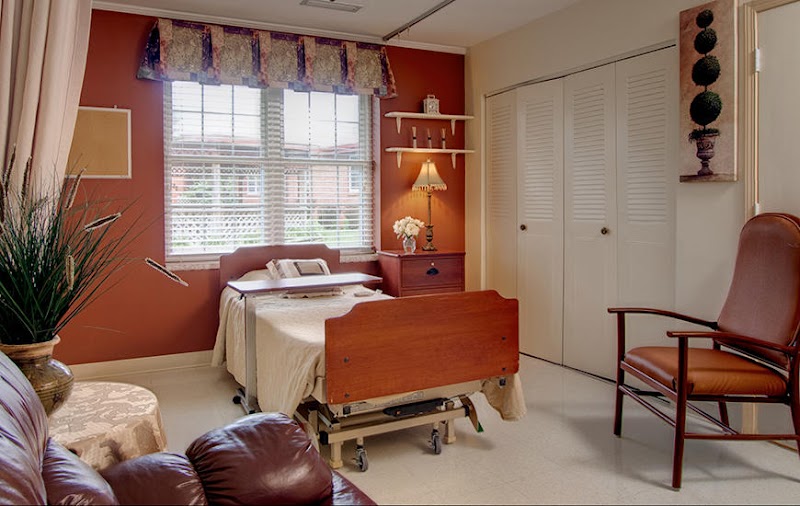
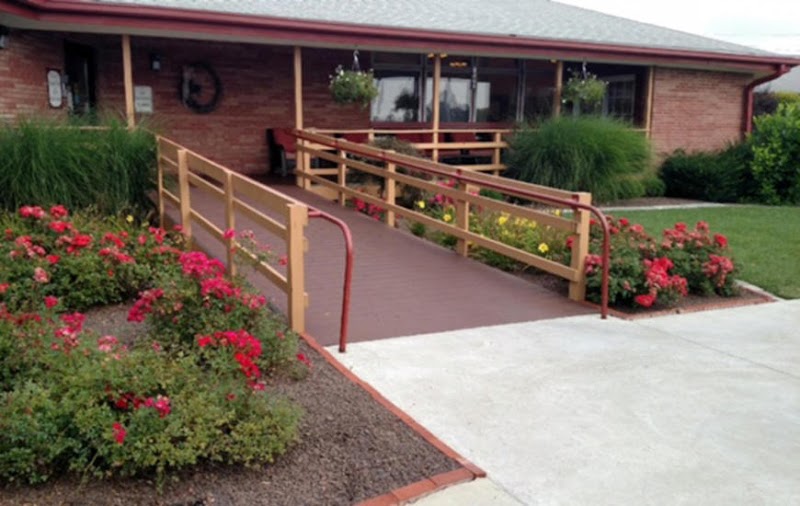
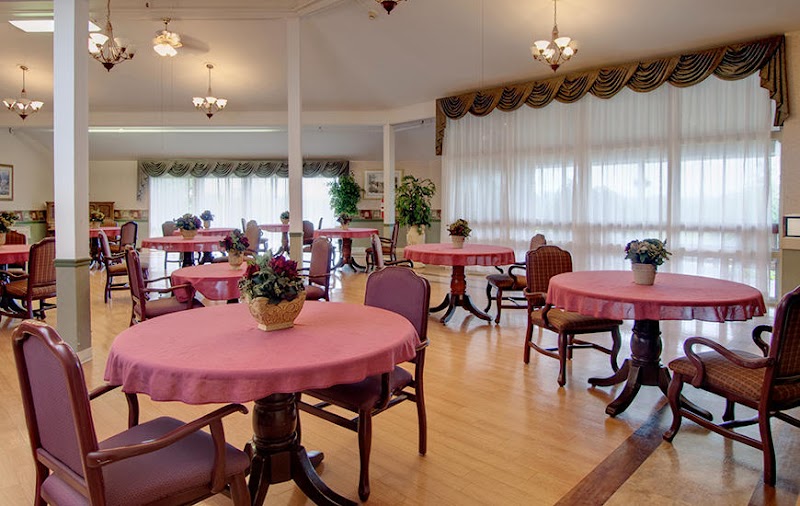
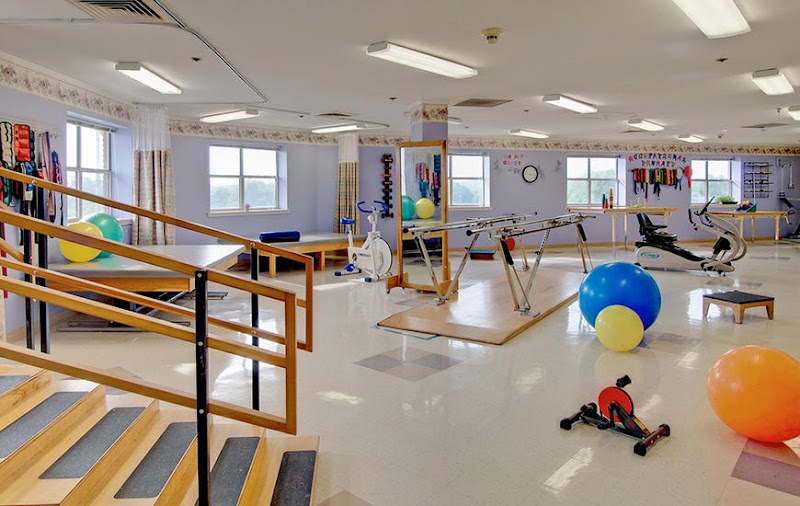
MEADOW VIEW HEALTH AND REHABILITATION

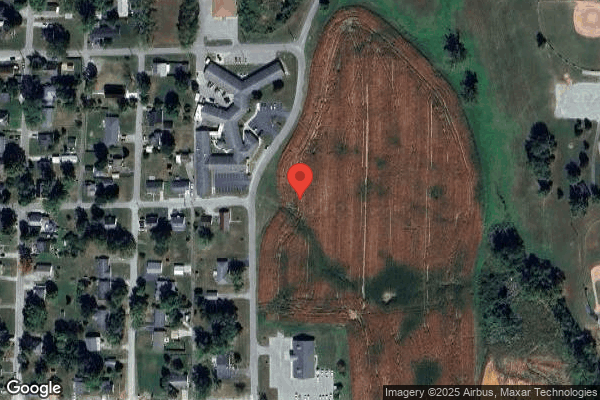
900 ANSON ST, SALEM, IN 47167 (812) 883-4681
For profit - Corporation 98 Beds AMERICAN SENIOR COMMUNITIES Data: November 2025
Trust Grade
85/100
#71 of 505 in IN
Last Inspection: March 2025

Within standard 12-15 month inspection cycle. Federal law requires annual inspections.

Overview

Meadow View Health and Rehabilitation in Salem, Indiana has a Trust Grade of B+, meaning it is above average and recommended for families seeking care. It ranks #71 out of 505 facilities in Indiana, placing it in the top half, and #1 out of 2 in Washington County, indicating it is the best local option. The facility is improving, with the number of issues decreasing from three in 2024 to one in 2025. Staffing, however, received a below-average rating of 2 out of 5, but a turnover rate of 31% is good compared to the state average of 47%. On the positive side, there have been no fines, which is a good sign of compliance, and the RN coverage is average, meaning residents receive adequate nursing oversight. However, there were some concerning incidents, such as a resident developing a serious pressure ulcer due to missed skin assessments and another resident expressing feelings of depression and isolation without enough social service follow-up. Additionally, there were issues with medication storage and labeling, which raises safety concerns. Overall, while Meadow View has strengths in certain areas, families should be aware of these weaknesses when considering this facility for their loved ones.

Trust Score
B+
85/100
In Indiana
#71/505
Top 14%
Safety Record
Moderate
Needs review
Inspections
Getting Better
3 → 1 violations
Staff Stability
○ Average
31% turnover. Near Indiana's 48% average. Typical for the industry.
Penalties
✓ Good
No fines on record. Clean compliance history, better than most Indiana facilities.
Skilled Nurses
○ Average
Each resident gets 34 minutes of Registered Nurse (RN) attention daily — about average for Indiana. RNs are the most trained staff who monitor for health changes.
Violations
○ Average
6 deficiencies on record. Average for a facility this size. Mostly minor or procedural issues.
★★★★★
5.0
Overall Rating
★★☆☆☆
2.0
Staff Levels
★★★★☆
4.0
Care Quality
★★★★★
5.0
Inspection Score
Stable
2024: 3 issues
2025: 1 issues

The Good

  • 4-Star Quality Measures · Strong clinical quality outcomes
  • Full Sprinkler Coverage · Fire safety systems throughout facility
  • No fines on record
  • Staff turnover below average (31%)

    17 points below Indiana average of 48%

Facility shows strength in quality measures, fire safety.

The Bad

Staff Turnover: 31%

15pts below Indiana avg (46%)

Typical for the industry

Chain: AMERICAN SENIOR COMMUNITIES

Part of a multi-facility chain

Ask about local staffing decisions and management

The Ugly 6 deficiencies on record

1 actual harm
Jun 2025 1 deficiency
CONCERN (D) 📢 Someone Reported This

A family member, employee, or ombudsman was alarmed enough to file a formal complaint

Potential for Harm - no one hurt, but risky conditions existed

Pharmacy Services (Tag F0755)

Could have caused harm · This affected 1 resident

Based on interview and record review, the facility failed to ensure medications were available for administration, as ordered by the physician, for 2 of 4 residents reviewed for pharmaceutical service...

Read full inspector narrative →
Based on interview and record review, the facility failed to ensure medications were available for administration, as ordered by the physician, for 2 of 4 residents reviewed for pharmaceutical services. Findings include: 1. The clinical record for Resident B was reviewed on 5/30/25 at 11:10 a.m. The resident's diagnosis included, but was not limited to, hyperparathyroidism. The admission order, dated 4/25/25, indicated the resident was to receive Cinacalcet (medication used to treat hyperparathyroidism) 30 mg (milligrams) daily. The April 2025 medication administration record indicated between 4/26/25 through 4/30/25, the resident's medication was unavailable and not administered. The clinical record lacked documentation of the physician and pharmacy notification due to the unavailability for administration. During an interview on 6/2/25 at 8:45 a.m., Licensed Practical Nurse (LPN) 4 indicated if a medication was not available, it can be pulled from Omnicell (emergency drug kit). If the medication was unavailable in the Omnicell, the pharmacy should be called to find out why and then notify the physician. 2. The clinical record for Resident C was reviewed on 5/30/25 at 12:26 p.m. The resident's diagnoses included, but were not limited to, hypertension and indigestion. The physician's order, dated 5/22/25, indicated the resident was to receive Metoprolol Succinate (medication for high blood pressure) 25 mg extended release 24 hour once daily. The physician's order, dated 5/22/25, indicated the resident was to receive Aluminum hydroxide/magnesium hydroxide/simethicone, 200-200-20 mg/5 ml (milliliters), 15 ml daily for indigestion. The May 2025 medication administration record indicated the Metoprolol was not administered between 5/25/25 through 5/29/25 due to the unavailability of the medication; the Aluminum hydroxide/magnesium hydroxide/simethicone was not administered between 5/25/25 through 5/29/25 due to the unavailability of the medication. The clinical record lacked documentation of physician and pharmacy notification due to the unavailability for administration. On 6/2/25 at 2:55 p.m., the Director of Nursing provided a current copy of the document titled Medication Shortages/Unavailable Medications dated 12/01/07. It included, but was not limited to, Procedure .If a medication is unavailable during normal Pharmacy hours .A Facility nurse should call Pharmacy to determine the status of the order .If a medication is unavailable .after normal Pharmacy hours .A Facility nurse should obtain the ordered medication from the Emergency Medication Supply .If the ordered medication is not available in the Emergency Medication Supply, the licensed Facility nurse should call Pharmacy's emergency answering service and request to speak with the registered pharmacist on duty to manage the plan of action This Citation relates to Complaint IN00458683 3.1-25(a)
Mar 2024 3 deficiencies
CONCERN (D)

Potential for Harm - no one hurt, but risky conditions existed

Quality of Care (Tag F0684)

Could have caused harm · This affected 1 resident

Based on observation, record review, and interview, the facility failed to ensure timely dressing change of a burn dressing when it became soiled and dislodged for 1 of 20 residents reviewed for Quali...

Read full inspector narrative →
Based on observation, record review, and interview, the facility failed to ensure timely dressing change of a burn dressing when it became soiled and dislodged for 1 of 20 residents reviewed for Quality of Care. (Resident 56) Findings include: During an interview on 2/29/24 at 1:06 p.m. Resident 56 indicated he had a burn to his groin and thigh from where he had spilled hot coffee down his leg. During an observation on 2/29/24 at 1:07 p.m., the resident pulled back his blankets and showed he had a dressing, dated 2/28/24, which surrounded his right upper thigh. The record for Resident 56 was reviewed on 3/1/24 at 9:00 a.m. The diagnoses included, but were not limited to, acute infarction of spinal cord and paraplegia. The nurse's note, dated 11/23/23 at 5:59 p.m., indicated the resident had spilled his coffee and had a non-blanchable reddened area stretching from the top of his right thigh to his right hip with skin intact. The area measured 40 centimeters (cm) by 20 cm, by 0.01 cm, with a dime sized waxy clear skin to the top of his right thigh. The skin began to peel off. He had several scattered areas of skin flaps. The resident refused to go to the emergency room. The Nurse Practitioner (NP) was informed and gave new orders for Silvadene and an abdominal pad dressing daily. The care plan, dated 11/27/23, indicated the resident had a second degree burn to his right lower extremity and was at risk for skin break down due to very limited sensory perception, occasionally moist, chairfast, very limited mobility, friction and shear problem, left femur fracture, low back pain, malnutrition, and history of back pain. The interventions included, but were not limited to, observing for signs and symptoms of infections such as drainage, fever, and increased pain, and treatments as ordered. The physician's order, dated 1/30/24, indicated to cleanse the burn to the resident's right thigh with wound cleanser, pat dry, apply collagen to areas of hyper granulation, cover collagen and entirety of wound with xeroform and cover with abdominal pads daily and as needed. During an observation on 3/1/24 at 12:58 p.m., CNA (Certified Nurse Aide) 3 was in the room with Resident 56 assisting him to change his sheets. She indicated she had informed QMA (Qualified Medication Aide) 4 and the Infection Preventionist (IP) that the resident needed his wound dressing changed at 8:00 a.m. that morning because it had come undone. It had a lot of that clear stuff, she indicated, referring to the drainage. The resident was lying in bed, with the kerlix down around his knee. The kerlix was dated 2/29/24. The abdominal pads were dislodged and hanging loose with the wound and xeroform observed to be uncovered. The xeroform was saturated with a moderate amount of serosanguinous drainage. The resident had blood staining his brief. Both the resident and the CNA indicated the wound had been uncovered since 8:00 a.m. and nursing staff were aware. During an interview on 3/1/24 at 1:02 p.m., QMA 4 indicated CNA 3 had told her earlier something about the resident wanting his dressing changed, however they usually completed it after lunch. She thought she might have been told around 9:30 a.m. She had not told anyone else the resident wanted it done. The nurse did his dressing changes. She hadn't let anyone know because they usually did it after lunch. During an interview on 3/1/24 at 1:04 p.m., the Infection Preventionist indicated no one had told her Resident 56's dressing needed changed. During an interview on 3/1/24 at 1:08 p.m., CNA 3 indicated she had informed both the Infection Preventionist and QMA 4, as well as the Clinical Education Coordinator (CEC). It was dislodged. During an observation on 3/1/24 at 1:10 p.m., CNA 7 and CNA 3 removed Resident 56's brief. There was a small amount of bright red blood on the brief where the wound drainage had saturated from being uncovered. The resident was rolled and the absorbent pad underneath him was observed to have a small amount of bright red blood staining underneath the resident from where his wound had been uncovered. During an observation on 3/1/24 at 1:21 p.m., the Infection Preventionist and the CEC provided wound care to Resident 56. The resident had a moderate amount of tan and bright red drainage. There was a total of three open wounds to his groin and outer thigh which were fully granulating. The Infection Preventionist cleansed the wounds with wound cleanser, applied collagen to the open areas, xeroform, and an abdominal pad, which she secured with kerlix and tape. During an interview on 3/1/24 at 2:01 p.m., the CEC indicated he had been told the resident wanted his dressing changed. He did not ask why or any other clarifying questions. He told the IP the resident was asking for his treatment to be changed. It was after 10:00 a.m., but it was before 12:00 p.m. when he had told her. He educated staff on wound care and dressing changes. If a treatment became soiled or dislodged they had orders to change it as needed. He did not know if there was an exact time, however if a dressing became dislodged or soiled they would change it as soon as they could. They would not put it off. He would expect CNAs to report the dressing being soiled or dislodged and they would change it. The most current Skin Management Program policy, included, but was not limited to, It is the policy of [Name of Corporation] to ensure that each resident receives care, consistent with professional standards of practice . Procedure for alterations in skin integrity - pressure and non-pressure . 2. Treatment order will be obtained from the MD/NP . 3.1-47(a)
CONCERN (D)

Potential for Harm - no one hurt, but risky conditions existed

Dental Services (Tag F0791)

Could have caused harm · This affected 1 resident

Based on record review and interview, the facility failed to promptly obtain requested dental services for 1 of 2 residents reviewed for dental services. (Residents 65) Findings include: During an int...

Read full inspector narrative →
Based on record review and interview, the facility failed to promptly obtain requested dental services for 1 of 2 residents reviewed for dental services. (Residents 65) Findings include: During an interview with Resident 65 on 3/4/24 at 12:45 p.m., he indicated he still wanted to see a dentist as he was having some pain and did not know what the hold-up was. The record for Resident 65 was reviewed on 3/4/24 at 9:30 a.m. The diagnoses included, but were not limited to, displaced interotrochanteric fracture of the left femur, type 2 diabetes mellitus, vitamin deficiency, and alcohol dependence. The care plan, dated 11/27/23 with a review date of 2/19/24, indicated the resident was at risk for impaired dental hygiene. The goal was for the resident to be free of mouth pain. The approaches included, but were not limited to, dental consult as indicated, observe and document symptoms of pain, and observe for decreased ability to chew food. The Quarterly Minimum Data Set (MDS) assessments, dated 12/15/23 and 2/14/24, indicated the resident was cognitively intact and had no chewing or swallowing issues. The nurse's note, dated 1/8/24 at 12:04 p.m., indicated the Nurse Practitioner (NP) came into see the resident due to a complaint of tooth pain. New orders were received for a referral to see the dentist, viscous lidocaine solution 2% swish and spit three times daily, and for amoxicillin 500 mg (milligrams) three times a day for 5 days. The Social Services note, dated 1/12/24, indicated an application was submitted to the facility's contracted dental service provider on this date, which was four days after the original order was received. During an interview with RN 16 on 3/4/24 at 12:46 p.m., she indicated she did not see it anywhere in the notes or on the calendar that there had been follow up to the original dental referral. During an interview with the Social Worker on 3/4/24 at 12:50 p.m., she indicated she was unable to say why it took her 4 days to make the dental referral and did not have a date when the dentist would actually be coming to the facility to see residents as they have not called her yet. She also indicated residents did not have to wait for the contracted dental group to come in as they had the choice to see an outside dentist if they wanted. The facility's current policy titled Dental Services/Missing Dentures, included, but was to limited to, Policy: The facility obtains needed dental services, including routine and emergency dental services; assists in providing these services and makes prompt referrals for dental services as needed .Procedure: DENTAL SERVICES: 1. The facility will obtain contracted outside dental services to meet the routine and emergency dental needs of each resident .4, The facility will assist in scheduling .residents to dental appointments as needed . 3.1-24(a) 3.1-24(b) 3.1-24(3)(b)
CONCERN (E)

Potential for Harm - no one hurt, but risky conditions existed

Deficiency F0745 (Tag F0745)

Could have caused harm · This affected multiple residents

Based on record review and interview, the facility failed to ensure appropriate social services follow-up, monitoring, and documentation for 5 of 20 residents reviewed for Social Services. (Residents ...

Read full inspector narrative →
Based on record review and interview, the facility failed to ensure appropriate social services follow-up, monitoring, and documentation for 5 of 20 residents reviewed for Social Services. (Residents 40, 56, 31, 53, and 65) Findings include: During an interview on 2/29/24 at 1:06 p.m., Resident 56 indicated he felt useless. He was unhappy being in a long-term care facility. He felt locked up. He wanted to get back to his family in another State. He was unable to move his legs since he'd had a stroke. He would like to do therapy so he could build up his strength to get stronger and go home. He had not been out of bed in months. He had relayed these concerns to the SSD (Social Services Director) and the DON (Director of Nursing). The admission MDS (Minimum Data Set) assessment, dated 10/24/24, indicated the resident was admitted from the hospital. He was cognitively intact. Scored a 10 on the PHQ-9 (a screening tool for depression) which indicated he was moderately depressed. He exhibited no behaviors of rejection of care. He required substantial to maximum assistance with bed mobility and transfers. The diagnoses included, but were not limited to, acute infarction of spinal cord and paraplegia. The care plan, dated 9/28/23, indicated the resident required assistance with ADLs (Activities of Daily Living) including bed mobility, transfers, eating, and toileting related to left femur fracture, anemia, hypertension, chronic pain, paraplegia major depression, anxiety, allergies, vitamin deficiency, neurogenic bladder, neuropathy, low back pain, GERD (gastroesophageal reflux disease), spinal cord embolism, and malnutrition. The interventions included, but were not limited to, assist with ambulation as needed, encourage resident to do as much for self as possible, occupational therapy as needed, and physical therapy as needed. The admission road to recovery form, dated 9/28/23, indicated the resident's discharge goals were to transfer to another State. The admission social services assessment, dated 9/28/23, indicated the resident wanted to remain in long term care, and wanted to hopefully transfer to his home State. The care plan, dated 9/29/23, indicated the resident's return to the community was not feasible due to a need for 24-hour care. His discharge goal was to remain in the facility unless he could transfer to a facility in his home State, which could only happen if he was approved for that State's Medicaid. The resident lacked motivation to start the application process. The interventions included, but were not limited to, only ask the resident about returning to the community on comprehensive assessments, encourage and offer for the resident to express thoughts and feelings regarding placement, encourage family involvement and support, and invite and encourage the resident to attend and participate in goal setting in care plan meetings. The Social Services MDS documentation and progress note, dated 10/4/23, indicated the resident reported little interest or pleasure in doing things, feeling down, depressed, or hopeless, had trouble sleeping, feeling tired or having little energy, and was bothered by this 7 to 11 days of the last 2 weeks. The SSD note, dated 10/11/23 at 1:07 p.m., indicated the resident requested a referral to be sent to a facility in his home State and the referral was sent. The record lacked documentation of any Social Services follow-up on the referral or the resident's adjustment to the facility or inability to return to his home State. The nurse's note, dated 12/13/24 at 8:45 a.m., indicated the facility received a phone call from the resident's family member who was requesting to attend the resident's care plan meeting on 12/29/23 via phone. She would like Social Services to contact her with the time. Her phone number was verified, and the SSD was informed. The SSD note, dated 12/13/23, indicated the care plan meeting was scheduled with the resident's family member for 12/29/24 at 1:00 p.m. The SSD note, dated 12/29/23 at 2:28 p.m., indicated the care plan meeting was held with the resident. The resident's family member could not be reached via phone. A message was left requesting a return phone call. The record lacked documentation of any further attempts by Social Services to reschedule the appointment with the family member or reach out to them. The Behavioral Health Progress note, dated 1/22/24, indicated the resident was seen by the facility's psychiatric services provider. The resident was born and raised in another State. He presented with depressed mood with congruent affect. He expressed a desire to leave the facility and go home. He identified concerns and processed related feelings and thoughts. He questioned why he had yet to engage in physical therapy. He wasn't interested in most of the activities at the facility. He agreed to try and socialize more. He described experiencing social anxiety and identified settings and triggers. These concerns were relayed to staff. The record lacked documentation of social services following up on the resident's desire to attend therapy, reasons for not wanting to get out of bed, or his feelings regarding placement at the facility or inability to return to his home State. During an interview on 3/4/24 at 9:37 a.m., The PT Director indicated Resident 56 had not been on therapy case load since he had been admitted . They had talked to him several times. If he would like to get out of bed, they could look at wellness programs and formal PT, but the resident tended to not get out of bed to participate in therapy. There was no formal documentation on that in the therapy software. To provide skilled care to a long-term care patient they would need to get up out of bed and come to therapy and he chose to stay in bed. They had to want to do it. Anytime they tried to talk ask him to do that he did not want to consistently get up. On 1/23/24 they documented that if he was willing to get up with staff and come down, they would put together a wellness exercise program. He used to get up in his wheelchair and use the hand bicycles and lift weights. The PT Director stated, We said if he would get dressed and get up, we would do all those things with him. They had told the CNAs (Certified Nurse Aides) about it, and to encourage him to try and get up. If he came down, they would attempt to find time to evaluate him. During an interview, on 3/4/24 at 10:14 a.m., Resident 56 indicated he had not refused to get up. He stated, Why wouldn't I get up? They don't ask me to get up. He had not worked with therapy. He would like to build up his upper body muscles and work on transferring himself. He wanted to go back to his home State, but he didn't know how to get back there. During an interview on 3/4/24 at 10:23 a.m., CNA 8 indicated she took care of Resident 56. He would sometimes get out of his bed and he had been wanting to get up in his wheelchair lately and sit up for lunch. He got up the other day, but hadn't been up since. He had expressed wanting to go to therapy and wanting to go home. That was his original goal. If the resident refused care, they would tell the nurse. He did have times where he didn't feel good. The resident had told her they were supposed to be getting him up, but she had heard it from him, and it wasn't a part of his plan of care. It was what he wanted. During an interview on 3/4/24 at 10:39 a.m., the SSD (Social Services Director) indicated if there was something simple going on she would do a progress note. If it was more in depth, she would do care plan observations. The resident did not have a power-of-attorney. When he came in originally, he was going to go back to the community with a family member. Then he had brought up wanting to return to his home State. She had sent a referral to one facility in his home State and had talked to his family member a few times. They'd attempted to get him on that State's Medicaid. The family claimed at some point his name was tied to a water claim and received payment for a class action suit. The resident was supposed to bring her paperwork on that and give it to her but had not. She had not talked to him about it since December. She'd asked if he had any updates, but he did not. She had not asked family for any paperwork. She did not know if he could apply for his home State Medicaid. They would have to find a facility he wanted to transfer to, and then send all the information. She would then have to get him to that State. She'd given him a list of facilities in his home State, but had not documented that. She had not reached out to any other facilities to see if anyone would accept him. She could reach out to his family and see if he had any more mail. She could give him another list of facilities and help him call around to see if anyone would accept him. There were a lot of times the resident didn't want to get out of bed to go to the therapy gym, but he hadn't mentioned it to her. He hadn't mentioned an interest in in-room therapy to her. They were limited, but they could provide in-room therapy. She did not know why he wanted therapy, she assumed to try and help with his transition back to where he wanted to go, but she had not had that conversation with him. Nursing had told her he wasn't getting out of bed, but she hadn't gone and spoken to him about that. She could try to figure out why he wasn't wanting to get up and maybe educate him on the benefits of getting out of bed. There was not anything on his care plan to reflect a desire to attend therapy or a plan to get him out of bed. During an interview on 3/4/24 at 2:07 p.m., the Director of Nursing (DON) indicated the resident had requested therapy and a referral to therapy was made. The concern was he did not always participate in things. He was encouraged to start getting out of bed daily. His goal was to go home. He did not like to get out of bed, so what therapy said was if he took the initiative to get out of bed every day, they could re-evaluate him. They could do therapy in the room. During an interview, on 3/4/24 at 2:25 p.m., Physical Therapist 9 indicated he did complete therapy screens at times, but usually the PT Director did them. They would first screen the resident to determine if they would do an evaluation unless someone referred the resident to therapy. Then they would do an evaluation. If the patient didn't want to get up and go, they would try and encourage them to come down. If they were not willing, they would work at the bedside and after a certain amount of time with refusals they would be discontinued. During an interview on 3/4/24 at 2:32 p.m., QMA (Qualified Medication Aide) 13 indicated Resident 56 usually got up to go to the doctor and that was it. No one had talked to her about getting him up daily or any goals for him to get up. No one had told her he needed encouragement to get up to go to therapy. Sometimes she could talk with him and reason with him. She didn't think mornings were good for him because he got his pain medication. She thought trying to get him up later in the day would be a better idea. No one had talked to her about insight, input, or ideas on why he wasn't getting up. During an interview on 3/4/24 at 2:43 p.m., CNA 14 indicated she did take care of Resident 56 and was familiar with him. He would usually get up for appointments. If he asked her to get him up, she would. He had not refused to get up unless he was sick or something. No one had told her about any plans or goals for him to get up. He was usually wide awake. She had not been advised about him wanting to get up and go to therapy. He was more alert in the afternoons. She could carry on full conversations with him. He was more of an afternoon person. He did spend most of his time in the bed. He had not ever refused care from her. If he did refuse care, she'd offer it again and if he refused care again, she'd get the nurse and let her know. During an interview on 3/4/24 at 2:45 p.m., CNA 8 indicated the resident told her he would get up for supper. 2. During an interview on 2/29/24 Resident 40 indicated the dentist had ordered him dentures over a year ago, said they would be in two weeks later, and they had never come in. Now he was told he had to be fitted again. He had trouble eating some things, meatloaf was not so easy. The resident had no natural teeth remaining. The record for Resident 40 was reviewed on 2/29/24 at 1:00 p.m. The Significant Change MDS assessment, dated 8/17/23, indicated the resident was cognitively intact. The care plan, dated 2/10/21, indicated the resident was edentulous. The interventions included, but were not limited to, assist resident with oral care, does not utilize dentures, and dental consult as indicated. The SSD (Social Services Director) note, dated 4/7/23 at 3:52 p.m., indicated the resident requested a VA (Veterans Affairs) dentist appointment and was reminded prior attempts resulted that he must be 100% VA connected to receive outpatient services from the VA. He provided a direct number and insisted an appointment be made. A message was left, and a return call was requested. The record lacked any further documentation by Social Services regarding dental care until 8/22/23. The SSD note, dated 8/22/23 at 3:43 p.m., indicated a note was left with VA dental services to determine dental status. The SSD note, dated 8/22/23 at 4:26 p.m., indicated the SSD spoke with VA dental and they indicated he did not qualify through VA services. An enrollment form was sent to the facility's in house dental provider. The record lacked any further documentation by Social Services regarding dental care or the resident being scheduled for dental services until 2/5/24. The SSD note, dated 2/5/24 at 11:28 a.m., indicated an appointment was scheduled for the resident with an outside provider. The SSD note, dated 2/26/24 at 3:29 p.m., indicated the outside dental provider indicated the resident's insurance still showed the facility's in house provider as his primary dental provider and they could not see him, despite cancellation forms being sent to both the provider and to Medicaid. The resident was informed and indicated he would just try to see the in-house provider again. During an interview on 3/4/24 at 1:04 p.m., the SSD indicated the in-house provider had never seen the resident. She had sent them an email in between to check up on the status and she sent another application form. She did not know if they never received the application, but she had it where he signed it in August. They had been into the facility but for whatever reason they had not seen him. She didn't realize it until just recently. She had sent them an email asking what the status was on his account. So, then she another application. In February she'd gotten him set up with an outside provider and they couldn't see him due to his insurance. It was a whole big deal. Even after he canceled it was showing up. They couldn't resolve it and it wouldn't go anywhere. He was now on the list for their in-house provider. She didn't know why it wasn't noticed between October and February. During an interview on 3/5/24 at 10:06 a.m., the SSD indicated she sent the request to reinstate the services on 8/23/23 to the in house provider but had also canceled it the same day. The resident did want dental services. He said he didn't want it after he said he did. She probably did not document that conversation. He said he wanted to sign up with the in-house dentist. She got the consent signed, sent it to the provider, then he came back and said he did not want to see the in-house dentist. That's when it was canceled. He wanted to see an outside dentist. She could not remember why he wanted to cancel. During an interview on 3/5/24 at 10:14 a.m., the Business Office Manager indicated the VA dental services would not see the resident. The resident had a previous balance due with the in-house provider and it was still showing on his Medicaid portal as his primary dental provider. So, no outside dentist would see him. The had canceled it and it still showed on his portal. 3. The record for Resident 31 was reviewed on 3/5/24 at 10:45 a.m. The diagnoses included, but were not limited to, vascular dementia, anxiety disorder, a mild single episode of major depressive disorder, sleep disorder, and dependence on renal dialysis. The care plan, dated 10/4/23, indicated the resident was at risk for signs and symptoms of anxiety. The resident had a diagnosis of anxiety and takes prescribed anxiolytic medication. The interventions included, but were not limited to, psychiatric services as appropriate, maintain a calm environment and move to a quiet area as needed, encourage the resident to verbalize his fears and anxiety, offer validation and reassurance. The psychiatry progress note, dated 10/23/23, indicated the nursing staff reported the resident had increased and worsening episodes of anxiety. The resident got restless with difficulty redirecting. The follow up plan was for nursing to document any new or worsening moods or behaviors and notify psychiatric services. The resident was ordered Zoloft 50 mg once a day. The care plan, dated 11/17/23, indicated the resident was at risk for signs and symptoms of depression. The resident had a diagnosis of depression and took prescribed antidepressants. The interventions included, but were not limited to, encourage family support and involvement, medications per physician order, obtain a psychiatric consult or psychotherapy consult, emphasize and promote independence and feelings of control or choice, allow the resident to express feelings and frustrations; offer validation and support. The physician's orders, dated 1/19/24, indicated the resident received Ativan (lorazepam) 0.5 mg (milligram) tablet twice a day for generalized anxiety and Trazodone 50 mg tablet at bedtime for sleep disorder. The Quarterly MDS (Minimum Data Set) assessment, dated 1/26/24, indicated the resident was moderately cognitively impaired. No behaviors of anxiety or depression were exhibitied. The physician's order, dated 3/3/24, indicated the resident's zoloft was increased to 100 mg tablet once a day for depressive disorder. The record lacked documentation indicating the SSD (Social Service Director) completed quarterly reviews on the resident for the dates of 10/3/23 and 1/26/24, or any documentation indicating the SSD interviewed the resident about his depression and anxiety. The MDS indicated the behaviors did not occur. During an interview on 3/5/24 at 10:06 a.m., the SSD indicated she would do her Quarterly assessment in the MDS. She agreed the MDS assessment was a seven day look back only. If the resident had behaviors nursing would open up a behavioral event and she would review it the next day with IDT (Interdisciplinary Team). They would come up with appropriate interventions, and notify psychiatric services. She would document in the progress notes. She indicated the facility didn't document the quarterly and significant change assessments in the progress notes anymore. The assessments would also be documented in observations. She wasn't sure if she could document the quarterly or significant changes in the progress notes. She indicated the MDS section did not have a place to write comments and she did not interview the resident. 4. The record for Resident 53 was reviewed on 3/1/24 at 8:45 a.m. The diagnoses included, but were not limited to, schizoaffective disorder, and generalized anxiety disorder. The admission MDS (Minimum Data Set) assessment, dated 1/27/24, indicated the resident was cognitively intact. The physician's order, dated 1/30/24, indicated the resident received Vraylar (cariprazine) 4.5 mg (milligram) capsule, once a day, and bupropion HCl 150 mg tablet sustained-release every 12 hours twice a day. The nurse's note, dated 12/11/23, indicated the staff heard random episodes of screaming followed by cursing. The bathroom door was opened and then slammed shut repeatedly. The privacy curtain was opened and closed rapidly and forcefully. The bed side table drawers were opened and slammed closed repeatedly. The resident cursed at the CNAs (Certified Nurse Aides) The resident stated, go on and laugh you f-----g b-----s, every one is a f-----g b---h. The nurse attempted to converse calmly with the resident. The resident stated I can't talk about it, it's not you it's all the f-----g b-----s around here and everywhere. The nurse inquired if anything was wrong, upsetting or bothering her. The resident stated no no one is bothering me, I just can't talk about it. The resident had stopped taking her prescribed psychiatric medications. The SSD was to place a call to an outside mental healthcare provider to resume services upon discharge. The nurses note, dated 12/16/23 at 4:44 p.m., indicated the resident was observed to be repeatedly slamming her door to her room and screaming stop talking to me and shut up. The nurse went in to her room and asked her what was going on, offered re-assurance, provided time to vocalize her frustrations. The resident stated I'm pi**ed off and I don't want to talk. The nurse asked the resident to please stop yelling because the other residents were scared someone was hurt. The resident agreed to not yell out. The nurses note, dated 12/17/23 at 2:32 a.m., indicated the resident was screaming in her room and when asked why she was screaming she didn't answer. When staff asked that she use her call light and not scream she stated, get out of my g-----n room and I will. When the resident was reminded not to yell she stated and close the door on your way out. The resident had been going to the bathroom and slamming the bathroom door. The nurse's note, dated 12/19/23 at 7:50 a.m., indicated the resident was observed at 7:50 a.m., to have yelled shut up after staff were discussing job duties with each other in a normal conversational voice. The resident yelled very loudly, Shut up! The resident was reminded by staff at that time that it was not polite nor appropriate to yell that. The resident was also reminded that staff were conversing in a normal conversational tone. At 11:40 a.m., the resident slammed her door upon re-entering her room. Staff were across the hall in another resident's room, and heard the door being slammed shut very loudly. Staff then left the other resident's room across the hall, and reminded and educated the resident that it was not appropriate to be slamming doors. At 3:10 p.m., the resident approached the nurse while she was on the phone. The resident got tired of waiting and stated, I am due for my pain pill. I was supposed to have it around 10:00 a.m. I thought that I told someone that I wanted it, but she never came in with it. The resident returned to her room after advising the CNA's that she wanted her PRN (as needed) pain medication. Upon returning to her room, the resident slammed the door very loudly. The SSD was notified and conversed with resident in regards to her behaviors. The nurse's note, dated 12/28/23 at 10:20 p.m., indicated staff spoke with the resident's mother regarding the resident's behavioral outbursts and the start of 15 minute checks. Staff was unable to contact the residents friend because the number was not a working number. The resident's family member indicated he was just a friend and not her POA (Power of Attorney). The resident did not have a POA. The resident's family member verbalized concern that we can't have her back home like this because its just my [family member] and I and we aren't able to take care of her. The resident's family member stated she has these fits where she slams door, screams, breaks things and will not take her medications. We just can't do it. Staff advised the resident's family she would leave a message for SSD regarding concerns. The nurse's note, dated 12/29/23, indicated the resident had socially inappropriate behavior and was verbally and physically aggressive towards her peers. The residents were separated, safety was ensured and the resident was put on 15 minute checks. The root cause was a busy environment, a diagnosis of schizoaffective disorder, and the resident often refused her psychiatric medications. The clinical record lacked documentation indicating the SSD followed up on the residents behaviors or called the resident's family member to follow up on concerns. The care plan, dated 1/10/24, indicated the resident had a diagnosis of Schizoaffective disorder. Resident 53 had fluctuations in moods with behaviors of irritability and takes an ordered antipsychotic. The interventions included, but was not limited to, maintain an environment with as much routine and consistency as possible, psychiatric consult to evaluate and treat as needed, The care plan, dated 1/10/24, indicated the resident was at risk for signs and symptoms of anxiety and prescribed an anxiolytic. The interventions included, but were not limited to, the resident would not have increased signs and symptoms of anxiety, psychiatric services as appropriate, maintain a calm environment; and move the resident to quiet area as needed, and encourage the resident to verbalize fears and anxiety and offer validation and reassurance. The care plan, dated 2/6/24, indicated the resident had a history of suicidal ideations and suicidal attempt by taking multiple medications when she resided at home. The interventions included, but were not limited to, room search and safety checks as needed with the residents consent per policy. Talk with resident one on one and allow her to vent feelings; establish a trusting relationship with resident. Psychiatric services routinely and PRN (as needed) During an interview on 3/4/34 at 1:30 p.m., the Clinical Education Coordinator (CEC) indicated behaviors would be documented in the progress notes and the behavior event in the clinical record. If it was a new behavior or worsening behavior staff would make an event. Continual charting should be done if the resident had any behaviors by nursing and social services. During an interview on 3/5/24 at 10:22 a.m., the RDCO indicated when the resident had behaviors or a change in medications SSD would follow up with the resident and document in the progress notes. The Quarterly Social Services assessments could be documented in the progress notes. The MDS was a seven day look back. For a behavior staff would open an event. The IDT team would would review it and social services would be involved. 5. The record for Resident 65 was reviewed on 3/4/24 at 9:30 a.m. The diagnoses included, but were not limited to, displaced interotrochanteric fracture of the left femur, type 2 diabetes mellitus, vitamin deficiency, and alcohol dependence. The care plan, dated 11/27/23 with a review date of 2/19/24, indicated the resident was at risk for impaired dental hygiene. The approaches included, but were not limited to, dental consult as indicated. The Quarterly Minimum Data Set assessments, dated 12/15/23 and 2/14/24, indicated the resident was cognitively intact. The nurse's note, dated 1/8/24 at 12:04 p.m., indicated the Nurse Practitioner (NP) came into see the resident due to a complaint of tooth pain. Among the new orders received was a referral to see the dentist. The Social Services note, dated 1/12/24, indicated an application was submitted to the facility's contracted dental service provider on this date, which was four days after the original order was received. During an interview with Resident 65 on 3/4/24 at 12:45 p.m., he indicated he still wanted to see a dentist as he was having some pain and did not know what the hold-up was. During an interview with RN on 3/4/24 at 12:46 p.m., she indicated she did not see it anywhere in the notes or on the calendar that there had been follow up to the original dental referral. During an interview with the SSD on 3/4/24 at 12:50 p.m., she indicated that when she got a referral for a resident to see the dentist, she usually would set it up pretty much immediately. She was unable to say why it took her four days to make the dental referral. She did not have a date yet as to when the dentist would actually be coming to the facility to see residents as she was waiting for them to call her. The residents did not have to wait for the contracted dental group to come in as they had the choice to see an outside dentist if they wanted. The resident told her he wanted to wait for the contracted dentist to come in. During an interview with the resident on 3/4/24 at 1:00 p.m., he indicated he was never given the choice of seeing a local dentist or waiting to see the facility dentist. He was just told to sign the form to see the facility's contracted dentist. He indicated he was not told when that would be. The Social Service Director's Job Description, signed on 8/7/23, included, but was not limited to, Summary Of Position Functions: The Social Service Director provides medically-related social services to attain or maintain the highest practicable physical, mental, and psychosocial well-being of each resident; and shares a responsibility towards creating and sustaining an environment that humanizes and individualizes each residents living area. ESSENTIAL POSITION FUNCTIONS: Assess each resident's psychosocial needs and develops a plan for providing care. Reviews resident's needs and care plan with progress notes indicating implementation of methods to respond to identified needs. Provides assistance to residents to utilize community resources through referral when the services needed are not provided by the facility . provides assistance to residents adjusting to the facility . Advises appropriate referrals to minimize social and economic obstacles to discharge. Coordinates discharge planning and communicates to those who need to know any obstacles the resident may have upon discharge. Coordinates relocation planning, including advise and referral to community resources before or during relocation . Collaborates with other departments, physicians, consultants, community agencies, and institutions to improve quality of services and to resolve identified problems . 3.1-34(a)
Feb 2023 2 deficiencies 1 Harm
SERIOUS (G)

Actual Harm - a resident was hurt due to facility failures

Pressure Ulcer Prevention (Tag F0686)

A resident was harmed · This affected 1 resident

Based on record review, interview, and observation, the facility failed to ensure a resident's Weekly Skin Assessments were completed and accurate to identify and prevent the development or worsening ...

Read full inspector narrative →
Based on record review, interview, and observation, the facility failed to ensure a resident's Weekly Skin Assessments were completed and accurate to identify and prevent the development or worsening of a pressure ulcer resulting in an unstageable pressure ulcer worsening to a Stage IV pressure ulcer for 1 of 5 residents reviewed for pressure ulcers. (Resident 62) Findings include: During an observation on 2/6/23 around 9:00 a.m., Resident 62 was sitting in his room in a wheelchair. The clinical record for Resident 62 was reviewed on 2/9/23 at 9:25 a.m. The diagnoses included, but were not limited to, a fracture of the right femur, joint replacement surgery, nondisplaced fracture of the surgical neck of the left humerus, muscle weakness, and abnormalities of gait and mobility. The Significant Change in Status MDS (Minimum Data Set) assessment, dated 12/7/22, indicated the resident was moderately cognitively impaired. He required extensive assistance of two staff members for bed mobility and toilet use. He required total dependence of two staff members for transfer and one staff member for bathing. The care plan, dated 2/9/22 and last revised on 2/6/23, indicated the resident was at risk for skin breakdown due to slightly limited sensory ability, spending a majority of the shift in a wheelchair or bed, slightly limited ability to move in bed independently, required maximal assistance with bed mobility, a fall at home which resulted in a right femur fracture that needed a right total hip replacement with surgical incision to the right hip. The interventions, dated 2/6/23, indicated staff were to notify the physician of worsening or no change in the wound, signs or symptoms of infection; dated 1/12/23, staff were to assess for signs of infection, assess and document skin condition weekly and as needed; dated 2/11/22, staff were to apply a pressure reducing or redistribution cushion in his chair or wheelchair, and treatment as ordered; dated 2/9/22, staff were to encourage the resident to turn and reposition at least every 2 hours, provide assistance as needed, apply a house barrier cream at the bedside and use as needed, a pressure reducing or redistribution mattress, and a low air loss mattress. The nurse's note, dated 12/1/22 at 12:38 a.m., indicated the resident refused to turn and reposition other than for incontinence care. The resident's sacrum was reddened and blanchable. The clinical record lacked documentation of the physician's notification of the resident's new area to the coccyx identified on 12/2/22 until 12/13/22. The Weekly Skin and Vital Sign Assessment, dated 12/2/22, lacked documentation of any resident refusal of care. The clinical record lacked documentation of the weekly skin assessment being conducted on 12/9/22. The care plan, dated 12/13/22 and last revised on 2/03/23, indicated the resident had impaired skin integrity with a pressure area to the coccyx. The interventions, dated 1/12/23, indicated to use a house barrier cream as needed, to provide incontinent care as needed, apply a low air loss mattress, and to provide supplements as ordered; dated 12/13/22, staff were to assess the resident for pain, treat as ordered, notify the physician of unrelieved or worsening pain, assess the wound weekly, documenting measurements and description, encourage the resident to eat at least 75% of meals, notify the physician of worsening or no change in the wound and signs of infection, observe for signs of infection, pressure reducing or redistribution cushion in his chair, treatment as ordered, turn and reposition every 2 hours, wound healing vitamins as ordered, and treatment as ordered. The nurse's note, dated 12/15/22 at 1:11 a.m., indicated an open area was observed to the resident's coccyx. The area measured 1 cm long by 1 cm wide by 0.5 cm deep. The area was cleansed with normal saline, patted dry, a skin prep was applied to the periwound, and a gentle foam border dressing was applied. The order was discontinued on 12/16/22. The wound management note, dated 12/15/22 at 1:12 a.m., indicated a pressure ulcer to the resident's coccyx was observed. The wound measured 1.5 cm long by 1.4 cm wide by 0.5 cm deep. There was a moderate amount of seropurulent exudate with an odor. The IDT note, dated 12/16/22 at 6:06 p.m., indicated the unstageable pressure ulcer to the coccyx measured 1.5 cm long by 1.4 cm wide by 0.5 cm deep with full thickness, and 100% slough. There was a moderate amount of seropurulent drainage with an odor present and the periwound was red, but blanchable. Signs and symptoms of infection were present. A new order was obtained to pack the wound with a Dakin's soaked gauze. The interventions were to encourage and assist the resident to turn and reposition every 2 hours while in bed, the root-cause determination was the resident's refusal of turn and reposition every 2 hours while in bed, a recent surgical repair of the left shoulder fracture, and recently recovered from covid. The new interventions initiated was a low air loss mattress, Pro-stat liquid supplement 30 mL(milliliters) twice daily, and a Thera M vitamin daily. The current treatment order indicated to cleanse the area with a wound wash or normal saline, pat dry, apply skin prep to the periwound, pack the wound with a Dakin's soaked gauze and cover with a dry dressing every shift and as needed. The nurse's note, dated 12/23/22 at 2:13 p.m., indicated the coccyx wound had a dark necrotic wound bed with dark edges. He refused to get out of bed. The air mattress was inflated and functioning properly. The nurse's note, dated 12/25/22 at 1:52 p.m., indicated the treatment was continued as ordered to the coccyx with a slight odor to the old dressing. The nurse's note, dated 12/26/22 at 3:49 a.m., indicated the dressing change was completed to the coccyx. The wound bed appeared black in color. There was serous drainage to the brief due to the old dressing dislodgement. The edges of wound appeared macerated. The nurse's note, dated 12/26/22 at 4:14 p.m., indicated the coccyx wound had yellow slough to the wound bed. The surrounding tissue was pink in color. No odor or drainage was observed. The Weekly Skin and Vital Sign Assessment, dated 12/26/22, lacked documentation of any wound areas or the use of a low air loss mattress. The wound management note, dated 12/29/22 at 3:33 p.m., indicated the pressure ulcer was now a stage IV to the coccyx. The wound measured 2 cm long by 2 cm wide by 1 cm deep. There was a moderate amount of serosanguineous exudate with 75% granulation tissue and 25% eschar tissue. The current treatment was to be continued with weekly rounds. The nurse's note, dated 1/3/23 at 3:31 a.m., indicated the coccyx wound had a moderate amount of brown drainage to the old dressing. No foul odor was observed. The wound bed was black in color. The nurse's note, dated 1/4/23 at 6:32 p.m., indicated the area to the coccyx was a medium red in color with a moderate odor observed with the cleansing. The left heel area was resolving. The skin was intact, dull tan in color, with a rough texture. The Weekly Skin and Vital Sign Assessment, dated 1/6/23, lacked documentation of any wounds. The nurse's note, dated 1/9/23 at 3:09 a.m., indicated the wound to the coccyx had a moderate amount of grey drainage to the old dressing. The wound bed was covered in slough. No foul odor was observed. The nurse's note, dated 1/15/23 at 5:26 p.m., indicated the wound to the coccyx was a medium pink in color with white waxy edges. A moderate amount of yellow-green drainage was observed on the old dressing. The nurse's note, dated 1/17/23 at 3:22 a.m., indicated the wound to the coccyx had bright red drainage. The old dressing was saturated with brown drainage. No foul odor was observed. The wound management note, dated 1/19/23 at 2:29 p.m., indicated the stage IV pressure ulcer to the coccyx measured 1.2 cm long by 1.2 cm wide by 0.5 cm deep with full thickness, a small amount of serosanguineous exudate, and 100% granulation tissue. The Weekly Skin and Vital Sign Assessment, dated 1/20/23 and 1/28/23, lacked documentation of any wounds. The nurse's note, dated 1/29/23 at 12:48 a.m., indicated the treatment was continued per order to the coccyx. The wound bed had light yellow slough with a small dime sized amount of light-yellow drainage on the old dressing. The nurse's note, dated 2/1/23 at 4:20 p.m., indicated the treatment was performed for the wound to the coccyx. The area had a medium red color with gray-white edges. There was quarter sized yellow-green drainage to the old dressing and no drainage with cleansing. The wound management note, dated 2/2/23 at 2:27 p.m., indicated the stage IV to the coccyx measured 0.8 cm long by 0.8 cm wide by 0.5 cm deep with full thickness, 100% granulation tissue, and a small amount of serosanguineous drainage. The nurse's note, dated 2/9/23 at 12:48 a.m., indicated the wound to the coccyx had a red wound bed. The edges were intact and white in color. The surrounding skin peri-wound was pink with a small amount of light-yellow drainage on the old dressing. During an interview on 2/9/23 at 12:46 p.m., the DON (Director of Nursing) indicated she did not think a wound culture had been performed on the wound to the coccyx. During an interview on 2/10/23 at 8:10 a.m., the DON indicated the wound nurse informed her the pressure ulcer did not have any signs or symptoms of an infection or osteomyelitis. During an interview on 2/10/23 at 8:23 a.m., the Wound Nurse indicated the interventions to prevent pressure ulcers were for a regular pressure reducing mattress, pro stat supplement, a multivitamin, and to turn and reposition. She was not sure if he would turn and reposition. He was on his side one time when she performed an assessment. He was on his back in bed most of the time. He would get up to his wheelchair before his fall, but then stopped because of his fear of falling or he just didn't feel like it. He was better about getting up to his wheelchair now. The low air loss mattress was good for people who would not turn. A wedge was good for those residents. He wouldn't use the wedge. She wasn't sure if he would us a pillow. She and the wound NP (Nurse Practitioner) would tell the resident about the healing process and the need for turning and repositioning. He had the possibility of the need for antibiotics if he developed an infection. She did not believe it was an infection of the wound to the coccyx. He had more drainage at one point, and they discussed a wound culture. He had drainage from the start, but the increased drainage lasted only a few days, then it stopped. The order was to pack the wound with a Dakins soaked gauze and that could what made it look like drainage. She felt it would be healed soon. She conducted the wound assessments, but the nurse conducted the Weekly Skin Assessments. If the nurse observed a new wound, she would put in a new Skin Event and that told her to perform wound care. If the Weekly Skin Assessment wasn't conducted, then the nurse would not know to inform her of a new area. During an interview on 2/10/23 at 9:03 a.m., the DON indicated the low air loss mattress was ordered the day the wound to the coccyx was found. The resident received his low air loss mattress the day after that. The cushion to the wheelchair was obtained on admission. The resident was up for smoke break since admission and she didn't feel he would develop a pressure ulcer to the coccyx, so the low air loss mattress would not have been needed. During an interview on 2/10/23 at 9:17 a.m., RN 4 indicated the skin assessments would be conducted during his shower days. The management would also do monthly skin sweeps. The wound to the coccyx should have been found before it got to an unstageable area, when it was found. The wound was in the folds of the buttocks of the coccyx, which may have made it hard to discover. He had a cushion on his wheelchair, the resident was encouraged to turn and reposition, and she tried to educate him on that need. The Skin Management Program policy, dated May 2022, was provided by the Executive Director on 2/9/23 at 3:06 p.m. The policy included, but was not limited to, . Purpose . prevent development of additional pressure ulcer/injury . implement interventions that are consistent with resident needs . monitor and evaluate the impact of the interventions; or revise the interventions as appropriate . 3. Interventions to prevent wounds from developing and/or promote healing will be initiated based upon the individual's risk factors to include but not limited to the following . Redistribute pressure . 3.1-40(a)(1) 3.1-40(a)(2)
CONCERN (E)

Potential for Harm - no one hurt, but risky conditions existed

Deficiency F0761 (Tag F0761)

Could have caused harm · This affected multiple residents

Based on observation, record review, and interview, the facility failed to ensure appropriate labeling and storage of medications for 4 of 5 medication carts and 1 of 2 medication rooms observed. (Ann...

Read full inspector narrative →
Based on observation, record review, and interview, the facility failed to ensure appropriate labeling and storage of medications for 4 of 5 medication carts and 1 of 2 medication rooms observed. (Annex Right Medication Cart, Annex Left Medication Cart, North Hall Left Medication Cart, North Hall Medication Room, and North Hall Right Medication Cart) Findings include: 1. During an interview and observation of the Annex Right medication cart with Unit Manager 5 on 2/8/23 at 10:59 a.m., the following concerns were observed: - An unlabeled insulin glargine 100 unit/mL (milliliter) pen had an open date written on it in black permanent marker, which was dated 1/6/23. There was no pharmacy labeling or packaging for the medication. Unit Manager 5 indicated the medication belonged to Resident 61. It should have had a bag or a label, but it might have gotten knocked off. The medication should have been discarded, as it was only good for 28 days after opening. - Resident 65's budesonide and formiterik fumarate dihydrate 106/4.5 mcg/act (micrograms per actuation) inhaler, was stored lying on its side in the top right hand drawer of the cart. The packaging to the medication indicated it was supposed to be stored upright. 2. During an observation of the Annex Left medication cart with Unit Manager 5 on 2/8/23 at 11:05 a.m., the following concerns were observed: - Resident 68's diclofenac sodium 1% (Voltaren) topical gel was located in the drawer with Resident 13's Pro-Stat oral supplement. Both medications had been previously opened. Unit Manager 5 indicated they kept the Voltaren in the drawer because Resident 68 received it routinely. - Resident 279's opened bottle of nystatin 100,000 units/gram powder was located in the same drawer as her oral medications, which included glimepiride 4 mg (milligrams) tablet, potassium chloride 10 meq (milliequivalents) ER (extended release) capsule, metformin 500 mg tablets, lasix 40 mg, hydrochlorothiazide 12.5 mg capsule, lisinopril 10 mg tablets, 4 cards of omeprazole 40 mg capsules, zoloft 100 mg tablets, sotalol 80 mg tablet, 2 cards of plavix 75 mg tablets, and phenergan 25 mg tablet. 3. During an observation of the North Left medication cart with LPN (Licensed Practical Nurse) 6 on 2/8/23 at 11:16 a.m., the following concerns were observed: - Residents 52 and 2's Symbicort (budesonide-formoterol) 160/4.5 mcg/act inhalers were located in the top drawer lying on their sides. The packages indicated to store the medication upright. - Resident 29's biofreeze 4% menthol gel was located in the same drawer as oral medications for multiple residents on the North Hallway. The bottle had been opened and did appear used. - Residents 6 and 52's diclofenac sodium 1 % topical gel and Residents 29 and 53's biofreeze 4% menthol topical gel were located in the same drawer as Resident 6, 29, and 25's polyethylene glycol 3350 powder 17 gram/dose oral medication. The topical medications appeared to be opened and partially used. 4. During an observation of the North Hall Medication Storage Room with LPN 6 on 2/9/23 at 10:01 a.m., the medication refrigerator indicated the temperature was 46 degrees Fahrenheit. The temperature log for the month was lacking documentation of the temperature having been checked on the night prior, 2/8/23. The refrigerator contained several resident's insulin pens, suppositories, a vial of tuberculin, and an emergency drug kit (EDK). During an observation of the North Hall Medication Storage Room with LPN 6 on 2/9/23 at 10:08 a.m., LPN 6 indicated the thermometer was reading 50 degrees Fahrenheit and she would obtain another thermometer and recheck it. The temperature was supposed to be checked every night by the night shift staff. LPN 6 obtained a new thermometer and placed it in the refrigerator and closed the door. During an observation of the North Hall Medication Storage Room with LPN 6 on 2/9/23 at 10:19 a.m., she indicated the new thermometer was registering the temperature of the refrigerator at 52 degrees Fahrenheit and she needed to adjust the temperature setting to a lower temperature. During an observation on 2/9/23 at 2:23 p.m., several medications were observed to have been relocated to the Education Room Medication Storage refrigerator. The DON indicated they were all the medications that had been located in the North Hall Medication Storage refrigerator. The medications included 5 insulin lispro 100 unit/mL pens belonging to Resident 76, 2 lantus solostar 100 unit/mL pens belonging to Resident 52, 7 novolog 100 unit/mL pens belonging to Resident 2, 1 vial of novolog 100 unit/mL and 2 levemir 100 unit/mL pens belonging to Resident 7, 1 box containing 2 pens of Repatha 140 mg/mL belonging to Resident 34, 4 insulin glargine 100 unit/mL pens and 9 novolog 100 unit/mL pens belonging to Resident 18, 9 bisacodyl 10 mg suppositories belonging to Resident 4, 10 bisacodyl 10 mg suppositories belonging to Resident 26, and 1 unopened EDK which contained 2 acetaminophen 650 mg suppositories, 2 mL lorazepam 2 mg/ml (milligrams per mL) vials, 2 prochlorperazine 25 mg suppository, 2 promethazine 25 mg suppository, 3 vials of humalin 70/30, 1 3 mL insulin lispro pen, 1 3 mL insulin glargine pen, 1 3 mL levemir flex touch pen, and 1 30 ml lorazepam intensol 2 mg/ml vial. 5. During an interview and observation of the North Hall Right Medication cart with Unit Manager 5 on 2/9/23 at 10:29 a.m., Resident 46's Symbicort 160/4.5 mg/act was located in the top drawer lying on its side. The medication did not have any pharmacy labeling and was only identified as the resident's by his name being written on the plastic bag in black permanent marker. Unit Manager 5 indicated she did not see a pharmacy sticker on the medication and she was not aware Symbicort inhalers needed to be stored upright. During an interview on 2/9/23 at 10:36 a.m., the Director of Nursing (DON) indicated she had contacted the pharmacy and they had instructed her to move all medications from the refrigerator to another refrigerator until the temperature came back down to a normal range. During an interview on 2/9/23 at 2:41 p.m., LPN 7 indicated she was not aware they were not supposed to store topical medications with oral medication, or that Symbicort needed to be stored upright. The Storage and Expiration of Medications, Biologicals, Syringes, and Needles policy, last revised on 10/31/16, was provided on 2/9/23 at 9:55 a.m. by the DON. The policy included, but was not limited to, . 3. General Storage Precautions . 3.2 Facility should ensure that external use medications and biologicals are stored separately from internal use medications and biologicals . 3.5 Topical (external) use medications or other medications should be stored separately from oral medications when infection control issues may be a consideration . 5. Once any medication or biological package is opened, Facility should follow manufacturer/supplier guidelines with respect to expiration dates for opened medications. Facility staff should record the date opened on the medication container when the medication has a shortened expiration date once opened . 6 . Facility should destroy and reorder medications and biologicals with . incomplete, damaged or missing labels . 7. Facility should store all medications and biologicals requiring special containers for stability in accordance with manufacturer/supplier specifications . 11. Facility should ensure that medications and biologicals are stored at their appropriate temperatures according to the Unites States Pharmacopeia guidelines for temperature ranges. Facility Staff should monitor the temperature of vaccines twice a day . 11.2 Refrigeration 36° - 46° F . The budesonide and formoterol fumarate dihydrate inhalation aerosol 80 mcg/4.5 mcg and 160 mcg/4.5 mcg package insert was provided on 2/10/23 at 8:00 a.m. by the DON. The package insert included, but was not limited to, . 16 . storage and handling . Store the inhaler with the mouth piece down . The drug information sheet for insulin glargine solostar U100 (common brand names including Basaglar and Lantus) was provided by the DON on 2/10/23 at 8:00 a.m. The information sheet included, but was not limited to, Discard all containers in use after 28 days, even if there is insulin left . 3.1-25(j) 3.1-25(k) 3.1-25(k)(1) 3.1-25(k)(2) 3.1-25(k)(3) 3.1-25(k)(5) 3.1-25(k)(6) 3.1-25(k)(7) 3.1-25(o)
Understanding Severity Codes (click to expand)
Life-Threatening (Immediate Jeopardy)
J - Isolated K - Pattern L - Widespread
Actual Harm
G - Isolated H - Pattern I - Widespread
Potential for Harm
D - Isolated E - Pattern F - Widespread
No Harm (Minor)
A - Isolated B - Pattern C - Widespread

Questions to Ask on Your Visit

  • "Can I speak with families of current residents?"
  • "What's your RN coverage like on weekends and overnight?"

Our Honest Assessment

Strengths
  • • Grade B+ (85/100). Above average facility, better than most options in Indiana.
  • • No fines on record. Clean compliance history, better than most Indiana facilities.
  • • 31% turnover. Below Indiana's 48% average. Good staff retention means consistent care.
Concerns
  • • 6 deficiencies on record, including 1 serious (caused harm) violation. Ask about corrective actions taken.
Bottom line: Generally positive indicators. Standard due diligence and a personal visit recommended.

About This Facility

What is Meadow View's CMS Rating?

CMS assigns MEADOW VIEW HEALTH AND REHABILITATION an overall rating of 5 out of 5 stars, which is considered much above average nationally. Within Indiana, this rating places the facility higher than 99% of the state's 100 nursing homes. This rating reflects solid performance across the metrics CMS uses to evaluate nursing home quality.

How is Meadow View Staffed?

CMS rates MEADOW VIEW HEALTH AND REHABILITATION's staffing level at 2 out of 5 stars, which is below average compared to other nursing homes. Staff turnover is 31%, compared to the Indiana average of 46%. This relatively stable workforce can support continuity of care.

What Have Inspectors Found at Meadow View?

State health inspectors documented 6 deficiencies at MEADOW VIEW HEALTH AND REHABILITATION during 2023 to 2025. These included: 1 that caused actual resident harm and 5 with potential for harm. Deficiencies causing actual harm indicate documented cases where residents experienced negative health consequences.

Who Owns and Operates Meadow View?

MEADOW VIEW HEALTH AND REHABILITATION is owned by a for-profit company. For-profit facilities operate as businesses with obligations to shareholders or private owners. The facility is operated by AMERICAN SENIOR COMMUNITIES, a chain that manages multiple nursing homes. With 98 certified beds and approximately 74 residents (about 76% occupancy), it is a smaller facility located in SALEM, Indiana.

How Does Meadow View Compare to Other Indiana Nursing Homes?

Compared to the 100 nursing homes in Indiana, MEADOW VIEW HEALTH AND REHABILITATION's overall rating (5 stars) is above the state average of 3.1, staff turnover (31%) is significantly lower than the state average of 46%, and health inspection rating (5 stars) is much above the national benchmark.

What Should Families Ask When Visiting Meadow View?

Based on this facility's data, families visiting should ask: "Can you walk me through typical staffing levels on day, evening, and night shifts?" "Can I visit during a mealtime to observe dining assistance and food quality?" "How do you handle medical emergencies, and what is your hospital transfer rate?" "Can I speak with family members of current residents about their experience?" These questions are particularly relevant given the below-average staffing rating.

Is Meadow View Safe?

Based on CMS inspection data, MEADOW VIEW HEALTH AND REHABILITATION has a clean safety record: no substantiated abuse findings (meaning no confirmed cases of resident harm), no Immediate Jeopardy citations (the most serious violation level indicating risk of serious injury or death), and is not on the Special Focus Facility watch list (a federal program monitoring the lowest-performing 1% of nursing homes). The facility has a 5-star overall rating and ranks #1 of 100 nursing homes in Indiana. While no facility is perfect, families should still ask about staff-to-resident ratios and recent inspection results during their visit.

Do Nurses at Meadow View Stick Around?

MEADOW VIEW HEALTH AND REHABILITATION has a staff turnover rate of 31%, which is about average for Indiana nursing homes (state average: 46%). Moderate turnover is common in nursing homes, but families should still ask about staff tenure and how the facility maintains care continuity when employees leave.

Was Meadow View Ever Fined?

MEADOW VIEW HEALTH AND REHABILITATION has no federal fines on record. CMS issues fines when nursing homes fail to meet care standards or don't correct problems found during inspections. The absence of fines suggests the facility has either maintained compliance or corrected any issues before penalties were assessed. This is a positive indicator, though families should still review recent inspection reports for the full picture.

Is Meadow View on Any Federal Watch List?

MEADOW VIEW HEALTH AND REHABILITATION is not on any federal watch list. The most significant is the Special Focus Facility (SFF) program, which identifies the bottom 1% of nursing homes nationally based on persistent, serious quality problems. Not being on this list means the facility has avoided the pattern of deficiencies that triggers enhanced federal oversight. This is a positive indicator, though families should still review the facility's inspection history directly.