ESPECIALLY KIDZ HEALTH & REHAB
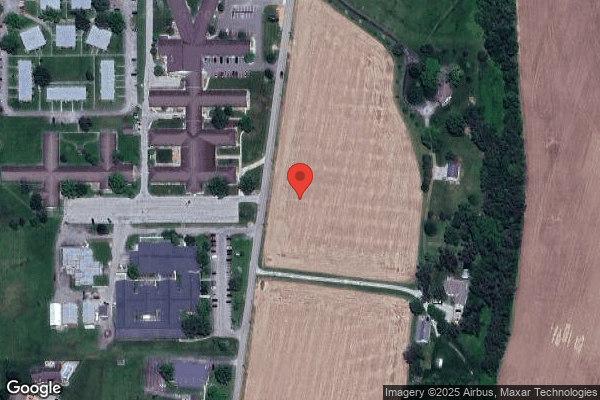
2325 S MILLER ST, SHELBYVILLE, IN 46176 (317) 392-3287
Government - County 130 Beds Independent Data: November 2025
Trust Grade
40/100
#450 of 505 in IN
Last Inspection: April 2025

Within standard 12-15 month inspection cycle. Federal law requires annual inspections.

Overview

Families considering Especially Kidz Health & Rehab in Shelbyville, Indiana should be aware that this facility has a Trust Grade of D, which indicates it is below average and has some concerns. It ranks #450 out of 505 facilities in Indiana, placing it in the bottom half, and #3 out of 5 in Shelby County, meaning only two local options are better. While the facility is showing improvement in its issue count, having reduced from 11 in 2024 to 7 in 2025, staffing is a concern with a poor rating of 1 out of 5 stars and less RN coverage than 86% of facilities in the state. On a positive note, the facility has not accumulated any fines, which is a good sign, and the staff turnover rate of 44% is slightly below the state average. However, there have been specific issues noted in inspections, such as failure to properly maintain garbage disposal, which affected all residents, and inadequate food storage practices in the kitchen, which could impact some residents. Additionally, there were concerns about infection control during medication administration, as hand hygiene was not consistently observed. Families should weigh these strengths and weaknesses carefully as they make their decision.

Trust Score
D
40/100
In Indiana
#450/505
Bottom 11%
Safety Record
Low Risk
No red flags
Inspections
Getting Better
11 → 7 violations
Staff Stability
○ Average
44% turnover. Near Indiana's 48% average. Typical for the industry.
Penalties
✓ Good
No fines on record. Clean compliance history, better than most Indiana facilities.
Skilled Nurses
○ Average
Each resident gets 30 minutes of Registered Nurse (RN) attention daily — about average for Indiana. RNs are the most trained staff who monitor for health changes.
Violations
⚠ Watch
23 deficiencies on record. Higher than average. Multiple issues found across inspections.
★☆☆☆☆
1.0
Overall Rating
★☆☆☆☆
1.0
Staff Levels
★★☆☆☆
2.0
Care Quality
★★☆☆☆
2.0
Inspection Score
Stable
2024: 11 issues
2025: 7 issues

The Good

  • Full Sprinkler Coverage · Fire safety systems throughout facility
  • No fines on record
  • Staff turnover below average (44%)

    4 points below Indiana average of 48%

Facility shows strength in fire safety.

The Bad

1-Star Overall Rating

Below Indiana average (3.1)

Significant quality concerns identified by CMS

Staff Turnover: 44%

Near Indiana avg (46%)

Typical for the industry

The Ugly 23 deficiencies on record

Sept 2025 1 deficiency
CONCERN (D) 📢 Someone Reported This

A family member, employee, or ombudsman was alarmed enough to file a formal complaint

Potential for Harm - no one hurt, but risky conditions existed

Pharmacy Services (Tag F0755)

Could have caused harm · This affected 1 resident

Based on observation, interview and record review, the facility failed to ensure a staff member administered medications as ordered by the physician and did not falsify resident records for 3 of 3 res...

Read full inspector narrative →
Based on observation, interview and record review, the facility failed to ensure a staff member administered medications as ordered by the physician and did not falsify resident records for 3 of 3 residents reviewed for medication receipt. (Residents E, F, G, and Licensed Practical Nurse 3) This deficient practice was corrected on 7-9-25, prior to the start of the survey, and was therefore past noncompliance. The facility implemented a systemic plan that included the following actions: in-service education to nursing staff related to the policies and procedures regarding safe medication administration and prompt reporting of any resident or staff concerns to management, conducted a review of residents medication orders, narcotic orders and correct narcotic counts, observations of medication administrations and dismissal of Licensed Practical Nurse 3, with ongoing review presented to the Quality Assessment and Assurance (QAA) Committee for review. Findings include:In an interview with the Executive Director (ED) on 9-16-25 at 12:30 p.m., she indicated on the afternoon of 7-4-25, Licensed Practical Nurse (LPN) 3 was found to have not administered medications to a minimum of three residents and possibly more residents. She indicated on 7-6-25, the Director of Nursing (DON) was contacted by other staff with concerns LPN 3 may not have administered medications as ordered on the afternoon of 7-4-25. The ED indicated she did not learn of this concern until she arrived for duty on 7-7-25, at which time, an investigation was underway. She indicated the facility's hall cameras were reviewed on 7-7-25, by the administrative team for the afternoon of 7-4-25. She indicated from viewing the camera footage, it definitely looked like he had pulled three of the residents' narcotics and threw them away or pocketed them. Actually, it looked like he did not pass any meds for his 3:00 p.m. to 7:00 p.m., shift on the vent unit. After the narcotics were pulled, the cameras did not show he went into any of those residents' rooms to actually administer them. We met with him on 7-7-25, and suspended him, pending the investigation.We continued the investigation and terminated him, effective 7-9-25.We did report this to the AG's [State of Indiana Attorney General's] office and they have accepted it for review, but we have not heard anymore from the AG's office and no one has been here to investigate it yet. The ED clarified LPN 3's termination also included concerns the facility had previously dealt with related to LPN 3 not following facility policies related to not clocking in and out. The ED added the facility offered him the opportunity to write a statement, but he refused. As he was leaving the building, he slammed the door between the front lobby and the building and then went to Vent 1 and yelled that he had been suspended for three days to at least two staff, maybe others heard him. [He] Made a statement that he wasn't going to sign anything and that he didn't need to put up with this f'ing b------t, as he went to clock out, then left the building. The ED provided a copy of the timeline of the facility's camera footage for 7-4-25 from 2:46:49 p.m. to 7:04:37 p.m., of the facility's Vent 2 unit. The timeline indicated as follows: 18:50:08 [6:50:08 p.m.] first medication popped [removed from medication card]; 18:51:23 [6:51:23 p.m.] [Name of LPN 3] appears to toss medication in near bye [sic] trash can.; 18:51:48 [6:51:48 p.m.] put 2nd medication card down.18:52 [6:52 p.m.] 3rd medication [laid] down; 18:52:17 [6:52:17 p.m] [Name of LPN 3] transferred med(s) to other hand; 18:52:36 [6:52:36 p.m.] [Name of LPN 3] places medication(s) in pocket; 18:53 [6:53 p.m] [Name of LPN 3] closes narc [narcotic] binder, meds back in narc box (never went into any resident rooms afterwards).19:04:37 [7:04:37 p.m.] [Name of LPN 3] left unit. In an observation and interview on 9-17-25 at 10:00 a.m., with the ED and Assistant ED, they utilized the Assistant ED's cellular phone to show or view a limited review of facility camera footage from 7-4-25 at/around 6:50 p.m. until 6:55 p.m., of LPN 3 on the ventilator unit at the medication carts, identified as medication carts E and F. The ED and Assistant ED identified the person in the camera footage as LPN 3. LPN 3 was observed to lay his cell phone onto the top of one of the two medication carts, then unlocked the medication cart and then unlocked the secured narcotic drawer. He then moved a water pitcher on top of the cart. He then was observed to obtain the narcotic binder, which houses logs for each narcotic by resident which staff were to sign out any time a narcotic is obtained to administer to a resident. LPN 3 was then observed to obtain a narcotic card from the narcotic drawer and removed the medication, placing into his bare hand, then was observed to record information into the narcotic binder He then was observed to toss something from his hand directly towards the far end of med cart. A second narcotic medication card was observed to be obtained from the narcotic drawer and removed the medication into his bare hand and then signed the narcotic binder. It was difficult to ascertain if the medication remained in his hand or placed in his pocket. It was not placed into a medication cup. A third narcotic medication card was obtained from the narcotic drawer and then removed from the card and into has bare hand. LPN 3 then was observed to use the narcotic binder and documented information into the narcotic binder. It was difficult to ascertain if the medication remained in his hand or placed in his pocket. It was not placed into a medication cup. Upon completion of viewing of the camera clip, the ED indicated, As you can see, he did not place the meds into a med cup. The first one, it appears he threw it into the trash. The second and third pills looks like he may have thrown one away or even pocketed it. And, when you see the full video, you will see he did not go into any resident rooms after that. The timeline shows he left the unit shortly after 7:00 p.m. He clocked out at 7:08 p.m. The Assistant ED indicated, You never see him pour any water or crush the meds. The residents that would have been getting the meds are NPO [receive nothing by mouth], so they would have needed [the medications] to be crushed and would have needed liquids to thin them out to put into their feeding tubes. In an interview on 9-17-25 at 11:25 a.m., with the Assistant ED, she indicated the facility did not file a reportable incident with the Indiana Department of Health's Long Term Care Division, as there were no adverse effects to any of the residents. The ED provided multiple written staff statements from staff present on the ventilator unit during the time frame of 3:00 p.m. to 7:00 p.m., on 7-4-25, with similar statements of concerns of LPN 3 not being observed directly by the employees to provide medication assistance during that time. She indicated, If it had not been for the staff being very observant, we would not have known. The narcotic counts were correct. There did not seem to be any adverse effects from not receiving their meds, thankfully. She indicated the facility, as part of their investigation and staff education, did conduct an in-service education regarding medication administration and reporting any concerns at any time to the management team. Written statements indicated the physicians of all residents that were under LPN 3's care during the time period of 3:00 p.m. to 7:00 p.m., on 7-4-25, were notified of residents possibly not receiving medications. A facility summary of the investigation indicated, Immediate inservice education initiated shift-to-shift, including, but not limited to following of physician orders, administering medications as prescribed, and immediate notification of any concern of a staff member failing to fulfilling duties, including but not limited to medication administration. The ED provided a summary of steps taken as part of the facility's investigation to prevent further similar incidents. These steps included the following:-All residents of the ventilator units had their physician orders verified ensuring times given are appropriate.- All residents have the potential to be affected. Inservice education was immediately conducted with all nursing staff on medication administration policies and procedures. Nurses/QMA's [qualified medication aides] were advised the need to pass medication per the physician's orders.-Review of the facility's current policies and procedures regarding medication administration with no changes made.-The Director of Nursing or designee will observe medication pass twice daily at different times to ensure nurses/QMA's are administering medications as prescribed by each resident's physician orders. This practice will continue daily for four weeks, then weekly for four weeks, then every two weeks for two months, then quarterly until 100 percent compliance was achieved and maintained. These audits will be reviewed at quarterly quality assurance meetings with any deviations requiring adjusted accordingly. If compliance is not achieved, the nurse or QMA will be re-educated as needed. Additional monitoring will occur as needed. The goal date for the specified corrective measures was listed as on or before July 7, 2025. Resident E's clinical record was reviewed on 9-16-25 at 1:15 p.m. It indicated his diagnoses included, but were not limited to, chronic respiratory failure, tracheostomy, ventilator dependency, gastrostomy, spastic quadriplegic cerebral palsy and profound intellectual disabilities. A review of his physician orders for 7-4-25, indicated he was physician-ordered to receive diazepam (also known as Valium, a benzodiazepine or central nervous system depressant) 10 milligrams (mg) every six hours four times daily at 6:00 a.m., 12:00 p.m., 6:00 p.m. and 12:00 a.m., via gastrostomy tube for spasticity. He was ordered to have nothing by mouth, also known as NPO status. This medication was signed out as administered on 7-4-25 at 6:00 p.m., on Resident E's narcotic record. His medication administration record (MAR) indicated this medication was signed out as administered by LPN 3 on 7-4-25 at 6:00 p.m. Resident F's clinical record was reviewed on 9-16-25 at 2:30 p.m. It indicated his diagnoses included, but were not limited to, chronic respiratory failure, tracheostomy, ventilator dependency, gastrostomy, spastic quadriplegic cerebral palsy and moderate intellectual disabilities. A review of his physician orders for 7-4-25, indicated he was physician-ordered to receive diazepam (also known as Valium, a benzodiazepine or central nervous system depressant) 2 mg, one-half tablet, or 1 mg, every 8 hours daily at 8:00 a.m., 4:00 p.m. and 12:00 a.m., via gastrostomy tube for spasticity. He was ordered to have nothing by mouth, also known as NPO status. This medication was signed out as administered on 7-4-25 at 5:00 p.m., on Resident F's narcotic record. His medication administration record (MAR) indicated this medication was signed out as administered by LPN 3 on 7-4-25 at 4:00 p.m. Resident G's clinical record was reviewed on 9-17-25 at 12:05 p.m. It indicated his diagnoses included, but were not limited to, chronic respiratory failure, tracheostomy, ventilator dependency, gastrostomy, congenital hypertonia and profound intellectual disabilities. A review of his physician orders for 7-4-25, indicated he was physician-ordered to receive diazepam (also known as Valium, a benzodiazepine or central nervous system depressant) 10 mg, every 8 hours daily at 8:00 a.m., 5:00 p.m. and 12:00 a.m., via gastrostomy tube for spasticity. He was ordered to have nothing by mouth, also known as NPO status. This medication was signed out as administered on 7-4-25 at 5:00 p.m., on Resident G's narcotic record. His medication administration record (MAR) indicated this medication was signed out as administered by LPN 3 on 7-4-25 at 5:00 p.m. On 9-18-25 at 11:52 a.m., the ED provided a copy of a policy entitled, Medication Administration, with its purpose cited as, To safely administer medications as per physician's orders. Its associated policy indicated, Licensed or qualified personnel shall be responsible to follow accepted practices of medication administration as per physician orders. It indicated the medication preparation included, but was not limited to utilizing medication cups to place the medication into and the use of a pill crusher, if indicated. Infection control measures include, but was not limited to, Never touch medications with hands. Other topics addressed, included but was not limited to, Medications are to be administered within 1 hour of the scheduled administration time.Destroy (according to facility policy and procedure) any medication that has been prepared but not ingested.Never touch medications with your hands.Always place tablets and capsules in dry souffle [medication] cups. Crushing Tablets.Obtain a leverage-type crusher. Place medication in medication cup. Cover with another medication cup. Crush tablets. Mix tablets with a small amount of applesauce or ice cream (unless contraindicated) to administer to the resident orally or mix with water if medication is to administered per G-tube or J-tube.Always record the dose of medication on the MAR after resident consumption. This citation relates to Intake 1703798. 3.1-25(b)(2)3.1-25(b)(3)
Apr 2025 6 deficiencies
CONCERN (D)

Potential for Harm - no one hurt, but risky conditions existed

ADL Care (Tag F0677)

Could have caused harm · This affected 1 resident

Based on observation, interview, and record review, the facility failed to assist a resident with getting out of bed for 1 of 1 resident reviewed for choices and to ensure residents requiring assistan...

Read full inspector narrative →
Based on observation, interview, and record review, the facility failed to assist a resident with getting out of bed for 1 of 1 resident reviewed for choices and to ensure residents requiring assistance with Activities of Daily Living (ADLs) receive adequate assistance with oral care. (Resident 22, Resident 21 and Resident 85) Findings include: 1. The clinical record for Resident 22 was reviewed on 3/31/25 at 11:45 a.m. Her diagnoses included, but were not limited to, cerebral palsy, profound intellectual disabilities, epilepsy, organic brain syndrome, spastic quadriparesis, and wound infection. The 3/6/25 Significant Change MDS (Minimum Data Set) assessment indicated she was moderately, cognitively impaired. She had unclear speech but was usually understood with difficulty communicating some words or finishing thoughts, but was able, if prompted or given time. She sometimes understood others. Her hearing was adequate. She had upper and lower extremity impairment on both sides. She was dependent on staff for transfers from the bed to a chair. She used a wheelchair and was unable to walk. She also had a stage 4 pressure ulcer. The 3/18/25 hospital discharge notes indicated she had a sacral wound infection after a 2/4/25 surgery involving debridement and skin flap. She was discharged back to the facility on 3/18/25. The 3/14/25 hospital progress note indicated Resident 22's mother was at the bedside. The ADL (Activities of Daily Living) care plan, last reviewed 2/25/25, indicated the goal was for her to be provided with the necessary staff assistance to complete her ADLs. An observation and interview were conducted with Resident 22 on 3/31/25 at 11:04 a.m. Resident 22 was lying in bed, awake. She indicated she hadn't gotten out of bed yet today, but was ready to, by nodding her head yes, when asked. An interview was conducted with Resident 22's mother on 3/31/25 at 2:30 p.m. She indicated she wasn't sure when Resident 22 got out of bed at the facility. An observation of Resident 22 lying in bed was made on 4/1/25 at 10:36 a.m. and 4/1/25 at 1:50 p.m. An interview was conducted with CNA (Certified Nurse Aide) 2 on 4/1/25 at 1:51 p.m. He indicated he was assigned to care for Resident 22 today. He did not assist her to get out of bed today, because she was unable to get out of bed right now, due to her sacral wound repair. She was unable to be in her wheelchair. Ever since she returned from her 3/18/25 hospitalization, she had orders to just turn and reposition her in bed. Resident 22's physician's orders did not include an order to remain in bed. An interview was conducted with the DON (Director of Nursing) on 4/1/25 at 3:13 p.m. She reviewed Resident 22's 3/18/25 hospital notes and indicated they referenced her being bedbound, but not that she needed to remain in bed. She got up for bathing and in the evenings sometimes. She was going to make sure all staff who cared for her knew she was able to get out of bed. The DON provided the Care Plan Development and Review policy on 4/2/25 at 12:36 p.m. It indicated, This facility shall then develop and implement a comprehensive person-centered care plan for each resident, consistent with the resident rights, that includes measurable objectives and timeframes to meet a resident's medical, nursing, and mental and psychosocial needs that are identified in the comprehensive assessment . 2. A record review conducted, on 4/1/25 at 11:12 a.m., indicated Resident 21's diagnoses included, but were not limited to, cerebral palsy and profound intellectual disabilities. A current care plan, initiated on 1/9/25, indicated Resident 21 required staff assistance with oral care with an intervention listed as . 3. Use lip balm as needed to keep lips moist and prevent cracking. A physician order, dated 9/26/22, indicated oral care was to be completed every shift. An observation was conducted of Resident 21 on 3/31/25 at 1:57 p.m. Resident 21 was sitting in the hallway in her wheelchair. She was observed with dry skin on her lips. An observation was conducted of Resident 21 in her room on 4/1/25 at 10:02 a.m. She was observed in her wheelchair and had dry skin on her lips. 3. A record review conducted, on 3/31/25 at 2:28 p.m., indicated Resident 85 diagnoses included, but were not limited to, spastic quadriplegic cerebral palsy (a severe form of cerebral palsy that affects all four limbs, as well as the trunk and face). A current care plan, dated 1/9/25, indicated Resident 85 required staff assistance with oral care with an intervention listed as .3. Use lip balm as needed to keep lips moist and prevent cracking. A physician order, dated 9/28/22, indicated oral care was to be completed every shift. Observations were conducted of Resident 85 on 3/31/25 at 2:28 p.m. and 4/1/25 at 10:01 a.m. Resident 85 was sitting in her wheelchair in her room. She was observed with dry skin on her upper and lower lips. An interview was conducted with Licensed Practical Nurse (LPN) 5 on 4/1/25 at 10:20 a.m. She indicated all residents should have house lip balm in their drawers, unless otherwise indicated in the residents' orders. LPN 5 checked Resident 85's drawers for lip balm and did not find any. Then she went to check Resident 21's drawers for lip balm, and she did not find any. LPN 5 went to the storage closet and got lip balm for Resident 85 and Resident 21 and applied it to each of them. LPN 5 indicated Resident 21 and Resident 85's oral care orders included brushing the resident's teeth and applying lip balm three times a day as needed. A policy titled Oral Care, dated 10/14, was proved by the DON on 4/2/25 at 11:44 a.m. The policy indicated .Policy: Nursing personnel is responsible to ensure that oral care is completed at least daily and as indicated for those resident unable to provide their own mouth care. Oral care is inclusive of brushing teeth/dentures. Administering mouthwash, and flossing, as indicated . 3.1-38(a)(3)(C) 3.1-38(b)(6)
CONCERN (D)

Potential for Harm - no one hurt, but risky conditions existed

Deficiency F0679 (Tag F0679)

Could have caused harm · This affected 1 resident

Based on observation, interview and record review, the facility failed to ensure a resident was provided activities for 1 of 1 resident reviewed for activities. (Resident 71) Findings include: The cli...

Read full inspector narrative →
Based on observation, interview and record review, the facility failed to ensure a resident was provided activities for 1 of 1 resident reviewed for activities. (Resident 71) Findings include: The clinical record for Resident 71 was reviewed on 3/31/25 at 2:00 p.m. The diagnoses included, but were not limited to, traumatic brain injury and quadriplegia (partial or complete paralysis of both the arms and legs). An activities care plan, revision date of 1/23/25, indicated Resident 71 may benefit from activities for cognitive, social and sensory stimulation. Activities to include, but not limited to music, sensory stimulation, stories, tv, and massage. TV/Music will be on in room while awake as tolerated . An observation was conducted of Resident 71 in his room on 3/31/25 at 11:15 a.m. The resident was in bed with his eyes open. The resident's television was not turned on nor was any music playing. An interview was conducted with Resident 71's Representative on 3/31/25 at 2:36 p.m. She indicated she visited the resident on Sundays. The resident was observed on those days in bed. She was told by the staff, Sundays are lazy days. An observation was conducted of Resident 71 in his room on 4/1/25 at 11:15 a.m. The resident was observed dressed and in his chair with his eyes open. The resident's television was turned off and there was no music playing. An observation was conducted of Resident 71 in his room on 4/2/25 at 8:46 a.m. The resident was dressed in bed with his eyes open. The resident's television was turned off and there was no music playing. An observation was conducted of Resident 71 in his room on 4/2/25 at 9:57 a.m. The resident was dressed and in his chair with his eyes open. The resident's television was turned off and there was no music playing. An observation was conducted of Resident 71 with Unit Manager (UM) 12 on 4/2/25 at 10:06 a.m. The resident was sitting in his chair with his eyes open. The resident's television was not turned on. UM 12 indicated, at that time, the resident loves his rap music. The television should be on. The resident's response to hearing the statement made about the love of rap music; he began to smile and move/dance in his chair. UM 12, at that time, looked all over the room to locate his remote control to his television without success. She attempted to utilize the remote that belonged to Resident 71's roommate. The roommate's remote was unable to work on Resident 71's television. UM 12 indicated she was going to speak with social services to see if she has an extra remote for him and/or order the resident a new remote. At that time, the therapy department had entered the resident's room to take the resident to attend therapy services. A restorative nursing tracking log, dated 4/2/25, indicated the resident had spent 20 minutes with therapy. An interview was conducted with the Assistant Executive Director (AED) on 4/2/25 at 1:40 p.m. She indicated Resident 71's Representative would like for the resident at times to have quiet time. An interview was conducted with Resident 71's Representative on 4/2/25 at 1:54 p.m. She indicated Resident 71 enjoyed all types of music. She was fine with the resident having quiet time as well as listening to music at a low volume. The resident's care plan did not indicate the resident preferred to be provided with quiet time. An activities policy was provided by the AED on 4/2/25 at 1:40 p.m. It indicated, Policy: This facility should provide, based on the comprehensive assessment and care plan and the preferences of each resident, an ongoing to support residents in their choice of activities, both facility sponsored group and individual activities and independent activities, designed to meet the interests of and support the physical, mental, and psychosocial well-being of each resident, encouraging both independence an interaction in the community. 3.1-33(a)
CONCERN (D)

Potential for Harm - no one hurt, but risky conditions existed

Deficiency F0688 (Tag F0688)

Could have caused harm · This affected 1 resident

Based on observation, interview, and record review, the facility failed to ensure a resident's wheelchair had the necessary head support equipment for 1 of 1 resident reviewed for positioning (Residen...

Read full inspector narrative →
Based on observation, interview, and record review, the facility failed to ensure a resident's wheelchair had the necessary head support equipment for 1 of 1 resident reviewed for positioning (Resident 20). Findings include: The clinical record for Resident 20 was reviewed on 4/2/25 at 11:00 a.m. The diagnoses included, but were not limited to, spastic quadriplegic cerebral palsy (impaired movements characterized by paralysis of both arms and both legs, with muscle stiffness), neuromuscular scoliosis (irregular curving of the spine), and epilepsy (seizure disorder). A quarterly Minimum Data Set (MDS) assessment, dated 12/23/24, indicated Resident 20 had impairments with his upper and lower extremities. A current care plan titled Adaptive Wheelchair, last reviewed on 3/20/25, noted Resident requires the use of an adaptive wheelchair 2° [secondary] to the inability to maintain proper body positioning and alignment. A current care plan titled Adaptive Wheelchair - Manual, last reviewed on 12/31/24, noted, The following adaptations may include any or all of the following .Standard Headrest, Heads-Up Headrest . On 4/1/25 at 9:19 a.m., Resident 20 was observed sitting in his wheelchair in his room, in front of the television. There was no headrest attached to his wheelchair. The resident kept falling asleep, and his head repeatedly lolled backward and then jerked forward. On 4/1/25 at 9:37 a.m., Resident 20 was still in his wheelchair, which had no headrest attached. His head was still lolling backward and then jerking forward repeatedly. On 4/2/25 at 10:31 a.m., Resident 20 was observed sleeping in his Posey bed (a fully enclosed bed to promote safety and reduce falls). His wheelchair was in his room, and it did not have a headrest attached to it. In an interview on 4/2/25 at 10:38 a.m., Certified Nurse Aide (CNA) 2 indicated the wheelchair with no headrest belonged to Resident 20. There should be a headrest on the wheelchair, but maybe someone took it off to clean it and forgot to put it back on. The Physical Therapist (PT) would know more about what type of headrest the resident needed. In an interview on 4/2/25 at 10:40 a.m., Physical Therapist (PT) 9 indicated a head rest should be on Resident 20's wheelchair, because they were standard on all the wheelchairs there. She was not sure why it was not attached but would look into it. In an interview on 4/2/25 at 10:50 a.m., PT 9 indicated she found Resident 20's wheelchair headrest in his closet and re-attached it. She adjusted it so it was at the proper height for the resident's head. In an interview on 4/2/25 at 1:45 p.m., the Assistant Executive Director indicated they did not have a policy for adaptive equipment. 3.1-42(a)(2)
CONCERN (E)

Potential for Harm - no one hurt, but risky conditions existed

Food Safety (Tag F0812)

Could have caused harm · This affected multiple residents

Based on observation, interview, and record review, the facility failed to ensure unopened food in the freezer was stored properly. This had the potential to affect 24 of 114 residents that receive fo...

Read full inspector narrative →
Based on observation, interview, and record review, the facility failed to ensure unopened food in the freezer was stored properly. This had the potential to affect 24 of 114 residents that receive food from the kitchen. Findings include: The facility kitchen was observed with Dietary Supervisor (DS) 6 on 3/31/25 at 10:15 a.m. During the tour, the walk-in freezer was observed with the following items not closed/secured: One box of tater tots, Two boxes of mixed vegetables, and One box of pork patties, An interview was conducted with DS 6 on 3/31/25 at 10:30 a.m. She indicated the box of tater tots, the mixed vegetables, and the pork patties should have been stored preventing air from reaching the product. A storage guidelines policy was provided by DS 6 on 3/31/25 at 11:00 a.m. It indicated, . Frozen items that are not individually wrapped such as cookie dough, biscuits, vegetables, fruit and meat should be placed in a 2-gallon storage bag or wrapped tightly in plastic wrap prior to returning to original box. All open boxes in the freezer must be resealed to prevent damage from frost. Boxes should never be left gaping open for any reason. A dietary policy and procedure, dated August 2024, was provided by the Assistant Executive Director on 4/2/25 at 11:50 a.m. It indicated, Policy: A proper handling procedure for frozen food safety lessens the risk of acquiring foodborne diseases .6. Freezer burn is caused by air, which contacts the food surface, this does not make the food unsafe, it only diminishes the quality. Freezer burn may appear as grayish brown and leathery dry spots. Do not include said portions by cutting them off before or after cooking the food . 3.1-21(i)(2) 3.1-21(i)(3)
CONCERN (E)

Potential for Harm - no one hurt, but risky conditions existed

Infection Control (Tag F0880)

Could have caused harm · This affected multiple residents

Based on observation, interview, and record review, the facility failed to ensure infection control was maintained by utilizing hand hygiene during medication administration for 4 of 5 residents obser...

Read full inspector narrative →
Based on observation, interview, and record review, the facility failed to ensure infection control was maintained by utilizing hand hygiene during medication administration for 4 of 5 residents observed during medication administration. (Residents' 26, 38, 49, and 81) Findings include: 1. An observation was conducted of medication administration with Licensed Practical Nurse (LPN) 5 for Resident 81 on 4/1/25 at 8:40 a.m. LPN 5 prepared the resident's medication at the medication cart. LPN 5 utilized hand sanitizer and donned gloves. After, she touched the medication cart, the computer mouse, the narcotic box, and the medication cards with her gloved hands. During that time, she pulled the medication cards from the medication cart popping the resident's pill medications in her gloved hands and dropping the pill medications in the medication cup. She then crushed the pill medications. At that time, LPN 5 indicated the resident was receiving her pill medications through a gastrostomy tube (g-tube; a tube inserted in stomach to receive liquid food and medications). After, LPN 5 doffed her gloves; picked up a new set of gloves from her medication cart. She then walked into Resident 81's room; donned the pair of gloves and a gown (Personal Protective Equipment/PPE) located on the resident's wall. There was no observation of hand hygiene prior to donning a new set of gloves nor the gown. She then administered the medication through the resident's g-tube. 2. An observation was conducted of LPN 5 administering medications to Resident 49 on 4/1/25 at 9:06 a.m. LPN 5 was observed utilizing hand hygiene and donning a pair of gloves. She then pulled and prepped the resident's medication utilizing the gloved hands. LPN 5 pulled out pill medication cards and popped the pill medications directly in her gloved hands. She then placed the pills in a medication cup. During that time, LPN 5 touched the computer mouse, the keys to the medication cart, the medication cart, the lock on the medication cart, and the medication cards with her gloved hands. She then doffed her gloves; crushed the pill medications and then mixed the crushed pills with a puree mixed fruit. After, she went to the resident in the hallway and pushed the resident to her room. She administered the medications at that time to the resident by mouth in her room. There was no observation of hand hygiene prior to the administration of medications. 3. An observation was conducted of an administration of medications to Resident 26 with Qualified Medication Aide (QMA) 10 on 4/1/25 at 9:28 a.m. QMA 10 prepared the resident's pill medications at the cart. QMA 10 indicated that the resident received medications via a g-tube. She then went to the resident's room, donned gloves and a gown prior to administration. There was no hand hygiene observed prior to donning gloves and a gown. 4. An observation was conducted of an administration of medications to Resident 38 with QMA 5 on 4/1/25 at 9:42 a.m. QMA 5 prepared the resident's medications. After, she went to the resident's room and donned a pair of gloves and a gown prior to administration. She then administered the pill medication via g-tube. There was no hand hygiene observed prior to donning gloves or gown prior to medication administration. An interview was conducted with the Director of Nursing on 4/1/25 at 1:25 p.m. She indicated the nursing staff should not be donning gloves at the medication cart. She should have changed her gloves and utilized hand hygiene. A hand hygiene policy was provided, on 4/2/25 at 8:55 a.m., by the Assistant Director of Nursing (ADON). It indicated, Purpose: Hand hygiene is the single most important measure for preventing the spread of infection. Policy: This facility shall require personnel use accepted hand hygiene after each direct resident contact for which hand hygiene is indicated .Situations that require hand hygiene include, but are not limited to .Before and after direct resident contact (for which hand hygiene is indicated by acceptable professional practice) .Before and after entering isolation precaution settings .Before and after handling peripheral vascular catheter and other invasive devices .After removing gloves or aprons . A medication administration policy was provided by the ADON on 4/2/25 at 8:55 a.m. It indicated, .Infection control: 1. Wash hands with soap and water. Prior to beginning med pass .Before and after administering .meds, via feeding tubes .2. use alcohol gel or foam between each resident unless using soap and water. 3. Never touch medications with hands . 3.1-18(b)(1) 3.1-18(l)
CONCERN (E)

Potential for Harm - no one hurt, but risky conditions existed

Safe Environment (Tag F0921)

Could have caused harm · This affected multiple residents

Based on observation and interview, the facility failed to ensure a safe, comfortable, and homelike environment for 4 of 5 residents reviewed for homelike environment. (Residents 17, 30, 111, and 115)...

Read full inspector narrative →
Based on observation and interview, the facility failed to ensure a safe, comfortable, and homelike environment for 4 of 5 residents reviewed for homelike environment. (Residents 17, 30, 111, and 115) Findings include: 1. An observation was conducted of Resident 111's room on 3/31/25 at 10:50 a.m. There was a box fan facing her bed that was observed dusty with the left side of the fan missing a cover and exposing the fan blade. The blinds in Resident 111's room were broken with missing pieces to where spaces were left when the blinds were closed. An observation was conducted of Resident 111's room on 4/1/25 at 12:06 p.m. The box fan still contained dust and had the missing cover that exposed the fan blade. The blinds remained broken with missing pieces. 2. An observation was conducted of Resident 30's room on 3/31/25 at 11:08 a.m. There were broken blinds with missing pieces to where spaces were left when the blinds were closed. An observation was conducted of Resident 30's room on 4/1/25 at 12:06 p.m. The blinds remained broken with missing pieces. 3. An observation was conducted of Resident 115's room on 3/31/25 at 11:13 a.m. There were broken blinds with missing pieces to where spaces were left when the blinds were closed. An observation was conducted of Resident 115's room on 4/1/25 at 12:07 p.m. The blinds remained broken with missing pieces. 4. An observation was conducted of Resident 17's room on 3/31/25 at 11:11 a.m. There was a fall mat folded up and located to the side of the residents' back, while they were lying in bed, filling the space between the side of the bed and the wall. There was a layer of dust on the top of the folded up fall mat. An environmental tour was conducted with the Housekeeping Supervisor and the Maintenance Director on 4/1/25 at 2:50 p.m. Resident 111's room was noted with broken blinds and the box fan containing dust built up along with the missing piece that exposed the fan blade. Resident 30's room was noted with broken blinds. Resident 115's room was noted with broken blinds. Resident 17's room was noted with the fall mat folded up along the side of the bed in between the bed and the wall. The fall mat had a layer of dust at the top. The Maintenance Director indicated he was new to the position, and he reached out to a staff member to see what size blinds were needed in Resident 111, 30, and 115's room to see if they had any spare blinds to replace them with. The Housekeeping Supervisor indicated she was not aware Resident 111 had a box fan in her room. The Housekeeping Supervisor indicated dusting items in the residents' rooms were a part of the daily cleaning. An interview conducted with the Nurse Consultant, on 4/1/25 at 3:30 p.m., indicated there was no policy regarding the homelike environment. The facility follows the regulations regarding a homelike environment. 3.1-19(f)(5)
Feb 2024 11 deficiencies
CONCERN (D) 📢 Someone Reported This

A family member, employee, or ombudsman was alarmed enough to file a formal complaint

Potential for Harm - no one hurt, but risky conditions existed

Safe Environment (Tag F0584)

Could have caused harm · This affected 1 resident

Based on observation, interview, and record review, the facility failed to ensure residents' heating/cooling unit in their room was properly affixed to the wall and that temperatures were set and main...

Read full inspector narrative →
Based on observation, interview, and record review, the facility failed to ensure residents' heating/cooling unit in their room was properly affixed to the wall and that temperatures were set and maintained between 71 and 81 degrees Fahrenheit for 2 of 116 residents in the facility. (Residents E and CC) Findings include: An observation of Resident E's and CC's room was made on 2/20/24 at 2:58 p.m. The cover to the room's heating/cooling unit was resting on the floor not affixed to the wall. The small door to access the temperature controls on the cover had a lock on it. The unit was set to 65 degrees. An environmental tour of the facility was conducted with the AED (Assistant Executive Director,) Environmental Manager, and Maintenance Director on 2/23/24 at 11:35 a.m. During the tour an observation of Resident E's and CC's heating/cooling unit was made in their room. The unit cover remained on the floor, not affixed to the wall. The Maintenance Director picked up the cover and snapped it back into place. An interview was conducted with the Maintenance Director during the above observation. He indicated the cover was likely not on the wall, because someone wanted to change the temperature, but only he had a key to the lock on the unit to change the temperature. He wanted staff to contact him to change the temperature. He placed locks on the units approximately a year ago. An interview was conducted with CNA (Certified Nursing Assistant) 10 on 2/23/24 at 2:12 p.m. She indicated she was unsure why the heating/cooling units in residents' rooms had locks on them. An interview was conducted with LPN (Licensed Practical Nurse) 7 on 2/23/24 at 2:13 p.m. She indicated she'd worked at the facility since September, 2023, was the unit manager, and didn't know why the locks were on the heating/cooling units. An interview was conducted with the ED (Executive Director) on 2/23/24 at 2:20 p.m. She indicated during rounds, they identified that some of the residents' room temperatures were not within a certain range. The staff was changing the temperatures to make the room more comfortable for themselves, not the resident. The unit managers had keys to the heating/cooling units on their key rings. Observations of the heating/cooling units on the New Unit wing of the facility, built in 2009, where Residents E and CC resided were made on 2/23/24 between 3:00 p.m. and 3:10 p.m. The following residents rooms were observed with a secure lock on their heating/cooling units: Residents Z, MM, LL, KK, JJ, HH, GG, FF, EE, DD, BB, AA, X, Y, V, W, NN, PP, QQ, RR, SS, and TT. On 2/23/24 at 1:45 p.m. AED provided a monthly room checklist for maintenance staff that included room temperatures. This Federal tag relates to Complaint IN00426724. 3.1-19(h) 3.1-19(j)
CONCERN (D)

Potential for Harm - no one hurt, but risky conditions existed

Free from Abuse/Neglect (Tag F0600)

Could have caused harm · This affected 1 resident

Based on interview and record review, the facility failed to ensure a resident was free from physical contact by staff member for 1 of 1 residents reviewed for abuse. (Resident 80) Findings include: T...

Read full inspector narrative →
Based on interview and record review, the facility failed to ensure a resident was free from physical contact by staff member for 1 of 1 residents reviewed for abuse. (Resident 80) Findings include: The clinical record for Resident 80 was reviewed on 2/23/24 at 3:44 p.m. Resident 80's diagnoses included, but not limited to, chronic respiratory failure, chronic lung disease, congenital malformations of the brain-cerebral ventriculomegaly (enlarged brain ventricles). A reportable incident to the Indiana Department of Health dated 1/27/24 indicated, a nursing school instructor, contacted the facility's DON (Director of Nursing) with a concern of a resident allegation of abuse. The immediate action taken was per facility protocol employee was suspended pending investigation. Nurse on the unit assessed resident for any signs/symptoms of redness, swelling, behavioral issues. The follow-up dated 1/30/24 indicated, 1/27/24 DON receives a text from [sic, name of Nursing School] RN [registered nurse] instructor that herself and three of her students witnessed the RT [sic, respiratory therapist] during a trach change 'spank/pat' a resident on the diapered bottom after the resident bit the RT. Investigation: RT was suspended pending investigation. Prior to leaving employee completed her written statement and the school instructor also spoke to the employee. She was not around the residents during that time. DON conducted [sic, the] investigation. Employee was changing the trach collar and the resident bit her finger. Employee states 'it was a knee-jerk reaction' that she open handed, 'patted the side of the residents diapered bottom.' Immediately the employee told the students it was inappropriate for her to do that. Investigation concluded the same event was seen by the instructor and students. The instructor told the employee after the fact that she was sorry she 'reported her' that this has been used as a teaching moment for the students .DON did an abuse inservice [sic] with the [name of Nursing School] students. All staff inservice initiated immediately and will continue until all staff have completed the training. Conclusion: The resident bit the employee while there was a trach change. The employee had a knee jerk reaction and patted the side of the diapered resident's bottom. The resident had no change in her behavior, no crying .no red marks, bruising or any other marking or behavior to cause concern. The employee immediately did discuss with there students that her behavior was not appropriate and she should have not done that .Conclusion: the allegation of abuse was unsubstantiated. Employee was inserviced and put back on the schedule. The investigation file for the above allegation of abuse included, but not limited to, a witness statement from DON, copy of an email from ED (Executive Director) to Ombudsman office, witness statements from facility staff, nursing students, and nursing school instructor and an Accident & Incident Report and Investigation. The Accident & Incident Report and Investigation form indicated, on 1/27/24 at 9 a.m., Resident 80 had been receiving trach care from RT (Respiratory Therapist) 22 when Resident 80 bit RT 22 on her right thumb web space on her hand. In reaction to the bite, RT 22 gave a swat to resident's gluteal region through pants and brief as witnessed by the student instructor. In a written statement from RT 22 on 1/27/24, she indicated, the nursing students had given Resident 80 a bath and was wound up from playing with the students when she was performing trach care on Resident 80. She indicated, Resident 80 wouldn't sit still at first and when she went to change the trach ties, Resident 80 bit her right thumb. RT 22 then gave her a pat on the diaper covered bottom- I immediately told the students I don't do that-and signed to Resident 80 'no-no' . A written statement from DON dated 1/27/24 indicated, she had received a text from NI (nursing school instructor) 23 around 8:45 a.m. and indicated, she and her students witnessed RT 22 swata resident after being bitten. NI stated that RT was doing trach care and the resident bit her resulting in the RT spanking the resident .Once I arrived at facility, I spoke with [nursing school's name] instructor and students. Explained to them about abuse and asked if what RT did constituted abuse, (intentional intent to harm). 2 students said yes and another student and instructor said no. Asked all witnesses if they told anyone at facility and they stated 'no' .Notified DCS [sic, Department of Children Services] of incident stated they are sending it out w/[sic, with] no actions. A written statement from NS (nursing student) 24 on 1/27/24 indicated, During trach care for [Resident 80's name] was some what agitated with the care and bit the nurse on the thumb and the nurse spanked her bottom (1 pat) then caught herself and told us to pretend that we didn't see what she did. The nurse explained that she's a grandmother and that it was a natural reaction for her. A written statement from NS 25 dated 1/27/24 indicated, I witnessed the RT specialist spank patient, [Resident 80's name] on the butt after she stated that the patient bit her. I did see the pt [sic, patient] attempt to bite the RT specialist but I didn't see her connect to skin. After spanking the patient on her butt, the RT verbalized that she was so sorry and it was a habit because she has a grandchild around the same age. A written statement from NI 23 dated 1/27/24 indicated, Myself and 3 students were observing the RT do trach care at the bedside. According to the RT the pt [sic, patient] bit her ( saw pts [sic, patient's] head go down but did not observe the bite itself) and the RT moved the patient and spanked her buttocks with an open hand .RT said .it was just a reflex on why she did that. A written statement from NS 26 dated 1/27/24 indicated, After bathing the patient the respiratory therapist came in to do trache[sic] care while caring for the patient she was bitten. I, along with my group and instructor[sic] observed the patient being spanked on her bottom then told 'no you dont bite'. The RT then apologized and stated your[sic] not supposed to hit the patients it was just a reflex of hers. An interview with ED conducted on 2/23/24 at 4:37 p.m. indicated, the facility does not have a separate abuse policy for students/instructors that come to the building. Instead, they are required to watch the same orientation video the facility staff members watch. She indicated, the orientation video thoroughly goes over resident's rights, abuse, and how/when to report abuse. ED indicated, she expected the students/instructor to report any allegations of abuse immediately. When asked why this allegation of abuse was not substantiated she indicated, the instructor said it was more like a pat with an open hand and not spank. ED indicated, what RT 22 had done was not appropriate but she didn't try to hide it and took accountability. An Abuse Prohibition, Reporting and Investigation policy received on 2/20/24 at 11:32 a.m. from ED. The policy indicated, This facility shall prohibit and prevent abuse, neglect .and exploitation. This includes but is not limited to freedom from corporal punishment .Abuse is the willful infliction of injury, unreasonable confinement, intimidation, or punishment with resulting physical harm, pain or mental anguish .Instances of abuse of a resident, irrespective of any mental or physical condition, case physical harm, pain or mental anguish .Physical abuse - Includes, hitting, slapping, pinching and kicking. It also includes controlling behavior through corporal punishment. Corporal punishment - which is a physical punishment, is used as a mean to correct or control behavior. Corporal punishment includes, but is not limited to, pinching, spanking, slapping of hands, flicking, or hitting with an object. 3.1-27(a)(2)
CONCERN (D)

Potential for Harm - no one hurt, but risky conditions existed

Assessment Accuracy (Tag F0641)

Could have caused harm · This affected 1 resident

Based on observation, interview and record review, the facility failed to ensure accuracy of a resident's Minimum Data Set (MDS) Assessment for 1 of 1 residents reviewed for restraints. (Resident 80) ...

Read full inspector narrative →
Based on observation, interview and record review, the facility failed to ensure accuracy of a resident's Minimum Data Set (MDS) Assessment for 1 of 1 residents reviewed for restraints. (Resident 80) Findings include: The clinical record for Resident 80 was reviewed on 2/20/22 at 3:00 p.m. The diagnosis for Resident 80 included, but was not limited to, respiratory failure. The matrix that includes resident assessments was provided by the Director of Nursing (DON) on 2/20/24 at 12:01 p.m. It indicated Resident 80 utilized restraints. Observations were made of Resident 80 on 2/20/24 at 3:21 p.m., and 2/22/24 at 11:59 a.m. The resident was observed in a wheelchair with a chest harness, lap belt and lap tray. The resident was able to move around in wheelchair. During interview with the DON on 2/22/24 at 2:06 p.m., she indicated Resident 80 was not in a restraint. The lap tray was not preventing the resident from moving around. If the lap tray was removed the resident's movement would be the same. The MDS was coded inaccurately. The facility does not have a policy regarding accuracy of the MDS. The facility follows the RAI (Resident Assessment Instrument) manual.
CONCERN (D)

Potential for Harm - no one hurt, but risky conditions existed

Deficiency F0646 (Tag F0646)

Could have caused harm · This affected 1 resident

Based on interview and record review, the facility failed to submit an updated Level 1 PASRR (pre-admission screening resident review) assessment for a resident with a significant change in her mental...

Read full inspector narrative →
Based on interview and record review, the facility failed to submit an updated Level 1 PASRR (pre-admission screening resident review) assessment for a resident with a significant change in her mental health for 1 of 1 residents reviewed for PASRR. (Resident Y) Findings include: The clinical record for Resident 25 was reviewed on 2/22/24 at 1:30 p.m. Her diagnoses included, but were not limited to, schizo-affective disorder. The 10/5/17 PASRR indicated there were no known mental health behaviors which affected interpersonal interactions, and there were no known recent or current mental health symptoms. It indicated she was on 1200 mg a day of Quetiapine (antipsychotic medication,) but a diagnosis was not indicated and her anxiety disorder was described in the medical record as 'very mild.' The 10/5/17 Notice of PASRR Level II Outcome Nursing Facility Approval notice read, If you experience a significant change in your physical or mental health, you may need a new Level II evaluation. The nursing facility must submit an updated Level I screening to Ascend to see if further PASRR evaluation is needed. The 6/19/23 annual review certification for nursing facility services indicated she had a developmental disability, but did not have a mental illness. She had medical needs that took precedence over other service needs, long term. She met the PASRR Level II criteria for continued residence in a nursing facility. The current physician's orders indicated she was no longer on the Quetiapine, effective 8/7/23 and began taking Zyprexa 2.5 mg twice daily, starting 8/15/23. The 12/5/23 Note To Attending Physician/Prescriber indicated she was receiving Zyprexa for a diagnosis of disorder of brain and lacked a complete/allowable diagnosis to support its use. The 12/12/23 physician/prescriber response section indicated a new diagnosis of schizo-affective disorder. The 1/9/24 Note To Attending Physician/Prescriber indicated the GDR (gradual dose reduction) for Zyprexa 2.5 mg twitchy daily was denied/clinically contraindicated last month and to please include completed documentation for a Clinical Contraindication to a GDR or consider completing a GDR at this time. The 1/16/24 Physician/Prescriber response section read, She still talks to people not there & has behaviors. Another 1/9/24 Note To Attending Physician/Prescriber indicated to re-evaluate the use of the Zyprexa 2.5 mg twice daily and the diagnosis of schizo-affective disorder for use. The 1/16/24 physician/prescriber response section, completed by Physician 25, indicated to continue the medication with the current diagnosis/medical rationale with a notation to see other form, referencing the above 1/9/24 pharmacy recommendation response section. An interview was conducted with the DON (Director of Nursing) on 2/22/24 at 2:46 p.m. She indicated it was difficult to set residents up for psychological/psychiatric services. The appointments were 6 months out. Resident Y currently had no referral for psychological/psychiatric services. From what she understood, Resident Y was having behaviors and that's when the Zyprexa started in August, 2023. The medication helped with her behaviors like hitting herself and statements about hurting herself, but she'll say there's people in her room talking and there's not. An interview was conducted with the NC (Nurse Consultant,) and DON on 2/23/24 at 11:10 a.m. The NC indicated Resident Y was snowed [medical slang term for when a person has reached a level of drug intoxication that greatly alters their level of consciousness] when she was admitted to the facility in 2017 on the 1200 mg of Quetiapine, and the family couldn't tell them why she was on it. The DON indicated eventually, they decided to GDR the Quetiapine, and as they did, Resident Y's behaviors of self harm and saying she was drowning began to exude. They ended up getting her off the Quetiapine completely and the Zyprexa was started to see if it would work better. An interview was conducted with the AED (Assistant Executive Director) on 2/22/24 at 3:40 p.m. She indicated she submitted PASRR assessments. The BDDS (Bureau of Developmental Disabilities Services) came to the facility for updates. The certification page for each resident was completed annually. She needed to consult with BDDS to see if they wanted a new Level 1 submitted for Resident Y due to her new diagnosis of schizo-affective disorder and/or her behaviors. An interview was conducted with the AED, DON, and SSC (Social Services Consultant) on 2/23/24 at 9:40 a.m. The AED indicated they did not submit an updated Level 1 to begin the process of figuring out whether Resident Y required mental health services after Resident Y's most recent 6/19/23 annual review certification.
CONCERN (D)

Potential for Harm - no one hurt, but risky conditions existed

Quality of Care (Tag F0684)

Could have caused harm · This affected 1 resident

Based on observation, interview and record review, the facility failed to clarify physician treatment orders for 1 of 1 residents reviewed for skin conditions. (Resident 36) Findings include: The cli...

Read full inspector narrative →
Based on observation, interview and record review, the facility failed to clarify physician treatment orders for 1 of 1 residents reviewed for skin conditions. (Resident 36) Findings include: The clinical record for Resident 36 was reviewed on 2/21/22 at 3:00 p.m. The diagnosis for Resident 36 included, but was not limited to, quadriplegic. A physician order dated 10/31/23 indicated staff to apply abdominal pad to the labia (inner skin folds to protect urethra and vagina). A physician order dated 11/17/22 indicated, do not use packaged wipes, use only warm water wash cloths to cleanse peri area. A physician order dated 2/22/23 indicated, Cleanse open area with vashe. Apply collagen powder and alginate rope with silver qs [every shift] and prn [as needed]. During an observation of a wound dressing change for Resident 36 with License Practical Nurse (LPN) 7 and Certified Nursing Aide (CNA) 6 on 2/23/24 at 1:37 p.m., the resident had stooled during that time. LPN 7 was observed utilizing disposable wipes to cleanse the resident. After the wound dressing was complete, LPN 7 was observed covering the resident up with a blanket and washing her hands. There was no observation of placement of an abdominal pad between the labia folds. An interview was conducted with LPN 7 and CNA 6 on 2/23/24 at 1:45 p.m. LPN 7 and CNA 6 indicated they were unaware of physician orders not to use wipes on Resident 36. They use the wipes on the resident. LPN 7 indicated she has seen the abdominal pads placed in the resident's labia folds at times, but the resident stools a lot causing the abdominal pad to get soiled. An interview was conducted with the Director of Nursing on 2/23/24 at 2:12 p.m. She would be calling medical provider to clarify the physician orders. She believed the orders was written to not use wipes on labia not buttocks. A physician orders policy was provided by the DON on 2/23/24 at 3:00 p.m. It indicated .Purpose: Physician's orders are administered upon the clear, complete and signed order of an individual lawfully authorized to prescribe. Policy: Facility nursing personnel will ensure clear, accurate and complete physician order's .Order Clarification Requests: 1 .the license nurse will attempt to contact the prescribing physician to obtain a clarification of any order in question. Any communication/communication attempt should be documented in the clinical record. 3.1-37
CONCERN (D)

Potential for Harm - no one hurt, but risky conditions existed

Pressure Ulcer Prevention (Tag F0686)

Could have caused harm · This affected 1 resident

Based on observation, interview, and record review, the facility failed to ensure a resident received care to prevent a pressure ulcer and received the necessary services to promote the healing of a p...

Read full inspector narrative →
Based on observation, interview, and record review, the facility failed to ensure a resident received care to prevent a pressure ulcer and received the necessary services to promote the healing of a pressure ulcer by not dressing the wound as per physician's orders for 1 of 2 residents reviewed for pressure ulcers (Resident 38) and failed to ensure a resident's foam boots were applied for 1 of 2 residents reviewed for limited range of motion (Resident 42). Findings include: 1. The clinical record for Resident 38 was reviewed on 2/23/24 at 9:41 a.m. Resident 38's diagnoses included, but not limited to, spastic quadriplegic cerebral palsy (a permanent neuromuscular disorder), dependence on a ventilator, epilepsy, and profound intellectual disabilities. A Wound Evaluation and Management Summary dated 1/17/24 indicated, Resident 38 had a right lower extremity wound present. The focused wound exam for site 2 (described as unstageable DTI, deep tissue injury, to the right anterior first toe) indicated, the etiology was pressure. At the time of the assessment, it had been present greater than 5 days and measured 0.5 cm (centimeters) in length and 0.3 cm in width. The skin was intact with purple/maroon discoloration and had no exudate. The dressing treatment plan was for skin prep to be applied daily for 30 days. Plan of care recommendations were for a pressure off-loading boot related to the patient rubbing their feet while up in chair. A Wound Evaluation and Management Summary dated 1/24/24 indicated, Resident 38's focused wound exam for site 2 (now described as stage 3 pressure wound of the right anterior first toe) measured 0.5 cm in length, 0.3 cm in width and had a depth of 0.2 cm with moderate serous (bloody) exudate. The wound bed had 20% slough (dead tissue) and 80% granulation tissue. The dressing treatment plan was to apply calcium alginate once daily for 30 days and cover with island gauze with a boarder once daily for 30 days. This wound required a surgical excisional debridement procedure to remove necrotic tissue and to establish the margins of viable tissue. A Wound Evaluation and Management Summary dated 2/12/24 indicated, Resident 38's focused wound exam for site 2 indicated the wound measured 0.2 cm in length, 0.2 cm in width and had a depth of 0.1 cm., had moderate serous exudate. The wound's progress was exacerbated due to patient non-compliant with wound care. The dressing treatment plan was to apply calcium alginate, apply skin prep to peri-wound, and cover with bordered gauze daily for 30 days. A Wound Evaluation and Management Summary dated 2/14/24 indicated, Resident 38's focused wound exam for site 2 indicated, the wound measured 0.5 cm in length, 0.6 cm in width, and 0.3 cm in depth, had moderate serous exudate and the wound bed contained 10% slough. A surgical excisional debridement was required to remove necrotic tissue, biofilm and non-viable subcutaneous level tissue. The dressing treatment plan remained the same as the previous visit. A Wound Evaluation and Management Summary dated 2/21/24 indicated, Resident 38's focused wound exam for site 2 indicated, the wound measured 0.5 cm in length, 0.5 cm in width, and had a depth of 0.25 cm, had moderate serous exudate. Another surgical excisional debridement was required to remove necrotic tissue. The dressing treatment changed to apply calcium alginate once daily for 16 days; Collagen powder apply once daily for 30 days; apply skin prep to peri-wound once daily for 16 days; and cover with a bordered island gauze daily for 16 days. An observation of Resident 38's wound was conducted on 2/22/24 at 3:55 p.m. with LPN (Licensed Practical Nurse) 4. LPN 4 removed the covers covering Resident 38's feet and when doing so, it was observed that the bordered gauze on the top of his right big toe as not firmly affixed. LPN 4 removed the bordered gauze exposing the calcium alginate pad which was stuck to the wound bed. LPN 4 left the bedside and returned with a sterile saline 10 ml syringe. She then squirted the saline onto the calcium alginate pad to loosen it and then removed it in its entirety. She then applied a new calcium alginate pad on the wound and covered with a bordered gauze. A physician's order for Resident 38's wound dated 2/21/24 indicated, to cleanse area to anterior right great toe with wound cleanser, pat dry, apply skin prep to peri wound, apply collagen powder, cover with silver alginate and border gauze daily and as needed. An interview was conducted immediately following the wound dressing observation with LPN 4. She indicated, she had not been aware that Resident 38's wound care orders had been updated and commented, she had done the dressing change that morning and didn't know the orders had changed from the previous day. A care plan for Resident 38 dated 12/26/23 for open lesion on right foot with an underlying risk factor of spastic movements/seizures. Interventions included dressing change/treatments as ordered. Resident 38's care plan dated 1/24/24 for pressure ulcer risk indicated, the goal was for the resident to be free from pressure ulcers. Interventions included, but not limited to, staff to observe skin condition while providing care and encourage and assist resident with turning and repositioning at least every two hours. Another care plan dated 1/24/24 for pressure reducer bed/chair indicated, Resident 38 required pressure reducing device to bed and chair due to risk of skin breakdown and required staff assistance of two people with bed mobility due to potential for skin breakdown Interventions included, but not limited to, confirm device is available/in place for resident daily use; assess efficacy of devices and revise device use if observed to be ineffective; and to assist the resident to turn and reposition approximately every two hours or more. The care plans did not indicate what devices were to be used or where to be used; stated to encourage resident to shift weight and/or turn/reposition independently; and to explain to the resident the benefits of bed mobility vs. risk of immobility. The care plan was not individualized to the resident and his health conditions/lack of ability to move independently. A Pressure Ulcer policy was received on 2/23/24 at 9:46 a.m. from DON (Director of Nursing). The policy indicated, Purpose: To assure that residents with pressure ulcers will receive necessary care and treatment to promote healing, prevent new ulcers from developing and prevent infection .Procedures: 3. Treatment orders will be obtained. Orders will be reviewed periodically .for efficacy .5. Presence and/or risk for development of pressure ulcers shall be included on the resident's care plan. 6. Interventions to prevent further pressure ulcer formation shall be initiated. A Care Plan Development and Review policy received on 2/23/24 from DON at 9:46 a.m. indicated, This facility shall then develop and implement a comprehensive person-centered care plan for each resident, consistent with the resident rights, that includes measurable objectives and timeframe to meet a resident's medical, nursing, and mental and psychosocial needs that are identified in the comprehensive assessment .5. The comprehensive care plan .shall describe the .services that are to be furnished at attain or maintain the resident's highest practicable physical, mental, and psychosocial well-being. 2. The clinical record for Resident 42 was reviewed on 2/22/24 at 10:15 a.m. Her diagnoses included, but were not limited to, chronic lung disease. The 12/22/23 Quarterly MDS (Minimum Data Set) assessment indicated she had upper and lower extremity impairment on both sides of her body. She was dependent on staff for lower body dressing. The Pressure Ulcer Risk care plan indicated she was at risk for pressure ulcer development related to decreased mobility. A preventative intervention was foam boots. The physician's orders for Resident 42 indicated foam boots to bilateral feet for offloading, every shift, starting 8/30/23. An observation of Resident 42 was made on 2/20/24 at 12:26 p.m. She was sitting in her wheel chair, and she was not wearing foam boots. An observation of Resident 42 was made on 2/21/24 at 11:38 a.m. She was not wearing foam boots. An observation of Resident 42 was made with QMA (Qualified Medication Aide) 11 on 2/23/24 at 10:15 a.m. She was lying in bed and was not wearing her foam boots. QMA 11 and another staff member look through the chest of drawers next to Resident 42's bed, but were unable to locate her foam boots. An interview was conducted with QMA 11 on 2/23/24 at 10:15 a.m. during the above observation. She indicated Resident 42 should be wearing her foam boots while in bed and suggested perhaps they were sent to laundry and never came back. 3.1-40(a)(2) 3.1-40(a) 3.1-35(a) 3.1-35(b)
CONCERN (D)

Potential for Harm - no one hurt, but risky conditions existed

Accident Prevention (Tag F0689)

Could have caused harm · This affected 1 resident

Based on observation, interview, and record review, the facility to ensure adequate supervision for a resident with the ability to move by scooting from making contact with a mop water bucket for 1 of...

Read full inspector narrative →
Based on observation, interview, and record review, the facility to ensure adequate supervision for a resident with the ability to move by scooting from making contact with a mop water bucket for 1 of 1 resident reviewed for accidents. (Resident 85) Findings include: The clinical record for Resident 85 was reviewed on 2/21/24 at 10:10 a.m. The diagnoses included, but were not limited to, chronic respiratory failure, tracheostomy status, aphasia, intellectual disabilities, and global development delay. A Quarterly Minimum Data Set (MDS) assessment, dated 1/17/24, indicated resident was rarely/never understood regarding mental status. There were marked impairments on both lower extremities, utilization of a walker, partial/moderate assistance with sitting to standing, partial/moderate assistance with walking 10 feet, dependent for toileting, dependent for bathing, and dependent for personal hygiene. A care plan for activities of daily living (ADLs), updated 2/20/24, indicated the following, delayed milestones .Res [resident] able to move by scooting [noted 11/6/23 and 1/22/24] .Interventions .Provide assist with ADLs as resident requires .Res [resident] to be in activities, playroom, school, therapy or w/ [with] staff when housekeeping on unit An observation conducted on 2/20/24 at 11:03 a.m., of Resident 85 on the floor, sitting on her knees, with her hands going up and down proceeding to splash water located within the mop bucket on the housekeeping cart. The housekeeping cart was located just outside of Resident 85's room by the nurses' station. Resident 85 had water noted on her shirt and pants. Housekeeper 3 was dusting the ceiling vent in Resident 85's room and 2 staff members were on the opposite end of the nurses' station to where the view of Resident 85 on the floor would be impacted by the nurses' station. Housekeeper 3 was asked if Resident 85 was allowed to play with the water within the mop bucket and Housekeeper 3 proceeded to pick up Resident 85 and relocate her to her room. An observation, conducted on 2/20/24 at 11:13 a.m., of Resident 85 sitting on the floor, on her bottom, just outside of her room. Housekeeper 3 was cleaning Resident 85's room. The housekeeping cart that contained the bucket of mop water was moved to the room next to Resident 85's room, but no staff were near Resident 85 while she was sitting just outside of her room adjacent to the nurses' station. Resident 85 was able to move herself by scooting on her bottom. A progress note, dated 2/20/24 at 12:00 pm, indicated the following, .Res [Resident] was noted in mop water. Res removed from mop water. SDS [Safety Data Sheet] consulted [symbol for and] MD [Medical Director] notified [symbol for with] orders to follow SDS. Res bathed [symbol for and] clothes changed. Res [symbol for no] issues or s/sx [signs and symptoms] distress. Attempted to notify mother [symbol for with] 0 [no] answer An interview conducted with Licensed Practical Nurse (LPN) 2, on 2/21/24 at 9:10 a.m., indicated Resident 85 can pull herself up, stand with assistance, but will crawl and scoot herself for the most part. Her green oxygen tubing is longer so she could be more free and not confined to her room. She had multiple toys to play with in her room and the playroom located next to her room had toys as well. The staff are in and out and check on Resident 85 periodically, play with her if they have time, and the same goes for Respiratory Therapy. There was usually someone around. An interview conducted with Environmental Manager, on 2/21/24 at 9:38 a.m., indicated the mop buckets located on the housekeeping cart does contain chemicals. The solution comes premixed within the water and the housekeeping staff just fills up the mop buckets with such solution. There was a container labeled with ammonium chloride that was indicated to be utilized for the mop bucket water. Resident 85 had never been interested in the mop bucket prior to 2/20/24. The Vent Unit was the only unit that had free roaming kids. The housekeeping staff can lock up the cleaning carts, which the cart was locked, but we cannot put a lock on the mop bucket. An interview conducted with Housekeeper 3, on 2/21/24 at 9:46 a.m., indicated 2/20/24 was the first time Resident 85 was ever interested in the mop water. Housekeeper 3 was able to lock the cleaning cart, which she did, but she cannot lock the mop water. Before the incident happened, Housekeeper 3 told the staff to move her cleaning cart because Resident 85 was getting close to it. The staff moved the cleaning cart, but it was not far enough to where Resident 85 could not reach it. She was connected to the green tubing, but Housekeeper 3 did not know the tubing could go that far. An SDS form was provided by the Executive Director (ED) on 2/21/24 at 9:55 a.m. The document indicated the following, .Quick Defense AQ Disinfectant .Hazard Classification .CAUTION: causes moderate eye irritation. Avoid contact with eyes or clothing. Wash thoroughly with soap and water after handling and before eating, drinking, chewing gum, using tobacco, or using the toilet .Hazardous Ingredients .Ethanol .Weight .72.5% .1000ppm .Didecyl Dimethyl Ammonium Chloride .Weight .0.33% An interview conducted with the Director of Nursing (DON), on 2/21/24 at 9:53 a.m., indicated when the incident occurred, the staff washed Resident 85 down with antimicrobial soap, called the physician, and they recommended what the staff had already conducted and to monitor Resident 85. The plan was to keep Resident 85 in a controlled environment when housekeeping was on the unit. Whether it was activities, her bed, or the playroom located next to her room. 3.1-45(a)(1) 3.1-45(a)(2)
CONCERN (D)

Potential for Harm - no one hurt, but risky conditions existed

Tube Feeding (Tag F0693)

Could have caused harm · This affected 1 resident

**NOTE- TERMS IN BRACKETS HAVE BEEN EDITED TO PROTECT CONFIDENTIALITY** Based on observation, interview, and record review, the facility failed to ensure physician orders were followed regarding tube ...

Read full inspector narrative →
**NOTE- TERMS IN BRACKETS HAVE BEEN EDITED TO PROTECT CONFIDENTIALITY** Based on observation, interview, and record review, the facility failed to ensure physician orders were followed regarding tube feedings for 2 of 4 residents reviewed for feeding tubes. (Resident 85 and Resident 115) Findings include: 1. The clinical record for Resident 85 was reviewed on 2/21/24 at 10:10 a.m. The diagnoses included, but were not limited to, chronic respiratory failure, tracheostomy status, aphasia, intellectual disabilities, and global development delay. A Quarterly Minimum Data Set (MDS) assessment, dated 1/17/24, indicated resident was rarely/never understood regarding mental status and a feeding tube was utilized. A care plan for tube feeding, updated 1/22/24, indicated the following, The resident requires to be fed via enteral tube for nutrition/hydration .Interventions .Administer tube feeding as ordered A physician order, dated 11/2/23, was noted for tube feeding (Peptamen [NAME]); 180 milliliters per gastric tube with instructions to run via pump at 60 milliliters an hour twice a day at 10:00 a.m. and 2:00 p.m. The following observations were conducted to where Resident 85 was not connected to the feeding pump: 2/20/24 at 11:03 a.m., 2/20/24 at 11:13 a.m., 2/20/24 at 2:43 p.m., 2/22/24 at 10:35 a.m., 2/22/24 at 2:25 p.m. A late entry date of 2/22/24 nurse's note for 2/21/24 at 10:00 a.m., indicated the following, .Spoke with MD [Medical Director] r/t [related to] bolus feeds through pump on 2/21/24 ok to bolus res [resident][sic] @ [at] AM and afternoon feedings. If res tolerates bolus then ok to change to bolus [symbol for without] pump A physician order, dated 2/22/24, indicated the use for tube feeding at 180 milliliters via bolus feeding twice a day at 10:00 a.m. and 2:00 p.m. An interview conducted with the Director of Nursing (DON), on 2/23/24 at 11:20 a.m., indicated Resident 85's tube feeding order was changed from administration via pump to a bolus administration at 10:00 a.m. and 2:00 p.m. to see if they tolerate it. Other times Resident 85 would be up playing and occupied while the unit was being cleaned but the Unit Manager believes it was connected. An interview conducted with the DON, on 2/23/24 at 2:11 p.m., indicated a bolus feeding was administered for Resident 85 on 2/21/24 and 2/22/24. That was why she wasn't connected to the feeding pump. Resident 85 likes activities and we let her be active. Unit Manager (UM) 25 was present and indicated they administered the bolus feeding to Resident 85 on 2/22/24 and Licensed Practical Nurse (LPN) 2 administered the bolus feedings on 2/21/24. UM 25 indicated she had the physician order for the tube feeding changed from the pump to a bolus, but they did not write the order as specific as she should have. The tube feedings were 2 separate tube feedings at 10:00 a.m. and 2:00 p.m. 2. The clinical record for Resident 115 was reviewed on 2/22/24 at 2:30 p.m. The diagnoses included, but were not limited to, cerebral palsy, epilepsy, profound intellectual disabilities, gastrostomy status, and feeding difficulties. A tube feeding care plan, updated 12/14/23, indicated Resident 115 required to be fed via enteral tube for nutrition and hydration. The interventions included, but were not limited to, administer tube feeding as ordered and administer flushes as ordered. A physician order, dated 2/19/24, indicated the utilization of Pediasure Reduced Calorie tube feeding via pump to run at 65 milliliters an hour for 20 hours. This was to start at 12:00 p.m. and be completed at 8:00 a.m. An observation was conducted, on 2/21/24 at 11:10 a.m., of Resident 115 up in their wheelchair and connected to the tube feeding via pump. An observation was conducted, on 2/21/24 at 11:51 a.m., of Resident 115 connected to the tube feeding via pump. The tube feeding bag was labeled with a date and time of 2/20/24 at 11:15 a.m. An interview conducted with the DON, on 2/22/24 at 2:45 p.m., indicated the facility has 1 hour before and 1 hour after the time(s) listed for medication administration. A policy titled Medication Administration, revised 4/2017, was provided by the DON on 2/23/24 at 9:17 a.m. The policy indicated the following, .TIME ELEMENT .1. Medications are to be administered within 1 hour of the scheduled administration time .GUIDELINES FOR MEDICATION ADMINISTRATION .2. Medications may be administered only upon the receipt of the order from the resident's physician .3. The medication order must be recorded in the resident's clinical record 3.1-44(a)(2)
CONCERN (D)

Potential for Harm - no one hurt, but risky conditions existed

Deficiency F0740 (Tag F0740)

Could have caused harm · This affected 1 resident

**NOTE- TERMS IN BRACKETS HAVE BEEN EDITED TO PROTECT CONFIDENTIALITY** Based on interview and record review, the facility failed to ensure a resident received behavioral health care and services to a...

Read full inspector narrative →
**NOTE- TERMS IN BRACKETS HAVE BEEN EDITED TO PROTECT CONFIDENTIALITY** Based on interview and record review, the facility failed to ensure a resident received behavioral health care and services to attain or maintain the highest practicable mental and psychosocial well-being for a resident with major depressive disorder with psychotic features and anxiety for 1 of 1 residents reviewed for behavioral/emotional health. (Resident 99) Findings include: The clinical record for Resident 99 was reviewed on 2/22/24 at 1:43 p.m. Resident 99's diagnoses included, but not limited to, Duchenne muscular dystrophy (inherited disorder of progressive muscular weakness), congestive heart failure, dependence on a respirator, hypertension, anxiety disorder, major depressive disorder with severe psychotic symptoms. Resident 99's quarterly MDS (Minimum Data Set) dated 12/1/23 indicated, he was cognitively intact. A Preadmission Screening and Resident Review (PASRR) level II dated 12/9/21 indicated, Resident 99 was approved for Long Term Approval with Specialized Services. A related condition was Duchenne Muscular Dystrophy which had affected his life skills including independent living, self-care, self-direction, learning and mobility. Resident 99 also had a diagnoses of Depression and Dysphoric Mood and had thoughts of ending their life about a year prior to this evaluation but no concerns at time of assessment. Resident 99's medical and functional needs included, a trach tube and ventilator, feeding tube, special eating utensils, suctioning and trach and ventilator care, skin care treatments, needed staff to turn and position in bed to prevent skin issues; use of a wheelchair to get around, and total support with eating, bathing, dressing, hygiene, toileting, and getting in and out of a bed or chair. The rehabilitative services Resident 99 needed to be provided included, but not limited to, Mental Health services-Group Therapy, Mental Health services-Individual Therapy, and Mental Health services-Outpatient treatment services. A Social Services note dated 12/17/21 indicated, Resident[99] admitted on [DATE]. Received Level II where resident was approved for LTC [sic, Long Term Care] with specialized services to include mental health services (group, individual, outpatient tx[sic, treatment]. SSD [sic, Social Service Director] attempted to schedule an appointment for resident for outpatient services d/t[sic, due to] not having in house psych[sic, psychology] and was unsuccessful d/t[sic] COVID Restrictions as well as providers unwilling to see resident d/t being on a vent. A Social Services note dated 12/4/23 indicated, Resident[99] returned from hospital on [DATE] with order to follow up with psych[sic]. On 12/4/23, SSD[sic] contacted [name of local hospital] to schedule appointment and was notified that they would see resident, however the next available appointment would be 12-18 months out. Notified MD[sic, Medical Doctor] and will follow-up with [name of local hospital] in May to follow up with scheduling appointment. A physician's note dated 2/14/24 indicated, he was informed by the facility that psych cannot see res[sic, resident] for at least 12 months r/t[sic, related to] res[sic] condition-Abilify to cont[sic, continue] r/t[sic] res[sic] behaviors continuing. A Palliative care physician's note dated 10/17/23 indicated, Resident 99 was interested in establishing with counseling/therapy and agreeable to IBH [sic, Integrated Behavioral Health program] referral. A Palliative care consult note dated 1/3/24 indicated, .Anxiousness .followed with psychiatrist but hasn't seen .they are working to get in touch with them for follow-up .agreeable to IBH referral which was placed but now working to get psych and counseling follow-up more locally. A Psychiatry Consult request for Resident 99 dated 11/28/23 indicated, to re-establish with psych, adjustment to illness, anticipatory grief as the reason for the needed consult. An interview with SSC (Social Services Consult) conducted on 2/23/24 at 12:17 p.m. indicated, Resident 99 should have been on Psychiatry services as soon as COVID restrictions were lifted. SSC indicated, she was unable to locate documentation which would indicate the further attempts to contract psychiatric services for Resident 99 in his clinical record. An interview with UM (Unit Manager) 25 conducted on 2/23/24 at 12:27 p.m. indicated, at the time of the survey, Resident 99 still did not have an appointment with a mental health provider because they were still working on referrals from May 2023. She indicated, the IBH program referred by Palliative Care had completed a phone intake for Resident 99 but, later called her back and stated Resident 99 was not appropriate for their services. When asked, if she had documented any of these attempts to find behavioral health services for Resident 99 since the new referral in November of last year, she indicated, she had not put those notes into the clinical record. An interview with DON (Director of Nursing) conducted on 2/23/24 at 3:28 p.m. indicated, she remembered a nursing note written in Resident 99's chart regarding behavioral health/psychiatric services and provided a copy of the note which stated, Resident in room crying. Writer entered room to speak [sic, symbol for 'with'] resident. Resident said, I'm just sad. Writer asked if she could do anything for him. no per resident. Writer asked if he would like to see pych[sic, psychiatry] No, per resident. SS[sic, Social Service] Director offered. 'No'. The nursing note nor the clinical record did not indicate if Resident 99 had a psychiatric provider to see had he said yes nor did it indicate if Resident 99 meant 'no' to ever participating in behavior health services or just at that moment. Resident 99's depression care plan dated 12/8/22 and last revised on 12/13/23 indicated, the goal was episodes of depressed moods will be re-directed and diffused daily. Interventions included, Psychiatric care with (this was left blank) and to encourage activities of interest such as (left blank). The anxiety care plan dated 12/8/22 and last revised on 12/13/23 included interventions to provide mental health services as ordered and document moods and behaviors. The psychotropic drug (antidepressant) care plan last updated on 12/4/23 included interventions to refer for psychological evaluation as indicated and to attempt gradual dose reduction per policy. Resident 99's Interdisciplinary Care Plan Conference records from 12/8/22 to present were provided by SSC (Social Services Consult) on 2/23/24. They indicated, under behavioral and emotional status, depression, isolation, anxiety, insomnia, refusal of care. In the section labeled other (school, specialized services .), there was no mention of attempts to gain psychiatric services for the resident. 3.1-37 3.1-43(a)(1)
CONCERN (E)

Potential for Harm - no one hurt, but risky conditions existed

Food Safety (Tag F0812)

Could have caused harm · This affected multiple residents

Based on observation, interview, and record review, the facility failed to ensure beard covers were worn in the kitchen and properly store food in the refrigerator. This had the potential to affect 21...

Read full inspector narrative →
Based on observation, interview, and record review, the facility failed to ensure beard covers were worn in the kitchen and properly store food in the refrigerator. This had the potential to affect 21 of 116 residents in the facility. Findings include: A tour of the kitchen was conducted with the DM (Dietary Manager) on 2/20/24 at 11:10 a.m. During the tour, a preparation refrigerator was observed with an open container of prune juice with no lid on one of the shelves. The DM informed DA (Dietary Aide) 8 that the prune juice needed a lid. DA 8 proceeded to dump the remaining contents of the open container of prune juice into a pitcher. DA 8 then filled another pitcher with water. The DM stopped DA 8 to question what he was doing and informed him the prune juice was ready to serve, as it was not concentrated, and that he needed to read the label. DA 8 had a beard an was not wearing a beard cover. An interview was conducted with the DM after the above prune juice observation. She indicated the prune juice needed a lid while stored in the refrigerator to protect it from any contaminants and stated, I guess we should just throw it out. The DM indicated they did not have beard covers and hadn't thought about needing them. An observation was made in the kitchen on 2/20/24 at 12:25 p.m. DA 8 was pouring drinks into cups at a preparation counter. He was not wearing a beard cover. An interview was conducted with DA 8 on 2/20/24 at 12:25 p.m. He indicated no one had ever mentioned him needing a beard cover. The Hair Restraints policy was provided by the DM on 2/22/24 at 12:40 p.m. It read, This facility shall adhere to 410 IAC [Indiana Administrative Code] 7-24-138 which states (b), food employees shall wear hair restraints, such as hats, hair coverings or nets, beard restraints, and clothing that covers body hair, that are designed and worn to effectively keep their hair from contacting: (1) exposed food; (2) clean equipment, utensils, and linens; and (3) unwrapped single-service and single-use articles All employees shall be provided hair restraint. Hair restraint as described in 410 IAC 7-24-138 shall be worn by all employees while on duty. The Storage of Foods under Sanitary Conditions policy was provided by the DM on 2/22/24 at 12:40 p.m. It read, All food items should be placed in seamless containers with tight-fitting lids. 3.1-21(i)(2) 3.1-21(i)(3)
CONCERN (F)

Potential for Harm - no one hurt, but risky conditions existed

Garbage Disposal (Tag F0814)

Could have caused harm · This affected most or all residents

Based on observation, interview, and record review, the facility failed to ensure garbage and refuse containers were in good condition and waste was properly contained in dumpsters with lids or otherw...

Read full inspector narrative →
Based on observation, interview, and record review, the facility failed to ensure garbage and refuse containers were in good condition and waste was properly contained in dumpsters with lids or otherwise covered. This affected 116 of 116 residents in the facility. Findings include: An observation of the outside dumpster area of the facility was made on 2/21/24 at 3:17 p.m. There was a set of 2 gray dumpsters on one side of the dumpster area. The gray dumpster on the right had an open side door. There was a set of 2 green recycling bins on another side of the dumpster area. The top left lid of the recycling bin on the left was not covering the dumpster. The recycling bin on the right had a piece of cardboard sticking out of the front of the bin and one of the top lids was open. An environmental tour of the facility was conducted with the AED (Assistant Executive Director,) Environmental Manger, and Maintenance Director on 2/23/24 at 11:35 a.m. During the tour an observation of the outside dumpster area was made. The 2 gray dumpsters were both full of trash and both top lids on both dumpsters were open. The side door to the gray dumpster on the right was open. There was a rolling trash bin next to the right gray dumpster. There was no lid on the rolling trash bin where 5 blue gloves and some cardboard were observed inside of the bin. There was a blue glove on the ground next to the rolling trash bin. The top left lid of the green recycle bin on the left was not affixed to its' hinge and was not covering the bin. The side door to the left recycle bin was fully open and unable to be closed by the Maintenance Director as it could not slide past a protruding piece of metal. The left recycle bin was full of cardboard. The recycle bin on the right had the same piece of cardboard sticking out of the front of bin as was present during the 2/21/24, 3:17 p.m. observation. An interview was conducted withe the Environmental Manager and Maintenance Director during the 2/23/24, 11:35 a.m. tour and observation of the dumpster area. The Environmental Manger indicated she first cleaned out the rolling trash bin, prior to storing it in a nearby shed. She was behind today and hadn't had a chance to clean it out yet. The Maintenance Director indicated it was everyone's responsibility to ensure the doors and lids to the dumpsters were closed. An interview was conducted with the AED on 2/23/24 at 2:40 p.m. She indicated they did not have a policy associated with garbage and refuse. The expectation was for trash to be contained within the dumpster with lids and doors closed. 3.1-21(i)(5)
Nov 2022 5 deficiencies
CONCERN (D)

Potential for Harm - no one hurt, but risky conditions existed

Resident Rights (Tag F0550)

Could have caused harm · This affected 1 resident

Based on interview and record review, the facility failed to ensure staff respect and maintain residents' dignity for 1 of 1 residents reviewed for reportable incidents. (Resident 53) Findings include...

Read full inspector narrative →
Based on interview and record review, the facility failed to ensure staff respect and maintain residents' dignity for 1 of 1 residents reviewed for reportable incidents. (Resident 53) Findings include: The clinical record for Resident 53 was reviewed on 11/1/22 at 11:30 a.m. The diagnosis for Resident 53 included, but was not limited to, congenital malformations of brain - cerebral ventriculomegaly. A reportable incident dated 6/22/22 was reported to the Indiana Department of Health. It indicated .[Certified Nursing Assistant (CNA) Student 2] reports to [License Practical Nurse (LPN) 4] she 'thinks .is pretty sure' she heard CNA [1] slap resident in resident room. [LPN 4] immediately assessed Resident [53]'s forearms, legs, face, to determine if any red marks. Resident was not crying or fussy. Accused staff member was removed from unit and clocked out Administrator notified and employee per policy was walked out of facility pending investigation .Full body assessment was completed .No signs or symptoms of trauma. No red areas. Resident does not exhibit any signs of discomfort. [LPN 4] took statements from the accuser [CNA Student 2] and accused [CNA 1]. [CNA Student 2] states she saw accused enter resident room as resident was pulling on her pulse ox [oximeter] and throwing everything on the floor. It was heard that the accused staff member [CNA 1] stated 'if you're going to act like a three year old, I'm going to treat you like a 3 year old.' There were no witnesses and no one else heard this incident. Accused [CNA 1] via phone states she regrettably did say 'you are acting like a three year old.' Resident was 'upset' and throwing everything on the floor. Resident was in her wheelchair. Accused [CNA 1] denied any physical contact with resident [53] .Resident [53] did not exhibit any changes in demeanor, was not crying or had no areas of concern with her full body assessment. Additional inquiries were made to staff members if they have ever observed [CNA 1] abusing residents. They all responded in the negative. Immediate abuse in-servicing was initiated .Follow up: Accused CNA [1] was counseled and very remorseful and understands that her words and actions do matter. The allegation of abuse is unsubstantiated. The statement written by CNA Student 2 dated 6/22/22 indicated, At approximately 10:15 p (p.m.) I was standing in the hallway .[Resident 53] was pulling on her pulse/ox [oximeter] and [CNA 1] got mad and went in the room. She yelled [Resident 53's name] and 'No!' then said 'if you are going to act like a 3 year old, I'm going to treat you like a 3 year old.' .All I saw was [CNA 1] acting and speaking in an agitated tone during and after it happened . The statement written by CNA 1 indicated .When I was doing my 10 o'clock [10:00 p.m.] bed check, I knew [Resident 53] was upset (she was throwing everything on the floor). I proceeded to gently scold her by saying you are acting like an actual 3 year old. I then took the pulse ox cord out of her hand gently and off her lap and put it back on the table. She pulled it off again and jokingly told [Qualified Medication Aide (QMA) 3] to come get her child. (we joke all the time w/ (with) everyone). I would never, never ever abuse the residents in any sort of way. I look at them like my own kids and family (love them like it too.) I cross my heart, swear, and promise that everything written above is correct. P.S. [written after] I apologize for what I said. I should have never said anything at all. She nor any other resident deserve anything like that. I was not thinking while everything was happening and I should have thought and stood back before I said or did anything . A statement by LPN 4 on 6/22/22 indicated .Patient [Resident 53] had clear assessment. She showed no signs or symptoms of distress. Patient skin was free of any alterations .Continued observation of patient continued. Patient in chair smiling playing with a toy with no signs or symptoms of distress. Patient vital signs within normal limits and skin remains clear of any alteration . An interview was conducted with CNA Student 2 on 11/2/22 at 5:05 p.m. She indicated she did not visibly observe CNA 1 and Resident 53's interaction. CNA Student 2 had been standing in the hallway across Resident 53's room when she had overheard CNA 1 speaking with an agitated tone to Resident 53 in her room. CNA 1 was heard stating to the resident, if you are going to act like a 3 year old, I'm going to treat you like a 3 year old. After, CNA Student 2 went in Resident 53's room to check on her and reported the incident. Resident 53 appeared to be okay after the incident. An interview was conducted with CNA 1 on 11/2/22 at 5:11 p.m. She indicated she had went into Resident 53's room, because the resident was crying. The resident then started throwing stuff on the floor. At that time, she stated to Resident 53 'if you are going to act like a three year old, I am going to treat you like a three year old. CNA 1 indicated during that time, she was aggravated, but she had not yelled or slapped the resident. An interview was conducted with QMA 3 on 11/3/22 at 12:09 p.m. She indicated she had been working on the day of the incident between CNA 1 and Resident 53, but she had not observed the incident. During that time, she was in the bathroom outside of the residents' rooms; bathing another resident. However, she did hear CNA 1 yelling down the hallway for her to get her child while she was in the bathroom. QMA 3 indicated there were occasions, she had observed CNA 1 agitated and using a snappy tone with the residents. A resident rights policy was provided by the Administrator on 11/3/22 at 1:15 p.m. It indicated The resident has a right to a dignified existence, self-determination, and communication with and access to persons and services inside and outside the facility, including those specified in this section . 3.1-3(a)
CONCERN (D)

Potential for Harm - no one hurt, but risky conditions existed

Investigate Abuse (Tag F0610)

Could have caused harm · This affected 1 resident

Based on interview and record review, the facility failed to thoroughly investigate an allegation of abuse for 1 of 1 residents reviewed for reportable incidents. (Resident 53) Findings include: The c...

Read full inspector narrative →
Based on interview and record review, the facility failed to thoroughly investigate an allegation of abuse for 1 of 1 residents reviewed for reportable incidents. (Resident 53) Findings include: The clinical record for Resident 53 was reviewed on 11/1/22 at 11:30 a.m. The diagnosis for Resident 53 included, but was not limited to, congential malformations of brain - cerebral ventriculomegaly. A reportable incident dated 6/22/22 was reported to the Indiana Department of Health. It indicated .[Certified Nursing Assistant (CNA) Student 2] reports to [License Practical Nurse (LPN) 4] she 'thinks .is pretty sure' she heard CNA [1] slap resident in resident room. [LPN 4] immediately assessed Resident [53]'s forearms, legs, face, to determine if any red marks. Resident was not crying or fussy. Accused staff member was removed from unit and clocked out Administrator notified and employee per policy was walked out of facility pending investigation .Full body assessment was completed .No signs or symptoms of trauma. No red areas. Resident does not exhibit any signs of discomfort. [LPN 4] took statements from the accuser [CNA Student 2] and accused [CNA 1]. [CNA Student 2] states she saw accused enter resident room as resident was pulling on her pulse ox [oximeter] and throwing everything on the floor. It was heard that the accused staff member [CNA 1] stated 'if you're going to act like a three year old, I'm going to treat you like a 3 year old.' Statement then says she heard a sound that she that (sic) was a smack. There were no witnesses and no one else heard this incident. Accused [CNA 1] via phone states she regrettably did say 'you are acting like a three year old.' Resident was 'upset' and throwing everything on the floor. Resident was in her wheelchair. Accused [CNA 1] denied any physical contact with resident [53] .Resident [53] did not exhibit any changes in demeanor, was not crying or had no areas of concern with her full body assessment. Additional inquiries were made to staff members if they have ever observed [CNA 1] abusing residents. They all responded in the negative. Immediate abuse in-servicing was initiated .Follow up: Accused CNA [1] was counseled and very remorseful and understands that her words and actions do matter. The allegation of abuse is unsubstantiated. The investigation file was provided by the Assistant Administrator on 11/2/22 at 3:55 p.m. It included the following documentation: - incident report that was reported to Indiana Department of Health, - Resident 53's face sheet, - Possible or Potential Mental Anguish Assessment, - documentation titled counseling provided to CNA 1, - statement written by CNA 1, - statement by Respiratory Therapist 5, - Resident 43's skin assessment, - statement by LPN 4, - statement by CNA Student 2, and - statement by Director of Nursing The statement written by CNA 1 indicated .When I was doing my 10 o'clock [10:00 p.m.] bedcheck, I knew [Resident 53] was upset (she was throwing everything on the floor). I proceeded to gently scold her by saying you are acting like an actual 3 year old. I then took the pulse ox cord out of her hand gently and off her lap and put it back on the table. She pulled it off again and jokingly told [Qualified Medication Aide (QMA) 3] to come get her child. (we joke all the time w/ (with) everyone). I would never, never ever abuse the residents in any sort of way. I look at them like my own kids and family (love them like it too.) I cross my heart, swear, and promise that everything written above is correct. P.S. [written after] I apologize for what I said. I should have never said anything at all. She nor any other resident deserve anything like that. I was not thinking while everything was happening and I should have thought and stood back before I said or did anything . The investigation file did not include a statement from QMA 3. An interview was conducted with the Administrator and the Assistant Administrator on 11/3/22 at 11:49 a.m. The Administrator indicated if the file did not include QMA 3's statement; it must not have been conducted. An interview was conducted with QMA 3 on 11/3/22 at 12:09 p.m. QMA 3 indicated she had not been interviewed about the incident between CNA 1 and Resident 53. She had not observed the incident. During that time, she was in the bathroom outside of the residents' rooms; bathing another resident. However, she did hear CNA 1 yelling down the hallway for her to get her child while she was in the bathroom. An abuse policy was provided by the Assistant Administrator on 11/1/22 at 3:19 p.m. It indicated .Investigation, Protection and Reporting .If Resident Abuse, or suspicion of abuse is reported: .12. Statements shall be taken including, but not limited to, facts and observations by witnessing employees, . facts and observations by any others who might have pertinent information, .15. The Administrator is responsible to coordinate the investigation, assure an accurate and complete written record of the incident and investigation . 3.1-28(d)
CONCERN (D) 📢 Someone Reported This

A family member, employee, or ombudsman was alarmed enough to file a formal complaint

Potential for Harm - no one hurt, but risky conditions existed

Quality of Care (Tag F0684)

Could have caused harm · This affected 1 resident

**NOTE- TERMS IN BRACKETS HAVE BEEN EDITED TO PROTECT CONFIDENTIALITY** Based on observation, interview, and record review, the facility failed to timely assess a resident after sustaining a head inju...

Read full inspector narrative →
**NOTE- TERMS IN BRACKETS HAVE BEEN EDITED TO PROTECT CONFIDENTIALITY** Based on observation, interview, and record review, the facility failed to timely assess a resident after sustaining a head injury involving a Hoyer lift and to timely notify the physician of vomiting for 1 of 3 residents reviewed for skin conditions and 1 of 4 residents reviewed for hospitalization. (Residents B and 112) Findings include: 1. The clinical record for Resident B was reviewed on 11/1/22 at 1:45 p.m. The diagnoses included, but were not limited to, traumatic brain injury and spastic quadriparesis. The 8/28/22 hospital emergency department report indicated he had a remote history of a gunshot wound to the head, status post craniotomy (operation in which a small hole is made in the skull or a piece of bone from the skull is removed to show part of the brain,) VP shunt (small plastic tube that helps drain extra cerebrospinal fluid from the brain,) quadriparesis, and was nonverbal at baseline. An observation of Resident B was made on 11/1/22 at 1:51 p.m. The upper left side of his forehead appeared swollen. The 8/28/22, 10:00 a.m. nurse's note, written by LPN 15, read, QMA informed writer bump on res [resident] head, writer assessed, noted 3 x 3 cm knot to left temple, skin assessment done, neuro checks initiated. Notified [name of Physician 12] [symbol for no] N.O.'s [new orders,] notified [name of Family Member 14.] An interview was conducted with Family Member 14 on 11/1/22 at 2:09 p.m. She indicated Resident B required a Hoyer lift for transfers. When he was being transferred one Friday night, he was hit in the head with the lift. LPN (Licensed Practical Nurse) 15 called her on Sunday to inform her he had a knot on his head and apologized that she wasn't notified sooner. The area of his head where the knot was is already poofy because that's where his surgery was. She went to the facility immediately and requested he be sent to the hospital for evaluation. His scans were fine, and he was released. She understood that accidents happened, but was concerned that he was hit in the head and went to sleep afterwards. Resident B had a VP shunt on the upper left side of his head, where the knot was, so she was upset that the CNAs (Certified Nursing Assistants) who transferred him were too comfortable covering up something that could have been detrimental to [name of Resident B.] An interview was conducted with LPN 15 on 11/1/22 at 2:44 p.m. He indicated he was the nurse on duty when one of the QMAs (Qualified Medication Aides) found the knot on Resident B's head. He just filled out the incident report and gave it to the DON (Director of Nursing.) He stated, It was a couple days that went by before we found out about it. He supposed that when the CNA transferred him with the Hoyer lift, the bar from the Hoyer lift hit him in the head. An interview was conducted with the NC (Nurse Consultant) on 11/2/22 at 9:50 a.m. She indicated Resident B received a shower at 3:00 a.m. on 8/28/22 when the incident happened. The CNAs verbally informed the nurse of the incident in passing, but the nurse, LPN 16, didn't recall hearing it. It was 6 or 7 hours later that one of the aides noticed a bump on his head and informed LPN 15. LPN 15 began neuro (neurological) checks and notification. Family Member 14 wanted him sent to the hospital. A CT scan was done at the hospital and it came back fine, so he returned to the facility and neuro checks were discontinued. The 8/28/22 emergency department report read, Chief complaint: Head Injury I spoke with staff member from [name of facility] (by phone), who notified that patient was struck in the head by a part from a Hoyer lift 2 days ago while being transferred. He did not have LOC [loss of consciousness.] They have been doing neurologic checks, which have not shown any change in his neurologic status. He has not had any vomiting. No seizures. His parents visited him today. They learned of the head injury today, requested that he be evaluated CT [Computerized tomography] head shows no acute findings .Discharge Plan Discharge Clinical Impression: Minor head injury. On 11/2/22 at 2:08 p.m., an interview was conducted with CNA 17, who assisted with Resident B's Hoyer lift transfer. She indicated she and CNA 18 assisted Resident B with a bath. When lifting him out of the tub with the Hoyer lift, she was controlling the lift and CNA 18 was guiding Resident B into his chair. When she pulled the lift out above the floor, CNA 18 yanked on it too hard and too fast to where it hit him on the head, in the forehead area. CNA 17 informed CNA 18 they needed to tell the nurse. She'd never been in that situation before, and CNA 18 worked at the facility longer. When they were assisting Resident B back to his room after his bath, CNA 18 informed LPN 16 of the lift hitting Resident B in the head, but she never saw LPN 16 go into Resident B's room to assess him afterwards. The following Sunday, the DON called and asked her about the incident. There was an incident report that was supposed to be filled out at the time of the incident, but neither she nor CNA 18 completed one. It was 2:00 in the morning and she was tired. LPN 16 and CNA 18 were unavailable for interview. The Accident and Incident Reporting policy was provided by the DON on 11/3/22 at 10:01 a.m. It read, An Accident/Incident Report form is to be completed for all incidents involving residents, employees and visitors. A written description of circumstances surrounding the incident is to be completed and submitted to the nursing supervisor as soon as possible during the tour of duty in which the incident occurred. The report form should be initiated as soon as possible following the incident, after appropriate assessment and necessary emergency intervention is completed. The report is an internal facility document and is not part of the resident's clinical record. PROCEDURE: 1. Resident: Complete assessment and provide necessary emergency care. Notify physician, family, and nursing supervisor In all Cases: Generate Accident/Incident Report Form. A blank Accident and Incident Report and Investigation form was provided by the DON on 11/3/22 at 10:01 a.m. It included fields for the date, time, and location of incident, physician notification date and time, representative notification date and time, thorough description of incident, type of injury, vital signs, whether neurochecks were initiated, whether it was known or suspected that the resident hit their head or face, changes in cognition, signs of pain, etc. 2. The clinical record for Resident 112 was reviewed on 11/1/22 at 12:21 p.m. The diagnoses included, but were not limited to, quadriplegia and chronic respiratory failure. She was admitted to the facility on [DATE] with a NG tube (nasogastric tube inserted through the nose, down the throat and esophagus, and into the stomach used to give medication, liquids, or liquid food.) The NG tube care plan indicated she required an NG tube for nutrition/hydration. Interventions were to monitor for complications and report any findings to the nurse for further evaluation and possible physician and resident representative notification. The 9/1/22, 6:40 a.m. note, written by QMA (Qualified Medication Aide) 19, indicated, .lg [large] amount emesis @ 8p [8:00 p.m.], nurse checked placement, [symbol for no] distress, [symbol for 'no'] further emesis. The note did not reference physician notification of the emesis. The 9/1/22, 7:00 p.m. nurse's note read, .emisis [sic] x [times] 1 . The note did not reference physician notification of the emesis. The 9/1/22, 9:30 p.m. nurses note, written as a late entry by LPN (Licensed Practical Nurse) 20, read, Late entry. Res [Resident] lg emesis [symbol for 'with'] NG tube out. Replaced NGT [tube] [symbol for 'right] nare. Tol [Tolerated] well [symbol for 'and'] in place. The note did not reference physician notification of the emesis. The 9/2/22, 2:00 a.m. nurse's note, written as a late entry by LPN 20, read, Late entry res tol feeding NGT in place [symbol for 'and'] patent. The note did not reference physician notification of the previous episodes of emesis. The 9/2/22, 6:20 a.m. nurse's note, written by LPN 20, read, [Symbol for 'increased'] Resp [respirations] noted resp [respiratory] distress per RT [respiratory therapy.] PRN [As needed] ALB 0.83% [albuteral inhalation] given per order . The 9/2/22, 6:25 a.m. nurse's note, written by LPN 20, read, 911 called. [Name of Physician 12] paged [symbol for 'and'] returned call directly informed res condition [symbol for 'change'.] The 9/2/22 to 9/9/22 hospital notes read, .presented to the PICU [pediatric intensive care unit] from OSH (and name of facility) on 9/2 with acute on chronic respiratory failure 2/2 [secondary to] suspected aspiration PNA [pneumonia.] .admitted on 9/2 with increased respiratory support needs due to pneumonia and UTI [urinary tract infection ] An interview was conducted with LPN 20 on 11/3/22 at 4:05 p.m. She indicated she would go by her note from 9/2/22 at 6:25 a.m. as to when she first notified the physician of Resident 112's episodes of emesis. She did not recall earlier notification. An interview was conducted with the DON (Director of Nursing) on 11/2/22 at 1:50 p.m. She reviewed Resident B's nursing notes and indicated she would look into whether the physician was notified of the episodes of emesis sooner than 9/2/22 at 6:25 a.m. when she was in respiratory distress. The physician should have been notified of the episodes of emesis. An interview was conducted with the DON on 11/3/22 at 9:49 a.m. She indicated she was unable to locate any verification the physician was notified of Resident 112's episodes of emesis prior to 9/2/22 at 6:25 a.m. The Tube Feedings policy was provided by the DON on 11/3/22 at 10:01 a.m. It read, A resident who is fed by a naso-gastric or gastrostomy tube will receive the appropriate treatment and services to prevent aspiration pneumonia, diarrhea, vomiting, dehydration, metabolic abnormalities, and nasal-pharyngeal ulcer Observations: Caregivers must be alert to signs and symptoms of aspiration When a resident is receiving a tube feeding, the following must be reported to the nurse immediately if observed: nausea . This Federal tag relates to complaint IN00390697. 3.1-37(a)
CONCERN (D)

Potential for Harm - no one hurt, but risky conditions existed

Tube Feeding (Tag F0693)

Could have caused harm · This affected 1 resident

**NOTE- TERMS IN BRACKETS HAVE BEEN EDITED TO PROTECT CONFIDENTIALITY** Based on observation, interview, and record review, the facility failed to provide appropriate care and services to a resident w...

Read full inspector narrative →
**NOTE- TERMS IN BRACKETS HAVE BEEN EDITED TO PROTECT CONFIDENTIALITY** Based on observation, interview, and record review, the facility failed to provide appropriate care and services to a resident who received tube feeding by not labeling the tube feeding bag correctly and re-using a tube feeding bag in excess of 24 hours. (Resident 69) Findings include: The clinical record for Resident 69 was reviewed on 11/3/22 at 11:46 a.m. Resident 69's diagnoses included, but not limited to, Duchenne or [NAME] muscular dystrophy, dysphagia (difficulty with swallowing), gastrostomy, and dependence on ventilator. An observation of Resident 69 was made on 11/01/22 at 11:07 a.m. At the time, Resident 69 had a feeding bag hanging. It was labeled as H2O with a date of 10/30/22 which was handwritten in black marker on the bag and the contents of the bag was being infused via a pump to his G-tube (gastrostomy tube). The feeding bag contained a light tan liquid and the cap at the top of the feeding bag was left off and the contents of the bag was exposed to air. A physician's order dated 10/26/22 indicated, to give Resident 69 a 250 ml (milliliter) bolus of Fibersource HN (sic, high-nitrogen, type of tube feeding) via his G-tube daily at 8 a.m. for nutrition. An interview with LPN (licensed practical nurse) 10 conducted on 11/01/22 at 11:26 a.m. indicated, she had poured the tube feeding into the same bag that was previously used for an infusion of water. She further indicated, she had not noticed the date on the bag was from 2 days prior nor had she realized the cap was left off of the bag. An interview with DON (Director of Nursing) was conducted on 11/03/22 at 11:22 a.m. DON indicated, the contents of the feeding bag should be labeled in accordance with their policy, feeding bag use should not exceed 24 hours and if the feeding was ordered as a bolus, then it should not have been in a hanging bag. Resident 69's tube feeding care plan dated, 9/15/22 indicated, to administer tube feeding as ordered. Resident 69's nutrition care plan dated 9/18/22 indicated, at administer tube feedings and flushes per physician's orders. A Tube Feedings policy and procedure was received on 11/3/22 at 10:51 a.m. from DON. The policy and procedure indicated, Physician orders .1. Formula and flow rate, Include 'continuous' or time frame of installation. If bolus, include the amount to administer with specific time to administer .Labeling/Care of the Feeding Set: Label feeding bag or container with resident's name, date, and time opened. Dispose of the bag or container every 24 hours or as indicated, observant of specific hang time recommendation by the manufacturer to prevent excessive microbial growth. 3.1-44(a)(2)
CONCERN (D)

Potential for Harm - no one hurt, but risky conditions existed

Drug Regimen Review (Tag F0756)

Could have caused harm · This affected 1 resident

Based on interview and record review, the facility failed to follow through with a pharmacy recommendation for 1 of 5 residents reviewed for unnecessary medications. (Resident 89) Findings include: Th...

Read full inspector narrative →
Based on interview and record review, the facility failed to follow through with a pharmacy recommendation for 1 of 5 residents reviewed for unnecessary medications. (Resident 89) Findings include: The clinical record for Resident 89 was reviewed on 11/3/22 at 9:43 a.m. The diagnoses included, but were not limited to, insomnia. The insomnia care plan indicated an intervention was to administer medications as ordered. The monthly physician's orders indicated for one 3 mg tablet of melatonin to be administered at bedtime, effective 7/28/22, for sleep disturbance. The 9/6/22 pharmacy Note To Attending Physician/Prescriber read, Gradual Dose Reduction Review Med [Medication] Order for review: Melatonin 3 mg QHS [every night at bedtime] DX [Diagnosis:] sleep disturbance. If appropriate for GDR [gradual dose reduction] please consider: Melatonin 1 mg QHS DX: sleep disturbance. The Physician/Prescriber Response section was signed on 9/16/22 to accept the recommendation. The 9/16/22 hand written telephone physician's order indicated to discontinue the 3 mg of melatonin order and to start 1 mg of melatonin. The 10/4/22 pharmacy Note To Attending Physician/Prescriber read, There is a signed GDR request from [name of Physician 12] dated 9/16/2022 to decrease the Melatonin order. The new order reads Melatonin 3 mg QHS DX: sleep disturbance, however, Pharmacy did not receive the telephone order. Please discontinue the old Melatonin order & send a new order for Melatonin 1 mg QHS DX: sleep disturbance in [name of electronic health record.] The September, October, and November, 2022 MARs (medication administration records) indicated Resident 89 continued to received the 3mg of melatonin at bedtime through November 2, 2022. An interview was conducted with the NC (Nurse Consultant) on 11/3/22 at 11:00 a.m. She reviewed Resident 89's September and October, 2022 pharmacy reviews and MARS and indicated she saw the problem and would take care of it. The Pharmacy Recommendations/Medication Regimen Review was provided by the NC on 11/3/22 at 11:19 a.m. It read, .The pharmacist shall report any irregularities to the attending physician, the facility's Medical Director and Director of Nursing, and these reports shall be acted upon. 3.1-25(i)
Understanding Severity Codes (click to expand)
Life-Threatening (Immediate Jeopardy)
J - Isolated K - Pattern L - Widespread
Actual Harm
G - Isolated H - Pattern I - Widespread
Potential for Harm
D - Isolated E - Pattern F - Widespread
No Harm (Minor)
A - Isolated B - Pattern C - Widespread

Questions to Ask on Your Visit

  • "Can I speak with families of current residents?"
  • "What's your RN coverage like on weekends and overnight?"

Our Honest Assessment

Strengths
  • • No major safety red flags. No abuse findings, life-threatening violations, or SFF status.
  • • No fines on record. Clean compliance history, better than most Indiana facilities.
  • • 44% turnover. Below Indiana's 48% average. Good staff retention means consistent care.
Concerns
  • • 23 deficiencies on record. Higher than average. Multiple issues found across inspections.
  • • Grade D (40/100). Below average facility with significant concerns.
Bottom line: Trust Score of 40/100 indicates significant concerns. Thoroughly evaluate alternatives.

About This Facility

What is Especially Kidz Health & Rehab's CMS Rating?

CMS assigns ESPECIALLY KIDZ HEALTH & REHAB an overall rating of 1 out of 5 stars, which is considered much below average nationally. Within Indiana, this rating places the facility higher than 0% of the state's 100 nursing homes. A rating at this level reflects concerns identified through health inspections, staffing assessments, or quality measures that families should carefully consider.

How is Especially Kidz Health & Rehab Staffed?

CMS rates ESPECIALLY KIDZ HEALTH & REHAB's staffing level at 1 out of 5 stars, which is much below average compared to other nursing homes. Staff turnover is 44%, compared to the Indiana average of 46%. This relatively stable workforce can support continuity of care.

What Have Inspectors Found at Especially Kidz Health & Rehab?

State health inspectors documented 23 deficiencies at ESPECIALLY KIDZ HEALTH & REHAB during 2022 to 2025. These included: 23 with potential for harm.

Who Owns and Operates Especially Kidz Health & Rehab?

ESPECIALLY KIDZ HEALTH & REHAB is owned by a government entity. Government-operated facilities are typically run by state, county, or municipal agencies. The facility operates independently rather than as part of a larger chain. With 130 certified beds and approximately 114 residents (about 88% occupancy), it is a mid-sized facility located in SHELBYVILLE, Indiana.

How Does Especially Kidz Health & Rehab Compare to Other Indiana Nursing Homes?

Compared to the 100 nursing homes in Indiana, ESPECIALLY KIDZ HEALTH & REHAB's overall rating (1 stars) is below the state average of 3.1, staff turnover (44%) is near the state average of 46%, and health inspection rating (2 stars) is below the national benchmark.

What Should Families Ask When Visiting Especially Kidz Health & Rehab?

Based on this facility's data, families visiting should ask: "Can you walk me through typical staffing levels on day, evening, and night shifts?" "Can I visit during a mealtime to observe dining assistance and food quality?" "How do you handle medical emergencies, and what is your hospital transfer rate?" "Can I speak with family members of current residents about their experience?" These questions are particularly relevant given the below-average staffing rating.

Is Especially Kidz Health & Rehab Safe?

Based on CMS inspection data, ESPECIALLY KIDZ HEALTH & REHAB has a clean safety record: no substantiated abuse findings (meaning no confirmed cases of resident harm), no Immediate Jeopardy citations (the most serious violation level indicating risk of serious injury or death), and is not on the Special Focus Facility watch list (a federal program monitoring the lowest-performing 1% of nursing homes). The facility has a 1-star overall rating and ranks #100 of 100 nursing homes in Indiana. While no facility is perfect, families should still ask about staff-to-resident ratios and recent inspection results during their visit.

Do Nurses at Especially Kidz Health & Rehab Stick Around?

ESPECIALLY KIDZ HEALTH & REHAB has a staff turnover rate of 44%, which is about average for Indiana nursing homes (state average: 46%). Moderate turnover is common in nursing homes, but families should still ask about staff tenure and how the facility maintains care continuity when employees leave.

Was Especially Kidz Health & Rehab Ever Fined?

ESPECIALLY KIDZ HEALTH & REHAB has no federal fines on record. CMS issues fines when nursing homes fail to meet care standards or don't correct problems found during inspections. The absence of fines suggests the facility has either maintained compliance or corrected any issues before penalties were assessed. This is a positive indicator, though families should still review recent inspection reports for the full picture.

Is Especially Kidz Health & Rehab on Any Federal Watch List?

ESPECIALLY KIDZ HEALTH & REHAB is not on any federal watch list. The most significant is the Special Focus Facility (SFF) program, which identifies the bottom 1% of nursing homes nationally based on persistent, serious quality problems. Not being on this list means the facility has avoided the pattern of deficiencies that triggers enhanced federal oversight. This is a positive indicator, though families should still review the facility's inspection history directly.