BRIARCLIFF HEALTH & REHABILITATION CENTER
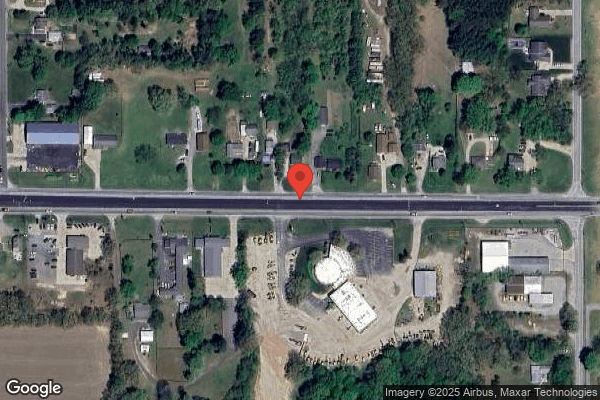
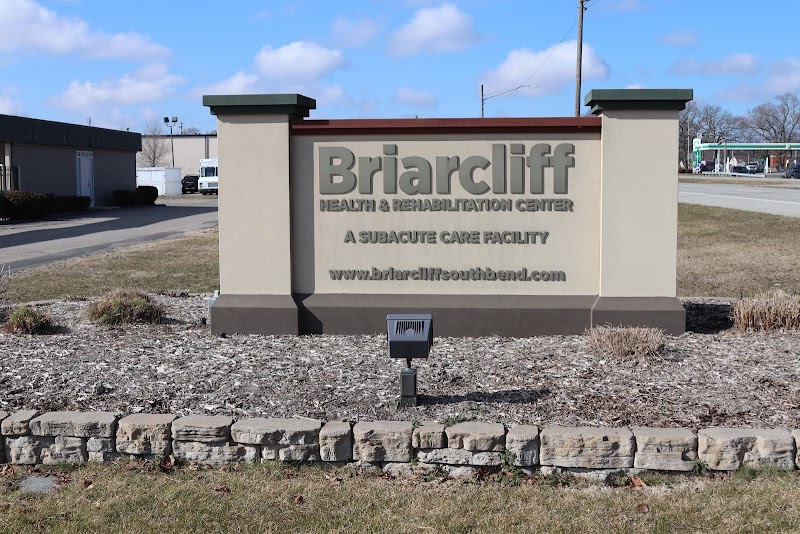
5024 WESTERN AVENUE, SOUTH BEND, IN 46619 (574) 318-4600
For profit - Partnership 131 Beds Independent Data: November 2025
Trust Grade
33/100
#328 of 505 in IN
Last Inspection: August 2024

Within standard 12-15 month inspection cycle. Federal law requires annual inspections.

Overview

Briarcliff Health & Rehabilitation Center has a Trust Grade of F, indicating poor quality and significant concerns regarding care. It ranks #328 out of 505 nursing homes in Indiana, placing it in the bottom half of facilities in the state, and #14 out of 18 in St. Joseph County, meaning there are only a few local options that are better. The facility's trend is stable, with eight issues reported consistently in both 2023 and 2024. Staffing is somewhat of a strength, with a turnover rate of 41%, which is below the state average, but it has concerning RN coverage that is lower than 89% of Indiana facilities. Families should be aware that the facility has incurred $10,839 in fines, higher than 81% of other Indiana facilities, indicating ongoing compliance issues. Specific incidents include a resident experiencing severe pain during a wound care treatment due to inadequate pain management and a cognitively impaired resident being filmed inappropriately and shared on social media, highlighting serious lapses in resident care and dignity. Overall, while there are some strengths in staffing stability, the facility faces significant challenges that families should consider carefully.

Trust Score
F
33/100
In Indiana
#328/505
Bottom 36%
Safety Record
High Risk
Review needed
Inspections
Holding Steady
8 → 8 violations
Staff Stability
○ Average
41% turnover. Near Indiana's 48% average. Typical for the industry.
Penalties
⚠ Watch
$10,839 in fines. Higher than 95% of Indiana facilities. Major compliance failures.
Skilled Nurses
⚠ Watch
Each resident gets only 27 minutes of Registered Nurse (RN) attention daily — below average for Indiana. Fewer RN minutes means fewer trained eyes watching for problems.
Violations
⚠ Watch
39 deficiencies on record. Higher than average. Multiple issues found across inspections.
★★☆☆☆
2.0
Overall Rating
★★☆☆☆
2.0
Staff Levels
★★★☆☆
3.0
Care Quality
★★☆☆☆
2.0
Inspection Score
Stable
2023: 8 issues
2024: 8 issues

The Good

  • Full Sprinkler Coverage · Fire safety systems throughout facility
  • No fines on record
  • Staff turnover below average (41%)

    7 points below Indiana average of 48%

Facility shows strength in fire safety.

The Bad

2-Star Overall Rating

Below Indiana average (3.1)

Below average - review inspection findings carefully

Staff Turnover: 41%

Near Indiana avg (46%)

Typical for the industry

Federal Fines: $10,839

Below median ($33,413)

Minor penalties assessed

The Ugly 39 deficiencies on record

3 actual harm
Aug 2024 8 deficiencies 1 Harm
SERIOUS (G)

Actual Harm - a resident was hurt due to facility failures

Deficiency F0697 (Tag F0697)

A resident was harmed · This affected 1 resident

Based on observation, interview and record review, the facility failed to administer medication as needed prior to a dressing change. This deficient practice resulted in severe pain during a treatment...

Read full inspector narrative →
Based on observation, interview and record review, the facility failed to administer medication as needed prior to a dressing change. This deficient practice resulted in severe pain during a treatment for 1 of 1 residents observed for wound care. (Resident 35) Finding includes: During an observation of wound care for Resident 35, on 8/08/2024 at 3:13 P.M. with the ADON and the Unit Manager, the ADON indicated the resident's treatment was to cleanse the resident's wound with wound wash, apply calcium alginate and medi- honey ointment, sprinkle Flagyl (an antibiotic) n the wound bed, and cover the wound with a dry dressing. First, CNA 2 wiped away some zinc barrier cream from around Resident 35's wound with a wet rag. Next, the ADON removed the soiled dressing from the resident's wound. After she washed her hands and donned clean gloves and a clean gown, she cleansed the wound and applied the medi honey ointment and packed the wound. The Resident began yelling Ouch, it hurts! and Please, it hurts! numerous times, during the removal of soiled dressing and packing, cleansing and medication application and repacking of the wound. The ADON replied by saying, I'm sorry, and continued to complete the wound care. During an interview, on 8/08/2024 at 3:29 P.M., the ADON indicated the resident was not given pain medication, by her, prior to the dressing change and she was not sure if anyone else may have administered pain medication to the resident. When asked if the resident should have been given pain medication prior to a wound dressing change, she indicated, Yes, I believe that's fair that he should have been given medication prior to the dressing change. During an interview, on 8/08/2024 at 3:33 P.M., the Unit Manager indicated Resident 35 had been administered Norco (a pain medication) at 1:35 P.M. and he could have a dose of the medication every 8 hours. The resident had been administered Morphine (a pain medication) around 10-10:30 A.M. and could have a dose of the medication every 4 hours. She indicated the resident should have received another dose of Morphine prior to the dressing change. During an interview, on 8/09/2024 at 11:03 A.M., with the CNO (Corporate Chief Nursing Officer) and the DON, the DON indicated when the resident expressed sounds of pain, during the observed wound care, it would have taken more time to stop and address the resident's pain rather then to finish with what they were doing. The CNO stopped the DON and stated, So, at the first sign of pain, they should have stopped the dressing change and assessed the resident. The DON responded by indicating, Yes, and if you look, they did medicate him prior to the morning dressing change. On 8/7/2024 at 10:44 A.M., a record review was completed for Resident 35. Diagnoses included but were not limited to pressure ulcer of sacral region, mild cognitive impairment, and dementia. The residents' medications to address pain included: -Morphine Sulfate oral solution 20 mg/5 ml, give 0.25 ml every 4 hours as needed for shortness of breath and comfort. -Norco oral tablet 5-325 mg, give 1 tablet by mouth three times per day. -Fentanyl transdermal patch 12 mcg per hour, apply patch every 72 hours. A review of Resident 35's Medication Administration Record (MAR) for August 2024 indicated the resident received Morphine 5 mg, sublingual tablet, at 10:33 A.M. and Norco 5-325 mg oral tablet at 1:35 P.M on 8/8/2024. The resident could have received a PRN, as needed, dose of Morphine at 2:30 P.M., prior to the dressing change which was completed at 3:13 P.M on 8/8/2024. A Physicians Order, dated 7/6/2024, indicated may give as needed medication prior to dressing change. A Care Plan, dated 5/23/2024, indicated the resident was at risk for pain related to pressure injury to the right buttock. Interventions included, administer pain medication as needed, evaluate for non-verbal indicators of pain, and evaluate pain. On 8/9/2024 at 10:15 A.M., the CNO provided the policy titled, Pain Management, dated 11/1/2023 and indicated it was the policy currently in use by the facility. The policy indicated . 1. In order to help a resident attain or maintain his/her highest practicable level of physical, mental, and psychosocial well-being and to prevent or manage pain, the facility will: a. Recognize when the resident is experiencing pain and identify circumstances when the pain can be anticipated. c. Manage or prevent pain, consistent with the comprehensive assessment and plan of care, current professional standards of practice, and the resident's goals and preferences. 2. Facility staff will observe for nonverbal indicators which may indicate the presence of pain. These indicators include but are not limited to: i. Negative vocalizations (e.g. groaning, crying, whimpering, or screaming) . 3.1-37(a)
CONCERN (D)

Potential for Harm - no one hurt, but risky conditions existed

Deficiency F0657 (Tag F0657)

Could have caused harm · This affected 1 resident

**NOTE- TERMS IN BRACKETS HAVE BEEN EDITED TO PROTECT CONFIDENTIALITY** Based on interview and record review the facility failed to include the resident, or representative, in meetings to review the p...

Read full inspector narrative →
**NOTE- TERMS IN BRACKETS HAVE BEEN EDITED TO PROTECT CONFIDENTIALITY** Based on interview and record review the facility failed to include the resident, or representative, in meetings to review the plan of care for 1 of 3 residents reviewed for care planning. (Resident 17) Finding includes: A record review for Resident 17 was completed on 8/9/2024 at 1:27 P.M. Diagnoses included, but were not limited to, stage 5 chronic kidney disease, unspecified osteoarthritis, and type 2 diabetes mellitus. An admission Minimum Data Set (MDS) assessment, dated 6/5/2024, indicated Resident 17's cognition was intact and she participated in goal setting. During an interview on 8/6/2024 at 9:28 A.M., the resident indicated she had not attended a care plan meeting since her admission on [DATE]. A Social Service Progress Note, dated 5/30/2024, included a brief medical history and her goal of returning to the community after therapy was completed. The record lacked any notes indicating a care plan meeting had been planned or had taken place since Resident 17 was admitted . During an interview on 8/12/2024 at 10:00 A.M., the Social Services Director indicated she had met with the resident and should have documented the discussion but had not. On 8/12/2024 at 8:52 A.M. the Director of Nursing provided a current policy titled, Comprehensive Care Plans. The policy indicated, .4. The comprehensive care plan will be prepared by an interdisciplinary team, that includes, but is not limited to: .v. Family members, surrogate or others desired by the resident 3.1-35(c)(2)(C)
CONCERN (D)

Potential for Harm - no one hurt, but risky conditions existed

Accident Prevention (Tag F0689)

Could have caused harm · This affected 1 resident

Based on interview, observation and record review, the facility failed to implement fall prevention interventions related to signage and an adaptive call light system for a resident with repetitive fa...

Read full inspector narrative →
Based on interview, observation and record review, the facility failed to implement fall prevention interventions related to signage and an adaptive call light system for a resident with repetitive falls for 1 of 20 residents reviewed for falls. (Resident 10) Finding includes: During an interview on 8/7/2024 at 1:41 P.M., Resident 10 indicated she had fallen the previous day and her leg was sore. The staff had told her to call for help when she needed to use the bathroom. A record review was completed for Resident 10 on 8/7/2024 at 1:40 P.M. Diagnoses included, but were not limited to: glaucoma, dementia, type 2 diabetes mellitus, and syncope. A quarterly Minimum Data Set (MDS) assessment, dated 5/23/2024, indicated the resident had severe cognitive impairment and required extensive assistance for transfers. A quarterly Fall Risk Evaluation, dated 8/5/2024, indicated the resident was at high risk for falls. The clinical record indicated Resident 10 had fallen within the last year on the following dates: -8/14/2023 -8/16/2023 -9/6/2023 -9/23/2023 -10/28/2023 -12/6/2023 -5/15/2024 -8/5/2024 A Nursing Progress Note, dated 8/5/2024, indicated the resident had an unwitnessed fall when she attempted to self-transfer from the bed to her adjacent wheelchair. An X-ray was performed and an equivocal (positive or negative)fracture was noted. The recommendation was for follow-up care but the resident and the resident's family had elected not to seek further evaluation. A current Care Plan, dated 3/7/2018, indicated Resident 10 had a risk for falls with a goal for the resident to be free of minor injury from falls. Interventions to the Risk for Falls Care Plan included but were not limited to: -Place Call don't fall signs in bathroom and Resident's room. -Touch pad call light given with red tape with help put on it to encourage use when in need of assistance. Instruction and frequent reminders to be given. During an observation of Resident 10's room on 8/7/2024 at 1:45 P.M., no signs reading Call don't Fall could be located and the call light was not a touch pad with Help spelled out in red tape on it. During an interview on 8/7/2024 at 2:44 P.M., the Unit Manager indicated the Resident 10 did not have a touch pad call light and there were no signs that read Call don't Fall in her room or bathroom. The facility should have followed the Care Plan or should have removed any interventions that were no longer used. During an interview on 08/07/2024 at 3:06 P.M., the Regional Nurse indicated the policy on accidents was what the facility followed for creating and updating Care Plans related to falls. On 8/7/2024 at 2:20 P.M., the Regional Nurse provided a policy, dated 6/5/2023, titled Accidents and Supervision and identified it as the policy currently used by the facility. The policy indicated, It is the practice of this facility to ensure residents residing within the facility receive adequate supervision and or assistance to prevent injury related to accidents . 3. Implementation of Interventions- using specific interventions to try to reduce a resident's risks from hazards in the environment. The process includes: a. Communicating the interventions to all relevant staff . d. Documenting interventions (e.g., plans of action developed through the QAA Committee or care plans for the individual resident) 3.1-45(2)
CONCERN (D)

Potential for Harm - no one hurt, but risky conditions existed

Pharmacy Services (Tag F0755)

Could have caused harm · This affected 1 resident

Based on observation, interview and record review, the facility failed to maintain a system for reconciliation of controlled substances for 1 of 3 medication carts reviewed. (800 hall medication cart)...

Read full inspector narrative →
Based on observation, interview and record review, the facility failed to maintain a system for reconciliation of controlled substances for 1 of 3 medication carts reviewed. (800 hall medication cart) Finding includes: During an observation on 8/8/2024 at 9:41 A.M. of the Medication Cart on the 800 Hall, the Shift Change Accountability Record for Controlled Substances was missing signatures to indicate the controlled substances had been counted and reconciled by two staff members (the on coming an out going nursing staff member) on the following dates and shifts: -8/1/2024 fist shift did not contain two signatures. -8/4/2024 first shift did not contain two signatures. -8/4/2024 third shift did not contain two signatures. -8/5/2024 third shift did not contain two signatures. -8/6/2024 third shift did not contain two signatures. -8/7/2024 first shift did not contain two signatures. During an interview, on 8/8/2024 at 9:42 A.M., Qualified Medication Aide (QMA) 6 indicated there should not be any missing signatures and staff should always count the controlled substances with another staff member, and both staff members should have signed off on the controlled substance count by initialing the Shift Change Accountability Record for Controlled Substances form. On 8/8/2024 at 10:06 A.M., the Unit Manager provided a policy, dated, 1/2023, titled Controlled Substances, and identified it as the policy currently used by the facility. The policy indicated, . b. All scheduled II controlled substances (and other schedules if facility policy so dictates) will be counted each shift or whenever there is an exchange of keys between off-going and on-coming licensed nurses . 4. Both nurses will sign the Shift/Shift Controlled Substance Count Sheet acknowledging that the actual count of controlled substances and count sheet matches the quantity documented 3.1-25
CONCERN (D)

Potential for Harm - no one hurt, but risky conditions existed

Drug Regimen Review (Tag F0756)

Could have caused harm · This affected 1 resident

Based on record review and interview, the facility failed to ensure pharmacy recommendations were reviewed and addressed timely by a physician for 2 of 5 residents reviewed for medications. (Residents...

Read full inspector narrative →
Based on record review and interview, the facility failed to ensure pharmacy recommendations were reviewed and addressed timely by a physician for 2 of 5 residents reviewed for medications. (Residents 55 and 10) Findings include: 1. Resident 55's record review was completed on 8/7/2024 at 9:58 A.M. A Consult Pharmacist's Medication Regimen Review, dated 12/14/2023, indicated the Pharmacist recommended discontinuing 500 micrograms of Cyanocobalamin (Vitamin B12). The order for Cyanocobalamin was discontinued on 2/12/2024. A Pharmacy Medication Regimen Review form, from the Pharmacist to the Physician, dated 11/13/2023, indicated the Pharmacist recommended discontinuing Biofreeze Gel 4% topical analgesic. The Physician responded to the recommendation form to discontinue the Biofreeze on 12/12/2023 and the Biofreeze Gel 4% was discontinued on 1/11/2024. A Pharmacy Medication Regimen Review form, from the Pharmacist to the attending Physician, dated 2/19/2024, indicated the Pharmacist recommended weekly blood glucose monitoring and the Physician had agreed to the recommendation but did not date the form. An order for weekly blood glucose checks was initiated on 3/28/2024. On 8/8/2024 at 11:10 A.M., the dates of the responses from the physician related to ordering weekly blood glucose checks and discontinuing Vitamin B12 were requested, but were not provided before the survey exit date. 2. Resident 10's record review was completed on 8/7/2024 at 1:09 P.M. A Pharmacy Medication Regimen review form, from the Pharmacist to the attending Physician, dated 11/13/2023, indicated the Pharmacist recommended discontinuing an order for 40 milligrams (mg) of Pantoprazole and the Physician had agreed, but did not date the form. The order for Pantoprazole was discontinued on 1/11/2024. A Pharmacy Medication Regimen review form, from the Pharmacist to the attending Physician, dated 12/14/2023, indicated the Pharmacist recommended discontinuing an order for 40 milligrams (mg) of Atorvastatin and the Physician agreed on 2/8/2024. The order for 40 mg Atorvastatin was discontinued on 2/12/2024. On 8/8/2024 at 11:10 A.M., the date of the response from the Physician related to discontinuing the order for 20 mg of Pantoprazole was requested, but one was not provided before the survey exit During an interview on 8/8/2024 at 11:05 A.M., the Director of Nursing (DON) indicated an acceptable time frame for the Medical Director to reply to the Pharmacists recommendations was two weeks. However, the facility had problems with their previous Medical Director responding timely to the Pharmacist recommendations and she had used her personal cell phone to reach out to the Medical Director to request he review the facility's Pharmacy recommendations numerous times. Documentation regarding the facility's attempt to contact the Medical Director about the Pharmacy recommendations was requested, but none was received before the survey exit. On 8/9/2024 at 11:02 A.M., the Regional Nurse provided an undated, unsigned letter and indicated it was a copy of a letter sent to the Medical Director from the Executive Director of the facility. The letter indicated the facility was terminating the recipient's position as Medical Director, effective 4/1/2024, due to the timeliness of reviewing compliance documents. On 8/7/2024 at 2:40 P.M., the Regional Nurse provided an undated policy, titled Addressing Medication Regimen Review Irregularities and identified it as the policy currently used by the facility. The policy indicated, .The pharmacist must report any irregularities to the attending physician, the facility's medical director and the director of nursing, and the reports must be acted upon 3.1-25(i)
CONCERN (D)

Potential for Harm - no one hurt, but risky conditions existed

Food Safety (Tag F0812)

Could have caused harm · This affected 1 resident

Based on observation, interview and record review, the facility failed to store and prepare food in a sanitary manner in 1 of 1 kitchens. This had the potential to affect 88 out of 89 residents who at...

Read full inspector narrative →
Based on observation, interview and record review, the facility failed to store and prepare food in a sanitary manner in 1 of 1 kitchens. This had the potential to affect 88 out of 89 residents who ate food prepared in the kitchen. Finding includes: During an observation of the kitchen, with the Dietary Manager (DM), on 8/5/2024 at 9:07 A.M., the following was noted: -Vegetable burgers, strawberries, and 3 tubs of ice cream in the reach-in freezer were not dated. -Food processor bowls stacked together and stored as clean, were still wet on the inside. -The ductwork and ceiling in the food preparation area had a thick layer of dust. -The electrical outlet above the spices was dusty. -Two large and one small pans had missing and/or flaking Teflon coating on the cooking surface. During an interview on 8/5/2024 at 9:20 A.M., the DM indicated the food in the reach-in freezer should have been dated, the food processor bowls should have been dry before stacking them, the ceiling, ductwork, and electrical outlet should have been free of dust, and the Teflon pans should have been replaced. On 8/12/2024 at 10:52 A.M., the Director of Nursing provided a current policy titled, Food Safety and Sanitation. The policy indicated, .Label foods with delivery date and discard date , .Freezer temperatures should be 0 [degrees] or below to ensure frozen foods remain frozen . and .Follow a regular written cleaning schedule and document cleaning 3.1-21(i)(3)
CONCERN (D)

Potential for Harm - no one hurt, but risky conditions existed

Safe Environment (Tag F0921)

Could have caused harm · This affected 1 resident

Based on observation, interview, and record review, the facility failed to maintain a sanitary environment related to clean air vents and dirty ceiling tiles on the 500 Hall. Finding includes: During...

Read full inspector narrative →
Based on observation, interview, and record review, the facility failed to maintain a sanitary environment related to clean air vents and dirty ceiling tiles on the 500 Hall. Finding includes: During an observation, on 8/8/2024 at 12:30 P.M., a food cart was sitting under an air vent on the 500 hall. The vent had a thick layer of dust and the dust was mixing with condensation, forming droplets of mud. The droplets were falling onto the food cart below it. During a environmental tour with the Director of Maintenance (DM) on 8/8/2024 at 12:30 P.M., the 500 hall had five vents on the ceiling and all 5 vents and the four ceiling tiles surrounding the vents and/or light covers had a thick build up of dust. One of the vents had condensation mixed with the dust and mud colored droplets were dripping down to the floor. During an interview with the DM on 8/9/2024 at 8:30 A.M., he indicated the reason there was condensation on the ceiling vents was due to residents opening their windows in their rooms and causing humidity in the facility. The vents and ceiling tiles should not be dirty and the DM was unsure if it was the maintenance department or housekeeping's role to clean the vents and ceiling tiles. During an interview with the DM on 8/12/24 11:29 A.M., the DM indicated it was the responsibility of the maintenance department to clean the ceiling tiles and vents. The facility was working on adding cleaning the vents and ceiling tiles to the maintenance department's current tasks to ensure the vents and ceiling tiles would be cleaned regularly in the future. On 8/12/2024 at 10:52 A.M., the Director of Nursing provided a policy, dated 4/2024, titled, Safe and Homelike Environment and identified it as the policy currently used by the facility. The policy indicated, . 3. Housekeeping and maintenance services will be provided as necessary to maintain a sanitary, orderly and comfortable environment 3.1-19(f)
CONCERN (E)

Potential for Harm - no one hurt, but risky conditions existed

Infection Control (Tag F0880)

Could have caused harm · This affected multiple residents

Based on observation, interview and record review, the facility failed to ensure 2 of 2 laundry staff transported residents clothing appropriately when delivering them. Finding includes: During an obs...

Read full inspector narrative →
Based on observation, interview and record review, the facility failed to ensure 2 of 2 laundry staff transported residents clothing appropriately when delivering them. Finding includes: During an observation on 8/5/2024 at 11:00 A.M., Laundry Aide 4 was pushing a cart with residents personal clothing partially covered with a draw sheet. The sheet only covered the top of the clothing to middle of the items and the lower portion of the clothing was exposed and uncovered. During an observation on 8/8/2024 at 12:55 P.M., Laundry Aide 5 was coming down the hall with a cart with residents' personal items covered with a draw sheet. The items were covered from the top of the clothing to middle of the items and the lower portion of the clothing was exposed and uncovered. During an interview on 8/8/2024 at 12:58 P.M., Laundry Aide 5 indicated they (the resident's clothing)probably should be covered up more. During an interview on 8/8/2024 at 1:03 P.M., the Housekeeping/Laundry Director indicated the draw sheet was what they had to cover the rack, they did not have a cover that covered the whole rack. On 8/8/2024 at 2:37 P.M., the Regional Nurse provided a policy titled, Handling Clean Linen, dated 2/2024, and indicated it was the policy currently used by the facility. The policy indicated, .4. Clean linens must be transported by methods that ensure cleanliness and protect from dust and soil during intra or inter-facility loading, transport and unloading, such as: b. Placing clean linen in a properly clean cart and covering with disposable material or a properly cleaned reusable textile material that can be secured to the cart. c. Wrapping the individual bundles of clean textiles in plastic or other suitable material and sealing or taping the bundles . 3.1-18
Nov 2023 1 deficiency 1 Harm
SERIOUS (G) 📢 Someone Reported This

A family member, employee, or ombudsman was alarmed enough to file a formal complaint

Actual Harm - a resident was hurt due to facility failures

Free from Abuse/Neglect (Tag F0600)

A resident was harmed · This affected 1 resident

Based on interview and record review, the facility failed to ensure a cognitively impaired resident was not videoed with derogatory captions on a social media network. This deficient practice had the ...

Read full inspector narrative →
Based on interview and record review, the facility failed to ensure a cognitively impaired resident was not videoed with derogatory captions on a social media network. This deficient practice had the potential/likelihood of a negative psychosocial outcome, resulting from the facility's noncompliance to protect the resident from humiliation related to the derogatory video and captions. (Resident E) Finding includes: A facility self-report incident #444, dated 11/4/23 at 5:41 P.M., indicated Resident E had been posted on a social media network, titled (name), in a 15 second video, sleeping in bed and CNA 3 speaking in garbled slang speech with an inappropriate text below the video. It was requested CNA 3 immediately delete the video, which she stated she did. A typed statement, undated, indicated the Administrator and the Director of Nursing (DON) had spoken to CNA 4, . the individual/employee who allegedly posted the video of resident [name of resident] on (social Media application) .We became aware of the video via nurse manager on call, [name of Nurse Manager] who had seen the video via a C.N.A. [name of CNA 4 and phone number] who follows [name of CNA 3] and is related to her CNA 4 identified the originator of the video as being CNA 3. CNA 3 had last worked on Monday 10/30/23 and was a no call no show for her scheduled shifts since 10/30/23. The Administrator contacted CNA 3 via a phone call and left her a message to return his call, she contacted him on 11/4/23. The statement indicated .When we heard back from her we explained what we had seen regarding the (name of social media network) video. She initially denied the allegation (I don't know what you all are talking about) but when I pressed her further and said we had actually seen the video, she then acknowledged that yes that was her junk but she said she thought it was private and just to her friends. We explained to her that regardless of intent it is against our policy. We are to never to take videos or pictures of residents for personal purposes and post on our ( social media application) or other social media pages, even if just for our family or immediate friends. We questioned her about the text message that went with the video and she stated that her son had put that s**t on the video and denied posting any messages She was then informed of her suspension and likelihood of termination to which she responded she had already quit. On 11/28/23 at 9:45 A.M., a review of the clinical record for Resident E was conducted. The resident's diagnoses included, but were not limited to: nontraumatic subarachnoid hemorrhage, malignant neoplasm of prostate, depression and Alzheimer's Disease. A Quarterly Minimum Date Set (MDS) Assessment, dated 8/28/23, indicated the resident had severe cognitive deficits. A Care Plan, dated 8/11/23, indicated resident had behaviors of hitting, kicking staff and resistive to care. The interventions included but not limited to: intervene as necessary to protect the rights and safety of others, approach/speak in a calm manner and caregivers were to provide opportunities for positive interactions. A Psychiatric Session Summary, dated 10/31/23/at 1:00 P.M., indicated .Writer met with resident in his room. Resident was appropriate and engaged. Resident denied concerns with mood, appetite or sleep. Writer began building rapport and provided supportive and cognitive stimulation therapy. Resident showed no signs of agitation or distress. Agreed to meet again. Facility staff consulted. Behavioral health services to continue A Progress Note, dated 10/31/23 at 6:32 P.M., indicated .Resident very combative this shift, refused medication. At dinnertime when resident was attempted to be changed and up with cna resident very combative and agitated During an interview, on 11/28/23 at 10:09 A.M., the DON indicated she had seen the video and it was of Resident E. He was lying in bed and cursing at CNA 3, who had posted the video. She did not remember any caption or what was being said during the video. During an interview, on 11/28/23 at 11:17 A.M., Nurse Manager indicated CNA 4 had received a notice that she had a new video and when she observed the video it was of Resident E. He was without a shirt and calling the CNA 3 a pain in the a *s. At the bottom of the video was a slang word which indicated the CNA 3 was taunting him. The Nurse Manager indicated there was an emoji with a picture of a skull laughing which means dying laughing. The Nurse Manager indicated it appeared CNA 3 was making fun of him and aggravating him in the video. During an observation of the video, on 11/28/23 at 11:18 A.M., with the DON, the resident said something, then CNA 3 stated That's why your teeth are moving and resident was heard to say you're a pain in the a*s. Resident was observed lying in a bed, shirtless. There was a caption, in the video, of several emojis-smiling faces with tears (laughing so hard you are crying) with words stating I'm so irritating. And caption, at the bottom of the video, was observed to say I be trolling they a*s, with several emojis of smiling faces with tears pouring out and skulls expressing dying laughing. The definition of a skull emoji was retrieved, on 11/28/23, from Emojipedia.org. a website which indicated the emoji skull was A whitish-gray, cartoon-styled human skull with large, black eye sockets. Commonly expresses figurative death, e.g., dying from laughter, frustration, or affection. An electronic dictionary (www.dictionary.com), indicated trolling was to .make a deliberately offensive or provocative online post with the aim of upsetting someone or eliciting an angry response from them On 11/27/23 at 5:11 P.M., the Administrator provided a policy titled, Abuse, Neglect and Exploitation, dated February 2023 and indicated the policy was the one currently used by the facility. The policy indicated .It is the policy of this facility to provide protections for the health, welfare and rights of each resident .Mental abuse includes, but is not limited to, humiliation, harassment, threats of punishment or deprivation. Mental abuse also includes abuse that is facilitated or caused by nursing staff taking or using photographs or recording in any manner that would demean or humiliate a resident(s) On 11/28/23 at 9:59 A.M., the DON provided a policy titled, Social Media Use, dated February 2023 and indicated the policy was the one currently used by the facility. The policy indicated It is the policy of this company to avoid inappropriate use of social media and to protect the resident, staff, visitors, volunteers and practitioners of this facility against misuse of social media content .1. Employees are strictly prohibited from transmitting by way of any electronic media any resident-related image or information This Federal tag relates to complaint IN00421297. 3.1-27(a)(1)
Sept 2023 1 deficiency
CONCERN (D) 📢 Someone Reported This

A family member, employee, or ombudsman was alarmed enough to file a formal complaint

Potential for Harm - no one hurt, but risky conditions existed

Deficiency F0561 (Tag F0561)

Could have caused harm · This affected 1 resident

**NOTE- TERMS IN BRACKETS HAVE BEEN EDITED TO PROTECT CONFIDENTIALITY** Based on record review and interview, the facility failed to facilitate self-determination through resident choice, for 1 of 3 r...

Read full inspector narrative →
**NOTE- TERMS IN BRACKETS HAVE BEEN EDITED TO PROTECT CONFIDENTIALITY** Based on record review and interview, the facility failed to facilitate self-determination through resident choice, for 1 of 3 residents reviewed, when the facility allowed a resident to be showered by a person who was not an employee and who was not given permission by the resident or resident's responsible party, to shower the resident. (Resident C) Findings include: On 8/31/23 at 3:10 P.M., Resident C's record was reviewed. The resident was admitted to the facility with diagnoses that included Alzheimer's Dementia, dementia, and debility. Resident C's most recent comprehensive MDS (Minimum Data Set), was a Quarterly assessment dated [DATE], and indicated the resident was severely cognitively impaired, had no speech, was rarely able to make herself understood and rarely understood others. The resident required the extensive assistance of 2 people for transfers, required the assistance of 1 person for personal hygiene, and was dependent on a wheelchair for locomotion. The MDS did not code the resident for bathing and showers, which indicated the resident had not been bathed or showered by the facility in the 7 day look back assessment period. Resident C's Care Plans included: [Resident C] is dependent on staff for meeting intellectual, physical, and social needs due to cognitive deficit . Dated 11/21/2019. [Resident C has and ADL (Activities of Daily Living) self-care performance deficit d/t [due to] cognitive impairment, restricted/impaired mobility, dementia .BATHING/SHOWERING: Showers twice/week [Resident C] requires staff assist . On 8/31/23 at 11:20 A.M., during an interview with the Administrator, he indicated that Family Member 1 notified him that a distant relative had been coming to the facility and showering Resident C without permission. The Administrator indicated upon his investigation; he learned the person was a distant relative of Resident C's late husband. The Administrator indicated on 8/21/23 the distant relative came to the facility and he spoke with her. He indicated the distant relative reported she came to the facility every couple of weeks to help shower Resident C and to do her hair. The Administrator indicated there was no permission from the POA in the resident's records. On 9/01/23 at 10:23 P.M., during an interview with Family Member 1, who was Resident C's POA (Power of Attorney), she indicated she received a call from her sister who had gone to the facility to collect the resident's laundry on 8/20/23 and was informed by RN 2 that another family member came in to shower the resident and also took the resident's laundry to wash. Family Member 1 indicated she questioned her family members, but no one had been in to shower her mother or take the laundry out. Family Member 1 indicated she called the facility and spoke to RN 2 who indicated she did not know who the person was that came to shower Resident C, but that she had been coming to shower the resident for about 4 months. On 9/01/23 at 10:38 A.M., during an interview with the Memory Care Unit Manager, she indicated she received a call on 8/20/23 from Family Member 1, who wanted to know who was coming to the facility to shower her mother. The Memory Care Unit Manager indicated she was not at work, so she called RN 2 who reported an unknown family member had been coming to shower the resident. On 9/01/23 at 11:28 A.M., during an interview with CNA 1, she indicated she had seen a person she thought was a family member come to shower Resident C at least 2 times. On 9/01/23 at 11:45 A.M., during a telephone interview with the distant family member, she indicated Resident C's late husband was her great uncle. The distant family member indicated she had been showering the resident for the past 3 or 4 months just to help out, and indicated she was given permission by someone in Resident C's family, but could not remember who. RN 2 was unavailable for interview. On 9/01/23 at 1:50 P.M., the Director of Nursing provided a current policy titled, Activities of Daily Living (ADLs), Supporting, dated 3/2018, that indicated, .Residents who are unable to carry out activities of daily living independently will receive the services necessary to maintain good .grooming and personal and oral hygiene .Appropriate care and services will be provided for residents who are unable to carry out ADLs independently, with the consent of the resident and in accordance with the plan of care . This Federal tag relates to complaint IN00416078. 3.1-3(a)(t)
Jul 2023 6 deficiencies
CONCERN (D)

Potential for Harm - no one hurt, but risky conditions existed

Deficiency F0657 (Tag F0657)

Could have caused harm · This affected 1 resident

Based on record review, observation and interview, the facility failed to revise/update a resident care plan when a wander guard was discontinued for 1 of 21 residents whose care plans were reviewed. ...

Read full inspector narrative →
Based on record review, observation and interview, the facility failed to revise/update a resident care plan when a wander guard was discontinued for 1 of 21 residents whose care plans were reviewed. (Resident 46) Finding includes: The record for Resident 46 was reviewed on 7/13/2023 at 9:41 A.M. The diagnoses included, but were not limited to: Alzheimer's Disease, vascular dementia without behavioral disturbance, psychotic disturbance, mood disturbance, anxiety, and major depression. A Care Plan, dated 11/4/2021, indicated the Resident has a history of attempting to exit the facility. She utilizes a wander guard. During an observation, on 7/13/2023 at 2:26 P.M., there was no wander guard on the resident wrists or ankles. A Quarterly Minimum Data Set (MDS) Assessment, dated 6/26/2023, indicated wander/elopement alarm is not used. During an interview, on 7/14/2023 at 10:49 A.M., the Director of Nursing indicated that it was a joint effect of all Interdisciplinary Team (IDT) to update the care plans. They run off a report prior to morning meeting and review/update then on Wednesdays when the IDT meet and go over care plans due that week. She indicated does not exit seek as much as she used to and that her wander guard was not discontinued as she was still on the board in the Director of Nurses office. After the Director of Nursing reviewed the orders, she indicated it was discontinued on 9/16/2022 and the care plan should have been updated. On 7/14/2023 at 11:42 P.M., the Regional Nurse provided a policy titled, Care Plan Revisions Upon Status Change, dated 2022, and indicated the policy was the one currently used by the facility. The policy indicated .The purpose of this procedure is to provide a consistent process for reviewing and revising the care plan for those residents experiencing a status change. f. Care Plans will be modified as needed by the MDS Coordinator of other designated staff member 3.1-35(e)
CONCERN (D)

Potential for Harm - no one hurt, but risky conditions existed

ADL Care (Tag F0677)

Could have caused harm · This affected 1 resident

2. The record for Resident 48 was reviewed on 7/13/2023 at 10:52 A.M. The diagnoses included, but were not limited to: dementia without behavioral disturbances, mood and psychotic disturbances, anxiet...

Read full inspector narrative →
2. The record for Resident 48 was reviewed on 7/13/2023 at 10:52 A.M. The diagnoses included, but were not limited to: dementia without behavioral disturbances, mood and psychotic disturbances, anxiety, and severe protein-calorie malnutrition. During an observation, on 7/11/2023 at 10:20 A.M., Resident 48 had a brown substance under her fingernails. During an observation, on 7/13/2023 at 1:21 P.M., a brown substance was under her fingernails. During observation, on 7/14/2023 at 10:25 A.M., a brown substance was under the residents fingernails. A Care Plan, dated 6/10/2021, indicated that she has an activity of daily living, self- care performance deficit due to her dementia, advanced age and lack of coordination. She requires extensive assistance from one staff member for bathing/showering, personal hygiene and dressing. During an interview, on 7/13/2023 at 3:22 P.M., Certified Nurse Aide (CNA) 15 indicated when she gives a shower, she gets all the supplies together, checks the temp of the water and washes the resident from top to bottom, including the hair, inspect the skin and cuts toe and finger nails. During an interview, on 7/13/2023 at 3:29 P.M., Certified Nurse Aide (CNA) 16 indicated that when she gives a shower, she gets the supplies together takes the resident to shower room and washes their hair, brushes their teeth, dries them off, applies lotion and puts on clothing. During an interview, on 7/14/2023 at 9:26 A.M., Certified Nurse Aide (CNA) 18 indicated when she gives a shower, she gathers all supplies needed, warms the water then assists with shaving and washing of the hair unless they go to beauty shop, washes them from top to bottom and gets them involved, then assists with drying and dressing. During an interview, on 7/14/2023 at 10:45 A.M., the Director of Nursing indicated she would expect her staff to totally give them a shower: wash hair, peri care, put on deodorant, do nail care, clean, and get dressed. On 7/14/2023 at 11:42 A.M., the Regional Nurse provided a policy titled, Nail Care, dated 2022, and indicated the policy was the one currently used by the facility. The policy indicated .3. Routine cleaning and inspection of nails will be provided during ADL care on an ongoing basis. 4. Routine nail care to include trimming and filing, will be provided on a regular schedule (such as weekly on Wednesday 3-11 shift). Nail care will be provided between scheduled occasions as the need arises. 5. The resident's plan of care will identify: a. The frequency of nail care to be provided. b. The type of nail care to be provided. c. The person responsible for providing nail care 3.1-38(3)(E) Based on observation, record review and interviews, the facility failed to ensure showers and/or nail care was provided for 2 of 5 residents reviewed for Activities of Daily Living (ADL) needs. (Residents 44 and 48) Findings include: 1. The clinical record for Resident 44, reviewed on 7/13/2023 at 10:57 A.M., indicated the resident had diagnoses including, but not limited to: seizures, diabetes mellitus, end stage renal disease, dependence on dialysis, mild cognitive impairment, urine retention, hemiplegia, lack of coordination and weakness. The most recent Minimum Data Set (MDS) Assessment, completed for an annual review on 4/10/2023, indicated the resident required extensive staff assistance of one staff for personal hygiene needs and was dependent on staff assistance for bathing needs. The current care plan for Resident 44, included a plan to address the resident's ADL (Activities of Daily Living) self-care performance deficit. The plan included interventions to provide total care for bathing /showering needs twice a week on Wednesday and Saturday afternoons. The plan included the following intervention: BATHING/SHOWERING: Check nail length and trim and clean on bath day and as necessary. Report any changes to the nurse. Resident 44 was observed, on 7/10/2023 at 7:00 P.M., lying in his bed, dressed in a hospital gown. His fingernails were observed to be very long and had a dark substance underneath them. Resident 44 was observed, on 7/12/2023 at 7:08 A.M., lying in his bed. His fingernails were long and had a dark colored substance. Resident 44 was observed, on 7/13/2023 at 9:47 A.M., lying in his bed in a hospital gown. His fingernails were long and had an orange-colored substance underneath them. The resident had just finished eating his breakfast from a tray on his over bed table. Resident 44 was observed, on 7/14/2023 at 10:17 A.M., up in his wheelchair in the main dining room. His nails were clean but were still very long. The shower sheet documentation for Resident 44 indicated he had received a shower on 7/8/2023 and had refused a shower on 7/12/2023. During an observation and interview of Resident 44's nails, on 7/14/2023 at 11:17 A.M., with the resident and RN 14, the resident's fingernails were long and had a slightly orange-colored substance underneath the nails. The resident shook his head no when asked if he preferred to have long fingernails. He agreed to have them trimmed when RN 14 offered the assistance after he returned from the dialysis center. RN 14 disclosed Resident 44' snails should have been trimmed during the showering/bathing care. During an interview, on 7/14/2023 at 10:45 A.M., the Director of Nursing indicated she would expect her staff to do the following care with showers: wash hair, provide pericare , put on deodorant, complete nail care, clean their body and get them dressed.
CONCERN (D)

Potential for Harm - no one hurt, but risky conditions existed

Deficiency F0685 (Tag F0685)

Could have caused harm · This affected 1 resident

**NOTE- TERMS IN BRACKETS HAVE BEEN EDITED TO PROTECT CONFIDENTIALITY** 2. During an interview, on 7/10/2023 at 8:28 P.M.,Resident 29 indicated he was having hearing issues and that he had hearing tes...

Read full inspector narrative →
**NOTE- TERMS IN BRACKETS HAVE BEEN EDITED TO PROTECT CONFIDENTIALITY** 2. During an interview, on 7/10/2023 at 8:28 P.M.,Resident 29 indicated he was having hearing issues and that he had hearing test one year ago, was supposed to have gotten hearing aids at that time but had not heard anything about hearing aids since testing. A record review, on 7/12/2023 at 3:18 P.M., indicated that Resident 29 had a hearing test on 5/11/2022 with (Name) audiology group. A hearing aid recommendation was made at that time with mold taken for hearing aid left shell. A medical clearance was requested at that time for approval of hearing aid. Resident 29 had diagnoses that included, but not limited to: hemiplegia and hemiparesis following other nontraumatic intracranial hemorrhage affecting left non-dominant side,epilepsy and anemia. A MDS dated [DATE], indicated resident had adequate hearing with ability to understand others and no hearing aid. A MDS dated [DATE], indicated resident had adequate hearing with ability to understand others and no hearing aid. A MDS dated [DATE], resident had adequate hearing with ability to understand others and no hearing aid. During an interview, on 7/12/2023 at 3:26 P.M., Employee 10 indicated that if resident sees the facility associated audiology group( Name) and a recommendation is made for hearing aids, social services receives the recommendation and they obtain the MD order and clearance. During an interview, on 7/12/2023 at 4:07 P.M., Employee 10 indicated that there was a change in the charting system and Resident 29 fell through the cracks and the order and recommendation for hearing aid were not received. She spoke with the office manager of audiology group and the resident will have to have new test and fitting for hearing aids in the future to obtain one. A current policy titled Hearing and Vision Services with no implementation or revision date, was provided by the DON, on 7/14/2023 at 1:48 P.M. The policy indicated that .It is the policy of this facility to ensure that all residents have access to hearing and vision services and receive adaptive equipment as indicated. The social worker/social service designee is responsible for assisting resident, and their families, in locating and utilizing any available resources (e.g. Medicare or Medicaid programs payment, local health organizations offering items and services which are available free to the community), for the provision of the vision and hearing services the resident needs. Once vision or hearing services have been identified, the social worker/social services designee will assist the resident by making appointments and arranging for transportation. Assistive devices to maintain hearing include, but are not limited to, hearing aids and amplifiers 3.1-39(a)(1) Based on observation, record review and interview, the facility failed to ensure 2 of 2 residents reviewed for hearing needs received timely treatment and received recommended hearing devices. (Residents 60 and 29) Findings include: 1. During the initial tour of the facility, conducted on 7/10/2023 between 6:15 P.M. and 7:15 P.M., Resident 60 was observed in her bed. She had a distorted speech pattern. She indicated she could not hear very well and needed to read the lips of the person speaking with her. During the conversation, at times, the resident would apologize and state I just do not know what you are trying to ask me. There was no paper or dry erase board noted within reach of the resident. During an interview with Resident 60, conducted on 7/12/23 at 9:43 A.M., she indicated she was waiting on hearing aids, could read lips but could not really hear very much at all. During an interview with Certified Nurse Aide (CNA) 3 at 7/13/2023 at 11:45 A.M., she indicated the resident sometimes does not understand as she reads lips and lately, with the seizures, the resident was more confused. The record for Resident 60, reviewed on 7/13/2023 at 9:13 A.M., indicated the resident was admitted with diagnosis, including but not limited [NAME] bilateral hearing loss. The most recent Quarterly Minimum Data Set (MDS) Assessment for Resident 60, completed on 2/8/2023, indicated the resident hearing was highly impaired and sometimes understood spoken word. A current care plan regarding hearing and communication needs, initiated on 11/25/2022 included the following: (Resident's name) had difficulty hearing. The interventions included Anticipate needs, (resident' name is able to communicate by: lip reading, writing, gestures, and talking loudly directly beside her ear During an interview with the Social Services Director (SSD), on 7/13/2023 at 2:30 P.M., she indicated she was not aware of any resident waiting on hearing aids, but after she researched she discovered the hearing aids for Resident 60 were not made or delivered yet because the audiology clinic was waiting on payment for the hearing aides from the resident's Power of Attorney (POA). During an interview with SSD, on 7/14/23 at 8:30 A.M., she indicated she had gotten ahold of the resident's POA/sister, and she had not received a bill for the hearing aides, just the hearing evaluation. The SSD indicated Resident 60's sister was going to call the audiology office and pay the bill for the hearing aids. The SSD indicated the resident had a hearing evaluation, on 3/16/2023 and she did not know where the breakdown in communication had occurred. She indicated the facility was without an in-house audiology provider off and on for the past year. She did not know why it took so long to get the resident scheduled for an audiology exam, after she was initially admitted . The consent for audiology services had first been signed, for Resident 60, on 4/12/2022. Review of the care plan meeting notes, from 2/28/2022 through 3/7/2023 indicated Resident 60's diagnosis were listed on some of the notes, including bilateral hearing loss, but there was no mention of the resident's highly impaired hearing loss and communication needs.
CONCERN (D)

Potential for Harm - no one hurt, but risky conditions existed

Tube Feeding (Tag F0693)

Could have caused harm · This affected 1 resident

Based on observation, interview and record review, the facility failed to elevate the head of bed when an enteral feeding pump was infusing, and label feeding bags where appropriately for 1 out of 1 r...

Read full inspector narrative →
Based on observation, interview and record review, the facility failed to elevate the head of bed when an enteral feeding pump was infusing, and label feeding bags where appropriately for 1 out of 1 resident reviewed for tube feeding. (Resident 48) Finding includes: The record for Resident 48 was reviewed on 7/13/2023 at 10:52 A.M. The diagnoses included, but were not limited to: dementia without behavioral disturbances, mood and psychotic disturbances, anxiety, and severe protein-calorie malnutrition. A Physician Order, dated 6/21/2023, indicated to elevate HOB (head of bed) 30 - 45 degrees at all times. A Physician Order, dated 6/21/2023, indicated glucerna 1.5 to be ran at 45 ml/hr (milliliter per hour) continuously throughout 24 hours via G-tube. A Care Plan, dated 11/25/2022, indicated she needed the head of her bed elevated 45 degrees during and 30 minutes after tube feed. During an observation, on 7/11/2023 at 10:14 A.M., Resident 48 had a tube feeding infusing, there were 2 bags hanging both dated 7/11 with a time of 10 A.M. one with tan liquid and the other a clear liquid. During an observation, on 7/12/2023 at 2:46 P.M., the resident was in bed lying on her right side in a fetal position with the bed not elevated, and 2 bags infusing one with tan liquid and the other with clear liquid dated 7/12/23 infusing at 45 ml/hr. During an interview, on 712/2023 at 2:51 P.M., Licensed Practical Nurse (LPN) 19 indicated that her head of bed should be elevated when her feeding is running. During an interview, on 7/14/2023 at 9:12 A.M., the Director of Nursing indicated that she would expect her staff to check for placement and make sure bags are dated and appropriate, pumps on correct settings and pump cleared, head of bed up and check periodically that it is flowing correctly and verify the orders. On 7/14/2023 at 3:54 P.M., the Regional Nurse provided a policy titled, Enteral Tube Feeding via Continuous Pump, dated November 2018, and indicated the policy was the one currently used by the facility. The policy indicated .The purpose of this procedure is to provide a guideline for the use of a pump for enteral feedings. 4. Position the head of the bed at 30-45 degrees for feeding. 5. On the formula label document pintails, date and time the formula was hung/administered, and initial that the label was checked against the order 3.1-44(a)(2)
CONCERN (D)

Potential for Harm - no one hurt, but risky conditions existed

Deficiency F0761 (Tag F0761)

Could have caused harm · This affected 1 resident

Based on observation, record review and interview, the facility failed to ensure medications were labeled and stored appropriately in 1 of 2 medication rooms and 1 of 3 medication carts observed. (300...

Read full inspector narrative →
Based on observation, record review and interview, the facility failed to ensure medications were labeled and stored appropriately in 1 of 2 medication rooms and 1 of 3 medication carts observed. (300/400 hall medication room, and Dementia unit medication cart) Finding includes: During observation of medication rooms, conducted on 7/12/2023 at 10:15 A.M., the following was observed in the 300/400 hall medication room: -2 bottles and one carton of dietary shake supplements were stored in the medication refrigerator along with two unopened vials of insulin. During an interview with Licensed Practical Nurse (LPN) 4, on 7/12/2023 at 10:20 A.M., she indicated there was no pantry refrigerator to store nutritional supplements in, so they just used the medication refrigerator. During an observation of a medication cart on the secured, Dementia unit, conducted on 7/12/2023 at 10:30 A.M., the following was observed: - A box containing a bottle of over- the- counter aspirin tablets. There was no label on the box or the bottle, the resident's name was written on the bottle but, the dose and physician's name were not written on the bottle and/or box. During an interview with LPN 22, an agency nurse, she indicated the pharmacy was actually sending the aspirin tablets in the plastic sleeve type bags, so the facility was not actually utilizing the bottle of aspirin. The facility policy and procedure, titled, Medication Storage and Medication Labeling, provided by the Director of Nursing, on 7/13/2023 at 4:08 P.M. included the following: .6. Medication are stored separately from food and are labeled accordingly .Medication Labeling: 1. Labeling of mediations and biological dispensed by the pharmacy is consistent with applicable federal and state requirement and currently accepted pharmaceutical practices. 2. The medication label includes, at a minimum: a. medication name; b. prescribed dose; c. strength; d. expiration date, when applicable; f. route of administration; and g. appropriate instructions and precautions .5. Multidose vials that have been opened or accessed are dated and discarded within 28 days unless the manufacturer specifies a shorter or longer date for the open vial 3.1-25(j)
CONCERN (E)

Potential for Harm - no one hurt, but risky conditions existed

Food Safety (Tag F0812)

Could have caused harm · This affected multiple residents

Based on observation and interview, the facility failed to maintain clean exhaust ductwork and hoods in the kitchen and above food preparation area. This deficient pracice had the potential to affect ...

Read full inspector narrative →
Based on observation and interview, the facility failed to maintain clean exhaust ductwork and hoods in the kitchen and above food preparation area. This deficient pracice had the potential to affect 74 of 76 residents that had food prepared in the kitchen. Finding includes: During an observation, on 7/10/23 at 6:19 P.M., it was noted that the ductwork and hoods above the food preparation area were dusty and greasy. During an observation, on 7/11/23 11:50 A.M., ductwork and hoods above food preparation area was still dusty and greasy. During an interview, on 7/10/23 6:19 P.M., Employee 11 indicated she did not know who was responsible for cleaning the duct work and hoods above the food preparation area. During an interview, on 7/11/23 10:41 A.M., Employee 12 indicated he was unsure how often ductwork and hoods are cleaned, and that maintenance was responsible for cleaning them. During an interview, on 7/14/23 10:25 A.M., Employee 13 indicated that ductwork and hoods are cleaned once a month and that the ducts in the kitchen were cleaned on 7/12/2023. He indicated he was new to this position and unsure of what the procedure and cleaning schedule was for cleaning the ductwork and hoods prior and was unsure when they were last cleaned. On 7/14/2023 at 9:00 A.M., a current policy issued 9/01/2021 with no revision date was provided by the ED. The policy indicated .All food preparation areas, food service areas, and dining areas will be maintained in a clean and sanitary condition. The dining services director will ensure that the kitchen is maintained in a clean and sanitary manner, including floors, walls, ceilings, lighting, and ventilation 3.1-21(i)(2)
Apr 2022 23 deficiencies 1 Harm
SERIOUS (G)

Actual Harm - a resident was hurt due to facility failures

Pressure Ulcer Prevention (Tag F0686)

A resident was harmed · This affected 1 resident

**NOTE- TERMS IN BRACKETS HAVE BEEN EDITED TO PROTECT CONFIDENTIALITY** Based on observation, interview and record review the facility failed to implement interventions to prevent the development of a...

Read full inspector narrative →
**NOTE- TERMS IN BRACKETS HAVE BEEN EDITED TO PROTECT CONFIDENTIALITY** Based on observation, interview and record review the facility failed to implement interventions to prevent the development of a resident identified at risk for one out of one residents reviewed for skin integrity. (Resident 38) Finding includes: A clinical record review was completed, on 3/31/22 at 1:40 P.M., and indicated Resident 38's diagnoses included, but were not limited to: delusional disorders, retention of urine, major depressive disorders, chronic embolism, and thrombosis of deep veins of right lower extremity, and dementia without behavioral disturbances. The record indicated the resident was admitted on [DATE]. An admission MDS (Minimum Data Set) assessment, dated 1/15/2022, indicated Resident 38's BIMS (Brief Interview for Mental Status) severely impaired cognition and he needed extensive assist with activities of daily living. A Braden Assessment, dated 12/28/2021, indicated he is at risk for pressure areas with a score of 16. On 3/30/2022 at 9:25 A.M., observed the Resident 38 sitting up in his bed eating breakfast, his feet were bare with no boots in place, and his right foot had an black and red area on the edge/ plantar area of the foot. On 3/31/2022 at 9:22 A.M., observed the resident lying in bed with socks on his feet, no boots in place, and right foot against the foot board of the bed. During an interview, on 3/31/2022 at 10:01 A.M., CNA (Certified Nursing Assistant) 16 indicated he gets up sometimes, and she's getting him up today, she does not think he has any other skin issues except the area on the bottom. During an interview, on 3/31/2022 at 10:15 A.M., RN (Registered Nurse) 12, indicated he only had the area on his sacrum and bruising on his arms. During an interview, on 3/31/2022 at 10:20 A.M., RN (Registered Nurse) 12 indicated the skin is checked weekly by the nurse, she indicated it will pop up in the Medication or Treatment Administration Record and a skin assessment is form is filled out. On 3/31/2022 at 10:56 AM., observed the RN (Registered Nurse) 12 remove Resident 38's socks and indicated that is eschar on the right side and bottom of the foot, and ball of left foot looks like pressure from staying in bed may have been hanger from the low air loss machine and the foot board, the right heel was palpated by nurse and she indicated the heel was soft and mushy but blanchable. A Physician Order, dated 3/29/2022, indicated float heels while in bed, every shift for prevention. A Physician Order, dated 3/29/2022, indicated pressure reducing/relieving boots as tolerated every shift. A Physician Order, dated 3/39/2022, indicated low air loss mattress, check placement and function of mattress/pump every shift. Set to resident comfort every shift. During an interview, on 3/31/2022 at 11:26 A.M., RN (Registered Nurse) 12 indicated he should have boots on his feet. During an interview, on 3/31/2022 at 11:21 A.M., CNA (Certified Nursing Assistant) 16, Indicated they have not been putting boots on him. She indicated she did look for some boots but none were found in the room. A Care Plan, dated 2/10/2022, indicated intervention boots to bilateral feet at all times when in bed to protect heels. A Care Plan, dated 2/10/2022, indicated intervention LAL mattress- set at resident comfort level. On 4/1/2022 at 10:20 A.M., the Director of Nursing provided a policy titled, Prevention of Skin Ulcers/Injuries, dated July 2017, and indicated the policy was the one currently used by the facility. The policy indicated .The purpose of this procedure is to provide information regarding identification of skin ulcer/injury risk factors and interventions for specific risk factors. 3. Inspect the skin on a daily basis when performing or assisting with personal care or ADLs. a. Identify any signs of developing pressure injuries. For darkly pigmented skin, inspect for changes in skin tone, temperature, and consistency, b. inspect pressure points(sacrum, heels, elbows, etc) 3.1-40
CONCERN (D)

Potential for Harm - no one hurt, but risky conditions existed

Deficiency F0570 (Tag F0570)

Could have caused harm · This affected 1 resident

Based on interview and record review, the facility failed to ensure the Surety Bond amount was sufficient to cover the Resident's personal fund account on a daily basis. This deficient practice had th...

Read full inspector narrative →
Based on interview and record review, the facility failed to ensure the Surety Bond amount was sufficient to cover the Resident's personal fund account on a daily basis. This deficient practice had the potential to effect 91 of 91 residents in the facility. Finding includes: During an interview, on 3/31/2022 at 9:31 A.M., the Business Office Manager indicated the Surety Bond amount was $75,000 and the resident funds was $113,947.90. During an interview, on 3/31/2022 at 10:35 A. M., the Business Office manager indicated the amount was not high enough and would not cover the resident fund and would have to be increased. On 4/4/2022 at 12:10 P.M., the Corporate Nurse provided the policy titled,Surety Bond, dated April 2017, and indicated the policy was the one currently used by the facility. The policy indicated, .Our facility has a current surety bond or provides self-insurance to assure the security of all resident's personal funds deposited with the facility. 1. The facility holds a surety bond to guarantee the protection of residents' funds managed by the facility on behalf of its residents. 3. The purpose of the surety bond is to guarantee that the facility will pay the resident of losses occurring from any failure by the facility to hold, safeguard, manage, and account for the resident's funds (i.e., losses occurring as a result of acts or errors of negligence, incompetence or dishonesty) 3.1-6(i)
CONCERN (D)

Potential for Harm - no one hurt, but risky conditions existed

Notification of Changes (Tag F0580)

Could have caused harm · This affected 1 resident

**NOTE- TERMS IN BRACKETS HAVE BEEN EDITED TO PROTECT CONFIDENTIALITY** Based on observation, interview, and record review the facility failed to notify the physician and responsible party of the resi...

Read full inspector narrative →
**NOTE- TERMS IN BRACKETS HAVE BEEN EDITED TO PROTECT CONFIDENTIALITY** Based on observation, interview, and record review the facility failed to notify the physician and responsible party of the residents change in skin condition and obtain a treatment for one of one record reviewed for skin integrity. (Resident 38) Finding Includes: A clinical record review was completed, on 3/31/22 at 1:40 P.M., and indicated Resident 38's diagnoses included, but were not limited to: delusional disorders, retention of urine, major depressive disorders, chronic embolism, and thrombosis of deep veins of right lower extremity, and dementia without behavioral disturbances. The record indicated the resident was admitted on [DATE]. An admission MDS (Minimum Data Set) assessment, dated 1/15/2022, indicated Resident 38's BIMS (Brief Interview for Mental Status) severely impaired cognition. And it indicated he needed extensive assist with activities of daily living. On 4/1/2022 at 8:35 A.M., the progress notes, care plan, orders, and skin assessments were reviewed for 3/31/2022 and no documentation about the wound was found from the previous day. During an interview on 4/01/2022 at 8:47 A.M., LPN (Licensed Practical Nurse) 18 indicated she got in report that morning he has a new skin tear to the elbow. During an interview on 4/1/2022 at 11:03 A.M., the Director of Nursing indicated she finds out about skin condition changes by reading the 24- hour report, a staff member puts a skin sheet in her box, or they call and notify her. During an interview on 4/1/2022 at 11:15 A.M., the Director of Nursing indicated that she should have been notified as well as the Physician and responsible party about a new pressure area. On 4/1/2022 at 10:20 A.M., the Director of Nursing provided a policy titled, Building a Productive Workforce Together, Policy: Notification of Changes, dated July 1,2021, and indicated the policy was the one currently used by the facility. The policy indicated .The facility shall promptly notify the resident and/or the resident representative and his or her physician or delegate of changes in the resident's condition or status in order to obtain orders for appropriate treatment and monitoring and promote the resident's rights to make choices about treatment and care preferences. 3. Document the notification and record any new orders in the resident's medical record. 6. Update the resident's care plan, transcribe, and implement the provider's orders 3.1-5(a)(2)
CONCERN (D)

Potential for Harm - no one hurt, but risky conditions existed

Deficiency F0637 (Tag F0637)

Could have caused harm · This affected 1 resident

Based on record review, observation and interview, the facility failed to ensure a significant change in condition MDS (Minimum Data Set) assessment was completed following the initiation of hospice c...

Read full inspector narrative →
Based on record review, observation and interview, the facility failed to ensure a significant change in condition MDS (Minimum Data Set) assessment was completed following the initiation of hospice care for 1 of 23 residents whose MDS's were reviewed. (Resident 31) Findings include: A clinical record review was completed on 3/31/2022 at 11:47 A.M. Resident 31's diagnoses included, but were not limited to: chronic obstructive pulmonary disease, anxiety, chronic pain and chronic respiratory failure. A current physician's order, dated 1/26/2022, indicated Resident 31 was admitted to [name of hospice] care on 1/26/2022. During an interview, on 3/31/2022 at 12:17 P.M., LPN (Licensed Practical Nurse) 15 indicated a significant change MDS assessment had not been completed and should have been when she was admitted into hospice care. LPN 15 indicated she uses the RAI (Resident Assessment Instrument) manual. 3.1-31(d)(1)
CONCERN (D)

Potential for Harm - no one hurt, but risky conditions existed

MDS Data Transmission (Tag F0640)

Could have caused harm · This affected 1 resident

Based on record review and interview, the facility failed to transmit a timely MDS (Minimum Data Set) assessment for 1 of 1 resident reviewed for resident assessments. (Resident 1) Finding includes: A...

Read full inspector narrative →
Based on record review and interview, the facility failed to transmit a timely MDS (Minimum Data Set) assessment for 1 of 1 resident reviewed for resident assessments. (Resident 1) Finding includes: A record review on 4/4/2022 at 8:44 A.M., indicated Resident 1 had a Quarterly MDS assessment completed on 11/3/2021. A discharge with return not anticipated was completed on 12/28/21. The assessment was not transmitted to CMS' QIES Assessment Submission and Processing system. During an interview on 4/4/2022 at 10:39 A.M., LPN (Licensed Practical Nurse) 15 indicated the MDS data should have been transmitted. According to the RAI manual (Resident Assessment Instrument) a discharge summary should be submitted within the discharge date plus 14 calendar days. On 4/4/2022 at 2:00 P.M., the DON provide the policy entitled, Electronic Transmission of the MDS. The policy indicated, .All MDS assessments and discharge and reentry records are completed and electronically encoded into our facility's MDS information system and transmitted .in accordance with current OBRA (Omnibus Budget Reconciliation Act) regulations governing the transmission of MDS data
CONCERN (D)

Potential for Harm - no one hurt, but risky conditions existed

Comprehensive Care Plan (Tag F0656)

Could have caused harm · This affected 1 resident

**NOTE- TERMS IN BRACKETS HAVE BEEN EDITED TO PROTECT CONFIDENTIALITY** 2. A record review of Resident 29 was completed on 3/31/2022 at 8:29 A.M., diagnosis included, but were not limited to: end stag...

Read full inspector narrative →
**NOTE- TERMS IN BRACKETS HAVE BEEN EDITED TO PROTECT CONFIDENTIALITY** 2. A record review of Resident 29 was completed on 3/31/2022 at 8:29 A.M., diagnosis included, but were not limited to: end stage renal disease, hypertension and atrial fibrillation. A 5-day Medicare MDS (Minimum Data Set) Assessment, dated 3/18/2022, indicated that Resident 29 had A BIMS (Brief Interview Mental Status) of no cognitive impairment. Resident 29 required supervision with set up for eating, had no dental issues and [NAME] weight loss of 5 percent or more in the last month or loss of 10 percent or more in last 6 months. Resident 29 was out of the building for surgery from 2/24/2022-3/11/2022. Vital Sign records indicated a weight on 12/27/2021 of 199.2 pounds, on 2/4/2022 of 195.4 pounds, on 3/14/2022 of 183.4 pounds, and on 3/28/2022 of 177.0 pounds. A review of the weights indicated a loss of 22.3 pounds or 11.14 percent in three months and 18.4 pounds or 9.42 percent on one month. Physician Orders, indicated Resident 29 received a consistent carbohydrate diet with supplements of Nepro 237 ml twice a day and a health shake 4 ounces with meals. A Care Plan for significant weight loss or nutritional needs could not be located during record review. During an interview on 3/31/2022 at 10:59 A.M., the DON indicated she would call the MDS Coordinator to print the care plan for weight loss and nutritional needs. A nutritional care plan was provided on 3/31/2022 at 11:36 A.M. The care plan was canceled on 3/9/2022. During an interview on 3/31/2022 at 11:42 A.M., the DON indicated the care plan provided was not an active care plan and the nutritional care plan had not been updated. On 4/4/2022 at 2:00 P.M., the DON provide the policy entitled, Care Planning -Interdisciplinary Team. The policy indicated, .Our facility's Care Planning/Interdisciplinary Team is responsible for the development of an individualized comprehensive care plan for each resident. 1. A comprehensive care plan for each resident is developed within seven (7) days of completion of the resident assessment (MDS) 3.1-35(a) Based on observation, interview and record review, the facility failed to ensure comprehensive care plans for falls, and weight loss were in place for 2 out of 3 residents reviewed for care plans. (Resident 29 & 38) Findings include: 1. A clinical record review was completed, on 3/31/22 at 1:40 P.M., and indicated Resident 38's diagnoses included, but were not limited to: delusional disorders, retention of urine, major depressive disorders, chronic embolism, and thrombosis of deep veins of right lower extremity, and dementia without behavioral disturbances. During an interview on 4/4/2022 at 9:02 A.M., the MDS Nurse indicated that everyone should have a fall care plan or an at risk for falls and he did not have one.
CONCERN (D)

Potential for Harm - no one hurt, but risky conditions existed

Deficiency F0657 (Tag F0657)

Could have caused harm · This affected 1 resident

**NOTE- TERMS IN BRACKETS HAVE BEEN EDITED TO PROTECT CONFIDENTIALITY** 2. A record review of Resident 5 was completed on 3/31/2022 at 11:11 A.M., diagnosis included, but were not limited to: diabetes...

Read full inspector narrative →
**NOTE- TERMS IN BRACKETS HAVE BEEN EDITED TO PROTECT CONFIDENTIALITY** 2. A record review of Resident 5 was completed on 3/31/2022 at 11:11 A.M., diagnosis included, but were not limited to: diabetes mellitus type 2, prostate cancer and nondisplaced fracture of greater trochanter of right femur. A Quarterly MDS (Minimum Data Set) Assessment, dated 3/13/2022, indicated that Resident 5 had a BIMS (Brief Interview Mental Status) score indicating severe cognitive impairment. Resident 5 required extensive assistance with two staff members for bed mobility, transferring and toileting. Resident 5 had a recent surgery requiring an SNF (Skilled Nursing Facility) stay and repair of fracture including the hip. A Physician's Order, dated 10/21/22, indicated administration of Insulin Glargine Solution 100 unit/ml10 units subcutaneously at bedtime. A review of the MAR (Medication Administration Record) indicated Resident 5 had refused blood sugar testing and Insulin Glargine Solution administration 16 times in December 2021, 10 times in January 2022, 16 times in February 2022, and 16 times in March 2022. Resident 5 had blood sugar documentation of 465 on 12/12/2021, 442 on 12/15/2021, 454 on 12/25/2021 and 446 on 3/7/2022. Nurses' Notes reviewed from December 2021 through March 2022, had no documentation of physician notification of Insulin Glargine Solution or blood sugar testing refusal. A Care Plan dated 10/21/2021 indicated Resident 5 has diabetes mellitus and will be free from any signs or symptoms of hyperglycemia. Interventions included, Diabetes medication as ordered by doctor. Monitor/document for side effects and effectiveness. The Care Plan had no updates indicating Resident 5 had refused administration of Insulin Glargine Solution and blood sugar testing. During an interview on 4/4/2022 at 11:00 A.M., LPN 15 indicated Resident 5 should have a care plan related to refusal of medication and the physician should be notified of refusals. A Nurses' Note on 11/29/2021 at 9:55 A.M., indicated .On 11/29 ED (Executive Director) and DON (Director of Nursing) were notified by nursing staff that resident fell in his room. Nursing staff conducted a head to toe, pain and skin assessments. Orders were received from MD for X-Ray and pain was managed. As per MD order resident sent to ER (Emergency Room) for evaluation. As per report received from hospital [Resident 5] did sustain a fracture right side hip. [Resident 5] remains in the hospital for treatment at this time On 2/2/2022 at 5:45 P.M., indicated Resident 5 is scheduled for right hip surgery on February 8, 2022. On 2/12/2022 at 5:33 A.M., indicated .Staff reported to this writer that resident was on floor. This writer rushed to res room. Resident observed on floor lying on his right-side legs point towards entrance. Wheelchair behind his head .This writer went back for neuro (neurological) assessment resident c/o (complained of) pain 10/10 to right leg on pain scale of 0-10. [Physician name] notified and ordered to send res to ER for eval and treatment On 2/19/2022 at 4:39 A.M., indicated .Resident found on floor next to bed .pain to R leg A Nurses' Note on 2/21/2022 at 11:09 a.m., indicated IDT met to review residents fall on 2/19/22 @ 3:30 A.M . INTERVENTION: Fall mat placed on floor next to bed A review of Nurses' Notes indicated an IDT (Interdisciplinary Team) meeting did not occur for falls documented on 11/27/2021 and 2/12/2022 to develop interventions to prevent further falls. A Physician Progress Note on 2/18/2022 at 9:51 P.M., indicated .This is an [AGE] year-old male being seen as a readmission to the facility. He was hospitalized from 2/12-2/16 s/p (status post) fall in his room. He was found to have a right hip fracture and UTI and is s/p repair with [physician's name] He had a fall with a fracture to that hip in November 2021 as well A Care Plan on 10/21/2021, indicated [Resident 5] is at risk for falls and has a history of falls and [Resident 5] will not sustain serious injury from fall. No new preventative interventions were developed for falls that occurred on 11/27/2021 and 2/12/2022. During an interview on 4/4/2022 at 10:48 A.M., LPN 15 indicated she is involved with IDT meetings and new interventions to prevent falls should have been placed in the care plan. During an interview on 4/4/2022 at 11:20 A.M., the DON indicated IDT meets the next morning after a fall unless on a Friday or the weekend and interventions should be placed for a new fall. On 4/4/2022 at 2:00 P.M., the DON provide the policy entitled, Care Planning -Interdisciplinary Team. The policy indicated, .Our facility's Care Planning/Interdisciplinary Team is responsible for the development of an individualized comprehensive care plan for each resident. 1. A comprehensive care plan for each resident is developed within seven (7) days of completion of the resident assessment (MDS) 3. A clinical record review was completed, on 3/31/22 at 1:40 P.M., and indicated the Resident 38's diagnoses included, but were not limited to: delusional disorders, retention of urine, major depressive disorders, chronic embolism, and thrombosis of deep veins of right lower extremity, and dementia without behavioral disturbances During an interview on 4/1/2022 at 11:59 A.M., the MDS Nurse indicated that she has been helping revise the care plans. If a new pressure area was noted a care plan is put in right away by the nurse that found the pressure area and the next morning it is reviewed by the IDT in the morning meeting and revised if needed. On 4/1/2022 at 1:33 P.M., the Director of Nursing provided a policy titled, Goals and Objectives, Care Plans, dated April 2009, and indicated the policy was the one currently used by the facility. The policy indicated .5. Goals and objectives are reviewed and /or revised: a. When there has been a significant change in the resident's condition This Federal tag relates to complaint IN00375599. 3.1-35(d)(2)(b)(e) Based on record review, observation and interview, the facility failed to revise/update resident care plans for fall interventions, hallucination interventions, refusal of insulin, and the development of a new pressure ulcer for 3 of 24 residents whose care plans were reviewed. (Resident 56, 5 and 38) Findings include: 1. During an interview, on 3/29/2022 at 10:00 A.M., Resident 56 indicated she had a fall recently and broke her nose and busted her lip. A clinical record review was completed on 3/31/2022 at 3:07 P.M., Resident 56's diagnoses included, but were not limited to: anxiety, diabetes, functional quadriplegia and depression. A Quarterly MDS (Minimum Data Set) assessment, dated 2/25/2022, indicated the resident required only supervision for bed mobility, transfers, dressing, toilet use and eating. A Nurse's Note, dated 1/3/2022 at 2:00 A.M., indicated Resident 56 had an unwitnessed fall in her room. The resident was attempting to ambulate to the bathroom with the walker and loss her balance falling forward. Resident 56 received a laceration to her upper lip and had reported she was light headed. A current care plan, dated 9/28/2021, indicated Resident 56 was at risk for falls related to impaired mobility/balance, antihypertensive/ antidepressant/ antianxiety medication use, history of falls, pain, and Spinal cord compression. Interventions included, but were not limited to: encourage to ask for assistance when attempting to do activities that require to bend over when in the wheelchair, monitor psychotropic medications for side effects and report to physician, do not leave unattended in shower, anticipate and meet resident's needs, keep area free from clutter, spills, glares and assure proper lightening, keep call light in reach, keep frequently used items within reach, and complete fall risk assessment per facility protocol. A Nurse's Note, dated 1/4/2022 at 9:08 A.M., indicated the IDT (Interdisciplinary Team) had met to review the resident's fall on 1/3/2022 that resulted in a transfer to the emergency room. The resident obtained a subdural hematoma and a laceration with disposable sutures to her upper lip. The resident reported that she believes she became dizzy when she got up in the early morning hours to toilet self. The interventions were for neuro checks to continue, therapy evaluation, and orthostatic blood pressure checks. The care plan lacked the intervention of orthostatic blood pressures to prevent further falls. During an interview, on 4/4/2022 at 1:55 P.M., the Director of Nursing indicated the care plan had not been updated after the fall and did not know if the orthostatic blood pressures were completed. A current care plan, dated 10/8/2021, indicated Resident 56 had a behavioral problem related to hallucinations, i.e. staff members are outside her window, they are pointing laser lights in her room, dressing in costumes, and false allegations against staff. Interventions included, but were not limited to: caregivers to provided opportunity for positive interaction and attention. Stop and talk with him/her as passing by. Remove from situation and take to alternate location as needed. Provide a program of activities that is of interest and accommodates residents status. During an interview, on 4/04/2022 at 10:46 A.M., the Social Service director indicated the care plans were not person centered and did not have interventions specific to the hallucinations and or delusions.
CONCERN (D)

Potential for Harm - no one hurt, but risky conditions existed

Deficiency F0658 (Tag F0658)

Could have caused harm · This affected 1 resident

Based on observation, record review and interview, the facility failed to follow the five rights of medication administration for 4 of 7 residents observed for medication administration. (Resident 6, ...

Read full inspector narrative →
Based on observation, record review and interview, the facility failed to follow the five rights of medication administration for 4 of 7 residents observed for medication administration. (Resident 6, 25, 38 & 81) Finding includes: During an observation on 4/1/2022 at 7:46 A.M., of the medication pass on the 700 hall, LPN (Licensed Practical Nurse)18 was observed opening packets of medication for Resident 6 without comparing the medication being administered to the MAR (Medication Administration Record) for accuracy. At 7:51 A.M., LPN 18 was observed opening packets of medication for Resident 25 and administering an oral inhalant without verifying accuracy of administered medications with the MAR. At 8:08 A.M., LPN 18 was observed opening packets of medication and placing in a medication cup without verifying the accuracy of the medications with the MAR. These medications were not observed to be administered but placed into the medication cart without identifying resident information. At 8:32 A.M., LPN 18 was observed opening packets of medication for Resident 38 without comparing the medication being administered to the MAR. During an interview on 4/1/2022 at 8:43 A.M., LPN 18 indicated the five right to medication pass (right person, medication, dose, route, and time) and indicated the medication packets should be checked against the MAR (Medication Administration Record) for accuracy. On 4/4/2022 at 2:00 P.M., the DON provide the policy entitled, Administering Medications. The policy indicated, .10. The individual administering the medication checks the label THREE (3) times to verify the right resident, right medication, right dosage, right time and right method (route of administration before giving the medication 3.1-35(g)(1)
CONCERN (D)

Potential for Harm - no one hurt, but risky conditions existed

ADL Care (Tag F0677)

Could have caused harm · This affected 1 resident

Based on observation, interview and record review, the facility failed to provide assistance for removal of facial hair for 2 of 2 residents reviewed for activities of daily living. (Resident 25 & 38)...

Read full inspector narrative →
Based on observation, interview and record review, the facility failed to provide assistance for removal of facial hair for 2 of 2 residents reviewed for activities of daily living. (Resident 25 & 38) Findings include: 1. A clinical record review was completed on 3/31/2022 at 3:15 P.M., and indicated Resident 25's diagnoses included, but were not limited to: type 2 diabetes, chronic obstructive pulmonary disease, hypertension, chronic kidney disease stage 3, hypothyroidism, hyperlipidemia, and dementia with behavioral disturbances. On 3/29/22 at 12:20 P.M., observed Resident in main dining room for lunch and had a lot of facial hair on her chin. During an observation and interview, on 3/30/22 at 9:50 A.M., Resident 25 indicated she wishes someone would bring in a razor and shave her facial hair because it is so embarrassing. A review of Resident 25's activity of daily living care plan indicated she requires supervision by one staff with personal hygiene and oral care and limited assistance by one staff with bathing/showering. During an interview on 4/1/2022 at 9:37 A.M., the Administrator indicated staff should ask resident's if they want to be shaved, and she should have been shaved. 2. A clinical record review was completed, on 3/31/22 at 1:40 P.M., and indicated Resident 38's diagnoses included, but were not limited to: delusional disorders, retention of urine, major depressive disorders, chronic embolism, and thrombosis of deep veins of right lower extremity, and dementia without behavioral disturbances An admission MDS (Minimum Data Set) assessment, dated 1/15/2022, indicated Resident 38's BIMS (Brief Interview for Mental Status) score of 0, severely impaired cognition. On 3/29/2022 at 10:29 A.M., observed lying in bed with hair on his cheeks, chin and above the lip. On 3/30/22 at 9:25 A.M., observed the resident lying in bed, he is unshaved, his facial hair is resembling the beginnings of a beard, hair looks greasy and unkept. During an interview on 3/31/22 at 9:30 A.M., the Director of Nursing indicated that the resident is difficult to shave but he should be shaved. On 3/31/2022 at 10:30 A.M., the Director of Nursing provided a policy titled, Activities of Daily Living (ADLs), Supporting, dated March 2018, and indicated the policy was the one currently used by the facility. The policy indicated . Residents who are unable to carry out activities of daily living independently will receive the services necessary to maintain good nutrition, grooming and personal and oral hygiene. 2. Appropriate care and services will be provided for residents who are unable to carry out ADLs independently, with the consent of the resident and in accordance with the plan of care, including appropriate support and assistance with a. Hygiene (bathing, dressing, grooming, and oral care) 3.1-38(3)(D)
CONCERN (D)

Potential for Harm - no one hurt, but risky conditions existed

Quality of Care (Tag F0684)

Could have caused harm · This affected 1 resident

Based on record review and interview, the facility failed to complete physician ordered dressing changes for a non-pressure wound in 1 of 2 residents reviewed for non-pressure wounds. (Resident 80). ...

Read full inspector narrative →
Based on record review and interview, the facility failed to complete physician ordered dressing changes for a non-pressure wound in 1 of 2 residents reviewed for non-pressure wounds. (Resident 80). Finding includes: A clinical record review was completed on 4/1/2022 and indicated that resident 80's diagnoses included, but were not limited to: dementia, type II diabetes, depression, and cellulitis. A nurse note, dated 3/25/2022 at 12:24 P.M., indicated resident 80 was seen by the wound doctor for skin issues on the right and left lower legs. New orders were given for treatment. Current physicians orders dated 3/25/2022 stated to cleanse the left and right lower leg, cover with calcium alginate (wound treatment), and wrap with gauze daily for wound healing. A Treatment Administration Record (TAR) dated March 2022, indicated these treatments were not completed on 3/28/2022. During an interview on 4/4/2022 at 11:07 A.M., LPN (Licensed Practical Nurse) 22 indicated that the dressing changes should be documented daily on the TAR by a check mark. A blank space indicated that it was not done or documented. A non-pressure wound care policy was requested but not provided. 3.1-37(a)
CONCERN (D)

Potential for Harm - no one hurt, but risky conditions existed

Accident Prevention (Tag F0689)

Could have caused harm · This affected 1 resident

**NOTE- TERMS IN BRACKETS HAVE BEEN EDITED TO PROTECT CONFIDENTIALITY** Based on record review and interview, the facility failed to prevent injuries from falls for 1 of 4 residents reviewed for accid...

Read full inspector narrative →
**NOTE- TERMS IN BRACKETS HAVE BEEN EDITED TO PROTECT CONFIDENTIALITY** Based on record review and interview, the facility failed to prevent injuries from falls for 1 of 4 residents reviewed for accidents. (Resident 5) Finding includes: A record review of Resident 5 was completed on 3/31/2022 at 11:11 A.M., diagnosis included, but were not limited to: diabetes mellitus type 2, prostate cancer and nondisplaced fracture of greater trochanter of right femur. A Quarterly MDS (Minimum Data Set) Assessment, dated 3/13/2022, indicated that Resident 5 had a BIMS (Brief Interview Mental Status) score indicating severe cognitive impairment. Resident 5 required extensive assistance with two staff members for bed mobility, transferring and toileting. Resident 5 had a recent surgery requiring an SNF (Skilled Nursing Facility) stay and repair of fracture including the hip. A Nurses' Note on 11/29/2021 at 9:55 A.M., indicated .On 11/29 ED (Executive Director) and DON (Director of Nursing) were notified by nursing staff that resident fell in his room. Nursing staff conducted a head to toe, pain and skin assessments. Orders were received from MD for X-Ray and pain was managed. As per MD order resident sent to ER (Emergency Room) for evaluation. As per report received from hospital [Resident 5] did sustain a fracture right side hip. [Resident 5] remains in the hospital for treatment at this time On 2/2/2022 at 5:45 P.M., indicated Resident 5 is scheduled for right hip surgery on February 8, 2022. On 2/12/2022 at 5:33 A.M., indicated .Staff reported to this writer that resident was on floor. This writer rushed to res room. Resident observed on floor lying on his right-side legs point towards entrance. Wheelchair behind his head .This writer went back for neuro (neurological) assessment resident c/o (complained of) pain 10/10 to right leg on pain scale of 0-10. [Physician name] notified and ordered to send res to ER for eval and treatment On 2/19/2022 at 4:39 A.M., indicated .Resident found on floor next to bed .pain to R leg On 2/21/2022 at 11:09 a.m., indicated IDT (Interdisciplinary Team) met to review residents fall on 2/19/22 @ 3:30 A.M . INTERVENTION: Fall mat placed on floor next to bed A review of Nurses' Notes indicated an IDT meeting did not occur for falls documented on 11/27/2021 and 2/12/2022 to develop interventions to prevent further falls. A Physician Progress Note, on 2/18/2022 at 9:51 P.M., indicated .This is an [AGE] year-old male being seen as a readmission to the facility. He was hospitalized from 2/12-2/16 s/p (status post) fall in his room. He was found to have a right hip fracture and UTI and is s/p repair with [physician's name] He had a fall with a fracture to that hip in November 2021 as well A Care Plan, on 10/21/2021, indicated [Resident 5] is at risk for falls and has a history of falls and [Resident 5] will not sustain serious injury from fall. No new preventative interventions were developed for falls that occurred on 11/27/2021 and 2/12/2022. During an interview, on 4/4/2022 at 10:48 A.M., LPN (Licensed Practical Nurse) 15 indicated she is involved with IDT meetings and new interventions to prevent falls should have been placed in the care plan. During an interview, on 4/4/2022 at 11:20 A.M., the DON indicated IDT meets the next morning after a fall unless on a Friday or the weekend and interventions should be placed for a new fall. On 4/4/2022 at 2:00 P.M., the DON provide the policy entitled, Falls and Fall Risk, Managing. The policy indicated, .Based on previous evaluations and current data, the staff will identify interventions related to the resident's specific risks and causes to try to prevent the resident from falling and to try to minimize complications from falling. 5. If falling recurs despite initial interventions, staff will implement additional or different interventions, or indicate why the current approach remains relevant 3.1-45(a)(1)
CONCERN (D)

Potential for Harm - no one hurt, but risky conditions existed

Incontinence Care (Tag F0690)

Could have caused harm · This affected 1 resident

Based on observation, record review and interview, the facility failed to obtain physician orders for a Foley catheter for 1 of 2 residents reviewed for urinary catheters. (Resident 54) Finding includ...

Read full inspector narrative →
Based on observation, record review and interview, the facility failed to obtain physician orders for a Foley catheter for 1 of 2 residents reviewed for urinary catheters. (Resident 54) Finding includes: A record review of Resident 54 was completed on 3/30/2022 at 1:44 P.M., diagnosis included, but were not limited to: stage 4 pressure ulcer to right buttock, osteomyelitis, and acute kidney injury. A Quarterly MDS (Minimum Data Set) Assessment, dated 3/22/2022, indicated that Resident 54 had a BIMS (Brief Interview Mental Status) score indicating no cognitive impairment and had an indwelling catheter. Physician's Orders, on 2/17/2022, indicated catheter care every shift and record catheter output every shift. No physician orders indicated when to change the Foley catheter or drainage system. A Care Plan, on 12/13/21, indicated Resident 54 had a urinary catheter and catheter care and treatment per current MD orders. During an interview, on 4/4/2022 at 11:24 A.M., the DON (Director of Nursing) indicated the Foley catheter is not changed on routine basis unless the catheter needs changed. She indicated the bags are changed weekly on Sundays by the third shift nurse. She indicated an order should be written for changing the Foley catheter when needed and changing of the drainage bag system weekly. On 4/4/2022 at 12:15 P.M., a policy was requested for Foley catheters A policy was not provided. 3.1-41(a)
CONCERN (D)

Potential for Harm - no one hurt, but risky conditions existed

Deficiency F0692 (Tag F0692)

Could have caused harm · This affected 1 resident

Based on record review and interview, the facility failed to provide the ordered therapeutic diet for 1 of 2 residents reviewed for nutrition with hemodialysis (HD) treatment. (Resident 71). Finding ...

Read full inspector narrative →
Based on record review and interview, the facility failed to provide the ordered therapeutic diet for 1 of 2 residents reviewed for nutrition with hemodialysis (HD) treatment. (Resident 71). Finding includes: A clinical record review completed on 4/1/2022 at 11:35 A.M., indicated that residents 71's diagnoses included but were not limited to: end stage renal disease, anxiety, depression, and delusional disorder. A current order indicated resident 71 should receive double protein at breakfast and lunch for end stage renal disease. A nutrition note dated 3/2/2022 at 2:19 P.M., indicated a diet recommendation for double protein at breakfast and lunch. During an observation on 4/1/2022 at 11:53 A.M., resident 71's lunch tray was noted to include fries, carrots, a piece of fish on a bun, pudding, and juice. The meal ticket on the tray indicated a renal diet tray and listed baked fish on a bun, mayonnaise, carrots, corn, fruit, and a fruit drink. The notes section of the tray ticket listed: coffee and milk only for only cereal. In an interview on 4/1/2022 at 1:35 P.M., the dietary manager indicated double protein would mean two servings of the protein portion of meal, and if double protein is ordered, the ticket should state double protein in the notes section. 3.1-46
CONCERN (D)

Potential for Harm - no one hurt, but risky conditions existed

Tube Feeding (Tag F0693)

Could have caused harm · This affected 1 resident

Based on observation, interview and record review, the facility failed to ensure a feeding bag was labeled with its contents, time, date, and initialed for one out one resident reviewed for tube feedi...

Read full inspector narrative →
Based on observation, interview and record review, the facility failed to ensure a feeding bag was labeled with its contents, time, date, and initialed for one out one resident reviewed for tube feeding management. (Resident 242) Finding includes: On 3/29/2022 at 2:56 P.M., observed two bags one with light brown liquid and the other with clear liquid not labeled with contents, date, time, or initials. On 3/30/2022 at 9:33 A.M., observed two bags one with light brown liquid and the other with clear liquid not labeled with contents, time, date, or initials. During an interview on 4/1/2022 at 9:43 A.M., the Director of Nursing indicated that the tube feeding bags should be labeled with the contents a date, time, and initials on the bag. A policy was requested, and one was not provided. 3.1-44(a)(1)
CONCERN (D)

Potential for Harm - no one hurt, but risky conditions existed

Respiratory Care (Tag F0695)

Could have caused harm · This affected 1 resident

2. A clinical record review was conducted on 4/1/2022 at 11:00 A.M., and indicated Resident 242's diagnoses included, but not limited to: atrial fibrillation, dementia without behavioral disturbance, ...

Read full inspector narrative →
2. A clinical record review was conducted on 4/1/2022 at 11:00 A.M., and indicated Resident 242's diagnoses included, but not limited to: atrial fibrillation, dementia without behavioral disturbance, anxiety disorder, benign prostatic hyperplasia and acute and chronic respiratory failure with hypoxia. On 3/29/22 at 3:06 P.M., observed Resident 242 on oxygen 2L/NC tubing and the humidifier bottle undated and without initials or signage on the door to indicate oxygen is in use. On 3/30/2022 at 9:33 A.M., observed oxygen on 3 L/NC, humidifier water and tubing was undated and no initial or signage on the door to indicate oxygen is in use. A Physician Order, initiated on 3/25/2022, indicated change oxygen tubing, humidifier, and equipment every Sunday night shift. Initial and date new equipment, every night shift every Sunday. On 4/01/22 at 9:39 A.M., the Director of Nursing indicated the humidifier and tubing should be labeled with a date and they are changed every Sunday on night shift, and there should be signage on the outside of the door. On 4/1/2022 at 10:20 A.M., Director of Nursing provided a policy titled, Departmental (Respiratory Therapy) - Prevention of Infection, dated April 2007, and indicated the policy was the one currently used by the facility. The policy indicated .2. Use distilled water for humidification per facility protocol. 3. [NAME] bottle with date and initials upon opening. 6. Change the oxygen tubing cannulae and tubing every seven (7) days, or as needed 3.1-47(a)(6) Based on observation, interview and record review, the facility failed to ensure posting of cautionary and safety signs indicating the use of oxygen; and provide necessary respiratory care and services for 2 of 3 residents reviewed for respiratory care. (Resident 31 & 242) Findings include: 1. During an interview, on 3/29/2022 at 11:41 A.M., Resident 31 indicated she only gets her breathing treatments at 9:00 A.M. and 9:00 P.M. During an observation, on 3/29/2022 at 11:42 A.M., Resident 31's oxygen tubing was dated 3/13/2022, and the water humidification bottle was undated. A clinical record review was completed on 3/31/2022 at 11:47 A.M. Resident 31's diagnoses included, but were not limited to: chronic obstructive pulmonary disease, anxiety, chronic pain and chronic respiratory failure. Current physician orders, dated 12/31/2021, indicated to change the oxygen tubing, humidifier, and equipment and nebulizer setup every Sunday night shift, initial and date new equipment A current care plan dated, 3/17/2022, indicated Resident 31 was at risk for respiratory distress. Interventions included, but were not limited to change oxygen tubing nasal canula and humidifier every Sunday. During an observation, on 3/31/2022 at 2:32 P.M., RN (Registered Nurse) 21 indicated the date was 3/13/2022 on the tubing and it had not been changed and the water bottle should have a date on it.
CONCERN (D)

Potential for Harm - no one hurt, but risky conditions existed

Deficiency F0698 (Tag F0698)

Could have caused harm · This affected 1 resident

Based on observation, record review and interview, the facility failed to complete pre/post dialysis assessment and assessment communication on dialysis days for 2 of 2 residents reviewed for dialysis...

Read full inspector narrative →
Based on observation, record review and interview, the facility failed to complete pre/post dialysis assessment and assessment communication on dialysis days for 2 of 2 residents reviewed for dialysis care. (Resident 29 & 59) Findings include: 1. A clinical record review of Resident 29 was completed on 3/31/2022 at 8:29 A.M., diagnosis included, but were not limited to: end stage renal disease, hypertension and atrial fibrillation. A 5-day Medicare MDS (Minimum Data Set) Assessment, dated 3/18/2022, indicated that Resident 29 had A BIMS (Brief Interview Mental Status) of no cognitive impairment. Resident 29 received dialysis. A Physician Order, on 3/11/2022, Renal dialysis at [Dialysis Facility] Frequency: Mon, Wed, Fri with chair time @ (at) 8:10 am Documentation of communication between the facility and dialysis center lacked documentation on 1/20/2022, 1/21/2022, and 3/21/2022. During an interview on 3/31/2022 at 11:40 A.M., RN (Registered Nurse) 21 indicated the communication form should be completed daily when attending dialysis. 2. During an interview, on 3/29/2022 at 10:31 A.M., Resident 59 indicated he received dialysis 3 times a week. A clinical record review was completed on 3/29/2022 at 11:15 A.M., Resident 59's diagnoses included, but were not limited to: end stage renal disease, anxiety, hypertension, seizure disorder and diabetes. A Quarterly MDS (Minimum Data Set) assessment, dated 2/16/2022, indicated Resident 59 was receiving dialysis. Resident 59's current physician orders, dated 3/2022, indicated Resident 59 received dialysis 3 times a week on Monday, Wednesday and Fridays, and to check permacath site daily and upon return from dialysis. A current care plan, dated 6/1/2021, indicated the resident's dialysis was on Monday, Wednesday and Friday at 2:00 P.M. Interventions included, but were not limited to: maintain communication between facility and dialysis clinic. Monitor for signs and symptoms of pain and administer medications as ordered. Perm-cath site care. Resident 59's dialysis communication book indicated there had been a Dialysis/Observation Communication Form completed 7 times in January, 1 time in February and 2 times in March 2022. During an interview, on 3/31/2022 at 10:23 A.M., the Director of Nursing indicated the resident had not been assessed prior to all his dialysis days. On 3/31/2022 at 11:15 A.M., the Director of Nursing provided the policy titled, End-Stage Renal Disease, Care of a Resident with, dated September 2020, and indicated the policy was the one currently used by the facility. The policy indicated . Residents with end-stage renal disease (ESRD) will be cared for according to currently recognized standards of care. 2. Education and training of staff includes, specifically: a. The nature and clinical management of ESRD (including infection prevention and nutritional needs): b. The type of assessment date that is to be gathered about the resident's condition on a daily or per shift basis; c. Signs and symptoms of worsening condition and/or complications of ESRD.g. The care of grafts and fistulas. 5. The resident's comprehensive care plan will reflect the resident's needs related to ESRD/dialysis care 3.1-37(a)
CONCERN (D)

Potential for Harm - no one hurt, but risky conditions existed

Pharmacy Services (Tag F0755)

Could have caused harm · This affected 1 resident

Based on observation and interview, the facility failed to follow standards of care of visually observing a resident take their medications. Failed to ensure physician ordered medications were adminis...

Read full inspector narrative →
Based on observation and interview, the facility failed to follow standards of care of visually observing a resident take their medications. Failed to ensure physician ordered medications were administered for 1 of 5 residents observed for medication administration and 1 of 3 residents reviewed for unnecessary medications. (Resident 17 and 32) Findings include: 1. On 5/20/2022 at 8:59 A.M., QMA 3 was observed to pull the following medications for Resident 17: oxycodone 10 mg (milligram), folic acid 1 mg, docusate sodium 100 mg, aspirin 325 mg, Tylenol 500 mg, celebrex 200 mg, senna 8.6 mg, omeprazole 30 mg, and miralax 17 G (gram). QMA 3 went to Resident 17's room and placed the medications on the over the bedside table. QMA 3 then left the room with out visually observing the resident take the medications. During an interview, on 5/20/2022 at 9:00 A.M., QMA 3 indicated she should have watched the resident take the medications. 2. A clinical record review was completed on 5/23/2022 at 2:10 P.M. Resident 32's diagnoses included, but were not limited to: psychosis, depression, anxiety, and hypertension. Current physician orders for Resident 32 indicated she was to receive: Atorvastatin 10 mg (milligrams) at bed time; lidoderm patch 5% to the left shoulder every morning; nicotine patch 24 hour 14 MG/24 hr apply patch every morning; and oxycodone 10 mg two times a day. Resident 32's MAR (Medication Administration Record) dated May 2022, indicated the lidoderm pain patch was documented as (9) see progress notes on 5/13/2022 to 5/20/2022. The nicotine patch and the oxycodone were documented as (9) see progress notes on 5/20/2022, and the Atorvastatin was documented as (9) on 5/21/2022 see progress notes. Review of the progress notes, dated 5/13/2022 through 5/23/2022, indicated the medications were not administered on those dates due to medication not available. During an interview, on 5/23/2022 at 10:52 A.M., the Director of Nursing indicated if a medication is not in the medication cart then they are to check the E-kit (emergency drug kit) and call the pharmacy. During an interview,on 5/24/2022 at 2:933 P.M., QMA 7 indicated if a medication was not in the medication cart she would get it put of the pixes (emergency drug kit) and if it was not there she would call the pharmacy and inform the Director of Nursing. On 5/24/2022 at 4:20 P.M., the Director of Nursing provided the policy titled, Emergency Dispensing Kit-Non controlled Substances, dated May 2019, and indicated the policy was the one currently use by the facility. The policy indicated . 3. If the medication is safe to give the resident and the item needed is in the kit, break seal on the kit and remove the prescribe medication 3.1-25(g)(2) 3.1-25(g)(3)
CONCERN (D)

Potential for Harm - no one hurt, but risky conditions existed

Deficiency F0757 (Tag F0757)

Could have caused harm · This affected 1 resident

Based on record review and interview, the facility failed to ensure residents' medication regimen was free from unnecessary medication in 1 of 6 residents reviewed for unnecessary medications. (Reside...

Read full inspector narrative →
Based on record review and interview, the facility failed to ensure residents' medication regimen was free from unnecessary medication in 1 of 6 residents reviewed for unnecessary medications. (Resident 40). Finding includes: A clinical record review completed on 3/31/2022 at 2:26 P.M., indicated resident 40's diagnoses included, but were not limited to: Alzheimer's disease, epilepsy, dementia, and psychotic disorder. A current physician order, dated 2/25/2022, indicated resident 40 should be given tramadol (pain medication) scheduled every 12 hours for moderate to severe pain. An order dated 10/27/2021 indicated resident 40's pain level should be monitored every shift. A MAR (Medication Administration Record), dated March 2022, indicated all documented pain levels for resident 40 were zero, and the tramadol medication was given to resident 40 the same days the pain level was documented as zero. In an interview, on 4/4/2022 at 11:07 A.M., LPN (Licensed Practical Nurse) 22 indicated the pain assessment is documented on the MAR, and the number is documented is the resident's measured pain level. When the pain level is documented, a PAINAD (Pain Assessment in Advanced Dementia) tool is used for those residents not able to communicate. A zero documented would indicate no pain. A policy was provided on 4/4/2022 at 2:00 P.M., by a regional representative titled, Medication Therapy states, .Each resident's medication regimen shall include only those medications necessary to treat existing conditions and address significant risks 3.1-48(a)(4)
CONCERN (D)

Potential for Harm - no one hurt, but risky conditions existed

Medication Errors (Tag F0758)

Could have caused harm · This affected 1 resident

**NOTE- TERMS IN BRACKETS HAVE BEEN EDITED TO PROTECT CONFIDENTIALITY** 2. A clinical record review completed on 3/31/2022 at 2:46 P.M., indicated resident 40's diagnoses included, but were not limite...

Read full inspector narrative →
**NOTE- TERMS IN BRACKETS HAVE BEEN EDITED TO PROTECT CONFIDENTIALITY** 2. A clinical record review completed on 3/31/2022 at 2:46 P.M., indicated resident 40's diagnoses included, but were not limited to: Alzheimer's disease, epilepsy, dementia, and psychotic disorder. A physicians order, dated 10/28/2021, indicated resident 40 was to have antipsychotic medication side effects monitored and documented twice daily. A TAR (Treatment Administration Record), dated March 2022, indicated resident 40's medication side effects were not monitored and documented on 3/23/2022 and 3/28/2022. In an interview on 4/4/2022 at 11:07 A.M., LPN (Licensed Practical Nurse) 22 indicated the antipsychotic medication side effects should be documented on TAR every shift , as well as the number and description in a nurse note. 3. A clinical record review was completed on 3/31/2022, at 2:42 P.M., and indicated the Resident 81's diagnoses included, but were not limited to: vascular dementia with behavioral disturbances, anxiety disorder, hypertension, hyperlipidemia, mood disorder, psychotic disorder with delusions and irritability and anger. A Physician Order, dated 9/14/2021, indicated olanzapine 7.5 mg by mouth daily for psychotic disorder with delusions due to known physiological condition. On 4/1/2022 at 12:15 P.M., the Social Worker provided a form they use titled, Sterling Healthcare Management Psychotropic Medication Evaluation & Behavior Meeting Form, for the last six months, and indicated that they review if contraindicated or a GDR (gradual dose reduction) and she documents it on the form. The Physician signed the following evaluations on 12/16/2021, 1/20/2022, 2/17/2022 and 3/17/2022 agreeing with the behavior meetings recommendations. Reviewing the recommendations, the forms were blank. On 4/4/2022 at 10:23 A.M., the Social Service Director indicated the documentation cannot be found anywhere else and indicated the Resident should have had a gradual dose reduction attempted since the drug was initiated on 9/13/2021. 4. A clinical record review was completed, on 3/31/22 at 1:40 P.M., and indicated the Resident 38's diagnoses included, but were not limited to: delusional disorders, retention of urine, major depressive disorders, chronic embolism, and thrombosis of deep veins of right lower extremity, and dementia without behavioral disturbances. The record indicated the resident was admitted on [DATE]. On 3/31/2022 at 12:02 P.M., the Director of Clinical Service indicated that an AIMS (Abnormal Involuntary Movement Scale) needs to be done on Admission, with any medication increase and every six months. During an interview on 3/31/2021 at 12:10 P.M., the Social Worker Director indicated that he did not have an AIMS on admission and should have had one. 5. A clinical record review was completed, on 3/31/22 at 1:40 P.M., and indicated the Resident 38's diagnoses included but were not limited to: delusional disorders, retention of urine, major depressive disorders, chronic embolism, and thrombosis of deep veins of right lower extremity, and dementia without behavioral disturbances. The record indicated the resident was admitted on [DATE]. A Physician Order, dated 1/8/2022, quetiapine fumarate tablet 25 mg (milligram) give 1 tablet by mouth two times a day for depression. During an interview on 3/31/2022 at 12:11 P.M., the Social Worker Director indicated that depression is not an appropriate diagnosis for the antipsychotropic for resident 38. On 4/1/2022 at 8:50 A.M., the Social Worker Director provided a policy titled, Tapering Medications and Gradual Drug Dose Reduction, and indicated the policy was the one currently used by the facility. The policy indicated . Policy statement 1. After medications are ordered for a resident, the staff and practioner shall seek an approriate dose and duration for each medication that also minimizes the risk of adverse consequences. 2. All medications shall be considered for possible tapering. Tapering that is applicable to antipsychotic medications shall be referred to as gradual dose reduction. 3. Residents who us antipsychotic drugs shall receive gradual dose reductions and behavioral interventions, unless clinically contraindicated, in an effort to discontinue these drugs This Federal tag relates to complaint IN00375599. 3.1-48(a)(6)(b)(1)(2) Based on record review and interview, the facility failed to complete a gradual dose reduction, failed to have proper indication/diagnosis, failed to monitor and document side effects of psychotropic medications for 4 of 5 residents reviewed for unnecessary medications. (Resident 56, 38, 81 and 40) Findings include: 1. A clinical record review was completed on 3/31/2022 at 3:07 P.M., Resident 56's diagnoses included, but were not limited to: anxiety, depression, diabetes and functional quadriplegia. A Quarterly MDS (Minimum Data Set) assessment, dated 2/25/2022, indicated Resident 56 had received antianxiety and antidepressant medications. Physician orders, dated 3/2022, indicated the resident had received Clonazepam (anticonvulsant) 1 mg (milligram) three times a day for anxiety. A Psychiatric Progress Note, dated 7/1/2021, indicated Resident 56 medications included Clonazepam that started on 1/1/2020. Assessment and Plan: Anxiety disorder. No changes indicated today. Currently therapeutically managing target symptoms. She refused wanting GDR (Gradual Dose Reduction). Continue Klonopin (Clonazepam) 1 mg by mouth three times a day for anxiety. A Psychiatric Progress Note, dated 12/6/2021, indicated Resident 56 medications included Clonazepam started on 1/1/2020. Assessment and Plan: Anxiety disorder. No changes indicated today. Currently therapeutically managing target symptoms. She refused wanting GDR (Gradual Dose Reduction). Continue Klonopin (Clonazepam) 1 mg by mouth three times a day for anxiety. A Psychotropic Medication Evaluation & Behavior Meeting Form, dated 10/21/2021, indicated Resident 56's medication of Clonazepam 1 mg was started on 6/20/2020 and documented as N/A (not applicable) under last review date and date of last GDR (Gradual Dose Reduction). 1. describe residents psychiatric history and behaviors for medication use: resident 56 has a history of crying out, tearfulness, refusing care, and self isolation. 2. List Non-Pharmalogical interventions as care planned or attempted and documented: talk with family and friends, reassure her and provide positive affirmation. 4. Have there been any changes in the function or adverse reactions to the medications since the last psychotropic medication evaluation? No documentation. 5. AIMS Score, and Date- not needed. 6. Behavior Trends since last assessment: Increased, Decreased, No changes- No documentation. Behavior meeting committee Summary of Psychotropic Medication Use- summary of findings: No documentation. 2. a. Behavior meeting recommendations to attending physician or psychiatrist. Recommend Gradual Dose Reduction: Include new dosage and directions. No documentation. b. Gradual dose reduction not recommended: include reason as to why it is contraindicated: Circle on and write brief explanation. No documentation. Resident is not clinically stable: No documentation. Resident needs additional assessment: No documentation. GDR in the last 60 days. No documentation. A Psychotropic Medication Evaluation & Behavior Meeting Form, dated 11/18/2021, indicated Resident 56's medication of Clonazepam 1 mg was started on 6/20/2020 and documented as N/A (not applicable) under last review date and date of last GDR (Gradual Dose Reduction). 1. describe residents psychiatric history and behaviors for medication use: resident 56 has a history of crying out, tearfulness, refusing care, and self isolation. 2. List Non-Pharmalogical interventions as care planned or attempted and documented: talk with family and friends, reassure her and provide positive affirmation. 4. Have there been any changes in the function or adverse reactions to the medications since the last psychotropic medication evaluation? No documentation. 5. AIMS Score, and Date- not needed. 6. Behavior Trends since last assessment: Increased, Decreased, No changes- No documentation. Behavior meeting committee Summary of Psychotropic Medication Use- summary of findings: No documentation. 2. a. Behavior meeting recommendations to attending physician or psychiatrist. Recommend Gradual Dose Reduction: Include new dosage and directions. No documentation. b. Gradual dose reduction not recommended: include reason as to why it is contraindicated: Circle on and write brief explanation. No documentation. Resident is not clinically stable: No documentation. Resident needs additional assessment: No changes at this time. GDR in the last 60 days. No documentation. During an interview, on 4/04/2022 at 1:50 P.M., the Social Service director indicated there should have been a review of the clonazepam medication and there was not one done.
CONCERN (D)

Potential for Harm - no one hurt, but risky conditions existed

Unnecessary Medications (Tag F0759)

Could have caused harm · This affected 1 resident

Based on observation, record review and interview, the facility failed to ensure a medication error rate of less than 5 percent (%) for 2 of 7 residents observed during medication pass. Three (3) medi...

Read full inspector narrative →
Based on observation, record review and interview, the facility failed to ensure a medication error rate of less than 5 percent (%) for 2 of 7 residents observed during medication pass. Three (3) medication errors were observed during 25 opportunities for error in medication administration. This resulted in a medication error rate of 12 %. The errors involved 2 residents (Resident 25 and 63) in a sample of 7. Findings include: 1. On 4/1/2022 at 7:51 A.M., Resident 25 was observed being administered omeprazole 20 mg (milligrams), hydralazine 50 mg, ferrous sulfate 325 mg, atenolol 50 mg, levothyroxine 175 mcg (micrograms) by mouth and Fluticasone /salmeterol 100/50 mcg inhalant. A review of Resident 25's Physician Orders indicated levothyroxine was to be given at bedtime and after use of fluticasone/salmeterol to rinse the mouth. Resident 25 did not rinse her mouth after use of the inhalant. 2. On 4/1/2022 at 8:02 A.M., Resident 63 was observed being administered vitamin C 500 mg, memantine 5 mg, ferrous sulfate 325 mg, and acetaminophen 325 mg two tablets. A review of Resident 63's Physician Orders indicated Resident 63 was also to receive omeprazole 20 mg capsule. These were not administered. During an interview on 4/1/2022 at 8:43 A.M., LPN (Licensed Practical Nurse) 18 indicated the five right to medication pass (right person, medication, dose, route, and time) and indicated the medication packets should be checked against the MAR (Medication Administration Record) for accuracy. On 4/4/2022 at 2:00 P.M., the DON provide the policy entitled, Adverse Consequences and Medication Errors. The policy indicated, .5. A medication error is defined as the preparation or administration of drugs or biological which is not in accordance with physician's orders, manufacturer specifications, or accepted professional standards and principles of the professional(s) providing services 3.1-48(c)(1)
CONCERN (D)

Potential for Harm - no one hurt, but risky conditions existed

Deficiency F0761 (Tag F0761)

Could have caused harm · This affected 1 resident

Based on observation and interview, the facility failed to properly store gel-based medication and oral pills separately, store eye drops, oral inhalants and nasal inhalants separately, and have resid...

Read full inspector narrative →
Based on observation and interview, the facility failed to properly store gel-based medication and oral pills separately, store eye drops, oral inhalants and nasal inhalants separately, and have resident identifying information on suppositories for 2 of 2 medication carts observed for medication storage. (300/400 hall & 500/600 hall) Findings include: 1. On 4/1/2022 at 1:16 P.M., the medication cart for the 300/400 hall was reviewed for proper medication storage. In a drawer of medication cart 300/300 hall, diclofenac sodium gel for Resident 69 was unbagged and mixed in with Resident 11's oral medication. The medication cart had twenty-one bisacodyl suppositories without resident identifiers or instruction for use. During an interview, on 4/1/2022 at 1:26 P.M., LPN (Licensed Practical Nurse) 14 indicated the gel-based cream and oral medications should not be stored together or mixed with another resident's medications and the suppositories should have patient identifiers on the label. 2. On 4/1/2022 at 1:31 P.M., the medication cart for the 500/600 hall was reviewed for proper medication storage. Fluticasone nasal inhalant was mixed with oral inhalants, albuterol oral inhalant was mixed with eye drops. During an interview on 4/1/2022 at 1:44 P.M., QMA (Qualified Medication Aide) 20 indicated oral inhalants, nasal inhalants and eye drops should be stored separately. On 4/4/2022 at 2:00 P.M., the DON provide the policy entitled, Storage of Medications. The policy indicated, .2. Drugs and biologicals are stored in the packaging, containers or other dispensing system in which they are received. 10. Resident medications are stored separately from each other to prevent the possibility of mixing medications between residents. 3.1-25(j)
CONCERN (D)

Potential for Harm - no one hurt, but risky conditions existed

Infection Control (Tag F0880)

Could have caused harm · This affected 1 resident

Based on observation, record review and interview, the facility failed to ensure staff practiced proper infection control practices when completing wound care for 1 of 1 residents reviewed for wound c...

Read full inspector narrative →
Based on observation, record review and interview, the facility failed to ensure staff practiced proper infection control practices when completing wound care for 1 of 1 residents reviewed for wound care. (RN 6) Finding includes: A clinical record review was completed on 5/20/2022 at 11:06 A.M. Resident 23's diagnoses included, but were not limited to: diabetes, severe protein malnutrition, non-pressure chronic ulcer of the right an lower legs, and venous insufficiency. A Physician Order, dated 4/5/2022, indicated: left anterior/posterior lower leg: cleanse with normal saline, cover with xeroform (Vaseline gauze), gauze sponge, and wrap with kerlix every day shift for wound healing. A Physician Order, dated 5/16/2022, indicated: left dorsal foot wound clean with wound cleaner, apply xeroform and cover with ABD (gauze abdominal binder) and wrap with kerlix every day shift for wound healing. A Physician Order, dated 4/5/2022, indicated: right anterior/posterior lower leg cleanse with normal saline and apply xeroform, gauze sponge, and wrap with kerlix every day shift for wound healing. The TAR (Treatment Administration Record) for May 2022 indicated on 5/19/2022 the treatments to Resident 23's legs had been completed. On 5/20/2022 at 11:30 A.M., along with the Unit Manager, Resident 23 was observed in bed with the wrappings dated 5/18/2022. The Unit Manager indicated the treatment was not completed on 5/19/2022 and should have been. On 5/20/2022 at 11:31 A.M., RN 6 entered Resident 23's room and place treatment supplies on a dresser. She washed her hands and then left the room. RN 6 returned a few minutes later with a bottle of hand sanitizer. She applied the hand sanitizer to her hands, placed it on the dresser and then fanned her hands in front of her and then applied gloves. RN 6 removed the foam booties from both feet and then put a towel on the bed under the residents lower legs and then she cut off the dressing to both legs. During an interview, on 5/20/2022 at 12:01 P.M., RN 6 indicated the areas to the residents legs looked worse than the last time she had done the treatment and indicated they would look better if the treatment was done every day. RN 6 removed her gloves and applied new gloves and the removed the xeroform gauze off of the right and left leg. She then applied normal saline to gauze pad and cleansed the areas to the anterior and posterior right leg. She removed the gloves and applied new gloves. RN 6 applied normal saline to gauze pads and cleansed the left anterior and posterior leg. RN 6 removed the gloves and left the room. RN 6 returned a few minutes later with more saline syringes. She used the hand sanitizer and fanned her hands in front of her then applied new gloves. RN 6 applied the xeroform gauze to the right lower anterior and posterior leg. Wearing the same gloves, she opened a package of kerlix and wrapped it around the leg, and secured it with tape. RN 6 removed her gloves and applied only 1 glove, then removed a gauze pad from the top of the left foot from an area that had been bleeding. RN 6 then applied another glove and applied xeroform to the anterior/posterior leg wounds. Wearing the same gloves, she then opened a package of kerlix and wrapped around the left leg and secured with tape. After completing the treatment to Resident 23's legs, wearing the same gloves, RN 6 picked up the treatment supplies off the bed, placed them on the dresser,and then picked up dirty linens. RN 6 then removed her gloves and did not wash her hands. During an interview,on 5/20/2022 at 12:35 P.M., RN 6 indicated she should have washed her hands after removing the gloves and should not have fanned her hands after using the hand gel. On 5/23/2022 at 8:52 A.M., the Director of Nursing provided the policy titled, Handwashing/Hand Hygiene, dated August 2019, and indicated the policy was the one currently used by the facility. The policy indicated . 8. hand hygiene is the final step after removing and disposing of personal protective equipment. Applying and Removing Gloves. 1. Perform hand hygiene before applying non sterile gloves 3.1-18(a)
CONCERN (E)

Potential for Harm - no one hurt, but risky conditions existed

Safe Environment (Tag F0584)

Could have caused harm · This affected multiple residents

**NOTE- TERMS IN BRACKETS HAVE BEEN EDITED TO PROTECT CONFIDENTIALITY** Based on observation, interview and record review, the facility failed to ensure a clean environment was maintained related to b...

Read full inspector narrative →
**NOTE- TERMS IN BRACKETS HAVE BEEN EDITED TO PROTECT CONFIDENTIALITY** Based on observation, interview and record review, the facility failed to ensure a clean environment was maintained related to bugs in a ceiling light cover in one resident room, bugs in 4 light covers in 1 of 4 halls and a dirty ice machine in the main dining room observed for environment. (room [ROOM NUMBER] and 300 hall) Finding includes: During an environmental tour, on 4/4/2022 at 11:30 A.M., with the Administrator, the director of maintenance and housekeeping staff, the following were observed: Dead bugs in the over head light covering in room [ROOM NUMBER] and in 4 of 4 light coverings on the 300 hall. In the main dining room an ice machine with a filter covered in dust on the front of the machine and a build up a white substance along the rim on the top of the machine. During an interview, on 4/4/2022 at 11:48 A.M., maintenance staff indicated the bugs should not be in lights and the ice machine was dirty. On 4/42022 at 1:55 P.M., the Director of Maintenance provided a print out from TELS, undated, and indicated this is what the facility uses for the ice machine and indicated he had no policy on cleaning the lights. The print out, Ice Machines indicated . Check air-filter (if present). 1. Check that air filter is correctly installed. 2 Replace filter as needed. Clean Coils. 1. Shut off unit. 2. Remove panel cover to expose condenser. 3. Use brush to remove lint and dirt buildup on condenser coil. 4. Use air compressor to blow residual dirt/dust buildup. 5. Vacuum condenser area to remove all dirt/dust. .Clean Exterior. 1. Clean and wipe down exterior 3.1-19(f)
Understanding Severity Codes (click to expand)
Life-Threatening (Immediate Jeopardy)
J - Isolated K - Pattern L - Widespread
Actual Harm
G - Isolated H - Pattern I - Widespread
Potential for Harm
D - Isolated E - Pattern F - Widespread
No Harm (Minor)
A - Isolated B - Pattern C - Widespread

Questions to Ask on Your Visit

  • "Can I speak with families of current residents?"
  • "What's your RN coverage like on weekends and overnight?"

Our Honest Assessment

Strengths
  • • 41% turnover. Below Indiana's 48% average. Good staff retention means consistent care.
Concerns
  • • Multiple safety concerns identified: 3 harm violation(s). Review inspection reports carefully.
  • • 39 deficiencies on record, including 3 serious (caused harm) violations. Ask about corrective actions taken.
  • • $10,839 in fines. Above average for Indiana. Some compliance problems on record.
  • • Grade F (33/100). Below average facility with significant concerns.
Bottom line: Trust Score of 33/100 indicates significant concerns. Thoroughly evaluate alternatives.

About This Facility

What is Briarcliff Health & Rehabilitation Center's CMS Rating?

CMS assigns BRIARCLIFF HEALTH & REHABILITATION CENTER an overall rating of 2 out of 5 stars, which is considered below average nationally. Within Indiana, this rating places the facility higher than 0% of the state's 100 nursing homes. A rating at this level reflects concerns identified through health inspections, staffing assessments, or quality measures that families should carefully consider.
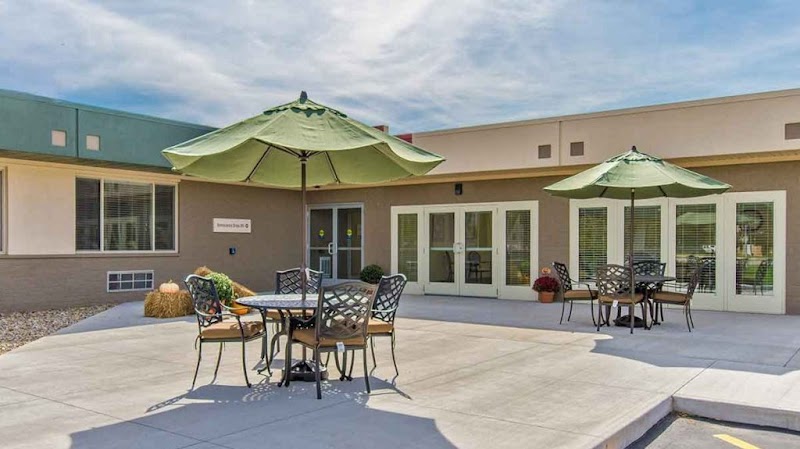
How is Briarcliff Health & Rehabilitation Center Staffed?

CMS rates BRIARCLIFF HEALTH & REHABILITATION CENTER's staffing level at 2 out of 5 stars, which is below average compared to other nursing homes. Staff turnover is 41%, compared to the Indiana average of 46%. This relatively stable workforce can support continuity of care.

What Have Inspectors Found at Briarcliff Health & Rehabilitation Center?

State health inspectors documented 39 deficiencies at BRIARCLIFF HEALTH & REHABILITATION CENTER during 2022 to 2024. These included: 3 that caused actual resident harm and 36 with potential for harm. Deficiencies causing actual harm indicate documented cases where residents experienced negative health consequences.
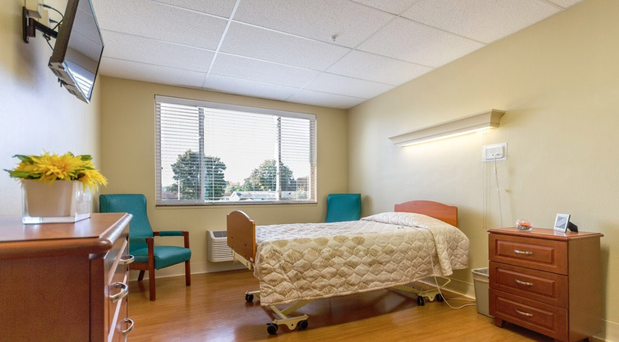
Who Owns and Operates Briarcliff Health & Rehabilitation Center?

BRIARCLIFF HEALTH & REHABILITATION CENTER is owned by a for-profit company. For-profit facilities operate as businesses with obligations to shareholders or private owners. The facility operates independently rather than as part of a larger chain. With 131 certified beds and approximately 95 residents (about 73% occupancy), it is a mid-sized facility located in SOUTH BEND, Indiana.
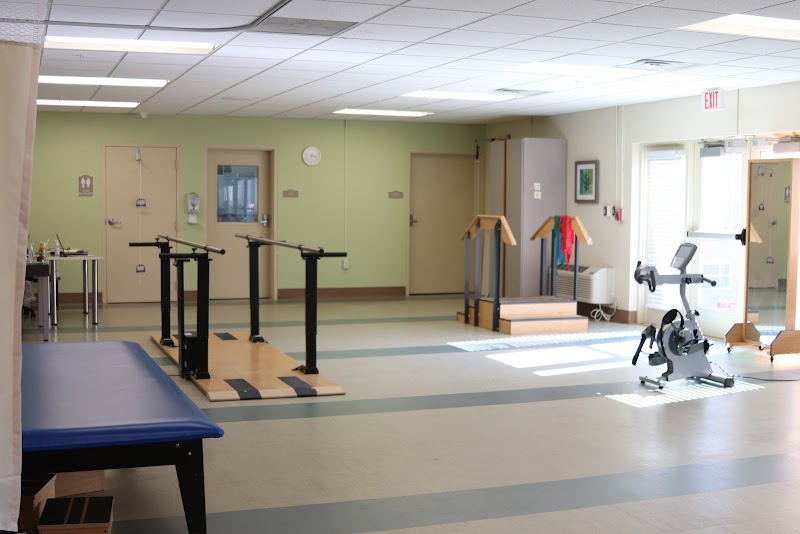
How Does Briarcliff Health & Rehabilitation Center Compare to Other Indiana Nursing Homes?

Compared to the 100 nursing homes in Indiana, BRIARCLIFF HEALTH & REHABILITATION CENTER's overall rating (2 stars) is below the state average of 3.1, staff turnover (41%) is near the state average of 46%, and health inspection rating (2 stars) is below the national benchmark.

What Should Families Ask When Visiting Briarcliff Health & Rehabilitation Center?

Based on this facility's data, families visiting should ask: "Can you walk me through typical staffing levels on day, evening, and night shifts?" "Can I visit during a mealtime to observe dining assistance and food quality?" "How do you handle medical emergencies, and what is your hospital transfer rate?" "Can I speak with family members of current residents about their experience?" These questions are particularly relevant given the below-average staffing rating.

Is Briarcliff Health & Rehabilitation Center Safe?

Based on CMS inspection data, BRIARCLIFF HEALTH & REHABILITATION CENTER has a clean safety record: no substantiated abuse findings (meaning no confirmed cases of resident harm), no Immediate Jeopardy citations (the most serious violation level indicating risk of serious injury or death), and is not on the Special Focus Facility watch list (a federal program monitoring the lowest-performing 1% of nursing homes). The facility has a 2-star overall rating and ranks #100 of 100 nursing homes in Indiana. While no facility is perfect, families should still ask about staff-to-resident ratios and recent inspection results during their visit.

Do Nurses at Briarcliff Health & Rehabilitation Center Stick Around?

BRIARCLIFF HEALTH & REHABILITATION CENTER has a staff turnover rate of 41%, which is about average for Indiana nursing homes (state average: 46%). Moderate turnover is common in nursing homes, but families should still ask about staff tenure and how the facility maintains care continuity when employees leave.

Was Briarcliff Health & Rehabilitation Center Ever Fined?

BRIARCLIFF HEALTH & REHABILITATION CENTER has been fined $10,839 across 1 penalty action. This is below the Indiana average of $33,187. While any fine indicates a compliance issue, fines under $50,000 are relatively common and typically reflect isolated problems that were subsequently corrected. Families should ask what specific issues led to these fines and confirm they've been resolved.

Is Briarcliff Health & Rehabilitation Center on Any Federal Watch List?

BRIARCLIFF HEALTH & REHABILITATION CENTER is not on any federal watch list. The most significant is the Special Focus Facility (SFF) program, which identifies the bottom 1% of nursing homes nationally based on persistent, serious quality problems. Not being on this list means the facility has avoided the pattern of deficiencies that triggers enhanced federal oversight. This is a positive indicator, though families should still review the facility's inspection history directly.