HEALTHWIN HEALTH & REHABILITATION
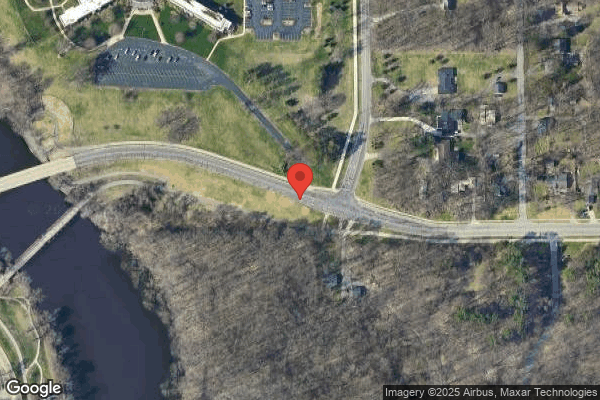
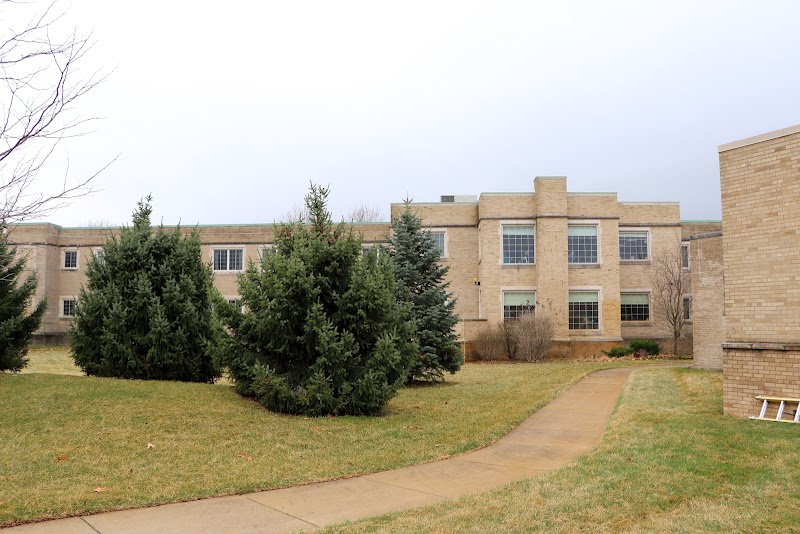
20531 DARDEN RD, SOUTH BEND, IN 46637 (574) 272-0100
For profit - Limited Liability company 145 Beds Independent Data: November 2025 2 Immediate Jeopardy citations
Trust Grade
1/100
#456 of 505 in IN
Last Inspection: February 2025

Within standard 12-15 month inspection cycle. Federal law requires annual inspections.

Overview

Healthwin Health & Rehabilitation has received a Trust Grade of F, indicating significant concerns about the quality of care provided. They rank #456 out of 505 facilities in Indiana, putting them in the bottom half, and #18 out of 18 in St. Joseph County, meaning there are no local options that perform better. The facility's trend is worsening, with the number of issues rising from 8 in 2024 to 15 in 2025. Staffing is average, with a rating of 3 out of 5, but a turnover rate of 64% is concerning, significantly higher than the state average. While they have good RN coverage, exceeding 79% of Indiana facilities, there have been serious incidents, including a resident's death due to a failure to provide timely medical intervention and a resident exiting the facility unattended, indicating critical safety lapses. Overall, while there are some strengths in staffing levels, the serious deficiencies and poor trust grade raise significant red flags for potential residents and their families.

Trust Score
F
1/100
In Indiana
#456/505
Bottom 10%
Safety Record
High Risk
Review needed
Inspections
Getting Worse
8 → 15 violations
Staff Stability
⚠ Watch
64% turnover. Above average. Higher turnover means staff may not know residents' routines.
Penalties
✓ Good
$29,744 in fines. Lower than most Indiana facilities. Relatively clean record.
Skilled Nurses
✓ Good
Each resident gets 54 minutes of Registered Nurse (RN) attention daily — more than average for Indiana. RNs are trained to catch health problems early.
Violations
⚠ Watch
39 deficiencies on record. Higher than average. Multiple issues found across inspections.
★☆☆☆☆
1.0
Overall Rating
★★★☆☆
3.0
Staff Levels
★★★☆☆
3.0
Care Quality
★☆☆☆☆
1.0
Inspection Score
Stable
2024: 8 issues
2025: 15 issues

The Good

  • Full Sprinkler Coverage · Fire safety systems throughout facility
  • No fines on record

Facility shows strength in fire safety.

The Bad

1-Star Overall Rating

Below Indiana average (3.1)

Significant quality concerns identified by CMS

Staff Turnover: 64%

18pts above Indiana avg (46%)

Frequent staff changes - ask about care continuity

Federal Fines: $29,744

Below median ($33,413)

Moderate penalties - review what triggered them

Staff turnover is elevated (64%)

16 points above Indiana average of 48%

The Ugly 39 deficiencies on record

2 life-threatening 1 actual harm
Mar 2025 2 deficiencies
CONCERN (D) 📢 Someone Reported This

A family member, employee, or ombudsman was alarmed enough to file a formal complaint

Potential for Harm - no one hurt, but risky conditions existed

Comprehensive Care Plan (Tag F0656)

Could have caused harm · This affected 1 resident

Based on interview and record review, the facility failed to ensure a comprehensive plan of care including a plan for type 2 diabetes, wound care and colostomy care was created for 1 of 3 residents re...

Read full inspector narrative →
Based on interview and record review, the facility failed to ensure a comprehensive plan of care including a plan for type 2 diabetes, wound care and colostomy care was created for 1 of 3 residents reviewed for care plans. (Resident B) Finding includes: On 3/27/25 at 11:30 A.M., a clinical record review was completed for Resident B's. Diagnoses included, but were not limited to, paraplegea, type 2 diabetes, osteomylitis of the left femur that required surgical intervention and the application of wound vac placement, colostomy status, and pressure ulcers. The Annual Minimum Data Set (MDS) assessment,dated 2/21/25, indicated Resident B was fully cognitively intact, required extensive assistance for bed mobility, transferring, bathing, dressing, and personal hygiene. The resident was assessed to have had two stage 2 pressure ulcers, one unstageable pressure ulcer, and a surgical wound. In addition, Resident B was receiving insulin for diabetes and had received 5 injections in the previous 7 days. Physician's orders included the following: -Lantus Subcutaneous Solution to inject 10 units at bedtime for type 2 diabetes, ordered 11/6/25 and discontinued on 3/6/23. There was no order for the treatment of low blood sugar. -Wound vac to left ischium tuberosity (lower area of the pelvis on the side of the buttock), connect negative pressure wound treatment (NPWT) system at 150mmHg. Change wound vac on Mondays and Fridays for wound care, ordered 2/26/25. -Ostomy care every shift, ordered 2/10/25 A review of Resident B's care plans indicated a lack of goals and interventions for low blood sugar (hypoglycemia), wound vac care to address the pressure ulcers and ostomy care. On 3/27/25 at 9:05 A.M., the Administrator provided an undated policy titled, Care Planning-Comprehensive Person-Centered, indicating it was the current facility policy. The policy indicated, .A baseline care plan to meet the resident's immediate needs shall be developed for each resident within forty-eight (48) hours of admission .'Baseline Care Plan': is a care plan developed within 48 hours of admission .1. To assure that the resident's immediate care needs are met and maintained, .b .ii. The instructions needed to provide effective and person-centered care that meets professional standards of quality . This citation relates to Complaint IN00456011. 3.1-35(a)
CONCERN (D) 📢 Someone Reported This

A family member, employee, or ombudsman was alarmed enough to file a formal complaint

Potential for Harm - no one hurt, but risky conditions existed

Quality of Care (Tag F0684)

Could have caused harm · This affected 1 resident

**NOTE- TERMS IN BRACKETS HAVE BEEN EDITED TO PROTECT CONFIDENTIALITY** Based on interview and record review the facility failed to ensure physician orders were in place for the treatment of low blood...

Read full inspector narrative →
**NOTE- TERMS IN BRACKETS HAVE BEEN EDITED TO PROTECT CONFIDENTIALITY** Based on interview and record review the facility failed to ensure physician orders were in place for the treatment of low blood glucose, and failed to ensure the documentation was completed for wound care treatment according to physician orders, for 1 of 3 residents reviewed for diabetic management and wound treatment, (Resident B). Finding includes: On 3/27/25 at 11:30 A.M., a clinical record review was completed for Resident B's. Diagnoses included paraplegia, type 2 diabetes, osteomylitis of the left femur, seizure disorder, history of stroke, colostomy status, neurogenic bladder requiring a catheter, resistance to multiple antibiotics, tachycardia, and pressure ulcers. The Annual Minimum Data Set (MDS) assessment dated [DATE], indicated Resident B was fully cognitively intact, required extensive assistance for bed mobility, transferring, bathing, dressing, and personal hygiene. The resident was assessed to have had two stage 2 pressure ulcers, one unstageable pressure ulcer, and a surgical wound. In addition, Resident B was receiving insulin for diabetes and had received 5 injections in the previous 7 days. Physician's orders included the following: -Lantus Subcutaneous Solution to inject 10 units at bedtime for type 2 diabetes, ordered 11/6/25 and discontinued on 3/6/23. There were no orders in place for the treatment of low blood sugar. -Santyl External Ointment 250 Unit/GM, to apply to the coccyx topically one time daily for eschar, necrotic, red serosanguinoes draining, ordered 2/18/25. -Ostomy care every shift, ordered 2/10/25. Review of Resident B's February and March 2025 Medication Administration Records and Treatment Administration Records indicated a lack of documentation for the administration of Santyl External Ointment 250 Unit/GM, to apply to the coccyx topically one time daily on 2/22/25, 2/23/25, and 3/6/25. There was also a lack of documentation for ostomy care on 2/18/25 on the night shift and on 3/3/25 on the day shift. During an interview on 3/26/25 at 4:30 P.M., the Director of Nursing (DON), indicated there was not a physician's order for hypoglycemic care and some documentation related to Resident B's wound and ostomy care was missing. On 3/27/25 at 9:05 A.M., the Administrator provided a policy dated 10/1/21, titled, Diabetes Mellitus - Nursing Care Of The Older Adult, indicating it was the current facility policy. The policy indicated, .Unless a physician has ordered specific parameters for monitoring, treating, and notifying the physician of blood sugar levels, the facility's routine standing orders will be used . On 3/27/25 at 9:05 A.M., the Administrator provided an undated policy titled, Documentation Of Wound Treatments, indicating it was the current facility policy. The policy indicated, .Wound assessments are documented at the time of each treatment . This citation relates to Complaint IN00456011. 3.1-37(a)
Feb 2025 13 deficiencies
CONCERN (D)

Potential for Harm - no one hurt, but risky conditions existed

Free from Abuse/Neglect (Tag F0600)

Could have caused harm · This affected 1 resident

Based on observation, interview and record review, the facility failed to ensure a resident was free from verbal abuse for 1 of 1 residents reviewed. (Resident 51) Finding includes: During an observa...

Read full inspector narrative →
Based on observation, interview and record review, the facility failed to ensure a resident was free from verbal abuse for 1 of 1 residents reviewed. (Resident 51) Finding includes: During an observation and interview, on 2/12/2025 at 11:17 A.M., Resident 51 indicated there was an agency nurse on the evening shift that had yelled at her during her shifts at the facility. The resident was unable to recall the staff member's name. Resident 51 indicated the last incident where this staff yelled at her happened approximately two to three weeks ago. Resident 51 indicated the last incident had occurred when she was lying in bed, felt unwell and did not want to attend meal service in the dining room. The resident indicated the nurse raised her voice and demanded the resident get out of her bed and go to the dining room for her meal. Resident 51 was tearful during the re-telling of this occurrence. Resident 51 said, I feel like I'm going to die here. Resident 51 indicated she had reported the incident to the Director of Nursing (DON) the day after the incident had occurred. The resident indicated she was told by the DON the nurse was talking loudly to the resident because she was from a different culture. During an interview, on 2/12/2025 at 11:55 A.M., the DON indicated she recalled an incident several weeks ago reported to her by Resident 51 but was unable to recall the specific date. She indicated it involved a staff nurse not an agency nurse. The DON indicated the resident had presented the interaction as a cultural difference between herself and the nurse. The DON indicated the resident had reported to her the nurse had talked loudly to her. The Director of Nursing indicated she did not report it to the Indiana Department of Health (IDOH) because she did not believe it was abuse. During an interview, on 2/13/2025 at 10:10 A.M., the DON indicated after discussing the allegation further with the surveyor, on 2/12/2025, she had begun investigating the resident's claims of abuse and had reported it to the IDOH. The clinical record of Resident 51 was reviewed on 2/14/2025 at 10:11 A.M. The resident's diagnoses included, but were no limited to: Parkinson's without dyskinesia, unilateral primary osteoarthritis of the left hip, depression, anxiety, post-traumatic stress disorder, personal history of transient ischemic attack and cerebral vascular accident and hypertension. A Quarterly Minimum Data Set (MDS) assessment, dated 1/10/2025, indicated the resident was cognitively intact, was independent with eating and personal hygiene, required partial assistance with oral hygiene, toileting, bathing and/or showering, upper and lower body dressing and footwear. A current Care Plan, revised on 2/4/2025, indicated Resident 51 had diagnoses of post-traumatic stress disorder and depression. Interventions included,, but were not limited to: increase the resident's control by giving her all the choices she can make and let the resident know staff is empathetic. The investigation completed by the Director of Nursing indicated the nurse indicated she had not raised her voice towards Resident 51 at the time of the incident. The investigation indicated Resident 51 initially felt the nurse yelled at her but after speaking to the DON, Resident 51 indicated she no longer felt the nurse had yelled at her. On 2/14/2025 at 2:05 P.M., the DON provided a policy titled,Abuse, dated 10/20/2022 and indicated the policy was the one currently used by the facility. The policy indicated .abuse is the willful infliction of .intimidation .includes verbal abuse .mental abuse .willful, as used in this definition of abuse, means the individual must have acted deliberately, not that the individual must have intended to inflict injury or harm .
CONCERN (D)

Potential for Harm - no one hurt, but risky conditions existed

Deficiency F0604 (Tag F0604)

Could have caused harm · This affected 1 resident

Based on observation, interview and record review, the facility failed to ensure a resident from free from a physical restraint for 1 of 1 residents reviewed for restraints. (Resident 67) Finding incl...

Read full inspector narrative →
Based on observation, interview and record review, the facility failed to ensure a resident from free from a physical restraint for 1 of 1 residents reviewed for restraints. (Resident 67) Finding includes: During an observation on 2/11/2025 at 10:52 A.M., Resident 67 was seated in the dining room in a wheelchair being fed his breakfast by the CNA 11. There was a fastened seat belt noted to be across the resident's lap. During an observation and interview on 2/11/2025 at 11:00 A.M., Resident 67 was had finished his breakfast and w the resident was asked to release his button seat belt. Resident 67 was unable to release the button clasp. During an observation on 2/12/2025 at 11:29 A.M., Resident 67 was seated in his wheelchair in the hallway with the seat belt fastened. During an observation on 2/17/2025 at 3:12 P.M., Resident 67 was seated in his wheelchair with the seat belt fastened. A record review was completed on 2/11/2025 at 2:00 P.M. for Resident 67. Diagnoses included but not limited to: osteoarthritis of right hand, localized swelling, mass and lump right upper limb, dementia unspecified with other behavioral disturbance, unspecified psychotic disorder with hallucinations due to known physiological condition and metabolic encephalopathy. A Significant Change Minimum Data Set (MDS) assessment, dated 2/3/2025, indicated Resident 67 was severely cognitively impaired, required extensive assistance for eating, bed mobility and toilet use and required was totally dependent for transfers. A Physician's Order, dated 1/16/2023, indicated every shift the staff were to command the resident to remove the seat belt and check for placement for positioning and safety. The therapy department was to be notified of failed attempts (of resident removing the seatbelt). A fall care plan, initiated on 1/17/2023 and reviewed as current, included an intervention for staff to ensure the resident was able to independently remove the seat belt upon command. Review of a Treatment Administration Record (TAR), from 1/1/2025-1/31/2025, indicated Resident 67 was unable to release the seat belt on 1/28/2025 on evening shift and 1/31/2025 on day shift. Review of a TAR, from 2/1/2025-2/28/2025, indicated Resident 67 was unable to release the seat belt on 2/5/2025 on the day shift. During an interview on 2/17/2025 at 3:10 P.M., CNA 5 indicated Resident 67 had worn a seat belt and was not able to take it off. He indicated that the resident could not take it off because his fingers were unable to do it. CNA 5 did not know why the resident had the belt because he had not fallen. During an interview on 2/18/2025 at 8:53 A.M., CNA 4 indicated Resident 67 had the belt to prevent him from sliding out of the wheelchair. The CNA indicated Resident 67 was not always able to undo the belt or able to use his hands to feed himself and needed assistance for both activities. During an interview on 2/28/2025 at 9:28 A.M., CNA 6 indicated Resident 67 did not stand up on his own but scooted his wheelchair forward, and could not unbuckle due to his dementia. During an interview on 2/28/2025 at 9:41 A.M., RN 3 indicated the seat belt was used so Resident 67 did not get up and fall down. She indicated Resident 67 could not remove the belt when asked to unfasten the restraint. During an observation on 2/28/2025 at 9:43 A.M., Resident 67 was awake, alert and seated in his wheelchair in his room. RN 3 asked Resident 67 several times to remove his seat belt but Resident 67 made no attempt. Both of his hands remained on his lap in a fisted position. He was asked to open his left hand and he picked up his hand and opened it. Then he was asked to open his right hand, but although he raised it, he was unable to open it. The resident's right hand was red and swollen. During an interview on 2/28/2025 at 9:57 A.M., the DON indicated the medical condition that the seat belt was used for was positioning and safety. The DON indicated it was for fall prevention and the interventions attempted prior to the seat belt were: reacher, offer toilet, incontinence check and changes every 2 hours, assisting him to get up at midnight as he preferred, making sure his clothing fit and did not drag on the floor, maintaining room and pathways to ensure they were free of clutter, ensuring the resident wore proper foot wear, ensuring the call light was within reach and installing antiroll back brakes for his wheelchair. The DON indicated the seat belt was not a restraint because Resident 67 could remove it. The DON indicated the facility did not do an on-going evaluation quarterly of the seat belt because it was not a restraint. In addition, the DON indicated the nurses had an order for the resident to be checked every shift to see if he could release the seat belt by himself. She indicated the resident never attempted to release the seatbelt, except when asked to release it by the nursing staff. During an interview on 2/18/2025 at 10:12 A.M., the Director of Therapy indicated the positional device of the seat belt was necessary to prevent the resident from rising unassisted due to Resident 67's impaired recall. The Director of Thereapy indicated the seat belt was not to be used if the resident was not able to remove the belt upon command. She indicated nursing staff assessed the resident's ability to remove the seat belt every shift the resident was awake. Finally she indicated the therapy department re-evaluated the use of restraints and positioning devices when there was a change in the resident's condition, decline in mental status and function and if the resident was unable to release the seat belt for the nursing staff. On 3/18/2025 at 8:54 A.M., the DON provided a policy titled, Physical Restraint, undated, and indicated the policy was the one currently used by the facility. The policy indicated .Restraints shall only be used for the safety and well-being of the resident(s) and only after other alternatives have been tried unsuccessfully. Restraints shall only be used to treat the resident's medical symptoms(s) and never for discipline or staff convenience, or for the prevention of falls. When the use of restraints is indicated, the least restrictive alternative will be used for the least amount of time necessary, and the ongoing re-evaluation for the need for restraints will be documented. Specific Procedures/Guidance 1. The definition of a restraint is based on the functional status of the resident and not the device. If the resident cannot remove a device in the same manner in which the staff applied it given that resident's physical condition and this restricts his/her typical ability to change position or place, that device is considered a restraint. 3. Practices that inappropriately utilize equipment to prevent resident mobility are considered a restraints and are not permitted, including: c. Placing a resident in a chair that prevents the resident from rising 13. Restrained individuals shall be reviewed regularly (at least quarterly) to determine whether they are candidates for restraint reeducation, less restrictive methods of restraints, or total restraint elimination . 3.1-3(w)
CONCERN (D)

Potential for Harm - no one hurt, but risky conditions existed

Report Alleged Abuse (Tag F0609)

Could have caused harm · This affected 1 resident

Based on observation, interview, and record review, the facility failed to ensure a resident's allegation of verbal abuse was reported timely after an allegation was made to the Indiana Department of ...

Read full inspector narrative →
Based on observation, interview, and record review, the facility failed to ensure a resident's allegation of verbal abuse was reported timely after an allegation was made to the Indiana Department of Health for 1 of 1 resident reviewed for abuse. (Resident 51) Finding included: During an observation and interview, on 2/12/2025 at 11:17 A.M., Resident 51 indicated there was an agency nurse on the evening shift that had yelled at her during her shifts at the facility. The resident was unable to recall the staff member's name. Resident 51 indicated the last incident where this staff yelled at her had occurred approximately two to three weeks ago. Resident 51 indicated this last incident occurred when she was lying in bed, felt unwell and did not want to attend meal service in the dining room. The resident indicated the nurse raised her voice and demanded the resident get out of her bed and go to the dining room for her meal. Resident 51 was tearful during the re-telling of this occurrence. Resident 51 said, I feel like I'm going to die here. Resident 51 indicated she reported the incident to the Director of Nursing (DON) the day after the incident occurred. The resident indicated she was told by the DON that the nurse was talking loudly to her because she (the nurse) was from a different culture. During an interview, on 2/12/2025 at 11:55 A.M., the DON indicated she recalled an incident several weeks ago reported to her by Resident 51 but was unable to recall the specific date. She indicated it involved a staff nurse not an agency nurse. The DON indicated the nurse involved was from another culture and was the incident had been presented by the resident as a cultural difference. The DON indicated she did not report it to the Indiana Department of Health (IDOH) because she did not believe it was an allegation of abuse. During an interview, on 2/13/2025 at 10:10 A.M., after the discussion with the surveyor on 2/12/2025, the DON indicated she had begun investigating the Resident 51s claims of abuse and had reported the allegation to the IDOH. The clinical record of Resident 51 was reviewed on 2/14/2025 at 10:11 A.M. The resident's diagnoses included, but were no limited to: Parkinson's without dyskinesia, unilateral primary osteoarthritis of the left hip, depression, anxiety, post-traumatic stress disorder, personal history of transient ischemic attack and cerebral vascular accident and hypertension. A Quarterly Minimum Data Set (MDS) assessment, dated 1/10/2025, indicated the resident was cognitively intact. A current Care Plan, revised on 2/4/2025, indicated Resident 51 had diagnoses of post-traumatic stress disorder and depression. Interventions included, but were not limited to: increase the resident's control by giving her all the choices she can make and let the resident know staff is empathetic. The investigation completed by the Director of Nursing indicated the nurse indicated she had not raised her voice towards Resident 51 at the time of the incident. The investigation indicated Resident 51 felt the nurse yelled at her but after speaking to the DON, Resident 51 indicated she no longer felt the nurse had yelled at her An Incident Report was sent to the IDOH by the Director of Nursing on 2/12/2025. However, the allegation had been reported to the DON a few weeks prior to 2/12/2025. On 2/14/2025 at 2:05 P.M., the DON provided a policy titled,Abuse, dated 10/20/2022 and indicated the policy was the one currently used by the facility. The policy indicated .designated staff will immediately review and investigate all allegations .of abuse .each covered individual/mandated reporter shall report .not later than 24 hours if the events that cause the suspicion do not result in serious bodily injury .the organization will report all alleged violations involving .abuse . 3.1-28(c)
CONCERN (D)

Potential for Harm - no one hurt, but risky conditions existed

Comprehensive Care Plan (Tag F0656)

Could have caused harm · This affected 1 resident

Based on interview and record review, the facility failed to ensure a comprehensive plan of care included a plan to address an osteomyelitis diagnosis and the use of an indwelling catheter for 1 of 24...

Read full inspector narrative →
Based on interview and record review, the facility failed to ensure a comprehensive plan of care included a plan to address an osteomyelitis diagnosis and the use of an indwelling catheter for 1 of 24 residents reviewed for comprehensive care plans. (Resident Q) Findings include: A record review for Resident Q was completed on 2/18/2025 at 9:00 A.M. Diagnosis included, but were not limited to osteomyelitis right foot/ankle, diabetes mellitus type 2, anxiety, depression, hypertension, and chronic kidney disease stage 3. A Physician's order dated 2/7/2025 indicated, an order for the medication, ceftazidime 1.25 grams (gm) intravenously (IV) for osteomyelitis, A History and Physical evaluation, dated 1/3/2025 by the attending Physician, indicated an X-ray of Resident Q's foot had shown chronic osteomyelitis and the resident was started on IV antibiotics. A Nursing Progress note, dated 2/7/2025, indicated Resident Q was admitted from the hospital due to a diagnosis of osteomyelitis. Resident Q's record did not include a plan of care for osteomyelitis. In addition, there was a Physician's order dated 2/7/2025 for a Foley (urinary) catheter, size 18 french, 10 milliliter balloon. A hospital transfer summary dated 2/7/2025, indicated the need for the continued use of a catheter. Resident Q's record did not include a plan of care for the Foley (urinary) catheter use. During an interview with the DON on 02/18/25 at 12:00PM, she indicated care plans would be updated with new orders identified during the morning clinical meeting. She indicated the care plan in the record should be current and she did not know why Resident Q did not have a care plan for osteomyelitis or the Foley (urinary) catheter. A current facility policy was provided by the DON on 2/28/2025 at 2:02 P.M. The policy titled, Care Planning-Comprehensive Person Centered indicated the Interdisciplinary team was responsible for reviewing and updating the care plans with a significant change in resident condition, when needs change and when returning from hospital stay. 3.1-35(a)
CONCERN (D)

Potential for Harm - no one hurt, but risky conditions existed

Deficiency F0679 (Tag F0679)

Could have caused harm · This affected 1 resident

Based on observation, interview and record review, the facility failed to ensure residents were provided with activities designed to meet their interest and their physical, mental, psychosocial well-b...

Read full inspector narrative →
Based on observation, interview and record review, the facility failed to ensure residents were provided with activities designed to meet their interest and their physical, mental, psychosocial well-being for 2 of 2 resident reviewed for activities. (Resident 55 and 83) Findings include: 1. During an observation, on 2/12/2025 at 2:37 P.M., Resident 55 was observed seated in her room while reclined in a Broda chair with a television playing. During an observation, on 2/13/2025 at 11:03 A.M., Resident 55 was observed in a Broda chair in her room with her eyes open and looking at the floor. The television was tuned to a game show. During an observation, on 2/14/2025 at 2:04 P.M., Resident 55 was observed lying in her bed on her right side with her eyes closed. The February activity calendar indicated Valentine Bingo was scheduled at this time. The clinical record of Resident 55 was reviewed on 2/17/2025 at 8:46 A.M. The resident's diagnoses included, but were not limited to: Alzheimer's disease, dementia, peripheral vascular disease, depression, anxiety, unspecified convulsions and insomnia. A Quarterly Minimum Data Set (MDS) assessment, dated 1/22/2025, indicated Resident 55 was severely cognitively impaired. An Annual MDS assessment, dated 10/22/2024, indicated a staff assessment of Resident 55's preferences for activities included visiting with pets, listening to music, being around groups of people and participating in religious activities. Current Physician Orders included but were not limited to: an order for the facility to provide Activities Per Plan, dated 10/27/2023. A current Care Plan for activities, revised 10/22/2024, indicated Resident 55 was unable to initiate activities. Interventions included, but were not limited to: provide 1 to 1 activity visits twice weekly and monitor Resident 55's activity involvement. The record lacked documentation Resident 55 had attended any group activities or received any 1 to 1 visits from 2/3/2025 through 2/10/2025. 2. During an observation, on 2/11/2025 at 10:42 A.M., Resident 83 was seated in her Broda chair at the bedside and was looking out into the hallway while her television was playing. The Activity Calendar listed exercise and trivia as the scheduled activity. During an observation, 2/13/2025 at 11:07 A.M., Resident 83 was seated in her reclining Broda chair in her room. The resident was not looking at her television, which was playing, but was staring out into hallway. During an observation, on 2/14/2025 2:05 P.M., Resident 83 was lying in her bed, awake. Both the television and the radio were playing in her room. The resident was not watching television. The scheduled activity was Valentine Bingo. The clinical record for Resident 83 was reviewed on 2/13/2025 at 11:08 A.M. The resident's, diagnoses included, but were no limited to: senile degeneration of brain, unspecified dementia, bipolar disorder, chronic kidney disease, diabetes mellitus, depression and non-rheumatic mitral valve insufficiency A Quarterly Minimum Data Set (MDS) assessment, dated 1/15/2025, indicated the resident had severely impaired cognitive skills for daily decision making. An Annual MDS assessment, dated 12/11/2024, indicated it was very important for the resident to go outside during nice weather and listen to music and somewhat important to be around pets, do things with groups of people and do activities she enjoys; it was not very important for the resident to read or keep up with the news. Current Physician Orders included but were not limited to: Activities Per Plan, dated 5/16/2023. A current Care Plan, revised 1/23/2025, indicated Resident 83's goal was to participate in one to two group or individual activities weekly. Interventions included but were not limited to: invite Resident 83 to activities of interest and monitor resident's activity involvement. The record lacked documentation Resident 83 had attended any group activities or received any 1 to 1 visits from 2/2/2025 through 2/10/2025. During an interview, on 2/17/2025 at 9:13 A.M., the Activities Director indicated Resident 55 had always attended mass at the request of her family. These activities were documented in the electronic medical record (EMR). The Activities Director indicated she had completed a 1 to 1 visit with both Resident 55 and Resident 83 on 2/11/2025 and 2/13/2025. The Activities Director indicated the 1 to 1 visits consisted of sitting and talking to the residents. On 2/19/2025 at 11:30 A.M., the Director of Nursing provided a policy titled, Activities Evaluation, dated 10/1/2021 and indicated the policy was the one currently used by the facility. The policy indicated .Activities: refers to any endeavor .intended to enhance his/her sense of well-being .identify if a resident is capable of pursuing activities independently, or if supervision and assistance are needed . 3.1-33(a)
CONCERN (D)

Potential for Harm - no one hurt, but risky conditions existed

Incontinence Care (Tag F0690)

Could have caused harm · This affected 1 resident

Based on interview and record review, the facility failed to ensure there were clinical indications to support the continued use of an indwelling catheter for 1 of 3 residents reviewed for catheters. ...

Read full inspector narrative →
Based on interview and record review, the facility failed to ensure there were clinical indications to support the continued use of an indwelling catheter for 1 of 3 residents reviewed for catheters. (Resident Q) Findings include: A record review for Resident Q was completed on 2/18/2025 at 9:00 A.M. Diagnosis included, but were not limited to osteomyelitis right foot/ankle, diabetes mellitus type 2, anxiety, depression, hypertension, and chronic kidney disease stage 3. A Physician's order, dated 2/7/2025, included the following: Foley (urinary) catheter, size 18 french, 10 milliliter balloon. A Physician's progress note,dated 2/8/2025, indicated Resident Q had a Foley (urinary) catheter. There was no documentation of why the resident required the use of an indwelling urinary catheter. A Nurse Practitioner (NP) note, dated 2/20/2025, indicated Resident Q had redness to her buttocks and a Foley urinary catheter was in place for wound healing. However, there was no documentation of any current open wounds for Resident Q that could have been contaminated by urine. During an interview with the Director of Nursing (DON) on 2/18/2025 at 12:00 P.M., she indicated she did not know why Resident Q had a Foley catheter. A current facility policy was provided by the DON on 2/28/2025 at 2:02 P.M. The policy titled, Urinary Catheter Care did not include any type of assessment or required documentation to support the continued use of an indwelling urinary catheter. 3.1-41(a)(1)
CONCERN (D)

Potential for Harm - no one hurt, but risky conditions existed

Tube Feeding (Tag F0693)

Could have caused harm · This affected 1 resident

**NOTE- TERMS IN BRACKETS HAVE BEEN EDITED TO PROTECT CONFIDENTIALITY** Based on observation, interview and record review, the facility failed to follow Physician's orders related to enteral feedings ...

Read full inspector narrative →
**NOTE- TERMS IN BRACKETS HAVE BEEN EDITED TO PROTECT CONFIDENTIALITY** Based on observation, interview and record review, the facility failed to follow Physician's orders related to enteral feedings for 1 of 1 resident reviewed for a gastronomy tube (G-tube) (Resident 46). Finding includes: During an observation on 2/11/2025 at 2:53 P.M., a bottle of Osmolite 1.5 (enteral tube feeding) was disconnected from Resident 46 and hanging on an intravenous line (IV) pole. The bottle of Osmolite was not dated and had approximately 200 milliliters (mLs) left in the bottle. During an observation on 2/12/2025 at 10:40 A.M., a bottle of Osmolite 1.5 was disconnected from Resident 46 and hanging on an IV pole. The bottle of Osmolite was dated 2/11/2024 and had approximately 300 mLs remaining in the bottle. During an observations on 2/13/2025 at 1:36 P.M., a bottle of Osmolite 1.5 was disconnected from Resident 46 and was hanging on an IV pole with approximately 200 mLs still remaining in the bottle. The date on the bottle was 2/12/2024. Resident 46's record review was completed on 2/13/2025 at 3:00 P.M. Diagnoses included, but were not limited to: spinal cord compression, epilepsy, nontraumatic intracerebral hemorrhage of subcortical, neuromuscular dysfunction of bladder and spinal stenosis. An admission Minimum Data (MDS) assessment dated [DATE], indicated Resident 46 was severely cognitively impaired, had a feeding tube and received more than 51% of his calories from his feeding tube. A current Physicians order, dated 11/19/2024, indicated Resident 46 was to receive an enteral feeding of Osmolite 1.5. The enteral feeding was to run at 75 mLs per hour for sixteen hours for a total of 1200 mLs. One bottle of Osmolite 1.5 was 1000 mLs. Thus, the resident would have required one whole bottle and 1/5 of a new bottle of tube feeding per night. During an interview on 2/13/2025 at 1:38 P.M., the Infection Prevention (IP) Nurse indicated Resident 46 had not received his full enteral feeding, but should have. The IP Nurse indicated any time a resident did not receive their entire enteral feeding, the Physician should be notified. Resident 46's record lacked the documentation that the Physician had been notified on 2/11, 2/12 or 2/13/2024 indicating he had not received the amount of Osmolite 1.5 enteral feeding that was ordered. On 2/13/2024 at 3:00 P.M., the Director of Nursing (DON) provided undated policy titled, Enteral Feedings, and identified the policy as the one currently used by the facility. The policy indicated, . 1. Enteral feedings will be administered in accordance with the physician/practitioner order . Preventing Errors in Administration . 2. On the formula container document initials, date, and time the formula was hung . Documentation . 2. Document the administration of the enteral feeding, including name of formula, time administered, and amount administered 3.1-44 (a)(2)
CONCERN (D)

Potential for Harm - no one hurt, but risky conditions existed

Respiratory Care (Tag F0695)

Could have caused harm · This affected 1 resident

Based on observation, interview, and record review, the facility failed to assist a resident with a fractured arm apply her continuous positive airway pressure (CPAP) and clean the equipment after use...

Read full inspector narrative →
Based on observation, interview, and record review, the facility failed to assist a resident with a fractured arm apply her continuous positive airway pressure (CPAP) and clean the equipment after use for 1 of 1 residents reviewed for respiratory care. (Resident 23) Finding includes: During an observation and interview on 2/11/2025 at 10:49 A.M., Resident 23's CPAP mask and tubing were lying uncovered on an opened SoClean machine on the right side of the resident's bed. Resident 23 had a splinted right arm propped up on a pillow. During an observation and interview on 2/11/2025 at 2:40 P.M., Resident 23 indicated no one ever cleaned her CPAP, and she did not always wear her CPAP because it was too hard for her to put on by herself with a broken arm. Resident 23 indicated no one had helped her the previous night. During an observation on 2/12/2025 at 2:22 P.M., Resident 23's CPAP mask and tubing was still lying uncovered on an opened SoClean machine. During an observation and interview on 2/13/2025 at 11:15 A.M., Resident 23 indicated she did not wear her CPAP the previous night because no one had assisted her with the equipment The mask continued to lie uncovered on an opened SoClean machine. The machine was filled with supplies. During an observation and interview on 2/14/2025 at 9:23 A.M., Resident 23 indicated she had not worn her CPAP the previous night because no one had assisted her with putting it on. The equipment continued to lie uncovered on an opened SoClean machine. During an observation on 2/17/2025 at 3:09 P.M., Resident 23's CPAP equipment was lying on uncovered on top of the SoClean machine. A record review was completed for Resident 23 on 2/13/2025 at 9:30 A.M. Diagnoses included but was not limited to: chronic obstructive pulmonary disease, obstructive sleep apnea, and fracture of shaft of radius, right arm. A Physician Order, dated 4/13/2021, CPAP apply at bedtime and remove upon rising with settings of 11 cm H20, fill with distilled water and apply. A Physician's Order, dated 4/8/2024, to place the mask in SoClean machine with tubing intact after removing the mask from the resident in the morning. A current respiratory care plan, dated 1/19/2023, indicated CPAP settings as ordered A Treatment Administration Record (TAR), dated 1/1/2025 - 1/31/2025 indicated the device had been applied and cleaned as ordered. A TAR dated, 2/1/2025 - 2/28/2025, indicated she had refused to wear the machine on 2/10/2025 and that it was in the SoClean every day, except on 2/6/2025 which was not signed off. During an interview on 2/17/2025 at 3:22 P.M., RN 9 indicated Resident 23 does not always wear the CPAP, when it was not in use it should have been in the CPAP sanitizer, and it currently was not in the machine and should have been. On 2/18/2025 at 8:54 A.M., the DON provided a policy titled CPAP/BIPAP Guidance, undated, indicated the policy was the one currently used by the facility. The policy indicated . The facility will implement procedures to ensure that each resident receives necessary respiratory care and services that is in accordance with professional standards of practice, the resident's care plan, and the resident's choice . 3.1-47(a)(6)
CONCERN (D)

Potential for Harm - no one hurt, but risky conditions existed

Infection Control (Tag F0880)

Could have caused harm · This affected 1 resident

Based on observation, record review and interview, the facility failed to follow standards of practice for infection control for 3 of 4 residents who received supplemental oxygen or wore a CPAP (conti...

Read full inspector narrative →
Based on observation, record review and interview, the facility failed to follow standards of practice for infection control for 3 of 4 residents who received supplemental oxygen or wore a CPAP (continuous positive airway pressure) machine at night. (Residents 27, 95 and 11) Findings include: 1. During the following observations, Resident 27's CPAP mask was in a SoClean (automated CPAP equipment cleaner and sanitizer) machine. The SoClean machine was not on, did not have a lid and the inside of the machine contained dust. -2/11/2025 at 10:25 A.M. -2/12/2025 at 11:56 A.M. -2/14/2025 at 2:10 P.M. -2/18/2025 at 1:54 P.M. Resident 27's record review was completed on 2/17/2025 at 3:30 P.M. Diagnoses included but were not limited to: Parkinson's disease, sleep apnea, anxiety and dysphagia. A current Physician's order dated, 4/9/2024, indicated Resident 27's CPAP mask was to be placed in the SoClean machine with the tubing intact after it was removed from the resident. A current Care Plan dated, 3/17/2023, indicated Resident 27 had altered respiratory status related to sleep apnea. The goal of the Care Plan was for the resident to maintain normal breathing patterns. An intervention to the Care Plan included, but was not limited to: disinfect CPAP as ordered. During an interview with the Unit Manager (UM) on 2/18/2025 at 1:55 P.M., she indicated the SoClean machine did not have a lid, but should, and the inside of the machine was dirty and should not have been. 2. During an interview on 2/11/2025 at 11:21 A.M., Resident 95 indicated she used supplemental oxygen when she was short of breath. She indicated staff had not changed the tubing or the humidification bottle on the oxygen concentrator in over a month. Resident 95's oxygen tubing was laying on the oxygen concentrator, unbagged and the tubing and the humidification bottle on the oxygen concentrator were not labeled with a date during the following observations: -2/11/2025 at 11:27 A.M. -2/13/2025 at 1:15 P.M. -2/17/2025 at 2:15 P.M. -2/18/2025 at 1:52 P.M. Resident 95's record review was completed 2/18/2024 at 9:00 A.M. Diagnoses included, but were not limited to: hemiplegia and hemiparesis affecting left side, dysphagia and atrial fibrillation. A current Physician's order dated, 10/16/2024, indicated Resident 95 received oxygen at 0-4 Liters to maintain biox (amount of oxygen in the blood) greater than 90. A current Physician's order dated, 10/16/2024, indicated Resident 95's oxygen tubing and humidifier bottle should have been changed every Wednesday on the night shift. During an interview on 2/18/2025 at 1:55 P.M., the Unit Manager indicated the oxygen tubing and the humidifier bottle on the concentrator should be labeled with the date they had been changed. The oxygen tubing should have been stored in a bag and not hanging over the oxygen concentrator. During an interview on 2/19/2025 at 2:40 P.M., the Director of Nursing indicated she did not have a policy specific to labeling oxygen equipment with dates. 3. A record review for Resident 11 was completed on 1/18/2025 at 10:00 A.M. Diagnoses included but were not limited to congestive heart failure, chronic respiratory failure, and diabetes mellitus. Physician orders included but were not limited to replace oxygen tubing, filter and water every Wednesday on night shift. A current care plan indicated Resident 11 had altered respiratory status/difficulty breathing related to chronic hypoxic respiratory failure. His interventions included but were not limited to: administer medications as ordered, provide oxygen as ordered and to elevated head of bed as needed. During an general observation on 2/12/2025 at 10:15 A.M., Resident 11's nebulizer mouthpiece was lying on the nightstand and the oxygen tubing was lying on the floor. Neither item was dated and was not stored in a bag when they were not in use. During an general observation on 2/18/2025 at 1:59 P.M., Resident 11's oxygen tubing was rolled up and placed in the handle of the concentrator and his nebulizer was lying on the nightstand. Both items were not bagged or dated. During an interview with CNA 16 on 2/18/2025 at 2:10 P.M., he indicated when oxygen is not in use it would be stored in a bag. He also indicated the tubing and water should have been dated. During an interview with the Infection Prevention Nurse on 2/19/2025 at 2:26 P.M., she indicated oxygen administration equipment should have been stored in bags when not in use. A current facility policy was provided by the Director of Nursing on 2/18/2025 at 2:02 P.M. The policy titled Oxygen Administration, did not indicate how to store oxygen equipment when it was not in use. 3.1-18(a)
CONCERN (E) 📢 Someone Reported This

A family member, employee, or ombudsman was alarmed enough to file a formal complaint

Potential for Harm - no one hurt, but risky conditions existed

ADL Care (Tag F0677)

Could have caused harm · This affected multiple residents

4. During a family interview on 2/12/2025 at 9:55 A.M., the family member for Resident D indicated she had not been receiving her showers and after two and half weeks, she had finally received a showe...

Read full inspector narrative →
4. During a family interview on 2/12/2025 at 9:55 A.M., the family member for Resident D indicated she had not been receiving her showers and after two and half weeks, she had finally received a shower. The family member indicated showers had not been completed routinely at the facility. A record review was completed on 2/13/2025 at 10:00 A.M. for Resident D. Diagnoses included but were not limited to: hemiplegia and hemiparesis following cerebral infarction affecting right dominant side, and unspecified osteoarthritis. A Quarterly Minimum Data Set (MDS) assessment, dated 1/15/2025 indicated Resident D could not use one upper extremity and was total dependent for all activities of daily living with the exception of set up assistance for eating. A self-care deficit care plan, dated 7/6/2018, indicated Resident D requires assistance with bathing, dressing and hygiene. An intervention, dated 10/6/2022, indicated will shower every Monday, Wednesday and Friday as the resident desires. A review of the Documentation Survey Report for bathing. dated January of 2025, indicated Resident D received a bed bath on 1/20/2025 and 1/27/2025. There was no documentation of any bathing from 1/7/2025 through 1/16/2025. A review of the Documentation of Survey Report for bathing, dated February of 2025 indicated Resident D received one shower on 2/12/2025 and one bed bath 2/15/2025. There was no other documentation of any bathing opportunities in February, from 2/1 through 2/15/2025. During an interview on 2/14/2025 at 10:33 A.M., CNA 6 indicated she had not given Resident D a shower, even though it was her shower day because she was waiting to see if a shower aide was going to come in later in the day. She indicated if the facility did not have a shower aide working, she could not give the scheduled showers/baths because she did not have time to complete them. During an interview on 2/14/2025 at 10:40 A.M., CNA 10 indicated if the facility did not have a shower aide scheduled and working, she did not have the time to complete the scheduled showers. She indicated the facility only had a shower aide scheduled a couple days of the week. During an interview on 2/17/2025 at 9:35 A.M., CNA 6, indicated the previous Friday, the shower aide did not show up to work so Resident D did not receive her scheduled shower. CNA 6 confirmed Resident D not had not always received her scheduled showers. 5. During a family interview on 2/11/2025 at 11:23 A.M., the family member indicated they took care of Resident E's fingernails and facial hair, but the resident had not gotten her scheduled showers. The family member indicated staff had told them they would try to get to it, but they did not get around to giving the shower or bath. The family member indicated Resident E had developed a yeast infection under her abdominal folds/groin area that the family member felt was due to not receiving proper cleaning and showering. The family member indicated the resident had not had this infection when she had received her scheduled showers. During an observation on 2/18/2025 at 10:00 A.M., and 2/19/2025 at 9:01 A.M., Resident E's hair looked greasy. During a family interview on 2/19/2025 at 1:43 P.M., the family member for Resident E indicated her hair smelled and looked dirty. The facility had informed the family member that Resident E's shower schedule had been changed to every Sunday and Wednesday, but the family member indicated it did not look like the resident had received a shower on 2/16/2025. A record review was completed for Resident E on 2/14/2025 at 10:00 A.M. Diagnoses included but not limited to: Alzheimer's Disease, dementia unspecified severity, without behavioral disturbance, psychotic disturbance, mood disturbances and anxiety. A Quarterly Minimum Data Set (MDS) assessment, dated 11/7/2024, indicated Resident E was severely cognitively impaired and required extensive assistance for transfer, bed mobility, and toileting. A self- care deficit care plan, initiated 9/11/2024, indicated Resident E required assistance with bathing, dressing and hygiene. An intervention dated 9/11/2024 indicated she would be bathed at times and days of her choosing on Sunday and Wednesday. A Progress note, dated 1/28/2025 from the Nurse Practioner (NP) indicated the following: the chief complaint was redness to the groin. She was seen for the redness to the groin skin folds. The NP ordered Nystatin powder twice a day for 14 days, washed daily with soap and water, dry and apply the powder. A review of the electronic charting system for documenting bathing for Resident E indicated there was no bathing or showers documented from 1/1/2025 through 1/14/2025. A review of the electronic charting system for documenting bathing for Resident E dated February of 2025, indicated there was no documentation for bathing from 2/1/2025 through 2/11/2025. During an interview on 2/19/2025 at 9:05 A.M., CNA 8 indicated Resident E's groin was still red this and she had washed the resident's groin area and applied a cream. On 2/18/2025 at 2:02 P.M., the DON provided a policy titled, Activities of Daily Living, undated, and indicated the policy was the one currently used by the facility. The policy indicated, . Residents will be provided with care, treatment, and services as appropriate to maintain or improve their ability to carry out activities of daily living (ADLs). Residents who are unable to carry out activities of daily living independently will receive the services necessary to maintain good nutrition, grooming and personal and oral hygiene. Each resident shall be given proper daily personal attention and care including skin, nail, hair, and oral hygiene, in addition to any specific care ordered by the attending physician. 4. Appropriate care and services will be provided for residents who are unable to carry out ADLs independently, with the consent of the resident and in accordance with the plan of care, including appropriate support and assistance with: a. Hygiene (bathing, dressing, grooming, and oral care); i. Each resident shall receive tub or shower baths as often as needed, but not less than twice weekly or as required by state law. Residents preference and/or whose medical conditions prohibit tub or shower baths shall have a sponge bath daily . This Federal tag relates to Complaint IN00451914, IN00451952, IN00452177, and IN00451978. 3.1-38(a)(3) Based on interview, observation and record review, the facility failed to ensure dependent residents received showers or complete bed baths as scheduled for 5 of 8 residents who were reviewed for showers or complete bed baths. (Residents B, M, D, E, and 55) Findings include: 1. During an interview on 2/11/2025 at 9:48 A.M., Resident B indicated she was scheduled to receive three showers a week, but had not received a shower for over two weeks. She indicated there was not enough staff to give her a shower, but she had had a couple of bed baths over the last two weeks. During an interview on 2/12/2025 at 9:55 A.M., Resident B's family member indicated the resident had not had a shower in over two weeks and she had called and left multiple messages for the Administrator, but had not received a call back. During an interview on 2/12/2025 at 10:05 A.M., Resident B's family member indicated the resident was alert and oriented and the resident had been upset about not receiving any showers for over two weeks. Resident B's record review was completed on 2/12/2025 at 11:13 A.M. Diagnoses included, but were not limited to: hemiplegia and hemiparesis affecting left non-dominant side, atrial fibrillation, depression and hypertension. An Annual Minimum Data Set (MDS) assessment dated , 12/13/2024, indicated Resident B had intact cognition, required maximal assistance for showering and her preference indicated it was very important for her to choose between a shower or bed bath. A current Care Plan dated, 1/26/2023, indicated Resident B had a self care deficit and required assistance with bathing. The goal of the Care Plan was for the resident to make her own decisions regarding daily care. An intervention of the Care Plan included, but was not limited to: resident to receive a shower on Monday, Wednesday and Friday. A January 2025 Treatment Administration Record (TAR) indicated Resident B had not received a shower on 1/8, 1/10, 1/13, 1/15, 1/20, 1/24, 1/27, 1/29 or 1/31/2025. A February 2025 TAR indicated Resident B had not received a shower on 2/3, 2/5, 2/7 or 2/10/2025. Resident B's there was no documentation Resident B had refused any showers. During an interview on 2/12/25 at 11:33 A.M., CNA 2 indicated Resident B preferred to take showers, but the lack of staff had resulted in the resident not receiving three showers a week. He indicated the resident had received a few complete bed baths but she should have been showered every Monday, Wednesday and Friday. 2. During an interview on 2/11/2025 at 2:57 P.M., Resident M indicated she did not get two bed baths or showers a week and was lucky if she received one bath or shower a week. Resident M's record review was completed on 2/14/2025 at 11:23 A.M. Diagnoses included but were not limited to: paraplegia, epilepsy, major depressive disorder and neuromuscular dysfunction of bladder. A Quarterly MDS assessment dated , 2/6/2025, indicated Resident M had intact cognition, had not refused care and was dependent on staff for showering or bathing. A current Care Plan initiated, 7/2/2023, indicated Resident M required assistance with bathing. The goal of the Care Plan was for the resident to make her own decision regarding daily care. Interventions included, but were not limited to: resident to be well groomed, odor free, clean and comfortable on all shifts, and showers would be Monday and Thursday on the 6:00 A.M. to 2:00 P.M. shift. A January 2025 TAR indicated Resident M had not received a shower or complete bed bath on the following dates: 1/9, 1/16 and 1/23/2025. Resident M's record there was no documentation she had refused any showers in January. During an interview on 2/18/2025 at 2:05 P.M., the Director of Nursing indicated Resident M should have received either a shower or a complete bed bath twice a week. 3. During an observation, on 2/11/2025 at 10:36 A.M., Resident 55 was seated in her padded Broda (reclining) chair and her hair was visibly greasy, pulled into a ponytail on top of her head. During an interview, on 2/11/2025 at 12:15 P.M., the Director of Nursing (DON) indicated the facility did not document showers on paper; but only documented showers and bathing in the electronic medical record. During an observation, on 2/12/2025 at 9:48 A.M., Resident 55 had sat in her Broda chair with greasy looking hair pulled into a ponytail at the top of her head. The clinical record of Resident 55 was reviewed on 2/17/2025 at 8:46 A.M. The resident's diagnoses included, but were no limited to: Alzheimer's disease, dementia, peripheral vascular disease, depression, anxiety, unspecified convulsions and insomnia. A Quarterly Minimum Data Set (MDS) assessment, dated 1/22/2025, indicated the resident was severely cognitively impaired, was dependent in all areas of self-care including but not limited to: eating, oral and personal hygiene, upper and lower body dressing, toileting, bathing and/or showering, and footwear. A current Care Plan, revised 11/7/2024, indicated Resident 55 required assistance with bathing. Interventions included but were not limited to: showers scheduled for Mondays and Wednesdays. Resident 55's medical record lacked documentation of a bath or a shower from 1/15/2025 through 1/28/2025. During an interview, on 2/17/2025 at 1:30 P.M., CNA 20 indicated all the residents were supposed to be bathed or showered three times per week. During an interview, on 2/17/2025 at 8:33 P.M., CNA 21 indicated residents' hair was to be shampooed when they were given a shower or bed bath. During an interview, on 2/18/2025 at 9:44 A.M., CNA 22 indicated residents were showered or given bed baths according to the resident's preferences. CNA 22 indicated some residents preferred bed baths, some preferred showers. Residents hair was to be shampooed during their bed bath or shower. During an interview, on 2/19/2025 at 10:24 A.M., CNA 22 indicated Resident 55 had never demonstrated any behaviors towards facility staff or others that prevented staff from providing her any Activities of Daily Living (ADL) cares.
CONCERN (E) 📢 Someone Reported This

A family member, employee, or ombudsman was alarmed enough to file a formal complaint

Potential for Harm - no one hurt, but risky conditions existed

Quality of Care (Tag F0684)

Could have caused harm · This affected multiple residents

2. During an observation on 2/11/2025 at 10:52 A.M. and on 2/23/2025 at 11:30 A.M., Resident 67 had two dressings noted on his right arm that were undated. During an observation on 2/17/2025 at 3:13 P...

Read full inspector narrative →
2. During an observation on 2/11/2025 at 10:52 A.M. and on 2/23/2025 at 11:30 A.M., Resident 67 had two dressings noted on his right arm that were undated. During an observation on 2/17/2025 at 3:13 P.M., Resident 67 had just received a shower from the Hospice CNA's and two undated bandages remained on the resident's right arm. During an interview with the Hospice CNA's, on 2/17/2025, they indicated they were not allowed to remove dressings prior to showering. During an observation and interview on 2/17/2025 at 3:15 P.M., RN 9 indicated she did not know what was under the dressings. RN 9 proceeded to pulled the dressings back and there was bloody drainage and scabs attached to the dressing, a crescent shaped skin tear and discolored skin under the bandage. RN 9 indicated the dressing should have been dated and initialed. RN 9 indicated there was no documentation of Resident 67's impaired skin integrity to the right arm. She indicated when a new area was found, nursing staff were to fill out a skin packet, notify the doctor and document the wound care and obtain a treatment. A record review was completed on 2/11/2025 at 2:00 P.M. for Resident 67. Diagnoses included but not limited to: osteoarthritis of right hand, localized swelling, mass and lump right upper limb, dementia unspecified with other behavioral disturbance, unspecified psychotic disorder with hallucinations due to known physiological condition and metabolic encephalopathy. A Physician's Order, dated 8/19/2024, indicated a skin assessment was to be completed every Thursday on night shift. Review of weekly skin assessments for Resident 67, completed on 1/30/2023, 2/6/2025 and on 2/13/2025 indicated the resident did not have any new skin issues. A care plan related to skin, dated 7/14/2022, indicated the facility was to complete weekly skin assessments. On 2/18/2025 at 2:02 P.M., the DON provided a policy titled, Non-Pressure Injury/Ulcer Management, undated, and indicted that the policy was the one currently used by the facility. The policy indicated .The nursing facility will ensure systems and processes to assist in the identification, investigation, treatment and care of residents with non-pressure injury related to wounds. Skin wounds affect quality of life for resident's because they may limit activity, may be painful, and may require time-consuming treatments and dressing changes. Specific Procedures/ Guidance: 2. Weekly skin observations will be conducted by a licensed nurse and findings will be documented in the resident's medical record. 3. Observations of new areas of impaired skin integrity will be reported to the physician/practitioner for further evaluation and treatment. Treatment Protocols: 1. Treatment will be ordered by the physician/practitioner. Care Plans: 1. A resident centered care plan will be developed and implemented to address the resident's wound including interventions to promote healing and to minimize worsening or wound or development of additional wounds . 3.1-37(a) Based on observation, interview, and record review the facility failed to follow Physician orders related to tubi grips, and to failed to assess and treat an area of impaired skin for 2 of 12 residents reviewed for quality of care. (Residents J & 67) 1. During an interview on 2/11/2025 at 10:41 A.M., Resident J indicated she wore Tubi-grips to help with the swelling in her lower legs and feet. She indicated she could not put the Tubi-grips on by herself and staff had not regularly placed the Tubi-grips on her legs. During observations of Resident J, the resident was not wearing Tubi-grips (compression socks) on either leg and her right lower leg and foot were swollen: -2/11/2025 10:41 A.M. -2/12/2025 at 9:05 A.M. -2/13/2025 at 3:37 P.M. -2/14/2025 at 12:05 P.M. -2/17/2025 09:06 A.M. -2/17/25 2:01 P.M. Resident J's record review was completed on 2/17/2025 at 9:34 A.M. Diagnoses included, but were not limited to: post polio syndrome, hemiplegia and hemiparesis, Parkinson's disease and anxiety. A Quarterly Minimum Data Set (MDS) assessment, dated 1/24/2025, indicated Resident J had intact cognition, had not rejected care, had impairment of one side, was dependent on staff for dressing her lower body and putting on and taking off her socks and shoes. A current Physician's order dated, 10/16/2024, indicated Resident J was to wear Tubi-grips on both of her legs and feet at all times. Resident J's record lacked the documentation she had refused wearing the Tubi-grips. During an interview on 2/18/2025 at 2:10 P.M., the Director of Nursing indicated Resident J should have been wearing Tubi-grips at all times. On 2/18/2025 at 2:10 P.M., a policy for following Physician's orders was requested, but one was not received before the exit of the survey.
CONCERN (F) 📢 Someone Reported This

A family member, employee, or ombudsman was alarmed enough to file a formal complaint

Potential for Harm - no one hurt, but risky conditions existed

Deficiency F0725 (Tag F0725)

Could have caused harm · This affected most or all residents

Based on observation, interview, and record review, the facility failed to ensure there was a sufficient number of nursing staff to provide care to residents on all nursing units. This deficient pract...

Read full inspector narrative →
Based on observation, interview, and record review, the facility failed to ensure there was a sufficient number of nursing staff to provide care to residents on all nursing units. This deficient practice had the potential to affect of residents. See F677 for additional information regarding Residents B, M, D, E, and 55 Findings include: During a Resident/surveyor group meeting, conducted on 2/13/2025 at 1:41 P.M., 22 of 22 residents attending complained about untimely response to call lights, not receiving at least two showers a week and not receiving medications timely and/or not receiving all of their medications. During a Family meeting with the new corporate representatives and the Director of Nursing, conducted on 2/12/2024 at 2 PM, several resident representatives complained about the lack of staffing to provide care, especially at night and residents not receiving timely showers or medications. The family representatives queried the new corporate staff and DON about reducing the number of staff and firing the QMAs (Qualified Medication Aides) and shower aides. The Director of Nursing informed the family members that the staff were not fired but were just not given as many work hours. The corporate representative informed the family members that the facility was staffed at a 3.5 PPD (hours of direct nursing care per resident per day) which was above the national average. The meeting ended abruptly when family members became emotional and loud after being told individual concerns would not be directly addressed during the meeting. During an interview on 2/17/2025 at 11:18 A.M., the DON indicated the facility determined the staffing levels needed to meet each residents' needs each day based on acuity. The DON indicated in addition, during emergencies they used nursing staffing agencies and staff were allowed to pick up hours through their messaging service. She indicated the facility was staffed with a nursing supervisors every shift, 7 days a week. She indicated she had not received any staffing concerns from the families or residents until the newscasters had came to the facility. She did concede the nursing staff had voiced their concerns and the facility was trying to adjust to the new corporations staffing patterns. Review of the Facility Assessment, provided on 2/17/2025 at 10:30 A.M. by the DON, regarding nursing staffing needs, dated 1/16/2025, indicated the following staffing needs: RN 14.8 (hours scheduled per day) LPN 18.6 (hours scheduled per day), CNA 63.5 per day (hours scheduled per day). Using this ratio for a census of 107 residents, the required, facility assessed PPD would be 6.79. However, after a discussion with the DON, on 2/17/2025 at 1:38 P.M., a corrected facility assessment was provided which indicated the following nursing staff requirements: RN 5.38 (hours per day), LPN 12.55 (hours scheduled per day) and CNA 26.88 (hours scheduled per patient per day). This ratio, utilizing the current facility census of 98 residents equaled 3.42 PPD of nursing staff. It was unclear if any adjustments had been made to the PPD requirements due to resident acuity. On 2/17/2025 at 1:30 P.M., the DON provided documentation of current resident needs. The form indicated the following: 40 residents required the use of a mechanical lift to transfer, 21 residents required extensive assistance with personal hygiene and toileting needs and 17 residents required feeding assistance with their meals. Review of the nursing schedules as worked from 1/20/2025 through 2/20/2025 indicated the facility failed to provide the assessed required staffing levels of 3.42 PPD on the following dates: 1/20, 1/21, 1/26, 2/1, 2/15 and 2/16/2025. Although the staffing PPD scheduled was much higher than the 3.42 required staffing levels, the actual PPD for staff that had worked was much lower. During an interview on 2/11/2025 at 2:21 P.M., CNA 5 indicated the facility used to have 3 CNA's on each unit, a nurse, a QMA that worked from 10:00 A.M. until 6:00 P.M., a shower aide and a restorative aide for the day and evening shift, minus a shower aide on the evening shifts. He indicated now the facility only had two aides on the floor per unit and shower aide that worked a couple times a week, a restorative aide and a nurse for the day and evening shift He indicated the night shift had one CNA on all units. He indicated the residents had been complaining they had to wait longer for their call lights to be answered. He indicated they were understaffed and had to hurry and rush to provided the needed care. He indicated it was difficult to complete the scheduled showers. During an interview on 2/17/2025 at 9:28 A. M., CNA 6 indicated she was assigned ten residents to get up and ready for breakfast by 8:30 A.M She indicated she did not have enough time to do extra things like nails, hair, showers and charting. She indicated the residents did not get showered unless there was a shower aide scheduled. She indicated she had only been able to pass ice water to four residents this morning. She indicated the weekends were worse because there were many staff that called off and did not show up for work. She indicated due to the lack of staffing, she had noticed there were now odors in the hallways. She was indicated she was often asked to pick up hours on her day off and asked stay over late. She indicated she was suffering from burn out. During an interview on 2/17/2025 at 12:05 P.M., CNA 17 indicated she was a shower aide 1-2 times a week. She indicated when she worked on the floor and there were only two CNAs, she was assigned 10-11 residents. She indicated she had to work at a faster pace, and could not complete tasks such as nail care, showers and charting. During an interview on 2/17/2025 at 1:56 P.M., CNA 15 indicated staffing the previous weekend did not go well. Sunday, he had worked on the a nursing unit by himself and had been assigned 14 residents. He indicated three of the 14 required feeding assistance in their rooms and by the tine he got done with breakfast trays, the lunch trays had arrived to the unit. The residents were so upset with him because their call lights were also not answered timely. He indicated he had only had time to check and change some residents and make sure they were comfortable. He indicated he had not had time to complete the four scheduled showers and had only completed half of his charting. He indicated residents that were usually continent had ended up wetting themselves because he could not assist them timely and they were very upset. CNA 15 indicated there was no time to wash everyone, do nail care, shave residents or provide oral care. During an interview on 2/17/2025 at 2:40 P.M., CNA 14 indicated this past weekend, staffing was horrible. She indicated she had only had time to provide one out of four scheduled showers on Saturday and none of the scheduled showers on Sunday. She had been assigned fourteen residents. She indicated she was unable to complete the entire required assignment every day such as showers, charting and the little things that residents had requested. During an interview on 2/18/2025 at 10:48 A.M., CNA 2 indicated that he was assigned to care for 11 residents. He indicated he was unable to complete the following tasks:: showers, nail care, charting. He indicated he attempted to get everyone changed or toileted before he went home, but could not always accomplish it. During an interview on 2/18/2025 at 11:00 A.M., CNA 7 indicated she was assigned to care for 11-12 residents and had problems getting the following tasks done: showers and charting. During an interview on 2/17/2025 at 2:10 P.M., Resident K indicated she had to wait this past Sunday to use the toilet. She indicated her back hurts when she had to hold it for too long. She indicated she had hardly seen the CNA working. She indicated she had ended up wetting the bed, which made her feel terrible. She had to ask her husband to help her with the bed pan because no staff had answered her call light. She indicated her husband had tried to help her but when he took her off the bedpan, it had spilled onto the bed and soiled the linens. During an interview on 2/17/2025 at 2:21 P.M., Resident L indicated his care this past weekend was non-existent. He indicated it was like that every weekend. He indicated he had gone without fresh ice water all weekend, even though he had asked for it but no one had answered his call. When the aide had arrived, the resident was informed the aide was the only one working and so the resident was unable to get out of bed, be washed up or dressed. He laid in his bed, in a gown, all weekend. Resident L indicated he had really wanted to get up on Sunday because he needed to have a BM. He indicated he had tried to hold it, for over an hour but when help had finally arrived, he had an explosion in his brief and on the floor. He indicated he was so embarrassed about the accident. During a interview on 2/17/2025 at 7:21 P.M., Resident C indicated that she had been at the facility for 5 weeks and had only received one shower. She indicated she was never offered a shower by the staff. On 2/13/2025 at 9:00 A.M., a policy was requested for staffing and the DON provided a policy titled, Nursing Staffing Information Policy, undated and indicated the policy was the one currently used in the facility. The policy indicated .The facility will post nursing staffing information daily in a prominent place readily assessable to residents and visitors . There was no specific information in the policy regarding actual staffing requirements or adjustments to be made based on resident acuity levels. 3.1-17(a)(b)
CONCERN (F) 📢 Someone Reported This

A family member, employee, or ombudsman was alarmed enough to file a formal complaint

Potential for Harm - no one hurt, but risky conditions existed

Pharmacy Services (Tag F0755)

Could have caused harm · This affected most or all residents

2. Resident M's record review was completed on 2/18/2025 at 11:13 A.M. Diagnoses included, but were not limited to: paraplegia, sacral osteomyelitis, neuromuscular dysfunction of bladder and epilepsy....

Read full inspector narrative →
2. Resident M's record review was completed on 2/18/2025 at 11:13 A.M. Diagnoses included, but were not limited to: paraplegia, sacral osteomyelitis, neuromuscular dysfunction of bladder and epilepsy. A current Physician's order dated, 2/11/2025, indicated Resident M was to receive one gram ertapeneum (antibiotic) intravenously one time a day for sacral osteomyelitis from 2/11/2025 to 2/17/2025. A February 2025 Medication Administration Record (MAR) indicated Resident M had not received her dose of ertapeneum on 2/13 and 2/16/2025. Resident M's record lacked the documentation she had refused her medication or a Physician had been notified that she had missed two doses of her medication. During an interview on 2/18/2025 at 2:15 P.M., the Director of Nursing indicated she was not sure why Resident M had missed two doses of ertapeneum, but Resident M should have received a dose of ertapeneum on 2/13 and 2/16/2025. 3. Resident L's record review was completed on 2/18/2025 at 1:05 P.M. Diagnoses included but were not limited to: spinal stenosis, chronic obstructive pulmonary disease, heart failure and influenza type A. A current Physician's order dated, 2/11/2025, indicated Resident L was to receive 75 milligrams of Tamiflu (antiviral) twice a day for 5 days due to the Influenza type A (flu) infection. A February 2025 MAR indicated Resident L had not received either dose of the Tamiflu medication on 2/12/2025. Resident L's record lacked the documentation he had refused his medication or a Physician had been notified that he had missed two doses of his medication. 4. Resident N's record review was completed on 2/19/2025 at 9:05 A.M. Diagnoses included, but were not limited to: neurogenic bowel, osteomyelitis of vertebra, urinary tract infection. A current Physician's order dated, 2/10/2025, indicated Resident N was to receive 500 mg capsule of cephalexin (antibiotic) by mouth every eight hours for seven days for a urinary tract infection. A February 2025 MAR indicated Resident N had not received his 1:00 P.M. dose of cephalexin on 2/10, 2/11 and 2/13/2025. Nursing Progress notes, on 2/10 and 2/11 at 1:00 P.M. indicated the medication was not available to administer. Resident N's record lacked the documentation a Physician had been notified that he had missed two doses of his cephalexin. 5. Resident O's record review was completed on 2/19/2025 at 10:15 A.M. Diagnoses included, but were not limited to: osteomyelitis, type two diabetes mellitus, hyperlipidemia and hypertension. The current Physician's orders included the following medication orders: -Admelog SoloStar Solution (Insulin pen) 1 unit at bedtime ordered on 2/4/2025 - daptomycin (antibiotic) one time a day IV ordered on 2/5/2024 - ergocalciferol (Vitamin D 2) one time a day orally ordered on 2/5/2024 - metformin (oral antidiabetic) one time a day orally ordered on 2/5/2024 The February 2025 Medication Administration Record (MAR) indicated Resident O had not received a scheduled dose of Admelog SoloStar Solution on 2/4, 2/5 or 2/6/2025. Resident O had not received 500 mg of daptomycin intravenously on 2/5 or 2/13/2025. He also had not received 50000 units of ergocalciferol on 2/5, 2/7, 2/8 or 2/9/2025 or his scheduled metformin on 2/4 or 2/18/2025. Resident O's record lacked the documentation he had refused his medications, or a Physician had been notified that he had missed a dose of his medications or the reason for the missed meditation. During an interview on 2/19/2024 at 9:50 A.M., the Nursing Supervisor indicated the facility had been having difficulties obtaining prescriptions since the facility had switched pharmacies. She indicated if a medication was not available, the nurse was supposed to let the Nursing Supervisor know and the medication would have been obtained from the Emergency Drug Kit, if it was available. If the medication was not available, an order was sent to the pharmacy. The order would be sent as stat if the medication was anything other than a vitamin. The facility had a back-up pharmacy, but the Nursing Supervisor was unaware what the back up pharmacy's name was or how to contact the back-up pharmacy. She indicated if the main pharmacy was not able to fill the prescription timely, the main pharmacy contacted the back-up pharmacy. She indicated the back-up pharmacy was located in Indianapolis and it took several hours for prescriptions to be delivered even if they were ordered stat. In addition, she indicated if the resident misseds a dose of any medication, the provider should have been notified. During an interview on 2/19/2024 at 2:00 P.M., the Director of Nursing indicated the facility had had problems with their pharmacy supplying medications timely. She indicated residents should have received their medications as ordered and the provider should have been notified of any missed medications.Based on record review, interview and observation, the facility failed to ensure physician ordered medications were available for 6 of 13 residents whose medications were reviewed (Resident 86, L, M, N, O and Q) and failed to ensure medications were administered as ordered for 4 of 9 residents reviewed for quality of care. (Resident M, N, 47, 71) Findings include: 1. During an observation, on 2/14/2025 at 10:30 A.M., Resident 86's resident representative was at the nursing station and asked RN 23 about the resident's Vancomycin (antibiotic). RN 23 informed the resident's representative that the pharmacy had not delivered the antibiotic yet. During an observation, on 2/14/2025 at 11:10 A.M., RN 23 notified the nursing supervisor that the oral Vancomycin was not available for Resident 86. During an interview, on 2/14/2025 at 1:54 P.M., RN 23 indicated the antibiotic (Vancomycin) for Resident 86 was ordered on the morning of 2/12/2025 and the pharmacy had not delivered it. RN 23 indicated she had called the pharmacy and the pharmacy indicated the antibiotic would be delivered on 2/14/2025. During an interview, on 2/14/2025 at 2:10 P.M., RN 19 indicated the facility had an emergency drug kit (EDK) to pull medications, if needed, but oral Vancomycin was not included in the kit. The clinical record of Resident 86 was reviewed on 2/18/2025 at 11:51 A.M. The resident's diagnoses included, but were no limited to: cerebral infarction, metabolic encephalopathy, diabetes mellitus, gastrointestinal hemorrhage, osteomyelitis, peripheral vascular disease, paroxysmal atrial fibrillation, morbid obesity, hypertension, heart failure, chronic kidney disease, neuromuscular dysfunction of bladder and osteomyelitis. A 5-Day Minimum Data Set (MDS) assessment, dated 2/7/2025, indicated the resident was moderately cognitively impaired and was always incontinent of his bowels. Current Physician Orders included but were not limited to: -Clostridium difficile (C-diff) collection (stool sample) on 2/7/2025 -Vancomycin Hydrochloride oral capsule 125 milligrams (mg) (antibiotic) give one capsule by mouth every six hours for C-diff colitis for ten days, ordered on 2/12/2025. A Lab Report, dated 2/12/2025, indicated a positive C-difficile Toxin [NAME] for Resident 86. Review of the lab report completed from the stool sample ordered on 2/7/2025 indicated the resident tested positive for a bowel infection, Clostridium difficile (C-Diff) The test results were dated 2/12/2025. Nursing Progress notes completed on the following dates and times indicated the resident's Vancomycin (antibiotic) had not yet been delivered from the pharmacy and could not be administered: -2/13/2025 at 5:37 A.M., -2/13/2025 at 12:11 P.M, -2/13/2025 at 5:04 P.M., -2/14/2025 at 1:59 P.M., and -2/14/2025 at 6:03 P.M. There was no notation the physician had been notified of the delay in treatment, nor was there any documentation the pharmacy had been contacted regarding the need for the medication The February 2025 Medication Administration Record (MAR) indicated Resident 86 did not receive his first dose of the Vancomycin (antibiotic) until 2/14/2025 at 11:00 P.M. An Advanced Practice Provider Note, dated 2/13/2025, indicated the Nurse Practitioner had noted the resident was positive for C-Diff (bowel infection) and she had indicated the treatment had begun on 2/12/2025. During an interview, on 2/19/2025 at 11:39 A.M., RN 3 indicated if an antibiotic was unavailable, then she would notify the pharmacy. If the pharmacy was unable to deliver the ordered medication, she would have tried to get the medication out of the EDK. If the EDK did not have the medication the resident needed, RN 3 indicated she would have notified the nursing supervisor of the missing dose of antibiotic. During an interview, on 2/19/2025 at 1:59 P.M., LPN 24 indicated if there was a missing medication for a resident, she would have called the nursing supervisor to see if it was in the EDK. LPN 24 indicated if the medication was not in the Emergency Drug Kit, then she would have contacted the pharmacy. Lastly, LPN 24 indicated she would have notified the supervisor and updated the provider regarding the missing medication. 6. A record review for Resident Q was completed on 2/18/2025 at 9:00 A.M. Diagnosis included but were not limited to osteomyelitis right foot/ankle, diabetes mellitus type 2, anxiety, depression, hypertension, and chronic kidney disease stage 3. Physician orders included but were not limited to: ceftazidime 1.25 grams (gm) intravenously (IV) every 8 hours for osteomyelitis and tamiflu 75mg two times daily for 7 days for influenza. A current care plan indicated Resident Q had Influenza A and interventions included but were not limited to administer oxygen as ordered, droplet isolation precautions, and check oxygen saturation as needed. Resident Q's Medication Administration Record (MAR) for February 2025 indicated Tamiflu doses on 2/14/2025 were not administered and the order was not adjusted to account for the missed doses. In addition, it also indicated the ceftazidime 2.5mg, ordered on 2/7/2025 at 9:00 P.M., was not administerd 2/7/2025 through 2/10/2025. A nursing medication note regarding the Tamiflu medication dated 2/14/2025 at 12:52 P.M. indicated the facility was still waiting for medication to arrive from pharmacy. A nursing medication note for ceftazidime dated 2/08/2025 at 9:12 A.M., indicated the nurse had called pharmacy regarding the antibiotic and the pharmacist the medication would be delivered later the same night. However, nursing medication notes on 2/9/2025 at 5:22 A.M., 2/10/2025 at 6:11 A.M., and 2/11/2025 at 8;23 A.M., all indicated the medication had not yet been delivered from pharmacy. During an interview, on 2/19/2025 at 11:00 A.M., RN 4 indicated the facility could request the medication stat and the pharmacy would decide if they would send the medication from backup pharmacy. She indicated the back up pharmacy was located in Indianapolis and it took several hours to obtain the medication from the back up pharmacy. She indicated the facility had not had pharmacy problems before the facility had switched over to the new pharmacy, the change has not been ideal and the new pharmacy was not on top of delivering ordered medications timely. On 2/19/2025 at 1:50 P.M., the Director of Nursing indicated the pharmacy and backup pharmacy were both located in Indianapolis and orders took several hours to receive. She was not aware how to use the backup pharmacy but had been in contact with the main pharmacy and had been trying to switch the backup pharmacy to a local pharmacy. 7. A record review for Resident 47 was conducted on 2/17/2025 at 8:24 A.M. Diagnoses included but were not limited to: cerebral infarction, Alzheimer's, diabetes mellitis type 2, depression, and anxiety. Physician orders included but were not limited to Insulin lispro (a fast acting diabetic medication) 100units/milliliter(ml)before meals, if 0 - 60 milligrams per deciliter (mg/dL) Administer nasal Baqsimi (a medication to increase blood sugar levels) and recheck BS in 15 mins; 61 - 149 = 0; 150- 200 = 2; 201 - 250 = 4; 251 - 300 = 6; 301 - 350 = 8; 351 - 400 = 10; 401+ = 10 notify MD/NP, Baqsimi nasal powder 3 milligrams/dose for hypoglycemia (low blood sugar). A current care plan indicated Resident 47 had Diabetes. The interventions included but were not limited to diabetes medications as ordered, check blood sugar at 4:00 A.M. and offer snack if below 150, and consult doctor regarding any changes in diabetic medications. The Medication Administration Record for December 2024 indicated Resident 47 had the following blood sugar readings: 12/6/2024 of 60 mg/dL, there was no documentation baqsimi was administered. The Medication Administration Record for January 2025 indicated Resident 47 had the following blood sugar readings: 1/22/2025 of 60 mg/dL and 1/12/2025 of 57 mg/dL, there was no documentation baqsimi was administered for either of these readings. The Medication Administration Record for February 2025 indicated Resident 47 had the following blood sugar readings: 2/15/2025 of 60 mg/dL, there was no documentation baqsimi was administered. During an interview with LPN 19 on 2/18/2025 at 11:44 A.M., he indicated with a blood sugar reading equal to 60 mg/dL or less the facility was to administer baqsimi. During an interview with the DON on 2/18/2025 at 12:00 P.M., she indicated with a blood sugar reading equal to or less than 60 mg/dL, staff should have administered baqsimi. 8. A record review for Resident 71 was conducted on 2/13/2025 at 3:36 P.M. Diagnoses included but were not limited to: cancer head/face/neck, diabetes mellitus, depression, dysphagia, and heart disease. Physician Orders included, but were not limited to: sotalol (medication for hypertension) 20 milligrams (mg) twice a day (BID) hold for systolic blood pressure (SBP) <110 and midodrine (medication for hypotension) 10 mg as needed (PRN) for SBP<110. Resident 71's current care plan indicated he had hypertension. Interventions, included but were not limited to: Check blood pressure per order, give medications as ordered, and observe for side effects such as orthostatic hypotension and increased heart rate (Tachycardia) and effectiveness. The medication administration record (MAR) for January 2025 indicated Resident 71's systolic blood pressure was below 110 on 48 occasions. The same MAR indicated the residents Sotolol was held as ordered, but did not indicate the resident received Midodrine as ordered. The MAR for February 2025 indicated Resident 71's systolic blood pressure was below 110 on 16 occasions. The same MAR indicated the residents Sotolol was held as ordered, but did not indicate the resident received Midodrine as ordered. During an interview with LPN19 on 2/18/2025 at 11:44 A.M., he indicated if Resident 71 had a blood pressure reading under 110, the facility nurses should have administered midodrine. During an interview with the DON on 2/18/2015, at 12:00 P.M., she indicated staff should have administered midodrine when the resident's systolic blood pressure reading was below 110. A policy for pharmacy services was requested but one was not received before the exit of the survey. This Federal tag relates to Complaint IN00451914, IN00451952, IN00452177, IN00451978, and IN00451284. 3.1-25(a) 3.1-25(b)
Sept 2024 1 deficiency
CONCERN (D) 📢 Someone Reported This

A family member, employee, or ombudsman was alarmed enough to file a formal complaint

Potential for Harm - no one hurt, but risky conditions existed

Accident Prevention (Tag F0689)

Could have caused harm · This affected 1 resident

**NOTE- TERMS IN BRACKETS HAVE BEEN EDITED TO PROTECT CONFIDENTIALITY** Based on interview and record review, the facility failed to ensure a Hoyer Lift (a mechanical lift device) was used safely, by ...

Read full inspector narrative →
**NOTE- TERMS IN BRACKETS HAVE BEEN EDITED TO PROTECT CONFIDENTIALITY** Based on interview and record review, the facility failed to ensure a Hoyer Lift (a mechanical lift device) was used safely, by staff, for 1 of 3 residents reviewed for accidents. (Resident D) Finding includes: On 9/20/24 at 11:04 A.M., a review of the clinical record for Resident D was conducted. The resident's diagnoses included, but were not limited to: non-traumatic brain injury, insulin dependent diabetic, seizure disorder and aphasia. A Fall Risk assessment, dated 7/9/24, indicated the resident was a high risk for falls. A Quarterly MDS (Minimum Data Set) assessment, dated 7/11/24, indicated the resident was non-verbal, dependent (helper does all of effort) with all transfers, had no falls and weighed 155 pounds. A Fall Care Plan, initiated on 6/7/23 and revised on 2/2/24, indicated the resident was at risk for an injury related to seizure activity, immobility and increased tone due to a brain injury. The interventions included, but were not limited to: obtain labs as ordered, keep physician informed of results, inform physician of seizure activity and resident dependent on staff and transferred using a mechanical lift with two (2) persons. A Nursing Progress Note, dated 8/28/24 at 7:19 P.M., indicated at 7:00 P.M., the nurse was called into Resident D's room. The CNA's indicated they were transporting the resident when she slipped from the Hoyer sling towards the floor. One of the CNAs indicated she caught the resident and lowered her to the floor. Resident D was lifted from the floor via the Hoyer lift with the RNs present. The resident had been assessed and did not appear to be in any pain or distress. At 7:35 P.M., the medical doctor and Resident D;s sister/power of attorney (POA) were notified of the incident. A Nurse Practitioner (NP) Note, dated 8/29/24 at 10:50 A.M., indicated the NP had been asked to observe/evaluate the resident due to the resident being lowered to the floor, during a transfer the previous night. The assessment indicated the resident had no bruising, no edema or redness reported or observed. During the evaluation, the resident was resting quietly, making bubbles with her saliva, which was her normal. She exhibited no fever or chills. Her vital signs were as follows: blood pressure 122/61, pulse 97, temperature 97.7 and oxygen level was 99% on room air. The progress note indicated the staff were to monitor the resident for bruising, fever, chills, elevated blood sugars or agitation. A new order for blood work was received due to the resident's low grade fever and elevated blood sugar levels. A Nursing Progress Note, dated 8/29/24 at 7:25 P.M., indicated the physician was notified of the resident having seizure activity which lasted for 30 seconds, with grunting and left upper arm movements. A NP Progress Note, dated 8/30/24 at 12:36 P.M., indicated the resident was experiencing a low grade fever and elevated blood sugars.Sister and POA is at bedside and monitoring how resident's BS [blood sugar] is being monitored, she has been on the phone with medtronic to trouble shoot her insulin pump. Nursing reports that she had a seizure activity last night, and a low grade fever, in house labs were done and showed WBC [white blood cell ] of 16, this morning nursing reports no fever. Resident is comfortably lying down in bed, she is having her period, also presents redness around PEG tube insertion. Sister informs that her brother was just diagnosed with food sensibility, and she would like to know if [name of resident] also has it for eggs, will hold her egg feeding for 3 days and reintroduce it The NP Note indicated the resident's oxygen level was 88% on room air, she had unlabored breathing, and he breath sounds were diminished bilaterally. As a result, supplemental oxygen was ordered to keep Resident D's oxygen level above 90%. A Nursing Progress Note, dated 8/31/24 at 7:01 A.M., indicated .Patient appears ill. Straight catheterization for Urine specimen, cloudy amber with milky pus appearance. Large green bile return from gastric tube, 0500 feeding held A Nursing Progress Note, dated 8/31/2024 8:45 A.M., indicated the physician had been notified of the urine test results and the concern of resident's antibiotic allergies. New orders were received from the physician to transfer Resident D to a local hospital for an evaluation. An emergency room Report, dated 8/31/24 at 1:43 P.M., indicated Resident D presented to ED (Emergency Department) at 9:53 A.M. for an evaluation of shortness of breath and hyperglycemia. The resident's family reported the resident had been dropped, from a Hoyer lift, 3 days ago and it had been reported to the family the resident had not hit the ground. The family reported to the ED physician the resident's oxygen level was at 88% on room air and she had been placed on oxygen, then referred to the emergency room (ER). The resident's family was concerned about some left lower knee swelling. The report indicated during the exam the resident appeared in no acute distress, her airway was patent with moist mucous membranes. The resident's breath sounds indicated diffuse crackles in all lung fields with respirations non labored. The resident's extremities had normal ROM (range of motion) with no edema with her contractures noted in all extremities. There was some edema and apparent tenderness to the left knee over the tibial plateau area. No pressure ulcers were noted. Per the family the resident appeared to be slightly agitated and uncomfortable compared to her baseline. The ER lab results indicated a high [NAME] Blood Count (WBC) at 13.29, a high glucose level at 315, with a urinalysis having trace blood, WBC and mucous. The ER Report indicated x-rays were obtained of the left tibia and fibula which revealed fractures. The resident's family had requested further x-rays be completed. An x-ray of both hands indicated .osseous demineralization with degenerative changes. Left thumb soft tissue swelling-left proximal phalanx fx [fracture] of left thumb An x-ray of left tibia/fibula indicated .There is acute comminuted mildly displaced fracture of the proximal tibial metaphusis, with likely extension into tibial plateaus .Mildly displaced fracture of the proximal fibula. Diffuse osseous demineralization Healthline at www.healthline.com defined bone demineralization .is when you lose bone minerals quicker than you can replace them. Bone demineralization can lead to brittle bones that put you at risk of fracture A Facility, self reported, Incident #399, dated 9/3/24 at 10:30 A.M. indicated during hospital record review the Director of Nursing (DON) found out Residet D had fractures noted. The incident indicated .Resident had an incident on 8/28/24 when during a Hoyer transfer the resident began to slide out of the sling. Staff responded and lowered resident to the floor. Resident was assessed and found to have no obvious signs of injury. Resident was sent to ER on [DATE] for other acute symptoms, and there is where the fractures were found There was no explanation in the investigation regarding how the resident slipped out of the Hoyer sling if it was proprerly attached to the machine. During an interview on 9/19/24 at 4:34 P.M., CNA 3 indicated she was assisting with the transfer of Resident D with CNA 2. She had taken the yellow sling, which was already underneath the resident, and placed the loops onto the Hoyer, while CNA 2 was at the controls of the mechanical lift (Hoyer) . They were transferring the resident from a recliner to her bed. The resident was lifted from the recliner and started to slip out of the sling, when the Hoyer lift was between the bed and the chair. CNA 3 indicated she caught the resident in her arms so she would not hit the floor, lowering the resident to the floor. She indicated the resident did not hit her head nor any limbs on the bed, recliner or Hoyer bars. She indicated all 4 corners straps were still connected to the Hoyer lift device. She stated the resident was not making any extra movements/flailing during the transfer and she was not sure why the resident fell out of the sling. After the resident was lowered to the ground in the Hoyer lift, she placed a pillow under the resident and went and got a nurse to assess the resident. She indicated the resident did not cry out, was normally nonverbal, just her eyes looked like they were saying what just happened. During an interview, on 9/20/24 at 2:27 P.M., CNA 2 indicated the sling was in the recliner and she assumed it was crossed (the lower straps were criss crossed between the resident's legs prior to being attached to the Hoyer lift machine to prevent the resident from slipping out of the end of the sling) from previous use and tt was yellow in color. She was at the controls and CNA 3 was with the resident. She indicated when they started to raise the resident, with the Hoyer lift, she told CNA 3 something doesn't look right so she stopped the transfer and held the resident over the recliner for a few minutes. She then decided to go ahead and proceed with the transfer towards the resident's bed as the resident had been in the chair and did not want to put her back in the chair. As she went to turn the Hoyer lift toward the bed, something happened and she saw CNA 3 holding onto the resident in her arms. CNA 2 indicated the resident was still in the sling with her feet touching the floor and CNA 3 holding her in her arms, so she lowered the Hoyer with resident in it to the floor. She indicated the resident did not hit any part of her body onto the Hoyer lift. During an interview, on 9/20/24 at 2:45 P.M., RN 4 indicated when she entered Resident D's room RN 5, CNA 2 and CNA 3 were in the room and the resident was on the ground. RN 4 indicated the sling was no where near the resident when she entered the room. The CNAs reported to her the resident had slid from the bottom of the sling and CNA 3 had held onto the resident until she was lowered to the floor. Both CNA's indicated the resident did not hit the floor, only the resident's feet were touching the floor after she slid from the sling. RN 4 assessed the resident and the resident had no visible signs of pain, as Resident D was unable to verbalize pain. During an interview, on 9/20/24 at 3:22 P.M., RN 5 indicated she arrived to Resident D's room after she had been lowered to the floor. She indicated she observed a yellow sling underneath the resident but it was no longer hooked up to Hoyer lift. The CNAs indicated they were transferring the resident when she slid out of the bottom of the sling and CNA 3 caught her and then the resident was lowered to the floor. She indicated the resident was not moaning or grimacing or showing signs of pain or discomfort. She assisted RN 4 with lifting the resident off the floor and onto the bed using the Hoyer lift. On 9/24/24 at 10:32 A.M., the DON provided a policy titled, Low Lift Program, dated 5/10/23 and indicated the policy was the one currently used by the facility. The policy indicated .The program is to ensure safety from injury of both residents and staff members and to preserve the dignity of the residents by using the most effective means for moving a resident with diminished lower body sensation, weakness, instability, amputation or injury. To safely lift a resident who is unable to assist in transfer by pivoting out of bed into a chair, Geri-chair or wheelchair .Total Lift - is used for residents who are unable to bear their own weight and/or are too heavy to move themselves or are severely disabled On 9/24/24 at 10:33 A.M., the DON provided a policy titled, Fall Management Program, dated 5/10/23 and indicated the policy was the one currently used by the facility. The policy indicated .Each resident will be assessed for the risks of falling using the Fall Risk Assessment and will receive care and services in accordance with the level of risk to minimize the likelihood of falls .A near miss also considered a fall, is when a resident would have fallen if someone else had not caught the resident from doing so This citation related to Complaints IN00442717 and IN00442926. 3.1-45(a)(1) 3.1-45(a)(2)
Mar 2024 7 deficiencies
CONCERN (D)

Potential for Harm - no one hurt, but risky conditions existed

Comprehensive Care Plan (Tag F0656)

Could have caused harm · This affected 1 resident

Based on observation, interview, and record review, the facility failed to develop a person-centered care plan for 1 of 26 residents whose care plans were reviewed. (Resident 45) Finding includes: Dur...

Read full inspector narrative →
Based on observation, interview, and record review, the facility failed to develop a person-centered care plan for 1 of 26 residents whose care plans were reviewed. (Resident 45) Finding includes: During an observation, on 3/12/2024 at 10:17 A.M., a black, scabbed, lesion was noted to the right side of Resident 45's jaw. The resident indicated it kept bleeding and the doctor had not looked at it. A record review was conducted on 3/13/2024 at 1:23 P.M. Diagnoses for Resident 45 included, but were not limited to, metabolic encephalopathy, collapsed vertebrae in thoracic region, and pain in thoracic spine. An Annual Minimum Data Set (MDS) assessment, dated 1/15/2024, indicated Resident 45's cognition was intact. She was at risk for pressure ulcers, but none were noted. No other skin problems were noted. The record lacked any physician orders or a care plan related to the skin lesion on her jaw. During an interview, on 3/14/2024 at 10:31 A.M., LPN 5 indicated the Nurse Practitioner (NP) looked at it last year and thought a referral was made to a dermatologist, but couldn't be sure. Resident 45 kept scratching it open, and she was not sure if it was being monitored. If it was being monitored, it would be documented in the progress notes or assessments. During an interview, on 3/14/2024 at 11:45 A.M., the DON indicated Resident 45 was diagnosed in 2022 with actinic keratosis. She did not feel it should be followed by the wound team, but will have the resident's physician assess the area again for further guidance. The lesion was not on the care plan. A current policy, titled Healthwin-Comprehensive Care Plan, and revised 1/2023, provided by the DON on 3/14/2024 at 8:30 A.M., included, but was not limited to, .The comprehensive care plan will describe, at a minimum, the following: a. The services that are to be furnished to attain or maintain the resident's highest practicable physical, mental, and psychosocial well-being 3.1-35(a)
CONCERN (D)

Potential for Harm - no one hurt, but risky conditions existed

Deficiency F0657 (Tag F0657)

Could have caused harm · This affected 1 resident

Based on interview and record review, the facility failed to update a fall care plan with new interventions after a fall, for 1 of 3 residents reviewed for falls. (Resident 111) Finding includes: Du...

Read full inspector narrative →
Based on interview and record review, the facility failed to update a fall care plan with new interventions after a fall, for 1 of 3 residents reviewed for falls. (Resident 111) Finding includes: During an interview, on 3/11/2024 at 2:47 P.M., Resident 111 indicated he had a recent fall, but was unsure when. A record review was completed on 3/13/2024 at 1:22 P.M. The resident had intact cognition, with diagnoses including, but not limited to: type two diabetes, concussion without loss of consciousness, history of transient ischemic attack and cerebral infarction. An admission Minimum Data Set (MDS) assessment, dated 2/6/2024, indicated the resident required extensive assistance with the assist of one person for bed mobility, transferring and toileting and supervision with the assist of setup help for eating. An Interdisciplinary Team Note, dated 2/20/2024, indicated the resident had slid out of his wheelchair and the intervention included therapy assessment of cushion with anti-slip device placement. An Interdisciplinary Team Note, dated 3/6/2024, indicated the resident had fallen while being assisted by staff with a new intervention of therapy adding the resident to therapy caseload. A Fall Care Plan, dated 2/1/2024, indicated interventions included, but were not limited to: wearing appropriate footwear, hourly safety checks at night and call light within reach. During an interview, on 3/14/2024 at 1:22 P.M., the Director of Nursing indicated the care plan should have been updated after his falls, and interventions were selected, but the care plan was not updated. On 3/14/2024 at 8:30 A.M., the Director of Nursing provided a policy, titled, Comprehensive Care Plans, and indicated this was the current policy used by the facility. The policy indicated .9. Care plan revisions occur on a routine basis. Examples of adjustments to the care plan include but not limited to order changes, incidents, and behaviors 3.1-35(c)(1)
CONCERN (D)

Potential for Harm - no one hurt, but risky conditions existed

Quality of Care (Tag F0684)

Could have caused harm · This affected 1 resident

Based on observation, record review, and interview, the facility failed to administer a PRN (as needed) diuretic medication per Physician's Orders, for 1 of 5 residents whose medication orders were re...

Read full inspector narrative →
Based on observation, record review, and interview, the facility failed to administer a PRN (as needed) diuretic medication per Physician's Orders, for 1 of 5 residents whose medication orders were reviewed. (Resident 174) Finding includes: During an interview, on 3/11/2024 at 2:37 P.M., Resident 174 was observed to have edema (swelling) to bilateral (both) feet. A record review was completed on 3/14/2024 at 10:41 A.M. Resident 174's diagnoses included, but were not limited to chronic congestive heart failure, chronic kidney disease, pacemaker, and a cardiac defibrillator. Current Physician Orders included: Daily Weights: See PRN (as needed) medication order for weight gain of 2 lbs. (pounds) or greater in 24 hour in the morning. Lasix (diuretic) 20 mg (milligram) give 1 tablet by mouth every 24 hours as needed for CHF (Congestive Heart Failure) for weight gain of 2 lbs. or greater in 24 hours. Resident 174's current weights were as follows: 3/7/2024--245 lbs. 3/8/2024--245 3/10/2024--238 3/11/2024---247 (gain of 9 lbs.) 3/12/2024--248 3/13/2024--250 3/14/2024--251 The March 2024 MAR (Medication Administration Record) indicated Resident 174 did not receive the as needed diuretic medication on 3/11/2024 for the weight gain of 9 lbs. During an interview, on 3/15/2024 at 9:35 A.M., the Director of Nursing indicated the resident did not receive the medication on 3/11/2024 as ordered. On 3/15/2024 at 9:47 A.M., the Director of Nursing provided the policy, titled, Medication Administration Policy, dated 1/2023, and indicated the policy was the one currently used by the facility. The policy indicated .Medications are administered by licensed nurses, or other staff who are legally authorized to do so in this state, as ordered by the physician and in accordance with professional standards of practice 3.1-37
CONCERN (D)

Potential for Harm - no one hurt, but risky conditions existed

Respiratory Care (Tag F0695)

Could have caused harm · This affected 1 resident

Based on observation, record review, and interview, the facility failed to ensure oxygen equipment was stored appropriately and cleaned, for 2 of 3 residents reviewed for oxygen use. (Residents 8 & 83...

Read full inspector narrative →
Based on observation, record review, and interview, the facility failed to ensure oxygen equipment was stored appropriately and cleaned, for 2 of 3 residents reviewed for oxygen use. (Residents 8 & 83) Findings include: 1. During an observation, on 3/11/2024 at 2:33 P.M., Resident 8's CPAP mask was lying on top of the bedside dresser, not placed in the SloClean machine and without a storage bag. During an observation, on 3/12/2024 at 8:57 A.M. the resident's CPAP mask was lying on top of the bedside dresser, not placed in the SloClean machine and without a storage bag. During an observation, on 3/13/2024 at 9:50 A.M., the resident's CPAP mask was lying on top of bedside dresser, not placed in the SloClean machine and without a storage bag. During an observation, on 3/14/2024 at 1:34 P.M., Resident 8's CPAP mask was not bagged and was lying on top of the dresser, not in the SloClean machine and without a storage bag. During an interview, on 3/14/2024 at 1:30 P.M., the Director of Nursing indicated CPAP masks should be kept in the SloClean Machine for cleaning purposes while not in use. During an interview, on 3/14/2024 1:39 P.M., RN 6 indicated the CPAP mask should be bagged if not in the SloClean machine, and not lying on top of the dresser open to air. A record review was completed on 3/15/2024 at 9:53 A.M. Resident 8's diagnoses included, but were not limited to: atrial fibrillation, type two diabetes, obstructive sleep apnea, and asthma. Physician Orders, dated 4/2/2023, indicated the CPAP mask was to be placed in the SloClean Machine with tubing intact after removing the mask from the resident in the morning. A review of a Care Plan, for altered respiratory status, dated 9/27/2023, indicated interventions included, but were not limited to: CPAP as ordered, observe for signs and symptoms of respiratory distress, SloClean as ordered. 2. An observation of Resident 83 was completed on 3/11/2024 at 10:08 A.M. Resident 83 was wearing her nasal cannula and the oxygen was set to two liters. Resident 83's oxygen tubing and humidification bottle, connected to the oxygen concentrator, was not labeled with a date. Resident 83's oxygen tubing, connected to the nebulizer mask, did not have a date, and the nebulizer mask was sitting in the nebulizer's main body cabinet, unbagged. The nebulizer's main body contained a build-up of dust and loose debris. An observation of Resident 83 was completed on 3/12/2024 at 2:29 P.M. Resident 83 was wearing her nasal cannula and the oxygen was set to two liters. Resident 83's oxygen tubing and humidification bottle, connected to the oxygen concentrator, was not labeled with a date. Resident 83's oxygen tubing, connected to the nebulizer mask, did not have a date, and the nebulizer mask was in an undated bag with other respiratory supplies. The nebulizer's main body contained a build-up of dust and loose debris. An observation of Resident 83 was completed, on 3/13/2024 at 9:52 A.M. Resident 83 was wearing her nasal cannula and the oxygen was set to two liters. Resident 83's oxygen tubing and humidification bottle, connected to the oxygen concentrator, was not labeled with a date. Resident 83's oxygen tubing, connected to the nebulizer mask, did not have a date, and the nebulizer mask was in an undated bag with other respiratory supplies. The nebulizer's main body contained a build-up of dust and loose debris. Resident 83's record review was completed on 3/13/2024 at 10:45 A.M. Resident 83's record lacked the documentation to indicate her oxygen tubing, humidification bottle, nebulizer tubing, and oxygen storage bag had been changed. A Physician's Order, dated 11/22/2023, indicated two liters of oxygen to keep oxygen saturation level above ninety percent, as needed. A Physician's Order, dated 11/30/2023, indicated Ipratropium-Albuterol Inhalation Solution 0.5-2.5 3 milligram/3 milliliter (breathing treatment) for shortness of breath every two hours, or every six hours for wheezing, as needed. An interview with LPN 3 was completed on 3/13/2024 at 1:00 P.M. LPN 3 indicated he was the nurse responsible for Resident 83. Resident 83's oxygen tubing and humidification bottle, connected to the oxygen concentrator, was not labeled with a date, but should be dated. Resident 83's oxygen tubing, connected to the nebulizer, was not labeled with a date, but should be dated. The bag Resident 83's nebulizer mask was stored in was not labeled with a date, but should be. Resident 83's nebulizer mask was stored in the same bag as other respiratory supplies, but should be stored separately. Resident 83's nebulizer's main body was dirty, but should be clean. LPN 3 indicated Resident 83 did not have orders to change the oxygen tubing, humidification bottle, and nebulizer tubing, but he followed the facility policy, which was to change oxygen tubing, humidification bottles, and bags storing nebulizers once a week, and document the respiratory supplies were changed in the resident's record. An interview with the Director of Nursing (DON) was completed on 3/14/2024 at 9:11 A.M. The DON indicated there was no documentation in Resident 83's record to indicate the resident's oxygen tubing, humidification bottle, or nebulizer storage bag had been changed since receiving the Physician's Order to begin oxygen or nebulizer treatments. On 3/14/2024 at 8:30 A.M., an undated policy was received from the Director of Nursing titled, Oxygen Concentrator Policy, and the Director of Nursing identified the policy as the one currently used by the facility. The policy indicated, .1. Care of the Resident .j. Cannulas and masks should be changed weekly or as necessary .2. Care of the Concentrator- Document in the resident's clinical record .b. Change tubing weekly. c. Change humidifier bottle weekly. d. Change nebulizer tubing weekly. The main body cabinet should be dusted when needed and can be wiped clean with a damp cloth and mild household cleaner in necessary On 3/14/2024 at 8:30 A.M., an undated policy was received from the Director of Nursing titled, Cleaning and Disinfection of C-pap/Bi-pap Equipment, and the Director of Nursing identified the policy as the one currently used by the facility. The policy indicated, .It is the policy of this facility to follow infection control principles to prevent spread of infection through use of Bi-pap/C-pap equipment 3.1-47(a)(6)
CONCERN (D)

Potential for Harm - no one hurt, but risky conditions existed

Deficiency F0744 (Tag F0744)

Could have caused harm · This affected 1 resident

Based on observation, record review, and interview, the facility failed to ensure a resident received person centered dementia care for 1 of 1 residents reviewed for dementia care. (Resident 6) Findin...

Read full inspector narrative →
Based on observation, record review, and interview, the facility failed to ensure a resident received person centered dementia care for 1 of 1 residents reviewed for dementia care. (Resident 6) Finding includes: A random observation was completed on 3/13/2024 at 9:53 A.M. Resident 6 was in the restroom yelling out she was going to sue the facility because she did not want the help from the two CNAs trying to help her. CNA 8 was heard telling the resident she was going to get the paperwork and a pen so the resident could sue the facility. An interview with CNA 8 was completed on 3/13/2024 at 9:55 A.M. CNA 8 indicated there were no excuses for what she said to Resident 6, and she should not have told Resident 6 that she was going to get paperwork and a pen to sue the facility. A record review was completed on 3/13/2024 at 2:15 P.M. Resident 6's diagnoses included, but were not limited to: dementia, pseudobulbar affect, traumatic brain injury, anxiety disorder, major depressive disorder, and obsessive-compulsive disorder. A Quarterly MDS (Minimum Data Set) assessment, dated 2/7/2024, indicated Resident 6 had severe cognitive impairment, no hallucinations or delusions, and had no behaviors during the assessment period. Resident 6 had the ability to make herself understood and had the ability to understand others. There was a Care Plan for anxiety, but Resident 6's record lacked documentation to indicate she had a Care Plan related to dementia care and specific cognitive deficits or needs before 3/13/2024. An interview with CNA 1 was completed on 3/14/24 at 10:59 A.M. CNA 1 indicated all CNAs have access to Care Plans, and Care Plans were used to identify a resident's triggers and interventions in order to provide care. An interview with the Director of Nursing (DON) was completed on 3/14/24 at 2:48 P.M. The DON indicated facility staff did use the care plan as a way communicate resident needs. In this situation, one person could have just stayed in the bathroom and allowed her a moment to calm down and understand. An interview with CNA 9 was completed on 3/14/2024 at 2:51 P.M. CNA 9 indicated she was alone in the restroom with Resident 6 when Resident 6 began yelling and refusing help while on the toilet. CNA 9 indicated she did not call for assistance, but CNA 8 heard the yelling and came into the restroom. CNA 9 did hear CNA 8 tell Resident 6 she was going to get the paperwork and a pen needed to sue the facility, after CNA 8 and CNA 9 could not redirect Resident 6. CNA 9 indicated no paperwork was provided to Resident 6 to sue the facility, and telling Resident 6 the paperwork and pen to sue the facility would be provided should not have been said. On 3/15/2023 at 8:39 A.M., the Director of Nursing provided an undated policy titled, Healthwin-Comprehensive Care Plans, and indicated it was the policy currently used by the facility. The policy indicated, .It is the policy of this facility to develop and implement a comprehensive person-centered care plan for each resident On 3/15/2023 at 8:39 A.M., the Director of Nursing provided an undated policy titled, Healthwin Specialized Care Departmental Policy and Procedure, and indicated it was the policy currently used by the facility. The policy indicated, .Healthwin shall provide a system of dementia care that is person-centered, comprehensive, and interdisciplinary .Activities of Daily Living .Ensure a safe environment for the resident, while promoting autonomy and independence to the extent possible, Keep distractions to a minimum, Remain calm, being aware of the tone of voice used when talking to the resident 3.1-37(a)
CONCERN (D)

Potential for Harm - no one hurt, but risky conditions existed

Deficiency F0761 (Tag F0761)

Could have caused harm · This affected 1 resident

Bases on observation, interview, and record review, the facility failed to properly label medications with the patient identification and date the medication was opened, for 3 medications found in 2 o...

Read full inspector narrative →
Bases on observation, interview, and record review, the facility failed to properly label medications with the patient identification and date the medication was opened, for 3 medications found in 2 of 6 medication carts. (Northwest Cart 1 & East cart 1). The facility also failed to maintain a clean and sanitaty environment for medication storage to preserve medication integrity, for 1 of 6 medication carts observed. (Riverlane Cart) Findings include: 1. During an observation of the Northwest Cart 1 with RN 4, on 3/14/2024 at 9:15 A.M., a bottle of Flonase was found open, but no open date was noted. During an interview, on 3/14/2024 at 9:15 A.M., RN 4 indicated the Flonase should have had an open date on the box. 2. During an observation of the East Cart 1 medication cart with LPN 13, on 3/14/2024 at 2:54 P.M., 2 sealed bottles of nitroglycerin tablets were in the drawer, with no label or patient identifier information. During an interview, on 3/14/2024 at 2:54 P.M., LPN 13 indicated she did not know to whom the nitroglycerin belonged, and they should be labeled. A current policy titled, . Pharmaceuticals 2023 Policies and Procedures, provided on 3/14/2024 at 1:03 P.M. by the DON, indicated, .When the original seal of a manufacturer's container or vial is initially broken, the container of vial will be dated by nursing on the area supplied by the pharmacy or by applying a date opened sticker on the medication and documenting the date opened and the new date of expiration 3. During an observation of the Riverview Lane medication cart with RN 12, on 3/15/2024 at 9:20 A.M., the drawer containing liquid and other pourable medications was found with residue from spilled liquids in the bottom. During an interview, on 3/15/2024 at 9:20 A.M., RN 12 indicated she should have cleaned the drawer to store medications in a sanitary manner. A current policy titled, Medication Cart Sanitizing and revised 11/5/2010, provided by the DON on 3/15/2024 at 10:05 A.M., included, but was not limited to, .The medication cart shall be disassembled weekly on the night shift. Both interior and exterior surfaces shall be cleaned. Individual cubicles will be removed and each drawer cleaned 3.1-25(j) 3.1-25(k) 3.1-25(l)
CONCERN (F)

Potential for Harm - no one hurt, but risky conditions existed

Food Safety (Tag F0812)

Could have caused harm · This affected most or all residents

Based on observation, interview, and record review, the facility failed to ensure food was handled appropriately, foods were sealed appropriately, and foods were dated when opened. This had the potent...

Read full inspector narrative →
Based on observation, interview, and record review, the facility failed to ensure food was handled appropriately, foods were sealed appropriately, and foods were dated when opened. This had the potential to affect the 120 residents who receive meals from the kitchen. Findings include: 1. During a meal observation , on 3/11/2024 at 12:18 P.M., CNA 8 approached a resident and picked up the residents roll with a bare hand and buttered the roll. The CNA then approached another resident, and with bare hands, picked up the resident's roll and buttered it. CNA 8 approached a third resident and asked about needing a roll buttered. The third resident replied yes, and the CNA picked up the roll with a bare hand and buttered the roll. During an interview, on 3/11/2024 at 12:24 P.M., CNA 8 indicated she should not have touched the food with her bare hands. 2. During a walk-through observation of the main kitchen, on 3/11/2024 at 9:40 A.M., with dietary staff 7, the following was observed in the walk-in freezer: an open, unsealed bag of chicken tenders without a label or date, an open and unsealed bag of fish fillets without a label or date, an open and unsealed bag of beef patties in a box with an open date of 3/9/2024, and an open, unsealed bag of beef franks in a box with an open date of 3/7/2024. During an interview, on 3/11/2024 at 9:40 A.M., Dietary Staff 7 indicated the food items should have been sealed back up or placed in a sealed bag with a label and date on them. On 3/14/2024 at 8:30 A.M., the Director of Nursing provided a policy titled, Food Safety Requirements, dated 12/2022, and indicated this was the policy currently used by the facility. The policy indicated .1) Food safety practices shall be followed throughout the facility's entire food handling process. This process begins when food is received from the vendor and ends with delivery of the food to the resident. Elements of the process include the following: .b) Storage of food in a manner that helps prevent deterioration or contamination of the food, including from growth of microorganisms .f) Employee hygienic practices .iv) Labeling, dating and monitoring refrigerated food, including but not limited to leftovers, so it is used by its use-by date, or frozen (where applicable) discarded .e) use of gloves when touching and assisting with ready-to-eat foods .b) staff shall not touch food with bare hands, exhibiting appropriate use of gloves, tongs, deli paper and spatulas .h) Gloves will be worn when directly touching ready-to-eat foods and when serving residents who are on transmission based precautions 3.1-21(i)(3)
Sept 2023 1 deficiency 1 Harm
SERIOUS (G) 📢 Someone Reported This

A family member, employee, or ombudsman was alarmed enough to file a formal complaint

Actual Harm - a resident was hurt due to facility failures

Accident Prevention (Tag F0689)

A resident was harmed · This affected 1 resident

**NOTE- TERMS IN BRACKETS HAVE BEEN EDITED TO PROTECT CONFIDENTIALITY** Based on observations, record review and interviews, the facility failed to ensure, two of three residents, reviewed for falls w...

Read full inspector narrative →
**NOTE- TERMS IN BRACKETS HAVE BEEN EDITED TO PROTECT CONFIDENTIALITY** Based on observations, record review and interviews, the facility failed to ensure, two of three residents, reviewed for falls were provided safe transfer assistance. This deficient practice resulted in significant injuries for both residents which required transfers to acute care centers for treatment. (Residents E and G) Findings include: 1. The clinical record for Resident E was reviewed, on 9/21/2023 at 11:49 A.M. Resident E was admitted to the facility, on 10/16/2022, with diagnosis including, but not limited to: paroxysmal atrial fibrillation, type 2 diabetes mellitus, asthma, sleep apnea, hypertensive heart and chronic kidney disease, depression, dizziness and giddiness, insomnia, hemiparesis dominant side following cerebral vascular accident and anxiety disorder. The most recent Quarterly Minimum Data Set (MDS) assessment, completed on 9/11/2023 indicated the resident was alert and oriented and required the extensive assist of two staff for bed mobility, transfers and toilet use. The resident was non ambulatory and required one person extensive assistance for wheelchair mobility. The quarterly MDS assessment, completed on 3/27/2023, indicated the resident was alert and oriented and required the extensive assist of two staff for transfers and toilet use. The resident was non ambulatory and required one person extensive assistance for bed mobility, dressing and wheelchair locomotion. A Fall risk assessment, completed on 6/16/2023, indicated she was at risk for falls. The current care plan related to activities of daily living needs included an intervention to utilize two staff for transfer assistance. The denotation of two staff was initiated, on 12/10/2021 and continued with each review. A Nursing Progress Note, dated 4/30/2023 at 7:51 P.M., indicated the resident fell during a transfer from her wheelchair into the recliner. The note indicated the resident lost her balance and the CNA was unable to correct. The resident fell on her left side and suffered a laceration to her forehead above the left eye. The resident was sent to the acute care emergency room for an evaluation. The emergency room Report, dated 4/30/2023, indicated the resident was diagnosed with a concussion, a facial laceration, facial swelling and sprain of the left elbow and left shoulder. The facility investigation #352, dated 5/1/23, indicated the resident's injuries consisted of a 2.0 cm (centimeter) by .4 cm laceration above the left eye and a missing tooth. Subsequent nursing progress notes indicated the resident continued to have swelling and a hematoma formation above the left eye. The Director of Nurses provided a copy of the CNA assignment work sheets, which indicated the resident required the extensive physical assistance of two persons for transfer status. The CNA involved in the accident was re-educated regarding following the CNA assignment sheets for transfer needs. During an interview with CNA 3, on 9/22/2023 at 11:00 A.M., she indicated she checks the CNA assignment sheets to know how to transfer residents on the unit. She indicated the facility does a good job of keeping the form updated 2. The clinical record for Resident G was reviewed on 9/21/2023 at 2:19 P.M. Resident G was admitted to the facility on [DATE], with diagnoses including, but not limited to: hemiparesis and hemiplegia s/p CVA, chronic obstructive pulmonary disease, heart failure and atrial fibrillation. The most recent Quarterly MDS assessment, completed on 6/14/2023, indicated the resident was alert and oriented, and required the extensive assistance of one staff for bed mobility, transfers and toileting needs. A Fall Risk Assessment, completed on 6/20/2023, indicated the resident was a high risk for falls. The current care plan indicated she required the extensive assistance of one staff member for transfers, however, a nursing progress note, dated 8/30/2023, indicated the resident had a new transfer status of two person assistance. A Nursing Progress Note, dated 9/5/2023 at 3:13 A.M., indicated at the beginning of the shift, the resident had reported to the nurse she had fallen during a transfer in the bathroom and landed on her knees. The nurse noted a new bruise to her left knee. The resident complained of pain to the knee and the nurse administered pain medication and notified the physician of the issue. A Nursing Progress Note, dated 9/5/2023 at 6:08 A.M., indicated there was swelling noted to the left knee and the resident was in so much pain when the leg is touched or moved. An order was received for an x-ray of the left knee. The X-ray result indicated the resident had incurred a distal femur fracture. The resident was discharged to an acute care facility for treatment . A Hospital Progress Note, dated 9/8/23, indicated the resident was brought into a local hospital, on 9/5/23, with complaints of left leg pain, following a fall while transferring yesterday (9/4/23). An x-ray confirmed a left femur fracture. The patient was admitted for management of the fracture, with an orthopedic consult and evaluation. It was determined the resident had additional comorbidities and had not ambulated for the last 8 years therefore the family wished to proceed with conservative management with immobilization Facility investigation #356, dated 9/8/23, regarding the fracture for Resident G, indicated nursing administration had identified the CNA who had transferred the resident on the evening of 9/4/2023. During an interview with the CNA, he reported he had transferred the resident by himself. The staff member indicated the resident had not fallen but the transfer was very difficult. The staff member admitted to not checking the assignment sheet and was not aware of the updated need for two staff for transfers. The employee was counseled and re-educated regarding the facility policies and procedures On 9/22/23 at 10:02 A.M., the Director of Nursing (DON) provided a policy titled, Fall Management Program, dated 5/10/23, and indicated the policy was the one currently used by the facility. The policy indicated .Each resident will be assessed for the risks of falling using the Fall Risk Assessment and will receive care and services in accordance with the level of risk to minimize the likelihood of falls. The program will include measures, which determine the individual needs of each resident by assessing the risk for falls and implementation of appropriate interventions to provide necessary supervision and assistive devices to be utilized as necessary This Federal tag relates to complaints IN00409445 and IN00414031. 3.1-45(a)
May 2023 1 deficiency 1 IJ
CRITICAL (J) 📢 Someone Reported This

A family member, employee, or ombudsman was alarmed enough to file a formal complaint

Immediate Jeopardy (IJ) - the most serious Medicare violation

Free from Abuse/Neglect (Tag F0600)

Someone could have died · This affected 1 resident

**NOTE- TERMS IN BRACKETS HAVE BEEN EDITED TO PROTECT CONFIDENTIALITY** Based on record review & interview, the facility failed to protect a resident's right to be free from neglect related to lack of...

Read full inspector narrative →
**NOTE- TERMS IN BRACKETS HAVE BEEN EDITED TO PROTECT CONFIDENTIALITY** Based on record review & interview, the facility failed to protect a resident's right to be free from neglect related to lack of timely, appropriate nursing interventions and services in response to a significant change in condition which resulted in the death of a resident for 1 of 3 residents reviewed for abuse/ neglect. (Resident B) The Immediate Jeopardy began on [DATE] at 1:30 A.M., when the facility failed to ensure staff assessed and notified the physician of a resident who was found by a CNA to be exhibiting symptoms of acute distress and failed to initiate cardiopulmonary resuscitation (CPR) timely when found unresponsive.(Resident B) The Administrator and Director of Nursing were notified of the Immediate Jeopardy on [DATE] at 2:45 P.M. The Immediate Jeopardy was removed on [DATE], but the noncompliance remained at the lower scope and severity level of isolated, no actual harm with the potential for more than minimal harm that is not Immediate Jeopardy. Finding includes: The investigation of a facility reported death was reviewed on [DATE] at 9:20 A.M. The investigation indicated on [DATE] at 4:30 P.M., CNA 6 reported to the Director of Nursing that she had concerns with LPN 5's lack of care for Resident B on the night of [DATE]. The report indicated the Nursing Administration were able to verify CNA 6 had entered Resident B's room at 1:30 A.M. on [DATE] and had exited quickly. LPN 5 did not enter Resident B's room to assess her until 5:07 A.M. At 6:00 A.M., a CODE BLUE was called, and CPR (Cardiopulmonary resuscitation) was initiated and 911 (emergency services) was called. The investigation indicated the ambulance took the resident and then returned with her deceased body and verified a time of death as 6:56 A.M. on [DATE]. During an interview and review of the facility reported death form,with the Director of Nursing on [DATE] at 10:04 A.M., she corrected the date of CNA notification of the event to [DATE] at 4:30 P.M. The DON indicated as she was speaking with CNA 6 regarding another issue, on [DATE] at 4:30 P.M., she was informed of the aide's concerns with LPN 5. CNA 6 told her when she entered Resident B's room on the night of [DATE], she heard gurgling noises coming from the resident and she immediately notified LPN 5. She indicated LPN 5 did not go assess the resident as she had requested. The DON indicated CNA 6 did not do anything more regarding her concerns. The DON indicated she had watched the facility's video footage and verified CNA 6 had entered Resident B's room at 1:30 A.M. on [DATE] and then quickly exited. LPN 5 did not enter Resident B's room unit 5:07 A.M. The video footage showed LPN 5 going in and out of Resident B's room several times and then at 6:00 A.M. a CODE BLUE was called and other nursing staff and a cart with emergency supplies was brought to Resident B's room. The DON indicated the paramedics arrived soon after the CODE BLUE was called. She was notified of the CODE BLUE on [DATE] at 6:19 A.M. The DON was interviewed regarding follow up interventions to the investigation and indicated after she was notified of the CNA's concern on [DATE] at 4:30 P.M., she and her ADON, watched the video footage. After watching the video footage, the DON notified the Administrator of her concerns. The DON indicated she had attempted to call LPN 5, but she did not answer her phone. She indicated she had an education form ready for CNA 6 but had not given it to the aide because she had not been scheduled to work, since she had spoken with her on [DATE]. The DON indicated on [DATE] at 10:00 P.M., she had the nursing night supervisor intercept LPN 5 at the time clock and escort her to their office. Once in the office, the DON had been called and the DON attempted to interview LPN 5 regarding the event the previous night involving Resident B. LPN 5 became very upset, started verbally rambling and the only concrete statement the DON could understand was She's lying. The DON indicated she ended the interview and directed the night supervisory staff to terminate the employee and escort her from the building. The DON indicated there had not been any further action by the facility in response to the issue. The record for Resident B was reviewed on [DATE] at 9:43 A.M., Resident B had been admitted to the facility on [DATE] with diagnosis included, but not limited to: acute respiratory failure with hypoxia, s/p (status post) heart valve replacement, combined systolic and diastolic congestive heart failure and chronic obstructive pulmonary disease. The physician's orders for Resident B, completed on [DATE], included an order for Full Code status with full interventions. A copy of a POST (Physician Orders for Scope of Treatment) form for Resident B indicated the resident desired to have CPR and full interventions initiated. The form was signed by the physician on [DATE]. A Nursing Progress Note, dated [DATE] at 5:18 P.M., indicated the resident was complaining of having difficulty breathing and a new order for oxygen at 2 liters was obtained. The note further indicated the resident's blood oxygen level was low (85 - 87 percent) so the oxygen was increased to 3 liters which raised the blood oxygen level to 92 to 97%. A Nursing Progress Note, dated [DATE] at 6:00 P.M., indicated the physician was notified of the need for an oxygen order and a chest X-ray due to congestion. A Nursing Progress Note, dated [DATE] at 10:21 P.M, indicated an order for oxygen was received by the physician. A Health Status Note, dated [DATE], at 7:30 A.M., indicated, . Resident noted to be congested. Biox-99%, no cough noted. HOB [head of bed] elevated, LS [lung sounds] with noted rhonchi [abnormal coarse], updraft [medicated respiratory treatment] given as ordered, tolerated. Resident after updraft still noted to be congested. This nurse went to get suction machine in case it is needed. When this nurse arrived back to the unit noted resident was unresponsive. VS [Vital signs-pulse, blood pressure, respiratory rate, temperature and blood oxygen level] taken- absent of VS. Resident is a full code, Code blue called. 911 was also called while code was started along with AED [automated external defibrillator] applied. EMS arrived and worked on resident for about 15-20 minutes and left with resident via stretcher to take her to Memorial Hospital. Family notified The nursing assessments, completed on [DATE] indicated only a pulse had been obtained on [DATE]. The other vital signs, documented on the assessments, had been obtained on [DATE] and had automatically pulled forward on the assessment form. There were no specific times of nursing actions related to the event in the nursing progress notes or in the assessments completed on [DATE]. The timing of the nursing progress note and assessments documented were after the resident's body had been returned to the facility. The Fire Department/Paramedic Incident Reports, from the two responding fire departments indicated they had been notified on [DATE] at 6:09 A.M., by the nursing home of a female in cardiac arrest. When paramedics arrived, they found the resident lying in bed, unresponsive with facility staff performing CPR and utilizing an ambu bag (device to push air into mouth manually) to breathe for the resident, while the resident was in her bed. The paramedics from one department, placed the resident on the floor and continued life safety measures until the other fire department placed resident on stretcher and placed in an ambulance. The resident's body was warm to touch but her pupils were fixed and dilated. CPR continued for 30 minutes but the resident remained asystole (no heart beat) when CPR was stopped. CPR was stopped at 6:55 A.M. and the resident was returned to her room in the facility. During an interview with CNA 6, on [DATE] at 3:11 P.M., she indicated on [DATE] she had entered Resident B's room and noticed her breathing was making a gurgling sound. She indicated the resident was sitting upright in her bed with oxygen in place. CNA 6 indicated she asked Resident B if she was okay and Resident B nodded her head Yes. CNA 6 indicated she left the room, without giving care and immediately told LPN 5. CNA 6 indicated LPN 5 just looked at her and did not go to assess Resident B. CNA 6 indicated she did not seek assistance from the nurse on a nearby unit, nor did she notify the Night Supervisor. CNA 6 indicated at some point during the night, she walked by Resident B's room and again noticed her breathing continued to emit a gurgling sound, so she again notified LPN 5. At approximately 5:00 A.M., CNA 6 entered Resident B's room and LPN 5 was already in the resident's room and LPN 5 was holding medications for her in her hand. CNA 6 indicated she left the room and completed her work, gave report to the nursing assistant replacing her and left the building around 6:00 A.M. CNA 6 indicated she was aware of how to contact the Director of Nursing and the Night Nursing Supervisor, but she had not attempted to contact them, even though she was concerned. Review of the current policy and procedure, titled, Physician Notification, provided by the Director of Nursing, on [DATE] at 2:16 P.M., indicated: .1. Immediate Notifications: The nurse should contact the practitioner by phone for Immediate Notification items and must document the notification in the residents' chart. The nurse should notify the Supervisor, DON or ADON of the situation and then complete a Physician Notification. 2. Assessment (PN2) in PCC. The PN2 should include updated vital signs, pertinent labs, thorough assessment, and clear request. The Supervisor, DON, or ADON will send the assessment via Tiger Text in the Urgent group to the house practitioner as follow up notification for phone call placed. If the primary physician is an outside physician, the PN2 may be faxed to the physician's office Signs and symptoms warranting Immediate Notification i.1.Sudden onset or worsening a. Shortness of breath The Immediate Jeopardy that began on [DATE] and was removed on [DATE] when the facility completed education regarding addressing change in resident conditions timely and notifying the nursing administration and physician timely of any significant resident condition changes, but the noncompliance remained at the lower scope and severity level of isolated, no actual harm with the potential for more than minimal harm that is not Immediate Jeopardy, because the shift rounding audit and the daily monitoring of physician orders and 24 hour reports to ensure timely physician and administrative notification of acute changes in condition had not been implemented at the time of survey exit. This Federal tag relates to complaint IN00409312. 3.1-27(a)(3)
Jan 2023 13 deficiencies
CONCERN (D)

Potential for Harm - no one hurt, but risky conditions existed

Notification of Changes (Tag F0580)

Could have caused harm · This affected 1 resident

Based on observation, interview and record review the facility failed to ensure the physician was notified of a large bruise and for refusal of daily weights for 2 out of 3 reviewed for notification o...

Read full inspector narrative →
Based on observation, interview and record review the facility failed to ensure the physician was notified of a large bruise and for refusal of daily weights for 2 out of 3 reviewed for notification of change. (Resident 72 & 78) Findings include: The clinical record review for Resident 72 was reviewed on 1/12/2023 at 1:18 P.M. Diagnoses included, but not limited to: atrial fibrillation, and heart failure. A Progress Note, dated 1/1/2023, indicated a bruise was noted to her left upper arm measuring 10 by 11, she is on Eliquis and recently wearing her left shoulder sling. On 1/10/2023 at 9:36 A.M., Resident 72 indicated therapy put her in a shoulder brace and it gave her a very large bruise. A Physician Order, dated 10/27/2022, indicated Eliquis 5 milligrams (ml) give 1 tablet by mouth 2 times a day. A Physician Order, dated 9/20/2022, indicated patient may wear sling to left arm for comfort as needed. During an interview, on 1/12/2023 at 8:58 A.M., the Director of Nursing (DON) indicated when a bruise is found the nurse fills out an occurrence report, altered skin integrity notification on paper, then in pointclickcare she fills out a physician notification #2 then tiger text the form to the physician. She did not have the documentation that the doctor was notified and indicated they did not follow their policy. On 1/12/2023 at 1:31 P.M., the DON provided a policy titled, Physician Notification Services, dated 11/2017 and indicated the policy was the one currently used by the facility. The policy indicated .To ensure significant changes in resident status are thoroughly assessed, communicated, and documented in the medical record. Notification of resident status changes to the attending practitioner via phone, fax and/or tiger text 2. The clinical record for Resident 78 was reviewed on 1/12/2023 at 4:29 P.M. The diagnoses included, but not limited to: chronic systolic and diastolic congestive heart failure, pleural effusion, and edema. A Physician Order, dated 10/11/2022, indicated DAILY WEIGHTS- See PRN Edecrin for weight gain of 2# or greater in 24 h in the morning for CHF. A Medication Administration Record, dated January 2023, indicated Resident 78 refused daily weights on 1/3/2023, 1/5/2023, 1/6/2023, 1/7/2023, 1/8/2023, 1/14/2023 and 1/16/2023. During an interview, on 1/18/2023 at 9:07 A.M., the Director of Nursing (DON) indicated that she did not see any documentation that the physician was notified of resident refusing daily weights. She indicated that with review of the policy and resident gets tapped weekly for a thoracentesis she did not agree with notifying the physician of refusal. On 1/12/2023 at 1:31 P.M., the DON provided a policy titled, Physician Notification, revised 11/3/22, and indicated the policy was the one currently used by the facility. The policy indicated .Nurse Responsibilities d. Other ii. Refusals or non-compliance with care resulting in potential adverse effects 3.1-5(a)
CONCERN (D)

Potential for Harm - no one hurt, but risky conditions existed

Report Alleged Abuse (Tag F0609)

Could have caused harm · This affected 1 resident

**NOTE- TERMS IN BRACKETS HAVE BEEN EDITED TO PROTECT CONFIDENTIALITY** Based on record review and interview, the facility failed to ensure an allegation of abuse was reported immediately to the Admin...

Read full inspector narrative →
**NOTE- TERMS IN BRACKETS HAVE BEEN EDITED TO PROTECT CONFIDENTIALITY** Based on record review and interview, the facility failed to ensure an allegation of abuse was reported immediately to the Administrator and to other officials, including the State Survey agency. Finding includes: During an interview with Resident 17, conducted on 1/11/2023 at 8:40 A.M., she indicated a night shift nursing staff member had woken her up in the middle of the night, insisted on checking her for incontinence and had been very rough and rude to her. Resident 17 indicated she had reported the incident and someone from the office had spoken with her about the incident. The clinical record for Resident 17 was conducted on 1/11/2023 at 3:00 P.M. Resident 17 was admitted to the facility with diagnosis including, but not limited to: displaced intertrochanteric fracture of the right femur (new 12/8/2022) chronic obstructive pulmonary disease, Atrial fibrillation, sick sinus syndrome, chronic ischemic heart disease, old myocardial infarction, Heart failure, chronic kidney disease stage 3, major depressive disorder, anxiety disorder, edema, hisotry of head injury, history of venous thrombosis and embolism, history of concussion, history of malignant neoplasm of the kidney, osteoarthritis, history of [NAME]-ischemic attack, pacemaker, hyperlipidemia, left artificial knee joint and hypertension. There were no nursing progress notes regarding the resident being upset at night by a nursing staff member or reports of staff mistreatment. There was a note, dated 12/11/2022 about Resident 17 complaining of her room being stifling hot and a request for social services to talk to her was made. On 1/13/2023 any allegation of abuse and/or grievance from Resident 17 was requested for review. A grievance concern form was provided on 1/13/2023 at 12:00 P.M The grievance form, filled out for Resident 17 by an activities staff member, indicated the following: My grievance is woken up (sic) at 2 AM to asked if I'm wet. On Sunday [DATE] at 2 am, the CNA woke me up and asked if I was wet. I said no but she insisted on checking. The CNA was rough and moved my right leg which is broken in a way which hurt. The CNA raised my bed very high which scared me as I felt I might fall for out of bed. The form was signed by the resident and Written by (staff member's name was at the bottom of the grievance section. There were follow up notes, written in a different handwriting noted on the bottom and back of the form. During an interview with Activity staff member 24, conducted on 1/17/2023 at 11:56 A.M., she indicated she wrote the grievance for the resident on December 26. She indicated she did not date the grievance but the date 12/28/22 was written in another person's handwriting on the grievance form. Activity staff member 24 indicated she thought she gave it to her boss after she helped Resident 17 complete the form but she could not specifically remember to whom she had given the form. When queried as to whether she considered rough treatment of a staff member a possible allegation of abuse, Employee 24 indicated she did not make any judgements when helping residents complete grievance forms. During an interview, conducted on 1/17/23 at 3:25 P.M., with the Life Enrichment Director, Employee 24's direct supervisor, he indicated he was not working on 12/26/2022 and Employee 24 had actually placed the completed grievance form for Resident 17 in the Grievance box, located in the great room. He indicated Employee 24 was nervous and could not remember what she had done with the completed grievance form when interviewed earlier in the day. The Life Enrichment Director indicated the policy was to actually give or notify the Administrator, who was also the facility Abuse Coordinator, of any allegation of abuse. He indicated Employee 24 could have actually handed the form to the Administrator but the Administrator got the form anyways as she was the employee that checked the Grievance boxes for anonymous concerns. During an interview with the Adminstrator, conducted 1/17/2023 at 3:20 A.M., indicated she found the grievance in the Grievance box and she did not consider the grievance an allegation of abuse but more of a pain issue with repositioning. She indicated she had delegated the follow up to the Director of Nursing and/or the Assistant Director's of Nursing. Review of the facility policy and procedure, titled, Abuse, Neglect, Exploitation and Misappropriatation Reporting and Investigaiton provided by the Director of Nursing on 1/11/2023 at 2:00 P.M. included the following: .5. All incidents of abuse or suspected abuse must be reported immediately to the Adminsitrator, as well as the resident's responsible party 3.1-28(c)
CONCERN (D)

Potential for Harm - no one hurt, but risky conditions existed

Transfer Notice (Tag F0623)

Could have caused harm · This affected 1 resident

**NOTE- TERMS IN BRACKETS HAVE BEEN EDITED TO PROTECT CONFIDENTIALITY** Based on interview and record review, the facility failed to notify the Ombudsman of transfers/discharges for the month of Octob...

Read full inspector narrative →
**NOTE- TERMS IN BRACKETS HAVE BEEN EDITED TO PROTECT CONFIDENTIALITY** Based on interview and record review, the facility failed to notify the Ombudsman of transfers/discharges for the month of October 2022 for 1 out of 4 reviewed for hospitalizations. (Resident 34) Finding includes: The clinical record review for Resident 34 was reviewed on 1/12/2023 at 4:34 P.M. Diagnoses included, but not limited to: fracture of left lower leg, left humerus, and right lower leg. Resident went to the hospital on [DATE] after a fall and returned on 11/10/2022. During an interview, on 1/13/2023 at 11:14 A.M., Health Information Manager indicated she failed to e-mail the October transfer/discharges to the Ombudsman and should have. On 1/172023 at 1:04 P.M., the Administrator provided a policy titled, Healthwin Transfer and Discharge Policy, revised 10/2022, and indicated the policy was the one currently used by the facility. The policy indicated .11. Non-Emergency Transfer/Discharges b. Provide transfer/discharge notice to the resident/representative and Ombudsman as indicated. 12. Emergency transfer/discharges h. The Social Service Director, or designee, will provide copies of notices for emergency transfers to the Ombudsman, but they may be sent when practicable, such as in a list of residents on a monthly basis, as long as the list meets all requirement for content of such notices 3.1-12(a)(6)(A)(iv)
CONCERN (D)

Potential for Harm - no one hurt, but risky conditions existed

Deficiency F0657 (Tag F0657)

Could have caused harm · This affected 1 resident

**NOTE- TERMS IN BRACKETS HAVE BEEN EDITED TO PROTECT CONFIDENTIALITY** 2. The clinical record review for Resident 29 was reviewed on 1/13/2023 at 10:47 A.M. The diagnoses included, but not limited to...

Read full inspector narrative →
**NOTE- TERMS IN BRACKETS HAVE BEEN EDITED TO PROTECT CONFIDENTIALITY** 2. The clinical record review for Resident 29 was reviewed on 1/13/2023 at 10:47 A.M. The diagnoses included, but not limited to: anoxic brain damage, autonomic dysreflexia, epilepsy and aphasia. A Quarterly Minimum Data Set (MDS), dated [DATE] indicated she is total dependent for all activities of daily living. During an observation, on 1/10/2023 at 10:40 A.M., Resident 29 was reclined back in a wheelchair with a seat belt fastened across her lap. She had contractures to bilateral wrists; ankles and her neck was turned to the left side. She did not have on any hand/arm splints or leg braces. During an observation, on 1/11/2023 at 10:20 A.M., she was reclined back in her wheelchair with a seat belt fastened across her lap. She made very little movement and was looking at the TV. She did not have on any hand/arm splints or leg braces. A Care Plan, dated 9/27/2022, and indicated [Resident name] has contractures to all four extremities, autonomic dysreflexia. Bilateral wrist splints for contractures as scheduled. During an interview, on 1/13/2023 at 12:28 P.M., the Director of Nursing indicated she no longer has an order for hand splints and the care plan should have been discontinued. On 1/17/2023 at 1:04 P.M., the Administrator provided a policy titled, Healthwin-Comprehensive Care Plans, revise 10/22, and indicated the policy was the one currently used by the facility. The policy indicated .9. Care plan revisions occur on a routine basis. Examples of adjustments to the care plan include but not limited to order changes, incidents, and behaviors 3.1-35(d)(2)(B) Based on observation, record review and interviews, the facility failed to ensure care plans were revised and updated regarding nutritional needs and weight loss for Resident 37 and splint usage for Resident 29. Findings include: 1. Resident 37 was admitted to the facility with diagnoses included, but not limited to: toxic encephalopathy, acute and chronic respiratory failure with hypoxia, pneumonia, chronic gout, chronic obstructive pulmonary disease, epilepsy, generalized anxiety disorder, history of malignant neoplasm of the prostate, hypertension, urine retention, chronic peripheral venous insufficiency, history traumatic brain injury and major depressive disorder recurrent. The initial Minimum Data Set (MDS) assessment, completed on 11/8/2022 indicated the resident required supervision for eating needs and had a weight of 181 pounds. The most recent MDS assessment, competed on 11/30/2022 , indicated the resident required supervision for eating needs and had a weight of 173 pounds. Review of the weight records for Resident 37 indicated he had weighed 181 pounds upon admission November 4, 2022. The resident's weight, December 4, 2022 was noted to be 167.6 pounds. The resident's 30 day weight loss was 9.25 %. The current health care plan related to Resident 37's nutritional needs indicated the following: (Resident's name) does not have any nutrition/meal intake concerns. The plan also indicated it was unclear what the resident's base weight range was 160's, 170's or 180's The goal was for the resident to experience weight maintenance The interventions included: Monitor weights as ordered. ,Regular diet. Monitor intakes. Record consumption.* dislikes pork, soup, spaghetti, peas. The most recent nutritional assessment, completed for Resident 37 on 11/30/2022 indicated the resident's weight was 170 pounds. The weight at 30 days was documented as Unknown. The Usual Body Weight (UBW) was marked as Large weight discrepancies 160's to 180's. The resident's BMI was marked as 25.0 and Weight status was marked No significant weight change. The estimated caloric needs, protein needs and fluids needs were assessed. The resident's diet was indicated to be Regular. The only nutritional intervention indicated on the assessment was Weekly weights. The assessment did not mention the resident's recent hospitalization. During an interview, with the Director of Nursing, conducted on 1/19/2023 at 9:50 A.M., she indicated the dietician only made quarterly notes for residents. When asked if there were any notes regarding the significant weight loss for Resident 37, she provided a nursing progress notes, titled Weight Warming which indicated the resident had a 7.4% weight change in the past 30 days. At the bottom of the form, the dietician had written the following: Reweights being done but correct base weight is still unknown. Per NP, no edema gains or losses have occurred. Meal intakes are mostly 75%. Will use 172.6 pounds on the MDS since the 170's was (Resident's name) discharge weight in hospital. The care plan regarding nutritional needs was not updated or revised in regards to the significant weight loss incurred by Resident 37. Review of the facility policy and procedure, titled, Weight Monitoring provided by the Director of Nursing on 1/19/2023 at 10:50 A.M. indicluded the following: .Weight can be a useful indicator of nutritional status. Significant unintended changes in weight (loss or gain) or insidious weight loss (gradual unintended loss over a period of time) made indicate a nutritional problem .1. The facility will utilize a systemic approach to optimize a resident's nutritional status. This process includes: c. Developing and consistently implementing pertinent approaches. d. Monitoring the effectiveness of interventions and revising them as necessary .3. Interventions will be identified, implemented, monitored and modified (as appropriate) consistent with the resident's assessed needs, choices, preferences, goals and current professional standards to maintain acceptable parameters of nutritional status . 3.1-35(c)(2)(B)
CONCERN (D)

Potential for Harm - no one hurt, but risky conditions existed

Quality of Care (Tag F0684)

Could have caused harm · This affected 1 resident

**NOTE- TERMS IN BRACKETS HAVE BEEN EDITED TO PROTECT CONFIDENTIALITY** Based on observation, interview and record review, the facility failed to ensure orders were in place for an arm sling, use of a...

Read full inspector narrative →
**NOTE- TERMS IN BRACKETS HAVE BEEN EDITED TO PROTECT CONFIDENTIALITY** Based on observation, interview and record review, the facility failed to ensure orders were in place for an arm sling, use of a seat belt, and PRN (as needed) diuretic for 3 out of 23 charts reviewed physician orders. (Resident 29, 72, & 78) Findings include: 1. The clinical record review for Resident 29 was reviewed on 1/13/2023 at 10:47 A.M. The diagnoses included, but not limited to: anoxic brain damage, autonomic dysreflexia, epilepsy and aphasia. A Quarterly Minimum Data Set (MDS), dated [DATE] indicated she is total dependent for all activities of daily living. During an observation, on 1/10/2023 at 10:40 A.M., Resident 29 was reclined back in a wheelchair with a seat belt fastened across her lap. She had contractures to bilateral wrists; ankles and her neck was turned to the left side. During an observation, on 1/11/2023 at 10:20 A.M., she was reclined back in her wheelchair with a seat belt fastened across her lap. She made very little movement and was looking at the TV. During an interview, on 1/13/2023 at 12:06 P.M., the Director of Nursing (DON) indicated this a restraint free facility. That resident 29 cannot release the seat belt and does not see an order for the seat belt and there should have been one. During an interview, on 1/17/2023 at 10:06 A.M., Therapy Director indicated there was no documentation addressing a recommendation for the use of the seat belt. 2. The clinical record review for Resident 72 was reviewed on 1/12/2023 at 1:18 P.M. Diagnoses included, but not limited to: atrial fibrillation, and heart failure. A Physician Order Sheet, dated 9/30/2021, indicated Pt. may wear sling to left arm for comfort as needed. No directions specified for order. Review of the Medication Administration Record (MAR) and Treatment Administration Record (TAR) there was no documentation or order appearing that the resident wore the brace that gave her a bruise to the left arm. During an interview on 1/1220/23 at 10:26 A.M., the Director of Nursing (DON) indicated the order does not appear for the nurses to sign off because a schedule was not selected when the order was entered, and it should have been. 3. The clinical record for Resident 78 was reviewed on 1/12/2023 at 4:29 P.M. The diagnoses included, but not limited to: chronic systolic and diastolic congestive heart failure, pleural effusion, and edema. A Physician Order, dated 10/11/2022, indicated .DAILY WEIGHTS- See PRN Edecrin for weight gain of 2# [pound] or greater in 24 h [hour] in the morning for CHF[congestive heart failure] A Physician Order, dated 12/5/2022, indicated .Furosemide Tablet 20 milligrams (MG), give 1 tablet by mouth every 24 hours as needed for weight gain A Care Plan, dated 10/11/2022, indicated interventions of: Daily weights in the morning. Notify Physician of a 2# weight gain in 24 hours. And give cardiac medication as ordered. During an interview, on 1/17/2023 at 4:24 P.M., the Director of Nursing (DON) indicated the order was incorrect the PRN edecrin was discontinued on 11/11/2022 and the daily weight order was not changed to Lasix and it should have been. On 1/12/2023 at 1:31 P.M., the Administrator provided a policy titled, Healthwin-Physician Ordered Services, dated 11/2017, and indicated the policy was the one currently used by the facility. The policy indicated .Policy: The purpose of this policy is to provide a reliable process for the proper and consistent provision of physician ordered services according to professional standards of quality. Professional Standards of Quality means that care and services are provided according to accepted standards of clinical practice. Standards may apply to care provided by a particular clinical discipline or in a specific clinical situation or setting
CONCERN (D)

Potential for Harm - no one hurt, but risky conditions existed

Accident Prevention (Tag F0689)

Could have caused harm · This affected 1 resident

Based on observation, interveiw and record reveiws the facility failed to provide adequate supervision, and monitoring of hot liquids to prevent an at risk resident from sustaining a 2nd degree burn. ...

Read full inspector narrative →
Based on observation, interveiw and record reveiws the facility failed to provide adequate supervision, and monitoring of hot liquids to prevent an at risk resident from sustaining a 2nd degree burn. (Resident 40) Finding includes: During an observation with wound care on 1/10/23 at 9:56 A.M., they were addressing the coffee burn to Resident 40's hip and thigh area. During an interview conducted at that time with LPN 22 and NP (Nurse Practitioner) 23 the wound team indicated the burn area measured 28.6 cm (centimenter) x 12.7 cm x 0.1cm During an interview, with Resident 40 on 1/12/2023 at 9:55 A.M., she indicated she was in her room in her bed with the head elevated she indicated she had eaten breakfast already but did not want any coffee or hot chocolate just juice and water. A clinical record review for Resident 40 was conducted on 1/17/2023 at 8:34 A.M. Diagnoses included, but not limited to: paraplegia, unspecified injury at T2-T6 level of thoracis spinal cord, sequela unspecified, ataxia unspecified, not intractable without status epilepticus, type 2 diabetes mellitus without complications. On 12/29/2022 at 11:41 A.M., a note indicated the following: Right thigh was identified as an Intact serum filled blister. Area measured 23.0 cm, length= 9.7 cm, width=5.6 cm notes= Fluid filled blister to right trochanter/hip. Peri wound blanchable, normal color. Resident 40 reported it did not hurt as much as it did initially. Education was encouraged to eat a well balanced protein rich diet to optimize would healing. Educated staff about ensuring lids are on cups and residents have the correct adaptive equipment. On 12/29/2022 at 11:41A.M. a note indicated Resident 40 had spilled a hot drink in her bed. Cold water was documented as having been applied to the area. Resident 40 denied any pain or discomfort at that time. On 12/29/2022 4:22 P.M., a progress note concerning a hot drink indicated treatment was to cleanse the left posterior thigh with soap and water. Pat it dry and apply A&D ointment every shift and as needed. On 12/29/2022 at 8:55 P.M., a progress note indicated the Resident 40 was alert and oriented x 3 and had a fluid filled blister to her Right side and hip. She denied any pain or discomfort upon care. On 12/30/2022 at 6:34 A.M., a progress note indicated fluid filled blister's were present to Resident 40's right side and hip. Resident 40 denied pain and discomfort during the shift. On 12/30/2022 at 11:50 A.M., Resident 40 was evaluated by NP 24. A SOAP NOTE indicated, .Subjective: pt is seen for burn lesion Objective: Pt is seen for possible burn lesions. Resident has spilled a hot drink in her bed. it appears right hip bulla 2nd degree burn which covers 2 hands approximately 2 % surface area burns. no s/sx of pain or infection vs:130/70, 98.8, 99, 18, 99% Assessment: pt is a paraplegic, DM, seizures, migraines . denies any pain or discomfort. States her mood is ok, denies depression, any fever, chills, lower abdominal pain, discomfort. Mother updated. pt has 2nd degree burns.Plan: start wound care apply silvadene daily and clean with normal saline cover with telfa drgs start keflex 500mg tid x 7 days On 12/30/2022 at 1:34 P.M., a Note Text indicated new orders from NP to cleanse burn wound with NS (normal saline) BID (twice a day) and pat dry then apply Silvadine cream and cover with dry clean dressing. On 12/30/2022 at 5:06 P.M., a nurses note indicated Resident 40 had been up in her chair most of the shift. She denied any discomfort to her right hip area. 1/10/2023 11:01 A.M., a note text indicated NP 23 saw Resident 40 to re-assess wound to right hip and left thigh rear. A care plan, with a revision date of 12/20/2021, indicated Resident 40 was at risk for injury (burns) due to inability to safely handle hot liquids. The goal, with a revision date of 6/14/22, was that she would be able to handle hot liquids without risk of injury through the review date. A second goal with a revision date of 6/14/2022 indicated she would have minimal injuries from exposure to hot liquids/overheated tap water through the review date. Interventions were insulated mug with lid- supervision with all hot liquids. Assess ability to handle cups of hot liquids. On 1/17/2023 at 10:30 A.M., Dietary Supervisor 8 was interviewed. She indicated the staff take the tempertures of hot liquids for every meal prior to staff serving the drinks to residents,from the coffee machines. She indicated the temperatures should not be above 130 degrees she indicated she would make copies of the temperatures starting with October/2022 thru January/2023 and give them to the DON. During an environmental round conducted on 1/18/2023 at 1:58 P.M. with Maintenance Supervisor 21 and CFO 20 they both indicated the facility does not maintain the coffee machines or monitor the temperature of the coffee machines. The machines are provided by [a local distributing company] and that the dietary department is responsible for those machines. On 1/18/2023 at 2:45 P.M., the DON provided copies of the coffee temperture logs. The records omitted dinner shifts, there were omissions and incomplete documation identifying which unit was temped for breakfast, lunch or dinner. The month of December began with 12/17/2022. Several types of forms were used for dietary staff to log their information. On 1/19/2023 at 10:15 A.M. the DON provided a copy of a contract from (local company) HPS System Advantage Contract 51 (local company)/HPS System Advantage to provide the following: The agreement/tabletop contract indicated they would maintain temperture maintenence (coffee machines). It was dated February 19th, 2019. The Dietary Supervisor unable to provide documention of last visit. On 1/19/2023 at 11:03 A.M., the DON provided the policy titled [Facility]-Hot Liquid Safety with unknown effective or revision date, and indicated the policy is the one currently used by the facility. The policy indicated .Policy Explanation and compliance Guidelines .2 The tempertures of hot liquids willl be checked in the dietary department prior to distribution to the nursing units. If the temperature is greater than 140 degrees fahrenheit, hold the liquid in the dietary department until it reaches an appropriate temperature 3. All resident are assess for their ability to handle containers and consume hot liquids. Residents will be assessed on admission, quarterly, annually, and change of condition. Residents with diffculities wiil receive appropriate supervision and use assistive devices in order to consume hot liquids. Interventions will be individualized and noted on the resident's plan of care.
CONCERN (D)

Potential for Harm - no one hurt, but risky conditions existed

Deficiency F0692 (Tag F0692)

Could have caused harm · This affected 1 resident

**NOTE- TERMS IN BRACKETS HAVE BEEN EDITED TO PROTECT CONFIDENTIALITY** Based on observation, record review and interview, the facility failed to ensure 2 of 3 residents reviewed for nutritional needs...

Read full inspector narrative →
**NOTE- TERMS IN BRACKETS HAVE BEEN EDITED TO PROTECT CONFIDENTIALITY** Based on observation, record review and interview, the facility failed to ensure 2 of 3 residents reviewed for nutritional needs had interventions initiated and implemented to prevent weight loss. (Resident 23 and 37) Findings include: 1. Resident 23 was admitted to the facility with diagnoses included, but not limited to: Alzheimer's disease, behavioral psychotic mood disturbance and anxiety, hyperlipidemia, severe protein calorie malnutrition, anxiety disorder, arteriosclerotic heart disease, hypothyroidism, major depressive disorder, hypertension, dysphagia, paroxysmal atrial fibrillation, cerebrospinal fluid drainage device, history of cardiac and vascular implant and graft, history of COVID. The most recent quarterly MDS assessments, completed on 12/14/2022, indicated the resident was rarely understood and required extensive staff assistance of one for eating needs. The resident's weight record indicated she weighed 104 pounds on 8/1/2022 and weighed 96 pounds on 1/3/2023 which was a 9.3% body weight loss. The most recent Nutritional Assessment for Resident 23, completed on 12/14/2022 by the dietician, indicated the resident BMI (Body Mass Index) was 16% and the resident had incurred an 8% weight loss in the past 180 days. The section to indicated the Caloric Needs required had Comfort measures only typed. The Diet order for Regular diet with think liquids. Cut up food. was indicated. Under the section to acknowledge pertinent diagnosis affecting nutrition, Dementia and Severe Pro (Protein) Cal (Caloric) Malnutrition was indicated. Under the Physical and mental functioning section - lipped plates, sippy cup and sauce/gravy as tolerated was indicated. Under the nutritional interventions the following was indicated: Monthly wts (weights) Ensure Plus 1 bottle (van/strawberry) 1300 and 1800. Boost Breeze 1000. Double Desserts L/S ng offer pudding, yogurt, applesauce q shift per POA request. The current care plan regarding eating/nutritional needs included the following interventions: Boost Breeze, Ensure Plus one bottle at 1 pm and 6 pm, (resident's name) loves ice cream ., monitor weights as ordered .regular diet with thin liquids .loves sweets. Double Desserts L/S. Likes applesauce. Likes coffee with creamer and hot tea. Serve at all meals. Likes oatmeal for bfast. Straws OK, inner lipped plate. Sippy cup with lid. Cut up all food . On 1/11/23 at 9:26 A.M., Resident 23 was observed in the dining room on her nursing unit, seated in her wheelchair at a c-shaped table. An opened bottle of a nourishment shake with a straw in it was noted on the table close to the resident. At 9:29 A.M., the dietary staff cook placed a bowl of oatmeal to Resident 23 and a yellow divided plate of food. A nursing staff member opened up the resident's silverware and cut up her ham and walked away to pass other breakfast plates. At 9:32 A.M., Resident 23 was cued by a nursing staff member to eat. Resident 23 then reached with her fingers and picked up a piece of ham and ate it. She continued to reach for her breakfast food with her fingers. The resident continued to occasionally attempt to pick up some food with her fingers but received no cues and/or assistance to eat. At 9:44 A.M., Resident 23 was noted to manipulate the straw in the bottle of nourishment shake that was on the table near her. She did not drink the shake, just moved the straw around in the drink. On 1/12/23 at 9:17 A.M., Resident 23 was observed seated in her wheelchair in the dining room on her nursing unit asleep. The resident had a clothing protector over her clothes. There were no staff noted in the room and the resident did not have any food or beverages in front of her. The resident was observed at 9:33 A.M. and she had a plastic up of orange juice with no straw in front of her along with silverware, wrapped in a napkin and was still sleeping. The dietary cook was in the dining room with a portable steam table of food. At 9:35 A.M., the dietary cook placed a bowl of oatmeal in front of the resident but did not wake her up. A nursing staff member placed a packet of brown sugar near the resident but did not wake her up. At 9:36 A.M., a nursing staff member put brown sugar in Resident 23's oatmeal and did call the resident's name. At 9:37 A.M., a rimmed plate of food was placed in front of Resident 23. At 9:38 A.M., a nursing staff member cut up Resident 23's pancake, attempted to wake up Resident 23 again, and repositioned her wheelchair closer to the table. The staff member did not assist Resident 23 to eat. At 9:39 A.M., Resident 23 did wake up and used her fort to feed herself a few bites of food then placed the fork into the open glass of orange juice. After stirring the fork around in the orange juice, the resident then removed the fork and then continued to feed herself. She also was observed to pick up the cup and drink some of the juice. Resident 23 was observed on 1/13/23 at 9:27 A.M., seated in her wheelchair in the dining room on her nursing unit. The resident had been served a plastic up of orange juice. The resident was noted to be stirring her orange juice with a spoon. A nursing staff member placed a plastic straw into the resident's glass of orange juice and walked away. Resident 23 then was noted to dip the straw into the orange juice and lick the drips of juice from the bottom of the straw. Staff were not seated to cue or assist the resident with her meal. On 1/17/23 at 12:41 P.M., Resident 23 was observed in the dining room on her nursing unit, in her wheelchair positioned at a c-shaped table The resident had been served her meal tray and a plastic up of jello but her meat had not been cut up and she did not have any liquids to drink. Resident 23 was observed form 12:41 P.M. - 12:49 P.M. and she was not being assist and/or cued to eat. At 12:49 P.M., Resident 23 was attempting to eat her fruited jello with her butter knife. At 12:52 P.M., a nursing staff member was noted seated next to Resident 23 but the staff member was feeding another resident. The staff member was positioned with her back to Resident 23. The nursing staff member did turn once, reach over and place a spoon in Resident 23's jello for her. The resident then fed herself a few bits of cooked vegetables and noodles with her spoon. After spilling most of the noodles she attempted to feed herself with her spoon, Resident 23 became distracted and was noted to be folding her napkin and a clothing protector that was on the table in front of her. After a few minutes of folding these items Resident 23 then picked up her plate of food and moved it to the right of the clothing protector. She then attempted to reach over the folded clothing protector to obtain another bite of her food. At 12:52 P.M., Resident 23 was observed to attempt to feed herself jello with the plastic lid that had initially covered the bowl of jello. There were no nursing staff cueing and/or assisting Resident 23 with her meal, she had still not been served any beverages and she was only served one bowl of fruited jello. At 12:55 P.M., Resident 23 was noted to obtain a few noodles on a spoon but dropped them onto the folded clothing protector. She then spent a few minutes picking up noodles off of the clothing protect and eating them with her fingers. At 1:00 PM., Resident 23 was observed attempting to eat a bite from her clothing protector. At 1:04 P.M., Resident 23 was observed struggling to obtain noodles from the food she had dropped onto the clothing protector which was folded on the table. At 1:10 P.M., CNA 19 was queried regarding specific nutritional interventions for Resident 23. CNA 19 indicated the resident was supposed to have a lipped plate and her food cut up for her. When specifically asked about beverages, CNA 19 indicated the resident was supposed to have a lidded up. CNA 19 then realized Resident 23 had not been served any beverages with her meal and obtained a glass of orange juice in a lidded cup for her. When asked if there were any other interventions, CNA 19 indicated she was not sure. The paper dietary card was retrieved from the table beside Resident 23. The card indicated, in addition to the interventions verbalized by CNA 19, the resident was to have double desserts, liked coffee and hot tea and applesauce. CNA 19 confirmed the resident did like sweets and would often eat those food items first when served her meals. 2. Resident 37 was admitted to the facility with diagnosis included, but not limited to: toxic encephalopathy, acute and chronic respiratory failure with hypoxia, pneumonia, chronic gout, chronic obstructive pulmonary disease, epilepsy, generalized anxiety disorder, history of malignant neoplasm of the prostate, hypertension, urine retention, chronic peripheral venous insufficiency, history traumatic brain injury and major depressive disorder recurrent. The initial Minimum Data Set (MDS) assessment, completed on 11/8/2022, indicated the resident required supervision for eating needs and had a weight of 181 pounds. The most recent MDS assessment, competed on 11/30/2022 , indicated the resident required supervision for eating needs and had a weight of 173 pounds. Review of the weight records for Resident 37 indicated he had weighed 181 pounds upon admission November 4, 2022. The resident's weight, December 4, 2022 was noted to be 167.6 pounds. The resident's 30 day weight loss was 9.25 %. Resident 37 did incur a ground level fall and was also diagnosed with metabolic encephalopathy and pneumonia and was admitted to an acute care facility on 11/17 and readmitted to the facility on [DATE]. The current health care plan related to Resident 37's nutritional needs indicated the following: (Resident's name) does not have any nutrition/meal intake concerns. The plan also indicated it was unclear what the resident's base weight range was 160's, 170's or 180's The goal was for the resident to experience weight maintenance The interventions included: Monitor weights as ordered. ,Regular diet. Monitor intakes. Record consumption.* dislikes pork, soup, spaghetti, peas. The most recent nutritional assessment, completed for Resident 37 on 11/30/2022 indicated the resident's weight was 170 pounds. The weight at 30 days was documented as Unknown. The Usual Body Weight (UBW) was marked as Large weight discrepancies 160's to 180's. The resident's BMI was marked as 25.0 and Weight status was marked No significant weight change. The estimated caloric needs, protein needs and fluids needs were assessed. The resident's diet was indicated to be Regular. The only nutritional intervention indicated on the assessment was Weekly weights. The assessment did not mention the resident's recent hospitalization. During an interview with the Director of Nursing, conducted on 1/19/2023 at 9:50 A.M. she indicated the dietician only made quarterly notes for residents. When asked if there were any notes regarding the significant weight loss for Resident 37, she provided a nursing progress notes, titled Weight Warming which indicated the resident had a 7.4% weight change in the past 30 days. At the bottom of the form, the dietician had written the following: Reweights being done but correct base weight is still unknown. Per NP, no edema gains or losses have occurred. Meal intakes are mostly 75%. Will use 172.6 pounds on the MDS since the 170's was (Resident's name) discharge weight in hospital. Review of the facility policy and procedure, titled, Weight Monitoring provided by the Director of Nursing on 1/19/2023 at 10:50 A.M. indicluded the following: .Weight can be a useful indicator of nutritional status. Significant unintended changes in weight (loss or gain) or insidious weight loss (gradual unintended loss over a period of time) made indicate a nutritional problem .1. The facility will utilize a systemic approach to optimize a resident's nutritional status. This process includes: c. Developing and consistently implementing pertinent approaches. d. Monitoring the effectiveness of interventions and revising them as necessary .3. Interventions will be identified, implemented, monitored and modified (as appropriate) consistent with the resident's assessed needs, choices, preferences, goals and current professional standards to maintain acceptable parameters of nutritional status . 3.1-46
CONCERN (D)

Potential for Harm - no one hurt, but risky conditions existed

Deficiency F0697 (Tag F0697)

Could have caused harm · This affected 1 resident

Based on interview and record review, the facility failed to monitor pain level of a resident taking an as needed narcotic for 1 of 4 residents reviewed for pain management. (Resident 78) Finding incl...

Read full inspector narrative →
Based on interview and record review, the facility failed to monitor pain level of a resident taking an as needed narcotic for 1 of 4 residents reviewed for pain management. (Resident 78) Finding includes: The clinical record for Resident 78 was reviewed on 1/12/2023 at 4:29 P.M. The diagnoses included, but not limited to, chronic systolic and diastolic congestive heart failure, pleural effusion, and edema. A Physician Order, dated 1/4/2023, indicated Percocet tablet 5-325 milligrams (mg) give 2 tablets by mouth every 6 hours as needed for moderate pain doc alt: 1. back rub 2. activity,3. reposition r. rest 5. lights out. A Physician Order, dated 1/4/2023, indicated Percocet tablet 5-325 mg give 1 tablet by mouth every 6 hours as needed for mild pain doc alt: 1. back rub 2. activity 3. reposition 4. rest 5. lights off. During an interview, on 1/17/2023 at 3:24 P.M., the Director of Nursing (DON) indicated residents are assessed for pain level in the vital sign order and when given a PRN or a routine pain medication. The Percocet did not have the pain level monitor in the order and it should have been. On 1/17/2023 at 3:30 P.M., the DON provided a policy titled, Healthwin-Pain Management, revised 10/22, and indicated the policy was the one currently used by the facility. The policy indicated .2. c. Asking the patient to rate the intensity of his/her pain using a numerical scale , a verbal or visual descriptor that is appropriate and preferred by the resident. Monitoring, Reassessment and Care Plan Revision a. Facility staff will reassess resident's pain management at established intervals for effectiveness and/or adverse consequences
CONCERN (D)

Potential for Harm - no one hurt, but risky conditions existed

Deficiency F0698 (Tag F0698)

Could have caused harm · This affected 1 resident

**NOTE- TERMS IN BRACKETS HAVE BEEN EDITED TO PROTECT CONFIDENTIALITY** Based on observation, record review and interviews, the facility failed to ensure 1 of 1 residents reviewed for dialysis service...

Read full inspector narrative →
**NOTE- TERMS IN BRACKETS HAVE BEEN EDITED TO PROTECT CONFIDENTIALITY** Based on observation, record review and interviews, the facility failed to ensure 1 of 1 residents reviewed for dialysis services had communication between the facility and the dialysis center and had documentation the dialysis access site was visually observed for complications after treatments. (Resident 26) Finding includes: The clinical record for Resident 26 was reviewed on 1/10/2023 at 2:50 P.M. Resident 26 was admitted to the facility with diagnosis, included but were not limited to: encephalopathy- acute 1/4/2023, Urinary tract infection 1/5/2023,, e coli, end stage renal, dm. chronic obstructive pulmonary disease, congestive heart failure- diastolic chronic, dementia, sleep apnea, hypothyroidism, history of COVID 19, Major Depressive Disorder, hypertension, hyperlipidemia, history of malignant neoplasm of the breast, gastroesophageal reflux disease and Anemia. The most recent Minimum Data Set (MDS) assessment, conducted as a quarterly assessment on 11/02/2022 indicated Resident 26 received dialysis treatments. The physician's orders for Resident 26 included orders for the resident to go to a dialysis center three days a week for treatments and for the facility to check the thrill and [NAME] in the mornings. There were no specific physician orders to check the resident's dressing and dialysis access site when she returned from her dialysis treatments. Review of the Medication and Treatment records for Resident 26 indicated there was documentation of the resident's dialysis treatments, medications and documentation of the daily check for the thrill and bruit of the resident's fistula, but there was no documentation regarding assessing the resident's dialysis access site and dressing after she returned from her treatments. Resident 26 was not observed in her room on 1/9/2023 during the morning and early afternoon. During an interview with LPN 25, conducted on 1/9/2023 he indicated the resident was at her dialysis treatment. Resident 26 was observed on 1/10/23 at 11:38 A.M. seated on the side of the bed in her room. The resident was noted to have a dressing on her upper left arm. During an interview, conducted on 1/17/23 at 11:46 A.M. with LPN 25 and 26, they indicated they were currently not utilizing a dialysisbinder for Resident 26. They indicated the dialysis center kept the binder. They indicated it had not been in use for a few months.' During an interview with the Medical Records Manager, Employee 26, conducted on 1/18/2023 at 3:14 P.M. she indicated she sets up dialysis binders for any resident receiving dialysis. She indicated the staff were to fill out the report prior to sending the resident to the dialysis center and the dialysis center was to document specific information about the resident's condition and/or treatment when they sent the resident back. She indicated she did not know why the nurses were no utilizing the dialysis binder for Resident 26. Employee 26 indicated the facility requested the actual treatment records from the dialysis center be faxed to the facility. These records, requested approximately every other week, were then scanned into the resident's electronic record. Employee 26 indicated these records were not coming back in the binders so the facility just had the dialysis center fax the requested documentation. The current care plan for Resident 26, current through 4/6/2023, related to her diagnoses of End Stage Renal Disease (ESRD) and need for dialysis included but were not limited to the following interventions: Assess and record every shift; type of access device, location of access, condition of dressing, date of last dialysis treatment, any post dialysis s/sx resident is exhibiting and any treatment given to alleviate symptoms send communication book to dialysis with (resident's name) for each visit Review of the facility policy and procedure, titled (facility name) Care Planning Special Needs - Dialysis policy), provided by the Director of Nursing on 1/18/2023 at 9:45 A.M., included the following: .2. The care plan will reflect the coordination between the facility and the dialysis provider and will identify nursing home and dialysis responsibilities. 3. Interventions will include, but not limited to: .b. Pre and post weights c. Assessing, observing, and documenting care of access sites, as applicable .g. Provision of medications on dialysis treatment days, such as which medications are: i. Administered during dialysis ii. Held prior to dialysis iii. Given prior to dialysis iv. Administered by dialysis staff .4. Nursing staff will provide a report to the dialysis provider regarding the resident's condition and treatment provisions each dialysis treatment day, and as needed. 5. The Dialysis Communication book for communication between nursing and center includes: face sheet, order summary, labs, transfer/discharge paperwork, blank telephone orders if needed, and progress notes forms for written communication on the dialysis session. 6. If no written report is received upon return from dialysis, nursing staff will call the dialysis provider to receive a report
CONCERN (D)

Potential for Harm - no one hurt, but risky conditions existed

Deficiency F0757 (Tag F0757)

Could have caused harm · This affected 1 resident

**NOTE- TERMS IN BRACKETS HAVE BEEN EDITED TO PROTECT CONFIDENTIALITY** Based on record review and interview, the facility failed to ensure a current indication for use was present for an antibiotic f...

Read full inspector narrative →
**NOTE- TERMS IN BRACKETS HAVE BEEN EDITED TO PROTECT CONFIDENTIALITY** Based on record review and interview, the facility failed to ensure a current indication for use was present for an antibiotic for 1 of 5 residents reviewed for unnecessary medications (Resident 151). Findings include: The clincal record for Resident 151 was reviewed on 1/11/2022 at 9:00 A.M. Resident 151 was originally admitted to the facility on [DATE] and discharged to the hospital on 1/2/2023. He was readmitted to the facility on [DATE]. The resident's diagnosis, include but are not limited to: fracture of the lower end of the left humerus, parkinson's disease, heart failure, atroventricular block, chornic atrial fibrillation, obstructive sleep apnea, anemia, anxiety disorder, depression, hyperlipidemia, and s/p cardiac pacemaker, hypertension, edema and benign prostatic hypertrophy. The current physician's orders for medications included the antibiotic, Vibramycin 100 mg one capsule twice a day for infection. There was no specific documentation of any infection in the nursing progress notes and there was no care plan regarding infections for Resident 151. During an interview with MDS coordinator, RN 14, on 1/18/2023 at 3:00 P.M., she indicated the resident did not have an infection. She indicated on most recent hospital transfer orders, the medication was ordered but no reason or diagnosis was indicated for the medicaiton. She indicated she thought the nurse transcribing the order added infection. RN 14 indicated the resident had incurred a shoulder surgery just prior to his first admission and the antibiotics were ordered to prevent infection of the surgical site and the antibiotic use was listed as an intervention in the care plan referring to the shoulder surgery and surgical incision. She indicated there was no stop date for the antibiotic and the reason for the order had not been clarified when the resident was readmtited on 1/6/2023. 3.1--48(a)(3)(4)
CONCERN (D)

Potential for Harm - no one hurt, but risky conditions existed

Deficiency F0804 (Tag F0804)

Could have caused harm · This affected 1 resident

Based on observation, record review and interviews, the facility failed to ensure warm food was served at a palatable temperature for residents eating on the second floor dining room and in resident r...

Read full inspector narrative →
Based on observation, record review and interviews, the facility failed to ensure warm food was served at a palatable temperature for residents eating on the second floor dining room and in resident rooms. Finding includes: During interviews with alert and oriented residents, conducted on 1/9/2023 and 1/10/2023, 3 alert and oriented residents indicated the hot food items were served cold. During a Resident Council group meeting, conducted on 1/12/2023 at 1:44 P.M., six of 15 alert and oriented residents indicated the hot food was often served cold. The residents indicated this most often occurred when they were eating in their rooms. The residents indicated the facility had recently had a COVID 19 outbreak and had spent a few days being asked to eat in their rooms. The resident council minutes were reviewed and the council was noted to have not met for the last meeting due to the facility's COVID outbreak and there were no patterns of Resident Council concerns regarding cold food. During the meal service for breakfast, observed on the [NAME] 2 dining room, conducted on 1/11/2023 at 9:25 A.M., the dietary cook was noted to place plates of food, covered with clear plastic dome type covers onto an open three tiered cart. The cook had placed the first plate of food onto the open cart at 9:29 A.M. and had continued to place a total of 6 plates of food onto the open cart. The first plate of food was not served from the cart to a resident, until 9:42 A.M., thirteen minutes later. The plated, covered food was served to residents on the hall and in the solarium living area adjacent to the assisted dining room. During an observation of the noon meal service, conducted on 1/17/2023 at 12:24 P.M. indicated the cook pushed her portable steam table into the dining room at 12:27 P.M. The last meal tray was prepared at 12:43 P.M., Dietary Employee 28 was asked to assess the temperatures of the food. The noodles were 140.3 degrees, after the cook moved some of the food from the back of the pan up to the front, the baked chicken was 144.3 degrees Fahrenheit, again after she selected chicken pieces from the back of the steam table pan and the mixed vegetables were 120 degrees, even after she attempted to stir up the vegetables in the pan. The steam table was plugged in but the front of the steam table pans were noted to be much cooler to touch than the back of the steam table pans. Employee 28 indicated she had reported her steam table as broken several times. Employee 28 indicated the chicken had been 165 degrees prior to the meal service. Review of the facility policy and procedure, titled (facility name) Record of Food Temperatures policy provided by the Director of Nursing on 1/18/2023 at 9:45 A.M., indicated the following: . 2. Hot foods will be held at 135 degrees Fahrenheit or greater. 3. Hot foods will be stirred during holding to redistribute heat throughout the food product During an interview with the Food Service Supervisor, on 1/19/2023 at 9:30 A.M., she indicated she had not been made aware of pattern of resident complaints regarding cold food and she was not aware of any steam table malfunctioning. She indicated if a resident complained of cold food their plate would be either reheated or a new plate served. 3.1-21(a)(2)
CONCERN (E)

Potential for Harm - no one hurt, but risky conditions existed

Comprehensive Care Plan (Tag F0656)

Could have caused harm · This affected multiple residents

**NOTE- TERMS IN BRACKETS HAVE BEEN EDITED TO PROTECT CONFIDENTIALITY** Based on observation, interview and record review, the facility failed to develop or follow a plan of care to meet the needs of ...

Read full inspector narrative →
**NOTE- TERMS IN BRACKETS HAVE BEEN EDITED TO PROTECT CONFIDENTIALITY** Based on observation, interview and record review, the facility failed to develop or follow a plan of care to meet the needs of 4 of 26 residents reviewed for care plans. (Resident 29, 78, 40 and 23) Findings include: 1. The clinical record review for Resident 29 was reviewed on 1/13/2023 at 10:47 A.M. The diagnoses included, but not limited to: anoxic brain damage, autonomic dysreflexia, epilepsy and aphasia. A Quarterly Minimum Data Set (MDS), dated [DATE] indicated she is total dependent for all activities of daily living. During an observation, on 1/10/2023 at 10:40 A.M., Resident 29 was reclined back in a wheelchair with a seat belt fastened across her lap. She had contractures to bilateral wrists; ankles and her neck was turned to the left side. During an observation, on 1/11/2023 at 10:20 A.M., she was reclined back in her wheelchair with a seat belt fastened across her lap. She made very little movement and was looking at the TV. During an observation, on 1/12/2023 at 11:08 A.M., she was reclined back in her wheelchair with a seat belt fastened across her lap. She slowly moved her right leg up a few inches and lowered it back down a few times. During an interview, on 1/13/2023 at 12:18 P.M., the Director of Nursing (DON) indicated that she does not see a care plan for the use of the seat belt and there should have been. 2. The clinical record for Resident 78 was reviewed on 1/12/2023 at 4:29 P.M. The diagnoses included, but not limited to: chronic systolic and diastolic congestive heart failure, pleural effusion and edema. Reviewing the medication administration record a new order is written weekly for each Thursday for a thoracentesis. During an interview on 1/12/2023 at 2:33 P.M., Resident 78 indicated she goes out to the hospital every week on Thursday for a thoracentesis. Today they pulled off 2,700 milliliters (ml). During an interview, on 1/18/2023 at 9:35 A.M., the Director of Nursing indicated that there was no care plan for the thoracentesis and there should have been. 3. Resident 23 was admitted to the facility with diagnosis included but not limited to: Alzheimer's disease, behavioral psychotic mood disturbance and anxiety, hyperlipidemia, severe protein calorie malnutrition, anxiety disorder, arteriosclerotic heart disease, hypothyroidism, major depressive disorder, hypertension, dysphagia, paroxysmal atrial fibrillation, cerebrospinal fluid drainage device, history of cardiac and vascular implant and graft, history of COVID. The most recent quarterly MDS assessments, completed on 12/14/2022 indicated the resident was rarely understood and required extensive staff assistance of one for eating needs. The most recent Nutritional Assessment for Resident 23, completed on 12/14/2022 by the dietician, indicated the resident BMI (Body Mass Index) was 16% and the resident had incurred an 8% weight loss in the past 180 days. The section to indicated the Caloric Needs required had Comfort measures only typed. The Diet order for Regular diet with think liquids. Cut up food. was indicated. Under the section to acknowledge pertinent diagnosis affecting nutrition, Dementia and Severe Pro (Protein) Cal (Caloric) Malnutrition was indicated. Under the Physical and mental functioning section - lipped plates, sippy cup and sauce/gravy as tolerated was indicated. Under the nutritional interventions the following was indicated: Monthly wts (weights) Ensure Plus 1 bottle (van/strawberry) 1300 and 1800. Boost Breeze 1000. Double Desserts L/S ng offer pudding, yogurt, applesauce q shift per POA request. The current care plan regarding eating/nutritional needs included the following interventions: Boost Breeze, Ensure Plus one bottle at 1 pm and 6 pm, (resident's name) loves ice cream ., monitor weights as ordered .regular diet with thin liquids .loves sweets. Double Desserts L/S. Likes applesauce. Likes coffee with creamer and hot tea. Serve at all meals. Likes oatmeal for bfast. Straws OK, inner lipped plate. Sippy cup with lid. Cut up all food . On 01/11/23 at 9:26 A.M., Resident 23 was observed in the dining room on her nursing unit, seated in her wheelchair at a c-shaped table. An opened bottle of a nourishment shake with a straw in it was noted on the table close to the resident. At 9:29 A.M., the dietary staff cook placed a bowl of oatmeal to Resident 23 and a yellow divided plate of food. A nursing staff member opened up the resident's silverware and cut up her ham and walked away to pass other breakfast plates. At 9:32 A.M., Resident 23 was cued by a nursing staff member to eat. Resident 23 then reached with her fingers and picked up a piece of ham and ate it. She continued to reach for her breakfast food with her fingers. The resident continued to occasionally attempt to pick up some food with her fingers but received no cues and/or assistance to eat. At 9:44 A.M., Resident 23 was noted to manipulate the straw in the bottle of nourishment shake that was on the table near her. She did not drink the shake, just moved the straw around in the drink. On 1/12/23 at 9:17 A.M., Resident 23 was observed seated in her wheelchair in the dining room on her nursing unit asleep. The resident had a clothing protector over her clothes. There were no staff noted in the room and the resident did not have any food or beverages in front of her. The resident was observed at 9:33 A.M. and she had a plastic up of orange juice with no straw in front of her along with silverware, wrapped in a napkin and was still sleeping. The dietary cook was in the dining room with a portable steam table of food. At 9:35 A.M., the dietary cook placed a bowl of oatmeal in front of the resident but did not wake her up. A nursing staff member placed a packet of brown sugar near the resident but did not wake her up. At 9:36 A.M., a nursing staff member put brown sugar in Resident 23's oatmeal and did call the resident's name. At 9:37 A.M., a rimmed plate of food was placed in front of Resident 23. At 9:38 A.M., a nursing staff member cut up Resident 23's pancake, attempted to wake up Resident 23 again, and repositioned her wheelchair closer to the table. The staff member did not assist Resident 23 to eat. At 9:39 A.M., Resident 23 did wake up and used her fort to feed herself a few bites of food then placed the fork into the open glass of orange juice. After stirring the fork around in the orange juice, the resident then removed the fork and then continued to feed herself. She also was observed to pick up the cup and drink some of the juice. Resident 23 was observed on 1/13/23 at 9:27 A.M., seated in her wheelchair in the dining room on her nursing unit. The resident had been served a plastic up of orange juice. The resident was noted to be stirring her orange juice with a spoon. A nursing staff member placed a plastic straw into the resident's glass of orange juice and walked away. Resident 23 then was noted to dip the straw into the orange juice and lick the drips of juice from the bottom of the straw. Staff were not seated to cue or assist the resident with her meal. On 1/17/23 at 12:41 P.M., Resident 23 was observed in the dining room on her nursing unit, in her wheelchair positioned at a c-shaped table The resident had been served her meal tray and a plastic up of jello but her meat had not been cut up and she did not have any liquids to drink. Resident 23 was observed form 12:41 P.M. - 12:49 P.M. and she was not being assist and/or cued to eat. At 12:49 P.M., Resident 23 was attempting to eat her fruited jello with her butter knife. At 12:52 P.M., a nursing staff member was noted seated next to Resident 23 but the staff member was feeding another resident. The staff member was positioned with her back to Resident 23. The nursing staff member did turn once, reach over and place a spoon in Resident 23's jello for her. The resident then fed herself a few bits of cooked vegetables and noodles with her spoon. After spilling most of the noodles she attempted to feed herself with her spoon, Resident 23 became distracted and was noted to be folding her napkin and a clothing protector that was on the table in front of her. After a few minutes of folding these items Resident 23 then picked up her plate of food and moved it to the right of the clothing protector. She then attempted to reach over the folded clothing protector to obtain another bite of her food. At 12:52 P.M., Resident 23 was observed to attempt to feed herself jello with the plastic lid that had initially covered the bowl of jello. There were no nursing staff cueing and/or assisting Resident 23 with her meal, she had still not been served any beverages and she was only served one bowl of fruited jello. At 12:55 P.M., Resident 23 was noted to obtain a few noodles on a spoon but dropped them onto the folded clothing protector. She then spent a few minutes picking up noodles off of the clothing protect and eating them with her fingers. At 1:00 PM., Resident 23 was observed attempting to eat a bite from her clothing protector. At 1:04 P.M., Resident 23 was observed struggling to obtain noodles from the food she had dropped onto the clothing protector which was folded on the table. At 1:10 P.M., CNA 19 was queried regarding specific nutritional interventions for Resident 23. CNA 19 indicated the resident was supposed to have a lipped plate and her food cut up for her. When specifically asked about beverages, CNA 19 indicated the resident was supposed to have a lidded up. CNA 19 then realized Resident 23 had not been served any beverages with her meal and obtained a glass of orange juice in a lidded cup for her. When asked if there were any other interventions, CNA 19 indicated she was not sure. The paper dietary card was retrieved from the table beside Resident 23. The card indicated, in addition to the interventions verbalized by CNA 19, the resident was to have double desserts, liked coffee and hot tea and applesauce. CNA 19 confirmed the resident did like sweets and would often eat those food items first when served her meals. 4. Based on observation, record review and interviews, the facility failed to ensure 1 of 1 residents reviewed for dialysis services had communication between the facility and the dialysis center and had documentation the dialysis access site was visually observed for complications after treatments. (Resident 26) Findings include: The clinical record for Resident 26 was reviewed on 1/10/2023 at 2:50 P.M. Resident 26 was admitted to the facility with diagnosis, included but were not limited to: encephalopathy- acute 1/4/2023, Urinary tract infection 1/5/2023,, e coli, end stage renal, dm. chronic obstructive pulmonary disease, congestive heart failure- diastolic chronic, dementia, sleep apnea, hypothyroidism, history of COVID 19, Major Depressive Disorder, hypertension, hyperlipidemia, history of malignant neoplasm of the breast, gastroesophageal reflux disease and Anemia. The most recent Minimum Data Set (MDS) assessment, conducted as a quarterly assessment on 11/02/2022 indicated Resident 26 received dialysis treatments. The physician's orders for Resident 26 included orders for the resident to go to a dialysis center three days a week for treatments and for the facility to check the thrill and [NAME] in the mornings. There were no specific physician orders to check the resident's dressing and dialysis access site when she returned from her dialysis treatments. Review of the Medication and Treatment records for Resident 26 indicated there was documentation of the resident's dialysis treatments, medications and documentation of the daily check for the thrill and bruit of the resident's fistula, but there was no documentation regarding assessing the resident's dialysis access site and dressing after she returned from her treatments. Resident 26 was not observed in her room on 1/9/2023 during the morning and early afternoon. During an interview with LPN 25, conducted on 1/9/2023 he indicated the resident was at her dialysis treatment. Resident 26 was observed on 1/10/23 at 11:38 A.M. seated on the side of the bed in her room. The resident was noted to have a dressing on her upper left arm. During an interview, conducted on 1/17/23 at 11:46 A.M. with LPN 25 and 26, they indicated they were currently not utilizing a dialysisbinder for Resident 26. They indicated the dialysis center kept the binder. They indicated it had not been in use for a few months.' During an interview with the Medical Records Manager, Employee 26, conducted on 1/18/2023 at 3:14 P.M. she indicated she sets up dialysis binders for any resident receiving dialysis. She indicated the staff were to fill out the report prior to sending the resident to the dialysis center and the dialysis center was to document specific information about the resident's condition and/or treatment when they sent the resident back. She indicated she did not know why the nurses were no utilizing the dialysis binder for Resident 26. Employee 26 indicated the facility requested the actual treatment records from the dialysis center be faxed to the facility. These records, requested approximately every other week, were then scanned into the resident's electronic record. Employee 26 indicated these records were not coming back in the binders so the facility just had the dialysis center fax the requested documentation. The current care plan for Resident 26, current through 4/6/2023, related to her diagnoses of End Stage Renal Disease (ESRD) and need for dialysis included but were not limited to the following interventions: Assess and record every shift; type of access device, location of access, condition of dressing, date of last dialysis treatment, any post dialysis s/sx resident is exhibiting and any treatment given to alleviate symptoms send communication book to dialysis with (resident's name) for each visit Review of the facility policy and procedure, titled (facility name) Care Planning Special Needs - Dialysis policy), provided by the Director of Nursing on 1/18/2023 at 9:45 A.M., included the following: .2. The care plan will reflect the coordination between the facility and the dialysis provider and will identify nursing home and dialysis responsibilities. 3. Interventions will include, but not limited to: .b. Pre and post weights c. Assessing, observing, and documenting care of access sites, as applicable .g. Provision of medications on dialysis treatment days, such as which medications are: i. Administered during dialysis ii. Held prior to dialysis iii. Given prior to dialysis iv. Administered by dialysis staff .4. Nursing staff will provide a report to the dialysis provider regarding the resident's condition and treatment provisions each dialysis treatment day, and as needed. 5. The Dialysis Communication book for communication between nursing and center includes: face sheet, order summary, labs, transfer/discharge paperwork, blank telephone orders if needed, and progress notes forms for written communication on the dialysis session. 6. If no written report is received upon return from dialysis, nursing staff will call the dialysis provider to receive a report 3.1-35(a)
CONCERN (E)

Potential for Harm - no one hurt, but risky conditions existed

Food Safety (Tag F0812)

Could have caused harm · This affected multiple residents

Based on observation, interview and record review the facility failed to serve chicken at the appropriate temperature which had potential to affect approximately 20 - 30 people that are served from th...

Read full inspector narrative →
Based on observation, interview and record review the facility failed to serve chicken at the appropriate temperature which had potential to affect approximately 20 - 30 people that are served from the the dining room, and resident's ice packs in the unit nourishment kitchen refrigerators that effect 28 that live on Bridgeview Lane and NorthWest 1. Findings include: 1. During an observation on 1/13/2023 at 11:30 A.M., food was being served from the kitchen off the main dining room employee 6 temped the food and the iso chicken was 120 degrees and the chicken tenders were at 99 degrees. Employee 6 indicated that the chicken was not at the correct temperature and would be taking it back to the kitchen to get up to temp. Review of the temperature log prior to meal service the entree iso chicken temped at 150 degrees and employee 7 indicated it was not at the correct temperature. 2. During an observation on 1/18/2023 at 11:00 A.M., the nourishment refrigerator on Bridgeview Lane had an ice pack in a cloth sleeve in the freezer compartment. During an interview at 1/18/2023 at 11:03 A.M., employee 12 indicated that she did not know who that belonged to and it should not have been in the nourishment freezer. 3. During an observation at 1/18/2023 at 11:05 A.M., at NorthWest 1's nourishment refrigerator Resident 152 had two ice packs labeled with her name on them in freezer compartment. During an interview at 1/18/2023 at 11:08 A.M., employee 27 indicated patients ice packs should not be in a freezer with food she believes it should be placed in a bag with the residents name on it. On 1/13/2023 at 12:10 P.M., the Dietary Manager provided a policy titled, Healthwin-Food Safety Requirements, revised 10/22, and indicated the policy was the one currently used by the facility. The policy indicated .4. d. Holding - staff shall monitor food temperatures while holding for delivery to ensure proper hot and cold holding temperatures are maintained. Staff shall refer to the current FDA Food Code and facility policy for food temperatures as needed. 5. Foods and beverages shall be distributed and served to residents in a manner to prevent contamination and maintain food at the proper temperature and out of the Danger Zone. Strategies include, but not limited to: b. Using tray lines, mobile food carts or portable steam tables transported to dining areas. f. Timely distribution of all meals/snacks On 1/18/2023 at 12:11 P.M., the Director of Nursing provided a policy titled, Healthwin - Residents Nourishment Refrigerators, revised 11/19, and indicated the policy was the one currently used by the facility. The policy indicated .PURPOSE: To outline and maintain the facility's policy as it relates to maintaining and cleaning the Residents Nourishment Refrigerators on each nursing unit. Procedure: 3. All resident's items must be identified with name and date. 6. No medicine should ever be in the refrigerator 3.1-21(i)(3)
Nov 2022 1 deficiency 1 IJ
CRITICAL (J) 📢 Someone Reported This

A family member, employee, or ombudsman was alarmed enough to file a formal complaint

Immediate Jeopardy (IJ) - the most serious Medicare violation

Accident Prevention (Tag F0689)

Someone could have died · This affected 1 resident

**NOTE- TERMS IN BRACKETS HAVE BEEN EDITED TO PROTECT CONFIDENTIALITY** Based on observation, interview and record review, the facility failed to ensure safety their elopement policy was followed for ...

Read full inspector narrative →
**NOTE- TERMS IN BRACKETS HAVE BEEN EDITED TO PROTECT CONFIDENTIALITY** Based on observation, interview and record review, the facility failed to ensure safety their elopement policy was followed for a resident who was deemed at high risk for elopement and displayed exit seeking behaviors, which resulted in a resident exiting the premesis unattended. (Resident B) The immediate jeopardy began, on 10/24/22 at 7:54 A.M., when Resident B was last observed on the facility's video surveillance system exiting the facility, with the Administrator. The Administrator was observed to return inside the facility, leaving the resident unattended in a facility park area, which allowed the resident to proceed to an unlocked gate and exited the facility park, circling around to the front of the facility and ended up in the facility parking lot, before the resident was assisted back into the facility. The Administrator was notified of the immediate jeopardy on 11/15/22 at 1:04 P.M. Finding includes: A self-report incident, dated 10/24/22, indicated .Wander guard was placed on [name of Resident B] on 10/20/22. [Name of resident] wanted to go out the front door around 7:57 am. She was redirected from the front door and offered the park area to go outside. She was shown the park area. She asked if she could hang out in the park by herself. Went out to check on her about 5 minutes later. [Name of resident] left the walker in the park and exited the east gate door. There were no security chains in place. [Name of resident] was found walking down the front parking lot by the ADON [Assistant Director of Nursing]. She was brought back into the facility asked where she was going. She stated, I'm going home. This writer asked how she was getting there; she stated, by taxi. This writer asked how was she going to pay for the tax, she stated, I was going to go to the bank and get some money . During an interview, on 11/14/22 at 10:37 A.M., the Administrator indicated Resident B was wandering near the front entrance and displaying exit seeking behaviors. The Administrator indicated she had re-directed the resident to a park area, outside of the facility. She left the resident unattended and explained to the resident she would be back, to check on her, in 5 minutes. When the Administrator returned to the park, the resident was no longer in the area, where she had left her. The Administrator indicated she spotted the resident's walker in some tall grass and the security chain, which locked the exit gate, was located on the ground. The Administrator indicated she followed the sidewalk, around building, towards the front of the facility. The resident was observed, by the Administrator, walking across the parking lot. The Administrator observed the ADON, who was walking toward the facility entrance and motioned her to retrieve the resident. The ADON brought the resident back into the building. A hand-written note, dated 10/24/22, indicated the Administrator had spoken to Maintenance Staff Member 2 and the Maintenance Director/Chief Financial Officer and they indicated a new groundskeeper had left the gate unlocked. (This had been verified by a video surveillance system by the CFO) The note indicated .wasn't locked after yard work around fences, completed on 10/21/221, chain link fence was located on the ground On 11/14/22 at 10:50 A.M., a review of the clinical record for Resident B was conducted. The record indicated the resident was admitted on [DATE]. The resident's diagnoses included, but were not limited to: diabetic ketoacidosis, acute encephalopathy, depression and anxiety. A Hospital Transfer Form, dated 10/11/22, indicated the resident was alert and confused. A Nurse Practitioner Progress Note, dated 10/13/22, indicated the resident was confused, disoriented and trying to get out of her room. An Elopement Risk Assessment, dated 10/13/22, indicated the resident had scored a 3. The Assessment indicated .Score of 4 or More indicates Risk and Requires Interventions/Care Plan A Minimum Data Set (MDS) Assessment, dated 10/18/22 indicated the resident had wandering behavior 1-3 days a week and had no wander/elopement alarm. A Nursing Progress Note, dated 10/18/22, indicated the resident was extremely non-compliant with isolation precautions, had required re-direction, reassurance and education multiple times. A Nursing Progress Note, dated 10/20/22 at 2:03 P.M., indicated Resident B remained on Covid isolation precautions and remained non-compliant with following those precaution by .continuing to exit intermittently out of room, and opening door, resident continues to require frequent redirection and reminders that precautions need to be followed .Resting in room at this time with call light within reach, resident does not utilize call light and requires reminders to utilize call light to summon staff to room A Nursing Progress Note, dated 10/20/22 at 5:30 P.M., indicated a wanderguard was placed on the resident's right wrist. A Care Plan, dated 10/21/22, indicated resident was at risk for an elopement related to confusion and wandering the facility. The interventions included but were not limited to: bracelet alarm in place, with placement checks every shift, alarm function checks weekly, and a photo of resident placed at front desk. Distract resident from eloping or wandering by offering pleasant diversions, structured activities, food, conversation, TV, or book. And provide identification band on resident, walker or wheelchair. An Elopement Risk Assessment, dated 10/22/22, indicated the resident was at high risk for an elopement. The assessment indicated Resident B was frequently stating she wanted to go home and was having purposeful exit seeking behaviors. On 11/14/22 at 12:01 P.M., an observation of the facility's video surveillance system was conducted with the Maintenance Director/CFO. The video indicated the resident was observed on 10/24/22 at 7:52 A.M., as she entered the front lobby area. She was using a walker and had a jacket on with a hood. The resident attempted to go out the front entrance/exit door, after leaving her walker behind. A staff member was observed to re-direct the resident while another staff member was observe to punch in a code to disarm the wanderguard alarm. The CFO indicated when the resident walked near the door the wanderguard would alarm. Then staff blocked the door way with a retractable ribbon. Resident was observed on the camera to go up to the ribbon several times, then at 7:54 A.M. resident goes toward a hallway and out of camera observation. At 7:54 A.M. the resident and the Administrator were observed to exit out another door to a park area, on the facility grounds. The Administrator was observed showing the resident a button to press when she was ready to return inside the building. Administrator then goes into the facility and leaves the resident unattended, in the park area The resident was observed to walk away from the door and down a ramp with her walker at 7:55 AM. At 7:56 AM the resident goes out camera as she turns toward the side of the facility. At 8:01 AM the resident is picked up by the video camera, out in the parking lot, walking towards the handicap parking areas and out of camera visualization. At 8:05 AM the camera located at the front lobby area shows the resident walking into the facility with a staff member. The CFO indicated the camera which could possibly visualize where and what the resident did in the parking lot had a blank screen, a possible malfunction. On 11/14/22 at 12:34 P.M., the CFO and surveyor traced the resident's steps. The resident walked down a ramp that had a fence located on both sides of the ramp. The first turn in walkway, the resident was observed to take, went directly to aluminum/steel gate with a chain-link and padlock. The CFO indicated this was the gate that was left unlocked. The gate was swung opened and quickly shut itself closed. The gate had a push button and lever that had to be opened, at the same time, to allow the gate to re-open. The walkway took us to parking lot where the resident had exited the walkway out into the parking lot. This was approximately 1000 feet from the gate to the parking lot. Once the resident was in the parking lot, she was between 100-200 feet from the front door, with a busy street, to the south of the parking lot.\ During an interview, on 11/14/22 at 3:07 A.M., Maintenance Staff Member 2 indicated he was instructed to check the fences to make sure they were secure, the day of the resident's elopement. He indicated he found the east gate closed, however the chain-link and lock were located on the ground, next to the gate. On 11/14/22 at 4:23 P.M., the Administrator indicated the resident was not placed on 1:1 observation and had not made any other attempts to exit the facility. On 11/14/22 at 10:20 A.M., the Administrator provided a policy titled, Elopement and Wandering Residents, undated and indicated it was the policy currently used by the facility. The policy indicated .Policy: This facility ensures that residents who exhibit wandering behavior and/or are at risk for elopement receive adequate supervision to prevent accidents and receive care in accordance with their person-centered plan of care addressing the unique factors contributing to wandering or elopement risk. Policy Explanation and Compliance Guidelines: 1. Wandering is random or repetitive locomotion that may be goal-directed (e.g., the person appears to be searching for something such as an exit) or non-goal directed or aimless. 2. Elopement is defined as when a patient or resident who is cognitively, physically, mentally, emotionally, and/or chemically impaired wanders away, runs away, escapes, or otherwise leaves a care-giving facility or environment unsupervised, unnoticed, and/or prior to their scheduled discharge.6. Monitoring and Managing Residents at Risk for Elopement .e. Adequate supervision will be provided to help prevent accidents or elopements The immediate jeopardy was removed and corrected, on 10/25/22, when the facility maintenance/grounds keepers were in-serviced, regarding the locking of an exit gate, and the implementation of audits confirming gates were being observed/checked daily for compliance and all staff were informed of the resident's elopement to ensure her safety until she discharged from the facility on 11/1/22. This Federal tag relates to complaint IN00393010. 3.1-45(a)(2)
Understanding Severity Codes (click to expand)
Life-Threatening (Immediate Jeopardy)
J - Isolated K - Pattern L - Widespread
Actual Harm
G - Isolated H - Pattern I - Widespread
Potential for Harm
D - Isolated E - Pattern F - Widespread
No Harm (Minor)
A - Isolated B - Pattern C - Widespread

Questions to Ask on Your Visit

  • "What changes have you made since the serious inspection findings?"
  • "Why is there high staff turnover? How do you retain staff?"
  • "Can I speak with families of current residents?"
  • "What's your RN coverage like on weekends and overnight?"

Our Honest Assessment

Strengths
  • • Licensed and certified facility. Meets minimum state requirements.
Concerns
  • • Multiple safety concerns identified: 2 life-threatening violation(s), 1 harm violation(s), $29,744 in fines. Review inspection reports carefully.
  • • 39 deficiencies on record, including 2 critical (life-threatening) violations. These warrant careful review before choosing this facility.
  • • $29,744 in fines. Higher than 94% of Indiana facilities, suggesting repeated compliance issues.
  • • Grade F (1/100). Below average facility with significant concerns.
Bottom line: Trust Score of 1/100 indicates significant concerns. Thoroughly evaluate alternatives.

About This Facility

What is Healthwin Health & Rehabilitation's CMS Rating?

CMS assigns HEALTHWIN HEALTH & REHABILITATION an overall rating of 1 out of 5 stars, which is considered much below average nationally. Within Indiana, this rating places the facility higher than 0% of the state's 100 nursing homes. A rating at this level reflects concerns identified through health inspections, staffing assessments, or quality measures that families should carefully consider.
How is Healthwin Health & Rehabilitation Staffed?

CMS rates HEALTHWIN HEALTH & REHABILITATION's staffing level at 3 out of 5 stars, which is average compared to other nursing homes. Staff turnover is 64%, which is 18 percentage points above the Indiana average of 46%. High turnover can affect care consistency as new staff learn residents' individual needs. RN turnover specifically is 60%, which is notably high. RNs provide skilled clinical oversight, so turnover in this role can affect medical care quality.

What Have Inspectors Found at Healthwin Health & Rehabilitation?

State health inspectors documented 39 deficiencies at HEALTHWIN HEALTH & REHABILITATION during 2022 to 2025. These included: 2 Immediate Jeopardy (the most serious level, indicating potential for serious harm or death), 1 that caused actual resident harm, and 36 with potential for harm. Immediate Jeopardy findings are rare and represent the most serious regulatory concerns. They require immediate corrective action.
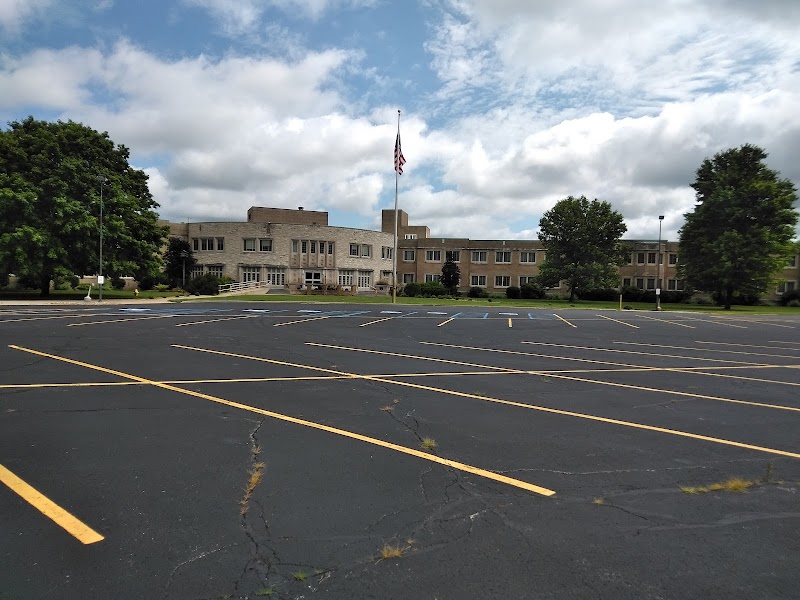
Who Owns and Operates Healthwin Health & Rehabilitation?

HEALTHWIN HEALTH & REHABILITATION is owned by a for-profit company. For-profit facilities operate as businesses with obligations to shareholders or private owners. The facility operates independently rather than as part of a larger chain. With 145 certified beds and approximately 90 residents (about 62% occupancy), it is a mid-sized facility located in SOUTH BEND, Indiana.
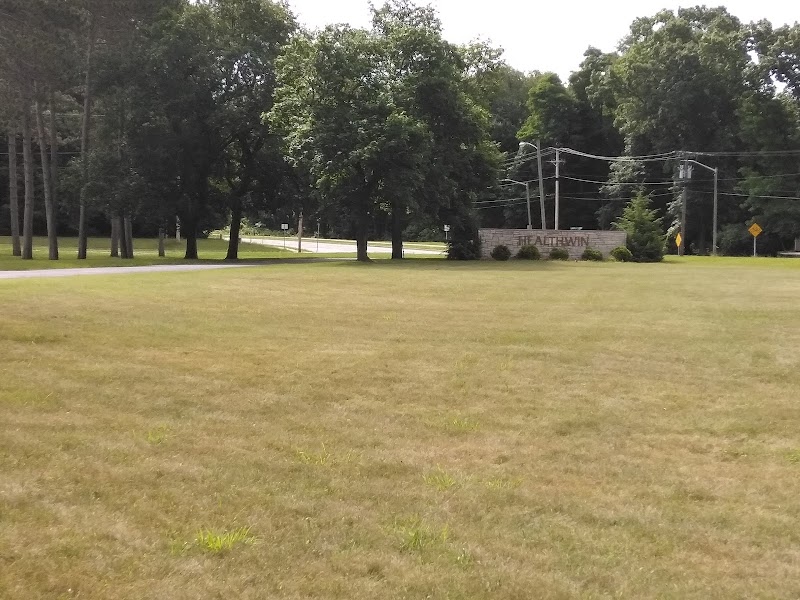
How Does Healthwin Health & Rehabilitation Compare to Other Indiana Nursing Homes?

Compared to the 100 nursing homes in Indiana, HEALTHWIN HEALTH & REHABILITATION's overall rating (1 stars) is below the state average of 3.1, staff turnover (64%) is significantly higher than the state average of 46%, and health inspection rating (1 stars) is much below the national benchmark.

What Should Families Ask When Visiting Healthwin Health & Rehabilitation?

Based on this facility's data, families visiting should ask: "What changes have been made since the serious inspection findings, and how are you preventing similar issues?" "How do you ensure continuity of care given staff turnover, and what is your staff retention strategy?" "Can I visit during a mealtime to observe dining assistance and food quality?" "How do you handle medical emergencies, and what is your hospital transfer rate?" These questions are particularly relevant given the facility's Immediate Jeopardy citations and the facility's high staff turnover rate.

Is Healthwin Health & Rehabilitation Safe?

Based on CMS inspection data, HEALTHWIN HEALTH & REHABILITATION has documented safety concerns. Inspectors have issued 2 Immediate Jeopardy citations (the most serious violation level indicating risk of serious injury or death). The facility has a 1-star overall rating and ranks #100 of 100 nursing homes in Indiana. Families considering this facility should ask detailed questions about what corrective actions have been taken since these incidents.

Do Nurses at Healthwin Health & Rehabilitation Stick Around?

Staff turnover at HEALTHWIN HEALTH & REHABILITATION is high. At 64%, the facility is 18 percentage points above the Indiana average of 46%. Registered Nurse turnover is particularly concerning at 60%. RNs handle complex medical decisions and coordinate care — frequent RN changes can directly impact care quality. High turnover means new staff may not know residents' individual needs, medications, or preferences. It can also be disorienting for residents, especially those with dementia who rely on familiar faces. Families should ask: What is causing the turnover? What retention programs are in place? How do you ensure care continuity during staff transitions?

Was Healthwin Health & Rehabilitation Ever Fined?

HEALTHWIN HEALTH & REHABILITATION has been fined $29,744 across 1 penalty action. This is below the Indiana average of $33,376. While any fine indicates a compliance issue, fines under $50,000 are relatively common and typically reflect isolated problems that were subsequently corrected. Families should ask what specific issues led to these fines and confirm they've been resolved.

Is Healthwin Health & Rehabilitation on Any Federal Watch List?

HEALTHWIN HEALTH & REHABILITATION is not on any federal watch list. The most significant is the Special Focus Facility (SFF) program, which identifies the bottom 1% of nursing homes nationally based on persistent, serious quality problems. Not being on this list means the facility has avoided the pattern of deficiencies that triggers enhanced federal oversight. This is a positive indicator, though families should still review the facility's inspection history directly.