MAJESTIC CARE OF SOUTH BEND
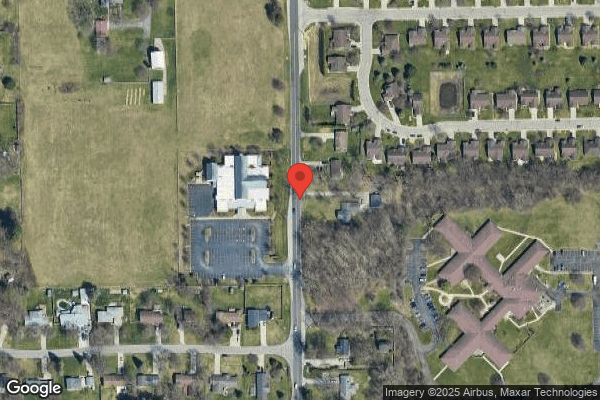
52654 N IRONWOOD RD, SOUTH BEND, IN 46635 (574) 277-8710
For profit - Corporation 103 Beds MAJESTIC CARE Data: November 2025 3 Immediate Jeopardy citations
Trust Grade
0/100
#366 of 505 in IN
Last Inspection: October 2024

Within standard 12-15 month inspection cycle. Federal law requires annual inspections.

Overview

Majestic Care of South Bend has received a Trust Grade of F, indicating significant concerns about the facility's quality of care. Ranking #366 out of 505 nursing homes in Indiana places it in the bottom half of facilities statewide, and #16 out of 18 in St. Joseph County shows that only one local option is better. The trend is worsening, with the number of issues increasing from 22 in 2023 to 23 in 2024, and staffing is a major concern with a turnover rate of 71%, significantly higher than the state average. The facility also faces serious issues, including critical failures to provide necessary dialysis treatments that resulted in hospital transfers, a failure to administer CPR for an unresponsive resident, and a lack of supervision leading to a resident's elopement. While the facility has excellent quality measures, the staffing and health inspection ratings are poor, suggesting that families should weigh these serious deficiencies against any strengths before making a decision.

Trust Score
F
0/100
In Indiana
#366/505
Bottom 28%
Safety Record
High Risk
Review needed
Inspections
Getting Worse
22 → 23 violations
Staff Stability
⚠ Watch
71% turnover. Very high, 23 points above average. Constant new faces learning your loved one's needs.
Penalties
✓ Good
$116,322 in fines. Lower than most Indiana facilities. Relatively clean record.
Skilled Nurses
⚠ Watch
Each resident gets only 26 minutes of Registered Nurse (RN) attention daily — below average for Indiana. Fewer RN minutes means fewer trained eyes watching for problems.
Violations
⚠ Watch
61 deficiencies on record. Higher than average. Multiple issues found across inspections.
★★☆☆☆
2.0
Overall Rating
★☆☆☆☆
1.0
Staff Levels
★★★★★
5.0
Care Quality
★☆☆☆☆
1.0
Inspection Score
Stable
2023: 22 issues
2024: 23 issues

The Good

  • 5-Star Quality Measures · Strong clinical quality outcomes
  • Full Sprinkler Coverage · Fire safety systems throughout facility
  • No fines on record

Facility shows strength in quality measures, fire safety.

The Bad

2-Star Overall Rating

Below Indiana average (3.1)

Below average - review inspection findings carefully

Staff Turnover: 71%

25pts above Indiana avg (46%)

Frequent staff changes - ask about care continuity

Federal Fines: $116,322

Well above median ($33,413)

Significant penalties indicating serious issues

Chain: MAJESTIC CARE

Part of a multi-facility chain

Ask about local staffing decisions and management

Staff turnover is very high (71%)

23 points above Indiana average of 48%

The Ugly 61 deficiencies on record

3 life-threatening
Oct 2024 12 deficiencies
CONCERN (D)

Potential for Harm - no one hurt, but risky conditions existed

Deficiency F0558 (Tag F0558)

Could have caused harm · This affected 1 resident

**NOTE- TERMS IN BRACKETS HAVE BEEN EDITED TO PROTECT CONFIDENTIALITY** Based on observation and record review, the facility failed to provide a dependent resident an assistive device for 1 of 1 resid...

Read full inspector narrative →
**NOTE- TERMS IN BRACKETS HAVE BEEN EDITED TO PROTECT CONFIDENTIALITY** Based on observation and record review, the facility failed to provide a dependent resident an assistive device for 1 of 1 residents reviewed for accommodation of needs. (Resident 3) Finding includes: During a family interview on 9/30/2024 at 2:25 P.M., the responsible party for Resident 3 indicated he was concerned Resident 3 did not have a wheelchair to get out of bed. The family member indicated Resident 3 was always in bed when he visited and did not see a wheelchair in his room. Resident 3's family member indicated he would like him to get out of the bed. During an observation on 10/1/2024 at 9:53 A.M., 10/2/2024 at 9:45 A.M., 10/2/2024 at 2:24 P.M., 10/3/2024 at 9:09 A.M., 10/3/2024 at 11:57 A.M., and 10/4/2024 at 1:29 P.M. Resident 7 was in bed and no wheelchair was in the room. A record review was completed on 10/2/2024 at 1:37 P.M., for Resident 3. Diagnoses included, but not limited to: hemiplegia, unspecified affecting left dominant side, vascular dementia, unspecified severity, with other behavioral disturbance, and acquired absence of right leg below knee. A Quarterly Minimum Data Set (MDS) assessment, dated 9/25/2024, indicated Resident 3 had severe cognitive impairment and was dependent on two staff for transfers. The current Care Plans and Nursing Progress Notes were reviewed and there was no indication Resident 3 had refused to get out of bed. During an interview on 10/2/2024 at 2:34 P.M., QMA 3 indicated Resident 3 did not get up from bed because he did not have a chair. She had taken care of Resident 3 a couple of weeks ago and had gotten him up out of bed. She had gone down to therapy and asked for a wheelchair. She indicated she had returned it when she was done. She had asked the therapy department why Resident 3 did not have a wheelchair and they told her there was a process to getting a chair. During an interview on 10/4/2024 at 10:07 A.M., CNA 12 indicated she had worked at this facility for about four years and had taken care of Resident 3 frequently. CNA 12 indicated Resident 3 did not get up and did not have a chair. Although she was aware Resident 3 had been assisted out of bed by QMA 3 a few weeks ago, she did not offer to get him out of bed when she cared for him. During an interview on 10/4/2024 at 10:19 A.M., the Director of Rehab indicated the last time he was in physical therapy (PT) and occupational therapy (OT) was in 2022. She indicated Resident 3 did not know why he did not have a chair, but he should have had one. She indicated some residents preferred to stay in bed. An OT Discharge summary, dated [DATE]-[DATE], indicated that he owned a Broda chair (a high back reclining chair with adjustable supports). On 10/4/2024 at 1:41 P.M., the Administrator indicated the facility did not have a policy related to accommodation of resident's needs. 3.1-3(v)(1)
CONCERN (D)

Potential for Harm - no one hurt, but risky conditions existed

Deficiency F0582 (Tag F0582)

Could have caused harm · This affected 1 resident

Based on interview and record review, the facility failed to ensure a SNF-ABN (Skilled Nursing Facility-Advanced Beneficiary Notice) Form was provided following the end of Medicare skilled services fo...

Read full inspector narrative →
Based on interview and record review, the facility failed to ensure a SNF-ABN (Skilled Nursing Facility-Advanced Beneficiary Notice) Form was provided following the end of Medicare skilled services for 1 of 1 resident who discharged from Medicare services and remained in the facility. (Resident 45) Finding includes: During a review of Beneficiary Notification forms, conducted on 10/4/2024 at 8:45 A.M., a Notice of Medicare Non-Coverage (NOMNC) form had been provided to Resident 45 on 6/26/2024 and indicated the resident's Medicare coverage was ending on 6/28/2024. There was no SNF-ABN (a form that informs a beneficiary that medicare may not pay for a service or item they intend to receive) provided to Resident 45. During an interview on 1/4/2024 at 8:54 A.M., the SNF (Skilled Nursing Facility) Beneficiary Protection Notification Review Forms were reviewed. The form was blank in response to whether Resident 45 received the SNF-ABN form. Resident 45 was provided a Notice of Medicare Non-Coverage (NOMNC) Form which indicated Resident 45's Medicare coverage would end on 6/28/2024. On 10/4/2024 at 9:52 A.M., the Social Services Director indicated Resident 45 remained in the facility and did not receive a SNF-ABN form. On 10/4/2024 at 11:10 A.M., the Administrator provided the policy titled Beneficiary Liability Protection Notices ABN, dated 7/2018, and indicated it was the one currently being used by the facility. The policy did not indicate when a SNF-ABN form should have been provided to the resident. 3.1-4(f)(2)
CONCERN (D)

Potential for Harm - no one hurt, but risky conditions existed

Transfer Notice (Tag F0623)

Could have caused harm · This affected 1 resident

Based on interview and record review, the facility failed to provide the resident, or the resident's representative, with a notice of transfer form for 2 of 2 residents reviewed for hospitalization. (...

Read full inspector narrative →
Based on interview and record review, the facility failed to provide the resident, or the resident's representative, with a notice of transfer form for 2 of 2 residents reviewed for hospitalization. (Residents 8 and 59) Findings include: 1. A record review was completed on 10/3/2024 at 2:47 A.M. for Resident 8. Diagnoses included type 2 diabetes mellitus with neuropathy, bladder cancer, anxiety and depression. A Quarterly Minimum Data Set (MDS) assessment, dated 7/10/2024, indicated Resident 8's cognition was intact. During an interview on 9/30/2024 at 2:30 P.M., Resident 8 indicated he had been hospitalized a few months ago but did not remember the specific date. Resident 8 had been sent to the emergency room and was admitted to the hospital on the following dates: -2/21/2024. -3/11/2024. -8/12/2024. The record lacked documentation the facility had provided Resident 8 a Notice of Transfer/Discharge for any of the hospitalizations. During an interview on 10/3/2024 at 2:35 P.M., the Executive Director (ED) indicated there was no documentation the Notice of Transfer/Discharge form was provided to Resident 8. 2. A record review was completed on 10/02/2024 at 1:34 P.M. for Resident 59. Diagnoses included, but were not limited to: end stage renal disease, chronic obstructive pulmonary disease and type 1 diabetes with neuropathy. A Quarterly Minimum Data Set (MDS) assessment for Resident 59 indicated his cognition was intact. During an interview on 10/01/2024 at 9:07 A.M. Resident 59 indicated he had been hospitalized several times but did not know the dates. Resident 59 was sent to the emergency room and hospitalized on the following dates: -6/10/24 -7/1/24 -7/31/24 -9/10/24. The record lacked documentation the facility had provided Resident 59 a Notice of Transfer/Discharge form for any of the hospitalizations. During an interview on 10/3/2024 at 2:35 P.M., the ED indicated there was no documentation the Notice of Transfer/Discharge form was provided to Resident 59. On 10/4/2024 at 2:21 P.M. the ED provided a current policy, dated 12/12/23 and titled, Transfer & Discharge. The policy indicated, .Emergency Transfer/Discharge - initiated by the facility for medical reasons to an acute care setting such as a hospital, for the immediate safety and welfare of a resident (nursing responsibilities unless otherwise specified) .Provide a notice of transfer and the facilities bed hold policy to the resident and representative as indicated 3.1-12(8)(D)
CONCERN (D)

Potential for Harm - no one hurt, but risky conditions existed

Deficiency F0625 (Tag F0625)

Could have caused harm · This affected 1 resident

Based on interview and record review, the facility failed to provide the resident, or the resident's representative, with a copy of the Bed Hold Policy when sent to the hospital for 2 of 2 residents r...

Read full inspector narrative →
Based on interview and record review, the facility failed to provide the resident, or the resident's representative, with a copy of the Bed Hold Policy when sent to the hospital for 2 of 2 residents reviewed for hospitalization. (Residents 8 and 59) Findings include: 1. A record review was completed on 10/3/2024 at 2:47 A.M. for Resident 8. Diagnoses included type 2 diabetes mellitus with neuropathy, bladder cancer, anxiety and depression. A Quarterly Minimum Data Set (MDS) assessment, dated 7/10/2024, indicated Resident 8's cognition was intact. During an interview on 9/30/2024 at 2:30 P.M., Resident 8 indicated he had been hospitalized a few months ago but did not remember the specific date. Resident 8 was sent to the emergency room and admitted to the hospital on the following dates: -2/21/2024. -3/11/2024. -8/12/2024. The record lacked documentation the facility provided Resident 8 a copy of the Bed Hold Policy for any of the hospitalizations. During an interview on 10/3/2024 at 2:35 P.M., the Executive Director (ED) indicated there was no documentation a copy of the facility Bed Hold Policy was provided to Resident 8. 2. A record review was completed on 10/02/2024 at 1:34 P.M. for Resident 59. Diagnoses included, but were not limited to: end stage renal disease, chronic obstructive pulmonary disease and type 1 diabetes with neuropathy. A Quarterly Minimum Data Set (MDS) assessment for Resident 59 indicated his cognition was intact. During an interview on 10/01/2024 at 9:07 A.M. Resident 59 indicated he had been hospitalized several times but did not know the dates. Resident 59 had been sent to the emergency room and hospitalized on the following dates: -6/10/24 -7/1/24 -7/31/24 -9/10/24. The record lacked documentation the facility provided Resident 59 a copy of the Bed Hold Policy for any of the hospitalizations. During an interview on 10/3/2024 at 2:35 P.M., the Executive Director (ED) indicated there was no documentation a copy of the Bed Hold Policy was provided to Resident 59. On 10/4/2024 at 2:21 P.M. the ED provided a current policy, dated 12/12/2023 and titled, Bed Hold. The policy indicated, .In the event of an emergency transfer of the resident, the facility will provide within 24 hours written notice of the facility's bed-hold policies, as stipulated on the State's plan 3.1-12(a)(25)(26)
CONCERN (D)

Potential for Harm - no one hurt, but risky conditions existed

Comprehensive Care Plan (Tag F0656)

Could have caused harm · This affected 1 resident

Based on interview and record review, the facility failed to develop a person-centered care plan regarding fluid needs for 1 of 18 residents whose care plans were reviewed. (Resident 8) Finding includ...

Read full inspector narrative →
Based on interview and record review, the facility failed to develop a person-centered care plan regarding fluid needs for 1 of 18 residents whose care plans were reviewed. (Resident 8) Finding includes: A record review was completed on 10/01/2024 at 2:25 P.M. for Resident 8. Diagnoses included type 2 diabetes mellitus with neuropathy and congestive heart failure. A Quarterly Minimum Data Set (MDS) assessment, dated 7/10/2024, indicated Resident 8's cognition was intact. Physician's Orders for Resident 8 included, but were not limited to: -6/28/2024 2000 milliliter (ml) daily fluid restriction for edema and congestive heart failure. -4/3/2024 Furosemide 40 milligrams (mg) by mouth two times a day related to hypertensive heart disease and congestive heart failure. A current Care Plan, initiated on 9/12/2022, indicated Resident 8 was at risk for a fluid imbalance related to acute kidney failure and diuretic use. Interventions included, but were not limited to: staff was to educate the resident and family on the importance of the fluid restriction, as well as the risks and the potential negative outcomes of not adhering to the recommended fluid restrictions. There were no specific instructions regarding the amount of fluids each shift and department were allotted to maintain the ordered fluid restrictions. During an interview on 10/04/2024 at 9:42 A.M., the Unit Manager indicated the fluid restriction should have been broken down as to how much each shift and department had available per day, and the care plan should have included this information. 3.1-35(d)(1)(2)(A)(B)
CONCERN (D)

Potential for Harm - no one hurt, but risky conditions existed

ADL Care (Tag F0677)

Could have caused harm · This affected 1 resident

2. During an observation on 9/30/2024 at 2:15 P.M., Resident 24 was in the hallway by the Activities room and her bottom teeth had a build-up of a thick white substance. During an observation on 10/1/...

Read full inspector narrative →
2. During an observation on 9/30/2024 at 2:15 P.M., Resident 24 was in the hallway by the Activities room and her bottom teeth had a build-up of a thick white substance. During an observation on 10/1/2024 at 9:04 A.M., Resident 24 had a brown substance around her mouth and her bottom teeth had a build-up of a thick white substance. During an observation on 10/2/2024 at 2:23 P.M., Resident 24's bottom teeth had a build-up of a thick white substance. Resident 24's record review was completed on 10/2/2024 at 2:45 P.M. Diagnoses included, but were not limited to: hemiplegia and hemiparesis affecting right side, aphasia, dysphagia, vascular dementia, major depressive disorder and generalized anxiety disorder. A Quarterly MDS (Minimum Data Set) assessment, dated 8/28/2024, indicated Resident 24 had severe cognitive impairment, was rarely able to make herself understood, sometimes understood others and required supervision or assistance with oral care. A current Care Plan, initiated on 11/21/2021 and revised on 1/11/2023, indicated Resident 24 needed assistance with activities of daily living related to a personal history of a cerebrovascular accident resulting in right sided hemiplegia. The Care Plan included a goal for the resident to have her daily care needs met with the assistance of staff. Interventions included, but were not limited to: Staff to assist/encourage oral care twice daily and as needed. Notify nurse of any redness, irritation or complaints of oral pain. A current Care Plan, initiated on 8/1/2021, indicated Resident 24 had oral/dental health problems related to missing teeth. The goal of the Care Plan was for the resident to be free of infection, pain or bleeding in the oral cavity. Interventions to the Care Plan included, but were not limited to: Provide mouth care or encourage resident to perform oral care twice daily and as needed. Documentation of oral care for Resident 24, for the past month indicated oral care had only been offered once a day for the following dates: 9/6/2024, 9/7/2024, 9/8/2024, 9/9/2024, 9/10/2024, 9/12/2024, 9/13/2024, 9/14/2024, 9/22/2024, 9/23/2024, 9/24/2024, 9/25/2024, 9/30/2024 and 10/1/2024. There was no documentation Resident 24 had refused oral care. During an interview on 10/3/2024 at 2:34 P.M., QMA (Qualified Medication Aid) 3 indicated oral care was part of AM (morning) and PM (evening) care. She indicated Resident 24 was not able to brush her own teeth without encouragement and most days, the resident required the staff to manually brush her teeth for her. QMA 3 indicated the resident's teeth appeared like they had not been brushed due to the amount of build-up on the resident's bottom teeth. On 10/3/2024 at 2:52 P.M., the Unit Manager provided an undated policy titled, Oral Care, and indicated it was the policy used by the facility. The policy indicated, It is the practice of this facility to provide oral care to residents in order to prevent and control plaque-associated oral diseases 3.1-38 (a)(2)(A) 3.1-38 (a)(3)(C) 3.1-38 (a)(3)(E) Based on observation, interview and record review, the facility failed to ensure resident were assisted with personal hygiene and showers for 3 of 4 records reviewed for Activities of Daily Living (ADL). (Resident 3 & 24) Findings include: 1. During a family interview on 9/30/2024 at 3:08 P.M., the responsible party indicated he did not think Resident 3 had been getting up out of bed to be given a shower. During an observation on 10/1/2024 at 9:53 A.M., 10/3/2024 at 9:09 A.M. and on 10/4/2024 at 9:03 A.M., Resident 3 had long finger nails with a brown substance under them. A record review was completed on 10/2/2024 at 1:37 P.M., for Resident 3. Diagnoses were included, but not limited to: hemiplegia, unspecified affecting left dominant side, vascular dementia, unspecified severity, with other behavioral disturbance and acquired absence of right leg below knee. A Quarterly Minimum Data Set (MDS) assessment, dated 9/25/2024, indicated Resident 3 had severe cognitive impairment, had limited range of motion to one side of his body and bathing and personal hygiene needs were not documented on the assessment. A current Care Plan, dated 6/23/2019, titled Activities of DailyLiiving, had interventions including bathing/showering and nail care on bath day, bathing/showering staff to provide assist. A current Care Plan, initiated on 8/17/2021, titled At Risk for Adverse Consequences: Refused Hygiene after Bathing. Interventions included, but were not limited to: document behaviors and if resident becomes combative or resistive, postpone care/activity and allow resident to regain their composure and reapproach as needed. Resident 3 was scheduled every Monday and Thursday evening for a shower. A review of recent Nursing Progress Notes did not indicate he had refused care. The documentation for showers for Resident 3, from 9/1/2024 - 10/1/2024, indicated he had not received a shower. Refusal of care/showers was not documented. The bathing section indicated he was dependent for bathing. A review of behavior charting indicated there had been no documentation of rejection of care or any behaviors for the past 30 days, 9/1/2024 - 10/1/2024. A review of bathing/bed bath, dated 9/1/2024 -10/2/2024, indicated Resident 3 had received five complete bed baths, on 9/2/2024, 9/5/2024, 9/19/2024, 9/23/2024 and 9/30/2024. A review of shower sheets indicated he had received a bed bath on 9/19/2024. During an interview on 10/2/2024 at 2:34 P.M., QMA 3 indicated when she performed morning care she washed the residents face, underarms and peri area, let the resident pick out their outfit then dressed the resident, set the resident up for oral care and changed the sheets. During an interview on 10/4/2024 at 10:07 A.M., CNA 12 indicated when she provided morning care, she assisted with washing the residents up for the day and dressed them. She indicated she had provided Resident 3 a shave, washed his face and peri area, pulled him up in bed and assisted him with his breakfast. She had not looked at his nails and had not seen the dirt or long length of his nails. She indicated if a resident refused a shower, she documented it in the point of care (POC) and informed the nurse. She indicated Resident 3 had not had any behaviors or refusals. During an interview on 10/4/2024 at 11:12 A.M., the DON indicated refusals should be documented in the POC or in the progress notes. She indicated she did not see documentation for bathing on 9/9/2024, 9/12/2024, 9/16/2024 and 9/26/2024 and he should have been offered bathing. Every resident should be offered two showers a week. She would have expected the plan of care to reflect his preference and it did not. On 10/3/2024 at 10:54 A.M., the Unit Manager provided a policy titled, Interdisciplinary Team (IDT) Risk Review Meeting, dated 1/2/2024, and indicated the policy was the one currently used by the facility. The policy indicated, 3. Routine cleaning and inspection of nails will be provided during ADL care on an ongoing basis. 4. Routine nail care, to include trimming and filing, will be provided on a regular schedule. Nail care will be provided between scheduled occasions as the need arises .
CONCERN (D)

Potential for Harm - no one hurt, but risky conditions existed

Tube Feeding (Tag F0693)

Could have caused harm · This affected 1 resident

**NOTE- TERMS IN BRACKETS HAVE BEEN EDITED TO PROTECT CONFIDENTIALITY** Based on interview, observation and record review, the facility failed to follow the Physician's orders related to flushing a G-...

Read full inspector narrative →
**NOTE- TERMS IN BRACKETS HAVE BEEN EDITED TO PROTECT CONFIDENTIALITY** Based on interview, observation and record review, the facility failed to follow the Physician's orders related to flushing a G-tube (gastrointestinal tube) and changing the tubing for 2 of 2 residents who were reviewed for a G-tube. (Resident 222 & 7) Findings include: 1. During an interview on 10/1/2024 at 9:57 A.M., Resident 222 indicated his G-tube was not being used for nutrition or medications but it was supposed to be flushed twice a day. He indicated his G-tube had only been flushed once since his admission on [DATE]. During an interview on 10/2/2024 at 10:40 A.M., Resident 222 indicated his G-tube had not been flushed the last two days. During an observation on 10/2/2024 at 10:41 A.M., no medical equipment for flushing a G-tube was located in the residents room, bathroom or trash can. Resident 222's record review was completed on 10/2/2024 at 11:45 A.M. Diagnoses included, but were not limited to: paraplegia, fusion of lumbar spine, neurogenic bowel and neuromuscular dysfunction of bladder. A current Physician's order, dated 9/26/2024, indicated the resident's G-tube was to be flushed with 60 milliliters of water every shift. A current Care Plan, initiated on 9/26/2024, indicated the resident was at risk of complications of tube feeding and had a goal of being free from complications of G-tube flushes. Interventions included, but were not limited to: Check for tube placement and gastric contents/residual volume per facility protocol and record, and provide water flushes per Physician's orders. Resident 222's record lacked the documentation he had refused any G-tube flushes. The October 2024 TAR (Treatment Administration Record) indicated Resident 222's G-tube had been flushed twice on 10/1/2024 and once on 10/2/2024. During an interview on 10/02/2024 at 11:50 A.M., Resident 222 indicated staff had not flushed his G-tube in the past two days. During an interview on 10/2/2024 at 11:55 A.M., LPN 2 indicated she had flushed Resident 222's G-tube earlier in the morning. However, she was unable to locate the equipment she had used after the flush. She then indicated she had not flushed his G-tube that morning and marked the documentation complete by mistake. She indicated treatments should not be documented as completed in the medical record until after the task had been completed. During an interview on 10/2/2024 at 11:57 A.M., the Unit Manager indicated she knew the resident's G-tube had been flushed yesterday because she was the one that had flushed his G-tube during the second shift. When asked if it was her initials on the October 2024 TAR for the October 1st second shift G-tube flush, she indicated it was not her initials and she had not signed off on the TAR. She indicated treatments should be signed off in the medical record after the treatment was performed and by the staff member who completed the treatment. 2. During an observation on 10/1/2024 at 9:09 A.M., there was a bottle of tube feeding formula for Resident 7 hanging with a date of 10/1 and time of 0500 in red marker on the side of the bottle. The rest of the label to indicate the resident's name, room number, rate of infusion and nurse's initials were left blank. There was also a bag of clear liquid, dated 10/1 at 0500 hanging on the pole. During an observation on 10/2/2024 at 9:00 A.M., the bag with clear liquid dated 10/1 with a time of 0500 in red marker and a bottle of tube feeding formula dated 10/2 with a time of 2 A.M. were noted hanging. A package with a syringe was dated 6/21/2024 without a name. A record review was completed on 10/2/2024 at 9:39 A.M., for Resident 7. Diagnoses included, but were not limited to: hemiplegia and hemiparesis following nontraumatic subarachnoid hemorrhage affecting left non-dominant side and vascular dementia. A Physician's Order, dated 3/28/2024, indicated to change the container, G-tube tubing and syringe every 24 hours, every night and to label with the resident's name and date. During an interview on 10/2/2024 at 9:39 A.M., RN 11 indicated the tube feeding formula and the bag of clear liquid had different dates and the system should have been changed daily with labels filled out and on the syringe. She indicated the syringe was just opened this morning and she did not put the resident's name or date on the syringe. She indicated she had not see the 6/21/24 date. On 10/2/2024 at 12:19 P.M., the Unit Manager provided an undated policy, titled, Documentation in the Medical Record and indicated it was the policy used by the facility. The policy indicated, .Licensed staff and interdisciplinary team members shall document all assessments, observations, and services provided in the resident's medical record in accordance with state law and facility policy .b. Documentation shall be accurate, relevant, and complete, containing sufficient details about the resident's care and/or responses to care On 10/2/2024 at 12:19 P.M., the Unit Manager provided a policy titled, Enteral Feeding, dated 1/2/2024, and indicated the policy was the one currently used by the facility. The policy indicated .It is a policy of this facility to utilize feeding tubes in accordance with current clinical standards of practice, with interventions to prevent complications to the extent possible . 3.1-44
CONCERN (D)

Potential for Harm - no one hurt, but risky conditions existed

Unnecessary Medications (Tag F0759)

Could have caused harm · This affected 1 resident

Based on observation, record review and interview, the facility failed to ensure it was free of a medication error rate of greater than 5 percent for 2 of 4 residents (Resident 28 & 35) observed durin...

Read full inspector narrative →
Based on observation, record review and interview, the facility failed to ensure it was free of a medication error rate of greater than 5 percent for 2 of 4 residents (Resident 28 & 35) observed during medication pass. There were 25 opportunities observed with 2 medication errors, resulting in a medication error rate of 8 percent. Findings include: 1. During an observation and interview on 10/2/2024 at 9:15 A.M., RN 11 did not have Resident 28's fluticasone propionate available to administer and indicated she would call the pharmacy. A record review was completed on 10/2/2024 at 10:00 A.M., for Resident 28. Diagnoses included but were not limited to: chronic pain syndrome and allergies. A Physician's Order, dated 3/28/2024, indicated Fluticasone Propionate suspension 50 micrograms (MCG) one spray in each nostril one time a day for allergies. 2. During an observation and interview on 10/2/2024 at 10:11 A.M., for Resident 35, RN 11 indicated she did not know why there were two inhalers in the opened bag in the medication drawer. She indicated neither inhaler had an opened date on them, she was not going to administer the medication. She indicated she would notify pharmacy to send a new one. A record review was completed on 10/2/2024 at 10:05 A.M., for Resident 35. Diagnoses included but were not limited to: chronic obstructive pulmonary disease. A Physician's Order, dated 8/9/2023, indicated Albuterol Sulfate 90 mcg, give two puffs three times a day. During an interview on 10/3/2024 at 2:28 P.M., the DON indicated the Albuterol was available in the emergency kit (EDK) located in the medication room. If a medication was not available in the EDK, the nurse should notify the pharmacy. The DON indicated their back up pharmacy was (name of two local pharmacies) and medications could be provided in about four hours. On 10/4/2024 at 11:22 A.M., the DON provided a policy titled, Medication Administration, dated 1/2/2024, and indicated the policy was the one currently used by the facility. The policy indicated .Procedure: 21. Medications that are not readily available for administration will be obtained from the Emergency Kit, drop shipped from the pharmacy, or obtained from an alternative pharmacy . 3.1-48(c)(1)
CONCERN (D)

Potential for Harm - no one hurt, but risky conditions existed

Infection Control (Tag F0880)

Could have caused harm · This affected 1 resident

2. On 10/3/2024 at 9:05 A.M., a record review was completed for Resident 13. Diagnoses included, but were not limited to: urinary tract infection, human immunodeficiency virus, and obstructive reflux ...

Read full inspector narrative →
2. On 10/3/2024 at 9:05 A.M., a record review was completed for Resident 13. Diagnoses included, but were not limited to: urinary tract infection, human immunodeficiency virus, and obstructive reflux uropathy. A review of the Physician's Orders indicated Resident 13 had orders for Enhanced Barrier Precautions when engaging in high contact resident care activities and to cleanse the supra-pubic catheter site every shift with soap and water. During an observation of catheter care for Resident 13, on 10/3/2024 at 9:44 A.M., the Unit Manager and CNA 4 put on a gown, gloves, mask and face shield prior to entering Resident 13's room. The Unit Manager and CNA 4 rolled the resident to his right side to perform incontinence care prior to performing catheter care. A soiled bed pad was removed from under the resident and the residents' brief was partially removed. CNA 4 and the Unit Manager washed their hands and put on a clean pair of gloves. The Unit Manager removed cleansing wipes from a bag and began cleaning up the residents stool. A clean bed pad and brief were then placed on the resident with the staff wearing the same gloves used to clean up the resident's stool. During an interview on 10/3/2024 at 10:11 A.M., the Unit Manager indicated she changed her gloves twice during the observation and did not believe she had forgotten to change her gloves prior to placing a clean bed pad and brief on the resident. 3. During an observation on 9/30/2024 at 10:12 A.M. and on 10/3/2024 at 10:24 A.M., Resident 21's bipap mask was laying on his bed without a bag and with a brown substance surrounding the inside seal of the mask. During an observation on 10/2/2024 at 1:18 P.M., Resident 21's bipap mask was laying on the floor, next to his bed without a bag. During an interview on 10/2/2024 at 2:31 P.M., CNA 8 indicated the nurses were responsible for cleaning the resident's bipap mask and the mask should have been stored in a plastic bag. During an interview on 10/4/2024 at 2:07 P.M., the Unit Manager indicated all respiratory equipment, including oxygen tubing and masks were to be stored in a bag. On 10/2/2024 at 11:37 A.M., the DON provided a policy titled, Blood Glucose Monitoring, dated 1/2/2024, and indicated the policy was the one currently used by the facility. The policy indicated .Procedure: 7. Clean the intended site with an alcohol pad and allow to dry completely . On 10/2/2024 at 11:37 A.M., the DON provided a policy titled, Glucometer Disinfection, undated, and indicated the policy was the one currently used by the facility. The policy indicated, .Procedure: i. Retrieve (2) disinfectant wipes from container. j. Using first wipe, clean first to remove heavy soil, blood and/or other contaminants left on the surface of the glucometer thoroughly with the disinfectant wipe following the manufacturer's instructions. Allow the glucometer to air dry . On 10/3/2024 at 11:48 A.M., the Unit Manager provided the policy titled, Enhanced Barrier Precautions, undated, and indicated it was the policy currently being used by the facility. The policy indicated, It is the policy of this facility to implement enhanced barrier precautions for the prevention of transmission of multidrug-resistant organisms On 10/2/2024 at 2:48 P.M., a policy regarding bipap mask storage was requested but one was not provided prior to the survey exit. 3.1-18(l) Based on observation, interview and record review, the facility failed to ensure infection control practices were carried out appropriately for the storage of respiratory equipment, catheter care, blood sugar monitoring and cleaning of a glucometer for 3 of 3 residents observed for infection control. (Resident 13, 21 & 26) Findings include: 1. During an observation on 10/1/2024 at 11:14 A.M., QMA 14 cleaned Resident 26's finger with an alcohol wipe then fanned the area with her hand. When she returned to the medication cart, she placed the unsanitized glucometer in a basket on top of supplies used for blood sugar monitoring and walked away. During an interview on 10/1/2024 at 11:18 A.M., QMA 14 indicated she was not sure if she could wave her hand over the finger and cleaning of the glucometer with a bleach wipe should have occurred after returning to the cart.
CONCERN (D)

Potential for Harm - no one hurt, but risky conditions existed

Safe Environment (Tag F0921)

Could have caused harm · This affected 1 resident

Based on observation, interview and record review, the facility failed to maintain a safe and sanitary environment related to monitoring personal refrigerator temperatures and disposing of expired foo...

Read full inspector narrative →
Based on observation, interview and record review, the facility failed to maintain a safe and sanitary environment related to monitoring personal refrigerator temperatures and disposing of expired food in personal refrigerators for 3 of 3 residents who used personal refrigerators. (Residents 21, 44 & 45) Findings include: 1. During an observation on 9/30/2024 at 10:13 A.M., Resident 21's personal refrigerator had a temperature log form with the month labeled as August and no temperatures were recorded for any of the dates. During an observation on 9/30/2024 at 2:00 P.M., Resident 44's personal refrigerator had a temperature log form with the month labeled as August and no temperatures were recorded for any of the dates. During an observation on 9/30/2024 at 2:19 P.M., Resident 45's personal refrigerator had a temperature log form with the month labeled as July and had temperatures recorded only on 7/5/2024, 7/6/2024, 7/8/2024, 7/9/2024 and 7/10/2024. 2. During an observation on 9/30/2024 at 2:19 P.M., Resident 45's personal refrigerator contained the following expired food: - A pre-made salad with an expiration date of 9/20/2024. -Honey ham lunch meat with an expiration date of 9/13/2024. -Two chocolate pudding cups with an expiration date of 7/14/2024. -A squeeze bottle of Miracle Whip with an expiration of 9/5/2024. During an interview on 10/3/2024 at 8:41 A.M., the Social Services Director indicated the personal refrigerators were checked by Magic Makers. Magic Makers was a system used by the facility that split all of the residents up into small groups and each group was assigned someone from management to check in on the resident. While the staff member was checking in on the resident, they were also to record the refrigerator temperatures and remove expired food. The refrigerator temperature log forms were kept on the refrigerator. During an interview on 10/03/24 at 10:28 A.M., the IED (Interim Executive Director) supplied the temperature log sheets for the month of September for Residents 21, 44 and 45, and indicated there were no other temperature log sheets for any other months. The ED indicated nursing staff were responsible for checking the temperatures and cleaning out any spills and throwing away expired food during the weekdays and Housekeeping checked the temperatures on the weekend. The IED indicated the temperature log forms were kept at the nurse's station. During an interview on 10/03/24 at 2:44 P.M. the Maintenance Director indicated maintenance did not check the temperatures of personal refrigerators. The rooms were split up through the management team and those members of staff checked the temperature. The log sheets were located on the refrigerators and he was not aware of there being a time when the temperature log sheets were stored at the nurse's station. During an interview on 10/04/2024 10:00 A.M., the Environment Services Director indicated housekeeping does not clean or record the temperatures of personal refrigerators. During an interview on 10/04/2024 at 10:50 A.M., the Unit Manager indicated the Magic Makers took the temperature of the personal refrigerators and cleaned out expired food. The current month's temperature log were kept on the refrigerators and then stored in the Unit Managers office when the month was over. The Unit Manager indicated Resident 45 did have expired food in her refrigerator and should not have had. On 10/3/2024 at 10:27 A.M., the IED supplied an undated policy title, Resident Refrigerators and indicated it was the policy currently used by the facility. The policy indicated, . 2. Maintenance staff shall record refrigerator temperatures weekly on a temperature log attached to the refrigerator . 4 . c. Foods with use-by dates shall be discarded accordingly. 3.1-19 (f)
CONCERN (E)

Potential for Harm - no one hurt, but risky conditions existed

Deficiency F0657 (Tag F0657)

Could have caused harm · This affected multiple residents

**NOTE- TERMS IN BRACKETS HAVE BEEN EDITED TO PROTECT CONFIDENTIALITY** Based on record review and interview, the facility failed to ensure care plan conferences were completed every quarter for 4 of ...

Read full inspector narrative →
**NOTE- TERMS IN BRACKETS HAVE BEEN EDITED TO PROTECT CONFIDENTIALITY** Based on record review and interview, the facility failed to ensure care plan conferences were completed every quarter for 4 of 4 residents reviewed for care plans. (Residents 13, 8, 59 & 26) Findings include: 1. During an interview on 9/30/2024 at 2:21 P.M., the family of Resident 13 indicated the resident had not had a care plan conference for the 2024 year. On 10/3/2024 at 9:05 A.M., a record review was completed for Resident 13. The record indicated the resident had been admitted to the facility on [DATE] and a care conference was completed on 4/14/2023. The record lacked documentation a care plan conference had been completed for the 2024 year. 3. During an interview on 9/30/2024 at 2:25 P.M. Resident 8 indicated he had not been to a Care Conference. A record review for Resident 8 was completed on 10/01/2024 at 2:25 P.M. Diagnoses included type 2 diabetes mellitus with neuropathy, bladder cancer, anxiety and depression. A Quarterly Minimum Data Set (MDS) assessment, dated 7/10/2024, indicated Resident 8's cognition was intact and the resident had participated in planning and goal setting. An IDT Care Conference Summary, dated 1/22/2024, indicated a conference had been held and the resident was in attendance. The record lacked any further meetings or care conferences since that date. During an interview on 10/4/2024 at 2:51 P.M., the Unit Manager indicated Care Conferences had not taken place for Resident 8 as required. 4. During an interview on 10/1/2024 at 8:55 A.M., Resident 59 indicated he did not think he had ever been invited to a Care Conference. A record review was completed on 10/02/2024 at 1:34 P.M. for Resident 59. Diagnoses included, but were not limited to: end stage renal disease, chronic obstructive pulmonary disease and type 1 diabetes with neuropathy. A Quarterly Minimum Data Set (MDS) assessment for Resident 59 indicated his cognition was intact. The assessment indicated the resident had participated in the assessment and goal setting. On a Significant Change MDS assessment, dated 5/7/2024, Resident 59 had indicated it was very important to have a relative or friend involved in discussions about his care. On 9/5/2024 there was documentation a care plan meeting had taken place and Resident 59 had attended. The record lacked any documentation care plan meetings had taken place between 9/1/2023 and 9/5/2024. During an interview on 10/4/2024 at 2:51 P.M., the Unit Manager indicated Care Conferences had not taken place for Resident 59 as required. On 10/4/2024 at 2:51 P.M. the Unit Manager provided a current policy, dated 12/12/2023 and titled, Comprehensive Care Plan. The policy indicated, .The comprehensive care plan will be prepared by an interdisciplinary team, that includes, but is not limited to: The resident and the resident's representative, to the extent practicable . 3.1-35(e) 2. During an interview on 10/1/2024 at 11:04 A.M., Resident 26 indicated she had not had a care plan meeting. A record review was completed on 10/1/2024 at 11:40 P.M., for Resident 26. Diagnoses included, but not limited to: end stage renal disease and peripheral vascular disease. During an interview on 10/3/2024 at 1:59 P.M., the Social Service Director indicated care plan meetings were documented under the evaluation tab titled, IDT care plan conference summary. She indicated Resident 26 should have had a care plan conference in June or July (of 2024).
CONCERN (E)

Potential for Harm - no one hurt, but risky conditions existed

Food Safety (Tag F0812)

Could have caused harm · This affected multiple residents

Based on observation, interview and record review the facility failed store and prepare food in a sanitary manner related to labeling and dating of opened food in the walk-in cooler and disposing of e...

Read full inspector narrative →
Based on observation, interview and record review the facility failed store and prepare food in a sanitary manner related to labeling and dating of opened food in the walk-in cooler and disposing of expired spices in 1 of 1 kitchens observed. This had the potential to effect 72 of 74 residents who received their meals from the kitchen. Finding includes: 1. During the initial kitchen tour with the DM (Dietary Manager) on 9/30/2024 at 9:44 A.M., the following food items were observed in the walk-in cooler: -Eight single serve cheese cups did not have a made on or use by date. -Half a bag of salad mix was open but did not have an opened on or use by date. -A bag of celery was open and did not have an opened on or use by date. -7 bowls of salad with clear cellophane wrap did not have a made on or use by date. 2. During the initial kitchen tour with the DM on 9/30/2024 at 9:52 A.M., the following food items were observed in the dry storage areas: - Whole celery seed was opened 7/7/23 and had an expiration date of 1/30/24. - Poultry seasoning was opened but had no opened on date and had an expiration date of 1/16/2021. - Cayenne pepper was opened but had no opened on date and had an expiration date of 6/25/2023. - [NAME] sprinkles was opened but had no opened on date and had an expiration date of 10/29/2023. During an interview on 9/30/2024 at 9:54 A.M., the DM indicated the bag of salad mix and bag of celery should have been labeled with an opened on and a discard date. The 8 cheese cups and 7 bowls of salad should have been labeled with the made on and discard date. All of the spices should have been discarded by the expiration date on the package. During an interview on 10/3/2024 at 1:30 P.M., the DDM (District Dietary Manager) indicated dry spices were good for three years after opening, but spices were not used past the manufactures expiration dates. The DM indicated the facility did not have a policy specific to spices. On 10/3/2024 at 2:52 P.M., the DM provided an undated policy titled, Food Preparation, and indicated it was the policy currently used by the facility. The policy indicated, . 17. All refrigerated, ready-to-eat Time/Temperature Control for Safety prepared foods that are to be held for more than 24 hours at a temperature of 41 degrees Fahrenheit or less, will be labeled and dated with a prepared date (Day 1) and a use by date (Day 7) 3.1-21(i)(3)
Aug 2024 3 deficiencies 1 IJ (1 affecting multiple)
CRITICAL (K) 📢 Someone Reported This

A family member, employee, or ombudsman was alarmed enough to file a formal complaint

Immediate Jeopardy (IJ) - the most serious Medicare violation

Deficiency F0698 (Tag F0698)

Someone could have died · This affected multiple residents

**NOTE- TERMS IN BRACKETS HAVE BEEN EDITED TO PROTECT CONFIDENTIALITY** Based on interview and record review, the facility failed to ensure residents who required dialysis services continued to receiv...

Read full inspector narrative →
**NOTE- TERMS IN BRACKETS HAVE BEEN EDITED TO PROTECT CONFIDENTIALITY** Based on interview and record review, the facility failed to ensure residents who required dialysis services continued to receive those services in accordance with physician orders when the facility-based dialysis center closed on 8/12/2024 for 6 of 7 residents reviewed for dialysis services. (Resident D, E, F, R, S and V) This deficient practice resulted in Resident D and Resident E missing two dialysis treatments and required transfer to an acute care hospital for treatment of critical laboratory results and emergency dialysis treatments. The Immediate Jeopardy began on 8/12/24, when the facility failed to ensure the provision of dialysis services were continued for the residents who previously had an order for Dialysis on Monday-Friday until the facility-based dialysis unit closed on Friday, 8/10/24, without residents having arrangements in place for when their next dialysis treatment would occur, on Monday 8/12/2024. The Interim Administrator, Interim Director of Nursing and the Regional Nurse Consultant were notified of the Immediate Jeopardy (IJ) on 8/22/24 at 1:40 P.M. Findings include: The former in-house dialysis clinic provided a letter, sent to the facility and addressed to the previous Administrator, on 4/25/24, which indicated they were requesting repairs, due to the (Indiana) Department of Health (IDOH) had surveyed the den in May of 2023 and noted several deficiencies. The letter indicated, since the survey, the dialysis staff had asked former and current Administrators to make repairs via email, meetings and in-person conversations, but to date, the repairs had not been made. The letter indicated a failure to repair would result in termination of the in-house dialysis agreement due to unsafe conditions/violations deemed by the (I)DOH. A letter, dated 6/10/24, provided by the former in-house dialysis provider, indicated .effective July 10, 2024 (the Termination Date) due to breach of agreement for failure to make repairs in accordance with provision 21.C in the Long-Term Care Facility Renal Dialysis Affiliation Agreement. For clarification purposes, Wednesday, July 10, 2024, will be the final day [name of dialysis company] provides renal dialysis services at the SNF [Skilled Nursing Facility] An email notification, from the former dialysis in-house clinic/den, dated 7/5/24, indicated .We have extended our services by 30 days to help give you all more time to place the dialysis patients to outpatient clinics. Our new date we will be ceasing operation is August 9th During an interview, on 8/20/24 at 12:47 P.M., an emergency room (ER) Manager, from the local hospital, indicated Residents E and Resident D were both sent to the ER on [DATE]. They both required emergency dialysis treatment, while in the ER and were then admitted to the hospital. The hospital's concern was that the residents were not provided dialysis services at the facility and/or set up with dialysis times according to those residents after the in-house dialysis services ceased. ER Manager indicated Resident F, also from the facility, had been transported to the ER on [DATE], due to not having dialysis and was discharged from the hospital on 8/16/24. During an interview, on 8/19/24 at 1:05 P.M., Resident E's sister indicated Resident E was still at the hospital because the facility did not make arrangements for her to have dialysis when they knew the in-house dialysis was closing. She indicated the facility knew for 2 months they were going to close the unit. Resident E had her last had her last in-house dialysis on Friday the 9th. On Monday (8/12), she contacted the facility to find out when Resident E's next dialysis would be or where her sister would be going for dialysis, and they only told her not to worry. On 8/13/24, she was told her sister would be going somewhere in (neighboring city) to have her dialysis three times a week, however the facility would not be able to transport her. Then the facility said they would try a facility in [2 larger cities which were 2-3 hours away] to see if they would accept Resident E. On Wednesday (8/14), her sister indicated she was able to breath and was being sent to a local ER, where she required immediate dialysis and blood transfusion. 1. On 8/20/24 at 2:50 P.M., a review of the clinical record for Resident E was conducted. The resident's diagnoses included, but were not limited to: End Stage Renal Disease (ESRD), dependence on renal dialysis, congestive heart failure and respiratory failure. A Physician Order, dated 3/28/24, indicated, .Hemo-Dialysis 5 [five] times a week (Mondays, Tuesdays, Wednesdays Thursdays, Fridays). In house An Annual Minimum Data Set (MDS) assessment, dated 5/22/24, indicated the resident was alert and oriented, had no cognitive deficits, required dialysis and used oxygen. A current Care Plan, initiated on 5/25/23, and revised 6/2/24, indicated resident required Hemodialysis (in house) related to End Stage Renal Disease. The intervention included but were not limited to: .Dialysis Days: Mondays, Tuesdays, Wednesdays, Thursdays, Fridays . observe for signs of worsening renal insufficiency such as changes in level of consciousness .changes in heart and lung sounds .observe for symptoms of fluid volume excess such as edema, shortness of breath, crackles in lungs, weight gain or hypertension (sic) A current Care Plan, initiated on 5/25/23, and revised on 3/12/24, indicated the resident was at risk for fluid imbalance due to kidney failure, with refusal of dialysis or stopping dialysis early. The interventions included but were not limited to: .observe for signs of fluid overload: Anorexia, Anxiety, Mood/behavioral changes, Confusion, Edema, Nausea/vomiting, Shortness of breath, difficulty breathing (Dyspnea), Increased respirations (Tachypnea), Difficulty breathing when lying flat (Orthopnea), Congestion, Cough, Fatigue, Jugular Venous Distention (JVD), Sudden weight gain. Document and notify MD [Medical Doctor] of abnormal findings (sic) A electronic mail (email) communication , dated 8/12/24, between the previous Administrator and the Regional Director of Operations was provided, on 8/22/24, by the current Administrator. The email indicated chair times for Resident E were written on the email, but did not indicate at what facility she was to have her dialysis treatments. The nursing progress notes, dated 8/12/24 through 8/14/24, did not include documentation to indicate Resident E missed dialysis treatments, staff effectively assessed or monitored for fluid volume overload or for complications of not receiving dialysis in accordance with the physician's order. The notes did not include documentation to indicate staff attempted to secure dialysis services on 8/12/24 or 8/13/24 or to indicate the resident experienced a significant change in condition and was transferred to the hospital. A facility Dialysis Post Communication Record for Resident E, dated 8/14/24 at 4:18 A.M., indicated the resident was admitted to the hospital from dialysis. Addition information indicated .sent to [name of hospital] for abnormal labs (potassium hemoglobin) There were no lab documentation in the chart and Regional Nurse Consultant confirmed there were no lab draws for the resident from 8/12-8/14/24 and she did not know why the nurse completed a PostDialysis Communication Record for Resident E when there was no dialysis center and chair time set up for the resident for 8/14/2024. The next consecutive nursing progress note, dated 8/14/24 at 11:40 A.M., indicated the resident was away from the facility receiving dialysis. There were no nursing progress notes, dated 8/14/24 regarding transfer or discharge forms having been completed for Resident E. An ER Physician Report, dated 8/14/24 at 11:36 A.M., indicated Resident E complained of being short of breath and had missed two dialysis treatments since the previous Friday. Resident E told the physician she typically received dialysis Monday through Friday, however the nursing home where she resided was only able to provide dialysis until Friday (8/9) and she had not received dialysis since 8/12/24. Resident E reported the previous in-house dialysis service stopped and the facility did not ensure she continued receiving dialysis services. The report indicated Resident E suffered from fluid overload from lack of dialysis related to resident not receiving dialysis for five days. She was admitted to the hospital in guarded condition. Lab work at the hospital indicated critical levels of Potassium at 6.5, Creatinine at 10.4 [no normal ranges were provided] and hemoglobin at 6.4 with BUN (Blood Urea Nitrogen level) high at 83. The patient received a blood transfusion of one unit of packed red blood cells due to hemoglobin being less than 7. Hemoglobin is a value assigned to the number of red blood cells that carry oxygen. During an interview, on 8/19/2024 at 1:05 P.M., Resident E's sister indicated Resident E was still at the hospital because the facility did not make arrangements for her to have dialysis when they knew the in-house dialysis center was closing. She indicated the facility knew for two months they were going to close the in-house dialysis unit. Resident E has her last in-house dialysis treatment on 8/9/24. On Monday, 8/12/24, the family member indicated she contacted the facility to find out when Resident E's next dialysis would be or where her sister would be going for dialysis and the facility staff only told her not to worry. On 8/13/24, she was told her sister would be going somewhere in [neighboring city] to have her dialysis three times a week, however, the facility was not able to transport her. The the facility said they would try a facility in [two larger cities which were two - three hours away] to see if they would accept Resident E. On Wednesday (8/14/24) her sister indicated she was not able to breathe and was being sent to a local ER because she required immediate dialysis and a blood transfusion. During an interview, on 8/20/24 at 2:45 P.M., the interim Administrator indicated there were no dialysis centers within a forty-five mile radius, around the facility, that would accept Resident E. The only options suggested to her, were to have her transferred to a facility in [2 larger cities which were 2-3 hours away]. The interim Administrator indicated no documentation could be provided to indicate dialysis services had been secured for Resident E on 8/12/24, 8/13/24 and 8/14/2024. The resident required emergent transfer to the hospital on 8/14/24 During an interview on 8/21/24 at 10:15 A.M., Resident E indicated she had been in the hospital since last Wednesday (8/14/24) and her last day of dialysis, at the facility, was on 8/9/24. On the last day of her dialysis treatment, at the facility, the previous Administrator had told the resident the facility would have dialysis setup for her, by Monday 8/12/24. The Transportation person, Employee 7, had also told the resident the facility was going to make sure she received her dialysis treatment on Monday 8/12/24. On Monday 8/12/24, the resident indicated she did not receive her dialysis treatment and was told by the Interim Administrator they could not find anywhere to send her because she required a Hoyer lift for transport needs. The facility told her she could look for my own dialysis center, which made her angry and she was ready to give up. Resident E indicated she had never received any kind of nursing assessment on Saturday (8/10) through Wednesday (8/14). The resident indicated a nurse had listened to her lungs, on Wednesday, after she complained about not being able to breath and then the nurse decided to send her to the hospital. Resident E indicated she was admitted into the hospital because she needed dialysis. The resident was upset because she was then told she could not go back to the facility because she needed dialysis and the facility would not provide her transportation to a dialysis clinic, because she needed a Hoyer lift for transfers. However, the resident indicated she did not need a Hoyer lift for transfers and the resident indicated the Physical Therapist at the hospital also confirmed she did not require a Hoyer lift for transfer needs. During an interview, on 8/21/24 at 11:32 A.M., Transport Employee 7 indicated she had sent referrals [to local dialysis centers] for all dialysis residents approximately a month ago, prior to the in-facility dialysis center's closure date. However, the previous Administrator had informed Employee 7 she would be working on the referrals, so Employee 7 had no further involvement with the referrals. On Monday 8/12/24, the former Administrator was released from her duties at the facility and Transport Employee 7 was notified that day to start making transportation arrangements for all the residents in the building requiring dialysis. Resident D was referred to [2 different facilities over 1.5 hours away],a facility, both with in-house dialysis. It was Employee 7's understanding the facility would be providing transportation to one of these facilities. Resident E was scheduled to have dialysis on Monday, Wednesday and Friday at a local dialysis center and was scheduled to have her first dialysis treatment there on Wednesday 8/14/2024, however the dialysis center had called on Tuesday, 8/13/24, and informed Employee 7 they could not take Resident E due to her weight and there was no other treatments scheduled for Resident E. Employee 7 indicated no residents had started their dialysis treatments on Monday 8/12/24. Although Employee 7 indicated Resident E was scheduled to receive dialysis treatments 3 times a week, on Monday, Wednesday and Friday at a dialysis center for treatments, there was no physician's order provided to change Resident E's dialysis treatments from a 5 day Monday- Friday schedule to a 3x a week - Monday, Wednesday and Friday schedule. There was no documentation provided regarding to whom Employee 7 had communicated the issues with Resident E's dialysis treatments. During an interview, on 8/21/24 at 3:50 P.M., with alert and oriented Resident K indicated she had been roommates with Resident E for some time. Resident K indicated on Wednesday (8/14/24), last week, both her and Resident E were in the activity room when a staff member came in the room and told Resident E she was going to the ER. Resident K indicated Resident E kept telling her she did not feel well and was worried about not receiving her dialysis treatments due to transportation concerns. Nursing Progress Note for Resident E, dated 8/14/24 at 11:40 A.M., indicated LOA (Leave of Absence) at dialysis. There were no Nursing Notes indicating the resident had been transferred to a local hospital. During an interview, on 8/22/24 at 1:02 P.M., LPN 13 indicated he had written the Progress Note, dated 8/14/24 at 11:40 A.M He indicated he thought Resident E was at an outside dialysis center and when he heard she was in the hospital he assumed she went there from the dialysis center. He was not aware of when or where Resident E's dialysis days at an outside dialysis center had been scheduled. During a interview, on 8/23/24 at 1:33 P.M., an admission Coordinator (AC) for (multiple local dialysis centers) indicated the facility had contacted and started the admission process for Resident E was receive from the facility, on 7/19/2024. The AC indicated no documentation could be provided to determine dialysis services were scheduled on 8/12/24. In addition, the AC indicated she had never communicated to the facility the need for a bariatric chair for Resident E. The AC indicated no documentation could be provided to indicate communication with the facility occurred between 7/19/24 - 8/19/24 when a second request for dialysis services was received. 2. On 8/21/24 at 3:15 P.M., a review of the clinical record for Resident F was conducted. The resident's diagnoses included, but were not limited to: ESRD ,dependence on renal dialysis, diabetes and hypertension A Quarterly Minimum Data Set (MDS) assessment, dated 6/11/24, indicated the resident was cognitively intact and required dialysis treatments. A current Care Plan, initiated on 3/6/23 and revised on 1/17/24 indicated the resident required Dialysis related to ESRD. The interventions included, but were not limited to: .observe for symptoms of fluid volume excess such as edema, shortness of breath, crackles in lungs, weight gain or hypertension (sic) A current Care Plan, initiated on 3/23/24 and revised 1/17/24, indicated the resident was at risk for fluid imbalance due to ESRD. The interventions included, but were not limited to: .observe for signs of fluid overload: Anorexia, Anxiety, Mood/behavior changes, Confusion, Edema, Nausea/vomiting, Shortness of breath, difficulty breathing (Dyspnea), Increased respirations (Tachypnea), Difficulty breathing when lying flat (Orthopnea), Congestion, Cough, Fatigue, Jugular Venous Distention (JVD), Sudden weight gain. Document and notify MD of abnormal finding (sic) A Physician Order for Resident F, dated 3/27/24, indicated .Hemo-Dialysis five times a week (Mondays, Tuesdays, Wednesdays Thursdays, Fridays). In- house A electronic mail (email) communication , dated 8/12/24, between the previous Administrator and the Regional Director of Operations was provided, on 8/22/24, by the current Administrator. The email indicated chair times for Resident F were written on the email, but did not indicate at what facility he was to have his dialysis treatments A Nursing Progress Note, dated 8/12/24 at 11:00 A.M., indicated the resident was noted to have shortness of breath and an overall decline. The Nurse Practitioner was notified regarding the resident's change of condition and an order was received to send the resident to a local ER. Emergency Medical Staff (EMS) arrived and resident was transported to the ER via an ambulance. It was unclear why the nursing progress note, dated 8/12/24 for Resident F was not completed until 11:00 A.M., after he had been evaluated in the local ER. A un-timed Nurse Practioner (NP) Acute Note, dated 8/12/24, indicated Resident F was short of breath, had a cough, was drowsy and had labored respirations. The note indicated the resident, initially refused to be transferred to the hospital for evaluation of fluid volume overload and dialysis treatment, but then agreed. An ER Physician Report, dated 8/12/24 at 10:45 A.M., indicated Resident F had a medical history of ESRD, on dialysis with last dialysis on Friday (8/9/24) who presented to the Emergency Department with shortness of breath, some congestion, a cough and altered mental status. He was admitted to the hospital's Intensive Care Unit (ICU), in guarded condition with a nephrology consult. Lab work completed in the ER for Resident F included, but was not limited to: high potassium level at 5.4, high BUN at 76 with a critical Creatinine level at 9.42. A Physician's Order, dated 8/13/24, indicated .Dialysis M/W/F @ 11:45 AM [name and address of dialysis center]. Please have ready for transport @10:45 am, one time a day every, Mon, Wed, Fri The order was received while the resident was hospitalized . The resident was discharged from the hospital on 8/16/2024 and returned to the facility. The Physician's order changing the resident's dialysis treatments to three times a week was not received for Resident F until 8/13/24. During an interview on 8/21/24 at 11:47 A.M., Transport Employee 7 indicated Resident F had a medical issue and was sent the hospital. Transport Employee indicated Resident F had an appointment set up for dialysis treatments for Monday (8/12/24) at 11:50 A.M., at the dialysis center, but was sent to the hospital and was admitted on [DATE] prior to the 11:50 A.M. appointment. During an interview, on 8/22/24 at 10:43 A.M., Resident F indicated he was told about the in-house dialysis closure by an aide who worked for the company who provided his dialysis. He indicated arrangements for his dialysis was never done until after the closure. He indicated he went to the hospital on Monday, 8/12/24, and received dialysis while there, but he had no information, prior to his admission to the hospital, regarding an outside dialysis center nor when he would next go to dialysis. After his return from the hospital, he indicated he was informed he would be going to a dialysis center on Mondays, Wednesdays and Fridays for treatments. During an interview, on 8/22/24 at 1:54 P.M., the facility NP indicated the in-house dialysis center had not given the facility much of a notice, maybe two-four weeks prior to their closure. She indicated she had rounded on all the dialysis resident's due to problems with the facility setting up dialysis for those residents requiring dialysis, and would be missing their Monday dialysis. She had instructed Nurse Manager 12 to send residents to a local ER if they had no had dialysis by Wednesday the 14th. She indicated she was contacted about Resident F having some concerns which may or may not have been related to him not having dialysis on his regular scheduled Monday, and had ordered the nurses to send him to the ER on [DATE]. There was no documentation provided the NP had notified her supervising MD of the issues regarding missed and/or unscheduled dialysis treatments per orders. During an interview with the Admissions Coordinator (AC) for multiple, local dialysis clinics, on 8/23/2024 at 1:39 P.M. she indicated Resident F had an initial request for dialysis made on 7/19/2024 however, there was no chair time set up for him until after he was hospitalized . His first dialysis treatment at the center was on 8/19/24. 3. Resident D's record review was completed 8/21/2024 at 11:48 A.M. His diagnoses included, but were not limited to: end stage renal disease, dependence on renal dialysis, heart failure, anemia, depression, hemiplegia and hemiparesis. A Physician's order, dated 3/27/2024, indicated Resident D should receive in house dialysis 5 times a week on Monday, Tuesday, Wednesday, Thursday and Friday. A current Care Plan for Resident D, with a revision date of, 4/29/2024, indicated the resident required hemodialysis and at times may refuse dialysis. The goal for the Care Plan was to remain free of complications related to dialysis. Interventions to the Care Plan included, but were not limited to: - Dialysis Days: Mondays, Tuesdays, Wednesdays, Thursdays, and Fridays revised on 4/29/2024. - Observe for symptoms of fluid volume deficit such as hypotension, postural changes in blood pressure, dizziness, thirst, dry oral mucosa, weight loss, nausea or muscle cramps 1/13/2022 - At times, resident will refuse dialysis. Staff to re-approach as needed. If resident continues to refuse, staff to offer education on importance of receiving dialysis as well as inform resident of potential adverse effects. (sic) A Social Services Note, dated 7/30/2024, indicated the Social Service Director had called Facility B, and left a voicemail inquiring about a fax number or email to send a referral for a resident transfer to be closer to his family and other potential dialysis centers. A Quarterly Minimum Data Set (MDS) assessment, dated, 8/1/2024, indicated Resident D had intact cognition, had received dialysis while at the facility and had not rejected any care during the previous seven days. A Social Services Note, dated 8/7/2024, indicated the interim Social Service Employee had sent a referral for Resident D to Facility B and was awaiting acceptance or denial. A Dialysis Hand Off Communication Report, dated 8/9/24, indicated resident had refused treatment from the in-house dialysis, provided at the facility. There was no documentation indicating Resident D had been dialyzed after 8/8/2024. An electronic mail (email) communication, dated 8/12/24, between the the previous Administrator and the Regional Director of Operations, was provided on 8/22/24 by the current Administrator. The email did not include documentation to indicated dialysis services were scheduled for Resident D on 8/12/24. An Acute Note from the Nurse Practitioner, dated 8/12/2024, indicated Resident D had outpatient hemodialysis arranged, and it was ok to wait another day for his outpatient dialysis A Nursing Progress Note, dated 8/14/2024 at 4:34 A.M., indicated Resident D returned from hospital because the hospital could not administer dialysis treatments at night and the resident was to return in the morning for dialysis. A Nursing Progress Note, dated 8/15/2024 at 5:40 A.M., indicated the resident was sent to the hospital for dialysis but was then admitted for pneumonia. An emergency room admission Note from the Physician on 8/14/2024, indicated Resident D was admitted to the hospital on [DATE] due to not receiving hemodialysis and having the following critical lab levels: -Blood Urea Nitrogen (BUN) 104 mg/dL (normal levels are 6-25 mg/dL) -Creatinine 21.5 mg/dL (normal levels are 0.6-1.5 mg/dL) -Potassium 6.5 mmol/L (normal levels are 3.5-5.2 mmol/L) Resident D's record lacked documentation the Physician had been notified about Resident D not having outpatient dialysis arranged for any future treatments and/or had missed any dialysis treatments. During an interview, on 8/21/24 at 11:32 A.M., Transport Employee 7 indicated Resident D was referred to (2 different facilities over 1.5 hours away) ,a facility, both with in-house dialysis clinics. It was her understanding the facility would be providing transportation to one of these facilities once the resident had been accepted for admission. She indicated no residents were scheduled to start their dialysis treatments on Monday 8/12/24. During an interview on 8/21/24 at 1:45 P.M., Resident D indicated he was sent to the ER because he had not received dialysis since 8/9/24. Resident D had critical BUN, Creatinine and Potassium levels and needed to be dialyzed immediately. The first day he went to the ER for dialysis was on 8/13/2024 and staff had only informed him he needed dialysis; they never told him he was being sent to the ER. The resident indicated he was not assessed on any day since his last dialysis treatment. He was notified at least 30 days in advance of the facility no longer offering dialysis in the facility. He believed the staff was looking for a new place for him to live and were setting up dialysis. Resident D was never made aware by any staff member that the facility was having a hard time finding somewhere for him to go. [name of skilled facility 1.5 hours away], contacted Resident D to inform him he was accepted but needed some papers from the facility. He had told the new Administrator, and she said she would take care of it. During an interview on 8/21/24 at 11:50 AM, an admission Director (AD) for Facility A indicated an admission referral for Resident D was received, the resident was approved for admission, and more information was requested from the previous Administrator for consideration to be admitted into the hemodialysis program on 8/12/24. The AD for Facility A indicated a response was not received even though her staff had made attempts to contact the resident's residing facility on 8/13/24 and 8/14/24, for additional information. During an interview on 8/21/2024 at 1:45 P.M., Admissions Director (AD) for Facility B (skilled facility approximately 2 hours away) indicated they had not received a referral for Resident D prior to 8/15/24. During an interview on 8/22/2024 10:35 A.M., the Business Office Manager indicated Facility A had called on 8/13/2024 and had inquired about family members' contact information for Resident D. Facility A called again on 8/14/2024 and requested clinical information and the call was transferred to the north nursing unit. During an interview, on 8/22/2024 at 11:23 A.M., QMA 3 indicated Resident D's face was swollen so he was sent out for dialysis because he had not been set up for outpatient dialysis treatments and had not been to dialysis. QMA 3 called a non-emergency transport for both him and Resident B and both residents were sent to the hospital for dialysis. During an interview on 8/22/2024 at 11:25 A.M., the Regional Nurse Consult indicated there was not any transfer or discharge paperwork completed for Resident D on 8/13 or 8/14/2024 when the resident was sent to the hospital for dialysis. During an interview on 8/22/2024 at 12:46 P.M., the Unit Manager indicated Resident D did not have outpatient dialysis setup to start on the week 8/12/2024. On 8/9/2024., the previous Administrator sent her a text message notifying her any resident who did not have a new dialysis center setup should be sent to the hospital on their next dialysis day. The Medical Director and Nurse Practitioner were told all residents had outpatient dialysis setup, but they did not. On 8/13/2024, when the Unit Manager returned to work after being off for 3 days, the Unit Manager was notified Resident D was not looking well. The UM indicated Resident D's face was swollen and it sounded like he had fluid on his lungs. The Nurse Practitioner was notified and gave an order to send Resident D to the hospital. Resident D has never refused dialysis, and she had never been notified he had refused his dialysis treatment. All refusals for any treatment should be documented in the chart and the provider notification of refusal should also be documented. She was not able to provide any notes of why the resident was sent to the hospital in August. On 8/22/2024 at 1:45 P.M., the Regional Nurse Consultant provided a Dialysis Pre/Post Communication Record. The record indicated the resident had refused dialysis on 8/12/2024 at 4:36 A.M. and the Nurse Practitioner was notified. It was unclear why the form indicated the resident had refused a dialysis treatment on 8/12/2024 at 4:36 A.M. when there was no dialysis chair time or appointment set up for the resident on 8/12/2024. During an interview on 8/22/24 at 2:00 P.M., the Nurse Practitioner (NP) indicated Resident D did not have an appointment for dialysis on 8/12/24 because the facility requested she see Resident D due to not having a dialysis appointment on 8/12/24. The facility staff did not contact the NP on 8/9/24 notifying her Resident D refused dialysis. When the NP saw Resident D on 8/12/2024, she told the resident he could miss one more day of dialysis and the resident had no concerns or questions for the NP. During an interview with the Administrator, on 8/22/2024 at 2:12 P.M, from Facility B she denied ever receiving a voicemail referral inquiry or a faxed referral for Resident D from the facility. She indicated she received a referral inquiry for Resident D on 8/15/2024 but was uncertain if the inquiry was from the facility or the hospital During a interview, on 8/23/24 at 1:39 P.M., an admission Coordinator (AC) for the (multiple local dialysis centers) indicated the facility had contacted had a request for Resident D but it was deleted and another request for services came in on 8/22/24. 4. A record review for Resident R was completed, on 8/23/2024 at 11:12 A.M. Diagnoses included but were not limited to end stage renal disease, type 2 diabetes mellitus with neuropathy, and anemia in chronic kidney disease. A Physician Order,dated 3/28/24, indicated .Hemo-Dialysis 5 times a week (Mondays, Tuesdays, Wednesdays Thursdays, Fridays). In house A current Care Plan problem , initiated on 9/12/2022, indicated Resident R required hemodialysis. Interventions included, but were not limited to, -Dialysis days were Mondays, Tuesdays, Wednesdays, Thursdays, and Fridays. -Observe for fluid volume excess such as edema, shortness of breath, crackles in lungs, weight gain or hypertension. (sic) A Nursing Progress Note, dated 8/12/24 at 8:53 A.M., indicated the resident would not receive dialysis services in accordance with physician orders, on 8/12/24, but dialysis services would [TRUNCATED]
CONCERN (D) 📢 Someone Reported This

A family member, employee, or ombudsman was alarmed enough to file a formal complaint

Potential for Harm - no one hurt, but risky conditions existed

Transfer Notice (Tag F0623)

Could have caused harm · This affected 1 resident

**NOTE- TERMS IN BRACKETS HAVE BEEN EDITED TO PROTECT CONFIDENTIALITY** Based on interview and record review, the facility failed to ensure 3 of 3 residents reviewed for facility initiated transfers t...

Read full inspector narrative →
**NOTE- TERMS IN BRACKETS HAVE BEEN EDITED TO PROTECT CONFIDENTIALITY** Based on interview and record review, the facility failed to ensure 3 of 3 residents reviewed for facility initiated transfers to a local hospital for dialysis treatments, received documentation including a statement of notification of the transfer, appeal rights, a copy of the bed hold policy and the Ombudsman's information. (Resident E, D and F) Findings include: 1. During an interview, on 8/19/24 at 1:05 P.M., Resident E's sister indicated Resident E was unable to breath, on 8/14/24, and had been transferred to a local emergency room (ER) where she required an immediate dialysis treatment. On 8/20/24 at 2:50 P.M., a review of the clinical record for Resident E was conducted. The resident's diagnoses included, but were not limited to, End Stage Renal Disease (ESRD), dependence on renal dialysis, congestive heart failure and respiratory failure. Nursing Progress Notes were reviewed from 8/12/24 through 8/14/24 and there were no nursing assessments documented for Resident E, who had not received her regularly scheduled dialysis treatment, on Monday 8/12/24 or Tuesday 8/13/24. There were no Nursing Progress Notes indicating the resident had been transferred to a local hospital on 8/14/24, nor was there an order from a physician to transfer the resident to a local hospital's ER (Emergency Room). There was no documentation the facility had provided Resident E a copy of statement of the notification of her transfer, appeal rights, a copy of the bed hold policy and the Ombudsman's information An ER Physician Report, dated 8/14/24 at 11:36 A.M., indicated Resident E had complained of being short of breath and had not had dialysis since last Friday. Resident E was admitted to the hospital in guarded condition. 2. On 8/21/24 at 3:15 P.M., a review of the clinical record for Resident F was conducted. The resident's diagnoses included, but were not limited to: ESRD, dependence on renal dialysis, diabetes and hypertension. A Nursing Progress Note, dated 8/12/24 at 11:00 A.M., indicated the resident was noted to have shortness of breath and an overall decline. The Nurse Practitioner was notified regarding the resident's change of condition and an order was received to send the resident to a local ER. Emergency Medical Staff (EMS) arrived and resident was transported to the ER via an ambulance. There was no documentation the facility had provided Resident F a copy of statement of the notification of her transfer, appeal rights, a copy of the bed hold policy and the Ombudsman's information An emergency room admission Note from the Physician on 8/14/2024, indicated Resident D was admitted to the hospital on [DATE] due to not receiving hemodialysis. 3. Resident D's record review was completed 8/21/2024 at 11:48 A.M. His diagnoses included, but were not limited to, end stage renal disease, dependence on renal dialysis, heart failure, anemia, depression, hemiplegia and hemiparesis. A Nursing Progress Note, dated 8/14/2024 at 4:34 A.M., indicated Resident D returned from hospital because the hospital did not administer dialysis treatments at night and the resident should return in the morning for dialysis. A Nursing Progress Note, dated 8/15/2024 at 5:40 A.M., indicated the resident was sent to the hospital for dialysis. There was no order, from the Physician, to send the resident to the hospital on 8/13/24 nor 8/14/24. There was no documentation the facility had provided Resident D a copy of statement of the notification of her transfer, appeal rights, a copy of the bed hold policy and the Ombudsman's information During an interview on 8/22/24 at 1:10 P.M., the Unit Manager LPN 12 indicated she was the one who had sent out Resident E and Resident D, on 8/14/24, due to them not having the required dialysis and no set place or time set up to receive dialysis. She indicated she did not have the required transfer forms completed for the resident's transfers to a local hospital, this included Resident E, Resident F and Resident D. On 8/23/24 at 10:47 A.M., the Regional Nurse Consultant confirmed there were no transfer documentation notes and/or forms, for Resident E, Resident F nor Resident D. On 8/22/24 at 10:24 A.M., the Interim Administrator provided a policy titled, Transfer and Discharge (including AMA), dated 1/1/24, and indicated the policy was the one currently used by the facility. The policy indicated .4. The facility's transfer/discharge notice will be provided to the resident and the resident's representative in a language and manner in which they can understand. The notice will include all of the following at the time it is provided: a. The specific reason and basis for transfer or discharge. b. The effective date of transfer or discharge. c. The specific location (such as the name of the new provider or description and/or address if the location is a residence) to which the resident is to be transferred or discharged . d. An explanation of the right to appeal the transfer or discharge to the State. e. The name, address (mailing and email) and telephone number of the State entity which receives such appeal hearing requests. f. Information on how to obtain an appeal form. g. Information on obtaining assistance in completing and submitting the appeal hearing request. h. The name, address (mailing and email), and phone number of the representative of the Office of the State Long-Term Care Ombudsman . 12. Emergency Transfers/Discharges - initiated by the facility for medical reasons to an acute care setting such as a hospital, for immediate safety and welfare of a resident (nursing responsibilities unless otherwise specified): a. Obtain physician's orders for emergency transfer or discharge, stating the reason the transfer or discharge is necessary on an emergency basis . d. The original copies of the transfer form and Advance Directive accompany the resident. Copies are obtained in the medical record . g. Provide a notice of transfer and the facility's bed hold policy to the resident and representative as indicated This citation relates to Complaints IN00441005 and IN00441105. 3.1-12(a)(6)
CONCERN (E) 📢 Someone Reported This

A family member, employee, or ombudsman was alarmed enough to file a formal complaint

Potential for Harm - no one hurt, but risky conditions existed

Deficiency F0726 (Tag F0726)

Could have caused harm · This affected multiple residents

Based on observation, interview and record review, the facility failed to ensure a Licensed Nurse followed standards of practice, during a medication administration, related to observation of mediatio...

Read full inspector narrative →
Based on observation, interview and record review, the facility failed to ensure a Licensed Nurse followed standards of practice, during a medication administration, related to observation of mediation consumption for 1 of 1 residents observed during a random observation. (Resident Q) Finding includes: During a random observation and interview, on 8/20/2024 at 11:25 A.M., Resident Q had a breakfast tray and a small clear cup of containing multiple medications on his bedside table, approximately five feet from his bed. He indicated he did not know the medications were on the table and stated it was not unusual for them to be left in the room. Resident Q indicated his medications often ended up on the floor because it was not communicated to him that his medications had been left on the bedside table. On 8/20/24 at 11:39 A.M., LPN 11, an agency staffing nurse, summoned to Resident Q's room to verify the cup of medications observed were Resident Q's medications. LPN 11 indicated the medications were Resident Q's medications and asked had asked the resident if he was ready to take them, and the resident indicated he wanted to wait. LPN then removed the medications from the resident's room. During an interview, on 8/20/24 at 11:55 A.M., LPN 11 indicated Resident Q was alert and oriented so when he refused to immediately consume him medications, she left them in his room, on the bedside table and informed him of their location. She thought it was acceptable to do leave the medications in the room, unattended. She indicated the following medications were in the cup she had left at the bedside: Morphine Sulfate 30 milligrams (mg), Cetirizine 10 mg, Ondansetron 4mg, Sertraline 150 mg, Aspirin 81 mg, Plavix 75 mg , Divporex 250 mg, Gabapentin 300 mg, thera-M, Escitalopram 5 mg, Docusate 100 mg, Quetiapine 200 mg, and Tamsulosin 0.4 mg. On 8/21/2024 at 12:04 P.M., the Interim Director of Nursing provided a policy titled, Oral Medication Administration, dated 5/20/2022, and indicated the policy was the one currently used by the facility. The policy indicated . Licensed nurse/authorized personnel must observe the resident swallow/ingest all medication(s) . 3.1-14
Jul 2024 4 deficiencies 1 IJ
CRITICAL (J) 📢 Someone Reported This

A family member, employee, or ombudsman was alarmed enough to file a formal complaint

Immediate Jeopardy (IJ) - the most serious Medicare violation

Deficiency F0678 (Tag F0678)

Someone could have died · This affected 1 resident

**NOTE- TERMS IN BRACKETS HAVE BEEN EDITED TO PROTECT CONFIDENTIALITY** Based on record review and interview, the facility failed to immediately initiate Cardiopulmonary Resuscitation (CPR) in accorda...

Read full inspector narrative →
**NOTE- TERMS IN BRACKETS HAVE BEEN EDITED TO PROTECT CONFIDENTIALITY** Based on record review and interview, the facility failed to immediately initiate Cardiopulmonary Resuscitation (CPR) in accordance with the resident's advanced directives for 1 of 3 residents reviewed for facility discharge. (Resident D) This deficient practice resulted in CPR not being provided immediately when staff found the unresponsive resident and the resident died. The Immediate Jeopardy began, on 6/22/24 at 5:25 P.M., when staff identified Resident D was unresponsive and failed to immediately initiate CPR. The Administrator and the Interim Director of Nursing (DON) were notified of the Immediate Jeopardy (IJ) on 7/12/24 at 12:46 P.M. The Immediate Jeopardy was removed, on 7/13/24, but noncompliance remained at the lower scope and severity level of isolated, no actual harm with potential for more than minimal harm that is not Immediate Jeopardy. Finding includes: On 7/11/24 at 11:13 A.M., a review of the clinical record for Resident D was conducted. The resident was admitted to the facility on [DATE]. The resident's diagnoses included, but were not limited to, necrotizing fasciitis (flesh eating disease) to a sacral wound, insulin dependent diabetes, End Stage Renal Disease requiring hemodialysis, and a history of a cardiac arrest. A Physician's Order, dated 3/12/24 at 1:45 P.M., indicated the resident was a Full Code (Medical personnel will do everything possible to save your life in a medical emergency including CPR. A Care Plan, dated 3/18/24, indicated the resident established advanced directives and wished to be a full code. The interventions included, but were not limited to, .Notify MD [Medical Doctor] and representative of changes in the resident condition/status A Care Plan, dated 3/18/24, indicated the resident was at risk for complications, related to medical conditions, medications and treatments. The interventions included, but were not limited to, observe for signs/symptoms of complications and assessments as indicated. An admission Minimum Data Set (MDS) Assessment, dated 3/19/24, indicated the resident was cognitively intact, had an unstageable wound, and did not have a condition which may have resulted in a life expectancy of less than six months. A MD/NP (Nurse Practitioner) Progress Note, dated 3/21/24 at 2:30 P.M., indicated the resident was sent to the emergency room (ER) for an evaluation due to persistent hyperkalemia (high potassium levels). The resident refused dialysis and was provided with education. The resident returned to the facility on 3/27/24. An Interdisciplinary Team (IDT) Progress Note, dated 4/18/24 at 12:07 P.M., indicated the resident was at risk for nutritional issues due to weight loss and a wound to her coccyx. The resident triggered for a significant weight loss in the past 30 days, upon return from the hospital, and her wound improved. The resident had been refused dialysis treatments and/or requesting shorter dialysis treatment times. The Medication Administration Record (MAR) for June 2024, indicated the resident was administered Reglan (used for GERD - gastroesophageal reflux disease) 5 mg (milligrams) before meals and at bedtime. The resident accepted the 8:00 A.M., 11:00 A.M and 5:00 P.M. doses, on 6/22/24. The resident did not have an order for anti-nausea medication on her MAR. A Nursing Progress Note, dated 6/3/24 5:03 P.M., indicated the resident was sent to the emergency room for an evaluation of a lesion near her dialysis port. She returned to the facility the same day. An IDT Progress Note, dated 6/4/24 at 2:22 P.M., indicated the IDT reviewed Resident D due to multiple lesions noted on her face and slightly above the dialysis port. The resident received topical and oral antibiotic due to cellulitis. The NP reviewed the resident's recent laboratory tests, noted the resident's WBCs (white blood cells) counts were elevated, and gave an order for the resident to be sent to the ER again. There was no nursing progress note to indicate the resident had returned to the facility; however, the resident's census documentation indicated the resident had returned from the hospital on 6/13/22. A Nursing Progress Note, dated 6/15/24 at 5:31 A.M., indicated the resident received IV antibiotic for an infection and did not experience any side effects from the medication. The note also indicated the resident's vital signs were within her normal limits. A Nursing Progress Note, dated 6/22/24 at 12:00 A.M., indicated the resident experienced an unwitnessed fall. The resident was assessed, the vital signs were checked, range of motion (ROM) was intact, and no injuries were noted. A Neurological Assessment check sheet was initiated. The resident denied pain or discomfort. The physician and the resident's family were notified of the fall. A Nursing Progress Note, dated 6/22/24 at 6:08 A.M., indicated the resident's vital signs were within normal limits and the resident denied any pain related to the fall and monitoring would continue. A form titled, Neurological Assessment for Resident D indicated the neurological assessments started on 6/21/2024 at 11:45 P.M. and continued until 6/22/24 at 6:00 A.M. The form indicated the resident did not have her neurological status assessed at 7:00 A.M., 8:00 A.M., 11:00 A.M. and 3:00 P.M., as scheduled for an unwitnessed fall. There were no additional Nursing Progress Notes, on 6/22/24 until 6:18 P.M., for Resident D. A Nursing Progress Note, dated 6/22/24 at 6:18 P.M., indicated the resident was found unresponsive at about 5:25 P.M., .by the aide while passing dinner trays. Sternal rub attempted. Res [resident] set on the floor, CPR initiated. 911 called did CPR on the patient for about 25 minutes no pulse or breathing post CPR. EMS did stop CPR, pronounced dead (sic) The resident's family member was present at the time of death. During an interview, on 7/11/24 at 1:15 P.M., QMA 2 indicated Resident D resided on the North unit. QMA 2 indicated she was assigned to the North unit, on 6/22/24, during the evening shift. QMA 2 indicated she reported to RN 3 that Resident D complained of stomach pain, vomited phlegm throughout the day, and wanted to go the ER. QMA 2 indicated the resident yelled out most of the day for assistance with the phone and frequent position changes. QMA 2 indicated RN 3 was the only licensed nurse in the facility and was assigned to another unit on 6/22/24. QMA 2 indicated RN 3 advised her to administer nausea medication and monitor the resident's response. QMA 2 indicated she checked on Resident D at an unknown time and the resident seemed fine. QMA 2 indicated she overheard the resident say she wanted to wait to go to the ER. QMA 2 indicated the resident's family was updated during the afternoon that the resident's stomach pain continued, the resident asked to be transferred to the ER, and family member wanted staff to wait until their arrival at the facility to send the resident. QMA 2 indicated CNA 4 was passing supper trays and alerted QMA 2 to the resident's yelling. QMA 2 indicated she instructed CNA 4 to continue passing supper trays and QMA 2 would check on Resident D. QMA 2 indicated the resident's family member and QMA 2 entered the resident's room at the same time and found the resident sitting on the side of bed and observed the resident was not breathing. QMA 2 indicated she ran to the nurse's station to determine the resident's code status, instructed CNA 4 to start CPR, and left the North unit to get RN 3 from the South unit. QMA 2 indicated upon her return to the North unit she observed Resident D lying on the floor and CNA 5 was performing CPR. QMA 2 indicated Emergency Medical Services (EMS) staff arrived, the EMS staff took over CPR, and eventually pronounced Resident D deceased . QMA 2 indicated she could not provide a specific timeline of events. During an interview, on 7/11/24 at 3:17 P.M., RN 3 indicated she was the only licensed nurse in the facility on 6/22/24. RN 3 was going about her duties when QMA 2 came to her unit, stating she had called a code. RN 3 indicated she took off running down to the other unit. When she arrived at the resident's room, Resident D was in a sitting position on her bed, without respirations/pulse and had not been receiving CPR. Another staff member helped her position Resident D on the floor so CPR could be initiated. QMA 2 grabbed the crash cart on her way back to the unit. RN 3 indicated QMA 2 told her the resident requested to be sent to ER earlier, but indicated the resident did not exhibit any new symptoms. RN 3 indicated she observed the resident several times throughout the day. RN 3 was told the resident had been visiting with her grandparents and after their visit, was asking again to go to ER. It was RN 3's understanding a non-emergent local transport ambulance and the resident's family member was called. RN3 indicated the resident's family member was in the room when she entered and assessed the resident, brought resident to the floor and had a staff member start CPR. Although RN 3 indicated she observed Resident D several times throughout the day, there was no documentation to support her statement. During an interview, on 7/11/24 at 3:55 P.M., the Maintenance Director indicated he measured the distance between the North and South nursing station to be 240 feet. During an interview, on 7/12/24 at 10:14 A.M., CNA 5 indicated he worked the day Resident D passed away but had clocked out for the day at approximately 3:00 P.M. and was not on duty during the evening meal. He indicated the resident told him before lunch she was not feeling well and wanted to go to the ER. He communicated the resident's request to QMA 2. CNA 5 indicated the resident was not using her call light that day and would just call out QMA 2's name repeatedly. He assisted the resident with numerous things during the day. Resident D told CNA 5 she thought the dialysis treatments were making her sick. During an interview, on 7/12/24 at 10:19 A.M., the Nurse Practitioner indicated she received three phone calls from the facility, on 6/22/24 regarding Resident D. The NP indicated she was notified of the resident's unwitnessed fall without injury just after midnight, of normal neurologic assessmetns throughout the night at 6:00 A.M., and of the resident's death during the evening. The Nurse Practitioner indicated the facility did not notify that the resident requested to go to the hospital on 6/22/24. The Nurse Practitioner indicated Resident D was usually very resistant to go to the hospital. The facility did nott request an order to send the resident to the hospital on 6/22/24. During an interview, on 7/12/24 at 10:32 A.M., CNA 4 indicated she worked, on 6/22/24 from 7:00 A.M. to 10:00 P.M., on the North unit. Resident D called out several times for assistance and told her she wanted to go to the ER sometime before lunch. CNA 4 indicated she told QMA 2 of the resident's request. Sometime after lunch, the resident's grandparents visited and brought the resident food; however, the resident did not eat much of it. During the evening, while CNA 4 was passing the supper trays, Resident D was yelling out again for assistance. QMA 2 instructed her to continue to pass the meal trays, as QMA 2 would be going into the resident's room shortly. Then CNA 4 observed QMA 2 running out of Resident D's room and told her to call a code blue. CNA 4 indicated she thought she was supposed to call for hel from the other unit because Resident D needed CPR. CNA 4 called the code on the facility overhead paging system, as QMA 2 ran down the hallway towards the South nursing unit. CNA 4 indicated she did not start CPR but followed all the other staff members, when they arrived on the North unit. CNA 4 entered the resident's room, and assisted other staff members to transfer the resident from her bed to the floor to start CPR. She was unable to name the staff member who started CPR. She indicated the ambulance service was at the facility shortly after and they took over CPR on the resident. CNA 4 left the room to continue passing the evening meal trays. During an interview, on 7/12/24 at 10:42 A.M., the local non-emergency EMS service staff indicated their service received a call, from the facility for an ambulance at 7:11 P.M. The EMS service indicated their dispatcher advised the facility to call 911 for immediate service, and they did not go to the facility on 6/22/24. During an interview, on 7/12/24 at 12:56 P.M., the Interim Director of Nursing (DON) indicated she was the DON, on 6/22/24, and was on call for any questions/concerns the staff might have. The Interim DON indicated she received a call from RN 3 at 7:21 A.M., indicating Resident D was requesting to go to the ER. The Interim DON indicated she told RN 3 to send the resident to the ER if that was what the resident requested. The Interim DON indicated she did not hear anything further from RN 3, until RN 3 contacted her to tell her they were performing CPR on Resident D. CPR Facts & Stats article was retrieved, on 7/11/24, from the American Heart Association website at www.cpr.heart.org. The article indicated .CPR is an emergency lifesaving procedure performed when the heart stops beating. Immediate CPR can double or triple chances for survival On 7/11/24 the Administrator provided a form titled, An Indiana State Department of Health Certificate of Death The form indicated the date of Resident D's death on 6/22/24 at 6:00 P.M., and the cause of death was pulseless electrical activity. On 7/11/24 at 3:28 P.M., the DON provided a policy titled, Cardiopulmonary Resuscitation (CPR), dated July 2020, and indicated the policy was the one currently used by the facility. The policy indicated Purpose: to ensure the facility provides emergency basic life support immediately when indicated The Immediate Jeopardy that began, on 6/22/24, was removed, on 7/13/24, when the facility completed nursing staff education/in-service on CPR-,basic process with emphasis on immediately implementing CPR, in accordance with resident's advanced directive, with one staff member calling the code, while another staff member dials 911 and another staff member documenting code process, mock codes completed for each shift, resident code status and Care plans updated, The Immediate Jeopardy was removed on 7/13/24, but noncompliance remained at the lower scope and severity of isolated, no actual harm with potential for more than minimal harm that is not Immediate Jeopardy, because not all staff had been educated on CPR audits were ongoing to review Progress Notes for a change of condition and/or requests to be sent to ER. This citation relates to Complaint IN00437316. 3.1-13(a)
CONCERN (D) 📢 Someone Reported This

A family member, employee, or ombudsman was alarmed enough to file a formal complaint

Potential for Harm - no one hurt, but risky conditions existed

Pharmacy Services (Tag F0755)

Could have caused harm · This affected 1 resident

Based on record review and interview, the facility failed to ensure residents received medications and treatments in accordance with physician orders and per facility policy for 4 of 6 residents revie...

Read full inspector narrative →
Based on record review and interview, the facility failed to ensure residents received medications and treatments in accordance with physician orders and per facility policy for 4 of 6 residents reviewed for nursing services, (Residents B, L, K & D). Findings Include: 1. A record review was completed for Resident B on 7/11/24 at 12:28 P.M. The diagnoses included, but were not limited to, cellulitis of right lower limb, type 2 diabetes, chronic obstructive pulmonary disease, atrial fibrillation, heart failure, stage 2 pressure ulcer. An admission Minimum Data Set (MDS) assessment, dated 5/22/24, indicated Resident B was cognitively intact, was admitted with one stage 2 pressure area and one stage 4 pressure area.and received 7 days of insulin injections in the previous 7 days of the assessment period. The current Physician's Orders included: -Accu Check 3 times daily before meals and at bedtime related to diabetes, ordered 5/17/24 with no end date. -Insulin Aspart Injection solution 100 unit/ml per sliding scale 3 times daily, ordered 5/16/24 with no end date. -Hydrocodone-Acetaminophen 10-325 MG, give 1 tablet by mouth 3 times a day, ordered 5/15/24 with no end date. -Cleanse right posterior thigh with wound cleanser, pat dry, apply Collagen, then cover with dry dressing daily and as needed. -Apply house barrier cream to buttocks, coccyx, and peri-area every shift. Resident B's Medication and Treatment Records indicated, from 6/1/24 to 7/11/24, the resident did not receive the following as ordered: -Accucheck blood sugar checks on 6/5/24 at 10:00 A.M. 3:00 P.M., 6/7/24 at 10:00 A.M., 3:00 P.M., 6/11/24 at 7:00 P.M., 7/2/24 at 10:00 A.M., 3:00 P.M., 7/3/24 at 3:00 P.M., 7/6/24 at 10:00 A.M. and 3:00 P.M., and 7/8/24 at 3:00 P.M. -Medication-Insulin Aspart injection solution per sliding scale on 6/5/24 at 10:00 A.M. and 3:00 P.M., 7/7/24 at 10:00 A.M. and 3:00 P.M., and 6/11/24 at 7:00 P.M.7/2/24 at 10:00 A.M. and 3:00 P.M., 7/3/24 at 3:00 P.M., 7/6/24 at 10:00 A.M. and 10:00 A.M., and 7/8/24 at 3:00 P.M. -Treatments-Cleanse right posterior thigh with wound cleanser, pat dry, apply collagen, then cover with dry dressing was not documented as completed on 6/14/24, 6/16/24, and 6/18/24 all on day shift. House barrier cream to buttocks, coccyx, and peri-area every shift was not documented as applied on 6/18/24. A Physician's Progress Note dated 6/3/24, indicated Resident B had a stage 4 (Full thickness tissue loss with exposed bone, tendon, or muscle (defined by Center for Medicare & Medicaid Services), pressure injury to the right posterior wound to the thigh. During an interview, on 7/11/24 at 1010 A.M., with Resident B, he indicated he thought the nursing staff did not check his blood sugar levels like they should, but indicated he did not know for sure. 2. A record review was completed for Resident L on 7/11/24 at 1:38 P.M. Diagnosis included, but were not limited to, diabetes, altered mental status, history of stroke, peripheral vascular disease, depression, and anxiety. A Discharge MDS assessment, dated 6/5/24, indicated Resident L was severely cognitively impaired, was receiving insulin and antidepressants while a resident. The most recent active Physician's Orders included: -Accu Check 4 times daily before meals and at bedtime related to diabetes, ordered 5/1/24 with no end date. -Humalog Injection Solution 100 units/Ml (Insulin Lispro), per sliding scale, before meals and at bedtime. -Aspirin 81 oral tablet, 1 tablet by mouth daily related to peripheral vascular disease, ordered 5/1/24 with no end date. -Lexapro 10 mg tablet daily for depression, ordered 5/2/04 with no end date. -Metformin 500 mg tablet, 2 times daily related to diabetes, ordered 5/2/24 with no end date. -Nutritional Shake 2 times daily for weight loss give 237 ml 2 times daily, ordered 5/23/24 with no end date. Resident L's Medication and Treatment Records indicated, from 6/1/24 to 7/11/24, the resident did not receive the following as ordered: -Accucheck blood sugar checks on 6/7/24 at 5:00 P.M., 6/10/24 at 7:00 A.M., 11:00 A.M., 5:00 P.M., 6/20/24 at 7:00 A.M., 11:00 A.M., 5:00 P.M., and 6/21/24 at 7:00 A.M. and 11:00 A.M. -Humalog Injection Solution 100 units/Ml (Insulin Lispro), per sliding scale, before meals and at bedtime on 6/7/24 at 5:00 P.M., 6/10/24 at 7:00 A.M., 11:00 A.M., and 5:00 P.M., 6/20/24 at 7:00 A.M., 11:00 A.M.and 5:00 P.M., and 6/21/24 at 7:00 A.M. and 11:00 A.M. -Lexapro 10 mg on 6/10/24 at 9:00 A.M. -Metformin 500 mg tablet on 6/10/24 at 7:00 A.M. Nutritional Shake on 6/10/24 at 10:00 A.M. and and 6/18/24 at 2:00 P.M. 3. A record review was completed for Resident K on 7/11/24 at 3:08 P.M. Diagnosis included, but were not limited to, bipolar disorder, congestive heart failure, chronic obstructive pulmonary disease, intermittent explosive disorder, schizocarp disorder, post traumatic stress disorder, renal failure, diabetes. A Significant Change MDS assessment, dated 4/26/24, indicated Resident K was cognitively intact, received antipsychotic medication on a routine basis, and had received 7 days of insulin injections in the 7 day look back period. The current Physician's Orders included: -Accu Check 4 times daily before meals and at bedtime related to diabetes, ordered 3/28/24 with no end date. -Insulin Lispro Injection Solution 100 units/Ml, inject per sliding scale before meals and at bedtime ordered 3/28/24 with no end date. -Zofran 4 mg tablet, 1 tablet before meals for nausea, ordered 4/18/24. -Cleanse stage 2 to coccyx with wound cleanser, pat dry, apply medi-honey and then bordered foam daily ordered 4/18/24 with no end date. Resident K's Medication and Treatment Records indicated, from 6/1/24 to 7/11/24, the resident did not receive the following as ordered: -Medication-Accucheck blood sugar checks on 6/5/24 at 7:00 A.M., 11:00 A.M., and 5:00 P.M., 6/7/24 at 7:00 A.M., 11:00 A.M., and 5:00 P.M., 7/1/24 at 7:00 A.M. and 11:00 A.M., 7/3/24 at 11:00 A.M., and 5::00 P.M., and 7/6/24 at 7:00 A.M., 11:00 A.M., and 5:00 P.M. -Insulin LisproI injection Solution 100 units/Ml, inject per sliding scale before meals and at bedtime on on 6/5/24 at 7:00 A.M., 11:00 A.M., 5:00 P.M., 6/7/24 at 7:00 A.M., 11:00 A.M., and 5:00 P.M., 7/1/24 at 7:00 A.M., 11:00 A.M., 7/3/24 at 11:00 A.M., 5:00 P.M., 7/6/24 at 7:00 A.M., 11:00 A.M., and 5:00 P.M. -Zofran 4 mg tablet on 7/8/24. -Treatment-Cleanse stage 2 to coccyx with wound cleanser, pat dry, apply medi-honey and then bordered foam daily on 6/16/24. 4. On 7/11/24 at 11:13 A.M., a review of the clinical record for Resident D was conducted. The resident's diagnoses included, but were not limited to, necrotizing fasciitis (flesh eating disease) to a sacral wound, insulin dependent diabetes, End Stage Renal Disease (ESRD) requiring hemodialysis and a history of a cardiac arrest. A Care Plan, dated 3/18/24, indicated the resident was at risk for complications of hypoglycemia or hyperglycemia (low or high blood sugar) due to diagnoses of diabetes. The interventions included, but were not limited to, blood sugars as ordered and administer medication as ordered. A Care Plan, dated 3/19/24, indicated the resident was at risk for abnormal bleeding secondary to anticoagulant therapy. The interventions included but were not limited to; administer medications as ordered. A Physician's Order, dated 3/27/24, indicated the resident was to be administered Heparin (blood thinner) 5000 units/milliliter by subcutaneously every 12 hours for blood thinner. The Medication Administration Record (MAR) was blank indicating the Heparin was not administered as ordered on the following times and dates: -6/20/24 at 9:00 A.M. -6/21/24 at 9:00 A.M. A Physician's Order, dated 5/14/24, indicated the resident was to have her blood sugar tested via accu-check before meals and at bed. Then the resident was be administered Humulin N (insulin) per a sliding scale for her diabetes. The Medication Administration Record (MAR) was blank indicating the resident's blood sugar was not documented and insulin administered as ordered on the following times and dates: -6/14/24 at 5:00 P.M. -6/18/24 at 12:00 P.M. and 5:00 P.M. -6/20/24 at 8:00 A.M., 12:00 P.M. and 5:00 P.M. -6/21/24 at 12:00 P.M. On 7/11/24 at 10:42 A.M., the Administrator provided a policy titled, Medication Administration, dated 1/10/24, indicating it was the current facility policy. The policy indicated, .Medications are administered .as ordered by the physician and in accordance with professional standards of practice On 7/11/24 at 12:45 P.M., the Director of Nursing provided a policy titled, Wound Treatment Management, dated 1/1/24 indicating it was the current facility policy. The policy indicated, .Wound treatments will be provided in accordance with physician orders, including the cleansing method, type of dressing, and frequency of dressing change On 7/11/24 at 1:06 P.M., the Administrator provided a policy titled, Pressure Injury Prevention and Management, dated 1/1/24, indicating it was the current facility policy. The policy indicated, .This facility is committed to the prevention of avoidable pressure injuries .and to provide treatment and services to heal the pressure ulcer/injury On 7/15/24 at 12:53 P.M., the Administrator provided a policy titled, Documentation of Medication Administration, dated April 2007, and indicated the policy was the one currently used by the facility. The policy indicated .A Nurse or Certified Aide (where applicable) shall document all medications to each resident on the resident's medication administration record (MAR) .3. Documentation must include, as a minimum .f. Signature and title of the person administering the medication This citation relates to Complaint IN00437316. 3.1-25(a) 3.1-25(b)(3)
CONCERN (E) 📢 Someone Reported This

A family member, employee, or ombudsman was alarmed enough to file a formal complaint

Potential for Harm - no one hurt, but risky conditions existed

Safe Environment (Tag F0921)

Could have caused harm · This affected multiple residents

Based on observation and interview, the facility failed to ensure 1 of 3 shower rooms were cleansed after use. This had the potential to affect all 55 residents residing on the South unit, Finding in...

Read full inspector narrative →
Based on observation and interview, the facility failed to ensure 1 of 3 shower rooms were cleansed after use. This had the potential to affect all 55 residents residing on the South unit, Finding includes: On 7/9/24 at 10:52 A.M., the following was observed in shower room A, on the South Unit: -An opened package of wipes on the sink. -Brief packages lying on top of a dresser/drawer. -A moderate size smear of a brown substance in front of toilet. -A smear of white substance on left assist bar, for the toilet. -Used towels on a cart. -A large chair with a wet sheet on it. -Trash in bags on floor near the door. During an observation of the South shower room A on 7/9/24 at 2:21 P.M., with Unit Manger the following was observed: -An opened package of wipes on the sink. -Brief packages lying on top of a dresser/drawer. - A moderate size smear of a brown substance in front of toilet. -A smear of white substance on left assist bar, for the toilet. -Used towels on a cart. -A large chair with a wet sheet on it. -Trash in bags on floor near the door. During an interview on 7/9/24 at 2:26 P.M., the Unit Manager indicated the staff person completing the showers should have picked up trash and linens and removed them from the area. and tthe housekeeping should have cleaned the floor, toilets and sink and the day shift staff had left for the day and their duties were not completed, as the shower room should not have been left as observed. During an interview on 7/11/24 at 4:09 P.M., the Housekeeping Manager indicated the housekeepers were to cleanse the shower room floor first thing in the morning before showers started. After that time, the CNAs were supposed to contact a housekeeper if the floors needed to be cleansed again. The CNAs were to pick up trash and linens after each shower. The Housekeeping Manager indicated there was no policy indicating who was responsible and when the shower rooms were to be cleansed. The Housekeeping Manager provided a South Hallway cleaning procedure, which indicated housekeeping staff were to clean common areas and offices such as shower rooms. On 7/9/24 at 3:36 P.M., the Administrator provided a policy titled, Routine Cleaning, dated 1/2/24 and indicated the policy was the one currently used by the facility. The policy indicated .It is the policy of the facility to ensure the provision of routine cleaning and disinfection in order to provide a safe, sanitary environment and to prevent the development and transmission of infections to the extent possible This citation relates to Complaint IN00436698. 3.1-19(f)
CONCERN (F) 📢 Someone Reported This

A family member, employee, or ombudsman was alarmed enough to file a formal complaint

Potential for Harm - no one hurt, but risky conditions existed

Deficiency F0725 (Tag F0725)

Could have caused harm · This affected most or all residents

**NOTE- TERMS IN BRACKETS HAVE BEEN EDITED TO PROTECT CONFIDENTIALITY** Based on observation, interview and record review, the facility failed to ensure there were a sufficient number of licensed nurs...

Read full inspector narrative →
**NOTE- TERMS IN BRACKETS HAVE BEEN EDITED TO PROTECT CONFIDENTIALITY** Based on observation, interview and record review, the facility failed to ensure there were a sufficient number of licensed nurses (RN/LPN) to provide care and services to 1 of 2 nursing units (Skilled/Rehabilitation Unit.) This directly affected 5 of 10 residents reviewed for care needs. (Resident D, B, H, L, and K) See F678 for additional information regarding Resident D. See F755 for additional information regarding Residents B, L, K and D Finding includes: On [DATE] at 11:13 A.M., a review of the clinical record for Resident D was conducted. The resident's diagnoses included, but were not limited to: necrotizing fasciitis (flesh eating disease) to a sacral wound, insulin dependent diabetic, End Stage Renal Disease with hemodialysis and history of a cardiac arrest. A Care Plan, dated [DATE], indicated the resident was at risk for complications, related to medical conditions, medications and treatments. The interventions included, but were not limited to, observe for signs/symptoms of complications and assessments as indicated. A Progress Note, dated [DATE] 12:08 A.M., indicated the resident had an unwitnessed fall and neurological checks were initiated. A Progress Note, dated [DATE] at 6:08 A.M., indicated the resident's vital signs were within normal limits and resident denied pain related to the fall and monitoring would be continued. A form titled Neurological Assessment for resident D indicated assessments started at 11:45 P.M. on [DATE] and continued until [DATE] at 6:00 A.M. The form indicated the resident did not have her neurological assessments completed at 7:00 A.M., 8:00 A.M., 11:00 A.M. and 3:00 P.M., as per the required schedule for an unwitnessed fall. There were no additional Progress Notes on [DATE] until 6:18 P.M., for Resident D. A Progress Note, dated [DATE] at 6:18 P.M., indicated the resident was found unresponsive at about 5:25 P.M., .by the aide while she was passing dinner trays. A Sternal rub was attempted. The resident was moved to the floor, CPR was initiated. 911 was called, CPR performed on the patient for about 25 minutes no pulse or breathing post CPR. EMS stopped CPR and the resident was pronounced dead at 6:00 P.M. Her family member was present in the room. A PBJ (Payroll Based Journal) staffing Data Report for Quarter 2 ([DATE]- [DATE]) indicated One Star Staffing and Excessively Low Weekend Staffing had triggered for the facility. A Midnight Census Report, dated [DATE], indicated there were 76 residents in the facility for [DATE]. The RN/LPN Staffing Schedule for [DATE], indicated there was 1 RN working from 6:30 A.M. to 6:00 P.M. and 2 LPN's working from 6:00 P.M. to 6:00 A.M. The Per Patient Day (PPD) for [DATE] was calculated by the following formula: RN/LPN and Hours scheduled equaled 36 hours divided by census of 76 residents = 0.473 This was below the number the facility had deemed were necessary to provide care for the residents. A Midnight Census Report, dated [DATE], indicated there were 74 residents in the facility for [DATE]. RN/LPN Staffing Scheduled for [DATE], indicated the day shift had 1 RN from 6:00 A.M. to 6:00 P.M., and 1 LPN from 7:30 A.M. to 3:30 P.M. and the night shift had 2 LPNs for 12 hours. The Per Patient Day (PPD) for [DATE] was calculated by the following formula: RN/LPN and Hours scheduled equaled 44 hours divided by census of 76 residents = 0.594 PPD. This was below the number the facility had deemed were necessary to provide care for the residents. A Facility Assessment Tool, dated 6/2024 through 5/2025 was provided, by the Administrator, on [DATE] at 11:02 A.M. The Assessment tool indicated the following: .Total Number Needed or Average Range was 1.2 of licensed nurses needed to provide direct care. This included Registered Nurses (RN) and Licensed Practical Nurses (LPN). During an interview on [DATE] at 10:10 A.M., Resident C indicated he believed nursing staff did not check his blood sugar levels as often as they should, but he could not say exactly when blood sugar levels had not been tested. During an interview on [DATE] at 10:10 A.M., Resident H indicated the facility sometimes had glitches where he did not get his medication on time, but it did not happen very often. The resident indicated the facility normally staffed his unit with 1 Qualified Medication Aid (QMA) and 1 Certified Nursing Assistant (CNA). He had heard the facility was going to start staffing with an additional nurse so 1 QMA did not have so much to do. During an interview on [DATE] at 10:27 A.M., Resident B indicated the care at the facility was terrible, starting at his admission on [DATE]. Medications were frequently late or not given, staff did not answer calls lights timely, and staff did not change his bedding for 6 days. During an interview, on [DATE] at 12:18 P.M., CNA 6 indicated she worked every other weekend, usually with a QMA, on the North unit (skilled/rehab unit), however the last few weekends there had been a RN/ LPN working. CNA 6 indicated if there was only one CNA and a QMA working, it was really tough during a meal time due to residents needing different items with meals and the QMA was busy passing medications. She indicated no showers were scheduled for 2nd shift to complete. Residents on the Skilled unit sometimes needed one on one care and it made it hard and staff werer pulled from other duties to ensure their safety. During an interview, on [DATE] at 12:31 P.M., the North Unit Manager indicated a QMA was usually scheduled with 1 CNA on the North skilled/rehab unit and she would frequently need to step in to assist the CNA plus pass medications and complete assessments since the unit was a Skilled/Rehab Unit. During an interview, [DATE] at 12:45 P.M., with the Facility Scheduler whom had taken over scheduling a month ago, she had been instructed to schedule a nurse, if possible, on the North Unit. The Scheduler indicated if she was unable to obtain a RN or LPN to work the unit, the Unit Manager would have to assist the QMA with duties, out of her scope of practice, but this did not apply on the weekends as the Unit Manager would not be working. A few weeks ago, she had been reinstructed to have a licensed RN or LPN on the North Unit at all times. There was no policy provided regarding scheduling of staff except the Facility Assessment. This citation relates to Complaint IN00437316 and IN00436970. 3.1-17(a) 3.1-17(b)(1)
Feb 2024 2 deficiencies
CONCERN (D) 📢 Someone Reported This

A family member, employee, or ombudsman was alarmed enough to file a formal complaint

Potential for Harm - no one hurt, but risky conditions existed

Report Alleged Abuse (Tag F0609)

Could have caused harm · This affected 1 resident

Based on interview and record review, the facility failed to report an allegation of resident to resident abuse to local law enforcement within 24 hours as directed by the facility's policy, when 2 re...

Read full inspector narrative →
Based on interview and record review, the facility failed to report an allegation of resident to resident abuse to local law enforcement within 24 hours as directed by the facility's policy, when 2 residents were allegedly involved in a physical altercation, resulting in forehead bruising to both residents, (Resident B and Resident C). Findings include: On 2/19/24 at 11:35 A.M., Indiana State Department of Heath Survey Report System, Incident Number 346, indicated, on 1/27/24 at 10:40 A.M., it was reported that Resident B made contact with Resident C and hit him in the face in the hallway while waiting to smoke. The residents were immediately separated, head to toe assessments were completed to note reddened areas to the foreheads of both residents. The report indicated the physician, administrator, and family were notified, Resident B was placed on 15 minute safety checks, and the residents would be separated during activities. On 2/19/24 at 1:35 P.M., during an interview with the Administrator, she indicated the incident was not reported to local law enforcement because neither resident sustained serious bodily injury, so did not feel the incident needed to be reported to local law enforcement. The Administrator indicated she did not believe the facility policy directed them to report resident to resident altercations to local law enforcement if there were no serious injuries. The facility abuse policy directed them to notify the local law enforcement if it was a staff to resident incident, not a resident to resident incident. The Administrator indicated local law enforcement couldn't do anything about the incident, so she did not feel they needed to be notified On 2/19/24 at 1:37 P.M., during an interview, the Director of Nursing (DON) indicated local law enforcement was not notified of the incident as there were no serious injuries. She indicated she did not believe the facility policy directed them to report a resident to resident altercation to local law enforcement if there were no serious injuries. On 2/20/23 at 1:30 P.M., Resident B's clinical records were reviewed. Diagnoses included, but were not limited to, bipolar disorder, schizoaffective disorder, anxiety, intermittent explosive disorder, and post-traumatic stress disorder. Resident B's Progress Note entry by RN 9, dated 1/27/24 at 10:37 A.M., indicated, This resident physical abuse to another resident. This resident grabbed another resident by the coat and head-butted resident in the hallway by the designated smoking area. Residents separated, upon assessment this resident has a 1x1 reddened area to forehead, no c/o [complaints of] HA [headache], Dizziness, or pain. MD [Medical Director], DNS [Director of Nursing Services], ED [Administrator], SS [Social Service Director] notified. Resident B's Progress Note entry by Social Services, dated 1/27/2024 at 3:09 P.M., indicated, SSD met with the resident to determine why the behavior happened. [Resident B] stated the other resident was in his face and yelled at him let's go MotherF***er [Resident B] stated the other resident tried to strangle him and [Resident B] reacted by headbutting him . On 2/20/24 at 1:50, Resident C's clinical records were reviewed. Diagnoses included, but were not limited to, hemiplegia follow a stoke, dementia with behavioral disturbance, anxiety, and chronic obstructive pulmonary disease. Resident C's Progress Note entry by RN 9, dated 1/27/24 at 10:40 A.M., indicated, This resident physical abuse with another resident.[sic] This resident was grabbed by the coat and head-butted by another resident in the hallway by the designated smoking area. Residents separated, upon assessment this resident has a 1x2 red area to forehead, no c/o HA, Dizziness, or pain. MD, DNS, ED, SS notified. Resident C's Progress Note entry by Social Services dated 1/27/2024 at 3:22 P.M., indicated, SSD spoke with [Resident C] regarding the incident. [Resident C] stated he did start the argument and that he regrets his decision. [Resident C] stated he did have his hands on the other resident's neck. [Resident C] stated he apologized and stated he feels safe. He was placed on 15 min safety checks. On 2/19/24 at 2:04 P.M., a policy titled, Abuse Prevention Program, dated 3/22, was provided by the Administrator who indicated it was the facility's current abuse policy. The policy indicated, .Our facility is committed to protecting our resident from abuse by anyone including .other residents .The development of investigative protocols governing resident abuse .resident-to-resident abuse .When an alleged or suspected .case of .abuse is reported, the facility Administrator, DON, or individuals designated will immediately (not to exceed 24 hours if the event does not result in serious bodily injury) .notify the following persons or agencies of such incident: notify Law Enforcement . This citation relates to Complaint IN00427142. 3.1-28(c)
CONCERN (D) 📢 Someone Reported This

A family member, employee, or ombudsman was alarmed enough to file a formal complaint

Potential for Harm - no one hurt, but risky conditions existed

Investigate Abuse (Tag F0610)

Could have caused harm · This affected 1 resident

Based on interview and record review, the facility failed thoroughly investigate an allegation of resident to resident abuse when 2 residents were allegedly involved in a physical altercation resultin...

Read full inspector narrative →
Based on interview and record review, the facility failed thoroughly investigate an allegation of resident to resident abuse when 2 residents were allegedly involved in a physical altercation resulting in forehead bruising to both residents, (Resident B and Resident C). Findings include: On 2/19/24 at 11:35 A.M., Indiana State Department of Heath Survey Report System, Incident Number 346, indicated on 1/27/24 at 10:40 A.M., it was reported that Resident B made contact with Resident C and hit him in the face in the hallway while waiting to smoke. The residents were immediately separated, head to toe assessments were completed to note reddened areas to the foreheads of both residents. The report indicated the physician, administrator, and family were notified, Resident B was placed on 15 minute safety checks, and the residents would be separated during activities. 2/19/24 at 1:35 P.M., during an interview with the Administrator, she indicated she felt the facility's investigation was thorough. She indicated there were no staff statements taken because Registered Nurse (RN) 9 documented the incident in the progress notes. The Administrator indicated no resident statements were taken regarding the incident because she was not aware any residents witnessed the incident, and no residents filed grievances about the incident, so they must have felt safe. On 2/19/24 at 1:37 P.M., during an interview, the Director of Nursing indicated she did not interview staff or residents concerning the incident because she didn't think she needed to since there weren't any injuries. The Director of Nursing indicated she did not know if any staff or residents witnessed the incident, but thought the Environmental Service Manager may have been a witness. She did not get a statement from the Environmental Service Manager. On 2/19/24 at 2:35 P.M., during an interview with Registered Nurse 9, she indicated she was working the floor when she was notified by the Environmental Service Manager that there was an altercation with 2 residents who were going out to smoke, so went down to see what was going on. RN 9 indicated she didn't know if there were any witnesses to the incident. She was told that Resident B and Resident C were lining up to go out to smoke when Resident B grabbed Resident C and hit him on the forehead with his own forehead. On 2/20/24 at 10:04 A.M., during an interview with the Environmental Service Manager, she indicated she did not witness the resident to resident incident, but heard yelling and went to investigate. She found Resident B and Resident C yelling at each other in the hall by the smoker's exit door. She indicated there were 2 other residents who where there at the time and witnessed the incident. She indicated she though Resident C had a mark on his head from the altercation and immediately notified RN 9 of the incident. On 2/20/23 at 1:30 P.M., Resident B's clinical records were reviewed. Diagnoses included, but were not limited to, bipolar disorder, schizoaffective disorder, anxiety, intermittent explosive disorder, and post-traumatic stress disorder. Resident B's Progress Note entry by RN 9, dated 1/27/24 at 10:37 A.M., indicated, This resident physical abuse to another resident. [sic] This resident grabbed another resident by the coat and head-butted resident in the hallway by the designated smoking area. Residents separated, upon assessment this resident has a 1x1 reddened area to forehead, no c/o [complaints of] HA [headache], Dizziness, or pain. MD [Medical Director], DNS [Director of Nursing Services], ED [Administrator], SS [Social Service Director] notified. Resident B's Progress Note entry by Social Services dated 1/27/2024 at 3:09 P.M., indicated, SSD met with the resident to determine why the behavior happened. [Resident B] stated the other resident was in his face and yelled at him let's go MotherF***er [Resident B] stated the other resident tried to strangle him and [Resident B] reacted by headbutting him . On 2/20/24 at 1:50, Resident C's clinical records were reviewed. Diagnoses included, but were not limited to, hemiplegia follow a stoke, dementia with behavioral disturbance, anxiety, and chronic obstructive pulmonary disease. Resident C's Progress Note entry by RN 9, dated 1/27/24 at 10:40 A.M., indicated, This resident physical abuse with another resident. [sic] This resident was grabbed by the coat and head-butted by another resident in the hallway by the designated smoking area. Residents separated, upon assessment this resident has a 1x2 red area to forehead, no c/o HA, Dizziness, or pain. MD, DNS, ED, SS notified. Resident C's Progress Note entry by Social Services dated 1/27/2024 at 3:22 P.M., indicated, SSD spoke with [Resident C] regarding the incident. [Resident C] stated he did start the argument and that he regrets his decision. [Resident C] stated he did have his hands on the other resident's neck. [Resident C] stated he apologized and stated he feels safe. He was placed on 15 min safety checks. On 2/19/24 at 2:04 P.M., a policy titled, Abuse Prevention Program, dated 3/22, was provided by the Administrator who indicated it was the facility's current abuse policy. The policy indicated, .Our facility is committed to protecting our resident from abuse by anyone including .other residents .The development of investigative protocols governing resident abuse .resident-to-resident abuse .an ongoing review and analysis of abuse incidents .To help with identification of incidents of abuse .Abuse - The willful infliction of injury .Should an incident .of resident abuse .be reported, the Administrator, or his/her designee, will appoint a member of management to investigate the alleged incident. The individual conducting the investigation will, .Interview the person(s) reporting the incident; Interview any witnesses to the incident; .Interview staff members (on all shifts) who have had contact with the resident during the period of the alleged incident; .review all events leading up to the alleged incident This citation relates to Complaint IN00427142 3.1-28(a)
Jan 2024 2 deficiencies
CONCERN (D) 📢 Someone Reported This

A family member, employee, or ombudsman was alarmed enough to file a formal complaint

Potential for Harm - no one hurt, but risky conditions existed

Notification of Changes (Tag F0580)

Could have caused harm · This affected 1 resident

Based on interview and record review, the facility failed to ensure a resident's representative was notified timely, when there was an acute change in the resident's condition. (Resident F) Finding in...

Read full inspector narrative →
Based on interview and record review, the facility failed to ensure a resident's representative was notified timely, when there was an acute change in the resident's condition. (Resident F) Finding includes: On 1/8/24 at 11:10 A.M., a review of the clinical record for Resident F was conducted. The resident's diagnoses were dementia and non-traumatic brain dysfunction. A Care Plan, dated 9/15/23, indicated the resident had advance directives and wished to be a full code. The interventions included but were not limited to: support resident/family with ongoing decisions, notify physician and representative of changes in the resident's condition. A Change of Condition Assessment form, dated 1/3/24 at 7:30 A.M., indicated at the time of the evaluation the resident's vital signs were: blood pressure 72/51, pulse 90, respirations 24 and temperature was 98.0. The resident's pulse oximetry was 98% on room air. The resident was a full code, however the resident had not been able to swallow, had labored/rapid breathing, had abnormal vital signs and had been lethargic. The recommendations stated Palliative care/hospice with code status change. In addition, the form indicated Primary Care Provider responded with the following feedback: .Recommendations of Primary Clinicians on 1/3/24 at 7:30 AM send to ER [Emergency Room] for eval [evaluation] et [and] Tx [Treatment] per son request .Name of Family/Health Care Agent Notified: [name of resident's son] Date: 1/03/2024 Time: 4:30 PM During an interview on 1/9/24 at 11:09 A.M., the Director of Nursing (DON) indicated she had documented the Change of Condition Assessment on 1/3/24 at 7:30 A.M., but had not notified the resident's son until 4:30 P.M. and it wasn't until 4:30 P.M. that she received the order to transfer the resident to a local emergency room per the son's request. On 1/9/24 at 10:26 A.M., the Administrator provided a policy titled Change in Condition, dated October 2019, and indicated the policy was the one currently used by the facility. The policy indicated .Purpose: to ensure timely interventions for a change in a resident's condition. PROCEDURE: 2. Acute Change in Condition .a. Any sudden or serious change in a resident's condition will be communicated to the physician. b. The responsible party will be notified that there has been a change in the resident's condition 3.1-5(a)(2)
CONCERN (D) 📢 Someone Reported This

A family member, employee, or ombudsman was alarmed enough to file a formal complaint

Potential for Harm - no one hurt, but risky conditions existed

Quality of Care (Tag F0684)

Could have caused harm · This affected 1 resident

Based on record review and interview, the facility failed to ensure 1 of 3 residents reviewed received appropriate interventions when there had been an acute change of condition. (Resident F) Finding ...

Read full inspector narrative →
Based on record review and interview, the facility failed to ensure 1 of 3 residents reviewed received appropriate interventions when there had been an acute change of condition. (Resident F) Finding includes: On 1/8/24 at 11:10 A.M., a review of the clinical record for Resident F was conducted. The resident's diagnoses were dementia and non-traumatic brain dysfunction. A Care Plan, dated 9/15/23, indicated the resident had advance directives and wished to be a full code. The interventions included but were not limited to: support resident/family with ongoing decisions, notify physician and representative of changes in the resident's condition. A Progress Note, dated 1/3/24 at 6:30 A.M., indicated .Resident calmly resting in bed, R 24; T 98.0; P 90; B/P 72/51; O2 Sat 98% on room air. Resident is responsive to touch, only moans when being turned and repositioned. House NP (Nurse Practitioner) and DON (Director of Nursing) updated on resident's current condition. Will continue to monitor This Progress Note had been documented by LPN 2 A Change of Condition Assessment form, completed by the Director of Nursing and dated 1/3/24 at 7:39 A.M., indicated at the time of the evaluation the resident's vital signs were: blood pressure 72/51, pulse 90, respirations 24 and temperature was 98.0. The resident's pulse oximetry was 98% on room air. The resident was a full code, however the resident had not been able to swallow, had labored/rapid breathing, abnormal vital signs and was lethargic. The recommendations stated Palliative care/hospice with code status change. In addition, the form indicated Primary Care Provider responded with the following feedback: .Recommendations of Primary Clinicians on 1/3/24 at 7:30 AM send to ER [Emergency Room] for eval [evaluation] et Tx [Treatment] per son request .Name of Family/Health Care Agent Notified: [name of resident's son] Date: 1/03/2024 Time: 4:30 PM A Progress Note, dated 1/3/24 at 4:30 P.M., indicated the DON had telephoned the resident's son's to notify him of the change of condition and provided details such as, her blood pressure was low, respirations were elevated, worsening wounds, not swallowing and all those changes indicated active death. The son became anxious on the phone and said he would call the DON later. A few minutes later, the facility received a phone call from a Special Investigator at APS (Adult Protective Services) stating she had received a call from Resident F's son and he wanted his mother .sent out to ER for Eval et Tx [Evaluation & Treatment] per SS [social service] director. Order received et floor nurse notified A Progress Note, dated 1/3/24 at 6:00 P.M., indicated .Order received to send resident to ER [Emergency Room] . will be picking up resident in 20 minutes. Resident continues to respond only to touch, R 22, B/P 74/50, T98.1, P94, O2 Sat 96% on room air The ambulance arrived at 6:45 P.M. to transport the resident to the local ER. A Physician Order, dated 1/3/24 at 6:47 P.M., indicated to send the resident to the emergency room for an evaluation and treatment, per the son's request. NP Progress Note, dated 1/3/24, with no time of the assessment, indicated the reason for this visit had occurred due to the resident declining and restless. Further assessment indicated wound got worse over 2 weeks period and she suddenly declined from eating and need for hospice care.Pt [patient] appears to be in no distress resting. She arouses but fall asleep .she has a son who was her only family. He was notify and suggested she goes to hospital Exam indicated no acute distress, respirations labored with clear auscultation, bowel sounds hypoactive and skin had normal temperature. The plan indicated to notify son, continue to monitor weight, continue physical therapy and occupational therapy as indicated. Additional text indicated to continue monitoring, continue medications and treatments. The hospital History & Physical, dated 1/3/24, indicated the patient was brought to the ER due to altered mental status and reported fever. During the transport the patient had seizure like activity, went unresponsive and was intubated. The resident's son arrived to the ER and had been updated on his mother's critical status and rapid deterioration. The son verbalized understanding and wished to continue his mother's full code status. During an interview on 1/8/24 at 2:03 P.M., the APS Special Investigator indicated, on 1/3/24 at 3:04 P.M., she was informed by the SSD (Social Service Director) at the facility they wanted a care plan meeting with Resident F's son, who was her Power of Attorney, due to the facility's concern the resident needed to be placed in hospice care and was not eating. At 3:17 P.M., the SSD asked APS person to make arrangements for the care meeting as the son was difficult with the SSD. At 3:45 P.M., the APS person called the son and the meeting was scheduled for 1/8/24 at 10:00 A.M. Then, at 3:52 P.M., the son called back to APS stating the DON called him and wanted to know if they should resuscitate his mother. At 4:20 P.M., she called the SSD and told her the son wanted to have his mother sent to the ER, SSD asked her to hold and at 4:32 P.M., stated the resident would be sent to ER and would be there in about an hour. The APS person told the son to contact the hospital to check, on his mom in about an hour. At 6:00 P.M. she contacted the facility, as the son had called to tell APS person his mother never arrived to the hospital. The APS person talked to LPN 2 on the unit, and he was unaware he was to send the resident to the hospital, but indicated he would send her out to the ER. During an interview on 1/8/24 at 3:42 P.M., LPN 2 indicated he was told to send the Resident F to the ER around 5:45 P.M. by LPN 3, and that it was not an emergency to do so, as it was a request of the family. Then around 6:00 P.M., he received a call from a lady stating she was from APS and asking why the resident was still at the facility, when the son had requested she be sent to the emergency room. LPN 2 indicated the son came to the facility just prior to APS calling. He indicated he had worked a 12 hour shift and had been the resident's nurse all day. He indicated he had let the DON know that morning the resident had a change of condition, as she had declined since the previous day when he took care of her. He indicated no one had directed him to send her to the ER until later that evening. He had checked the resident's vital signs in the morning and just prior to her release to the hospital. During an interview on 1/8/24 at 3:47 P.M., the NP indicated he had observed the resident on the afternoon of 1/3/24. She wasn't doing well, very poorly, but did not give an order to send the resident to the ER. He indicated staff had informed him they were trying to get the son to agree to a no code status. During an interview on 1/8/24 at 4:10 P.M., the DON indicated she and the NP had discussed calling the son to inform him of his mother's condition, because they thought she was approaching death. She had contacted the son and had asked the son if he wanted them to proceed with a full code states, as the resident wouldn't probably make it until the care plan meeting. The DON indicated the son hung up on her. She confirmed she had not spoken to the son until 4:30 PM per the change of condition form and the notification of the NP was in the AM, but the order to send the resident to the ER was not given until later that day. On 1/9/24 at 1:42 P.M., the Administrator provided a policy titled, Acute Condition Changes - Clinical Protocol, dated March 2018 and indicated the policy was the one currently used by the facility. The policy indicated .Cause Identification 1. The staff and physician will discuss possible causes of the condition change based on factors including resident/patient history, current symptoms, medication regimen, and diagnostic test results. a. If necessary, the physician will order diagnostic tests and evaluate the patient directly. 2. As needed, the physician will discuss with the staff and resident/patient and/or family the pros and cons of diagnosing and managing the situation in the facility or the need for hospitalization .Treatment/Management 1. The physician will help identify and authorize appropriate treatments. 2. The physician and staff will identify relevant resident/patient wishes, including advance directives .3. If it is decided, after sufficient review, that care or observation cannot reasonably be provided in the facility, the physician will authorize transfer to an acute hospital, Emergency Room, or another appropriate setting This citation relates to Complaint IN00425453. 3.1-37(a)
Oct 2023 1 deficiency 1 IJ
CRITICAL (J) 📢 Someone Reported This

A family member, employee, or ombudsman was alarmed enough to file a formal complaint

Immediate Jeopardy (IJ) - the most serious Medicare violation

Accident Prevention (Tag F0689)

Someone could have died · This affected 1 resident

**NOTE- TERMS IN BRACKETS HAVE BEEN EDITED TO PROTECT CONFIDENTIALITY** Based on interview and record review the facility failed to supervise a resident, with severe cognitive deficits and wandering b...

Read full inspector narrative →
**NOTE- TERMS IN BRACKETS HAVE BEEN EDITED TO PROTECT CONFIDENTIALITY** Based on interview and record review the facility failed to supervise a resident, with severe cognitive deficits and wandering behaviors, from exiting the facility resulting in the elopement of Resident J. The immediate jeopardy began on 10/3/23 when the facility failed to ensure supervision was provided to Resident J, who was deemed high risk for an elopement, had a diagnosis of Alzheimer's disease and displayed exit seeking behaviors. As a result, the resident was able to exit the facility unattended. The Interim Administrator, Director of Nursing Services, and Regional Nurses were notified of the immediate jeopardy, at 12:21 P.M. on 10/11/23. The immediate jeopardy was removed, and the deficient practice corrected, on 10/4/23, prior to the start of the survey and was therefore Past Noncompliance Finding includes: On 10/10/23 at 11:21 A.M., a review of the clinical record for Resident J was conducted. The resident's diagnoses included, but were not limited to: Alzheimer's Disease, schizoaffective disorder, anxiety and seizure disorder. An Annual MDS (Minimal Data Set) assessment, dated 9/18/23, indicated the resident had severe dementia, used a wheelchair and no motion sensor or wander elopement alarm. A Quarterly Wandering/Elopement Risk Assessment, dated 8/2/23, indicated the resident's score was 13. A score of 11 or higher indicated resident was a high risk for an elopement. A Psychiatrist Progress Note, dated 8/31/23, indicated the psychiatrist observed the following .adaptive weaknesses, distressing delusions of persecution, e.g., someone is coming to get her, she is pregnant, a significant other is dead, President [NAME] is to blame, etc. Ongoing, agitation, cursing, shouting at staff or reticent to speak, aggression, anxiety, and irritability/lability. At previous placement, resident physical aggression has been reported to cause $20K for repair in destruction of equipment and facility property. At the present encounter, writer observed resident while waiting for lunch as guarded, reactive and defensive, inquired, ?who are you? before writer began introduction. Stated, ?I don?t talk to psychologist! Bye!? Showed oriented to person . Mental status is severely impaired A care plan, dated 4/5/23 and last updated on 7/13/23, indicated the resident had behavioral symptoms of wondering and exit seeking. The interventions included, but were not limited to: identify behavior triggers, reduce exposure to triggers, maintain a safe environment and offer diversional activity. Another care plan, dated 10/20/21 and revised on 7/13/23, indicated the resident exhibited signs of cognitive impairment due to diagnosis of Alzheimer's and Dementia. Interventions included, but were not limited to: provide resident with cues-reminders to assist with decision making and recall. Be alert to non-verbal cues of problems or unmet needs. A Behavior Monitoring form indicated the resident was having Behavior Symptoms of wandering, on 9/9, 9/10, 9/11, 9/24 and 10/3/23 at 10:12 A.M. A self-reported incident #331, dated 10/3/23, regarding Resident J indicated .On 10.3 at approximately 4:00 pm resident wheelchair was observed by staff in the front of the lobby without the resident. Staff member notified the Nurses and a Code Walker was initiated. Staff Notified the ED/DNS [Executive Director/Director of Nursing Services] and continued search inside the facility, ED /DNS immediately arrived at the facility and notified police and continues search on the parameter of the facility. The weather outside was clear and warm. The outside search continued without results. A headcount revealed that all residents were accounted for except [name of resident]. [Name of Resident] has last been observed by DNS and Activity Director at 330 pm. She had been sitting outside for fresh air which was her typical behavior. Staff notified ED and DNS an interview with another resident revealed that the resident was observed getting into a Cab and was informed that the resident was taken to the store .3 miles from the facility. The DNS, ED and Activity Director took picture of the resident to the store and the clerk verified that the resident had been at the store. While at the store the DNS received a call from the police that the resident was picked up at the store and taken by EMS to [name of hospital]. ED spoke to nurse at the ER [Emergency Room] and the resident was there and had no signs of physical injury after assessment by ER staff. Resident was returned to the facility A typed statement, dated 10/4/23 at 2:48 P.M., signed by the Social Service Director (SSD) indicated she had observed the resident sitting in her wheelchair, outside, and had refused to return, inside the facility. A written statement, undated, by Administrative Assistant, who sits at the main entrance, indicated .On [DATE]rd around lunch time Resident [name of resident] was sitting up here at the desk/lobby area for a hour or 2. She asked to go out, and I nicely told her that I couldn't let her out. She got mad and held the door for 15 secs [seconds] and walked out and went to the sitting area. She was outside for a while and then came back in for her wheelchair. [Name of Resident] then proceeded to go back outside with her wheelchair and sat back down A typed statement by the Director of Nursing Services (DNS), dated 10/3/23 at 5:30 P.M., indicated .Name of Resident J] walked through front after holding door for 15 sec [seconds] sat at the sitting area outside the facility about 11am. This writer and SS [Social Services] attempted to redirect Resident to back in facility Resident declined stating I am trying to get fresh air .Resident continue sitting outside for the rest of the time. At 3:30pm this writer again noted this Resident sitting outside at the same spot During an interview, on 10/10/23 at 11:30 P.M., the Psychiatric Services Nurse Practitioner (NP) indicated she had seen the resident approximately every 2 weeks since July of 2023. She indicated the resident usually sat in a wheelchair, but could walk when she wanted to. The NP indicated the resident sat at the front entrance but had never communicated to her, she wanted to leave the facility. The NP indicated the resident would not have been safe left unattended and by herself outside of the community. The NP indicated the resident had delusions, stating she was seeing people and hearing voices. NP indicated she had to be sent to a psychiatric hospital due to her psychotic state, for stabilization after the elopement incident. During an interview, on 10/10/23 at 1:17 P.M., the SSD, indicated she was with the Resident J while she was sitting outside, in a sitting area, for approximately 1.5 hours. The Front Desk Receptionist sat with the resident afterward. The SSD explained she left the building, at approximately 2:45 P.M., and observed the resident, sitting outside, with the Front Desk Receptionist. As the SSD was leaving the facility the DNS was approaching the area, where the resident was sitting. During an interview, on 10/10/23 at 1:28 P.M., the DNS indicated the resident had exited out of the building, by holding onto the exit door for 15 seconds and the locked door released. The DNS had observed the resident leave the facility. The DNS indicated she, along with the Marketing/admission Coordinator and the SSD had tried to get the resident to return inside the facility, but the resident declined and went to an area, outside the facility where there were chairs and a table with an umbrella. The DNS indicated she instructed the Marketing/admission Coordinator to stay with the resident. She had observed the resident, again through the glass door at approximately 3:30 P.M. but didn't notice if anyone was with her. She left the facility at approximately 3:45 P.M., and noticed an empty wheelchair where the resident had been sitting and assumed Resident J had returned inside of the facility. During an interview, on 10/10/23 at 1:42 P.M., the Front desk Receptionist/Administrative Assistance indicated the resident had been sitting at the front entrance for approximately 1-1.5 hours around noon time. The resident then asked to go outside, however she explained to the resident she could not allow her out, so the resident pushed on the door, the alarm sounded, and the door then opened (had an emergency unlock after 15 seconds of pressure on exit door) and the resident wheeled herself out the door. At that time she verbally told the SSD and she went outside with the resident. On 10/10/23 at 1:59 P.M., an interview was conducted with the Administrator, the DNS, the SSD, the Activity Director and the Marketing/admission Director. The Marketing/admission Director indicated she went outside to relieve the SSD and sat with the resident for approximately 30 minutes, when the resident was persuaded to return inside the facility for a drink. The Marketing/admission Director indicated the resident was in her wheelchair and was last observed heading toward the dining room, at approximately 3:00 P.M. The Administrator indicated he was never outside with the resident and was not involved prior to discovery of elopement. The Activity Director indicated, at approximately 3:00 P.M., she had observed the resident, through a glass window, sitting in her wheelchair, at another area, near the gazebo. None of those present, during the interview, had any idea how the resident got out of the facility the second time. During an interview, on 10/10/23 at 2:46 P.M., the Front desk Receptionist/Administrative Assistant indicated she was the person who worked the front desk on 10/3/23 from 8 A.M. through 4:00 P.M. and had not observed the resident and/or Marketing/admission Director return inside the facility, nor did she observe or hear an alarm indicating the resident had left the building after 3:00 P.M. The SSD indicated, on 10/10/23 at 3:06 P.M., if there were wander seeking behavior notes, they would be in the Progress Notes. She indicated she had not written a progress note regarding the resident's exit seeking behavior that day. During an interview, on 10/10/23 at 3:35 P.M., LPN 2, who worked the resident's unit, indicated she was not aware of Resident J being outside for several hours and not wanting to return to the unit, until the staff were notified of the elopement. During an interview on 10/11/23 at 10:05 A.M., the Administrator indicated the cab company was called and indicated they left the Resident J at the store. The resident told the cab driver she would pay for the cab fare once she got to the store and used an ATM machine. The cab company indicated the resident ran into the store and would not pay the cab fare, so they left her there. He indicated the police notified him the resident had been picked up, at the store, and taken to a local emergency room. An emergency room (ER) Report, dated 10/3/23 at 4:04 P.M., indicated the resident presented to the emergency department with aggressive behavior. Report indicated the resident was found, on the floor, at a smoke shop and 911 was called. The medics evaluated the resident and chose to bring her to the ER for an evaluation. An ER Medical Decision Making Note indicated .Patient presented to the ED [Emergency Department] for an evaluation. She arrived via EMS. It turns out that she resides in a place called [name of facility]. We were able to contact them and they indicated she had eloped from their facility earlier in the day. Apparently she walked from there to a liquor store and the liquor store called 911 and she was subsequently brought in by EMS. In the ED she required sedation .The patient will be transferred back to her facility by the medics On 10/12/23 at 10:27 A.M., the Administrator provided a policy titled, Elopements and Wandering Residents, dated 4/6/19 and revised 9/23, and indicated the policy was the one currently used by the facility. The policy indicated .Policy: This facility ensures that residents who exhibit wandering behavior and/or are at risk for elopement receive adequate supervision to prevent accidents, and receive care in accordance with their person-centered plan of care addressing the unique factors contributing to wandering or elopement .4. Monitoring and Managing Residents at Risk for Elopement or Unsafe Wandering .d. Adequate supervision will be provided to help prevent accidents accidents or elopements. e. Charge nurses and unit managers will monitor the implementation of interventions, response to interventions, and document accordingly The past noncompliance immediate jeopardy began on 10/3/23. The immediate jeopardy was removed and the deficient practice corrected by 10/4/23 after the facility implemented a systemic plan that included the following actions: all current residents elopement evaluation scores were reviewed, care plans updated, elopement binder reviewed/updated, doors codes changed, wanderguard systems tested, elopement drills and all staff educated on the elopement policy. This Federal tag relates to complaint IN00419004. 3.1-45(a)(2)
Aug 2023 20 deficiencies
CONCERN (D)

Potential for Harm - no one hurt, but risky conditions existed

Deficiency F0567 (Tag F0567)

Could have caused harm · This affected 1 resident

Based on observation, record review and interviews, the facility failed to ensure 28 residents with resident trust accounts had access to more than $50.00 of their funds on a daily basis and had reaso...

Read full inspector narrative →
Based on observation, record review and interviews, the facility failed to ensure 28 residents with resident trust accounts had access to more than $50.00 of their funds on a daily basis and had reasonable access after hours and on weekends. Finding includes: During an interview with alert and oriented, Resident 15, on 8/22/2023 at 11:34 A.M., she indicated she could not access her resident fund money after 5:00 P.M.on Fridays. During an interview with alert and oriented, Resident 41, on 8/21/2023 at 2:09 P.M., he indicated resident fund money was only available if the Business Office Manager was in the building. During a review of the resident trust accounts and interview with the Business Office Manager, on 8/25/2023 at 9:30 A.M., she indicated residents only had access to $50.00 of their resident funds per day during the front receptionist hours. The Business Office Manager indicated $50.00 was the daily limit per the company policy. She indicated there was no system to allow residents to access more than $50.00 per day. On the weekend, the facility had recently started maintaining $50.00 of resident fund monies in a bag kept on the North unit's nurses cart. The $50.00 was the total amount maintained on the weekend and there was no system to obtain more monies should the $50.00 run out on the weekend. Prior to the $50.00 being kept on the North unit nurse's cart, the residents could only access their monies during the weekend receptionist hours of 9:00 A.M. - 3:00 P.M. The Resident Trust Fund information, provided in the Resident admission information did not contain any specific information regarding withdrawing monies, any limitations to daily money withdrawals or any hours of service or after hours instructions for obtaining Resident trust fund monies. There was no Resident Trust Fund signage located near the receptionist desk, front lobby or on the Business Office Manager's office door notifying residents of hours and/or limitations for Resident Trust Fund withdrawals. Review of the Facility's current policy and procedure, titled, RFMS Policy and Procedure, provided by the Regional Nurse Consultant on 8/26/2023 at 11:58 A.M., included the following: .Residents can withdrawal cash for an amount up to $50.00 a day. If a request is made for an amount over $50.00 if (sic) will be in the form of a check and will be available to the Resident within 3 days of request The policies mentioned the facility petty cash account to cover resident fund account withdrawal requests but did not disclose any hours of service, limitations other than $50.00, or location of the petty cash after hours and on weekends. 3.1-6(f)(1)
CONCERN (D)

Potential for Harm - no one hurt, but risky conditions existed

Deficiency F0569 (Tag F0569)

Could have caused harm · This affected 1 resident

Based on record review and interview, the facility failed to ensure there was documentation 1 of 28 residents with a resident trust account exceeding the Medicaid allowable limit was notified of the r...

Read full inspector narrative →
Based on record review and interview, the facility failed to ensure there was documentation 1 of 28 residents with a resident trust account exceeding the Medicaid allowable limit was notified of the regulation. (Resident 71) Finding includes: During a review of the facility Resident Trust Accounts, on 8/25/2023 at 9:30 A.M., with the Business Office Manager, she disclosed Resident 71, a Medicaid funded resident's Resident Trust Account exceeded the allowable Medicaid limit. Review of the account ledger for Resident 71's Resident Trust Account, the resident had $4, 614.73 on 5/30/2023. The resident's current account balance, on 8/16/2023, was $3, 404.95. During an interview with the Business Office Manager, on 8/25/2023 at 9:30 A.M., she indicated she had verbally spoken with Resident 71 regarding her account balance. There was no documentation regarding the conversation, the Business Office Manager was unable to give a date she had spoken with the resident and although the resident's trust fund account balance was lower, it still exceeded the Medicaid limitation. 3.1-6(h)
CONCERN (D) 📢 Someone Reported This

A family member, employee, or ombudsman was alarmed enough to file a formal complaint

Potential for Harm - no one hurt, but risky conditions existed

Free from Abuse/Neglect (Tag F0600)

Could have caused harm · This affected 1 resident

Based on observation, interview and record review, the facility failed to ensure 1 of 4 residents interviewed were free of verbal abuse. (Resident E) Finding includes: On 8/23/23 at 10:22 A.M., a revi...

Read full inspector narrative →
Based on observation, interview and record review, the facility failed to ensure 1 of 4 residents interviewed were free of verbal abuse. (Resident E) Finding includes: On 8/23/23 at 10:22 A.M., a review of the clinical record for Resident E was conducted. The resident's diagnoses included, but was not limited to: End Stage Renal Disease (ESRD), heart failure, diabetic, dependent on dialysis, respiratory failure-dependent on supplemental oxygen and morbid obesity. A Progress Note, dated 8/5/23 at 2:46 P.M., written by RN 5 indicated the resident had a behavior that morning. The Note indicated the resident had waited awhile for CNA 6 and when she arrived, to the room, the resident had taken her own brief off and had thrown it on the floor. RN 5 talked to the resident concerning her behavior with CNA 6. A Progress Note, dated 8/9/2023 at 2:08 P.M., indicated the Interdisciplinary Team (IDT) met with Resident E's sister regarding the incident on 8/5/23. The sister was informed the incident was reported to the Indiana Department of Health and CNA 6 was suspended pending an investigation. A Facility self-reported incident #321 indicated on 8/6/23 at 2:46 PM, .resident reported today 8/7/23 to staff that another staff yelled at her during care yesterday CNA 6 was suspended pending investigation. The follow-up, dated 8/14/23, indicated .Facility completed investigation and was unable to collaborate Resident's claim. Education provided to staff. Social Service and psych to continue to follow up with Resident as needed A statement from CNA 6, dated 8/14/23, indicated she had went into the Resident E's room around 8:30 A.M. to care for the resident and asked if she was ready to get up. The resident told her it was to early, so she moved on to check on others. When she later walked back into resident's room. CNA indicated both residents in the room shouted at her for not answering the call light sooner. The statement indicated she went to the resident who needed help, she had her brief off, stool on her gown and her bed linen had been thrown on the floor. CNA 6 apologized to her for not getting there faster but the problem proceeded to escalate, so she went out of the room and found RN 5. RN 5 went to Resident E's room to de-escalate the situation. A statement from roommate, dated 8/7/23, indicated she heard staff yelling at roommate-Resident E. A statement from RN 5, dated 8/10/23, indicated the aide, assigned to resident, came to get her, indicating the resident was having a behavior. Resident E told RN 5 she had to wait for a while before she could get cleaned up. CNA 6 told RN 5 she was attending other residents. RN 5 stated .Behavior manifested by the resident included taking her dirty brief and throwing it on the floor and had all other trash scattered all over the floor Statement indicated RN 5 talked with resident about the .unacceptable behavior and the aide cleaned the resident up and the room . A Care Team Member Corrective Action Form, indicated Resident E reported, allegation of abuse, which occurred on 8/6/23, by CNA 6. This was her first corrective action. The form indicated she would return to work but will not be on the team to take care of resident again. During an interview, on 8/22/23 at 11:06 A.M., Resident E indicated approximately 2 weeks ago when she had diarrhea, the girls who cleaned her up weren't nice. She had tried to clean herself up and they were upset with her and raised their voices at her. It made her feel bad. During an interview, on 8/22/23 at 11:21 A.M., Resident K indicated she witnessed the whole incident and called Resident E's sister. RN 5 and CNA 6 were yelling at Resident E, telling her she made a mess. Resident K indicated the CNA is no longer to provide care for either of them. During an interview, on 8/24/23 at 3:19 P.M., Resident E's sister heard the a staff member yelling at Resident E. She came to the facility, the next day, to talk to the Administrator, but he was out of town. The sister indicated Resident E had diarrhea and had her light on for a couple hours, so the Resident E took the brief off herself. The resident's sister thought there were 2 voices but wasn't sure but could hear yelling from the Resident's Roommate's phone on other side of the room. On 8/23/23 at 10:25 A.M., the Regional Nurse Consultant provided a policy titled, Abuse Prevention Program, dated 2/2018 and revised on 3/2021, and indicated the policy was the one currently used by the facility. The policy indicated .Abuse - The willful infliction of injury, unreasonable confinement, intimidation, or punishment with resulting physical harm, pain or mental anguish. Abuse also includes the deprivation by an individual, including caretaker, of goods or services that are necessary to attain or maintain physical, mental and psychosocial well-being. Instances of abuse of all residents, irrespective of any mental or physical condition, cause physical harm, pain or mental anguish. It includes verbal abuse, sexual abuse, physical abuse, and mental abuse including abuse facilitated or enabled through the use of technology. Willful, as used in this definition of abuse, means the individual must have acted deliberately, no that the individual must have intended to inflict injury or harm This Federal tag relates to complaint IN00409479 and IN00415686. 3.1-27(a)(b)
CONCERN (D)

Potential for Harm - no one hurt, but risky conditions existed

Transfer Notice (Tag F0623)

Could have caused harm · This affected 1 resident

**NOTE- TERMS IN BRACKETS HAVE BEEN EDITED TO PROTECT CONFIDENTIALITY** Based on record review and interview, the facility failed to ensure that notification of the Ombudsman was made in a timely mann...

Read full inspector narrative →
**NOTE- TERMS IN BRACKETS HAVE BEEN EDITED TO PROTECT CONFIDENTIALITY** Based on record review and interview, the facility failed to ensure that notification of the Ombudsman was made in a timely manner of resident's discharge from the facility for 1 of 1 resident reviewed for notification of discharge. (Resident 86) Finding includes: A clinical record review was completed on, 8/23/2023 3:17 P.M., diagnoses for Resident 86 included, but were not limited to: systemic lupus erythematosus, Human Immunodeficiency Virus, bipolar disorder manic with psychotic features, anxiety disorder, schizoaffective disorder. An MDS (Minimum Data Set) assessment was initiated on 6/16/2023 and not completed. Resident 86 was admitted [DATE] and sent to the hospital on 6/17/2023. Resident 86 returned to facility 6/20/2023 and sent to the hospital on 6/21/2023 with discharge not anticipated. A Progress Note, dated 6/17/2023 at 9:21 P.M., indicated .stated that she is hearing voices in her mind and was put on fifteen minutes checks A Progress Note, dated 6/17/2023 at 9:30 P.M., indicated .trying to put a cord round her neck, put on 1:1 with staff. At 10:00 P.M., Resident call 911 stating that she want to hurt self-using a cord. 911 staff arrived took her to Saint [NAME] Hospital A Progress Note, dated 6/21/2023 at 3:46 P.M., indicated that .Admissions director, in meeting with resident 86, attempting to drink soap, eat deodorant, and attempted to stab herself with herself with a pen. Resident was yelling when this writer got to the nursing station. Resident reports staff do not treat her well, she is going through a lot, she does not want to be in the building, and does not feel well. Resident reports I want to hurt myself. SS explained to resident this writer completed assessment this writer explained SS will talk with her if she was not feeling well emotionally and wanting to harm herself. SS explained at this time, due to her being a risk to herself, and other as she was attempting to throw things at staff in the hall. Police and EMS arrived, resident still very upset, cursing, and reports no one can sign her in. SS still explaining to resident the law on self-harm. Resident no longer able to redirect. Immediate action, removing resident from her room, and put her in the hall where she could not hurt herself or others. IDT (Interdisciplinary Team) met to discuss and pt. needing psych placement to be regulated on mediation and to stop self-harm. In attendance for the meeting DNS (Director of Nursing Services), UM (Unit Manager), SS (Social Services), MDS (Minimum Data Set) A Progress Note, dated 6/22/2023 at 7:30 P.M., indicated patient sent to the ER (Emergency Room). A MDS on 6/21/2023 indicated resident was discharged and return not anticipated. During an interview with the Director of Nursing, on 8/23/2023 at 3:15 P.M., indicated the reason for transfer to hospital was related to suicidal ideation. Resident 86 entered facility on 6/16/2023 and was transferred to hospital on 6/17/2023 for suicidal ideation. She returned to the facility on 6/20/2023 per hospital discharge notes and then transferred back to hospital on 6/21/2023 for suicidal ideation. Per IDT (Interdisciplinary Team) determination, Resident 86 needed to be admitted to psych care facility to be placed on medication regimen to help with self-harm attempts. A bed hold was initiated on 6/17/2023 and 6/21/2023 as indicated in record review per Director of Nursing. During an interview, on 8/24/2023 at 3:20 P.M., Social Services indicated no discharge packet was uploaded into the resident's chart and she was unsure of procedure as she is new to position at this facility. She attempted to look for ombudsman notification and could not find any email information being sent to the Ombudsman since February 2023. During an interview, on 8/24/2023 at 4:20 P.M., the Regional Nurse indicated when residents are transferred, paperwork is sent with the resident being transferred out and not scanned in chart. During an interview, on 8/25/23 9:44 A.M., the Regional Nurse indicated that the Ombudsman was not notified of Resident 86's transfer. A current policy provided by the Regional Nurse, on 8/25/2023 at 11:15 A.M., indicated .Generally, the notice must be provided at least 30 days prior to a facility-initiated transfer or discharge of the resident. Exceptions to the 30-day requirement apply when the transfer or discharge is affected because: a). the health and or safety of individuals in the facility would be endangered due to the clinical or behavioral status of the resident; b). the resident's health improves sufficiently to allow a more immediate transfer or discharge; c). an immediate transfer or discharge or discharge is required by the resident's urgent medical needs; d). a resident has not resided in the facility for 30 days. In the exceptional cases the notice must be provided to the resident, resident's representative if appropriate, and the LTC (Long Term Care) Ombudsman as soon as practicable before the transfer or discharge. The facility will maintain evidence that the notice was sent to the Ombudsman 3.1-12(a)(6)(A)
CONCERN (D)

Potential for Harm - no one hurt, but risky conditions existed

Comprehensive Care Plan (Tag F0656)

Could have caused harm · This affected 1 resident

A record review for Resident 11 was completed on 8/22/2023 at 3:22 P.M. Diagnoses included, but were not limited to: type 2 diabetes, moderate protein-calorie malnutrition, acquired total absence of p...

Read full inspector narrative →
A record review for Resident 11 was completed on 8/22/2023 at 3:22 P.M. Diagnoses included, but were not limited to: type 2 diabetes, moderate protein-calorie malnutrition, acquired total absence of pancreas, and chronic pain syndrome. During an interview, on 8/20/2023 at 4:37 P.M., Resident 11 was concerned with going blind in his left eye. He was seen by the facility eye doctor and he was told of a cataract in his left eye that needed to be removed. A Quarterly Minimum Data Set (MDS) assessment, dated 11/3/2022, indicated he had impaired vision. A Progress Note, dated 10/31/2022, from the (name of provider)indicated that the patient wants to proceed with surgery. Cataract surgery recommended, ophthalmology consult with follow up in 4-5 months. A Progress Note, dated 4/19/2023, from the (name of provider) indicated patient wanted to proceed with surgery, cataract surgery recommended and ophthalmology consult for left eye. During an interview, on 8/25/2023 at 10:10 A.M., the Director of Nursing indicated that the resident did not have a care plan for his impaired vision and he should have had. On 8/25/2023 at 1:52 P.M., the Regional Nurse Consultant provided a policy titled, Care Plans- Comprehensive, and indicated the policy was the one currently used by the facility. The policy indicated .3. Each residents' Comprehensive Care Plan had been designed to: a. Incorporate identified problem areas; b. Incorporate risk factors associated with identified problems, c. Build on the resident's strengths; d. Reflect treatment goals and objectives in measurable outcomes; e. Identify the professional services that are responsible for each element of care, f. Aid in preventing or reducing declines in the resident's functional status and/or functional levels; and g. Enhance the optimal functioning of the resident by focusing on a rehabilitative program 3.1-35(d)(1)(2)(A) Based on observation, record review and interview, the facility failed to ensure care plans were developed for 1 of 28 residents reviewed. (Resident 11) Finding includes:
CONCERN (D)

Potential for Harm - no one hurt, but risky conditions existed

Deficiency F0657 (Tag F0657)

Could have caused harm · This affected 1 resident

Based on interview, observation and record review, the facility failed to ensure the care plan was revised and residents were invited to care plan meetings for 1 of 29 residents whose care plans were ...

Read full inspector narrative →
Based on interview, observation and record review, the facility failed to ensure the care plan was revised and residents were invited to care plan meetings for 1 of 29 residents whose care plans were reviewed. (Resident 26 ). Finding includes: During an interview, on 8/21/23 9:59 A.M., Resident 26 indicated that he had not been invited routinely or included in care plan meetings. He indicated he was his own representative. During an interview, on 8/25/2023 at 10:01 A.M., with the MDS (Minimum Data Set) nurse, she indicated the Care Plan review pops up every quarter with the MDS assessment reminder and both the assessment and care plan were revised at the same time. She indicated the care plan invitations came from the social services department and the new social worker had just started that week. During an interview, on 8/25/2023 at 2:38 P.M., the Regional Nurse indicated there was no documentation the resident had been invited, notified or included in the care plan meetings. 3.1-35(c)(2)
CONCERN (D)

Potential for Harm - no one hurt, but risky conditions existed

ADL Care (Tag F0677)

Could have caused harm · This affected 1 resident

Based on observations, record reviews, and interviews, the facility failed to provide shaving for 2 of 3 residents reviewed (Residents 7 and 41) and nail care for 1 of 3 residents reviewed (Resident 4...

Read full inspector narrative →
Based on observations, record reviews, and interviews, the facility failed to provide shaving for 2 of 3 residents reviewed (Residents 7 and 41) and nail care for 1 of 3 residents reviewed (Resident 41) who were unable to perform these tasks. Findings include: 1. During an observation and interview, on 8/21/2023 at 2:21 P.M., Resident 41 had not been shaved and his fingernails were long with dark brown matter under them. The resident indicated that he would like to be shaved but it is not done, even when he asks. The same problem occurred with his fingernails. A record review, conducted on 8/23/2023 at 11:31 A.M., indicated Resident 41's diagnoses included, but were not limited to: Parkinson's disease and chronic obstructive pulmonary disease. A Quarterly MDS (Minimum Data Set) assessment, dated 7/28/2023, indicated Resident 41 had no cognitive deficits. He required extensive assist of 1 staff for bed mobility, transfers, and toileting. He needed limited assist of 1 for dressing and eating. A Care Plan dated 11/21/2022, reviewed/revised 11/22/2022, included, but was not limited to: needs assistance with activities of daily living with a goal of resident will have care needs met daily with assistance of staff. Interventions included, but were not limited to: assist of 1 for bathing/showering and assist of 1 for personal hygiene. Shower sheets for the month of August indicated: 8/2/2023 shaving was done but not nail care 8/5/2023 shaving was done but not nail care 8/9/2023 shaving and nail care were not done 8/12/2023 no shower sheet was present in the record 8/16/2023 the resident refused care 8/19/2023 shaving and nail care were not done During an observation, on 8/24/2023 at 10:27 A.M., the resident indicated he refused a shower the evening before because it was a quarter to 9 and he felt it was too late. He was still unshaved and nails were long with dark brown matter under them. During an observation, on 8/28/2023 at 9:57 A.M., Resident 41 was in bed sleeping, he was unshaved. During an interview, on 8/23/2023 at 2:45 P.M., CNA 6 indicated residents get shaved when they want it done. Resident 41 has never asked to be shaved. CNA 6 asked residents on shower days if they wanted to be shaved and nail care is done when they get a shower. If a resident refuses a shave or nail care, they check the No box but do not indicate it was refused.2. A record review for Resident 7 was completed on 8/23/2023 at 11:53 A.M. Diagnoses included, but were not limited to: hemiplegia and hemiparesis following a cerebral infarction affecting the left non dominant side, bipolar disorder, dementia with agitation, and paranoid personality disorder. An admission Minimum Date Set (MDS) assessment, dated 7/30/2023, indicated that he was extensive assist of one for personal hygiene and total dependent for bathing. During an interview and observation, on 8/20/2023 at 6:35 P.M., Resident 7 was unshaved, facial hair with growth above the lip, sideburns and chin and he indicated he gets showers on Monday and Friday and does not want the facial hair. No one has offered to assist with shaving. During an observation on 8/21/2023 at 10:22 A.M., Resident 7 was not shaved. He indicated it was his shower day and hoped they shaved him. During an observation on 8/22/2023 at 9:38 A.M., resident was unshaved. During an observation on 8/23/2023 at 8:12 A.M., resident was unshaved. During an observation on 8/25/2023 at 12:25 P.M., resident was unshaved. During an observation, on 8/28/2023 at 9:16 A.M., resident was unshaved and indicted that he would like help with shaving. A shower sheet, dated 7/27/2023, the section for shampoo, nails and shave were not checked off as completed. A shower sheet, dated 8/3/2023, the section for nails and shave were not checked off as completed. A shower sheet, dated 8/10/2023, the section for nails and shaving - no was checked off. A shower sheet, dated 8/14/2023, the section for shave - no was checked off. During an interview, on 8/24/2023 at 9:12 A.M., CNA 3 indicated when she gave a shower, she gathers the supplies together then assists with washing of the hair and body, then dries and applies lotion. The nurse does a skin check then assists with dressing and transfers to chair or bed. During an interview, on 8/24/2023 at 11:52 A.M., CNA 1 indicated when she gives a shower, she gathers supplies together and depending how much the resident can do for themselves she has them participate. She starts with washing of the hair, a shave if needed, then assists them with washing the body. If they are independent, she gives them privacy, if assist is required, she stays with them. During an interview, on 8/24/2023 at 2:59 P.M., CNA 2 indicated when she gives a shower, she gets supplies together, provides privacy and checks the temperature of the water. She washes the resident's hair, checks for facial hair, cuts fingernails, reports any skin concern to the nurse, then dresses them. During an interview, on 8/24/2023 at 3:03 P.M., CNA 4 indicated when he gave a shower, he checked the water temperature first then provided privacy. He assists with shampooing hair, if facial hair is present shave, trim nails, wash the body and apply lotion. He reports any skin findings to the nurse. A Care Plan, dated 7/24/2023, indicated [Resident name] needs assistance with activities of daily living dementia, hemiplegia affecting the left side. [Resident name] will have care needs met daily with assistance of staff. On 8/28/2023 at 1:28 P.M., the Regional Nurse Consultant, provided a policy titled, Activities of Daily Living, undated, and indicated the policy was the one currently used by the facility. The policy indicated .Care and services will be provided for the following activities of daily living: 1. Bathing, dressing, grooming and oral care 3. A resident who is unable to carry out activities of daily living will receive the necessary services to maintain good nutrition, grooming, and personal and oral hygiene 3.1-38(3)(D)(E)
CONCERN (D)

Potential for Harm - no one hurt, but risky conditions existed

Deficiency F0685 (Tag F0685)

Could have caused harm · This affected 1 resident

Based on observation, interview, and record review the facility failed to arrange an ophthalmology follow up appointment for 1 of 1 resident reviewed for vision and hearing. (Resident 11) Finding incl...

Read full inspector narrative →
Based on observation, interview, and record review the facility failed to arrange an ophthalmology follow up appointment for 1 of 1 resident reviewed for vision and hearing. (Resident 11) Finding includes: A record review for Resident 11 was completed on 8/22/2023 at 3:22 P.M. Diagnoses included, but were not limited to: type 2 diabetes, moderate protein-calorie malnutrition, acquired total absence of pancreas, and chronic pain syndrome. During an interview on 8/20/2023 at 4:37 P.M., Resident 11 was concerned with going blind in his left eye. He was seen by the facility eye doctor and he was told of a cataract in his left eye that needed to be removed. A Quarterly Minimum Data Set (MDS) assessment, dated 11/3/2022, indicated he had impaired vision. A Progress Note, dated 10/31/2022, from the [name of provider] indicated that the patient wanted to proceed with surgery. Cataract surgery was recommended, ophthalmology consult with follow up in 4-5 months. A Progress Note, dated 4/19/2023, from the [name of provider] indicated the patient wanted to proceed with surgery. Cataract surgery was recommended and ophthalmology consult for left eye. During an interview, on 8/25/2023 at 10:10 A.M., the Director of Nursing indicated that the appointment was not made last year for the ophthalmology referral and should have been. On 8/25/2023 at 1:52 P.M., the Regional Nurse Consultant provided a policy titled, Vision and Hearing Services, and indicated the policy was the one currently used by the facility. The policy indicated .It is the policy of this facility to ensure that residents are provided with vision and hearing services as needed. All residents requiring vision and hearing services outside the facility will be assisted with the necessary arrangements as indicated 3.1-39(a)(1)
CONCERN (D)

Potential for Harm - no one hurt, but risky conditions existed

Deficiency F0692 (Tag F0692)

Could have caused harm · This affected 1 resident

Based on observation, interview and record review, the facility failed to ensure a resident with significant weight loss received fortified pudding as ordered for 1 out of 4 reviewed for nutrition. (R...

Read full inspector narrative →
Based on observation, interview and record review, the facility failed to ensure a resident with significant weight loss received fortified pudding as ordered for 1 out of 4 reviewed for nutrition. (Resident 13) Finding includes: The record review for Resident 13 was completed on 8/23/2023 at 10:00 A.M. Diagnoses included, but not limited to: anorexia, dementia without behavioral disturbances and chronic kidney disease stage 2. A Quarterly Minimum Data Set (MDS) assessment, dated 6/27/2023, indicated a weight loss. A Nutrition/Dietary Note, dated 7/13/2023, indicated Resident 13 triggered at 180 days significant weight loss of 11 pounds which is 9.8 % on 7/3/2023. Weight taken on 7/11 indicated an additional 9 pound weight loss in one week. Changed appetite stimulant the previous week. The current diet was continued, ice cream was discontinued at lunch and dinner and fortified pudding for lunch and dinner were started. A Physician Order, dated 4/7/2023, indicated Regular diet Dys Adv texture, Regular (None/Thin) consistency, fortified pudding with lunch and dinner. A Care Plan, revised on 7/27/2023, indicated .[Resident name] has potential for nutritional risk related to hx of weight loss, dx CKD, MDO, HTN,Mech soft diet r/t dentures, at times refuses to wear. BMI within healthy range. At times refuses supplements. Potential for unavoidable wt variance/compromised skin integrity r/t decline in health status. Fortified food to aid in wt stabilization. Intervention: Provide and serve supplements as ordered During an observation, on 8/24/2023 at 12:19 P.M., Resident 13 she was served lasagna, salad, garlic toast, fruit cocktail and milk for lunch. During an observation, on 8/25/2023 at 12:33 P.M., Resident 13 received ground beef, macaroni and cheese, green beans and cake for dessert. Her diet slip indicated she was to get fortified food for lunch and dinner, the fortified pudding parfait-1/2 cup was crossed out on the tray ticket. During an interview, on 8/25/2023 at 12:39 P.M., the Dietary Manager indicated that they served fortified potatoes for lunch today and that was the only fortified food that was served. During an observation, on 8/28/2023 at 12:23 P.M., Resident 13 was served ground meat, sweet potatoes, spinach, pineapple tidbits and milk. During an interview, on 8/25/2023 at 12:25 P.M., CNA 8 indicated that they do not put the fortified pudding on the tray the kitchen does. She was unaware of why it was not on the tray. During an interview, on 8/25/2023 at 12:30 P.M., the Dietary Manager indicated that they served fortified mashed potatoes and chocolate pudding, and Resident 13 was served the pudding . Friday, they did not have any fortified pudding so those who received fortified food received mashed potatoes. During an observation, on 8/25/2023 at 12:42 P.M., the Dietary Manager was going down the hall with a white cup and indicated she had Resident 13's fortified pudding. On 8/24/2023 at 2:35 P.M., an Executive Director provided a policy titled, Nutritional and Dietary Supplements, undated, and indicated the policy was the one currently used by the facility. The Policy indicated .2. The facility will provide nutritional and dietary supplements to each resident, consistent with the resident's assessed needs 3.1-46(a) (1)(2)
CONCERN (D)

Potential for Harm - no one hurt, but risky conditions existed

Respiratory Care (Tag F0695)

Could have caused harm · This affected 1 resident

**NOTE- TERMS IN BRACKETS HAVE BEEN EDITED TO PROTECT CONFIDENTIALITY** 2. During an observation and interview, on 8/21/2023 at 2:00 P.M., a CPAP (continuous positive airway pressure) machine was obse...

Read full inspector narrative →
**NOTE- TERMS IN BRACKETS HAVE BEEN EDITED TO PROTECT CONFIDENTIALITY** 2. During an observation and interview, on 8/21/2023 at 2:00 P.M., a CPAP (continuous positive airway pressure) machine was observed on a table in Resident 41's room. The resident indicated that it was his and he had not used it since his admission to the facility because the power cord was missing and thought it might be in a bag in his closet. He couldn't get anyone to look in the bag. He indicated he used it for 2 years at the previous facility and for about 4 years at home before that. He further indicated he would frequently wake up at night because he cannot breathe properly. During a record review, conducted on 8/23/2023 at 11:31 A.M., Resident 41's diagnoses included, but were not limited to: Parkinson's disease, COPD (chronic obstructive pulmonary disease), and obstructive sleep apnea. The Quarterly MDS (Minimum Data Set) assessment, dated 7/28/2023, included, but was not limited to: resident had intact cognition. He had shortness of breath when lying flat. He was not using oxygen or other respiratory treatments. A Care Plan problem, dated 11/21/2022, included, but was not limited to: resident is at risk for respiratory distress related to COPD, sleep apnea, and unable to lie flat due to causes shortness of breath. The goal indicated that the resident would be free from symptoms of respiratory distress. Interventions included, but were not limited to: administer medications as ordered, elevate head of bed to alleviate shortness of breath caused by lying flat, notify physician of changes in respiratory pattern, and notify physician of new or worsening signs of respiratory infections. Documents from (a facility the resident has resided at previously) sent with resident at admission, on 11/18/2022, indicated a physician order, dated 5/11/2022, for CPAP at bedtime. On 2/28/2023 resident had an appointment with [ name of physician], a cardiologist, for episodes of bradycardia, low heart rate. The Physician recommended an echocardiogram but would not do a [NAME] monitor until resident was on CPAP, as his heart rate would decrease at night due to his obstructive sleep apnea. During an interview, on 8/28/2023 at 2:03 P.M., the Regional Nurse indicated the CPAP should have been followed up on when Resident 41 was admitted to the facility on [DATE] and was not. A current policy titled, admission Orders was undated, and provided, on 8/28/2023 at 2:38 P.M., by the Regional Nurse, included, but was not limited to: .The written and/or verbal orders should include at a minimum: a. Dietary b. Medication orders if indicated c. Routine care orders 3.1-47(a)(6) Based on observation, record review and interview, the facility failed to ensure oxygen and respiratory equipment use was ordered and care planned for 2 of 28 residents reviewed for respiratory needs. (Resident 28 and 41) Findings include: The clinical record for Resident 28 was reviewed on 8/23/2023 at 2:21 P.M. Resident 28 was admitted to the facility on [DATE] with diagnoses included, but not limited to: s/p cerebral vascular disease, hypertensive heart disease, atherosclerotic heart disease, type 2 diabetes mellitus, osteoarthritis left knee and hip, chronic gout, hyperlipidemia, dysphagia following cerebral vascular accident and sleep disorder. The most recent Minimum Data Set (MDS) assessment for Resident 28, completed on 8/8/2023 indicated the resident was moderately cognitively impaired,, had not exhibited any behaviors, and required extensive staff assistance of one staff for bed mobility, wheelchair locomotion, dressing and personal hygiene and required the staff assistance of two staff for transfers and was totally dependent of one staff for bathing needs. The resident was not assessed to utilize supplementary oxygen. Review of the current care plans for Resident 28 indicated there was no plan to address the resident's use of continuous oxygen therapy. Resident 28 was observed on 8/21/23 at 3:20 P.M., lying in bed with oxygen at 2 liters per nasal cannula. The resident was noted to have a loose cough . The resident indicated he had the cough for awhile, the oxygen use was newer and sometimes they gave him lozenges for his cough. The resident was noted to exacerbate his coughing when he attempted to talk. Resident 28 was observed, on 8/23/23 at 2:42 P.M., lying in his bed with oxygen at 2 liters per nasal cannula. The resident was noted to be coughing. Resident 28 was observed on 8/28/23 at 9:55 A.M., lying gin his bed with oxygen at 2 liters per nasal cannula. The Physician's orders for Resident 28 did not include any orders related to supplementary, continuous oxygen use. The Medication Administration Record and the Treatment Administration Record for August 2023 did not contain any place to document the oxygen use for Resident 28. The Nursing Progress Note, indicated on 8/10/2023 the nurse practioner noted the resident coughing and wheezing and ordered a chest x-ray and rapid COVID test. The documentation indicated the COVID rapid test was negative. A Progress Note, dated 8/14/2023 indicated the resident's chest x-ray was positive for an infiltrate (pneumonia) and an antibiotic was ordered for the resident. There was no documentation the resident required or was utilizing oxygen per nasal cannula. During an interview with RN 10, on 8/28/23 at 9:53 A.M., regarding Resident 28's oxygen use, she indicated there was no active order for oxygen for Resident 28. She indicated the resident had not needed any oxygen for her lately so she had not set it up for him. RN 10 seemed unaware the resident had been observed with continuous oxygen therapy use during the survey. Review of the most recent vital signs oxygen saturation documentation, only 2 of the most recent 28 assessments, from the dates of 8/18/2023 to 8/27/2023 acknowledged the use of the oxygen. Review of the facility policy and procedure, titled, Oxygen Administration provided by the Regional nurse consultant on 8/28/2023 included the following: .Preparation 1. Verify that there is a physician's order for this procedure. Review the physician's order or facility protocol for oxygen administration .Assessment Before administering oxygen, and while the resident is receiving oxygen therapy, assess for the following: 1. Signs or symptoms of cyanosis 2. Signs or symptoms of hypoxia 3. Signs or symptoms of oxygen toxicity .5. Lung sounds;
CONCERN (D)

Potential for Harm - no one hurt, but risky conditions existed

Deficiency F0699 (Tag F0699)

Could have caused harm · This affected 1 resident

**NOTE- TERMS IN BRACKETS HAVE BEEN EDITED TO PROTECT CONFIDENTIALITY** Based on observation, record review and interview, the facility failed to ensure a plan was in place to provide trauma-informed ...

Read full inspector narrative →
**NOTE- TERMS IN BRACKETS HAVE BEEN EDITED TO PROTECT CONFIDENTIALITY** Based on observation, record review and interview, the facility failed to ensure a plan was in place to provide trauma-informed care for 1 of 1 residents reviewed for Post Traumatic Stress Disorder. (Resident 44) Finding includes: 1. The record for Resident 44 was reviewed on 8/22/2023 at 2:44 P.M. Resident 44 was admitted to the facility with diagnosis, including but not limited to: type 1 diabetes mellitus, proliferate diabetic retinopathy without macular edema, legal blindness, post traumatic stress disorder (PTSD)\, bipolar disorder and schizoaffective disorder, bipolar type. The following diagnosis were added on 7/7/2023: intermittent explosive disorder and mild cognitive impairment of uncertain or unknown etiology, other problems elated to housing an economic circumstances and problems related to other legal circumstances. The resident was sent for an in patient psychiatric stay on 7/3/2023 and was readmitted to the facility on [DATE]. The initial MDS assessment, completed for the admission assessment, on 6/16/2023 indicated the resident was alert and oriented, felt down, depressed and bad about themselves most days, had not exhibited any behaviors, required limited assistance for personal hygiene, toileting, eating and dressing. The care plans for Resident 44 included a plan to address the resident's history of smoking and current use of Vapes, a plan to address the resident's mild cognitive impairment, a plan to address the resident psychotropic medication use, a plan to address the resident's mood issues. An Acute Psychiatric Hospital Note, from 7/8/2023, indicated the resident was transferred to the hospital due to becoming verbally and physically abusive to other residents and a plan to address the resident's agitation, depression and anxiety. There was no plan to address the resident PTSD and no triggers and resident centered interventions to address the PTSD diagnosis. A Behavior Health Note, dated 7/14/2023 indicated staff were to continue to document any new and/or worsening behavior but there was no information or insight regarding the resident's PTSD triggers. During an interview, on 8/28/2023 at 9:37 A.M., with CNA 9 she indicated she knew the resident sometimes threw things but she did not know what his triggers were regarding his behaviors. She indicated if he was having a behavior, she would just wait and watch from a distance until he calmed down. She indicated she thought his trigger was if he doesn't get what he wants. She reviewed the care plans on the computer screen but indicated she did not find a trigger defined but did indicate she was to monitor the resident for the behaviors of yelling, screaming and throwing things. During an interview, on 8/28/2023 at 10:12 A.M., with the SSD (Social Service Director) she indicated she was new to the facility and did not see a care plan or documentation related to Resident 44's PTSD diagnosis and/or triggers. She indicated she did not yet know the triggers for Resident 44's PTSD diagnosis. Review of the facility policy and procedure, titled Trauma Informed Care provided by the Regional Nurse Consultant on 8/28/2023 at 11:46 A.M., included the following: .2. The facility will use a multi-pronged approach to identifying a resident's history of trauma, as well as his or her cultural preferences. This will include asking the resident about triggers that may be stressors or may prompt recall of previous traumatic event, as well as screen and assessment tools such as the Resident Assessment Instrument (RAI), admission Assessment,,, the history and physical, the social history assessment, and others .4. The facility will collaborate with resident trauma survivors, and as appropriate, the resident's family, friends, the primary care physician, and any other health care professionals (such as psychologists and mental health professional) to develop and implement individualized care plan interventions .6. The facility will identify triggers which may re-traumatize residents with a history of trauma. Trigger-specific intervention will identify ways to decrease the resident's exposure to triggers which will re-traumatize the residents, as well as identify ways to mitigate or decrease the effect of the trigger on he resident, and will be added to the residents care plan. While most triggers are highly individualized, some common triggers may include but are not limited to: a. Experiencing a lack of privacy or confinement in a crowded or small space. b. exposure to loud noises, or bight/flashing lights. c. Certain sighs, such as objects that are associated with there abuser. d. Sounds, smells and physical tough
CONCERN (D)

Potential for Harm - no one hurt, but risky conditions existed

Pharmacy Services (Tag F0755)

Could have caused harm · This affected 1 resident

Based on interview and record review, the facility failed to ensure medication was available for administration in 2 of 3 residents reviewed who received anxiolytic (anti-anxiety) medication. (Residen...

Read full inspector narrative →
Based on interview and record review, the facility failed to ensure medication was available for administration in 2 of 3 residents reviewed who received anxiolytic (anti-anxiety) medication. (Resident C and G) Finding includes: During an interview, on 8/21/23 at 1:45 P.M., Resident C indicated he was supposed to take 3 medications in a certain time frame, like Valium but with a different name, to keep his leg from spasming. He doesn't believe there is a back up pharmacy and the back up medications in the facility isn't kept full and runs out often. On 8/26/23 at 10:12 A.M., a review of the clinical record for Resident C was conducted. The resident's diagnoses included, but was not limited to: nontraumatic compartment syndrome of left lower extremity, epilepsy, schizoaffective disorder-bipolar, cognitive communication deficit, anxiety and muscle weakness/spasms. A copy of the hand written prescription, dated 5/2/23, indicated .Diazepam 2.5 mg [milligrams] PO [by mouth] in the afternoon A copy of the handwritten prescription, dated 5/2/23, indicated .Diazepam 5 mg [milligrams] PO [by mouth] BID [twice a day] A Physician order was received 6/8/23 to change the afternoon dose of Diazepam to 5 mg. The order was for Diazepam 5mg three times a day (TID) Narcotic Count form indicated, on 5/3/23 at 4:00 A.M., thirty tablets of diazepam 5mg were received. Narcotic Count form indicated three 5 mg tablets were administered to the resident, for the prescribed times 8:00 A.M. 12:00 P.M. and 9:00 P.M., on 5/3, 5/4, 5/5,5/6,5/7,5/8,5/9,5/10,(5/10-note stated removed 5 tabs for resident to take LOA (leave of abscence), 5/12, 5/16, 5/17, 5/18, 5/19,5/20, 5/21, 5/22, 5/23, and 5/24/23. There was no narcotic count form received after 5/25/23. The afternoon dose, on each date listed, did not indicate the destruction of half the 5 mg tablet. The Medication Administration Record (MAR) indicated the resident had not been administered the Diazepam on 5/14, 5/15, 5/25 and 5/26. It was documented .Other/see Progress Notes There were no progress notes to explain why the resident had not been administered his Diazepam as ordered. A Narcotic Count form indicated, on 5/3/23 at 4:00 A.M., thirty tablets of diazepam 5 mg. were received and last dose was documented, as removed for administration, on dated 5/12/23 at 8:00 P.M. The Narcotic Count form indicated on 5/16/23 at 4:00 A.M., the facility received thirty more diazepam 5 mg tablets, with the last dose was documented, as removed for administered, on 5/25/23 at noon. During an interview, on 8/28/23 at 4:40 P.M., the Director of Nursing (DON) indicated the normal procedure to prevent the resident from running out of a medication was to order more, from the pharmacy, at least a few days ahead. She indicated the EDK (Emergency Drug Kit) did not contain diazepam so the nurses could not pull one when they ran out. She indicated the resident should not of went without his diazepam. On 8/23/23 at 11:46 A.M., the Regional Nurse Consultant provided a policy titled, Emergency Drug Kit Standards, dated 2/1/18, and indicated the policy was the one currently used by the facility. The policy indicated .1) The pharmacy in collaboration with the facility Medical Director, Director of Nursing (DON), and Administrator (or Corporate Designee(s) will determine what medications will be supplied in the Emergency Drug Kit(s) (EDKs) .2) The contents/medications and quantities will be reviewed periodically or as requested, but no less than quarterly On 8/23/23 at 4:02 P.M., the Regional Nurse Consultant provided a policy titled, Medication Orders, dated 2/1/2018, and indicated the policy was the one currently used by the facility. The policy indicated .1. Refills should be requested by the licensed nursing staff/authorized personnel two (2) to four (4) days prior to the resident's current supply being exhausted 2. An self-reported incident #320, dated 7/27/23 at 12:01 P.M., indicated .10 ml [milliliter] of Ativan not found in fridge. Family and MD [Medical Doctor] were notified of the incident The investigation of the incident had all staff involved suspended, police were notified and the missing medication was replaced by the facility. The staff involved were RN 2, LPN 3 and LPN 4. The police report number was 20230003109 and was filed, on 7/28/23, for Resident G, indicating the resident had medication Ativan stolen. A statement by LPN 4, undated, indicated she had worked, on 7/26/23, on the day shift (6:00 A.M. to 6:00 P.M.) and she had administered 0.5 ml of Ativan to the resident, as ordered. A statement by LPN 3, dated 7/27/23, indicated LPN 3 was the oncoming nurse and all counts of medications were correct when she left the facility. A statement by RN 2, dated 7/27/23, indicated she had noticed a liquid Ativan was missing after she began her shift. All three nurses above tested negative for control substances. On 8/28/23 at 2:10 P.M., a review of the clinical record for Resident G was conducted. The resident's diagnoses included, but was not limited to: renal disease with dependence on renal dialysis and generalized anxiety disorder. An Order Summary Report indicated .Lorazepam [Ativan] Oral Concentrate 2 mg/ml [milligrams per milliliter]. Give 0.5 ml by mouth one time a day every Mon. Tues, Wed, Thu, Fri for anxiety Give prior to dialysis The start date for administration was 5/3/23 The Medication Administration Record (MAR) indicated the resident had been administered the Ativan, as prescribed, until 5/27/23. On 5/27/23 there were no initials indicating the nurse had administered the Ativan, as ordered. During an interview, on 8/28/23 at 4:40 P.M., the Director of Nursing (DON) indicated the vial of Ativan was never found. On 8/23/23 at 10:25 A.M., the Regional Nurse Consultant provided a policy titled, Abuse Prevention Program, dated 2/2018 and revised on 3/2021, and indicated the policy was the one currently used by the facility. The policy indicated .Misappropriation of resident property means the deliberate misplacement, exploitation, or wrongful, temporary, or permanent use of a resident's belongings or money without the resident's consent This Federal tag relates to Complaint IN00409479. 3.1-25(a) 3.1-25(g)(2) 3.1-25(g)(3)
CONCERN (D)

Potential for Harm - no one hurt, but risky conditions existed

Drug Regimen Review (Tag F0756)

Could have caused harm · This affected 1 resident

Based on observation, record review, and interview, the facility failed to ensure a pharmacy recommendation for a PRN medication was re-evaluated and signed by a physician for 1 out of 5 residents rev...

Read full inspector narrative →
Based on observation, record review, and interview, the facility failed to ensure a pharmacy recommendation for a PRN medication was re-evaluated and signed by a physician for 1 out of 5 residents reviewed for unnecessary medication. (Resident 11) Finding includes: A record review for Resident 11 was completed on 8/22/2023 at 3:22 P.M. Diagnoses included, but were not limited to: type 2 diabetes, moderate protein-calorie malnutrition, acquired total absence of pancreas, and chronic pain syndrome. A Pharmacy Recommendation, created between 4/1/2023 and 4/5/2023, for Resident 11, indicated .This resident has a PRN order for Compazine. Compazine or prochlorperazine is considered an anti-psychotic though it can be used to treat nausea and vomiting. Therefore, according to federal requirement, a PRN order for Compazine is limited to 14 days. A new PRN order cannot be renewed unless the attending physician or prescribing practitioner first evaluates the resident to determine if entering a new order for the PRN medication is appropriate. If Compazine is being used to treat nausea and vomiting, please consider an alternative antiemetic agent if clinically appropriate The Pharmacy Recommendation, response was marked agree for 14 days, signed by the Director of Nursing, dated 3/31/2023. During an interview, on 8/25/2023 at 11:29 A.M., the Director of Nursing indicated she is not authorized to sign pharmacy consults. When she receives the consult, she prints them out and she goes thru them with the doctor, follows up on the orders then files them away. A Physician Order, with a start date of 3/4/2023, indicated Prochlorperazine tablet 10 milligrams by mouth every 8 hours as needed for nausea and vomiting without a stop date. A Medication Administration Record, dated May 2023, indicated that Prochlorperazine was administered on 5/15/2023. A Medication Administration Record, dated June 2023, indicated that Prochlorperazine was administered on 6/16/2023, 6/20/2023 and 6/29/2023. During an interview, on 8/25/2023 at 11:30 A.M., the Director of Nursing indicated that the order should have been discontinued and not given in May and June of 2023. On 8/25/2023 at 1:52 P.M., the Regional Nurse Consultant provided a policy titled, Medication Regimen Reviews, dated May 2019, and indicated the policy was the one currently used by the facility. The policy indicated .12. The attending physician documents in the medical record that the irregularity has been reviewed and what (if any) action was taken to address it On 8/25/2023 at 1:52 P.M., the Regional Nurse Consultant provided a policy titled, :Medication Orders, undated, and indicated the policy was the one currently used by the facility. The policy indicated, .1. Medications should be administered only upon the signed order of a person lawfully authorized to prescribe 3.1-25(i)
CONCERN (D)

Potential for Harm - no one hurt, but risky conditions existed

Deficiency F0757 (Tag F0757)

Could have caused harm · This affected 1 resident

Based on observation, record review and interviews, the facility failed to ensure insulin was administered at the correct time for 1 of 2 residents reviewed for insulin administration. (Resident 2) Fi...

Read full inspector narrative →
Based on observation, record review and interviews, the facility failed to ensure insulin was administered at the correct time for 1 of 2 residents reviewed for insulin administration. (Resident 2) Finding includes: On 8/23/2023 at 10:15 A.M., LPN 5 was notified of the need to observe blood glucose assessments and insulin administration prior to the noon meal. LPN 5 indicated she had three residents on her cart for whom she checked blood sugar levels and administered insulin. LPN indicated she usually completed the assessment between 11:00 - 11: 30 A.M. On 8/23/2023 at 11:15 A.M., LPN 5 was not observed on her nursing unit. She returned to the nursing unit at 11:40 A.M. and indicated she had already assessed blood sugar levels and administered her insulin for the noon meal. Review of the medication administration record for Resident 2, on 8/23/2023 at 3:00 P.M., indicated LPN 5 had administered 3 units of Humalog insulin at 10:45 A.M. Resident 2 was observed lying in his bed awake on 8/23/2023 at 11:30 A.M. He did not have any food and/or drinks other than water on his overbed tray. Resident 2 was not served his lunch meal tray until 12:23 P.M., one hour and 22 minutes after receiving his insulin. Review of the facility policy and procedure, titled, Timely Administration of Insulin provided by the Regional Nurse Consultant on 8/25/2023 at 10:30 A.M. included the following: .4. Insulin administration will be coordinated with meal times and bedtime snacks unless otherwise specified in the physician order . Review of the manufacturer's instructions for Humalog insulin included the following: .you should take Humalog or Humalog Mix up to 15 minutes before you eat a meal. But you can also take your dose right after finishing a meal. The instructions also indicated the insulin was a fast acting medication that started working in 15 minutes. 3.1-48(a)(1)
CONCERN (D)

Potential for Harm - no one hurt, but risky conditions existed

Unnecessary Medications (Tag F0759)

Could have caused harm · This affected 1 resident

Based on observation, interview and record review, the facility failed to ensure it was free of a medication error rate of greater than 5% for 3 of 9 residents observed during medication pass. Five me...

Read full inspector narrative →
Based on observation, interview and record review, the facility failed to ensure it was free of a medication error rate of greater than 5% for 3 of 9 residents observed during medication pass. Five medication errors were observed during 39 opportunities. This resulted in a medication error rate of 12.82 percent. (Resident 141, 140, and 83 ) Finding includes: 1. During an observation of a medication administration pass, conducted on 8/22/2023 at 11:01 A.M., QMA 13 removed two Lidocaine 4% patches from a box, dated and signed the patches and administered the patches to the right thigh and right buttocks of Resident 141. Review of the Physician's order for the Resident 141's Lidocaine 4% patches, indicated they were to be applied to the resident's right shoulder and right thigh. 2. During an observation of a medication administration pass, conducted on 8/23/23 at 9:25 A.M., QMA 14 prepared and administered the following medications to Resident 140: Aspirin 81 mg (milligram) one tablet. Daily vitamin, one tablet. Vitamin b1 100 mg. One tablet, Eliquis 5 mg tablet. Folic Acid 1 mg one tablet. Review of the Physician's orders for Resident 140 indicated the resident was scheduled to receive the administered medications and the following medications: Vitamin D 1000 mg one tablet upon rising. Ferrous Sulfate 325 mg one tablet upon rising. Calcium Carbonate 1250 mg twice a day. Review of the Medication Administration Record for Resident 140 for 8/23/2023 indicated QMA 14 signed at the same time,, she had given all 8 of the ordered medications but she was only observed to have administered 5 of the scheduled 8 medications. 3. During an observation of a medication administration pass, conducted on 8/23/23 at 9:45 A.M., RN 15 was observed preparing medications for Resident 83. One of the medications was an Incruse Elipta inhaler. The resident was to receive one puff once a day. RN 15 noticed the inhaler was empty prior to entering Resident 83's room. RN 15 went to the medication room and checked in the Emergency drug machine, but the machine did not have the correct inhaler available. RN 15 indicated she would have to try to order a new inhaler later for Resident 83. 3.1-48(c)(1)
CONCERN (D)

Potential for Harm - no one hurt, but risky conditions existed

Dental Services (Tag F0791)

Could have caused harm · This affected 1 resident

**NOTE- TERMS IN BRACKETS HAVE BEEN EDITED TO PROTECT CONFIDENTIALITY** 3. A record review for Resident 11 was completed on 8/22/2023 at 3:22 P.M. Diagnoses included, but were not limited to: type 2 d...

Read full inspector narrative →
**NOTE- TERMS IN BRACKETS HAVE BEEN EDITED TO PROTECT CONFIDENTIALITY** 3. A record review for Resident 11 was completed on 8/22/2023 at 3:22 P.M. Diagnoses included, but were not limited to: type 2 diabetes, moderate protein-calorie malnutrition, acquired total absence of pancreas, and chronic pain syndrome. He was admitted to the facility on [DATE]. During an observation and resident interview, on 8/20/2023 at 4:25 P.M., Resident 11 indicated that he needed new dentures because he had teeth that were broken on the top plate, and he had one tooth left on the bottom that hurt and he had not seen a dentist since he admitted to the facility. A Dental Consent for (dental provider name), dated 9/12/2022, was electronically signed by Resident 11. A Physician Order, dated 5/30/2023, indicated Resident 11 was started on Penicillin V 500 milligrams, four times a day for seven days for tooth pain. During an interview, on 8/28/2023 at 2:25 P.M., the Regional Nurse Consultant indicated that he had not been seen by the dental group and he should have been. 3.1-24 Based on observation, record review and interview, the facility failed to ensure 1 of 3 residents reviewed for dental services had a dental examination completed (Resident 28) and 2 of 3 residents reviewed for dental needs had dental recommendations completed timely for outside referrals. (Resident 72 and 11) Findings include: 1. The clinical record for Resident 28 was reviewed on 8/23/2023 at 2:21 P.M. Resident 28 was admitted to the facility on [DATE] with diagnoses included, but not limited to: status post cerebral vascular disease, hypertensive heart disease, atherosclerotic heart disease, type 2 diabetes mellitus, osteoarthritis left knee and hip and age related debility. The most recent Minimum Data Set (MDS) assessment for Resident 28, completed on 8/8/2023 indicated the resident was moderately cognitively impaired,required extensive staff assistance of one staff for personal hygiene and required the staff assistance of two staff for transfers and was totally dependent of one staff for bathing needs. The admission MDS assessment indicated the resident had his own teeth and did not have any dental issues. The current care plans for Resident 28 included a plan to address the resident's oral/dental health problems due to missing teeth, poor oral hygiene and teeth in poor condition. Interventions included arranging or providing for transportation for dental services. A consent for dental services was signed by the resident on 3/10/2023. During an interview with Resident 28, on 8/21/23 at 3:17 P.M., he indicated he had not seen a dentist since his admission. During an interview with the Regional Nurse Consultant, on 8/28/2023 at 3:30 P.M., she indicated the resident had been missed when setting up dental examinations by the facility's dental provider but would be put on the list for the next visit. 2. The record for Resident 72 was reviewed on 8/25/2023 at 2:11 P.M. Resident 72 was admitted to the facility with diagnoses, included but not limited to: chronic obstructive pulmonary disease, systolic congestive heart failure, diabetes type 2 and history of nicotine dependence and alcohol dependence. The most recent Quarterly MDS assessment, completed on 7/23/2023, indicated the resident was alert and oriented and required limited assistance of one staff for personal hygiene needs.There were no dental issues identified on the assessment. The current care plans for Resident 72 included a plan to address the resident's missing and broken teeth. The goal was for the resident to be free from infection, pain or bleeding in the oral cavity. Interventions included coordinating and arranging for dental care and transportation as needed and/or as ordered During an interview with Resident 72, on 8/21/23 at 3:42 P.M., he exposed his upper gum line and teeth. The resident's front four teeth on the upper gum line were either missing, broken or had roots exposed. The resident indicated he had not seen a dentist but needed to see a dentist. A dental examination, dated 2/25/2023 for Resident 72 recommended the resident be referred to an outside provider for extraction of his remaining upper teeth and specific lower teeth so a full upper denture and partial lower denture could be made after the gums were healed. A dental exam on 5/29/2023, for Resident 72, recommended for the resident to be referred to an outside provider for tooth extractions and an oral cyst extraction so a full upper and partial lower denture could be made for the resident. During an interview on 8/28/2023 at 10:21 A.M., with the SSD (Social Service Director), she indicated she was new and did not see any information regarding the referral for Resident 72's dental needs. However, after checking with the Medical Records staff person, the SSD indicated on 5/30/2023 an approval from the facility's dental provider was documented for Resident 72 to see an outside dental office for recommended services. She indicated on 6/5/2023 the Medical Records staff member had contact a local dental provider and had scheduled Resident 72's teeth extraction for 9/21/2023. Review of the facility current policy and procedure, titled Dental Services and Missing Dentures, provided by the Regional nurse consultant on 8/28/2023 at 11:46 A.M., included the following: .The facility will obtain contracted outside dental services to meet the routine an emergency dental needs of each resident .The facility will assist in scheduling and transporting resident to dental appointments as needed. Efforts will be made to minimize out of pocket costs to the resident or representative as applicable by attempting to utilize low cost transportation, etc, the facility will make promptly, within three days, referrals to dental services
CONCERN (D)

Potential for Harm - no one hurt, but risky conditions existed

Infection Control (Tag F0880)

Could have caused harm · This affected 1 resident

Based on observation, record review and interview, the facility failed to ensure 1 of 3 nursing staff passing medications followed manufacturer's recommendations for the cleaning of a glucometer. Fin...

Read full inspector narrative →
Based on observation, record review and interview, the facility failed to ensure 1 of 3 nursing staff passing medications followed manufacturer's recommendations for the cleaning of a glucometer. Finding includes: During an observation of a medication pass, conducted on 8/24/2023 at 7:30 A.M., RN 10 washed her hands, took a basket with a glucometer, alcohol swabs, test strips and lancets into Resident 11's room. RN 10 utilized the glucometer to check Resident 11's blood sugar level. After obtaining the resident's blood sugar, the nurse placed the used glucometer back on top of alcohol pads and lancets and placed the basket on top of the medication cart and then placed the whole basket into the medication cart. RN 10 explained she was going to wait until the resident's breakfast tray was delivered before she gave the resident insulin. On 8/24/2023 at 8:00 A.M., RN 10 was observed to sanitize her hands, pull the plastic basket with the used glucometer, alcohol pads and lancets out of her medication cart drawer. She then drew up the dose of insulin for Resident 11. After administering the resident's insulin, the nurse exited the room and observed to wipe the glucometer off quickly with an alcohol prep pad. During an interview with RN 10, on 8/24/2023 at 8:05 A.M., she indicated it was the correct procedure to clean the glucometers with an alcohol prep pad. RN 10 indicated that she wished there was more but that was all they had. RN 10 indicated the glucometer was used for multiple residents on her medication cart. Review of the facility policy and procedure, titled, Glucometer Disinfection provided by the Regional Nurse Consultant on 8/24/2023 at 8:50 A.M., included the following: .1. The facility will ensure blood glucometers will be cleaned and disinfected after each use and according to manufacturer's instructions for multi-resident use .3. The glucometers will be disinfected with a wipe pre-saturated with an EPA registered healthcare disinfectant that is effective against HIV, Hepatitis C and Hepatitis B virus. 4. Glucometers will be cleaned and disinfected after each use and according to manufacturer's instructions regardless of whether they are intended for single resident or multiple resident use 3.1-18(a)
CONCERN (E)

Potential for Harm - no one hurt, but risky conditions existed

Deficiency F0761 (Tag F0761)

Could have caused harm · This affected multiple residents

Based on observation, record review and interview, the facility failed to ensure medications were labeled and dated in 1 of 2 medication storage rooms and 1 of 2 medications carts. Findings include: 1...

Read full inspector narrative →
Based on observation, record review and interview, the facility failed to ensure medications were labeled and dated in 1 of 2 medication storage rooms and 1 of 2 medications carts. Findings include: 1. During an observation of the South Medication Room, on 8/23/2023 at 3:08 P.M., with the North Unit Manager, an opened bottle of Konvomep insulin for Resident 137 was located in the refrigerator. The North Unit Manager confirmed there was no open date and indicated there should have been. 2. During an observation of the North Medication Cart, on 8/24/2023 at 2:30 P.M., with QMA 11, the following medications were noted to be labeled and opened but had no date to indicate when they had been opened: A bottle of Lispro insulin for Resident 138. A tube of Mupiricon ointment for Resident 46. A Trilegy inhaler for Resident 46. A Flutiicasaline aerosol vial for Resident 46. An albuterol inhaler for Resident 41. A large container of Peg 3350 powder for Resident 12. A large container of Peg 3350 powder for Resident 34. A large bottle of Milk of Magnesia for Resident 12. A large bottle of Almacone double strength for Resident 23. A large bottle of Mylanta maximum strength for Resident 12. A large bottle of Almacone double strength for Resident 34. A Trilegy inhaler with [name of resident] written on the inhaler had no pharmacy label and no open date. QMA 11 indicated it belonged to Resident 26. 3. During an observation of the medication cart for the South unit, on 8/26/2023 at 11:25 A.M., with RN 12, there were 12 loose pills located underneath the medication punch carts in the cart. During an interview with RN 12, on 8/26/2023 at 11:26 A.M., she indicated there should not have been loose pills in the medication cart. A policy regarding dating and labeling of medications was requested on 8/28/2023 and not received prior to the survey exit.
CONCERN (E)

Potential for Harm - no one hurt, but risky conditions existed

Food Safety (Tag F0812)

Could have caused harm · This affected multiple residents

Based on observation, interview and record review, the facility failed to ensure food items and drinks were covered when transporting 15 trays to residents who resided on the North hallway who receive...

Read full inspector narrative →
Based on observation, interview and record review, the facility failed to ensure food items and drinks were covered when transporting 15 trays to residents who resided on the North hallway who received a meal tray on 8/21/23. Finding includes: During an interview, on 8/21/23 at 11:59 A.M., Resident C indicated he eats in his room, receives a tray of food and the only thing covered is the main dish. The rest of the meal had no lids, to cover the food. Resident indicated this morning his oatmeal had no cover on it and he won't eat anything that doesn't have a lid on it. He indicated he doesn't know if someone coughed over it or what. On 8/21/23 at 12:14 P.M., the Resident C's meal tray arrived to the room and was observed to have no lid or covering over his coffee, water, fruit or vegetable. On 8/21/23 at 12:18 P.M., Resident 140's meal tray was observed being transported down the hallway to his room. The tray was observed to have coffee, fruit and water, uncovered, on the tray. The staff member carrying the tray down the hallway indicated she transports the meal trays from the service cart, located at the nurses station, to the residents room. On 8/21/23 at 12:20 P.M., the service cart was observed at the nurse's station with 8+ meals and none of the drink or food items were covered, only the main dish, which had a plate warmer and lid. During an interview, on 8/23/23 at 2:51 P.M., the Dietary Manager and the District Manager indicated their usual procedure was to cover all the drinks and other items, not inside the plate warmer. She had no idea why they were not covered on Monday during the lunch meal hall tray deliveries. On 8/23/23 at 3:11 P.M., the Dietary Manager indicated 15 residents received hall trays on the North unit on Monday 8/21/23. On 8/24/23 at 2:45 P.M., the Corporate from sister facility provided a policy titled, Food Safety Requirements, dated February 2023 and indicated the policy was the one currently used by the facility. The policy indicated ' .5. Foods and beverages shall be distributed and served to resident in a manner to prevent contamination and maintain food at the proper temperature and out of the Danger Zone. Strategies include, but are not limited to: a. Covering all foods when traveling a distance )i.e., down a hallway, to a different unit or floor) On 8/24/23 at 2:48 P.M., the District Manager provided a policy titled, Meal Distribution, dated 5/2014, revised on 9/2017 and indicated the policy was the one currently used by the facility. The policy indicated ' .Meals are transported to the dining locations in a manner that ensures proper temperature maintenance, protects against contamination, and are delivered in a timely and accurate manner . 3. All foods that are transported to dining areas that are not adjacent to the kitchen will be covered 3.1-21(i)(3)
CONCERN (E)

Potential for Harm - no one hurt, but risky conditions existed

Safe Environment (Tag F0921)

Could have caused harm · This affected multiple residents

Based on observation, interview and record review, the facility failed to ensure the north shower room had shower drains without debris covering them, this had the potential to effect 20 of 20 residen...

Read full inspector narrative →
Based on observation, interview and record review, the facility failed to ensure the north shower room had shower drains without debris covering them, this had the potential to effect 20 of 20 residents who used the shower room. Finding includes: On 8/20/23 at 5:58 P.M., the north shower room was observed to have 3 shower heads and drains. The drain the farthest from the entry door had half the drain covered over with hair. The middle drain had a wet empty sugar packet covering 1/4 of the drain. On 8/25/23 at 2:22 P.M., the north shower room was observed and the drain furthest from the entry door had half the drain covered with hair. The middle drain had a piece of the sugar packet lying inside the drain. During a tour of the north shower room, on 8/25/23 at 3:05 P.M., with the Housekeeping Director and the Corporate Administrator from a sister facility, the entry door was observed to have a notice on the door indicating Floor Wet. The Housekeeping Director indicated the shower room had just been cleaned. The drain furthest from the door was observed with hair covering half the drain and ¼ of a piece of sugar packet was observed on middle drain. The Housekeeping Director indicated the hair debris and sugar packet should of been removed and drain cleaned with daily cleaning of the shower room. A policy was requested but not received, however, a form titled, North Housekeeper 7:30 AM to 3:30 PM, indicated shower room was part of the housekeepers assignment. The form indicated to begin the day with a walk-through of the assigned area to identify spills, odors and debris The form indicated .Saturdays and Sunday do not clean Social Services Office, North Conf. [Conference] Room, and Library. This Federal tag relates to complaint IN00412401. 3.1-19(4)
Mar 2023 1 deficiency
CONCERN (E) 📢 Someone Reported This

A family member, employee, or ombudsman was alarmed enough to file a formal complaint

Potential for Harm - no one hurt, but risky conditions existed

Deficiency F0561 (Tag F0561)

Could have caused harm · This affected multiple residents

Based on interview, and record review, the facility failed to ensure showers were received per resident choices for 5 of 6 residents reviewed for ADL's (activities of daily living). (Residents D, E, F...

Read full inspector narrative →
Based on interview, and record review, the facility failed to ensure showers were received per resident choices for 5 of 6 residents reviewed for ADL's (activities of daily living). (Residents D, E, F, G, & H) Findings include: 1. During an interview, on 3/9/2023 at 9:27 A.M., Resident D indicated he had 1 shower since admission. A clinical record review was completed on 3/9/2023 at 10:49 A.M. Resident D's diagnoses included, but were not limited to: depression, emphysema, obesity and obstructive and reflux uropathy. A Weekly Shower Schedule indicated Resident D was to receive showers on Mondays and Thursdays on the day shift. On 3/9/2023 at 11:17 A.M., the shower book was reviewed with QMA 5 with no shower sheets completed for Resident D. QMA 5 indicated the residents are to receive 2 showers a week. Shower documentation in the electronic medical record for showers indicated Resident D received a shower on 2/23, 2/24 and 3/8/2023. During an interview, on 3/9/2023 at 2:31 P.M., the Director of Nursing indicated there were no shower sheets completed for Resident D in February or March and the electronic shower documentation is wrong. 2. During an interview with Resident E, on 3/9/2023 at 9:33 A.M., he indicated that he had not received a shower since admission. He did receive a bed bath once. A clinical record review for Resident E, completed on 3/9/2023 at 10:27 A.M., indicated an admission MDS (Minimum Data Set) Assessment, dated 2/17/2023, included but was not limited to, a BIMS (Brief Interview for Mental Status) of 15, no impairment. Resident E had no refusals of care or other behaviors. Choosing method for bathing was somewhat important to him. He required extensive assist of 2 staff persons for bed mobility, transfers, and toileting, extensive assist of 1 staff person for dressing and eating. He was frequently incontinent of bowel and bladder. Diagnoses for Resident E included, but were not limited to: morbid obesity, type 2 diabetes mellitus with chronic kidney disease, and paroxysmal atrial fibrillation. A care plan for Resident E included, but was not limited to: a problem, dated 2/13/2023, that indicated the resident needed assistance with activities of daily living. Interventions included, but were not limited to, assist with incontinent care, staff assistance with personal hygiene, staff assistance with toilet use, and staff assistance with transfers, uses the Sara lift. Facility shower schedule indicated Resident E's scheduled shower days were Tuesday and Friday evenings. Documentation on the Tasks section of the EMR (electronic medical record) indicated he refused a shower on 2/27/2023 but received a bed bath and received showers on 3/1/2023, 3/4/2023, 3/5/2023, and 3/9/2023. Bed baths were done on 2/11/2023, 2/13/2023, and 2/16/2023. No documentation of showers or bed baths from 2/16/2023 to 2/27/2023. During an interview, on 3/9/2023 at 10:13 A.M., CNA 6 indicated that Resident E is showered twice a week and they document showers on the shower sheet and keep the shower sheets in the shower book. During an interview, on 3/9/2023 at 10:15 A.M., the DON (Director of Nursing) indicated that documentation in Point Click Care (the facility's EMR) is not accurate. The shower sheets are what they use to determine that a shower was given. During an interview, on 3/9/2023 at 2:45 P.M., the DON indicated that there are no shower sheets for Resident E for 2/10/2023 through 3/8/2023. There was a shower sheet for 3/9/2023. 3. During an interview, on 3/9/2023 at 1:22 P.M., Resident F indicated that he had only received a shower once on 3/3/2023. He also indicated that he did refuse once when he and the staff could not coordinate a time that worked for him as he was going out with a friend. A clinical record review for Resident F completed, on 3/9/2023 at 1:55 P.M., indicated an admission MDS Assessment, dated 2/22/2023, included, but was not limited to: a BIMS of 14, no impairment. He had no behaviors or refusals of care. Choosing between a shower, tub bath, or bed bath, was very important. He required extensive assist of 2 staff persons for bed mobility, limited assist of 1 staff person for transfers, dressing, eating, and toileting. Diagnoses for Resident F included, but were not limited to: bilateral primary osteoarthritis of hip, type 2 diabetes mellitus, benign prostatic hypertrophy, delusional disorder, hallucinations unspecified, and mild cognitive impairment of unknown etiology. A care plan for Resident F included, but was not limited to: a problem, dated 2/15/2023, that indicated the resident needed assistance with activities of daily living. Interventions included, but were not limited to, assist with incontinent care, staff assistance with personal hygiene, staff assistance with toilet use, and staff assistance with transfers. The facility shower schedule indicated Resident F's showers were scheduled for Monday and Thursday evenings. Documentation on the Tasks section of the EMR indicated Resident F received a shower on 2/19/2023. No showers were documented in the EMR from 2/19/2023 to 3/8/2023. During an interview, on 3/9/2023 at 10:15 A.M., the DON indicated that documentation in Point Click Care is not accurate. The shower sheets are what they use to determine that a shower was given. During an interview, on 3/9/2023 at 2:45 P.M., the DON indicated that there are no shower sheets for Resident F from 2/19/2023 to 3/8/2023. 4. During an interview, on 3/9/2023 at 10:05 A.M. Resident G indicated she was waiting for a shower. The Director of Nursing was standing at the nurse's desk and provided a shower sheet, dated 3/7/2023, for Resident G and indicated the resident had a shower on 3/7/2023 per the shower sheet. A clinical record review was completed on 3/9/2023 at 10:33 A.M. Resident G's diagnoses included, but were not limited to: seizures, TBI (traumatic brain injury), Schizoaffective disorder, and insomnia. An admission MDS (Minimum Data Set) assessment had not been completed at this time. A current care plan, dated 3/1/2023, indicated the resident required assistance with activities of daily living, related to TBI. The Weekly Shower Schedule indicted Resident G was to receive showers on Wednesdays and Saturdays on the evening shift. The shower book lacked the documentation of a shower being given on 3/1 and 3/4/2023. A shower sheet was provided by the Director of Nursing, dated 3/7/2023 (Tuesday). During an interview, on 3//9/2023 at 2:31 P.M., the Director of Nursing indicated there were no other shower sheets completed for Resident G for March, and there should have been. 5. A clinical record review was completed on 3/9/2023 at 4:11 P.M. Resident H's diagnoses included, but were not limited to: Cerebral Palsy, cognitive impairment, protein calorie malnutrition, depression, and Cushing's Syndrome. An admission MDS (Minimum Data Set) Assessment, dated 2/24/2023, indicated Resident H was unable to complete an interview for mental status score. The resident required extensive assist of 2 staff for bed mobility, transfers, toilet use and 1 staff for dressing and eating. Was very important to choose between tub bath, shower, or a bed bath. A current care plan, dated 2/17/2023, indicated Resident H needed assist with all activities of daily living related to decreased mobility, history of fractures and Cerebral Palsy. The Weekly Shower Schedule indicated Resident H was to receive showers on Mondays and Thursdays on the day shift. On 3/9/2023 at 2:31 P.M., the Director of Nursing provided 2 completed shower sheets dated 1/27/2023 and 3/9/2023 for Resident H. During an interview, on 3//9/2023 at 2:31 P.M., the Director of Nursing indicated there were no other shower sheets completed for Resident H for February or March, and there should have been. On 3/9/2023 at 4:38 P.M., the Director of Nursing provided the policy titled, Activities of Daily Living (ADL's), Supporting, revised date of March 2018, and indicated the policy was the one currently being used by the facility. The policy indicated .2. Appropriate care and services will be provided for residents who are unable to carry out ADL's independently, with the consent of the resident and in accordance with the plan of care, including appropriate support and assistance with: a. Hygiene (bathing, dressing, grooming, and oral care) . This Federal tag relates to Complaint: IN00403393. 3.1-3(u)(1) 3.1-3(u)(3)
Nov 2022 4 deficiencies
CONCERN (D) 📢 Someone Reported This

A family member, employee, or ombudsman was alarmed enough to file a formal complaint

Potential for Harm - no one hurt, but risky conditions existed

Report Alleged Abuse (Tag F0609)

Could have caused harm · This affected 1 resident

Based on record review and interview, the facility failed to report and allegation of abuse for 1 of 3 residents reviewed for abuse. (Resident K) Finding includes: On 11/15/2022 at 11:30 A.M. a phone ...

Read full inspector narrative →
Based on record review and interview, the facility failed to report and allegation of abuse for 1 of 3 residents reviewed for abuse. (Resident K) Finding includes: On 11/15/2022 at 11:30 A.M. a phone call was received from the Ombudsman. She indicated she was looking into a 911 phone call placed from a resident at the facility. She indicated she was waiting on a report from the facility. She indicated she had visited the facility on Monday/Tuesday of last week and talked with Resident K. Resident K had communicated to her that a night nurse had argued with her and pulled her phone out of her hand and hurt her hand. The Ombudsman indicated she had communicated the allegation to the Administrator. She stated the Administrator indicated the resident's phone was not working and the resident had called 911, but there was no incident. The Ombudsman indicated she had questioned the Administrator if the alleged incident was reported to the state, which he replied they do write things up, but the reports were in the Director of Nursing's office and it was locked. The Ombudsman asked for the report to be emailed to her. The Ombudsman indicated she had called the facility after talking with the Administrator and was put through to the Social Service staff. The Social Service staff indicated to the Ombudsman she had the reports in a binder and they are always in her office. The Ombudsman indicated she still had not received any state report of the allegation as of 11/15/2022. During an interview, on 11/15/2022 at 11:30 A.M., Resident K indicated she had an accident a week ago with a night nurse. She indicated she usually had the door opened and the window cracked in order to get air ventilation in her room. On Sunday night, the door was closed she had put on her call light for someone to open up her door. She indicated she was yelling and screaming to get help. She indicated she could not breathe and called 911. The firemen and medical staff came in and talked with her and the staff and had instructed them to clean me up. After they had left, Resident K indicated the nurse came back to her room and grabbed her phone away from her so she could not call 911 again. Resident K indicated the nurse physically fought me for the phone and ended up getting it away from her. Resident K indicated she had skinned up her finger on the right hand when it happened and had talked with the Administrator on Monday and informed him of what had happed. Resident K indicated the Administrator stated he would try to find the phone and who it was who took the phone. During an interview, on 11/15/2022 at 11:55 A.M., the friend listed on Resident K's chart, indicated he had only received 2 phone calls on Monday the 7th. First call was from EMS and the second one from the facility. He indicated he had asked what had happened, but was not given any information. He indicated he visited the facility on Monday 11/7/2022 and talked with the Administrator. The friend stated the Administrator communicated to him they were investigating it and would try to verify if an aide or someone did abuse her. During an interview, on 11/15/2022 at 12:09 P.M., the Administrator indicated if there was an allegation of abuse he would send the staff home immediately, get statements by the staff, do a resident assessment, interview residents and staff who were working and up date the care plans. A list of reportable's from the past 6 months was requested on 11/15/2022. No reportable regarding the alleged incident occurring on 11/7/2022 for Resident K was provided. During an interview, on 11/16/2022 at 2:39 P.M., the Administrator indicated he did not report anything on Resident K for the phone issue. He indicated he had been informed of the residents phone not working and the staff had put in a maintenance request for the phone and there was no other issues. He indicated he was not aware of the allegation of abuse from the nurse. The Administrator indicated that was not the information he was given by the Ombudsman when she had visited on Monday or Tuesday last week. The Administrator indicated he should have investigated the alleged incident and reported it to the state. On 11/16/2022 at 3:01 P.M., the Administrator provided the policy titled, Abuse Prevention Program, dated March 2021, and indicated the policy was the one currently used by the facility. The policy indicated .Employees, facility consultants and/or attending Physician's must immediately report any suspected abuse or incidents of abuse to the Administrator . When an alleged or suspected (reasonable cause) case of mistreatment, neglect, exploitation, injuries of unknown source, or abuse is reported, the facility Administrator, DON, or individuals designated will immediately ( not to exceed 24 hours if the event does not result in serious bodily injury). No later than 2 hours if the event is an allegation of abuse or where there is significant injury, or neglect where there is serious bodily injury) notify the following persons or agencies of such incident: 1. The State licensing/certification agency (Ohio Department of Aging) responsible for surveying/licensing the facility; 2. The Resident's Representative (Sponsor) of Record 3.1-28(c)
CONCERN (D) 📢 Someone Reported This

A family member, employee, or ombudsman was alarmed enough to file a formal complaint

Potential for Harm - no one hurt, but risky conditions existed

Investigate Abuse (Tag F0610)

Could have caused harm · This affected 1 resident

Based on interview, and record review, the facility failed to investigate an allegation of abuse for 1 of 3 residents reviewed for abuse. ( Resident K) Finding includes: On 11/15/2022 at 11:30 A.M., ...

Read full inspector narrative →
Based on interview, and record review, the facility failed to investigate an allegation of abuse for 1 of 3 residents reviewed for abuse. ( Resident K) Finding includes: On 11/15/2022 at 11:30 A.M., a phone call was received from the Ombudsman. She indicated she was looking into a 911 phone call placed from a resident at the facility. She indicated she was waiting on a report from the facility. She indicated she had visited the facility on Monday/Tuesday of last week and talked with Resident K. Resident K had communicated to her that a night nurse had argued with her and pulled her phone out of her hand and hurt her hand. The Ombudsman indicated she had communicated the allegation to the Administrator. She stated the Administrator indicated the resident's phone was not working and the resident had called 911, but there was no incident. The Ombudsman indicated she had questioned the Administrator if the alleged incident was reported to the state, which he replied they do write things up, but the reports were in the Director of Nursing's office and it was locked. The Ombudsman asked for the report to be emailed to her. The Ombudsman indicated she had called the facility after talking with the Administrator and was put through to the Social Service staff. The Social Service staff indicated to the Ombudsman she had the reports in a binder and they are always in her office. The Ombudsman indicated she still had not received any state report of the allegation as of 11/15/2022. During an interview, on 11/15/2022 at 11:30 A.M., Resident K indicated she had an accident a week ago with a night nurse. She indicated she usually had the door opened and the window cracked in order to get air ventilation in her room. On Sunday night, the door was closed she had put on her call light for someone to open up her door. She indicated she was yelling and screaming to get help. She indicated she could not breathe and called 911. The firemen and medical staff came in and talked with her and the staff and had instructed them to clean me up. After they had left, Resident K indicated the nurse came back to her room and grabbed her phone away from her so she could not call 911 again. Resident K indicated the nurse physically fought me for the phone and ended up getting it away from her. Resident K indicated she had skinned up her finger on the right hand when it happened and had talked with the Administrator on Monday and informed him of what had happed. Resident K indicated the Administrator stated he would try to find the phone and who it was who took the phone. During an interview, on 11/15/2022 at 11:55 A.M., the friend listed on Resident K's chart, indicated he had only received 2 phone calls on Monday the 7th. First call was from EMS and the second one from the facility. He indicated he had asked what had happened, but was not given any information. He indicated he visited the facility on Monday 11/7/2022 and talked with the Administrator. The friend stated the Administrator communicated to him they were investigating it and would try to verify if an aide or someone did abuse her. During an interview, on 11/15/2022 at 12:09 P.M., the Administrator indicated if there was an allegation of abuse he would send the staff home immediately, get statements by the staff, do a resident assessment, interview residents and staff who were working and up date the care plans. A list of reportable's from the past 6 months was requested on 11/15/2022. No reportable regarding the alleged incident occurring on 11/7/2022 for Resident K was provided. During an interview, on 11/16/2022 at 2:39 P.M., the Administrator indicated he did not report anything on Resident K for the phone issue. He indicated he had been informed of the residents phone not working and the staff had put in a maintenance request for the phone and there was no other issues. He indicated he was not aware of the allegation of abuse from the nurse. The Administrator indicated that was not the information he was given by the Ombudsman when she had visited on Monday or Tuesday last week. The Administrator indicated he should have investigated the alleged incident and reported it to the state. On 11/16/2022 at 3:01 P.M., the Administrator provided the policy titled, Abuse Prevention Program, dated March 2021, and indicated the policy was the one currently used by the facility. The policy indicated .Employees, facility consultants and/or attending Physician's must immediately report any suspected abuse or incidents of abuse to the Administrator . When an alleged or suspected (reasonable cause) case of mistreatment, neglect, exploitation, injuries of unknown source, or abuse is reported, the facility Administrator, DON, or individuals designated will immediately ( not to exceed 24 hours if the event does not result in serious bodily injury). No later than 2 hours if the event is an allegation of abuse or where there is significant injury, or neglect where there is serious bodily injury) notify the following persons or agencies of such incident: 1. The State licensing/certification agency (Ohio Department of Aging) responsible for surveying/licensing the facility; 2. The Resident's Representative (Sponsor) of Record 3.1-28(d)
CONCERN (D) 📢 Someone Reported This

A family member, employee, or ombudsman was alarmed enough to file a formal complaint

Potential for Harm - no one hurt, but risky conditions existed

ADL Care (Tag F0677)

Could have caused harm · This affected 1 resident

**NOTE- TERMS IN BRACKETS HAVE BEEN EDITED TO PROTECT CONFIDENTIALITY** Based on observation, record review and interview, the facility failed to ensure residents who were incontinent were kept clean,...

Read full inspector narrative →
**NOTE- TERMS IN BRACKETS HAVE BEEN EDITED TO PROTECT CONFIDENTIALITY** Based on observation, record review and interview, the facility failed to ensure residents who were incontinent were kept clean, dry and odor free for 2 of 4 residents reviewed for incontinence care. (Resident G and H) Findings include: 1. During an observation, on 11/14/2022 at 12:02 P.M., Resident G was wearing pale orange pants with a darker orange color in the peri area which indicated the pants were wet. An observation, on 11/14/2022 at 12:30 P.M., indicated the wet area extended from the peri area to the middle of her thighs. An observation, on 11/14/2022 at 1:50 P.M., indicated the wet area extended further down her thighs almost to her knees. An observation, on 11/14/2022 at 3:45 P.M., indicated the wet area extended from her waist to her knees. A clinical record review was completed for Resident G on 11/14/2022 at 2:17 P.M. Diagnoses included, but were not limited to, Paranoid Schizophrenia, Bipolar Disorder, Major Depressive Disorder, and Alzheimer's Disease. An Annual MDS assessment dated [DATE] indicated limited assist of 1 for transfers, extensive assist of 1 for toileting and personal hygiene, is always incontinent of bladder, and frequently incontinent of bowel. A Care Plan, dated 1/21/2022, indicated a problem: .Resident has episodes of incontinence of bladder, bowels. Interventions included, but were not limited to, assist with routine toileting and as needed, check routinely for incontinence, and provide incontinence care as needed A Care Plan, dated 10/19/21, indicated: .Resident needs assistance with activities of daily living related to Dementia, Alzheimer's, Paranoid Schizophrenia, Major Depressive Disorder, Hypertension. Interventions included, but were not limited to, continence - assist with incontinent care; toilet use- limited assist of x1 staff. Staff to provide additional support as needed An ADL (Activities of Daily Living) Task sheet indicated, on 11/13/2022, Resident G was toileted at 2:04 A.M. The ADL Task sheet indicated, on 11/14/2022, the resident was toileted at 1:58 A.M. and 9:59 P.M. The ADL Task sheet indicated, on 11/15/2022, the resident was toileted at 1:25 A.M. and 12:46 P.M. The ADL Task sheet indicated, on 11/16/2022, the resident was toileted at 4:28 A.M., 12:44 P.M., and 7:38 P.M. During an interview, on 11/17/2022 at 3:30 P.M., CNA 10 indicated that she toilets Resident G every 2 hours and had just toileted her and changed her. Employee indicated that at times resident will refuse, but usually, if you talk calmly, the resident will allow care. 2. During an observation, on 11/15/2022 at 11:50 A.M., Resident H was observed sitting in the hall across from the nurses' station with a strong urine odor and wetness to the peri area. During an observation, on 11/15/2022 at 1:53 P.M., Resident H was observed sitting in the hall across from the nurses' station with a strong urine odor and a linen napkin covering her lap. A clinical record review was completed on 11/15/2022 at 2:20 P.M. Resident H's diagnoses included, but were not limited to: Dementia, hypertension, arthritis, and depression. A Quarterly MDS (Minimum Data Set) Assessment, dated 7/27/2022, indicated the resident required extensive assist of 2 staff for transfers and 1 staff for toilet use and was occasionally incontinent of bladder. A current care plan, dated 7/8/2020, indicated Resident H required staff assist with ADL's (activities of daily living). Interventions included but were not limited to: Toilet use: Limited assist, Staff to provide additional assistance as needed. During an observation, on 11/15/2022 at 3:58 P.M., Resident H was observed sitting in the hall across from the nurses' station with a strong urine odor and a linen napkin covering her lap. On 11/14/2022, at 3:43 P.M., the Director of Nursing was asked to remove the napkin from Resident H's lap. A large wet area to the resident's peri aera and extending down the pant legs was observed. During an interview, on 11/15/2022 at 3:44 P.M., the Director of Nursing indicated that Resident H should have been checked and changed every 2 hours. The Director of Nursing sought out the aide responsible for the resident and indicated the resident needed care immediately. On 11/17/2022, at 9:45 A.M., the corporate nurse provided a copy of a clinical protocol titled, Urinary Incontinence - Clinical Protocol. The protocol indicated, .As appropriate, based on assessment of the category and causes of incontinence, the staff will provide scheduled toileting, prompted voiding, or other interventions to try to improve the individual's continence status On 11/17/2022 at 3:50 P.M., the corporate nurse provided a copy of a policy titled, Urinary Incontinence - Assessment and Management. The policy indicated, .The staff and practitioner will appropriately screen for, and manage, individuals with urinary incontinence The policy also indicated, .If the resident does not respond and does not try to toilet, or for those with such severe cognitive impairment that they cannot either point to an object or say their own name, staff will use a 'check and change' strategy The policy further indicated, .A 'check and change' strategy involves checking the resident's continence status at regular intervals and using incontinence devices or garments. The primary goals are to maintain dignity and comfort and to protect the skin 3.1-9(a) This Federal tag is related to Complaint: IN00393836
CONCERN (E) 📢 Someone Reported This

A family member, employee, or ombudsman was alarmed enough to file a formal complaint

Potential for Harm - no one hurt, but risky conditions existed

Respiratory Care (Tag F0695)

Could have caused harm · This affected multiple residents

**NOTE- TERMS IN BRACKETS HAVE BEEN EDITED TO PROTECT CONFIDENTIALITY** Based on observation, record review, and interview the facility failed to ensure rooms where oxygen was being used and or stored...

Read full inspector narrative →
**NOTE- TERMS IN BRACKETS HAVE BEEN EDITED TO PROTECT CONFIDENTIALITY** Based on observation, record review, and interview the facility failed to ensure rooms where oxygen was being used and or stored were identified by oxygen signs for 10 of 12 resident rooms observed with oxygen. (Residents E, K, L, M, R, Q, U, V, W, and X) Findings include: 1. During an initial tour of the South hall with RN 4, on 11/14/2022 from 10:16 A.M. to 10:45 A.M., the following was observed: room [ROOM NUMBER]A: an oxygen tank was sitting on the floor along the wall. RN 4 indicated the Resident K used oxygen routinely. room [ROOM NUMBER]A: an oxygen concentrator in the room. RN 4 indicated Resident L used oxygen PRN (as needed). room [ROOM NUMBER]B: an oxygen concentrator in the room. RN 4 indicated Resident R used oxygen PRN. room [ROOM NUMBER]B: an oxygen concentrator was being used. RN 4 indicated Resident M used the oxygen routinely. room [ROOM NUMBER]A: an oxygen concentrator was in use. RN 4 indicated Resident Q used the oxygen routinely. room [ROOM NUMBER]B: an oxygen concentrator was in use. RN 4 indicated Resident E used the oxygen routinely. 2. During an initial tour of the North hall with QMA (Qualified Medication Aide) 2 from 10:47 A.M. to 11:02 A.M., the following was observed: room [ROOM NUMBER]B: an oxygen concentrator in the room in use. QMA 2 indicated Resident U used the oxygen routinely. room [ROOM NUMBER]A: an oxygen concentrator in the room in use. QMA 2 indicated Resident V used the oxygen as needed. room [ROOM NUMBER]: an oxygen concentrator and a CPAP (continuous positive airway pressure) machine in the room. QMA 2 indicated Resident W used the oxygen PRN. room [ROOM NUMBER]: an oxygen concentrator in the room in use. QMA indicated Resident X used the oxygen routinely. During an interview, on 11/16/2022 at 3:20 P.M., the Director of Nursing indicated if residents were using oxygen, they should have an 02 sign on the door. On 11/17/2022 at 9:45 A.M., the Corporate Nurse provided the policy titled, Oxygen Administration, with a revision date of October 2010, and indicated the policy was the one currently used by the facility. The policy indicated . Equipment and Supplies .4. No Smoking/Oxygen in Use signs 3.1-47(a)(6) This Federal tag relates to Complaint IN00391587.
Aug 2022 12 deficiencies
CONCERN (D)

Potential for Harm - no one hurt, but risky conditions existed

Resident Rights (Tag F0550)

Could have caused harm · This affected 1 resident

Based on observation and interview the facility failed to ensure personal privacy for 2 of 2 residents reviewed. (Resident 112, Resident 110) Findings include: 1. In an observation on 8/1/22 at 9:22 A...

Read full inspector narrative →
Based on observation and interview the facility failed to ensure personal privacy for 2 of 2 residents reviewed. (Resident 112, Resident 110) Findings include: 1. In an observation on 8/1/22 at 9:22 AM, CNA 4 (Certified Nursing Assistant) was observed entering Resident 112's room without knocking or asking for permission to enter. CNA 4 went into Resident 112's room looked at the trash and walked out. No verbal interaction was observed. In an observation on 8/1/22 at 10:14AM, the DNS (Director of Nursing Services) was observed walking into Resident 112's room without knocking or asking for entrance. In an observation on 8/2/22 at 9:11AM, QMA 6 (Qualified Medical Assistant) was observed going into Resident 112's room without knocking or asking permission for entrance. Resident 112 and his wife were present in room visiting. In an observation on 8/2/22 at 1:34 PM, the MD (Medical Doctor) entered Resident 112's room without knocking on the door or asking for entrance. The MD did not introduce himself to Resident 112 nor his wife, who was present in the room. In an interview on 8/3/22 at 3:45PM, Resident 112's wife the staff did not knock on the door prior to entering. 2. In an observation on 8/1/22 at 10:39 AM, Resident 110 returned from dialysis. CNA 4 was observed not knocking on his door prior to entering his room. Resident 110 was on the phone at the time of observation. In an observation on 8/3/22 at 10:32AM, Resident 110 return from dialysis. QMA 6 was observed not knocking on Resident 110's door prior to walking in. QMA 6 returned to the room with water for Resident 110, but did not knock or make presence known prior to walking into the room with the door closed. In an interview on 8/2/22 at 9:52AM, the ED (Executive Director) indicated staff should always ask permission to enter any residents room and treat the room as the residents' home. A policy titled Quality of Life-Dignity provided by Regional Nurse Consultant on 8/4/22 at 9:46 AM, stated 5. Staff are expected to knock and request permission prior to entering residents' rooms. 3.1-3(f)
CONCERN (D)

Potential for Harm - no one hurt, but risky conditions existed

Comprehensive Assessments (Tag F0636)

Could have caused harm · This affected 1 resident

**NOTE- TERMS IN BRACKETS HAVE BEEN EDITED TO PROTECT CONFIDENTIALITY** Based on observation, interview and record review the facility failed to ensure the accuracy of Minimum Data Set (MDS) assessmen...

Read full inspector narrative →
**NOTE- TERMS IN BRACKETS HAVE BEEN EDITED TO PROTECT CONFIDENTIALITY** Based on observation, interview and record review the facility failed to ensure the accuracy of Minimum Data Set (MDS) assessments in 2 of 16 resident assessments reviewed. (Resident 45 and Resident 112.) Findings include: 1. Resident 45 was interviewed on 08/01/22 at 10:05 AM. The resident indicated he was missing teeth. An observation was made of Resident 45 teeth by the DON on 08/04/22 at 11:35 AM. The DON indicated the resident's left back bottom teeth were missing. The quarterly MDS dated [DATE] indicated under Section L Oral/Dental Status L0200 Dental was reviewed on 8/4/22 at 10:33 AM. The only responses indicated in L0200 Dental were A. Broken or loosely fitting full or partial denture (chipped, cracked, uncleanable, or loose) and F. Mouth or facial pain, discomfort or difficulty with chewing signed by interim MDS coordinator. The MDS Section L Oral/Dental Status L0200 Dental included a line to indicate no natural teeth or tooth fragments (edentulous.) The Regional Nurse Manager was interviewed 8/4/22 at 11:30 AM. He indicated the resident's MDS Section L Oral/Dental Status L0200 Dental charting would be incorrect if the resident had missing teeth. The Director of Nursing Serves (DNS) was interviewed on 8/4/22 at 12:10 PM. She indicated the resident's MDS Section L Oral/Dental Status L0200 Dental was incorrect and should show teeth missing. She indicated the resident did not have partial dentures, and had refused detal services. 2. Resident 112 was observed on 08/02/22 11:48AM. The resident was black/African American. Resident 112 indicated he identified as being African American. The admission MDS dated [DATE] indicated under Section A1000 Race/Ethnicity the resident was white. The ED (Executive Director) was interviewed on 8/4/22 at 11:12 AM. The ED indicated the resident was African American and the MDS would be corrected. A policy for MDS assessments was requested from the ED on 8/4/22 at 11:50 AM. A policy, entitled Care Area Assessment last revised November 2019 by MED-Pass, Inc. was provided by the Regional Nurse Manager on 8/4/22 at 12:13 PM. The policy indicated Care Area Assessments (CAAs) are used to help analyze data obtained from the MDS . No policy was provided by the facility concerning MDS assessment accuracy prior to exit of facility. 3.1-36(c)(5)
CONCERN (D)

Potential for Harm - no one hurt, but risky conditions existed

Quality of Care (Tag F0684)

Could have caused harm · This affected 1 resident

Based on observation, interview and record review the facility failed to ensure adequate blood sugar check practices to ensure accurate readings for 1 of 1 resdient reviewed. (Resident 3, Resident 114...

Read full inspector narrative →
Based on observation, interview and record review the facility failed to ensure adequate blood sugar check practices to ensure accurate readings for 1 of 1 resdient reviewed. (Resident 3, Resident 114) Findings include: 1) During an observation at 7:55AM on 8/2/22, LPN 2 gathered supplies for a blood sugar check. LPN 2 donned gloves, wiped Resident 3's finger with alcohol, stuck the finger with a lancet, the put the glucometer with the test strip inserted onto the resident's finger. LPN 2 did not give the alcohol time to dry. LPN 2 used the first drop of blood from the stick. After the measurement was read LPN 2 wiped the alcohol wipe across Resident 3's finger again. 2) During an observation on 8/2/22 at 8:42AM, LPN 2 gathered supplies for a blood sugar check. Upon entering the room, it was observed Resident 114 had already began eating breakfast. LPN 2 then put on gloves, wiped Resident 114's index finger with alcohol on the pad of the finger, stuck the wiped area of the finger with a lancet, then put the glucometer with a test strip inserted onto the resident's finger. LPN 2 did not give the alcohol time to dry. LPN 2 used the first drop of blood from the stick. After the measurement was read, LPN 2 wiped an alcohol wipe across Resident 114's finger again. During an interview at 9:36AM on 8/2/22, LPN 2 indicated she was not given training by facility regarding checking blood sugars accurately. A policy titledObtaining a Fingerstick Glucose Level was provided by DNS (Director of Nursing Services), on 8/2/22 at 3:27PM, indicated .The following equipment and supplies will be necessary when performing this procedure. 1. Soap and water 2. Wash cloth and towel. 3. Disinfected blood glucose monitor. 4. 1-2 cotton balls. 5 test strip Steps to procedure 4. encourage and assist resident, as needed, to increase blood flow to his or her fingers by brisk hand washing with warm water and soap, .7. Wash the selected fingertip especially the side of the finger, with warm water and soap. (note if alcohol is used to clean the fingertip, allow it to dry completely because the alcohol may alter the reading. Repeated use of alcohol may toughen the skin. 8 .Discard the first drop of blood if alcohol is used to clean the fingertip 3.1-37
CONCERN (D)

Potential for Harm - no one hurt, but risky conditions existed

Pressure Ulcer Prevention (Tag F0686)

Could have caused harm · This affected 1 resident

**NOTE- TERMS IN BRACKETS HAVE BEEN EDITED TO PROTECT CONFIDENTIALITY** Based on observation, interview and record review the facility failed to ensure prompt wound assessment and treatment for 1 of 3...

Read full inspector narrative →
**NOTE- TERMS IN BRACKETS HAVE BEEN EDITED TO PROTECT CONFIDENTIALITY** Based on observation, interview and record review the facility failed to ensure prompt wound assessment and treatment for 1 of 3 residents reviewed. (Resident 112). Findings include: Resident 112's record review began on 8/1/22 at 12:19 PM. There were no wound assessment under miscellaneous or evaluation tabs of the records. Resident 112's diagnoses included non-pressure chronic ulcer to left leg, pseudomonas infection, diabetes, and heart disease. Resident 112 had orders dated 7/27/22 for active protein, pressure reduction devices, and Santyl dressing changes. Resident 112 was admitted on [DATE] with no treatments or medication orders until 7/27/22. Resident 112's admission assessment dated [DATE] indicated there was a wound to Resident 112's left heel. There was no description or measurements of the wound documented upon admission. Resident 112's progress notes indicated a late entry by the DNS (Director of Nursing Services) entered on 8/2/22 at 11:47 with a service date of 7/27/22 at 11:45AM with a description of the wound. There were no measurements included. A nursing note on 7/27/22 at 16:15 (4:15 PM) documented as late entry indicated the measurements of the wound were 7.4cm x 5.2cm. No depth was indicated. The wound was classified as an unstageable ulcer on the left heel, but there was no other description provided. During an interviewon 08/02/22 at 11:09 AM, the DNS indicated a provider had not seen the wound yet. The DNS indicated wound assessments were done weekly and last week the rounding wound NP (Nurse Practioner) was unable to view the wound due to lack of time on 7/27/22. The DNS indicated the MD was in the facility and would assess the wound. During an observation and interview on 8/2/22 at 1:30 PM, the facility MD (Medical Doctor), indicated he was there for an initial visit for Resident 112. The MD indicated the wound was not on Resident 112's heel but on his left ankle. The MD put the resident's foot down on a towel, and indicated the DNS (Director of Nursing Services) would come in to reapply the dressing. The MD did not measure the wound. A review of Resident 112's MD note dated 8/2/22 at 1:38PM documented the wound on the left lower calf with a 3cm open ulcer. The ulcer had clean margins. A note from the NP (Nurse Practitioner) dated 8/3/22 at 3:32 indicated the wound measurement was 7.11cm length x 4.12cm width x 0.3cm depth. During an interview on 8/4/22 at 3:12 PM, the Regional Nurse Consultant indicated the wound should have been described and measured on admission in the admission paperwork, and Resident 112 should have been seen by the wound NP on 7/27/22. A policy titled wound care provided by the Regional Nurse Consultant on 8/4/22 at 3:12 PM, indicated Documentation .6. All assessment data (i.e., wound bed color, size, drainage, etc.) obtained when inspecting the wound . A policy titled skin management provided by the Regional Nurse Consultant on 8/4/22 at 3:12 PM, indicated residents will have a skin assessment completed upon admission Prevention .3. A head-to-toe assessment will be completed by a licensed nurse upon admission/re-admission and no less weekly . 3.1-40
CONCERN (D)

Potential for Harm - no one hurt, but risky conditions existed

Deficiency F0688 (Tag F0688)

Could have caused harm · This affected 1 resident

**NOTE- TERMS IN BRACKETS HAVE BEEN EDITED TO PROTECT CONFIDENTIALITY** Based on record review, interview and observation the facility failed to ensure restorative treatment was provided for 1 of 1 re...

Read full inspector narrative →
**NOTE- TERMS IN BRACKETS HAVE BEEN EDITED TO PROTECT CONFIDENTIALITY** Based on record review, interview and observation the facility failed to ensure restorative treatment was provided for 1 of 1 resident reviewed with impaired range of motion. (Resident 40.) Findings include: The clinical record of Resident 40 was reviewed on 8/2/22 at 10:42 AM. Resident 40's record indicated diagnoses of hemiplegia and hemiparesis following a nontraumatic subarachnoid hemorrhage affecting her left non-dominant side, contracture of left hand, cognitive communication deficit, altered mental status and need for assistance with personal care. Resident 40's current Care Plan was reviewed on 10/2/22 at 10:53 AM. The Care Plan indicated a restorative nursing focus was initiated 7/1/21 related to the resident's actual contractures/impaired functional range of motion of her left wrist area. Specific interventions of the care plan indicated to apply a splint for up to 2-4 hours to the left wrist twice daily, monitor for and report any pain issues related to the splint application, monitor skin condition under the splint, report any areas of concern and provide hand hygiene prior to application and upon removal of the hand splint. The MDS coordinator was interviewed on 8/2/22 at 11:03 AM. She indicated per the Action of Care Plan the resident was to receive occupational therapy (OT) three (3) times weekly and would wear a splint. She indicated the recommendations were from therapy on 9/21/21 and included a rest hand on splint, a roll style hand splint. The Rehabilitation In-service Training Report dated 9/14/22 was received from the ED on 8/3/22 at 1:00 PM. The in-service training report indicated Resident 40's left hand splint training was provided by Rehabilitation OT on 9/14/21 at 8:45 to [NAME] Care South Bend staff. The Occupational Therapy Progress Report dated 8/6/21 was received from the Executive Director (ED) on 8/3/22 at 1:00 AM. The report indicated nursing was to take over the entire splint use schedule, skin checks and wash schedule. Education was to be provided to the staff so they could them take over the splint wear schedule. An observation was conducted on 8/1/22 at 3:37 PM of Resident 40. She was lying in bed. Resident 40's left hand was contracted; the resident was not wearing a splint. The Minimum Data Set (MDS) dated [DATE] was reviewed on 8/3/22 at 1:00 PM. The MDS indicated the resident had a Basic Interview for Mental Status (BIMS) score of 3 and was not interviewable. The MDS, Section O0500 Special Treatments, Procedures, and Programs indicates the resident did not wear a splint or brace. In an interview on 8/2/22 at 11:13 AM, the Director of Nursing Services indicated Resident 40 did not wear a splint. She further indicated there was no order for the resident to wear a splint. The current medical orders were reviewed on 8/2/22 at 10:59 AM. No current orders were found related to a left hand splint. The current medical orders and discontinued medical orders were requested from the ED on 8/3/22 at 10:18 AM. No current orders or discontinued orders were provided by the facility prior to exit of facility. 3.1-42(a)(2)
CONCERN (D)

Potential for Harm - no one hurt, but risky conditions existed

Pharmacy Services (Tag F0755)

Could have caused harm · This affected 1 resident

Based on observation, interview, and record review the facility failed to ensure adequate labeling and open dates on medications for 2 of 3 carts reviewed. This Affected 11 of 59 residents reviewed. (...

Read full inspector narrative →
Based on observation, interview, and record review the facility failed to ensure adequate labeling and open dates on medications for 2 of 3 carts reviewed. This Affected 11 of 59 residents reviewed. (Resident 47, Resident 4, Resident 49, Resident 48, Resident 7, Resident 45, Resident 44, Resident 40, Resident 50, Resident 114, and Resident 300) Findings include: 1) In an observation on 8/2/22 at 9:09 AM, LPN 2 indicated the following medications were not labeled properly: Resident 47's Flonase had no open date. A record review indicated the Flonase was ordered on 6/10/22. Resident 4 had 2 opened Flonase nasal inhalers without an open date. Flonase was ordered on 4/25/22. Resident 49 had an opened container of MiraLAX. The container was not labeled with an opened date. The MiraLAX was ordered on 6/23/22. Resident 48 had a bottle of opened MiraLAX without an opened date. The MiraLAX was ordered on 6/16/22. On this cart there was a bottle of opened Tylenol liquid. It did not have an opened date. The pharmacy label was unable to be read with accuracy to identify to whom it belonged. During an interview on 8/2/22 at 9:09 AM, LPN 2 indicated she was aware medications should be labeled with an open date when staff first opened them. 2) In an observation on 8/2/22 at 9:24AM, QMA 3's cart contained the following medications without proper labeling: Resident 7 had an opened bottle of MiraLAX without an opened date. The MiraLAX was ordered on 3/8/22. Resident 45 had an opened bottle of insulin Lispro, it did not have an opened date. Lispro was ordered on 7/13/22. Resident 44 had an opened bottle of liquid Tylenol without an opened date. Tylenol was ordered on 5/30/22. Resident 40 had 2 medications without opened dates. A bottle of valproic acid (Depakote) ordered on 4/18/22 and a bottle of Silace (docusate sodium) ordered on 5/19/22. Resident 50 had a bottle of liquid docusate sodium; it was opened without an opened date. Docusate sodium was ordered on 3/15/22. Resident 114 had an opened bottle of insulin Lispro without an opened date. Lispro was ordered on 7/21/22. Resident 300 had an opened bottle of MiraLAX in cart without an opened date. The MiraLAX was ordered on 5/17/22 with a discontinued date of 6/17/22. Resident 300 no longer resided in the facility. During an interview on 8/2/22 at 9:24AM, QMA 3 indicated she was trained on ensuring open dates were put on meds when opened and on check for expiration dates. QMA 3 was not able to indicate how long after being opened, medications were allowed to be used. The DNS (Director of Nursing Services) provided a policy and procedure on 8/2/22 at 3:53 PM. The policy labeled; Administering Medications indicated 12. The expiration/beyond use date on the medication label is checked prior to administering. When opening a multi-dose container, the date opened is recorded on the container. The policy labeled; Storage of Medications indicated 4. Drug containers that have missing incomplete, improper, or incorrect labels are returned to pharmacy. 3.1-25(j)
CONCERN (D)

Potential for Harm - no one hurt, but risky conditions existed

Medication Errors (Tag F0758)

Could have caused harm · This affected 1 resident

Based on interview and record review the facility failed to ensure side effect monitoring for 1 of 5 residents receiving psychotropic medications. (Resident 59) Findings include: Resident 59's record ...

Read full inspector narrative →
Based on interview and record review the facility failed to ensure side effect monitoring for 1 of 5 residents receiving psychotropic medications. (Resident 59) Findings include: Resident 59's record review began on 08/03/22 at 11:11 AM. Diagnoses included; major depressive disorder, anxiety, and insomnia. Resident 59's current MDS (minimal data set assessment) dated 7/13/22 indicated Resident 59 had minimal cognitive impairment. Resident 59's behaviors were assessed with none occurring per MDS section E. Section N related to medications on the MDS indicated he took antidepressants and antianxiety medications. Resident 59 had an order for the following medications: Remeron 15mg for major depressive disorder, Zoloft 100mg for major depressive disorder, Zoloft 50mg for major depressive disorder, and clonazepam 0.5mg for anxiety disorder. Resident 59 did not have an order to monitor for side effects or effectiveness of any of the psychotropic medications ordered. Resident 59s charting under tasks, indicated no behaviors were being tracked. Resident 59's current care plan dated 4/16/22 had the focus of behaviors for noncompliance, with an intervention to notify the provider for an increase in behaviors. Resident 59's care plan had a focus on antianxiety medications with the goal of being free from adverse reactions of the medication. The interventions for the focus of psychotropic medication included observing for specific adverse reactions and to administer an involuntary movement test every 6 months. In an interview on 08/03/22 at 1:49 PM, the SSD (Social Services Director) indicated Resident 59 had no behaviors and therefore there was no specific monitoring being done. The SSD was unable to indicate why Resident 59 was not monitored daily for side effects. In an interview on 8/4/22 at 11:16AM, the Regional Nurse Consultant indicated Resident 59 should have been monitored for side effects of psychotropic medications. A policy titled Medication Utilization and Prescribing-Clinical Protocol provided by Regional Nurse Consultant on 8/4/22 at 9:46AM indicated; 1 a. Symptoms shoudl be characterized in sufficient detail (onsetm, duration, frequency, intensity, location, etc Cause Identification .2. The physcian and staff will evaluate the effectiveness of the medcations in a esidet regimen Treatment and Management .4. The staff and physcian will identify and address unexpected, unintended, undesirable . 3.1-48
CONCERN (D)

Potential for Harm - no one hurt, but risky conditions existed

Deficiency F0883 (Tag F0883)

Could have caused harm · This affected 1 resident

**NOTE- TERMS IN BRACKETS HAVE BEEN EDITED TO PROTECT CONFIDENTIALITY** Based on interview and record review, the facility failed to maintain pneumonia vaccines for 3 of 5 residents reviewed for infec...

Read full inspector narrative →
**NOTE- TERMS IN BRACKETS HAVE BEEN EDITED TO PROTECT CONFIDENTIALITY** Based on interview and record review, the facility failed to maintain pneumonia vaccines for 3 of 5 residents reviewed for infection control. (Resident 10, Resident 36 and Resident 47) Findings include: 1. During a record review on August 4, 2022, at 9:46 am, Resident 10's immunization status indicated the resident was not current with pneumonia vaccination. A physician's ordered dated March 15, 2022, indicated Resident 10 may have pneumonia vaccine. Resident 10's Minimum Data Set (MDS) assessment dated [DATE], indicated the resident was not current with pneumonia vaccination. The MDS assessment also indicated pneumonia vaccination was not offered. 2. Resident 36's immunization status indicated the resident was not current on pneumonia vaccination. A physician's ordered dated December 27, 2021, indicated Resident 36 may have pneumonia vaccine. Resident 36's Minimum Data Set (MDS) assessment dated [DATE], indicated the resident was not current with pneumonia vaccination. The MDS assessment also indicated the pneumonia vaccination was not offered. 3. Resident 47's immunization status indicated the resident was not current on the pneumonia vaccination. A physician's order dated June 9, 2022, indicated Resident 47 may have the pneumonia vaccine. Resident 47's Minimum Data Set (MDS) assessment dated [DATE], indicated the resident was not current with pneumonia vaccination. The MDS assessment also indicated pneumonia vaccination was not offered. During an interview on August 4, 2022, at 11:10 am, the Regional Nurse Consultant indicated he was unable to locate documentation of pneumonia vaccines for Residents 10, 36, and 47. He further indicated the unvaccinated residents were likely to have been admitted prior to current management. During an interview on August 4, 2022, at 12:11 pm, the Director of Nursing indicated she was not previously aware of the residents not being vaccinated for pneumonia. She indicated the Infection Preventionist (IP) had recently left the facility, and she was acting as IP until an IP was hired. An undated, current policy revised in February 2018 indicated residents would be offered a pneumonia vaccine within 30 days of admission. 3.1-18(b)
CONCERN (E)

Potential for Harm - no one hurt, but risky conditions existed

Deficiency F0698 (Tag F0698)

Could have caused harm · This affected multiple residents

Based on observation, interview, and record review the facility failed to ensure ongoing communication and assessments for 4 of 4 residents receiving dialysis. (Resident 110, Resident 7, Resident 2, a...

Read full inspector narrative →
Based on observation, interview, and record review the facility failed to ensure ongoing communication and assessments for 4 of 4 residents receiving dialysis. (Resident 110, Resident 7, Resident 2, and Resident 6). Findings include: 1) Resident 110's record review began on 8/1/22 at 11:54AM. Diagnoses included heart disease, dependence on renal dialysis, obesity, and end stage renal disease. Resident 110's physician orders for dialysis were to observe the dialysis catheter site for redness, swelling, warmth, drainage, bleeding, and dressing dislodgement every shift. Resident 110 had orders regarding dialysis pick up time, return time, and facility bus to transport. Resident 110 did not have an order for vitals signs prior to or upon return from dialysis. Resident 110's dialysis hand off communication report forms indicated the following: Dated 7/27/22, mental status was documented as A&O (alert and oriented) to person, place and time, vitals signs were recorded, condition of the access site prior to leaving for dialysis was blank. The pre assessment was signed off by QMA 6. The dialysis portion of the form was missing post dialysis weight, food or fluid consumption, and date of signature. The portion to be completed upon return to the facility was blank with no nurse signature, date, or time. Dated 8/3/22, the form had the resident name in top portion. No other information regarding date, code status, vitals, medication changes, fluid restrictions, condition of access site prior to leaving for dialysis, Covid 19 testing or vaccination status, and nurse signature were blank. The section to be completed by the dialysis unit did not have post dialysis weight, amount of fluid removed, vitals (temperature, pulse, respiration, blood pressure sitting, and blood pressure standing), and amount of food or fluid consumed. There was a signature and date on the form provided by the dialysis unit. The return to facility portion was blank. There was no communication form available for dialysis treatments delivered on 7/29/22 or 8/1/22. The DNS (Director of Nursing Services) provided reports from the dialysis center, faxed to the facility on 8/2/22. The forms received included dialysis documentation dated 7/27/22, 7/29/22, and 8/1/22. On the forms, the only documentation reflected dialysis care. There was no documentation form the facility on the records. During an interview on 8/3/22 at 9:42AM, the DNS indicated the dialysis book was missing and she had requested medical records get the communications from the dialysis provider on 8/2/22. It was late in the evening when the request was submitted and the dialysis provider was closed. The DNS indicated the nurse was responsible for ensuring the section was completed by the dialysis center and reviewing the information upon return. 2) Resident 7's record review began on 8/3/22 at 11:49AM. Diagnoses included right, and left leg acquired absence (amputee), kidney failure, and dependence on renal dialysis. Resident 7 was identified by the facility as able to be interviewed on the census sheet provided at survey entrance. Resident 7's physician's orders included to inspect the dialysis site for signs of infection every shift, dialysis pick up time (Monday, Tuesday, Thursday, and Friday), dressing changes to site as needed, and resident dialysis 5 days per week. Resident 7 did not have orders for access site assessment prior to dialysis or upon returning from dialysis. Resident 7 did not have an order for vital signs prior to or upon return from dialysis. The resident's orders for dialysis included a discrepancy regarding what days dialysis was to be performed, one order indicated dialysis was to be completed 5 times a week and one order indicated dialysis was to be completed on Monday, Tuesday, Thursday and Friday. Both orders were active within the system. On 8/3/22 at 12:04PM, LPN 3 indicated she was unable to locate the dialysis communication book, as it was not where it was normally stored. On 8/3/22 at 2:10PM the Unit Manager indicated the dialysis communication books were kept at dialysis until the end of the day, then returned to the unit. Resident 7 was in thier room resting, yet the book was available. On 8/4/22 at 2:40 PM LPN 3 indicated management changed where the dialysis books were kept. Beginning on 8/3/22 they were relocated to the unit managers office. The floor nurse did not have access to the office. During an interview on 8/4/22 at 3:25 PM, the Unit Manager indicated the dialysis communication books were currently in her office as she checked them daily post dialysis for completeness. The Unit Manager indicated she ensured the dialysis books were back on the floor prior to her leaving each night. She indicated staff knew how to contact her if something was needed from the dialysis books. The Unit Manager indicated she now kept all the books. The dialysis hand off communication report for Resident 7 indicated the following: Dated 7/1/22 The first section was completely blank other than the resident name and date. No code status, covid 19 testing, Covid vaccine status, mental status, allergies, vitals, medication information, no assessment of access site, and no nursing signature. Across the top was written: no report received. The dialysis unit portion haad been completed. The upon return portion had yes or no marked, the additional comments were blank, and the form was signed by the unit manager-dated but with no time indicated. Dated 7/4/22 the pre and post sections are completed. The section to be completed by dialysis had a line through and indicated missed treatment. Additional comments in the post section were blank without an explanation of why thetreatment was missed . Dated 7/5/22 The first section of form was missing covid status, allergies, and was signed by QMA 6. The dialysis unit portion was complete. The upon return was checked marked for yes, no, or non-applicable (n/a). The additional comments section was blank. The form was signed with initials. In the time and date portion a date was written with no time indicated. Dated 7/6/22 pre dialysis portion missing covid information signed by QMA 6. Section to be completed by dialysis unit has line through and written over was missed treatment. Post dialysis portion additional comments: missed treatment without an explanation signed with initials by Unit Manager. In the time and date designated area there was a date noted and no time indicated. Dated 7/7/22, the pre dialysis portion of the form was missing covid information and allergies. the form was signed by QMA 6. The section to be completed by the dialysis unit had a line through and was written over as a missed treatment. The Post dialysis portion additional comments was blank. The comments did not note missed treatment or an explanation for them. The section was signed with the initials of the Unit Manager. In the time and date designated area there was a date noted but no time was indicated. Dated 7/8/22, the Pretreatment section was missing covid information and allergies. The access site (chest catheter) condition indicated a bruit and thrill were present. This section was signed with initials the DNS was unable to identify. In the section completed by the dialysis unit there was some unusual white patches and lines missing under the nursing signature. The upon return portion indicated a bruit and thrill were n/a and additional comments was blank. The form was signed with the initials of the Unit Manager with a date but no time was indicated. Dated 7/11/22, the Pretreatment section was missing Covid information and allergies. The access site condition indicated a bruit and thrill were present. This section was signed with initials unable to be identified by the DNS. The section completed by the dialysis unit indicated some medications were given and labs results were given to a facility staff , but the title of the staff was not included. The return portion indicated a bruit and thrill were n/a and additional comments was blank. The form was signed with initials by the Unit Manager with a date but no time was indicated. Dated 7/12/22 the Pretreatment section missing covid information, mental status, allergies, medication information, labs drawn, signs of infection, and location of access site. Access site condition indicated bruit and thrill n/a (not applicable). This section was signed with initials by Unit Manager. In section completed by dialysis unit was completed entirely. The upon return portion again indicated bruit and thrill were n/and additional comments was blank, signed with initials by Unit Manager. In the time and date designated area there was a date noted and no time indicated. Dated 7/13/22 pretreatment filled out without covid information signed by initials unable to be identified by DNS as to name and title. Dialysis unit section had a line through and indicated not scheduled for dialysis today. Upon return portion indicated under additional comments treatment missed. Signed and dated with initials by Unit Manager. In the time and date designated area there was a date noted and no time indicated. The 13th of July was a Wednesday. Resident 7 was not scheduled for dialysis on Wednesdays. Dated 7/14/22, the pretreatment section was missing covid information. The form had bruit and thrill present marked with yes and was signed with initials, but no credentials were indicated. The initials were unable to be identified by the DNS. The Dialysis unit portion was completed. Upon return, additional comments was blank, bruit and thrill present marked n/a and there was no time indicated on the form. Dated 7/18/22, across the pretreatment portion a line was crossed through and written on top was no report received and it was without a nurse signature. The only information in that section was Resident 7's name and the date. The dialysis unit portion was blank under additional comments. The upon return section identified bruit and thrill present as n/a, signs and symptoms of infection was blank, additional comments blank, and no time indicated. Dated 7/19/22 the pretreatment portion of the form had mental status as A&O x3 (alert and oriented to all spheres), the covid information was blank, the condition of the access site prior to leaving, bruit and thrill was present, signs and symptoms of infection marked no. The form was signed by QMA 6. The dialysis unit portion was complete. The upon return portion had bruit and thrill marked as n/a, additional comments were blank, the form was dated, but there was no time indicated. This portion of the form was signed by the Unit Manager. Dated 7/21/22 the pretreatment portion had mental status as A&O x3, Covid information was blank, the condition of the access site prior to leaving, bruit and thrill present was marked yes, signs and symptoms of infection was marked no, and the form was signed by QMA 6. The dialysis unit portion was complete. The upon return portion had bruit and thrill marked as n/a, additional comments were blank, and no time was indicated. The form was signed by the Unit Manager. Dated 7/22/22, the pretreatment Covid information was blank, bruit and thrill was marked as n/a, and signed by an unreadable signature. The dialysis unit portion was complete. The upon return portion had bruit and thrill marked as n/a, additional comments were blank, and no time indicated. The form was signed by the Unit Manager. Dated 7/25/22, the pretreatment section had a line through and was written across the top no report received. The dialysis unit portion additional comments were blank, with a line marked through to indicate no report had been received. The upon return portion had bruit and thrill marked as n/a, additional comments were blank, and no time was indicated. The form was signed by the Unit Manager. Dated 7/26/22, the pretreatment portion had mental status as A&O x3, covid information was blank, condition of the access site prior to leaving bruit and thrill present was marked yes, signs and symptoms of infection was marked no. The dialysis unit portion had please see new orders written in additional comments. The upon return portion had bruit and thrill marked as n/a, additional comments were blank without mention of new orders. The upon return section was signed by the Unit Manager. Dated 7/28/22, the pretreatment portion had covid information blank, the condition of the access site prior to leaving bruit and thrill present was marked yes, signs and symptoms of infection was marked no. The dialysis unit portion was complete. The upon return portion was blank with signature, and date, but no time was indicated. Dated 7/28/22, the pretreatment portion had covid information blank, the condition of the access site prior to leaving bruit and thrill present was marked yes, signs and symptoms of infection was marked no, and signed by an unreadable name. The DNS was unable to identify the person signing the form. The dialysis unit portion was complete. The upon return portion had bruit and thrill marked as n/a, the additional comments were blank, and there was no time indicated. The upon return portion was signed by the Unit Manager. Dated 8/1/22, pretreatment portion had mental status as A&O, covid information was blank, vital signs were blank, the condition of the access site prior to leaving bruit and thrill present was marked yes, signs and symptoms of infection was marked no, and the form was signed by QMA 6. The upon return portion had bruit and thrill marked as n/a, the additional comments were blank, and there was no time indicated. The upon return portion was signed by the Unit Manager. Dated 8/2/22, the pre dialysis poriont was filled out with code status, vitals, resident compliance, condition of access site prior to leaving for dialysis, but no nurse signature. The information had a line crossed through it and a written comment: error no report received. The dialysis unit portion was complete. The upon return portion had bruit and thrill marked as n/a, additional comments were blank, and no time was indicated. The form was signed by the Unit Manager. Dated 8/3/22, the pretreatment portion was filled out without covid information, and signed by an unreadable signature. The Dialysis unit section had a line through it and and comment indicated the residnet was not scheduled for dialysis on 8/3/22. The upon return portion indicated under additional comments the resident doesn't receive treatments on Wednesdays. The form was signed and dated by the Unit Manager. Dated 8/4/22, the pretreatment portion had covid information blank, the condition of the access site prior to leaving bruit and thrill present was marked yes, signs and symptoms of infection was marked no, and the form was signed by a name with no credentials. The DNS was able to identify the person as an LPN. The dialysis unit portion was complete. The upon return portion had bruit and thrill marked as n/a, the additional comments were blank, and there was no time indicated. The upon return portion was signed by the Unit Manager. In an interview on 8/4/22 at 02:40 PM Resident 7, indicated she goes to dialysis 4 days a week, Monday, Tuesday, Thursday, and Friday. Resident 7 indicated she had to stop dialysis early one day due to a blood pressure drop. There was no documentation of the incident in the dialysis communication book. In an interview on 8/5/22 at 8:36 AM, RN 7 (the Dialysis Center Nurse) , indicated the blood pressure incident happened on 7/29/22 after one hour of being on the dialysis machine. She was taken off the machine and monitored closely until her blood pressure returned to normal. RN 7 indicated she personally took Resident 7 back to her room after dialysis and spoke with the staff. 3) During an interview on 8/4/22 at 2:48PM, Resident 2 indicated they were not allowed to have food or drink at dialysis. She indicated she skipped breakfast because dialysis was so early. She indicated she takes her medications prior to going on an empty stomach. Resident 2's record review began on 8/4/22 at 3PM. Diagnoses included end stage renal disease, dependence on renal dialysis, and cognitive communication deficit. Resident 2's physician's orders regarding dialysis included dialysis fistula check every shift for bruit and thrill, check fistula for pain, change in temp or bleeding, no blood pressures in left arm, dressing changes to site as needed, and resident dialysis 5 days per week. Resident 2 did not have orders for access site assessment prior to dialysis or upon returning from dialysis, vital signs prior to or upon return from dialysis, or a pick up time for dialysis. The dialysis hand off communication report for Resident 2 indicated the following: Dated 7/4/22, the prior to dialysis portion had no covid information, no allergies, and was signed by QMA 6. The dialysis unit portion had a line drawn through and indicated the resident had missed the treatment. The upon return to facility portion indicated no assessment had been performed. A missed treatment was indicated in the additional comments. No information was provided as to whether treatment was refused, if resident was unable to do dialysis, or the reason for a missed session. Dated 7/5/22, the prior to dialysis portion had no covid information, no allergies, and was signed by QMA 6. The dialysis unit portion was complete. The upon return to facility portion additional comments was blank. The section was signed by the Unit Manager. Dated 7/6/22, the prior to dialysis portion had no covid information, no allergies, and was signed by QMA 6. The dialysis unit portion was complete. The upon return to facility portion additional comments were blank, there was no assessment for bruit, thrill, or signs of an infection. The section was signed by the Unit Manager. Dated 7/7/22, the prior to dialysis portion had no covid information, no allergies, and was signed by QMA 6. The dialysis unit portion had blank additional comments. The upon return to facility portion additional comments were blank. The section was signed by the Unit Manager. Dated 7/8/22, the prior to dialysis portion had no covid information, diet, compliance, medications, or medical problems filled out. The form was signed by 2 initials with no indication of credentials. The dialysis unit portion was complete. The upon return portion had blank additional comments and no time was indicated. The return portion was signed by the Unit Manager. Dated 7/9/22, The prior to dialysis portion had no covid information and was signed by 2 letters (initials) with no credentials. The DNS was unable to identify the signature. Under additional comments, lab results were given to a facility staff with a lab value listed of Hgb 5.9 (low hemoglobin). The upon return to facility portion additional comments were blank. There was no acknowledgement of the lab value. The section was signed by the Unit Manager. Dated 7/10/22 The top section was filled out code status, mental status, fluid restrictions, medication changes, medical problems since last dialysis, labs drawn, access site assessment bruit, thrill, and signs of infection. At the top of the section a line had been drawn through with the comment error no report received. The dialysis unit portion was completed. The following dialysis portion was signed by the Unit Manager. Dated 7/19/22 The prior to dialysis portion had no covid information, no allergies, and was signed by QMA 6. The dialysis unit portion had a line drawn through and indicated the resident had missed the treatment. The upon return to facility portion indicated there was no assessment with missed treatment in the additional comments. No information was provided as to whether treatment was refused, if resident was unable to do dialysis, or the reason for a missed session. Dated 7/20/22, the prior to dialysis portion had no covid information, no allergies, and was signed by QMA 6. The dialysis unit portion was complete. The upon return to facility portion additional comments were blank. The section was signed by the Unit Manager. Dated 7/21/22, the prior to dialysis portion had no covid information, no allergies, and was signed by QMA 6. The dialysis unit portion had a line drawn through with a comment the residnet had missed the treatment. The upon return to facility portion indicated no assessment with missed treatment in the additional comments. No information was provided as to whether treatment was refused, if resident was unable to do dialysis, or the reason for a missed session. Dated 7/22/22, the prior to dialysis portion had no covid information, no allergies, and was signed by a first name without credentials or a last name. The dialysis unit portion was complete. The upon return to facility portion additional comments were blank. The section was signed by the Unit Manager. Dated 7/26/22, the prior to dialysis portion had no covid information. The dialysis unit portion was complete. The upon return to facility portion additional comments were blank. The section was signed by the Unit Manager. Dated 7/27/22, the prior portion was filled out with missing covid information and was signed by an LPN. The dialysis unit section was filled out with a line through it a comment indicated the resident had missed the treatment. In the comments section, RN 9 indicated pending lab results were Hgb. The return to facility portion had no assessment of bruit, thrill, or signs of infection indicated. In the additional comments was written missed treatment. This section was signed by the Unit manager. Dated 7/28/22, the form was marked as Hospital throughout. Dated 8/1/22 The prior to dialysis portion had no covid information and was signed by QMA 6. The dialysis unit portion was complete. The upon return to facility portion additional comments were blank. The section was signed by the Unit Manager initials but no time was indicated. 4) Resident 6's record review began on 08/04/22 at 3:50 PM. Diagnoses included end stage renal disease, heart disease, and diabetes. Resident 6 had physician's orders directly related to dialysis care including: A review of physician's orders indicated there was an order to monitor AV shunt site on the resident's left upper arm every shift for bruit and thrill, do not take blood pressure in the left arm, no needle sticks to left arm, hemodialysis three times a week on Monday, Wednesday, and Friday, observe the AV shunt every shift for signs of infection, The dialysis hand off communication report for Resident 6 indicated the following: Dated 7/1/22, The prior to dialysis portion had code status, diet information, condition of access site prior to leaving dialysis filled in, but no signature. Across the section was a line marked through with a comment no report received. The dialysis unit section was complete. The upon return from dialysis additional comments was blank, there was no time, and it was signed by the Unit Manager. Dated 7/4/22, the prior to dialysis portion had no covid information and was signed by QMA 6. The dialysis unit portion was complete. The upon return to facility portion additional comments were blank. The section was signed by the Unit Manager. Dated 7/5/22, the prior to dialysis portion had no covid information and was signed by QMA 6. The dialysis unit portion was complete. The upon return to facility portion additional comments were blank. The section was signed by the Unit Manager. The form was dated for a Tuesday, not one of Resident 6's ordered dialysis days. Dated 7/6/22, the prior to dialysis portion had no covid information and was signed by an RN. The dialysis unit portion was complete. The upon return to facility portion additional comments were blank. The section was signed by the Unit Manager. Dated 7/7/22, the prior to dialysis portion had no covid information, no allergy information, and was signed illegibly. The DNS was unable to identify the signature. The facility did not have a key or legend to use to identify signatures. The dialysis unit portion was complete. The upon return to facility portion additional comments were blank. The section was signed by the Unit Manager. The form was dated for a Thursday, not one of Resident 6's ordered dialysis days. Dated 7/8/22, the prior to dialysis portion had no covid information, no allergy information, and was signed by QMA 6. The dialysis unit portion was complete. The upon return to facility portion additional comments were blank. The section was signed by the Unit Manager. Dated 7/11/22, the prior to dialysis portion did not have diet, fluid restrictions, new medications, labs, or any signature. The dialysis unit portion had blank additional comments. The upon return portions was blank other than the Unit Manager initials and the date. Dated 7/12/22, the prior to dialysis portion was blank with a line through with the comment no report received written. The dialysis unit portion was complete. The upon return portion additional comments were blank and signed with the Unit Manager initials. The form was dated for a Tuesday, not one of Resident 6's ordered dialysis days. Dated 7/13/22, the prior to dialysis portion had no covid information and was signed illegibly by an unknown person. The DNS was unable to identify the signature. The dialysis unit portion was complete. The upon return to facility portion additional comments were blank. The section was signed by the Unit Manager. Dated 7/18/22, the prior to dialysis portion had no covid information, no mental status, no allergy information, no location of access site, and was signed with the Unit Manager initials. The upon return from dialysis section additional comments were blank and signed with the Unit Manager initials. Dated 7/19/22, the prior to dialysis portion had no covid information and was signed by QMA 6. The dialysis unit portion was complete. The upon return to facility portion additional comments were blank. The section was signed by the Unit Manager initials. The form was dated for a Tuesday, not one of Resident 6's ordered dialysis days. Dated 7/20/22, the prior to dialysis portion had no covid information and was signed by QMA 6. The dialysis unit portion was complete. The upon return to facility portion additional comments were blank. The section was signed by the Unit Manager. Dated 7/21/22, the prior to dialysis portion had no covid information and was signed by QMA 6. The dialysis unit portion was complete. The upon return to facility portion additional comments were blank. The section was signed by the Unit Manager. The form was dated for a Tuesday, not one of Resident 6's ordered dialysis days. Dated 7/22/22, the prior to dialysis portion had no covid information and was signed by an LPN. The dialysis unit portion had blank additional comments. The upon return to facility portion additional comments were blank. The section was signed by the Unit Manager. Dated 7/25/22, there was no resident name, date, code status, diet information, compliance, medication, medical problems, labs drawn, bruit present, thrill present, and signs of infection. This portion was not signed. There was a line going through the section with a comment written above the line no report received. The dialysis unit portion was complete. The upon return portion additional comments was blank, there were initials of theUnit Manager. Dated 7/26/22, the prior to dialysis portion had no covid information and was signed by an LPN. The dialysis unit portion had additional comments to see new orders. The upon return to facility portion additional comments were blank. The section was signed by the Unit Manager. The form was dated for a Tuesday, not one of Resident 6's ordered dialysis days. There were 2 forms dated 7/27/22. 1: had the prior to dialysis treatment filled out with an LPN signature. The dialysis portion was empty and the upon return from dialysis was signed with the initials of the Unit Manager with a date but no time. 2: had the prior to treatment section with a line through and the comment written no report received. In that area diet, compliance, medications, labs, access site location, bruit, thrill, and signs of infection were completed. There was no signature. The dialysis unit portion was complete. The return to facility portion had no additional comments, was signed by the Unit Manager. There were 2 forms dated 7/28/22 . 1: had the prior to dialysis treatment filled out with an LPN signature. The dialysis portion was empty and the upon return from dialysis was signed with the initials of the Unit Manager. 2: had the prior to treatment section with a line through and a comment written no report received. In that area diet, compliance, medications, labs, access site location, bruit, thrill, and signs of infection were completed. There was no signature. The dialysis unit portion was complete. The return to facility portion had no additional comments, was signed by the Unit Manager. The form was dated for a Tuesday, not one of Resident 6's ordered dialysis days. Dated 7/29/22, the prior to dialysis portion was completed and signed by an LPN. The Dialysis unit portion was complete. The upon return portion additional comments were blank. The portion was signed by the Unit Manager. Dated 8/1/22, the prior to dialysis portion had no covid information and was signed by QMA 6. The dialysis unit portion was complete. The upon return to facility portion additional comments were blank. The section was signed by the Unit Manager. Dated 8/2/22, the prior to dialysis portion had a line through it with the comment no report received. It had diet, compliance, medication, medical problems, labs, bruit, and thrill. The portion did not have a signature. The dialysis portion was complete. The section was signed by the Unit Manager. The form was dated for a Tuesday, not one of Resident 6's ordered dialysis days. Dated 8/4/22, the prior to dialysis portion had no covid information and was signed by an LPN. The dialysis unit portion was complete. The upon return to facility portion additional comments were blank. The section was signed by the Unit Manager. During an interview on 8/5/22 at 8:16AM, PCT 8 (Patient Care Tech) indicated the writing on the forms with the lines through belonged to the dialysis nurse. During an interview on 8/5/22 at 8:36 AM RN 7 indicated she marked no reports received when there the paper was empty or when the book did not accompany the resident to diallysis services. RN 7 was able to show in her computerized charting the sheets scanned in without information on them. RN 7 indicated the DNS had not requested or approached her about education for the nursing home staff. She indicated her company had people available to do the training. A policy provided by DNS on 8/5/22 at 10:44 AM titled, Qualified Medication Aide (QMA) was a job description for QMA. It indicated job description did not include doing assessments. A policy provided by DNS on 8/5/22 at 10:44AM titled, Dialysis Care last revision date July 2020, indicated Continued assessment of the resident's condition and monitoring for complications before and after dialysis treatments Assessment of the resident before, during, and after dialysis treatment. Collaboration with the dialysis facility's plan of care 4. At the time of return paperwork will be reviewed for new orders and/or communication provided by the dialysis center. 3.1-37(a)
CONCERN (E)

Potential for Harm - no one hurt, but risky conditions existed

Deficiency F0838 (Tag F0838)

Could have caused harm · This affected multiple residents

Based on observation, interview, and record review the facility failed to ensure a complete and accurate facility assessment for the time period of 8/2021 through 7/2022. Findings include: During an o...

Read full inspector narrative →
Based on observation, interview, and record review the facility failed to ensure a complete and accurate facility assessment for the time period of 8/2021 through 7/2022. Findings include: During an observation on 08/01/22 at 09:18 AM, the north unit 200 Hall doors were locked with a key pad outside. Staff could be observed on the unit. The unit had 4 doors with resident names. One staff person was assigned to the unit. One resident was in the hospital, one resident was at dialysis and the other 2 residents were in their rooms. CNA 4 (Certified Nurse Aide) was the only staff member observed on the secured unit from 9:18 AM to 10:03 AM. In an interview on 08/01/22 at 10:03 AM, the ED (Executive Director) indicated the agency nurse called in and therefore the DNS (Director of Nursing Services) was to be monitoring the unit. The ED indicated the facility had lower acuity residents residing on the unit. The ED indicated only residents who were one person assist were to reside on the unit. The ED indicated Human Resources was on the unit behind another set of closed doors and could render assistance, but had no clinical knowledge. In an interview on 8/1/22 at 10:14 AM, the DNS indicated the facility opened the unit on Friday 7/29/22. The DNS indicated nursing was to do rounds on the unit every 2 hours. She indicated the facility would try to keep a QMA (Qualified Medication Aide) on the unit. The DNS indicated staff could use the overhead system for an emergency and all staff had her cell phone number. During an observation on 08/02/22 at 10:18 AM, QMA 5 was the only staff on the North Unit. There were 3 residents on the hall. QMA 5, during an interview indicated it had been the Covid unit and now the facility was turning it into a rehab to home type unit. The doors were closed and locked requiring use of a key pad. There were no numbers above the pad to indicate the code. During an observation and interview on 8/3/22 at 11:28AM one door open was open to the North unit. The sign on the door indicated the keep the doors closed at all times. QMA 3 indicated she normally worked evenings and was alone on the unit for long periods of time. QMA 3 indicated during the day it was busier with appointments, management, visitors, and dialysis. A review of the facility assessment dated 8/2021, provided by the ED on 8/1/22 entrance indicated the facility would schedule staffing for only one unit. There was no indication or assessment for 2 units. The facility assessment indicated the facility would have a maximum census of 60. On 8/1/22 the census was reported as 62. On 8/4/22 at 4:48 PM, the ED provided a 14 day account of the daily census on the North Unit. The rooms had the following number of people on the following days: 7/17/22-7/19/22 6 residents 7/20/22-7/26/22 7 residents 7/27/22 9 residents 7/28/22 3 residents 7/29/22-7/31/22 4 residents 8/1/22-8/4/22 3 residents A total of 11 residents resided on North unit in the 14 day period. No policy and procedure regarding facility assessment was provided prior to or during exit.
CONCERN (E)

Potential for Harm - no one hurt, but risky conditions existed

Medical Records (Tag F0842)

Could have caused harm · This affected multiple residents

**NOTE- TERMS IN BRACKETS HAVE BEEN EDITED TO PROTECT CONFIDENTIALITY** Based on observation and record review the facility failed to accurately document assessments in 4 of 5 residente records review...

Read full inspector narrative →
**NOTE- TERMS IN BRACKETS HAVE BEEN EDITED TO PROTECT CONFIDENTIALITY** Based on observation and record review the facility failed to accurately document assessments in 4 of 5 residente records reviewed. (Resident 112, Resident 2, Resident 6, and Resident 7) Findings include: 1. In nn observation on 8/2/22 at 1:30 PM, the facility MD (Medical Doctor) was observed performing an initial visit for Resident 112. The MD put on gowns and gloves then unwrapped a left heel wound. Once the wound was unwrapped, the MD commented the wound was not on Resident 112's heel but on his ankle. The MD then put the foot back down on a towel. He explained the DNS (Director of Nursing Services) would come in and reapply a dressing. The MD listened to Resident 112's lungs and heart. He indicated the facility would attempt to get IV access but if they were unable, he would order an oral antibiotics. The MD did not bring dressing supplies, scissors, or any measuring device with him to room. On 8/4/22 at 8:10AM, Resident 112's record review indicated the MD had documented the left lower calf had a 3cm open ulcer with clean margins. The note was dated 8/2/22 at 1:38PM. A note from the NP (Nurse Practitioner) on 8/3/22 at 3:32 indicated the wound had been measured and was 7.11cm length x 4.12cm width x 0.3cm depth. A wound assessment dated [DATE] at 3:14 PM indicated the wound was unstageable and measured 7.4cm x 5.2cm. 2. Resident 112's admission assessment was dated 7/26/22 at 4:05 AM, by the DNS (Director of Nursing Services). The assessment was signed 7/27/22 at 15:56 by the DNS. Resident 112's admission to the facility was documented as 7/26/22 at 4:12 PM on the hospital discharge paperwork. 3. A review of dialysis paperwork started on 8/4/22 at 4:35PM. The following was noted. a. Resident 2, dated 7/10/22, the top section of the dialysis communication was filled out code status, mental status, fluid restrictions, medication changes, medical problems since last dialysis, labs drawn, access site assessment bruit, thrill, and signs of infection. At the top of the section was a line drawn through with the comment error no report received. The dialysis unit portion was completed. The post dialysis portion was signed with initials by the Unit Manager. No time of return assessment was indicated. b. Resident 6, dated 7/25/22, the predialysis section included resident name, date, code status, diet information, compliance, medication, medical problems, labs drawn, bruit present, thrill present, and signs of infection. This portion was not signed. There was a line going through the section with a comment written above the line. The comment indicated no was report received. The dialysis unit portion was complete. The upon return portion additional comments was blank, there were initials of theUnit Manager, a date but no time. There were two forms dated 7/27/22. 1: had the prior to dialysis treatment filled out with an LPN signature. The dialysis portion was empty and the upon return from dialysis was signed with the initials of the Unit Manager. The form was dated, but had no time. 2: had the prior to treatment section with a line through with the comment no report received. In that area diet, compliance, medications, labs, access site location, bruit, thrill, and signs of infection were completed. There was no signature. The dialysis unit portion was complete. The return to facility portion had no additional comments, and was signed by the Unit Manager. There were two forms dated 7/28/22. 1: had the prior to dialysis treatment filled out with an LPN signature. The dialysis portion was empty and the upon return from dialysis was signed with initials the of the Unit Manager. 2: had the prior to treatment section with a line through and the comment no report received. In that area diet, compliance, medications, labs, access site location, bruit, thrill, and signs of infection were completed. There was no signature. The dialysis unit portion was complete. The return to facility portion had no additional comments, was signed by the Unit Manager. The form was dated for a Tuesday, not one of Resident 6's ordered dialysis days. Dated 8/2/22, the prior to dialysis portion had a line through it with the comment no report received. It had diet, compliance, medication, medical problems, labs, bruit, and thrill. The portion did not have a nurse signature. The dialysis portion was complete. The section was signed by the Unit Manager. The form was dated for a Tuesday, not one of Resident 6's ordered dialysis days. c. Resident 7, 7/10/22 The top section was filled out code status, mental status, fluid restrictions, medication changes, medical problems since last dialysis, labs drawn, access site assessment bruit, thrill, and signs of infection. At the top of the section was a line drawn through with the comment error no report received. The dialysis unit portion was completed. The following dialysis portion was signed with initials by the Unit Manager. During an interview on 8/5/22 at 8:16AM, PCT 8 (Patient Care Tech for Dialysis provider in house), indicated the comment on the dialysis form no report received was written by a dialysis nurse. During an interview on 8/5/22 at 8:36 AM, RN 7 (Registered Nurse for Dialysis provider in house) indicated she marked no reports received when the dialysis report paper was empty or when the communications book did not accompany the resident to services. RN 7 was able to show in her computerized charting the sheets scanned in labeled Resident 2, Resident 6, and Resident 7. The docuaments were without facility pre and post assessment information. An interview on 8/5/22 at 9:16 AM, the DNS indicated the prior to dialysis assessment was to be performed and recorded on the assessment document prior to the resident leaving for dialysis. No policy or procedure was provided regarding accurate documentation prior to exit. 3.1-50(a)(2)
CONCERN (E)

Potential for Harm - no one hurt, but risky conditions existed

QAPI Program (Tag F0867)

Could have caused harm · This affected multiple residents

Based on observation, interview and record review the facility failed to ensure compliance was monitored regarding prior identified concerns. This affected 14 residents residing in the facility. The f...

Read full inspector narrative →
Based on observation, interview and record review the facility failed to ensure compliance was monitored regarding prior identified concerns. This affected 14 residents residing in the facility. The facility also failed to ensure complete records of quality assurance meetings and compliance for 7 of 12 months reviewed (August 2021, September 2021, October 2021, November 2021, December 2021, January 2022, and February 2022. Findings include: The facility annual survey completed on 7/2/2021 identified noncompliance in the areas including dialysis and medication storage. During the annual survey there were findings of noncompliance concerning dialysis, and medication storage. 1) During an observation on 8/2/22 at 9:00AM in a review of 3 medication carts 2 of 3 had medications without opened dates. These medications were prescribed to 11 different residents. One of the residents no longer resided in the facility. See F 755. 2) During an interview on 08/04/22 at 02:40 PM, Resident 7 indicated she had an issue in dialysis with being taken off the machine early due to low blood pressure. Resident 7 did not recall being assessed immediately upon returning to the unit. in an interview on 8/5/22 at 1:52 PM, RN 7 was able to recall the incident and showed their documentation of the incident including making the nursing home staff aware. In an interview on 8/5/22 at 11:21AM, the DNS indicated she was not aware of the incident. A record review of 4 residents receiving dialysis, began on 8/1/22 at 11:51AM. The review indicated incomplete communication from the facility to the dialysis centers. The communication books were incomplete and required multiple requests to locate. See F698. 3)During an interview on 8/5/22 at 11:51, the Executive Director (ED) indicated he was unable to provide any QAPI meeting information prior to his becoming the ED. His first QAPI meeting was documented April 2022, covering March 2022. The ED was able to show a spread sheet with identified concerns and when they would be addressed with the QAPI team of managers for all departments. The ED indicated he had read the prior year survey. There was no policy and procedure provided prior to exit regarding quality assurance.
Understanding Severity Codes (click to expand)
Life-Threatening (Immediate Jeopardy)
J - Isolated K - Pattern L - Widespread
Actual Harm
G - Isolated H - Pattern I - Widespread
Potential for Harm
D - Isolated E - Pattern F - Widespread
No Harm (Minor)
A - Isolated B - Pattern C - Widespread

Questions to Ask on Your Visit

  • "What changes have you made since the serious inspection findings?"
  • "Why is there high staff turnover? How do you retain staff?"
  • "Can I speak with families of current residents?"
  • "What's your RN coverage like on weekends and overnight?"

Our Honest Assessment

Strengths
  • • Licensed and certified facility. Meets minimum state requirements.
Concerns
  • • Multiple safety concerns identified: 3 life-threatening violation(s), $116,322 in fines, Payment denial on record. Review inspection reports carefully.
  • • 61 deficiencies on record, including 3 critical (life-threatening) violations. These warrant careful review before choosing this facility.
  • • $116,322 in fines. Extremely high, among the most fined facilities in Indiana. Major compliance failures.
  • • Grade F (0/100). Below average facility with significant concerns.
Bottom line: This facility has 3 Immediate Jeopardy findings. Serious concerns require careful evaluation.

About This Facility

What is Majestic Care Of South Bend's CMS Rating?

CMS assigns MAJESTIC CARE OF SOUTH BEND an overall rating of 2 out of 5 stars, which is considered below average nationally. Within Indiana, this rating places the facility higher than 0% of the state's 100 nursing homes. A rating at this level reflects concerns identified through health inspections, staffing assessments, or quality measures that families should carefully consider.

How is Majestic Care Of South Bend Staffed?

CMS rates MAJESTIC CARE OF SOUTH BEND's staffing level at 1 out of 5 stars, which is much below average compared to other nursing homes. Staff turnover is 71%, which is 25 percentage points above the Indiana average of 46%. High turnover can affect care consistency as new staff learn residents' individual needs. RN turnover specifically is 56%, which is notably high. RNs provide skilled clinical oversight, so turnover in this role can affect medical care quality.

What Have Inspectors Found at Majestic Care Of South Bend?

State health inspectors documented 61 deficiencies at MAJESTIC CARE OF SOUTH BEND during 2022 to 2024. These included: 3 Immediate Jeopardy (the most serious level, indicating potential for serious harm or death) and 58 with potential for harm. Immediate Jeopardy findings are rare and represent the most serious regulatory concerns. They require immediate corrective action.

Who Owns and Operates Majestic Care Of South Bend?

MAJESTIC CARE OF SOUTH BEND is owned by a for-profit company. For-profit facilities operate as businesses with obligations to shareholders or private owners. The facility is operated by MAJESTIC CARE, a chain that manages multiple nursing homes. With 103 certified beds and approximately 60 residents (about 58% occupancy), it is a mid-sized facility located in SOUTH BEND, Indiana.

How Does Majestic Care Of South Bend Compare to Other Indiana Nursing Homes?

Compared to the 100 nursing homes in Indiana, MAJESTIC CARE OF SOUTH BEND's overall rating (2 stars) is below the state average of 3.1, staff turnover (71%) is significantly higher than the state average of 46%, and health inspection rating (1 stars) is much below the national benchmark.

What Should Families Ask When Visiting Majestic Care Of South Bend?

Based on this facility's data, families visiting should ask: "What changes have been made since the serious inspection findings, and how are you preventing similar issues?" "How do you ensure continuity of care given staff turnover, and what is your staff retention strategy?" "Can you walk me through typical staffing levels on day, evening, and night shifts?" "Can I visit during a mealtime to observe dining assistance and food quality?" These questions are particularly relevant given the facility's Immediate Jeopardy citations, the facility's high staff turnover rate, and the below-average staffing rating.

Is Majestic Care Of South Bend Safe?

Based on CMS inspection data, MAJESTIC CARE OF SOUTH BEND has documented safety concerns. Inspectors have issued 3 Immediate Jeopardy citations (the most serious violation level indicating risk of serious injury or death). The facility has a 2-star overall rating and ranks #100 of 100 nursing homes in Indiana. Families considering this facility should ask detailed questions about what corrective actions have been taken since these incidents.

Do Nurses at Majestic Care Of South Bend Stick Around?

Staff turnover at MAJESTIC CARE OF SOUTH BEND is high. At 71%, the facility is 25 percentage points above the Indiana average of 46%. Registered Nurse turnover is particularly concerning at 56%. RNs handle complex medical decisions and coordinate care — frequent RN changes can directly impact care quality. High turnover means new staff may not know residents' individual needs, medications, or preferences. It can also be disorienting for residents, especially those with dementia who rely on familiar faces. Families should ask: What is causing the turnover? What retention programs are in place? How do you ensure care continuity during staff transitions?

Was Majestic Care Of South Bend Ever Fined?

MAJESTIC CARE OF SOUTH BEND has been fined $116,322 across 3 penalty actions. This is 3.4x the Indiana average of $34,242. Fines at this level are uncommon and typically indicate a pattern of serious deficiencies, repeated violations, or failure to correct problems promptly. CMS reserves penalties of this magnitude for facilities that pose significant, documented risk to resident health or safety. Families should request specific documentation of what issues led to these fines and what systemic changes have been implemented.

Is Majestic Care Of South Bend on Any Federal Watch List?

MAJESTIC CARE OF SOUTH BEND is not on any federal watch list. The most significant is the Special Focus Facility (SFF) program, which identifies the bottom 1% of nursing homes nationally based on persistent, serious quality problems. Not being on this list means the facility has avoided the pattern of deficiencies that triggers enhanced federal oversight. This is a positive indicator, though families should still review the facility's inspection history directly.