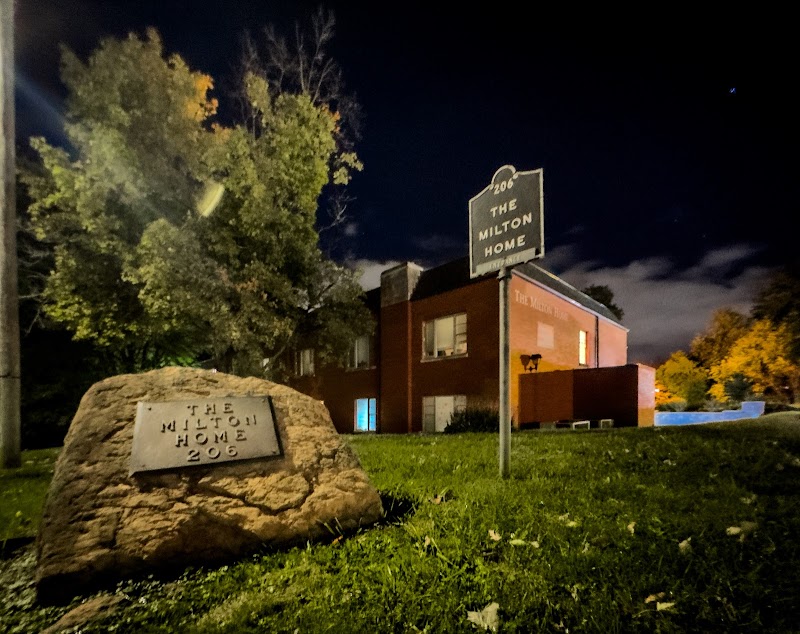
MILTON HOME, THE

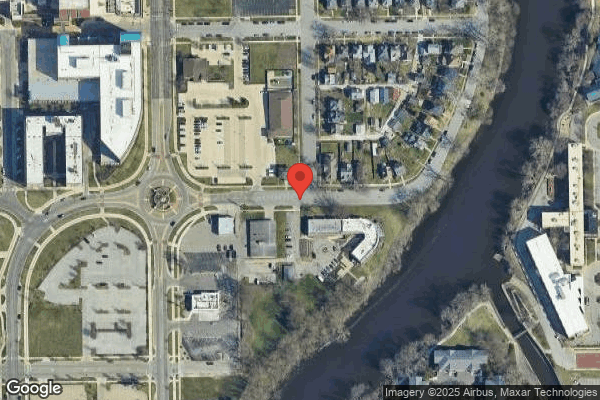
206 E MARION ST, SOUTH BEND, IN 46601 (574) 233-0165
For profit - Corporation 34 Beds Independent Data: November 2025
Trust Grade
70/100
#168 of 505 in IN
Last Inspection: October 2024

Within standard 12-15 month inspection cycle. Federal law requires annual inspections.

Overview

Milton Home in South Bend, Indiana has a Trust Grade of B, indicating it is a good choice among nursing homes, though there may be some areas for improvement. It ranks #168 out of 505 facilities in the state, placing it in the top half, and #5 out of 18 in St. Joseph County, meaning only four local options are better. The facility is improving, as it reduced its issues from seven in 2023 to six in 2024. Staffing is a strength with a 4 out of 5 rating and a turnover rate of 45%, which is below the state average, suggesting that staff are knowledgeable about resident care. However, some concerns were noted, such as dirty kitchen equipment and the presence of expired food items, which could affect residents' health and safety. On the positive side, there have been no fines issued, indicating compliance with regulations, and the facility has a good level of RN coverage, although there is room for improvement in maintaining safe hot water temperatures.

Trust Score
B
70/100
In Indiana
#168/505
Top 33%
Safety Record
Low Risk
No red flags
Inspections
Getting Better
7 → 6 violations
Staff Stability
○ Average
45% turnover. Near Indiana's 48% average. Typical for the industry.
Penalties
✓ Good
No fines on record. Clean compliance history, better than most Indiana facilities.
Skilled Nurses
✓ Good
Each resident gets 63 minutes of Registered Nurse (RN) attention daily — more than 97% of Indiana nursing homes. RNs are the most trained staff who catch health problems before they become serious.
Violations
⚠ Watch
24 deficiencies on record. Higher than average. Multiple issues found across inspections.
★★★★☆
4.0
Overall Rating
★★★★☆
4.0
Staff Levels
★★★★★
5.0
Care Quality
★★★☆☆
3.0
Inspection Score
Stable
2023: 7 issues
2024: 6 issues

The Good

  • 4-Star Staffing Rating · Above-average nurse staffing levels
  • 5-Star Quality Measures · Strong clinical quality outcomes
  • Full Sprinkler Coverage · Fire safety systems throughout facility
  • No fines on record
  • Staff turnover below average (45%)

    3 points below Indiana average of 48%

Facility shows strength in staffing levels, quality measures, fire safety.

The Bad

Staff Turnover: 45%

Near Indiana avg (46%)

Typical for the industry

The Ugly 24 deficiencies on record

Oct 2024 6 deficiencies
CONCERN (D)

Potential for Harm - no one hurt, but risky conditions existed

Comprehensive Care Plan (Tag F0656)

Could have caused harm · This affected 1 resident

Based on interview and record review, the facility failed to develop a person-centered care plan regarding refusal of showers for 1 of 16 residents whose care plans were reviewed. (Resident 16) Findin...

Read full inspector narrative →
Based on interview and record review, the facility failed to develop a person-centered care plan regarding refusal of showers for 1 of 16 residents whose care plans were reviewed. (Resident 16) Finding includes: A record review was completed on 10/10/2024 at 1:45 P.M. for Resident 16. Diagnoses included, but were not limited to: type 2 diabetes mellitus, vascular dementia, and adjustment disorder with depressed mood. A Quarterly Minimum Data Set (MDS) assessment, dated 8/23/2024, indicated Resident 16's cognition was intact. During an interview on 10/11/2024 at 10:06 A.M., CNA 6 indicated showers were charted in the Point of Care (POC) under the showering task. She indicated when a resident refused a shower, it was charted in the POC as refused. She indicated they notified the nurse about the resident's refusal and they also filled out a shower sheet and marked refused. A review of Resident 16's shower sheets was completed on 10/11/2024 at 11:03 A.M. The shower sheets indicated the resident refused showers on 9/16/2024, 9/19/2024, 9/23/2024, 9/26/2024, 10/3/2024, 10/7/2024 and 10/11/2024. The showering task in the POC lacked any documentation to indicate Resident 16 refused any showers within the last 30 days. Instead, not applicable was documented under the resident's POC showering task for the last 30 days. A current Care Plan, initiated on 12/3/2024, indicated Resident 16 had a self-care performance deficit related to a diagnosis of type 2 diabetes, neuropathy, and adjustment disorder. Interventions included, but were not limited to: the resident preferred showers and required extensive assistance by staff with bathing and showering. Resident 16's Care Plan lacked documentation indicating he refused showers. On 10/11/2024 at 11:17 A.M., a policy regarding refusal of showers was requested but one was not provided prior to the survey exit. 3.1-35(b)(2)
CONCERN (D)

Potential for Harm - no one hurt, but risky conditions existed

Deficiency F0657 (Tag F0657)

Could have caused harm · This affected 1 resident

**NOTE- TERMS IN BRACKETS HAVE BEEN EDITED TO PROTECT CONFIDENTIALITY** Based on record review and interview, the facility failed to ensure care plan conferences were completed every quarter for 1 of ...

Read full inspector narrative →
**NOTE- TERMS IN BRACKETS HAVE BEEN EDITED TO PROTECT CONFIDENTIALITY** Based on record review and interview, the facility failed to ensure care plan conferences were completed every quarter for 1 of 4 residents reviewed for care plan conferences. (Resident 16) Finding includes: During an interview on 10/9/2024 at 2:50 P.M., Resident 16 indicated he had never been to a care plan conference since being admitted to the facility on [DATE]. On 10/10/2024 at 1:44 P.M., a record review was completed for Resident 16. The record lacked documentation that a care plan conference had been completed for the 2024 year. During an interview on 10/15/2024 at 9:34 A.M., the Social Services Director indicated Resident 16 attended a care plan conference on 12/19/2023, 6/6/2024 and 8/29/2024. She indicated the resident did not have a care plan conference in February or March of 2024 but should have had one completed. On 10/15/2024 at 10:40 A.M., a policy regarding care plan conferences was requested but one was not provided prior to the survey exit. 3.1-35(e)
CONCERN (D)

Potential for Harm - no one hurt, but risky conditions existed

Deficiency F0679 (Tag F0679)

Could have caused harm · This affected 1 resident

Based on observation, interview and record review, the facility failed to ensure a resident was provided 1:1 activities per the plan of care for 1 of 1 resident reviewed for activities. (Resident 6) F...

Read full inspector narrative →
Based on observation, interview and record review, the facility failed to ensure a resident was provided 1:1 activities per the plan of care for 1 of 1 resident reviewed for activities. (Resident 6) Finding includes: During an observation on 10/10/2024 at 9:56 A.M., Resident 6 was sitting on her sofa folding a small blanket. During an interview on 10/10/2024 at 2:47 P.M., Resident 6 was sitting on the sofa in her room and indicated she liked to color and did not know what kind of activities the facility offered. During an observation on 10/11/2024 at 10:30 A.M., Resident 6 was sitting on the sofa looking through a coloring book. During an observation on 10/11/2024 at 1:00 P.M., Resident 6 was sitting on her sofa folding a shirt. During an observation on 10/15/2024 at 9:31 A.M., Resident 6 was sitting on her sofa with her eyes closed. A record review was completed on 10/11/2024 at 10:03 A.M. Diagnoses included, but were not limited to: Parkinson's Disease with dyskinesia, with fluctuations, dysphagia, oropharyngeal phase and Alzheimer's Disease. A current Care Plan, initiated 4/29/2024, indicated Resident 6 liked to color in coloring books and did not like to attend group activities. It indicated she would receive 1:1 activities at least twice a week. Review of the electronic medical record the documentation of activity participation for 1:1; indicated no data found. During an interview on 10/15/2024 at 11:59 A.M., the Activity Director indicated when a resident did not like to attend group activities she did a 1:1 with them. She would ask the resident what they would like to do, such as, read them a book, play a game, put on music. She then documented in the electronic medical record point of care under activities 1:1. The Activity Director indicated she did not document in Resident 6's chart when she had visited with the resident and should have had. On 10/15/2024 at 1:30 P.M. the DON provided a policy titled, Activities,dated 5/25/2023, and indicated the policy was the one currently used by the facility. The policy indicated .4. Activities may be conducted in different ways: a. One-to-One Programs. b. Person Appropriate - activities relevant to the specific needs, interests, culture, background, etc. for the resident they are developed for. 9. Special considerations will be made for developing meaningful activities for residents with dementia and/or special needs. These include, but are not limited to, considerations for: e. Residents who have withdrawn from previous activity interest/customary routines, and isolates self in room/bed most of the day . 3.1-33(a)(8)
CONCERN (D)

Potential for Harm - no one hurt, but risky conditions existed

Deficiency F0761 (Tag F0761)

Could have caused harm · This affected 1 resident

Based on observation, interview and record review, the facility failed to adequately label an over the counter medication stored in a medication cart for 1 of 1 medication cart reviewed. (First Floor ...

Read full inspector narrative →
Based on observation, interview and record review, the facility failed to adequately label an over the counter medication stored in a medication cart for 1 of 1 medication cart reviewed. (First Floor Medication Cart) The facility also failed to monitor and maintain proper temperatures of a refrigerator where medications were stored for 1 of 2 medication refrigerators reviewed. (First Floor Medication Refrigerator) Findings include: 1. During an observation of the first floor medication cart on 10/9/2024 at 1:25 P.M. with LPN 8, an opened bottle of Women 50+ Complete Multivitamin with no resident identifying information was in a drawer. An interview with LPN 8 was completed on 10/9/2024 at 1:27 P.M. LPN 8 indicated she did not know whose medication the Women 50+ Complete Multivitamin was, but the medication should be labeled with the resident's name. An interview with the Unit Manager (UM) was completed on 10/9/2024 at 1:30 P.M. The UM indicated all medication should have a label with the resident's name, date of birth , Physician's name, and dosing information. 2. During an observation of the first floor medication refrigerator on 10/9/2024 at 1:35 P.M. with the UM, the medication refrigerator had two thermometers, one was 29 degrees Fahrenheit (F) and the other thermometer was 36 degrees F. The refrigerator had one bottle of Rezvoglar, three boxes of the facility's supply of influenza vaccinations, eight Bisacoydl suppositories and one bottle of Tuberculin. The temperature logs did not have a temperature logged for the following dates: - 9/21/2024 - 9/22/2024 - 9/26/2024 - 9/27/2024 - 9/30/2024 - 10/5/2024 - 10/6/2024 The temperature logs had out of range temperatures logged for the following dates: - 9/1/2024 11 degrees F - 9/2/2024 20 degrees F - 9/3/2024 21 degrees F - 9/4/2024 22 degrees F - 9/5/2024 20 degrees F - 9/6/2024 22 degrees F - 9/7/2024 22 degrees F - 9/8/2024 22 degrees F - 9/9/2024 24 degrees F - 9/10/2024 22 degrees F - 9/11/2024 26 degrees F - 9/12/2024 24 degrees F - 9/13/2024 22 degrees F - 9/14/2024 26 degrees F - 9/15/2024 28 degrees F - 9/16/2024 24 degrees F - 9/17/2024 22 degrees F - 9/18/2024 24 degrees F - 9/19/2024 22 degrees F - 9/20/2024 20 degrees F - 9/23/2024 29 degrees F - 9/24/2024 28 degrees F - 9/25/2024 26 degrees F - 9/28/2024 24 degrees F - 9/29/2024 26 degrees F - 10/1/2024 22 degrees F - 10/2/2024 24 degrees F - 10/3/2024 26 degrees F - 10/4/2024 22 degrees F - 10/7/2024 28 degrees F An interview with the Unit Manager (UM) was completed on 10/9/2024 at 1:37 P.M. The UM indicated the nurse was responsible for checking and logging the medication refrigerator temperatures on the daily log sheets. The UM indicated the temperatures logged on the September and October daily log sheets were within normal range. An interview with the Director of Nursing (DON) was completed on 10/9/2024 at 1:47 P.M. The DON indicated safe temperatures for the medication refrigerator were between 36 and 46 degrees F. On 10/9/2024 at 1:47 P.M. the DON provided a policy, dated 5/15/2023 and titled, Medication Storage and Medication Labeling and indicated it was the policy currently used by the facility. The policy indicated, .1. General Guidelines: . f. Medications are stored in an orderly manner in cabinets, drawers, carts, or automatic dispensing systems. Each resident's medications are assigned to an individual cubicle, drawer, or other holding area to prevent the possibility of mixing medications of several residents. 6. Refrigerated Products: . b. Temperatures are maintained within 36-46 degrees F. Charts are kept on each refrigerator and temperature levels are recorded daily by the charge nurse or other designee . Medication Labeling . 2. The medication label includes, at a minimum: a. medication name, b. prescribed dose, c. strength, expiration date, resident's name, route of administration and appropriate instructions and precautions 3.1-25 (j) 3.1-25 (m)
CONCERN (D)

Potential for Harm - no one hurt, but risky conditions existed

Infection Control (Tag F0880)

Could have caused harm · This affected 1 resident

Based on observation, interview and record review, the facility failed to distribute medication in a sanitary manner during 2 of 4 medication administration observations. (RN 2 & RN 3) Findings includ...

Read full inspector narrative →
Based on observation, interview and record review, the facility failed to distribute medication in a sanitary manner during 2 of 4 medication administration observations. (RN 2 & RN 3) Findings include: 1. During an observation on 10/10/2024 at 9:45 A.M., RN 2 dropped one tablet of Vitamin D onto the medication cart. RN 4 applied hand sanitizer and gloves and then picked up the tablet of Vitamin D and put it into the medication cup with other medications. The resident was given the medication cup and took all the medications. During an interview on 10/10/2024 at 9:47, RN 2 indicated the medication should have been discarded and replaced with a new tablet. 2. During an observation on 10/11/2024 at 8:49 A.M., RN 3 dropped one tablet of Lisinopril onto the medication cart and used a spoon to pick up the tablet and put it into the medication cup. The resident was given the medication cup and took all the medications. During an interview on 10/11/2024 at 8:53 A.M., RN 3 indicated she did not know if the tablet of Lisinopril should have been discarded after it fell onto the medication cart, but she would ask someone and follow-up later. RN 3 did not follow-up before the exit of the survey. During an interview on 10/11/2024 at 9:45 A.M., the Director of Nursing (DON) indicated the facility did not have a policy specific to what to do when a medication was dropped. 3.1-18(b)
CONCERN (F)

Potential for Harm - no one hurt, but risky conditions existed

Food Safety (Tag F0812)

Could have caused harm · This affected most or all residents

Based on observation, interview and record review, the facility failed to prepare food under sanitary conditions related to a dirty range and oven in 1 of 1 kitchen reviewed. This had the potential to...

Read full inspector narrative →
Based on observation, interview and record review, the facility failed to prepare food under sanitary conditions related to a dirty range and oven in 1 of 1 kitchen reviewed. This had the potential to affect 24 of the 24 residents who received their meals from the kitchen. Findings include: 1. During the initial kitchen tour on 10/10/2024 at 11:00 A.M. with the Dietary Director (DD), the gas range had four burners with a black substance on all of the grates. The single door oven had a build up of grease and a black substance on the inside. 2. During the final kitchen tour on 10/15/2024 at 9:30 A.M., the range had four burners with a black substance on all the grates and below the grates. The single door oven had a build up of grease and a black substance on the inside. During an interview on 10/15/2024 at 9:31 A.M., the DD indicated the range and the oven were dirty and should be cleaned. The facility used a daily cleaning schedule to complete the kitchen cleaning tasks. On 10/15/2024 at 11:00 A.M., the DD provided a cleaning schedule titled, [Facility Name] Daily Cleaning Schedule and indicated it was the cleaning schedule currently used by the facility. The daily cleaning schedule included the task, Cleaning the range top/ovens/flat top. On 10/15/2024 at 11:00 A.M., the DD provided an undated policy titled, Food Safety and Sanitation, and identified it as the policy currently used by the facility. The policy indicated, .Sanitation .Follow a regular written cleaning schedule and document cleaning 3.1-21(i)(3)
Dec 2023 2 deficiencies
CONCERN (D) 📢 Someone Reported This

A family member, employee, or ombudsman was alarmed enough to file a formal complaint

Potential for Harm - no one hurt, but risky conditions existed

Free from Abuse/Neglect (Tag F0600)

Could have caused harm · This affected 1 resident

Based on observation, interview and record review, the facility failed to ensure 1 of 6 residents reviewed were free from abuse. (Resident C) Finding includes: A self-report incident #196, dated 11/27...

Read full inspector narrative →
Based on observation, interview and record review, the facility failed to ensure 1 of 6 residents reviewed were free from abuse. (Resident C) Finding includes: A self-report incident #196, dated 11/27/23 at 8:30 A.M., indicated Resident C had stated a CNA was rough with her care. The incident indicated CNA 3 was suspended pending the investigation. The resident had received no psychosocial distress. The follow-up, dated 11/30/23, indicated during the investigation it was discovered CNA 3 had a pattern of customer service concerns. The CNA was educated and disciplinary action was taken. A Grievance Form, dated 11/24/23 at 6:10 A.M., and completed by CNA 2 indicated .I walked in room with stuff getting my rooms ready and [name of Resident C] says Hey I said good morning how are you doing she better now you are hear I said whats the matter she said .girl almost toss me out of bed she is real mean. I said you want me to write a grivance she said yes This form did not indicate who the CNA had been, but indicated the CNA had been suspended, pending investigation, on 11/24/23. A typed statement from Resident C, dated 11/24/23 indicated .The CNA from night shift almost threw me out of the bed when she was changing me this morning. I had to grab the bar to keep from falling on the floor .She is always rude to me and always mean. I feel safe now but not when she is here A hand written statement, dated 11/28/23 at 11:00 A.M., written by the Director of Nursing (DON) regarding a phone conversation with CNA 3 indicated on her last rounds, around 4:30 A.M., CNA 3 said she tapped the resident and asked her if she needed changed and resident responded that she did. When I turned her back she acted like she didn't hear me.I might have had a tone with her. I told her I can't leave her. I pulled the sheet (draw) close to turn her. She said she didn't want to do it. I've got some stuff going on in my life-my dog is in the ER. I'm sure she didn't like my tone The statement concluded with the following .Reviewed her prior suspension & current grievance. Notified her we were going to terminate her employment r/t [related to] pattern of behavior that is perceived to be negative A Performance: Correction Notice, dated 7/26/23, indicated a resident stated on 7/21/23 .CNA was loud and cursed in resident's presence. This was corroborated by the CNA's statement. CNA stated to ED [Executive Director] that Its my mouth. I can do whatever I want with it The Notice indicated CNA 3 was suspended pending the investigation and had been reinstated to her position on 7/26/23. An Employee Coaching/Counseling Form, dated 11/24/23-early A.M., indicated CNA 3 had inappropriate conduct. Resident C .alleges rough treatment during care. Another resident alleges CNA is mean & nasty & cusses The form indicated in July of 2023, CNA 3 was educated on positive communication. The form indicated CNA was suspended on 11/24/23 and terminated on 11/28/23. During an interview/observation, on 12/13/23 at 10:28 A.M., Resident C was observed in her bed. She was alert and oriented to self, place and time. Resident C recalled the incident with CNA 3. The resident indicated CNA 3 was rough, pulled her sheet hard and she had talked down to her. The resident indicated she reported the incident to her nurse and the CNA was written up. The resident indicated CNA 3 had not been back in her room since then and she feels safe now that she's not around. During an interview, on 12/14/23 at 11:10 A.M., CNA 2 indicated she was coming onto day shift and was going to each resident to see how they were doing. She indicated when she checked on Resident C, she reported to her CNA 3 had pulled on her sheet to hard and was rude to her. CNA 2 indicated she had wrote the grievance regarding Resident C and how she was treated by CNA 3. She indicated she gave the grievance to the nurse on night shift, as the day shift nurse wasn't in the facility. She indicated she was instructed to call the Administrator, a previous one, which she did and reported to him what the resident had communicated to her. She verified this occurred on the morning of the 24th, the day she wrote the grievance. A typed page, included in the incident investigation, undated, with Definitions and Terms indicated verbal abuse was defined .as the use of oral, written, and/or gestured language that willfully includes disparaging and derogatory term to residents or their families, or within their hearing distance regardless of their age, ability to comprehend or disability .Physical: Using bodily or mechanical force, inappropriately touching, pulling, shoving, pushing, hitting, shaking, whipping, slapping, pinching, or any form of corporal punishment and/or inflicting any degree of pain or discomfort. On 12/13/23 at 10:44 A.M., the DON provided a policy titled, Abuse Prevention Program, dated 2001 and revised December 2016, and indicated the policy was the one currently used by the facility. The policy indicated .Our residents have the right to be free from abuse, neglect, misappropriation of resident property and exploitation. This includes but is not limited to freedom from corporal punishment, involuntary seclusion, verbal, mental, sexual or physical abuse, and physical or chemical restraint not required to treat the resident's symptoms This concern relates to complaint IN00422710. 3.1-27(a)(b)
CONCERN (D) 📢 Someone Reported This

A family member, employee, or ombudsman was alarmed enough to file a formal complaint

Potential for Harm - no one hurt, but risky conditions existed

Report Alleged Abuse (Tag F0609)

Could have caused harm · This affected 1 resident

Based on interview and record review, the facility failed to ensure an incident of abuse, involving Resident C, was reported timely. Finding includes: A self-report incident #196, dated 11/27/23 at 8:...

Read full inspector narrative →
Based on interview and record review, the facility failed to ensure an incident of abuse, involving Resident C, was reported timely. Finding includes: A self-report incident #196, dated 11/27/23 at 8:30 A.M., indicated Resident C had stated a CNA was rough with her care. The incident indicated CNA 3 was suspended pending the investigation and the resident had received no psychosocial distress. A typed statement from Resident C, dated 11/24/23 indicated .The CNA from night shift almost threw me out of the bed when she was changing me this morning. I had to grab the bar to keep from falling on the floor .She is always rude to me and always mean. I feel safe now but not when she is here During an interview, on 12/14/23 at 11:10 A.M., CNA 2 indicated she had wrote out a grievance form regarding Resident C and how she was treated by CNA 3. She indicated she gave the completed form to the nurse on the night shift, as the day shift nurse wasn't in the facility yet. She indicated she was instructed to call the Administrator, who no longer worked at the facility, which she did and reported to him what the resident had communicated to her. She verified this occurred, on the morning of 11/24/23, the day she wrote the grievance. During an interview, on 12/14/23 at 11:22 A.M., the Director of Nursing (DON) indicated she did not do the incident report to the state, until 11/27/23, because she was unaware of the incident until she reviewed the grievance, on 11/27/23. She indicated she had a conversation, with the previous administrator and he had no explanation as to why he had not reported the incident immediately. On 12/13/23 at 10:44 A.M., the DON provided a policy titled, Abuse, Neglect, Exploitation or Misappropriation - Reporting and Investigating, dated 2001 and revised September 2022, and indicated the policy was the one currently used by the facility. The policy indicated .1. If resident abuse, neglect, exploitation, misappropriation of resident property or injury of unknown source is suspected, the suspicion must be reported immediately to the administrator and to other officials according to state law. 2. The administrator or the individual making the allegation immediately reports his or her suspicion to the following persons or agencies: a. The state licensing/certification agency responsible for surveying/licensing the facility .3. Immediately is defined as: a. within two hours of an allegation involving abuse or result in serious bodily injury This concern relates to complaint IN00422710. 3.1-28(c)
Oct 2023 4 deficiencies
CONCERN (D)

Potential for Harm - no one hurt, but risky conditions existed

Deficiency F0568 (Tag F0568)

Could have caused harm · This affected 1 resident

Based on observation, record review and interview, the facility failed to provide quarterly statements to 3 of 9 residents with resident trust funds. (Residents 10, 20 and 13) Finding includes: The cl...

Read full inspector narrative →
Based on observation, record review and interview, the facility failed to provide quarterly statements to 3 of 9 residents with resident trust funds. (Residents 10, 20 and 13) Finding includes: The clinical record for Resident 10 was reviewed on 10/23/2023 at 2:00 P.M. The most recent MDS (Minimum Data Set) assessment for Resident 10, conducted as a quarterly review on 9/20/2023 indicated she was alert and oriented and cognitively intact. The clinical record for Resident 20 was reviewed on 10/7/23 . The most recent MDS assessment for Resident 20, conducted for an admission assessment indicated he scored a 12 out of 15 possible points and was moderately cognitively impaired. The clinical record for Resident 13 was reviewed on 10/26/2023 at 3:00 P.M. The most recent MDS assessment, completed on 8/20/2023 due to a significant change in condition, indicated the resident was alert and oriented and cognitively intact. During a review of the resident trust fund accounting, on 10/26/23 at 1:54 P.M. with the business office manager BOM, he indicated if the facility was the representative payee for the resident with a resident trust fund, they did not provide the resident with a quarterly statement. On 10/27/2023 at 9:00 A.M., the facility provided quarterly Resident Fund Statements for July through September 2023 for Residents 10, 13 and 20. All of the statements were signed with the same initials. During an interview with the Business Office Manager, on 10/27/2023 at 2:46 P.M. he confirmed the signature was the Administrators' because the facility was the representative payee for all three residents. When questioned why the alert and oriented residents, who were their own responsible party, were not given a copy of the quarterly statements, he indicated he was new to the position and the Corporate staff member training him informed him they were not given to the residents because the facility was the representative payee for all three residents. The current facility policy and procedure, titled, Transactions Involving Resident Funds, provided by the Director of Nursing on 10/30/2023 at 1:29 P.M., included the following: .8. Quarterly statements will be provided in writing to the resident, or the resident's representative, within 30 days after the end of the quarter and upon request 3.1-6(g)
CONCERN (D)

Potential for Harm - no one hurt, but risky conditions existed

Deficiency F0582 (Tag F0582)

Could have caused harm · This affected 1 resident

Based on interview and record review, the facility failed to ensure a SNF-ABN (Skilled Nursing Facility-Advanced Beneficiary Notice) Form was provided following the end of Medicare skilled services fo...

Read full inspector narrative →
Based on interview and record review, the facility failed to ensure a SNF-ABN (Skilled Nursing Facility-Advanced Beneficiary Notice) Form was provided following the end of Medicare skilled services for 1 of 1 resident who discharged from Medicare services and remained in the facility. (Resident 55) Finding includes: On 10/26/2023 at 1:37 P.M., the SNF (Skilled Nursing Facility) Beneficiary Protection Notification Review Forms were reviewed. The form indicated Resident 55 was not issued an SNF-ABN form. Resident 55's representative was provided a Notice of Medicare Non-Coverage (NOMNC) Form which indicated Resident 55's Medicare coverage would end on 4/23/2023. The form indicated that the representative was notified that their financial liability would begin on 4/24/2023. On 10/26/2023 at 2:16 P.M., the Social Service Director indicated that Resident 55 should have received an SNF-ABN form since she remained in the facility after discharge from Medicare services. On 10/27/2023 at 9:05A.M., the Director of Nursing provided the current policy titled, Advanced Beneficiary Notices. The policy indicated, but was not limited to: .It is the policy of this facility to provide timely notices regarding Medicare eligibility and coverage .5. The current CMS-approved [Center for Medicare and Medicaid Services] version of forms shall be used at the time of issuance to the beneficiary 9 resident or resident representative). Contents of the form shall comply with related instructions and regulations regarding the use of the form. a. For Part A items and services, the facility shall use the Skilled Nursing Facility Advance Beneficiary Notice (SNFABN), Form CMS-10055 3.1-4(f)(2)
CONCERN (D)

Potential for Harm - no one hurt, but risky conditions existed

Deficiency F0804 (Tag F0804)

Could have caused harm · This affected 1 resident

Based on observation, record review and interview, the facility failed to ensure food was served at a palatable temperature for 3 of 15 residents reviewed. (Residents 10, 17 and 20) Findings include: ...

Read full inspector narrative →
Based on observation, record review and interview, the facility failed to ensure food was served at a palatable temperature for 3 of 15 residents reviewed. (Residents 10, 17 and 20) Findings include: During an interview with alert and oriented Resident 10, on 10/23/2023 at 3:10 P.M., she indicated her food was often served cold and did not taste good. During an interview with Resident 10, on 10/27/2023 at 2:12 P.M., she indicated her lunch food was bland and was barely warm. During an interview with alert and oriented Resident 17, on 10/23/2023 at 2:19 P.M., she indicated the food was not always served hot. She indicated she used to have the staff heat the food up in the microwave but they had removed the microwave from the second floor dining room due to safety concerns. Resident 17 was discharged from the facility on 10/27/2023. During an interview with Resident 20, on 10/24/2023 at 10:24 A.M., he indicated the food was sometimes served cold. During an interview with Resident 20, on 10/27/23 at 2:16 P.M., he indicated his lunch was not very good and was kind of cold. He indicated the macaroni and cheese got hard because it was too cold. During a dining observation, the meal trays were delivered to the second floor of the facility on 10/25/2023 at 1:02 P.M. The trays were transported in an unheated metal cart and the meal plates were covered with a plastic insulated plate cover. There were two meal plates on each tray and there were no insulated plate holders underneath the plates. During an observation of food temperatures of the last tray to be delivered, conducted with the FSS (Food Service Supervisor) on 10/25/2023 at 1:11 P.M., the following food temperatures were obtained: The mashed potatoes were 124 degrees Fahrenheit, the cornbread stuffing was 138 degrees Fahrenheit, the pureed peas were 112 degrees Fahrenheit, and the pureed ham was 110 degrees Fahrenheit. During a dining observation, the meal trays were delivered to the second floor of the facility on 10/27/23 at 12:53 P.M. The meals were delivered in an unheated metal cart and each plate of food was covered with an insulated plastic plate cover and an insulated plastic plate holder was underneath each tray. At 1:02 P.M., the food temperatures of the food tray was assessed with Dietary Aide, Employee 10. The baked fish was 104.5 degrees Fahrenheit, the cauliflower was 100 degrees Fahrenheit and the macaroni and cheese was 116 degrees Fahrenheit. During an interview with dietary aide, Employee 10, regarding the target temperatures for food at the point of service, she indicated she was new to the facility and was not sure how hot the food was supposed to be when served. During an interview with the Registered Dietician, on 10/27/2023 at 1:10 P.M., she indicated the holding temperature should be 140 degrees Fahrenheit or above. She indicated the facility had a plate warmer in the kitchen but did not have hot pallets or an warm/heated delivery cart. She indicated the insulated plate covers and holders should be utilized. During an interview, on 10/27/2023 at 3:30 P.M. with the FSS he indicated the food was at the correct holding temperature in the kitchen before it was served. He indicated he had not conducted any test tray assessments of food temperatures at the point of service. The facility policy, titled, Safe Food Handling, provided by the Administrator on 10/24/2023 at 11:30 A.M., included the following: .3. The Dining Services Director/Cook(s) will be responsible for food preparation techniques which minimize the amount of time that food items are exposed to temperatures greater than 41 degrees Fahrenheit and/or less than 135 degrees Fahrenheit, or per state regulation 10. When hot pureed, ground, or diced food drop into the danger zone (below 135 degrees Fahrenheit) the mechanically altered food must be reheated to 165 degrees Fahrenheit for 15 seconds if holding for hot service There was no specific policy provided regarding transporting hot food and target temperatures of hot food to ensure resident palatability. 3.1-21(a)(2)
CONCERN (F)

Potential for Harm - no one hurt, but risky conditions existed

Food Safety (Tag F0812)

Could have caused harm · This affected most or all residents

Based on observation and interview, the facility failed to store and dispose expired foods for 1 of 1 dietary area observed. This deficient practice had the potential to affect 30 residents of 30 resi...

Read full inspector narrative →
Based on observation and interview, the facility failed to store and dispose expired foods for 1 of 1 dietary area observed. This deficient practice had the potential to affect 30 residents of 30 residents who received their meals in the dietary area. Findings include: During an observation on 10/23/2023 at 10:08 A.M., the upright refrigerator had 2 cartons of half and half with an expiration date of 10/9/2023. On 10/23/2023 at 10:15 A.M., the dry storage areas had an opened bag of flour that was not secured with a covering and loose flour was exposed. During an interview on 10/23/2023 at 10:15 A.M., the Dietary District Manager indicated the flour should have been taken to the kitchen and stored in a closed container. On 10/23/2023 at 10:19 A.M., three bags of soft tortilla shells were observed in a cabinet with a best by date of 8/29/2023. During an interview on 10/23/2023 at 10:19 A.M., the Dietary District Manager thought the tortillas may have been stored in the freezer, but was unsure when the tortillas had been pulled from the freezer. On 10/23/2023 at 10:20 A.M., a two-pound three-ounce bag of frosted flakes had a use by date handwritten of 6/21/2023. During an interview on 10/23/2023 at 10:20 A.M., the Dietary District Manager indicated the date on the frosted flakes package was 10/21/2023. The Dietary District Manager had [NAME] 3 observe the date written, and [NAME] 3 indicated the date on the packaging was 6/21/2023. During an observation of the used spices on 10/23/2023 at 10:21 A.M., the following was observed: -16 oz. (ounces) black pepper with no open date or use by date. -thyme 12 oz. dated 9/24/2021 as an open date. -onion powder 2.62 oz. no open date or use by date. -herb seasoning 13 oz. no open date or use by date. -pumpkin pie spice 16 oz. open date of 5/2/2022 with a use by date 8/2/2023. -seasoning salt 5 pound no open date or use by date. -ground sage 1.25 oz. no open date or use by date. -ground mustard opened 8/2/2022, use by date 8/2/2023. -corn starch open box and not sealed. -ground ginger 16 oz. open 8/2/22, and use by 8/3/2023. -ground thyme 12 oz. open 8/3/2022, use by 8/3/2023. -ground nutmeg 16 oz. open 8/3/2023, use by 8/3/2023. -Mrs. Dash seasoning 21 oz. no open date or use by date. -ground cinnamon 2.37 oz. no open or use by date. During an interview on 10/23/2023 at 10:35 A.M., the Dietary District Manager indicated the best practice for spice storage was to discard after 6 months of opening. On 10/23/2023 at 12:01 P.M., an observation of self-serve cereals was observed in the dining area. Raisin Bran, with a preparation date of 9/282023, and a use by date of 10/20/2023 was observed, with approximately 1 cup left in the canister. Foot Loops in the self-serve container was not dated, and had a half full container. During an interview with CNA 2 on 10/23/2023 at 12:17 P.M., he indicated the cereal is served by the staff in the mornings. On 10/23/2023 at 12:19 P.M., the Dietary District Manger indicated the raisin bran should have been disposed and indicated label on the fruit loops must have fallen off. During an observation on 10/26/2023 at 2:13 P.M., the flour bag in dry storage had a white bag over it, and the bag twisted at the top. The bag did not have any secure closure. A current policy was provided on 10/27/2023 at 10:11 A.M. by the Director of Nursing. The policy was titled, Quick Resource Tool: Safe Storage of Food. The policy indicated, .5. All foods will be stored wrapped or in covered containers, labeled and dated, and arranged in a manner to prevent cross contamination .9. All packaged and canned food items will be kept clean, dry, and date marked as appropriate 3.1-21(i)(2)
Jan 2023 1 deficiency
CONCERN (E) 📢 Someone Reported This

A family member, employee, or ombudsman was alarmed enough to file a formal complaint

Potential for Harm - no one hurt, but risky conditions existed

Accident Prevention (Tag F0689)

Could have caused harm · This affected multiple residents

**NOTE- TERMS IN BRACKETS HAVE BEEN EDITED TO PROTECT CONFIDENTIALITY** Based on observation, record review and interview, the facility failed to ensure hot water temperatures were maintained at a saf...

Read full inspector narrative →
**NOTE- TERMS IN BRACKETS HAVE BEEN EDITED TO PROTECT CONFIDENTIALITY** Based on observation, record review and interview, the facility failed to ensure hot water temperatures were maintained at a safe level for 1 of 2 nursing units. Finding includes: During an Environmental tour of the facility, conducted on 1/30/2023 between 10:30 A.M. and 11:30 A.M., accompanied by the Maintenance Supervisor, Employee 2, the following elevated hot water temperatures were noted: The unlocked bathroom on the 1st floor, available for use by residents, staff and the community was 130 degrees Fahrenheit room [ROOM NUMBER], an occupied comprehensive healthcare room was 127 degrees Fahrenheit room [ROOM NUMBER], an occupied comprehensive healthcare room was 124 degrees Fahrenheit The Women's shower room on the Second floor of the comprehensive healthcare side of the building was 126 degrees Fahrenheit. Observation of the Boiler room indicated there was one large hot water heater, three holding tanks and a mixing valve set up to supply the hot and cold water to the building. The thermostat on the mixing valve was noted to be set at 130 degrees. When the concern was voiced to Employee 2, he indicated the mixing valve needed to be set at 130 degrees so the water was hot enough when it was pumped to the second floor. Employee 2 indicated he checked the hot water temperatures daily and they were normally between 100- 120 degrees Fahrenheit. He indicated the water must be hot because it had been sitting in the pipes. Review of the facility reportable incidents since 11/1/2022 indicated there had been no residents burned from hot water. Review of the facility policy and procedure, provided by the Director of Nursing (DON) on 1/30/2023 at 1:40 P.M., titled Water Temperatures, Safety of included the following: .1. Water heaters that service resident rooms, bathrooms, common areas, and tub/shower areas shall be set to temperatures of no more than 120 degrees F (Fahrenheit) (48-89 degrees C (Celsius), or the maximum allowable temperature per state regulation. 2 Maintenance staff is responsible for checking thermostats and temperature controls int he facility and recording these checks in a maintenance log The Director of Nursing provided an additional form, titled Tels Masters on 1/30/2023 at 1:40 P.M., .1. Ensure patient room water temperatures are between 105 degrees and 115 degrees Fahrenheit (or as specified by state requirements), .Indiana - 100 degrees to 120 degrees 3.1-45(a)
Aug 2022 11 deficiencies
CONCERN (D)

Potential for Harm - no one hurt, but risky conditions existed

Deficiency F0655 (Tag F0655)

Could have caused harm · This affected 1 resident

**NOTE- TERMS IN BRACKETS HAVE BEEN EDITED TO PROTECT CONFIDENTIALITY** Based on observation, record review, and interview, the facility failed to develop a baseline care plan within 48 hours of admis...

Read full inspector narrative →
**NOTE- TERMS IN BRACKETS HAVE BEEN EDITED TO PROTECT CONFIDENTIALITY** Based on observation, record review, and interview, the facility failed to develop a baseline care plan within 48 hours of admission related to oxygen use for 1 of 17 residents whose care plans were reviewed. (Resident 23) Finding includes: On 7/26/22 at 11:39 a.m., Resident 23 was observed with oxygen on via a nasal cannula with a flow rate of 4 liters. The resident indicated she always wore her oxygen. Record review for Resident 23 was completed on 7/26/22 at 1:42 p.m. The resident was admitted to the facility on [DATE]. A Care Plan indicated the resident had chronic obstructive pulmonary disease (COPD) and respiratory failure. The care plan did not reflect oxygen use. The record lacked any documentation a base line care plan related to oxygen use was completed. Interview with Nurse Consultant on 7/29/22 at 11:11 a.m., indicated she could not provide any documentation to indicate a baseline care plan for oxygen had been completed. 3.1-30(a)
CONCERN (D)

Potential for Harm - no one hurt, but risky conditions existed

Comprehensive Care Plan (Tag F0656)

Could have caused harm · This affected 1 resident

Based on record review and interview, the facility failed to ensure an individualized care plan was developed related to diabetes management for 1 of 17 resident care plans reviewed. (Resident 11) Fin...

Read full inspector narrative →
Based on record review and interview, the facility failed to ensure an individualized care plan was developed related to diabetes management for 1 of 17 resident care plans reviewed. (Resident 11) Finding includes: Record review for Resident 11 was completed on 7/27/22 at 3:31 p.m. Diagnoses included, but were not limited to, diabetes management and anemia. The admission Minimum Data Set (MDS) assessment, dated 5/30/22, indicated the resident was cognitively intact. The resident had received insulin (diabetes medication). The record lacked any documentation a care plan had been completed related to diabetes management. Interview on 7/28/22 at 10:23 a.m. with Regional MDS indicated the resident should have had a care plan for the management of diabetes. 3.1-35(a)
CONCERN (D)

Potential for Harm - no one hurt, but risky conditions existed

ADL Care (Tag F0677)

Could have caused harm · This affected 1 resident

**NOTE- TERMS IN BRACKETS HAVE BEEN EDITED TO PROTECT CONFIDENTIALITY** Based on observation, record review and interview, the facility failed to ensure dependent residents received ADL (activities of...

Read full inspector narrative →
**NOTE- TERMS IN BRACKETS HAVE BEEN EDITED TO PROTECT CONFIDENTIALITY** Based on observation, record review and interview, the facility failed to ensure dependent residents received ADL (activities of daily living) assistance related to scheduled showers and shaving for 2 of 2 residents reviewed for ADL care. (Residents 15 and 19) Findings include: 1. On 7/26/22 at 10:16 a.m., Resident 15 was observed in bed. He was wearing tubigrips (elastic coverings) on both arms. Both were soiled with dried blood. He indicated he was only getting a shower or bath once every two weeks. The resident's record was reviewed on 7/27/22 at 1:39 p.m. The resident was admitted on [DATE]. Diagnoses included, but were not limited to, Diabetes Mellitus, weakness and low back pain. The Quarterly Minimum Data Set (MDS) assessment, dated 5/3/22, indicated the resident was cognitively intact, and required one person assistance for transfers, bed mobility and toileting. The June and July 2022 shower sheets indicated the resident was showered on the following days: 6/16/22, 7/7/22 and 7/16/22. He was scheduled to receive showers every Monday and Thursday. There was no documentation he had refused any scheduled showers. 2. On 7/27/22 at 9:41 a.m., Resident 19 was observed in bed. He was unshaven. The resident's record was reviewed on 7/27/22 at 9:33 a.m. The resident was admitted on [DATE]. Diagnoses included, but were not limited to, Alzheimer's disease and heart disease. The Quarterly MDS, dated [DATE], indicated the resident had severe cognitive deficits, and required limited assistance with bed mobility, transfers and toileting. The June and July 2022 shower sheets indicated the resident was showered and shaved on 7/6/22, showered on 6/8/22, and refused on 7/16/22. He was scheduled to receive showers every Wednesday and Saturday evening. A telephone interview with a family member on 7/26/22 at 1:32 p.m., indicated the resident had always been clean shaven, but had not been shaved in a while. Interview with CNA 2 on 7/27/22 at 1:57 p.m., indicated residents should get two showers a week and a shower sheet should be completed with each shower. If refused, that should be documented also. 3.1-38(a)(3)
CONCERN (D)

Potential for Harm - no one hurt, but risky conditions existed

Quality of Care (Tag F0684)

Could have caused harm · This affected 1 resident

**NOTE- TERMS IN BRACKETS HAVE BEEN EDITED TO PROTECT CONFIDENTIALITY** 3. Record review for Resident 21 was completed on 7/27/22 at 2:12 p.m. Diagnoses included, but were not limited to, dementia, an...

Read full inspector narrative →
**NOTE- TERMS IN BRACKETS HAVE BEEN EDITED TO PROTECT CONFIDENTIALITY** 3. Record review for Resident 21 was completed on 7/27/22 at 2:12 p.m. Diagnoses included, but were not limited to, dementia, and Parkinson's disease. The admission Minimum Data Set (MDS) assessment, dated 6/30/22, indicated the resident was moderately cognitively impaired. A Progress Note, dated 6/28/2022 at 6:37 a.m., indicated the resident was noted with blood in the urine in his brief. The doctor was notified with new order to send a urinalysis. A Progress Note, dated 6/29/22 at 7:32 a.m., indicated urine was collected by clean catch for urinalysis and picked up for testing. A Progress Note, dated 7/24/22 at 6:11 a.m., indicated the resident had been sent to the emergency room related to a decline. The record lacked any documentation of results for the urinalysis completed on 6/29/22, nor had any follow up been completed. Interview on 7/28/22 at 10:57 a.m. with the Interim Director of Nursing indicated they should have followed up sooner on the urine collection. Interview on 7/29/22 at 11:11 a.m., with Nurse Consultant indicated she could not provide any further information related to the delay in the follow up regarding the urinalysis. 3.1-37(a) Based on observation, record review, and interview, the facility failed to ensure residents received the necessary treatment and services related to not obtaining a Physician's order for wound treatment for 1 of 4 residents reviewed for non-pressure related skin conditions, not ordering or following up on a Physician's order for a chest x-ray for 1 of 3 residents reviewed for respiratory care, and not following up on a urinalysis for 1 of 2 closed records reviewed. (Residents 15, 20 and 21) Findings include: 1. On 7/26/22 at 10:16 a.m., Resident 15 was observed in bed. He was wearing tubigrips (elastic coverings) on both arms. Both were soiled with dried blood. He indicated he fell a few days ago and had skin tears on both arms, and staff had applied the tubigrips. The resident attempted to pull the tubigrip down to observe the skin tear, but the dried blood stuck the wound to the tubigrip. The resident's record was reviewed on 7/27/22 at 1:39 p.m. The resident was admitted on [DATE]. Diagnoses included, but were not limited to, Diabetes Mellitus, weakness and low back pain. The Quarterly Minimum Data Set (MDS) assessment, dated 5/3/22, indicated the resident was cognitively intact, and required one person assistance for transfers, bed mobility and toileting. There was no documentation in the progress notes related to the resident falling or obtaining skin tears. There was no Physician's order for treatment of the skin tears. Interview with CNA 1 on 7/27/22 at 2:07 p.m., indicted the resident had fallen in the bathroom Saturday evening. CNA 1 and another CNA assisted him off the floor, and he had obtained the skin tears at that time. Interview with LPN 1 on 7/27/22 at 2:11 p.m., indicated the resident had picked at his skin so the weekend nurse had placed tubigrips on him. He indicated he was not aware of the resident falling or having skin tears. 2. Resident 20's record was reviewed on 7/28/22 at 9:44 a.m. The resident was admitted on [DATE]. Diagnoses included, but were not limited to, Diabetes Mellitus and lymphedema. A Progress Note, dated 7/12/22, indicated the resident was complaining of shortness of breath. The Physician was notified, and he ordered a chest X-ray and labs. There was not a chest X-ray completed until 7/21/22. Interview with the Unit Manager on on 7/29/22 at 9:40 a.m., indicated the night nurse had notified the Physician and received the orders. The Unit Manager indicated she had placed the order stat that morning on 7/12/22. She was unable to locate a chest x-ray prior to the one dated 7/21/22.
CONCERN (D)

Potential for Harm - no one hurt, but risky conditions existed

Pressure Ulcer Prevention (Tag F0686)

Could have caused harm · This affected 1 resident

Based on observation, record review, and interview, the facility failed to ensure pressure offloading boots were in place as ordered for 1 of 2 residents reviewed for pressure ulcers. (Resident 22) Fi...

Read full inspector narrative →
Based on observation, record review, and interview, the facility failed to ensure pressure offloading boots were in place as ordered for 1 of 2 residents reviewed for pressure ulcers. (Resident 22) Finding includes: On 7/26/22 at 3:39 p.m., Resident 22 was observed lying in bed. No pressure offloading boots were observed on her feet. On 7/27/22 at 2:08 p.m., Resident 22 was observed lying in bed. No pressure offloading boots were observed on her feet. On 7/28/22 at 10:45 a.m., Resident 22 was observed lying in bed. No pressure offloading boots were observed on her feet. Record Review for Resident 22 was completed on 7/28/22 at 11:17 a.m. Diagnoses included, but were not limited to, Alzheimer's disease, hypertension, and depression. The Quarterly Minimum Data Set (MDS) assessment, dated 6/30/22, indicated the resident was severely cognitively impaired. The resident required an extensive 1 person assist for bed mobility and a total 1 person assist with dressing. The resident had impairment on both upper and lower extremities for a limitation in functional range of motion. The resident had 2 unstageable pressure ulcers and was on hospice care. A Care Plan, dated 6/23/21 and revised on 7/26/22, indicated the resident was at risk for skin breakdown due to decreased mobility. An intervention included to float heels when in bed. A Care Plan, dated 7/26/22, indicated the resident had a pressure ulcer to the right medial foot. An intervention included to float heels. A Wound Assessment, dated 7/20/22, indicated the resident had an unstageable pressure ulcer to the right medial foot. The July 2022 Physician's Order Summary indicated an order for pressure relieving boots to be worn at all times while in bed and up in the chair. Interview with QMA 1 on 7/28/22 at 10:48 a.m., indicated the resident should have the pressure relieving boots on. She was unable to find them to apply them. 3.1-40(a)(2)
CONCERN (D)

Potential for Harm - no one hurt, but risky conditions existed

Deficiency F0688 (Tag F0688)

Could have caused harm · This affected 1 resident

Based on observation, record review, and interview, the facility failed to ensure a splint was in place as ordered and Physician Orders included specific directions for use for 1 of 2 residents review...

Read full inspector narrative →
Based on observation, record review, and interview, the facility failed to ensure a splint was in place as ordered and Physician Orders included specific directions for use for 1 of 2 residents reviewed for limited range of motion. (Resident 17) Finding includes: On 7/26/22 at 3:52 p.m., Resident 17 was observed lying in bed. No splints were observed on the residents arms. An arm splint was observed on the nightstand next to the bed. On 7/27/22 at 11:34 a.m., Resident 17 was observed sitting in a reclining highback wheelchair in a dining area. The resident's arms were observed laying on his chest and no splints were observed on his arms. Record review for Resident 17 was completed on 7/27/22 at 12:12 p.m. Diagnoses included, but were not limited to, anoxic brain damage, contractures, cerebral palsy and stroke. The admission Minimum Data Set (MDS) assessment, dated 6/23/22, indicated the resident was severely cognitively impaired. The resident required and extensive 2+ person assist for bed mobility and a total 2+ assist for dressing. The resident had an impairment of both upper and lower extremities for a functional limitation in range of motion. The July 2022 Physician's Order Summary indicated an order for bilateral hand and right elbow splints for contracture management. No directions were specified for the order. Interview with the Interim Director of Nursing on 7/27/22 at 11:41 a.m , indicated therapy was responsible for applying and removing the residents splints. Therapy had ordered new splints and the splint on the nightstand was not to be used. Interview with the Director of Therapy on 7/27/22 at 11:47 a.m., indicated the resident was no longer in therapy and that the nursing staff was responsible for applying and removing the resident's splints. She had ordered another elbow splint because the one they had was broken. The staff had been educated to place a washcloth in his elbow crease until the new splint arrived. The resident should have still been wearing the wrist splints and the staff had been educated on how to apply and remove them. A policy titled, Splints and received as current from the Administrator on 7/27/22, indicated, .5. Nursing staff will: . f. follow the device schedule as determined 3.1-42(a)(2)
CONCERN (D)

Potential for Harm - no one hurt, but risky conditions existed

Accident Prevention (Tag F0689)

Could have caused harm · This affected 1 resident

**NOTE- TERMS IN BRACKETS HAVE BEEN EDITED TO PROTECT CONFIDENTIALITY** Based on observation, record review, and interview, the facility failed to ensure a fall was investigated, post-fall monitoring ...

Read full inspector narrative →
**NOTE- TERMS IN BRACKETS HAVE BEEN EDITED TO PROTECT CONFIDENTIALITY** Based on observation, record review, and interview, the facility failed to ensure a fall was investigated, post-fall monitoring was completed and interventions were in place for a resident with a history of falls for 2 of 2 residents reviewed for accidents. (Residents 15 and 19) Findings include: 1. On 7/26/22 at 10:16 a.m., Resident 15 was observed in bed. He was wearing tubigrips (elastic coverings) on both arms. Both were soiled with dried blood. He indicated he fell a few days ago and had skin tears on both arms, and staff had applied the tubigrips. The resident's record was reviewed on 7/27/22 at 1:39 p.m. The resident was admitted on [DATE]. Diagnoses included, but were not limited to, Diabetes Mellitus, weakness and low back pain. The Quarterly Minimum Data Set (MDS) assessment, dated 5/3/22, indicated the resident was cognitively intact, and required one person assistance for transfers, bed mobility and toileting. There was no documentation in the progress notes related to the resident falling or obtaining skin tears. There was no post fall assessment completed. Interview with CNA 1 on 7/27/22 at 2:07 p.m., indicted the resident had fallen in the bathroom Saturday evening. CNA 1 and another CNA assisted him off the floor, and he had obtained the skin tears at that time. Interview with LPN 1 on 7/27/22 at 2:11 p.m., indicated the resident had picked at his skin so the weekend nurse had placed tubigrips on him. He indicated he was not aware of the resident falling or having skin tears. Interview with the Interim Director of Nursing (DON) on 7/27/22 at 2:14 p.m., indicated she had not been notified the resident fell. If a resident had fallen, she was to be notified and an incident report was to be completed, and the resident should be monitored. 2. On 7/27/22 at 9:41 a.m. and 7/28/22 at 8:49 a.m., Resident 19 was observed in bed. There were no non-skid strips on the floor next to his bed, and a floor mat was leaning against the wall. The resident's record was reviewed on 7/27/22 at 9:33 a.m. The resident was admitted on [DATE]. Diagnoses included, but were not limited to, Alzheimer's disease and heart disease. The Quarterly Minimum Data Set (MDS) assessment, dated 6/24/22, indicated the resident had severe cognitive deficits, and required limited assistance with bed mobility, transfers and toileting. A Care Plan, updated 6/30/21, indicated the resident was at risk for falls and had a history of falls with serious injury. Interventions included to have a floor mat on bedside, and non-skid strips at bedside. Interview with the Interim DON on 7/28/22 at 8:54 a.m., indicated when the resident was in bed, the floor mat should be in place. Interview with the MDS nurse on 7/28/22 at 9:00 a.m., indicated she spoke to staff and they indicated the mat was slipping and that was why it was not in use. She indicated staff should have notified them of the concern, and new interventions would need to be put into place. 3.1-45(a)
CONCERN (D)

Potential for Harm - no one hurt, but risky conditions existed

Incontinence Care (Tag F0690)

Could have caused harm · This affected 1 resident

Based on interview and record review, the facility failed to ensure a resident with a urinary catheter received the necessary treatment and services related to not changing the catheter, completing ca...

Read full inspector narrative →
Based on interview and record review, the facility failed to ensure a resident with a urinary catheter received the necessary treatment and services related to not changing the catheter, completing catheter care daily and not assessing urinary output as ordered for 1 of 1 residents reviewed for urinary catheters. (Resident 9) Finding includes: Interview with Resident 9 was completed on 7/26/22 at 11:46 a.m. The resident indicated he has had multiple issues with his urinary catheter. On one occasion, it took the facility an entire day to change out his catheter which was very uncomfortable. The facility told him they didn't have supplies available because they were locked up and they could not get to them. Record review for Resident 9 was completed on 7/27/22 at 10:54 a.m. Diagnoses included, but were not limited to, stroke, obstructive uropathy, renal insufficiency and hypertension. The Quarterly Minimum Data Set (MDS) assessment, dated 5/19/22, indicated the resident was cognitively intact. The resident required an extensive 1 person assist for toilet use and the resident had an indwelling catheter. A Care Plan, revised on 11/9/21, indicated the resident had an indwelling suprapubic urinary catheter. Interventions included to complete catheter changes per the physician's orders and to provide catheter care as ordered. The July 2022 Physician's Order Summary indicated orders for the following: - cleanse the suprapubic catheter site and tubing with soap and water, pat dry, apply drain sponge and anchor daily and when necessary - Urinary Output Every shift. Record output. - Catheter orders: catheter care every shift every shift - Change suprapubic catheter every 14 days and when necessary for blockage. The June 2022 Medication Administration Record (MAR) and Treatment Administration Record (TAR) indicated the following: - change suprapubic catheter every 14 days: was not completed on 6/4/22 and refused on 6/18/22 - cleanse suprapubic daily: was not completed at bedtime on 6/12/22, 6/27/22, and 6/29/22 - catheter orders: catheter care every shift: was not completed on days: 6/14/22 and 6/29, and evenings: 6/27/22 and 6/29/22 - urinary output: was not completed on days: 6/2/22, 6/5/22, 6/9/22, 6/13/22, 6/14/22, 6/29/22; evenings: 6/5/22, 6/14/22, 6/27/22, and 6/29/22; nights: 6/9/22 The July 2022 MAR and TAR indicated the following: - change suprapubic catheter every 14 days: was not completed on 7/16/22 - cleanse suprapubic catheter site and tubing one time a day at bedtime: was not completed on 7/1/22, 7/3/22, and 7/5/22 - catheter orders: catheter care every shift: was not completed on days 7/1/22; evenings: 7/1/22, 7/3/22, and 7/5/22 -urinary output every shift: was not recorded on days: 7/1/22, 7/5/22, 7/12/22, 7/14/22, 7/20/22, 7/21/22; evenings: 7/1/22, 7/3/22, 7/5/22, 7/12/22, 7/18/22 Interview with the Interim Director Of Nursing on 7/27/22 at 3:08 p.m., indicated she could not find any further documentation the catheter care had been completed as ordered on the above dates and times. Interview with Nurse Consultant on 7/29/22 at 11:11 a.m., indicated she could not provide any further information the urinary catheters care had been completed as ordered on the above dates and times. 3.1-41(a)(2)
CONCERN (D)

Potential for Harm - no one hurt, but risky conditions existed

Respiratory Care (Tag F0695)

Could have caused harm · This affected 1 resident

**NOTE- TERMS IN BRACKETS HAVE BEEN EDITED TO PROTECT CONFIDENTIALITY** Based on observation, record review, and interview, the facility failed to ensure a Physician's Order was in place for a residen...

Read full inspector narrative →
**NOTE- TERMS IN BRACKETS HAVE BEEN EDITED TO PROTECT CONFIDENTIALITY** Based on observation, record review, and interview, the facility failed to ensure a Physician's Order was in place for a resident who received oxygen for 1 of 2 residents reviewed for oxygen. (Resident 23) Finding includes: On 7/26/22 at 11:39 a.m., Resident 23 was observed wearing oxygen via a nasal cannula with a flow rate of 4 liters. The resident indicated she always wore her oxygen. On 7/28/22 at 2:27 p.m., Resident 23 was still observed wearing oxygen with a flow rate at 4 liters. Record review for Resident 23 was completed on 7/26/22 at 1:42 p.m. The resident was admitted to the facility on [DATE]. A Care Plan indicated the resident had chronic obstructive pulmonary disease (COPD) and respiratory failure. The care plan did not reflect oxygen use. The record lacked any documentation of a Physician's Order for the use of oxygen. Interview with Nurse Consultant on 7/29/22 at 11:11 a.m., indicated the resident did not have a Physician's Order for oxygen in place when she was observed wearing the oxygen, but should have had an order. They have since put in an order for oxygen use of 4 liters every shift. 3.1-47(a)(6)
CONCERN (D)

Potential for Harm - no one hurt, but risky conditions existed

Deficiency F0757 (Tag F0757)

Could have caused harm · This affected 1 resident

**NOTE- TERMS IN BRACKETS HAVE BEEN EDITED TO PROTECT CONFIDENTIALITY** 2. Record review for Resident 11 was completed on 7/27/22 at 3:31 p.m. Diagnoses included, but were not limited to, diabetes man...

Read full inspector narrative →
**NOTE- TERMS IN BRACKETS HAVE BEEN EDITED TO PROTECT CONFIDENTIALITY** 2. Record review for Resident 11 was completed on 7/27/22 at 3:31 p.m. Diagnoses included, but were not limited to, diabetes management and anemia. The admission Minimum Data Set (MDS) assessment, dated 5/30/22, indicated the resident was cognitively intact. The resident had received insulin (diabetes medication). The July 2022 Physician's Order Summary indicated an order for the following: - Humalog (insulin) to inject per the sliding scale before meals and at bedtime. The July 2022 Medication Administration Record (MAR) had blanks on the following dates and times for the administration of the Humalog. - 7/1, 7/2, 7/8/22 at 8:30 p.m. - 7/17/22 at 7:30 a.m., and 11:30 a.m. - 7/22/22 at 8:30 a.m. Interview with the Nurse Consultant on 7/28/22 at 10:49 a.m., indicated she could not find any documentation the resident's blood sugar was checked and if she had received any Humalog on the above dates and times. A policy titled, Diabetes - Clinical Protocol, and received as current from the Administrator on 7/28/22, indicated, .Monitoring and Follow - Up .3 .monitor 3 to 4 times a day if on intensive insulin therapy or sliding scale insulin 3.1-48(a)(6) Based on record review and interview, the facility failed to ensure residents were free from unnecessary medications related to not monitoring a resident on an anticoagulant medication and not giving insulin and checking blood sugars as ordered for 2 of 5 residents reviewed for unnecessary medications. (Residents 15 and 11) Findings include: 1. On 7/26/22 at 10:16 a.m., Resident 15 was observed in his bed. He had tubigrips on his forearms and elbows, and there were numerous red discolorations visible on his upper arms. He indicated he was taking an anticoagulant medication and thought that was what caused the discolorations. The resident's record was reviewed on 7/27/22 at 1:39 p.m. The resident was admitted on [DATE]. Diagnoses included, but were not limited to, Diabetes Mellitus and chronic deep vein thrombosis of the lower extremities. The Quarterly Minimum Data Set (MDS) assessment, dated 5/3/22, indicated the resident was on anticoagulant medication daily. The July 2022 Medication Administration Record indicated monitoring for side effects of an anticoagulant started on July 26, 2022. There was no previous monitoring documented. Interview with the MDS nurse on 7/27/22 at 2:14 p.m., indicated that monitoring for anticoagulant side effects had not began until the previous day.
CONCERN (D)

Potential for Harm - no one hurt, but risky conditions existed

Infection Control (Tag F0880)

Could have caused harm · This affected 1 resident

**NOTE- TERMS IN BRACKETS HAVE BEEN EDITED TO PROTECT CONFIDENTIALITY** Based on observation, record review, and interview, the facility failed to ensure infection control guidelines were in place and...

Read full inspector narrative →
**NOTE- TERMS IN BRACKETS HAVE BEEN EDITED TO PROTECT CONFIDENTIALITY** Based on observation, record review, and interview, the facility failed to ensure infection control guidelines were in place and implemented, including those to prevent and/or contain COVID-19, related to not placing newly admitted residents who were unvaccinated for COVID-19 on transmission based precautions (TBP) as recommended for 2 of 2 new admissions reviewed for infection control. (Residents 125 and 126) Findings include: On 7/26/22 at 3:48 p.m., room [ROOM NUMBER] was observed. The name plate on the outside wall had Resident 125 and Resident 126's names. There was no signage on the room door related to any TBP or a Personal Protection Equipment (PPE) bin located anywhere outside the door. On 7/29/22 at 1:41 p.m., Resident 125 was observed in room [ROOM NUMBER] with TBP signage on the doorway and a PPE bin outside of room. Resident 126 was observed in room [ROOM NUMBER] with TBP signage on the doorway and a PPE bin outside of room. 1. Record review for Resident 125 was completed on 7/28/22 at 4:00 p.m. The resident was admitted to the facility on [DATE] and was not vaccinated for COVID-19. A Physician's Order, dated 7/26/22, indicated: - Contact/droplet isolation as per CDC and Department of Health Guidelines for COVID 19 exposure/observation or new admission to the facility. All meals and services provided in room. Every shift for Covid-19 Isolation Color Yellow for 10 Days 2. Record review for Resident 126 was completed on 7/28/22 at 4:05 p.m. The resident was not vaccinated for COVID-19. A Physician's Order, dated 7/25/22, indicated: - Contact/droplet isolation as per CDC and Department of Health Guidelines for COVID 19 exposure/observation or new admission to the facility. All meals and services provided in room. Every shift for Covid-19 Isolation Color Yellow for 10 Days Interview with the Administrator and Interim Director of Nursing during the entrance conference on 7/26/22 at 9:45 a.m., indicated they did not have any residents who were on TBP. Interview with the Administrator and Regional MDS (Minimum Data Set) Coordinator on 7/28/22 at 4:30 p.m., indicated the nurse who admitted the residents read the vaccination record incorrectly and thought they were both vaccinated. The residents were not vaccinated prior to admission and should have been put in TBP immediately upon arrival to the facility and were not put on TBP until later. The CDC Interim Infection Prevention and Control Recommendation to Prevent SARS - CoV-2 Spread in Nursing Homes and Long-Term Care Facilities, and updated February 2, 2022, indicated, .Empiric use of Transmission-Based Precautions (quarantine) is recommended for residents who are newly admitted to the facility and for residents who have had close contact with someone with SARS-CoV-2 infection if they are not up to date with all recommended COVID-19 vaccine doses . 3.1-18(b)
Understanding Severity Codes (click to expand)
Life-Threatening (Immediate Jeopardy)
J - Isolated K - Pattern L - Widespread
Actual Harm
G - Isolated H - Pattern I - Widespread
Potential for Harm
D - Isolated E - Pattern F - Widespread
No Harm (Minor)
A - Isolated B - Pattern C - Widespread

Questions to Ask on Your Visit

  • "Can I speak with families of current residents?"
  • "What's your RN coverage like on weekends and overnight?"

Our Honest Assessment

Strengths
  • • No major safety red flags. No abuse findings, life-threatening violations, or SFF status.
  • • No fines on record. Clean compliance history, better than most Indiana facilities.
  • • 45% turnover. Below Indiana's 48% average. Good staff retention means consistent care.
Concerns
  • • 24 deficiencies on record. Higher than average. Multiple issues found across inspections.
Bottom line: Mixed indicators with Trust Score of 70/100. Visit in person and ask pointed questions.

About This Facility

What is Milton Home, The's CMS Rating?

CMS assigns MILTON HOME, THE an overall rating of 4 out of 5 stars, which is considered above average nationally. Within Indiana, this rating places the facility higher than 99% of the state's 100 nursing homes. This rating reflects solid performance across the metrics CMS uses to evaluate nursing home quality.

How is Milton Home, The Staffed?

CMS rates MILTON HOME, THE's staffing level at 4 out of 5 stars, which is above average compared to other nursing homes. Staff turnover is 45%, compared to the Indiana average of 46%. This relatively stable workforce can support continuity of care. RN turnover specifically is 56%, which is notably high. RNs provide skilled clinical oversight, so turnover in this role can affect medical care quality.

What Have Inspectors Found at Milton Home, The?

State health inspectors documented 24 deficiencies at MILTON HOME, THE during 2022 to 2024. These included: 24 with potential for harm.

Who Owns and Operates Milton Home, The?

MILTON HOME, THE is owned by a for-profit company. For-profit facilities operate as businesses with obligations to shareholders or private owners. The facility operates independently rather than as part of a larger chain. With 34 certified beds and approximately 23 residents (about 68% occupancy), it is a smaller facility located in SOUTH BEND, Indiana.

How Does Milton Home, The Compare to Other Indiana Nursing Homes?

Compared to the 100 nursing homes in Indiana, MILTON HOME, THE's overall rating (4 stars) is above the state average of 3.1, staff turnover (45%) is near the state average of 46%, and health inspection rating (3 stars) is at the national benchmark.

What Should Families Ask When Visiting Milton Home, The?

Based on this facility's data, families visiting should ask: "Can I visit during a mealtime to observe dining assistance and food quality?" "How do you handle medical emergencies, and what is your hospital transfer rate?" "Can I speak with family members of current residents about their experience?"

Is Milton Home, The Safe?

Based on CMS inspection data, MILTON HOME, THE has a clean safety record: no substantiated abuse findings (meaning no confirmed cases of resident harm), no Immediate Jeopardy citations (the most serious violation level indicating risk of serious injury or death), and is not on the Special Focus Facility watch list (a federal program monitoring the lowest-performing 1% of nursing homes). The facility has a 4-star overall rating and ranks #1 of 100 nursing homes in Indiana. While no facility is perfect, families should still ask about staff-to-resident ratios and recent inspection results during their visit.

Do Nurses at Milton Home, The Stick Around?

MILTON HOME, THE has a staff turnover rate of 45%, which is about average for Indiana nursing homes (state average: 46%). Moderate turnover is common in nursing homes, but families should still ask about staff tenure and how the facility maintains care continuity when employees leave.

Was Milton Home, The Ever Fined?

MILTON HOME, THE has no federal fines on record. CMS issues fines when nursing homes fail to meet care standards or don't correct problems found during inspections. The absence of fines suggests the facility has either maintained compliance or corrected any issues before penalties were assessed. This is a positive indicator, though families should still review recent inspection reports for the full picture.

Is Milton Home, The on Any Federal Watch List?

MILTON HOME, THE is not on any federal watch list. The most significant is the Special Focus Facility (SFF) program, which identifies the bottom 1% of nursing homes nationally based on persistent, serious quality problems. Not being on this list means the facility has avoided the pattern of deficiencies that triggers enhanced federal oversight. This is a positive indicator, though families should still review the facility's inspection history directly.