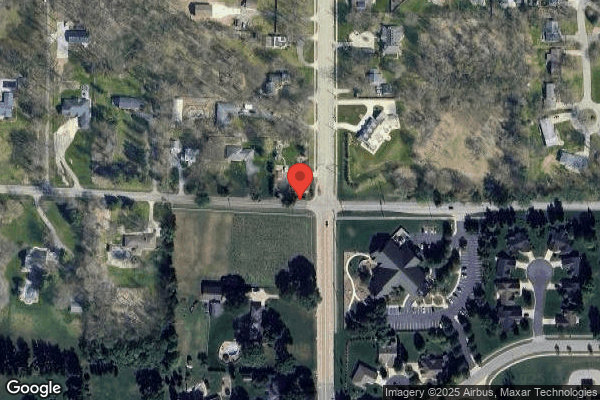

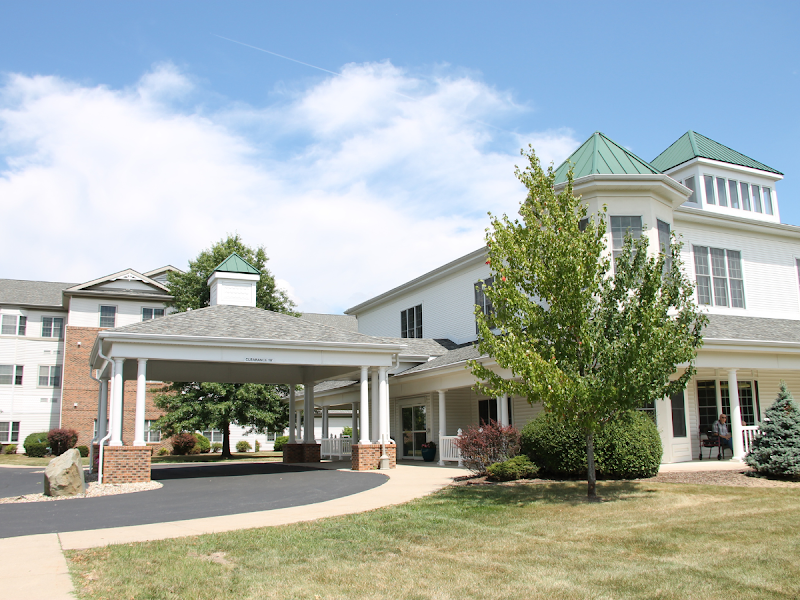

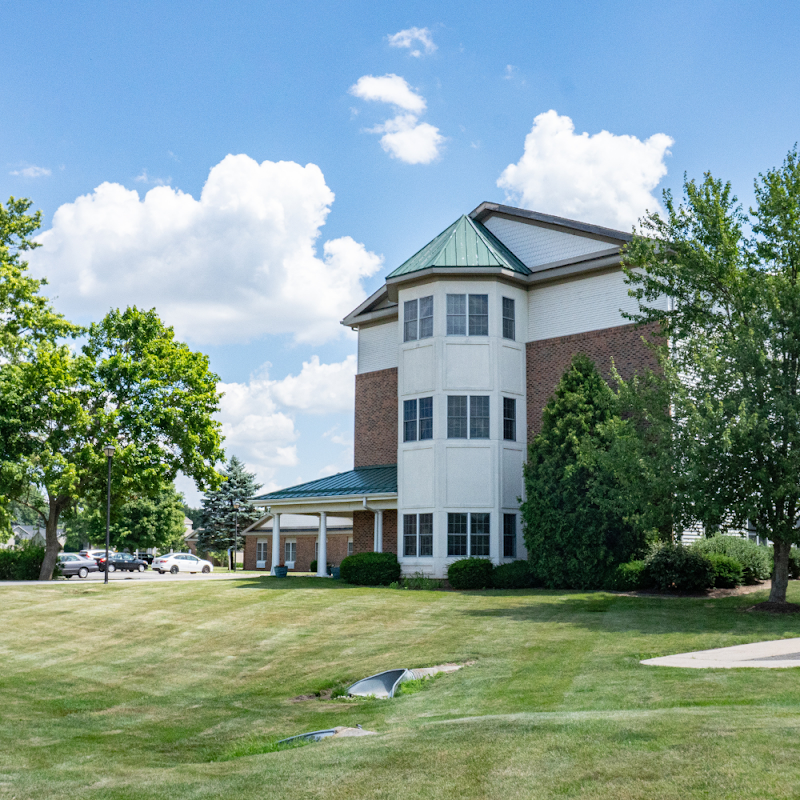
SOUTHFIELD VILLAGE

6450 MIAMI CIR, SOUTH BEND, IN 46614 (574) 231-1000
Government - City/county 60 Beds Independent Data: November 2025
Trust Grade
60/100
#289 of 505 in IN
Last Inspection: October 2024

Within standard 12-15 month inspection cycle. Federal law requires annual inspections.

Overview

Southfield Village has a Trust Grade of C+, indicating it is slightly above average but not exceptional. It ranks #289 out of 505 facilities in Indiana, placing it in the bottom half of the state, but is #10 out of 18 in St. Joseph County, meaning only nine local options are better. The facility is improving, with the number of issues declining from 8 in 2023 to 5 in 2024. Staffing is considered a strength, with a 4-star rating and a turnover rate of 36%, which is significantly below the state average of 47%, and there is more RN coverage than 91% of Indiana facilities. However, there have been concerns, including failing to store food properly in a sanitary manner, with instances of unsealed containers and dirty utensils, as well as not notifying physicians about elevated blood glucose levels for residents, highlighting areas that need improvement despite the overall positive staffing situation and lack of fines.

Trust Score
C+
60/100
In Indiana
#289/505
Bottom 43%
Safety Record
Low Risk
No red flags
Inspections
Getting Better
8 → 5 violations
Staff Stability
○ Average
36% turnover. Near Indiana's 48% average. Typical for the industry.
Penalties
✓ Good
No fines on record. Clean compliance history, better than most Indiana facilities.
Skilled Nurses
✓ Good
Each resident gets 60 minutes of Registered Nurse (RN) attention daily — more than 97% of Indiana nursing homes. RNs are the most trained staff who catch health problems before they become serious.
Violations
⚠ Watch
26 deficiencies on record. Higher than average. Multiple issues found across inspections.
★★★☆☆
3.0
Overall Rating
★★★★☆
4.0
Staff Levels
★★★★☆
4.0
Care Quality
★★★☆☆
3.0
Inspection Score
Stable
2023: 8 issues
2024: 5 issues

The Good

  • 4-Star Staffing Rating · Above-average nurse staffing levels
  • 4-Star Quality Measures · Strong clinical quality outcomes
  • Full Sprinkler Coverage · Fire safety systems throughout facility
  • No fines on record
  • Staff turnover below average (36%)

    12 points below Indiana average of 48%

Facility shows strength in staffing levels, quality measures, fire safety.

The Bad

3-Star Overall Rating

Near Indiana average (3.1)

Meets federal standards, typical of most facilities

Staff Turnover: 36%

10pts below Indiana avg (46%)

Typical for the industry

The Ugly 26 deficiencies on record

Oct 2024 5 deficiencies
CONCERN (D)

Potential for Harm - no one hurt, but risky conditions existed

Notification of Changes (Tag F0580)

Could have caused harm · This affected 1 resident

Based on observation, record review and interview, the facility failed to notify the physician of elevated blood glucose levels for 2 of 2 residents reviewed for blood glucose levels (Residents 7 and ...

Read full inspector narrative →
Based on observation, record review and interview, the facility failed to notify the physician of elevated blood glucose levels for 2 of 2 residents reviewed for blood glucose levels (Residents 7 and 3). Findings include: 1. On 10/28/2024 at 10:02 A.M., a record review was completed for Resident 7. Diagnoses included, but were not limited to: type 2 diabetes A Physician's order, dated 6/11/2024, indicated the physician was to be notified if Resident 7's blood glucose levels were below 70 or above 200. A review of Resident 7's blood glucose results for the months of August, September and October 2024 indicated the record lacked documentation the physician was notified of elevated blood glucose levels above 200 mg/dl for the following dates: - On 8/4/2024, Resident 7's blood glucose level was 263 mg/dL. - On 8/10/2024 the resident's blood glucose level was 276 mg/dL. - On 8/17/2024 the resident's blood glucose level was 319 mg/dl. - On 8/18/2024 the resident's blood glucose level was 222 mg/dL. - On 8/19/2024 the resident's blood glucose level was 236 mg/dL. - On 8/20/2024 the resident's blood glucose level was 210 mg/dL. - On 8/25/2024 the resident's blood glucose level was 301 mg/dL. - On 9/14/2024 the resident's blood glucose level was 266 mg/dL. - On 9/28/2024 the resident's blood glucose level was 221 mg/dL. - On 10/25/2024 the resident's blood glucose level was 258 mg/dL. During an interview, on 10/28/2024 at 11:17 A.M., the Director of Nursing (DON) indicated a nursing note should have been associated with Resident 7's elevated blood glucose levels indicating the physician had been notified and would have been found in the residents electronic medication administration record (EMAR). During an interview, on 10/28/2024 at 2:15 P.M., the DON indicated Resident 7's EMAR lacked documentation the physician was notified of the residents elevated blood glucose levels and she indicated the physician should have been notified. 2. A record review was completed on 10/28/2024 at 10:08 A.M., for Resident 3. Diagnoses included, but were not limited to: type 2 diabetes mellitus with chronic kidney disease. A Physician's Order, dated 4/28/2023, indicated accuchecks were to be done weekly twice a day. The Physician the residents blood glucose level to be called if it was less than 70 or greater than 200. The Medication Administration Record (MAR) dated September 2024, indicated the following P.M. blood sugars: on 9/6/2024 was 321, and on 9/27/2024 was 221. The MAR dated October 2024, indicated the following P.M. blood sugars: on 10/4/2024 was 254 and on 10/18/2024 was 207. During an interview, on 10/28/2024 at 2:18 P.M., LPN 6 indicated when a physician was notified of an elevated blood sugar it would have been documented in the nursing progress notes. During an interview, on 10/28/2024 at 2:23 P.M., the DON indicated when a Physician was notified of an elevated blood sugar, the documentation could be found in a note with the order in the MAR, or in the nursing progress notes. DON was unable to locate in the electronic medical record any documentation of Resident 3's blood glucose levels of the Physician being notified. On 10/28/2024 at 2:44 P.M., the DON provided a policy titled, Blood Glucose Monitoring, revised 4/3/2023, and indicated the policy was the one currently used by the facility. The policy indicated .Policy: It is the policy of the facility to perform blood glucose monitoring to diabetic residents as per physician's orders. 20. Report critical test results to physician timely . 3.1-5(a)(2)
CONCERN (D)

Potential for Harm - no one hurt, but risky conditions existed

Deficiency F0625 (Tag F0625)

Could have caused harm · This affected 1 resident

Based on interview and record review, the facility failed to provide a copy of the Bed Hold Policy to a resident when admitted to the hospital for 1 of 3 residents reviewed for hospitalization. Findin...

Read full inspector narrative →
Based on interview and record review, the facility failed to provide a copy of the Bed Hold Policy to a resident when admitted to the hospital for 1 of 3 residents reviewed for hospitalization. Finding includes: A record review was completed on 10/28/2024 at 10:00 A.M. for Resident 4. Diagnoses included, but were not limited to, Alzheimer's Disease, chronic obstructive pulmonary disease and atrial fibrillation. A Nursing Progress Note, dated 9/7/2024, indicated Resident 4 had complained of shortness of breath and was confused at times. The resident's daughter indicated she thought the resident had pneumonia. The Medical Director was notified and gave an order for the resident be sent to the emergency room for an evaluation. An emergency room nurse called the facility and reported Resident 4 had pneumonia and was going to be admitted to the hospital. The record indicated the Notice of Transfer/Discharge was given but lacked documentation the Bed Hold Policy had been given to Resident 4. During an interview on 10/28/2024 at 11:04 A.M., the Employee 6 indicated a copy of the Bed Hold Policy, or documentation that it was given to the resident, was not located in the chart. On 10/30/2024 at 9:00 A.M., the MDS (Minimum Data Set) Nurse provided a copy of the Bed Hold Policy that should have been given to a resident when they were transferred and admitted to the hospital but the facility did not provide a policy indicating situations when the document was to be provided to the resident. 3.1-12(a)(25)(26)
CONCERN (D)

Potential for Harm - no one hurt, but risky conditions existed

Deficiency F0657 (Tag F0657)

Could have caused harm · This affected 1 resident

Based on interview and record review, the facility failed to have Care Plan meetings, quarterly, with residents and/or resident representatives for 2 of 2 residents who were reviewed for Care Plan mee...

Read full inspector narrative →
Based on interview and record review, the facility failed to have Care Plan meetings, quarterly, with residents and/or resident representatives for 2 of 2 residents who were reviewed for Care Plan meetings. (Resident 6 & 7) Findings include: 1. During an interview on 10/24/2024 at 10:35 A.M., Resident 6 indicated she had not been invited to Care Plan meetings with the facility staff. Resident 6's record review was completed on 10/25/2024 at 2:56 P.M. Diagnoses included, but were not limited to: chronic obstructive pulmonary disease, hemiplegia of the right side, dysphagia, aphasia, vascular dementia and emphysema. A Quarterly Minimum Data Set (MDS) assessment, dated 9/24/2024, indicated Resident 6 had intact cognition. Resident 6's record lacked the documentation a Care Plan meeting had been conducted on a quarterly basis with Resident 6 and/or her representative from 11/29/2023 through 5/2/2024. During an interview on 10/29/2024 at 10:42 A.M., the Social Services Director (SSD) indicated Care Plan meetings were completed after a MDS assessment, or at minimum, quarterly. The SSD indicated Resident 6 should have had a Care Plan meeting after she received an MDS assessment on 1/31/2024. 2. During an interview on 10/24/204 at 10:45 A.M., Resident 7's representative indicated he could not remember being invited to a Care Planning meeting. Resident 7's record review was completed on 10/28/2024 at 10:02 A.M. Diagnoses included, but were not limited to: type 2 diabetes mellitus, sick sinus syndrome, cardiomegaly and adjustment disorder. A Quarterly MDS assessment, dated 9/24/2024, indicated Resident 7 had severe cognitive impairment. Resident 7's record lacked the documentation indicating she had a Care Plan meeting had been conducted between 11/27/2023 through 4/8/2024. During an interview on 10/29/2024 at 10:42 A.M., the Social Services Director (SSD) indicated Resident 7 should have had a Care Plan meeting after November 2023 and before April 2024. On 10/29/2024 at 10:00 A.M., the SSD provided a policy, dated 1/2024, titled, Care Plan Meetings, and identified it as the policy currently used by the facility. The policy indicated, .Care plan meetings must occur every three months, and whenever there is a major change in a resident's physical or mental health that might require a change in care 3.1-(d)(2)(B)
CONCERN (D)

Potential for Harm - no one hurt, but risky conditions existed

Infection Control (Tag F0880)

Could have caused harm · This affected 1 resident

Based on observation, record review and interview, the facility failed to ensure infection control practices were followed by 1 of 1 staff observed cleaning an isolation room and 1 of 1 staff observed...

Read full inspector narrative →
Based on observation, record review and interview, the facility failed to ensure infection control practices were followed by 1 of 1 staff observed cleaning an isolation room and 1 of 1 staff observed providing catheter care.(Housekeeper 3 and CNA 4). Findings include: 1. During an observation on 10/25/24 at 11:18 A.M., Housekeeper 3 was observed cleaning Resident 251's room. The resident was on contact precautions due to Clostridium difficile. Housekeeper 3 wore a pair of gloves, but did not have on a gown. The Assistant Director of Nursing (ADON) was overheard telling Housekeeper 3 that she needed to have a gown on when in a residents room because the resident was on contact precautions. Housekeeper 3 indicated she thought the sign on Resident 249's room, which read Enhanced Barrier Precautions, and the sign on Resident 251's room, which read Contact Precautions were both the same. During an observation and interview on 10/ 25/2024 at 11:29 A.M., Housekeeper 3 was observed cleaning another room after leaving Resident 251's room. Housekeeper 3 indicated she did not remember having any training on the differences between contact precautions and enhanced barrier precautions and stated she only remembered learning that it was important to knock prior to entering a residents room. She indicated she did not realize there was a difference between the sign on Resident 249's room and the sign on Resident 251's room. After reading the signs, she indicated she should have donned a gown prior to entering and cleaning Resident 251's room. During an interview on 10/25/2024 at 11:45 A.M., the ADON indicated Housekeeper 3 should have had a gown on prior to entering Resident 251's room. On 10/25/2024 at 1:38 P.M., a record review was completed for Resident 251. Diagnoses included, but were not limited to: entercolitis due to clostridium difficile. A Physician's Order, dated 10/22/2024 indicated Resident 251 may participate in activities outside the facility related to contact and droplet isolation. A review of Resident 251's Physicians Progress Notes indicated a positive Clostridium difficile result on 10/15/2024. 2. On 10/29/2024 at 9:35 A.M., a record review was completed for Resident 1. Diagnoses included, but were not limited to: neuromuscular dysfunction of bladder. A current Care Plan, initiated on 2/24/2020 indicated Resident 1 had an indwelling Foley catheter with the potential for infection related to neurogenic bladder and bladder spasms. Interventions included were to provided catheter care per protocol and Enhanced Barrier Precautions. During an observation of catheter care on 10/29/2024 at 10:20 A.M., CNA 4 put on a pair of gloves and a gown and removed Resident 1's brief. CNA 4 did not change her gloves prior to beginning catheter care. She proceeded to wash the resident's lower abdomen and under the residents abdominal folds. She then washed the residents perineal area and catheter without changing gloves or getting a clean wash cloth. CNA 4 then dried Resident 1 with a towel and applied a clean brief on the resident. During an interview on 10/29/2024 at 10:46 A.M., CNA 4 indicated she did not think she did anything wrong during catheter care. Upon further discussion, CNA 4 agreed she should have changed her gloves and used a clean wash cloth before providing catheter care. On 10/25/2024 at 12:05 P.M., the ADON provided the policy titled, Isolation Precautions, dated 6/5/2022 and indicated it was the policy currently being used by the facility. The policy indicated, Policy: it is our policy to take appropriate precautions, including isolation, to prevent transmission of infectious agents. This policy specifies the different types of precautions, including when and how isolation should be used for a resident. Contact precautions are measures that are intended to prevent transmission of infectious agents, including epidemiologically important microorganisms which are spread by direct or indirect contact with the resident or the residents environment. Recommendations for personal protective equipment: Contact; Gowns whenever anticipating that clothing will have direct contact with the patient or potentially contaminated environmental surfaces or equipment in close proximity to the patient. [NAME] gown upon entry into the room or cubicle On 10/25/2024 at 12:06 P.M., the ADON provided the policy titled, Routine Cleaning and Disinfection Policy, dated 3/30/2024 and indicated it was the policy currently being used by the facility. The policy indicated, .1. Staff will look for precautions signage prior to entering a resident's room. a. Use standard precautions, including appropriate personal protective equipment, for all rooms, unless transmission based precautions are identified. b. Adhere to transmission-based precautions as indicated on precaution signs On 10/31/2024 at 10:44 A.M., the ADON provided the policy titled, Clostridium difficile (C.diff), dated 1/23/2024 and indicated it was the policy currently being used by the facility. The policy indicated, .8. Environmental infection control: a. Housekeeping team member(s) shall adhere to standard and contact precautions On 10/29/2024 at 2:10 P.M., the DON provided the policy titled, Catheter Care Policy, dated 1/29/2024 and indicated it was the one currently being used by the facility. The policy indicated, .Female: 9. Gently separate the labia to expose the urinary meatus. 10. Wipe from front to back with a clean cloth moistened with water and perineal cleaner (soap). 11. Use a new part of the cloth or different cloth for each side. 12. With a new moistened cloth, start at the urinary meatus moving out, wipe the catheter making sure to hold the catheter in place so as to not pull on the catheter 3.1-18(a)
CONCERN (F)

Potential for Harm - no one hurt, but risky conditions existed

Food Safety (Tag F0812)

Could have caused harm · This affected most or all residents

Based on observation, interview and record review the facility failed to store and seal food in a sanitary manner related to sealing food appropriately in the walk-in cooler and failed to ensure servi...

Read full inspector narrative →
Based on observation, interview and record review the facility failed to store and seal food in a sanitary manner related to sealing food appropriately in the walk-in cooler and failed to ensure serving utensils were clean in 1 of 1 kitchens. This had the potential to affect 53 of 53 residents who received their meals from the kitchen. Findings include: 1. During the initial kitchen tour with the Director of Food Services on 10/24/2024 at 9:43 A.M., the following was observed in the walk-in cooler: - a container of pickles was stored without a secure lid and was open to air. During an interview on 10/24/2024 at 9:45 A.M., the Director of Food Services indicated the lid of the pickles should have been secured. 2. During a follow-up kitchen tour with the Director of Food Services on 10/25/2024 at 9:45 A.M., the following was observed: - a metal scoop with dried food on it was stored in the clean utensils drawer. - a pair of metal tongs with dried food on it was stored in the clean utensils drawer. - the bottom of the clean utensils drawer had dried food and other debris. During an interview on 10/25/2024 at 9:52 A.M., the Director of Food Services indicated utensils should be clean before placing them in the drawers and the utensil drawer should have been cleaned. On 10/28/2024 at 11:27 A.M., the Director of Food Services provided the policy titled, Date Marking for Food Safety Policy, dated 4/17/2024 and indicated it was the policy currently used by the facility. The policy indicated, . 7. The Dietary Manager, or designee, shall spot check refrigerators weekly for compliance, and document accordingly. Corrective action shall be taken as needed 3.1-21(i)(3)
Oct 2023 8 deficiencies
CONCERN (D)

Potential for Harm - no one hurt, but risky conditions existed

Assessment Accuracy (Tag F0641)

Could have caused harm · This affected 1 resident

**NOTE- TERMS IN BRACKETS HAVE BEEN EDITED TO PROTECT CONFIDENTIALITY** Based on record review and interview, the facility failed to ensure a Quarterly MDS (Minimum Data Set) assessment was completed ...

Read full inspector narrative →
**NOTE- TERMS IN BRACKETS HAVE BEEN EDITED TO PROTECT CONFIDENTIALITY** Based on record review and interview, the facility failed to ensure a Quarterly MDS (Minimum Data Set) assessment was completed accurately for 1 of 23 reviewed. (Resident 4) Finding includes: A record review was completed on 9/7/2023 at 2:57 P.M. Diagnoses included, but were not limited to: cancer, heart failure, peripheral vascular disease, and chronic kidney disease. A Quarterly MDS (Minimum Data Set) assessment, dated 9/7/2023, indicated Resident 4 required extensive assist of 1 staff for bed mobility, transfers, dressing, and toileting and did not receive a diuretic during the assessment period. A current physician order, dated 8/28/2023, indicated Resident 4 had received Torsemide, (a diuretic), 10 mg (milligrams) by mouth every other day, and would had received the diuretic medication 3 times during the assessment period. During an interview, on 10/26/2023 at 10:00 A.M., the MDS Coordinator indicated that she should have included the diuretic for 3 days on the Quarterly MDS assessment dated [DATE]. On 10/31/2023 at 11:11 A.M., the Director of Nursing provided the policy titled,MDS 3.0 Completion, dated 10/2020, and indicated the policy was the one currently used by the facility. The policy indicated .1. According to federal regulations, the facility conducts initially and periodically a comprehensive, accurate and standardized assessment of each resident's functional capacity, using the RAI specified by the State
CONCERN (D)

Potential for Harm - no one hurt, but risky conditions existed

Comprehensive Care Plan (Tag F0656)

Could have caused harm · This affected 1 resident

**NOTE- TERMS IN BRACKETS HAVE BEEN EDITED TO PROTECT CONFIDENTIALITY** Based on interview and record review, the facility failed to develop a comprehensive person-centered care plan for 1 of 24 resid...

Read full inspector narrative →
**NOTE- TERMS IN BRACKETS HAVE BEEN EDITED TO PROTECT CONFIDENTIALITY** Based on interview and record review, the facility failed to develop a comprehensive person-centered care plan for 1 of 24 residents whose care plans were reviewed. (Resident 46) Finding includes: During an interview, on 10/23/2023 at 11:20 A.M., Resident 46 indicated there could be more activities available and he had requested to use the elliptical machine five days a week but hadn't been able to access the elliptical machine. A record review was completed, on 10/25/2023 at 2:00 P.M. Resident 46's diagnoses included, but were not limited to: heart failure, atrial fibrillation, sick sinus syndrome, macular degeneration, and legal blindness. A Quarterly MDS (Minimum Data Set), assessment dated [DATE], indicated Resident 46 had moderately impaired cognitive status, and required partial to moderate assistance for activities of daily living. A care plan, dated 6/19/2023, indicated Resident 46 preferred self-selected activities in room, socializing at meals, sunbathing, and running. The care plan listed one intervention: Place current month's large print activity calendar in resident's room for resident and staff reference. During an interview, on 10/26/2023 at 10:39 A.M., the Activities Director indicated she was responsible for the activities care plan for Resident 46. The Director of Activities indicated that Resident 46's care plan was not person centered but should have been. On 10/26/2023 at 11:30 A.M., the Director of Nursing provided a policy titled, Comprehensive Care Plans, dated of 5/20/2022, and indicated the policy was the one currently used by the facility. The policy indicated, .Person-centered care means to focus on the resident as the focus of control and support the resident in making their own choices and having control over their daily lives 3.1-35(a)
CONCERN (D)

Potential for Harm - no one hurt, but risky conditions existed

Deficiency F0657 (Tag F0657)

Could have caused harm · This affected 1 resident

Based on interview and record review, the facility failed to update the fall care plan with a new intervention after a fall for 1 of 2 residents reviewed for falls. (Resident 9) Finding includes: Duri...

Read full inspector narrative →
Based on interview and record review, the facility failed to update the fall care plan with a new intervention after a fall for 1 of 2 residents reviewed for falls. (Resident 9) Finding includes: During an interview, on 10/24/23 at 9:16 A.M., Resident 9 indicated she had fallen out of bed about two months ago but couldn't remember the date. A record review for Resident 9 was completed, on 10/26/2023 at 3:13 P.M. The Quarterly Minimum Data Set (MDS) assessment, dated 8/25/2023, indicated Resident 9's cognition was moderately impaired. She required extensive assist of 1 staff for bed mobility and transfers. She was always incontinent of bladder but continent of bowel. Active diagnoses included, but were not limited to: cerebrovascular accident, hemiplegia or hemiparesis, and non-Alzheimer's dementia. A care plan, dated 10/5/2023, indicated Resident 9 had potential for falls related to decreased mobility, decreased safety awareness, incontinence, oxygen usage and tubing, medication usage, disease processes and weakness. Diagnoses included, but were not limited to: dementia, history of CVA with right sided hemiplegia and right ankle/hand contractures, weakness, unspecified abnormalities of gait and mobility, and difficulty in walking. Interventions included: Encourage use of a walker with gait belt for ambulation and gait belt for transfers, floors free from spills or clutter, and personal items within reach, including call light. A Interdisciplinary Note on 9/20/2023 indicated, Incident Date: 9/20/2023, Incident Time: 4:40:00, Incident Type: fall, Reason for Incident: CNA reported that she heard [Resident's name] calling for help and found her on her back on the floor left side of her bed., Resident Description: I was sleeping and then I fell, answered [Resident's name] when asked if she knew what happened., Staff Actions at the time of incident: Assessment done. Assisted x 3 back to bed. No apparent/visible injuries seen. VS taken along with Neuro's and all WNL. No complaints of any pain. She said she was a little dizzy, but after 15 mins, was asked again and the dizziness was gone. [Physician's name] called; no orders made. POA informed of the incident. During an interview, on 10/27/23 at 11:15 AM, the Director of Nursing indicated that the care plan for falls should have been updated after the fall on 9/20/2023 and was not. On 10/27/2023 at 11:35 A.M., the Director of Nursing provided a policy titled, Fall Prevention, dated 1/30/2023, and indicated the policy as the one currently used by the facility. The policy indicated, .9. When a resident experiences a fall, the facility will . f. Review the resident's care plan and update with new interventions, as indicated 3.1-35 (c)(1)
CONCERN (D)

Potential for Harm - no one hurt, but risky conditions existed

ADL Care (Tag F0677)

Could have caused harm · This affected 1 resident

**NOTE- TERMS IN BRACKETS HAVE BEEN EDITED TO PROTECT CONFIDENTIALITY** Based on observation, interview, and record review, the facility failed to provide grooming for a female resident with facial ha...

Read full inspector narrative →
**NOTE- TERMS IN BRACKETS HAVE BEEN EDITED TO PROTECT CONFIDENTIALITY** Based on observation, interview, and record review, the facility failed to provide grooming for a female resident with facial hair for 1 of 2 residents reviewed for activities of daily living. (Resident 206) Findings include: During an observation and interview, on 10/24/2023 at 10:32 A.M., Resident 206 indicated she had a large amount of chin hairs. She indicated she had a shower the day before and that staff were going to help her shave, but they came back and told her they did not have anything to shave her with. A record review was completed, on 10/25/2023 at 11:28 A.M. Resident 206's diagnoses included, but were not limited to atrial fibrillation, congestive heart failure, and type two diabetes. An admission MDS (Minimum Data Set) assessment had not been completed due to the resident was just admitted on [DATE]. A care plan, dated 10/18/2023, indicated Resident 206 needed assistance with bed mobility, toileting, transfers, eating and bathing/hygiene related to weakness with a goal of being well groomed at all times. Interventions included but were not limited to: encouraged to complete activities of daily living for self as able, encourage and assist in maintenance of good grooming and dressing, and shower twice weekly. During an observation and interview, on 10/25/2023 at 3:00 P.M., Resident 206 was observed with a large amount of chin hairs present on her chin. She indicated no one came back to help shave her. During an observation and interview, on 10/26/2023 at 1:37 P.M., Resident 206 was sitting up in her chair in her room looking in her bedside mirror. She indicated that she would like her chin hairs shaved because they were long, and she was told they would help her after her shower but that did not happen. During an interview, on 10/26/2023 at 1:52 P.M., CNA 8 indicated that if chin hairs are visible that staff were supposed to clean up and trim the hairs for both males and females. She indicated that if she saw chin hairs on a woman that she would usually shave them even if it was not a shower day. During an interview, on 10/26/2023 at 1:59 P.M., CNA 9 indicated that she did not feel comfortable shaving residents so she would ask another care provider on her team to shave them. She indicated that if she noticed chin hairs on a woman, that she would ask someone else to shave them as she would be afraid of doing this for the resident. A policy was provided on, 10/30/2023 at 11:53 A.M., titled Activities of Daily Living, dated 4/14/2020, and indicated the policy was the one currently used by the facility. The policy indicated .A resident who is unable to carry out activities of daily living will receive the necessary services to maintain good nutrition, grooming, and personal and oral hygiene 3.1-38 (a)(3)
CONCERN (D)

Potential for Harm - no one hurt, but risky conditions existed

Quality of Care (Tag F0684)

Could have caused harm · This affected 1 resident

Based on observation, interview, and record review, the facility failed to ensure that physician orders were followed and the physician notified of a missed medication for 1out of 13 reviewed for medi...

Read full inspector narrative →
Based on observation, interview, and record review, the facility failed to ensure that physician orders were followed and the physician notified of a missed medication for 1out of 13 reviewed for medication. (Resident 36) Finding includes: During an initial resident interview on 10/23/2023 at 10:28 A.M., Resident 36 indicated she was upset because the nurse could not find her eye drops for her left eye, they told her they must have lost them in the room, or the nurse stuck them in her pocket. Her eye lid was itchy, tender, swollen, red with bloody drainage and her vision was blurry. During an interview and observation on 10/23/2023 at 2:11 P.M., Resident 36 indicated she missed 2 doses of her eye drops and they could not locate them, so they called the pharmacy. She continued to complain of the discomfort. The left eye was red, swollen, tender with a scabbed over area. A record review for Resident 36 was completed on 10/25/2023 at 8:55 A.M. Diagnoses included, but not limited to: chronic respiratory failure with hypoxia, chronic diastolic heart failure, atrial fibrillation, and chronic kidney disease. A Physician Order, dated 10/18/2023 with an end date of 10/28/2023, indicated Tobramycin 0.3% eye drops (generic) Type ABT-Antibiotic Order- 2 gtts Left eye Four Times a Day For chalazion left eye. During an interview on 10/25/2023 at 10:17 A.M., RN 6 indicated that if a medication was not available, she would call the pharmacy and see why they did not have it and how soon it could be sent out. She would also check to see if it was available in the pyxis, and notify the doctor to see if she wanted to extend if it was an antibiotic. During an interview on 10/25/2023 at 10:32 A.M., RN 5 indicated when a resident's medication is not available, she would attempt to get it from the pyxis, then call the pharmacy to see if she could receive it stat (immediately). If the medication was an antibiotic, she would call the doctor to see if they wanted the medication extended. She indicated it happened the past week when a resident's eye drops went missing and she missed some doses. She thought the night nurse put it in her pocket; she checked the whole cart and the resident's room. She could not find any documentation in the ID (interdisciplinary) note only a note in the MAR indicating the medication was not available. She indicated a note should have been made in the ID. She indicated she would text the doctor when she needed something but was unable to show the doctor had been notified. During an interview on 10/25/2023 at 11:15 A.M., the Director of Nursing (DON) indicated she would expect her nurses, if a medication was not available, to notify the pharmacy and Physician. Documentation would be in the ID notes. The nurses notify the doctor by calling a cell phone, fax, or text to call. On 10/25 2023 at 12:57 P.M., the DON provided a policy titled, Unavailable Medications, revised 4/9/2019, and indicated the policy was the one currently used by the facility. The policy indicated . 5. If a resident misses a scheduled dose of the medications, staff shall follow procedures for medication error, including physician/family notifications, completion of a medication error report, and monitoring the resident for adverse reactions to omissions of the medication 3.1-37
CONCERN (D)

Potential for Harm - no one hurt, but risky conditions existed

Respiratory Care (Tag F0695)

Could have caused harm · This affected 1 resident

5. During an observation on, 10/23/2023 at 3:16 P.M., Resident 47's oxygen tubing was undated. During an observation on, 10/24/2023 at 9:39 A.M., Resident 47's oxygen tubing was undated. During an obs...

Read full inspector narrative →
5. During an observation on, 10/23/2023 at 3:16 P.M., Resident 47's oxygen tubing was undated. During an observation on, 10/24/2023 at 9:39 A.M., Resident 47's oxygen tubing was undated. During an observation on, 10/25/2023 at 8:23 A.M., Resident 47's oxygen tubing was undated. During an observation on, 10/26/2023 at 9:12 A.M., Resident 47's oxygen tubing was undated. A record review was completed on, 10/26/2023 at 11:37 A.M. Resident 47's diagnoses included, but were not limited to: chronic right heart failure, emphysema, pulmonary fibrosis. A Physician's Order, dated 9/15/2023, indicated Resident 47 had continuous oxygen at two liters nasal cannula. A Physician's Order, dated 9/15/2023, indicated oxygen tubing should be changed weekly on Sundays on the night shift. During an interview, on 10/26/2023 at 1:37 P.M., LPN 2 indicated there was no date on the oxygen tubing but there should have been a date. On 10/26/2023 at 10:41 A.M., the Director of Nursing provided a policy titled, Nebulizer, revised 1/30/2023, and indicated the policy was the one currently used by the facility. The policy indicated .Care of the Equipment: 1. Clean after each use. 2. Wash hands before handling equipment. 3. Disassemble parts after every treatment. 4. Rinse the nebulizer cup and mouthpiece with sterile or distilled water. 5. Shake off excess water. 6. Air dry on an absorbent towel. 7. Once completely dry, store the nebulizer cup and the mouthpiece in a zip lock bag. 8. Change nebulizer tubing weekly per facility policy On 10/26/2023 at 2:20 P.M., the Director of Nursing provided a policy titled, Oxygen Administration, dated 1/30/2023, and indicated the policy was the one currently used by the facility. The policy indicated, .5b. Change oxygen tubing and mask/cannula weekly and as needed if it becomes soiled or contaminated. c. Change humidifier bottle when empty, and weekly per facility policy, or as recommended by the manufacturer 3.1-47 (a)(6) 4. During an observation, on 10/24/2023 at 10:51 A.M. Resident 5's oxygen tubing and humidification bottle were undated and no oxygen storage bag was present. During an observation, on 10/25/2023 at 10:19 A.M., Resident 5's oxygen tubing and humidification bottle were undated and a no storage bag was present. During an observation, on 10/26/2023 at 9:00 A.M. the oxygen tubing and humidification bottle for Resident 5 was not dated and no storage bag was present. A clinical record review was completed, on 10/26/2023 at 10:59 A.M. Resident 5's Physician's Orders included oxygen therapy at 2.5 liters per minute per nasal canula, ordered 10/17/2023. A Physician's Order, dated 8/1/2023, included: change the oxygen tubing weekly every Sunday on the night shift, change the humidifier bottle as needed, and to change and date the oxygen tubing bag weekly. The October 2023 treatment record indicated the last documented tubing change was completed on 10/15/2023. During an interview, on 10/26/2023 at 2:10 P.M., LPN 7 indicated the oxygen tubing is changed once a week on Sunday nights and there should be an orange sticker on the tubing. LPN 7 indicated the sticker was not present and should have been. 3. During an observation, on 10/23/2023 at 3:02 P.M., Resident 11 had an oxygen bag, dated 10/15/2023. The humidification bottle and oxygen tubing were not dated. During an observation, on 10/24/2023 at 10:08 A.M., Resident 11 had an oxygen bag, dated 10/15/2023. The humidification bottle and oxygen tubing were not dated. During an observation, on 10/25/2023 at 1:11 P.M., Resident 11 had an oxygen bag, dated 10/15/2023. The humidification bottle and oxygen tubing were not dated. During an observation, on 10/26/2023 at 9:22 A.M., Resident 11 had an oxygen bag, dated 10/15/2023. The humidification bottle and oxygen tubing were not dated. During an observation, on 10/26/2023 at 1:36 P.M., Resident 11's oxygen bag was dated 10/15/2023, the humidification bottle was now dated 10/26/2023 and the oxygen tubing remained undated. During an interview, on 10/26/2023 at 1:37 P.M., RN 6 indicated she just changed the humidification bottle and tubing, and indicated they should have been changed weekly on Sunday nights.Based on observation, interview, and record review, the facility failed to ensure respiratory equipment was cleaned per physician orders and humidifer bottles, and tubing was dated and stored adequately for 4 out of 4 reviewed for oxygen. (Resident 5, 37, 11 & 47) Findings include: 1. A record review was completed for Resident 5 on 10/26/2023 at 11:00 A.M. Diagnoses included, but were not limited to: atrial fibrillation, acute on chronic systolic and diastolic heart failure, and hypertension. A Physician Order, dated 8/1/2023, indicated albuterol sulfate 2.5 mg (milligram)/3 ml (milliliter) (0.083%) solution for nebulization (generic) - 1 vial inhalation three times a day for reactive airway disease. During an observation, on 10/26/2023 at 5:38 A.M., RN 4 went into Resident 5's room and removed the residents nebulizer equipment and place it in the plastic bag. During an interview, on 10/26/2023 at 5:43 A.M., RN 4 indicated the procedure was to rinse the mask and medication cup with water, place on a paper towel and cover with one until it dries. 2. A record review for Resident 37 was completed on 10/26/2023 at 11:00 A.M. Diagnoses included, but were not limited to: chronic obstructive pulmonary disease and acute and chronic respiratory failure with hypoxia. A Physician Order, dated 8/15/2023, indicated rinse nebulizer cup and mouthpiece with water after use, shake off excess, allow to air dry, every shift. A Physician Order, dated 11/9/2022, indicated Ipratropium 0.5 mg-albuterol 3 mg (2.5 mg base) 3 ml nebulization solution, 1 vial inhalation three times a day for chronic obstructive pulmonary disease. Scheduled 6:00 A.M., 11:00 A.M. and 9:00 P.M. During an observation, on 10/26/2023 at 6:22 A.M., RN 4 entered the Resident 37's room removed his neb mask and placed it in the plastic bag. During an interview, on 10/26/2023 at 6:23 A.M., RN 4 indicated he should have rinse the mask and medication cup. During an interview, on 10/26/2023 at 10:21 A.M., the Director of Nursing indicated she would expect her nurses to take the mouth piece/mask off and rinse them and place on a clean paper towel to dry and when dried place back in a clean bag. On 10/26/2023 at 10:41 A.M., the Director of Nursing provided a policy titled, Nebulizer, revised 1/30/2023, and indicated the policy was the one currently used by the facility. The policy indicated .Care of the Equipment: 1. Clean after each use. 2. Wash hands before handling equipment. 3. Disassemble parts after every treatment. 4. Rinse the nebulizer cup and mouthpiece with sterile or distilled water. 5. Shake off excess water. 6. Air dry on an absorbent towel. 7. Once completely dry, store the nebulizer cup and the mouthpiece in a zip lock bag. 8. Change nebulizer tubing weekly per facility policy
CONCERN (D)

Potential for Harm - no one hurt, but risky conditions existed

Pharmacy Services (Tag F0755)

Could have caused harm · This affected 1 resident

Based on observation, interview and record review, the facility failed to recognize a missed medication as a medication error and notify the pharmacy and physician for 1 out of 14 residents interviewe...

Read full inspector narrative →
Based on observation, interview and record review, the facility failed to recognize a missed medication as a medication error and notify the pharmacy and physician for 1 out of 14 residents interviewed. (Resident 36) Finding includes: During an initial resident interview on 10/23/2023 at 10:28 A.M., Resident 36 indicated she is upset because the nurse could not find her eye drops for her left eye, they told her they must have lost them in the room, or the nurse stuck them in her pocket. Her eye lid was itchy, tender. swollen, red with bloody drainage and her vision was blurry. During an interview and observation on 10/23/2023 at 2:11 P.M., Resident 36 indicated she missed 2 doses of her eye drops and they could not locate them, so they called the pharmacy. She continued to complain of the discomfort. The left eye was red, swollen, and tender with a scabbed over area. A record review for Resident 36 was completed on 10/25/2023 at 8:55 A.M. Diagnoses included, but not limited to: chronic respiratory failure with hypoxia, chronic diastolic heart failure, atrial fibrillation, and chronic kidney disease. A Physician Order, dated 10/18/2023 with an end date of 10/28/2023, indicated Tobramycin 0.3% eye drops (generic) Type ABT-Antibiotic Order- 2 gtts Left eye Four Times a Day For chalazion left eye. During an interview on 10/25/2023 at 10:17 A.M., RN 6 indicated that if a medication was not available, she would call the pharmacy and see why they did not have it and how soon it could be sent out. She would also check to see if it was available in the pyxis, and notify the doctor to see if she wanted to extend if it was an antibiotic. During an interview on 10/25/2023 at 10:32 A.M., RN 5 indicated when a resident's medication is not available, she would attempt to get it from the pyxis, then call the pharmacy to see if she can get it stat (immediately). If the medication was an antibiotic, she would call the doctor to see if she wanted the medication extended. It happened the past week when a resident's eye drops went missing and she missed some doses. She thought the night nurse put it in her pocket; she checked the whole cart and resident's room. She could not find any documentation in the ID notes only a note in the MAR indicating the medication was not available. There should have been a ID note. She would text the doctor when she needed something but was unable to show the doctor was notified. During an interview on 10/25/2023 at 11:15 A.M., the Director of Nursing (DON) indicated she would expect her nurses if they had a medication error, she would expect them to call the pharmacy and notify the doctor to get further orders. Documentation would be in the ID notes. They do an incident report if the wrong medication is given to another resident but not for a missed or late medication, they do not do a med error report. The nurses would notify the doctor by calling her cell phone, fax, or text for her to call them. On 10/25 2023 at 12:57 P.M., the DON provided a policy titled, Unavailable Medications, revised 4/9/2019, and indicated the policy was the one currently used by the facility. The policy indicated . 5. If a resident misses a scheduled dose of the medications, staff shall follow procedures for medication error, including physician/family notifications, completion of a medication error report, and monitoring the resident for adverse reactions to omissions of the medication On 10/25/23 at 12:57 P.M., the DON provided a policy titled, Medication Error Policy, revised 4/2019, and indicated the policy was the one currently used by the facility. The policy indicated .1. The facility shall ensure medications will be administered as follows: a. According to physician's orders 3.1-25(a)
CONCERN (D)

Potential for Harm - no one hurt, but risky conditions existed

Infection Control (Tag F0880)

Could have caused harm · This affected 1 resident

Based on observation, interview, and record review, the facility failed to ensure staff wore the appropriate personal protective equipment (PPE) during an aerosolizing procedure for 1 of 2 residents r...

Read full inspector narrative →
Based on observation, interview, and record review, the facility failed to ensure staff wore the appropriate personal protective equipment (PPE) during an aerosolizing procedure for 1 of 2 residents reviewed for infection control. (Resident 37) Finding includes: A record review for Resident 37 was completed on 10/26/2023 at 10:00 A.M. Diagnosis included, but were not limited to: chronic obstructive pulmonary disease, peripheral vascular disease, and acute and chronic respiratory failure. During an observation, on 10/26/2023 at 6:22 A.M., the Registered Nurse (RN) 4 entered Resident 37 room wearing a N-95, face shield and gown. He removed the nebulizer mask, took his pulse oximeter, auscultated lung sounds and respiratory rate. During an interview, on 10/26/2023 at 6:23 A.M., the RN indicated that he did not wear gloves and he should have. During an interview, on 10/26 2023 at 10:24 A.M., the Director of Nursing indicated that when staff are doing an aerosolizing procedure, they are to wear full PPE. On 10/26/2023 at 10:41 A.M., the Director of Nursing provided a policy titled, Aerosolizing Procedure-COVID-19, revised 6/20/2023, and indicated the policy was the one currently used by the facility. The policy indicated . d. HCP in the room should be in full PPE (N95, eye protection, gown, gloves) 3.1-18
Nov 2022 2 deficiencies
CONCERN (D) 📢 Someone Reported This

A family member, employee, or ombudsman was alarmed enough to file a formal complaint

Potential for Harm - no one hurt, but risky conditions existed

Deficiency F0658 (Tag F0658)

Could have caused harm · This affected 1 resident

**NOTE- TERMS IN BRACKETS HAVE BEEN EDITED TO PROTECT CONFIDENTIALITY** Based on record review and interview, the facility failed to ensure physician ordered dressing changes and wound care were admin...

Read full inspector narrative →
**NOTE- TERMS IN BRACKETS HAVE BEEN EDITED TO PROTECT CONFIDENTIALITY** Based on record review and interview, the facility failed to ensure physician ordered dressing changes and wound care were administered per order for 1 of 2 residents reviewed for dressing changes. (Resident C). Finding includes: On 11/15/22 at 10:00 A.M., the clinical records for Resident C were reviewed. Review of the resident's most recent comprehensive Minimum Data Set (MDS), an admission assessment dated [DATE], indicated Resident C had been admitted to the facility on [DATE] from a local hospital following a surgical repair for an abdominal hernia. Resident C was cognitively intact with a Brief Interview for Mental of 15, required extensive assistance for toilet use and personal hygiene and supervision for transfers to and from the toilet. Resident C's diagnoses included, but were not limited to; kidney disease requiring dialysis, aftercare for abdominal hernia repair, and diabetes. Skin conditions indicated the resident had a surgical wound that required surgical wound care. Review of the resident's Patient Transfer Assessment Form from the local hospital, dated 10/6/22, indicated an order for wound care for abdominal incision from surgery and JP drains (closed suction device used to collect fluids). Physician order instructed for midline incision care to keep the incision covered with a 4 x 4 gauze and tape, to be changed three times daily. Review of Resident C's Treatment Record date from 10/6/22 to 10/31/22 indicated there were no dressing changes to the midline abdominal incision from 10/6/22 to 10/14/22. On 11/15/22 at 10:27 A.M., an interview with the Director of Nursing indicated when the resident was admitted to the facility follow an abdominal hernia repair on 10/6/22, she had an order for dressing changes to the surgical area that were entered into the electronic medical record incorrectly under ancillary treatments, where it should have been entered under daily treatments. The Director of Nursing indicated the resident should have had daily dressing changes as ordered, but did not have daily dressing changes. On 11/16/22 at 10:51 A.M., a document titled Wound Treatment Policy dated 12/11/19, was provided by the Assistant Director of Nursing who indicated it was the current policy. The policy indicated, Wound treatment will be provided in accordance with physician orders, including the cleaning method, type of dressing and frequency of dressing change . This Federal tag relates to Complaint IN00393530. 3.1-35(g)(1)
CONCERN (D) 📢 Someone Reported This

A family member, employee, or ombudsman was alarmed enough to file a formal complaint

Potential for Harm - no one hurt, but risky conditions existed

Accident Prevention (Tag F0689)

Could have caused harm · This affected 1 resident

**NOTE- TERMS IN BRACKETS HAVE BEEN EDITED TO PROTECT CONFIDENTIALITY** Based on interview and record review, the facility failed to ensure a resident with severe cognitive impairment was adequately s...

Read full inspector narrative →
**NOTE- TERMS IN BRACKETS HAVE BEEN EDITED TO PROTECT CONFIDENTIALITY** Based on interview and record review, the facility failed to ensure a resident with severe cognitive impairment was adequately supervised for 1 of 1 residents reviewed for elopement, (Resident G). Finding includes: On 11/15/22 at 12:00 P.M., the clinical records for Resident G were reviewed. Resident G's admission Record indicated the resident was admitted to the facility on [DATE]. Review of the resident's most recent Minimum Data Set (MDS), a quarterly assessment dated [DATE], indicated the Resident G had a Brief Interview for Mental Status (BIMS) score of 4 indicating severe cognitive impairment. Diagnoses included, but were not limited to; age related debility, sleep disorder, and cerebral atherosclerosis (thickening and hardening of the walls of the arteries in the brain).The resident required supervision for activities of daily living and utilized a wheelchair for locomotion. Review of the Resident G's Care Plans included, but were not limited to;Assistance with Daily Living, dated 7/1/22, which directed that the resident required assistance with bed mobility, toileting, and transfers. Cognitive Loss/Dementia, dated 4/21/22, that indicated impaired ability to comprehend communication and impaired memory related to cognitive impairment and disease processes. A care plan for wandering was implemented on 7/6/22 and resolved on 9/26/22. Review of a Elopement Risk assessment dated [DATE] at 12:18 P.M., indicated the resident had a diagnosis of dementia, and moved about the unit independently, which indicated she was at low risk for elopement. On 11/14/22 at 12:20 P.M., the Administrator provided Incident Number 184, dated 10/12/22 at 9:15 A.M., which indicated on 10/11/22 Resident G was found at 6:30 A.M. sitting in her wheelchair, in the foyer, fully dressed with coat. When asked if she needed help, she replied she was waiting for friends to pick her up. Resident was assisted back to the unit to discover she had the incorrect time. she was supposed to be picked up at 10:00 A.M., and on 10/12/22 upon further investigation, it was discovered the resident did exit the building on Monday at 2:30 A.M., and waited in the foyer until she was found at 6:30 A.M. No injuries were incurred. On 11/15/22 at 11:07 A.M., an interview with the Director of Nursing, indicated nursing staff check on residents during Rounding at 2:00 A.M., and 6:00 A.M. The Director of Nursing indicated Resident G liked to be left alone at night so nursing staff would not typically check on her after she goes to bed at night. The Director of Nursing indicated the facility did not have a specific policy related to checking residents during the night unless they were an elopement risk. The Director of Nursing indicated Resident G had a recent Elopement Risk Assessment that indicated the resident was not an elopement risk and that the resident did not have wondering tendencies. On 11/15/22 at 2:00 P.M., an interview with the Administrator indicated Resident G had exited the building by the lobby side door on 10/11/22 at 2:30 A.M., then walked to the front lobby door and came into the foyer to wait for her ride. She was confused about the time and was to be picked up at 10:00 A.M. The receptionist came to work on 10/11/22 at 6:30 A.M. to find the resident sitting in the foyer. Through staff interviews, the Director of Nursing determined staff were unaware Resident G was out of her room. A policy regarding supervision was requested, none was provided. An interview with the Director of Nursing on 11/16/22 at 9:30 A.M. indicated the facility did not have a policy regarding supervision. 3.1-45(a)(2)
Jul 2022 11 deficiencies
CONCERN (D)

Potential for Harm - no one hurt, but risky conditions existed

Comprehensive Care Plan (Tag F0656)

Could have caused harm · This affected 1 resident

Based on record review and interview, the facility failed to develop a comprehensive care plan for anticoagulant and an antidepressant medication for 1 of 22 residents whose care plans were reviewed. ...

Read full inspector narrative →
Based on record review and interview, the facility failed to develop a comprehensive care plan for anticoagulant and an antidepressant medication for 1 of 22 residents whose care plans were reviewed. (Resident 1) Finding includes: A clinical record review was completed on 7/20/2022 at 1:37 P.M. Resident 1's diagnoses included, but were not limited to: hypertension, atrial fibrillation, dementia, diabetes, and anxiety. Physician's Orders, dated 7/2/2022, indicated Resident 1 had received Eliquis (anticoagulant) 2.5 mg (milligrams) twice daily since 3/31/2022 and Sertraline (antidepressant) 50 mg daily. A Psychiatric Progress Note, dated 7/11/2022, indicated Resident 1 had anxiety and depression and was receiving Sertraline. The clinical record lacked care plans for the potential bleeding risk for the use of Eliquis and the use of the Sertraline for anxiety. During an interview, on 7/21/2022 at 10:05 A.M., MDS staff indicated there should have been care plans for the anticoagulant and the antianxiety medications if the resident was taking them. On 7/21/2022 at 11:56 A.M., the scheduler provided the policy titled, Comprehensive Care Plans, dated 5/20/2022, and indicated the policy was the one currently used by the facility. The policy indicated .It is the policy of this facility to develop and implement a comprehensive person -centered care plan for each resident, consistent with resident rights, that includes measurable objectives and time frames to meet a residents medical, nursing, and mental and psychosocial needs that are identified in the resident's comprehensive assessment 3.1-35(a)
CONCERN (D)

Potential for Harm - no one hurt, but risky conditions existed

Deficiency F0657 (Tag F0657)

Could have caused harm · This affected 1 resident

Based on observation, record review and interview, the facility failed to revise the comprehensive care plans for an arm sling use and falls for 2 of 22 residents reviewed for care plans. (Residents 2...

Read full inspector narrative →
Based on observation, record review and interview, the facility failed to revise the comprehensive care plans for an arm sling use and falls for 2 of 22 residents reviewed for care plans. (Residents 26 & 35) Findings include: 1. During an observation on 7/18/2022 at 9:32 A.M. and 7/20/2022 at 9:21 A.M., Resident 26 was observed sitting in her room in her wheelchair. Her left forearm was resting in her lap. She did not have a splint or arm sling in place for her left wrist contracture. On 7/21/2022 at 8:44 A.M., 11:49 A.M., and 7/22/2022 at 8:46 A.M., Resident 26 was observed sitting in the Dining Room with her left forearm resting in her lap. She did not have a splint or arm sling in place. On 7/22/2022 at 9:25 A.M., Resident 26 was observed sitting in her room in her wheelchair, her left forearm was resting in her lap and the left wrist was bent at a 90-degree angle. She indicated she was not able to move her left arm due to a previous stroke. She indicated she has worn a splint in the past, and the area does cause pain at times. Her splint is noted to be placed in her recliner in the room. An arm sling could not be visually found. A clinical record review was completed on 7/20/2022 at 8:48 A.M. Diagnoses included, but were not limited to: cerebral infarction, hemiplegia of left side, congestive heart failure, and epilepsy. An Annual Minimum Data Set (MDS) Assessment on 5/27/22, indicated Resident 26 had moderate cognitive impairment. She required extensive assistance with two or more staff members for bed mobility and transferring and extensive assistance with one staff member for toileting. A Care Plan on 1/11/2021, indicated .[Resident name] needs assistance with bed mobility, toileting, transfers, eating and bathing/hygiene r/t [related to] history of CVA [Cerebrovascular Event] with left hemiparesis, muscle weakness, age related cognitive decline, CHF [Congestive Heart Failure], anemia, seizures, impaired mobility and impaired cognitive processes and weakness. The interventions on 1/11/2022, indicated, Splint to left wrist as ordered. Observe for skin impairments prior to and after removal of device There was not an intervention for the left arm sling recommended by Occupational Therapy. Physician Orders on 1/16/2021, indicated, .Left wrist splint to be worn daily when up, on in AM [morning], off in PM [evening] There was not an order for the left arm sling recommended by Occupational Therapy. An Occupational Therapy Discharge Summary on 1/26/2022, indicated, a long-term goal of .Occupational Therapy to complete staff training inclusive of her sling for her left arm, the hemi tray, the foot buddy, and transfers prior to discharge from services In the note, it indicated on 12/10/2021, .Her sling was not positioned correctly on her left shoulder and trunk The Assessment and Summary of Skilled Services, indicated, .She [Resident 26] participated in caregiver training r/t application of the wrist brace and left hemi sling During an interview on 7/22/2022 at 9:59 A.M., Physical Therapy Assistant 13 indicated, Resident 26 had a sling and a brace for her left arm and wrist. On 7/22/2022 at 10:29 A.M., the Director of Nursing (DON) indicated, Resident 26 had been working with therapy for quite some time. She indicated the facility had a brace Resident 26 was using, and believed the brace was for bedtime. Upon reading the Physician Order, the DON indicated Resident 1 should have the ordered brace on during the day. She indicated she did not know anything about a sling recommended by Occupational Therapy. On 7/22/2022 at 1:36 P.M., The Assistant Director of Nursing (ADON) indicated, Resident 26 should have a splint on her left wrist. She indicated an order and updated care plan should be completed. She indicated that she would be reaching out to therapy to determine if more staff education should be completed. 2. During an observation on 7/18/2022 at 7:31 A.M., Resident 35 was seen outside her room during breakfast. She was observed to have a V shaped sutured area to her forehead, and sutures to her right temporal region. She had bruising to her entire left face that was yellow in color with purplish discoloration within the yellowing area under the left eye and behind the left ear/neck. A sign could be observed from the common area in her room by the heating/cooling unit that read, Remember ask for help and don't fall. During an interview with Resident 35 on 7/19/2022 at 11:06 A.M., Resident 35 indicated she had recently fallen. A clinical record review was completed on 7/21/2022 at 10:49 A.M. Diagnoses included, but were not limited to: Parkinson's disease, vascular dementia with behavioral disturbance, cerebral infarction, chronic kidney disease, anemia, and constipation. A Quarterly Minimum Data Set (MDS) Assessment on 6/2/2022, indicated Resident 35 was cognitively intact. She required extensive assistance with the assistance of one staff member for bed mobility, transferring, and toileting. She had two falls with no injury and two falls with minor injuries since the last MDS Assessment on 3/2/2022. A Nurse's Note on 5/27/2022 at 12:16 P.M., indicated, .Resident found down on the floor in front of her w/c [wheelchair] by CNA [Certified Nursing Assistant]. She was laying on her left side. No injuries. Resident could not tell us why she was getting up. The CNA had just been in [sic] her room a couple minutes earlier so all of the resident's needs were met. Resident requested to be put to bed to lay down. No c/o [complaints of] pain. Family, doctor and manager notified. No new orders On 7/7/2022 9:44 P.M., a Nurse's Note indicated that Resident 35 had an unwitnessed fall at 8:50 P.M. The CNA (Certified Nursing Assistant) found Resident 35 on her left side on the floor. Resident 35 had a laceration on her forehead measuring 5 cm (centimeters) by 2.5 cm, a laceration on her left eyelid measuring 2 cm x 1cm, swelling to the outer aspect of the left eye, and a left knee abrasion. Resident 35 could not communicate what happened to cause the fall. She was transported to the hospital via EMS (Emergency Medical Services). On 7/8/2022 at 10:05 A.M., a Nurse's Note indicated, Resident 35 was admitted to the hospital for a urinary tract infection and observation. The hospital telephone report indicated Resident 35 had her lacerations sutured on the right and left side of the forehead and left eyebrow. On 7/11/2022 at 3:56 P.M., a Nurse's Note indicated that Resident 35 had returned from the hospital. She was awake but not responding or communicating with staff. Resident 35 had scattered bruising to face with surrounding bruising to bilateral eyes with the left side of the face being worse. She has 4 lacerations on her forehead and left side of the face with stitches. The injuries from the fall were documented as follows: 1. Right forehead laceration, 3 stitches, measuring 3 cm by 0.7 cm with surrounding red/purple bruising 2. Left forehead, 3 lacerations with stitches and surrounding dark purple and red bruising, measuring 4.5 cm by 6 cm 2a. Middle forehead laceration, 5 stitches, measuring 4 cm by 0.1 cm 2b. Left side of face laceration, 9 stitches, measuring 7 cm by 0.1 cm 2c. Left side of face near eye, 2 stitches, measuring 2.5 cm by 0.1 cm 3. Right eye surrounding bruising measuring 4 cm by 6cm, red and yellow in color 4. Left eye surrounding bruising measuring 6.5 cm by 11 cm, red, purple, and yellow in color 5. Left side of neck bruising measuring 12 cm by 11 cm, dark purple and red in color 6. Left ear (behind) bruising measuring 5 cm by 2 cm, red and purple in color 7. Left nare (below) bruising, 1.2 cm by 1.5 cm, red in color 8. Left wrist open area measuring 1.5 cm by 1.2 cm with surrounding bruising measuring 3.8 cm by 3.5 cm, red and purple in color 9. Left knee open area measuring 1 cm by 1.8 cm with surrounding bruising 3 cm by 2.8 cm 10. Left elbow open area measuring 0.7 cm by 0.7 cm with surrounding bruising, red and purple in color On 7/13/202 at 11:59 P.M., a Nurse's Note indicated, .IDT [Interdisciplinary Team] meeting reviewed falls and care plan interventions. Care plan interventions in place. Son POA [Son's name] updated on interventions and in agreement with POC [Plan of Care] A Care Plan on 4/21/2022, indicated, .[Resident's name] has potential for falls related to decreased mobility, decreased safety awareness, history of falls, and falling with fracture, history of CVA, Parkinson's, memory deficit, osteoarthritis, muscle weakness, medication usage, disease process and weakness. She has a [sic] history of being non-compliant with asking for assistance with ADL's and care including transferring The goal for the care plan was, .[Resident's name] will remain free from injury Interventions for the care were as follows: 4/21/22 Cardinal alert 4/21/22 Encourage use of assistive device and to turn on her call light for assist. Call light within reach at all times. 4/21/22 Provide activities that minimize the potential for falls while providing diversion and distraction 4/21/22 Floors free from spills or clutter 4/21/22 Provide adequate, glare free lighting 4/21/22 Personal items within reach 4/21/22 Assist to wear non-skid footwear 4/21/22 Use gait belt for transfers and ambulation 4/21/22 Therapy has applied and anti-rollback to wheelchair 4/21/22 4/5/20-Tap style call light for ease of pressing 4/21/22 Personal items within reach and verbal reminders to call for transfers from staff 4/21/22 Frequent rounding by staff and verbal reminders to all for assistance with transfers 4/21/22 Encourage protein intake to encourage muscle growth in combination with PT related to fall on 6/23/21 4/21/22 Resident son to bring in cordless phone for resident use related to fall on 6/23/21 4/21/22 Educate family with Parkinson's hallucinations/medications, often falls are caused by resident seeing things that aren't on the floor and bending over to pick them up 4/21/22 Therapy screen 4/21/22 Scoop mattress as ordered. 4/21/22 Resident re-educated on use of reacher due to her consistently falling due to reaching down to the floor from a sitting position 4/21/22 Resident continues on maintenance therapy program 4/21/22 Command hooks and signage placed on walls as reminder to use reacher 4/21/22 Assist resident in toileting and back to bed for her nap she likes to take after lunch. Resident will attempt to transfer self after lunch for nap. 4/21/22 Therapy screen sent to eval r/t recent fall on 4/3/22 4/21/22 Therapy and Maintenance assessing wheelchair for functional ability 4/21/22 Staff re-educated to offer and provide toileting and resting in recliner or bed after meals 5/2/22 Staff re-educated to provide res with her personal belongings and keep within reach after meals 5/27/22 Continue previous interventions During an interview on 7/22/2022 at 10:31 A.M., the Director of Nursing (DON) indicated, sometimes, what will happen, if the fall root cause is not identified an intervention won't be added. Sometimes, the care plan will revert to what was already there. We've been at a loss with her and interventions, and other than 1:1, the falls are going to keep happening. Trying to keep her safe is where we are now. She should have had a new intervention in place after falling on May 27th. The DON indicated that the Assistant Director of Nursing (ADON) has been following the facility falls. An interview on 7/22/2022 at 1:31 P.M., the ADON indicated she was on vacation during Resident 35's fall on 5/27/2022. She was unsure if an IDT meeting was held, and that an IDT note should have been created. She indicated it was not an appropriate intervention to put continue previous interventions. She indicated she was working with the staff on finding the root cause and interventions for falls. A policy was provided by the ADON on 7/22/2022 at 2:31 P.M. The current policy titled, Care Plan Revisions, indicated, .1. The comprehensive care plan will be reviewed, and revised as necessary, when a resident experiences a status change. 2. Procedure for reviewing and revising the care plan when a resident experiences a status change: Upon identification of a change in status, the nurse will notify the MDS Coordinator, the physician, and the resident representative, if applicable. 2. The MDS Coordinator and the Interdisciplinary team will discuss the resident condition and collaborate on intervention options. d. The care plan will be updated with the new or modified interventions. f. Care plans will be modified as needed by the MDS Coordinator or other designated staff member 3.1-35(b)(1)
CONCERN (D)

Potential for Harm - no one hurt, but risky conditions existed

ADL Care (Tag F0677)

Could have caused harm · This affected 1 resident

Based on record review, observation and interview, the facility failed to ensure showers were provided timely for 1 of 3 residents reviewed for ADL care (Activities of Daily Living). (Resident 46) Fin...

Read full inspector narrative →
Based on record review, observation and interview, the facility failed to ensure showers were provided timely for 1 of 3 residents reviewed for ADL care (Activities of Daily Living). (Resident 46) Finding includes: During an observation on 7/19/2022 at 10:16 A.M., Resident 46 was observed with facial hair under her chin and along the edges of her mouth. A clinical record review was completed on 7/20/2022 at 2:58 P.M. Resident 46's diagnoses included, but were not limited to: left kidney cancer, hypertension, diabetes, and dementia. An Annual MDS (Minimum Data Set) assessment, dated 6/17/2022, indicated Resident 46 required extensive assist of 2 staff for bed mobility, transfers, toilet use and bathing, and was always incontinent. A current care plan, dated 3/4/2020, indicated the resident needs staff assistance with all ADL's (activities of daily living). Interventions included, but were not limited to: Assist with bathing parts she is unable to do, prefers shower twice weekly in the evening and sometimes refuses due to pain and depressed mood. Hospice will provide additional care and services per resident wishes. Hospice aides' visits on Tuesday and Fridays and assists with ADL's and shower care. During an interview, on 7/21/2022 at 10:10 A.M., CNA 11 indicted she did not know the aides schedule of when they come and indicated the residents should get 2 showers a week, but sometimes the resident will refuse due to pain, and we will try again. During an observation on, 7/21/2022 at 10:36 A.M., with CNA 11, the facial hair remained on Resident 46. CNA 11 indicated the resident had not been shaved and she should not be like that. Resident 46's shower documentation, dated June 3 through July 19, indicated only 3 bed baths had been documented and 2 bed baths documented from hospice. On 7/21/2022 at 11:56 A.M., the scheduler provided the policy titled, Personal Care, dated 8/19/2021, and indicated the policy was the one currently used by the facility. The policy indicated .1. Residents will receive showers per preferences twice a week and will receive bed bath and other personal care daily as needed. 2. Shower providers shall inspect all skin surfaces during bath/shower, oral care, or other care where skin is exposed and report any concerns to the resident's nurse immediately after the task 3.1-38(a)(3)
CONCERN (D)

Potential for Harm - no one hurt, but risky conditions existed

Deficiency F0688 (Tag F0688)

Could have caused harm · This affected 1 resident

Based on observation, record review and interview, the facility failed to ensure a therapy recommended splint and sling were worn for 1 of 3 residents reviewed for positioning and mobility. (Resident ...

Read full inspector narrative →
Based on observation, record review and interview, the facility failed to ensure a therapy recommended splint and sling were worn for 1 of 3 residents reviewed for positioning and mobility. (Resident 26) Finding includes: During an observation on 7/18/2022 at 9:32 A.M. and 7/20/2022 at 9:21 A.M., Resident 26 was observed sitting in her room in her wheelchair. Her left forearm was resting in her lap. She did not have a splint or arm sling in place for her left wrist contracture. On 7/21/2022 at 8:44 A.M. and 11:49 A.M., and 7/22/2022 at 8:46 A.M., Resident 26 was observed sitting in the Dining Room with her left forearm was resting in her lap. She did not have a splint or arm sling in place. On 7/22/2022 at 9:25 A.M., Resident 26 is observed sitting in her room in her wheelchair. The left forearm is resting in her lap and the left wrist is bent at a 90-degree angle. She indicated she was not able to move her left arm due to a previous stroke. She indicated she had worn a splint in the past, and the area does cause pain at times. Her splint is noted to be placed in her recliner in the room. An arm sling could not be visually found. A clinical record review was completed on 7/20/2022 at 8:48 A.M. Diagnoses included, but were not limited to: cerebral infarction, hemiplegia of left side, congestive heart failure, and epilepsy. An Annual Minimum Data Set (MDS) Assessment on 5/27/22, indicated Resident 26 had moderate cognitive impairment. She required extensive assistance with two or more staff members for bed mobility and transferring and extensive assistance with one staff member for toileting. A Care Plan on 1/11/2021, indicated .[Resident name] needs assistance with bed mobility, toileting, transfers, eating and bathing/hygiene r/t [related to] history of CVA [Cerebrovascular Event] with left hemiparesis, muscle weakness, age related cognitive decline, CHF {Congestive Heart Failure], anemia, seizures, impaired mobility and impaired cognitive processes and weakness. The interventions on 1/11/2022, indicated, Splint to left wrist as ordered. Observe for skin impairments prior to and after removal of device There was not an intervention for the left arm sling recommended by Occupational Therapy. Physician Orders on 1/16/2021, indicated, .Left wrist splint to be worn daily when up, on in AM [morning], off in PM [evening] There was not an order for the left arm sling recommended by Occupational Therapy. An Occupational Therapy Discharge Summary on 1/26/2022, indicated, a long-term goal of .Occupational Therapy to complete staff training inclusive of her sling for her left arm, the hemi tray, the foot buddy, and transfers prior to discharge from services In the note, it indicated on 12/10/2021, .Her sling was not positioned correctly on her left shoulder and trunk The Assessment and Summary of Skilled Services, indicated, .She [Resident 26] participated in caregiver training r/t application of the wrist brace and left hemi sling During an interview on 7/22/2022 at 9:59 A.M., Physical Therapy Assistant 13 indicated, Resident 26 had a sling and a brace for her left arm and wrist. On 7/22/2022 at 10:29 A.M., the Director of Nursing (DON) indicated, Resident 26 had been working with therapy for quite some time. She indicated the facility had a brace Resident 26 was using, and believed the brace was for bedtime. Upon reading the Physician Order, the [NAME] indicated Resident 26 should have the ordered brace on during the day. She indicated she did not know anything about a sling recommended by Occupational Therapy. On 7/22/2022 at 1:36 P.M., The Assistant Director of Nursing (ADON) indicated, Resident 26 should have a splint on her left wrist. She indicated an order and updated care plan should be completed. She indicated that she would be reaching out to therapy to determine if more staff education should be completed. A policy was provided by the ADON on 7/25/2022 at 9:15 A.M. The current policy titled, Prevention in Decline of Range of Motion indicated, .3. Appropriate Care Planning a. Based on the comprehensive assessment, the facility will provide interventions, exercises and/or therapy to maintain or improve range of motion. b. The facility will provide treatment and care in accordance with professional standards of practice. This includes, but not limited to: ii. Appropriate equipment [braces or splints]. d. Interventions will be documented on the resident's person centered care plan. Documentation should include, but not limited to: i. Type of treatments; ii. Frequency and duration of treatments; iii. Measurable objectives; iv. Resident goals 3.1-42(a)(2)
CONCERN (D)

Potential for Harm - no one hurt, but risky conditions existed

Accident Prevention (Tag F0689)

Could have caused harm · This affected 1 resident

Based on observation, record review, and interview, the facility failed to ensure that a resident remain free from injury from a fall for 1 of 3 residents reviewed for accidents, (Resident 35) Finding...

Read full inspector narrative →
Based on observation, record review, and interview, the facility failed to ensure that a resident remain free from injury from a fall for 1 of 3 residents reviewed for accidents, (Resident 35) Finding includes: During an observation on 7/18/2022 at 7:31 A.M., Resident 35 was seen outside her room during breakfast. She was observed to have a V shaped sutured area to her forehead, and sutures to her right temporal region. She had bruising to her entire left face that was yellow in color with purplish discoloration within the yellowing area under the left eye and behind the left ear/neck. A sign could be observed from the common area in her room by the heating/cooling unit that read, Remember ask for help and don't fall. During an interview with Resident 35 on 7/19/2022 at 11:06 A.M., Resident 35 indicated she had recently fallen. A clinical record review was completed on 7/21/2022 at 10:49 A.M. Diagnoses included, but were not limited to: Parkinson's disease, vascular dementia with behavioral disturbance, cerebral infarction, chronic kidney disease, anemia, and constipation. A Quarterly Minimum Data Set (MDS) Assessment on 6/2/2022, indicated Resident 35 was cognitively intact. She required extensive assistance with the assistance of one staff member for bed mobility, transferring, and toileting. She had two falls with no injury and two falls with minor injuries since the last MDS Assessment on 3/2/2022. A Nurse's Note on 5/27/2022 at 12:16 P.M., indicated, .Resident found down on the floor in front of her w/c [wheelchair] by CNA [Certified Nursing Assistant]. She was laying on her left side. No injuries. Resident could not tell us why she was getting up. The CNA had just been in [sic] her room a couple minutes earlier so all of the resident's needs were met. Resident requested to be put to bed to lay down. No c/o [complaints of] pain. Family, doctor and manager notified. No new orders On 7/7/2022 9:44 P.M., a Nurse's Note indicated, that Resident 35 had an unwitnessed fall at 8:50 P.M. The CNA (Certified Nursing Assistant) found Resident 35 on her left side on the floor. Resident 35 had a laceration on her forehead measuring 5 cm (centimeters) by 2.5 cm, a laceration on her left eyelid measuring 2 cm x 1cm, swelling to the outer aspect of the left eye, and a left knee abrasion. Resident 35 could not communicate what happened to cause the fall. She was transported to the hospital via EMS (Emergency Medical Services). On 7/8/2022 at 10:05 A.M., a Nurse's Note indicated, Resident 35 was admitted to the hospital for a urinary tract infection and observation. The hospital telephone report indicated Resident 35 had her lacerations sutured on the right and left side of the forehead and left eyebrow. On 7/11/2022 at 3:56 P.M., a Nurse's Note indicated that Resident 35 had returned from the hospital. She was awake but not responding or communicating with staff. Resident 35 had scattered bruising to face with surrounding bruising to bilateral eyes with the left side of the face being worse. She has 4 lacerations on her forehead and left side of the face with stitches. The injuries from the fall were documented as follows: 1. Right forehead laceration, 3 stitches, measuring 3 cm by 0.7 cm with surrounding red/purple bruising 2. Left forehead, 3 lacerations with stitches and surrounding dark purple and red bruising, measuring 4.5 cm by 6 cm 2a. Middle forehead laceration, 5 stitches, measuring 4 cm by 0.1 cm 2b. Left side of face laceration, 9 stitches, measuring 7 cm by 0.1 cm 2c. Left side of face near eye, 2 stitches, measuring 2.5 cm by 0.1 cm 3. Right eye surrounding bruising measuring 4 cm by 6cm, red and yellow in color 4. Left eye surrounding bruising measuring 6.5 cm by 11 cm, red, purple, and yellow in color 5. Left side of neck bruising measuring 12 cm by 11 cm, dark purple and red in color 6. Left ear (behind) bruising measuring 5 cm by 2 cm, red and purple in color 7. Left nare (below) bruising, 1.2 cm by 1.5 cm, red in color 8. Left wrist open area measuring 1.5 cm by 1.2 cm with surrounding bruising measuring 3.8 cm by 3.5 cm, red and purple in color 9. Left knee open area measuring 1 cm by 1.8 cm with surrounding bruising 3 cm by 2.8 cm 10. Left elbow open area measuring 0.7 cm by 0.7 cm with surrounding bruising, red and purple in color On 7/13/202 at 11:59 P.M., a Nurse's Note indicated, .IDT [Interdisciplinary Team] meeting reviewed falls and care plan interventions. Care plan interventions in place. Son POA [Son's name] updated on interventions and in agreement with POC [Plan of Care] A Care Plan on 4/21/2022, indicated, .[Resident's name] has potential for falls related to decreased mobility, decreased safety awareness, history of falls, and falling with fracture, history of CVA, Parkinson's, memory deficit, osteoarthritis, muscle weakness, medication usage, disease process and weakness. She has a [sic] history of being non-compliant with asking for assistance with ADL's and care including transferring The goal for the care plan was, .[Resident's name] will remain free from injury Interventions for the care were as follows: 4/21/22 Cardinal alert 4/21/22 Encourage use of assistive device and to turn on her call light for assist. Call light within reach at all times. 4/21/22 Provide activities that minimize the potential for falls while providing diversion and distraction 4/21/22 Floors free from spills or clutter 4/21/22 Provide adequate, glare free lighting 4/21/22 Personal items within reach 4/21/22 Assist to wear non-skid footwear 4/21/22 Use gait belt for transfers and ambulation 4/21/22 Therapy has applied and anti-rollback to wheelchair 4/21/22 4/5/20-Tap style call light for ease of pressing 4/21/22 Personal items within reach and verbal reminders to call for transfers from staff 4/21/22 Frequent rounding by staff and verbal reminders to all for assistance with transfers 4/21/22 Encourage protein intake to encourage muscle growth in combination with PT related to fall on 6/23/21 4/21/22 Resident son to bring in cordless phone for resident use related to fall on 6/23/21 4/21/22 Educate family with Parkinson's hallucinations/medications, often falls are caused by resident seeing things that aren't on the floor and bending over to pick them up 4/21/22 Therapy screen 4/21/22 Scoop mattress as ordered. 4/21/22 Resident re-educated on use of reacher due to her consistently falling due to reaching down to the floor from a sitting position 4/21/22 Resident continues on maintenance therapy program 4/21/22 Command hooks and signage placed on walls as reminder to use reacher 4/21/22 Assist resident in toileting and back to bed for her nap she likes to take after lunch. Resident will attempt to transfer self after lunch for nap. 4/21/22 Therapy screen sent to eval r/t recent fall on 4/3/22 4/21/22 Therapy and Maintenance assessing wheelchair for functional ability 4/21/22 Staff re-educated to offer and provide toileting and resting in recliner or bed after meals 5/2/22 Staff re-educated to provide res with her personal belongings and keep within reach after meals 5/27/22 Continue previous interventions 7/8/22 Res admitted to hospital for UTI (Urinary Tract Infection) 7/12/22 Assess resident for possible UTI if resident falls 7/13/22 Request for low bed to be placed 7/13/22 Padding (foam) to window ledge to avoid injury 7/13/22 Remove over the bed table 7/13/22 Provide 3 drawer plastic dresser for belongings and fluids 7/13/22 Request for small plastic table During an interview on 7/22/2022 at 10:31 A.M., the Director of Nursing (DON) indicated, sometimes, what will happen, if the fall root cause is not identified an intervention won't be added. Sometimes, the care plan will revert to what was already there. We've been at a loss with her and interventions, and other than 1:1, the falls are going to keep happening. Trying to keep her safe is where we are now. She should have had a new intervention in place after falling on May 27th. The DON indicated that the Assistant Director of Nursing (ADON) has been following the facility falls. An interview on 7/22/2022 at 1:31 P.M., the ADON indicated she was on vacation during Resident 35's fall on 5/27/2022. She was unsure if an IDT meeting was held, and that an IDT note should have been created. She indicated it was not an appropriate intervention to put continue previous interventions. She indicated she was working with the staff on finding the root cause and interventions for falls. A policy was provided on 7/22/2022 at 1:47 P.M. by the ADON. The current policy titled, Fall Prevention Program Policy indicated, .Each resident will be assessed for the risk of falling and will receive care and services in accordance with the level of risk to minimize the likelihood of falls 8. Each resident's risk factors and environmental hazards will be evaluated when developing the resident's comprehensive plan of care. a. Interventions will be monitored for effectiveness. b. The plan of care will be revised as needed 3.1-45(a)(2)
CONCERN (D)

Potential for Harm - no one hurt, but risky conditions existed

Deficiency F0692 (Tag F0692)

Could have caused harm · This affected 1 resident

**NOTE- TERMS IN BRACKETS HAVE BEEN EDITED TO PROTECT CONFIDENTIALITY** 2. A clinical record review was completed on 7/20/2022 at 8:48 A.M. Diagnoses included, but were not limited to: cerebral infarc...

Read full inspector narrative →
**NOTE- TERMS IN BRACKETS HAVE BEEN EDITED TO PROTECT CONFIDENTIALITY** 2. A clinical record review was completed on 7/20/2022 at 8:48 A.M. Diagnoses included, but were not limited to: cerebral infarction, hemiplegia of left side, congestive heart failure, and epilepsy. An Annual Minimum Data Set (MDS) Assessment on 5/27/22, indicated Resident 26 had moderate cognitive impairment. She required extensive assistance with two or more staff members for bed mobility and transferring and extensive assistance with one staff member for toileting. She had significant weight loss. A Quarterly MDS Assessment on 4/4/2022 indicated Resident 26 did not have significant weight loss. A review of Resident 26's weight indicated on 4/16/2022 a weight of 131.0 pounds, on 6/16/2022, a weight of 118.2 pounds, and on 7/16/2022, a weight of 113.0 pounds. An Annual Nutrition Assessment on 5/31/2022 at 4:26 P.M., indicated, .Regular diet, and diet acceptance recorded at 52% average over this observation. This is a decline from her usual adequate intake .She has been on supplement, 2 cal [calorie and protein dense nutrition of 2 calories per milliliter] in past, and didn't like it .WT: 120.4 Height 5'1 BMI [Body Mass Index] =22.9. Weight is acceptable for frame. Weight loss 7.8% in 30 days, significant weight loss in 30 days .Estimated daily requirement: Calories 1200 calories, Protein: 60 G [Grams], Fluids: 1700 cc [cubic centimeter] .Nutrition status is at risk related to decline in meal acceptance and significant weight loss .Recommendations: 2 cal 120 cc BID [twice daily] A Physician Order on 5/31/2022, indicated, .2 cal supplement 120 cc BID A Nurse's Note on 6/1/2022 at 6:09 P.M., indicated, .During AM [morning] med pass the 2 cal was offered to res [resident] she immediately told me that she was not drinking that stuff A Care Plan on 1/12/2021, indicated, .[Resident's name] is at risk for weight fluctuations and nutrition problems r/t chronic dx [diagnosis], functional deficits, and need for supervision and provision of nutrition care The goal was .[Resident's name] will maintain present weight [plus/minus] 5lbs [pounds] of 125 lbs. through next review. An intervention of 2 cal supplement 120 cc BID was added on 5/31/2022. A review of the Medication Administration Record on 7/22/2022 at 9:10 A.M., indicated that Resident 26 had refused the 2 cal supplement 11 times and consumed less than 50 per cent six times. In June, Resident 26 refused the 2 cal supplement 22 times and consumed less than 50 per cent 11 times. During an interview on 7/22/2022 at 2:10 P.M., the Dietary Manager indicated, the Regional Dietician (RD) follows the residents for weight loss. He indicated the RD visited the buildings every Tuesday, and documents in the Nutrition Assessment Note how often the resident should have a follow up. The Dietary Manager would not indicate if taking 2 cal supplement was appropriate after it was identified Resident 26 did not like taking the 2 cal supplement in the past. On 7/25/2022 at 2:23 P.M., the Dietary Manager provided a response from the RD to an email sent regarding the 2 cal supplement recommendation. The email indicated, .Regarding someone who will occasionally refuse a supplement, as long as they continue to benefit from it 50-75% of the time, I prefer to maintain it. Sometimes, the eMAR [electronic Medication Administration Record] will reflect refusal at a specific time, like evening and I will ask the nurse why, and usually the resident is asleep, and I will either DC [discontinue] it or change to a better time. My recollection of [Resident's name], I asked the nurse regarding her weight and intake, and we both agreed it would be beneficial to try the supplement again. If the nursing staff don't inform me of a resident's supplement refusal, or intolerance, I don't pick that up until I open their record for a quarterly or Annual A policy was provided by the Administrator on 7/22/2022 at 8:56 A.M. The current policy titled, Weight Management indicated, .Weight can be a useful indicator of nutritional status. Significant unintended changes in weight (loss or gain) or insidious weight loss (gradual unintended loss over a period of time) may indicate a nutritional problem. 1. The facility will utilize a systemic approach to optimize a resident's nutritional status. This process includes: a. Identifying and assessing each resident's nutritional status and risk factors b. Evaluating/analyzing the assessment information c. Developing and consistently implementing pertinent approaches d. Monitoring the effectiveness of interventions and revising them as necessary .5. Interventions will be identified, implemented, monitored and modified 9 as appropriate), consistent with the resident's assessed needs, choices, preferences, goals and current professional standard to maintain acceptable parameters of nutritional standards 3.1-46(a)(1) Based on observation, record review and interviews, the facility failed to ensure interventions to address significant weight loss were implemented timely (Resident 29) and revised timely (Resident 26) Findings include: 1. During the initial tour of the facility, conducted on 7/18/2022, lying in her bed awake. The resident was noted to be thin in stature. The clinical record for Resident 29 was reviewed on 7/20/22 at 2:36 PM. Resident 29 was admitted to the facility on [DATE] with diagnoses, including but not limited to: Alzheimer's disease, dementia without behavioral disturbances, diabetes mellitus, mixed hyperlipidemia and osteoporosis. The resident's weight on admission to the health care facility, was 122.6. Her physician's orders, on admission, indicated she was to receive a Glucerna nutritional supplement. The resident's weight on 5/1/2022 was 122.4 pounds. However, on 6/1/2022, the resident's weight had dropped to 114.3 pounds, a loss of 9.34 percent in one month. The resident's weight on 7/1/2022 was 111.4 pounds, another 2.96% of weight loss. The resident's nutritional assessment, completed on admission, on 4/19/2022, by the Registered Dietician, indicated the resident's meal acceptance was approximately 50% since moving to the healthcare facility. The assessment indicated the resident was at moderate risk for nutritional problems related to her therapeutic diet for diabetes mellitus, fragile weight for frame and cognitive deficits. The assessment indicated Resident 29's weights were to be monitored as well as her diet acceptance. A quarterly nutritional progress note, completed on 7/19/22 by the Registered Dietician, acknowledged the resident's weight loss in the past 30 days and compared it to the resident's weight 6 months ago when she resided in the assisted living facility. The dietician only recognized the 2.96% weight loss in the past 30 days and no significant weight loss was acknowledged. The intervention implemented on 7/19/22 by the dietician was for weekly weights but there was no additional intervention to attempt to improve the resident's nutritional status. During an interview with the Director of Nursing, conducted on 7/22/22 at 10:17 A.M., she indicated the facility policy was to reweigh a resident with a weight loss and/or gain noted from the previous weight. The DON indicated if a significant weight loss was determined to have occurred, per the facility policy parameters, the Dietician should reassess and the resident's physician and responsible party was to be notified. The DON indicated the Registered Dietician was at the facility weekly and was made aware of the current resident weights. The DON agreed the facility policy regarding weight management was not followed in regards to Resident 29's weight loss.
CONCERN (D)

Potential for Harm - no one hurt, but risky conditions existed

Respiratory Care (Tag F0695)

Could have caused harm · This affected 1 resident

Based on observation, interview and record review the facility failed to ensure oxygen tubing and distilled water was dated and continuous positive airway pressure (CPAP)/ bilevel positive airway pres...

Read full inspector narrative →
Based on observation, interview and record review the facility failed to ensure oxygen tubing and distilled water was dated and continuous positive airway pressure (CPAP)/ bilevel positive airway pressure (BIPAP) mask and tubing placed in a bag when not in use for 2 out of 2 residents reviewed for respiratory. (Resident 6 & 198) Findings include: 1. A clinical record review was completed, on 7/21/2022 at 9:44 A.M., and indicated the Resident 6's diagnoses included, but were not limited to: chronic respiratory failure with hypoxia, atrial fibrillation, hypertension, cerebral atherosclerosis, and chronic kidney disease stage 3. During an observation, on 7/18/2022 at 11:33 A.M., BIPAP mask was hanging from the bed post and tubing was lying on the machine. During an observation, on 7/20/2022 at 10:00 A.M., portable oxygen tank tubing was not dated and hanging on the floor lamp switch uncovered. Her BiPAP mask was hanging on the bed post and the tubing was on the machine uncovered. During an observation, on 7/21/2022 at 9:25 A.M., her portable oxygen tubing hang from the floor lamp switch, it was not in a bag, her mask for the BiPAP was hanging on the bed post and the tubing on the machine. There was a gallon of distilled water on the floor open and undated, some fluid was gone, and the lid was on a slant. During an interview, on 7/21/2022 at 2:31 P.M., the Assistant Director of Nursing (ADON) indicated there was no date on the tubing or an open date on the distilled water and the tubing for both oxygen and BIPAP should have been place in a plastic bag. 2. A clinical record review was completed, on 7/20/2022 at 10:45 A.M., and indicated the Resident 198's diagnoses included, but were not limited to: Alzheimer's Disease, dementia, hypertension, neoplasm of the right female breast. During an observation, on 7/19/2022 at 9:18 A.M., CPAP mask and tubing was lying on top of the CPAP machine uncovered. During an observation on 7/20/2022 at 9:50 A.M., CPAP mask and tubing was lying on top of the CPAP machine uncovered. During an observation on 7/21/2022 at 9:37 A.M., CPAP mask and tubing was laying on top of the machine uncovered. During an interview on 7/21/2022 at 2:36 P.M., the Assistant Director of Nursing indicated that her CPAP mask and tubing should have been in a bag. On 7/21/2022 at 3:10 P.M., the Assistant Director of Nursing provided a policy titled, CPAP/BIPAP Cleaning Policy, date revised 6/5/2022, and indicated the policy was the one currently used by the facility. The policy indicated . 6. Clean mask frame daily after use with CPAP cleaning wipe or soap and water. Dry well. Cover with plastic bag or completely enclosed in machine storage when not in use And a policy titled, Oxygen Administration, date revised 6/2019, and indicated the policy was the one currently used by the facility. The policy indicated .5. b. Change oxygen tubing and mask/cannula weekly and as needed if it becomes soiled or contaminated. e. Keep delivery devices covered in plastic bag when not in use 3.1-47(a)(6)
CONCERN (D)

Potential for Harm - no one hurt, but risky conditions existed

Medication Errors (Tag F0758)

Could have caused harm · This affected 1 resident

**NOTE- TERMS IN BRACKETS HAVE BEEN EDITED TO PROTECT CONFIDENTIALITY** Based on observation, interview and record review the facility failed to ensure the AIMS evaluation was completed for 2 of 2 res...

Read full inspector narrative →
**NOTE- TERMS IN BRACKETS HAVE BEEN EDITED TO PROTECT CONFIDENTIALITY** Based on observation, interview and record review the facility failed to ensure the AIMS evaluation was completed for 2 of 2 residents reviewed, gradual dose reduction (GDR) and appropriate diagnoses for an antipsychotropic medication for 1 of 2 residents reviewed for unnecessary medication. (Resident 38 & 41) Findings include: 1. A clinical record review was completed on 7/21/2022 at 10:59 A.M. Diagnoses included, but were not limited to: Parkinson's disease, dementia, generalized anxiety and hypertension. A Quarterly MDS Assessment on 6/10/22 indicated Resident 41 had severe cognitive impairment. She took an antipsychotic medication for seven of the seven-day look back period of the assessment. A Physician's Order on 1/24/2022, indicated Nuplazid 34 mg (milligrams) daily for other mental disorders. An AIMS (Abnormal Involuntary Movement Scale) Assessment was completed on 3/9/2021. A Care Plan indicated, .[Resident's name] utilizes an antipsychotic medication for symptoms of hallucinations such as seeing children, [NAME] and little people that are not there, having episodes of paranoia, and believing that others are stealing her belongings when items are actually present, delusion that her mother is still living and will go to peers room looking for her mother. Resident will inform family of mood distress and not inform staff During an interview on 7/22/2022 at 10:38 A.M., the Director of Nursing (DON) indicated, the diagnosis for the use of Nuplazid needs to be changed. She also indicated, I'm going to tell you the AIMS is probably not there. 2. A clinical record review was completed, on 7/20/2022 at 1:30 P.M., and indicated Resident 38's diagnoses included, but were not limited to: Dementia without behavioral disturbances, vascular dementia, depression, hypertension, anxiety disorder, unsp psychosis not due to a substance or known physiological condition, vitamin D deficiency. The record indicated she was admitted on [DATE]. During an observation on 7/18/2022 at 10:06 A.M., resident 38 hands kept moving down the side to her hip then back to center as if smoothing/rubbing her legs. During an observation on 7/21/2022 at 11:11 A.M., resident 38 moved both hands down the side of her legs and back to the middle and noted a tremor to her hands/arms. During an interview, on 7/21/2022 at 11:12 A.M., the resident indicated she has had the tremors and moving her hands across her legs helps, her psychiatrist told her it is from the medication that she takes. Physician Order, dated 3/24/2021, indicated Resident 38 received zyprexa 10 mg (milligram) one tablet at bedtime for psychosis and physician order, dated 12/16/2020 celexa 20 mg one tablet a day for depression. Review of Psychiatry Progress notes for the past year did not indicate any attempts made for a gradual dose reduction of either medication. And indicated her diagnoses for her medication were major depressive disorder, generalized anxiety disorder, vascular disorder with behavioral disturbances. Review of behavior health meetings progress noted dated 11/16/2021 and 1/8/2022 lack documentation of gradual dose reduction. Review of assessments indicated an Abnormal Involuntary Movement Scale (AIMS) was not completed. During an interview on 7/22/2022 at 9:47 A.M., the Director of Nursing indicated that the resident did not have any Abnormal Involuntary Movement Scale completed as well as no dose reduction attempted for zyprexa until 7/19/2022 and none for celexa and she should have had. She indicated that psychosis was an appropriate diagnosis for an antipsychotropic. On 7/22/2022 at 8:00 A.M., the Director of Nursing provide a policy titled, Antipsychotic Use, revised 5/2022, and indicated the policy was the one currently used by the facility. The policy indicated . 8. Residents who receive an antipsychotic medication will have an Abnormal Involuntary Movement Scale (AIMS) test performed on admission, quarterly, with a significant change in condition, change in antipsychotic medication, PRN or as per facility policy Policy titled, Gradual Dose Reduction Policy revised 5/2022, and indicated the policy was the one currently used by the facility. The policy indicated . 2. Within the first year in which a resident is admitted on a psychotropic medication or after the prescribing practioner has initiated a psychotropic medication, the facility will attempt a GDR in two separate quarters (with at least one month between the attempts), unless clinically contraindicated And a policy titled, Unnecessary Drugs Policy' revised on 4/2019, and indicated the policy was the one currently used by the facility. The policy indicated, . 3. Documentation will be provided in the resident's medical record to show adequate indications for medication's use and the diagnosed condition for which it was prescribed 3.1-48(a)(2)(4)(5)(b)(2)
CONCERN (D)

Potential for Harm - no one hurt, but risky conditions existed

Deficiency F0761 (Tag F0761)

Could have caused harm · This affected 1 resident

Based on record review, interview and observation, the facility failed to ensure medications were labeled appropriately and dated when opened in 1 of 2 medication storage observations. (RN 7 100 hall ...

Read full inspector narrative →
Based on record review, interview and observation, the facility failed to ensure medications were labeled appropriately and dated when opened in 1 of 2 medication storage observations. (RN 7 100 hall medication cart) Finding includes: On 7/21/2022 at 10:25 A.M., a medication storage observation was completed with RN 7 on the 100-medication cart. The following was observed: A loose pill was observed in the second drawer and another loose pill was in the 3rd drawer. There was an undated opened vial of Humalog insulin in a plastic bag with no resident identifiers on the bag. An opened box with a bottle of Colace (stool softener) with no resident identifiers on the bottle or the box. During an interview, on 7/21/2022 at 10:30 A.M., RN 7 indicated there should be no loose pills in the cart and the insulin and Colace should have had labels on them. On 7/21/2022 at 11:50 A.M., the scheduler provided the policy titled. Labeling of Medications and Biologicals, dated 5/20/2022, and indicated the policy was the one currently used by the facility. The policy indicated .All medications and biologicals used in the facility will be labeled in accordance with current state and federal regulations to facilitate consideration of precautions and safe administration of medications. Labels for over the counter (OTC) medications must include a. The original manufactures or pharmacy - applied label indicating the medication name; b. The strength, quantity, lot, and control number; c. The expiration date when applicable; d. Appropriate accessory and precautionary statements; and direction for use On 7/21/2022 at 10:56 A.M., the scheduler provided the policy titled, Medication Administration, dated 5/2021, and indicated the policy was the one currently used by the facility. The policy indicated .1. Keep medication cart clean, organized and stocked with adequate supplies 3.1-25(j)(k)
CONCERN (D)

Potential for Harm - no one hurt, but risky conditions existed

Deficiency F0805 (Tag F0805)

Could have caused harm · This affected 1 resident

**NOTE- TERMS IN BRACKETS HAVE BEEN EDITED TO PROTECT CONFIDENTIALITY** Based on observation, interview and record review, the facility failed to ensure recipes were followed for puree diets for 3 of ...

Read full inspector narrative →
**NOTE- TERMS IN BRACKETS HAVE BEEN EDITED TO PROTECT CONFIDENTIALITY** Based on observation, interview and record review, the facility failed to ensure recipes were followed for puree diets for 3 of 3 residents who receive a puree diet. Finding includes: During an observation, on 7/19/2022 at 10:33 A.M., [NAME] 2 put 3 scoops of a readymade chicken salad into a food processor, then added mayonnaise, and milk to the mixture. [NAME] 2 did not measure the mayonnaise or the milk prior to adding it to the chicken salad. She ran the food processor until the mixture was of a puree consistency. Cook 2 added 3 scoops of a readymade [NAME] slaw into another food processor. She then added mild to the slaw and ran the food processor until the mixture was of a puree consistency. [NAME] 2 added a packet of thickener to the mixture to thicken it up. [NAME] 2 did not measure the milk prior to adding it to the [NAME] slaw mixture. During an interview, on 7/19/2022 at 11:27 A.M., the [NAME] 2 indicated that she did not have the recipe out but followed the spread sheet. She indicated there was a red binder that had recipes in it but could not locate it and indicated she did not follow the recipes. On 7/19/2022 at 3:56 P.M., the Administrator provided a policy titled, Puree Food Prep Policy, revised 3/1/2022 and indicated the policy was the one currently used by the facility. The policy indicated .5. Do not use water as an additive to prepare puree foods. Refer to your department's Dietary Services manual for additional policy and procedures.7. Puree Food Preparation Guidelines per Serving: Meats: Add 1 teaspoon beef broth or beef gravy. Poultry: Add 1 teaspoon chicken broth or chicken gravy. Fish: Add 1 teaspoon mayonnaise 1.3-21(a)(3)
CONCERN (F)

Potential for Harm - no one hurt, but risky conditions existed

Food Safety (Tag F0812)

Could have caused harm · This affected most or all residents

Based on observation, interview and record review, the facility failed to ensure food items in the freezer were dated/labeled and sealed securely after opening and failed to ensure used by dates on fo...

Read full inspector narrative →
Based on observation, interview and record review, the facility failed to ensure food items in the freezer were dated/labeled and sealed securely after opening and failed to ensure used by dates on foods, failed to dispose of expired foods, failed to ensure cooking utensils/puree mixers/ice machine/refrigerators/reach in freezer/sandwich cooler were clean and in good condition. Failed to have fans without a buildup of dust in 1 of 1 kitchen observed. This deficient practice had the potential to affect 51 of 51 residents who received meals out of the kitchen. Findings include: 1. During an observation of the kitchen on 7/18/2022 at 6:45 A.M., with dietary staff 5 the following was observed in the walk-in freezer: 6 large containers of ice cream sitting on the floor. An opened unsealed and undated bag of fish sticks. An opened bag of chopped celery undated. Box of green beans not sealed. Boxes of foods sitting on the top shelf too close to the ceiling. The ceiling, a wire food rack, and the freezer door had areas of ice buildup. The floor had large pieces of food underneath the food racks and the thermometer was not registering a temperature. The following was observed in the walk -in cooler: 2 opened containers of sliced onions dated 7/7/2022. Two containers of strawberries with no used by date. An opened container of tomato juice dated 6/9/2022. An opened container of med pass (fortified nutritional shake) undated. The thermometer was not registering a temperature. The following was observed: numerous ceiling tiles that were stained, vents with rust and light fixtures with insects in the light cover. During an interview, on 7/18/2022 at 10:15 A.M., the Dietary manager indicated the foods should have been dated, sealed appropriately, the thermometers should be working, and the lights should not have bugs in them. He indicated the vents should not be rusty, the ceiling tiles should be cleaned or replaced, and the freezer should not have an ice buildup. 2. On 7/19/2022 at 10:30 A.M., during an observation of preparing pureed foods by [NAME] 3, following was observed: [NAME] 3 was observed to put 3 scoops of chicken salad into the Robo mixer. She started the mixer and scraped the sides of the container. She then added mayonnaise and milk to the pureed chicken salad and mixed it again and did not measure the mayonnaise and or the milk prior to adding them to the food. [NAME] 3 added 3 scoops of coleslaw to another Robo mixer. She mixed the slaw and then added milk to the mixed slaw. [NAME] 3 did not measure the milk prior to adding it to the pureed slaw. She indicated the slaw was not thick enough and added a package of thickener. 3. During a follow up observation in the main kitchen with [NAME] 3, on 7/19/2022 at 10:45 A.M. to 11:14 A.M., the following were observed: a fan attached to the wall above the dishwasher tray line was observed to have a buildup of dust with the fan pointed towards the tray line. There was an exhaust fan box attached to the wall underneath the attached fan had a filter with a large buildup of dust. The ice machine was dirty on the front side and in the inside was a brown substance along the top edge. There was a large buildup of calcium/lime along the front and side edges of the ice machine lid. Six of 6 cooking utensil drawers had accumulation of crumbs, sticky substances along the drawer edges and dried areas on the outside of the drawers. There was a large, holed scoop with specs of dried foods; a small, holed scoop with dried foods on it; 2 measuring cups with dried food specs on them; 2 spatulas that had burned areas on the back with small holes; plastic spoon with dried food specs and an egg slicer with grease on it. A single door reach- in freezer had a large accumulation of crumbs along the bottom and along the rubber seal on the door. The sandwich cooler had crumbs along the bottom, along the seal and a brown stain running down the left side inside the cooler. The dry storage area had an opened package of batter mix not sealed or dated and an opened bag of vanilla pudding mix not sealed. During an interview, on 7/19/2022 at 11:15 A.M., [NAME] 3 indicated the ice machine should have been cleaned, the utensil drawers and utensils should have been cleaned along with the reach in freezer and sandwich cooler. On 7/19/2022 at 3:57 P.M., the Administrator provided the policy titled, Food Safety Requirements Policy, dated 3/1/2022, and indicated the policy was the one currently used by the facility. The policy indicated . Refrigerated storage: Practices to maintain safe refrigerated storage include: .iv. Labeling, dating, and monitoring refrigerated food, including, but not limited to leftovers, so it is used by its used-by date, or frozen (where applicable) /discarded; and v. Keeping foods covered or in tight containers.6. All equipment used in the handling of food shall be cleaned and sanitized and handled in a manner t prevent contamination . b. Clean dishes shall be kept separate from dirty dishes.8. Additional strategies to prevent foodborne illness include but are not limited to: .e. Cleaning and sanitizing the internal components of the ice machine according to manufacturer's guidelines On 7/19/2020 at 3:57 P.M., the Administrator provided the policy titled, Date Marking for Food Safety Policy, dated 3/1/2022, and indicated the policy was the one currently used by the facility. The policy indicated .2. The food shall be clearly marked to indicate the date or day by which the food shall be consumed or discarded.4. The marking system shall consist of a color-coded label, the day/date of opening, and the day/date the item must be consumed or discarded On 7/19/2022 at 3:57 P.M., the Administrator provided the policy titled, Monitoring of Cooler/Freezer Temps, dated 3/1/2022, and indicated the policy was the one currently used by the facility. The policy indicated . 2. Thermometers shall be placed inside each cooler/freezer and calibrated at least once per week.7. All food items will be stored at least 6 inches off the ground and 18 inches from the ceiling.11. Refrigerated food shall be labeled, dated, and monitored so that it is used by the use by date, frozen, or discarded whichever is applicable 3.1-21(i)(3)
Understanding Severity Codes (click to expand)
Life-Threatening (Immediate Jeopardy)
J - Isolated K - Pattern L - Widespread
Actual Harm
G - Isolated H - Pattern I - Widespread
Potential for Harm
D - Isolated E - Pattern F - Widespread
No Harm (Minor)
A - Isolated B - Pattern C - Widespread

Questions to Ask on Your Visit

  • "Can I speak with families of current residents?"
  • "What's your RN coverage like on weekends and overnight?"

Our Honest Assessment

Strengths
  • • No major safety red flags. No abuse findings, life-threatening violations, or SFF status.
  • • No fines on record. Clean compliance history, better than most Indiana facilities.
  • • 36% turnover. Below Indiana's 48% average. Good staff retention means consistent care.
Concerns
  • • 26 deficiencies on record. Higher than average. Multiple issues found across inspections.
Bottom line: Mixed indicators with Trust Score of 60/100. Visit in person and ask pointed questions.

About This Facility

What is Southfield Village's CMS Rating?

CMS assigns SOUTHFIELD VILLAGE an overall rating of 3 out of 5 stars, which is considered average nationally. Within Indiana, this rating places the facility higher than 0% of the state's 100 nursing homes. This mid-range rating indicates the facility meets federal standards but may have areas for improvement.

How is Southfield Village Staffed?

CMS rates SOUTHFIELD VILLAGE's staffing level at 4 out of 5 stars, which is above average compared to other nursing homes. Staff turnover is 36%, compared to the Indiana average of 46%. This relatively stable workforce can support continuity of care.

What Have Inspectors Found at Southfield Village?

State health inspectors documented 26 deficiencies at SOUTHFIELD VILLAGE during 2022 to 2024. These included: 26 with potential for harm.

Who Owns and Operates Southfield Village?

SOUTHFIELD VILLAGE is owned by a government entity. Government-operated facilities are typically run by state, county, or municipal agencies. The facility operates independently rather than as part of a larger chain. With 60 certified beds and approximately 51 residents (about 85% occupancy), it is a smaller facility located in SOUTH BEND, Indiana.

How Does Southfield Village Compare to Other Indiana Nursing Homes?

Compared to the 100 nursing homes in Indiana, SOUTHFIELD VILLAGE's overall rating (3 stars) is below the state average of 3.1, staff turnover (36%) is significantly lower than the state average of 46%, and health inspection rating (3 stars) is at the national benchmark.

What Should Families Ask When Visiting Southfield Village?

Based on this facility's data, families visiting should ask: "Can I visit during a mealtime to observe dining assistance and food quality?" "How do you handle medical emergencies, and what is your hospital transfer rate?" "Can I speak with family members of current residents about their experience?"

Is Southfield Village Safe?

Based on CMS inspection data, SOUTHFIELD VILLAGE has a clean safety record: no substantiated abuse findings (meaning no confirmed cases of resident harm), no Immediate Jeopardy citations (the most serious violation level indicating risk of serious injury or death), and is not on the Special Focus Facility watch list (a federal program monitoring the lowest-performing 1% of nursing homes). The facility has a 3-star overall rating and ranks #100 of 100 nursing homes in Indiana. While no facility is perfect, families should still ask about staff-to-resident ratios and recent inspection results during their visit.

Do Nurses at Southfield Village Stick Around?

SOUTHFIELD VILLAGE has a staff turnover rate of 36%, which is about average for Indiana nursing homes (state average: 46%). Moderate turnover is common in nursing homes, but families should still ask about staff tenure and how the facility maintains care continuity when employees leave.

Was Southfield Village Ever Fined?

SOUTHFIELD VILLAGE has no federal fines on record. CMS issues fines when nursing homes fail to meet care standards or don't correct problems found during inspections. The absence of fines suggests the facility has either maintained compliance or corrected any issues before penalties were assessed. This is a positive indicator, though families should still review recent inspection reports for the full picture.

Is Southfield Village on Any Federal Watch List?

SOUTHFIELD VILLAGE is not on any federal watch list. The most significant is the Special Focus Facility (SFF) program, which identifies the bottom 1% of nursing homes nationally based on persistent, serious quality problems. Not being on this list means the facility has avoided the pattern of deficiencies that triggers enhanced federal oversight. This is a positive indicator, though families should still review the facility's inspection history directly.