
TRAILPOINT VILLAGE

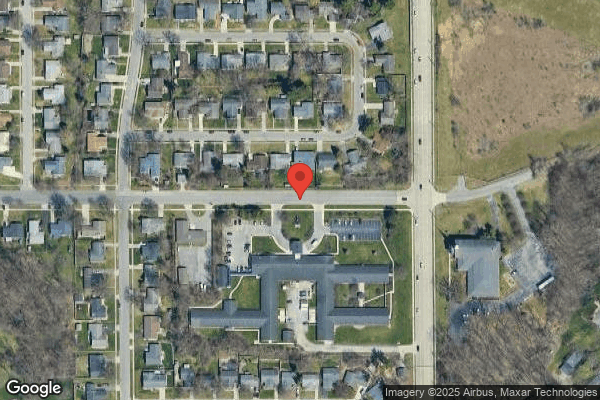
1950 RIDGEDALE RD, SOUTH BEND, IN 46614 (574) 291-6722
Government - County 183 Beds AMERICAN SENIOR COMMUNITIES Data: November 2025 1 Immediate Jeopardy citation
Trust Grade
46/100
#297 of 505 in IN
Last Inspection: February 2025

Within standard 12-15 month inspection cycle. Federal law requires annual inspections.

Overview

Trailpoint Village in South Bend, Indiana has a Trust Grade of D, indicating below-average performance with some concerns regarding care quality. Ranking #297 out of 505 facilities in Indiana places it in the bottom half, and #11 out of 18 in St. Joseph County suggests limited better local options. The facility is worsening, with issues increasing from 4 in 2024 to 6 in 2025. Staffing is a notable concern, rated at 2 out of 5 stars, but turnover is a strength at 39%, which is lower than the state average. However, the facility has faced concerning incidents, including a critical failure to follow safety procedures during a resident transfer, leading to a fall and multiple fractures. Other issues include unsanitary food preparation areas and improper medication storage practices, which could potentially harm residents. Overall, while there are some strengths, the facility has significant weaknesses that families should consider.

Trust Score
D
46/100
In Indiana
#297/505
Bottom 42%
Safety Record
High Risk
Review needed
Inspections
Getting Worse
4 → 6 violations
Staff Stability
○ Average
39% turnover. Near Indiana's 48% average. Typical for the industry.
Penalties
✓ Good
$3,250 in fines. Lower than most Indiana facilities. Relatively clean record.
Skilled Nurses
○ Average
Each resident gets 34 minutes of Registered Nurse (RN) attention daily — about average for Indiana. RNs are the most trained staff who monitor for health changes.
Violations
⚠ Watch
22 deficiencies on record. Higher than average. Multiple issues found across inspections.
★★★☆☆
3.0
Overall Rating
★★☆☆☆
2.0
Staff Levels
★★★★☆
4.0
Care Quality
★★★☆☆
3.0
Inspection Score
Stable
2024: 4 issues
2025: 6 issues

The Good

  • 4-Star Quality Measures · Strong clinical quality outcomes
  • Full Sprinkler Coverage · Fire safety systems throughout facility
  • No fines on record
  • Staff turnover below average (39%)

    9 points below Indiana average of 48%

Facility shows strength in quality measures, fire safety.

The Bad

3-Star Overall Rating

Near Indiana average (3.1)

Meets federal standards, typical of most facilities

Staff Turnover: 39%

Near Indiana avg (46%)

Typical for the industry

Federal Fines: $3,250

Below median ($33,413)

Minor penalties assessed

Chain: AMERICAN SENIOR COMMUNITIES

Part of a multi-facility chain

Ask about local staffing decisions and management

The Ugly 22 deficiencies on record

1 life-threatening
Aug 2025 1 deficiency
CONCERN (D) 📢 Someone Reported This

A family member, employee, or ombudsman was alarmed enough to file a formal complaint

Potential for Harm - no one hurt, but risky conditions existed

Free from Abuse/Neglect (Tag F0600)

Could have caused harm · This affected 1 resident

Based on interview and record review, the facility failed to ensure 1 of 3 residents reviewed for abuse was free from abuse, when a previous staff member verbally abused the resident while exiting the...

Read full inspector narrative →
Based on interview and record review, the facility failed to ensure 1 of 3 residents reviewed for abuse was free from abuse, when a previous staff member verbally abused the resident while exiting the facility following her resignation, (Resident C). Finding includes: On 8/14/25 at 12:00 P.M., Resident C's clinical record was reviewed. Diagnoses included but were not limited to osteomyelitis, type 2 diabetes with diabetic polyneuropathy, and spinal stenosis. Resident C's Care Plans included but were not limited to, Resident displays verbal aggression towards others when feeling frustrated with them, initiated on 7/30/25. Review of a facility Incident Number 668, reported to the State Agency on 8/8/25, indicated on 8/8/25 at 4:01 P.M., Resident C reported that the previous Unit Manager, Licensed Practical Nurse (LPN) 5, went up to him on her way out of the facility and spoke rudely to him after telling him she had quit. The staff member had resigned and was terminated from the system when an investigation was initiated. All appropriate parties were notified. Staff and residents were interviewed regarding the potential abuse with negative findings. Upon investigation, the facility follow-up, dated 8/13/25, indicated other staff and resident were interviewed and indicated they had heard an interaction between LPN 5 and Resident C, but were not able to make out what was said. The resident had suffered no psychosocial distress. During an interview on 8/14/25 at 1:20 P.M., Resident C indicated LPN 5 was not a good nurse and had failed to order pain medications in a timely manner on two occasions and had also failed to arrange for transportation to an appointment for him. The resident indicated he was able to use Tylenol for pain and staff had transported him to his appointment. Resident C indicated that LPN 5 had to apologize to him, per the administration's direction, which upset her and so was unhappy with him. Resident C indicated LPN 5 was in the facility on 8/8/25 to hand in her resignation and as she was leaving the building, went to the 400 Hall Nurse's Station where he was seated in his wheelchair, approached the resident and told him he was a piece of shit. During an interview on 8/15/25 at 10:00 A.M., the Administrator indicated on 8/8/25, LPN 5 came to the facility to resign her position. As she was leaving the facility, LPN 5 had gone to Resident C, who was near the Nurse's Station, and had spoken rudely to him. The Administrator indicated she was made aware of the incident after Resident C reported it to the staff. The Administrator indicated she went to the resident immediately and initiated an investigation and reported the incident to the State Agency. The Administrator indicated it was inappropriate for LPN 5 to speak to the resident in a rude manor. On 8/15/25 at 12:30 P.M., the Administrator provided the policy, Abuse Prohibition, Reporting, and Investigation, dated 6/23, and indicated it was the current facility policy. The policy indicated, .It is the policy of [facility] to provide each resident with an environment that is free from abuse.This includes but is not limited to verbal abuse.[facility] will not permit resident to be subjected to abuse by anyone, including employees.friends, or other individuals.Verbal Abuse- The use of oral.language that willfully includes disparaging and derogatory terms to residents. This citation relates to Intake 25884363.1-27(a)(b)
Jun 2025 3 deficiencies 1 IJ
CRITICAL (J) 📢 Someone Reported This

A family member, employee, or ombudsman was alarmed enough to file a formal complaint

Immediate Jeopardy (IJ) - the most serious Medicare violation

Accident Prevention (Tag F0689)

Someone could have died · This affected 1 resident

Based on record review and interview, the facility failed to ensure a CNA (Certified Nurse Assistant) followed the resident's comprehensive care plan and the facility's Mechanical Lift/Hoyer Lift Safe...

Read full inspector narrative →
Based on record review and interview, the facility failed to ensure a CNA (Certified Nurse Assistant) followed the resident's comprehensive care plan and the facility's Mechanical Lift/Hoyer Lift Safety procedure during a transfer from the resident's wheelchair to bed. This resulted in the resident falling to the floor and sustaining multiple fractures and requiring hospitalization. (Resident B) The Immediate Jeopardy began on 5/29/25 at 4:28 P.M., when a CNA failed to follow a resident's comprehensive care plan and transferred a resident, via a Hoyer lift, from a wheelchair to the bed, without assistance. This deficient practice resulted in a fall, from a Hoyer sling, to the ground, in which the resident sustained multiple fractures and requiring hospitalization. The Administrator, the Director of Nursing and Regional [NAME] President were notified of the Immediate Jeopardy on 6/13/25 at 11:36 A.M. The deficient practice was corrected on 6/6/25, prior to the start of the survey, and was therefore past noncompliance. Finding includes: On 6/12/25 at 1:28 P.M., a review of the clinical record for Resident B was conducted. The resident's diagnoses included, but were not limited to: chronic respiratory failure with dependence on ventilator, artificial opening of gastrointestinal tract-gastrojejunostomy tub (G-tube), cerebral palsy, paraplegia, and an anxiety disorder. An Activities of Daily Living (ADL) care plan, dated 12/26/23 and revised on 3/27/25, indicated the resident required assistance with ADLs which included bed mobility and transfers related to a diagnosis of cerebral palsy. Interventions included but were not limited to: assist with transfers, then on 3/12/24, an intervention of transfers with 2 person assist with a Hoyer lift was added. A Fall care plan, dated 12/26/23 and revised on 3/27/25, indicated the resident was at risk for falls due to impaired mobility. There were no specific interventions related to the resident's needs for transfers on the plan. A Minimum Date Set (MDS) annual assessment, dated 3/24/25, indicated Resident B was dependent on staff for transfer assistance and had had no falls since his admission. A Fall Risk assessment, dated 3/20/25, indicated the resident was had a moderate risk for falls. A Fall Event form, dated 5/29/25 at 5:10 P.M., indicated CNA 3 reported the resident had fallen out of the side of the Hoyer pad during a transfer. CNA 3 reported she had used her body to guide the resident's fall to the floor. The Respiratory Manager had assisted CNA 3, immediately after the fall, with getting the Hoyer pad back underneath the resident and then CNA 3 had transferred Resident B back into his bed. The form indicated the Immediate intervention was that CNA 3 was instructed on Hoyer (mechanical lift) use with 2 persons. A Nursing Progress Note, dated 5/29/25 at 5:19 P.M., indicated CNA 3 had reported the resident had fallen while she was transferring him from the wheelchair to his bed. The note indicated the following: .CNA states that she used her body to guide resident fall to floor, but left forehead hit the floor, RT [Respiratory] manager present with CNA and assisted getting resident on hoyer pad and into bed. Dime sized Hematoma present above left eyebrow, ice in place A Nursing Progress Note, dated 5/29/25 at 8:55 P.M., indicated Resident B had fallen and had hit his head earlier in the afternoon. Resident B had later demonstrated neurological changes and appeared cold and clammy., The resident's vital signs were documented as the following: Blood pressure 80/53, Pulse 123 and respirations were 42. At 8:23 P.M., 911 was called to transfer the resident to the hospital for an evaluation for a possible intracranial pressure/bleeding. The paramedics had arrived at 8:38 P.M. and the resident was taken to a local hospital. A typed form, titled Fall Incident Timeline: Hoyer Lift Transfer with injury indicated the following: -Date of incident: 5/29/25 -At 2:00 P.M., RN 2 had spoken with CNA 3 to ensure her if she needed assistance with transferring Resident B, with a Hoyer, to let her know and she would help CNA 3. CNA 4 also had told CNA 3 he would assist her when she needed assistance. -At 2:35 P.M., CNA 3 had attempted to transfer Resident from his wheelchair to his bed using the facility approved Hoyer lift. During the transfer, the resident had slid out of the sling and fell to the ground. -At 2:45 PM The nurse was promptly notified. An initial assessment was conducted, revealing only a small hematoma above the Resident's left eyebrow. Vital signs were stable -At 8:30 P.M., the resident demonstrated a change of condition, which prompted an immediate re-assessment. The decision was made to have the resident transported to a local emergency department for an evaluation. -On 5/30/25 at 10:30 A.M., the hospital records confirmed the resident had sustained multiple fractures from the fall and the incident was reported to the Indiana State Health Department. -The typed form indicated additional facts: CNA 3 had been trained on the proper Hoyer techniques, on 11/6/24 and signed a Mechanical Lift/Hoyer Lift Safety attestation on 11/6/24. A copy of the attestation indicated .1. I understand that all mechanical lifts, including hoyer lifts require the use of 2 people to operate safely .I understand that if I operate a mechanical lift by myself, I am subject to disciplinary action up to and including termination In addition, a skills competency form regarding Hoyer transfer techniques had been completed by CNA 3 in July 2024. The Conclusion indicated the following: .Investigation shows the root cause of the fall was that the care plan was not followed during the transfer. The employee received the proper training prior to the incident and staff were available for assistance at the time of the incident but were not notified to assist A typed statement/interview, dated 5/29/25 (no time), indicated RN 2 had told CNA 3 she would assist her with any transfers on 5/29/2025 prior to the resident's fall. A typed statement/interview from CNA 3, undated (no time), indicated she had transferred Resident B and he slipped out of the Hoyer sling. The Administrator indicated she had interviewed CNA 3 on 5/30/25 and the only explanation provided had been the resident's buttock was possibly not positioned correctly in the sling prior to the transfer. A typed statement by the Respiratory Manager, undated (no time), indicated CNA 3 had came to Respiratory Manager searching for RN 2. CNA 3 indicated she needed assistance with Resident B and she had followed CNA 3 into Resident B's room. The Hoyer lift was still elevated with the Hoyer sling/pad attached to the Hoyer lift machine. The resident was located on the floor laying on his left side, with his body between the legs of the Hoyer. CNA 3 told the Respiratory Manager the resident had fell off the Hoyer. The Respiratory Manager indicated she had then assisted CNA 3 to position the sling underneath the resident. She indicated CNA 3 then lifted Resident B up from the floor onto his bed with the Hoyer lift. A Hospital History and Physical, dated 5/29/25 at 11:55 P.M., indicated the resident presented to the emergency room (ER) with hypoxia (low levels of oxygen in the body tissue) after a fall earlier in the afternoon. In the ER the resident had profuse vomiting and there were concerns regarding a potential G-tube displacement. A CT (Computerized Tomography) of the abdomen and pelvis was conducted which revealed the G-tube was present with tip of the catheter located within the stomach, however, there were acute bilateral femoral (hip) fractures, a right superior pubic ramus (lower pelvis) fracture, a left iliac wing (upper pelvis) fracture and a left sacral (bones at the base of the spine ) fracture. A facility self-reported incident, dated 5/30/25 at 9:01 A.M., indicated the resident had experienced a fall while being transferred, using a Hoyer lift and had sustained multiple fractures.Root cause of fall was that the care plan was not followed during transfer An Employee Communication Form for CNA 3, dated 6/2/25 indicated .Employee demonstrated gross disregard of resident safety by failing to follow established procedures for transferring residents. Specifically, the staff member attempted to use a Hoyer lift without the required second staff member, resulting in a fall and injury to the resident. This action demonstrates as serious violation of safety protocols and placed the resident at significant risk, warranting immediate termination On 6/13/25 at 9:30 A.M., the Administrator provided a skills competency form titled, Mechanical Lift, dated 8/2023 which indicated .Two (2) staff is required at all times when using a mechanical lift During an interview, on 6/13/25 at 2:01 P.M., the Administrator indicated the resident had been in the hospital since the day of his fall and would possibly return to the facility on 6/13/2025. She indicated the incident report had been filed the next day as the facility had not received a report from the hospital regarding the resident's injuries until 5/30/25. She indicated CNA 3 had been suspended on 5/30/25, until further investigation. During an interview, on 6/16/25 at 10:57 A.M., the Respiratory Manager indicated CNA 3 had asked for help and when she entered Resident B's room he was located on the floor and the Hoyer lift was over him. She indicated she had only assisted the CNA with positioning the resident onto the Hoyer sling. Then CNA 3 lifted the resident, via the Hoyer lift and lowered the resident onto his bed. During an interview, on 6/16/25 at 11:00 A.M., RN 2 indicated CNA 3 came to her and told her Resident B had fallen. When she entered the room, the resident was tucked in bed and the Hoyer lift was in the hallway. She indicated CNA 3 should have not moved the resident until she had assessed him for injuries. On 6/13/25 at 9:30 A.M., the Administrator provided a policy titled, Fall Management Policy, dated 8/2022 and indicated the policy was the one currently used by the facility. The policy indicated .It is the policy of [name of the facility] to ensure residents residing within the facility receive adequate supervision and or assistance to prevent injury related to falls .Facilities must implement comprehensive, resident-centered fall prevention care plans for each resident at risk for falls The Past Noncompliance Immediate Jeopardy began on 5/30/2025. The Immediate Jeopardy was removed and corrected by 6/6/25 after the facility implemented a systemic plan of correction that included the following actions: all nursing staff were re-educated on Hoyer use and the need for 2 persons to perform a transfer via a Hoyer lift, return demonstration/skills check off on Hoyer transfers were conducted with all nursing staff, resident care plans were reviewed to ensure their transfer care plans were updated with the correct number of staff needed for their transfer needs, staff were educated regarding the notification of the a Charge Nurse following a fall for an assessment of possible injuries, a daily observation/audit of resident transfers was initiated on 6/2/25 and was ongoing and the QAPI (Quality Assurance and Performance Improvement) to review audit tool ongoing. This citation relates to Complaint IN00460600. 3.1-45(a)(2)
CONCERN (D) 📢 Someone Reported This

A family member, employee, or ombudsman was alarmed enough to file a formal complaint

Potential for Harm - no one hurt, but risky conditions existed

Deficiency F0602 (Tag F0602)

Could have caused harm · This affected 1 resident

Based on observation, interview and record review, the facility failed to prevent the misappropriation of narcotics for 1 of 4 residents receiving narcotics reviewed. (Resident C) Finding includes: On...

Read full inspector narrative →
Based on observation, interview and record review, the facility failed to prevent the misappropriation of narcotics for 1 of 4 residents receiving narcotics reviewed. (Resident C) Finding includes: On 6/12/25 at 12:16 P.M., a review of the clinical record for Resident C was conducted. The resident's diagnoses included, but were not limited to: respiratory failure with hypoxia-tracheostomy, diabetic neuropathy, dysphagia (difficulty swallowing), diabetes and chronic kidney disease. A current Care plan for pain, initiated on 4/28/25, indicated the resident was at risk for pain related to impaired mobility and diabetic neuropathy. The interventions included, but were not limited to: notify physician if pain is unrelieved and/or worsening, assist with positioning to comfort, administer medications as ordered and document effectiveness of pain medications. A Nursing Progress Note, dated 5/15/25 at 7:56 A.M., indicated the previous shift had reported the resident's narcotics had been held since 2:00 P.M. on 5/14/25. In addition, they had reported the resident had slept most of the previous shift. After the nursing staff had relayed their converns to Director of Nursing, it was decided to send the resident to a local hospital for an evaluation and treatment. A facility census event for Resident C indicated on 5/15/25 at 8:25 A.M., the resident had a Hospital Leave/ER Visit. On 6/2/25 at 5:40 P.M., the census indicated the resident had a Return from Hospital Leave. The Medication Administration Record for May 2025 for Resident C, indicated the resident had an order for Oxycodone (narcotic pain medication) 10 milligrams every 8 hours (6:00 A.M., 2:00 P.M. 10:00 P.M.). The last dose of Ocycodone had been administered to Resident C on 5/14//25 at 2:00 P.M. with no doses given at 10:00 P.M. The MAR indicated there had been no narcotic medication administered to Resident C through the month of May. A facility self-reported incident, dated 5/23/25 at 12:01 P.M., indicated .Facility noted 5 missing Oxycodone pills were missing during an audit. The count was correct prior to [name of LPN 7] shift LPN 7 was suspended pending the investigation. Resident C had been in the hospital during the time the medication was noted to be missing. A follow up to incident report, on 5/28/25 indicated .a discrepancy was identified during a narcotic audit, prompting an internal investigation. [name of LPN 7] was identified as having access to the medication in question. When approached, the staff member was asked to complete a drug screen and provide a written statement. She refused both requests and subsequently left the building. Police report was filed. The staffing agency responsible for the employee was also notified of the incident and investigation findings .Consumer complaint was filed on staff member A typed statement by RN 8, dated 5/23/25, indicated RN 8 had been doing her assigned narcotic audit and requested the cart keys from LPN 7. RN 8 noted Resident C's narcotic cards had been repositioned towards the back of the other cards. RN 8 asked LPN 7 why were Resident C's cards out of order to which LPN 7 replied she had placed them there because the drawer was stuffed. RN 8 noticed there were 5 Oxycodone missing. RN 8 questioned LPN 7 where the Ocycodone had gone and who did she get report from and the LPN did not respond. RN 8 took Resident C's narcotic medication cards to the Director of Nursing to report the drug diversion. A typed statement by the Director of Nursing (DON), dated 5/23/25 at 11:05 A.M., indicated RN 8 had informed the DON of the missing Oxycodone for Resident C during her cart/narcotic audit. The DON had verified there were 5 Oxycodone missing from Resident C's narcotic card. The DON was instructed by Human Resources to have a drug test completed on LPN 7, as directed by the facility's policy. LPN 7 refused to be drug tested, threw the cart keys towards the nurses station, grabbed her things and headed towards the exit. DON and 2 other nurse managers walked along with LPN 7 until they reached the front lobby. At that time, LPN 7 pushed past the nurse managers and exited the building. A hand written statement by RN 2, on 5/23/25, indicated when she had counted the narcotics with LPN 7 (prior to the start of LPN 7's shift) the narcotic count had been correct. A picture of the narcotic cards and the Controlled Substance Record were observed on 6/12/25 for Resident C, which revealed the last dose of Oxycodone was removed from the card, on 5/14/25 at 2:00 P.M., with a count at 75 tablets, however the Ocycodone card only had 70 Oxycodone left on the card. During an interview, on 6/12/25 at 11:29 A.M., the DON indicated Resident C had been discharged a couple of days prior to the discovery of his narcotics missing. The DON indicated LPN 7 had been an agency nurse and was unaware there was an ongoing audit of narcotics being conducted throughout facility. The DON indicated LPN 7 had been suspended but there had been no contact with LPN 7 since her departure. On 6/12/25 at 9:54 A.M., the Administrator provided a policy titled, Abuse Prohibition, Reporting, and Investigation, dated June/2023 and indicated the policy was the one currently used by the facility. The policy indicated .It is the policy of [name of facility] to provide each resident with an environment that is free from abuse, neglect, misappropriation of resident property, and exploitation .Misappropriation of Resident Funds or Property - Deliberate misplacement, exploitation or wrongful, temporary, or permanent use of a resident's property or money without the resident's consent 3.1-28(a)
CONCERN (D) 📢 Someone Reported This

A family member, employee, or ombudsman was alarmed enough to file a formal complaint

Potential for Harm - no one hurt, but risky conditions existed

Deficiency F0726 (Tag F0726)

Could have caused harm · This affected 1 resident

Based on interview and record review the facility failed to ensure staff members acted competently and followed facility protocol regarding notification and assessment of a licensed nurse after a resi...

Read full inspector narrative →
Based on interview and record review the facility failed to ensure staff members acted competently and followed facility protocol regarding notification and assessment of a licensed nurse after a resident experienced a fall prior to moving the resident for 1 of 3 residents reviewed for falls. (Resident B) Finding includes: On 6/12/25 at 1:28 P.M., a review of the clinical record for Resident B was conducted. The resident's diagnoses included, but were not limited to: chronic respiratory failure with dependence on ventilator, artificial opening of gastrointestinal tract-gastrojejunostomy tub (G-tube), cerebral palsy, paraplegia, and an anxiety disorder. A Fall Event form, dated 5/29/25 at 5:10 P.M., indicated CNA 3 reported the resident had fallen out of the side of the Hoyer pad during a transfer. CNA 3 reported she had used her body to guide the resident's fall to the floor. The Respiratory Manager had assisted CNA 3, immediately after the fall, with positioning the Hoyer pad back underneath the resident and then assisted to transfer Resident B back into his bed. The form indicated the Immediate intervention was that CNA 3 was instructed on Hoyer use with 2 persons. A Nursing Progress Note, dated 5/29/25 at 5:19 P.M., indicated CNA 3 had reported the resident fell while she was transferring him from the wheelchair to his bed. The note indicated the following: .CNA states that she used her body to guide resident fall to floor, but left forehead hit the floor, RT [Respiratory] manager present with CNA and assisted getting resident on hoyer pad and into bed. Dime sized Hematoma present above left eyebrow, ice in place A typed statement by the Respiratory Manager, undated (no time), indicated CNA 3 had came to Respiratory Manager searching for RN 2. CNA indicated she needed assistance with Resident B and she had followed CNA 3 into Resident B's room. The Hoyer lift was still elevated with the Hoyer sling/pad attached to the Hoyer lift machine. The resident was located on the floor laying on his left side, with his body between the legs of the Hoyer. CNA 3 told the Respiratory Manager the resident had fell off the Hoyer. The Respiratory Manager indicated she had then assisted CNA 3 to position the sling underneath the resident. She indicated CNA 3 then lifted Resident B up from the floor onto his bed with the Hoyer lift. An Employee Communication Form, signed on 6/2/25, by the Respiratory Manager and the Administrator, indicated the following: .Staff member was educated on residents who have experienced a fall must be assessed by a nurse before any attempt is made to move or assist them. This ensures that potential injuries are properly evaluated and that the resident's safety is not compromised. Assisting a resident up before nursing assessment can lead to further harm and violates facility protocol. Please ensure that all falls are immediately reported to the nurse and that no movement occurs until the resident has been assessed During an interview, on 6/13/25 at 2:01 P.M. the Administrator indicated CNA 3 and the Respiratory Manager should have notified the nurse of the resident's fall prior to moving him. She indicated the Respiratory Manager was new and had been instructed on the facility's protocol since the incident. During an interview, on 6/16/25 at 10:57 A.M., the Respiratory Manager indicated CNA 3 had asked for help and when she entered Resident B's room he was located on the floor, and Hoyer lift was over him. She indicated she had only assisted the CNA with positioning the resident onto the Hoyer sling. She indicated CNA 3 had then proceeded to lift the resident, via the Hoyer lift and lowered the resident onto his bed. Since the incident, the Respiratory Manager indicated she had been instructed to never move a resident after a fall but to obtain a nurse to assess the situation and the resident. During an interview, on 6/16/25 at 11:00 A.M., RN 2 indicated CNA 3 came to her and told her Resident B had fallen. When she entered the room, the resident was tucked in bed and the Hoyer lift was in the hallway. She indicated CNA 3 should have not moved the resident until she had assessed him for injuries. On 6/13/25 at 9:30 A.M., the Administrator provided a policy titled, Fall Management Policy, dated 8/2022 and indicated the policy was the one currently used by the facility. The policy indicated .It is the policy of [name of the facility] to ensure residents residing within the facility receive adequate supervision and or assistance to prevent injury related to falls .Post fall 1. Any resident experiencing a fall will be assessed immediately by the charge nurse for possible injuries and necessary treatment will be provided The Administrator indicated this was the only policy regarding post fall protocol. This citation relates to Complaint IN 00460600. 3.1-14(i)
Feb 2025 2 deficiencies
CONCERN (D)

Potential for Harm - no one hurt, but risky conditions existed

Deficiency F0849 (Tag F0849)

Could have caused harm · This affected 1 resident

Based on record review and interview, the facility failed to ensure advanced directives were coordinated with hospice for 1 of 2 residents reviewed for hospice services. (Resident 28) Finding includes...

Read full inspector narrative →
Based on record review and interview, the facility failed to ensure advanced directives were coordinated with hospice for 1 of 2 residents reviewed for hospice services. (Resident 28) Finding includes A record review for Resident 28 was completed on 2/26/2025 at 9:45 A.M. Diagnosis included, but were not limited to occlusion and stenosis of right posterior cerebral artery, metabolic encephalopathy, dementia, schizoaffective, borderline personality, bipolar, and aortic stenosis. A Physicians Order dated 11/25/2024, indicated the resident was a full code. Resident 28's care plan, initiated on 11/26/2024, indicated the resident and/or the resident's legal representative preferred a full code status. A Physician's Order dated 2/11/2025 indicated an order for hospice for Resident 28 for end of life care. Review of the hospice initial plan of care, dated 2/10/2025, indicated an advanced directives of Do Not Resuscitate (DNR) code status. A Physician Orders for Scope of Treatment (POST) form, signed on 2/10/2025 indicated Resident 28's code status was now a DNR. The facility was not notified by the hospice provider of the change until 2/28/2025. During an interview with the Administrator on 2/28/2025 at 11:40 A.M., she indicated when someone transitioned to Hospice care, the hospice provider was responsible to write orders for any changes being made. She indicated the hospice provided had not communicated to the facility any changes for code status for Resident 28. The administrator indicated she had called the Hospice administrator on 2/28/2025 and verified there was a POST form for Resident 28 indicating a change in the advance directives/code status to a DNR. On 2/28/2025 at 1:30 P.M., the Administrator provided a policy titled, Advanced Directives and indicated the policy was the one currently used by the facility. The policy indicated The DNR status will be reviewed with resident/representative during the quarterly care plan conference and/or during significant changes in condition There was no policy provided regarding communication between the hospice providers and the faclity to ensure all new orders were updated timely. 3.1-37(a)
CONCERN (E)

Potential for Harm - no one hurt, but risky conditions existed

Deficiency F0761 (Tag F0761)

Could have caused harm · This affected multiple residents

Based on observation, interview and record review, the facility failed to ensure medications were labels and stored according to professional priniciples on 3 of 4 medication carts observed. (Memory C...

Read full inspector narrative →
Based on observation, interview and record review, the facility failed to ensure medications were labels and stored according to professional priniciples on 3 of 4 medication carts observed. (Memory Care, 100 Hall & 400 Hall) Findings include: 1. On 2/27/2025 at 9:30 A.M., a medication storage observation was completed with RN 2 on the Memory Care cart, the following was observed: An opened, undated and unlabeled bottle of calcium magnesium with zinc capsules. In addition, there was a bottle of One a Day Men 50 + vitamin supplement with only a resident's first name written on the lid of the bottle. During an interview on 2/27/2025 at 9:40 A.M., RN 2 indicated a family member had brought them in and the bottles should have had labesl and an opened date on them. 2. On 2/27/2025 at 10:47 A.M., a medication storage observation was completed with RN 3 on the 100 Hall cart and the following was observed: Three bottles of prescirption eye drops were stored the same drawer as oral medications. One of three bottles of eye drops was not labeled with complete instructions regarding which eyes were to have drops administered. During an interview on 2/27/2025 at 11:00 A.M., RN 3 indicated she was not aware eye drops could not be stored next to oral medications, but she had been instructed by the DON that the eye drop bottles needed to be stored upright in the cart. She indicated the bottle of eye drops with incomplete instructions should have indicated the drops were to be instilled in the resident's right eye. 3. On 2/27/2025 at 1112 A.M., a medication observation was completed with the Unit Manager on the 400 Hall cart and the following was observed: An opened and undated bottle of nasal spray. An opened and undated bottle of eye drops. During an interview on 2/27/2025 at 11:33 A.M., the Unit Manager indicated the bottles should have had an opened date. On 2/27/2025 at 11:41 A.M., the Regional Nurse Consultant provided a policy titled, Medication Storage and Expiration Policy, dated 11/2024, and indicated the policy was the one currently used by the facility. The policy indicated . 2. Internal (oral) medications should be stored separately from external (not taken orally) mediations 9. Facility staff should record the date opened on the primary medication container (vial, bottle, inhaler). On 2/28/2025 at 2:45 P.M., the Regional Nurse Consultant provided a policy titled, Over-The -Counter (OTC) Medications, dated 2022, and indicated the policy was the one currently used by the facility. The policy indicated . Order: Ensure prescriber order is in place for all OTC medications and Label patient-specific OTC's per facility policy (e.g., first initial, last name, room #) . On 2/28/2025 at 2:52 P.M., the Administrator provided a policy titled, Medication Brought Into the Facility, dated 12/1/2017, and indicated the policy was the one currently used by the facility. The policy indicated Facility staff should not administer medications, including over-the-counter mediations, naturally occurring substances, and physician/perscriber medication samples, brought to the facility by a resident, a resident's responsible party, or a resident's physician/prescriber without a physician/perscriber order . 3.1-25(l)(1) 3.1-25(l)(2) 3.1-25(l)(3) 3.1-25(l)(4) 3.1-25(l)(5)
Mar 2024 4 deficiencies
CONCERN (D)

Potential for Harm - no one hurt, but risky conditions existed

Accident Prevention (Tag F0689)

Could have caused harm · This affected 1 resident

Based on interview and record review, the facility failed to provide adequate supervision to prevent a resident from falling out of bed during care, for 1 of 4 residents reviewed for accidents. (Resid...

Read full inspector narrative →
Based on interview and record review, the facility failed to provide adequate supervision to prevent a resident from falling out of bed during care, for 1 of 4 residents reviewed for accidents. (Resident 34) Finding includes: During an interview, on 2/27/2024 at 8:58 A.M., Resident 34 indicated he had fallen out of bed about two months ago during care, and was sent to the hospital. A record review for Resident 34 was completed on 2/28/2024 at 3:16 P.M. Diagnoses included, but were not limited to: morbid obesity, chronic respiratory failure, dependence on a ventilator, and chronic kidney disease. A Significant Change MDS (Minimum Data Set) assessment, dated 12/10/2023, indicated the resident required extensive physical assistance from two staff members for bed mobility and toilet use, required supervision with set-up help for eating, and transferring occurred 1-2 times with 2 or more staff assist. An admission MDS assessment, dated 1/25/2024, indicated the resident was cognitively intact. A Care Plan, dated 6/5/2019, indicated the resident required the assist of 2 staff members for bed mobility, transfer with a Hoyer lift with assist of 2-4 staff members, and transfers occurred once or twice with the extensive physical assistance of at least 2 staff members. A Fall Risk Assessment, dated 12/5/2023, indicated the resident was a moderate fall risk. A Functional Assessment Form, dated 12/6/2023, indicated the resident was dependent for mobility to roll left and right, and the helper did all the effort, with the resident doing none of the effort to complete activity, or the assistance of 2 or more helpers was required for the resident to complete the activity. A Progress Note, dated 12/18/2023, indicated the resident had been assisted with care, rolled to the left side of the bed, and then rolled off the bed. Resident 34 was on a ventilator, landed on his chest, and required hospital evaluation. An IDT (Interdisciplinary Team) Progress note, dated 12/19/2023, indicated the root cause of Resident 34's fall was only one person was assisting the resident with bed mobility during care. A Fall Risk Assessment, dated 1/19/2024, indicated the resident was a high fall risk. During an interview, on 2/29/2024 at 8:52 A.M., the resident indicated when he fell out of bed, only one CNA had been assisting him with care at that time, he rolled off the side of the bed, and landed on the floor. During an interview on 2/29/2024 at 1:20 P.M., CNA 1 indicated the least number of staff members used to assist Resident 34 for bed mobility was 2 staff members. Prior to his fall, he also required 2 staff members for assistance with bed mobility. During an interview, on 2/29/2024 at 1:45 P.M., LPN 2 indicated the resident had been able to help with bed mobility more prior to his fall than now, and he required 2-4 staff members for bed mobility prior to his fall. During an interview, on 2/29/2024 at 2:17 P.M., the DON (Director of Nursing) indicated the resident required 1-2 person assist for bed mobility, and it depended on the day how much resident could help at the time of care. A policy, titled Fall Management, with a revision date of 1/2022, was provided as current by the DON on 2/29/2024 at 3:15 P.M. The policy indicated, .It is the policy .to ensure residents residing with the community has adequate assistance to prevent injury related falls .A Fall refers to unintentionally coming to rest on the ground, floor, or other lower level 3.1-45(a)
CONCERN (D)

Potential for Harm - no one hurt, but risky conditions existed

Infection Control (Tag F0880)

Could have caused harm · This affected 1 resident

Based on observation, record review, and interview, the facility failed to properly store a BIPAP mask to prevent contamination, for 1 of 5 residents reviewed for respiratory care. (Resident 56) Findi...

Read full inspector narrative →
Based on observation, record review, and interview, the facility failed to properly store a BIPAP mask to prevent contamination, for 1 of 5 residents reviewed for respiratory care. (Resident 56) Finding includes: During an observation, on 2/27/24 at 10:43 A.M., Resident 56's oxygen mask was laying on her bedside table outside of a bag, and the mask appeared dirty with an oily substance noted around the seal. During an observation, on 2/29/24 at 2:31 P.M., Resident 56's BIPAP mask was laying on the table and not in a bag. The mask had a dirty substance around the seal. During an observation, on 3/1/2024 at 9:11 A.M., Resident 56's BIPAP mask was laying on the bedside table and not in a bag. The mask remained dirty around the seal. A record review for Resident 56 was completed on 2/28/24 at 2:43 P.M. Diagnoses included, but were not limited to: chronic obstructive pulmonary disease, type 2 diabetes, dementia, quadriplegia, and hypertension. A Quarterly MDS (Minimum Data Set) assessment, dated 12/19/23, indicated Resident 56 had moderate memory impairment. A Physician's Order, dated 1/3/23, indicated to clean the BiPAP/CPAP mask/unit with soap/water daily. During an interview, on 3/1/24 at 10:39 A.M., the DON (Director of Nursing) indicated the BIPAP mask should have been stored in a bag. On 3/1/24 at 10:49 A.M., the Director of Nursing provided the policy titled, CPAP Therapy as current. The policy indicated . Purpose: Continuous Positive Airway Pressure is used to treat sleep apnea. The goals of this therapy include; improve ventilation, improve quality of sleep, decrease hospitalizations, improve cognitive function, improve oxygen saturation during sleep, decrease work of breathing, and improve lung compliance. Procedure: Cleaning and Maintenance; J. With a soft cloth, gently wash the mask or pillows with a solution of warm water, and a mild clear liquid detergent; K. Rinse thoroughly. If the mask still feels oily, repeat step C; N. Clean and inspect all components regularly : 3.1-18(b)
CONCERN (E)

Potential for Harm - no one hurt, but risky conditions existed

Deficiency F0761 (Tag F0761)

Could have caused harm · This affected multiple residents

Based on observation, record review, and interview, the facility failed to ensure medication storage areas were free from loose pills, failed to date medications when opened, and failed to ensure a me...

Read full inspector narrative →
Based on observation, record review, and interview, the facility failed to ensure medication storage areas were free from loose pills, failed to date medications when opened, and failed to ensure a medication refrigerator was free from ice buildup, for 4 of 6 medication storage areas observed. (#1 & #2 400 Hall medication carts, 100 Hall medication cart, & medication room) Findings include: 1. A medication storage observation on the #1 400 hall medication cart was completed on 2/27/2024 at 2:36 P.M., with LPN 7. There were 2 loose pills in the cart. During an interview, on 2/27/2024 at 2: 39 P.M., LPN 7 indicated the loose pills should not be in the drawer. 2. During a medication storage observation, on 2/27/2024 at 2:45 P.M., on the #2 400 hall medication cart with RN 8, the following was observed: - An opened and undated bottle of guaifenesin. - An opened and undated bottle of Robitussin. During an interview, on 2/27/2024 at 2:52 P.M., RN 8 indicated the medications should be dated when opened. 3. A medication storage observation on the 100 hall medication cart was completed on 2/27/2024 at 3:16 P.M., with LPN 2. There were 2 loose pills in the cart During an interview, on 2/27/2024 at 3:18 P.M., LPN 2 indicated the loose pills should not be in the drawer. 4. During a medication storage observation, on 2/27/2024 at 3:19 P.M., in the 100 Hall medication room with LPN 2, a large amount of ice build up was observed in the freezer section of the fridge. During an interview, on 2/27/2024 at 3:20 P.M., LPN 2 indicated the fridge should have been defrosted. On 2/29/2024 at 8:57 A.M., the Administrator provided the policy titled, Storage and Expiration Dating of Medications, Biological's, dated 7/21/2022, and indicated the policy was the one currently used by the facility. The policy indicated .5. Once any medication or biological is opened, Facility should follow manufacture/supplier guidelines with respect to expiration dates for opened medications. Facility staff should record the date opened on the primary medication container (vial, bottle, inhaler) when the medication has a shortened expiration date once opened or opened. 11. Facility should monitor refrigerated storage for evidence of moisture and condensation 3.1-25(j) 3.1-25(m)
CONCERN (F)

Potential for Harm - no one hurt, but risky conditions existed

Food Safety (Tag F0812)

Could have caused harm · This affected most or all residents

Based observation and interview the facility failed to ensure food preparation areas and equipment was clean and that food was stored in a sanitary manner. The facility failed to ensure employees util...

Read full inspector narrative →
Based observation and interview the facility failed to ensure food preparation areas and equipment was clean and that food was stored in a sanitary manner. The facility failed to ensure employees utilized hygienic practices when handling food delivery items, and washed their hands after handling the trash receptacle. This had the potential to affect all residents receiving food from the kitchen. Findings include: 1. During an initial observation of the kitchen with the Dietary Manager (DM), on 2/26/2024 at 9:45 A.M., the handwashing sink was dirty. Vents in the ceiling were dirty with dust collected in the slats. Pans used in the steam table were stacked together wet. The oven had a burnt substance on the bottom. The sneeze guard on the steam table was dirty with food substances dripping down. During an interview, on 2/26/2024 at 10:00 A.M., the DM indicated the handwashing sink, oven, and sneeze guard should have been clean, the vents in the ceiling were going to be replaced, and the pans should have been dry before stacking. 2. During an observation of the kitchen with the DM, on 2/28/2024 at 11:57 A.M., the steam table had a whitish substance dripping down the sides and dirt and food spills were noted on the lower shelf. During an interview, on 2/28/2024 at 12:08 P.M., the DM indicated the steam table should have been clean. A current policy dated 5/23/2023, provided by the Executive Director on 2/29/2024 at 9:45 A.M., indicated .Equipment should be cleaned and sanitized after use and more frequently as needed. In general, follow these steps .b. Remove food and soil present on, under, and around the equipment 3. During an observation, on 2/28/2024 at 11:58 A.M., Dietary Aide 11 was leaning her arm on clean trays that were meant to transport resident's meals. Cooks 3, 4, and 5 each handled the lid on a trash can, and did not wash their hands before returning to the food preparation area. During an interview, on 2/28/2024 at 12:11 P.M., the Dietary Manager indicated staff should not be leaning on food trays and should wash hands after handling the trash can lid and before returning to the food preparation area. A current policy, dated 5/23/2023, provided by the Executive Director on 2/29/2024 at 9:45 A.M., indicated, .To provide a standardized approach to Hand hygiene to reduce or minimize the transmission of infection from potential microorganism on the hands of all employees 3.1-21(i)(1) 3.1-21(i)(3)
Aug 2023 1 deficiency
CONCERN (D) 📢 Someone Reported This

A family member, employee, or ombudsman was alarmed enough to file a formal complaint

Potential for Harm - no one hurt, but risky conditions existed

Safe Environment (Tag F0584)

Could have caused harm · This affected 1 resident

**NOTE- TERMS IN BRACKETS HAVE BEEN EDITED TO PROTECT CONFIDENTIALITY** Based on interview and record review, the facility failed to ensure a clean, safe, and sanitary environment for 1 of 3 resident ...

Read full inspector narrative →
**NOTE- TERMS IN BRACKETS HAVE BEEN EDITED TO PROTECT CONFIDENTIALITY** Based on interview and record review, the facility failed to ensure a clean, safe, and sanitary environment for 1 of 3 resident reviewed environment. (Resident B) Findings include: On 8/25/23 at 1:00 P.M., the clinical record for Resident B was reviewed. The resident's Face Sheet, indicated he was most recently admitted to the facility on [DATE], with diagnoses that included pneumonia, stroke, gastrostomy, chronic obstructive pulmonary disease, and chronic respiratory failure. Resident B's admission Minimum Data Set (MDS) assessment, dated 6/21/23, indicated the resident was admitted to room [ROOM NUMBER] on 6/15/23. On 8/28/23 at 11:08 A.M., a facility grievance dated 6/15/23 at 3:00 P.M., was provided by the Administrator and indicated, Resident B's wife complained that room [ROOM NUMBER] was filthy and there were bugs everywhere. The grievance indicated the Director of Marketing and Admissions looked at room [ROOM NUMBER] and found garbage in the trash and floors were dirty and bugs were in the room and the bathroom, and that the room had not been cleaned before Resident B arrived. The grievance further indicated the Director of Marketing cleaned the room and bathroom and apologized. On 6/28/23 at 11:30 A.M., the Administrator provided the [Local pest control company] Sighting/Evidence Log dated 6/08/23 - 8/07/23, that indicated on 6/08/23, room [ROOM NUMBER] was treated for ants, and on 6/14/23, room [ROOM NUMBER] was treated for flying ants in the room and bathroom. On 8/28/23 at 11:47 A.M., during an interview with the Administrator, he indicated when Resident B was admitted to the facility on [DATE], he was placed in room [ROOM NUMBER], which had been treated for ants the previous week and the previous day of the admission. The Administrator indicated the dead ants had not been cleaned from the room before Resident B was admitted to the room and that the room should have been cleaned before the resident was admitted to the room. On 8/29/23 at 2:00 P.M., during an interview with the Director of Nursing, she indicated that Resident B was admitted to room [ROOM NUMBER] on 6/15/23, and was unaware at the time of the admission that the room had not been cleaned, and that the resident should not have been admitted into a dirty room. This Federal tag relates to complaint IN00415532. 3.1-19
Jan 2023 1 deficiency
CONCERN (D) 📢 Someone Reported This

A family member, employee, or ombudsman was alarmed enough to file a formal complaint

Potential for Harm - no one hurt, but risky conditions existed

Deficiency F0694 (Tag F0694)

Could have caused harm · This affected 1 resident

**NOTE- TERMS IN BRACKETS HAVE BEEN EDITED TO PROTECT CONFIDENTIALITY** Based on interview and record review the facility failed to monitor and follow physician orders for 1 of 3 residents who had a p...

Read full inspector narrative →
**NOTE- TERMS IN BRACKETS HAVE BEEN EDITED TO PROTECT CONFIDENTIALITY** Based on interview and record review the facility failed to monitor and follow physician orders for 1 of 3 residents who had a peripherally inserted central catheter (PICC). (Resident C) Finding includes: On 1/30/23 at 11:05 A.M., a review of the clinical record for Resident C was conducted. The record indicated the resident was admitted on [DATE] from a local hospital for intravenous (IV) antibiotic administration. The resident's diagnoses included, but were not limited to: diabetes, Cerebrovascular Accident (CVA), diabetic foot ulcer with gangrene and left below the knee amputation. The Minimum Data Set (MDS) admission Assessment, dated 11/28/22, indicated the resident was receiving an IV antibiotic. A Care Plan indicated the resident had IV access and was at risk for infection/complications. The interventions included, but were not limited to: administer as ordered, assess for complications from IV every shift, discontinue IV at 1st sign of inflammation or localized infection, monitor IV site for swelling, tenderness, redness and warmth. The Physician Orders, dated 11/22/22 indicated the resident was to be administered cefazolin 2 grams in a 100 milliliters of solution every 8 hours and infuse per RUA (right upper arm) PICC line via pump for osteomyelitis of the right foot. The start date was 11/22/22 with an end date of 12/16/22. There were orders of special instructions The Medication Administration Record (MAR) had the following Physician Orders/Nursing Measures: observed and document on the PICC line for signs and symptoms of infection every shift, change PICC line dressing every 7 days and measure PICC length & arm circumference and to flush the PICC line before and after antibiotic to maintain patency. A Progress Note, dated 11/23/22 at 2:50 P.M., indicated the resident had a vascular access devices-double lumen (PICC line) in the right upper arm with zero redness or warmth. The MAR indicated the PICC was to be discontinued on 12/16/22, however there was no documentation of procedure occurring. The MAR's last documentation of nurse assessing the PICC site was on 12/16/22 on the 1st shift (6:00 AM-2:00 PM). The MAR indicated the PICC line was to have a dressing change every 7 days, which would have been on 11/29/22, 12/6/22, 12/13/22 and 12/20/22. There was documentation the resident refused on 12/6/22, was completed on 12/12/22 with measurements therefore the next dressing change should have been on 12/19/22 however there was no documentation the procedure was completed as ordered The MAR indicated the last time the PICC line was flushed was on 12/16/22 at 12:00 P.M. A Progress Note, dated 12/10/22 at 5:58 A.M., was provided by the Regional Nurse which indicated the PICC dressing had been changed, flushed and measured as ordered, however this was not documented on the MAR and she deducted that may be why it was completed again on 12/12/22. An Infectious Disease Office/Clinic Note, dated 12/15/22, indicated the resident presented, to the clinic, for a follow up for her right foot osteomyelitis. Cultures from the surgery grew MSSA (Methicillin-susceptible Staphylococcus aureus-infection caused by a type of bacteria) and finegodia (a Gram-positive bacteria). She was started on a planned 6 week course of IV antibiotics with cefazolin, which was due to end on 12/16/22. The Note indicated to stop current antibiotics on the planned end date of 12/16/22 and PICC can be removed after the last dose of the antibiotic. A Facility Hospital-Transfer Form, dated 12/21/22 at 2:42 P.M., indicated reason for transfer to hospital was shortness of breath, chest congestion and had a PICC line. A Hospital emergency room Note, dated, 12/21/22, indicated the resident was evaluated for shortness of breath. She was admitted in November for a non-healing diabetic foot wound that required prolonged antibiotic use. She was discharge to nursing facility for further care. Review of the infection disease notes indicate the patient would have stopped her antibiotics on 12/16/22 and had PICC removed at that time. PICC line is still in place in the right upper extremity and patient states they were to remove it today. PICC confirmed by X-ray and was drawn from the PICC line. A Progress Note, dated 12/23/22 at 10:05 A.M., written by the previous Director of Nursing, indicated .Spoke to hospital regarding PICC line removal. This writer informed hospital that IV [intravenous] ABT [antibiotic] ended on 12/16 and resident had follow up appointment. This writer informed hospital about PICC line plan and removal plan During an interview, on 1/30/23 at 4:35 P.M. a representative from the hospital indicated the Resident C came to the hospital, 12/21/22 a Wednesday, with a PICC line that was to be discontinued, on 12/16/22. The hospital Unit Manager had contacted the facility to find out why it had not been discontinued, as ordered, by the infectious disease physician. The physician had reported to the hospital Unit Manager he was unhappy the PICC had not been removed as directed. The facility's Director of Nursing (DON) reported to the hospital Unit Manager there were no nurses working the on the 16th to pull the PICC line and would investigate as to why it wasn't pulled the next time an RN worked. The complainant indicated there was concern for possible endocarditis but the family refused to have the PICC line tested. And there was no indication the PICC line was infected. The hospital representative indicated the resident went home from the hospital with hospice, which was the plan. Staffing schedules indicated an RN work in the facility on the following days: 12/16, 12/17, 12/18, 12/19,/12/20 and 12/21. During an interview on 1/31/23 at 9:30 A.M. the Regional Nurse indicated the PICC line had not been removed and there had been a discussion with the previous DON regarding as to why the PICC line had not been discontinued. The Regional Nurse indicated the previous DON and ADON (Assistant Director of Nursing) were both RNs and they could of removed the PICC line themselves. Also the order to flush and assess the PICC line dropped off the MAR, due to the fact the resident's PICC was to be removed 12/16/22. On 1/31/23 at 11:36 A.M., the Regional Nurse provided a policy titled, Peripherally Inserted Central Catheter (PICC) Management Guidelines, dated 9/2012 and reviewed on 7/2016 and indicated the policy was the one currently used by the facility. The policy indicated .3. Physician order is required for PICC placement and removal .5. Dressing and securement device is to be changed every 7 days or PRN [as needed] using sterile technique .8. PICC insertion site should be assessed every shift for signs of redness, edema, pain, drainage or venous cord (red or hard outline of vein tracing upward on upper arm) This Federal tag relates to complaint IN00399580. 3.1-47(a)(2)
Jan 2023 10 deficiencies
CONCERN (D)

Potential for Harm - no one hurt, but risky conditions existed

Deficiency F0561 (Tag F0561)

Could have caused harm · This affected 1 resident

Based on interview, observation, and record review, the facility failed to provide preferences and choices for bathing for 3 of 3 residents reviewed for self-determination. (Resident 69, 58, and 29) F...

Read full inspector narrative →
Based on interview, observation, and record review, the facility failed to provide preferences and choices for bathing for 3 of 3 residents reviewed for self-determination. (Resident 69, 58, and 29) Findings include: 1. During an initial interview with Resident 69 on 12/27/2022 at 2:58 P.M., Resident 69 indicated she gets a bed bath, but every so often is placed on a cart, taken to another room, and gets a shower with her hair washed. She indicated her hair was fine and the hair gets greasy looking. She would like to have her hair washed weekly to every 10 days. A clinical record review for Resident 69 was completed on 12/30/2022 at 8:39 A.M. Diagnoses included, but were not limited to: chronic obstructive pulmonary disease (COPD), diabetes mellitus type 2, functional quadriplegia, and anemia. A Significant Change MDS (Minimum Data Set) Assessment on 12/4/2022 indicated, Resident 69 had moderate cognitive impairment. She was dependent for bathing and needed two or more staff members to complete bathing. She indicated that it was very important to choose between a tub bath, shower, bed bath, or sponge bath. A Care Plan initiated on 5/14/2021 and revised on 10/20/2022 indicated, Resident 69 needs assistance with ADL's (Activities of Daily Living). An intervention on 5/14/2021, indicated to assist with bathing as needed per resident preference, and to offer showers two times per week, and a partial bath in-between. A Preferences for Customary Routine and Activities Assessment was completed on 3/29/2022. Resident 69 indicated, it was very important to choose between tub bath, shower, bed bath/sponge bath. She had no preference as to what time or how often bathed. She indicated her type of bathing she was used to was showering. A review of the CNA electronic documentation, in the past two months, Resident 69 received a shower on 11/18/2022 and 12/21/2022. During an interview on 1/3/2023 at 9:15 A.M., Resident 69 indicated her hair could use some soap and water. On 1/3/2023 at 3:23 P.M., Shower Sheet documentation was reviewed for the past two months. A Shower Sheet that indicated a shampoo was completed was found for 11/14/2022, 12/5/2022, and 12/21/2022. There is an undated shower sheet that indicated Resident 69 refused a shower after three attempts. 2. An initial interview on 12/27/2022 at 3:51 P.M., Resident 58 indicated she gets shower when the staff are free and have time. She indicated her scheduled shower days are on Sunday and Wednesday in the afternoon, and would prefer to have the shower in the morning. A clinical record review was completed on 1/3/2023 at 9:49 A.M. Diagnoses included, but were not limited to: cerebral vascular accident with left hemiplegia, morbid obesity, and osteoarthritis. An Annual Minimum Data Set (MDS) Assessment on 10/12/2022 indicated Resident 58 was cognitively intact. She required extensive assistance with two or more staff members for bathing. Resident 58 indicated it was very important to choose between a tub bath, shower, bed bath, or sponge bath. A Care Plan initiated on 1/3/2020 and revised on 11/9/2022 indicated Resident 58 required assistance with ADL's. An intervention on 8/4/2020, indicated to assist with bathing as needed per resident preference, to offer showers two times per week, and partial bath in between. A Preferences for Customary Routine and Activities Assessment was completed on 10/12/2021. Resident 58 indicated, it was very important to choose between tub bath, shower, bed bath/sponge bath. She had no preference as to what time or how often bathed. She indicated her type of bathing she was used to was showering. A review of the CNA electronic documentation, in the past two months, Resident 69 received a shower on 11/2/2022, 11/20/2022, 12/11/2022, 12/14/2022, and 12/21/2022 On 1/3/2023 at 3:23 P.M., Shower Sheet documentation was reviewed for the past two months. The Shower Sheets indicated that a shower was received on 11/20/2022, 12/11/2022, 12/14/2022, 12/21/2022, 12/28/2022. A Shower Sheet on 11/16/2022 indicated Resident 58 refused a shower on 11/16/2022. 3. During an initial interview on 12/29/2022 at 9:38 P.M., Resident 29 that half of the time the facility does not have the staff to provide showers. She indicated she refuses to have male staff provide a shower, and on 12/26/2022 no one would answer the call light to determine who would give her a shower, and she indicated she stunk. She indicated the lack of showers happens frequently A clinical record review of Resident 29 was completed on 1/3/2023 at 8:55 A.M. Diagnoses included, but were not limited to: Osteomyelitis of vertebra, Paraplegia, diabetes mellitus type 2, and major depressive disorder. A Quarterly Minimum Data Set (MDS) Assessment on 12/6/2022 indicated Resident 29 was cognitively intact. She was dependent with the assistance of two or more staff members for bathing. A Significant Change MDS Assessment on 9/13/2022 indicated it was very important to choose between a tub bath, shower, bed bath, or sponge bath. A Care Plan initiated on 8/4/2022 and revised on 12/12/2022 indicated Resident 29 required assistance with ADL's. An intervention on 8/4/2020, indicated to assist with bathing as needed per resident preference, to offer showers two times per week, and partial bath in between. On 11/8/2022, a Care Plan indicated Resident 29 has a preference of two showers a week on Tuesday and Thursday. An intervention included to honor Resident 29's preferences through the next review. A Preferences for Customary Routine and Activities Assessment was completed on 9/17/2022. Resident 29 indicated, it was very important to choose between tub bath, shower, bed bath/sponge bath. She had no preference as to what time or how often bathed. She indicated her type of bathing she was used to was showering. A review of the CNA electronic documentation for the past two months indicated, Resident 29 received a shower on 11/21/2022, 12/2/2022, 12/14/2022, 12/28/2022. Resident 29 refused a shower on 12/31/2022. On 1/3/2023 at 3:23 P.M., Shower Sheet documentation was reviewed for the past two months. The Shower Sheets indicated that a shower was received on 11/3/2022, 11/17/2022, 11/21/2022, 11/28/2022, 12/2/2022, 12/11/2022, 12/14/2022, 12/18/2022, 12/23/2022, 12/28/2022. Shower Sheets on 11/23/2022, 12/21/2022, 12/26/2022 (male caregiver), and 12/31/2022 indicated Resident 29 refused showers. On 1/3/2023 at 2:04 P.M., during an interview, a Regional Support employee indicated the Preferences for Customary Routine and Activities Assessment should be completed quarterly. If a resident answers a question as very important of somewhat important, that response will be care planned. On 1/3/2023 at 2:50 P.M., the Director of Nursing (DON) indicated the shower schedule was rearranged 6 months ago. The Shower Aide encouraged all residents to take a shower, and if the resident refuses a bed bath will be completed. The DON indicated a bed bath or shower should be done twice weekly or per the resident's preference. The DON indicated if a resident refused a shower, the Shower Aide needs to let the nurse know. The Shower Aide will document on the Shower Sheet of a refusal. On 1/4/2023 at 9:26 A.M., CNA 14 working as a Shower Aide provided the units shower schedule. The schedule indicated Resident 69 was to receive bathing on Mondays and Fridays in the evening. She indicated, if the resident was oriented, she will ask the resident what type of bathing they prefer since no preferences are provided. CNA 14 indicated if a resident refused to be bathed, she would inform the nurse on the unit. She indicated a Shower Sheet would be completed to indicate the refusal. On 1/4/2023 at 12:32 P.M., the Director of Nursing (DON) provided a policy titled, Preferences for Daily Routine. The policy indicated, .1. Activity Director or designee will complete the Preferences for Daily Customary Routines worksheet upon admission of a new resident, quarterly and upon significant change of a resident. The interview will be conducted with the resident unless they are not able to be understood. 2. The information on the worksheet will be used to complete section F of the MDS when applicable. 3. The information from the worksheet will be shared with the interdisciplinary team so that each department can address the resident's preferences 3.1-3(u)
CONCERN (D)

Potential for Harm - no one hurt, but risky conditions existed

Safe Environment (Tag F0584)

Could have caused harm · This affected 1 resident

**NOTE- TERMS IN BRACKETS HAVE BEEN EDITED TO PROTECT CONFIDENTIALITY** Based on observation, interview and record review, the facility failed to ensure the walls in resident rooms were maintained in ...

Read full inspector narrative →
**NOTE- TERMS IN BRACKETS HAVE BEEN EDITED TO PROTECT CONFIDENTIALITY** Based on observation, interview and record review, the facility failed to ensure the walls in resident rooms were maintained in good repair. Findings include: During the initial tour of the facility, conducted on 12/28/2022 at 9:20 A.M., an alert and oriented resident indicated the walls in his/her room needed repaired. The resident pointed out an approximately 1 1/2 foot section of the wall above his roommate's bed with a missing chair rail, the wall underneath the missing chair rail was crumbling and had exposed plaster and drywall. During the environmental tour of the facility, conducted with the Maintenance Supervisor on 1/3/2023 at 1:15 P.M. - 1:30 P.M., the following was noted: The wall on the corner between the bathroom and bed 1 in room [ROOM NUMBER] had crumbled, the covebase was missing and the underneath drywall and framing was noted. There was a section of marred wallpaper and a missing chair rail noted in room [ROOM NUMBER] above bed 2. There was an approximately 1 1/2 foot section of missing chair rail and exposed dry wall on the wall in room [ROOM NUMBER] above Bed 1, underneath the overbed light and above the wooden wainscoting panel. In addition, the corner of the wall between the bathroom and Bed 1 was crumbled, missing the covebase and had the drywall and metal framing exposed. During an interview with the Maintenance Director, conducted on 1/3/2023 at 1:30 P.M., indicated he had not received any Tells, the electronic work order system utilized by the facility, for any of the noted room. He also indicated he had conducted a full house sweep of the facility and made a note of all of the repairs needed. He indicated he had also been waiting on an airgun tool to nail the chair rail back onto the walls. Review of the full house sweep documentation, conducted in early December by the Maintenance Director indicated the areas in room [ROOM NUMBER], 421 and 505 were all noted in the sweep. During an interview with the Administrator, on 1/4/2023 at 11:40 A.M., she indicated the Maintenance Director had conducted an audit of all the room repairs needed and the plan was to repair two resident rooms per week. She indicated the Regional Maintenance staff was going to assist the Maintenance Director with the repairs. 3.1-19(a)(4)
CONCERN (D)

Potential for Harm - no one hurt, but risky conditions existed

Transfer Notice (Tag F0623)

Could have caused harm · This affected 1 resident

**NOTE- TERMS IN BRACKETS HAVE BEEN EDITED TO PROTECT CONFIDENTIALITY** Based on record review and interviews, the facility failed to provide a notice of discharge for 1 of 2 residents reviewed for tr...

Read full inspector narrative →
**NOTE- TERMS IN BRACKETS HAVE BEEN EDITED TO PROTECT CONFIDENTIALITY** Based on record review and interviews, the facility failed to provide a notice of discharge for 1 of 2 residents reviewed for transfers/discharge. (Resident 100) Finding includes: The closed clinical record for Resident 100 was reviewed on 12/29/2022 at 2:30 P.M. Resident 100 was admitted to the facility on [DATE] with diagnoses, including but not limited to, non displace fracture of the lateral condyle of the left tibia, status post orthopedic surgery, chronic obstructive pulmonary disease, anoxic brain damage secondary to cardiac arrest, chronic viral hepatitis C, Wernicke's encephalopathy and bipolar disorder. Nursing Notes, dated 10/08/2022 at 8:33 P.M,. indicated the following: Resident arrived via stretcher tri county. Resident refused assessment. Resident states he wants leave AMA (Against Medical Advice)DNS (Director of Nursing Services) called to room. DNS spoke to resident regarding AMA. [NAME] NP (Nurse Practioner) informed of wishes to leave AMA. Provider aware of AMA. Resident currently trying to find ride home. Resident called uber and taxi services for ride home. A subsequent nursing noted, dated 10/08/2022 at 8:40 P.M. indicated the following: AMA paperwork printed and delivered to resident to sign resident states he will stay for only 3 days. Provider notified of resident changed mind. The nursing note the following day, dated 10/09/2022 at 11:26 A.M., indicated the resident had called 911 himself because he wanted to go to the hospital because he thought his leg was infected. The noted indicated the following: Executive director notified of resident wish to go to the hospital and he asked this writer to tell resident that,'since he called 911 on his own wish, til (sic) him,that he will not be coming back to this facility. Resident was made aware of this condition and was okay with it. The note indicated the resident left the building with the paramedics at 11:24 P.M. There were no discharge forms, bed hold forms or transfer forms completed for Resident 100. The last nursing progress note, dated 10/9/2022 at 12:36 P.M. indicated the following: Report called out to ER (Emergency Room) at Memorial hospital. Spoke to EJ at the ER He was made aware of resident calling 911 and his wish to go to the hospital. Also told that the facility would not want him to come back because he was smoking in his room even after being told that this is a non smoking facility, he continued to facility notified. (sic) During an interview, with the Director of Nursing Services (DNS) on 1/3/2023 at 11:35 A.M., she indicated a bed hold and transfer forms were not given to the resident because he called 911 himself and discharged himself. She indicated the resident was not readmitted due to his issues with smoking in his room. The facility discharge, bed hold and readmission policy was requested on 1/4/2023 at 11:40 A.M. Review of the facility policy and procedure, titled Nursing Admission/Return admission Policy and Procedure, provided by the Director of Nursing services (DNS) on 1/4/2023 at 11:50 A.M. indicated there were no specific information on what forms were required when a resident was transferred to an acute care facility and/or discharged from the facility. Review of the Emergency Department documentation from the Acute Care Center for Resident 100, dated 10/9/2022 indicated the following: This patient is a (age of patient) male with a medical history significant for discharge from the hospital yesterday with left lower extremity pain and eczema and what appears to be a popliteal cyst rupture discharged to (Name of Long Term Care Facility) Patient has been discharged from (Name of LTC Facility) due to poor behavior and smoking in his room Review of the facility policy and procedure, titled Bed Hold provided by the Business Office Manager on 12/29/2022 at 2:00 P.M. included the following: Medicare/Medicaid Assistance and Managed Care Resident - If Resident is receiving Medicare or Medicaid assistance, has been deemed eligible for such assistance, or was admitted under a Managed Care policy, and resident leaves the facility for hospitalization, ,medical therapeutic leave, the resident's bed will be reserved unless Resident provides written notice to the Community of his or her intention to not reserve his or her bed. If written notice is not provided and following a hospitalization or therapeutic leave, Resident requires the services provided by the Community the Resident ,[NAME] return to the Community and to the room where he/she previously resided: .2. The resident will be provided the bed hold policy at the time of thee hospital transfer or therapeutic leave 3.1-12(a)(6)(C)(9)
CONCERN (D)

Potential for Harm - no one hurt, but risky conditions existed

Safe Transfer (Tag F0626)

Could have caused harm · This affected 1 resident

**NOTE- TERMS IN BRACKETS HAVE BEEN EDITED TO PROTECT CONFIDENTIALITY** Based on record review and interviews, the facility failed to provide a notice of discharge for 1 of 2 residents reviewed for tr...

Read full inspector narrative →
**NOTE- TERMS IN BRACKETS HAVE BEEN EDITED TO PROTECT CONFIDENTIALITY** Based on record review and interviews, the facility failed to provide a notice of discharge for 1 of 2 residents reviewed for transfers/discharge. (Resident 100) Finding includes: The closed clinical record for Resident 100 was reviewed on 12/29/2022 at 2:30 P.M. Resident 100 was admitted to the facility on [DATE] with diagnoses, including but not limited to, non displace fracture of the lateral condyle of the left tibia, status post orthopedic surgery, chronic obstructive pulmonary disease, anoxic brain damage secondary to cardiac arrest, chronic viral hepatitis C, Wernicke's encephalopathy and bipolar disorder. Nursing Notes, dated 10/08/2022 at 8:33 P.M. indicated the following: Resident arrived via stretcher tri county. Resident refused assessment. Resident states he wants leave AMA (Against Medical Advice) . DNS (Director of Nursing Services) called to room. DNS spoke to resident regarding AMA. [NAME] NP (Nurse Practitioner) informed of wishes to leave AMA. Provider aware of AMA. Resident currently trying to find ride home. Resident called uber and taxi services for ride home. A subsequent nursing noted, dated 10/08/2022 at 8:40 P.M. indicated the following: AMA paperwork printed and delivered to resident to sign resident states he will stay for only 3 days. Provider notified of resident changed mind. The nursing note the following day, dated 10/09/2022 at 11:26 A.M. indicated the resident had called 911 himself because he wanted to go to the hospital because he thought his leg was infected. The noted indicated the following: Executive director notified of resident wish to go to the hospital and he asked this writer to tell resident that,'since he called 911 on his own wish, til (sic) him,that he will not be coming back to this facility. Resident was made aware of this condition and was okay with it. The note indicated the resident left the building with the paramedics at 11:24 P.M. There were no discharge forms, bed hold forms or transfer forms completed for Resident 100. The last nursing progress note, dated 10/9/2022 at 12:36 P.M. indicated the following: Report called out to ER (Emergency Room) at Memorial hospital. Spoke to EJ at the ER He was made aware of resident calling 911 and his wish to go to the hospital. Also told that the facility would not want him to come back because he was smoking in his room even after being told that this is a non smoking facility, he continued to facility notified. (sic) During an interview with the Director of Nursing Services (DNS) on 1/3/2023 at 11:35 A.M., she indicated a bed hold and transfer forms were not given to the resident because he called 911 himself and discharged himself. She indicated the resident was not readmitted due to his issues with smoking in his room. The facility discharge, bed hold and readmission policy was requested on 1/4/2023 at 11:40 A.M. Review of the facility policy and procedure, titled Nursing Admission/Return admission Policy and Procedure, provided by the Director of Nursing services (DNS) on 1/4/2023 at 11:50 A.M. indicated there were no specific information on what forms were required when a resident was transferred to an acute care facility and/or discharged from the facility. Review of the facility policy and procedure, titled Bed Hold provided by the Business Office Manager on 12/29/2022 at 2:00 P.M. included the following: Medicare/Medicaid Assistance and Managed Care Resident - If Resident is receiving Medicare or Medicaid assistance, has been deemed eligible for such assistance, or was admitted under a Managed Care policy, and resident leaves the facility for hospitalization, ,medical therapeutic leave, the resident's bed will be reserved unless Resident provides written notice to the Community of his or her intention to not reserve his or her bed. If written notice is not provided and following a hospitalization or therapeutic leave, Resident requires the services provided by the Community the Resident ,[NAME] return to the Community and to the room where he/she previously resided: .2. The resident will be provided the bed hold policy at the time of thee hospital transfer or therapeutic leave 3.1-12(a)(26)
CONCERN (D)

Potential for Harm - no one hurt, but risky conditions existed

Deficiency F0655 (Tag F0655)

Could have caused harm · This affected 1 resident

**NOTE- TERMS IN BRACKETS HAVE BEEN EDITED TO PROTECT CONFIDENTIALITY** Based on interview and record review, the facility failed to provide a written summary of the base line care plan to the residen...

Read full inspector narrative →
**NOTE- TERMS IN BRACKETS HAVE BEEN EDITED TO PROTECT CONFIDENTIALITY** Based on interview and record review, the facility failed to provide a written summary of the base line care plan to the resident and resident representative within 48 hours of admission for 2 out of 2 newly admitted residents reviewed for base line care plans. (Resident 201 & 97) Findings include: 1. The clinical record for Resident 201 was reviewed on 12/29/2022 at 2:42 P.M. The diagnoses included but not limited to, hypertensive heart and chronic kidney disease with heart failure and stage 1 through stage 4 chronic kidney disease, acute bronchitis, chronic respiratory failure, embolism and thrombosis of superficial veins of right lower extremity, gout, obstructive sleep apnea, morbid (severe) obesity due to excess calories. The resident was admitted on [DATE]. During an interview, on 12/30/2022 at 8:59 A.M., Resident 201 indicated no one came in to see him within 2 days after he admitted to talk about his care plan nor provided a written summary. During an interview, on 12/29/2022 at 3:00 P.M., the Social Worker Director indicated that they do a road to recovery care plan within 72 hours, his is scheduled for 12/30/2022. He did not have a baseline care plan within 48 hours and he should have had. 2. The clinical record for Resident 97 was reviewed on 12/20/2022 at 1:32 P.M. Diagnoses included but not limited to, acute transverse myelitis demyelinating disease of central nervous system, cerebral infarction due to occlusion or stenosis of small artery, and neuromyelitis optica. The resident was admitted on [DATE]. During an interview, on 1/3/2022 at 3:21 P.M., Resident 97 indicated he did not recall meeting with any one or receive any written information of his plan of care 2 days after being admitted . During an interview, on 1/3/2022 at 2:39 P.M., the Social Service Assistant indicated that his road to recovery was done on 12/2/2022. He did not have a base line care plan with a written summary provided 48 hours after admission and he should have had. On 12/29/2022 at 3:05 P.M., the Social Service Director provided a paper titled, Road to Recovery, undated, and indicated that this is what she is currently following in the facility. It indicated .Purpose: The purpose of the Road to Recovery meeting is to meet with resident/representative/IDT members shortly after their admission to establish expectations and answer questions about the SNF stay as well as gather information as an Interdisciplinary Team to begin to establish a discharge plan. Agenda: The Road to recovery meeting is to be held no later than 72 hours after admission. Best practice includes a standard time daily which attendees have slotted; new admissions would then have R2R the next business day at that time On 12/29/2022 at 3:06 P.M., the MDS Assistant provided a policy titled, IDT Baseline Care Plan, revised 4/2018, and indicated the policy was the one currently used by the facility. The policy indicated .Resident and/or resident's representative will participate in the development of the resident-centered Baseline Care Plan to the extent possible. A summary of the Baseline Care Plan will be provided to and reviewed with the resident and/or representative during the Road to Recovery, or other scheduled IDT meeting following admission to the facility
CONCERN (D)

Potential for Harm - no one hurt, but risky conditions existed

Quality of Care (Tag F0684)

Could have caused harm · This affected 1 resident

Based on interview and record review the facility failed to provide monitoring with use of an anticoagulant medication for 1 of 6 residents reviewed for unnecessary medications. (Resident 26) Finding ...

Read full inspector narrative →
Based on interview and record review the facility failed to provide monitoring with use of an anticoagulant medication for 1 of 6 residents reviewed for unnecessary medications. (Resident 26) Finding includes: A clinical record review was completed on 12/29/2022 at 1:40 P.M. Diagnoses included, but were not limited to: vascular dementia, diabetes mellitus, and congestive heart failure. A Quarterly Minimum Data Set (MDS) Assessment on 11/25/2022 indicated Resident 26 received anticoagulants for 7 days of the 7-day look back period. A Physician's Order, dated 11/11/2022, indicated Eliquis (apixaban) tablet 5 milligrams twice daily for deep vein thrombosis (DVT). A Nurse Practitioner Note on 11/11/2022 indicated, .Currently on Eliquis 5 mg [milligrams] twice daily for DVT of the left lower extremity. Please monitor for any increase in bleeding including nose bleeds, gum bleeding, blood in the urine or blood in the stool A Physician's Order could not be located for monitoring for bruising and bleeding related to use of Eliquis. During an interview on 12/30/22 at 10:08 A.M., the Director of Nursing (DON) indicated, Resident 26 should have an order to monitor for bleeding and bruising for use of an anticoagulant. The DON reviewed Resident 26's orders and indicated there was not an order for monitoring for bleeding and bruising. A policy for anticoagulation use was requested. The DON indicated on 1/4/2023 at 11:25 P.M., a policy was not available. 3.1-37(a)
CONCERN (D)

Potential for Harm - no one hurt, but risky conditions existed

Incontinence Care (Tag F0690)

Could have caused harm · This affected 1 resident

Based on interview and medical record review, the facility failed to provide timely treatment for a urinary tract infection for 1 of 3 residents reviewed for urinary catheters and urinary tract infect...

Read full inspector narrative →
Based on interview and medical record review, the facility failed to provide timely treatment for a urinary tract infection for 1 of 3 residents reviewed for urinary catheters and urinary tract infections. (Resident 410) Finding includes: A clinical record review of Resident 410 was completed on 12/30/2022 at 8:39 A.M. Diagnoses included, but were not limited to: chronic obstructive pulmonary disease (COPD), diabetes mellitus type 2, functional quadriplegia, and anemia. A Significant Change MDS (Minimum Data Set) Assessment was completed on 12/4/2022. The assessment indicated Resident 410 had moderate cognitive impairment. She was always incontinent of bladder and bowel, and was dependent with the need of two or more staff members for toileting. During an interview with Resident 410 on 12/27/2022 at 3:03 P.M., she indicated that she informed staff a day or two ago she was experiencing burning with urination. She indicated she was still having burning with urination and tended to have urinary tract infections (UTIs). A Nurse's Note on 12/9/2022 at 12:23 P.M., indicated Resident 410 visited her Urologist, and returned to the facility with a new order to obtain a clean-catch urine specimen. A Physician's Order was written on 12/9/2022, and indicated to obtain a straight catheterization urine specimen and to discontinue the order when the specimen was obtained. The order was discontinued on 12/19/2022. On 12/11/2022 at 2:43 P.M., a Nurse's Note indicated, a urine specimen was unable to be obtained. On 12/19/2022, a new Physician's Order was written and indicated, to collect a urinalysis with culture and sensitivity. On 12/19/2022 at 11:33 P.M., a Nurse's Note indicated, the urinalysis was collected. The facility was notified of the urinalysis result on 12/20/2022. The urinalysis indicated abnormal results including: cloudy urine, WBC (white blood cell) esterase, occult blood, and bacteria. The specimen was sent for further testing of culture and sensitivity. The Urologist was notified of these results via facsimile. During an interview on 12/30/2022 at 10:06 A.M., the Director of Nursing (DON) indicated the facility only had the preliminary urinalysis results, and the culture should have been received by this time. On 12/30/2022 at 10:45 A.M., the DON indicated she received the culture and sensitivity report from the laboratory, and gave the report to house physician who was in the building for review. A copy of the culture and sensitivity was not provided to the surveyor. On 12/30/2022, a Physician's Order was written for sulfamethoxazole-trimethoprim 800-160 milligrams every 12 hours for 28 doses for a urinary tract infection. On 1/4/2023 at 10:25 A.M., a policy for urinary tract infection treatment was requested. The DON provided policies titled, Antibiotic Stewardship Program, and McGeer Criteria for Infection Surveillance. She indicated that a specific policy was not available for the treatment of urinary tract infections. 3.1-41(a)(2)
CONCERN (D)

Potential for Harm - no one hurt, but risky conditions existed

Respiratory Care (Tag F0695)

Could have caused harm · This affected 1 resident

3. A clinical record review for Resident 69 was completed on 12/30/2022 at 8:39 A.M. Diagnoses included, but were not limited to: chronic obstructive pulmonary disease (COPD), diabetes mellitus type 2...

Read full inspector narrative →
3. A clinical record review for Resident 69 was completed on 12/30/2022 at 8:39 A.M. Diagnoses included, but were not limited to: chronic obstructive pulmonary disease (COPD), diabetes mellitus type 2, functional quadriplegia, and anemia. A Significant Change MDS (Minimum Data Set) Assessment on 12/4/2022 indicated, Resident 69 used a non-invasive mechanical ventilator and oxygen therapy. A Physician's order on 11/28/2022 indicated BiPap (bilevel positive airway pressure) to be worn at night and remove in the morning. A Care Plan initiated on 7/16/2021 and revised on 11/29/2022, indicated Resident 69 was at risk for impaired gas exchange related to COPD, morbid obesity, history of COVID-19, chronic respiratory failure and requires BiPap. During an observation on 12/27/2022 at 12:57 P.M., a respiratory bag was observed hanging on intravenous administration pole, the BiPap had no date, and the BiPap mask was on the floor. During an interview on 1/3/2023 at 2:45 P.M., the Director of Nursing (DON) indicated cleaning of equipment and equipment changes are part of the standard order set for BiPap, and the nurse will sign off on the order when completed. The DON reviewed Resident 69's orders, and indicated Resident 69 did not have or ever have orders to clean or change the BiPap equipment. On 1/4/2023 at 12:32 P.M., the DON provided a policy titled, CPAP Therapy. The policy indicated, .Cleaning and Maintenance .4) i. Remove the headgear from the mask or nasal pillows shell. Disconnect the mask or shell, swivel, and tubing. J. With a soft cloth, gently wash the mask or pillows with a solution of warm water, and a mild clear liquid detergent. M. Wash tubing as necessary with a solution of warm water, and a mild clear liquid detergent. N. Clean and inspect all components regularly. The mask, tubing, and headgear should last approximately 6-12 months, but the actual life of the equipment can vary greatly 3.1-47(a)(6) Based on observation, interview, and record review, the facility failed to ensure orders were in place for the sanitation and routine changing of Continuous Positive Airway Pressure (CPAP) equipment, signage on doors indicating oxygen is in use, dates on oxygen tubing and storage bag provided when not in use, and open bottle of distilled water without an open date. (Resident 62, 201, & 69) Findings include: 1. The clinical record for Resident 62 was reviewed on 12/29/2022 at 1:50 P.M. The diagnoses included but not limited to, chronic obstructive pulmonary disease with acute exacerbation, acute and chronic respiratory failure with hypoxia and atrial flutter. During an observation, on 12/27/2022 at 2:49 P.M., Resident 62 was receiving oxygen from a concentrator, she had no identifier on the door indicating oxygen was in use, the tubing on her portable tank was dated 11/16 and sitting on her wheelchair cushion no storage bag provided. During an observation, on 12/28/2022 at 8:56 A.M., the resident was in bed receiving oxygen from a concentrator the portable tank tubing was dated 11/14 sitting on her wheelchair cushion and no signage on the door indicating oxygen was in use. A Physician Order, dated 11/4/22, indicated: Change oxygen tubing and humidity. Clean concentrator and filter. Once a day on Sun. A Physician Order, dated 11/4/22, indicated Oxygen at 2 liters per nasal cannula. Every Shift. During an interview, on 12/30/2022 at 9:27 A.M., the Director of Nursing (DON) indicated the tubing should have been changed weekly they have orders for weekly, tubing should be in a bag when not in use and signage should have been on the door, 2. The clinical record for Resident 201 was reviewed on 12/29/2022 at 2:42 P.M. The diagnoses included, but not limited to, chronic respiratory failure, obstructive sleep apnea and chronic kidney disease. During an observation, on 12/27/2022 at 1:25 P.M., the Resident was sitting in the recliner with oxygen provided, the CPAP mask was on the bed next to the enabler bar with a urinal hooked to the bar. No identifier was on the door indicating oxygen is in use, and no date on tubing or storage bag provided to place tubing in when not in use. During an observation, on 12/28/2022 at 9:31 A.M., Resident was sitting in the recliner the CPAP mask was on top of the machine, no date on the tubing and no identifier on the door indicating oxygen is in use. During an observation, on 12/29/2022 at 10:23 A.M., there was a gallon of distilled water with approximate 2 inches left with no open date and no signage on the door indicating oxygen is in use. A Physician Order, dated 12/23/2022, indicated CPAP Settings: 10, Special Instructions: On at HS / Off upon waking. Twice a Day. A Physician Order, dated 12/23/2022, indicated Oxygen at 2.5 liters per nasal cannula. Every Shift. During an interview, on 12/30/2022 at 9:12 A.M., the Director of Nursing indicated their should have been signage on the door indicating oxygen is in use, the distilled water should have had an open date and tubing and mask should be dated and placed in a bag when not in use. On 1/3/2023 at 11:17 A.M., the Director of Nursing provided a policy titled, Oxygen Therapy and Devices, undated, and indicated the policy was the one currently used by the facility. The policy indicated .Oxygen Safety: 1) No smoking signs need to be affixed to the FRONT and BACK of doors. Oxygen Devices: 1) Nasal cannula e. Change out weekly and PRN, f. Place in a labeled bag when not in use.
CONCERN (D)

Potential for Harm - no one hurt, but risky conditions existed

Unnecessary Medications (Tag F0759)

Could have caused harm · This affected 1 resident

Based on observation, record review and interview, the facility failed to ensure a medication error rate of less than 5 percent (%) for 3 of 4 residents observed during medication pass. Eight (8) medi...

Read full inspector narrative →
Based on observation, record review and interview, the facility failed to ensure a medication error rate of less than 5 percent (%) for 3 of 4 residents observed during medication pass. Eight (8) medication errors were observed during 33 opportunities for error in medication administration. This resulted in a medication error rate of 24.24%. (Residents 84, 29 and 79) Findings include: 1. On 1/4/2023 at 7:47 A.M., Resident 84 was observed being administered furosemide 40mg (milligrams), lisinopril 5 mg, Combivent Respimat 10-200 mcg (micrograms) one inhalation, and Symbicort 160/4.5 mcg 2 puffs. Resident 84 was administered the oral medication first. At 7:53 A.M., QMA 11 administered the Combivent Respimat inhalation to Resident 84. QMA 11 did not have Resident 84 rinse his mouth after use of this inhalation. At 7:54 A.M., QMA 11 administered the initial inhalation of Symbicort. She waited approximately 10 seconds and administered the second inhalation. QMA indicated Senexon-S 8.6-50 mg was not available for administration. During an interview on 1/4/2023 at 7:55 A.M., QMA 11 indicated she was guessing, but thought she should have waited at least a couple minutes in-between administration of the inhalers. A policy was provided on 1/4/2023 at 9:00 A.M., titled, Metered Dose Inhaler. The policy indicated, .12. If taking more than one puff, wait at least 1 minute before dispensing second. 13. When using more than one inhaler wait 5 minutes in-between. 14. Allow resident to rinse mouth with water 2. On 1/4/2023 at 8:19 A.M., Resident 29 was observed being administered vitamin D3 1,000 units, duloxetine 60 mg, ferrous sulfate 325 mg, levocetirizine 5 mg, a multivitamin gummy, omeprazole 20 mg, gabapentin 600 mg, and hydralazine 25 mg. QMA 11 indicated the Tradjenta 5 mg was not available. During a review of the Physician's Orders, QMA 11 did not administer azelastine eye drops 0.05% one drop in each eye. During an interview on 1/4/2023 at 8:37 A.M., QMA 11 indicated she would inform RN 12 of the missing medications. QMA 11 indicated RN 12 checked the emergency drug kit and the Tradjenta was not available. 3. On 1/04/2023 at 8:08 A.M., Resident 79 was observed being administered allopurinol 300 mg, budesonide 3 mg, folic acid 800 mcg, vitamin b-6 50 mg, aspirin 81 mg, bumetanide 2 mg, duloxetine 30 mg, ferrous sulfate 325 mg, and omeprazole 20 mg. QMA 11 indicated the magnesium oxide 250 mg was not available. During an interview on 1/4/2023 at 8:37 A.M., QMA 11 indicated she would inform RN 12 of the missing medications. QMA 11 indicated RN 12 checked the emergency drug kit and the magnesium oxide was not available. On 1/4/2023 at 12:32 P.M., the Director of Nursing (DON) provided a policy titled, Medication Shortages/Unavailable Medications. The policy indicated, .1. Upon discovery that facility has an inadequate supply of a medication to administer to a resident, facility staff should immediately initiate action to obtain the medication from pharmacy .2. If medication shortage is discovered during normal pharmacy hours: 2.1 Facility nurse should call pharmacy to determine the status of the order. If the medication has not been ordered, the license facility nurse should place the order or reorder for the next scheduled delivery. 2.2 If the next available delivery causes delay or a missed dose in the resident's medication schedule, facility nurse should obtain the medication from the Emergency Medication Supply to administer the dose. 2.3 If the medication is not available in the Emergency Medication Supply, facility staff should notify pharmacy and arrange for an emergency delivery 3.1-48(c)(1)
CONCERN (D)

Potential for Harm - no one hurt, but risky conditions existed

Infection Control (Tag F0880)

Could have caused harm · This affected 1 resident

Based on observation, record review and interview, the facility failed to ensure glucometer cleaning was conducted for 1 0f 2 Residents reviewed. (Resident 33). Finding includes: During medication pas...

Read full inspector narrative →
Based on observation, record review and interview, the facility failed to ensure glucometer cleaning was conducted for 1 0f 2 Residents reviewed. (Resident 33). Finding includes: During medication pass observation on 1/4/2023 at 7:43 A.M., QMA 11 was observed with a glucometer in a plastic cup with a lancet, test strip, and alcohol prep pad. She went to Resident 33's bedside and completed the blood sugar check. After QMA 11 obtained the blood sugar, she placed the glucometer back into the medication cart drawer. QMA 11 did not sanitize the glucometer prior to placing the glucometer back into the medication cart. During an interview on 1/4/2023 at 8:34 A.M., QMA 11 indicated she should have sanitized the glucometer. On 1/4/2023 at 9:00 A.M., the Director of Nursing (DON) provided a nursing skills competency titled, Blood Glucose Meter Cleaning/Disinfecting and Testing. The competency indicated, .Blood glucose meter [glucometer] cleaning and disinfecting .Obtain germicidal wipe approved for use on the glucometer. DO NOT use alcohol preps to clean glucometer, as they are not effective in killing bloodborne pathogens .Wipe entire surface of the blood glucose meter with wipes for 3 minutes. When using Clorox Bleach Germicidal Wipes in the individual packet, it is best to squeeze out excess solution into a trash container or plastic cup to be disposed of .Place cleaned meter on paper towel, in plastic cup, or on clean barrier .Allow meter to completely dry .Proceed to resident room with cleaned meter .Cleaning blood glucose meter after use/prior to using on next resident: Obtain germicidal wipe approved for use on the glucometer. DO NOT use alcohol preps to clean glucometer, as they are not effective in killing bloodborne pathogens . Place cleaned meter on paper towel, in plastic cup, or on clean barrier .Allow glucometer to dry completely 3.1-18(a)
Understanding Severity Codes (click to expand)
Life-Threatening (Immediate Jeopardy)
J - Isolated K - Pattern L - Widespread
Actual Harm
G - Isolated H - Pattern I - Widespread
Potential for Harm
D - Isolated E - Pattern F - Widespread
No Harm (Minor)
A - Isolated B - Pattern C - Widespread

Questions to Ask on Your Visit

  • "What changes have you made since the serious inspection findings?"
  • "Can I speak with families of current residents?"
  • "What's your RN coverage like on weekends and overnight?"

Our Honest Assessment

Strengths
  • • $3,250 in fines. Lower than most Indiana facilities. Relatively clean record.
  • • 39% turnover. Below Indiana's 48% average. Good staff retention means consistent care.
Concerns
  • • Multiple safety concerns identified: 1 life-threatening violation(s). Review inspection reports carefully.
  • • 22 deficiencies on record, including 1 critical (life-threatening) violation. These warrant careful review before choosing this facility.
  • • Grade D (46/100). Below average facility with significant concerns.
Bottom line: Trust Score of 46/100 indicates significant concerns. Thoroughly evaluate alternatives.

About This Facility

What is Trailpoint Village's CMS Rating?

CMS assigns TRAILPOINT VILLAGE an overall rating of 3 out of 5 stars, which is considered average nationally. Within Indiana, this rating places the facility higher than 0% of the state's 100 nursing homes. This mid-range rating indicates the facility meets federal standards but may have areas for improvement.

How is Trailpoint Village Staffed?

CMS rates TRAILPOINT VILLAGE's staffing level at 2 out of 5 stars, which is below average compared to other nursing homes. Staff turnover is 39%, compared to the Indiana average of 46%. This relatively stable workforce can support continuity of care.

What Have Inspectors Found at Trailpoint Village?

State health inspectors documented 22 deficiencies at TRAILPOINT VILLAGE during 2023 to 2025. These included: 1 Immediate Jeopardy (the most serious level, indicating potential for serious harm or death) and 21 with potential for harm. Immediate Jeopardy findings are rare and represent the most serious regulatory concerns. They require immediate corrective action.

Who Owns and Operates Trailpoint Village?

TRAILPOINT VILLAGE is owned by a government entity. Government-operated facilities are typically run by state, county, or municipal agencies. The facility is operated by AMERICAN SENIOR COMMUNITIES, a chain that manages multiple nursing homes. With 183 certified beds and approximately 100 residents (about 55% occupancy), it is a mid-sized facility located in SOUTH BEND, Indiana.

How Does Trailpoint Village Compare to Other Indiana Nursing Homes?

Compared to the 100 nursing homes in Indiana, TRAILPOINT VILLAGE's overall rating (3 stars) is below the state average of 3.1, staff turnover (39%) is near the state average of 46%, and health inspection rating (3 stars) is at the national benchmark.

What Should Families Ask When Visiting Trailpoint Village?

Based on this facility's data, families visiting should ask: "What changes have been made since the serious inspection findings, and how are you preventing similar issues?" "Can you walk me through typical staffing levels on day, evening, and night shifts?" "Can I visit during a mealtime to observe dining assistance and food quality?" "How do you handle medical emergencies, and what is your hospital transfer rate?" These questions are particularly relevant given the facility's Immediate Jeopardy citations and the below-average staffing rating.

Is Trailpoint Village Safe?

Based on CMS inspection data, TRAILPOINT VILLAGE has documented safety concerns. Inspectors have issued 1 Immediate Jeopardy citation (the most serious violation level indicating risk of serious injury or death). The facility has a 3-star overall rating and ranks #100 of 100 nursing homes in Indiana. Families considering this facility should ask detailed questions about what corrective actions have been taken since these incidents.

Do Nurses at Trailpoint Village Stick Around?

TRAILPOINT VILLAGE has a staff turnover rate of 39%, which is about average for Indiana nursing homes (state average: 46%). Moderate turnover is common in nursing homes, but families should still ask about staff tenure and how the facility maintains care continuity when employees leave.

Was Trailpoint Village Ever Fined?

TRAILPOINT VILLAGE has been fined $3,250 across 1 penalty action. This is below the Indiana average of $33,111. While any fine indicates a compliance issue, fines under $50,000 are relatively common and typically reflect isolated problems that were subsequently corrected. Families should ask what specific issues led to these fines and confirm they've been resolved.

Is Trailpoint Village on Any Federal Watch List?

TRAILPOINT VILLAGE is not on any federal watch list. The most significant is the Special Focus Facility (SFF) program, which identifies the bottom 1% of nursing homes nationally based on persistent, serious quality problems. Not being on this list means the facility has avoided the pattern of deficiencies that triggers enhanced federal oversight. This is a positive indicator, though families should still review the facility's inspection history directly.