WELLBROOKE OF SOUTH BEND
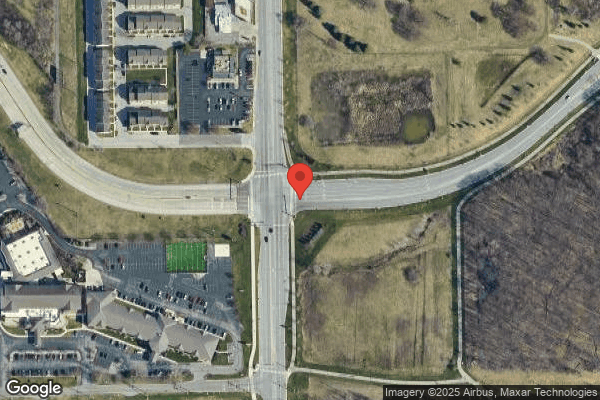

52565 STATE ROAD 933, SOUTH BEND, IN 46637 (574) 247-7044
For profit - Corporation 70 Beds TRILOGY HEALTH SERVICES Data: November 2025
Trust Grade
58/100
#312 of 505 in IN
Last Inspection: February 2025

Within standard 12-15 month inspection cycle. Federal law requires annual inspections.

Overview

Wellbrooke of South Bend has a Trust Grade of C, which means it is average and sits in the middle of the pack among nursing homes. It ranks #312 out of 505 facilities in Indiana, placing it in the bottom half, and #12 out of 18 in St. Joseph County, indicating there are better local options available. The facility is experiencing a worsening trend, with issues increasing from 3 in 2024 to 7 in 2025. Staffing is a relative strength, rated 3 out of 5 stars with a turnover rate of 33%, which is below the state average of 47%. However, the facility has concerning fines of $9,750, higher than 86% of Indiana facilities, suggesting ongoing compliance problems. Despite having good RN coverage that exceeds 78% of Indiana facilities, there have been serious incidents that raise concerns. For instance, a resident fell and fractured both femurs when a staff member did not follow the care plan for fall prevention. Additionally, the kitchen has faced issues with food storage, including outdated and improperly sealed items, which could affect resident safety. Overall, while there are some strengths like staffing and RN coverage, the increasing number of issues and serious incidents in care need careful consideration.

Trust Score
C
58/100
In Indiana
#312/505
Bottom 39%
Safety Record
Moderate
Needs review
Inspections
Getting Worse
3 → 7 violations
Staff Stability
○ Average
33% turnover. Near Indiana's 48% average. Typical for the industry.
Penalties
⚠ Watch
$9,750 in fines. Higher than 93% of Indiana facilities. Major compliance failures.
Skilled Nurses
✓ Good
Each resident gets 52 minutes of Registered Nurse (RN) attention daily — more than average for Indiana. RNs are trained to catch health problems early.
Violations
⚠ Watch
15 deficiencies on record. Higher than average. Multiple issues found across inspections.
★★★☆☆
3.0
Overall Rating
★★★☆☆
3.0
Staff Levels
★★★★★
5.0
Care Quality
★★☆☆☆
2.0
Inspection Score
Stable
2024: 3 issues
2025: 7 issues

The Good

  • 5-Star Quality Measures · Strong clinical quality outcomes
  • Full Sprinkler Coverage · Fire safety systems throughout facility
  • No fines on record
  • Staff turnover below average (33%)

    15 points below Indiana average of 48%

Facility shows strength in quality measures, fire safety.

The Bad

3-Star Overall Rating

Near Indiana average (3.1)

Meets federal standards, typical of most facilities

Staff Turnover: 33%

13pts below Indiana avg (46%)

Typical for the industry

Federal Fines: $9,750

Below median ($33,413)

Minor penalties assessed

Chain: TRILOGY HEALTH SERVICES

Part of a multi-facility chain

Ask about local staffing decisions and management

The Ugly 15 deficiencies on record

1 actual harm
Jun 2025 2 deficiencies 1 Harm
SERIOUS (G) 📢 Someone Reported This

A family member, employee, or ombudsman was alarmed enough to file a formal complaint

Actual Harm - a resident was hurt due to facility failures

Accident Prevention (Tag F0689)

A resident was harmed · This affected 1 resident

Based on observation, interview and record review, the facility failed to ensure a CNA (Certified Nursing Aide) followed the resident's comprehensive care plan regarding fall prevention for 1 of 3 res...

Read full inspector narrative →
Based on observation, interview and record review, the facility failed to ensure a CNA (Certified Nursing Aide) followed the resident's comprehensive care plan regarding fall prevention for 1 of 3 residents reviewed for falls. (Resident B) This resulted in the resident falling to the floor, fracturing both femurs (thigh bones) and required surgical repair of the fractures and hospitalization after the staff member left the resident seated on the side of their bed, without supervision. (Resident B) Finding includes: A facility self-reported incident #300, dated 5/30/25 at 10:39 A.M., indicated Resident B was .sitting on bed and attempted to transfer unassisted and fell on her side. Resident was immediately assessed by nurse and pain in torso was reported .order received to send to ED [Emergency Department] X-rays show acute displaced longitudinal oblique fracture of the distal diaphysis and distal metaphysis of the femur with a mild amount of hemorrhage at the fracture site On 6/26/25 at 10:22 A.M., Resident B was not observed in her room, the bed had been made, and a mat was folded up against the wall. A bolster/perimeter mattress ( a mattress with elevated sides) was observed with bilateral bolsters on the sides of the bed. The resident was observed in the hallway, near the nurses station, in a high back wheelchair. She did not respond to her name or other questions. She was observed to stare but made no vocal sounds. On 6/24/25 at 10:46 A.M., a review of the clinical record for Resident B was conducted. The resident's diagnoses included, but were not limited to: dementia, unsteadiness on feet, muscle weakness, abnormalities of gait/mobility and depression. The Annual Minimum Data Set (MDS) Assessment, dated 4/15/25, indicated the resident had inattention with disorganized thinking, required substantial/maximal assistance from a staff member when she went from a lying to a standing position and when she went from a seated to standing position. The resident's current care plan, initiated on 11/18/24, indicated the resident had .impaired cognition with associated short term memory impairment and risk for confusion, disorientation, altered mood, impaired or reduced safety awareness & communication r/t [related to] Dementia. Sometimes understood/understands The interventions included, but were not limited to: pay attention to basic needs, provide cues and supervision for decision making. A current fall care plan, initiated on 10/4/23, indicated Resident B was at risk for falls related to a history of falls, poor safety awareness due to a diagnosis of dementia and decreased mobility. The interventions included, but were not limited to: fall mat next to bed, bed in the low position, staff to assist with transfers and a perimeter mattress to define edges of the bed. A facility Profile Care Guide ( information that directed resident care for CNA's), dated 9/18/24, indicated the resident required one staff member for transfer assistance. A Nursing Progress Note, dated 5/30/25 at 10:39 A.M., indicated CNA 3 had called LPN 2 into Resident B's room to have the resident assessed after a fall. CNA 3 indicated the resident had been seated at the side of her bed and CNA 3 had walked away from the resident to grab something. CNA 3 had heard a thump and found the resident lying on her left side, in a seated position. The resident had complained of bilateral hip and knee pain, but was unable to verbalize the severity of pain per a pain scale. An emergency room Report, dated 5/30/25 at 12:32 P.M., indicated the resident had presented to the emergency room with a left leg deformity after a fall from the edge of the bed.She was reportedly at the edge of the bed and fell to the ground, sustained an injury to the left leg and has some swelling above the knee along with some deformity and tenderness An X-ray indicated the resident had a comminuted distal femur fracture. The report indicated at 2:54 P.M., a re-examination was conducted due to the resident's pain and swelling of the right knee area. Another x-ray was obtained which revealed a fracture of the right distal femur. The Assessment/Plan from the emergency room indicated the following: fall from ground level, left femur fracture, periprosthetic (fracture associated with an orthopedic implant-history of femur fracture with internal fixation) and acute traumatic fracture right distal femur. admitted to the hospital in stable condition. The hospital Computerized Tomography (CT) results indicated the following: .right acute displaced oblique fracture of the distal femur. (The long bone in the thigh area, when it breaks in a diagonal pattern it could be related to traumatic injury-forceful blow or twisting of the leg) . The hospital CT results of the left leg revealed an old proximal femur fracture with an internal fixation (previous fracture repair) with a .left comminuted, obliquely oriented fracture of the distal femur. The distal fracture fragment is medially displaced by 1 full shaft width at time of the CT. Bones severely demineralized (When a fracture is displaced, it means that the broken ends of the bone are not aligned correctly and have shifted our of their normal pattern) A form titled, Statement of Witness Form, dated 6/1/25, indicated the Administrator and the Director of Nursing (DON) had spoken to CNA 3 regarding the incident. The statement indicated CNA 3 had moved the floor mats to position the wheelchair next to the resident's bed, for a transfer. There were no other statements regarding the investigation of the fall. CNA 3 was terminated due to misconduct and policy violation, unrelated to incident, on 6/11/25. A form titled, Disservice/Training Log, dated 6/1/25, indicated CNA 3 had been in-serviced on transfer training. Resident B returned from the hospital, on 6/4/25 at 9:44 P.M. An Interdisciplinary Team (IDT) Progress Note, dated 6/2/25 at 9:41 A.M., indicated Resident B had a fall.Resident was sitting on the edge of bed, aide was getting ready to transfer resident to w/c [wheelchair] while getting a washcloth resident attempted to transfer self and fell to the floor. Resident has severe cognitive deficits r/t [related to] dx [diagnosis] of dementia and does not remember that she requires assistance with transfers .Immediate intervention resident sent to ER [Emergency Room] for eval [evaluation] and treat, ghost alarm place to bed During an interview, on 6/24/25 at 12:02 PM. the Administrator indicated when he had documented, on the incident report, he had only observed one of the CT results and was unaware there were actually two femur fractures when he reported the incident. On 6/24/25 at 2:17 P.M., the Administrator provided a policy titled, Fall Management Program Guidelines, dated 5/31/17 and last reviewed on 12/17/24 and indicated the policy was the one currently used by the facility. The policy indicated .[Name of Corporation] strives to maintain a hazard free environment, mitigate fall risk factors and implement preventative measures. [Name of Corporation] recognizes even the most vigilant efforts may not prevent all falls and injuries. In those cases, intensive efforts will be directed toward minimizing or preventing injury This citation relates to Complaint IN00460706. 3.1-45(a)(2)
CONCERN (D) 📢 Someone Reported This

A family member, employee, or ombudsman was alarmed enough to file a formal complaint

Potential for Harm - no one hurt, but risky conditions existed

Deficiency F0726 (Tag F0726)

Could have caused harm · This affected 1 resident

Based an observation, interview and record review, the facility failed to ensure 3 of 5 staff members (CNA 4, 5 and 6) reviewed followed fall protocols after a resident experienced a fall for 1 of 3 r...

Read full inspector narrative →
Based an observation, interview and record review, the facility failed to ensure 3 of 5 staff members (CNA 4, 5 and 6) reviewed followed fall protocols after a resident experienced a fall for 1 of 3 residents reviewed for falls. (Resident C) Finding includes: A facility self-reported incident, #301, dated 6/4/25 at 6:57 A.M., indicated Resident C was .lowered to the floor after sitting on edge of the wheelchair and not able to sit back .Nurse immediately made the resident comfortable and assessed resident she had complaint of left knee pain .Dr [doctor] ordered x rays in house and they were inconclusive. Facility sent to local ED [Emergency Department] for x rays to confirm or deny a fracture Under the portion of the form, titled Type of injury, added on 6/6/25 was acute fracture of the femoral metaphysis [wide part of the thigh bone) with displacement. (When a fracture is displaced, it means that the broken ends of the bone are not aligned correctly and have shifted our of their normal pattern) A form titled, Statement of Witness Form, dated 6/4/25 and documented by CNA 4 indicated .she [Resident C] was done using the bathroom and I got her up and she was standing up so I told her we were going in the chair so I got her in the chair but for some reason she didn't sit all the way back so she told me to wait and she leaned forward because she was on the edge and couldn't push herself back, she ended up going forward mind you her chair was right beside her before she sat down but instead of her going back she went forward and barely hit the wall, it wasn't like she just fell her knees went forward and hit the wall. I tried to get her up but she was too heavy for me, so I moved the wheelchair back as I'm standing over her and lowered her to the ground and went and got help. I went and got [name of CNA 5] because I knew the nurse had to assess her and I also got [CNA 6] come and help us. [Name of CNA 5] went and got a blanket and put it under her [the resident] and all three of us picked her up and put her in bed (sic) There were no written statements from CNA 5 or CNA 6. A form titled, Statement of Witness Form, dated 6/4/25 and documented by LPN 7, indicated he had been notified, on 6/4/25 at approximately 4:00 A.M. that CNA 4 had been looking for him because Resident C had been lowered to the floor while being transferred from the toilet to her wheelchair. On 6/24/25 at 12:42 P.M., a review of the clinical record for Resident C was conducted. The resident's diagnoses included, but were not limited to: Hemiplegia (severe paralysis) following cerebral infarction (stroke) affecting right non-dominant side, osteoarthritis and altered mental status. The Quarterly Minimum Data Set (MDS) Assessment, dated 5/24/25, indicated the resident required substantial/maximal assistance from a staff member when she went from a lying to a standing position and when she went from a seated to a standing position. The resident was documented as having used a wheelchair and had had no falls since their admission nor since the last assessment. A Fall care plan, dated 8/20/20 and last reviewed 6/23/25, indicated Resident B was at risk for a fall related to right hemiplegia, balance deficits, confusion, impulsivity, a history of falls and non-compliance with call light. The interventions included, but were not limited to: encourage resident to assume standing position slowly, provide non-skid footwear, staff to assist resident with transfers, as needed and staff to use gait belt for transfers. A Nursing Progress Note, written by LPN 7, dated 6/04/25 6:57 A.M., indicated the resident had been lowered to the floor by a CNA after transferring her from the toilet to the wheelchair, at 4:00 A.M. Resident C had been seated on the edge of the wheelchair and while she had been attempting to sit back further (in the wheelchair), her knees had hit the wall and she was not able to stand properly, so the resident had been lowered to the floor. The Resident had been assisted from the floor, to the wheelchair with the assistance of 2 persons and then placed back in bed. There were no injuries documented. A Nursing Progress Note, dated 6/5/25 at 12:22 P.M., indicated the resident had complained of increased pain. Tylenol had not helped much and she wanted something stronger,. The note indicated the nurse had called the physician. At 2:32 P.M., the resident's daughter had requested her mother be sent to a local Emergency Room. An emergency room Physician Note, dated 6/5/25, indicated the resident had fallen at the facility while she was being transferred from the toilet to a wheelchair. The patient had a history of left-sided stroke and had not bore weight on that leg previously. During the exam, the patient had positive tenderness to the left distal femur region and metatarsals of left foot. An Assessment/Plan: indicated the resident had a fracture of left femur, a fracture of the metatarsal of left foot and a prescription had been written for pain medication. The Patient had been placed in a splint and released back to the facility and was to follow up with an orthopedic physician. The Resident's family had been in agreement for the resident to return to the facility. During an observation/interview, on 6/24/25 at 1:56 P.M., Resident C had no memory of the fall, was unable to recall who the president was and thought it was June 7th. The call light was observed within reach. The resident indicated she was very tired and had been at therapy and needed a rest. During an interview, on 6/25/25 at 1:20 P.M., the DON indicated the facility had no policy, except for the Indiana State Department of Health Nurse Aide Curriculum, that would have indicated what a nurse aide was required to do if a resident fell. During an interview, on 6/25/25 at 1:30 P.M., CNA 5 indicated she had assisted Resident C off of the floor and onto her bed, with the assistance of 2 other staff members, CNA 4 and CNA 6. She indicated they had been waiting on the nurse but the resident was screaming she wanted to get her off of the floor, so they had assisted the resident to get off of the floor and back into her bed. The Indiana State Department of Health Nurse Aide Curriculum, dated 7/1998, revised on 11/19/15, indicated on page 27, .II. Falls - the consequences of falls can range from minor bruises to fractures and life-threatening injuries .C Intervention 1. If a resident begins to fall, never try to stop the fall. Gently ease the resident to the floor and: a. Call for help immediately, and b. Keep the resident in the same position until the nurse examines the resident 3.1-14(i)
Feb 2025 5 deficiencies
CONCERN (D)

Potential for Harm - no one hurt, but risky conditions existed

ADL Care (Tag F0677)

Could have caused harm · This affected 1 resident

Based on observations, interviews and record review, the facility failed to proved Activities of Daily Living (ADLs) for a a dependent resident related to shaving for 1 of 4 residents reviewed for ADL...

Read full inspector narrative →
Based on observations, interviews and record review, the facility failed to proved Activities of Daily Living (ADLs) for a a dependent resident related to shaving for 1 of 4 residents reviewed for ADLs. (Resident 4) Finding includes: During an observation, on 1/31/2025 at 10:15 A.M., Resident 4 had multiple white hairs present on her chin that were approximately a half inch in length. During an observation, on 2/3/2025 at 1:40 P.M. Resident 4 still had multiple white hairs present on her chin over the length of a half an inch. During an observation, on 2/4/2025 at 1:55 P.M., Resident 4 had multiple white hairs on her chin over the length of a half an inch. The clinical record of Resident 4 was reviewed on 2/3/2025 at 12:50 P.M. The resident's diagnoses included, but were no limited to: emphysema, traumatic pneumothorax, wedge compression fracture of thoracic vertebrae, acute on chronic heart failure, paroxysmal atrial fibrillation, pleural effusion, left bundle branch block, presence of automatic cardiac defibrillator, depression and dementia. A Quarterly Minimum Data Set (MDS) assessment, dated 11/21/2024, indicated Resident 4 was severely cognitively impaired and required supervision with oral hygiene, toileting, showering and bathing, upper body dressing and personal hygiene. A current Care Plan, revised 1/30/2025, indicated the resident required staff assistance to complete ADL tasks completely and safely. Interventions included, but were not limited to: offer facial shaving on shower days, as needed, or as requested and to notify nursing of refusals. The medical record for Resident 4 indicated the resident had received showers on the following dates: 2/3/2025, 1/30/2025, 1/27/2025, 1/26/2025, 1/22/2025, 1/20/2025, 1/16/2025, 1/13/2025, 1/9/2025, 1/6/2025 and 1/2/2025. The progress notes did not include any documentation of Resident 4 refusing to have her face shaved. During an interview, on 2/4/2025 at 1:56 P.M., CNA 8 indicated shaving for residents should be provided every day. CNA indicated facial shaving should be provided to both male and female residents if the resident has facial hair unless their preference was to have facial hair. CNA 8 was not aware of any female residents who preferred to have facial hair. During an interview, on 2/4/2025 at 2:13 P.M., CNA 9 indicated the residents were given a shower two times a week according to a provided shower schedule. CNA 9 indicated she shaved the male residents' faces with every shower and if needed, she shaved the female residents' faces during shower days, too. During an interview, on 2/4/2025 at 3:07 P.M., LPN 10 indicated Resident 4 had visible chin hairs and should have been shaved. On 2/5/2025 at 8:30 A.M., the DON provided a paper titled, Lesson #11 Activities of Daily Living (Oral Care, Grooming, Nail Care), undated and indicated this paper was currently used by the facility as a policy. The policy indicated .be able to explain the importance of .grooming, including hair and facial hair . 3.1-38 (a)(2)(A)-(E)
CONCERN (D)

Potential for Harm - no one hurt, but risky conditions existed

Deficiency F0849 (Tag F0849)

Could have caused harm · This affected 1 resident

Based on observation, interview, and record review the facility failed to ensure coordination of Hospice care and documentation of care provided was maintained in the facility for 1 of 1 residents rev...

Read full inspector narrative →
Based on observation, interview, and record review the facility failed to ensure coordination of Hospice care and documentation of care provided was maintained in the facility for 1 of 1 residents reviewed for Hospice care. (Resident 21) Finding includes: A record review was completed for Resident 21 on 2/3/2025 at 8:57 A.M. Diagnoses included, but were not limited to: diabetes mellitus with neuropathy and senile degeneration of the brain. A Physician order, dated 1/9/2025, indicated Resident 21 had been admitted to Hospice. During a review of the Hospice communication book on 2/5/2025 at 11:30 A.M., for Resident 21, the following sections of the binder were blank: comprehensive care plan, physician orders, medication list, narcotic count and visit notes. During an interview on 2/5/2025 at 1:00 P.M., the DON indicated the Hospice book for Resident 21 was missing the medication list, physician orders, comprehensive care plans, narcotic count and assessments. She indicated the book should have had those documents. On 2/6/2025 at 8:50 A.M., the Clinical Support Nurse indicated the facility did not have a policy for maintaining a Hospice book for communication between the facility and the Hospice team. On 1/30/2025 a contract for Hospice services was provided by the Administrator. The contract for Hospice services was a requested and provided. The contract, dated 10/4/2021 included the following .1.03 Information/Documentation provided to Facility on admission and on-going: * most recent hospice plan of care; *Hospice medication information specific to each patient; * Hospice physician and attending physician orders specific to each patient; *copies of clinical notes after each visit. 1.04 Coordination/Continuity of Care: *Communicating with Facility representatives and other Hospice to ensure quality of care for the patient/family. *Maintain communication with facility staff, patient/family and physician with appropriate documentation. 1.07 Hospice RN Case Manger will coordinate and supervise all services provided to the hospice patient residing within the Facility, through written communication, to ensure the patient/family needs are met 24 hours a day. The communication will be documented on nurse visit notes. 2. Responsibilities of Facility: 2.07 Maintain an accurate medical record that includes all services and events provided. All services will be furnished according to agreement. Required documentation provided by Hospice will be included in a designated area/section. Facility will ensure that these forms are not removed. Facility will provide a copy of patients's medical record to Hospice, if requested after discharge .
CONCERN (D)

Potential for Harm - no one hurt, but risky conditions existed

Infection Control (Tag F0880)

Could have caused harm · This affected 1 resident

Based on observation, interview, and record review the facility failed to follow standard precautions during the performance of routine testing of blood glucose and the administration of insulin for 1...

Read full inspector narrative →
Based on observation, interview, and record review the facility failed to follow standard precautions during the performance of routine testing of blood glucose and the administration of insulin for 1 of 1 reviewed for infection control. (Resident 21) Finding includes: During an observation of a medication administration pass on 2/4/2025 at 11:06 A.M., LPN 3 gathered her supplies from the medication cart and entered Resident 21's room. LPN 3 then donned gloves and proceeded to take the Resident's blood sugar. When she had completed the task, she exited the room with her gloves on, disposed of the supplies and removed the gloves, donned new gloves and cleaned the glucometer. Next, she removed those gloves, opened up the computer and prepared the insulin. LPN 3 then entered Resident 21's room, donned gloves and administered the insulin. At no point did LPN 3 wash her hands or use alcohol based hand rub. During an interview on 2/4/2025 at 11:12 A.M., LPN 3 indicated she should have used alcohol- based hand rub before and after taking the blood sugar and prior to the administration of the insulin. On 2/4/2025 at 11:47 A.M., the Regional Clinical Support provided, Specific Medication Administration Procedures and Blood Sugar Monitoring, and indicated the procedures are the one currently used by the facility. The procedures included the following . 2. Perform hand hygiene and done (Sic) gloves. And for medication administration from a syringe to sanitize hands with approved sanitizer and remove and discard gloves. Clean hands by washing or using sanitizer On 2/5/2025 at 8:20 A.M., the Administrator provided a policy titled, Guidelines for Handwashing/Hand Hygiene, revised 2/9/17, and indicated the policy was the one currently used by the facility. The policy indicated .3. Health Care Workers (HCW) shall use hand hygiene at times such as: c. Before/after having direct physical contact with residents. d. After removing gloves, worn per Standard Precautions for direct contact with excretions or secretions, mucous membranes, specimens, resident equipment, grossly soiled linen, etc . 3.1-18(l)
CONCERN (E)

Potential for Harm - no one hurt, but risky conditions existed

Resident Rights (Tag F0550)

Could have caused harm · This affected multiple residents

Based on interview and record review, the facility failed to have a process for residents to file a grievance anonymously. This had the potential to affect 54 of 54 residents who resided in the facili...

Read full inspector narrative →
Based on interview and record review, the facility failed to have a process for residents to file a grievance anonymously. This had the potential to affect 54 of 54 residents who resided in the facility. Finding includes: During a Resident Council meeting on 1/30/2025 at 10:29 A.M., 8 out of 8 residents did not know how to file a grievance anonymously. On 1/30/2025 at 11:01 A.M., the Executive Director (ED) indicated the facility used an application (app) to allow residents to file a grievance. The app to file a grievance was only accessible on facility computers and tablets. If a resident wanted to file a grievance, the resident had to tell a staff member so the staff member could open the app and give the resident the electronic device. The grievance app did allow, once accessed online, residents to submit anonymously. During an interview on 1/31/2025 at 2:21 P.M., the Life Enrichment Director (LED) indicated she helped residents file grievances. If a resident wanted to file a grievance, the LED opened the grievance app and gave the resident the device. She indicated if only one resident asked to file a grievance in a day, and the grievance was submitted anonymously, she would know who filed the grievance and the grievance was not anonymous. During an interview on 1/31/2025 at 2:30 P.M., the Social Services Director (SSD) indicated he helped residents file grievances by giving the resident a device that had access to the grievance app. If a resident asked to file a grievance, and the facility only received one grievance that day that was submitted anonymously, the SSD would know who filed the grievance and the grievance was not anonymous. On 1/31/2025 at 3:02 P.M., the ED supplied a policy dated, 12/16/2024, and titled, Resident Concern Process. The ED identified the policy as the one currently used by the facility. The policy indicated, . 14. Resident rights for filling a grievance: . Grievances or concerns can be filed verbally, in writing or anonymously Although the facility had an electronic system to allow residents to file anonymous grievances, the system required direct staff assistance to open the system, thus allowing staff to know whom had filed a grievance and potentially removing autonomy. 3.1-3(a)
CONCERN (E)

Potential for Harm - no one hurt, but risky conditions existed

Food Safety (Tag F0812)

Could have caused harm · This affected multiple residents

Based on observation and interview, the facility failed to serve food in a sanitary manner for 1 of 3 dining rooms observed. This had the potential to affect 9 of 9 residents ate in the dining room. F...

Read full inspector narrative →
Based on observation and interview, the facility failed to serve food in a sanitary manner for 1 of 3 dining rooms observed. This had the potential to affect 9 of 9 residents ate in the dining room. Finding includes: During an observation and interview, on 1/30/2025 at 11:29 A.M., Dietary Aide 4 carried two different residents' plates with her thumb on the eating surface of plate. The dietary aide indicated the residents' plates should have been carried from the bottom surface. During an observation, on 1/30/2025 at 12:05 P.M., Dietary Aides 5 and 6 were observed touching the eating surface of two different residents' plates with their thumbs while serving meals. During an interview, on 1/30/2025 at 12:10 P.M., the Director of Food Service indicated the food servers should have handled the plates from the bottom and not have touched the eating surface of the plate. On 1/30/2025 at 12:48 P.M., the Executive Director (ED) provided a policy titled, Food Production Guidelines - Sanitation and Safety, dated 2009 and indicated the policy was the one currently used by the facility. The policy indicated .plates .are handled so hands do not touch the areas where the food or mouth will be placed . 3.1-21(i)(3)
Feb 2024 3 deficiencies
CONCERN (D)

Potential for Harm - no one hurt, but risky conditions existed

Infection Control (Tag F0880)

Could have caused harm · This affected 1 resident

Based on observation and interview, the facility failed to ensure proper infection control practices were implemented, related to lack of changing gloves and handwashing during peri-care for 1 of 1 re...

Read full inspector narrative →
Based on observation and interview, the facility failed to ensure proper infection control practices were implemented, related to lack of changing gloves and handwashing during peri-care for 1 of 1 resident observed for peri-care and failed to ensure that a blood glucose was completed in a sanitary manner for 1 of 1 resident observed for glucometer use. (Residents 31 and 30) Findings include: 1. On 2/16/2024 at 10:46 A.M., a peri care observation for Resident 31 was conducted with CNA 4 and CNA 6. Resident 31 was observed on the toilet. Both CNA 4 and CNA 6 were properly gloved during care. CNA 4 wiped the resident after having a bowel movement, and pulled up his brief. CNA 4 preceded to position the resident in his wheelchair and fix his clothing, all while still wearing the same gloves. CNA 4 removed her gloves and disposed of them in the bathroom trash and wheeled the resident out of his room to the common area. During an interview, on 2/26/2024 at 10:56 A.M., CNA 4 indicated she should have removed her gloves and washed her hands before interacting with the resident. 2. During an observation on 2/15/2024 at 10:57 A.M., LPN 3 completed a blood glucose check on Resident 30. LPN 3 applied gloves, placed the glucometer device on a barrier and cleansed the finger with an alcohol pad. With an opened hand, LPN 3 fanned the area she had just cleansed. During an interview, on 2/15/2024 at 10:58 A.M., LPN 3 indicated she should not have fanned the area. On 2/16/2024 at 11:30 A.M., the Director of Nursing provided the policy titled,Guideline for Handwashing/Hand Hygiene, dated 12/31/2023, and indicated the policy was the one currently used by the facility. The policy indicated . 1. All health care workers shall utilize hand hygiene frequently and appropriately .3. Health Care Workers (HCW) shall uses hand hygiene at times such as: .c. Before/after having direct physical contact with residents. d. After removing gloves, worn per Standard Precautions for direct contact with excretions or secretions, mucous membranes On 2/15/2024 at 1:46 P.M., the Corporate Clinical Nurse provided the policy titled,Guidelines for performance of blood glucose monitoring and glucometer maintenance, dated 12/31/2023, and indicated the policy was the one currently used by the facility. The policy indicated . 2. Appropriate infection control technique shall be followed during testing procedures 3.1-18(a)
CONCERN (E)

Potential for Harm - no one hurt, but risky conditions existed

Deficiency F0761 (Tag F0761)

Could have caused harm · This affected multiple residents

Based on observation, interview, and record review, the facility failed to ensure medications were kept in a locked cart when unattended, failed to ensure a medication cart was clean and free from loo...

Read full inspector narrative →
Based on observation, interview, and record review, the facility failed to ensure medications were kept in a locked cart when unattended, failed to ensure a medication cart was clean and free from loose medications, failed to put an opened-on date on opened medications, and failed to ensure over the counter medications had resident identifiers, for 2 of 2 medication carts observed. (110 & 100 Hall Medication Carts) Findings include: 1. During a random observation, on 02/15/2024 at 8:27 A.M., the medication cart on the 110 hall was unlocked and unattended. An interview was completed, on 02/15/24 at 8:31 A.M. LPN 3 indicated the medication cart should be locked when unattended. 2. During a medication storage observation of the 110-hall medication cart with LPN 3, on 2/15/2024 at 9:22 A.M., the following was observed: a. A drawer containing resident medications had a large amount of a sticky solution spilled on the sides and bottom of the drawer. b. Five loose pills were sitting on the bottom of a medication drawer. c. The following medications were open but did not contain an opened-on date: one bottle of Tums (antacid), one bottle of Milk of Magnesia (laxative), one bottle of Alive Women's Gummies (supplement), one bottle of Pro-Stat (supplement), and one bottle of Peg 3350 (laxative). d. The following over the counter medications were unopened and did not contain any resident identifiers: one box of extra strength acetaminophen/diphenhydramine, one box of aspirin, one box of caffeine tablets, and one box of ibuprofen tablets. An interview was completed, on 2/15/2024 at 9:38 A.M. LPN 3 indicated the drawer containing residents' medications should not have sticky solution on the sides and bottom of the drawer and the medication cart should not contain loose pills. LPN 3 indicated residents' over the counter medications should have an opened on date, and contain a label with the resident's name, drug name and dosage amount. 3. During a medication storage observation of the 100-hall medication cart with LPN 2, on 2/15/2024 at 9:42 A.M., the following was observed: a. One opened box of Tylenol with no opened-on date. b. Two unopened boxes of Lidocaine patches with no resident identifiers. c. One opened box of Afrin (nasal spray) with no resident identifiers and no opened-on date. An interview was completed, on 2/15/2024 at 9:48 A.M. LPN 2 indicated the resident's over the counter medication should have an opened on date, and a label containing resident's name, dosage amounts and dosage times. On 2/15/2024 at 10:15 A.M., the DON (Director of Nursing) provided a policy titled, Medication Ordering And Receiving From Pharmacy, and dated January 2018. The DON indicated the policy was the current policy used by the facility. The policy indicated, .A. Use of medications brought to the facility by a resident or responsible party is allowed only when the following conditions are met . 3) The medication container is clearly labeled in accordance with facility procedures for medication labeling and packaged in a manner consistent with facility guidelines for medications On 2/15/2024 at 2:45 P.M., the Corporate Nurse provided a policy titled, Medication Storage in The Facility, and dated January 2018. The Corporate Nurse indicated the policy was the current policy used by the facility. The policy indicated, .Medication rooms, carts, and medication supplies are locked when not attended by persons with authorized access . Medication storage areas are kept clean .When the original seal of a manufacturer's container or vial is initially broken, the container or vial with be dated. 1) A dated opened sticker shall be placed on the medication 3.1-25(j) 3.1-25(l) 3.1-25(m)
CONCERN (F)

Potential for Harm - no one hurt, but risky conditions existed

Food Safety (Tag F0812)

Could have caused harm · This affected most or all residents

Based on observation, record review, and interview, the facility failed to store food under sanitary conditions, related to foods not tightly sealed, outdated foods, and dirty kitchen equipment, for 1...

Read full inspector narrative →
Based on observation, record review, and interview, the facility failed to store food under sanitary conditions, related to foods not tightly sealed, outdated foods, and dirty kitchen equipment, for 1 of 1 kitchen observed. This had the potential to affect all residents who resided in the facility and received food from this dietary kitchen. Findings include: On 2/13/2023 at 9:45 A.M., a kitchen tour was conducted with the Dietary Manager (DM). The following was observed in the walk-in cooler: - A bag of carrots in the walk-in cooler with a use by date of 2/9/2024. - A bag of chopped onions with a use by date of 2/11/2024. - A block of cream cheese not sealed tightly. - A bag of mashed sweet potatoes not sealed tightly. - A tray of salad bar items: olives, eggs, onions, cheese, tomatoes, and bacon not sealed appropriately. The following was observed in the walk-in freezer: - A bag of diced meat unlabeled and not sealed. - An opened bag of sliced pepperoni not sealed appropriately. - An opened box of bread sticks not sealed appropriately. - 2 Boxes on the floor. In the dry storage area, the following was observed: - Numerous boxes and items not 18 inches below the ceiling. - An opened bag of cookie pieces not sealed or dated. - Two (2) large and 10 small skillets with the Teflon coating completely off and or chipped. A microwave on a shelf was observed with splattered food on the inside of the door and a reddish stain on the glass tray. During an interview, on 2/13/2024 at 9:55 A.M., the DM indicated the food should have been thrown out, sealed appropriately and labeled. The items in the dry storage were not 18 inches below the ceiling and should have been. The skillets should have not been used and the microwave should have been cleaned. On 2/15/2024 at 9:20 A.M., the Corporate Nurse provided the policy titled, Storage Procedures, dated 5/31/2016, and indicated the policy was the one currently used by the facility. The policy indicated Dry Storage of Food .4. Items are stored at least 18 inches from the ceiling on clean racks or other clean surfaces and away from sprinkler heads and pipes . 4. Open packages are labeled, dated and stored in closed containers . Refrigerated Storage: .5. Food is covered, dated and stored loosely to permit air circulation . 7. Prepared perishables such as salads, puddings, milk, etc., are stored in a refrigerator and covered, labeled, and dated until used . Frozen Storage: .3. All foods in the freezer are wrapped in moisture proof wrapping or placed in suitable containers, to prevent freezer burn. Items are labeled and dated . Storage of Non-Food Supplies: . 2. Items are stored at least six (6) inches off the floor and 18 inches from the ceiling On 2/15/2024 at 9:20 A.M., the Corporate Nurse, provided the policy titled,Food Labeling and Dating Policy, dated 1/2023, and indicated the policy was the one currently used by the facility. The policy indicated, Any food product removed from its original container, has a broken seal, has been processed in any way must have a label that contains the following: 1. Item name 2. Date and Time the food was labeled. 3. Use by date. 4. Initials of the person labeling the item. 5 Securely cover the food item On 2/15/2024 at 9:20 A.M., the Corporate Nurse provided the policy titled, Food Production Guidelines: Sanitation and Safety, dated 5/31/2016, and indicated the policy was the one currently use by the facility. The policy indicated . 15. All preparation and serving equipment and surfaces that have been in contact with raw meat and other raw foods, especially poultry, will be cleaned and sanitized to avoid cross contamination pots pans, .etc 3.1-21(i)(3)
Dec 2022 5 deficiencies
CONCERN (D)

Potential for Harm - no one hurt, but risky conditions existed

Safe Environment (Tag F0584)

Could have caused harm · This affected 1 resident

**NOTE- TERMS IN BRACKETS HAVE BEEN EDITED TO PROTECT CONFIDENTIALITY** Based on observation and interview, the facility failed to ensure resident rooms and 1 kitchenette were maintained in a clean sa...

Read full inspector narrative →
**NOTE- TERMS IN BRACKETS HAVE BEEN EDITED TO PROTECT CONFIDENTIALITY** Based on observation and interview, the facility failed to ensure resident rooms and 1 kitchenette were maintained in a clean safe environment (room [ROOM NUMBER], 116, 127, 129, 230 and unit 200 kitchenette) Findings include: 1.During a tour of the facility with the Maintenance Director and Housekeeping Supervisor, conducted on 12/13/2022 between 10:30 A.M. and 12:15 P.M., the following was noted: room [ROOM NUMBER] had exposed plaster on the walls and loose vinyl baseboards at the corners. room [ROOM NUMBER] has exposed plaster on the walls. room [ROOM NUMBER] had exposed plaster on the walls and loose baseboards. room [ROOM NUMBER] had exposed plaster on the walls. room [ROOM NUMBER] had exposed plaster on the walls. 2. 200 Hall Kitchenette had a drawer that was missing a face plate that was housed inside the cabinet. During an interview, conducted with the Housekeeping Supervisor, at that time, she indicated she would tell the housekeepers to put in a work order for exposed plaster or loose baseboards when they are cleaning resident rooms. During an interview, conducted with the Maintenance Director, at that time, he indicated he is the only person to maintain the building and if staff doesn't put in a work order he is unaware of what needs fixed as these items would have been corrected. A current policy, titled Walls Preventative Maintenance and Furniture Maintenance was provided by the Regional Nurse on 12/14/22 at 3:44 P.M. The policy states it is the facilities policy to inspect common areas and corridor walls monthly, .resident room walls are inspected during routine semi-annual preventative maintenance . The furniture maintenance policy states .Furniture is to be cleaned and organized daily, purpose is to provide guidelines for cleaning and caring for furniture .Procedure: generate work orders for furniture in need of repairs or touch up painting 3.1-18(a)
CONCERN (D)

Potential for Harm - no one hurt, but risky conditions existed

ADL Care (Tag F0677)

Could have caused harm · This affected 1 resident

Based on observation, interview and record review, the facility failed to provide assistance for removal of facial hair for 1 of 4 residents reviewed for activities of daily living. (Resident 34) Find...

Read full inspector narrative →
Based on observation, interview and record review, the facility failed to provide assistance for removal of facial hair for 1 of 4 residents reviewed for activities of daily living. (Resident 34) Finding includes: A clinical record review was completed, on 12/9/2022 at 10:26 A.M., diagnoses included but not limited to: encephalopathy, unspecified, nontraumatic intracranial hemorrhage, contusion and laceration of cerebrum, unspecified, with loss of consciousness, acute embolism and thrombosis of unspecified deep veins of unspecified lower extremity, other pulmonary embolism without acute cor pulmonale, hemiplegia, unspecified affecting left nondominant side, and aphasia. During an observation, on 12/12/2022 at 10:21 A.M., Resident 34 was sitting up in bed, he had hair growth on his cheeks, chin, and neck. During an observation, on 12/13/2022 at 9:55 A.M., resident was unshaved sitting up in bed. During an observation, on 12/14/2022 at 8:39 A.M., resident was sitting up in bed a staff member was assisting him with his breakfast, and he was unshaved. During an interview, on 12/13/22 at 10:45 A.M., the resident indicated, if they had time he would like to be shaved, he shaved at home, does not recall if he received a shower last night. During an interview, on 12/13/2022 at 3:40 P.M., CNA 2 indicated that they tried to give him a shower before, he refuses, he prefers a bed bath. Shower protocol is to make sure peri area is clean, nail care and to shave him. Since he is an evening shower they are always usually shaved. He would shave them if they were not. During an interview, on 12/14/2022 at 11:36 A.M., CNA 1 (certified nurse aide) indicated activity of daily living care that she provides in the morning: clean the peri-area, get ready for the day, make the bed, shut blinds and doors, check skin for hot spots, make room nice and clean and organized, make sure they are comfortable and give them a shower or if they want one. She does not do anything differently for a male's care compared to a female except to wipe from front to back. When asked if she offered to shave Resident 34 she indicated she did not, and she should have. On 12/14/2022 at 11:55 A.M., a policy was requested, and one was not provided. 3.1-38(a)(3)(D)
CONCERN (D)

Potential for Harm - no one hurt, but risky conditions existed

Pressure Ulcer Prevention (Tag F0686)

Could have caused harm · This affected 1 resident

**NOTE- TERMS IN BRACKETS HAVE BEEN EDITED TO PROTECT CONFIDENTIALITY** Based on observation, interview and record review, the facility failed to implement their interventions to prevent pressure ulce...

Read full inspector narrative →
**NOTE- TERMS IN BRACKETS HAVE BEEN EDITED TO PROTECT CONFIDENTIALITY** Based on observation, interview and record review, the facility failed to implement their interventions to prevent pressure ulcers for 1 of 3 reviewed for pressure ulcers. (Resident 15) Finding includes: A clinical record was completed, on 12/9/2022 at 2:30 P.M., for Resident 15, diagnosis included but not limited to: metabolic encephalopathy, acute kidney failure, rhabdomyolysis, right knee chondrocalcinosis and osteoarthritsis of right hip. The record indicated the resident was admitted on [DATE]. An admission Minimum Data Set (MDS) Assessment, dated 10/17/2022. indicated under section GG, Mobility-admission Performance indicated: A. Roll left to right - substantial/maximal assistance, B. Sit to lying: The ability to move from sitting on side of bed to lying flat in bed and C. Lying to sitting on the side of bed: The ability to safely move from lying on the back to sitting on the side of the bed with feet flat on the floor, with no back support indicated substantial/maximal assistance - Helper does MORE THAN HALF the effort. A Baseline Care Plan, dated 10/17/2022, indicated the Skin Integrity Goal: Resident will have intact skin or has current skin condition. Resident is at risk for compromised skin condition. Check history of or observed triggers and proceed to approaches: Resident requires assistance to reposition. Check desired approaches check all that apply: pressure reducing cushion to chair, pressure reducing mattress to bed, nutritional/hydration interventions for skin integrity issues, encourage resident to float heels while in bed, monitor adequate nutritional and hydration intake and consult dietician, observe for issues around casts, splints, immobilizers and provide padding as needed, notify MD if unaware of any adverse findings in skiintegrity, inspect skin when repositioning, toileting, and assisting with ADL's , notify nurse of adverse findings, dressing per MD order and treatments per MD order, turn and reposition for comfort with care, applications of ointments and creams. A Skin Integrity Event, dated 10/26/2022, indicated unstageable pressure ulcer on right heel, length 3.5 (cm)centimeters, width 3.5 cm. Present on admission? No. NEW INTERVENTIONS: float heels, turn with care interventions, avoid positioning resident directly on skin breakdown. On 12/13/2022 at 11:49 A.M., the Director of Nursing indicated that an Event was not opened for the left heel it was place on wound management. An admission Observation, dated 10/15/2022, indicated Resident 15's Braden Scale for pressure ulcer predictability, with a score of 15 which indicated at risk. The Braden's indicated: Activity: Mobility Resident's ability to change and control body position: 2. Very limited- Make occasional slight changes in body or extremity position, but unable to make frequently or significant changes independently. Friction and Shear: Describe any problems related to friction and shear: 2. Potential Problem - Moves feebly or requires minimum assist. During a move, skin probably slides to some extent, against sheets, chair, restraints or other device. Maintains relatively good position in chair and bed most of the time but occasionally slides down. A Treatment Administration History dated 10/1/2022 - 10/31/2022, indicated she had an order for Incontinence care- cleanse with personal cleanser and apply protective ointment/cream as needed after each incontinence episode, three times a day. Nystatin powder; 100,000 unit/gram; amount to administer: 1 application; topical, twice a day, apply to perineal area three times a day after the area has been cleansed and dried, and weekly skin assessment: 0=no impairment, 1= new impairment, 2=old impairment Other Test:, once a day on Thu. During an interview, on 12/13/2022 at 3:14 P.M., Resident 15 indicated, My heels were not put on a pillow right away. There was nothing done. It would have been nice if they came in more and helped me when I got here. During an interview on 12/14/2022 at 2:55 P.M., the Director of Nursing indicated the orders should have been put into place when plan of care was initiated. On 12/15/2022 at 10:02 A.M., the Regional Nurse provided a policy titled, Guidelines for Pressure Prevention, revised 12/1/2021, and indicated the policy was the one currently used by the facility. The policy indicated .PURPOSE To maintain good skin integrity and avoid development of pressure ulcers. PROCEDURES Care plan interventions shall be implemented based on risk factors identified in the nursing assessment. Interventions may include but not limited to: Activity/Mobility Elevate heels off the bed-avoid use of heel protectors. Place on pressure relief mattress. Place on pressure reduction support surface (such as wheelchair cushion). Establish an individualized turning schedule if resident is immobile or compromised. Frequency of position change is individualized. Diagnosis: Assess diagnosis for impact on skin condition and healing process such as diabetes, PVD, etc 3.1-37(a)
CONCERN (D)

Potential for Harm - no one hurt, but risky conditions existed

Infection Control (Tag F0880)

Could have caused harm · This affected 1 resident

Based on observation, record review and interviews, the facility failed to ensure a glucometer was disinfected thoroughly by 1 of 1 nursing staff observed assessing blood sugar levels. (LPN 10) Findin...

Read full inspector narrative →
Based on observation, record review and interviews, the facility failed to ensure a glucometer was disinfected thoroughly by 1 of 1 nursing staff observed assessing blood sugar levels. (LPN 10) Finding includes: During an observation of a medication administration pass, conducted on 12/13/2022 at 12:20 P.M., LPN 10 was observed to gather supplies to obtain the blood sugar of Resident 41. LPN 10 then washed her hands, donned gloves and carried the supplies to the resident and obtained the blood glucose level for the resident. After completing the blood glucose test, LPN 10 disposed of the used lancet and test strip, removed her gloves and washed her hands. She then donned another pair of gloves and wiped the glucometer machine with an alcohol wipe. When asked if this was the normal way she disinfected the glucometer, LPN 10 did not answer. After pushing the medication cart back to the nurse's station area, LPN 10 proceeded to chart on the computer for a few minutes. After a few minutes, LPN 10 verbally stated, I'm done. LPN 10 made no attempt to disinfect the glucometer. Review of the facility policy and procedure, titled Glucometer Cleaning and Control Test Guidelines provided by the Regional Nurse Consultant, RN 14 on 12/14/2022 at 2:00 P.M. included the following instructions: Procedures: 1. If glucometers are used from one resident to another, they should be cleaned and disinfected after each use. 2. Clean glucometer surface when visible blood or bloody fluids are present by wiping with a cloth dampened with soap and water or isopropyl alcohol to remove any visible organic material prior to disinfecting. 3. See manufacture guidelines for cleaning an disinfecting Review of an additional facility policy and procedure, titled Guidelines for performance of blood glucose monitoring and glucometer maintenance provided by the Administrator on 12/15/2022 at 10:37 A.M. included the following procedures: .7. Glucometer machines shall be cleaned between residents according to manufacture recommendations as needed A second form, untitled included the following information: Option 2 Clean the outside of the blood glucose meter with a lint-free cloth dampened with soapy water or isopropyl alcohol (70-80%), Disinfect the meter by diluting 1 ml of household bleach (5-6%) sodium hypochlorite solution) in 9 ml water to achieve a 1:10 dilution. Use a lint-free cloth dampened with the solution to thoroughly wipe down the meter .Cleaning and Disinfecting Procedures: Note Two disposable wipes are needed for each cleaning and disinfecting procedure, wipe for cleaning and a second wipe for disinfecting .Disinfecting Step 5 Pull out 1 new towelette and wipe the entire surface of the meter horizontally and vertically to remove bloodborne pathogens. Carefully wipe around the test strip port by inverting the meter so that the test strip port is facing down. This prevents disinfectant liquid from entering the meter .Step 6 Treated surface must remain wet for recommended contact time. Please refer to wipe manufacturer's instructions During an interview with the Administrator, conducted on 12/15/2022 at 10:37 A.M., she indicated the facility's policy indicated it was acceptable to clean the glucometer with an alcohol wipe. During an interview with the Director of Nursing, conducted on 12/15/2022 at 11:00 A.M., she indicated LPN 10 was new and could not locate the purple wipes (disinfecting wipes) She indicated the nurse, after being assisted to locate the correct wipes, had disinfected the glucometer. 3.1-18(a)
CONCERN (F)

Potential for Harm - no one hurt, but risky conditions existed

Food Safety (Tag F0812)

Could have caused harm · This affected most or all residents

**NOTE- TERMS IN BRACKETS HAVE BEEN EDITED TO PROTECT CONFIDENTIALITY** Based on observation and interview, the facility failed to ensure kitchen utensils, pots, colanders and dishes were covered and ...

Read full inspector narrative →
**NOTE- TERMS IN BRACKETS HAVE BEEN EDITED TO PROTECT CONFIDENTIALITY** Based on observation and interview, the facility failed to ensure kitchen utensils, pots, colanders and dishes were covered and inverted, extra powder thickener was not poured back into its origional container, and clean thermometers were stored in a sanitary [NAME] until reuse after cleaning with probe wipe, this effected 44 of 44 residents who received their meals from the kitchen. Findings include: 1. During an observation, on 12/9/2022 at 10:43 A.M., [NAME] 4 over filled the measuring cup with thickener and poured some of it back into the container. During an interview, on 12/9/2022 at 10:49 A.M., [NAME] 4 indicated she should not have poured it back in the container. 2. During an observation, on 12/9/2022 at 11:01 A.M., observed [NAME] 5 temp the rice then clean the thermometer with a probe wipe and set the thermometer on the countertop behind him, he removed his gloves, washed his hands donned gloves picked the meter up and temped the vegetables. He continued the same steps after temping the vegetable and the fish. During an interview, on 12/9/2022 at 11:08 A.M., the [NAME] 5 indicated that they do sanitize the counter several times a day, but should have put it on a plate. 3. During the tour of the kitchen on 12/9/2022 at 11:10 A.M., observed the dishes on shelves on the side of the steam table facing up, uncovered with dust and crumbs on the shelf. The bottom shelf was approximately 12 inches from the floor. During an interview, on 12/9/2022 at 11:12 A.M., the Dietary Manager indicated that the dishes should have been turned over. On 12/13/2022 at 9:26 A.M., the Administrator provided a policy titled, Food Temperatures-Serving Line, revised 7/2013, and indicated the policy was the one currently used by the facility. The policy indicated .5. Proper procedures are used so that measured temperatures are accurate and contamination is prevented: B. Thermometers are clean, rinsed, and santized before, after, and in between use. An alcohol swab may be used to sanitize according to the manufactures instructions. And she provided a policy titled, Safety Guidelines, revised 3/2013, and indicated the policy was the one currently used by the facility. The policy indicated .J. 5. China or glasses will not be mixed with pots and pans when washing or stored in food preparation areas. K. Work Areas 3. Keep cupboard, closet doors and drawers closed 3.1-21(i)3
Understanding Severity Codes (click to expand)
Life-Threatening (Immediate Jeopardy)
J - Isolated K - Pattern L - Widespread
Actual Harm
G - Isolated H - Pattern I - Widespread
Potential for Harm
D - Isolated E - Pattern F - Widespread
No Harm (Minor)
A - Isolated B - Pattern C - Widespread

Questions to Ask on Your Visit

  • "Can I speak with families of current residents?"
  • "What's your RN coverage like on weekends and overnight?"

Our Honest Assessment

Strengths
  • • 33% turnover. Below Indiana's 48% average. Good staff retention means consistent care.
Concerns
  • • 15 deficiencies on record, including 1 serious (caused harm) violation. Ask about corrective actions taken.
  • • Grade C (58/100). Below average facility with significant concerns.
Bottom line: Mixed indicators with Trust Score of 58/100. Visit in person and ask pointed questions.

About This Facility

What is Wellbrooke Of South Bend's CMS Rating?

CMS assigns WELLBROOKE OF SOUTH BEND an overall rating of 3 out of 5 stars, which is considered average nationally. Within Indiana, this rating places the facility higher than 0% of the state's 100 nursing homes. This mid-range rating indicates the facility meets federal standards but may have areas for improvement.

How is Wellbrooke Of South Bend Staffed?

CMS rates WELLBROOKE OF SOUTH BEND's staffing level at 3 out of 5 stars, which is average compared to other nursing homes. Staff turnover is 33%, compared to the Indiana average of 46%. This relatively stable workforce can support continuity of care.

What Have Inspectors Found at Wellbrooke Of South Bend?

State health inspectors documented 15 deficiencies at WELLBROOKE OF SOUTH BEND during 2022 to 2025. These included: 1 that caused actual resident harm and 14 with potential for harm. Deficiencies causing actual harm indicate documented cases where residents experienced negative health consequences.

Who Owns and Operates Wellbrooke Of South Bend?

WELLBROOKE OF SOUTH BEND is owned by a for-profit company. For-profit facilities operate as businesses with obligations to shareholders or private owners. The facility is operated by TRILOGY HEALTH SERVICES, a chain that manages multiple nursing homes. With 70 certified beds and approximately 46 residents (about 66% occupancy), it is a smaller facility located in SOUTH BEND, Indiana.
How Does Wellbrooke Of South Bend Compare to Other Indiana Nursing Homes?

Compared to the 100 nursing homes in Indiana, WELLBROOKE OF SOUTH BEND's overall rating (3 stars) is below the state average of 3.1, staff turnover (33%) is significantly lower than the state average of 46%, and health inspection rating (2 stars) is below the national benchmark.

What Should Families Ask When Visiting Wellbrooke Of South Bend?

Based on this facility's data, families visiting should ask: "Can I visit during a mealtime to observe dining assistance and food quality?" "How do you handle medical emergencies, and what is your hospital transfer rate?" "Can I speak with family members of current residents about their experience?"

Is Wellbrooke Of South Bend Safe?

Based on CMS inspection data, WELLBROOKE OF SOUTH BEND has a clean safety record: no substantiated abuse findings (meaning no confirmed cases of resident harm), no Immediate Jeopardy citations (the most serious violation level indicating risk of serious injury or death), and is not on the Special Focus Facility watch list (a federal program monitoring the lowest-performing 1% of nursing homes). The facility has a 3-star overall rating and ranks #100 of 100 nursing homes in Indiana. While no facility is perfect, families should still ask about staff-to-resident ratios and recent inspection results during their visit.

Do Nurses at Wellbrooke Of South Bend Stick Around?

WELLBROOKE OF SOUTH BEND has a staff turnover rate of 33%, which is about average for Indiana nursing homes (state average: 46%). Moderate turnover is common in nursing homes, but families should still ask about staff tenure and how the facility maintains care continuity when employees leave.

Was Wellbrooke Of South Bend Ever Fined?

WELLBROOKE OF SOUTH BEND has been fined $9,750 across 1 penalty action. This is below the Indiana average of $33,176. While any fine indicates a compliance issue, fines under $50,000 are relatively common and typically reflect isolated problems that were subsequently corrected. Families should ask what specific issues led to these fines and confirm they've been resolved.

Is Wellbrooke Of South Bend on Any Federal Watch List?

WELLBROOKE OF SOUTH BEND is not on any federal watch list. The most significant is the Special Focus Facility (SFF) program, which identifies the bottom 1% of nursing homes nationally based on persistent, serious quality problems. Not being on this list means the facility has avoided the pattern of deficiencies that triggers enhanced federal oversight. This is a positive indicator, though families should still review the facility's inspection history directly.