OWEN VALLEY REHABILITATION AND HEALTHCARE CENTER
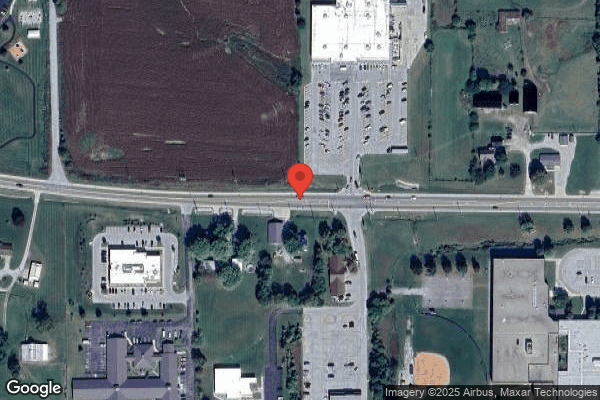
920 W HIGHWAY 46, SPENCER, IN 47460 (812) 829-2331
Non profit - Other 113 Beds CASTLE HEALTHCARE Data: November 2025
Trust Grade
75/100
#175 of 505 in IN
Last Inspection: December 2024

Within standard 12-15 month inspection cycle. Federal law requires annual inspections.

Overview

Owen Valley Rehabilitation and Healthcare Center has received a Trust Grade of B, indicating it is a good choice for families seeking care, but not the very best. It ranks #175 out of 505 facilities in Indiana, placing it in the top half, and #2 out of 2 in Owen County, meaning there is only one other local option available. The facility shows an improving trend, having reduced issues from 8 in 2023 to 4 in 2024, but it still struggles with staffing, receiving a low rating of 1 out of 5 stars and a high turnover rate of 58%, which is concerning. While there are no fines on record, indicating no serious compliance issues, the facility has been cited for several concerns, including not maintaining a sanitary environment with reported odors and dirty air vents, as well as overdue assessments for residents, which could impact their care. Overall, families should weigh the strengths of good health inspection ratings and the absence of fines against the weaknesses in staffing and cleanliness.

Trust Score
B
75/100
In Indiana
#175/505
Top 34%
Safety Record
Low Risk
No red flags
Inspections
Getting Better
8 → 4 violations
Staff Stability
⚠ Watch
58% turnover. Above average. Higher turnover means staff may not know residents' routines.
Penalties
✓ Good
No fines on record. Clean compliance history, better than most Indiana facilities.
Skilled Nurses
⚠ Watch
Each resident gets only 27 minutes of Registered Nurse (RN) attention daily — below average for Indiana. Fewer RN minutes means fewer trained eyes watching for problems.
Violations
⚠ Watch
12 deficiencies on record. Higher than average. Multiple issues found across inspections.
★★★★☆
4.0
Overall Rating
★☆☆☆☆
1.0
Staff Levels
★★★★★
5.0
Care Quality
★★★★☆
4.0
Inspection Score
Stable
2023: 8 issues
2024: 4 issues

The Good

  • 5-Star Quality Measures · Strong clinical quality outcomes
  • Full Sprinkler Coverage · Fire safety systems throughout facility
  • No fines on record

Facility shows strength in quality measures, fire safety.

The Bad

Staff Turnover: 58%

12pts above Indiana avg (46%)

Frequent staff changes - ask about care continuity

Chain: CASTLE HEALTHCARE

Part of a multi-facility chain

Ask about local staffing decisions and management

Staff turnover is elevated (58%)

10 points above Indiana average of 48%

The Ugly 12 deficiencies on record

Dec 2024 2 deficiencies
CONCERN (D)

Potential for Harm - no one hurt, but risky conditions existed

Deficiency F0657 (Tag F0657)

Could have caused harm · This affected 1 resident

Based on interview and record review, the facility failed to ensure residents were invited to participate in the care planning conference for 1 of 1 resident reviewed for care planning. (Resident 67) ...

Read full inspector narrative →
Based on interview and record review, the facility failed to ensure residents were invited to participate in the care planning conference for 1 of 1 resident reviewed for care planning. (Resident 67) Findings include: On 12/4/24 at 2:15 p.m., Resident 67 indicated she had not been invited to her care plan conferences. On 12/5/24 at 10:23 a.m., Resident 67's clinical record was reviewed. The diagnoses included, but were not limited to, atrial fibrillation and major depressive disorder. The quarterly Minimum Data Set (MDS) assessment, dated 10/24/24 indicated Resident 67 had moderate cognitive impairment. The clinical record lacked documentation of Resident 67 having been invited to participate in the care plan conference after the quarterly MDS assessment, dated 10/24/24. On 12/9/24 at 10:46 a.m., the Social Service Designee (SSD) indicated they would invite the resident and/or resident's responsible party to care plan conferences after the comprehensive or quarterly MDS assessment. Resident 67's quarterly MDS assessment was completed in October 2024. The clinical record lacked documentation of an invitation or the care plan conference after the quarterly MDS assessment in October 2024. On 12/9/24 at 12:50 p.m., the Director of Nursing (DON) provided a copy of the facility policy, Baseline Care Plan, dated 10/20/23, and indicated it was the policy currently being used. A review of the the policy lacked documentation of resident and/or resident's representative invitation to care plan meeting after MDS assessments. 3.1-35(d)(2)(B)
CONCERN (E)

Potential for Harm - no one hurt, but risky conditions existed

Comprehensive Assessments (Tag F0636)

Could have caused harm · This affected multiple residents

**NOTE- TERMS IN BRACKETS HAVE BEEN EDITED TO PROTECT CONFIDENTIALITY** 3. On 12/5/24 at 2:00 p.m., Resident 282's clinical record was reviewed. The diagnoses included, but were not limited to, major ...

Read full inspector narrative →
**NOTE- TERMS IN BRACKETS HAVE BEEN EDITED TO PROTECT CONFIDENTIALITY** 3. On 12/5/24 at 2:00 p.m., Resident 282's clinical record was reviewed. The diagnoses included, but were not limited to, major depressive disorder, post-traumatic stress disorder, and schizoaffective disorder (a chronic mental illness). Resident 282 was admitted on [DATE]. Resident 282's admission MDS assessment, dated 11/21/24, indicated it was still in progress, at the time of record review this indicated it was 28 days past due. During an interview on 12/9/24 at 11:00 a.m., the MDS Coordinator indicated an admission MDS assessment needed to be completed and signed by the 14th calendar day after admission. She indicated the admission assessment for Resident 282 was still in progress and that it was overdue. 4. On 12/5/24 at 11:06 a.m., Resident 75's clinical record was reviewed. The diagnoses included, but were not limited to, encephalopathy (a general term for a brain disorder), urinary tract infection and escherichia coli (type of bacteria). Resident 75 was admitted on [DATE]. Resident 75's admission MDS assessment, dated 10/14/24, indicated the RN verified and signed the admission assessment on 11/2/24, which was 20 days after admission. During an interview with the MDS Coordinator on 12/9/24 at 11:00 a.m., she indicated the admission assessment for Resident 75 was completed late. During an interview with the MDS Coordinator on 12/9/24 at 11:05 a.m., she indicated the facility did not have a policy for MDS assessments, she indicated they used The Centers for Medicare & Medicaid Services (CMS) Resident Assessment Instrument (RAI) tool. A review of the RAI User's Manual (v.1.19.1, effective 10/1/24) on 12/9/24 at 12:30 p.m., indicated .For all non-admission OBRA [Omnibus Budget Reconciliation Act] and PPS [Prospective Payment System] assessments, the MDS Completion Date must be no later than 14 days after the Assessment Reference Date. For the admission assessment, the MDS Completion Date must be no later than 13 days after the Entry Date . 3.1-31(d)(1) Based on interview and record review, the facility failed to ensure the admission Minimum Data Set (MDS) assessment was completed within 14 calendar days from the admission date for 4 of 4 residents reviewed for Resident Assessment. (Resident 132, Resident 133, Resident 282, Resident 75) Findings include: 1. On 12/9/24 at 11:56 a.m., Resident 132's clinical record was reviewed. The diagnosis included, but was not limited to, urinary tract infection. The resident was admitted to the facility on [DATE]. The admission MDS assessment for Resident 132 indicated it was still in progress. The completion date should have been on 12/2/24, which was 14 calendar days from the admission date. 2. On 12/9/24 at 12:00 p.m., Resident 133's clinical record was reviewed. The diagnosis included, but was not limited to, clostridium difficile. The resident admitted to the facility on [DATE]. The admission MDS assessment for Resident 133 indicated it was still in progress. The completion date should have been on 12/1/24, which was 14 calendar days from the admission date.
Feb 2024 2 deficiencies
CONCERN (E)

Potential for Harm - no one hurt, but risky conditions existed

Safe Environment (Tag F0921)

Could have caused harm · This affected multiple residents

Based on observation, interview, and record review, the facility failed to ensure a sanitary and comfortable environment for 3 of 4 units observed. A urine odor was observed and air vents were not cle...

Read full inspector narrative →
Based on observation, interview, and record review, the facility failed to ensure a sanitary and comfortable environment for 3 of 4 units observed. A urine odor was observed and air vents were not clean. (200 unit, 300 unit, 400 unit) Findings include: 1. On the following dates and times, the full length of the 200 unit hallway was observed to have a strong odor of urine: - On 1/29/24 at 11:20 a.m. and 2:40 p.m. - On 1/30/24 at 10:40 a.m., 12:05 p.m., and 3:00 p.m. - On 2/2/24 at 9:45 a.m., 11:10 a.m., and 1:25 p.m. 2. On the following dates and times, the 400 unit hallways and common area were observed to have a strong odor of urine: - On 1/29/24 at 10:20 a.m., 1:30 p.m., and 3:10 p.m. - On 1/30/24 at 10:45 a.m., 1:10 p.m., and 3:20 p.m. - On 2/2/24 at 10:05 a.m., 11:30 a.m., and 1:35 p.m. 3. On the following dates and times, the 3 ceiling air vent covers on the 200 unit were observed to have a dark fuzzy substance on them: - On 1/29/24 at 11:21 a.m. and 2:41 p.m. - On 1/30/24 at 10:41 a.m., 12:06 p.m., and 3:01 p.m. - On 2/2/24 at 9:46 a.m., 11:11 a.m., and 1:26 p.m. 4. On the following dates and times, the 3 ceiling air vent covers on the 100 unit were observed to have a dark fuzzy substance on them: - On 1/29/24 at 11:24 a.m. and 2:44 p.m. - On 1/30/24 at 10:44 a.m., 12:09 p.m., and 3:04 p.m. - On 2/2/24 at 9:49 a.m., 11:14 a.m., and 1:29 p.m. During an interview on 2/2/24 at 1:45 p.m., the Maintenance Director indicated the 200 unit and 400 unit emitted an odor of urine, likely from the carpeting, and was in need of extensive cleaning to eliminate the odors. The ceiling air vent covers on the 200 unit and 100 unit had a dark fuzzy substance on them and were in need of cleaning. On 2/2/24 at 2:30 p.m., the Director of Nursing provided the facility's Homelike Environment policy, effective date 12/1/23 and indicated this was the policy currently utilized by the facility. A review of the policy indicated, .the residents are provided with a safe, clean, comfortable, and homelike environment .pleasant, neutral scents . 3.1-19(f)
CONCERN (F)

Potential for Harm - no one hurt, but risky conditions existed

Staffing Data (Tag F0851)

Could have caused harm · This affected most or all residents

Based on interview and record review, the facility failed to electronically submit to the Centers for Medicare and Medicaid (CMS) complete and accurate Registered Nurse (RN) hours based on payroll and...

Read full inspector narrative →
Based on interview and record review, the facility failed to electronically submit to the Centers for Medicare and Medicaid (CMS) complete and accurate Registered Nurse (RN) hours based on payroll and other verifiable and auditable data in a uniform format according to specifications established by CMS for quarter 4 of fiscal year 2023 (7/1/23-9/30/23). Findings include: On 2/2/24 at 2:01 p.m., the facility's Payroll Based Journal (PBJ) Staffing Data Report was reviewed. The report indicated the facility had no RN hours for 7/8/23, 7/9/23, 7/16/23, 9/23/23, 9/24/23, and 9/30/23. On 2/2/24 at 2:03 p.m., the staffing sheets and time cards for the above dates were reviewed and indicated the facility did have RN hours for those dates. During an interview at that time with the Director of Nursing (DON), she indicated the Administrator who was working at the facility during CMS quarter 4 of fiscal year 2023, did not put the PBJ hours in correctly for the RN hours. During an interview on 2/2/24 at 2:13 p.m., the DON indicated the facility did not have a policy related to correctly entering the PBJ hours. .
Jun 2023 2 deficiencies
CONCERN (D) 📢 Someone Reported This

A family member, employee, or ombudsman was alarmed enough to file a formal complaint

Potential for Harm - no one hurt, but risky conditions existed

Notification of Changes (Tag F0580)

Could have caused harm · This affected 1 resident

Based on record review and interview, the facility failed to notify the residents family of an accident for 1 of 3 residents reviewed for accidents. (Resident B) Findings include: On 6/29/23 at 12:00 ...

Read full inspector narrative →
Based on record review and interview, the facility failed to notify the residents family of an accident for 1 of 3 residents reviewed for accidents. (Resident B) Findings include: On 6/29/23 at 12:00 p.m., Resident B's clinical record was reviewed. The Quarterly MDS (Minimum Data Set) assessment, dated 4/10/23, indicated Resident B had severe cognitive impairment. The progress notes included, but were not limited to: - On 6/25/23 at 2:21 p.m., Resident B was witnessed in the dining room standing, attempting to ambulate away from his wheelchair. Resident B tripped over his foot pedals and landed on his right side. Resident B was assessed and placed back in his wheelchair. Resident B requested to go back to bed. Physician was notified and mobile x-rays were ordered. The clinical record lacked family notification of the new orders for x-ray's following Resident B's fall until 6/26/23 at 8:30 a.m. During an interview on 6/29/23 at 2:30 p.m., the ADON (Assistant Director of Nursing) and ADM (Administrator) indicated Resident B resided at a group home and his aunt was his emergency contact. This Federal tag relates to Complaint IN00411250. 3.1-5(a)(1)
CONCERN (D) 📢 Someone Reported This

A family member, employee, or ombudsman was alarmed enough to file a formal complaint

Potential for Harm - no one hurt, but risky conditions existed

Deficiency F0776 (Tag F0776)

Could have caused harm · This affected 1 resident

Based on interview and record review, the facility failed to ensure an x-ray was completed in a timely manner for 1 of 3 residents reviewed for accidents. (Resident B) Finding includes: On 6/29/23 at ...

Read full inspector narrative →
Based on interview and record review, the facility failed to ensure an x-ray was completed in a timely manner for 1 of 3 residents reviewed for accidents. (Resident B) Finding includes: On 6/29/23 at 12:20 p.m., Resident B's clinical record was reviewed. The Quarterly MDS (Minimum Data Set) assessment, dated 4/10/23, indicated Resident B had severe cognitive impairment. The Progress Notes included, but were not limited to: - On 6/25/23 at 2:21 p.m., Resident B was witnessed in the dining room standing, attempting to ambulate away from his wheelchair. Resident B tripped over his foot pedals and landed on his right side. Resident B was assessed and placed back in his wheelchair. Resident B requested to go back to bed. Physician was notified and mobile x-rays were ordered. - On 6/26/23 at 8:30 a.m., called mobile x-ray company for estimated time of arrival and could not get the x-ray companies dispatch to answer. Resident B continued to rest in bed, with complaint of mild pain to right leg. - On 6/27/23, at 9:30 a.m., called the mobile x-ray company for the estimated time of arrive and was informed the order was re-scheduled for today (6/27/23) secondary to x-ray technician unable to complete within business hours yesterday. Facility expressed to x-ray company the importance of getting the x-ray completed due to Resident B's increased pain and notable bruising and upgraded to stat (immediately). - On 6/27/23 at 10:57 a.m., the x-ray company called to inform the facility the x-ray would be completed either late afternoon or evening, and there was a slight possibility that it would not be done today. - On 6/27/23 at 11:21 a.m., the physician was notified of the status of the x-ray order. A new order was received to send resident to the ER for evaluation. On 6/29/23 at 2:30 p.m., the ADON indicated the x-ray was not completed and the physician notified the x-ray was not completed until 6/27/23. This Federal tag relates to Complaint IN00411250. 3.1-49(g)
Mar 2023 6 deficiencies
CONCERN (D)

Potential for Harm - no one hurt, but risky conditions existed

Assessment Accuracy (Tag F0641)

Could have caused harm · This affected 1 resident

Based on interview and record review, the facility failed to ensure the accuracy of the Minimum Data Set (MDS) assessment for a resident with falls for 1 of 3 residents reviewed for accidents. (Reside...

Read full inspector narrative →
Based on interview and record review, the facility failed to ensure the accuracy of the Minimum Data Set (MDS) assessment for a resident with falls for 1 of 3 residents reviewed for accidents. (Resident 60) Finding includes: Resident 60's clinical record was reviewed on 3/9/23 at 10:00 a.m. The diagnosis included, but was not limited to, Alzheimer's disease. The Quarterly Minimum Data Set (MDS) assessment, dated 11/20/22, indicated the resident had not fallen since admission or prior assessment either with injury or with no injury. The prior assessment was dated 8/26/22. A review of the Fall-Initial Occurrence Note, indicated the resident had a fall with injury on 10/9/22 and had a fall with no injury on 10/30/22. During an interview on 3/9/23 at 11:48 a.m., the Director of Clinical Services indicated the Quarterly MDS assessment, dated 11/20/22, was incorrect and they missed the falls on 10/9/22 and 10/30/22. On 3/9/23 at 3:39 p.m., the Director of Clinical Services indicated the facility did not have a policy related to MDS. They used the RAI (Resident Assessment Instrument) manual. A review of the Resident Assessment Instrument (RAI) Version 3.0 Manual, Section J1900 indicated, . Determine the number of falls that occurred since admission/entry or reentry or prior assessment [OBRA or Scheduled PPS] and code the level of fall-related injury for each . 3.1-31(d)
CONCERN (D)

Potential for Harm - no one hurt, but risky conditions existed

Comprehensive Care Plan (Tag F0656)

Could have caused harm · This affected 1 resident

Based on interview and record review, the facility failed to ensure an activities of daily care (ADL) care plan was developed for 2 of 6 residents reviewed for ADL's. (Resident 60, Resident 16) Findi...

Read full inspector narrative →
Based on interview and record review, the facility failed to ensure an activities of daily care (ADL) care plan was developed for 2 of 6 residents reviewed for ADL's. (Resident 60, Resident 16) Findings include: 1. Resident 60's clinical record was reviewed on 3/9/23 at 10:00 a.m. The diagnosis included, but was not limited to, Alzheimer's disease. The Quarterly Minimum Data Set (MDS) assessment, dated 11/20/22, indicated the resident was extensive assistance of 1 for activities of daily living (ADL's). A review of the care plans lacked documentation of a current care plan for ADL's. 2. Resident 16's clinical record was reviewed on 3/9/23 at 2:55 p.m. The diagnosis included, but was not limited to, Alzheimer's disease. The Significant Change MDS assessment dated , 1/6/23, indicated the resident was dependent of 2 person's for ADL's. A review of the care plans lacked documentation of a current care plan for ADL's. During an interview on 3/9/23 at 4:15 p.m., the Assistant Director of Nursing (ADON) indicated the facility was still working to get all care plans updated for Resident 60 and Resident 16 since the facility was purchased by another company in 2022. 3.1-35(a)
CONCERN (D)

Potential for Harm - no one hurt, but risky conditions existed

Quality of Care (Tag F0684)

Could have caused harm · This affected 1 resident

**NOTE- TERMS IN BRACKETS HAVE BEEN EDITED TO PROTECT CONFIDENTIALITY** Based on observation, interview, and record review, the facility failed to document in the clinical record a skin tear (a wound ...

Read full inspector narrative →
**NOTE- TERMS IN BRACKETS HAVE BEEN EDITED TO PROTECT CONFIDENTIALITY** Based on observation, interview, and record review, the facility failed to document in the clinical record a skin tear (a wound that happens when the layers of skin separate or peel back) for a resident with a skin tear for 1 of 3 residents reviewed for skin conditions. (Resident 12) Findings include: During an observation on 3/6/23 at 10:05 a.m., Resident 12 was observed to have a Band-Aid and a purple bruise on her right forearm. During an interview on 3/7/23 at 1:45 p.m., Resident 12 indicated about a week ago, she was being transferred with a mechanical lift and the sling caused the bruise and the skin tear on her right arm. During an observation on 3/8/23 at 10:10 a.m., Certified Nursing Assistant (CNA) 2 and CNA 3 were observed to transfer Resident 12 with mechanical lift. At that time, Resident 12 was observed to have a white dressing on her right forearm. During an observation on 3/9/23 at 11:03 a.m., the Assistant Director of Nursing (ADON) removed the white dressing on Resident 12's right forearm. She indicated there was a skin tear on her right forearm. At that time, Resident 12 indicated she had gotten a skin tear during a transfer with mechanical lift. On 3/9/23 at 10:45 a.m., Resident 12's clinical record was reviewed. The diagnoses included, but were not limited to, cerebral palsy (impaired muscle coordination) and diabetes mellitus. Resident 12's Progress notes dated 3/1/23 through 3/8/23 lacked documentation of a skin tear to right forearm. Resident 12's Non-Pressure assessment dated [DATE] at 7:14 p.m., lacked documentation of Resident 12's skin tear. During an interview on 3/8/23 at 10:19 a.m., CNA 2 indicated Resident 12 skin was fragile. She had a skin tear on her right forearm. During an interview on 3/9/23 at 11:37 a.m., the ADON indicated Resident 12 had a skin tear on her right forearm. When a resident received a skin tear, the nurse would document the skin tear in the clinical record, call physician and family. Resident 12's skin tear on her right forearm was not documented in her clinical record. On 3/9/23 at 12:45 p.m., the Director of Clinical Services provided the facility policy, Pressure Injury and Skin Condition Assessment, dated 2/19/21 and indicated this was the policy currently being used by the facility. A review of the policy indicated .3. A wound assessment will be initiated and documented in the resident chart when pressure and/or other ulcers are identified by licensed nurse . 3.1-37(a)
CONCERN (D)

Potential for Harm - no one hurt, but risky conditions existed

Deficiency F0692 (Tag F0692)

Could have caused harm · This affected 1 resident

2. During an observation on 3/8/23 on 12:16 p.m., Resident 33 was observed to be feeding herself fried chicken and cheese potatoes. On 3/8/23 at 11:43 a.m., Resident 33's clinical record was reviewed....

Read full inspector narrative →
2. During an observation on 3/8/23 on 12:16 p.m., Resident 33 was observed to be feeding herself fried chicken and cheese potatoes. On 3/8/23 at 11:43 a.m., Resident 33's clinical record was reviewed. The diagnoses included, but were not limited to, hemiparesis (paralysis on one side of the body), mood disorder, anemia, and diabetes mellitus. Resident 33's weights indicated the following: - On 9/9/22 at 5:03 p.m., her weight was 193.5 pounds. - On 10/17/22 at 1:48 p.m., her weight was 186.5 pounds. - On 11/25/22 at 2:28 p.m., her weight was 181.9 pounds. - On 12/5/22 at 4:51 p.m., her weight was 184.3 pounds. - On 1/2/23 at 5:02 p.m., her weight was 172.8 pounds. - On 2/3/23 at 7:18 p.m., her weight was 168.2 pounds. - On 3/6/23 at 8:07 a.m., her weight was 169.8 pounds. This was a significant 12.25 percent weight loss over six months. A care plan, dated 2/10/23, indicated Resident 33 was at nutritional risk related to weight loss. The intervention was registered dietician evaluation as needed. A progress note, dated 2/10/23 at 4:28 p.m., indicated Resident 33 had significant weight loss. The RD recommended an updated blood sugar and A1C (blood test which measures the average blood sugar levels over the past 3 months). The clinical record lacked documentation of a physician notification of the RD recommendations of updated blood sugar and A1C. During an interview on 3/8/23 12:59 p.m., the Assistant Director of Nursing (ADON) indicated the clinical record lacked documentation of the physician being notified of the RD recommendation dated 2/10/23. On 3/9/23 at 2:00 p.m., the Director of Clinical Services provided the facility policy, Nutritional Monitoring, undated, and indicated this was the policy currently being used by the facility. A review of the policy indicated .6. Assess factors affecting appropriate nutritional intake and take corrective action . 3.1-46(a)(1) Based on observation, interview, and record review the facility failed to ensure staff assessed and addressed the needs of residents with significant weight loss for 2 of 5 residents reviewed for nutrition. (Resident 66, Resident 33) Findings include: 1. On 3/8/23 at 12:18 p.m., Resident 66 was observed eating lunch in the main dining room. He was slowly eating bites and staff were observed to encourage him to eat. On 3/6/23 at 2:41 p.m., Resident 66's clinical record was reviewed. The diagnoses included, but were not limited to, dysphagia (difficulty swallowing) following cerebral infarction (stroke), one-sided hemiplegia (paralysis) and hemiparesis (weakness), vitamin deficiency, and gastro-esophageal reflux disease (GERD). The Quarterly Minimum Data Set (MDS) assessment, dated 11/27/22, indicated the resident required supervision (oversight, encouragement, or cueing) with eating. Review of the resident's monthly weight report the following: - In September 2022, the resident weighed 145 pounds (lbs.) - In October 2022, the resident weighed 146.4 lbs. - In November 2022, the resident weighed 145 lbs. - In December 2022, the resident weighed 126 lbs. - In January 2023, the resident weighed 127.2 lbs. - In February 2023, the resident weighed 124.4 lbs. - In March 2023, the resident weighed 124.2 lbs. This was a significant weight loss of 14.34% over 6 months. A 2/2/23 physician's progress note indicated the resident had experienced weight loss, . unacceptable decline . and staff were to . continue aggressive - fortified supplements [to] determine highest level of food consistency appropriate . for the resident. She continued, . look into carnation inst. [instant] breakfast [a powdered instant drink that is manufactured with protein, vitamins, and minerals], etc. A 2/2/23 nutritional note, indicated the resident had significant weight loss of 14.2%. The Registered Dietician indicated the resident should receive Ensure (a nutritional shake) once a day versus twice a day to prevent excessive intake. A 2/27/23 nutritional assessment, indicated the resident experienced significant weight loss of 14% over 180 days. The Registered Dietician indicated staff should continue the current plan of care and the resident did not need any new nutritional interventions, despite the clinical record which assessed a continued weight loss. A 2/27/23 care plan indicated the resident was at nutritional risk related to a greater than 14% weight loss over 180 days. During an interview on 3/10/23 at 3:39 p.m., the Director of Clinical Services indicated further interventions should have been implemented for the resident.
CONCERN (D)

Potential for Harm - no one hurt, but risky conditions existed

Respiratory Care (Tag F0695)

Could have caused harm · This affected 1 resident

Based on observation, interview, and record review, the facility failed to provide respiratory care consistent with professional standards of practice. There was not an order for the oxygen and the eq...

Read full inspector narrative →
Based on observation, interview, and record review, the facility failed to provide respiratory care consistent with professional standards of practice. There was not an order for the oxygen and the equipment was not dated. (Resident 178) Finding includes: On 3/6/23 at 11:00 a.m., Resident 178 was observed in bed in his room receiving 2 liters of oxygen via a nasal cannula from an oxygen concentrator machine (a machine that takes in air from the room to filter out nitrogen in order to provide higher amounts of oxygen for oxygen therapy). The oxygen humidifier bottle, oxygen tubing, and nasal cannula were not labeled with a time or date. On 3/8/23 at 12:41 p.m., Resident 178 was observed in bed in his room receiving 2 liters of oxygen via a nasal cannula from an oxygen concentrator machine. The oxygen humidifier bottle, oxygen tubing, and nasal cannula were not labeled with a time or date. On 3/9/23 at 9:50 a.m., Resident 178 was observed in bed in his room receiving 2 liters of oxygen via a nasal cannula from an oxygen concentrator machine. The oxygen humidifier bottle, oxygen tubing, and nasal cannula were not labeled with a time or date. During an interview on 3/9/23 at 9:55 a.m., the resident indicated he constantly needed the oxygen delivery from the machine and nasal cannula. On 3/8/23 at 1:00 p.m., Resident 178's clinical record was reviewed. The diagnoses included, but were not limited to, osteomyelitis and heart failure. The clinical record lacked a physician order for oxygen therapy for the resident. During an interview on 3/9/23 at 10:55 a.m., the Director of Clinical Services indicated there was no physician order for the oxygen, and the oxygen humidifier bottle, oxygen tubing, and nasal cannula were not labeled with a date or time. On 3/9/23 at 2:55 p.m., the Director of Clinical Services provided the facility's Oxygen Therapy policy, undated, and indicated it was the policy currently used by the facility. A review of the policy indicated, .verify MD [medical doctor] order for oxygen .oxygen tubing, nasal cannula .are changed every 7 days .change humidifier jar every 7 days . 3.1-47(a)(6)
CONCERN (E)

Potential for Harm - no one hurt, but risky conditions existed

ADL Care (Tag F0677)

Could have caused harm · This affected multiple residents

Based on observation, interview, and record review, the facility failed to provide the necessary services to maintain good grooming and personal hygiene for 4 of 6 residents reviewed for activities of...

Read full inspector narrative →
Based on observation, interview, and record review, the facility failed to provide the necessary services to maintain good grooming and personal hygiene for 4 of 6 residents reviewed for activities of daily living. (Resident 39, Resident 178, Resident 24, Resident 56) Findings include: 1. On 3/6/23 at 10:50 a.m., Resident 39 was observed in bed in her room with whiskers approximately 1/2 inch long on her chin. On 3/8/23 at 2:40 p.m., Resident 39 was observed in bed in her room with whiskers approximately 1/2 inch long on her chin. On 3/9/23 at 10:30 a.m., Resident 39 was observed in the activity area with whiskers approximately 1/2 inch long on her chin. During an interview on 3/8/23 at 2:25 p.m., the resident indicated she would rather have not had whiskers on her chin. On 3/9/23 at 10:45 a.m., Resident 39's clinical record was reviewed. The diagnoses included, but were not limited to, dementia, muscle weakness, and hypothyroidism. The Quarterly MDS (Minimum Data Set) assessment, dated 1/17/23 indicated the resident required extensive physical assistance of 1 person for personal hygiene. 2. On 3/6/23 at 11:00 a.m., Resident 178 was observed in bed in his room with whiskers approximately 1/2 inch long under his nose and on his chin and jaw. On 3/8/23 at 12:41 p.m., Resident 178 was observed in bed in his room with whiskers approximately 1/2 inch long under his nose and on his chin and jaw. On 3/9/23 at 9:50 a.m., Resident 178 was observed in bed in his room with whiskers approximately 1/2 inch long under his nose and on his chin and jaw. During an interview on 3/8/23 at 12:45 p.m., Resident 178 indicated he usually did not have whiskers on his face and would like to have been shaven. He was unable to shave himself due to his weakness and required assistance. On 3/8/23 at 1:00 p.m., Resident 178's clinical record was reviewed. The diagnoses included but were not limited to, osteomyelitis and heart failure. A care plan, initiated 3/2/23, indicated the resident required the physical assistance of 1 person for personal hygiene. 3. On 3/6/23 at 2:35 p.m., Resident 24 was observed in his bed with whiskers approximately 1/4 inch long under his nose and on his chin and jaw. On 3/8/23 at 11:05 a.m., Resident 24 was observed in his bed with whiskers approximately 1/4 inch long under his nose and on his chin and jaw. On 3/9/23 at 10:10 a.m., Resident 24 was observed in his bed with whiskers approximately 1/4 inch long under his nose and on his chin and jaw. During an interview on 3/9/23 at 10:15 a.m., Resident 24 indicated he usually did not have whiskers on his face and would like to have been shaven. Staff did not often offer to shave him. On 3/8/23 at 1:10 p.m., Resident 24's clinical record was reviewed. The diagnoses included, but were not limited to, Parkinson's disease and venous insufficiency. The Annual MDS assessment, dated 11/27/22, indicated the resident required limited assistance of 1 person for personal hygiene. 4. On 3/6/23 at 10:36 a.m., Resident 56 was observed with facial whiskers and brown substance beneath his nails On 3/7/23 at 11:36 a.m., Resident 56 was observed with facial whiskers and brown substance beneath his nails. During an interview at that time, his wife indicated she wished the staff would do better about shaving his facial hair. On 3/8/23 at 11:05 a.m., Resident 56 was observed with facial whiskers and brown substance beneath his nails. On 3/9/23 at 10:22 a.m., Resident 56 was observed with brown substance beneath his nails and his whiskers were unevenly shaved. On 3/9/23 at 11:00 a.m., Resident 56's clinical record was reviewed. The diagnoses included, but were not limited to, hemiplegia (paralysis) and hemiparesis (weakness) on his dominant side and aphasia (a disorder that affects a person's ability to communicate) following cerebral infarction (stroke). The Quarterly MDS assessment, dated 11/19/22, indicated the resident was totally dependent on staff with personal hygiene, and had one-sided impairment in his upper and lower extremities. An 8/4/22 ADL (activities of daily living) care plan, indicated the resident had impairment in functional status in regard to transfers, bed mobility, toileting, and eating. The care plan did not include interventions which addressed his personal hygiene. During an interview on 3/9/23 at 10:55 a.m., the Director of Clinical Services indicated the residents needed to be shaved and whiskers needed to be removed. During an interview on 3/9/23 at 2:22 p.m., CNA (Certified Nursing Assistant) 1 indicated she tried to shave the residents every day and it's an understanding that the men should be offered a shaved every day. On 3/9/23 at 2:55 p.m., the Director of Clinical Services provided the facility policy, Grooming, revised on 1/25/18, and indicated it was the policy currently used. A review of the policy indicated, .observe condition of resident nails, hair, and facial hair .shave .clean debris from around and under finger and toe nails . 3.1-38(a)(3)(D) 3.1-38(a)(3)(E)
Understanding Severity Codes (click to expand)
Life-Threatening (Immediate Jeopardy)
J - Isolated K - Pattern L - Widespread
Actual Harm
G - Isolated H - Pattern I - Widespread
Potential for Harm
D - Isolated E - Pattern F - Widespread
No Harm (Minor)
A - Isolated B - Pattern C - Widespread

Questions to Ask on Your Visit

  • "Why is there high staff turnover? How do you retain staff?"
  • "Can I speak with families of current residents?"
  • "What's your RN coverage like on weekends and overnight?"

Our Honest Assessment

Strengths
  • • No major safety red flags. No abuse findings, life-threatening violations, or SFF status.
  • • No fines on record. Clean compliance history, better than most Indiana facilities.
Concerns
  • • 12 deficiencies on record. Higher than average. Multiple issues found across inspections.
  • • 58% turnover. Above average. Higher turnover means staff may not know residents' routines.
Bottom line: Generally positive indicators. Standard due diligence and a personal visit recommended.

About This Facility

What is Owen Valley Rehabilitation And Healthcare Center's CMS Rating?

CMS assigns OWEN VALLEY REHABILITATION AND HEALTHCARE CENTER an overall rating of 4 out of 5 stars, which is considered above average nationally. Within Indiana, this rating places the facility higher than 99% of the state's 100 nursing homes. This rating reflects solid performance across the metrics CMS uses to evaluate nursing home quality.

How is Owen Valley Rehabilitation And Healthcare Center Staffed?

CMS rates OWEN VALLEY REHABILITATION AND HEALTHCARE CENTER's staffing level at 1 out of 5 stars, which is much below average compared to other nursing homes. Staff turnover is 58%, which is 12 percentage points above the Indiana average of 46%. High turnover can affect care consistency as new staff learn residents' individual needs. RN turnover specifically is 60%, which is notably high. RNs provide skilled clinical oversight, so turnover in this role can affect medical care quality.

What Have Inspectors Found at Owen Valley Rehabilitation And Healthcare Center?

State health inspectors documented 12 deficiencies at OWEN VALLEY REHABILITATION AND HEALTHCARE CENTER during 2023 to 2024. These included: 12 with potential for harm.

Who Owns and Operates Owen Valley Rehabilitation And Healthcare Center?

OWEN VALLEY REHABILITATION AND HEALTHCARE CENTER is owned by a non-profit organization. Non-profit facilities reinvest revenue into operations rather than distributing to shareholders. The facility is operated by CASTLE HEALTHCARE, a chain that manages multiple nursing homes. With 113 certified beds and approximately 72 residents (about 64% occupancy), it is a mid-sized facility located in SPENCER, Indiana.

How Does Owen Valley Rehabilitation And Healthcare Center Compare to Other Indiana Nursing Homes?

Compared to the 100 nursing homes in Indiana, OWEN VALLEY REHABILITATION AND HEALTHCARE CENTER's overall rating (4 stars) is above the state average of 3.1, staff turnover (58%) is significantly higher than the state average of 46%, and health inspection rating (4 stars) is above the national benchmark.

What Should Families Ask When Visiting Owen Valley Rehabilitation And Healthcare Center?

Based on this facility's data, families visiting should ask: "How do you ensure continuity of care given staff turnover, and what is your staff retention strategy?" "Can you walk me through typical staffing levels on day, evening, and night shifts?" "Can I visit during a mealtime to observe dining assistance and food quality?" "How do you handle medical emergencies, and what is your hospital transfer rate?" These questions are particularly relevant given the facility's high staff turnover rate and the below-average staffing rating.

Is Owen Valley Rehabilitation And Healthcare Center Safe?

Based on CMS inspection data, OWEN VALLEY REHABILITATION AND HEALTHCARE CENTER has a clean safety record: no substantiated abuse findings (meaning no confirmed cases of resident harm), no Immediate Jeopardy citations (the most serious violation level indicating risk of serious injury or death), and is not on the Special Focus Facility watch list (a federal program monitoring the lowest-performing 1% of nursing homes). The facility has a 4-star overall rating and ranks #1 of 100 nursing homes in Indiana. While no facility is perfect, families should still ask about staff-to-resident ratios and recent inspection results during their visit.

Do Nurses at Owen Valley Rehabilitation And Healthcare Center Stick Around?

Staff turnover at OWEN VALLEY REHABILITATION AND HEALTHCARE CENTER is high. At 58%, the facility is 12 percentage points above the Indiana average of 46%. Registered Nurse turnover is particularly concerning at 60%. RNs handle complex medical decisions and coordinate care — frequent RN changes can directly impact care quality. High turnover means new staff may not know residents' individual needs, medications, or preferences. It can also be disorienting for residents, especially those with dementia who rely on familiar faces. Families should ask: What is causing the turnover? What retention programs are in place? How do you ensure care continuity during staff transitions?

Was Owen Valley Rehabilitation And Healthcare Center Ever Fined?

OWEN VALLEY REHABILITATION AND HEALTHCARE CENTER has no federal fines on record. CMS issues fines when nursing homes fail to meet care standards or don't correct problems found during inspections. The absence of fines suggests the facility has either maintained compliance or corrected any issues before penalties were assessed. This is a positive indicator, though families should still review recent inspection reports for the full picture.

Is Owen Valley Rehabilitation And Healthcare Center on Any Federal Watch List?

OWEN VALLEY REHABILITATION AND HEALTHCARE CENTER is not on any federal watch list. The most significant is the Special Focus Facility (SFF) program, which identifies the bottom 1% of nursing homes nationally based on persistent, serious quality problems. Not being on this list means the facility has avoided the pattern of deficiencies that triggers enhanced federal oversight. This is a positive indicator, though families should still review the facility's inspection history directly.