ENVIVE OF SULLIVAN

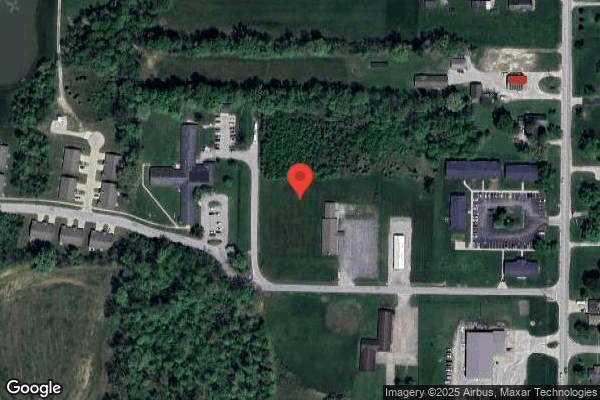
325 W NORTHWOOD DR, SULLIVAN, IN 47882 (812) 268-3351
For profit - Corporation 77 Beds ENVIVE HEALTHCARE Data: November 2025 1 Immediate Jeopardy citation
Trust Grade
16/100
#449 of 505 in IN
Last Inspection: June 2025

Inspected within the last 6 months. Data reflects current conditions.

Overview

Envive of Sullivan has a Trust Grade of F, indicating significant concerns about the quality of care provided. Ranking #449 out of 505 in Indiana places it in the bottom half of facilities, and it is the second lowest in Sullivan County, meaning there is only one other option available that is better. The facility is worsening, with issues increasing from 6 in 2024 to 10 in 2025. Staffing is a major concern here, as it received a poor rating of 1 out of 5 stars and has a high turnover rate of 76%, which is significantly above the state average of 47%. The nursing home has also faced $19,273 in fines, which is higher than 91% of Indiana facilities, raising red flags about repeated compliance issues. While the facility does have more RN coverage than 84% of Indiana facilities, there have been serious incidents, including a cognitively impaired resident being taken from the facility by strangers without staff knowledge, putting their safety at risk. Additionally, there have been concerns about inadequate infection control oversight, affecting all residents, and a failure to ensure a licensed nurse was on duty 24/7, which contributed to resident falls. Overall, families should weigh these significant weaknesses against the few strengths when considering this facility for their loved ones.

Trust Score
F
16/100
In Indiana
#449/505
Bottom 12%
Safety Record
High Risk
Review needed
Inspections
Getting Worse
6 → 10 violations
Staff Stability
⚠ Watch
76% turnover. Very high, 28 points above average. Constant new faces learning your loved one's needs.
Penalties
✓ Good
$19,273 in fines. Lower than most Indiana facilities. Relatively clean record.
Skilled Nurses
✓ Good
Each resident gets 55 minutes of Registered Nurse (RN) attention daily — more than average for Indiana. RNs are trained to catch health problems early.
Violations
⚠ Watch
29 deficiencies on record. Higher than average. Multiple issues found across inspections.
★☆☆☆☆
1.0
Overall Rating
★☆☆☆☆
1.0
Staff Levels
★★★★☆
4.0
Care Quality
★★☆☆☆
2.0
Inspection Score
Stable
2024: 6 issues
2025: 10 issues

The Good

  • 4-Star Quality Measures · Strong clinical quality outcomes
  • Full Sprinkler Coverage · Fire safety systems throughout facility
  • No fines on record

Facility shows strength in quality measures, fire safety.

The Bad

1-Star Overall Rating

Below Indiana average (3.1)

Significant quality concerns identified by CMS

Staff Turnover: 76%

30pts above Indiana avg (46%)

Frequent staff changes - ask about care continuity

Federal Fines: $19,273

Below median ($33,413)

Minor penalties assessed

Chain: ENVIVE HEALTHCARE

Part of a multi-facility chain

Ask about local staffing decisions and management

Staff turnover is very high (76%)

28 points above Indiana average of 48%

The Ugly 29 deficiencies on record

1 life-threatening
Jun 2025 8 deficiencies
CONCERN (D)

Potential for Harm - no one hurt, but risky conditions existed

Deficiency F0605 (Tag F0605)

Could have caused harm · This affected 1 resident

Based on record review and interview, the facility failed to ensure AIMS (abnormal involuntary movement scale) assessments were completed for 1 of 5 residents were reviewed for unnecessary medications...

Read full inspector narrative →
Based on record review and interview, the facility failed to ensure AIMS (abnormal involuntary movement scale) assessments were completed for 1 of 5 residents were reviewed for unnecessary medications (Resident 18). Findings include: Resident 18's record was reviewed on 1/23/25 at 11:06 a.m. The profile indicated the resident's diagnosis included, but were not limited to, Alzheimer's disease (a progressive disease that destroys memory and other important mental functions), anxiety disorder (a mental health disorder characterized by feelings of worry, anxiety, or fear that are strong enough to interfere with one's daily activities), and major depressive disorder (mental health condition characterized by persistently low or depressed mood and loss of interest or please in activities). An annual Minimum Data Set (MDS) assessment, dated 3/5/25, indicated the resident had severe cognitive impairment and was on anti-psychotic and anti-depressant medications. A care plan, dated 5/24/22, indicated the resident had impaired cognitive function related to Alzheimer's, dementia. Interventions included, but were not limited to, administer medication as ordered, assist resident with making safe decisions, and monitor/document/report as needed any changes in cognitive function. A care plan, dated 5/25/22, indicated the resident used antipsychotic medications related with depression with psychotic features. Interventions included, but were not limited to, administer psychotropic medications as ordered by physician and monitor for side effects and effectiveness, consult with pharmacy, and discuss with medical doctor, and family about ongoing need for use of medication. A physician order, dated 4/5/25, with an original start date of 5/18/22, indicated to administer one tablet of Risperidone (a drug used to treat certain mental disorders) 0.25 mg (milligrams) by mouth two times a day. Review of Resident 18's record indicated an AIMS assessment had been completed on 7/13/24 but the record lacked documentation of an AIMS assessment being completed since July of 2024. During an interview, on 5/28/25 at 11:23 a.m., Licensed Practical Nurse (LPN) 3 indicated AIMS assessments should be completed on admission and every 3 months. During an interview, on 5/28/25 at 11:33 a.m., the Director of Nursing (DON) indicated she was not aware of how the previous staff completed the AIMS assessments and didn't know if they were on the computer or on paper. She was unable to find documentation for an AIMS assessment being completed on Resident 18 since July 2024. On 5/28/25 at 1:58 p.m., the Regional Nurse Consultant provided a document with a revised date of 8/24, titled, Psychotropic Medications Use, and indicated it was the policy currently being used by the facility. The policy indicated, .1. Purpose .60. Assessment: Lift, AIMS (Recommended Quarterly) 3.1-48(b)
CONCERN (D)

Potential for Harm - no one hurt, but risky conditions existed

Deficiency F0657 (Tag F0657)

Could have caused harm · This affected 1 resident

**NOTE- TERMS IN BRACKETS HAVE BEEN EDITED TO PROTECT CONFIDENTIALITY** 3. Resident 14's record was reviewed on 5/28/25 at 10:26 a.m. The profile indicated the resident's diagnoses included, but were ...

Read full inspector narrative →
**NOTE- TERMS IN BRACKETS HAVE BEEN EDITED TO PROTECT CONFIDENTIALITY** 3. Resident 14's record was reviewed on 5/28/25 at 10:26 a.m. The profile indicated the resident's diagnoses included, but were not limited to, unspecified dementia, mild, with psychotic disturbance (when a person has a type of cognitive decline where the specific cause or type of brain damage leading to the decline is not clearly identified and are experiencing psychotic symptoms [loss of touch with reality] as part of the dementia). A current care plan, dated 11/14/24, indicated the resident had venous access device in her midline right arm related to antibiotic (a medication used to treat bacterial infections) administration. A current care plan, dated 11/14/24, indicated the resident was receiving IV medications for a urinary tract infection (UTI-an infection of the urinary system) due to ESBL (Extended-Spectrum Beta-Lactamase: an enzyme produced by certain bacteria that makes them resistant to many commonly used antibiotics) in her urine. A physician's order, dated 11/14/24, with an end date of 11/19/24, indicated to administer 1 gram of Ertapenem Sodium Injection Solution Reconstituted (a way of administering the antibiotic Ertapenem via IV to treat moderate to severe bacterial infections) one time daily for ESBL in the urine for 5 days. A progress note, dated 11/13/24 at 1:14 p.m., indicated the resident had returned to the facility from a hospital stay. The resident had a midline IV access in her right arm. A progress note, dated 11/14/24 at 2:34 p.m., indicated the resident had an order to administer 1 gram of Ertapenem Sodium Injection Solution Reconstituted one time daily for ESBL in the urine for 5 days. A progress note, dated 11/26/25 at 1:00 p.m., indicated the resident's midline IV access had been removed. A quarterly Minimum Data Set (MDS) assessment, dated 2/20/25, indicated the resident had no cognitive deficit. The assessment lacked documentation that the resident had received an antibiotic or that the resident had IV (intravenous access-a safe and reliable access to a vein for the purpose of administering fluids, medications, or other substances directly into the bloodstream) during the assessment period. An annual MDS assessment (in progress), dated 5/23/25, indicated the resident had no cognitive deficit. The assessment lacked documentation that the resident had received an antibiotic or that the resident had IV access during the assessment period. During an interview, on 5/28/25 at 11:23 a.m., the resident indicated she no longer had the IV access line where she was getting her antibiotic through. She had the IV access right after she returned from the hospital in November. She had not had the line for quite some time. During an interview, on 5/28/25 at 12:03 p.m., the Director of Nursing (DON) indicated she was not surprised about the care plan not being updated. She and the Administrator had only been in the facility for a few months. Since that time, they had been finding all kinds of things that had not been done. On 5/28/25 at 1:56 p.m., the Regional Nurse Consultant provided a document, dated 8/2024, titled, Care Plans, Comprehensive Person-Centered, and indicated it was the policy currently being used by the facility. The policy indicated, .A comprehensive person-centered care plan that includes measurable objectives and timetables to meet the resident's physical, psychosocial, and functional needs is developed and implemented for each resident. Policy Interpretation and Implementation .3. The care plan interventions are derived from a thorough analysis of the information gathered as part of the comprehensive assessment .11. Assessments of residents are ongoing and care plans are revised as information about the residents and the residents' conditions change 3.1-35(a) 3.1-35(d)(2)(B) Based on interview and record review, the facility failed to ensure care plan meetings were conducted quarterly for 1 of 16 residents reviewed for care plan meetings (Resident 9), and failed to ensure care plans were implemented and updated for 2 of 5 residents reviewed for care plans (Residents 32 and 14). Findings include: 1. During a phone interview, on 5/2725 at 2:01 p.m., Resident 9's daughter indicated she did not remember being invited to a care plan meeting ever. She indicated she would be happy to attend via phone call if someone would reach out to her. Resident 9's record was reviewed on 5/29/25 at 11:27 a.m. An annual Minimum Data Set (MDS) assessment, dated 3/3/25, indicated the resident had severe cognitive impairment. Census information indicated that the resident was admitted to the facility on [DATE]. A care conference review note, dated 2/13/25, indicated a care plan meeting was conducted on this day. The record lacked documentation of a care plan meeting being conducted before 2/13/25. During an interview, on 5/29/25 at 1:39 p.m., the Social Service Director (SSD) indicated she conducted the care plan meetings once a quarter with the residents and/or family representatives. She had not invited Resident 9's daughter because she did not have an address on file to send her an invitation. The SSD indicated she would conduct a care plan meeting over the phone with family if they did not live close to the facility. During an interview, on 5/30/25 at 9:07 a.m., the SSD indicated she was unable to find any documentation for a care plan meeting being conducted for Resident 9 prior to 2/13/25, she further indicated she had a care plan meeting with the resident yesterday on 5/29/25. The SSD was unaware of where or how the previous SSD documented the care plan meetings. During an interview, on 5/20/25 at 9:09 a.m., the Administrator indicated she was aware there was no documentation available to verify care plan meetings had been conducted quarterly as per policy. On 5/30/25 at 10:10 a.m., the Administrator provided a document with a revised date of 8/24, titled, Care Planning - Interdisciplinary Team, and indicated it was the policy currently being used by the facility. The policy indicated, .4. The resident, the resident's family and/or resident's legal representative/guardian or surrogate are encouraged to participate in the development of a revisions to the resident's care plan. 5. Care plan meetings are scheduled at the best time of the day for the resident and family when possible. 6. If it is determined that participation of the resident or representative is not practicable for development of the care plan, an explanation is documented in the medical record 2. During an interview, on 5/27/25 at 1:40 p.m., Resident 32 indicated she had frequent pain and was on pain medication as needed. Resident 32's record was reviewed on 5/28/25 at 2:56 p.m. The profile indicated the resident's diagnosis included, but were not limited to, acute and chronic respiratory failure with hypoxia (the lungs are unable to adequately supply oxygen to the blood, leading to low oxygen levels in the blood and potentially low oxygen levels in the tissues), chronic pain (defined as pain that persists longer than three months or beyond the typical healing period of an illness or injury), and chronic obstructive pulmonary disease (progressive lung disease that makes it difficult to breathe). Census information indicated that the resident was admitted to the facility on [DATE]. A quarterly Minimum Data Set (MDS) assessment, dated 3/13/25, indicated the resident had no cognitive impairment and was taking a opioid (a class of drug that were used primarily for pain relief) medication. The MDS assessment indicated the resident received as needed pain medication and had frequent complaints of pain and the pain frequently interfered with activities of daily living. A physician order, dated 1/21/25, indicated to administer one tablet of Hydrocodone- Acetaminophen (opioid pain medication) tablet 7.5-325mg (milligrams) by mouth every 8 hours as needed for pain. Review of the resident's Medication Administration Record (MAR) for the months of March, April, and May indicated Resident 32 received the Hydrocodone medication daily except for a few days when she was in the hospital in March 2025. Resident 32's record lacked documentation of a care plan being implemented for pain management or the use of opioid pain medication. During an interview, on 5/30/25 at 11:00 a.m., the Director of Nursing (DON) indicated Resident 32 had been on an as needed pain medication since admission and acknowledged the resident was taking the pain medication on a regular basis. The nurse practitioner was aware and would be looking into the matter. The DON indicated she was not aware that the resident didn't have a care plan for pain management or opioid medication use. During an interview, on 5/30/25 at 11:17 a.m., Licensed Practical Nurse (LPN) 3 indicated Resident 32 had been on pain medication since admission and that she complained of generalized all over pain. During an interview, on 5/30/25 at 2:00 p.m., the MDS coordinator indicated she was not aware that Resident 32 didn't have a care plan implemented for pain management or for use of pain medication. She was in the process of going through all the care plans to get them updated.
CONCERN (D)

Potential for Harm - no one hurt, but risky conditions existed

ADL Care (Tag F0677)

Could have caused harm · This affected 1 resident

**NOTE- TERMS IN BRACKETS HAVE BEEN EDITED TO PROTECT CONFIDENTIALITY** Based on observation, record review, and interview, the facility failed to ensure residents were provided assistance to shave fo...

Read full inspector narrative →
**NOTE- TERMS IN BRACKETS HAVE BEEN EDITED TO PROTECT CONFIDENTIALITY** Based on observation, record review, and interview, the facility failed to ensure residents were provided assistance to shave for 2 of 16 residents reviewed for activities of daily living (ADL) care (Residents 33 and 21). Findings include: 1. During an observation, on 5/27/25 at 11:11 a.m. Resident 33 was up in his wheelchair, in the therapy gym. Resident 33 had untrimmed beard and mustache facial hair growth. During an observation, on 5/28/25 at 1:52 p.m., Resident 33 was up in his wheelchair, in the hallway. The resident had untrimmed beard and mustache facial hair growth. At the same time, the resident indicated he did not want to have facial hair and wanted to be shaved at least once a week. During an observation, on 5/29/25 at 10:33 a.m., Resident 33 was sitting up in his wheelchair, in the therapy gym. The resident had untrimmed beard and mustache facial hair growth. During an observation, on 5/29/25 at 1:20 p.m., the resident was observed up in his wheelchair, in his room. The resident had untrimmed beard and mustache growth. At the same time, the resident indicated he received a shower the day before, but the staff had not asked him if he wanted shaved. The resident indicated he would have let the staff assist him with shaving if they had asked. Resident 33's record was reviewed on 5/28/25 at 2:03 p.m. A quarterly Minimum Data Set (MDS) assessment, dated 3/29/25, indicated the resident had a severe cognitive impairment and required substantial/maximal staff assistance with personal hygiene. The assessment lacked documentation the resident refused care. Diagnoses on the resident's profile included, but were not limited to, muscle wasting and atrophy (decrease in muscle mass and strength) and need for assistance with personal care. A care plan, last revised on 4/15/25, indicated the resident had an ADL self-care performance deficit. Interventions indicated the resident usually required substantial/maximal staff assistance with personal hygiene and bathing. Progress Notes, dated May 2025, lacked documentation the resident refused care. Shower Sheets, dated May 2025, indicated the resident received a shower on 5/3/25, 5/7/25, 5/10/25, 5/14/25, 5/17/25, 5/21/25, 5/24/25, and 5/28/25. The shower sheet, dated 5/3/25, indicated the resident was shaved. All other shower sheets lacked documentation the resident was shaved or was offered to be shaved and refused. During an interview, on 5/29/25 at 1:22 p.m., Licensed Practical Nurse (LPN) 3 indicated Resident 33 should have been shaved on shower days, however, sometimes he refused. LPN 3 indicated shaving or refusal should have been documented on the shower sheets. 2. On 5/27/25 at 11:25 a.m., during initial observation and interview, Resident 21observed in his room sitting in a wheelchair. Resident had a strong urine odor. His hair was oily and disheveled with extensive facial hair. On 5/28/25 11:35 a.m., observed resident in his room. During an interview the resident indicated he had his hair washed and was unshaven. The resident indicated he did not like having facial hair. On 5/28/25 at 11:37 a.m., during an interview, Certified Nurse Aide (CNA) 4 indicated the resident preferred to be shaved. On 5/28/25 at 12:06 p.m., during an interview, Licensed Practical Nurse (LPN) 3 indicated residents were shaved on shower days. On 5/28/25 at 2:34 p.m., The medical record of Resident 21 was reviewed. The resident was admitted to the facility on [DATE]. Admitting diagnoses included but not limited to Parkinson's disease (a brain disorder that causes unintended or uncontrollable movements, such as shaking, stiffness, and difficulty with balance and coordination), and diabetes (a disease that occurs when your blood glucose, also called blood sugar, is too high). A care plan, dated 8/26/24, indicated the resident had an ADL (activities of daily living) (bathing, dressing grooming) self-care performance deficit related to Parkinson's, impaired respiratory status. Interventions included but were not limited to personal hygiene. Usual performance fluctuated, usual performance was dependent on assistance of 2, bathing/showering usual performance may fluctuate with usual performance of dependent on assistance of 2. A Minimum Data Set (MDS) assessment, dated 5/3/25, indicated the resident had mild cognitive impairment and required extensive assistance with ADL care. On 5/29/2025 at 2:30 p.m., the Director of Nursing provided a document titled, Activities of daily living, dated 8/2024, and indicated it was the policy currently being used by the facility. The policy indicated, .Policy Interpretation and Implementation .2. Appropriate care and services will be provided for residents who are unable to carry out ADL's independently, with the consent of the resident in accordance with the plan of care, including appropriate support and assistance with: a. hygiene (bathing, dressing, grooming, and oral care) 3.1-38(a)(1)
CONCERN (D)

Potential for Harm - no one hurt, but risky conditions existed

Respiratory Care (Tag F0695)

Could have caused harm · This affected 1 resident

**NOTE- TERMS IN BRACKETS HAVE BEEN EDITED TO PROTECT CONFIDENTIALITY** Based on observation, record review, and interview, the facility failed to ensure oxygen equipment was changed and dated accordi...

Read full inspector narrative →
**NOTE- TERMS IN BRACKETS HAVE BEEN EDITED TO PROTECT CONFIDENTIALITY** Based on observation, record review, and interview, the facility failed to ensure oxygen equipment was changed and dated according to facility policy for 1 of 1 residents reviewed for respiratory care (Resident 28). Findings include: On 5/27/25 at 11:17 a.m., during an initial observation an oxygen concentrator was in the resident's room next to the bed. Oxygen tubing was in a clear storage bag dated 4/27/25. During an interview the resident indicated she was not receiving oxygen. On 5/28/25 at 11:50 a.m., observed oxygen tubing inside of a clear storage bag, dated 4/27/25, which was attached to the oxygen concentrator next to the resident's bed. During an interview the resident again indicated she had not been receiving oxygen at any time including at night. On 5/28/25 at 11:55 a.m., during an interview Licensed Practical Nurse (LPN) 3 indicated the oxygen tubing was changed weekly on Sunday nights. She indicated Resident 28 did not use her oxygen very often. On 5/29/25 at 9:39 a.m., the medical record of Resident 28 was reviewed. The resident was admitted on [DATE]. Admitting diagnoses included but was not limited to, Parkinson's disease (a brain disorder that causes unintended or uncontrollable movements, such as shaking, stiffness, and difficulty with balance and coordination), diabetes mellitus (a disease that occurs when your blood glucose, also called blood sugar, is too high), shortness of breath and chronic obstructive pulmonary disease (COPD) (a group of diseases that cause airflow blockage and breathing-related problems). A Physician order, dated 2/22/25, indicated to administer oxygen at 2L (liters) per nasal cannula (a thin flexible tube device to provide supplemental oxygen therapy to people who have lower oxygen levels) at night for SOB (shortness of breath), check oxygen saturation (a measurement of the percentage of hemoglobin in your blood that is carrying oxygen) every shift at bedtime for shortness of breath and PRN (as needed), and may wean off (gradually reduce amount of oxygen). A Physician order, dated 5/9/25, indicated to change oxygen tubing every night shift every Sun and PRN for oxygen use. Review of the Medication administration record (MAR) from 3/1/25 through 5/27/25 indicated the resident was administered oxygen nightly. The medical record lacked documentation of a care plan related to oxygen use. A quarterly Minimum Data Set (MDS) assessment, dated 3/19/25, indicated the resident was cognitively intact and received oxygen during the assessment period. On 5/29/25 at 10:00 a.m., during an interview the Director of Nursing (DON) indicated she discontinued the oxygen order because the resident did not use oxygen, and the storage bag and tubing was not changed due to being overlooked. On 6/2/2025 at 11:00 a.m., the Administrator provided a document titled, Respiratory Therapy, dated 8/2024, and indicated it was the policy currently being used by the facility. The policy indicated, .Infection Control Considerations Related to Oxygen Administration .13. Change the oxygen cannula and tubing every seven (7) days, or as needed 3.1-47(a)(4) 3.1-47(a)(5) 3.1-47(a)(6)
CONCERN (D)

Potential for Harm - no one hurt, but risky conditions existed

Deficiency F0757 (Tag F0757)

Could have caused harm · This affected 1 resident

Based on record review and interview, the facility failed to ensure a resident's antibiotic was not administered past the stop date for 1 of 2 residents reviewed for antibiotic use (Resident 33). Find...

Read full inspector narrative →
Based on record review and interview, the facility failed to ensure a resident's antibiotic was not administered past the stop date for 1 of 2 residents reviewed for antibiotic use (Resident 33). Findings include: Resident 33's record was reviewed on 5/28/25 at 2:03 p.m. A quarterly Minimum Data Set (MDS) assessment, dated 3/29/25, indicated the resident had a severe cognitive impairment and received an antibiotic during the assessment look-back period. A chest x-ray, dated 5/12/25, showed the resident had an infiltrate (pneumonia). A May 2025 Medication Administration Record (MAR) included a physician's order, dated 5/12/25. The physician's order indicated doxycycline (an antibiotic) 100 milligrams (mg) by mouth twice daily for seven days for infection. The medication was documented as administered, from the evening of 5/12/25 to the evening of 5/27/25, and was not stopped after seven days. A pharmacy delivery log indicated 14 doxycycline 100 mg tablets were delivered to the facility for Resident 33 on 5/12/25. An Emergency Drug Kit (EDK) log indicated doxycycline 100 mg was removed from the EDK twice on 5/21/25, twice on 5/22/25, once on 5/24/25, once on 5/26/25, and once on 5/27/25. During an interview, on 5/28/25 at 2:39 p.m., the Director of Nursing (DON) indicated she reviewed Resident 33's doxycycline order and administration. The resident received doxycycline until the evening of 5/27/25. The pharmacy filled the medication because the stop date was in the text of the order, but it was not put in the system correctly so the order was not stopped when it should have been. On 5/24/25 at 2:00 p.m., the DON provided a document titled, Antibiotic Stewardship, last revised in August 2024, and indicated it was the policy currently being used by the facility. The policy indicated, .4. If an antibiotic is indicated, prescribers will provide complete antibiotic orders including the following elements .d. Duration of treatment: (1) start and stop date; or (2) Number of days of therapy 3.1-48(a)(2)
CONCERN (D)

Potential for Harm - no one hurt, but risky conditions existed

Deficiency F0761 (Tag F0761)

Could have caused harm · This affected 1 resident

Based on observation, interview, and record review, the facility failed to ensure medications were labeled properly and the facility failed to ensure expired medications were disposed of for 1 of 1 me...

Read full inspector narrative →
Based on observation, interview, and record review, the facility failed to ensure medications were labeled properly and the facility failed to ensure expired medications were disposed of for 1 of 1 medication storage rooms reviewed and for 2 of 3 medication carts reviewed (Residents 193 and 24). Findings include: 1. On 5/29/25 at 3:10 p.m., the medication storage room contained an undated multi use vial of Aplisol (a clear, colorless solution for injection as an aid in the diagnosis of tuberculosis) solution. During an interview, on 5/29/25 at 3:10 p.m., Licensed Practical Nurse (LPN) 3 indicated she was not aware of how long Aplisol was good for once opened, but was aware the vial should be dated once opened. During an interview, on 5/29/25 at 3:15 p.m., the Regional Nurse Consultant indicated the vial of Aplisol was good for 30 days once opened. During an interview, on 5/29/25 at 3:16 p.m., the Director of Nursing indicated the vial of Aplisol should be dated once opened. On 5/29/25 at 4:04 p.m., the Regional Nurse Consultant provided an undated document, titled, Medications with Shortened Expiration Dates, and indicated it was the current policy used by the facility. The policy indicated, .Aplisol solution discard 30 days after initial use 2. On 5/29/25 at 3:11 p.m., the medication storage room contained 3 prefilled syringes of hepatitis B Vaccines (a preventive shot that protects against the hepatitis B virus, a common cause of liver disease and cancer) intended for facility stock. The vaccines contained a label that they were delivered to the facility on 1/29/25 from the pharmacy and had an expiration date of 5/19/25. During an interview, on 5/29/25 at 3:11 p.m., LPN 3 indicated the hepatitis B vaccines should have been discarded. On 5/29/24 at 4:00 p.m., the Regional Nurse Consultant provided an undated document, titled, Expired Medications and Medications with Shortened Expiration Dates, and indicated it was the current policy used by the facility. The policy indicated, .Ensure that all medications in the facility are rotated and/ or reviewed on a consistent basis to prevent having expired medications in the facility .2. The Director of Nursing or other authorized personnel will delegate to appropriate personnel the task of ensuring that all outdated or expired medications (with the exception of controlled substances, refer to controlled substances policy) are removed from the medication cart or other area that medication may be stored in 3. On 5/29/25 at 4:41 p.m., the 300-hall medication cart contained an insulin (medication used to lower blood sugar) pen injector that had no open date. The pen contained a label that indicated it was for Resident 193. During an interview, on 5/29/25 at 4:42 p.m., Licensed Practical Nurse (LPN) 3 indicated the insulin pens and vials should be dated once opened. She further indicated that the insulin pens and vials were good for 28 days once they were opened. Resident 193's record was reviewed on 5/30/25 at 8:43 a.m. The profile indicated the resident's diagnosis included, but were not limited to, Type 2 diabetes mellitus (a long-term condition in which the body has trouble controlling blood sugar and using it for energy). A physician order, dated 5/15/25, indicated Glargine (insulin medication) solution 100 unit/ml (milliliter) inject 30 units subcutaneous (under the skin) at bedtime for diabetes. 4. On 5/29/25 at 4:44 p.m., the 200-hall medication cart contained 2 insulin pen injectors that had no open dates on them. The insulin pens contained a label that indicated they were for Resident 24. Resident 24's record was reviewed on 5/30/25 at 8:44 a.m. The profile indicated the resident's diagnosis included, but were not limited to, Type 2 diabetes mellitus (a long-term condition in which the body has trouble controlling blood sugar and using it for energy). A physician order, dated 4/18/25, indicated Glargine (insulin medication) solution 100 unit/ml (milliliter) inject 45 units subcutaneous (under the skin) at bedtime. During an interview, on 5/29/25 at 4:44 p.m., LPN 3 indicated she was not aware of how long the insulin pens had been opened. On 5/29/24 at 4:00 p.m., the Regional Nurse Consultant provided an undated document, titled, Expired Medications and Medications with Shortened Expiration Dates, and indicated it was the current policy used by the facility. The policy indicated, .Ensure that all medications in the facility are rotated and/ or reviewed on a consistent basis to prevent having expired medications in the facility .3. All medications will be labeled per State Board of Pharmacy and Regulations that includes specific directions pertaining to expired or discard after language. 4. In the event that a medication has a shortened expiration date once opened the medication (open-dated) will be labeled with the date opened and the initials of the nurse 3.1-25(j) 3.1-25(o)
CONCERN (E)

Potential for Harm - no one hurt, but risky conditions existed

Infection Control (Tag F0880)

Could have caused harm · This affected multiple residents

**NOTE- TERMS IN BRACKETS HAVE BEEN EDITED TO PROTECT CONFIDENTIALITY** Based on record review and interview, the facility failed to ensure the facility tracked infections and antibiotic use within th...

Read full inspector narrative →
**NOTE- TERMS IN BRACKETS HAVE BEEN EDITED TO PROTECT CONFIDENTIALITY** Based on record review and interview, the facility failed to ensure the facility tracked infections and antibiotic use within the facility and failed to ensure tuberculin testing was completed for 7 of 16 residents reviewed for immunizations and tuberculin testing administration (Residents 28, 4, 9, 14, 38, 192, and 5). Findings include: On 5/30/25 at 10:00 a.m., the medical record of Resident 28 was reviewed. The resident was admitted on [DATE]. A Tuberculin skin test (a Mantoux test involves injecting a small amount of fluid called tuberculin or purified protein derivative, PPD under the skin, and then checking for a reaction a few days later) was administered on 1/1/25. The record lacked evidence the results of the test were read. The record lacked documentation of a second TB test being administered after a minimum of seven days after administration of the initial test. A second TB test was required upon admission to the facility to determine exposure to tuberculosis. On 5/30/25 at 10:05 a.m., the medical record of Resident 4 was reviewed. The record indicated the last TB test had been administered to the resident on 5/16/24. The record lacked evidence of an annual TB test being completed. On 5/30/25 at 10:10 a.m., the medical record of Resident 9 was reviewed. The resident was admitted to the facility on [DATE]. The record lacked evidence of a second TB test being administered a minimum of seven days or a maximum of three weeks after initial TB test was administered. On 6/2/25 at 9:45 a.m., the medical record of Resident 14 was reviewed. The resident was admitted to the facility on [DATE]. The record lacked evidence of an initial TB test or a second TB test being administered. On 6/2/25 at 9:50 a.m., the medical record of Resident 38 was reviewed. The resident was admitted to the facility on [DATE]. The record lacked evidence of a second TB test being administered a minimum of seven days or a maximum of three weeks after the initial TB test was administered. On 6/2/25 at 10:05 a.m., the medical record of Resident 192 was reviewed. The resident was admitted to the facility on [DATE]. The initial TB test was administered on 5/20/25. The record lacked evidence of the second TB test being administered a minimum of seven days or a maximum of three weeks after the initial TB test was administered. On 6/2/25 the medical record of Resident 5 was reviewed. The resident was admitted to the facility on [DATE]. The initial TB test was administered on 4/22/25. The record lacked evidence of a second TB test being administered a minimum of seven days to a maximum of 3 weeks after the initial TB test was administered. On 6/2/25 at 10:30 a.m., during interview the Director of Nurses (DON) indicated she was the current Infection Preventionist (IP) Nurse, at the facility and acknowledged the IP nurse was responsible to oversee immunizations and TB testing of all residents within the facility. She acknowledged unless contraindicated, residents must have 2 initial TB tests upon admission. On 5/30/25 review of the facility risk assessment, dated 4/30/25, indicated the county was at moderate risk for communicable disease infections. Review of the Infection control program identified no antibiotic (ATB) tracking or infection surveillance was completed between May of 2024 to November 2024. The DON indicated she started working at the facility in December of 2024 and began tracking according to infection control policy. On 5/28/2025 at 10:00 a.m., the Administrator provided a document titled, Surveillance for Infections, dated 8/2024, and indicated it was the policy currently being used by the facility. The policy indicated, .The infection preventionist will conduct ongoing surveillance for healthcare associated infections (HAIs) and other epidemiologically significant infections that have substantial impact on potential resident outcome and that may require transmission-based precautions and other preventive interventions .3. Infections that will be included in routine surveillance include those with a. evidence of transmissibility in a healthcare environment .Gathering surveillance data .1. The infection preventionist or designated infection control personnel is responsible for gathering and interpreting surveillance data .The surveillance should include a review of any or all of the following information to help identify possible indicators of infections .d. Laboratory records .k. Antibiotic review hh. Monthly collect information from individual resident infection reports and enter line listing of infections On 5/30/2025 at 10:55 a.m., the provided a document titled, Tuberculosis Screening Residents, dated 8/2024, and indicated it was the policy currently being used by the facility. The policy indicated, .This facility shall screen all residents for tuberculosis infection and disease (TB) .If a potential resident has been exposed to active TB or is at increased risk of TB infection he or she will be screened for latent tuberculosis infection (LTBI) using tuberculin skin test (TST) .6. Screening of new admissions or readmissions for tuberculosis infection and disease is in compliance with state regulations .Serial testing of residents .The facility will conduct annual risk assessments to determine risk of exposure 3.1-18(b)
CONCERN (F)

Potential for Harm - no one hurt, but risky conditions existed

Deficiency F0882 (Tag F0882)

Could have caused harm · This affected most or all residents

Based on record review and interview, the facility failed to ensure an Infection Preventionist (IP) Nurse other than the Director of Nursing (DON) was designated to oversee the Infection Prevention an...

Read full inspector narrative →
Based on record review and interview, the facility failed to ensure an Infection Preventionist (IP) Nurse other than the Director of Nursing (DON) was designated to oversee the Infection Prevention and Antibiotic Stewardship programs within the facility. This deficiency had the potential to affect 38 of 38 residents residing at the facility. Findings include: A review of the Infection control program identified antibiotic tracking and infection surveillance was not completed between 5/1/24 to 11/30/24. On 5/30/25 at 2:34 p.m., during interview the DON indicated she started working at the facility in December 2024 and began tracking at that time according to infection control policy. She indicated she was the only IP nurse in the facility and acknowledged she was responsible for tracking infections including TB testing and surveillance and the antibiotic stewardship program. She indicated she did not know the DON could not be the IP nurse and must have an additional nurse who has had the infection preventionist training appointed as the IP nurse. On 5/30/25 review of the facility risk assessment, dated 4/30/25, indicated the facility had designated one full time DON and one full time IP nurse. On 5/28/2025 at 10:00 a.m., the Administrator provided a document titled, Surveillance for Infections, dated 8/2024, and indicated it was the policy currently being used by the facility. The policy indicated, .The infection preventionist will conduct ongoing surveillance for healthcare associated infections (HAIs) and other epidemiologically significant infections that have substantial impact on potential resident outcome and that may require transmission-based precautions and other preventive interventions .3. Infections that will be included in routine surveillance include those with a. evidence of transmissibility in a healthcare environment .Gathering surveillance data .1. The infection preventionist or designated infection control personnel is responsible for gathering and interpreting surveillance data .The surveillance should include a review of any or all of the following information to help identify possible indicators of infections .d. Laboratory records .k. Antibiotic review hh. Monthly collect information from individual resident infection reports and enter line listing of infections On 5/30/2025 at 11:00 a.m., the Administrator provided a document titled, Infection Preventionist, dated 8/2024, and indicated it was the policy currently being used by the facility. The policy indicated, .1. The infection Preventionist (or designee) coordinates the development and monitoring of the infection prevention program .4. The infection preventionist has the background and ability to fully carry out the requirements of the IP .Hours of Work .7. The infection preventionist is employed at least part time .p Additional hours are scheduled as indicated by the needs identified in the facility assessment
Jan 2025 2 deficiencies
CONCERN (D) 📢 Someone Reported This

A family member, employee, or ombudsman was alarmed enough to file a formal complaint

Potential for Harm - no one hurt, but risky conditions existed

Pharmacy Services (Tag F0755)

Could have caused harm · This affected 1 resident

**NOTE- TERMS IN BRACKETS HAVE BEEN EDITED TO PROTECT CONFIDENTIALITY** Based on record review and interview, the facility failed to ensure medications were reordered in a timely manner so they were a...

Read full inspector narrative →
**NOTE- TERMS IN BRACKETS HAVE BEEN EDITED TO PROTECT CONFIDENTIALITY** Based on record review and interview, the facility failed to ensure medications were reordered in a timely manner so they were available for administration for 1 of 18 residents reviewed for pharmaceutical services (Resident D). Findings include: Resident D's record was reviewed on 1/31/25 at 11:04 a.m. An annual Minimum Data Set (MDS) assessment, dated 12/20/24, indicated the resident was cognitively intact. Diagnoses on the resident's face sheet included, but were not limited to, unspecified polyneuropathy (nerve damage throughout the body). A care plan, initiated on 8/30/22, indicated the resident had the potential for pain related to polyneuropathy. Interventions included, but were not limited to, administer medications as ordered. A Medication Administration Record (MAR), dated December 2024, indicated pregabalin (nerve pain medication) 75 milligrams (mg), 1 capsule 3 times daily for unspecified polyneuropathy. The MAR indicated the pregabalin was not available for administration on 12/27/24, 12/28/24, and 12/29/24. A Narcotic Count Sheet indicated 60 capsules of pregabalin 75 mg were delivered to the facility on [DATE]. The last capsule was signed for on 12/25/24. A Progress Note, dated 12/25/24, indicated a message was left with the physician to call or write a prescription for pregabalin. A Progress Note, dated 12/26/24, indicated the nurse called the physician and requested a prescription for the resident's pregabalin. The physician physically wrote prescriptions and did not use an electronic prescription service. The physician had not returned the call. Progress Notes, dated 12/26/24 and 12/27/24, indicated the pregabalin was on order and awaiting delivery. A Progress Note, dated 12/27/24, indicated the nurse called the pharmacy and attempted to get the pregabalin refilled. The pharmacy indicated a new prescription was needed. The Director of Nursing (DON) planned to call the physician for a prescription. A Progress Note, dated 12/28/24, indicated the pregabalin was not available for administration. A Progress Note, dated 12/29/24, indicated the pregabalin was not available for administration and awaiting arrival from pharmacy. A Progress Note, dated 12/30/24, indicated another call was placed to the physician to request the prescription for the resident's pregabalin. The physician had not returned the calls. The nurse called the hospital to check if another physician was available on call, but there was no one on call for the resident's physician. A Narcotic Count Sheet indicated 28 capsules of pregabalin 75 mg were delivered to the facility on [DATE]. The first capsule was signed for on 12/30/24. The Narcotic Count Sheets lacked documentation doses of pregabalin were available from 12/25/24 to 12/30/24. The last capsule was signed for on 1/8/25. A Progress Note, dated 1/9/25, indicated the pregabalin was on order. A Progress Note, dated 1/10/25, indicated the staff was awaiting the medication to be sent from the pharmacy. A MAR, dated January 2025, indicated pregabalin was not available for administration on 1/11/25. Census information indicated the resident was hospitalized from [DATE] to 1/12/25. An emergency room (ER) Physician Report, dated 1/11/25, indicated the resident reported not feeling well for several days with generalized pain. The nursing home reported the resident had high blood pressure. The resident's daughter reported the resident had not received the pregabalin for over a week. A Hospital History and Physical, dated 1/11/25, indicated, .he has been out of his Lyrica [pregabalin] for the past week due to miscommunication with nursing home staff, and he has been having increasing amounts of his chronic leg neuropathy A Narcotic Count Sheet indicated 8 capsules of pregabalin 75 mg were delivered to the facility on 1/13/25. The first capsule was signed for on 1/13/25. The Narcotic Count Sheets lacked documentation doses of pregabalin were available from 1/8/25 to 1/13/25. During an interview, on 1/30/25 at 12:32 p.m., Qualified Medication Aide (QMA) 6 indicated there had been some issues obtaining narcotic medications when they switched Medical Directors. Their new Medical Director started around a week ago. There was an Emergency Drug Kit (EDK) available, but it required a prescription authorization to obtain narcotic medications from there. During an interview, on 1/30/25 at 3:25 p.m., the DON indicated there was an issue getting the resident's pregabalin when the prior Medical Director had not answered calls or sent a prescription. The physician needed to come into the facility and write a prescription. During an interview, on 1/31/25 at 10:50 a.m., the DON indicated the resident missed pregabalin doses from 12/25/24 to 12/30/24 according to the Narcotic Count Sheets. There was one dose of pregablin pulled from the EDK on 12/27/24. There was no documentation provided to support a dose of pregabalin was removed from the EDK on 12/27/24. During an interview, on 1/31/25 at 10:56 a.m., the DON indicated the resident missed pregabalin doses from 1/8/25 to 1/11/25 because the medication ran out. The resident went to the hospital on 1/11/25. On 1/31/25 at 9:30 a.m., the DON provided undated drug guidance for pregabalin and indicated it was the information currently being used by the facility. The document indicated, .Increased Risk of Adverse Reactions with Abrupt or Rapid Discontinuation .Following abrupt or rapid discontinuation of LYRICA [pregabalin], some patients reported symptoms including insomnia, nausea, headache, anxiety, hyperhydrosis [excessive sweating], and diarrhea. If LYRICA is discontinued, taper the drug gradually over a minimum of 1 week rather than discontinue the drug abruptly On 1/31/25 at 9:30 a.m., the DON provided a policy titled, Medication Orders, dated 2020, and indicated it was the policy currently being used by the facility. The policy indicated, Policy: Medications are administered only upon the clear, complete, and signed order of a person lawfully authorized to prescribe .D. Renewed or recapitulated orders .The prescriber renews the order either by repeating the entire order process or with a statement such as 'continue medication for ten days.' The prescriber writes a new order for continued therapies that require different direction, dosage form, or strength This citation relates to complaints IN00451119, IN00451735, and IN00452377. 3.1-25(a)
CONCERN (F) 📢 Someone Reported This

A family member, employee, or ombudsman was alarmed enough to file a formal complaint

Potential for Harm - no one hurt, but risky conditions existed

Deficiency F0725 (Tag F0725)

Could have caused harm · This affected most or all residents

Based on interview and record review, the facility failed to ensure a licensed nurse was on duty 24 hours a day for 1 of 61 days reviewed on a shift when two residents fell (Residents W and T). This d...

Read full inspector narrative →
Based on interview and record review, the facility failed to ensure a licensed nurse was on duty 24 hours a day for 1 of 61 days reviewed on a shift when two residents fell (Residents W and T). This deficient practice had the potential to affect 42 of 42 residents who resided in the facility. Findings include: 1. During an anonymous interview Employee C indicated, on 12/25/24, there was no nurse in the facility on day shift, 6:00 a.m. to 6:00 p.m. The Director of Nursing (DON) came in at breakfast and lunch and administered insulin. Residents W and T fell on the shift, and there was no nurse at the facility at the time of the falls. A Facility Assessment, dated 10/24/24, indicated the facility's staffing pattern included two licensed nurses on day shift and one licensed nurse on night shift. A Daily Nursing Assignment Sheet, dated 12/25/24, indicated a Registered Nurse (RN) was scheduled as the charge nurse from 6:00 a.m. to 6:00 p.m., but the name was crossed out. Two Qualified Medication Aides (QMAs) were scheduled on day shift. The top of the document included the DON's name and phone number. A Facility Bed Board, dated 12/25/24, indicated 42 residents resided in the facility. A written statement, dated 1/31/25, indicated, On 12/25/24, I, [DON's name], was notified at on or around 7am [sic] that the agency nurse never showed up. I went down to the building to pass the insulins. I stayed through the morning, left for an hour around 10am [sic] and was back to check accu checks and insulins at 11am [sic]. During the time I was gone, I was always available by phone and less than 40 minutes away. The Qs [QMAs] did not practice outside their scope. I stayed and helped with what I could and tried to get coverage. I had to leave again on or around 5pm [sic] and night shift came in at 6pm [sic] Resident W's record was reviewed on 1/31/25 at 12:11 p.m. A 5-day Minimum Data Set (MDS) assessment, dated 12/25/24, indicated the resident had a moderate cognitive impairment and required substantial assistance with transfers. Diagnoses on the resident's Face Sheet included, but were not limited to, history of falling. A Progress Note was written by the DON and dated 12/25/24. The note was opened at 3:50 p.m. and indicated the effective time was 3:43 p.m. The note indicated the resident fell in his room when he attempted to self-transfer without using the call light. There was a skin tear to the resident's right elbow. Two staff members assisted the resident back to bed. The DON was notified, oxygen was started as a nursing measure, and the physician was notified. The resident's oxygen level was 79 percent (normal is between 95 and 100 percent), and the oxygen level continued to fall to 41 percent. The resident's blood pressure was 59/44 (normal is around 120/80), and the pulse was 48 beats per minute (bpm) (normal is 60 to 100 bpm). There was no response from the physician so 911 was called and the resident was sent to the hospital. This nurse called report to the hospital. 2. Resident T's record was reviewed on 1/31/25 at 11:59 a.m. Diagnoses on the resident's Face Sheet included, but were not limited to anoxic brain injury (occurs when the brain is deprived of oxygen) and dementia in other disease classified elsewhere severe with mood disturbance. A quarterly Minimum Data Set (MDS) assessment, dated 12/24/24, indicated the resident had two or more falls since the prior assessment, and the resident required substantial assistance with transfers. A Progress Note, dated 12/25/24, indicated it was created by the DON at 3:59 p.m. The effective time of the note was 1:57 p.m. The note indicated the resident fell while ambulating in his room. The resident had a scrape on his forehead and an abrasion on his left knee. The resident was assisted into his wheelchair by two staff members. The physician and family were called. During an interview, on 1/31/25 at 9:29 a.m., the DON indicated the agency nurse had not shown up as scheduled on 12/25/24. The DON was at the facility for most of the shift from 6:00 a.m. to 6:00 p.m., but she had to leave for part of the day. There was no way for her to show exactly what hours she worked because she was a salaried employee and did not clock in and out for shifts. During an interview, on 1/31/25 at 10:56 a.m., the DON indicated she was at the facility when one of the falls occurred on 12/25/24, but she could not remember which resident's fall it was. On 1/31/25 at 11:56 a.m., the DON provided a document titled, POLICIES AND PROCEDURES MANUAL, last revised in August 2024, and indicated it was the policy currently being used by the facility. The policy indicated, .Policy Statement: The nursing services department shall be under the direct supervision of a registered or licensed practical/vocational nurse at all times. Policy Interpretation and Implementation: 1. A licensed nurse .is on duty twenty-four hours per day, seven (7) days per week, to provide resident care services and supervise the nursing services activities provided by unlicensed staff. A licensed nurse is designated as a charge nurse on each shift This citation relates to Complaint IN00450270. 3.1-17(a)
Dec 2024 1 deficiency
CONCERN (D) 📢 Someone Reported This

A family member, employee, or ombudsman was alarmed enough to file a formal complaint

Potential for Harm - no one hurt, but risky conditions existed

Deficiency F0804 (Tag F0804)

Could have caused harm · This affected 1 resident

Based on interview, observation, and record review, the facility failed to ensure the temperature and palatability of food served for 1 of 1 test tray. Findings include: During a confidential intervie...

Read full inspector narrative →
Based on interview, observation, and record review, the facility failed to ensure the temperature and palatability of food served for 1 of 1 test tray. Findings include: During a confidential interview, conducted during the survey, the interviewee indicated the resident's hall tray food was served cold for all meals, breakfast, lunch, and supper. During an interview, on 12/19/24 at 11:05 a.m., Resident C indicated she ate meals in her room and the food was served cold at times. Resident F, on 12/19/24 at 11:20 a.m., indicated he ate meals in his room and sometimes the food was not hot, but cold. During an interview, on 12/19/24 at 11:30 a.m., Resident E indicated she ate meals in her room and the food was often cold when she got it and did not taste very good. On 12/19/24 at 12:03 p.m., test tray food temperatures were measured by the Dietary Manager (DM). The fried potatoes temperature measured at 128 degrees Fahrenheit (F), the cooked broccoli temperature measured at 118 F, and the BBQ sandwich measured at 128 F. The DM indicated the food was too cool and the food temperatures should have been at least 135 F. On 12/19/24 at 12:55 p.m., the DM provided and identified a document as a current facility policy titled Kitchen Operations: Food Temperatures, dated 1/2023. The policy indicated, .Policy .The facility will maintain proper temperature control to prevent food borne illness .Procedure .1. Hot foods that are potentially hazardous will be held for service at or above 135 degrees Fahrenheit .2. All hot and cold food items will be served to the resident at a temperature that is considered palatable at the time the resident receives the food This citation relates to Complaint IN00448031. 3.1-21(a)(2)
Apr 2024 5 deficiencies
CONCERN (D)

Potential for Harm - no one hurt, but risky conditions existed

Unnecessary Medications (Tag F0759)

Could have caused harm · This affected 1 resident

Based on observation, record review, and interview, the facility failed to ensure proper administration of inhaled medication during the medication administration pass for 1 of 3 residents observed, r...

Read full inspector narrative →
Based on observation, record review, and interview, the facility failed to ensure proper administration of inhaled medication during the medication administration pass for 1 of 3 residents observed, resulting in a medication error rate of 6.67% (Resident 6). Finding includes: During a medication administration observation, on 4/17/24 at 9:01 a.m., Licensed Practical Nurse (LPN) 7 was administering an Advair (medication used to prevent asthma symptoms) inhaler (small handheld devices that allows you to breath medicine through your mouth, directly to your lungs) to Resident 6. Resident 6 then handed the inhaler back to the nurse and the nurse immediately gave the resident a Spiriva (medication used to prevent bronchospasms) inhaler to use. The resident did not rinse and spit after the use of the first inhaler nor did she wait in between administering the two inhaled medications. Resident 6's record was reviewed on 4/17/24 at 10:00 a.m. The profile indicated the resident's diagnoses included, but were not limited to, emphysema (a condition that causes shortness of breath), unspecified asthma (a chronic disease in which the bronchial airways in the lungs become narrowed and swollen, making it difficult to breathe). A physician order, dated 3/8/24, indicated Advair Diskus inhalation powder breath 100-50mcg (micrograms) one puff inhale orally two times related to emphysema. A physician order, dated 2/28/24, indicated Spiriva Handihaler inhalation capsule 18mcg inhale orally one time a day for emphysema. A care plan, dated 6/13/23, indicated the resident is at risk for impaired gas exchange related to asthma and emphysema. Interventions included, but were not limited to, administer medication as ordered and monitor for signs and symptoms of respiratory distress and repot to medical doctor. During an interview, on 4/18/24 at 9:04 a.m., LPN 10 indicated the resident should rinse and spit after use of inhaled medications and should wait several minutes in between administrating multiple inhalers to the same resident. During an interview, on 4/18/24 at 9:24 a.m., Registered Nurse (RN) 9 indicated she would wait several minutes in between administering inhaled medications to the same resident. The RN indicated the resident should rinse and spit after use of inhaled medications to prevent thrush (a fungal infection typically on the skin or mucous membranes). During an interview, on 4/18/24 at 11:51 a.m., the [NAME] President of Clinical Operations, indicated with a steroid inhaler the nurse should have had the resident swish and spit after use per manufacturer guidelines. On 4/18/24 at 11:20 a.m., the [NAME] President of Clinical Operations provided an undated document, titled, Oral and Nasal Inhalation Administration, and indicated it was the policy currently being used by the facility. The policy indicated, .7. If more than one inhalation is ordered, wait one minute then repeat steps one to six for each inhalation ordered On 4/18/24 at 11:40 a.m., the [NAME] President of Clinical Operations provided a document, dated April 2008, titled, Adviar Diskus and indicated it was the policy currently being used by the facility. The policy indicated, .After each dose, rinse your mouth with water and spit the water out. Do not Swallow 3.1-48(c)(1)
CONCERN (D)

Potential for Harm - no one hurt, but risky conditions existed

Deficiency F0761 (Tag F0761)

Could have caused harm · This affected 1 resident

Based on observation, interview, and record review, the facility failed to ensure expired medications were disposed of properly for 1 of 1 medication storage room reviewed for medication storage. Fin...

Read full inspector narrative →
Based on observation, interview, and record review, the facility failed to ensure expired medications were disposed of properly for 1 of 1 medication storage room reviewed for medication storage. Finding includes: On 4/18/24 at 10:31 a.m., the medication storage room contained an opened multi-use vial of Aplisol (a clear, colorless solution for injection as an aid in the diagnosis of tuberculosis) solution and had an open date of 2/27/24. On 4/18/24 at 10:33 a.m , the medication storage room contained an opened multi-use vial of flu vaccine solution and had an open date of 11/2/23. During an interview, on 4/18/24 at 10:35 a.m., Registered Nurse (RN) 9 indicated she was not aware of the facility policy for how long the medication was good for once it was opened but did believe they needed to be discarded. During an interview, on 4/18/24 at 10:51 a.m., the Administrator indicated the medication vials were expired. During an interview, on 4/18/24 at 11:20 a.m., [NAME] President of Clinical Operations indicated both the medications should have been discarded and were expired. On 4/18/24 at 11:20 a.m., the [NAME] President of Clinical Operations provided as a current facility policy, titled, Medication with Shortened Expiration Dates, dated 2/11/21. The policy indicated, .Aplisol discard vials 30 days after initial use .Flu Vaccine discard 28 days after initial use 3.1-25(j)
CONCERN (D)

Potential for Harm - no one hurt, but risky conditions existed

Medical Records (Tag F0842)

Could have caused harm · This affected 1 resident

Based on record review and interview, the facility failed to ensure the documentation of wound treatments being completed for 1 of 2 residents reviewed for pressure ulcer (damage to an area of the ski...

Read full inspector narrative →
Based on record review and interview, the facility failed to ensure the documentation of wound treatments being completed for 1 of 2 residents reviewed for pressure ulcer (damage to an area of the skin caused by constant pressure on the area for a long time) (Resident 25). Findings include: Resident 25's record was reviewed on 4/17/24 at 11:00 a.m. The profile indicated the resident's diagnoses included, but were not limited to, type 2 diabetes mellitus (a disease that occurs when your blood glucose is too high), heart failure (a condition that develops when your heart doesn't pump enough blood for your body's needs), and end stage renal disease (a medical condition in which a person's kidneys cease functioning on a permanent basis leading to the need for a regular course of long-term dialysis or a kidney transplant to maintain life). An admission Minimum Data Set (MDS) assessment (part of the federally mandated process for clinical assessment of all residents in Medicare and Medicaid certified nursing homes), dated 3/21/24, indicated the resident had severe cognitive deficit and was at risk for development of pressure ulcers. A care plan, dated 3/30/24, indicated the resident was at risk for impaired skin integrity related to incontinence of bowel and bladder (the inability to control the flow of urine from the bladder or the escape of stool from the rectum), weakness, impaired mobility, and need for assistance with activities of daily living (ADLs-activities related to personal care). A physician's order, dated 3/13/24, indicated weekly skin assessment, every day shift, every Wednesday morning for monitoring. The March 2024 treatment administration record (TAR) lacked documentation of an assessment having been completed on 3/27/24. A physician's order, dated 3/13/24, indicated float heels while in bed. Every shift for monitoring. The March TAR lacked documentation of the order being completed as written on 3/27/24. The April 2024 TAR lacked documentation of the order being completed as written on 4/4/24. A physician's order, dated 3/13/24, indicated offer/assist to turn/reposition resident. Every 2 hours for skin breakdown prevention. The March TAR lacked documentation of the order being completed as written on 3/27/24, at 8:00 a.m., 10:00 a.m., 12:00 p.m., and 4:00 p.m. The April 2024 TAR lacked documentation of the order being completed as written on 4/4/24, at 8:00 a.m., 10:00 a.m., 12:00 p.m., and 4:00 p.m. A wound and skin progress note, dated 3/26/24 at 9:09 a.m., indicated the resident had a deep tissue injury (DTI-purple or maroon localized area of discolored intact skin or blood-filled blister due to damage of underlying soft tissue from pressure and/or shear) noted to her left buttocks. Treatment orders were provided, at that time. A physician's order, dated 3/26/24, indicated wound assessment to the left buttocks. Every day and night shift for wound care. The March TAR lacked documentation of the order being completed as written on the day shift of 3/27/24. The April 2024 TAR lacked documentation of the order being completed as written on the day shift of 4/4/24. A physician's order, dated 3/26/24, indicated apply triad paste (treatment that allows natural moisture spreads evenly across the wound surface, maximizing contact and creating a moist environment) to bilateral (both sides) buttocks every day and night shift for wound care. The March TAR lacked documentation of the order being completed as written on the day shift of 3/27/24. A physician's order, dated 3/28/24, indicated may use low air loss mattress (designed to distribute the patient's body weight over a broad surface area and help prevent skin breakdown). Check functioning every day and night shift. The April 2024 TAR lacked documentation of the order being completed as written on the day shift of 4/4/24. A wound and skin progress note, dated 4/2/24 at 8:29 a.m., indicated the area to the resident's left buttocks had been restaged to a stage 3 pressure ulcer (full thickness tissue loss where subcutaneous [beneath, or under, all the layers of the skin] fat may be visible). New treatment order to cleanse with wound cleanser, apply hydrogen (dressings that provide a mechanical barrier and moist wound environment), and cover with border foam. During an interview, on 4/17/24 at 3:15 p.m., the Director of Nursing (DON) indicated the TAR should always be signed off when the treatment was completed. Without a signature, there was no way to ensure the treatment was completed as ordered. On 4/17/24 at 3:07 p.m., the DON provided a document, dated 2020, titled, Medication Administration and General Guidelines, and indicated it was the policy currently being used by the facility. The policy indicated, .Procedure: .11. The resident's .administration record is initialed by the person administering the medication .Or if utilizing and Electronic Medical Record, the initials of the nurse are electronically stamped into the record 3.1-50(a)(1)
CONCERN (E)

Potential for Harm - no one hurt, but risky conditions existed

Food Safety (Tag F0812)

Could have caused harm · This affected multiple residents

Based on observation, record review, and interview, the facility failed to ensure refrigerator temperature logs were maintained for 5 of 15 days in April and freezer temperature logs were maintained f...

Read full inspector narrative →
Based on observation, record review, and interview, the facility failed to ensure refrigerator temperature logs were maintained for 5 of 15 days in April and freezer temperature logs were maintained for 2 of 15 days in April. Findings include: During the initial kitchen tour, on 4/15/24 at 10:10 a.m., with the housekeeping supervisor, the temperature logs for the walk-in refrigerator and walk-in freezer were observed to have not been completed. At the same time, the housekeeping supervisor indicated she was filling in as the cook for that day. The regular cook, had the day off. The walk-in refrigerator temperature log, was observed sitting on a shelf in the dry storage area. The log lacked documentation of the refrigerator's temperatures for 4/1/24, 4/11/24, 4/12/24, 4/13/24, and 4/14/24. At the same time, the housekeeping supervisor documented the temperature of the walk-in refrigerator for the date of the initial tour, on the log. The walk-in freezer temperature log, was observed posted on the door of the walk-in freezer. The temperature log lacked documentation of the freezer's temperatures for 4/13/24 and 4/14/24. At the same time, the housekeeping supervisor documented the temperature of the walk-in freezer for the date of the initial tour, on the log. During an interview, on 4/15/24 at 10:15 a.m., the housekeeping supervisor indicated she was not sure why the temperature logs had not been completed, or why the refrigerator log was not hanging on the door as it usually was. During an interview, on 4/15/24 at 10:17 a.m., dietary aide 17 indicated he was not aware that the logs had not being completed or why the refrigerator log was not hanging on the door. His understanding was that the temperatures should be checked and documented every day. On 4/16/24 at 11:00 a.m., the dietary manager provided a document, dated 1/2023, titled, Kitchen Operations: Food Storage, and indicated it was the policy currently being used by the facility. The policy indicated, .Procedure: .11. Refrigeration: .b. Thermometers should be checked utilizing an internal thermometer at least two times each day .12. Frozen Foods: a. Temperatures for the freezer should .be checked at least two times daily 3.1-21(i)(3)
MINOR (B)

Minor Issue - procedural, no safety impact

Staffing Information (Tag F0732)

Minor procedural issue · This affected multiple residents

**NOTE- TERMS IN BRACKETS HAVE BEEN EDITED TO PROTECT CONFIDENTIALITY** Based on observation, interview, and record review, the facility failed to ensure accurate staffing sheets were posted daily for...

Read full inspector narrative →
**NOTE- TERMS IN BRACKETS HAVE BEEN EDITED TO PROTECT CONFIDENTIALITY** Based on observation, interview, and record review, the facility failed to ensure accurate staffing sheets were posted daily for 3 of 5 days during the recertification survey. Finding includes: During an observation, on 4/15/24 at 12:40 p.m., the staffing sheet posted on the wall across from the nurses' station, was dated correctly, but the posting lacked documentation of the total number and the actual hours worked by licensed and unlicensed nursing staff. During an observation, on 4/16/24 at 11:08 a.m., the staffing sheet posted on the wall across form the nurses' station, was dated correctly, but the posting lacked documentation of the total number and the actual hours worked by licensed and unlicensed nursing staff. During an interview, on 4/17/24 at 8:48 a.m., the Director of Nursing (DON) indicated she was not aware the staffing sheet posted was not completed accurately. She indicated the night shift nurse was responsible for making sure the sheet was posted and was completed accurately. The staffing sheet was to be posted at midnight every night shift. The total number of hours and the actual hours worked by staff should be on the sheet. The DON indicated she would have to address the issue at the next in-service meeting. During an observation, on 4/19/24 at 9:00 a.m., the staffing sheet posted on the wall across from the nurses' station, was dated correctly, but the posting lacked documentation of the total number and the actual hours worked by licensed and unlicensed nursing staff. On 4/17/24 at 10:50 a.m., the DON provided a document, with a revised date of August 2022, titled, Posting Direct Care Daily Staffing Numbers, and indicated it was the policy currently being used by the facility. The policy indicated, .1. At the beginning of each shift, the number of licensed nurses . and the number of unlicensed nursing personnel . directly responsible for resident care is posted in a prominent location (accessible to residents and visitors) and in a clear and readable format .g. The actual time worked during that shift for each category and type of nursing staff; and h. Total number of licensed [NAME] non licensed nursing staff working for the posted shift
Nov 2023 1 deficiency
CONCERN (D) 📢 Someone Reported This

A family member, employee, or ombudsman was alarmed enough to file a formal complaint

Potential for Harm - no one hurt, but risky conditions existed

Deficiency F0726 (Tag F0726)

Could have caused harm · This affected 1 resident

**NOTE- TERMS IN BRACKETS HAVE BEEN EDITED TO PROTECT CONFIDENTIALITY** Based on record review and interview, the facility failed to ensure sufficient on-duty staff were certified in cardio-pulmonary ...

Read full inspector narrative →
**NOTE- TERMS IN BRACKETS HAVE BEEN EDITED TO PROTECT CONFIDENTIALITY** Based on record review and interview, the facility failed to ensure sufficient on-duty staff were certified in cardio-pulmonary resuscitation (CPR-an emergency life-saving procedure that is done when someone's breathing or heartbeat has stopped) for 2 of 3 residents reviewed for emergent situations (Residents B and D). Findings include: An anonymous interviewee indicated some residents have had CPR performed on them in the past few months, but no staff in the facility had CPR certification. The previous director had commented to a staff that no one had CPR certification and if something happened the director would be the one to administer CPR. 1. Resident B's closed record was reviewed on [DATE] at 10:58 a.m. The profile indicated the resident's diagnoses included, but were not limited to, chronic obstructive pulmonary disease (COPD- a group of diseases that cause airflow blockage and breathing-related problems), pulmonary fibrosis (a lung disease that occurs when lung tissue becomes damaged and scarred), and coronary arteriosclerosis (plaque buildup in the wall of the arteries that supply blood to the heart). A physician's order, dated [DATE], indicated the resident was a full code (if a person's heart stopped beating and/or they stopped breathing, all resuscitation procedures will be provided to keep them alive). A care plan, dated [DATE] and revised on [DATE], indicated the resident wished to be a full code. Interventions included, but were not limited to, CPR to be performed in event of cardiac/respiratory arrest (the state or condition of heartbeat or breathing being stopped). A progress note, completed by Registered Nurse (RN) 2, dated [DATE] at 12:45 a.m., indicated upon entering room to complete routine check the resident was found to have no visual or audible respirations and no palpable (felt) or audible heartbeat. The resident's code status was a full code. CPR was initiated at 12:50 a.m., and 911 (any situation that requires immediate assistance from the police, fire department or ambulance) was called. Emergency Medical Technicians (EMTs) arrived at 1:10 a.m. and took over CPR. 2. Resident D's closed record was reviewed on [DATE] at 11:25 a.m. The profile indicated the resident's diagnoses included, but were not limited to, autistic disorder (a neurological and developmental disorder that affects how people interact with others, communicate, learn, and behave), dementia (he loss of cognitive functioning - thinking, remembering, and reasoning - to such an extent that it interferes with a person's daily life and activities), and stage 3 chronic kidney disease (mild to moderate damage of the kidneys). A physician's order, dated [DATE], indicated the resident was a full code (if a person's heart stopped beating and/or they stopped breathing, all resuscitation procedures will be provided to keep them alive). A care plan, dated [DATE] and revised on [DATE], indicated the resident wished to be a full code. Interventions included, but were not limited to, CPR to be performed in event of cardiac/respiratory arrest (the state or condition of heartbeat or breathing being stopped). A progress note, completed by Registered Nurse (RN) 2, dated [DATE] at 5:00 a.m., indicated staff entered the resident's room to complete routine check and get resident up for the day. Staff this nurse to room. Upon entering the room found resident to have no respirations and no audible heartbeat. The resident's code status was a full code. CPR was immediately initiated and 911 (any situation that requires immediate assistance from the police, fire department or ambulance) was called. A progress note, dated [DATE] at 5:08 a.m., indicated the ambulance arrived with 3 Emergency Medical Technician's (EMT's). CPR continued while they assessed the resident. During an interview, on [DATE] at 2:31 p.m., the Administrator (ADM) indicated after contact with RN 2, she was able to confirm that the RN did not have current CPR certification and did not have the certification when she performed CPR on Residents B and D. The facility did not track the staff's CPR certifications, nor did they offer CPR certification classes to the staff. At the same time, the ADM indicated she was not able to find a policy related to CPR certification. On [DATE] at 2:31 p.m., the ADM provided an undated document, titled, Position Description: Director of Nursing, and indicated it was the current job description being used by the facility. The job description indicated, Essential Position Functions .Certificates. Licenses, Registrations .Current CPR Certification On [DATE] at 2:31 p.m., the ADM provided an undated document, titled, Position Description: Assistant Director of Nursing, and indicated it was the current job description being used by the facility. The job description indicated, Essential Position Functions .Certificates. Licenses, Registrations .Current CPR Certification On [DATE] at 2:31 p.m., the ADM provided an undated document, titled, Position Description: Unit Manager/Licensed Practical Nurse (LPN), and indicated it was the current job description being used by the facility. The job description indicated, Essential Position Functions .Certificates. Licenses, Registrations .Current CPR Certification On [DATE] at 2:31 p.m., the ADM provided an undated document, titled, Position Description: Qualified Medication Aide (QMA), and indicated it was the current job description being used by the facility. The job description indicated, Essential Position Functions .Certificates. Licenses, Registrations .Current CPR Certification This citation relates to complaint IN00422015. 3.1-14(s)
Oct 2023 2 deficiencies
CONCERN (D) 📢 Someone Reported This

A family member, employee, or ombudsman was alarmed enough to file a formal complaint

Potential for Harm - no one hurt, but risky conditions existed

Deficiency F0744 (Tag F0744)

Could have caused harm · This affected 1 resident

**NOTE- TERMS IN BRACKETS HAVE BEEN EDITED TO PROTECT CONFIDENTIALITY** Based on record review and interview, the facility failed to ensure a resident received adequate treatment who exhibited an incr...

Read full inspector narrative →
**NOTE- TERMS IN BRACKETS HAVE BEEN EDITED TO PROTECT CONFIDENTIALITY** Based on record review and interview, the facility failed to ensure a resident received adequate treatment who exhibited an increase in behaviors, wandering, and hallucinations for 1 of 3 residents reviewed (Resident B). Finding includes: Review of a facility reported incident, dated [DATE], indicated it was reported to staff that Resident B had made inappropriate comments to a female resident who resides at the facility. Resident B's record was reviewed on [DATE] at 11:00 a.m. The profile indicated the resident diagnoses included, but were not limited to, unspecified dementia with psychotic disturbance (a decline in thinking and problem solving that often makes daily life and independent living difficult along with a person with psychosis had trouble figuring out what is real and what is not), hallucinations ( a perception of having seen, heard, touched, tasted, or smelled something that wasn't actually there), and depression (a group of conditions associated with the elevation or lowering of a person's mood). A quarterly Minimum Data Set (MDS) assessment, dated [DATE], indicated the resident had moderate cognitive deficit and required assistance of two persons for transfers, toilet use, and personal hygiene. A care plan, dated [DATE], indicated Resident B was at risk for elopement related to history of attempts to leave facility. Interventions included, but were not limited to, wander guard and distract resident from wandering. A care plan, dated [DATE] with a revised date of [DATE], indicated Resident B had auditory and visual hallucinations related to dementia. Interventions included, but were not limited to, psychiatric (psych) eval and treat as needed, meds as ordered, and redirect resident away from female resident's room. A care plan dated [DATE] with a revised date of [DATE], indicated Resident B received antipsychotic medication related to behavior management, hallucinations, and dementia with psychotic disturbances. Resident B wanders halls and goes into other rooms. Interventions included, but were not limited to, staff to redirect resident when wandering, administer psychotropic medication and monitor side effects and effectiveness every shift. A physician order, dated [DATE], with a discontinue date of [DATE], indicated to administer Seroquel (antipsychotic medication) 12.5 milligram (mg) by mouth at bedtime related to dementia with psychotic disturbances. A physician order, dated [DATE], indicated to place a wander guard (bracelet that residents wear that monitor doors and a technology platform that should send safety alerts in real time) on at all times; and check placement and function every shift. Review of progress note, dated [DATE] at 5:44 p.m., indicated Resident B was told by staff that a female resident (Resident C) did not want visitors and Resident B began to hit and kick the staff member. Resident B cursed at the staff member and the resident had to be redirected by a different staff member. Review of progress note, dated [DATE] at 5:27 p.m., indicated Resident B was asking staff to let him outside. The resident was roaming the halls looking for open doors. Review of progress note, dated [DATE] at 10:09 a.m., indicated Resident B was exit seeking and asked staff to let him out the door. Review of progress note, dated [DATE] at 4:51 a.m., indicated Resident B had increased confusion. The resident was frequently going into the wrong rooms and was noted to have increased anger. Review of progress note, dated [DATE] at 11:03 a.m., indicated Resident B had made inappropriate sexual comments to a therapy female staff member when she entered his room. Review of progress noted, dated [DATE] at 10:00 p.m., indicated Resident B had been taken out of Resident C's room twice during the shift due to Resident C not wanting him in her room. Resident B believes that Resident C was his wife. Review of progress note, dated [DATE] at 12:09 p.m., indicated the Social Service Director (SSD) had to re-direct Resident B out of Resident C's room. SSD indicated Resident B believed Resident C was his wife who was deceased . He also believed he was an employee of the facility that had been laid off. Review of care plan conference review, dated [DATE] at 7:59 a.m., indicated Resident B required re-direction away from another resident's room. The record lacked physician notification and no new recommendations or orders. Review of progress note, dated [DATE] at 9:59 p.m., indicated Resident B was adamant about going into Resident C's room. The resident got upset with staff that he couldn't enter her room. Review of progress note, dated [DATE] at 3:56 p.m., indicated Resident B was sitting by an exit door down the 200 hall and pushed the handle and door several times. Review of progress note, dated [DATE] at 12:15 a.m., indicated Resident B wanted to get out and go to town. Staff attempted to re-direct the resident but a few minutes later the staff heard the front door alarm and found the resident in lobby with the front door open and wander guard alarm sounding. Review of progress note, dated [DATE] at 8:52 p.m., indicated Resident B was in Resident C's room again this evening and staff tried to remove him from her room. The resident indicated to the staff they could not tell him what to do. Staff indicated Resident C did not want him in her room. Review of behavior note, dated [DATE] at 2:12 p.m., indicated no recommendations were made at this time to change medication for Resident B. Review of progress note, dated [DATE] at 9:22 p.m., indicated Resident B was exit seeking and was able to open two doors but did not get outside of the building. Review of behavior note, dated [DATE], indicated Resident B wanted staff to take him outside and drop him off at the highway, so that he could get away. Review of progress note, dated [DATE] at 2:34 p.m., indicated Resident B had been going to each door of the facility and hitting the doors trying to open them. Review of progress note, dated [DATE] at 3:26 p.m., indicated Resident B continued to look for ways out of the facility and the medical director was notified. A new order was obtained for antipsychotic medication at bedtime. A physician order, dated [DATE], indicated Seroquel 25 mg by mouth at bedtime related to dementia with psychotic disturbance. The record indicated the resident had been off this medication for 6 months prior to re-starting on this date. A health status note, dated [DATE] at 3:50 p.m., indicated Resident B was playing with an imaginary string and he thought bugs were on the floor. Review of progress note, dated [DATE] at 11:11 p.m., indicated Resident B was refusing to come out of Resident C's room. The resident became aggressive with staff and indicated he was not coming out of the room. Review of behavior note, dated [DATE] at 10:20 p.m., indicated Resident B had attempted to exit the main entrance door and he grabbed a staff member's private parts and made inappropriate sexual comments and gestures to her. Staff attempted to re-direct the resident and were unsuccessful. The resident also made suggestive comments and expressions to other staff members as well. Review of behavior note, dated [DATE] at 4:44 a.m., indicated Resident B was awake the entire night shift and continued to make provocative/sexual comments to staff. Review of behavior note, dated [DATE] at 8:35 a.m., indicated Resident B was in his wheelchair in the hallway and indicated there were one-inch bugs in the therapy hallway. The resident proceeded to grab at the air to try to catch the bugs. Review of behavior note, dated [DATE] at 8:58 a.m., indicated Resident B was in therapy and indicated he was seeing cats and dogs running around outside. Review of change of condition note, dated [DATE] at 7:33 p.m., indicated Resident B was barely sleeping and he thought another resident was his late wife. Resident B had dementia and was a known exit seeker and did not re-direct easily. The facility may transfer the resident for additional psych services. Review of progress note, dated [DATE] at 4:05 p.m., Resident B was transferred to a psych facility for treatment. During an interview on [DATE] at 10:50 a.m., Resident C indicated she had remembered Resident B coming into her room one day not long ago and he began to talk to her. She indicated he had made sexual comments to her. Staff came into her room and removed Resident B from her room. Resident C indicated he had come into her room several times before and she knew that she reminded him of his late wife. Resident C indicated there were times she didn't want him in her room. During an interview on [DATE] at 11:00 a.m., Registered Nurse (RN) 3 indicated Resident B's dementia had gotten worse over time and he had an increase in exit seeking and an increase in behaviors and making sexual comments to staff. She indicated the resident liked to visit Resident C and he believed she was his late wife. RN 3 was not sure if Resident B was on Psych services. During an interview, on [DATE] at 11:05 a.m., Speech Language Pathologist indicated Resident B was exit seeking and would often ask staff for rides or where he could get a car. She indicated she was aware Resident B thought that Resident C was his deceased wife and he liked to visit her room often. She indicated he had been exit seeking since coming to the facility, but she had noticed an increase in exit seeking behaviors. During an interview, on [DATE] at 11:53 a.m., SSD indicated she had been at the facility for a little over a month and she had noticed that Resident B was not receiving psych services and had not been seen by psych previously. She had sent a referral for him to start services when he returned to the facility. She indicated she did not know why he wasn't referred previously, and there were several other residents who needed referrals sent as well. She indicated when a resident was on psych medication or increased behaviors they should be referred. The SSD indicated she was aware that Resident B liked to visit with Resident C often. During an interview, on [DATE] at 2:15 p.m., Director of Nursing (DON) indicated Resident B was not on psych services and she wasn't sure if the previous SSD had requested the referral, and she didn't know where that documentation would be. On [DATE] at 3:10 p.m., the Administrator provided a document, dated 8/22, titled, Behavior Assessment/Monitoring, and indicated it was the policy currently being used by the facility. The policy indicated, 1. The facility will provide, and residents will receive behavioral health services as needed to attain or maintain the highest practical physical, mental, and psychological well-being .6. The facility will comply with regulatory requirements related to use of medications to manage behavioral changes .Cause identification:1. The interdisciplinary team will thoroughly evaluate new or changing behavioral symptoms in order to identify underlying causes . (5) change related to medications 3.1-37
CONCERN (D) 📢 Someone Reported This

A family member, employee, or ombudsman was alarmed enough to file a formal complaint

Potential for Harm - no one hurt, but risky conditions existed

Deficiency F0940 (Tag F0940)

Could have caused harm · This affected 1 resident

Based on interview and record review, the facility failed to ensure abuse training was completed for 2 of 4 employees reviewed and lacked documentation of ongoing abuse training after a reported abuse...

Read full inspector narrative →
Based on interview and record review, the facility failed to ensure abuse training was completed for 2 of 4 employees reviewed and lacked documentation of ongoing abuse training after a reported abuse allegation. Findings include: On 10/25/23 at 11:15 a.m., during an interview with Employee 5, the employee indicated if she was made aware of an abuse situation between residents, she would immediately report the incident to the head nurse. Maybe the ombudsman if there were signs but was not sure. If she witnessed physical abuse, she would immediately tell someone. The employee indicated she received a little training in abuse when she first started, two months ago but not very much. She indicated she had not received any training in abuse prevention or reporting since she was hired. On 10/25/23 at 11:25a.m.,during an interview with Employee 6, the employee indicated she had worked at the facility for about a month. The employee indicated she did not receive any abuse training when she was hired. She indicated she would remove the residents if she witnessed abuse and call for help and report it. She indicated she had not received any training in abuse prevention or reporting since she was hired. On 10/25/23 at 11:40 a.m., during an interview with Employee 7, the employee indicated she had worked at the facility for about 90 days. She indicated she did not receive training in abuse when she was in orientation at the facility or any training since being hired. If she witnessed any resident-to-resident abuse, she would get help and separate them first. She indicated she had not received any training in abuse prevention or reporting since she was hired. On 10/25/23 at 1:00 p.m., the Administrator provided three documents titled General Orientation Acknowledgment form and one document titled, General employee orientation checklist. Three of the forms were initialed next to resident abuse. One document was signed by the employee but was not initialed under abuse policy and lacked evidence the employee had been trained in abuse prevention and reporting during orientation. On 10/25/23 at 1:00 p.m., the Administrator provided an undated Inservice record, titled Teachable moment, walking rounds, laundry, shower rooms, resident rights, Relias, attendance, progressive discipline, care-resident, PPE, wound care. An Inservice dated 8/18/23, titled teachable moment, resident mail, or packages. An Inservice dated 10/2/23, titled meds at bedside, weight days and charting. An Inservice dated, 10/2/23, titled narcotics and counting. An Inservice dated 10/3/23, titled bowel protocol-new, schedule and changes to scheduling, on call. Inservice records lacked documentation of abuse training after a reported incident of an allegation of abuse, or documentation of ongoing abuse training after orientation. On 10/25/23 at 10:00 a.m., the DON provided a document, titled, Resident Abuse, Neglect and Exploitation dated September 2022, and indicated it was the policy currently being used by the facility. The policy indicated, .b. Training . i. Provide training for new employees through orientation and with ongoing training programs training will include but is not limited to .ii. Documentation of training of EHC employees will be maintained with in-service records in the campus .d. Identification .ii. Any person with knowledge or suspicion of suspected violations shall report immediately, without fear of reprisal .iii. The shift Supervisor or Manager is identified as responsible for initiating and or continuing the reported process, as follows .iv. IMMEDIATELY notify the Executive Directo. If the Executive Director is absent, they may appoint a designee .i. The Executive Director or designee must notify the resident(s)' physician(s) and family/resident representative .ii. The Executive Director is responsible for .1, notification to the State Department of Health .and other agencies, which include the ombudsman .Protection .ii, Moving the resident to another room .iii, Providing 1:1 monitoring, as appropriate .v. Implement discharge process immediately, if resident is danger to self or others 3.1-13(b) 3.1-14(k)
Oct 2023 1 deficiency
CONCERN (D) 📢 Someone Reported This

A family member, employee, or ombudsman was alarmed enough to file a formal complaint

Potential for Harm - no one hurt, but risky conditions existed

Deficiency F0578 (Tag F0578)

Could have caused harm · This affected 1 resident

**NOTE- TERMS IN BRACKETS HAVE BEEN EDITED TO PROTECT CONFIDENTIALITY** Based on record review and interview, the facility failed to ensure a resident's advanced directive (a written document stating ...

Read full inspector narrative →
**NOTE- TERMS IN BRACKETS HAVE BEEN EDITED TO PROTECT CONFIDENTIALITY** Based on record review and interview, the facility failed to ensure a resident's advanced directive (a written document stating how you want medical decisions to be made if you lose the ability to make them for yourself) wishes were followed for 1 of 3 residents reviewed for advanced directives (Resident D). Finding includes: Resident D's record was reviewed on [DATE] at 10:00 a.m. The profile indicated the resident had admitted to the facility on [DATE], for diagnoses which included, but were not limited to, heart failure (a condition that develops when your heart doesn't pump enough blood for your body's needs), stage 3 chronic kidney disease (a condition where the kidneys have mild to moderate damage, and they are less able to filter waste and fluid out of your blood), and essential hypertension (abnormally high blood pressure that's not the result of a medical condition). A quarterly Minimum Data Set (MDS) assessment (a standardized assessment tool that measures health status in nursing home residents), dated [DATE], indicated the resident had severe cognitive deficit. A care plan, dated [DATE], indicated the resident wished to be a full code (full support which includes cardiopulmonary resuscitation if the patient has no heartbeat and is not breathing). Interventions included, but were not limited to, CPR and code status may be changed on the resident or his representative's request. A physician's order, dated [DATE], indicated the resident was a full code. A document titled, Out of Hospital Do Not Resuscitate Declaration and Order, dated [DATE], and signed by the resident's physician, on [DATE], indicated the resident and his representative wished to be a do not resuscitate (DNR). The resident's [DATE], Medication Administration Record (MAR) indicated the resident was a full code. The resident's [DATE], MAR indicated the resident was a full code. A nurse's note, dated [DATE] at 5:00 a.m., indicated during a routine check, the resident was found to have no respirations and no audible heartbeat. The resident was a full code. CPR was immediately initiated and 911 was called. A nurse's note, dated [DATE] at 5:08 a.m., indicated the ambulance had arrived at the facility with three EMTs (Emergency Medical Technicians), and CPR was continued while they assessed. A nurse's note, dated [DATE] at 5:10 a.m., indicated the resident's physician was contacted and gave an order to stop CPR. During an interview, on [DATE] at 10:12 a.m., the Director of Nursing (DON) indicated the DNR document should have changed the resident's code status, at the time it was signed by the physician. The information should have been placed into the medical record to be available for staff to see and the care plan should have been updated. The previous Social Services Director (SSD) should have ensured the information was put into the correct place in the resident's medical record. On [DATE] at 10:25 a.m., the DON provided a document, dated 8/2022, titled, Advanced Directives, and indicated it was the policy currently being used by the facility. The policy indicated, .Policy Interpretation and Implementation .7. Information about whether or not the resident has executed an advanced directive shall be displayed prominently in the medical record .10. The plan of care for each resident will be consistent with his or her documented treatment preferences and/or advanced directive .11 .A resident will not be treated against his or her own wishes .13. If the resident or representative refuses treatment, the facility and care providers will: .c. Document specifically what the resident/representative is refusing .g. Modify the care plan as appropriate This citation relates to Complaint IN00415462. 3.1-4(f)(5) 3.1-4(f)(7)
Feb 2023 8 deficiencies
CONCERN (D)

Potential for Harm - no one hurt, but risky conditions existed

Resident Rights (Tag F0550)

Could have caused harm · This affected 1 resident

**NOTE- TERMS IN BRACKETS HAVE BEEN EDITED TO PROTECT CONFIDENTIALITY** Based on observation, interview, and record review, the facility failed to ensure the dignity of a resident was maintained for 1...

Read full inspector narrative →
**NOTE- TERMS IN BRACKETS HAVE BEEN EDITED TO PROTECT CONFIDENTIALITY** Based on observation, interview, and record review, the facility failed to ensure the dignity of a resident was maintained for 1 of 16 residents reviewed for dignity (Resident 6). Findings include: During a random observation, on 2/20/23 at 11:32 a.m., Hospice Aide 31 and Certified Nursing Assistant (CNA) 13 were observed talking in hallway outside of Resident 6's room. Hospice Aide 31 was observed to enter the resident's room without knocking. CNA 13 was observed to stand in the doorway of the resident's room and continued to converse with the hospice aide. CNA 13 then walked into resident's room without knocking and the two staff continued to carry on a personal conversation while standing over resident in her bed. The conversation was not related to the resident's personal care. During a random observation, on 2/23/23 at 10:06 a.m., two unidentified facility staff were observed to enter the resident's room without knocking. The staff were carrying linens. The staff immediately closed the door behind them. Resident 6's record was reviewed on 2/24/23 at 11:51 a.m. The census indicated the resident had been admitted to the facility on [DATE], for diagnoses which included, but were not limited to, coronary artery disease (a disease in which there is a narrowing or blockage of the coronary arteries) and congestive heart failure (occurs when the heart muscle doesn't pump blood as well as it should). The census indicated the resident had been admitted to hospice (end of life care) services on 1/24/20. An annual Minimum Data Set (MDS-a federally mandated process for clinical assessment of all residents in Medicare and Medicaid certified nursing homes) assessment, dated 1/3/23, indicated the resident had severe cognitive deficit and was unable to complete the assessment interview. During an interview, on 02/27/23 at 8:53 a.m., CNA 20 indicated the procedure for entering a resident's room was to knock and wait to be told you are welcome to come in. During an interview, on 2/27/23 at 8:58 a.m., CNA 21 indicated the policy was to knock and get permission to enter a room before going in. There were situations where the residents could be hard of hearing and they have to pop their head in the door to make sure the resident was aware they were knocking at their door. One should never enter a room without knocking first. On 2/24/23 at 3:20 p.m., the [NAME] President of Clinical Services (VPCS) provided a document, dated 9/2022, titled, Resident Rights, and indicated it was the policy current being used by the facility. The policy indicated, .Policy Interpretation and Implementation .These rights included the resident's right to: a. a dignified existence; b. be treated with respect, kindness, and dignity 3.1-3(a)
CONCERN (D)

Potential for Harm - no one hurt, but risky conditions existed

Deficiency F0558 (Tag F0558)

Could have caused harm · This affected 1 resident

Based on observation, interview, and record review, the facility failed to ensure call lights were within reach for 2 of 16 residents (Residents B and 38) for residents observed for call light placeme...

Read full inspector narrative →
Based on observation, interview, and record review, the facility failed to ensure call lights were within reach for 2 of 16 residents (Residents B and 38) for residents observed for call light placement. Findings include: 1. During an initial pool interview on 2/21/23 at 9:23 a.m., Resident B indicated she had fallen many times since residing in the facility to include 3 times that morning. Her roommate had called for staff to come help her as she was unable to reach her call light. She did not routinely need assistance with transfers to and from her wheelchair or to and from the toilet but this week she had been dizzy and her blood pressure was up. Resident B indicated she would usually yell for staff to assist her versus using her call light as she was unable to reach it across the room, and staff did not answer the buzzers very fast. Resident B's call light was observed coiled up and hanging off the railing on the side of the bed. Resident B's record was reviewed on 2/22/23 at 1:33 p.m. Diagnoses on Resident B's profile included, but were not limited to, Alzheimer's disease, Parkinson's disease, and repeated falls. Resident B's electronic medical record (EMR) indicated the resident had 9 recent falls to include, 11/7/22, 11/9/23, 11/27/22, 12/23/22, 1/1/23, 1/6/23, 1/12/23, and two times on 12/21/22. A 3/23/22 care plan for falls visible in the EMR, indicated Resident B was at risk for falls/injury due to high risk medication use, a history of falls, impaired cognition/safety awareness, dementia, and Parkinson's disease. The goal was for the resident to not sustain serious injury. Care plan intervention updates included, 8/8/22 call light within reach. A quarterly Minimum Data Set (MDS) assessment completed on 1/5/23 assessed the resident as having the ability to make herself understood and to understand others. Brief Interview for Mental Status (BIMS) score of 15/15 indicated cognitively intact. Extensive assistance of one person physical assist for bed mobility, transfers, locomotion on the unit, dressing, and personal hygiene. Supervision of one person physical assist for walking in room, and locomotion off unit. Extensive assistance of 2 or more persons physical assist for toilet use. Mobility devices included a wheelchair and walker. Resident B had 2 or more falls since the last assessment. 2. During an initial tour observation on 2/20/23 at 11:53 a.m., Resident 38 was observed lying in bed on her left side facing the hallway, the call light was looped on the right side the bed behind her back hanging between the bedrail and mattress out of sight and reach of the resident. A second observation on 2/20/23 at 12:02 p.m., call light remained out of reach behind the resident's back. A third observation of the resident on 12/20/23 at 12:10 p.m. when Certified Nursing Assistant (CNA) 17 left the room, resident was in the same position on her left side facing the door, the call light remained on the rail behind her back. A fourth observation on 2/20/23 at 2:07 p.m., the call light button was exchanged for a pressure call pad, within reach of the resident. On 2/21/23 at 10:38 a.m., Resident 38 observed lying on her right side facing inside of room, call pressure pad hanging down between the mattress and bedrail out of reach of the resident. On 2/24/23 at 9:15 a.m., Resident 38 observed laying on her left side facing the hallway door, call light looped on the bedrail behind the resident's back out of sight and reach. Resident 38's record was reviewed on 2/22/23 at 9:53 a.m. Diagnoses on Resident 38's profile included, but were not limited to, Parkinson's disease, catatonic disorder (behavioral disorder marked by an inability to move normally), and convulsion disorder with seizures. A quarterly MDS, completed on 1/26/23, assessed the resident as having the ability to make herself understood and to understand others. A BIMS score of 8 indicated moderate impaired cognition. The resident required extensive assistance of 2 or more persons physical assist for bed mobility, transfers, locomotion on and off the unit, dressing, toilet use and personal hygiene. The resident required extensive assistance of one person physical assist for eating. The resident had no mobility devices and was always incontinent of bowel and bladder. A fall care plan for Resident 38, dated 11/25/22, indicated at the resident was at risk for falls/injury due to seizures. The goal was for the resident to be free of falls. Interventions included call light within reach. During an interview on 2/20/23 at 12:16 p.m., CNA 13 indicated, the resident could not sit up on her own or readjust the bed independently. During an interview on 2/23/23 at 9:17 a.m., the Assistant Director of Nursing (ADON) indicated, the resident would use the call light at times, not sure if intentional or not, but she never asked for anything. On 2/24/23 at 3:20 p.m., the [NAME] President of Clinical Services provided a Call Lights policy, dated 8/2022, and indicated the policy was the one currently being used by the facility. The policy indicated, Purpose: To respond to residents' requests and needs in a timely and courteous manner. Guidelines: Resident lights will be answered in a timely manner. 1. All residents that have the ability to use a call light shall have the nurse call light system available at all times and within easy accessibility to the resident at the bedside or other reasonable accessible location 5. Hand bells will be provided for alert dependent residents when positioned out of reach of permanent call light when needed 3.1-3(v)(1)
CONCERN (D)

Potential for Harm - no one hurt, but risky conditions existed

Deficiency F0565 (Tag F0565)

Could have caused harm · This affected 1 resident

Resident Council Minutes dated December 15, 2022, indicated not enough staff for showers. Current concerns included call lights not being answered without waiting a long time. The department's respons...

Read full inspector narrative →
Resident Council Minutes dated December 15, 2022, indicated not enough staff for showers. Current concerns included call lights not being answered without waiting a long time. The department's response was call lights were audited. The Director of Nursing (DON) has not been seen a light longer than 20 minutes. We will re-audit and check wait times. Documentation under group interview asked, Do you feel you get the help and care you need without waiting a long term, does staff respond to call lights timely? The response was no. Old business indicated, in November 2022 call lights not answered timely. Resident Council Minutes, dated 1/11/23, indicated call lights were not being answered appropriately. Documentation under group interview asked, Do you feel you get the help and care you need without waiting a long term, does staff respond to call lights timely? The response was no. During an interview on 2/23/23 at 3:30 p.m., the DON indicated she had followed up on resident concerns with call lights but doing audits and monitoring response times on off hours. She had not documented her follow up. On 2/24/23 at 3:20 p.m., the [NAME] President of Clinical Services provided a Call Lights policy, dated 8/2022, and indicated the policy was the one currently being used by the facility. The policy indicated, Purpose: To respond to residents' requests and needs in a timely and courteous manner. Guidelines: Resident lights will be answered in a timely manner. 1. All residents that have the ability to use a call light shall have the nurse call light system available at all times and within easy accessibility to the resident at the bedside or other reasonable accessible location 5. Hand bells will be provided for alert dependent residents when positioned out of reach of permanent call light when needed On 2/24/23 at 3:25 p.m., the [NAME] President of Clinical Services provided and identified a document as a current facility policy, titled Resident Council, dated 8/2022. The policy indicated, .Policy Statement .The facility supports residents' right to organize and participate in the Resident Council .1. The purpose of the Resident Council is to provide a forum for: .a. Residents, families and resident representatives to have input in the operation of the facility .b. Discussion of concerns and suggestions for improvement .5. A Resident Council Form will be utilized to track issues and their resolution. The facility department related to any issues will be responsible for addressing the item(s) of concern .6. The Quality Assurance and Performance Improvement (QAPI) Committee will review information and feedback from the Resident Council as part of their quality review. Issues documented on council response forms may be referred to the QAPI committee, if applicable (i.e., the issue is of serious nature or if there is a pattern, etc.) 3.1-3(l) Based on interview and record review, the facility failed to address grievances in a manner which could be tracked for 3 of 3 months reviewed for grievance resolutions of the Resident Council and 2 of 2 residents reviewed for call light response (Residents B and 38). Findings include: Resident Council minutes were provided by the Activity Director (AD) on 2/21/23 at 2:46 p.m. The minutes for the 3 months reviewed indicated the following concerns by the Resident Council: a. Not enough staff for showers. b. Call lights taking too long to be answered by staff. During the Resident Council meeting, on 2/24/23 at 2:00 p.m., the residents indicated the facility had not been fully addressed, resolved, nor acted promptly upon the grievances of not enough staff for showers and call lights taking too long to be answered by staff. During an interview with the Activities Director (AD), on 2/21/23 at 2:50 p.m., she indicated she took minutes for the Resident Council meetings and then spoke with the Social Services Director, who was the facility's grievance officer, the department heads, and staff about the Resident Council's concerns. Showers and call light concerns had been brought up at the Resident Council meetings. The facility department's response was, the showers would be audited by the Assistant Director of Nursing and residents' preferences checked. Education would be provided to staff on shower procedures. Call lights were audited. The Director of Nursing had not seen a call light longer than 20 minutes and would reaudit and check wait times.
CONCERN (D)

Potential for Harm - no one hurt, but risky conditions existed

Deficiency F0572 (Tag F0572)

Could have caused harm · This affected 1 resident

Based on interview and record review, the facility failed to ensure staff provided ongoing communication to residents about their resident rights through the Resident Council and family groups meeting...

Read full inspector narrative →
Based on interview and record review, the facility failed to ensure staff provided ongoing communication to residents about their resident rights through the Resident Council and family groups meetings for 3 of 3 months of resident council meetings reviewed. Finding includes: Resident Council minutes were provided by the Activity Director (AD) on 2/21/23 at 2:46 p.m. The Resident Council minutes lacked documentation that resident rights were reviewed during the resident council meetings for 3 of 3 months reviewed. The AD indicated she was unaware the residents' rights should have been reviewed at the meetings with the residents. The residents were provided the residents rights with their admission paperwork to read, and the Resident Rights were posted in the facility, but she was not aware the residents' rights should have been reviewed at resident council meetings. On 2/27/23 at 10:24 a.m., the Administrator (ADM) provided and identified a document as a current facility policy, titled Resident Rights, dated 9/2022. The policy indicated, Employees shall treat all residents with kindness, respect, and dignity .Policy Interpretation and Implementation .1. Federal and state laws guarantee certain basic rights to all residents of this facility. These rights include the resident's right to: .b. be treated with respect, kindness, and dignity .j. be informed about his or her rights and responsibilities 3.1-4(a)
CONCERN (D)

Potential for Harm - no one hurt, but risky conditions existed

Deficiency F0679 (Tag F0679)

Could have caused harm · This affected 1 resident

Based on observation, interview, and record review, the facility failed to provide activities to a dependent 1 of 1 resident reviewed that was incapable of self-initiated activities (Resident 38) and ...

Read full inspector narrative →
Based on observation, interview, and record review, the facility failed to provide activities to a dependent 1 of 1 resident reviewed that was incapable of self-initiated activities (Resident 38) and failed to consistently provide evening activities for 2 of 3 residents reviewed for activities (Residents 21, and 19). Findings include, 1. During a random observation on 2/20/23 at 11:53 a.m., Resident 38 was observed lying in bed on her left side facing the doorway to the hall in a fetal position, wearing a hospital gown, and a throw covering her up to her shoulders. The room was dark with the lights off and blinds closed, no television (TV) or radio on. When spoken to the resident opened her eyes but did not engage in conversation. No activity calendar in the room. Random observations of the resident without activity involvement on 2/20/23, a. On 2/20/23 at 12:10 p.m., observation of Certified Nursing Assistant (CNA) 17 opening the resident's door and leaving resident's room. Room observed to be dark with no lights on, blinds closed, no radio or TV for stimulation, resident remained laying in same position in bed facing doorway. b. On 2/20/23 at 12:51 p.m. observation of Resident 38 remained laying in same position in bed facing doorway. Room observed to be dark with no lights on, blinds closed, no radio or TV for stimulation, c. On 02/20/23 at 2:07 p.m., resident observed in bed lying on right side. Room observed to be dark with no lights on, blinds closed, no radio or TV for stimulation. d. On 2/20/23 at 3:07 p.m., the physician was observed leaning over resident while she lays in bed. Room dark, no TV or radio for stimulation. Random observations of the resident without activity involvement on 2/21/23, a. On 2/21/23 at 8:45 a.m., observation of Resident 38 lying in bed on right side curled into fetal position facing the interior of the room. Blinds closed, lights off, no TV or radio playing. b. During an observation on 2/21/23 at 9:01 a.m., Licensed Practical Nurse (LPN) 16 observed in resident room, indicated had just finished administering bolus tube feeding. Resident observed to be lying in bed on right side in fetal position facing the interior of the room. Room dark, no radio, no TV, blinds to outside closed. c. On 2/21/23 at 10:38 a.m., Resident 38 observed still laying on right side in fetal position facing interior of room. No TV or radio, room dark. d. On 2/21/23 at 12:20 p.m., Resident 38 observed lying flat in bed facing the interior of room in fetal position. Blinds closed, no TV or radio, room dark. e. On 2/21/23 at 1:28 p.m., Resident 38 observed lying flat in bed facing the interior of room in fetal position. Blinds closed, no TV or radio, room dark. Random observations of the resident without activity involvement on 2/22/23, a. On 2/22/23 at 8:46 a.m., Resident 38 observed lying flat in bed facing the interior of the room in fetal position, forehead against the side rail. Blinds closed, lights off and room dark, no TV or radio on. b. On 2/22/23 at 9:42 a.m., resident observed in a Broda chair (tilt in space positioning wheelchair) near the nurse's station positioned against the wall behind another resident. On 2/24/23 at 9:15 a.m., Resident 38 was observed laying on her left side in bed facing the doorway, fetal position, blinds closed and room dark, TV off. Resident 38's record was reviewed on 2/22/23 at 9:53 a.m. Diagnoses on Resident 38's profile included, but were not limited to, depression, Parkinson's disease, and encephalopathy (brain disease that alters brain function or structure.) A physician's order, dated 11/25/22, indicated, may participate in overall activity plan. A physician's order, dated 11/25/22, indicated may participate in activities, social, nursing, restorative and psychosocial program as tolerated. A psychiatry visit note, dated 2/20/23, indicated resident presents as depressed, with flat affect. Treatment plan: provide a supportive environment to allow resident to vent negative feelings. An admission MDS (Minimum Data Set), completed on 11/30/22, assessed the resident as having the ability to make herself understood and to understand others. A BIMS (Brief Interview for Mental Status) score of 8 indicated moderate impaired cognition. Very important to listen to music and somewhat important to do things with groups of people and to do her own activities. Extensive assistance of 2+ persons physical assist for bed mobility, transfers, and locomotion on and off the unit. A personal preferences care plan for Resident 38, dated 11/30/22, indicated, she had personal preferences regarding her care that were important to her. She had a desire to participate in group activities, enjoyed 1on 1 activities, and enjoyed independent activities. Her goal was to attend her activities of choice throughout her stay. Interventions included, she would be offered 1 on 1 activities throughout her stay, her desires/personal preferences would be honored within the parameters of safe care through next review, she enjoyed country and rock and roll music, and offer her an activity calendar. During an interview on 2/22/23 at 3:04 p.m., Resident 38's son indicated his mother was always lying in bed when he visited. He had never seen her out of the room to an activities, and he had never seen the TV on or a radio in her room playing her favorite TV shows or music. During an interview on 2/23/23 at 9:17 a.m., the Assistant Director of Nursing (ADON) indicated, the resident was not always in bed, but there were times she would struggle and not want to get up. When staff did get the resident up, she was put into a Broda chair and taken to activities although she did not always participate. Socialization included staff sitting with her at meals, and the activity department would try to paint her nails or read her the newspaper. The ADON indicated, the TV was never on as Resident 38 did not like it, she was not sure about music. During an interview on 2/23/23 at 9:48 a.m., the Activity Director indicated the resident used to go to group activities. Now staff provided 1 on 1 with the resident in her room to include attempting to paint her nails, and nursing staff fed her. Activity staff occasionally provided music to the resident from their cell phones during visits. The resident did not have a radio, the son had not been asked to bring one and staff had extra that she could have been provided. Review of activity documentation in EMR (electronic medical record) with the Activity Director indicated activities were not personalized, there was the same activity category for all residents. Resident 38 documented as participated 2/13/ and 2/22, refused all other days in 14 day look-back. Activity Director indicated to her knowledge 1 on 1 meant music; no other documentation of activities offered. 2. During an interview, on 2/21/23 at 9:26 a.m., Resident 21 indicated she enjoys participating in the activities in the morning. The activity person goes home during the week around 3:00 p.m., to 4:00 p.m., and there was nothing much after that. Her roommate would try to get activity started in the evening if they had access to the games in the activity area. The games were usually locked up. Resident 21's record was reviewed on 2/22/23 at 10:59 a.m. The profile indicated the resident's diagnoses included, but were not limited to, morbid (severe) obesity and metabolic encephalopathy (a problem in the brain caused by a chemical imbalance in the blood). An admission Minimum Data Set (MDS-a federally mandated process for clinical assessment of all residents in Medicare and Medicaid certified nursing homes) assessment, dated 5/18/22, indicated the resident had no cognitive deficit. A care plan, dated 5/19/22, indicated the resident desired to participate in group activities and independent activities. Interventions included, but were not limited to, the resident would attend my activities of choice throughout my stay and her preferences would be honored. 3. During an interview, on 2/20/23 at 2:50 p.m., Resident 19 indicated there were no activities in the evenings. One of the other residents would organize games, because there were no activity people after 4:00 p.m. Two nights a week they would have a person here until 6:00 p.m., or 7:00 p.m., The residents usually at least try to organize a game of Sorry in the evenings, but that was usually all that is available to them. Most times they do not have access to the games or items they would like, because they had been locked in the activity room. Resident 19's record was reviewed on 2/23/23 at 2:08 p.m. The profile indicated the resident's diagnoses included, but were not limited to, multiple sclerosis (a condition that can affect the brain and spinal cord, causing a wide range of potential symptoms, including problems with vision, arm or leg movement, sensation or balance). An annual Minimum Data Set (MDS-a federally mandated process for clinical assessment of all residents in Medicare and Medicaid certified nursing homes) assessment, dated 10/17/22, indicated the resident had no cognitive deficit. A care plan, dated 10/18/22, indicated the resident enjoyed computer games, desired to participate in group activities and independent activities. Interventions included, but were not limited to, the resident would attend my activities of choice throughout my stay and her preferences would be honored. During an interview, on 2/23/23 at 9:50 a.m., Activity Assistant 19 indicated the activities end daily after the 3:30 p.m., activity on all days. They did have an evening activity from 6:00 p.m., to around 7:00 p.m., on Wednesdays and Fridays. The resident should have access to the activity room unlocked after hours so that the residents can help themselves to any games they wish to play. During an interview, on 2/23/23 at 10:37 a.m., the Activity Director (AD) indicated they do have evening activities scheduled 2 days weekly with staff, and games should be left out for the residents to get on other days. The activity staff will always ask residents if they want any specific items left out before they leave. Staff had to be cautious, and lock items up, because of the confused residents, to protect them from getting items that could prove a hazard to them. If the residents who desired to have after hours activities requested a certain item, they would make it available. During an interview, on 2/23/23 at 11:18 a.m., the Executive Director (ED) indicated the activity department offered activities on evenings 2 days a week. The residents could organize their own, after hours, activities and there should be items available for them to play after hours. They could request items to be left out for any after hours activities. On 2/22/23 at 2:37 p.m., Activity Assistant 19 provided an activity calendar, dated February 2023, and indicated it was the calendar currently being used by the facility. The calendar indicated the last activity of each day was scheduled at 3:30 p.m. The last daily scheduled activity, varied from day-to-day. On Wednesday and Friday of each week, an activity was scheduled at 6:00 p.m. The activity for each of the evenings indicated Games. On 2/23/23 at 11:10 a.m., the ED provided a document, dated 8/2022, titled, Activities Program, and indicated it was the policy currently being used by the facility. The policy indicated, .Policy Interpretation and Implementation .2. Activities offered are based on the comprehensive resident-centered assessment and the preferences of each resident. 3. The Activities Program is ongoing and includes facility-organized group activities .12. Individualized and group activities are provided that: a. Reflect the schedules, choices, and rights of the residents; b. Are offered at hours convenient to the residents, including evenings, holidays, and weekends; c. Reflect the .personal preferences of the residents 3.1-33(a) 3.1-33(c)
CONCERN (D)

Potential for Harm - no one hurt, but risky conditions existed

Quality of Care (Tag F0684)

Could have caused harm · This affected 1 resident

Based on observation, interview, and record review, the facility failed to ensure a resident received timely assessment, nursing services, documentation, treatment, and diagnostic testing after a weig...

Read full inspector narrative →
Based on observation, interview, and record review, the facility failed to ensure a resident received timely assessment, nursing services, documentation, treatment, and diagnostic testing after a weight fell onto her foot in the therapy gym, resulting in dark discoloration and pain to the right foot for 1 of 16 residents reviewed for non-pressure skin conditions (Resident 3). Findings include, During an initial pool interview on 2/20/23 at 2:48 p.m., Resident 3 indicated she had a black toe due to an accident the prior week while in the therapy gym when she was working with weights. When staff stood her up to ambulate, a weight rolled off her lap and fell onto her right foot causing bruising and pain to her right 3rd toe. She did not think the toe was broken but did not remember having an x-ray. The toe hurt at times and was tender but did not throb. On 2/21/23 at 9:49 a.m., Resident 3's right foot was observed with Licensed Practical Nurse (LPN) 16 who indicated she was unaware the resident had an injury to her toe. The entire right 3rd toe was observed to have dark purple and blackish discoloration, the top of the right foot below the toe had an area of dark discoloration measuring approximately 2 (inches) in length (L) x (by) 1.5 in width (W), with no edema. The bottom of the right foot below the middle toe was observed with dark discoloration measuring approximately 1 L x ¾ W. When LPN 16 attempted to move the right middle toe, the resident had a swift intake of breath and jerked her foot, indicating it hurt. Resident 3 indicated she took routine pain medication for arthritic and overall pain. On 2/22/23 at 10:52 a.m., observation of Resident 3's right foot with the Director of Nursing (DON) and Regional [NAME] President of Nursing Services (RVPNS). The right foot was observed to have dark discoloration on the entire middle toe, extended down onto top of the foot measuring approximately 3 L x 2- 2.5 W, and extending approximately 1 below the tow on back of the foot. When asked if she could move her toes the resident was able to move the middle toe in a twitch and indicated less pain today. Resident 3's record was reviewed on 2/20/23 at 3:32 p.m. Diagnoses on Resident 3's profile included, but were not limited to, Pick's disease (type of frontotemporal dementia), Parkinson's disease, polyosteoarthritis (arthritis in five or more joints at the same time), polyneuropathy (simultaneous malfunction of many peripheral nerves throughout the body) and generalized anxiety disorder. A quarterly MDS (Minimum Data Set) completed on 2/9/23, assessed the resident as having the ability to make herself understood and understood by others, a BIMS score 15/15 indicated cognitively intact, required extensive assistance of one person physical assist for bed mobility, transfers, toilet use, and personal hygiene, and required limited assistance of one person physical assist for walking in the room. The resident used mobility devices including a wheelchair and walker. The resident had no falls since the prior assessment, and no ulcers, wounds, or skin areas. Physician's orders, dated 2/26/22, indicated, a. Diclofenac Sodium Gel 1 % (topical nonsteroidal anti-inflammatory drug used to treat arthritic pain) apply to left shoulder topically every 6 hours as needed for pain. b. Hydrocodone-Acetaminophen tablet (narcotic pain relief) 5-325 mg (milligram) give 1 tablet by mouth two times a day related to low back pain. c. Diclofenac Sodium tablet delayed release 75 mg give 1 tablet by mouth two times a day related to other specified arthritis. d. Acetaminophen tablet 325 mg give 2 tablet by mouth every 4 hours as needed for pain/fever. The Medication Administration Record (MAR), dated February 2023, indicated Resident 3 was not administered Tylenol prn (as needed) for pain. Weekly skin assessments, dated 1/29/22, 1/31/22, 2/6/22, 2/14/22, and 2/20/22, indicated no discolorations or impairments in skin integrity. Skilled Documentation Notes in the electronic medical record (EMR), dated 2/16/23, 2/17/23, 2/18/23, 2/19/23, 2/20/23, and 2/21/23, section for skin/wound documentation was left blank with no identified issues. Physical Therapy Notes, dated 2/13/23 - 2/20/23, lacked documentation related to the resident dropping a weight on her right foot or having reported a sore toe to physical therapist (PT) 14 who was working with the resident when the incident happened. Review of Resident 3's Progress Notes, dated 2/1/23 - 2/20/23, indicated resident record lacked documentation related to a discolored or injured toe on the right foot. Review of care plans for Resident 3 on 2/22/23 at 9:07 a.m., indicated no documentation related to an injured right foot or bruised toe. During an interview on 2/21/23 at 10:02 a.m., Registered Nurse (RN) 15 indicated she was the nurse routinely assigned to care for Resident 3. She was unaware of the injury to the resident's toe until that morning. She had not yet observed or followed up at that time, she was just going to speak with therapy. During an interview, on 2/21/23 at 10:06 a.m., PT 14 indicated she was told the day before in therapy that Resident 3 had hurt her toe. One day last week the resident had a weight wrapped in a blanket on her lap, and when she stood up it fell in front of her foot, but she did not think it hit the resident's toe. The day prior PT 14 had observed Resident 3's toe and the resident stated it was from the incident last week. During the conversation she told Resident 3 she was not sure how the toe injury could have been last week's incident as the weight had been wrapped in a blanket. PT 14 had observed the bruised toe, but she had not reported to nursing as she assumed they already knew. During an interview on 2/21/23 at 10:11 a.m., Certified Nursing Assistant (CNA) 13 indicated she had cared for Resident 3 the day before providing am care including dressing her, but she did not see a bruised toe. During an interview on 2/21/23 at 10:12 a.m., CNA 12 indicated, Resident 3 had told her either last Thursday 2/16 or Friday 2/17 she hurt her toe in therapy when she was working with weights. CNA 12 indicated she had reported the incident and injured toe to LPN 22 who was supposed to speak to the DON. She thought they had written an incident report. During an interview on 2/22/23 at 10:20 a.m., LPN 22 indicated she had worked until 2:00 p.m. on Friday 2/17. Right before shift change CNA 12 reported to her therapy had put a weight on Resident 3's lap and it rolled down onto her toe. LPN 22 informed the DON who told her to go ahead and leave and the evening nurse would follow up. She did not document the injury. On Saturday 2/18 when she worked, LPN 22 was told therapy said that was not what happened, and the resident's foot was not injured by a weight. Although LPN 22 was assigned to Resident 3 that day, she did not look at the resident's toe, and had not spoken with the resident regarding her toe until 2/22/23. Staff had obtained an x-ray order on 2/21, the results had come back the evening before but she had not read the results and placed it in the folder for morning meeting. During an interview on 2/22/23 at 10:25 a.m., the Assistant Director of Nursing (ADON) indicated, the interdisciplinary team (IDT) had discussed Resident 3 having an injured toe and x-rays being done that morning during morning meeting, but they did not discuss the findings. Upon review of an electronic report from a contracted x-ray company, ADON indicated the x-ray report was pending. The ADON indicated she had been made aware Resident 3 was complaining of having a toe being injured in therapy on Friday 2/17. The right middle toe was observed to be pink, a little bit red, looked like it might bruise, but no pain. On Monday 2/20 she again observed the resident's toe and it as a little redder and slightly bruised, no pain. On 2/21 the resident had complained of pain, and her toe was observed to have faded purple discoloration, gestured approximately 3. With the resident's complaints of pain of 2 on a scale of 10, they had notified the physician and got an order for Norco (narcotic pain medication) as needed for pain, and orders for a foot x-ray. During an interview on 2/22/23 at 10:31 a.m., the DON indicated, she had found out about Resident 3's toe around noon on Friday 2/17/23. She was told Resident 3 reported to her something rolled off her lap onto her foot, and the toe was pinkish red. Resident 3 told the DON during therapy she had a weight in a blanket, and it rolled off when she stood up. The resident denied pain at the time. The DON went to question therapy about the incident but did not see them, so she once again asked the resident if she was in pain and the resident denied pain. The DON filled out information on an internal incident report to be reviewed with the IDT on 2/20. On 2/20 the DON observed Resident 3's foot in the afternoon and the right middle toe was a little redder, some yellowing, but she did not see any injury. She had not looked at the resident's foot since 2/20 as the ADON was the wound person. On 2/21 the nurse indicated Resident 3 was voicing pain and discomfort, so the nurse notified the physician and got orders to get an x-ray, monitor for 7 days, and give the pain medication Norco. The foot x-ray results were not back yet. On 2/22/23 at 2:45 p.m., LPN 16 indicated Resident 3's right foot x-rays had been completed the prior evening, but the results were still pending. She indicated she was told the x-ray had poor imaging and it was being retaken that day. On 2/22/23 at 2:52 p.m., the DON indicated, the x-ray technician had returned to retake the resident's foot x-ray as the person reading the results was not happy with the image. On 2/23/23 at 9:01 a.m., LPN 16 indicated Resident 3's x-ray had returned and there were no fractures. Review of the x-ray result indicated, no fracture or dislocation of the 3rd digit. There is mild degenerative joint disease seen. There was not fracture, dislocation, or soft tissue swelling. No osteomyelitis seen. On 2/23/23 at 2:40 p.m., the DON provided an Accidents/Incidents/Investigation policy, dated 8/2022, and indicated the policy was the one currently being used by the facility. The policy indicated, All accidents or incidents involving residents, employees, visitors, or vendors, etc., occurring on our premises shall be investigated and reported to the Administrator. Policy Interpretation and Implementation: 1. The Nurse Supervisor/Charge Nurse and/or the department director or supervisor shall promptly initiate and document investigation of the accident or incident .5. The Nurse Supervisor/Charge Nurse and/or the department director or supervisor shall complete a Report of Incident/Accident form and submit the original to the Director of Nursing Services within 24 hours of the incident or accident . 3.1-37(a)
CONCERN (D) 📢 Someone Reported This

A family member, employee, or ombudsman was alarmed enough to file a formal complaint

Potential for Harm - no one hurt, but risky conditions existed

Accident Prevention (Tag F0689)

Could have caused harm · This affected 1 resident

Based on observation, interview, and record review, the facility failed to ensure an effective fall management program by documenting nurse's notes of the fall for 1 of 3 residents reviewed for accide...

Read full inspector narrative →
Based on observation, interview, and record review, the facility failed to ensure an effective fall management program by documenting nurse's notes of the fall for 1 of 3 residents reviewed for accidents (Residents B). Findings including: On 2/20/23 at 12:27 a.m., Resident B was observed in the dining room, seated in a Broda chair (tilt in space positioning wheelchair), moving/rocking herself back and forth with her feet. During a random observation on 2/20/23 at 3:01 p.m., Resident B was sitting in a Broda chair leaning over from the waist reaching for personal items. Her room was cluttered with personal items around the bed, between the bed and window, on and under the bed, on the floor, stacked around her side of the room, and partially filled open containers of food and fluids were on the over the bed table and sitting in the trash can. On 2/21/23 at 9:11 a.m., Resident B was observed alone in the activity room, sitting at a small round table with her eyes closed and forehead laying on a newspaper on the table. During an initial pool interview on 2/21/23 at 9:23 a.m., Resident B indicated she had fallen many times since residing in the facility to include 3 (three) times that morning. Her roommate had called for staff to come help her as she was unable to reach her call light. She did not routinely need assistance with transfers to and from her wheelchair or to and from the toilet but this week she had been dizzy and her blood pressure was up. Resident 23 indicated she would usually yell for staff to assist her versus using her call light as she was unable to reach it across the room, and staff did not answer the buzzers very fast. On 2/23/23 at 9:33 a.m., Resident B was observed sitting on the edge of the bed, her Broda chair in front and facing her, knees touching front of chair. Resident B gestured to the cushion in her Broda chair and indicated the cushion and seat in the Broda were lower than the bed. She had told staff the seat was lower and therefore made it harder to transfer, but they had told her the seat was not lower and had not changed it. Resident then gestured to the locks on the Broda chair and indicated they were too far back for her to reach so she could unlock and move the chair back. The resident was observed to lean forward and reach for the locks unsuccessfully while on the edge of the bed. Resident B's room was observed to be free of excessive clutter and changed with bed now positioned parallel to and against the wall. Resident B indicated she was not sure why her room was rearranged but staff had come in the night before and moved or thrown away her belongings stating it had to be cleaned up. Resident indicated she had new signs on the closet and bathroom door that said call before fall. Resident 23's record was reviewed on 2/22/23 at 1:33 p.m. Diagnoses on Resident Bs' profile included, but were not limited to, Alzheimer's disease, Parkinson's disease, and repeated falls. A quarterly MDS (Minimum Data Set) completed on 1/5/23 assessed the resident as having the ability to make herself understood and to understand others. A Brief Interview for Mental Status (BIMS) score of 15 out of 15 indicated cognitively intact. The resident had no signs or symptoms of delirium, behaviors, or rejection of care. The resident required extensive assistance of one person physical assist for bed mobility, transfers, locomotion on the unit, dressing, and personal hygiene. The resident required supervision of one person physical assist for walking in room, and locomotion off unit. The resident required supervision and set up help only for walking in corridor. The resident required an extensive assistance of 2 or more persons physical assist for toilet use. The resident used mobility devices including a wheelchair and walker and had 2 or more falls since the last assessment with no major injury. Physician's orders, dated 8/10/22, indicated anti roll backs to wheelchair due to fall intervention every shift. [NAME] balance cushion to wheelchair, check placement every shift. Observations during the survey process indicated no anti roll backs to resident's chair. Egg crate cushion versus gel cushion observed in wheelchair. A Fall Risk Assessment, dated 12/23/22, indicated incorrect scoring on number of falls, resulting in the resident being documented as a low risk for falls. Resident B's electronic medical record (EMR) indicated the resident had 9 recent falls to include, a. On 11/7/22 fell while ambulating independently and when turning got dizzy and fell. The record lacked documentation of time documented, nurse's note of fall with root cause or new intervention, 72 hour follow up or IDT note visible in EMR, or care plan update. b. On 11/9/23 found on floor in bathroom. The record lacked documentation of time documented, nurse's note of fall with root cause or new intervention, 72 hour follow up visible in EMR, or care plan update. c. On 11/27/22 found on floor in front of Broda chair. The record lacked documentation of time documented, nurse's note with root cause or new intervention, or 72 hour follow up visible in EMR. A late IDT note, on 12/1/22, indicated all interventions in place. d. On 12/23/22 fall identified by neuro checks in EMR. The record lacked documentation of nurse's notes of fall with root cause or new intervention, a 72 hour follow up or IDT note visible in EMR, or care plan update. The DON indicated resident had no fall on this date. e. On 1/1/23 fell while reaching for items on the floor. The record lacked documentation of time documented and nurse's note of fall with root cause or new intervention, 72 hour follow up visible in EMR. On 1/3/23 an IDT note indicated the resident fell and interventions were in place. The record lacked a care plan update. f. On 1/6/23 found on floor in front of Broda chair. The record lacked documentation of time documented, nurse's note of fall with root cause or new intervention,72 hour follow up or IDT note visible in EMR, or care plan update. g. On 1/12/23 found on floor in room. The record lacked documentation of time documented, nurse's note with root cause or new intervention, 72 hour follow up or IDT visible in EMR, or care plan update. h. On 2/21/22 at 8:20 a.m. found on floor in room yelling for help. The record lacked documentation of nurse's note with root cause or new intervention, 72 hour follow up, IDT note, or neuro checks visible in EMR. i. On 2/21/22 at 7:15 p.m., resident found sitting on floor in front of Broda chair. The record lacked documentation of nurse's note with root cause or new intervention, 72 hour follow up, IDT note, or neuro checks visible in EMR. A nurse's note, dated 1/3/23 at 9:59 a.m., indicated IDT reviewed fall for resident, all intervention in place. The resident record lacked documentation a new fall intervention had been added, and current interventions were not in place. A behavior notes, dated 1/5/23 at 10:30 a.m., indicated Social Service Director (SSD) offered to give resident a rosary and to bless chair and resident agreeable. SSD reported chair had been blessed and devil was gone. Occupational Therapy (OT) attached rosary beads to chair, and resident reported chair was okay to use and sit in. Resident record indicated care plan for rosary beads to chair. Resident chair observed throughout the survey without rosary beads. On 2/23/23 at 10:30 a.m., the Director of Nursing (DON) provided internal risk management incident report notes, not accessible in the EMR nurse's notes or to the physician (MD) for follow up. The interdisciplinary team (IDT) note documentation did not consistently identify time of falls, root cause of falls, new interventions, or MD and resident representative notification. IDT note of new fall interventions if documented were not carried forward to the resident care plan. A 3/23/22 care plan for falls visible in the EMR, indicated Resident B was at risk for falls/injury due to high risk medication use, a history of falls, impaired cognition/safety awareness, dementia, and Parkinson's disease. The goal was for the resident to not sustain serious injury. Care plan intervention updates included, a. 3/23/22 anticipate and meet the resident's needs, ensure pathways are free of clutter, keep personal items within reach, encourage resident to avoid sudden changes in position, follow facility fall protocol, non-skid/gripper socks and provide adequate lighting. b. 5/12/22 remove lap tray per therapy order. c. 6/7/22 provide me with a reacher/grabber. d. 8/8/22 call light is within reach, and anti-rollbacks to wheelchair. e. 8/15/22 check orthostatic blood pressure (low blood pressure that happens when standing up from sitting or lying down) every shift. f. 9/18/22 ensure my assistive mobility device is within reach. g. 10/11/22 labs as ordered. h. 11/17/22 alarm on bathroom door and remove walker from room when not in use. i. 11/29/22 when resident is sleepy staff is to place resident in bed and not in chair. The resident record lacked documentation the care plan was updated with new interventions for falls that occurred on 12/23/22, 1/1/23, 1/6/23, 1/12/23, and two times on 12/21/22, or that new interventions were initiated, and personalized. Existing interventions were not observed to be implemented to include pathways free of clutter, call light within reach, anti-rollbacks on wheelchair, orthostatic blood pressure twice daily, alarm on bathroom door, remove walker from room when not in use, and putting resident into bed when sleepy. During an interview on 2/23/23 at 9:22 a.m., the Assistant Director of Nursing (ADON) indicated, if a resident had an unobserved fall, staff would get the nurse to fully assess the resident, take vital signs, assess for range of motion of the extremities with or without pain. If the resident had full range of motion, the resident would be assisted back into a chair or bed. An incident report was documented with notes describing the fall. If a resident fall was unwitnessed or if the resident hit his/her head, neurological (neuro) checks were documented on paper and put on the clip board for staff to fill out, the fall was documented on the shift sheet, and 72 hours of follow up was documented in the IDT notes by the DON. All assessment documentation and notification of the family and MD was in the EMR. Care plans were updated by the MDS nurse. Falls were reviewed every morning by IDT for 72 hours and care plans updated at that time. On 2/23/23 at 2:40 p.m., the DON provided a Fall Program Guidelines policy, dated 12/2022, and indicated the policy was the one currently being used by the facility. The policy indicated, Policy: To screen all residents to identify possible risk factors that could place a resident at risk for falls, evaluate those risks, implement interventions to reduce risk and monitor the interventions for effectiveness .Procedures: 1. The resident will be assessed for fall risk upon admission and quarterly. 2. Interventions will be implemented if resident is determined to be at risk. 3. Should a fall occur, the nurse shall complete an assessment of the resident and circumstances surrounding the fall incident. The Interdisciplinary [IDT] should determine root cause and evaluate to ensure appropriate interventions are implemented. 4. The attending physician or medical director in the absence of the attending physician and the responsible party should be notified. 5. The resident care plan should be revised to reflect any new or change in interventions. 6. Effectiveness of interventions will be monitored through the Clinically at-Risk program. This Federal tag relates to Complaint IN00402621. 3.1-45(a)(1) 3.1-45(a)(2)
CONCERN (E)

Potential for Harm - no one hurt, but risky conditions existed

Food Safety (Tag F0812)

Could have caused harm · This affected multiple residents

A. Based on observation, interview, and record review, the facility failed to ensure the kitchen was cleaned, staff sanitized their hands appropriately, food items were labeled and dated, the cleaning...

Read full inspector narrative →
A. Based on observation, interview, and record review, the facility failed to ensure the kitchen was cleaned, staff sanitized their hands appropriately, food items were labeled and dated, the cleaning solution in the QUAT buckets tested appropriately, and food temperatures were monitored for 1 of 2 kitchen observations; and the facility failed to ensure pureed food items were prepared in a sanitary manner, and staff wore a beard restraint while preparing food in the kitchen for 1 of 2 kitchen observations. B. Based on observation, interview, and record review, the facility failed to ensure staff performed hand hygiene for 1 of 2 dining room service observations and failed to ensure food was covered when transported for 1 of 2 observations of food delivery of hall tray service. Findings include: A1. During the initial kitchen tour with the Dietary Manager (DM), on 2/20/23 at 10:15 a.m., the DM washed her hands for less than (<) ten seconds, turned off the faucet with her bare hand, and then began the tour of the kitchen. The flooring throughout the kitchen, dry storage room, walk-in refrigerator, and walk-in freezer were observed soiled, dingy, and littered with dried food particles, fresh food items, paper debris, plastic utensils, and condiment cups. The flooring had a heavy soilage buildup with black residue at the cove bases, around the floor drains, under and around the steam table, under the food preparation area, under the storage shelving units, and underneath, as well as, behind the appliances. A yellow-brown greasy build-up was observed on the front and down the sides of the of the stove, oven, and refrigerator. The inside of the refrigerator was soiled with food debris and a spilled drink substance on the bottom, and the refrigerator contained unlabeled and undated bag of four boiled eggs, an undated opened package of bologna, an undated container of low-fat yogurt, an undated opened eight-pound container of macaroni salad, and an undated opened one-gallon container of relish. The walk-in refrigerator contained an undated and unlabeled tray with nine cups filled with milk or juices and two pitcher containers of unlabeled and undated juice. Dietary aide (DA) 4 was observed to wash her hands for < 10 seconds and turned off the faucet with her bare hand, then went to the food preparation area and began cutting strawberries for the residents' lunch dessert of strawberry fluff. The DM tested the sanitizing solution concentration in the chemical sanitizing solution bucket with quaternary ammonium compound (QAC) (cleaning and disinfection solution) test strip. The DM indicated the QAC test strip had read zero for no sanitizing solution in the quat bucket but the sanitizing solution in the bucket should have tested at least 150-200 ppm (parts per million) of QAC. Review of the food temperatures log dated February 2023, with food temperatures documented through 2/16/23 and the remainder of the dates blank. The DM indicated the cook should have documented food temperatures on the log for every meal and she was unable to find the kitchen cleaning logs for February 2023 with the most current cleaning log dated 1/24/23. During an interview, on 2/20/23 at 10:40 a.m., the DM indicated staff were supposed to sweep and mop the kitchen flooring twice daily at 2 p.m. and 7 p.m. and document on the cleaning log that the assignment completed. The steam table leaked and caused the kitchen floor tiles underneath to crumble into pieces and the moldy food substance on the crumbled tiles next to the steam table was a chicken nugget. The dry storage room floor had cranberry juice concentrate spilled, on Thursday, 2/16/23, when a delivery of food was made. The refrigerator should be cleaned weekly or when soiled. The food items should be dated and labeled when opened or when the containers of juice were made. Staff should wash their hands for at least twenty seconds and turn off the faucet with a paper towel. She and the dietary aide had just been nervous and forgot to wash their hands long enough and should have turned off the faucet with a paper towel. On 2/20/23 at 3:04 p.m., the Executive Director (ED) provided and identified a document as a current facility policy, titled Kitchen Sanitation, dated 12/2022. The policy indicated, .The food service area shall be maintained in a clean and sanitary manner .Policy Interpretation and Implementation .1. All kitchens, kitchen areas and dining areas shall be kept clean, free from litter and rubbish and protected from rodents, roaches, flies and other insects .2. All utensils, counters, shelves and equipment shall be kept clean .3. All equipment, food contact surfaces and utensils shall be washed to remove or completely loosen soils by using the manual or mechanical means necessary and sanitized using hot water and/or chemical sanitizing solutions .4. Sanitizing of environmental surfaces must be performed with one of the following solutions: .b. 150-200 ppm quaternary ammonium compound (QAC) .6. Between uses, cloths and towels used to wipe kitchen surfaces will be soaked in containers filled with approved sanitizing solution. Sanitizing solution will be changed at least once per shift or if solution becomes cloudy or visibly dirty .16. Kitchen and dining room surfaces not in contact with food shall be cleaned on a regular schedule and frequently enough to prevent accumulation of grime .17. The Food Services Manager will be responsible for scheduling staff for regular cleaning of kitchen and dining areas. Food service staff will be trained to maintain cleanliness throughout their work areas during all tasks, and to clean after each task before proceeding to the next assignment The ED, on 2/20/23 at 3:04 p.m., provided and identified a document as a current facility policy, titled Temperatures, dated 12/2022. The policy indicated, .The facility will maintain proper temperature control to prevent food borne illness .1. Hot foods that are potentially hazardous will be held for service at or above 135 degrees Fahrenheit, and cold foods at or below 41 degrees Fahrenheit .8. Temperatures should be monitored and recorded on the Weekly Temperature Record prior to the start of and throughout meal service to ensure adequate holding temperatures are maintained The [NAME] President of Clinical Services (VPCS), on 2/21/23 at 10:00 a.m., provided and identified a document as a current facility policy, titled Food Storage and Receiving, dated 12/2022. The policy indicated, .Foods shall be received and stored in a manner that complies with safe food handling practices .8. All foods stored in the refrigerator or freezer will be covered, labeled and dated ('use by' date) A2. During an observation in the facility kitchen of pureed food preparation, on 2/23/23 at 11:18 a.m., [NAME] 18 was observed with a full beard without a beard restraint. [NAME] 18 began plating food for the residents' lunch service. [NAME] 18 indicated he did not have on a beard restraint and did not realize he needed to wear a beard restraint while pureeing and preparing food in the kitchen. During an interview, on 2/23/23 at 12:08 p.m., the Dietary Manager (DM) indicated staff, who have facial hair or full beards, should wear beard restraints when in the kitchen. On 2/23/23 at 2:35 p.m., the Dietary Manager (DM) provided and identified a document as a current facility policy, titled Food Preparation Service, dated 8/2022. The policy indicated, .7. Food and nutrition services staff wear hair restraints (hair net, hat, beard restraint, etc.) so that hair does not contact food B1. During a continual dining observation in the main dining room, on 2/20/23 at 11:54 a.m. to 12:38 p.m., Dietary Aide (DA) 32 was observed to touch her face and adjusted her face mask. Without cleaning her hands, she opened a can of soda for a resident, poured tea into a cup, placed sweetener into the tea, and served the tea to a resident. She touched a resident's back and asked what he wanted to drink. Without cleaning her hands, DA 32 adjusted her face mask and pulled up her pants with both hands, then grabbed Styrofoam cups, poured tomato juice into three cups and served three residents the juice. DA 32 placed her hands in her pockets, while she was talking with a resident then prepared and served two residents drinks without sanitizing or washing her hands. Certified Nursing Assistant (CNA) 20 was observed to touch her necklace, eyeglasses, face, and face mask, then assisted with a spoon a resident with eating their lunch without hand sanitation. During an interview, on 2/20/23 at 3:00 p.m., the Executive Director (ED) indicated, staff should sanitize or wash their hands before and after preparing and serving drinks and meals to the residents. B2. On 2/20/23 at 12:47 p.m., during observation of lunch hall tray pass, staff were observed serving trays to the residents in their rooms with the strawberry fluff dessert cups uncovered on the lunch trays. During an interview, on 2/20/23 at 12:55 p.m., the Dietary Manager indicated, all food should be covered before leaving the kitchen and the dietary staff should have covered the dessert cups with plastic wrap before the food trays were transported to the residents' rooms. The ED, on 2/20/23 at 3:04 p.m., provided and identified a document as a current facility policy, titled Hygiene, dated 9/2022. The policy indicated, .Policy .Guideline for Handwashing/Hand Hygiene .Purpose .Handwashing is the single most important factor in preventing transmission of infections. Hand hygiene is a general term that applies to either handwashing or the use of an antiseptic hand rub, also known as alcohol-based hand rub (ABHR) .1. All health care worker shall utilize hand hygiene frequently and appropriately .Health Care Workers shall use hand hygiene at times such as: .a. Reporting to work; before/after eating; after smoking, toileting, blowing nose, coughing, sneezing, etc.b. Before/after preparing/serving meals, drinks .c. Before/after having direct physical contact with residents .Procedures .1. Hand Washing .c) Wash well for 15-20 seconds, using rotary motion and friction .f) Turn off faucet with paper towel to avoid recontamination hands from the faucet The VPCS, on 2/21/23 at 10:00 a.m., provided and identified a document as a current facility policy, titled Distribution, dated 12/2022. The policy indicated, .11. Prepared food will be transported to other areas either covered or in covered containers/enclosed carts. Food and beverage items should be covered when being taken down a hall or to another unit or floor 3.1-21(i)(1) 3.1-21(i)(3)
Dec 2022 1 deficiency 1 IJ
CRITICAL (J) 📢 Someone Reported This

A family member, employee, or ombudsman was alarmed enough to file a formal complaint

Immediate Jeopardy (IJ) - the most serious Medicare violation

Accident Prevention (Tag F0689)

Someone could have died · This affected 1 resident

Based on observation, record review, and interview, the facility failed to provide supervision to prevent a cognitively impaired resident assessed to be at risk for elopement from being removed from t...

Read full inspector narrative →
Based on observation, record review, and interview, the facility failed to provide supervision to prevent a cognitively impaired resident assessed to be at risk for elopement from being removed from the facility by two unknown individuals unrelated to the resident, placed in a car, and driven away without staff's knowledge for 1 of 3 residents reviewed for supervision to prevent an accident (Resident B). The Immediate Jeopardy began on November 24, 2022, when a severely cognitively impaired resident with diagnoses of dementia and Parkinson's disease and assessed at risk of elopement with an order for a Wander Guard was taken from the facility by two strangers not related to the resident without the staff's knowledge. The resident required extensive assistance from nursing staff to meet all activities of daily living needs and decision making needs. Using the reasonable person concept, it is likely a dependent vulnerable resident would be afraid and at risk for harm if taken by strangers away from their home. Staff were only made aware of the missing resident when the individuals' car was pulled over by a county Sheriff Deputy approximately 4.8 miles away from the nursing home in a different city and the Sheriff Deputy notified the facility at that the resident was missing from the building. The Regional [NAME] President, Executive Director, and Director of Nursing were notified of the Immediate Jeopardy on December 6, 2022 at 12:10 p.m. The Immediate Jeopardy was removed, and the deficient practice corrected on November 25, 2022 prior to the start of the survey and was therefore Past Noncompliance Findings include: Resident B's clinical records were reviewed on December 05, 2022 at 10:15 a.m. Diagnoses included but were not limited to Parkinson's disease (disorder of the central nervous system that affects movement), dementia, and dystonia (involuntary muscle contractions that cause repetitive movements). The most current quarterly Minimum Data Set (MDS) assessment, dated October 05, 2022. indicated Resident B had exhibited moderate cognitive impairment (decision making was poor, he required cues and supervision when making decisions). He had not exhibited any behaviors; no wandering had occurred during the look back assessment period of seven days. He required extensive assistance from one staff to transfer between surfaces. He required limited assistance from one staff to walk in his room. Having walked outside of his room had not occurred. His balance had been unsteady when going from a sitting to standing position, when walking, when turning, and when transferring from surface to surface and had only been able to stabilize with human assistance. His source of mobility had been utilizing a wheelchair or walker. The most current Elopement Evaluation, dated April 14, 2022, indicated Resident B had been assessed as an elopement risk due to having been independently mobile, a diagnosis of dementia, having tried to find family, and having perceived he needed to go home. A clinical suggestion was to apply a Wander Guard (a device to help protect memory care residents against elopement). Resident B's clinical records lacked subsequent Elopement Evaluations. Physician orders indicated an opened ended order, dated April 14, 2022, for a Wander Guard alarm to be placed on the resident at all times due to elopement risk. Resident B's clinical record lacked documentation of a Care Plan that identified an assessed risk for elopement with interventions for staff to implement to prevent an occurrence of elopement. A Social Service note, dated November 24, 2022 at 7:49 p.m., indicated a cognitive assessment of Resident B had been implemented. The assessment indicated severe cognitive impairment. Dependent on nursing staff for daily decision making. Resident B's most current Elopement Evaluation had been completed on April 14, 2022. Evaluations were to be completed quarterly. Resident B did not have an elopement risk care plan. During an observation and interview on December 05, 2022 at 9:30 a.m., Resident B was in his room seated in a wheelchair. A Wander Guard was positioned on his right wrist. At the time of the observation, Resident B pointed to the Wander Guard and indicated he had honestly earned the guard due to having taken a car trip outside that resulted in the State Troopers putting him in their car. He did not recall additional details regarding the event. During an interview on December 05, 2022 at 11:00 a.m., the Social Service Director indicated she had come to the facility on November 24, 2022 because Resident B had been found by the Sheriff Deputy in a car with two strangers. Resident B's mobility monitor had been positioned on his wheelchair due to swelling and discomfort of the appliance on his ankle. During an interview on December 05, 2022 at 3:15 p.m., an office worker at the local Sheriff department indicated on November 24, 2022 a Sheriff Deputy had a pull over. During the pull over two minors were observed in their car with a resident from the nursing home. No additional information could be provided other than the case had been sent to the prosecutor's office due to the individuals involved being minors. During an interview on December 05, 2022 at 3:30 p.m., an office worker at the prosecutor's office indicated on November 24, 2022 two minors were discovered to have a resident from the nursing home in their car. No additional information could be provided. The office had not currently charged the minors with a crime. During an interview on December 06, 2022 at 9:50 a.m., Employee 1 verified she had worked on November 24, 2022 and provided care to Resident B. Resident B had last been seen sitting at the entrance lobby area in his wheelchair. He had been wearing a sweatshirt, shorts, and house slippers. The resident easily presented as a nursing home resident, there was no way to confuse that. She received a telephone call from the Sheriff's department at approximately 4:50 to 5:00 p.m The Sheriff Deputy asked, if our facility had a loose resident. It was at that time Employee 1 implemented a head count and determined Resident B was missing. His empty wheelchair had been observed in the front entrance lobby area. The Sheriff Deputy reported two teenage boys, unrelated to the resident, had been pulled over in a town approximately five miles north of the nursing home. Resident B had been taken to a local hospital, found to have no injury, and returned to the nursing home. An observation of the facility, on December 05 and 06, 2022, indicated upon entrance in the nursing facility one only had to push a button to the left of the door. Once pushed the entrance door was unlocked and you could easily enter. Staff were not observed to be present in the front lobby entrance area. On December 06, 2022 at 11:45 a.m., the Administrator and Corporate Consultant were interviewed. During the interview, the staff verified on November 24, 2022 two male teenagers, unrelated to Resident B, had removed Resident B from the nursing facility without staff knowledge. Knowledge of the event became evident when the Sheriff Deputy notified nursing facility staff. During an interview on December 07, 2022 at 10:20 a.m., Resident B's family member indicated they came in to talk with their dad in regard to the incident on November 24, 2022. Resident B had indicated to the family member someone had come to him and asked, would you like a ride. Resident B had gone willingly because he thought the person(s) who offered the ride would take him home. Resident B had asked if they could take him home and they reportedly said yes, so Resident B went with them. On December 05, 2022 at 1:45 p.m. the Administrator provided a copy of the facility's current Wandering and Elopement Policy and Procedure dated August 2022. A review of the procedure indicated, It is the policy of the facility that staff who have residents under their care and responsible to prevent elopement [sic]. Elopement is defined at a resident that is away from the facility property and unsupervised [sic]. If identified as at risk for wandering, elopement, or other safety issues, the resident's care plan will include strategies and interventions to maintain resident's safety. The policy lacked a specific procedure for supervision from staff to prevent elopement. The past noncompliance Immediate Jeopardy began on November 24, 2022. The Immediate Jeopardy was removed, and the deficient practice corrected by November 25, 2022 after the facility implemented a systemic plan that included the following actions: -All facility staff had been provided education on the facility's Elopement Policy. -All facility staff completed an elopement drill. -Following the in-service education and drill all staff completed a posttest to ensure clear comprehension of safety from elopement expectations. -All residents who resided in the nursing facility were assessed for their elopement risk. For each resident assessed to be at risk. Care plans were updated with interventions to prevent elopement. -Monitoring for correct implementation of elopement precaution interventions has been established every shift and documented on each residents' Treatment Administration Record. -Maintenance checked all doors for proper alarm function and proper Wander Guard System function. -Daily monitoring has been established through the QAPI committee to ensure correct implementation of elopement preventative actions. This Federal tag relates to Complaint IN00395721. 3.1-45(a)(2)
Understanding Severity Codes (click to expand)
Life-Threatening (Immediate Jeopardy)
J - Isolated K - Pattern L - Widespread
Actual Harm
G - Isolated H - Pattern I - Widespread
Potential for Harm
D - Isolated E - Pattern F - Widespread
No Harm (Minor)
A - Isolated B - Pattern C - Widespread

Questions to Ask on Your Visit

  • "What changes have you made since the serious inspection findings?"
  • "Why is there high staff turnover? How do you retain staff?"
  • "Can I speak with families of current residents?"
  • "What's your RN coverage like on weekends and overnight?"

Our Honest Assessment

Strengths
  • • Licensed and certified facility. Meets minimum state requirements.
Concerns
  • • Multiple safety concerns identified: 1 life-threatening violation(s). Review inspection reports carefully.
  • • 29 deficiencies on record, including 1 critical (life-threatening) violation. These warrant careful review before choosing this facility.
  • • $19,273 in fines. Above average for Indiana. Some compliance problems on record.
  • • Grade F (16/100). Below average facility with significant concerns.
Bottom line: Trust Score of 16/100 indicates significant concerns. Thoroughly evaluate alternatives.

About This Facility

What is Envive Of Sullivan's CMS Rating?

CMS assigns ENVIVE OF SULLIVAN an overall rating of 1 out of 5 stars, which is considered much below average nationally. Within Indiana, this rating places the facility higher than 0% of the state's 100 nursing homes. A rating at this level reflects concerns identified through health inspections, staffing assessments, or quality measures that families should carefully consider.

How is Envive Of Sullivan Staffed?

CMS rates ENVIVE OF SULLIVAN's staffing level at 1 out of 5 stars, which is much below average compared to other nursing homes. Staff turnover is 76%, which is 30 percentage points above the Indiana average of 46%. High turnover can affect care consistency as new staff learn residents' individual needs. RN turnover specifically is 86%, which is notably high. RNs provide skilled clinical oversight, so turnover in this role can affect medical care quality.

What Have Inspectors Found at Envive Of Sullivan?

State health inspectors documented 29 deficiencies at ENVIVE OF SULLIVAN during 2022 to 2025. These included: 1 Immediate Jeopardy (the most serious level, indicating potential for serious harm or death), 27 with potential for harm, and 1 minor or isolated issues. Immediate Jeopardy findings are rare and represent the most serious regulatory concerns. They require immediate corrective action.

Who Owns and Operates Envive Of Sullivan?

ENVIVE OF SULLIVAN is owned by a for-profit company. For-profit facilities operate as businesses with obligations to shareholders or private owners. The facility is operated by ENVIVE HEALTHCARE, a chain that manages multiple nursing homes. With 77 certified beds and approximately 37 residents (about 48% occupancy), it is a smaller facility located in SULLIVAN, Indiana.

How Does Envive Of Sullivan Compare to Other Indiana Nursing Homes?

Compared to the 100 nursing homes in Indiana, ENVIVE OF SULLIVAN's overall rating (1 stars) is below the state average of 3.1, staff turnover (76%) is significantly higher than the state average of 46%, and health inspection rating (2 stars) is below the national benchmark.

What Should Families Ask When Visiting Envive Of Sullivan?

Based on this facility's data, families visiting should ask: "What changes have been made since the serious inspection findings, and how are you preventing similar issues?" "How do you ensure continuity of care given staff turnover, and what is your staff retention strategy?" "Can you walk me through typical staffing levels on day, evening, and night shifts?" "Can I visit during a mealtime to observe dining assistance and food quality?" These questions are particularly relevant given the facility's Immediate Jeopardy citations, the facility's high staff turnover rate, and the below-average staffing rating.

Is Envive Of Sullivan Safe?

Based on CMS inspection data, ENVIVE OF SULLIVAN has documented safety concerns. Inspectors have issued 1 Immediate Jeopardy citation (the most serious violation level indicating risk of serious injury or death). The facility has a 1-star overall rating and ranks #100 of 100 nursing homes in Indiana. Families considering this facility should ask detailed questions about what corrective actions have been taken since these incidents.

Do Nurses at Envive Of Sullivan Stick Around?

Staff turnover at ENVIVE OF SULLIVAN is high. At 76%, the facility is 30 percentage points above the Indiana average of 46%. Registered Nurse turnover is particularly concerning at 86%. RNs handle complex medical decisions and coordinate care — frequent RN changes can directly impact care quality. High turnover means new staff may not know residents' individual needs, medications, or preferences. It can also be disorienting for residents, especially those with dementia who rely on familiar faces. Families should ask: What is causing the turnover? What retention programs are in place? How do you ensure care continuity during staff transitions?

Was Envive Of Sullivan Ever Fined?

ENVIVE OF SULLIVAN has been fined $19,273 across 3 penalty actions. This is below the Indiana average of $33,272. While any fine indicates a compliance issue, fines under $50,000 are relatively common and typically reflect isolated problems that were subsequently corrected. Families should ask what specific issues led to these fines and confirm they've been resolved.

Is Envive Of Sullivan on Any Federal Watch List?

ENVIVE OF SULLIVAN is not on any federal watch list. The most significant is the Special Focus Facility (SFF) program, which identifies the bottom 1% of nursing homes nationally based on persistent, serious quality problems. Not being on this list means the facility has avoided the pattern of deficiencies that triggers enhanced federal oversight. This is a positive indicator, though families should still review the facility's inspection history directly.