WATERS OF SYRACUSE SKILLED NURSING FACILITY, THE
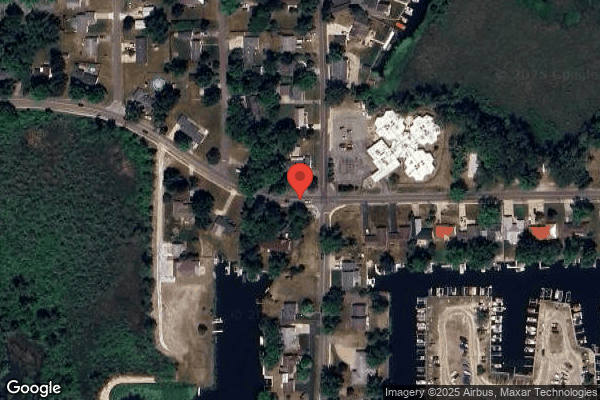

500 E PICKWICK DR, SYRACUSE, IN 46567 (574) 457-4401
For profit - Limited Liability company 66 Beds INFINITY HEALTHCARE CONSULTING Data: November 2025
Trust Grade
35/100
#500 of 505 in IN
Last Inspection: January 2025

Within standard 12-15 month inspection cycle. Federal law requires annual inspections.

Overview

The Waters of Syracuse Skilled Nursing Facility has received a Trust Grade of F, indicating significant concerns about its quality of care. It ranks #500 out of 505 facilities in Indiana, placing it in the bottom half of all nursing homes in the state, and #6 out of 6 in Kosciusko County, suggesting that there are no better local options available. The facility is worsening, with issues increasing from 8 in 2024 to 17 in 2025. Staffing is below average with a rating of 2 out of 5 stars and a turnover rate of 51%, which is concerning but close to the state average. While there have been no fines recorded, which is a positive sign, the facility has documented serious incidents, including a resident falling and requiring hospitalization due to inadequate fall risk interventions, unsanitary food storage and preparation conditions, and a lack of dignity for residents with urinary catheters. Overall, while there are some strengths, such as good RN coverage, the significant deficiencies highlight considerable weaknesses in care quality.

Trust Score
F
35/100
In Indiana
#500/505
Bottom 1%
Safety Record
Moderate
Needs review
Inspections
Getting Worse
8 → 17 violations
Staff Stability
⚠ Watch
51% turnover. Above average. Higher turnover means staff may not know residents' routines.
Penalties
✓ Good
No fines on record. Clean compliance history, better than most Indiana facilities.
Skilled Nurses
✓ Good
Each resident gets 44 minutes of Registered Nurse (RN) attention daily — more than average for Indiana. RNs are trained to catch health problems early.
Violations
⚠ Watch
35 deficiencies on record. Higher than average. Multiple issues found across inspections.
★☆☆☆☆
1.0
Overall Rating
★★☆☆☆
2.0
Staff Levels
★★★★☆
4.0
Care Quality
★☆☆☆☆
1.0
Inspection Score
Stable
2024: 8 issues
2025: 17 issues

The Good

  • 4-Star Quality Measures · Strong clinical quality outcomes
  • Full Sprinkler Coverage · Fire safety systems throughout facility
  • No fines on record

Facility shows strength in quality measures, fire safety.

The Bad

1-Star Overall Rating

Below Indiana average (3.1)

Significant quality concerns identified by CMS

Staff Turnover: 51%

Near Indiana avg (46%)

Higher turnover may affect care consistency

Chain: INFINITY HEALTHCARE CONSULTING

Part of a multi-facility chain

Ask about local staffing decisions and management

The Ugly 35 deficiencies on record

1 actual harm
Jan 2025 17 deficiencies 1 Harm
SERIOUS (G)

Actual Harm - a resident was hurt due to facility failures

Accident Prevention (Tag F0689)

A resident was harmed · This affected 1 resident

**NOTE- TERMS IN BRACKETS HAVE BEEN EDITED TO PROTECT CONFIDENTIALITY** Based on record review, observation and interview, the facility failed to develop and implement interventions to reduce the risk...

Read full inspector narrative →
**NOTE- TERMS IN BRACKETS HAVE BEEN EDITED TO PROTECT CONFIDENTIALITY** Based on record review, observation and interview, the facility failed to develop and implement interventions to reduce the risk of falls for 2 of 4 residents reviewed for accidents, (Resident 27 and 247). This deficient practice resulted in a fall requiring hospitalization for 1 of 4 residents reviewed for accidents. (Resident 247). Findings Include: 1. The record for Resident 247 was completed on 01/08/2025 at 9:40 A.M. Resident 247 was admitted on [DATE]. Diagnosis included, but were not limited to subarachnoid hemorrhage, cardiomegaly, falls, insomnia and polyneuropathy. The admission Minimum Data Set (MDS) assessment, completed on 12/18/2024 indicated Resident 247 was moderately cognitively impaired, required moderate/partial assistance for personal hygiene, toileting and transfers and substantial assistance for ambulation more than 10 feet. The resident was marked as having falls in the past 1 - 6 months prior to her admission. A Fall Risk review (assessment), dated 12/14/2024, indicated Resident 247 was at high risk for falls. A baseline Care Plan, dated 12/16/2024, indicated the resident had a history of falls and required two person physical assist for transfers. There were no goals or interventions on the care plan. A Nursing Progress Note, dated 12/14/2024 at 4:59 P.M., indicated Resident 247 was at high risk for falls but there were no interventions implemented to prevent falls. Daily Skilled Progress Notes, dated 12/21/2024, 12/22/2024 and 12/24/2024, all indicated resident 247 had unsteady balance, weakness and needed reminders to use a call light before transferring but there were no interventions implemented to prevent falls. A Nursing Progress Note, dated 12/24/2024 at 9:59 A.M., indicated the resident informed staff she was walking around the bed and tripped on her bed covers and hit her head on the wall. A small amount of bleeding was noted around the staples in the resident's head, which were in place prior to her admission due to a head injury from a fall prior to her admission. The staples were noted to be intact and the resident denied any pain. A Nursing Progress Note, 12/24/2024 at 2:04 P.M., indicated the staff spoke with Residents' son to inform him they had initially sent the resident out to a local hospital and then she was transferred to a level two trauma hospital in a nearby city and was treated in the Intensive Care Unit (ICU) for a brain hemorrhage. A facility IDT general note, dated 12/25/2024 at 9:15 A.M., indicated the resident had an unwitnessed fall on 12/24/2024 at 09:37 A.M. with an injury to the back of her head. The Resident's head was bleeding and due to the resident's recent history of brain bleed, she was sent to the local hospital emergency room and then transferred to a level two trauma hospital ICU unit due another brain hemorrhage in same area as her previous brain hemorrhage. An intervention was to be initiated, a sign placed in her room as a visual cue to use call light for help prior to getting out of bed or getting up to walk, when the resident returned from the hospital. A hospital history and physical assessment, dated 12/24/2024, indicated Patient was seen earlier this month for a fall with a head bleed. Diagnostic imaging today reveals a broad left subdural hematoma with two millimeters (MM) of left to right midline shift. There were no care plan interventions to prevent falls in place for Resident 247 to prevent this fall resulting in a subdural hematoma and subsequent hospitalization. A current Care Plan, initiated on 12/27/2024 after the resident had fallen and while the resident was hospitalized , indicated the resident was at risk for falls related to a closed head injury on admission. Interventions included, but were not limited to: Observe for side effects from medications that increase risk of falling such as dizziness and unusual drowsiness and notify the physician if observed, keep call light in reach when in room, encourage resident to use call light to seek assistance, refer to therapies as needed, and evaluate possible causes of falls and address issues to the extent possible. There were no interventions to increase supervision and/or providing any assistive devices to prevent falls. A Daily Skilled Nursing Note, dated 1/3/2024 at 11:04 P.M., indicated Resident 247 was alert and oriented with confusion, unsteady with weakness, tried to get up and walk without help and had to be reminded many times to ask for help before standing. There were no additional interventions implemented to prevent falls. A Daily Skilled Nursing Note, dated 1/4/2025 at 12:23 P.M., indicated Resident 247 was alert but very confused, kept walking around outside of her room, was unsteady with weakness and was reminded many times to ask for help before standing. There were no additional interventions implemented to prevent falls. A Daily Skilled Nursing Note, dated 1/8/2025 at 8:41 A.M., indicated Resident 247 was unsteady with weakness and had to be re-educated many times to ask for help before standing. There were no new interventions implemented to prevent falls. During a random observation, on 1/6/2025 at 10:20 A.M., Resident 247 was observed walking in her room unassisted, without an assistive device and there was no sign posted to remind the resident to use the call light. During a random observation, on 1/7/2025 at 9:56 A.M., Resident 247 was observed walking in her room unassisted, without an assistive device and there was no sign posted to remind the resident to use the call light. During a random observation, on 1/8/2025 at 1:15 P.M., Resident 247 was observed walking in her room unassisted, without an assistive device and there was no sign posted to remind the resident to use the call light. During an interview, on 1/8/2025 at 1:26 P.M., CNA 3 indicated she did not know what intervention had been implemented after Resident 247 fell and she would have to ask. During an observation, on 1/8/2025 at 1:36 P.M., CNA 3 handed Resident 247 a paper and educated the resident on using her call light. During an interview, on 1/8/2025 at 1:38 P.M., CNA 3 indicated the resident should have a reminder to use call light in room. During an observation, on 1/8/2025 at 1:40 P.M., Resident 247 was observed walking to her restroom unassisted without an assistive device. During an interview, on 1/9/2025 at 10:46 A.M., CNA 4 indicated staff were notified of changes through the electronic record, but sometimes she had to ask the charge nurse about changes. During an interview, on 1/9/2025 at 11:25 A.M., the DON indicated she did not believe a new intervention had been put in place after Resident 247's fall as the resident was in the hospital and would be treated as a new admission when she returned. She indicated staff were notified of new interventions by putting the new interventions in the electronic record and also telling staff at the shift change huddle. During an interview, on 01/09/2025 at 2:29 P.M., the MDS nurse indicated the baseline care plan did not have goals or interventions and that the comprehensive care plan for falls had not been completed until 12/27/24 while Resident 247 was at the hospital. 2. The record for Resident 27 was completed on 01/07/2025 at 2:48 P.M. Diagnosis included, but were not limited to arthritis, hypertension, obstructive and reflux uropathy, and glaucoma. A Quarterly Minimum Data Set assessment, completed on 11/15/2024 indicated Resident 27 was severely cognitively impaired, required substantial/extensive staff assistance for transferring, walking, personal hygiene, bed mobility and wheelchair mobility. The resident was marked as not having any falls since admission to the facility. The current Care Plan, initiated on 12/28/2022 and revised on 11/26/2024, indicated the resident was at risk for falls due to her condition, risk factors, decreased strength/endurance, general weakness, and osteoarthritis. Interventions included but were not limited to, bed in lowest position with fall mat next to bed, initiated on 12/31/2024, place call light in reach and encourage me to use and nursing staff to complete a fall risk assessment per facility protocol. An Interact Assessment, dated 12/28/2024 at 11:50 P.M., indicated Resident 27 had an unwitnessed fall and the physician was notified. The Nursing Progress Note related to the fall on 12/28/2024 at 11:50 A.M., completed on 12/29/2024 at 12:45 A.M., indicated Resident 27 was observed lying face down beside her bed and was assessed to have a bump to the left side of her head. An Interdisciplinary Team (IDT) note, dated 12/30/2024 at 9:00 A.M., indicated the root cause of the fall, on 12/28/2024 at 11:50 P.M., was rolling out of bed. A new intervention was for the bed to be placed in the lowest position with fall mat beside the bed. There were no new interventions implemented as a result of Resident 27's fall from bed on 12/28/2025. During a random observation, on 1/7/2025 at 2:18 P.M., Resident 27 was lying in bed with no mat beside her bed and the bed was not in lowest position. During a random observation, on 1/8/2025 at 1:13 P.M., Resident 27 was lying in bed with no mat beside her bed and the bed was not in lowest position. During an interview, on 1/8/2025 at 1:19 P.M., CNA 3 indicated she was not aware of any fall interventions for Resident 27 and would have to ask the nurse. On 01/08/25 at 01:25 P.M. CNA 3 was observed placing a fall mat in Resident 27's room. During an interview, on 01/08/25 at 01:27 P.M., CNA 3 indicated the resident is to have her bed in lowest position and a mat on floor next to the bed. During an interview, on 01/09/25 at 10:46 A.M., CNA 4 indicated they are notified of interventions by DON putting a message in PCC (computer) to let us know, but sometimes we have to ask the charge nurse. During an interview, on 01/09/25 at 11:25 A.M., the DON indicated new interventions should be on the care plan for staff and the DON talked to staff about them at the shift change huddle. She indicated she did not know why the new intervention for Resident 27 had not been observed to be in place on 1/7/2025 and 1/8/2025 while the resident was in bed. , The current facility policy, titled Guidelines for Incidents/Accidents/Falls, dated 6/30/2023, was provided by the Regional MDS Consultant on 1/9/2025 at 1:50 P.M., and indicated the policy was the one currently used by the facility. The policy indicated . 11. All falls will have a site investigation by appropriate staff in an effort to define the root cause of the fall. This will help provide information to enable staff to roll out interventions to prevent another similar occurrence. Note: each fall needs a new care plan intervention. Residents are assessed for fall risk upon admission, re-admission, quarterly and when there is a change of condition to include a fall. 15. The resident's care plan will be addressed to ensure that any needed points of focus have measurable goals with appropriate interventions in place. 3.1-45(a)(2)
CONCERN (D)

Potential for Harm - no one hurt, but risky conditions existed

Resident Rights (Tag F0550)

Could have caused harm · This affected 1 resident

Based on observation, record review and interview, the facility failed to provide a dignity cover for a urinary indwelling catheter for 1 of 1 residents reviewed for urinary indwelling catheters. (Res...

Read full inspector narrative →
Based on observation, record review and interview, the facility failed to provide a dignity cover for a urinary indwelling catheter for 1 of 1 residents reviewed for urinary indwelling catheters. (Resident 34) Finding includes: During an observation, on 1/7/2025 at 1:46 P.M., Resident 34 was lying in her recliner. The urinary drainage tubing was observed over her left thigh and the drainage bag had a white side and a clear side. The urinary collection bag was observed from outside the room, hanging on the wheelchair next to the recliner, without a dignity cover and urine was able to be viewed through the clear side of the bag and was also leaking on the floor. During an observation, on 1/8/2025 at 9:11 A.M., the urinary collection bag was observed hanging from the bed frame without a dignity bag. Urine was visible in the collection bag. During an observation, on 1/8/2025 at 11:24 A.M., Resident 34 was transported via a wheelchair to the therapy room with the urinary drainage bag attached under the resident's wheelchair without a dignity bag. Urine was visible in the collection bag. During an observation, on 1/9/2025 at 11:26 A.M., Resident 34 was observed in the therapy room with the urinary drainage bag hanging from the wheelchair armrest without a dignity bag. Urine was visible in the collection bag. A record review for Resident 34 was completed on 1/8/2025 at 10:04 A.M. Diagnoses included, but were not limited to: neuromuscular dysfunction of the bladder, kidney failure and history of urinary tract infections. An admission Minimum Data Set (MDS) assessment, dated 12/9/2025, indicated Resident 34 was cognitively intact and had an indwelling urinary catheter. A Physician's Order, dated 12/3/2024, indicated catheter care was to be provided every shift and staff were to ensure the catheter drainage bag was below the resident's waist height and covered. A Care Plan, dated 10/2/2024 and revised on 10/3/2024, indicated Resident 34 was at risk for complications related to the use of a Foley (urinary) catheter due to a neurogenic bladder. During an interview, on 1/9/2025 at 11:46 A.M., CNA 7 indicated the Foley catheter drainage bags should be covered. A policy was provided, on 1/10/2025 at 8:37 A.M., by the Executive Director. The policy titled, Catheters, did not indicate the need for dignity covers for indwelling urinary catheters. 3.1-3(t)
CONCERN (D)

Potential for Harm - no one hurt, but risky conditions existed

Deficiency F0582 (Tag F0582)

Could have caused harm · This affected 1 resident

Based on interview and record review, the facility failed to ensure a SNF-ABN (Skilled Nursing Facility-Advanced Beneficiary Notice) Form was provided following the end of Medicare skilled services fo...

Read full inspector narrative →
Based on interview and record review, the facility failed to ensure a SNF-ABN (Skilled Nursing Facility-Advanced Beneficiary Notice) Form was provided following the end of Medicare skilled services for 2 of 3 residents who discharged from Medicare services and remained in the facility. (Resident 9 & 14) Finding includes: On 1/8/2025 at 9:07 A.M., the SNF (Skilled Nursing Facility) Beneficiary Protection Notification Review Forms were reviewed. 1. The form indicated Resident 9 was not issued an SNF-ABN form. Resident 9 was provided with a Notice of Medicare Non-Coverage (NOMNC) Form which indicated Resident 9's Medicare coverage would end on 8/28/2024. An Advanced Beneficiary Notice (ABN) was not provided to Resident 9. During an interview, on 1/9/2025 at 9:52 A.M., the Business Office Manager (BOM) indicated Resident 9 had 34 Medicare A days remaining to use and was provided with a NOMNC which indicated Resident 9 would be discharged from Medicare A services on 8/28/2024. 2. The form indicated Resident G was not issued an SNF-ABN form. Resident G was provided with a Notice of Medicare Non-Coverage (NOMNC) Form which indicated Resident G's Medicare coverage would end on 6/6/2024. An Advanced Beneficiary Notice (ABN) was not provided to Resident G. During an interview, on 1/9/2025 at 9:56 A.M., the BOM indicated Resident G had 57 Medicare A days remaining to use and was provided a NOMNC which indicated Resident G would be discharged from Medicare A services on 6/6/2024. She indicated anyone who received a NOMNC will receive an ABN after they are no longer covered by Medicare A services. She indicated she did not keep a copy of the ABN's provided. A policy for ABN administration was requested. On 1/10/2025 at 1:37 P.M., the Executive Director indicated a policy was not available for ABN notices/documentation. 3.1-4(f)(2)
CONCERN (D)

Potential for Harm - no one hurt, but risky conditions existed

Deficiency F0645 (Tag F0645)

Could have caused harm · This affected 1 resident

Based on record review and interview, the facility failed to ensure a PASARR (Pre-admission Screening and Resident Review) was completed timely for 1 of 1 residents reviewed. (Resident B) Finding incl...

Read full inspector narrative →
Based on record review and interview, the facility failed to ensure a PASARR (Pre-admission Screening and Resident Review) was completed timely for 1 of 1 residents reviewed. (Resident B) Finding includes: The record for Resident B was reviewed on 1/7/2025 at 11:34 A.M. Diagnoses included, but were not limited to fractured ribs, cancer, end stage renal disease, bipolar, and malnutrition. A PASARR Level 1 for Resident B was completed on 6/16/2024. The Level 1 determined Resident B had a serious mental illness and/or intellectual disability and was placed in the Convalescence category - 60 Day Convalescence Care Approval. A 60 day or less stay in the NF (nursing facility) was authorized. The form indicated Re-screening must occur by or before the 60th day if the individual is expected to remain in the NF beyond the authorization timeframe On 1/8/2025 at 1:13 P.M., the Social Service consultant provided a Notice of Level 1 screen outcome. The level 1 screening form indicated it was valid for 60 days with an end date of September 14, 2024. The record for Resident B lacked the documentation to show a new level 1 screen had been completed before 9/14/2024. During an interview, on 1/8/2025 at 2:18 P.M., the Social Service consultant indicated there should have been another Level of Care (LOC) PASARR form completed in September. She indicated she had instructed the Business office manager (BOM) to initiate the process. On 1/9/2025 at 12:03 P.M. the Corporate MDS consultant provided a policy, titled Ascend-PAS and LOC, undated, and indicated the policy was the one currently used by the facility. The policy indicated . 5. Short term LOC a. 7- 14 days prior to expiration date, nursing facility (BOM) to initiate a new level 1 and LOC . 8. Update LOC audit tool with resident names, date of admission, date path tracker was completed, date level 1 was completed, if level 2 was needed, date LOC was completed, short term/long term status of LOC, and date if any of LOC ending date (BOM) 3.1-16(d)
CONCERN (D)

Potential for Harm - no one hurt, but risky conditions existed

Deficiency F0655 (Tag F0655)

Could have caused harm · This affected 1 resident

**NOTE- TERMS IN BRACKETS HAVE BEEN EDITED TO PROTECT CONFIDENTIALITY** Based on record review, observation and interview, the facility failed to ensure base line care plans were initiated for a resid...

Read full inspector narrative →
**NOTE- TERMS IN BRACKETS HAVE BEEN EDITED TO PROTECT CONFIDENTIALITY** Based on record review, observation and interview, the facility failed to ensure base line care plans were initiated for a resident with falls and receiving dialysis, and a resident at high risk for falls for 2 of 5 residents reviewed for base line care plans. (Resident B & 247) Findings include: 1. The record for Resident B was reviewed on 1/7/2025 at 11:34 A.M. Diagnoses included but were not limited to: fractured ribs, cancer, end stage renal disease, bipolar, repeated falls and malnutrition. An admission Minimum Data Set (MDS) assessment, dated 7/30/2024 indicated Resident B was receiving dialysis. A Base Line Care Plan form, dated 7/30/2024, indicated the resident required dialysis and had previous falls with injury. The form lacked goals, interventions and any special needs to properly care for the resident. During an interview, on 1/8/2025 at 10:59 A.M., the MDS coordinator indicated the care plan summary should have had goals and interventions. 2. The record for Resident 247 was reviewed on 1/8/2025 at 9:40 A.M. Resident 247 was admitted on [DATE]. Diagnosis included, but were not limited to subarachnoid hemorrhage, cardiomegaly, falls, insomnia, and polyneuropathy. A Nursing Progress Note, dated 12/14/2024 at 4:59 P.M., indicated Resident 247 was alert and oriented, transferred with 1 assist and was at high risk for falls. A fall risk review, dated 12/14/2024, indicated Resident 247 was at high risk for falls. A baseline care plan, dated 12/16/2024, indicated Resident 247 had a history of falls. The care plan lacked goals and/or interventions for falls. During an interview, on 1/09/2025 at 2:29 P.M., the MDS nurse indicated the baseline care plan did not have goals or interventions. The comprehensive care plan for falls was not completed until 12/27/2024 while Resident 247 was at the hospital. The current facility policy, titled Baseline Care Plan Assessment/Comprehensive Care Plans, dated 3/23/2021, was provided by the Regional MDS Consultant on 1/9/2025 at 1:50 P.M., and indicated the policy was the one currently used by the facility. The policy indicated . the admitting nurse will initiate the Baseline Care Plan Assessment to establish an initial plan of care to identify potential problems and to initiate appropriate goals and interventions 3.1-30(a)
CONCERN (D)

Potential for Harm - no one hurt, but risky conditions existed

Comprehensive Care Plan (Tag F0656)

Could have caused harm · This affected 1 resident

Based on observation, record review and interview, the facility failed to complete a comprehensive care plan for 3 of 13 residents reviewed for comprehensive care plans. (Residents 18, 20 and 32) Find...

Read full inspector narrative →
Based on observation, record review and interview, the facility failed to complete a comprehensive care plan for 3 of 13 residents reviewed for comprehensive care plans. (Residents 18, 20 and 32) Findings include: 1. During an observation on 1/6/2024 at 9:53 A.M., Resident 18 had facial hair stubble. He indicated this was the longest his facial hair had been in a while and the CNA (Certified Nursing Assistant) was to assist him to shave. A record review for Resident 18 was completed on 1/8/2025 at 1:20 P.M. Diagnoses included, but were not limited to: cerebral infarction (stroke), spinal stenosis and chronic obstructive pulmonary disease (COPD). A Quarterly Minimum Data Set (MDS) assessment, dated 12/16/2024, indicated Resident 18 was cognitively intact, required partial/moderate assistance for bed mobility and substantial/maximal assistance for transfers and personal hygiene. A Care Plan for activities of daily living (ADLs) could not be located in the medical record. During an interview, on 1/9/2024 at 10:05 A.M., the MDS (Minimum Data Set) Coordinator indicated a care plan for ADLs was initiated on 12/8/2024 and resolved on 12/15/2024. The care plan for ADLS was no longer active. He indicated Resident 18 should have had a care plan for ADL care needs. 2. During an interview, on 1/6/2025 at 2:01 P.M., Resident 20 indicated he had a Foley catheter (a device that drains urine from your urinary bladder into a collection bag outside of your body). A record review for Resident 20 was completed on 1/7/2025 at 1:05 P.M. Diagnoses included, but were not limited to: chronic kidney disease stage 4, obstructive and reflux uropathy and congestive heart failure. A Significant Change Minimum Data Set (MDS) assessment, dated 10/31/2024, indicated Resident 20 have moderate cognitive impairment and had an indwelling catheter. A Physician's Order, dated 12/19/2024, indicated a 16 French (5.3 millimeters) urinary catheter with a 10 milliliter balloon to be changed as needed and catheter care every shift during routine CNA (certified nursing assistant) care. A Care Plan for Foley (urinary) catheter care could not be located in the medical record. During an interview, on 1/9/2025 at 12:00 P.M., the MDS Coordinator indicated the care plan was created on 7/9/2024 and resolved on 7/22/2024. The care plan for the Foley catheter was no longer active. He indicated Resident 20 should have had a care plan for Foley (urinary) catheter care. 3. A record review for Resident 32 was completed on 1/7/2025 at 11:18 A.M. Diagnoses included, but were not limited to: underweight, disorientation and osteoarthritis. A Quarterly Minimum Data Set (MDS) assessment, dated 11/18/2024, indicated Resident 32 had moderate cognitive impairment. Hypothyroidism was not a diagnosis listed for active diagnoses. A Physician's Order, dated 11/25/2024, indicated levothyroxine sodium 75 mcg (micrograms) medication daily for high thyroid stimulating hormone. A Care Plan for hypothyroidism could not be located in the medical record. During an interview, on 1/9/2025 at 10:10 A.M., the MDS Coordinator indicated a care plan for hypothyroidism was not available and Resident 32 should have had a care plan for hypothyroidism. A policy was provided by the Director of Nursing, on 1/10/2025 at 11:28 A.M. The policy titled, Baseline Plan Assessment/Comprehensive Care Plan, indicated, .The Comprehensive Care Plan will further expand on the resident's risk, goals and interventions using the Person-Centered Plan of Care approach for each resident that includes measurable objectives and timetables to meet the resident's medical, nursing, physical functioning, mental and psychosocial needs. These needs will be defined from observations, interviews, clinical record review and through assessment and CAAs [care area assessments]. The facility Interdisciplinary team in conjunction with the resident, resident's family, surrogate or representative as appropriate along with a hands on caregiver, such as a Certified Nursing Assistant will discuss and develop quantifiable objections along with appropriate interventions in an effort to achieve the highest level of functioning and the greatest degree of comfort/safety and overall well-being attainable for the resident .3. The Comprehensive Care Plan will be finalized within 7 days of completion of the Full Comprehensive MDS assessments and corresponding CAAs. The Comprehensive Care plan will include participation from IDT [interdisciplinary team] members as well as CNA[s] who deliver hands on care by the way of interview, some member of the food/nutritional service staff, restorative nursing team as applicable, as well as a Social Service Worker .9. The Comprehensive Care Plans will be reviewed and updated every quarter at a minimum 3.1-35(a)
CONCERN (D)

Potential for Harm - no one hurt, but risky conditions existed

Deficiency F0657 (Tag F0657)

Could have caused harm · This affected 1 resident

**NOTE- TERMS IN BRACKETS HAVE BEEN EDITED TO PROTECT CONFIDENTIALITY** 3. During an interview on 1/6/2025 at 10:35 A.M., Resident 30 indicated he had never been to a care plan conference. On 1/7/2025...

Read full inspector narrative →
**NOTE- TERMS IN BRACKETS HAVE BEEN EDITED TO PROTECT CONFIDENTIALITY** 3. During an interview on 1/6/2025 at 10:35 A.M., Resident 30 indicated he had never been to a care plan conference. On 1/7/2025 at 11:23 A.M., a record review was completed for Resident 30 and indicated the resident was admitted to the facility on [DATE]. A record review indicated Resident 30 had a care plan conference on 10/2/2023, 11/17/2023 and 12/4/2024. The record lacked documentation that a care plan conference was held between 11/17/2023 and 12/4/2024. During an interview on 1/9/2025 at 8:48 A.M., the Administrator indicated care plan conferences were located in the resident's progress notes or documents. He indicated he would try and find the residents care plan conferences that were missing between 11/17/2023 and 12/4/2024. During an interview on 1/9/2025 at 10:09 A.M., the Regional MDS Consultant indicated the resident did not have any care conferences between 11/17/2023 and 12/4/2024 and should have. 3.1-35 Based on record review and interview, the facility failed to ensure care plan meetings were held timely for 3 of 25 residents whose care plans were reviewed. (Residents 27, 30 and 38) Findings include: 1. The record for Resident 27 was reviewed on 01/07/2025 at 2:48 P.M. Diagnosis included, but were not limited to arthritis, hypertension, obstructive and reflux uropathy and glaucoma. A Care Plan meeting progress note, dated 4/4/2024, indicated Resident 27's POA (Power of Attorney) was present at the meeting. The record lacked documentation of any care plan meetings having been held after 4/4/2024. During an interview, on 1/8/2025 at 1:23 P.M., the Corporate Social Service Director (SSD) indicated a meeting was held in April and Resident 27 should have had two additional meetings since then, but no meetings have been held since April. 2. During an interview, on 1/6/2025 at 11:02 A.M., Resident 38's Power of Attorney (POA) indicated he had not had any care plan meetings since the initial admission meeting but he was just informed the meetings should have been held quarterly. The record for Resident 38 was reviewed on 1/8/2025 at 1:24 P.M. Diagnosis included, but were not limited to fracture of Rt. femur, hemiplegia and hemiparesis, contracture of muscle to right hand, calorie malnutrition, hx history of stroke, depression and dysphagia. A Care Plan meeting progress note, dated 7/10/2024, indicated Resident 38's POA was present at the meeting and Resident 38 had declined to attend the meeting. The record lacked the documentation of any care plan meetings having been held after 7/11/2024. During an interview, on 1/8/2025 at 1:23 P.M., the Corporate Social Service Director (SSD) indicated a meeting was held in July and Resident 38 should have had one in October.
CONCERN (D)

Potential for Harm - no one hurt, but risky conditions existed

Incontinence Care (Tag F0690)

Could have caused harm · This affected 1 resident

**NOTE- TERMS IN BRACKETS HAVE BEEN EDITED TO PROTECT CONFIDENTIALITY** Based on observation, record review and interview, the facility failed to ensure an incontinent resident remained free from an i...

Read full inspector narrative →
**NOTE- TERMS IN BRACKETS HAVE BEEN EDITED TO PROTECT CONFIDENTIALITY** Based on observation, record review and interview, the facility failed to ensure an incontinent resident remained free from an indwelling urinary catheter for 1 of 1 residents reviewed for urinary catheters. Finding includes: During an observation, on 1/7/2025 at 1:46 P.M., Resident 34 was lying in her recliner. The urinary drainage tubing was observed over her left thigh and the urinary drainage bag was hung on the wheelchair next to the recliner. A record review for Resident 34 was completed on 1/8/2025 at 10:04 A.M. Diagnoses included, but were not limited to: neuromuscular dysfunction of the bladder, kidney failure and history of urinary tract infections. Resident 34 was admitted to the facility on [DATE]. She was discharged on 10/19/2024 and readmitted on [DATE]. An admission Minimum Data Set (MDS) assessment, dated 10/1/2024, indicated Resident 34 was cognitively intact and was frequently incontinent of bladder. An admission Minimum Data Set (MDS) assessment, dated 12/9/2025, indicated Resident 34 was cognitively intact and had an indwelling urinary catheter. A Bowel and Bladder Incontinence Screener assessment, dated 9/24/2024, indicated Resident 34 voided appropriately without incontinence always, was incontinent of bowel and was sometimes mentally aware of the need to use the toilet. The assessment indicated to proceed with a Bowel and Bladder Incontinence History Review for further evaluation to determine eligibility for a structured toileting program. A Bowel and Bladder Incontinence History Review was not completed. A Nursing Progress Note, dated 10/2/2024 at 1:25 P.M., indicated a Foley (urinary) catheter was anchored in the bladder. A Care Plan, dated 10/2/2024 and revised 12/17/2024, indicated Resident 34 was at risk for complications related to the use of a Foley catheter due to a neurogenic bladder. A Hospital History and Physical, dated 11/25/2024, indicated Resident 34 had a chronic Foley catheter placed in October 2024. The Foley (urinary) catheter was placed due to Resident 34 leaking urine constantly and no records suggested or supported a neurogenic bladder diagnosis. A Bowel and Bladder Incontinence Screener assessment, dated 12/2/2024, indicated Resident 34 voided appropriately without incontinence not always, but at least daily, was incontinent of stool 1-3 times per week and was usually aware of the need to use the toilet. The assessment indicated Resident 34 had a urinary/bowel collection device, remained continent at the time and do not proceed with Bowel and Bladder Incontinence History Review was marked. A Urinary Catheter Review assessment, dated 12/2/2024, indicated Resident 34 did not have a diagnosis for an unavoidable catheterization. A Urinary Catheter Review assessment, dated 12/3/2024, indicated Resident 34 had a post void residual of 200 milliliters or more, an inability to manage the retention/incontinence with intermittent catheterizations and persistent overflow incontinence, systemic infections and/or renal dysfunction. However, a post void residual or orders for intermittent catheterizations could not be located in the medical record. A Physician's Order, dated 12/3/2024, indicated a Foley urinary catheter 16 French 10 milliliter balloon and catheter care every shift. During an interview, on 1/10/2025 at 10:37 A.M., the Nurse Practitioner indicated Resident 34 may have some retention. During an interview, on 1/10/2025 at 12:08 P.M., Resident 34 indicated she was peeing all over herself and requested a urinary catheter to be placed. During an interview, on 1/10/2025 at 12:33 P.M., the Nurse Practitioner indicated Resident 34 had a neurogenic bladder. She indicated her thought process was Resident 34 had moisture associated skin dermatitis on her buttock and was unable to control her urine. Resident 34 would stand up and urine would flow, so a Foley (urinary) catheter was placed. The Nurse Practitioner indicated she did not try to implement a medication, complete a bladder scan or a toileting program prior to placement of the Foley (urinary) catheter. During an interview, on 1/10/2025 at 12:41 P.M., the Director of Nursing indicated a 3-day bowel and bladder assessment was completed upon admission and Resident 34 had a full medical examination for neurogenic bladder prior to admission. However, documents supporting the evaluation of neurogenic bladder were not available for review. A policy was provided, on 1/10/2025 at 8:37 A.M. by the Executive Director. The policy titled, Catheters, indicated, .It is the policy of the facility to ensure that a resident who enters the facility without an indwelling catheter is not catheterized unless the resident's clinical condition demonstrates that catheterization was necessary. Further that a resident who is incontinent of bladder receives appropriate treatment and services to prevent urinary tract infections and to restore continence to the extent possible 3.1-41(a)(1)
CONCERN (D)

Potential for Harm - no one hurt, but risky conditions existed

Deficiency F0692 (Tag F0692)

Could have caused harm · This affected 1 resident

2. The record for Resident 27 was reviewed on 01/07/2025 at 2:48 P.M. Diagnosis included, but were not limited to arthritis, hypertension, obstructive and reflux uropathy and glaucoma. A current Care ...

Read full inspector narrative →
2. The record for Resident 27 was reviewed on 01/07/2025 at 2:48 P.M. Diagnosis included, but were not limited to arthritis, hypertension, obstructive and reflux uropathy and glaucoma. A current Care Plan revised on 8/22/2024, indicated the resident was at nutritional risk due to: diagnoses of hypertension, gastroesophageal reflux disease and hyperlipidemia. Receives diuretic treatment with anticipated weight fluctuations related to fluid shifts. Interventions include but were not limited to; diet served as ordered, offer replacement for foods/beverages not consumed or if consumes 50% or less of meal, monitor weights and intakes, and requires adaptive feeding devices of built-up handled silverware. The care plan does not mention any interventions for significant weight loss. A nutrition at risk review, dated 12/11/2024, indicated Resident 27 was on a regular diet, and weighed 135.2 pounds (lbs) on 11/27/2024 and 122.2 on 12/11/2024, indicating a loss of 9.6% in two weeks. The resident intakes were less than 50 percent of meals. The recommendations included, but were not limited to, house shakes three times a day (TID). A Nurse Practitioner Progress note, dated 12/11/2024, and signed electronically on 1/9/2025 indicated Resident 27 was being seen for a 10 percent weight loss and had poor oral intake. The recommendations related to abnormal weight loss included house shakes TID. A nutrition at risk review, dated 12/19/2024, indicated that Resident 27 was on a regular diet and had a weight of 120.8 lbs on 12/18/2024, indicating a loss of 10.1% in one month. The resident intake were less than 25 percent of meals. The recommendation included house shakes TID. A Physician's Order, dated 12/20/2024, indicated house shake TID, one container/serving, and record percent consumed. A Physician's Order, dated 12/23/2024 and revised on 1/9/2025, indicated house shake with meals. The order did not indicate record consumption or serving amount until 1/9/2025. A nutrition at risk review, dated 12/27/2024, indicated Resident 27 was on a regular diet with house shake at meals and had a weight of 120.8 lbs on 12/18/2024, indicating a loss of 10.1% in one month. The resident intake was less than 25 percent of meals and no new recommendations were made. A nutrition at risk review, dated 1/8/2025, indicated Resident 27 was on a regular diet with house shake at meals, continued to have weight loss, and weight on 1/5/2025 was 117 lbs, indicating a loss of 13.1 percent in 1 month. There were no new recommendations. During an interview, on 1/9/2025 at 11:25 A.M., the Director of Nursing (DON) indicated the Dietician would email her recommendations, and she would put the order in the computer. She indicated she did not know why the recommendation on 12/11/2024 was not implemented until 12/20/2024. The DON indicated she was not sure why the order was changed to not include documentation of amount consumed because the dietician would not know how effective the supplement was. The DON indicated when a resident had a significant weight loss, the resident would be added to the Skin-Weight-Assessment-Team program (SWAT). The DON indicated the resident was not currently followed by SWAT. On 1/10/2025 at 12:04 P.M., the Director of Nursing provided the policy titled,Guidelines for Physician Orders- Following Physician Orders, dated 6/18/2023, and indicated the policy was the one currently used by the facility. The policy indicated . 4. All physician orders received pertaining to the resident will be implemented and followed throughout the course of the resident's stay in the facility as the orders are received The current facility policy, titled Dietician Referrals and Recommendations, dated 4/2017, was provided by the Regional Nurse Consultant on 1/10/2025 at 12:04 P.M., and indicated the policy was the one currently used by the facility. The policy indicated . the dietician will communicate recommendations to be carried out by the DON or nursing designee The current facility policy, titled S-W-A-T Program, was provided by the Regional Nurse Consultant on 1/10/2025 at 12:04 P.M., and indicated the policy was the one currently used by the facility. The policy indicated . 5 percent or more (undesirable) weight change in 30 days . and SWAT meets weekly to discuss residents who meet criteria as stated. as stated. A policy was provided, on 1/10/2025 at 12:41 P.M. by the Dietary Manager. The policy titled, Liberalized Diets, indicated, .Resident swill receive the least restrictive diet to maximize meal intake, improve quality of life, and increase Resident satisfaction .2. Each resident shall receive the least restrictive diet per physician order .4. Diet orders and diet spreadsheets shall match the facility approved terminology 3.1-46(a)(2) 3. During an interview, on 1/6/2025 at 2:02 P.M., Resident 20 indicated he had just returned from his dialysis treatment. A record review for Resident 20 was completed on 1/7/2025 at 1:05 P.M. Diagnoses included, but were not limited to: chronic kidney disease stage 4, mild protein-calorie malnutrition, diabetes mellitus type 2 and gastroparesis. A Significant Change Minimum Data Set (MDS) assessment, dated 10/31/2024, indicated Resident 20 had moderate cognitive impairment and had no significant weight loss or gain. A Physician Order, dated 12/14/2024, indicated a consistent carbohydrate dialysis diet. A Physician's Order, dated 12/19/2024, indicated a gastroparesis diet with no lentils, seeds or nuts; no dried, raw or uncooked fruits and vegetables with skins; no fruits or vegetables with seeds; no fatty foods; no citrus drinks; and no highly sweetened foods. A Care Plan indicated Resident 20 was at risk for a nutritional deficit related to protein calorie malnutrition, chronic kidney disease with dialysis and diabetes mellitus type 2. Interventions included, but were not limited to: prepare and serve diet as ordered. During an observation, on 1/9/2025 at 11:53 A.M., Resident 20 had a meal tray served to his room. The food on the plate included mashed potatoes with gravy on top of a slice of bread and turkey, carrots and peach cobbler. However, according to the Menu Extension for special diets, Resident 20 should have been served fluffy rice in place of the mashed potatoes due to his need for a renal diet, and a half serving of 2 ounces for peach cobbler instead of 4 ounces due to the consistent carbohydrate diet requirements. During an interview, on 1/9/2025 at 12:12 P.M., Resident 20 indicated he had the choice of the main meal served or alternatives if he did not want the main meal. He indicated he likes rice, and should not have potatoes as they are high in potassium. Resident 20 indicated he had a list of foods to avoid that were high in potassium. This list was observed hanging on his closet door. During an observation, on 1/10/2025 at 12:16 P.M., Resident 20 had a meal tray delivered to his room. The meal tray included chicken cornbread bake, broccoli and chocolate cream pie. A meal ticket indicated no dairy products, no deli meats or hot dogs, no ground beet, no uncooked fruits or vegetables and no whole grain breads or cereal. The meal ticket indicated he had ordered the main meal. However, according to the Menu Extension for special diets, Resident 20 should have been served 5 ounces of baked chicken and rice pilaf in place of the chicken cornbread bake and sugar cookies in place of the chocolate cream pie due to his renal diet. During an interview, on 1/10/2025 at 12:21 P.M., the Dietary Manger indicated staff asked the residents for their meal preferences and Resident 20 had requested the main meal. He indicated Resident 20 should have been served baked chicken, rice pilaf and sugar cookies. He indicated he did not realize the main menu diet was different for the renal diet. Based on record review, observation and interview, the facility failed to ensure nutritional supplements % (percentage) were documented for a resident with weight loss; failed to initiate RD recommendations for supplements for a resident with weight loss and failed to serve the appropriate diet to a resident receiving dialysis for 3 of 4 residents reviewed for nutrition. (Residents 1, 27 and E) Findings include: 1. During an interview, on 1/6/2025 at 10:17 A.M., Resident 1 indicated she had lost maybe another 25 pounds. The record for Resident 1 was reviewed on 1/9/2025 at 8:59 A.M. Diagnoses included, but were not limited to: diabetes, anxiety, kidney failure, and polyneuropathy. Current Physician Order, dated 12/23/2024, included the following: House shake with meals for Supplement- give 1 container/serving by mouth. Record % consumed. A Care Plan, initiated on 9/16/2024, indicated Resident 1 was at risk for nutritional deficit related to diagnoses of heart disease, diabetes, hypertension and gastro esophageal reflux disease. Weight loss. Interventions included but were not limited to: Diet is served as ordered. Snacks are available to me between meals upon request. Offer replacement for foods/beverages not consumed or if consumes 50% or less of meal. Monitor weights and intakes. Notify physician and resident & responsible party of significant weight changes. The December Medication Administration Record (MAR) indicated the percentage for the House Shakes was only documented three times. The January MAR dated 1/1 through 1/9/2025 lacked the documentation of the percentage consumed of the Health Shake. During an interview, on 1/9/2025 at 3:13 P.M., the Director of Nursing indicated she completed the order and did not put it in the electronic charting system correction. She indicated the percentages should have been documented.
CONCERN (D)

Potential for Harm - no one hurt, but risky conditions existed

Respiratory Care (Tag F0695)

Could have caused harm · This affected 1 resident

Based on observation, record review and interview, the facility failed to properly store oxygen therapy equipment and C-PAP (continuous positive airway pressure) equipment for 2 of 2 residents reviewe...

Read full inspector narrative →
Based on observation, record review and interview, the facility failed to properly store oxygen therapy equipment and C-PAP (continuous positive airway pressure) equipment for 2 of 2 residents reviewed for oxygen therapy. (Resident 18 and 20) Findings include: 1. During an observation, on 1/6/2025 at 9:53 P.M. and 1/7/2025 at 10:37 A.M., Resident 18's C-Pap mask was observed on top of his personal refrigerator, unbagged. During an observation, on 1/8/2025 at 1:14 P.M., Resident 18's C-Pap mask was observed on the floor. During an observation, on 1/9/2025 at 11:27 A.M., a CNA came out of the Resident 18's room. The C-Pap mask was observed on top of the personal refrigerator, unbagged. At 1:30 P.M., the C-Pap mask was still on top of the resident's personal refrigerator. A record review for Resident 18 was completed on 1/8/2025 at 1:20 P.M. Diagnoses included, but were not limited to: cerebral infarction (stroke), congestive heart failure, obstructive sleep apnea and chronic obstructive pulmonary disease (COPD). A Quarterly Minimum Data Set (MDS) assessment, dated 12/16/2024, indicated Resident 18 was cognitively intact. The assessment did not indicate he received C-Pap therapy. A Physician's Order, dated 2/9/2024, indicated Resident 18 to wear the C-Pap at bedtime and for naps every shift. A Care Plan, dated 11/6/20924 and revised on 11/15/2024, indicated Resident 18 presented with altered sleeping and breathing functions secondary to obstructive sleep apnea. Interventions included, but were not limited to: utilization of the sleep apnea machine per doctor's orders and to set up the machine according to manufacturer's guidelines. During an interview, on 1/9/2025 at 1:31 P.M., CNA 9 indicated the C-Pap mask should be stored in the bedside table drawer, and should not be on the over the bed table. She indicated she has not seen a respiratory bag in use for storage of C-Pap masks. During an interview, on 1/9/2025 at 1:37 P.M., QMA 8 indicated C-Pap masks should be stored in a respiratory bag when not in use. 2. During an observation, on 1/6/2025 at 9:49 A.M., Resident 20's nasal cannula tubing was attached to the hydration chamber of the concentrator tank and on the floor. During an observation, on 1/6/2025 at 11:04 A.M., Resident 20's nasal cannula tubing was attached to the hydration chamber of the concentrator tank. The respiratory storage bag was intertwined in the nasal cannula on the floor. During an observation, on 1/6/2025 at 1:51 P.M., the nasal cannula was draped over the over the bed table at the end of the bed. During an observation, on 1/9/2025 at 11:38 A.M., the respiratory storage bag was observed intertwined with the nasal cannula on the floor. Resident 20 was wearing his nasal cannula. A record review for Resident 20 was completed on 1/7/2025 at 1:05 P.M. Diagnoses included, but were not limited to: congestive heart failure, anemia and cardiomyopathy. A Significant Change Minimum Data Set (MDS) assessment, dated 10/31/2024, indicated Resident 20 have moderate cognitive impairment. The assessment did not indicate he received oxygen therapy. A Physician's Order, dated 12/14/2024, indicated Resident 20 to wear oxygen at 4 liters per minute via nasal cannula continuously. A Care Plan, dated 2/8/2024, indicated Resident 20 had complications with gas exchange related to shortness of breath and oxygen saturations less than 90 percent. During an interview, on 1/9/2025 at 1:31 P.M., CNA 9 indicated oxygen tubing should be stored in a respiratory bag when not in use. She indicated the oxygen tubing should not drag on the floor. During an interview, on 1/9/2025 at 1:37 P.M., QMA 8 indicated nasal cannulas should be stored in a respiratory bag when not in use. A policy was requested for oxygen therapy and C-Pap guidelines. A policy was provided, on 1/10/2025 at 10:58 A.M., titled, Bi-Level Therapy. The employee indicated that oxygen and C-Pap storage was not included in the policy. 3.1-47(a)(6)
CONCERN (D)

Potential for Harm - no one hurt, but risky conditions existed

Deficiency F0697 (Tag F0697)

Could have caused harm · This affected 1 resident

Based on record review and interview, the facility failed to ensure pain medications were being monitored for effectiveness for 1 of 2 residents reviewed for pain management. (Resident 1) Finding incl...

Read full inspector narrative →
Based on record review and interview, the facility failed to ensure pain medications were being monitored for effectiveness for 1 of 2 residents reviewed for pain management. (Resident 1) Finding includes: During an interview, on 1/06/2025 at 10:18 A.M., Resident 1 indicated If I move, I get pain, I get Tramadol. The record for Resident 1 was reviewed on 1/9/2025 at 8:59 A.M. Diagnoses included, but were not limited to diabetes, anxiety, kidney failure and polyneuropathy. A Quarterly Minimum Data Set (MDS) assessment, dated 12/15/2024, indicated Resident 1 had pain occasionally at a score of 6 (moderate) level and received routine and PRN (as needed) pain medications. A current Care Plan, initiated on 4/19/2023, indicated Resident 1 had the potential for pain/discomfort related to their diagnosis, reduced mobility, diabetes and right shoulder pain. Interventions included, but were not limited to: monitor the effectiveness of pain medications and administer pain medication as per MD orders and note the effectiveness. Current physician orders included, but were not limited to: Tramadol (narcotic) 50 mg (milligrams) every 6 hours for pain. The November Medication Administration Record (MAR) lacked the documentation to show the effectiveness of the Tramadol medication had been monitored. The effec (effectiveness) box on the MAR was x' d out from the 1st through the 30th. The December MAR lacked the documentation to show the effectiveness of the Tramadol medication had been monitored. The effec (effectiveness) box on the MAR was x' d out from the 1st through the 31st. The January MAR lacked the documentation to show the effectiveness of the Tramadol medication was being monitored. The effec (effectiveness) box on the MAR was x' d out from the 1st through the 8th. During an interview, on 1/9/2025 at 1:39 P.M., RN 6 indicated the effectiveness of the pain medication should have been documented. On 1/9/2025 at 12:19 P.M., the ADON provided the policy titled, Guidelines for Pain Management, dated 9/1/2023, and indicated the policy was the one currently used by the facility. The policy indicated . Methods to Achieve Goals of Pain Management . 6. Monitor the effectiveness of any medication being used for pain management/control . 10. Pain Monitoring- The effectiveness of administered pain medication will be documented 1-2 hours post administration of the medication 3.1-37(a)
CONCERN (D)

Potential for Harm - no one hurt, but risky conditions existed

Deficiency F0698 (Tag F0698)

Could have caused harm · This affected 1 resident

Based on record review and interview, the facility failed to ensure pre/post dialysis assessments were completed for 1 of 1 resident reviewed for dialysis services. (Resident 20) Finding includes: Dur...

Read full inspector narrative →
Based on record review and interview, the facility failed to ensure pre/post dialysis assessments were completed for 1 of 1 resident reviewed for dialysis services. (Resident 20) Finding includes: During an interview, on 1/6/2025 at 2:02 P.M., Resident 20 indicated he had just returned from dialysis. A record review was completed for Resident 20, on 1/7/2025 at 1:05 P.M. Diagnoses included, but were not limited to: chronic kidney disease stage 4, anemia in chronic kidney disease and acute kidney failure. A Significant Change Minimum Data Set (MDS) assessment, dated 10/31/2024, indicated Resident 20 had moderate cognitive impairment and received dialysis services. A Physician's Order, dated 12/19/2024, indicated Resident 20 to go to the [company name] dialysis unit on Mondays, Wednesdays and Fridays. A Care Plan indicated Resident 20 was at risk for fluid volume deficit related to rapid fluid removal following dialysis treatment. Interventions included, but were not limited to: observation for hypotension (low blood pressure), hypovolemia (low extracellular fluid in the blood), tachycardia (high heart rate) and flat neck veins. The Care Plan also indicated the resident was at risk for fluid volume excess related to fluid accumulation since last dialysis (treatments). Interventions included, but were not limited to: observation for hypertension (high blood pressure), tachycardia (high pulse rate), jugular vein distention, crackling breath sounds, postural (related to positioning) edema and weight gain A review of the pre/post assessments for dialysis treatment indicated the following: -No pre/post assessment completed on 11/20/2024,11/25/2024,12/4/2024, 12/6/2024 and 12/11/2024 -No post follow up 11/1/2024, 11/4/2024, 11/27/2024, 11/29/2024, 12/9/2024 and 12/16/2024. -No pre assessment on 12/22/2024. During an interview, on 1/9/2025 at 1:48 P.M., RN 6 indicated the pre/post assessments go back and forth between the facility and the dialysis center for communication purposes She indicated the pre/post dialysis assessment was to be completed for every dialysis session. A policy was provided, on 1/10/2025 at 8:37 A.M., by the Executive Director. The policy titled, Guidelines for Post Hemodialysis Care, indicated, .When should the physician be notified? -Fever -There is no buzzing or humming [thrill and bruit] when the fistula or graft is gently palpated -Chills and/or fever -Coughing -Weakness -Pain -Skin is itchy or there is a rash .What would be considered an emergency situation related to a dialysis patient? -Patient is breathing rapidly with an elevated pulse. Patient may be confused, dizzy and/or light-headed. Patient has sudden chest pain and/or labored breathing. -There is little or no urine being passed by the patient. -Sudden chest pain or trouble breathing-all of a sudden. -The skin around the fistula or graft becomes painful or seems hot to touch or appears red/swollen. -The dressing is soaked with blood. -Patient's fingers under the fistula or graft look blue or pale and are cold to the touch. -Inability to eat/drink-vomiting .The disease that caused the renal failure must be constantly and continually managed. Signs/symptoms as stated above cannot be ignored 3.1-37(a)
CONCERN (D)

Potential for Harm - no one hurt, but risky conditions existed

Deficiency F0757 (Tag F0757)

Could have caused harm · This affected 1 resident

Based on record review and interview, the facility failed to adjust medication related to laboratory results to ensure the dose was not excessive for 1 of 5 residents reviewed for unnecessary medicati...

Read full inspector narrative →
Based on record review and interview, the facility failed to adjust medication related to laboratory results to ensure the dose was not excessive for 1 of 5 residents reviewed for unnecessary medications. (Resident 32) Finding includes: A record review for Resident 32 was completed on 1/7/2025 at 11:18 A.M. Diagnoses included, but were not limited to: underweight, disorientation, muscle weakness and osteoarthritis. A Quarterly Minimum Data Set (MDS) assessment, dated 11/18/2024, indicated Resident 32 had moderate cognitive impairment. A Physician's Order, dated 4/19/2024, indicated cholecalciferol 10,000 units daily for vitamin D deficiency. A 25-hydroxyvitamin D laboratory test was obtained on 8/13/2024. The test indicated a vitamin D level greater than 120 ng/mL (nanograms per milliliter). The normal range specified on the test result was 30-100 ng/mL. Nurse Practitioner Progress Notes, dated 8/16/2024, 8/26/24 and 8/30/24, indicated Resident 32 was seen by the nurse practitioner. The notes did not address the elevated 25-hydroxyvitamin D laboratory test results. During an interview, on 1/10/2025 at 10:32 A.M., the Nurse Practitioner indicated she liked to see vitamin D level between 30-80 ng/mL. She indicated if the level was over 100, she would decrease the vitamin D medication. She indicated it was not harmful to have a high Vitamin D level. A professional reference from the National Institutes of Health, https://ods.od.nih.gov>facesheets>VitaminD-Consumer.gov, indicated too much vitamin D can be harmful. The source indicated very high levels of vitamin D in your blood (greater than 150 ng/mL) can cause nausea, vomiting, muscle weakness, confusion, pain, loss of appetite, dehydration, excessive urination and thirst, and kidney stones. A policy was provided, on 1/10/2025 at 12:09 P.M., by the Assistant Director of Nursing. The policy titled, Guidelines for Lab Scheduling/Tracking, indicated, .6. The Charge Nurse will monitor the scheduled labs daily to check to ensure that any collected lab results are received timely as well as to confirm that received results are reported to the physician as well as the resident's representative and that any order received related to the lab results are carried out 3.1-48(a)(2)
CONCERN (D)

Potential for Harm - no one hurt, but risky conditions existed

Medication Errors (Tag F0758)

Could have caused harm · This affected 1 resident

Based on record review and interview, the facility failed to limit the use of an as needed psychotropic medication to 14 days for 1 of 5 residents reviewed for unnecessary medications. (Resident 20) F...

Read full inspector narrative →
Based on record review and interview, the facility failed to limit the use of an as needed psychotropic medication to 14 days for 1 of 5 residents reviewed for unnecessary medications. (Resident 20) Finding includes: A record review was completed for Resident 20 on 1/7/2025 at 1:05 P.M. Diagnoses included, but were not limited to: major depressive disorder and adjustment disorder with depressed mood. A Significant Change Minimum Data Set (MDS) assessment, dated 10/31/2024, indicated Resident 20 had moderate cognitive impairment and took an antidepressant. A Physician's Order, dated 12/14/2024, indicated Xanax (antianxiety medication) 0.5 milligrams every 12 hours as needed for anxiety. The Medication Administration Record, dated 12/2024, indicated Resident 20 received Xanax beyond the 14-days on 12/28/2024, 12/29/2024 and 12/31/2024. The Medication Administration Record, dated 1/2025, indicated Resident 20 received Xanax beyond the 14-days on 1/7/2025. A Care Plan, dated 1/3/2025, indicated Resident 20 was at risk for increased anxiousness with the need for anxiolytic medication. Interventions included, but were not limited to: gradual dose reduction per guidelines. During an interview, on 1/9/2025 at 2:05 P.M., RN 6 indicated she was not aware of the time limits for an anxiolytic medication and would need to find out about the limitations. She then indicated the facility completed drug reviews to determine if a gradual dose reduction could be completed. She indicated the reviews were completed every 6 months for as needed and routine psychotropic medications. During an interview with the Nurse Practitioner and Director of Nursing, on 1/10/2025 at 12:27 P.M., they indicated Resident 20 had been to the emergency room multiple times in a row for complaints of shortness of breath. They indicated the emergency room physician prescribed Xanax, due to Resident 20's complaints of shortness of breath. They indicated a progress note was not completed to determine the use of the as needed Xanax beyond the 14-days allotment. A policy was provided, on 1/10/2025 at 1:50 P.M., by the Executive Director. The policy titled, Guidelines For Psychotropic Medication, indicated, .PRN [as needed] Orders for Psychotropic Medications: PRN orders for psychotropic drugs will be limited to 14 days, unless the physician identifies and documents rationale to extend the medication beyond the 14 days. PRN antipsychotic drugs will be limited to 14 days and will not be renewed unless the physician evaluates the resident for appropriateness of the medication 3.1-48(b)(1)
CONCERN (D)

Potential for Harm - no one hurt, but risky conditions existed

Deficiency F0804 (Tag F0804)

Could have caused harm · This affected 1 resident

Based on observation, interview and record review, the facility failed to ensure nutritive value and flavor was maintained for puree diets for 2 of 2 residents who received a puree diet. Finding inclu...

Read full inspector narrative →
Based on observation, interview and record review, the facility failed to ensure nutritive value and flavor was maintained for puree diets for 2 of 2 residents who received a puree diet. Finding includes: During an observation of food preparation for pureed foods, on 1/6/2025 from 11:14 A.M. to 11:36 A.M., the following was observed: The Dietary Manager obtained a bowl of cooked carrots, indicating he was preparing 2 servings. He placed the carrots in the blender and started the blender. He added 1/2 cup of water and resumed blending the carrots and water. He then placed the pureed carrots in a small metal pan and placed it on the steamer table for service. The Dietary Manager indicated he followed the (instruction) sheet that was taped to the inside of a cabinet door. The untitled paper listed the number of servings under the heading portion:#12 scoop for pureed vegetables. The left side of the paper indicated cooked vegetables, 4 oz. spoodle ( green beans, wax beans, carrots, etc.); Chicken Base: teaspoon; Hot water, cups; Thick and Easy Thickener, Tablespoons. For 2 servings of pureed vegetables- the paper indicated to use: 1/4 teaspoon of chicken base, 1/4 cup of hot water, and 2 tablespoons of the thickener. During an interview, on 1/6/2025 at 11:36 A.M., the Dietary Manager indicated he should have added the base to the carrots. On 1/9/2025 at 12:13 P.M., the Dietary Manager provided the policy titled,Characteristics & Procedures for Consistency Modified Foods, undated, and indicated the policy was the one currently used by the facility. The policy indicated .Prepare recipe as given unless otherwise stated 1.3-21(a)(3)
CONCERN (D)

Potential for Harm - no one hurt, but risky conditions existed

Infection Control (Tag F0880)

Could have caused harm · This affected 1 resident

Based on observation, record review and interview, the facility failed to ensure infection control practices were carried out appropriately for residents on enhanced barrier precautions (EBP) for 3 of...

Read full inspector narrative →
Based on observation, record review and interview, the facility failed to ensure infection control practices were carried out appropriately for residents on enhanced barrier precautions (EBP) for 3 of 3 residents reviewed for infection control (Residents 30, 247 & 27). Findings include: 1. During an observation of medication administration on 1/9/2025 at 9:41 A.M., Resident 30 had an Enhanced Barrier Precautions sign on their room door and an isolation cart inside their room. RN 6 entered Resident 30's room wearing a pair of gloves. The RN did not have on a gown. RN 6 proceeded to administer medications to the resident via their feeding tube. On 1/7/2025 at 11:23 A.M., a record review was completed for Resident 30. Diagnoses included, but were not limited to: dysphagia, malnutrition and cerebral infarction. A review of Resident 30's Physician's Orders indicated Enhanced Barrier Precautions due to internal peg tube device. A Care Plan, initiated on 1/16/2024 indicated Resident 30 was on Enhanced Barrier Precautions due to a newly inserted PEG tube. Interventions included, but were not limited to: follow EBP Guidelines when providing care and coming into direct contact with potentially infected material or devices. During an interview on 1/9/2025 at 11:00 A.M., RN 6 indicated a gown and gloves were required for residents on EBP. She indicated she did not have on a gown when she administered Resident 30's medications and she should have been wearing one. 2. During an observation, on 01/06/2025 at 9:40 A.M., CNA 3 entered Resident 247's room without applying PPE (Personal Protective Equipment -gloves, gown and mask) and provided morning activity of daily living (ADL) care for the resident. A sign indicating Enhanced Barrier Precautions was located on the door of the resident's room. The sign provided instructions on when to use the gloves, gown, face mask and face shield depending on the types of care being provided During an observation, on 01/07/25 10:15 A.M., CNA 2 entered resident 27's room without PPE. CNA 2 applied gloves and applied lip balm to Resident 27's lips. CNA 2 then handled the resident's urinary catheter drainage bag without changing gloves or putting on additional PPE. The urinary catheter drainage bag was visibly leaking. During an observation, on 1/7/2025 at 10:35 A.M., CNA 3 assisted Resident 27 into bed using a hoyer lift. CNA 3 was observed handling the leaking urinary catheter drainage bag only wearing gloves. During an interview, on 01/07/2025 at 11:32 A.M., CNA 2 indicated for residents on enhanced barrier precautions, staff should be wearing gloves, gown, mask and if needed eye protection when providing care. CNA 2 indicated she should have been wearing additional PPE when handling the catheter drainage bag. During an interview, on 1/8/2025 at 1:19 P.M., CNA 3 indicated Residents 247 and 27 were on enhanced barrier precautions and staff should be wearing gloves, gowns, mask and if needed eye protection when providing care. CNA 3 indicated she should have been wearing PPE for resident 247 and should have had additional PPE on besides gloves when handling the leaking catheter drainage bag for Resident 27. On 1/9/2025 at 11:40 A.M., the Regional MDS Consultant provided the policy titled, Guidelines for Enhanced Barrier Precautions: An extension of Personal Protective Equipment, dated 12/2022 and indicated it was the policy currently being used by the facility. The policy indicated Policy: It is the policy of the facility to ensure that additional and appropriate PPE (Personal Protective Equipment) is utilized, when indicated, to prevent the spread of Multi-drug resistant Organisms also known as MDRO's. Examples of High Contact resident care activities at which time EBP is to be practiced are: g) Device Care or Use of to include: Feeding tubes (any type). Procedure: 1) When engaging in any of the aforementioned High Contact Resident Care Activities with a resident who has a known MDRO, or a colonized MDRO, or who would be at a high risk to contract a MDRO - use gloves and gowns (EBP) .
CONCERN (E)

Potential for Harm - no one hurt, but risky conditions existed

Food Safety (Tag F0812)

Could have caused harm · This affected multiple residents

Based on observation, record review and interview, the facility failed to ensure food was stored, prepared and served under sanitary conditions related to unsealed and undated items in the freezer/coo...

Read full inspector narrative →
Based on observation, record review and interview, the facility failed to ensure food was stored, prepared and served under sanitary conditions related to unsealed and undated items in the freezer/cooler,expired foods in use, and dirty cooking utensils and appliances in the main kitchen. This deficient practice had the potential to affect 44 of 44 residents who received meals out of the kitchen. Findings include: 1. During the initial tour of the kitchen, on 1/6/2025 at 9:25 A.M., with the Dietary Manager the following was observed: - the reach in freezer had dirty seals along the bottom of the freezer and the freezer floor had food debris - the walk-in freezer had a box of sausage links that was not sealed properly - an entire bag of Salisbury steak not sealed. - a bag of biscuits was opened and not sealed - the kitchen floor had stains and food debris. - the walk-in cooler had 2 water containers belonging to staff - there was an opened and undated jar of dill pickles in the walk in cooler. - an opened and undated bag of chicken gravy in the dry storage area. - 4 bags of navy beans with an expiration date of 3/15 /2024 were noted in the dry storage area - an opened and unsealed bag of sugar was in the dry storage area. - an opened and unsealed box of graham crackers was in the dry storage area - an opened and unsealed bag of thickener was in the dry storage area During an interview, on 1/6/2025 at 9:32 A.M., the Dietary Manager indicated the foods should be sealed and the floor should have been swept. During an interview, on 1/6/2025 at 9:40 A.M., the Dietary Manager indicated the personal items should not have been in the cooler and the other food items should have been dated and sealed. 2. During a second visit to the main kitchen, on 1/6/2025 at 11:41 A.M., a metal spoon was observed under the food prep counter and a dish rag was seen underneath and between a second refrigerator. 3. During lunch service on 1/6/2025 at 12:29 P.M., the cook was observed resting the plates against his uniform during the plating of the food. 4. During a revisit to the main kitchen on 1/8/2025 at 9:40 A.M., the following things were observed: - the plate in the microwave was dirty with yellow debris. - the drinking glasses white powdery stains on the bottoms of the glasses. - an opened and undated jar of peanut butter - 1 metal pan had a greasy substance on it and was stored as clean - a rubber spatula with burnt areas to the end was stored as clean - a small, medium and large sized skillet with the Teflon coating scrapped and/or peeling off the cooking area During an interview, on 1/8/2025 at 9:47 A.M., the Dietary Manager indicated the microwave plate should have been cleaned, the spatula should have been thrown away and the skillets should not be used. During an interview, on 1/8/2025 at 10:04 A.M., [NAME] 12 indicated she had not added any sanitizing solution to the cleaning bucket. She indicated It's only water. The cook indicated she should have added the sanitizing solution. On 1/9/2025 at 12:31 P.M., the Dietary manager provided the policy tilted, Storage of Refrigerated Foods, dated 8/19/2023, and indicated the policy was the one used by the facility. The policy indicated . 13. Refrigerated items must have a label showing the name of the food and the dated it should be consumed or discarded . 14 . Monitor daily for expiration dates or 'used by' dates and discard all outdated items immediately . 16. Medications, employee lunches . shall not be stored in dietary refrigerators On 1/9/2425 at 12:31 P.M., the Dietary Manager provided the policy titled, Labeling and Dating, dated 8/12/2023, and indicated the policy was the one currently used by the facility. The policy indicated . Leftovers and opened foods shall be clearly labeled with date food item is to be discarded On 1/9/2025 at 12:31 P.M., the Dietary Manager provided the policy titled, Storage of Frozen Foods, undated, and indicated the policy was the one currently used by the facility. The policy indicated . 11. Food stored in the freezer shell be covered, labeled and dated On 1/9/2025 at 12:31 P.M., the Dietary Manager provided the policy titled, Equipment Cleaning and Sanitizing, undated, and indicated the policy was the one currently used by the facility. The policy indicated .3. Wash, rinse, and sanitize all food contact surfaces of the equipment that are stationary On 1/9/2025 at 12:31 P.M., the Dietary Manager provided the policy titled, Sanitation Bucket/Wiping Cloths food contact surfaces & equipment too large to rinse in the sink, undated, and indicated the policy is the one currently used by the facility. The policy indicated .Wiping cloths kept in a sanitation bucket containing a solution of water and chemical sanitizer are used to sanitize food contact surfaces . In the red sanitation bucket mix the water and the chemical sanitizer . The sanitation buckets are changed as often as necessary to maintain the correct concentration of sanitizing solution 3.1-21(i)(3)
Feb 2024 8 deficiencies
CONCERN (D)

Potential for Harm - no one hurt, but risky conditions existed

Deficiency F0582 (Tag F0582)

Could have caused harm · This affected 1 resident

Based on record review and interview, the facility failed to ensure a change in Notice of Medicare Non-Coverage form (NOMNC) was provided timely, for 1 of 3 residents reviewed for beneficiary notices....

Read full inspector narrative →
Based on record review and interview, the facility failed to ensure a change in Notice of Medicare Non-Coverage form (NOMNC) was provided timely, for 1 of 3 residents reviewed for beneficiary notices. (Resident 90) Finding includes: The record for Resident 90 was reviewed on 2/8/2024 at 8:55 A.M. Diagnoses included, but were not limited to: acute congestive heart failure, atrial fibrillation and weakness. The resident was admitted under Medicare part A for rehabilitation. A Social Service Progress Note, dated 11/27/2023, indicated the resident's daughter planned for the resident to discharge back to her previous, unlicensed assisted living facility once she was discharged from therapy services. A Social Service Progress Note, dated 12/6/2023, verified the details for the resident's discharge to her previous residence. Social Services indicated they had sent a referral to a home health agency. A Notice of Medicare Non-Coverage form for Resident 90 indicated the resident's last covered date of therapy services was 12/10/2023. The form was not signed and she went home w [with] HH [home healthcare] choose to go home (sic) was handwritten under the Additional Information. The form was not signed by the patient or her representative and there was no other date on the form. The facility provided documentation indicating the reason the Medicare Part A Services/Termination/discharge date was determined was because therapy had discharged the resident due to feeling she had reached her maximum ability. During an interview with the Business Office Manager, on 2/8/2024 at 8:56 A.M., she indicated there was a newer employee responsible for presenting the NOMNC and ABN forms to get them signed, and then the BOM would file them. She confirmed the NOMNC was not presented timely and was not signed, because the resident went home. The form was not signed on 12/10/2023 because the resident had already been discharged from the facility. The BOM indicated she had called the family, and they did not want to come sign the form because the resident had already transferred to her previous facility, and it would not make any difference to the resident. The current facility policy, last dated as reviewed on 11/2018, and provided by the Business Office Manager on 2/8/2024 at 10: 30 A.M., included the following procedure regarding NOMNC notices: 1. The NOMNC will be issued to Traditional Medicare Part A, Tradition Medicare Part B and Medicare Advantage Plan Beneficiaries or the authorized Representative, 2 days prior to the Medicare coverage ending when the Beneficiary has benefit days remaining. 2. Must be issues 2 days prior to the effective date .11. The facility may use a Telephone notification and will document the following using the Electronic Health Record Structured Progress note or Narrative Note: a. Statement that all information was provided and the Beneficiary or authorized representative understood the notice. b. Name of the staff person making the telephone notification. c. Name of the authorized Representative. d. Date and Time of the telephone contact There was no documentation regarding the notice of the NOMNC being issued post discharge for Resident 90. 3.1-4(f)(3)
CONCERN (D)

Potential for Harm - no one hurt, but risky conditions existed

Comprehensive Care Plan (Tag F0656)

Could have caused harm · This affected 1 resident

Based on observation, interview, and record review, the facility failed to implement and revise a care plan for 2 out of 15 resident care plans reviewed. (Residents 11 & 17) Findings include: 1. Durin...

Read full inspector narrative →
Based on observation, interview, and record review, the facility failed to implement and revise a care plan for 2 out of 15 resident care plans reviewed. (Residents 11 & 17) Findings include: 1. During an observation on 2/7/2024 at 9:45 A.M., Resident 17's continuous positive airway pressure (CPAP) mask and tubing was on the floor next to the nightstand. The resident indicated that he used the machine at night when he sleeps. A record review was completed for Resident 17 on 2/5/2024 at 1:45 P.M. Diagnoses included, but were not limited to: chronic obstructive pulmonary disease, obstructive sleep apnea and cerebrovascular disease. There was no Physician's Order for the CPAP machine. There was no Care Plan initiated for the use of the CPAP machine. During an interview on 2/8/2024 at 9:53 A.M. the Director of Nursing indicated Resident 17 should have had a care plan for the CPAP. 2. The record for Resident 11 was reviewed on 2/6/2024 at 1:30 P.M. Diagnoses included, but were not limited to: fracture of the fourth metacarpal bone in the left hand and contracture of the left hand. Resident 11 was observed, on 2/5/2024 at 10:37 A.M., seated in her wheelchair. The resident was noted to have contracted hands, especially the left hand. During an interview with Resident 11 at that time, she indicated she had broken a finger on her left hand in the past. The most recent Minimum Data Set (MDS) assessment, completed on 11/16/2023 indicated Resident 11 had no impaired range of motion issues to her upper extremities. The current care plans for Resident 11 included a plan to address the resident's contracture of her left hand, but only included interventions to notify the physician if the contracture worsened and therapy as needed. The use of a hand splint was not on the care plan. During an interview with Employee 7, an occupational therapist, on 2/7/2024 at 1:12 P.M., she indicated she had worked with Resident 11 in the past regarding the left hand contracture, and had posted pictures with application instructions and a splint schedule on the inside of resident's closet door. During an observation of the resident's closet, on 2/7/2024 at 1:16 P.M., there were no instructions regarding the splint inside the closet door. A hand splint, stored in a plastic basket underneath a few random items, was noted on the floor of the closet. During an interview with Employee 7, on 2/7/2024 at 2:20 P.M., she provided documentation regarding the hand splint with a schedule to wear the splint for 8 hours during the night. Employee 7 indicated she had educated the staff regarding the use of the hand splint and schedule, but did not think the staff were utilizing the splint for Resident 11. The documentation indicated the resident was discharged from skilled therapy services on 2/1/2023. During an interview with the MDS coordinator, on 2/9/2024 at 9:47 A.M., he confirmed the use of the left hand splint was not in the care plan. During an interview with CNA 6, on 2/9/2023 at 10:06 A.M., she indicated Resident 11 was assisted with morning care on the day shift. She had never observed any splint usage on the resident's left arm when she arrived in the mornings to get Resident 11 up out of bed and ready for the day. The facility policy and procedure, titled, Baseline Care Plan Assessment/Comprehensive Care Plan Assessment provided by the Administrator on 2/9/2024 at 11:00 A.M. included the following: .The Comprehensive Care Plan will be finalized within 7 days of the completion of the full Comprehensive MDS assessment and corresponding CAAS. The Comprehensive Care Plan will include participation from IDT (interdisciplinary team) members, as well as a CNA, some member of the food/nutritional service staff, restorative nursing team, as applicable, as well as Social Service worker. Further, the Comprehensive Care Plan will include any Specialized Service or Specialized Rehab Services recommended to be provided as a result of any Pre-admission screening and Resident Review 9. The Comprehensive Care Plans will be reviewed and updated every quarter at a minimum. The facility may need to review the care plans more often based on changes in the resident's condition and/or newly developed health/psychosocial issues 3.1-35(a) 3.1-35(d)(2)(B)
CONCERN (D)

Potential for Harm - no one hurt, but risky conditions existed

Deficiency F0679 (Tag F0679)

Could have caused harm · This affected 1 resident

Based on observation, record review and interview, the facility failed to ensure an individualized activity program was provided, for 2 of 3 residents reviewed for activities. (Residents 21 and 33) Fi...

Read full inspector narrative →
Based on observation, record review and interview, the facility failed to ensure an individualized activity program was provided, for 2 of 3 residents reviewed for activities. (Residents 21 and 33) Findings include: 1. The record for Resident 21 was reviewed on 2/5/2024 at 2:30 P.M. Diagnoses included, but were not limited to: major depressive disorder, single episode, dementia with mood disturbance, difficulty walking, glaucoma, and bilateral sensorineural hearing loss. The most recent Annual Minimum Data Set assessment, completed on 8/15/2023, indicated it was somewhat important to do things with groups of people, do her favorite activities, have pet visits, go outside when the weather permitted and listen to music she liked. The care plans regarding activities provided a conflicting description of Resident 21's activity needs. The first activity care plan indicated the resident was independent and able to pursue her own leisure , such as watching television, visiting with her son, and reading. The second activity care plan indicated the resident was cognitively impaired and required a low functioning program. The interventions for the second plan included for the resident to participate in a sensory exercise program, and to be asked direct questions to promote participation. A third activity care plan indicated the resident was capable of making decisions regarding activity participation, but needed encouragement. The interventions included ensuring Resident 21 had the newspaper available to read, providing reading materials on her unit, respecting her right not to participate in group activities, providing her with an activity calendar, and assisting her to sit outside when the weather permitted. Resident 21 was observed on 2/5/2024, 2/6/2024 and 2/7/2024 sleeping in her bed, except during the lunch time, when she was assisted to her wheelchair and taken to the dining room. Resident 21 had no music, television or reading material in her room. On 2/6/2024 after lunch, she was also assisted to the therapy room for approximately 30 minutes. A Quarterly Activity Note, dated 6/6/2023, indicated the resident attended Bingo and birthday parties, and needed encouragement to come, but enjoyed herself once she was at the activities and interacted with others at the activities. The Activity Participation Log for Resident 21 indicated she participated routinely in a group activity at the 5 PM evening mealtime. It was not clear if the activity was the evening meal. She also was marked a few times in the past month as having participated in self-directed activities The only two activities marked for Resident 21 from 2/5/2023 - 2/9/2023 was a Memory Stimulation activity during evening meal time and an Art/Crafts activity during the evening mealtime. During an interview with Activity Assistant (AA) 11, on 2/9/2023 at 11:20 A.M., she indicated Resident 21 spend a large position of her day sleeping in her bed. She did not complete 1:1 activity logs for Resident 21 because she was not receiving Hospice services. She indicated she did try to stop in and talk to her, and sometimes brought a sensory cart for Resident 21 to experience. She worked on Tuesday and Thursday evenings, and tried to get Resident 21 to participate in activities during those hours. AA 11 indicated she was not responsible for documenting the activity participation for Resident 21. 2. The clinical record for Resident 33 was reviewed on 2/6/2024 at 2:47 P.M. Diagnoses included, but were not limited to: degenerative disease of the basal ganglia, mild cognitive impairment, generalized anxiety disorder, dementia, and major depressive disorder. The admission Minimum Data Set (MDS) assessment, completed on 9/5/2023, indicated it was somewhat important for Resident 33 to do her favorite activities, listen to music she liked, have pet visits and go outside for fresh air. The first care plan for Resident 33 regarding activity participation, indicated the resident was independent in her leisure/recreation pursuits. The plan indicated the resident enjoyed television, movies, and music, and preferred to be alone in her activities. The interventions included introducing Resident 33 to the activity staff, offering materials, providing a monthly activity calendar, and introducing Resident 33 to her peers. The second activity care plan indicated, although the resident was cognitively impaired, she was able to make decisions regarding activity participation and preferred not to attend some group activities. The plan indicated the resident was to be included in pet visits, taken outside when weather permitted, and be invited to music programs, as well as have music in her room. On 2/5/2024, from approximately 9:45 A.M. - 3:00 P.M., Resident 33 was observed to remain in her bed. She was not observed to participate in any group and/or individual activity. A male visitor was noted to spend time with her from approximately 12:15 P.M. - 2:30 P.M. Resident 33 was awake during the mealtime but otherwise appeared to be sleeping most of the time. She did briefly awaken for a short in room dog visit in the afternoon. On 2/6/2024, Resident 33 was noted to be in bed from 8:30 A.M. until right before lunch time, around 12:00 P.M. The resident remained in her wheelchair after lunch, and was noted to be visited by three family members and their dog and attended a care plan meeting. After the care plan meeting, Resident 33 was assisted back into her bed. On 2/7/2024, Resident 33 was observed to be in her bed until lunch time. At 9:48 A.M., an activity staff member was observed going from room to room inviting residents to an exercise activity, but Resident 33 was receiving personal care and the activity staff did not invite her to the group activity. Resident 33 was assisted to a wheelchair for lunch and was observed at 1:17 P.M. with her eyes closed, seated in her wheelchair beside her bed in her room. At 1:30 P.M., Resident 33 was assisted back into her bed. She did not have the television on or any in-room activity materials. On 2/8/2024 at 9:30 A.M. Resident 33 was observed in her bed, sleeping. The television in her room was not on and there was no music playing. On 2/9/2024 at 9:05 A.M., Resident 33 was observed in her bed, sleeping. The television in her room was not on and there was no music playing in her room. On 2/9/2024 from 12:55 P.M. - 1:59 P.M. Resident 33 was observed seated in her room, in her wheelchair awake without any music or television playing. She also did not have any visitors at the time. A nursing student entered her room once and provided her with fresh water and assisted her to get a drink. The Activity Director was observed walking about the unit a few times, carrying a compact disc player. Resident 33 was not invited to activities or provided with any in room materials. The only documentation of activity participation for Resident 33 from 2/5/2024 - 2/9/2024 was a family visit and pet visit on 2/5/2024 and a conversation and beverage/snack on 2/6/2024. During an interview with Activity Assistant, Employee 11, on 2/9/2023 at 11:30 A.M. she indicated Resident 33 really did not desire to be around many people when she first admitted to the facility. The resident was now coming out of her room for meals and Employee 11 indicated she attempted to engage her when she saw her in the dining room. She indicated Resident 33 also has a male visitor that came routinely to visit her. When queried about in room materials for residents who do not desire group activities, she indicated sometimes she provided word searches for residents in their rooms. She indicated she also tried to make sure Resident 33 was assisted to get a drink when she has the beverage cart and took it around. The current policy and procedure, titled, Activities and provided by the Administrator on 2/9/2024 at 11:46 A.M., included the following: .It is the policy of the facility to ensure that each resident's interests an needs are identified and that an ongoing program of activities that is designed to appeal to his/her interest and to enhance the resident's highest practicable level of physical, mental and psychosocial well-being. Note For residents who will not or cannot participate in planning their activities, or for residents needing specialized or extended programs to enhance their overall daily routine and activities, a One -to-One activity program may be implemented . 3.1-33(a)
CONCERN (D)

Potential for Harm - no one hurt, but risky conditions existed

Deficiency F0688 (Tag F0688)

Could have caused harm · This affected 1 resident

Based on observation, record review, and interviews, the facility failed to ensure a splint to prevent contracture progression was applied, for 1 of 1 resident reviewed for limited range of motion. (R...

Read full inspector narrative →
Based on observation, record review, and interviews, the facility failed to ensure a splint to prevent contracture progression was applied, for 1 of 1 resident reviewed for limited range of motion. (Resident 11) Finding includes: The record for Resident 11 was reviewed on 2/6/2024 at 1:30 P.M. Diagnoses included, but were not limited to: fracture of the fourth metacarpal bone in the left hand and contracture of the left hand. Resident 11 was observed on 2/5/2024 at 10:37 A.M., seated in her wheelchair. The resident was noted to have contracted hands, especially the left hand. During an interview with Resident 11, on 2/5/2024 at 10:38 A.M., she indicated she had broken a finger in her left hand in the past. The most recent Minimum Data Set (MDS) assessment, completed on 11/16/2023, indicated Resident 11 was cognitively intact. The current care plans for Resident 11 included a plan to address the resident's contracture of her left hand, with interventions to notify the physician if the contracture worsened, and therapy as needed. There was also a care plan for the resident to complete range of motion exercises by herself and/or with the assistance of her family. During an interview with Occupational Therapist (OT) 7, on 2/7/2024 at 1:12 P.M., she indicated she had worked with Resident 11 in the past regarding the left hand contracture, and had left pictures with splint application instructions and a splint schedule on the inside of resident's closet door. During an observation of the resident's closet, on 2/7/2024 at 1:16 P.M., there were no instructions regarding splint application or schedule observed inside the closet door. A hand splint, stored in a plastic basket underneath a few random items, was noted on the floor of the closet. During an interview with OT 7, on 2/7/2024 at 2:20 P.M., she provided documentation, completed on 2/1/2023, regarding the hand splint, with a schedule to wear the splint for 8 hours during the night. OT 7 indicated she had educated the staff regarding the use of the hand splint and schedule, but did not think the staff were utilizing the splint for Resident 11. During observations, on 2/8/2024 at 9:45 A.M. and 2/9/2024 at 8:51 A.M., the splint remained in the resident's closet, in a basket on the closet floor, unmoved from the previous observation. During an interview with Resident 11, on 2/8/2024 at 9:45 A.M., she indicated no one had assisted her with wearing the splint on her hand. She could not remember the last time anyone had placed the splint on her wrist. During an interview with the resident and her friend, who visits almost every morning, on 2/9/2024 at 8:55 A.M., it was indicated the splint had not been utilized for a very long time. The friend had provided other types of devices for her hand contractures, like a squishy ball and a soft plastic squeezable device, but the resident did not remember or initiate utilizing the items on her own. During an interview with the MDS coordinator, on 2/9/2024 at 9:47 A.M., he confirmed the use of the left hand splint was not in the care plan regarding the contracture, nor was it in the plan of care for the aides and nursing staff to know and document splint usage. He indicated since he arrived in October 2023, he was now getting written documentation from therapy regarding recommendations at discharge from therapy. He reviewed the Plan of Care (POC- electronic information regarding personal care needs the certified nursing assistants viewed and documented care for residents) and order history, and could not find any specific documentation of a splint schedule/use after Resident 11 was discharged from therapy. During an interview with CNA 6, on 2/9/2023 at 10:06 A.M., she indicated Resident 11 was assisted with morning care on the day shift. She had never observed any splint usage on the resident's left arm when she arrived in the mornings to get Resident 11 up out of bed and ready for the day. The facility policy and procedure, titled, Section 4 Splint and Brace Care provided by the Administrator on 2/9/2024 at 11:45 A.M. included educational instructions on applying splints and braces and restorative nursing forms, but no specific instructions on ensuring the therapy recommendations were placed in the plan of care. 3.1-42(a)(2)
CONCERN (D)

Potential for Harm - no one hurt, but risky conditions existed

Respiratory Care (Tag F0695)

Could have caused harm · This affected 1 resident

2. On 2/5/2024 at 9:41 A.M., Resident 20 was observed to have oxygen in place via nasal cannula at two liters. A record review for Resident 20 was completed on 2/7/2024 at 11:18 A.M. Diagnoses include...

Read full inspector narrative →
2. On 2/5/2024 at 9:41 A.M., Resident 20 was observed to have oxygen in place via nasal cannula at two liters. A record review for Resident 20 was completed on 2/7/2024 at 11:18 A.M. Diagnoses included, but were not limited to: congestive heart failure, anemia in chronic kidney disease, pleural effusion, and history of Covid-19. Current Physician Orders lacked an order for oxygen use. A Care Plan was not located for oxygen use or respiratory issues. A Nurse's Note, dated 11/10/2023 at 9:51 P.M., indicated Resident 20 was complaining of shortness of breath with an oxygen saturation of 88 percent on room air. Oxygen was applied as a nursing measure. During an interview on 2/8/2024 at 2:19 P.M., LPN 4 indicated a Physician's Order was required for oxygen use. A policy was provided on 2/9/2024 at 9:17 A.M. by the Director of Nursing (DON). The policy, titled, Oxygen Administration, indicated, .1. Check physician's order for liter flow and method of administration 3.1-47(a)(6) Based on observation, interview, and record review, the facility failed to ensure residents had respiratory orders, tubing changes and equipment properly stored when not in use, for 2 of 7 reviewed for respiratory care. (Residents 17 & 20) Findings include: 1. During an observation on 2/7/2024 at 9:45 A.M., Resident 17's continuous positive airway pressure (CPAP) mask and tubing was on the floor next to the nightstand. The resident indicated that he used the machine at night when he sleeps. During an observation on 2/7/2024 at 1:37 P.M., the CPAP mask and tubing was lying on floor next to the nightstand. During an observation on 2/8/2023 at 9:33 A.M., the CPAP mask and tubing was lying on top of the machine on the nightstand, uncovered. A record review was completed for Resident 17 on 2/5/2024 at 1:45 P.M. Diagnoses included, but were not limited to: chronic obstructive pulmonary disease, obstructive sleep apnea and cerebrovascular disease. A review of Physician Order's indicated that Resident 17 did not have an order for CPAP use or cleaning/changing of the equipment. A Care Plan was not located for CPAP or respiratory concerns. During an interview on 2/8/2024 at 9:39 A.M., LPN 4 indicated when respiratory equipment was not in use, it should be stored in a bag. During an interview, on 2/8/2024 at 9:53 A.M., the Director of Nursing (DON) indicated Resident 17 did not have an order for the CPAP or cleaning of the tubing, but one should have been obtained. On 2/9/2024 at 9:26 A.M., the DON provided a policy titled, Continuous Positive Airway Pressure, undated, and indicated the policy was the one currently used by the facility. The policy indicated .Guideline: 1. CPAP therapy must have a written physician's order. The order must include the level of CPAP, FI02 if needed, and humidifier if needed. Procedure: 15. When that CPAP machine is not in use the face mask is stored in a plastic bag at the bedside. 16. Facemask can we (sic) cleaned with a mild soap and water or vinegar water weekly
CONCERN (D)

Potential for Harm - no one hurt, but risky conditions existed

Deficiency F0760 (Tag F0760)

Could have caused harm · This affected 1 resident

Based on record review and interview, the facility failed to ensure residents were free from significant medication errors related to not following a Physician's Order for Coumadin (warfarin, a blood ...

Read full inspector narrative →
Based on record review and interview, the facility failed to ensure residents were free from significant medication errors related to not following a Physician's Order for Coumadin (warfarin, a blood thinner) therapy, for 1 of 5 residents reviewed for unnecessary medications. (Resident 22) Finding includes: A record review for Resident 22 was completed on 2/6/2024 at 12:10 P.M. Diagnoses included, but were not limited to: pulmonary embolism and Alzheimer's disease. A Quarterly Minimum Data Set (MDS) assessment, dated 1/27/2024, indicated Resident 22 received an anticoagulant. A Nurse's Note, dated 1/23/2024 at 3:46 A.M., indicated a lab draw was completed. A PT/INR (prothrombin time/international normalized ratio) blood test, dated 1/23/2024, indicated an INR of 1.8 (therapeutic range 2.0-3.0). The lab report had a handwritten note that indicated to begin warfarin 6 milligrams, and recheck the PT/INR lab on 1/30/2024. A Nurse's Note, dated 1/24/2024 at 4:13 P.M., indicated the Nurse Practitioner was notified of the INR result of 1.8, and an order was received to increase the warfarin to 6 milligrams, and recheck the PT/INR in one week. The Enoxaparin Sodium (an anticoagulant injection) was to continue until the warfarin level was at therapeutic level. The Medication Administration Record (MAR) for January 2024, indicated warfarin 4 milligrams was administered on 1/23/2024 and 1/24/2024. On 1/25/2024, the MAR indicated, .Warfarin 6 milligrams, give 4 milligrams by mouth one time a day On 1/26/2024-1/31/2024, the MAR indicated warfarin 6 milligrams was administered. A PT/INR blood test on 1/30/2024, indicated an INR of 1.3. A Nurse's Note on 1/30/2024 at 11:48 P.M., indicated the Nurse Practitioner was notified of the INR result, and the lab result was placed in the Nurse Practitioner book for review. On 1/31/2024 at 10:47 P.M., a Nurse's Note indicated the Nurse Practitioner was notified of the INR result from 1/30/2024, and an order was received to increase the warfarin to 8 milligrams daily, repeat the INR lab draw on 2/6/2023, and once the INR was in therapeutic level the warfarin would be discontinued, and Eliquis started. During an interview on 2/8/2024 at 2:17 P.M., LPN 4 indicated the INR labs were drawn on Tuesdays. The nursing staff call the Nurse Practitioner the same day as the results come back before dinner time, and the warfarin would not be given until the lab results were received and reported to the Nurse Practitioner. A policy was provided on 2/9/2024 at 9:17 A.M. by the Director of Nursing (DON). The policy, titled, Coumadin Guidelines, indicated, .It is the intent of the facility to monitor the effects of the use of Warfarin or Coumadin an anticoagulating medication that is used to prevent blood clotting .The International Normalization ration [INR] lab is routinely performed to monitor warfarin levels. For most individuals, a stable, safe INR level will be between 2 and 3.5 depending on the reason for the medication An additional policy, titled, Physician Orders, was provided on 2/9/2024 at 9:17 A.M., by the DON. The policy indicated, .It is the policy of the facility to follow the orders of the physician 3.1-48(a)(2)
CONCERN (D)

Potential for Harm - no one hurt, but risky conditions existed

Deficiency F0761 (Tag F0761)

Could have caused harm · This affected 1 resident

Based on observation, and interview, the facility failed to document the open date of Tubersol (tuberculin skin test serum), and keep lorazepam liquid stored/locked properly in the Pyxis system, for 1...

Read full inspector narrative →
Based on observation, and interview, the facility failed to document the open date of Tubersol (tuberculin skin test serum), and keep lorazepam liquid stored/locked properly in the Pyxis system, for 1 of 1 medication rooms reviewed for storage and labeling. Findings include: 1. On 2/9/2024 at 10:19 A.M., a locked miniature refrigerator was observed, with RN 3, to have a bag of two Tubersol 5 units per 0.1 milliliters vials with one opened and the other vial opened. The open vial did not have an open date written. Another bag of one opened vial of Tubersol received from the pharmacy on 12/6/2023, was not dated with an open date. During an interview on 2/9/2024 at 10:23 A.M., RN 3 indicated Tubersol needed to be used within 28 days of opening, and dated with the date opened. 2. On 2/9/2024 at 10:21 A.M., the unlocked Pyxis system refrigerator was observed with RN 3. Two bottles of lorazepam liquid were observed in an unlocked drawer of the refrigerator. During an interview on 2/9/2024 at 10:27 A.M., RN 3 indicated since the Pyxis system had been installed, the lorazepam had not been locked. A policy was provided on 2/9/2024 at 11:16 A.M. by the Director of Nursing (DON). The policy titled, Medication Storage in the Facility, indicated, .Medications and biologicals are stored safely, securely, and properly following the manufacture or supplier recommendations. The medication supply is accessible only to licensed personnel, pharmacy personnel, or staff members lawfully authorized to administer medications .9. All drugs classified as Schedule II of the Controlled Substance Act will be stored under double locks. Schedule II-V medications must be maintained in separately locked, permanently affixed compartments and cannot be stored with other nonscheduled medications .14. Outdated, contaminated, or deteriorated drugs and those in containers, which are cracked, soiled or without secure closures will be immediately withdrawn from stock by the facility 3.1-25(n) 3.1-25(o)
CONCERN (D)

Potential for Harm - no one hurt, but risky conditions existed

Infection Control (Tag F0880)

Could have caused harm · This affected 1 resident

Based on observation and interview, the facility failed to sanitize a community use blood glucose monitor after use, which had the potential to affect 4 residents who receive blood glucose testing. Fi...

Read full inspector narrative →
Based on observation and interview, the facility failed to sanitize a community use blood glucose monitor after use, which had the potential to affect 4 residents who receive blood glucose testing. Finding includes: During an observation of the medication pass on 2/6/2024 at 7:53 A.M., RN 3 was observed to obtain a blood sugar for Resident 6. The blood glucose monitor was taken from the right upper medication cart drawer. No prior sanitation of the monitor was observed. After the blood glucose test was completed, RN 3 was observed placing the blood glucose monitor back into the medication cart without sanitizing the monitor. During an interview on 2/6/2024 at 8:23 A.M., RN 3 indicated she should have sanitized the blood glucose monitor prior to placing the monitor into the medication cart. She indicated, Sometimes you don't think about it. A policy was provided on 2/9/2024 at 11:16 A.M., by the Director of Nursing (DON). The policy titled, Cleaning/Disinfecting/Maintaining Glucose Meters, indicated .The Glucose meters will be disinfected between each resident use to prevent the spread of microorganisms including blood borne pathogens. Disinfection of the machine will be completed with PDI Super Santi Germicidal wipe or Bleach Wipes as per guidelines of the manufacturer of the glucometer 3.1-18(b)
Jan 2023 10 deficiencies
CONCERN (D)

Potential for Harm - no one hurt, but risky conditions existed

MDS Data Transmission (Tag F0640)

Could have caused harm · This affected 1 resident

**NOTE- TERMS IN BRACKETS HAVE BEEN EDITED TO PROTECT CONFIDENTIALITY** Based on record review and interview, the facility failed to ensure a Discharge MDS (Minimum Data Set) Assessment was transmitte...

Read full inspector narrative →
**NOTE- TERMS IN BRACKETS HAVE BEEN EDITED TO PROTECT CONFIDENTIALITY** Based on record review and interview, the facility failed to ensure a Discharge MDS (Minimum Data Set) Assessment was transmitted timely for 1 of 1 assessments reviewed for timeliness. (Resident 26) Finding includes: A clinical record review was completed on 12/29/2022 at 9:54 A.M. Resident 26 was admitted on [DATE] and discharged on 7/21/2022. The clinical record lacked a discharge assessment for 7/21/2022. During an interview, on 12/29/2022 at 10:00 A.M., RN 5 indicated there should have been a discharge assessment completed. RN 6 indicated the facility uses the RAI (Resident Assessment Instrument) as the policy for completing MDS assessments. The LTC Facility RAI 3.0 Users Manual, Version 1.16, copyright 2018, indicated a discharge assessment was to be transmitted no later than 14 days from section Z0500B (RN signature of the completion of the current assessment).
CONCERN (D)

Potential for Harm - no one hurt, but risky conditions existed

Deficiency F0655 (Tag F0655)

Could have caused harm · This affected 1 resident

Based on record review, and interview, the facility failed to develop a baseline careplan for psychotropic medications for 1 of 17 residents whose careplans were reviewed. (Resident 6) Finding include...

Read full inspector narrative →
Based on record review, and interview, the facility failed to develop a baseline careplan for psychotropic medications for 1 of 17 residents whose careplans were reviewed. (Resident 6) Finding includes: A clinical record review was completed on 12/28/2022 at 2:31 P.M. Resident 6's diagnoses included, but were not limited to: dementia, anxiety, chronic kidney disease, hypertension, anemia and hyperlipidemia. An admission MDS (Minimum Data Set) assessment, dated 10/13/2022, indicated Resident 6 received antianxiety and antidepressant medication. A MRR (Medication Regimen Review) was completed on 10/11/2022, 11/26/2022 and 12/22/2022. A baseline antianxiety and antidepressant careplan was initiated on 12/28/2022 and indicated Resident 6 had an anxiety and depression problem as evidenced by a diagnosis of anxiety. During an interview on 12/29/2022 at 2:05 P.M., the Assistant Director of Nursing indicated the baseline careplan was initiated on 12/28/2022 and it was late and should have been completed. On 12/30/2022 at 2:20 PM., the Administrator provided a policy titled, Baseline Care Plan Assessment/Comprehensive Care Plans, dated 3/23/2021, and indicated the policy was the one currently used by the facility. The policy indicated .It is the policy of the facility to ensure that every Resident has a Baseline Care Plan completed and implemented within 48 hours of admission 3.1-30(a)
CONCERN (D)

Potential for Harm - no one hurt, but risky conditions existed

Comprehensive Care Plan (Tag F0656)

Could have caused harm · This affected 1 resident

**NOTE- TERMS IN BRACKETS HAVE BEEN EDITED TO PROTECT CONFIDENTIALITY** Based on observation, record review, and interview, the facility failed to develop person-centered care plans for 3 of 17 reside...

Read full inspector narrative →
**NOTE- TERMS IN BRACKETS HAVE BEEN EDITED TO PROTECT CONFIDENTIALITY** Based on observation, record review, and interview, the facility failed to develop person-centered care plans for 3 of 17 residents whose care plans were reviewed (Residents 9, 27, and 135.) Findings included: 1. During an observation, on 12/27/2022 at 2:11 P.M., both of Resident 9's legs were very swollen. During an observation on 12/28/2022 at 2:00 P.M., no ace wraps were in place on Resident 9. During an observation on 12/29/2022 10:50 A.M., Resident 9 had no ace wraps in place. The documentation indicated the resident had refused ace wraps. A clinical record review was completed on 12/29/2022 at 2:12 P.M. Resident 9's diagnoses included, but were not limited to, chronic kidney disease, morbid obesity, and congestive heart failure. A Quarterly MDS Assessment, dated 12/2/2022, indicated the resident had a BIMS score of 12, indicating intact cognition. She required extensive assist of 2 staff for bed mobility, extensive assist of 1 for transfers, dressing, toileting, personal hygiene and eating. A physician's order, dated 10/4/2022, was to wrap legs with ace wrap from toes to knees. A care plan problem, dated 5/31/2022, indicated Resident 9 had edema. Interventions included, but were not limited to, administer medication as ordered; assist to elevate legs; float heels in bed; observe edema and notify MD as needed. The care plan was not updated with the new intervention of wrapping the legs on 10/4/2022. During an interview, on 12/30/22 at 10:47 A.M., the ADON indicated that the ace wraps were not on the care plan and should have been. 2. A clinical record review was completed on 12/28/2022 at 11:23 A.M. Resident 27 had pressure ulcers on her right great toe bunion, left hip, and left outer ankle. Diagnoses included, but were not limited to, multiple sclerosis, scoliosis, muscle weakness, and abnormal posture. A Quarterly Minimum Data Set (MDS) assessment dated [DATE], indicated Resident 27 had a BIMS (Brief Interview for Mental Status) of 8, indicating moderate cognitive impairment. She required extensive assist of 1 staff for bed mobility, dressing, eating, and toileting; set up assist for personal hygiene; and assist of 1 staff for bathing. Had a Stage 1 pressure ulcer. A care plan problem, dated 8/23/2022, indicated the resident was at risk for skin breakdown related to reduced mobility, left inner ankle and right bunion rub against each other. Interventions included, but were not limited to, assist to toilet and/or check and change frequently; monitor skin daily during care; and pad bony prominence's. Physician orders included, but were not limited to, mepilex on left hip area, apply only at bedtime one time a day for protection. The order was discontinued on 11/10/2022 due to an order changed. A new order, dated 11/10/2022, indicated to use skin prep to pressure area on right great toe bunion and skin prep to outer left ankle twice daily until resolved. A new order, dated 11/11/2022, indicated to use skin prep to left hip two times a day and booties to bilateral feet daily. The clinical record lacked a current and or resolved care plan for the wounds on right great toe bunion, left outer ankle, and left hip. During an interview, on 12/30/2022 at 11:12 A.M., the Director of Nursing indicated the wounds were healed and were not on the care plan. 3. A clinical record review was completed on 12/28/2022 at 1:57 P.M. Resident 135's diagnoses included, but were not limited to: diabetes, cirrhosis of liver and anxiety. Physician orders, dated 12/22/2022, included Bupropion (antidepressant) 100 mg (milligram) daily and 150 mg at bed time and Nortriptyline (antidepressant) 25 mg 2 capsules at bedtime for depression. The clinical record lacked a comprehensive care plan for the use of the psychotropic medications. During an interview, on 1/3/2023 at 9:48 A.M., RN 6 indicated there should have been a care plan for the medications. On 12/30/2022 at 2:20 P.M., the Administrator provided the policy titled, Baseline Care Plan/Comprehensive Care Plans, undated and indicated the policy was the one currently used by the facility. The policy indicated . The Baseline Care Plan will be discontinued upon the completion of the Comprehensive Care Plan. The Comprehensive Care Plan will further expand on the residents risks, goals, and interventions using the Person- Centered Plan of care approach for each resident that includes measurable objectives and timetables to meet the resident's medical, nursing, physical functioning, mental and psychosocial needs 3-1.35(a)
CONCERN (D)

Potential for Harm - no one hurt, but risky conditions existed

ADL Care (Tag F0677)

Could have caused harm · This affected 1 resident

Based on observation, record review and interview, the facility failed to ensure showers were provided timely and failed to provide personal hygiene needs for 2 of 3 residents reviewed for ADL (Activi...

Read full inspector narrative →
Based on observation, record review and interview, the facility failed to ensure showers were provided timely and failed to provide personal hygiene needs for 2 of 3 residents reviewed for ADL (Activities of Daily Living) , (Residents 8 & 6) Findings include: 1. During an observation on 12/27/2022 at 11:00 A.M., Resident 8 was observed with whiskers to her chin and had greasy hair with her shirt pulled up exposing her abdomen. During an observation on 12/28/2022 at 9:30 A.M., Resident was observed with greasy hair and her shirt pulled up exposing the abdomen. A clinical record review was completed on 12/29/2022 at 9:17 A.M. Resident 8's diagnoses included but were not limited to: Alzheimer's disease, diabetes, and osteoarthritis. A Quarterly MDS ( Minimum Data Set) Assessment, dated 11/23/2022, indicated the resident had severe memory and cognitive impairments. Required extensive assist of 2 staff for bed mobility, transfers and toilet use and was dependant for bathing. A current care plan, dated 12/27/2022, indicated the resident had a Self Care Deficit and required assistance with ADL's to maintain the highest possible level of functioning. Bathing and Dressing: usually required extensive assistance. Provide assistance with all ADL's as required per her dependence needs: Eating, Transferring, Bed Mobility, Bathing, Dressing, Personal Hygiene, Ambulation and Personal Hygiene. A current care plan for preferences, dated 9/28/2018, indicated per family the resident expresses, during the assessment process, that it is important to them to: choose between shower, tub, bed, or sponge bath. Resident preference for bathing: Shower Frequency of bath 2x's. The shower schedule indicated the Resident 8 was to receive showers on Wednesdays and Saturdays on the day shift. Resident 8's shower documentation, dated 12/5/2022 through 1/3/2023, indicated Resident 8 had one shower on 12/21/2022. Her hair had been washed on 12/13/2022 and 12/18/2022. Resident 8 had received a complete bed bath by hospice staff on 12/18/2022 and 12/28/2022. During an interview, on 1/3/2023 at 9:38 A.M., CNA 7 indicated the residents should get 2 showers a week and more if they request it, and indicated Resident 8 had not received 2 showers a week. 2. During an observation on 12/28/2022 at 9:45 A.M., Resident 6 was observed with facial hair on her chin. During an observation on 12/29/2022 at 9:30 A.M., Resident 6 was observed with facial hair on her chin. A clinical record review was completed on 12/28/2022 at 2:31 P.M., Resident 6's diagnoses included, but were not limited to: Dementia, anxiety, chronic kidney disease, hypertension, anemia and hyperlipidemia. An admission MDS (Minimum Data Set) assessment, dated 10/13/2022, indicated Resident 6 had a BIMS (Brief Interview for Mental Status) score of 0, indicating severe cognitive impairment. On 12/28/2022 at 2:40 P.M., Resident 6 Self Care Deficit careplan was reviewed and indicated, I have a Self Care Deficit and I require assistance with ADL's to maintain the highest possible level of functioning AEB the following limitations and potential contributing factors: Orthopedic Aftercare, Dementia, Osteoarthritis, Weakness, Use of Psychotropic Medications. Provide assistance with all ADL's as required per my dependence needs: Eating, Transferring, Bed Mobility, Bathing, Dressing, Personal Hygiene, Ambulation and Personal Hygiene. Personal Hygiene and Oral Care: I usually require Extensive assistance and 1 person support for Personal Hygiene and Oral Care. (Wt. Bearing Support of 1-99% of Staff Support) During an interview on 12/29/2022 at 1:15 P.M., the ADON indicated the Resident should be provided with ADL care during showers and as needed. ADON was not sure when her last shower was. On 12/30/2022 at 3:00 P.M., the Administrator provided the policy titled, Activities of Daily Living Routine Care, undated, and indicated the policy was the one currently used by the facility. The policy indicated .Residents are given routine daily care and HS care by a C.N.A. or a Nurse to promote hygiene, provide comfort and provide a homelike environment. ADL is provided throughout the day, evening and night as care planned and/or as needed On 1/3/2023 at 9:57 A.M., the Administrator provided the policy titled, Activities of Daily Living (Routine Care), undated, and indicated the policy was the one currently used by the facility. The policy indicated . ADL care of the resident includes: Assisting the resident in personal care such as bathing, showering, dressing, eating, hair care, oral care, nail care, appropriate skin care( as indicated and as per care plan) 3.1-38(a)(3)
CONCERN (D)

Potential for Harm - no one hurt, but risky conditions existed

Quality of Care (Tag F0684)

Could have caused harm · This affected 1 resident

Based on observation, interview and record review, the facility failed to follow Physician's Orders for applying bilateral heel protectors for1out of 17 records reviewed for Physician Orders. (Residen...

Read full inspector narrative →
Based on observation, interview and record review, the facility failed to follow Physician's Orders for applying bilateral heel protectors for1out of 17 records reviewed for Physician Orders. (Resident 8) Finding includes: During an observation, on 12/27/2022 at 12:00 P.M., Resident 8 was in her wheelchair with no heel protectors on. During an observation, on 12/28/2022 at 2:34 P.M., Resident 8 was in bed with no bilateral heel protectors on. During an observation, on 12/29/2022 at 9:15 A.M., Resident 8 was in the wheel chair with no heel protectors on. During an observation, on 12/30/2022 at 5:40 A.M., Resident 8 was in bed with no heel protectors on. A clinical record review was completed on 12/29/2022 at 9:17 A.M. Resident 8's diagnoses included but were not limited to: Alzheimer's disease, diabetes, and osteoarthritis. A Quarterly MDS ( Minimum Data Set) Assessment, dated 11/23/2022, indicated the resident had severe memory and cognitive impairments. Required extensive assist of 2 staff for bed mobility, transfers and toilet use and was dependant for bathing. A Physicians order, dated 12/6/2022, indicated Resident 8 was to have Bilateral heel protectors on at all times every shift. A current care plan problem, dated 4/27/2022, indicated the resident had the potential for skin breakdown related to chronic disease, incontinence, impaired mobility, and dependent for turning/repositioning. Interventions included, but were not limited to: Assist to check and change at least every 2 hours. Bilateral heel protectors at all times as tolerated. Notify physician and family of any change in skin integrity. Prevent skin/skin contact. During an interview, on 12/30/2022 at 1:50 P.M., QMA 3 indicated the resident did not wear boots in bed and had a pillow to keep her heels up, and does not wear anything when in her wheelchair. During an observation, on 1/03/2023 at 9:42 A.M., with QMA 3, the resident was in the bed with no booties on and with her heels resting on the mattress. QMA 3 indicated her heels should have been elevated and she does not wear booties. On 1/3/2023 at 1:00 P.M., the Administrator provided the policy titled, Physician Orders--(Following Physician Orders, undated, and indicated the policy was the one currently used by the facility. The policy indicated .It is the policy of the facility to follow the orders of the physician .The facility will have orders to provide essential care to the resident 3-1-37
CONCERN (D)

Potential for Harm - no one hurt, but risky conditions existed

Pressure Ulcer Prevention (Tag F0686)

Could have caused harm · This affected 1 resident

**NOTE- TERMS IN BRACKETS HAVE BEEN EDITED TO PROTECT CONFIDENTIALITY** Based on record review, interview, and observation, the facility failed to assess a resident's skin to prevent pressure ulcers f...

Read full inspector narrative →
**NOTE- TERMS IN BRACKETS HAVE BEEN EDITED TO PROTECT CONFIDENTIALITY** Based on record review, interview, and observation, the facility failed to assess a resident's skin to prevent pressure ulcers for 1 of 2 residents reviewed for pressure ulcers (Resident 27.) Finding includes: A clinical record review was completed on 12/28/2022 at 11:23 A.M. Resident 27 had pressure ulcers on her right great toe bunion, left hip, and left outer ankle. Diagnoses included, but was not limited to, multiple sclerosis, scoliosis, muscle weakness, and abnormal posture. The pressure ulcers were documented on the Weekly Skin Assessments, dated 11/10/2022 and 11/17/2022. The clinical record lacked weekly skin assessments after 11/17/2022. A Quarterly Minimum Data Set (MDS) assessment dated [DATE], indicated Resident 27 had a BIMS (Brief Interview for Mental Status) of 8, indicating moderate cognitive impairment. She required extensive assist of 1 staff for bed mobility, dressing, eating, and toileting, and had a Stage 1 pressure ulcer. A care plan problem, dated 8/23/2022, indicated the resident was at risk for skin breakdown related to reduced mobility, left inner ankle and right bunion rub against each other. Interventions included, but were not limited to, assist to toilet and/or check and change frequently; monitor skin daily during care; and pad bony prominence's. Physician orders included, but were not limited to, mepilex on left hip area, apply only at bedtime one time a day for protection. The order was discontinued on 11/10/2022 due to an order changed. A new order, dated 11/10/2022, indicated to use skin prep to pressure area on right great toe bunion and skin prep to outer left ankle twice daily until resolved. A new order, dated 11/11/2022, indicated to use skin prep to left hip two times a day and booties to bilateral feet daily. During an interview, on 12/30/2022 11:12 A.M., the DON (Director of Nursing) indicated the wounds were healed and the resident had no open areas. During an observation, on 12/30/2022 1:05 P.M. with QMA 7 and the ADON (Assistant Director of Nursing), no red or open areas were observed on hips, coccyx, buttocks, ankles, heels, or bunion areas. During an interview, on 12/30/2022 1:05 P.M., the ADON indicated when she discontinues a treatment order, she states in the order that the area is healed. On 1/3/2023 at 9:41 A. M., the DON provided the policy titled, S.W.A.T. ---Skin Weight Assessment Team--- Guidelines Pressure Ulcers. The policy indicated . as well as a weekly skin assessment as part of the QAPI process of the S.W.A.T. program The policy further states, .A complete skin assessment is to be done weekly as part of the Skin Breakdown Prevention QAPI 3.1-40(a)(2)
CONCERN (D)

Potential for Harm - no one hurt, but risky conditions existed

Deficiency F0727 (Tag F0727)

Could have caused harm · This affected 1 resident

Based on observation, record review, and interview, the facility failed to provide 8 consecutive hours of registered nurse coverage for 1 out of 7 days. Finding includes: A record review of daily sche...

Read full inspector narrative →
Based on observation, record review, and interview, the facility failed to provide 8 consecutive hours of registered nurse coverage for 1 out of 7 days. Finding includes: A record review of daily schedules was completed, on 1/3/2023 at 1:11 P.M. The daily schedule indicated, on 1/1/2023, a registered nurse (RN) was not scheduled. During an interview with Scheduler 8, on 1/3/2023 1:11 P.M., she indicated the schedule was correct as written and no RN was scheduled. She also indicated an RN was on call for 1/1/2023. During an interview with the Assistant Director of Nursing, on 1/3/2023 at 1:11 P.M., she indicated that she was the RN on call for 1/1/2023. On 1/3/2023 at 1:44 P.M., the Administrator provided a policy titled, Registered Nurse Coverage. The policy indicated, .8 consecutive hours of RN services are scheduled each 24 hour day, 7 days per week 3.1-17(b)(3)
CONCERN (D)

Potential for Harm - no one hurt, but risky conditions existed

Medication Errors (Tag F0758)

Could have caused harm · This affected 1 resident

**NOTE- TERMS IN BRACKETS HAVE BEEN EDITED TO PROTECT CONFIDENTIALITY** Based on record review, interview and observation, the facility failed to monitor for side effects for an antidepressant medicat...

Read full inspector narrative →
**NOTE- TERMS IN BRACKETS HAVE BEEN EDITED TO PROTECT CONFIDENTIALITY** Based on record review, interview and observation, the facility failed to monitor for side effects for an antidepressant medication, failed to have an appropriate diagnoses for the use of an antipsychotic medication and failed to complete a gradual dose reduction on a antipsychotic medication for 3 of 5 residents reviewed for unnecessary medications. (Residents 135 and 15) Findings include: 1. A clinical record review was completed on 12/28/2022 at 1:57 P.M. Resident 135's diagnoses included but were not limited to encephalopathy, diabetes, cirrhosis of liver, anxiety, depression, and hypothyroidism. Physician orders, dated 12/22/2022, indicated Resident 135 was to receive Buproprion (antidepressant) 100 mg (milligram) daily, and Nortriptyline (antidepressant) 25 mg at bedtime for depression. The clinical record lacked the documentation to show the resident had been monitored for adverse side effects of the psychotropic medications. A Physician's order, dated 12/30/2022, indicated to observe for signs and symptoms of antidepressant side effects. During an interview, on 1/03/2023 at 9:48 A.M., RN 6 indicated she should have been monitored for side effects, and indicated there was an order now to monitor for side effects. 2. A clinical record review was completed, on 12/30/2022 at 1:17 P.M., and indicated Resident 15 was admitted on [DATE]. His current diagnosis included, but were not limited to: Dementia, hydrocele, diaphragmatic hernia, major depressive disorder, suicidal ideation's, hypertension, gerd, anxiety disorder. A Quarterly MDS (Minimum Data Set) assessment, dated 9/27/22, indicated Resident 15 had a BIMS (Brief Interview for Mental Status) score of 9, indicating moderately impaired. Current physician orders, dated 1/3/2023, indicated Resident 15 had received Zyprexa (antipsychotic)2.5 mg (milligrams) daily for the suicidal ideation since 2/15/2022. During an interview, on 01/03/2023 at 11:49 A.M., the Administrator indicated the facility was following physicians orders. On 1/3/2023 at 11:35 A.M., the Administrator provided the policy titled, Behavior Management Psychotropic Medication Protocol and indicated the policy was the one currently used by the facility. The policy indicated .Residents will be reviewed routinely for effectiveness and monitored for side effects of these medications and will receive gradual dose reductions, unless clinically contradicted, in an effort to discontinue these drugs 3.1-48(b)
CONCERN (D)

Potential for Harm - no one hurt, but risky conditions existed

Deficiency F0761 (Tag F0761)

Could have caused harm · This affected 1 resident

Based on observation and interview, the facility failed to ensure unused/refused medications were removed and destroyed from the medication cart and failed to ensure medication and treatment carts wer...

Read full inspector narrative →
Based on observation and interview, the facility failed to ensure unused/refused medications were removed and destroyed from the medication cart and failed to ensure medication and treatment carts were looked when unattended during medication storage reviews for 2 of 2 medication carts observed and 1 of 1 treatment cart observed. ( 100 and 300 medication carts and facility treatment cart) Findings include: 1. A medication storage observation was completed on, 12/29/2022 at 1:13 P.M., with RN 6 on the 300 hall medication cart. In a drawer was a large cylinder with 45 individual pill packets dated from 12/3/2022 to 12/28/2022 for numerous different residents. During an interview, on 12/29/2022 at 1:14 P.M., RN 6 indicated if a resident refuses a medication or if the medication had been discontinued they put them in the medication cart and then take to the medication room to destroy, and they should have been destroyed. 2. During a random observation, on 12/30/2022 at 3:45 A.M., both medication carts and a treatment cart were unlocked while not in use. During an observation on 12/30/2022 at 4:15 A.M., both medication carts and treatment cart remain unlocked while not in use. During an interview, on 12/30/2022 at 4:15 A.M., LPN 2 indicated the carts should have been locked. During an observation, on 12/30/2022 at 5:01 A.M., LPN 2 locked the treatment cart as he walked by it. On 12/30/2022 at 2:20 P.M., the Administrator provided the policy titled,Medication Storage In The Facility, dated March 2018, and indicated the policy was the one currently used by the facility. The policy indicated . 3. Medication rooms, carts, and medication supplies are locked or attended by person with authorized access .14. Outdated, contaminated, or deteriorated drugs and those in containers, which are cracked, soiled or without secure closures will be immediately withdrawn from stock by the facility. They will be disposed of according to drug disposal procedures, and reorder from pharmacy if a current order exists 3.1-25(m) 3.1-25(r)
CONCERN (D)

Potential for Harm - no one hurt, but risky conditions existed

Safe Environment (Tag F0921)

Could have caused harm · This affected 1 resident

**NOTE- TERMS IN BRACKETS HAVE BEEN EDITED TO PROTECT CONFIDENTIALITY** Based on observation and interview, the facility failed to ensure a clean, safe, functional and sanitary environment was maintai...

Read full inspector narrative →
**NOTE- TERMS IN BRACKETS HAVE BEEN EDITED TO PROTECT CONFIDENTIALITY** Based on observation and interview, the facility failed to ensure a clean, safe, functional and sanitary environment was maintained for 5 of 33 rooms of the facility. (room [ROOM NUMBER], 205, 206, 209, and 211). Finding includes: During the environmental tour with the Maintenance Director on, 1/03/2023 at 11:28 A.M., the following was noted: room [ROOM NUMBER] had black marks on the walls, chair rail, and window trim. room [ROOM NUMBER], the wall was marred and had gouges. room [ROOM NUMBER], the toilet paper holder was broken, and the walls were scuffed and dirty. room [ROOM NUMBER] had numerous spackled areas that were not painted and missing plaster on walls. room [ROOM NUMBER], the walls had peeling paint and scuff marks. There is also a small hole about the size of a quarter in wall. During an interview with the Maintenance Director on, 1/03/2023 at 11:28 A.M., he indicated that missing plaster, holes in the walls, and gouges should be fixed, and he works on them as he has time. Housekeeping and nursing staff fill out a maintenance request form and put it on a clipboard that hangs on his office door, which is checked daily. When a resident is discharged there is a checklist that he completes for repairs needed in that room. A routine maintenance policy was requested from the maintenance director on 1/03/2023 at 2:41 P.M. and a policy was not provided. 3.1-19(f)
Understanding Severity Codes (click to expand)
Life-Threatening (Immediate Jeopardy)
J - Isolated K - Pattern L - Widespread
Actual Harm
G - Isolated H - Pattern I - Widespread
Potential for Harm
D - Isolated E - Pattern F - Widespread
No Harm (Minor)
A - Isolated B - Pattern C - Widespread

Questions to Ask on Your Visit

  • "Can I speak with families of current residents?"
  • "What's your RN coverage like on weekends and overnight?"

Our Honest Assessment

Strengths
  • • No fines on record. Clean compliance history, better than most Indiana facilities.
Concerns
  • • 35 deficiencies on record, including 1 serious (caused harm) violation. Ask about corrective actions taken.
  • • Grade F (35/100). Below average facility with significant concerns.
Bottom line: Trust Score of 35/100 indicates significant concerns. Thoroughly evaluate alternatives.

About This Facility

What is Waters Of Syracuse Skilled Nursing Facility, The's CMS Rating?

CMS assigns WATERS OF SYRACUSE SKILLED NURSING FACILITY, THE an overall rating of 1 out of 5 stars, which is considered much below average nationally. Within Indiana, this rating places the facility higher than 0% of the state's 100 nursing homes. A rating at this level reflects concerns identified through health inspections, staffing assessments, or quality measures that families should carefully consider.

How is Waters Of Syracuse Skilled Nursing Facility, The Staffed?

CMS rates WATERS OF SYRACUSE SKILLED NURSING FACILITY, THE's staffing level at 2 out of 5 stars, which is below average compared to other nursing homes. Staff turnover is 51%, compared to the Indiana average of 46%. RN turnover specifically is 57%, which is notably high. RNs provide skilled clinical oversight, so turnover in this role can affect medical care quality.

What Have Inspectors Found at Waters Of Syracuse Skilled Nursing Facility, The?

State health inspectors documented 35 deficiencies at WATERS OF SYRACUSE SKILLED NURSING FACILITY, THE during 2023 to 2025. These included: 1 that caused actual resident harm and 34 with potential for harm. Deficiencies causing actual harm indicate documented cases where residents experienced negative health consequences.

Who Owns and Operates Waters Of Syracuse Skilled Nursing Facility, The?

WATERS OF SYRACUSE SKILLED NURSING FACILITY, THE is owned by a for-profit company. For-profit facilities operate as businesses with obligations to shareholders or private owners. The facility is operated by INFINITY HEALTHCARE CONSULTING, a chain that manages multiple nursing homes. With 66 certified beds and approximately 42 residents (about 64% occupancy), it is a smaller facility located in SYRACUSE, Indiana.

How Does Waters Of Syracuse Skilled Nursing Facility, The Compare to Other Indiana Nursing Homes?

Compared to the 100 nursing homes in Indiana, WATERS OF SYRACUSE SKILLED NURSING FACILITY, THE's overall rating (1 stars) is below the state average of 3.1, staff turnover (51%) is near the state average of 46%, and health inspection rating (1 stars) is much below the national benchmark.

What Should Families Ask When Visiting Waters Of Syracuse Skilled Nursing Facility, The?

Based on this facility's data, families visiting should ask: "Can you walk me through typical staffing levels on day, evening, and night shifts?" "Can I visit during a mealtime to observe dining assistance and food quality?" "How do you handle medical emergencies, and what is your hospital transfer rate?" "Can I speak with family members of current residents about their experience?" These questions are particularly relevant given the below-average staffing rating.

Is Waters Of Syracuse Skilled Nursing Facility, The Safe?

Based on CMS inspection data, WATERS OF SYRACUSE SKILLED NURSING FACILITY, THE has a clean safety record: no substantiated abuse findings (meaning no confirmed cases of resident harm), no Immediate Jeopardy citations (the most serious violation level indicating risk of serious injury or death), and is not on the Special Focus Facility watch list (a federal program monitoring the lowest-performing 1% of nursing homes). The facility has a 1-star overall rating and ranks #100 of 100 nursing homes in Indiana. While no facility is perfect, families should still ask about staff-to-resident ratios and recent inspection results during their visit.

Do Nurses at Waters Of Syracuse Skilled Nursing Facility, The Stick Around?

WATERS OF SYRACUSE SKILLED NURSING FACILITY, THE has a staff turnover rate of 51%, which is 5 percentage points above the Indiana average of 46%. Moderate turnover is common in nursing homes, but families should still ask about staff tenure and how the facility maintains care continuity when employees leave.

Was Waters Of Syracuse Skilled Nursing Facility, The Ever Fined?

WATERS OF SYRACUSE SKILLED NURSING FACILITY, THE has no federal fines on record. CMS issues fines when nursing homes fail to meet care standards or don't correct problems found during inspections. The absence of fines suggests the facility has either maintained compliance or corrected any issues before penalties were assessed. This is a positive indicator, though families should still review recent inspection reports for the full picture.

Is Waters Of Syracuse Skilled Nursing Facility, The on Any Federal Watch List?

WATERS OF SYRACUSE SKILLED NURSING FACILITY, THE is not on any federal watch list. The most significant is the Special Focus Facility (SFF) program, which identifies the bottom 1% of nursing homes nationally based on persistent, serious quality problems. Not being on this list means the facility has avoided the pattern of deficiencies that triggers enhanced federal oversight. This is a positive indicator, though families should still review the facility's inspection history directly.