BRICKYARD HEALTHCARE - LINCOLN HILLS CARE CENTER
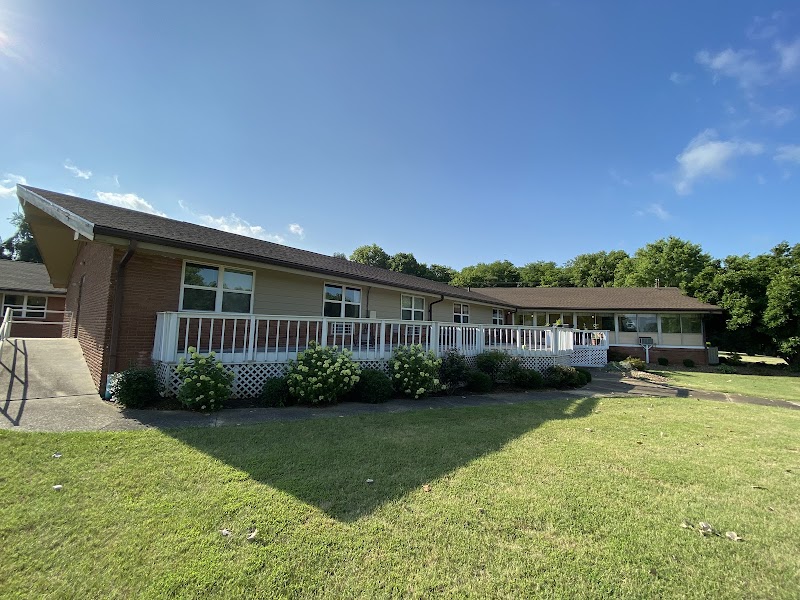
402 19TH STREET, TELL CITY, IN 47586 (812) 547-3427
For profit - Corporation 86 Beds BRICKYARD HEALTHCARE Data: November 2025
Trust Grade
50/100
#331 of 505 in IN
Last Inspection: February 2025

Within standard 12-15 month inspection cycle. Federal law requires annual inspections.

Overview

Brickyard Healthcare - Lincoln Hills Care Center has a Trust Grade of C, which means it is average-neither great nor terrible. It ranks #331 out of 505 nursing homes in Indiana, placing it in the bottom half of facilities in the state, and it's #2 out of 2 in Perry County, indicating only one other local option is available. The facility is showing signs of improvement, having reduced its issues from 14 in 2024 to 6 in 2025. Staffing is a relative strength, with a 3 out of 5-star rating and a turnover rate of 40%, which is better than the state average. On the downside, there were some concerning findings, such as a failure to provide RN coverage for eight consecutive hours on multiple days, and insufficient infection control oversight, raising potential risks for residents.

Trust Score
C
50/100
In Indiana
#331/505
Bottom 35%
Safety Record
Low Risk
No red flags
Inspections
Getting Better
14 → 6 violations
Staff Stability
○ Average
40% turnover. Near Indiana's 48% average. Typical for the industry.
Penalties
✓ Good
No fines on record. Clean compliance history, better than most Indiana facilities.
Skilled Nurses
✓ Good
Each resident gets 50 minutes of Registered Nurse (RN) attention daily — more than average for Indiana. RNs are trained to catch health problems early.
Violations
⚠ Watch
29 deficiencies on record. Higher than average. Multiple issues found across inspections.
★★☆☆☆
2.0
Overall Rating
★★★☆☆
3.0
Staff Levels
★★★★☆
4.0
Care Quality
★★☆☆☆
2.0
Inspection Score
Stable
2024: 14 issues
2025: 6 issues

The Good

  • 4-Star Quality Measures · Strong clinical quality outcomes
  • Full Sprinkler Coverage · Fire safety systems throughout facility
  • No fines on record
  • Staff turnover below average (40%)

    8 points below Indiana average of 48%

Facility shows strength in quality measures, fire safety.

The Bad

2-Star Overall Rating

Below Indiana average (3.1)

Below average - review inspection findings carefully

Staff Turnover: 40%

Near Indiana avg (46%)

Typical for the industry

Chain: BRICKYARD HEALTHCARE

Part of a multi-facility chain

Ask about local staffing decisions and management

The Ugly 29 deficiencies on record

Feb 2025 5 deficiencies
CONCERN (D)

Potential for Harm - no one hurt, but risky conditions existed

Deficiency F0557 (Tag F0557)

Could have caused harm · This affected 1 resident

Based on observation, interview, and record review, the facility failed to ensure respect and dignity was provided to a totally dependent resident. The resident's call light was not within reach for 1...

Read full inspector narrative →
Based on observation, interview, and record review, the facility failed to ensure respect and dignity was provided to a totally dependent resident. The resident's call light was not within reach for 1 of 16 residents reviewed for call lights. A resident's call light was not within his reach, staff did not respond promptly when he yelled for help and he was not able to use his call light to alert staff when he needed help. (Resident 47) Finding includes: On 2/17/25 at 11:59 A.M., Certified Nurse Aide (CNA) 9 brought Resident 47 his lunch, set it up, and left the room with call light pad on left side of pillow at head of bed. Resident 47 could not find it and was not able to reach it. At that time, he indicated the call light pad was not always where he could reach it, especially on the night shift. On 2/18/25 at 1:27 P.M., Resident 47 was observed hollering, Nurse's aide, I need your help finding something please multiple times. The nurse was at medication cart by the nurse's station. Two CNAs were observed to walk down the hall past his room without stopping to check on him. The nurse went into the room and the resident indicated his entire left side was hurting and he couldn't find his call light. The nurse told the resident she would attach it to his shirt so he could find it. On 2/20/25 at 8:20 A.M., Resident 47 was up in a Broda chair. His call light was laying on his bed out of his reach. He was asking his roommate to hit his call light because he needed the nurse. On 2/20/25 at 8:29 A.M., a staff member came into his room to check the refrigerator temperature and the resident asked him to hit his call light for him so he did. Staff went in and came out of the room without moving the call light within his reach. On 2/18/25 at 11:37 A.M., Resident 47's clinical record was reviewed. Diagnoses included, but were not limited to, stoke with hemiplegia and hemiparalysis of left non dominant side, and depression. The most recent Quarterly Minimum Data Set (MDS) assessment, dated 2/6/25, indicated Resident 47's cognition was moderately impaired, impairment of upper and lower left extremities, he could eat with set up help, and totally dependent on staff for bed mobility, toileting, transfers, and bathing. A current falls care plan, last reviewed 11/20/23, included, but was not limited to, the following intervention: call light within reach, initiated 11/20/23 During an interview on 2/21/25 at 10:07 A.M., Registered Nurse (RN) 7 indicated Resident 47 used his call light and it should be within his reach when staff left the room. On 2/21/25 at 1:50 P.M., a current Call Light Policy, revised August 2024, was provided by the Director of Nursing (DON) and indicated, . Staff will ensure the call light is within reach of resident . the call system will be accessible to residents while in their bed or other sleeping accommodations within the resident's room . all staff members who see or hear an activated call light are responsible for responding . 3.1-3(t)
CONCERN (D)

Potential for Harm - no one hurt, but risky conditions existed

Comprehensive Care Plan (Tag F0656)

Could have caused harm · This affected 1 resident

2. On 2/18/25 at 10:12 A.M., Resident 56's clinical record was reviewed. Diagnoses included, but was not limited to, Hirschprung's disease, Tourette's syndrome, hypertension, and autistic disorder. T...

Read full inspector narrative →
2. On 2/18/25 at 10:12 A.M., Resident 56's clinical record was reviewed. Diagnoses included, but was not limited to, Hirschprung's disease, Tourette's syndrome, hypertension, and autistic disorder. The most recent Quarterly Minimum Data Set (MDS) assessment, dated 1/28/25 indicated Resident 56's cognitive status could not be assessed due to Resident 56 not being understood, and he had no impairment to his upper and lower extremity's. Current physician orders included, but were not limited to, Metoprolol Tartate Tablet Give 12.5 milligrams [mg] by mouth two times a day for blood pressure hold if SBP [systolic blood pressure] less than 100 (manually), and/or HR [heart rate] less than 55, Order Date 8/21/2024. Resident 56's clinical record lacked a care plan related to hypertension. During an observation on 2/20/25 at 8:25 A.M., Registered Nurse (RN) 5 administered medications to Resident 56. Medications administered included, but was not limited to, metoprolol 12.5 mg and RN 5 failed to obtain Resident 56's heart rate. During an interview on 2/20/25 9:29 A.M., RN 5 indicated she only had to check Resident 56's blood pressure for his metoprolol. At that time, RN 5 and RN 7 indicated the record lacked Resident 56's heart rate prior to the medication being administered. During an interview on 2/21/25 at 11:01 A.M., the Director of Nursing (DON) indicated there was not a policy but it would be their policy to follow physician orders and interventions of the care plans. 3.1-35(a) Based on observation, interview, and record review, the facility failed to ensure physician orders and care plan interventions were followed for 2 of 5 residents reviewed for unnecessary medications. A resident's oxygen concentration was set incorrectly, the bedside table was not locked, and medications were given for blood pressure without checking the blood pressure prior to administration of the medication to ensure resident was within the perimeters to give the medication. (Resident 38, Resident 56) Findings include: 1. During an observation on 2/17/25 10:09 A.M., Resident 38 was sitting on the side of her bed coloring and wearing oxygen per nasal cannula. The oxygen concentrator was set at 2 liters per minute (LPM). During an observation on 2/18/25 8:55 A.M., Resident 38 was sitting on the side of her bed and the bedside table was not locked. She was wearing oxygen per nasal cannula at 2 liters per minute (LPM). During an observation on 2/20/25 8:25 A.M., Resident 38 was laying in a lowered bed and the bedside table was not locked. During an observation on 2/21/25 at 10:00 A.M., RN 7 observed Resident 38's oxygen concentrator with the rate indicator of the machine at the 4 LPM mark but indicated it was set at 3 LPM because it was the bottom of the rate indicator that mattered and it was just above the 3 LPM mark. At that time, another staff nurse observed the same and adjusted the setting at the 3 LPM mark and indicated that was were it should be set. On 2/19/25 at 9:10 A.M., Resident 38's clinical record was reviewed. Diagnoses included, but were not limited to, heart failure, Chronic Obstructive Pulmonary Disease (COPD), hypertension, pneumonia, unsteadiness on feet, and other fractures of cervical (neck)vertebra and left hand. The most recent Quarterly Minimum Data Set (MDS) assessment, dated 1/24/25, indicated Resident 38's cognition was moderately impaired, was a substantial/maximum assist (staff performed over half the effort) for bed mobility, transfers, toileting, and wore oxygen. Current Physician's Orders included, but were not limited to, the following: Bedside table to be locked at all times-check placement every day and night shift, dated 6/10/24 Metoprolol tartrate 25 milligram (mg) tablet, give one tablet by mouth one time a day related to hypertension (high blood pressure), hold if systolic under 60 millimeters of mercury (mmHg), dated 6/12/24 check oxygen saturation to maintain oxygen level above 90%, apply oxygen at 3 LPM per nasal cannula every day and night shift, initiated 1/24/23 A current Falls Care Plan, last reviewed 11/12/24, included, but was not limited to the following interventions: Locked bedside table, initiated 11/12/24 A current Altered Cardiovascular Status Care Plan, last reviewed 11/12/24, included, but was not limited to the following interventions: give medications as ordered, initiated 11/12/24 A current COPD Care Plan, last reviewed 11/12/24, included, but was not limited to, the following intervention: check oxygen saturation to maintain oxygen level above 90%, apply oxygen at 3 LPM per nasal cannula, initiated 11/12/24 The January and February 2025 Medication Administration Record (MAR) was reviewed and indicated Resident 38 received the Metoprolol 25 mg at 8:00 A.M. every day from 1/1/25 through 2/19/25. The clinical record lacked the resident's blood pressure on the following dates from 1/1/25 through 2/19/25: January 1, 3-8, 10-22, 24-31, February 2-21, 2025 During an interview on 2/21/25 at 9:40 A.M., Registered Nurse (RN) 7 indicated Resident 38's bedside table should be locked and the resident did not unlock the bedside table to move it or adjust her oxygen to her knowledge. Her blood pressure was not being checked daily, just protocol once a month and as needed. RN 7 indicated Resident 38 did not have any perimeters set that they needed to check her blood pressure before administering medications. Resident 38 was on oxygen per nasal cannula continuously, the oxygen concentrator should be set on 3 LPM, and staff checked the oxygen saturations once on day and night shifts along with checking the LPM setting on the oxygen concentrator. It should be documented in the Treatment Administration Record (TAR). RN 7 indicated it was expected that staff follow physician orders and interventions of the care plan.
CONCERN (D)

Potential for Harm - no one hurt, but risky conditions existed

Deficiency F0657 (Tag F0657)

Could have caused harm · This affected 1 resident

Based on observation, interview, and record review, the facility failed to ensure a resident's care plan was revised for 1 of 5 residents reviewed for unnecessary medications. A resident's care plan w...

Read full inspector narrative →
Based on observation, interview, and record review, the facility failed to ensure a resident's care plan was revised for 1 of 5 residents reviewed for unnecessary medications. A resident's care plan was not reviewed or revised to remove areas of concern that were no longer relevant to the resident's care, i.e. antibiotic use, fluid restriction, and daily weights. (Resident 38) Finding includes: On 2/19/25 at 9:10 A.M., Resident 38's clinical record was reviewed. Diagnoses included, but were not limited to, Congestive Heart Failure (CHF), Chronic Obstructive Pulmonary Disease (COPD), hypertension, pneumonia, unsteadiness on feet, and other fractures of cervical (neck)vertebra and left hand. The most recent Quarterly Minimum Data Set (MDS) assessment, dated 1/24/25, indicated Resident 38's cognition was moderately impaired, was a substantial/maximum assist (staff performed over half the effort) for bed mobility, transfers, toileting, took a diuretic, and was not monitored for fluid intake. Current Physician's Orders included, but were not limited to, the following: monthly weight in the morning starting on the first and ending on the 5th every month, ordered 7/31/24 weekly weights due to CHF, notify primary care physician if weight gain was more than five pounds in 1 week, ordered 12/21/24 The discontinued Physician's Orders included, but were not limited to, the following: 1800 cubic milliliter (ml) fluid restriction: dietary to provide 1080 ml total-360 ml at breakfast, 240 ml at lunch, and 480 ml at supper. Nursing to provide 720 ml total-300 ml day shift, 300 ml evening shift, and 120 ml night shift related to CHF, discontinued 6/26/24 Daily weights due to CHF in the morning, discontinued 8/7/23 Keflex 500 milligram (mg), give 1 capsule by mouth three times a day for ten days for upper respiratory infection, discontinued 1/18/25 A current Nutritional Care Plan, last reviewed 11/12/24, included, but was not limited to, the following interventions initiated 11/12/24: 1800 cubic milliliter (ml) fluid restriction: dietary to provide 1080 ml total-360 ml at breakfast, 240 ml at lunch, and 480 ml at supper. Nursing to provide 720 ml total-300 ml day shift, 300 ml evening shift, and 120 ml night shift daily weights due to CHF, notify primary care physician if weight gain was more then two pounds in 24 hours or 5 pounds in one week. A current Respiratory Infection Care Plan and intervention, initiated 1/9/25, indicated the resident was on antibiotic therapy as ordered by the physician. During an interview on 2/21/25 at 11:00 A.M., the Director of Nursing (DON) indicated care plans should be revised with changes to the resident's plan of care. order: On 2/21/25 at 1:50 P.M., a current non dated Care Plan Revision Policy, was provided by the DON and indicated, . the care plan will be updated with the new or modified interventions . care plans will be modified as needed by the MDS Coordinator or other designated staff member . 3.1-35(d)(2)(B)
CONCERN (E)

Potential for Harm - no one hurt, but risky conditions existed

Deficiency F0727 (Tag F0727)

Could have caused harm · This affected multiple residents

Based on interview and record review, the facility failed to provide an Registered Nurse (RN) for 8 consecutive hours, seven days a week, for 4 of 26 days reviewed. Finding includes: On 2/20/25 at 2:3...

Read full inspector narrative →
Based on interview and record review, the facility failed to provide an Registered Nurse (RN) for 8 consecutive hours, seven days a week, for 4 of 26 days reviewed. Finding includes: On 2/20/25 at 2:30 P.M., review of weekend staffing from 7/1/24 thru 9/30/24 due to Payroll Based Journal (PBJ) triggering for low weekend staffing indicated there was no RN coverage for 8 consecutive hours on Sunday, 7/21/24, Sunday, 8/4/24, Saturday, 8/31/24, and Saturday, 9/28/24. On Sunday, 7/21/24, there was RN coverage for 4.03 hours. On Saturday, 9/28/24, there was RN coverage for 4 hours. On Sunday, 8/4/24 and Saturday, 8/31/24 there was no RN coverage. During an interview on 2/21/25 at 12:12 P.M., Director of Nursing (DON) indicated they tried their best to have RN coverage every day. They had the wound nurse and Unit Manager help cover on the weekends. On 1/21/25 at 1:50 P.M., the DON provided an undated nursing Services and Sufficient Staff policy which indicated .8. Except when waived, the facility must use the services of a registered nurse for at least 8 consecutive hours a day, 7 days a week . 3.1-17(b)(3)
CONCERN (F)

Potential for Harm - no one hurt, but risky conditions existed

Deficiency F0882 (Tag F0882)

Could have caused harm · This affected most or all residents

Based on interview and record review, the facility failed to ensure a qualified Infection Preventionist (IP) was working at least part-time at that facility. Documentation was not available to show ho...

Read full inspector narrative →
Based on interview and record review, the facility failed to ensure a qualified Infection Preventionist (IP) was working at least part-time at that facility. Documentation was not available to show how many hours were dedicated to the infection control program by the Director of Nursing (DON) who was certified and Registered Nurse (RN) 7 who had not completed training. Finding includes: During an interview on 2/21/25 at 11:34 A.M., the DON indicated she was the Infection Preventionist (IP) covering the DON position and the IP position for the last two months. She indicated RN 7 was assisting and would be the IP after completing training but was not certified at that time. The DON indicated she was the full time DON and did not have documentation of the hours she and RN 7 spent on IP duties. On 2/21/25 at 1:50 P.M., the DON provided an undated Infection Preventionist policy that indicated 1. The facility will designate a qualified individual as Infection Preventionist (IP) whose primary role is to coordinate and be actively accountable for the facility's infection prevention and control program to include the antibiotic stewardship program .11. The Infection Preventionist reports to the Director of Nursing .
Jan 2025 1 deficiency
CONCERN (D) 📢 Someone Reported This

A family member, employee, or ombudsman was alarmed enough to file a formal complaint

Potential for Harm - no one hurt, but risky conditions existed

Deficiency F0678 (Tag F0678)

Could have caused harm · This affected 1 resident

**NOTE- TERMS IN BRACKETS HAVE BEEN EDITED TO PROTECT CONFIDENTIALITY** Based on interview and record review, the facility failed to ensure a resident's code status was known during an emergency situa...

Read full inspector narrative →
**NOTE- TERMS IN BRACKETS HAVE BEEN EDITED TO PROTECT CONFIDENTIALITY** Based on interview and record review, the facility failed to ensure a resident's code status was known during an emergency situation for 1 of 2 residents reviewed for death. During a change in condition and prior to starting Cardio-Pulmonary Resuscitation (CPR), a resident's physician was notified and informed of the resident's code status as Do Not Resuscitate (DNR) before staff realized the resident's full code status. (Resident D) Finding includes: The record review was started on, [DATE] at 11:40 A.M., indicated Resident D's diagnoses included but were not limited to, aortic valve disorder, pulmonary disease, type II diabetes, and heart failure. A signed Indiana Physician Orders for Scope of Treatment (Post) form, dated [DATE] indicated Resident D had chosen to receive resuscitation / CPR if the resident has no pulse and is not breathing. A physician's order included, Full Code (started [DATE]). Resident D's nurse's progress notes included, but were not limited to: [DATE] at 5:39 P.M. - Change of Condition - Resident was unresponsive and blue/gray in color with six respirations per minute. No blood pressure or oxygen saturation level could be monitored. Physician was notified and gave order to monitor resident due to the resident's DNR status. [DATE] at 6:27 P.M. - Change of Condition - Resident's code status was noted to be full code after assessing the resident. Resident was having six respirations per minute with a blood glucose level of 106. No pulse or blood pressure could be assessed. Nursing staff started an Automated External Defibrillator (AED) device. Resident had no respirations and pupils were fixed and dilated. Emergency Medical Technicians (EMT) were called and CPR was initiated when respirations stopped. EMTs took over when they arrived to the facility. Resident D expired at 6:08 P.M. [DATE] at 12:49 P.M. - Change of Condition - Late entry clarification for [DATE] at 5:39 P.M., nursing staff inadvertently notified physician of resident having a DNR status. Physician stated to continue to monitor. At 5:42 P.M., Resident D's code status was verified and noted to be full code. At 5:43 P.M., nursing staff entered Resident D's room and initiated emergency responses. On [DATE] at 12:00 P.M., Licensed Practical Nurse (LPN) 6 indicated after observing Resident D in her room on [DATE] at 5:39 P.M., the physician was notified and informed of the resident's code status of DNR. LPN 6 then called Resident D's family and realized that Resident D's record indicated a code status of full code. LPN 6 indicated that the incorrect code status was listed on a printed document of all residents' code status kept at the nurse's station. LPN 6 indicated that the printed document incorrectly listed Resident D as having a code status of DNR. The printed document had been removed from the nurse's station and disposed of on [DATE]. On [DATE] at 1:05 P.M., the Director of Nursing (DON) indicated that staff should verify residents' code status by referencing the resident's medical record. On [DATE] at 3:15 P.M., the DON provided an undated facility policy titled, Communication of Code Status. The policy indicated, It is the policy of this facility to adhere to residents' rights to formulate advance directives. In accordance to these rights, this facility will implement procedures to communicate a resident's code status to those individuals who need to know this information . 4. The designated sections of the medical record are: an order / post form. 5. Additional means of communication of code status include: post form binder . 3.1-4(f)(7)
Apr 2024 13 deficiencies
CONCERN (D)

Potential for Harm - no one hurt, but risky conditions existed

Resident Rights (Tag F0550)

Could have caused harm · This affected 1 resident

**NOTE- TERMS IN BRACKETS HAVE BEEN EDITED TO PROTECT CONFIDENTIALITY** Based on observation, interview, and record review, the facility failed to ensure each resident was treated with dignity for 2 o...

Read full inspector narrative →
**NOTE- TERMS IN BRACKETS HAVE BEEN EDITED TO PROTECT CONFIDENTIALITY** Based on observation, interview, and record review, the facility failed to ensure each resident was treated with dignity for 2 of 2 residents reviewed for choices. One resident continued to receive styrofoam dishes after a suicide watch was discontinued. A CNA (Certified Nursing Aide) was standing up to feed a resident and asked the nurse What do you want me to do with her? when she was done. (Resident 37, Resident 26) Findings include: 1. On 4/17/24 at 8:38 A.M., Resident 37 was observed sitting on the side of her bed while staff were putting TED (Thrombo-Embolic Deterrent) hose on her legs. Her breakfast tray containing Styrofoam dishes was sitting on the bedside table. On 4/17/24 at 8:53 A.M., Resident 37's clinical records were reviewed. Diagnosis included, but were not limited to depression and anxiety. The most current Quarterly MDS (Minimum Data Set) Assessment, dated 1/19/24 indicated Resident 37 was cognitively intact. Progress Notes: 4/16/2024 8:52 A.M. General Note Note Text: suicide watch over this day. Res [Resident] has not threatened to harm self during watch not attempt [sic] to hurt self. Continue to await final UA [urinalysis] results. No c/o [complaint] voiced this am [sic]. During an interview on 4/17/24 at 8:42 A.M., QMA (Qualified Medication Aide) 19 indicated Resident 37 was receiving Styrofoam dishes because she was on 15 minute checks and suicide watch, but that had been discontinued so we just need to contact dietary to cancel the Styrofoam dishes. During an interview on 4/18/24 at 8:21 A.M., Resident 37 indicated she didn't like the Styrofoam dishes. 2. On 4/19/24 at 7:30 A.M., Certified Nurse Aide (CNA) 80 was observed in the main dining room standing next to and feeding Resident 26. On 4/19/24 at 7:42 A.M., CNA 80 was observed pushing Resident 26 out of the dining room up to a nurse and asking What do you want me to do with her? On 4/18/24 at 10:04 A.M., Resident 26's clinical record was reviewed. Diagnoses included, but were not limited to, anxiety, weakness and Alzheimer's disease. Resident 26 was admitted on [DATE] . The most recent Quarterly MDS Assessment, dated 1/19/24, indicated Resident 26's cognition was severely impaired and she was an extensive assist of 2 staff for bed mobility and toileting, an extensive assist of 1 staff for transfers, and supervision of 1 staff for eating. A Nutritional Assessment Report (NAR), dated 4/4/24 indicated Resident 26 had a significant weight loss and it was recommended the resident would eat meals in the dining room, need assistance to eat, and should be changed to a weekly weight. During an interview on 4/19/24 at 9:03 A.M., the Director of Nursing (DON) indicated she would expect staff to sit when feeding a resident. At that time, she indicated she wouldn't consider the statement made by CNA 80 a dignity concern, but would talk to staff and inservice them on using the proper names and not her when discussing the resident's care. A current nondated Promoting/Maintaining Resident Dignity Policy was provided on 4/19/24 at 11:00 A.M., by the Regional Consultant and indicated . It is the practice of this facility to protect and promote resident rights and treat each resident with respect and dignity . 5. When interacting with a resident, pay attention to the resident as an individual . 10. Speak respectfully to residents; avoid discussions about residents that may be overheard . 3.1-3(t)
CONCERN (D)

Potential for Harm - no one hurt, but risky conditions existed

Transfer Notice (Tag F0623)

Could have caused harm · This affected 1 resident

**NOTE- TERMS IN BRACKETS HAVE BEEN EDITED TO PROTECT CONFIDENTIALITY** 3. On 4/17/24 at 10:30 A.M., Resident 25's clinical record was reviewed. Diagnoses included, but was not limited to, chronic obs...

Read full inspector narrative →
**NOTE- TERMS IN BRACKETS HAVE BEEN EDITED TO PROTECT CONFIDENTIALITY** 3. On 4/17/24 at 10:30 A.M., Resident 25's clinical record was reviewed. Diagnoses included, but was not limited to, chronic obstructive pulmonary disease (COPD), atrial fibrillation, and diabetes mellitus type II. Progress Notes indicated Resident 25 was hospitalized [DATE] through 7/10/23. A completed Notice of Transfer or Discharge Form was provided by the Director of Nursing (DON) on 4/18/24 at 2:55 P.M., with a transfer or discharge date of 7/7/24 (sic). On 4/19/24 at 9:57 A.M., the Regional Consultant indicated notification to the ombudsman could not be located for Resident 23, Resident 25, or Resident 35. On 4/19/24 at 4:10 P.M., the state ombudsman indicated via email that notification reports for July 2023, December 2023, or any months in 2024 had not been received from the facility. During an interview on 4/22/24 at 8:55 A.M., the Administrator indicated no one at the facility was sending the discharges to the ombudsman. A current, nondated Discharge Planning Policy was provided by the DON on 4/22/24 at 10:44 A.M., and indicated . the facility must notify the Office of the State Long-Term Care Ombudsman of all resident discharges from the facility. Social Services will notify the Ombudsman of all discharges, which are not due to an issue of a 30-day notice, by means of a monthly summary containing at minimum: the residents name, discharge date , and discharge location . 3.1-12 (a)(6)(A)(iv) Based on interview and record review, the facility failed to notify the ombudsman of transfer or discharge for 3 of 4 residents reviewed for hospitalizations. (Resident 23, Resident 25, Resident 35) Findings include: 1. On 4/16/24 at 11:02 A.M., Resident 23's clinical record was reviewed. Resident 23 was sent to the hospital on 4/9/24. Resident 23's clinical record lacked documentation that notification of the hospitalization was sent to the ombudsman. 2. On 4/16/24 at 10:44 P.M., Resident 35's clinical record was reviewed. Resident 35 was sent to the hospital on [DATE]. Resident 35's clinical record lacked documentation that notification of the hospitalization was sent to the ombudsman.
CONCERN (D)

Potential for Harm - no one hurt, but risky conditions existed

Comprehensive Care Plan (Tag F0656)

Could have caused harm · This affected 1 resident

2. On 4/16/24 at 8:50 A.M., Resident 1 was observed sitting outside to the left of the door smoking, sitting on rollator walker with no smoking apron on and no staff present. On 4/17/24 at 10:02 A.M.,...

Read full inspector narrative →
2. On 4/16/24 at 8:50 A.M., Resident 1 was observed sitting outside to the left of the door smoking, sitting on rollator walker with no smoking apron on and no staff present. On 4/17/24 at 10:02 A.M., Resident 1 was observed ambulating down the hall with a rollator walker, stopping at nurse's desk to sign smoking sign out sheet. At that time, he indicated he was going outside to smoke. On 4/22/24 at 8:42 A.M., Resident 1 was observed standing at nurse's desk with rollator walker and coat on signing smoking sign out sheet. He did not ask nurse for cigarettes. Resident 1 was observed getting on the elevator. Resident 1 was observed walking down hall on 1st floor to door to smoking area, putting code in, and walking outside without supervision and without a smoking apron. Resident 1 was observed sitting on rollator walker outside to the left of the door lighting a cigarette. On 4/16/24 at 12:54 P.M., Resident 1's clinical records were reviewed. Diagnosis included, but were not limited to paranoid schizophrenia, dementia, extrapyramidal movement disorder, and epilepsy. The most current Quarterly MDS (Minimum Data Set) Assessment, dated 3/2/24 indicated Resident 1 was moderately cognitively impaired, and needed supervision of one for bed mobility, transfers, eating and toilet use. A current Smoking Care Plan dated 3/19/12 was provided on 4/19/24 at 10:15 A.M. Interventions included, but were not limited to the following: Patient not to have cigarettes or smoking material on person, date initiated 12/3/21 Supervision and wear apron, revision on 5/13/22 During an interview on 4/16/24 at 9:03 A.M., Resident 1 indicated he could go outside to smoke by himself whenever he chose. He indicated he kept his cigarettes in a blue bag in his rollator walker and kept cigars in his dresser. During an interview on 4/16/24 at 9:14 A.M., RN 24 indicated there was a sign out sheet at the nurse's desk for smokers to sign out, but they don't have to sign back in. She indicated the smokers go outside to smoke by themselves. During an interview on 4/22/24 at 8:42 A.M., LPN 16 indicated most of the time cigarettes for the smokers were kept at the nurse's desk. She indicated if a resident was cognitively intact they could keep their cigarettes with them. She indicated Resident 1 could keep his cigarettes with him. When asked to look at Resident 1's Smoking Care Plan, LPN 16 indicated the care plan said the resident was not to have cigarettes on his person. On 4/19/24 at 11:00 A.M., a Comprehensive Care Plan Policy, dated February 2023, was provided by the Regional Consultant which indicated .Qualified staff responsible for carrying out interventions specified in the care plan will be notified of their roles and responsibilities for carrying out the interventions, initially and when changes are made. 3.1-35(a) Based on observation, interview, and record review, the facility failed to ensure care was provided in accordance with the written plan of care for 2 of 2 residents reviewed for smoking. A resident smoked in a non-designated smoking area. Staff failed to lock up residents smoking materials.(Anonymous Resident, Resident 1) Findings include: 1. During an interview on 4/17/24 7:37 A.M., an Anonymous Resident indicated cigarettes are kept in the resident's room and supervision is not needed to smoke. During an observation on 4/19/24 at 1:42 P.M., an Anonymous Resident was unsupervised on the front porch. At that time, the resident lit a cigarette. On 4/16/24 at 10:30 A.M., the Resident's clinical record was reviewed. Diagnoses included, but was not limited to, diabetes mellitus, hypertension, seizure disorder, and chronic obstructive pulmonary disorder. The most recent Quarterly MDS (Minimum Data Set) Assessment, dated 3/10/24, indicated the Anonymous Resident was cognitively intact and had shortness of breath. A current smoking and safety assessment, dated 3/6/24, indicated that the resident used tobacco products and followed the facility's policy on location of smoking. A current at risk for smoking related injury care plan, initiated 7/18/23, included, but was not limited to, the following interventions, .Assure smoking material is extinguished prior to patient leaving smoking area .Observe patient for unsafe smoking behaviors or attempts to obtain smoking material from outside sources. Immediately inform facility management .Patient not to have cigarettes or smoking material on person .Storage of smoking materials per Living Center policy . During an interview on 4/22/24 at 8:42 A.M., LPN (Licensed Practical Nurse) 16 indicated Resident's should go out the back door to smoke, and Residents should not smoke on the front porch unless they are supervised. At that time, she indicated the Anonymous Resident could keep possession of the smoking materials. After the care plan was reviewed, LPN 16 indicated the Anonymous Resident's smoking materials must be held by staff.
CONCERN (D)

Potential for Harm - no one hurt, but risky conditions existed

Deficiency F0657 (Tag F0657)

Could have caused harm · This affected 1 resident

**NOTE- TERMS IN BRACKETS HAVE BEEN EDITED TO PROTECT CONFIDENTIALITY** 2. On 4/17/24 at 11:00 A.M., Resident 52's clinical record was reviewed. Diagnoses included, but were not limited to, Parkinson'...

Read full inspector narrative →
**NOTE- TERMS IN BRACKETS HAVE BEEN EDITED TO PROTECT CONFIDENTIALITY** 2. On 4/17/24 at 11:00 A.M., Resident 52's clinical record was reviewed. Diagnoses included, but were not limited to, Parkinson's disease, Alzheimer's disease, and anxiety disorder. The most recent Quarterly MDS, dated [DATE], indicated a severe cognitive impairment. The clinical record lacked a care plan conference between 9/19/23 and 3/12/24. During an interview on 4/22/24 at 8:55 A.M., the Administrator indicated social services arranged the care plan conferences, but the activity director had been helping set the conferences up due to the facility not having a social services provider. At that time, she indicated she was unsure of how often care plan conferences should be completed. On 4/22/24 at 11:21 A.M., the Regional Consultant provided an undated Care Planning-Resident Participation policy that indicated, .10. The facility will discuss the plan of care with the resident and/or representative at regularly scheduled care plan conferences, and allow them to see the care plan, initially, at routine intervals, and after significant changes . 3.1-35(c)(2)(C) 3.1-35(d)(2)(B) Based on interview and record review, the facility failed to provide care plan conferences quarterly for 2 of 5 residents reviewed for unnecessary medications. (Resident 35, Resident 52) Findings include: 1. On 4/18/24 at 12:50 P.M., Resident 35's clinical record was reviewed. Diagnosis included, but were not limited to, dementia and anxiety disorder. The most recent Quarterly MDS (Minimum Data Set) Assessment, dated 4/11/24, indicated a severe cognitive impairment. Resident 35's most recent care plan meeting was held 12/13/23. Resident 35's clinical record lacked a care plan meeting since 12/13/23. On 4/15/24 at 12:39 P.M., the Administrator indicated there was no current Social Services Director (SSD) as the most recent one quit in January 2024. She indicated the Activities Director was assuming the role of care plan meeting coordinator until a new SSD could be found.
CONCERN (D)

Potential for Harm - no one hurt, but risky conditions existed

Pressure Ulcer Prevention (Tag F0686)

Could have caused harm · This affected 1 resident

**NOTE- TERMS IN BRACKETS HAVE BEEN EDITED TO PROTECT CONFIDENTIALITY** Based on observation, interview, and record review, the facility failed to provide care, consistent with professional standards ...

Read full inspector narrative →
**NOTE- TERMS IN BRACKETS HAVE BEEN EDITED TO PROTECT CONFIDENTIALITY** Based on observation, interview, and record review, the facility failed to provide care, consistent with professional standards of practice, to prevent pressure ulcers and promote healing of existing pressure ulcers for 2 of 2 residents reviewed for pressure ulcers. Residents admitted with a deep tissue injury (DTI) and incontinence associated dermatitis (IAD) worsened and resident developed a stage IV pressure ulcer on the right heel. (Resident 64, Resident 23) Findings include: 1. On 4/16/24 at 10:52 A.M., Resident 64's clinical record was reviewed. Diagnoses included, but were not limited to, congestive heart failure, weakness, and atrial fibrillation. Resident 64 was admitted on [DATE]. The most recent Quarterly Minimum Data Set (MDS) Assessment, dated 3/25/24, indicated Resident 64 was cognitively intact and an extensive assist of 2 staff for bed mobility, transfers, and toileting. Resident 26 noted to have a foley catheter, colostomy, and 1 unstageable pressure ulcer. Current Physician Orders included, but were not limited to, the following: Cleanse right heel open area with wound cleanser, pat dry, Apply Manuka (honey alginate) cut to size and cover with border dressing every night shift daily, every other day (sic), ordered 4/4/24 Cleanse wound to coccyx with wound cleanser and pat dry. Apply Honey alginate (Manuka) cut to size, cover with bordered foam dressing every night and as needed for soiling or dislodgement, ordered 4/11/24 House shake three times a day for wound care, ordered 3/13/24 Juven oral packet, give 1 packet by mouth two times a day at 7:00 A.M. and 8:00 P.M., ordered 3/13/24 A current Pressure Ulcer Care Plan, dated 3/24/24, included, but was not limited to, the following interventions: juven and house shake for wound healing as ordered, initiated 3/14/24 turning and repositioning every 2 hours and as needed, initiated 3/24/24 Skin and wound notes from admission on [DATE] through 4/17/24 were reviewed and indicated the following: Wound 1 On 2/14/24 at 1:30 P.M., Patient was seen today for a DTI (damage of underlying soft tissue of skin from pressure and/or shearing) on her sacrum acquired by the hospital. Location: coccyx (back of body above buttocks). Size: 0 centimeter (cm) x 0 cm x 0 cm. Initial weekly wound assessment of DTI pressure present on admission to sacrum/coccyx area completed 2/14/24 by Wound Nurse Practitioner (NP) and facility Wound Nurse. Wound appears with deep red/purple area. No drainage. Recommended TRIAD (sterile coating used on broken skin to keep it covered and protected from incontinence) cream to area every shift, leave open to air. On 2/21/24 at 11:24 A.M., Patient was seen today for a DTI on her sacrum acquired by the hospital. Location: sacrum. Primary Etiology: Pressure. Stage/Severity: DTI. Wound Status: Improving without complications. Size: 1 cm x 0.5 cm x 0 cm. Recommended cleansing with soap and water, pat dry, apply triad to base of the wound, leave open to air, and change twice daily and as needed. The patient has a pressure injury. Recommend ongoing pressure reduction and turning/repositioning precautions per protocol, including pressure reduction to the heels and all bony prominences. All prevention measures were discussed with the staff at the time of the visit. On 2/26/24 at 10:20 A.M., Noted: discolored area to coccyx was being treated with Triad hydrophilic wound dress external paste. Wound noted to open. Wound measurement 2.0 cm x 2.0 cm x < 0.1 cm. Wound cleansed. Wound bed covered with Xeroform cut to size, covered with bordered foam gauze dressing. On 2/28/24 at 9:18 A.M., Patient was seen today for a DTI on her sacrum acquired by the hospital. Deep tissue pressure injury (DTPI) location: coccyx Size: 4 cm x 2 cm x 0.1 cm with moderate amount of serosanguineous drainage. Improving without complications. Weekly wound assessment of sacral wound completed 2/28/24 by Wound NP and facility Wound Nurse. Patient had unstageable (full thickness tissue loss but depth of ulcer can not be determine) DTI to sacrum. Recommended use of Honey alginate (Manuka) to wound bed, secure with silicone border foam dressing related to fragile skin and moderate drainage, change daily. Rest in bed with low air loss mattress, turn and reposition protocol. Heel protector to right foot, heels floated. On 3/6/24 at 3:13 P.M., Patient was seen today for a DTI on her sacrum acquired by the hospital. DTPI location: coccyx Size: 5 cm x 3 cm x 0.1 cm with moderate amount of serosanguineous drainage. Improving without complications. Weekly wound assessment of sacral wound completed 3/6/24 by Wound NP and facility Wound Nurse. Patient had unstageable DTI to sacrum. Recommend continuing the use of Honey alginate (Manuka) to wound bed, secure with silicone border foam dressing related to fragile skin and moderate drainage, change daily. Rest in bed with low air loss mattress, turn and reposition protocol. Heel protector to bilateral feet, heels floated. On 3/13/24 at 9:45 A.M., Patient was seen today for a DTI on her sacrum acquired by the hospital. DTPI location: coccyx Size: 4 cm x 2.5 cm x 0.1 cm with moderate amount of serosanguineous drainage. Improving without complications. Weekly wound assessment of unstageable sacral wound completed 3/13/24 Wound NP and facility Wound Nurse. Recommended continuing the use of Honey alginate (Manuka) to wound bed, secure with silicone border foam dressing related to fragile skin and moderate drainage, change daily. Rest in bed with low air loss mattress, turn and reposition protocol. Heel protector to bilateral feet, heels floated. On 3/20/24 at 12:58 P.M., Patient was seen today for a DTI on her sacrum acquired by the hospital. DTPI location: coccyx Size: 3.5 cm x 3 cm x 0.1 cm with moderate amount of serosanguineous drainage. Improving without complications. Weekly wound assessment of unstageable sacral wound completed 3/20/24 by Wound NP and facility Wound Nurse. Wound is stalled with moderate amount of serosanguinous drainage. Recommended continuing the use of Honey alginate (Manuka) to wound bed, secure with silicone border foam dressing related to fragile skin and moderate drainage, change daily. Rest in bed with low air loss mattress, turn and reposition protocol. Heel protector to bilateral feet, heels floated. Reviewed results of prealbumin, dietician notified. Juven and mighty shakes ordered with meals to aid in wound healing. On 3/27/24 at 11:08 A.M., Patient was seen for a DTI on her sacrum acquired by the hospital. This is now an unstageable. She always lays on her bottom. DTPI location: coccyx Size: 4 cm x 3.5 cm x 0.1 cm with moderate amount of serosanguineous drainage. Weekly wound assessment of unstageable sacral wound completed 3/27/24 by Wound NP and facility Wound Nurse. Wound was stalled with moderate amount of serosanguinous drainage, 100% slough to wound bed, wound debrided. Recommended continuing the use of Honey alginate (Manuka HD) to wound bed, secure with silicone border foam dressing related to fragile skin and moderate drainage, change daily. Turn and reposition every 2 hours from side to side. Rest in bed with low air loss mattress, heels floated. Juven twice daily and mighty shakes ordered with meals to aid in wound healing. On 4/2/24 at 11:45 A.M., Patient was seen for a DTI on her sacrum acquired by the hospital. She always lays on her bottom. DTPI location: coccyx Size: 4 cm x 3.5 cm x 1.5 cm with moderate amount of serosanguineous drainage. Community acquired pressure to sacral area. Improving despite measurements. Sacral wound culture showed Staph Aureus (is a type of germ that about 30% of people carry in their noses). Receiving doxycycline 100 (milligrams) mg twice daily for 10 days. PCP noted rectal fistula with drainage upon inspection. Will continue use of Dakin's moistened fluffed gauze to wound bed, secure with bordered gauze, change every shift. On 4/10/24 at 12:35 P.M., Patient was seen for a DTI on her sacrum acquired by the hospital. On 3/27/24, this is now an unstageable. She always lays on her bottom. On 4/10/24, her sacrum was now a stage IV (The Center for Medicare and Medicaid Services defined a Stage 4 pressure ulcer as: Full thickness tissue loss with exposed bone, tendon, or muscle. Slough or eschar may be present on some parts of the wound bed. Often includes undermining and tunneling). DTPI location: coccyx Size: 4 cm x 3.3 cm x 1.2 cm with moderate amount of serosanguineous drainage. Improving despite measurements. Continue doxycycline 100 (milligrams) mg twice daily. Wound measurements were done by 2 different nurses which may explain the difference in calculations. Denies any pain. Will change treatment to Manuka (honey alginate) to wound bed, secure with bordered gauze, and change daily. On 4/17/24 at 1:27 P.M., Patient was seen for a DTI on her sacrum acquired by the hospital. On 3/27/24, this is now an unstageable. She always lays on her bottom. On 4/10/24, her sacrum was a stage IV. DTPI location: Coccyx Size: 4 cm x 3 cm x 1.2 cm with moderate amount of serosanguineous drainage. Improving despite measurements. Denies any pain. Changed treatment to Manuka (honey alginate) to wound bed, secure with bordered gauze, and change daily. Wound 2 On 3/27/24 at 4:34 P.M., Patient noted for new Pressure ulcer. Location: right heel. Size: 2.8 cm x 2 cm x 0.1 cm. Pressure ulcer staging: Stage II (The Center for Medicare and Medicaid Services defined a Stage 2 pressure ulcer as: Partial thickness loss of dermis presenting as a shallow open ulcer with a red or pink wound bed, without slough or bruising. May also present as an intact or open/ruptured blister). Recommended xeroform to wound bed, secure with silicone border foam dressing, change every other day (QOD), to wear derma saver boots to bilateral feet while in bed. turn and reposition every 2 hours from side to side. Rest in bed with low air loss mattress, heels floated. Juven twice daily and mighty shakes with meals ordered to aid in wound healing. On 4/2/24 at 11:45 A.M., History of Present Illness (HPI) does not indicate resident has pressure on her right heel, but addresses it in the wound assessment. Pressure ulcer location: right heel. Size: 3 cm x 2 cm x 0.1 cm with scant amount of serous drainage. Unstageable pressure area to right heel. Weekly wound assessment of pressure areas to right heel and sacral area completed 4/3/24 by Wound NP and facility Wound Nurse. Recommended Manuka (honey alginate) cut to size to wound bed, secure with bordered gauze. Heels floated, rest in bed with low air loss mattress, turn and reposition protocol. Appetite was good, received supplements and Juven to aid in healing. On 4/10/24 at 10:36 A.M., Patient was seen on 4/10/24, her right heel now a stage IV. Pressure ulcer location: right heel. Size: 2 cm x 1.5 cm x 0.1 cm with scant amount of serosanguineous drainage. Improving without complications. Weekly wound assessment of pressure areas to right heel and sacral area completed 4/10/24 by Wound NP and facility Wound Nurse. Wound measurements were done by 2 different nurses which may explain the difference in calculations. Recommended cleanse with wound cleanser, apply Manuka (honey alginate) cut to size to wound bed, secure with bordered gauze. Heels floated, rest in bed with low air loss mattress, turn and reposition protocol. Appetite is good, received supplements and Juven to aid in healing. On 4/17/24 at 1:27 P.M., Patient was seen on 4/10/24, her right heel now a stage IV. Pressure ulcer location: right heel. Size: 0.8 cm x 1.2 cm x 0.1 cm with scant amount of serosanguineous drainage. Improving without complications. Weekly wound assessment of pressure areas to right heel and sacral area completed 4/17/24 by Wound NP and facility Wound Nurse. Recommended cleanse with wound cleanser, apply Manuka (honey alginate) cut to size to wound bed, secure with bordered gauze. Heels floated, rest in bed with low air loss mattress, turn and reposition protocol. Appetite is good, received supplements and Juven to aid in healing. On 4/17/24 at 10:38 A.M., wound care performed by the facility Wound Nurse and Wound Nurse Practitioner (NP) was observed. The Wound Nurse indicated Resident 26 came to facility with the sacral wound but it was not getting better. She indicated the Primary Care Physician (PCP) recently noticed drainage from rectal fistula and indicated it was feeding it.The Wound NP indicated the right heel was a facility acquired stage IV pressure ulcer. She measured the wound as length 1.2 x width 1.8cm x depth 0.1 cm, sprayed it with lidocaine and debrided the wound. Then she performed wound care on the sacral wound. She measured it as length 4.5 cm x width 3cm. She indicated it was looking better, sprayed lidocaine and debrided the wound. Both wounds lacked signs and symptoms of redness, odor, drainage, and swelling and were dressed as ordered prior to and after wound care. The observations at that time did not meet defining criteria for a stage IV wound. On 4/19/24 at 7:30 A.M., Resident 64 was observed laying on her back asleep in her bed. On 4/19/24 at 7:45 A.M., Resident 64 was observed with the head of her bed elevated, sitting in bed, and eating breakfast. At that time, staff indicated her meal ticket did not say Resident 64 was to have any supplements, so she doesn't know if she was supposed to have some or not. Resident noted to have heel protectors on both feet and heels floating. She was covered with sheet and blanket up to her waist. During a continuous observation on 4/19/24 from 8:05 A.M. to 10:15 A.M., the following was observed: On 4/19/24 at 8:05 A.M., Resident 64 was observed sitting in her bed as she was when she was eating breakfast. On 4/19/24 from 8:39 A.M. to 9:51 A.M., , Resident 64 was observed with her eyes closed, sitting in her bed as she was when she was eating breakfast. On 4/19/24 at 9:51 A.M., Certified Nurse Aide (CNA) 34 went into room and answered the call light of Resident 64's roommate. She did not attend to Resident 64 who was observed sitting in her bed as she was when she was eating breakfast. On 4/19/24 at 9:57 A.M., Qualified Medication Aide (QMA) 19 entered the room and talked to Resident 26's roommate. She did not attend to Resident 64 who was observed sitting in her bed as she was when she was eating breakfast. On 4/19/24 at 10:00 A.M., CNA 34 walked past Resident 64's room. She was observed sitting in her bed as she was when she was eating breakfast. On 4/19/24 at 10:03 A.M., QMA 19 came into Resident 64's room to give roommate medication but did not attend to Resident 64 who was observed sitting in her bed as she was when she was eating breakfast. On 4/19/24 at 10:05 A.M., CNA 34 walked past Resident 64's room who was observed sitting in her bed as she was when she was eating breakfast. On 4/19/24 at 10:07 A.M., CNA 34 and QMA 19 walked past Resident 64's room who was observed sitting in her bed as she was when she was eating breakfast. On 4/19/24 at 10:15 A.M., Resident 64 was observed sitting in her bed as she was when she was eating breakfast. During an interview on 4/22/24 at 8:51 A.M., Licensed Practical Nurse (LPN) 16 indicated she came to the facility with the coccyx wound, but it kept getting worse until the PCP found the rectal fistula and they figured out that was where the drainage was coming from. Now it's getting better. The wound on her heel started here possibly from her rubbing her heels on her sheets while she was laying in bed. During an interview on 4/22/24 at 8:56 A.M., CNA 80 indicated she was aware that Resident 64 had pressure ulcers. She wasn't sure what they were doing for them because the nurses provided the treatments. At that time, she indicated she liked to sit in her bed but did get into her wheelchair at times. During an interview on 4/22/24 at 9:12 A.M., the Director of Nursing (DON) indicated Resident 64's wounds would stay staged as stage IV until they heal, despite improvement. At that time, she indicated staff were repositioning her off her wound and keeping heel boots on, and floating her heels while she was in bed. 2. On 4/16/24 at 11:02 A.M., Resident 23's clinical record was reviewed. Diagnosis included, but were not limited to, dementia, traumatic brain injury, and anxiety. The most recent Quarterly and State Optional MDS Assessment, dated 3/24/24, indicated a severe cognitive impairment, and one stage 3 pressure ulcer present on re-entry. Resident 23 required extensive assistance of two staff for bed mobility and transfers. Resident 23 returned from a hospitalization on 4/12/24. Physician orders included, but were not limited to: Cleanse sacral area with wound cleanser, pat dry, apply polymem pink (an absorbent dressing) to skin breakdown and redness, cover with sacral border dressing and notify MD of deterioration daily, once a day, dated 4/13/24. Lantiseptic Skin Protectant Ointment 50 % (Skin Protectant) apply to buttocks topically every day and night shift for redness, dated 2/22/24. A current risk for pressure ulcers care plan, updated on 3/5/24 to reflect a current stage 3 sacral pressure ulcer, included but was not limited to, the following interventions: Treatments as ordered, dated 1/11/24. Turning and repositioning every 2 hours and as needed, dated 1/11/24. Skin and wound notes from the Nurse Practitioner (NP) included, but were not limited to, the following: 1/24/24 Bilateral buttocks with IAD. Cleanse with soap and water, apply barrier cream to base of the wound, leave open to air, change twice a day and as needed. 1/31/24 Bilateral buttocks with IAD measuring 0x0x0 (cm). Cleanse with soap and water, apply barrier cream to base of the wound, leave open to air, change twice a day and as needed. 2/7/24 Bilateral buttocks with IAD measuring 0x0x0 (cm). Cleanse with soap and water, apply barrier cream to base of the wound, leave open to air, change twice a day and as needed. 2/14/24 Bilateral buttocks with IAD measuring 0x0x0 (cm). Cleanse with soap and water, apply barrier cream to base of the wound, leave open to air, change twice a day and as needed. 2/28/24 Stage 3 pressure ulcer to sacrum measuring 5x5x0.1 (cm). Cleanse with soap and water, apply barrier cream to base of the wound, leave open to air, change twice a day and as needed. (A Stage 3 pressure ulcer as defined by the Center for Medicare and Medicaid Services is full thickness tissue loss. Subcutaneous fat may be visible, but bone, tendon, or muscle is not exposed. Slough may be present but does not obscure the depth of tissue loss. May include undermining and tunneling). The observation at that time did not meet defining criteria for a stage 3 wound. 3/6/24 Stage 3 pressure ulcer to sacrum measuring 6x3x0.1 (cm). Cleanse with wound cleanser, apply medical grade honey to base of the wound, secure with bordered gauze and change twice a day and as needed. 3/13/24 Stage 3 pressure ulcer to sacrum measuring 6x6x0.1 (cm). Cleanse with wound cleanser, apply medical grade honey to base of the wound, secure with bordered gauze and change twice a day and as needed. 3/20/24 Stage 3 pressure ulcer to sacrum measuring 7x6x0.1 (cm). Cleanse with wound cleanser, apply medical grade honey to base of the wound, secure with bordered gauze and change twice a day and as needed. 3/27/24 Stage 3 pressure ulcer to sacrum measuring 6x5x0.1 (cm). Cleanse with wound cleanser, apply medical grade honey to base of the wound, secure with bordered gauze and change twice a day and as needed. 4/17/24 Stage 3 pressure ulcer to sacrum measuring 4x1.5x0.1 (cm). Cleanse with wound cleanser, apply medical grade honey to base of the wound, secure with bordered gauze and change daily and as needed. Skin only evaluations from the wound nurse included, but were not limited to, the following: 2/22/24 Open lesion needs review. Right buttock measuring 3.5x1.3 (cm). 4/4/24 Stage 3 pressure ulcer to buttocks measuring 6x4.5x0.1 (cm). Hospital records dated 4/10/24 indicated Resident 23 was admitted to the hospital on [DATE] with an existing sacral pressure ulcer measuring 3x3x<0.1. Resident 23's clinical record lacked a re-entry sacral wound assessment on 4/12/24. On 4/17/24 at 9:34 A.M., the NP and wound nurse were observed to perform a dressing change for Resident 23's sacral pressure ulcer. The area measured 4x1.5 (cm). The wound nurse cleansed the wound with wound cleanser, pat dried the area, applied two medihoney pads that the wound nurse indicated contained calcium alginate also, and applied a foam border. At that time, the NP indicated she wanted the order changed to use medihoney, as the facility did not use polymem dressings that was currently ordered. On 4/18/24 at 9:40 A.M., Licensed Practical Nurse (LPN) 42 was observed to perform a dressing change for Resident 23's sacral pressure ulcer. At that time, she indicated the order had been updated that morning and would be using medihoney on the wound. LPN 42 removed the soiled dressing, dated 4/17/24, cleansed the area with wound cleanser and let air dry. LPN 42 then placed two pads of medihoney dressing on top of each other on the wound bed. The red areas surrounding the wound were not covered with medihoney. A foam border was placed over the entire area. At that time, LPN 42 indicated the medihoney should cover all red areas per the order. At that time, the wound was observed as open with area in the middle beefy red. The surrounding area was pink and very little pink drainage was observed. On 4/18/24 at 10:00 A.M., Resident 23's record was reviewed a second time. Current orders included, but were not limited to, the following: Cleanse sacral area with wound cleanser, pat dry, apply honey alginate to skin breakdown and redness, cover with border foam dressing and notify MD of deterioration daily, dated 4/18/24. On 4/18/24 at 10:50 A.M., the wound nurse indicated she believed Resident 23 has had a recent decline in overall status, although no decline had been identified in any other areas other than the pressure areas. She indicated Resident 23 was totally dependent on staff for all activities of daily living (ADLs) and had been that way for a long time now. She indicated the area on the sacrum had been there for over a year now, and had healed and re-opened. On 4/19/24 at 6:30 A.M., Resident 23 was observed lying on her back in bed. During a continuous observation on 4/22/24, Resident 23 was not turned/repositioned from 4:35 A.M. until 6:50 A.M. On 4/22/24 at 10:25 A.M., a non-dated current Pressure Injury Prevention policy was provided and indicated Interventions will be implemented in accordance with physician orders, including the type of prevention devices to be used and, for tasks, the frequency for performing them 3.1-40(a)(1) 3.1-40(a)(2)
CONCERN (D)

Potential for Harm - no one hurt, but risky conditions existed

Accident Prevention (Tag F0689)

Could have caused harm · This affected 1 resident

**NOTE- TERMS IN BRACKETS HAVE BEEN EDITED TO PROTECT CONFIDENTIALITY** Based on observation, interview, and record review, the facility failed to ensure adequate supervision to prevent accidents for ...

Read full inspector narrative →
**NOTE- TERMS IN BRACKETS HAVE BEEN EDITED TO PROTECT CONFIDENTIALITY** Based on observation, interview, and record review, the facility failed to ensure adequate supervision to prevent accidents for 1 of 3 residents reviewed for falls. Interventions put into place after falls were not evaluated and modified and interventions were not followed for a resident at risk for falls resulting in multiple falls. (Resident 26) Finding includes: On 4/15/24 at 9:47 A.M., Resident 26 was observed laying in her lowered (but not lowest position)bed. Her call light was wrapped around hook on the wall above the head of bed. Resident 26 indicated she wanted to get out of bed. On 4/15/24 at 9:50 A.M., Resident 26 told staff, I need to get up. I have a hair appointment at 10. Staff told the resident, Hang on, let me check. and left the room. Resident uncovered, sat bedside, was restless, and repeating, I need to get up. On 4/15/24 at 9:54 A.M., staff came back to the room and notified resident that her hair appointment wasn't until the next day and left the resident's room. On 4/15/24 2:14 P.M., Certified Nurse Aide (CNA) 52 was observed putting Resident 26 in bed and telling the resident, Stay in bed. Try to get some sleep. The call light was not moved from the hook above the head of the bed where it was observed earlier. On 4/15/24 at 2:18 P.M., Resident 26 was observed getting out of her bed, stood by her wheelchair, and started to get in it. Once alerted, CNA 52 came back into the room, helped the resident get back in her wheelchair, and took the resident up to sit by the nurse's station. On 4/18/24 at 1:19 P.M., Resident 26 was observed sleeping in bed and her call light was laying over the raised bedside table with the button laying towards the roommate. On 4/19/24 at 7:49 A.M., CNA 80 was observed taking Resident 26 to her room from the dining room in her wheelchair and laying her down in her bed without toileting the resident. Her call light was laying on the floor between her and her roommate's bed. The bed was in lowered, but not in lowest position. On 4/19/24 at 8:20 A.M., the Director of Nursing entered Resident 26's room, lowered the bed to the lowest position while resident was asleep, and placed her call light in reach. On 4/18/24 at 10:04 A.M., Resident 26's clinical record was reviewed. Diagnoses included, but were not limited to, anxiety, weakness and Alzheimer's disease. Resident 26 was admitted on [DATE]. The most recent Quarterly Minimum Data Set (MDS) Assessment, dated 1/19/24, indicated Resident 26's cognition was severely impaired and she was an extensive assist of 2 staff for bed mobility and toileting, an extensive assist of 1 staff for transfers. Resident 26 had 2 or more falls, 1 with injury. A current Falls Care Plan, dated 11/26/23 included, but was not limited to, the following interventions: 15 minute checks x 3 days, initiated 3/21/24 call light within reach, initiated 11/26/23 resident to be in low bed, initiated 12/8/23 Toilet plan: Toilet before and after meals, at bedtime and every 2 hours through night and as needed, 12/1/23 Wearing of appropriate footwear, 11/26/23 Fall Risk Assessments were reviewed from 11/22/23 through 4/16/24 and all of them indicated resident to be a high risk for falls. Progress notes were reviewed and included, but were not limited to, the following: On 12/6/23 at 9:47 P.M., Behavior Charting: Resident got up unassisted and was in hallway. Staff immediately went to get resident and assisted her into w/c [wheelchair]. Resident confused. Brought up by nurses desk. Repeatedly asking staff about writing them a check and when she can leave. Repeatedly standing up unassisted. Keeps stating she needs to leave because she has to go to work tomorrow. Unable to redirect. Resident had just been toileted and assisted back to bed . On 12/7/23 at 9:41 A.M., Change of Condition: Resident continues to be restless at night, goes to sleep and does not stay. Has been getting up unassisted and ambulating, gait very unsteady. Resident continues to be irritated in am (morning). Does have dementia . On 12/30/23 at 11:30 A.M., Change of Condition: Resident has been having increased episodes of confusion and anxiety. Has fell several times due anxiousness. When having periods of anxiety has become harder to redirect . On 1/7/24 at 6:30 P.M., Behavior Charting: Resident ambulated into dining room using bedside table for support. Resident attempting to open door to stairwell. Resident spilled liquids and bucket of colored pencils onto the floor while wheeling bedside table through dining room . Falls were reviewed from admission on [DATE] through 4/18/24. Resident 26 had the following 7 falls: Fall 1 On 12/1/23 at 9:30 A.M. Unwitnessed fall. Resident was sitting on the floor in her room in front of her wheelchair. Resident incontinent of urine at time of fall. Alert with confusion. Noted reddened area, measuring 4 (centimeters) cm x 2.6 cm to right clavicle area. A right clavicle and right shoulder STAT (immediately) x-ray was ordered and showed no fracture. Falls Care Plan was updated with an intervention to toilet resident before and after meals, at bedtime and every 2 hours through night and as needed, initiated 12/1/23. Fall 2 On 12/7/23 at 8:30 P.M. Unwitnessed fall. Resident noted to be sitting on the floor on her bottom between her bed and her roommate's bed. When asked what happened, resident stated, I fell on my butt. Bed was in low bed position at time of fall. Falls Care plan was updated with an intervention to be in low bed, initiated 12/7/24. Fall 3 On 12/29/23 at 6:55 P.M. Unwitnessed fall. Resident noted to be on the floor, barefoot, and on her bottom between resident's bed and roommate's bed. Upon speaking with roommate, roommate states that resident got up and stood next to her bed and then started to fall, grabbing the bedside table and taking it down with her. Resident often stands up without assistance. Confused at all times. Disoriented. Exhibits behaviors often. Intervention: 15 minute checks for 3 days (12/29/23 6:55 P.M. through 1/1/24 6:55 P.M.) 15 minute checks for this fall were reviewed and indicated they were performed every 15 minutes from 7:00 P.M. on 12/29/23 to 6:45 P.M. on 12/31/23. Then they weren't done until 1:15 A.M., 1:30 A.M., and 1:45 A.M., on 1/1/24 then not again until 5:45 A.M. and stopped. Fall 4 On 12/29/23 at 8:20 P.M. Unwitnessed fall. Resident had fallen on the floor between her wheelchair and the side of the bed facing the door. Resident attempts to get up on her own often. Resident has unsteady gait requiring 1 assist with transfers and wheelchair for ambulation. Neurological checks provided were reviewed, but started at 8:55 P.M. and then not done again until 9:50 P.M. Falls Care Plan was updated with an intervention for nonskid strips to floor by bed on door side, initiated 12/29/23. Fall 5 On 12/29/24 at 9:50 P.M. Unwitnessed fall. Resident laying barefoot on the floor in front of her wheelchair in front of the door. The wheelchair was not locked. Resident has been restless this night. Standing up and walking without assistance. Falls Care Plan was updated with an intervention for Dycem to wheelchair set, initiated 12/29/23. Fall 6 On 1/24/24 at 8:29 P.M. Unwitnessed fall. Resident was found yelling out for help sitting next to the bed on the floor. Resident stated she attempted to transfer from the wheelchair to her bed. Resident has dementia and history of falls. Falls Care Plan was updated with an intervention not to be alone in room sitting in wheelchair, initiated 1/24/24. Fall 7 On 3/20/24 at 1:55 P.M. Unwitnessed fall. Resident found sitting on the floor barefoot next to bed. Resident stated she rolled out of bed. Falls Care Plan was updated with an intervention of 15 minute checks for 3 days, initiated 3/20/24. Documentation of the 15 minute checks was requested but not provided for this fall. During an interview on 4/22/24 at 8:48 A.M., staff indicated they were not sure why Resident 26 fell often but she did get up by herself a lot and had to go to the bathroom quite often. At that time, they indicated they weren't sure if there was an intervention in place for that. The roommate will use her call light and alert us if she sees her getting up, we keep her bed lowered, and check on her. During an interview on 4/22/24 at 9:03 A.M., the DON indicated she did lower the bed Resident 26 was laying in earlier that morning because the bed was low but not in the lowest position. She expected it to be in the lowest position possible. At that time, she indicated she also laid the call light next to the resident within her reach. She indicated Resident 26 could not use her call light, but it should still be made available to the resident. She indicated she did expect interventions on care plan to be followed. A current Accidents and Supervision Policy, revised February 2023, was provided on 4/22/24 at 10:25 A.M., by the DON and indicated . Each resident will receive adequate supervision and assistive devices to prevent accidents. This includes: 1. Identifying hazard(s) and risk(s) 2. Evaluating and analyzing hazard(s) and risk(s) 3. Implementing interventions to reduce hazard(s) and risk(s) 4. Monitoring for effectiveness and modifying interventions when necessary . ensuring interventions are based on results of the evaluation . consistent with relevant standards, including evidence-based practice . educating staff . a. ensuring that interventions are implemented correctly and consistently b. evaluating the effectiveness of interventions c. modifying or replacing interventions as needed d. evaluating the effectiveness of new interventions . 3.1-45(a)
CONCERN (D)

Potential for Harm - no one hurt, but risky conditions existed

Medical Records (Tag F0842)

Could have caused harm · This affected 1 resident

Based on observation, interview, and record review, the facility failed to accurately document care planned interventions for a resident. Restorative walking nursing tasks were not completed as docume...

Read full inspector narrative →
Based on observation, interview, and record review, the facility failed to accurately document care planned interventions for a resident. Restorative walking nursing tasks were not completed as documented for 1 of 2 residents reviewed for Activities of Daily Living (ADLs). (Resident 18) Findings include: On 4/15/24 at 10:39 A.M., Resident 18 indicated the therapy department had told her she needed to use her walker and walk as much as possible, but would need a staff member to walk with her. She indicated she had asked staff to assist her in the past and was told they were too busy. She indicated she had not asked since, as she did not want to bother anyone. On 4/19/24 at 10:30 A.M., Resident 18's clinical record was reviewed. Diagnosis included, but were not limited to, renal failure, heart failure, and depression. The most recent Annual and State Optional MDS (Minimum Data Set) Assessment, dated 2/22/24, indicated no cognitive impairment, active range of motion (AROM) was completed 7 of 7 days during the look back period for at least 15 minutes a day, and walking was completed 6 of 7 days. Resident 18 required limited assistance of 1 staff with transfers. A current restorative program in AROM to maintain current strength and range of motion (ROM) care plan included, but was not limited to, the following intervention: Performing AROM exercises while sitting to bilateral upper and lower extremities, 10 reps each plane with assistance of 1 for guidance and cues, dated 3/15/22. A current restorative program in walking to maintain current ability in walking on and off the unit care plan included, but was not limited to, the following intervention: Monitor and report changes in ROM ability, dated 3/15/22. Walking, assistance of 1 staff, dated 3/15/22. Walking on and off unit using walker or push wheelchair with assistance of 1 for supervision and safety cues for 50 to 100 feet twice a day, dated 3/24/22. Resident 18's clinical record indicated on 4/18/24 she had spent 15 minutes walking a total of 150 feet, and had spent 15 minutes performing AROM to bilateral upper and lower extremities, signed by Certified Nurse Aide (CNA) 17 on 4/18/24 at 6:08 A.M. Resident 18's clinical record indicated on 4/19/24 she had spent 15 minutes walking a total of 25 feet, and had spent 15 minutes performing AROM to bilateral upper and lower extremities, signed by CNA 50 on 4/19/24 at 7:17 A.M. On 4/18/24 at 8:45 A.M., CNA 17 indicated she hadn't walked with Resident 18 yet that morning, but planned to later that day. On 4/19/24 at 12:30 P.M., Resident 18 indicated a member of the therapy staff had been in her room that morning and watched her go to the bathroom and back with her walker. She indicated she did not walk in the hall alone or with staff, and did not do any exercises. On 4/19//24 at 12:40 P.M., CNA 50 indicated she sometimes walked with Resident 18 before dialysis on Monday, Wednesday and Friday, and sometimes after. She indicated most of the time Resident 18 was gone for dialysis by the time she got there in the mornings. At that time, CNA 50 indicated she had not seen Resident 18 yet that day as she had already left for dialysis by the time she got there that morning. On 4/22/24 at 6:37 A.M., Qualified Nurse Aide (QMA) 9 indicated staff should document tasks after they are performed just in case it's not correct or changes before it was documented. On 4/22/24 at 10:25 A.M., a current non-dated Documentation in Medical Record policy was provided and indicated Documentation shall be accurate, relevant, and complete, containing sufficient details about the resident's care and/or responses to care 3.1-50(a)(2)
CONCERN (D)

Potential for Harm - no one hurt, but risky conditions existed

Infection Control (Tag F0880)

Could have caused harm · This affected 1 resident

2. During an observation on 4/19/24 at 9:27 A.M., CNA (Certified Nurse Aide) 24 provided incontinence care on Resident 32. CNA 24 used her gloved hands to clean Resident 32's bottom after he had had a...

Read full inspector narrative →
2. During an observation on 4/19/24 at 9:27 A.M., CNA (Certified Nurse Aide) 24 provided incontinence care on Resident 32. CNA 24 used her gloved hands to clean Resident 32's bottom after he had had a bowel movement. At that time, she removed her gloves, and failed to perform hand hygiene before she donned new gloves. Then, she applied cream to the resident and failed to perform hand hygiene before she donned new gloves. She fastened the resident's brief, then removed gloves, put the bed rail down, placed the wipes in the drawer, and washed her hands. CNA 24 failed to lather her hands with soap. During an interview on 4/19/24 at 9:47 A.M., the IP (Infection Preventionist) indicated staff should sanitize or wash hands between dirty and clean tasks and hands should be scrubbed and lathered for 40 seconds. On 4/10/24 at 11:00 A.M., the Regional consultant provided an undated Personal Protective Equipment policy that indicated, .Perform hand hygiene before donning gloves and after removal. Gloves are not a substitute for hand hygiene . On 4/19/24 at 11:00 A.M., the Regional consultant provided an undated Hand Hygiene policy that indicated, .5. Hand Hygiene technique when using soap and water: Rub hands together vigorously for at least 20 seconds, covering all surfaces of the hands and fingers . On 4/22/24 at 10:25 A.M., a current non-dated Enhanced Barrier Precautions policy was provided and indicated An order for enhanced barrier precautions will be obtained for residents with any of the following . Wounds (e.g., chronic wounds such as pressure ulcers, diabetic foot ulcers, unhealed surgical wounds, and chronic venous stasis ulcers) . 3.1-18(b) 3.1-18(l) Based on observation, interview, and record review, the facility failed to ensure for 1 of 2 residents reviewed for pressure ulcers and 1 of 1 residents observed for incontinence care. Staff did not use Enhanced Barrier Precautions (EBP) for a resident with an open wound. Staff did not use hand hygiene between dirty and clean tasks, did not lather before placing hands under water when washing their hands. (Resident 23, Resident 32) 1. On 4/16/24 at 11:02 A.M., Resident 23's clinical record was reviewed. Diagnosis included, but was not limited to, dementia. The most recent Quarterly MDS Assessment, dated 3/24/24, indicated a severe cognitive impairment, and a stage 3 pressure ulcer. A current risk for pressure ulcer care plan included, but was not limited to, the following intervention: Enhanced Barrier Precautions (EBP): gown and glove use during high-contact resident care activities related to open wound, dated 3/26/24. On 4/22/24 at 10:25 A.M., a copy of Resident 23's current orders was provided and lacked an order for EBP. On 4/19/24 at 8:14 A.M., Certified Nurse Aide (CNA) 8 was observed to enter Resident 23's room without a gown or gloves. A sign for EBP indicated staff should use gown and gloves with high contact care was posted outside the resident's door, as well as a cart just outside the room with personal protective equipment (PPE). CNA 8 touched the resident's cheeks and forehead with bare hands, pulled up the floor mat from the side of the bed and put it up, and left the room. CNA 8 came back to the room again without a gown or gloves and touched the resident again on her neck, making contact with the resident and her uniform top. On 4/19/24 at 9:35 A.M., the Infection Preventionist indicated staff should put on a gown and gloves for all residents on EBP anytime there was resident contact.
CONCERN (D)

Potential for Harm - no one hurt, but risky conditions existed

Deficiency F0919 (Tag F0919)

Could have caused harm · This affected 1 resident

**NOTE- TERMS IN BRACKETS HAVE BEEN EDITED TO PROTECT CONFIDENTIALITY** 3. On 4/15/24 at 9:34 A.M., Resident 17 was observed sitting up in a wheelchair, eyes closed, bedside table in front of her, and...

Read full inspector narrative →
**NOTE- TERMS IN BRACKETS HAVE BEEN EDITED TO PROTECT CONFIDENTIALITY** 3. On 4/15/24 at 9:34 A.M., Resident 17 was observed sitting up in a wheelchair, eyes closed, bedside table in front of her, and no call light within reach. On 4/16/24 at 11:35 A.M., Resident 17 was observed lying in bed, head of the bed elevated with call light lying on cabinet next to bed out of reach of resident. On 4/17/24 at 8:31 A.M., Resident 17 was observed sitting up in wheelchair eating breakfast with call light behind resident out of reach. On 4/17/24 at 10:49 A.M., Resident 17 was observed lying in bed with head of bed elevated watching television. Call light was observed lying on cabinet next to bed out of reach of resident. When the resident was asked if she had a call light close to her to use, she looked at the bed control and asked Is this it? On 4/16/24 at 10:30 A.M., Resident 17's clinical records were reviewed. Diagnosis included but were not limited to, displaced fracture of olecranon process of right ulna, dementia, and urinary tract infection. The current Quarterly, State Optional MDS (Minimum Data Set) Assessment, dated 2/23/24, indicated Resident 17 was severely cognitively impaired and required extensive assistance of two for bed mobility, transfers and toilet use and limited assistance of one for eating. The current care plan for I have an ADL [Activities of Daily Living] self care deficit related to (specify) impaired mobility, limited ROM, pain; fracture right ulna, dementia, dated 12/11/2023, included, but was not limited to the following intervention, call light within reach, dated 12/11/23. The current care plan for I am at risk for falls r/t [related to] history of repeated falls with fracture, dated 12/11/23, included, but was not limited to the following intervention, call light within reach, dated 12/11/23. During on interview on 4/18/24 at 8:21 A.M., CNA 50 indicated all the residents on Station 1 could use the call light. During an interview on 4/19/24 at 1:47 P.M., LPN 25 indicated call lights should be clipped to clothing or bed sheets within reach of the resident. On 4/19/24 at 11:00 A.M., a current Call Light: Accessibility and Timely Response Policy, dated February 2023, was provided by the Regional Consultant which indicated .5. Staff will ensure the call light is within reach of resident and secured, as needed . 3.1-19(u) Based on observation, interview and record review, the facility failed to ensure the call system was accessible to residents while in their bed. Resident call lights were not within reach while they were in their beds for 1 of 1 residents reviewed for a urinary tract infection, 1 of 2 residents reviewed for pressure ulcers, and 1 random observation. (Resident 64, Resident 51, Resident 17) Findings include: 1. On 4/19/24 at 7:45 A.M., Resident 64 was observed sitting up in bed eating and her call light was laying on the floor between her bed and her roommate's bed. At that time, [NAME], was helping Resident 64 with meal set up and then left the room without moving the call light from the floor. On 4/16/24 at 10:52 A.M., Resident 64's clinical record was reviewed. Diagnoses included, but were not limited to, congestive heart failure, weakness, and atrial fibrillation. Resident 64 was admitted on [DATE]. The most recent Quarterly Minimum Data Set (MDS) Assessment, dated 3/25/24, indicated Resident 64 was cognitively intact and an extensive assist of 2 staff for bed mobility, transfers, and toileting. A current Falls Care Plan, dated 2/9/24, included, but was not limited to, the following intervention: call light within reach, initiated 2/9/24 2. During a random observation on 4/16/24 at 8:39 A.M., Resident 51 was laying in her bed and the call light was wrapped around the bed rail on left side and the button was on the outside of the bed rail. When asked if she could push her call light button, the resident tugged on the cord and indicated, I don't know where it is. Usually it's laying on the blanket by me. When the resident continued to pull on it, she pulled the end out of the wall trying to get to it and indicated again, I don't know where it is. On 4/16/24 at 8:41 A.M., Certified Nurse Aide (CNA) 52 was observed responding to the call light, plugged the end back into the wall, was told Resident 51 pulled it out trying to find it, but she didn't move the call light from the bed rail. During an interview on 4/22/24 at 8:40 A.M., CNA 80 indicated Resident 51 and Resident 64 could use their call lights and it should be within reach and easily accessible for resident's to push the button.
CONCERN (D)

Potential for Harm - no one hurt, but risky conditions existed

Safe Environment (Tag F0921)

Could have caused harm · This affected 1 resident

**NOTE- TERMS IN BRACKETS HAVE BEEN EDITED TO PROTECT CONFIDENTIALITY** Based on observation and interview, the facility failed to provide a safe, functional, sanitary, and comfortable environment for...

Read full inspector narrative →
**NOTE- TERMS IN BRACKETS HAVE BEEN EDITED TO PROTECT CONFIDENTIALITY** Based on observation and interview, the facility failed to provide a safe, functional, sanitary, and comfortable environment for residents, staff and visitors for 4 of 4 rooms on A and B Halls and 2 of 2 shower rooms on A and B Halls tested for hot water. The water temperatures were above 120 degrees and a raised toilet seat was stored on the floor. (room [ROOM NUMBER], room [ROOM NUMBER], room [ROOM NUMBER], room [ROOM NUMBER], A Hall shower room, and men's shower room) Findings include: 1. On 4/16/24 at 9:15 A.M., the water temperature in room [ROOM NUMBER]'s bathroom felt hot. The temperature was 121.4 degrees with the thermometer. On 4/19/24 at 8:25 A.M., the water temperature in room [ROOM NUMBER]'s bathroom felt hot. The temperature was 125.5 degrees with the thermometer then immediately dropped back down stopping at 105 degrees. On 4/19/24 at 10:53 A.M., the water temperature in room [ROOM NUMBER]'s bathroom was 132.5 degrees with the thermometer. Administrator was notified and indicated she would notify the maintenance man immediately. On 4/19/24 12:28 P.M., the water temperature in room [ROOM NUMBER]'s bathroom was 101.1 degrees with the thermometer. During an interview on 4/19/24 at 12:31 P.M., Qualified Medication Aide (QMA) 37 indicated she had no problems with the water getting too hot or fluctuating today while giving showers on Cottonwood Lane Station B Hall. She indicated there was only one shower left to do. During an interview on 4/19/24 at 10:58 A.M., the resident in the adjoining room to room [ROOM NUMBER], who shared a bathroom, indicated he had never been burned by the hot water. He indicated he could take himself to the bathroom and if the water felt too hot he would turn the cold water on. 2. During an observation on 4/15/24 at 9:45 A.M., an uncovered, raised toilet seat sat on the bathroom floor under the sink. The same was observed on 4/19/24 at 11:00 A.M. During an interview on 4/22/24 at 9:14 A.M., CNA (Certified Nurse Aide) 52 indicated she was unsure of how a raised toilet seat should be stored in the bathroom, but it should not be placed directly on the ground. 3. On 4/15/24 between 12:07 P.M. and 12:14 P.M., the following water temperatures were obtained on the A Hall and B Hall: room [ROOM NUMBER] (shared with room [ROOM NUMBER])-- 124.1 degrees Fahrenheit room [ROOM NUMBER] (shared with room [ROOM NUMBER])--124.5 degrees Fahrenheit Men's shower room-- 123.9 degrees Fahrenheit A hall shower room-- 122.2 degrees Fahrenheit During an interview on 4/15/24 at 12:26 P.M., CNA 48 indicated she noticed the water temperatures felt overly hot, but she had not reported it. On 4/15/24 between 12:53 P.M. and 12:58 P.M., the following water temperatures were obtained by the Maintenance Director on the A Hall and B Hall with the facility's thermometer: room [ROOM NUMBER]--124.8 degrees Fahrenheit room [ROOM NUMBER]--124.3 degrees Fahrenheit Men's shower room--118 degrees Fahrenheit A Hall shower room--123.4 degrees Fahrenheit On 4/19/24 between 11:00 A.M. and 11:05 A.M., the following temperatures were obtained on the A Hall and B Hall: room [ROOM NUMBER]--126 degrees Fahrenheit room [ROOM NUMBER]-- 110.5 degrees Fahrenheit Men's shower room-- 129.7 degrees Fahrenheit A Hall shower room-- 129.1 degrees Fahrenheit During an interview on 4/15/24 at 12:49 P.M., the Maintenance director indicated he randomly checks water temperatures in a few rooms a day. At that time he indicated he was unsure what the water temperature should be, and the thermometer was a brand new one. The thermometer's are used until the battery dies and then the facility replaced them. During an interview on 4/22/24 at 11:18 A.M., the Maintenance Director indicated a mixing valve had to be replaced last Thursday due to issues with the water temperatures. He indicated the water temperature should not be less than 100 degrees or more than 120 degrees. On 4/15/24 at 2:28 P.M., the Administrator provided the Safe Water Temperatures, revised February 2023 policy, that indicated, .5. Water temperatures will be set to a temperature of no more than 120 degrees F [Fahrenheit] . On 4/22/24 at 10:25 A.M., the DON (Director of Nursing) provided an undated Safe and Homelike Environment policy that indicated, .Sanitary includes, but is not limited to, preventing the spread of disease-causing organisms by keeping resident care equipment clean and properly stored. Resident care equipment includes, but is not limited to, equipment used in the completion of the activities of daily living . 3.1-19(e)
CONCERN (E)

Potential for Harm - no one hurt, but risky conditions existed

Assessment Accuracy (Tag F0641)

Could have caused harm · This affected multiple residents

**NOTE- TERMS IN BRACKETS HAVE BEEN EDITED TO PROTECT CONFIDENTIALITY** 3. On 4/16/24 at 10:51 A.M., Resident 31's clinical records were reviewed. Diagnosis included, but was not limited to bipolar di...

Read full inspector narrative →
**NOTE- TERMS IN BRACKETS HAVE BEEN EDITED TO PROTECT CONFIDENTIALITY** 3. On 4/16/24 at 10:51 A.M., Resident 31's clinical records were reviewed. Diagnosis included, but was not limited to bipolar disorder and major depressive disorder. On 4/19/24 at 8:54 A.M., the most current Annual MDS Assessment, dated 7/1/23, indicated Resident 31 was marked no for having a PASSAR II. On 4/22/24 at 8:15 A.M., the Business Office Manager provided a copy of the PASSAR II that was in Resident 31's chart. During an interview on 4/22/24 at 9:23 A.M., the MDS Coordinator indicated that marking Resident 31 did not have a PASSAR II was an error. She indicated Social Services normally filled that section out, and since the facility currently did not have a Social Worker, she filled it out. 4. On 4/16/24 at 12:54 P.M., Resident 1's clinical records were reviewed. The diagnosis included, but was not limited to paranoid schizophrenia. The most current Annual MDS (Minimum Data Set) Assessment, dated 6/3/23, indicated Resident 1 was marked No for having a PASSAR II. On 4/22/24 at 8:15 A.M., the Business Office Manager provided a copy of the PASSAR II that was in Resident 1's chart. During an interview on 4/22/24 at 9:23 A.M., the MDS Coordinator indicated that marking Resident 1 did not have a PASSAR II was an error on her part. She indicated Social Services normally filled that section out, and since the facility currently did not have a Social Worker, she filled it out. During an interview on 4/22/24 at 9:23 A.M., the MDS Coordinator indicated she did not have an MDS Policy. She indicated she use the RAI (Resident Assessment Instrument) Manual as the policy. 3.1-31(i) 2. On 4/16/24 at 9:19 A.M., Resident 51's clinical record was reviewed. Diagnoses included, but were limited to, chronic obstructive pulmonary disease (COPD), stroke, and hemiplegia (paralysis) on the left side. The most recent Quarterly MDS Assessment, dated 3/29/24, indicated Resident 51 was not receiving hospice care. Current Physician's Orders included, but were not limited to, the following: (Hospice Company Name), ordered 1/5/2024 Resident 51's clinical record included a current hospice care plan, revised 1/4/24. During an interview on 4/22/24 at 9:25 A.M., the MDS Coordinator indicated hospice should have been marked and she missed it. Based on interview and record review, the facility failed to ensure MDS (Minimum Data Set) Assessments were accurate for 4 of 19 residents in the initial sample. The MDS Assessment failed to indicate residents had a PASRR (preadmission screening and resident review) II. The MDS failed to indicate a resident received hospice services. (Resident 1, Resident 31, Resident 39, Resident 51) Findings include: 1. On 4/17/24 at 8:43 A.M., Resident 39's clinical record was reviewed. Diagnosis included, but were not limited to, epilepsy, developmental disorder of speech and language, spastic quadriplegic cerebral palsy, and severe intellectual disabilities. The most recent Annual MDS, dated [DATE], indicated Resident 39 did not have the following: .currently considered by the state level II PASRR [preadmission screening and resident review] process to have serious mental illness and/or intellectual disability or a related condition. On 11/5/21 a PASRR level II was completed by [name of company] and indicated the PASRR was valid for the duration of Resident 39's stay. During an interview on 4/22/24 at 9:23 A.M., the MDS Coordinator indicated social services previously completed that portion of the MDS, and due to the lack of a social services coordinator, it was an entry error.
CONCERN (E)

Potential for Harm - no one hurt, but risky conditions existed

Deficiency F0804 (Tag F0804)

Could have caused harm · This affected multiple residents

Based on observation, interview, and record review, the facility failed to ensure palatable food was served for 1 of 1 meal tray reviewed. Finding includes: During the course of the survey, the follo...

Read full inspector narrative →
Based on observation, interview, and record review, the facility failed to ensure palatable food was served for 1 of 1 meal tray reviewed. Finding includes: During the course of the survey, the following anonymous resident interviews were obtained: The food is horrid and temperatures are not what they should be. Half of the food is not worth eating. On 4/16/24 at 11:03 A.M., during the resident council meeting, the following anonymous resident interviews were obtained: We (the residents) have complained about the food but were told it was because corporate did the menus and restricted what the facility could have a choice of. Everything is overcooked and dry. On 4/22/24 at 8:10 A.M., a meal tray was obtained that contained oatmeal, a sausage patty, and a piece of french toast. All food items were bland and tasteless. The french toast had hard edges. On 4/22/24 at 9:54 A.M., the Dietary Manager indicated there had been no complaints about the taste of the food to her knowledge. She indicated sometimes french fries and french toast were troublesome due to not being steam table friendly, and often dry out. She indicated if any residents complained about the taste of the food, they would be offered seasonings such as salt and pepper. On 4/22/24 at 11:03 A.M., a current non-dated Food Preparation policy was provided and indicated Food and drinks shall be palatable, attractive, and at a safe and appetizing temperature . Using spices or herbs to season food in accordance with recipes 3.1-21(a)(1) 3.1-21(a)(2)
MINOR (C)

Minor Issue - procedural, no safety impact

Staffing Information (Tag F0732)

Minor procedural issue · This affected most or all residents

Based on observation, interview, and record review, the facility failed to ensure posted nurse staffing sheets contained the required information daily for 5 of 5 days reviewed during the survey. Fin...

Read full inspector narrative →
Based on observation, interview, and record review, the facility failed to ensure posted nurse staffing sheets contained the required information daily for 5 of 5 days reviewed during the survey. Findings include: On 4/15/24 at 8:30 A.M., a staffing sheet was observed posted in the front entrance of the facility on the wall. The posted nurse staffing sheet lacked the facility name and actual hours worked the nursing staff worked was not clear on the posting. On 4/16/24 at 9:30 A.M., a staffing sheet was observed posted in the front entrance of the facility on the wall. The posted nurse staffing sheet lacked the facility name and actual hours worked the nursing staff worked was not clear on the posting. On 4/17/24 at 9:31 A.M., a staffing sheet was observed posted in the front entrance of the facility on the wall. The posted nurse staffing sheet lacked the facility name and actual hours worked the nursing staff worked was not clear on the posting. On 4/18/24 at 3:00 P.M., a staffing sheet was observed posted in the front entrance of the facility on the wall. The posted nurse staffing sheet lacked the facility name, correct census, and actual hours worked the nursing staff worked was not clear on the posting. On 4/19/24 at 11:30 A.M., a staffing sheet was observed posted in the front entrance of the facility on the wall. The posted nurse staffing sheet lacked the facility name and actual hours worked the nursing staff worked was not clear on the posting. During an interview on 4/19/24 at 2:30 P.M., the Scheduler provided the posted nurse staffing sheets and indicated it has the shifts of days (first column), evenings (second column), and night shifts (third column) but they are too dark to be readable. She was unaware the facility name needed to be filled out, and the way the times were listed, they were not able to be deciphered as the actual hours worked of nursing staff. She indicated she erased the census on the 4/18/24 sheet but forgot to rewrite it correctly. A current posted nurse staffing policy, dated 11/28/17, was provided on 4/22/24 at 1:07 P.M., by clinical support and indicated . 1. The facility must post the following information on a daily basis: i) Facility name . iii) The total number and the actual hours worked by . licensed and unlicensed nursing staff directly responsible for resident care per shift iv) Resident census .
Mar 2024 1 deficiency
CONCERN (D) 📢 Someone Reported This

A family member, employee, or ombudsman was alarmed enough to file a formal complaint

Potential for Harm - no one hurt, but risky conditions existed

Infection Control (Tag F0880)

Could have caused harm · This affected 1 resident

Based on observation, interview, and record review, the facility failed to ensure that infection control measures were implemented according to the plan of care for a resident with an active urinary t...

Read full inspector narrative →
Based on observation, interview, and record review, the facility failed to ensure that infection control measures were implemented according to the plan of care for a resident with an active urinary tract infection (UTI). Staff failed to don appropriate personal protective equipment when providing care for a resident with an active UTI caused by an organism that required advanced barrier precautions. (Resident B) Finding includes: During record review on 3/5/24 at 10:00 A.M., Resident B's diagnoses included, but were not limited to muscle wasting and atrophy, type II diabetes, cognitive communication deficit, weakness, and unsteadiness on feet. Resident B's most recent Quarterly MDS (Minimum Data Set) Assessment, 2/8/24, included that the resident was frequently incontinent of bladder and always incontinent of bowel, and that Resident B required substantial assistance with toileting hygiene. Resident B's physician orders included, but were not limited to; trimethoprim / sulfamethoxazole (antibiotic) 800 - 160 mg (milligrams) 1 tablet by mouth two times a day for UTI from 3/3/25 to 3/8/24, and contact precautions due to ESBL (extended spectrum beta-lactamase) in urine every day and night shift from 3/3/24 to 3/8/24. During an observation on 3/5/24 at 9:00 A.M., CNA 4 entered Resident B's room to provide assistance with toileting. A stop sign hanging on the wall next to Resident B's doorway read, Contact Precautions with instruction to put on gloves and gown. CNA 4 washed their hands and put on gloves. CNA 4 then assisted Resident B into the restroom in the resident's room. CNA 4 assisted Resident B stand from a wheelchair and pulled their pants and briefs down. While holding Resident B's right arm CNA 4 lowered her to the commode. While Resident B was sitting on the commode, CNA removed the Resident's brief, applied a new brief. When Resident B's was finished toileting, CNA 4 assisted the resident to stand from the commode, provided peri care, and lifted the resident's brief and pants up. CNA 4 and Resident B both washed their hands and CNA 4 assisted Resident B back into their room near the bed. During an interview on 3/5/24 at 9:10 A.M., CNA 4 indicated that resident B was on contact precautions at night only while the resident's CPAP (continuous positive airway pressure) machine was in use. During an interview on 3/5/24 at 10:35 A.M., the Infection Preventionist (IP) indicated that if a resident is on contact precautions due to a UTI, staff should wear a gown and gloves while providing care if they could come in contact with bodily fluids and if toileting the resident. On 3/5/24 at 11:10 A.M., the DON (Director of Nursing) supplied a facility policy titled, Transmission-Based (Isolation) Precautions, dated 2024. The policy included, It is our policy to take appropriate precautions to prevent transmission of pathogens, based on the pathogens modes of transmission . 1. Facility staff will apply Transmission-Based Precautions, in addition to standard precautions, to resident who are known or suspected to be infected or colonized with certain infectious agents requiring additional controls to prevent transmission . 10. Contact Precautions- .c. Healthcare personnel caring for residents on Contact Precautions wear a gown and gloves for all interactions that may involve contact with resident or potentially contaminated areas in the resident's environment . This citation relates to complaint IN00427204. 3.1-18(b)
Dec 2023 1 deficiency
CONCERN (D) 📢 Someone Reported This

A family member, employee, or ombudsman was alarmed enough to file a formal complaint

Potential for Harm - no one hurt, but risky conditions existed

Infection Control (Tag F0880)

Could have caused harm · This affected 1 resident

Based on observation, interview, and record review, the facility failed to ensure infection control practices were maintained to mitigate the spread of COVID-19 during 2 of 3 observations of care. Sta...

Read full inspector narrative →
Based on observation, interview, and record review, the facility failed to ensure infection control practices were maintained to mitigate the spread of COVID-19 during 2 of 3 observations of care. Staff failed to complete hand hygiene after removing their gloves and staff performed handwashing with a 4 second scrub time. (Resident D, Resident F) Findings include: 1. During an observation on 12/27/23 at 10:10 A.M., LPN 4 was assisting Resident D during incontinence care. After removing an old brief and providing perinial care, LPN 4 removed her gloves and donned new gloves without performing hand hygiene. LPN 4 then applied a barrier cream to Resident D's buttocks, removed the right hand glove, and donned a new glove to the right hand without performing hand hygiene. 2. During an observation on 12/27/23 at 11:28 A.M., CNA 2 and CNA 3 were assisting Resident F in the 400 unit shared bathroom. CNA 2 and CNA 3 donned gloves and transferred Resident F with a sit-to-stand lift. The lift controller was resting on the floor of the shared bathroom. CNA 3 picked up the controller with her gloved hand and used it to lift and lower Resident F to the commode. CNA 2 removed the soiled brief prior to Resident F being lowered to the commode. Both CNA 2 and CNA 3 then removed their gloves and donned new gloves without performing hand hygiene. CNA 2 removed Resident F's shoes and pants and again removed her gloves and donned new gloves without hand hygiene. CNA 2 provided peri care and placed a new brief on Resident F while CNA 3 cleaned Resident F's face with a wash towel. Following care, CNA 2 washed her hands with soap and water while scrubbing for 4 seconds. During an observation on 12/27/23 at 11:50 A.M., a sign on the wall hanging next to a sink in the 200 hall shared bathroom included that staff should wash hands with a scrub time of 20 seconds. During an interview on 12/27/23 at 12:00 P.M., RN 6 indicated not knowing how long staff should scrub their hands during handwashing but that she would hum a song while scrubbing. RN 6 indicated staff should perform hand hygiene everytime they remove their gloves. RN 6 then questioned LPN 4 regarding handwashing scrub time and LPN 4 indicated that staff should scrub their hands with soap for 20 seconds during handwashing. On 12/27/23 at 12:45 P.M., the facility administrator supplied a facility policy titled, Hand Hygiene, and dated, 06/2023. The policy included, All staff will perform proper hand hygiene procedures to prevent the spread of infection to other personnel, residents, and visitors.Hand hygiene techniqe when using soap and water: a. Wet hands with water . b. Apply to hands the amount of soap recommended by the manufacturer. C. Rub hands together vigorously for at least 20 seconds, covering all surfaces of the hands and fingers . Additional considerations: a. The use of gloves does not replace hand hygiene. If your task requires gloves, perform hand hygiene prior to donning gloves, and immediately after removing gloves. This citation relates to complaint IN000417373. 3.1-18(b) 3.1-18(l)
Jan 2023 1 deficiency
CONCERN (D) 📢 Someone Reported This

A family member, employee, or ombudsman was alarmed enough to file a formal complaint

Potential for Harm - no one hurt, but risky conditions existed

Deficiency F0658 (Tag F0658)

Could have caused harm · This affected 1 resident

Based on observation, interview, and record review, the facility failed to ensure that medications were administered according to manufacturer's guidance. Insulin was administered from a NovoLog FlexP...

Read full inspector narrative →
Based on observation, interview, and record review, the facility failed to ensure that medications were administered according to manufacturer's guidance. Insulin was administered from a NovoLog FlexPen and a Basaglar KwikPen without being primed (removing the air from the needle and cartridge that may collect during normal use) prior to insulin being administered to a resident for 1 of 1 residents reviewed for receiving insulin. (Resident E ) Findings include: On 1/24/23 at 11:10 A.M., LPN (Licensed Practical Nurse) 6 was observed preparing insulin for Resident E. They failed to prime the NovoLog FlexPen with 2 (two) units of insulin prior to administering insulin to Resident E. On 1/25/23 at 8:09 A.M., LPN (Licensed Practical Nurse) 3 was observed preparing insulin for Resident E. They failed to prime the Basaglar KwikPen with 2 (two) units of insulin prior to administering insulin to Resident E. On 1/24/23 at 11:20 A.M., Resident E's clinical record was reviewed. Diagnoses included, but were not limited to, diabetes mellitus type I. Current physician orders included, but were not limited to, the following orders: Novolog 100 U/ML (units/milliliter) (NovoLog FlexPen) per sliding scale SQ (subcutaneous) before meals and at bedtime. Basaglar KwikPen 100 U/ML inject 20 units SQ in the morning Resident E's blood sugar reading reading on 1/24/23 at 11:00 A.M., was 243. The sliding scale reference for a blood sugar of 243 was to administer 9 (nine) units of Novolog insulin SQ . During an interview on 1/24/23 at 11:20 A.M., LPN 6 indicated they do not have to prime the NovoLog FlexPen. During an interview on 1/25/23 at 10:42 A.M., LPN 3 indicated they do not have to prime the Basaglar KwikPen. During an interview on 1/25/23 at 9:55 A.M., the DON (Director of Nursing) indicated that nurses should be priming all insulin pens before administering the dose of insulin to the resident. On 1/25/23 at 10:32 A.M., the DON indicated they do not have copies of the package inserts for the Basaglar KwikPen or NovoLog FlexPen but they would follow the manufacturer's guidelines. Current Basaglar KwikPen manufacturer's instructions to use guide, dated November 2022, indicated Prime before each injection . It is important to prime your pen before each injection so that it will work correctly. If you do not prime before each injection, you may get too much or too little insulin A current NovoLog FlexPen manufacturer's package insert, dated October 2021, indicated Before each injection small amounts of air may collect in the cartridge during normal use. To avoid injecting air and to ensure proper dosing: turn the dose selector to select 2 units. Hold the NovoLog FlexPen with the needle pointing up. Tap the cartridge gently with your finger a few times to make any air bubbles collect at the top of the cartridge. Keep the needle pointing upwards, press the push-button all the way in until the dose selector returns to 0. A drop of insulin should appear at the needle tip. If not, change the needle and repeat the procedure no more than 6 times. If you do not see a drop of insulin after 6 times, do not use the NovoLog FlexPen A non dated current Insulin Pen policy was provided on 1/25/23 at 10:30 A.M., by the DON and indicated . insulin pens will be primed prior to each use to avoid collection of air in the insulin reservoir . This Federal tag relates to Complaint IN00394412. 3.1-35(g)(1)
Sept 2022 7 deficiencies
CONCERN (D)

Potential for Harm - no one hurt, but risky conditions existed

Accident Prevention (Tag F0689)

Could have caused harm · This affected 1 resident

2. On 9/27/22 at 12:50 P.M., Resident 48 was observed sitting in a wheelchair in her room. The bathroom lacked non-skid strips on the floor. Resident 48's room was observed with three non-skid strips ...

Read full inspector narrative →
2. On 9/27/22 at 12:50 P.M., Resident 48 was observed sitting in a wheelchair in her room. The bathroom lacked non-skid strips on the floor. Resident 48's room was observed with three non-skid strips at the left side of the bed. Those strips lacked non-skid properties and were slick to the touch. On 9/28/22 at 11:00 A.M. the same was observed in Resident 48's room. On 9/27/22 at 9:25 A.M., Resident 48's clinical record was reviewed. The diagnoses included, but were not limited to, cerebral infarction, cognitive, social, or emotional deficit following cerebrovascular disease, unsteadiness of feet, other abnormalities of gait and mobility, muscle weakness (generalized), and history of falling. The most recent quarterly MDS assessment, dated 8/31/22, indicated Resident 48 was cognitively intact, and required extensive assist of two staff with bed mobility, transfers, and toileting. The MDS assessment indicated Resident 48 had not had falls since admission. The current physician orders included, but were not limited to, Resident have a reaching stick within her reach at all times, dated 1/20/20. Non-skid strips in front of the night stand, at bedside, in front of the dresser, at the end of the bed, in front of the closet, in front of the toilet, and in front of the window, dated 6/25/22. A current risk for falls care plan, dated 2/11/21, included but was not limited to the following interventions, non-skid strips to be placed in front of night stand, at bedside, in front of dresser, at the end of the bed, in front of the closet, in front of the toilet, and in front of the window, dated 6/27/22. Resident 48's progress notes indicated the following falls: Fall 1 On 4/29/22 at 10:30 P.M., Resident 48 had an unwitnessed fall in room. The nurse was walking past the resident's room and heard the resident yell for help. The resident was observed to slide onto the floor and sit on her buttocks beside her bed. Resident was attempting to transfer from her wheelchair to her bed. Resident 48 was assisted into bed per facility protocol. Fall 2 On 6/13/22 at 7:00 P.M., Resident 48 experienced an unwitnessed fall. The resident was heard calling out for help. She was found sitting on her buttocks on the floor of her bathroom. The resident stated she was going to stand up and slid down to the floor. The fall documentation indicated the non-skid strips in front of the toilet had lost most of their grip. The resident received a superficial abrasion to the left buttock. Fall 3 On 6/16/22 at 5:00 P.M., Resident 48 experienced an unwitnessed fall in her bathroom trying to self-toilet, with her wheelchair unlocked. The resident complained of pain to her right ankle, but was not sent to the hospital. Fall 4 On 7/4/22 at 1:00 P.M., Resident 48 experienced a witnessed fall. The resident was standing in her room trying to transfer from her wheelchair to her bed and lost her balance. The nurse was unable to reach the resident and she slid to the floor onto her buttocks. Fall 5 On 7/22/22 at 9:00 A.M., Resident 48 experienced an unwitnessed fall in room. The resident was leaning over in wheelchair trying to wipe up a spilled drink, lost her balance, and fell to floor. The fall resulted in a laceration to the resident's forehead. The resident was sent to the emergency room. Fall 6 On 8/14/22 at 7:15 A.M., the resident experienced a fall in her room while attempting to self-toilet. On 9/28/22 at 10:50 A.M., a current Accidents and Supervision policy, dated 2021, was provided and indicated The resident environment will remain as free of accident hazards as is possible. Each resident will receive adequate supervision and assistive devices to prevent accidents. This includes: .Implementing interventions to reduce hazard(s) and risk(s) .The facility will provide adequate supervision to prevent accidents . 3.1-45(a)(2) Based on observation, interview, and record review, the facility failed to implement interventions and provide supervision to prevent falls for 2 of 5 residents reviewed for accidents. Fall interventions were not in place. (Resident 10, Resident 48) Findings include: 1. On 9/27/22 at 11:08 A.M., Resident 10's room was observed with white non skid strips on the right side of the bed that lacked grip. The room was lacking non skid strips on the left of the bed and in front of the window. On 9/27/22 at 9:30 A.M., Resident 10's clinical record was reviewed. The diagnoses included, but were not limited to, hypertension, depression, and a history of falling. The most recent quarterly MDS (Minimum Data Set) assessment, dated 9/19/22, indicated Resident 10 had moderate cognitive impairment, and required limited assistance of 1 (one) staff with bed mobility and transfers and extensive assistance of 1 (one) for toileting. Resident 10 required physical help in part of bathing with 1 (one) staff member. Resident 10's care plan included, but was not limited to, [Resident] at risk for falls related to: due to having dementia, weakness, and arthropathy [disease of the joints] dated 6/22/22. Interventions included, but were not limited to, nonskid strips to floor by window, dated 7/12/22 and revised 8/5/22, and non skid strips to bedside, check placement dated 9/15/22. Resident 10's progress notes indicated the following falls: Fall 1 7/5/22 at 9:00 P.M., Resident was found in restroom on the floor after trying to toilet self. Fall 2 7/12/22 at 10:30 P.M., Resident fell ambulating in room with staff. Resident 10 received a skin tear to right forearm. Fall 3 7/14/22 at 8:00 P.M., Resident was found in restroom on the floor after trying to toilet self. Fall 4 8/3/22 at 9:00 P.M., Resident was found on the floor next to air conditioner. Resident received a skin tear to left elbow. Fall 5 8/25/22 at 11:00 A.M., Resident was found on the floor next to the air conditioner. Resident received an abrasion and bruising to right elbow. Fall 6 9/23/22 at 11:30 A.M., Resident was found in the room on the floor after losing balance when backing up to the wheelchair with the walker. Resident received bruising to right upper arm. Fall 7 9/23/22 at 3:00 P.M., Resident was found in the restroom on the floor after attempting to toilet self. Fall 8 9/23/22 at 10:45 P.M., Resident was found on the floor next to the bed. During an interview on 9/27/22 at 12:59 P.M., LPN (Licensed Practical Nurse) 7 indicated the black strips were added at some point throughout that day in front of the window and on the left of the bed. During an interview on 9/27/22 at 1:43 P.M., Resident 10 indicated the strips were added by the bed and window earlier that day and indicated the strips were added due to previous falls by the window. During an interview on 9/28/22 at 9:04 A.M., CNA (Certified Nursing Assistant) 2 indicated Resident 10 should have had grips on the floor in his room and Resident 10 falls frequently due to lack of supervision.
CONCERN (D)

Potential for Harm - no one hurt, but risky conditions existed

Respiratory Care (Tag F0695)

Could have caused harm · This affected 1 resident

**NOTE- TERMS IN BRACKETS HAVE BEEN EDITED TO PROTECT CONFIDENTIALITY** 2. On 9/26/22 at 9:56 A.M., Resident 49 was observed wearing oxygen per nasal cannula at 3.5 L. The filter of the oxygen machine...

Read full inspector narrative →
**NOTE- TERMS IN BRACKETS HAVE BEEN EDITED TO PROTECT CONFIDENTIALITY** 2. On 9/26/22 at 9:56 A.M., Resident 49 was observed wearing oxygen per nasal cannula at 3.5 L. The filter of the oxygen machine was observed to have a thin layer of lint on the outside. The humidifier bottle was dated 9/16/22 and was out of water. On 9/27/22 at 11:28 A.M., Resident 49 was observed wearing oxygen per nasal cannula at 3.5 L. The humidifier bottle was dated 9/16/22 and was out of water. On 9/28/22 at 8:28 A.M., Resident 49 was observed wearing oxygen per nasal cannula at 3.5 L. The humidifier bottle was dated 9/16/22 and was out of water. On 9/26/22 at 2:00 P.M., Resident 49's clinical record was reviewed. The diagnoses included, but were not limited to, COPD, acute respiratory failure with hypoxia, and shortness of breath. The most recent quarterly MDS (Minimum Data Set) assessment dated [DATE] indicated a moderate cognitive impairment. The MDS indicated Resident 49 required extensive assist of two staff for bed mobility, transfer, and toileting, and received oxygen therapy while a resident. A current potential for respiratory distress care plan, dated 1/16/12, included but were not limited to the following interventions, oxygen as ordered per nasal cannula at 2 liters to prevent hypoxia related to COPD, revised 12/11/18. The current physician orders included, but were not limited to: O2 (oxygen) at 2LPM (liters per minute) via nasal cannula, dated 6/8/22. Change prefilled water bottles, oxygen tubing on oxygen concentrator and humidification weekly and as needed, dated 4/8/21. During an interview on 9/28/22 at:10:20 A.M., LPN 4 and CNA 3 indicated Resident 48 did not adjust the level of her oxygen machine. On 9/28/22 at 10:50 A.M., a current Oxygen Administration policy, dated 2022, was provided and indicated .Oxygen is administered under orders of a physician .Staff shall .Change oxygen tubing and mask/cannula weekly and as needed if it becomes soiled or contaminated. Change humidifier bottle when empty, every 72 hours . 3.1-47(a)(6) Based on observation, interview, and record review, the facility failed to ensure residents received necessary respiratory care and services in accordance with professional standards of practice for 2 of 2 residents reviewed for respiratory care. Physician oxygenation orders were not followed and humidification bottles were not changed when empty. (Resident 63, Resident 49) Findings include: 1. During an observation on 9/26/22 at 10:13 A.M., Resident 63 was observed resting in bed with oxygen on via nasal cannula at 3 L (liters). During an observation on 9/27/22 at 8:57 A.M., Resident 63 was observed sitting in a wheelchair with oxygen on via nasal cannula at 3 L. During an observation on 9/28/22 at 8:59 A.M., Resident 63 was observed resting in bed with oxygen on via nasal cannula at 3 L. On 9/27/22 at 8:26 A.M., Resident 63's clinical record was reviewed. The diagnoses included, but were not limited to, asthma and chronic obstructive pulmonary disease (COPD). The current orders included, but were not limited to, oxygen at 2 L via nasal cannula continuously every day and night shift for COPD, dated 9/14/22. A current care plan for oxygen therapy, dated 9/8/22, included, but was not limited to the following intervention, administer oxygen as needed per physician order. During an interview on 9/28/22 at 9:11 A.M., Qualified Medical Assistant (QMA) 3 indicated Resident 63 should be on 2 L of oxygen. At that time, QMA 3 indicated Resident 63 would not touch the oxygen concentrator to increase the flow.
CONCERN (D)

Potential for Harm - no one hurt, but risky conditions existed

Infection Control (Tag F0880)

Could have caused harm · This affected 1 resident

3. During an observation on 9/28/22 at 10:54 A.M., CNA (Certified Nursing Assistant) 2 and CNA 7 provided incontinence care for Resident 63. CNA 2 cleaned the resident and failed to sanitize hands and...

Read full inspector narrative →
3. During an observation on 9/28/22 at 10:54 A.M., CNA (Certified Nursing Assistant) 2 and CNA 7 provided incontinence care for Resident 63. CNA 2 cleaned the resident and failed to sanitize hands and change gloves before CNA 2 placed the new brief on Resident 63. During an interview on 9/28/22 at 11:00 A.M., LPN 4 indicated handwashing and changing gloves should be completed after the resident was cleaned and before the new brief was placed on the resident. During an interview on 9/28/22 at 1:00 P.M., the DON (Director Of Nursing) indicated it was the facility's policy for staff to change gloves between dirty to clean tasks. 3.1-18(b)(1) Based on observation, record review, and interview, the facility failed to ensure infection control practices were in place during 2 of 6 resident medication administrations and 1 of 1 residents during incontinence care. Staff handled resident medications with bare hands, staff failed to sanitize the end of an insulin pen, and staff failed to sanitize hands and change gloves between dirty to clean tasks. (Resident 13, Resident 44, Resident 63) 1. During an observation on 9/27/22 at 8:44 A.M., RN (Registered Nurse) 11 was preparing medications for Resident 13. RN 11 dropped a tablet on top of the medication cart, picked it up with their bare hand, placed it into the medication cup with Resident 13's other medications, then administered the medication to Resident 13. During an interview on 9/28/22 at 11:05 A.M., LPN (Licensed Practical Nurse) 4 indicated staff should not handle medications with their bare hands. On 9/28/22 at 2:35 P.M., the Facility Administrator supplied a facility policy titled, Medication Administration, dated 2017. The policy included, 13. Remove medication from source, taking care not to touch medication with bare hand. 2. During an observation on 9/28/22 at 11:25 A.M., LPN 6 was preparing a Humalog Kwikpen insulin dose for Resident 44. LPN 6 failed to wipe the end of the insulin pen with an alcohol wipe prior to putting on the needle. During an interview on 9/28/22 at 11:47 A.M., LPN 4 indicated insulin pens should be wiped with an alcohol wipe to sanitize the end prior to putting on the needle. Manufacturers instructions, reviewed 9/29/22 at 10:22 A.M., from uspl.lilly.com/humalog, revised 4/2020, included, .Step 1: Pull the Pen Cap straight off . Wipe the Rubber Seal with an alcohol swab .
CONCERN (E)

Potential for Harm - no one hurt, but risky conditions existed

Deficiency F0657 (Tag F0657)

Could have caused harm · This affected multiple residents

6. On 9/27/22 at 1:00 P.M., Resident 45's clinical record was reviewed. The diagnosis included, but was not limited to, Diabetes Mellitus type II. The most recent quarterly MDS assessment, dated 8/24...

Read full inspector narrative →
6. On 9/27/22 at 1:00 P.M., Resident 45's clinical record was reviewed. The diagnosis included, but was not limited to, Diabetes Mellitus type II. The most recent quarterly MDS assessment, dated 8/24/22, indicated Resident 45 was cognitively intact, and had not received insulin injections for the 7 (seven) day look back period. Current physician orders lacked an order for insulin. A current care plan, dated 10/14/21, indicated an alteration in blood glucose due to insulin dependent diabetes mellitus, revised 8/4/22. During an interview on 9/28/22 at 8:10 A.M., LPN 6 indicated Resident 45 was not currently taking insulin, nor had he ever taken insulin while a resident. During an interview on 9/28/22 at 10:18 A.M., the MDS Coordinator indicated the diabetes care plan for Resident 45 should have been revised on 8/4/22 with the last revision of care plans. On 9/28/22 at 1:55 P.M., a current care plan revision policy, dated October 2022, indicated Upon identification of a change in status . Care plans will be modified as needed by the MDS Coordinator or other designated staff member. A current non-dated comprehensive care plan policy, was provided 9/28/22 at 10:50 A.M., and indicated The comprehensive care plan will be prepared by an interdisciplinary team, that includes, but not limited to . The resident and the resident's representative, to the extent practicable . The comprehensive care plan will be reviewed and revise by the interdisciplinary team after each comprehensive and quarterly MDS assessment 3.1-35(c)(2)(C) 3.1-35(d)(2)(B) 5. On 9/27/22 at 1:00 P.M., Resident 20's clinical record was reviewed. The diagnoses included, but was not limited to, COPD (chronic obstructive pulmonary disease). The most recent quarterly MDS assessment, dated 7/20/22, indicated Resident 20 did not receive anticoagulants during the 7 (seven) day look-back period. Current physician orders included, but were not limited to,Nursing Alert: resident is on anticoagulant, monitor for s/s [signs and symptoms], dated 4/12/22. The current orders lacked an order for an anticoagulant. During an interview on 9/28/22 at 11:07 A.M., LPN (licensed practical nurse) 6 indicated Resident 20 was not currently taking an anticoagulant.Based on interview and record review, the facility failed to ensure care plan conferences were completed and plans of care were revised for 4 of 5 residents reviewed for care plan conferences and 2 of 5 residents reviewed for unnecessary medications. (Resident 28, Resident 34, Resident 37, Resident 5, Resident 20, Resident 45) Findings include: 1. During an interview on 9/25/22 at 12:58 P.M., Resident 28 indicated she was unaware if she had been invited to a care plan conference. On 9/27/22 at 10:08 A.M., Resident 28's clinical record was reviewed. The diagnoses included, but were not limited to, diabetes mellitus and diabetic neuropathy. The most recent quarterly MDS (Minimum Data Set) assessment, dated 8/1/22, indicated Resident 28 was cognitively intact. Resident 28's clinical record lacked documentation of care plan conferences. During an interview on 9/28/22 at 10:00 A.M., the Social Services Director indicated Resident 28's most recent care plan conference was completed on 4/8/22. The resident nor family attended. 2. During an interview on 9/26/22 at 8:45 A.M., Resident 34 indicated she was not aware if she had care plan conferences. On 9/27/22 at 1:57 P.M., Resident 34's clinical record was reviewed. The diagnoses included, but was not limited to, COPD (chronic obstructive pulmonary disease). The most recent quarterly MDS assessment, dated 8/20/22, indicated Resident 34 was cognitively intact. A care plan conference was completed 5/26/22. During an interview on 9/28/22 at 10:00 A.M., the Social Services Director indicated the last care conference for Resident 34 was completed 5/26/22. She further indicated care plan conferences were supposed to be completed quarterly.3. During an interview on 9/26/22 at 10:02 A.M., Resident 37 indicated they had not been to nor been invited to any care plan conferences. On 9/27/22 at 10:48 A.M., Resident 37's clinical record was reviewed. The diagnoses included, but were not limited to, COPD and diabetes mellitus type II. The most recent quarterly MDS assessment, dated 8/12/22, indicated a moderate cognitive impairment. The most recent care plan conference was documented on 10/21/21. During an interview on 9/28/22 at 9:33 A.M.,the Social Services Director indicated that care plan conferences should be done quarterly and Resident 37's last care plan conference was 10/21/21. 4. During an interview on 9/26/22 at 9:22 A.M., Resident 5 indicated they had not been to nor been invited to care plan conferences. On 9/27/22 at 8:54 A.M., Resident 5's clinical record was reviewed. The diagnoses included, but were not limited to, heart disease and chronic kidney disease. The most recent quarterly MDS assessment, dated 6/17/22, indicated resident 5 had a moderate cognitive impairment. The clinical record lacked documentation of a care plan conference being completed. During an interview on 9/28/22 at 9:33 A.M., the Social Services Director indicated Resident 5 had not had a care plan conference.
CONCERN (E)

Potential for Harm - no one hurt, but risky conditions existed

Deficiency F0804 (Tag F0804)

Could have caused harm · This affected multiple residents

Based on observation, interview, and record review, the facility failed to provide appetizing and palatable meals for 1 of 1 lunch trays sampled on 1 of 2 units. Food was served cold and bland. (Unit ...

Read full inspector narrative →
Based on observation, interview, and record review, the facility failed to provide appetizing and palatable meals for 1 of 1 lunch trays sampled on 1 of 2 units. Food was served cold and bland. (Unit 4, Resident 22, Resident 54, Resident 57, Resident 52, Resident 43) Findings include: 1. During an interview on 9/25/22 at 11:35 A.M., Resident 22 indicated the food was usually served cold and had no taste. 2. During an interview on 9/26/22 at 8:43 A.M., Resident 54 indicated the food could be better. 3. During an interview on 9/26/22 at 9:46 A.M., Resident 57 indicated the food was nasty and that food was cold. 4. During an interview on 9/26/22 at 9:50 A.M., Resident 52 indicated the food does not have a good taste. 5. During an interview on 9/26/22 at 8:49 A.M., Resident 43 indicated the food was served cold and was bland. During record review on 9/27/22 at 11:00 A.M., Resident Council meeting minutes were review from March, 2022 through September 2022. The following concerns were documented: March 2022 - Food is cold . Meat is hard/dry April 2022 - Coffee coming out cold May 2022 - Want the food to be prepared better June 2022 - Still having issues with food being cold July 2022 - Still having all the same food issues . Meals coming up cold (only thing not cold is the drinks) During an observation on 9/28/22 at 12:00 P.M., the Unit 4 meal trays were being distributed to resident rooms from a meal cart. The individual meals were covered with an insulated dome without the use of a base. At 12:05 P.M., a hall tray was sampled. The following temperatures were obtained and tasted/consistency was noted: Chicken - 85 degrees Fahrenheit Mashed Potatoes - 120 degrees Fahrenheit. Taste was bland. Vegetable Medley - 105 degrees Fahrenheit. Taste was bland. During an interview on 9/28/22 at 12:24 P.M., the Registered Dietician (RD) indicated they are aware there have been issues with the food, and that they were unaware as to why the kitchen was not using the plate dome cover bases. The RD indicated the kitchen had trouble finding the correct size dishes for the covers. On 9/28/22 at 1:55 P.M., the Facility Administrator supplied a facility policy titled, Record of Food Temperatures, dated 2017. The policy included, Hot foods will be held at 135 degrees Fahrenheit or greater. 3.1-21(a)(2)
CONCERN (E)

Potential for Harm - no one hurt, but risky conditions existed

Food Safety (Tag F0812)

Could have caused harm · This affected multiple residents

Based on observation, interview, and record review, the facility failed to ensure food was stored and handled in a sanitary manner during 2 of 2 kitchen observations. Food was stored unlabeled and unc...

Read full inspector narrative →
Based on observation, interview, and record review, the facility failed to ensure food was stored and handled in a sanitary manner during 2 of 2 kitchen observations. Food was stored unlabeled and uncovered, air vents had built up dust, ice was built up towards the back of the walk-in freezer, and the drywall ceiling above the oven was crumbling. Findings includes: During a kitchen observation on 9/25/22 at 9:04 A.M., 6 air vents above the dishwasher and 2 three-compartment sinks had build up, dark colored, dust. One of the vents was loose hanging from the duct. The drywall ceiling above the oven was cracked and missing a basketball sized piece of drywall. [NAME] debris was observed under the oven and stove. Two bags of food in the walk in freezer were unlabeled and undated. The walk-in freezer had built up ice towards the back of the freezer that had accumulated on top of 2 boxes of ice cream cups. During a kitchen observation on 9/28/22 at 10:10 A.M., 6 air vents above the dishwasher and 2 three-compartment sinks had build up, dark colored, dust. One of the vents was loose hanging from the duct. The drywall ceiling above the oven was cracked and missing a basketball sized piece of drywall. [NAME] debris was observed under the oven and stove. Two bags of food in the walk in freezer were unlabeled and undated. The walk-in freezer had built up ice toward the back of the freezer that had accumulated on top of 2 boxes of ice cream cups. During an interview on 9/28/22 at 10:25 A.M., the Registered Dietician (RD) indicated they had told maintenance about the ice build up in the freezer, that stored food should be labeled and dated, and that they were unaware of the hole in the ceiling and the dust build up on the vents. On 9/28/22 at 11:10 A.M., the RD supplied an undated facility policy titled, General Sanitation, and an undated policy titled, Date Marking for Food Safety. The policies included, .as part of the department's sanitation program, to conduct inspections to ensure food service areas are clean, sanitary . food shall be clearly marked to indicate the date or day by which the food shall be consumed or discarded 3.1-21(i)(2) 3.1-21(i)(3)
CONCERN (E)

Potential for Harm - no one hurt, but risky conditions existed

Safe Environment (Tag F0921)

Could have caused harm · This affected multiple residents

**NOTE- TERMS IN BRACKETS HAVE BEEN EDITED TO PROTECT CONFIDENTIALITY** Based on observation, interview, and record review, the facility failed to maintain a clean, comfortable, and homelike environme...

Read full inspector narrative →
**NOTE- TERMS IN BRACKETS HAVE BEEN EDITED TO PROTECT CONFIDENTIALITY** Based on observation, interview, and record review, the facility failed to maintain a clean, comfortable, and homelike environment for 6 of 21 rooms reviewed during the survey. Resident areas were missing baseboard trim, resident walls had holes, resident restrooms were not clean, a restroom light was not functioning, and resident's personal hygiene items were left unlabeled and uncovered in shared restrooms. (Room, 24, room [ROOM NUMBER], room [ROOM NUMBER], room [ROOM NUMBER], room [ROOM NUMBER], room [ROOM NUMBER]) Findings include: 1. During an observation on 9/26/22 at 9:36 A.M., the restroom in room [ROOM NUMBER] contained a lantiseptic cream container that was open without a lid on a shelf above the commode. During an observation on 9/28/22 at 9:17 A.M., the restroom in room [ROOM NUMBER] contained a lantiseptic cream container that was open without a lid on a shelf above the commode. During an interview on 9/28/22 at 11:47 A.M., LPN (Licensed Practical Nurse) 4 indicated lantispetic creams should be stored with the lid on. 2. During an observation on 9/26/22 at 9:52 A.M., the restroom in room [ROOM NUMBER] was missing the baseboard trim along a bathroom wall under a window. During an observation on 9/28/22 at 9:12 A.M., the restroom in room [ROOM NUMBER] was missing the baseboard trim along a bathroom wall under a window 3. During an observation on 9/28/22 at 9:29 A.M., the restroom light was not functioning in room [ROOM NUMBER]. At that time, the resident in room [ROOM NUMBER] indicated they had told staff about the light not functioning the day prior. During an interview on 9/28/22 at 11:42 A.M., Maintenance 34 indicated something was tripping the light and causing it to not work. 4. During an observation on 9/25/22 at 10:48 A.M., the restroom in room [ROOM NUMBER], shared by 4 residents, contained multiple toothbrushes unlabeled and uncovered above the restroom sink. During an observation on 9/28/22 at 9:38 A.M., the same restroom in room [ROOM NUMBER] contained an unlabeled and uncovered toothbrush on the back of the sink, a pile of used washcloths on the back of the sink, and 2 unlabeled and uncovered toothbrushes on a shelf above the sink. 5. During an observation on 9/25/22 at 10:55 A.M., the restroom in room [ROOM NUMBER], shared by 4 residents, contained unlabeled and uncovered toothbrushes. During an observation on 9/28/22 at 9:40 A.M., the restroom in room [ROOM NUMBER] contained 4 toothbrushes unlabeled and uncovered above the restroom sink. 6. During an observation on 9/26/22 at 11:10 A.M., the wall near the restroom in room [ROOM NUMBER] was missing the baseboard trim and had small hole at the bottom of the wall. During an observation on 9/28/22 at 10:45 P.M., the wall near the restroom in room [ROOM NUMBER] was missing the baseboard trim and had small hole at the bottom of the wall. During an interview on 9/28/22 at 11:42 A.M., Maintenance 34 indicated he was unaware of the missing baseboard trim and holes in the walls or resident rooms and restrooms, but would fix them. During an interview on 9/28/22 at 10:48 A.M., Housekeeping 18 indicated they sweep, wipe surfaces, pick up trash, and mop each resident room daily. On 9/28/22 at 1:55 P.M., the Facility Administrator supplied a facility policy, titled Resident Environmental Quality, dated 2022. The policy included, It is the policy of this facility to bed designed, constructed, equipped, and maintained to provide a safe, functional, sanitary and comfortable environment for residents, staff and the public. 3.1-19(f)
Understanding Severity Codes (click to expand)
Life-Threatening (Immediate Jeopardy)
J - Isolated K - Pattern L - Widespread
Actual Harm
G - Isolated H - Pattern I - Widespread
Potential for Harm
D - Isolated E - Pattern F - Widespread
No Harm (Minor)
A - Isolated B - Pattern C - Widespread

Questions to Ask on Your Visit

  • "Can I speak with families of current residents?"
  • "What's your RN coverage like on weekends and overnight?"

Our Honest Assessment

Strengths
  • • No major safety red flags. No abuse findings, life-threatening violations, or SFF status.
  • • No fines on record. Clean compliance history, better than most Indiana facilities.
  • • 40% turnover. Below Indiana's 48% average. Good staff retention means consistent care.
Concerns
  • • 29 deficiencies on record. Higher than average. Multiple issues found across inspections.
  • • Grade C (50/100). Below average facility with significant concerns.
Bottom line: Mixed indicators with Trust Score of 50/100. Visit in person and ask pointed questions.

About This Facility

What is Brickyard Healthcare - Lincoln Hills's CMS Rating?

CMS assigns BRICKYARD HEALTHCARE - LINCOLN HILLS CARE CENTER an overall rating of 2 out of 5 stars, which is considered below average nationally. Within Indiana, this rating places the facility higher than 0% of the state's 100 nursing homes. A rating at this level reflects concerns identified through health inspections, staffing assessments, or quality measures that families should carefully consider.
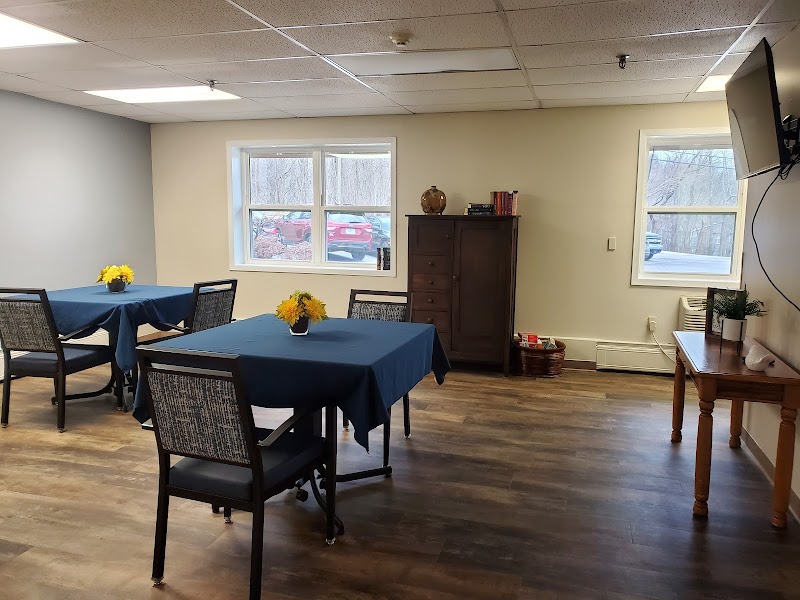
How is Brickyard Healthcare - Lincoln Hills Staffed?

CMS rates BRICKYARD HEALTHCARE - LINCOLN HILLS CARE CENTER's staffing level at 3 out of 5 stars, which is average compared to other nursing homes. Staff turnover is 40%, compared to the Indiana average of 46%. This relatively stable workforce can support continuity of care.

What Have Inspectors Found at Brickyard Healthcare - Lincoln Hills?

State health inspectors documented 29 deficiencies at BRICKYARD HEALTHCARE - LINCOLN HILLS CARE CENTER during 2022 to 2025. These included: 28 with potential for harm and 1 minor or isolated issues.
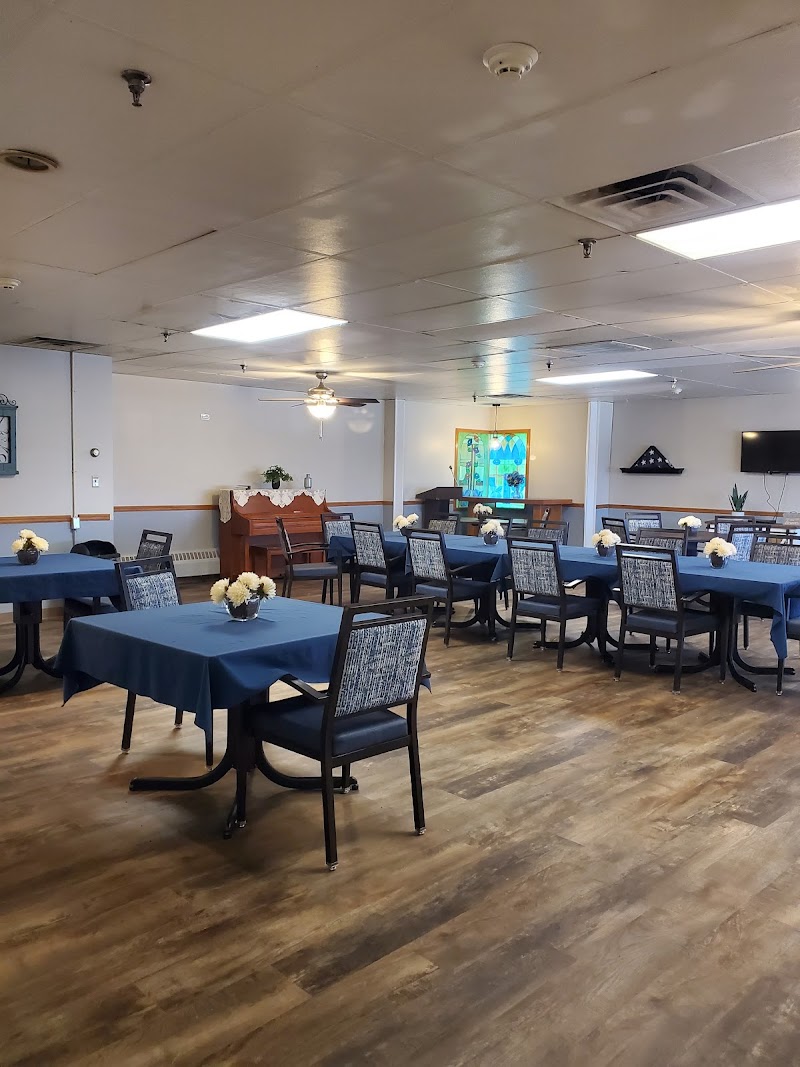
Who Owns and Operates Brickyard Healthcare - Lincoln Hills?

BRICKYARD HEALTHCARE - LINCOLN HILLS CARE CENTER is owned by a for-profit company. For-profit facilities operate as businesses with obligations to shareholders or private owners. The facility is operated by BRICKYARD HEALTHCARE, a chain that manages multiple nursing homes. With 86 certified beds and approximately 64 residents (about 74% occupancy), it is a smaller facility located in TELL CITY, Indiana.
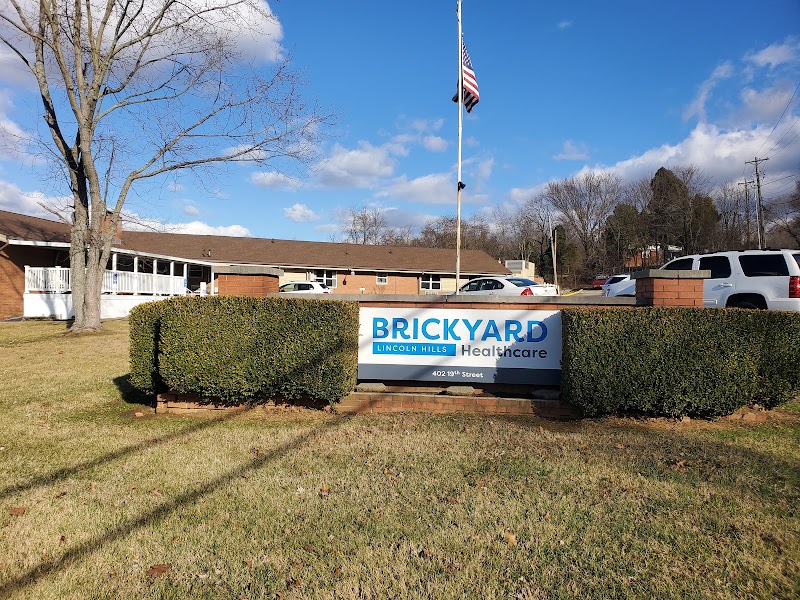
How Does Brickyard Healthcare - Lincoln Hills Compare to Other Indiana Nursing Homes?

Compared to the 100 nursing homes in Indiana, BRICKYARD HEALTHCARE - LINCOLN HILLS CARE CENTER's overall rating (2 stars) is below the state average of 3.1, staff turnover (40%) is near the state average of 46%, and health inspection rating (2 stars) is below the national benchmark.

What Should Families Ask When Visiting Brickyard Healthcare - Lincoln Hills?

Based on this facility's data, families visiting should ask: "Can I visit during a mealtime to observe dining assistance and food quality?" "How do you handle medical emergencies, and what is your hospital transfer rate?" "Can I speak with family members of current residents about their experience?"

Is Brickyard Healthcare - Lincoln Hills Safe?

Based on CMS inspection data, BRICKYARD HEALTHCARE - LINCOLN HILLS CARE CENTER has a clean safety record: no substantiated abuse findings (meaning no confirmed cases of resident harm), no Immediate Jeopardy citations (the most serious violation level indicating risk of serious injury or death), and is not on the Special Focus Facility watch list (a federal program monitoring the lowest-performing 1% of nursing homes). The facility has a 2-star overall rating and ranks #100 of 100 nursing homes in Indiana. While no facility is perfect, families should still ask about staff-to-resident ratios and recent inspection results during their visit.

Do Nurses at Brickyard Healthcare - Lincoln Hills Stick Around?

BRICKYARD HEALTHCARE - LINCOLN HILLS CARE CENTER has a staff turnover rate of 40%, which is about average for Indiana nursing homes (state average: 46%). Moderate turnover is common in nursing homes, but families should still ask about staff tenure and how the facility maintains care continuity when employees leave.

Was Brickyard Healthcare - Lincoln Hills Ever Fined?

BRICKYARD HEALTHCARE - LINCOLN HILLS CARE CENTER has no federal fines on record. CMS issues fines when nursing homes fail to meet care standards or don't correct problems found during inspections. The absence of fines suggests the facility has either maintained compliance or corrected any issues before penalties were assessed. This is a positive indicator, though families should still review recent inspection reports for the full picture.

Is Brickyard Healthcare - Lincoln Hills on Any Federal Watch List?

BRICKYARD HEALTHCARE - LINCOLN HILLS CARE CENTER is not on any federal watch list. The most significant is the Special Focus Facility (SFF) program, which identifies the bottom 1% of nursing homes nationally based on persistent, serious quality problems. Not being on this list means the facility has avoided the pattern of deficiencies that triggers enhanced federal oversight. This is a positive indicator, though families should still review the facility's inspection history directly.