OAKWOOD HEALTH CAMPUS
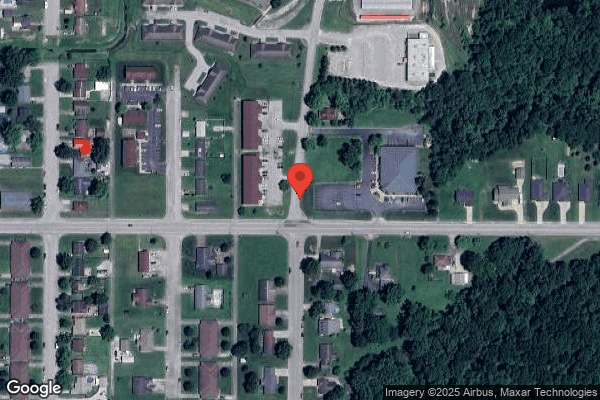
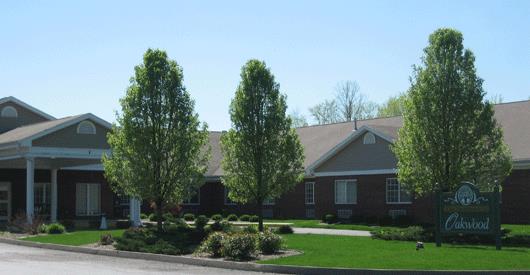
1143 23RD ST, TELL CITY, IN 47586 (812) 547-2333
For profit - Corporation 98 Beds TRILOGY HEALTH SERVICES Data: November 2025
Trust Grade
80/100
#173 of 505 in IN
Last Inspection: July 2024

Within standard 12-15 month inspection cycle. Federal law requires annual inspections.

Overview

Oakwood Health Campus has a Trust Grade of B+, indicating it's above average and recommended for families considering options for their loved ones. It ranks #173 out of 505 facilities in Indiana, placing it in the top half, and is the best choice among the two nursing homes in Perry County. The facility shows an improving trend, reducing issues from four in 2023 to three in 2024. Staffing is a strength with a 4/5 star rating and a turnover rate of 32%, significantly lower than the state average, which suggests that staff are experienced and familiar with the residents. While there have been no fines, the inspector noted concerns, such as water temperatures exceeding safe levels in resident restrooms and a lack of proper respiratory care for one resident, indicating some areas need attention despite overall good performance.

Trust Score
B+
80/100
In Indiana
#173/505
Top 34%
Safety Record
Low Risk
No red flags
Inspections
Getting Better
4 → 3 violations
Staff Stability
○ Average
32% turnover. Near Indiana's 48% average. Typical for the industry.
Penalties
✓ Good
No fines on record. Clean compliance history, better than most Indiana facilities.
Skilled Nurses
✓ Good
Each resident gets 46 minutes of Registered Nurse (RN) attention daily — more than average for Indiana. RNs are trained to catch health problems early.
Violations
○ Average
10 deficiencies on record. Average for a facility this size. Mostly minor or procedural issues.
★★★★☆
4.0
Overall Rating
★★★★☆
4.0
Staff Levels
★★★★☆
4.0
Care Quality
★★★★☆
4.0
Inspection Score
Stable
2023: 4 issues
2024: 3 issues

The Good

  • 4-Star Staffing Rating · Above-average nurse staffing levels
  • 4-Star Quality Measures · Strong clinical quality outcomes
  • Full Sprinkler Coverage · Fire safety systems throughout facility
  • No fines on record
  • Staff turnover below average (32%)

    16 points below Indiana average of 48%

Facility shows strength in staffing levels, quality measures, fire safety.

The Bad

Staff Turnover: 32%

14pts below Indiana avg (46%)

Typical for the industry

Chain: TRILOGY HEALTH SERVICES

Part of a multi-facility chain

Ask about local staffing decisions and management

The Ugly 10 deficiencies on record

Jul 2024 3 deficiencies
CONCERN (D)

Potential for Harm - no one hurt, but risky conditions existed

Respiratory Care (Tag F0695)

Could have caused harm · This affected 1 resident

Based on observation, interview, and record review, the facility failed to ensure a resident who needed respiratory care was provided such care, consistent with professional standards of practice for ...

Read full inspector narrative →
Based on observation, interview, and record review, the facility failed to ensure a resident who needed respiratory care was provided such care, consistent with professional standards of practice for 1 of 3 residents reviewed for receiving oxygen therapy. A resident's oxygen concentrator and portable oxygen tank were not set at the ordered Liters Per Minute (LPM). (Resident 13) Finding includes: On 6/24/24 at 10:23 A.M., Resident 13 was observed sitting in his room in his wheelchair wearing oxygen per nasal cannula (NC) that was connected to a portable oxygen tank on the back of his wheelchair with the setting at 2 LPM. The tubing was not dated. There was an oxygen concentrator machine at bedside with a dusty filter. On 6/27/24 at 9:49 A.M., Resident 13 was observed sitting in his room in his wheelchair wearing oxygen per NC that was connected to the oxygen concentrator machine at bedside with the setting on at 1.5 LPM and the NC tubing was resting on top of the resident's nose. The filter of the oxygen concentrator machine was dusty. On 6/27/24 at 1:25 P.M., Resident 13 was observed sitting in his room in his wheelchair wearing oxygen per NC that was connected to a portable oxygen tank on the back of his wheelchair with the setting at 0.5 LPM. On 6/27/24 at 1:30 P.M., Registered Nurse (RN) 26 observed the resident in the bathroom with staff toileting him and the resident wearing oxygen per NC that was connected to a portable oxygen tank on the back of his wheelchair with the setting at 0.5 LPM. The resident indicated he was not short of breath. She proceeded to take the resident's oxygen saturation and it read 91-92%. At that time, she adjusted the resident's portable oxygen tank setting to 2 LPM. On 6/27/24 at 12:21 P.M., Resident 13's clinical record was reviewed. Diagnoses included, but were not limited to, dementia, hypertension, and heart failure. The most recent Quarterly MDS (Minimum Data Set) Assessment, dated 5/7/24, indicated Resident 13's cognition was moderately impaired, he was an extensive assist of 2 staff for bed mobility, transfers, toileting, and on oxygen. Current Physician's Orders included, but were not limited to, the following: Change oxygen tubing monthly once a day on the 1st of the month, dated 3/14/24 Clean external concentrator filter every two weeks once a day on Sunday, dated 3/14/24 Oxygen at 2 LPM per NC, continuously, three times a day, ordered 3/14/24 A current Congestive Heart Failure (CHF) Care Plan, revised 5/20/24, included, but was not limited to, the following interventions: Oxygen per MD orders, initiated 3/7/24 On 6/27/24 at 1:13 P.M., the June 2024 Treatment Administration Record (TAR) was reviewed and indicated the external filter was cleaned on 6/23/24 and the resident's oxygen saturation levels ranged from 94-98% while wearing oxygen. During an interview on 6/27/24 at 1:35 P.M., RN 18 indicated the nurse was responsible for making sure the oxygen setting was as ordered and moving the residents oxygen tubing from the portable tank to the concentrator should be done by the nurse. She was not sure how long the resident had been connected to his portable oxygen tank because she observed the resident on his oxygen via the concentrator machine before lunch but had not looked at his oxygen after. At that time, she indicated his normal oxygen saturation would be in the upper 90's, like 95-97%, with his oxygen on. She indicated the oxygen setting on the oxygen concentrator machine should be checked every shift when the resident was connected to it and as needed and the portable tank should be checked when resident was first connected to it and as needed. On 6/28/24 at 11:57 A.M., a current Respiratory Care Policy and/or a Following Physician's Orders Policy was requested and the Regional Support indicated there was not a policy for following the physician's orders but it would be the policy for staff to follow orders. 3.1-47(a)(6)
CONCERN (D)

Potential for Harm - no one hurt, but risky conditions existed

Infection Control (Tag F0880)

Could have caused harm · This affected 1 resident

Based on observation, record review and interview, the facility failed to provide a safe and sanitary environment to help prevent the development and transmission of communicable diseases and infectio...

Read full inspector narrative →
Based on observation, record review and interview, the facility failed to provide a safe and sanitary environment to help prevent the development and transmission of communicable diseases and infections for 1 of 3 residents observed for a medication pass and 1 of 3 observed for incontinence care. During a med pass, pills were dropped on the medication cart and administered to a resident. Staff did not use hand hygiene between glove changes during care. (Resident 35, Resident 9) Findings include: 1. On 6/27/24 7:14 A.M., Registered Nurse (RN) 12 was observed preparing and passing medications to Resident 35. After RN 12 prepped all 16 of the resident's pills into medication cups, she put on gloves and knocked one of the medication cups over spilling out the resident's Keppra (anticonvulsant), Namenda (cognition enhancing), and docusate sodium (stool softener) onto the medication cart. RN 12 picked them up with her gloved hand, put them back into the medication cup, took the pills out of the cup that needed to be crushed and crushed them. Then she opened the pills that were capsules and dumped all the medications together, put chocolate pudding into the cup, and administered them to the resident. During an interview on 6/27/24 at 2:38 P.M., the Infection Preventionist (IP) indicated any pills dropped onto a medication cart while preparing medications for a resident should be disposed of and the person preparing the medications should get new ones to administer to the resident. 2. During an observation on 6/27/24 at 11:16 A.M., Certified Nurse Aide (CNA) 28 assisted Resident 9 to the restroom. CNA 28 removed Resident 9's soiled brief with gloved hands, grabbed the new brief, and placed it on the resident, removed gloves, donned new gloves, and wiped stool off resident 9's bottom. At that time, CNA 28 failed to remove gloves and perform hand hygiene before Resident 9's brief was pulled up. At that time, hand washing was performed for a 5 second lather. During an interview on 6/27/24 at 2:38 P.M., the Infection Preventionist (IP) indicated staff should perform hand hygiene between glove changes. During an interview on 6/28/24 at 9:46 A.M., Registered Nurse (RN) 12 indicated staff should lather for 20 seconds when hand hygiene is performed. On 6/28/24 at 8:00 A.M., a current Medication Administration Preparation General Guidelines Policy, revised January 2018, was provided by Regional Support and indicated Medications are administered as prescribed in accordance with good nursing principles and practices . after they have been properly oriented to the facility's medication distribution system (procurement, storage, handling, and administration) . On 6/28/24 at 12:13 P.M., the Director of Nursing (DON) provided a Guideline for Handwashing/Hand Hygiene policy, revised 2/9/17 that indicated, .Handwashing is the single most important factor in preventing transmission of infections. Hand hygiene is a general term that applies to either handwashing or the use of antiseptic hand rub, also known as alcohol-based hand rub .d. After removing gloves .Wash well for at least 20 seconds, using a rotary motion and friction . 3.1-18(b) 3.1-18(l)
MINOR (C)

Minor Issue - procedural, no safety impact

Staffing Information (Tag F0732)

Minor procedural issue · This affected most or all residents

Based on observation, interview, and record review, the facility failed to ensure Posted Nurse Staffing sheets contained the correct information daily for 1 of 6 days reviewed during the survey. (6/24...

Read full inspector narrative →
Based on observation, interview, and record review, the facility failed to ensure Posted Nurse Staffing sheets contained the correct information daily for 1 of 6 days reviewed during the survey. (6/24/24) Findings include: On 6/24/24 at 10:39 A.M., the Posted Nurse Staffing was observed hanging on the wall across from the 100, 200, and 300 nurses' station dated 6/14/24. During an interview on 6/28/24 at 11:58 A.M., the DON (Director of Nursing) indicated that the scheduler hung the Posted Nurse Staffing first thing in the morning. The DON indicated that she had been doing it while the scheduler was out for the last few days. On 6/28/24 at 12:07 P.M., the DON provided a Guidelines for Staff Posting Policy, revised 5/11/16, which indicated Purpose was to ensure compliance with federal regulations posting on a daily basis for each shift, the number of nursing personnel responsible for providing direct resident care.
Aug 2023 1 deficiency
CONCERN (E) 📢 Someone Reported This

A family member, employee, or ombudsman was alarmed enough to file a formal complaint

Potential for Harm - no one hurt, but risky conditions existed

Safe Environment (Tag F0921)

Could have caused harm · This affected multiple residents

**NOTE- TERMS IN BRACKETS HAVE BEEN EDITED TO PROTECT CONFIDENTIALITY** Based on observation, interview, and record review, the facility failed to ensure a safe, comfortable, and homelike environment ...

Read full inspector narrative →
**NOTE- TERMS IN BRACKETS HAVE BEEN EDITED TO PROTECT CONFIDENTIALITY** Based on observation, interview, and record review, the facility failed to ensure a safe, comfortable, and homelike environment during random room observations and including 4 of 7 resident restrooms reviewed for water temperatures. Water temperatures were greater than the maximum temperature of 120 degrees Fahrenheit (F), resident personal hygiene items were open to air or stored on the bathroom floor, and an air conditioning unit was leaking onto the carpet in a resident room. (Resident B, Resident C, Resident F, Resident G, room [ROOM NUMBER], room [ROOM NUMBER], room [ROOM NUMBER], room [ROOM NUMBER], room [ROOM NUMBER], room [ROOM NUMBER], room [ROOM NUMBER], room [ROOM NUMBER], room [ROOM NUMBER], room [ROOM NUMBER]) Findings include: 1. During an interview and observation on 8/24/23 at 9:45 A.M., Resident B indicated that the air conditioning unit in their room (114) does not work well. While observing the unit, a large wet spot directly under the air conditioner unit and in front of the bathroom door was noticed. During an observation of the shared bathroom in room [ROOM NUMBER], a blue tooth brush was resting on the backside of the bathroom sink, unlabeled and open to air. During a review facility grievances on 8/24/23 at 12:15 P.M., a resident in room [ROOM NUMBER] made a complaint on 7/24/23 that, .the aides are not emptying the bath basin under the AC (air conditioner) unit and it is overflowing onto the carpet everyday . and a resident in room [ROOM NUMBER] made a complaint on 7/24/23 that, wet carpet - resident states 'I am tired of my carpet being wet all the time' carpet noted to be wet from AC unit . During an interview on 8/24/23 at 11:55, the maintenance director indicated they had have problems with the air conditioning units building up condensation when it is hot outside. The units start to lean inward and drip onto the resident floors. The units have to be jacked up so the condensation well drain outside of the building. The maintenance director indicated she had a work order for the same problem in room [ROOM NUMBER], but was unaware of the issue in room [ROOM NUMBER]. 2. During an observation and interview on 8/24/23 at 10:00 A.M., Resident C indicated that the water gets hot in her bathroom (room [ROOM NUMBER]). The bathroom sink water temperature was 121 degrees F. During an observation and interview on 8/24/23 at 11:20 A.M. the facility maintenance director along with the regional maintenance director checked the water temperature in room [ROOM NUMBER]. A water temperature of 123 degrees was observed. At that time, the regional maintenance director indicated the water is too hot and that he would adjust the mixing valve. 3. During an interview and observation on 8/24/23 at 10:15 A.M., Resident F's bathroom sink water temperature in room [ROOM NUMBER] tempted at 123 degrees F. Resident F indicated at times the water gets real cold, then gets real hot. 4. During an interview and observation at 10:25 A.M., Resident G's bathroom sink water temperature in room [ROOM NUMBER] tempted at 123 degrees F. The shared bathroom in room [ROOM NUMBER] also contained a large bag of personal hygiene items and other belongings that were spilling out onto the the bathroom floor. Resident G indicated that the her roommate needed a place to store her personal items so that they would not be on the bathroom floor. During an interview on 8/24/23 at 12:15 P.M., the DON (Director of Nursing) indicated the facility did not have a policy on the storage of resident personal hygiene items, but that the facility had recently purchased containers for residents to store their items in. Staff should observe for resident personal items being left out and should be sure that they are stored correctly. 5. During an observation on 8/24/23 at 10:40 A.M., in room [ROOM NUMBER], the bathroom sink water was tempted at 121 degrees F. On 8/24/23 at 11:30 A.M., the facility maintenance director also tempted room [ROOM NUMBER]'s bathroom sink water at 121 degrees F. During an interview on 8/24/23 at 11:15 A.M., the regional maintenance director indicated that water temperatures in resident rooms should range between 100 - 120 degrees F. Room water temperatures should be checked daily. During a record review on 8/24/23 at 11:45 A.M., a weekly water temperature check included the following: 8/24/23 - room [ROOM NUMBER]: 120.9 degrees F 8/24/23 - room [ROOM NUMBER]: 120.8 degrees F During an interview on 8/24/23 at 12:00 P.M., the Facility Administrator indicated that the facility maintenance director had been checking room water temperatures weekly, but not daily as according to their policy. On 8/24/23 at 12:00 P.M., the facility Administrator supplied a facility policy titled, Water Temperature Testing - Life Safety, dated 8/20/18. The policy included, It is [Facility] policy to test water temperatures daily.Testing must take place in the following areas: .One resident room at the end of each wing, on a rotating basis . Patient room temperatures are specified by state requirements.Indiana 100 - 120 (degrees Fahrenheit). This Federal tag relates to complaint allegation IN00415572. 3.1-19(f)(5) 3.1-19(r)(1) 3.1-19(r)(2)
Apr 2023 3 deficiencies
CONCERN (D)

Potential for Harm - no one hurt, but risky conditions existed

Deficiency F0605 (Tag F0605)

Could have caused harm · This affected 1 resident

**NOTE- TERMS IN BRACKETS HAVE BEEN EDITED TO PROTECT CONFIDENTIALITY** Based on interview, observation, and record review, the facility failed to ensure the resident right to be free of chemical rest...

Read full inspector narrative →
**NOTE- TERMS IN BRACKETS HAVE BEEN EDITED TO PROTECT CONFIDENTIALITY** Based on interview, observation, and record review, the facility failed to ensure the resident right to be free of chemical restraint for 1 of 6 residents reviewed for falls. An anti-anxiety medication (lorazepam) was used as a chemical restraint to control the resident's behaviors in an effort to keep them from falling. (Resident 47) Findings include: On 3/27/23 at 12:41 P.M., Resident 47 was observed sitting in a high back wheelchair in the commons area in front of the television sleeping. On 3/27/23 at 1:40 P.M., Resident 47 was observed laying in bed asleep. On 3/28/23 at 9:02 A.M., Resident 47 was observed sitting in a high back wheelchair in the commons area in front of the television sleeping. On 3/29/23 at 2:45 P.M., Resident 47 was observed laying in bed asleep. On 3/30/23 at 10:05 A.M., Resident 47 was observed laying in bed asleep. On 3/31/23 at 9:45 A.M., Resident 47 was observed laying in bed asleep. The resident did not arouse with knocking on the door or saying good morning in a normal tone voice. On 3/31/23 at 11:03 A.M., Resident 47 was observed laying in the same position as earlier in bed asleep. There were 2 visitors and her roommate having a normal tone conversation and the Hospice Nurse was in the room doing vitals on the resident and having a conversation in the room while the resident slept. On 3/31/23 at 12:41 P.M., Resident 47 was observed sitting in a high back wheelchair with her eyes closed. On 3/31/23 at 2:15 P.M., Resident 47 was observed in bed asleep and did not arouse to verbal stimuli. On On 3/29/23 at 12:26 P.M., Resident 47's clinical record was reviewed. Resident 47 was admitted on [DATE]. Diagnoses included, but were not limited to, dementia with behavioral disturbance, history of falling, past CVA(cerebrovascular accident/stroke), and conduct disorder, unspecified. The most recent annual MDS (Minimum Data Set) Assessment, dated 1/4/23, indicated that Resident 47's cognitive status was unable to be assessed because they were rarely able to be understood and an extensive assist of 2 (two) staff for bed mobility, transfers, and toileting. It also indicated that Resident 47 was on hospice and the following behaviors were observed in the 7 day look back period: Physical behavioral symptoms directed toward others (e.g., hitting, kicking, pushing, scratching, grabbing, abusing others sexually)-Behavior of that type occurred 1 to 3 days. Verbal behavioral symptoms directed toward others (e.g., threatening others, screaming at others, cursing at others)-Behavior not exhibited. Other behavioral symptoms not directed toward others (e.g., physical symptoms such as hitting or scratching self, pacing, rummaging, public sexual acts, disrobing in public, throwing or smearing food or bodily wastes, or verbal/vocal symptoms like screaming, disruptive sounds)-Behavior of that type occurred 4 to 6 days, but less than daily. Did any of the identified symptom(s) put the resident at significant risk for physical illness or injury, significantly interfere with the resident 's care, significantly interfere with the resident 's participation in activities or social interactions, put others at significant risk for physical injury, significantly intrude on the privacy or activity of others, significantly disrupt care or living environment-all answered no. Did the resident reject evaluation or care (e.g., bloodwork, taking medications, ADL assistance) that is necessary to achieve the resident ' s goals for health and well-being? Do not include behaviors that have already been addressed (e.g., by discussion or care planning with the resident or family), and determined to be consistent with resident values, preferences, or goals-Behavior of that type occurred 4 to 6 days, but less than daily. How does resident's current behavior status, care rejection, or wandering compare to prior assessment (OBRA or Scheduled PPS)-Same. Current physician's orders included, but were not limited to, the following: lorazepam intensol 2 mg(milligram)/ml(milliliter) 0.5 ml orally for restlessness/anxiety per hospice three times a day, ordered on 10/31/22 and discontinued 3/28/23. lorazepam intensol 2 mg/ml 1ml orally for restlessness/anxiety per hospice three times a day, ordered on 3/28/23. lorazepam intensol 2 mg/ml 0.5 ml orally PRN (as needed) every 30 minutes for anxiety/terminal restlessness; receiving hospice services and medication should continue until end of life, ordered 4/11/22. (hospice name) to treat for terminal diagnosis of Alzheimer's dementia, ordered 12/15/22. A current risk for falls care plan, dated 1/7/21, included, but was not limited to, the following interventions: ask hospice nurse to evaluate need for routine ativan r/t afternoon restlessness, initiated 7/27/22. A current hospice care plan, dated 2/28/22, included, but was not limited to the following interventions all initiated on 2/28/22: Administer drugs as needed for palliation per md order and administer pain medication as ordered and as needed A current conduct disorder care plan, dated 1/13/21, included, but was not limited to, the following interventions all initiated on 1/13/21: Assess for unmet needs such as need for toileting, rest, food, companionship, etc, determine cause for inappropriate behavior and refer to physician as needed for intervention, encourage participation in structured activities as appropriate, observe for triggers of inappropriate behaviors and alter environment as needed. A current activities care plan, dated 10/5/22, included, but was not limited to, the following interventions all initiated on 1/4/23: Introduce me to other residents who also enjoy socializing, please invite and assist me as needed to activities of my interest, such as spending time outdoors when the weather is warm enough and opportunities to socialize, I am of the Methodist faith, please provide appropriate cueing if you see that I am restless, I enjoy watching westerns such as Gunsmoke and Bonanza and also watching TV Land programs, I like to look through magazines and have a snack while doing so, listening to gospel music is one of my favorite genres. A current behaviors care plan, dated 7/28/22, included, but was not limited to, the following interventions all initiated on 7/28/22: Observe mood, affect and behaviors with all hands on care and contacts, re-direct me during periods of frustration and anger, refer to psych services as needed. A current psychotropic (lorazepam) drug care plan, dated 11/16/21, included but was not limited to, the following interventions all initiated on 11/16/21: Attempt GDR (gradual dose reduction) in two separate quarters (with at least one month between the attempts)during the first year the resident receives an anxiolytic (lorazepam) medication then yearly after unless contraindicated, attempt non-pharmacological interventions prior to administering PRN anxiolytic, and observe for drug effectiveness and adverse consequences. A review of Resident 47's progress notes included, but were not limited to, the following: 4/8/22 1:55 P.M.-Resident has been having more frequent episodes of restlessness the past few days. Has frequently been attempting to stand up out of w/c and get out of bed and cannot remember that she can no longer walk. Res [resident] is requiring frequent redirection and repositioning d/t scooting to the edge of w/c seat. Res [resident] is usually easily redirected and not mean or agitated, just very restless and unable to voice why she is trying to stand. Staff will provide toileting, offer food/drinks and ask if she is pain. After ruling all needs out resident remains restless. Hospice nurse [name of nurse] here for a visit and voiced that comfort meds for terminal restlessness would be appropriate at this time and asked this nurse to notify [name of doctor]. 4/8/22 3:25 P.M.-New orders per [doctor name]: Ativan (lorazepam) Intensol 2mg/mL give 0.5 mL q30 (every 30) minutes PRN for anxiety. 4/11/22 9:08 A.M.-IDT [interdisciplinary team] reviewed current mental health, pain, and infection events. Resident receiving hospice services and hospice pain/anxiety medications started due to resident's declining condition . No adverse effects noted from any medications . 4/11/22 3:12 P.M.- MD [medical doctor] responded to [pharmacy name] rec [recommendations] regarding rationale for Lorazepam. MD wanting res [resident] to continue on PRN med due to having episodes of anxiety. Will place new 14 day stop date at this time. 4/22/22 12:02 P.M.-The past few days when res [resident] is up in w/c [wheelchair] is constantly scooting self to edge of seat and several has [sic] almost scooted all the way off of seat. Has dycem on top and bottom of cushion but it is not preventing it. Res [resident] appears to be uncomfortable in the chair not matter how positioned and has lost quite a bit of trunk control d/t [due to] decline in condition. Call placed to hospice nurse [nurse name] and left voicemail requesting [specific name] chair for res [resident] comfort. 6/14/22 1:30 P.M.-Res [resident] yelling out for spouse after lunch. Reassured spouse was okay and in the building. Res [resident] accepting of this. 7/14/22 1:05 P.M.-Attempted to give prn ativan intensol d/t restlessness and agitation but res [resident] spit it out. 7/24/22 8:00 P.M.-Earlier today after lunch [resident] was yelling trying to out of her chair. interventions didn't help. assist to bed check and changed yelled whole time. tried giving her lorazepam she took it then spit it out this was before laying her down. she layed about 10 minutes still yelling trying to climb out of the bed but refuses to set in reclining w/c. staff administer morphine and she held it in mouth a few seconds then spit it out. continue to do the same been long enough and rn staff administer lorazepam and she didn't spit it out and she calmed down went out for supper been in her recliner w/c watching tv. going to bed now due to falling asleep in chair. 7/27/22 12:51 P.M.-Resident yelling out help. Unable to redirect. PRN ativan given at this time. 7/27/22 03:00 P.M. Resident observed on floor by CRCA [CNA]. Resident was sitting upright against her bed. Resident is alert and asking for staff to put her back to bed. VS 127/74, 80, 97%RA, 18, 97.9F. Moves all extremities without difficulty or pain at this time. No injuries noted. Resident assisted back to bed by staff. ADHS notified and resident to be engaged in activities during afternoon hours as an intervention. POA notified. MD notified. 7/28/22 3:53 P.M.-Reviewed current fall event. Resident was observed on floor by nursing staff at bedside. Resident has developed tendency to become by restless [sic] in the afternoon . Resident was offered PRN medication for anxiety [lorazepam], but spit this out, so staff attempted to lay resident down to nap. Root cause analysis determined that afternoon restless [sic] led resident to attempt to get up on her own, and fall from bed (root cause.) No injuries obtained as result of fall. Denies pain or discomfort. Neuro [neurological] status and ROM [range of motion] remain within normal limits. Coordinating care with [hospice name] nurse. Spoke with hospice nurse and she will be contacting MD for possible medication changes to address afternoon restlessness/anxiety (intervention.) Plan of care and profile up to date with safety interventions. 7/29/22 10:34 A.M.-Received a new order from hospice to make Ativan [lorazepam] routine. New dose is Ativan [lorazepam] 0.5 ml po [orally] every 8 hours and keep the prn dose the same. 8/2/22 9:19 A.M.-IDT reviewed current mental health event. Resident noted with increased s/s of agitation and restlessness. Non-pharmacologic interventions including providing calm environment, offering rest periods, offering food and fluids, and offering activities have been ineffective. Restlessness has resulted in resident to have fall without injury from her bed. Care coordinated with [hospice name], and new orders received for routine Ativan [lorazepam] to managed [sic] s/s [signs/symptoms] of terminal restlessness. No s/s of adverse reactions to change in medication. 8/10/22 1:02 P.M.-Resident continues to be monitored r/t [related to] fall. Resident continues with hospice services for terminal diagnosis of Alzheimer's dementia. Resident continues to have episodes of restlessness but has been better controlled with medication regimen for comfort. Resident continues with 1:1 services from activities and receives visits from Chaplain. Resident also has a volunteer that visits. Fall interventions continue to be in place and remain appropriate. Will continue with current orders and update POC as needed. 8/25/22 11:06 A.M.-Resident being monitored f/t [sic] fall. Resident has not made any attempts to transfer self without assistance. Resident is unable to propel self in wheelchair and requires staff assistance for transfers and mobility. Staff assisted with complete care. Resident does continue with hospice services for terminal diagnosis. Will review fall interventions and update as needed. 9/18/22 2:45 P.M.-Resident refusing medications and spitting this shift. Becomes combative when staff attempt to assist resident. Grabbed this nurse's hand and began twisting fingers stating I'm going to break your fingers to the bone! Resident left sitting safely in [chair name] chair near nurses station to calm down. 10/12/22 3:38 P.M.-Received [doctor name] response in regards to eval [evaluation] of Lorazepam use from [pharmacy name] recommendation.'No!!! She is dying.Stop with the GDR requests on hospice patients.I will never say yes.Pharmacy is wasting everyone's time with this.' 10/25/22 10:59 A.M.-Care conference held with resident husband, [resident in facility].no concerns voiced other than wished wife didn't sleep so much. 11/25/22 1:51 P.M.-This writer called to resident room . Resident found sitting on [the floor on] side of bed with feet stretched out towards bathroom. Soiled linen under resident on floor. Resident unable to state how she fell. Staff assisted resident to bed at 1:15 pm and provided incontinent care. No injuries reported or observed. Call light within reach. 11/26/22 5:55 P.M.-Res [resident] restless this shift calling out for spouse frequently. PRN roxanol and ativan intensol given for restlessness and anxiety. 11/26/22 10:51 P.M.-IDT reviewed current fall. Prior to fall resident was lying in bed, with call light in reach. Resident was found on floor next to bed with linens underneath her. Resident had recently been laid down, and incontinence care provided. Resident does have periods of terminal restless d/t [due to] terminal disease process and receives routine antianxiety [lorazepam] for this, and available PRN as well. Staff will provide smaller blanket for use in bed (intervention.) Plan of care updated. 11/30/22 2:00 P.M.-Called to room to find resident on floor with pillow under head.CNA (Certified Nurse Aide) had said resident was just asleep prior to passing room a few minutes to this incident.CNA assisted resident to floor from being half way to floor from bed. 11/30/22 2:49 P.M.-Discussed with management interventions for recent fall.Will do medication review. 12/2/22 11:04 A.M.-Resident did have recent fall on 11/30. Resident was laying in bed after noon meal for rest. Staff observed resident attempting to transfer out of bed and reported restlessness. Per staff, resident typically gets restless around 2pm daily. Staff were attempting to assist resident with getting up into chair when she did not stand completely causing staff to need to lower her to the floor (root cause). She continues to deny pain/discomfort. Resident does receiving [sic] routine ativan to help control restlessness and agitation. Time frame reviewed and adjusted to better meet resident's need (intervention). 12/6/22 8:40 P.M.-Res [resident] anxious yelling out restlessness attempting to climb out of bed. Res [resident] given prn Lorazepam 0.5ml 1mg per orders will continue to monitor. 12/8/22 1:44 P.M.-Resident remains free from s/s of injury. Change of medication administration times with last fall do appear to have decreased displays of restlessness, and calling out. 12/23/22 10:57 A.M.-Resident continues to be monitored r/t falls. Resident continues with hospice services and is occasionally restless. Resident does receive routine and PRN medications to assist with restlessness. Staff continue to offer and assist with all needs as they arise and continue to anticipate needs. 1/5/23 12:50 A.M.-Awake, trying to climb out of bed. 1:1 time spent with resident. Incont [incontinence] care given with protective cream to buttocks. Repositioned for comfort. HOB up <30degrees. Did offer and was accepted Pink Lemonade with Comfort meds. Continue to monitor thru shift for safety. 1/22/23 3:05 P.M.-Resident was resting in bed just prior to fall. Resident noted to be lying on her back next to her bed with her blankets underneath her body and head. Resident known to become restless at times in the afternoon while resting and unable to understand use of call light for assistance. Resident then assisted to wheelchair and taken to common area near nurses station and attempted to engage in activities. 1/25/23 3:00 P.M.-Resident noted to be sitting on the floor leaning against the side of her bed. She states she I want to get out of here When asked what she was trying to do at time of fall, resident responded Trying to get up. resident was assisted to TV room per her request. 2/5/23 4:36 P.M.-IDT reviewed fall event. Resident was restlessness [sic] and rolled out of her bed onto the floor. (root cause) Immediate intervention: resident was assessed with comfort med given, she was assisted back to bed and bed was placed in lowest position in attempt to prevent injury. 2/5/23 4:43 P.M.-IDT NOTE: Resident noted to be sitting on the floor leaning against the side of her bed. She states she I want to get out of here When asked what she was trying to do at time of fall, resident responded Trying to get up and fell off the bed. Immediate intervention: resident was assisted to TV room per her request. 3/12/23 4:35 P.M.-This nurse called to restorative dining room. CNA found resident perpendicular to reclining WC [wheelchair] on the floor. Unwitnessed. 3/13/23 10:34 A.M.-IDT reviewed fall event. Resident attempted to self transfer from her wheelchair to standing position and lost balance and fell. (root cause) Resident was unable to tell staff where or what she was planning on doing. 3/16/23 9:43 A.M.-Plan of care reviewed and continues to be appropriate for this resident. She continues with hospice services for end of life services. She does usually refuse to participate in group activities however does enjoy 1:1 visits with staff. She does continue to be high risk for falls and staff do frequent rounding in attempt to anticipate resident needs. 3/23/23 12:43 P.M.-Resident with much anxiety and agitation, yelling out et [and] attempting to get out of chair. Attempts made by several staff to calm resident down. Resident was changed et [and] new brief placed, taken to lunch but did not eat very much. One on one, talking about memories et [and] resident would calm when someone was one on one with her but would then resume screaming as soon as someone left. Resident spit out Ativan et [and] Morphine when given even though she was yelling that her back hurt. Unsure if any medication was ingested. 3/25/23 7:36 A.M.-Attempted to give morning medications (routine ativan prescribed to help prevent behaviors) resident was awake and sitting in her [chair name] chair. She was not receptive to taking even a sip of water. she grabbed the straw and cup and jerked it out of this nurses hand and threw it on the floor. Will reattempt at a later time. 3/25/23 9:40 A.M.-Plan of care reviewed and continues to be appropriate for this resident. She continues with hospice services for end of life services. She does usually refuse to participate in group activities however does enjoy 1:1 visits with staff. She does continue to be high risk for falls and staff do frequent rounding in attempt to anticipate resident needs. 3/28/23 11:34 A.M.-N/O [new order] received per hospice to increase Lorazepam to 1mL TID [three times daily] routine for increased anxiety. Review of the January 2023 TAR (treatment administration record) indicated Resident 47 received lorazepam intensol 2mg/ml 0.5ml orally routinely three times a day from 1/1/23 through 1/31/23. The January 2023 TAR also indicated that Resident 47 received lorazepam intensol 2mg/ml 0.5 ml orally every 30 minutes PRN on the following dates: 1/1/23 at 11:01P.M. restlessness 1/5/23 at 12:56 A.M. end of life care, confusion, attempting to climb out of bed 1/8/23 at 7:58 P.M. attempting to climb out of bed, redirected by staff multiple times 1/9/23 at 5:45 P.M for yelling 1/14/23 at 9:16 A.M. for behavior issue (not specified) 1/17/23 at 8:38 P.M. for restlessness 1/19/23 at 11:06 P.M. for restlessness 1/30/23 at 10:50 P.M. for restlessness 1/31/23 9:46 P.M. for hollering out Review of the February 2023 TAR indicated Resident 47 received lorazepam intensol 2mg/ml 0.5ml orally routinely three times a day from 2/1/23 through 2/28/23. The February 2023 TAR also indicated that Resident 47 received lorazepam intensol 2mg/ml 0.5 ml orally every 30 minutes PRN on the following dates: 2/4/23 at 9:15 P.M. for restlessness 2/7/23 at 4:29 P.M. for behavior issue (not specified) 2/25/23 at 4:21 P.M. for restlessness, anxiety 2/27/23 at 4:17 P.M. for behavior issue (not specified) Review of the March 2023 TAR indicated Resident 47 received lorazepam intensol 2mg/ml 0.5ml orally routinely three times a day from 3/1/23 through morning dose on 3/28/23. From 3/28/23 noon dose through 3/31/23, Resident 47 received lorazepam intensol 2mg/ml 1 ml orally three times a day. The March 2023 TAR also indicated that Resident 47 received lorazepam intensol 2mg/ml 0.5 ml orally every 30 minutes PRN on the following dates: 3/5/23 at 5:47 P.M. for anxiety 3/5/23 at 9:59 P.M. for restlessness 3/16/23 at 3:45 P.M. for restlessness 3/20/23 at 9:46 A.M. for behavior issue (not specified) 3/23/23 at 12:42 P.M. for behavior issue (not specified) 3/26/23 at 5:42 P.M. for restlessness 3/30/23 at 11:36 P.M. for restlessness Review of the hospice note, dated 3/31/23, indicated per the Edmonton Symptom Assessment system, Resident 47's drowsiness score (0-10) was 7 and goal for drowsiness score was 4. During an interview on 3/30/23 at 2:50 P.M., the DON (Director of Nursing) indicated Resident 47 has not been seen by mental health professional because she is on hospice. During an interview on 3/31/23 at 11:03 P.M. the Hospice Nurse indicated that they recently increased ativan because she has been combative and restless. She further indicated that she [Resident 47] has fallen a lot because she gets restless and falls. The resident stayed asleep the entire interview with the hospice nurse using normal tone voice and the resident's roommate and 2 visitors talking in normal tone voices. A current chemical restraints policy, dated 5/11/16, was provided by the DON on 4/4/23 at 10:49 and indicated . 5. Chemical restraints should not be used to limit or control resident behavior for the convenience of the staff or as a substitute for individualized care . 12. Nursing services, social series and other members of the interdisciplinary team will address the behaviors in progress notes, care plans, or other forms in electronic health record. a. Medication use is not the sole approach for behavioral intervention. b. Other interventions will be identified in the care plan . 3.1-3(w)
CONCERN (D)

Potential for Harm - no one hurt, but risky conditions existed

Deficiency F0657 (Tag F0657)

Could have caused harm · This affected 1 resident

**NOTE- TERMS IN BRACKETS HAVE BEEN EDITED TO PROTECT CONFIDENTIALITY** Based on interview and record review, the facility failed to ensure a person-centered care plan was in place or revised to meet ...

Read full inspector narrative →
**NOTE- TERMS IN BRACKETS HAVE BEEN EDITED TO PROTECT CONFIDENTIALITY** Based on interview and record review, the facility failed to ensure a person-centered care plan was in place or revised to meet the resident's needs for 3 of 3 residents reviewed for developmentally disabled individuals. (Resident 39, Resident 34, Resident 3) Findings include: During record reviews on 4/4/23 from 10:00 A.M. to 12:30 P.M., 3 of 3 residents reviewed for intellectual disabilities/developmental delays (ID/DD) lacked a person-centered care plan that addressed their individual needs related to their diagnosis of ID/DD. 1. Resident 39's clinical record was reviewed and included, but was not limited to, a history of spinal meningitis which led to a developmental disability. Resident 39 was admitted to the facility on [DATE]. A current social aspects care plan, dated 4/19/19, indicated a diagnosis of developmental disability related to a history of spinal meningitis. All interventions were dated 5/29/19, and included the following: encourage resident to actively participate in activities of daily living daily, care planning, and intellectually appropriate leisure and structured activity, monitor for cognitive changes with cognition level quarterly and as needed as well as monitor mood, affect, and behaviors, provide routine in daily schedule, and to receive services from the DD Board per habilitation plan. On 4/4/23 at 1:00 P.M., a handwritten individual habilitation plan flow sheet was provided, dated for the month of February (no year). The Administrator indicated at that time the form was what the Social Services Director (SSD) had filled out for Resident 39 this past February, and had kept inside a binder in her office. The form included the following training step approaches for Resident 39: verbal cues and encouragement for self ambulation, physical prompts or gestures to dining room, and reinforcing support, encouragement, and positive ambulation. The form further indicated Resident 39 would use wheelchair independently one time a week to the dining room for the next 90 days. The information on the form was not used to update Resident 39's care plan for all staff to have access to. 2. Resident 34's clinical record was reviewed and included, but was not limited to, a diagnosis of Cerebral Palsy. Resident 34 was admitted to the facility on [DATE]. A current social aspects care plan, dated 3/7/22, indicated a diagnosis of intellectual disability and Cerebral Palsy. All interventions were dated 3/7/22, and included the following: complete evaluations for therapy (speech, occupational, physical), encourage family involvement in care and resident's participation in facility activities as appropriate to prevent isolation and promote wellbeing, provide discharge planning to explore community living, ongoing mental health case management to ensure proper treatment and medication effectiveness, supportive counseling to help resident through hard moments and support wellbeing, refer for individual or group therapy as needed, and refer for neurological evaluation. On 4/4/23 at 1:00 P.M., a handwritten individual habilitation plan flow sheet was provided, dated for the month of February (no year). The Administrator indicated at that time the form was what the SSD had filled out for Resident 34 this past February, and had kept inside a binder in her office. The form included the following training step approaches for Resident 34: have clothes laid out the night prior for visual care, staff to get towels and toiletries for shower and provide to resident, and give positive support and affirmations regarding tasks. The form further indicated Resident 34 would shower and dress self independently two times a week for 90 days without verbal prompts. The information on the form was not used to update Resident 34's care plan for all staff to have access to. 3. Resident 3's clinical record was reviewed and included, but was not limited to, a diagnosis of anxiety, obsessive compulsive disorder (OCD), and epilepsy. Resident 3 was admitted to the facility on [DATE]. A current social aspects care plan, dated 12/23/20, indicated a diagnosis of severe intellectual disability and epilepsy, OCD, anxiety, and other unspecified mental disorders due to known physiological condition. All interventions were dated 12/23/20, and included the following: encourage family involvement in care, resident's participation in facility activities as appropriate to prevent isolation and promote wellbeing, provide discharge planning to explore community living, ongoing mental health case management to ensure proper treatment and medication effectiveness, supportive counseling to help resident through hard moments and support well being, refer for individual or group therapy, neurological evaluation as needed, and outpatient mental health services. On 4/4/23 at 1:00 P.M., a handwritten individual habilitation plan flow sheet was provided, dated for the month of February (no year). The Administrator indicated at that time the form was what the SSD had filled out for Resident 3 this past February, and had kept inside a binder in her office. The form included the following training step approaches for Resident 3: encourage resident to get up out of bed and sit in a chair, invite and encourage resident to activities and gatherings, and support and encourage with positive affirmations. The form further indicated that Resident 3 would utilize wheelchair twice a week for social interaction outside of room for the next 90 days. The information on the form was not used to update Resident 3's care plan for all staff to have access to. During an interview on 4/4/23 at 1:10 P.M., the Director of Nursing (DON) indicated when selecting a care plan, staff would select a general care plan with already populated interventions. After selecting the care plan for the resident, staff should go into each intervention and make it resident specific. The DON further indicated revisions should have been made to care plans and interventions quarterly and updated as needed. On 4/4/23 at 1:15 P.M., a current comprehensive care plan guideline policy, dated 5/22/28, was provided and indicated Problem areas should identify the relative concerns . Interventions should be reflective of the individual's needs and risk influence as well as the resident's strengths . revised to reflect changes in the resident's condition as they occur 7-4(a)
CONCERN (D)

Potential for Harm - no one hurt, but risky conditions existed

Deficiency F0761 (Tag F0761)

Could have caused harm · This affected 1 resident

**NOTE- TERMS IN BRACKETS HAVE BEEN EDITED TO PROTECT CONFIDENTIALITY** Based on observation and interview, the facility failed to provide proper storage of medications in 1 of 2 medication storage ro...

Read full inspector narrative →
**NOTE- TERMS IN BRACKETS HAVE BEEN EDITED TO PROTECT CONFIDENTIALITY** Based on observation and interview, the facility failed to provide proper storage of medications in 1 of 2 medication storage rooms, 1 of 1 IV (intravenous) storage cart, and 1 of 6 medication carts. Loose pills were found in the bottom of the medication cart drawers. Expired IV fluid bags were stored in the IV treatment cart located within the storage room. (100 Hall and 600 Hall) Findings include: 1. On [DATE] at 9:35 A.M., the IV storage cart located in the 600 Hall storage room was observed with the following expired bags inside: 1 (one) 1000 cc (cubic centimeter) fluid bag of Dextrose 5 percent with expiration date of [DATE] 1 (one) 1000 cc fluid bag of Dextrose 5 percent with Normal Saline 0.9% with expiration date of [DATE] 1 (one) 1000 cc fluid bag of Dextrose 5 percent with Normal Saline 0.2% with expiration date of February 2023 2 (two) 100 cc fluid bags of Dextrose 5 percent with an expiration date of [DATE] During an interview on [DATE] at 9:35 A.M., LPN (Licensed Practical Nurse) 8 indicated the night shift nursing staff should check the IV cart and reorder supplies. 2. On [DATE] at 12:27 P.M., 1 of 2 medications carts for the 100 Hall was observed in medication storage room with the following medications laying loose in the bottom of 2 drawers: 1 medium white round pill 1/2 (half) medium oblong purple pill 1 small round orange pill On [DATE] at 8:30 A.M., the same medication cart was observed in the medication storage room on the 100 Hall with the following medications loose in the bottom of 2 drawers: 1 small round orange pill 1 large white pill 1 small white pill During an interview on [DATE] at 8:45 A.M., QMA (Qualified Medication Aide) 12 indicated loose medications should be removed from drawers and disposed of using a a bottle of liquid drug disposal after notification of the DON ( Director of Nursing). During on interview on [DATE] at 8:49 A.M., DON (Director of Nursing) indicated the pharmacist would check the IV fluid bags once a month when she visits and the night shift nursing staff should check the IV cart once a week. A current Medication Storage in the Facility policy, revised November, 2018 was provided by DON on 11:23 A.M., indicated Medications and biological's are stored safely, securely, and properly . The medication supply is accessible only to licenses facility personnel, pharmacy personnel, or facility personnel lawfully authorized to administer medication .Policy H . Outdated, contaminated, medications .without secure closures are immediately removed from inventory, disposed of according to procedures for medication disposal .Expiration Dating .C. Certain medications . such as IV solutions . require an expiration date . to insure medication and purity 3.1-25(m)
Nov 2019 3 deficiencies
CONCERN (D)

Potential for Harm - no one hurt, but risky conditions existed

Accident Prevention (Tag F0689)

Could have caused harm · This affected 1 resident

**NOTE- TERMS IN BRACKETS HAVE BEEN EDITED TO PROTECT CONFIDENTIALITY** Based on observation, interview, and record review, the facility failed to prevent accidents for 1 of 3 residents reviewed for f...

Read full inspector narrative →
**NOTE- TERMS IN BRACKETS HAVE BEEN EDITED TO PROTECT CONFIDENTIALITY** Based on observation, interview, and record review, the facility failed to prevent accidents for 1 of 3 residents reviewed for falls. Care plan interventions were not in place for a resident with multiple falls. (Resident 28) Finding includes: During an observation on 11/1/19 at 8:22 A.M., CNA 5 assisted Resident 28 from the dining room into a television (TV) room between the dining room and long term care hall nurse's station. Resident 28 was placed in front of the TV and left with other resident's in the room. No staff were in the room. At 8:32 A.M., Resident 28 was observed sleeping in her wheelchair in front of the television. At 9:00 A.M., nursing staff assisted Resident 28 out the TV room and into the bedroom. During record review on 10/30/19 at 9:18 A.M., Resident 28's most recent quarterly MDS (Minimum Data Set), dated 8/30/19, indicated the Resident required extensive assistance with transfers, had severe cognitive impairment, and had 2 or more falls since the previous assessment. Resident 28's diagnoses, included but were not limited to, Alzheimer disease, dementia, and anxiety. Resident 28's care plan included, but was not limited to, at risk for falling due to impaired cognition and daily antianxiety medication. Care plan interventions included, but were not limited to, lay down after breakfast and check and change after meals. Resident 28 had falls on the following dates: 6/22/19 - fell in TV room [ROOM NUMBER]:01 P.M. 7/8/19 - fell in bed room [ROOM NUMBER]:15 P.M. 8/31/19 - fell in dining room [ROOM NUMBER]:24 P.M. 10/1/19 - fell by nurse's station 8:05 A.M. 10/7/19 - fell in TV area 8:00 P.M. The following IDT (Inter-disciplinary team) notes corresponded with the listed falls, including new interventions: 6/23/19 - IDT note - Resident was sitting in living room with other residents watching TV moments prior to fall. Staff observed resident on floor in front of [wheelchair]. Appears as if resident scooted self out of chair. New intervention - check and change resident after meals. 7/10/19 - IDT note - Staff was walking up hallway and noted resident to be on floor on bedside mat, playing with blankets and talking aimlessly to self . New interventions to lay resident down after breakfast for naps and left up in afternoon . 9/4/19 - IDT note - Resident was sitting in [wheelchair] without complaints.Resident leaned forward, reaching for something on the table and the chair tipped and resident slid to floor. 10/2/19 - IDT note - Resident had unwitnessed fall from relaxed back [wheelchair] . Staff had just brought her back from dining room from breakfast and placed resident in commons area by nursing station as a normal routine for resident . Intervention: provide sensory activity while in [wheelchair]. 10/8/19 - IDT note - Resident was in [wheelchair], playing with lap blanket moments prior to fall. Resident finished eating supper meal. Staff assisted resident to TV area and provided resident with sensory item. Staff then returned to dining room to assist other resident's back to room/TV area. Upon return, another resident alerted staff resident had leaned forward and flipped her chair and fell to floor. During an interview on 11/1/19 at 8:40 A.M., CNA 5 indicated staff should lay Resident 28 down after meals. During an interview on 11/1/19 at 9:30 A.M., the DON (Director of Nursing) indicated staff places Resident 28 in a common TV area after meals while other staff members finish assisting other residents with breakfast. Staff can observe the resident while in common TV areas until other residents are finished eating, then staff assists the resident to bed. On 11/1/19 at 3:30 P.M., the Nurse Consultant supplied a facility policy titled Fall Management Program Guidelines, and dated 5/22/18. The policy included, .Care plan interventions should be implemented that address the resident's risk factors. Should the resident experience a fall the attending nurse shall complete the 'Fall Event.' This includes . interventions to reduce risk of repeat episode and a review by the IDT to evaluate thoroughness of the investigation and appropriateness of the interventions. 3.1-45(a)(2)
CONCERN (E)

Potential for Harm - no one hurt, but risky conditions existed

Food Safety (Tag F0812)

Could have caused harm · This affected multiple residents

Based on observation, interview, and record review, the facility failed to ensure food was served in a sanitary manner for 2 of 2 dining observations and 1 of 2 kitchen observations. A bug was observe...

Read full inspector narrative →
Based on observation, interview, and record review, the facility failed to ensure food was served in a sanitary manner for 2 of 2 dining observations and 1 of 2 kitchen observations. A bug was observed on the steam table, hands were not washed or were not washed for appropriate times. (Resident 66, Resident 34, Resident 58) Finding includes: 1. On 11/1/19 at 11:21 A.M., a bug was observed on the steam table. At 11:45 A.M., the Senior Director of Dietary Services observed the bug. She obtained a cloth from the sanitizer bucket, wiped the steam table, and discarded any uncovered food from the steam table. At that time, she indicated it was the policy of the facility to sanitize the area, discard any uncovered food, and notify the Plant Operations Manager to contact pest control. At 1:20 P.M., the Director of Plant Operations indicated the pest control company would treat the kitchen that evening after the kitchen closed. He further indicated the pest control company visited monthly and there were no previous incident with pests in the facility. On 11/1/19 at 1:29 P.M., the Director of Plant Operations indicated provided the current Pest Control policy, revised 8/8/18. At that time the policy was reviewed and included, but was not limited to: It is [name of company] policy to maintain an effective pest control program . Maintain an ongoing pest control program to ensure the building is kept free of insects and rodents. 2. On 10/28/19 at 11:50 A.M., LPN 12 touched Resident 66's shoulder. LPN 12 obtained milk from the refrigerator, refilled Resident 34's cup, placed the milk back into the refrigerator, and performed a four second hand wash, under running water. At 11:55 A.M., AA (Activities Assistant) 1 was observed to wash her hands under running water, utilized her bare hand to turn off the faucet, retrieved an apron, donned a hair net and passed out resident plates. AA 1 then washed her hands under running water and utilized her bare hand to turn the faucet off. 3. During an observation on 11/1/19 at 11:58 A.M., LPN 12 was assisting resident during dining service. LPN 12 washed hands for a total of 8 seconds before assisting Resident 58 with lunch. On 11/1/19 at 1:54 P.M., the Regional Nurse Consultant provided the current Guidelines for Handwashing/Hand Hygiene policy. At that time the policy was reviewed and included, but was not limited to: 1. Hand Washing a) Turn water on to a comfortable temperature [sic] b) Wet hands with running water. Apply liquid soap and work into a lather. c) Wash well for 15-20 seconds, using a rotary motion and friction. d) Rinse hands well under running water, allowing water to flush from wrist to fingertips. e) Dry hands with paper towel(s). f) Turn off faucet with paper towel to avoid recontamination [sic] hands from faucet. 3.1-21(i)(2) 3.1-21(i)(3)
MINOR (C)

Minor Issue - procedural, no safety impact

Staffing Information (Tag F0732)

Minor procedural issue · This affected most or all residents

Based on observation, interview, and record review, the facility failed to ensure the daily posted nurse staffing reflected the actual hours worked by staff for 5 of 5 days during the survey. Finding ...

Read full inspector narrative →
Based on observation, interview, and record review, the facility failed to ensure the daily posted nurse staffing reflected the actual hours worked by staff for 5 of 5 days during the survey. Finding includes: On 10/28/19 at 11:00 A.M., the Posted Nurse Staffing was observed. The Posted Nurse Staffing lacked the actual hours worked. On 11/1/19 at 9:00 A.M., the DON (Director of Nursing) provided the Posted Nurse Staffing for 10/28/19 thru 11/1/19. The Posted Nurse Staffing lacked the actual hours worked. During an interview on 11/1/19 at 9:45 A.M., the Administrator indicated the staff posting would include actual hours worked by staff. No Posted Nurse Staffing policy was supplied by the facility.
Understanding Severity Codes (click to expand)
Life-Threatening (Immediate Jeopardy)
J - Isolated K - Pattern L - Widespread
Actual Harm
G - Isolated H - Pattern I - Widespread
Potential for Harm
D - Isolated E - Pattern F - Widespread
No Harm (Minor)
A - Isolated B - Pattern C - Widespread

Questions to Ask on Your Visit

  • "Can I speak with families of current residents?"
  • "What's your RN coverage like on weekends and overnight?"

Our Honest Assessment

Strengths
  • • Grade B+ (80/100). Above average facility, better than most options in Indiana.
  • • No major safety red flags. No abuse findings, life-threatening violations, or SFF status.
  • • No fines on record. Clean compliance history, better than most Indiana facilities.
  • • 32% turnover. Below Indiana's 48% average. Good staff retention means consistent care.
Concerns
  • • No significant concerns identified. This facility shows no red flags across CMS ratings, staff turnover, or federal penalties.
Bottom line: Generally positive indicators. Standard due diligence and a personal visit recommended.

About This Facility

What is Oakwood Health Campus's CMS Rating?

CMS assigns OAKWOOD HEALTH CAMPUS an overall rating of 4 out of 5 stars, which is considered above average nationally. Within Indiana, this rating places the facility higher than 99% of the state's 100 nursing homes. This rating reflects solid performance across the metrics CMS uses to evaluate nursing home quality.
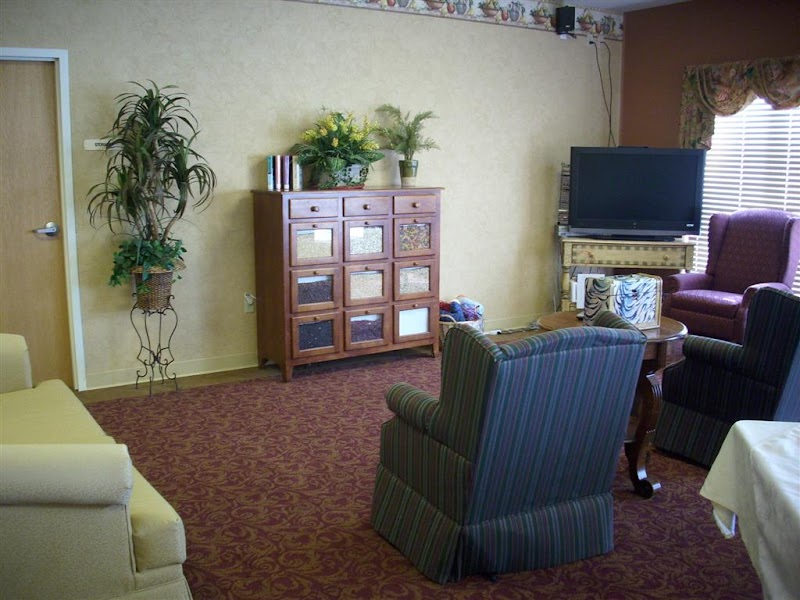
How is Oakwood Health Campus Staffed?

CMS rates OAKWOOD HEALTH CAMPUS's staffing level at 4 out of 5 stars, which is above average compared to other nursing homes. Staff turnover is 32%, compared to the Indiana average of 46%. This relatively stable workforce can support continuity of care.

What Have Inspectors Found at Oakwood Health Campus?

State health inspectors documented 10 deficiencies at OAKWOOD HEALTH CAMPUS during 2019 to 2024. These included: 8 with potential for harm and 2 minor or isolated issues.
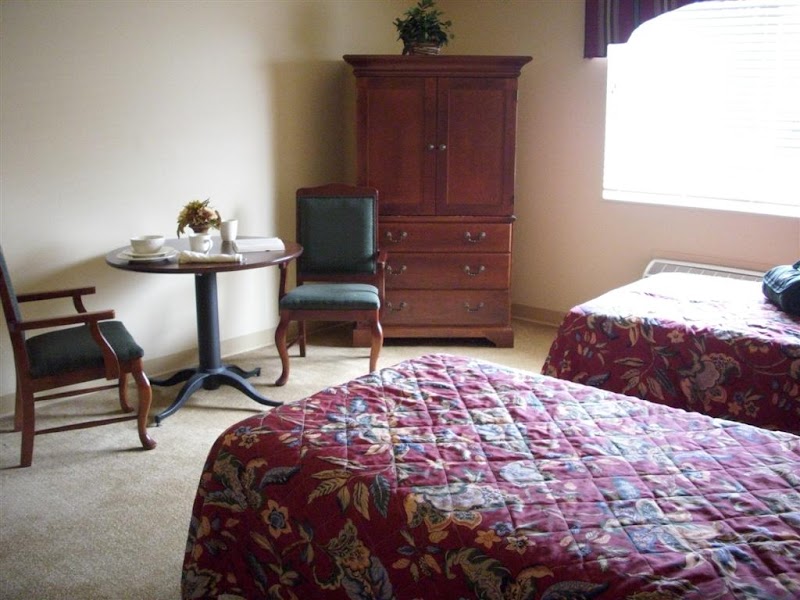
Who Owns and Operates Oakwood Health Campus?

OAKWOOD HEALTH CAMPUS is owned by a for-profit company. For-profit facilities operate as businesses with obligations to shareholders or private owners. The facility is operated by TRILOGY HEALTH SERVICES, a chain that manages multiple nursing homes. With 98 certified beds and approximately 77 residents (about 79% occupancy), it is a smaller facility located in TELL CITY, Indiana.
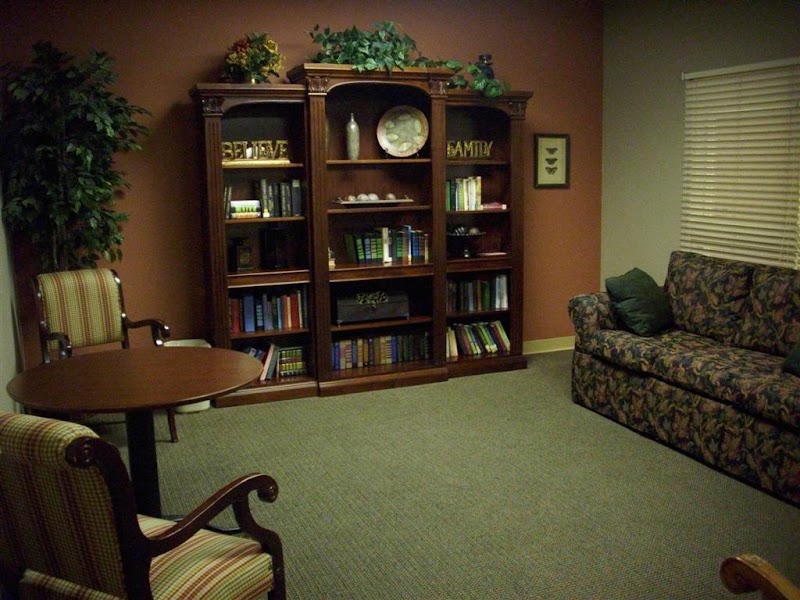
How Does Oakwood Health Campus Compare to Other Indiana Nursing Homes?

Compared to the 100 nursing homes in Indiana, OAKWOOD HEALTH CAMPUS's overall rating (4 stars) is above the state average of 3.1, staff turnover (32%) is significantly lower than the state average of 46%, and health inspection rating (4 stars) is above the national benchmark.

What Should Families Ask When Visiting Oakwood Health Campus?

Based on this facility's data, families visiting should ask: "Can I visit during a mealtime to observe dining assistance and food quality?" "How do you handle medical emergencies, and what is your hospital transfer rate?" "Can I speak with family members of current residents about their experience?"

Is Oakwood Health Campus Safe?

Based on CMS inspection data, OAKWOOD HEALTH CAMPUS has a clean safety record: no substantiated abuse findings (meaning no confirmed cases of resident harm), no Immediate Jeopardy citations (the most serious violation level indicating risk of serious injury or death), and is not on the Special Focus Facility watch list (a federal program monitoring the lowest-performing 1% of nursing homes). The facility has a 4-star overall rating and ranks #1 of 100 nursing homes in Indiana. While no facility is perfect, families should still ask about staff-to-resident ratios and recent inspection results during their visit.

Do Nurses at Oakwood Health Campus Stick Around?

OAKWOOD HEALTH CAMPUS has a staff turnover rate of 32%, which is about average for Indiana nursing homes (state average: 46%). Moderate turnover is common in nursing homes, but families should still ask about staff tenure and how the facility maintains care continuity when employees leave.

Was Oakwood Health Campus Ever Fined?

OAKWOOD HEALTH CAMPUS has no federal fines on record. CMS issues fines when nursing homes fail to meet care standards or don't correct problems found during inspections. The absence of fines suggests the facility has either maintained compliance or corrected any issues before penalties were assessed. This is a positive indicator, though families should still review recent inspection reports for the full picture.

Is Oakwood Health Campus on Any Federal Watch List?

OAKWOOD HEALTH CAMPUS is not on any federal watch list. The most significant is the Special Focus Facility (SFF) program, which identifies the bottom 1% of nursing homes nationally based on persistent, serious quality problems. Not being on this list means the facility has avoided the pattern of deficiencies that triggers enhanced federal oversight. This is a positive indicator, though families should still review the facility's inspection history directly.