WATERS OF TIPTON SKILLED NURSING FACILITY, THE
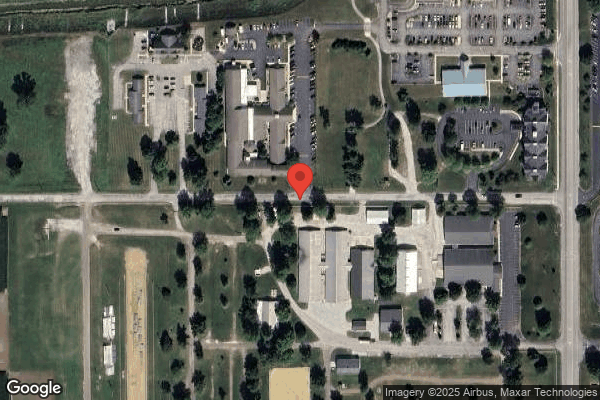
300 FAIRGROUNDS RD, TIPTON, IN 46072 (765) 675-8791
For profit - Individual 140 Beds INFINITY HEALTHCARE CONSULTING Data: November 2025
Trust Grade
20/100
#501 of 505 in IN
Last Inspection: March 2025

Within standard 12-15 month inspection cycle. Federal law requires annual inspections.

Overview

The Waters of Tipton Skilled Nursing Facility has a Trust Grade of F, indicating poor performance with significant concerns regarding care quality. Ranking #501 out of 505 facilities in Indiana places it in the bottom half, and as the only nursing home in Tipton County, families have no better local options. Unfortunately, the facility's situation is worsening, with issues increasing from 9 in 2024 to 18 in 2025. Staffing is a relative strength, with a turnover rate of 35%, which is lower than the state average, but it only has a below-average staffing rating of 2 out of 5 stars. There are serious incidents reported, including a resident suffering a fall due to inadequate supervision and another resident experiencing femur fractures after a fall that was not promptly assessed, both indicating a troubling pattern of care failures. While there is some positive staffing stability, the overall quality and safety concerns are significant and warrant careful consideration.

Trust Score
F
20/100
In Indiana
#501/505
Bottom 1%
Safety Record
High Risk
Review needed
Inspections
Getting Worse
9 → 18 violations
Staff Stability
○ Average
35% turnover. Near Indiana's 48% average. Typical for the industry.
Penalties
○ Average
$25,494 in fines. Higher than 55% of Indiana facilities. Some compliance issues.
Skilled Nurses
⚠ Watch
Each resident gets only 25 minutes of Registered Nurse (RN) attention daily — below average for Indiana. Fewer RN minutes means fewer trained eyes watching for problems.
Violations
⚠ Watch
36 deficiencies on record. Higher than average. Multiple issues found across inspections.
★☆☆☆☆
1.0
Overall Rating
★★☆☆☆
2.0
Staff Levels
★★★☆☆
3.0
Care Quality
★☆☆☆☆
1.0
Inspection Score
Stable
2024: 9 issues
2025: 18 issues

The Good

  • Full Sprinkler Coverage · Fire safety systems throughout facility
  • No fines on record
  • Staff turnover below average (35%)

    13 points below Indiana average of 48%

Facility shows strength in fire safety.

The Bad

1-Star Overall Rating

Below Indiana average (3.1)

Significant quality concerns identified by CMS

Staff Turnover: 35%

11pts below Indiana avg (46%)

Typical for the industry

Federal Fines: $25,494

Below median ($33,413)

Moderate penalties - review what triggered them

Chain: INFINITY HEALTHCARE CONSULTING

Part of a multi-facility chain

Ask about local staffing decisions and management

The Ugly 36 deficiencies on record

3 actual harm
Jul 2025 3 deficiencies
CONCERN (D) 📢 Someone Reported This

A family member, employee, or ombudsman was alarmed enough to file a formal complaint

Potential for Harm - no one hurt, but risky conditions existed

Deficiency F0744 (Tag F0744)

Could have caused harm · This affected 1 resident

Based on interview and record review, the facility failed to ensure a person-centered care plan was developed with individualized interventions and reviewed and revised to accommodate the resident's c...

Read full inspector narrative →
Based on interview and record review, the facility failed to ensure a person-centered care plan was developed with individualized interventions and reviewed and revised to accommodate the resident's care needs prior to initiating a medication to control behaviors for 1 of 1 resident reviewed for dementia care. (Resident C)Findings include:The clinical record for Resident C was reviewed on 7/17/25 at 10:06 am. The diagnoses included, but were not limited to, dementia, cognitive communication deficit, and muscle weakness. A handwritten document, titled Behavior Sheet, dated 6/17/25, indicated Resident C had a sexually inappropriate behavior when he grabbed CNA 1's butt with both his hands. She was standing him up to move him to his wheelchair when he touched her. The CNA provided the resident with instructions or redirected him, which improved the behavior immediately.The handwritten note was provided after the start of the survey and was not located in Resident C's medical record. A handwritten document, titled Behavior Sheet, dated 6/21/25, indicated Resident C inappropriately physically touched CNA 2 during personal care. He tried to kiss the employee. He was redirected and the employee asked him to stop and the behavior gradually improved. The handwritten note was provided after the start of the survey and was not located in Resident C's medical record. A handwritten document, titled Behavior Sheet, dated 6/22/25, indicated Resident C was touching the inner thighs of CNA 3 inappropriately while she was checking and changing him. She provided instructions to him or redirected him, and his behavior improved gradually.The handwritten note was provided after the start of the survey and was not located in Resident C's medical record. A nursing progress note, dated 6/22/25 at 3:26 p.m., indicated Resident C was forgetful and confused. At times, he had to be redirected because he went into other residents' rooms and needed friendly reminders of where his room was located. A nursing progress note, dated 6/23/25 at 10:14 a.m., indicated Resident C needed reminders not to touch other residents.A nursing progress note, dated 6/23/25 at 3:19 p.m., indicated Resident C's physician saw the resident and wrote a new order for medroxyprogesterone (a synthetic progestin used in men primarily for treating abnormal sexual behaviors by reducing testosterone levels) 5 mg (milligram) by mouth every day. An initial psychiatry consultation note, dated 6/23/25, indicated the reason for the visit was to assess Resident C's mental illness and manage his medication. He had a history of depression and dementia and presented for an evaluation for increased sexual behaviors. He had been exhibiting increased sexual behaviors, including inappropriate touching of female staff and reports of masturbation in his room. He was not a danger to himself or others. He was having sexual aggression. His Brief Interview for Mental Status (BIMS) assessment, on 5/26/25, score was 10, which indicated a moderately cognitive impairment. He had a diagnosis of dementia with behavioral disturbance. Staff had reported he had increased sexual behaviors and masturbation which were new developments for this resident. Progesterone therapy at 5 mg daily was initiated to manage his sexual behavioral disturbances. A physician's order, dated 6/24/25, indicated to give medroxyprogesterone acetate 5 mg by mouth once a day for inappropriate sexual behaviors. A handwritten document, titled Behavior Sheet, dated 6/25/25, indicated Resident C was touching CNA 4 inappropriately. She provided instructions and/or redirection and used conflict resolution, and his behavior did not improve. The handwritten note was provided after the start of the survey and was not located in Resident C's medical record. A nursing progress note, dated 7/8/25 at 6:17 p.m., indicated the nurse was in the dining room prior to dinner attending to another resident. When she turned and looked out into the dining room, she observed Resident C had his outstretched hand patting Resident B's upper chest to lower shoulder area.A nursing progress note, dated 7/8/25 at 6:24 p.m., indicated Residents B and C were in the dining room and fully dressed. Resident C patted Resident B on the upper chest to lower shoulder area.A social service progress note, dated 7/10/25 at 10:02 a.m., indicated the psychiatric hospital had indicated the reason Resident C was not picked up and transported to their facility last evening was because they were calling his spouse, but was unable to receive consent from her to transfer him. The Social Service Director (SSD) and the Admissions Director called the spouse, and she gave her consent by phone for him to be transferred. The psychiatric hospital transported the resident that afternoon. The Electronic Medication Administration Record (EMAR), for June 2025, indicated Resident C received medroxyprogesterone acetate 5 mg on 6/24/25 through 6/30/25. The EMAR lacked documentation the resident was being monitored for inappropriate sexual behaviors.The EMAR, for July 2025, indicated Resident C received medroxyprogesterone acetate 5 mg on 7/1/25 through 7/10/25. The EMAR lacked documentation the resident was being monitored for inappropriate sexual behaviors. Resident C had a care plan which addressed the problem he had socially inappropriate behavior at times such as invading other female resident and staffs' personal space. The interventions included educating Resident C on what was and was not appropriate (the resident had a diagnosis of dementia), psychiatric evaluation as needed and validating his feelings. The care plan and interventions were not initiated until 7/9/25.There was no documentation located in Resident C's record which indicated the facility was monitoring the resident's inappropriate sexual behaviors. The resident's record lacked a behavioral care plan with specific interventions to address inappropriate sexual behaviors prior to the initiation of a medication to control his behavior. During a phone interview, on 7/17/25 at 3:11 p.m., LPN 5 indicated at approximately 5:00 p.m., on 7/8/25, she was at her medication cart in the dining room. She had observed Resident C's hand on the right side of Resident B's chest below her clavicle. She was too far from the residents to see if Resident C had his hand on Resident B's breast or not. She called his name, moved towards the residents, and he took his hand down. She had not observed him have any other sexually inappropriate behaviors toward any female residents. During an interview, on 7/17/25 at 3:30 p.m., the Executive Director indicated that a resident's inappropriate sexual behaviors would be documented in the electronic medical record in the progress notes. During an interview, on 7/18/25 at 3:32 p.m., LPN 6 indicated she had not seen Resident C have any inappropriate sexual behaviors with staff members or female residents. During an interview, on 7/18/25 at 3:42 p.m., CNA 7 indicated once Resident C had touched her outer leg when she was giving him personal care. She directed him to stop, and he did. One evening, Resident C went up to a female resident's table and attempted to touch her arm. A current facility policy, titled Guidelines for Caring for Residents with Alzheimer's and/or Dementia, dated 11/20/24 and provided by the Executive Director on 7/18/25 at 3:30 p.m., indicated .What about care planning for those with Alzheimer's or Dementia? The care plan for those with Alzheimer's or Dementia must be person-centered and must address concerns associated with diagnoses, cognitive and/or physical deficits, medication, nutrition/diet/hydration, activities, any related special programming, any psych services to include and behavioral issues or any sleep issues, ADL'S [Activities of Daily Living] (to include FALL RISK), skin issues, any Advanced Directives any other concerns which are discovered through observation and/or assessment. It is recommended that the care plan includes activities that help the patient/resident stay in touch with their pre-dementia lives-such as watching a favorite TV show or movie--and/or showing them familiar pictures of family members or pets, plus listening to favorite music/songs from their past A current facility policy, titled Guidelines for Use of Unnecessary Drugs to Include Chemical Restraints, dated 3/5/25 and provided by the Executive Director on 7/17/25 at 3:55 p.m., indicated .It is the intent of this facility to ensure that any use of unnecessary meds .This practice is in keeping with the integrity of care provided to the residents who reside here-and as part of our mission A current facility policy, titled Guidelines for Handling and Addressing Behavioral Emergencies, dated 3/18/23 and provided by the Regional Nurse Consultant on 7/18/25 at 12:20 p.m., indicated .The Escalating Resident A. Staff need to be aware of how likely a resident is to lose control and exhibit a behavior.this comes from knowledge obtained on resident assessment as well as the care plan.Immediate Approaches.Any interventions implemented for behavior control will be monitored by nursing staff and/or SSD [Social Service Director] daily until the behavior is considered to be managed .Record specifics related to the behavior incident(s). Include time, place, duration, actions observed by the resident, statements or vocalizations made by the resident, possible causative factors, persons involved other than the resident, witnesses, behavior intensity, interventions, notifications, orders received and resolutions. This documentation should be done on a behavioral occurrence form for review at the CQI meeting and/or the Behavior meetings. 2. Documentation in the clinical record should include facts related to time, possible causative factors, actual behavior with the consequences, interventions and outcomes. D. Follow Up Interventions: 1. Follow up interventions after an acute behavior incident are essential in preventing further behavioral incidents. Interventions will be reduced or removed as able depending on stabilization and assessment. Only the least restrictive physical and/or chemical interventions will be implemented and only for the shortest time frame possible. These will be implemented as a LAST RESORT and only to prohibit harm to the resident's self or others until the resident is able to be transferred to a setting that manages extreme behaviors. A physician's order will be necessary for these interventions/transfers .Be sure that the assessments and care planning and medication reviews as well as the individualized Activity Programs for resident s with behavior issues are done accurately and timely.
CONCERN (D) 📢 Someone Reported This

A family member, employee, or ombudsman was alarmed enough to file a formal complaint

Potential for Harm - no one hurt, but risky conditions existed

Deficiency F0757 (Tag F0757)

Could have caused harm · This affected 1 resident

Based on interview and record review, the facility failed to ensure an assessment which included prior interventions, risks and benefits, and the clinical rationale for the initiation of a medication ...

Read full inspector narrative →
Based on interview and record review, the facility failed to ensure an assessment which included prior interventions, risks and benefits, and the clinical rationale for the initiation of a medication to control behaviors was completed and documented for 1 of 3 residents reviewed for unnecessary medications. (Resident C)Findings include:The clinical record for Resident C was reviewed on 7/17/25 at 10:06 am. The diagnoses included, but were not limited to, dementia, cognitive communication deficit, and muscle weakness. A handwritten document, titled Behavior Sheet, dated 6/17/25, indicated Resident C had a sexually inappropriate behavior when he grabbed CNA 1's butt with both his hands. She was standing him up to move him to his wheelchair when he touched her. The CNA provided the resident with instructions or redirected him, which improved the behavior immediately.The handwritten note was provided after the start of the survey and was not located in Resident C's medical record. A handwritten document, titled Behavior Sheet, dated 6/21/25, indicated Resident C inappropriately physically touched CNA 2 during personal care. He tried to kiss the employee. He was redirected and the employee asked him to stop and the behavior gradually improved. The handwritten note was provided after the start of the survey and was not located in Resident C's medical record. A handwritten document, titled Behavior Sheet, dated 6/22/25, indicated Resident C was touching the inner thighs of CNA 3 inappropriately while she was checking and changing him. She provided instructions to him or redirected him, and his behavior improved gradually.The handwritten note was provided after the start of the survey and was not located in Resident C's medical record. A nursing progress note, dated 6/22/25 at 3:26 p.m., indicated Resident C was forgetful and confused. At times, he had to be redirected because he went into other residents' rooms and needed friendly reminders of where his room was located. A nursing progress note, dated 6/23/25 at 10:14 a.m., indicated Resident C needed reminders not to touch other residents.A nursing progress note, dated 6/23/25 at 3:19 p.m., indicated Resident C's physician saw the resident and wrote a new order for medroxyprogesterone (a synthetic progestin used in men primarily for treating abnormal sexual behaviors by reducing testosterone levels) 5 mg (milligram) by mouth every day. An initial psychiatry consultation note, dated 6/23/25, indicated the reason for the visit was to assess Resident C's mental illness and manage his medication. He had a history of depression and dementia and presented for an evaluation for increased sexual behaviors. He had been exhibiting increased sexual behaviors, including inappropriate touching of female staff and reports of masturbation in his room. He was not a danger to himself or others. He was having sexual aggression. His Brief Interview for Mental Status (BIMS) assessment, on 5/26/25, score was 10, which indicated a moderately cognitive impairment. He had a diagnosis of dementia with behavioral disturbance. Staff had reported he had increased sexual behaviors and masturbation which were new developments for this resident. Progesterone therapy at 5 mg daily was initiated to manage his sexual behavioral disturbances. A physician's order, dated 6/24/25, indicated to give medroxyprogesterone acetate 5 mg by mouth once a day for inappropriate sexual behaviors. The Electronic Medication Administration Record (EMAR), for June 2025, indicated Resident C received medroxyprogesterone acetate 5 mg on 6/24/25 through 6/30/25. The EMAR lacked documentation the resident was being monitored for inappropriate sexual behaviors.The EMAR, for July 2025, indicated Resident C received medroxyprogesterone acetate 5 mg on 7/1/25 through 7/10/25. The EMAR lacked documentation the resident was being monitored for inappropriate sexual behaviors. Resident C had a care plan which addressed the problem he had socially inappropriate behavior at times such as invading other female resident and staffs' personal space. The interventions included educating Resident C on what was and was not appropriate (the resident had a diagnosis of dementia), psychiatric evaluation as needed and validating his feelings. The care plan and interventions were not initiated until 7/9/25.There was no documentation located in Resident C's record which indicated the facility was monitoring the resident's inappropriate sexual behaviors. The resident's record lacked a behavioral care plan with specific interventions to address inappropriate sexual behaviors prior to the initiation of a medication to control his behavior. The resident's record lacked documentation the risks and benefits of the medication to control Resident C's behaviors were discussed the resident's representative. During an interview, on 7/17/25 at 3:30 p.m., the Executive Director indicated that a resident's inappropriate sexual behaviors would be documented in the electronic medical record in the progress notes. During an interview, on 7/18/25 at 3:32 p.m., LPN 6 indicated she had not seen Resident C have any inappropriate sexual behaviors with staff members or female residents. During an interview, on 7/18/25 at 3:42 p.m., CNA 7 indicated once Resident C had touched her outer leg when she was giving him personal care. She directed him to stop, and he did. One evening, Resident C went up to a female resident's table and attempted to touch her arm. A current facility policy, titled Guidelines for Use of Unnecessary Drugs to Include Chemical Restraints, dated 3/5/25 and provided by the Executive Director on 7/17/25 at 3:55 p.m., indicated .It is the intent of this facility to ensure that any use of unnecessary meds .This practice is in keeping with the integrity of care provided to the residents who reside here-and as part of our mission A current facility policy, titled Guidelines for Handling and Addressing Behavioral Emergencies, dated 3/18/23 and provided by the Regional Nurse Consultant on 7/18/25 at 12:20 p.m., indicated .The Escalating Resident A. Staff need to be aware of how likely a resident is to lose control and exhibit a behavior.this comes from knowledge obtained on resident assessment as well as the care plan.Immediate Approaches.Any interventions implemented for behavior control will be monitored by nursing staff and/or SSD [Social Service Director] daily until the behavior is considered to be managed .Record specifics related to the behavior incident(s). Include time, place, duration, actions observed by the resident, statements or vocalizations made by the resident, possible causative factors, persons involved other than the resident, witnesses, behavior intensity, interventions, notifications, orders received and resolutions. This documentation should be done on a behavioral occurrence form for review at the CQI meeting and/or the Behavior meetings. 2. Documentation in the clinical record should include facts related to time, possible causative factors, actual behavior with the consequences, interventions and outcomes. D. Follow Up Interventions: 1. Follow up interventions after an acute behavior incident are essential in preventing further behavioral incidents. Interventions will be reduced or removed as able depending on stabilization and assessment. Only the least restrictive physical and/or chemical interventions will be implemented and only for the shortest time frame possible. These will be implemented as a LAST RESORT and only to prohibit harm to the resident's self or others until the resident is able to be transferred to a setting that manages extreme behaviors. A physician's order will be necessary for these interventions/transfers .Be sure that the assessments and care planning and medication reviews as well as the individualized Activity Programs for resident s with behavior issues are done accurately and timely.
CONCERN (D) 📢 Someone Reported This

A family member, employee, or ombudsman was alarmed enough to file a formal complaint

Potential for Harm - no one hurt, but risky conditions existed

Medical Records (Tag F0842)

Could have caused harm · This affected 1 resident

Based on interview and record review, the facility failed to ensure a resident's behaviors were documented in the electronic medical record for 1 of 3 residents reviewed for a complete and accurate cl...

Read full inspector narrative →
Based on interview and record review, the facility failed to ensure a resident's behaviors were documented in the electronic medical record for 1 of 3 residents reviewed for a complete and accurate clinical record. (Resident C)Findings include:The clinical record for Resident C was reviewed on 7/17/25 at 10:06 am. The diagnoses included, but were not limited to, dementia, cognitive communication deficit, and muscle weakness. The following were provided by the Executive Director, on 7/18/25 at 11:00 a.m.:A handwritten document, titled Behavior Sheet, dated 6/17/25, indicated Resident C had a sexually inappropriate behavior when he grabbed CNA 1's butt with both his hands. She was standing him up to move him to his wheelchair when he touched her. The CNA provided the resident with instructions or redirected him, which improved the behavior immediately.The handwritten note was provided after the start of the survey and was not located in Resident C's medical record. A handwritten document, titled Behavior Sheet, dated 6/21/25, indicated Resident C inappropriately physically touched CNA 2 during personal care. He tried to kiss the employee. He was redirected and the employee asked him to stop and the behavior gradually improved. The handwritten note was provided after the start of the survey and was not located in Resident C's medical record. A handwritten document, titled Behavior Sheet, dated 6/22/25, indicated Resident C was touching the inner thighs of CNA 3 inappropriately while she was checking and changing him. She provided instructions to him or redirected him, and his behavior improved gradually.The handwritten note was provided after the start of the survey and was not located in Resident C's medical record. A handwritten document, titled Behavior Sheet, dated 6/25/25, indicated Resident C was touching CNA 4 inappropriately. She provided instructions and/or redirection and used conflict resolution, and his behavior did not improve. The handwritten note was provided after the start of the survey and was not located in Resident C's medical record. During an interview, on 7/17/25 at 3:30 p.m., the Executive Director indicated that a resident's inappropriate sexual behaviors would be documented in the electronic medical record in the progress notes. A current facility policy, titled Guidelines for Handling and Addressing Behavioral Emergencies, dated 3/18/23 and provided by the Regional Nurse Consultant on 7/18/25 at 12:20 p.m., indicated .Documentation in the clinical record should include facts as related to time, possible causative factors, actual behavior with the consequences, interventions and outcomes
Jun 2025 2 deficiencies
CONCERN (D) 📢 Someone Reported This

A family member, employee, or ombudsman was alarmed enough to file a formal complaint

Potential for Harm - no one hurt, but risky conditions existed

Notification of Changes (Tag F0580)

Could have caused harm · This affected 1 resident

Based on interview and record review, the facility failed to notify the physician when a resident sustained an injury during a transfer for 1 of 3 residents reviewed for notification of change. (Resid...

Read full inspector narrative →
Based on interview and record review, the facility failed to notify the physician when a resident sustained an injury during a transfer for 1 of 3 residents reviewed for notification of change. (Resident B) Findings include: During a telephone interview, on 6/16/25 at 9:43 a.m., Resident B's family member indicated Resident B had to be sent to the emergency room. The facility reported the resident had a skin tear, but it was a laceration which required seven staples. The family was not notified until Resident B was sent to the hospital. During an observation, on 6/16/25 at 9:27 a.m., Resident B had a wound on the outer aspect of her lower left leg. The wound was approximately two centimeters long and closed with six staples. It was bruised around the area. The clinical record for Resident B was reviewed on 6/16/25 at 9:40 a.m. The diagnoses included, but were not limited to, Alzheimer's disease, unsteadiness on feet, and muscle weakness. A facility document, titled Skin Tear, dated 6/10/25 at 9:50 p.m., LPN 3 notified the on-call physician on 6/10/25 at 10:14 p.m. A Nurse Practitioner progress note, dated 6/11/25, indicated .Skin tear occurred on evening shift and nursing wrote that writer/on call was notified, however on call not notified and write (writer) not aware until day shift nurse informed writer During a telephone interview, on 6/16/25 at 11:18 a.m., LPN 3 indicated she called the family and contacted the on-call physician. She used her cell phone. The facility only had one tablet which had an application for contacting the on-call provider and it was easier to use her cellular phone than find the tablet. During a telephone interview, on 6/12/25 at 12:43 p.m., Nurse Practitioner (NP) 7 indicated she did not know why the nurse did not send the resident to the hospital at the time of the incident. The on-call provider was not notified. NP 7 was aware that LPN 3's documentation indicated the on-call was notified. If the on-call provider had been notified, NP 7 would have received notes even if the note was in a draft form and there were no notes published. During the exit conference, on 6/17/25 at 11:44 p.m., the Director of Nursing indicated the facility expected accurate documentation in the resident's records. A current facility policy, titled Change in Resident's Condition or Status, undated and received from the Executive Director on 6/16/25 at 1:55 p.m., indicated .The nurse will notify the resident's attending physician when .The resident is involved in any accident or incident that results in injury This citation relates to Complaint IN00461426. 3.1-5(a)(1)
CONCERN (D) 📢 Someone Reported This

A family member, employee, or ombudsman was alarmed enough to file a formal complaint

Potential for Harm - no one hurt, but risky conditions existed

Accident Prevention (Tag F0689)

Could have caused harm · This affected 1 resident

Based on observation, interview and record review, the facility failed to ensure a resident was kept safe during a transfer for 1 of 1 resident reviewed for accidents. (Resident B) Findings include: ...

Read full inspector narrative →
Based on observation, interview and record review, the facility failed to ensure a resident was kept safe during a transfer for 1 of 1 resident reviewed for accidents. (Resident B) Findings include: During a telephone interview, on 6/16/25 at 9:43 a.m., Resident B's family member indicated Resident B had to be sent to the emergency room. The facility reported the resident had a skin tear, but it was a laceration which required seven staples. During an observation, on 6/16/25 at 9:27 a.m., Resident B had a wound on the outer aspect of her lower left leg. The wound was approximately two centimeters long and closed with six staples. It was bruised around the area. During an observation, on 6/17/25 at 10:33 a.m., with LPN 6, the bed frame was observed to be covered with sheep skin. The edges under the sheep skin covering felt rounded along the frame and at the joints where the frame connected. The underside was found to have metal bolts, but they did not stick out and were inside of the bed frame. There was no area on the bed frame found sticking out. The bed frame had no sharp edges. A facility reported incident (FRI), dated 6/10/25 at 9:01 p.m., indicated Resident B was being transferred to bed when her lower left leg rubbed the bed frame and caused a skin tear. Resident B was transported to the hospital and returned with staples. The clinical record for Resident B was reviewed on 6/16/25 at 9:40 a.m. The diagnoses included, but were not limited to, Alzheimer's disease, unsteadiness on feet, and muscle weakness. A quarterly Minimum Data Set (MDS) assessment, dated 3/17/25, indicated Resident B was severely cognitively impaired and she required substantial to maximum assistance when moving from sitting to standing position. During an interview, on 6/16/25 at 10:45 a.m., LPN 6 indicated Resident B was a two person transfer and pretty much always required a gait belt. During an interview, on 6/16/25 at 10:54 a.m., Certified Occupational Therapy Assistant 5 indicated the resident was currently on the therapy case load. On 6/3/25, Resident B was a total assist with two staff members for standing, transferring, and was not walking. The resident's occupational evaluation indicated her sitting balance was poor, she was a total transfer with maximum assistance of two staff. Certified Occupational Therapy Assistant 5 indicated all staff should use a gait belt unless the resident required a mechanical lift or did not require assistance (independent). During a telephone interview, on 6/16/25 1254 p.m., CNA 2 indicated she and CNA 1 transferred Resident B. She was on one side of Resident B holding her arm and CNA 1 was on the other side of Resident B holding her arm. She thought the resident's leg got caught on bed, but she was not sure where. She did try to find the area and thought it was from where the metal on the bed connected. The resident was tired and had just woken up. Resident B was dead weight and could not move herself. During a telephone interview, on 6/16/25 at 1:08 p.m., CNA 1 indicated she and CNA 2 went to put Resident B in bed. Resident B was dead weight, a rough transfer. When they turned Resident B to the bed, the resident asked if her leg was bleeding. CNA 1 looked and noticed blood. CNA 1 indicated the footrests had been removed from the wheelchair, then each CNA hooked their arms under Resident B arm pits and used the waist of the resident's pants to transfer her. CNA 1 indicated Resident B was not good at standing in general. Resident B was normally a two person transfer which was done by holding the resident's pants and using arms under Resident B's armpits. CNA 1 indicated the facility did have a gait belt policy, but she had not read it. During an interview, on 6/17/25 at 9:02 a.m., the Director of Nursing (DON) indicated gait belts were used for residents depending on if it was appropriate for use. CNAs were educated on transferring residents. The DON indicated she would need to inquire with therapy on if transferring residents by placing arms under the arm pit and using the waist of the resident's pants or belt loops was appropriate. During an interview, on 6/17/25 at 10:11 a.m., the Director of Nursing indicated a two person transfer with a gait belt was the appropriate way to transfer Resident B. During an interview, on 6/17/25 at 11:38 a.m., the Corporate Support Nurse indicated the facility did not have a step by step transfer procedure. A current facility policy, titled Transfer Belts/Gait Belts, undated and received from the Executive Director on 6/16/25 at 1:55 p.m., indicated .It is the intent of the facility to promote safety in transferring and ambulating resident, a gait belt .A gait belt is used as indicated for safety by the person qualified to transfer the Resident .Gait belt should be placed over the resident's waist over clothing .The resident is transferred by grasping the secured gait belt to provide stability and balance during movement This citation relates to Complaint IN00461426. 3.1-45(a)(1) 3.1-45(a)(2)
Mar 2025 13 deficiencies
CONCERN (D)

Potential for Harm - no one hurt, but risky conditions existed

Deficiency F0604 (Tag F0604)

Could have caused harm · This affected 1 resident

Based on observation, interview and record review, the facility failed to ensure the need for a bed and chair alarm was re-evaluated and on-going monitoring was documented for 1 of 1 resident reviewed...

Read full inspector narrative →
Based on observation, interview and record review, the facility failed to ensure the need for a bed and chair alarm was re-evaluated and on-going monitoring was documented for 1 of 1 resident reviewed for physical restraints. (Resident 49) Findings include: During an observation, on 3/13/25 at 9:49 a.m., Resident 49 had a bed alarm and a chair alarm. The clinical record for Resident 49 was reviewed on 3/13/25 at 9:48 a.m. The diagnoses included, but were not limited to, dementia, cognitive communication deficit, mild cognitive impairment, and abnormalities of mobility. A physician's order, with a start date of 7/1/23, indicated to use a bed sensor alarm while the resident was in bed every shift for falls. A physician's order, with a start date of 3/29/24, indicated to place a chair sensor in the resident's chair while she was in her room every shift for falls. A fall risk review assessment, dated 1/14/25, indicated the resident did not have a history of falling within the past 3 months. The last documented fall in the Electronic Health Record (EHR) was 9/17/24. There was no documentation in the EHR about monitoring or reevaluating the bed or chair alarms. There was no documentation to indicate the family agreed to the use of the alarms prior to placement and there was no documentation the Interdisciplinary Team (IDT) team reviewed the sensors quarterly. A current care plan, with a revision date of 3/13/25, indicated the resident's family preferred the resident utilized sensor alarms despite education per staff. This was added on 3/13/25 after asking about the bed alarm. During an interview, on 3/14/25 at 8:58 a.m., the Executive Director (ED) indicated there should have been documentation to indicate the family was educated and gave permission for the use of the alarms. During an interview, on 3/17/25 at 11:18 a.m., the Director of Nursing (DON) indicated there should have been documentation to show the family was verbally education on the use of alarms. During an interview, on 3/18/25 at 10:05 a.m., the DON indicated the care plan was revised, on 3/13/25, about the family's preference on the use of sensor alarms. It was not documented until 3/13/25. During an interview, on 3/18/25 at 1:58 p.m., the DON indicated the re-evaluation, and monitoring was not completed due to the family was insistent on the use of the alarms. During an exit conference, on 3/18/25 at 4:36 p.m., the facility indicated they had no additional information to provide. A current facility policy, titled GUIDELINES FOR SAFETY ALARM DEVICES, dated 2023 and received from the DON on 3/18/25 at 8:39 a.m., indicated .The resident's family/representative must be informed of and agree to the placement of an alarm .Alarms must be removed .If the resident has not had a fall or attempted fall in 30 days .The alarms need to be reviewed at least quarterly by the IDT for appropriateness and efficacy for fall prevention 2.1-3(w)
CONCERN (D)

Potential for Harm - no one hurt, but risky conditions existed

Deficiency F0657 (Tag F0657)

Could have caused harm · This affected 1 resident

**NOTE- TERMS IN BRACKETS HAVE BEEN EDITED TO PROTECT CONFIDENTIALITY** Based on interview and record review, the facility failed to ensure care plan meetings were held quarterly and timely upon admis...

Read full inspector narrative →
**NOTE- TERMS IN BRACKETS HAVE BEEN EDITED TO PROTECT CONFIDENTIALITY** Based on interview and record review, the facility failed to ensure care plan meetings were held quarterly and timely upon admission for 2 of 2 residents reviewed for care plan meetings. (Resident 12 and 30) Findings include: 1. The clinical record for Resident 12 was reviewed on 3/11/24 at 4:16 p.m. The diagnoses included, but were not limited to, type 2 diabetes, dementia, and muscle weakness. A care plan note was documented for September 2024 and March 2025. There were no notes found to show a care plan meeting had been held after September and prior to March. During an interview, on 3/13/25 at 9:57 a.m., the Social Service Designee indicated she was not able to find documentation for a care plan meeting between 9/24 and 3/25. She indicated care plan meetings were to be completed quarterly. 2. During an interview, on 3/12/25 at 9:30 a.m., Resident 30 indicated she did not have a care plan meeting until 3/11/25. The clinical record for Resident 30 was reviewed on 3/17/25 at 3:43 p.m. The diagnoses included, but were not limited to, displaced comminuted fracture of the left humerus, pneumonitis, and chronic obstructive pulmonary disease. The resident was admitted to the facility on [DATE]. During an interview, on 03/13/25 at 10:04 a.m., the Social Service Designee indicated she thought the resident had a care plan meeting in February after she was admitted to the facility. There was no documentation to indicate a care plan meeting had been held in February. During an interview, on 3/18/25 at 1:14 p.m., the Director of Nursing indicated the facility was unable to provide documentation related to the care plan meetings and they were not completed. A current facility policy, titled Baseline Care Plan Assessment/Comprehensive Care Plans, dated as revised 9/13/24 and received from the Director of Nursing on 3/18/25 at 9:52 a.m., indicated .Upon completion of the full Comprehensive MDS .the facility will schedule an initial Care Plan Conference .The Comprehensive Care Plans will be reviewed and updated every quarter at a minimum 3.1-35(a) 3.1-35(d)(2)(b)
CONCERN (D)

Potential for Harm - no one hurt, but risky conditions existed

ADL Care (Tag F0677)

Could have caused harm · This affected 1 resident

**NOTE- TERMS IN BRACKETS HAVE BEEN EDITED TO PROTECT CONFIDENTIALITY** Based on observation, interview and record review, the facility failed to ensure residents who were unable to carry out activiti...

Read full inspector narrative →
**NOTE- TERMS IN BRACKETS HAVE BEEN EDITED TO PROTECT CONFIDENTIALITY** Based on observation, interview and record review, the facility failed to ensure residents who were unable to carry out activities of daily living (ADL) care were assisted to the bathroom timely, and staff followed a physician's order related to footwear during a transfer for 2 of 2 dependent residents reviewed for ADL care. (Resident 187) Findings include: 1. During an observation, on 3/12/25 at 9:31 a.m., Qualified Medication Aide (QMA) 17 answered the call light for Resident 187. The family had pushed the call light and asked QMA 17 if they could take the resident to the bathroom. QMA 17 indicated they would, but they would have to wait for another aide to be available since the resident was a 2 person assist, and the other aide was busy. During an observation, on 3/12/25 at 10:28 a.m., QMA 17 and another staff member went into the room to take Resident 187 to the bathroom. Resident 187 waited 57 minutes to be taken to the bathroom. During an interview, on 3/12/25 at 10:45 a.m., QMA 17 indicated the resident had soiled her incontinence brief. She was unable to take the resident to the bathroom before because there was not another staff member available to help take her. The clinical record for Resident 187 was reviewed on 3/14/25 at 10:13 a.m. The diagnoses included, but were not limited to, dementia, senile degeneration of the brain, hypertension, and history of falling. A current care plan, dated as revised on 3/2/25, indicated Resident 187 required help with ADL care. Staff were to assist the resident with toileting as needed. A current care plan, dated as revised on 3/2/25, indicated the resident was incontinent of bowel and bladder. The goal was to have Resident 187 remain clean, dry and odor free and to assist the resident to the bathroom as needed. A facility bowel and bladder incontinence screen, dated 2/28/25, indicated the resident did void appropriately without incontinence. Resident 187 was sometimes aware of the need to use the toilet. A facility functional abilities and goals assessment, dated 3/13/25, indicated the resident was a substantial/maximal assist when it came to toileting and was dependent with toilet transfers. During an interview, on 3/12/25 at 10:10 a.m., QMA 17 indicated the Terrace Hall needed more staffing. It could take longer than they wanted to get their work done some days. During an interview, on 3/12/25 at 10:15 a.m., QMA 17 indicated there were not always enough staff. They would get behind on their work a lot and could not work as fast as they would like to. During an exit conference, on 3/18/25 at 4:36 p.m., the facility indicated they had no additional information to provide. 2. The clinical record for Resident 237 was reviewed on 3/13/25 at 2:07 p.m. The diagnoses included, but were not limited to, abnormalities of gait and mobility, unsteadiness on feet, and repeated falls. A nursing progress note, dated 11/19/24, indicated the nurse spoke to the resident's podiatrist and explained the resident was non-compliant with her non-weight bearing order and it was causing her distress. The podiatrist gave an order to discontinue the non-weight bearing status due to noncompliance, to ensure the resident always had on shoes while she was out of bed, and to monitor the placement of the resident's feet during transfers. A physician's order, dated 11/19/24, indicated Resident 237 was to always wear shoes when out of bed every shift. A facility document, dated 1/18/25, indicated Resident 237 was being assisted to the restroom by a staff member and fell. A nursing progress note, dated 1/18/25, indicated the nurse entered Resident 237's room to assess her after a fall. Resident 237 was sitting on the floor and was wearing non-skid socks. A SBAR (Situation, Background, Assessment and Recommendation) summary, dated 1/18/25, indicated the nurse found Resident 237 sitting on the bathroom floor with non-skid socks on. An Interdisciplinary Team note, dated 1/20/25, indicated Resident 237 experienced a fall on 1/18/25 at 6:42 a.m. The resident was wearing non-slip socks, and her walker was in the bathroom with her. During an interview, on 3/18/25 at 2:35 p.m., the Director of Nursing (DON) indicated a staff member took Resident 237 to the restroom. The resident was wearing non-skid socks and slipped in urine, which resulted in a fall. The resident had been stubbing her big toe and was non-compliant with the podiatrists' non weight bearing order. An order was placed for the resident to always have shoes on when out of bed. The DON indicated the resident always wanted her shoes on and should have been wearing her shoes at the time of her transfer and fall. A facility document, titled Guidelines for Physician Orders--(Following Physician Orders), dated 6/18/23 and received from the DON on 3/17/25 at 1:59 p.m., indicated .the facility must have physician orders for the resident's immediate care. The facility will have orders to provide essential care to the resident, consistent with the resident's mental and physical status upon admission .The facility must have orders from the physician .routine care to maintain or improve the resident's functional abilities A facility assessment, titled The Waters of [NAME] SKILLED NURSING FACILITY Facility Assessment Tool, completed on 7/10/24 and received upon entrance, indicated .The purpose of the assessment is to determine what resources are necessary to care for residents competently during both day-to-day operations and emergencies A current facility policy, titled Your Rights and Protections as a Nursing Home Resident, undated and received from the Executive Director upon entrance, indicated .As a nursing home resident, you have certain rights and protections under Federal and state law that help ensure you get the care and services you need 3.1-38(a)(2)(C)
CONCERN (D)

Potential for Harm - no one hurt, but risky conditions existed

Incontinence Care (Tag F0690)

Could have caused harm · This affected 1 resident

Based on observation, interview and record review, the facility failed to ensure residents with catheters had physician's orders in place for 3 of 4 residents reviewed for catheters. (Resident 59, 56 ...

Read full inspector narrative →
Based on observation, interview and record review, the facility failed to ensure residents with catheters had physician's orders in place for 3 of 4 residents reviewed for catheters. (Resident 59, 56 and 10) Findings include: 1. During an observation, on 3/11/25 at 12:03 p.m., Resident 59 was observed sitting in his recliner. A catheter bag was noted to be draining to gravity. The clinical record for Resident 59 was reviewed on 3/13/25 at 11:01 a.m. The diagnoses included, but were not limited to, fall, acute kidney failure, and hypertension. The resident did not have a physician's order for an indwelling catheter. During an interview, on 3/13/25 at 11:12 a.m., LPN 6 indicated a resident needed to have a physician's order for a catheter. She indicated Resident 59 did not have an order for the catheter. 2. During an observation, on 3/11/25 at 11:00 a.m., Resident 56 was sitting on his recliner. A urinary catheter was attached to the side of the recliner. The clinical record for Resident 56 was reviewed on 3/13/25 at 8:08 a.m. The diagnoses included, but were not limited to, chronic kidney disease stage 3, untreatable urinary retention, and paraplegia. A care plan, dated 4/23/24, indicated Resident 56 required the use of a suprapubic catheter for untreatable urinary retention and chronic obstruction. A physician's order, dated 9/11/24, indicated catheter care was to be completed every shift. A physician's order, dated 11/12/24, indicated Resident 56 required enhanced barrier precautions for an indwelling catheter. A physician's order for the indwelling catheter which included the type and size of the catheter and the indication for use could not be found in the record. During an interview, on 3/17/24 at 1:13 p.m., the Director of Nursing (DON) indicated the physician's order for Resident 56's catheter was not completed after his last readmission. 3. During an observation, on 3/13/25 at 8:21 a.m., Resident 10 was in the dining room for breakfast. A urinary catheter bag was attached to the underside of his wheelchair. The clinical record for Resident 10 was reviewed on 3/14/25 at 9:12 a.m. The diagnoses included, but were not limited to, chronic kidney disease, obstructive and reflux uropathy, and muscle wasting. A care plan, dated 1/16/25, indicated Resident 10 required the use of a suprapubic catheter due to obstructive and reflux uropathy. A physician's order, dated 3/10/25, indicated catheter care was to be completed every shift. A current physician's order for the catheter which included the type and size of the catheter and the indication for use could not be found in the record. Resident 10's last catheter order was discontinued on 10/11/24. During an interview, on 3/17/25 at 10:17 a.m., the DON indicated she was unsure why the catheter order was not currently active. Resident 10 was readmitted into the facility from the hospital and the unit manager was responsible for ensuring physician's orders were placed when a resident returned to the facility from a discharge. A current facility policy, titled Catheters, undated and provided from the Clinical Support Nurse on 3/14/25 at 1:30 p.m., indicated .Insertion, ongoing care and catheter removal protocols that adhere to professional standards of practice and facility protocol and procedure with adherence to infection prevention and control techniques A current facility policy, titled GUIDELINES FOR PHYSICIAN ORDERS-(FOLLOWING PHYSICIAN ORDERS), dated 6/18/23 and received from the Director of Nursing on 3/17/25 at 1:59 p.m., indicated .The facility must have orders from the physician .for .Routine care to maintain or improved the resident's functional abilities 3.1-41(a)(2)
CONCERN (D)

Potential for Harm - no one hurt, but risky conditions existed

Respiratory Care (Tag F0695)

Could have caused harm · This affected 1 resident

Based on observation, interview and record review, the facility failed to label an oxygen line with the date it was put into use, to store an oxygen line in a bag when not in use, to ensure oxygen ord...

Read full inspector narrative →
Based on observation, interview and record review, the facility failed to label an oxygen line with the date it was put into use, to store an oxygen line in a bag when not in use, to ensure oxygen orders were in place, and to discard a nebulizer mask and tubing which was no longer in use for 3 of 3 residents reviewed for respiratory care. (Resident 59, 140 and 71) Findings include: 1. During an observation, on 3/12/25 at 10:12 a.m., Resident 59 had an oxygen concentrator with the oxygen line and nasal cannula attached. The line was found to be missing the date it was initiated. During an interview, on 3/12/25 at 10:22 a.m., LPN 6 was observed to write a date on the tubing for 3/12/25. She indicated the line should have been changed on the night shift but was not documented and she would have to call the nurse and check. During an observation, on 3/13/25 at 10:26 a.m., the oxygen line for Resident 59 was observed to be wrapped up and laying on top of the oxygen concentrator and not in a bag. The line was dated for 3/12/25. During an interview, on 3/13/25 at 10:29 a.m., QMA 3 indicated the line was to be stored in a bag and the line was not stored correctly. He thought the nurse had obtained a bag yesterday. 2. During an observation, on 3/12/25, Resident 140 was observed receiving oxygen via a nasal cannula. The clinical record for Resident 140 was reviewed on 3/12/25 at 11:26 a.m. The diagnoses included, but were not limited to, major depressive disorder, atrial fibrillation (heart rhythm disorder), and obstructive sleep apnea. The resident did not have an order for oxygen use at the time of the record review. During an interview, on 3/12/25 at 11:18 a.m., the Executive Director indicated residents should have orders for the use of oxygen. 3. During an observation, on 3/11/25 at 10:12 a.m., Resident 71 was in her room and had complaints about being short of breath. A nebulizer mask was noted to be unbagged and laying on the resident's bedside table. A nebulizer mouthpiece was noted to be unbagged and laying on top of the nebulizer machine. During an interview, on 3/11/25 at 10:14 a.m., LPN 6 indicated the nebulizer equipment was not stored correctly. The resident did not use the equipment, but she would get a bag for storage. The clinical record for Resident 71 was reviewed on 3/13/25 at 11:47 a.m. The diagnoses included, but were not limited to, pancreatic cancer, diabetes mellitus, and myasthenia gravis (an auto-immune disorder). A nursing progress note, dated 3/11/25 at 3:38 a.m., indicated the resident was short of breath and a nebulizer treatment was given per the order. A current order for nebulizer treatments was not found in the record. During an interview, on 3/17/25 at 3:37 p.m., the Director of Nursing indicated the policy titled Oxygen Therapy covered nebulizer equipment. A current facility policy, titled Oxygen Therapy, undated and received from the Director of Nursing on 3/17/25 3:37 p.m., indicated .Discard disposable masks, cannulas, and tubing after use A current facility policy, titled Oxygen Administration, undated and received from the Director of Nursing on 3/17/25 at 3:37 p.m., indicated .It is the policy of this facility to provide oxygen to resident as needed and as ordered by their attending physicians .Orders are to be noted in the M.A.R Tubing must be changed weekly and must be labeled with date, time, and initials of the individual who changed the tubing 3.1-47(a)(6)
CONCERN (D)

Potential for Harm - no one hurt, but risky conditions existed

Deficiency F0727 (Tag F0727)

Could have caused harm · This affected 1 resident

Based on interview and record review, the facility failed to ensure Registered Nurse coverage was provided for at least 8 consecutive hours in a 24-hour day for 1 of 14 days reviewed for RN coverage. ...

Read full inspector narrative →
Based on interview and record review, the facility failed to ensure Registered Nurse coverage was provided for at least 8 consecutive hours in a 24-hour day for 1 of 14 days reviewed for RN coverage. (3/2/25) Findings include: The Payroll Based Journal (PBJ) was reviewed and indicated the facility received a 1-star staffing rating for the first quarter of 2025. The daily nursing staff schedule, dated 3/2/25, indicated there was not a Registered Nurse (RN) in the facility for 8 consecutive hours that day. During an interview, on 3/18/25 at 2:06 p.m., the Director of Nursing (DON) indicated the facility did not currently have a staffing scheduler, so she had been responsible for the nursing schedule. She indicated there was not a Registered Nurse scheduled to be in the facility for any shift on the date of 3/2/25. The weekend option RN who normally worked was on vacation and when the open shift was filled, it was overlooked. There should be an RN in the building covering at least an 8-hour shift in a 24-hour period. A current facility policy, titled Registered Nurse Coverage, undated and received from the DON on 3/18/25 at 3:55 p.m., indicated .it is the policy of the facility to provide the services of an RN for at least 8 consecutive hours per 24 hour day, 7 days a week .The person responsible for the nursing schedule will write the schedule to ensure that at least 8 consecutive hours of RN services are scheduled each 24 hour day, 7 days per week .If there is the potential for a 24 hour period at which time there would not be an RN to provide services for an 8 hour consecutive period in any given 24 hour period, the Director of Nursing and the Administrator will be immediately informed so that incentives can be put into place to provide the required consecutive 8 hours of RN services for that specified 24 hour period . 3.1-17(b)(3)
CONCERN (D)

Potential for Harm - no one hurt, but risky conditions existed

Pharmacy Services (Tag F0755)

Could have caused harm · This affected 1 resident

Based on interview and record review, the facility failed to ensure the pharmacy received a medication authorization and a resident did not have to provide their personal home supply until the medicat...

Read full inspector narrative →
Based on interview and record review, the facility failed to ensure the pharmacy received a medication authorization and a resident did not have to provide their personal home supply until the medication was authorized for 1 of 1 resident reviewed for pharmacy services (Resident 71) and failed to ensure narcotic count sheets were signed by the in-coming and out-going staff for 4 of 4 narcotic log books reviewed. Findings include: 1. During an interview, on 3/11/25 at 10:26 a.m., Resident 71 indicated she was not getting her Creon (a medication which replenished enzymes for digestion of food) and it was to be given with meals. A care plan, dated 2/25/25, indicated the resident was at risk for weight loss, pain, fatigue and other complications related to a cancer diagnosis and to administer medications as ordered. The clinical record for Resident 71 was reviewed on 3/13/25 at 11:47 a.m. The diagnoses included, but were not limited to, pancreatic cancer, diabetes mellitus, and myasthenia gravis (an auto-immune disorder). A physician's order, dated 2/20/25, indicated to give 2 capsules of pancrelipase (Creon) delayed release particles 36000-114000 units by mouth with meals for pancreatic cancer. A physician's order, dated 2/20/25, indicated to give 1 capsule of pancrelipase delayed release particles 36000-114000 units by mouth twice a day for pancreatic cancer. The medication must be given with a snack. a. The Medication and Treatment Record (MAR/TAR) indicated, on 3/7/25 at 12:00 p.m. and 5:00 p.m., indicated to see the nurses' notes. There was no documentation found in the nursing notes to indicate why the medication was not given. The resident meal intake record indicated the resident had eaten 51-75 percent of her mid-day meal and 76-100 percent of her evening meal. There was no physician's order which indicated to hold the medication if the resident was not eating. b. The MAR/TAR indicated, on 3/7/25 at 8:00 p.m., the medication was refused. There was no documentation found in the nursing notes to indicate why the medication was refused. c. The MAR/TAR indicated, on 3/8/25 at 8:00 a.m., 12:00 p.m., and 5:00 p.m., the medication was refused. There was no documentation found in the nursing notes to indicate why the medication was refused. The resident meal intake record indicated the resident had eaten 76-100 percent of all three meals. There was no physician's order which indicated to hold the medication if the resident was not eating. d. The MAR/TAR indicated, on 3/8/25 at 10:00 a.m. and 8:00 p.m., the medication was refused. There was no documentation found in the nursing notes to indicate why the medication was refused. e. The MAR/TAR indicated, on 3/9/25 at 8:00 a.m., 12:00 p.m., and 5:00 p.m., the medication was refused. There was no documentation found in the nursing notes to indicate why the medication was refused. The resident meal intake record indicated the resident had eaten 76-100 percent of her morning and afternoon meals and 21-50 percent of her evening meal. There was no physician's order which indicated to hold the medication if the resident was not eating. f. The MAR/TAR indicated, on 3/9/25 at 10:00 a.m., the medication was refused. There was no documentation found in the nursing notes to indicate why the medication was refused. g. The MAR/TAR indicated, on 3/10/25 at 8:00 a.m., 12:00 p.m., and 5:00 p.m., indicated to see the nurses' notes. There was no documentation found in the nursing notes to indicate why the medication was not given. The resident meal intake record indicated the resident had eaten 76-100 percent of her morning and afternoon meal and 51-75 percent of her evening meal. There was no physician's order which indicated to hold the medication if the resident was not eating. h. The MAR/TAR indicated, on 3/11/25 at 8:00 a.m., and 12:00 p.m., indicated to see the nurses' notes. There was no documentation found in the nursing notes to indicate why the medication was not given. The resident meal intake record indicated the resident had eaten 76-100 percent of her morning meal and there was no documentation (blank) to show what she had eaten for her afternoon meal. There was no physician's order which indicated to hold the medication if the resident was not eating. i. The MAR/TAR indicated, on 3/11/25 at 10:00 a.m., indicated to see the nurses' notes. A nursing progress note, dated 3/11/25, indicated the Creon was not available, the physician was currently in and was made aware of the delay of delivery. The resident's caregiver was in and would check if the resident had any personal supply at home, she could bring in. A physician's note addendum, dated 3/11/25, indicated the resident had not been getting her Creon for the past several days due to a recent illness. She had not had any adverse effects at this time. The Creon will be resumed as soon as she recovered from her pneumonia. During an interview, on 3/13/25 at 2:38 p.m., Resident 71 indicated she had never refused her medication. She knew she needed to take the medication, so she did not refuse it. She had worked hard to get the medication. During a telephone interview, on 3/13/25 at 2:15 p.m., Pharmacy Staff 10 indicated the resident participated in Medicare Part A (insurance) and an authorization for the medication was needed depending on the cost of the medication and if the cost was outside of the facility designated threshold. The medication was filled on 3/11/25 and a 12-day supply was covered by the insurance. The medication authorization was approved by the Executive Director on 3/11/25. During a telephone interview, on 3/13/25 at 2:22 p.m., Pharmacy Staff 11 indicated on 2/20/25 the medication was originally ordered but it was not filled and sent to the facility as the medication required authorization. The authorization was originally sent out around 2/22/25. The facility was emailed again on 3/5/25 with no response. Another email was sent on 3/11/25 and the medication was approved. The medication was sent out and delivered on 3/12/25. During an interview, on 3/13/25 at 2:38 p.m., Resident 71's friend indicated the first batch of medication was the resident's supply which was brought to the facility and the facility used all of the medication. For the past three days, the pharmacy was supposed to send the medication, but they did not, so more medication was supplied to the facility by the resident. During an interview, on 3/17/25 at 1:50 p.m., the Director of Nursing indicated the facility did not know where the authorization was sent (emailed), but the facility knew when the resident came the medication was expensive and the facility would have to pay for it. During a telephone interview, on 3/17/25 at 2:42 p.m., Pharmacy Staff 12 indicated an authorization for the medication was sent to the facility using a group email for the facility, on 2/20/25. The request for authorization was sent again to the same email address on 2/21, 2/22, 3/5, 3/6, 3/7, 3/10 and 3/11/25. The pharmacy did not receive a response from the Executive Director until 3/11/25 and the medication was authorized on that date. During an interview, on 3/18/25 at 10:07 a.m., Physician 9 indicated, around 2/18/25 (he was not sure of the exact date), Resident 71 was on an antibiotic and not eating much so he verbally told the nurse to hold the medication if the resident was not eating, as the medication was for absorption of food. He gave a verbal (order) and was not sure if the order was written but he expected the staff to do the right thing. 2. During an observation, on 3/15/25 at 10:05 a.m., the following was observed: a. The Aviary NARCOTIC SHIFT-TO-SHIFT COUNT sheet indicated the following: On 3/1/25, the on-coming nurse did not sign the narcotic log for the night shift. On 3/2/25, the off-going night nurse did not sign the narcotic logs sheet. On 3/3/25, the on-coming nurse did not sign the narcotic log sheet for the day shift or the off-going sheet for the evening shift. On 3/8/25, the on-coming nurse did not sign the narcotic log sheet for the evening shift or the off-going sheet for the night shift. On 3/10/25, the on-coming nurse did not sign the narcotic log for the day shift or the off-going sheet for the evening shift. On 3/10/25, the on-coming nurse did not sign the narcotic log for the evening shift and the on-coming nurse did not sign the log when she took the cart for the night shift. The night shift nurse did not sign the log when she left her shift. b. The Meadow NARCOTIC SHIFT-TO-SHIFT COUNT sheet indicated the following: On 3/3/25, the on-coming evening shift nurse did not sign the log sheet when she took the cart and failed to sign the log sheet when she left her shift. On 3/6/25, the on-coming night shift nurse did not sign the log sheet when she took the cart and failed to sign the log sheet when she left her shift. On 3/7/25, the on-coming nurse did not sign the log sheet when she took the cart and failed to sign off when she left her shift. On 3/9/25, the on-coming evening shift nurse failed to sign the log sheet when she took the cart and failed to sign off on the log sheet when she left her shift. c. The Garden NARCOTIC SHIFT-TO-SHIFT COUNT sheet indicated the following: On 3/10/25, the on-coming nurse failed to sign the log sheet when she took the cart and failed to sign off on the log sheet when she left her shift. d. The South Terrace NARCOTIC SHIFT-TO-SHIFT COUNT sheet. On 3/3/25, the off-going nurse failed to sign the log sheet when she surrendered the cart. On 3/4/25, the on-coming nurse failed to sign the log when she took the cart and failed to sign the log sheet when she surrendered the cart. On 3/6/25, the on-coming nurse failed to sign the log when she took the cart and failed to sign the log when she surrendered the cart. Between 3/9/25 to 3/13/25, there were 4 of 12 missing signatures for the off-going nurse and 2 of 12 missing signatures for the on-coming nurse. During an interview, on 3/11/25 at 12:30 p.m., LPN 5 indicated staff were supposed to sign off the narcotic sheets at the beginning and end of their shift. During an interview, on 3/17/25 at 10:14 a.m., QMA 20 indicated the narcotic count sheet was to be signed off from shift to shift after counting the narcotics. A current facility policy, titled Pharmacy Services, dated 3/2023 and received from Corporate Support Nurse 1 indicated .agrees to perform the following pharmaceutical services .Accurately dispensing prescriptions based on authorized prescriber orders A current facility policy, titled CONTROLLED SUBSTANCES, dated 3/2023 and received from Corporate Support Nurse 1 on 3/13/25 at 2:31 p.m., indicated .Both nurses will count the number of packages of controlled substance that are being reconciled during the shift/shift count and document on the Shift controlled Substance Count Sheet 3.1-25(a) 3.1-25(e)(3)
CONCERN (D)

Potential for Harm - no one hurt, but risky conditions existed

Medication Errors (Tag F0758)

Could have caused harm · This affected 1 resident

**NOTE- TERMS IN BRACKETS HAVE BEEN EDITED TO PROTECT CONFIDENTIALITY** Based on interview and record review, the facility failed to ensure monitoring for potential side effects of psychotropic medica...

Read full inspector narrative →
**NOTE- TERMS IN BRACKETS HAVE BEEN EDITED TO PROTECT CONFIDENTIALITY** Based on interview and record review, the facility failed to ensure monitoring for potential side effects of psychotropic medications were in place for 1 of 5 residents reviewed for unnecessary medications. (Resident 73) Findings include: The clinical record for Resident 73 was reviewed on 3/17/25 at 2:08 p.m. The diagnoses included, but were not limited to, delusional disorder, visual hallucinations, depression, and neurocognitive disorder with Lewy Bodies. 1. A physician's order, dated 3/12/25, indicated Resident 73 was to take Depakote Sprinkles (a medication commonly used for bipolar disorder symptoms), two times a day, for delusional disorder. A physician's order, dated 3/10/25, indicated Resident 73 was to take haloperidol (an antipsychotic medication), as needed (PRN), for delusions and agitation. A physician's order, dated 3/10/25, indicated Resident 73 was to take Risperdal (an antipsychotic medication), two times a day, for delusional disorder. A physician's order, dated 8/24/24 and discontinued on 10/30/24, indicated Resident 73 was to take quetiapine (an antipsychotic medication), two times a day, for delusional disorder. A care plan, dated as last revised on 8/19/24, indicated Resident 73 had a diagnosis of delusional disorder and visual hallucinations. The care plan did not include the use of psychotropic medications or instructions to monitor potential side effects of the medications. 2. A physician's order, dated 12/10/24, indicated Resident 73 was to take lorazepam (an antianxiety medication), in the evening, for anxiety. The care plan did not include the need for, the use of, or instructions to monitor for potential side effects of the antianxiety medication. 3. A physician's order, dated 8/24/24, indicated Resident 73 was to take citalopram (an antidepressant medication), once a day, for depression. A care plan, dated as last revised on 8/19/24, indicated the resident was prescribed a psychoactive medication to treat the diagnosis of depression. Instructions were to observe for possible side effects of the medication as indicated on the Medication Administration Record (MAR). The MAR did not include observations for possible side effects of the citalopram. The electronic health record (EHR) did not include any active physician's orders for behavior monitoring related to Resident 73's mental health diagnoses. The EHR did not include any active physician's orders to observe for new and/or worsening side effects of psychotropic medications. During an interview, on 3/17/25 at 10:17 a.m., the Director of Nursing (DON) indicated Resident 73 was readmitted into the facility and the orders for behavior and side effect monitoring had not been reordered. The unit manager was responsible for ensuring orders were placed back into the EHR when a resident returned from a discharge. During an interview, on 3/18/25 at 9:07 a.m., the Clinical Minimum Data Set (MDS) nurse indicated Resident 73's orders for behavior monitoring and the monitoring of the psychotropic medication use was discontinued on 10/30/24 when the resident was discharged to the hospital. The orders were not placed back into the EHR when the resident returned to the facility on [DATE]. A facility document, titled Guidelines for Physician Orders--(Following Physician Orders), dated 6/18/23 and received from the DON on 3/17/25 at 1:59 p.m., indicated .At the time of admission the facility must have physician orders for the resident's immediate care. The facility will have orders to provide essential care to the resident, consistent with the resident's mental and physical status upon admission. Two nurses will review admission and readmission orders to serve as a double check for the accuracy of the orders .The facility must have orders from the physician upon admission for .drugs .routine care to maintain or improve the resident's functional abilities until staff can conduct a comprehensive assessment and develop an interdisciplinary care plan .Orders that accompany the resident on admission or readmission will be clarified by the physician through action of the nurse who will contact the physician for clarification upon the resident's admission A current facility policy, titled Baseline Care Plan Assessment/Comprehensive Care Plans, dated as last revised 9/13/24 and received from the DON on 3/18/25 at 9:52 a.m., indicated .The Comprehensive Care Plan will further expand on the resident's risks .and interventions .that includes measurable objectives and timetables to meet the resident's medical, nursing, physical functioning, mental, and psychosocial needs. These needs will be defined from observation, interviews, clinical medical record review. The Physician Orders .MAR's, TAR's are extensions of the Plan of Care. The facility Interdisciplinary team .will discuss and develop quantifiable objectives along with appropriate interventions to achieve the highest level of functioning and the greatest degree of comfort/safety and overall well-being attainable for the resident 3.1-48(a)(3) 3.1-48(a)(5)
CONCERN (D)

Potential for Harm - no one hurt, but risky conditions existed

Deficiency F0804 (Tag F0804)

Could have caused harm · This affected 1 resident

Based on observation, interview and record review, the facility failed to ensure food was served at palatable and appetizing temperatures for 1 of 1 room tray observed. (the terrace unit) Findings in...

Read full inspector narrative →
Based on observation, interview and record review, the facility failed to ensure food was served at palatable and appetizing temperatures for 1 of 1 room tray observed. (the terrace unit) Findings include: During an interview, on 3/12/25 at 9:48 a.m., Resident 66 indicated the food was sometimes served cold. During an interview, on 3/12/25 at 11:13 a.m., Resident 10 indicated the food was served cold. During an observation and interview, on 3/14/25 at 1:09 p.m., Kitchen Manager 16 took a temperature of a room tray which was about to be delivered on the Terrace unit. The chili dog temperature was 110 degrees, and the corn was 85 degrees. Kitchen Manager 16 indicated both items should have temped at 145 degrees. The resident council meeting minutes were reviewed on 3/13/25 at 10:32 a.m., and indicated: a. March 2024, the old business indicated the food was still cold. b. January 2025, the new business indicated the serving time of the food could be better and they needed more nursing staff. During a meeting with the resident council, on 3/13/25 at 1:56 p.m., the 2 residents in attendance indicated the facility did not have enough staff, it took a long time for the staff to answer call lights, room trays were passed out late, and the food was usually cold. During an interview, on 3/14/25 at 1:30 p.m., an anonymous staff member indicated there was not enough staff to help pass out room trays. The staff felt bad since the residents always complained about cold food. Passing out meal trays was the most stressful part of the day and leadership rarely helped with passing trays. During an interview, on 3/14/25 at 8:39 a.m., an anonymous staff member indicated they could use more staff in the heavier halls, in memory care, and during mealtimes. The residents who received room trays rarely were checked on during their meal. A current facility policy, titled Serving Food and Beverages, dated 2017 and received from the Director of Nursing (DON) on 3/18/25 at 8:40 a.m., indicated .Foods shall be served at the following temperatures to ensure a safe and appetizing dining experience: Meat, Casseroles-135 to 170 degrees. Vegetables-135-170 degrees 3.1-21(a)(2)
CONCERN (E)

Potential for Harm - no one hurt, but risky conditions existed

Transfer Notice (Tag F0623)

Could have caused harm · This affected multiple residents

**NOTE- TERMS IN BRACKETS HAVE BEEN EDITED TO PROTECT CONFIDENTIALITY** Based on interview and record review, the facility failed to ensure the Office of the State Long-Term Care Ombudsman was given n...

Read full inspector narrative →
**NOTE- TERMS IN BRACKETS HAVE BEEN EDITED TO PROTECT CONFIDENTIALITY** Based on interview and record review, the facility failed to ensure the Office of the State Long-Term Care Ombudsman was given notification of the resident's transfer and discharge to the hospital for 4 of 4 residents reviewed for transfer and discharge. (Resident 2, 12, 74 and 237) Findings include: 1. The clinical record for Resident 2 was reviewed on 3/11/25 at 4:16 p.m. The diagnoses included, but were not limited to, fever, respiratory infection, and hallucinations/delusions. The resident was transferred out of the facility and to the hospital on [DATE] for fever and respiratory infection and 1/24/25 for new/worsening hallucinations/delusions. The facility was unable to provide notification to the Ombudsman of the transfer. 2. The clinical record for Resident 12 was reviewed on 3/11/25 at 4:11 p.m. The diagnoses included, but were not limited to, dementia, type 2 diabetes, and muscle weakness. The resident was transferred out of the facility and to the hospital due to hallucinations and aggressive behavior on 12/31/24. She was admitted to the hospital for a urinary tract infection and cellulitis of the left lower extremity.3. The clinical record for Resident 74 was reviewed on 3/13/25 at 1:21 p.m. The diagnoses included, but were not limited to, dementia, unsteadiness on feet, and paroxysmal vertigo. A progress note, dated 11/9/24, indicated Resident 74 was sent to the emergency room for evaluation after a fall. A hospital document, dated 11/11/24, indicated Resident 74 was being discharged from the hospital to return to the long-term care facility. There was no documentation the Ombudsman was notified regarding Resident 74's discharge from the facility on 11/9/24 found in the clinical record. 4. The clinical record for Resident 237 was reviewed on 3/13/25 at 2:07 p.m. The diagnoses included, but were not limited to, repeated falls, unsteadiness on feet, and osteoarthritis. A progress note, dated 1/18/25, indicated Resident 237 was discharged from the facility and transferred to the hospital after a fall. A facility incident form, with a follow-up date of 1/20/25, indicated Resident 237 was still in the hospital and the plan was to return to the facility upon discharge from the hospital. There was no documentation the Ombudsman was notified regarding Resident 237's discharge from the facility on 1/18/25 found in the clinical record. During an interview, on 3/14/25 at 2:43 p.m., the Executive Director (ED) indicated the facility notified the Ombudsman of the resident's discharges using an online portal and there was no way to prove the notification to the Ombudsman was sent. An email dated 3/19/25 at 7:50 a.m., from State Long-Term Care Ombudsman 5, indicated the facility had not reported any discharges since July of 2024. A document, titled Family of Social Service Administration, dated as last updated October 2024, indicated .Dear Nursing Home Administrator: As you know, CMS requires nursing facilities to notify the Long-Term Care (LTC) Ombudsman of the majority of residents' transfers and discharges .When a resident is transferred on an emergency basis to an acute care facility and expected to return, the SLTCO must be notified. Information from facilities regarding emergency transfers should be provided in a monthly list to the SLTCO, which should include residents' names, dates of transfer, facilities to which residents were transferred, and reasons for the transfers. Please make sure your facility's name is included on the monthly list A document, titled Guidelines for LTC Facilities-in Working with and Coordinating with the Ombudsman, dated 10/30/24 and received from the ED on 3/18/25 at 3:29 p.m., indicated .The facility will report required information to their Ombudsman as dictated by the individual state and also by federal requirements in a timely manner. This includes the federal notification requirement of reporting (sending a copy) of a notice of discharge when any resident is discharged or transferred from a facility--30 days prior to the discharge or transfer--or if this is not possible then notification must be timely and include a copy of the discharge/transfer. This notification process should meet state/federal requirements and should be discussed and agreed upon (and documented) by both the facility and their Ombudsman. This further includes when a facility resident is sent to a hospital and then while hospitalized the facility initiates the resident's discharge from the facility. This also includes emergency discharges or transfers that meet the criteria of an emergency discharge or transfer 3.1-12(a)(6)(A)(iv)
CONCERN (E)

Potential for Harm - no one hurt, but risky conditions existed

Infection Control (Tag F0880)

Could have caused harm · This affected multiple residents

A current facility policy, titled Catheters, undated and received from the Clinical Support Nurse on 3/14/25 at 1:30 p.m., indicated .Insertion, ongoing care and catheter removal protocols that adhere...

Read full inspector narrative →
A current facility policy, titled Catheters, undated and received from the Clinical Support Nurse on 3/14/25 at 1:30 p.m., indicated .Insertion, ongoing care and catheter removal protocols that adhere to professional standards of practice and facility protocol and procedure with adherence to infection prevention and control techniques A current facility policy, titled Hand Hygiene, undated and received from Corporate Support Nurse on 3/17/25 at 10:40 a.m., indicated .If hands are not visibly soiled, use an alcohol-based hand rub for routinely decontaminating hands in all other clinical situations. Some of these situations included .before putting on and taking off gloves A current facility policy, titled GUIDELINES FOR INFECTION CONTROL/ISOLATION, dated as reviewed 2/2023 and received from the Director of Nursing on 3/17/25 at 1:48 p.m., did not cover walking in halls/common areas in PPE. Donning and Doffing PPE: Proper Wearing, Removal and Disposal (reviewed October 3, 2022) was retrieved on 3/19/25 from the Centers of Disease Control (CDC) website. The guidance included the need to .Remove PPE before entering any non-clinical areas A current facility document, titled Guidelines for Infection Prevention and Control, dated 8/17/23 and received from the ED upon entrance on 3/11/25, indicated .The INFECTION PREVENTION AND CONTROL PROGRAM is designed to provide a safe, sanitary, and comfortable environment and to help prevent the development and transmission of communicable diseases and infections 3.1-18(b)(1)(B) 3.1-18(b)(4) 3.1-18(l) Based on observation, interview and record review, the facility failed to ensure catheter bags were not touching the floor, dental staff were not wearing Personal Protective Equipment (PPE) in the hallway, and hand hygiene was performed before and after tasks for 2 of 2 residents and 2 of 2 staff members randomly observed for infection control. (Resident 43, 56, Dental Staff 8 and LPN 5) Findings include: 1. During an observation, on 3/12/25 at 10:04 a.m., Resident 43 was in the hallway in his wheelchair. He had a catheter bag, and it was lying on the ground. A CNA walked past him and said hi. She did not notice his catheter bag lying on the ground. During an observation, on 3/12/25 at 10:09 a.m., a nurse walked by the resident in the hallway and said hi. She did not notice his catheter bag lying on the ground. During an observation, on 3/12/25 at 11:13 a.m., Resident 43 was in the hallway. The catheter bag was still lying on the ground. During an observation, on 3/12/25 at 11:14 a.m., an activity staff member took the resident from the hallway and wheeled him to the dining room. The catheter bag made an audible sliding sound as it was dragging on the ground. The activity staff did not fix the placement of the catheter bag. The clinical record for Resident 43 was reviewed on 3/13/25 at 8:33 a.m. The diagnoses included, but were not limited to, stage 4 chronic kidney disease, functional urinary incontinence, and diabetes. A physician's order, dated 10/22/24, indicated the resident had a urinary catheter. During an interview, on 3/12/25 at 11:18 a.m., the Executive Director (ED) indicated catheter bags should not be touching the ground. During an interview, on 3/12/25 at 11:24 a.m., Clinical Support 2 indicated she would fix the placement of the catheter. 2. During an observation, on 3/11/25 at 11:00 a.m., Resident 56 was sitting in his recliner with his catheter drainage bag touching the floor. During an observation, on 3/13/25 at 8:25 a.m., Resident 56 was sitting in his recliner with his catheter drainage bag touching the floor. During an observation, on 3/13/25 at 8:27 a.m., Resident 56's catheter drainage bag touched the floor. The clinical record for Resident 56 was reviewed on 3/13/25 at 8:08 a.m. The diagnoses included, but were not limited to, chronic kidney disease stage 3, obstructive and reflux uropathy, and paraplegia. A care plan, dated as last revised on 4/23/24, indicated Resident 56 required the use of a suprapubic catheter. A physician's order, dated 9/11/24, indicated Resident 56 was to receive catheter care every shift and the catheter drainage bag was to be below the waist and covered. During an interview, on 3/13/25 at 8:27 a.m., the ED observed Resident 56's catheter drainage bag touching the floor and indicated catheter bags should not be touching the floor. 3. During an observation, on 3/11/25 at 12:26 p.m., Dental Staff 8 was observed in the common area hallway, on the second floor. She was in Personal Protective Equipment and pushing a cart. She was wearing a gown which was tied in the back and a mask. She indicated she was to always wear PPE as far as she was aware, and she entered each room wearing the same gown. During an interview, on 3/11/25 at 1:13 p.m., Corporate Support Nurse 1 indicated dental staff did not enter the residents' rooms. The staff should bring residents to her. 4. During an observation, on 3/11/25 at 12:28 p.m., LPN 5 was observed to enter the restroom for Resident 34, briefly, and retrieve a pair of gloves. She assisted the resident to remove the paper from a straw, then donned gloves to perform a blood sugar test. She was not observed to wash her hands with soap and water or use an alcohol-based hand rub prior to donning gloves. When she had completed the testing, she removed her gloves and discarded the gloves and the testing strip into the trash and left the room. She was not observed to perform hand hygiene after removing her gloves or upon leaving the room. She returned to her medication cart. During an interview, on 3/11/25 at 12:36 p.m., LPN 5 indicated she did not perform hand hygiene because she wanted to wait until she returned to the cart to dispose of the lancet. During an interview, on 3/17/25 at 10:23 a.m., the Director of Nursing indicated hand hygiene was to be performed before and after glove use.
CONCERN (F)

Potential for Harm - no one hurt, but risky conditions existed

Deficiency F0725 (Tag F0725)

Could have caused harm · This affected most or all residents

**NOTE- TERMS IN BRACKETS HAVE BEEN EDITED TO PROTECT CONFIDENTIALITY** Based on observation, interview and record review, the facility failed to ensure a sufficient number of staff were available to ...

Read full inspector narrative →
**NOTE- TERMS IN BRACKETS HAVE BEEN EDITED TO PROTECT CONFIDENTIALITY** Based on observation, interview and record review, the facility failed to ensure a sufficient number of staff were available to provide residents nursing care and other related services to the residents. (Resident 187, 56, 34, 20, 73, 30 and 66) This deficient practice had the potential to affect 88 of 88 residents. Findings include: A Payroll Based Journal (PBJ) for the 1st quarter of 2025 indicated the facility scored a 1-star staffing rating. 1. During an observation, on 3/12/25 at 9:31 a.m., Qualified Medication Aide (QMA) 17 answered the call light for Resident 187. The family had pushed the call light and asked QMA 17 if they could take the resident to the bathroom. QMA 17 indicated they would, but they would have to wait for another aide to be available since the resident was a 2 person assist, and the other aide was busy. During an interview, on 3/12/25 at 10:10 a.m., QMA 17 indicated this hall was staffed fine but Terrace Hall needs more staffing. It can take longer than they want to get their work done on some days. During an interview, on 3/12/25 at 10:15 a.m., QMA 17 indicated there were not always enough staff. They get behind on their work a lot and they were not as fast as they would like to be. During an observation, on 3/12/25 at 10:28 a.m., QMA 17 and another staff member went in to take Resident 187 to the bathroom. It took 57 minutes for Resident 187 to be taken to the bathroom. During an interview, QMA 17 indicated the resident had soiled her brief. She was very wet and they could not get to her for a while because there was not another staff member available to help take her to the bathroom. 2. The resident council meeting minutes were reviewed on 3/13/25 at 10:32 a.m., and indicated: a. March 2024, the old business indicated the food was still cold. b. December 2024, the old business indicated the call light response time had improved but there was still room for improvement. The second shift call light time could be better. c. January 2025, the new business indicated the serving time of the food could be better and they needed more nursing staff. During a meeting with the resident council, on 3/13/25 at 1:56 p.m., the 2 residents in attendance indicated the facility did not have enough staff, it took a long time for the staff to answer call lights, room trays were passed out late, and the food was usually cold. 3. During an observation and interview, on 3/14/25 at 1:09 p.m., Kitchen Manager 16 took a temperature of a room tray which was about to be delivered. The chili dog temperature was 110 degrees and the corn was 85 degrees. Kitchen Manager 16 indicated both item should temp at 145 degrees. During an interview, on 3/14/25 at 1:30 p.m., an anonymous staff member indicated there was not enough staff to help pass out the room trays. Staff felt bad since the residents always complained about cold food. Passing out meal trays was the most stressful part of the day and leadership rarely helped pass trays. 4. A facility concern form, titled I WOULD LIKE TO KNOW, dated 2/11/25, indicated a family member was asking why the resident was wearing the same clothes from day to day, her mothers lenses on her glasses were always dusty, the rooms were always dirty, and the floors in her room were always sticky. 5. During an interview, on 3/11/25 at 11:16 a.m., Resident 56 indicated staffing was shorthanded on all shifts. A quarterly Minimum Data Set (MDS) assessment, dated 2/10/25, indicated Resident 56 was cognitively intact. 6. During an interview, on 3/11/25 at 12:05 p.m., Resident 34 indicated there were not enough staff, there were long wait times for call lights, and sometimes the staff did not return after answering the light. An annual MDS assessment, dated 1/5/25, indicated Resident 34 was cognitively intact. 7. During an interview, on 3/11/25 at 11:50 a.m., Resident 20 indicated the staff needed more help, especially on the weekends. A Quarterly MDS assessment, dated 2/10/25, indicated Resident 20 was cognitively intact. 8. During an interview, on 3/11/25 at 3:39 p.m., Resident 73 indicated the facility was short staffed. A quarterly MDS assessment, dated 9/24/24, indicated Resident 73 was cognitively intact. 9. During an interview, on 3/12/25 at 9:29 a.m., Resident 30 indicated it took a long time for the call lights to be answered on the evening shift. A quarterly MDS assessment, dated 2/4/25, indicated Resident 30 was cognitively intact. 10. During an interview, on 3/12/25 at 9:47 a.m., Resident 66 indicated the facility was grossly understaffed. An annual MDS assessment, dated 2/12/25, indicated Resident 66 was cognitively intact. During an interview, on 3/11/25 at 10:27 a.m., an anonymous staff member indicated it could be challenging to get work done and staff felt rushed. During an interview, on 3/11/25 at 10:55 a.m., an anonymous family member indicated there was not enough staff and even the staff complained about how short staffed the facility was. During an interview, on 3/12/25 at 9:53 a.m., an anonymous family member indicated there were not enough aides. The call light times were very long and there were not enough aides on the halls. They smelled bowel movement in the room when they came in to see their family member. Staff would come answer a call light, say they would be back, and they did not come back. During an interview, on 3/14/25 at 8:39 a.m., an anonymous staff member indicated they could use more staff on the the heavier halls, in memory care, and during mealtimes. The residents who received room trays rarely were checked on during their meal. Call lights would go off for long period of times. During an exit conference, on 3/18/25 at 4:36 p.m., the facility staff indicated they had no additional information to provide. A current facility policy, titled Serving Food and Beverages, dated 2017 and received from the Director of Nursing (DON) on 3/18/25 at 8:40 a.m., indicated .Foods shall be served at the following temperatures to ensure a safe and appetizing dining experience: Meat, Casseroles-135 to 170 degrees. Vegetables-135-170 degrees A facility assessment, titled The Waters of [NAME] SKILLED NURSING FACILITY Facility Assessment Tool, completed on 7/10/24 and received upon entrance, indicated .The purpose of the assessment is to determine what resources are necessary to care for residents competently during both day-to-day operations and emergencies A current facility policy, titled Your Rights and Protections as a Nursing Home Resident, undated and received from the Executive Director upon entrance, indicated .As a nursing home resident, you have certain rights and protections under Federal and state law that help ensure you get the care and services you need 3.1-17(a)
CONCERN (F)

Potential for Harm - no one hurt, but risky conditions existed

Food Safety (Tag F0812)

Could have caused harm · This affected most or all residents

Based on observation, interview and record review, the facility failed to ensure staff used adequate testing equipment, such as a working thermometer, to ensure adequate washing of the dishware in the...

Read full inspector narrative →
Based on observation, interview and record review, the facility failed to ensure staff used adequate testing equipment, such as a working thermometer, to ensure adequate washing of the dishware in the high temperature dishwasher. This deficient practice had the potential to affect 88 of 88 residents who received food from the kitchen. Findings include: During an observation and interview, on 3/11/25 at 9:50 a.m., the wash cycle thermometer on the dishwasher was not working. [NAME] 21 indicated the dishwasher was a high temperature dishwasher. She was not sure why the thermometer gauge was not working or what they were using to gauge the temperature. During an observation and interview, on 3/11/25 at 9:50 a.m., [NAME] 23 was running the dishes through the dishwasher. He indicated he was not sure why the thermometer was not working and was not sure how the temperature was gauged before washing the dishes. During an interview, on 3/11/25 at 10:23 a.m., Maintenance 24 indicated the gauge had been broken. He was not sure how they were gauging the temperature. During an interview, on 3/11/25 at 10:33 a.m., Kitchen Manager 16 indicated she was not sure how they were gauging the temperature before washing the dishes. The staff were observed to continue to run/wash the dishes through the dishwasher with the broken temperature gauge. During an interview, on 3/11/25 at 2:31 p.m., Dietary Support 25 indicated the staff should have obtained a temperature with a thermometer before washing the dishes. An owner's manual, titled MODEL CMA-180 Installation and Operation Rev 2.07, dated as revised February 2007 and received from the Director of Nursing on 3/18/25 at 9:34 a.m., indicated .Adjust the temperature by removing the panel in front of the respective heater and turning the adjustment post. Wash temp. 155 degrees Fahrenheit. Rinse. 180 degrees Fahrenheit 3.1-21(i)(3)
Dec 2024 1 deficiency
CONCERN (D) 📢 Someone Reported This

A family member, employee, or ombudsman was alarmed enough to file a formal complaint

Potential for Harm - no one hurt, but risky conditions existed

Quality of Care (Tag F0684)

Could have caused harm · This affected 1 resident

Based on interview and record review, the facility failed to ensure unlicensed staff notified a licensed staff member when a resident was found to have discolored areas located on both shoulders for 1...

Read full inspector narrative →
Based on interview and record review, the facility failed to ensure unlicensed staff notified a licensed staff member when a resident was found to have discolored areas located on both shoulders for 1 of 1 resident reviewed for an injury of unknown origin. (Resident 2) Finding includes: The clinical record for Resident 2 was reviewed on 12/30/24 at 11:30 a.m. The diagnoses included, but were not limited to, cognitive communication deficient, atrial fibrillation, and dementia. A facility shower sheet, dated 6/26/24 and signed by a QMA on the nurse signature line, indicated .red bruising was found on both shoulders. On the same document, dated 6/28/24, the resident was given a bed bath. There was no note of bruising on the sheet. The next entry on the same document, dated 7/5/24, indicated the resident had a shower. Faded bruising was noted at the area of both shoulders and the upper chest area. A facility document, titled SHOWER SHEET:SKIN CHECKS, dated 6/29/24 and provided by the Director of Nursing on 12/31/24 at 9:06 a.m., indicated the resident had .bruising near collarbone A Hospice visit note, dated 6/29/24, indicated the facility nurse had notified the Director of Nursing and the Administrator of bruising of unknown origin found around the resident's neck. It was described as red and purple bruising on the lower right side of her neck and circling around the front area of the body above the collarbone, between the neck and the muscle that ran from the back of the neck to the shoulder. The skin was found unbroken and did not appear to be from fingers, fingernails, or another object. The Medication Administration Record and Treatment Administration Record, for June 2024 and July 2024, did not have an order to monitor for bruising to the shoulders. There was no nurse's note found in the progress notes about the bruising. The facility was unable to provide an initial assessment, by a licensed staff member, when the bruising was found on 6/26/24. During an interview, on 12/30/24 at 1:13 p.m., QMA 3 indicated if a new skin area was observed during a shower, it was noted on the shower sheet and the nurse was to be informed. The nurse would need to assess the area, measure it and document it. During an interview, on 12/30/24 at 12:58 p.m., LPN 5 indicated if a skin issue was identified the nurse would assesses the resident. If the skin issue did not dissipate, a skin alteration was put into risk management. She indicated the CNA, and the nurse were supposed to sign the shower sheet/skin sheet. The QMA could sign the form, but the QMA needed to take any issues or concerns to the nurse or unit manager. During an interview, on 12/31/24 at 8:45 a.m., the Director of Nursing indicated the facility did not have an initial assessment to show a licensed nurse had assessed the areas found on the resident's shoulders. During an interview, on 12/31/24 at 8:55 a.m., LPN 6 indicated if a new skin issue was found during the resident shower, the CNA was to inform the nurse and document it on the shower sheet. The licensed nurse was to assess and treat the resident, measure the area, and document the finding in risk management. Documentation would include the measurements of the area and a description of the skin concern. The skin concern would then be noted on the 24-hour sheet and reported to the next shift. An order would be put into the system to monitor the area every shift. Bruises were to be monitored for seven days or until healed. A current facility policy, titled GUIDELINES FOR SKIN OBSERVATION/ASSESSMENT, dated 5/28/23 and received from the Director of Nursing on 12/31/24 at 9:06 a.m., indicated .Only licensed nurses can assess the skin .If the care giver is not a nurse and they observe a change in the resident's skin, the care giver will notify the nurse immediately so the nurse can perform a skin assessment .Appropriate documentation .will be completed as per policy 3.1-37(a)
Apr 2024 1 deficiency 1 Harm
SERIOUS (G) 📢 Someone Reported This

A family member, employee, or ombudsman was alarmed enough to file a formal complaint

Actual Harm - a resident was hurt due to facility failures

Accident Prevention (Tag F0689)

A resident was harmed · This affected 1 resident

**NOTE- TERMS IN BRACKETS HAVE BEEN EDITED TO PROTECT CONFIDENTIALITY** Based on observation, interview and record review, the facility failed to ensure a resident who was severely cognitively impaire...

Read full inspector narrative →
**NOTE- TERMS IN BRACKETS HAVE BEEN EDITED TO PROTECT CONFIDENTIALITY** Based on observation, interview and record review, the facility failed to ensure a resident who was severely cognitively impaired and had memory problems, had assistive devices in place to prevent a fall from her moving wheelchair for 1 of 3 residents reviewed for accidents. (Resident B) This deficient practice resulted in Resident B falling forward from her wheelchair and sustaining a subarachnoid hemorrhage with facial, neck, and shoulder bruising which required hospitalization. Finding includes: A document, titled Indiana State Department of Health Survey Report System, indicated Resident B went to the emergency room (ER), on 4/13/24, upon family request after a fall, while being transferred back to her room in her wheelchair. She was sent back to the facility without any injuries. Then on 4/14/24, she had a change in mental status from her baseline, was sent back to the ER, and was admitted to the hospital for an acute subarachnoid hemorrhage. The root cause of the fall was determined to be staff transporting the resident in her wheelchair without foot pedals. The fall intervention put into place by the facility to prevent another fall from her wheelchair while transporting her was to ensure the resident's wheelchair had foot pedals on it when she was being transported. The clinical record for Resident B was reviewed on 4/26/24 at 4:07 p.m. The diagnoses included, but were not limited to, vascular dementia with psychotic disturbance, psychotic disorder with delusions and hallucinations, cognitive communication deficit, and difficulty in walking. A Significant Change Minimum Data Set (MDS) assessment, dated 4/4/24, indicated Resident B required substantial/maximal assistance for mobility. A fall risk care plan, dated 2/3/24, indicated Resident B was at risk to experience falls, had difficulty rising from a chair, had poor vision, had a history of falls, and required assistance with mobility. The plan included, but was not limited to, interventions to tilt the wheelchair seat back in addition to using anti-roll back and anti-tip equipment. On 4/26/24 at 12:20 p.m., Resident B was observed sitting at a dining room table eating her lunch in a standard wheelchair with foot pedals on it. Her standard wheelchairs did not have a back on them which could be tilted backwards. A psychiatry note, dated 4/9/24, indicated Resident B had a severe cognitive impairment and impaired memory. A facility document, titled Basic Investigation Form, undated, indicated Resident B had a fall on 4/13/24, which resulted in an injury. The fall occurred in the hallway involving CNA 1. Mealtime had happened just prior to the event. The adaptive device being used was the resident's wheelchair. CNA 1 was transporting Resident B in her wheelchair when she fell forward out of her chair. The investigation indicated the resident was believed to have possibly put her feet down during the transport, but it was not actually seen. A nursing note, dated 4/13/24 at 12:17 p.m., indicated a nurse was called to the hallway to assess Resident B. A CNA was pushing the resident in her wheelchair when the resident fell forward out of the wheelchair. She landed on the floor hitting the left side of her forehead, leaving a baseball sized hematoma. She had a skin tear to her elbow, which measured 5 cm (centimeters) by 2 cm. The resident was taken to the ER by her son to be evaluated. The CT of the cervical spine without Intravenous contrast, dated 4/13/24 at 1:33 p.m., indicated the resident had a left frontal scalp hematoma. A nursing note, dated 4/14/24 at 11:10 a.m., indicated the resident had bruises on her left shoulder and left knee. She was observed to be very sleepy. She was sitting up in her recliner. A nursing note, dated 4/14/24 at 2:53 p.m., indicated Resident B was lethargic (very tired, without energy, and hard to arouse) and was unable to hold a conversation while staying awake. She had an increase in her mood. One minute she would be ok, then the next minute she was mean. Her son transported her to the ER for evaluation and a CT scan due to her lethargy. The CT scan of the head without Intravenous contrast, dated 4/14/24 at 5:53 p.m., indicated the resident had a trace traumatic subarachnoid hemorrhage along the left lateral frontal cortex of the brain. She also had a left frontal scalp laceration and a contusion with hematoma. An Interdisciplinary Team (IDT) note, dated 4/15/24 at 12:18 p.m., indicated the resident had a witnessed fall on 4/13/24 at 11:38 a.m. The CNA was pushing her down the hallway in her wheelchair and she leaned forward in the wheelchair causing her to fall out. A head-to-toe assessment was completed, a hematoma was observed on her forehead, and a skin tear to her left elbow. Her son opted to take her to the ER to get her evaluated. The root cause of the fall was her wheelchair did not have foot pedals in place during the transfer. The immediate intervention was to ensure foot pedals were on her wheelchair when transporting the resident. A facility document, titled Confidential Witness Statement, dated 4/15/24, indicated during a phone interview CNA 1 indicated she was transporting Resident B in her wheelchair when she fell forward out of the chair. The resident had been wheeling herself around in her wheelchair all morning. A hospital Discharge summary, dated [DATE], indicated Resident B was admitted to the hospital on [DATE]. The reason for her visit was encephalopathy likely worsened by concussion and urinary tract infection. Her hospital course was due to her falling out of her wheelchair at the facility. She was drowsy but arousable. The medical decision making was based off her presenting to the ER due to increasing drowsiness/lethargy. She had a trace traumatic subarachnoid hemorrhage identified on imaging. Her case was discussed with a neurosurgeon, who indicated the resident was a poor neurosurgical candidate due to her advanced age and history of severe dementia. Palliative care or hospice was offered to the family due to her significant health decline since a week or two ago. The family would consider both and let the physician know. A nursing note, dated 4/18/24 at 10:25 a.m., indicated dark purple bruising was observed to the resident's face, neck, and shoulder. She had a large hematoma on the left side of her forehead. She complained of a headache of a 5 on a pain scale of 0-10 with 0 being no pain and 10 being the worst pain. The resident was medicated for her headache. A facility document, titled Record of Conversation, dated 4/19/24, indicated CNA 1 was involved in an accident with a resident, which resulted in a fall with an injury. The action taken was CNA 1 was educated on ensuring safe transfers with residents in wheelchairs and keeping her eyes on the resident and his/her extremities while transporting the resident in a wheelchair to ensure his/her safety. A nursing note, dated 4/25/24 at 3:37 p.m., indicated the resident was disoriented and forgetful. She had bruising in multiple stages of healing observed on her face, head, neck, and shoulders. A facility document, titled Weekly Wound Evaluation, dated 4/25/24, indicated the resident had a hematoma with an abrasion to the left of her forehead which was identified on 4/19/24. The measurements of the wound were length-1.8 cm, width-2.1 cm, and depth-0.1 cm. The wound color was pink and red with some redness and warmth surrounding the wound. A facility weekly wound evaluation document, dated 4/25/24, indicated the resident had a hematoma with an abrasion to the left of her forehead which was identified on 4/19/24. The abrasion measured 1.8 cm (centimeters) L (length) by 2.1 cm W (width) by 0.1 cm D (depth) with a pink wound bed and red/warm peri wound. During an interview, on 4/26/24 at 1:24 p.m., the Executive Director (ED) indicated she would try to locate documentation to show the facility had effectively assessed the wheelchair and safety needs of Resident B prior to 4/13/24. On 4/26/24 at 12:20 p.m., Resident B was observed to have a small area of purple and yellow bruising under both her eyes, purple with yellow bruising on her left forehead, and a knot the size of a golf ball, which was purple in color and had a scab the size of a quarter above her left eye. She had purple bruising along the left side of her face by her ear and into her hairline extending onto her left side of her neck. She indicated she received the bruising and goose egg on her head from an accident from her wheelchair. She fell out of her wheelchair, but she did not remember how. During that time, the resident's son (POA) indicated he did observe her use her hands and arms to wheel herself, but he had not observed her to use her feet to propel herself with her wheelchair. During an interview, on 4/26/24 at 12:26 p.m., the Executive Director (ED), Director of Nursing (DON) and Assistant Director of Nursing (ADON) were in attendance. The DON indicated Resident B was just weighed in the dining room and was being taken back to her room when CNA 1 stopped at the nurse's desk to report her weight and the resident fell out of her wheelchair. Prior to her fall, on 4/13/24, she did not have foot pedals on her wheelchair because she propelled herself with her feet. She had a small subarachnoid hemorrhage of the brain and spent two days in the hospital after the fall. During an interview, on 4/26/24 at 3:37 p.m., Resident B's family indicated she did not see her mother propel her wheelchair with her feet. During an interview, on 4/29/24 at 10:22 a.m., the Rehabilitation Program Manager indicated there was an area in the facility where wheelchairs were kept. When a resident needed a wheelchair, the aides went to retrieve a wheelchair for the resident. The Rehabilitation Department did not fit residents for their wheelchairs. On 4/29/24 at 10:30 a.m., Resident B was in the therapy department working with a therapist. She was observed to propel herself in her wheelchair with her hands on both wheels. Her foot pedals were on at that time. The foot pedals were removed from the wheelchair, and she was asked to propel herself with her feet and she was unable to touch the floor with her feet. She was asked to hold her legs and feet up with her foot pedals removed from her chair and she was able to do so for 46 seconds before her feet dropped. She had been medicated for pain earlier according to her therapist. Her therapist indicated being medicated for pain would make a difference on how long she was able to hold her feet up due to pain in the hip she broke. During a phone interview, on 4/29/24 at 4:25 p.m., CNA 1 indicated, on 4/13/24, she and CNA 2 transferred Resident B from her recliner into her wheelchair, so she could take her to get her weight, then to the dining room to eat. She was pushing the resident down the hallway in her wheelchair when the resident threw herself out of her wheelchair. She did not have foot pedals on her chair. When asked why she did not let the resident propel herself to get weighed, CNA 1 indicated she was in a hurry, it was around mealtime, and she was trying to get her weight, then to the dining room for lunch. During an interview, on 4/29/24 at 4:45 p.m., the ED indicated the facility did not have a wheelchair transfer policy. She had already provided the policy the facility had regarding wheelchairs, and there was no wheelchair assessment found for Resident B. During a confidential interview, a confidential interviewee indicated the resident had fallen in March 2024, and had broken her hip, so she had not been able to propel herself in her wheelchair with her feet because her legs had not been strong enough. She propelled herself in her wheelchair by using her hands on the wheels and moving her chair with her arms. She typically had foot pedals on her wheelchair when she was being transported out of her room. A current policy, titled Policy and Procedure Wheelchair Usage, undated and provided by the ED on 4/26/24 at 1:24 p.m., indicated .to provide appliances to residents that will enable them to attain and maintain their highest level of practicable functioning in relation to their medical condition including to wheelchairs .Any resident requiring a wheelchair or Geri chair will be assessed prior to application/use to determine the most effective appliance to be used. Physical Therapy will be responsible to ensure the appropriate fit and additional appliance application to the chair . According to the facility's wheelchair usage policy, Physical Therapy (PT) was responsible to ensure the appropriate fit and additional appliance application for the wheelchairs. A current CNA curriculum, titled Procedure #26: Transfer to Wheelchair, undated and provided by the Indiana Nurse Aide Curriculum Appendix A Procedures, indicated .Place wheelchair on resident's unaffected side. Brace firmly against the side of bed with wheels locked and footrests out of way .Align resident's body and position footrests The State Operations [NAME], dated 4/16/21, indicated .Training of staff, residents, family members and volunteers on the proper use of assistive devices/equipment is crucial to prevent accidents. It is also important to communicate clearly the approaches identified in the care plan to all staff, including temporary staff. It is important to train staff regarding resident assessment, safe transfer techniques, and the proper use of mechanical lifts including device weight limitations .Mobility devices include all types of assistive devices, such as, but not limited to, canes, standard and rolling walkers, manual or non-powered wheelchairs, and powered wheelchairs. Three primary factors that may be associated with an increased accident risk related to the use of assistive devices include: 1. Resident Condition. Lower extremity weakness, gait disturbances, decreased range of motion, and poor balance may affect some residents. These conditions combined with cognitive impairment can increase the accident risks of using mobility devices. This citation relates to Complaint IN00432760. 3.1-45(a)(2)
Mar 2024 5 deficiencies
CONCERN (D)

Potential for Harm - no one hurt, but risky conditions existed

Deficiency F0604 (Tag F0604)

Could have caused harm · This affected 1 resident

Based on observation, interview, and record review, the facility failed to obtain a physician's order, complete assessments, document care plans, and complete daily function testing for residents wear...

Read full inspector narrative →
Based on observation, interview, and record review, the facility failed to obtain a physician's order, complete assessments, document care plans, and complete daily function testing for residents wearing personal body alarms. (Residents 20 and 43) Findings include: 1. During an observation on 3/8/24 at 2:12 p.m., Resident 20 was seated in her recliner with a pull tab alarm clipped to her left shoulder. The resident was sleeping. Resident 20's clinical record was reviewed 3/8/24 at 2:15 p.m. Her diagnosis included unspecified dementia, history of falling, and cognitive communication deficits. A 1/4/24 Fall Risk care plan indicated interventions included the following: 1/2 side rails to bed to provide assist with mobility and positioning, monitor for changes in gait/positioning, and an alarm x 30 days. The clinical record lacked a physician's order for a personal body alarm. The clinical record lacked assessment related to the use of an alarm for fall risk prevention by the Interdisciplinary Team (IDT). The clinical record lacked documentation Resident 20's family or representative was contacted related to the use of a pull tab alarm for fall prevention. 2. During an observation on 3/4/24 at 1:51 p.m., Resident 24 was seated in her recliner with a pull tab alarm clipped to her left shoulder. During an observation and family interview on 3/6/24 at 3:01 p.m., Resident 24 was seated in her wheelchair with the pull tab alarm clipped to her left shoulder. Resident 24's family member indicated they were aware this alarm was being used to assist with fall prevention, but could not remember when it was started. Resident 24's clinical record was reviewed on 3/8/24 at 11:28 a.m. Her diagnosis included unspecified dementia without behavioral disturbances, cognitive communication deficit and weakness. A 12/8/23 Fall Risk care plan indicated interventions included the following: bed in lowest position, bed wheels must be locked at all times, and call light in reach. The care plan lacked indication of a pull tab alarm. The clinical record lacked a physician's order for a pull tab alarm. The clinical record lacked assessment related to the use of an alarm for fall risk prevention by the Interdisciplinary Team. During an interview, on 3/8/24 at 1:17 p.m., Physical Therapy Assistant (PTA) 7 indicated nursing did request therapy screens for fall interventions and when fall alarms were placed as an immediate intervention, therapy would do an assessment afterwards, as soon as possible. Therapy would assess the resident's cognition and ability to utilize safety protocols to determine if the alarm was appropriate for the resident. She was unaware Resident 43 had a pull tab alarm. During an interview, on 3/8/24 at 1:37 p.m., RN 8 indicated the only assessments she was aware of for a pull tab alarm were the daily function and placement checks and these were documented on the Electronic Medical Record (EMAR). During an interview, on 3/8/24 at 1:46 p.m., RN 8 indicated she had located the policy related to alarms. She pointed out a section at the bottom of the page which stated the following: The alarms need to be reviewed at least quarterly by the IDT for appropriateness and efficacy for fall prevention. During an interview, on 3/8/24 at 2:13 p.m., the DON indicated fall risk assessments were completed quarterly, after falls, and at change of conditions. The facility tried to utilize all other fall intervention options before placing an alarm on a resident. The placement of an alarm was utilized as a nursing order, but to have them remain in place a physician's order was needed and a care plan was required. A current facility policy, dated 6/12/23, titled Guidelines for Safety Alarm Devices, provided by the Administrator, on 3/8/24 at 11:27 a.m., indicated the following: .Purpose: Safety alarms/devices are utilized when deemed appropriate by the IDT, as an intervention to alert staff of an unassisted transfer to intervene for fall prevention. Personal alarms are to be used only when other interventions have proven unsuccessful. Policy: 1. The use of a personal alarm will be on the order of a physician after which time a resident who is a fall risk has exhausted multiple other interventions and the IDT to include therapy, has a documented discussion and agrees that a personal alarm is appropriate. 2. The resident's family/representative must be informed of and agree to the placement of an alarm. 3. The alarm must be care planned, and appear on the CNA instructions The alarm needs to be checked daily for function. The alarms need to be reviewed at least quarterly by the IDT for appropriateness and efficacy for fall prevention 3.1-3(w) 3.1-26
CONCERN (D) 📢 Someone Reported This

A family member, employee, or ombudsman was alarmed enough to file a formal complaint

Potential for Harm - no one hurt, but risky conditions existed

Abuse Prevention Policies (Tag F0607)

Could have caused harm · This affected 1 resident

Based on interview and record review, the facility failed notify a resident's responsible party of an allegation of abuse, in accordance with facility policy, for 1 of 3 residents reviewed for the imp...

Read full inspector narrative →
Based on interview and record review, the facility failed notify a resident's responsible party of an allegation of abuse, in accordance with facility policy, for 1 of 3 residents reviewed for the implementation of the abuse protocol (Resident B). Findings include: Review of a 2/8/24 facility self reported incident indicated a coworker alleged CNA 100 had spoken to Resident B in an upset tone. A 2/8/24 Confidential Witness Statement indicated CNA 100 pointed her finger at Resident B and spoke to him in an upset tone because the resident was in the hallway yelling about the noise from the dining cart. During an interview, on 3/5/24 at 11:51 a.m., with Resident B's representative, she indicated she had not been informed of an employee speaking to the resident in an unkind manner. Resident B's clinical record was reviewed on 3/5/24 at 2:39 p.m. Current diagnoses included Alzheimer's disease, vascular dementia, anxiety, and depression. A 1/18/24, quarterly, Minimum Data Set assessment indicated the resident was severely cognitively impaired, understood others, and did not display any maladaptive behaviors during the assessment period. During an interview on 3/7/24 at 2:45 p.m., the Administrator indicated she had failed to notify Resident B's family in error during the investigation of the 2/8/24 allegation of verbal abuse. She had been inadvertently side tracked with another task and forgot to speak with the resident's family. A current, 10/22/22, facility policy titled, Abuse Prevention Program, provided by the Administrator on 3/4/24 at 11:18 a.m. indicated the following: .When an allegation or suspected case of abuse or neglect is reported to the Administrator .will notify the following persons or agencies of such incident immediately .1. Resident representative . This deficiency relates to complaints IN00428020 and IN00428961. 3.1-28(a)
CONCERN (D)

Potential for Harm - no one hurt, but risky conditions existed

Deficiency F0697 (Tag F0697)

Could have caused harm · This affected 1 resident

Based on observation, interview, and record review, the facility failed to assess a resident for pain, address her concerns and distress, and notify the physician of resident pain and distress for 1 o...

Read full inspector narrative →
Based on observation, interview, and record review, the facility failed to assess a resident for pain, address her concerns and distress, and notify the physician of resident pain and distress for 1 of 2 resident's reviewed for pain management. (Resident 197) Findings include: During a random observation on 3/4/24 at 10:00 a.m., Resident 197 was observed in her room in bed, positioned on her back. She was moaning loudly and indicated she felt cold. The resident was observed to have a sheet and a blanket over her body. She indicated several times, Why is it so cold, I just keep shaking. Several staff members were observed walking past the resident's room and not addressing the resident's concerns. At 10:33 a.m., QMA 9 was seated at a small desk in the hallway, entering information into a computer. The resident continually moaned and indicated she was cold and requesting someone to help her get warm. At 10:58 a.m., a staff member was observed in her room putting clothes away. The resident was heard calling for her Mother and for help. The staff member indicated to the resident to stop yelling and that she was right there putting her clothing away. The resident continued to call out for her Mother. At 11:08 a.m., QMA 9 entered the resident's room and the resident stopped yelling out and asked QMA 9 to help her. The QMA indicated she would get some vital signs for the resident. She left the room and the resident began to moan. At 11:18 a.m., a staff member entered the resident's room and the resident yelled out to her, Please God, let me go .I can't do it, Help me. The staff member left the room. At 11:25 a.m., vital signs were obtained and the resident was informed all her vital signs were within normal limits and she needed to calm down. At 11:34 a.m., the staff shut the door and no further yelling out was heard. Upon them leaving the room, the resident was calm. The resident had been repositioned to her left side. During an observation on 3/5/24 at 9:33 a.m., the resident was seated in a wheelchair in her room. Her head was back, eyes shut, and she was yelling help. At 10:32 a.m., the resident was observed in her bed, positioned on her left side with several blankets on, sleeping. A review of Resident 167's clinical record was completed on 3/6/24 at 10:15 a.m. Diagnoses included fibromyalgia, post surgical fracture of the right femur, depression, and anxiety. An admission Minimum Data Set (MDS) assessment, dated 2/22/24, indicated the resident had moderate cognitive impairment, no delirium, no difficulty focusing attention, and no disorganized thinking. The resident received scheduled pain medication and had received as needed doses of pain medication during the assessment period. She indicated she had occasional moderate pain that rarely affected her sleep or limited her day-to-day activities. A current health care plan, dated 2/20/24, indicated the resident was at risk for pain and discomfort related to a recent fall with injury, arthritis, and fibromyalgia. Interventions included to provide support and reassurance as indicated, offer as needed prescribed analgesic medications as ordered, assess and document the frequency and intensity of the pain symptoms, monitor for verbal and nonverbal expressions of pain, and notify the physician if interventions were not consistently effective. Current physician's orders, included (2/20/24) Tramadol (narcotic pain medication) 50 mg (milligram), one tablet every six hours as needed for mild to moderate pain. (2/20/24) and acetaminophen Extra Strength (to treat pain) 500 mg, take two tablets (1000 mg) three times a day for pain. The resident's electronic medication administration record (eMAR) for March 2024, indicated the resident's as needed Tramadol was administered and was ineffective at relieving her pain on 3/4/24 at 11:01 p.m. and 3/5/24 at 4:11 a.m. A behavior note, dated 3/5/24 at 1:53 a.m., indicated the resident had been yelling out help throughout the night shift and staff had been unable to console resident. The resident had been lying in bed and was quiet, but yelling out for help. The resident was provided pain medication per pain management medication orders and readjusted in bed around 3/4/24 at 11:00 p.m. On 3/5/24 at 1:53 a.m., the resident was yelling out in a level that could be heard throughout the hallway. The staff attempted to call the provider, but was told there were no calls taken overnight for residents. The staff left a note in a message book for the physician to make them aware of the resident's continued behaviors. All interventions attempted for the resident were ineffective, and staff continued to try to find relief for the resident. A nursing progress note dated 3/5/24 at 2:13 a.m., indicated the resident had been yelling out help and groaning throughout the night shift. The nurse had attempted several times to console and redirect the resident without success. Pain management had been provided per prescribed order without relief. The resident required frequent monitoring and orientation of time. A nursing progress note, dated 3/6/24 at 12:44 p.m., indicated the resident was yelling out help and groaning throughout the night shift. The note indicated the nurse attempted several times to console and redirect the resident without success. Pain management had been provided per prescribed order without relief. The resident required frequent monitoring and orientation of time. A nursing progress note, dated 3/7/24 at 3:40 p.m., indicated the physician had been notified regarding the ineffectiveness of the resident's pain management. A nursing progress note, dated 3/7/24 at 4:28 p.m., indicated the physician had ordered to increase the resident's Tramadol to 100 mg every six hours as needed for pain. During an interview on 3/6/24 at 10:18 a.m., QMA 10 indicated that often times, the resident would be yelling out because she was having pain or just needed repositioned. During an interview on 3/8/24 at 9:58 a.m., QMA 9 indicated they attended to the resident all day on 3/4/24 and informed the nurse regarding her behaviors. The resident had been complaining of being cold and short of breath. The QMA had turned her heat up in her room, but she had continued yelling out. Her vital signs had been fine and she would calm when spoken to. During an interview on 3/8/24 at 1:44 p.m., the DON indicated the facility had a provider available via telehealth that could be reached after hours and on weekends. The nurse should have called the on call provider to report the resident's continued pain and further interventions added to provide relief. A current facility policy, undated, titled, Management of Pain, provided by the Administrator on 3/8/24 at 12:32 p.m., indicated the following: .Procedure 2. Physician Communication and Involvement-Pain will be assessed and managed in a timely fashion, especially if it is of recent onset. The physician will be notified of resident's complaint of pain when not relieved by medication as ordered by the physician. Thorough communication with the physician will ensure an appropriate pain management plan 4. Nursing observation if an important part of the pain assessment, especially in the non verbal resident. Nursing will observe behaviors that may indicate pain in the nonverbal or cognitively impaired resident 3.1-48(a)(4)
CONCERN (D)

Potential for Harm - no one hurt, but risky conditions existed

Deficiency F0761 (Tag F0761)

Could have caused harm · This affected 1 resident

**NOTE- TERMS IN BRACKETS HAVE BEEN EDITED TO PROTECT CONFIDENTIALITY** Based on observation and interview, the facility failed to discard an expired insulin pen and to indicate a date opened on anoth...

Read full inspector narrative →
**NOTE- TERMS IN BRACKETS HAVE BEEN EDITED TO PROTECT CONFIDENTIALITY** Based on observation and interview, the facility failed to discard an expired insulin pen and to indicate a date opened on another insulin pen, and label over-the-counter medications with resident identifiers for 2 of 3 medication carts observed for medication storage. (Orchard Hall and Garden Hall medication carts) Findings include: 1. During observation of the Orchard Hall medication cart on [DATE] at 10:17 a.m., accompanied by QMA 9, the following was observed: A Lantus Solostar insulin pen (to treat diabetes) without an opened date. QMA 9 indicated the pen contained 240 units. A Humalog QuikPen (to treat diabetes) with a do not use after date of [DATE]. QMA 9 indicated the pen should have been discarded. Two unopened bottles of Daily Multivitamin Men's Health (a supplement) without a resident's identifiers. An unopened box of NightTime Cold and Flu (to treat cold or flu) without a resident's identifiers. 2. During an observation of the Garden Hall medication cart on [DATE] at 10:31 a.m., accompanied by LPN 11, the following was observed: A Novolog Flexpen (to treat diabetes) with a broken opened seal, undated. LPN 11 indicated the pen appeared to be full. A bottle of Omega-3 (a supplement) 500 mg without a resident identifier or opened date. LPN 11 indicated the bottle appeared to be 2/3 full. During an interview on [DATE] at 1:33 p.m., the DON indicated the over-the-counter medications should have a label indicating the residents name and opened date, along with prescriber information. The insulin pens should be dated with an opened date and discarded when indicated. A current facility policy, dated 8/1023, titled, Guidelines for Insulin Pens, provided by the DON on [DATE] at 1:36 p.m., indicated the following: Procedure: .3) Upon opening for the first time, the insulin pen will have a date sticker applied. This will be done by the nurse. The date will reflect the date the seal was broken for use 6) Insulin pens will be considered expired after 28 days and up to 45 days depending on the manufacturer's instructions---after they are opened, no matter of the amount of insulin still remaining in the pen A current facility policy, dated 3/2023, titled, Noncontracted Pharmacy Facility Agreement, provided by the DON on [DATE] at 1:36 p.m., indicated the following: .Non prescription medications without a prescription label are in the manufacturer's original container and labeled with the resident's name. 3.1-25(o)
CONCERN (F)

Potential for Harm - no one hurt, but risky conditions existed

Deficiency F0802 (Tag F0802)

Could have caused harm · This affected most or all residents

**NOTE- TERMS IN BRACKETS HAVE BEEN EDITED TO PROTECT CONFIDENTIALITY** The facility failed to ensure dietary employees had competency and skills in the operation of the dishwasher. This deficient pra...

Read full inspector narrative →
**NOTE- TERMS IN BRACKETS HAVE BEEN EDITED TO PROTECT CONFIDENTIALITY** The facility failed to ensure dietary employees had competency and skills in the operation of the dishwasher. This deficient practice had the potential to impact 93 of 93 residents who consumed meals prepared by the facility kitchen. Findings include: During an interview on 3/8/23 at 10:51 a.m., the DON indicated all 93 of the facility's residents consumed foods orally. During an observation of the dishwasher operation on 3/8/24 at 9:17 a.m., Dietary Aide 6 sprayed dishes and placed them on a tray/rack to go into the dishwasher. During an interview on 3/8/24 at 9:17 a.m., Dietary Aide 6 indicated he was a new employee and this was his first time operating the dishwasher. He was being trained, however no one was with him at the moment because staffing was short. He did not know what temperature the dishwasher was supposed to reach during the washing or rinsing process. He did not know anywhere in the kitchen where this information was listed. He would need to ask for assistance. During an observation and interview on 3/8/24 at 9:22 a.m., the Dietary Manager indicated which temperature gauge dial was rinse and which was wash on the dishwasher. She could not clearly see the reading on either gage due to condensation/steam build up. The required temperatures for the dishwasher were not posted in the dish room. The required temperatures were not listed on the dish temperature log. She indicated she believed wash temperatures should be 180 and rinse temperatures should be 178, but she needed to find a source to double check the correct amounts. During an observation on 3/8/24 at 9:22 a.m., the temperature gages on the dishwasher were covered with heavy condensation and the gauges could not be read. The dishwasher log, contained on a clip board in the dish room, did not have any listed temperature range. The form had columns to record wash and rinse temperatures and offered no instructions or directions. During an observation and interview on 3/3/24 at 10:07 a.m., Dietary Aide 5, who was working on the clean side of the dishwasher, indicated he had been employed 4 to 5 months. There was not a location to check for correct wash and rinse temperatures for the dishwasher. He believed the wash temperature might need to be 180 and the rinse temperature might be 160, but he was unsure. During an observation on 3/8/24 at 10:09 a.m., plates, silverware, glasses, cooking utensils, and pans were being washed in a [NAME] brand dishwasher. The gauges on the dishwasher could not be observed. A current, 4/2017, facility policy titled, Food Safety & Sanitation, provided by the Administrator on 3/8/24 at 11:28 a.m., indicated the following: .Food services employees are able to operate the machine according to manufacture's specifications and instructions High Temperature dish machine has a final rinse if at least 180 [degrees] F [Fahrenheit] Page 4 of a [NAME] dishwashing manual, provided by the Administrator on 3/8/24 at 12:31 p.m., indicated the following: .Minimum water temperature Wash Cycle 150 degrees F, Rinse Cycle 180 degrees F 1.3-20(h)
Jan 2024 2 deficiencies 2 Harm
SERIOUS (G) 📢 Someone Reported This

A family member, employee, or ombudsman was alarmed enough to file a formal complaint

Actual Harm - a resident was hurt due to facility failures

Quality of Care (Tag F0684)

A resident was harmed · This affected 1 resident

Based on interview and record review, the facility failed to ensure an unlicensed staff notified a licensed staff member that a dependent resident experienced a fall before transferring the resident f...

Read full inspector narrative →
Based on interview and record review, the facility failed to ensure an unlicensed staff notified a licensed staff member that a dependent resident experienced a fall before transferring the resident from the floor to a wheelchair. This deficient practice resulted in the resident not being immediately assessed for injury by a licensed nurse and the resident experienced bilateral femur fractures. (Resident 2) Finding includes: A document, titled Indiana State Department of Health Survey Report System, dated 12/30/23 at 5:01 a.m., indicated Resident 2 had a witnessed fall on 12/22/23. At the time of the fall, the resident's skin and pain was assessed with no concerns. The physician and family were notified of the fall. The resident was noted to have increased pain on 12/29/23 and the physician was notified. X-rays were ordered on 12/29/23. The family and physician were aware of the femur fracture and resident was sent to the emergency department for evaluation. The record for Resident 2 was reviewed on 1/8/24 at 2:55 p.m. Diagnoses included, but were not limited to, hemiplegia and hemiparesis (paralysis and weakness) affecting the right side of the body, cerebral infraction (stroke), and osteoporosis without a pathological fracture (low bone mass which increases the risk of bone fractures/breaks). A quarterly Minimum Data Set (MDS) assessment, dated 10/19/23, indicated the following: a. The resident had a BIMS (Brief Interview for Mental Status) score of 15 which indicated she was cognitively intact. b. The resident had an impairment on one (1) side to both her upper and lower extremities. c. The resident was dependent (helper did all the effort) to move from a lying position to sitting on the side of the bed. A care plan, initiated on 08/05/2023 and discontinued on 01/08/24, indicated the resident was a fall risk. There were no nursing notes found in the resident's record to indicate the events which led to the resident having fell or being lowered to the ground on 12/22/23. There was no nursing assessment found in the resident's record to indicate the nurse had assessed the resident after she fell or was lowered to the ground on 12/22/23. The resident's progress notes did not indicate a change in the resident's mental condition from 12/19/23 to 12/22/23. A physician's note, dated 12/22/23, indicated the physician did see the resident for complaints of bilateral knee pain (both knees) and shoulder pain. The resident reported to the physician she had slid off the bed and landed on her knee. The physician's finding was mild tenderness of both knees without significant effusion (fluid gathered in the space). The time of the physician's report was 10:28, without specification of a.m./p.m. There was no documentation of when the physician had assessed the resident only the time of his report, on 12/22/23 at 10:28:13 and another time/date stamp on 12/22/23 at 11:20:24. The Medication Administration Record (MAR) indicated the following: a. The resident had complaints of 4/10 pain, on 12/24/23, and was given acetaminophen 325 milligrams x 2 tablets at 3:09 p.m. b. The resident had complaints of 5/10 pain, on 12/28/23, and was given acetaminophen 325 mg x 2 tablets at 9:56 a.m. c. The resident had complaints of 10/10 pain, on 12/29/23 at 7:40 a.m., and was given acetaminophen 325 mg x 2. There was no entry as to where the resident was experiencing pain noted in the Medication Administration Record or notes. A facility document, titled Basic Investigation Form, undated, indicated Resident 2 had a witnessed fall, on 12/22/23, in her room. CNA 3 was assisting the resident from bed. The CNA sat the resident on the side of the bed, turned her back to get the sit to stand mechanical lift and the resident slid to the floor from the edge of the bed. CNA 3 and QMA 2 assisted the resident from the floor to a wheelchair. The QMA did get the resident's vital signs and they were normal. The resident denied any pain. The physician was notified while he was in the facility making rounds and did see the resident on 12/22/23. The CNA and QMA were suspended pending an investigation. The resident had continued complaints of pain. Orders for x-rays were obtained and the results of the x-ray were bilateral femur fractures. The resident was sent to the hospital for evaluation and treatment. The QMA was terminated for practicing outside of her scope of practice and the CNA was terminated for not following facility policy and procedure. A facility document, titled .Facility Separation Form, dated 1/5/24 and received from the Executive Director on 1/9/24 at 10:26 a.m., indicated QMA 2 was terminated from the facility for performance, gross violation of safety rules, working outside of her scope of practice, not following facility policy and procedure. A facility document, titled .Facility Separation Form, dated 1/5/24 and received from the Executive Director on 1/9/24 at 10:26 a.m., indicated CNA 3 was terminated for performance, violation of safety rules, violation of company policy and /or procedure. CNA did not follow facility mechanical lift policy or reporting incidents/accidents policy. In a facility document, titled Confidential Witness Statement, dated 12/29/23 and received from the Director of Nursing on 1/9/24 at 10:26 a.m., CNA 3 indicated, on 12/22/23, Resident 2 was sitting on the side of the bed. CNA 3 turned her back to grab the stand-up lift; when she turned back around Resident 2 was starting to fall. CNA 3 had to move the lift, so the resident did not fall on it. The CNA hollered for the QMA. When QMA 2 entered the room, she asked Resident 2 she asked if she was okay. The resident told the QMA she was okay, and then they moved the resident and took her to breakfast. When the CNA was asked why she did not notify the nurse she stated .I don't know, I know I should of I thought [name of QMA 2] did it The Assistant Director of Nursing asked CNA 3 why she was using the stand lift without another staff, CNA 3 indicated .I don't know, I know I am supposed to In a facility document, titled Confidential Witness Statement, dated 12/29/23 and received from the Director of Nursing on 1/9/24 at 10:26 a.m., QMA 2 indicated, on 12/22/23, the CNA came and got her while she was passing medications. She indicated Resident 2 was on the floor. QMA 2 went into the resident's room, assessed her, and Resident 2 seemed okay. She assisted CNA 3 to put the resident into her wheelchair so she could go to breakfast. The Assistant Director of Nursing asked QMA 2 if she had notified the nurse on duty of the fall. QMA 2 stated to the Assistant Director of Nursing and the Administrator, .No I got busy again with my med pass and forget to tell her The Assistant Director of Nursing asked QMA 2 why she assessed the resident when it was outside of her scope of practice. QMA 2 indicated .I don't know I had a lapse in judgement A facility document, titled Confidential Witness Statement dated 12/31/23 and received from the Director of Nursing on 1/9/24 at 10:26 a.m., indicated when the Assistant Director of Nursing asked CNA 3 what time the incident happened, she indicated she thought it was around 7:00 a.m. CNA 3 told her she went into the resident's room to get her up. She checked the resident and set her up on the side of the bed. The resident was fine. She pulled the lift to the side of the bed and noticed Resident 2 was starting to slide. She pulled the call light and yelled for QMA 2 to help. By the time QMA 2 got into the room, CNA 3 had pushed the lift out of the way; if it had remained in place, it would have hit the resident. Instead of letting Resident 2 fall, she lowered her to the ground. The QMA came in and assessed the resident, she asked the resident if she was okay, and Resident 2 said yes. The QMA then helped put Resident 2 into the wheelchair and the resident said she was fine. The Assistant Director of Nursing asked the CNA what the resident's position was after she had been lowered to the floor. CNA 3 indicated the resident was kind of sitting up straight. Her back was straight, and her legs were out in front of her. Her legs were not folded/bent in any way. When asked if the CNA had notified the nurse; CNA 3 indicated .No I didn't I'm sorry A facility document, titled Confidential Witness Statement, dated 12/31/23 and received from the Director of Nursing on 1/9/24 at 10:26 a.m., indicated when the Assistant Director of Nursing asked QMA 2 what happened, she indicated she was out on the medication cart passing medication when CNA 3 came and got her. CNA 3 had informed her; she had slowly put Resident 2 on the floor. QMA 3 entered the room and asked the resident if she was hurt. The resident denied pain at any location on her body. She did not appear to have any red marks or anything. The QMA and the CNA then transferred her into the wheelchair. She asked the resident if she was okay, and the resident said yes. She then took the resident's vital signs. She could not recall the vital signs but indicated her blood pressure was good and she went to breakfast. The resident did not say anything else to her about it the rest of the day. When asked about the position of the resident when the QMA entered the room, she indicated the resident's knees were bent, she had boots on her feet, and she was leaning against the bed on her bottom. The QMA did not administer pain medication to the resident that day. During a telephone interview, on 1/8/24 at 2:43 p.m., QMA 2 indicated she was working on the medication cart on the day Resident 2 fell or was lowered to the ground. She did not witness the incident. She was informed by CNA 3. The incident happened between 7:00 and 8:00 a.m. The CNA told her, she had sat the resident up on the side of the bed, went to get the stand-up lift, and the resident slid to the floor. QMA 2 retrieved the vital sign machine and then went to the room. The resident was found on the floor with her legs extended out in front of her, in a sitting position, with the CNA supporting her. The resident told QMA 2 she was fine. A few minutes later, the CNA took the resident to the dining room. The resident seemed fine. QMA 2 indicated she did tell the nurse of the fall when the nurse came to the unit to administer insulin. She did not know if the nurse assessed the resident. The nurse administered insulin, returned the insulin pens to the medication cart, and then left the unit. Resident 2 used the sit to stand lift for transfers. During a telephone interview, on 1/8/24 at 2:46 p.m., CNA 3 indicated the day of the fall was a normal morning. Resident 2 used a sit to stand mechanical lift, for transfers, and she had not ever had trouble with the resident using the lift before. She sat the resident on the side of the bed and noticed the resident was starting to slip. She turned on the call light and yelled for the QMA in the hall. She lowered the resident very gently to the floor as soft as she could. The QMA came, looked at the resident, and all was okay. The CNA and QMA transferred Resident 2 into her wheelchair and the resident was fine. She indicated the QMA reported the fall to the nurse. The nurse did not assess the resident from the time of the fall to when Resident 2 was transported to the dining room. She understood the resident was to be a one person assist using the sit to stand lift but was informed after the incident the resident required two (2) staff to use the lift. During an interview, on 1/8/24 at 2:57 p.m., the Executive Director indicated QMA 2, nor CNA 3 had notified the nurse of the fall. The QMA cannot assess. The facility policy had not been followed and both the CNA and QMA had been terminated from employment. During an interview, on 01/8/24 at 3:01 p.m., the Executive Director indicated the reason there was not an assessment in the resident's record was due to neither the CNA nor the QMA had reported the fall to the nurse. During a telephone interview, on 1/9/24 at 9:45 a.m., LPN 1 indicated she had not been informed of the fall involving Resident 2 until she returned to work on 12/27/23. She did go to the unit, look at the resident's sliding scale, administer her insulin, return the items back to the medication cart, and then returned to the unit she was working on that day. During the time she spent with Resident 2 on the day of the incident, the resident did not mention she had fallen. During an interview, on 1/9/24 at 10:04 a.m., the Executive Director indicated insulin was administered to Resident 2, by LPN 1, on 12/22/23 at 9:01 a.m. During an interview, on 1/9/24 at 1:02 p.m., the Executive Director indicated the facility found out about the fall, on 12/29/23, when Resident 2 reported pain to QMA 2. Both QMA 2 and CNA 3 were then interviewed about the fall. There was a physician's note related to the fall on that day, but the physician did not notify the facility of the fall. During a telephone interview, on 1/9/24 at 2:00 p.m., Physician 8 indicated he was making rounds in the facility and a nurse informed him Resident 2 wanted to see him because the resident was having knee pain after a fall which occurred that day. He did assess the resident and had low suspicions of any fractures and thought it was a mild injury. He indicated Resident 2 did not fall, she was lowered to the ground. During an interview, on 1/9/24 at 2:08 p.m., the Executive Director indicated the physician did refer to the QMA as a nurse. A facility document, titled Job Description, undated and received from the Executive Director on 1/9/24 at 10:26 a.m., indicated the QMA responsibility was to administer medications under the supervision of a licensed nurse. It did not include assessing residents. A facility policy, titled Policy and Procedure Sit to Stand Lift, undated and received from the Executive Director on 1/9/24 at 3:39 p.m., indicated .The operation of the lift requires a minimum on one trained operator The resident's care plan indicated she was 2-person mechanical lift for transfers. A facility policy, titled Accident Incident Reporting Policy, undated and received from the Executive Director on 1/9/24 at 10:26 a.m., indicated .Any accident/incident will be reported immediately to the nurse or appropriate person designated to be in charge .If a resident is involved in an accident/incident an immediate assessment of the resident will be completed The Indiana Department of Health (IDOH) Qualified Medication Aide (QMA) Training Curriculum Student Manual, dated 1/2/24, indicated .Lesson 1: Role and Responsibilities of the Qualified Medication Aide .Tasks the QMA is PROHIBITED from Performing 1. Assess a resident's condition . This Federal tag relates to Complaints IN00425077 and IN00425307. 3.1-37(a)
SERIOUS (G) 📢 Someone Reported This

A family member, employee, or ombudsman was alarmed enough to file a formal complaint

Actual Harm - a resident was hurt due to facility failures

Accident Prevention (Tag F0689)

A resident was harmed · This affected 1 resident

Based on interview and record review, the facility failed to ensure adequate supervision and staff assistance to prevent falls was provided to a resident who required the use of a mechanical lift and ...

Read full inspector narrative →
Based on interview and record review, the facility failed to ensure adequate supervision and staff assistance to prevent falls was provided to a resident who required the use of a mechanical lift and the assistance of two staff during transfers. This deficient practice resulted in Resident 2 experiencing an unwitnessed fall and bilateral femur fractures. (Resident 2) Finding includes: A document, titled Indiana State Department of Health Survey Report System, dated 12/30/23 at 5:01 a.m., indicated Resident 2 had a witnessed fall on 12/22/23. At the time of the fall, the resident's skin and pain was assessed with no concerns. The physician and family were notified of the fall. The resident was noted to have increased pain on 12/29/23 and the physician was notified. X-rays were ordered on 12/29/23. The family and physician were aware of the femur fracture and resident was sent to the emergency department for evaluation. The record for Resident 2 was reviewed on 1/8/24 at 2:55 p.m. Diagnoses included, but were not limited to, hemiplegia and hemiparesis (paralysis and weakness) affecting the right side of the body, cerebral infraction (stroke), and osteoporosis without a pathological fracture (low bone mass which increases the risk of bone fractures/breaks). A quarterly Minimum Data Set (MDS) assessment, dated 10/19/23, indicated the following: a. The resident had a BIMS (Brief Interview for Mental Status) score of 15 which indicated she was cognitively intact. b. The resident had an impairment on one (1) side to both her upper and lower extremities. c. The resident was dependent (helper did all the effort) to move from a lying position to sitting on the side of the bed. A care plan, initiated on 9/7/17 and discontinued on 1/8/24, indicated the resident had late loss Activity of Daily Living (ADL) and needed total assist with transfers due to hemiplegia. Interventions included, but were not limited to, mechanical lift and to see the CNA assignment sheet for details on the staff assist needed. The care plan did not specify how many staff were needed for total assistance with transfers or the use of the mechanical lift. A care plan, initiated on 8/5/23 and discontinued on 1/8/24, indicated the resident was a fall risk and to use the assist of 2 people with the mechanical sit to stand lift, and do not leave the resident while sitting on the side of the bed. A physician's order, dated 11/24/19, indicated .Assistive device .May use mechanical lift for transfers There were no nursing notes found in the resident's record to indicate the events which led to the resident having fell or being lowered to the ground on 12/22/23. The resident's progress notes did not indicate a change in the resident's mental condition from 12/19/23 to 12/22/23. A physician's note, dated 12/22/23, indicated the physician did see the resident for complaints of bilateral knee pain (both knees) and shoulder pain. The resident reported to the physician she had slid off the bed and landed on her knee. The physician's finding was mild tenderness of both knees without significant effusion (fluid gathered in the space). The time of the physician's report was 10:28, without specification of a.m./p.m. There was no documentation of when the physician had assessed the resident only the time of his report, on 12/22/23 at 10:28:13 and another time/date stamp on 12/22/23 at 11:20:24. The Medication Administration Record (MAR) indicated the following: a. The resident had complaints of 4/10 pain, on 12/24/23, and was given acetaminophen 325 milligrams x 2 tablets at 3:09 p.m. b. The resident had complaints of 5/10 pain, on 12/28/23, and was given acetaminophen 325 mg x 2 tablets at 9:56 a.m. c. The resident had complaints of 10/10 pain, on 12/29/23 at 7:40 a.m., and was given acetaminophen 325 mg x 2. There was no entry as to where the resident was experiencing pain noted in the Medication Administration Record or notes. A facility document, titled Basic Investigation Form, undated, indicated Resident 2 had a witnessed fall, on 12/22/23, in her room. CNA 3 was assisting the resident from bed. The CNA sat the resident on the side of the bed, turned her back to get the sit to stand mechanical lift and the resident slid to the floor from the edge of the bed. CNA 3 and QMA 2 assisted the resident from the floor to a wheelchair. The QMA did get the resident's vital signs and they were normal. The resident denied any pain. The physician was notified while he was in the facility making rounds and did see the resident on 12/22/23. The CNA and QMA were suspended pending an investigation. The resident had continued complaints of pain. Orders for x-rays were obtained and the results of the x-ray were bilateral femur fractures. The resident was sent to the hospital for evaluation and treatment. The QMA was terminated for practicing outside of her scope of practice and the CNA was terminated for not following facility policy and procedure. A facility document, titled .Facility Separation Form, dated 1/5/24 and received from the Executive Director on 1/9/24 at 10:26 a.m., indicated QMA 2 was terminated from the facility for performance, gross violation of safety rules, working outside of her scope of practice, not following facility policy and procedure. A facility document, titled .Facility Separation Form, dated 1/5/24 and received from the Executive Director on 1/9/24 at 10:26 a.m., indicated CNA 3 was terminated for performance, violation of safety rules, violation of company policy and /or procedure. CNA did not follow facility mechanical lift policy or reporting incidents/accidents policy. In a facility document, titled Confidential Witness Statement, dated 12/29/23 and received from the Director of Nursing on 1/9/24 at 10:26 a.m., CNA 3 indicated, on 12/22/23, Resident 2 was sitting on the side of the bed. CNA 3 turned her back to grab the stand-up lift; when she turned back around Resident 2 was starting to fall. CNA 3 had to move the lift, so the resident did not fall on it. The CNA hollered for the QMA. When QMA 2 entered the room, she asked Resident 2 she asked if she was okay. The resident told the QMA she was okay, and then they moved the resident and took her to breakfast. When the CNA was asked why she did not notify the nurse she stated .I don't know, I know I should of I thought [name of QMA 2] did it The Assistant Director of Nursing asked CNA 3 why she was using the stand lift without another staff, CNA 3 indicated .I don't know, I know I am supposed to In a facility document, titled Confidential Witness Statement, dated 12/29/23 and received from the Director of Nursing on 1/9/24 at 10:26 a.m., QMA 2 indicated, on 12/22/23, the CNA came and got her while she was passing medications. She indicated Resident 2 was on the floor. QMA 2 went into the resident's room, assessed her, and Resident 2 seemed okay. She assisted CNA 3 to put the resident into her wheelchair so she could go to breakfast. The Assistant Director of Nursing asked QMA 2 if she had notified the nurse on duty of the fall. QMA 2 stated to the Assistant Director of Nursing and the Administrator, .No I got busy again with my med pass and forget to tell her The Assistant Director of Nursing asked QMA 2 why she assessed the resident when it was outside of her scope of practice. QMA 2 indicated .I don't know I had a lapse in judgement A facility document, titled Confidential Witness Statement dated 12/31/23 and received from the Director of Nursing on 1/9/24 at 10:26 a.m., indicated when the Assistant Director of Nursing asked CNA 3 what time the incident happened, she indicated she thought it was around 7:00 a.m. CNA 3 told her she went into the resident's room to get her up. She checked the resident and set her up on the side of the bed. The resident was fine. She pulled the lift to the side of the bed and noticed Resident 2 was starting to slide. She pulled the call light and yelled for QMA 2 to help. By the time QMA 2 got into the room, CNA 3 had pushed the lift out of the way; if it had remained in place, it would have hit the resident. Instead of letting Resident 2 fall, she lowered her to the ground. The QMA came in and assessed the resident, she asked the resident if she was okay, and Resident 2 said yes. The QMA then helped put Resident 2 into the wheelchair and the resident said she was fine. The Assistant Director of Nursing asked the CNA what the resident's position was after she had been lowered to the floor. CNA 3 indicated the resident was kind of sitting up straight. Her back was straight, and her legs were out in front of her. Her legs were not folded/bent in any way. When asked if the CNA had notified the nurse; CNA 3 indicated .No I didn't I'm sorry A facility document, titled Confidential Witness Statement, dated 12/31/23 and received from the Director of Nursing on 1/9/24 at 10:26 a.m., indicated when the Assistant Director of Nursing asked QMA 2 what happened, she indicated she was out on the medication cart passing medication when CNA 3 came and got her. CNA 3 had informed her; she had slowly put Resident 2 on the floor. QMA 3 entered the room and asked the resident if she was hurt. The resident denied pain at any location on her body. She did not appear to have any red marks or anything. The QMA and the CNA then transferred her into the wheelchair. She asked the resident if she was okay, and the resident said yes. When asked about the position of the resident when the QMA entered the room, she indicated the resident's knees were bent, she had boots on her feet, and she was leaning against the bed on her bottom. The QMA did not administer pain medication to the resident that day. During a telephone interview, on 1/8/24 at 2:43 p.m., QMA 2 indicated she was working on the medication cart on the day Resident 2 fell or was lowered to the ground. She did not witness the incident. She was informed by CNA 3. The incident happened between 7:00 and 8:00 a.m. The CNA told her, she had sat the resident up on the side of the bed, went to get the stand-up lift, and the resident slid to the floor. The resident was found on the floor with her legs extended out in front of her, in a sitting position, with the CNA supporting her. The resident told QMA 2 she was fine. A few minutes later, the CNA took the resident to the dining room. The resident seemed fine. QMA 2 indicated she did tell the nurse of the fall when the nurse came to the unit to administer insulin. She did not know if the nurse assessed the resident. The nurse administered insulin, returned the insulin pens to the medication cart, and then left the unit. Resident 2 used the sit to stand lift for transfers. During a telephone interview, on 1/8/24 at 2:46 p.m., CNA 3 indicated the day of the fall was a normal morning. Resident 2 used a sit to stand mechanical lift, for transfers, and she had not ever had trouble with the resident using the lift before. She sat the resident on the side of the bed and noticed the resident was starting to slip. She turned on the call light and yelled for the QMA in the hall. She lowered the resident very gently to the floor as soft as she could. The QMA came, looked at the resident, and all was okay. The CNA and QMA transferred Resident 2 into her wheelchair and the resident was fine. She indicated the QMA reported the fall to the nurse. She understood the resident was to be a one person assist using the sit to stand lift but was informed after the incident the resident required two (2) staff to use the lift. During an interview, on 1/8/24 at 2:57 p.m., the Executive Director indicated QMA 2, nor CNA 3 had notified the nurse of the fall. The facility policy had not been followed and both the CNA and QMA had been terminated from employment. During a telephone interview, on 1/9/24 at 9:45 a.m., LPN 1 indicated she had not been informed of the fall involving Resident 2 until she returned to work on 12/27/23. She did go to the unit, look at the resident's sliding scale, administer her insulin, return the items back to the medication cart, and then returned to the unit she was working on that day. During the time she spent with Resident 2 on the day of the incident, the resident did not mention she had fallen. During an interview, on 1/9/24 at 1:02 p.m., the Executive Director indicated the facility found out about the fall, on 12/29/23, when Resident 2 reported pain to QMA 2. Both QMA 2 and CNA 3 were then interviewed about the fall. There was a physician's note related to the fall on that day, but the physician did not notify the facility of the fall. During a telephone interview, on 1/9/24 at 2:00 p.m., Physician 8 indicated he was making rounds in the facility and a nurse informed him Resident 2 wanted to see him because the resident was having knee pain after a fall which occurred that day. He did assess the resident and had low suspicions of any fractures and thought it was a mild injury. He indicated Resident 2 did not fall, she was lowered to the ground. During an interview, on 1/9/24 at 2:08 p.m., the Executive Director indicated the physician did refer to the QMA as a nurse. A facility policy, titled Policy and Procedure Sit to Stand Lift, undated and received from the Executive Director on 1/9/24 at 3:39 p.m., indicated .The operation of the lift requires a minimum on one trained operator The resident's care plan indicated she was 2-person mechanical lift for transfers. A facility policy, titled Accident Incident Reporting Policy, undated and received from the Executive Director on 1/9/24 at 10:26 a.m., indicated .Any accident/incident will be reported immediately to the nurse or appropriate person designated to be in charge .If a resident is involved in an accident/incident an immediate assessment of the resident will be completed This Federal tag relates to Complaints IN00425077 and IN00425307. 3.1-45(a)(2)
Oct 2023 2 deficiencies
CONCERN (D) 📢 Someone Reported This

A family member, employee, or ombudsman was alarmed enough to file a formal complaint

Potential for Harm - no one hurt, but risky conditions existed

Resident Rights (Tag F0550)

Could have caused harm · This affected 1 resident

Based on observation, interview and record review, the facility failed to ensure residents were treated with respect and dignity for 2 of 4 residents being reviewed for respect and dignity. (Residents...

Read full inspector narrative →
Based on observation, interview and record review, the facility failed to ensure residents were treated with respect and dignity for 2 of 4 residents being reviewed for respect and dignity. (Residents B and F) Findings include: A document, titled Indiana State Department of Health Survey Report System, dated 10/24/23, indicated Resident B voiced concerns regarding care provided to her by CNA 1 on 10/23/23. The five-day follow-up indicated the facility suspended CNA 1 while the investigation was being completed, but was unable to substantiate the specific incident, which occurred on 10/23/23. However, during the investigation, the facility discovered negative findings regarding CNA 1 and chose to move forward with her termination. During an interview, on 10/24/23 at 3:15 p.m., the Executive Director (ED) indicated CNA 1 was terminated for customer service after her investigation was completed. She had received more complaints regarding this staff member's customer service during the investigation and she thought it was best to terminate her. 1. During an interview, on 10/25/23 at 4:00 p.m., Resident B was observed sitting up in her chair. She indicated CNA 1 had been rough with her, on 10/23/23, while providing personal care for her, then again, the morning of 10/24/23, after serving her breakfast to her. She indicated she was not abused. She was given poor customer service. She felt CNA 1 was frustrated with her both times and took her frustrations out on her. CNA 1 came into her room, on 10/23/23, to change her and while providing incontinent care for her she roughly pushed her over onto her left side, so hard she thought she was going to fall out of the bed. After cleaning her, CNA 1 roughly turned her onto her right side, and she again thought she would fall out of the bed. The next day (10/24/23), CNA 1 brought Resident B's breakfast tray into her and sat it on her bedside table, then left the room before making sure she had everything she needed. The resident turned on her call light to ask for the items she had not received. CNA 1 answered her light and indicated she would bring them to her. She brought one item, so the resident turned her light on again. CNA 1 answered her call light and indicated she would bring the other two items. After waiting for a while, the resident turned on her light again. CNA 1 answered her light and again indicated she would bring her items to her. CNA 1 brought one of the two items and never returned with the third. Resident B indicated CNA 1 was frustrated with her because she kept turning on her call light and requested the same items repeatedly, but she was not bringing the items to her after she asked for them. 2. During an interview, on 10/25/23 at 4:30 p.m., Resident F was observed sitting in her chair. She indicated CNA 1 had been rude to a few of her neighbors. She did not bother CNA 1 anymore because all she received from her was an attitude. She did not ask her to do anything for her anymore. When CNA 1 answered her call light, she never came in the room, she would stand at her door and ask what she wanted, then she would take off and never do what she asked her to do. She would end up doing it for herself or trying to get help from someone else. She overheard CNA 1 being rude to her neighbors who were a husband and wife, and she did not like it. She also overheard her being rude to her neighbor on the other side of her. She did not consider it abuse, but a lack of respect or dignity for all three of these residents. She reported it when they were investigating CNA 1 after an incident which occurred with Resident B. A current policy, titled Resident Rights, undated and provided by the ED on 10/24/23 at 11:05 a.m., indicated .As a resident of this facility, you have the right to a dignified existence and to communicate with individuals and representatives of choice. The facility will protect and promote your rights as designated below .Dignity: The facility will treat you with dignity and respect in full recognition of your individuality .Accommodation of Needs: You have the right to receive services with reasonable accommodations to individual needs and interests This Federal tag relates to Complaint IN00419935. 3.1-3(t)
CONCERN (D) 📢 Someone Reported This

A family member, employee, or ombudsman was alarmed enough to file a formal complaint

Potential for Harm - no one hurt, but risky conditions existed

Deficiency F0776 (Tag F0776)

Could have caused harm · This affected 1 resident

**NOTE- TERMS IN BRACKETS HAVE BEEN EDITED TO PROTECT CONFIDENTIALITY** Based on interview and record review, the facility failed to ensure a chest X-ray was completed for 1 of 3 residents being revie...

Read full inspector narrative →
**NOTE- TERMS IN BRACKETS HAVE BEEN EDITED TO PROTECT CONFIDENTIALITY** Based on interview and record review, the facility failed to ensure a chest X-ray was completed for 1 of 3 residents being reviewed for diagnostic services. (Resident E) Finding includes: An Intake Information indicated Resident E had a raspy sore throat and a cough. An order was written for a chest X-ray. The resident was told the X-ray company was coming the evening of 10/9/23. The X-ray company called on 10/9/23 around 9 p.m., indicating the staff members car broke down and someone would be at the facility on Tuesday (10/10/23). The X-ray company did not come to do the chest X-ray until the morning of 10/13/23 and the resident had been sent to the hospital. During an interview, on 10/23/23 at 12:15 p.m., the Interim Director of Nursing (DON) indicated Resident E was admitted to the hospital on [DATE], for signs and symptoms of pneumonia. They received a phone call from the hospital, on 10/13/23, Resident E had Legionella. The record for Resident E was reviewed on 10/24/23 at 2:15 p.m. Diagnoses included, but were not limited to, multiple myeloma, acute respiratory failure with hypoxia, pneumonia, muscle wasting and atrophy, and pain. A progress note, written on 10/11/23 at 3:55 p.m., indicated the resident's physician visited and ordered a chest X-ray as requested by the resident. A physician's order, written on 10/11/23 at 3:57 p.m., was for a two-view chest X-ray. A nursing progress note, written on 10/13/23 at 8:24 a.m., indicating the resident insists on going to the hospital due to shortness of breath. She had no signs of distress. Her speech was clear and normal, and she was able to speak with shortness of breath. The resident was sent to the emergency room (ER) for an evaluation and treatment as she requested. A nursing progress note, written on 10/15/23 at 6:39 a.m., indicating the resident was hospitalized on [DATE]. There was a lack of documentation to follow-up on when the resident's chest X-ray was completed. During an interview, on 10/26/23 at 3:30 p.m., the Regional Nurse Consultant indicated the resident had a chest X-ray ordered on 10/11/23, but she was unable to find an X-ray result. She was unsure why there was no result. A document, titled Mobile Imaging Services Agreement, dated 11/1/22, indicated the X-ray company and the facility entered a contract on that date. The contract included, but was not limited to, the following: The provider provided mobile imaging services to residents whose conditions and plans of care required medically necessary mobile imaging services and the facility desired the provider to perform certain mobile imaging services for its residents. The provider would provide imaging services to residents upon the order of a qualified medical professional. The Provider would render services through appropriately qualified personnel. The Provider will provide portable diagnostic X-ray services where available, that have been ordered by a qualified MD, DO or NPP. The Provider will respond to a request for service for STAT within four hours, ASAP within six hours and routine within eight hours. The turnaround times (response) will include providing the report and results back to the facility. This Federal tag relates to Complaint IN00420312. 3.1-49(g) 3.1-49(j)(4)
Feb 2023 6 deficiencies
CONCERN (D)

Potential for Harm - no one hurt, but risky conditions existed

Resident Rights (Tag F0550)

Could have caused harm · This affected 1 resident

3. During an observation, on 02/22/23 at 10:46 a.m., Resident 84 was observed in her bed with her catheter bag (urinary catheter drainage bag) visible from the hallway. The record for Resident 84 was...

Read full inspector narrative →
3. During an observation, on 02/22/23 at 10:46 a.m., Resident 84 was observed in her bed with her catheter bag (urinary catheter drainage bag) visible from the hallway. The record for Resident 84 was reviewed. Diagnoses included, but were not limited to, retention of urine. A Minimum Data Set (MDS) assessment, dated 12/11/22, indicated Resident 84 had severely impaired cognition and an indwelling catheter. During an interview, on 02/24/23 at 2:58 p.m., the Director of Nursing indicated catheter bags should be placed inside a dignity bag. The hospice company was working on getting a dignity bag for Resident 70. A current policy, titled Dignity, received from the Executive Director on 02/27/23 at 3:17 p.m., indicated .Urinary drainage bags will be covered unless residents are in their rooms, at which time the bag w (sic) be placed so as not to be visible from the hall if at all possible 3.1-3(t) Based on observation, interview and record review, the facility failed to provide a privacy cover for the urinary catheter drainage bags for 3 of 3 residents reviewed for dignity. (Resident 33, 70 and 84) Findings include: 1. During an observation, on 2/21/23 at 10:15 a.m., Resident 33 had a urine collection bag with dark yellow colored urine hanging on the left side of the bed and visible from the door. The urinary collection drainage bag did not have a privacy cover and could be seen from the hallway. During an observation, on 2/22/23 at 11:00 a.m., Resident 33 had a urine collection bag with dark yellow colored urine hanging on the left side of bed and visible from the door. The urinary collection drainage bag did not have a privacy cover and could be seen from the hallway. During an observation, on 02/23/23 at 9:05 a.m., Resident 33 had a urine collection bag with yellow colored urine hanging on the left side of bed and visible from the door. The urinary collection drainage bag did not have a privacy cover and could be seen from the hallway. The record for Resident 33 was reviewed on 02/21/23 at 2:00 p.m. Diagnoses included, but were not limited to, multiple sclerosis, injury at cervical spinal cord, hemiplegia right side dominant, and neuromuscular dysfunction of bladder. A Care Area Assessment (CAA), dated 04/08/22, indicated Resident 33 had a supra-pubic catheter in place and the resident required extensive to total assistance with toileting. Staff were to provide all catheter care per physician's orders. During an interview, on 02/21/23 at 2:15 p.m., Resident 33 indicated his preference would be to not have his catheter bag exposed to others. 2. During an observation, on 02/21/23 at 10:45 a.m., Resident 70 was observed lying in bed and her leg bag was found hung on the exit side of the bed with 150 milliliters of dark yellow colored urine. The urinary collection drainage bag did not have a privacy cover and could be seen by the roommate. During an observation, on 02/22/23 at 9:55 a.m., Resident 70 was observed lying in bed and her leg bag was found hung on the exit side of bed with no cover. She indicated she did not like her urine bag to be visible to others. The record for Resident 70 was reviewed on 02/21/23 at 2:00 p.m. Diagnoses included, but were not limited to, bladder cancer, hydronephrosis, chronic kidney disease, and obstructive and reflux uropathy. A Care Area Assessment, dated 06/02/22, indicated she needed extensive assist with toileting, she had a nephrostomy and required staff to assist with emptying her catheter and performing catheter care daily. A Minimum Data Set (MDS) assessment, dated 12/15/22, indicated she was cognitively intact and required extensive assist for activities of daily livening. She had an indwelling catheter. During an observation and interview, on 02/23/23 at 10:30 a.m., Qualified Medication Aide (QMA) 3 indicated Resident 70's urine collection bag was observed not inside the dignity bag and could be observed by her roommate. Any staff member who observed the catheter bag outside of a dignity bag should have put it back inside a dignity bag.
CONCERN (D)

Potential for Harm - no one hurt, but risky conditions existed

Accident Prevention (Tag F0689)

Could have caused harm · This affected 1 resident

Based on observation, interview, and record review, the facility failed to implement existing interventions to prevent further falls for 2 of 3 residents reviewed for accidents. (Resident 20 and 21) ...

Read full inspector narrative →
Based on observation, interview, and record review, the facility failed to implement existing interventions to prevent further falls for 2 of 3 residents reviewed for accidents. (Resident 20 and 21) Findings include: 1. During an interview, on 02/21/23 at 12:46 p.m., Resident 20 indicated he had multiple falls and had fell quite a few times lately. During an observation of Resident 20's room, on 02/21/23 at 11:55 p.m., no Dycem was found on the recliner. His call light was secured to the head of the bed rail. His bed side table was at the other side of the room. No Reacher was observed in his room. During an observation, on 02/22/23 at 8:58 a.m., Resident 20 was lying in his bed. The call light was attached to the left arm of the recliner. His bedside table was across the room near the other bed. During an observation, on 02/23/23 at 8:36 a.m., Resident 20 was seated in the wheelchair with bedside table in front him. His call light was wrapped around the top of the bed rail. No grip strips were found in front of the recliner. A Reacher to reach items on the floor was not found. The record for Resident 20 was reviewed on 02/21/23 at 9:30 a.m. Diagnoses included, but were not limited to, Parkinson's disease, dementia, chronic kidney disease, diabetes, glaucoma, hypotension, and weakness. A fall risk review, dated 04/02/22, indicated Resident 20 was at high risk for falling. A care plan, with a revision date of 05/02/22, indicated the resident was at risk for falls, due to his condition, risk factors, weakness, confusion, forgetfulness, and use of assistive device. Interventions included, but were not limited to, call light in reach and to explain the use of it upon admission and reinforce as needed, encourage resident to use Reacher to pick up items off the floor, encourage or remind the resident to keep his walker within reach, non-skid strips placed at bedside, and Dycem to recliner. A care guide, dated 02/14/23, indicated for staff to ensure Resident 20 had nonskid strips at the bedside, Dycem to the recliner, encourage or remind resident to keep walker within reach, and encourage resident to use a Reacher to pick items up off the floor. During an interview, on 02/22/23 at 9:23 a.m., the Director of Nursing (DON) indicated the staff should ensure interventions were in place as directed in his care plan. During an interview, on 02/24/23 at 10:00 a.m., the Director of Therapy indicated the no-slip grip was at the end of the resident's bed and the resident would have to reposition himself to the left side for his feet to meet the strips which was not ideal to reduce falls. He should have Dycem on the seat of his wheelchair. 2. The record for Resident 21 was reviewed on 02/22/2023 at 9:56 a.m. Diagnoses included, but were not limited to, Huntington's disease (a brain disorder which causes involuntary jerking or writhing movements, muscle problems, such as rigidity and impaired gait, posture, and balance), weakness, osteoporosis, epilepsy, lack of coordination, and abnormalities of gait and mobility. A care plan, dated 01/05/2023, indicated the resident was at risk for falls related to condition and risk factors, a history of falls in the past 30 days, impaired balance, pain, poor trunk control when sitting, and unsteady gait. Interventions included, but were not limited to, Dycem (a material to reduce sliding) to the recliner seat dated 01/10/2023. A care guide given to the staff on the unit to describe the resident's needs indicated Dycem to the recliner. Dycem was not observed on the seat of the resident's recliner chair on 02/23/2023 at 10:54 a.m., 02/24/2023 at 8:41 a.m., or 02/27/2023 at 10:51 a.m. During an interview, on 02/27/2023 at 11:03 a.m., the DON (Director of Nursing) indicated she would investigate the missing Dycem to the resident's recliner. On 02/27/2023 at 1:46 p.m., a square of bright red Dycem, measuring approximately 12 by 12 inches was observed lying on the seat of the resident's walker. A current policy, titled Falls Management, dated as revised on 10/08/16, indicated residents at risk for falls are care planned with individualized interventions. 3.1-45(a)(2)
CONCERN (D)

Potential for Harm - no one hurt, but risky conditions existed

Deficiency F0697 (Tag F0697)

Could have caused harm · This affected 1 resident

Based on record review and interview, the facility failed to ensure pain assessments were completed to ensure the effectiveness of pain medications for 1 of 1 resident with a history of pain reviewed ...

Read full inspector narrative →
Based on record review and interview, the facility failed to ensure pain assessments were completed to ensure the effectiveness of pain medications for 1 of 1 resident with a history of pain reviewed for pain management. (Resident 33) Finding includes: During an observation and interview, on 2/21/23 at 2:23 p.m., Resident 33 was observed lying in bed, and facial grimacing was noted in his eyebrows. He indicated he was not feeling well, and his pain made him felt uncomfortable. The nursing staff did not always ask him if he was having pain or if he was comfortable. The record for Resident 33 was reviewed on 2/21/23 at 2:00 p.m. Diagnoses included, but were not limited to, multiple sclerosis, injury at cervical spinal cord, hemiplegia right side dominant, neuropathy, and muscle spasm. A care plan, dated 6/1/18, indicated he had a potential for pain/discomfort related to diagnoses of multiple sclerosis, muscle spasm, and peripheral neuropathy. The interventions included, but were not limited to, assess pain using the 0-10 scale, monitor the effectiveness of pain medication, and administer pain medication per physician orders and note the effectiveness. A review of Resident 33's pain level summary, from 7/25/22 to 1/5/23, indicated a pain level was assessed and documented once a week. There was no documentation of the resident's pain level after 1/5/23. During an interview, on 2/23/23 at 2:14 p.m., Registered Nurse (RN) 2 indicated Resident 33 did not have a pain assessment completed since 1/5/23. All pain medications scheduled or as needed should be monitored for effectiveness. A current policy, titled Management of Pain, indicated to monitor treatment efficacy and side effects. 3.1-37(a)
CONCERN (D)

Potential for Harm - no one hurt, but risky conditions existed

Food Safety (Tag F0812)

Could have caused harm · This affected 1 resident

Based on observation, interview, and record review, the facility failed to maintain equipment and kitchen areas in a manner to prevent cross contamination related to 1 of 1 randomly observed ice machi...

Read full inspector narrative →
Based on observation, interview, and record review, the facility failed to maintain equipment and kitchen areas in a manner to prevent cross contamination related to 1 of 1 randomly observed ice machine and 1 of 1 randomly observed dietary aid. (First-floor ice machine and dietary aide 1) Findings include: 1. During an observation, on 2/23/23 at 9:27 a.m., the ice machine on the first floor was found to have a white plastic guard located in the ice bin with a black spotted dry substance coated two inches along the entire bottom which was in contact with the ice. During an observation and interview, on 2/23/23 at 9:30 a.m., an unidentified female dietary aide grabbed a clear plastic container and started to scoop the ice into the container from the ice machine. The dietary aide indicated she was going to fill the ice container near the soda machine. During an observation and interview, on 2/23/23 at 9:30 a.m., the Dietary Manager indicated the white plastic guard inside the ice machine was in contact with the ice and appeared to have a black colored debris, mildew, or mold coating it. Maintenance was responsible for cleaning and maintaining the ice machine. The Dietary Manager directed the dietary aide to not use the ice and dispose of it in the garbage disposal. The ice machine was used throughout the facility for use in beverages, ice packs, and to fill the coolers as needed. 2. During an observation of the meal service prep, on 2/23/23 at 10:30 a.m., the cook was in the kitchen and had items prepped for making the pureed chicken and vegetables. A dietary aide stood on the opposite side of the table to prep the dessert. An unidentified dietary aide (dietary aide 1) grabbed a black bristle boom, walked within five feet from the food prep area and begun to sweep toward the cook and dietary aide who were prepping for lunch. During an interview, on 2/23/23 at 10:35 a.m., the Dietary Manager indicated sweeping should not be completed during food preparation due to the risk for contamination. A facility document, titled Ice Machine PM Checklist, Semi- Annual Inspection, indicated all ice machines need to be inspected, disinfected, condenser, and evaporator coils cleaned, fan blades inspected, and cleaned. A facility policy, titled General Preparation and Cooking Practices, dated 4/17, indicated the facility would follow sanitary practices in food preparation and cooking to keep food safe. 3.1-21(i)(3)
CONCERN (D)

Potential for Harm - no one hurt, but risky conditions existed

Infection Control (Tag F0880)

Could have caused harm · This affected 1 resident

Based on observation, interview and record review, the facility failed to ensure hand hygiene was performed prior to donning Personal Protective Equipment (PPE), prior to entering and upon exiting res...

Read full inspector narrative →
Based on observation, interview and record review, the facility failed to ensure hand hygiene was performed prior to donning Personal Protective Equipment (PPE), prior to entering and upon exiting resident rooms, and failed to ensure a vital sign machine was sanitized after use and prior to parking it in the hallway for 3 of 3 staff members randomly observed for infection control practices. (CNA 7, CNA 9, and LPN 8) Findings include: 1. During an observation, on 02/21/23 at 11:13 a.m., CNA 7 removed an isolation gown from the supply hanging on the door of an isolation room for Resident 5. While donning the gown, it was observed to touch the floor. After CNA 7 had tied the gown and slid it over her head, someone yelled for help. CNA 7 removed the gown and put it back into the supply hanging on the door. CNA 7 then entered Resident 194's room, asked the resident if she had yelled for help, was told she did not. She then exited the room, and entered Resident 43's room, spoke with her, and then exited the room. After speaking with another employee in the hall, she then returned to the isolation room for Resident 5, removed the gown she had placed back into the isolation kit, then opened a box of gloves, placed the box into the isolation kit and then grabbed a set of purple gloves and put them on. She was not observed to have performed hand hygiene prior to her initial attempt to don Personal Protective Equipment (PPE), prior to entering Resident 194's room, upon exiting Resident 194's room, prior to entering Resident 43's room, upon exiting Resident 43's room or prior to the second time she donned PPE to enter an isolation room for Resident 5. During an interview, on 02/21/23 at 11:19 a.m., CNA 7 indicated she should have discarded the gown and not put it back into the isolation kit and she should have performed hand hygiene. 2. During an observation, on 02/21/23 at 2:49 p.m., CNA 9 was observed to approach Resident 5's room, don gloves from the isolation kit, put on a gown, and enter the room. During an interview, on 02/21/23 at 2:54 p.m., CNA 9 indicated she did not perform hand hygiene, she had forgotten. 3. During an observation, on 02/21/23 at 10:53 a.m., LPN 8 was observed to remove a vital sign machine from Resident 194's room. She took the machine to the nursing station in the middle of the hall, sat at the computer and began to enter information. During an interview, on 02/21/23 at 10:57 a.m., LPN 8 indicated she cleans the vital sign machine in the morning before use, then she checks all vital signs of residents not in isolation and then cleans the machine. If she entered an isolation room, she would clean it between residents, but she would really wipe it down after using it on COVID/isolation residents. She then got up and took the vital sign machine down the hall, plugged it in and walked away. She was not observed to have sanitized the machine after she removed it from Resident 194's room, or prior to leaving it charging in the hall. During an interview, on 02/27/23 at 11:46 a.m., the Assistant Director of Nursing indicated the vital sign machine should have been cleaned after it had been used and prior to plugging it in and leaving it in the hall. Hand hygiene should have been performed prior to donning PPE, before entering residents' rooms, and upon exiting the residents' rooms. A facility policy, titled Personal Protective Equipment (PPE), undated and provided by the Director of Nursing on 02/21/23 at 1:56 p.m., indicated .Perform Hand Hygiene .Don Gown Doffing (removing) PPE .Remove Gown .Discard in waste container .Perform Hand Hygiene A facility policy, titled Isolation-Categories of Transmission-Based Precautions, dated as revised in August 2012 and provided by the Director of Nursing on 02/21/23 at 1:56 p.m., indicated .If use of common items is unavoidable, then adequately clean and disinfect them before use for another resident 3.1-18(b) 3.1-18(l)
CONCERN (E)

Potential for Harm - no one hurt, but risky conditions existed

Deficiency F0552 (Tag F0552)

Could have caused harm · This affected multiple residents

Based on interview and record review, the facility failed to ensure residents who received psychotropic medications had the benefits and risks reviewed with them and their representatives for 4 of 5 r...

Read full inspector narrative →
Based on interview and record review, the facility failed to ensure residents who received psychotropic medications had the benefits and risks reviewed with them and their representatives for 4 of 5 residents reviewed for psychotropic medications. (Resident 19, 22, 24, and 74) Findings include: 1. The record for Resident 19 was reviewed on 2/27/23 at 2:00 p.m. Diagnoses included, but were not limited to, dementia, psychosis, and Alzheimer's disease. A physician's order, dated 2/2023, indicated to give thioridazine (an antipsychotic medication) twice a day for psychosis, with a start date of 6/28/22. During an interview, on 02/23/23 at 10:25 a.m., Resident 19's Power of Attorney (POA) indicated No, I don't remember being informed about the risk or benefits for the use of the antipsychotic medication before the medication was started. During an interview, on 02/24/23 at 2:49 p.m., Social Service Worker (SSW) 6 reviewed Resident 19's medical record for documentation the risks and benefits were discussed prior to the use of the medication and indicated we (facility) don't have that in place. 2. The record for Resident 22 was reviewed on 2/23/23 at 2:20 p.m. Diagnoses included, but were not limited to, Alzheimer's disease. A physician's order, dated 2/2023, indicated to give olanzapine (Risperdal, an antipsychotic medication) with an original start date of 12/3/21. During an interview, on 02/23/23 at 1:59 p.m., the Director of Nursing (DON) indicated for antipsychotic medications there are black box warnings for the use of the medication and death was a risk to the resident who took the antipsychotic medication. The DON indicated Resident 22's medical record lacked documentation the risks and benefits were discussed for the antipsychotic medication prior to use. 3. The record for Resident 24 was reviewed on 2/27/23 at 2:33 p.m. Diagnoses included, but were not limited to, unspecified dementia. A physician's order, dated 2/2023, indicated to give Risperdal once daily with an original start date of 12/16/22, and to give Zyprexa (an antipsychotic medication) once daily with a start date of 10/7/21. During an interview, on 02/23/23 at 10:17 a.m., Resident 24's spouse indicated I can't remember if the facility informed me about the antipsychotic medications before the resident started the medications. During an interview, on 02/23/23 at 2:59 p.m., Social Service Worker (SSW) 5 indicated Resident 24 was on Zyprexa and the antipsychotic medication was changed on 12/16/22 from Zyprexa and added Risperdal which started on 12/17/22. During an interview, on 02/24/23 at 11:14 a.m., SSW 5 reviewed Resident 24's medical record for documentation the risks and benefits related to the antipsychotic medication was discussed and indicated there was no documentation the risks and benefits were discussed before starting the antipsychotic medication. 4. The record for Resident 74 was reviewed on 2/27/23 at 2:47 p.m. Diagnoses included, but were not limited to, Alzheimer's disease. A physician's order indicated Resident 74 was to be given Zyprexa with a start date of 6/3/22. During an interview, on 02/24/23 at 11:34 a.m., SSW 5 reviewed Resident 74's medical record for documentation the risks and benefits were discussed prior to starting an antipsychotic medication and indicated there was no documentation found. During an interview, on 02/27/23 at 9:14 a.m., the Assistant Director of Nursing (ADON) indicated antipsychotic medications when used with a diagnosis of dementia had black box warnings and side effects could be .sudden death. The resident or decision maker should have the understanding of what those risks could be to the resident before starting the antipsychotic medication. A facility policy, titled Medication Administration Guidelines, undated and provided by the Executive Director (ED) on 2/27/23 at 11:55 a.m., indicated .Resident should always be informed of the meds (medications) they are receiving before they receive them 3.1-3(n)(2)
Jan 2023 1 deficiency
CONCERN (D) 📢 Someone Reported This

A family member, employee, or ombudsman was alarmed enough to file a formal complaint

Potential for Harm - no one hurt, but risky conditions existed

Accident Prevention (Tag F0689)

Could have caused harm · This affected 1 resident

**NOTE- TERMS IN BRACKETS HAVE BEEN EDITED TO PROTECT CONFIDENTIALITY** Based on observation, interview and record review, the facility failed to ensure the safety of a resident with dementia, delusio...

Read full inspector narrative →
**NOTE- TERMS IN BRACKETS HAVE BEEN EDITED TO PROTECT CONFIDENTIALITY** Based on observation, interview and record review, the facility failed to ensure the safety of a resident with dementia, delusions, and Parkinson's disease, when the resident was placed on a locked unit for safety, and was found outside the facility on 01/01/2023, by the front door. (Resident C) Finding includes: During the walk-through of the facility, on 01/09/2023 beginning at 9:20 a.m., room [ROOM NUMBER] on the Memory Care unit (a secured unit requiring a code to enter and exit) was found to have a window which slid open from right to left. The window had two (2) locks on the left side and opened approximately six (6) inches. The window was prevented from opening the full width by a screw which had been place through the window casing. The screw was tightly intact. The window screen was missing. The window was not found to open enough for an adult to get out. The record for Resident C was reviewed on 01/09/2023 at 9:58 a.m. Diagnoses included, but were not limited to, Parkinson's disease, delusional disorders, and dementia. A care plan, initiated on 06/21/2019, indicated Resident C had cognitive impairments related to dementia. A care plan, initiated on 09/03/2020, indicated Resident C had the potential for elopement, often requesting to go home. His goal was not to leave the facility unattended. A care plan, initiated on 03/18/2021, indicated Resident C displayed mood issues exhibited by restlessness and excessive worrying. He also had visual and auditory hallucinations and paranoia. A care plan, initiated on 12/30/2022, indicated Resident C resided on the Memory Care unit. He had dementia or a related diagnosis and would benefit from the programming on the unit. Although the unit was a locked unit, he was able to come off the unit for special activities. One intervention listed was the physician had certified the resident as appropriate for the unit and programming. An elopement risk assessment, dated 12/30/2022, indicated Resident C was at risk for elopement due to independent mobility, increased confusion at certain times of the day, he walked/paced the facility and was frequently seen trying to open exit doors. It further indicated the resident did not often request to go home. The resident had a Basic Interview for Mental Status score of 15 on the Minimum Data Set assessment, dated 01/02/2023, which meant he was cognitively intact. A nursing note, dated 12/18/2022 at 5:55 p.m., indicated the resident was upset and verbalizing he wanted to go home. The resident went to the front lobby and was able to get the door to go outside open by using the code. The nurse requested a wander guard. A nursing note, dated 12/18/2022 at 6:20 p.m., indicated a wander guard was provided to the nurse and the resident refused placement and told staff he was going to leave. The nurse informed the resident the reason for the wander guard and leaving the building in the cold and without proper transportation was not allowed. He was not to leave without proper approval and could not leave. The resident continued to verbalize wanting to leave. The nurse gave the resident 2 choices, put on the wander guard, or go to the hospital. The resident informed the nurse .if you put aluminum foil around the bracelet (wander guard) it would be no good .Nurse on call was being attentive and allowing patient to verbalize his concerns and validated his feelings by agreeing and informing him of his choices. Patient allowed staff to talk him into going back to his hall and in his room. At which time other staff members went to his room to confiscate some of his belongings due to his verbalizations of cutting the locks and talking about sharp objects and using them for picking locks and using them as weapons. Due to his increased agitation wander guard remains not placed on his ankle at this time to prevent any further upset to him and brought him to a quiet and less stimulated part of the facility. Patient came back to his room on his own with staff present A nursing note, dated 12/18/2022 at 7:18 p.m., indicated all staff were assisting in monitoring resident's whereabouts and his behaviors. A nursing note, dated 12/19/2022 at 4:36 a.m., indicated the nurse checked the wander guard theory of wrapping it in aluminum foil and went to the alarmed door and was able to go through the doors without the alarm sounding. She unwrapped the foil from the wander guard and tried to go through again. The alarm sounded. The resident knows the foil disengaged the alarm doors. He continued to be on 15-minute safety checks. A progress note, dated 01/03/2023 at 11:00 a.m., indicated .SS (Social Services) reviewed all handwritten behavior notes for resident from this weekend and followed up with staff regarding recent concerns. Resident continues to exit seek here at the facility and has also continued to make accusations concerning staff (destroying his property, withholding food, etc.) Resident was placed on the memory care secure unit due to exit seeking attempts however was found to have broken a window on this unit and had to be moved back downstairs. Resident was one on one care most of the weekend as he continues to express his detailed plans for elopement. Today, resident reports wanting to return to the hospital as he felt safer there referring to (psych provider). Resident did not elaborate on what is making him feel unsafe currently. Resident continues to score high on his BIMS however his statements are nonsensical at times, and he remains very paranoid of others. Significant concern remains for resident's behavior especially regarding his continued exit-seeking attempts There was no progress note found to indicate the resident had gotten out of the facility on the date of the incident. A handwritten statement, provided by the Executive Director on 01/09/2023 at 2:57 p.m., indicated, on 01/01/2023 at 6:00 p.m., the nurse had spoken with the resident about letting him off the unit because the resident felt he was in prison and if she did not let him off the unit, he was going to find a way to get himself out even if he hurt himself. When the nurse asked him what he meant, he informed her he would get out if not by the door, some way, he would find a way. The resident then went towards his room. The nurse on call was notified of what the resident had said. At 6:15 p.m., she received a call from another unit and was informed Resident C was outside the facility. She was unsure how it had occurred. She was informed the resident would be staying in a different room with a one-on-one aide until morning. At 9:00 p.m., she went to the resident's room to administer medications. During the interaction, the resident informed her he went out his window. She did observe the window and found it slightly open and the screen was bent, and drew a conclusion he had went out the window and used the roof to escape. During an interview, on 01/09/2023 at 9:38 a.m., Employee 4 indicated she did hear a rumor a resident got out of the facility via the roof. She indicated she heard the information in morning meeting and was able to identify the resident as Resident C. During an interview, on 01/09/2023 at 9:40 a.m., QMA 3 indicated she did hear of the incident of a resident getting out of the facility last week, but she was not aware of how the resident got out of the facility. During an interview, on 01/09/2023 at 10:21 a.m., the resident's responsible party indicated his father was moved to the Memory Care unit due to a water leak in his room, he busted his computer, had tantrums, and he tried to break a window the week before. His father did have behaviors and tantrums. During an interview, on 01/09/2023 at 10:30 a.m., Social Worker 1 indicated Resident C had been back and forth for psych care and was again recently sent out for services. He displayed psychosis, delusions, and paranoia. He thought people were getting into his computer and changing the password. Resident C broke his own computer and blamed staff. Resident C had also had issues with his roommate and had to change rooms and roommates. He had delusions of his deceased wife in his bed. Resident C was also found trying to cut his window. They had to take tools and other items away from him. He fired the podiatrist and made a comment about him cutting the nerves in his feet. During an interview, on 01/09/2023 at 10:37 a.m., Social Worker 2 indicated the resident had a rough weekend and was placed on the Memory Care unit to keep him safe, but he was not safe on the unit, he tried to break his window. He was upset with the podiatrist. Resident C was ok during the day but in the evenings and on the weekends, it was not so good. During an interview, on 01/09/2023 at 10:56 a.m., the Executive Director indicated Resident C did not break the window. He bent the screen out. They did not know how he got out of the facility; if he climbed out the window or snuck off with the meal cart. He was found in front of the building on the sidewalk, upright. His gait was a little wobbly. She did not know how long he was out of the facility. He may have gotten off the unit behind the dinner cart, he had been hovering by the door of the Memory Care unit and was placed on the unit related to safety concerns. She indicated he did have a BIMS (Basic Interview for Mental Status-a screen used to assist with identifying a resident's current cognition) of 15 and technically he can come and go. His decision making was dependent. He just started having delusions so decision making was sound, but the delusions started to make a difference in his behaviors. She did not file an incident report because the resident was cognitively intact and he did not leave the facility ground, so he did not elope. Initially he was agreeable to going to the Memory Care unit, then he was not agreeable. The screw in the window had always been there and were on all windows to prevent them from opening too far. During an interview, on 01/09/2023 at 10:57 a.m., the Assistant Director of Nursing indicated she received a message, at 6:16 p.m., informing her Resident C could not be located. She received another message, at 6:20 p.m., informing her the resident was back in the building. He did not like being locked up. During an interview, on 01/09/2023 at 3:25 p.m., the Executive Director indicated the first step for a missing resident was to look for the resident. The next step was to call a Code Silver, but a Code Silver was not called, the staff did not get that far because Resident C was found by a nurse outside on the facility grounds. No one knew how he got out of the facility. A facility policy, titled Policy and Procedure Regarding Missing Residents and Elopement, dated 08/01/2016 and provided by the Executive Director on 01/09/2023 at 3:56 p.m., indicated .It is the policy of this facility that all residents are provided adequate supervision to meet each resident's nursing and personal care needs 3.1-45 (a)(2)
Understanding Severity Codes (click to expand)
Life-Threatening (Immediate Jeopardy)
J - Isolated K - Pattern L - Widespread
Actual Harm
G - Isolated H - Pattern I - Widespread
Potential for Harm
D - Isolated E - Pattern F - Widespread
No Harm (Minor)
A - Isolated B - Pattern C - Widespread

Questions to Ask on Your Visit

  • "Can I speak with families of current residents?"
  • "What's your RN coverage like on weekends and overnight?"

Our Honest Assessment

Strengths
  • • 35% turnover. Below Indiana's 48% average. Good staff retention means consistent care.
Concerns
  • • Multiple safety concerns identified: 3 harm violation(s), $25,494 in fines. Review inspection reports carefully.
  • • 36 deficiencies on record, including 3 serious (caused harm) violations. Ask about corrective actions taken.
  • • $25,494 in fines. Higher than 94% of Indiana facilities, suggesting repeated compliance issues.
  • • Grade F (20/100). Below average facility with significant concerns.
Bottom line: Trust Score of 20/100 indicates significant concerns. Thoroughly evaluate alternatives.

About This Facility

What is Waters Of Tipton Skilled Nursing Facility, The's CMS Rating?

CMS assigns WATERS OF TIPTON SKILLED NURSING FACILITY, THE an overall rating of 1 out of 5 stars, which is considered much below average nationally. Within Indiana, this rating places the facility higher than 0% of the state's 100 nursing homes. A rating at this level reflects concerns identified through health inspections, staffing assessments, or quality measures that families should carefully consider.
How is Waters Of Tipton Skilled Nursing Facility, The Staffed?

CMS rates WATERS OF TIPTON SKILLED NURSING FACILITY, THE's staffing level at 2 out of 5 stars, which is below average compared to other nursing homes. Staff turnover is 35%, compared to the Indiana average of 46%. This relatively stable workforce can support continuity of care.

What Have Inspectors Found at Waters Of Tipton Skilled Nursing Facility, The?

State health inspectors documented 36 deficiencies at WATERS OF TIPTON SKILLED NURSING FACILITY, THE during 2023 to 2025. These included: 3 that caused actual resident harm and 33 with potential for harm. Deficiencies causing actual harm indicate documented cases where residents experienced negative health consequences.

Who Owns and Operates Waters Of Tipton Skilled Nursing Facility, The?

WATERS OF TIPTON SKILLED NURSING FACILITY, THE is owned by a for-profit company. For-profit facilities operate as businesses with obligations to shareholders or private owners. The facility is operated by INFINITY HEALTHCARE CONSULTING, a chain that manages multiple nursing homes. With 140 certified beds and approximately 89 residents (about 64% occupancy), it is a mid-sized facility located in TIPTON, Indiana.
How Does Waters Of Tipton Skilled Nursing Facility, The Compare to Other Indiana Nursing Homes?

Compared to the 100 nursing homes in Indiana, WATERS OF TIPTON SKILLED NURSING FACILITY, THE's overall rating (1 stars) is below the state average of 3.1, staff turnover (35%) is significantly lower than the state average of 46%, and health inspection rating (1 stars) is much below the national benchmark.

What Should Families Ask When Visiting Waters Of Tipton Skilled Nursing Facility, The?

Based on this facility's data, families visiting should ask: "Can you walk me through typical staffing levels on day, evening, and night shifts?" "Can I visit during a mealtime to observe dining assistance and food quality?" "How do you handle medical emergencies, and what is your hospital transfer rate?" "Can I speak with family members of current residents about their experience?" These questions are particularly relevant given the below-average staffing rating.

Is Waters Of Tipton Skilled Nursing Facility, The Safe?

Based on CMS inspection data, WATERS OF TIPTON SKILLED NURSING FACILITY, THE has a clean safety record: no substantiated abuse findings (meaning no confirmed cases of resident harm), no Immediate Jeopardy citations (the most serious violation level indicating risk of serious injury or death), and is not on the Special Focus Facility watch list (a federal program monitoring the lowest-performing 1% of nursing homes). The facility has a 1-star overall rating and ranks #100 of 100 nursing homes in Indiana. While no facility is perfect, families should still ask about staff-to-resident ratios and recent inspection results during their visit.

Do Nurses at Waters Of Tipton Skilled Nursing Facility, The Stick Around?

WATERS OF TIPTON SKILLED NURSING FACILITY, THE has a staff turnover rate of 35%, which is about average for Indiana nursing homes (state average: 46%). Moderate turnover is common in nursing homes, but families should still ask about staff tenure and how the facility maintains care continuity when employees leave.

Was Waters Of Tipton Skilled Nursing Facility, The Ever Fined?

WATERS OF TIPTON SKILLED NURSING FACILITY, THE has been fined $25,494 across 3 penalty actions. This is below the Indiana average of $33,334. While any fine indicates a compliance issue, fines under $50,000 are relatively common and typically reflect isolated problems that were subsequently corrected. Families should ask what specific issues led to these fines and confirm they've been resolved.

Is Waters Of Tipton Skilled Nursing Facility, The on Any Federal Watch List?

WATERS OF TIPTON SKILLED NURSING FACILITY, THE is not on any federal watch list. The most significant is the Special Focus Facility (SFF) program, which identifies the bottom 1% of nursing homes nationally based on persistent, serious quality problems. Not being on this list means the facility has avoided the pattern of deficiencies that triggers enhanced federal oversight. This is a positive indicator, though families should still review the facility's inspection history directly.