SWISS VILLA NURSING AND REHABILITATION
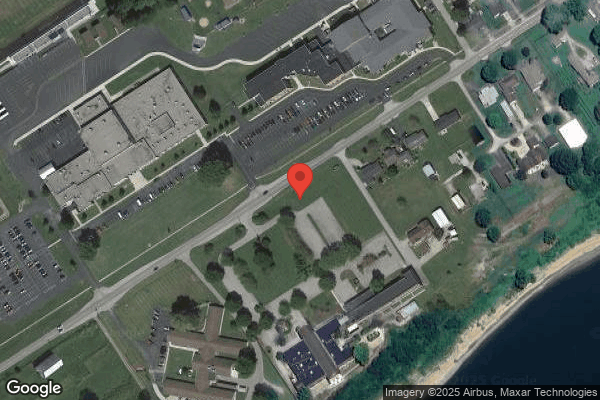
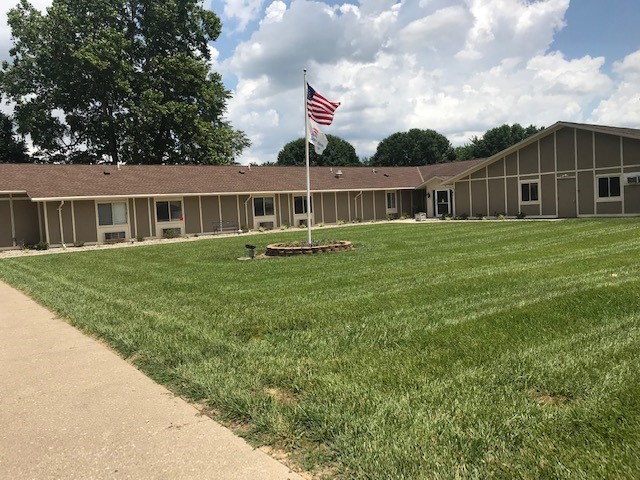
1023 W MAIN ST, VEVAY, IN 47043 (812) 427-2803
Government - County 72 Beds AMERICAN SENIOR COMMUNITIES Data: November 2025
Trust Grade
75/100
#193 of 505 in IN
Last Inspection: October 2024

Within standard 12-15 month inspection cycle. Federal law requires annual inspections.

Overview

Swiss Villa Nursing and Rehabilitation has a Trust Grade of B, indicating it is a good choice for care, though there may be some areas for improvement. In Indiana, it ranks #193 out of 505 facilities, placing it in the top half, and it is the only option in Switzerland County. The facility is improving, with issues decreasing from 10 in 2023 to just 3 in 2024, signaling positive changes. Staffing is a relative strength with a 3-star rating and a turnover rate of 42%, which is below the state average of 47%, suggesting that many staff members are familiar with the residents. While the facility has not incurred any fines, which is a good sign, it has faced concerns, such as failing to store medications securely and not promptly notifying a physician about a resident's need for a urinalysis. Overall, while Swiss Villa has many strengths, families should be aware of these specific incidents that indicate areas needing attention.

Trust Score
B
75/100
In Indiana
#193/505
Top 38%
Safety Record
Low Risk
No red flags
Inspections
Getting Better
10 → 3 violations
Staff Stability
○ Average
42% turnover. Near Indiana's 48% average. Typical for the industry.
Penalties
✓ Good
No fines on record. Clean compliance history, better than most Indiana facilities.
Skilled Nurses
✓ Good
Each resident gets 56 minutes of Registered Nurse (RN) attention daily — more than average for Indiana. RNs are trained to catch health problems early.
Violations
⚠ Watch
13 deficiencies on record. Higher than average. Multiple issues found across inspections.
★★★★☆
4.0
Overall Rating
★★★☆☆
3.0
Staff Levels
★★★★☆
4.0
Care Quality
★★★★☆
4.0
Inspection Score
Stable
2023: 10 issues
2024: 3 issues

The Good

  • 4-Star Quality Measures · Strong clinical quality outcomes
  • Full Sprinkler Coverage · Fire safety systems throughout facility
  • No fines on record
  • Staff turnover below average (42%)

    6 points below Indiana average of 48%

Facility shows strength in quality measures, fire safety.

The Bad

Staff Turnover: 42%

Near Indiana avg (46%)

Typical for the industry

Chain: AMERICAN SENIOR COMMUNITIES

Part of a multi-facility chain

Ask about local staffing decisions and management

The Ugly 13 deficiencies on record

Oct 2024 3 deficiencies
CONCERN (D)

Potential for Harm - no one hurt, but risky conditions existed

Notification of Changes (Tag F0580)

Could have caused harm · This affected 1 resident

Based on record review and interview, the facility failed to notify a physician related to obtaining a urinalysis for 1 of 13 residents reviewed for notification of change. (Resident 21) Findings incl...

Read full inspector narrative →
Based on record review and interview, the facility failed to notify a physician related to obtaining a urinalysis for 1 of 13 residents reviewed for notification of change. (Resident 21) Findings include: The clinical record for Resident 21 was reviewed on 09/30/24 at 10:38 A.M. An Annual MDS (Minimum Data Set) assessment, dated 09/05/24, indicated the resident was severely cognitively impaired. The resident's diagnoses included, but were not limited to, dementia, hypertension, and depression. The resident was occasionally incontinent of bowel and bladder. A Facility Event Report, titled Hot Charting--SBAR (Situation, Background, Assessment, and Recommendation) Physician Communication Tool, dated 06/12/24, indicated the resident had complaints of leaking urine with burning on urination. The nurse requested, from the physician, for a UA (Urinalysis) culture and sensitivity. A Physician's Note, dated 06/18/24, indicated the staff were to obtain a sample for a urinalysis that day and the physician would treat the results appropriately. The urinalysis results, dated 06/19/24, indicated the resident did not have an infection. The clinical record lacked any further notification to the physician after the initial notification on 06/12/24, until 06/18/24, related to the resident's concerns or obtaining the UA. During an interview on 10/02/24 at 9:22 A.M., LPN (Licensed Practical Nurse) 3 indicated if a nurse asked a physician for an order to obtain a UA, she would send it in an SBAR. If she sent the SBAR in the morning she would have a response back from the physician by lunch time. If she didn't get a response by then she would call the physician's office and document it in a progress note. During an interview on 10/02/24 at 10:48 A.M., the DON (Director of Nursing) indicated if the staff asked the physician for a UA, they would send an SBAR to the physician or call the physician's office. They would obtain the order and transcribe it into the health record. The staff should get a response back from an SBAR the same day they send it. The staff should have documented the physician's response to the SBAR on 06/12/24. The current facility policy, titled Resident Change of Condition, with a revision date of 11/2018, was provided by the DON on 10/02/24 at 11:24 A.M. The policy indicated, .It is the policy of the facility that all changes in resident condition will be communicated to the physician and family/responsible party, and that appropriate, timely, and effective intervention takes place . 3.1-5(a)(3)
CONCERN (D)

Potential for Harm - no one hurt, but risky conditions existed

Deficiency F0776 (Tag F0776)

Could have caused harm · This affected 1 resident

Based on record review and interview, the facility failed to obtain diagnostic services in a timely manner for 1 of 13 residents reviewed for radiology and diagnostic services. (Resident 6) Findings ...

Read full inspector narrative →
Based on record review and interview, the facility failed to obtain diagnostic services in a timely manner for 1 of 13 residents reviewed for radiology and diagnostic services. (Resident 6) Findings include: The clinical record for Resident 6 was reviewed on 10/01/24 at 9:53 A.M. A Quarterly MDS (Minimum Data Set) assessment, dated 08/21/24, indicated the resident was rarely or never understood. The resident's diagnoses included, but were not limited to, dementia and hypertension. A Progress Note, dated 11/07/23 at 11:33 A.M., indicated the resident's LLE (Left Lower Extremity), leg, was inflamed, red, and warm, and A Progress Note, dated 11/08/23 at 2:40 A.M., indicated the resident's LLE continued to be reddened and the redness was moving up to his inner thigh. A Facility Event Report, titled Hot Charting--SBAR (Situation, Background, Assessment, and Recommendation) Physician Communication Tool, dated 11/07/23, at 11:17 A.M., indicated the resident's LLE was inflamed, red, and warm. The recommendation was to obtain a venous doppler. The physician was notified. The report lacked any information related to the diagnostic services availability time frame. A Radiology Order, dated 11/07/23, was provided by the DON on 10/02/24 at 12:05 P.M. The order indicated the resident was to have a doppler of the LLE for a possible DVT (Deep Vein Thrombosis), blood clot. The diagnostic services doppler report was provided by the DON on 10/02/24 at 11:54 A.M., and indicated the procedure was completed on 11/13/23. The facility received the results on 11/14/23. The results of the doppler indicated the resident had a DVT. During an interview on 10/02/24 at 11:41 A.M., LPN (Licensed Practical Nurse) 3 indicated if they received an order for a doppler, they had to put the order in, then the doppler technician would call and let them know when they could do the procedure. If it needed to be done right away, they sent residents to the local hospital. The staff let the MD know what was going on with the resident's symptoms and the doctor made the determination as to if the time frame from the technician was okay. If a resident had symptoms, the staff would let the MD know what the symptoms were and document the symptoms on the SBAR. The doctor responds to the SBAR on the SBAR form. If staff had notified the MD of the time frame from the doppler technician, it would be documented on the SBAR form as well. During an interview with the DON and the Administrator on 10/02/24 at 11:49 A.M., they indicated when a doppler was ordered they put the order into the lab company, and they were here in the facility within 24 to 48 hours. They had used the same lab company for a long time. If it was an emergent situation, they could send residents out to the local hospital but, normally, the MD ordered them to be completed in-house. The results were available in 24 hours unless it was a weekend, sometimes it would be 24 to 48 hours. The current facility policy, titled Resident Change of Condition with a revision date of 11/2018, was provided by the DON on 10/02/24 at 11:24 A.M. The policy indicated, .It is the policy of the facility that all changes in resident condition will be communicated to the physician and family/responsible party, and that appropriate, timely, and effective intervention takes place . The current facility policy titled, Resident Rights with a revision date of 11/15, was provided by the DON on 10/02/24 at 10:47 A.M. The policy indicated, .The Resident has a right to a dignified existence, self-determination and communication with, and access to, persons and services inside and outside the Facility . 3.1-49(g)
CONCERN (D)

Potential for Harm - no one hurt, but risky conditions existed

Deficiency F0790 (Tag F0790)

Could have caused harm · This affected 1 resident

Based on observation, interview, and record review, the facility failed to acknowledge a resident had dentures and notify the dentist of lost dentures in a timely manner for 1 of 1 resident reviewed f...

Read full inspector narrative →
Based on observation, interview, and record review, the facility failed to acknowledge a resident had dentures and notify the dentist of lost dentures in a timely manner for 1 of 1 resident reviewed for dental. (Resident 36) Findings include: During an observation and interview on 09/27/24 at 10:59 A.M., Resident 36 was sitting in his wheelchair at the nurse's station. He was edentulous (had no teeth) and indicated his dentures were missing. He had told the Administrator about it and was unsure how long they had been missing. During an interview on 10/01/24 at 1:28 P.M., RN 4 indicated she was unaware the resident had dentures. During an interview on 10/01/24 at 1:29 P.M., LPN (Licensed Practical Nurse) 3 indicated the resident did not have dentures. During an interview on 10/01/24 at 1:30 P.M., CNA (Certified Nurse Aide) 5 indicated she was unaware of the resident ever having dentures. During an interview on 10/01/24 at 1:59 P.M., the SSD (Social Service Director) indicated when the dentist came to the facility to give a resident their new dentures, she would be made aware of it. She was unaware of the resident having dentures, but the dental paperwork said he did. He was last seen by the dentist on 03/11/24 when they came and cleaned his dentures. During an observation on 10/01/24 at 2:10 P.M., the SSD went and searched the resident's room for their dentures and did not find any. She spoke with the resident and told him she was unaware he had dentures. The resident indicated that the dentist had come to the facility and made them, but they had been missing for a little while and he would like to have teeth. During an interview on 10/02/24 at 10:24 A.M., the Dental Company indicated the resident's dentures were delivered to the resident on 02/29/24. They had sent an email to the SSD and the DON (Director of Nursing) indicating the resident's dentures had been delivered. During an interview on 10/02/24 at 10:42 A.M., the SSD indicated if a resident had been given dentures it should have been listed on their inventory record. The clinical record for the resident was reviewed on 09/30/24 at 11:36 A.M. A Significant Change MDS (Minimum Data Set) assessment, dated 02/01/24, indicated the resident was moderately cognitively impaired. The resident's diagnoses included, but were not limited to, diabetes, hypertension, and schizophrenia. The assessment lacked documentation that the resident was edentulous. A Dental Note, dated 09/26/23, indicated the resident was partially edentulous. Impressions for new upper and lower dentures were taken that day. A Dental Note, dated 01/22/24, indicated the resident's dentures were going to be delivered but the resident was at the hospital and the delivery was rescheduled. A Dental Note, dated 03/11/24, indicated the resident was doing well with his dentures, they were delivered a few weeks ago. The dentures were cleaned that day. The resident's inventory list lacked indication the resident had dentures. The Complete Care Plan with a revised date of 07/25/24, lacked a dental care plan. The current facility policy titled, Dental Services/Missing Dentures with a revised date of 9/17, was provided by the DON on 10/02/24 at 9:35 A.M. The policy indicated, .The facility obtains needed dental services, including routine and emergency dental services; assists in providing these services and makes prompt referrals for dental services as needed . The current facility policy titled, Resident Rights with a revision date of 11/15, was provided by the DON on 10/02/24 at 10:47 A.M. The policy indicated, .In accordance with this right to dignity and respect, residents are entitled to all of the freedom and privileges of any other citizen . 3.1-24(a)(3)
Oct 2023 2 deficiencies
CONCERN (D) 📢 Someone Reported This

A family member, employee, or ombudsman was alarmed enough to file a formal complaint

Potential for Harm - no one hurt, but risky conditions existed

Assessment Accuracy (Tag F0641)

Could have caused harm · This affected 1 resident

Based on record review and interview, the facility failed to accurately complete MDS (Minimum Data Set) assessments related to residents' diagnoses of urinary tract infections for 2 of 3 residents rev...

Read full inspector narrative →
Based on record review and interview, the facility failed to accurately complete MDS (Minimum Data Set) assessments related to residents' diagnoses of urinary tract infections for 2 of 3 residents reviewed for accuracy of assessments. (Residents F and B) Findings include: 1. A Quarterly MDS assessment, dated 09/22/23, indicated the resident was severely cognitively impaired. Section I of the assessment listed potential active diagnoses. The directions indicated staff were to check all diagnoses that applied. The diagnoses checked off as active included, but were not limited to, unspecified dementia, hypertension, and chronic kidney disease. The assessment lacked indication the resident had a UTI (urinary tract infection) in the last 30 days. An Infection Event Report, dated 08/25/23, indicated the resident had symptoms of a UTI with an onset date of 08/22/23. The symptoms included a fever or leukocytosis (an elevated white blood cell count), and a new or marked increase in incontinence. A progress note, dated 08/22/23 at 4:55 P.M., indicated the resident experienced an increased need for assistance with transfers. The resident reported increased weakness. The MD was notified. A progress note, dated 08/22/23 at 5:16 P.M., indicated the new MD orders to obtain some blood work and a UA (urinalysis). A progress note, dated 08/25/23 at 2:02 P.M., indicated the UA results were received and the MD was notified. A progress note, dated 08/25/23 at 2:14 P.M., indicated new MD orders were received and the resident was to start Keflex (an antibiotic) 500 mg (milligrams) four times a day for seven days. A progress note, dated 08/25/23 at 11:14 P.M., indicated the resident was being treated for a UTI. The resident's August 2023 EMAR (Electronic Medication Administration Record) was provided by the DON (Director of Nursing) on 10/11/23 at 2:43 P.M. The EMAR indicated the resident received cephalexin (brand name Keflex), 500 mg, four times a day for treatment of a UTI from 08/25/23 through 09/01/23. 2. During an interview and observation on 10/10/23 at 10:14 A.M., the IP (Infection Preventionist) indicated the room in the 200 Hall and the room in the 300 Hall was in isolation for E-coli in their urine. Isolation carts were sitting in the hall outside of the residents' rooms. During an observation and interview on 10/10/23 at 10:25 A.M., Housekeeper 4 donned a gown and gloves prior to entering the room that was in isolation on the 200 Hall. The housekeeper indicated Resident B was in isolation. A Quarterly MDS assessment, dated 09/19/23, indicated the resident was cognitively intact. The diagnoses included, but were not limited to, diabetes, schizophrenia, and hypertension. The resident required extensive assistance of two staff members for bed mobility and toileting. Section I (Active Diagnoses) of the MDS assessment, dated 09/19/23 was provided by the MDS Coordinator on 10/11/23 at 1:57 P.M. The record lacked documentation the resident had a UTI in the last 30 days. An Infection Event Report, dated 08/29/23, indicated the resident had symptoms of a UTI with an onset date of 08/28/23. The symptoms included a fever or leukocytosis, and a new or marked increase in incontinence. The resident had a urine sample that had tested positive for E-coli and was placed on Contact Precautions (requiring staff to wear a gown and gloves when providing care). The resident received Macrobid (an antibiotic) 100 mg, from 09/01/23 to 09/07/23. The resident's September 2023 EMAR indicated the resident received Macrobid, 100 mg every 12 hours from 09/01/23 through 09/07/23. During an interview on 10/11/23 at 1:15 P.M., the MDS Coordinator indicated she obtained information for UTIs in the last 30 days by looking at the Events and the physician's orders. If she had heard about an infection in the morning meeting, she would make sure it was put into an Event. Residents had to have an actual diagnosis in the last 30 days of a UTI, signs and symptoms, and lab findings. The Event was put in for Resident F's UTI, but she was not sure why it was not captured on the MDS assessment. Resident B's UTI should have been captured on the MDS assessment as well. She was not doing the MDS assessments at that time. They did not have a policy related to completing the MDS assessments. They followed the RAI (Resident Assessment Instrument) manual. This citation relates to Complaint IN00418465. 3.1-31(c)(1)
CONCERN (D) 📢 Someone Reported This

A family member, employee, or ombudsman was alarmed enough to file a formal complaint

Potential for Harm - no one hurt, but risky conditions existed

Infection Control (Tag F0880)

Could have caused harm · This affected 1 resident

Based on observation, interview, and record review, the facility failed to follow appropriate infection control guidelines during toileting care for 1 of 5 residents reviewed for infection control. (R...

Read full inspector narrative →
Based on observation, interview, and record review, the facility failed to follow appropriate infection control guidelines during toileting care for 1 of 5 residents reviewed for infection control. (Resident E) Findings include: During an observation on 10/11/23 at 10:30 A.M., Resident E was provided toileting care by CNA (Certified Nurse Aide) 2 and RN 3. Upon entering the resident's room, supplies were already placed on the over the bed table, including fresh towels, wash cloths, and a pan of water. The staff members washed their hands with soap and water, closed the doors and blinds, then pulled the privacy curtains. The resident requested the bed pan. The staff donned gloves, opened the resident's brief, placed the bed pan between the brief and the resident, and pulled the brief up to cover the front of the resident's peri area (vaginal area). They raised the head of the bed, provided privacy, placed the call light in reach, and left the room. The staff reentered the room, explained care to the resident, washed their hands, and donned clean gloves. They prepared a clean bag at the foot of the bed for soiled linens, removed the tape on the brief, and rolled the resident to her left side. The CNA held the resident on her left side while the RN provided care. The RN removed the bed pan, wiped feces off the resident's buttocks with the brief, then changed gloves. The RN wet a washcloth in the pan of clean water, cleaned feces off the buttocks, placed the washcloth in the plastic bag for soiled linens, removed the brief, and put it in the trash can. The resident was rolled to her back. Keeping the same gloves on, the RN picked up the bottle of body wash, squirted some into the wash pan of water, wet a washcloth in the pan, and cleaned the front of the resident's peri area (vaginal), wiping and turning the washcloth. They rolled the resident back to her left side and cleaned her rectal area with cloths dipped in the soapy water. The RN dumped the wash pan in the bathroom and refilled it with clean water. Keeping the same gloves on, the RN dipped a washcloth in the water, wiped the rectal area, dried the rectal area with a clean towel, then dried the front of the peri area with a clean towel, still wearing the same gloves. Both staff removed their gloves, washed their hands, donned clean gloves, assisted the resident with a pull-up brief, and repositioned the resident in their bed. The staff emptied the wash pan, cleaned the bed pan, gather the soiled supplies, used hand sanitizer, and left the room. During an interview on 10/11/23 at 1:49 P.M., CNA 2 indicated during pericare, after cleaning the rectal area, staff should change gloves, wash their hands, put on a clean pair of gloves, and look for rips, tears, or holes in the gloves before proceeding to other areas of the resident's body. The clinical record was reviewed on 10/11/23 at 11:18 A.M. An admission MDS (Minimum Data Set) assessment, dated 08/29/23, indicated the resident was cognitively intact. The diagnoses included, but were not limited to, fractures of the femur and right great toe. The resident required extensive assistance of two staff members for bed mobility and toileting. The current Perineal Care Procedure Steps policy, with a reviewed date of 03/2023, was provided by the DON (Director of Nursing) on 11/11/23 at 2:15 P.M. The policy indicated, in sequential steps, .4. Perform hand hygiene .5. [NAME] gloves .8. Assist resident to spread legs and lift knees, if possible .12. Separate labia and wash urethral area first .20. Change water in basin. With a clean washcloth, rinse area thoroughly in the same direction as with washing .21. Gently pat dry area in same direction as washing .22. Assist resident to turn onto side away .24. Clean anal area .25. Change water in basin. With a clean washcloth, rinse area thoroughly in the same direction as with washing .26. Gently pat area dry in same direction as when washing .27. Assist resident to turn onto back .28. Doff gloves .29. Perform hand hygiene . The current Infection Prevention and Control Program policy, with a revised date of 05/2023, was provided by the DON on 10/11/23 at 2:42 P.M. The policy indicated, .The facility shall establish and maintain infection prevention and control program .designed to provide a safe, sanitary, and comfortable environment and help prevent the development and transmission of communicable diseases and infections . This citation relates to Complaint IN00418465. 3.1-18(b)
Aug 2023 8 deficiencies
CONCERN (D)

Potential for Harm - no one hurt, but risky conditions existed

Notification of Changes (Tag F0580)

Could have caused harm · This affected 1 resident

Based on observation, interview, and record review, the facility failed to appropriately notify the physician in a timely manor for a resident's change in condition related to a fall for 1 of 14 resid...

Read full inspector narrative →
Based on observation, interview, and record review, the facility failed to appropriately notify the physician in a timely manor for a resident's change in condition related to a fall for 1 of 14 residents reviewed for notification of change. (Resident 24) Findings include: During an observation and interview on 07/31/23 at 11:05 A.M., Resident 24 was sitting in her room in her wheelchair. She had a brace on her left leg. She indicated she had a fall in the bathroom on the prior Friday morning. CNA (Certified Nurse Aide) 6 was with her in the bathroom. He let her fall to the floor, she didn't have a gait belt on, and they were supposed to put one on her with transfers. She was sitting on the toilet when he stood her up to pull her pants up and she fell. The clinical record for the resident was reviewed on 07/31/23 at 9:30 A.M. A Quarterly MDS (Minimum Data Set) assessment, dated 06/01/23, indicated the resident was cognitively intact. The diagnoses included, but were not limited to, end stage renal failure, anemia, heart failure, hypertension, malnutrition, anxiety, and respiratory failure. The resident required extensive assistance of two or more staff for bed mobility, transfers, dressing, and toilet use. A Fall Event, dated 07/28/23 at 4:14 A.M., indicated the resident had a witnessed fall, with pain on range of motion or movement in the knees. There was no injury noted. A CNA was cleansing the resident while she was standing. She had begun side stepping and threw herself back into the CNA's hands. The resident indicated her knees gave out. A Progress Note, dated 07/28/23 at 4:22 A.M., indicated the resident was assessed and there were no injuries from the fall. The resident complained of severe pain in the bilateral knees. Tylenol was given. A Dialysis Center Communication Tool, dated 07/28/23, indicated the resident change in condition information, that the resident complained of a fall that morning at the nursing facility. Her left knee was swollen and painful. Her dialysis run time was cut short due to low blood pressure and pain. A Progress Note, dated 07/28/23 at 12:20 P.M., indicated the resident complained of knee pain once she returned from dialysis. PRN (as needed medication) was provided with a positive effect. The resident would continue to be monitored and updated with changes. A Progress Note, dated 07/28/23 at 1:17 P.M., indicated the physician was notified of complaints. A new order was obtained for an x-ray of the left knee. A Progress Note, dated 07/28/23 at 1:27 P.M., indicated the resident was having discomfort to the left knee. A Progress Note, dated 07/29/23 at 1:47 A.M., indicated the x-ray results were sent to the physician and the facility was awaiting a response. The resident's left knee was assessed with slight swelling and bruising noted. The resident indicated the knee was not hurting at that time but was stiff and unable to move it. A Radiology Report, dated 07/29/23 at 12:45 A.M., indicated the resident had an acute transcondylar distal femoral fracture. A Progress Note, dated 07/29/23 at 3:58 A.M., indicated and the facility was awaiting a return call from the physician. The resident was resting in bed with her eyes closed. A Progress Note, dated 07/29/23 at 6:47 A.M., indicated a new order was obtained to send the resident to the local hospital for an evaluation and treatment. A Progress Note, dated 07/29/23 at 3:00 P.M., indicated the resident returned from the local hospital with a 3-panel knee splint to the left knee/leg. The resident was to follow up with her physician for further recommendations. The hospital orthopedics denied surgery for the resident due to too many health factors. The Hospital emergency room Report, dated 07/29/23, included, but was not limited to, a diagnostic report for a history of trauma that indicated the resident had a femoral fracture that demonstrated impaction. Bone fragments were splayed proximally 15 mm (millimeters) on the medial and lateral side. An Orthopedist was consulted, and the resident was a high risk for surgery due to age and significant comorbidity. A transfer was recommended to a higher level of care. The resident declined surgical intervention at the time. During a return phone call interview on 08/01/23 at 2:07 P.M., LPN 7 indicated the morning of the fall she went into the bathroom and the residents' legs were straight out in front of her and she complained of her knees bothering her. Her and CNA 6 lifted the resident off the floor and put her in her chair. CNA 6 was usually able to get her on and off the toilet without using a gait belt by the resident grabbing the bar. She gave the resident Tylenol and applied cream to her knees. She was able to move both of her legs. The resident always had knee pain and her knees gave out frequently. She sent a text message to the physician and didn't get a response, so she went ahead and sent her to dialysis. She would normally send a text message to the physician and not call. On 08/02/23 at 9:00 A.M., the Administrator provided a written statement by LPN 7 the statement indicated the following: - Statement from LPN 7 indicate, she was called to the bathroom and was notified that the resident had fallen. She went to the bathroom and the resident was sitting on the floor in front of the toilet with her legs stretched out with complaints of her knees hurting. CNA 6 had used a gait belt and took it off due to the resident complaining about it. She assessed the resident's legs and she complained of her knees hurting but was able to complete range of motion to bilateral legs. She was lifted to the chair, and she finished getting ready for dialysis. She was given Tylenol with her morning medications and cream was applied to both knees. There was no bruising or redness noted to her knees. She left for dialysis soon after the fall. The physician was notified. The clinical record lacked physician notification or acknowledgement of the notification until 07/28/23 at 1:17 P.M. (9 hours and 3 minutes after the resident fell with complaints of pain) During an interview on 08/02/23 at 9:13 A.M., LPN 4 indicated when a resident had a fall, he would notify the physician by a phone call. They were always available anytime to call. The current facility policy titled, Resident Change in Condition, with a revised date of 11/2018, was provided by the Clinical Support Nurse on 08/01/23 at 2:38 P.M. The policy indicated, .It is the policy of the facility that all changes in resident condition will be communicated to the physician and family/responsible party, and that appropriate, timely, and effective intervention takes place .2. Acute Medical Change .any sudden or serious change in a resident's condition manifested by a marked change in physical or mental behavior will be communicated to the physician. If unable to contact the attending physician or alternate physician in a timely manner, notify the Medical Director for medical interventions .Non-Urgent Medical Change .all symptoms and unusual signs will be documented in the medical record and communicated to the attending physician promptly. Non-urgent changes are minor change in physical and mental behavior, abnormal laboratory, and x-ray results that are non-life threatening .The nurse in charge is responsible for notification of physician and family/responsible party prior to end of assigned shift when a significant change in the resident's condition is noted. If unable to reach the physician or family/responsible party, all calls to physicians or exchanges and family/responsible party requesting callbacks will be documented in the medical record . 3.1-5(a)(2)
CONCERN (D)

Potential for Harm - no one hurt, but risky conditions existed

Assessment Accuracy (Tag F0641)

Could have caused harm · This affected 1 resident

**NOTE- TERMS IN BRACKETS HAVE BEEN EDITED TO PROTECT CONFIDENTIALITY** 3. A Quarterly MDS assessment, dated 07/06/23, indicated Resident 37 was rarely understood. The diagnoses included, but were not...

Read full inspector narrative →
**NOTE- TERMS IN BRACKETS HAVE BEEN EDITED TO PROTECT CONFIDENTIALITY** 3. A Quarterly MDS assessment, dated 07/06/23, indicated Resident 37 was rarely understood. The diagnoses included, but were not limited to, hypertension, aphasia, and depression. Section K indicated the resident was on a mechanically altered diet and feeding tube was not marked during the seven-day review period. The June and July 2023 EMAR/ETAR (Electronic Medication Administration/Electronic Treatment Administration Record) indicated the resident had received, but were not limited to, the following enteral feeding from 06/30/23 through 07/06/23: - Enteral Feeding: Bolus Feeding, 120 ml (milliliters) every 3 hours while awake, - Enteral Feeding: Check placement of tube and check residual and hold feeding if residual was greater than 100 ml, three times a day, and - Enteral Feeding: Flush tube with 240 ml, water, every 6 hours. A Nutritional Status Care Plan, with a start date of 12/22/22, indicated the resident required enteral nutrition to meet nutrition needs. During an interview on 08/02/23 at 11:44 A.M., the MDS Coordinator indicated the Registered Dietician, or the Dietary Manager would complete Section K of the MDS assessment. The dietician would make sure that section was completed, and she guessed she would be the one to review them, then an RN would sign the final completed assessment. They would obtain the information for the MDS assessment from the resident's diet orders. The resident received bolus feedings through a feeding tube during the seven-day look back period and should have been marked on the MDS assessment dated [DATE]. During an interview on 08/02/23 at 11:28 A.M., the MDS Coordinator indicated she would complete her assessments based off the RAI (Resident Assessment Instrument) manual. 3.1-31(c)(3) 3.1-31(c)(5) 3.1-31(c)(11) Based on record review and interview, the facility failed to accurately complete MDS (Minimum Data Set) assessments related to special treatments, falls, and nutritional status for 3 of 14 residents reviewed for accuracy of assessments. (Residents 9, 30, and 37). Findings include: 1. A Quarterly MDS assessment, dated 07/03/23, indicated Resident 9 was cognitively intact. The diagnoses included, but were not limited to, spinal bifida and diabetes. The resident required limited staff assistance for most ADLs (Activities of Daily Living). Section O of the assessment indicated the resident participated in occupation therapy during the assessment review period and did not participate in AROM (Active Range of Motion) and walking restorative nursing services. During an interview on 08/02/23 at 10:09 A.M., the Therapy Manager indicated the resident participated in restorative nursing services. His walking program started on 04/05/23, and the AROM program had been in place since December of 2022. During an interview on 08/02/23 at 11:35 A.M., the MDS Coordinator indicated she would pull a computer report to determine if a resident participated in restorative nursing services during the assessment review period. The MDS Coordinator provided the resident's restorative nursing report for 06/27/23 through 07/03/23 on 08/02/23 at 11:36 A.M. The report indicated the resident participated in AROM services on six days of the review period and participated in the walking program on one day of the review period. 2. A Quarterly MDS assessment, dated 06/13/23, indicated Resident 30 was severely cognitively impaired. The diagnoses included, but were not limited to, dementia and heart failure. Section J of the assessment indicated the resident had not experienced any falls since the last assessment (a Quarterly MDS assessment that was completed on 03/13/23). A Fall Event Report indicated the resident experienced an unwitnessed fall with some bruising noted on 04/10/23 at 6:35 P.M. A Fall Event Report indicated the resident experienced an unwitnessed fall with no injury noted on 04/11/23 at 12:10 P.M. During an interview on 08/02/23 at 11:28 A.M., the MDS Coordinator indicated the two falls the resident experienced in April should have been reflected on the 06/13/23 MDS assessment.
CONCERN (D)

Potential for Harm - no one hurt, but risky conditions existed

Quality of Care (Tag F0684)

Could have caused harm · This affected 1 resident

Based on interview and record review, the facility failed to complete neurological assessments after a fall for 1 of 6 residents reviewed for accidents. (Resident 30) Findings include: During an inter...

Read full inspector narrative →
Based on interview and record review, the facility failed to complete neurological assessments after a fall for 1 of 6 residents reviewed for accidents. (Resident 30) Findings include: During an interview on 07/28/23 at 10:49 A.M., Resident 30 indicated she had a few falls in last few months. A Quarterly MDS (Minimum Data Set) assessment, dated 06/26/23, indicated the resident was severely cognitively impaired. The diagnoses included, but were not limited to, vascular dementia, heart failure, and hypertension. The resident had not experienced any falls since the last assessment. A Fall Event Report indicated the resident experienced an unwitnessed fall with some bruising noted on 04/10/23 at 6:35 P.M. The resident was first observed laying on her right side with her right arm up under the bed head board with her right side sitting on the trash can. Neurochecks (neurological checks) were initiated and the MD was notified. A Fall Event Report indicated the resident experienced an unwitnessed fall with no injury noted on 04/11/23 at 12:10 P.M. The resident was first observed on her knees between the bed and recliner. Neurochecks were not initiated, a note indicated the resident was already on neurochecks. Neurological Assessments were provided by the Clinical Support Nurse on 08/02/23 at 10:17 A.M. Neurochecks began on 04/10/23 at 6:00 P.M., when the resident had her first fall and were completed appropriately for that fall. The resident's record lacked documentation of neurochecks that should have started on 04/11/23 at 12:10 P.M., when the resident experienced a second fall. During an interview on 08/02/23 at 10:32 A.M., LPN (Licensed Practical Nurse) 4 indicated neurochecks should be conducted after an unwitnessed fall or if a resident fell and hit their head. Residents were to be assessed every 15 minutes x one hour, every 30 minutes x 2 hours, every hour x 4 hours, and every 8 hours x 72 hours. If a resident was on neurochecks and had another fall that required neurochecks, the neurochecks would start over from the beginning, every 15 minutes x one hour and so on. The current Fall Management Policy with a revised date of 8/2022, was provided by the Regional Clinical Support on 08/02/23 at 11:20 A.M. The policy indicated, .A neurological assessment will be initiated on all unwitnessed falls . 3.1-37(a)
CONCERN (D)

Potential for Harm - no one hurt, but risky conditions existed

Incontinence Care (Tag F0690)

Could have caused harm · This affected 1 resident

**NOTE- TERMS IN BRACKETS HAVE BEEN EDITED TO PROTECT CONFIDENTIALITY** Based on interview and record review, the facility failed to ensure a resident that was incontinent of bowel received appropriat...

Read full inspector narrative →
**NOTE- TERMS IN BRACKETS HAVE BEEN EDITED TO PROTECT CONFIDENTIALITY** Based on interview and record review, the facility failed to ensure a resident that was incontinent of bowel received appropriate treatment and services to maintain a healthy bowel elimination pattern for 1 of 2 residents reviewed for bowel and/or bladder function. (Resident 35) Findings include: During an interview on 07/28/23 at 10:54 A.M., Resident 35 indicated he had recently been hospitalized for a bowel blockage and had some trouble with his bowels before. The resident's clinical record was reviewed on 08/01/23 at 1:58 P.M. A Quarterly MDS (Minimum Data Set) assessment, dated 05/16/23, indicated the resident was cognitively intact. The diagnoses included, but were not limited to, diabetes, emphysema, and schizophrenia. The resident experienced a limitation in their functional range of motion on both sides of their upper and lower extremities and required extensive staff assistance for ADLs (Activities of Daily Living). The resident was frequently incontinent of urine and always incontinent of bowel. The resident's complete Care Plan was provided by the Clinical Support Nurse on 08/02/23 at 9:38 A.M., and included a care plan, with a start date of 04/18/22, related to the resident's risk for constipation due to decreased motility. the interventions included, but were not limited to the following approaches with a start date of 04/18/22: - Document abnormal findings and notify MD, - Administer medications as ordered, - Notify MD if no BM after 3rd day, and - Abdominal assessment if no BM x 4 days. Document and notify MD of abnormal findings. A facility progress note, dated 07/19/23 at 12:55 P.M., indicated an x-ray was performed and indicated an ileus (the inability of the bowels to contract normally and move waste out of the body) type pattern was favored and an obstruction was not excluded. The resident was sent to a local hospital to be evaluated. A facility progress note, dated 07/20/23 at 1:22 A.M., indicated the resident was admitted to the hospital with a small bowel obstruction, urinary tract infection, and low potassium. The resident returned to the facility on [DATE]. The resident's vitals report for June and July 2023 was provided by RN 5 on 08/02/23 at 2:05 P.M. and indicated the following: - On 06/06/23 at 11:03 P.M., the resident had a large bowel movement. - On 06/07/23 at 10:52 A.M., the resident had no bowel movement. - On 06/08/23 at 11:19 A.M., the resident had no bowel movement. - On 06/09/23 at 12:38 A.M., 12:35 P.M., and 8:22 P.M., the resident had no bowel movement. - On 06/10/23 at 12:46 P.M., the resident had no bowel movement. - On 06/11/23 at 1:28 A.M., 7:34 A.M., and 9:50 P.M. the resident had no bowel movement. - On 06/12/23 at 1:33 P.M. and 3:00 P.M., the resident had no bowel movement. - On 06/28/23 at 12:21 P.M., the resident had a large bowel movement. - On 06/28/23 at 7:25 P.M., the resident had no bowel movement. - On 06/30/23 at 4:49 A.M., 3:52 P.M., and 7:26 P.M., the resident had no bowel movement. - On 07/01/23 at 2:43 P.M. and 7:45 P.M., the resident had no bowel movement. - On 07/02/23 at 9:19 A.M. and 7:38 P.M., the resident had no bowel movement. - On 07/03/23 at 2:59 P.M., the resident had no bowel movement. - On 07/04/23 at 4:11 A.M., the resident had a large bowel movement. During an interview on 08/01/23 at 2:11 P.M., RN 5 indicated that nurse aides documented bowel movements daily in the computer. The computer generated a report that would trigger residents that hadn't had a bowel movement to be reviewed. They discussed this report daily in the morning meeting. If a resident hadn't had a bowel movement after 3 days, they would work on trying to get the resident to go. They would give PRN (as needed) medications if they were ordered, and they would notify the MD. They would document what they did in a progress note or they would create an Event in the computer. The resident's progress notes and Event documentation from 06/01/23 through 07/04/23 were reviewed and lacked documentation related to the resident's bowel movements or lack thereof. The resident's June and July 2023 EMAR (Electronic Medication Administration Record) was reviewed and included but was not limited to the following physician's orders: - An open ended physician's order, with a start date of 04/20/22, to administer a glycerin rectal suppository once a day as needed for constipation., and - An open ended physician's order, with a start date of 10/03/22, to administer polyethylene glycol 3350 powder; 17 grams once a day as needed as indicated for constipation. The June and July 2023 EMARs lacked documentation that the PRN medications were administered. The current facility policy, titled Bowel Elimination, dated 01/2015, was provided by the Clinical Support Nurse on 08/02/23 at 9:38 A.M. The policy indicated, .A resident bowel report will be completed by the assigned charge nurse of the resident(s) who have not had a bowel movement for 3 consecutive days .Any resident not having a bowel movement for 3 consecutive days, will be given a laxative or stool softener, as prescribed by the physician, at the end of the 3rd day .If by the 4th afternoon, the resident (s) has not had results, the nurse will do an abdominal assessment, chart the results of the assessment, and notify the physician for further order . 3.1-37(a)
CONCERN (D)

Potential for Harm - no one hurt, but risky conditions existed

Deficiency F0757 (Tag F0757)

Could have caused harm · This affected 1 resident

Based on observation, interview, and record review, the facility failed to follow physicians orders related to medication hold parameters for 2 of 6 residents reviewed for unnecessary medications. (Re...

Read full inspector narrative →
Based on observation, interview, and record review, the facility failed to follow physicians orders related to medication hold parameters for 2 of 6 residents reviewed for unnecessary medications. (Residents 4 and 38) Findings include: 1. During an observation and interview on 07/27/23 at 1:36 P.M., Resident 4 was sitting on her bed, with her call light within reach. She indicated she had no concerns. The clinical record for the resident was reviewed on 07/31/23 at 2:59 P.M. A Quarterly MDS (Minimum Data Set) assessment, dated 05/20/23, indicated the resident was cognitively intact. The diagnoses included, but were not limited to, atrial fibrillation, hypertension, cancer, anxiety, and insomnia. An open-ended physician's order, with a start date of 06/01/23, indicated the staff were to administer Midodrine (a hypotensive medication), 2.5 mg (milligrams), twice a day. The medication was to be held if the systolic (top number/heart at work) blood pressure was greater than 120. The June and July 2023 EMAR/ETAR (Electronic Medication Administration Record/Electronic Treatment Administration Record) indicated the resident had received the Midodrine medication when her systolic blood pressure was greater than 120 on the following dates and times: - On 06/13/23 at 8:00 A.M. the resident's blood pressure was 126/70 and at 4:00 P.M. the blood pressure was 126/70. - On 06/18/23 at 4:00 P.M., the resident's blood pressure was 128/70. - On 06/19/23 at 4:00 P.M., the resident's blood pressure was 144/81. - On 06/26/23 at 4:00 P.M., the resident's blood pressure was 132/68. - On 06/30/23 at 8:00 A.M., the resident's blood pressure was 127/62. - On 07/02/23 at 4:00 P.M., the resident's blood pressure was 127/56. - On 07/04/23 at 4:00 P.M., the resident's blood pressure was 137/87. - On 07/05/23 at 8:00 A.M., the resident's blood pressure was 135/75. - On 07/07/23 at 8:00 A.M., the resident's blood pressure was 132/64. - On 07/08/23 at 8:00 A.M., the resident's blood pressure was 133/73. - On 07/09/23 at 4:00 P.M., the resident's blood pressure was 133/70. - On 07/11/23 at 8:00 A.M., the resident's blood pressure was 140/81. - On 07/14/23 at 8:00 A.M., the resident's blood pressure was 123/60 and at 4:00 P.M. the blood pressure was 126/72. - On 07/15/23 at 4:00 P.M., the resident's blood pressure was 131/54. - On 07/20/23 at 8:00 A.M., the resident's blood pressure was 129/66 and at 4:00 P.M. the blood pressure was 123/64. During an interview on 08/01/23 at 11:23 A.M., RN 3 indicated if a resident had a medication that required hold parameters the vitals would be documented in the EMAR. If the vitals were outside the parameters to give the medication, then it should be held and documented in the EMAR as to why it wasn't given. Staff should notify the physician if needed. 2. During an observation and interview on 07/27/23 at 11:14 A.M., Resident 38 was sitting in his room in his wheelchair. He indicated he was feeling well today. The clinical record for the resident was reviewed on 08/01/23 at 3:10 P.M. A Quarterly MDS assessment, dated 06/27/23, indicated the resident was cognitively intact. The diagnoses included, but were not limited to, hypertension, stroke, dementia, and atrial fibrillation. An open-ended physician's order, with a start date of 03/21/23, indicated the staff were to administer digoxin (a heart rhythm medication), 125 mcg (micrograms), once a day, in the morning. The medication was to be held if the heart rate was less than 60 beats per minute. The April and May 2023 EMAR/ETAR indicated the resident had received the digoxin medication when his heart rate was below 60 on the following dates: - On 04/05/23, the resident's heart rate was 58 beats per minute. - On 05/12/23, the resident's heart rate was 58 beats per minute. - On 05/14/23, the resident's heart rate was 54 beats per minute. During an interview on 08/02/23 at 3:13 P.M., the Clinical Support Nurse indicated the facility did not have a specific policy related to following medication hold parameters. 3.1-48(a)(3)
CONCERN (D)

Potential for Harm - no one hurt, but risky conditions existed

Laboratory Services (Tag F0770)

Could have caused harm · This affected 1 resident

Based on observation, interview, and record review, the facility failed to obtain laboratory results and communicate with the physician in a timely manner for 1 of 16 residents reviewed for laboratory...

Read full inspector narrative →
Based on observation, interview, and record review, the facility failed to obtain laboratory results and communicate with the physician in a timely manner for 1 of 16 residents reviewed for laboratory services. (Resident 4) Findings included: During an observation and interview on 07/27/23 at 1:36 P.M., Resident 4 was sitting on her bed, with her call light within reach. There were no observed bruising or signs of bleeding. She indicated she was doing well. A Quarterly MDS (Minimum Data Set) assessment, dated 05/20/23, indicated the resident was cognitively intact. The diagnoses included, but were not limited to, atrial fibrillation, hypertension, cancer, anxiety, and insomnia. An open-ended physician's order, with a start date of 11/22/21, indicated the resident was to have a PT/INR (Prothrombin Time/ International Normalized Ratio) [a blood clotting test], once a day, every Monday. A Progress Note, dated 05/11/23 at 9:46 A.M., indicated the resident was status post fall with multiple bruising and hematomas. The resident had no complaints of pain or discomfort. The resident continued on antibiotics related to a UTI (Urinary Tract Infection). There was no abnormal bleeding noted related to the coumdin therapy. A call was placed to lab (laboratory) for STAT (immediately), PT/INR. The May 2023 EMAR/ETAR (Electronic Medication Administration/Electronic Treatment Administration Record) indicated the resident had received 3.5 of warfarin on 05/11/23 in the P.M. (evening). The resident's PT/INR lab results were provided by the Regional Clinical Support on 08/02/23 at 2:37 P.M. The lab results lacked a lab drawn on 05/11/23. The resident's STAT PT/INR was not drawn until 5/12/23. A Progress Note, dated 05/12/23 at 1:01 P.M., indicated the PT/INR results were sent to the MD. The levels were elevated at this time. The Warfarin (Coumadin) was put on hold until 05/16/23. A Progress Note, dated 05/15/23 at 5:56 P.M., indicated the resident's PT/INR level was obtained per lab. The results were sent to the MD with a new order to start Warfarin 3 mg (milligrams) daily and check PT/INR on 05/16/23. A Progress Note, dated 05/16/23 at 10:28 A.M., indicated the resident had a pending STAT PT/INR at that time. A Progress Note, dated 05/16/23 at 1:22 P.M., indicated the lab was there to draw the STAT PT/INR. The May 2023 EMAR/ETAR indicated the resident had received 3 mg of Warfarin on 05/16/23. A Progress Note, dated 05/17/23 at 10:04 A.M., indicated the MD was in to see the resident. The PT/INR was reviewed and a new order was obtained to discontinue Warfarin 3 mg and start Warfarin 4 mg every day. A Progress Note, dated 06/19/23 at 3:13 P.M., indicated a new order was received for a PT/INR to be obtained on Thursday (06/22/23). The June 2023 EMAR/ETAR indicated the resident had received 4 mg of warfarin on 06/22/23. A Progress Note, dated 06/23/23 at 11:55 A.M., indicated the PT/INR was sent to the MD. No changes at that time. During an interview on 08/02/23 at 1:45 P.M., LPN (Licensed Practical Nurse)4 indicated when a resident had a PT/INR lab order they would obtain the lab, get the results, and send them to the physician. The nurses should communicate with the physician the same day as the PT/INR lab level was drawn before the next does of medication was given. If the physician didn't respond before the dose was due he would continue to get a hold of them before the medication was administered. Any resident on coumadin had a tracking log. It was in the binder on the nurses cart. When the form was full it would be turned into medical records. At 2:24 P.M., LPN 4 indicated when a resident had an order to obtain a PT/INR the lab would come to the facility and obtain it. The lab came every Monday, Wednesday, and Friday. If it was a STAT lab they came 24/7 (everyday/anytime). Any STAT lab should be obtained within 4 hours after calling the lab. If the lab wasn't going to be able to get to the facility and draw it in the 4 hours, then he would follow-up with the physician and document it in a progress note. When the PT/INR was drawn they were faxed to the facility the same day or they could view them online. During an interview on 08/02/23 at 2:37 P.M., the Regional Clinical Support indicated the resident didn't have a coumadin tracking log. The ones on the cart were internal documents and they didn't keep them as a part of the clinical record. The facility would discard them appropriately. The current facility policy titled, Labs and Diagnostics dated 11/2017, was provided by the Regional Clinical Support on 08/02/23 at 2:58 P.M. The policy indicated, .to provide or obtain laboratory and diagnostic services to meet the need of its residents. The facility is responsible for the quality and timeliness of the service .Reports or results that are filed in the medical record must be signed and dated for physician notification . The current facility policy titled, Coumadin/Warfarin Monitoring Policy and Tracking Log with a revised date of 11/2018, was provided by the Regional Clinical Support on 08/02/23 at 2:58 P.M. The policy indicated, .Residents who require Coumadin Therapy are receiving adequate monitoring .The resident who receives Coumadin/Warfarin will have a Coumadin/Warfarin INR tracking log implemented .Prior to administering the Coumadin/Warfarin dose the licensed nurse should verify the most current PT/INR . 3.1-49(a)
CONCERN (D)

Potential for Harm - no one hurt, but risky conditions existed

Food Safety (Tag F0812)

Could have caused harm · This affected 1 resident

Based on observation and interview, the facility failed to maintain a facility pantry snack refrigerator for all residents related to unlabeled items and outdated items for 1 of 1 snack refrigerator r...

Read full inspector narrative →
Based on observation and interview, the facility failed to maintain a facility pantry snack refrigerator for all residents related to unlabeled items and outdated items for 1 of 1 snack refrigerator reviewed. Findings include: The facility pantry snack refrigerator was observed with LPN (Licensed Practical Nurse) 4 on 08/02/23 at 11:15 A.M. The snack refrigerator contained the following items: - A nearly full container of prune juice labeled with opened on date of 07/22/23, use by date of 07/28/23, - A nearly empty gallon of iced tea with a use by date of 07/23/23, and - An individual sized box of pizza labeled with a resident's name. The box was not dated to indicate when it was brought into the facility. During an interview on 08/03/23 at 11:17 A.M., LPN 4 indicated he was not sure if the gallon of tea belonged to a particular resident or if it was provided by the facility. Food items brought in by families should be labeled with the resident's name and the date it was brought in. The current facility policy, titled Food Brought in by Family and Visitors was provided by the Administrator during the entrance conference on 07/27/23. The policy indicated, .If food must be stored, it will be labeled with the resident's name, the date the item was brought in and the date by which it should be consumed or discarded .Staff will monitor for food in need of disposal . 3.1-21(i)(3)
CONCERN (E)

Potential for Harm - no one hurt, but risky conditions existed

Deficiency F0761 (Tag F0761)

Could have caused harm · This affected multiple residents

Based on observation and interview, the facility failed to store medications appropriately related to having multiple unsecured loose tablets in the medication carts for 3 of 3 medication carts review...

Read full inspector narrative →
Based on observation and interview, the facility failed to store medications appropriately related to having multiple unsecured loose tablets in the medication carts for 3 of 3 medication carts reviewed. (Medication Carts on the 200 Hall, 300 Hall, and 100 Hall) Findings include: 1. The 200 Hall Medication Cart was observed on 07/31/23 at 10:42 A.M., with LPN (Licensed Practical Nurse) 2 and contained the following loose pills laying in the bottom of the drawers: - two small white oval tablets, - one medium white oval tablet, - two small tan round tablets, - one small white round tablet, - two small pink round tablets, and - two clear round tablets. During an interview on 07/31/23 at 10:44 A.M., LPN 2 indicated the medications that were dropped in the drawers needed to be accounted for, destroyed, and the pharmacy should be notified that the 30 day count would be off. 2. The 300 Hall Medication Cart was observed on 07/31/23 at 10:45 A.M., with RN 3 and contained the following loose pills laying in the bottom of the drawers: - two small white oval tablets, - one small white round tablet, - two small pink round tablets, and - one medium yellow round tablet. 3. The 100 Hall Medication Cart was observed on 07/31/23 at 11:11 A.M., with LPN 4 and contained the following loose pills laying in the bottom of the drawers: - one small round white tablet, - 1/2 of a yellow oval tablet, - one small pink round tablet, and - one small tan round tablet. The current medication storage policy, dated January 2022, was provided by the Administrator on 08/01/23 at 11:26 A.M. The policy indicated, .2. Facility should ensure that all medications and biologicals are stored in an orderly manner .9. Facility should ensure that the medications and biologicals for each resident are stored in the containers in which they were originally received . 3.1-25j) 3.1-25(k)(1) 3.1-25(k)(2) 3.1-25(k)(3) 3.1-25(k)(4) 3.1-25(k)(5) 3.1-25(k)(6) 3.1-25(k)(7)
Understanding Severity Codes (click to expand)
Life-Threatening (Immediate Jeopardy)
J - Isolated K - Pattern L - Widespread
Actual Harm
G - Isolated H - Pattern I - Widespread
Potential for Harm
D - Isolated E - Pattern F - Widespread
No Harm (Minor)
A - Isolated B - Pattern C - Widespread

Questions to Ask on Your Visit

  • "Can I speak with families of current residents?"
  • "What's your RN coverage like on weekends and overnight?"

Our Honest Assessment

Strengths
  • • No major safety red flags. No abuse findings, life-threatening violations, or SFF status.
  • • No fines on record. Clean compliance history, better than most Indiana facilities.
  • • 42% turnover. Below Indiana's 48% average. Good staff retention means consistent care.
Concerns
  • • 13 deficiencies on record. Higher than average. Multiple issues found across inspections.
Bottom line: Generally positive indicators. Standard due diligence and a personal visit recommended.

About This Facility

What is Swiss Villa Nursing And Rehabilitation's CMS Rating?

CMS assigns SWISS VILLA NURSING AND REHABILITATION an overall rating of 4 out of 5 stars, which is considered above average nationally. Within Indiana, this rating places the facility higher than 99% of the state's 100 nursing homes. This rating reflects solid performance across the metrics CMS uses to evaluate nursing home quality.
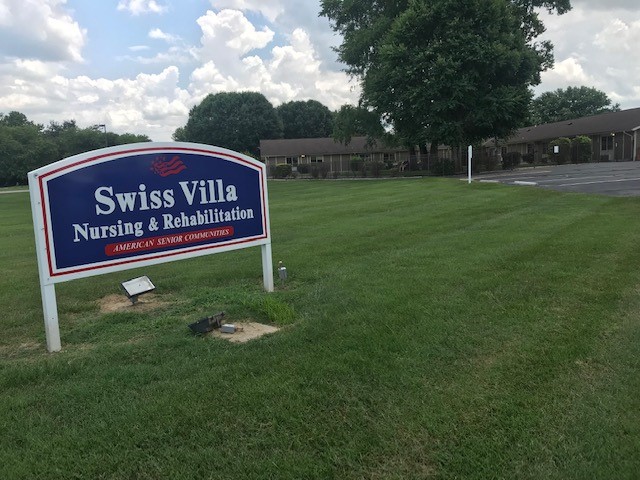
How is Swiss Villa Nursing And Rehabilitation Staffed?

CMS rates SWISS VILLA NURSING AND REHABILITATION's staffing level at 3 out of 5 stars, which is average compared to other nursing homes. Staff turnover is 42%, compared to the Indiana average of 46%. This relatively stable workforce can support continuity of care.

What Have Inspectors Found at Swiss Villa Nursing And Rehabilitation?

State health inspectors documented 13 deficiencies at SWISS VILLA NURSING AND REHABILITATION during 2023 to 2024. These included: 13 with potential for harm.
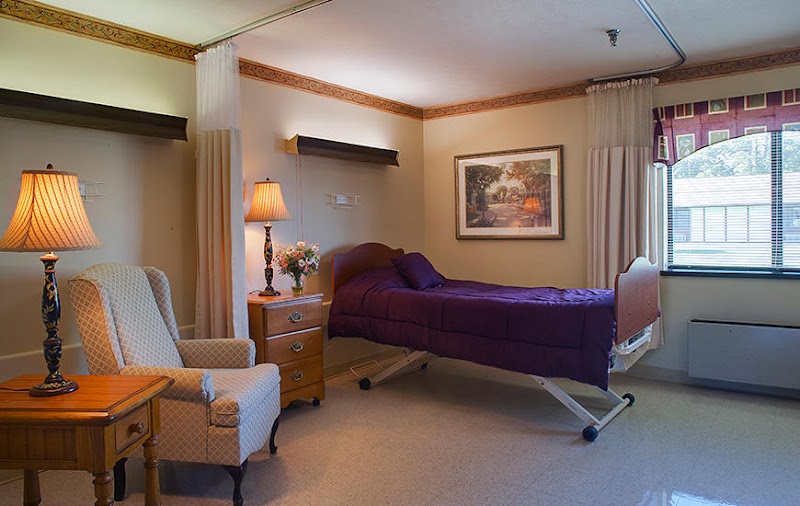
Who Owns and Operates Swiss Villa Nursing And Rehabilitation?

SWISS VILLA NURSING AND REHABILITATION is owned by a government entity. Government-operated facilities are typically run by state, county, or municipal agencies. The facility is operated by AMERICAN SENIOR COMMUNITIES, a chain that manages multiple nursing homes. With 72 certified beds and approximately 47 residents (about 65% occupancy), it is a smaller facility located in VEVAY, Indiana.
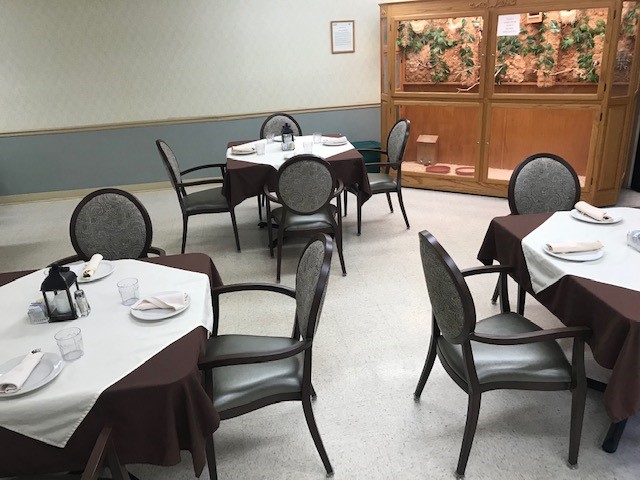
How Does Swiss Villa Nursing And Rehabilitation Compare to Other Indiana Nursing Homes?

Compared to the 100 nursing homes in Indiana, SWISS VILLA NURSING AND REHABILITATION's overall rating (4 stars) is above the state average of 3.1, staff turnover (42%) is near the state average of 46%, and health inspection rating (4 stars) is above the national benchmark.

What Should Families Ask When Visiting Swiss Villa Nursing And Rehabilitation?

Based on this facility's data, families visiting should ask: "Can I visit during a mealtime to observe dining assistance and food quality?" "How do you handle medical emergencies, and what is your hospital transfer rate?" "Can I speak with family members of current residents about their experience?"

Is Swiss Villa Nursing And Rehabilitation Safe?

Based on CMS inspection data, SWISS VILLA NURSING AND REHABILITATION has a clean safety record: no substantiated abuse findings (meaning no confirmed cases of resident harm), no Immediate Jeopardy citations (the most serious violation level indicating risk of serious injury or death), and is not on the Special Focus Facility watch list (a federal program monitoring the lowest-performing 1% of nursing homes). The facility has a 4-star overall rating and ranks #1 of 100 nursing homes in Indiana. While no facility is perfect, families should still ask about staff-to-resident ratios and recent inspection results during their visit.

Do Nurses at Swiss Villa Nursing And Rehabilitation Stick Around?

SWISS VILLA NURSING AND REHABILITATION has a staff turnover rate of 42%, which is about average for Indiana nursing homes (state average: 46%). Moderate turnover is common in nursing homes, but families should still ask about staff tenure and how the facility maintains care continuity when employees leave.

Was Swiss Villa Nursing And Rehabilitation Ever Fined?

SWISS VILLA NURSING AND REHABILITATION has no federal fines on record. CMS issues fines when nursing homes fail to meet care standards or don't correct problems found during inspections. The absence of fines suggests the facility has either maintained compliance or corrected any issues before penalties were assessed. This is a positive indicator, though families should still review recent inspection reports for the full picture.

Is Swiss Villa Nursing And Rehabilitation on Any Federal Watch List?

SWISS VILLA NURSING AND REHABILITATION is not on any federal watch list. The most significant is the Special Focus Facility (SFF) program, which identifies the bottom 1% of nursing homes nationally based on persistent, serious quality problems. Not being on this list means the facility has avoided the pattern of deficiencies that triggers enhanced federal oversight. This is a positive indicator, though families should still review the facility's inspection history directly.