BRIDGEPOINTE HEALTH CAMPUS
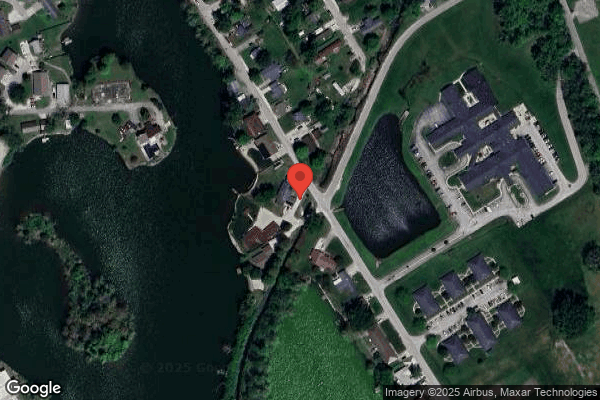
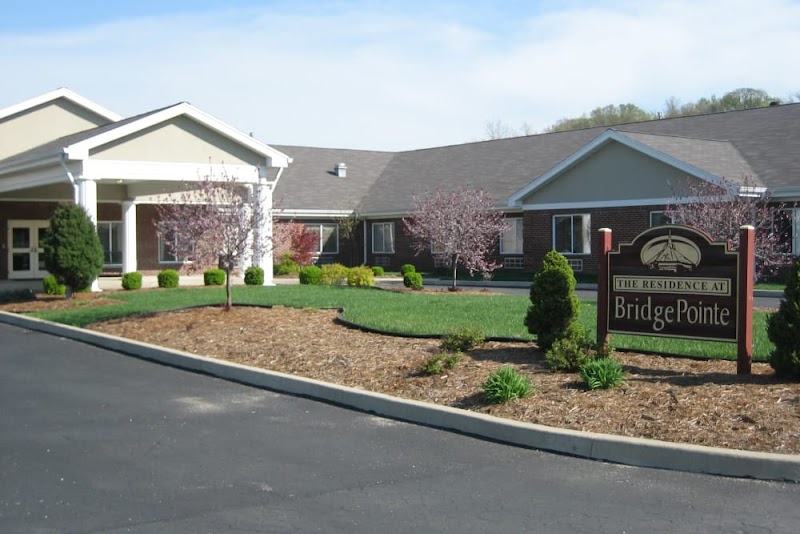
1900 COLLEGE AVE, VINCENNES, IN 47591 (812) 886-9870
For profit - Limited Liability company 75 Beds TRILOGY HEALTH SERVICES Data: November 2025
Trust Grade
85/100
#15 of 505 in IN
Last Inspection: June 2024

Within standard 12-15 month inspection cycle. Federal law requires annual inspections.

Overview

BridgePointe Health Campus in Vincennes, Indiana has a Trust Grade of B+, indicating that it is above average and recommended for families considering care options. The facility ranks #15 out of 505 nursing homes in Indiana, placing it in the top half, and it is the best option among 6 facilities in Knox County. The trend is improving, as the number of identified issues decreased from 2 in 2024 to 1 in 2025, and staffing is a strength with a rating of 4/5 stars and a turnover rate of only 32%, compared to the state average of 47%. Notably, the home has not incurred any fines, suggesting strong compliance with regulations. However, there are concerns; residents reported not being invited to care plan conferences, and kitchen sanitation issues were noted, including sticky machines and improperly stored food, which could pose health risks. Overall, while the facility has strong RN coverage and staffing, attention to food safety and resident involvement in care plans needs improvement.

Trust Score
B+
85/100
In Indiana
#15/505
Top 2%
Safety Record
Low Risk
No red flags
Inspections
Getting Better
2 → 1 violations
Staff Stability
○ Average
32% turnover. Near Indiana's 48% average. Typical for the industry.
Penalties
✓ Good
No fines on record. Clean compliance history, better than most Indiana facilities.
Skilled Nurses
✓ Good
Each resident gets 48 minutes of Registered Nurse (RN) attention daily — more than average for Indiana. RNs are trained to catch health problems early.
Violations
⚠ Watch
19 deficiencies on record. Higher than average. Multiple issues found across inspections.
★★★★★
5.0
Overall Rating
★★★★☆
4.0
Staff Levels
★★★★★
5.0
Care Quality
★★★★☆
4.0
Inspection Score
Stable
2024: 2 issues
2025: 1 issues

The Good

  • 4-Star Staffing Rating · Above-average nurse staffing levels
  • 5-Star Quality Measures · Strong clinical quality outcomes
  • Full Sprinkler Coverage · Fire safety systems throughout facility
  • No fines on record
  • Staff turnover below average (32%)

    16 points below Indiana average of 48%

Facility shows strength in staffing levels, quality measures, fire safety.

The Bad

Staff Turnover: 32%

14pts below Indiana avg (46%)

Typical for the industry

Chain: TRILOGY HEALTH SERVICES

Part of a multi-facility chain

Ask about local staffing decisions and management

The Ugly 19 deficiencies on record

Mar 2025 1 deficiency
CONCERN (D) 📢 Someone Reported This

A family member, employee, or ombudsman was alarmed enough to file a formal complaint

Potential for Harm - no one hurt, but risky conditions existed

Deficiency F0635 (Tag F0635)

Could have caused harm · This affected 1 resident

**NOTE- TERMS IN BRACKETS HAVE BEEN EDITED TO PROTECT CONFIDENTIALITY** Based on interview and record review, the facility failed to ensure physician orders were obtained and implemented following rea...

Read full inspector narrative →
**NOTE- TERMS IN BRACKETS HAVE BEEN EDITED TO PROTECT CONFIDENTIALITY** Based on interview and record review, the facility failed to ensure physician orders were obtained and implemented following readmission for 1 of 3 residents reviewed for wound care. A resident readmitted to the facility with a new pressure wound without treatment orders and treatment order was not obtained for 2 days following readmission. (Resident F) Finding includes: During record review on 3/202/4 at 1:35 P.M., Resident F's diagnoses included, but was not limited to, heart disease, anemia, weakness, and dysphagia. Resident F's admission minimum data set (MDS) assessment dated [DATE], indicated the resident had no cognitive impairment, and had no unhealed pressure wounds. Resident F's nurse's progress notes included, but were not limited to: 2/28/25 at 8:44 A.M. - Resident stated he is very weak and clammy. Orders were received to send to emergency department and emergency medical services (EMS) was notified. Report was called to (hospital) emergency department. 3/4/25 at 7:00 P.M. - Resident returned from hospital via ambulance service. An admission observation and data collection, dated 3/4/25 at 7:02 P.M., included a skin observation that indicated the resident had skin impairment that was unable to be observed to due to a dressing that was clean and intact. A note indicated the wound care nurse would evaluate the impairment. A Braden scale assessment indicated the resident was at risk for pressure and included, Resident will not develop a pressure ulcer, or if a pressure ulcer present it will not worsen. An intervention included, provide routine skin care per current order. Resident F's wound assessments indicated the resident had a pressure ulcer to the sacrum identified on 3/4/25 at 10:16 P.M. Resident F's physician orders included, but were not limited to, cleanse wound to sacrum with wound cleanser or normal saline, apply skin prep to peri-wound, apply Santyl (ointment to remove dead tissue from wounds) to wound bed, cover with island foam dressing, and change daily (received 3/6/25). Resident F's treatment administration record (TAR) for the month of March, 2025 indicated the order, cleanse wound to sacrum with wound cleanser or normal saline, apply skin prep to peri-wound, apply Santyl to wound bed, cover with island foam dressing, and change daily was not started until 3/7/25. During an interview on 3/20/25 at 2:40 P.M., RN 4 indicated she documented the first observation of Resident F's sacral wound after readmitting from the hospital on 3/4/25. RN 4 indicated a (unordered) treatment was applied to the wound and the physician was not notified of the wound at that time. During an interview on 3/20/25 at 3:20 P.M., LPN 6 indicated if a new wound is observed on a resident, the physician should be notified to obtain an order for treatment and the order should be entered into the resident record at that time. On 3/20/25 at 4:40 P.M., RN 7 supplied a facility policy titled, Guidelines for Physician Services, dated 12/17/24. The policy included, 1. The resident's attending physician shall participate in the resident's assessment . and provide consultation or treatment as required by resident condition . when consulted/called by the campus. 2. The resident's attending physician is responsible for prescribing new therapy . to ensure that the resident receives quality care and medical treatments . This citation relates to complaint IN00454560. 3.1-30(a)
Jan 2024 2 deficiencies
CONCERN (D) 📢 Someone Reported This

A family member, employee, or ombudsman was alarmed enough to file a formal complaint

Potential for Harm - no one hurt, but risky conditions existed

Deficiency F0635 (Tag F0635)

Could have caused harm · This affected 1 resident

**NOTE- TERMS IN BRACKETS HAVE BEEN EDITED TO PROTECT CONFIDENTIALITY** Based on record review and interview, the facility failed to ensure physician orders were obtained and implemented following adm...

Read full inspector narrative →
**NOTE- TERMS IN BRACKETS HAVE BEEN EDITED TO PROTECT CONFIDENTIALITY** Based on record review and interview, the facility failed to ensure physician orders were obtained and implemented following admission for 1 of 3 diabetic resident's reviewed. A resident with a diagnoses of type II diabetes did not have a physician's order to monitor their blood sugar levels for 7 days following their admission to the facility. (Resident F) Finding includes: During record review on 1/2/24 at 11:15 A.M., Resident F's diagnoses included, but was not limited to, type II diabetes mellitus with diabetic chronic kidney disease and type II diabetes mellitus with hyperglycemia. Resident F's admission MDS (minimum data set) dated, 11/29/23, indicated that the resident had diabetes mellitus and did not receive insulin. Resident F's physician orders included, but were not limited to, Trulicity Pen Injector 1.5 mg (milligrams) per ml (milliliter) for diabetes mellitus type II once a day on Mondays (started 11/22/23 on admission) Accucheck 4 times daily (started 11/29/23). A hospital Discharge summary, dated [DATE], provided discharge medications which included glucose blood test strips with instructions to test 4 times daily before meals and at bedtime. Resident F's blood sugar levels were not documented from the admission date of 11/22/23 thru 11/29/23, nor was an order obtained for monitoring the resident's blood sugar until 11/29/23. During an interview on 1/3/24 at 1:05 P.M., LPN 10 indicated that any resident with a diagnosis of type II diabetes should have a physician's order to monitor their blood sugar levels routinely. On 1/3/24 at 2:15 P.M., the DON (Director of Nursing) supplied a facility policy titled, Glucometer SOP (Standard Operating Procedure), dated 12/31/22. The policy included, .1. Blood glucose monitoring shall be completed for the resident per the physician's order . This citation relates to complaint IN00423574. 3.1-30(a)
CONCERN (D) 📢 Someone Reported This

A family member, employee, or ombudsman was alarmed enough to file a formal complaint

Potential for Harm - no one hurt, but risky conditions existed

Infection Control (Tag F0880)

Could have caused harm · This affected 1 resident

Based on observation, interview, and record review, the facility failed to ensure infection control practices were maintained during 1 of 2 observations of care. Staff failed to complete hand hygiene ...

Read full inspector narrative →
Based on observation, interview, and record review, the facility failed to ensure infection control practices were maintained during 1 of 2 observations of care. Staff failed to complete hand hygiene after removing their gloves during care, a resident's oxygen tubing and nasal cannula were allowed to fall to the floor and were repeatedly stepped on during care, and a resident's catheter drainage bag was not kept below the resident's bladder, was clipped to the side of a waste bin, and was resting on the floor. (Resident D) Finding includes: During an observation on 1/3/24 at 10:15 A.M., CNA 4 and CNA 5 were performing incontinence care for Resident D. Resident D was receiving supplemental oxygen via nasal cannula with oxygen tubing extending from the resident to the oxygen concentrator located on the floor near the resident's bed. While providing care, staff removed Resident D's supplemental oxygen and allowed the nasal cannula and tubing to fall to the floor next to the resident's bed. Throughout the incontinence care, CNA 5 stood on and stepped on the resident's oxygen tubing. Resident D also had a urinary catheter with a catheter drainage bag clipped to the side of his bed. CNA 4 provided catheter care and perineal care to Resident D, then assisted the resident to turn towards CNA 5 to remove a small amount of BM (bowel movement) from the resident's buttocks. Following care, both CNA 4 and CNA 5 removed their gloves and did not perform hand hygiene. CNA 4 briefly exited the resident's room to retrieve a Hoyer lift from the hallway just outside Resident D's room. CNA 4 proceeded to lift Resident D from his bed while the catheter drainage bag was given to Resident D to hold during the transfer to his recliner. While hanging in the Hoyer lift, Resident D's hands were in front of his face and holding on to the drainage bag, positioned above the resident's bladder. As CNA 4 lowered Resident D into his recliner, CNA 5 placed her hand on Resident D's forehead. Staff then clipped Resident D's catheter drainage bag to the side of a waste bin located next to the recliner. Staff then reinserted the resident's nasal cannula without cleaning the cannula or wiping the tubing. During an interview on 1/3/24 at 11:00 A.M., QMA 8 indicated that resident's nasal cannula and oxygen tubing should be wrapped up and placed in bag on a table or night stand when not in use. QMA 8 indicated catheter drainage bags should stay below the level of the bladder and should not be resting on the floor, and that staff should perform hand hygiene prior to donning gloves and after removing gloves. On 1/3/24 at 2:05 P.M., the DON (Director of Nursing) supplied a facility policy titled, Hand Hygiene, dated 1/18/23. The policy included, Purpose: Effective hand hygiene reduces the incidence of healthcare-associated infections . 3. Handwashing may also be used for routinely decontaminating hands in the following clinical situations: .After removing gloves . The DON also provided a policy titled Urinary Catheter Care, dated 12/31/22. The policy included, To prevent infection of the resident's urinary tract . 4. The urinary drainage bag should be held or positioned lower than the bladder to prevent the urine in the tubing and drainage bag from flowing back into the urinary bladder . 11. Be sure the catheter tubing and drainage bag are kept off the floor. 3.1-18(b) 3.1-18(l)
Dec 2022 5 deficiencies
CONCERN (D)

Potential for Harm - no one hurt, but risky conditions existed

Deficiency F0582 (Tag F0582)

Could have caused harm · This affected 1 resident

**NOTE- TERMS IN BRACKETS HAVE BEEN EDITED TO PROTECT CONFIDENTIALITY** Based on record review and interview the facility failed to provide the Centers for Medicare and Medicaid Services (CMS) form 10...

Read full inspector narrative →
**NOTE- TERMS IN BRACKETS HAVE BEEN EDITED TO PROTECT CONFIDENTIALITY** Based on record review and interview the facility failed to provide the Centers for Medicare and Medicaid Services (CMS) form 10055 (SNF) Advanced Beneficiary Notice (ABN) to 1 of 3 residents reviewed for liability notice. (Resident 16) Findings include: On 12/1/22 at 10:00 A.M., the SNF/ABN form for Resident 16 was received from SSD. Medicare Part A Skilled Services started on 6/16/22 and last day of Part A service was 7/12/2022. The facility initiated the discharge from Medicare Part A Services when benefit days were not exhausted due to her level of function. On 12/2/22 at 11:58 A.M., Resident 16's clinical record was reviewed. Resident 16 was admitted on [DATE]. Diagnoses included but were not limited to acute respiratory failure with hypoxia, acute and chronic respiratory failure with hypoxia, and unspecified atrial fibrillation. Physical therapy discharged resident from their service due to the resident's achievement of the highest function obtainable. A care conference was completed on 7/12/22 with resident and family present. There was no documentation of an ABN given to the family. During an interview on 12/5/22 at 9:25 A.M., the Infection Preventionist (IP) indicated that no ABN had been given to the family or resident at the care conference. On 12/5/22 at 9:47 A.M., a current (NOMNC Completion SOP) policy, dated 6/22/21 was provided, and indicated In order to streamline communication for completion .SNF/ABN, this SOP outlines the expectations for completion. When would we issue .If the resident has Medicare days remaining and is staying on campus .social services will issue the SNF/ABN form . 3.1-4(f)(2)
CONCERN (D)

Potential for Harm - no one hurt, but risky conditions existed

Respiratory Care (Tag F0695)

Could have caused harm · This affected 1 resident

Based on observation, interview, and record review, the facility failed to ensure a resident received necessary respiratory care and services in accordance with professional standards of practice. The...

Read full inspector narrative →
Based on observation, interview, and record review, the facility failed to ensure a resident received necessary respiratory care and services in accordance with professional standards of practice. The facility failed to follow physician oxygenation orders, date oxygen tubing, and clean the oxygen filter on 1 of 1 residents reviewed for respiratory care. (Resident 59) Finding includes: On 11/28/22 at 12:12 P.M., Resident 59 was out of his room, but the dial on his oxygen machine was set at 2 LPM (liters per minute). The tubing attached to the machine was not dated. On 11/28/22 at 2:20 P.M., Resident 59 was observed laying in bed with nasal cannula in place and the oxygen dial set at 2 LPM. The oxygen tubing was not dated and the machine's filter was observed to have a white layer of dust covering it. On 11/29/22 at 9:32 A.M., Resident 59 was observed laying in bed with nasal cannula in place and the oxygen dial set at 2 LPM. The oxygen tubing was not dated. On 11/30/22 at 9:33 A.M., Resident 59 was observed laying in bed with nasal cannula in place and the oxygen dial set at 2 LPM. The oxygen tubing was not dated. At that time, the resident indicated he doesn't change the setting on the machine. On 11/30/22 at 10:00 A.M., Resident 59's oxygen tubing was observed on the floor after incontinence care. CNA (certified nurse aide) 3 asked him to put the tubing back into his nose and resident did. On 11/30/22 at 8:53 A.M., Resident 59's oxygen tubing was observed on the floor while resident was out of his room. On 12/01/22 at 10:32 A.M., the oxygen machine was observed to have a white layer of dust over the filter. A sticker on the side of the machine and on top indicated it was serviced 6/1/22. The dial was set at 2 LPM and resident was laying in his bed with the nasal cannula in place. At that time, Resident 59 indicated he hasn't seen anyone clean or change the filter. There was no date on oxygen tubing. On 12/1/22 at 2:33 P.M., Resident 59 was observed laying in his bed with nasal cannula in place and the oxygen dial set at 2 LPM. There was no date on oxygen tubing. On 11/29/22 at 2:08 P.M., Resident 59's clinical record was reviewed. Diagnoses included, but were not limited to, COPD (chronic obstructive pulmonary disease), emphysema, and lung cancer. The most recent admission MDS Assessment, dated 10/31/22, indicated Resident 59 was cognitively intact and an extensive assist of 2 (two) staff for bed mobility and transfers. Current physician's orders included, but were not limited to, the following: Oxygen at 3 LPM per nasal cannula continuously three times a day (7:00 A.M.-2:00 P.M., 3:00 P.M.-10:00 P.M., 11:00 P.M.-6:00 A.M.) initiated 10/27/22 and discontinued 11/29/22. Oxygen at 3 LPM per nasal cannula continuously twice a day (6:00 A.M.-6:00 P.M., 6:00 P.M.-6:00 A.M.), initiated 11/29/22. Change oxygen tubing once a day on the first of the month, initiated 10/27/22. Clean external concentrator filter once a day on Sunday every two weeks, initiated 10/27/22. A current ADL's care plan, initiated 10/27/22, included, but was not limited to, the following intervention: Oxygen at 3 LPM continuous, initiated 10/27/22. A current activity intolerance care plan, initiated 11/3/22, included, but was not limited to, the following intervention: Oxygen as ordered by physician, initiated 11/3/22. A current potential for cardiovascular distress care plan, initiated 11/3/22, included, but was not limited to, the following intervention: Administer oxygen per order, initiated 11/3/22. A progress note, dated 11/9/22, indicated chest X-Ray results came back showing pneumonia in right lung and possible left base infiltrate. A new order was received for Doxycycline 100 mg bid (twice a day) for 1 week (7 days). On 11/28/22, documentation in the TAR indicated the resident was on 3 LPM of oxygen at 7:00 A.M.-2:00 P.M., 3:00 P.M.-10:00 P.M., and 11:00 P.M.-6:00 A.M when observed to receive 2 LPM. The following days, documentation in the TAR indicated the resident was on 3 LPM of oxygen at 6:00 A.M.-6:00 P.M. and 6:00 P.M.-6:00 A.M when observed to receive 2 LPM.: 11/29/22 11/30/22 12/1/22 During an interview on 12/1/22 at 2:35 P.M., RN (Registered Nurse) 2 indicated nursing staff were to set the oxygen machine to the proper LPM and Resident 59 doesn't adjust it. She further indicated the LPM is checked multiple times daily. At this time, RN 2 went into Resident 59's room and indicated the dial on the oxygen machine was on 2 LPM and it should have been at 3 LPM. On 12/2/22 at 10:51 A.M.,RN 2 indicated filters should be cleaned on night shift every 2 (two) weeks and tubing is supposed to be dated when changed. At that time, RN 2 also indicated-if oxygen tubing was observed on the floor, it should be tossed and a new one should be given to the resident. A current Administration of Oxygen policy, reviewed 12/1/21, provided by the DON (Director of Nursing) on 12/5/22 at 10:22 A.M., lacked information about documenting the level of oxygen the resident receives in the TAR, but indicated guidelines to properly administer oxygen . verify physician's order for the procedure .oxygen setting must be set and adjusted by a licensed nurse . date the tubing for the date it was initiated . adjust the oxygen delivery device so that it is comfortable for the resident and the proper flow of oxygen is administered On 12/5/22 at 10:45 A.M., the Regional Consultant indicated it was their policy to follow doctor orders as written. 3.1-47(a)(6)
CONCERN (D)

Potential for Harm - no one hurt, but risky conditions existed

Medical Records (Tag F0842)

Could have caused harm · This affected 1 resident

Based on observation, interview and record review, the facility failed to ensure residents' medical records reflected accurate documentation of current physician's orders and treatments for 1 of 3 res...

Read full inspector narrative →
Based on observation, interview and record review, the facility failed to ensure residents' medical records reflected accurate documentation of current physician's orders and treatments for 1 of 3 residents reviewed for respiratory care and 1 of 1 reviewed for nutrition. A resident's medical record indicated he consumed meals prior to the scheduled meal time and a resident's TAR (Treatment Administration Record) indicated his oxygen was set at 3 LPM (liters per minute) but was observed to receive 2 LPM. (Resident 56, Resident 59) Findings include: 1. On 12/1/22 at 8:48 A.M., Resident 56 was observed sleeping in his bed with his plate appearing untouched in front of him on the bedside table. On 12/2/22 at 11:00 A.M., Resident 56's clinical record was reviewed. Diagnoses included, but were not limited to, CVA (cerebrovascular accident) and malnutrition. The most recent quarterly MDS (Minimum Data Set) Assessment, dated 9/15/22, indicated Resident 56 was 67 inches tall and weighed 145.6 lbs (pounds), severely cognitively impaired, an extensive assist of 1 (one) staff for eating, and had a weight loss of 5% or more in last month or loss of 10% or more in 6 months and was not on a physician prescribed wt loss regimen. Current physician's orders included, but were not limited to, the following: Day shift to document intake and output for breakfast, lunch, and A.M. snack, initiated 12/14/21 and evening shift to document intake and output for dinner, P.M. snack, and bedtime snack, initiated 12/14/21. Mechanical soft diet, initiated 8/22/22. A current weight loss care plan, revised 9/28/22, included, but were not limited to, the following interventions: Monitor and record intake of food, initiated 12/15/21 and document and report refusal of meals/liquids, initiated 12/15/21. Resident 56's recorded weights included, but were not limited to, the following: 5/15/2022 9:50 A.M., 176.6 lbs 11/22/22 8:59 A.M., 145.6 lbs (weight loss of 17.55%) A meal time list, provided by the Administrator on 11/28/22, indicated the following times for skilled resident meals: Breakfast 7 A.M.-9 A.M. (open) Lunch 12:00 P.M. Dinner 5:00 P.M. From 10/1/22 to 12/2/22, the following meal consumption's were timestamped win the medical record before they were provided: 10/3/22 2:57 P.M. Dinner 76-100% 10/3/22 4:00 P.M. Dinner 76-100% (duplicate) 10/4/22 3:39 P.M. Dinner 76-100% 10/5/22 8:21 A.M. Lunch 76-100% 10/5/22 3:39 P.M. Dinner 76-100% 10/7/22 11:04 A.M. Lunch 76-100% 10/7/22 3:56 P.M. Dinner 76-100% 10/8/22 9:44 A.M. Lunch 76-100% 10/8/22 3:24 P.M. Dinner 76-100% 10/9/22 10:42 A.M. Lunch 51-75% 10/9/22 3:18 P.M. Dinner 76-100% 10/13/22 10:01 A.M. Lunch 76-100% 10/14/22 3:12 P.M. Dinner 76-100% 10/15/22 9:19 A.M. Lunch 76-100% 10/16/22 9:09 A.M. Lunch 76-100% 10/17/22 10:43 A.M. Lunch 51-75% 10/19/22 10:26 A.M. Lunch 51-75% 10/20/22 9:12 A.M. Lunch 76-100% 10/21/22 10:56 A.M. Lunch 76-100% 10/23/22 10:48 A.M. Lunch 51-75% 10/23/22 3:59 P.M. Dinner 76-100% 10/25/22 8:57 A.M. Lunch 51-75% 10/26/22 9:40 A.M. Lunch 76-100% 10/27/22 10:49 A.M. Lunch 76-100% 10/30/22 10:46 A.M. Lunch 26-50% 10/31/22 9:29 A.M. Lunch 76-100% 11/2/22 10:19 A.M. Lunch 76-100% 11/4/22 9:16 A.M. Lunch 51-75% 11/6/22 8:26 A.M. Lunch 76-100% 11/6/22 4:40 P.M. Dinner 76-100% 11/10/22 8:42 A.M. Lunch 76-100% 11/10/22 3:29 P.M. Dinner 76-100% 11/11/22 9:21 A.M. Lunch 76-100% 11/11/22 3:35 P.M. Dinner 76-100% 11/12/22 8:39 A.M. Lunch 76-100% 11/13/22 7:25 A.M. Lunch 76-100% 11/14/22 8:17 A.M. Lunch 76-100% 11/15/22 11:07 A.M. Lunch 51-75% 11/16/22 10:33 A.M. Lunch 76-100% 11/17/22 9:18 A.M. Lunch 76-100% 11/18/22 9:26 A.M. Lunch 76-100% 11/19/22 10:30 A.M. Lunch 26-50% 11/22/22 8:26 A.M. Lunch 76-100% 11/23/22 8:54 A.M. Lunch 76-100% 11/24/22 8:05 A.M. Lunch 76-100% 11/24/22 4:27 P.M. Dinner 76-100% 11/26/22 9:16 A.M. Lunch None 11/27/22 10:24 A.M. Lunch 76-100% 11/28/22 9:10 A.M. Lunch 76-100% 12/2/22 8:19 A.M. Lunch 76-100% The following days, the medical record lacked documentation of meal consumption: 10/1/22 Dinner 10/13/22 Dinner 10/27/22 Dinner 11/15/22 Dinner 11/16/22 Dinner 11/18/22 Dinner 11/19/22 Dinner 11/20/22 Dinner 11/23/22 Dinner 11/25/22 Dinner 11/26/22 Dinner 11/29/22 Dinner 12/1/22 Breakfast 12/1/22 Lunch During an interview on 12/2/22 at 9:40 A.M.,QMA (Qualified Medication Aide) 4 indicated if the resident refused a meal, it should be documented as a refusal. She further indicated meals are usually served between 7:00 A.M.-9:00 A.M. for breakfast, 12:00 P.M.-1:30 P.M. for lunch, and 5:00 P.M.-6:00 P.M. for dinner. During an interview on 12/2/22 at 10:16 A.M., CNA (Certified Nurse Aide) 5 indicated meal consumption documentation should be done after the resident eats. During an interview on 12/2/22 at 10:22 A.M., CNA 6 indicated lunch was served generally between 12:45 P.M. and 1:00 P.M. and they have until the end of their work shift to document consumption of meals. During an interview on 12/2/22 at 2:05 P.M., the Regional Consultant indicated if it's not documented in the record at all, the staff may not have been able to document meal consumption before leaving the facility. During an interview on 12/5/22 at 9:57 A.M., the Regional Consultant indicated sometimes aides document meals at the same time and if they don't go back and modify the time, it shows the time it was documented. She further indicated training would be given to staff regarding documenting in the residents' medical record. A current Nursing ADL (Activities of Daily Living) Documentation Guidelines policy, reviewed 12/1/21, provided by the DON (Director of Nursing) on 12/5/22 at 10:22 A.M., lacked info related to documentation of meal consumption, but did indicate ADL services will be conducted and documented by the CNA each shift at the point of care or as reasonably possible after care 2. On 11/28/22 at 12:12 P.M., Resident 59 was out of his room, but the dial on his oxygen machine was set at 2 LPM. On 11/28/22 at 2:20 P.M., Resident 59 was observed laying in his bed with nasal cannula in place and the oxygen dial set at 2 LPM. On 11/29/22 at 9:32 A.M., Resident 59 was observed laying in his bed with nasal cannula in place and the oxygen dial set at 2 LPM. On 11/30/22 at 9:33 A.M., Resident 59 was observed laying in his bed with nasal cannula in place and the oxygen dial set at 2 LPM. At that time, the resident indicated he doesn't change the setting on the machine. On 12/1/22 at 2:33 P.M., Resident 59 was observed laying in his bed with nasal cannula in place and the oxygen dial set at 2 LPM. On 11/29/22 at 2:08 P.M., Resident 59's clinical record was reviewed. Diagnoses included, but were not limited to, COPD (chronic obstructive pulmonary disease), emphysema, and lung cancer. The most recent admission MDS Assessment, dated 10/31/22, indicated Resident 59 was cognitively intact and an extensive assist of 2 (two) staff for bed mobility and transfers. Current physician's orders included, but were not limited to, the following: Oxygen at 3 LPM per nasal cannula continuously three times a day (7:00 A.M.-2:00 P.M., 3:00 P.M.-10:00 P.M., 11:00 P.M.-6:00 A.M.) initiated 10/27/22 and discontinued 11/29/22. Oxygen at 3 LPM per nasal cannula continuously twice a day (6:00 A.M.-6:00 P.M., 6:00 P.M.-6:00 A.M.), initiated 11/29/22. A current ADL's care plan, initiated 10/27/22, included, but was not limited to, the following intervention: Oxygen at 3 LPM continuous, initiated 10/27/22. A current activity intolerance care plan, initiated 11/3/22, included, but was not limited to, the following intervention: Oxygen as ordered by physician, initiated 11/3/22. A current potential for cardiovascular distress care plan, initiated 11/3/22, included, but was not limited to, the following intervention: Administer oxygen per order, initiated 11/3/22. During observation of resident receiving oxygen at 2 LPM on 11/28/22, 11/29/22, 11/30/22, and 12/1/22 the clinical record contained documentation that the resident was receiving 3 LPM of oxygen. During an interview on 12/1/22 at 2:35 P.M., RN (Registered Nurse) 2 indicated nursing staff were to set the oxygen machine to the proper LPM and Resident 59 doesn't adjust it. She further indicated the LPM was checked multiple times daily. At that time, RN 2 went into Resident 59's room and indicated the dial on the oxygen machine was on 2 LPM and it should have been at 3 LPM. A current Administration of Oxygen policy, reviewed 12/1/21, provided by the DON (Director of Nursing) on 12/5/22 at 10:22 A.M., lacked information about documenting the level of oxygen the resident receives in the TAR, but indicated guidelines to properly administer oxygen . verify physician's order for the procedure .oxygen setting must be set and adjusted by a licensed nurse . adjust the oxygen delivery device so that it is comfortable for the resident and the proper flow of oxygen is administered On 12/5/22 at 10:45 A.M., the Regional Consultant indicated it was their policy to follow doctor orders as written. 3.1-50(a)(2)
CONCERN (E)

Potential for Harm - no one hurt, but risky conditions existed

Deficiency F0657 (Tag F0657)

Could have caused harm · This affected multiple residents

**NOTE- TERMS IN BRACKETS HAVE BEEN EDITED TO PROTECT CONFIDENTIALITY** 3. The medical record for Resident 11 was reviewed on 11/30/22 at 12:53 P.M. The diagnosis included, but was not limited to, hyp...

Read full inspector narrative →
**NOTE- TERMS IN BRACKETS HAVE BEEN EDITED TO PROTECT CONFIDENTIALITY** 3. The medical record for Resident 11 was reviewed on 11/30/22 at 12:53 P.M. The diagnosis included, but was not limited to, hypertensive heart and chronic kidney disease with heart failure, diabetes, and cardiomyopathy, unspecified. Resident 11 was admitted to the facility on [DATE]. The quarterly MDS (Minimum Data Set) assessment, completed on 10/28/22, assessed Resident 11 as cognitively intact. During an interview on 11/28/22 at 11:32 A.M., Resident 11 indicated she did not get invited to care plan conferences. She indicated her daughter was in charge of her care. On 11/30/22 at 12:53 P.M., Resident 11's clinical record was reviewed. The latest care plan conference was documented on 6/21/22. 4. During an interview with Resident 19 on 11/29/22 at 9:07 A.M., the resident indicated she had not participated in any care plan conferences. The clinical record was reviewed on 11/30/22 at 2:43 P.M., the resident was admitted [DATE]. The facility identified care conferences as Resident First conferences. Two conferences were documented, dated 2/17/22 and 7/18/22. The records indicated that the resident and/or resident representative were invited to attend. Boxes were checked off to indicate the Social Service Director (SSD), Life Enrichment Director (LED) (activities), MDS coordinator, and resident/representative were in attendance. During an interview with SSD on 12/1/22 2:00 P.M., the SSD indicated that care conferences are supposed to be conducted quarterly. The policy was reviewed on 12/2/22 at 10:15 A.M., the facility policy indicated that care conferences are to be conducted at least quarterly and upon significant change in status. 3.1-35(c)(2)(C) 3.1-35(d)(2)(B) 2. During an interview on 11/29/22 at 11:38 A.M., Resident 35 indicated they had not been to nor been invited to any care plan conferences. On 11/29/22 at 3:00 P.M., Resident 35's clinical record was reviewed. The diagnoses included, but were not limited to, diabetes mellitus type II, chronic kidney disease, and acquired absence of right leg above the knee. Resident 35 was admitted to the facility on [DATE]. The most recent quarterly MDS assessment, dated 8/23/22, indicated Resident 35 was cognitively intact. The most recent care plan conference was documented on 7/5/22. During an interview on 12/2/22 at 2:00 P.M., the Social Services Director indicated that care plan conferences should be done quarterly and Resident 35's last care plan conference was 7/5/22. Based on interview and record review, the facility failed to ensure care plan conferences were completed. A quarterly scheduled care conference were not completed for 3 of 3 residents reviewed for care planning (Resident 19, 35, 11) and for 1 of 1 residents (Resident 45 ) reviewed for dementia care. Findings include: 1. On 11/29/22 at 2:07 P.M., Resident 45's clinical record was reviewed. Resident 45 was admitted to the facility on [DATE]. The diagnoses included, but were not limited to, non-Alzheimer's dementia and asthma. The most recent quarterly MDS (Minimum Data Set) assessment, dated 11/10/22, indicated Resident 45 was severely cognitively impaired. Resident 45's clinical record lacked any documentation of care plan conferences after 7/21/22. During an interview on 12/1/22 at 3:23 P.M., the Regional Consultant indicated resident 45's last care plan conference was 7/21/22.
CONCERN (E)

Potential for Harm - no one hurt, but risky conditions existed

Food Safety (Tag F0812)

Could have caused harm · This affected multiple residents

Based on observation, interview, and record review, the facility failed to store and serve food in accordance with professional standards for food service safety for 3 of 3 kitchen observations. Findi...

Read full inspector narrative →
Based on observation, interview, and record review, the facility failed to store and serve food in accordance with professional standards for food service safety for 3 of 3 kitchen observations. Findings include: The Main Dining room and Kitchen tour began on 11/28/22 at 8:55 A.M. The following was observed in the main dining room as follows: 1. The juice machine had a sticky substance dripping from the spouts; the area behind spouts was sticky. On 11/29/22, the juice machine was still sticky with juice dripping from one of the dispensers. 2. The coffee machine had brown debris all over the bottom portion of the machine. 3. The Coke machine levers were sticky. The following was observed in the kitchen on 11/28/22 at 9:00 A.M.: 4. Five ice cream containers in a small portable freezer had an expiration date of 11/27/22, all were open to air. Follow up observations on 11/29/22 all the ice cream containers had Saran Wrap on the top to cover them except the strawberry, which was open to air, and orange sherbet that was partially covered. The ice cream containers all had expiration dates of 12/30/22 and 12/28/22 . The name on the new labels was the kitchen manager's name. On 12/02/22 12:11 PM Four of the containers of ice cream in small freezer were uncovered. One newly-opened container of vanilla ice cream was uncovered. 5. The floor throughout the kitchen was observed to have debris. 6. In the walk-in freezer, a bag of frozen onion rings was open to air, a partial bag of chicken was not dated. 7. In the dry food storage area, a bag of dry pasta was open and not dated; a box of sprinkles expired 11/18/22. Dry spices had no observable manufacturer-provided expiration or use-by dates. One side of each container was covered by a large label that covered the whole side and had a delivery date printed on it. The lemon pepper had a delivery date of 7/3/19, thyme delivered 9/24/21, cumin 6/5/19, onion powder label is torn off, rosemary 11/13/19, nutmeg open to air, delivered 3/2/16. When the lemon pepper container was shaken, the contents did not move - it was stuck together and stuck to the sides of the container. On 11/29/22, all the spices had new labels with new expiration dates; a large bin of oatmeal was about half full, dated 11/27/22; on 12/1/22 the new label listed expiration as 12/30/22. On 12/2/22 at 10:30 A.M. during an interview with the kitchen manager and the facility administrator, the kitchen manager indicated that after 6 months the spices lose their potency. He indicated that if the spices appeared fine, they continued to use them because he stated that spices didn't really go bad. A gallon-sized clear food storage bag that contained crushed Oreos was open to air. 8. In the refrigerator there was a cracked brown egg in the back and another cracked brown egg on the side of the shelf. 9. During an interview with kitchen staff in the kitchen at that time, they stated there was no thermometer in the refrigerator; the staff produced a daily log that documented the temperature in the refrigerator that morning was 36 degrees. 10. During observation in the kitchen on 11/28/22 at 9:00 A.M., employees working in the food preparation area were not wearing hairnets, or not wearing them properly. A woman in an orange shirt had no hairnet, one woman had a hairnet wrapped around only her ponytail with the rest of her hair uncovered, a dark-haired woman had lots of loose hair sticking out of her hairnet around her face. The men working in the kitchen lacked hair nets and proper beard covers, wearing only surgical masks on their faces. 11. During observation in the kitchen on 12/1/22 at 12:15 P.M., the temperature of the food on the serving line steam table was not measured prior to serving. On 12/5/22 at 12:30 P.M. during an interview with the assistant kitchen manager and the facility administrator, the assistant kitchen manager indicated the temperature of the food was measured before staff put it on the serving line steam table. He produced a daily log of food temperatures. The log contained dates but not times indicating when the food temperature was measured, so there was no way to tell when the temperature of the food was taken nor how much time lapsed between taking the temperature and serving the food. On 12/5/22 at 2:15 P.M. the assistant kitchen manager provided the hair restraint policy dated 5/31/16, which indicates that all dining service employees are required to wear hair restraints as required by the 2009 Federal Food Code; hair restraints 2-402.11 Effectiveness. This federal policy requires that Except as provided in paragraph B of this section, food employees shall wear hair restraints such as hats, hair coverings or nets, beard restraints, and clothing that covers body hair, that are designed and worn to effectively keep their hair from contacting exposed food; clean equipment, utensils, and linens; and unwrapped single-service and single-use articles. (B) This section does not apply to food employees such as counter staff who only serve beverages and wrapped or packaged foods, hostesses, and wait staff if they present a minimal risk of contaminating exposed food; clean equipment, utensils, and linens; and unwrapped single-service and single-use articles. On 12/5/22 at 12:54 P.M. the facility administrator provide the hot and cold temperature holding guidelines dated 5/31/16. The guidelines indicated that hot food on the steam table should be at least 135 degrees Fahrenheit . The guidelines indicated that cold foods should be 40 degrees or less when the temperature is taken in the kitchen at the time of service. The guidelines indicated that thermometers should be in all refrigerators, freezers, and storage areas. 3.1-21(i)(2) 3.1-21(i)(3)
Mar 2020 11 deficiencies
CONCERN (D)

Potential for Harm - no one hurt, but risky conditions existed

Resident Rights (Tag F0550)

Could have caused harm · This affected 1 resident

**NOTE- TERMS IN BRACKETS HAVE BEEN EDITED TO PROTECT CONFIDENTIALITY** Based on observation, interview, and record review, the facility failed to ensure dignity was maintained for a resident who was ...

Read full inspector narrative →
**NOTE- TERMS IN BRACKETS HAVE BEEN EDITED TO PROTECT CONFIDENTIALITY** Based on observation, interview, and record review, the facility failed to ensure dignity was maintained for a resident who was addressed by a nickname instead of her given name for 1 of 2 residents reviewed for dignity. (Resident 59) Findings include: The clinical record for Resident 59 was reviewed on 2/24/20 at 10:40 A.M. The record indicated Resident 59's diagnoses included, but were not limited to, depression, cerebral infarction (stroke), and dysphasia. The Quarterly MDS (Minimum Data Set) assessment dated [DATE] indicated Resident 59 experienced cognitive impairment. The assessment further indicated Resident 59 required the assistance of two staff for transfers, toileting, and bed mobility. The medical record lacked a plan of care for addressing which name Resident 59 preferred. During an observation on 2/24/20 at 10:07 A.M., CNA 1 walked into Resident 59's room and addressed Resident 59 by saying, Hi, [resident's name] potato, then continued walking into the resident's bathroom where CNA 1 dropped off a package of wipes. During an interview on 2/24/20 at 10:10 A.M., Resident 59 said, That's a nickname they gave me. I told them my name is (name), not (name) potato. During an interview on 2/27/19 at 11:00 A.M., LPN 10 indicated that whenever a resident preferred to be called something other than their given name, such preferences were documented on their face sheet and care plan. Otherwise, staff were supposed to call residents by their given name, not by a nickname. During an interview on 03/02/20 at 11:23 A.M., the Administrator indicated it was the facility's policy that residents should be addressed by their given names unless the care plan indicated otherwise. 3.1-3(t)
CONCERN (D)

Potential for Harm - no one hurt, but risky conditions existed

Deficiency F0583 (Tag F0583)

Could have caused harm · This affected 1 resident

Based on observation, interview, and record review, the facility failed to ensure privacy for residents. A bathroom door was left open when a resident was assisted to use the restroom in their room fo...

Read full inspector narrative →
Based on observation, interview, and record review, the facility failed to ensure privacy for residents. A bathroom door was left open when a resident was assisted to use the restroom in their room for 1 of 10 residents observed for care. (Resident 61) Finding includes: On 2/26/20 at 11:12 A.M., CNA 3 assisted Resident 61 to the bathroom in her room. CNA 3 did not close the bathroom door. Resident 61's roommate was sitting in a wheelchair just outside the door and facing the bathroom. CNA 3 assisted Resident 61 on and off of the toilet, and provided pericare. On 2/26/20 at 10:34 A.M., Resident 61's clinical record was reviewed. The most recent MDS (Minimal Data Set) Assessment, dated 1/28/20, indicated a severe cognitive impairment, required extensive assistance of 1 for transfers, and supervision for toileting. Diagnosis included, but were not limited to, dementia and anxiety. A care plan for ADL (Activities of Daily Living) status, revised 2/6/20, included interventions, but were not limited to, resident required assist with transfers and toileting. During an interview on 2/26/20 at 10:50 A.M., CNA 3 indicated staff should shut doors, pull curtains, and keep residents covered when performing care. On 3/2/20 at 11:03 A.M., a Resident Rights Guidelines, revised 5/11/17, was provided, and indicated . Our residents have a right to . Privacy . 3.1-3(p)
CONCERN (D)

Potential for Harm - no one hurt, but risky conditions existed

Deficiency F0658 (Tag F0658)

Could have caused harm · This affected 1 resident

Based on interview and record review, the facility failed to ensure medication administration met professional standards for 1 of 1 residents reviewed for medication errors and 1 of 5 residents review...

Read full inspector narrative →
Based on interview and record review, the facility failed to ensure medication administration met professional standards for 1 of 1 residents reviewed for medication errors and 1 of 5 residents reviewed for unnecessary medications. Medications were administered in error and insulin was not administered per physician's orders. (Resident 51,Resident 2) Finding includes: 1. On 2/26/20 at 9:46 A.M., Resident 51's clinical record was reviewed. The Annual MDS (Minimum Data Set) assessment, dated 1/13/20, indicated Resident 51 had severe cognitive impairment. The Physician's Orders included, but were not limited to: Allopurinol (a medication used to treat high uric acid levels) 100 mg (milligrams), 4:00 A.M.-10:00 A.M., initiated 9/18/17. Levothyroxine (a medication used to treat thyroid hormone deficiencies) 75 mcg (micrograms), 4:00 A.M.-6:00 A.M., initiated 9/18/17. Lisinopril (a blood pressure medication) 5 mg, 4:00 A.M.-6:00 A.M., initiated 9/18/17. Namenda XR (a medication used to treat Alzheimer's Disease) 28 mg, 4:00 A.M.-6:00 A.M., initiated 9/18/17. Potassium Chloride (a medication used to treat low levels of potassium) 10 mEq (milliequivalents), 4:00 A.M.-6:00 A.M., initiated 9/18/17. Rivastigmine tartrate (a medication used to treat dementia) 4.5 mg, 4:00 A.M.-6:00 A.M., initiated 12/19/17. Citalopram (an anti-depressant medication) 10 mg, 4:00 A.M.-6:00 A.M., initiated 2/4/18. Colace (a stool softner medication)100 mg, 4:00 A.M.-6:00 A.M., initiated 5/9/19. Aspirin (a blood thinner and anti-inflammatory medication) 81 mg, 4:00 A.M.-6:00 A.M., initiated 5/24/19. Carbidopa-Levodopa (a medication used to treat Parkinson's Disease, generic for Sinemet) 10-100 mg, 4:00 A.M.-6:00 A.M., initiated 5/24/19. Furosemide (a diuretic medication) 20 mg, 4:00 A.M.-6:00 A.M., initiated 5/24/19. Miralax (a laxative medication) 17 grams, every other day, 4:00 A.M.-10:00 A.M., initiated 7/15/19. The Progress Notes included, but were not limited to: 8/4/19 at 10:47 A.M., Resident came to medication cart earlier this morning and was given the following oral medications in error. Losartan (a blood pressure medication) 100 mg. Sinemet (a medication to treat Parkinson's disease, brand name medication for carbidopa-levodopa) 10-100 mg. Claritan (an allergy medication)10 mg. Mucinex (a cold and cough medication) 600 mg. Senna (a laxative medication) 8.6 mg. Miralax 17 gm (grams). Resident had already taken her own morning medications. 8/5/19 at 10:51 A.M., Resident was given wrong medication in error. Provider and family aware, new orders given to monitor resident blood pressure. On 2/28/20 at 11:27 A.M., the DON indicated the nurse on duty on 8/4/19 was preparing medications for a resident who was at the medication cart. The DON indicated for an unknown reason the resident left the area and Resident 51 had come to the exact area. The DON indicated the nurse turned around and administered the wrong medications to Resident 51 in error and immediately realized the error. On 3/2/20 at 11:01 A.M., the Administrator provided the current Specific Medication Administration Procedures policy, revised 11/2018. The policy included, but was not limited to: Identify the resident before administering medications. 2. On 2/26/20 at 9:28 A.M., Resident 2's clinical record was reviewed. The Quarterly MDS (Minimum Data Set) assessment, dated 2/5/20, indicated Resident 2 had severe cognitive impairment, Diabetes Mellitus, and received insulin injections seven out of seven days during the assessment period. The Physician's Orders included, but were not limited to: Accuchecks (a test to measure blood sugar levels), twice a day, initiated 5/24/18. Novolog (a fast acting insulin medication), per sliding scale: If blood sugar is 150-199, give 3 units. If blood sugar is 200-249, give 6 units. If blood sugar is 250-299, give 9 units. If blood sugar is 300-349, give 12 units. If blood sugar is greater than 349, give 15 units. Twice a day, as needed, initiated 3/25/19. The December 2020 MAR (Medication Administration Record) included, but was not limited to: 12/4/19: Evening accucheck 219, no Novolog given. 12/8/19: Evening accucheck 162, no Novolog given. 12/10/19: Evening accucheck 153, no Novolog given. 12/12/19: Evening accucheck 175, no Novolog given. 12/15/19: Evening accucheck 193, no Novolog given. 12/16/19: Evening accucheck 157, no Novolog given. 12/18/19: Evening accucheck 152, no Novolog given. 12/20/19: Evening accucheck 236, no Novolog given. 12/25/19: Evening accucheck 178, no Novolog given. 12/27/19: Evening accucheck 211, no Novolog given. 12/29/19: Evening accucheck 157, no Novolog given. The January 2020 MAR included, but was not limited to: 1/1/20: Evening accucheck 158, no Novolog given. 1/6/20: Evening accucheck 173, no Novolog given. 1/7/20: Evening accucheck 210, no Novolog given. 1/8/20: Evening accucheck 195, no Novolog given. 1/9/20: Evening accucheck 174, no Novolog given. 1/10/20: Evening accucheck 167, no Novolog given. 1/11/20: Evening accucheck 188, no Novolog given. 1/13/20: Evening accucheck 198, no Novolog given. 1/16/20: Evening accucheck 250, no Novolog given. 1/17/20: Evening accucheck 175, no Novolog given. 1/20/20: Evening accucheck 200, no Novolog given. 1/21/20: Evening accucheck 245, no Novolog given. 1/23/20: Evening accucheck 181, no Novolog given. 1/25/20: Evening accucheck 182, no Novolog given. 1/26/20: Evening accucheck 204, no Novolog given. 1/29/20: Evening accucheck 152, no Novolog given. 1/30/20: Evening accucheck 242, no Novolog given. The February 2020 MAR included, but was not limited to: 2/4/20: Evening accucheck 182, no Novolog given. 2/6/20: Evening accucheck 156, no Novolog given. 2/8/20: Evening accucheck 151, no Novolog given. 2/12/20: Evening accucheck 171, no Novolog given. 2/15/20: Evening accucheck 190, no Novolog given. 2/18/20: Evening accucheck 215, no Novolog given. 2/20/20: Evening accucheck 161, no Novolog given. 2/22/20: Evening accucheck 172, no Novolog given. 2/26/20: Morning accucheck 161, no Novolog given. On 2/26/20 at 1:09 P.M., the DON indicated the as needed Novolog order was a hospice order. The DON indicated if the resident's blood sugar was greater than 150 the Novolog should have been given. The DON indicated she was unsure why it was not given when indicated. 3.1-35(g)(1)
CONCERN (D)

Potential for Harm - no one hurt, but risky conditions existed

Accident Prevention (Tag F0689)

Could have caused harm · This affected 1 resident

Based on observation, interview, and record review, the facility failed to ensure adequate supervision to prevent falls for 1 of 4 residents reviewed for falls. A resident with a history of falls had ...

Read full inspector narrative →
Based on observation, interview, and record review, the facility failed to ensure adequate supervision to prevent falls for 1 of 4 residents reviewed for falls. A resident with a history of falls had multiple falls while interventions were not in place or were ineffective. (Resident 265) Finding includes: During an observation on 2/24/20 at 10:30 A.M., Resident 265 had slid down in bed and was experiencing some confusion. During an observation on 2/26/20 at 10:08 A.M., Resident 265 was lying in bed. The resident's left eye, left cheek and nose were red and swollen. The resident had abrasions to the left cheek and nose. The resident had some confusion, asking staff where she was. Record review on 2/26/20 at 10:30 A.M., Resident 265's most recent admission MDS (Minimal Data Set), dated 2/18/20, indicated the resident's cognition was moderately impaired, the resident required extensive assistance with bed mobility, transfers, locomotion, dressing, and toileting, was admitted with a spinal fracture, and had a fall one month or less prior to admission. Resident 265's diagnoses included, but were not limited to, osteoporosis, fractured vertebra, depression, and insomnia. Orders included, but were not limited to, up with 2 assist and wheelchair, offer to sit at lounge area by nurse station attended by nurse/cna during times of restlessness, one side of bed against wall, and bed in low position. Resident 265's care plan included, but was not limited to, resident at risk for falling due to history of falls with compression fracture, impaired cognition, impaired balance, osteoporosis . Interventions included, but were not limited to, offer to sit in the lounge area at nurse station of the evening/night to watch television programming for monitoring when restless, and call light attendant to bed; check placement and function every shift. The following falls were documented for Resident 265: Fall 1. 02/17/20 at 12:40 A.M. [Staff] heard yelling from resident's room, resident found on floor. Resident did not turn on her call light for assist . Fall 2. 02/18/20 at 12:47 A.M. [Staff] heard yelling noise from resident's room. This nurse went into resident's room, resident on floor . Fall 3. 02/22/20 at 6:00 A.M. Resident alarms going off and staff with another resident and resident transferred self and landed on floor . Fall 4. 2/25/20 at 8:45 P.M., Resident has been found on floor. Full head to toe assessment done. Baseline confusion noted, resident asked where she was. Abrasion noted to left side of cheek on face . active bleeding noted, pressure applied until bleeding stopped. Left facial cheek swollen. Nasal bone appears to be not centered . A nurse's note, dated 2/25/20 at 8:15 P.M., included, Family member of resident stated she was leaving. Resident sitting in recliner watching TV. This nurse asked resident if she would like to lay down. Resident stated she liked her chair when watching TV. Call light in reach attached to her chair. Continue to monitor. During an interview on 2/27/20 at 10:00 A.M., the DON (Director of Nursing) indicated staff removed Resident 265's bed alarm pad because following 2/22/20 because it was not very effective. The DON indicated staff was unable to offer Resident 265 to sit at nurse's station on the evening of 2/25/20 due to the staff being unable to remain at the nurse' station as there was still care to be given to other resident's on the hall. On 2/28/20 at 11:45 AM, the DON provided a facility policy titled, 'Fall Management Program Guidelines', dated 5/22/18. The policy included, care plan interventions should be implemented that address the resident's risk factors. 3.1-45(a)(2)
CONCERN (D)

Potential for Harm - no one hurt, but risky conditions existed

Incontinence Care (Tag F0690)

Could have caused harm · This affected 1 resident

Based on observation, interview, and record review, the facility failed to ensure appropriate incontinence care was provided for 2 of 4 residents observed for urinary tract infections, one resident ob...

Read full inspector narrative →
Based on observation, interview, and record review, the facility failed to ensure appropriate incontinence care was provided for 2 of 4 residents observed for urinary tract infections, one resident observed with a urinary catheter, both resulting in urinary tract infections. A catheter bag and tubing was handled with bare hands and placed on the floor, hands were not washed appropriately during care, and infection control practices were not maintained during care. (Resident 33, Resident 10) Findings include: 1. On 2/24/20 at 11:04 A.M., Resident 33 was observed sitting in her room, with a catheter tube dragging the floor under her wheelchair. On 2/24/20 at 12:51 P.M., Resident 33 was observed in the main dining room with the catheter tubing rubbing against the back of her shoe. On 2/26/20 at 10:50 A.M., CNA 3 and LPN 12 were observed to assist Resident 33 with toileting in her room. Both staff entered the room, and LPN 12 closed the door, pulled the curtain, and closed the blinds. LPN 12 removed the catheter bag from the wheelchair and attached it to the sit-to-stand lift, handling the bag and tubing with bare hands. Resident 33 was taken into the bathroom. CNA 3 washed her hands for 12 seconds, put gloves on, pulled Resident 33's pants and brief down, and assisted her to sit on the toilet. CNA 3 took her gloves off, and washed her hands for 12 seconds. LPN 12 washed her hands for 4 seconds without a lather and under the water. Both staff put gloves on. CNA 3 wiped a brown substance from Resident 33, with a small amount of brown substance of the last wipe used. LPN 12 pulled Resident 33's pull up and pants up. CNA 3 indicated at that time she still needed to wipe her front, and pulled Resident 33's pants and brief back down. CNA 3 washed her hands for 9 seconds, put gloves on, and wiped Resident 33's vaginal area back to front multiple times with the same wipe, pulling the brown substance with it. Without changing gloves, or washing her hands, CNA 3 wiped Resident 33's catheter tubing with a clean wipe. The catheter tubing was grabbed at the top, and wiped top to bottom multiple times with the same wipe, and rotating hands. CNA 3 fastened the catheter tubing to the resident's thigh, then removed her gloves. LPN washed her hands for 10 seconds with no lather under the water. Resident 33 was taken out to her room, and assisted into her wheelchair. CNA 3 removed the catheter bag from the lift with bare hands, and tossed it between the resident's legs onto the floor under the wheelchair, walked around to the back of the wheelchair, picked the bag and tubing up off of the floor, and attached the bag to the side of the wheelchair. At that time, CNA 3 indicated staff should wash hands for 40 seconds, or as long as it takes to sing Happy Birthday twice, and staff should change gloves after they are soiled, such as when wiping bowel movements, before performing any other task. On 2/28/20 at 9:26 A.M., Resident 33 was observed sitting in her wheelchair in her room eating breakfast. The catheter bag was hooked to the wheelchair, and tubing was not dragging the floor. On 2/28/20 at 10:40 A.M., Resident 33's clinical record was reviewed. The most recent MDS (Minimal Data Set) Assessment (quarterly), dated 1/1/20, indicated no cognitive impairment, required extensive assistance of 2 for transfers and toileting, had an indwelling catheter with occasional incontinence of bowel, and diagnosis included, but were not limited to, dementia, anxiety, depression, and hemiplegia/hemiparesis. Other diagnosis included, but were not limited to, overactive bladder, chronic kidney disease, and intrinsic sphincter deficiency. A bowel and bladder care plan, revised 1/8/20, indicated foley catheter use. Interventions included, but were not limited to, observe for any signs of complication such as UTI (urinary tract infection), provide assist with catheter care, and change foley catheter per physician orders. UTI events included the following: Event 1. Recorded on 8/9/19 Resident returned from a hospital stay with a diagnoses of UTI and IV antibiotics. Resident was sent to the emergency room via ambulance 8/5/19 at 3:00 A.M. A urine culture and sensitivity report from the hospital, collected 8/5/19 at 3:55 A.M., indicated organisms enterobacter cloacae complex, pseudomonas aeruginosa, and enterococcus faecalis. Resident was treated with ampicillin sodium IV (8/8/19 - 8/13/19), and cefepime in dextrose 5% IV (8/8/19 - 8/14/19). Event 2. Recorded on 8/27/19 Resident admitted to the hospital 8/23/19 with diagnoses chronic UTI, and returned 8/28/19. A urine culture and sensitivity report from the hospital, dated 8/23/19, indicated organism pseudomonas aeruginosa. Resident was treated with cefepime in dextrose 5% IV (8/28/19 - 8/30/19). Event 3. Recorded on 12/8/19 A urine culture was obtained and results reported to the nurse practitioner. The urine culture was not documented in the resident's chart, and not provided. Resident was treated with Macrobid 100 mg (milligrams) (12/8/19 - 12/13/19). Event 4. Recorded on 1/27/20 Resident was noted to have increased confusion, and complained of feeling tired all the time. A urine culture was not documented in the resident's chart, and not provided. Resident was treated with Macrobid 100 mg (1/27/20 - 2/1/20). Progress notes included the following: 5/16/19 10:06 A.M. IDT note, resident made apt [appointment] with urology and was transported per family to visit. Resident requested a urinary cath related to urinary dribbling. Talked with provider to obtain a diagnosis, awaiting documentation. Will monitor. Resident demonstrates approp use of drainage bag . 8/16/19 10:37 A.M. no complaints had cva [cardiovascular accident] and uti [urinary tract infection], just finished iv abx [antibiotics] family wants to reculture urine, lungs clear, cardiac s1s2 pv, mild edema, dx htn [hypertension], copd [chronic obstructive pulmonary disease], mild edema, urinary retention, recent cva, recent uti, abx now completed obtain ua [urinalysis] cs [culture and sensitivity] 8/16/19 12:21 P.M. Attempted to change f/c [foley catheter]. Unable to get bulb to deflate. Attempted x3 nurses. Notified [MD name]. States he is out till Monday. Will call office on Monday 8/19/19 1:05 P.M. Called [MD name] r/t [related to] unable to change f/c. Informed them of her having confusion and NP [nurse practitioner] ordered labs and urine culture. Nurse at [MD name] office stated do not obtain urine culture unless res is having fever or blood in urine d/t unable to change f/c [foley catheter] at this time 8/20/19 9:51 A.M. IDT: Resident noted to have increased confusion. Provider aware and new orders given for A.M. lab draw. Also seeing [MD name] today. Event in place to monitor 8/20/19 10:27 A.M. [Name of ] County EMS notified this nurse that [MD name] office was not able to remove F/C and res had to go to [Hospital name] to have F/C removed and res [resident] should be back later this afternoon 8/20/19 1:34 P.M. [Hospital name] called with report, res will be returning this afternoon. [MD name] nurse states no F/U [follow up] appt is needed and N.N.O. [no new orders]. Res returned to facility and N.N.O. received, res is alert and awake. No c/o [complaints] voiced. Will monitor res 8/21/19 10:39 P.M. noted a little confusion had to repeat several things -res having diff understanding but this nurse was able to help res understand . res realizes her mind isn't what it was before the stroke which res having diff dealing with that. will cont to monitor 8/23/19 1:32 P.M. Resident up in w/c [wheelchair] in room resting before lunch. CRCA went to room and found resident Sleeping sitting up in chair. resident c/o severe sleepiness. stated cant stay awake. when resident sleeps O2 sat drops to 80%'s. resident states I don't feel right. [Nurse Practitioner name] here and saw resident and NO [new order] received to send to ER for eval and treat 8/23/19 4:04 P.M. res admitted to [Hospital name], dx [diagnosis]:chronic uti 2. Observed on 2/28/20 at 9:58 A.M., CNA 14 and CNA 21 entered Resident 10's room to assist with toileting. Resident 10 was already on the toilet. CNA 21 put gloves on, and wiped the front of Resident 10's peri area with a wipe 5 times with the same wipe, without folding the wipe, then wiped the back of Resident 10's peri area with a different wipe 4 times, folding once. CNA 21 pulled Resident 10's brief and pants up, assisted the resident to pivot and sit in the wheelchair. CNA 21 flushed the toilet, pushed the excess wipes into the wipes container, and closed the wipes lid with the same gloves on that were used for peri care, then took the gloves off. Without washing her hands, CNA 21 unlocked the wheelchair, and using the wheelchair handles, brought Resident 10 up to the sink to wash the resident's hands. CNA 21 assisted to rinse the resident's left hand, pushed the wheelchair out into the bedroom, attached the wheelchair foot pedals, clipped the call light to the resident's shirt, then assisted Resident 10's roommate to the bathroom without washing her hands. After performing peri care for Resident 10's roommate, CNA 21 pushed the excess wipes into the wipes container, and closed the wipes lid with the same gloves on that were used for peri care. CNA 21 washed her hands for 6 seconds with no lather and under the water. On 2/28/20 at 9:29 A.M., Resident 10's clinical record was reviewed. The most recent MDS (Minimum Data Set) Assessment Quarterly, dated 12/6/19, indicated no cognitive impairment, required extensive assistance of 2 for transfers and toileting, was frequently incontinent of bowel and bladder, and had a diagnosis, but not limited to, anxiety and depression. A bowel and bladder incontinence care plan, dated 12/27/18, indicated interventions, but were not limited to, observe for any signs of complication such as UTI, and provide incontinence care as needed. UTI events included the following: Event 1. Recorded on 5/21/19 Resident in and out cathed for urinalysis. Results shared with NP [Nurse Practitioner] and resident started on Macrobid 100 mg (5/21/19 - 6/2/19). Urine culture not completed. Event 2. Recorded on 8/1/19 Resident complained she was feeling like she had a UTI [urinary tract infection]. Order received for UA [urinalysis] and C/S [culture and sensitivity]. Urine culture indicated organism klebsiella pneumoniae ssp pneumoniae. Resident treated with Cipro 500 mg (8/2/19 - 8/8/19). Event 3. Recorded on 8/14/19 Resident complained of urine frequency and pain. Urinalysis and C/S completed. Urine culture not documented in resident's record or provided. Resident treated with Macrobid 100 mg (8/15/19 - 8/16/19), and Keflex 500 mg (8/16/19 - 9/5/19). Event 4. Recorded on 10/27/19 Resident sent to hospital with complaints of not feeling well. Came back same day with diagnosis of UTI, returned to hospital again 10/28/19. No urine culture provided. Resident treated with Bactrim DS (sulfamethoxazole-trimethoprim) 800-160 mg (10/27/19 - 10/28/19, continued in the hospital). Event 5. Recorded on 11/4/19 Resident returned from hospital with diagnoses of UTI. No urine culture provided. Resident treated with vancomycin 1250 mg IV (11/5/19 - 11/18/19) and Macrobid 100 mg (11/4/19 - 11/11/19). Event 6. Recorded on 12/3/19 Urine culture reported to NP and order for Keflex 500 mg three times a day for 10 days received. Urine culture indicated organism proteus mirabilis. Event 7. Recorded on 12/16/19 NP [Nurse Practitioner] wrote order to recheck urinalysis. Urine culture not completed. Resident treated with Cipro 250 mg (12/16/19 - 12/23/19). On 3/2/20 at 11:03 A.M., a Perineal Care for the Incontinent Guidelines was provided, revised 11/9/17, and indicated . Pay particular attention to infection prevention and control techniques when performing pericare, to prevent introduction of contamination that may lead to a urinary tract infection . On 3/2/20 at 11:03 A.M., a current Handwashing and Hand Hygiene policy, revised 2/9/17, was provided, and indicated . Health Care Workers shall use hand hygiene at times such as . Before/after having direct physical contact with resident . After removing gloves, worn per Standard Precautions for direct contact with excretions or secretions, mucous membranes, specimens, resident equipment, grossly soiled linen, etc . The policy indicated soap should be worked into a lather, then washed well for 15-20 seconds before rinsing under running water. 3.1-41(a)(2)
CONCERN (D)

Potential for Harm - no one hurt, but risky conditions existed

Pharmacy Services (Tag F0755)

Could have caused harm · This affected 1 resident

Based on interview and record review, the facility failed to ensure pharmacy services dispensed the correct medication for 1 of 1 residents reviewed for medication errors. A medication card was filled...

Read full inspector narrative →
Based on interview and record review, the facility failed to ensure pharmacy services dispensed the correct medication for 1 of 1 residents reviewed for medication errors. A medication card was filled with the incorrect dose of medication. (Resident 51) Finding includes: On 2/26/20 at 9:46 A.M., Resident 51's clinical record was reviewed. The Annual MDS (Minimum Data Set) assessment, dated 1/13/20, indicated Resident 51 had severe cognitive impairment. The Physician's Orders included, but were not limited to: Lisinopril (a blood pressure medication) 5 mg (milligrams), 4:00 A.M.-6:00 A.M., initiated 9/18/17. The Progress Notes included, but were not limited to: 9/29/19 at 4:54 P.M., received call from pharmacy instructing to pull Resident 51's Lisinopril 5 mg card because the card had Lisinopril 10 mg pills mixed in. The current card was sent on 9/16/19. Twelve doses have been given. 9/29/19 at 7:45 P.M., pharmacy notified nurse that Resident 51's Lisinopril 5 mg card also had Lisinopril 10 mg. Provider and family aware. On 2/28/20 at 11:27 A.M., the DON indicated that the pharmacy had filled Resident 51's Lisinorpil 5 mg medication card with Lisinopril 10 mg pills. The DON indicated the medication card was sent 9/16/19 and pharmacy called the facility with the error on 9/29/19. 3.1-25(g)(1)
CONCERN (D)

Potential for Harm - no one hurt, but risky conditions existed

Drug Regimen Review (Tag F0756)

Could have caused harm · This affected 1 resident

Based on interview and record review, the facility failed to ensure the pharmacist monthly medication review identified irregularities for 1 of 5 residents reviewed for unnecessary medications. (Resid...

Read full inspector narrative →
Based on interview and record review, the facility failed to ensure the pharmacist monthly medication review identified irregularities for 1 of 5 residents reviewed for unnecessary medications. (Resident 2) Finding includes: On 2/26/20 at 9:28 A.M., Resident 2's clinical record was reviewed. The Quarterly MDS (Minimum Data Set) assessment, dated 2/5/20, indicated Resident 2 had severe cognitive impairment, Diabetes Mellitus, and received insulin injections seven out of seven days during the assessment period. The Physician's Orders included, but were not limited to: Accuchecks (a test to measure blood sugar levels), twice a day, initiated 5/24/18. Novolog (a fast acting insulin medication), per sliding scale: If blood sugar is 150-199, give 3 units. If blood sugar is 200-249, give 6 units. If blood sugar is 250-299, give 9 units. If blood sugar is 300-349, give 12 units. If blood sugar is greater than 349, give 15 units. Twice a day, as needed, initiated 3/25/19. The December 2020 MAR (Medication Administration Record) included, but was not limited to: 12/4/19: Evening accucheck 219, no Novolog given. 12/8/19: Evening accucheck 162, no Novolog given. 12/10/19: Evening accucheck 153, no Novolog given. 12/12/19: Evening accucheck 175, no Novolog given. 12/15/19: Evening accucheck 193, no Novolog given. 12/16/19: Evening accucheck 157, no Novolog given. 12/18/19: Evening accucheck 152, no Novolog given. 12/20/19: Evening accucheck 236, no Novolog given. 12/25/19: Evening accucheck 178, no Novolog given. 12/27/19: Evening accucheck 211, no Novolog given. 12/29/19: Evening accucheck 157, no Novolog given. The January 2020 MAR included, but was not limited to: 1/1/20: Evening accucheck 158, no Novolog given. 1/6/20: Evening accucheck 173, no Novolog given. 1/7/20: Evening accucheck 210, no Novolog given. 1/8/20: Evening accucheck 195, no Novolog given. 1/9/20: Evening accucheck 174, no Novolog given. 1/10/20: Evening accucheck 167, no Novolog given. 1/11/20: Evening accucheck 188, no Novolog given. 1/13/20: Evening accucheck 198, no Novolog given. 1/16/20: Evening accucheck 250, no Novolog given. 1/17/20: Evening accucheck 175, no Novolog given. 1/20/20: Evening accucheck 200, no Novolog given. 1/21/20: Evening accucheck 245, no Novolog given. 1/23/20: Evening accucheck 181, no Novolog given. 1/25/20: Evening accucheck 182, no Novolog given. 1/26/20: Evening accucheck 204, no Novolog given. 1/29/20: Evening accucheck 152, no Novolog given. 1/30/20: Evening accucheck 242, no Novolog given. The February 2020 MAR included, but was not limited to: 2/4/20: Evening accucheck 182, no Novolog given. 2/6/20: Evening accucheck 156, no Novolog given. 2/8/20: Evening accucheck 151, no Novolog given. 2/12/20: Evening accucheck 171, no Novolog given. 2/15/20: Evening accucheck 190, no Novolog given. 2/18/20: Evening accucheck 215, no Novolog given. 2/20/20: Evening accucheck 161, no Novolog given. 2/22/20: Evening accucheck 172, no Novolog given. 2/26/20: Morning accucheck 161, no Novolog given. The pharmacist monthly medication reviews and recommendations failed to identify Resident 2's accuchecks greater than 150 and lack of Novolog administration. On 2/26/20 at 1:09 P.M., the DON indicated the as needed Novolog order was a hospice order. The DON indicated if the resident's blood sugar was greater than 150 the Novolog should have been given. The DON indicated she was unsure why it was not given when indicated. On 2/28/20 at 11:27 A.M., the DON indicated she thought the pharmacy should have recognized the discrepancy but was unsure. On 2/28/20 at 11:57 A.M., the Administrator provided the Facility Agreement with Consultant Pharmacist. The agreement indicated the consultant pharmacist shall be responsible for reviewing the drug regimen monthly and reporting any irregularities to the facility. 3.1-25(i)
CONCERN (D)

Potential for Harm - no one hurt, but risky conditions existed

Unnecessary Medications (Tag F0759)

Could have caused harm · This affected 1 resident

Based on observation, interview, and record review, the facility failed to ensure residents were free of a medication error rate greater than five percent 3 of 25 medications administered. The medicat...

Read full inspector narrative →
Based on observation, interview, and record review, the facility failed to ensure residents were free of a medication error rate greater than five percent 3 of 25 medications administered. The medication error rate was 12 percent. (Resident 18). Findings include: On two separate occasions Resident 18 was observed to receive insulin as follows: On 2/27/20 at 11:28 A.M., LPN 5 was observed to prepare medications for Resident 18. LPN 5 indicated there was not a Novolog insulin pen in the medication cart. LPN 5 obtained a Novolog insulin pen from the dispensing machine. LPN 5 was observed to return to the cart and prepare the Novolog injection for Resident 18. LPN 5 attempted to prepare a Tresiba insulin injection pen. LPN 5 indicated there was not enough medication in the pen. LPN 5 indicated there were 74 units left in the current Tresiba insulin pen and Resident 18 required 134 units. LPN 5 obtained an additional Tresiba injection pen from the medication room. LPN 5 returned to the medication cart and prepared the new Tresiba insulin pen with 70 units. LPN 5 entered Resident 18's room. At the bedside, LPN 5 was queried about the dosage of Tresiba related to 70 units in one Tresiba pen and 74 units in the additional Tresiba pen equal to 144 units. LPN 5 returned to the medication cart and adjusted the second Tresiba insulin pen to 60 units. On 2/28/20 at 11:41 A.M., LPN 6 was observed to prepare a Novolog insulin pen and Tresiba insulin pen for Resident 18. LPN 6 opened the bag containing the Tresiba insulin pen, turned the dial to the dosage, and placed the needle on the pen. LPN 6 was not observed to clean the tip of the Tresiba pen or prime the needle. LPN 6 then opened the bag containing the Novolog insulin pen. LPN 6 turned the dial to the dosage and placed the needle on the pen. LPN 6 was not observed to clean the tip of the Novolog insulin pen or prime the needle. LPN 6 entered Resident 18's room and administered the Tresiba and Novolog insulin pens. On 2/27/20 at 2:08 P.M., Resident 18's clinical record was reviewed. The Annual MDS (Minimum Data Set) assessment, dated 12/19/19, indicated Resident 18 had no cognitive impairment and had a diagnosis of Diabetes Mellitus. The Physician's Orders included, but were not limited to: Novolog Flexpen per sliding scale. If blood sugar is 151-200, give 2 units. If blood sugar is 201-250, give 4 units. If blood sugar is 251-300, give 6 units. If blood sugar is 301-350, give 8 units. If blood sugar is greater than 350, give 10 units, initiated 2/5/19. Novolog Flexpen 18 units before meals, initiated 4/15/19. Tresiba FlexTouch 134 units, initiated 6/7/19. On 3/2/20 at 10:10 A.M., LPN 7 indicated that prior to administering an insulin pen, the tip should be cleansed and the needle should be primed. On 3/2/20 at 11:05 A.M., the DON indicated the facility followed the manufacturer instructions for the administration of insulin pens. Instructions for use of a Novolog FlexPen were located on the company's website, novomedlink.com, A Guide to Using Your Novolog FlexPen. The instructions read as follows: .Pull off the pen cap and wipe the rubber stopper with an alcohol swab . 3.1-25(b)(9)
CONCERN (D)

Potential for Harm - no one hurt, but risky conditions existed

Deficiency F0761 (Tag F0761)

Could have caused harm · This affected 1 resident

2. On 2/28/20 at 10:10 A.M., the 100 Hall Medication Cart was observed with the following: a. 10 circular pills loose in the cart b. 1 capsule loose in the cart At that time, LPN 7 indicated carts wer...

Read full inspector narrative →
2. On 2/28/20 at 10:10 A.M., the 100 Hall Medication Cart was observed with the following: a. 10 circular pills loose in the cart b. 1 capsule loose in the cart At that time, LPN 7 indicated carts were checked weekly. 3. On 2/28/20 at 10:16 A.M., the 200 Hall Medication Cart was observed with the following: a. 1 circular pill loose in the cart b. 1 capsule loose in the cart c. An unopened Tresiba FlexTouch Pen stored in the cart. d. A Novolog FlexPen stored in a Tresiba FlexTouch pen bag. At that time, LPN 6 indicated the unopened Tresiba FlexTouch Pen should be stored in the refrigerator. On 3/2/20 at 11:01 A.M., the Administrator provided the current Medication Storage In the Facility policy, revised 10/2019. The policy included, but was not limited to: All medications dispensed by the pharmacy are stored in the container with the pharmacy label. 3.1-25(k)(3) 3.1-25(k)(5) 3.1-25(o) Based on observation, interview, and record review, the facility failed to ensure medications were stored properly for 2 of 3 medication carts observed. (100 Hall Medication Cart, 200 Hall Medication Cart) Findings include: 1. During an observation on 2/28/20 at 10:05 A.M., a medication distribution card with 30 tablets of Omepersole belonging to Resident 31 was observed under the medication cart on 100 Hall. No nurses were observed in the vicinity of the medication cart at the time. During an interview on 2/28/20 at 10:10 A.M., LPN 10 indicated she had placed the medication card in the bottom drawer of the medication cart and that, while she was closing the drawer, the medication card must have fallen out of the drawer and onto the floor. LPN 10 indicated she had not noticed the medication card on the floor before she walked away from the medication cart. On 2/28/20 at 11:35 A.M., the clinical record of Resident 31 was observed. A physician's order for Resident 31 was dated 10/17/18, and it read as follows: .omeprazole .40 mg [milligrams] .Once a day . During an interview on 3/2/20 at 10:38 A.M., the Administrator indicated that the nursing staff should have observed the floor around the cart to ensure no medications had fallen on the floor before walking away from the medication cart.
CONCERN (D)

Potential for Harm - no one hurt, but risky conditions existed

Infection Control (Tag F0880)

Could have caused harm · This affected 1 resident

**NOTE- TERMS IN BRACKETS HAVE BEEN EDITED TO PROTECT CONFIDENTIALITY** On 3/2/20 at 11:03 A.M., a current Handwashing and Hand Hygiene policy, revised 2/9/17, was provided, and indicated . Health Car...

Read full inspector narrative →
**NOTE- TERMS IN BRACKETS HAVE BEEN EDITED TO PROTECT CONFIDENTIALITY** On 3/2/20 at 11:03 A.M., a current Handwashing and Hand Hygiene policy, revised 2/9/17, was provided, and indicated . Health Care Workers shall use hand hygiene at times such as . Before/after having direct physical contact with resident . After removing gloves, worn per Standard Precautions for direct contact with excretions or secretions, mucous membranes, specimens, resident equipment, grossly soiled linen, etc . The policy indicated soap should be worked into a lather, then washed well for 15-20 seconds before rinsing under running water. 3.1-18(b) 3.1-18(l) 2. On 2/27/20 at 9:15 A.M., CNA 4 and CNA 30 were observed to transfer and provide incontinence care for Resident 2. CNA 4 and CNA 30 washed their hands and donned gloves. CNA 4 connected the lift pad under Resident 2 to the mechanical lift. CNA 4 and CNA 30 transferred Resident 2 to the bed. CNA 4 removed her gloves and washed her hands. CNA 30 assisted Resident 2 to turn to remove the lift pad. CNA 4 exited the room to obtain gloves. CNA 4 returned to the resident room and donned gloves. CNA 30 and CNA 4 removed Resident 2's pants. CNA 4 and CNA 30 unhooked the the adult incontinence brief. A brown substance was observed to be in the adult incontinence brief. CNA 4 cleansed Resident 2's perineal area and buttocks. CNA 4 removed her gloves and donned clean gloves. No hand hygiene was observed. CNA 4 and CNA 30 applied pressure relive boots to Resident 2's feet. CNA 4 picked up the trash bag with soiled material, removed the glove from the left hand, and held the trash bag with her right hand. CNA 4 exited the room and walked down the hall to the soiled utility room. CNA 4 opened the door to the soiled utility room, threw away the trash bag, removed the glove from her right hand, and washed her hands. Based on observation, interview, and record review, the facility failed to ensure infection control practices were implemented for 2 of 10 observations of care. Hand washing was not performed correctly and incontinence care was not performed following infection control practices. (Resident 46, Resident 2) Findings include: 1. During an observation on 2/28/20 at 9:43 A.M., CNA 13 and Resident 46 were observed in the resident's bathroom. CNA 13 donned gloves and placed a gait belt around the waist of Resident 46. CNA 13 assisted the resident to stand, pulled down the residents pants and brief, and assisted Resident 46 to sit on the toilet. CNA 13 removed the residents brief, indicated the resident's brief was wet, and disposed the brief in the trash. CNA 13 washed her hands in the resident's sink for 6 seconds and then dried them with a paper towel. CNA 13 removed a clean pair of the resident's pants from the closet and placed them on the arm rest of the wheelchair. CNA 13 donned gloves, removed the resident's shoes and dirty pants, and placed the pants on the floor while obtaining a plastic bag for the dirty laundry. CNA 13 removed her gloves and donned a new pair of gloves. CNA 13 took a paper towel and cleaned powder off the bathroom floor. CNA 13 removed her gloves, washed her hands for 8 seconds, dried her hands, and donned clean gloves. CNA 13 put the resident's pants and shoes on, removed her gloves, and washed hands for 6 seconds. Resident 46 indicated she was not ready to get up from the toilet. CNA 13 reminded Resident 46 to use the call light when she was finished and told the resident she would return. The clinical record for Resident 46 was reviewed on 2/25/20 at 10:28 A.M. The record indicated Resident 46's diagnoses included, but were not limited to, diabetes mellitus, chronic obstructive pulmonary disease, and peripheral vascular disease. The Quarterly MDS (Minimum Data Set) assessment dated [DATE] indicated Resident 46 experienced cognitive impairment. The assessment further indicated Resident 46 was frequently incontinent of bladder and bowel and required the assistance of two staff for transfers, toileting, and bed mobility.
CONCERN (E)

Potential for Harm - no one hurt, but risky conditions existed

Food Safety (Tag F0812)

Could have caused harm · This affected multiple residents

Based on observation, interview, and record review, the facility failed to ensure proper food storage and food sanitation practices were maintained during 2 of 2 kitchen observations and 1 of 2 Reside...

Read full inspector narrative →
Based on observation, interview, and record review, the facility failed to ensure proper food storage and food sanitation practices were maintained during 2 of 2 kitchen observations and 1 of 2 Resident Refrigerator observations. Hand hygiene was not performed, frozen foods were left open to air, foods were not labeled or dated, and food items were mislabeled. Findings include: 1. During an initial kitchen observation on 2/24/20 at 10:00 A.M., a standing freezer contained the following: 1 bag of waffles in a package labeled as sliced bread. 1 bag of chicken tenders open to air. 1 bag of pork fritters open to air. 1 bag of breaded fish unlabeled and undated. 1 bag of chicken patties unlabeled and undated. A walk in freezer contained the following: 2 bags of breaded meat product unlabeled and undated. 1 bag of ribs labeled as frozen leftovers. 1 bag of frozen muffins labeled as frozen leftovers. 2 wrapped pies labeled as frozen leftovers. 2. During a second observation on 2/27/20 at 9:15 A.M., a standing freezer contained the following: 1 bag of chicken open to air 1 bag of breaded catfish open to air 1 bag of waffles labeled frozen leftovers. 3. On 2/24/20 at 12:03 P.M., Dietary 3 was observed behind the serving line with gloves on her hands. Dietary 3 dropped her pen on the floor, picked it up, placed it in her coat pocket, obtained the thermometer from the tomatoes, wiped the thermometer off with a towel, and began serving food to the dining room. No hand hygiene or glove change was observed. 4. On 2/28/20 at 10:18 A.M., the 400 Hall Medication Room was observed. In the resident refrigerator the following was observed: a. One bowl of uncovered and unlabeled food. b. One bowl of unlabeled food. c. Two containers of applesauce, opened, with no open date. During an interview on 2/27/20 at 9:20 A.M., the Dietary Manager (DM) indicated food should not be stored open to air and should be labeled and dated. The DM indicated the frozen leftover label is often used when labeling frozen leftovers. On 2/27/20 at 10:30 A.M., the DON (Director of Nursing) supplied an undated facility policy titled, Storage. The policy included, Food and supplies shall be properly stored to keep foods safe and preserve flavor, nutritive value, and appearance . All foods in the freezer are wrapped in moisture proof wrapping or placed in suitable containers to prevent freezer burn. Items are labeled and dated. 3.1-21(i)(2) 3.1-21(i)(3)
Understanding Severity Codes (click to expand)
Life-Threatening (Immediate Jeopardy)
J - Isolated K - Pattern L - Widespread
Actual Harm
G - Isolated H - Pattern I - Widespread
Potential for Harm
D - Isolated E - Pattern F - Widespread
No Harm (Minor)
A - Isolated B - Pattern C - Widespread

Questions to Ask on Your Visit

  • "Can I speak with families of current residents?"
  • "What's your RN coverage like on weekends and overnight?"

Our Honest Assessment

Strengths
  • • Grade B+ (85/100). Above average facility, better than most options in Indiana.
  • • No major safety red flags. No abuse findings, life-threatening violations, or SFF status.
  • • No fines on record. Clean compliance history, better than most Indiana facilities.
  • • 32% turnover. Below Indiana's 48% average. Good staff retention means consistent care.
Concerns
  • • 19 deficiencies on record. Higher than average. Multiple issues found across inspections.
Bottom line: Generally positive indicators. Standard due diligence and a personal visit recommended.

About This Facility

What is Bridgepointe Health Campus's CMS Rating?

CMS assigns BRIDGEPOINTE HEALTH CAMPUS an overall rating of 5 out of 5 stars, which is considered much above average nationally. Within Indiana, this rating places the facility higher than 99% of the state's 100 nursing homes. This rating reflects solid performance across the metrics CMS uses to evaluate nursing home quality.
How is Bridgepointe Health Campus Staffed?

CMS rates BRIDGEPOINTE HEALTH CAMPUS's staffing level at 4 out of 5 stars, which is above average compared to other nursing homes. Staff turnover is 32%, compared to the Indiana average of 46%. This relatively stable workforce can support continuity of care.

What Have Inspectors Found at Bridgepointe Health Campus?

State health inspectors documented 19 deficiencies at BRIDGEPOINTE HEALTH CAMPUS during 2020 to 2025. These included: 19 with potential for harm.
Who Owns and Operates Bridgepointe Health Campus?

BRIDGEPOINTE HEALTH CAMPUS is owned by a for-profit company. For-profit facilities operate as businesses with obligations to shareholders or private owners. The facility is operated by TRILOGY HEALTH SERVICES, a chain that manages multiple nursing homes. With 75 certified beds and approximately 64 residents (about 85% occupancy), it is a smaller facility located in VINCENNES, Indiana.
How Does Bridgepointe Health Campus Compare to Other Indiana Nursing Homes?

Compared to the 100 nursing homes in Indiana, BRIDGEPOINTE HEALTH CAMPUS's overall rating (5 stars) is above the state average of 3.1, staff turnover (32%) is significantly lower than the state average of 46%, and health inspection rating (4 stars) is above the national benchmark.

What Should Families Ask When Visiting Bridgepointe Health Campus?

Based on this facility's data, families visiting should ask: "Can I visit during a mealtime to observe dining assistance and food quality?" "How do you handle medical emergencies, and what is your hospital transfer rate?" "Can I speak with family members of current residents about their experience?"

Is Bridgepointe Health Campus Safe?

Based on CMS inspection data, BRIDGEPOINTE HEALTH CAMPUS has a clean safety record: no substantiated abuse findings (meaning no confirmed cases of resident harm), no Immediate Jeopardy citations (the most serious violation level indicating risk of serious injury or death), and is not on the Special Focus Facility watch list (a federal program monitoring the lowest-performing 1% of nursing homes). The facility has a 5-star overall rating and ranks #1 of 100 nursing homes in Indiana. While no facility is perfect, families should still ask about staff-to-resident ratios and recent inspection results during their visit.

Do Nurses at Bridgepointe Health Campus Stick Around?

BRIDGEPOINTE HEALTH CAMPUS has a staff turnover rate of 32%, which is about average for Indiana nursing homes (state average: 46%). Moderate turnover is common in nursing homes, but families should still ask about staff tenure and how the facility maintains care continuity when employees leave.

Was Bridgepointe Health Campus Ever Fined?

BRIDGEPOINTE HEALTH CAMPUS has no federal fines on record. CMS issues fines when nursing homes fail to meet care standards or don't correct problems found during inspections. The absence of fines suggests the facility has either maintained compliance or corrected any issues before penalties were assessed. This is a positive indicator, though families should still review recent inspection reports for the full picture.

Is Bridgepointe Health Campus on Any Federal Watch List?

BRIDGEPOINTE HEALTH CAMPUS is not on any federal watch list. The most significant is the Special Focus Facility (SFF) program, which identifies the bottom 1% of nursing homes nationally based on persistent, serious quality problems. Not being on this list means the facility has avoided the pattern of deficiencies that triggers enhanced federal oversight. This is a positive indicator, though families should still review the facility's inspection history directly.