AUTUMN RIDGE REHABILITATION CENTRE
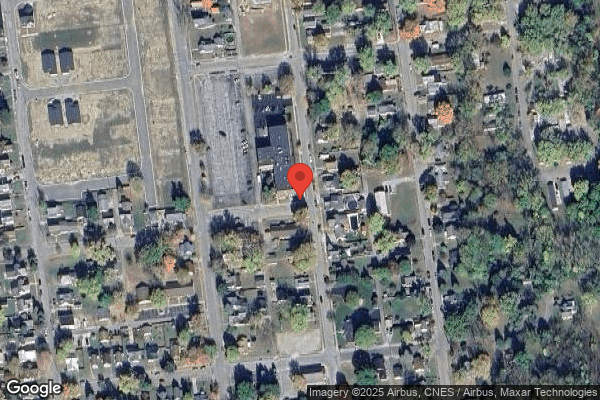
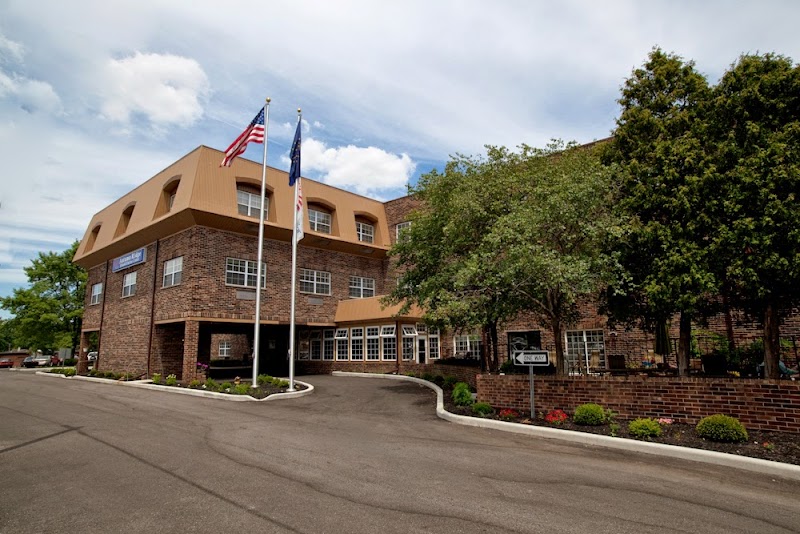
600 WASHINGTON AVE, WABASH, IN 46992 (260) 563-8402
For profit - Corporation 75 Beds AMERICAN SENIOR COMMUNITIES Data: November 2025
Trust Grade
70/100
#215 of 505 in IN
Last Inspection: March 2025

Within standard 12-15 month inspection cycle. Federal law requires annual inspections.

Overview

Autumn Ridge Rehabilitation Centre has a Trust Grade of B, indicating it is a good choice for nursing care. It ranks #215 out of 505 facilities in Indiana, placing it in the top half for the state, and #5 out of 8 in Wabash County, meaning there are only four local options better than this facility. Unfortunately, the facility is showing a worsening trend, with issues increasing from 3 in 2024 to 4 in 2025. Staffing is a relative strength, with a rating of 3 out of 5 stars and a turnover rate of 38%, which is below the state average. There have been no fines, and the facility boasts better RN coverage than 76% of Indiana facilities, which is beneficial for catching potential problems. However, there are some concerns. Recent inspections found that staff failed to respond timely to a resident's request for assistance with bed mobility, which could compromise the resident's dignity. Another resident reported not receiving nail care since their admission, indicating a lack of attention to personal grooming. Additionally, residents expressed that bedtime snacks were only offered about half the time, suggesting inconsistencies in meal services. While there are strengths in staffing and RN coverage, these specific incidents highlight areas that need improvement.

Trust Score
B
70/100
In Indiana
#215/505
Top 42%
Safety Record
Low Risk
No red flags
Inspections
Getting Worse
3 → 4 violations
Staff Stability
○ Average
38% turnover. Near Indiana's 48% average. Typical for the industry.
Penalties
✓ Good
No fines on record. Clean compliance history, better than most Indiana facilities.
Skilled Nurses
✓ Good
Each resident gets 43 minutes of Registered Nurse (RN) attention daily — more than average for Indiana. RNs are trained to catch health problems early.
Violations
○ Average
7 deficiencies on record. Average for a facility this size. Mostly minor or procedural issues.
★★★☆☆
3.0
Overall Rating
★★★☆☆
3.0
Staff Levels
★☆☆☆☆
1.0
Care Quality
★★★★☆
4.0
Inspection Score
Stable
2024: 3 issues
2025: 4 issues

The Good

  • Full Sprinkler Coverage · Fire safety systems throughout facility
  • No fines on record
  • Staff turnover below average (38%)

    10 points below Indiana average of 48%

Facility shows strength in fire safety.

The Bad

3-Star Overall Rating

Near Indiana average (3.1)

Meets federal standards, typical of most facilities

Staff Turnover: 38%

Near Indiana avg (46%)

Typical for the industry

Chain: AMERICAN SENIOR COMMUNITIES

Part of a multi-facility chain

Ask about local staffing decisions and management

The Ugly 7 deficiencies on record

Mar 2025 4 deficiencies
CONCERN (D)

Potential for Harm - no one hurt, but risky conditions existed

Resident Rights (Tag F0550)

Could have caused harm · This affected 1 resident

Based on observation and interview, the facility failed to protect a resident's dignity by failing to respond to a resident's request to provide needed assistance with bed mobility for toileting needs...

Read full inspector narrative →
Based on observation and interview, the facility failed to protect a resident's dignity by failing to respond to a resident's request to provide needed assistance with bed mobility for toileting needs for 1 of 41 residents reviewed for dignity. (Resident 194) Findings include: During a random observation, on 3/25/25 at 10:50 a.m., Resident 194 was resting in bed on his back. The head of bed (HOB) was slightly elevated. At that time, the resident was trying to use his urinal. His left foot dangled off the side of the bed. Resident 194 asked CNA 9 to reposition him in bed. CNA 9 walked toward his door and replied, give me a second. CNA 9 had not returned to the resident's room as of 11:04 a.m. the resident had managed to get a small amount of urine into his urinal. The urinal was still positioned between his legs. At 11:05 a.m., CNA 10 entered his room. He asked CNA 10 to reposition him in bed. CNA 10 helped reposition the resident in bed before exiting his room. During an interview, on 3/25/25 at 11:08 a.m., CNA 10 indicated she was covering both halls, as the other CNA was on break. CNA 9 had not informed her that Resident 194 requested to be adjusted in bed. During an interview, on 3/25/25 at 11:10 a.m., CNA 9 indicated Resident 194 was messing with his privates and she wanted to give him privacy. The DON asked if she could help another resident, and she forgot to go back and reposition Resident 194. Resident 194's clinical record was reviewed on 3/28/25 at 9:20 a.m. Diagnoses included chronic obstructive pulmonary disease (difficulty breathing), heart failure, acute respiratory failure with hypoxia (lack of oxygen), hypertension (high blood pressure) and type 2 diabetes mellitus. Resident 194's comprehensive care plan, dated 3/20/25, indicated he required assistance with activities of daily living (ADLs) including bed mobility, transfers, eating and toileting. Interventions included to assist with bed mobility as needed. During an interview, on 3/25/25 at 2:59 p.m., Resident 32 indicated she had to wait an hour before someone assisted her. Staff would come in, turn off her call light, and leave. It would take a while before staff returned to assist her. During an interview, on 3/26/25 at 9:34 a.m., Resident 20 indicated call lights took a while to be answered. Staff would turn off the call light and leave without providing any assistance. The staff members would return, it could take a long time. During an interview, on 3/28/25 at 11:16 a.m., the DON indicated she expected staff to reposition residents when they requested. They should reposition the resident before leaving the room. It was not acceptable for residents to wait 20 or more minutes to have their call lights answered. During an interview, on 3/28/25 at 2:50 p.m., CNA 8 indicated a resident should not have to wait more than 15 minutes for their call light to be answered. If a resident asked to be repositioned, he would reposition that resident before exiting their room. During an interview, on 3/31/25 at 9:46 a.m., the administrator indicated he did not have a policy regarding answering call lights in a timely manner. 3.1-37(a)
CONCERN (D)

Potential for Harm - no one hurt, but risky conditions existed

ADL Care (Tag F0677)

Could have caused harm · This affected 1 resident

**NOTE- TERMS IN BRACKETS HAVE BEEN EDITED TO PROTECT CONFIDENTIALITY** Based on observation, interview, and record review, the facility failed to provide daily grooming assistance for nail care for 1...

Read full inspector narrative →
**NOTE- TERMS IN BRACKETS HAVE BEEN EDITED TO PROTECT CONFIDENTIALITY** Based on observation, interview, and record review, the facility failed to provide daily grooming assistance for nail care for 1 of 3 residents reviewed for Activities of Daily Living (ADLs). (Resident 37) Findings include: During a random observation, on 3/25/25 at 11:39 a.m., Resident 37 was sitting in a recliner in front of his television. Resident 37 indicated no one has offered to cut his fingernails since his admission on [DATE]. His nails were varying lengths between 1/16th and 1/8th inches long. Resident 37's clinical record was reviewed on 3/26/25 at 2:27 p.m. Diagnoses included fracture of the left femur, muscle weakness, anxiety, depression, essential hypertension (high blood pressure), and unspecified mood disorder. An admission Minimum Data Set (MDS) assessment, dated 2/21/25, indicated Resident 37 was cognitively intact. No behaviors were identified during the assessment period. He required set up or cleanup assistance for personal hygiene and had upper extremity impairment on one side of his body. Rejection of care was not documented during this assessment period. During a random observation, on 3/27/25 at 11:24 a.m., Resident 37 was sitting in his recliner in front of his television. Resident 37 indicated he had asked a staff member about cutting his nails. That staff member was going to notify the nurse about trimming his fingernails. His nails were long and jagged. His right thumb nail came to a point. His right index finger and middle finger were 1/16th inches long. His left thumb nail was 1/8th inch long and jagged. His left ring finger was very sharp and jagged. During an interview, on 3/27/25 at 12:28 p.m., CNA 6 indicated the CNAs would cut residents' fingernails whenever there was a need. During an interview, on 3/28/25 at 10:42 a.m., CNA 7 indicated residents' fingernails were cut whenever they needed to be cut or whenever the resident would request their nails be cut. During a random observation, on 3/28/25 at 10:46 a.m., Resident 37 indicated he had asked a staff member the night before to cut his fingernails. His nails were still between 1/16th and 1/8th inches long. Seven out of his ten fingernails were sharp, jagged, or chipped. His left thumb nail being the longest. During an interview, on 3/28/25 at 11:16 a.m., the DON indicated a non-diabetic resident's fingernails are cut by either the CNA or activities. Generally, nail care was provided on shower days. Staff looked at resident fingernails routinely. Any resident who declined nailed care would have a note on the resident's shower sheet. During an interview, on 3/28/25 at 2:33 p.m., CNA 8 indicated the CNA was responsible for cutting a non-diabetic resident's nails. He cuts residents' fingernails during their PM care. If a resident declined nail care, he was unsure where that would be documented. During an interview, on 3/31/25 at 9:46 a.m., Resident 37 indicated CNA 8 had cut his thumb nails while the resident was able to cut his other fingernails. CNA 8 had left the fingernail clippers on Resident 37's bedside table for future use. He indicated it was a struggle for him to cut his fingernails. During an interview, on 3/31/25 at 2:15 p.m., the Administrator indicated he did not have a policy on nail care/ grooming nails. 3.1-38(3)(E)
CONCERN (D)

Potential for Harm - no one hurt, but risky conditions existed

Deficiency F0809 (Tag F0809)

Could have caused harm · This affected 1 resident

Based on observation and interview, the facility failed to offer and/or provide bedtime snacks to 6 of 6 residents reviewed for frequency of meals. (Residents 5, 6, 7, 33, 36, 37) Findings include: Du...

Read full inspector narrative →
Based on observation and interview, the facility failed to offer and/or provide bedtime snacks to 6 of 6 residents reviewed for frequency of meals. (Residents 5, 6, 7, 33, 36, 37) Findings include: During a resident council meeting, on 3/26/25 at 1:27 p.m., four members were present (Residents 5, 6, 7, and 33) and each indicated bedtime snacks were offered approximately half the time. 1. Resident 37's clinical record was reviewed on 3/26/25 at 2:27 p.m. Diagnoses included fracture of the left femur, muscle weakness, anxiety, depression, hypertension (high blood pressure), and unspecified mood disorder. Current physician's orders included offering a bedtime snack. An admission MDS assessment, dated 2/21/25, indicated Resident 37 was cognitively intact. He required set up or clean-up assistance with eating. He required substantial/maximal assistance with sit to lying, lying to sitting, sit to stand, and chair/bed to chair transfer. During an interview, on 3/28/25 at 12:11 p.m., Resident 37 indicated snacks were offered at times. 2. Resident 36's clinical record was reviewed on 3/27/25 at 2:30 p.m. Diagnoses included myocardial infarction (heart attack), heart failure, right side hemiplegia (paralysis), generalized anxiety disorder, cerebral infarction (a stroke), and acute respiratory failure. Current physician's orders included offering a bedtime snack. An admission MDS assessment, dated 2/22/25, indicated Resident 36 was mildly cognitively impaired. He required substantial/maximal assistance with rolling to the left and right, sit to lying, lying to sitting, sit to stand, and chair/bed to chair transfer. During an interview, on 3/28/25 at 3:17 p.m., Resident 36 indicated he had never received or had been offered a bedtime snack. He took medications at bedtime and would like a snack. 3. Resident 7's clinical record was reviewed on 3/28/25 at 11:38 a.m. Diagnoses included chronic obstructive pulmonary disease, morbid obesity, type 2 diabetes mellitus, seizures, major depressive disorder, schizophrenia, heart failure and hypertension (high blood pressure). Current physician's orders included offering a bedtime snack A quarterly MDS assessment, dated 2/25/25, indicated Resident 7 was cognitively intact. He required setup or clean- up assistance with eating. 4. Resident 5's clinical record was reviewed on 3/31/25 at 9:59 a.m. Diagnoses included cerebral infarction (stroke), malignant neoplasm of breast (breast cancer), hypertension (high blood pressure), chronic kidney disease, type 2 diabetes mellitus, and heart failure. Current physician's orders included offering a bedtime snack. A quarterly Minimum Data Set (MDS) assessment, dated 2/3/25, indicated Resident 5 was cognitively intact. She required substantial/maximal assistance with rolling to the left and right, sit to lying, and lying to sitting. She required partial/ moderate assistance with sit to stand and chair/bed to chair transfers. During an interview, on 3/28/25 at 2:23 p.m., Resident 5 indicated she received her bedtime snacks occasionally, when the facility had snacks available. 5. Resident 33's clinical record was reviewed on 3/31/25 at 3:30 p.m. Diagnoses included atrial fibrillation (irregular heartbeat), chronic kidney disease, type 2 diabetes mellitus, muscle weakness, difficulty walking, fatigue, abnormal weight loss, and Alzheimer's disease. Current physician's orders included offering a bedtime snack. An admission MDS assessment, dated 12/26/24, indicated Resident 33 was cognitively intact. He required setup or clean- up assistance with eating. He required supervision or touching assistance with sitting to stand, and chair/bed to chair transfer. 6. Resident 6's clinical record was reviewed on 3/31/25 at 3:35 p.m. Diagnoses included chronic obstructive pulmonary disease (difficulty breathing), heart failure, hypertension (high blood pressure), anxiety, type 2 diabetes mellitus, and muscle weakness. Current physician's orders included offering a bedtime snack. A quarterly MDS assessment, dated 2/12/25, indicated Resident 6 was cognitively intact. She required setup or clean-up assistance with eating. She required substantial/ maximal assistance with sitting to stand, and chair/bed to chair transfers. During an interview, on 3/28/25 at 11:41 a.m., Resident 6 indicated she asked for snacks in the past, but staff indicated they were out. She was supposed to get a cookie every night. Last night was the first time in two weeks she had received her snack. During an interview, on 3/28/25 at 2:50 p.m., CNA 8 indicated bedtime snacks were offered when residents were placed into bed for the night. They have run out of snacks on the third floor in the past. There was a locked pantry to the right of the elevators where resident snacks were kept. At the same time as the interview, an observation of the pantry included the following: five bottles of Gatorade in the refrigerator and eight single serve fig cookie bars were inside a small plastic storage container. During an interview, on 3/28/25 at 4:00 p.m., the Dietary Manager indicated dietary staff delivered bedtime snacks every evening. Bedtime snack options included peanut butter crackers, cottage cheese, cheese and cracks, and yogurt. The third floor dietary aide delivered the bedtime snacks when they stocked the overflow room off the lounge. The dietary aide left the bedtime snacks at the nurses station or the coffee bar in the lounge. During an interview, on 3/28/25 at 4:23 p.m., the DON indicated the pantry was where bedtime snacks were kept. The small room off the lounge was where dining overflow was kept. The dietary aide would bring up the resident's bedtime snacks and place them in the locked pantry. A current facility policy, dated 2/02, titled Snacks, provided by the Administrator, on 3/31/25 at 9:46 a.m., indicated the following: .Snacks will be available between meals and HS snack will be offered to all residents consistent with their current diet order 3.1-21 (4)(e)
CONCERN (D)

Potential for Harm - no one hurt, but risky conditions existed

Infection Control (Tag F0880)

Could have caused harm · This affected 1 resident

**NOTE- TERMS IN BRACKETS HAVE BEEN EDITED TO PROTECT CONFIDENTIALITY** A. Based on observation and interview, the facility failed to utilize infection prevention and control practices related to hand...

Read full inspector narrative →
**NOTE- TERMS IN BRACKETS HAVE BEEN EDITED TO PROTECT CONFIDENTIALITY** A. Based on observation and interview, the facility failed to utilize infection prevention and control practices related to hand hygiene during laundry delivery. This deficiency had the potential to affect 38 of 41 residents who received facility laundry services. B. Based on observation, interview, and record review, the facility failed to utilize infection prevention and control practices related to enhanced barrier precautions (EBP) during care for residents at a higher risk for infection for 1 of 3 residents reviewed for infection control. (Resident 32) Findings include: A1. During an observation on 3/25/25 at 10:53 a.m., Laundry Aide 11 pushed a mesh covered laundry cart down the 300 hall. She reached into an opening of the flap of the mesh curtain on the laundry cart and removed clothing on hangers from the clothing rack. She entered room [ROOM NUMBER], delivered the items and exited the room with empty hangers. She reached through the opening of the mesh flap of the laundry cart and hung them on the clothing rack. She pushed the laundry cart to room [ROOM NUMBER]. She used both hands and reached into the opening of the mesh covering and removed clothing on hangers from the rack and entered room [ROOM NUMBER]. She opened the closet and placed the clothing in the closet. She gathered the empty hangers and closed the closet door and exited room [ROOM NUMBER]. She reached into the mesh covering and hung the empty hangers on the rack. She pushed the laundry cart to room [ROOM NUMBER]. She reached into the mesh covering and removed some items that were on hangers. She entered room [ROOM NUMBER]. She used her hands and opened the closet door. She hung the laundry in the closet. She touched and sorted through previously hung clothing in the closet and gathered empty hangers. She used her hands to shut the closet door. She exited the room and reached into the mesh covering of the laundry cart and hung the empty hangers on the clothing rack. Hand hygiene was not performed at any time during the observation. During a continuous observation on 3/27/25 from 10:5. to 10:55 a.m., Laundry Aide 11 pushed a laundry cart that was enclosed with a mesh covering down the 300 hall and stopped at room [ROOM NUMBER]. She reached into the opening of the flap of the mesh curtain on the laundry cart and removed clothing on hangers from the clothing rack. She entered room [ROOM NUMBER]. She opened the closet with her bare hands and hung up the clothing on hangers in the closet. She gathered the empty hangers and brought them out to the laundry cart. She reached into the flap of the mesh covering and hung them on the clothing rack. She reached down and grabbed clothing items from a small bin located on the bottom rack of the laundry cart. She re-entered room [ROOM NUMBER] and using her hands she opened a drawer and placed items into the drawer. She used her hands to close the drawer and exited the room. She pushed the laundry cart to room [ROOM NUMBER]. She reached into the opening of the mesh flap and removed clothing on hangers. She entered room [ROOM NUMBER] and shut the door. She exited room [ROOM NUMBER]. She pushed the laundry cart to room [ROOM NUMBER]. She reached into the opening of the mesh covering of the cart and retrieved clothing on hangers as well as clothing items from the bins located on the bottom rack of cart. She placed the hangers in her left hand and using her right hand placed the items from the bins into the crook of her left elbow, holding them against her scrub top. She entered room [ROOM NUMBER] and hung the items in the closet and placed the other items in drawers. She exited room [ROOM NUMBER] and shut the door. She then pushed the laundry cart to room [ROOM NUMBER]. She reached through the mesh opening and removed the clothing on hangers from the clothing rack and entered room [ROOM NUMBER]. She opened the closet doors and hung-up items. She sorted through the closet and retrieved empty hangers. She closed the closet doors and exited the room. She reached into the mesh covering and placed the empty hangers on the clothing rack. She pushed the laundry cart to room [ROOM NUMBER]. She reached into the opening of the mesh covering and retrieved the clothing on hangers and placed it into her left hand. She leaned over and retrieved socks and cloth pads from bins on the lower rack of the laundry cart. She placed the socks and a cloth pads in the crook of her left elbow and held them up against her scrub top. She knocked on the door of room [ROOM NUMBER], introduced self, and took items into the room. After hanging items in the closet and putting away the socks and cloth pads, she exited the room and shut the door. She pushed the laundry cart to room [ROOM NUMBER]. She reached into the opening of the mesh covering and retrieved clothing on hangers. She knocked on room [ROOM NUMBER] door and entered. She opened the closet and hung the items up, closed the closet doors, and exited the room. She pushed the laundry cart to room [ROOM NUMBER]. She reached into the opening of mesh covering and removed items on hangers from the cart and took them into room [ROOM NUMBER]. She opened the closet door, hung up the items, and shut the closet door. She exited and shut the door. Hand hygiene was not performed at any time during the continuous observation. During an interview, on 3/27/25 at 10:58 a.m., Laundry Aide 11 indicated hand hygiene was to be performed when she exited resident rooms. Hands are contaminated after touching knobs and dressers. During an observation, on 3/28/25 at 10:51 a.m., Laundry Aide 11 pushed a laundry cart that was enclosed with a mesh covering down the 300 hall to room [ROOM NUMBER]. She reached into the opening on the mesh covering and retrieved items on hangers. She entered room [ROOM NUMBER]. She opened the closet door and hung the items in the closet. She closed the closet door and exited the resident's room. She pushed the laundry cart to room [ROOM NUMBER]. She reached into the mesh covering and retrieved items on hangers and took them into room [ROOM NUMBER]. No hand hygiene was observed when room [ROOM NUMBER] was entered and exited and no hand hygiene performed when room [ROOM NUMBER] was entered. During an interview on 03/31/25 at 11:19 a.m., the Assistant Housekeeping and Laundry Supervisor indicated laundry staff passed out residents' clean laundry and hand hygiene was to be performed each time a laundry staff member entered and exited resident rooms due to hand contamination when closets and drawers were touched. During an interview on 3/31/25 at 3:44 p.m., the Maintenance and Laundry Supervisor indicated 38 of the 41 residents received laundry services from the facility. B1. During an observation on 3/25/25 at 2:59 p.m., Resident 32 had a personal protective equipment (PPE) cart against the wall at the foot of her bed. Resident 32's clinical record was reviewed on 3/31/25 at 10:40 a.m., Diagnoses included surgical aftercare following surgery on the digestive system, rectal abscess, malignant neoplasm of cervix uteri, and Enterococcus as the cause of diseases classified elsewhere-blood culture and port. A physician's order, dated 3/22/25, included Heparin (an anticoagulant) lock flush, pre-filled syringe 10 units/milliliters (mL), administer 2.5 mL intravenously every 6 hours. Special instructions: Flush central line following normal saline per saline, administer, saline, heparin (SASH) to maintain patency. A physician's order, dated 3/22/25, included Pre-Filled Normal Saline (sodium chloride 0.9 %) syringe, administer 10 mL every 6 hours. Flush central line before and after antibiotic administration to maintain patency. The clinical record lacked an order for EBP. A quarterly Minimum Data Set (MDS) assessment, dated 3/4/25, indicated the resident was cognitively intact. She received central line IV medications. A current care plan, dated 3/14/25, indicated the resident had a central line IV access to the left upper chest and was at risk for infection and complications. Interventions included flush as ordered (1/6/25) and observe insertion site for signs of infiltration, redness, swelling, tenderness, coolness, and non-functioning access (1/6/25). The clinical record lacked a care plan or interventions for EBP. During an observation of central line flushing, on 3/31/25 at 10:52 a.m., LPN 3 placed items needed for central line flush on resident's bedside table. She performed hand hygiene and applied gloves. She indicated she had forgotten the alcohol prep pads. She removed her gloves, threw them in the trash, and exited the room. She returned at 10:55 a.m. She performed hand hygiene and applied gloves. She removed one of the double lumen line caps. She cleansed the IV tip with an alcohol prep pad. She flushed the line with a 10 mL prefilled syringe of normal saline, followed with the Heparin prefilled syringe. She applied a new cap to the IV line. She then removed the cap from the second lumen and cleansed the IV tip with an alcohol prep pad. She flushed line with a 10 mL syringe of normal saline, followed with the Heparin prefilled syringe. She applied a new cap to the IV line. She discarded trash, removed her gloves, and performed hand hygiene. LPN 3 did not don additional PPE during the central line access. During an interview, on 3/31/25 at 11:01 a.m., LPN 3 indicated staff was made aware of residents' on EBP through the resident profile and face sheet located in residents' electronic chart. All residents on contact, droplet, standard isolation, and those on EBP precautions all require the same PPE. Staff should use additional PPE when caring for Resident 32. During an interview, on 3/31/25 at 11:22 a.m., LPN 3 indicated EBP signs were posted beside the PPE carts. She did not put on the required PPE when she flushed Resident 32's central line. During an interview, on 3/31/25 at 11:28 a.m., the DON and Corporate Nurse indicated that staff were made aware of residents on EBP because it was on their care sheets and in their profile. EBP signage was on the wall in the resident's room. If sharing a room, the signage and EBP cart would be on the resident's side that needed the EBP. EBPs were required for indwelling catheters, wounds, feeding tubes, tracheostomies, certain MDROs, peritoneal dialysis, and anything invasive. During an interview, on 3/31/25 at 2:07 p.m., CNA 14 indicated EBP signs were posted on the resident's door or by the PPE cart in the residents' room. Residents that needed EBP were those who had COVID-19, flu, and anyone that had an illness that could be transmitted through airborne or touch. During an interview, on 3/31/25 at 2:49 p.m., the DON indicated if a resident had a central line or a foley catheter, staff was to wear EBP when they were doing hands-on care. EBP consisted of a gown and gloves. EBP signs were posted in resident rooms on the side of room that the resident resided on. A current facility policy, last revised 12/2021, titled, Laundry/Linen, provided by the Assistant Housekeeping and Laundry Supervisor on 3/31/25 at 11:33 a.m., included the following: .Purpose of Policy: To ensure the proper care and handling of linen and laundry to prevent the spread of infection. Policy: The laundry and nursing staff shall handle, store, process, and transport linen appropriately to prevent the spread of infection, in resident-care areas and in the laundry facility. Procedure .2. Resident care areas: clean linen: a. Clean linen must be protected from soiling or contamination .i. Clean linen should be carried away from body to prevent contamination .,4. Laundry area: . e. Before removing or touching clean laundry - perform hand hygiene A current facility policy, last revised September 2023, titled, Standard and Transmission-Based Precautions (Isolation) Policy provided by the Administrator on 3/31/25 at 9:46 a.m., indicated the following: .ENHANCED BARRIER PRECAUTIONS: .expands the use of PPE beyond situations in which exposure to blood and body fluids is anticipated, it refers to the use of gown and gloves during high contact resident care activities that provide opportunities for transfer of MDROs to staff hands and clothing . Resident Placement: Post Enhanced Barrier Precautions sign on the resident door or on wall above room identifier . Use of Personal Protective Equipment - Gown and Gloves: During high-contact resident care activities .device care or use: central line, urinary catheter, feeding tube, tracheostomy/ventilator An undated corporate document, provided by the DON on 3/31/25 at 3:05 p.m., indicated providers and staff must wear gloves and a gown for the following high-contact resident care activities: . Device Care or Use:central line, urinary catheter, feeding tube, tracheostomy 3.1-18(l) 3.1-18(b)(2)
Jun 2024 3 deficiencies
CONCERN (D)

Potential for Harm - no one hurt, but risky conditions existed

Deficiency F0582 (Tag F0582)

Could have caused harm · This affected 1 resident

**NOTE- TERMS IN BRACKETS HAVE BEEN EDITED TO PROTECT CONFIDENTIALITY** Based on interview and record review, the facility failed to provide notification of Medicare non-coverage for 2 of 3 residents ...

Read full inspector narrative →
**NOTE- TERMS IN BRACKETS HAVE BEEN EDITED TO PROTECT CONFIDENTIALITY** Based on interview and record review, the facility failed to provide notification of Medicare non-coverage for 2 of 3 residents reviewed for beneficiary protection notifications. (Resident 24 and 138) Findings include: On 6/12/24 at 10:45 a.m., the SNF (Skilled Nursing Facility) Beneficiary Protection Notification Review Forms were reviewed, and indicated the following: 1. Resident 24 had been admitted to the facility on [DATE] under the Medicare Part A Skilled Services. The last covered day of Part A services was 5/24/24. The resident remained in the facility. The clinical record lacked Skilled Nursing Facility Advance Beneficiary Notice of Non- Coverage (SNF ABN). 2. Resident 138 had been admitted to the facility on [DATE] under the Medicare Part A Skilled Services. The last covered day of Part A Services was 1/16/24. The resident remained in the facility. The clinical record lacked Skilled Nursing Facility Advanced Beneficiary Notice of Non- Coverage (SNF ABN). During an interview, on 6/17/14 at 11:20 a.m., the Administrator indicated she would check to see if there was any documentation stating the form was mailed to the resident representatives for Resident 24 and Resident 138. During an interview, on 6/17/24 at 11:36 a.m., the Administrator indicated she was unable to find any documentation showing the SNF ABN form was completed and mailed to their representatives. During an interview, on 6/18/24 at 10:12 a.m., the Social Services Director indicated she received a notice from therapy when resident's skilled services were to end. She tried to notify the resident representative on the same day. She filled out the NOMNC confirmation of notice by phone document and discussed the benefit options with them and how they could file an appeal. She was unaware she needed to fill out the SNFABN form. She mailed the forms to the representative and had them mail back the SNFABN form with their decision. She was unable to provide documentation showing discussion of the SNFABN form nor provide tracking information showing she mailed the forms. During an interview, on 6/17/24 at 2:09 p.m., the Administrator indicated the facility did not have a specific policy regarding the Beneficiary Protection Notification and agreed the SNF ABN form was not completed. 3.1-4(f)(2) 3.1-4(f)(3)
CONCERN (D)

Potential for Harm - no one hurt, but risky conditions existed

ADL Care (Tag F0677)

Could have caused harm · This affected 1 resident

**NOTE- TERMS IN BRACKETS HAVE BEEN EDITED TO PROTECT CONFIDENTIALITY** Based on observation, interview, and record review, the facility failed to provide grooming and dressing assistance (Resident 1)...

Read full inspector narrative →
**NOTE- TERMS IN BRACKETS HAVE BEEN EDITED TO PROTECT CONFIDENTIALITY** Based on observation, interview, and record review, the facility failed to provide grooming and dressing assistance (Resident 1) and failed to perform timely showers (Resident 26) for 2 of 3 residents reviewed for activities of daily living (ADLs). Findings include: 1. During an observation, on 6/12/24 at 10:47 a.m., Resident 1 propelled herself in a wheelchair to the activity/dining area. She had brown facial hair the length of the diameter of a triple A battery to her upper lip. During an observation, on 6/12/24 at 3:46 p.m., the resident was seated in front of the nurse's station. The ADON talked to the resident briefly. The resident had a hole in her blue pants the size of a half dollar, in the left lower section of her abdomen, showing a white undergarment. During an observation, on 6/13/24 at 10:07 a.m., the resident sat in a wheelchair in the activity/dining area at a table eating a snack. She wore the same blue pants with a hole as mentioned above. The facial hair to her upper lip remained. During an observation, on 6/14/24 at 10:21 a.m., the resident asked the staff to help her back to her room from the nurse's station. The facial hair to her upper lip remained. Her shirt was pulled up on the left side and pants were down sitting low on her waist on the left side which left an area of her skin on her side exposed approximately the size of a half lengthwise standard sheet of notebook paper. LPN 4 assisted the resident back to her room. During an observation, on 6/14/24 at 10:33 a.m., the ADON asked the resident to go sit at the activity/dining room table, and she would get her a snack. The resident's shirt and pants were positioned as described above and continued to expose her skin on her abdomen and side. During an observation, on 6/14/24 at 11:48 a.m., the resident propelled herself in a wheelchair down the hall. Her shirt and pants remain positioned as described above. During an observation, on 6/17/24 at 11:17 a.m., the resident propelled herself in a wheelchair in the hall. She had small bits of brown particles smeared on her shirt. The facial hair to her upper lip remained. During an observation, on 6/18/24 at 10:25 a.m., the resident sat in a wheelchair at a table in the dining/activity area. The facial hair to her upper lip remained. The resident's clinical record was reviewed on 6/17/24 at 9:51 a.m. Her diagnoses included unspecified dementia without behavioral disturbance, psychotic disturbance, mood disturbance, anxiety disorder, bipolar disorder, current episode hypomanic, major depressive disorder, anemia, and muscle weakness. The quarterly Minimum Data Set (MDS) assessment on 5/21/24 indicated the resident was moderately cognitively impaired. No behaviors were indicated. She required supervision or touching assistance with upper body dressing. She required partial/moderate assistance with lower body dressing, toileting hygiene, personal hygiene, transfers to bed, chair, and toilet, and moving from sitting to standing position. A current care plan for potential for tiredness, weakness, and abnormal labs due to anemia (10/1/21) included an intervention to assist with care as needed (10/1/21). The care plan was reviewed/revised on 6/4/24. A current care plan for ADLs functional status (6/18/21) indicated the resident required assistance with ADLs. The interventions included assist with dressing/grooming/hygiene as needed. Encourage the resident to do as much for self as possible (6/18/21). The care plan was reviewed/revised on 6/4/24. A current care plan (6/18/21) indicated the resident required assistance and/or monitoring with AM/PM care, nutrition, hydration, and elimination. The interventions included AM cares including bathing, dressing, hair combing and oral care (6/18/21) and PM Cares including bathing, dressing, hair combing and oral care. The care plan was reviewed/revised on 6/4/24. The progress notes and point of care documentation from 5/19/24 to 6/17/24 lacked resident refusals of grooming or dressing. During an interview, on 6/17/24 at 1:54 p.m., CNA 5 indicated when a resident refused showers, AM care, or PM care it is recorded under the POC (point of care) charting. During an interview, on 6/17/24 at 2:14 p.m., CNA 7 indicated if the resident refused AM or PM care she told the nurse. During an interview, on 6/17/24 at 2:18 p.m., CNA 7 indicated she put out clean clothes, underwear, washcloths and a towel for Resident 1 for PM care. The resident washed herself. During an interview, on 6/18/24 at 10:47 a.m., CNA 8 indicated Resident 1 was independent. CNA 8 had very recently started working day shift and was uncertain how the resident was about removing facial hair. She was typically pretty good with showers. If the resident refused showers, AM care, or PM care it would be put on the electronic record. The nurse would also be informed of the refusal. During an interview, on 6/18/24 at 12:30 p.m., the DON indicated Resident 1 did a lot for herself and sometimes refused help. The DON would expect the staff to offer to change the resident's clothing if there were holes in them. She would expect the staff to offer to shave a resident as needed. She was unable to find refusals of dressing, changing clothes, or shaving in the resident's clinical record. The resident did not have refusals of facial hair removal or refusal to change clothing care planned. During an interview, on 6/18/24 at 12:38 p.m., the DON indicated she would expect the staff to offer to adjust a resident's clothing as needed. During an interview, on 6/18/24 at 12:50 p.m., CNA 8 indicated when a resident's clothes were not adjusted to cover their body, she would offer to adjust them. During an interview, on 6/18/23 at 3:32 p.m., Resident 1 indicated she did not need any help to get dressed or groomed. She did it herself. A current facility document, review date 4/2012, provided by the Administrator on 6/18/24 at 2:30 p.m., titled A.M. Care, indicated the procedure steps for A.M. care included .Shave the resident, is [sic] needed .Assist resident with dressing 2. During an observation, on 6/12/24 at 3:57 p.m., CNA 7 assisted Resident 26 out of her room in a wheelchair. The resident indicated loudly she did not have her eyes repeatedly as her wheelchair was being pushed. CNA 7 continued to push the resident's wheelchair down the hall. The Dementia Care Director stopped CNA 7 and indicated the resident needed her glasses. The resident's hair was greasy and [NAME]. During an observation, on 6/13/24 at 10:02 a.m., the resident sat in a wheelchair at a table in the dining/activity area with her glasses on listening to recorded bagpipe music. Her hair was greasy. During an observation, on 6/17/24 at 11:15 a.m., the resident sat in a wheelchair at a table in the dining/activity area. Her hair was greasy. The resident's clinical record was reviewed on 6/14/24 at 1:45 p.m. Her diagnoses included dementia without behavioral disturbance, psychotic disturbance, mood, disturbance, and anxiety, depression, other fatigue, and muscle weakness. An annual MDS assessment on 4/24/24 indicated the resident was severely cognitively impaired. No behaviors were indicated. She required substantial/maximal assistance with showering/bathing and personal hygiene. A current care plan for ADLs functional status (7/9/22) indicated the resident required assistance with ADLs. The interventions included the following: Assist with bathing as needed per resident preference. Offer showers two times a per week, partial bath in between (7/9/22). The care plan was reviewed/revised on 4/25/24. The clinical record lacked a care plan for refusal of showers. The Point of Care notes indicated showers were given 5/16/24, 5/20/24, 5/27/24, 6/3/24, 6/6/24, 6/10/24, and 6/13/24. The notes indicated partial bed baths were given between 5/20/24 and 5/27/24 and between 5/27/24 and 6/3/24. No showers or full bed baths were given during the aforementioned time frames. The Point of Care notes lacked refusals of showers during the time frame from 5/20/24 through 6/3/24. The progress notes lacked refusal of showers between 5/20/24 and 6/3/24. During an interview, on 6/13/24 at 12:28 p.m., Resident 26's representative indicated the resident's hair often looked greasy and had never looked that way before in her life. She questioned if the resident was getting her showers and hair washed two times a week as scheduled. During an interview, on 6/17/24 at 1:54 p.m., CNA 5 indicated the residents could get as many showers a week as they wanted. They should get at least two a week. Their hair was washed with the showers. If the resident refused the shower, then it was documented in the electronic medical record. During an interview, on 6/17/24 at 2:14 p.m., CNA 7 indicated if the resident refused a shower, then it was documented on the shower sheet and in the computer. The residents had their hair washed with showers. During an interview, on 6/18/24 at 10:44 a.m., CNA 8 indicated the showers were marked on a paper and would mark on it if the resident refused. The refusal would also be documented in the electronic medical record. She washed the residents' hair each time showered. During an interview, on 6/18/24 at 12:24 p.m., the DON indicated the refusal of a shower should show up as a full bed bath as this would be what would be given if refused. She had not known the resident to usually have a problem with showers. She reviewed the resident's clinical record and was unable to locate refusal of shower or a full bed bath was given from 5/20/24 to 5/27/24 and 5/27/24 to 6/3/24. She asked the ADON to get her the resident's facility shower sheets between 5/23/24 and 6/3/24. During an interview, on 6/18/24 at 12:33 p.m., the DON indicated the facility had shower sheets that were to be filled out with showers. She reviewed the resident's shower sheets between 5/23/24 and 6/10/24. There were no shower sheets for the times between 5/20/24 and 5/27/24 and 5/27/24 and 6/3/24. She indicated there was one shower given in a week span during the above-mentioned time periods. A current facility document, reviewed on 4/2012, provided by the Administrator on 6/18/24 at 2:30 p.m., titled Shower, indicated the following: .Help resident shampoo and rinse hair 3.1-38(a)(2)(A) 3.1-38(a)(3)(D) 3.1-38(a)(3)(B) 3.1-38(b)(2) 3.1-38(b)(3)
CONCERN (D)

Potential for Harm - no one hurt, but risky conditions existed

Deficiency F0811 (Tag F0811)

Could have caused harm · This affected 1 resident

Based on observation, interview, and record review, the facility failed to ensure qualified staff assisted residents with eating for 1 of 3 mealtime observations. Finding includes: During an intervie...

Read full inspector narrative →
Based on observation, interview, and record review, the facility failed to ensure qualified staff assisted residents with eating for 1 of 3 mealtime observations. Finding includes: During an interview, on 6/12/24 at 9:42 p.m., the Administrator indicated the facility did not have paid feeding assistants. During an observation on 6/14/24 at 12:21 p.m., Activity Assistant 10 sat down beside Resident 16 and assisted her with eating by filling the spoon with bites of food and placing it into the resident's mouth. During an interview, on 6/14/24 at 2:18 p.m., the DON indicated only licensed and certified personnel were permitted to assist residents with eating. The activity assistants had been certified recently as CNAs. She would locate Activity Assistant 10's certification. During an interview, on 6/14/24 at 2:23 p.m., the DON indicated Activity Assistant 10 had passed her skills test, but not her written test, for the CNA certification. Review of a CNA Skills Test document, provided by the DON on 6/14/24 at 2:23 p.m., indicated Activity Assistant 10 had passed her skills test on 1/9/24. During an interview, on 6/18/24 at 10:32 a.m., the DON indicated she was uncertain of how long Activity Assistant 10 was able to assist the residents with eating after taking her class without passing the certification. The DON was not generally on the secured unit during mealtimes and was uncertain how often Activity Assistant 10 actually assisted the residents with eating. During an interview, on 6/18/24 at 12:50 p.m., CNA 8 indicated the nurses and CNAs assisted the residents with eating. The Dementia Care Director was not permitted to assist the residents with eating. Activity Assistant 10 assisted the residents with eating because she was certified. A current facility policy, dated 10/2023, provided by the Administrator on 6/18/24 at 4:08 p.m., titled Nurse Aide In-Training Program Policies and Procedures, indicated the following: .after an individual has received a certificate of completion for passing a Nurse Aide Training Program, they have twenty-four months from the date disclosed on the Certificate of Completion to pass their state exam. In the meantime, they may be employed as a Nurse Aide for up to 120 days. After 120 days, if the individual has not completed and passed the State exam, they must be transferred into a non-certificate required role 3.1-53(c)(6)
Understanding Severity Codes (click to expand)
Life-Threatening (Immediate Jeopardy)
J - Isolated K - Pattern L - Widespread
Actual Harm
G - Isolated H - Pattern I - Widespread
Potential for Harm
D - Isolated E - Pattern F - Widespread
No Harm (Minor)
A - Isolated B - Pattern C - Widespread

Questions to Ask on Your Visit

  • "Can I speak with families of current residents?"
  • "What's your RN coverage like on weekends and overnight?"

Our Honest Assessment

Strengths
  • • No major safety red flags. No abuse findings, life-threatening violations, or SFF status.
  • • No fines on record. Clean compliance history, better than most Indiana facilities.
  • • 38% turnover. Below Indiana's 48% average. Good staff retention means consistent care.
Concerns
  • • No major red flags. Standard due diligence and a personal visit recommended.
Bottom line: Mixed indicators with Trust Score of 70/100. Visit in person and ask pointed questions.

About This Facility

What is Autumn Ridge Rehabilitation Centre's CMS Rating?

CMS assigns AUTUMN RIDGE REHABILITATION CENTRE an overall rating of 3 out of 5 stars, which is considered average nationally. Within Indiana, this rating places the facility higher than 0% of the state's 100 nursing homes. This mid-range rating indicates the facility meets federal standards but may have areas for improvement.
How is Autumn Ridge Rehabilitation Centre Staffed?

CMS rates AUTUMN RIDGE REHABILITATION CENTRE's staffing level at 3 out of 5 stars, which is average compared to other nursing homes. Staff turnover is 38%, compared to the Indiana average of 46%. This relatively stable workforce can support continuity of care.

What Have Inspectors Found at Autumn Ridge Rehabilitation Centre?

State health inspectors documented 7 deficiencies at AUTUMN RIDGE REHABILITATION CENTRE during 2024 to 2025. These included: 7 with potential for harm.
Who Owns and Operates Autumn Ridge Rehabilitation Centre?

AUTUMN RIDGE REHABILITATION CENTRE is owned by a for-profit company. For-profit facilities operate as businesses with obligations to shareholders or private owners. The facility is operated by AMERICAN SENIOR COMMUNITIES, a chain that manages multiple nursing homes. With 75 certified beds and approximately 39 residents (about 52% occupancy), it is a smaller facility located in WABASH, Indiana.
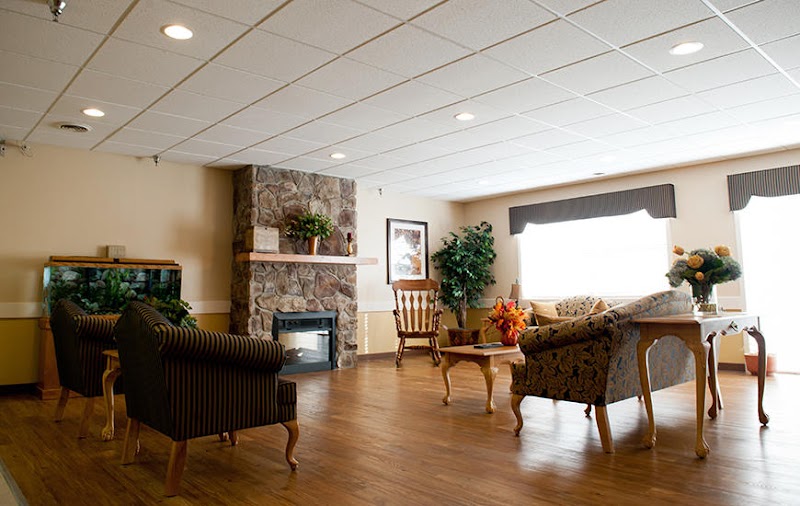
How Does Autumn Ridge Rehabilitation Centre Compare to Other Indiana Nursing Homes?

Compared to the 100 nursing homes in Indiana, AUTUMN RIDGE REHABILITATION CENTRE's overall rating (3 stars) is below the state average of 3.1, staff turnover (38%) is near the state average of 46%, and health inspection rating (4 stars) is above the national benchmark.

What Should Families Ask When Visiting Autumn Ridge Rehabilitation Centre?

Based on this facility's data, families visiting should ask: "Can I visit during a mealtime to observe dining assistance and food quality?" "How do you handle medical emergencies, and what is your hospital transfer rate?" "Can I speak with family members of current residents about their experience?"

Is Autumn Ridge Rehabilitation Centre Safe?

Based on CMS inspection data, AUTUMN RIDGE REHABILITATION CENTRE has a clean safety record: no substantiated abuse findings (meaning no confirmed cases of resident harm), no Immediate Jeopardy citations (the most serious violation level indicating risk of serious injury or death), and is not on the Special Focus Facility watch list (a federal program monitoring the lowest-performing 1% of nursing homes). The facility has a 3-star overall rating and ranks #100 of 100 nursing homes in Indiana. While no facility is perfect, families should still ask about staff-to-resident ratios and recent inspection results during their visit.

Do Nurses at Autumn Ridge Rehabilitation Centre Stick Around?

AUTUMN RIDGE REHABILITATION CENTRE has a staff turnover rate of 38%, which is about average for Indiana nursing homes (state average: 46%). Moderate turnover is common in nursing homes, but families should still ask about staff tenure and how the facility maintains care continuity when employees leave.

Was Autumn Ridge Rehabilitation Centre Ever Fined?

AUTUMN RIDGE REHABILITATION CENTRE has no federal fines on record. CMS issues fines when nursing homes fail to meet care standards or don't correct problems found during inspections. The absence of fines suggests the facility has either maintained compliance or corrected any issues before penalties were assessed. This is a positive indicator, though families should still review recent inspection reports for the full picture.

Is Autumn Ridge Rehabilitation Centre on Any Federal Watch List?

AUTUMN RIDGE REHABILITATION CENTRE is not on any federal watch list. The most significant is the Special Focus Facility (SFF) program, which identifies the bottom 1% of nursing homes nationally based on persistent, serious quality problems. Not being on this list means the facility has avoided the pattern of deficiencies that triggers enhanced federal oversight. This is a positive indicator, though families should still review the facility's inspection history directly.