WATERS OF WABASH SKILLED NURSING FACILITY EAST THE
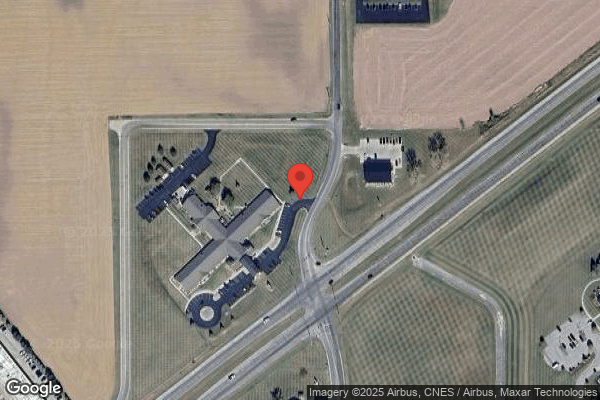

1900 N ALBER ST, WABASH, IN 46992 (260) 563-7427
For profit - Limited Liability company 84 Beds INFINITY HEALTHCARE CONSULTING Data: November 2025
Trust Grade
40/100
#502 of 505 in IN
Last Inspection: May 2025

Inspected within the last 6 months. Data reflects current conditions.

Overview

The Waters of Wabash Skilled Nursing Facility East has received a Trust Grade of D, indicating below-average quality and some concerning issues. It ranks #502 out of 505 in Indiana, placing it in the bottom half of all facilities in the state, and is the least favorable option in Wabash County at #8 out of 8. The facility is worsening, with the number of issues doubling from 6 in 2024 to 12 in 2025. Staffing is rated poorly with a 1 out of 5 stars, and while the turnover rate is slightly better than the state average at 44%, the overall RN coverage is concerning, as it is lower than 87% of Indiana facilities. Specific incidents include the Dietary Manager not being certified, which raises food safety concerns, poor food storage and preparation practices, and complaints from residents about food quality, including cold meals and hard rolls. Overall, while there are some strengths, such as no fines recorded, the facility has significant weaknesses that families should consider carefully.

Trust Score
D
40/100
In Indiana
#502/505
Bottom 1%
Safety Record
Low Risk
No red flags
Inspections
Getting Worse
6 → 12 violations
Staff Stability
○ Average
44% turnover. Near Indiana's 48% average. Typical for the industry.
Penalties
✓ Good
No fines on record. Clean compliance history, better than most Indiana facilities.
Skilled Nurses
⚠ Watch
Each resident gets only 17 minutes of Registered Nurse (RN) attention daily — below average for Indiana. Fewer RN minutes means fewer trained eyes watching for problems.
Violations
⚠ Watch
21 deficiencies on record. Higher than average. Multiple issues found across inspections.
★☆☆☆☆
1.0
Overall Rating
★☆☆☆☆
1.0
Staff Levels
★★★★☆
4.0
Care Quality
★☆☆☆☆
1.0
Inspection Score
Stable
2024: 6 issues
2025: 12 issues

The Good

  • 4-Star Quality Measures · Strong clinical quality outcomes
  • Full Sprinkler Coverage · Fire safety systems throughout facility
  • No fines on record
  • Staff turnover below average (44%)

    4 points below Indiana average of 48%

Facility shows strength in quality measures, fire safety.

The Bad

1-Star Overall Rating

Below Indiana average (3.1)

Significant quality concerns identified by CMS

Staff Turnover: 44%

Near Indiana avg (46%)

Typical for the industry

Chain: INFINITY HEALTHCARE CONSULTING

Part of a multi-facility chain

Ask about local staffing decisions and management

The Ugly 21 deficiencies on record

May 2025 11 deficiencies
CONCERN (D)

Potential for Harm - no one hurt, but risky conditions existed

Resident Rights (Tag F0550)

Could have caused harm · This affected 1 resident

Based on observation, record review, and interview, the facility failed to provide a dignified dining experience for 2 of 20 residents observed during meal service in the main dining room. (Residents ...

Read full inspector narrative →
Based on observation, record review, and interview, the facility failed to provide a dignified dining experience for 2 of 20 residents observed during meal service in the main dining room. (Residents 22, 45) Findings include: 1. During an observation, on 5/19/25 at 11:54 a.m., Resident 22 sat in a wheelchair at the dining table. Her chair was low in comparison to the table height and put the resident's chin roughly four inches from the top of the table. On 5/19/25 at 12:30 p.m., Resident 22 was sitting very low in a wheelchair. The resident's chin was level with the tabletop. Resident 22 indicated it was difficult for her to eat. On 5/19/25 at 6:06 p.m., Resident 22 sat in a wheelchair at the dining table. She was eating while hunched over and leaning to the right. On 5/21/25 at 8:09 a.m., Resident 22 sat in her wheelchair at the dining table. Her chin was level with the tabletop. Resident 22's clinical record was reviewed on 5/21/25 at 8:55 a.m. Diagnoses included dementia, osteoarthritis, and heart failure. Current orders included a regular diet and may use her personal cup during meals. A 2/19/25, annual, Minimum Data Set (MDS) indicated the resident was cognitively intact. She required setup or clean up assistance with eating. A current care plan, dated 5/20/20, and revised on 9/30/24, indicated the resident needed supervision assistance with eating/drinking. The interventions included required assistance during meals with tray set-up and eating as needed. 2. During an observation, on 5/19/25 at 5:25 p.m., Resident 45 was sitting at the dining table. The resident was low in relation to the table, with her chin roughly four inches above the tabletop. Resident 45 had to reach upward to grab her drink. While drinking, Resident 45's coffee cup was halfway below the tabletop, then she reached back up and placed the cup back on the table. On 5/19/25 at 5:42 p.m., Resident 45 continued to sit low at the dining table. Her chin was the same height as the tabletop. Resident 45 had to reach up to grab her coffee cup. While drinking, the coffee cup was halfway below the top of the table. On 5/21/25 at 7:34 a.m., Resident 45 was sitting at the table. She was leaning forward while resting her eyes. Her chin was below the tabletop. When Resident 45 took a drink from her coffee mug, the bottom of the mug was below the tabletop. On 5/21/25 at 8:05 a.m., Resident 45 was eating her meal. Her chin was below her plate. Her bottom lip touched the plate when she took a bite of her food. During an interview, on 5/21/25 at 8:10 a.m., CNAs 14, 15, and 16 each indicated they didn't feel it was a problem for either Resident 22 nor 45 to eat with their chin close to the tabletops. They were unsure if the tables could be lowered. Neither resident had ever complained of the table being too high. On 5/21/25 at 8:19 a.m., Resident 45's representative indicated the resident had always sat low to the table since she was admitted to the facility over a month ago. On 5/21/25 at 8:27 a.m., the ADON indicated neither resident had ever complained about the height of the table. She never thought about the height of the table as both residents ate well. She would ask maintenance if they could lower the tables. Resident 45's clinical record was reviewed on 5/21/25 at 9:00 a.m. Her diagnoses included altered mental status, dysphagia (difficulty swallowing), epilepsy (seizures), and adult failure to thrive. Current orders include mechanical soft diet, ground meat texture, and thin liquids. A 3/28/25, significant change, Minimum Data Set (MDS) indicated the resident was cognitively intact. She required setup or clean up assistance with eating. A current care plan, 1/4/25, revised on 5/22/25, indicated the resident needed supervision assistance with eating/drinking. The interventions included required assistance during meals with tray set-up and eating as needed. During meals, place the food on which the resident should be concentrating on in front. Ensure resident is close enough to the table to reach food/drink properly. A current policy, titled Guidelines to ensure reasonable accommodation of needs, provided by the Administrator on 5/22/25 at 10:57 a.m., indicated the following: .Residents needs and preferences will be honored a much as possible considering each resident's circumstances and overall health status and safety for themselves and others 3.1-3(t) 3.1-3(v)(1)
CONCERN (D)

Potential for Harm - no one hurt, but risky conditions existed

Deficiency F0582 (Tag F0582)

Could have caused harm · This affected 1 resident

**NOTE- TERMS IN BRACKETS HAVE BEEN EDITED TO PROTECT CONFIDENTIALITY** Based on interview and record review, the facility failed to provide notification of Medicare non-coverage for 2 of 3 residents ...

Read full inspector narrative →
**NOTE- TERMS IN BRACKETS HAVE BEEN EDITED TO PROTECT CONFIDENTIALITY** Based on interview and record review, the facility failed to provide notification of Medicare non-coverage for 2 of 3 residents reviewed for Beneficiary Protection Notifications. (Residents 49, 14) Findings include: On 5/19/25 at 2:00 p.m., the Skilled Nursing Facility (SNF) Beneficiary Protection Notification Review Forms were reviewed and indicated the following: 1. Resident 49 admitted to the facility on [DATE] under Medicare Part A Skilled Services. The last covered day for Part A services was 2/19/25. The resident remained in the facility. The clinical record lacked Skilled Nursing Facility Advance Beneficiary Notice of Non-coverage (SNF ABN). 2. Resident 14 admitted to the facility on [DATE] under Medicare Part A Skilled Services. The last covered day for Part A services was 4/25/25. The resident remained in the facility. The clinical record lacked Skilled Nursing Facility Advance Beneficiary Notice of Non-coverage (SNF ABN). During an interview, on 5/19/25 at 2:31 p.m., the Business Office Manager indicated she notified the resident and/or their representative what their private pay amount would be for their room. She had never given any residents an ABN form before. A current policy, titled Detailed Explanation of Non-coverage, provided by the Administrator on 5/22/25 at 10:57 a.m., indicated the following: .The notice explains why your provider and/or health plan decided Medicare coverage for you current services should end Detailed explanation of why your services are no longer covered, and the Medicare coverage rules used to make this decision . 3.1-4(f)(2) 3.1-4(f)(3)
CONCERN (D)

Potential for Harm - no one hurt, but risky conditions existed

Safe Environment (Tag F0584)

Could have caused harm · This affected 1 resident

Based on observation and interview, the facility failed to provide clean equipment for 2 of 19 residents reviewed for wheelchair cleanliness. (Residents 22 and 34) Findings include: 1. During an obser...

Read full inspector narrative →
Based on observation and interview, the facility failed to provide clean equipment for 2 of 19 residents reviewed for wheelchair cleanliness. (Residents 22 and 34) Findings include: 1. During an observation, on 5/19/25 at 12:30 p.m., Resident 22's outer left panel of her wheelchair was smeared with a dark substance. During an interview, on 5/19/25 at 6:38 p.m., CNA 11 and CNA 12 indicated third shift CNAs deep cleaned the resident wheelchairs, but it was really every staff member's responsibility. During an observation, on 5/21/25 at 8:16 a.m., Resident 22's wheelchair had honey colored streak marks down the outside panels of her wheelchair. A dark reddish colored substance was smeared over the outer panels of her wheelchair. During an interview, on 5/21/25 at 10:04 a.m., LPN 4 indicated third shift CNAs were responsible for cleaning resident wheelchairs. There was a CNA book at the nurse's station that had the cleaning schedule for resident wheelchairs. Resident 22's wheelchair was scheduled for deep cleanings every Wednesday night. During an observation, on 5/21/25 at 10:13 a.m., Resident 22's wheelchair had a reddish brown substance smeared all over the outer sides of her wheelchair panels. 2. During an observation, on 5/18/25 at 10:21 a.m., Resident 34's wheelchair had a nickel-sized dark brown substance on the right arm pad of her wheelchair. The left side of her seat had a buildup of food particles and stains. On 5/20/25 at 10:39 a.m., Resident 34 was propelling herself down the hallway. The nickel-sized brown spot on the right arm pad of her wheelchair remained. The left side of her seat had a buildup of food particles and stains. On 5/21/25 at 8:33 a.m., Resident 34's wheelchair still had the nickel-sized brown spot on the right arm pad of her wheelchair. The left side of her seat had a buildup of food particles and stains. During an observation with the ADON, on 5/22/25 at 9:24 a.m., Resident 34's wheelchair had a nickel-sized dark brown substance on the right arm of her wheelchair. On the left side, down the post of the wheelchair, had unidentifiable streaks. There was a nickel sized crumb like substance on her right foot peg. The left side of her seat had a buildup of food particles and stains. Resident 22's wheelchair had a reddish brown food substance smeared all over the outer left and right wheelchair panels. The ADON indicated Resident 22's wheelchair should have been deep cleaned the night prior. A current policy, titled Guidelines for cleaning DME (Durable Medical Equipment) Wheelchairs/Mechanical Lifts/ Stand up lifts/ shower chairs/ bedside commodes/ walkers/other , provided by the Administrator, on 5/22/25 at 10:57 a.m., indicated the following: .It is policy of the facility to ensure that DME is clean and in good repair 5-1.5(e)
CONCERN (D)

Potential for Harm - no one hurt, but risky conditions existed

Deficiency F0657 (Tag F0657)

Could have caused harm · This affected 1 resident

Based on observation, record review, and interview, the facility failed to implement fall precautions and update care plan interventions following falls for 1 of 2 residents reviewed for accidents. (R...

Read full inspector narrative →
Based on observation, record review, and interview, the facility failed to implement fall precautions and update care plan interventions following falls for 1 of 2 residents reviewed for accidents. (Resident 41) Findings include: Resident 41's clinical record was reviewed on 5/20/25 at 9:57 a.m. Diagnoses included syncope (fainting) and collapse, repeated falls, chronic kidney disease, and protein-calorie malnutrition. An annual Minimum Data Set (MDS) assessment, dated 2/19/25, indicated Resident 41 was severely cognitively impaired, used a walker and/or wheelchair to ambulate, required supervision when eating, maximum assistance for toileting and showering, was frequently incontinent of both bladder and bowel, had repeated falls, and a history of syncope and collapse. Current orders included padded side rails related to seizure precautions (5/19/25), check wander alert bracelet placement (8/21/24), check bed/chair alarm placement every shift for frequent falls (8/15/24), and acetaminophen 650 mg by mouth every four hours as needed for pain/discomfort (11/2/23). A current care plan, initiated on 5/26/23, indicated the resident required extensive assistance with eating/drinking, bed mobility, and toileting related to cognition deficits, weakness, unsteady gait, and the use of assistive devices. Interventions included an assessment of mobility and level of functioning at least quarterly, encourage and assist to toilet and/or check and change upon rising before and after meals, before laying down at night, and as needed (7/29/24). A current care plan, initiated on 5/26/23, indicated the resident needed extensive assistance with transfers related to weakness, unsteady gait, and the use of assistive devices. Interventions included provide assistance with sit to stand, surface to surface, and balance support. See nurse aide assignment sheet for details on transfer assist as needed and use gait belt for transfers. A current care plan, initiated on 5/22/23, indicated the resident was at risk for falls due to her condition and risk factors of an unsteady gait, with or without assistive devices, use of assistive devices for mobility (walker and wheelchair), weakness, confusion/forgetfulness, and syncope (fainting). Interventions included a bed/chair alarm (4/23/25), call light within reach (5/22/23), do not leave in the bathroom unattended (4/10/25), keep locked wheelchair beside the resident (5/24/23), non-skid strips to front of recliner (7/15/24), pommel cushion to wheel chair (3/21/25), a reminder sign to be hung in room to remind resident to ask for assistance from staff (3/4/24), and staff to toilet resident upon waking, before and after meals, and before laying down for the night (7/25/24). An interdisciplinary team (IDT) general note, dated 12/23/25 at 11:40 a.m., indicated the team reviewed a fall from 12/21/25 at 6:32 a.m. A nurse heard the resident's alarm going off and found Resident 41 in another resident's room on the floor. The resident was assessed, and a new red area was found on the center of her back. No other injuries were noted. The care plan lacked the addition of new interventions after the fall on 12/21/25. An incident note, dated 3/20/25 at 10:19 p.m., indicated staff entered another resident's room and found Resident 41 on the floor in front of her wheelchair. The resident was alert and confused as per her baseline. She had a red area to her back, approximately 10 centimeters (cm) length x 5 cm width in size. No other injuries were notes. The resident's care plan was updated on 3/21/25 to include a pommel cushion to her wheelchair. An IDT progress note, dated 4/11/25 at 4:17 p.m., indicated the team reviewed the resident's fall on 4/10/25 around 6:15 a.m. Resident 41's bed alarm was alerting, and the third shift nurse went to assist the resident to the toilet. The nurse left the resident in the restroom on the toilet to speak to another staff member. Staff normally are to stay with the resident while on the toilet and assist her safely back to her bed/chair due to the resident's dementia and risk of falls. The resident was found on the floor in front of the bathroom, on her right side. No injuries were noted. The staff member was educated about not leaving the resident alone on the toilet. An incident note, dated 4/13/25 at 1:54 p.m., indicated staff heard the resident's alarm going off and found her sitting on the floor in front of her wheelchair. No injuries were noted. The care plan lacked the addition of new intervention(s) after the fall on 4/13/25. An Interdisciplinary Team (IDT) progress note, dated 5/19/25 at 1:35 p.m., indicated Resident 41 had an unwitnessed fall on 5/19/25 around 5:10 a.m. She was found on the floor by her bed, laying on her left side, with her blankets wrapped around her body. She was able to move all her extremities. Neurological checks were initiated, no injuries were noted, and the resident had no complaints of pain or discomfort. The care plan lacked the addition of new interventions after the fall on 5/19/25. During an observation on 5/20/25 at 3:08 p.m., the skid strips in front of the resident's recliner consisted of two squares, each smaller than a sticky-note, approximately 12 inches apart. There was no signage in the room to remind the resident to ask for assistance to ambulate (as indicated on the care plan intervention dated 3/4/24). During an interview with CNA 13 on 5/21/25 at 2:08 p.m., she indicated there was supposed to be a sign in the resident's room to remind her to ask for assistance when getting up from her bed or chair. She thought the non-skid strips were supposed to be bigger than the small squares in front of the resident's recliner. During an interview with CNA 5 on 5/21/25 at 2:10 p.m., she indicated Resident 41 required extensive assistance to ambulate. The squares on the floor should be strips. During an interview with the Assistant Director of Nursing (ADON on 5/22/25 at 2:48 p.m., she indicated a new intervention should be added each time a resident had a fall. The CNA sheet would be updated, and staff would be told about any new interventions during shift changes. During an interview with CNA 25 on 5/22/25 at 2:50 p.m., she indicated aides used care plan sheets to find out about any new interventions for residents. During an interview with the MDS Coordinator on 5/22/25 at 2:52 p.m., she indicated care plans were updated often. New interventions should be put into place after every fall. A current, undated facility policy titled Guidelines for Incidents/Accidents/Falls, provided by the Administrator on 5/22/25 at 10:57 a.m., indicated the following: .15. Based on the results of the incident/accident/fall, the resident's care plan will be addressed to ensure that any needed points of focus have measurable goals with appropriate interventions in place 3.1-35(e)
CONCERN (D)

Potential for Harm - no one hurt, but risky conditions existed

Pressure Ulcer Prevention (Tag F0686)

Could have caused harm · This affected 1 resident

Based on observation, record review, and interview, the facility failed to implement interventions to prevent and promote the healing of a pressure injury for 1 of 3 residents reviewed for pressure in...

Read full inspector narrative →
Based on observation, record review, and interview, the facility failed to implement interventions to prevent and promote the healing of a pressure injury for 1 of 3 residents reviewed for pressure injuries. (Resident 109) Finding includes: During an observation, on 5/19/25 at 9:12 a.m., Resident 109 rested in his bed on his back. During a continuous observation, beginning on 5/20/25 at 2:26 p.m., the resident was lying in his bed on his back. Moon boots (designed to prevent or reduce the risk of pressure injuries) set in a chair beside his bed. At 2:33 p.m., the resident turned on his call light. LPN 4 immediately entered the resident's room, talked with him, then exited his room. At 2:37 p.m., the resident's moon boots remained set on the bedside chair. At 2:42 p.m., the resident turned on his call light. At 2:46 p.m., CNA 5 entered the resident's room. She indicated the resident was asleep. The moon boots remained set on the bedside chair. At 3:26 p.m., the resident was lying in his bed on his back, and the moon boots remained set on the bedside chair. During an observation, on 5/20/25 at 4:07 p.m., the resident was lying on his back in bed. The moon boots remained set on the bedside chair. During an observation, on 5/20/25 at 4:12 p.m., LPN 4 entered the resident's room. She uncovered his feet. He had slipper socks on his feet, and his heels were not floated. She indicated the resident should have his moon boots on while in bed. He did not have them on. During an interview, on 5/20/25 at 4:14 p.m., LPN 4 indicated the resident had an order to wear his moon boots while he was in bed. The order was signed off every shift by nursing staff. During an interview, on 5/21/25 at 9:29 a.m., Resident 109's representative indicated the resident often lay on his back for three to four hours while the resident representative visited and was not repositioned. The staff put on the resident's moon boots about half the time while the resident was in bed. The resident had sores on his back, bottom, and heel. Resident 109's clinical record was reviewed on 5/21/25 at 10:27 a.m. Diagnoses included acute respiratory failure with hypoxia, chronic diastolic (congestive) heart failure, chronic kidney disease, anemia, protein-calorie malnutrition, weakness, and fracture of other parts of the pelvis. Current orders included moon boots on while in bed and offload heels every shift (4/2/25), pressure relieving mattress to bed, hydrophilic wound dressing external paste - apply to bilateral buttocks topically every shift for wound care - cleanse, pat dry, apply paste until area resolved (5/16/25), and left heel - cleanse with Dakin's solution (a topical antiseptic) and apply hydrocolloid dressing (a type of wound dressing that creates a moist wound environment, absorbs wound drainage, and can remain in place for several days in a row) every three days (5/16/25). A significant change Minimum Data Set (MDS) assessment, dated 5/7/25 indicated the resident was severely cognitively impaired. He exhibited no behaviors. He had a functional limitation in the range of motion of one lower extremity. He was dependent on the staff for putting on and taking off footwear. He required substantial/maximal staff assistance with toileting hygiene, showering/bathing, upper and lower body dressing, and transfers. He required partial/moderate staff assistance with rolling right and left in bed. He had an indwelling catheter and was occasionally incontinent of bowels. The resident had one stage 3 pressure injury (full-thickness skin loss) that was not present on admission. A current care plan, initiated on 2/18/25, indicated the resident was at risk for skin breakdown related to chronic renal disease, chronic heart disease, edema, and thin/fragile skin. Interventions included assist to toilet and/or check and change frequently (2/18/25), provide peri care as needed (2/18/25), and remind or assist to turn at least every two hours (2/18/25). A current care plan, initiated on 3/26/25 and revised on 4/29/25, indicated the resident had developed a pressure injury to his left heel related to impaired/decreased mobility and decreased functional ability. Interventions included float heels off bed (3/26/25). A 3/21/25 Weekly Wound Evaluation indicated the resident had a suspected deep tissue injury (persistent non-blanchable deep red, maroon or purple discoloration) to his left heel that was 4 centimeters (cm) in length and 3.5 cm in width and black in color. The treatment ordered was to cleanse the area with soap and water, pat dry, and apply povidone iodine. The area was identified on 3/21/25. Current preventative interventions included heel boots. A 3/25/25 Weekly Wound Evaluation indicated the resident had a suspected deep tissue injury to his left heel that was 1 cm in length and 1 cm in width and black in color. The treatment ordered to the area was to cleanse the area with povidone iodine and leave open to air. Current preventative interventions included heel boots. A 4/8/25 Weekly Wound Evaluation indicated the resident had an unstageable pressure injury (obscured full-thickness skin and tissue loss) to his left heel that was 0.8 cm in length and 0.7 cm in width and black in color. The treatment ordered to the area was to cleanse the area with povidone iodine, leave open to air, and offload with moon boot. Current preventative interventions included heel boots. The wound was improving without complications. A 4/15/25 Weekly Wound Evaluation indicated the resident had a stage 3 pressure injury to his left heel that was 0.7 cm in length, 0.6 cm in width, and 0.2 cm in depth. The wound was red with 50% epithelial tissue (cells migrate from wound edge to cover the wound surface) and 50% granulation tissue (new connective tissue and tiny blood vessels that form on the surface of a wound during the healing process). The treatment ordered was to cleanse the area with Dakin's solution, apply calcium alginate (a wound care product made from brown seaweed) and then apply bordered gauze to the wound every other day. Current preventative interventions included heel boots. The wound was improving without complications. A 5/13/25 Weekly Wound Evaluation indicated the resident had a stage 3 pressure injury to his left heel that was 0.2 cm in length, 0.3 cm in width, and 0.0 cm in depth. The wound was red with 100% epithelial tissue. The treatment ordered was to cleanse the area with Dakin's solution and apply hydrocolloid to the wound every three days. Current preventative interventions included heel boots. The wound was improving without complications. During an observation, on 5/22/25 at 10:06 a.m., the resident was lying on his back in bed. His moon boots were set on the chest of drawers. During an observation, on 5/22/25 at 10:46 a.m., CNA 5 indicated when a resident had heel boots, the boots should be applied while he was in bed. She pulled back the covers. The resident wore slipper socks, no moon boots, and his heels were not floated. During a continuous observation, beginning 5/22/25 at 11:22 a.m., RN 7, after applying a gown and gloves, pulled up the resident's shirt in the back. The area to the resident's back was healed. RN 7 removed the resident's brief. The resident had pasty brown feces on his buttocks. She provided incontinence care. The resident's buttocks were reddened with a pea sized open area with less than a grain of sugar sized depth near the coccyx area. She applied hydrophilic paste to the buttocks as ordered. She indicated the wound nurse practitioner (NP) had called the area to the buttocks gluteal dermatosis (skin abnormality that isn't inflamed) and utilized the paste for the buttocks since dressings would become soiled easily with incontinence. She removed the moon boot to the left heel to observe the unwrinkled, hydrocolloid dressing that was adhered to the resident's left heel. She indicated the resident had the dressing changed by the wound NP two days ago and was not due to be changed until tomorrow. Throughout the incontinence care and paste application, LPN 8 assisted with holding the resident on his left side. During an interview, on 5/22/25 at 11:37 a.m., LPN 8 indicated the resident should have his moon boots on while he was in bed. During an interview, on 5/22/25 at 2:54 p.m., the DON indicated the resident should wear his moon boots while in bed unless he had refused. If he refused, the refusal should be documented in the resident's record. A review of the resident's clinical record, on 5/22/25 at 2:57 p.m., indicated a lack of documentation of the resident's refusal to allow moon boots to be placed on his feet. An undated facility policy, provided by the Administrator on 5/22/25 at 3:13 p.m., titled Preventative Skin Care, indicated the following: .It is the intent of the facility that the facility provide preventative skin care through careful washing, rinsing, and drying to keep residents clean, comfortable, well groomed, and free from pressure sores .Heels up or specialty ordered therapeutic boots may be used to protect heels on those residents identified to be high risk 3.1-40(a)(1) 3.1-40(a)(2)
CONCERN (D)

Potential for Harm - no one hurt, but risky conditions existed

Accident Prevention (Tag F0689)

Could have caused harm · This affected 1 resident

Based on observation, record review, and interview, the facility failed to implement seizure precautions for 1 of 2 residents reviewed for accidents. (Resident 41) Findings include: Resident 41's clin...

Read full inspector narrative →
Based on observation, record review, and interview, the facility failed to implement seizure precautions for 1 of 2 residents reviewed for accidents. (Resident 41) Findings include: Resident 41's clinical record was reviewed on 5/20/25 at 9:57 a.m. Diagnoses included syncope (fainting) and collapse, repeated falls, chronic kidney disease, and protein-calorie malnutrition. An annual Minimum Data Set (MDS) assessment, dated 2/19/25, indicated Resident 41 was severely cognitively impaired, used a walker and/or wheelchair to ambulate, required supervision when eating, maximum assistance for toileting and showering, was frequently incontinent of both bladder and bowel, had a history of repeated falls, and a history of syncope and collapse. An Interdisciplinary Team (IDT) progress note, dated 5/19/25 at 1:35 p.m., indicated Resident 41 had an unwitnessed fall that morning around 5:10 a.m. She was found on the floor by her bed, laying on her left side, with her blankets wrapped around her body. She was able to move all her extremities. Neurological checks were initiated, no injuries were noted, and the resident had no complaints of pain or discomfort. A general progress note, dated 5/19/25 at 1:35 p.m., indicated Resident 41 had an episode in the dining room at 12:30 p.m. She started jerking and convulsing, her eyes were open and rolled back in her head. Her skin color was gray. Staff stayed with the resident for the duration of the seizure. The seizure lasted approximately 45 seconds to one minute. Afterwards, the resident was alert. She was taken to her room where staff continued to monitor her. A current order, dated 5/19/25, indicated the resident required an assistive device which included two, one-half padded side rails on her bed as a seizure precaution. A current care plan, initiated on 5/19/25, indicated Resident 41 had a need for an assistive bed rail on her bed related to seizure precautions. Interventions included a bed rail screen annually and as needed, ensure proper body alignment in bed, and ensure the resident was not placed too close to either side of her bed. The resident was to be instructed on the use of her call light, reminded to call for assist with transfers, and notify the Physician of any change in condition. A current care plan, initiated on 5/19/25, indicated Resident 41 had a diagnosis of seizure/tremor and was at risk for injury. Interventions included the administration of medications as ordered, monitor pertinent labs, and notify the Physician if seizure activity increased. Side rails were to be padded as needed and the onset, duration, and description of any seizure/tremor activity was to be recorded. During an observation on 5/20/25 at 10:25 a.m., Resident 41's side rail to the outside of her bed was padded with a gray pool noodle. It was approximately the length of two rulers and covered the center of the bed rail, exposing some of the bedrail at the head of the bed and the bottom of the rail. The inside bed rail, against the wall, was up and had not been padded. During an interview with CNA 5 on 5/21/25 at 2:10 p.m., she indicated she did not know if there should be padding on both rails for seizure precautions. During an interview, on 5/21/25 at 2:18 p.m., CNA 5 indicated both rails should be padded. During an interview on 5/21/25 at 2:51 p.m., the DON indicated the maintenance person had not known how to install pads to side rails because it was uncommon for the facility to use seizure precautions. A current, undated facility policy, titled Seizure Precautions Guidelines for Care and provided by the Administrator on 4/22/25 at 4:20 p.m., indicated the following: .It is the policy of this facility to protect the resident from injury during a seizure and to evaluate and document observations prior to, during, and after a seizure The policy lacked instructions for side rail pad application. 3.1-45(a)(2)
CONCERN (D)

Potential for Harm - no one hurt, but risky conditions existed

QAPI Program (Tag F0867)

Could have caused harm · This affected 1 resident

Based on record review and interview, the facility failed to implement approaches to maintain a Quality Assurance and Performance Improvement (QAPI) program activities to prevent repeat deficiencies i...

Read full inspector narrative →
Based on record review and interview, the facility failed to implement approaches to maintain a Quality Assurance and Performance Improvement (QAPI) program activities to prevent repeat deficiencies identified during a revisit to the annual survey. Finding includes: Review of the Summary Statement of Deficiencies (2567), for the facility's last annual Recertification and Licensure Survey completed on 5/22/25, indicated the facility had deficiencies related sanitary conditions related to kitchen equipment and food storage (F812). During an observation, on 6/24/25 at 9:02 a.m., accompanied by the Dietary Manager, the facility kitchen was found to be maintained in an unsanitary condition related to food storage and equipment maintenance. During an interview, the Dietary Manager indicated she was unable to provide audit tools for cleaning or cleaning schedules for the kitchen. Review the facility's plan of correction (2567), signed by the Administrator on 6/12/25, indicated the facility's F812 Food Safety Audit Tool will be completed five times per week for four weeks, then three times per week for four weeks, then weekly for four months for kitchen and equipment cleanliness and food storage. During an interview, on 6/24/25 at 10:00 a.m., the Administrator indicated kitchen audit logs had been completed and were in the facility's Plan of Correction (POC) binder. Review of a food storage audit indicated kitchen equipment was clean, food was stored, and no follow up was required initialed by the Administrator on June 9, 2025- June 13, 2025 and June 20, 2025- June 23, 2025. During an interview, on 6/24/25 at 2:27 p.m., the Administrator indicated the facility's QAPI program had a dietary section. The facility was reviewing cleanliness, food tray audits, and weekly sanitation. One random hall cart tray was temperature checked. During an interview, on 6/24/25 at 2:57 p.m., the Regional Nurse Consultant indicated the facility's plan of correction had not been ran through the facility's QAPI program, as the facility's compliance date was June 9, 2025. A current facility policy, dated 3/9/22, titled Quality Assurance/Performance Improvement Program, provided by the Administrator on 6/24/25 at 3:38 p.m., indicated the following: .Policy: It is the intent of this facility to conduct an on-going Quality Assurance/Performance Improvement (QAPI) program designed to systemically monitor, evaluate, and improve the quality and appropriateness of resident care. 6. The facility will identify areas for QAPI monitoring and tools/resources to be utilized. These monitoring activities should focus on those processes that significantly affect resident outcomes Cross reference F812. 3.1-52(b)(2)
CONCERN (D)

Potential for Harm - no one hurt, but risky conditions existed

Infection Control (Tag F0880)

Could have caused harm · This affected 1 resident

Based on observation, interview, and record review, the facility failed to consistently implement facility policy for enhanced barrier precautions for staff to identify those residents requiring enhan...

Read full inspector narrative →
Based on observation, interview, and record review, the facility failed to consistently implement facility policy for enhanced barrier precautions for staff to identify those residents requiring enhanced barrier precautions for 1 of 3 residents reviewed for enhanced barrier precautions. (Resident 21) Finding includes: During an observation, on 5/19/25 at 9:15 a.m., Resident 21 lay on his bed on top of the blankets looking at a phone. A heel boot was lying on the floor beside the bed. No signage for transmission-based precautions was on his door During an observation, on 5/20/25 at 9:49 a.m., Resident 21 sat in his wheelchair in his room with a heel boot on his right foot. No signage for transmission-based precautions was on his door. During an observation, on 5/21/25 at 9:19 a.m., Resident 21 sat in his wheelchair in his room. He had a heel boot on his right foot. No signage for transmission-based precautions was on his door. Resident 21's clinical record was reviewed on 5/20/25 at 3:26 p.m. Diagnoses included chronic diastolic (congestive) heart failure, peripheral vascular disease, multiple myeloma, and protein calorie deficit. Current orders included enhanced barrier precautions related to his wound with personal protective equipment (PPE) outside door, bin in room for disposal, and sign on door every shift (5/8/25) and cleanse wound to right foot with Dakin's solution, pat dry, apply calcium alginate with silver, and cover with bordered foam dressing every other day until resolved (5/14/25). A 2/26/25 admission Minimum Data Set (MDS) assessment indicated the resident was moderately cognitively impaired. He required partial/moderate staff assistance for rolling left and right in bed. He required substantial/maximal staff assistance with toileting, showering/bathing, upper/lower body dressing, and transfers. He was dependent on staff for putting on and taking off footwear. A care plan, initiated on 5/8/25, indicated the resident had developed an arterial wound to his right lateral foot. A care plan, initiated on 5/18/25, indicated the resident was on enhanced barrier precautions related to wounds or a skin opening requiring a dressing. Interventions included set up isolation per facility protocol and follow enhanced barrier precautions (5/18/25). A Wound Assessment Report, dated 5/13/25, indicated the resident had an arterial wound to his right later foot with a length of 1.0 centimeters (cm), a width of 1.0 cm, and a depth of 0.2 cm. During an interview, on 5/22/25 at 11:44 a.m., CNA 16 indicated she knew which residents were on enhanced barrier precautions and required PPE by the signs on the doors. They also had a PPE cart beside their door or across the hall in front of their door. She knew what PPE was required for the resident by the signs on the doors. She walked down the hall and pointed to all the doors with signs on them as residents who required enhanced barrier precautions. She indicated Resident 21 was not on any transmission-based precautions. He did not have a sign on his door. She thought the enhanced barrier precautions were also listed on the CNA assignment sheets. She looked at the CNA assignment sheets and indicated transmission-based precautions were not on the assignment sheets for anyone. During an interview, on 5/22/25 at 11:48 a.m., the Infection Preventionist (IP) indicated she had not put the enhanced barrier precautions sign on the door. The resident had been recently added to the enhanced barrier precautions list. During an interview, on 5/22/25 at 11:50 a.m., CNA 18 indicated she knew the resident required PPE when doing care because he had a wound, but he did not have a sign on his door. During an observation, on 5/22/25 at 11:57 a.m., the Housekeeping Supervisor placed bins in the room for disposal of PPE/trash/laundry. The resident did not have the facility bins that were utilized for the enhanced barrier precautions in his room prior to this placement. During an interview, on 5/22/25 at 2:52 p.m., the DON indicated the resident should have had the EBP signage on his door as ordered. A facility policy, revised 12/2022, provided by the Administrator on 5/22/25 at 3:13 p.m., titled ENHANCED BARRIER PRECATIONS-(EBP), indicated the following: .Procedure .3) Ensure that proper signage is posted on the resident's room door instructing those who plan to enter the room to check first at the Nurses' Station for education/instructions .5) Ensure that proper receptacles are in place to collect discarded EBP in the resident's room 3.1-18(a)
CONCERN (E)

Potential for Harm - no one hurt, but risky conditions existed

Deficiency F0804 (Tag F0804)

Could have caused harm · This affected multiple residents

Based on observation, interview, and record review the facility failed to ensure meals were palatable for 17 of 31 residents reviewed for palatable meals. (Residents 3, 4, 5, 9, 17, 19, 23, 25, 33, 34...

Read full inspector narrative →
Based on observation, interview, and record review the facility failed to ensure meals were palatable for 17 of 31 residents reviewed for palatable meals. (Residents 3, 4, 5, 9, 17, 19, 23, 25, 33, 34, 36, 40, 49, 50, 51, 108, and 109) Finding includes: During an interview, on 5/18/25 at 11:04 a.m., the Resident 109's representative indicated the food at the facility was terrible. The resident's representative had talked with the Administrator and sent a letter to the vice president of the company. The food was worse than terrible. The roll yesterday was as hard as a rock. He could bounce it off the floor. The residents were served some kind of soup yesterday and were unable to tell what it was supposed to be. The food was cold, did not look good, and tasted terrible. He sent back the resident's breakfast three days in a row because it was cold and looked terrible. Sometimes, there was very little on the plate. One time, there was just a hot dog on the plate. He kept hearing everyone's hands were tied when trying to make the food more pleasing During an interview, on 5/18/25 at 11:13 a.m., Resident 36 indicated the food sucked and looked disgusting. The food either had no taste or had too much spice. The facility served lentil soup last evening. It had no flavor and did not look good. The plates looked like slop. The residents complained, but nothing changed. The food was always cold. During an interview, on 5/18/25 at 2:24 p.m., Resident 40 indicated the food was not good at all. The food was cold, did not taste good, and looked nasty. During an interview, on 5/18/25 at 3:11 p.m., Resident 49 indicated she often went back to her room to eat snacks and food provided by her family because the facility's food was not good. During an interview, on 5/19/25 at 9:56 a.m., Resident 3 indicated the food was awful. During an interview, on 5/19/25 at 10:11 a.m., Resident 108 indicated the taste of the food varied and depended on who the cook was. The food taste had really slipped and did not taste good at all. Sometimes it was warm when served, and sometimes it was cold. She often had her family bring in food for her. During an interview, on 5/19/25 at 11:26 a.m., Resident 50 indicated most of the food was cold when he got it. Yesterday, the facility had served lentil soup, so he had his wife bring him something later from a restaurant. During an interview, on 5/19/25 at 12:17 p.m., Resident 25 indicated sometimes the food did not taste good. The quantity was not good either. A sandwich and some fruit was all she got for supper sometimes. The food was cold by the time she got her tray in her room. The staff warmed it up if she wanted. She had eaten sausage gravy this morning, and it was the first time it was hot. The nurse had gotten it before others started eating and brought it to her since she had an appointment in the morning. When she got soup, the soup bowls were maybe half filled. One night, she had a piece of pizza so small it fit in a bowl, and half of a dessert dish of fruit. The last month, the food had gotten worse. During an interview, on 5/19/25 at 12:39 p.m., Resident 9 indicated she had been taking notes about the food and the various issues with it. On 5/9/25, she received her supper at 6:20 p.m., although dinner was supposed to be served at 5:00 p.m. On 5/12/25, she received minestrone soup for dinner, which was only half a bowl. She had to fill up on snacks because the dinner was not enough food. On 5/13/25, for lunch, she received very little of the pudding; the dish was not even filled halfway up. On 5/14/25, for lunch she had a small portion of goulash and a very hard roll, which she called a hockey puck. For dinner, she had cold French fries and a carrot and raisin salad that was bad. On 5/15/25, for dinner she received one taco with lettuce, tomato, a little meat, and a cookie. She felt it was very little food to receive. During an observation, on 5/19/25 at 5:14 p.m., drinks passed to the residents contained very little ice. During an observation, on 5/19/25 at 5:29 p.m., CNA 12 indicated to the residents the meat loaf, which was on the menu, was made with turkey. During an observation, on 5/19/25 at 5:36 p.m., pudding portions were not consistent. One resident received a full dish of pudding; another resident had requested pudding and received a dish less than half filled. During an interview, on 5/19/25 at 6:06 p.m., Resident 9 indicated the meal was warm but not hot tonight. The biscuit was only the size of a silver dollar. During an interview, on 5/19/25 at 6:08 p.m., Resident 49 indicated she did not like the meat loaf. She ate one bite. On 5/19/25 at 6:29 p.m., a test tray was observed. The meat loaf was grayish in color with lots of ketchup on the top,and the flavor was displeasing. The mashed potatoes and gravy were not flavorful. The cranberry juice was watered down and lacked flavor. Facility grievances provided by the Administrator on 5/20/25 were reviewed and indicated the following: Resident 33, on an undated grievance, indicated the food was lousy, lousy, lousy. The food was poorly cooked and was not provided enough food to fill her up. Resident 23, on a grievance dated 12/2/24, indicated the cream of wheat was too thick, and the pancakes were too thick. Resident 109's representative, on a grievance dated 2/27/25, indicated the resident only received two chicken wings and was supposed to get four. He also received applesauce instead of the apple pie on the menu. Resident 109's representative, on a grievance dated 4/29/25, indicated the supper ticket listed hamburger on a bun, but the resident received a bologna sandwich. The French fries were not cooked through. The meals were usually not warm and had to be sent back to be heated. Resident 5, on a grievance dated 4/29/25, indicated the French fries were not cooked through. There were not enough hamburgers to serve everyone, so some people got bologna instead. Resident 51, on a grievance dated 4/30/25, indicated the evening meal was a chicken pot pie and crushed pineapple. The food served made her feel like older people did not matter. Resident 40, on a grievance dated 4/30/25, indicated the food tasted like s**t. Resident 49, on a grievance dated 4/30/25, indicated the French fries were never done. The meat loaf tasted like a big chunk of hamburger with no seasoning. Resident 17, on a grievance dated 4/30/25, indicated he received a bowl of crap for dinner. He ate two bags of fried cheese puffs and some crushed pineapple. He had another meal that was egg salad sandwiches and was still hungry after he ate. Resident 4, on a grievance dated 4/30/25, indicated the food was terrible. She wondered why the facility couldn't get someone who could cook. Resident 19, on a grievance dated 4/30/25, indicated the food was not very good and needed improvement. He could not eat his dinner on 4/30/25. Resident 3, on a grievance dated 4/30/25, indicated the food was terrible and looked bad - messy. Resident 25, on a grievance dated 4/30/25, indicated she received a bowl with a two-inch piece of pizza and a bowl of pear cubes. She was glad she had some chicken strips in her refrigerator she had gotten when she was out of the facility the day before. The meals were bad. Resident 9, on a grievance dated 4/30/25, indicated the supper portion of potpie was very small. She only took three bites and that was all there was. She often received cornbread without butter and chili without chili seasoning. A review of the Resident Council minutes, provided by the Social Services Director (SSD) on 5/20/25, indicated in the meeting on 4/9/25 the residents had complained that the supper was getting later and later, the baked potatoes were served with no butter and no sour cream. In the meeting, on 5/7/25, the residents' complaints about the food were still an issue including the not getting bread when on the menu, the hamburger was not good, and the salad lettuce was brown. During an interview, on 5/20/25 at 10:59 a.m., the Administrator indicated he was working with the resident on the food complaints. There was a food committee developed to discuss the residents food concerns. During an interview, on 5/20/25 at 12:07 p.m., the Regional Director of Operations for the contracted company supplying the facility dining services indicated he had spoken with the Resident Council and had received good feedback. He knew residents were dissatisfied with the portions and the temperatures of the food. There were some new dietary staff members, and he was making sure they were getting educated. The company tried to customize the menu from facility to facility. For example, he was taking the lentil soup and the turkey loaf off the menu. Anonymous interviews were conducted during the survey as follows: Interviewee B indicated the food had been sucking. The portion sizes were inconsistent. Interviewee C indicated the food was more often worse than good. Interviewee D indicated she would not eat the food and the portions were small. Interviewee E indicated she had talked to the Administrator about the food. The food was not good. Interviewee F indicated the food was subpar in temperatures, portion sizes, presentation, and taste. A facility policy, revised on 3/7/25, provided by the Administrator on 5/22/25 at 3:35 p.m., titled Meal Service - Palatability and Nutritive Value, indicated the following: .Food will be prepared, held, and served in a manner that maintains its nutritive value and palatability Cross reference F801. 3.1-21(a)(2)
CONCERN (F)

Potential for Harm - no one hurt, but risky conditions existed

Deficiency F0801 (Tag F0801)

Could have caused harm · This affected most or all residents

Based on interview and record review, the facility failed to ensure the Dietary Manager completed the required education to meet the qualifications for a Dietary Manager. This deficiency had the poten...

Read full inspector narrative →
Based on interview and record review, the facility failed to ensure the Dietary Manager completed the required education to meet the qualifications for a Dietary Manager. This deficiency had the potential to impact 56 of 56 residents who received meals from the facility kitchen. Findings include: During an interview on 5/18/25 at 9:49 a.m., the Dietary Manager indicated she did not have a certification qualifying her to act as Dietary Manager. She was hired in December of 2024 and had received no training at that time, or since. During an interview with the Administrator on 5/20/25 at 11:48 a.m., he indicated he was aware the Dietary Manager was not certified to act as Dietary Manager. During an interview with the Regional Director of Operations on 5/20/25 at 12:07 p.m., he indicated he was aware the Dietary Manager was not certified to act as Dietary Manager. He planned to enroll her in an appropriate training program to get her certification. He was aware she had been employed as the Dietary Manager since December of 2024. A current facility policy, dated 11/3/17, titled Food & Nutrition Department Staffing, provided by the Administrator on 5/22/25 at 10:57 a.m., indicated the following: .The facility will maintain sufficient and competent qualified staff to meet the residents needs .to ensure there is sufficient and qualified staff with the appropriate competencies and skill sets to carry out food and nutrition services .The facility will employ a Qualified Food Service Director per regulatory requirements Cross reference F804. Cross reference F812. 3.1-20(e)
CONCERN (F)

Potential for Harm - no one hurt, but risky conditions existed

Food Safety (Tag F0812)

Could have caused harm · This affected most or all residents

Based on observation, interview, and record review, the facility failed to store and prepare food under safe and sanitary conditions related to kitchen equipment, utensil storage, food storage, and ch...

Read full inspector narrative →
Based on observation, interview, and record review, the facility failed to store and prepare food under safe and sanitary conditions related to kitchen equipment, utensil storage, food storage, and chemical storage. This deficient practice had the potential to affect 56 of 56 residents who received food from the facility kitchen. Findings include: During a kitchen observation on 5/18/25 at 9:49 a.m., accompanied by the Dietary Manager, the following was observed: Next to the front service window, an open container of brown sugar was on the countertop with a scoop (including the handle) laying inside the brown sugar. The microwave had splatters of eggs and other unidentifiable foods on the bottom, three inside walls, and inside the door. The many food splatters varied in size and were dry and thick in appearance. The upper cabinets to the left of the service window contained different colored splatters on the outsides of the doors. Splatter sizes ranged from the size of a dime to the size of a quarter. Under the cabinets, a pair of discarded kitchen gloves lay on the countertop along with three empty coffee packets. The floor beneath the cabinets and countertop was covered with corn flakes, about the size of a floor mat. The toaster had a thin layer of crumbs on the spill tray, with crumbs on the countertop beneath the toaster. There were scissors laying in the crumbs. There was an uncovered container of melted butter on top of the toaster. The front of the stainless-steel refrigerator had thick, finger sized, sticky prints covering the areas above, below, and beside the handles. Inside the refrigerator was a roast beef (identified by the Dietary Manager) in a zip lock bag dated 5/5/25. The Manager removed the meat and threw it away. The top utensil drawer on the single sink station, containing spatulas and tongs, had crumbs and nickel-sized drips of an unidentifiable, brown substance on the bottom. The bottom utensil drawer contained measuring utensils with crumbs and a piece of torn paper on the bottom. There was an open 25-pound bag of panko breadcrumbs sitting on a rolling bin underneath the counter where the food processor was located. In the dry storage area, to the left of the entrance, two containers of bleach and approximately six boxes of sanitizer and floor cleaner sat on the floor beneath two electrical panels. During an observation on 5/19/25 at 11:39 a.m., a kitchen staff member emptied a large can of green beans into a stainless-steel container in preparation for heating. The lid of the green beans was not completely removed. As she shook the can to empty the green beans, the inside and outside of the lid touched the green beans repeatedly. The Dietary Manager indicated the lid should have been removed completely and the staff member had not been trained properly. During an observation on 5/19/25 at 11:45 a.m., the chemicals in the dry storage area remained in their same position beneath the electrical panels. During an observation and interview on 5/21/25 at 9:34 a.m., the Regional Director of Operations indicated the chemicals should be stored properly in the janitor's closet. He pointed to the closet approximately 4 to 5 feet from where the chemicals sat. He planned to train the staff on proper kitchen cleaning and storage of chemicals. A current facility policy, dated 3/25/12, titled Cleaning & Sanitation, provided by the Administrator on 5/22/25 at 10:47 a.m., indicated the following: .The Food and Nutrition Director will develop, implement, and monitor schedules for cleaning, sanitizing, and maintenance and keep record for 1 year .To ensure the food service department is maintained according to state and federal regulations and is a clean, sanitary, and safe environment at all times .1. The Food Service Director develops, implements, and monitors a cleaning schedule to include all areas of the kitchen and equipment. 2. Food Service employees are trained in proper use, cleaning, and maintaining all equipment. 3. Cleaning schedules designate cleaning for each position and are posted in an accessible area A current facility policy, dated 3/25/12, titled Food Storage, provided by the Administrator on 5/22/25 at 10:57 a.m., indicated the following: .Food is stored and prepared in a clean, safe, sanitary manner that will comply with state and federal guidelines .to minimize contamination and bacteria .1. Food storage areas are clean, organized, and free of dirt .4. Containers for bulk items (flour, sugar, etc.) are leak proof, non-absorbent, sanitary, NSF approved and have tight fitting lids . 5. All food not in original containers are to be labeled and dated and stored in NSF approved containers A current facility policy, dated 3/25/12, titled Safe Food Handling Practices, provided by the Administrator on 5/22/25 at 10:57 a.m., indicated the following: .All food is purchased, store, prepared, and distributed in a clean, safe, sanitary manner promoting safe food handling and compliance with state and federal guidelines .To minimize contamination and bacteria while providing nutritious meals .6. All working surfaces and equipment are clean and sanitized after each use 3.1-21(i)(3)
Mar 2025 1 deficiency
CONCERN (D) 📢 Someone Reported This

A family member, employee, or ombudsman was alarmed enough to file a formal complaint

Potential for Harm - no one hurt, but risky conditions existed

Infection Control (Tag F0880)

Could have caused harm · This affected 1 resident

Based on observation and interview, the facility failed to maintain appropriate infection control practices during urinary catheter care for 1 of 1 residents reviewed for Enhanced Barrier Precautions....

Read full inspector narrative →
Based on observation and interview, the facility failed to maintain appropriate infection control practices during urinary catheter care for 1 of 1 residents reviewed for Enhanced Barrier Precautions. (Resident D) Findings include: Resident D's clinical record was reviewed on 3/11/25 at 2:10 p.m. Diagnoses included aftercare following joint replacement surgery, weakness, congestive heart failure, and chronic kidney disease. Current physician orders included, but were not limited to, catheter care every shift and ensure catheter drainage bag is below the waist and covered, change catheter as needed for leakage or dislodgement. Change catheter drainage bag at the time of catheter change. During a catheter care observation for Resident D, on 3/12/25 at 9:25 a.m., CNA 2 performed hand hygiene with soap and water before donning gloves. CNA 2 failed to don a gown before starting Resident D's catheter care. Resident D had EBP signage displayed on the door. During an interview, at the time of observation, CNA 2 indicated she failed to put on a gown before providing Resident D's catheter care. During an interview, on 3/12/25 at 10:40 a.m., the ADON indicated staff members were required to wear gown, gloves, goggles, and a mask before performing catheter care on residents who required Enhanced Barrier Precaution. Residents who required Enhanced Barrier Precaution had signage displayed on their doors. A copy of the facility's Enhanced Barrier Precaution sign was provided on 3/12/25 at 9:45 a.m., by the Administrator. The EBP sign indicated everyone must clean their hands before entering and leaving the resident's room. Providers and staff must also wear gloves and gown for the following high contact resident care activities: Dressing, bathing/showering, transferring, changing linen, providing hygiene, changing briefs or assisting with toileting, device care or use: central line, urinary catheter, feeding tube, tracheostomy, and wound care. A current facility policy, titled Catheters, provided by the Administrator on 3/12/25 at 9:45 a.m., indicated the following: .4. Insertion, ongoing care and catheter removal protocols that adhere to professional standards of practice and facility policy and procedure with adherence to infection prevention and control techniques This citation relates to Complaint IN00452389. 16.2-5-12(a)
Mar 2024 2 deficiencies
CONCERN (D) 📢 Someone Reported This

A family member, employee, or ombudsman was alarmed enough to file a formal complaint

Potential for Harm - no one hurt, but risky conditions existed

Deficiency F0804 (Tag F0804)

Could have caused harm · This affected 1 resident

Based on observation, interview, and record review, the facility failed to provide palatable food to 23 residents in the main dining room during meal service. Findings include: During an interview, on...

Read full inspector narrative →
Based on observation, interview, and record review, the facility failed to provide palatable food to 23 residents in the main dining room during meal service. Findings include: During an interview, on 3/20/24 at 10:34 a.m., Resident 19 indicated the meat was dry and it took a while for everyone to be served. During an interview, on 3/20/24 at 10:48 a.m., Resident 12 indicated the meat was hard at times and the food was usually cold when she ate in her room. During a meal observation, on 3/20/24 at 12:18 p.m., CNA 6 was unable to cut a resident's brisket with a butter knife. She retrieved a different knife from the kitchen to cut the meat. During a meal observation, on 3/20/24 at 12:19 p.m., CNA 6 had difficulty cutting a piece of brisket for another resident. During an observation, on 3/20/24 at 12:21 p.m., Resident 16 carried her plate to the kitchen window and requested a salad as she indicated her food was inedible. During an interview, on 3/20/24 at 12:33 p.m., Resident 16 indicated the food was always terrible and usually inedible. She was unable to eat the meat, so she requested a chef salad. The salad consisted of eggs and lettuce. A test tray was obtained on 3/20/24 at 12:44 p.m. The brisket was dark brown in appearance. It cut easily and was flavorful, but dry. The green beans were mushy and lacked flavor. During an interview, on 3/20/24 at 1:05 p.m., CNA 16 indicated the food was terrible, and she had to retrieve a sharper knife to cut the brisket. Review of the facility grievance binder was completed on 3/20/24 at 2:15 p.m. and indicated the following: Resident 47 filed a grievance on 2/14/24 stating the meat was always cold. The response did not address concerns about cold meat. Resident 16 filed a grievance on 12/19/23 stating the meat was dry, the baked potato was hard, and the pasta was clumpy. The response included the option of having gravy with the meat and starting to cook the meat in broth. During an interview, on 3/21/24 at 1:12 p.m., the Regional Nurse Consultant indicated it was difficult to provide perfectly cooked food daily. A policy on general preparation and cooking practices was provided on 3/21/24 at 1:30 p.m. by the Administrator. Review of the policy indicated the policy did not address meat preparation or serving palatable food. 3.1-21(a)(2) This citation relates to Complaint IN00427042.
CONCERN (D) 📢 Someone Reported This

A family member, employee, or ombudsman was alarmed enough to file a formal complaint

Potential for Harm - no one hurt, but risky conditions existed

Infection Control (Tag F0880)

Could have caused harm · This affected 1 resident

Based on observation and interview, the facility failed to maintain infection control practices while serving food to 23 residents in the main dining room, in accordance with facility policy for meal ...

Read full inspector narrative →
Based on observation and interview, the facility failed to maintain infection control practices while serving food to 23 residents in the main dining room, in accordance with facility policy for meal service. Findings include: During a meal observation, on 3/20/24 at 12:18 p.m., CNA 5 pulled bread from the plastic wrapper with her bare hands on two separate occasions. Both residents had eaten the bread that was touched during the meal observation. During an interview, on 3/20/24 at 12:35 p.m., CNA 5 indicated she removed bread from the wrapper with her bare hands when she should have used a glove. A current undated facility policy titled Policy and Procedure Meal Service, provided by the Administrator on 3/21/24 at 1:45 p.m., indicated the following.there is no bare hand contact with ready to eat foods 3.1-21(i)(3) This citation relates to Complaint IN00427042.
Jan 2024 4 deficiencies
CONCERN (D) 📢 Someone Reported This

A family member, employee, or ombudsman was alarmed enough to file a formal complaint

Potential for Harm - no one hurt, but risky conditions existed

Deficiency F0554 (Tag F0554)

Could have caused harm · This affected 1 resident

Based on observation, interview, and record review the facility failed to ensure residents were assessed to determine ability to self-administer medications prior to self-administering for 2 of 3 resi...

Read full inspector narrative →
Based on observation, interview, and record review the facility failed to ensure residents were assessed to determine ability to self-administer medications prior to self-administering for 2 of 3 residents observed during random observations. (Resident E and Resident D) Findings include: 1. During an interview with Resident E, on 1/24/24 at 11:10 a.m., there was a clear bag with several boxes of medication in it and a medication bottle next to the bag located on his overbed table, next to his bed. He indicated the bag contained his eye drops that he administered to himself. He had one eye drop that he put in his eye four times a day, three eye drops twice a day, and one eye drop once a day. He identified the drops by the color of the lids on the bottles. There were drops that he had to wait 10 minutes before putting in the next drop and asking the nurses to run back and forth to administer them was ridiculous. Resident E's clinical record was reviewed on 1/24/24 at 11:49 a.m. Diagnoses included type 2 diabetes mellitus with unspecified diabetic retinopathy without macular edema and unspecified glaucoma. His current medications included latanoprost ophthalmic solution (treat glaucoma) 0.005 % one drop in both eyes in the evening, atropine sulfate ophthalmic solution (treat glaucoma) 1% one drop in left eye every morning and at bedtime, brinzolamide-brimonidine tartrate ophthalmic suspension (treat glaucoma) 1-0.2% one drop in right eye every morning and at bedtime, timolol maleate ophthalmic solution (treat glaucoma) 0.5% one drop in right eye every morning and at bedtime, prednisolone acetate ophthalmic suspension (treat glaucoma) 1% one drop in left eye four times a day and fluticasone propionate suspension (treat allergies) 50 mcg one spray in each nostril every morning and at bedtime. A significant change, Minimum Data Set (MDS) assessment, dated 11/7/23, indicated he was cognitively intact. His clinical record lacked a self-administration assessment. During an interview with LPN 15, on 1/24/24 at 11:56 a.m., she indicated Resident E insisted on giving himself his eye drops, seemed he had to wait for 5 minutes between the drops. They normally gave him the eye drops and he would let them know when he was done. They probably should had completed a self-administration assessment on him, because he didn't have one. She didn't know why he had his medications in his room, as he normally would let them know when he was done with them. 2. During an interview with Resident D, on 1/24/24 at 11:00 a.m., she indicated she was doing well, other than a kidney infection. The nurses gave her some cream that she put on her vagina at night because it was sore. On the shelf of her mirror in the bathroom, a medicine cup was observed with a white creamy substance in it. She indicated that was the cream the nurses gave her, so she could apply it to her vagina. Resident D's clinical record was reviewed on 1/24/23 at 11:03 a.m. Diagnoses included chronic kidney disease and other Alzheimer's disease. Her current medications included estradiol vaginal cream (hormone replacement) 0.1 mg/gm (milligram/gram) apply one application to outer vaginal area in the evening. A quarterly MDS assessment, dated 12/20/23, indicated she was moderately cognitively impaired. Her clinical record lacked a self-administration assessment. During an interview with RN 8, on 1/25/24 at 10:18 a.m., the vaginal cream remained in Resident D's bathroom. RN 8 indicated she normally let Resident D administer the cream herself because that was her preference, but stayed in the bathroom with her when she applied it. The cream should not be left in the bathroom. An undated, current facility policy, titled Medication Self Administration, provided by the DON, on 1/25/24 at 2:49 p.m., indicated the following: .Policy: 1. Residents who request to self-administer drugs will be assessed at the time of admission or thereafter to determine if the practice is safe based on the results of the Resident Assessment-Self-administration Tool. 2. The assessment results will be discussed with the attending physician and an order obtained to self-administer if appropriate This citation relates to Complaint IN00422953. 3.1-11(a)
CONCERN (D) 📢 Someone Reported This

A family member, employee, or ombudsman was alarmed enough to file a formal complaint

Potential for Harm - no one hurt, but risky conditions existed

Respiratory Care (Tag F0695)

Could have caused harm · This affected 1 resident

Based on observation, interview, and record review, the facility failed to ensure a resident was supervised per facility policy during a nebulizer treatment for 1 of 1 resident randomly observed for r...

Read full inspector narrative →
Based on observation, interview, and record review, the facility failed to ensure a resident was supervised per facility policy during a nebulizer treatment for 1 of 1 resident randomly observed for respiratory treatment during a medication administration observation. (Resident H) Findings include: During an observation of a medication administration with LPN 15, on 1/25/24 at 9:31 a.m., an alarm sounded from her phone in her pocket. She indicated it was an alarm to remember to get a resident off his breathing treatment. Upon entering resident H's room, his wife was standing at the bedside, and he was lying in bed, with a nebulizer mask on his face and the nebulizer machine was running. LPN 15 placed an oximeter on his index finger on his right hand and listened to his lung sounds with a stethoscope. After exiting his room, she indicated she was not aware that he could not administer is own breathing treatments, even with his wife in the room, or that she was to supervise him during the treatment. Resident H's clinical record was reviewed on 1/25/24 at 9:57 a.m. Diagnoses included, bronchiectasis, uncomplicated, pulmonary mycobacterial infection, chronic obstructive pulmonary disease, chronic respiratory failure with hypoxia, and solitary pulmonary nodule. His current medications included levalbuterol inhalation nebulization solution 3 ml (milliliters) inhale three times daily and it was to be administered by clinician. A social service progress note, dated 1/15/24 at 10:23 a.m., indicated he was cognitively intact. His clinical record lacked a self-administration assessment. An undated, current facility policy, titled Administering Nebulizer Therapy, provided by the DON, on 1/25/24 at 2:45 p.m., indicated the following: Purpose .Medications requiring nebulization for inhalation therapy will be administered via individual nebulizer machine by licensed nurse .Note: The licensed nurse is required to remain with the Resident during the Nebulization Treatment This citation relates to Complaint IN00422953. 3.1-47(a)(6)
CONCERN (D) 📢 Someone Reported This

A family member, employee, or ombudsman was alarmed enough to file a formal complaint

Potential for Harm - no one hurt, but risky conditions existed

Deficiency F0726 (Tag F0726)

Could have caused harm · This affected 1 resident

Based on record review and interview, the facility failed to administer medications per physician's order for 2 of 2 residents reviewed for following physicians' orders for narcotics. (Resident F and ...

Read full inspector narrative →
Based on record review and interview, the facility failed to administer medications per physician's order for 2 of 2 residents reviewed for following physicians' orders for narcotics. (Resident F and Resident J) Findings include: 1. Resident F's clinical record was reviewed on 1/24/24 at 1:56 p.m. Diagnoses included unilateral pulmonary emphysema (Macleod's syndrome), type 2 diabetes mellitus with foot ulcer, unspecified dementia, unspecified severity, without behavioral disturbance, psychotic disturbance, mood disturbance, and anxiety, and low back pain. Review of the resident's Medication Administration Record (MAR) for October 2023 indicated an order for oxycodone-acetaminophen (narcotic pain reliever) 10-325 mg (milligram) at bedtime for severe pain. The clinical record did not indicate a PRN (as needed) order for the oxycodone-acetaminophen. His narcotic count sheets indicated he was administered oxycodone-acetaminophen 10-325 mg in contradiction with his physician orders on 10/24/23 at 8:00 a.m. by LPN 15, on 11/20/23 at 8:30 a.m. by QMA 23, on 11/21/23 at 8:33 a.m. by QMA 23, on 11/24/23 at 8:05 a.m. by QMA 23, on 11/24/23 (the time was illegible) by LPN 15, and on 11/26/23 at 10:00 a.m. by QMA 23. A quarterly Minimum Data Set (MDS) assessment, dated 11/17/23, indicated he was severely cognitively impaired. He had a care plan for potential pain/discomfort related to his diagnoses and risk factors of pressure points, decreased mobility, diabetes mellitus with foot ulcer (10/20/23). His interventions included administer pain medication as per physician's orders and note the effectiveness (10/20/23). During an interview with the DON, on 1/24/24 at 11:30 a.m., she indicated QMA 23 gave Resident F oxycodone-acetaminophen three different times in the morning. It was scheduled for bedtime, and she gave it to him in the morning as an as needed (PRN) medication. It was not signed out on the MAR because there was not a PRN order. She did not get permission from the nurse. QMA 23 felt the medication helped him. LPN 15 had also given him the medication, without a PRN order. During an interview with LPN 15, on 1/24/24 at 11:42 a.m., she indicated QMA 23 went on break, and someone said Resident F had pain. She only looked at the narcotic count book and noticed QMA 23 had given it to him before. Verbal education was provided to her, and she knew what she did was wrong. She called the nurse practitioner that day and got an order for a PRN dose. During an interview with the DON, on 1/25/24 at 11:08 a.m., she indicated on 11/26/23 a PRN order was added to the routine bedtime order. There was no monitoring after the error because he had already been receiving the medication at bedtime. 2. A review of the narcotic count log for the 100 hall, on 1/25/24 at 12:17 p.m. indicated Resident J did not receive a morning dose of tramadol (pain reliever) on 1/21/24 or 1/24/24. His January MAR indicated tramadol 50 mg was given on 1/21/24 and 1/24/24. Resident J's clinical record was reviewed on 1/25/24 at 1:51 p.m. Diagnoses included type 2 diabetes mellitus without complications and dementia in other diseases classified elsewhere, unspecified severity, with mood disturbance. His current medications included tramadol 50 mg every morning and at bedtime. A quarterly MDS assessment, dated 10/4/23, indicated he was cognitively intact. He had a care plan for potential pain related to decreased mobility, gastroesophageal reflux disease, benign prostatic hyperplasia, diabetes mellitus and prostatic cancer with metastasis (7/6/23). His interventions included medications as ordered (7/6/23). During an interview with the DON, on 1/25/24 at 1:39 p.m., she indicated his tramadol was missed on 1/21/24 and 1/24/24. An undated, current facility policy, titled MEDICATION ADMINISTRATION GUIDELINE, provided by the DON, on 1/25/24 at 10:52 a.m., indicated the following: TEN GUIDELINES .2. THE RIGHT MEDICATION .Verify each medication against the MAR. Never pass from your memory or from the meds that are in the cart .4. THE RIGHT TIME .Administer medications according to times of administration determined by the facility policy and/or the physician/prescriber An undated, current facility policy, titled PHYSICIAN ORDERS - FOLLOWING PHYSICIAN ORDERS), provided by the DON, on 1/25/24 at 2:47 p.m., indicated the following: Policy: It is the policy of the facility to follow the orders of the physician This citation relates to Complaint IN00422953. NO STATE RULE
CONCERN (D) 📢 Someone Reported This

A family member, employee, or ombudsman was alarmed enough to file a formal complaint

Potential for Harm - no one hurt, but risky conditions existed

Deficiency F0761 (Tag F0761)

Could have caused harm · This affected 1 resident

Based on observation and interview, the facility failed to ensure resident's topical medication was stored securely for 2 of 2 random observations. Findings include: During an initial tour of the fac...

Read full inspector narrative →
Based on observation and interview, the facility failed to ensure resident's topical medication was stored securely for 2 of 2 random observations. Findings include: During an initial tour of the facility, on 1/24/24 at 9:04 a.m., a medication cup containing a white cream and two medication cups containing a white powdery substance were observed on an entrance table in a common area on the 100 hall. The medication was sitting next to a drinking tumbler and a can of juice. During an interview with LPN 17, on 1/24/24 at 9:07 a.m., she indicated it looked like nystatin (anti-fungal medication) and cream for a resident's buttocks, and it should not had been there. During an interview with CNA 3, on 1/24/24 at 9:25 a.m., she indicated the medications were for specific residents and that she got them from the top of the treatment cart provided by the nurse. She normally got them from the treatment cart and placed them in the resident's room, so when she got the resident cleaned up, the nurse would apply the medication on the resident. During an interview with Housekeeper 31, on 1/24/24 at 9:31 a.m., she indicated she sometimes saw creams and powders in the resident's bathrooms. During a medication administration pass with LPN 15, on 1/25/24 at 9:35 a.m., she administered Resident K's medication to her. Her bathroom door was open and a medication cup with white cream was sitting on the lid of her toilet. LPN 15 picked it up and indicated it was triamcinolone (topical steroid) cream. She thought the CNAs were not allowed to apply it to the resident because it had zinc (skin protectant) in it. The one medication cup found the day before in the common area on the 100 hall was the same cream. During an interview with Housekeeper 33, on 1/25/24 at 12:02 p.m., she indicated she did not normally see medication cups with pills, but she saw creams and powders on resident's dressers and on the shelves of the mirrors in the resident's bathrooms. During an interview, with LPN 15, on 1/25/24 at 1:41 p.m., she indicated the white paste/cream was Triad Hydrophilic Wound Dressing Pansement Hydrophile (topical triamcinolone cream) and the white powder was nystatin powder they normally received from the pharmacy and stored them in the medication cart. An undated, current facility policy, titled MEDICATION STORAGE IN THE FACILITY, provided by the DON, on 1/25/24 at 2:45 p.m., indicated the following: Policy: Medications and biological are stored safely, securely, and properly following the manufacturer or supplier recommendations. The medication supply is accessible only to licensed nursing personnel, pharmacy personnel, or staff members lawfully authorized to administer medications .Procedure .7. External medications including ointments for skin irritations and medication for application to wounds should be kept in a treatment cart, or in a separate drawer in the medication cart which is labeled as such This citation relates to Complaint IN00422953. 3.1-25(m)
Jun 2023 3 deficiencies
CONCERN (D)

Potential for Harm - no one hurt, but risky conditions existed

Accident Prevention (Tag F0689)

Could have caused harm · This affected 1 resident

**NOTE- TERMS IN BRACKETS HAVE BEEN EDITED TO PROTECT CONFIDENTIALITY** Based on observation, record review, and interview, the facility failed to ensure adequate supervision was provided and individu...

Read full inspector narrative →
**NOTE- TERMS IN BRACKETS HAVE BEEN EDITED TO PROTECT CONFIDENTIALITY** Based on observation, record review, and interview, the facility failed to ensure adequate supervision was provided and individualized interventions were implemented to prevent falls for 1 of 2 residents reviewed for falls (Resident 16). Findings include: During an observation, on 6/26/23 at 2:17 p.m., Resident 16 ambulated with a front-wheeled walker in his room without staff assistance. Non-skid strips were on the floor in front of his recliner. On 6/28/23 at 10:25 a.m., he was sitting in a recliner with his feet elevated. A front-wheeled walker and a wheelchair were along a wall across the room from him. On 6/28/23 at 10:41 a.m., he was ambulating in his room, unassisted and without a walker, towards the bathroom while holding onto his oxygen tubing. His clinical record was reviewed on 6/28/23 at 9:30 a.m. He was admitted to the facility on [DATE]. Diagnoses included, congestive heart failure, unsteadiness on feet, other abnormalities of gait and mobility, weakness, and repeated falls. Current physician orders included the following: a. Skin tear to left forearm, place non-adherent pad over area then wrap with rolled gauze to keep in place daily. The order date was 6/28/23. b. Skin tear to left forearm, keep steri strips in place until they fall off. The order date was 6/28/23. c. Skin tear to left upper arm, wash area and pat dry, apply absorbent foam dressing over area, every three days. The order date was 6/28/23. d. Skin tear to right forearm, place non-adherent gauze over steri strips then wrap with rolled gauze to keep in place. The order date was 6/28/23. e. Skin tear to right forearm, keep steri strips in place until they fall off. The order date was 6/28/23. f. Skin tear to right hand, keep steri strips in place until the fall off. The order date was 6/28/23. g. Skin tear to right upper arm, keep steri strips in place until they fall off. The order date was 6/28/23. h. May cover skin tears with steri strips, gauze and tape to bilateral upper extremities for drainage or protection. The order date was 6/30/23. A 5/22/23 admission MDS (Minimum Data Set) assessment indicated he had moderate cognitive impairment. He required extensive assistance for bed mobility, transfers, to walk in room, locomotion on and off unit, dressing, toilet use, and personal hygiene. He had a fall in the last month prior to admission/entry or re-entry. A current care plan, with a revised date of 5/24/23, indicated he was at risk for falls due to his condition and risk factors: history of falls, unsteady gait with or without assistive device for mobility (walker, cane, wheelchair, or rollator), and weakness. The goal, with a target date of 8/14/23, indicated his fall risk factors would be reduced in an attempt to avoid significant injury related to falls. Current interventions, dated 5/22/23, included call light in reach and explain use of it upon admission and reinforce as needed, monitor changes in gait/positioning, notify physician of changes in condition, and notify therapy of changes in condition. A current intervention, dated 6/29/23, indicated safety strips on floor in front of recliner. A current care plan, dated 6/29/23, indicated he had an alteration in skin integrity as evidenced by skin tears to right posterior hand, right forearm, right upper arm, left forearm, and left upper arm from a fall. Interventions included provide treatment as ordered by physician and monitor for sign and symptoms of infection. A Fall Risk Review note, dated 5/15/23 at 8:01 p.m., indicated was at high risk for falls. A progress note, dated 5/28/23 at 9:48 p.m., indicated Resident 16 had gotten up to use the bathroom and hit his head. A skin flap was noted to his left posterior head. A late entry IDT (Interdisciplinary Team) note, dated 6/1/23 at 7:20 a.m., with an effective date of 5/30/23 at 10:09 a.m., indicated staff had heard the resident yell hey and he was found sitting on the floor towards the foot of the bed with the call light tangled at his feet. He indicated he was getting up to go to the bathroom. He was being treated for pneumonia since admission, had intermittent confusion, and his oxygen saturation rate was 87% on 3 liters of oxygen per nasal cannula. Bleeding was noted to the back of his head. It appeared he hit his head on the nightstand. He had skin tears noted to both wrists. He was sent to the emergency room for evaluation and treatment. A Fall Risk Review, dated 5/31/23 at 10:41 p.m., indicated was at high risk for falls. The clinical record lacked additional interventions implemented to reduce his risk for additional falls. A report from the hospital, dated 5/31/23, indicated he had admitted to the hospital on [DATE] and discharged back to the facility on 5/31/23. The resident had presented to the emergency room after a fall during which he had hit his head, resulting in a left occipital scalp hematoma. A CT (Computed Tomography) of his head without contrast, dated 5/28/23, indicated left parietal scalp soft tissue swelling. A Daily Skilled Nursing Note, dated 6/2/23 at 9:50 a.m., indicated he had re-admitted to the facility for weakness, confusion, and post fall. He required assistance of one with ADLs (Activities of Daily Living) and transferred via stand and pivot with walker and wheelchair. A progress note, dated 6/15/23 at 4:45 p.m., indicated he had been found on the floor near his bed, sitting up with his back against the wall. He indicated he had gotten out of his recliner and walked with walker across the room to his wheelchair. He fell when he tried to turn the wheelchair around. No injury was noted at the time. A Fall Risk Review, dated 6/15/23 at 4:47 p.m., indicated was at high risk for falls. An SBAR (Situation, Background, Assessment, Recommendation) Summary for Providers note, dated 6/15/23 at 4:52 p.m., indicated a fall had occurred and the nursing recommendation was to keep his wheelchair next to the resident when not in use. A Daily Skilled Nursing Note, dated 6/17/23 at 7:52 a.m., indicated he required assist of one with transfers, stand and pivot with wheelchair and walker. A Fall Risk Review, dated 6/28/23 at 6:47 p.m., indicated was at high risk for falls. An SBAR Summary for Providers note, dated 6/28/23 at 8:55 p.m., indicated a fall had occurred. Nursing observations, evaluation, and recommendations were the resident had fallen during an unassisted transfer. An Incident Note, dated 6/29/23 at 10:21 a.m., indicated skin tears remained to multiple places to his bilateral arms. An IDT note, dated 6/29/23 at 11:50 a.m., indicated he had fallen in his room, which resulted in multiple skin tears to both arms. He was intermittently confused, a poor historian, and had decreased safety awareness. He was unable to specify why/how he had fallen other than to indicate the chair had thrown him. The recliner was in the normal sitting position, he had shoes and clothes on, and the walker was on top of him. He indicated the skin tears hurt a little. Non-skid strips had been noted to be worn in front of his recliner, and the non-skid strips were replaced with new ones. During an interview, on 6/30/23 at 11:24 a.m., the DON indicated the resident has had two falls since he admitted to the facility. The non-skid strips that had been in front of his recliner were there from a previous resident. Since his last fall had been in front of the recliner, and those non-skid strips looked worn, they replaced them. During an interview, on 6/30/23 at 1:48 p.m., LPN 21 indicated interventions in place to reduce the resident's risk of falling included encouraging him to ask for assistance, but he didn't ask for, or wait for, assistance. Review of a current, undated facility policy, titled INCIDENTS/ACCIDENTS/FALLS, provided by the Nurse Consultant on 6/30/23 at 3:27 p.m., indicated the following: .11. All falls will have a site investigation by appropriate staff in an effort to define the root cause of the fall. This will help provide information to enable staff to roll out interventions to prevent another similar occurrence. Note: Each fall needs a new intervention roll out Review of a current, undated facility policy, titled IDT Care Planning Policy and Procedure (Person-Centered Plan of Care), provided by the Nurse Consultant on 6/30/23 at 3:27 p.m., indicated the following: .1. Each resident will have a comprehensive assessment completed by the Interdisciplinary team upon admission, quarterly and with significant changes and an individualized care plan will be developed and updated as needed with quarterly assessments, re-admissions, and changes in conditions .7. Residents care plans will be reviewed and updated as needed with re-admissions, quarterly re-assessments, annually and with changes in conditions (Example: revisions to the problem statement, goals and interventions) 3.1-45(a)
CONCERN (D)

Potential for Harm - no one hurt, but risky conditions existed

Deficiency F0710 (Tag F0710)

Could have caused harm · This affected 1 resident

Based on interview and record review, the facility failed to ensure the physician was notified of a significant weight loss for 2 of 3 residents reviewed for nutrition (Resident 30 and Resident 31). F...

Read full inspector narrative →
Based on interview and record review, the facility failed to ensure the physician was notified of a significant weight loss for 2 of 3 residents reviewed for nutrition (Resident 30 and Resident 31). Findings include: 1 During an interview, on 6/27/23 at 11:16 a.m., Resident 31 indicated he had lost a lot of weight since he was admitted to the facility. Resident 31's clinical record was reviewed on 6/27/23 at 3:17 p.m. Diagnoses included type 2 diabetes mellitus, morbid obesity, gastroesophageal reflux disease, diarrhea, dysphagia, oropharyngeal phrases, major depressive disorder, chronic respiratory failure with hypoxia, acute pulmonary edema, and cardiomegaly. Current physician orders included mechanical soft diet with ground meat texture (2/13/23), fluoxetine (for depression) 20 mg daily (6/21/23), insulin glargine (for diabetes mellitus) 40 units daily at bedtime (1/10/23), Lasix (for swelling) 20 mg daily (10/19/22), metformin (for diabetes mellitus) 500 mg two times a day (4/20/23), and omeprazole delayed release (for gastrointestinal upset) 20 mg daily (6/3/23). A 6/7/23 quarterly MDS assessment indicated the resident required extensive assistance with eating of one staff member. A care plan, initiated 10/19/22 and revised on 12/7/22, indicated the resident was at nutritional risk related to a body mass index of greater than 25, a mechanically altered diet, and refusal to be weighed frequently. The goals, initiated 10/27/22, indicated the resident would have no significant weight loss of five percent or greater in one month, seven and a half percent or greater in three months, and 10 percent or greater in six months. The interventions included monitor weight and intakes (initiated 10/19/22) and notify physician and resident/resident representative of significant weight changes (initiated 10/27/22). The resident's Weight Summary indicated he weighed 260.1 pounds on 3/1/23, 262.6 pounds on 5/2/23, and 239.8 pounds on 6/14/23. The weight loss from 3/1/23 to 6/14/23 was a significant weight loss of 7.8% in a three-month period. The weight loss from 5/2/23 to 6/14/23 was a significant weight loss of 8.7% in a month. A Physician Note, dated 6/15/23 at 7:24 a.m., indicated the physician had provided a routine visit for the resident. The resident's weight and weight loss were not addressed. A Nursing Progress Note, dated 6/22/23 at 5:21 p.m., indicated the resident had raised red bumps on his upper chest and beard area. The Nurse Practitioner (NP) was notified. There was no mention of the resident's weight loss being reported or evaluated. A Summary for Providers Note, dated 6/22/23 at 5:22 p.m., indicated a change in condition summary. The resident's weight was included in the note. The change in condition was identified as Other change in condition. Recommendations for the change in condition was an order for nystatin powder (antifungal) every shift until resolved. Weight loss was not addressed. During an interview, on 6/29/23 at 3:35 p.m., RN 31, the resident's assigned nurse, indicated she was unaware of a weight loss for the resident. During an interview, on 6/29/23 at 3:39 p.m., RN 33 indicated the resident often ate take-out food provided by his wife. She did not know he had lost weight. During an interview, on 6/29/23 at 4:01 p.m., LPN 32 indicated the resident's wife brought in food to the resident most days. The resident's wife had been on vacation for a week recently. 2. Resident 30's clinical record was reviewed on 6/28/23 at 3:14 p.m. Diagnoses included major depressive disorder, unspecified mood disorder, delusional disorders, and Alzheimer's disease. Current physician orders included a general diet (1/13/23), divalproex (for mood disorder) 250 mg two times a day (6/7/23), donepezil (for Alzheimer's disease) 10 mg daily at bedtime (12/7/22), fluoxetine 20 (for depression) mg daily (1/4/23), and memantine (for Alzheimer's disease) 10 mg two times a day (6/2/23). A 6/8/23 quarterly MDS (Minimum Data Set) assessment indicated the resident was moderately cognitively impaired and required limited assistance of one staff member with eating. A current care plan, initiated 9/11/21 and revised on 3/14/23, indicated the resident was at nutritional risk related to cognitive impairment. Weight gain was planned and desired. The goals, initiated 9/13/21 and revised on 3/14/23, included maintenance of weight at a healthy range for the resident without any unwarranted significant weight changes. The interventions included monitor weights and intakes (initiated 9/11/21) and notify physician and resident's representative of significant weight changes (9/7/22). The Weight Summary indicated the resident weighed 123 pounds on 12/8/22, 120.4 pounds on 5/2/23, and 102.6 pounds on 6/14/23. The weight loss from 12/8/22 to 6/14/23 was a significant weight loss of 16.59% in a six-month period. The weight loss from 5/2/23 to 6/14/23 was a significant weight loss of 14.78% in a month. A Summary for Providers Note, dated 6/28/23 at 1:11 p.m., indicated the physician was notified of a weight of 100.3 pounds obtained on 6/26/23. A Dietary Progress Note, dated 6/28/23 at 8:24 p.m., indicated the resident had triggered for a significant weight loss for a 30-day period. During an interview, on 6/29/23 at 3:43 p.m., RN 31, the resident's assigned nurse, indicated she was unaware the resident had lost weight. The resident became agitated when the staff attempted to encourage her to eat. During an interview, on 6/30/23 at 10:49 a.m., RN 31 indicated the weights were given to the ADON. The ADON followed up on any weight concerns. The ADON indicated, during an interview on 6/30/23 at 10:50 a.m., if a resident had a significant weight change, she would have the CNAs reweigh the resident. The resident had been reweighed on 6/26/23. She had been following the resident weights with the prior interim DON. During an interview, on 6/30/23 at 10:53 a.m., the DON indicated the medical record software program had not triggered the weight loss, and the facility had a new dietician. The weight loss had been missed. The facility did not have a system for who documented weights and followed up on those weights. Sometimes the nurses documented the weights, and sometimes the DON/ADON documented the weights. The physician should have been notified with any significant weight loss of five percent or greater. A current facility policy, provided by the DON on 6/30/23 at 12:15 p.m., titled Change in Resident's Condition or Status, indicated the following: .Policy: It is the policy of the facility to ensure that the resident's attending physician and representative are notified of changes in the resident's condition or status. Procedure: 1. The nurse will notify the resident's attending physician when: .There is a significant change in the resident's physical, mental, or psychological status .3. A significant change in condition is a decline or improvement in the resident's status that will not normally resolve itself without intervention by staff .impacts more that one area of the resident's health status; and requires interdisciplinary review and/or revision of the care plan. 4. Except in medical emergencies, notification will be made within 24 hours of a change occurring in the resident's condition or status 3.1-22(b)(1)
CONCERN (E)

Potential for Harm - no one hurt, but risky conditions existed

Infection Control (Tag F0880)

Could have caused harm · This affected multiple residents

2. During an observation of a left foot heel wound dressing change for Resident 3 on 6/26/23 at 2:41 p.m., the registered nurse performing the dressing change did not wear a gown during the dressing c...

Read full inspector narrative →
2. During an observation of a left foot heel wound dressing change for Resident 3 on 6/26/23 at 2:41 p.m., the registered nurse performing the dressing change did not wear a gown during the dressing change. No signage relating to enhanced barrier precautions (EBP) was posted on the resident's door or anywhere in the room. No EBP cart was observed outside the room. A record review on 6/27/23 at 1:28 p.m. of physician orders dated 5/11/2023 indicated Enhanced Barrier Precautions every shift for a wound with a history of Methicillin-resistant Staphylococcus aureus (MRSA). On 6/28/23 at 10:37 a.m., EBP signage was posted on Resident 3's door and a personal protective equipment (PPE) cart was located directly outside the resident's door.Based on observation, interview, and record review, the facility failed to provide physician-ordered enhanced barrier precautions (EBP) for 3 of 6 residents reviewed for transmissions-based precautions (Resident 3, Resident 37, and Resident 95). Findings include: 1. Resident 37's clinical record was reviewed on 6/28/23 at 9:23 a.m. Current physician orders included clean area to right coccyx with wound cleanser, pat dry, apply collagen to area, and apply foam dressing daily and as needed for dislodgement or soilage (6/15/22), enhanced barrier precautions every shift for open wound (5/11/23), and monitor area to right buttocks daily until resolved (4/29/23). A 6/21/23 significant change MDS (Minimum Data Set) assessment indicated the resident had a stage 2 pressure injury (a partial thickness of loss of skin with exposed dermis). A current care plan indicated the resident had an alteration in skin integrity and is at risk for additional and/or worsening of skin integrity issues related to two open areas present on admission (initiated 6/15/23). During an interview, on 6/28/23 at 10:21 a.m., CNA 34 indicated when a resident was on enhanced barrier precautions, they had a sign on their door and a cart with personal protective equipment (PPE) was beside their door. When she performed care on a resident with enhanced barrier precautions, she wore a gown and gloves. During an observation, on 6/28/23 at 11:02 a.m., the resident's door lacked signage of enhanced barrier precautions and lacked a PPE cart beside her door. CNA 35 and CNA 36 entered the resident's room without taking in gowns or wearing gowns. During an interview, on 6/28/23 at 11:13 a.m., CNA 35 indicated the CNAs had gotten the resident ready for an appointment and transferred her to the wheelchair. On 6/29/23 at 10:01 a.m., during a wound care observation, RN 31 applied a gown prior to performing wound care on the resident. CNA 35 and 39 assisted with turning the resident, adjusting the resident's clothing and brief, and adjusting the linens. They did not wear gowns. The resident's brief was removed. The resident had two open areas approximately the size of the end of a pencil eraser to the right buttock near the coccyx and lacked dressings. RN 31 performed the wound treatment, and a dressing was applied. On 6/29/23 at 11:34 a.m., Housekeeper 37 placed an enhanced barriers precautions sign on the resident's door and a PPE cart beside the resident's door. The sign indicated providers and staff must wear gloves and a gown for the following high-contact resident care activities: dressing, bathing/showering, transferring, changing linens, providing hygiene, changing briefs, or assisting with toileting, device care or use, wound care - any skin opening requiring a dressing. During an interview, at the time of the observation, Housekeeper 37 indicated she had been asked to put the sign on the door and bring the PPE cart. She did not remember the resident previously being on enhanced barrier precautions. During an interview, on 6/29/23 at 11:39 a.m., CNA 38 indicated the resident had not been on enhanced barrier precautions as far as she knew until now. During an interview, on 6/29/23 at 3:57 p.m., the ADON indicated when a resident has orders for enhanced barrier precautions, gowns should be worn during resident care. 3. During a medication observation, on 6/29/23 at 8:45 a.m., RN 7 entered Resident 95's room. A sign on the door indicated he was on enhanced barrier precautions, providers and staff must wear gloves and a gown for high-contact resident care activities that included device care or use, such as a central line or urinary catheter. RN 7 reconstituted the antibiotic into the 100 ml (milliliter) normal saline bag, spiked the IV tubing into the antibiotic solution bag, threaded the IV tubing through the IV pump, accessed the port on his PICC line, flushed the port with 10 ml normal saline, then connected the IV tubing with the antibiotic solution into the port on the resident's PICC (a type of central line). RN 7 did not don a gown during the high-contact activity when she accessed the resident's PICC line. During an interview, on 6/29/23 at 10:07 a.m., RN 7 indicated Resident 95 was on enhanced barrier precautions due to an infection. Resident 95's clinical record was reviewed on 6/29/23 at 9:45 a.m. Diagnoses included, bacteremia due to Escherichia coli (E-coli) and Extended Spectrum Beta-Lactamase (ESBL) (enzymes produced by some bacteria that may make them resistant to some antibiotics). Current physician orders, all with an order date of 6/28/23, included the following: Enhanced barrier precautions related to PICC (Peripherally Inserted Central Catheter) line and Foley catheter every shift for preventative. Meropenem (antibiotic), intravenous solution reconstituted, use two grams intravenously two times a day for infection until 8/3/23. SASH (Saline-Administration-Saline-Heparin) kit for PICC line, flush line with 10 ml of normal saline before and after each medication administration followed by 5 ml of heparin (anti-coagulant). Indwelling urinary catheter, catheter care every shift and ensure catheter drainage bag was below the waist and covered. A current care plan, dated 6/28/23, indicated he was on enhanced barrier precautions related to PICC line and indwelling catheter. The goals, with a target date of 9/26/23, indicated current isolation precautions would be maintained as long as the infection was active and he wound tolerate antibiotic treatment through duration without side effects or complications. The interventions included, set up isolation per facility protocol, educate resident/family on isolation, notify physician of any changes, and monitor for side effects of antibiotics. During an interview, on 6/30/23 at 11:22 a.m., the ADON indicated enhanced barrier precautions were used when staff provided high-contact resident care. This included accessing IVs. Review of a current facility policy, titled ENHANCED BARRIER PRECAUTIONS-(EBP) An extension of Personal Protective Equipment-(PPE), with a revised date of December 2022 and provided by the DON on 6/30/23 at 11:02 a.m., indicated the following: .Enhanced Barrier Precautions (EBP): Enhanced Barrier Precautions are defined as the use of PPE (gowns and gloves) during high-contact resident care activities that generate opportunities for transfer of MDRO's in the form of blood or body fluids, onto the hand and/or clothing of the rendering caregiver .Who is at High Risk for acquiring or spreading a MDRO? .* Resident(s) with an indwelling medical device including but not limited to: a) Central Venous Catheters .* Residents with wounds regardless of MDRO status. Examples of MDRO's are: .b) Extended Spectrum B lactamase-(ESBL) producing gram-negative bacteria .Examples of High Contact Resident Care Activities at which time EBP is to be practiced are: a) Dressing care/changes/management of dressings .g) Device Care or Use of to include: *Central Lines .*Wound Care (any related device) Procedure: 1) When engaging in any of the afore mentioned High Contact Resident Care Activities with a resident who has a known MDRO, or a colonized MDRO, or who would be a at a high risk to contact a MDRO-use gloves and gowns (EBP), with the same technique/practice as in Contact Precautions use. This includes all required Hand Hygiene before and after donning/doffing gloves and gowns. 2) Obtain a physician's order for the Enhanced Barrier Protection (EBP) and any additional precautions other than Universal/Standard Precautions. 3) Ensure that proper signage is posted on the resident's room door instructing those who plan to enter the room to check first at the Nurses' Station for education/instruction 3.1-18(a)
Understanding Severity Codes (click to expand)
Life-Threatening (Immediate Jeopardy)
J - Isolated K - Pattern L - Widespread
Actual Harm
G - Isolated H - Pattern I - Widespread
Potential for Harm
D - Isolated E - Pattern F - Widespread
No Harm (Minor)
A - Isolated B - Pattern C - Widespread

Questions to Ask on Your Visit

  • "Can I speak with families of current residents?"
  • "What's your RN coverage like on weekends and overnight?"

Our Honest Assessment

Strengths
  • • No major safety red flags. No abuse findings, life-threatening violations, or SFF status.
  • • No fines on record. Clean compliance history, better than most Indiana facilities.
  • • 44% turnover. Below Indiana's 48% average. Good staff retention means consistent care.
Concerns
  • • 21 deficiencies on record. Higher than average. Multiple issues found across inspections.
  • • Grade D (40/100). Below average facility with significant concerns.
Bottom line: Trust Score of 40/100 indicates significant concerns. Thoroughly evaluate alternatives.

About This Facility

What is Waters Of Wabash Skilled Nursing Facility East The's CMS Rating?

CMS assigns WATERS OF WABASH SKILLED NURSING FACILITY EAST THE an overall rating of 1 out of 5 stars, which is considered much below average nationally. Within Indiana, this rating places the facility higher than 0% of the state's 100 nursing homes. A rating at this level reflects concerns identified through health inspections, staffing assessments, or quality measures that families should carefully consider.

How is Waters Of Wabash Skilled Nursing Facility East The Staffed?

CMS rates WATERS OF WABASH SKILLED NURSING FACILITY EAST THE's staffing level at 1 out of 5 stars, which is much below average compared to other nursing homes. Staff turnover is 44%, compared to the Indiana average of 46%. This relatively stable workforce can support continuity of care.

What Have Inspectors Found at Waters Of Wabash Skilled Nursing Facility East The?

State health inspectors documented 21 deficiencies at WATERS OF WABASH SKILLED NURSING FACILITY EAST THE during 2023 to 2025. These included: 21 with potential for harm.

Who Owns and Operates Waters Of Wabash Skilled Nursing Facility East The?

WATERS OF WABASH SKILLED NURSING FACILITY EAST THE is owned by a for-profit company. For-profit facilities operate as businesses with obligations to shareholders or private owners. The facility is operated by INFINITY HEALTHCARE CONSULTING, a chain that manages multiple nursing homes. With 84 certified beds and approximately 54 residents (about 64% occupancy), it is a smaller facility located in WABASH, Indiana.

How Does Waters Of Wabash Skilled Nursing Facility East The Compare to Other Indiana Nursing Homes?

Compared to the 100 nursing homes in Indiana, WATERS OF WABASH SKILLED NURSING FACILITY EAST THE's overall rating (1 stars) is below the state average of 3.1, staff turnover (44%) is near the state average of 46%, and health inspection rating (1 stars) is much below the national benchmark.

What Should Families Ask When Visiting Waters Of Wabash Skilled Nursing Facility East The?

Based on this facility's data, families visiting should ask: "Can you walk me through typical staffing levels on day, evening, and night shifts?" "Can I visit during a mealtime to observe dining assistance and food quality?" "How do you handle medical emergencies, and what is your hospital transfer rate?" "Can I speak with family members of current residents about their experience?" These questions are particularly relevant given the below-average staffing rating.

Is Waters Of Wabash Skilled Nursing Facility East The Safe?

Based on CMS inspection data, WATERS OF WABASH SKILLED NURSING FACILITY EAST THE has a clean safety record: no substantiated abuse findings (meaning no confirmed cases of resident harm), no Immediate Jeopardy citations (the most serious violation level indicating risk of serious injury or death), and is not on the Special Focus Facility watch list (a federal program monitoring the lowest-performing 1% of nursing homes). The facility has a 1-star overall rating and ranks #100 of 100 nursing homes in Indiana. While no facility is perfect, families should still ask about staff-to-resident ratios and recent inspection results during their visit.

Do Nurses at Waters Of Wabash Skilled Nursing Facility East The Stick Around?

WATERS OF WABASH SKILLED NURSING FACILITY EAST THE has a staff turnover rate of 44%, which is about average for Indiana nursing homes (state average: 46%). Moderate turnover is common in nursing homes, but families should still ask about staff tenure and how the facility maintains care continuity when employees leave.

Was Waters Of Wabash Skilled Nursing Facility East The Ever Fined?

WATERS OF WABASH SKILLED NURSING FACILITY EAST THE has no federal fines on record. CMS issues fines when nursing homes fail to meet care standards or don't correct problems found during inspections. The absence of fines suggests the facility has either maintained compliance or corrected any issues before penalties were assessed. This is a positive indicator, though families should still review recent inspection reports for the full picture.

Is Waters Of Wabash Skilled Nursing Facility East The on Any Federal Watch List?

WATERS OF WABASH SKILLED NURSING FACILITY EAST THE is not on any federal watch list. The most significant is the Special Focus Facility (SFF) program, which identifies the bottom 1% of nursing homes nationally based on persistent, serious quality problems. Not being on this list means the facility has avoided the pattern of deficiencies that triggers enhanced federal oversight. This is a positive indicator, though families should still review the facility's inspection history directly.