WATERS OF WABASH SKILLED NURSING FACILITY WEST
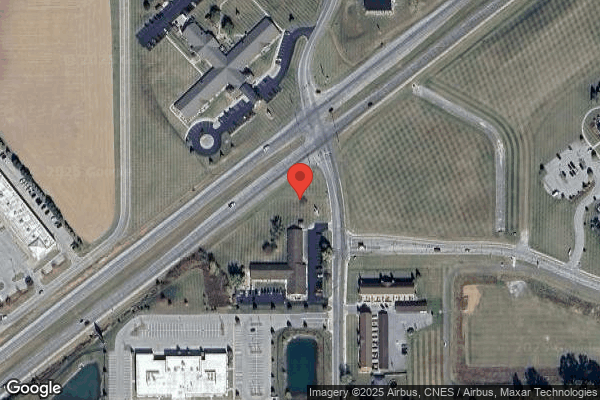

1720 ALBER ST, WABASH, IN 46992 (260) 563-4112
For profit - Limited Liability company 44 Beds INFINITY HEALTHCARE CONSULTING Data: November 2025
Trust Grade
85/100
#200 of 505 in IN
Last Inspection: July 2024

Within standard 12-15 month inspection cycle. Federal law requires annual inspections.

Overview

The Waters of Wabash Skilled Nursing Facility has a Trust Grade of B+, indicating it is above average and recommended for families considering care options. It ranks #200 out of 505 facilities in Indiana, placing it in the top half, and #3 out of 8 in Wabash County, meaning only two local options are better. However, the facility is showing a worsening trend with the number of issues increasing from 5 in 2023 to 6 in 2024. Staffing is a mixed bag; while the turnover rate of 24% is good compared to the state average of 47%, the staffing rating is only 2 out of 5 stars, suggesting challenges in staff presence. There have been no fines reported, which is a positive sign, and they have more RN coverage than 79% of Indiana facilities, ensuring better oversight for residents. On the downside, inspection findings raised concerns about the cleanliness of the kitchen, where grime and food debris were observed, potentially impacting food safety. Additionally, there was a situation where a resident required assistance with eating but did not receive it promptly, leading to her not eating during a two-hour observation. Finally, there were issues with staff information not being readily accessible to residents and visitors, suggesting a lack of transparency in staffing. Overall, while there are strengths in some areas, the facility needs to address these concerns for better resident care.

Trust Score
B+
85/100
In Indiana
#200/505
Top 39%
Safety Record
Low Risk
No red flags
Inspections
Getting Worse
5 → 6 violations
Staff Stability
✓ Good
24% annual turnover. Excellent stability, 24 points below Indiana's 48% average. Staff who stay learn residents' needs.
Penalties
✓ Good
No fines on record. Clean compliance history, better than most Indiana facilities.
Skilled Nurses
✓ Good
Each resident gets 45 minutes of Registered Nurse (RN) attention daily — more than average for Indiana. RNs are trained to catch health problems early.
Violations
⚠ Watch
11 deficiencies on record. Higher than average. Multiple issues found across inspections.
★★★★☆
4.0
Overall Rating
★★☆☆☆
2.0
Staff Levels
★★★★☆
4.0
Care Quality
★★★★☆
4.0
Inspection Score
Stable
2023: 5 issues
2024: 6 issues

The Good

  • 4-Star Quality Measures · Strong clinical quality outcomes
  • Low Staff Turnover (24%) · Staff stability means consistent care
  • Full Sprinkler Coverage · Fire safety systems throughout facility
  • No fines on record
  • Staff turnover is low (24%)

    24 points below Indiana average of 48%

Facility shows strength in quality measures, staff retention, fire safety.

The Bad

Chain: INFINITY HEALTHCARE CONSULTING

Part of a multi-facility chain

Ask about local staffing decisions and management

The Ugly 11 deficiencies on record

Jul 2024 5 deficiencies
CONCERN (D) 📢 Someone Reported This

A family member, employee, or ombudsman was alarmed enough to file a formal complaint

Potential for Harm - no one hurt, but risky conditions existed

ADL Care (Tag F0677)

Could have caused harm · This affected 1 resident

**NOTE- TERMS IN BRACKETS HAVE BEEN EDITED TO PROTECT CONFIDENTIALITY** Based on observation, interview, and record review, the facility failed to provide assistance with eating for 1 of 1 reviewed fo...

Read full inspector narrative →
**NOTE- TERMS IN BRACKETS HAVE BEEN EDITED TO PROTECT CONFIDENTIALITY** Based on observation, interview, and record review, the facility failed to provide assistance with eating for 1 of 1 reviewed for ADLs. (Resident B) Finding includes: During a dining observation, beginning on 7/16/24 at 11:57 a.m., Resident B had not eaten any of her lunch as of 12:41 p.m. Her eyes were closed, and she had a utensil in her hand. At 12:45 p.m., QMA 6 picked up the resident's spoon and offered the resident green beans. During an interview following the observation, QMA 6 indicated Resident B was able to feed herself, but had insomnia and fell asleep frequently during the day and required reminders to eat. QMA 6 first prompted her to eat at 12:45 p.m. During an observation, on 7/17/24 at 8:41 a.m., four residents were in the dining room. No staff were present. Resident B was talking incoherently and fidgeting with her glasses. She had eaten a few bites of eggs. Housekeeper 4 entered the dining room at 8:46 a.m. and indicated that at least one nursing staff was required to be in the dining room until all the residents were done eating. She indicated staff was instructed to leave Resident B in the dining room until she was done eating. Eventually they will just take her tray. Nursing staff entered at 8:54 a.m. and escorted individual residents out of the dining room. Resident B was alone in the dining room, with a tray in front of her from 8:55 a.m. until 8:58 a.m. During an interview on 7/17/24 at 2:55 p.m., Dining Staff 3 indicated Resident B had been in the dining room alone several times. A few weeks prior, Dining Staff 3 reported to work at 11:00 a.m. and Resident B was sitting in the dining room with her breakfast tray still in front of her. During an interview, on 7/18/24 at 2:50 p.m., QMA 6 indicated Resident B was left in the dining room after dinner unattended on more than one occasion. Staff knew they were not allowed to leave residents unattended in the dining room while they were still eating. Dinner routinely ended at 6:00 p.m. and Resident B was left alone in the dining room until 8:00 p.m. The resident was not routinely prompted to eat or assisted with meals. The resident frequently picked at her food and fell asleep. Resident B's medical record was reviewed on 7/18/24 at 12:03 p.m. Diagnoses included unspecified psychosis not due to a substance or known physiological condition; unspecified lack of coordination; unspecified insomnia; need for assistance with personal care; Alzheimer's disease; muscle wasting and atrophy of bilateral upper extremities, not elsewhere classified; generalized muscle weakness and lack of coordination. A quarterly Minimum Data Set (MDS) dated [DATE], indicated the resident had moderate cognitive impairment and required partial to moderate assistance to eat. Resident B's current care plan, dated 4/6/22, indicated the following: ADLs (Activities of Daily Living) fluctuate and amount of assist required fluctuates . I need set-up/supervision assist with eating/drinking .assist at meals with tray set-up and meals/eating as needed .give verbal cues and encourage to eat as needed (interventions dated 11/5/19) .I am at risk for aspiration. History of CVA (cerebral vascular accident or stroke) in 2014; Swallowing difficulties; history of pocketing food, long history of choking on foods/spitting . monitor for coughing or choking with meals A review of Resident B's documentation of her percentage of meals eaten, dated 6/19/24 through 7/18/24, indicated she consumed 0-25% of her food during 30 meals, 26-50% of her food during 18 meals, 51-75% of her food during 30 meals, and more than 76% of her meals during 9 of a total of 88 meals consumed. She refused one meal. Resident B's Self Performance for eating evaluation, for the same dates, indicated at a minimum, she required supervision including oversight, encouragement or cueing for 82 of 88 meals. A current, undated policy, provided by the Director of Nursing (DON) on 7/18/24 at 5:05 p.m., titled Mealtime Observation indicated: .Guideline: Residents shall be observed during mealtimes to monitor .intake of food and beverage items. Appropriate replacements/substitutions will be offered when needed. Procedure: 1. The dining room shall be monitored by the Dining Services Manager or designee at all mealtimes . 3. Nursing staff will be readily available during mealtimes, in the dining room . 5. Substitutions shall be provided for all residents when poor food/fluid intake is noted The Federal tag relates to Complaint IN00434626. 3.1-38(a)(2)(D)
CONCERN (D)

Potential for Harm - no one hurt, but risky conditions existed

Staffing Information (Tag F0732)

Could have caused harm · This affected 1 resident

Based on observation, record review, and interview, the facility failed to ensure staff information was posted in a prominent place, was readily accessible to residents and visitors, and was in a clea...

Read full inspector narrative →
Based on observation, record review, and interview, the facility failed to ensure staff information was posted in a prominent place, was readily accessible to residents and visitors, and was in a clear and readable format. Findings include: On 7/15/24, at 11:32 a.m., staffing information was not readily available at the nurses station towards the front doors of the facility. No information was available on the walls at the front of the facility. The front of the building was the main entrance into the facility. On 7/15/24, at 11:41, during an interview with the Administrator (Adm), she indicated the staff posting was on the wall outside of the Director of Nursing's (DON) door. The DON's office was located in the west hall of the facility, past the nurses desk, through a doorway, and on the left side of the hallway. On 7/16/24, at 12:05 p.m., nurse staffing was posted outside the DON's door. There were two plastic sleeves that contained two 8.5 x 11 sheets of paper with staffing information. The two documents were positioned on their sides. In order to view the documents, they had to be removed from the eye-level hooks where they were hung, and repositioned to an upright orientation in order to be read. The font was small, approximately a 10 or 12 font size. During an interview with the DON, on 7/18/24 at 12:39 p.m., she indicated she thought the posting location was fine. She had been instructed by the Administrator to move the postings to a publicly accessible location at the front of the facility. A document titled Guidelines for BIPA Staffing Posting Requirement, revised on 7/24/23, and provided by the DON on 7/18/24 at 5:05 p.m., included the following information: .4) Posting Requirements: a) Data must be posted in a clear, readable format with a font of 14 or above. b) Data must be in a conspicuous prominent location, accessible to residents/visitors
CONCERN (D)

Potential for Harm - no one hurt, but risky conditions existed

Deficiency F0804 (Tag F0804)

Could have caused harm · This affected 1 resident

Based on observation, interview, and record review, the facility failed to provide food that was attractive and palatable. (Residents 5, 15, 18, and 21) Findings include: During an interview on 7/15/2...

Read full inspector narrative →
Based on observation, interview, and record review, the facility failed to provide food that was attractive and palatable. (Residents 5, 15, 18, and 21) Findings include: During an interview on 7/15/24 at 11:08 a.m., Resident 18 indicated she was not feeling well. She thought her blood glucose might be low. She had not eaten any breakfast that morning because she .could not face another peanut butter and jelly sandwich She described the food as awful. She complained repeatedly to the administrator and other staff about the palatability of the food. She finally resorted to eating peanut butter and jelly sandwiches because that was the only thing she could tolerate. Carbohydrates were too many and there was not enough protein provided. The food was not properly seasoned and not appealing in appearance. During an interview on 7/18/24 at 10:42 a.m., Resident 5 indicated the food palatability varied. Sometimes the food was not bad, but other times it was not edible. It all depended on who was working in the kitchen. During an interview on 7/15/24 at 11:23 a.m., Resident 21 indicated the food was not good, sometimes not hot, and unappealing. During an interview on 07/15/24 at 3:12 p.m., Resident 15 indicated the food was sometimes bad . sometimes good, depending on who was working in the kitchen. Information gathered at a Resident Council Meeting on 7/17/24 at 3:04 p.m. included the following: Resident 21 indicated improperly cooked shrimp had been served twice. Resident 15 indicated she would taste what was being served for eating breakfast - eggs were often cold and the oatmeal was too thick. During an observation of dining on 07/16/24 at 12:26 p.m. a resident was overheard saying the chicken was actually soft, that she could actually eat it. At 12:43 p.m., another resident was observed sending her hamburger back to the kitchen because it was cold. A test lunch tray was provided on 7/16/24 at 1:10 p.m. The menu for the day included Dijon chicken, rosemary roasted potatoes, green beans, and chocolate pudding. The chicken was appropriately cooked, was warm (not hot), and was seasoned slightly. There was no Dijon taste to the chicken. The rosemary roasted potatoes, light gray to dark gray in color, were grease soaked and mushy. They tasted like grease. The rosemary could be detected but there were no other seasonings. The green beans were from a can and no salt or any other seasoning had been added. They were flavorless and mushy. The chocolate pudding was lumpy and not thoroughly mixed. During an interview with the Administrator on 7/17/24 at 4:02 p.m., she indicated one resident complained frequently about too much pepper on the food. Another resident had complained about a curry soup. She was not aware of other residents complaining about the look and taste of the food. She did not encourage the kitchen staff to taste the food before serving it because she wanted to avoid cross-contamination. No policy addressing food attractiveness or palatability was provided. 3.1-21 (a)(1)(2)
CONCERN (D)

Potential for Harm - no one hurt, but risky conditions existed

Deficiency F0809 (Tag F0809)

Could have caused harm · This affected 1 resident

Based on observation, interview, and record review, the facility failed to provide a nourishing snack at bedtime when there was more than fourteen (14) hours between the evening meal and breakfast the...

Read full inspector narrative →
Based on observation, interview, and record review, the facility failed to provide a nourishing snack at bedtime when there was more than fourteen (14) hours between the evening meal and breakfast the next day. This had the potential to affect twenty four (24) out of twenty four (24) residents. (Residents 3, 16, 15, 18, 21, and 22) Findings include: During a resident council meeting on 7/17/24 at 3:04 p.m., Resident 15 indicated the facility used to provide snacks in the evening. Eventually, the snacks provided were only oatmeal pies. The night before the meeting, there were no snacks available at all. Resident 21 indicated the facility sometimes provided goldfish, oatmeal pies, or a sandwich. If the facility would run out of snacks, the residents did not get an evening snack. Resident 15 indicated residents would sometimes ask a kitchen staff member to hold food items for them. The staff member would do so. All residents present at the council meeting indicated snacks were not offered in the evenings. They could get snacks only when they asked for them and often, no snacks were available. During an interview with CNA 5 on 7/18/24 at 2:50 p.m. she indicated residents could get a snack at bedtime if they asked. The problem was there were no snacks to pass out to the residents. The residents used to get chips and cookies. Now, they could barely get cookies. She had, on occasion, gone to the grocery store to buy granola bars because there were no snacks available. The facility did not provide peanut butter crackers or even oatmeal cookies. They did sometimes have sandwichest, but those could be up to four (4) days old. The sandwiches were soggy and mushy. Most of the residents on the [NAME] hall wanted snacks. When they were available, snacks could be found in the therapy room refrigerator or cabinets. An untitled document, provided by the Business Office Manager (BOM), on 7/15/24 at 3:36 p.m., indicated mealtimes at the facility were as follows: Breakfast - 7:30 a.m., Lunch - 12:00 p.m., and Dinner - 5:00 p.m. The time between dinner and breakfast the next day was fourteen and a half (14.5) hours. During an interview with the Administrator on 7/17/24 at 4:02 p.m., she indicated snacks were provided to the residents and kept in the refrigerator in the therapy room. Snacks were passed with medications at night. Residents could have a snack any time of day they wanted. In addition to sandwiches in the refrigerator, residents could have crackers and cookies. To tell a resident snacks were unavailable was not acceptable. No policy referencing evening or bedtime snacks was provided by the facility. 3.1-21(d) and (e)
CONCERN (D)

Potential for Harm - no one hurt, but risky conditions existed

Infection Control (Tag F0880)

Could have caused harm · This affected 1 resident

Based on observation, interview, and record review, the facility failed to implement Enhanced Barrier Precautions (EBP) for 1 of 5 residents reviewed for EBP (Resident 21) Findings include: Resident 2...

Read full inspector narrative →
Based on observation, interview, and record review, the facility failed to implement Enhanced Barrier Precautions (EBP) for 1 of 5 residents reviewed for EBP (Resident 21) Findings include: Resident 21's clinical record was reviewed on 7/16/24 at 3:25 p.m. Diagnoses for the resident included, but were not limited to, type 2 diabetes mellitus with diabetic neuropathy, morbid (severe) obesity due to excess calories, and non-pressure chronic ulcer of other part of left foot with unspecified severity. Current physician orders included, but were not limited to: 6/7/24 - An external ointment, mupirocin 2%, was to be applied to the left great toe topically every day and night shift. The wound was to be covered with dry, sterile gauze. 5/14/24 - A weight bearing as tolerated (WBAT) surgical shoe to be worn on the left foot. 5/6/24 - Monitor the left great toe each shift for signs and symptoms of infection, dressing placement, and surrounding tissue until healed. 2/8/24 - Notify the physician of any foul-smelling odor, red streaking up the leg, discolored drainage, and watch for infection, every shift. During an observation, on 5/17/24 at 11:23 a.m., Resident 21 was in her room. She was wearing disposable booties over her socks. Drainage was observed on the disposable bootie. The resident indicated she had a diabetic ulcer on the bottom of her toe. She could see the drainage on the bootie. The room had no signage, inside or outside, to indicate the resident required EBP. No personal protective equipment (PPE) was available inside or outside the room. During an observation on 5/17/24, at 1:42 p.m., Resident 21 indicated the nurse had put on a new bootie but did not change the dressing. She indicated the nurses providing dressing changes to her foot did not wear gowns when providing care. During an observation on 7/16/24, at 9:30 a.m., the wound care nurse and the DON performed a dressing change on Resident 21's left great toe. The DON provided hands-on care while the wound care nurse measured the wound. Both nurses donned gloves before providing care. No gowns were donned before or during the procedure. The wound care nurse indicated the wound was a full-thickness, diabetic foot ulcer. During an interview with the corporate nurse consultant, on 7/17/24 at 11:15 a.m., she indicated EBP should be used for residents with catheters and wounds. She was not aware of any residents with wounds in the facility. She was not aware EBP was not being followed for Resident 21. PPE should be available in the resident's room. During an interview with the Director of Nursing (DON) on 7/18/24 at 12:38 p.m., she indicated Resident 21 should be on EBP. A document, titled Guidelines for Enhanced Barrier Precautions (EBP) - An extension of Personal Protective Equipment (PPE), with a revision date of 12/2022, was provided by the Administrator on 7/17/24 at 4:02 p.m. The document indicated it was the policy of the facility to ensure that additional and appropriate PPE is utilized, when indicated, to prevent the spread of Multidrug-resistant Organisms, also known as MDROs. Enhanced Barrier Precautions (EBP) are defined as the use of PPE (gowns and gloves) during high-contact resident care activities that generate opportunities for transfer of MDROs in the form of blood or body fluids, onto the hands and/or clothing of the rendering caregiver. EBP is to be used when Contact Precautions do not otherwise apply and where there is a diagnosis of a MDRO or a colonized MDRO. These precautions are generally in place for the duration of the resident's stay, or until there is a resolution of the wound or discontinuation of the device that placed the resident at 'higher risk' .Examples of 'high contact' resident care activities at which time EBP is to be practiced are: a) dressing care/changes/management of dressings .Procedure: .3) Ensure that proper signage is posted on the resident's room door instructing those who plan to enter the room to check first at the nurses' station for education/instructions. 4) Ensure that all necessary supplies are available in an enclosed clean labeled container outside thee resident's room 3.1-18(a)
Feb 2024 1 deficiency
CONCERN (D) 📢 Someone Reported This

A family member, employee, or ombudsman was alarmed enough to file a formal complaint

Potential for Harm - no one hurt, but risky conditions existed

Deficiency F0563 (Tag F0563)

Could have caused harm · This affected 1 resident

Based on, record review, and interview, the facility failed to accommodate visitation rights for 1 of 3 residents reviewed for resident rights. (Resident B) Finding includes: During an interview, on 2...

Read full inspector narrative →
Based on, record review, and interview, the facility failed to accommodate visitation rights for 1 of 3 residents reviewed for resident rights. (Resident B) Finding includes: During an interview, on 2/1/24 at 11:18 a.m., Resident B indicated she wasn't allowed to have a friend enter the building for visitation. Outside visitation with her friend was allowed. Inside visitation was not permitted until documentation was provided to the facility of bedbug infestation treatment at his place of residence. Her friend was unable to afford treatment. During an interview, on 2/1/24 at 12:00 p.m., LPN 10 indicated the facility had limitations with one of Resident B's visitors. During an interview, on 2/1/24 at 12:17 p.m., the Administrator indicated that one specific visitor of Resident B was found to have brought bedbugs into the facility. They had the restricted visits to outside only. On 2/1/23 at 12:35 p.m., a facility document of a conversation between the resident and the Administrator, dated 11/6/23, was provided by the Administrator. The document indicated the Administrator spoke with Resident B regarding her visitation being outside the facility with her friend. Resident B indicated she felt there was discrimination against her friend. During an interview, on 2/1/24 at 12:54 p.m., the Social Services designee indicated Resident B's visitor was not allowed to enter the facility until he provided documentation of bedbug treatment at his place of residence. During an interview, on 2/1/24 at 2:18 p.m., the DON indicated Resident B's visitor was unable to enter the facility. The clinical record for Resident B was reviewed on 2/1/24 at 2:27 p.m. The diagnoses included anxiety. A 12/21/23 quarterly Minimum Data Set (MDS) assessment indicated the resident was cognitively intact. During an interview, on 2/1/24 at 3:20 p.m., CNA 11 indicated the facility was requiring outside visitation with one of Resident B's visitors. During an interview, on 2/1/24 at 3:27 p.m., QMA 12 indicated Resident B's visitor was unable to enter facility, as they felt he had bedbugs. Visits must take place outdoors, even when it was cold outside. Bedbugs were still found in the facility after her friend was restricted from entering. Pest control invoices for bedbug treatments, provided by the Administrator, on 2/1/24 at 10:30 a.m., indicated treatment dates for bedbugs included 12/1/23 and 1/22/24. An undated facility policy provided by the Administrator on 2/1/24 at 2:35 p.m., titled Policy/Procedure: Visitation Rights of Residents, indicated .Residents have the right to receive visitors of their choosing at the preferred time that the resident chooses as long as the visit does not impose on the rights of other residents .Ensure that all residents enjoy full and equal visiting privileges consistent with resident preference This visit relates to Complaint IN00424644. 3.1-8(a)
Aug 2023 3 deficiencies
CONCERN (D)

Potential for Harm - no one hurt, but risky conditions existed

Report Alleged Abuse (Tag F0609)

Could have caused harm · This affected 1 resident

Based on interview and record review, the facility failed to report resident-to-resident abuse for 1 of 2 resident altercations reviewed for State Agency reporting (Resident 6 and Resident 17). Findin...

Read full inspector narrative →
Based on interview and record review, the facility failed to report resident-to-resident abuse for 1 of 2 resident altercations reviewed for State Agency reporting (Resident 6 and Resident 17). Findings include: During an interview on 7/27/23 at 10:15 a.m., Resident 6 indicated her previous roommate (Resident 17) and she argued periodically. The last time they argued, it became physical. Resident 6 was in bed when Resident 17 came over to her bed, grabbed Resident 6's face, and said Don't you ignore me. Resident 6's clinical record was reviewed on 7/27/23 at 1:27 p.m. Her diagnoses included multiple sclerosis, generalized anxiety disorder, bipolar disorder, major depressive disorder, and delusional disorder. Her medications included aripiprazole (antipsychotic) 2.5 mg (milligrams) daily and sertraline (antidepressant) 75 mg daily. A quarterly Minimum Data Set (MDS) assessment, dated 6/14/23, indicated the resident was cognitively intact. She was totally dependent on the assistance of two staff members for bed mobility, transfers, dressing, toilet use, personal hygiene, and bathing. She was totally dependent on assistance of one staff member for eating, and locomotion off and on the unit. Her upper and lower extremities range of motion was impaired on both sides. A care plan initiated on 3/23/23 and revised on 6/27/23 indicated she had made accusations (which had been investigated and determined to be unsubstantiated) against unidentified people. The goal initiated on 3/23/23 with a target date of 9/5/23 indicated the resident will feel safe. Interventions included all resident accusations will be investigated (initiated 3/23/23) and listen to resident, gather as much information as possible (initiated 3/23/23). A General Progress Note, dated 6/18/23 at 11:19 p.m., indicated the resident had put on her call light and reported her roommate was being mean and yelling at her. The roommate became upset and indicated the resident was lying and to shut up. Three times, the staff were called to intervene in the argument. The roommate became physical with the resident and they were separated. Review of Resident 17's clinical record was completed on 8/1/23 at 3:12 p.m. Diagnoses included dementia and psychotic disorder with hallucinations due to known physiological conditions. Her medications included risperidone (antipsychotic) 0.25 mg two times a day. A significant change MDS assessment, dated 6/20/23, indicated the resident was moderately cognitively impaired. She required supervision with assistance of one staff member for walking in room and corridor. A Progress Note, dated 6/18/23 at 10:30 p.m., indicated the resident yelled at her roommate (Resident 6). Staff responded three times between 6:00 p.m. and 7:00 p.m. to calm the residents. The Director of Nursing (DON) and Administrator were notified and they both advised to separate the residents. When the nurse went to separate the residents, they seemed to be settled. Near 8:00 p.m., Resident 17 went and shook her roommate (Resident 6) to wake her up. Resident 17 indicated Resident 6 touched her first. Then Resident 17 indicated she did not touch her roommate (Resident 6). The residents were separated. An investigation of the resident-to-resident altercation, provided by the Administrator, was received and reviewed on 7/28/23 at 10:01 a.m. The concern description of the Concern/Grievance record indicated Resident 6 expressed concern over an incident with her previous roommate (Resident 17). She indicated Resident 17 was mean to her and yelled at her. Her roommate was upset over who paid more money for the room. An interview on 6/19/23 with Resident 6, by the Social Services Designee (SSD), indicated Resident 6 said Resident 17 was mean to her and accused her of lying. She indicated Resident 17 did not hit her or become physical. She was worried Resident 17 would get too close to her and could get physical. An interview on 6/19/23 with Resident 17, by the SSD, indicated Resident 17 said she yelled at Resident 6 and hurt her feelings. She indicated the nurse took Resident 6's side and believed Resident 6's lies. She was not physical with Resident 6 and only yelled at her. During an interview, on 7/28/23 at 2:26 p.m., the Administrator indicated she did not report to the State Agency the allegation of abuse because after the investigation, she determined during the resident-to-resident altercation nothing physical happened, and no cussing or threats were involved. During an interview, on 7/28/23 at 3:03 p.m., LPN 51 indicated she was the nurse on duty during the resident-to-resident altercation. She was uncertain if Resident 17 touched Resident 6 or not. Resident 6 initially reported Resident 17 grabbed her face and whipped her head around. A CNA on duty at the time had reported to the nurse she saw Resident 17 near Resident 6's bed. She did not see Resident 6 touch Resident 17 at any time. The residents were immediately separated. Later, after the residents were separated, Resident 6 indicated Resident 17 did not touch her. A current, undated policy, titled Abuse Prevention Program, provided by the Administrator on 7/27/23 with the entrance conference paperwork, indicated the following: .When an alleged or suspected case of abuse or neglect is reported to the Administrator, the Administrator, or person in charge of the facility, will notify the following persons or agencies of such incident immediately. State Licensing and Certification Agency (i.e. ISDH) .Abuse involving one resident upon another resident will be reported to ISDH 3.1-28(e)
CONCERN (D)

Potential for Harm - no one hurt, but risky conditions existed

Quality of Care (Tag F0684)

Could have caused harm · This affected 1 resident

Based on observation, record review, and interview, the facility failed to report weight gains of 2 lbs (pounds) or greater for heart failure protocol, as ordered by the physician, for 2 of 5 resident...

Read full inspector narrative →
Based on observation, record review, and interview, the facility failed to report weight gains of 2 lbs (pounds) or greater for heart failure protocol, as ordered by the physician, for 2 of 5 residents reviewed for unnecessary medications (Resident 5 and 16). Findings include: 1. During a random observation, on 7/26/23 at 10:12 a.m., Resident 16 was was sitting in a recliner with feet elevated, her eyes were closed, connected to oxygen via nasal cannula, and was opened-mouth breathing. During an interview, on 7/26/23 at 1:17 p.m., Resident 16 indicated she retained fluids, had trouble breathing for last couple of weeks, had started on oxygen the day prior, and had also had an X-ray taken. Her clinical record was reviewed on 7/28/23 at 1:27 p.m. Diagnoses included combined systolic and diastolic congestive heart failure, chronic atrial fibrillation, and shortness of breath. Current physician orders included the following; a. Heart failure: daily weight-after voiding and before breakfast and medications with same clothes every day. Notify physician of 2 lb gain in one day and 4 lb gain in 5 days, the order date was 3/29/23. b. Heart failure: edema assessment, check for edema at all extremities each shift and document amount of pitting 0, 1+, 2+, 3+, 4+, the order date was 3/30/23. c. Levofloxacin (antibiotic) 500 mg (milligram), one tablet daily for seven days for infection, the order date was 7/25/23. d. Bumetanide (diuretic) 2 mg, one tablet twice a day for fluid retention, the order date was 7/26/23. e. Oxygen at 2 L/M (Liters per Minute) per nasal cannula continuously, the order date was 7/26/23. f. Oxygen saturation checks daily, the order date was 7/27/23. A 7/5/23 quarterly MDS (Minimum Data Set) assessment indicated she was cognitively intact and had received a diuretic every day. She had a current care plan, dated 4/6/23, for heart failure. The goal, with a target date of 9/27/23, indicated she would not have an acute exacerbation of heart failure symptoms. Interventions, dated 4/6/23, indicated continued resident education on heart failure protocol and disease management, follow heart failure protocol that was listed on MAR (Medication Administration Record) and TAR (Treatment Administration Record), changes monitored, and physician notified as needed. An intervention, revised on 7/26/23, indicated medications would be administered as ordered. She had a current care plan, dated 7/26/23, for displayed complications with gas exchange due to pneumonia and received oxygen therapy. The goal, with a target date of 9/27/23, indicated she would not exhibit signs or symptoms of respiratory distress through next review. Interventions, dated 7/26/23, indicated oxygen was administered as ordered, lung sounds monitored as needed, head of bed elevated to facilitate breathing, oxygen saturations monitored as ordered and as needed, and physician notified of any changes. She had a current care plan, dated 7/26/23, for an infection and taking an antibiotic for seven days for pneumonia. The goal, with a target date of 9/27/23, indicated she would be free of signs and symptoms of infection through next review date. Interventions, dated 7/26/23, indicated enhanced barrier precautions, physician kept updated on un-resolving symptoms, lab work and medications as ordered, and adverse affects of antibiotic would be reported to the physician. Review of Resident 16's daily weights indicated the following: Weight on 6/11/23 was 282.4 lbs and her weight on 6/12/23 was 285.0 lbs. This was a 2.6 lb weight gain in one day. Weight on 6/12/23 was 285.0 lbs and her weight on 6/13/23 was 287.6 lbs. This was a 2.6 lb weight gain in one day. Weight on 6/19/23 was 286.0 lbs and her weight on 6/20/23 was 288.4 lbs. This was a 2.4 lb weight gain in one day. Weight on 6/24/23 was 290 lbs and her weight on 6/25/23 was 292.0 lbs. This was a 2.0 weight gain in one day. Weight on 7/12/23 was 284.4 lbs and her weight on 7/13/23 was 287.8 lbs. This was a 3.4 lb weight gain in one day. Weight on 7/18/23 was 287.2 lbs and her weight on 7/19/23 was 289.5 lbs. This was a 2.3 lb weight gain in one day. The clinical record lacked physician notification of daily weight gains. A Dietary Progress Note, dated 7/5/23 at 2:27 p.m., indicated weights showed significant fluctuations, 250 lbs - 285 lbs, over the past three months, and diuretic treatment with fluid shifts gains and losses. A progress note, dated 7/24/23 at 10:51 p.m., indicated the resident complained of feeling short of breath earlier that evening, and her oxygen saturation was 95% on room air. A breathing treatment had been given with some relief. Her left lower lobe was more diminished than her normal and she complained of pain to her lungs when she inhaled. Staff offered to send her to the emergency room and she declined. Her vital signs were within normal limits. Oxygen was started at 3 L/M for comfort and nitroglycerine had been given. A progress note, dated 7/25/23 at 11:26 a.m., indicated new orders for a chest X-ray, anterior, posterior, and lateral view, and CBC (Complete Blood Count) and CMP (Comprehensive Metabolic Panel) labs to be drawn had been obtained. A progress note, dated 7/25/23 at 12:17 p.m., indicated she continued to complain of shortness of breath, oxygen saturation was 95% on room air, and lung sounds were clear to upper lobes and diminished in lower lobes. Oxygen at 3 L/M via nasal cannula per resident's request. A progress note, dated 7/25/23 at 4:06 p.m., indicated the Nurse Practitioner had been notified of lab and X-ray results. The chest X-ray indicated enlarged cardiac size with bilateral hilar congestion and mild pulmonary edematous changes. The possibility of underlying infiltrates could not be ruled out. A progress note, dated 7/25/23 at 5:31 p.m., indicated an new order had been received to increase the bumetanide from 1 mg to 2 mg twice a day and added Levoquin 500 mg for seven days. A progress note, dated 7/26/23 at 10:05 p.m., indicated she continued to complain of shortness of breath, oxygen saturation was 85%, lung sounds clear to upper lobes, diminished in lower lobes, and remained on 3 L/M of oxygen. 2. During an observation, on 7/27/23 at 1:42 p.m., Resident 5 was ambulating with a walker in the hall, with edema (swelling) visible to bilateral lower extremities from below her knees to the tops of her feet. Her clinical record was reviewed on 7/27/23 at 1:12 p.m. Diagnoses included acute on chronic diastolic congestive heart failure. Current physician orders included the following; a. Heart failure: edema assessment, check for edema at all extremities each shift and document amount of pitting 0, 1+, 2+, 3+, 4+, the order date was 2/13/23. b. Heart failure: daily weight-after voiding and before breakfast and medications with same clothes every day. Notify physician of 2 lb gain in one day and 4 lb gain in 5 days, the order date was 2/13/23. c. Torsemide (diuretic) 60 mg, one tablet daily for congestive heart failure, the order date was 4/20/23. A 6/15/23 quarterly MDS assessment indicated she was cognitively intact and received a diuretic every day. She had a current care plan, dated 1/7/23, for heart failure. The goal, with a target date on 8/21/23, indicated shoe would not have an acute exacerbation of heart failure symptoms, The interventions, dated 1/7/23, indicated medications administered as ordered, head of bed elevated when in bed at all times due to shortness of breath when lying flat, changes monitored and physician notified as needed, and oxygen provided as ordered. Review of Resident 5's daily weights indicated the following: a. Weight on 7/4/23 was 258.2 lbs and her weight on 7/5/23 was 260.8 lbs. This was a 2.6 lb weight gain in one day. b. Weight on 7/23/23 was 259.8 lbs and her weight on 7/24/23 was 262.4 lbs. This was a 2.6 lb weight gain in one day. The clinical record lacked physician notification of daily weight gains. During an interview, on 8/1/23 at 10:20 a.m., LPN 5 indicated daily weights were documented on the MAR. If physician notification was required, it was documented in progress notes or on the MAR. During an interview, on 8/1/23 at 10:30 a.m., the DON indicated the physician notifications for daily weight gains were documented in progress notes or with the MAR or TAR. During an interview, on 8/1/23 at 2:08 p.m., the Nurse Consultant indicated their heart failure protocol was the physician orders. They did not have a policy for this, they just followed the physician orders. Review of a current, undated, facility policy titled PHYSICIAN ORDERS-(FOLLOWING PHYSICIAN ORDERS), provided by the DON on 8/1/23 at 1:53 p.m., indicated the following: .Policy: It is the policy of the facility to follow the orders of the physician 3.1-37(a)
CONCERN (D)

Potential for Harm - no one hurt, but risky conditions existed

Accident Prevention (Tag F0689)

Could have caused harm · This affected 1 resident

**NOTE- TERMS IN BRACKETS HAVE BEEN EDITED TO PROTECT CONFIDENTIALITY** Based on record review and interview, the facility to failed to provide adequate supervision for a resident with a history of fa...

Read full inspector narrative →
**NOTE- TERMS IN BRACKETS HAVE BEEN EDITED TO PROTECT CONFIDENTIALITY** Based on record review and interview, the facility to failed to provide adequate supervision for a resident with a history of falls and failed to develop and implement person-centered, individualized interventions to reduce the risk of falls, for 1 of 4 residents reviewed for accidents (Resident 23). Findings include: Resident 23's clinical record was reviewed on 7/28/23 at 3:07 p.m. He had admitted to the facility on [DATE] and transferred to an acute hospital on 6/24/23. Diagnoses included pathological hip fracture, weakness, unsteadiness on feet, abnormalities of gait and mobility, and dementia. Physician orders included the following: a. Monitor incision to left hip each shift for signs/symptoms of infection or worsening, dressing placement, and surrounding tissue until healed, the order date was 6/1/23. b. Weight bearing as tolerated to left hip/leg, the order date was 6/1/23. c. Oxycodone (opioid)-acetaminophen 7.5-325 mg (milligram), one tablet every eight hours as needed for chronic pain, the order date was 6/2/23. d. Apply skin prep daily to left elbow, order date was 6/20/23. e. Levaquin (antibiotic) 750 mg, one tablet daily for infection for five days, the order date was 6/20/23. A Fall Risk Review, dated 6/1/23 at 11:48 p.m., indicated he was at a high risk for a fall. He had a history of falls within the last three months, required assistance with ambulation, had a balance problem while standing/walking, and required use of assistive devices. A baseline care plan, dated 6/7/23, indicated the resident required two person physical assistance with bed mobility and one person physical assistance with transfers, to walk in his room, and with locomotion on the unit. He had a history of falls, had a fall at home that resulted in a fracture, and had pain to his left left hip related to post-operative repair of the fracture. The baseline care plan did not include personalized interventions to reduce his risk for falls. An admission MDS (Minimum Data Set) assessment, dated 6/8//23, indicated he was cognitively intact. He required extensive assistance with bed mobility, transfers, dressing, toilet use, personal hygiene, and with locomotion on and off the unit. Walking in room or corridor had not occurred. He had a fracture related to a fall in the last month, prior to admission. A Nurse Practitioner Skin and Wound Note, dated 6/13/23 at 11:40 a.m., indicated he had admitted to the facility for physical and occupational therapy after surgical repair of left hip fracture secondary to fall at his home. He had limited ambulation ability and was confused. A progress note, dated 6/14/23 at 5:22 a.m., indicated he had several episodes of yelling out and had episodes of hallucinations such as did you see that airplane in here and do you see where I cleaned up all that oil that spilled. He complained of pain throughout the night, received an oxycodone, and had rested in his chair afterwards. A progress note, dated 6/17/23 at 9:47 a.m., indicated antibiotic therapy was ordered for urinary tract infection. A Care Plan Summary note, dated 6/19/23 at 12:58 p.m., indicated the interdisciplinary team met with the resident and his daughter to discuss his progress in therapy, goals of care, and discharge plan. Therapy indicated he had made functional progress but his cognition impeded his making further progress, and they were primarily working on rebuilding strength, safety awareness, and endurance. A progress note, dated 6/21/23 at 6:59 p.m., indicated the resident ambulated to the dining room with a walker and one staff assist for breakfast. A progress note, dated 6/23/23 at 1:53 p.m., indicated he was oriented to self only at that time, and had previously been oriented to time and place. His gait was unsteady and transferred with one assist. A progress note, dated 6/24/23 at 12:25 a.m., indicated he had an unwitnessed fall in his room. He was assessed, then assisted up with two staff. He had hit his head on the closet door, had a large raised area to back of his head, and a reddened area on mid/left back. He complained the left side of his buttocks hurt. Active range of motion was per his normal. A progress note, dated 6/24/23 at 12:56 p.m., indicated he had been up several times without assistance and forgot he was unsteady on his feet. He had no complaints of pain from fall the night before. An SBAR (Situation, Background, Assessment, Recommendation) Summary for Providers, dated 6/24/23 at 7:50 p.m., indicated a change in condition related to altered mental status and a fall. He had an increased level of confusion, was on follow up from a fall the previous night, and was reluctant to rest or stay off his feet. An order was received to send resident to the emergency room for evaluation and treatment. A progress note, dated 6/25/23 at 11:06 a.m., indicated the resident's daughter went to the facility to pick up his belongings and told them he wouldn't be back. He had a current care plan, dated 6/27/23, for risk of falls related to history of falls with injuries. The goal, with a target date of 9/6/23, indicated he would not have any injuries due to falls through next quarterly review. The interventions, all initiated 6/27/23, included areas kept clutter free, call light kept in reach in room, encouraged resident to use call light to seek assistance, offer scheduled toileting as needed, notify and update physician and family as needed, and evaluate possible causes of falls and address to the extent possible. The clinical record did not include person-centered, individualized interventions to reduce the resident's risk for falls prior to his fall on 6/24/23. During an interview, on 8/1/23 at 11:13 a.m., the DON indicated he had been sent to the hospital due to altered mental status related to a fall. The hospital indicated he had sustained a dislocation of his right elbow from the fall. Review of a Facility Report Incident, provided by the DON on 8/1/23 at 11:15 a.m., indicated the incident date was 6/27/23 at 10:01 a.m. He had an unwitnessed fall in his room, assessment indicated a raised area to the back of his head, and he complained of pain to his right elbow. The physician had been notified and an order to send the resident to the emergency room for evaluation and treatment had been received. The preventive measures taken indicated immediate fall interventions in place and care plan updated, neurological checks had been initiated, resident representative had been notified and no concerns. The follow up, added 7/4/23, indicated a report from the hospital had been received and indicated a dislocation of his right elbow. Contributing factors to resident's fall were determined to be a diagnosis of dementia, unsteadiness on feet, weakness, and abnormalities of gait and mobility. He had not returned to the facility. Review of a current, undated, facility policy titled INCIDENTS/ACCIDENTS/FALLS, provided by the DON on 8/1/23 at 1:53 p.m., indicated the following: .11. All falls will have a site investigation by appropriate staff in an effort to define the root cause of the fall. This will help provide information to enable staff to roll out interventions to prevent another similar occurrence. Note: Each fall needs a new intervention rolled out 3.1-45(a)(2)
Apr 2023 1 deficiency
CONCERN (D) 📢 Someone Reported This

A family member, employee, or ombudsman was alarmed enough to file a formal complaint

Potential for Harm - no one hurt, but risky conditions existed

Abuse Prevention Policies (Tag F0607)

Could have caused harm · This affected 1 resident

Based on interview and record review, the facility failed to ensure staff (Employee 1, Employee 2 and Employee 3) reported suspicions of resident mistreatment (Resident F) to the Administrator, when a...

Read full inspector narrative →
Based on interview and record review, the facility failed to ensure staff (Employee 1, Employee 2 and Employee 3) reported suspicions of resident mistreatment (Resident F) to the Administrator, when a staff member (CNA 4) reportedly used inappropriate language and refused to meet the needs of a resident for 1 of 3 residents reviewed for abuse. Findings include: During an interview on 4/4/2023 at 12:21 p.m., Employee 1 indicated they had been told about CNA 4 using inappropriate language with Resident F. The employee did not report what they heard to the Administrator (or designee). During an interview on 4/4/2023 at 12:46 p.m., Employee 2 indicated the facility had recently had an inservice on abuse and abuse reporting. The employee had heard CNA 4 had used inappropriate language with Resident F. The employee was told CNA 4 had said I am not going to change your brief every g _ _ d _ _ _ 15 minutes. Employee 2 did not report this to the Administrator (or designee). During an interview on 4/4/2023 at 2:37 p.m., Employee 3 indicated they had been told CNA 4 made inappropriate remarks to Resident F. It was reported to the employee CNA 4 stated they would not come to her room every 25 minutes to put the resident on the bed pan. The employee did not report this to the Administrator. During an interview on 4/5/2023 at 9:25 a.m., the Administrator indicated staff should report all suspicion of abuse or mistreatment immediately to him. The facility had provided several inservices on abuse and reporting. During an interview on 4/5/2023 at 10:38 a.m., CNA 4 denied allegations of abuse or mistreatment of Resident F. A current, undated, facility policy titled Abuse Prevention Program was provided by the Administrator on 4/4/2023 at 9:27 a.m. The policy indicated the following: . IV. Identification .Employees are required to report any incident, allegation or suspicion of potential abuse, neglect or mistreatment they observe, hear about or suspect to the Administrator or an immediate supervisor who will immediately report the allegation to the Administrator This Federal Tag relates to Complaint IN00399395. 3.1-28(c)
Jan 2023 1 deficiency
CONCERN (F) 📢 Someone Reported This

A family member, employee, or ombudsman was alarmed enough to file a formal complaint

Potential for Harm - no one hurt, but risky conditions existed

Food Safety (Tag F0812)

Could have caused harm · This affected most or all residents

**NOTE- TERMS IN BRACKETS HAVE BEEN EDITED TO PROTECT CONFIDENTIALITY** Based on observation, interview, and record review, the facility failed to ensure the facility kitchen was maintained in a hygie...

Read full inspector narrative →
**NOTE- TERMS IN BRACKETS HAVE BEEN EDITED TO PROTECT CONFIDENTIALITY** Based on observation, interview, and record review, the facility failed to ensure the facility kitchen was maintained in a hygienic and sanitary manner. 18 of 18 residents ate food prepared in the facility kitchen. Findings include: During a tour of the facility kitchen, on 1/5/23 at 8:43 a.m., accompanied by the Dietary Manager, the following was observed: The gas stove had dark grime and debris containing oatmeal and egg shells, on and around the burners. Beneath the burners, on a piece of foil, there was a thick amount of yellowed greasy debris containing discarded egg shells, a shriveled bread roll, macaroni noodles, two breaded meat nuggets, and oatmeal. The shelf above the cooktop, holding two open and uncovered packages of pastries, was covered with greasy and sticky grime. The stove knobs and oven door handles were covered with a sticky, greasy grime substance. During an interview, at the time of the observation, the Dietary Manager indicated the staff was to clean the stove weekly. The storage shelves next to the stove contained muffin tins, skillets, and mixing bowls on pieces of parchment. The muffin tins had black debris and crumbs on them. The parchment papers had dark debris, crumbs, and areas of a sticky red/pink substance on them. The toaster on the prep table was covered with a sticky, yellowed grime. The microwave oven had a thick, white substance running down the inside of the door. The top of the inner part of the oven had debris on it. The stacked crates of drinking glasses beneath the prep table had crumbs, debris, and grime on them and on the wheeled base holding the crates. A wheeled cart with shelves next to the crates had debris and crumbs on the shelves. The kitchen floor had scattered debris on it. The floor underneath the appliances had a moderate amount of debris and food-stuff on it. The corners of the floor had a collection of debris and food-stuff debris. The floor beneath the dishwasher area had a moderate amount of debris and food-stuff debris. The ceiling vent above the steam table was covered with a thick, gray grime. The refrigerator next to the steam table contained a tray with an assortment of cups of thinned, mushy, and transparent appearing cole slaw, pudding, and cooked fruits. The cups were partially covered with an undated piece of plastic wrap. Clear drink pitchers containing lemonade, fruit punch, iced tea, and milk had a streaked, white film covering the bottoms of the inside of the pitchers. A bag of cole slaw dressing was open, dated 12/8/22, and laying on the shelf. A pitcher labeled as containing ketchup had a thick, dried clog of ketchup on the spout. A pitcher labeled as containing tomato soup, dated 12/27/22, had separated contents. The bottom of the refrigerator had a creamy yellow liquid with black debris covering it. During an interview, at the time of the observation, the Dietary Manager indicated the white substance on the pitchers was lime build-up from the facility's water. The food should be dated when stored. She thought the refrigerator had a leak of some kind. The kitchen staff used a cleaning schedule. She indicated all 18 residents residing in the facility [NAME] food prepared in the kitchen. Review of facility December 2022 and January 2023 Cleaning Schedule documents, provided by the Dietary Manager on 1/4/23 at 9:19 a.m., indicated the following had been completed daily: .Wipe down stove and shelf above .Wipe down any carts used Wipe down toaster .Sweep & Mop any spills .Clean & Sanitize microwave Review of a facility December 2022 Special Weekly Cleaning document, provided by the Dietary Manager on 1/4/23 at 9:19 a.m., indicated the floor had last been deep cleaned, with items pulled out and cleaned underneath, on 12/17/22. The oven and range top had been cleaned last on 12/18/22. Review of a current facility policy titled Cleaning Rotation, dated 2017 and provided by the DON on 1/4/23 at 9:55 a.m., indicated the following: .Items cleaned daily: Stove top .Kitchen and dining room floors .Toaster .Microwave oven .Items cleaned weekly: .Shelves This Federal Tag relates to Complaint IN00398423. 3.1-21(i)(3)
Understanding Severity Codes (click to expand)
Life-Threatening (Immediate Jeopardy)
J - Isolated K - Pattern L - Widespread
Actual Harm
G - Isolated H - Pattern I - Widespread
Potential for Harm
D - Isolated E - Pattern F - Widespread
No Harm (Minor)
A - Isolated B - Pattern C - Widespread

Questions to Ask on Your Visit

  • "Can I speak with families of current residents?"
  • "What's your RN coverage like on weekends and overnight?"

Our Honest Assessment

Strengths
  • • Grade B+ (85/100). Above average facility, better than most options in Indiana.
  • • No major safety red flags. No abuse findings, life-threatening violations, or SFF status.
  • • No fines on record. Clean compliance history, better than most Indiana facilities.
  • • 24% annual turnover. Excellent stability, 24 points below Indiana's 48% average. Staff who stay learn residents' needs.
Concerns
  • • 11 deficiencies on record. Higher than average. Multiple issues found across inspections.
Bottom line: Generally positive indicators. Standard due diligence and a personal visit recommended.

About This Facility

What is Waters Of Wabash Skilled Nursing Facility West's CMS Rating?

CMS assigns WATERS OF WABASH SKILLED NURSING FACILITY WEST an overall rating of 4 out of 5 stars, which is considered above average nationally. Within Indiana, this rating places the facility higher than 99% of the state's 100 nursing homes. This rating reflects solid performance across the metrics CMS uses to evaluate nursing home quality.

How is Waters Of Wabash Skilled Nursing Facility West Staffed?

CMS rates WATERS OF WABASH SKILLED NURSING FACILITY WEST's staffing level at 2 out of 5 stars, which is below average compared to other nursing homes. Staff turnover is 24%, compared to the Indiana average of 46%. This relatively stable workforce can support continuity of care.

What Have Inspectors Found at Waters Of Wabash Skilled Nursing Facility West?

State health inspectors documented 11 deficiencies at WATERS OF WABASH SKILLED NURSING FACILITY WEST during 2023 to 2024. These included: 11 with potential for harm.

Who Owns and Operates Waters Of Wabash Skilled Nursing Facility West?

WATERS OF WABASH SKILLED NURSING FACILITY WEST is owned by a for-profit company. For-profit facilities operate as businesses with obligations to shareholders or private owners. The facility is operated by INFINITY HEALTHCARE CONSULTING, a chain that manages multiple nursing homes. With 44 certified beds and approximately 27 residents (about 61% occupancy), it is a smaller facility located in WABASH, Indiana.

How Does Waters Of Wabash Skilled Nursing Facility West Compare to Other Indiana Nursing Homes?

Compared to the 100 nursing homes in Indiana, WATERS OF WABASH SKILLED NURSING FACILITY WEST's overall rating (4 stars) is above the state average of 3.1, staff turnover (24%) is significantly lower than the state average of 46%, and health inspection rating (4 stars) is above the national benchmark.

What Should Families Ask When Visiting Waters Of Wabash Skilled Nursing Facility West?

Based on this facility's data, families visiting should ask: "Can you walk me through typical staffing levels on day, evening, and night shifts?" "Can I visit during a mealtime to observe dining assistance and food quality?" "How do you handle medical emergencies, and what is your hospital transfer rate?" "Can I speak with family members of current residents about their experience?" These questions are particularly relevant given the below-average staffing rating.

Is Waters Of Wabash Skilled Nursing Facility West Safe?

Based on CMS inspection data, WATERS OF WABASH SKILLED NURSING FACILITY WEST has a clean safety record: no substantiated abuse findings (meaning no confirmed cases of resident harm), no Immediate Jeopardy citations (the most serious violation level indicating risk of serious injury or death), and is not on the Special Focus Facility watch list (a federal program monitoring the lowest-performing 1% of nursing homes). The facility has a 4-star overall rating and ranks #1 of 100 nursing homes in Indiana. While no facility is perfect, families should still ask about staff-to-resident ratios and recent inspection results during their visit.

Do Nurses at Waters Of Wabash Skilled Nursing Facility West Stick Around?

Staff at WATERS OF WABASH SKILLED NURSING FACILITY WEST tend to stick around. With a turnover rate of 24%, the facility is 22 percentage points below the Indiana average of 46%. Low turnover is a positive sign. It means caregivers have time to learn each resident's needs, medications, and personal preferences. Consistent staff also notice subtle changes in a resident's condition more quickly.

Was Waters Of Wabash Skilled Nursing Facility West Ever Fined?

WATERS OF WABASH SKILLED NURSING FACILITY WEST has no federal fines on record. CMS issues fines when nursing homes fail to meet care standards or don't correct problems found during inspections. The absence of fines suggests the facility has either maintained compliance or corrected any issues before penalties were assessed. This is a positive indicator, though families should still review recent inspection reports for the full picture.

Is Waters Of Wabash Skilled Nursing Facility West on Any Federal Watch List?

WATERS OF WABASH SKILLED NURSING FACILITY WEST is not on any federal watch list. The most significant is the Special Focus Facility (SFF) program, which identifies the bottom 1% of nursing homes nationally based on persistent, serious quality problems. Not being on this list means the facility has avoided the pattern of deficiencies that triggers enhanced federal oversight. This is a positive indicator, though families should still review the facility's inspection history directly.