MILLER'S MERRY MANOR
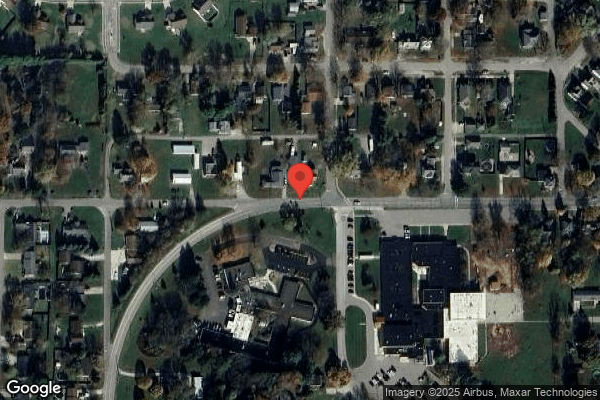
500 WALKERTON TR, WALKERTON, IN 46574 (574) 586-3133
For profit - Corporation 107 Beds MILLER'S MERRY MANOR Data: November 2025
Trust Grade
78/100
#76 of 505 in IN
Last Inspection: December 2024

Within standard 12-15 month inspection cycle. Federal law requires annual inspections.

Overview

Miller's Merry Manor in Walkerton, Indiana has a Trust Grade of B, which indicates it is a good choice for families considering nursing homes. It ranks #74 out of 505 facilities in Indiana, placing it in the top half, and #2 out of 18 in St. Joseph County, meaning there is only one better local option. The facility is improving, having reduced its issues from 14 in 2022 to 7 in 2024. Staffing is average with a 3/5 star rating and a turnover rate of 36%, which is lower than the state average of 47%, suggesting that staff members tend to stay longer. However, the facility has $3,250 in fines, which is concerning as it is higher than 78% of Indiana facilities, indicating potential compliance issues. Additionally, the nursing home has average RN coverage, which means residents receive care from registered nurses, but not in above-average amounts. Specific incidents noted in inspections include the failure to develop a care plan for a resident with depression and not updating a fall care plan after a resident's fall, which raises concerns about individualized care. Overall, while there are strengths in staffing stability and a solid trust grade, the facility does need to address compliance issues and ensure thorough care planning for residents.

Trust Score
B
78/100
In Indiana
#76/505
Top 15%
Safety Record
Low Risk
No red flags
Inspections
Getting Better
14 → 7 violations
Staff Stability
○ Average
36% turnover. Near Indiana's 48% average. Typical for the industry.
Penalties
○ Average
$3,250 in fines. Higher than 58% of Indiana facilities. Some compliance issues.
Skilled Nurses
○ Average
Each resident gets 39 minutes of Registered Nurse (RN) attention daily — about average for Indiana. RNs are the most trained staff who monitor for health changes.
Violations
⚠ Watch
21 deficiencies on record. Higher than average. Multiple issues found across inspections.
★★★★★
5.0
Overall Rating
★★★☆☆
3.0
Staff Levels
★★★☆☆
3.0
Care Quality
★★★★★
5.0
Inspection Score
Stable
2022: 14 issues
2024: 7 issues

The Good

  • Full Sprinkler Coverage · Fire safety systems throughout facility
  • No fines on record
  • Staff turnover below average (36%)

    12 points below Indiana average of 48%

Facility shows strength in fire safety.

The Bad

Staff Turnover: 36%

Near Indiana avg (46%)

Typical for the industry

Federal Fines: $3,250

Below median ($33,413)

Minor penalties assessed

Chain: MILLER'S MERRY MANOR

Part of a multi-facility chain

Ask about local staffing decisions and management

The Ugly 21 deficiencies on record

Jan 2024 7 deficiencies
CONCERN (D)

Potential for Harm - no one hurt, but risky conditions existed

Comprehensive Care Plan (Tag F0656)

Could have caused harm · This affected 1 resident

Based on record review and interview, the facility failed to develop a comprehensive care plan for a resident with depression for 1 of 19 residents reviewed for comprehensive care plan development. (R...

Read full inspector narrative →
Based on record review and interview, the facility failed to develop a comprehensive care plan for a resident with depression for 1 of 19 residents reviewed for comprehensive care plan development. (Resident 34) Finding includes: A record review for Resident 34 was completed on 1/9/2024 at 2:21 P.M. Resident 34's diagnoses included, but were not limited to: depression and cerebral infarction. Resident 34's record lacked the documentation to show she had a care plan for depression. An interview with the Social Services Director (SSD) was completed on 1/11/2024 at 10:10 A.M. The SSD indicated that Resident 34 didn't have a care plan for depression, but should have had a care plan for depression. On 1/11/2024 at 3:00 P.M., the Director of Nursing (DON) provided a policy, dated 1/24/2020 and titled, Care Plan Development and Review. The DON indicated that the policy was the one currently used by the facility. The policy indicated, .2. Care Plan Development: A. An interdisciplinary team, in conjunction with the resident, physician and representative will develop a comprehensive care plan for each resident 3.1-35(a)
CONCERN (D)

Potential for Harm - no one hurt, but risky conditions existed

Deficiency F0657 (Tag F0657)

Could have caused harm · This affected 1 resident

Based on interview and record review, the facility failed to update a fall care plan with a new interventions after a fall for 1 of 2 resident reviewed for falls. (Resident 27) Finding includes: Dur...

Read full inspector narrative →
Based on interview and record review, the facility failed to update a fall care plan with a new interventions after a fall for 1 of 2 resident reviewed for falls. (Resident 27) Finding includes: During an interview on 1/8/2024 at 2:00 P.M., Resident 27 indicated he had a fall but was unsure of the date. A record review was completed on 1/11/2024 at 9:00 A.M. Diagnoses included, but were not limited to: heart failure, presence of left artificial hip, and difficulty walking. An MDS (Minimum Data Set) assessment, dated 12/22/2023, indicated Resident 27 had intact cognition, transferred with supervision of one staff assist, toileting with supervision of one staff assist, independent with walking and walker. A Care Plan, dated 1/19/2022, indicated Resident 27 was at risk for falls related to condition and risk factors and required the use of assistive devices. Interventions included but were not limited to: encourage to use call light and wait for staff to assist as needed, although likes to toilet self, encourage resident to use handrails or assistive devices properly, encourage and assist with wearing non-skid footwear. Interdisciplinary Notes, dated 12/3/2023, indicated Resident 27 was in the bathroom and his knee buckled, Resident 27 guided himself to the floor by grabbing hold of the towel bar, Nursing assessment was completed with no injury. A Nurse Practitioner's Progress Note, dated 12/5/2023, indicated Resident 27 had been evaluated by the Nurse Practitioner and indicated Resident 27 had a ground level fall without injury on 12/3/2023. Physical therapy was ordered, and a flat mat at bedside and toilet for foot stability should have been considered. During an interview on 1/12/2024 at 9:23 A.M., the MDS Coordinator indicated she was unaware of the Nurse Practitioner Progress note, dated 12/5/2023, indicating the consideration of using mats for foot stability for Resident 27. She indicated the fall care plan should have been updated then. On 1/11/2024 at 3:00 P.M., the Director of Nursing provided a policy titled, Care Plan Development and Review, dated 1/24/2020, and indicated the policy as the one currently used by the facility. The policy indicated .3. Care plans with be revised daily and as needed as changes in the resident's condition dictate. Changes include but are not limited to changes in Physician Orders, diet changes, therapy changes, behavior changes, ADL [Activities of Daily Living] changes, skin changes, etc. 3.1-35(c)(1)
CONCERN (D)

Potential for Harm - no one hurt, but risky conditions existed

Quality of Care (Tag F0684)

Could have caused harm · This affected 1 resident

2. During an observation on 1/8/2024 at 1:45 P.M., Resident 10 was in bed and was not wearing heel protector boots on either foot. Resident 10's record review was completed on 1/9/2024 at 10:24 A.M. D...

Read full inspector narrative →
2. During an observation on 1/8/2024 at 1:45 P.M., Resident 10 was in bed and was not wearing heel protector boots on either foot. Resident 10's record review was completed on 1/9/2024 at 10:24 A.M. Diagnoses included, but were not limited to: seizures, dementia, depression, chronic kidney disease, and spondylosis of cervical region. An Annual Minimum Data Set (MDS) assessment, dated 10/26/2023, indicated Resident 10 had intact cognition and was dependent on staff for putting on and removing footwear. A Physician's Order, dated 11/1/2023, indicated to wear heel protector boots while in bed. During an observation on 1/9/2024 at 1:24 P.M., Resident 10 was in bed and was not wearing heel protector boots. During an observation on 1/10/2024 at 1:40 P.M., Resident 10 was in bed and was not wearing heel protector boots. During an interview on 1/10/2024 at 2:23 P.M., The ADON indicated Resident 10 was not wearing heel protector boots while in bed, but should be wearing heel protector boots as ordered. A policy for following Physician's Orders was requested, but the ADON indicated the facility did not have a policy for following Physician's Orders. 3.1-37(a) Based on observations, record reviews, and interviews, the facility failed to notify the physician of blood sugars out of the ordered range for 1 of 5 residents reviewed for unnecessary medications and failed to follow physician orders for a resident at risk for skin breakdown for 1 of 1 resident reviewed for edema. (Residents 28 & 10) Findings include: 1. A record review for Resident 28 was completed on 1/9/2024 at 2:09 P.M. Diagnoses included, but were not limited to: diabetes mellitus type 2 and unspecified dementia. Physician's Orders included the following: - 9/24/2023, check blood sugar three times a day, and notify the physician of a blood sugar less than 60 or greater than 400. - 9/30/2023, give Novolog Injection Solution, inject 5 units subcutaneously three times a day for a blood sugar greater than 150. - 11/23/2023-12/27/2023, give Lantus 100 units per milliliter, inject 10 units subcutaneously daily A blood sugar review indicated the following: - 12/2/2023 11:09 A.M. 435 - 12/4/2023 4:10 P.M. 401 - 12/6/2023 11:45 A.M. 467 - 12/13/2023 12:15 P.M. 503 - 12/15/2023 11:15 A.M. 445 - 12/16/23 11:13 A.M. 431 - 12/20/2023 11:32 A.M. 433 - 12/20/23 4:01 P.M. 432 - 12/23/2023 10:40 A.M. 423 - 12/25/2023 11:27 A.M. 431 - 12/28/2023 4:22 P.M. 455 During an interview on 1/11/2024 at 11:30 A.M., QMA 2 indicated a blood sugar over 400, unless otherwise stated in the chart would be reported the physician. In her capacity, she would report the blood sugar to the nurse so the physician could be notified for an extra one-time dose of insulin. On 1/11/2024 at 1:17 P.M., the Director of Nursing (DON) indicated the Physician's Order would indicate when the physician would want to be notified for blood sugar readings. The DON reviewed Resident 28's orders, and indicated that a blood sugar reading over 400 should be reported to the physician. The DON reviewed the medical record, and could not find documentation of the physician being notified of the blood sugars over 400 listed above. She indicated the physician should have been notified of the blood sugars greater than 400. A policy was provided by the Director of Nursing on 1/12/2024 at 8:45 A.M. The policy titled, Diabetic Care Guidelines, indicated, .Physician notification for all blood sugars < [less than] 50 and > [greater than] 400, unless other physician call parameters are in place
CONCERN (D)

Potential for Harm - no one hurt, but risky conditions existed

Pressure Ulcer Prevention (Tag F0686)

Could have caused harm · This affected 1 resident

**NOTE- TERMS IN BRACKETS HAVE BEEN EDITED TO PROTECT CONFIDENTIALITY** Based on observation, record review, and interview, the facility failed to implement measures to prevent pressure areas for 1 of...

Read full inspector narrative →
**NOTE- TERMS IN BRACKETS HAVE BEEN EDITED TO PROTECT CONFIDENTIALITY** Based on observation, record review, and interview, the facility failed to implement measures to prevent pressure areas for 1 of 1 residents reviewed for pressure ulcers. (Resident 36) Finding includes: During an interview on 1/8/2024 at 10:31 A.M., Resident 36 indicated he had an open area to his bottom. A record review was completed on 1/8/2024 at 10:45 A.M. Resident 36's diagnoses included, but were not limited to depression, hyperglycemia, hypertension, and benign prostatic hyperplasia. A Patient Transfer Nurse Assessment- Extended Care from [name of hospital], dated 12/12/2023, indicated Resident 36 was alert and oriented, was ambulatory with 1 assist, was incontinent of urine and had erythema (superficial reddening) of the skin on his coccyx area. An admission MDS (Minimum Data Set) assessment, dated 12/19/2023, indicated the resident was able to make his own decisions, required maximum assist to roll side to side, total dependence for transfers, was always incontinent and had no pressure ulcers on admission. A Nursing admission Assessment, dated 12/12/2023, indicated Resident 36 was alert and oriented, had no edema to the lower extremities, left hemiplegia with maximum to total assist with bed mobility. Lower extremities have the following pressure prevention in place: Pressure relieving boots. Sit to lying: substantial/maximal assist. Pedal pulses present right and left feet. A Nursing Braden Scale (Assessment for Pressure Risk), dated 12/12/2023, indicated Resident 36's sensory perception was slightly limited; the resident was occasionally moist; chairfast with ability to walk severely limited or non-existent; mobility was slightly limited; nutrition was probably inadequate; and there could be potential problem with friction and shear. A Nursing Assessment- Skilled Form, dated 12/22/2023 at 2:16 A.M., indicated the resident had no hemiplegia, the lower extremities did not have pressure relieving boots, and the resident did not decline lower extremity pressure injury preventative care. Currently has wound/incision receiving treatment but not infected: 1. Pressure related, Non pressure related, incision and none of the above. None of the above was checked. A Nursing New Skin Alteration Assessment (non occurrence), dated 12/22/2023 at 1:50 P.M., indicated a new wound, skin alteration - left buttocks near coccyx. 4.5 x 3.0 cm (centimeter) bruise that is sheared in the middle, skin unrolls back over area, DTI (deep tissue injury) to right the heel. A Nursing Assessment - Skilled form, dated 12/24/2023 9:42 P.M., indicated Resident 36 had a wound -pressure related. DTI to sacrum. Resident is turned/repositioned per plan of care. A Nursing Assessment- Skilled form, dated 12/25/2023 at 8:57 P.M., indicated Resident 36 had no wound- pressure area, non pressure area or incision. A Wound Pressure Injury Assessment, dated 12/26/2023 at 1:36 P.M., indicated Resident 36 had a deep tissue pressure injury to the sacrum, originally noted on 12/22/2023, measuring 6 cm x 4 cm <.1 cm (centimeters). Deep purple, moist and open. Sanguineous (bloody) drainage. MD notified. Current treatment was to cleanse with normal saline and apply hydrocolloid (Non adherent) dressing, and change weekly and as needed. A Nursing Braden Scale (Assessment for Pressure Risk), dated 12/26/2023 at 1:36 P.M., indicated Resident 36's sensory perception was slightly limited; very moist; chairfast ability to walk severely limited or non existent; mobility was very limited; nutrition was probably inadequate; and potential problem with friction and shear. A Wound Pressure Injury Assessment, dated 1/2/2024 at 2:26 P.M., indicated the in house developed pressure wound to sacrum, measured 7.5 cm x 7.0 cm. The wound bed was red, moist with scattered yellow and black moist eschar (dead tissue) covering 75% of the wound bed. Moderated Sanguineous drainage. MD notified. Treatment was cleanse area with normal saline and apply bordered foam dressing. Change every 3 days and as needed A Wound Pressure Injury Assessment, dated 1/10/2024 at 6:44 A.M., indicated Resident 36 had an in house developed pressure injury to the sacrum (DTI - deep tissue injury) now open into unstageable wound. Measured 8 cm x 7 cm x 0. Wound bed was red, moist with yellow/tan slough firmly adhered to the wound bed. Had moderate serosanguinous drainage. Necrosis (dead tissue). MD notified. Current treatment of cleanse with normal saline, apply calcium alginate with silver and cover with bordered dressing, change every 3 days and as needed. Wound Pressure Assessments for the right heel indicated the following: 12/27---in house DTI RIGHT HEEL -2 cm X 3.5 cm 1/2--- Right heel in house DTI 8 cm x 5 cm 1/3--- MD notification 1/10---Right heel-in house DTI- 8 cm x 6 cm 1/10-MD notification The shower documentation for Resident 36 indicated from admission [DATE] to current 1/11/2024-- the resident had a shower on 12/28/2023, 1/7/2024 and on 1/10/2024 with no mention and or documentation of pressure areas. A current Care Plan, dated 12/26/2023, indicated the resident had developed an pressure injury. Location: sacrum and right heel related to exposure of skin to urinary and fecal incontinence, impaired/decrease mobility and decrease functional ability, refusal of some aspects of care and treatment, under nutrition, malnutrition and hydration deficits. Interventions included, but were not limited to: Assist to turn and reposition approximately every 2 hours while in bed, float heels off bed, lay down between meals to offload sacrum, low air loss mattress settings based on weight. During an observation on 1/11/24 at 10:20 A.M., RN 16 indicated the area to his sacrum was currently unstageable. The resident was lying on an air mattress with a bottom sheet and 2 bed pads. On 1/12/24 at 9:01 A.M., during an interview with Resident 36, he indicated during the hours of 10-6 A.M., the staff usually would turn and reposition him every 3 hours. From 6 A.M. to 2 P.M., they usually didn't turn him and from 2 P.M., to 10 P.M., it was usually one time. During an interview on 1/12/2024 at 10:30 A.M., QMA 2 indicated they try to encourage the resident to get up, he would get up for therapy. He was supposed to be checked & changed every 2 hours, he was continuously wet. He wets a little at a time with smears of stool when doing checks. They (management) are now looking into getting him side rails to assist turning. On 1/12/2024 at 10:30 A.M., the Assistant Director of Nursing provided the Operational Manual for the air mattress Protect Aire 3000/3500/3600. Installation Instructions . You may place a thin cotton sheet over the quilted mattress top cover .Patients can directly lie on the mattress or cover with a sheet and tuck loosely to increase the comfort of the patient. On 1/12/2024 at 10:34 A.M., the Assistant Director of Nursing provided the policy titled, Skin Management Plan, dated 8/14/2014, and indicated the policy was the one currently used by the facility. The policy indicated .F. Support Surfaces/Pressure reducing or relieving: . II. Ensure the surface is being used according to manufacture's instructions On 1/12/2024 at 10:35 A.M., the ADON provided the policy titled, Specialty Mattress Use, dated 4/2/2013, and indicated the policy was the one currently used by the facility. The policy indicated .VII. Use of a flat sheet to prevent hammocking of mattress, and minimal use of linen layers should be used to ensure therapeutic effectiveness of mattress. Refer to manufacture's guidelines for specific indications regarding linen and incontinence pad use During an interview, on 1/12/2024 at 10:55 A.M., the Assistant Director of Nursing indicated the resident should have been on 1 sheet per the manufacturer's guidelines. 3.1-40
CONCERN (D)

Potential for Harm - no one hurt, but risky conditions existed

Respiratory Care (Tag F0695)

Could have caused harm · This affected 1 resident

Based on observation, record review and interview, the facility failed to ensure that an oxygen humidification bottles were changed weekly for 1 of 2 residents reviewed for oxygen use. (Resident 2) Fi...

Read full inspector narrative →
Based on observation, record review and interview, the facility failed to ensure that an oxygen humidification bottles were changed weekly for 1 of 2 residents reviewed for oxygen use. (Resident 2) Finding includes: During an observation, on 1/9/2024 at 1:59 P.M., Resident 2's humidification bottle was dated 12/25/2023 and 12/31/2023. A record review was completed on 1/9/2024 at 2:12 P.M. Resident 2's diagnoses included, but were not limited to: Morbid obesity, nocturnal hypoxia, cerebrovascular disease and unspecified intracranial injury. A Physician's Order, dated 7/21/2021, indicated to change the oxygen tubing, humidifier, and clean concentrator filter weekly every night shift on Sundays. A Physician's Order, dated 7/11/2021, indicated Resident 2 was to wear oxygen at 2 liters per nasal cannula on at night. During an observation on 1/10/2024 at 7:28 A.M., Resident 2's humidification bottle was dated 12/25/2023 and 12/31/2023. During an observation on 1/11/2024 at 9:58 A.M., Resident 2's humidification bottle was dated 12/25/2023 and 12/31/2023 with no oxygen tubing storage bag present. During an interview on 1/11/2024 at 10:03 A.M., RN 3 indicated that there were two dates written on the humidification bottle, 12/25/2023 and 12/31/2023, and there should be an oxygen tubing storage bag present. RN 3 indicated all oxygen tubing, humidification bottles and oxygen storage bags are to be changed by the night nurse on Sunday nights. A policy was requested on 1/12/2024 at 10:14 A.M. The MDS (Minimum Data Set Coordinator indicated the facility does not have a specific policy stating when the humidification bottle should be changed, only when the oxygen tubing should be changed, and the bottle was usually changed with the tubing weekly. 3.1-47(a)(6)
CONCERN (D)

Potential for Harm - no one hurt, but risky conditions existed

Medication Errors (Tag F0758)

Could have caused harm · This affected 1 resident

Based on record review and interview, the facility failed to limit use of an as needed anti-anxiety medication for 1 of 5 residents reviewed for unnecessary medications. (Residents 3) Finding includes...

Read full inspector narrative →
Based on record review and interview, the facility failed to limit use of an as needed anti-anxiety medication for 1 of 5 residents reviewed for unnecessary medications. (Residents 3) Finding includes: During an interview with Resident 3's representative, she indicated Resident 3 had been on hospice for approximately a month's time. A record review was completed on 1/10/2023 at 11:42 A.M. Diagnoses included, but were not limited to: unspecified dementia, psychotic disorder with delusions, anxiety disorder, and depressive disorder. A Physician's Order, dated 10/28/2023, indicated Resident 3 was to receive lorazepam oral concentrate 2 milligrams per milliliter (mg/ml), 0.25 ml every two hours as needed for anxiety and restlessness. The lorazepam order was discontinued on 11/27/2023. Resident 3 received the as needed lorazepam per the Medication Administration Record on 11/16/2023 at 11:18 A.M., 11/17/2023 at 12:24 P.M., 11/20/2023 at 8:11 A.M., 12:52 P.M., and 3:30 P.M., 11/21/2023 at 6:15 P.M., 11/22/2023 at 10:39 A.M., 11/23/2023 at 9:04 A.M., and 11/25/2023 at 5:41 P.M. A Physician's Progress Note, dated 11/10/2023, indicated Resident 3 was seen and examined. The note indicated to continue with the current medications, but did not address the continued use of lorazepam. A Nurse's Note dated, 11/16/2023 at 11:18 A.M., indicated Resident 3 received the as needed lorazepam for appearing anxious and repeatedly asking people to take her to places while down in the dining room. On 11/20/2023 at 12:52 P.M., a Nurse's Note indicated Resident 3 received as needed lorazepam for repeated phrases of, Do you need me?, Are you Ready?, Where are we going?, and Is that for me? while reaching out her hands to staff. On 11/20/2023 at 3:30 P.M., a Nurse's Note indicated Resident 3 continued to be restless, and making statements of wanting to throw herself away. On 11/21/2023 at 12:31 P.M., a Nurse's Note indicated Resident 3 had anxiety. On 11/23/2023 at 9:04 P.M., a Nurse's Note indicated Resident 3 continued to grab at staff and repeated herself. She continued to repeat, Just take me., while reaching out to staff. During an interview on 1/11/2024 at 1:33 P.M., the Social Service Director (SSD) indicated that as needed psychotropic medications should only be ordered for 14 days, and the initial order should have a stop date for use. If the as needed psychotropic medication needed to be continued, a doctor's note was needed. She indicated the hospice company ordered the medication incorrectly without a stop date. A policy was provided by the Director of Nursing (DON) on 1/12/2024 at 8:45 A.M. The policy titled, Psychotropic Medication Use, indicated, .PRN [as needed] Psychotropic medications: PRN orders will be limited to 14 days, unless the attending physician or prescribing practitioner believes that it is appropriate for the PRN order to be extended beyond the 14 days. He/she should document their rationale in the resident's medical record and indicate the duration of the PRN order 3.1-48(a)(2)
CONCERN (D)

Potential for Harm - no one hurt, but risky conditions existed

Infection Control (Tag F0880)

Could have caused harm · This affected 1 resident

Based on observation, interview, and record review, the facility failed to follow general Infection Control Practices during incontinence care and a pressure ulcer treatment for 1 of 1 residents revie...

Read full inspector narrative →
Based on observation, interview, and record review, the facility failed to follow general Infection Control Practices during incontinence care and a pressure ulcer treatment for 1 of 1 residents reviewed for pressure ulcers. (Resident 36) Findings include: 1. On 1/11/2024 at 10:10 A.M., CNA 4 was observed providing incontinence care to Resident 36. CNA 4 applied gloves, a gown and entered the resident's room. She used the bed controls and raised the bed. CNA 4 removed Residents' soaked brief and placed it in a trash can by the bed. She then removed the top bed pad and put it on the floor, next to the trash can. The aide completed the peri care. After completing the peri care, and without changing her dirty gloves, she applied a new brief to the resident and a new bed pad to the bed. With her gloved hands, CNA 4 rearranged the bed linens, then removed her dirty gloves and picked up a breakfast tray from the over the bed table and exited the room. During an interview, on 1/11/2024 at 10:20 A.M., CNA 4 indicated she should have removed her gloves, washed her hands and applied new gloves. 2. On 1/11/2024 at 10:20 A.M., RN 3, was observed to completed the treatment to Resident 36's pressure ulcer to his sacrum. RN 3 applied her gloves and gown and assisted the resident to turn to the left side. RN 3 applied wiped the residents peri rectal area due to loose stool. She removed the urine/feces soaked dressing to the coccyx. The area was black with irregular edges and approximately a 1'' ring of redness around the entire wound. RN 3 pulled the residents brief towards her to remove it. She removed her gloves and used hand gel on her hands. RN 3 applied gloves, sprayed the area with normal saline, and wiped the area with a gauze pad With the same gloved hands, she removed a piece of Calcium Alginate and placed it on the mepilex dressing, then placed the dressing on the wound. With the same gloved hands she tried to remove the top bed pad. RN 3 removed her gloves, assisted the resident in bed and rearranged the bed linens. During an interview, on 1/11/2024 at 10:30 A.M., RN 3 indicated she should have removed her gloves and washed her hands after cleaning the wound. On 1/12/2024 at 10:35 A.M., the Assistant Director of Nursing provided the policy titled,Use of Medical Gloves (application and removal), dated 6/9/2010, and indicated the policy was the one currently used by the facility. The policy indicate . 3. Guidelines: A. Hands should be washed initially prior to putting on the gloves . D. Gloves should be removed and hands washed with soap and water immediately after glove removal. E. Gloves should be removed and hands washed between care activities with patients On 1/12/2024 at 10:36 A.M., the Assistant Director of Nursing provided the policy titled,Hand Washing and Hand Asepsis, dated 10/27/2016, and indicated the policy was the one currently used by the facility. The policy indicated, .3. Key procedural points: A. Specific Times Hands Must Be Washed: . III. Before and after direct resident care . 3.1-18(b)
Nov 2022 14 deficiencies
CONCERN (D)

Potential for Harm - no one hurt, but risky conditions existed

Comprehensive Assessments (Tag F0636)

Could have caused harm · This affected 1 resident

Based on observation, record review and interview, the facility failed to ensure bowel incontinence was thoroughly assessed for 1 of 3 residents reviewed for incontinence. (Resident 24) Finding includ...

Read full inspector narrative →
Based on observation, record review and interview, the facility failed to ensure bowel incontinence was thoroughly assessed for 1 of 3 residents reviewed for incontinence. (Resident 24) Finding includes: Resident 24 was admitted to the facility with diagnoses including, but not limited to: Alzheimer's disease, aneurysm of the renal artery, ataxia, hypertension, psychosis, major depressive disorder, single episode, history of COVID -10, psychotic disorder with hallucinations, atrophy, dysphasia, unsteadiness on feet weakness, anxiety disorder, history of falling, anemia, hypercholesterolemia and GERD. The most recent Minimum Data Set (MDS) assessment, completed on 11/4/2022 indicated the resident was moderately cognitively impaired, required supervision and set up help for transfers and toileting needs, required limited staff assistance of one for hygiene needs and was frequently incontinent of her bowels and bladder The most recent bowel incontinence assessment, completed on 6/30/2022 indicated the resident was frequently incontinent of her bowels, was mentally and physically aware of the need to have a bowel movement, had constipation issues but had did not have any toileting plan. The assessment indicated the resident transferred herself on and off the toilet, adjusted her clothing per self and needed staff assistance as needed for peri care and to ensure proper hygiene. The 6/29/2022 assessment did not indicate if any bowel patterning had been completed. The previously completed Quarterly MDS review, completed on 4/7/2022, indicated the resident was occasionally incontinent of her bowels. Resident 24 was observed, during the survey from 11/14/2022 through 11/18/2022 during the day, to spend large amounts of time, seated in her room in her wheelchair. She was not observed to be prompted or assisted by staff to utilize the toilet. She was observed, on 11/17/2022 at 11:24 A.M., propelling herself out of the restroom in her room. The licensed nurse passing medications in the hallway outside her room was unaware of where the resident was and did not realize she was in the bathroom, toileting herself. During an interview with CNA 7 , conducted on 11/18/2022 at 2:03 P.M., the resident was identified as usually continent of her bowel, capable of toileting herself and will notify staff if she has an accident. The CNA indicated she did not usually prompt or routinely toilet Resident 24. During an interview with the Minimum Data Set (MDS) nurse, conducted on 11/21/22 at 10:35 A.M. she indicated she did not complete a bowel patterning for Resident 24 with her annual assessment. The MDS nurse confirmed she could not locate and herself had not completed any voiding patterning for bowel incontinence for Resident 24 in the past 12 months. Review of the current Bladder and Bowel Rehabilitation Program policy, provided by the Assistant Director of Nursing on 11/18/2022 at 8:50 A.M. included the following procedures: .Bowel Rehab Procedure: 1. Complete the bowel assessment form at admission, annually, and with significant changes .2. The 3-day bowel pattern is to be completed on all incontinent residents, upon admission and with significant changes to continent status to determine if any natural patterns can be determines 3.1-31(c)(4)
CONCERN (D)

Potential for Harm - no one hurt, but risky conditions existed

Comprehensive Care Plan (Tag F0656)

Could have caused harm · This affected 1 resident

**NOTE- TERMS IN BRACKETS HAVE BEEN EDITED TO PROTECT CONFIDENTIALITY** 2. A clinical review was completed on 11/16/2022 at 11:00 A.M., for resident 6, diagnoses included, but not limited to: chronic ...

Read full inspector narrative →
**NOTE- TERMS IN BRACKETS HAVE BEEN EDITED TO PROTECT CONFIDENTIALITY** 2. A clinical review was completed on 11/16/2022 at 11:00 A.M., for resident 6, diagnoses included, but not limited to: chronic obstructive pulmonary disease, hemiplegia and hemiparesis cerebral infarction affecting the left non-dominant side, end stage renal disease, and anxiety disorder. During an observation on 11/14/2022 at 3:12 P.M., resident was wearing a left wrist support on. A Physician Order, dated 7/5/2022 indicated nursing to donn/doff left wrist support. Resident to wear during daytime/waking hours, off for hygiene or at residents request. Skin checks daily when donning/doffing at bedtime for wrist support. A Physician Order, dated 7/7/2022 indicated nursing to donn/doff left wrist support. Resident to wear during daytime/waking hours. Off for hygiene or at residents request. Skin checks with donning/doffing every day shift for wrist support apply upon waking. During an interview on 11/18/2022 at 8:38 A.M., MDS Nurse indicated she could not find a care plan for the wrist support and she should have had one. On 11/17/2022 at 9:30 A.M., the Assistant Director of Nursing provided a policy titled, Care Plan Development and Review, dated 1/24/2020, and indicated the policy was the one currently used by the faciliity. The policy indicated . To assure that a comprehensive care plan for each resident includes measurable objectives and timetables to meet the resident's medical, nursing, mental and psychosocial needs that are identified in the comprehensive assessment process 3.1-35(a) Based on observations, record review and interviews, the facility failed to ensure care plans were complete for 2 residents in a sample of 12. (Resident 15 and 6) Findings include: 1. The clinical record for Resident 15 was reviewed on 11/16/22 at 11:06 A.M. Resident 15 was readmitted to the facility with diagnoses including, but not limited to: status post amputation right above the knee, type 2 diabetes mellitus, cardiac pacemaker, peripheral vascular disease, diastolic congestive heart failure, hypertension, chronic kidney stage 3, hypokalemia, aorocoronary bypass [NAME], urine retention, weakness, hx acute kidney failure, anxiety disorder, anemia and vitamin D deficiency. The current medication regimen included Ferrous Sulfate Tablet 325 (65 Fe) MG Give 1 tablet by mouth one time a day for iron supplement and Ergocalciferol Capsule 1.25 MG (50000 UT)- Vitamin D, 1 capsule by mouth one time a day every 7 day(s) for supplement. The current care plans for Resident 15 did not include any plan to address the Ferrous Sulfate use or the Ergocalciferol (Vitamin D) use. During an interview with the MDS nurse on 11/21/2022 at 10:35 A.M. she indicated she did not necessarily care plan every supplement and confirmed a care plan had not been initiated for Ferrous Sulfate and/or Vitamin D use.
CONCERN (D)

Potential for Harm - no one hurt, but risky conditions existed

Deficiency F0657 (Tag F0657)

Could have caused harm · This affected 1 resident

Based on observation, interview and record review, the facility failed to ensure a care plan was revised for 1 out of 13 residents reviewed for care plan revision. (Resident 6) Finding includes: A cl...

Read full inspector narrative →
Based on observation, interview and record review, the facility failed to ensure a care plan was revised for 1 out of 13 residents reviewed for care plan revision. (Resident 6) Finding includes: A clinical record review was completed on 11/16/2022 at 11:00 A.M., for resident 6. Diagnoses included, but not limited to: chronic obstructive pulmonary disease, hemiplegia and hemiparesis cerebral infarction affecting the left non-dominant side, end stage renal disease, and anxiety disorder. A Physician Order, dated 12/6/2021, indicated heel protectant boots while in bed. During an interview on 11/16/2022 at 11:33 A.M., MDS Nurse indicated that she does not see the heel protectant boots on the care plan and they should have been care planned. On 11/21/2022 at 12:03 P.M., the ADON provided the policy titled, Millers Health System, Inc. Policy Care Plan Development and Review, dated 11/21/2022 and indicated the policy was the one currently used by the facility. The policy indicated . It is the policy of Millers Merry Manor Overall review of the care plan is completed in conjunction with the MDS quarterly, annual and significant change assessments. and Care plans will be revised daily and PRN as changes in the resident conditions dictate. Changes include but are not limited to changes in Physician orders, diet changes, therapy changes, ADL changes, skin changes ect 3.1-31(e)
CONCERN (D)

Potential for Harm - no one hurt, but risky conditions existed

Deficiency F0658 (Tag F0658)

Could have caused harm · This affected 1 resident

Based on observation, interview and record review the facility failed to ensure insulin is administered at an appropriate time after obtaining a blood sugar. Finding includes: During an observation o...

Read full inspector narrative →
Based on observation, interview and record review the facility failed to ensure insulin is administered at an appropriate time after obtaining a blood sugar. Finding includes: During an observation on 11/18/2022 at 5:42 A.M., Registered Nurse (RN) 4 obtained a blood sugar for resident 1. On 11/18/2022 at 7:09 A.M., Licensed Practical Nurse (LPN) 6 administered Resident 1's morning insulin. During an interview on 11/18/2022 at 5:42 A.M., RN 4 indicated that the midnight shift obtains the blood sugars and day shift gives the insulin after report. The standard of practice would be to do the blood sugar and then give the insulin. During an interview on 11/18/2022 at 7:07 A.M., LPN 6 indicated that midnight shift does all the blood sugars and day shift gives all the insulin between 6:45-7:00 A.M. During a review of the blood sugars under the vital sign tab indicated that on 11/3/2022 a blood sugar was taken at 4:56 A.M. and the medication administration audit report indicated he received his insulin at 6:52 A.M.; 11/6/2022 blood sugar at 5:15 A.M. and insulin given at 7:05 A.M.; 11/11/2022 blood sugar at 5:17 A.M. and insulin given at 7:01 A.M.; 11/12/22 blood sugar at 5:36 A.M. and insulin given at 8:48 A.M.; 11/13/2022 blood sugar at 5:03 A.M. and insulin at 6:56 A.M. and 11/18/2022 blood sugar at 5:44 A.M. and insulin given at 7:09 A.M., Physician Orders, indicated blood sugars were scheduled at 5:30 A.M. every day one times a day and insulin was scheduled twice a day at 7:30 A.M. and 2030. During an interview, on 11/18/2022 at 12:48 A.M., the Director of Nursing indicated that it is not the standard of practice to take a blood sugar and then administer insulin over an hour after it is taken. On 11/21/2022 at 12:35 P.M., the Assistant Director of Nursing provided a policy titled, Injection - Subcutaneous Procedure, dated 3/21/2011, and indicated the policy was the one currently used by the facility. The policy indicated .Ensure that the resident receives the med at the correct time - 60 min before or after scheduled time 3.1-35(g)(1)
CONCERN (D)

Potential for Harm - no one hurt, but risky conditions existed

Quality of Care (Tag F0684)

Could have caused harm · This affected 1 resident

Based on observations, interview and record review, the facility failed to ensure physician orders were followed for 1 of 1 resident reviewed for heel protectors. (Resident 6) Finding includes: A cli...

Read full inspector narrative →
Based on observations, interview and record review, the facility failed to ensure physician orders were followed for 1 of 1 resident reviewed for heel protectors. (Resident 6) Finding includes: A clinical review was completed on 11/16/2022 at 11:00 A.M., for resident 6, diagnoses included, but not limited to: chronic obstructive pulmonary disease, hemiplegia and hemiparesis cerebral infarction affecting the left non-dominant side, end stage renal disease, and anxiety disorder. During an observation on 11/14/2022 at 11:30 A.M., the resident was in bed sleeping there were 2 large green boots on the chair and no boots on her feet. On 11/16/2022 at 11:11 A.M., the resident was in bed and no boots on her feet they were sitting on the chair. A Physician Order, dated 12/6/2021 indicated heel protectant boots while in bed every shift. During an interview on 11/16/2022 at 11:24 A.M., Registered Nurse 1 indicated she does not have heel protectors on and should have. On 11/16/2022 at 3 P.M., a policy was requested but one was not provided. 3.1-37
CONCERN (D)

Potential for Harm - no one hurt, but risky conditions existed

Incontinence Care (Tag F0690)

Could have caused harm · This affected 1 resident

Based on observation, record review and interviews, the facility failed to ensure 1 of 3 residents reviewed for incontinence had interventions to restore as much continence as was possible and prevent...

Read full inspector narrative →
Based on observation, record review and interviews, the facility failed to ensure 1 of 3 residents reviewed for incontinence had interventions to restore as much continence as was possible and prevent urinary tract infections. (Resident 18) Finding includes: Resident 18 was admitted with diagnoses including, but not limited to: dementia, hypothyroidism, osteoporosis, anxiety disorder, arteriosclerosis of native arteries of bilateral lower extremities, hypertension, hypercholesterolemia, history of COVID 19, Vitamin D deficiency, difficulty walking, Basal cell carcinoma of the skin on right upper limp, including shoulder, unsteadiness on feet, malaise and chronic kidney disease stage 3. Review of the most recent Quarterly MDS assessment, completed on 08/31/2022, indicated the resident was severely cognitively impaired, required supervision and set up only for toileting and limited assist of one staff for personal hygiene needs and was frequently incontinent of bladder and occasionally incontinent of their bowels. Review of the Annual MDS assessment, completed 3/16/2022, indicated the resident was frequently incontinent of her bladder and always continent of her bowels. The most recent Bladder Incontinence Assessment, completed in March 11, 2022, indicated the resident was frequently incontinent of her bladder, was mentally aware of the need to void and included the following statement: (Resident's name) is able to walk into the bathroom using her rollator, she can pull up and down her clothing and pull up and can it as needed. She is able to perform own peri care, staff monitors for proper hygiene The form indicated the resident could sit on a toilet, was mentally aware of the need to void and could hold it if needed but No was marked for toileting program. The form indicated a voiding pattern was last assessed in 2017. The Bowel Continence Assessment, completed on 3/11/2022, indicated the resident was always continent of her bowels. The most recent care plan regarding incontinence, reviewed on 9/15/2022 as current, indicated the resident had frequent bladder incontinence and occasional bowel incontinence with the potential for skin breakdown related to a long history of incontinence. The goal for the plan for was the resident to remain clean, dry and odor free with no signs of skin breakdown from incontinence. The interventions included: Change pad as needed monitor for proper hygiene, pressure relief mattress on bed, remind to reposition self every 2 hours to prevent skin breakdown and weekly skin assessment. During an interview with CNA 7, conducted on 11/18/2022 at 2:04 P.M., she indicated Resident 18 toileted herself but the resident was getting more and more confused and thinks the resident forgets to go to the bathroom and is more incontinent. She indicated the resident was not routinely toileted and not routinely assisted in the bathroom. CNA 7 did indicate Resident 18 was needing more assistance lately with changing into her pajamas at bedtime. Resident 18 was observed during the survey, 11/14/2022 through 11/18/2022 during the day time to ambulate independently with her walker throughout the building. She often needed reminders and direction to get from her room to the dining room and activity room. She was also noted to lay horizontally across her bed with her back against pillow and the wall and nap during the day. She was not observed to be prompted or assisted to the bathroom by staff. During an interview with the MDS nurse, conducted on 11/21/22 at 10:44 A.M., she indicated there was no intervention to address any actual toileting need and was going to add an intervention. Review of the current facility policy and procedure, titled, Bladder and Bowel Rehabilitation Program provided by the Assistance Director of Nursing on 11/18/2022 at 8:50 A.M. indicated the purpose of the program was to promote continence through means of bladder and/or bowel retraining or individualized habit programs based on the resident's cognitive ability or to keep the resident clean and dry and to enhance continence by providing routine or scheduled intervals of toielting assistance. The procedure portion of the policy included the following: C. Bladder Habit Training Program (routine assisted or promoted toileting) 1. Determine if there is a pattern from the 3 day voiding assessment. 2. If there is a pattern, develop the toielting program from this pattern. 3. If there is not determinable pattern, develop a plan to toilet the resident at regular intervals and prevent incontinence related complications. 4. Update the care plan and CNA assignment sheet to include the plan 3.1-41(a)(2)
CONCERN (D)

Potential for Harm - no one hurt, but risky conditions existed

Respiratory Care (Tag F0695)

Could have caused harm · This affected 1 resident

Based on observation, interview and record review, the facility failed to ensure signage was posted on the resident doors that oxygen is in use, that continuous positive airway pressure (CPAP) and neb...

Read full inspector narrative →
Based on observation, interview and record review, the facility failed to ensure signage was posted on the resident doors that oxygen is in use, that continuous positive airway pressure (CPAP) and nebulizers were in a storage bag when not in use, and an open date was on gallon of water and CPAP Soclen and supplies were not stored on the floor. (Resident 4 & 14) Findings include: 1. A clinical review was completed, on 11/16/2022 at 10:15 A.M., for resident 4. Diagnoses included, but not limited to: chronic obstructive pulmonary disease, dysphagia, type 2 diabetes, heart failure, and sleep apnea. During an observation, on 11/14/2022 at 2:47 A.M., there was CPAP tubing and storage bag undated, no open date on a half gallon of water and full gallon sitting on the floor, and no signage indicating oxygen was in use. On 11/15/2022 at 9:15 A.M., there was CPAP tubing and storage bag undated, CPAP mask sitting outside of storage bag, no open date on a half-gallon of water and full one sitting on the floor, and no signage indicating oxygen was in use. On 11/16/2022 at 10:30 A.M., there was CPAP tubing not in the bag sitting on the end of the resident's bed, tubing and storage bag undated, no open date on half-gallon of water and full one sitting on the floor. During an interview, on 11/16/2022 at 10:40 A.M., Registered Nurse 1 indicated he does not have a sign on the door and should have a sign indicating oxygen is in use, the CPAP mask should not be on the bed but in the bag, and the bag the CPAP tubing does not have a date and it should, the bag should have a name, date and what is supposed to be in it. She indicated he has a stay clean machine on the floor that they use to clean his tubing, the machine should not be on the floor as well as the unopened gallon of water. The open gallon of water doesn't have an open date and should have. 2. A clinical record review was conducted on 11/16/2022 at 11:06 A.M., for resident 14. Diagnosis included, but not limited to: chronic obstructive pulmonary disease, chronic kidney disease, anxiety disorder, dementia with behavior disturbances. During an observation on 11/14/2022 at 11:10 A.M., nebulizer tubing wasd sitting on top of the machine dated 11/7/2022 and not in a storage bag when not in use. On 11/15/2022 at 9:09 A.M., nebulizer tubing was sitting on top of the machine dated 11/7/2022 and not in a storage bag when not in use. During an interview on 11/16/2022 at 10:54 A.M., Registered Nurse 1 indicated the nebulizer was dated11/17/2022 and should have been changed on 11/14/2022 and the equipment should have been stored in a bag when not in use. On 11/17/2022 at 9:30 A.M., the Assistant Director of Nursing indicated that this the policy currently used by the facility, titled High Mist Nebulizer or Oxygen Tank Procedure, 20. If desired, have the resident rinse mouth with tap water after using nebulizer. Place the nebulizer set into a plastic bag between uses. Do not rinse. Neb set is changed weekly per facility schedule. And a policy titled, Oxygen Administration Protocol, 5. Administration: C. Place OXYGEN IN USE/NO SMOKING signs on the front and back of the resident's door. 7. Equipment Care A. Cannulas, masks and tubing should be changed weekly and change documented on the treatment record. Policy titled, Delivery and Storage of Medical Equipment and Supplies, 1. Once delivered into the facility, medical equipment and supplies will be immediately placed in a secure location, if not placed at bedside for immediate use by the resident. 8. No products will be stored on the floor 3.1-47(a)(6)
CONCERN (D)

Potential for Harm - no one hurt, but risky conditions existed

Drug Regimen Review (Tag F0756)

Could have caused harm · This affected 1 resident

**NOTE- TERMS IN BRACKETS HAVE BEEN EDITED TO PROTECT CONFIDENTIALITY** Based on observation, record review and interview, the facility failed to ensure the physician responded timely to pharmacy reco...

Read full inspector narrative →
**NOTE- TERMS IN BRACKETS HAVE BEEN EDITED TO PROTECT CONFIDENTIALITY** Based on observation, record review and interview, the facility failed to ensure the physician responded timely to pharmacy recommendation for 1 of 5 residents reviewed for medication use. (Resident 15) Finding includes: The clinical record for Resident 15 was reviewed on 11/16/22 at 11:06 A.M. Resident 15 was admitted to the facility with diagnoses including, but not limited to: Status Post amputation right above the knee, Type 2 diabetes mellitus, Cardiac pacemaker, Peripheral Vascular Disease, Diastolic congestive heart failure, hypertension, chronic kidney stage 3, hypokalemia, angiocoronary bypass [NAME], urine retention, weakness, history of acute kidney failure, anxiety disorder, history of falls, major depressive disorder - single event, , fibromyalgia, heart aortic valve stenosis, hypothyroidism, atherosclerotic heart disease and stenosis of bilateral carotid arteries. A pharmacy recommendation form, dated 9/5/2022, requested the medication, Metoprolol Tartrate frequency or type of medication be changed. The space on the form for the physician to document a response and sign and date the form was left blank. Hand written, on bottom of form, not signed or dated was the following: Not currently on this. Review of the electronic medication orders for Metoprolol Tartrate indicated it was not discontinued until 11/01/2022. During an interview, conducted with the Director of Nursing, regarding the lack of a physician signature or date on the pharmacy recommendation form, she indicated she had just copied the form and the original form should be on the resident's hardchart. The Infection Prevention nurse, LPN reviewed Resident 15's hard chart and could not locate the signed and/or dated pharmacy recommendation form. The Director of Nursing provided a physician progress note, dated 11/01/2022, which indicated the the physician was notified of the pharmacy recommendations and an order, dated 11/01/2022 which indicated the Metoprolol was to be discontinued . Review of the facility policy and procedure, titled Documentation and Communication of Consultant Pharmacist Recommendations provided by the Assistant Director of Nursing on 11/18/2022 at 8:50 A.M., included the following: .The timing of these recommendations should enable a response prior to the next medication regimen review . A pharmacy medication review for Resident 15 was conducted on 9/5/2022, 10/4/2022 and 11/2/2022. 3.1-25(i)
CONCERN (D)

Potential for Harm - no one hurt, but risky conditions existed

Medication Errors (Tag F0758)

Could have caused harm · This affected 1 resident

Based on observation, interview and record review, the facility failed to ensure appropriate diagnosis for an antipsychotic medication for 1 out of 5 residents reviewed for unnecessary medication. (Re...

Read full inspector narrative →
Based on observation, interview and record review, the facility failed to ensure appropriate diagnosis for an antipsychotic medication for 1 out of 5 residents reviewed for unnecessary medication. (Resident 3) Finding includes: A clinical record review was completed on 11/17/2022 at 11:05 A.M., for resident 3, diagnoses included but not limited to: mild intellectual disabilities, post-traumatic stress disorder, chronic cerebral palsy, major depressive disorder, and cerebral infarction affecting left non-dominant side. A Physician Order, dated 9/16/2022 indicated abilify 2 milligrams (MG) take 1 tablet by mouth one time a day for intermittent explosive behavior. During an interview, on 11/17/2022 at 2:49 P.M., Social Service indicated that abilify is an antipsychotic and intermittent explosive behavior is not an appropriate diagnosis. On 11/17/2022 at 4:10 P.M., the Social Service provided a policy titled, Psychotropic Drug Use Policy, dated 2/18/2019, and indicated the policy was the one currently used by the facility. The policy indicated . 1. The facility will assure that medication therapy is based upon an adequate indication for use by documenting the supporting diagnosis/indication of use at the time the order for psychotropic medication is obtained/received 3.1-48(a)(4)(b)(1)
CONCERN (D)

Potential for Harm - no one hurt, but risky conditions existed

QAPI Program (Tag F0867)

Could have caused harm · This affected 1 resident

Based on interview and record review, the facility failed to ensure Quality Assurance and Performance Improvement Plan (QAPI) was carried out per their policy. Finding includes: On 11/21/2022 at 10:30...

Read full inspector narrative →
Based on interview and record review, the facility failed to ensure Quality Assurance and Performance Improvement Plan (QAPI) was carried out per their policy. Finding includes: On 11/21/2022 at 10:30 A.M., during the review of the QAPI facility task the Administrator indicated she had not done QAPI since the pandemic, she thought it was on hold. She recently started it back up on 10/25/2022. She indicated she should have been conducting QAIP meeting; their policy is monthly. The Infection Preventionist did the nursing part, but they did not meet as a group. Reviewed the Action Plans from the 10/25/2022 meeting: 1. Problem/Concern: Not having routine QAPI meetings or following policy for QAPI implementation. Goal: Will follow company policy and meet monthly. 2. Falls - QM's 99.9%, falls lacking timely IDT F/U at times and appropriate intv. 3. empty food temp logs 4. 22.5% of residents using antipsychotic meds. Threshold =15%, 5. Kitchen ansul system need hydro test. On 11/21/2022 at 10:40 A.M., the Administrator provided a policy titled, Quality Assurance and Performance Improvement Plan and Program, dated 8/11/2022, and indicated the policy was the one currently used by the facility. The policy indicated . Element 4: Performance Improvement Projects: 1. PIP is based upon the problem identified as needing improvement and based upon high risk, high volume, problem prone areas related to quality of care, quality of life or resident choice. Element 5: Systemic Analysis and Systemic Action: 1. Our facility analyzes problems based upon the data and uses root cause analysis (such as using the 5 Why method) to determine systemic changes and/or interventions to implement to achieve and sustain improvement 3.1-52
CONCERN (D)

Potential for Harm - no one hurt, but risky conditions existed

Deficiency F0868 (Tag F0868)

Could have caused harm · This affected 1 resident

Based on interview and record review, the facility failed to ensure Quality Assurance and Performance Improvement Plan (QAPI) was carried out per their policy. Finding includes: On 11/21/2022 at 10:30...

Read full inspector narrative →
Based on interview and record review, the facility failed to ensure Quality Assurance and Performance Improvement Plan (QAPI) was carried out per their policy. Finding includes: On 11/21/2022 at 10:30 A.M., during the review of the QAPI facility task the Administrator indicated she had not done QAPI since the pandemic, she thought it was on hold. She recently started it back up on 10/25/2022. She indicated she should have been conducting QAIP meeting; their policy is monthly. The Infection Preventionist did the nursing part, but they did not meet as a group. During an interview, on 11/21/2022 at 10:50 A.M., the Infection Preventionist indicated she went over the monthly infection control with the Director of Nursing and provided a report to the Medical Director and the Nurse Practitioner but did not meet in a group setting such as QAPI. On 11/21/2022 at 10:40 A.M., the Administrator provided a policy titled, Quality Assurance and Performance Improvement Plan and Program, dated 11/8/2022, and indicated the policy was the one currently used by the facility. The policy indicated . Element 2: Governance and Leadership 1. The Administrator will be the owner of the QAPI process oversight. 2. The steering committee of the QAPI program will be the members of the exiting QAA committee including the Medical Director, Administrator, Director of Nurses, Infection Prevention Nurse and will include a member of the Miller's Health System Executive Committee when available. 3. The QAPI Steering committee will meet no less than monthly. More meetings may be conducted as needed 3.1-52(a)
CONCERN (D)

Potential for Harm - no one hurt, but risky conditions existed

Infection Control (Tag F0880)

Could have caused harm · This affected 1 resident

Based on observation, interview and record review, the facility failed to ensure gloves were worn during administration of subcutaneous injection of insulin and glucometer was disinfected after use fo...

Read full inspector narrative →
Based on observation, interview and record review, the facility failed to ensure gloves were worn during administration of subcutaneous injection of insulin and glucometer was disinfected after use for 1 of 1 resident reviewed for medication administration, Findings include: On 11/16/2022 at 7:02 P.M., observed Licensed Practical Nurse (LPN) 2 obtain a blood sugar. She placed the glucometer in a basket on top of alcohol preps, lancets and bottle of strips and went to the room. She donned gloves. After she took the blood sugar she placed the meter back in the basket on top of the supplies and placed the used lancet in a medication cup sitting it in the basket. During an interview, on 11/17/2022 at 7:08 P.M., LPN 2 indicated she did not wash her hands prior to donning the gloves and that she should not have placed the glucometer in the basket with the clean supplies without disinfecting it. On 11/16/2022 at 7:14 P.M., observed LPN 2 administer insulin: she entered the room, asked the resident where she would like it, she wiped the area with an alcohol prep, injected the med, placed same alcohol prep over the site and held for several seconds after disposal of syringe she used Alochol based hand rub (ABHR). During an interview, on 11/16/2022 at 7:16 P.M., LPN 2 indicated she did not wash her hands prior to the administration of the insulin and she was never taught to wear gloves when administering an injection. On 11/18/2022 at 12:30 P.M., the Administrator provided a policy titled, Cleaning Of Glucometer, dated 4/23/2013, and indicated the policy was the one currently used by the facility. The policy indicated . 1. PURPOSE: To maintain infection control between resident use. 2. PROCEDURE: A. The Glucometer will be disinfected after completing a blood sugar using a commercial disinfectant wipe (Clorox, Lysol, Gulf South etc) and completely wiping down the glucometer so it is visibly wet. Avoid getting the screen wet, as the disinfectant could leak into internal components and destroy the meter On 11/21/2022 at 9:00 A.M., the Administrator provided a policy titled, Injection - Subcutaneous Procedure, dated 3/21/2011, and indicated the policy was the one currently used by the facility. The policy indicated . 21. Perform hand hygiene and put on gloves 3.1-18(a)
CONCERN (D)

Potential for Harm - no one hurt, but risky conditions existed

Deficiency F0888 (Tag F0888)

Could have caused harm · This affected 1 resident

Based on record review and interview, the facility failed to ensure all staff were fully vaccinated for COVID 19 except for those staff having a granted exemptions. This deficient practice included 1 ...

Read full inspector narrative →
Based on record review and interview, the facility failed to ensure all staff were fully vaccinated for COVID 19 except for those staff having a granted exemptions. This deficient practice included 1 of 42 employees. (Employee 9) Finding includes: Review of the COVID-19 Staff Vaccination Status records for the facility's staff, provided on 11/14/2022 indicated of the facility's 42 employees, 31 were fully vaccinated, 10 had granted religious exemptions and one staff member was only partially vaccinated. The facility staff COVID 19 vaccination rate was 97.6% instead of the required 100 % Employee 9, a dietary employee had only received one of the two required Moderna brand COVID 19 vaccinations. The documentation provided indicated Employee 9 had received the vaccination on 8/15/2022. During an interview with the Quality Assurance Corporate nurse, conducted on 11/15/2022 at 10:40 A.M., it was confirmed that Employee 9 was only partially vaccinated, was not in the process of applying for any exemptions, had no reason to delay her second COVID 19 vaccine and had worked the previous day, 11/14/2022. During an interview with the Assistance Director of Nursing (ADON), the administrative staff member responsible for tracking resident and staff COVID 19 vaccination status, conducted on 11/18/2022 at 10:30 A.M. she indicated she was aware Employee 9 was not fully vaccinated and kept following up (with employee 9) who told the ADON she was going to go get the second vaccination but did not comply. Review of the facility policy and procedure, titled, Employee Vaccination Policy, provided by the Administrator on 11/18/2022 at 12:30 P.M., indicated the following was included: .2. As a condition of employment each person beginning the hiring process shall receive the vaccinations required or obtain an approval accommodation in accordance with the following prior to providing any care, treatment or other services. 6. Any employee who fails to comply with any of the provisions of this policy is will (sic) be removed from the schedule and subject to appropriate corrective action
CONCERN (E)

Potential for Harm - no one hurt, but risky conditions existed

Deficiency F0865 (Tag F0865)

Could have caused harm · This affected multiple residents

Based on interview and record review, the facility failed to ensure Quality Assurance and Performance Improvement Plan (QAPI) was carried out per their policy. Finding includes: On 11/21/2022 at 10:30...

Read full inspector narrative →
Based on interview and record review, the facility failed to ensure Quality Assurance and Performance Improvement Plan (QAPI) was carried out per their policy. Finding includes: On 11/21/2022 at 10:30 A.M., during the review of the QAPI facility task the Administrator indicated she had not done QAPI since the pandemic, she thought it was on hold. She recently started it back up on 10/25/2022. She should have been conducting QAIP meeting; their policy is monthly. The Infection Preventionist did the nursing part, but they did not meet as a group. During an interview, on 11/21/2022 at 10:50 A.M., the Infection Preventionist indicated she went over the monthly infection control with the Director of Nursing and provided a report to the medical director and the nurse practitioner but did not meet in a group setting such as QAPI. No past noncompliance provided. On 11/21/2022 at 10:40 A.M., the Administrator provided a policy titled, Quality Assurance and Performance Improvement Plan and Program, dated 11/8/2022, and indicated the policy was the one currently used by the facility. The policy indicated . Element 2: Governance and Leadership 1. The Administrator will be the owner of the QAPI process oversight. 2. The steering committee of the QAPI program will be the members of the exiting QAA committee including the Medical Director, Administrator, Director of Nurses, Infection Prevention Nurse and will include a member of the Miller's Health System Executive Committee when available. 3. The QAPI Steering committee will meet no less than monthly. More meetings may be conducted as needed
Understanding Severity Codes (click to expand)
Life-Threatening (Immediate Jeopardy)
J - Isolated K - Pattern L - Widespread
Actual Harm
G - Isolated H - Pattern I - Widespread
Potential for Harm
D - Isolated E - Pattern F - Widespread
No Harm (Minor)
A - Isolated B - Pattern C - Widespread

Questions to Ask on Your Visit

  • "Can I speak with families of current residents?"
  • "What's your RN coverage like on weekends and overnight?"

Our Honest Assessment

Strengths
  • • No major safety red flags. No abuse findings, life-threatening violations, or SFF status.
  • • $3,250 in fines. Lower than most Indiana facilities. Relatively clean record.
  • • 36% turnover. Below Indiana's 48% average. Good staff retention means consistent care.
Concerns
  • • 21 deficiencies on record. Higher than average. Multiple issues found across inspections.
Bottom line: Generally positive indicators. Standard due diligence and a personal visit recommended.

About This Facility

What is Miller'S Merry Manor's CMS Rating?

CMS assigns MILLER'S MERRY MANOR an overall rating of 5 out of 5 stars, which is considered much above average nationally. Within Indiana, this rating places the facility higher than 99% of the state's 100 nursing homes. This rating reflects solid performance across the metrics CMS uses to evaluate nursing home quality.

How is Miller'S Merry Manor Staffed?

CMS rates MILLER'S MERRY MANOR's staffing level at 3 out of 5 stars, which is average compared to other nursing homes. Staff turnover is 36%, compared to the Indiana average of 46%. This relatively stable workforce can support continuity of care.

What Have Inspectors Found at Miller'S Merry Manor?

State health inspectors documented 21 deficiencies at MILLER'S MERRY MANOR during 2022 to 2024. These included: 21 with potential for harm.

Who Owns and Operates Miller'S Merry Manor?

MILLER'S MERRY MANOR is owned by a for-profit company. For-profit facilities operate as businesses with obligations to shareholders or private owners. The facility is operated by MILLER'S MERRY MANOR, a chain that manages multiple nursing homes. With 107 certified beds and approximately 46 residents (about 43% occupancy), it is a mid-sized facility located in WALKERTON, Indiana.

How Does Miller'S Merry Manor Compare to Other Indiana Nursing Homes?

Compared to the 100 nursing homes in Indiana, MILLER'S MERRY MANOR's overall rating (5 stars) is above the state average of 3.1, staff turnover (36%) is near the state average of 46%, and health inspection rating (5 stars) is much above the national benchmark.

What Should Families Ask When Visiting Miller'S Merry Manor?

Based on this facility's data, families visiting should ask: "Can I visit during a mealtime to observe dining assistance and food quality?" "How do you handle medical emergencies, and what is your hospital transfer rate?" "Can I speak with family members of current residents about their experience?"

Is Miller'S Merry Manor Safe?

Based on CMS inspection data, MILLER'S MERRY MANOR has a clean safety record: no substantiated abuse findings (meaning no confirmed cases of resident harm), no Immediate Jeopardy citations (the most serious violation level indicating risk of serious injury or death), and is not on the Special Focus Facility watch list (a federal program monitoring the lowest-performing 1% of nursing homes). The facility has a 5-star overall rating and ranks #1 of 100 nursing homes in Indiana. While no facility is perfect, families should still ask about staff-to-resident ratios and recent inspection results during their visit.

Do Nurses at Miller'S Merry Manor Stick Around?

MILLER'S MERRY MANOR has a staff turnover rate of 36%, which is about average for Indiana nursing homes (state average: 46%). Moderate turnover is common in nursing homes, but families should still ask about staff tenure and how the facility maintains care continuity when employees leave.

Was Miller'S Merry Manor Ever Fined?

MILLER'S MERRY MANOR has been fined $3,250 across 1 penalty action. This is below the Indiana average of $33,111. While any fine indicates a compliance issue, fines under $50,000 are relatively common and typically reflect isolated problems that were subsequently corrected. Families should ask what specific issues led to these fines and confirm they've been resolved.

Is Miller'S Merry Manor on Any Federal Watch List?

MILLER'S MERRY MANOR is not on any federal watch list. The most significant is the Special Focus Facility (SFF) program, which identifies the bottom 1% of nursing homes nationally based on persistent, serious quality problems. Not being on this list means the facility has avoided the pattern of deficiencies that triggers enhanced federal oversight. This is a positive indicator, though families should still review the facility's inspection history directly.