MASON HEALTH CARE CENTER


900 PROVIDENT DRIVE, WARSAW, IN 46580 (574) 371-2500
For profit - Corporation 105 Beds TLC MANAGEMENT Data: November 2025
Trust Grade
40/100
#369 of 505 in IN
Last Inspection: August 2024

Within standard 12-15 month inspection cycle. Federal law requires annual inspections.

Overview

Mason Health Care Center has a Trust Grade of D, indicating below-average performance with some concerning issues. They rank #369 out of 505 nursing homes in Indiana, placing them in the bottom half, and #4 out of 6 in Kosciusko County, with only one local option performing better. The facility is showing signs of improvement, having reduced its issues from six in 2024 to four in 2025. However, staffing remains a concern with a high turnover rate of 59%, above the state average, which can impact the quality of care. While there have been no fines, which is a positive aspect, some serious concerns were noted, such as failing to implement pressure relief measures for a resident at risk for pressure wounds and significant kitchen sanitation issues that could affect food safety for residents. Overall, there are notable strengths, like no fines, but families should weigh these against the serious areas needing improvement.

Trust Score
D
40/100
In Indiana
#369/505
Bottom 27%
Safety Record
Moderate
Needs review
Inspections
Getting Better
6 → 4 violations
Staff Stability
⚠ Watch
59% turnover. Above average. Higher turnover means staff may not know residents' routines.
Penalties
✓ Good
No fines on record. Clean compliance history, better than most Indiana facilities.
Skilled Nurses
○ Average
Each resident gets 41 minutes of Registered Nurse (RN) attention daily — about average for Indiana. RNs are the most trained staff who monitor for health changes.
Violations
⚠ Watch
30 deficiencies on record. Higher than average. Multiple issues found across inspections.
★★☆☆☆
2.0
Overall Rating
★★☆☆☆
2.0
Staff Levels
★★★☆☆
3.0
Care Quality
★★☆☆☆
2.0
Inspection Score
Stable
2024: 6 issues
2025: 4 issues

The Good

  • Full Sprinkler Coverage · Fire safety systems throughout facility
  • No fines on record

Facility shows strength in fire safety.

The Bad

2-Star Overall Rating

Below Indiana average (3.1)

Below average - review inspection findings carefully

Staff Turnover: 59%

13pts above Indiana avg (46%)

Frequent staff changes - ask about care continuity

Chain: TLC MANAGEMENT

Part of a multi-facility chain

Ask about local staffing decisions and management

Staff turnover is elevated (59%)

11 points above Indiana average of 48%

The Ugly 30 deficiencies on record

1 actual harm
Aug 2025 2 deficiencies
CONCERN (D) 📢 Someone Reported This

A family member, employee, or ombudsman was alarmed enough to file a formal complaint

Potential for Harm - no one hurt, but risky conditions existed

Quality of Care (Tag F0684)

Could have caused harm · This affected 1 resident

Based on record review and interview, the facility failed to notify the physician for significantly elevated blood glucose levels for 2 of 3 residents reviewed for blood glucose (Resident 32 & B).Find...

Read full inspector narrative →
Based on record review and interview, the facility failed to notify the physician for significantly elevated blood glucose levels for 2 of 3 residents reviewed for blood glucose (Resident 32 & B).Findings include: 1. A record review was completed for Resident 32 on 8/20/2025 at 1:52 P.M. Diagnoses included, but were not limited to: type 2 diabetes. A Physician's Order, dated 8/6/2024 indicated a fasting blood glucose level was to be completed every morning one time per day and to notify the Nurse Practitioner if the resident's blood glucose level was below 70 mg/dl or above 400 mg/dl. A review of Resident 32's blood glucose levels indicated the resident's record lacked documentation the physician or Nurse Practitioner was notified of the resident's elevated blood glucose levels above 400 mg/dl for the following dates and times: -On 2/28/2025 at 7:37 A.M., Resident 32's blood glucose level was 443 mg/dl. -On 3/4/2025 at 10:11 A.M., Resident 32's blood glucose level was 546 mg/dl. -On 3/7/2025 at 9:19 A.M., Resident 32's blood glucose level was 436 mg/dl. During an interview, on 8/25/2025 at 10:43 A.M., RN 2 indicated if a resident's blood glucose level was outside the recommended parameters, they were supposed to notify the Nurse Practitioner and complete a progress note. During an interview, on 8/25/2025 at 11:03 A.M. the DON indicated the Nurse Practitioner should have been notified of Resident 32's elevated blood glucose levels. 2. The record for Resident B was reviewed on 8/22/2025 at 2:45 P.M. Diagnoses included, but were not limited to Cerebral infarct, dysphagia, severed protein calorie malnutrition, obstructive and reflux uropathy, diabetes type 2, acute kidney failure, adult failure to thrive and neuromuscular dysfunction of the bladder. An admission MDS (Minimum Data Set) assessment, dated 4/4/2025, indicated the resident was alert and oriented and was able to make his needs know, required extensive staff assist with transfers, bed mobility and showering and had an indwelling catheter. Physician's Orders, dated 4/2/2025, indicated the facility was to check the resident's blood sugar levels two times daily. The blood sugar documentation, dated 4/2/2025 through 4/18/2025 indicated the lowest blood sugar level result was 112 to the highest result of 313. The blood sugar documentation, dated 4/19/2025, indicated the following results: 329 at 4:38 A.M., 320 at 11:36 A.M., and 323 at 4:03 P.M. The blood sugar documentation, dated 4/20/2025, indicated the following results: blood glucose level was 319 at 7:13 A.M., the blood glucose level was 352 at 11:01 A.M., and the blood glucose level was 397 at 4:25 P.M. During an interview, on 8/26/25 at 9:12 A.M., LPN 11 indicated if a resident had a high blood glucose level, she would first call the NP (Nurse Practitioner) to get orders and go from there. If the resident had no insulin orders, she would call the NP and put this in the progress notes and let the Director of Nursing and Assistant Director of Nursing know. During an interview, in 8/26/2025 at 9:48 A.M., the Director of Nursing indicated the physician should have been notified of the elevated blood glucose levels and a progress note should have been completed at the time of the notification. Progress Notes, dated on 4/18 and 4/19/2025, lacked the documentation of the physician being notified of the abnormal levels. On 8/25/2025 at 11:29 A.M., the Administrator provided the policy titled, Following Physician Orders/Parameters, and indicated it was the policy currently being used by the facility. The policy indicated, .Purpose: To administer resident care in a safe and effective manner and following physicians orders and ordered parameters. 2. Licensed healthcare personnel will consult and follow the physician/clinician order when performing any resident procedures This deficiency is related to intake 2594043. 3.1-37
CONCERN (D) 📢 Someone Reported This

A family member, employee, or ombudsman was alarmed enough to file a formal complaint

Potential for Harm - no one hurt, but risky conditions existed

Incontinence Care (Tag F0690)

Could have caused harm · This affected 1 resident

**NOTE- TERMS IN BRACKETS HAVE BEEN EDITED TO PROTECT CONFIDENTIALITY** Based on record review and interview, the facility failed to ensure urine outputs were monitored for a resident with an indwelli...

Read full inspector narrative →
**NOTE- TERMS IN BRACKETS HAVE BEEN EDITED TO PROTECT CONFIDENTIALITY** Based on record review and interview, the facility failed to ensure urine outputs were monitored for a resident with an indwelling catheter for 1 of 1 residents reviewed for catheters. (Resident B) Finding includes:The record for Resident B was reviewed on [DATE] at 2:45 P.M. Diagnoses included, but were not limited to Cerebral infarct, dysphagia, severed protein calorie malnutrition, obstructive and reflux uropathy, diabetes type 2, acute kidney failure, adult failure to thrive and neuromuscular dysfunction of the bladder. An admission MDS (Minimum Data Set) assessment, dated [DATE], indicated the resident was alert and oriented and was able to make his needs known, required extensive staff assist with transfers, bed mobility and showering and had an indwelling catheter.Physician orders related to the resident's indwelling catheter included the following: 4/42025---Change catheter as needed; Change Catheter drainage bag as needed, and Catheter care every shift.A Nursing Progress Note, dated [DATE] at 8:54 A.M., indicated there was no change in urinary output. The resident's urine was clear and the indwelling catheter was draining to gravity.A Physician's Order, dated [DATE], indicated to remove the Foley indwelling urinary catheter for a voiding trial.A Nursing Progress Note, dated [DATE] at 4:41 P.M., indicated there had been no urine output produced so far during the voiding trial and it had been 7 hours (since the indwelling urinary catheter had been removed). Resident B was straight cathed ( a procedure where a small thin hollow tube was inserted into the bladder to drain and collect urine from the bladder) which resulted with 250 cc of urine. The Nurse Practitioner ordered the resident to be straight cathead in 6 hours if no urine was produced and voided by the resident.A Nursing Progress Note, dated [DATE] at 11:23 P.M., indicated the resident had complained of urethra pain. A Nursing Progress Note, dated [DATE] at 11:46 P.M., indicated the Foley indwelling urinary catheter was reinserted because the resident was unable to void. There was a return of 600 cc's of clear yellow urine and the resident had complained of urethra pain when the catheter was reinserted. A Nursing Progress Note, dated [DATE] at 10:03 A.M., indicated no change in urine output, urine is clear. Has indwelling catheter draining to gravity. A Physician's Order, dated [DATE], indicated to obtain a UA-(urinalysis) lab test. A C&S (culture and sensitivity) laboratory test was ordered if indicated by the results of the urinalysis.A Nursing Progress Note, dated [DATE] at 5:02 P.M., indicated urine yellow in color, slight odor noted. UA C&S results pending at this time.A Nursing Progress Note, dated [DATE] at 3:45 A.M., indicated no change in urine output, urine is clear. Has indwelling catheter draining to gravity. A Nursing Progress Note, dated [DATE] at 8:00 P.M., as a late entry indicated 175 ml (milliliter) return with straight cath. Resident had voided less than 50 ml prior to cath. He had also urinated in his brief which was wet but not soaked. Urine clear yellow. No odor.A Physician Order, dated [DATE], indicated- straight Cath until resident voids independently then DC (discontinue).A Nursing Progress Note, dated [DATE] at 9:22 A.M., indicated no change in urine output. Urine is clear. Has indwelling catheter draining to gravity.A Nursing Progress Note, dated [DATE] at 9:54 A.M., resident urinated on his own. Will dc order for straight cath.A Nursing Progress Note, dated [DATE] at 6:25 P.M., indicated the urine results were: 10,000 to 50,000 organisms/candida glabrata (yeast that causes opportunistic life threatening infections). Nurse Practitioner aware. A Physician's Order, dated [DATE], included Ceftriaxone (a broad spectrum antibiotic) IM (intramuscular) x1 on [DATE].A Nursing Progress Note, dated [DATE] at 1:35 A.M., indicated no change in urine output. Urine is clear. Has indwelling catheter draining to gravity.A Physician Order, dated [DATE] at 11:02 A.M., included Pyridium (urinary tract analgesic) 200 mg 1 tablet every 6 hours as needed for urinary pain.A Nurses Progress Note, dated [DATE] at 2:21 P.M., indicated resident voided yellow urine with no issues. Incontinent of bowel/bladder.A Nursing Progress Note, dated [DATE] at 9:17 A.M., indicated no change in urine output. Urine is clear. Has indwelling catheter draining to gravity.A Nurses Progress Note, dated [DATE] at 12:22 P.M., indicated Resident B had urinary pain and had been medicated with the Pyridium medication.A Nurse Progress Note, dated [DATE] at 7:14 P.M., indicated Resident B had requested the Pyridium medication for urinary pain.A Nurse Progress Note, dated [DATE] at 10:25 P.M., indicated Resident B had requested the Pyridium medication for urinary pain.A Nurses Progress Note, dated [DATE] at 9:20 A.M., indicated the Foley catheter was discontinued due to soiled and dislodged.A Nursing Progress Note, dated [DATE] at 1:24 P. M., indicated no change in urine output. Urine is clear. Has indwelling catheter draining to gravity.A Nursing Progress Note, dated [DATE] at 10:23 A.M., indicated no change in urine output. Urine is clear. Has indwelling catheter draining to gravity.A Nurse Progress Note, dated [DATE] at 2:33 P.M., indicated Resident B had requested the Pyridium medication for urinary pain.A Nursing Progress Note, dated [DATE] at 9:59 A. M., indicated no change in urine output. Urine is yellow colored. Is continent of bladder.A Nurse Progress Note, dated [DATE] at 10:32 A.M., indicated Resident B had requested the Pyridium medication for urinary pain.A Nursing Progress Note, dated [DATE] at 5:13 A.M., indicated no change in urine output. Urine is yellowed color. Is continent of bladder.The clinical record lacked the documentation, from 4/18 to [DATE], to show the physician was notified of the continued urethral pain.During an interview, on [DATE] at 11:39 A.M, the Director of Nursing indicated the resident had an indwelling Foley catheter when he was transferred to the hospital on [DATE].Resident B was transferred to the the hospital emergency room on [DATE] because of a change in condition.The Emergency Department documentation, dated [DATE], indicated the following: chief complaint: sepsis (potentially life threatening infection) alert, recent stroke and apnic (loss of respiration) spells. Temperature was 100.2 degrees; blood pressure was 91/59; and his heart rate was 120 beats per minute. A urinalysis test (examination of the urine) obtained in the ER indicated the urine had a high number (41-99) of WBC (white blood cells), a high number (11-40) of RBC (red blood cells) and a high number (4+) of bacteria in the urine, which indicated a urinary infection. At 3:55 P.M., on [DATE], other Emergency documentation indicated the following: 1. Marked increase in the findings of active pneumonia in the lungs, and an element of pulmonary edema (liquid in the lungs) could also be present. 2. Findings of acute jejunitis (inflammation of the lining in the small intestine), and low grade colonic inflammation. 3. Bladder wall thickening could relate to cystitis or outlet obstruction. Residuals despite the presence of a Foley catheter, catheter dysfunction is suspected Emergency Department discharge instructions, dated [DATE] at 12:52.A.M indicated the resident had expired. A request for documentation of Resident B's urine outputs from [DATE] through [DATE] was made on [DATE] at 1:56 P.M.The facility indicated on [DATE] at 2:10 P.M., they could not provide Resident B's urine output amounts and indicated there should have been documentation of urine outputs for any resident with a Foley (urinary) catheter. During an interview, on [DATE] at 2:15 P.M., the Corporate Nurse indicated they did not have a policy regarding obtaining and documenting urine outputs for residents with urinary catheters.\This deficiency is related to intake 2594043.3.1-41(a)(2)
Jun 2025 1 deficiency
CONCERN (D) 📢 Someone Reported This

A family member, employee, or ombudsman was alarmed enough to file a formal complaint

Potential for Harm - no one hurt, but risky conditions existed

Tube Feeding (Tag F0693)

Could have caused harm · This affected 1 resident

Based on record review and interview, the facility failed to ensure appropriate feeding tube care was provided regarding water flushes before and after medication administration and insertion site car...

Read full inspector narrative →
Based on record review and interview, the facility failed to ensure appropriate feeding tube care was provided regarding water flushes before and after medication administration and insertion site care for 1 of 3 residents reviewed for tube feeding. (Resident F) Finding includes: A complaint to the Indiana Department of Health (IDOH) was received on 6/11/2025 at 9:48 A.M. The complaint included, but was not limited to: .cleaning had not been performed around the feeding tube and only a gauze pad had been placed A closed record review for Resident F was completed on 6/16/2025 at 10:48 A.M. Diagnoses included, but were not limited to: cerebral infarction (stroke), dysphagia (difficulty swallowing), severe protein-calorie malnutrition and adult failure to thrive. An admission Minimum Data Set (MDS) assessment, dated 4/7/2025, indicated Resident F was cognitively intact and received artificial nutrition and hydration via a feeding tube. A Care Plan, initiated on 4/24/2025, indicated Resident F had a gastronomy tube (a tube surgically inserted through the abdominal wall directly into the stomach) related to dysphagia and cerebral vascular infarction. Interventions included, but were not limited to: gastronomy site care was to have been followed and Resident F was to have received water flushes as ordered. A review of Physician Orders, for April 2025, indicated Resident F had no orders for water flushes for medication administration through the feeding tube and had no orders for the feeding tube insertion site care. There was no documentation regarding any medication water flushes before and/or after medication administration and no insertion site dressing changes for Reisdent F. During an interview, on 6/17/2025 at 10:27 A.M., RN 2 indicated residents should have orders for flushes for medication administration and insertion site care of the feeding tube. A policy was provided by the Executive Director, on 6/17/2025 at 11:36 A.M. The policy titled, Flushing a Feeding Tube, indicated, .It is the policy of this facility to ensure that staff providing care and services to the resident via a feeding tube are aware of, competent in and utilize facility protocols regarding feeding nutrition and care. Feeding tube care and services will be provided in accordance with resident needs and professional standards of practice .Policy Explanation and Compliance Guidelines: 10 .flush the tube utilizing 60 mL [milliliters] catheter tip syringe using the prescribed amount of water every four [4] hours, before and after feedings and medications or as directed by the physician A policy was provided by the Executive Director, on 6/17/2025 at 11:36 A.M. The policy titled, Gastronomy Site Care, indicated, .It is the policy of this facility to perform gastronomy site care daily, prn [as needed], or per physician order and per current standards of practice .Policy Explanation and Compliance Guidelines: 1. Verify there is a physician order for gastronomy site care This citation relates to Complaint IN00461321. 3.1-44(a)(2)
Mar 2025 1 deficiency
CONCERN (D) 📢 Someone Reported This

A family member, employee, or ombudsman was alarmed enough to file a formal complaint

Potential for Harm - no one hurt, but risky conditions existed

Quality of Care (Tag F0684)

Could have caused harm · This affected 1 resident

Based on interview, record review and interview, the facility failed to provide scheduled pain medication in a timely manner for 1 of 3 residents reviewed for pharmaceutical services. (Resident B) Fin...

Read full inspector narrative →
Based on interview, record review and interview, the facility failed to provide scheduled pain medication in a timely manner for 1 of 3 residents reviewed for pharmaceutical services. (Resident B) Finding includes: During an interview, on 3/5/2025 at 9:28 A.M., Resident B indicated RN 2 was not allowed to provide medical services for her, including medication administration. This decision was made due to a prior incident of RN 2 scaring her during a night shift medication administration. She indicated RN 2 had been informed the other evening and night shift nurses were to administer her pain medications when needed at 4:00 P.M., 8:00P.M., 12:00 A.M. and 4:00 A.M. when RN 2 was scheduled to work A record review for Resident B was completed on 3/5/2025 at 10:32 A.M. Diagnoses included, but were not limited to: leukemia, anemia and anxiety disorder. A Quarterly Minimum Data Set assessment, completed 2/13/2025, indicated Resident B was cognitively intact and received opioid pain medication. She had medically complex conditions including a diagnosis of cancer. A Physician's Order, dated 12/2024, indicated Norco (hydrocodone-acetaminophen) 7.5 milligrams-325 milligrams every four hours for pain management. The medication administration times included: 12:00 A.M., 4:00 A.M., 8:00 A.M., 12:00 P.M., 4:00 P.M. and 8:00 P.M. A document titled, Grievance Form, was completed by the facility Executive Director on behalf of Resident B on 1/27/2025. The grievance indicated Resident B had concerns related to the administration of her Norco (pain medication) and Zofran (antiemetic medication) medications. The investigation indicated the Zofran and Norco were scheduled as needed and routine. These medications had been changed to routine times for medication administration. A Medication Administration Audit Report, dated 2/1/2025 through 3/5/2025, for second shift (2:00 P.M. through 10:00 P.M.), indicated the following administration times: for the Norco: -2/3/2025 scheduled at 8:00 P.M., administered at 9:42 P.M. -2/4/2025 scheduled at 4:00 P.M., administered at 5:30 P.M. -2/4/2025 scheduled at 8:00 P.M., administered at 9:58 P.M. -2/6/2025 scheduled at 4:00 P.M., administered at 6:45 P.M. -2/7/2025 scheduled at 4:00 P.M., administered at 6:15 P.M. -2/8/2025 scheduled at 8:00 P.M., administered at 6:52 P.M. -2/10/2025 scheduled at 4:00 P.M, administered at 5:10 P.M. -2/14/2025 scheduled at 8:00 P.M., administered at 9:23 P.M. -2/16/2025 scheduled at 4:00 P.M., administered at 6:37 P.M. -2/18/2025 scheduled at 4:00 P.M., administered at 7:56 P.M. -2/24/2025 scheduled at 4:00 P.M., administered at 6:17 P.M. -2/25/2025 scheduled at 4:00 P.M., administered at 5:15 P.M. -2/26/2025 scheduled at 4:00 P.M., administered at 5:34 P.M. -3/2/2025 scheduled at 4:00 P.M., administered at 5:16 P.M. -3/2/2025 scheduled at 8:00 P.M., administered at 9:53 P.M. A Medication Administration Audit Report, dated 2/1/2025 through 3/5/2025, for the night shift (10:00 P.M.-6:00 A.M.) indicated the following administration times: -2/8/2025 scheduled at 12:00 A.M., administered at 2:36 A.M. -2/13/2025 scheduled at 4:00 A.M., administered at 5:57 A.M. -2/15/2025 scheduled at 4:00 A.M., administered at 5:19 A.M. -2/18/2025 scheduled at 2:00 A.M., administered at 10:35 P.M. -2/18/2025 scheduled at 4:00 A.M., administered at 10:35 P.M. -2/19/2025 scheduled at 4:00 A.M., administered at 5:07 A.M. -2/24/2025 scheduled at 4:00 A.M., administered at 5:05 A.M. During an interview, on 3/5/2025 at 1:02 P.M., RN 3 indicated there had been a communication problem with RN 2 communicating with the other licensed nursing staff to administer Resident B's pain medication during his scheduled shifts. She indicated a scheduled medication should have been administered within an hour before or an hour after the scheduled medication administration time. During an interview, on 3/5/2025 at 1:24 P.M., Resident B indicated that her pain level increased if she waited more than 40 minutes from the administration time to receive her pain medication. She indicated she would have to make sure she woke up during the night to ensure she received her pain medication. She indicated she had called the facility many times to have her pain medication administered to her or remind the staff to administer the medication. Resident B indicated she had spoken with RN 2 about his responsibilities to remind the other licensed nursing staff of her need to have her pain medication administered timely, and RN 2 indicated he would not inform the other staff as Resident B was not his responsibility. During an interview, on 3/5/2025 at 1:37 P.M., Resident B's daughter indicated she had had a conversation with RN 2 about his responsibility to inform the other licensed nursing staff of the need to administer Resident B's medications when he was scheduled to work. Resident B's daughter indicated he did not respond verbally to her request. A policy was provided by the Regional Director of Clinical Services, on 3/5/2025 at 2:09 P.M. The policy titled, Medication Administration, indicated, .12. Compare medication source [bubble pack, vial, etc.] with MAR [Medication Administration Record] to verify resident name, medication name, form, dose, route, and time .b. Administer within 60 minutes prior to or after scheduled time unless otherwise ordered by the physician This citation relates to Complaint IN00454167. 3.1-37(a)
Aug 2024 6 deficiencies
CONCERN (D)

Potential for Harm - no one hurt, but risky conditions existed

Deficiency F0657 (Tag F0657)

Could have caused harm · This affected 1 resident

Based on record review and interview, the facility failed to ensure a care plan regarding activities was revised and updated for 1 of 21 residents reviewed for care plans (Resident 6). Finding include...

Read full inspector narrative →
Based on record review and interview, the facility failed to ensure a care plan regarding activities was revised and updated for 1 of 21 residents reviewed for care plans (Resident 6). Finding includes: The record for Resident 6 was reviewed on 8/29/2024 at 9:45 A.M. Diagnoses, included but were not limited to: hemiplegia and hemiparesis following cerebral infarction affecting right dominant side, dysphagia, gastrostomy status, liver disease, diabetes mellitus with neuropathy, bipolar disorder, contracture, depression, anxiety and chronic kidney disease. An annual Minimum Data Set (MDS) assessment,, dated 3/27/24, indicated it was very important for Resident 6 to listen to music, be around pets, do favorite activities, go outside, and participate in religious activities. Resident 6 indicated it is not very important to do things with groups, keep up with news, and have magazines to read. An activity care plan, dated 7/13/2023, indicated Resident 6 benefited from individualized programming, enjoyed music like the Beatles, and enjoyed visits from her Jehovah Witness church. Interventions included, but were not limited to: provide resident with activity supplies such as magazines, crosswords and writing instruments, talk to resident about her face cream, and having her hair and nails done. An activity assessment updated on 6/27/2024, indicated Resident 6 was to receive one to one visits to help with socialization, attended sensory club and accepted pet visits. Activities note indicated Resident 6 received friendly visits 23 times from the dates of 8/1/2024 through 8/25/2024 and a manicure on 8/20/2024. During an interview, on 8/29/2024 at 2:01 P.M., the Administrative Director indicated the Activities Director was responsible for updating the activity care plan when she completed the activity quarterly assessments. On 8/29/2024, at 11:17 A.M. the Corporate Nurse provided a policy titled, Care Plan Revisions Upon Status Change, dated 11/1/2023, and indicated the policy was the one currently used by the facility. The policy indicated .care plan will be reviewed, and revised as necessary, when a resident experiences a status change . 3.1-35(d)(2)(B)
CONCERN (D)

Potential for Harm - no one hurt, but risky conditions existed

Deficiency F0676 (Tag F0676)

Could have caused harm · This affected 1 resident

Based on interview, observation, and record review, the facility failed to provide appropriate communication devices for a Spanish speaking resident for 1 of 1 resident reviewed for communication. (Re...

Read full inspector narrative →
Based on interview, observation, and record review, the facility failed to provide appropriate communication devices for a Spanish speaking resident for 1 of 1 resident reviewed for communication. (Resident 29) Finding includes: During an interview with Resident 29's son, on 8/26/2024 at 3:21 P.M., he indicated Resident 29 could not speak English, and Spanish was her normal launguage for communication. A record review for Resident 29 was completed, on 8/28/2024 at 10:01 A.M. Diagnoses included, but were not limited to: hemiplegia and hemiparesis following cerebral infarction affecting right dominant side, anxiety disorder, dysphagia, and major depressive disorder. A Quarterly Minimum Data Set (MDS) assessment, dated 7/19/2024, indicated Resident 29 had moderate cognitive deficit and could make herself understood, and understood others. A Care Plan, dated 4/26/2024, and revised on 6/27/2024, indicated Resident 29 had a cognitive deficit related to a diagnosis of altered mental status, and her primary language was Spanish, which may required a translator at times. Interventions included: - Call my family to translate. - I benefit from tasks that are broken down into simple one step instructions. - I have difficulty understanding full complex sentences and benefit from using simple one- or two-word instructions and questions. - Use LTC communicator to translate for me. -When talking to me allow me enough time to process the information. A Care Plan, dated 8/27/2024, indicated Resident 29's primary language was Spanish and she reqired a translator at times. The goal was for Resident 29 to effectively communicate her needs and understand others. The interventions included: - Call my family to interpret as necessary. - Utilize interpreter services via LTC Solutions as indicated. During an observation, on 8/29/2024 at 11:15 A.M. through 11:45 A.M., Resident 29 was observed to be yelling out in Spanish. On 8/29/2024 at 12:52 P.M. through 1:04 P.M., Resident 29 was yelling out. A staff member gave her cookie, and took her to her office. On 8/29/2024 at 1:27 P.M., Resident 29 was observed yelling out with staff pushing her in the wheelchair up and down hallway. On 8/29/2024 at 1:29 P.M., RN 14 indicated he offered Resident 29 pain medication and an anxiety pill earlier, but she refused. He indicated he knows what she is saying using Google translator, some of the staff can spoke Spanish, and she had dementia and yelled all the time. At 1:50 P.M., the staff continued to push Resident 29 in her wheelchair as she was yelling out repeatedly in Spanish. On 8/30/2024 at 11:08 A.M., Resident 29 was in bed repeating Aya ya ya ya! Housekeeper 16 responded, I don't speak Spanish honey. During an interview, Housekeeper 16 indicated she tried to do her best with communication with Resident 29. She indicated she knew a little bit of Spanish, but not much. She indicated Resident 29 did not have a communication board in her room. During an interview, on 8/30/24 at 11:28 A.M., QMA 13 indicated if one of the Spanish speaking girls was available, she would have them speak to the resident, and she was supposed to use the online translation application for Spanish translation. She indicated she did not know about a communication board for Resident 29 as she has never paid attention to the process needed for translation. During an interview, on 8/30/2024 at 11:45 A.M., the Executive Director indicated a Spanish communication board in-service was completed on 7/16/2024 due to findings during a mock survey. The communication board for Resident 29 was to be placed at the nursing station. She provided the in-service attendance, the agenda and a poster of Spanish communication. There was no housekeeping staff in attendance. During an interview, on 8/30/2024 at 11:47 A.M., Housekeeper 15 did not know about the communication board. During an interview, on 8/30/2024 at 11:48 A.M., RN 14 indicated the Spanish communication board was not available at the nursing station. During an interview, on 8/30/2024 at 11:51 A.M., RN 17 indicated she could not find a Spanish communication board at the nurse's station, but found it in another Spanish speaking resident's room. A policy was provided, on 8/30/2024 at 1:24 P.M. by the Director off Nursing. the policy titled, Communicating with Persons with Limited English Proficiency, indicated, .It is the policy of this facility to take reasonable steps to ensure that persons with Limited English Proficiency [LEP] have meaningful access and equal opportunity to participate in our services, activities, programs, and other benefits. The purpose of this policy is to ensure meaningful communication with LEP residents and their authorized representatives involving their medical conditions and treatments .1. Facility staff will identify the language and communication needs of the LEP person during the pre-screening and admission process .4. Notification of the availability of language assistance services will also be provided through one or more of the following: outreach documents, telephone voice mail menus, and/or the facility's website .5. Language assistance will be provided through use of competent bilingual staff, staff interpreters, contracts or formal arrangements with local organizations providing interpretation or translation services, or technology and telephonic interpretation services .9. All staff will be provided notice of this policy, and staff that may have direct contact with LEP individuals will be trained in ineffective communication techniques, including the effective use of an interpreter
CONCERN (D)

Potential for Harm - no one hurt, but risky conditions existed

Respiratory Care (Tag F0695)

Could have caused harm · This affected 1 resident

Based on observation, record review and interview, the facility failed to ensure respiratory equipment was changed per Physician orders for 1 of 1 resident reviewed for oxygen use. (Resident 14) Findi...

Read full inspector narrative →
Based on observation, record review and interview, the facility failed to ensure respiratory equipment was changed per Physician orders for 1 of 1 resident reviewed for oxygen use. (Resident 14) Finding includes: During an observation, on 8/26/2024 at 2:38 P.M., Resident 14's oxygen tubing was dated 8/18/2024. The humidification bottle, dated 8/18/2024, was empty. During an observation, on 8/28/2024 at 10:25 A.M., Resident 14's water bottle was dated 8/18/2024, and remained empty. The 02 tubing was dated 8/18/2024. During an observation, on 8/29/2024 at 8:40 A.M., Resident 14's oxygen humidification water bottle, dated 8/18/2024, was empty and the 02 tubing was dated 8/18/2024. The record for Resident 14 was reviewed on 8/28/2024 at 9:38 A.M. Diagnoses included, but were not limited to: paraplegia, malnutrition, depression, asthma. A Quarterly Minimum Data Set (MDS) assessment, dated 6/6/2024, indicated the resident used oxygen. Current Physician Orders, dated 10/18/2023, indicated Resident 14 received oxygen at 2 liters per minute via nasal cannula for chronic obstructive pulmonary disease (COPD). A Physician's Order, dated 5/28/2024, indicated to change the oxygen tubing and supplies weekly, every night shift on Sunday. A Care Plan, dated 9/21/2023, indicated the resident had COPD. Interventions included, but were not limited to: will receive oxygen as ordered and oxygen tubing will be changed weekly as indicated. A Treatment Administration Record (TAR), dated 8/1/2024, indicated the O2 tubing and the water bottle had not been changed since 8/18/2024. During an interview, on 8/30/2024 at 1:23 P.M., LPN 3 indicated the tubing had not been changed and the water humidification water bottle should not be empty. On 8/29/2024 at 10:49 A.M., the Corporate Nurse provided the policy titled, Oxygen Concentrator, dated 2023, and indicated the policy was the one currently used by the facility. The policy indicated .e. Fill the humidifier container to the correct level with distilled water and attach to concentrator; or use a disposable humidifier . 5 . c. i. Change oxygen tubing and mask/cannula weekly and as needed if it becomes soiled or contaminated. ii. Change humidifier bottle when empty, weekly, or as recommended by the manufacturer 3.1-47(6)
CONCERN (D)

Potential for Harm - no one hurt, but risky conditions existed

Deficiency F0761 (Tag F0761)

Could have caused harm · This affected 1 resident

Based on observation, record review and interview, the facility failed to ensure medication storage carts were locked when not in use; failed to store medications appropriately; failed to ensure expir...

Read full inspector narrative →
Based on observation, record review and interview, the facility failed to ensure medication storage carts were locked when not in use; failed to store medications appropriately; failed to ensure expired medications were removed from medication carts; and failed to ensure the freezer section of a medication refrigerator was free from ice build up for 4 of 4 medication storage areas observed. (400 hall Medication Cart, 300 hall Medication Cart, 100 hall Medication Cart, and 100 hall Medication room) Findings include: 1. At 2:50 P.M., QMA 8 walked away from the 400 hall medication cart and went down the hall. The medication cart was unlocked. During an observation, on 8/26/2024 at 2:56 P.M., LPN 11 walked by the 400 hall medication cart twice. During an interview, on 8/26/2024 at 3:00 P.M, QMA 8 indicated the medication cart should not have been left unlocked. 2. During a medication storage observation on the 300 hall medication cart, on 8/27/2024 at 2:30 P.M., with RN 9 the following was observed: - A bottle of shampoo was in with the liquid medications in the bottom drawer. - A container of skin cream with an expiration date of 3/22/2023. During an interview, on 8/27/22024 at 2:46 P.M., LPN 3 indicated the items should not have been stored in the medication cart. 3. During a medication storage observation on the 100 hall medication cart, on 8/28/2024 at 1:36 P.M. with QMA 10, the following was observed: - An opened and undated bottle of Miralax. During an interview, on 8/28/2024 at 1:38 P.M., QMA 10 indicated the Miralax should have been dated when opened. 4. During a medication storage observation on the 100 hall medication room, at 8/28/2024 at 1:46 P.M. with LPN 3, the following was observed: - the medication fridge had a large build up of ice in the freezer section. During an interview, on 8/28/2024 at 1:47 P.M., LPN 3 indicated the freezer should not have a build up of ice. The refrigerator temperature log sheet dated August 2024 indicated the temperature was below the appropriate temperatures of 35- 46 degrees on the following dates: 8/19--32, 8/23--32, 8/25--34, 8/26--34, and 8/28 --34. On 8/29/2024 at 9:00 A.M., the Director of Nursing provided the policy titled, Medication Storage, dated 11/1/2023, and indicated the policy was the one currently used by the facility. The policy indicated .1. General Guidelines: a. All drugs and biological's will be stored in locked compartments( i.e., medication carts, cabinets, drawers, refrigerators, medications rooms) under proper temperature controls . c. During a medication pass, medication carts must be under the direct observation of the person administering medications or locked in the medication storage area/cart . b. Temperatures area maintained within 36-46 degrees F . c. In the event that a refrigerator is malfunctioning, the person discovering the malfunction must promptly report such finding to Maintenance for emergency repair . 8. Unused Medications: The pharmacy and all medication rooms are routinely inspected by the consultant pharmacist for discontinued, outdated, defective, or deteriorated medications with worn illegible, or missing labels On 8/29/2024 at 9:00 A.M., the Director of Nursing provided the policy titled, Drug Disposition, with a revision date of 7/2024, and indicated the policy was the one currently used by the facility. The policy indicated .5. Discontinued, outdated, or deteriorated medication shall not be maintained or used by the facility. Medications shall be disposed of in compliance with federal, state and local laws 3.1-25(m) 3.1-25(o)
CONCERN (D)

Potential for Harm - no one hurt, but risky conditions existed

Infection Control (Tag F0880)

Could have caused harm · This affected 1 resident

Based on observation, record review and interview, the facility failed to ensure staff used appropriate PPE (Personal Protective Equipment) when emptying a Foley catheter drainage bag for 1 of 1 resid...

Read full inspector narrative →
Based on observation, record review and interview, the facility failed to ensure staff used appropriate PPE (Personal Protective Equipment) when emptying a Foley catheter drainage bag for 1 of 1 resident reviewed for catheters. (Resident 14) Finding includes: During an observation, on 8/26/2024 at 2:31 P.M., Resident 14's Foley urine catheter drainage tubing had a large amount of sediment. The record for Resident 14 was reviewed on 8/28/2024 at 9:38 A.M. Diagnoses included, but were not limited to paraplegia, malnutrition, depression, and neuromuscular dysfunction of bladder. Current Physician Orders, dated 4/17/2024, indicated Resident 14 was on enhanced barrier precautions related to an: extended -spectrum beta-lactamase (ESBL (an enzyme found in some bacteria that can cause serious urinary tract infections) in the urine. A current Care Plan, dated 8/14/2024, indicated the resident had an indwelling catheter related to a neurogenic bladder. Interventions included the following: Staff will care for my catheter and personal hygiene needs, proper positioning of the drainage bag to reduce my risk of infection. Treatments as ordered per Physician. During an observation, on 8/28/2024 at 1:31 P.M., QMA 12 was observed to empty Resident 14's catheter urine drainage bag. The QMA did not have a face shield and or gown on while emptying the urinary drainage bag. When questioned if she should have worn a gown and face shield, she indicated she did not think so, but would find out. On 8/29/2024 at 9:00 A.M., the Director of Nursing provided the policy titled, Enhanced Barrier Precautions, dated 3/26/2024, and indicated the policy was the currently used by the facility. The policy indicated .Enhanced barrier precautions (EBP) refer to an infection control intervention designated to reduce transmission of multi-resistant organisms that employs targeted gown and gloves use during high contact resident care activities . b. An order for enhanced barrier precautions will be obtained for residents with any of the following: i . indwelling medical devices (e.g., central lines urinary catheters .b. PPE for enhanced barrier precautions is only necessary when performing high -contact care activities .4. High-contact resident care activities include: .g. Device care or use: central lines, urinary catheters 3.1-18(b)(1)
CONCERN (E)

Potential for Harm - no one hurt, but risky conditions existed

Food Safety (Tag F0812)

Could have caused harm · This affected multiple residents

Based on observation, interview and record review, the facility failed to store, prepare and serve food in a sanitary manner in 1 of 1 kitchens observed and 2 of 2 nutrition pantries observed. This de...

Read full inspector narrative →
Based on observation, interview and record review, the facility failed to store, prepare and serve food in a sanitary manner in 1 of 1 kitchens observed and 2 of 2 nutrition pantries observed. This deficient practice had the potential to affect 72 of 72 who consumed food from the kitchen and nutrition pantries. Findings include: 1. During an initial tour of the kitchen, on 8/26/2024 at 11:59 A.M., with the Dietary Manager, the following was observed: - black specs of a substance on a shelf in the walk-in cooler. - an opened, undated bag of tater tots not sealed in the freezer. - an opened bag of diced pepperoni with a used by date of 7/4/2024 in the freezer. During an interview, on 8/26/2024 at 12:10 P.M., the Dietary manager indicated the shelf should have been cleaned, the tater tots should have been dated and sealed and the pepperoni should have been removed. 2. During a meal observation, on 8/26/2024 from 12:40 P.M., to 12:46 P.M., the following was observed: -at 12:43 P.M. CNA 5 passed a lunch tray with her finger extending over the rim of the plate. -at 12:46 P.M. CNA 4 passed a lunch tray with her finger extending over the rim of the plate. 3. During a meal observation, on 8/27/2024 from 12:18 P.M. to 12:25 P.M., the following was observed: -at 12:18 P.M., CNA 4 assisted a resident with her meal. CNA 4 opened a bag containing a dinner roll, reached in and removed the dinner roll from the bag and placed it on the resident's plate with her bare hand. During an interview, on 8/27/2024 at 12:25 P.M., CNA 4 indicated she should have worn a glove to remove the roll from the bag. 4. During a follow up visit of the main kitchen, on 8/27/2024 at 9:38 A.M., the following was observed: - an opened and undated bag of cookies pieces not sealed appropriately in the dry storage area. - an opened, undated bag of confectioners sugar, opened packet of lemonade drink mix and an opened gravy packet. - 2 containers of Basil spice and black pepper with the expiration date of 5/2024, on a shelf in the kitchen. During an interview, on 8/27/2024 at 9:40 A.M., the Dietary manager indicated the cookies should have been sealed. During an interview, on 8/27/2024 at 9:55 A.M., the Dietary manager indicated the opened items should have been sealed and the expired items should have been thrown out. 5. On 8/30/2024 at 9:06 A.M., an observation of the 300/400 hall pantry was completed with QMA 13. The following was observed: the microwave had a dried crusty substance on the glass dish and there was dried food debrison the top of the inside. During an interview, on 8/30/2024 at 9:08 A.M., QMA 13 indicated the microwave should not be that way and needed to be cleaned. 6. During an observation, on 8/30/2024 at 9:10 A.M., of the 100/200 hall pantry with CNA 7, the following was observed: there was dried food debris on the top of the inside of the microwave. During an interview, on 8/30/2024 at 9:12 A.M., CNA 7 indicated the microwave should have been cleaned. On 8/29/2024 at 11:09 A.M., the Corporate Nurse provided the policy titled, Serving a Meal, dated 11/29/2023, and indicated the policy was the one currently used by the facility. The policy indicated .6 .Avoid handling actual unwrapped food items with bare hands On 8/29/2024 at 11:10 A.M., the Corporate Nurse provided the policy titled, Date Marking for Food Safety, dated 4/9/2024, and indicated the policy was the one currently used by the facility. The policy indicated .2. The food shall be clearly marked to indicate the date or day by which the food shall be consumed or discarded . 4. The marking system shall consist of color-coded label, the day/date of opening, and the day/date the item must be consumed or discarded . 6. The Head Cook, or designee, shall be responsible for checking the refrigerator daily for food items that are expiring, and shall discard accordingly On 8/29/2024 at 11:10 A.M., the Corporate Nurse provided the policy titled, Food Safety Requirements, dated 11/1/2023, and indicated the policy was the one currently used by the facility. The policy indicated .1. Food safety practices shall be followed throughout the facility's entire food handling process. This process begins when food is received from the vendor and ends with the delivery of the food to the resident . b. Storage of food in a manner that helps prevent deterioration or contamination of the food, including from growth of microorganisms .d. Distribution and service of food to the resident, including transportation, set up, and assistance . f. Employee hygienic practices . iv. Labeling, dating, and monitoring refrigerated food, including, but not limited to leftovers, so it is used by its use-by-date, or frozen (where applicable)/discarded . e. Use of gloves when touching and assisting with ready-to-eat foods . b. Stall shall not touch food with bare hands, exhibiting appropriate use of gloves . h. Gloves will be worn when directly touching ready-to-eat foods 3.1-21(i)(3)
Dec 2023 2 deficiencies
CONCERN (D) 📢 Someone Reported This

A family member, employee, or ombudsman was alarmed enough to file a formal complaint

Potential for Harm - no one hurt, but risky conditions existed

Investigate Abuse (Tag F0610)

Could have caused harm · This affected 1 resident

Based on record review and interview, the facility failed to ensure through investigations were completed for misappropriation of resident property for 2 of 2 allegations of misappropriation of reside...

Read full inspector narrative →
Based on record review and interview, the facility failed to ensure through investigations were completed for misappropriation of resident property for 2 of 2 allegations of misappropriation of resident property reviewed. (Residents B & F) Findings include: 1. A State Reportable Form was provided on 12/27/2023 at 12:10 P.M. Under the Brief Description of Incident, the following was documented: 11/30/2023 Resident B reported she was missing $27.00 from her coin purse. The resident noticed the money missing on 11/29/2023 while out at dialysis. Resident B was unable to identify when she last saw the money. The HFA (Health Facility Administrator) initiated an internal investigation. Immediate action taken documented was a lock box provided. Follow up documentation included: HFA completed the investigation. Investigation concluded the resident noticed the $27.00 missing on 11/28/2023. HFA reviewed the camera and was unable to determine if the money was stolen. A Misappropriation of Resident Funds or Property Form indicted the following: Date/Time of Incident/Discovery: 11/28/2023. Description of Misappropriation: missing money $27.00. Staff member(s) who discovered/reported misappropriation: unit manager reported money missing to the Administrator. Description of Resident's initial interview: Resident noticed the money was missing on her way back from dialysis. She had asked the driver to pick up food and when she looked in her coin purse, she noticed it was missing. Investigation initiated, including interview of staff - response was blank. When was item last seen- unknown- resident unable to recall. Describe any concern with validity of whether item was present as reported: N/A. Was family called to determine is resident had item in their possession: daughter notified but unable to tell when the money was last seen. If the item was money, did resident have it in their possession? response was blank. Other residents interviewed for potential lost items: resident's roommate. Resident offered lock box to secure items (if appropriate): Yes. Local authorities contacted (as appropriate): resident declined. On 12/27/2023 at 12:30 P.M., the HFA provided her investigation of the incident as follows: - A typed sheet indicted the following: On 11/29/2023, the HFA was informed of Resident B's missing money. The HFA spoke to the resident regarding her missing money. The resident reported $27 missing (1-$20, 1-$5, and 2-$1). Resident B explained that she noticed the money missing while on the bus coming back from dialysis on 11/25/2023. She asked the driver to make a stop because she wanted to buy food. At that time, she went to reach for her coin purse hanging on her wheelchair and noticed it was open with no money in it. The HFA asked if she believed the money could've fallen out and she stated no. Resident B was unable to report when she last saw the $27.00. She explained she kept her money in a coin purse that she either kept around her neck or on her wheelchair. The HFA informed the resident she would initiate an investigation. Resident B declined police involvement and asked that the HFA review the cameras. The HFA confirmed she would review the cameras. Resident B was provided with a lock box. - On 12/1/2023, The HFA contacted Resident B's daughter regarding the missing money. The daughter was unable to identify when the money was last seen. She explained that her mother kept her money in her coin purse. - On 12/1/2023, the HFA reviewed the camera for 11/25/23 as the time is one of Resident B's dialysis days. The HFA observed Resident B leaving for dialysis at approximately 11:45 A.M. - CNA's 11, 13 and QMA 12 were working on Resident B's hall that day. - On 12/1/2023, the HFA spoke to QMA 12, who was the QMA on 11/25/2023. QMA 12 indicated she did not see Resident's B coin purse, but she did observe a plastic cup with coins in it on the resident's bedside table. - On 12/1/2023, the HFA spoke to Employee 14, the driver who transported Resident B to dialysis on 11/26/2023. Employee 14 indicated on the way to the facility, the resident asked him to stop so she could get food. The resident indicated she had money in her coin purse and began to reach for it. Employee 14 stated the resident looked at her coin purse and noticed there was no money in the coin purse. Employee 14 indicated he believed the money could have fallen out of the coin purse. - On 12/6/2023, the HFA spoke to Resident B's roommate and asked if she had noticed anybody coming into and going through the room while Resident B wasn't present. The roommate indicated no. The roommate indicated that a couple days before her money went missing, Resident B attempted to buy a pop out out of the vending machine. The roommate indicated she last saw the money on the table then, as Resident B was counting it. During an interview, on 12/28/2023, at 11:29 A.M., the HFA indicated she did not get hold of all the staff who were working to interview them, and had not interviewed any other residents regarding any missing money. 2. A State Reportable Form was provided on 12/27/2023 at 12:10 P.M. Under the Brief Description of Incident the following was documented: 11/13/2023 Resident F reported he was missing $40.00, 2- $20.00 bills from his room. Immediate action taken: 11/13/2023 the HFA was notified and an investigation initiated. Resident F was given a lock box to keep his wallet in. Follow up documentation included: 11/17/2023 Investigation completed. The HFA reviewed cameras and interviewed staff and was unable to determine if the money was stolen. The HFA updated the resident with findings. The resident stated then he probably lost the money. A Misappropriation of Resident Funds or Property Form indicted the following: Date/Time of Incident/Discovery: 11/13/2023. Description of Misappropriation: $40.00 ( two $20 bills). Staff member(s) who discovered/reported misappropriation: The resident reported missing money to therapy staff on 11/13/20023. Description of Resident's initial interview: The resident stated that he had left the money in his wallet on the top drawer of his bedside table. There was a total of $126.00 initially. He stated $40.00 was missing, which left him with $86.00. Investigation initiated including interview of staff: Yes. When was item last seen: 11/12/2023. Describe any concerns with validity of whether item was present as reported: N/A. The HFA reviewed cameras and saw two visitors, a man an a woman, however the resident refused to provide contact info. Other residents interviewed for potential lost items: No. Resident offered lock box to secure items: Yes. Resolution discussed with resident/resident representative: Yes. The HFA was unable to confirm money was stolen. On 12/27/2023 at 12:30 P.M., the HFA provided her investigation of the incident as follows: - A typed sheet indicted the following: On 11/14/2023 the HFA interviewed Resident F regarding missing money. The resident stated that the last time he saw the money was on the afternoon of 11/12/2023. He observed the money missing late afternoon/early evening. The HFA informed the resident she would review the camera and complete interviews. The resident did confirm he had friends visit on Sunday, but stated, they wouldn't do that. - On 11/16/2023, the HFA reviewed the camera from 12:00 P.M. to 6:30 P.M. on 11/12/2023. The HFA did not observe the resident leaving his room during that time frame. The HFA did observe the resident receive 2 visitors, a man and a woman. The HFA observed a nurse and aides in an out of the resident's room to answer his call light and provide meal trays. The HFA observed LPN 15 enter the residents' room. The HFA asked LPN 15 if she had to go in Resident F's drawers and she stated No. The HFA asked LPN 15 if she observed or was offered any money and she stated No. - On 11/17/2023, The HFA interviewed CNA 16, who was observed on the camera going into the residents' room on 11/12/2023. CNA 16 indicated the times she went in the resident's room she had emptied his urinal, provided ice water, and transferred him with another aide from his wheelchair to the bed. CNA 16 indicated she did not observe any money. - On 11/17/2023, the HFA spoke to Housekeeper 17, who was observed on camera entering the resident's room on 11/12/2023. The housekeeper indicated she did not see any money, nor did she open any drawers in the resident's room. The HFA asked if the resident offered her any money and she indicated no. - On 11/17/2023, the HFA updated the resident regarding the missing money. The HFA indicated she had spoken to staff and reviewed the camera and was unable to determine if the money was stolen. The HFA indicated she observed 2 visitors on the camera and asked if she could have their contact information to speak to them. The resident indicated he did not believe they would have taken the money and declined to provide contact information. The HFA indicated she could not confirm the money was stolen. The resident was receptive of the findings and declined police involvement. The resident agreed to continue to use a lock box. During an interview on 12/28/2023 at 11:29 A.M., the HFA indicated she did not get hold of the other staff who were working for interviews, and had not interviewed any other residents regarding any missing money. On 12/28/2023 at 11:40 A.M., the Administrator provided the policy titled,Freedom from Abuse, Neglect, Exploitation and Misappropriation of Property, dated 10/17/2022, and indicated the policy was the one currently used by the facility. The policy indicated . The resident has the right to be free from abuse, neglect, misappropriation of resident property . Misappropriation of Resident Property - means the deliberate misplacement, exploitation, or wrongful, temporary, or permanent use of a resident's belongings or money without the resident's consent .Resident's property includes all resident's possessions, regardless of their apparent value to others .Examples of resident property includes .money . The facility should fully investigate all allegations of abuse, neglect, exploitation, and misappropriation of resident property This citation relates to Complaint IN00423083. 3.1-28(d)
CONCERN (E) 📢 Someone Reported This

A family member, employee, or ombudsman was alarmed enough to file a formal complaint

Potential for Harm - no one hurt, but risky conditions existed

Pharmacy Services (Tag F0755)

Could have caused harm · This affected multiple residents

Based on observation, interview, and record review, the facility failed to have a process of accountability for medications awaiting final disposition for 4 of 8 residents whose medications were revie...

Read full inspector narrative →
Based on observation, interview, and record review, the facility failed to have a process of accountability for medications awaiting final disposition for 4 of 8 residents whose medications were reviewed for disposition. (Resident H, Resident J, Resident K, and Resident L). Findings include: On 12/28/2023 at 10:40 A.M., an observation of the medication storage room on the front hall with the Director of Nursing (DON) was completed. A yellow bin identified as the medication disposition bin by the DON contained packets of medication that were not labeled for disposition. The following single dose medication packets were observed in the yellow bin without a disposition reason: a. A packet with a dexamethasone pill, dated 12/8/2023, a packet with a sodium chloride pill, dated 12/22/2023, and a packet with a sucralfate pill, dated 12/17/2023, all labeled for Resident H. b. Packets with magnesium oxide pills, dated 11/3/2023, 12/4/2023, and 12/5/2023, all labeled for Resident J. c. A packet with an omeprazole pill, dated 12/22/2023, labeled for Resident K. d. A packet with a furosemide pill, dated 9/20/2023, labeled for Resident L e. A medicine cup with five individually wrapped propranolol 10 mg (milligrams) tablets with no resident identifiers was in the disposition bin. During an interview, on 12/28/2023 at 11:10 A.M., the DON indicated she couldn't identify why the five individually wrapped propranolol tablets or the single dose medication packets for Resident H, Resident J, Resident K, and Resident L needed to be dispositioned. The DON indicated the single dose medication packets weren't labeled with a disposition reason, but the medication packets should have been labeled with a disposition reason. During an interview on 12/28/2023 at 2:05 P.M., LPN 9 indicated a disposition reason should be written on the single dose medication packet if the medication was not given before it was placed into the medication disposition bin. During an interview on 12/28/2023 at 2:15 P.M., LPN 10 indicated the process of not giving a medication to a resident included labeling the single dose medication packet with a reason why the medication was not given before placing the medication into the medication disposition bin. On 12/28/2023 at 11:38 A.M., the DON provided a policy titled, Drug Disposition, dated 2/2022, and indicated the policy was the one currently used by the facility. The policy indicated, .6. The drug disposition record must contain, as a minimum, the following: (and must be scanned into the resident's record) .i. reason for destruction This citation relates to Complaint IN00423682. 3.1-25(r)
Sept 2023 9 deficiencies
CONCERN (D) 📢 Someone Reported This

A family member, employee, or ombudsman was alarmed enough to file a formal complaint

Potential for Harm - no one hurt, but risky conditions existed

Resident Rights (Tag F0550)

Could have caused harm · This affected 1 resident

**NOTE- TERMS IN BRACKETS HAVE BEEN EDITED TO PROTECT CONFIDENTIALITY** Based on observation, interview, and record review the facility failed to ensure dignity was maintained during the dining experi...

Read full inspector narrative →
**NOTE- TERMS IN BRACKETS HAVE BEEN EDITED TO PROTECT CONFIDENTIALITY** Based on observation, interview, and record review the facility failed to ensure dignity was maintained during the dining experience for 3 of 8 residents in the assisted dining room (Resident 27, Resident 28, and Resident 31). Findings include: During an observation on 9/19/23 at 8:48 AM, eight residents were seated in the assisted dining room, with meals placed in front of them. Qualified Medication Aide (QMA) 5 was the only staff member in the room. QMA 5 stood next to, and leaned over, Resident 27 and picked up a cup she was holding and assisted her to drink. QMA 5 then picked up silverware belonging to Resident 28 and assisted her to take a bite of food. QMA 5 walked across the room to Resident 31, stood next to her, leaned over her, picked up her silverware and assisted her to take a bite of food. Resident 27's record was reviewed on 9/22/23 at 10:14 AM. Diagnoses included unspecified dementia, moderate, with anxiety, type 2 diabetes mellitus without complications, and cognitive communication deficit. A review of Resident 27's current annual Minimum Data Set (MDS) dated [DATE], indicated her Basic Interview for Mental Status (BIMS) score was 7 (cognitively impaired). The MDS indicated Resident 27 received extensive assistance with eating. Resident 28's record was reviewed on 9/22/23 at 9:56 AM. Diagnoses included cerebral infarction, metabolic encephalopathy, and hypertension. A review of Resident 28's current admission Minimum Data Set (MDS) dated [DATE], indicated her Basic Interview for Mental Status (BIMS) score was 3 (cognitively impaired). The MDS indicated Resident 28 received extensive assistance with eating. Resident 31's record was reviewed on 9/22/23 at 10:14 AM. Diagnoses included unspecified dementia, severe, with mood disturbance, major depressive disorder, and anxiety disorder, unspecified. A review of Resident 31's current quarterly Minimum Data Set (MDS) dated [DATE], indicated a Basic Interview for Mental Status test was not conducted because Resident 31 was rarely or never understood. The MDS indicated Resident 31 received extensive assistance with eating. In an interview on 9/19/23 at 8:53 AM, QMA 5 indicated anywhere from 1 to 3 employees assisted residents with meals in the dining room, depending on the day's staffing situation. She had to go table to table if she was in the dining room by herself. During an interview on 9/19/23 at 2:58 PM, the Director of Nursing (DON) indicated staff should be seated when assisting a resident with dining tasks. A current, undated facility policy titled Procedure #58: Feeding, provided by the Infection Preventionist on 9/19/23 at 2:56 PM, indicated staff should be seated at eye level with the resident when feeding. This Federal Tag relates to Complaint IN00417481. 3.1-3(t)
CONCERN (D) 📢 Someone Reported This

A family member, employee, or ombudsman was alarmed enough to file a formal complaint

Potential for Harm - no one hurt, but risky conditions existed

Deficiency F0583 (Tag F0583)

Could have caused harm · This affected 1 resident

**NOTE- TERMS IN BRACKETS HAVE BEEN EDITED TO PROTECT CONFIDENTIALITY** Based on observation, interview, and record review the facility failed to ensure privacy for 3 of 24 residents reviewed during r...

Read full inspector narrative →
**NOTE- TERMS IN BRACKETS HAVE BEEN EDITED TO PROTECT CONFIDENTIALITY** Based on observation, interview, and record review the facility failed to ensure privacy for 3 of 24 residents reviewed during random observations. (Resident 17, Resident 63, and Resident 135) Findings include: 1. During an observation on 9/19/23 at 8:33 AM, the 100 hall a computer screen placed on top of the medication cart was visible with Resident 135's name, picture, medication list and other personal information visible. No staff member was in attendance of the cart. Resident 135's record was reviewed on 9/22/23 at 12:37 PM. Diagnoses included spinal stenosis, chronic obstructive pulmonary disease, unspecified, and dysphagia. A review of Resident 135's current admission Minimum Data Set (MDS) dated [DATE] indicated her Basic Interview for Mental Status (BIMS) score was 13 (cognitively intact). During an interview on 9/19/23 at 3:03 PM, the Director of Nursing indicated computer screens should be closed when not directly attended to ensure privacy. 2. During an observation on 9/20/23 at 12:06 PM the 100 hall a computer screen placed on top of the medication cart was visible with Resident 17's name, picture, medication list and other personal information visible. No staff member was in attendance of the cart. Resident 17's record was reviewed on 9/21/23 at 9:38 AM. Diagnoses included hemiplegia and hemiparesis following cerebral infarction affecting right dominant side, type 2 diabetes mellitus with diabetic chronic kidney disease, and peripheral vascular disease. A review of Resident 17's current Significant Change in Status Minimum Data Set (MDS) dated [DATE] indicated her Basic Interview for Mental Status (BIMS) score was 13 (cognitively intact). In an interview on 9/19/23 at 12:10 PM, LPN 6 indicated she left the computer screen open because she was going to administer insulin and anticipated returning to the cart very quickly. She indicated Resident 17 wanted to talk, so she was in the room longer than anticipated. She indicated she should have closed the computer before going into the room. 3. During an interview on 9/18/23 at 2:15 PM with Resident 63, in her room, Physical Therapy Assistant (PTA) 8 opened the door, walked in the room, and started talking to Resident 63. PTA 8 did not knock on the door or ask permission to come in before entering the room. Resident 63 indicated staff frequently came into the room without knocking or asking permission to come in. Resident 63's record was reviewed on 9/21/23 at 9:31 AM. Diagnoses included central cord syndrome at C3 level of spinal cord, major depressive disorder, recurrent, and essential hypertension. A review of Resident 63's current quarterly Minimum Data Set (MDS) dated [DATE] indicated her Basic Interview for Mental Status (BIMS) score was 15 (cognitively intact). In an interview on 9/21/23 at 9:52 AM, the Administrator indicated staff should knock on the door, wait for a response, and ask permission to enter before walking into a resident's room. A current policy titled Confidentiality, last revised 3/18 provided by the administrator on 9/19/23 at 2:41 PM indicated personal privacy included visits, and confidentiality was defined as safeguarding the content of information from unauthorized disclosure. The policy indicated staff should respect the resident's right to secure and confidential medical records. A current, undated facility policy titled Procedure #1: Initial Steps, provided by the Director of Nursing on 9/21/23 at 10:19 AM, indicated staff should knock and identify themselves before entering the resident's room, and wait for permission to enter. 3-1(p)(5)
CONCERN (D) 📢 Someone Reported This

A family member, employee, or ombudsman was alarmed enough to file a formal complaint

Potential for Harm - no one hurt, but risky conditions existed

Report Alleged Abuse (Tag F0609)

Could have caused harm · This affected 1 resident

Based on observation, interview, and record review the facility failed to ensure an allegation of abuse was reported to the State Agency and investigated for 2 of 24 residents reviewed for abuse (Resi...

Read full inspector narrative →
Based on observation, interview, and record review the facility failed to ensure an allegation of abuse was reported to the State Agency and investigated for 2 of 24 residents reviewed for abuse (Resident 9, and Resident 11). Findings include: During an observation on 9/18/23 at 11:50 AM in the dining room, Resident 9 was observed holding a two handled, lidded cup. Resident 11 grabbed the cup and tried to pull it away. Each resident held a handle of the cup and pulled it back and forth. Resident 11 grabbed Resident 9's fingers and tried to pry her fingers from the cup. Resident 9 began screaming when Resident 11 grabbed her fingers. Four staff members came in the room, including the Director of Nursing, who assisted in separating the residents. Resident 9's record was reviewed on 9/22/23 at 12:07 PM. Diagnoses included Alzheimer's disease, chronic obstructive pulmonary disease, and anemia. Resident 11's record was reviewed on 9/21/23 at 1:16 PM. Diagnoses included type 2 diabetes mellitus without complications, hypertension, and cognitive communication deficit. In an interview on 9/18/23 at 3:30 PM, the Administrator indicated she was aware of the incident that had occurred in the dining room and the situation was being handled. In an interview on 9/21/23 at 11:45 AM, the Director of Nursing (DON) indicated she heard screaming, saw the residents pulling the cup back and forth and immediately assisted in separating the residents. She indicated she did not witness contact between the residents. The DON was notified contact was witnessed by the surveyor. As of 9/22/23 at 1:00 PM, the Indiana Department of Health had not received a report of the incident from the facility. In an interview on 9/22/23 at 1:49 PM, the Administrator indicated upon notification of an abuse allegation she would report it to the state and begin investigation. The DON indicated normally she would report the incident immediately, but she was busy with the annual survey and did not get a chance to do it. A current policy titled Freedom from Abuse, Neglect, Exploitation, and Misappropriation of Property, dated 10/17/22 and provided by the Administrator on 9/18/23 at 2:12 PM, indicated an alleged violation was a situation or occurrence that is observed by staff, resident, relative, visitor or another healthcare provider or others that had not been investigated and if verified could be noncompliance with federal requirements related to abuse. A resident-to-resident altercation should be reviewed as a potential situation of abuse. The facility was responsible for reporting allegations/occurrences including resident to resident altercations. 3.1-28(c)
CONCERN (D) 📢 Someone Reported This

A family member, employee, or ombudsman was alarmed enough to file a formal complaint

Potential for Harm - no one hurt, but risky conditions existed

ADL Care (Tag F0677)

Could have caused harm · This affected 1 resident

**NOTE- TERMS IN BRACKETS HAVE BEEN EDITED TO PROTECT CONFIDENTIALITY** Based on observation, interview and record review, the facility failed to respond to a request with positioning and personal car...

Read full inspector narrative →
**NOTE- TERMS IN BRACKETS HAVE BEEN EDITED TO PROTECT CONFIDENTIALITY** Based on observation, interview and record review, the facility failed to respond to a request with positioning and personal care for 1 of 7 residents reviewed for ADLs. (Resident 134) Findings include: On 9/18/23 at 3:47 PM, Resident 134 was observed lying in bed wearing a pink shirt with long sleeves. Resident 134's record was reviewed on 9/20/23 at 9:07 AM. Diagnoses included right lower leg fracture, torn cartilage of the right knee, emphysema and urinary tract infection. Resident 134 was admitted to the facility on [DATE]. Resident 134's most recent discharge Minimum Data Set (MDS) dated [DATE] indicated their Basic Interview for Mental Status (BIMS) score was 15 (no cognitive deficit). The MDS indicated the resident required extensive assistance with bed mobility, personal hygiene and dressing. The MDS indicated the resident required supervision with eating. Resident 134's current care plan for Activities of Daily Living (ADLs) dated 9/13/23 with a goal date of 12/12/23 indicated the resident required the assistance of 1 staff member for bed mobility and dressing. The resident's care plan indicated the resident required supervision for eating. On 9/20/23 at 9:04 AM, Resident 134 was observed wearing a pink shirt with long sleeves. The resident indicated she had worn the same shirt for a couple of days. She did not prefer to wear the same clothing more than one day. On 9/20/23 at 9:38 AM, Resident 134 was observed lying in bed. The resident's bed was elevated at approximately 90 degrees. She was slumped down in the bed. Resident 134 was eating while her chin was at the same level as the bedside table. She indicated she needed assistance to move up in the bed and activated the call light system. On 9/20/23 at 10:01 AM, Resident 134's call light was observed to be on. The resident remained slumped in the bed and her meal tray was on the bedside table. On 9/20/23 at 10:05 AM, Resident 134's call light was observed to be off. An unknown staff member was overheard telling Resident 134 that they would be right back. The resident's meal tray was no longer on the bedside table. She remained slumped down in the bed. On 9/20/23 at 10:15 AM, three staff members were observed at the nurse station. The Administrator and 1 staff member entered Resident 134's room. In an interview on 9/20/23 at 11:32 AM the Administrator indicated they were unaware of lack of nursing staff present on the hall, and Resident 134 had been waiting for assistance from 9:38 a.m. to 10:15 a.m. In an interview on 9/21/23 at 10:24 AM the Director of Nursing (DON) indicated residents should be provided with personal care every morning and every evening. Morning care should include getting dressed for the day and evening care should include undressing and assisted into a gown or other sleepwear. A current facility policy, dated 6/2021, and provided by the DON, indicated personal hygiene would be provided in the morning and before bed. Personal hygiene included dressing and undressing. This Federal Tag relates to Complaint IN00417481. 3.1-38(a)(3)
CONCERN (D) 📢 Someone Reported This

A family member, employee, or ombudsman was alarmed enough to file a formal complaint

Potential for Harm - no one hurt, but risky conditions existed

Deficiency F0687 (Tag F0687)

Could have caused harm · This affected 1 resident

Based on observation, interview and record review, the facility failed to develop and implement preventative foot care interventions to prevent toenail injury and infection for 1 or 1 residents review...

Read full inspector narrative →
Based on observation, interview and record review, the facility failed to develop and implement preventative foot care interventions to prevent toenail injury and infection for 1 or 1 residents reviewed for foot care (Resident 19). Findings include: On 9/19/23 at 11:45 A.M., Resident 19's record was reviewed. Diagnoses included diabetes with diabetic peripheral angiopathy (narrowing of arteries), peripheral vascular disease, and long term use of insulin. An annual MDS (Minimum Data Set) assessment, dated 8/8/23, indicated the resident had no cognitive impairment. He was dependent on 2 staff members for bathing and had no foot issues were observed at the time of assessment. Care plans were as follows: 8/11/21: At risk for blood sugars to fluctuate. Interventions included: report and observe for changes in skin and sensation. 7/12/23: At risk for developing pressure ulcers related to impaired mobility and disease process. Interventions included: observe resident's skin weekly. 8/24/23: The resident was prescribed an antibiotic. Interventions included: therapeutic goals for the medication was to resolve his toenail infection. The resident's current care plans did not indicate the resident's history of toe infections which led to amputation of all toes on his left foot. There was no care plan developed to provide preventative care to avoid foot complications related to insulin dependent diabetes, peripheral vascular disease and history of partial foot amputation due to podiatric complications for Resident 19. A physician order, dated 8/24/23, indicated to apply Bacitracin (antibiotic) ointment to the right great toe topically everyday for infection; cleanse and apply a dry dressing. The resident had been prescribed and received Keflex (antibiotic) 500 mg (milligrams) by mouth 3 times per day for 7 days for toenail infection from 8/23-8/30/23. Weekly skin observations were as follows: 8/30/23 at 12:25 p.m., Resident 19's toenails were observed to be ingrown and a referral was needed for podiatry services. 9/6/23 at 12:10 a.m., indicated the resident's toenails were hard but weren't in need of being trimmed. 9/13/23 at 3:32 a.m., indicated Resident 19's toenails were not in need of being trimmed. There was no assessment of the nails completed in the observation. On 9/19/23 at 12:13 P.M., Resident 19 was observed lying in bed with both feet lying out from under his sheet. The left foot had a well healed scar across the top of the foot where all his toes had been amputated. The right foot had a bandaid placed on the outer side of his right great toe. The right great toenail was very thick and extended approximately 1 to 1.5 inches about the toe and came to a point. Resident 19 indicated a couple weeks ago, he had noticed blood and drainage on the inner side of his right great toe and toenail. He reported it to the nurses and was worried about the right great toe because he was a diabetic and had lost the toes on his left foot due to an infection which he was not going to let happen again! He indicated he was on antibiotics for awhile which had helped, but then the blood and drainage began on the outer side of the right great toe. He indicated he had requested to be seen by the podiatrist to have the toe looked at and his toenails cut and was finally going to see one on this coming Friday. On 9/21/23 at 9:43 A.M., the wound nurse was observed to do the treatment to Resident 19's right great toe. The right great toe came to a point approximately 1-1.5 inches above the toe. The inner side of the great toe, where the toenail was adjacent to, appeared moist/white/yellow in color. The outer great toe, where the toenail was adjacent to, had red/brown drainage on side of toe with maceration around area of drainage. The 4th right foot toenail was long and thick and all other toes were very dry with thick skin. On 9/20/23 at 1:53 P.M., the Social Services Director indicated she was new to the facility and the facility had recently changed companies to provide podiatry services. Resident 19 was on the list to be seen on 9/22/23. Ancillary services such as podiatry were part of the care plan process and should be addressed on the care plan. On 9/20/23 at 2:00 P.M., LPN 15 indicated after completing the resident's weekly skin assessment on 8/30/23, she had requested a podiatry consult from Social Services but didn't know the follow up process. On 9/21/23 at 10:16 A.M., the Director of Nursing provided a policy, titled Personal Hygiene which indicated Diabetic nail care must be performed by a licensed nurse or podiatrist. The facility had no policy specific for foot care to prevent complications from conditions such as diabetes and peripheral vascular disease. 3.1-47(a)(7)
CONCERN (D) 📢 Someone Reported This

A family member, employee, or ombudsman was alarmed enough to file a formal complaint

Potential for Harm - no one hurt, but risky conditions existed

Deficiency F0688 (Tag F0688)

Could have caused harm · This affected 1 resident

Based on observation, interview and record review, the facility failed to ensure individualized contracture management interventions were in place for a resident with a decline in range of motion for ...

Read full inspector narrative →
Based on observation, interview and record review, the facility failed to ensure individualized contracture management interventions were in place for a resident with a decline in range of motion for 1 of 1 residents reviewed for range of motion (Resident 3). Findings include: On 9/19/23 at 11:20 A.M., Resident 3's record was reviewed. Diagnoses include dementia without behavioral disturbance, stroke with hemiplegia and hemiparesis of left non-dominant side, contracture of left wrist and diabetes. An annual MDS (Minimum Data Set) assessment, dated 4/4/23, indicated the resident has severely impaired cognition. He was dependent on staff for all ADL care and had range of motion impairment to both upper and lower extremities. A care plan, revised on 7/24/19, indicated the resident had hemiplegia/hemiparesis on the left side due to a stroke. The goal was for his care plan interventions to minimize his risk for worsening contractures with a target date of 10/15/23. Interventions included: provide needed assistance with ADL's and provide assistance to resident with his restorative nursing program. On 9/18/23 at 11:16 A.M., Resident 3 was observed lying in bed. He could answer yes and no questions. His left hand was closed into a fist and his right hand was observed to have a couple of fingers extended upward and the other fingers, curled into a fist. He wore no splints or contracture management devices on either hand. On 9/21/23 at 9:21 A.M., the resident was observed lying in bed with his eyes closed. He wore no splints or contracture management devices on his hands. On 9/20/23 at 10:59 A.M., the Director of Nursing (DON) provided copies of therapy progress notes which indicated the following: Occupational therapy services, provided 3/25/22 through 4/23/22, indicated the resident had been seen to assist with trunk flexibility and safe upright sitting. Additionally, the resident would increase his ability to propel himself in his wheelchair 100 feet. His range of motion and strength assessment indicated he had impaired range of motion to his right elbow/forearm, wrist, and hand but were within functional limits (able to use the affected extremity functionally with everyday tasks). He had impaired range of motion and function to his left upper extremity. Occupational therapy services, provided 8/19/22-9/17/22, indicated the resident's range of motion to his right elbow/forearm, wrist and hand were impaired and he no longer propelled himself. He required therapy services to address modifications to his current wheelchair seating system to improve his posture. There was no documentation provided for the change in the resident's functional limitations in his right extremity and change in ability to self propel in his wheelchair. The clinical record lacked indication of refusal of services by the resident. On 9/21/23 at 9:58 A.M., the Rehabilitation Director/Occupational Therapist indicated Resident 3 had been admitted with left sided spacticity and contractures and refused to wear contracture splints. He indicated the resident's condition declined over time and he had range of motion limitations and spacticity to his right side in addition to the left. Therapy had focused on positioning him in a Broda chair for comfort versus contracture care. On 9/21/23 at 3:10 P.M., the DON indicated the facility did not have a nursing restorative department. A CNA worked with therapy, however Resident 3 was not receiving a restorative range of motion program. Resident's measurement of degree of contractures and changes were not monitored by nursing staff but referred to therapy if changes were observed. A policy, titled Restorative/ADL Nursing, was provided by the DON on 9/22/23 and stated A resident with limited range of motion receives appropriate treatment and services to prevent further decline .A resident that shows a decline in range of motion will be referred to therapy. Range of motion exercises may be completed individually, in a group, or during am and/or pm care by facility staff trained to assist with range of motion exercises . 3.1-42(a)(1)
CONCERN (D) 📢 Someone Reported This

A family member, employee, or ombudsman was alarmed enough to file a formal complaint

Potential for Harm - no one hurt, but risky conditions existed

Deficiency F0694 (Tag F0694)

Could have caused harm · This affected 1 resident

**NOTE- TERMS IN BRACKETS HAVE BEEN EDITED TO PROTECT CONFIDENTIALITY** Based on observation, interview and record review the facility failed to ensure intravenous (IV) therapy was maintained and disc...

Read full inspector narrative →
**NOTE- TERMS IN BRACKETS HAVE BEEN EDITED TO PROTECT CONFIDENTIALITY** Based on observation, interview and record review the facility failed to ensure intravenous (IV) therapy was maintained and discontinued for 1 of 3 residents reviewed. (Resident 134) Findings include: On 9/20/23 at 9:04 AM Resident 134 was observed wearing a pink shirt with long sleeves. An IV site was observed to he lower arm. The resident indicated she had been waiting for the IV to be removed. There was no IV administration set observed in the resident's room. Resident 134's record was reviewed on 9/20/23 at 9:07 AM. Diagnoses included right lower leg fracture, torn cartilage of the right knee, emphysema and urinary tract infection (UTI). Resident 134's most recent discharge Minimum Data Set (MDS) dated [DATE] indicated their Basic Interview for Mental Status (BIMS) score was 15 (no cognitive deficit). A physician order dated 9/12/23 indicated Resident 134 was to have an IV placed for antibiotic (ATB) therapy to treat a UTI. Resident 134's current physician orders did not include a prescribed ATB. Resident 134's Medication Administration Record (MAR), dated September 2023, indicated the resident was to be administered Meropenem intravenous solution (IV ATB) 500 milligrams (mg) IV every 8 hours for 11 doses starting 9/12/23. The MAR indicated the last dose was to be given on 9/16/23 at 12:00 AM. The MAR indicated Resident 134 was to be administered IV ATB on 9/12/23 at 6:00 PM. The MAR indicated the resident had been administered 9 doses of IV ATB. The MAR indicated the resident was administered IV ATB on the following dates: 9/13/23 at 12:00 AM 9/13/23 at 8:00 AM 9/13/23 at 4:00 PM 9/14/23 at 12:00 AM 9/14/23 at 8:00 AM 9/14/23 at 4:00 PM 9/15/23 at 12:00 AM 9/15/23 at 8:00 AM 9/16/23 at 12:00 AM A progress note dated 9/12/23 at 4:54 PM indicated the resident was awaiting IV placement. The progress note did not indicate the prescribing Nurse Practitioner (NP) had been made aware of the missed dose. A physician order dated 9/12/23 indicated Resident 134's IV site was to be observed every shift. The September 2023 MAR indicated the IV site was observed every shift starting 9/12/23 on night shift through 9/20/23 on day shift. Resident 134's clinical record indicated the IV was placed into the upper left arm on 6/13/23 at 6:35 PM. The September 2023 MAR indicated Resident 134 was administered the IV ATB, prior to the placement of the IV, on the following dates: 9/13/23 at 12:00 AM 9/13/23 at 8:00 AM 9/13/23 at 4:00 PM In an interview on 9/20/23 at 11:28 AM the Administrator indicated the IV was scheduled for removal that day. In an interview on 9/22/23 at 11:43 AM the Director of Nursing (DON) indicated there was no further information related to Resident 134 being administered 9 doses of the ATB instead of the 11 prescribed doses. The DON provided a copy of the September 2023 MAR which indicated the IV had been discontinued. The DON indicated there was no documentation related to the measurements of the IV catheter or the IV removal procedure. The DON indicated the facility did not measure the IV catheter after the removal. The NP had been made aware of the missed IV ATB dose due to the IV had not been placed until the next day. The DON indicated the NP had been made aware of the missed dose that day 9/20/23. A current IV management policy dated 7/1/2012, provided by the DON on 9/22/23 at 12:59 PM, indicated a sterile antimicrobial dressing was to be applied to the IV insertion after IV removal. The resident should be assessed, IV catheter measured, and the antimicrobial dressing was to remain in place for 24 hours. The policy indicated documentation of the procedure should include: Date and time Reason for removal Length, condition of catheter and tip integrity Site assessment Resident response to procedure Resident and/or family teaching. 3.1-47(a)(2)
CONCERN (D) 📢 Someone Reported This

A family member, employee, or ombudsman was alarmed enough to file a formal complaint

Potential for Harm - no one hurt, but risky conditions existed

Deficiency F0725 (Tag F0725)

Could have caused harm · This affected 1 resident

Based on observation, interview and record review, the facility failed to maintain adequate staffing levels to provide assistance with repositioning and personal care needs for 2 of 3 residents review...

Read full inspector narrative →
Based on observation, interview and record review, the facility failed to maintain adequate staffing levels to provide assistance with repositioning and personal care needs for 2 of 3 residents reviewed (Resident A and Resident B). Findings include: An anonymous complaint to the Indiana Department of Health indicated there was a concern the facility did not have enough staff to care for the residents. On 9/20/23 at 10:00 AM, Resident B's room mate was heard yelling for help. Resident B was observed with her lower body off the bed. On 9/20/23 at 10:04 AM, an unknown CNA inside Resident B's room was observed telling Resident B there was not enough staff. The CNA told Resident B they should have gotten up earlier in the day when other staff was available to assist. In an interview on 9/22/23 at 10:56 AM, Resident B indicated on 9/20/22 at 10:00 AM, they were trying to reposition to sit on the edge of the bed to relieve back pain, when they were unable to get back onto the bed and nearly fell. Resident B indicated the call light had been on awhile. Resident B's room mate indicated the nursing staff treated them like gold, but they were short staffed today. In an interview on 9/22/23 at 2:25 PM the Administrator indicated they had identified a staffing shortage in January 2023. The facility was currently hiring nurses and certified nursing aides and utilized staffing agencies and consistently reviewed online employment searches. The current Facility Assessment (used to determine staffing to meet resident needs) dated 1/1/23, provided by the Administrator on 9/18/23 at 1:40 PM, indicated the facility needed 78 hours of licensed nurses providing direct care daily. The facility assessment indicated the facility needed 180 to 200 hours of certified nurse aides daily. A review of nurse and CNA hours as worked (calculated by the facility) for September 2023, provided by the Administrator on 9/22/23 at 3:35 PM, indicated the following days the facility established daily hours of CNAs to be 180-200 daily and direct care licensed nurse daily hours to be 78 were not met: 9/1/23-Nurse=48 CNA=161 CENSUS=79 9/2/23-Nurse=76 CNA=138 CENSUS=77 9/3/23- Nurse=72 CNA=145.5 CENSUS=79 9/5/23- Nurse=52 CNA=168.5 CENSUS=80 9/6/23- Nurse=56 CNA=173 CENSUS=81 9/7/23- Nurse=68 CNA=140 CENSUS=81 9/8/23- Nurse=52 CNA=154.5 CENSUS=79 9/9/23- Nurse=88 CNA=124 CENSUS=77 9/11/23-Nurse=56 CNA=131.5 CENSUS=77 9/12/23-Nurse=48 CNA=150.5 CENSUS=77 9/13/23-Nurse=64 CNA=136 CENSUS=77 9/14/23-Nurse=56 CNA=138 CENSUS=78 9/15/23-Nurse=60 CNA=132 CENSUS=78 9/18/23-Nurse=64 CNA=150 CENSUS=79 9/19/23-Nurse=64 CNA=135.5 CENSUS=80 9/20/23-Nurse=56 CNA=151 CENSUS=78 9/21/23-Nurse=48 CNA=157 CENSUS=79 Cross reference F550. Cross reference F677. This Federal Tag relates to Complaint IN00417481. 3.1-17(b)
CONCERN (F) 📢 Someone Reported This

A family member, employee, or ombudsman was alarmed enough to file a formal complaint

Potential for Harm - no one hurt, but risky conditions existed

Food Safety (Tag F0812)

Could have caused harm · This affected most or all residents

Based on observation, interview, and record review the facility failed to ensure kitchen sanitation for 76 of 79 residents currently residing in the facility who consume food prepared in the kitchen. ...

Read full inspector narrative →
Based on observation, interview, and record review the facility failed to ensure kitchen sanitation for 76 of 79 residents currently residing in the facility who consume food prepared in the kitchen. Findings include: During a kitchen observation, with the Dietary Manager (DM) on 9/18/23 at 9:52 AM, two baking pans were observed with several 3-5 centimeter-sized brown debris stuck to the inner walls of each pan. Two additional pans were observed with liquid dripping from the inside of the pan upon separation. The DM indicated pans should be checked for cleanliness and moisture prior to stacking and storing. Multiple pencil eraser-sized tan and brown spots were observed throughout the cabinetry of the kitchen. Brown, white, and black pieces of debris were visible on the floors throughout the kitchen and walk in cooler. The debris ranged from pencil lead-sized to quarter-sized. A whole mushroom, a blue ring from a milk jug, and a plastic bread bag closure were on the floor of the kitchen. The DM indicated the debris on the floor was generated in more than just the last day. A housekeeper was scheduled to deep clean the kitchen floors the previous night and had called in sick. The dietary staff reported to her they did not have time to complete all their cleaning tasks. In the walk-in cooler, two cracked eggs were visible in the tray of whole eggs. The DM indicated each egg should be inspected, and eggs not contaminated with egg liquid should be placed in a clean tray, with cracked and contaminated eggs discarded. A jug of Worcestershire sauce had a use by date of 12/22. An open jug of sweet and sour sauce did not have an open date. In the walk-in freezer, an open container of ice cream did not have an open date. A plastic bag containing 5 pieces of Salisbury steak was tied closed with no open date. A bag of crinkle-cut fries and a bag of Italian cut beans were observed open with no open dates. The DM indicated containers should be dated when opened. During an observation and interview with the DM on 9/18/23 at 11:29 AM, Dietary Aide (DA) 4 was observed carrying snack bags and cans of soda within her arms, pressed against her body. DA 4 then carried three clean juice pitchers from the clean dish area across the room to the storage cabinets with the pitchers within her arms, pressed against her body. The DM indicated DA 4 should have carried items away from her body to prevent contamination. During an observation and interview with the DM on 9/18/23 at 11:35 AM [NAME] 3 was observed with large, darkened spots covering over half of the outer thigh portion of her uniform pants. Light tan and brown spots, dime to quarter-sized, were observed scattered on the darkened portion of her uniform pants. [NAME] 3 was observed washing her hands for three seconds and wiping her hands on the darkened portion of her uniform pants as she returned to her workstation. Another handwash by [NAME] 3 was observed lasting 10 seconds. [NAME] 3 was observed several times in the meal preparation process going from the dirty dish area of the kitchen, performing a task, and returning to the steam table containing food to be served for lunch with no hand hygiene performed. The DM indicated [NAME] 3 should have washed her hands for at least 20 seconds and dried them with a paper towel when leaving a dirty area and going to a clean food area. In an interview on 9/22/23 at 9:28 AM, the Administrator indicated three residents currently residing in the facility received nothing by mouth. All other residents currently residing in the facility consumed food prepared in the kitchen. A current policy titled Digital Food Labeling, dated 3/1/20 and provided by the Administrator on 9/19/23 at 8:36 AM, indicated all leftover foods or open packages must be promptly labeled to comply with food safety standards. A current policy titled Handwashing, dated 10/17 and provided by the Administrator on 9/19/23 at 8:36 AM, indicated hands should be washed during food preparation to prevent cross contamination when changing tasks. Hands should be vigorously washed for at least 20 seconds and dried with a clean paper towel. A current policy titled Cleaning Schedules, dated 6/20 and provided by the Administrator on 9/19/23 at 2:41 PM, indicated the dining and nutrition staff will maintain the cleanliness and sanitation of the dining and sanitation of the dining and food service areas through compliance with a written comprehensive cleaning schedule. 3.1-21 (a)(3)
Sept 2022 9 deficiencies 1 Harm
SERIOUS (G)

Actual Harm - a resident was hurt due to facility failures

Pressure Ulcer Prevention (Tag F0686)

A resident was harmed · This affected 1 resident

Based on interview, record review and observation the facility failed to implement pressure relieving interventions to prevent an unstageable pressure wound from developing for 1 of 3 residents review...

Read full inspector narrative →
Based on interview, record review and observation the facility failed to implement pressure relieving interventions to prevent an unstageable pressure wound from developing for 1 of 3 residents reviewed for pressure ulcers. ( Resident 33) Finding includes: During an interview, on 9/19/2022 at 10:35 A.M., Resident 33 indicated his right heel was not healing. A clinical record review was completed on 9/20/2022 at 2:37 P.M. Resident 33's diagnoses included, but not limited to: coronary artery disease, hypertension, and a fracture right femur. An admission Assessment, dated 7/13/2022, indicated he had a surgical wound to the Right hip. A Braden Scale, dated 7/13/2022, indicated Resident 33 had a slight limited sensory perception, was chair fast, made frequent slight body changes, had inadequate nutrition and had a potential problem with friction and shear. Resident 33's score of 16 indicated he was at risk for pressure ulcers. A Base Line Care Plan, dated 7/13/2022, indicated Resident 33 was at risk for developing pressure ulcers related to impaired mobility. Interventions included: cushion in wheelchair pressure re-distribution, surface turn and reposition frequently, and weekly skin observations. A Therapy Mobility Form dated 7/14/2022, indicated the resident required maximum assistance to roll from side to side, and was dependent on staff assistance to change positions. A Nurses Note, dated 7/15/22, at 8:10 P.M., indicated edema to bilateral lower extremities and he tolerated being up in chair. An admission MDS (Minimum Data Set), dated 7/16/2022, indicated the resident required extensive assist of 2 staff for bed mobility, transfers, dressing and toilet use. Had a limited range of motion to the right leg, and was at risk for pressure ulcers but had none at this time. Resident 33's shower schedule indicated he was to receive showers on Tuesday and Friday. A shower was received on 7/15/2022 but not on 7/19/2022. An Initial Pressure Ulcer Report dated 7/21/2022, indicated the resident had a unstageable pressure ulcer to the right heel which was a blood filled blister. The treatment consisted of application of skin prep, abdominal pad covering, and kerlix twice a day. New care plan interventions included off loading boots while in bed, staff to assist with turning and repositioning frequently and treatment as ordered. The July Treatment sheet indicted no off loading, (elevating) of the resident's heels had been completed until after the area was observed on 7/21/2022. A Nurses Note, dated 7/24/22 at 2:22 A.M., indicated the resident had reported to the staff that the blister to his right heel had popped. Area was assessed, cleansed and covered. Right heel elevated. A Physician's Wound Care Note on 7/27/22 at 2:31 P.M., indicated the wound was unstageable. The devitalized tissue was removed with a sharp curette. New orders were obtained to apply a silver foam to the area and a dry dressing, apply heel protectors, and obtain an x-ray of right heel. A Initial Pressure Ulcer Report, dated 8/1/2022, indicated Resident 33, had a stage 2 to the Left heel with an intact fluid filled blister. Treatment was to apply skin prep, and apply a covering. A Skin and Wound Evaluation, dated 8/22/2022, indicated the stage 2 pressure ulcer to left heel was healed. A Braden scale, dated 8/31/2022, indicated Resident 33 walks occasionally,had adequate nutrition, required assistance with moving and had a score of 16 indicating he was at risk for pressure ulcers. A Skin and Wound Evaluation dated 9/19/2022 indicated an unstageable pressure ulcer with slough/eschar (dead tissue) to the right heel, that measured 6.8 cm (centimeters) x 2.4 cm x 3.4 cm. During an interview, on 9/22/2022 at 11:05 A.M., CNA 5 indicated when the resident was admitted he stayed in bed for awhile. During a wound care observation on 9/22/2022 at 11:20 A.M. LPN 6 indicated the wound is covered with 95% slough (cellar debris), the dressing is done once a day and is measured every Monday. On 9/26/2022 at 11:03 A.M. The Regional Director of Quality Assurance provided the policy, Skin Integrity and Pressure Injury. dated 4/20/2022, an indicated the policy was the one currently used by the facility. The policy indicated .Pressure prevention 1, Interventions will be initiated based on the resident's risk determined by the Braden Risk. 2. Interventions will be initiated based on other risk factors such as incontinence of bowel and /or bladder, immobility, nutritional status, diagnosis that increase risk, medications that increase risk, history of pressure injury, resident refusal of care and treatment, and cognitive deficits . 6 Staff will assist and/or remind the resident to reposition and turn at lease every 2 hours or more frequent depending on the resident risk and skin health .10. Float heels when in bed on residents at high or very high risk of skin breakdown. 11. Observe for edema or swelling in the feet and ankles and observe the fit of their shoes 3.1-40
CONCERN (D)

Potential for Harm - no one hurt, but risky conditions existed

Comprehensive Care Plan (Tag F0656)

Could have caused harm · This affected 1 resident

Based on observation, interview, and record review, the facility failed to provide a plan of care for a skin condition and oxygen use for 2 of 24 residents reviewed for care planning. (Residents 73 an...

Read full inspector narrative →
Based on observation, interview, and record review, the facility failed to provide a plan of care for a skin condition and oxygen use for 2 of 24 residents reviewed for care planning. (Residents 73 and 46) Findings include: 1. During an initial interview, on 9/19/2022 at 10:29 A.M., Resident 73 indicated he had a wound dressing to his buttocks. A clinical record review was completed on 9/21/2022 at 3:02 P.M. Diagnoses included, but were not limited to: left and right below the knee amputations, heart failure, and diabetes mellitus type 2. A Skin and Wound Evaluation, on 8/31/2022, indicated MASD was present to the coccyx upon readmission to the facility. An admission Minimum Data Set (MDS) Assessment on 9/2/2022, indicated Resident 73 had surgical wounds and moisture associated skin damage (MASD). He received application of non-surgical dressings. A Physician's Order on 9/1/2022, indicated .Cleanse buttock with wound cleanser, apply foam dressing every 3 days and as needed A Care Plan could not be located in the medical record for the MASD. During an interview, on 9/22/2022 at 11:28 A.M., the MDS Assistant indicated she could not locate a care plan for the MASD to the coccyx. On 9/22/2022 at 11:34 A.M., the MDS Coordinator reviewed Resident 73's care plans and indicated Resident 73 should have a care plan for the MASD to the coccyx. 2. A clinical record review was completed on 9/21/2022 at 11:03 A.M., for Resident 46. Diagnoses included, but not limited to: lymphedema, major depressive disorder, anxiety, hypertension, hypoxemia, and chronic pain. A Physician Order, dated 5/6/2022, indicated oxygen 6 liters per nasal cannula to keep SaO2> 90% may titrate every shift. A Care Plan could not be located in the medical record. During an interview on 9/21/2022 at 2:15 P.M., MDS Nurse indicated Resident 46 does not have a care plan for oxygen and she should have had. On 9/22/2022 at 11:36 A.M., the Administrator provided a policy titled, Care Planning, revised 9/2021, and indicated the policy was the one currently used by the facility. The policy indicated . It is the policy of this facility to develop a comprehensive plan of care that is individualized, and reflective of the resident's goals, preferences, and services that are to be provided to attain or maintain the resident's highest practical physical, mental, and psychosocial well-being 3.1-35(a)
CONCERN (D)

Potential for Harm - no one hurt, but risky conditions existed

Deficiency F0657 (Tag F0657)

Could have caused harm · This affected 1 resident

Based on record review, and interview, the facility failed to ensure a careplan was revised for 1of 24 residents whose careplans were reviewed. (Resident 52) Finding includes: A clinical record review...

Read full inspector narrative →
Based on record review, and interview, the facility failed to ensure a careplan was revised for 1of 24 residents whose careplans were reviewed. (Resident 52) Finding includes: A clinical record review was completed on 9/22/2022 at 12:05 P.M. Resident 52's diagnoses included, but were not limited to: weakness, aphasia, vascular dementia, diabetes mellitus and heart failure. A Quarterly MDS (Minimum Data Set) assessment, dated 4/15/2022, indicated Resident 52 was on a prescribed weight loss regimen. A current care plan, initiated on 2/9/2022 and revised on 9/22/2022, indicated the resident was at risk for malnutrition related to dementia. Interventions included, but not limited to: review labs, meal intake and weights, and will receive diet as ordered. Current Physicians orders: Regular diet with diet desserts, regular texture and thin consistency. Glucerna shakes one time a day for supplement. During an interview, on 9/26/2022 at 11:35 A.M., the Dietary Director indicated Resident 52's prescribed weight loss regimen was not on the current careplan. On 9/22/2022 at 11:36 A.M., the Administrator provided the policy titled, Care Planning, dated, 2/2012, and indicated the policy was the one currently used by the facility. The policy indicated .18. careplans will be updated with any changes in the residents orders, care or services that change the plan of care 3.1-35(d)(2)(B)
CONCERN (D)

Potential for Harm - no one hurt, but risky conditions existed

Incontinence Care (Tag F0690)

Could have caused harm · This affected 1 resident

Based on observation, interview and record review, the facility failed to provide a urinary drainage bag covering to provide dignity for 1 of 1 resident reviewed for urinary catheters. (Resident 73) F...

Read full inspector narrative →
Based on observation, interview and record review, the facility failed to provide a urinary drainage bag covering to provide dignity for 1 of 1 resident reviewed for urinary catheters. (Resident 73) Finding includes: During an observation, on 9/19/2022 at 10:29 A.M., Resident 73 was observed in his room to have urinary catheter bag attached to the underneath of the wheelchair. The urinary drainage bag, which had a clear facing and a white backing, had a visible light-yellow fluid. Resident 73 indicated while crying, This catheter is killing me. I've had this [urinary catheter] since I've been here. Why can't they take this out? On 9/20/2022 at 8:44 A.M., Resident 73 was observed in his room to have urinary catheter bag attached to the underneath of the wheelchair. The urinary drainage bag, which had a clear facing and a white backing, had a visible light-yellow fluid. A clinical record review was completed on 9/21/2022 at 3:02 P.M. Diagnoses included, but were not limited to: left and right below the knee amputations, heart failure, diabetes mellitus type 2, and obstructive and reflex uropathy. A Physician Narrative Progress Note, on 8/30/2022 at 11:25 P.M., indicated, .On 8/22 he developed urinary retention and a Foley was placed A Physician's Order, on 8/31/2022, indicated .Foley Catheter 16 French 10ml [milliliter] balloon dx [diagnosis] urinary obstruction. Change as needed for leakage or obstruction A Care Plan, on 8/31/2022, indicated .I have indwelling catheter related to urinary obstruction, urinary retention A Nurse's Note, on 9/2/2022 at 11:20 A.M., indicated .According to CNA [Certified Nursing Assistant] bladder documentation on this date resident had an indwelling catheter, 16 Fr [French] with 10 ml balloon related to urinary obstruction. Risks and benefits of indwelling catheter explained to resident During an observation, on 9/22/2022 at 8:38 A.M., Resident 73 was observed in his room with the urinary drainage bag attached to the side of the bed frame. A light-yellow fluid is visible in the drainage bag. During an interview, on 9/22/2022 at 9:45 A.M., LPN 10, observed the catheter drainage bag and indicated the drainage bag should be covered. On 9/22/2022 at 10:40 A.M., a policy titled, Catheter Use Care policy, was provided by the Regional Director of Quality Assurance. The policy indicated, 5. The drainage bag should be kept covered with a dignity cover or the use of a drainage bag with a dignity flap should be used 3.1-41(a)(2)
CONCERN (D)

Potential for Harm - no one hurt, but risky conditions existed

Deficiency F0698 (Tag F0698)

Could have caused harm · This affected 1 resident

Based on interview and record review, the facility failed to ensure post dialysis assessments and dialysis communication to the dialysis center were completed for 1 of 1 resident reviewed for dialysis...

Read full inspector narrative →
Based on interview and record review, the facility failed to ensure post dialysis assessments and dialysis communication to the dialysis center were completed for 1 of 1 resident reviewed for dialysis services. (Resident 64) Finding includes: During an initial interview, on 9/19/2022 at 11:55 A.M., Resident 64 indicated she received dialysis services on Tuesday, Thursday, and Saturday mornings. A record review was completed on 9/21/2022 at 11:16 A.M. Diagnoses included, but were not limited to: anemia, heart failure and renal failure. A Quarterly Minimum Data Set (MDS) Assessment on 8/27/22 indicated the resident was cognitively intact and received dialysis services. A Physician's Order, on 6/25/2018, indicated, .Dialysis Tuesday, Thursday, Saturdays at 0615 [6:15 A.M.] A Care Plan, on 11/12/2015, indicated, .I have end stage kidney disease requiring dialysis at [Dialysis Center name] in [city name] .My weights and vital signs will be obtained as ordered and as needed A three-month review of the post dialysis documentation indicated a post dialysis assessment was not completed on: 9/242022, 8/27/2022, 8/18/2022, 8/11/2022, 8/9/2022, 7/21/2022, 7/19/2022, 7/16/2022, 6/28/2022, and 6/21/2022. On 9/23/2022 at 1:26 P.M., the dialysis communication book was reviewed. Pre-dialysis assessments and communication from the nursing facility was provided on the following dates: 9/17/2022, 9/13/2022, 9/8/2022, 9/3/2022, 8/30/2022, 8/27/2022, 8/25/2022, 8/20/2022, 8/16/2022, and 8/13/2022. No other pre-dialysis communication to the dialysis center could be located. A copy of the Resident 64's February 2022 orders and face sheet where included in the binder. During an interview, on 9/23/2022 at 1:38 P.M., the Unit Manager indicated, the communication book had not been sent with every appointment. On 9/23/2022 at 1:42 P.M., Resident 64 indicated, the facility does not send the dialysis communication binder every time she goes to dialysis. She indicated the facility would the communication book religiously, but not of recent. She indicated the communication was kept in her bag she takes to dialysis. On 9/26/2022 at 9:44 A.M., Licensed Practical Nurse 8 (LPN) indicated dialysis assessment should be completed before and after each dialysis session. On 9/22/2022 at 10:40 A.M., a policy titled, Dialysis, was provided by the Regional Director of Quality Assurance. The policy indicated, .Communication between SNF and Dialysis Center: Information that will be communicated between the SNF [Skilled Nursing Facility] and dialysis facility, will include, but not limited to the following: 1. Medication changed .2. Abnormal lab values .3. Code Status .4. Fluid management .Pre and Post Dialysis: 1. A [Corporation Name] pre-dialysis assessment will be completed before dialysis .2. A [Corporation Name] post dialysis form will be completed after dialysis and compared to the pre-assessment. Any abnormal assessment findings will be reported to the physician or NP [Nurse Practitioner] 3.1-37(a)
CONCERN (E)

Potential for Harm - no one hurt, but risky conditions existed

Respiratory Care (Tag F0695)

Could have caused harm · This affected multiple residents

4. During an initial observation on 9/19/2022 at 10:29 A.M., an oxygen concentrator was observed at the bedside. The oxygen tubing was wrapped around the oxygen humidification bottle. A date could not...

Read full inspector narrative →
4. During an initial observation on 9/19/2022 at 10:29 A.M., an oxygen concentrator was observed at the bedside. The oxygen tubing was wrapped around the oxygen humidification bottle. A date could not be observed on the oxygen tubing or the humidification bottle. A nebulizer machine was observed on the bedside table in a respiratory bag. A date could not be located on the respiratory bag nor the nebulizer mask. On 9/20/2022 at 8:44 A.M., the oxygen concentrator remains at bedside and is not currently in use. A date could not be observed on the oxygen tubing or the humidification bottle. The nebulizer machine was observed on the bedside table in a respiratory bag. A date could not be located on the respiratory bag nor the nebulizer mask. A clinical record review was completed on 9/21/2022 at 3:02 P.M. Diagnoses included, but were not limited to: left and right below the knee amputations, heart failure, diabetes mellitus type 2, and obstructive and reflex uropathy. A Nurse's Note, on 9/18/2022 at 5:00 A.M., indicated, .Resident with complaints of shortness of breath, with coarse lung sounds upon auscultation, moist cough, encouraged to elevate head of bed .PRN [as needed] breathing treatment given without relief. On call [Nurse Practitioner] notified and ordered. O2 [oxygen] at 2LPM [2 liters per minute] . Oxygen was administered and after an hour resident stated he feels better A Physician's Orderx, on 8/31/2022, indicated, .Ipratropium-Albuterol Solution 0.5-2.5 (3) MG/3ML [milligrams per milliliter] 3 ml inhale orally four times a day for Bronchodilator On 9/18/2022, a Physician's Order indicated, oxygen at two liter per nasal cannula to keep oxygen saturation above ninety percent. On 9/21/20022, a Physician's Order indicated, .Change Nebulizer Hand Held/ Mask and Tubing, Place in a new bag with date changed Weekly every night shift every Wed [Wednesday] A Care Plan, on 9/22/2022, indicated, .I have chronic obstructive pulmonary disease [COPD] During an observation, on 9/26/2022 at 9:33 A.M., the nebulizer mask was observed to be atop of the respiratory bag. The nebulizer mask and respiratory bag did not have a date that was observed. During an interview, on 9/26/2022 at 9:38 A.M., QMA 9 indicated, the nebulizer equipment should be stored in the resident's room with the mask and tubing in a respiratory bag, and the tubing and bag should be labeled with the date. She indicated the tubing was ordered to be changed every Wednesday on third shift. On 9/21/2022 at 2:25 P.M., the Regional Director of Quality Assurance provided a policy titled, Cleaning and Changing Respiratory Equipment, dated 2/2022, and indicated the policy was the one currently used by the facility. The policy indicated .1. Hand Held Nebulizers and mask a. The nebulizer will be changed weekly and as needed, c. The nebulizer will be kept in a plastic bag when not in use. D. A new bag will be provided with each new set up and will be marked clearly with the date the set up was changed. 2. Nasal Cannula a. Nasal cannulas are to be changed weekly and as needed. b. A clean plastic bag will be kept at bedside to place the nasal cannula in when not in use. C. The bag will be marked with the date the nasal cannula was changed. 4. Oxygen Humidifiers a. Will be changed weekly and as needed, b. The bottle will be marked clearly with the date it was changed. On 9/22/2022 at 10:40 A.M., the Regional Nurse of Quality Assurance provide a policy titled, Oxygen Therapy, revised 6/2021, and indicated the policy was the one currently used by the facility. The policy indicated .6. No Smoking Signs are not required outside of a resident's door when the facility has it clearly posted on all entrances that are used by the public that the facility is a non-smoking resident facility And a policy titled, CPAP/BI-PAP, revised 8/2020, and indicated the policy was the one currently used by the facility. The policy indicated .4. Masks are to be cleaned weekly and replaced every 6 months. c. Tubing will be replaced every 30 days 3.1-47(a)(6) Based on observation, interview, and record review, the facility failed to ensure oxygen tubing, humidifier storage bags were labeled with dates, track or document the changing of respiratory equipment; removal of oxygen tubing from the oxygen concentrator to the portable oxygen was not performed by non-nursing personel; continuous positive airway pressure (CPAP) equipment, water humidification bottle and tubing were dated and nebulizer masks were not stored in a bag when not in use, for 4 out of 4 reviewed for respiratory care. (Resident's 46, 1, 41and73) Findings include: 1. A clinical record review was completed on 9/21/22 at 11:03 A.M., for resident 46, diagnoses included but not limited to: lymphedema, major depressive disorder, anxiety, hypertension, hypoxemia, and chronic pain. During an observation, on 9/19/2022 at 2:28 P.M., Resident's concentrator was set on 5 liters of oxygen, the tubing, humidifier, and storage bag was undated. During an observation, on 9/20/2022 at 9:47 A.M., the activity aide entered the resident 46's room and asked if she would like to come to activities which she indicated she would. The activity aide removed the tubing from the concentrator and hooked it to the portable tank attached to the back of her chair and set the dial to 6 L. During an observation on 9/21/2022 at 9:18 A.M., there was no date on the tubing or the bag, the humidifier was dated 9/20 with initials, the bottle was full. During an observation on 9/21/2022 at 1:29 P.M., it was noted that the tubing was labeled with the date of 9/20, the bag was not. A Physician Order, dated 5/6/2022, indicated oxygen 6 liters per nasal cannula to keep SaO2>90% may titrate every shift. During an interview on 9/20/2022 at 9:50 A.M., the Activity Aide indicated she was shown how to switch over the oxygen from the concentrator to the portable by one of the nurses and she does it all the time because she is at the end of the hall. She indicated that she probably should not be doing it. During an interview on 9/21/2022 at 1:32 P.M., the Unit Manager indicated they do not have the storage bag dated and it should have been. The oxygen tubing, humidifier gets changed out every Wednesday. There is no order the Certified Nursing Assistants (CNA's) change it out on Wednesday's. On 9/21/2022 at 1:40 P.M., the MDS Nurse indicated it is in the CNA assignment binder for them to change out the oxygen supplies every Wednesday, they do not have an order in the treatment administration record. On 9/21/2022 at 1:41 P.M., the Regional Director of Quality Assurance indicated it is not in the CNA binder for the changing of the oxygen tubing and they don't have an order. The respiratory therapist came in yesterday and changed and dated all the tubing. During an interview on 9/22/2022 at 10:40 A.M., the Regional Director of Quality Assurance indicated that a non-nursing staff member cannot change tubing from a concentrator to a portable oxygen tank and set the flow. They do not have a policy on this. 2. A clinical record review was completed on 9/21/2022 at 9:40 A.M., for resident 1 and diagnoses included, but not limited to: chronic obstructive pulmonary disease, major depressive disorder, congestive heart failure, atrial flutter, obstructive sleep apnea, type 2 diabetes, anxiety disorder, and dependence of supplement oxygen. During an observation, on 9/19/2022 at 12:28 P.M., there was no date on the tubing, oxygen storage bag and humidifier. During an observation, on 9/20/2022 at 9:59 A.M., the CPAP mask was lying on the sheets of an unmade bed, the concentrator was turned on, the storage bag, tubing and humidifier were undated. A Physician Order, dated 7/12/2022, indicated CPAP EPAP6-20 Home Unit, at bedtime for OSA. During an interview on 9/21/2022 at 1:50 P.M., the Unit Manager indicated there was no date on the tubing and humidifier and the mask was lying across the machine and should have been in a bag with a date on all items. 3. A clinical review was completed on 9/21/2022 at 10:39 A.M., for resident 41, diagnoses included, but not limited to: chronic respiratory failure, congestive heart failure, type 2 diabetes, peripheral vascular disease, anxiety, and hypertension. During an observation, on 9/20/2022 at 10:24 A.M., there was no date or initials on the oxygen tubing or humidifier. He was currently wearing his CPAP, he sleeps during the day. During an observation, on 9/21/2022 at 1:59 P.M., the CPAP mask was lying over the concentrator not in a storage bag and a gallon of distilled water with ¼ used was without an open date. A Physician Order, dated 6/13/2022, indicated CPAP 10 facility unit, at bedtime for OSA aerosllzed precautions. A Physician Order, dated 3/1/2022, indicated oxygen 4 liters per n/c to keep SAO2> 90% may titrate every shift. During an interview, on 9/21/2022 at 2:02 P.M., the Unit Manager indicated the CPAP mask is lying across the CPAP machine and the gallon of water that is ¼ gone does not have an open date, the mask should have been placed in a dated storage bag and an open date on the distilled gallon of water.
CONCERN (E)

Potential for Harm - no one hurt, but risky conditions existed

Medication Errors (Tag F0758)

Could have caused harm · This affected multiple residents

**NOTE- TERMS IN BRACKETS HAVE BEEN EDITED TO PROTECT CONFIDENTIALITY** Based on observations, interviews and record reviews, the facility failed to monitor for adverse side effects of psychotropic me...

Read full inspector narrative →
**NOTE- TERMS IN BRACKETS HAVE BEEN EDITED TO PROTECT CONFIDENTIALITY** Based on observations, interviews and record reviews, the facility failed to monitor for adverse side effects of psychotropic medication and failed to complete an AIMS timely for 4 of 5 residents reviewed for unnecessary medications. (19,25,31 and 2) Findings include: 1. A clinical record review on 9/21/2022 at 9:44 A.M., indicated Resident 19's current physician orders included Seroquel 100 mg (milligram)(anti psychotic) for Psychosis, and Trazodone 125 mg (anti depressant) for insomnia at bedtime. A Quarterly MDS (Minimum Data Set) assessment dated [DATE], indicated Resident 19 received antipsychotic and antidepressant medications. Resident 19's current care plan dated 4/11/2022, and revised on 7/25/2022, indicated he was at risk for side effects related to the use of antipsychotics and antidepressants. Interventions included, but were not limited to: Staff will observe for adverse side effects related to the need for an antidepressant and antipsychotics, side effects included but not limited to: nausea, drowsiness, fatigue, and dry mouth. The September 2022, Medication Administration Record lacked the documentation to show that side effects of seroquel and trazadone were being monitored. During an interview, on 9/22/2022 at 2:04 P.M., the Regional Director of Quality Assurance indicated there were no side effect's being monitored and there should have been. 2. A clinical record review on 9/21/2022 at 9:44 A.M. indicated Resident 25's current Physician Orders included fluoxetine 40 mg (milligram) for depression. An admission MDS dated [DATE], indicated Resident 25 received an antidepressant medication. Resident's 25 current care plan dated 7/22/2022 and revised on 7/29/2022 indicated she was at risk for side effects related to the use of antidepressants. Interventions included, but were not limited to:Staff will observe for adverse side effects related to the need for an antidepressant side effects included but not limited to: blurred vision, drowsiness, fatigue, and dry mouth. The September 2022, Medication Administration Record lacked the documentation to show that side effects of fluoxetine were being monitored. During an interview, on 9/22/2022 at 2:04 P.M., the Regional Director of Quality Assurance indicated there were no side effect's being monitored and there should have been. 3. A clinical record review, for Resident 31 was completed on 9/22/22 at 2:33 P.M., and indicated current Physician Orders include BuPROPion 100 mg (milligram) for depression. A 5 day MDS (Minimum Data Set) Assessment, dated 7/26/22, indicated resident 31 received antidepressant medication. Resident's 31 current care plan dated 4/11/2022 and revised on 7/25/2022 indicated she was at risk for side effects related to the use of antidepressants. Interventions included, but were not limited to: Staff will observe for adverse side effects related to the need for an antidepressant side effects included but not limited to: blurred vision, drowsiness, fatigue, and dry mouth. The September 2022, Medication Administration Record lacked the documentation to show that side effects of fluoxetine were being monitored. During an interview, on 9/22/2022 at 2:04 P.M., the Regional Director of Quality Assurance indicated there were no side effect's being monitored and there should have been. 4. A clinical record review was completed on 9/22/2022 at 10:33 A.M., for Resident 2, diagnoses included, but not limited to: Alzheimer's disease, dementia with behavioral disturbances, transient ischemic attacks and cerebral infarction, major depressive disorder, chronic obstructive pulmonary disease and vascular dementia with behavioral disturbances. During an interview, on 9/23/2022 at 11:14 A.M., the Regional Director of Quality Assurance indicated that Resident 2 does not have an AIMS and should have had one done this year. The last one was completed on 12/6/2021, they do them twice a year and he should have had one done in June. On 9/23/2022 at 1:45 P.M., the Regional Director of Quality Assurance provided a policy titled, AIMS - Side Effect Monitoring, revised 6/2021, and indicated the policy was the one currently used by the facility. The policy indicated .4. AIMS testing will be completed every 3 months and when there has been a significant change On 9/26/2022 at 9:40 A.M. The Director of Nursing provided the policy titled, Psychoactive Medication/Gradual Dose Reduction (GDR)/ Unnecessary Medications Policy, and indicated the policy is one currently used by the facility. The policy indicated . 3 Nursing will observe for adverse side effects of psychoactive medications every shift and document on the electronic MAR (Medication administration record) . 13. Every resident's drug regimen is to be free from unnecessary drugs. An unnecessary drug is any drug when used without adequate monitoring 3.1-48(a)(3)
CONCERN (E)

Potential for Harm - no one hurt, but risky conditions existed

Food Safety (Tag F0812)

Could have caused harm · This affected multiple residents

Based on observation, interview and record review, the facility failed to ensure foods were dated when opened, sealed appropriately after opening, labeled with resident identifiers and failed to ensur...

Read full inspector narrative →
Based on observation, interview and record review, the facility failed to ensure foods were dated when opened, sealed appropriately after opening, labeled with resident identifiers and failed to ensure refrigerators were in a clean and sanitary manner in 1 of 1 kitchens and 2 of 2 pantries observed. Findings include: 1. During an observation of the kitchen, on 9/19/2022 at 9:39 A.M. with the Dietary Manager the following were observed: in the freezer was a previously opened bag of pepperoni dated 4/20/2022, an opened box of butter fly shrimp not sealed, an opened bag of pre-made cookies undated and not sealed. In the dry storage area was a dented can of pumpkin, opened packages of carrot cake mix, ginger bread mix, a large bag of marshmallows, bags of noodles, macaroni and spiral pasta all undated and not sealed appropriately. During an interview, on 9/19/2022 at 9:54 A.M. the Dietary Manager indicated the foods should have been dated and sealed appropriately, and the left overs should have been used in 4 weeks. 2. During an observation of the 100/200 hall pantry, on 9/26/2022 at 10:22 A.M., with the ADON (Assistant Director of Nursing), the following were observer: the unit refrigerator had a brownish colored spill in the freezer, 4 pints of ice cream with no opened dates or resident identifiers. A hot pocket sandwich not labeled and a box of french toast sticks not labeled or dated. Propel water bottle, an iced coffee bottle, a container of oriental chicken all not dated or labeled. A pizza box with dried up slices with no label or date. A sub sandwich with no date, and a container of french vanilla creamer undated and unlabeled with a sell by date of July 22, 2022. A small microwave with brown stains and crumbs. During an interview, on 9/26/2022 at 10:28 A.M., the ADON indicated the foods should have been labeled, dated and the refrigerator was dirty and should have been cleaned. 3. During an observation of the 300/400 hall pantry, on 9/26/2022 at 10:29 A.M., with the Unit Manager, the following was observed: 7 containers of ice creams not labeled or dated, a square of butter not labeled, dated or sealed, and 3 packages of cheese not labeled. During an interview, on 9/26/2022 at 10:30 A.M., the unit manager indicated the foods should have been labeled, dated and sealed. On 9/26/2022 at 9:40 A.M., the Director of Nursing provided the policy titled, Leftovers, dated 2/2020, and indicated the policy was the one currently used by the facility. The policy indicated .2. All foods stored for later use shall be covered, labeled with food name, and dated with the current date, as well as a used by date, then stored appropriately ( refrigerated or frozen if necessary) immediately after the end of the meal service.6. All leftovers may be stored labeled, sealed, and dated in the freezer for no more than 5 weeks.8. Left overs that have not been properly stored will be discarded, (When in doubt, throw it out) 3.1-21(i)(1)(3)
CONCERN (E)

Potential for Harm - no one hurt, but risky conditions existed

Infection Control (Tag F0880)

Could have caused harm · This affected multiple residents

2 During a wound observation, on 9/21/2022 at 10:01 A.M., Licence Practical Nurse (LPN) and Registered Nurse (RN) 7 completed a wound treatment on Resident 25's left buttocks and sacrum. LPN 6 washed ...

Read full inspector narrative →
2 During a wound observation, on 9/21/2022 at 10:01 A.M., Licence Practical Nurse (LPN) and Registered Nurse (RN) 7 completed a wound treatment on Resident 25's left buttocks and sacrum. LPN 6 washed her hands, applied gloves and removed the old dressings. LPN 6 then cleansed the wounds and applied santyl (debriedment agent) to both areas. LPN 6 then applied a foam dressing to the left buttocks and an abdominal pad to the sacrum and removed her gloves. LPN 6 applied new gloves and dated both dressings. LPN 6 did not wash her hands or change her gloves after removing the soiled dressing. During an interview, on 9/21/2022 at 10:15 A.M., LPN 6 indicated she thought she had changed gloves, but did not wash her hands. 3. A medication administration observation was completed for Resident 23 on 9/22/2022 at 7:12 A.M. RN 7 prepared the following medications for administration in the first medication cup: acetaminophen 650 mg (milligrams), ibuprofen 75 mg, escitalopram 20 mg, omeprazole 20 mg, bumetanide 2 mg, hydroxyzine 25 mg, metolazone 10 mg and, potassium chloride 20 meq (milliequivalents). Gabapentin 100 mg was placed in a second medication cup. All medications in the first medication cup were transferred to a medication sleeve to crush and placed in applesauce. RN 7 then took the gabapentin in the second medication cup and opened the capsules with her bare hands and placed the medication in the applesauce. During an interview, on 9/22/2022 at 7:20 A.M., RN 7 indicated, she should probably not have opened the capsules with bare hands. On 9/22/2022 at 10:40 A.M., a policy titled, Medication Administration, was provided by the Regional Director of Quality Assurance. The policy indicated, .k. Crushing medication(s)/Opening capsules .8. Apply gloves to open capsule(s) On 9/26/2022 at 11:03 the Director of Quality Services provided a policy titled Clean Dressing Change, dated 1/2019, indicated the policy was the one currently used by the facility. The policy indicated .General Guidelines: Perform hand hygiene and put on gloves, Remove the soiled dressing and pull the soiled gloves off over dressings and dispose of in a moisture proof bag, Perform hand hygiene and put on clean gloves On 9/22/2022 at 10:40 A.M., the Regional Director of Quality Assurance provided a policy titled, CPAP/BI-PAP, revised 8/2020, and indicated the policy was the one currently used by the facility. The policy indicated .For Use of BI-PAP or CPAP: If physician deems that the use of the CPAP or BI-PAP is necessary for the treatment of the resident then the following will be followed: Staff entering resident room while resident using CPAP/BI-PAP must wear full PPE including but not limited to N-95 respirator and eye protection 1.3-18(a) Based on observation, interview and record review, the facility failed to ensure medication was not touched by bare hands, gloves were removed after removing a pressure ulcer dressing with handwashing being performed, and Personal Protective Equipment (PPE) worn when entering a room with a aerosol generating procedure in progress for 3 out of 3 residents reviewed for infection control. (Resident 41, 25 and 23) 1. A clinical review was completed on 9/21/2022 at 10:39 A.M., for resident 41, diagnoses included, but not limited to: chronic respiratory failure, congestive heart failure, type 2 diabetes, peripheral vascular disease, anxiety, and hypertension. During an observation, on 9/21/2022 at 10:03 A.M., Certified Nursing Assistant 13 (CNA) entered Resident 41's room and closed the door to answer his call light. She did not stop and donn PPE prior to entering she just wore her surgical mask. She was in the room less than a minute applied alcohol based had rub (ABHR) as she exited the room. Observed on 9/21/2022 at 10:04 A.M., outside of Resident 41's room is signage posted on the door trim that indicates : Aerosol generating procedure in progress PPE required to wear to enter: hand hygiene, gown, gloves, eye wear, N-95. Keep door closed during use and hour post treatment. During an observation on 9/21/2022 at 11:23 A.M., a Qualified Medication Aide 11 (QMA) entered Resident 41's room to answer a call light. He did not stop and donn PPE prior to entering. He had a surgical mask and used ABHR when he exited the room. During an interview, on 9/21/2022 at 10:07 A.M., Certified Nursing Assistant 13 indicated she entered Resident 41's room, he was on his Continuous Positive Airway Pressure (CPAP) and she did not wear the proper PPE that's posted and she should have. He requested his urinal. During an interview, on 9/21/2022 at 11:25 A.M., QMA 11 indicated the resident was wearing his CPAP, and he did not don PPE prior to entering the room, should have worn glove , gown, n-95 and shield prior to going in the resident room.
Understanding Severity Codes (click to expand)
Life-Threatening (Immediate Jeopardy)
J - Isolated K - Pattern L - Widespread
Actual Harm
G - Isolated H - Pattern I - Widespread
Potential for Harm
D - Isolated E - Pattern F - Widespread
No Harm (Minor)
A - Isolated B - Pattern C - Widespread

Questions to Ask on Your Visit

  • "Why is there high staff turnover? How do you retain staff?"
  • "Can I speak with families of current residents?"
  • "What's your RN coverage like on weekends and overnight?"

Our Honest Assessment

Strengths
  • • No fines on record. Clean compliance history, better than most Indiana facilities.
Concerns
  • • 30 deficiencies on record, including 1 serious (caused harm) violation. Ask about corrective actions taken.
  • • Grade D (40/100). Below average facility with significant concerns.
  • • 59% turnover. Above average. Higher turnover means staff may not know residents' routines.
Bottom line: Trust Score of 40/100 indicates significant concerns. Thoroughly evaluate alternatives.

About This Facility

What is Mason Health's CMS Rating?

CMS assigns MASON HEALTH CARE CENTER an overall rating of 2 out of 5 stars, which is considered below average nationally. Within Indiana, this rating places the facility higher than 0% of the state's 100 nursing homes. A rating at this level reflects concerns identified through health inspections, staffing assessments, or quality measures that families should carefully consider.

How is Mason Health Staffed?

CMS rates MASON HEALTH CARE CENTER's staffing level at 2 out of 5 stars, which is below average compared to other nursing homes. Staff turnover is 59%, which is 13 percentage points above the Indiana average of 46%. High turnover can affect care consistency as new staff learn residents' individual needs. RN turnover specifically is 55%, which is notably high. RNs provide skilled clinical oversight, so turnover in this role can affect medical care quality.

What Have Inspectors Found at Mason Health?

State health inspectors documented 30 deficiencies at MASON HEALTH CARE CENTER during 2022 to 2025. These included: 1 that caused actual resident harm and 29 with potential for harm. Deficiencies causing actual harm indicate documented cases where residents experienced negative health consequences.
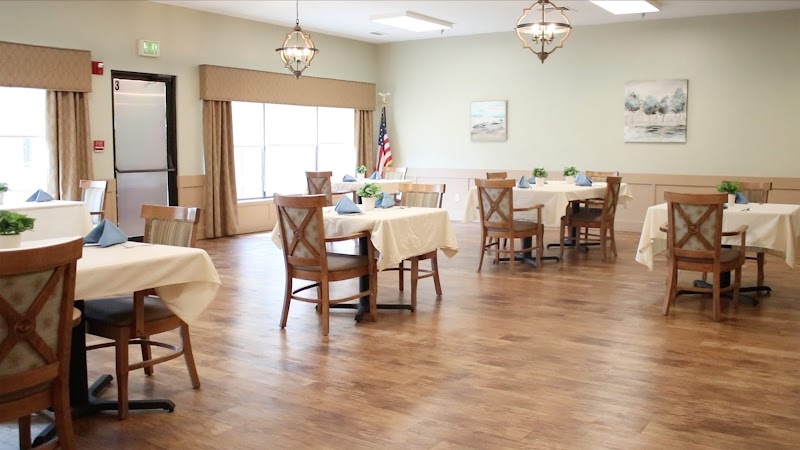
Who Owns and Operates Mason Health?

MASON HEALTH CARE CENTER is owned by a for-profit company. For-profit facilities operate as businesses with obligations to shareholders or private owners. The facility is operated by TLC MANAGEMENT, a chain that manages multiple nursing homes. With 105 certified beds and approximately 70 residents (about 67% occupancy), it is a mid-sized facility located in WARSAW, Indiana.
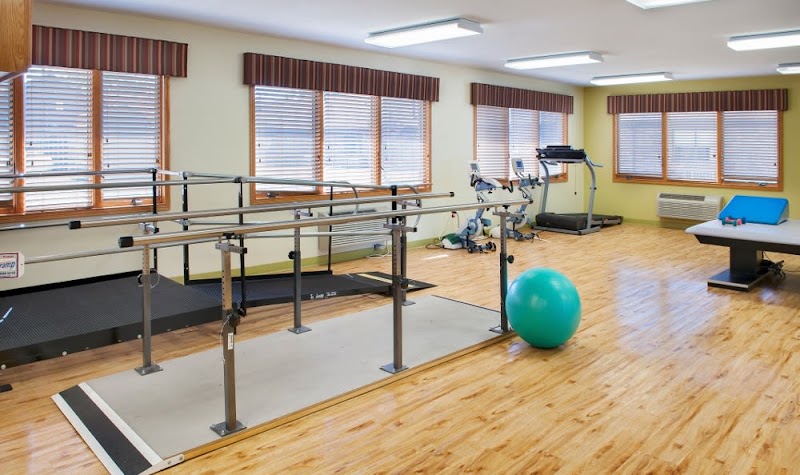
How Does Mason Health Compare to Other Indiana Nursing Homes?

Compared to the 100 nursing homes in Indiana, MASON HEALTH CARE CENTER's overall rating (2 stars) is below the state average of 3.1, staff turnover (59%) is significantly higher than the state average of 46%, and health inspection rating (2 stars) is below the national benchmark.

What Should Families Ask When Visiting Mason Health?

Based on this facility's data, families visiting should ask: "How do you ensure continuity of care given staff turnover, and what is your staff retention strategy?" "Can you walk me through typical staffing levels on day, evening, and night shifts?" "Can I visit during a mealtime to observe dining assistance and food quality?" "How do you handle medical emergencies, and what is your hospital transfer rate?" These questions are particularly relevant given the facility's high staff turnover rate and the below-average staffing rating.

Is Mason Health Safe?

Based on CMS inspection data, MASON HEALTH CARE CENTER has a clean safety record: no substantiated abuse findings (meaning no confirmed cases of resident harm), no Immediate Jeopardy citations (the most serious violation level indicating risk of serious injury or death), and is not on the Special Focus Facility watch list (a federal program monitoring the lowest-performing 1% of nursing homes). The facility has a 2-star overall rating and ranks #100 of 100 nursing homes in Indiana. While no facility is perfect, families should still ask about staff-to-resident ratios and recent inspection results during their visit.

Do Nurses at Mason Health Stick Around?

Staff turnover at MASON HEALTH CARE CENTER is high. At 59%, the facility is 13 percentage points above the Indiana average of 46%. Registered Nurse turnover is particularly concerning at 55%. RNs handle complex medical decisions and coordinate care — frequent RN changes can directly impact care quality. High turnover means new staff may not know residents' individual needs, medications, or preferences. It can also be disorienting for residents, especially those with dementia who rely on familiar faces. Families should ask: What is causing the turnover? What retention programs are in place? How do you ensure care continuity during staff transitions?

Was Mason Health Ever Fined?

MASON HEALTH CARE CENTER has no federal fines on record. CMS issues fines when nursing homes fail to meet care standards or don't correct problems found during inspections. The absence of fines suggests the facility has either maintained compliance or corrected any issues before penalties were assessed. This is a positive indicator, though families should still review recent inspection reports for the full picture.

Is Mason Health on Any Federal Watch List?

MASON HEALTH CARE CENTER is not on any federal watch list. The most significant is the Special Focus Facility (SFF) program, which identifies the bottom 1% of nursing homes nationally based on persistent, serious quality problems. Not being on this list means the facility has avoided the pattern of deficiencies that triggers enhanced federal oversight. This is a positive indicator, though families should still review the facility's inspection history directly.