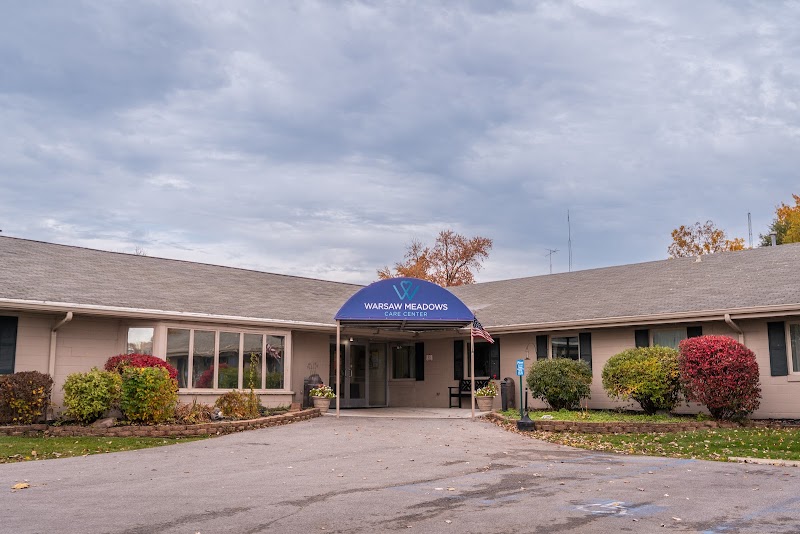
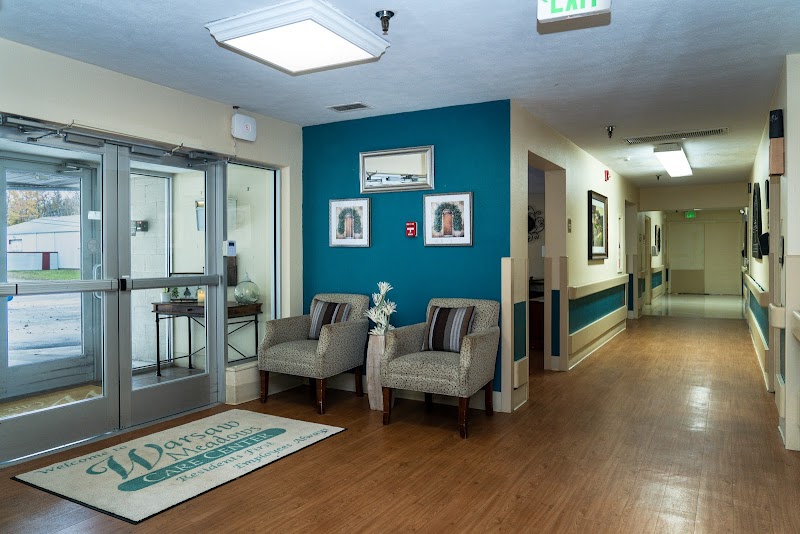
WARSAW MEADOWS

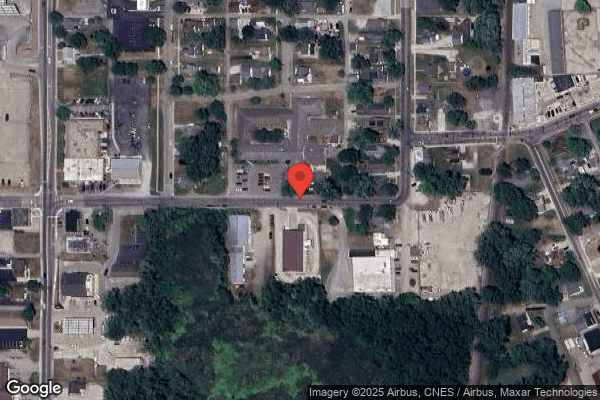
300 E PRAIRIE ST, WARSAW, IN 46580 (574) 267-8922
For profit - Corporation 80 Beds IDE MANAGEMENT GROUP Data: November 2025
Trust Grade
0/100
#395 of 505 in IN
Last Inspection: August 2024

Within standard 12-15 month inspection cycle. Federal law requires annual inspections.

Overview

Warsaw Meadows has received a Trust Grade of F, indicating significant concerns about its care quality. It ranks #395 out of 505 nursing homes in Indiana, placing it in the bottom half of facilities statewide, and #5 out of 6 in Kosciusko County, suggesting limited better options nearby. The facility's trend is improving, as the number of issues decreased from 11 in 2024 to 2 in 2025, but there are still serious concerns, including $105,073 in fines, which is higher than 99% of Indiana facilities. Staffing is rated average with a turnover rate of 47%, and while there is more RN coverage than 83% of state facilities, recent inspector findings revealed serious incidents, such as a resident suffering extensive bruising due to inadequate abuse prevention measures and another resident ingesting harmful cleaning chemicals that required emergency care. Overall, while there are some strengths in nursing coverage and a decreasing trend in issues, the significant fines and serious safety incidents raise red flags for families considering this facility.

Trust Score
F
0/100
In Indiana
#395/505
Bottom 22%
Safety Record
High Risk
Review needed
Inspections
Getting Better
11 → 2 violations
Staff Stability
⚠ Watch
47% turnover. Above average. Higher turnover means staff may not know residents' routines.
Penalties
○ Average
$105,073 in fines. Higher than 56% of Indiana facilities. Some compliance issues.
Skilled Nurses
✓ Good
Each resident gets 45 minutes of Registered Nurse (RN) attention daily — more than average for Indiana. RNs are trained to catch health problems early.
Violations
⚠ Watch
39 deficiencies on record. Higher than average. Multiple issues found across inspections.
★★☆☆☆
2.0
Overall Rating
★★★☆☆
3.0
Staff Levels
★★★★☆
4.0
Care Quality
★★☆☆☆
2.0
Inspection Score
Stable
2024: 11 issues
2025: 2 issues

The Good

  • 4-Star Quality Measures · Strong clinical quality outcomes
  • Full Sprinkler Coverage · Fire safety systems throughout facility
  • No fines on record

Facility shows strength in quality measures, fire safety.

The Bad

2-Star Overall Rating

Below Indiana average (3.1)

Below average - review inspection findings carefully

Staff Turnover: 47%

Near Indiana avg (46%)

Higher turnover may affect care consistency

Federal Fines: $105,073

Well above median ($33,413)

Significant penalties indicating serious issues

Chain: IDE MANAGEMENT GROUP

Part of a multi-facility chain

Ask about local staffing decisions and management

The Ugly 39 deficiencies on record

4 actual harm
Oct 2025 1 deficiency 1 Harm
SERIOUS (G) 📢 Someone Reported This

A family member, employee, or ombudsman was alarmed enough to file a formal complaint

Actual Harm - a resident was hurt due to facility failures

Free from Abuse/Neglect (Tag F0600)

A resident was harmed · This affected 1 resident

Based on observation, record review and interview, the facility failed to prevent physical and emotional abuse for 2 of 3 residents reviewed for abuse prevention. (Residents C & D) This deficient prac...

Read full inspector narrative →
Based on observation, record review and interview, the facility failed to prevent physical and emotional abuse for 2 of 3 residents reviewed for abuse prevention. (Residents C & D) This deficient practice resulted in 1 of 3 residents sustaining extensive bruising (Resident C) and 2 of 3 residents experiencing mental anguish and fear. (Residents C & D)Findings include:1.A record review for Resident B was completed on 9/29/2025 at 10: 46 A.M. Diagnoses included, but were not limited to: schizophrenia, alcohol abuse, epilepsy, drug induced dyskinesia, major depressive disorder and mood disorder.A Quarterly MDS assessment, dated 9/29/2025, indicted Resident B was cognitively intact, transferred independently, received antipsychotic, antidepressant and anticonvulsant medication, had exhibited behaviors of physical behavioral symptoms for 1-3 days during the assessment period and verbal behavioral symptoms for 1-3 days of the assessment look back period. The current care plans for Resident B, revised on 5/30/2025, included the following plan: Resident is at risk for exhibiting behaviors related to Schizophrenia with history of behaviors. Behaviors exhibited are anger/yelling/cursing. The interventions included, but were not limited to: offer one on one attention with staff (added 9/23/2025 after the altercation), re-direct resident with a snack or an activity and the interdisciplinary team was to review the behavior management program every quarter and as needed. The current care plans for Resident B included the following: had a history of striking out at staff andpeers, initiate on 3/23/2023. The interventions included: At first sighs of agitation please remove from situation and provide a safe place for me to express what's bothering me and to make my feelings known, please offer me a snack such as popcorn, chips, and some tea.Review of a Trauma Evaluation Note, completed on 9/20/2025 at 8:38 P.M., and documented as late entry on 9/23/2025 at 4:10 A.M., indicated the residents were lined up by the courtyard door for their next cigarette break and Resident C was upset because she had not received her medications. Resident B had approached Resident C, who had been standing against the wall. Resident B had placed his wheelchair in front of Recent C and stated, I'm sick of listening to your f---ing mouth. Resident B then began hitting Resident C's upper body and head with his closed fists.A Nursing Progress Note, on 9/20/2025 at 8:45 P.M. and documented as a late entry on 9/23/2025 at 4:01 A.M., indicated the nurse had been notified by staff who had witnessed Resident B approach Resident C, stop his wheelchair in front of her and state, I'm sick of listening to your f---ing mouth and then had hit Resident C with clenched fists in her upper body, face and head. Resident B was taken to his room for a full body assessment and the notes indicated he had sustained a scratch down his face. A Nursing Progress Note, completed on 9/21/2025 at 7:40 P.M., indicated two police officers had interviewed Resident B about yesterday's incident. The note indicated Resident B had not been truthful with the police officers, per staff witnesses. Immediately after the police officers left the facility, Resident B went by Resident D, who had been trying to get to her room. Resident B had screamed at Resident D and stated, You need to mind your own f---ing business. The interaction had been observed by staff, who intervened immediately and redirected Resident B to his room and Resident D to her room.A Trauma Evaluation Note, completed on 9/22/2025 at 9:50 A.M., indicated Resident B had told the writer that he and Resident C were with other residents waiting in the hall to go out to smoke. Resident B indicated that Resident C had been talking very loudly about all kinds of negative stuff. Resident B indicated he made a comment to Resident C and Resident C had commented back to him and then had hit him on his head.A Social Service Note, completed on 9/22/2025 at 9:50 A.M., indicated Resident B had come to the office The Social Service Director (SSD) indicated she had asked the resident what had happened to his head. Resident B indicated he had gotten into a fight with Resident C. Resident B insisted Resident C had initiated physical contact and he had defended himself. A Social Service Note, on 9/22/205 at 11:13 A.M., indicated the SSD had called Resident B's mother and had gotten permission to send Resident B to a psychiatric hospital and a referral had been sent to the acute care facility. A Nursing Progress Note, on 9/22/2025 at 9:30 P.M., indicated the psychiatric hospital ambulance had arrived and had transported Resident B to the psychiatric hospital.During an interview, on 9/29/2025 at 8:47 P.M., Confidential Employee 2 indicated Resident B sometimes had physical altercations if he did not get his way. Confidential Employee 2 indicated the approach made a difference in his behaviors and the more praises he received, the better his attitude. Confidential Employee 2 indicated they were not at the facility on the evening of Resident B and Resident C's altercation. They indicated Resident B sometimes had a good night and sometimes had a bad night. Employee 2 indicated Resident C sometimes could flip the switch quickly and just be hateful.During an interview, on 9/29/2025 at 9:06 P.M., Confidential Employee 3 indicated on the night of the altercation between Resident B and Resident C, Resident C had been talking to herself about not receiving her medications timely. Resident B had told Resident C to shut up as Confidential Employee 3 had been returning a resident to the locked memory care unit. Confidential Employee 3 indicated Resident B had had an incident the prior week with another resident and the employee had been concerned since Resident B had a history of getting angry so quickly. Confidential Employee 3 indicated she had closed the door to the locked memory care unit and had witnessed Resident B lunge at Resident C. Employee 3 indicated she had viewed the altercation through the glass windows of the memory care unit. She indicated she had witnessed Resident B banging on Resident C violently. Resident C was smacking at Resident B's hands , trying to get Resident B off of her. Confidential Employee 3 indicated Resident B was windmill punching (a punch delivered with a wild, circular swing of the arm, often lacking control and accuracy) Resident C. Confidential Employee 3 indicated staff had called the executive director immediately after the altercation and had been instructed to take resident B to his room and not to take him out to smoke until a later time. During an interview, on 9/29/2025 at 10:26 P.M., Confidential Employee 4 indicated monitoring was increased on 9/20/2025 for Resident B, but one to one supervision had not been implemented. Employee 4 indicated one-to-one supervision was implemented after Resident B had yelled at and lunged at Resident D, on 9/21/2025.During an interview, on 9/30/2025 at 11:21 A.M., the Director of Nursing indicated she was not aware of the altercation between Resident B and C until 9/22/2025 when she arrived at the facility. She indicated she was not aware of any interventions implemented for Resident B after the altercation on 9/20/2025. She indicated she was not aware of any documentation completed for one-on-one supervision and that heightened supervision had happened after the altercation with Resident B and C. She indicated one on one supervision had been put into place after Resident B's altercation with resident D.During an interview, on 9/30/2025 at 11:35 A.M., the Executive Director indicated he was informed of the altercation between Resident B and C shortly after the altercation happened. He indicated he had spoken with Resident B on the phone and had tried to calm him down. He indicated Resident B indicated Resident C would not stop talking and so he had hit Resident C. The Executive Director indicated the facility had forms to document one on one supervision, however, the completed one to one supervision documentation forms for Resident B could not be produced. 2. A record review for Resident C was completed on 9/29/2025 at 12:54 P.M. Diagnoses included, but were not limited to: PTSD (post traumatic stress disorder), vascular dementia, schizophrenia, bipolar disorder, anxiety disorder, major depressive disorder and pseudobulbar affect.A Quarterly MDS assessment, dated 6/26/2025, indicated Resident C was cognitively intact, had no impairment with range of motion, walked independently, received medications of an antipsychotic, antianxiety, antidepressant, opioid and anticonvulsant and had delusions and no mood issues. A Nursing Progress Note, on 9/20/2025 at 7:45 P.M., indicated Resident C reported that Resident B had wheeled up to her as she was standing by the courtyard door and started hitting her. Resident C had multiple bruises documented which included the following:-Right forearm 11cm x 6.5cm-Inner right elbow 2.5cm x 2cm,-Under left breast 3cm x 2.5cm, 1.5cm x 1.5cm and 2cm x 1.5-Left palm 7cm x 6.5cm-Left wrist 1.5cm x 1cm-Left fourth digit finger 5cm x 1.5cm-Palmar side of left second digit finger 1cm x 1cm-Back of third digit left finger 5cm x 1.5cm-Left upper shoulder 6.5cm x 6.5cm-Outer left shoulder 8cm x 8cm. The facility executive director was notified of the incident.A Trauma Evaluation form, dated 9/20/2025 at 8:40 P.M. and documented as late entry on 9/23/2025, indicated, Resident C had been standing in line for her smoke break by the courtyard door and had verbalized that she was upset because she had not received her medications. Resident B had approached Resident C, stopped his wheelchair in front of Resident C and stated, I'm sick of listening to your f---ing mouth. Resident B then began hitting Resident C with clenched fists to her upper body, face and head.A Nursing Progress Note, on 9/20/2025 at 8:45 P.M. and documented as a late entry on 9/23/2025, indicated the nurse had been notified by the staff member who had witnessed Resident C in line by the courtyard door. Resident C had been verbalizing she had been upset because she had not received her medications. Resident B had approached Resident C with his wheelchair , stopped in front of her and stated, I'm sick of listening to your f---ing mouth and had begun hitting her with clenched fists in her upper body, face and head. Resident C had been taken to her room. A full body assessment had been completed that showed Resident C had bright purple bruises on the left side of her head, the bottom of her left jawline, her right forearm, her inner right elbow, under her left breast, on her left palm, on her left wrist, on her left 2nd, 3rd and 4th fingers, on her upper left shoulder and on her outer left shoulder. The nurse had remained with Resident C until she was calm. Resident C indicated, He kept hitting me, I don't know why. I swear, I never hit him or scratched him on purpose, I was trying to get him away from me. The note indicated Resident B and C were kept away from each other with increased staff supervision and support.A Trauma Evaluation form, completed on 9/22/2025 at 3:05 P.M., indicated Resident B and Resident C had been in an alleged verbal altercation that turned into a physical altercation. Resident C had received a few bruises and scratched Resident B's face, neck and head. A Social Service Note, on 9/23/2025 at 3:35 P.M. and documented as a late entry, indicated the following: Writer asked resident how she was doing she said that she's a little sore, but she'd be all rightA Social Service Note, on 9/23/2025 at 3:36 P.M. and documented as a late entry, indicated, Resident C was still very upset by the incident. She was overheard talking to a staff member about the incident and blaming the other resident for things that he did not do, or was not responsible for. The note did not elaborate about what things Resident B was accusing Resident B of doing.A Social Service Note, on 9/24/2025 at 2:38 P.M., and documented as a late entry, indicated when Resident C was asked how she was doing, she promptly showed the writer her bruises. Resident C indicated that it looked worse then [than] it felt.A Care Plan, initiated on 12/16/2019 and revised on 4/3/2025, indicated Resident C was at risk for emotional/physical distress related to a history of physical/mental abuse. Interventions included, but were not limited to: allow to express concerns, fears, feelings and expectations, ensure safety, establish trust and to collaborate care with medical providers and psychological services.Care Plan, initiated on 8/7/2025, indicated Resident C was at risk for being injured by her peers and would remain free from injury. Interventions included, but were not limited to: will approach staff for assistance, will continue to receive psychiatric services to help with mental/emotional issues and will learn to identify potentially dangerous situations and leave them before they escalate.During an interview and observation, on 9/29/2025 at 1:21 P.M., Resident C indicated resident B had tried to choke me out. Resident C indicated she had had this type of abuse before from her ex-husband and the incident with Resident B had scared her to death. She indicated her fingers had been swollen and bruised from the incident. Resident C's right forearm, left shoulder and left outer shoulder had deep red, blue and purple colored bruises. Resident C was observed to have darkened areas on her left cheekbone and neck that were covered with make-up. She indicated she was tired of the other residents asking her what had happened, so she had covered up the areas (with makeup).During an interview, on 9/29/2025 at 9:06 P.M., Confidential Employee 3 indicated Resident C had PTSD (post-traumatic stress disorder) due to have been in an abusive situation where this same type of abuse had occurred. The staff member indicated Resident C had cried for most of the night (on 9/20/2025) and this attack had triggered her PTSD issues. Confidential Employee 3 indicated Resident C had been shaking, jumped every time her room door opened and even yelped when staff had knocked on the door. Employee 3 indicated Resident C was scared.During an interview, on 9/29/2025 at 10:26 P.M., Confidential Employee 4 indicated she had not witnessed the attack between Resident B and C. Employee 4 indicated the residents had already been separated when she had arrived. She indicated Resident C stated that Resident B had came up to her and stated, I'm so sick of listening to your f--king mouth, put his head down and started wailing on her. Confidential Employee 4 had completed the nursing assessment for Resident C's bruising. The employee indicated Resident C was crying, shaking and had clearly been traumatized.3. During an observation, on 9/29/2025 at 9:51 P.M., Resident D was observed at the end of the back hallway seated in her wheelchair, looking out the glass door. A record review for Resident D was completed on 9/29/2025 at 10:22 A.M. Diagnoses included, but were not limited to: hemiplegia nondominant side, dysphagia and a history of transient ischemic attack.A Quarterly MDS assessment, dated 9/29/2025, indicated Resident D was cognitively intact and had no behaviors. A Progress Note, on 9/21/2025 at 9:36 P.M., indicated while administering medications Resident began crying and indicated, I don't trust anyone anymore, I'm never coming back to a nursing home. I have my grabber under my pillow, if he comes near me. I'm going to hit him in the head to get him away from me. Resident D was given a hug and assured staff would be outside her door all night.During an interview, on 9/29/2025 at 9:06 P.M., Confidential Employee 3 indicated when the police officers were at the facility for the incident between Residents B and C, Resident D had come down the hallway and asked what was going on. Resident B told Resident D to stay out of his business and the police officers had informed Resident B to keep his anger in check and not to hit anyone else. Resident D indicated to Confidential Employee 3, on 9/21/2025, that Resident B had been following her and at that time Resident B came around the corner of the hallway and stated to Resident D to mind your own business, you bitch and had lunged at Resident D. Confidential Employee 3 indicated Resident D had slept with her grabber stick under her pillow to protect herself if Resident B came into her room.During an interview, on 9/29/2025 at 10:26 P.M., Confidential Employee 4 indicated after the police left on 9/21/2025, Resident D had been attempting to get to her room and Resident B had lunged at her. in a threatening manner Confidential Employee 4 indicated she had not witnessed this action, but Resident D was scared when she went to give Resident D her medication. Confidential Employee 4 indicated Resident D had her grabber stick under pillow and indicated the grabber being under the pillow gave her security.During an interview, on 9/30/2025 at 11:21 A.M., the Director of Nursing indicated she was only informed of a verbal altercation between Resident B and D. She was not informed of Resident B lunging at Resident D and staff intervention to prevent contact. She indicated one on one supervision was put into place for Resident B after the altercation with Resident D.During an interview, on 9/30/2025 at 11:35 A.M., the Executive Director indicated there was only a verbal interaction from Resident B to Resident D. He indicated nothing else had happened. Although Resident B had a known history of angry outburst and physical and verbal altercations and had care plan to address behaviors with interventions to relocate the resident to a quiet, safe place and offer him a snack at the first signs of agitation, staff did not follow the planned interventions which resulted in Resident B physically assaulting Resident C, causing her physical bruising and emotional trauma. In addition, staff did not implement preventative one to one supervision for Resident B to prevent further abuse which resulted in verbal abuse and threatening physical behaviors toward Resident D which resulted in emotional distress and fear.A policy was provided by the Executive Director, on 9/29/205 at 10:20 A.M. The policy titled, Abuse Policy, indicated, .The resident has the right to be free from abuse, neglect, misappropriation of resident property, and exploitation.Residents should not be subjected to abuse by anyone, including, but not limited to, facility staff, other residents, consultants or volunteers, staff of other agencies serving the resident, family members or legal guardians, friends, or other individuals.Abuse is defined as ‘the willful infliction of injury, unreasonable confinement, intimidation, or punishment with resulting physical harm, pain or mental anguish.Prevention-Provide staff, residents, and family members information on how to and whom to report concerns, incidents, and grievances without fear of retribution, and provide feedback regarding the concerns; identify, intervene, and correct situations of alleged, suspected, or substantial abuse; supervision of staff, monitoring of resident's with needs and behaviors, communication deficits, and/or those totally dependent on staff.This deficient practice relates to Intake 2625615.3.1-27(a)3.1-27(b)
Jul 2025 1 deficiency 1 Harm
SERIOUS (G) 📢 Someone Reported This

A family member, employee, or ombudsman was alarmed enough to file a formal complaint

Actual Harm - a resident was hurt due to facility failures

Accident Prevention (Tag F0689)

A resident was harmed · This affected 1 resident

**NOTE- TERMS IN BRACKETS HAVE BEEN EDITED TO PROTECT CONFIDENTIALITY** Based on record review, observation and interview, the facility failed to ensure cleaning chemicals were stored securely on the ...

Read full inspector narrative →
**NOTE- TERMS IN BRACKETS HAVE BEEN EDITED TO PROTECT CONFIDENTIALITY** Based on record review, observation and interview, the facility failed to ensure cleaning chemicals were stored securely on the memory care unit. This failure resulted in a resident with Alzheimer's Disease and dementia that accessed an unlocked water conditioner closet, handling and ingesting drain cleaner. The resident suffered pain, nausea, vomiting and required emergency room services, that included undergoing anesthesia for a gastro-intestinal (GI) endoscopy procedure to evaluate for damages. This affected 1 of 3 residents reviewed for accidents, (Resident B). The deficient practice was corrected on 7/11/25, prior to the start of the survey, and was therefore past noncompliance.Finding includes: Review of a facility reported incident, #633, submitted to the Indiana State Department of Health on 7/10/25, indicated on 7/10/25 at 1:30 A.M., Resident B was found vomiting in the Memory Care hallway and the vomit allegedly had a smell of bleach. The resident was then assisted to his room by staff and no distress was noted by the staff. The staff completed a safety sweep of the hallway and could not locate any chemicals. The resident's physician and the Poison Control Center were notified and it was recommended the resident go to the emergency room (ER) for evaluation and treatment.During an interview on 7/22/25 at 3:39 P.M., CNA 1 indicated she had worked on the memory care unit overnight on 7/10/25 and had taken a break off the unit. CNA indicated upon her return from break, she looked down the straight hall in the memory care unit to the water conditioning closet and saw the back part of Resident B's wheelchair sticking out of the water conditioning room. CNA 1 indicated she went to the resident, pulled him back from the closet in his wheelchair and noted he was holding a bottle of Liquid Plumber (drain clearner) in his hand. CNA 1 indicated she asked the resident what he had been doing and he pointed to his mouth. CNA 1 indicated she took the bottle from Resident B and called for assistance from Qualified Medication Aide (QMA) 3, who was coming down the hall at that time. CNA 1 indicated the resident then began gagging and by the time she got him to the doorway of his room, the resident had begun vomiting. CNA 1 indicated QMA 3 called for Registered Nurse (RN) 2, who was on the memory care unit at that time, and RN2 had arrived to Resident B's room and assessed him. CNA 1 indicated the resident continued to vomit and indicated his mouth and his stomach hurt. CNA 1 indicated RN 2 had notified Resident B's physician and the Poison Control Center immediately.During an interview, on 7/23/25 at 10:28 A.M with RN 2, she indicated on 6/10/25 at 1:41 A.M., she was on the memory care unit checking glucose monitors when CNA 1 called her to Resident B's room. She indicated the resident was seated in his wheelchair, in the doorway of his room with a trash can in his lap, actively vomiting. RN2 indicated CNA 1 had reported that she thought the resident had drank something from the water conditioner closet but the CNA indicated she did not know what Resident B had drank. RN 2 indicated she called the Director of Nursing to get the code to the water conditioner closet and there she found a bottle of Draino (drain cleaner). RN 2 indicated she looked at the bottle label , where it instructed not to induce vomiting if ingested, but the resident had already vomited by the time she had read the label . RN 2 indicated when she knew what the resident had ingested, she had called the Nurse Practitioner and instructed QMA 3 to call the Poison Control Center, thus having both parties on the phone at the same time. RN 2 indicated the Poison Control Center had recommended sending the resident to the ER immediately. RN 2 indicated she then called 911 immediately and had sat with the resident until the Emergency Medical Services (EMS) arrived. RN 2 indicated Resident B had complained of stomach pain while they had waited for EMS and when EMS assessed the resident, he had also complained of throat pain.On 7/22/25 at 3:19 P.M., Resident B's clinical record was reviewed. The resident had diagnoses that included, but were not limited to dementia, depression, and Alzheimer's Disease. Review of Resident B's most recent comprehensive Minimum Data Set (MDS), dated [DATE] for an Annual Assessment, indicated the resident was severely cognitively impaired, experienced delusions and misconceptions that were contrary to reality and demonstrated no unwanted behaviors. Resident B had no range of motion impairments to his arms or legs but required a wheelchair for locomotion.An Elopement/Wander Risk Evaluation, dated 5/17/25 for a quarterly review, indicated Resident B was at risk for elopement and wandering due to a forgetful and short attention span, dementia with psychosis, and independence with his wheelchair. Resident B utilized a wander guard (device worn on wrist or ankle to magnetically lock exit doors when resident came within close proximity of the doors). Resident B's Nursing Progress Notes, on 7/10/2025 at 1:45 A.M., completed by Registered Nurse (RN) 2, indicated she had been called to Resident B's room where the resident was seated in his wheelchair, in the doorway of his room and was vomiting into the trash can. RN 2 indicated there was a smell of bleach and the resident was complaining of stomach pain. RN 2 indicated the resident vomited about five times in the next 30 minutes and that it appeared the resident had ingested something that smelled like bleach and the amount ingested was unknown. RN 2 indicated she had notified the Poison Control Center who recommended sending the resident to the ER for an evaluation and treatment.A nursing progress note, dated 7/10/25 at 2:18 A.M., completed by RN 2, indicated Resident B had had a change in condition. The Change in Condition included abdominal pain, nausea, and vomiting. An EMS report, dated 7/10/25, indicated they had received a call from the facility, on 7/10/25 at 2:00 A.M. and had arrived on scene at 2:11 A.M. The report indicated the nurse stated one of the aids had found the resident with a bottle of Liquid Plumber and the resident had admitted to drinking [NAME] of it and was complaining about his mouth hurting and an upset stomach. The facility had indicated the resident had vomited multiple times withing the first 30 minutes after finding him before vomiting had subsided. Prior to leaving, the drain cleaner was noted to be Liquid Plumber brand gel drain cleaner. The report indicated the EMS had been diverted from the local hospital to another regional speciality hospital while enroute. They had arrived at the specialty hospital at 3:15 A.M.An emergency room report from the specialty hospital, dated 7/10/25 at 3:28 A.M., indicated Resident B's chief complaint reported by facility nursing staff indicated the resident had ingested an uncertain amount of Draino and had complained of abdominal pain with nausea and vomiting. The ER report indicated the resident was found by the CNA in a utility room holding a bottle of drain cleaner and then immediately had non-bloody emesis that had smelled of bleach. The nursing facility staff were not certain the resident had consumed the drain cleaner and was unclear how much he had possibly consumed. The report indicated the resident had reported that he thought the bottle was a Coke and he had drank a small amount and it tasted terrible, so he had not consumed any more. The resident indicated it was slightly painful to swallow but otherwise denied other complaints. On 7/10/25 at 2:18 P.M., the hospital notes indicated the resident had undergone anesthesia for an upper GI endoscopy. The test findings indicated localized mildly erythematous mucosa was found in the cardia and in the gastric body (redness and inflammation of the stomach lining in the cardia [the junction between the esophagus and stomach] and the body of the stomach). On 7/22/25 at 11:18 A.M., during an observation of the Memory Care unit, it was noted the water conditioner closet was three doors down from Resident B's room, on the same side of the hall. The water conditioner closet was observed to be locked with a pad lock, as well as a code lock. The Maintenance Director unlocked the water conditioner closet and the closet was noted to be approximately 4 ft wide by 6 ft long with water softening equipment along the wall opposite the entry door. During an interview at that time, the Maintenance Director indicated he had previously stored a container of Liquid Plumber on the ground against the wall between the wall and the water conditioner equipment. The Maintenance Director indicated the door to the closet was supposed to always be locked. However, on 7/9/25, the local water conditioning company had delivered salt for the water conditioners and he felt the door had not been secured properly after they had left the salt in the closet. On 7/21/25 at 12:00 P.M., the Administrator provided the policy titled, On-Site Chemical Storage, dated 7/15, and indicated it was the current policy. The policy indicated, .Safe chemical storage: Chemicals are stored in areas that are not accessible to residents.On 7/21/25 at 12:00 P.M., the Administrator provided the policy titled Chemical Management Program, dated 7/25, and indicated it was the current policy. The policy indicated, [The facility] recognizes the inherent risks associated with the use of chemicals in a nursing home environment. With a diverse population that includes vulnerable resident, careful management of these substances is critical to ensuring a safe and healthy living space.Chemicals are stored in designated locked areas that residents cannot access.The deficient practice was corrected by 7/14/2025 after the facility implemented a systemic plan of correction that included the following actions: facility wide safety sweep to ensure chemicals were stored securely and all door that needed to be locked, were locked, facility wide sweep to check the automatic closing hinges on all door equipped with this mechanism to ensure the door closed, the installation of an additional pad lock with key on the water conditioning closet in the Memory care unit, all staff education regarding the safe storage of chemicals and review of policies regarding accidental ingestion of harmful chemicals, care plan updates to include a potential to injest harmful substances, review and update of MSDS chemical informaiton sheets to include any cleaner utilized in the facility and education with the water softening vendor staff to regarding safety precautions to ensure they relocked doors to the water conditioning closets. In addition, an audit tool was implemented to ensure all doors were shutting and locking appropraitely and all chemicals were stored appropriately. The audit tool was to be completed by the Administrator for 6 months.This citation relates to Complaint IN002563532 3.1-45(a)(1)
Dec 2024 1 deficiency
CONCERN (D) 📢 Someone Reported This

A family member, employee, or ombudsman was alarmed enough to file a formal complaint

Potential for Harm - no one hurt, but risky conditions existed

Pressure Ulcer Prevention (Tag F0686)

Could have caused harm · This affected 1 resident

Based on observation, record review and interview, the facility failed to provide appropriate interventions to prevent the development of pressures ulcers for 1 of 2 residents reviewed for pressure ul...

Read full inspector narrative →
Based on observation, record review and interview, the facility failed to provide appropriate interventions to prevent the development of pressures ulcers for 1 of 2 residents reviewed for pressure ulcers (Resident B). Finding includes: A record review for Resident B was completed on 12/20/2024 at 12:45 P.M. Diagnoses included, but were not limited to: peripheral vascular disease, diabetes mellitus type 2, heart failure and lymphedema. A Braden Scale (assessment to determine a resident's risk for developing pressure ulcers) assessment, completed on 8/21/2024, indicated Resident B was at risk for skin breakdown. A Braden Scale assessment, completed on 9/24/2024. indicated Resident B was at a moderate risk for skin breakdown. A Quarterly Minimum Data Set (MDS) assessment, dated 10/2/2024, indicated Resident B was cognitively intact, required substantial/maximum assistance for bed mobility and transfers, was dependent on shower assistance, was at risk for developing pressure ulcers, had a stage 3 pressure ulcer and diabetic foot ulcers. The assessment indicated the resident utilized a pressure-reducing device for his bed and nutrition/hydration interventions were utilized to manage his skin problems. The assessment indicated the resident had not had any behaviors of rejection of care during hte assessment time frames. A care plan, initiated 5/12/2023 and revised on 4/18/2024, indicated Resident B had the potential for pressure ulcer development or skin breakdown related to immobility, incontinence and seborrhea dermatitis. The goal was for the resident to have no skin breakdown. Interventions included, but were not limited to: encourage not to sit up in wheelchair for prolonged periods of time, pressure relief mattress on bed and assist with turning and repositioning as needed. A care plan titled, ADL (activities of daily living) Self Performance, initiated on 5/12/2023 and revised on 8/25/2024 indicated the resident had deficits related to mobility and incontinence. The interventions, included but were not limited to: Hoyer (mechanical) lift and two assist to transfer to bedside commode. A Weekly Skin Review, dated 11/11/2024 at 10:42 A.M., indicated Resident B's skin was intact. The assessment indicated Resident B had chronic leg and foot wounds, redness to the scrotum with an order for in-house Triad Hydrophilic (a zinc oxide-based paste to facilitate autolytic debridement) paste for incontinence. Resident B was marked as having no new skin issues. However, a Physician's Consultation Note from the wound clinic, dated 11/11/2024, indicated Resident B had complained of a buttock pressure wound that had been present for at least one week. There was no current ordered treatment for the pressure ulcer. A left gluteal ulceration was observed that measured 0.6 centimeters by 1.2 centimeters by 0.1 centimeters. The base was covered in yellow slough and the physician deemed the ulcer, a stage 3 pressure ulcer. In addition, a stage 2 pressure ulceration was noted left of the resident's coccyx, measuring 2 centimeters by 1 centimeter by 0.1 centimeters. The wound base of this ulcer was pink and yellow. There was also a superficial, unstageable wound noted to the left ischial area (the lower and back part of the hip bone). The ulceration measured 0.4 centimeters by 0.4 centimeters. New orders were provided for treatment of the new pressure ulcers. A Nursing Progress Note, dated 11/11/2024 at 2:00 P.M., indicated Resident B had returned from the Wound Clinic and had 3 new pressure areas noted to the left gluteal, coccyx and left ischium areas. A Weekly Pressure Injury Evaluation, completed on 11/11/2024 at 3:19, 3:21 and 3:23 P.M. indicated the following: Resident B had an in-house acquired stage 3 left gluteal ulceration, measuring 0.6 centimeters by 1.2 centimeters by 0.1 centimeters with an onset date of 11/11/2024, an in-house acquired stage 2 pressure ulcer of the coccyx. The pressure ulcer measured 2 centimeters by 1 centimeter by 0.1 centimeter and an in-house acquired stage 2 pressure ulcer of the left ischium. The pressure ulcer measured 0.4 centimeters by 0.4 centimeters. The evaluation indicated pressure relieving devices were in place, which included a low air loss mattress. A Care Plans, initiated on 11/12/2024, indicated Resident B had pressure ulcer development related to a history of ulcers and immobility to the left gluteal, coccyx and ischium. The goal was for Resident B to show signs of healing and to remain free from infection. Interventions included, but were not limited to: administer medications as ordered, administer treatments as ordered and monitor for effectiveness and to assess/record/monitor wound healing by measuring length, width and depth where possible, assess and document status of wound perimeter, wound bed and healing progress and report improvements and declines to the physician A Physician's Order, dated 11/12/2024, indicated Triad Hydrophilic Wound Cream External Paste was to be applied to left gluteal and ischial wounds every shift and as needed. A Nutrition at Risk/Interdisciplinary Note, dated 11/14/2024 at 4:19 P.M., indicated there were no updates on skin integrity as wounds were managed by the wound clinic. There were no new nutritional interventions implemented to address the resident's new pressure ulcer development. The physician's orders related to nutritional needs for Resident B, prior the new pressure area developments were regular diet with double portions at breakfast and double protein portions at lunch and dinner, dated 5/12/2023 and Glucerna 1.2 (nutritional supplement drink) two time a day, ordered on 12/10/2023. There was also a physician's order, dated 5/10/2023 for the registered dietician to evaluate for nutritional interventions if needed. The only interventions implemented after Resident B's pressure ulcer development was the treatment ordered by the wound clinic for Triad cream and a low air loss mattress. However, per observation, on 12/20/2024 at 1:01 P.M., a low air loss mattress was not in place on Resident B's bed and there was no documentation of the resident refusing the intervention. Weekly Pressure Injury Evaluation reports, completed on 11/18/2024, indicated there was a stage 3 left gluteal pressure ulcer which measured 0.5 centimeters by 1.4 centimeters by 0.2 centimeters, a stage 2 pressure ulcer to the left ischium which measured 0.3 centimeters by 0.4 centimeters and a stage 2 pressure ulcer to the coccyx measured 1.7 centimeters by 0.7 centimeters by 0.1 centimeters. The current treatment for the wounds included Triad paste. A Physician Consultation Note from the wound clinic, dated 11/27/2024, indicated Resident B had been seen for chronic diabetic foot ulcers and a left buttock pressure ulceration that had been present since 11/11/2024. Resident B had reported the dressings were not being changed routinely and the nursing home staff were not following the physician orders. Resident B presented to the physician's office with a new coccygeal ulceration. The left gluteal ulceration measured 0.4 centimeters by 1.3 centimeters by 0.1 centimeters. The wound base was yellow and gray. The peri wound skin was dusky. The wound was consistent with a stage 3 pressure ulceration at a minimum due to the presence of the yellow slough. The ulceration to the left of the coccyx measured 1.6 centimeters by 0.5 centimeters by 0.1 centimeters. The base was yellow and gray with the peri wound dusky. A new non-blanchable wound was noted just to the right of the coccyx and measured 0.5 centimeters by 0.2 centimeters. The wound was consistent with a suspected deep tissue injury. The ischium pressure ulcer was epithelized. A Physician Consultation Note from the wound clinic, dated 12/5/2024, indicated Resident B presented with a worsening left gluteal ulceration. Resident B was incontinent of stool upon his arrival to the appointment. Resident B reported to the physician that his incontinence brief only got changed in the evening and the nighttime but not at all during the day. The gluteal ulceration measured 0.7 centimeters by 1.3 centimeters by 0.1 centimeters. The base was black. The left coccyx wound measured 1.4 centimeters by 0.7 centimeters by 0.1 centimeters. The base was yellow and gray. The non-blanchable redness to the right of the coccyx was resolved. The pressure ulcer of the left buttock had worsened from the prior week and was suspected the worsening was due to contamination of the wound with stool most of the time. The Triad cream was discontinued, and gentamicin (an antibiotic) ointment was ordered to be applied to the wound, three times a day. A Physician's Order, dated 12/6/2024, indicated gentamicin sulfate 0.1 percent cream apply to coccyx wound topically three times a day for wound care. A Physician's Consultation Note from the wound clinic, dated 12/12/2024, indicated Resident B presented to the office with a large amount of dry stool in his incontinence brief. Resident B indicated his brief had not been changed from the time he had gotten up in the morning. He indicated it usually did not get changed until he went to bed late at night. Resident B reported the gentamicin ointment was not being applied to his coccygeal and buttock ulcerations three times a day as ordered. The left gluteal ulceration measured 0.6 centimeters by 1.2 centimeters by 0.1 centimeters. The pressure ulceration to the left of the coccyx measured 1.2 centimeters by 0.4 centimeters by 0.1 centimeters. The pressure ulcer to the left buttock had minimal improvement from the last visit and was likely due to the nonadherence with treatment plan and incontinence of feces. The physician recommended that Resident B be checked for incontinence of stool every 2 hours as the ulcers were likely contaminated with stool frequently which would delay wound healing and could likely cause worsening of the ulcerations. There was no documentation the wound clinic recommendation to check the resident frequently, every two hours for stool incontinence was implemented, no new nutritional interventions were implemented and no new pressure relieving interventions were implemented due to the worsening of the resident's pressure ulcers. During an observation, on 12/20/2024 at 1:01 P.M., Resident B was observed to have a traditional foam pressure relieving mattress on his bed and a pressure relieving device (cushion) in his wheelchair. There was no air loss mattress on Resident B's bed. During an interview with Resident B, on 12/20/2024 at 1:41 P.M., he indicated his last incontinence change had been at 4:00 A.M. Resident B declined a request to observe his brief for incontinence. During an interview, on 12/20/2024 at 3:02 P.M., LPN 2 indicated she when she had completed the skin assessment on 11/11/2024, she had not actually visually assessed Resident B's buttock. She indicated when a resident received a shower, the CNA would provide a shower sheet that indicated if a new skin issue had been observed. LPN 2 indicated she would assess a resident's skin condition based upon the shower sheet information. She indicated Resident B sat in his wheelchair all day and did not lay down. She indicated Resident B was incontinent of his bowel and bladder at times. LPN 2 indicated nurses should apply the treatment cream to Resident B's buttock, but she had left the cream at the bedside for the CNAs to apply and she could not confirm if the cream had actually been applied as ordered LPN 2 indicated Resident B could not change positions in the wheelchair independently, but he might be able to scoot himself some in the wheelchair seat. During an interview on 12/20/2024 at 3:10 P.M., QMA 3 indicated a shower sheet was utilized and any skin conditions was to be communicated to the nurse. QMA 3 indicated Resident B utilized a shower chair when showered and an observation of Resident B's buttock and skin condition should have been reported to the nurse on the shower sheet. She indicated incontinent care was provided when Resident B asked for assistance and he was incontinent of his bowel and bladder. She indicated he was not routinely checked for stool incontinence and had no toileting plan. During an interview on 12/20/2024 at 3:08 P.M., the Medical Records Coordinator indicated the only shower sheets that were kept for records were the shower sheets with resident refusals of showers. The shower sheet for 11/11/2024 was not available for Resident B. During an interview, on 12/20/2024 3:22 P.M., CNA 4 indicated she has showered Resident B and he was dependent on showering assistance. She indicated shower sheets were utilized to communicate any skin issues noted on a resident during a shower. A policy was provided by the Executive Director, on 12/20/2024 at 4:20 P.M. The policy, titled, Skin and Wound Management System, indicated, .It is the policy of this center's Skin Management System to identify and assess residents with wounds and/or pressure ulcers, as well as those at risk for skin compromise. Such residents are then provided appropriate treatment to encourage healing and/or integrity. Ongoing monitoring and evaluation are then provided to ensure optimal resident outcomes .3. Ongoing weekly evaluations of resident's skin will be completed and documented [in the facilities electronic medical record] on the 'Weekly Skin Evaluation' form .4. Preventative intervention will be implemented for residents identified at risk as appropriate .5. Residents identified with skin impairments will have appropriate interventions, treatment and services implemented to promote healing and impede infection This Federal tag relates to complaint IN00444009. 3.1-40(a)(1)
Aug 2024 10 deficiencies 1 Harm
SERIOUS (G) 📢 Someone Reported This

A family member, employee, or ombudsman was alarmed enough to file a formal complaint

Actual Harm - a resident was hurt due to facility failures

Free from Abuse/Neglect (Tag F0600)

A resident was harmed · This affected 1 resident

Based on record review and interview, the facility failed to implement effective interventions to prevent physical and verbal Resident to Resident abuse from recurring. This deficient practice resulte...

Read full inspector narrative →
Based on record review and interview, the facility failed to implement effective interventions to prevent physical and verbal Resident to Resident abuse from recurring. This deficient practice resulted in Resident B exhibiting physically abusive behaviors which caused harm to 3 of 3 residents reviewed for abuse. (Residents C, D, & E) Findings included: 1. On 8/13/2024 at 1:37 P.M., a review of a facility reported incident 8/13/2024 at 1:37 P.M., indicated the following: Incident date: 5/29/2024 at 6:30 P.M. Residents involved: Resident C with the diagnoses of dementia with mood disorder, depression and anxiety. Resident B with the diagnoses of Alzheimer's disease, psychotic disorder with delusions, depression and dementia with agitation. Description added: Staff alleged Resident B made contact with Resident C's shoulders and left forearm while ambulating in the Memory Care hallway. Action taken: Residents were immediately separated. Resident B was placed on 1:1 staff supervision. Nurse completed a skin assessment, no findings. Type of injury: Added 5/29/2024- Discolored areas noted to Resident C's left forearm. Type of preventative measures added 5/29/2024 - blank The record for Resident B was completed on 8/13/2024 at 1:07 P.M. Diagnoses included but were not limited to anxiety, depression, psychotic disorder with delusions, dementia with agitation, and Alzheimer's disease. The Nursing Progress notes included and Incident Note, dated 5/29/2024 at 6:15 P.M.,which indicated the staff alleged the resident made physical contact to the shoulders of Resident C. The Residents were immediately separated, and Resident B was placed on one on one supervision Nursing Progress notes included A Nature of Trauma Note, dated 5/30/2024 at 11:15 A.M., which indicated Resident B put this hands on another resident (Resident C) and left bruises on her arms. Identify triggers: No known triggers. Interventions: Removed from triggering event. Notified IDT team. Notified resident representative when appropriate. Response to Interventions: Unable to recall event. Additional interventions: blank. Resident B was discharged to a Psychiatric hospital on 5/30/2024 and returned on 6/11/2024. The record for Resident C was completed on 8/8/82024 at 2:13 P.M. Diagnoses included, but were not limited to dementia, anxiety, depression and psychotic disorder. Resident C utilized a wheel chair and walker for mobility. A Behavior Note for Resident B, dated 6/16/2024 at 3:05 P.M., indicated he had returned from an outing with his family. Resident B's wife reported the resident was belligerent and had threatened to kick peoples a--- at the bowling alley. A Trauma Evaluation Note for Resident B, dated 6/17/2024 at 7:10 A.M., indicated: he had grabbed another resident's walker and then shoved it into her when she would not let go, which caused the other resident to fall to the floor backwards. Identify Triggers: This resident was already agitated, but all the other resident did was walk by him. Interventions: Removed from triggering event. Notified IDT team. Notified physician. Notified resident representative when appropriate. Response to Interventions: Unable to recall event. No change from baseline . An Incident Note, dated 6/16/2024 at 4:10 P.M., indicated he had made physical contact with a peer as Resident B resident was walking past in the hallway on the memory care unit which resulted in the peer falling. An Incident Note, dated 6/16/2024 at 4:10 P.M., indicated Resident B was placed on one on one monitoring. Resident B was discharged to a Psychiatric hospital on 6/18/2024 and returned on 7/1/2024 A Nursing Note for Resident B, dated 6/21/2024 at 4:49 P.M., indicated the family was notified of Resident B's possible return on the 25 th. The family was concerned the facility stated he would be returning Thursday and the psychiatric hospital had done nothing for him because they could only treat the resident for behaviors that were seen while Resident B was at the hospital. A Behavior Note for Resident B, dated 7/1/2024 at 3:01 P.M., indicated staff alleged that he made physical contact with the left cheek of another resident, after the resident made accidental contact with her walker to his foot. A Behavior Note for Resident B, dated 7/3/2024 at 4:38 P.M., indicated he had been verbally aggressive with staff and other residents. A Behavioral Health Progress Note, dated 7/8/2024, indicated Resident B had been referred to behavioral health to establish the necessity for continued psychotherapeutic and neurocognitive assessment services via the Behavioral health provider to address cognitive and neuropsychiatric symptoms.{Resident name} is back from his psych stay, but staff report ongoing behaviors and is easily agitated which he then can become aggressive A Behavior Note for Resident B, dated 7/10/2024 at 6:20 P.M., indicated he had been verbally abusive to staff and other residents most of the shift. Resident B was walking up and down the unit yelling and threatening staff, stating,Keep it up and I am going to put my fist around your face. A Physician's Progress Note, dated 7/18/2024, indicated a routine follow up visit for Resident B had been completed. Staff reported the resident would be transferring to another facility either later today or tomorrow. 2. A Behavior Note for Resident B, dated 7/22/2024 at 6:15 P.M., indicated staff alleged he approached Resident D and made physical contact with her right cheek with a photo album. The occurrence was unprovoked by Resident D. A facility incident report, dated 7/22/2024, indicated: Incident date: 7/22/2024 at 6:15 P.M. Residents involved: Resident D with the diagnoses of vascular dementia, depression, and delusional disorder. Resident B with the diagnoses of Alzheimer's disease, psychotic disorder with delusions, depression and dementia with agitation. Description added: Staff allege Resident B approached Resident D and made contact with Resident D's right cheek with a photo album. The incident was unprovoked by Resident D. Action taken: Residents were immediately separated. Resident B was offered an activity of interest. Type of injury: None. Type of preventative measures added: Investigation initiated. Pertinent information to be included in the 5- day follow-up. Follow up added: Let this serve as follow up to the incident. Staff allege Resident B approached Resident D and made contact with her right cheek with a photo album. The incident was unprovoked by Resident D. Residents separated. Resident B was offered and activity of his interest. It was effective. Neither resident recalled the incident and returned to their baseline. Care plans have been updated A Trauma Evaluation Note for Resident B, dated 7/23/2024 at 9:01 A.M., indicated: Nature of Trauma: Resident B approached Resident D with a photo album in his hand, and proceeded to use it to hit Resident D's face. Identify Triggers: Non known triggers. Interventions: Removed from triggering event. Notify IDT team. Notify resident representative when appropriate. Response to Interventions: Unable to recall event. No change from baseline. Additional interventions: blank 3. A facility incident report, dated 7/28/2024, indicated: Incident Date: 7/28/2024 at 5:10 P.M. Residents involved: Resident E with the diagnoses of depressive disorder, dementia, delusional disorder, traumatic brain injury and insomnia. Resident B with the diagnoses of Alzheimer's disease, psychotic disorder with delusions, depression and dementia with agitation. Description Added: Staff allege Resident B entered Resident E's room without being asked in. Resident E attempted to push Resident B out of the room. Resident B then made contact with Resident E's right cheek and Resident E made contact with Resident B's forehead. Action Taken: Residents were immediately separated. Nurse completed skin assessments of both residents. Resident B was offered and activity of interest and was effective. No findings. Family, physician and police were notified A Behavior Note for Resident B, dated 7/28/2024 at 5:10 P.M., indicated: staff allege that Resident B entered Resident E's room without being asked. Resident E attempted to push Resident B out of the room. Resident B then made contact with Resident E's right cheek and Resident E made contact with Resident B's forehead. A Trauma Evaluation Note for Resident B, dated 7/29/2024 at 12:41 P.M., indicated: Nature of Trauma: Resident B went into Resident E's room uninvited, and when Resident E tried to ask Resident B to leave, Resident B swung at him and Resident E swung back. Identify Triggers: being asked to leave a room he didn't want to leave. Interventions: Removed from triggering event. Notify IDT team. Notify resident representative when appropriate. Respond to Interventions: Unaffected able to recall event A Behavioral Health Progress Note for Resident B, dated 7/29/2024, indicated the Social Service Director (SSD) reported that Resident B would be moving to {Name of other Facility} as he will be one of two residents on their memory care unit and hoped this decrease his aggressive behaviors. A Social Services Note-Late Entry: dated 7/30/2024 at 3:35 P.M., indicated: Resident E had no recollection of the altercation between himself & a peer on 7/28/2024. A canceled Care Plan, dated 4/12/2023, indicated Resident B had exhibited behaviors including: physical aggression towards peers and staff; yelling an cursing; wandering into rooms of peers, restlessness and difficulty sleeping. Interventions included, but were not limited to: Administer medications as ordered; Attempt to ascertain cause for aggression/wandering such as hunger- offer ice cream, need to toilet, pain- headaches and administer prn medication as ordered; Attempt to guide away from source of distress; Attempt to redirect me by talking to me about cars, my family; continue follow up with psych services, transfer to behavioral health initiated on 5/12/2024, place on one on one initiated on 5/29/2024, placed on 1:1 monitoring initiated on 6/16/2024 and Transfer out to behavioral health initiated on 6/17/2024 During an interview, on 8/13/2024 at 2:40 P.M., the Director of Nursing indicated there were no new interventions added for Resident B for the altercation's with the other residents to prevent abuse recurrence and should have been. On 8/7/2024 at 10:05 A.M., the Executive Director provided the policy titled,Abuse Policy, dated 9/2022, and indicated the policy was the one currently used by the facility. The policy indicated .Residents must not be subjected to abuse by anyone, including, but not limited to, facility staff, other residents .The Facility shall have processes in place to include screening, training, prevention, identification, protection .to all allegations of potential or actual abuse and neglect This Federal tag relates to complaint IN00434526. 3.1-27(a)(1)
CONCERN (D)

Potential for Harm - no one hurt, but risky conditions existed

Comprehensive Care Plan (Tag F0656)

Could have caused harm · This affected 1 resident

**NOTE- TERMS IN BRACKETS HAVE BEEN EDITED TO PROTECT CONFIDENTIALITY** 4. The record for Resident 16 was reviewed on 8/8/2024 at 3:37 P.M. Diagnoses included, but were not limited to, alcohol depende...

Read full inspector narrative →
**NOTE- TERMS IN BRACKETS HAVE BEEN EDITED TO PROTECT CONFIDENTIALITY** 4. The record for Resident 16 was reviewed on 8/8/2024 at 3:37 P.M. Diagnoses included, but were not limited to, alcohol dependence with dementia, vascular dementia, delusional disorders, anxiety, pain, and hypertension. A Quarterly Minimum Data Set (MDS), dated [DATE], indicated the resident was rarely/never understood and received hospice care. Current physician orders for Resident 16 included, but were not limited to, Hydrocodone-Acetaminophen 5-325 mg (milligram) one tablet by mouth four times a day for pain related to other chronic pain, Ativan 1 mg (milligram) one tablet by mouth one time a day for anxiety and admit resident to Transitions Hospice for end stage/terminal diagnosis of cerebral atherosclerosis effective 9/15/2023. A current Care Plan, intiated on 5/28/2024, for Resident 16 included, but was not limited to, administration of comfort medications as ordered, allow resident to verbalize fears and concerns about the dying process, hospice aide to meet with resident per schedule, hospice chaplain to meet with resident per schedule, hospice nurse to meet with resident per schedule, hospice social worker to meet with resident per schedule, notify hospice of any change in condition and offer private room if available. On 8/9/2024, at 2:58 P.M., during an interview, the DON indicated the hospice care plan was not person-centered. On 8/13/2024 at 10:37 A.M., the Director of Nursing provided the policy titled, Care Plans, Comprehensive Person-Centered, dated 9/2022, and indicated the policy was the one currently used by the facility. The policy indicated .A comprehensive, person-centered care plan that includes measurable objectives and timetables to meet the resident's physical, psychosocial and functional needs is developed and implemented for each resident. The service provided or arranged by the facility, as per the comprehensive care plan, must be culturally-competent and trauma-informed 1. The Interdisciplinary Team (IDT), in conjunction with the resident and his/her family or legal representative, develops and implements a comprehensive, person-centered care plan for each resident. 2. The care plan interventions are derived from a thorough analysis of the information gathered as part of the comprehensive assessment . The comprehensive, person-centered care plan will .d. Incorporate interventions to address cultural needs, psychosocial needs, mitigate/reduce risk for trauma related triggers .h. Incorporate identified problem areas .10. Identifying problem areas and their causes, and developing interventions that are targeted and meaningful to the resident, are the endpoint of an interdisciplinary process 3.1-35(a) Based on record review and interview, the facility failed to ensure a comprehensive person-centered plan of care was created for residents with delusions (Residents 36 & E) a resident with hallucinations (Resident 55), and for a resident receiving hospice care (Resident 16) for 4 of 21 residents reviewed for comprehensive care plans. Findings include: 1. The record for Resident 36 was reviewed on 8/9/2024 at 1:00 P.M. Diagnoses included, but were not limited to: psychotic disorder with delusions, depression, dementia with agitation, and anxiety. A Significant Change Minimum Data Set assessment (MDS), dated [DATE], indicated the resident had received antipsychotic and antidepressant medications. Resident 36's medications included, but were not limited to: Paliperidone ER (an antipsychotic) Extended Release 24 Hour 3 mg (milligram) give 1 tablet by mouth one time a day for delusions related to psychotic disorder with delusions. The clinical record lacked a person centered care plan for delusions. During an interview, on 8/13/2024 at 9:42 A.M., the Director of Nursing indicated there should have been a person centered care plan for delusions. 2. The record for Resident E was completed on 8/8/2024 at 2:13 P.M. Diagnoses included, but were not limited to: dementia, depression and psychotic disorder. An admission Minimum Data Set (MDS) assessment, dated 7/22/2024, indicated the resident had delusions. Resident 61'2 medications included but were not limited to: Depakote Delayed Release 250 MG (anticonvulsant) give 1 tablet by mouth one time a day for delusions.- The clinical record lacked a person centered care plan for delusions. During an interview, on 8/13/2024 at 9:24 A.M.,the Director of Nursing indicated there should have been a care plan for delusions. 3. A record review for Resident 55 was completed on 8/09/2024 at 9:17 A.M. Diagnoses included, but were not limited to malnutrition, bipolar, visual hallucinations and depression. A Quarterly Minimum Data Set assessment (MDS), dated [DATE], indicated the resident had visual hallucinations and received antipsychotic medication. Resident 55's medications, included but were not limited to Aripiprazole (an antipsychotic) 10 mg give 1 tablet by mouth one time a day related to alcohol abuse with intoxication and visual hallucinations. The clinical record lacked a person centered care plan for hallucinations. During an interview, on 8/13/202 at 9:27 A.M., the Director of Nursing indicated there should have been a care plan for hallucinations and the care plan should have been person centered. During an interview, on 8/13/2024 at 9:24 A.M.,the Director of Nursing indicated there should have been a care plan for the delusions. On 8/13/2024 at 10:37 A.M., the Director of Nursing provided the policy titled, Care Plans, Comprehensive Person-Centered, dated 9/2022, and indicated the policy was the one currently use by the facility. The policy indicated .A comprehensive, person-centered care plan that includes measurable objectives and timetables to meet the resident's physical, psychosocial and functional needs is developed and implemented for each resident. The service provided or arranged by the facility, as per the comprehensive care plan, must be culturally-competent and trauma-informed 1. The Interdisciplinary Team (IDT), in conjunction with the resident and his/her family or legal representative, develops and implements a comprehensive, person-centered care plan for each resident. 2. The care plan interventions are derived from a thorough analysis of the information gathered as part of the comprehensive assessment . The comprehensive, person-centered care plan will .d. Incorporate interventions to address cultural needs, psychosocial needs, mitigate/reduce risk for trauma related triggers .h. Incorporate identified problem areas .10. Identifying problem areas and their causes, and developing interventions that are targeted and meaningful to the resident, are the endpoint of an interdisciplinary process
CONCERN (D)

Potential for Harm - no one hurt, but risky conditions existed

Deficiency F0657 (Tag F0657)

Could have caused harm · This affected 1 resident

**NOTE- TERMS IN BRACKETS HAVE BEEN EDITED TO PROTECT CONFIDENTIALITY** Based on interview and record review, the facility failed to provide a baseline care plan meeting and routine care plan meeting ...

Read full inspector narrative →
**NOTE- TERMS IN BRACKETS HAVE BEEN EDITED TO PROTECT CONFIDENTIALITY** Based on interview and record review, the facility failed to provide a baseline care plan meeting and routine care plan meeting for 1 of 3 residents reviewed for care planning. (Resident 53) Finding includes: During an interview, on 8/7/2024 at 10:08 A.M., Resident 53 indicated the facility would not let him access his test results until he was discharged . On 8/7/2024 at 11:26 A.M., Resident 53 indicated that he had not had a baseline care plan meeting, nor any care plan meeting since admission. A record review for Resident 53 was completed on 8/9/2024 at 9:24 A.M. Diagnoses included, but were not limited to: alcohol abuse, diabetes mellitus type 2, idiopathic acute pancreatitis, cannabis use, iron deficiency anemia, and chronic kidney disease. Resident 52 was admitted to the facility on [DATE]. During a review of the Electronic Medical Record (EMR) from admission to the current date of 8/7/2024 for Resident 53, no documentation could be located regarding a baseline care plan meeting, nor a routine care plan meeting. During an interview, on 8/12/2024 at 2:19 P.M., the Social Service Director (SSD) indicated most likely Resident 53 had not had a baseline care plan meeting, and had not had a meeting set up since his admission. She indicated Resident 53 was in her office daily, but the communication had not been documented. A policy was provided by the Director of Nursing, on 8/13/2024 at 10:27 A.M. The policy titled, Care Plans, Comprehensive Person-Centered, indicated, .A comprehensive, person-centered care plan that includes measurable objectives and timetables to meet the resident's physical, psychosocial and functional needs is developed and implemented for each resident. The services provided or arranged by the facility, as per the comprehensive care plan, must be culturally-competent and trauma-informed .1. The Interdisciplinary Team (IDT), in conjunction with the resident and his/her family or legal representative, develops and implements a comprehensive, person-centered care plan for each resident .4, Each resident's comprehensive person-centered care plan will be consistent with the resident's rights to participate in the development and implementation of his or her care plan, including the right to: a. Participate in the planning process 3.1-35(d) (2)(B)
CONCERN (D)

Potential for Harm - no one hurt, but risky conditions existed

ADL Care (Tag F0677)

Could have caused harm · This affected 1 resident

Based on observation, record review and interview, the facility failed to provide activities of daily living (ADLs) regarding shower/bathing opportunities (Residentt 53 and 9) and nail, hair and shavi...

Read full inspector narrative →
Based on observation, record review and interview, the facility failed to provide activities of daily living (ADLs) regarding shower/bathing opportunities (Residentt 53 and 9) and nail, hair and shaving assistance (Resident 1) for 3 of 3 residents reviewed for ADL care. Findings include: 1.During an interview, on 8/7/2024 at 11:22 A.M., Resident 53 indicated he had only received 2 showers in the last month and a half. He indicated the certified nursing assistants (CNAs) would offer to provide showers between 11 P.M. and 3 A.M. He indicated his preference was to clean up himself as he did not like being woken up at midnight to take a shower. A record review for Resident 53 was completed, on 8/9/2024 at 9:24 A.M., Diagnoses included, but were not limited to: alcohol abuse, diabetes mellitus type 2, cannabis use, chronic kidney disease, and iron deficiency anemia. A Quarterly Minimum Data Set (MDS) assessment, dated, 8/9/2024, indicated Resident 53 was cognitively intact. An MDS assessment, dated 5/17/2024, indicated it was very important for him to choose between a tub bath, shower, bed bath, or sponge bath. He required partial/moderate assistance with bathing. A current Care Plan for Resident 53, dated 5/10/2024, indicated he had an activities of daily living (ADL) self-performance deficiency related to decreased mobility, mild intellectual deficiency, confusion related to alcohol abuse and withdraw, and incontinence. Interventions included, but were not limited to: Resident 63 required assistance as needed with bathing and showering. The Documentation Survey Report, from 5/1/2024-8/11/2024 indicated the following showers had occurred: -5/16/2024 -5/20/2024 -5/22/2024 -5/27/2024 -6/7/2024 -6/14/2024 -6/26/2024 -6/27/2024 -7/7/2024 -7/8/2024 -7/19/2024 -7/31/2024 -8/2/2024 -8/4/2024 -8/9/2024 A review of the ADL charting from 7/12/2024-8/9/2024 indicated, Resident 53 had refused showers on: -7/12/2024 -7/19/2024 -8/9/2024 Refusal shower sheet form,kept by the facility, indicated Resident 53 had documented refusals of showers on 6/27/2024 and 8/1/2024. During an interview, on 8/12/2024 at 1:20 P.M., the Director of Nursing (DON) indicated upon admission the resident was to be interviewed for their preference for shower times. This included asking for day/evening shift preference (before or after lunch) and evening/night preference (before supper or after supper). She indicated there was no documentation of Resident 53's preferences from the interview available. The DON indicated she was not aware of Resident 53 had an issue with his shower being offered on third shift. She indicated the staff would ask up to 3 times for refusals, and then the refusal would be documented on a shower sheet, and the nurse tried to make a progress note. She indicated shower sheets were not kept for accepted showers. 2. During an interview, on 8/7/2024 at 1:54 P.M., Resident 9 indicated she had not received her showers on Saturdays or Tuesdays. A record review for Resident 9 was completed on 8/9/2024 at 11:19 A.M. Diagnoses included, but were not limited to: vascular dementia, cutaneous abscess of the abdominal wall, schizophrenia, and anxiety disorder. A Quarterly Minimum Data Set (MDs) assessment, dated 6/21/2024, indicated Resident 9 was cognitively intact and had surgical wounds. A Discharge with Return Anticipated assessment, dated 6/17/2024, indicated Resident 9 needed bathing supervision or touch assistance. A current Care Plan, dated 8/2/2017, and revised on 3/6/2020, indicated Resident 6 required assistance with activities of daily living (ADLs) due to dementia, bipolar, schizophrenia, cervical stenosis, neuropathy, fibromyalgia, cancer with chemotherapy, knee replacement, seizures and traumatic brain injury. An intervention, dated 2/28/2018, and revised on 6/9/2024, indicated Resident 6 preferred to complete bathing with assistance as needed. The Documentation Survey Report, dated 7/1/2024-8/12/2024 indicated the following showers occurred: -7/2/2024 -7/17/2024 -7/20/2024 -7/26/2024 Refusal shower sheets, kept by the facility, indicated Resident 9 had documented refusals per the shower sheets for: -7/12/2024 -7/16/2024 -7/17/2024 -7/192024 -7/23/2024 -8/2/2024 During an interview, on 8/12/2024 at 1:23 P.M., the Director of Nursing (DON) indicated Resident 9 was prone to refusing showers. She indicated the staff asked up to 3 times for refusals, and then the refusal would be documented on a shower sheet, and the nurse tried to make a progress note. Shower sheets were not kept for accepted showers. The DON indicated Resident 6 had not been care planned for refusals of showers. 3. During an observation, on 8/7/2024 at 10:13 A.M., Resident 1 was observed with long fingernails with a black substance underneath them, long, dirty facial hair noted thanging over his top lip and greasy hair. During an observation, on 8/8/2024 at 10:52 A.M., Resident 1 was observed with long fingernails with a black substance underneath them, long, dirty facial hair noted hanging over his top lip and greasy hair. A record review for Resident 1 was completed on 8/8/2024 at 1:40 P.M. Diagnoses included, but were not limited to: cerebral palsy, epilepsy, gastrostomy status, intellectual disabilities, diabetes mellitus type 2, protein calorie malnutrition, hyperlipidemia and restlessness. An Nursing admission assessment, dated 6/4/2024, indicated Resident 1 was a total assist for activities of daily living, including personal hygiene, mobility, toilet use, transfers and bathing. A Quarterly Minimum Data Set (MDS) assessment was completed on 6/11/2024 and indicated Resident 1 had severely impaired cognition and was dependent on staff for all (ADL) activities of daily living, personal hygiene, mobility, toilet use, transfers and bathing. A current Care Plan, dated 6/4/2024, indicated Resident 1 had a self-care deficit and was dependent on staff for all personal hygiene needs. During an interview, on 8/8/2024 at 2:01 P.M., RN 14 indicated Resident 1 needed his nails trimmed and cleaned, his hair needed washed and indicated Resident 1 required total staff assistance for care needs. RN 14 indicated she was unsure of his shower days and did not know when he received his last shower. During an interview, on 8/13/2024 at 1:34 P.M., the Director of Nursing indicated Resident 1 should have scheduled showers completed and staff should be trimming his nails and facial hair. On 8/13/2024 at 10:27 A.M., the Director of Nursing provided the policy titled, Activities of Daily Living, dated 2018, and indicated the policy was the one currently used by the facility. The policy indicated .Residents will be provided with care, treatment and services as appropriate to maintain or improve their ability to carry out activities of daily living (ADL's) Residents who are unable to carry out activities of daily living independently will receive the services necessary to maintain good nutrition, grooming and personal and oral hygiene 3.1-38(a)(3)
CONCERN (D)

Potential for Harm - no one hurt, but risky conditions existed

Deficiency F0679 (Tag F0679)

Could have caused harm · This affected 1 resident

Based on observation, record review and interview the facility failed to implement an indiviualized activities program for 1 of 3 Residents reviewed for activities. (Resident 1) Finding includes: Duri...

Read full inspector narrative →
Based on observation, record review and interview the facility failed to implement an indiviualized activities program for 1 of 3 Residents reviewed for activities. (Resident 1) Finding includes: During an observation, on 8/7/2024 at 10:08 A.M., Resident 1 was observed in his bed, awake. The television was not on and no music was playing. During an observation, on 8/7/2024 at 1:41 P.M., Resident 1 was observed in bed sleeping. The television was not on and no music was playing. During an observation, on 8/8/2024 at 10:30 A.M., Resident 1 was observed in his room, in a chair, awake. The television was not turned on and no music was playing. During an observation, on 8/9/2024 at 9:27 A.M., Resident 1 was observed in his bed, awake. The television was not on and no music was playing. During an observation, on 8/9/2024 at 11:04 A.M., the Director of Nursing entered Resident 1's room and told staff his television should be on. A record review for Resident 1 was completed on 8/9/2024 at 1:40 P.M., Diagnoses included, but were not limited to: cerebral palsy, epilepsy, gastrostomy status, intellectual disabilities, diabetes mellitus type 2, protein calorie malnutrition, hyperlipidemia and restlessness. An admission Minimum Data Set (MDS) assessment, dated 6/8/2024, indicated it was very important for Resident 1 to watch his favorite shows, The Price is Right or Wheel of Fortune and listen to music. A current Care Plan, dated 6/4/2024 indicated the following: ACTIVITIES: The Resident may need modifications or adaptions to promote activity participation of suitable challenge and stimulation. Resident should engage in activity programs of interest without signs of frustration or overstimulation three times a week by reevaluation date. it is very important for the Resident to have books, newspapers, music and his favorite activities and provide sensory stimulating activities such as: gentle massage with scented lotions. During an interview, on 8/09/2024 at 1:52 P.M., the Activity Director indicated the facility could not keep anything in his room or he might tear it up. She indicated his television should be on so he was able to watch his favorite shows and the staff should be observing him if it causesto determine if too much stimulation for him. During an interview, on 8/13/2024 at 11:14 AM the Director of Nursing indicated he should have received the activities he enjoyed. On 8/13/2024 at 12:23 P.M., the Director of Nursing provided the policy titled, Activity Recreation Programs, dated 3/2015, and indicated the policy was the one currently used by the facility. The policy indicated .The facility recreation programs are designed to meet the individual needs of each resident. 5. Programming reflects the schedules, choices and the rights of residents within the facility 3.1-33(a)
CONCERN (D)

Potential for Harm - no one hurt, but risky conditions existed

Deficiency F0691 (Tag F0691)

Could have caused harm · This affected 1 resident

Based on observation, record review and interview, the facility failed to ensure a residents' urostomy drainage bag was covered for 1 of 1 resident reviewed for urostomies. (Resident 264) Finding incl...

Read full inspector narrative →
Based on observation, record review and interview, the facility failed to ensure a residents' urostomy drainage bag was covered for 1 of 1 resident reviewed for urostomies. (Resident 264) Finding includes: During an observation, on 8/7/2024 at 3:10 P.M., Resident 264's urostomy drainage bag was on the floor with no dignity bag covering it. T. During an observation, on 8/8/2024 at 10:47 A.M., the resident's urostomy drainage bag had no dignity bag covering it. The record for Resident 264 was completed on 8/9/2024 at 9:00 A.M. Diagnoses included, but were not limited to, spina bifida, depression, paraplegia, morbid obesity, obstructive sleep apnea, stoma of urinary tract, and colostomy status. An admission Minimum Data Set (MDS) assessment, dated 8/9/2024, was only partially completed by the date of the record review. Resident 264's baseline care plan, dated 8/3/2024, included, but was not limited to, check tubing for kinks each shift/per policy, monitor and document intake and output as per facility policy, and observe for and document pain/discomfort due to catheter. During an observation, on 8/12/2024 at 2:46 P.M., Resident 264 urostomy drainage bag was not covered with a dignity bag. During an observation, on 8/13/2024, at 9:40 A.M., the resident's urostomy draining bag was not covered with a dignity bag. During an interview, on 8/13/2024 at 10:27 A.M., QMA 15 indicated the urostomy bag should have been covered by a dignity bag. During an interview, on 8/13/2024, at 11:27 A.M., the ADON indicated the urine drainage bag should have been covered by a dignity bag. On 8/13/2024 at 1:47 P.M., the DON provided a policy titled, Indwelling urinary catheter (Foley) care and management, dated 11/15/2019, and indicated the policy was the one currently used by the facility. The policy indicated .drainage tubing free from kinks and avoid dependent loops to allow free flow of urine .keep drainage bag below level of patient's bladder to prevent backflow of urine into bladder .because .bag is hidden under clothing; it might also help the patient feel more comfortable . 3.1-47(a)(3)
CONCERN (D)

Potential for Harm - no one hurt, but risky conditions existed

Respiratory Care (Tag F0695)

Could have caused harm · This affected 1 resident

Based on observation, interview and record review, the facility failed to ensure proper labeling and storage of respiratory equipment and provide necessary respiratory services according to physician ...

Read full inspector narrative →
Based on observation, interview and record review, the facility failed to ensure proper labeling and storage of respiratory equipment and provide necessary respiratory services according to physician orders for 3 of 5 residents reviewed for respiratory care (Resident 30, 46, and 215). Findings include: 1. During an observation on 8/7/2024, at 2:28 P.M., Resident 30 was being administered 4 liters (L) of oxygen via a nasal cannula (NC). The oxygen tubing was un-dated and without humidification. On 8/8/2024, at 10:51 A.M., Resident 30's oxygen tubing was not dated and without humidification. During an interview, on 8/8/2024, at 2:10 P.M. QMA 10 indicated the oxygen tubing should have a written date taped to the tubing indicating when the tubing had last been changed that the tubing QMA 10 indicated the resident refused humidification as the humidity bothered the resident. On 8/9/2024, at 2:45 P.M., during an interview, the DON indicated the oxygen tubing should have been dated. A record review for Resident 30 was completed on 8/9/2024 at 9:00 A.M. Diagnoses included but were not limited to chronic obstructive pulmonary disease, Type 2 diabetes mellitus, morbid obesity, heart failure, chronic respiratory failure, hypertension, history of pulmonary embolism, and depression. A Quarterly Minimum Data Set (MDS) assessment, dated 7/26/2024, indicated the resident was cogntively intact and utilized continuous oxygen via a nasal cannula. The current physician orders for Resident 30 included, but were not limited to: change oxygen tubing and humidification bottle, clean oxygen filter, inspect easy foam wraps and replace if soiled or missing at bedtime every Sunday and as needed, and oxygen at 4 L (liters)/minutes per nasal cannula (NC) every shift for shortness of breath and check oxygen saturation every shift to keep saturation above 90 percent. A current Care Plan, initiated 3/15/2024, indicated the resident had oxygen therapy related to shortness of breath due to chronic obstructive pulmonary disease (COPD) and respiratory failure. The Care Plan indicated to change the oxygen tubing as ordered. 2. During an observation, on 8/7/2024 at 10:34 A.M., Resident 215's handheld aerosol nebulizer was observed lying in the top drawer of the bedside table, and her portable oxygen nasal cannula was draped over her wheelchair, and was not dated. On 8/8/2024 at 10:05 A.M., Resident 215's handheld aerosol nebulizer was lying on top of the bedside table. A record review for Resident 215 was completed, on 8/12/2024 at 10:17 A.M. Diagnoses included, but were not limited to: systemic lupus, chronic respiratory failure, chronic obstructive pulmonary diseases (COPD), and heart failure. An admission Minimum Data Set (MDS) assessment, dated 8/1/2024, indicated Resident 215 received oxygen therapy, and had shortness of breath or trouble breathing while lying flat. A Physician's Order, dated 7/26/2024, indicated to give one vial of ipratropium-albuterol 0.5-2.5 milligrams three times daily via the nebulizer. A Physician's Order, dated 8/3/2024, indicated the resident was to receive oxygen at 4 liters per minute via nasal cannula continuously. A current Care Plan, dated 7/29/2024, indicated Resident 215 had oxygen therapy related to respiratory failure and COPD. Interventions included oxygen per nasal cannula at 4 liters continuously. During an observation, on 8/12/2024 at 10:36 A.M., the handheld aerosol nebulizer was lying in the top drawer of the bedside table, and the portable oxygen nasal cannula was draped over the wheelchair and not dated. During an interview, on 8/12/2024 at 1:18 P.M., the Director of Nursing (DON) indicated respiratory equipment, including nebulizer equipment, should be stored in respiratory bags and were to be dated. 3. During an observation, on 8/7/2024 at 10:49 A.M., Resident 46's portable oxygen nasal cannula was draped over the wheelchair. On 8/9/2024 at 10:51 A.M., the portable oxygen nasal cannula was not dated. A record review for Resident 46 was completed on 8/9/2024 at 10:21 A.M. Diagnoses included, but were not limited to: emphysema, COPD, and dyspnea. A Physician's Order, dated 7/16/2024, indicated oxygen at 2 liters per minute per nasal cannula as needed for shortness of breath. A current Care Plan, dated 5/17/2024, indicated Resident 46 had emphysema and COPD. An intervention, dated 7/17/2024, indicated oxygen at 2 liters via nasal cannula as needed was to be provided. On 8/12/2024 at 11:40 A.M., the portable oxygen nasal cannula was not dated. During an interview, on 8/12/2024 at 1:18 P.M., the Director of Nursing indicated respiratory equipment should be stored in respiratory bags and should be dated. A policy was provided by the Director of Nursing, on 8/13/2024 at 10:27 A.M. The policy titled, Departmental [Respiratory Therapy]-Prevention in Infection, indicated, .The purpose of this procedure is to guide prevention of infection associated with respiratory therapy tasks and equipment, including ventilators, among residents and staff .Infection Control Considerations Related to Medication Nebulizers/Continuous Aerosol .7. Store the circuit in plastic bag, marked with the fate and resident's name, between uses .Infection Control Considerations Related to Oxygen administration .7. Change the oxygen cannulae and tubing every seven [7] days, or as needed .8. Keep the oxygen cannulae and tubing used PRN [as needed] in a plastic bag when not in use 3.1-47(6)
CONCERN (D)

Potential for Harm - no one hurt, but risky conditions existed

Pharmacy Services (Tag F0755)

Could have caused harm · This affected 1 resident

Based on observation, record review and interview, the facility failed to ensure narcotics were counted and documented every shift for 1 of 4 narcotic count log books reviewed. (Freedom cart 1) Findin...

Read full inspector narrative →
Based on observation, record review and interview, the facility failed to ensure narcotics were counted and documented every shift for 1 of 4 narcotic count log books reviewed. (Freedom cart 1) Finding includes: A Medication Storage observation of the Freedom hall medication cart was completed, on 8/9/2024 at 10:40 A.M., with QMA 2. The narcotic log book lacked signatures on 8/3/2024 to show a narcotic count was completed. During an interview, on 8/9/2024 at 10:46 A.M.,QMA 2 indicated the narcotic log sheets should have been signed every shift. On 8/13/2024 at 10:39 A.M., the Director of Nursing provided the policy titled, Controlled Substance,undated, and indicated the policy was the one currently used by the facility. The policy indicated .9. Nursing staff must count controlled medications at the end of each shift. The nurse coming on duty and thru nurse going off duty must make the count together 3.1-25(e)(2) 3.1-25(e)(3)
CONCERN (D)

Potential for Harm - no one hurt, but risky conditions existed

Deficiency F0761 (Tag F0761)

Could have caused harm · This affected 1 resident

**NOTE- TERMS IN BRACKETS HAVE BEEN EDITED TO PROTECT CONFIDENTIALITY** Based on observation, interview and record review, the facility failed to ensure medications were stored appropriately, had resi...

Read full inspector narrative →
**NOTE- TERMS IN BRACKETS HAVE BEEN EDITED TO PROTECT CONFIDENTIALITY** Based on observation, interview and record review, the facility failed to ensure medications were stored appropriately, had resident labels, and medication carts were free of loose pills for 2 of 2 medication carts observed.(Freedom medication carts 1 and 2) Findings include: 1. During a medication storage observation, on 8/9/2024 at 9:22 A.M., with QMA 2 on Freedom hall med cart 1, the following was observed: - 1 box of Xalanta eye drops was stored with injectable medications. - A bottle of Colace (stool softener) pills had no resident identifier/label. - An opened bottle of Antacid tablets had no resident identifier/label. During an interview, on 8/9/2024 at 10:46 A.M., QMA 2 indicated the medications should have been labeled, and the eye drops should have been separated from the injectable medications. 2. During a medication storage observation, on 8/9/2024 at 10:50 A.M., with LPN 3 on Freedom hall medication cart 2, the following was observed: -3 loose pills in 2 drawers. - A bottle of Derma Klenze (wound cleanser) stored with liquid medications. - Two (2) opened and undated bottles of [NAME] lax granules (laxative). - An opened package of Ipratropium Bromide ampules (aerosol medication) had no resident identifiers. During an interview, on 8/9/2024 at 11:06 A.M., LPN 3 indicated there should be no loose pills in the medication cart, the medications should have been labeled and the wound cleanser should not be stored with medications. On 8/13/2024 at 10:39 P.M., the Director of Nursing provided the policy titled, Storage of Medications and Biological's, dated 5/20/2020, and indicated the policy was the one currently used by the facility. The policy indicated .8. Potential harmful substances are clearly identified and stored in a locked area separately form the medication(s).a. Potential harmful substances may include, but are not limited to, urine test, reagent tablets, household poisons, cleaning supplies, and disinfectants On 8/13/2024 at 10:39 A.M., the Director of Nursing provided the policy titled Medication Labels, dated 5/20/2020, and indicated the policy was the one currently use by the facility. The policy indicated .5. Nonprescription medications not labeled by the pharmacy are kept in the manufacture's original container and identified with the resident's name . 10 .The manufacturer or pharmacy label should include the following: a. Medication Name. b. Medication strength. c. Quantity. d. Accessory instructions. e. Lot number. f. Expiration date 3.1-25(j)
CONCERN (E)

Potential for Harm - no one hurt, but risky conditions existed

Food Safety (Tag F0812)

Could have caused harm · This affected multiple residents

Based on observation, record review, and interview, the facility failed to store food under sanitary conditions related to undated and unlabeled foods and drinks in 1 of 1 kitchens (Main kitchen). Thi...

Read full inspector narrative →
Based on observation, record review, and interview, the facility failed to store food under sanitary conditions related to undated and unlabeled foods and drinks in 1 of 1 kitchens (Main kitchen). This issue had the potential to affect 69 of 69 residents who resided in the facility and received food from the kitchen. Findings include: On 8/7/2024, at 9:41 A.M., during an initial tour of the kitchen with the Dietary Manager, the following items were observed: -: in the double-door freezer there were 2 opened bags of frozen meat patties unlabeled and undated - in the double-door cooler there was a tray of beverages already poured, unlabeled and only one cup bearing the date of 8/8/2024 - the dry pantry contained multiple bread products without labels or dates that included the following: 5 hot dog bun bags, 3 hamburger bag buns and 5 English muffin bags - in the walk-in fridge there were two pitchers of juice without dates or labels. During an interview, on 8/7/2024 at 9:41 A.M., the Dietary Manager indicated all food and beverages should have labels with the name of the item and dates. On 8/13/2024, at 9:53 A.M., the Executive Director provided the policy titled, Food Storage, dated 3/26/2020, and indicated the policy was the one currently used by the facility. The policy indicated . All food will be dated at time of receipt and be inventoried using the first in first out method .Un-served leftovers shall be labeled, dated and stored for a period not to exceed three (3) days. 3.1-21(i)(3)
Nov 2023 1 deficiency
CONCERN (E) 📢 Someone Reported This

A family member, employee, or ombudsman was alarmed enough to file a formal complaint

Potential for Harm - no one hurt, but risky conditions existed

Deficiency F0809 (Tag F0809)

Could have caused harm · This affected multiple residents

Based on observation, record review and interviews, the facility failed to ensure bedtime snacks were offered consistently for residents after the evening meal on 4 of 4 halls. This deficient practice...

Read full inspector narrative →
Based on observation, record review and interviews, the facility failed to ensure bedtime snacks were offered consistently for residents after the evening meal on 4 of 4 halls. This deficient practice had the potential to affect 61 of 62 residents who consumed food in the facility. (Independence, Freedom, Liberty and Heritage) Finding includes: The posted meal times for the facility indicated breakfast was served between 7:40 A.M. and 8:15 A.M. and the evening meal was served between 4:40 A.M. and 5:15 P.M., which indicated a timelapse of over 14 hours inbetween the two meals. Observations and interviews, were conducted on 11/27/2023 between 7:45 P.M. and 8:15 P.M., and indicated the following: - During an interview with CNA 2, who was working on the Independence and Freedom hall, she indicated she sometimes had snacks to pass. CNA 2 opened the clean utility room on the Freedom hall and pointed to an empty plastic tray and empty plastic bin and stated, It looks like we do not have any snacks tonight. She opened the cupboards around the counter with the plastic bin and tray but there were no snacks. CNA 2 indicated the snacks for both halls were to be stored in the Freedom Hall clean utility room. There were 39 total residents on the Independence and Freedom Halls. - During an interview with QMA 3, who was passing medications on the Freedom hall, he indicated there were sometimes snacks to pass but he was unable to get into the kitchen to retrieve any snacks. He indicated he had notified the Director of Nursing (DON) and she was coming in with a key to obtain snacks from the kitchen. While QMA 3 was relaying the information to CNA 2 regarding the snacks, Resident 10 requested a snack and was informed he would have to wait until the DON arrived with keys to the kitchen. -During an interview with CNA 4, who was working on the secured Liberty dementia hall, she indicated the facility had stopped stocking individually wrapped snacks on the unit approximately 9 months ago. She opened the nourishment panty room and there were 8 plastic bins, individually labeled with resident's names, with snacks in them. CNA 4 indicated there were 13 residents on the hall. CNA 4 indicated the families brought in snacks for their resident. There was a large bin of dry cereal but no milk in the refrigerator. CNA 4 indicated she could pour a health shake over top of the cereal, but the health shakes were supposed to be utilized for specific residents. There were a few cups of frozen sherbet and a few popsicles in the freezer. CNA 4 indicated she did not routinely offer bedtime snacks to residents but would try to find a snack if they requested a snack at night. -During an interview with CNA 5, who was working on the secured Heritage dementia hall , she indicated she did not routinely pass bedtime snacks. She opened a storage closet and there were 7 individually labeled bins. CNA 5 indicated there were 10 residents residing on the unit. Five of the seven bins had snacks in them. There was an opened box of microwave popcorn and an opened package of individually wrapped peanut butter cracker packets on the shelf in the closet. CNA 5 indicated there were supposed to be snacks, like peanut butter and cold meat sandwiches on a tray in the refrigerator. CNA 5, after asking the unit director for a combination code, opened the refrigerator in the dining room and there were no premade sandwiches or other snacks in the refrigerator. There were some chocolate candies with a paper towel over them on the top shelf and a round plastic lidded container with the unit director's name on it. CNA 5 indicated they probably contained food the unit director had made in activities for the residents. - During an interview with the Director of Nursing, who had entered the building at approximately 8:00 P.M., she indicated staff knew what residents would want a snack and did not routinely offer bedtime snacks to all the residents. While she was speaking, the Food Service Supervisor was observed taking a plastic tray into the clean utility room on the Freedom hall. The tray, that had recently been placed in the refrigerator, had approximately 5 sandwiches with resident names written on the plastic bags and approximately 8 very small plastic containers with a yellow substance in them. The DON indicated the substance was pudding. The facility policy, titled, Snacks provided by the Administrator, on 11/28/2023 at 10:45 A.M., included the following: .Procedure: 1. In nursing facilities, there should be no more than 14 hours between a substantial evening meal (dinner) and breakfast the following day. All residents will be offered a bedtime snack. If a nourishing snack (single or in combinations, from the basic food group) , is served at bedtime, then up to 16 hours may elapse between a substantial evening meal (dinner ) and breakfast the next day This concern relates to complaint IN00421984.
Oct 2023 2 deficiencies 1 Harm
SERIOUS (G) 📢 Someone Reported This

A family member, employee, or ombudsman was alarmed enough to file a formal complaint

Actual Harm - a resident was hurt due to facility failures

Transfer Requirements (Tag F0622)

A resident was harmed · This affected 1 resident

**NOTE- TERMS IN BRACKETS HAVE BEEN EDITED TO PROTECT CONFIDENTIALITY** Based on record review and interviews, the facility failed to establish a discharge plan and to ensure documentation was accurat...

Read full inspector narrative →
**NOTE- TERMS IN BRACKETS HAVE BEEN EDITED TO PROTECT CONFIDENTIALITY** Based on record review and interviews, the facility failed to establish a discharge plan and to ensure documentation was accurate and allowed at least 30 days prior to the transfer for a facility initiated transfer and failed to allow a resident to remain the building when the resident verbalized opposition to the transfer for 1 of 3 discharged records reviewed. (Resident B) This deficient practice resulted in the resident inflicting self harm due to the impending transfer. Finding includes: The record for Resident B was reviewed on 10/13/2023 at 9:45 A.M. Resident B was admitted to the facility on [DATE] with diagnoses including, but not limited to: type 1 diabetes mellitus with ketoacidosis with coma, open wound of the lower left leg with subsequent encounter, Crohn's disease of the large intestine without complications, hyperlipidemia, calculus of lower urinary tract, muscle weakness, unsteadiness on feet and pain. An admission assessment, completed on 8/10/2023, indicated the resident was admitted for long term care and there were no discharge plans initiated on his admission. The resident was admitted to the facility with two stage 2 pressure wounds to his bilateral lower extremity amputation stumps (knees). The most recent Quarterly MDS (Minimum Data Set) assessment for Resident B, dated 8/28/2023, indicated the resident was alert and oriented, required staff supervision and/or limited assistance for activities of daily living, and utilized a wheelchair for locomotion. The assessment indicated the resident did not have any wounds. The care plans for Resident B, revised on 9/11/2023 and current through 11/28/2023 did not address any discharge plans. A Social Service Progress Note, completed on 9/8/2023 at 9:35 A.M., indicated the Social Service Director had attempted to have the resident come to her office to work on his social security disability but he was too tired and refused. On 9/18/2023 at 12:03 P.M., a Social Service Progress Note from the SSD indicated the staff member had spoken with the resident about his discharge from the facility. The resident informed the social service director he was going to talk with some family members in hopes they would take him in. The SSD and resident called the Social Security office and the resident's things were still in progress. On 9/19/2023 at 2:32 P.M., a Social Service Progress Note entered as a Late entry indicated the SSD again spoke with the resident regarding his discharge plans. The resident again indicated he was hoping to stay with family and refused to have the SSD assist him in talking to his family. When pressed by the SSD for a solid plan and goal he stated, I guess I'll just go to the homeless shelter then. The SSD informed him that was a possibility. The SSD indicated the resident was reluctant to go to a homeless shelter due to potential drug issues there. The note indicated the SSD was able to assure the resident of the homeless shelter's precautions to prevent drug abuse in their buildings. The note ended with the resident stating he did not want to discuss his discharge plans anymore. On 9/23/2023 at 11:22 A.M., a Social Service Progress Note indicated a discussion with the resident had taken place due to some inappropriate language towards staff and behaviors of asking staff for their phone numbers and asking staff out on dates. After the conversation, the note indicated the resident and SSD talked about the discharge process but the resident refused to talk to the SSD and left the office. On 9/24/2023 at 9:55 A.M., a late entry note from the SSD indicated she had spoken with the Family Member 1 and she was unwilling to take him into her home. The note indicated the Family Member 2 was also unable to provide a home for Resident B. On 9/28/2023 at 3:48 P.M., a Social Service Progress Note indicated she had spoken with the Family Member 3 and she was unwilling to take the resident into her home. Family Member 3 informed the facility, Your facility is not allowed to just throw people on the street, and I won't let you do that to him. A Social Service Progress Note, dated 9/28/2023 at 6:20 P.M., indicated another long term care facility was contacted but the SSD was unable to connect with anyone at the facility and would have to call back. A Social Service Progress Note, dated 10/06/2023 at 12:32 P.M., indicated the homeless shelter was contacted to see if the resident could be discharged to their facility. The note indicated the resident need to come for an intake process and then he could stay at the homeless shelter. Transportation was set up for Monday 10/9/2023 to complete the first portion of the intake process. The note indicated the resident no longer met level of care at the facility and all possible family members had been contacted. A Social Service Progress Note, dated 10/9/2023 at 12:16 P.M., indicated the SSD spoke to a family member of Resident B and she indicated He can't go to a shelter, he won't make it. The note again indicated the resident did not meet Level of care in the facility. The note indicated the resident was packing his belongings and stated I have done (sic) to have to leave, I need to be in the nursing home and I need people to care for me. The SSD assured resident he would be okay and that he does not meet the level of care. A Nursing Progress Note, dated 10/10/2023 at 3:30 A.M., indicated while being assisted with a shower, the resident was observed attempting to pull a scab off of his left knee. The resident was educated regarding not removing the scab, however, the resident continued and eventually pulled a scab off of his left knee stump. The area was documented as bleeding and a pressure dressing was applied. A Nursing Progress Note, dated 10/10/2023 at 3:45 A.M., indicated the resident was yelling in the hallway that now that he had a wound, he could not be discharged . The nurse then indicated she informed the resident it was not an open wound and requested he not yell as other resident's were trying to sleep. ANursing Note, dated 10/10/2023 at 4:30 A.M., indicated the homeless shelter staff were notified regarding the resident's narcotic medications and supplies for checking his blood sugar. A Nursing Note, dated 10/10/2023 at 5:00 A.M., indicated the resident's blood sugar was 424 and he stated he had drank a bunch of juice and believed he could not be discharged to the homeless shelter. On 10/10/2023 at 6:45 A.M., Resident B was transferred per facility van to the homeless shelter in a local city and discharged from the facility. There was no notes regarding reviewing care needs and/or medications with Resident B prior to his discharge. During an interview with the Director of Nursing and the Social Service Director, on 10/13/2023 at 10:58 A.M., the SSD indicated the facility had started discharge planning with Resident B a while back when we figured out he was not going to meet the Level of Care requirement. She indicated the (company) staff member had evaluated the resident in September. The SSD indicated the resident was not offered a 30 day notice of discharge as the facility was not discharging him that way. The SSD indicated there was no discharge plan of care but she had contacted several family members and places regarding the resident's discharge. Review of the documentation from the (assessment company) evaluation, completed on September 13, 2023 and the resident was determined to meet the skilled nursing facility level of care short term for 120 days from September 13 through January 11, 2024. The resident was receiving a State/Federal funded payer source for the nursing home stay. The SSD indicated she had contacted family members and a few long term care facilities. She indicated the resident had no money for assisted living and she had not contacted any type of assisted living facility. She indicated the resident had refused to have her contact any group homes. The Director of Nursing (DON) indicated the resident was in the process of filing for Medicaid disability while he was in the facility. The DON indicated the facility felt it was important to start the discharge process immediately as it was potentially going to be very difficult to find placement for the resident due to his age and criminal background. The Director of Nursing confirmed the homeless shelter had notified the facility regarding their concerns with the resident being unable to care for himself, per their requirements and the Director of Nursing indicated she told the homeless shelter to call the emergency room if they were concerned. The facility's current policy and procedure, titled, Transfer and Discharge Requirements provided by the Director of Nursing on 10/13/2023 at 11:28 A.M., included the following: .12. Except in an emergency, a resident may not be transferred or discharge from the facility without prior notification. The resident and the resident's responsible person shall receive written notification in a reasonable advance of the impending discharge. Reasonable advance notice shall be interpreted to mean 30 days unless appropriate plans can be implemented. The actions shall be documented on the resident record. Suitable clinical notes, list of order and medications as directed by the attending physician shall accompany the resident if the resident is sent to another medical facility The facility's current policy and procedure, titled Post -Discharge Plan provided by the Director of Nursing on 10/13/2023 at 11:28 A.M., included the following: .When a resident is discharged , a post-discharge plan shall be provided to the resident, and his/her representative .1. When the facility anticipates a resident's discharge to a private residence or to another nursing care facility .a post-discharge plan will be developed which will assist the resident to adjust to his or her new living environment 6. A copy of the post-discharge plan will be provided to the resident and receiving facility and a copy will be filed in the resident's medical records This Federal tag relates to complaint IN00419541. 3.1-12(a)(6) 3.1-12 (a)(6)(B)
CONCERN (D) 📢 Someone Reported This

A family member, employee, or ombudsman was alarmed enough to file a formal complaint

Potential for Harm - no one hurt, but risky conditions existed

Transfer Notice (Tag F0623)

Could have caused harm · This affected 1 resident

**NOTE- TERMS IN BRACKETS HAVE BEEN EDITED TO PROTECT CONFIDENTIALITY** Based on record review and interview, the facility failed to ensure a timely notice of discharge was issued for a facility initi...

Read full inspector narrative →
**NOTE- TERMS IN BRACKETS HAVE BEEN EDITED TO PROTECT CONFIDENTIALITY** Based on record review and interview, the facility failed to ensure a timely notice of discharge was issued for a facility initiated discharge for 1 of 3 discharged residents reviewed. (Resident B) Finding includes: The record for Resident B was reviewed on 10/13/2023 at 9:45 A.M. Resident B was admitted to the facility on [DATE] with diagnoses included, but not limited to: type 1 diabetes mellitus with ketoacidosis with coma, open wound of the lower left leg with subsequent encounter, Crohn's disease of the large intestine without complications, hyperlipidemia, calculus of lower urinary tract, muscle weakness, unsteadiness on feet and pain. On 9/18/2023 at 12:03 P.M., a Social Service Progress Note from the Social Service Director (SSD) indicated the staff member had spoken with the resident about his discharge from the facility. The resident informed the SSD he was going to talk with some family members in hopes they would take him in. The SSD and resident called the Social Security office and the resident's things were still in progress. On 9/19/2023 at 2:32 P.M., a Social Service Progress Note entered as a Late entry, indicated the SSD again spoke with the resident regarding his discharge plans. The resident again indicated he was hoping to stay with family and refused to have the SSD assist him in talking to his family. When pressed by the SSD for a solid plan and goal he stated, I guess I'll just go to the homeless shelter then. The SSD informed him that was a possibility. The SSD indicated the resident was reluctant to go to a homeless shelter due to potential drug issues there. The note indicated the SSD was able to assure the resident of the homeless shelter's precautions to prevent drug abuse in their buildings. The note ended with the resident stating he did not want to discuss his discharge plans anymore. On 9/23/2023 at 11:22 A.M., a Social Service Progress Note indicated a discussion with the resident had taken place due to some inappropriate language towards staff and behaviors of asking staff for their phone numbers and asking staff out on dates. After the conversation, the note indicated the resident and SSD talked about the discharge process but the resident refused to talk to the SSD and left the office. On 9/24/2023 at 9:55 A.M., a late entry note from the SSD indicated she had spoken with Family Member 1 and she was unwilling to take him into her home. The note indicated Family Member 2 was also unable to provide a home for Resident B. A Social Service Progress Note, on 10/06/2023 at 12:32 P.M., indicated the homeless shelter was contacted to see if the resident could be discharged to their facility. The note indicated the resident need to come for an intake process and then he could stay at the homeless shelter. Transportation was set up for Monday 10/9/2023 to complete the first portion of the intake process. The note indicated the resident no longer met level of care at the facility and all possible family members had been contacted. A Nursing Progress Note, on 10/10/2023 at 6:45 A.M., indicated Resident B was transferred per the facility van to a homeless shelter in (name of city) and discharged from the facility. During an interview with the Director of Nursing and the Social Service Director, on 10/13/2023 at 10:58 A.M., the SSD indicated the facility had started discharge planning with Resident B a while back when we figured out he was not going to meet the Level of Care requirement. She indicated the (company) staff member had evaluated the resident in September. The SSD indicated the resident was not offered a 30 day notice of discharge as the facility was not discharging him that way. The SSD indicated there was no discharge plan of care but she had contacted several family and places regarding the resident's discharge. The facility's current policy and procedure, titled, Transfer and Discharge Requirements provided by the Director of Nursing on 10/13/2023 at 11:28 A.M., included the following: .12. Except in an emergency, a resident may not be transferred or discharge from the facility without prior notification. The resident and the resident's responsible person shall receive written notification in a reasonable advance of the impending discharge. Reasonable advance notice shall be interpreted to mean 30 days unless appropriate plans can be implemented. The actions shall be documented on the resident record. Suitable clinical notes, list of order and medications as directed by the attending physician shall accompany the resident if the resident is sent to another medical facility This Federal tag relates to complaint IN00419541. 3.1-12(a)(9) 3.1-12(a)(9)(D)
Aug 2023 2 deficiencies
CONCERN (D) 📢 Someone Reported This

A family member, employee, or ombudsman was alarmed enough to file a formal complaint

Potential for Harm - no one hurt, but risky conditions existed

Deficiency F0657 (Tag F0657)

Could have caused harm · This affected 1 resident

Based on record review and interview, the facility failed to update resident care plans for falls and skin issue for 2 of 26 residents whose care plans were reviewed. (Resident 29 & B) Findings includ...

Read full inspector narrative →
Based on record review and interview, the facility failed to update resident care plans for falls and skin issue for 2 of 26 residents whose care plans were reviewed. (Resident 29 & B) Findings include: 1. During an interview, on 8/6/2023 at 11:43 A.M. Resident 29's family indicated she had a fall recently and fell flat on her face. A record review was completed, on 8/8/2023 at 9:45 A.M. Resident 29's diagnoses included, but were not limited to: hypertension dementia, arthritis and osteoarthritis. A Quarterly MDS (Minimum Data Set) assessment, dated 6/12/2023, indicated Resident 29 required extensive assist of 1 staff for bed mobility, transfers dressing, and toilet use and was frequently incontinent of bowel and bladder. A Nurses Note, dated 7/20/2023 at 10:22 P.M., indicated the QMA on the hall informed the nurse the resident had fallen in her room. CNA went to other room to care for resident. The resident was sleeping, woke up and walking in the room and fell and hit right side of face above the right eye. The resident was sent to the emergency room for evaluation and treatment. A Nurses Note, dated 7/21/2023 at 2:12 A.M., indicated the resident was returning to the facility with 7 sutures to right eyebrow area A current Care Plan, dated 6/28/2023, indicated the resident was at risk for falls related to decreased mobility, dementia, incontinence. Interventions included anticipate and meet the resident's needs. Be sure the resident's call light is within reach and encourage the resident to use it for assistance as needed. Provide a prompt response to all requests for assistance. Begin restorative walking program to facility safe ambulation. Ensure that the resident is wearing appropriate footwear such as non skid socks when ambulating or mobilizing in wheelchair. Low bed. Perimeter mattress. Physical therapy to evaluate and treat as ordered or PRN (as needed).To wear gripper socks at all times. During an interview, on 8/09/2023 at 1:29 P.M., the Director of Nursing (DON) indicated they do a root cause analysis and usually do an IDT (Interdisciplinary Team) note, but could not locate one at this time in the chart and indicated a new intervention should have been added to the care plan. 2. During a confidential interview, on 8/6/2023 at 11:28 A.M., it indicated Resident B had a wound to his right thigh. A record review was completed, on 8/9/2023 at 9:19 A.M., Resident B's diagnosis included, but were not limited to: hemiplegia and hemiparesis, chronic respiratory failure, traumatic brain injury, cerebral infarction, contractures, aphasia and intraspinal abscess. A Quarterly MDS (Minimum Data Set) assessment, dated 6/27/2023, indicated Resident B required extensive assist of 2 for transfers, bed mobility and toileting. During an interview, on 8/9/2023 at 9:54 A.M., the Director of Nursing indicated Resident B had developed an area to his right thigh, that has healed, related to shearing from the hoyer pad. Resident prefers to wear shorts. The mesh sling was replaced with a softer binding, it continued to irritate his skin and a thin sheet is now placed between Resident B and the hoyer pad. A current Care Plan, dated 3/30/2023, indicated the resident was at risk for pressure ulcer development related to decreased mobility. Interventions included administer treatments as ordered and observe effectiveness. Educate the resident/family/caregivers as to causes of skin breakdown; including: transfer, positioning requirements, importance of taking care during ambulating, mobility, good nutrition and frequent repositioning. Monitor nutritional status. Serve diet as ordered, monitor intake and record. Assist with turning and repositioning as needed. Pressure reduction cushion to wheelchair to prevent skin breakdown as ordered. Pressure reduction mattress to prevent skin breakdown as ordered. During an interview, on 8/10/2023 at 12:47 P.M., the Director of Nursing indicated the new interventions should have been added to the care plan. On 8/10/2023 at 1:30 P.M., the Director of Nursing provided the policy titled, Care Plans, Comprehensive Person-Centered, dated 9/2022, and indicated the policy was the one currently used by the facility. The policy indicated .14. The Interdisciplinary Team must review and update the care plan: a. When there has been a significant change in the resident's condition. b. When the desired outcome is not met This Federal tag relates to complaint IN00413660. 3.1-35(d)(2)(B) 3.1-35(d)(2) 3.1-35(B)
CONCERN (E)

Potential for Harm - no one hurt, but risky conditions existed

Food Safety (Tag F0812)

Could have caused harm · This affected multiple residents

Based on observation, interview, and record review, the facility failed to ensure the spice cabinet and range/oven were free of food debris and grease build-up, failed to dispose of expired foods, and...

Read full inspector narrative →
Based on observation, interview, and record review, the facility failed to ensure the spice cabinet and range/oven were free of food debris and grease build-up, failed to dispose of expired foods, and failed to label and date opened foods for 1 of 1 kitchen. This had the potential to affect 53 of 53 residents who ate their food in the kitchen. Findings include: During an initial observation of the main kitchen, on 8/6/2023 at 9:36 A.M., the following was observed: -A 25-pound bag of flour opened, and leaking flour onto the floor. -A plastic bag with 3 meat patties with solidified grease were in a Ziplock bag unlabeled and undated in the walk-in cooler. -A tubular lunch meat product with plastic wrap not adhered to the used end of the product was not dated, and had a hardened appearance around the edges. -2 pre-packaged bags of chopped lettuce with a best by date of 7/26/2023 were rotten in appearance with notable brownness. -4-pound salt with no open date. -18-ounce pepper with no open date. -5.5-ounce dill weed with no open date. -6-pound garlic powder with no open date. -7-ounce thyme with no open date. -18-ounce chili powder with no open date. -16-ounce baking soda with no open date. -The spice cabinet doors were sticky with food debris. -The stovetop stainless steel back splash had built up grease stains. During an interview on 8/10/2023 at 9:06 A.M., the Dietary Manager indicated, all foods should be labeled with an open date. She indicated the lettuce should have been disposed of and used by the use by date unless it looks bad prior to the date. She indicated she had tried oven cleaner on the grease build-up, but it was ineffective. On 8/10/2023 at 11:37 A.M., a current policy titled, Storage Areas, was provided by the Executive Director (ED). The policy indicated, .3. Plastic containers with tight -fitting covers must be used for storing cereals, cereal products, flour, sugar, dried vegetables, and broken lots of bulk foods. All containers must be legible and accurately labeled and dated .13 Leftover food is stored in covered containers or wrapped carefully and securely. Each item is clearly labeled and dated before being refrigerated. Leftover food is used within 3 days or discarded .e. All foods should be covered, labeled, and dated. All foods will be checked to assure that foods (including vegetables) will be consumed by their safe use by dates, or frozen (where applicable) or discarded A current policy, titled, Cleaning and Sanitation of Food Service Areas, was provided by the ED on 8/10/2023 at 11:37 A.M. The policy indicated, .The food service staff will maintain the sanitation of the dining and food service areas through compliance with a written, comprehensive cleaning schedule .1. The food service manager will record all cleaning and sanitation tasks needed for the department .2. Tasks will be designated to the responsibility of specific positions in the department .4. A cleaning schedule will be posted for all cleaning tasks, and staff will initial the tasks as completed 3.1-21(i)(2)
Mar 2023 1 deficiency
CONCERN (D) 📢 Someone Reported This

A family member, employee, or ombudsman was alarmed enough to file a formal complaint

Potential for Harm - no one hurt, but risky conditions existed

Accident Prevention (Tag F0689)

Could have caused harm · This affected 1 resident

Based on record review and interview, the facility failed to supervise a resident, with severe cognitive deficits and wandering behaviors, from exiting the facility resulting in the elopement of Resid...

Read full inspector narrative →
Based on record review and interview, the facility failed to supervise a resident, with severe cognitive deficits and wandering behaviors, from exiting the facility resulting in the elopement of Resident E. Finding includes: A facility self reported incident #523 indicated, on 2/27/23 at 3:20 P.M., .Resident exited the door after psych [psychiatric]services Social Worker and was found in the facility parking lot. The follow-up indicated The door latch was found to need repair A handwritten statement, from Dietary Aide 2, dated 2/27/23, indicated she was setting up the dining room when she heard Resident E knocking on the Emergency Exit door at 3:20 P.M. The statement indicated the resident was complaining she was cold. A handwritten statement, dated 3/27/23, indicated CNA 3 had last seen Resident E in the dining room, at 3:08 P.M. CNA left the area to assist 2 other residents and then began her meal charting. Approximately 20 minutes later, another staff member asked if she had seen the resident, as she needed to administer some medications to her. The two searched for the resident in her room and shortly after, another staff member was bringing the resident back unto the unit. During an interview, on 3/30/23 at 10:03 A.M., the Maintenance Director indicated, on 2/14/23, during a routine all doors check, door #12's alarm to nurses' station, had a malfunction and the contractor was contacted. An audible device was installed and door #12 was deemed secure. On 2/22/23 door #12 was designated as an exit door for the Covid/Harmony unit and continued to be secure during daily checks of every door. Then on 2/27/23 door #12 was discovered unlatched, after a resident eloped and would not latch, therefore a staff member had to stay near door and observe to make sure no residents could exit by door #12. Maintenance Director indicated contractor was contacted at 5:04 P.M. and arrived at the facility at 6:30 P.M. and placed a mag lock on door#12. The contractor returned to the facility on 3/1/23 for a follow-up and it was discovered the wiring to the nurse's station was faulty and it is to be repaired as soon as possible by the contractor. During an interview, on 3/30/23 at 10:22 A.M., the Social Service Director, for the facility, indicated she had talked to the Social Worker for the Psychiatric Team and she reported she had exited the facility, at approximately 2:30 P.M., through the exit door #12 and had not heard an alarm go off, as she passed through the door. She had not checked to ensure the door had latched after she had exited the facility. The Social Service Director indicated Dietary Aide 2, came into her office stating Resident E was outside, near the dining room exit door. She did not want to scare the resident so she went around the building, to the dining room door, and retrieved the resident and brought her back into the facility. She indicated another staff member from the kitchen was watching the resident until she arrived to take her inside the building. During an interview, on 3/30/23 at 10:35 A.M., Dietary Aide 2, indicated she heard a knocking, at an exit door, in the dining room, at approximately 3:20 P.M. Dietary Aide 2 indicated the resident stated she was cold and wanted in the building. She had a co-worker watch the resident while she reported to the Social Service Director, where she had discovered Resident E, outside of the facility. She indicated the resident was dressed in a light jacket, pants, and socks. During an interview, on 3/30/23 at 11:12 A.M., CNA 3 indicated, on 2/27/23 at approximately 3:08 P.M.,was when she had last seen the Resident E, in the dining room. CNA 3 reported she had went to assist other residents and had started on some charting approximately 20 minutes later, when the QMA (Qualified Medication Assistant) asked her where Resident E was, as she needed to administer some medications to her. CNA 3 indicated they both started looking for the resident, when another staff member brought her back to the unit. On 3/30/23 at 11:40 A.M., a review of the clinical record for Resident E was conducted. The resident's diagnoses included, but were not limited to: Alzheimer's disease, delusional disorder, anxiety disorder and diabetes. The Quarterly Minimum Data Set (MDS) Assessment, dated 2/27/23, indicated the resident had severe cognitive impairment with behavior of wandering. An Elopement Assessment, dated 11/15/23, indicated resident was at high risk for an elopement. A Care Plan, dated 9/5/22, indicated resident was at risk for an elopement due to being a wanderer. The interventions included, but were not limited to: .Distract resident from wandering by offering pleasant diversions, structured activities, food, conversation, television, book. Resident prefers to talk with staff, paint, play cards, and watch a movie preferably a western A Psychiatric-Social Worker Progress Note, dated 2/27/23 at 7:45 P.M., indicated the .[Name of Resident E] was in a resident to resident altercation recently. Therapist met with [Name of Resident] to offer support. Resident presented anxious with congruent affect. There was no evidence during session of perceptual disturbance, paranoid behaviors, or significant emotional distress. [Name of Resident] was more confused today than what she typically is and kept asking for something to drink. Staff report that she has been very thirsty today and is drinking everything that they give her. She was having more delusions today of her family and husband. She did not recall incident with other resident and did not appear to be in any psychosocial distress today from that incident. Therapist provided supportive therapy, affect regulation, empathic reflections, and focus on coping skills during session. She was receptive, cooperative, and attentive to these interventions. Continue with ongoing behavioral health services to offer support and affect regulation On 3/30/23 at 9:00 A.M., the Administrator provided a policy titled, Elopement, dated 2019 and indicated the policy was the one currently used by the facility. The policy indicated .It is the policy of this facility to provide a safe and secure environment for our residents and to be proactive in the preventing resident elopement. Residents at risk for elopement will be appropriately monitored to reduce the potential for injury. Elopement is defined as a resident leaving the the premises of the facility without the knowledge of facility staff 3.1-45(a)(2)
Aug 2022 20 deficiencies
CONCERN (D)

Potential for Harm - no one hurt, but risky conditions existed

Deficiency F0578 (Tag F0578)

Could have caused harm · This affected 1 resident

Based on observation, interview, and record review, the facility failed to ensure an Advanced Directive was in place and signed by the physician for 1 of 24 charts reviewed for Advanced Directives. (R...

Read full inspector narrative →
Based on observation, interview, and record review, the facility failed to ensure an Advanced Directive was in place and signed by the physician for 1 of 24 charts reviewed for Advanced Directives. (Resident 18) Finding includes: A clinical record review was completed on 8/1/2022, at 11:28 A.M., and indicated Resident 18's diagnoses included, but were not limited to: heart failure, type 2 diabetes, cerebral infarction, intellectual disabilities and obstructive sleep apnea. A Physician Order and Care Plan, dated 12/15/2021, indicated the resident was to be a full code. During an interview on 8/3/2022, at 12:55 P.M., the Admissions Director indicated she could not find an advance directive for the resident in his chart. She located an advance directive form for Resident 18, dated 4/1/2022, in a file folder she kept for Resident 18, but it was not signed by the physician. The Admissions Director indicated it (the Advance Directive form) should have been signed and scanned into the resident's chart. On 8/3/2022 at 1:12 P.M., the Admissions Director provided a policy titled, Advance Directives, dated 12/2016, and indicated the policy was the one currently used by the facility. The policy indicated . 7. Information about whether or not the resident has executed an advance directive shall be displayed prominently in the medical record 3.1-4(f)(5)
CONCERN (D)

Potential for Harm - no one hurt, but risky conditions existed

Transfer Requirements (Tag F0622)

Could have caused harm · This affected 1 resident

Based on record review and interview, the facility failed to provide the Transfer/Discharge Form for 2 of 6 residents reviewed for discharge and hospitalization. (Residents J and G) Findings include: ...

Read full inspector narrative →
Based on record review and interview, the facility failed to provide the Transfer/Discharge Form for 2 of 6 residents reviewed for discharge and hospitalization. (Residents J and G) Findings include: 1. A clinical record review for Resident J was completed on 8/3/2022 at 10:11 A.M. Diagnoses included, but were not limited to: chronic obstructive pulmonary disease, malignant neoplasm, pneumonia, and generalized anxiety. A Nurses Note, on 7/10/2022 at 4:28 P.M., indicated, .Resident was shivering and complaining of being cold, SOB [shortness of breath], and increased confusion. Upon check, her vitals were as follows: 102.6 T [Temperature] - 105/60 BP- [Blood Pressure]114 HR [Heart Rate]20 R [Respirations] and 85% [Oxygen Saturation] on 5L [5 liters]. Ran a rapid covid test which was negative. Notified DON [Director of Nursing], NP [Nurse Practitioner], heart to heart hospice, and both emergency contacts. Res [Resident] was sent to [Hospital name] for evaluation On 7/10/2022 at 7:21 P.M., a Nurses Note indicated, .Writer spoke with [nurse's name] at [Hospital Name], resident has been admitted for septic shock During an interview on 8/4/2022 at 1:51 P.M., the Social Service Director indicated, nursing services completes the transfer/discharge forms and was unsure where the forms go from that point. On 8/4/2022 At 3:08 P.M., the Director of Nursing indicated the transfer/discharge forms are uploaded by Medical Record Coordinator. She indicated the transfer/discharge forms should be completed on every transfer/discharge out of the facility. During an interview on 8/5/22 at 10:27 A.M., the Medical Record Coordinator indicated all the transfer/discharge forms are up to date in the electronic medical record. A transfer/discharge form could not be located the EMR (electronic medical record) for Resident J.2. A clinical record review was completed, on 8/4/2022 at 1:37 P.M., and indicated Resident G's diagnoses included, but were not limited to: chronic respiratory failure with hypercapnia, bipolar disorder, chronic obstructive pulmonary disorder, type II diabetes, and major depressive disorder. Resident G went out to the hospital on 2/1/2022 with a return date of 2/3/2022 and on 2/23/2022 with a return date of 3/4/2022. During an interview, on 8/05/2022 at 2:33 P.M., the Director of Social Work indicated there was no list sent for the month of February to the Ombudsman on notification of discharges. He was not aware that he was supposed to do that and indicated it should have been done. On 8/5/2022 at 2:55 P.M., the Administrator provided a policy titled, Transfer and Discharge Notice Policy, dated 6/23/2017, and indicated the policy was the one currently used by the facility. The policy indicated .m. Notification of resident discharges will be provided to the state ombudsman on a regular basis. 3.1-12(6)(iv)
CONCERN (D)

Potential for Harm - no one hurt, but risky conditions existed

Transfer Notice (Tag F0623)

Could have caused harm · This affected 1 resident

Based on observation, interview, and record review, the facility failed to ensure that hospital transfer form and transfer discharge was filled out when a Resident went to the emergency room for 1 out...

Read full inspector narrative →
Based on observation, interview, and record review, the facility failed to ensure that hospital transfer form and transfer discharge was filled out when a Resident went to the emergency room for 1 out of 3 charts reviewed for hospitalization. (Resident G) Finding Includes: A clinical record review was completed, on 8/4/2022 at 1:37 P.M., and indicated the Resident 155's diagnoses included, but were not limited to: chronic respiratory failure with hypercapnia, bipolar disorder, chronic obstructive pulmonary disorder, type II diabetes, and major depressive disorder. Resident G went out to the hospital on 2/1/2022, 2/23/2022 and 3/8/2022. During an interview, on 8/5/2022 at 1:06 P.M., the Director of Nursing indicated that she could not find any hospital transfer forms and the transfer discharge form when she was sent to the emergency room on 2/1/2022, 2/23/2022 and 3/7/2022, they should have been done. On 8/5/2022 at 10:40 A.M., the Administrator provided a policy titled, Transfer or Discharge, Emergency, dated December 2016, and indicated the policy was the one currently used by the facility. The policy indicated .4. Should it become necessary to make an emergency transfer or discharge to a hospital or other related institution, our facility will implement the following procedures: a. Notify the resident's Attending Physician; b. Notify the receiving facility that the transfer is being made; c. Prepare the resident for transfer; d. Prepare a transfer form to send with the resident; ; e. Notify the representative (sponsor) or other family member 3.1-12(6)(A)(i)(ii)(iii)
CONCERN (D)

Potential for Harm - no one hurt, but risky conditions existed

Deficiency F0655 (Tag F0655)

Could have caused harm · This affected 1 resident

**NOTE- TERMS IN BRACKETS HAVE BEEN EDITED TO PROTECT CONFIDENTIALITY** Based on record review and interview, the facility failed to ensure that a baseline care plan was developed for the resident and...

Read full inspector narrative →
**NOTE- TERMS IN BRACKETS HAVE BEEN EDITED TO PROTECT CONFIDENTIALITY** Based on record review and interview, the facility failed to ensure that a baseline care plan was developed for the resident and the resident/resident representative was informed of the baseline care plan for 3 of 22 residents reviewed for care plans. (Residents B, J, and 156) Finding includes: 1. On 7/29/2022 at 3:16 P.M., Resident B's husband indicated a care plan meeting had occurred since the admission of his wife on 6/24/2022, and was not aware of the care plans in place. A review of the clinical record on 8/2/2022 at 2:44 P.M., indicated no documentation of a baseline care plan meeting. A record review for Resident B was complete on 8/3/2022 at 10:11 A.M. Diagnoses included, but were not limited to: hyperlipidemia, osteoarthritis, gastroesophageal reflux disorder, dementia with behavioral disturbance, and aphasia. During an interview on 8/3/2022 at 2:48 P.M., the Social Service Director (SSD) indicated, he does not inform the resident or resident's representative of a written summary of the base line care plan. On 8/5/2022 at 2:45 P.M., the SSD indicated, a care conference with Resident B's spouse will occur on 8/8/2022.2. A clinical record review was completed on 8/1/2022 at 10:15 A.M., and indicated Resident 156's diagnoses included, but were not limited to: bi-polar disorder, type 2 diabetes, mood disorder, anemia, anxiety disorder, dementia without behavioral and diabetic foot ulcer. The record indicated he was admitted on [DATE]. An admission Minimum Data Set (MDS) assessment, dated 7/20/2022, revealed a brief interview for mental status score of 15, which indicated Resident 156 cognitive status was intact. During an interview, on 8/2/2022 at 11:42 A.M., the Director of Social Work indicated, an initial care plan is done within 48 hours usually with the resident themselves. The care plan is reviewed, and copy is left with the resident. On 8/2/2022 at 3:09 P.M., the Director of Social Work indicated Resident 156 had no documentation that a 48- hour care plan meeting was conducted in the medical record and the meeting should have been done. On 8/2/2022 at 2:55 P.M., the Director of Nursing provided a policy titled, Care Plans - Baseline, dated 12/2016, and indicated the policy was the one currently used by the facility. The policy indicated .A baseline plan of care to meet the resident's immediate needs shall be developed for each resident within forty-eight (48) hours of admission. 4. The facility must provide the resident and the representative, if applicable with a written summary of the baseline care plan by completion of the comprehensive care plan
CONCERN (D)

Potential for Harm - no one hurt, but risky conditions existed

Deficiency F0657 (Tag F0657)

Could have caused harm · This affected 1 resident

**NOTE- TERMS IN BRACKETS HAVE BEEN EDITED TO PROTECT CONFIDENTIALITY** Based on observation, interview and record review, the facility failed to ensure to revise/update resident care plan for fall in...

Read full inspector narrative →
**NOTE- TERMS IN BRACKETS HAVE BEEN EDITED TO PROTECT CONFIDENTIALITY** Based on observation, interview and record review, the facility failed to ensure to revise/update resident care plan for fall intervention, compression stocking intervention due to edema, and no care conference held for 2. of 24 residents whose care plans were reviewed. (Resident 18 and 41) Findings include: 1. A clinical record review was completed, on 8/1/2022 at 11:28 A.M., and indicated the Resident 18's diagnoses included but were not limited to: heart failure, type 2 diabetes, cerebral infarction, intellectual disabilities, and obstructive sleep apnea. A Physician Order, dated 1/16/2022, indicated compression stockings to bilateral lower legs-on in A.M. off in PM two times a day for circulation. During an interview, on 8/3/2022 at 10:07 A.M., the Director of Nursing (DON) indicated that the compression stockings were not care planned and should have been. 2. A clinical record review was completed, on 8/2/2022 at 10:05 A.M., and indicated the Resident 41's diagnoses included, but were not limited to: multiple sclerosis, major depressive disorder, bipolar disorder, obsessive-compulsive disorder, anxiety disorder, and post-traumatic distress disorder. The record indicated she was admitted on [DATE]. During an interview, on 8/01/2022 at 3:16 P.M., Director of Social Work indicated that he does not see a care conference in the progress notes, so if it is not documented it was not done, and she should have had one. A current policy, titled Care Plans Comprehensive,-Person Centered with a hand written reviewed date of 1/20/22, was provided by the DON on 8/4/2022 at 8:17 A.M. The policy indicated .The Comprehensive Care Plan will 8. Incorporate Residents identified problem areas .14. IDT must review and update care plan when b. desired outcome not med .d. at least quarterly in conjunction with the required MDS assessment 3.1-35(c)(1)(2)
CONCERN (D)

Potential for Harm - no one hurt, but risky conditions existed

Deficiency F0660 (Tag F0660)

Could have caused harm · This affected 1 resident

Based on observation, interview and record review, the facility failed to ensure discharge planning was developed for 1 of 2 residents reviewed for discharge. (Resident 156) Finding includes: A clinic...

Read full inspector narrative →
Based on observation, interview and record review, the facility failed to ensure discharge planning was developed for 1 of 2 residents reviewed for discharge. (Resident 156) Finding includes: A clinical record review was completed, on 8/1/2022 at 10:15 A.M. and indicated the Resident 156's diagnoses included, but were not limited to: bi-polar disorder, type 2 diabetes, mood disorder, anemia, anxiety disorder, dementia without behavioral and diabetic foot ulcer. An admission Minimum Data Set (MDS) assessment, dated 7/20/2022, section Q 0300A indicated he expects to be discharged to another facility/institution, Q 0400 indicated yes active discharge planning already occurring for the resident to return to the community. During an interview, on 8/3/2022 at 12:47 P.M., the Director of Social Work indicated there was no discharge care plan, or meeting, they should have had a care plan initiated on discharge plans upon the completion of the admission MDS. On 8/3/2022 at 1:00 P.M., a policy was requested on discharge planning and one had not been provided by survey exit. 3.1-12(a)(18)(19)
CONCERN (D)

Potential for Harm - no one hurt, but risky conditions existed

ADL Care (Tag F0677)

Could have caused harm · This affected 1 resident

Based on observation, record review and interviews, the facility failed to ensure 1 of 3 residents reviewed who required assistance for activities of daily living received grooming/shaving and oral ca...

Read full inspector narrative →
Based on observation, record review and interviews, the facility failed to ensure 1 of 3 residents reviewed who required assistance for activities of daily living received grooming/shaving and oral care assistance. (Resident F) Finding includes: Resident F was observed on the following days with scruffy ungroomed facial hair: 7/28/2022 at 12:30 P.M., in the dining room eating lunch, face unshaven. 7/29/2022 at 10:30 A.M., in his wheelchair in the hallway, face unshaven and hair disheveled. 8/01/2022 at 8:39 A.M., in the dining room, face unshaven. 8/2/2022 at 8:15 A.M. in the dining room feeding himself hot cereal with his fingers, face unshaven. 8/3/2022 at 10:35 A.M., in his room lying on his bed, CNA 16 had just dressed him and she and CNA 17 were observed to transfer the resident into his wheelchair. Neither aide offered oral care or shaving/grooming assistance to Resident F. 8/04/2022 at 10:50 A.M. - 11:20 A.M., Resident was provided care and assisted out of his bed and transferred into his wheelchair by CNA 17 and 18. Neither CNA offered oral care or facial shaving. 8/04/22 at 2:20 P.M., - seated in the dining room, awake, unshaven, noted with his natural teeth to be discolored brown. He also had food crumbs in the corner [Resident] observed still seated in the dining room in his wheelchair, awake, unshaven, resident did greet me and said Hi, how are you.? He was observed to have his own teeth, they were discolored brown, he was unshaven and seated at table pushing food crumbs around. During an interview with CNA 16, conducted on 8/3/2022 at 1:06 P.M., she indicated Resident F was dependent on care and was unable to do any of his own care, except some wheelchair locomotion. Resident F was seated in his wheelchair nearby and when his unshaven face was pointed out, CNA 16 indicated he was supposed to be shaved. She also indicated that sometimes he would not allow staff to shave him. She indicated at times, the resident became combative with care. During an interview with CNA 17, conducted on 8/4/2022 at 11:20 A.M., she indicated she was uncertain of the status of Resident F's teeth. She indicated she did not routinely shave the resident nor did she attempt to brush his teeth because she did not think Resident F would allow the care. Resident F was admitted to the facility with diagnoses, including but not limited to: Dementia with behavioral disturbance, delusional disorders, generalized anxiety disorder, chronic pain, difficulty in walking, muscle weakness, need for assistance with personal care, unsteadiness on feet, social phobia and metabolic encephalopathy. The most recent Minimum Data Set (MDS) assessment for Resident F, completed on 5/22/2022 as an Annual Assessment, indicated the resident was severely cognitively impaired, had not exhibited behaviors during the assessment time frame, required extensive assistance of two staff for bed mobility, transfers, dressing, toileting, bathing and personal hygiene needs, was not ambulatory, required supervision for wheelchair mobility and required extensive assistance of one staff for eating needs. The resident was also assessed to always be incontinent of his bowels and bladder. The current care plans for Resident F indicated he was to be assisted to the toilet as needed, required the use of a mechanical lift for transfers, required staff assistance as needed at meals, required assistance of two staff for toileting and transfer needs, 1 -2 staff for dressing and bed mobility needs and 1 staff assistance for eating needs There was no specific plan to address the resident's oral care needs or shaving needs. During an interview with the MDS coordinator, on 8/5/2022 at 9:20 A.M., he indicated staff should have at least attempted to provide routine grooming and oral care, such as brushing of the teeth and shaving. He indicated at times the resident was combative with care. This Federal tag relates to Complaint IN00382515. 3.1-28(a)(3)
CONCERN (D)

Potential for Harm - no one hurt, but risky conditions existed

Quality of Care (Tag F0684)

Could have caused harm · This affected 1 resident

Based on observation, interview and record review, the facility failed to ensure appropriate skin care treatment for 1 of 1 resident, and compression stocks were available for 1 of 1 resident. (Reside...

Read full inspector narrative →
Based on observation, interview and record review, the facility failed to ensure appropriate skin care treatment for 1 of 1 resident, and compression stocks were available for 1 of 1 resident. (Resident E and 18) Findings include: 1. During the initial tour on 7/30/22, Resident E was observed to have light brown and bright pink lower legs, a wound on the left shin, and some edema to the feet. Resident E indicated she does not want her legs wrapped due to the feeling of claustrophobia. She indicated she has a skin infection to her left lower extremity. A record review for Resident E was complete on 8/3/2022 at 2:23 P.M. Diagnoses included, but were not limited to: sepsis, chronic obstructive pulmonary disease (COPD), Alzheimer's disease, and heart failure. A Quarterly Minimum Data Set (MDS) Assessment on 6/13/22 indicated Resident E was cognitively intact. She required extensive assistance with two or more staff members for bed mobility, transfer, and toileting. No skin issues were identified on the MDS. A Nurses Note on 6/24/2022 at 9:23 P.M., indicated, .CNA [Certified Nursing Assistant] notified DON [Director of Nursing] that [Resident's name] leg was bleeding. Upon assessment [Resident's name] was noted to have a skin tear to LLE [Left Lower Extremity] measuring 1.2 x 0.2 x 0.1 [measurement in centimeters]. Area was cleaned with NS [normal saline] and gauze. MD [Medical Doctor] notified and N.O.'s [new orders] received to dress with bandage. Dressing was applied. [Resident's name] said she transferred from her electric scooter and bumped her leg on the end of the bed On 6/29/2022 at 2:07 P.M., a Nurses Note indicated, . [Nurse Practitioner's name] notified of [Resident's name] LLE red, slight edema, warm to touch, tender to touch. [Nurse Practitioner's name] in building and also assessed [Resident's name] and gave a N.O. for antibiotic due to cellulitis A Nurse Practitioner Note on 6/29/2022 at 2:59 P.M., indicated, . Chief Complaint/Reason for this Visit: LLE wound, increased redness, warmth. The patient is seen today to follow up left lower extremity wound with increased redness warmth and pain. Patient has a left lower extremity wound which is scabbed extending surrounding redness warmth and pain to palpation .Assessment and Plan: 1. LLE wound with surrounding cellulitis: start doxycycline .Diagnoses: Cellulitis of left lower limb A Skilled Nursing Note on 7/25/2022 at 2:51 P.M., indicated, .Skin/Dressing Changes/Repositioning: Resident is independent with repositioning. No skin issues noted at this time A Nurses Note on 7/27/2022 1:42 P.M., indicated, a new order for doxycycline 100 milligrams twice daily for 7 days and a wound culture of the left lower extremity. On 7/29/2022 at 5:42 P.M., a Nurses Note indicated, . [Nurse Practitioner's name] notified of wound culture 4+ abundant growth staphylococcus aureus and 3+ moderate growth proteus mirabilis Physician Orders included: 6/24/2022-6/25/2022 LLE: Cleanse area with NS or wound wash, pat dry, apply border gauze. Change daily and as needed every night shift. 6/29/2022-7/9/2022 Doxycycline Hyalite Tablet 100 MG Give 1 tablet by mouth two times a day for LLE cellulitis for 10 days 6/25/2022-7/13/2022 Assess skin tear to left lower extremity for signs and symptoms of infection, keep open to air every shift. 7/13/2022-current Left Lower Extremity: Apply Skin Prep every shift until healed. 7/27/2022 Wound culture stat to left lower extremity. 7/27/2022-8/1/2022 Doxycycline Hyalite Tablet 100 MG Give 1 tablet by mouth two times a day for cellulitis for 7 days. 8/1/2022-8/11/2022 Linezolid Tablet 600 MG Give 1 tablet by mouth every 12 hours for MRSA (Methicillin-resistant Staphylococcus aureus) infection for 10 days. 8/3/2022 Betadine Swab Sticks swab 10 % (Povidone-Iodine) Apply to left lower extremity topically every shift for Wound Care During an interview on 8/5/2022 at 9:53 A.M., the Director of Nursing (DON) indicated any signs or symptoms of infection should be documented, no new skin issues as documented would not be signs or symptoms of infection. 2. A clinical record review was completed, on 8/1/2022 at 11:28 A.M., and indicated the Resident 18's diagnoses included, but were not limited to: heart failure, type 2 diabetes, cerebral infarction, intellectual disabilities, and obstructive sleep apnea. During an observation, on 7/29/2022, 1:51 P.M., Resident 18's legs were swollen bilaterally, and he was wearing black ankle socks. During an observation, on 8/01/2022 at 9:51 A.M., Resident 18 was wearing black ankle high socks with indents noted at the top of the sock, legs swollen. On 8/1/2022 at 3:08 P.M., observed sitting by the nurse's station with the black ankle socks on. During an observation, on 8/2/2022 at 9:02 A.M., compression stocking on went to the bottom of the calf muscle, indicating incorrect size worn. During an observation, on 8/3/2022 at 8:24 A.M., resident was sitting by the front entrance and was wearing his black ankle socks. A Physician Order, dated 1/16/2022, indicated compression stockings to bilateral lower legs-on in A.M. off in PM two times a day for circulation During an interview, on 8/4/2022 at 10:07 A.M., the Director of Nursing indicated that if he has an order for compression stockings, he should have had them on. On 8/4/2022 at 10:15 A.M. a physician order policy was requested, and one was not provided. 3.1-37(a)
CONCERN (D)

Potential for Harm - no one hurt, but risky conditions existed

Deficiency F0685 (Tag F0685)

Could have caused harm · This affected 1 resident

**NOTE- TERMS IN BRACKETS HAVE BEEN EDITED TO PROTECT CONFIDENTIALITY** Based on observation, record review and interviews, the facility failed to ensure assistance to schedule an audiology exam was p...

Read full inspector narrative →
**NOTE- TERMS IN BRACKETS HAVE BEEN EDITED TO PROTECT CONFIDENTIALITY** Based on observation, record review and interviews, the facility failed to ensure assistance to schedule an audiology exam was provided timely for 1 of 1 residents observed for hearing needs. (Resident H) Finding includes: During an initial tour of the facility, conducted on 7/28/2022 at 12:30 P.M., Resident H was observed seated in the dining room. Resident H was heard speaking very loudly to her tablemate and other staff in the dining room. Staff were noted to have to repeat themselves and increase the volume of their voice in order for Resident H to hear them. During an interview with Resident H, conducted on 8/1/2022, in her room, she was noted to be very hard of hearing, did not have hearing aides in place, and required written communication in order to be interviewed. The clinical record for Resident H was reviewed on 7/29/2022 at 3:00 P.M. Resident H was admitted to the facility on [DATE] with diagnoses, including but not limited to CVA (Cerebral Vascular accident) affecting right dominant side, idiopathic peripheral autonomic neuropathy, major depressive disorder, anxiety disorder, adult failure to thrive and hearing loss - unspecified ear. The most recent Quarterly MDS assessment for Resident H, completed on 6/29/2022 indicated the resident severely cognitively impaired and had not displayed any behaviors during the assessment time frames. The current health care plans for Resident H reviewed and revised on 6/29/2022 indicated the resident was to be offered a communication board when attending group activities due to hearing loss, was to be given pen and paper to facilitate communication needs and was to have a hearing evaluation annually. Review of consent for audiology services, signed by Resident H's health care representative indicated it was dated on 10/08/2021. During an interview with the Director of Nursing, on 8/3/2022 at 2:30 P.M., it was revealed although the resident had consented to receive audiology services upon her admission to the facility in October 2021, she was not seen by the audiologist when they last visited the facility in December 2021 During an interview with the SSD, on 8/5/2022 at 2:45 P.M., he indicated the consent for audiology services was signed on 10/18/2021 when the resident was admitted to the facility. He indicated when the audiologist was last in the building, in December 2021, he did not know why the resident was not on the list to be seen. He indicated he had attempted to try to call the contact person for the audiologist but had not had success reaching out to them. 3.1-39(a)(1)
CONCERN (D)

Potential for Harm - no one hurt, but risky conditions existed

Deficiency F0688 (Tag F0688)

Could have caused harm · This affected 1 resident

Based on observation, interview, and record review, the facility failed to ensure a hand splint was applied for 1 of 1 resident reviewed for limited range of motion. (Resident 52) Finding includes: A ...

Read full inspector narrative →
Based on observation, interview, and record review, the facility failed to ensure a hand splint was applied for 1 of 1 resident reviewed for limited range of motion. (Resident 52) Finding includes: A clinical record review was completed, on 8/5/2022 at 9:30 A.M., and indicated the Resident 52's diagnoses included, but were not limited to: anxiety disorder, depressive disorder, muscle weakness, chronic pain, obstructive sleep disorder and anemia. During Resident 18' s initial interview on 7/29/2022 at 10:32 A.M., he indicated he has a splint for his right hand, and they put it on sometimes, his last two fingers on the right hand are folded under touching the palm. A Physician Order, dated 5/27/2022, apply right resting hand splint after supper and remove before breakfast, with skin checks and cleansing. One time a day related to muscle weakness. A Physician Order, dated 5/28/2022, remove resting hand splint after breakfast daily with skin checks and cleansing. One time a day related to muscle weakness. During an observation and interview, on 8/3/2022 at 2:37 P.M., the resident indicated that the hand splint was not put on last night. The splint was lying next to the wall on a table across the room in a mesh type zip bag. During an observation and interview, on 8/4/2022, at 8:00 A.M., Resident 18 was not in his room. He was in the dining room in wheelchair waiting on breakfast. Asked resident if he wore his splint last night and he stated No, they were too busy. The splint was observed in the residents room in a mesh type zip bag located along wall on top of table. During an interview, on 8/5/2022 at 8:54 A.M., the resident indicated they did not put on his splints last night. The splint was lying next to the wall on a table across the room in a mesh type zip bag. During an interview, on 8/5/2022 at 8:59 A.M., the Director of Nursing indicated if he has an order, he should be wearing the splint at night. When he opened his hand, the Resident had yellow substance and dirt on his palm. On 8/5/2022 at 9:01 A.M., the Director of Nursing reviewed the orders and indicated that he does have an order for the splint to right hand and should be wearing it. During an interview, on 8/5/2022 at 9:30 A.M., the Rehab Coordinator indicated he was last picked up occupational Therapy (OT) on 4/5/2022, discharged on 5/20/2022 and was placed on a restorative program for right hand splint with education provided to the staff. The Treatment Administration Record (TAR) reviewed from 5/27/2022 till 7/31/2022 was signed off by the staff that it was applied. On 8/5/2022 at 10:01 A.M., the Director of Nursing provided a policy titled, Warsaw Meadows Care Center Contracture Care, dated 2/2/2022, and indicated the policy was the one currently used by the facility. The policy indicated .Daily care will be provided to residents with contracted extremities. Gentle range of motion will be provided to inhibit further muscle atrophy. To keep contracted area clean, comfortable and odor free and prevent skin break down On 8/5/2022 at 9:10 A.M., a policy was requested for physician orders, and one had not been provided by survey exit. 3.1-42(a)(2)
CONCERN (D)

Potential for Harm - no one hurt, but risky conditions existed

Accident Prevention (Tag F0689)

Could have caused harm · This affected 1 resident

**NOTE- TERMS IN BRACKETS HAVE BEEN EDITED TO PROTECT CONFIDENTIALITY** Based on observation, interview and record review, the facility failed to ensure residents were free from major injury from fall...

Read full inspector narrative →
**NOTE- TERMS IN BRACKETS HAVE BEEN EDITED TO PROTECT CONFIDENTIALITY** Based on observation, interview and record review, the facility failed to ensure residents were free from major injury from falls for 2 of 3 residents reviewed for accidents related to falls. (Residents B and C) Finding includes: 1. A clinical record review was completed on 8/1/2022 at 2:26 P.M., of Resident B . Diagnoses included, but were not limited to: Alzheimer's disease, osteoarthritis, speech disturbances and generalized anxiety. Resident B admitted to the facility on [DATE]. A Care Plan initiated on 6/26/2022 indicated the following, .The resident is at risk for falls .with a goal of The resident will be free of falls through the review date. Goals included, 1. Anticipate and meet the resident's needs. Initiated: 6/26/2022, be sure the resident's call light is within reach and encourage the resident to use it for assistance as needed. Provide a prompt response to all requests for assistance. Initiated: 6/26/2022, ensure that the resident is wearing appropriate footwear such as non-skid socks when ambulating or mobilizing in w/c. Initiated: 06/26/2022, and Physical Therapy to evaluate and treat as ordered or PRN. Initiated: 06/26/2022 A Nurses Note, on 6/26/2022 at 1:37 P.M., indicated, .around 12pm today, resident was walking to halls as usual activity. Noticed the resident starting walk faster and running into the doors. Caught up to her and resident started to run and took a fall. Resident fell and hit her head and right side of her body on the floor. Has a bump on the right side of the head and a small gash on the forehead? Small gash on her left hand. Resident is mostly nonverbal, noticed her rubbing her arm and shoulder as if maybe in pain. Resident was wearing proper nonslip wear A Nurse Practitioner Note on 6/26/2022 at 2:53 P.M., indicated, .The patient has been very restless and anxious since arrival. She has been constantly ambulating up and down hallways. She has been running from staff and unfortunately, she has experienced multiple falls since arrival .She complains of pain in her right arm and shoulder. She has abrasions and bruising On 6/26/2022 at 10:40 P.M., a Nurses Note indicated, .status post fall, resident return from [Hospital Name] via stretcher @ 2200 hr [at 10:00 PM]. Diagnoses of right clavicle fracture and arachnoid cyst. New order: do not lift anything heavier than 10 lbs [pounds], do not put weight on right arm, copies of new order send to physical therapy office. DON [Director of Nursing] order to cont. [continue] with neuro-checks, 1.1 [one to one] safety precaution initiated On 7/1/2022 at 10:08 A.M., an Interdisciplinary Team Note indicated, . [Resident name] was noted aimlessly walking very fast in the hallway then attempted to run and landed on the floor. She landed on her R. [right] Side and did hit her head on the floor. Nurse provided a physical assessment and noted an open area to her forehead and posterior L. [left] hand. [Resident name] is non-verbal but did showed signs of pain by rubbing her right arm and shoulder. MD [Medical Doctor] was notified and N.O.'s [New Orders] received to obtain in house x-ray. X-ray indicated a fix [fracture] to her R. [right] Clavicle. MD [Medical Doctor] was notified after obtaining results and N.O.'s [New Orders] received to send to ER [Emergency Room] for further evaluation. She returned from the ER with a sling to right arm. Neuro Checks & Q [every] 30 min [minutes] checks were initiated. Therapy was ordered. Care plan reviewed and updated. POA [Power of Attorney] [name] was notified and in agreement with POC [Plan of Care]. IDT [Interdisciplinary Team] also in agreement with POC On 7/10/2022 at 8:45 A.M., A Nurses Note indicated, .Resident was sitting in a dining room chair, QMA [Qualified Medication Assistant] went to retrieve resident breakfast meal tray and prepare it, QMA went back into dining room and observed resident attempting to sit in the rocker chair and sat directly in front of the chair. Generalized pain reported, non-specific to this fall On 7/13/2022 a Psychiatric Note indicated, .Consider Non-pharmacological interventions to include cognitive/emotion-oriented interventions (reminiscence therapy, simulated presence therapy, validation therapy), sensory stimulation interventions (aromatherapy, light therapy, massage/touch, music therapy), behavior management (distraction, redirection, relaxation) techniques, and other psychosocial interventions such as animal assisted therapy and exercise On 7/13/2022 at 5:30 P.M., An Interdisciplinary Team Fall Note indicated, .While a QMA was bringing a meal tray to [resident name] the QMA noted [resident name] attempting to sit in the rocker chair and slid to the floor in front of the chair. Assessment noted no injury, but she did have generalized pain . Dycem was added to the underside of the rocker chair cushion On 7/14/2022 at 10:26 A.M., a Nurses Note indicated, .Resident was walking around in dining room on Heritage Fall, went to sit in a rocker chair and cushion slipped out and resident fell on the floor, QMA was initial staff on the scene, resident found lying on her R side with the top cushion of chair on top of her with the blankets that were in chair as well, resident began to move to her knees and get up, RN arrived and helped QMA stand resident. Resident able to stand up and began to walk unit as per usual. VS entered, DON, NP, and family notified. Chair in dining room removed from dining room. On 7/14/2022 at 3:18 P.M., an Interdisciplinary Team Fall Note indicated, .The QMA noted [residents name] lying on the floor near a rocker chair in the dining room. Physical assessment noted no injury .DON notified, and staff was instructed to remove rocker chair from dining room and provide a more stable chair A Nurses Note on 7/15/2022 at 10:42 A.M., indicated, .Resident was found by staff on the floor at the foot of her bed with her blankets wrapped around her feet .resident has a 3cm [centimeter] round abrasion on top of forehead at hairline, no bleeding, bruised around abrasion On 7/18/2022 at 11:59 P.M., An Interdisciplinary Team Fall Note indicated, .CNA [Certified Nursing Assistant] informed the Charge Nurse that [resident name] was on the floor at the foot of her bed with her bed blankets wrapped around her feet. Physical assessment was provided and injury from previous fall was noted .Staff x2 [times two] removed blankets and assisted [resident's name] from off the floor .Staff to provide morning care nearer to 8:00 A.M On 7/19/2022 at 10:16 A.M., a Nurses Notes indicated, .Resident was noted in another resident's room. Resident was on floor laying on her right side next to bed. Resident's head was resting on her hands .No new noted injuries. No new areas of redness of bruising noted. No signs or symptoms of pain or discomfort. Neuro checks initiated On 7/25/2022 at 2:47 P.M., an Interdisciplinary Team Fall Note indicated, .The Charge nurse noted [residents name] lying on the floor next to a bed in another room with her head resting on her hands .Nurse notified the DON and said it appears as though [NAME] placed herself onto the floor to sleep. Neuro checks were initiated. [Residents name] to be care planned for placing herself onto the floor On 7/28/2022 at 2:28 P.M., A Nurses Note indicated, .Resident went into room [ROOM NUMBER], was found on the floor, unwitnessed fall. Resident assessment observed bleeding from R [right] forehead, R cheek area. Notified [Nurse Practitioner] at 2:05 P.M., order to send to ER [Emergency Room] for evaluation and treat A Nurses Note on 7/28/2022 at 4:52 P.M., indicated, resident returned from (hospital name) with ten sutures to right forehead. On 7/29/2022 at 1:37 P.M., a Nurses Note indicated, Resident walking around unit, as per usual, resident then began to walk very fast, in a jogging type of manner, resident went into room [ROOM NUMBER], was found on the floor, unwitnessed fall. Resident assessment observed bleeding from R forehead, R cheek area. Notified [nurse practitioner] at 2:05 P.M., order to send to ER [Emergency Room] for evaluation and treatment On 7/29/22 at 1:43 P.M., The Director of Nursing informed the survey team that Resident B fell at 2:03 P.M. in room [ROOM NUMBER] and sustained right head laceration that required 10 sutures. During an observation on 7/29/2022 at 1:53 P.M., Resident B was observed ambulating in hallway unassisted gait slightly unsteady, and staring down at floor, multiple staff walking past her with no interaction. On 8/4/2022 at 8:00 P.M., an Incident Note indicated, .This nurse alerted by aide stating resident was laying on the floor in the hallway, upon entering hallway, resident noted laying partially on left side and back and was attempting to get herself up off the floor, non-skid socks noted to bilateral feet, resident was then assessed for pain and injury .small red area noted to mid upper back and upper left back, abnormality noted right rear shoulder, aide states resident had previous injury to said shoulder and will sometimes pop out, resident noted with full ROM [Range of Motion] to all extremities when up and ambulating and moving arms up and down by herself without this nurse or staff assist, no discomfort noted, vitals obtained, assisted resident to standing position and taken to her room, toileted, immediate intervention provided was staff 1:1 activities with resident then assisted into bed, neuro vitals restarted .30 minute checks continue, STAT 2 view X ray ordered for right front and rear shoulder .will continue to monitor and communicate to oncoming nurse On 8/4/2022 at 10:45 P.M., a Health Status Note indicated, .Per[Company Name, Nurse Practitioner Name] new order to discontinue Clonazepam and to start Ativan 1mg TID [three times a day] scheduled and to give x1 dose now for restlessness, also resident not to be sent out to hospital unless comfort needs not met at facility, all orders in place and updated, said [Nurse Practitioner] was advised of earlier fall and pending X-ray results, advised this nurse to please call [company name] on call and advise of results. After speaking with said [nurse practitioner], x ray results received and [company name] on call [nurse Practitioner's name] advised of fracture and dislocation of right clavicle . {Nurse Practitioner's name] called this nurse back and was advised of findings, states resident is not to be sent to hospital and to implement comfort medications due to inability to immobile said area because of resident current restlessness and continuous movement On 8/5/2022 at 9:06 A.M., a Nurse Practitioner Note indicated, .Member sustained another fall last night, unwitnessed with possible injury to R [right] shoulder vs old R clavicle injury from 6/2022 fall. Imaging obtained. Reviewed old vs new radiology reports. Last night's x-ray shows; subacute ununited, complex fracture of the distal diaphysis of the R clavicle, with approximately 1.5cm caudal displacement of the distal fracture moiety. Prior image showed comminuted and displaced R distal clavicular fracture. Without actual images to compare we are unable to determine if there is further injury. Member is not exhibiting any signs of pain, wandering up and down the hall as her usual, slow and shuffling. On examination posterior visually there is a drop to R shoulder asymmetry. Palpable defect to distal clavicle and palpable/visible possible displacement of R acromial clavicular joint. Difficult to assess as she is restless and will not stay still, even with verbal prompt/cue. She is sitting and places her weight on RUE to stand, placing hand on arm of chair without grimacing, wincing. Without eye contact when name spoken. Morphine ordered last night for comfort as she is end of life and concern for new fracture .Will refer to Hospice this morning During an observation on 8/05/2022 at 11:28 A.M., Resident B's husband was observed holding his wife hand, walking with his wife in the hallway, her pace is slow and steady. On 8/5/2022 at 2:18 P.M., The Director of Nursing (DON) indicated interventions were put in place, but the care plan was not updated to communicate the changes. 2 The closed clinical record for Resident C was reviewed on 7/29/2022 at 11:00 A.M. Resident C was admitted to the facility on [DATE] with diagnoses, including but not limited to: Dementia with Lewy Bodies, major depressive disorder, single episode, psychotic disorder with delusions due to know physiological condition, hallucinations, unspecified, delusional disorders restlessness and agitation and anxiety. The resident was readmitted to the facility on [DATE] with new diagnoses of fractures of the fourth metacarpal and bone of the right hand, fracture of the fifth metacarpal bone, right hand. On 5/7/2022 there was only one documented nursing progress note for Resident C . The note was an automated note regarding a medication administration from the electronic medication administration record for Resident C. The next Nursing Progress Note, dated 5/8/2022 at 7:35 A.M., indicated the following: . Per report from previous shift, pt had a fall and sustained a skin tear on his right elbow, and purplish discoloration on his right forehead with some swelling on his right knuckle. Neurochecks initiated when pt was received, wnl. Pt resting on his bed, sleeping on his bed at the start of the shift. With 1-on-1 sitter accompanying pt There was no electronic fall assessment completed and no nursing note completed for Resident C at the time of his fall. However, there was a Falls Checklist form and a Fall Investigation form completed for Resident C. The Fall investigation form was signed as completed on 5/11/2022 by the Director of Nursing. The form did not indicate the date of the fall , had no blood pressure checks documented, indicated the resident had last been toileted at 16:10 (4:10 P.M.) prior to the fall and his last meal prior to the fall was documented as approx 7:30 p.m. previous night. The resident was documented as sleeping. prior to the fall. The form indicated the environment was barrier free, floor was dry, a walker was not utilized and the resident was wearing appropriate footwear at the time of the fall. In addition, the form indicated employees were utilizing proper technique and gait belt was handwritten next to the technique question. The portion of the form to document what may have caused the fall was left blank. The form indicated the resident's physician was notified on 5/8/2022 and the resident's family was notified on 5/9/2022 at 10:15 AM., by the receptionist after several attempts. The form indicated the resident had the following injuries: facial bruising (observation), r. elbow ST (skin tear), R knuckle The form indicated the falls care plan was updated and Neuro checks was documented as the intervention. In addition, updated with Routine Activities as well was documented. A Rehabilitation Department Screen, completed 5/10/2022, indicated the resident had a reported fall on 5/7/2022. The form indicated upon observation and speaking with staff, Resident was at previous level of function and no therapy was indicated. The form indicated the facility was to continue to monitor the resident. During an interview with the Director of Nursing, on 8/2/22 at 3:26 P.M., she indicated the charting for Resident C regarding the fall appeared that the previous shift did not document the fall. When queried about staffing patterns on the evening and night shift for 5/7/2022, the DON provided the staff and indicated there was no nurse working on the dementia unit after 6 P.M Review of the provided staffing for the dementia unit after 6:00 P.M., indicated there was an agency QMA (Qualified Medication Aide) and two CNAs (Certified Nursing Assistants). The DON indicated she did not have any nurse in the building for the evening of 5/7/2022 and she was called in and worked from about 6:00 P.M. to about 1:00 P.M. She indicated she was working on the front units not the dementia unit. She indicated she was not aware of any fall on the dementia unit while she was working. When asked if she had any statements regarding the fall or had talked to the previous staff working prior to the fall, she indicated she did not get any reports or statements. She indicated she had not spoken with the previous shifts staff members when she completed the Fall Investigation. When asked why she put specific information down on the fall investigation, she looked at the form, thought it was for a different fall and did not really give any answer. During an interview on 8/2/2022 at 11:00 A.M., with an anonymous person who was working at the facility on the dementia unit the night of 5/7/2022, indicated Resident C had an unwitnessed fall and had a large gooseegg on his forehead and was bleeding from injuries on his arm. The staff member indicated the nurse working in the front was notified of the fall with injuries but the nurse did not come to the unit to assess and provide care for the resident. The staff person indicated they had notified the Director of Nursing about their concern. Review of nursing notes for Resident C, dated 5/15/2022 at 4:00 P.M., indicated the following: . Pt had a witnessed fall in the dining room at 3:40 p.m. Pt was sitting on his chair when all of the sudden he said he wanted to go to the bathroom and stood up impulsively. CNA was sitting right next to him but before pt could be caught, he tripped on the dining room chair and fell landing on his bottoms (sic) first on the floor. Pt did not hit his head as witnessed, and was assessed Pt did not hit his head as witnessed and was assessed with no s/sx of pain or injuries. No changes in ROM noted. Pt was safely transferred to his w/c and accompanied by CNA at all times. Pt was then taken to the bathroom. Pt was wearing non-skid socks, at the time of the fall. Pt is very unsteady and has a tendency for impulsive behavior and getting up unassisted due to dx of Dementia with multiple hx of falls. Pt continued to be placed on 1-on-1 supervision by staff. On Call NP notified of situation with no new orders. Attempted to call RP, rang multiple times but did not answer, left a message via VM and to call facility for any questions or concerns, DON notified of incident The Falls checklist and investigation, completed on 5/16/2022 indicated the resident was eating at time time of the fall and that the fall was witnessed. The intervention implemented at the time of the fall was toileting. The portion of the form to indicate what may have caused the accident was left blank. The supervisor report, not dated or signed indicated the fall committee recommendation was 1:1 observation during meals. Review of a Falls Checklist, Nursing Progress Notes, Rehabilitation Screen and Fall Investigation form for Resident C indicated on 5/28/2022 the resident had another witnessed fall at 7:36 P.M. The resident was documented as having been seated by the nurse's station watching television when he stood up and fell on his buttocks before staff could get to him. He did not incur any injuries. The checklist indicated the resident's care plan was updated but the portion of the assessment form to indicate what may have caused the accident was left blank. A care plan intervention, dated 5/27/2022 indicated encourage resident to toilet immediately following the evening meal. was added to the care plan. Review of nursing progress notes, dated 5/31/2022 at 8:05 P.M., indicated the following: .start of shift on arrival writer saw res lying down in his room in recliner. while counting NARCS (narcotics)with outgoing nsg (nursing), two other res. standing @ res room door reported that res. was on the floor on arrival res was crawling on both knees, assessed and assisted into w/c x 2 staff left forehead bump noted. attempt to obtain vs (vital signs) physically combative non-compliant with ice pack application (DON- Director of Nursing) made aware. order 1:1 safety monitor. fed with hot oats meal, ice cream asleep now in bed. vs done Review of the Falls Checklist and Fall investigation indicated the resident was last toileted at 7:00 P.M., even though the staff member documenting the fall indicated it was at the start of her shift at 6:00 P.M., when she was counting narcotic medications. The immediate intervention was to provide 1:1 supervision until the resident was in bed. The portion of the investigation to document what may have caused the accident was left blank. There was no specific intervention added to the care plan regarding falls after the 5/31/2022 fall. During an interview with the Administrator on 8/5/2022 at 1:56 P.M., he indicated the facility had identified some issues with their fall follow up system and were in the process of implementing some new processes. He indicated the corrective plan was not yet fully in place. Review of the facility's policy and procedure, titled Falls Management System, provided by the Director of Nursing on 7/29/2022 at 2:37 P.M., indicated the following was included: .Resident Evaluations .D. Any fall that involves an actual head injury and all un-witnessed falls will include follow-up neurological checks. Neurological checks will be documented. E. When a resident sustains a fall, an evaluation may include investigation to determine probable causal factors, considering environmental factors, resident medical condition, resident behavioral manifestations, and medication or assistive devices that may be implicated in the fall. The investigation and appropriate intervention will be evaluated at the time of the fall and review by Nursing Management or the IDT Interventions secondary to the investigation will be documented in the Care Plan as indicated.F. When a resident sustains a fall, an evaluation for injury by a licensed nurse is completed and the results documented in the medical record Care Planning: a. Residents with a Falls Risk Evaluation score of 10 or above will have an individualized care plan developed that includes measurable objectives and time frames. The care plan interventions will be developed to prevent falls and will consider the particular elements of the evaluation that put the resident at risk. The care plan for a resident evaluated as at risk for falls will be developed at the time the risk is identified with ongoing evaluation and revisions documented.b. Residents who sustain a fall will have a care plan developed or the existing care plan updated to include the fall and measurable objectives and time frames. The care plan interventions will address those elements determined by investigation as probable causal factors that contributed to the fall. The updated plan will be reviewed and revised as indicated by the Falls Management Action Team at the meeting This Federal tag relates to complaint IN00381080. 3.1-45(a)
CONCERN (D)

Potential for Harm - no one hurt, but risky conditions existed

Deficiency F0692 (Tag F0692)

Could have caused harm · This affected 1 resident

Based on observation, record review and interview, the facility failed to ensure that significant weight loss did not occur for 1 of 4 residents reviewed for nutrition. (Resident 40) Finding includes:...

Read full inspector narrative →
Based on observation, record review and interview, the facility failed to ensure that significant weight loss did not occur for 1 of 4 residents reviewed for nutrition. (Resident 40) Finding includes: During an observation on 7/28/2022 at 12:06 P.M., Resident 40 left the dining table without eating her food. RN 7 indicated that Resident 40 does not eat anything, but a cup of cereal. A clinical record review for Resident 40 was completed on 8/2/2022 at 2:36 P.M. Diagnoses included, but were not limited to: dementia with behavioral disturbances, bipolar disorder, delusional disorder, and hypothyroidism. A Physician NP (Nurse Practitioner) Note on 6/8/2022 at 1:18 P.M., indicated Resident 40 was seen for increased behaviors, combativeness with care and a fall. Her review of systems indicated she had weakness, weight loss and confusion. Resident 40 was 66 inches tall, weight of 107.8 pounds and a BMI of 17.4 percent. She appeared chronically ill with a thin and frail body structure. The assessment indicated weight loss and is TSH (thyroid stimulating hormone) lab id normal and Resident 40 continues losing weight, an appetite stimulant should be added. On 6/8/2022 lab work was obtained. Resident 40 had a TSH level of 0.02 which was abnormal. Follow up lab work on 7/15/2022 indicated the TSH level at 1.00 (normal range) and on 7/21/2022 a TSH of 1.29 (normal range) A Quarterly Minimum Data Set (MDS) Assessment on 6/23/2022 indicated severe cognitive impairment. The resident required supervision for eating with one staff member assistance, The MDS indicated Resident 40 had a weight loss of five percent or more in last month and/or loss of ten percent or more in last six months. Resident 40 was on a mechanically altered and therapeutic diet. A Nutritional Risk Assessment on 6/23/2022 at 8:19 P.M., indicated Resident 40 had a diet of mechanical soft with two bowls of favorite cereal at each meal. Her meal intakes ranged from zero to one hundred percent. She received supplementation of a Magic Cup at lunch and supper and Med pass 120 milliliters twice daily with the average consumption of 73.2 percent. She had a 3.6 percent weight loss in thirty days, a 4.2 percent weight loss in three months, and a 19.5 percent weight loss in six months. Her BMI (Body Mass Index) was 18.5 percent and considered underweight. A review of Resident 40's weights indicated a weight on 1/2/2022 of 137 pounds, on 4/1/2022 of 112.4 pounds, on 6/2/2022 of 107.8 pounds and on 8/1/2022 108 pounds. These weights indicated a six-month weigh loss of 21.17 percent. Physician Order's included: 3/9/2021 Magic Cup two times a day at lunch and dinner. Document % (percent) consumed 5/13/2021 Dietitian to evaluate for nutritional intervention if needed 10/11/2021Regular/General diet, Mechanical Soft texture, Regular Fluid Consistency. Provide x2 (times two) bowls of favorite cereal each meal to maximize patient ability to maintain nutrition 3/10/2022 Med Pass 2.0 120 ml (milliliters) two times a day for Supplement A Care Plan on 3/29/2019, and revised on 6/23/22, indicated, I am at risk for nutritional deficits r/t [related to] meal intakes vary; requires a mechanically altered diet due to chewing difficulties; HX [history of] weight loss/gain due to decreas appetite with illness; DX [diagnoses] include Alzheimer's, hypothyroidism, hyperlipidemia. 1/11/22 significant weight gain x90 days, 3/8/22 significant weight losses x90, 180 days, 6/23/22 significant weight loss x180 days. The care plan goal initiated on 3/29/2019 and revised on 4/7/2021, indicated, I will be free from significant weight changes through next review with a target date of 9/22/2022. During an interview on 8/4/2022 at 3:28 P.M., The Director of Nursing (DON) indicated if a resident is identified as nutritionally at risk, the resident is reviewed weekly until improvement or stability at the dietician's discretion. Nutritionally at-risk residents are reviewed every Tuesday. The [NAME] indicated Resident 40 should be followed in the weekly nutritionally at-risk meeting. She indicated Resident 40 dropped from the weekly review between 6/23-6/30/2022. A policy was provided by the Director of Nursing on 8/5/2022 at 3:48 P.M., titled Nutrition and Clinical Care. The current policy indicated, .Residents who require additional calories and protein will receive fortified foods .1. When the Registered Dietician determines that is NAR, Nutritionally at Risk, and would benefit from fortified foods she recommends them for physician's approval. 3. Fortified foods replace menu items as appropriate, i.e., fortified milk replaced regular milk as a beverage or fortified cereal replaces regular cereal at breakfast During an observation on 8/8/2022 at 11:55 A.M., Resident 40 was sitting at the dining table with one bowl of dry cereal and milk. The additional portions of the meal remained on the food hot cart. At 12:05 P.M., Resident 40 was not in the dining area. The bowl of cereal was empty, and the remaining portions of her meal remained in the food hot cart. 3.1-46(a)(1)
CONCERN (D)

Potential for Harm - no one hurt, but risky conditions existed

Respiratory Care (Tag F0695)

Could have caused harm · This affected 1 resident

2. During an observation ,on 8/5/2022 at 1:09 P.M., the trach button for Resident 22 was dated 8/4/2022, and the outer dressing was dated 8/2/2022. On 8/5/2022 at 1:25 P.M., the Unit Manager brought ...

Read full inspector narrative →
2. During an observation ,on 8/5/2022 at 1:09 P.M., the trach button for Resident 22 was dated 8/4/2022, and the outer dressing was dated 8/2/2022. On 8/5/2022 at 1:25 P.M., the Unit Manager brought a basket to Resident 22's room. The basket included, isopropyl alcohol, adhesive base plate, trach buttons, 8mm tube brush. An opened non-dated bottle of 100 ml (milliliter) normal saline was brought into the room. The Unit Manager indicated she did not feel comfortable completing this task, but indicated it needed completed. On 8/5/2022 at 1:34 P.M., the Unit Manager began the trach button change. She applied non-sterile gloves to complete the task. The outer dressing from 8/2/2022, the trach button from 8/4/2022, and the inner cannula were thrown in the trash. A larger sized white brush (small blue brush in package) was placed in the opened, non-dated Normal Saline and used to cleanse the outer portion of the tracheostomy stoma. The brush did not have a date place on it. An alcohol prep was used to the outside of stoma for cleansing. An internal device was placed for the button to be attached. The button was obtained from a multi-use bag and a glove change did not occur prior to retrieving the button. A dressing for the button placement externally was not placed. During an interview on 8/5/2022 at1:48 P.M., The Unit Manager, when questioned about a base dressing, indicated It looked like something was there when I changed it, but I can't find it. She indicated sterile technique should be used, and using an opened bottle of normal saline is not sterile technique, and using dirty gloved hand to get a button out of the multi-bag was not sterile technique. A policy was provided by the Director of Nursing on 8/8/2022 at 12:46 P.M., titled, Caring for a stoma and voice prosthesis after a total laryngectomy. The policy included cleaning instructions but did not specify if sterile technique was to be utilized. This Federal tag relates to IN00382515. 3.1-47(a)(4)(6) Based on observation, record review and interviews, the facility failed to ensure oxygen equipment was maintained in a sanitary manor and oxygen use was identified properly for 3 of 4 residents reviewed for oxygen use. (Residents E G, and H) In addition, the facility failed to ensure tracheostomy button care was provided to meet professional standards of care for 1 of 1 resident reviewed for tracheostomy care. (Resident 22 ) Findings include: 1. During the initial tour of the facility, conducted on 7/28/2022 from 10:30 - 12:30 P.M. and 2:30 - 3:30 P.M., the following was observed: The oxygen tubing and CPAP (continuous positive airway pressure) mask was lying on a visibly dirty overbed table in Resident E's room. The tubing was also undated. In addition, the humidified water container was empty on the oxygen condenser unit. There was no oxygen signs on the door, no date on the oxygen tubing or the humidifier on the concentrator, and the CPAP mask was stored in an undated trash type bag for Resident G. This was again observed on 7/29/22 at 10:40 A.M. On 8/1/2022 at 9:56 A.M., there was still no oxygen sign on the door, the CPAP equipment was stored in an undated trash bag, the humidifier bottle had no open date on it. The oxygen tubing was dated 7/31/2022. On 07/29/2022 at 9:30 A.M., the oxygen tubing was not dated for Resident H and there was no bottle of water for humidification on the condenser. On 8/1/2022 at 10:00 A.M., there was a bottle on the condenser for Resident H but there was no connecting tubing to the oxygen tubing going from the oxygen condenser to the Resident H, who was lying in her bed. Review of the facility policy and procedure, titled, Oxygen Therapy, provided by the Director of Nursing on 8/4/2022 at 10:17 A.M., the following procedures were included: .1. Place Oxygen in Use sign on the door. (Resident's room door) .6. Change tubing, cannula and Mask monthly and date when changed. 7. Humidifier bottles will be checked daily and will be refilled with water by the night shift staff. Humidifier bottles will be cleaned weakly (sic) and charged (sic) as needed 9. Masks and cannulas will be stored in plastic bag in not in use (sic)
CONCERN (D)

Potential for Harm - no one hurt, but risky conditions existed

Deficiency F0757 (Tag F0757)

Could have caused harm · This affected 1 resident

Based on observation, record review and interview, the facility failed to ensure there was adequate monitoring of medications for 1 of 5 residents reviewed for medications. (Resident F) Findings inclu...

Read full inspector narrative →
Based on observation, record review and interview, the facility failed to ensure there was adequate monitoring of medications for 1 of 5 residents reviewed for medications. (Resident F) Findings include: On 7/29/2022 at 10:35 A.M., Resident F was observed propelling their wheelchair slightly in the hallway. The resident was noted to have some minor upper extremity twitching. The clinical record for Resident F was reviewed on 7/30/2022 at 2:00 P.M. Resident F had diagnoses, including but not limited to: essential hypertension, anemia and constipation. The current medication orders for Resident F included orders for Propranolol for hypertension, Atorvastatin Calcium for hypertension, Colace for constipation, Vitramin D for Vitamin D deficiency and Ferrous Sulfate for anemia. The current care plans for Resident F did not include a care plan to address the resident's diagnosis of anemia, constipation or hypertension. There was also no plan to address the resident's use of Vitamin D supplement. During an interview with MDS coordinator, on 8/5/2022 at 10:30 A.M., he indicated the resident's care plan was reviewed around 5/31/2022. He confirmed there was no plan to address the resident's anemia, constipation, vitamin D deficiency and hypertension. A current policy, titled Care Plans Comprehensive,-Person Centered with a hand written reviewed date of 1/20/22, was provided by the DON on 8/4/2022 at 8:17 A.M. The policy indicated .The Comprehensive Care Plan will 8. Incorporate Residents identified problem areas .14. IDT must review and update care plan when b. desired outcome not med .d. at least quarterly in conjunction with the required MDS assessment 3.1-48(a)(3)
CONCERN (D)

Potential for Harm - no one hurt, but risky conditions existed

Deficiency F0760 (Tag F0760)

Could have caused harm · This affected 1 resident

Based on observation, record review and interview, the facility failed to ensure 1 of 3 staff (LPN 12) observed administering medication followed the facility's policy and professional standards in re...

Read full inspector narrative →
Based on observation, record review and interview, the facility failed to ensure 1 of 3 staff (LPN 12) observed administering medication followed the facility's policy and professional standards in regards to insulin administration for 1 of 6 residents observed receiving medications. (Resident 28) Finding includes: During an observation of a medication pass, conducted on 8/2/2022 at 11:55 A.M., LPN 12 was observed preparing to administer insulin for Resident 28 . Prior to preparing the insulin, LPN 12 had entered Resident 28 's room and had taken his blood glucose level. The resident's blood glucose level was noted to be 380 mg/dL. She then returned to medication cart and after cleaning the blood glucose machine, placed a disposable needle on the end of an insulin pen containing Insulin Lispro. She then dialed the pen to 20 units and added 5 more units. Next, LPN 12 entered Resident 28 's room and after wiping the resident's arm with an alcohol swab, administered the insulin via the pen to Resident 28 She was not observed to prime the pen prior to moving the dial to the appropriate dose and administering the insulin. During an interview with LPN 12, on 8/4/2022 10:39 A.M.,. she confirmed she had not primed the insulin pen and indicated she thought the insulin pen only needed primed on the first use after opening a new pen. Review of the current facility policy and procedure, titled,Insulin Pens, effective 8/9/2019, indicated the following procedure was included: .7. Prime the pen by removing air from the needle by turning the dial to two units. For most pen types you will hear a click for each unit of insulin you dial. Hold the pen and point the needle up. Gently tap the pen to move the air bubble up to the top of the pen. Press the inject button. You should see a drop of insulin appear at the tip of the needle/pen 3.1-48(c)(2)
CONCERN (D)

Potential for Harm - no one hurt, but risky conditions existed

Deficiency F0805 (Tag F0805)

Could have caused harm · This affected 1 resident

Based on observation, interview and record review, the facility failed to ensure a recipe was followed for fortified mashed potatoes for 1 of 4 residents who were reviewed for nutrition. (Resident 39)...

Read full inspector narrative →
Based on observation, interview and record review, the facility failed to ensure a recipe was followed for fortified mashed potatoes for 1 of 4 residents who were reviewed for nutrition. (Resident 39) Finding includes: During an observation on 8/2/2022 at 11:23 A.M., food prepared in the steam table for the lunch meal service was observed. The [NAME] 4 was asked if there was a separate pan of fortified mashed potatoes. The cook indicated that butter was added to the potatoes for fortification, and all the potatoes had the butter added for flavor. There was not a separate pan of fortified mashed potatoes. A clinical record review of Resident 39 on 8/3/2022 at 8:50 A.M., indicated, a Physician Order on 5/12/2021 for fortified potatoes two times daily and to document the percent consumed. During an interview on 8/4/2022 at 11:56 A.M., [NAME] 4 indicated the one container of potatoes in the steamtable were made with boiled water, mashed potatoes flakes and butter. [NAME] 4 indicated these are fortified. On 8/4/2022 at 1:32 P.M., [NAME] 5 indicated the facility did not have the supplies to make the fortified mashed potatoes. She indicated the dry milk would not be available until Tuesday evening. Dry milk was observed in the dry storage area unopened, and [NAME] 5 indicated that maybe the staff did not know that the dry milk was available. [NAME] 5 indicated the evaporated milk still was not available, and would inform the Human Resource Director who completes the food order. On 8/5/2022 at 3:48 P.M., the Director of Nursing (DON) provided a recipe titled, Super Potatoes. The recipe indicated for ten servings the following ingredients: 5 cups water, 2 and 2/3 cups dry milk powder, 3 cups mashed potato flakes, 1 cup evaporated milk and 4 tablespoons butter. On 8/5/2022 at 3:48 P.M., the DON provided a current policy titled, Nutrition and Clinical Care. The policy indicated, .Residents who require additional calories and protein will receive fortified foods when ordered .2. Fortified menu items have specific recipes 1.3-21(a)(3)
CONCERN (D)

Potential for Harm - no one hurt, but risky conditions existed

Infection Control (Tag F0880)

Could have caused harm · This affected 1 resident

Based on observation, record review and interview, the facility failed to ensure 1 of 3 nursing staff (LPN 12) observed administering medications followed infection control protocols for the preventio...

Read full inspector narrative →
Based on observation, record review and interview, the facility failed to ensure 1 of 3 nursing staff (LPN 12) observed administering medications followed infection control protocols for the prevention of COVID-19 and other airborne illnesses for 1 of 1 residents observed receiving an inhalation respiratory treatment. (Resident J) Finding includes: During the medication administration pass observation, conducted on 7/29/2022 at 8:30 A.M., LPN 12 was observed to set up and initiated an aerosol breathing treatment for Resident J. After placing the appropriate mediation into the container connected to the mask, she handed the mask with medication to Resident J and exited the room, shutting the Resident's room door. On 7/29/2022 around 9:00 A.M., LPN 12 was observed to enter Resident J's room to remove the aerosol treatment mask and reassess the resident's respiratory status. There was a yellow sign on the resident's door indicating an aerosol treatment had been administered and a plastic bin with Personal Protective Equipment (PPE). After LPN 12 was a few steps into the resident's room, she was asked about the PPE and she came back outside the resident's room and proceeded to put on the PPE designated by the sign on the resident's door. Review of the facility policy and procedure, titled, Aerosol Generating Procedures provided by the Director of Nursing on 8/4/2022 at 10:17 A.M., included a chart which indicated for a resident in the General Population as Resident J resided, a well fitted face mask within 6 feet of the resident, eye protection and additional PPE based on type of patient precautions were indicated for staff use. The sign, however, on the resident's door indicated an N95 respirator mask, eye protections, gown and gloves were indicated upon entry to Resident J's room within 1 hour of the administration of the aerosol treatment. 3.1-18(b)(1)
CONCERN (E)

Potential for Harm - no one hurt, but risky conditions existed

Comprehensive Care Plan (Tag F0656)

Could have caused harm · This affected multiple residents

2. During the initial tour on 7/30/22, Resident E was observed to have light brown and bright pink lower legs, a wound on the left shin, and some edema to the feet. Resident E indicated she does not w...

Read full inspector narrative →
2. During the initial tour on 7/30/22, Resident E was observed to have light brown and bright pink lower legs, a wound on the left shin, and some edema to the feet. Resident E indicated she does not want her legs wrapped due to the feeling of claustrophobia. She indicated she has a skin infection to her left lower extremity. A record review for Resident E was complete on 8/3/2022 at 2:23 P.M. Diagnoses included, but were not limited to: sepsis, chronic obstructive pulmonary disease (COPD), Alzheimer's disease, and heart failure. A Quarterly Minimum Data Set (MDS) Assessment on 6/13/22 indicated Resident E was cognitively intact. She required extensive assistance with two or more staff members for bed mobility, transfer, and toileting. No skin issues were identified on the MDS. A Nurses Note, on 6/24/2022 at 9:23 P.M., indicated, .CNA [Certified Nursing Assistant] notified DON [Director of Nursing] that [Resident's name] leg was bleeding. Upon assessment [Resident's name] was noted to have a skin tear to LLE [Left Lower Extremity] measuring 1.2 x 0.2 x 0.1 [measurement in centimeters]. Area was cleaned with NS [normal saline] and gauze. MD [Medical Doctor] notified and N.O.'s [new orders] received to dress with bandage. Dressing was applied. [Resident's name] said she transferred from her electric scooter and bumped her leg on the end of the bed On 6/29/2022 at 2:07 P.M., a Nurses Note indicated, .[Nurse Practitioner's name] notified of [Resident's name] LLE red, slight edema, warm to touch, tender to touch. [Nurse Practitioner's name] in building and also assessed [Resident's name] and gave a N.O. for antibiotic due to cellulitis A Nurse Practitioner Note on 6/29/2022 at 2:59 P.M., indicated, . Chief Complaint/Reason for this Visit: LLE wound, increased redness, warmth. The patient is seen today to follow up left lower extremity wound with increased redness warmth and pain. Patient has a left lower extremity wound which is scabbed extending surrounding redness warmth and pain to palpation .Assessment and Plan: 1. LLE wound with surrounding cellulitis: start doxycycline .Diagnoses: Cellulitis of left lower limb A Skilled Nursing Note on 7/25/2022 at 2:51 P.M., indicated, .Skin/Dressing Changes/Repositioning: Resident is independent with repositioning. No skin issues noted at this time A Nurses Note on 7/27/2022 1:42 P.M., indicated, a new order for doxycycline 100 milligrams twice daily for 7 days and a wound culture of the left lower extremity. On 7/29/2022 at 5:42 P.M., a Nurses Note indicated, .[Nurse Practitioner's name} notified of wound culture 4+ abundant growth staphylococcus aureus and 3+ moderate growth proteus mirabilis Physician Orders included: 6/24/2022-6/25/2022 LLE: Cleanse area with NS or wound wash, pat dry, apply border gauze. Change daily and as needed every night shift. 6/29/2022-7/9/2022 Doxycycline Hyalite Tablet 100 MG Give 1 tablet by mouth two times a day for LLE cellulitis for 10 Days. 6/25/2022-7/13/2022 Assess skin tear to left lower extremity for signs and symptoms of infection, keep open to air every shift. 7/13/2022-current Left Lower Extremity: Apply Skin Prep every shift until healed. 7/27/2022 Wound culture stat to left lower extremity. 7/27/2022-8/1/2022 Doxycycline Hyalite Tablet 100 MG Give 1 tablet by mouth two times a day for cellulitis for 7 Days. 8/1/2022-8/11/2022 Linezolid Tablet 600 MG Give 1 tablet by mouth every 12 hours for MRSA (Methicillin-resistant Staphylococcus aureus) infection for 10 Days. 8/3/2022 Betadine Swab Sticks Swab 10 % (Povidone-Iodine) Apply to left lower extremity topically every shift for Wound Care . During an interview on 8/4/22 at 11:21 A.M., the MDS Coordinator indicated, he was responsible for acute care plans. He indicated a clinical meeting occurs daily Monday thru Friday with most Interdisciplinary Team Members gathering. He indicated a care plan should have been completed for Resident E's cellulitis. On 8/5/22 at 9:53 A.M., the Director of Nursing (DON) indicated a care plan should have been completed for cellulitis and the MRSA infection. 3. On 8/3/2022 at 9:09 A.M., a clinical record review was completed for Resident J. Diagnoses included, but were not limited to: chronic obstructive pulmonary disease (COPD), chronic kidney disease, malignant neoplasm, and pneumonia. An admission Minimum Data Set (MDS) Assessment, on 7/22/2022 indicated, the Resident J received an antianxiety, antidepressant, anticoagulant, and diuretic for seven days of the seven- day look back period. Resident J had oxygen therapy. A review of medication included, but was not limited to: famotidine 20 mg (milligrams) twice daily, apixaban 5 mg twice daily, levothyroxine 50mcg (micrograms) daily, ipratropium-albuterol solution 0.5-2.5 mg/3ml (milligram per milliliter) 1 vial orally every 4 hours as needed for shortness of breath or wheezing, doxycycline hyalite 100 mg twice daily, and potassium chloride packet daily. Care Plans included diagnoses and medication use for depression, anxiety, agitation, and pain. No other care plans were completed for active diagnoses or medication use. Additional orders included, but were not limited to: oxygen at 5 liters via nasal cannula for shortness of breath, incentive spirometer at the bedside encourage use every shift, and supplemental oxygen via nasal cannula every shift for acute respiratory failure titrate oxygen to maintain oxygen saturations greater than or equal to 92 percent. A Care Plan on 7/5/2022, indicated, Oxygen via nasal cannula at 5 liters per minute The goal was The resident will experience improvement or non-worsening of airway thru next review with a target date of 8/2/2022. The care plan did not indicate the use of incentive spirometry and the goal for use of the incentive spirometer. During an interview on 8/04/22 at 3:12 P.M., the MDS Coordinator indicated Resident J should have care plans for major diagnoses and medication use, and should be care planned for respiratory issues and interventions. 4. A clinical record review was completed on 8/3/2022 at 10:33 A.M., for Resident 255. Diagnoses included, but were not limited to: cerebral infarction (stroke), vascular dementia, history of venous thrombosis and pulmonary embolism. A Physician's Order on 7/22/2022, indicated Resident 255 received Xarelto 20 milligrams daily for cerebral infarction. There was no order for monitoring for bruising or bleeding while being on an anticoagulant. During an interview on 8/3/2022 at 1:10 P.M., RN 7 indicated, Resident 255 should be monitored for abnormal bruising or bleeding and notify physician as resident is currently on Xarelto. During an observation on 8/3/2022 at 1:15 P.M., Resident 255 was observed lying in bed. She had dark purple bruises to her right inner arm and the top of her left hand. Resident 255 indicated she does not know how she got the bruise to the top of her hand, but the bruise on her right arm was from receiving a subcutaneous tuberculosis test. During an interview on 8/5/2022 at 3:31 P.M., the Regional Director of Clinical Services indicated, she places the drug monitoring orders in the electronic medical record for side effects of anticoagulants. 5. A clinical record review was completed, on 8/5/2022 at 9:30 A.M., and indicated the Resident 52's diagnoses included, but were not limited to: anxiety disorder, depressive disorder, muscle weakness, chronic pain, obstructive sleep disorder and anemia. During an interview, on 8/5/2022 at 9:30 A.M., the Rehab Coordinator indicated he was last picked up for OT (Occupational Therapy) on 4/5/2022, discharged on 5/20/2022 and was placed on a restorative program for right hand splint with education provided to the staff, the program was then handed to the MDS Coordinator who is the restorative nurse. During an interview, on 8/5/2022 at 9:51 A.M., the MDS Coordinator indicated there is no care plan for restorative for the right hand splint and it should have been care planned. On 8/4/2022 at 10:00 A.M., the Director of Nursing provided a policy titled, Care Plans, Comprehensive Person-Centered, revised 1/20/2022, and indicated the policy was the one currently used by the facility. The policy indicated .A comprehensive, person-centered care plan that includes measurable objectives and timetables to meet the resident's physical, psychosocial and functional needs is developed and implemented for each resident 3.1--35(a) Based on observation, record review and interviews, the facility failed to ensure a comprehensive care plan was developed and/or implemented for 5 of 19 sampled residents (Residents F, E, J, 255 and 52) Findings include: 1. During an initial observation of Resident F, completed on 7/29/2022 at 10:30 AM., it was unable to be determined if the resident had his own teeth, was edentulous or wore dentures. Resident F was unable to verbalize or answer any questions regarding his teeth. During an observation of care, completed on 8/3/2022 at 10:30 A.M., CNA 16 was observed to have changed and dressed Resident F by herself, while he was lying in his bed. The resident was still lying in his bed when CNAs 16 and 17 assisted him into his wheelchair. He was not offered any oral care. During an observation of care, completed on 8/4/2022 from 10:50 A.M. - 11:20 A.M., CNAs 17 and 18 were observed providing morning care for Resident F. The resident was changed, his face and peri area washed with water and he was redressed. The resident was transferred by the aides using a two person under arm technique, after repositioning him twice to attempt to get him sat up on the edge of the bed correctly. The resident's knees remained in a contracted, seated position and the resident did not bear weight during the transfer. The aides did not utilize a gait belt and instead, held onto the waistband of his pants, pulling them up into position as they proceeded to transfer him into his wheelchair. The resident was noted to cry out and was observed rubbing his legs after the transfer. After transferring the resident to his wheelchair, CNA 18 did comb the resident's hair. He was not offered any assistance with oral care. During an interview with CNAs 17 and 18, on 8/4/2022 at 11:22 A.M., neither CNA was aware of whether the resident had his own teeth or wore dentures. When asked about oral care, CNA 17 indicated she did not think Resident F would allow her to provide oral care. CNA 17 made no attempt to look for the appropriate oral care items or attempt to provide the care to Resident F. When asked if Resident F was ever transferred with a mechanical lift, CNA 17 indicated she had never observed the resident to be transferred with the mechanical lift. CNA 18 indicated it was only her fourth day working at the facility and she was not certain of Resident F's transfer needs. When queried as to any document provided to indicate the care needs of the residents, neither CNA 17 or 18 had any type of assignment document. The top dresser drawer for Resident F was observed open, on 8/4/2022 between 10:50 A.M. - 11:20 A.M. and noted to be filled with an assortment of personal hygiene products. A search of the drawer indicated a clear plastic bag, containing two tubes of toothpaste and a tooth brush at the bottom of the drawer, and a pink plastic container. The outside of the bag was noted to be covered with a clear slimy substance. Resident F was admitted to the facility with diagnoses, including but not limited to: Dementia with behavioral disturbance, delusional disorders, generalized anxiety disorder, difficulty in walking, muscle weakness, need for assistance with personal care, unsteadiness on feet, social phobia and metabolic encephalopathy. The most recent Minimum Data Set (MDS) assessment for Resident 20, completed on 5/22/2022 as an annual assessment indicated the resident was severely cognitively impaired, had not exhibited behaviors during the assessment time frame, required extensive assistance of two staff for bed mobility, transfers, dressing, toileting, bathing and personal hygiene needs, was not ambulatory, required supervision for wheelchair mobility and required extensive assistance of one staff for eating needs. The resident was also assessed to always be incontinent of his bowels and bladder. There was no documentation in the section pertaining to oral care to indicate any oral/dental issues. The current care plans for Resident 20 indicated he was to be assisted to the toilet as needed, required the use of a mechanical lift for transfers, required assistance of two staff for toileting and transfer needs, and 1 -2 staff for dressing and bed mobility needs and 1 staff assistance for eating needs. There was no care plan specific to the resident's oral health needs. The care plan related to ADL needs did not include personal hygiene needs or mention oral health needs. However, a dental assessment, completed on 4/27/2022 indicated the following: Applied topical fluoride varnish to limited future breakdown, teeth are to be brushed 2-3 x daily with a soft bristle brush, .little cooperation. Heavy wear and plaque During an interview with the MDS coordinator , conducted on 8/5/2022 at 9:20 A.M., he indicated he was unaware of the recommendation by the dental group. He indicated he could care plan specifically and put a task in the computer so the aides can chart against it (oral care). He did state Resident F did have a history of being combative with care but the resident was usually cooperative with a specific third shift staff member. He also confirmed the resident should have been transferred with the mechanical lift. During an interview with LPN 12, on 8/5/2022 at 10:10 A.M., she indicated the facility did not utilize assignment sheets. She indicated the aides get a verbal report from the aide they were relieving. She also indicated there was a census by room number list form at the nurse's station but it only had a name and room number so aide would then need to write notes on the form.
CONCERN (F)

Potential for Harm - no one hurt, but risky conditions existed

Food Safety (Tag F0812)

Could have caused harm · This affected most or all residents

Based on observation, interview and record review, the facility failed to ensure items in the refrigerator were dated/labeled, failed to ensure used by dates on a milk container were disposed; failed ...

Read full inspector narrative →
Based on observation, interview and record review, the facility failed to ensure items in the refrigerator were dated/labeled, failed to ensure used by dates on a milk container were disposed; failed to dispose of unlabeled cooked food; failed to ensure cleanliness/maintenance of paper-lined storage shelves, upright refrigerator, ice machine, overhead lights, stream table guard, plate warmer, and flooring; and failed to properly dry bowls and dinner plate lids prior to storage. This deficient practice had the potential to affect 60 of 60 residents who received meals from the kitchen. Finding includes: During an observation of the kitchen on 7/28/2022 at 9:55 A.M., the following was observed in the walk-in refrigerator: a gallon milk container with the use by date of 7/27/2022; orange, apple, and tea without labels; vegetable soup without a label; and two containers of unidentified liquid food due to separation of the contents. The ice machine had visible rust and dirt debris on the outside of the lift cabinet, and a black sticky substance along the rim of the machine. The overhead lights had dead bugs present. The stream table guard and plate warmer were dirty with a build-up of residue and debris. The bowls and dinner plate covers for the bottom and top were stored wet. The plastic containers that hold cooking utensils had crumbs in the container and the serving utensils had dried food on them. The kitchen floor was soiled with food and crumbs on the floor with a dirt/grease residue build up. This was very visible under the prep and steam table areas. On 8/2/2022 at 11:10 A.M., during an observation, dishes were observed on a shelf, stacked, and wet. Dinner plate covers were observed stacked and wet. During an interview on 8/4/2022 at 1:32 P.M., [NAME] 5 indicated dishes and dinner plate lids should not be stored wet and the dishes should be left to dry prior to storage or wiped with a clean cloth to dry. She indicated she removed the contents in the refrigerator that was not labeled or disposed of by the use by date. On 8/4/2022 at 2:57 P.M., [NAME] 5 provided a daily and weekly cleaning schedule for the kitchen. There were no initials for August indicated the cleaning had been completed. When asked for the prior month's documentation of cleaning, cook 5 indicated, They really haven't been using it. She indicated the kitchen would have a new manager starting August 15, 2022. On 8/8/2022 at 11:32 A.M., the following policies were requested: Kitchen sanitation and cleaning, labeling of prepared/open foods for refrigeration, storage of prepared foods/general foods, and storage of dishes and cookware. On 8/8/2022 at 12:46 P.M., the Director of Nursing (DON) indicated these policies could not be located. 3.1-20(a)
CONCERN (F)

Potential for Harm - no one hurt, but risky conditions existed

Deficiency F0882 (Tag F0882)

Could have caused harm · This affected most or all residents

Based on observation, interview and record review, the facility failed to ensure they had a certified Infection Preventionist on staff, this affects 60 out of 60 residents that reside in the facility....

Read full inspector narrative →
Based on observation, interview and record review, the facility failed to ensure they had a certified Infection Preventionist on staff, this affects 60 out of 60 residents that reside in the facility. Finding includes: On 7/28/2022 at 9:45 A.M., during the entrance conference the Director of Nursing indicated that they did not have an Infection Preventionist. The Director of Nursing and the Assistant Director of Nursing are responsible for Infection Control and COVID Infection Control in the building. During an interview, on 8/04/2022 at 3:54 P.M., the Director of Nursing indicated that they should have had a certified Infection Preventionist. On 8/4/2022 at 3:00 P.M., the Administrator provided a policy titled, Infection Preventionist, dated 7/2016, and indicated the policy was the one currently used by the facility. The policy indicated . The Infection Preventionist is responsible for coordinating the implementation and up dating of our established infection prevention and control policies and practices
Understanding Severity Codes (click to expand)
Life-Threatening (Immediate Jeopardy)
J - Isolated K - Pattern L - Widespread
Actual Harm
G - Isolated H - Pattern I - Widespread
Potential for Harm
D - Isolated E - Pattern F - Widespread
No Harm (Minor)
A - Isolated B - Pattern C - Widespread

Questions to Ask on Your Visit

  • "What safeguards are in place to prevent abuse and neglect?"
  • "Can I speak with families of current residents?"
  • "What's your RN coverage like on weekends and overnight?"

Our Honest Assessment

Strengths
  • • Licensed and certified facility. Meets minimum state requirements.
Concerns
  • • Multiple safety concerns identified: Federal abuse finding, 4 harm violation(s), $105,073 in fines, Payment denial on record. Review inspection reports carefully.
  • • 39 deficiencies on record, including 4 serious (caused harm) violations. Ask about corrective actions taken.
  • • $105,073 in fines. Extremely high, among the most fined facilities in Indiana. Major compliance failures.
  • • Grade F (0/100). Below average facility with significant concerns.
Bottom line: This facility has a substantiated abuse finding. Extreme caution advised. Explore alternatives.

About This Facility

What is Warsaw Meadows's CMS Rating?

CMS assigns WARSAW MEADOWS an overall rating of 2 out of 5 stars, which is considered below average nationally. Within Indiana, this rating places the facility higher than 0% of the state's 100 nursing homes. A rating at this level reflects concerns identified through health inspections, staffing assessments, or quality measures that families should carefully consider.

How is Warsaw Meadows Staffed?

CMS rates WARSAW MEADOWS's staffing level at 3 out of 5 stars, which is average compared to other nursing homes. Staff turnover is 47%, compared to the Indiana average of 46%.

What Have Inspectors Found at Warsaw Meadows?

State health inspectors documented 39 deficiencies at WARSAW MEADOWS during 2022 to 2025. These included: 4 that caused actual resident harm and 35 with potential for harm. Deficiencies causing actual harm indicate documented cases where residents experienced negative health consequences.

Who Owns and Operates Warsaw Meadows?

WARSAW MEADOWS is owned by a for-profit company. For-profit facilities operate as businesses with obligations to shareholders or private owners. The facility is operated by IDE MANAGEMENT GROUP, a chain that manages multiple nursing homes. With 80 certified beds and approximately 54 residents (about 68% occupancy), it is a smaller facility located in WARSAW, Indiana.

How Does Warsaw Meadows Compare to Other Indiana Nursing Homes?

Compared to the 100 nursing homes in Indiana, WARSAW MEADOWS's overall rating (2 stars) is below the state average of 3.1, staff turnover (47%) is near the state average of 46%, and health inspection rating (2 stars) is below the national benchmark.

What Should Families Ask When Visiting Warsaw Meadows?

Based on this facility's data, families visiting should ask: "What safeguards and monitoring systems are in place to protect residents from abuse or neglect?" "Can I visit during a mealtime to observe dining assistance and food quality?" "How do you handle medical emergencies, and what is your hospital transfer rate?" "Can I speak with family members of current residents about their experience?" These questions are particularly relevant given the substantiated abuse finding on record.

Is Warsaw Meadows Safe?

Based on CMS inspection data, WARSAW MEADOWS has documented safety concerns. The facility has 1 substantiated abuse finding (meaning confirmed case of resident harm by staff or other residents). The facility has a 2-star overall rating and ranks #100 of 100 nursing homes in Indiana. Families considering this facility should ask detailed questions about what corrective actions have been taken since these incidents.

Do Nurses at Warsaw Meadows Stick Around?

WARSAW MEADOWS has a staff turnover rate of 47%, which is about average for Indiana nursing homes (state average: 46%). Moderate turnover is common in nursing homes, but families should still ask about staff tenure and how the facility maintains care continuity when employees leave.

Was Warsaw Meadows Ever Fined?

WARSAW MEADOWS has been fined $105,073 across 1 penalty action. This is 3.1x the Indiana average of $34,130. Fines at this level are uncommon and typically indicate a pattern of serious deficiencies, repeated violations, or failure to correct problems promptly. CMS reserves penalties of this magnitude for facilities that pose significant, documented risk to resident health or safety. Families should request specific documentation of what issues led to these fines and what systemic changes have been implemented.

Is Warsaw Meadows on Any Federal Watch List?

WARSAW MEADOWS is not on any federal watch list. The most significant is the Special Focus Facility (SFF) program, which identifies the bottom 1% of nursing homes nationally based on persistent, serious quality problems. Not being on this list means the facility has avoided the pattern of deficiencies that triggers enhanced federal oversight. This is a positive indicator, though families should still review the facility's inspection history directly.