PRAIRIE VILLAGE NURSING AND REHABILITATION

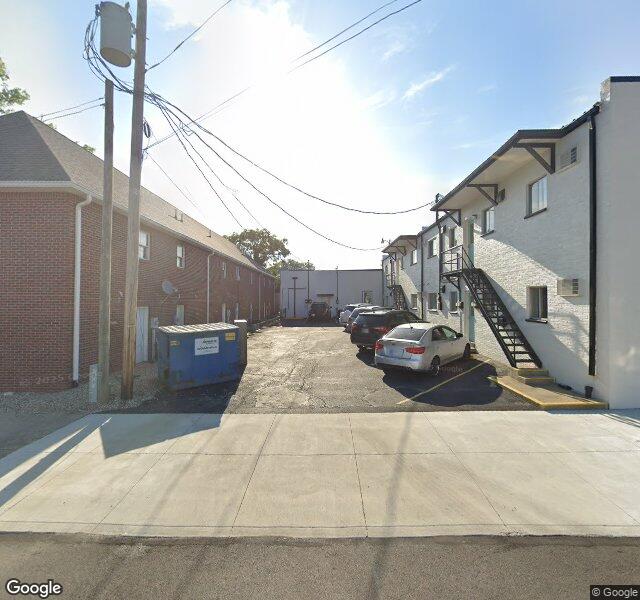
801 S SR 57, WASHINGTON, IN 47501 (812) 254-4516
Government - City/county 65 Beds AMERICAN SENIOR COMMUNITIES Data: November 2025
Trust Grade
70/100
#281 of 505 in IN
Last Inspection: May 2025

Inspected within the last 6 months. Data reflects current conditions.

Overview

Prairie Village Nursing and Rehabilitation has a Trust Grade of B, indicating it is a good choice for families, though not among the very best. It ranks #281 out of 505 facilities in Indiana, placing it in the bottom half, but it is the second-best option out of five in Daviess County. The facility's condition has remained stable, with seven issues identified in both 2024 and 2025. Staffing is a concern, rated at 2 out of 5 stars, but the turnover rate is good at 21%, significantly lower than the state average. Notably, there were no fines on record, which is a positive indicator. However, there have been specific issues, such as a lack of RN coverage for eight hours on one day and failure to conduct required care plan conferences, which could impact the quality of resident care. Additionally, hot water temperatures exceeded safe levels in some resident areas, presenting a potential safety risk. Overall, while there are strengths, families should be aware of the weaknesses in staffing and safety practices.

Trust Score
B
70/100
In Indiana
#281/505
Bottom 45%
Safety Record
Low Risk
No red flags
Inspections
Holding Steady
7 → 7 violations
Staff Stability
✓ Good
21% annual turnover. Excellent stability, 27 points below Indiana's 48% average. Staff who stay learn residents' needs.
Penalties
✓ Good
No fines on record. Clean compliance history, better than most Indiana facilities.
Skilled Nurses
○ Average
Each resident gets 32 minutes of Registered Nurse (RN) attention daily — about average for Indiana. RNs are the most trained staff who monitor for health changes.
Violations
⚠ Watch
17 deficiencies on record. Higher than average. Multiple issues found across inspections.
★★★☆☆
3.0
Overall Rating
★★☆☆☆
2.0
Staff Levels
★★★★☆
4.0
Care Quality
★★★☆☆
3.0
Inspection Score
Stable
2024: 7 issues
2025: 7 issues

The Good

  • 4-Star Quality Measures · Strong clinical quality outcomes
  • Low Staff Turnover (21%) · Staff stability means consistent care
  • Full Sprinkler Coverage · Fire safety systems throughout facility
  • No fines on record
  • Staff turnover is low (21%)

    27 points below Indiana average of 48%

Facility shows strength in quality measures, staff retention, fire safety.

The Bad

3-Star Overall Rating

Near Indiana average (3.1)

Meets federal standards, typical of most facilities

Chain: AMERICAN SENIOR COMMUNITIES

Part of a multi-facility chain

Ask about local staffing decisions and management

The Ugly 17 deficiencies on record

May 2025 7 deficiencies
CONCERN (D)

Potential for Harm - no one hurt, but risky conditions existed

Deficiency F0554 (Tag F0554)

Could have caused harm · This affected 1 resident

Based on observation, interview, and record review, the facility failed to ensure residents that were self administering medications were assessed for capability to self administer medications for 1 o...

Read full inspector narrative →
Based on observation, interview, and record review, the facility failed to ensure residents that were self administering medications were assessed for capability to self administer medications for 1 of 1 random observation. (Resident 24) Finding includes: During the Resident Council meeting on 5/8/25 at 2:26 P.M., Resident 24 administered 2 puffs of an albuterol inhaler (respiratory medication) to herself. She asked another resident how many doses were left in the inhaler and proceeded to administer another puff (total of three puffs) to herself. Resident 24 did not rinse her mouth after use. There was no staff present during this time. On 5/9/25 at 9:53 A.M., Resident 24's clinical record was reviewed. Diagnoses included, but were not limited to, chronic obstructive pulmonary disease (COPD), hypertension, and diabetes mellitus. The most recent Quarterly Minimum Data Set (MDS) assessment, dated 2/25/25, indicated Resident 24 had moderate cognitive impairment. Physician's Orders included, but were not limited to, Ventolin (albuterol sulfate) inhaler, 90 micrograms (mcg), administer two puffs as needed every six hours. Rinse mouth after use, rinse and spit, do not swallow, start date 12/12/24. Resident 24's clinical record lacked a self administration of medication care plan and a physician order to self administer medications. Resident 24's clinical record lacked a self administration of medication assessment related to inhalers. During an interview on 5/9/25 at 10:59 A.M., Registered Nurse (RN) 3 indicated Resident 24 does not self administer any medications. During an interview on 5/9/25 at 1:37 P.M., RN 3 indicated Resident 24 had two inhalers in the medication cart, but she should not have any in her possession. On 5/12/25 at 11:17 A.M., the Director of Nursing (DON) provided a current Self Administration of Medications Policy, revised 1/2015, indicated, .A physician order will be obtained specifying the resident's ability to self-administer medications . During an interview on 5/12/25 at 11:55 A.M., the DON indicated it was their policy to store the inhalers in the medication cart if the resident did not have an order to self administer the inhaler. 3.1-11(a)
CONCERN (D)

Potential for Harm - no one hurt, but risky conditions existed

Deficiency F0605 (Tag F0605)

Could have caused harm · This affected 1 resident

Based on interview and record review, the facility failed to ensure each resident was free from unnecessary medications for 1 of 5 residents reviewed for unnecessary medications. A Gradual Dose Reduct...

Read full inspector narrative →
Based on interview and record review, the facility failed to ensure each resident was free from unnecessary medications for 1 of 5 residents reviewed for unnecessary medications. A Gradual Dose Reduction (GDR) was not attempted as required for a hypnotic medication. (Resident 24) Finding includes: On 5/7/25 at 1:34 P.M., Resident 24's clinical record was reviewed. Diagnoses included, but were not limited to, anxiety, depression, insomnia, and Bipolar disorder. The most recent Quarterly Minimum Data Set (MDS) assessment, dated 2/25/25, indicated a moderate cognitive impairment. Resident 24 had received a hypnotic medication. Current physician orders included, but were not limited to: Ambien (zolpidem) (a hypnotic) 5 mg (milligrams) at bedtime, dated 12/12/24. The order had originally been dated 10/13/23 - 12/12/24. A current risk for adverse side effects related to use of psychotropic medication care plan, dated 2/20/19 and last revised 5/6/25, indicated use of a hypnotic for a diagnosis of insomnia. Interventions included, but were not limited to, Interdisciplinary Team (IDT) to review routinely to attempt gradual dose reductions, unless contraindicated, dated 12/12/24. A pharmacy consultation report, dated 6/4/24, indicated Resident 24 had received Ambien for insomnia since 11/11/22 and was reduced at that time. The recommendation at that time was for a GDR of a different medication and to Continue with other medications as currently ordered as it is not recommended to attempt reduction on more than one psychotropic at a time. The Nurse Practitioner (NP) indicated a clinical contraindication to the GDR attempt (for the other medication recommended), dated 6/11/24. A pharmacy consultation report, dated 10/1/24, indicated Resident 24 was taking Ambien for insomnia and the recommendation at that time was for a GDR of a different medication. A pharmacy consultation report, dated 2/4/25, indicated Resident 24 was taking Ambien and the recommendation at that time was for a GDR of a different medication. On 5/9/25 at 2:46 P.M., the Regional Consultant provided a current Gradual Dose Reduction Tracking Report that indicated the following for Resident 24's Ambien: Therapy start: 7/2/20 Last GDR attempt: 11/11/22 Next GDR evaluation: 6/4/25 Date clinical contraindication documented: 6/11/24 Resident 24's clinical record lacked a clinical contraindication for a GDR of Ambien in the last 12 months. On 5/9/25 at 2:46 P.M., the Regional Consultant indicated the only information related to a GDR of Ambien had already been provided, and was unable to provide a contraindication to a GDR at that time. She indicated a GDR may not have been completed for the Ambien due to the resident being on so many different psychotropic medications. On 5/12/25 at 11:17 A.M., a current Pyschotropic Management Policy, last revised September 2024, was provided by the Director of Nursing (DON) and indicated, . Periodic re-evaluation of the medication regimen is necessary to determine whether continued use of a medication is indicated. Prescribers will evaluate the efficacy and risks for psychotropic medications and document their assessment in the medical record The pharmacist will evaluate psychotropic medication as part of the monthly medication regimen review. Psychotropic medications may be considered regularly for potential GDR including during monthly pharmacy reviews, during behavioral health services visits, and when the IDT is evaluating behavioral expressions. The frequency and schedule of GDRs will meet current standards of practice and be based on person centered risk factors and underlying conditions . all rationale must be documented in the medical record . 3.1-48(b)(2)
CONCERN (D)

Potential for Harm - no one hurt, but risky conditions existed

Respiratory Care (Tag F0695)

Could have caused harm · This affected 1 resident

Based on observation, interview, and record review, the facility failed to ensure residents received necessary respiratory care and services in accordance with professional standards of practice for 1...

Read full inspector narrative →
Based on observation, interview, and record review, the facility failed to ensure residents received necessary respiratory care and services in accordance with professional standards of practice for 1 of 1 residents reviewed for respiratory care. A resident's oxygen concentration indicator was on the wrong setting. (Resident 19) Finding includes: During an observation on 5/5/25 at 10:58 A.M., Resident 19 was observed in her wheelchair with oxygen on via nasal cannula at 1.5 Liters Per Minute (LPM), and the back of the machine had dust particles on it. At that time, Resident 19 indicated she should be on 2.5 Liters (L) of oxygen. On 5/8/25 at 10:10 A.M., Resident 19's clinical record was reviewed. Diagnoses included, but were not limited to, acute respiratory failure, hypertension, and diabetes mellitus. The most recent Quarterly Minimum Data Set (MDS) assessment, dated 4/23/25, indicated Resident 19 was cognitively intact and utilized oxygen. Physician's Orders included, but were not limited to, oxygen at 2 L via nasal cannula, dated 1/21/25. A current care plan for impaired gas exchange related to acute respiratory failure included an intervention to administer oxygen as ordered, dated 1/21/25. During an observation on 5/9/25 at 11:03 A.M., Resident 19 was observed in her wheelchair with oxygen on via nasal cannula at 1.5 Liters Per Minute (LPM), and the back of the machine had dust particles on it. During an interview on 5/9/25 at 11:05 A.M., Registered Nurse (RN) 3 indicated Resident 19 did not change her oxygen concentrator settings and her current order was for 2 LPM. At that time, RN 3 observed the oxygen concentrator machine indicator and indicated if you looked at the oxygen concentration machine indicator standing up, it was set at 2 LPM but if you bent down to see the indicator on the oxygen concentration machine, it was set at 1.5 LPM. She observed the back of the machine had dust on it. RN 3 indicated the machines were cleaned on Wednesdays by night shift staff (two days ago). On 5/12/25 at 11:17 A.M., the Director of Nursing (DON) provided a current, undated Oxygen Concentrator policy that indicated, .1) Verify and understand the physician's order . 3.1-47(a)(6)
CONCERN (D)

Potential for Harm - no one hurt, but risky conditions existed

Deficiency F0744 (Tag F0744)

Could have caused harm · This affected 1 resident

Based on observation, interview, and record review, the facility failed to ensure resident centered care and services were provided to meet resident needs for 1 of 1 resident reviewed for elopement. W...

Read full inspector narrative →
Based on observation, interview, and record review, the facility failed to ensure resident centered care and services were provided to meet resident needs for 1 of 1 resident reviewed for elopement. Wandering and exit seeking behaviors were not monitored, elopement risk assessments were inaccurately completed, leading to a lack of an elopement risk care plan with interventions to prevent elopement. (Resident 40) Finding includes: On 5/7/25 at 10:22 A.M., Resident 40's clinical record was reviewed. Diagnoses included, but were not limited to, dementia, anxiety, and depression. The most recent Annual Minimum Data Set (MDS) assessment, dated 3/5/25, indicated a moderate cognitive impairment and no behaviors including wandering. Resident 40 required supervision or touching assistance with wheelchair mobility. Current physician orders included, but were not limited to: Activity Level: Up ad lib (allowed to move around freely by oneself) with walker/wheelchair, dated 4/6/24. A current Behavior Care Plan, dated 1/30/23 and last revised 3/26/25, indicated Resident 40 had episodes of delusions/hallucinations, hears and sees things that were not there, and utilized antipsychotic medication. Resident 40's clinical record lacked a current care plan related to wandering or exit seeking. A Certified Nurse Aide (CNA) form, dated 5/5/25, indicated Resident 40 was up ad lib with walker/wheelchair. The form lacked behaviors or interventions related to wandering. A psychiatric exam note, dated 5/15/24, indicated since the last visit, Resident 40 continued to have increased delusions. Resident 40 was observed coming out of her room demanding to leave, and appeared very confused and upset. At the time of the exam, the resident indicated, I've got to get to work. You can't keep me locked up here forever. The note indicated short term and long term memory impairment. A Quarterly MDS assessment, dated 6/20/24, indicated Resident 40 required supervision or touching assistance with wheelchair mobility. An elopement risk assessment, dated 6/21/24, indicated, but was not limited to, the following questions: #1 Resident has the ability to move about freely and easily which would allow the resident the capability of leaving the facility unassisted. #4 Resident is often seen wandering aimlessly/without purpose. #7 Resident exhibits significant cognitive impairment that impacts elopement risk (ie consider and assess disorientation to surroundings, poor decision making abilities, etc). If question #1 and any of questions #2-7 are answered yes, the resident is at risk for elopement. If question #1 is yes and all of questions #2-7 are no, the resident is not at risk to elope. If question #1 is no, the resident is not at risk to elope. The form was marked no for question #1, and yes for question #7. A Social Services note, dated 6/25/24, indicated Resident 40 had been looking for her dog, that someone had taken it form her room and she could not find it. The dog in question had not been in the facility since March of 2023 and was removed due to the resident's declining condition. A psychiatric exam note, dated 6/25/24, indicated facility staff reported continued increased anxiety and paranoia. Resident thought someone had stolen her dog, and believed at times, her daughter was in danger and had been kidnapped. A Nurse Practitioner (NP) exam note, dated 7/1/24, indicated Resident 40 was alert and oriented with intermittent confusion and forgetfulness. A monthly behavior review, completed by the Social Services Director (SSD) and dated 7/13/24, indicated resident had delusions and hallucinations, but lacked behaviors of wandering or exit seeking. A monthly behavior review, completed by the SSD and dated 8/2/24, indicated resident had delusions and hallucinations, but lacked behaviors of wandering or exit seeking. A psychiatric exam note, dated 8/6/24, indicated resident continued to have increased delusions. Staff reported that resident was often wandering up and down the halls looking for her dog, refusing care, and became agitated when redirected. An elopement risk assessment, dated 9/13/24, was marked no for all questions. A monthly behavior review, completed by the SSD and dated 10/15/24, indicated resident had delusions and hallucinations, but lacked behaviors of wandering or exit seeking. A monthly behavior review, completed by the SSD and dated 11/13/24, indicated resident had delusions and hallucinations, but lacked behaviors of wandering or exit seeking. A monthly behavior review, completed by the SSD and dated 12/5/24, did not list any behaviors. A Quarterly MDS assessment, dated 12/9/24, indicated Resident 40 required supervision or touching assistance with wheelchair mobility. An elopement risk assessment, dated 1/15/25, was marked yes for question #1, and no to all others. A monthly behavior review, completed by the SSD and dated 1/29/25, indicated no behaviors were noted at that time. An elopement risk assessment, dated 2/17/25, was marked yes for question #1, and no to all others. Resident 40's clinical record lacked another elopement risk assessment after 2/17/25. A monthly behavior review, completed by the SSD and dated 3/4/25, did not list any behaviors. Resident 40's clinical record lacked another monthly behavior review after 3/4/25. A psychiatric exam note, dated 3/25/25, indicated the facility staff had informed them that Resident 40 had been exit seeking and argumentative with increased behaviors. A nursing note, dated 5/4/25, indicated Resident 40 was very confused with exit seeking behavior. Resident 40 took belongings from her room, was asking how to get outside and how to get out the door, and rolled to the door trying to push on it indicating I'm just gonna go out that door. A nursing note, dated 5/6/25, indicated Resident 40 was observed wandering up and down the 200 Hall the previous night. A nursing note, dated 5/7/25, indicated Resident was observed wandering around the building and nurses station the previous night. On 5/7/25 at 11:32 A.M., Resident 40 was observed wheeling down the hall in a wheelchair, propelling herself with her feet. The resident turned the corner by the nurses station, and wheeled into the dining room. Resident 40 wandered around the dining room and back into the hall before turning around and going back into the dining room. On 5/9/25 at 1:46 P.M., Registered Nurse (RN) 3 indicated Resident 40 had always wandered, and that was a normal behavior for her. She indicated the resident used to wander with purpose, knowing where she was going, but had slowly increased in confusion, and now wandered aimlessly. She indicated the wandering was not documented, and that staff just knew that was what she did. She indicated Resident 40 had poor decision making abilities for the last few years. She indicated sometime around November of 2024, Resident 40 indicated she was going to the bar, and since then had went back and forth saying things like she was leaving and going somewhere, but had not attempted to exit until recently. On 5/9/25 at 1:55 P.M., CNA 5 indicated Resident 40 had always wheeled herself in the wheelchair, and her mobility had not changed in the last year. She indicated the resident had always wandered, and every now and then talked about leaving. On 5/9/25 at 2:01 P.M., the Director of Nursing (DON) indicated when a resident had exit seeking behavior, he was notified via text or phone call, and the staff would start a new or worsening behavior event in the clinical record. He indicated any wandering or exit seeking behavior would be discussed at the following morning meeting, and a care plan implemented immediately by the Interdisciplinary Team (IDT). On 5/12/25 at 11:17 A.M., the DON provided a current Resident Change of Condition policy, last revised 11/2018, that indicated It is the policy of this facility that all changes in resident condition will be communicated to the physician and family/responsible party, and that appropriate, timely, and effective intervention takes place On 5/12/25 at 11:17 A.M., the DON provided a current Behavior Management policy, last revised 8/2022, that indicated It is the policy of [company name] to provide behavior interventions for residents with problematic or distressing behaviors. Interventions provided are both individualized and non pharmacological and part of a supportive physical and psychosocial environment that is directed toward preventing, relieving and/or accommodating a resident's behavioral expressions . Care plans should be initiated . Residents with documented behaviors will have a Behavioral Health Monthly Review. This review includes evaluation of behaviors which have occurred that month and that interventions for behavioral expressions are current and effective . Direct care staff will be educated as to the interventions for residents reviewed by the IDT On 5/12/25 at 11:17 A.M., the DON provided a current Elopement Prevention and Response Program policy, last revised 10/2020, that indicated The facility will utilize an ELOPEMENT RISK ASSESSMENT to identify residents at risk for elopement . Care plans will be developed and individualized for residents who are at risk for elopement 3.1-37(a)
CONCERN (D)

Potential for Harm - no one hurt, but risky conditions existed

Infection Control (Tag F0880)

Could have caused harm · This affected 1 resident

Based on observation, interview, and record review, the facility failed to ensure infection control practices were followed for 1 of 3 residents during an observation of perineal care. Staff put hand ...

Read full inspector narrative →
Based on observation, interview, and record review, the facility failed to ensure infection control practices were followed for 1 of 3 residents during an observation of perineal care. Staff put hand sanitizer on soiled gloves, gloves were not changed between dirty and clean tasks during perineal care, and staff failed to sanitize hands between dirty and clean tasks. (Resident 2) Finding includes: On 5/8/25 at 10:11 A.M., Certified Nurse Aide (CNA) 7 and CNA 9 performed perineal care on Resident 2. CNA 7 used her gloved hand to wipe resident 2's perineal area with a wet wash cloth, placed that washcloth in a bag, grabbed another wash cloth, and wiped Resident 2's scrotum. At that time, she walked over to the hand sanitizer machine on the wall and dispensed hand sanitizer onto her soiled gloves, then she grabbed a dry towel from a bag and patted Resident 2 dry. Resident 2 was turned on his right side and CNA 7 wiped his buttocks with the same gloves and dried with a towel. CNA 7 failed to change gloves and perform hand hygiene before she placed the clean incontinence pad under Resident 2. Resident 2 rolled back on his back and CNA 7 fastened the incontinence pad with her soiled gloves. During an interview on 5/12/25 at 10:49 A.M., the Director of Nursing (DON) indicated staff should not put hand sanitizer on soiled gloves, and gloves should be changed from dirty to clean tasks. At that time, the Infection Preventionist (IP) indicated staff should also sanitize and change gloves when going from the residents front side to back side during perineal care. On 5/12/25 at 11:17 A.M., the DON provided a current Perineal Care skills competency as their policy, reviewed 3/2023 that indicated, .28. Doff gloves. 29. Perform hand hygiene . 3.1-18(b) 3.1-18(l)
CONCERN (E)

Potential for Harm - no one hurt, but risky conditions existed

Deficiency F0553 (Tag F0553)

Could have caused harm · This affected multiple residents

**NOTE- TERMS IN BRACKETS HAVE BEEN EDITED TO PROTECT CONFIDENTIALITY** Based on interview and record review, the facility failed to ensure the resident's right to participate in the development and i...

Read full inspector narrative →
**NOTE- TERMS IN BRACKETS HAVE BEEN EDITED TO PROTECT CONFIDENTIALITY** Based on interview and record review, the facility failed to ensure the resident's right to participate in the development and implementation of the resident's plan of care for 5 of 5 residents reviewed for care plan conferences. Care plan conferences were not completed quarterly. (Resident 24, Resident 8, Resident 41, Resident 1, Resident 14) Findings include: 1. On 5/7/25 at 1:34 P.M., Resident 24's clinical record was reviewed. Diagnoses included, but were not limited to, anxiety, depression, and Bipolar disorder. The most recent Quarterly Minimum Data Set (MDS) assessment, dated 2/25/25, indicated a moderate cognitive impairment. Care plan conferences for the previous 12 months took place on the following dates: 5/31/24 8/28/24 1/23/25 Resident 24 lacked a care plan conference from 1/23/25 to current. 2. On 5/7/25 at 2:22 P.M., Resident 8's clinical record was reviewed. Diagnoses included, but were not limited to, seizure disorder, anxiety, and depression. Resident 8 was admitted [DATE]. The most recent Quarterly MDS assessment, dated 2/18/25, indicated a moderate cognitive impairment. Care plan conferences since admission took place on the following dates: 11/25/24 Resident 8 lacked a care plan conference from 11/25/24 to current. 3. On 5/7/25 at 11:30 A.M., Resident 1's clinical record was reviewed. Diagnoses included, but was not limited to, hypertension, anxiety disorder, and schizophrenia. The most recent Annual MDS assessment, dated 2/25/25 indicated Resident 1 had severe cognitive impairment. The clinical record indicated Resident 1 lacked a care plan conference between 6/13/24 and 1/16/25 and after 1/16/25. 4. On 5/7/25 at 9:28 A.M., Resident 41's clinical record was reviewed. Diagnoses included, but was not limited to, type 2 diabetes mellitus, heart failure, and depression. The most recent Quarterly MDS, dated [DATE] indicated Resident 41 had moderate cognitive impairment. The clinical record indicated Resident 41 lacked a care plan conference after 12/9/24. 5. On 5/7/25 at 1:17 P.M., Resident 14's clinical record was reviewed. Diagnoses included, but were not limited to, hemiplegia affecting left side, schizophrenia, vascular dementia with anxiety, depression, and diabetes mellitus type II. Resident 14 was admitted on [DATE]. The most recent Quarterly MDS assessment, dated 3/23/25, indicated Resident 14's cognition was moderately impaired, she was dependent on staff assistance for showering, and substantial/maximum assistance of staff (staff performed over half the effort) for toileting, bed mobility, and transfers. The clinical record lacked a care plan conference between 9/25/24 and 3/21/25. During an interview on 5/12/25 at 12:25 P.M., the Director of Nursing (DON) indicated they should do the care plan conferences at least quarterly, along with the MDS assessments, and as needed. On 5/12/25 at 11:17 A.M., a current Comprehensive Care Plan Policy, last revised August 2023, was provided by the DON and indicated . Care plan review will be interdisciplinary . Resident, resident's representative, or others as designated by resident will be invited to care plan review . Care plan problems, goals, and interventions must be reviewed and revised by the interdisciplinary team periodically and following completion of each MDS assessment . Review the Comprehensive Care Plan and complete the IDT Care Plan Summary Observation . 3.1-3(n)(3) 3.1-35(d)
CONCERN (E)

Potential for Harm - no one hurt, but risky conditions existed

Safe Environment (Tag F0921)

Could have caused harm · This affected multiple residents

**NOTE- TERMS IN BRACKETS HAVE BEEN EDITED TO PROTECT CONFIDENTIALITY** Based on observation, interview, and record review, the facility failed to provide a safe environment for 1 of 2 halls reviewed ...

Read full inspector narrative →
**NOTE- TERMS IN BRACKETS HAVE BEEN EDITED TO PROTECT CONFIDENTIALITY** Based on observation, interview, and record review, the facility failed to provide a safe environment for 1 of 2 halls reviewed for hot water. The water temperature in resident areas exceeded 120 degrees Fahrenheit. (100 hall, 200 hall) Finding includes: On 5/6/25 between 1:35 P.M. and 1:50 P.M., the following water temperatures were obtained: room [ROOM NUMBER] (shared bathroom with room [ROOM NUMBER]) 122 degrees Fahrenheit room [ROOM NUMBER] (private bathroom) 126 degrees Fahrenheit room [ROOM NUMBER] (shared bathroom with room [ROOM NUMBER]) 126 degrees Fahrenheit On 5/6/25 between 2:02 P.M. and 2:06 P.M., the following water temperatures were obtained by the Maintenance Supervisor: room [ROOM NUMBER]-- 123 degrees Fahrenheit room [ROOM NUMBER]-- 127.6 degrees Fahrenheit room [ROOM NUMBER]-- 127.6 degrees Fahrenheit During an interview at that time, the Maintenance Supervisor indicated water temperatures are checked every morning and should be between 100 and 120 degrees Fahrenheit. During an interview on 5/6/25 at 2:19 P.M., the Maintenance Supervisor indicated he went to check the boiler room and had accidentally turned the temperature up instead of down when he adjusted the temperatures that morning. On 5/12/25 at 11:17 A.M., the Director of Nursing provided an undated Test and Log the Hot Water Temperatures Form as their policy that indicated, .For burn prevention, federal guidelines advise that you keep domestic water temperatures below 120 degrees Fahrenheit . 3.1-19(e)
May 2024 7 deficiencies
CONCERN (D)

Potential for Harm - no one hurt, but risky conditions existed

Resident Rights (Tag F0550)

Could have caused harm · This affected 1 resident

Based on observation, interview, and record review, the facility failed to ensure each resident was treated with respect and dignity and care was performed for each resident in a manner that protected...

Read full inspector narrative →
Based on observation, interview, and record review, the facility failed to ensure each resident was treated with respect and dignity and care was performed for each resident in a manner that protected and promoted the rights of the resident for 2 of 2 residents reviewed for dignity. Two female residents could not get their legs shaved on their shower day. (Resident 14, Resident 31) Findings include: 1. On 4/29/24 at 2:03 P.M., during the Resident Council Meeting, Resident 14 indicated staff won't shave her legs in the shower. She indicated she had asked several times, and she can't wear shorts because they won't shave her legs. During an interview on 4/30/24 at 10:01 A.M., Resident 14 indicated she had asked CNAs (Certified Nursing Assistant) to shave her legs when she got a shower and they told her they would be back but never show up. On 5/1/24 at 11:12 A.M., Resident 14's clinical record was reviewed. Diagnosis included but was not limited to chronic obstructive pulmonary disease, hemiplegia, unspecified affecting left nondominant side, and major depressive disorder. The most recent admission MDS (Minimum Data Set) Assessment, dated 2/5/24, indicated Resident 14 was cognitively intact and required extensive assistance of two for bed mobility, transfers, and toilet use. Care Plan: Resident requires assistance with ADLs (activities of daily living) including bed mobility, transfers, eating and toileting related to: COPD (chronic obstructive pulmonary disease), DM 2 (diabetes mellitus Type II), hemiplegia on left nondominant side, dysphagia following cerebral infarct, vascular dementia, paranoid schizophrenia, major depressive disorder, hypertension, anemia, hypothyroidism, hyperlipidemia, convulsions, GERD (gastroesophageal reflux disease), rheumatoid arthritis, muscle weakness, pain in right shoulder, constipation. Start Date 1/29/2024 Interventions included, but were not limited to the following: Assist with bathing as needed per resident preference. Offer showers two times per week, partial bath in between. Start Date 1/29/2024 Assist with dressing/grooming/hygiene as needed. Encourage resident to do as much for self as possible. Start Date 1/29/2024 2. On 4/29/24 at 2:03 P.M., during the Resident Council Meeting, Resident 31 indicated staff didn't have time to shave her legs while they were standing at the desk talking. During an interview on 4/30/24 at 9:49 A.M., Resident 31 indicated she wanted her legs shaved, but staff told her they didn't have time on shower days. She indicated it didn't have to be done every time. On 4/30/24 at 11:09 A.M., Resident 31 clinical record's were reviewed. Diagnosis included, but were not limited to chronic obstructive pulmonary disease, asthma, diabetes mellitus with diabetic neuropathy, epilepsy, major depressive disorder, and generalized anxiety disorder. The most current Quarterly MDS (Minimum Data Set) Assessment, dated 4/8/24, indicated Resident 31 was cognitively intact and required supervision of one for bed mobility, and transfers and extensive assistance of two for toilet use. Care Plan: Resident requires assistance with ADLs including bed mobility, transfers, eating and toileting related to: COPD (chronic obstructive pulmonary disease), asthma, DM 2, epilepsy, atherosclerotic heart disease, hypertension, GERD, anemia, hyperlipidemia, major depressive disorder, obesity, poly osteoarthritis, chronic kidney disease, constipation, chronic embolism and thrombosis, chronic pain, allergic rhinitis, arthropy, chronic ischemic heart disease, chronic pain, ESBL (extended-spectrum beta-lactamase). Start Date 2/01/2024 Interventions included, but were not limited to the following: Assist with bathing as needed per resident preference. Offer showers two times per week, partial bath in between. Start Date 2/01/2024 Assist with dressing/grooming/hygiene as needed. Encourage resident to do as much for self as possible. Start Date 2/01/2024 During an interview on 5/1/24 at 10:51 A.M., with QMA (Qualified Medication Aide) 31 and CNA (Certified Nursing Assistant) 23, both indicated they helped with showers and would shave residents if needed. They indicated they shave men and women who looked like they need shaved and would shave women's legs if they were asked. They indicated not all women wanted their legs shaved. On 5/3/24 at 8:58 A.M., a current Resident Rights Policy, revised on 1/06, provided by the DON (Director of Nursing), indicated .All Staff members recognize the rights of residents at all times and residents assure their responsibilities to enable personal dignity, well being, and proper delivery of care. 3.1-3(a)
CONCERN (D)

Potential for Harm - no one hurt, but risky conditions existed

Deficiency F0554 (Tag F0554)

Could have caused harm · This affected 1 resident

Based on observation, interview, and record review, the facility failed to ensure residents that were self administering medications were assessed for capability to self administer medications for 1 o...

Read full inspector narrative →
Based on observation, interview, and record review, the facility failed to ensure residents that were self administering medications were assessed for capability to self administer medications for 1 of 1 residents observed with medications in their room. (Resident 13) Finding includes: On 4/29/24 at 10:50 A.M., Resident 13 was observed sitting on his bed and indicated he had a Ventolin inhaler on the nightstand that he kept with him at all times. A Ventolin inhaler was observed on the nightstand, not dated. An albuterol inhaler was also observed sitting on the nightstand that was empty. At that time, Resident 13 indicated staff had given him the blue one (Ventolin) when the other ran out. On 4/30/24 at 12:05 P.M., Resident 13's clinical record was reviewed. Diagnosis included, but were not limited to, chronic obstructive pulmonary disease. The most recent Annual MDS (Minimum Data Set) Assessment, dated 4/24/24, indicated Resident 13 was cognitively intact, a limited assistance of 1 staff for bed mobility and transfers, and extensive assistance of 1 staff for toileting. Current Physician's Orders included, but were not limited to: Ventolin (respiratory inhaler) 90 mcg/actuation HFA (hydrofluoroalkane) aerosol inhaler, 2 puffs every 4 hours as needed, dated 4/19/24. Resident 13 lacked a current order to self administer medications. Resident 13 lacked a care plan related to self administration of medications. Resident 13 lacked a self administration of medications assessment. On 5/2/24 at 7:37 A.M., Resident 13 was observed lying in bed asleep. The two inhalers were observed on the nightstand. On 5/2/24 at 10:00 A.M., Licensed Practical Nurse (LPN) 5 indicated Resident 13 had a current order for as needed Ventolin, but the order did not say it could be kept at the bedside. She also indicated Resident 13 did not have a self administration assessment for that medication and should not have it at the bedside. At that time, LPN 5 observed 2 inhalers on the resident's nightstand and Resident 13 indicated he used the inhaler twice a day around the same time each day. On 5/3/24 at 8:58 A.M., a current Self Administration of Medications policy, dated 1/2015, was provided by the Director of Nursing and indicated If a resident desires to participate in self-administration, the Interdisciplinary Team will assess the competence of the resident to participate by completing the Self-Administration of Medication Assessment observation . A physician order will be obtained specifying the resident's ability to self-administer medications and, if necessary, listing which medications will be included in the self-administration plan . Storage of self-administered medications will comply with state and federal regulations. All bedside medications will be maintained in a secured location in the resident's room 3.1-11(a)
CONCERN (D)

Potential for Harm - no one hurt, but risky conditions existed

Comprehensive Care Plan (Tag F0656)

Could have caused harm · This affected 1 resident

**NOTE- TERMS IN BRACKETS HAVE BEEN EDITED TO PROTECT CONFIDENTIALITY** 3. On 4/30/24 at 2:34 P.M., Resident 16's clinical records were reviewed. Diagnosis included, but was not limited to chronic dia...

Read full inspector narrative →
**NOTE- TERMS IN BRACKETS HAVE BEEN EDITED TO PROTECT CONFIDENTIALITY** 3. On 4/30/24 at 2:34 P.M., Resident 16's clinical records were reviewed. Diagnosis included, but was not limited to chronic diastolic (congestive) heart failure, atrial fibrillation, atherosclerotic heart disease of native coronary artery without angina pectoris, dementia, anxiety disorder, and bipolar disorder. The most current Significant Change in Condition MDS (Minimum Data Set) Assessment, dated 3/11/24, indicated Resident 16 had severe cognitive impairment and needed extensive assistance of two for bed mobility, extensive assistance of one for eating, and total dependence of two for transfers and toilet use. Physician orders included, but were not limited to the following: aspirin 81 mg tablet,chewable Once a day Indication: Heart Health, Atherosclerotic heart disease of native coronary artery without angina pectoris, dated 3/5/2024 The clinical record lacked a care plan for anti-platelet use. On 5/2/24 at 10:13 A.M., the MAR (Medication Administration Record) was reviewed from 3/5/24 through 3/11/24. Resident 16 was in the hospital from [DATE] through 3/5/24. Aspirin 81 mg (milligram) one daily was given for heart health from 3/6/24 through 3/11/24. During an interview on 5/2/24 at 12:41 P.M., the DON (Director of Nursing) indicated they didn't have a policy for following the care plan interventions or provider orders, but it was their policy to follow the interventions and orders. On 5/2/24 at 12:41 P.M., a Comprehensive Care Plan Policy, revised 8/23, was provided by the DON which indicated, It is the policy of this facility that each resident will have an interdisciplinary comprehensive person-centered care plan developed and implemented based on Resident Assessment Instrument (RAI) process . 3.1-35(b)(1) Based on observation, interview, and record review, the facility failed to develop and implement comprehensive person-centered care plans for 2 of 5 residents reviewed for unnecessary medications and 1 of 3 residents reviewed for falls. Antiplatelet care plans were not developed for 2 residents on antiplatelet medications. An oxygen concentrator filter was not cleaned and oxygen tubing was not changed as ordered. A resident was not wearing non skid socks. (Resident 13, Resident 2, Resident 16) Findings include: 1. On 4/29/24 at 11:00 A.M., Resident 13 was observed sitting bedside in his room wearing oxygen per nasal cannula at 4 LPM (liters per minute). The oxygen tubing and empty humidifier bottle were dated 3/21 and the concentrator filter was gray instead of black from the accumulated dust. On 4/30/24 at 11:18 A.M., Resident 13 indicated staff changed his humidifier bottle yesterday but it was observed with a date of 4/24/24 but the oxygen tubing was observed dated 3/21 and the filter was observed gray instead of black from the accumulated dust. On 4/30/24 at 12:05 P.M., Resident 13's clinical record was reviewed. Diagnoses included, but were not limited to, chronic obstructive pulmonary disease and atherosclerotic heart disease The most recent Annual MDS (Minimum Data Set) Assessment, dated 4/24/24, indicated Resident 13 was cognitively intact, a limited assist of 1 staff for bed mobility and transfers, and an extensive assist of 1 staff for toileting. Resident 13 was on oxygen and administered an AP, AA, and antiplatelet during the 7 day look back period. Current Physician's Orders included, but were not limited to, the following: aspirin (antiplatelet) 81 milligram (mg) tablet,delayed release, give 1 by mouth daily, ordered 4/19/24 Change oxygen tubing, humidifier bottle,clean concentrator, and filter once a day on Wednesdays, ordered 04/19/2024 A current Respiratory Care Plan, dated 9/19/18 included, but was not limited to, the following interventions: resident uses oxygen, 9/19/18 The clinical record lacked a care plan for an antiplatelet medication. The Medication Administration Record (MAR) for April 20-30, 2024 was reviewed and indicated Resident 13 was administered the antiplatelet aspirin. The Treatment Administration Record (TAR) for April 2024 was reviewed and indicated the tubing and humidifier bottle was changed and the concentrator filter was cleaned on 4/24/24 and 4/30/24. During an interview on 5/1/24 at 3:10 P.M., Licensed Practical Nurse (LPN) 29 indicated she was responsible for developing nursing care plans. At that time, she indicated there was not an antiplatelet care plan in Resident 13's clinical record but there should have been. During an interview on 5/2/24 at 9:58 A.M., LPN 5 indicated night shift was responsible for changing the oxygen tubing and humidifier bottle and cleaning the oxygen concentrator filter every Wednesday night and otherwise it was changed as needed by whoever would observe it being dirty or empty. At that time, she indicated it was recorded in the TAR when it was completed and the date on the humidifier bottle and tubing was the date it was changed. She indicated the filter would not have been that dirty if it was changed 1 week or 1 day ago. 2. On 4/29/24 at 10:16 A.M., Resident 2 was observed sitting in his room in a recliner and was barefooted. On 4/30/24 at 11:16 A.M., Resident 2 was observed sitting in his room in a recliner, barefooted and asleep On 5/1/24 at 11:09 A.M., Resident 2 was sitting in his room. He was observed to stand up without the assistance of staff. On 5/1/24 at 9:06 A.M., Resident 2's clinical record was reviewed. Diagnoses included, but were not limited to, cerebral palsy, diabetes mellitus type II, and blindness. The most recent Annual MDS Assessment, dated 2/21/24, indicated Resident 2's cognition was unable to be assessed and he was an extensive assist of 2 staff for bed mobility, transfers, and toileting. A current Falls Care Plan, dated 3/18/85, included, but was not limited to, the following intervention: Non skid footwear, initiated 3/18/85 On 4/29/24 at 9:55 A.M., a current, daily Certified Nurse Aide (CNA) Assignment Sheet was provided by LPN 34 and indicated non skid footwear as an intervention for Resident 2. During an interview on 5/1/24 at 11:09 A.M., LPN 15 indicated that she was shocked the resident had non skid socks on but it was probably because state was in the building. At that time, she indicated Resident 2 was constantly standing up without staff's assistance and needed to wear them, but usually wouldn't let them on.
CONCERN (E)

Potential for Harm - no one hurt, but risky conditions existed

Deficiency F0657 (Tag F0657)

Could have caused harm · This affected multiple residents

**NOTE- TERMS IN BRACKETS HAVE BEEN EDITED TO PROTECT CONFIDENTIALITY** Based on interview and record review, the facility failed to ensure quarterly care plan conferences were completed for 3 of 5 re...

Read full inspector narrative →
**NOTE- TERMS IN BRACKETS HAVE BEEN EDITED TO PROTECT CONFIDENTIALITY** Based on interview and record review, the facility failed to ensure quarterly care plan conferences were completed for 3 of 5 residents reviewed for unnecessary medications and 1 of 3 residents reviewed for falls. (Resident 22, Resident 2, Resident 13, Resident 1) Findings include: 1. On 5/2/24 at 6:22 A.M., Resident 22's clinical record was reviewed. Diagnosis included, but was not limited to, epilepsy. The most recent Quarterly MDS (Minimum Data Set) Assessment, dated 2/28/24, indicated Resident 22 was cognitively intact. The most recent care plan conference was completed 9/6/23. 2. On 5/1/24 at 9:06 A.M., Resident 2's clinical record was reviewed. Diagnosis included, but was not limited to, blindness. The most recent Annual MDS Assessment, dated 2/21/24, indicated Resident 2's cognition status could not be assessed. The most recent care plan conference was completed 9/20/23. 3. On 4/30/24 at 12:05 P.M., Resident 13's clinical record was reviewed. Diagnosis included, but was not limited to, schizophrenia. The most recent Annual MDS Assessment, dated 4/24/24, indicated Resident 13 was cognitively intact. The most recent care plan conference was completed 8/28/23. During an interview on 4/29/24 at 10:50 A.M., Resident 13 indicated he was unsure if he was having care plan confrences. On 5/1/24 at 3:01 P.M., the SSD (Social Services Director) indicated she was responsible for completing care plan conferences, but had been out and unable to complete them. She indicated care plan conferences should be done at least quarterly. 4. On 4/30/24 at 11:09 A.M., Resident 1's clinical record was reviewed. Diagnoses included, but were not limited to, anemia, thyroid disorder, and schizophrenia. The most recent Significant Change MDS, dated [DATE], indicated a moderate cognitive impairment. The clinical record lacked any care plans before or after 9/20/23. During an interview on 5/1/24 at 1:54 P.M., the Social Services Director (SSD) indicated care plan conferences should be completed quarterly. On 5/3/24 at 8:58 A.M., the Director of Nursing (DON) provided a IDT (Inter Disciplinary Team) Comprehensive Care Plan Policy, revised 8/2023, that indicated, It is the policy of this facility that each resident will have an interdisciplinary comprehensive person-center care plan developed and implemented based on Resident Assessment Instrument (RAI) process . 3.1-35(c)(2)(C)
CONCERN (E)

Potential for Harm - no one hurt, but risky conditions existed

Deficiency F0761 (Tag F0761)

Could have caused harm · This affected multiple residents

Based on observation, interview, and record review the facility failed to ensure proper storage of medications in 1 of 2 medication carts and 1 of 1 medication storage rooms. The narcotic box was not ...

Read full inspector narrative →
Based on observation, interview, and record review the facility failed to ensure proper storage of medications in 1 of 2 medication carts and 1 of 1 medication storage rooms. The narcotic box was not locked in a medication cart, unlabeled and expired medications where in the treatment cart. (100/400 Hall medication cart, treatment cart in E wing medication storage room) Finding includes: On 5/1/24 at 2:27 P.M., the narcotic box of the 100/400 Hall medication cart was observed unlocked. On 5/1/24 at 2:38 P.M., the following was found in the treatment cart in the medication storage room on the E Hall: -two unlabeled 15 gram (g) bottles of nystatin topical powder (anti-fungal) with expiration dates of 11/30/23 -two bottles of ammonium lactate lotion (lotion for dry skin) 12%, opened but not dated when opened -three 45 g tubes of clotrim betameth cream (anti-fungal) 1-0.5% with expiration dates of 5/30/23, 11/30/23, and 12/30/23 -one 1.5 fluid ounce (fl oz) tube of medihoney (medicated honey for wound care) gel from a resident that passed away 3/24/24 -one 1.5 fl oz tube of medihoney gel from a resident that passed away 4/10/24 During an interview on 5/1/24 at 2:30 P.M., Registered Nurse (RN) 26 observed the narcotic cart unlocked and indicated it should be locked when nurse wasn't using it. On 5/1/24 at 2:43 P.M., Licensed Practical Nurse (LPN) 5 indicated when residents pass away or medications expire, the nurses take the medications out of the carts and the Director of Nursing (DON) would contact the pharmacy to take the medications back or dispose of them. The carts should be checked by the night shift nurses periodically for expired medications or medications of residents that have passed away. The medications should be labeled properly and dated when opened. On 5/1/24 at 6:00 A.M., a current Medication Storage Policy, revised 8/7/23, was provided by the DON and indicated . Facility should store Schedule II-V Controlled Substances in a separate compartment within the locked medication carts . Facility should ensure that medications and biologicals that 1) have an expired date on the label; 2) have been retained longer than recommended by manufacturer or supplier guidelines; or 3) have been contaminated or deteriorated, are stored separate from other medications until destroyed or returned to the pharmacy or supplier . Facility staff should record the date opened on the primary medication container . 3.1-25(m) 3.1-25(r)
CONCERN (E)

Potential for Harm - no one hurt, but risky conditions existed

Infection Control (Tag F0880)

Could have caused harm · This affected multiple residents

**NOTE- TERMS IN BRACKETS HAVE BEEN EDITED TO PROTECT CONFIDENTIALITY** 4. On 5/1/24 at 10:16 A.M. Resident 45's clinical record was reviewed. Diagnoses included, but were not limited to, congestive h...

Read full inspector narrative →
**NOTE- TERMS IN BRACKETS HAVE BEEN EDITED TO PROTECT CONFIDENTIALITY** 4. On 5/1/24 at 10:16 A.M. Resident 45's clinical record was reviewed. Diagnoses included, but were not limited to, congestive heart failure, diabetes mellitus type II with bilateral foot ulcers, and pressure ulcers on left foot. The most recent Quarterly MDS (Minimum Data Set) Assessment, dated 4/9/24, indicated Resident 45's cognition was severely impaired, an extensive assist of 2 staff for bed mobility, totally dependent on 2 staff for transfers and toileting, had diabetic foot ulcer, and did not have pressure ulcers at that time. Current Physician's Orders included, but were not limited to, the following: Cleanse right and left foot wounds with normal saline, pat dry, apply/paint with Betadine, cover with 2 Abdominal Gauze (ABD) pads, wrap with Kerlix gauze and secure with tape. Change daily, ordered 5/1/24 A current EBP Care Plan, dated 4/6/24, included the following interventions: Identify resident as needing EBP through signage and medical record, initiated 4/6/24 Use standard precautions including hand hygiene in addition to EBP, initiated 4/6/24 Enhanced Barrier Precautions, initiated 4/6/24 On 4/29/24 at 9:55 A.M., a current, daily Certified Nurse Aide (CNA) Assignment Sheet was provided by LPN 34 and indicated Wear gown and gloves prior to high contact resident care activities and Enhanced Barrier Precautions as interventions for Resident 45. On 5/2/24 from 8:56 A.M. to 9:30 A.M., Licensed Practical Nurse (LPN) 9 was observed changing Resident 45's wound dressings with Certified Nurse Aide (CNA) 7 assisting. Neither staff wore gowns as the wound dressings were changed. An Enhanced Barrier Precautions (EBP) sign was hanging above his bed indicating a gown and gloves should be worn for high contact resident care which included wound care. During an interview on 5/2/24 at 9:25 A.M., LPN 9 indicated she was not sure if EBP should be used when doing wound care on Resident 45. On 5/3/24 at 8:58 A.M., a current Standard and Transmission-Based Precautions (Isolation) Policy was provided by the Director of Nursing (DON) and indicated . An intervention designed to reduce the transmission of resistant organisms that employs targeted use of gown and glove use during high contact resident care activities . it refers to the use of gown and gloves during high-contact resident care activities that provide opportunities for transfer of Multidrug-Resistant Organisms (MDROs) to staff hands and clothing . used for residents with chronic wounds . examples of chronic wounds include, but are not limited to, pressure ulcers, diabetic foot ulcers . 5. During an observation on 4/29/24 at 11:12 A.M. of room [ROOM NUMBER], the following was observed: A female urinal uncovered, with brown stains on the inside and a strong urine odor was hanging from the bedside cabinet and in the bathroom, the call light cord was stained brown, an uncovered plunger was on the right side of the toilet, the was a hole on the inside of the bathroom door, and a wheelchair cushion on the shower floor with 3 uncovered bunches of bed linens on it. During an observation on 5/1/24 at 10:19 A.M., the same uncovered, brown stained female urinal with a strong urine odor was hanging on the trash can and in the bathroom, two uncovered bunches of bed linens were stuck between the wall and the hand rail in the shower, and the hole on the inside of the bathroom door and call light cord were the same. During an interview on 5/2/24 at 10:12 A.M., CNA 7 indicated urinals were replaced for residents. she was not sure how often but it should be changed out if soiled, stained, or it had an odor. At that time, CNA 7 replaced the urinal with a new one. During an interview on 5/2/24 at 11:02 A.M., the Infection Preventionist (IP) indicated linens were supposed to be covered if they were kept in resident rooms in the top of the closet and should be placed straight on the bed. Usually clean linens were stored in a covered cart. At that time, she indicated Resident 45 was on EBP and staff should follow it for any prolonged resident contact as the signage indicated. On 5/3/24 at 8:58 A.M., a current Laundry/Linen Policy, revised 12/2021, was provided by the DON and indicated . to ensure the proper care and handling of linen and laundry to prevent the spread of infection . clean linen should not be stored in resident rooms, drawers, or shower rooms . During an interview on 5/3/24 9:33 A.M., the Infection Preventionist (IP) indicated urinals should never be stored on a trashcan and the facility's policy is to store urinals on the bed rail or uncovered in the bathroom. 3.1-18(b)(1) Based on observation, interview, and record review, the facility failed to ensure a safe and sanitary environment to help prevent the development and transmission of diseases and infections for 3 random observations and 1 of 2 residents reviewed for pressure ulcers. Staff did not don personal protective equipment (PPE) before care was performed. Wash basins, urinals, and a plunger were uncovered. A urinal hung on a used trashcan. Linens were uncovered in a bathroom. (Resident 1, Resident 34, Resident 41, Resident 45, room [ROOM NUMBER]) Findings include: 1. During an observation on 4/29/24 at 11:40 A.M., an uncovered easy shampoo wash basin with an uncovered urinal was placed on the floor in Resident 34's bathroom. During an observation on 5/2/24 at 11:22 A.M., an uncovered eash shampoo wash basin continued to be on the floor in the bathroom. 2. During an observation on 4/29/24 at 11:43 A.M., an uncovered gray wash basin was on the floor in Resident 41's bathroom and a urinal was hung on the side of the trashcan. During an observation on 5/2/24 at 1:27 P.M., an uncovered gray wash basin with an uncovered urinal was on the floor in the bathroom. 3. During a random observation on 5/03/24 9:21 A.M., Certified Nurse Aide (CNA) 3 placed a urinal on Resident 1's trashcan by his bed that had used gloves and used white tissues in it. At that time, she indicated that his urinal should always be placed on his trashcan. During an interview on 5/2/24 at 1:55 P.M., the Housekeeping Supervisor indicated she was unsure how the easy shampoo wash basins should be stored, but the gray wash basins and urinals should both be covered with a bag and not placed directly on the ground.
CONCERN (F)

Potential for Harm - no one hurt, but risky conditions existed

Deficiency F0727 (Tag F0727)

Could have caused harm · This affected most or all residents

Based on interview and record review, the facility failed to ensure services of an RN (Registered Nurse) were available at least 8 consecutive hours a day, seven days a week for one of seven days revi...

Read full inspector narrative →
Based on interview and record review, the facility failed to ensure services of an RN (Registered Nurse) were available at least 8 consecutive hours a day, seven days a week for one of seven days reviewed. (Facility) Findings include: On 5/1/24 at 3:30 P.M., the review of nurse staffing from 4/20/24 through 4/26/24 indicated there was no RN coverage for 8 consecutive hours on 4/21/24. During an interview on 5/2/24 at 9:03 A.M., the DON (Director of Nursing) indicated he had an RN scheduled for 4/21/24 but she called in sick and was replaced with an LPN (Licensed Practical Nurse). He indicated there should be an RN in the building at least 8 hours a day, seven days a week. During an interview on 5/2/24 at 12:41 P.M., the DON indicated they did not have a policy for RN coverage but it was their policy to follow the state regulations. 3.1-17(b)(3)
Oct 2022 3 deficiencies
CONCERN (D)

Potential for Harm - no one hurt, but risky conditions existed

Deficiency F0583 (Tag F0583)

Could have caused harm · This affected 1 resident

**NOTE- TERMS IN BRACKETS HAVE BEEN EDITED TO PROTECT CONFIDENTIALITY** Based on observation, interview, and record review, the facility failed to maintain privacy for 4 of 4 random observations. A re...

Read full inspector narrative →
**NOTE- TERMS IN BRACKETS HAVE BEEN EDITED TO PROTECT CONFIDENTIALITY** Based on observation, interview, and record review, the facility failed to maintain privacy for 4 of 4 random observations. A resident was administered an insulin injection with the door open, and staff did not knock before entering rooms. (Resident 8, Resident 25, Resident 3) Findings include: 1. On 10/17/22 at 11:30 A.M., LPN (Licensed Practical Nurse) 3 was observed to enter Resident 8's room and administered an insulin injection in the resident's abdomen without closing the door or pulling a privacy curtain. 2. On 10/17/22 from 11:40 A.M. to 11:58 A.M., RN (Registered Nurse) 15 was observed walking into Resident 25's room [ROOM NUMBER] (four) times to perform a glucometer check without knocking before entering. Resident 25 was observed lying in bed. 3. On 10/17/22 at 12:07 P.M., RN 15 was observed to enter Resident 31's room to wash her hands without knocking on the door. Resident 31 was observed lying in bed. 4. On 10/19/22 at 10:49 A.M., LPN 3 was observed entering Resident 25's room without knocking and walked into the resident's bathroom. Resident 25 was observed lying in bed. During an interview on 10/20/22 at 2:15 P.M., CNA (Certified Nurse Aide) 7 indicated staff should knock on resident's doors before entering On 10/20/22 at 1:50 P.M., a current medication administration policy, revised 1/1/22, was provided and indicated Observe each resident's privacy and rights in accordance with Applicable Law (e.g., knocking before entering the room, pulling privacy curtains, informing resident what is to occur before administration) On 10/20/22 at 1:50 P.M., a current resident rights policy, revised 11/16 was provided and indicated You have a right to personal privacy . 3.1-3(p)(2) 3.1-3(p)(4)
CONCERN (D)

Potential for Harm - no one hurt, but risky conditions existed

ADL Care (Tag F0677)

Could have caused harm · This affected 1 resident

**NOTE- TERMS IN BRACKETS HAVE BEEN EDITED TO PROTECT CONFIDENTIALITY** Based on observation, interview, and record review, the facility failed to ensure ADL (activities of daily living) care was prov...

Read full inspector narrative →
**NOTE- TERMS IN BRACKETS HAVE BEEN EDITED TO PROTECT CONFIDENTIALITY** Based on observation, interview, and record review, the facility failed to ensure ADL (activities of daily living) care was provided for dependent residents for 2 of 2 residents reviewed for ADLs. Residents were not provided grooming and personal care in a timely manner, and a resident was observed sitting in a soiled chair for 3 (three) of 4 (four) days during the survey. (Resident B, Resident C) Findings include: 1. During an observation on 10/17/22 at 10:39 A.M., Resident B had greasy and messy hair, long fingernails with debris caked under nails and the room had a urine odor. During an observation on 10/18/22 at 11:13 A.M., Resident B was being pushed down Hall 300 in a high back wheelchair by CNA (Certified Nurses Aide) 21. Resident B had a urine odor with visibly wet pants and food debris was observed on his shirt. Resident B had greasy and messy hair, long fingernails with debris caked under nails, and was not shaved. From 11:19 A.M. until 11:30 A.M. the following was observed: LPN (Licensed Practical Nurse) 24 stopped resident in the hall to administer medication, then LPN 28 pushed Resident B up the hall to get a haircut. After leaving the area, a yellow puddle was observed on the floor under his wheelchair. Neither LPN addressed the resident's wet clothes prior to taking to the barber. On 10/19/22 at 10:48 A.M., Resident B's clinical record was reviewed. Diagnosis included, but were not limited to, cerebral palsy and profound intellectual disabilities. The most recent Quarterly MDS (Minimum Data Set) assessment, dated 7/21/22, indicated Resident B's cognitive status could not be assessed and required extensive assist of 2 (two) for bed mobility, transfers and toileting. Resident B also required total dependence of 2 for bathing. A current ADLs care plan, revised 8/8/22, indicated but was not limited to the following interventions: Assist with toileting/incontinence care as needed. During an interview on 10/20/22 at 12:45 P.M., CNA 7 indicated staff was supposed to check dependent residents for incontinence every 2 (two) to 3 (three) hours, and change them as needed after meals when resident's were assisted to bed. She further indicated if residents were visibly wet, they were supposed to be changed right away. CNA 7 then indicated the urine odor in Resident B's room was from the chair that he continuously sat in, as the urine seeped from his incontinence brief into the chair. 2. On 10/17/22 at 10:37 A.M., Resident C was heard yelling for help from the hall with the door closed. Upon entering Resident C's room, Resident C was observed sitting a wheelchair with food debris in between his legs, and on the left footrest of the wheelchair. No call light was observed to be in reach. At that time, Resident C indicated he didn't have a way to call the nurse and was having pain and needed someone. On 10/17/22 at 02:05 P.M., Resident C was observed sitting in a wheelchair in the middle of his room. Resident C's call light was observed behind the bed and out of reach of the resident. On 10/19/22 at 9:40 A.M. Resident C's clinical record was reviewed. Diagnosis included but were not limited to, schizoaffective disorder and anxiety. The most current Quarterly MDS assessment dated [DATE], indicated Resident C had a severe cognitive impairment and required extensive assistance of 2 (two) with bed mobility and total dependence of 2 (two) with transfers, toileting and bathing. Current physician orders included, but were not limited to, Assist of 2 with all ADLs, dated 11/19/21. A current risk for falls care plan, dated 6/14/21, indicated but was not limited to the following interventions: Keep call light within reach. During an interview on 10/20/22 at 2:27 P.M. the Administrator indicated there was not a written policy that call lights should be within reach of all residents, but it was the facility's policy that call lights should be within reach of all residents. On 10/20/22 at 1:50 P.M., a current bowel and bladder policy, revised 5/2019, was provided and indicated If a resident is totally incontinent and unable to be placed on a toilet or bedpan, resident should be checked and changed every two hours. A current ADL policy was requested and not provided. This Federal tag relates to Complaint IN00376313. 3.1-38(a)(2)(C) 3.1-38(a)(3)(E)
CONCERN (D)

Potential for Harm - no one hurt, but risky conditions existed

Pharmacy Services (Tag F0755)

Could have caused harm · This affected 1 resident

Based on observation, interview, and record review the facility failed to ensure that a resident received an accurate and thorough testing of blood glucose. Glucometer controls were not ran on a new g...

Read full inspector narrative →
Based on observation, interview, and record review the facility failed to ensure that a resident received an accurate and thorough testing of blood glucose. Glucometer controls were not ran on a new glucometer before use as specified in the manufacturer's package insert for 1 of 1 residents observed for glucometer testing. The facility lacked a policy related to glucometer controls. (Resident 25) Finding includes: On 10/17/22 at 12:00 P.M., RN (Registered Nurse) 15 was observed to open a box containing a new glucometer. RN 15 took the new glucometer, test strip, and a lancet into Resident 25's room and proceeded to wipe the resident's right middle finger with an alcohol pad. RN 15 obtained a blood sample which was placed on the test strip in the new glucometer. The blood sugar reading was 209. Documentation in the clinical record after reading was obtained read as 230. On 10/18/22 at 2:00 P.M., Resident 25's clinical record was reviewed. Resident 25's diagnosis included, but was not limited to, diabetes mellitus type II. The most recent admission MDS (Minimum Data Set) Assessment, dated 8/25/22, indicated the resident's cognition status was unable to be assessed. On 10/18/22 at 2:11 P.M., the manufacturer's package insert for the glucometer used was provided and indicated the purpose of the control solution testing was to validate that the glucometer was working properly with the test strips. It further indicated controls should have been performed when using the meter for the first time. During an interview on 10/18/22 at 2:00 P.M., the DON (Director of Nursing) indicated controls should be ran before a new glucometer was used to check the resident's blood sugar. During an interview on 10/19/22 at 2:44 P.M., the DON indicated there was not a policy for running controls on a new glucometer, but it was the facility policy to run them when opening a new glucometer. 3.1-25(e)(1)
Understanding Severity Codes (click to expand)
Life-Threatening (Immediate Jeopardy)
J - Isolated K - Pattern L - Widespread
Actual Harm
G - Isolated H - Pattern I - Widespread
Potential for Harm
D - Isolated E - Pattern F - Widespread
No Harm (Minor)
A - Isolated B - Pattern C - Widespread

Questions to Ask on Your Visit

  • "Can I speak with families of current residents?"
  • "What's your RN coverage like on weekends and overnight?"

Our Honest Assessment

Strengths
  • • No major safety red flags. No abuse findings, life-threatening violations, or SFF status.
  • • No fines on record. Clean compliance history, better than most Indiana facilities.
  • • 21% annual turnover. Excellent stability, 27 points below Indiana's 48% average. Staff who stay learn residents' needs.
Concerns
  • • 17 deficiencies on record. Higher than average. Multiple issues found across inspections.
Bottom line: Mixed indicators with Trust Score of 70/100. Visit in person and ask pointed questions.

About This Facility

What is Prairie Village Nursing And Rehabilitation's CMS Rating?

CMS assigns PRAIRIE VILLAGE NURSING AND REHABILITATION an overall rating of 3 out of 5 stars, which is considered average nationally. Within Indiana, this rating places the facility higher than 0% of the state's 100 nursing homes. This mid-range rating indicates the facility meets federal standards but may have areas for improvement.

How is Prairie Village Nursing And Rehabilitation Staffed?

CMS rates PRAIRIE VILLAGE NURSING AND REHABILITATION's staffing level at 2 out of 5 stars, which is below average compared to other nursing homes. Staff turnover is 21%, compared to the Indiana average of 46%. This relatively stable workforce can support continuity of care.

What Have Inspectors Found at Prairie Village Nursing And Rehabilitation?

State health inspectors documented 17 deficiencies at PRAIRIE VILLAGE NURSING AND REHABILITATION during 2022 to 2025. These included: 17 with potential for harm.

Who Owns and Operates Prairie Village Nursing And Rehabilitation?

PRAIRIE VILLAGE NURSING AND REHABILITATION is owned by a government entity. Government-operated facilities are typically run by state, county, or municipal agencies. The facility is operated by AMERICAN SENIOR COMMUNITIES, a chain that manages multiple nursing homes. With 65 certified beds and approximately 51 residents (about 78% occupancy), it is a smaller facility located in WASHINGTON, Indiana.

How Does Prairie Village Nursing And Rehabilitation Compare to Other Indiana Nursing Homes?

Compared to the 100 nursing homes in Indiana, PRAIRIE VILLAGE NURSING AND REHABILITATION's overall rating (3 stars) is below the state average of 3.1, staff turnover (21%) is significantly lower than the state average of 46%, and health inspection rating (3 stars) is at the national benchmark.

What Should Families Ask When Visiting Prairie Village Nursing And Rehabilitation?

Based on this facility's data, families visiting should ask: "Can you walk me through typical staffing levels on day, evening, and night shifts?" "Can I visit during a mealtime to observe dining assistance and food quality?" "How do you handle medical emergencies, and what is your hospital transfer rate?" "Can I speak with family members of current residents about their experience?" These questions are particularly relevant given the below-average staffing rating.

Is Prairie Village Nursing And Rehabilitation Safe?

Based on CMS inspection data, PRAIRIE VILLAGE NURSING AND REHABILITATION has a clean safety record: no substantiated abuse findings (meaning no confirmed cases of resident harm), no Immediate Jeopardy citations (the most serious violation level indicating risk of serious injury or death), and is not on the Special Focus Facility watch list (a federal program monitoring the lowest-performing 1% of nursing homes). The facility has a 3-star overall rating and ranks #100 of 100 nursing homes in Indiana. While no facility is perfect, families should still ask about staff-to-resident ratios and recent inspection results during their visit.

Do Nurses at Prairie Village Nursing And Rehabilitation Stick Around?

Staff at PRAIRIE VILLAGE NURSING AND REHABILITATION tend to stick around. With a turnover rate of 21%, the facility is 24 percentage points below the Indiana average of 46%. Low turnover is a positive sign. It means caregivers have time to learn each resident's needs, medications, and personal preferences. Consistent staff also notice subtle changes in a resident's condition more quickly.

Was Prairie Village Nursing And Rehabilitation Ever Fined?

PRAIRIE VILLAGE NURSING AND REHABILITATION has no federal fines on record. CMS issues fines when nursing homes fail to meet care standards or don't correct problems found during inspections. The absence of fines suggests the facility has either maintained compliance or corrected any issues before penalties were assessed. This is a positive indicator, though families should still review recent inspection reports for the full picture.

Is Prairie Village Nursing And Rehabilitation on Any Federal Watch List?

PRAIRIE VILLAGE NURSING AND REHABILITATION is not on any federal watch list. The most significant is the Special Focus Facility (SFF) program, which identifies the bottom 1% of nursing homes nationally based on persistent, serious quality problems. Not being on this list means the facility has avoided the pattern of deficiencies that triggers enhanced federal oversight. This is a positive indicator, though families should still review the facility's inspection history directly.