CUMBERLAND POINTE HEALTH CAMPUS
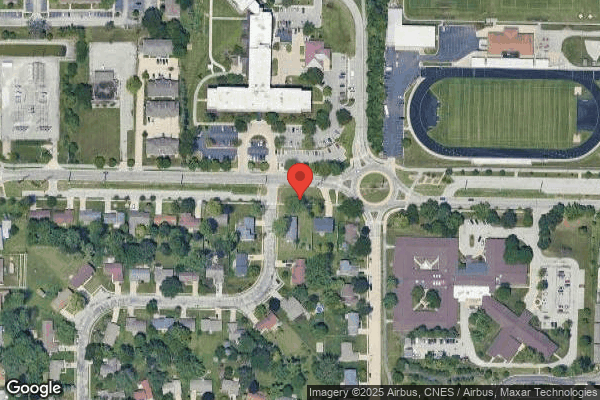
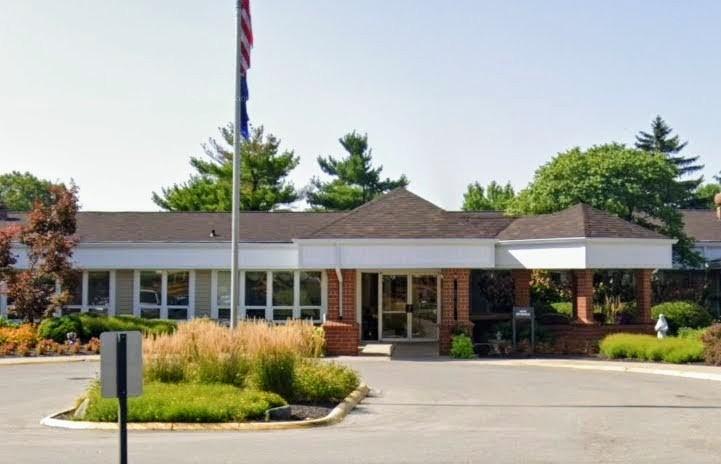
1051 CUMBERLAND AVE, WEST LAFAYETTE, IN 47906 (765) 463-2571
Non profit - Corporation 71 Beds TRILOGY HEALTH SERVICES Data: November 2025
Trust Grade
50/100
#234 of 505 in IN
Last Inspection: June 2025

Inspected within the last 6 months. Data reflects current conditions.

Overview

Cumberland Pointe Health Campus has a Trust Grade of C, which means it is average and sits in the middle of the pack for nursing homes. It ranks #234 out of 505 facilities in Indiana, placing it in the top half, but it is only #8 out of 11 in Tippecanoe County, indicating there are better local options. Unfortunately, the facility is showing a worsening trend, with issues increasing from 8 in 2024 to 9 in 2025. Staffing is a concern here, with a 3 out of 5 star rating and a 64% turnover rate, which is higher than the state average, suggesting challenges in maintaining consistent care. On a positive note, there have been no fines issued, and the facility offers more RN coverage than 93% of Indiana facilities, which is beneficial for resident safety. However, there are significant weaknesses reflected in the recent inspector findings. One serious incident involved a resident who fell and sustained serious injuries, including a broken hip, due to a failure to ensure their safety during care. Additionally, there were concerns about food safety practices in the kitchen, such as improperly covered frozen food and a staff drink being stored in the refrigerator with resident food. These factors highlight the need for improvement in both care and operational standards at Cumberland Pointe Health Campus.

Trust Score
C
50/100
In Indiana
#234/505
Top 46%
Safety Record
Moderate
Needs review
Inspections
Getting Worse
8 → 9 violations
Staff Stability
⚠ Watch
64% turnover. Above average. Higher turnover means staff may not know residents' routines.
Penalties
✓ Good
No fines on record. Clean compliance history, better than most Indiana facilities.
Skilled Nurses
✓ Good
Each resident gets 59 minutes of Registered Nurse (RN) attention daily — more than average for Indiana. RNs are trained to catch health problems early.
Violations
⚠ Watch
28 deficiencies on record. Higher than average. Multiple issues found across inspections.
★★★☆☆
3.0
Overall Rating
★★★☆☆
3.0
Staff Levels
★★★★★
5.0
Care Quality
★★☆☆☆
2.0
Inspection Score
Stable
2024: 8 issues
2025: 9 issues

The Good

  • 5-Star Quality Measures · Strong clinical quality outcomes
  • Full Sprinkler Coverage · Fire safety systems throughout facility
  • No fines on record

Facility shows strength in quality measures, fire safety.

The Bad

3-Star Overall Rating

Near Indiana average (3.1)

Meets federal standards, typical of most facilities

Staff Turnover: 64%

17pts above Indiana avg (46%)

Frequent staff changes - ask about care continuity

Chain: TRILOGY HEALTH SERVICES

Part of a multi-facility chain

Ask about local staffing decisions and management

Staff turnover is elevated (64%)

16 points above Indiana average of 48%

The Ugly 28 deficiencies on record

1 actual harm
Jun 2025 8 deficiencies 1 Harm
SERIOUS (G)

Actual Harm - a resident was hurt due to facility failures

Accident Prevention (Tag F0689)

A resident was harmed · This affected 1 resident

Based on interview and record review, the facility failed to ensure a resident was kept safe during care and was evaluated for assistive devices to prevent an accident for 1 of 1 resident reviewed for...

Read full inspector narrative →
Based on interview and record review, the facility failed to ensure a resident was kept safe during care and was evaluated for assistive devices to prevent an accident for 1 of 1 resident reviewed for accidents. (Resident 19) This deficient practice resulted in a right femoral neck fracture, a left scalp laceration, and a hematoma of the frontal scalp for Resident 19. Findings include: During an interview, on 6/12/25 at 3:40 p.m., Resident 19's daughter indicated she was the resident's Power of Attorney (POA) and was never called by the facility to inform her the resident had fallen. She heard about the fall from a Home Health Aide (HHA 6) she had hired for extra help to make sure the resident received all the care he needed. Resident 19's bed was up at waist level, and the resident was on his side when he fell off the bed and was found face down. This happened on a Sunday, and the facility did not call her. She found out from HHA 6. The resident was sent to the hospital and had surgery for his broken hip. He had a busted lip, hematoma on his forehead, multiple bruises and skin tears to both knees. She had been concerned something like this would happen. Resident 19 was on track to go home with her and only had a few days left before discharge. She had asked multiple times for a bed rail to be installed, and they were never put on. The clinical record for Resident 19 was reviewed on 6/11/25 at 1:33 p.m. The diagnoses included, but were not limited to, congestive heart failure, dementia, diabetes mellitus, and hypertension. A facility admission observation and data collection form, dated 4/24/25 at 2:46 p.m., indicated the resident's mode of transfer was a wheelchair and a mechanical lift. Resident 19's ability to change and control body position was very limited. The resident could make occasional slight changes in his body or the position of his extremities but was unable to make frequent or significant changes independently. A facility functional abilities assessment form, dated 4/24/25 at 3:33 p.m., indicated the resident's mobility to roll left and right was substantial/maximal assistance. A care plan, dated 4/24/25, indicated Resident 19 was a fall risk. The approaches included, but were not limited to, the resident would remain free of falls with major injury, encourage the resident to assume a standing position slowly, keep the call light, personal items and frequently used items within reach, and assist the resident with transfers as needed. An admission Minimum Data Set (MDS) assessment, dated 4/29/25, indicated the resident's range of motion had no impairment in the upper or lower extremity and Resident 19 was cognitively intact. A facility reported incident, dated 6/9/25 at 1:01 p.m., indicated the resident had an unwitnessed fall in his room. The resident received a subcapital fracture of his right femoral neck with superior subluxation of the femoral shaft (a break at the junction of the femoral head and neck, with the upper portion of the thigh bone shifted upward and out of alignment). The resident was assessed and complained of pain in his head and was sent to the emergency room for evaluation and treatment. The resident also had a bruise, a laceration to his forehead, and bilateral skin tears to his knees. A hospital assessment, dated 6/8/25 at 11:11 a.m., indicated the resident had a right femoral neck fracture, a left scalp laceration, and a hematoma of the frontal scalp. A facility witness statement, dated 6/9/25, indicated CNA 3 assisted the resident with incontinence care. The resident was on his left side and had his right arm out holding onto the trapeze bar. CNA 3 indicated Resident 19 was usually able to hold himself after being rolled over onto his side. Resident 19 needed extensive assistance to roll from side to side. An Interdisciplinary Team (IDT) progress note, dated 6/11/25 at 8:00 a.m., indicated the nurse was called to Resident 19's room. CNA 3 was changing the resident, and the resident fell on the floor. The resident's bed was elevated, and the trapeze was on the left side of bed. Upon entering the room, Resident 19's face was bleeding. The resident had pain in his head, had a laceration on the right side of his forehead, and bilateral skin tears to his knees. During an interview, on 6/16/25 at 10:46 a.m., CNA 3 indicated she had rolled Resident 19 onto his right side for incontinence care and the resident rolled off the bed. Resident 19 had a trapeze bar which he would use his right hand to press against the bar, he did not grab or hold the bar, he would push against the bar while receiving incontinent care. CNA 3 was changing him, and he just leaned forward and fell on the floor. RN 3 heard him fall, ran to the room, and applied pressure to his bleeding head. The resident had a large cut on the right forehead and a bump on the left side. The resident had indicated his hip and head hurt. During an interview, on 6/16/25 at 10:50 a.m., the Executive Director (ED) indicated the resident was in the facility while the daughter was preparing her house for the resident to live with her. HHA 6 was not in the room when the resident fell. HHA 6 was there for companionship only and was not allowed to help with any type of care. HHA 6 was going to be at the resident's home and was there to get to know the resident better. During an interview, on 6/16/25 at 2:10 p.m., the Director of Nursing (DON) indicated she did not complete a bed rail assessment for Resident 19. She used her nursing judgement, and the resident was not appropriate for bed rails. There were no bed rail assessments documented in the resident's clinical record. During an interview, on 6/16/25 at 2:34 p.m., RN 3 indicated CNA 3 came down the hall and indicated she needed help. RN 3 went inside the room and saw Resident 19 face down. CNA 3 applied pressure to his head and RN 3 called the physician. RN 3 indicated he called the daughter, and she did not answer. During an interview, on 6/16/25 at 3:10 p.m., the Physical Therapist Director indicated the occupational therapist had assessed the resident for the trapeze. The occupational therapist indicated Resident 19 was able to utilize the trapeze to adjust himself in bed. The trapeze was not for turning in the bed and was used for pulling and self-adjustment. During an interview, on 6/17/25 at 12:02 p.m., Resident 19's daughter indicated she had requested bed rails to be placed on the resident's bed three separate times. The first time was in the care plan meeting with the DON, Executive Director, Physical Therapy, and Social Services. She had requested two more times after the care plan meeting to the nurses for bed rails to be installed. The nurse had indicated the order was put in and the rails would be installed by the next day, and they were never installed. During an interview, on 6/17/25 at 6:58 p.m., Resident 19 indicated he was in a lot of pain from the fall and broken hip. CNA 3 had dropped him on the floor. He had asked from day one for bed rails. He did not want to roll off the bed and would have felt safer with bed rails. When he landed on the floor, he broke his hip and bumped his head on the metal part of the trapeze legs. CNA 3 had made HHA 6 leave the room while she provided care for him. CNA 3 pushed the resident over onto his left side hard and he was at the very edge of the bed. He dropped hard on the floor, was in a lot of pain, and was bleeding from his head. He felt CNA 3 had pushed him too hard and he was too close to the edge of the bed. He had nothing to brace himself on and he rolled right off the bed. A current facility policy, titled Fall Management Program Guidelines, dated 12/17/24 and received by the DON on 6/16/25 at 11:59 a.m., indicated .The fall risk assessment is included as part of the admission and Quarterly Nursing Observation and other Events/Observation in EHR .Identified risk factors should be evaluated for the contribution they may have to the resident's likelihood of falling .Care plan interventions should be implemented that address the resident's risk factors .Should the resident experience a fall the attending nurse shall complete an Occurrence note. This includes an investigation of the circumstances surrounding the fall to determine the cause of the episode, a reassessment to identify possible contributing factors A current facility policy, titled Guidelines for the Use of Bed Rails, dated 12/17/24 and received from the DON on 6/16/25 at 2:26 p.m., indicated .Guidelines for the Use of Bed Rails .the resident is assessed for the use of bed rails, which includes a review of risks including entrapment; and informed consent is obtained from the resident or if applicable, the resident's representative .After alternatives have been attempted and prior to installation, the facility must obtain informed consent from the resident or if applicable, the residents representative for the use of bed rails. The facility should maintain evidence that it has provided sufficient information so the resident or resident representative could make an informed decision. Information the facility must provide to the resident, or resident representative include, but are not limited to: What assessed medical needs would be addressed by the use of bed rails .the resident's benefits .the resident's risk .The use of bed rails as an assistive device should be addressed in the resident's care plan .Informed consent for the use of bed rails should be obtained from the resident and/or legal representative .The use of bed rails should be reviewed during the Resident First Meeting A current facility policy, titled Resident's First Meeting Guidelines, dated 12/17/24 and received from the DON 6/16/25 at 11:57 a.m., indicated .The purpose of this policy is to: To facilitate communication and participation regarding the resident's plan of care, medical condition and care needs between the resident, family, resident representative and care givers .add any input from the resident and/or representative into the narrative notes sections on the observation form .The Resident First Meeting is a time to communicate information related to care needs and medication condition and seek input from the resident or representative .If questions require research to properly answer, assign a team member to follow up and report to the resident or representative This citation relates to Complaint IN00461346. 3.1-45(a)(1) 3.1-45(a)(2)
CONCERN (D)

Potential for Harm - no one hurt, but risky conditions existed

Deficiency F0578 (Tag F0578)

Could have caused harm · This affected 1 resident

2. The clinical record for Resident 29 was reviewed on 6/10/25 at 3:06 p.m. The diagnoses included, but were not limited to, diabetes type 2, cardiomegaly, hypertension, obesity, and age-related physi...

Read full inspector narrative →
2. The clinical record for Resident 29 was reviewed on 6/10/25 at 3:06 p.m. The diagnoses included, but were not limited to, diabetes type 2, cardiomegaly, hypertension, obesity, and age-related physical debility. A current physician's order, dated 12/22/21, indicated Resident 29 had a full code status. A care plan, dated 12/23/21, indicated advanced directives would be reviewed quarterly and honor Resident 29's medical POA's decisions. An Indiana Physicians Orders for Scope of Treatment (POST) form, dated 4/9/24, was signed by Resident 29's power of attorney (POA) and indicated the resident's code status was DNR (do not resuscitate). It was not signed by a physician. During an interview, on 6/11/25 at 10:00 a.m., Resident 29 indicated she wanted to be a DNR. During an interview, on 6/16/25 at 11:07 a.m., the Executive Director (ED) indicated the form should have been given to the physician to complete after it was filled out by the POA and the code status should have been updated to reflect Resident 29's wishes. A current facility policy, titled Guidelines for Advanced Directives, dated 12/17/24 and received from the Director of Nursing (DON) on 6/11/25 at 2:03 p.m., indicated .The purpose of this policy is to: to ensure facility staff obtains and follows resident's advanced directives regarding end of life care .Advanced directives will be reviewed with the resident and/or resident representative by the admissions representative or designee at time of admission. A member of the IDT will review and/or update quarterly and PRN thereafter .The resident or representative will advise the admission representative/designee regarding wishes for end of life directives and code status .The SSD or designee is responsible for providing information and handling the finalized document .The nursing staff will confirm the desired code status and obtain an order form the physician .The DNR form will be completed documenting these desires ad scanned into the medical record .Designation of code status and obtainment of physician order will be part of the medical record 3.1-4(f)(5) Based on record review and interview, the facility failed to ensure a resident's code status had been updated and a physician order for scope of treatment (POST) form was signed for 2 of 2 residents reviewed for advanced directives. (Resident 101 and 29) Findings include: 1. The clinical record for Resident 101 was reviewed on 6/11/25 at 9:59 a.m. The diagnoses included, but were not limited to, immunodeficiency, benign neoplasm of meninges (non-cancerous tumor) and osteonecrosis (the death of bone tissue due to a lack of blood supply). A physician's order, dated 6/6/25, indicated Resident 101 was a full code (resuscitate). A physician's order, dated 6/6/25 and discontinued 6/9/25, indicated Resident 101 was a DNR (do not resuscitate). There was no documentation of a POST form in the electronic health record (EHR). During an interview, on 6/11/25 at 10:43 a.m., the Assistant Director of Nursing (ADON) indicated Resident 101 had two different code statuses in the EHR. When the resident had a DNR physician's order and a full code was documented on the face sheet, the nurse would use the highest code. The resident would be considered a DNR. During an interview, on 6/11/25 at 11:51 a.m., the Corporate Support Nurse indicated the orders were different and it was changed in the EHR on 6/9/25.
CONCERN (D)

Potential for Harm - no one hurt, but risky conditions existed

Deficiency F0657 (Tag F0657)

Could have caused harm · This affected 1 resident

2. The clinical record for Resident 29 was reviewed on 6/10/25 at 3:06 p.m. The diagnoses included, but were not limited to, diabetes type 2, cardiomegaly, hypertension, obesity, and age-related physi...

Read full inspector narrative →
2. The clinical record for Resident 29 was reviewed on 6/10/25 at 3:06 p.m. The diagnoses included, but were not limited to, diabetes type 2, cardiomegaly, hypertension, obesity, and age-related physical debility. A quarterly MDS assessment was completed on 2/22/25. There was no documentation in the clinical record, a care plan meeting for the quarterly assessment was completed. An annual MDS assessment was completed on 5/22/25. There was no documentation in the clinical record, a care plan meeting for the annual assessment was completed. During an interview, on 6/16/25 at 11:06 a.m., the DON indicated care plan meetings should be completed on admission and quarterly. There should have been two care planning meetings completed. A current facility policy, titled Resident's First Meeting Guidelines, dated 3/7/19 and received from the DON on 6/16/25 at 11:57 a.m., indicated .Subsequent meetings for non-Medicare residents should be conducted at a minimum of quarterly and with significant change .Subsequent meetings for Medicare residents should be conducted minimally quarterly and prior to discontinuing Medicare services or being discharged from facility 3.1-35(d)(2)(B) Based on interview and record review, the facility failed to ensure care plan meetings were completed quarterly to ensure the resident had the right to participate in the development, review and revision of the care plan for 2 of 2 residents reviewed for care plan conferences. (Resident 43 and 29) Findings include: 1. The clinical record for Resident 43 was reviewed on 6/11/25 at 1:45 p.m. The diagnoses included, but were not limited to, gastrostomy status, type 2 diabetes mellitus with diabetic chronic kidney disease, and diverticulosis of the large intestine. An admission Minimum Data Set (MDS) assessment was completed on 1/2/25. A care plan conference was documented as completed on 1/2/25. A quarterly MDS assessment was completed on 3/18/25 and 4/5/25. There was no documentation in the clinical record, a care plan meeting for the quarterly assessment was completed. During an interview, on 6/16/25 at 10:26 a.m., the Director of Nursing (DON) indicated a care plan meeting for Resident 43 had not been conducted since 1/2/25. The meetings should be held quarterly and should have taken place around March or April.
CONCERN (D)

Potential for Harm - no one hurt, but risky conditions existed

Quality of Care (Tag F0684)

Could have caused harm · This affected 1 resident

Based on interview and record review, the facility failed to ensure a blood pressure medication was administered according to the physician's orders for 1 of 1 resident reviewed for quality of care. (...

Read full inspector narrative →
Based on interview and record review, the facility failed to ensure a blood pressure medication was administered according to the physician's orders for 1 of 1 resident reviewed for quality of care. (Resident 19) Findings include: The clinical record for Resident 19 was reviewed on 6/8/25 at 11:07 a.m. The diagnoses included, but were not limited to, congestive heart failure, dementia, diabetes mellitus, and hypertension. A care plan, dated 4/24/25, indicated Resident 19 had a potential for cardiovascular distress related to congestive heart failure. The approaches included, but were not limited to, medications as ordered, observe and report side effects, and observe for signs and symptoms of cardiovascular distress. A physician's order, dated 5/20/25, indicated to give furosemide (a diuretic medication which could lower blood pressure) 20 milligrams (mg) daily and to hold the medication for a systolic blood pressure less than 120. The Medication Administration Record (MAR), dated 5/1/25 through 6/4/25, indicated furosemide 20 mg was given out of the physician ordered parameters when Resident 19 had the following blood pressures: a. On 5/27/25, the blood pressure was 109/68. b. On 5/28/25, the blood pressure was 118/60. c. On 5/30/25, the blood pressure was 111/62. d. On 6/1/25, the blood pressure was 106/61. e. On 6/2/25, the blood pressure was 106/62. f. On 6/4/25, the blood pressure was 116/67. During an interview, on 6/16/25 at 9:54 a.m., RN 5 indicated when a resident had standing orders, it would be added to the orders on the MAR. If the nurse did not initiate the standing orders, it would not be on the MAR. During an interview, on 6/16/25 at 2:47 p.m., the Director of Nursing (DON) indicated the nurse should have held the medication if the blood pressure was outside of the hold parameters. The medication was given multiple times when it should have been held. A current facility policy, titled Guidelines for Medication Orders, dated 12/17/24 and received from the DON on 6/11/25 at 2:03 p.m., indicated .To establish uniform guidelines in the receiving and recording of medication orders .A current list of orders will be maintained in the electronic clinical records of each resident .Standing orders .The admitting nurse shall review the standing order list with the physician when verifying admission orders .The physician shall inform the admitting nurse if any of the standing orders should be eliminated, modified and/or other standing orders added for the specific resident .Standing orders shall be in the medical record with the other physician orders 3.1-37(a)
CONCERN (D)

Potential for Harm - no one hurt, but risky conditions existed

Incontinence Care (Tag F0690)

Could have caused harm · This affected 1 resident

Based on interview and record review, the facility failed to ensure physician's orders for the care and monitoring of a catheter were obtained upon admission for 1 of 1 resident reviewed for catheter....

Read full inspector narrative →
Based on interview and record review, the facility failed to ensure physician's orders for the care and monitoring of a catheter were obtained upon admission for 1 of 1 resident reviewed for catheter. (Resident 104) Findings include: The clinical record for Resident 104 was reviewed on 6/12/25 at 1:55 p.m. The diagnoses included, but were not limited to, chronic kidney disease, diabetes mellitus, urinary tract infection, myoglobinuria, and urogenital implants. A facility admission observation and data collection form, dated 5/25/25 at 7:45 a.m., indicated the resident was admitted with an indwelling catheter. A care plan, dated 5/26/25, indicated the resident had a catheter. The approaches included, but were not limited to, record urinary output and provide care and change catheter per the physician's orders. Physician's orders related to the catheter, the catheter care, and catheter monitoring were not ordered until 5 days after the resident was admitted to the facility. During an interview, on 6/16/25 at 10:25 a.m., the Director of Nursing (DON) indicated standing orders should have been placed for the catheter. The orders were not placed when the resident was admitted . Catheter care and catheter assessments should have been completed and documented in the Medication Administration Record (MAR). During an interview, on 6/16/25 at 9:54 a.m., RN 5 indicated if the nurse did not initiate the standing orders upon admission, it would not be on the MAR. A current facility policy, titled Guidelines for Medication Orders, dated 12/17/24 and received from the DON on 6/11/25 at 2:03 p.m., indicated .To establish uniform guidelines in the receiving and recording of medication orders .A current list of orders will be maintained in the electronic clinical records of each resident .Standing orders .The admitting nurse shall review the standing order list with the physician when verifying admission orders .The physician shall inform the admitting nurse if any of the standing orders should be eliminated, modified and/or other standing orders added for the specific resident .Standing orders shall be in the medical record with the other physician orders A current facility policy, titled Guidelines for the Use of Indwelling Catheter, dated 12/16/24 and received from the DON on 6/13/25 at 10:00 a.m., indicated .A resident who enters the campus with an indwelling urinary catheter, or subsequently receives one is assessed for removal of the catheter as soon as possible unless the resident's clinical condition demonstrates that cauterization is necessary 3.1-41(a)(2)
CONCERN (D)

Potential for Harm - no one hurt, but risky conditions existed

Tube Feeding (Tag F0693)

Could have caused harm · This affected 1 resident

Based on interview and record review, the facility failed to ensure staff followed the physician's orders related to a gastrostomy tube (g-tube) for 1 of 1 resident reviewed for gastrostomy tubes. (Re...

Read full inspector narrative →
Based on interview and record review, the facility failed to ensure staff followed the physician's orders related to a gastrostomy tube (g-tube) for 1 of 1 resident reviewed for gastrostomy tubes. (Resident 43) Findings include: The clinical record for Resident 43 was reviewed on 6/11/25 at 1:45 p.m. The diagnoses included, but were not limited to, gastrostomy status, type 2 diabetes mellitus with diabetic chronic kidney disease, and diverticulosis of the large intestine. A physician's order, dated 2/13/25, indicated to flush the g-tube with 30 ml (milliliters) of water three times a day. A nursing progress note, dated 2/14/25 at 4:02 p.m., indicated Resident 43 and family were in agreement they did not want to proceed with supplementation through the g-tube. A physician's order, dated 3/20/25, indicated to administer 120 ml of the dietary supplement Med Pass 2.0 three times a day. There was no administration route indicated in the physician's order for the Med Pass. A nursing progress note, dated 6/7/25 at 8:47 p.m., written by Registered Nurse (RN) 2 indicated .Writer administered 120mL 2.0 Med pass nutrition and hydrated resident with 240mL water through g tube. Resident tolerated well The progress note did not clearly indicate if the 120 ml of Med Pass was administered orally or through the g-tube. There was no physician's order in the clinical record which indicated the resident was to be hydrated with 240 ml of water through the g-tube. During an interview, on 6/11/25 at 3:01 p.m., Qualified Medication Aide (QMA) 3 indicated Resident 43's g-tube was used for flushes only. During an interview, on 6/13/25 at 3:33 p.m., QMA 4 indicated the only thing ordered to go into the g-tube per the physician was a 30 ml water flush once a shift. A current facility policy, titled Specific Medication Administration Procedures, dated 11/18 and received from the Clinical Support Nurse on 6/12/25 at 9:47 a.m., indicated .The physician's order must specify the route of administration of any medication via feeding tube. This is either via G-tube, via PEG tube, via NJ tube, or via J-tube .Check the medication administration record (MAR) to confirm the order: note the medication, dose, route (tube), and volume of water for flushing 3.1-44(a)(2)
CONCERN (D)

Potential for Harm - no one hurt, but risky conditions existed

Deficiency F0694 (Tag F0694)

Could have caused harm · This affected 1 resident

Based interview and record review, the facility failed to implement physician's orders based upon current professional standards of practice for the maintenance and prevention of infection of an Intra...

Read full inspector narrative →
Based interview and record review, the facility failed to implement physician's orders based upon current professional standards of practice for the maintenance and prevention of infection of an Intravenous (IV) line for 1 of 1 resident reviewed for IV therapy. (Resident 101) Findings include: The clinical record for Resident 101 was reviewed on 6/11/25 at 9:59 a.m. The diagnoses included, but were not limited to, immunodeficiency, benign neoplasm of meninges (non-cancerous tumor) and osteonecrosis (the death of bone tissue due to a lack of blood supply). A physician's order, dated 6/6/25 and discontinued 6/10/25, indicated to give ceftriaxone (an antibiotic) reconstitute solution 2 grams via IV daily. The only physician's order related to the IV was for the antibiotic. There were no physician's orders for the care and use of the pumps, tubing, syringes, or flushes. The Electronic Health Record did not have documentation of IV site assessments, normal saline flushes, Heparin lock flushes, monitoring for side effects, or PICC dressing changes until 6/9/25. A care plan, dated 6/8/25, indicated the resident required IV medication. The approaches included, but were not limited to, assessing the IV for complications every shift and as needed, IV site care as ordered, and observe the IV site for swelling, redness, tenderness, and warmth. During an interview, on 6/11/25 at 11:42 a.m., the Assistant Director of Nursing (ADON) indicated residents with intravenous antibiotics should have orders to flush and access the IV site. There were standard orders which should have been placed when the resident was admitted . She did not know if the IV was flushed or assessed before the orders were placed. The nurse on weekend should have called the physician and obtained orders. During an interview, on 6/11/25 at 11:55 a.m., the ADON indicated the nurse should have flushed the IV with 5 milliliters of normal saline before and after the medication administration. During an interview, on 6/16/25 at 9:54 a.m., RN 5 indicated standing orders would be added on the Medication Administration Record (MAR). If the nurse did not initiate the standing orders, they would not be on the MAR. A current facility policy, titled Guidelines for Medication Orders, dated 12/17/24 and received from the DON on 6/11/25 at 2:03 p.m., indicated .To establish uniform guidelines in the receiving and recording of medication orders .A current list of orders will be maintained in the electronic clinical records of each resident .Standing orders .The admitting nurse shall review the standing order list with the physician when verifying admission orders .The physician shall inform the admitting nurse if any of the standing orders should be eliminated, modified and/or other standing orders added for the specific resident .Standing orders shall be in the medical record with the other physician orders 3.1-47(a)(2)
CONCERN (D)

Potential for Harm - no one hurt, but risky conditions existed

Respiratory Care (Tag F0695)

Could have caused harm · This affected 1 resident

Based on observation, interview and record review, the facility failed to ensure a physician's order for oxygen was in place and oxygen equipment was stored properly when not in use for 1 of 3 residen...

Read full inspector narrative →
Based on observation, interview and record review, the facility failed to ensure a physician's order for oxygen was in place and oxygen equipment was stored properly when not in use for 1 of 3 residents reviewed for respiratory care. (Resident 1) Findings include: During an observation, on 6/9/25 at 11:09 a.m., Resident 1 was in bed with an oxygen concentrator next to the bed. The concentrator was set on 3 liters (L) and was connected to a nasal cannula. Resident 1 was not wearing the nasal cannula, and it was laying on the floor. During an observation, on 6/10/25 at 9:57 a.m., Resident 1 was lying in bed. The oxygen concentrator was set on 3L. Resident 1 was not wearing the nasal cannula, and it was laying on the floor. During an observation, on 6/11/25 at 11:34 a.m., Resident 1 was lying in bed. The resident was wearing the nasal cannula and was receiving oxygen at 3L. The clinical record for Resident 1 was reviewed on 6/9/25 at 1:05 p.m. The diagnoses included, but were not limited to, acute and chronic respiratory failure with hypoxia, acute diastolic heart failure, chronic obstructive pulmonary disorder, schizoaffective disorder, and delirium due to a known physiological condition. A care plan, dated 4/29/25, indicated the resident demonstrated non-compliance with physician's orders. The approaches included, but were not limited to, refused to wear oxygen per order. A physician's order for Resident 1 to receive oxygen via nasal cannula at 3L was not located in the clinical record. The nasal cannula was found lying on the floor and not stored in a manner to prevent contamination. During an interview, on 6/16/25 at 11:00 a.m., the Director of Nursing (DON) indicated there was not an active order for the use of oxygen in the medical record until 6/12/25. A physician's order for the use of oxygen should have been placed when the resident returned from the hospital on 3/17/25. A current facility policy, titled Guidelines for Medication Orders, dated 12/17/24 and received from the DON on 6/16/25 at 12:00 p.m., indicated .The purpose of this policy is to: To establish uniform guidelines in the receiving and recording of medication orders .A current list of orders will be maintained in the electronic clinical record of each resident .Oxygen orders .When recording oxygen orders specify .The rate of flow, route and rationale A facility document, titled Administration of Oxygen, dated 12/13/24 and received from DON on 6/16/25 at 12:00 p.m., indicated .Guidelines to properly Administering Oxygen and any Respiratory procedure .Verify physician's order for the procedure 3.1-47(a)(6)
Apr 2025 1 deficiency
CONCERN (D) 📢 Someone Reported This

A family member, employee, or ombudsman was alarmed enough to file a formal complaint

Potential for Harm - no one hurt, but risky conditions existed

Pharmacy Services (Tag F0755)

Could have caused harm · This affected 1 resident

Based on interview and record review, the facility failed to ensure pharmaceutical services were provided to meet the needs of the residents for 1 of 3 residents reviewed for pharmacy services. This d...

Read full inspector narrative →
Based on interview and record review, the facility failed to ensure pharmaceutical services were provided to meet the needs of the residents for 1 of 3 residents reviewed for pharmacy services. This deficient practice was corrected on 1/24/25, prior to the start of the survey, and therefore was past noncompliance. (Resident D) Findings include: During an interview, on 4/23/25 at 12:49 p.m., Resident D indicated she did not receive all the medications she was supposed to receive while she was at the facility. Some of her medications were given very late. The staff told her the medications were not given because they were not received from the pharmacy. The clinical record for Resident D was reviewed on 4/24/25 at 2:02 p.m. The diagnoses included, but were not limited to, pneumonia, chronic obstructive pulmonary disease, pulmonary fibrosis, congestive heart failure and chronic atrial fibrillation. The Minimum Data Set (MDS) assessment indicated the resident was cognitively intact. The Medication Administration Record (MAR) indicated the following: 1. Alprazolam (an anti-anxiety medication) 0.5 mg (milligram) tablet was not given at bedtime on 12/28/24 and 1/5/25. The medication was documented as not available. 2. Calcium citrate with vitamin D (a supplement) equivalent to 200 units was not given on 12/19/24 and 12/27/24 on the evening shift. The medication was documented as not available. 3. Effexor XR (an antidepressant medication) 150 mg capsule was not given on 12/12/24, 12/19/24, 12/27/24 and 1/5/25 at bedtime. The medication was documented as not available. 4. Gabapentin (a seizure medication also used to treat nerve pain) 100 mg was not given on 12/27/24 on the evening shift. The medication was documented as not available. 5. Magnesium oxide (a supplement) 400 mg tablet was not given on 12/12/24, 12/19/24, and 12/27/24. The medication was documented as not available. 6. Venlafaxine (an antidepressant medication) 37.5 mg tablet was not given on 12/13/24 and 12/19/24. The medication was documented as not available. During an interview, on 4/25/25 at 2:20 p.m., the Director of Nursing (DON) indicated she was aware of the medications which were not given due to unavailability. The facility completed audits and in-services with the nursing staff to correct the issue. A current facility policy, titled MEDICATION ADMINISTRATION-GENERAL GUIDELINES, dated ass revised 11/2018 and provided by the DON on 4/25/25 at 3:45 p.m., indicated .FIVE RIGHTS - Right resident, right drug, right dose, right route and right time are applied for each medication being administered The deficient practice was corrected by 1/24/25, after the facility implemented a systemic plan which included a thorough investigation, education, and audits. This citation relates to Complaint IN00452343 and IN00453217. 3.1-25(a)
Jun 2024 8 deficiencies
CONCERN (D)

Potential for Harm - no one hurt, but risky conditions existed

Deficiency F0642 (Tag F0642)

Could have caused harm · This affected 1 resident

Based on interview and record review, the facility failed to ensure a PASARR (Preadmission Screening and Resident Review) level 2 was accurately documented on the comprehensive/annual MDS (Minimum Dat...

Read full inspector narrative →
Based on interview and record review, the facility failed to ensure a PASARR (Preadmission Screening and Resident Review) level 2 was accurately documented on the comprehensive/annual MDS (Minimum Data Set) assessment submitted for 1 of 3 residents reviewed for PASRR level 2. (Resident 34) Finding includes: The clinical record for Resident 34 was reviewed on 6/5/24 at 10:00 a.m. The diagnoses included, but were not limited to, cerebral palsy, major depressive disorder, bipolar disorder, anxiety disorder, and insomnia. A PASARR level 2 was completed on 9/12/23. An annual MDS assessment, dated 12/25/23, indicated a PASARR level 2 had not been completed. During an interview, on 6/7/24 at 11:12 a.m., the MDS Clinical Support nurse indicated the MDS assessment should have been marked to indicate the level 2 had been completed During an interview, on 6/7/24 at 11:30 a.m., the MDS Clinical Support nurse indicated the facility followed the RAI manual as a policy. 3.1-31(f)
CONCERN (D)

Potential for Harm - no one hurt, but risky conditions existed

PASARR Coordination (Tag F0644)

Could have caused harm · This affected 1 resident

Based on interview and record review, the facility failed to complete a Preadmission Screening and Resident Review (PASARR) after a resident was started on an antipsychotic medication for 1 of 3 resid...

Read full inspector narrative →
Based on interview and record review, the facility failed to complete a Preadmission Screening and Resident Review (PASARR) after a resident was started on an antipsychotic medication for 1 of 3 residents reviewed for PASARR. (Resident 18) Finding includes: The clinical record for Resident 18 was reviewed on 6/6/24 at 10:08 a.m. The diagnoses included, but were not limited to bipolar disorder, insomnia, and depression. A physician's order, with a start date of 11/4/22 and an end date of 11/21/22, indicated to give Seroquel (an antipsychotic medication) 25 milligrams (mg) at bedtime. A current physician's order, with a start date of 11/21/22, indicated to give the resident Seroquel 50 milligrams (mg) at bedtime. A notice of PASARR level 2 outcome, dated 9/9/22, indicated the resident was approved for long term approval without specialized services. The resident's mental health medications did not include Seroquel. There had not been another PASARR assessment completed after the resident was placed on Seroquel. During an interview, on 6/7/24 at 11:14 a.m., the Assessment Clinical Support nurse indicated if a resident was placed on an antipsychotic medication, they would need a PASARR level 2 completed again. A standard operating procedure, titled Indiana PASRR, received from the Clinical Support nurse on 6/10/24 at 4:00 p.m., indicated .Preadmission Screening and Resident Review (PASRR) is a federal requirement to help ensure individuals are appropriately placed in nursing facilities for long-term care .Change in Status .PASRR Level 1 Complete for change in status .Required: H&P MAR 3.1-16(d)(1)(A) 3.1-16(d)(1)(B)
CONCERN (D)

Potential for Harm - no one hurt, but risky conditions existed

Deficiency F0697 (Tag F0697)

Could have caused harm · This affected 1 resident

Based on interview and record review, the facility failed to administer pain medication as ordered by the physician and failed to notify the physician when the medication was not administered for 1 of...

Read full inspector narrative →
Based on interview and record review, the facility failed to administer pain medication as ordered by the physician and failed to notify the physician when the medication was not administered for 1 of 1 resident reviewed for pain. (Resident 9) Finding includes: During an interview, on 6/4/24 at 11:23 a.m., the resident indicated she had pain due to not getting her medications on time. The clinical record for Resident 9 was reviewed on 6/4/24 at 3:38 p.m. The diagnoses included, but were not limited to, chronic pain, chronic respiratory failure, and type 2 diabetes mellitus. A care plan, dated 4/18/24 and last updated on 5/17/24, indicated the resident was at risk for pain related to the diagnosis of chronic pain and decreased mobility. The interventions included, but were not limited to, administering medications as ordered. A physician's order, dated 2/14/24, indicated to give hydrocodone-acetaminophen (an opioid pain medication) every 6 hours for pain. A Medication Administration Record (MAR), dated 5/1/24 through 5/31/24, indicated the resident did not receive the 6:00 a.m. dose and 6:00 p.m. dose of hydrocodone-acetaminophen on 5/5/24 due to the medication was not available and the staff were waiting on the pharmacy. During an interview, on 6/10/24 at 12:55 p.m., the Clinical Support Nurse indicated the facility had hydrocodone-acetaminophen 10-325 in the Emergency Drug Kit (EDK) and the staff could have obtained the medication from there and did not. The electronic health record did not include notification to the physician of the pain medication not being administered as ordered. A current policy, titled Medication Ordering and Receiving from Pharmacy, dated as revised on 1/17 and received from the Clinical Support Nurse on 6/10/24 at 2:19 p.m., indicated .Emergency pharmacy services are available on a 24-hour basis. Emergency needs for medications are met by using the facility's approved emergency medication supply or by special order from PCA Pharmacy. PCA Pharmacy supplies emergency medications in compliance with applicable state regulations .There is a physician on call 24/7 .Medications are not borrowed from other residents. The ordered medication is obtained either from the emergency drug supply, from the provider pharmacy or a back-up pharmacy .To access medication from the emergency medication supply, secondary to a new order or when medication for which there is a current prescription is not readily available, the appropriate facility personnel should not take a medication from the e-box or ADS without checking allergies on the medical record and possible drug-drug interactions .The appropriate facility personnel confers with the prescriber to determine whether the order is true emergency .order cannot be delayed until the scheduled pharmacy delivery .If the medication is a controlled substance, the prescriber either faxes a complete prescription to the facility and pharmacy or communicates the verbal order to both the appropriate facility personnel and directly to the pharmacist along with details about the situation to verify it meets the criteria of an 'emergency situation' 3.1-37(a)
CONCERN (D) 📢 Someone Reported This

A family member, employee, or ombudsman was alarmed enough to file a formal complaint

Potential for Harm - no one hurt, but risky conditions existed

Menu Adequacy (Tag F0803)

Could have caused harm · This affected 1 resident

Based on observation, interview and record review, the facility failed to provide a full meal in a timely manner, as noted on the dietary menu slip, to a resident on a gluten free diet for 1 of 1 resi...

Read full inspector narrative →
Based on observation, interview and record review, the facility failed to provide a full meal in a timely manner, as noted on the dietary menu slip, to a resident on a gluten free diet for 1 of 1 resident reviewed for an alternate diet. (Resident 43) Finding includes: During a dining observation, on 6/3/24 beginning at 12:13 p.m., Resident 43 was observed at the dining table with her meal consisting of chicken, brussels sprouts, and a dessert. The menu, for Resident 43, indicated she was to have a gluten free diet of caprese chicken with gluten free pasta, roasted brussels sprouts, gluten free garlic bread, and lemon mousse. During an interview, on 6/3/24 at 12:23 p.m., [NAME] 12 indicated the resident did not receive her gluten free items because it was not prepared. She indicated the meal should have been served all at once and not in parts. She would call the kitchen to have the remainder of the meal prepared. During an observation, on 6/3/24 at 12:37 p.m., Resident 43 did not have her gluten free garlic bread or gluten free pasta. During an observation, on 6/3/24 at 12:44 p.m., Resident 43 had not received her gluten free items. The resident had one half of a brussels sprout left on her plate. At that time, [NAME] 12 indicated she had not called the kitchen and she could call them now. During an interview, on 6/4/24 at 3:44 p.m., [NAME] 7 indicated he had prepared the previous days gluten free items and did not know why it was not served to her. During an interview, on 6/6/24 at 9:37 a.m., the Dietary Manager indicated the missing items for Resident 43's lunch were delivered to her at around 1:00 p.m., the entire meal should have been delivered at the same time, and they were to check the meal ticket to ensure the meal was per the diet order. A facility policy, titled Altered Diet Verification Process, dated as approved 3/2024 and received from the Corporate Support Nurse 2 on 6/7/24 at 10:02 a.m., indicated .During meal service the meals will be plated according to diet requirements listed on the tray card 3.1-20(a)
CONCERN (D) 📢 Someone Reported This

A family member, employee, or ombudsman was alarmed enough to file a formal complaint

Potential for Harm - no one hurt, but risky conditions existed

Deficiency F0810 (Tag F0810)

Could have caused harm · This affected 1 resident

Based on observation, interview and record review, the facility failed to provide adaptive dining equipment for 1 of 3 residents reviewed for dining. (Resident 43) Finding includes: During a dining o...

Read full inspector narrative →
Based on observation, interview and record review, the facility failed to provide adaptive dining equipment for 1 of 3 residents reviewed for dining. (Resident 43) Finding includes: During a dining observation, on 6/3/24 at 12:13 p.m., Resident 43 was observed to have chicken, brussels sprouts and a dessert. Her meal was served on a regular plate. During a dining observation, on 6/7/24 at 12:08 p.m., the resident was served grilled cheese, applesauce, and tomato soup on regular dishes. CNA 1 indicated the resident should have had a divided plate. The record for Resident 43 was reviewed on 6/4/24 at 3:44 p.m. The diagnoses included, but were not limited to, metabolic encephalopathy (a problem in the brain, caused by a chemical imbalance in the blood) and constipation. A care plan, initiated on 2/8/24, indicated a divided plate at meals. A facility document, titled Profile Care Guide, included an intervention which was initiated, on 3/1/24, which indicated .Resident should have divided Plates with all meals A physician's order, initiated on 5/14/24, indicated a divided plate at meals. The dietary menu indicated Resident 43 was to have a divided plate. During an interview, on 6/4/24 at 3:44 p.m., [NAME] 7 indicated he was not aware the resident had a divided plate for meals. During an interview, on 6/6/24 at 9:37 a.m., the Dietary Manager indicated Resident 43 should have a divided plate, it was on her menu ticket. Staff were to ensure the meal was served per diet order to include silverware and plates, etc. (other assistive dining equipment). A facility policy, titled Assistive Device Guideline, undated and received from the Corporate Support Nurse 10 on 6/10/24 at 5:21 p.m., indicated .Assistive eating devices, such as plate guards and built up utensils, are provided for individuals who need them to encourage feeding independence .A physician's order will be obtained for all assistive devices and Dining Services department will be notified of the new order .Dining services and direct care staff will be responsible for insuring the individuals received the appropriate assistive devices for each meal as ordered 3.1-21(h)
CONCERN (D) 📢 Someone Reported This

A family member, employee, or ombudsman was alarmed enough to file a formal complaint

Potential for Harm - no one hurt, but risky conditions existed

Food Safety (Tag F0812)

Could have caused harm · This affected 1 resident

**NOTE- TERMS IN BRACKETS HAVE BEEN EDITED TO PROTECT CONFIDENTIALITY** Based on observation, interview and record review, the facility failed to ensure staff were wearing hair and facial covers while...

Read full inspector narrative →
**NOTE- TERMS IN BRACKETS HAVE BEEN EDITED TO PROTECT CONFIDENTIALITY** Based on observation, interview and record review, the facility failed to ensure staff were wearing hair and facial covers while in the kitchen for 3 of 3 randomly observed staff members. (Staff Member 52, [NAME] 6 and Kitchen Employee 13) Finding includes: During a random observation, on 6/6/24 at 9:35 a.m., Staff Member 52 and [NAME] 6 were observed in the kitchen. Staff Member 52 was in the kitchen past the line by the door, and did not have a hairnet over her hair. [NAME] 6 who was standing between the grill and the prep table did not have a facial covering over his mustache. During a random observation, on 6/7/24 at 8:50 a.m., Kitchen Employee 13 was observed at the prep table to the left of the door wearing a facial hair covering under his chin. At that time, he indicated he forgot to put it back on. He was noted to have hair on his chin, jaw line and under his nose. During an interview, on 6/6/24 at 9:38 a.m., Staff Member 52 indicated [NAME] 6 did have facial hair which should have been covered. During an interview, on 6/10/24 at 11:09 a.m., Kitchen Employee 13 indicated [NAME] was to be past the barrier on the kitchen floor without a head and/or facial hair covering. The border was noted to be approximately 2.5 feet into the kitchen and approximately 3 feet wide and found on the floor right inside the door to the kitchen. A facility policy, titled Hair Restraint, dated as last approved January 2024 and received from the Regional Coorporate Nurse on 6/6/24 at 1:50 p.m., indicated .employees shall wear hair restraints such as hats, hair coverings or nets, beard restraints, and clothing that covers body hair 3.1-21(i)(3)
CONCERN (D)

Potential for Harm - no one hurt, but risky conditions existed

Deficiency F0882 (Tag F0882)

Could have caused harm · This affected 1 resident

Based on interview and record review, the facility failed to ensure the Infection Preventionist (IP) was professionally trained in nursing, medical technology, microbiology, epidemiology, or other rel...

Read full inspector narrative →
Based on interview and record review, the facility failed to ensure the Infection Preventionist (IP) was professionally trained in nursing, medical technology, microbiology, epidemiology, or other related field and was also able to dedicate at least part-time to the roll for 1 of 1 Infection Preventionist reviewed. Findings include: During an interview, on 6/10/24 at 3:00 p.m., the Executive Director indicated she was the Infection Preventionist. She had taken CEU (continuing education unit) classes for the Infection Preventionist. The Assistant Director of Nursing (ADON) was the acting Infection Preventionist. The ADON had not passed the testing and was not certified. The Executive Director did not have a nursing degree and could not dedicate part-time to the role of the Infection Preventionist while overseeing the day-to-day operations of the facility. The State Operations Manual (SOM) indicated .The intent of this regulation is to ensure that the facility designates a qualified individual(s) onsite, who is responsible for implementing programs and activities to prevent and control infections .The IP must be professionally-trained in nursing, medical technology, microbiology, epidemiology, or other related field .The facility should ensure the individual selected as the IP has the background and ability to fully carry out the requirements of the IP based on the needs of the resident population, such as interpreting clinical and laboratory data .the amount of time required to fulfill the role must be at least part-time and should be determined by the facility assessment .Based upon the assessment, facilities should determine if the individual functioning as the IP should be dedicated solely to the IPCP. A facility should consider resident census as well as resident characteristics, types of units such as respiratory care units, memory care, skilled nursing and the complexity of the healthcare services it offers as well as outbreaks and seasonality of infections such as influenza in determining the amount of IP hours needed. The IP must have the time necessary to properly assess, develop, implement, monitor, and manage the IPCP for the facility, address training requirements, and participate in required committees such as QAA 3.1-18(b)(1)
CONCERN (E)

Potential for Harm - no one hurt, but risky conditions existed

Quality of Care (Tag F0684)

Could have caused harm · This affected multiple residents

3. The clinical record for Resident 15 was reviewed on 6/6/24 at 2:48 p.m. The diagnoses included, but were not limited to, chronic combined systolic (congestive) and diastolic (congestive) heart fail...

Read full inspector narrative →
3. The clinical record for Resident 15 was reviewed on 6/6/24 at 2:48 p.m. The diagnoses included, but were not limited to, chronic combined systolic (congestive) and diastolic (congestive) heart failure), hypertensive heart disease with heart failure and atherosclerotic (plaque buildup) heart disease. A physician's order, with a start date of 4/3/24, indicated the resident received metoprolol (a medication which lowers blood pressure) 25 milligrams twice per day. Hold the medication for a systolic (top number) blood pressure (BP) under 110 or a heart rate (HR) under 65 beats per minute. The Medication Administration Record (MAR) indicated the following: On 4/14/24, the HR was 62. The medication was administered. On 4/21/24, the systolic BP was 103. The medication was administered. On 4/27/24, the systolic BP was 101 and the HR was 62. The medication was administered. On 5/2/24, the systolic BP was 100. The medication was administered. On 5/4/24, the systolic BP was 107. The medication was administered. On 5/5/24, the systolic BP was 106. The medication was administered. On 5/9/24, the systolic BP was 107. The medication was administered On 5/18/24, the systolic BP was 102. The medication was administered. On 5/19/24, the systolic BP was 102. The medication was administered. On 5/26/24, the systolic BP was 104. The medication was administered. On 5/30/24, the systolic BP was 100. The medication was administered. During an interview, on 6/7/24 at 3:14 p.m., the Clinical Support Nurse indicated she did not see any notes to indicate the metoprolol was held. During an interview, on 6/10/24 at 11:14 a.m., the Clinical Support Nurse indicated they did not have a policy about following physicians orders. 4. During an observation, on 6/5/24 at 11:11 a.m., Resident 25 was sitting in her wheelchair in the activities room. A pressure reducing cushion was not located in her wheelchair. During an observation, on 6/5/24 at 3:02 p.m., Resident 25 was sitting in her wheelchair in the activities room. A pressure reducing cushion was not located in her wheelchair. During an observation, on 6/6/24 at 10:40 a.m., Resident 25 was in the activities room sitting in her wheelchair. A pressure reducing cushion was not located in her wheelchair. The clinical record for Resident 25 was reviewed on 6/5/24 at 10:36 a.m. The diagnoses included, but were not limited to, unstageable pressure ulcer of the sacral region, encounter for surgical aftercare following debridement on the skin and subcutaneous tissue to the coccyx, and type 2 diabetes mellitus with other skin ulcers. A current care plan, with a start date of 8/5/2021, indicated the resident was to have a Roho cushion (pressure reducing cushion) applied to her wheelchair. A physician's order, with a start date of 9/20/23, indicated the resident was to have a pressure reducing cushion to her wheelchair. During an interview, on 6/6/24 at 10:42 a.m., CRCA 15 indicated she could not find the resident's pressure reducing cushion in the resident's room and she was not sure where it was. During an interview and observation, on 6/6/24 at 10:45 a.m., CRCA 15 went to observe the resident in the activities room for the cushion and indicated the resident was not sitting on a pressure reducing cushion. During an interview and observation, on 6/6/24 at 10:50 a.m., CRCA 15 searched the resident's room again and indicated she could not find the pressure reducing cushion. During an interview, on 6/6/24 at 10:55 a.m., the Administrator indicated the cushion could have been soiled so they would check the laundry. During an interview, on 6/6/24 at 11:15 a.m., the Administrator indicated if a pressure relieving cushion was soiled or needed cleaned, they would replace the cushion right away until the soiled one was clean. During an interview, on 6/10/24 at 11:14 a.m., the Corporate Support Nurse 10 indicated she did not have a policy for following physician orders. During an interview, on 6/10/24 at 3:00 p.m., Clinical Support Nurse 10 indicated the facility did not have a policy for ensuring a resident was to wear their pressure reducing cushion. A facility policy, titled Bowel Protocol Guidelines, dated as last reviewed on 12/31/23 and received from Corporate Support Nurse 2 on 6/7/24 at 10:02 a.m., indicated .The Ineffective Bowel Pattern Event should be initiate for any resident does not have a BM (bowel movement) with 72 hours .orders may be written as follows .If no bowel movement within 72 hours, 2 tablespoons .of 'Natural Laxative' 3.1-37(a) Based on observation, interview and record review, the facility failed to provide a bowel stimulant according to the bowel protocol, failed to ensure residents were wearing compression hose as ordered by the physician, failed to hold a medication per the physician's hold orders, and failed to ensure a preventive cushion was in place for 4 of 4 residents reviewed for quality of care. (Residents 43, 44, 15 and 25) Findings include: 1. The record for Resident 43 was reviewed on 6/4/24 at 3:44 p.m. The diagnoses included, but were not limited to, metabolic encephalopathy (a problem in the brain, caused by a chemical imbalance in the blood) and constipation. a. The bowel record was reviewed and did not include documentation of a bowel movement between 2/11/24 to 2/14/24 (4 days). The Medication Administration Record, for February 2024, did not have documentation to show the resident received the PRN (as needed) bowel stimulants to promote bowel movements. The bowel protocol was not initiated. A physician's order, initiated on 2/7/24, indicated if there was no bowel movement within 72 hours give 2 tablespoons of Natural Laxative and assign to bowel protocol flow sheet. If no results within 24 hours of Natural Laxative give 30 milliliters (ml) of Milk of Magnesia (MOM). The special instructions indicated to give every day for constipation. If no results, within approximately 12 hours from the administration of MOM, give Dulcolax suppository rectally. The instructions indicated to give daily if no results from MOM. If results of suppository are not satisfactory within 2 hours give a Fleets enema rectally. A physician's order, initiated on 2/7/24, indicated to give senna (a laxative) tablet 8.6 mg daily as needed for constipation. During an interview, on 6/7/24 at 10:32 a.m., the Corporate Support Nurse 2 indicated the bowel protocol was not started and four (4) days was outside the parameters for the bowel protocol. b. During an observation, on 6/5/24 at 10:20 a.m., Resident 43 was observed up in the dining area watching television, she was wearing nonskid shoes and regular socks. She was not wearing compression hose/socks. During an observation, on 6/6/24 at 9:28 a.m., Resident 43 was up in activities without compression hose on her legs. During an observation, on 6/7/24 at 9:44 a.m., Resident 43 was observed up in a wheelchair in her room, the resident did not have compression stockings/hose on at the time. A physician's order, initiated on 2/22/24, indicated to apply TED hose (compression hose) to the bilateral lower extremities every morning. A care plan, initiated on 2/8/24, indicated .Ted hose/Splints: ted hose as ordered During an interview, on 6/5/24 at 11:02 a.m., LPN 4 indicated the resident was to have compression stockings/hose on. The resident should have had them put on when she got up in the morning. During an interview, on 6/6/24 at 9:30 a.m., RN 5 indicated they were not putting compression hose/stocking on Resident 43 per the daughters request due to a wound on the resident's leg. During a telephone interview, on 6/7/24 at 10:49 a.m., the responsible party/daughter indicated she did not tell the facility not to use the compression hose on the resident. There was no documentation in the resident's notes to indicate the daughter did not want compression hose used. There was no order found in the chart to hold the compression hose. 2. During an observation, on 6/6/24 at 9:27 a.m., Resident 44 was in an activity. He was not wearing his TED hose. The record for Resident 44 was reviewed on 6/3/24 at 1:19 p.m. The diagnoses included, but were not limited to, dementia with behavioral disturbance, hypertensive heart, chronic kidney disease, and heart failure. A physician's order, initiated on 3/26/24, indicated .Apply TED hose to bilateral lower extremities every am. Remove at HS (bedtime) A care plan, initiated on 3/21/24, indicated [NAME] Hose/Splints: Ensure [NAME] hose is worn daily to prevent swelling During an interview, on 6/6/24 at 9:31 a.m., RN 5 indicated she did not know why the resident was not wearing his TED hose and she would have it corrected.
Mar 2023 11 deficiencies
CONCERN (D)

Potential for Harm - no one hurt, but risky conditions existed

Resident Rights (Tag F0550)

Could have caused harm · This affected 1 resident

**NOTE- TERMS IN BRACKETS HAVE BEEN EDITED TO PROTECT CONFIDENTIALITY** Based on observation, interview and record review, the facility failed to ensure a cognitively impaired resident had the same be...

Read full inspector narrative →
**NOTE- TERMS IN BRACKETS HAVE BEEN EDITED TO PROTECT CONFIDENTIALITY** Based on observation, interview and record review, the facility failed to ensure a cognitively impaired resident had the same bed as other residents to prevent the bed frame from being on the floor for 1 of 1 resident reviewed for dignity. (Resident 59) Finding includes: During an observation, on 2/27/23 at 3:48 p.m., Resident 59 was lying in bed. His bed was in such a low position the bed frame was almost touching the floor and the resident appeared to be lying on a mattress on the floor. The record for Resident 59 was reviewed on 3/1/23 at 5:17 p.m. Diagnoses included, but were not limited to, chronic kidney disease stage 3, Alzheimer's disease, age related physical debility and a history of pulmonary embolism. A care plan, dated 2/8/23 and last revised on 2/21/23, indicated the resident was at a risk for falling related to weakness and confusion. The approaches included, but were not limited to, the bed in the lowest position with a mat on the floor. During an observation, on 3/2/23 at 11:28 a.m., the resident was lying in bed in his room. The bed was almost touching the floor and a mat was next to the bedside. During an interview, on 3/2/23 at 11:33 a.m., RN 4 indicated the resident had rolled out of bed and the bed was in the lowest position so if he rolled out of bed he would not get hurt. The lowest position meant to put the bed as low to the floor as it would go. RN 4 did not know if the resident could stand from the lowest position of the bed which was almost to the floor. During an observation, on 3/2/23 at 2:33 p.m., the resident was lying in bed in his room and his eyes were closed. The bed appeared like it was on the floor. During an observation, on 3/3/23 at 2:28 p.m., with the Executive Director (ED) and Clinical Support Nurse, the resident's bed was so low it appeared it was on the floor. The ED indicated the intervention for the bed in the low position was not to put the bed frame directly on the floor. During an interview, on 3/3/23 at 2:32 p.m., LPN 8 indicated the resident's bed was very low to the ground. LPN 8 thought the bed was a facility bed. During an interview, on 3/3/23 at 3:35 p.m., the ED indicated the bed was an old facility bed and the Director of Plant Operations had taken the bed out of storage to use since the facility had a full census. During an interview, on 3/3/23 at 3:40 p.m., the Director of Plant Operations indicated the bed was pulled from storage and they tried not to have residents use the bed although they had to use it due to the facility census. During an interview, on 3/6/23 at 4:32 p.m., the Director of Plant Operations indicated the bed Resident 59 was lying in was a [NAME] bed. There were probably only two of those beds left in the facility. The bed would raise all the way up and drop low to the floor. The bed frame would sit on the floor. The other beds in the facility would not go as far down to the floor. A current policy, titled Resident Rights Guidelines, dated as reviewed on 12/31/22 and received from the Clinical Support Nurse on 3/6/23 at 12:08 p.m., indicated .To ensure resident rights are respected and protected and provide an environment in which they can be exercised .Residents shall not leave their individual personalities or basic human right behind when they move to a health campus. The following is a list of rights recognized by staff at Trilogy Health Services .Our residents have a right to .Be treated with dignity and respect . 3.1-3(t)
CONCERN (D)

Potential for Harm - no one hurt, but risky conditions existed

Deficiency F0552 (Tag F0552)

Could have caused harm · This affected 1 resident

2. The record for Resident 51 was reviewed on 03/01/23 at 11:50 a.m. Diagnoses included, but were not limited to, dementia with behavioral disturbance, delirium due to known physiological condition, h...

Read full inspector narrative →
2. The record for Resident 51 was reviewed on 03/01/23 at 11:50 a.m. Diagnoses included, but were not limited to, dementia with behavioral disturbance, delirium due to known physiological condition, hallucinations, and cerebellar stroke syndrome. A physician's order, dated 12/1/22, indicated lorazepam (an antianxiety) 0.5 milligrams at bedtime. A physician's order, dated 1/23/23, indicated Depakote sprinkles (a mood stabilizer) 250 milligrams three times daily. A physician's order, dated 1/23/23, indicated Seroquel (an antipsychotic) 25 milligrams three times daily. A physician's order, dated 2/27/23, indicated lorazepam 0.5 milligrams every four hours as needed. There was no documentation in the electronic medical record regarding education of the risks of psychoactive medications with the resident or representative. A recent publication of PDR.net' indicated .Seroquel was used in adults for the treatment of schizophrenia, mania associated with bipolar 1 disorder, bipolar depression, maintenance of bipolar one disorder .antipsychotics were not approved for treatment of dementia-related psychosis in geriatric patients and the use of Seroquel in this population should be avoided if possible due to an increase in morbidity and mortality in geriatric patients with dementia receiving atypical antipsychotics A recent publication of PDR.net indicated .Depakote was used for seizures, bipolar disorder and migraine prophylaxis .a black box warning .Depakote and its analogs are hepatotoxic (liver toxicity) .cases of life threatening pancreatitis have been reported in patients A recent publication of PDR.net indicated .lorazepam was approved for the diagnosis of anxiety .a black box warning .as with other benzodiazepines, lorazepam causes central nervous system depression that may lead to respiratory (breathing) affects and should be used with extreme caution A current policy, titled, Resident Rights Guidelines, dated 12/31/22 and received from the Clinical Support Nurse on 3/6/23 at 12:08 p.m., indicated .to ensure resident rights are respected and protected and provide an environment in which they can be exercised .our residents have the right to be given information necessary to participate in decisions which affect them .including all other state specific resident rights according to their public health code 3.1-3(n)(2) Based on interview and record review, the facility failed to ensure residents who received high risk antipsychotic medication had the risks and benefits reviewed with them and/or their representatives for 2 of 3 residents reviewed for unnecessary medications. (Resident 42 and 51) Findings include: 1. The record for Resident 42 was reviewed on 3/1/23 at 3:12 p.m. Diagnoses included, but were not limited to, Alzheimer's disease, dementia with behavioral disturbance, psychotic disorder with delusions due to a known physiological condition, depression, and anxiety disorder. A physician's order, dated 6/29/22, indicated to give risperidone (an antipsychotic) 0.25 mg (milligram) twice a day for the psychotic disorder with delusions due to a known physiological condition. During an interview, on 3/2/23 at 4:17 p.m., the Clinical Support Nurse indicated the resident's medications were reviewed during the Resident First Meeting. The Resident First Meeting notes did not include exactly what was reviewed during the meeting or if risks and benefits of the risperidone were reviewed. During an interview, on 3/6/23 at 4:05 p.m., the Social Services Director (SSD) indicated she had not completed teaching or documentation of discussing high risk medication risks versus benefits with any residents/representatives. She was not aware she needed to discuss the risks and benefits and document the information. The Nursing Drug Handbook 2023 indicated risperidone had a black box alert which included there was an increased risk of mortality in elderly patients with dementia-related psychosis, mainly due to pneumonia and heart failure. The side effects included, but were not limited to, agitation, anxiety, insomnia, headache, aggressive behavior, and orthostatic hypotension. The adverse effects included, but were not limited to, tardive dyskinesia [characterized by tongue protruding, puffing of the cheeks, chewing, or puckering of mouth], muscle rigidity, altered mental status, irregular pulse or blood pressure, cardiac arrhythmias, acute renal failure, hyperglycemia, and death.
CONCERN (D)

Potential for Harm - no one hurt, but risky conditions existed

Deficiency F0657 (Tag F0657)

Could have caused harm · This affected 1 resident

Based on observation, interview and record review, the facility failed to update the care plan to include the resident's preferred activities for 1 of 4 residents reviewed for activities (Resident 42)...

Read full inspector narrative →
Based on observation, interview and record review, the facility failed to update the care plan to include the resident's preferred activities for 1 of 4 residents reviewed for activities (Resident 42). Finding includes: During an observation, on 2/27/23 at 3:22 p.m., Resident 42 was sitting up on the edge of his bed. Other residents had been in the common area playing bingo. There was no music and no television on in the room and no books. During an observation, on 3/2/23 at 11:27 a.m., the resident was lying in bed, in his room, with his eyes closed. Other residents were in the dining room working on a craft of stringing beads. During an observation, on 3/3/23 at 3:21 p.m., residents were listening to live music outside of the dining area. Resident 42 was not attending the live music event. The record for Resident 42 was reviewed on 3/1/23 at 3:12 p.m. Diagnoses included, but were not limited to, Alzheimer's disease, dementia with behavioral disturbance, psychotic disorder with delusions due to a known physiological condition, depression, and anxiety disorder. A care plan, dated 6/30/22 and last reviewed/revised on 1/10/23, indicated it was important for the resident to have the opportunity to engage in activities and opportunities meaningful to him. The approaches included, but were not limited to, participate in 1:1 visits two times weekly to increase external stimuli and to enhance the quality of life, it was important for the resident to be able to go outside and get fresh air when the weather was good, it was important for the resident to have the opportunity to listen to music, and it was important to have the opportunity to read. During a review of the point of care activity documentation, from 2/2/23 through 3/1/23, the resident did not participate in any music, reading, or outside activities. During an interview, on 3/2/23 at 11:33 a.m., RN 4 indicated the resident did not go to activities and got anxious when he was out of his room. During an interview, on 3/6/23 at 4:05 p.m., the resident's daughter indicated the resident had not been social outside of his family. He had kept the family isolated from others. The resident would be anxious if he was taken to the facility dining area and wanted to eat in his room. The resident kept western books in the tote by his bed. The activity care plan did not include the resident preferred to be alone or the western books were kept in a tote by his bed. A current policy, titled Comprehensive Care Plan Guideline, reviewed on 12/31/22 and received from the Clinical Support Nurse on 3/7/23 at 3:12 p.m., indicated To ensure appropriateness of services and communication that will meet the resident's needs, severity/stability of conditions, impairment, disability, or disease in accordance with state and federal guidelines .A comprehensive care plan will be developed within 7 days of completion of the admission comprehensive assessment .Interventions should be reflective of the individual's needs and risk influence as well as the resident's strengths .The comprehensive care plan should be reviewed no less than quarterly and revised to reflect changes in the resident's condition as they occur .Comprehensive care plans need to remain accurate and current 3.1-35(d)(2)(B)
CONCERN (D) 📢 Someone Reported This

A family member, employee, or ombudsman was alarmed enough to file a formal complaint

Potential for Harm - no one hurt, but risky conditions existed

ADL Care (Tag F0677)

Could have caused harm · This affected 1 resident

2. During an observation, on 2/28/23 at 10:20 a.m., Resident F was sitting in a wheelchair. The resident's hair was not brushed and appeared dirty. During an observation, on 3/2/23 at 10:30 a.m., the...

Read full inspector narrative →
2. During an observation, on 2/28/23 at 10:20 a.m., Resident F was sitting in a wheelchair. The resident's hair was not brushed and appeared dirty. During an observation, on 3/2/23 at 10:30 a.m., the resident's hair appeared flat and dirty. The record for Resident F was reviewed on 3/2/23 at 10:32 a.m. Diagnoses included, but were not limited to, anxiety disorder, transient cerebral ischemic attack, and chronic kidney disease. A profile care guide, dated 8/24/22, indicated Resident F's showers were scheduled on Tuesday and Saturday during the evening shift. The MDS (Minimum Data Set) assessment, dated 1/9/23, indicated the resident needed one-person physical assist with showers and bathing. A point of care history indicated Resident F was missing 8 showers from 12/1/22 through 2/28/23. During an interview, on 3/6/23 at 11:45 a.m., RN 5 indicated Resident F did not refuse care. During an interview, on 3/6/23 at 12:01 p.m., CRCA 7 indicated the resident did not refuse care. During an interview, on 3/7/23 at 2:26 p.m., CRCA 6 indicated the residents were scheduled two showers a week. Resident F's showers were scheduled for Tuesdays and Saturdays on day shift. The resident normally took a shower in the early morning and did not wash her hair. 3. A document indicated Resident J filed a grievance, dated 12/15/22, for not receiving a shower in over one week. The record for Resident J was reviewed on 3/7/23 at 4:32 p.m. Diagnoses included, but were not limited to, anxiety disorder, depression, atrial fibrillation, hypertension, congestive heart failure, anxiety disorder, and depression. The MDS assessment, dated 4/21/22, indicated the resident needed extensive assistance for bathing and personal hygiene. A point of care history indicated Resident J was missing 10 showers or bed baths from 1/1/23 through 2/28/23. During an interview, on 3/7/23 at 2:55 p.m., Resident J indicated she was very upset with the staff for not getting her showers when they were scheduled. The residents were paying a lot of money to live here, and it was not too much to ask for a shower. The residents could not get showers due to only 1 CRCA working, and they did not have time. The CRCAs tell the residents they were too short staffed. Resident J's showers were scheduled for Thursday and Sunday on day shift. It was very important to the resident a shower was given. A current policy, titled Guidelines for Bathing Preference, dated as revised 5/11/16 and received from the Executive Director on 3/3/23 at 2:07 p.m., indicated .The resident will be advised of [name of company] guidelines for residents to self-determine their plan of care and schedule during their stay in the campus .The resident shall determine their preference for bathing upon admission. a. Day of week, b. Time of day - morning or evening. c. Type of bathing - tub bath, bed bath or shower .If the resident is unable to communicate their preference this information shall be obtained from the resident representative based on known history .Bathing shall occur at least twice a week unless resident preference states otherwise This Federal tag relates to Complaint IN00401817. 3.1-38(a)(2)(A) 3.1-38(a)(3)(B) Based on observation, interview and record review, the facility failed to ensure residents received scheduled showers and had their hair washed for 3 of 5 residents reviewed for activities of daily living (ADL) care. (Resident G, F and J) Findings include: 1. During an observation, on 2/27/23 at 3:03 p.m., the resident's hair was combed, appeared flat and slightly greasy like it had not been washed in a while. During an observation, on 3/1/23 at 12:16 p.m., Resident G was sitting up, in a high back wheelchair, her hair was not combed and appeared dirty. During an observation, on 3/2/23 at 11:23 a.m., the resident was sitting up, in her high back wheelchair in the dining room, her hair was not combed and looked stringy and was separated by two parts in the back of her head. The record for Resident G was reviewed on 3/2/23 at 10:17 a.m. Diagnoses included, but were not limited to, chronic congestive heart failure, chronic kidney disease stage 3, dementia, osteoarthritis, and major depressive disorder. A profile guide, dated 8/24/22 and last updated on 1/23/23, indicated the resident was to receive showers on Tuesdays and Thursdays on the night shift. A point of care history, for 2/1/23 through 2/28/23, indicated the resident only received one shower. The shower sheets, from 2/1/23 through 2/28/23, indicated the resident received 5 showers. The shower sheet on 2/23/23 indicated the resident's hair was shampooed. There was no documentation of a shower or hair being washed after 2/23/23. The shower sheets and the point of care history did not match for the number of showers received. During an interview, on 3/6/23 at 3:38 p.m., the Clinical Support Nurse indicated the facility had been using a no rinse shampoo and it was not working so they were taking it out of the resident rooms and would not use it any longer. The resident's point of care and shower sheets did not include if no rinse shampoo had been used.
CONCERN (D)

Potential for Harm - no one hurt, but risky conditions existed

Deficiency F0692 (Tag F0692)

Could have caused harm · This affected 1 resident

Based on interview and record review, the facility failed to obtain a weight on a resident who was identified as a risk for malnutrition for 1 of 3 residents reviewed for nutrition. (Resident 59) Fin...

Read full inspector narrative →
Based on interview and record review, the facility failed to obtain a weight on a resident who was identified as a risk for malnutrition for 1 of 3 residents reviewed for nutrition. (Resident 59) Finding includes: The record for Resident 59 was reviewed on 3/1//23 at 5:17 p.m. Diagnoses included, but were not limited to, chronic kidney disease stage 3, Alzheimer's disease, anxiety disorder, age related physical debility, hypocalcemia, and hypokalemia. A physician's order, dated 1/25/23, indicated to provide a regular diet with thin liquids. A care plan, dated 1/26/23, indicated the resident was malnourished/at a risk for malnutrition related to his diagnoses, inadequate nutrient and energy intakes and metabolic demands. The goal was for the resident to consume adequate intakes to improve nutritional status, achieve and/or maintain an optimal weight range for the resident and prevent any significant weight changes. The approaches included, but were not limited to, dietitian to re-evaluate as indicated and to obtain a weight as ordered/needed. A care plan, dated 2/20/23, indicated the resident was on hospice with a potential for unavoidable weight loss and nutritional decline. The approaches included, but were not limited to, weight monthly or as ordered by the physician. A physician's order, dated 3/4/23, indicated to weigh once a month on the 5th day of the month. During an observation, on 3/1/23 at 11:43 a.m., the resident was sitting up in a high back wheelchair in the dining area. During an interview, on 3/6/23 at 10:54 a.m., the Clinical Support Nurse indicated the resident had been combative and had not had a weight taken since admission. During an interview, on 3/6/23 at 12:46 p.m., the Clinical Support Nurse indicated the facility did have a scale to weigh residents while in their wheelchair. During an interview, on 3/7/23 at 4:15 p.m., the Clinical Support Nurse indicated the facility still had not obtained a weight for the resident. A current policy, titled Guidelines for Weight Tracking, dated as last reviewed on 12/31/22 and received from the Clinical Support Nurse on 3/6/23 at 12:08 p.m., indicated .To ensure resident weight is monitored for weight gain and/or loss to prevent complications arising from compromised nutrition/hydration .Residents will have their weight taken and recorded upon admission to establish a baseline .Unless otherwise indicated or ordered by the physician the resident will have their weight taken and recorded monthly .The facility dietitian or representative will review the resident's nutritional status, usual body weight and current weight to implement a nutritional program when warranted .The weight should be recorded in the individual resident medical record 3.1-46(a)(1)
CONCERN (D)

Potential for Harm - no one hurt, but risky conditions existed

Deficiency F0700 (Tag F0700)

Could have caused harm · This affected 1 resident

Based on observation, interview and record review, the facility failed to ensure the resident or representative had been instructed on the specific risks versus benefits of bed rails and to have a sig...

Read full inspector narrative →
Based on observation, interview and record review, the facility failed to ensure the resident or representative had been instructed on the specific risks versus benefits of bed rails and to have a signed consent for 1 of 2 residents reviewed for accident hazards. (Resident 12) Finding includes: During an observation, on 2/27/23 at 2:43 p.m., the resident had two upper quarter side rails on the bed. The record for Resident 12 was reviewed on 3/1/23 at 4:27 p.m. Diagnoses included, but were not limited to, chronic obstructive pulmonary disease, dementia, anxiety disorder, age related macular degeneration, and difficulty in walking. A care plan, dated 7/6/2020, indicated the resident had an impairment in functional status related to transfers, bed mobility, toileting, and eating. The approaches included, but were not limited to, bed rail assessed as an enabler for safe transfers or increased mobility. A physician's order, dated 2/20/23, indicated the side rails had been assessed as an enabler for safe transfers or increased mobility. During an interview, on 3/3/23 at 3:33 p.m., the Clinical Support Nurse indicated the facility had a consent form for side rails and this resident did not have a signed consent. The resident first meeting did show the family was aware of the resident's plan of care although it did not include the risks versus benefits of the side rails. A current policy, titled Guidelines for the Use of Bed Rails, dated as last reviewed on 12/31/22 and received from the Clinical Support Nurse on 3/3/23 at 4:55 p.m., indicated .The facility must attempt to use appropriate alternatives prior to installing a bed rail. If a bed rail is used, the facility must ensure correct installation, use, and maintenance of bed rails, including but not limited to the following elements .The campus must also assess the resident's risk from using bed rails. The following includes potential risks regarding the use of bed rails .Accident hazards .Barrier to residents from safely getting out of bed .Physical restraint .Skin integrity issues .Other potential negative psychosocial outcomes .After alternatives have been attempted and prior to installation, the facility must obtain informed consent form the resident or if applicable, the resident representative for the use of bed rails. The facility should maintain evidence that is has provided sufficient information so that the resident or resident representative could make an informed decision. Information that the facility must provide to the resident, or resident representative include, but are not limited to .The resident's benefits from the use of bed rails .The resident's risk from the use of bed rails and how these risks will be mitigated 3.1-45(a)(1)
CONCERN (D)

Potential for Harm - no one hurt, but risky conditions existed

Medication Errors (Tag F0758)

Could have caused harm · This affected 1 resident

2. During an observation, on 03/01/23 at 11:46 a.m., the resident was resting in the bed, on her right side, with the head of the bed elevated slightly. Her daughter was visiting in the room with an a...

Read full inspector narrative →
2. During an observation, on 03/01/23 at 11:46 a.m., the resident was resting in the bed, on her right side, with the head of the bed elevated slightly. Her daughter was visiting in the room with an activity staff member. The resident had her eyes closed. The resident was not grimacing or restless. During an observation, on 03/01/23 at 4:05 p.m., the resident was resting in the bed, on her right side, with the head of the bed slightly elevated. The resident had her eyes closed. No restlessness or movement was observed. During an observation, on 03/02/23 at 11:01 a.m., the resident was resting comfortably in bed with a low air loss mattress in place. She was lying on her right side and her eyes were closed. The record for Resident 51 was reviewed on 03/01/23 at 11:50 a.m. Diagnoses included, but were not limited to, dementia with behavioral disturbance, delirium due to known physiological condition, hallucinations, and cerebellar stroke syndrome. A physician's order, dated 12/1/22, indicated lorazepam (an antianxiety medication) 0.5 milligrams at bedtime. A physician's order, dated 1/23/23, indicated Depakote sprinkles (a mood stabilizer) 250 milligrams three times daily. A physician's order, dated 1/23/23 indicated Seroquel (an antipsychotic medication) 25 milligrams three times daily. A physician's order, dated 2/27/23, indicated lorazepam 0.5 milligrams every four hours as needed. A Medication Administration Record (MAR), dated 1/1/23 to 1/31/23, indicated the target behavior was complaints of not falling asleep or staying asleep. There were no behaviors documented for these dates. A MAR, dated 1/1/23 to 1/31/23, indicated the target behavior was yelling, screaming, and disrupting the environment. There were three behaviors during these dates and were easily altered. A MAR, dated 2/1/23 to 2/28/23, indicated the target behavior was complaints of not falling asleep or staying asleep. There were no behaviors documented for these dates. A MAR, dated 2/1/23 to 2/28/23, indicated the target behaviors was hallucinations. There was one episode noted and was easily redirected between the dates of 2/1/23 to 2/16/23. A MAR, dated 2/1/23 to 2/28/23, indicated a new order dated 2/16/23 for the target behavior the resident demonstrated combative behavior with care as well as yelling at staff. No behaviors were documented from 2/16/23 to 2/28/23. A MAR, dated 2/1/23 to 2/28/23, indicated a new order dated 2/16/23 for the target behavior of yelling/screaming and disrupting the environment. There were three episodes which were easily directed between 2/16/23 to 2/28/23. A pharmacy recommendation, dated 6/21/22, indicated the resident received a rather extensive psycho active regimen of trazadone 50 milligrams for insomnia and Seroquel 25 milligrams twice daily for hallucinations. She was due for a dose reduction trial of the two agents. Review of the nurse's documentation on the behavior logs found no reports or observations of insomnia, however occasional hallucinations were reported. The recommendation was to decrease the trazadone to 25 milligrams at bedtime. A note on the recommendation, dated 7/26/22 at 9:44 a.m., indicated the interdisciplinary team reviewed the resident's medications trazadone and Seroquel. The interdisciplinary team agreed after talking with the nurse practitioner to decrease the trazadone to 25 milligrams. A pharmacy recommendation, dated 9/29/22, indicated the resident received hospice services with protocol order for as needed lorazepam. CMS required a specified stop date regardless of the resident's hospice status. The recommendation was to add a stop date of 14 days and re-evaluate. The response from the physician was the medication was only as needed and needed to be available when needed and the common sense stop date would be death. A pharmacy recommendation, dated 2/24/23, indicated the resident was receiving the following psychotropic medications which were due for gradual dose reduction evaluation: Depakote 250 mg three times daily. The dose of the medication had been in place since 7/2022, and a review of the resident's chart did not reflect worsening behaviors. To reach the minimal effective dose, please consider a trial dose reduction of Depakote 250 milligrams every morning, 125 milligrams at noon, and 250 milligrams at bedtime. If the medications were to continue as written to document the risk versus benefits were considered. During an interview, dated 03/02/23 at 11:04 a.m., Registered Nurse 5 indicated the resident would occasionally talk non-sensical, but rarely. She did not always take her meds due to sleeping. She had behaviors of yelling out in the past. They have not changed the antipsychotic medications. During an interview, on 03/06/23 at 4:21 p.m., the Social Service Director indicated the gradual dose reduction recommendation from the pharmacy, dated 2/24/23, was not answered at this time. The physician was not good at responding to the gradual dose reduction recommendations. She tried to get the nurse practitioner involved when the physician did not respond. She was aware of the few behaviors documented. A recent publication of PDR.net indicated .Seroquel was used in adults for the treatment of schizophrenia, mania associated with bipolar 1 disorder, bipolar depression, maintenance of bipolar one disorder .antipsychotics were not approved for treatment of dementia-related psychosis in geriatric patients and the use of quetiapine in this population should be avoided if possible due to an increase in morbidity and mortality in geriatric patients with dementia receiving atypical antipsychotics A recent publication of PDR.net indicated .Depakote was used for seizures, bipolar disorder and migraine prophylaxis .a black box warning .valproic acid and its analogs are hepatotoxic (liver toxicity) .cases of life-threatening pancreatitis have been reported in patients A recent publication of PDR.net indicated .lorazepam was approved for the diagnosis of anxiety .a black box warning .as with other benzodiazepines, lorazepam causes central nervous system depression which may lead to respiratory affects and should be used with extreme caution A current policy, titled Psychotropic Medication Usage and Gradual Dose Reductions, dated 12/31/22 and received from the Clinical Support Nurse on 3/2/23 at 2:29 p.m., indicated .to ensure every effort is made for resident receiving psychoactive medications to obtain the maximum benefit with minimal unwanted side effects through appropriate use evaluation and monitoring by the interdisciplinary team .residents shall receive psychotropic medications only if designated medically necessary by the prescriber, with appropriate diagnosis or documentation to support usage. The medical necessity will be documented in the resident's medical record and in care planning process .efforts to reduce dosage or discontinue psychotropic medications will be ongoing as appropriate .a gradual dose reduction would be attempted for 2 separated quarters per physicians recommendations .review of medication use would be conducted by the consultant pharmacy .as needed orders for psychotropic drugs are limited to 14 days 3.1-48(a)(2) 3.1-48(b)(2) Based on observation, interview and record review, the facility failed to ensure residents with dementia who received psychotropic medications had documentation to show resident specific delusions or hallucinations, had documentation to show how the resident was distressed or not easily redirected and to provide a clinical rationale for the declination of a gradual dose reduction (GDR) for 2 of 5 residents reviewed for unnecessary medications. (Resident 42 and 51) Findings include: 1. During an observation, on 2/27/23 at 3:22 p.m., Resident 42 was sitting up on the edge of his bed. There was a plastic bin next to his bed with a backpack, winter hat, and some items under the hat on the top of the bin. During an observation, on 2/28/23 at 3:06 p.m., the resident was lying in bed, in his room, and his eyes were closed. The plastic bin remained next to his bed. The record for Resident 42 was reviewed on 3/1/23 at 3:12 p.m. Diagnoses included, but were not limited to, Alzheimer's disease, dementia with behavioral disturbance, psychotic disorder with delusions due to a known physiological condition, depression, and anxiety disorder. A physician's order, dated 6/29/22, indicated to give risperidone (an antipsychotic) 0.25 mg (milligram) twice a day for psychotic disorder with delusions due to a known physiological condition. A care plan, dated 6/30/22, indicated the resident demonstrated altered behaviors including delusions. The resident believed he was going home, looked at different destinations to live and packed up items. The goal was for the delusions to be easily altered without adverse effects. The approaches included, but were not limited to, medications per orders, psychiatric services as needed and to monitor the resident's behaviors with all hands-on care. A care plan, dated 7/08/22, indicated the resident was at a risk for developing adverse effects related to receiving an antipsychotic medication. The approaches included, but were not limited to, administer the medication as ordered by the physician, attempt to give the lowest dose possible and GDR at least twice a year unless contraindicated. A target behavior, dated 7/21/22, indicated the resident believed he was going home, looked for different destinations to live and packed up his items. A target behavior, dated 7/21/22, indicated the resident had sadness about being in a facility and wanted to go to his daughter's home. A pharmacy recommendation, dated 11/29/22 at 12:00 p.m., indicated the resident had received the psychotropic medications risperidone 0.25 mg twice a day and sertraline (an antidepressant) 50 mg daily. The doses had been in place since 6/29/22. A review of the resident's chart did not reflect a worsening of depression, anxiety, or psychosis. To reach the minimal effective dose, please consider a trial dose reduction to risperidone 0.25 mg at bedtime and continue the sertraline 50 mg as ordered. If the order for the risperidone was to be continued as written, please document the risk versus the benefits have been considered. A progress note, dated 12/1/22 at 11:15 a.m., indicated a GDR review was completed. The resident was on risperidone and sertraline and was recommended by the pharmacy to GDR the risperidone and leave the sertraline. A progress note, dated 12/2/22 at 1:47 p.m., indicated the hospice nurse was consulted regarding the GDR review and indicated it was recommended to keep the dosage the same as it was working for the resident. The progress note did not include the rationale for keeping the resident on the risperidone or the risks versus the benefits. A Medication Administration Record (MAR) history, dated 12/01/22 through 12/31/22, indicated the resident had one targeted behavior of anxiety with asking about going home. An MAR history, dated 12/01/22 through 12/31/22, indicated the resident had one targeted behavior of going home, looking for different destination to live and packing up belongings which occurred on 12/7/22. An MAR history, dated 12/1/22 through 12/31/22, indicated the resident had one targeted behavior of sadness about being in a facility and wanting to go to his daughter's home which occurred on 12/28/22. During an interview, on 3/2/23 at 11:33 a.m., RN 4 indicated the resident did not go to activities and got anxious when he was out of his room. During an interview, on 3/2/23 at 4:17 p.m., the Executive Director (ED) indicated the resident self-isolated, preferred to be alone, and was not receiving psychiatric services at the facility. During an interview, on 3/6/23 at 4:05 p.m., the resident's family member indicated the resident had not been social outside of his family. The resident would be anxious if he was taken to the facility dining area and wanted to eat in his room. The resident kept western books in the tote by his bed packed with his other belongings. The resident did not need to be on a dementia unit, so she wanted him moved to this facility. The facility documentation and the interviews from the staff were conflicted. The documentation indicated the resident wanted to leave and the interviews indicated the resident wanted to stay in his room. The facility documentation of the resident's belongings being packed as a delusion and the family member's interview of the resident keeping his books and belongings close by the bed for his accessibility were also in conflict.
CONCERN (D)

Potential for Harm - no one hurt, but risky conditions existed

Deficiency F0761 (Tag F0761)

Could have caused harm · This affected 1 resident

**NOTE- TERMS IN BRACKETS HAVE BEEN EDITED TO PROTECT CONFIDENTIALITY** Based on observation, interview and record review, the facility failed to ensure a medication was not left on the top of the med...

Read full inspector narrative →
**NOTE- TERMS IN BRACKETS HAVE BEEN EDITED TO PROTECT CONFIDENTIALITY** Based on observation, interview and record review, the facility failed to ensure a medication was not left on the top of the medication cart and the medication cart was locked for 2 of 4 carts and the temperature log for the 300-hall medication room was completed for 1 of 2 medication storage rooms reviewed for medication storage. (100 and 300 halls carts and 300 hall medication room). Findings include: 1. During an observation, on 3/6/23 at 3:40 p.m., the medication cart on the 100-hall next to room [ROOM NUMBER] had a medication bottle left unattended on top of the cart. There were three residents sitting at the nurse's station across from the medication cart. 2. During an observation, on 3/6/23 at 4:04 p.m., the medication cart on the 100-hall close to room [ROOM NUMBER] was unlocked and unattended. 3. During an observation, on 3/1/23 at 11:36 a.m., the medication refrigerator in the 300-hall medication storage room was missing five temperatures on the temperature log. During an interview, on 3/1/23 at 11:36 a.m., RN 2 indicated the temperature log should be filled out every night by the night shift staff. During an interview, on 3/6/23 at 3:43 p.m., the Assistant Director of Health Services (ADHS) was unaware the bottle was on the cart. The bottle should not have been left unattended. During an interview, on 3/6/23 at 4:04 p.m., the ADHS was unaware the medication cart was unlocked and indicated the cart should always be locked. During an interview, on 3/6/23 at 4:30 p.m., the Clinical Support Nurse indicated the medication should not be left out on top of the carts unattended, the carts should be locked, and the medication room refrigerators temperature logs should be filled out. A facility form, titled [name of facility] Temperature Log, was missing the following temperatures: 2/4, 2/5, 2/14. 2/15 and 2/26/23. A current policy, titled Refrigerator, dated revised on 5/16/17 and received from the Clinical Support Nurse on 3/1/23 at 11:00 p.m., .To assure that appropriate temperatures are maintained in the campus refrigerators for the health and safety of our residents .Refrigerators: a. Will have a functioning thermometer present in a visible location inside the unit. Will be monitored daily. Temperature checks will be documented on the refrigerator monitoring log daily 3.1-25(m)
CONCERN (D)

Potential for Harm - no one hurt, but risky conditions existed

Deficiency F0804 (Tag F0804)

Could have caused harm · This affected 1 resident

Based on observation, interview and record review, the facility failed to ensure the cook prepared pureed foods according to the recipes for 1 of 1 resident who was ordered a pureed diet. (Cook 1) Fi...

Read full inspector narrative →
Based on observation, interview and record review, the facility failed to ensure the cook prepared pureed foods according to the recipes for 1 of 1 resident who was ordered a pureed diet. (Cook 1) Finding includes: During the observation of pureed foods, on 2/28/23 at 11:12 a.m., [NAME] 1 was observed to do the following: a. He put a 4-ounce scoop of green beans into the Robo coupe (a machine to puree foods), added 1 and 1/2 teaspoons of melted unsalted butter and 3/4 teaspoon of thickener to the green beans and mixed to a pureed consistency. b. He then added an unmeasured piece of ham into the clean Robo coupe, added 1 tablespoon of water. He placed an additional unmeasured amount of water to the ham and mixed. The recipe called for 1 and 1/3 tablespoon of pineapple juice. He placed an unmeasured amount of pineapple juice in the Robo coupe, he added eight more tablespoons of water, mixed the ham, and added 3/4 teaspoon of thickener. He scooped the ham on the plate using a three and one-fourth ounce scoop. During an interview, on 2/28/23 at 11:12 a.m., [NAME] 1 indicated they did not have the materials to measure the ingredients correctly for the 1/3 tablespoon. During an interview, on 2/28/23 at 12:13 p.m., the Assistant Director of Food Services indicated [NAME] 1 should follow the recipes and use the correct measuring equipment. During an interview, on 2/28/23 at 12:20 p.m., the Executive Director indicated they have equipment to measure out food. The cook should have used the correct measurements. The recipe for green beans indicated for 1 serving of green beans, add 1/2 cup green beans, 1 and 1/4 teaspoon margarine and 3/8 teaspoon of thickener. Place cooked green beans in the food processor, add melted margarine and a food thickener. Process briefly until mixed. The recipe for ham indicated for 1 serving of ham, add 3 ounces of ham, 1 and 1/3 tablespoon water, 1 and 1/3 tablespoon of pineapple juice and 3/4 teaspoon of thickener. Place the cooked ham in the food processor, add water, pineapple juice and food thickener. Process briefly until mixed. A current policy, titled Pureed Food Preparation, dated as revised 7/2013 and received from the Clinical Support Nurse on 3/1/23 at 11:00 a.m., indicated .Pureed foods will be prepared and served in a manner that maximizes quality of flavor and nutrient content .1. Foods pureed for a meal should follow the expanded menu for both regular and therapeutic diets. Leftover food items will not be used in pureed diets as the following meals .Pureed food should be consistency of applesauce or mashed potatoes .11. Pureed foods should be prepared as close to mealtime as possible 3.1-20(a)
CONCERN (E) 📢 Someone Reported This

A family member, employee, or ombudsman was alarmed enough to file a formal complaint

Potential for Harm - no one hurt, but risky conditions existed

Deficiency F0725 (Tag F0725)

Could have caused harm · This affected multiple residents

9. The record for Resident B was reviewed on 03/01/23 at 10:25 a.m. Diagnoses included, but were not limited to, hypertensive heart and chronic kidney disease with heart failure, chronic diastolic hea...

Read full inspector narrative →
9. The record for Resident B was reviewed on 03/01/23 at 10:25 a.m. Diagnoses included, but were not limited to, hypertensive heart and chronic kidney disease with heart failure, chronic diastolic heart failure, end stage renal disease, acute embolism and thrombosis of right femoral vein, acute embolism and thrombosis of deep veins of right upper extremity, saddle embolus of pulmonary artery without acute cor pulmonale, severe protein calorie malnutrition, mitral valve insufficiency, left bundle branch block, thrombocytopenia, hypotension, and a pacemaker. During the record review, the resident received the following medications late: a. levothyroxine (a hormone supplement) was administered late on 10/2/23. b. cholecalciferol (a supplement), colchicine (an anti-inflammatory) and omeprazole (to treat heartburn) were administered late on 10/23/22. c. Cholecalciferol, omeprazole, potassium (a supplement) and colchicine were administered late on 12/12/22. d. warfarin (a blood thinning medication) 3 milligrams was administered late 12/15/22. e. Cholecalciferol, omeprazole, potassium, and colchicine were administered late on 12/17/22. f. Caltrate with vitamin d (a supplement) was administered late on 1/7/23. During the record review, the resident did not receive the following medication due to the medication was unavailable. a. magnesium oxide was not administered due to drug/item unavailable on 12/10/22 at 4:05 p.m., 12/11/22 at 4:15 p.m., and on 1/14/23 3:11 a.m. b. cholecalciferol was not administered due the drug/item not being available on 1/22/23 at 9:01 a.m., and on 1/23/23 at 7:57 a.m. During an interview, on 2/27/23 at 12:30 p.m., Resident B indicated there was 1 certified resident care assistant working on the unit today. Her medications were late sometimes, and she had not received magnesium and potassium due to the unavailability of the medications. During an interview, on 3/1/23 at 3:35 p.m., Resident B's family member indicated the resident went without magnesium for 3 days in a row and medications had been given late. During an interview, on 3/3/23 at 4:01 p.m., Resident B's family member indicated for a while they didn't have the resident's Caltrate or magnesium. During an interview, on 03/07/23 at 10:32 a.m., the Executive Director indicated staffing was based on acuity and the number of residents. During an interview, on 3/7/23 at 10:33 a.m., the Clinical Support Nurse indicated she ran a report for medications not administered on time and monitored if the medications were late or late charting. She looked for trends. She looked to see if there were too many medications administered at the same time and tried to space them out or add another medication pass person. She also monitored if the staff member was not able to complete their work. During an interview, on 3/6/23 at 11:42 p.m., RN 5 indicated medication was given late. The late or unavailable medications were charted in the Medication Administration Record (MAR). RN 5 had been the only nurse on the hall, and it took time to pass out all the medication and there were some days it was hard to get all the work done due to being short staffed. A medication should never be unavailable, if it was not in the medication cart, you would check the first dose (medication dispenser) and then call the pharmacy and order the medication. During an interview, on 3/6/23 at 11:45 a.m., RN 9 indicated charting was sometimes late. When a medication was given past 10:30 a.m., it was considered late. During an interview, on 3/6/23 at 11:50 a.m., CRCA 7 indicated they switched from night shift to day shift. The workload was impossible to get done and they had 38 residents with only one nurse. During an interview, on 3/7/23 at 2:26 p.m., CRCA 6 indicated the residents were scheduled to receive two showers a week. The shower book had a list of room numbers and shifts the showers were assigned. A recent policy, titled Specific Medication Administration Procedures, dated 11/18 and received from the Clinical Support Nurse on 3/6/23 at 12:08 p.m., indicated .review 5 rights 3 times A recent policy, titled Scheduling Standards Policy, dated 2/23 and received from the Clinical Support Nurse on 3/7/23 at 3:13 p.m., indicated .schedules should be developed in a manner that promotes efficient staffing in each health campus area for all shifts, weekdays and weekends .consistent schedules for continuity of care is desired This Federal tag relates to Complaints IN00401817 and IN00402470. 3.1-17 (a) 2. The record for Resident C was reviewed on 3/1/23 at 12:30 p.m. Diagnoses included, but were not limited to, history of thrombosis and embolism (blood clot), asthma, hypertension, heart failure, depression, and long-term use of anticoagulants (for blood clots). During a record review, on 3/1/23 at 12:30 p.m., the resident received the following medications late: a. Artificial Tears eye drops on 3/6/23. b. Florastor (a probiotic) 250 mg on 3/5 and 3/6/23. c. fluoxetine (an antidepressant) 20 mg tablets give 3 tablets on 3/5 and 3/6/23. d. magnesium oxide (a supplement) 400 mg capsule give 1 capsule on 3/5 and 3/6/23. e. pantoprazole (acid reflux medication) 20 mg on 3/5 and 3/6/23. f. potassium chloride (a supplement) on 3/5 and 3/6/23. g. enoxaparin (a blood thinning medication) 0.9 milliliter (ml) on 2/14/23. h. levothyroxine (a hormone replacement)100 mcg(micrograms) on 2/14/23. 3. The record for Resident D was reviewed on 3/2/23 at 2:27 p.m. Diagnoses included, but were not limited to, pressure ulcer of left buttocks, pancytopenia (lower than normal number of red and white blood cells and platelets in the blood), chronic kidney disease, atrial fibrillation, and cardiomegaly (enlarged heart). During a record review, on 3/2/23 at 2:27 p.m., the resident received the following medications late: a. Sevelamer carbonate (used to lower high blood phosphorus levels) on 1/12/23 and 2/11/23. b. sennoside-docusate sodium (a stool softener) 8.6-50 mg on 1/17, 1/18, 1/19, 1/27 and 1/31/23. c. torsemide (a diuretic medication) 10 mg tablet on 1/31/23. d. aspirin 81 mg tablet on 2/19/23. e. calcium carbonate (a supplement) 500 mg on 2/11/23. During a record review, on 3/2/23 at 2:27 p.m., the resident did not receive the following medication due to the medication was unavailable. a. Eliquis (a blood thinning medication) 5 mg tablet on 1/9/23. 4. The record for Resident E was reviewed on 3/2/23 at 1:24 p.m. Diagnoses included, but were not limited to, fracture of the right lower leg, anxiety disorder, and depression. During a record review, on 3/2/23 at 1:24 p.m., the resident received the following medication late: a. Acetaminophen (a pain/fever reducer) 500 mg on 2/23/23. During a record review, on 3/2/23 at 2:27 p.m., the resident did not receive the following medication due to the medication was unavailable. a. Vitamin C (a supplement) on 2/25/23. 5. During an observation, on 2/28/23 at 10:20 a.m., Resident F was sitting in a wheelchair. The resident's hair was not brushed and appeared dirty. During an observation, on 3/2/23 at 10:30 a.m., the resident was dressed, and her hair appeared flat and dirty. The record for Resident F was reviewed on 3/2/23 at 10:32 a.m. Diagnoses included, but were not limited to, anxiety disorder, transient cerebral ischemic attack, and chronic kidney disease. The resident's profile care guide indicated the resident had showers Tuesday and Saturday on the evening shift. Resident F was missing 8 showers from 12/1/22 through 2/28/23. During an interview, on 9/20/22 at 10:59 a.m., the resident's family member indicated the staff was shorthanded and took a long time to respond. The resident was supposed to get a shower two times a week and was not sure when he had one. 6. The record for Resident H was reviewed on 3/1/23 at 11:00 a.m. Diagnoses included, but were not limited to, congestive heart failure, hypertension, atrial fibrillation, and history of repeated falls. During a record review, on 3/1/23 at 11:00 a.m., the resident received the following medications late: a. Lantus (insulin) 16 units on 12/6/22. b. Lantus 16 units on 12/12/22. c. metoprolol tartrate (a blood pressure medication) 100 mg on 12/12/22. d. aspirin 81 mg on 2/13/23 and 2/17/23. e. gabapentin (a medication used to treat nerve pain) 400 mg on 2/13/23 and 2/17/23. f. Zetia (a cholesterol medication) 10 mg on 2/13/23 and 2/17/23. During a record review, on 3/1/23 at 11:03 a.m., the resident did not receive the following medication due to the medication was unavailable. a. ascorbic acid (a supplement) 500 mg tablet on 12/18/22. b. hydrochlorothiazide (a blood pressure medication) 25 mg tablet on 12/18/22. c. montelukast (an anti-inflammatory) 10 mg tablet on 12/20, 12/21, 12/23, 12/24/22. d. Zetia 10 mg tablet on 12/17, 12/18, 12/19, 12/20, 12/21, 12/22, 12/23, 12/24, 12/25, 12/26 and 12/30/22. e. triamcinolone acetonide cream 0.1% (used to treat skin rashes) on 12/6, 12/17 and 12/18/22. f. cefpodoxime (an antifungal) 200 mg on 12/19/22. A physician's order, dated 12/17/22, indicated to give cefpodoxime 200 mg (milligram) tablet, give 2 tablets at 8:00 p.m., for 2 days. During an interview, on 3/0/23 at 4:55 p.m., the Clinical Support Nurse indicated the resident did not receive one dose of cefpodoxime when she returned from the hospital and the resident should have received both doses. 7. Resident J filed a grievance, dated 12/15/22, for not receiving a shower in over one week. The record for Resident J was reviewed on 3/7/23 at 4:32 p.m. Diagnoses included, but were not limited to, anxiety disorder, depression, atrial fibrillation, hypertension, congestive heart failure, anxiety disorder, and depression. Resident J was missing 10 showers or bed baths from 1/1/23 through 2/28/23. During an interview, on 3/7/23 at 2:55 p.m., Resident J indicated she was very upset with the staff for not getting her showers when they were scheduled. The residents were paying a lot of money to live here, and it was not too much to ask. The residents could not get a shower anymore because only one CRCA was working and they did not have time. The CRCAs tell the residents they were too short staffed. Resident J's showers were scheduled for Thursday and Sunday on day shift. It was very important to the resident a shower was given. 8. During a Resident Council Meeting, on 3/1/23 at 1:20 p.m., Resident K, Resident L, Resident M were present. The concerns addressed in the meeting were as follows: a. Showers not being given. b. Medication given late. During an interview, Resident K indicated her showers were scheduled on Tuesday and Saturday. The resident was required to stay up late to get her shower. The resident's showers were very important, and she looked forward to them and did not like to receive showers late at night. The facility did not have enough staff. During an interview, Resident M indicated the nurse provided 6 wash clothes for the resident to wash and dry off on. The resident indicated it was hard and she made it work. During an interview, on 2/28/23 at 3:44 p.m., Resident N's family member indicated there were concerns about the consistency of the nursing staff. The facility was mostly short staffed, and this made it hard to give good care.Based on observation, interview and record review, the facility failed to ensure there were enough staff to complete showers, to complete hair care, to administer medications on time and to obtain physician ordered medications for 3 of 5 residents reviewed for activities of daily living (ADL) care, 5 of 5 residents reviewed for timely medication administration, and 4 of 5 residents reviewed for missing medications. (Resident G, C, D, E, F, H, J, K, L, M and B). Findings include: 1. During an observation, on 2/27/23 at 3:03 p.m., Resident G's hair was combed, appeared flat and slightly greasy like it had not been washed in a while. The record for Resident G was reviewed on 3/2/23 at 10:17 a.m. Diagnoses included, but were not limited to, chronic congestive heart failure, chronic kidney disease stage 3, dementia, osteoarthritis, and major depressive disorder. The shower sheets, from 2/1/23 through 2/28/23, indicated the resident's hair was shampooed on 2/23/23. There was no documentation of a shower or the resident's hair being washed after 2/23/23. There was no documentation to show the resident's hair had been shampooed prior to 2/23/23 for the month. During an interview, on 3/6/23 at 3:38 p.m., the Clinical Support Nurse indicated the facility had been using a no rinse shampoo and it was not working so they were taking it out of the resident rooms and would not use it any longer. The resident's point of care and shower sheets did not include if no rinse shampoo had been used. During an interview, on 3/3/23 at 2:32 p.m., LPN 8 indicated staffing had been an issue since Covid started. The facility was short of CNAs (Certified Nursing Assistants). During an interview, on 3/7/2023 at 11:20 a.m., the Executive Director (ED) indicated the facility had staff in environmental services, the kitchen, and life enrichment who were also cross trained as CNAs. The cross trained staff might be used to assist with showers.
CONCERN (F)

Potential for Harm - no one hurt, but risky conditions existed

Food Safety (Tag F0812)

Could have caused harm · This affected most or all residents

Based on observation, interview and record review, the facility failed to ensure frozen food was securely covered, the refrigerator did not contain employee drinks and the thermometer used to temp foo...

Read full inspector narrative →
Based on observation, interview and record review, the facility failed to ensure frozen food was securely covered, the refrigerator did not contain employee drinks and the thermometer used to temp food was cleaned between testing temperatures. The deficient practice had the potential to affect 62 of 62 residents who received food from the kitchen. Findings include: 1. During the kitchen observation, on 2/27/23 at 12:37 p.m., with the Dietary Manager (DM), the following were observed: a. The walk-in freezer had a large silver pan containing pulled pork and the plastic wrap over the top was not pulled tightly over the meat. The meat had ice formed over the top of the meat and the whole length of the pan. b. The refrigerator door had a large approximately 32 oz blue cup with a lid. The sticker on the cup indicated it was a staff member's cup. c. The thermometer to temp the food on the steam table was wiped off with a dirty rag from the Sani solution (a cleaning, sanitizing, and disinfecting solution) bucket. During an interview, 2/27/23 at 12:37 p.m., the DM indicated the frozen meat should have been securely covered and employee food and drinks could be stored in the refrigerator. 2. During an observation, on 2/28/23 at 12:10 p.m., [NAME] 1 removed a white rag with multiple black stains from a bucket containing Sani solution. He wiped the thermometer off with the rag and placed the thermometer into a sweet potato. He took another white rag from the bucket and wiped off the end of the food thermometer and stuck it in the pan of green beans. He removed the thermometer from the green beans. He then used tongs and removed a hot dog from the steam table, wiped off the thermometer with the rag and stuck it into the hot dog. During an interview, on 2/28/23 at 12:45 p.m., [NAME] 1 indicated they were out of swabs used to clean off the thermometer and he thought using a rag from the sanitizing bucket would be fine. During an interview, on 2/28/23 at 12:19 p.m., the Assistant Director of Food Services (ADFS) indicated the cook should have used an alcohol swab to wipe off the thermometer and not a rag. During an interview, on 2/28/23 at 12:20 p.m., the Executive Director indicated they have signs on the refrigerators which indicate employees were not allowed to put their food or drinks in any refrigerators in the building. A current policy, titled Refrigerator, dated as revised on 5/16/17 and received from the Clinical Support Nurse on 3/1/23 at 11:00 p.m., indicated .Refrigerators will be single use only (medications, patients' food, staff food, specimen) A current policy, titled Hot & Cold Temperature Holding Guideline, not dated and received from the Clinical Support Nurse on 3/1/23 at 11:00 a.m., indicated .The temperatures of all foods on the serving line will be measured prior to resident service and recorded at every meal .1. To take an accurate temperature reading, the food thermometer must be inserted into the food so that the notch toward the end of the probe is covered. 2. Hot food in the steam table should be at least 135 or higher degrees Fahrenheit and arrive approximately at greater than or equal to 120 degrees Fahrenheit when the resident is served. This is a guideline as certain foods like hot breads and eggs will not be this hot A current policy, titled Food Labeling and Dating Policy, dated as revised 4/26/22 and received from the Executive Director on 2/27/23 at 3:00 p.m., indicated .To provide knowledge and direction on how to properly label and date all food items and food products .Any food item must have a received-on label/received-on date, and or a label that indicates the production date and the use by date for the product .6. All food items must be properly covered (not exposed to air) prior to being labeled and dated 3.1-21(i)(1) 3.1-21(i)(3)
Understanding Severity Codes (click to expand)
Life-Threatening (Immediate Jeopardy)
J - Isolated K - Pattern L - Widespread
Actual Harm
G - Isolated H - Pattern I - Widespread
Potential for Harm
D - Isolated E - Pattern F - Widespread
No Harm (Minor)
A - Isolated B - Pattern C - Widespread

Questions to Ask on Your Visit

  • "Why is there high staff turnover? How do you retain staff?"
  • "Can I speak with families of current residents?"
  • "What's your RN coverage like on weekends and overnight?"

Our Honest Assessment

Strengths
  • • No fines on record. Clean compliance history, better than most Indiana facilities.
Concerns
  • • 28 deficiencies on record, including 1 serious (caused harm) violation. Ask about corrective actions taken.
  • • Grade C (50/100). Below average facility with significant concerns.
  • • 64% turnover. Above average. Higher turnover means staff may not know residents' routines.
Bottom line: Mixed indicators with Trust Score of 50/100. Visit in person and ask pointed questions.

About This Facility

What is Cumberland Pointe Health Campus's CMS Rating?

CMS assigns CUMBERLAND POINTE HEALTH CAMPUS an overall rating of 3 out of 5 stars, which is considered average nationally. Within Indiana, this rating places the facility higher than 0% of the state's 100 nursing homes. This mid-range rating indicates the facility meets federal standards but may have areas for improvement.
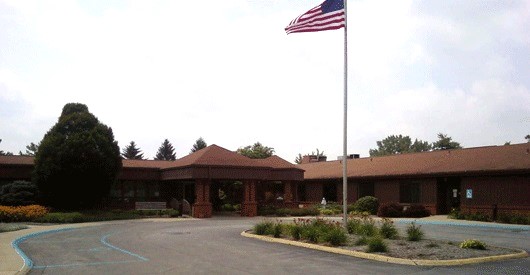
How is Cumberland Pointe Health Campus Staffed?

CMS rates CUMBERLAND POINTE HEALTH CAMPUS's staffing level at 3 out of 5 stars, which is average compared to other nursing homes. Staff turnover is 64%, which is 17 percentage points above the Indiana average of 46%. High turnover can affect care consistency as new staff learn residents' individual needs.

What Have Inspectors Found at Cumberland Pointe Health Campus?

State health inspectors documented 28 deficiencies at CUMBERLAND POINTE HEALTH CAMPUS during 2023 to 2025. These included: 1 that caused actual resident harm and 27 with potential for harm. Deficiencies causing actual harm indicate documented cases where residents experienced negative health consequences.

Who Owns and Operates Cumberland Pointe Health Campus?

CUMBERLAND POINTE HEALTH CAMPUS is owned by a non-profit organization. Non-profit facilities reinvest revenue into operations rather than distributing to shareholders. The facility is operated by TRILOGY HEALTH SERVICES, a chain that manages multiple nursing homes. With 71 certified beds and approximately 50 residents (about 70% occupancy), it is a smaller facility located in WEST LAFAYETTE, Indiana.
How Does Cumberland Pointe Health Campus Compare to Other Indiana Nursing Homes?

Compared to the 100 nursing homes in Indiana, CUMBERLAND POINTE HEALTH CAMPUS's overall rating (3 stars) is below the state average of 3.1, staff turnover (64%) is significantly higher than the state average of 46%, and health inspection rating (2 stars) is below the national benchmark.

What Should Families Ask When Visiting Cumberland Pointe Health Campus?

Based on this facility's data, families visiting should ask: "How do you ensure continuity of care given staff turnover, and what is your staff retention strategy?" "Can I visit during a mealtime to observe dining assistance and food quality?" "How do you handle medical emergencies, and what is your hospital transfer rate?" "Can I speak with family members of current residents about their experience?" These questions are particularly relevant given the facility's high staff turnover rate.

Is Cumberland Pointe Health Campus Safe?

Based on CMS inspection data, CUMBERLAND POINTE HEALTH CAMPUS has a clean safety record: no substantiated abuse findings (meaning no confirmed cases of resident harm), no Immediate Jeopardy citations (the most serious violation level indicating risk of serious injury or death), and is not on the Special Focus Facility watch list (a federal program monitoring the lowest-performing 1% of nursing homes). The facility has a 3-star overall rating and ranks #100 of 100 nursing homes in Indiana. While no facility is perfect, families should still ask about staff-to-resident ratios and recent inspection results during their visit.

Do Nurses at Cumberland Pointe Health Campus Stick Around?

Staff turnover at CUMBERLAND POINTE HEALTH CAMPUS is high. At 64%, the facility is 17 percentage points above the Indiana average of 46%. High turnover means new staff may not know residents' individual needs, medications, or preferences. It can also be disorienting for residents, especially those with dementia who rely on familiar faces. Families should ask: What is causing the turnover? What retention programs are in place? How do you ensure care continuity during staff transitions?

Was Cumberland Pointe Health Campus Ever Fined?

CUMBERLAND POINTE HEALTH CAMPUS has no federal fines on record. CMS issues fines when nursing homes fail to meet care standards or don't correct problems found during inspections. The absence of fines suggests the facility has either maintained compliance or corrected any issues before penalties were assessed. This is a positive indicator, though families should still review recent inspection reports for the full picture.

Is Cumberland Pointe Health Campus on Any Federal Watch List?

CUMBERLAND POINTE HEALTH CAMPUS is not on any federal watch list. The most significant is the Special Focus Facility (SFF) program, which identifies the bottom 1% of nursing homes nationally based on persistent, serious quality problems. Not being on this list means the facility has avoided the pattern of deficiencies that triggers enhanced federal oversight. This is a positive indicator, though families should still review the facility's inspection history directly.