INDIANA VETERANS HOME
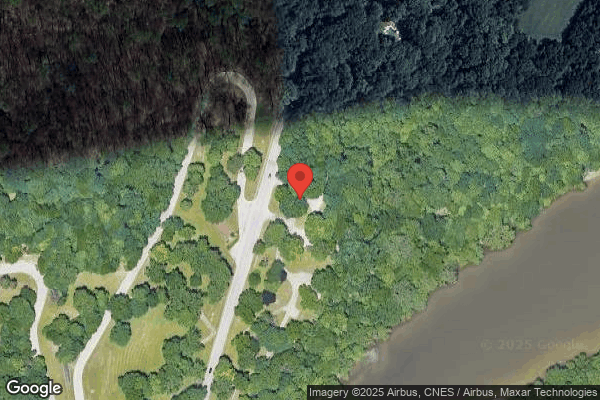
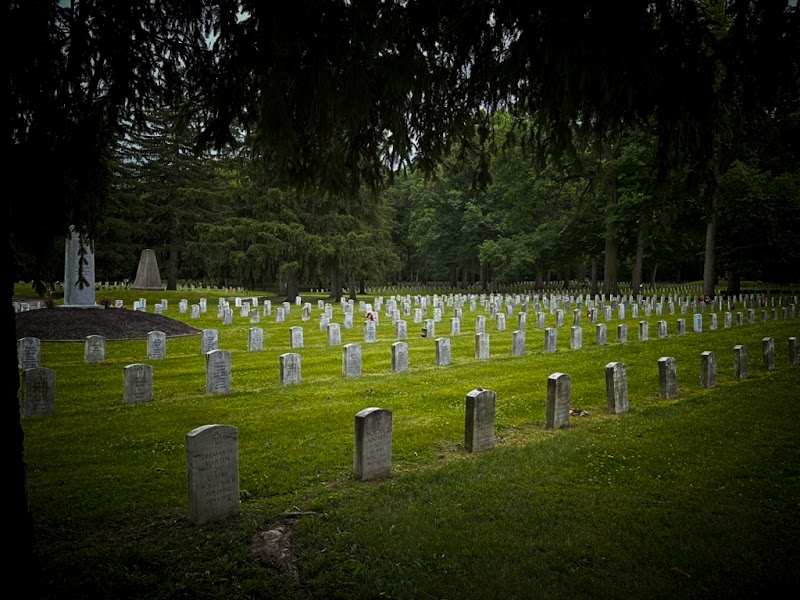
3851 N RIVER RD, WEST LAFAYETTE, IN 47906 (765) 463-1502
Government - State 212 Beds Independent Data: November 2025
Trust Grade
35/100
#357 of 505 in IN
Last Inspection: December 2024

Within standard 12-15 month inspection cycle. Federal law requires annual inspections.

Overview

The Indiana Veterans Home has received a Trust Grade of F, indicating significant concerns and a poor overall performance. It ranks #357 out of 505 facilities in Indiana, placing it in the bottom half of the state, and #10 out of 11 in Tippecanoe County, meaning only one local option is better. Although the facility has shown improvement over time, going from 5 issues in 2024 to 2 in 2025, it still reported serious incidents, including a resident sustaining a laceration during a transfer and another resident suffering a subdural hematoma after falling from a vehicle. The staffing rating is a relative strength at 4 out of 5 stars, although staff turnover is concerning at 58%, higher than the state average, which could affect continuity of care. On a positive note, the facility has not incurred any fines, suggesting compliance with regulations, but overall, families should weigh these strengths against the serious safety issues noted during inspections.

Trust Score
F
35/100
In Indiana
#357/505
Bottom 30%
Safety Record
Moderate
Needs review
Inspections
Getting Better
5 → 2 violations
Staff Stability
⚠ Watch
58% turnover. Above average. Higher turnover means staff may not know residents' routines.
Penalties
✓ Good
No fines on record. Clean compliance history, better than most Indiana facilities.
Skilled Nurses
✓ Good
Each resident gets 70 minutes of Registered Nurse (RN) attention daily — more than 97% of Indiana nursing homes. RNs are the most trained staff who catch health problems before they become serious.
Violations
⚠ Watch
28 deficiencies on record. Higher than average. Multiple issues found across inspections.
★★☆☆☆
2.0
Overall Rating
★★★★☆
4.0
Staff Levels
★★☆☆☆
2.0
Care Quality
★★☆☆☆
2.0
Inspection Score
Stable
2024: 5 issues
2025: 2 issues

The Good

  • 4-Star Staffing Rating · Above-average nurse staffing levels
  • Full Sprinkler Coverage · Fire safety systems throughout facility
  • No fines on record

Facility shows strength in staffing levels, fire safety.

The Bad

2-Star Overall Rating

Below Indiana average (3.1)

Below average - review inspection findings carefully

Staff Turnover: 58%

12pts above Indiana avg (46%)

Frequent staff changes - ask about care continuity

Staff turnover is elevated (58%)

10 points above Indiana average of 48%

The Ugly 28 deficiencies on record

2 actual harm
Jun 2025 1 deficiency 1 Harm
SERIOUS (G) 📢 Someone Reported This

A family member, employee, or ombudsman was alarmed enough to file a formal complaint

Actual Harm - a resident was hurt due to facility failures

Accident Prevention (Tag F0689)

A resident was harmed · This affected 1 resident

Based on observation, interview and record review, the facility failed to ensure a resident was kept safe during a transfer for 1 of 3 residents reviewed for accidents. (Resident B) This deficient pra...

Read full inspector narrative →
Based on observation, interview and record review, the facility failed to ensure a resident was kept safe during a transfer for 1 of 3 residents reviewed for accidents. (Resident B) This deficient practice resulted in Resident B sustaining a 3 cm laceration to his posterior scalp. The deficient practice was corrected on 6/13/25, prior to the start of the survey and was therefore past noncompliance. Findings include: A facility reported incident (FRI), dated 6/8/25, indicated Resident B had a change of plane from a Hoyer lift. Resident B received a 3 cm laceration to the posterior scalp, was sent to the emergency room (ER) for evaluation and returned with 3 staples to his posterior head. The clinical record for Resident B was reviewed on 6/18/25 at 1:10 p.m. The diagnoses included, but were not limited to, obsessive compulsive disorder, anemia, restlessness and agitation, and abnormal posture. A hospital report, dated 6/8/25, indicated the resident was seen for a scalp laceration and a closed head injury from a fall at a nursing home at 1:07 p.m. The wound was closed with 3 staples, and the resident was returned to the nursing home. A facility statement, dated 6/8/25, CNA 4 indicated the Hoyer swing was placed under the resident and hooked to the machine for the transfer. The Hoyer lift was turning the resident towards his chair, the swing was crooked, and the left corner of the lift went loose, and the resident went down on his left side. The resident hit his head on the floor. A facility statement, dated 6/8/25, CNA 5 indicated the resident was being transferred by herself and CNA 4 to his Broda chair. She and CNA 4 attached the Hoyer lift straps to the machine. She did not verify that all the straps were secure with CNA 4 before attempting to move the resident in the Hoyer lift. The strap on the resident's left side closest to his head fell off and therefore was not securely strapped. Resident B fell out of the lift with his feet in the air and his head on the ground. Resident B's head was bleeding. A nursing progress note, dated 6/9/25, indicated Resident B had a fall from a Hoyer transfer on 6/8/25. The strap on the resident's upper side became dislodged, the resident had a change of plane and struck the back of his head. A 3 cm laceration to the back of his head was noted and the resident was sent to the ER for evaluation and treatment. Resident B returned to the facility with 3 staples to the back of his head. The root cause for the fall was determined to be equipment malfunction. The lift was assessed for proper operability. The transfer process and safety were reviewed. During an observation, on 6/17/2025 at 1:44 p.m., Resident B was transferred from his bed to the Broda chair using the Hoyer lift. The machine did not have a malfunction. Resident B did not move during the transfer. QMA 6 and QMA 7 ensured the Hoyer sling was secured and rechecked prior to utilization of the equipment. During an interview, on 6/18/25 at 11:36 a.m., CNA 4 indicated she and CNA 5 secured the Hoyer straps to the Hoyer lift prior to the resident being transported from his bed to the Broda chair. During the resident transfer, one of the straps became unhooked and the resident fell to the floor. The resident hit his head and had a laceration. He was sent to the hospital. She indicated she did not know how or why the strap came off the hook on the Hoyer lift. During an interview, on 6/17/25 at 1:50 p.m., QMA 6 indicated the Hoyer machine did work. The 4 straps for the machine must be secured and rechecked prior to using the lift. If the straps were secured, the lift would not allow the resident to fall. Two staff members must assist with the transfer. During an interview, on 6/17/25 at 1:58 p.m., QMA 7 indicated the Hoyer machine did work. Two staff members must assist with the Hoyer lift transfer. The 4 straps for the machine must be secured and rechecked prior to using the machine for a lift. If the straps were secured, the lift would not allow the resident to fall. During an interview, on 6/17/25 at 4:10 p.m., the interim Director of Nursing (DON) indicated the Hoyer equipment was checked. The Hoyer sling had no cuts or tears, and the mechanical functioning of the equipment was not in disrepair and was not malfunctioning. An electronic total lift competency check list, not dated and received from the Superintendent on 6/18/25 at 2:15 p.m., indicated .Attaches straps to lift on first or second pair of hooks. 8. Ensures all straps are secure The deficient practice was corrected by 6/13/25 after the facility educated staff on transfers, return demonstrations were performed, skill check offs were competed for all staff who utilize the Hoyer lift for transfers. Audits were initiated and on-going. This citation relates to Complaint IN00461086. 3.1-45(a)(1) 3.1-45(a)(2)
Apr 2025 1 deficiency
CONCERN (D) 📢 Someone Reported This

A family member, employee, or ombudsman was alarmed enough to file a formal complaint

Potential for Harm - no one hurt, but risky conditions existed

Deficiency F0604 (Tag F0604)

Could have caused harm · This affected 1 resident

Based on interview and record review, the facility failed to ensure a resident with a diagnosis of dementia was free from a physical restraint used to inhibit freedom of movement for 1 of 2 residents ...

Read full inspector narrative →
Based on interview and record review, the facility failed to ensure a resident with a diagnosis of dementia was free from a physical restraint used to inhibit freedom of movement for 1 of 2 residents reviewed for restraints. (Resident B) The deficient practice was corrected on 3/31/25, prior to the start of the survey, and therefore was past noncompliance. Findings include: A facility reported incident (FRI) indicated, on 3/29/25 at 9:25 a.m., Resident B was found to have the foot of his bed elevated to prevent him from getting out of his bed during the night. Resident B was on a locked memory care unit. It was discovered Resident B's bed was elevated and a pillow was placed under his mattress. The night shift indicated the resident was restless and had attempted to get out of his bed multiple times during the shift. The clinical record for Resident B was reviewed on 4/11/25 at 10:30 a.m. The diagnoses included, but were not limited to, Parkinson's disease, dementia, major depressive disorder, and unsteadiness on feet. A Brief Interview for Mental Status (BIMS) assessment indicated the resident was severely cognitively impaired. A nursing progress note, dated 3/29/25, indicated Resident B was trying to get out of bed. A pillow had been placed under the edge of the mattress and the foot of his bed was significantly elevated upon entering the resident's room this morning. Shift-to-shift report indicated the resident had been restless and attempted to get out of his bed multiple times throughout the night shift. During a facility documented interview, on 3/29/25, LPN 10 indicated she was summoned to Resident B's room by CNA 11 and 12 at 8:30 a.m. Upon entering the resident's room, she observed a pillow had been placed under the edge of the resident's mattress and the bed frame which propped the center of the mattress up. The foot of his bed was elevated significantly. LPN 10 indicated during shift change report she was told the resident had made several attempts to get out of bed. During a facility documented interview, on 3/29/25, CNA 11 indicated she went into Resident B's room with another staff member, at 8:30 a.m., to get the resident up for his shower. When she pulled down his blanket, she noticed a pillow under his mattress and reported it to the nurse. During shift change report, it was indicated Resident B had tried to get up a lot during the night. The foot of the bed was also elevated quite a bit. During a facility documented interview, on 3/29/25, CNA 12 indicated she went with another staff member to transfer Resident B to his wheelchair. When his blankets were lifted, she noticed a pillow under the mattress and the foot of the bed was elevated. She indicated during shift change a comment had been made regarding the resident having made several attempts to get out of bed last night. During a facility documented interview, on 4/1/25, CNA 13 indicated she worked the evening shift, on 3/28/25. She did notice a pillow was placed at the foot of Resident B's bed as she assisted the resident to get up. She did not think anything about the situation at the time. During an interview, on 4/10/25 at 3:50 p.m., the Assistant Director of Nursing (ADON) 4 indicated he had interviewed staff regarding the incident with Resident B. The night shift staff reported that the resident was restless and had attempted to get out of bed multiple times during the night. The staff did not admit to elevating the resident's bed or placing a pillow under his mattress. He indicated those actions were considered a restraint and abuse. All staff members on the memory care unit received an in-service on abuse and the unit was monitored for restraints. During an interview, on 4/10/25 at 4:30 p.m., the Superintendent indicated the resident should not have had the foot of his bed elevated to prevent him from exiting his bed. The staff did not admit to elevating the resident's bed. The residents were being monitored for restraints and staff were in-serviced on abuse. A current facility policy, titled ABUSE; IDENTIFICATION, PREVENTION, AND REPORTING, dated as revised 4/1/24 and received from the Superintendent on 4/10/25 at 4:50 p.m., indicated .Abuse: the willful infliction of injury, unreasonable confinement intimidation or punishment .Involuntary Seclusion: Involuntary seclusion is defined as separation from other residents or from the resident's room or confinement to resident's room (with or without roommates) against the resident's will The deficient practice was corrected by 3/31/25, after the facility implemented a systemic plan which included a thorough investigation, an in-service of staff regarding abuse, a room sweep for restraints of residents and rooms, and on-going audits. This citation relates to Complaint IN00456532. 3.1-3(w)
Dec 2024 4 deficiencies
CONCERN (D)

Potential for Harm - no one hurt, but risky conditions existed

Quality of Care (Tag F0684)

Could have caused harm · This affected 1 resident

2. The clinical record for Resident 35 was reviewed on 12/5/24 at 2:55 p.m. The diagnoses included, but were not limited to, congestive heart failure, hypertension, and atrial fibrillation. a. A physi...

Read full inspector narrative →
2. The clinical record for Resident 35 was reviewed on 12/5/24 at 2:55 p.m. The diagnoses included, but were not limited to, congestive heart failure, hypertension, and atrial fibrillation. a. A physician's order indicated to give Digoxin (a medication used to treat heart failure) 125 mcg (microgram) and to hold the medication if the apical pulse was less than 60. A review of the MAR (Medication Administration Record) indicated Digoxin was administered when the apical pulse was below the hold parameters per the physician's order on the following dates: 1. On 4/21/24, with a heart rate of 59. 2. On 4/29/24, with a heart rate of 58. 3. On 5/14/24, with a heart rate of 56 b. A physician's order indicated to give Lisinopril (a medication used to treat high blood pressure) 2.5 mg (milligrams) and to hold the medication if the systolic blood pressure was less than 105. A review of the MAR indicated Lisinopril was administered when the systolic blood pressure was below the hold parameters per the physician's order on the following dates: 1. On 1/8/24, with a systolic blood pressure of 101. 2. On 1/16/24, with a systolic blood pressure of 102. 3. On 3/21/24, with a systolic blood pressure of 91. 4. On 4/20/24, with a systolic blood pressure of 99. 5. On 4/24/24, with a systolic blood pressure of 98. 6. On 6/20/24, with a systolic blood pressure of 97. 7. On 6/30/24, with a systolic blood pressure of 102. 8. On 7/3/24, with a systolic blood pressure of 94. 9. On 7/9/24, with a systolic blood pressure of 101. 10. On 7/27/24, with a systolic blood pressure of 81. 11. On 7/31/24, with a systolic blood pressure of 103. 12. On 10/25/24, with a systolic blood pressure of 100. 13. On 11/3/24, with a systolic blood pressure of 103. 14. On 11/14/24, with a systolic blood pressure of 104. During an interview, on 12/9/24 at 10:39 a.m., LPN 2 indicated medications would be held if the resident's vital signs were below the physician ordered hold parameters. During an interview, on 12/9/24 at 9:51 a.m., the DON (Director of Nursing) indicated a medication should not be given below a physician's hold parameter. The medications were administered below the hold parameters on the dates listed above. During an interview, on 12/9/24 at 10:36 a.m., the DON indicated the facility did not have a policy about following physician's orders. 3. The clinical record for Resident 108 was reviewed on 12/4/24 at 12:12 p.m. The diagnoses included, but were not limited to, dementia, chronic kidney disease stage 2, type 2 diabetes mellitus with hypoglycemia without coma and hyperglycemia, anxiety disorder, Alzheimer's disease, depression, irritability, and anger. A physician's order, dated 5/28/24, indicated special instructions were if the blood sugar reading was greater than 340 to give Novolog U-100 insulin 12 units and call the MD. The electronic medical record indicated the following blood sugars were elevated and the physician needed notified: On 10/17/24 at 11:32 a.m., the blood sugar reading was 350. On 10/18/24 at 3:37 p.m., the blood sugar reading was 362. The clinical record did not include any documentation of physician notifications for the blood sugars greater than 340 on 10/17/24 or 10/18/24. During an interview, on 12/5/24 at 3:32 p.m., the Dementia Care Director 3 indicated he could not find any documentation the physician was notified of the elevated blood sugar readings on the dates of 10/17/24 or 10/18/24. During an interview, on 12/9/24 at 1:44 p.m., LPN 7 indicated the nurse should notify the nurse practitioner for any blood sugar which was above or below the the ordered parameters if it occurred during normal daytime hours. They would call the telemedicine physician if it was during off hours, weekends, or a holiday. The nurse should document the call and the physician's response in the electronic medical record. A current facility policy, titled Physician Contact, dated as reviewed on 9/2023 and received from the Administrator on 12/9/24 at 10:15 a.m., indicated .The following symptoms/signs .that require immediate notification are .blood sugars .that are outside or exceed the specific call orders for care A current facility policy, titled Liberalized Medication Pass, and received from the Director of Nursing on 12/9/24 at 10:15 a.m., indicated .The policy of this facility is to administer medications in a safe manner 3.1-37(a) Based on observation, interview and record review, the facility failed to ensure the physician was notified when blood sugar readings were in the call parameter range and to hold medications per the physician ordered parameters for 3 of 3 residents reviewed for quality of care. (Resident 93, 35 and 108) Findings include: 1. The clinical record for Resident 93 was reviewed on 12/4/24 at 9:43 a.m. The diagnoses included, but were not limited to, diabetes mellitus, atrophy of the kidney, and hypothyroidism. A current care plan, with a start date of 8/1/24, indicated the resident was at risk of complications related to diabetes and to notify the physician or Nurse Practitioner (NP) as needed. A physician's order, with a start date of 10/2/24, indicated to check blood sugars in the morning and at night and to call the physician if the blood sugar was below 60 or above 350. The electronic medical record indicated, on 10/7/24, the morning blood sugar was 57. A progress note, dated 10/7/24 at 6:08 a.m., indicated the blood sugar this morning was 57. The resident was given chocolate milk and a Nutri grain bar. When the resident was rechecked the blood sugar was 67 and the resident was working on another chocolate milk. There was no documentation to indicate the physician was notified of the low blood sugar reading. During an interview, on 12/5/24 at 3:30 p.m., Nursing Supervisor 4 indicated she could not find the low blood sugar notification in the chart. There should be an event opened when they notify the physician of an out-of-range blood sugar. During an interview, on 12/5/24 at 3:33 p.m., Dementia Care Director 3 indicated the low blood sugar notification was not in the resident's chart. During an interview, on 12/9/24 at 10:16 a.m., the Director of Nursing (DON) indicated they did not have a policy for following physician's orders.
CONCERN (D) 📢 Someone Reported This

A family member, employee, or ombudsman was alarmed enough to file a formal complaint

Potential for Harm - no one hurt, but risky conditions existed

Accident Prevention (Tag F0689)

Could have caused harm · This affected 1 resident

Based on observation, interview and record review, the facility failed to ensure staff did not leave a resident unsupervised in a multi-sensory room for longer than 30 minutes per the facility policy,...

Read full inspector narrative →
Based on observation, interview and record review, the facility failed to ensure staff did not leave a resident unsupervised in a multi-sensory room for longer than 30 minutes per the facility policy, to ensure the resident had a call light or a way to summon staff while in the multi-sensory room, and failed to ensure staff did not leave the resident lying on a fall mat on the floor for an extended period of time for 1 of 6 residents reviewed for supervision. (Resident J) Finding includes: The clinical record for Resident J was reviewed on 12/5/24 at 11:32 a.m. The diagnoses included, but were not limited to, type 2 diabetes mellitus with diabetic neuropathy, violent behavior, primary insomnia, Alzheimer's disease, anxiety disorder, malignant neoplasm of prostate, frequency of micturition, history of falling, pain, and dementia with psychotic disturbance, mood disturbance, anxiety, and agitation. A significant change Minimum Data Set (MDS) assessment, dated 10/21/24, indicated the resident required moderate assistance to move from lying to sitting on the side of his bed, to come to a standing position from sitting in a chair, and to transfer from his wheelchair to bed. 1a. During an observation, on 12/3/24 at 11:01 a.m., the Snoezelin Room door was locked and only accessible by a staff member key. The window on the door was covered and the room inside could not be viewed. The blinds on the side window next to the door were open. The rough outline of the bean bag chair could be seen when placing your face right up against the window. The white blanket could be seen with the blue light on. Other items in the room could not be viewed. No sounds could be heard from outside of the room. Once the door was opened, the sound machine which had been playing could easily be heard. The room was dim and lit with only the blue light. Large objects could be seen but smaller items were still difficult to view. There was a messaging recliner in the room which could not be seen from the window. No call light could be seen. A comprehensive care plan, with a start date of 7/23/24, indicated the resident was to be offered the opportunity to spend time in the sensory room in the bean bag chair. A comprehensive care plan, with a start date of 9/4/24, indicated to assist the resident to the Snoezelen room as needed for calming and redirection. A comprehensive care plan, with a start date of 10/21/24, indicated the resident was to be monitored while in the sensory room by a staff member. A 15-minute checks document, dated 11/11/24, indicated the resident was in the Snoezelin room from 2:30 p.m. until 5:30 p.m. A 15-minute checks document, dated 11/12/24, indicated the resident was in the Snoezelin room from 12:15 p.m. until 4:30 p.m. A 15-minute checks document, dated 11/14/24, indicated the resident was in the Snoezelin room from 1:15 p.m. until 4:30 p.m. A 15-minute checks document, dated 11/15/24, indicated the resident was not in the Snoezelin room at all the entire day. However, a nursing progress note at 1:18 p.m. indicated the resident was taken to the Snoezelin room where he attempted to hit the staff and stayed in the room for a short time. A 15-minute checks document, dated 11/22/24, indicated the resident was in the Snoezelin room from 2:15 p.m. until 9:30 p.m. However, a nursing progress note indicated the resident was sleeping in the Snoezelin room at the beginning of the midnight shift until the nurse woke the resident up at about 11:00 p.m., to administer his bedtime medications. Then, the resident was taken to his room. A 15-minute checks document, dated 11/23/24, indicated the resident was in the Snoezelin room from 12:45 p.m. until 4:00 p.m. A 15-minute checks document, dated 11/30/24, indicated the resident was in the Snoezelin room from 2:15 p.m. until 5:00 p.m. A nursing progress note, at 6:47 p.m., indicated the resident opted to relax in the Snoezelin room. During an interview, on 12/3/24 at 11:01 a.m., CNA 8 indicated the facility did not like doors to be propped open, so the door was shut when a resident was in the Snoezelin room. It was difficult to hear sounds inside the room when the door was shut, and you were outside of the room. She tried to stay in the room with the resident when she could but not everyone stayed in the room and sometimes, they were busy and could not stay the entire time. There was no call light in the room. She indicated it was hard to hear when you were out in the hallway, but you could look in the window to check on things. She did not think the resident could get out of the bean bag chair on his own. During an interview, on 12/3/24 at 4:24 p.m., CNA 9 indicated Resident J was on every 15-minute checks which were recorded on papers in a binder at the nurse's station. When the resident was in the Snoezelin room, the staff took turns staying in or near the room as much as they could and recorded his location on the paper in the binder. During an interview, on 12/6/24 at 11:22 a.m., CNA 10 indicated Resident J was currently the only resident which used the Snoezelin room, and he was on every 15-minute checks. There was no call light, but staff could look in through the observation window to check on him. They tried to leave him alone if he was sleeping and not fidgeting. She did not stay with the resident. Sometimes, he slept in there during the day for a few hours. She did not think he could get out of the bean bag chair on his own. During an interview, on 12/9/24 at 1:38 p.m., QMA 6 indicated the staff had supervised Resident J more closely the first few times the resident was in the room by propping the door open for the 15-minute checks, but now someone was just checking on him by looking through the window as they walked by the room for the 15-minute checks. She did not think he could get out of the bean bag chair on his own. During an interview, on 12/9/24 at 1:52 p.m., the Dementia Care Director 3 indicated the term supervision meant watching and being present with a resident. During an interview, on 12/9/24 at 2:44 p.m., the Administrator indicated the staff were not following the current policy for the Snoezelin room or the care plan for the resident. There was not a call light, but there was a bell in the Snoezelin room. During all interviews with the nursing staff who provided care to the resident, no staff member indicated there was a bell or any way for the resident to call for staff while he was in the Snoezelin room. Every staff member indicated the resident did not have a means to call for help other than when the staff checked on him. A current facility policy, titled Multi-Sensory Room, dated as revised on 2/2018 and received from the Administrator on 12/6/24 at 1:45 p.m., indicated .The Multi-Sensory Room (MSR) (also referred to as a Snoezelen room) is a therapeutic environment created for the express purpose of delivering high levels of stimuli to patients in the memory care units .Residents must be supervised when visiting the MSR .the resident's time in the MSR should be limited to thirty (30) minutes 1b. During an observation, on 12/3/24 at 2:05 p.m., Resident J's room had a regular mattress on a low bed frame with a large red mat on the floor right next to the bed. A comprehensive care plan, with a start date of 7/23/24, indicated the resident was at risk for falls. The interventions included, but were not limited to, 8/23/24, resident was to have a raised edge mattress. Resident J's bed was observed to have a regular mattress and not a raised edge mattress. A comprehensive care plan, with a start date of 10/21/24, indicated the resident had a history of aggressive behaviors and would slide himself out of his Broda chair. He had a large red mat at his bedside. The interventions included, but were not limited to, 10/21/24, ensure the resident was checked on frequently while having mat time and to offer to get him up when checking on him. The care plan did not clarify what mat time meant or if the resident was too be left to sleep on the red fall mat beside his bed for long periods. A 15-minute checks document, dated 11/11/24, indicated the resident was lying on the red mat from 12:15 a.m. until 4:45 a.m. The documentation indicated the resident had been on the mat since 8:00 p.m. A nursing progress note, dated 11/12/24 at 2:13 a.m., indicated the resident had napped in his chair periodically at the beginning of the shift before bedtime. He attempted to slide out of the chair at different times. The resident was taken to bed per his usual bedtime, slept briefly, tried to get out of bed, and yelled for help as usual. A 15-minute checks document, dated 11/12/24, indicated the resident was on the red mat from 9:45 p.m. until 12:00 a.m. According to the 15-minute checks document, dated 11/13/24, the resident remained on the mat until 3:45 a.m. A 15-minute checks document, dated 12/3/24, indicated the resident was on the red fall mat next to his bed from 12:15 a.m. until 6:45 a.m. and again from 9:15 p.m. until 12:00 a.m. A nursing progress note, dated 12/3/24 at 3:08 a.m., indicated the resident had been restless and calling out to staff for most of the night. After making several attempts to get out of bed by himself, he rolled onto the mat and kept attempting to pull himself under the low bed frame. A 15-minute checks document, dated 12/4/24, indicated the resident was on the red fall mat from 12:15 a.m. until 6:00 a.m. A nursing progress note, dated 12/4/24 at 3:56 a.m., indicated the resident slept on and off through the night and had been cooperative with care. The progress note did not include the reason the resident was on the mat instead of in the bed from 9:15 p.m. on 12/3/24 until 6:00 a.m. on 12/4/24. During an interview on 12/6/24 at 11:22 a.m., CNA 10 indicated the staff tried to leave Resident J alone if he was sleeping and not fidgeting. During an interview, on 12/9/24 at 2:44 p.m., the Administrator indicated the resident should not be sleeping long hours on the fall mat on his floor instead of his pressure relieving mattress. A current facility policy, titled Fall Prevention and Investigation, dated as last revied 12/2021 and provided by the Administrator on 12/9/24 and 2:57 p.m., indicated .unless there is evidence suggesting otherwise, when a resident is found on the floor, a fall is considered to have occurred A current facility policy, titled Resident Rights, not dated and provided by the Administrator on 12/9/24 and 2:57 p.m., indicated .The resident has a right to a dignified existence .facility must protect and promote the rights of each resident .facility must care for its residents in a manner and in an environment that maintains or enhances each resident's dignity and respect in full recognition of his/her individuality This citation relates to Complaint IN00448381. 3.1-45(a)(2)
CONCERN (D)

Potential for Harm - no one hurt, but risky conditions existed

Respiratory Care (Tag F0695)

Could have caused harm · This affected 1 resident

Based on observation, interview and record review, the facility failed to ensure the correct amount of oxygen was administered to 1 of 2 residents reviewed for respiratory care. (Resident 64) Finding ...

Read full inspector narrative →
Based on observation, interview and record review, the facility failed to ensure the correct amount of oxygen was administered to 1 of 2 residents reviewed for respiratory care. (Resident 64) Finding includes: During an observation, on 12/2/24 at 12:35 p.m., Resident 64 was sitting at a table in the common area in his reclining wheelchair. He was wearing oxygen administered via a portable oxygen tank hanging on the back of his wheelchair at a rate of 3 liters per minute (L). During an observation, on 12/3/24 at 4:19 p.m., the resident was sitting in his wheelchair with the portable oxygen tank turned off and hanging on the back of his wheelchair. There was no oxygen tubing present. The resident was not receiving any supplemental oxygen. During an observation, on 12/4/24 at 11:53 a.m., the resident was coloring with the staff in the common area with the portable oxygen tank on the back of his wheelchair delivering oxygen at 1.5 liters per minute. At 12:05 p.m., CNA 8 pushed Resident 64 in his wheelchair to another table for lunch with the portable tank hanging on the back of the wheelchair still set at 1.5 liters per minute. The clinical record for Resident 64 was reviewed on 12/4/24 at 1:11 p.m. The diagnoses included, but were not limited to, cardiac arrhythmia (problem with the heart's rhythm or rate), essential primary hypertension, pain, anoxic brain damage, dementia, anemia, mood disorder with depressive features, other seizures, and psychotic disorder with delusions. A physician's order, dated 6/14/24, indicated to administer oxygen at 2 liters per minute during the day. A current care plan, dated as last reviewed on 11/27/24, included a problem of being at risk for shortness of breath, dyspnea (difficulty breathing), and respiratory distress related to a disorder of the diaphragm. An approach, with a start date of 9/3/24, indicated to administer oxygen as ordered. A recent Minimum Data Set (MDS) quarterly assessment, dated 9/2/24, indicated the resident received supplemental oxygen with shortness of breath or trouble breathing with exertion, at rest, and when lying flat. During an interview, on 12/4/24 at 12:42 p.m., LPN 11 indicated the portable tank was delivering 1.5 liters per minute of oxygen and the resident should be on 2 liters per minute. LPN 11 turned the portable tank dial to deliver 2 liters per minute of oxygen to the resident. A current policy, titled Oxygen Therapy, with no review date and received from the Administrator on 12/5/24 at 12:30 p.m., indicated .Physician's order is necessary for the administration of oxygen .set flow rate as ordered by the physician 3.1-47(a)(6)
CONCERN (D)

Potential for Harm - no one hurt, but risky conditions existed

Infection Control (Tag F0880)

Could have caused harm · This affected 1 resident

Based on observation, interview and record review, the facility failed to wear PPE (personal protective equipment) into an enhanced barrier precaution (EBP) room for 1 of 4 residents reviewed for tran...

Read full inspector narrative →
Based on observation, interview and record review, the facility failed to wear PPE (personal protective equipment) into an enhanced barrier precaution (EBP) room for 1 of 4 residents reviewed for transmission-based precautions. (Resident 39) Finding includes: During an observation, on 12/4/24 at 2:04 p.m., Register Nurse (RN) 13 entered Resident 39's room to administer medication. The resident had a gastrostomy tube (a tube surgically inserted into the stomach to provide medication and nutrition) and was in isolation for enhanced barrier precautions. RN 13 did not put on an isolation gown to give the medication via gastrostomy tube. The clinical record for Resident 39 was reviewed on 12/4/24 at 11:28 a.m. The diagnoses included, but were not limited to, Huntington's disease (a disorder which damages brain cells), dysphagia (difficulty swallowing) and abnormal weight loss. A physician's order, dated 12/1/24, indicated the resident was in Enhanced Barrier Precautions. During an interview, on 12/4/24 at 2:39 p.m., RN 13 indicated the resident was not in isolation. The nurse then read the sign on the resident's door and indicated she should have worn a gown. During an interview, on 12/4/24 at 2:40 p.m., the Nursing Supervisor 12 indicated when a resident was in EBP the staff were supposed to a wear a gown and gloves. They needed to wear both when giving gastrostomy tube medications. A current facility policy, titled Enhanced Barrier Precaution, dated 6/24 and provided by the Assistant Director of Nursing (ADON) on 12/6/24 at 3:00 p.m., indicated .Enhanced Barrier Precautions: All residents with any of the following: Wounds .feeding tube, regardless of MDRO colonization status .Required PPE .Gloves and gown prior to the high contact care activity 3.1-18(b) 3.1-18(l)
Feb 2024 1 deficiency
CONCERN (D) 📢 Someone Reported This

A family member, employee, or ombudsman was alarmed enough to file a formal complaint

Potential for Harm - no one hurt, but risky conditions existed

Deficiency F0604 (Tag F0604)

Could have caused harm · This affected 1 resident

Based on observation, interview and record review, the facility failed to ensure a moderately impaired resident was free from restraints for 1 of 6 residents reviewed for abuse. (Resident B) Finding i...

Read full inspector narrative →
Based on observation, interview and record review, the facility failed to ensure a moderately impaired resident was free from restraints for 1 of 6 residents reviewed for abuse. (Resident B) Finding includes: An incident report sent to the Indiana Department of Health indicated, on 1/26/24, Resident B was found during morning rounds to have the foot of his recliner elevated with a dining room chair to prevent him from lowering the legs of his recliner during the night. It was reported CNA 9 had elevated the resident's recliner legs during the night to prevent the resident from lowering his legs. Resident B was allowed out of his recliner after discovery and was monitored for any signs and symptoms of distress. The clinical record for Resident B was reviewed on 2/12/24 at 12:15 p.m. Diagnoses included, but were not limited to, hypertensive heart disease, major depressive disorder, dementia, osteoporosis, and hyperlipidemia. The resident had a BIMS (Brief Interview for Mental Status) score of 10 which indicated the resident's cognition was moderately impaired. A nursing note, dated 1/26/24 at 3:34 p.m., indicated CNA 8 reported to Assistant Director of Nursing (ADON) 10 when she was making her rounds with CNA 9, a chair was noted to be under the foot of the recliner for Resident B. She indicated she asked CNA 9 if the resident had requested the chair and leg elevation. CNA 9 indicated the resident kept putting his feet down while he was in the chair. CNA 9 indicated Resident B had swelling in his legs and feet and he needed his chair legs elevated. CNA 9 indicated she did not know if it was a restraint, but she did it to keep his feet elevated. A facility conducted interview, on 1/26/24, noted CNA 8 indicated she observed during her morning rounds with CNA 9 Resident B had a dining room chair under the foot area of his resident recliner. CNA 9 indicated the resident needed his legs elevated when he was in his recliner and the resident did not keep his legs elevated. CNA 9 indicated she did not know if it was a restraint, but it did keep the resident's feet elevated. CNA 8 told CNA 9 it was a restraint, and she removed the chair. CNA 8 reported the incident. A nursing progress note, dated 1/30/24, indicated the resident was interviewed. He indicated he did not use a chair to elevate his feet when he was in the recliner. He demonstrated he could lower his recliner footrest without a chair underneath. The resident could not move a chair and put it in place to elevate the recliner. The resident did not show any distress when the chair placement and incident, on 1/26/24, was discussed. A facility conducted interview, on 2/2/24, noted CNA 9 indicated when she came to work, on 1/25/2024, the chair was under the footrest of the resident's recliner. She told the resident it was not safe to have the chair in that position and she removed the chair. She reported during the shift, she saw the resident place the chair under his recliner. She told the resident it was not safe, and the resident told her to go away. She told the supervisor the resident had a chair under his footrest, and it was an unsafe situation with the chair placement. CNA 9 indicated she did not know the supervisor's name. During an interview, on 2/9/24 at 1:45 p.m., CNA 8 indicated she observed during her morning rounds on 1/26/24 with CNA 9, Resident B had a dining room chair under the footrest of his recliner. CNA 9 indicated the resident needed his legs elevated when he was in his recliner, and he did not keep his feet up while sitting in his chair. She indicated he had edema in his feet. She asked CNA 9 if she knew the chair was a restraint. CNA 9 said she did not know. She told CNA 9 it was a restraint, and she removed the chair. She assisted the resident to lower his footrest and reported the incident to her supervisor. During an interview, on 2/9/24 at 1:50 p.m., ADON 5 indicated she was aware of the situation with CNA 9. The staff member was sent home while the investigation was ongoing. The resident could not have moved the chair by himself or placed it under the footrest of his recliner. The resident needed stand by assist to self-transfer, walked with a shuffling gait, and he needed an assist of one staff for support and transfer. She indicated the chair placement was considered a restraint. During an interview, on 2/9/24 at 1:54 p.m., RN 6 indicated Resident B was not able to lift one of the dining room chairs, place the object under his recliner, and then climb into the recliner. The resident had mobility and cognitive issues. The chair placement was considered a restraint. During an interview, on 2/9/24 at 1:58 p.m., the Director of Nursing (DON) indicated Resident B had a care plan for dementia and cognitive loss, for walker utilization for mobility and a wheelchair for long distance, and for falls. She indicated CNA 9 was an agency staff member and she was asked not to return to the facility for employment after the investigation of the incident was completed. Resident B was not able to place the dining room chair under his recliner footrest and then climb into his recliner. The chair placement was considered a restraint. During an interview, on 2/9/24 at 1:22 p.m., Resident B indicated he did not need a chair to elevate his feet while in his recliner. He demonstrated he could elevate the footrest of the recliner. There was no dining room chair in his room. The resident did not want to discuss the incident when a chair was used to keep his footrest elevated. The resident was observed to be unsteady in his gait and his ability to move without assistance from a staff member. The resident had difficulty with speech and cognition when answering questions. A current facility policy, titled ABUSE; IDENTIFICATION, PREVENTION, AND REPORTING, dated as revised 5/7/20 and received from the DON on 2/9/2024 at 4:50 p.m., indicated .Abuse: the willful infliction of injury, unreasonable confinement intimidation or punishment .Involuntary Seclusion/ abandonment: Action or inaction that leaves the resident without ability to obtain food, clothing, shelter or care .or confinement to his/her room against the resident's will This citation relates to Complaint IN00427195. 3.1-3(w)
Oct 2023 9 deficiencies 1 Harm
SERIOUS (G) 📢 Someone Reported This

A family member, employee, or ombudsman was alarmed enough to file a formal complaint

Actual Harm - a resident was hurt due to facility failures

Accident Prevention (Tag F0689)

A resident was harmed · This affected 1 resident

**NOTE- TERMS IN BRACKETS HAVE BEEN EDITED TO PROTECT CONFIDENTIALITY** Based on interview and record review, the facility failed to ensure a resident in a wheelchair was assisted to get off the facil...

Read full inspector narrative →
**NOTE- TERMS IN BRACKETS HAVE BEEN EDITED TO PROTECT CONFIDENTIALITY** Based on interview and record review, the facility failed to ensure a resident in a wheelchair was assisted to get off the facility vehicle safely for 1 of 5 residents reviewed for falls. (Resident O) Resident O sustained a subdural hematoma and was hospitalized for 2 days. The deficient practice was corrected on 8/27/23, prior to the start of the survey and was therefore past noncompliance. Findings include: A Facility Reported Incident (FRI), dated 8/25/23 at 8:33 a.m., indicated Facility Driver 7 reported an accident while he was transporting Resident O. The driver was getting Resident O off the van at the hospital when he lost control of the resident's wheelchair while moving it toward the back of the van. The lift was down, and the resident fell backwards off the van and hit his head. Driver 7 fell on top of the resident. The facility had maintenance assess the van and lift, reviewed their transportation policies, and provided education and skills checks to staff. The follow up included the resident had a subdural hematoma and was admitted to the hospital. All staff received education on proper procedures for transferring residents on and off the facility buses. Driver 7 was no longer employed by the facility. During an interview, on 10/20/23 at 11:30 a.m., Resident O indicated he fell out of the back of the facility van during a trip to a doctor's appointment. He spent three days in the hospital for a brain bleed. The facility terminated the staff who was driving the van. The staff did not raise the lift in the back. He thought the staff lost his balance, grabbed the resident to hold onto, fell, and pulled them both off the van. The record for Resident O was reviewed on 10/23/23 at 4:34 p.m. Diagnoses included, but were not limited to, type 2 diabetes mellitus, acquired absence of the right leg below the knee, age related nuclear bilateral cataracts, difficulty in walking, generalized anxiety disorder, and major depressive disorder. A witness statement by Driver 7, dated 8/25/23, indicated Driver 7 lost control of Resident 0's wheelchair while removing him from the bus. The wheelchair lift had not been raised and both the resident and Driver 7 fell off the bus. A hospital Discharge summary, dated [DATE], indicated the resident presented to the hospital for trauma care after sustaining a fall from a vehicle. He fell backwards in a wheelchair and hit the back of his head. He sustained a subdural hematoma. A Passenger Transportation Safety In-Service, not dated and received from the Superintendent on 10/23/23 at 4:15 p.m., indicated .Off-loading your Passenger .Make sure that the vehicle is in the parked position .Make sure that the parking brake is engaged .Make sure the passenger restraints are still fastened prior to checking the lift for proper usage .Make sure the lift is in the up position During an interview, on 10/24/23 at 3:08 p.m., the Superintendent indicated she received a phone call, on 8/25/23 at 8:33 a.m., from Driver 7. Driver 7 reported he was trying to get Resident O to the back of the bus, lost control of the resident's wheelchair, and fell off the back of the bus. The wheelchair ramp/lift was on the ground. When getting a resident off the bus, the lift/ramp should be in the up position. The Driver 7 did not have the lift in the up position prior to moving the resident. Resident O was in a regular wheelchair and Driver 7 lost control of the wheelchair, fell back, and tried to catch the resident and the wheelchair. Both Driver 7 and Resident O fell out of the bus onto the ground. The resident was admitted to the hospital for a subdural hematoma and right shoulder pain. A current policy, titled Transportation Drivers' Safety, indicated .safety precautions regarding residents should be always followed . residents must be securely fastened in the vans .safety precautions should be followed for pushing wheelchairs, the residents should be forward facing at all times .in the event of an accident the driver should first make sure the residents are safe The deficient practice was corrected by 8/27/23 after the facility terminated Driver 7, maintenance assessed the van and lift, the facility reviewed their transportation policies, and all staff received education on proper procedures for transferring residents on and off the facility buses. 3.1-45(a)(1)
CONCERN (D)

Potential for Harm - no one hurt, but risky conditions existed

Resident Rights (Tag F0550)

Could have caused harm · This affected 1 resident

**NOTE- TERMS IN BRACKETS HAVE BEEN EDITED TO PROTECT CONFIDENTIALITY** Based on observation, interview and record review, the facility failed to ensure a resident had a door to the bathroom in his ro...

Read full inspector narrative →
**NOTE- TERMS IN BRACKETS HAVE BEEN EDITED TO PROTECT CONFIDENTIALITY** Based on observation, interview and record review, the facility failed to ensure a resident had a door to the bathroom in his room for 1 of 1 resident reviewed for dignity. (Resident J) Finding includes: During an observation, on 10/19/23 at 2:54 p.m., Resident J did not have a door for the bathroom in his room. The sink and toilet were visible when entering the resident's room. The record for Resident J was reviewed on 10/23/23 at 2:08 p.m. Diagnoses included, but were not limited to, dementia with mood disturbance, restlessness and agitation, type 2 diabetes mellitus, and history of a traumatic brain injury. During an interview, on 10/23/23 at 2:31 p.m., Social Services 9 indicated she did not know the reason the resident did not have a door to his bathroom. During an interview, on 10/23/23 at 2:52 p.m., CNA 8 indicated the resident was getting a sliding door for his bathroom. She thought the door might have been taken off since the resident would slam the door at times. During an observation and interview, on 10/23/23 at 3:03 p.m., CNA 8 observed Resident J's bathroom and indicated she did not know the reason he did not have a door for his bathroom. The other residents' rooms had sliding doors for the bathroom. During an interview, on 10/23/23 at 3:44 p.m., Social Services 10 indicated the door for Resident J's bathroom was in the process of being replaced. She did not know the reason there was no bathroom door. During an interview, on 10/23/23 at 4:07 p.m., Social Services 10 indicated she checked with the facility Superintendent and no one knew what happened to the previous bathroom door for Resident J. A current policy, titled Indiana Veteran's Home Resident Rights, dated April 1, 2006 and received from the Superintendent at entrance, indicated .The resident has a right to a dignified existence, self-determination, and communication with access to persons and services inside and outside the facility, including those specified in this section. The facility [NAME] provide equal access to quality care regardless of diagnosis, severity, condition, or payment source. A facility must protect and promote the rights of each resident .The resident has the right to personal privacy .Personal privacy includes accommodations 3.1-3(p)(1) 3.1-3(t)
CONCERN (D) 📢 Someone Reported This

A family member, employee, or ombudsman was alarmed enough to file a formal complaint

Potential for Harm - no one hurt, but risky conditions existed

Free from Abuse/Neglect (Tag F0600)

Could have caused harm · This affected 1 resident

**NOTE- TERMS IN BRACKETS HAVE BEEN EDITED TO PROTECT CONFIDENTIALITY** Based on interview and record review, the facility failed to ensure a cognitively impaired resident who received hospice service...

Read full inspector narrative →
**NOTE- TERMS IN BRACKETS HAVE BEEN EDITED TO PROTECT CONFIDENTIALITY** Based on interview and record review, the facility failed to ensure a cognitively impaired resident who received hospice services was free from abuse for 1 of 3 residents reviewed for abuse. (Resident B) Finding includes: The record for Resident B was reviewed on 10/23/23 at 11:27 a.m. Diagnoses included, but were not limited to, encounter for palliative care, pain of the left hip, dementia with anxiety, hearing loss, and cognitive communication deficit. A physician's order, dated 7/14/23, indicated to discontinue weights and labs due to hospice and end stage dementia. A care plan, dated 7/12/23, indicated the resident was receiving hospice services due to Alzheimer's disease. The goal was for the resident to be kept comfortable, to have her pain managed throughout the progression of the disease, and to have psychosocial support through the end-of-life care. A facility reported incident (FRI), dated 8/8/23, indicated an incident occurred at 7:34 a.m., when QMA 2 was observed to pull Resident B's face towards her to administer medication when the resident was being resistive to taking the medications. An investigation was initiated. A statement of witness dated 8/8/23 at 7:15 a.m., from QMA 2 indicated she was attempting to give Resident B her morning medications. The resident was hard of hearing, was distracted, and looking away. QMA 2 touched/gently tapped the resident's arm and then touched her face to get her attention. A statement of witness dated 8/8/23 at 7:35 a.m., from CNA 3 indicated she witnessed QMA 2 talk in an aggressive manner towards Resident B. QMA 2 was repeating look at me then pushed the resident's food away from her and said Jesus Christ. Then QMA 2 grabbed the resident's face and pulled it towards her to give the resident the medications. A statement of witness dated 8/8/23 at 7:38 a.m., from LPN 4 indicated CNA 3 told her QMA 2 was attempting to administer medications to Resident B who was seated at a dining room table for breakfast. QMA 2 verbally prompted the resident several times without success since the resident was preoccupied with her meal and fidgeting with her napkin. QMA 2 then pushed the resident's food and other items away from her and continued to attempt to administer the medications. QMA 2 then grabbed the resident's chin to turn the resident's face towards her and administered the medication. A statement of witness dated 8/8/23 at 7:35 a.m., from CNA 5 indicated during breakfast QMA 2 approached Resident B with her medications and asked the resident several times to open her mouth. The resident seemed to be zoned out. QMA 2 stated for the resident to look at her. Then she grabbed the resident's face and the resident groaned. QMA 2 gave the resident her medication and stated, if I wait until after she is done eating, she will be too full to take her medicine. A statement of witness dated 8/8/23 at 7:30 a.m., from Staff 6 indicated on the morning of 8/8/23, the residents were in the dining room having breakfast. Resident B was eating her breakfast and QMA 2 came in the room to give the resident her medication. The resident was resistant and QMA 2 kept telling the resident to open her mouth. Then QMA 2 took her hand and pulled the resident's face towards her to give the resident the medication. During an interview, on 10/24/23 at 2:22 p.m., the [NAME] Building Unit Manager indicated the resident's dementia had progressed and she was strictly on comfort care. On 8/8/23, QMA 2 was attempting to give the resident her medications. The resident was fiddling with her food and ignoring the QMA. The QMA pushed the resident's food away and grabbed the resident's face towards her and gave the medications. An investigation was completed and the QMA 2 was terminated. The UM did not know the exact reason QMA 2 was terminated. During an interview, on 10/24/23 at 3:19 p.m., the Superintendent indicated, on 8/8/23, the [NAME] Building Unit Manager called her to let her know about the medication administration interaction with QMA 2 and Resident B. She watched the facility video, interviewed staff, and got their statements. After the investigation was completed, it was determined it was in the best interest to not have QMA 2 work at the facility any longer. QMA 2's actions were considered verbal abuse according to the facility policy. A current policy, titled Abuse: Identification, Prevention, and Reporting, revised on 5/7/20 and received from the Superintendent upon entrance, indicated .It is the intent of the Indiana Veteran's Home to assure that all residents of their facility are free from physical, sexual, verbal and/or mental abuse, corporal punishment and involuntary seclusion .Abuse .Physical Abuse .Includes but is not limited to hitting, slapping, pinching, or corporal punishment .Staff or contractor to resident abuse with or without injury .Verbal Abuse .The use of oral, written and/or gestured language that willfully includes disparaging and derogatory terms to residents or their families, or within their hearing distance, regardless of their age, ability to comprehend or disability .Examples of verbal abuse include but are not limited to .threats of harm, statements to frighten a resident, or belittling a resident .Mistreatment .Inappropriate treatment or exploitation of a resident 3.2-27(a)(1)
CONCERN (D)

Potential for Harm - no one hurt, but risky conditions existed

Assessment Accuracy (Tag F0641)

Could have caused harm · This affected 1 resident

Based on interview and record review, the facility failed to accurately complete a Minimum Data Set (MDS) assessment for 1 of 2 residents reviewed for PASARR (Preadmission Screening and Resident Revie...

Read full inspector narrative →
Based on interview and record review, the facility failed to accurately complete a Minimum Data Set (MDS) assessment for 1 of 2 residents reviewed for PASARR (Preadmission Screening and Resident Review). (Resident 101) Finding includes: The record for Resident 101 was reviewed on 10/23/23 at 9:48 a.m. Diagnoses included, but were not limited to, unspecified mood disorder with paranoia and behaviors, vascular dementia with psychotic disturbance, cerebrovascular disease, and post-traumatic stress disorder (PTSD). A PASRR level 1 screening, dated 9/14/23, indicated the resident had a diagnosis of bipolar disorder added from a MDS assessment. The resident did not have a diagnosis of bipolar disorder. A MDS assessment, dated 8/16/23, indicated the resident was marked to have a diagnosis of bipolar disorder. During an interview, on 10/25/23 at 4:13 p.m., the Social Service Director indicated the MDS assessment was coded incorrectly by the previous MDS Coordinator by mistake. The resident did not have bipolar disorder. The MDS assessment incorrectly coded the resident had a diagnosis of bipolar disorder and incorrectly led the facility to screen the resident for a level 2 PASARR. During an interview, on 10/26/23 at 5:04 p.m., the Assistant Superintendent indicated the facility used the RAI (Resident Assessment Instrument) manual for their policy. A RAI manual, titled Long-Term Care Facility Resident Assessment Instrument 3.0 User's Manual, Version 1.18.11, dated October 2023, indicated .nursing homes are responsible for ensuring that all participants in the assessment process have the requisite knowledge to complete an accurate assessment 3.1-31(a)
CONCERN (D)

Potential for Harm - no one hurt, but risky conditions existed

Quality of Care (Tag F0684)

Could have caused harm · This affected 1 resident

Based on interview and record review, the facility failed to notify the provider when blood sugars were out of call parameters for 1 of 1 resident reviewed for insulin. (Resident 62) Findings include:...

Read full inspector narrative →
Based on interview and record review, the facility failed to notify the provider when blood sugars were out of call parameters for 1 of 1 resident reviewed for insulin. (Resident 62) Findings include: The record for Resident 62 was reviewed on 10/23/23 at 11:19 a.m. Diagnoses included, but were not limited to, dementia with mood disturbance, Alzheimer's disease, and type 2 diabetes. A physician's order, with a start date of 7/9/23 and an end date of 1/16/23, indicated to call the provider for a blood sugar above 351. A current physician's order, dated 1/30/2023, indicated if a blood sugar was greater than 351, call the NP (Nurse Practitioner) or PA (Pysician's Asistant). The following blood sugars were noted: a. On 10/20/22 at 4:54 p.m., the resident's blood sugar was 381. b. On 12/8/22 at 11:45 a.m., the resident's blood sugar was 375. c. On 4/26/23 at 8:00 p.m., the resident's blood sugar read high (above 400). d. On 5/17/23 at 8:00 p.m., the resident's blood sugar was 361. There were no notes indicating the facility notified the provider for these blood sugars. During an interview, on 10/25/23 at 9:10 a.m., the IP (Infection Preventionist) indicated a high blood sugar was over 400. During an interview, on 10/25/23 at 2:07 p.m., RN 15 indicated blood sugars over 351 should be called into the provider. During an interview, on 10/26/23 at 10:18 a.m., the IP indicated a blood sugar should be called to the provider if the monitor was saying high. The resident had call orders to notify the provider for blood sugars greater than 351. There was no documentation for the provider being notified for the blood sugars out of range. The nurse should always call the provider if the meter read high or the resident had call orders parameters. A current policy, titled POLICY AND PROCEDURE: PHYSICIAN CONTACT, dated as reviewed in September 2023 and received from the Social Service Director on 10/26/23 at 9:45 a.m., indicated .The following symptoms/signs and examples of situations that require immediate notification are not to be all-inclusive .Change in vital signs outside ordered parameters or general guidelines .diabetics that are outside or exceed the specific call orders for care 3.1-37(a)
CONCERN (D)

Potential for Harm - no one hurt, but risky conditions existed

Respiratory Care (Tag F0695)

Could have caused harm · This affected 1 resident

2. During an observation, on 10/19/23 at 1:50 p.m., Resident 23 was resting in bed and had oxygen on. The oxygen tubing was not dated. The record for Resident 23 was reviewed on 10/23/23 at 3:27 p.m. ...

Read full inspector narrative →
2. During an observation, on 10/19/23 at 1:50 p.m., Resident 23 was resting in bed and had oxygen on. The oxygen tubing was not dated. The record for Resident 23 was reviewed on 10/23/23 at 3:27 p.m. Diagnoses included, but were not limited to, dementia, insomnia, and hypertension. A physician's order, date 8/17/23, indicated the resident was to wear oxygen at 1 liter continuously. During an interview, on 10/19/23 at 2:57 p.m., the Respiratory Therapy Supervisor indicated the oxygen tubing was not dated. The oxygen tubing should be dated. During an interview, on 10/19/23 at 2:58 p.m., the Respiratory Therapy Supervisor indicated the facility did not have a policy for labeling or dating oxygen tubing. The oxygen tubing should be changed and dated once a week. 3.1-47(a)(6) Based on observation, interview and record review, the facility failed to ensure oxygen tubing was dated and initialed for 2 of 2 residents reviewed for oxygen. (Resident C and 23) Findings include: 1. During an observation, on 10/19/23 at 12:40 p.m., Resident C was wearing a nasal cannula with oxygen at 2 LPM (liters per minute). The oxygen tubing was not dated or initialed. The record for Resident C was reviewed on 10/23/23 at 10:24 a.m. Diagnoses included, but were not limited to, chronic respiratory failure with hypoxia, heart failure, dependence on supplemental oxygen, chronic obstructive pulmonary disease, and emphysema. A care plan, revised on 7/11/22, indicated the resident was at risk for shortness of breath, dyspnea, and respiratory distress. The interventions included, but were not limited to, encourage resident to wear oxygen as ordered and to administer oxygen as ordered. A physician's order, dated 9/22/23, indicated oxygen by nasal cannula set at 4 LPM (liters per minute) at night and when napping. A physician's order, dated 9/22/23, indicated oxygen at 2 LPM per nasal cannula when needed. During an interview, on 10/19/23 at 12:45 p.m., RN 11 indicated there was not a date on the oxygen tubing. The oxygen tubing should be dated and initialed when the tubing was changed. During an interview, on 10/19/23 at 1:05 p.m., RN 11 indicated the Respiratory Therapy (RT) staff was responsible for changing oxygen tubing. During an interview, on 10/19/23 at 2:50 p.m., the Respiratory Therapy Supervisor 12 indicated oxygen tubing was changed once a week by the RT department and the oxygen tubing was dated and initialed by the RT staff. The nurses could also change the tubing when needed. The nursing staff could have changed the tubing and not dated or initialed.
CONCERN (D) 📢 Someone Reported This

A family member, employee, or ombudsman was alarmed enough to file a formal complaint

Potential for Harm - no one hurt, but risky conditions existed

Deficiency F0740 (Tag F0740)

Could have caused harm · This affected 1 resident

**NOTE- TERMS IN BRACKETS HAVE BEEN EDITED TO PROTECT CONFIDENTIALITY** Based on interview and record review, the facility failed to include a resident's family/healthcare representative (HCR) in deci...

Read full inspector narrative →
**NOTE- TERMS IN BRACKETS HAVE BEEN EDITED TO PROTECT CONFIDENTIALITY** Based on interview and record review, the facility failed to include a resident's family/healthcare representative (HCR) in decisions about a staff who made visits outside of work hours to a resident with dementia, delusions, and aggressive behaviors and to include the resident's negative interactions with male staff on his plan of care for 1 of 2 residents reviewed for dementia care. (Resident J) Finding includes: During a telephone interview, on 10/4/23, an anonymous complainant indicated RN 14 was causing emotional distress to Resident J and continued to visit the resident even though he was no longer on the unit RN 14 worked. The resident had pictures of RN 14's children and she was emotionally attached to the resident. During an interview, on 10/23/23 at 2:31 p.m., Social Services 9 indicated Resident J had early onset dementia and was agitated at times. He was moved to another building because he was struggling with the male staff and always wanted to oversee the staff and residents. The resident was young and could intimidate staff. RN 14 looked like the resident's ex-wife, and he thought she was his ex-wife. Some other staff had complained RN 14 spent too much time with Resident J and it was keeping her from doing her job and paying attention to the other residents. Resident J's family was involved, they helped with interventions, and took the resident on outings. The record for Resident J was reviewed on 10/23/23 at 2:08 p.m. Diagnoses included, but were not limited to, dementia with mood disturbance and psychotic disturbance, restlessness and agitation, history of traumatic brain injury, and type 2 diabetes mellitus. A physician's order, dated 9/29/23, indicated the resident's behaviors to monitor for were intrusive invasion of privacy, disrobing, insufficient clothing in public areas, pacing, wandering, sexual aggression, delusions, hallucinations, rummaging, restlessness, verbal agitation, irritability, and short temperedness. Note any of the behaviors and the interventions attempted and notify the Nurse Practitioner and Social Services as needed. The physician's order did not include the resident's negative interactions with males. A care plan, dated 12/15/22, indicated the resident had a diagnosis of dementia with mood disturbance, agitation, trouble sleeping, and little interest in activities. The interventions included, but were not limited to, administer medications as appropriate, report significant changes in mood and/or behavior to the nurse practitioner and physician, refer to psychiatry as needed, assist the resident with communicating with family members and friends, help with phone calls, encourage the resident to attend activities, encourage socialization with peers and refer to social services as needed. The care plan did not include getting RN 14 involved with care or the need for female staff to assist instead of male staff. A care plan, dated 9/21/23, indicated the resident was at a risk for mood distress related to a recent room and unit change. The resident needed time to adjust to the new setting. The goal was for the resident to display positive adjustment to the new room and unit by a positive affect and participation in the daily routine. The interventions included, but were not limited to, allow the resident time to express thoughts and feelings, encourage daily activities of interest, help the resident to maintain a consistent routine, introduce the resident to the new surroundings and peers, to provide cues as needed, report adjustment concerns to social services, and report signs of increased mood distress to the nurse practitioner and physician. The care plan did not include having staff from the previous unit to visit or to have female staff help the resident adjust to the new surroundings. A care plan, dated 10/3/23, indicated the resident declined care at times including clothing change, showers, and meals. The goal was for the resident to accept care necessary for overall health and well-being. The interventions included, but were not limited to, allow the resident time to process information and to express thoughts and feelings, assess for hunger, thirst, toileting and pain, notify the nurse practitioner, physician and social services of concerns related to care, notify the resident of what to expect before providing care, offer cues and guidance as needed, offer verbal reassurance as needed, re-approach at a later time or with alternate staff and to use simple terms and phrases. The care plan did not include the resident had negative interactions with male staff and did not include to get a female staff to provide care. A facility pharmacy review note, dated 10/17/23, indicated the resident had delusions about re-deployment and was moved to another building after a verbal aggression against another resident. During an interview, on 10/23/23 at 2:52 p.m., Certified Nursing Assistant (CNA) 8 indicated quite a few of the resident's family visited last week. RN 14 also visited the resident on the days she worked and would go to his building on her breaks and her lunch time. Resident J would get irate when RN 14 left and then wouldn't take his medications for the male nurse. During an interview, on 10/23/23 at 3:07 p.m., Social Services 10 indicated RN 14 knew Resident J well when he resided in his previous building. RN 14 would visit the resident in his new building and provided one on one. Social Service 10 was not sure how often RN 14 visited. During an observation with Social Services 10, on 10/23/23 at 3:14 p.m., Resident J had pictures of RN 14's three children in his room along with his family's photographs. Social Services 10 was not aware the pictures of RN 14's children were in the resident's room. During an interview, on 10/23/23 at 3:44 p.m., Social Services 10 indicated the resident talked about kids at times and the facility tried to promote a homelike environment. She did not know if Resident J had asked for the photographs of RN 14's children. During an interview, on 10/24/23 at 2:28 p.m., the [NAME] building Unit Manager (UM) indicated the resident had fast moving, early onset dementia. He was paranoid, did a lot of pacing. The UM limited his presence with Resident J since the resident was agitated by males. He knew RN 14 came to visit Resident J although he did not know the frequency of the visits. During an interview, on 10/24/23 at 2:44 p.m., Social Services 10 indicated she did not know if the resident's HCR was aware of the continued visits from RN 14. She tried to call Resident J's family today to ask if they were aware of the visits and frequency of the visits from RN 14. The Health Care Representative did not answer, and a message was left to ask her to return the call. During an interview, on 10/24/23 at 3:25 p.m., the Superintendent indicated she was not aware of how frequently RN 14 visited Resident J. It was not an expectation for all staff to bring in pictures of their families and give them to the residents. RN 14 had been helping Resident J adjust and she could spend time with the residents during her break if she chose to do so. The family had not been notified of RN 14 spending her break time with the resident and the facility should notify the family of the visits and would need to include the visits in the care plan so everyone would understand. A social services progress note, dated 10/25/23 at 9:30 a.m., indicated the resident's Health Care Representative (HCR) called back and was notified RN 14 who worked on the resident's previous unit was making visits with the resident since he was moved to the [NAME] building. The HCR indicated the resident seemed very obsessed with RN 14. The RN was appropriate with the resident although the HCR worried for RN 14's safety since the resident had misconceptions and thought they had a romantic relationship. The HCR also had a concern about Resident J's negative perception of a male peer on his unit. During an interview, on 10/25/23 at 10:29 a.m., RN 14 indicated Resident J was very funny and would talk to her at the nurse's station when he was in the [NAME] building. RN 14 would visit the resident at the [NAME] building and he smiled when he would see her. She usually went to visit the resident on one or two of her breaks when working and she enjoyed visiting him. She had asked Social Services 10 if she could continue to visit the resident. Resident J had a lot of abandonment issues and she wanted to make sure he did not feel abandoned. She was aware the resident had thought he had a romantic relationship with a female staff. When she visited the resident, it was as friends, and she would keep the door open. She had brought in pictures of her children and Resident J and another resident had the pictures. During an interview, on 10/25/23 at 10:45 a.m., the Superintendent indicated the facility did not have any specific training about relationships with resident who had dementia. There was no documentation in Resident J's record about RN 14 asking Social Services 10 if she could still visit Resident J when he moved to the different unit. During an interview, on 10/25/23 at 3:32 p.m., the facility psychiatrist indicated the resident had Wernicke-Korsakoff syndrome (alcohol related dementia). He was young, delusional, at risk of hurting others, and had poor impulse control. He did not know the resident was not cooperative with male staff and was only aware of negative interactions with male residents. He had observed RN 14 and Resident J talking at the nurses' station. He did not know about any pictures of RN 14's children being at the facility. The facility had implemented behavioral interventions for the resident. There was a boundary between being professional and talking about personal family with residents. There would be concerns about clinicians referring to residents as friends. A current policy, titled Behavioral Health Policy, revised on 2/18 and received from the Director of Nursing on 10/25/23 at 12:55 p.m., indicated .It is the policy of IVH [Indiana Veterans' Home] to ensure all resident receive timely, effective interventions and treatment for mental, behavioral or social dysfunction and/or difficulties. The behavior health policy exists to promote the residents optimal functioning level including emotional, behavioral, and social components in the least restrictive environment. The behavior health committee's functions to provide a holistic comprehensive review of the issue[s] and establish a comprehensive recommendation for the resident's plan of care This Federal Tag relates to Complaint IN00418944. 3.1-37(a)
CONCERN (D)

Potential for Harm - no one hurt, but risky conditions existed

Dental Services (Tag F0791)

Could have caused harm · This affected 1 resident

Based on interview and record review, the facility failed to schedule follow-up care on recommendations from the dentist for 1 of 1 resident reviewed for dental services. (Resident G) Finding includes...

Read full inspector narrative →
Based on interview and record review, the facility failed to schedule follow-up care on recommendations from the dentist for 1 of 1 resident reviewed for dental services. (Resident G) Finding includes: During an interview, dated 10/20/23 at 11:45 a.m., Resident G indicated he lost his uppers when he was here the last time and was trying to get new ones. The record for Resident G was reviewed on 10/23/23 at 10:06 a.m. Diagnoses included, but were not limited to, dysphagia, pain, type 2 diabetes, and cerebral infarction. A dental visit note, dated 1/17/23, indicated the resident needed a tooth extraction. The son was contacted and agreed with the extraction. A dental visit note, dated 10/2/23, indicated the dentist discussed with the resident the need to have his remaining teeth extracted and have dentures fabricated. No acute infections were noted, and he ate puree food well. During an interview, on 10/26/23 at 2:49 p.m., the Assistant Superintendent indicated the resident had not been scheduled for a dental extraction. A current policy, titled Dental Services, dated as reviewed 9/2023 and received from the Assistant Superintendent on 10/30/23 at 10:37 a.m., indicated .It is the intent .to ensure residents have access to routine and 24 - hour emergency dental care .If there is a dental emergency the dentist should be contacted immediately 3.1-24(b)
CONCERN (D)

Potential for Harm - no one hurt, but risky conditions existed

Food Safety (Tag F0812)

Could have caused harm · This affected 1 resident

**NOTE- TERMS IN BRACKETS HAVE BEEN EDITED TO PROTECT CONFIDENTIALITY** Based on observation and interview, the facility failed to ensure an ice machine was clean and room tray drinks were covered for...

Read full inspector narrative →
**NOTE- TERMS IN BRACKETS HAVE BEEN EDITED TO PROTECT CONFIDENTIALITY** Based on observation and interview, the facility failed to ensure an ice machine was clean and room tray drinks were covered for 1 of 5 units reviewed for dining. ([NAME] 2). Findings include: 1. During an observation, on 10/23/23 at 9:59 p.m., the ice machine on [NAME] 4 appeared dirty. The piece where the ice came out had a lot of crusted white hard water areas with unidentified brown areas stuck to both the inside and outside of the plastic piece. During an interview, on 10/24/23 at 3:10 p.m., the Maintenance Manager indicated the ice machines were cleaned once a month by maintenance. He was unsure what the brown areas around the plastic piece of the ice machine were. It might have been soda which had crusted over. 2. During an observation, on 10/23/23 at 12:14 p.m., Residents 1, 16, and 77 were observed to have trays delivered with drinks not covered. During an interview, on 10/23/23 at 12:15 p.m., CNA 17 indicated the drinks did not have covers. During an interview, on 10/23/23 at 12:16 p.m., RN 18 indicated the drinks should have been covered. A current policy, titled POLICY/PROCEDURE: FOOD SERVICES, dated as last revised in May 2009 and received from the Infection Preventionist on 10/26/23 at 5:04 p.m., indicated .Tray service to the resident's floor shall be provided in accordance with the resident's plan of care. Each tray shall be appropriately covered .All trays, set up in advance of serving, shall be appropriate covered There was no policy received for cleaning the ice machines by exit conference. 3.1-21(i)(3)
Jul 2023 1 deficiency
CONCERN (D) 📢 Someone Reported This

A family member, employee, or ombudsman was alarmed enough to file a formal complaint

Potential for Harm - no one hurt, but risky conditions existed

Deficiency F0604 (Tag F0604)

Could have caused harm · This affected 1 resident

Based on interview and record review, the facility failed to ensure a resident was free from restraints for 1 of 6 residents reviewed for abuse allegations. (Resident C) Findings include: An incident ...

Read full inspector narrative →
Based on interview and record review, the facility failed to ensure a resident was free from restraints for 1 of 6 residents reviewed for abuse allegations. (Resident C) Findings include: An incident report sent to the Indiana Department of Health indicated on 7/8/2023 at 6:30 a.m., Resident C was found during morning rounds to have the foot of his bed elevated to prevent him from getting out of his bed during the night. Resident C was on a locked memory unit. It was reported CNA 2 had elevated the resident's bed during the night to prevent the resident from exiting the bed. Resident C was allowed out of his bed after discovery and was monitored for any signs and symptoms of distress. The record for Resident C was reviewed on 7/18/2023 at 12:15 p.m. Diagnoses included, but were not limited to, hypertension, cognitive communication deficit, dementia, insomnia, violent behavior, and muscle weakness. The resident had a BIMS (Brief Interview for Mental Status) of 00 which indicated the resident was severely impaired cognitively. A nursing note, dated 7/8/2023, indicated CNA 2 gave report to the oncoming morning staff. She indicated she had elevated Resident C's foot of his bed to prevent him from getting out of bed throughout the night. She indicated the resident had been out of bed twice that night. A facility conducted interview, on 7/8/2023, noted CNA 7 indicated during report CNA 2 reported the resident had been up a couple of times during the night and she then raised the foot of his bed all the way up so he could not get out of bed. A facility conducted interview, on 7/9/2023, noted LPN 3 indicated the CNA staff on duty in the a.m. shift of 7/8/2023 informed her CNA 2 reported she had elevated the resident' bed to keep him from getting up on the night shift. The CNA staff found the resident with his legs elevated and head lowered so he could not get out of bed. A facility interview with CNA 2 conducted by ADON 5 (Assistant Director of Nursing), on 7/10/2023 at 10:45 a.m , indicated she did elevate the bed of Resident C. She elevated the foot of the bed high enough so he could not get out of bed. She indicated she did not think it was a restraint. A facility conducted interview, on 7/10/2023, noted Social Service staff 9 indicated the resident was not able to recall the incident, and had no concerns with the staff member involved in the incident. His conversation was non-sensical. The resident was in no distress and there were no psychosocial concerns at the time of her visit. A facility conducted interview, on 7/11/2023, noted CNA 8 indicated during report when they got to the resident's room CNA 2 reported the resident had been up a couple of times during the night and she then raised the foot of his bed all the way up so he could not get out of bed. The resident's bed was legs high and head low. During an interview, on 7/17/2023 at 1:50 p.m., ADON 5 indicated he interviewed CNA 2, on 7/10/2023, and she admitted to raising the resident's bed to keep him from getting out of bed during the night shift. She indicated the resident had been up twice during the night and he needed to stay in bed so to prevent him from getting out of the bed, she elevated the leg section of his bed. CNA 2 did not think elevating the bed and keeping the resident from getting out of bed was a restraint. CNA 2 was an agency staff member, and the agency was notified of the incident. The action by CNA 2 was a restraint and was considered abuse. During an interview, on 7/17/2023 at 1:50 p.m., Resident C indicated the foot of his bed had been put up by a staff member one time. When asked if he could get out of bed when the foot part of his bed was in the up position, the resident answered yes. The resident did not exhibit any violet behavior or signs or symptoms of distress during the interview. The resident did have a speech problem which made it difficult to understand some of his conversation, which was non-sensical. During an interview, on 7/17/2023 at 2:20 p.m., LPN 3 indicated she was made aware of the situation, and immediately assessed the resident. The resident had no signs or symptoms of distress. The resident was allowed to get out of bed, the foot of the bed was lowered, and an investigation was started. During an interview, on 7/18/2023 at 3:30 p.m., the Superintendent indicated CNA 2 was suspended from the facility indefinitely. CNA 2 did restrain the resident. The resident did not show any signs or symptoms of distress from the restraint. CNA 2 willfully restrained Resident C to prevent him from getting out of his bed. CNA 2 was reported to the Attorney General for abuse. During an observation and interview, on 7/18/2023 at 4:00 p.m., with the Superintendent a visual tape for the night of 7/8/2023 showed the resident was last up at 4:04 a.m. The tape did not show the resident up after 4:04 a.m. A current facility policy, titled ABUSE; IDENTIFICATION, PREVENTION, AND REPORTING, revised 5/7/20 and received from the Superintendent on 7/17/2023 at 4:50 p.m., indicated .Abuse: the willful infliction of injury, unreasonable confinement intimidation or punishment .4. Involuntary Seclusion/ abandonment: Action or inaction that leaves the resident without ability to obtain food, clothing, shelter or care .or confinement to his/ her room against the resident's will This Federal tag relates to Complaint IN00412481 3.1-3(w)
Sept 2022 11 deficiencies
CONCERN (D)

Potential for Harm - no one hurt, but risky conditions existed

Deficiency F0578 (Tag F0578)

Could have caused harm · This affected 1 resident

**NOTE- TERMS IN BRACKETS HAVE BEEN EDITED TO PROTECT CONFIDENTIALITY** Based on interview and record review, the facility failed to ensure a resident or resident representative's preferences for adva...

Read full inspector narrative →
**NOTE- TERMS IN BRACKETS HAVE BEEN EDITED TO PROTECT CONFIDENTIALITY** Based on interview and record review, the facility failed to ensure a resident or resident representative's preferences for advanced directives was assessed and clearly documented for 1 of 3 residents reviewed for advanced directives (Resident 100). Finding includes: The record for Resident 100 was reviewed on [DATE] at 10:24 a.m. Diagnoses included, but were not limited to, mild intellectual disabilities, obstructive sleep apnea, solitary pulmonary nodule, abnormal weight gain, polyneuropathy and chronic pain. An Advanced Directive Acknowledgement, dated [DATE], indicated the resident had received a copy of Your Right to Decide which explained the right to determine medical decisions for the resident in the event of being unable to speak for themselves. The resident was also given a copy of the Indiana Veterans' Home Advance Directives Policy. The resident's signature was on the form. A State of Indiana Advance Directive form, dated [DATE], indicated the resident would like to speak with Social Services at the Indiana Veterans' Home about Advance Directives options. The resident did not wish to establish a Code Status at this time. The resident would be considered a full code until a do not resuscitate was established. A social services progress note, dated [DATE] at 4:30 p.m., indicated the resident wished for a full code status. The documentation did not include if the progress note was before or after the resident had indicated she did not want to make a decision about the code status as indicated on the State of Indiana Advance Directive form. The documentation was prior to the resident being admitted to the skilled facility. A care plan, dated [DATE] and last reviewed/revised on [DATE], indicated the resident had requested a full code status. The resident's wishes for a full code status would be honored. The interventions included, but were not limited to, inform the resident and representative of their right to make an advanced directive and to review code status during quarterly reviews. The documentation was not clear if the resident had requested to be a full code or still had not made a decision about the code status. The physician orders did not include a code status for the resident. During an interview, on [DATE] at 4:11 p.m., the assistant superintendent indicated the resident's husband could have helped the resident with her decisions about advanced directives prior to his death. He had just recently died. The resident had a mental capability of a third grader, she could read and write but that was about it. The documentation did not include the resident's husband being asked about advanced directives. During an interview, on [DATE] at 4:21 p.m., the Social Services Director (SSD) indicated the resident's code status would be talked about during care plan meetings. She did not imagine the staff would talk to the resident about advanced directives such as artificial nutrition and that stuff. The resident's documentation for code status was from the independent living stay and there was no documentation about the code status since she was admitted to the skilled facility. A current policy, titled Advance Directives, dated [DATE] and received from the Assistant Administrator on [DATE] at 12:15 p.m., indicated .The facility recognizes the dignity and value of each residents life and the residents right to participate in all healthcare decisions, including the right to accept or refuse surgical or medical treatment. When the wishes or a competent resident and his/her family conflict, the Resident wishes will prevail .At the time of admission, the Social Services Department shall provide each resident or their legal representative, educational information regarding state and federal laws. Information shall include copies of the following .[Your Right to Decide] .The competent resident, their legal representative or individual who has been authorized as the resident's health care representative will be asked if an Advanced Directive, recognized under state law, has been executed .Documentation concerning this inquiry and the individual's response shall include the date the inquiry was made and the individual making the inquiry .This information shall then be included in the resident's medical record in the Social Service Progress Notes .When a resident is incapable of making health care decisions and there is no written advance directive the persons previously designated by the resident as health care representative or 'person to be notified in case of emergency 'will be consulted .Advanced Directives shall be reviewed by the care plan team when completing the comprehensive assessment and addressed on the resident's plan of care as appropriate, and in Social Services Progress Notes .A written physician's order is required in response to the resident's Advanced Directives regarding CPR. Written physician orders shall be specific and address each Advanced Directive as appropriate 3.1-(l)(4)(ii)
CONCERN (D)

Potential for Harm - no one hurt, but risky conditions existed

Deficiency F0657 (Tag F0657)

Could have caused harm · This affected 1 resident

Based on interview and record review, the facility failed to update the care plan with new interventions after a fall for 1 of 3 residents reviewed for falls. (Resident 20) Finding includes: The reco...

Read full inspector narrative →
Based on interview and record review, the facility failed to update the care plan with new interventions after a fall for 1 of 3 residents reviewed for falls. (Resident 20) Finding includes: The record for Resident 20 was reviewed on 9/12/22 at 2:35 p.m. Diagnoses included, but were not limited to, diabetes mellitus, hypertension, falls, basal cell and squamous cell carcinoma (skin cancer), alcohol dependence (in remission) and bipolar disorder. A Safety Event Fall form, dated 4/25/22 at 2:30 p.m., indicated the resident was found on the floor in his room on 4/25/22 at 2:30 p.m. He reported tripping on his phone cord. The fall interventions were not updated until 6/21/22. A care plan, updated on 6/21/22, indicated the resident was at risk for falls due to weakness and balance impairment. The goal was to be free from significant injury. The interventions included, but were not limited to, mount a phone on the wall by the resident's recliner, post a sign on the closet door and the door to the room as a reminder to use walker, wear nonskid footwear and for physical therapy and occupational therapy to evaluate. During an interview, on 9/14/22 at 2:51 p.m., the Assistant Superintendent indicated she would check on why the fall care plan interventions were not updated until 6/21/22. During an interview, on 9/14/22 at 4:20 p.m., the Director of Nursing indicated the resident refused the intervention on 4/25/22. The intervention was to have his phone mounted on the wall. When asked if they tried other interventions when the resident refused, she indicated they tried other interventions and updated the care plans. The care plan did not include further interventions for the phone cord. At the time of exit the facility had not provided a policy on care plans. 3.1-35(b)(1)
CONCERN (D)

Potential for Harm - no one hurt, but risky conditions existed

Quality of Care (Tag F0684)

Could have caused harm · This affected 1 resident

Based on observation, interview and record review, the facility failed to identify and document bruising for 1 of 1 resident reviewed for non-pressure skin conditions. (Resident 51) Finding includes:...

Read full inspector narrative →
Based on observation, interview and record review, the facility failed to identify and document bruising for 1 of 1 resident reviewed for non-pressure skin conditions. (Resident 51) Finding includes: During an observation, on 9/7/22 at 3:09 p.m., Resident 51 had two quarter sized bruises noted on his right forearm. The resident indicated he was not sure what happened. The record for Resident 51 was reviewed on 9/8/22 at 12:24 p.m. Diagnoses included, but were not limited to, atrial fibrillation, chronic kidney disease, adjustment disorder with depressed mood and anemia. A physician's order, dated 8/15/22, indicated a weekly head to toe skin assessment and foot checks were to be completed weekly on Wednesdays. A progress note, dated 9/5/22 at 10:29 p.m., indicated the resident's roommate alerted staff the resident had fallen. He was found sitting on the floor, next to his recliner and facing his bed. The resident indicated he got up from the recliner to turn off his light and his feet slipped. No visible injuries. A nurse practitioner progress note, dated 9/7/22 at 12:27 p.m., indicated the resident was found to have atrial fibrillation and was not a candidate for anticoagulation due to bleeding risk with frequent falls. He was positive for easy bruising. A Medication Administration Record (MAR), for September 7, 2022, indicated the resident had no skin issues. A Nurse Aide Skin Checklist, dated 9/7/22 and not timed, indicated the directions were to examine the skin from head to toe during the bath or shower. None was written. During an interview, on 9/8/22 at 2:15 p.m., LPN 7 indicated she had not seen the bruise like spots on the resident's right forearm. The resident had a recent fall and she was not sure if the areas were bruising from the fall or not. There was no documentation of the bruised spots in the electronic health record. A progress note, dated 9/8/22 at 10:53 p.m., indicated the resident had light red areas to his right forearm and denied pain. A progress note, dated 9/9/22 at 5:32 a.m., indicated the resident had 3 small, light brown and yellow bruises to the fight hip area. A current policy, titled Checking Resident's Skin, dated as revised 2/09 and received from the Assistant Superintendent on 9/14/22 at 4:46 p.m., indicated .Resident in bed or shower .Check bony prominences .for redness and warmth .Check friction areas including under breasts and arms, between buttocks, groin and thighs, skin folds .Report any unusual findings to the nurse immediately 3.1-37(a)
CONCERN (D)

Potential for Harm - no one hurt, but risky conditions existed

Deficiency F0685 (Tag F0685)

Could have caused harm · This affected 1 resident

Based on interview and record review, the facility failed to document, inform the resident and follow up on cataract surgery for 1 of 1 residents reviewed for vision services. (Resident 18) Finding in...

Read full inspector narrative →
Based on interview and record review, the facility failed to document, inform the resident and follow up on cataract surgery for 1 of 1 residents reviewed for vision services. (Resident 18) Finding includes: During an interview, on 9/6/22 at 3:331 p.m., Resident 18 indicated he was supposed to get cataract surgery and the hospital needed something from the VA outpatient clinic to verify the surgery was needed. The facility could not seem to get this set up and it had been going on for a year. The record for Resident 18 was reviewed on 9/8/22 at 2:54 p.m. Diagnosis included, but were not limited to, age related cataract of the left eye, type 2 diabetes mellitus and acquired absence of the left and right legs above the knee. An eye exam, dated 11/3/2021, indicated the resident had nuclear (center of eye) cataracts in both eyes. The treatment options were discussed including the referral to consider cataract removal. The resident was scheduled for surgical consultation. The electronic health record did not have information about a surgical consultation or a progress note to indicate the resident was notified of a surgical consultation. A care plan, dated 3/28/22, indicated the resident was at a risk of injury/decline in vision due to visual impairment related to having a cataract. The interventions included, but were not limited to, refer to optometrist as needed between routine visits, encourage the resident to report changes in vision and to observe for signs and symptoms of declining vision. During an interview, on 9/13/22 at 3:22 p.m., the Social Services Director (SSD) indicated the resident was diagnosed with bilateral cataracts on 6/9/21. The doctor who gave the diagnosis could not do the surgery since the resident required a Hoyer lift. The resident had to wait on a VA appointment which took a while to schedule. On 8/31/22, the VA had approved for the cataract surgery to be done in the community. The cataract surgery was scheduled for 10/5/22 with a doctor at the [name of] clinic. During an interview, on 9/14/22 at 2:50 p.m., the Assistant Administrator indicated there was no documentation in the electronic record about the approval of the cataract surgery or the resident being notified of the approval for the surgery. A current policy, titled Referrals[Dental, Podiatrist, Optometrist], dated as revised on 4/09 and received from the Assistant Superintendent on 9/14/22 at 11:00 a.m., indicated .It is the intent of the Indiana Veterans' Home that residents would be provided routine dental, podiatry and eye appointments .Optometry .After the initial examination, resident will be schedule yearly unless a diabetic and they are scheduled every 6 months .Appointments required sooner than those above are done by physician referral 3.1-39(a)(1) 3.1-39(a)(2)
CONCERN (D)

Potential for Harm - no one hurt, but risky conditions existed

Accident Prevention (Tag F0689)

Could have caused harm · This affected 1 resident

Based on observation, interview and record review, the facility failed to ensure interventions were implemented after a fall for 1 of 3 residents reviewed for falls (Resident 20), cognitively impaired...

Read full inspector narrative →
Based on observation, interview and record review, the facility failed to ensure interventions were implemented after a fall for 1 of 3 residents reviewed for falls (Resident 20), cognitively impaired residents were safe from elopement for 1 of 3 residents reviewed for wandering (Resident 20 and 37) and medications were not left unattended for 1 of 6 residents observed for medication administration. (Resident 42) Findings include: 1. During an interview, on 9/06/22 at 12:40 p.m., Resident 20 indicated he had a fall about 1 month ago and broke his right wrist. He also went out of the building alone and the weather was cold. He was sitting on the bench outside when staff assisted him back inside the building and to his room. The record for Resident 20 was reviewed on 9/06/22 at 2:58 p.m. Diagnoses included, but were not limited to, diabetes mellitus, hypertension, falls, alcohol dependence with alcohol induced dementia and bipolar disorder. a. A Post Fall Huddle form, dated 4/25/22 at 2:30 p.m., indicated the resident had a fall with a injury on 4/25/22. The resident was tangled in his phone cord and tripped. He was found on the floor in his room and received an abrasion to his left elbow and forearm. A Post Fall Huddle form, dated 4/26/22 at 9:20 a.m., indicated the resident had a fall with a injury on 4/26/22. The resident was walking in the hall unassisted and fell. The resident received a fracture of the right 5th metacarpal (bones from wrist to fingers). The resident was taken to an orthopedic clinic on 4/28/22. The resident was placed in a short arm cast on his right hand. The cast was ordered to stay on 3 to 4 weeks. A care plan, updated on 6/21/22, indicated the resident was at risk for falls due to weakness and balance impairment. The goal was to be free from significant injury. The interventions included, but were not limited to, mount a phone on the wall by the resident's recliner, post a sign on the closet door and the door to the room as a reminder to use walker, wear nonskid footwear and for physical therapy and occupational therapy to evaluate. The care plan did not include further interventions for the phone cord. b. An Incident Report, dated 2/13/22 at 7:29 p.m., indicated the resident was seen by a CNA getting on the elevator. The resident's roam alert was found in the resident's room and the resident was found outside the building unattended. A care plan, updated on 2/14/22, indicated the resident was at risk elopement due to impaired safety awareness and wears a roam alert. The goal was to leave the unit when accompanied by approved staff, volunteers and family daily through next review. The interventions included, but were not limited to, relocated to a secure unit, one to one observation, check roam alert placement and function every shift. During an interview, on 9/13/22 at 9:46 a.m., the Director of Nursing indicated the resident had a roam alert. He removed the roam alert and exited out of the building. He was only out for a few minutes. The resident was not dressed appropriately for the temperature and not sure if he was barefoot. The cameras were hard to see the images clearly. During an interview, on 09/13/22 at 10:33 a.m., Maintenance 3 indicated he was called to the facility. The resident was outside and it was cold. The resident was wearing a T-shirt and pants. He was not aware if the resident was wearing shoes. The resident told him he was looking for a cat to feed. Maintenance 3 went inside the building and left the resident outside unattended. The resident was behind a fence. He was unaware if the entrance doors to the building had alarms. During an interview, on 9/13/22 at 3:35 p.m., RN 4 indicated she was unaware the resident went down the elevator. CNA 9 told her he just saw the resident get on the elevator and handed her the resident's roam alert. She called downstairs to security and notified the night supervisor. She stayed by the elevator, the doors opened and the resident walked off the elevator. The resident was wearing a T-shirt and pants. 2. During an observation, on 9/07/22 at 3:10 p.m., the resident was lying in his bed. The resident had a roam alert on his right ankle. The record for Resident 37 was reviewed on 9/09/22 at 2:58 p.m. Diagnoses included, but were not limited to, dementia without behavioral disturbance, type 2 diabetes mellitus, atrial fibrillation (irregular heartbeat) and hypertension. An incident report, dated 4/23/22 at 12:05 p.m., indicated the resident was taken off the unit and outside through the entrance of the building by a visiting friend. Staff on the unit noticed the resident outside unattended. Maintenance, nursing supervisor and unit nurse located the resident unattended by the rear entrance of a different building. The resident was returned to his room. The resident's son indicated he did not want the resident to leave the unit with anyone but staff or himself. A physician's order, dated 4/25/22, indicated to check placement and function of the roam alert twice a shift. A care plan, revised on 4/25/22, indicated the resident was at risk of elopement due to impaired safety awareness and he wore a roam alert. The goal was to only leave the unit when accompanied by approved staff, volunteers or family. The interventions included, but were not limited to, at son's request resident was not be taken off the unit except by staff and himself. A care plan, revised on 4/25/22, indicated the resident was at risk of elopement due to impaired cognition. The goal was to have no incident of exiting the facility unescorted. The interventions included, but were not limited to, check placement, functioning and skin integrity at location of wanderguard twice per shift, encourage resident to wear his identification badge for safety. During an interview, on 9/09/22 at 3:15 p.m., LPN 8 indicated she did not usually work on this unit and knew little about the resident. She was unaware if the resident had been exit seeking. He had a wander guard on his right ankle. During an interview, on 9/13/22 at 10:06 a.m., the DON indicated the resident was taken to the first floor of the residents building by a visitor. The visitor left and the resident was found walking alone in the parking lot. The resident then was taken into the building and taken to his unit. During an interview, on 9/13/22 at 10:33 a.m., Maintenance 3 indicated he was getting ready to enter the facility and located the resident outside wearing only a t-shirt and pants. It was cold and he did not remember if the resident was wearing shoes. The resident was looking for a cat to feed. Maintenance 3 went inside to the building to notify staff and left the resident unattended outside. The resident was behind a fence and could not be seen from inside the facility. During an interview, on 9/14/22 4:51 p.m., the Superintendent indicated the roam alerts did not alarm at the front door. The range only went to the elevator and she was still trying to figure out some things. The roam alarm was on when he was outside with the family friend. 3. During an observation, on 9/14/22 at 9:21 a.m., Resident 42 was lying in bed with his eyes shut. A medication cup containing fourteen pills were found sitting on the residents bedside table. The record for Resident 42 was reviewed on 9/08/22 at 2:58 p.m. Diagnoses included, but were not limited to, bipolar disorder, hypertension, type 2 DM, cirrhosis of the liver, congestive heart failure, glaucoma and heart failure. A physician's order, dated 8/4/21, indicated acetaminophen 325 mg (milligram) tablets, give 2 tablets by mouth three times a day. A physician's order, dated 8/4/21, indicated alogliptin (diabetes) 25 mg tablet, give 1 tablet by mouth daily. A physician's order, dated 4/19/22, indicated abilify (antidepressant) 10 mg tablet, give 1 tablet by mouth daily. A physician's order, dated 8/4/21, indicated aspirin 81 mg tablet, give 1 tablet by mouth daily. A physician's order, dated 8/4/21, indicated docusate sodium (stool softener) 100 mg capsule, give 1 tablet by mouth daily. A physician's order, dated 8/4/21, indicated metoprolol tartrate (for high blood pressure) 100 mg tablet, give 1 tablet by mouth two times a day. The medication was not to be given if the SBP (systolic blood pressure) was less than 100 beats per minute (BPM) and apical pulse less than 60 BPM. A physician's order, dated 8/4/21, indicated metoprolol tartrate 50 mg tablet, give 1 tablet by mouth two times a day. Give this medication with metoprolol tartrate 100 mg. The medication was not to be given if the SBP was less than 100 BPM and apical pulse less than 60 BPM. A physician's order, dated 4/20/22, indicated venlafaxine (bipolar disorder) 150 mg capsule, give 1 capsule by mouth daily. A physician's order, dated 6/29/22, indicated magnesium oxide (supplement) 400 mg tablet, give 2 tablets by mouth twice a day. A physician's order, dated 7/11/22, indicated lithium carbonate extended release (bipolar disorder) 300 mg tablet, give 1 tablet by mouth daily. A physician's order, dated 8/6/21, indicated tramadol (pain) 50 mg tablet, give 1 tablet by mouth twice a day. A physician's order, dated 4/20/22, indicated furosemide (diuretic) 40 mg tablet, give 1 tablet by mouth daily. A physician's order, dated 12/21/21, indicated Wellbutrin XL (bipolar disorder) 150 mg tablet, give 1 tablet by mouth daily. A physician's order, dated 2/7/22, indicated metformin (diabetes) 1000 mg tablet give 1 tablet by mouth twice a day. There were no physician orders indicating Resident 42 could self medicate. During an interview, on 9/14/22 at 9:23 a.m., QMA 2 indicated she did not normally leave medication at the bedside. The resident sat up and she thought he was taking the pills. The medication cup had all of his morning pills. QMA 2 started to cough and left the resident's room to get a drink. A current policy, titled Roam Alert System, dated 02/91 and received by the Assistant Superintendent on 9/12/22 at 12:32 p.m., indicated .The Indiana Veterans' Home will utilize the Roam Alert System to assist with monitoring of residents who have been assessed as being at risk for roaming, wandering, and elopement .The resident will be assessed to determine if the use of the Roam Alert System is appropriate .If the resident is assessed as being appropriate for Roam Alert use, the nursing unit manager will request a physician's order for application of the Roam Alert .The use of the Roam Alert monitoring will be reviewed quarterly by the Interdisciplinary Team .Nursing staff will apply Roam Alert wrist bracelets to residents. Application and removal of bracelets will be done in a private area .Safety and maintenance departments will maintain access codes and change codes as needed. Nursing staff is responsible for checking bracelet placement and function once every shift .An alarm will sound if a resident enters the elevator. If a staff member is escorting the resident, the staff member can use a bypass code to silence the alarm. If an elevator alarm sounds, the elevator door will remain open and will remain on the floor until the alarm is reset. All Roam Alert alarms will be responded to by nearest staff A current policy, titled Elopement Risk Assessment, dated as revised 5/07 and received by the Assistant Superintendent on 9/12/22 at 12:32 p.m., indicated .The Indiana Veterans' Home to make every effort to provide for the safety and security of each resident while maintaining the lease restrictive environment and preserving their independence in mobility. Some residents may become missing, wander, display exiting behaviors and/or be at risk for elopement .if the resident is found outside the facility and is cognitively impaired, the resident is considered to have eloped A current policy, titled Resident Elopement, dated as revised 4/14/15 and received by the Assistant Superintendent on 9/12/22 at 12:32 p.m., indicated .When staff member from the unit will search on of the following areas: All stairwells in building .As the search of each of these initial areas is concluded, notify the charge nurse of findings and if the resident still has not been located, a Code 6 will be initiated. The Director of Nursing or designee will be notified .The entire campus will observe the Code 6 protocol At the time of exit the facility had not provided a policy on falls. 3.1-45(a)(2)
CONCERN (D)

Potential for Harm - no one hurt, but risky conditions existed

Incontinence Care (Tag F0690)

Could have caused harm · This affected 1 resident

**NOTE- TERMS IN BRACKETS HAVE BEEN EDITED TO PROTECT CONFIDENTIALITY** Based on observation, interview and record review, the facility failed to prevent urinary tract infections for 3 of 3 residents ...

Read full inspector narrative →
**NOTE- TERMS IN BRACKETS HAVE BEEN EDITED TO PROTECT CONFIDENTIALITY** Based on observation, interview and record review, the facility failed to prevent urinary tract infections for 3 of 3 residents reviewed for catheter care. (Residents 49, 50 and 85) Findings include: 1. The record for Resident 49 was reviewed on 09/08/22 at 10:45 a.m. Diagnoses included, but were not limited to, urinary tract infection, obstructive and reflux uropathy. During an observation, on 09/08/22 at 10:53 a.m., the resident was sitting in a Broda chair with the catheter tubing protruding from his pant leg into a catheter bag which was covered with a dignity bag. Yellow urine was observed in the catheter tubing. The catheter bag was at an angle to prevent urine from flowing into the catheter bag. During an observation, on 09/09/22 10:53 a.m., the resident was sitting in a Broda chair with the catheter tubing protruding from his pant leg into the catheter bag which was covered with a dignity bag. Yellow urine was observed in the catheter tubing. The catheter bag was at an angle to prevent urine from flowing into the catheter bag. A care plan, dated 7/9/21, indicated the resident was at risk for bladder infection due to indwelling Foley catheter, related to obstructive uropathy and ventral erosion of the penis. Approaches included, but were not limited to, administer flushes as ordered, encourage fluid intake and provide catheter care every shift. A physician's order, dated 7/9/22, indicated to provide suprapubic catheter care every shift with soap and water only. A physician's order, dated 8/30/22, indicated Cephalexin (antibiotic) milligrams twice daily was ordered for a urinary tract infection. A progress note, dated 9/1/22 at 5:42 p.m., indicated the resident had an order for an antibiotic for a urinary tract infection. A urine culture result, dated 9/1/22, indicated Escherichia coli (a bacteria found in stool) and proteus mirabilis (a bacteria spread through contact with contaminated persons and objects) were present in the culture. 2. During an observation, on 9/9/22 at 12:00 p.m., the resident was sitting in his motorized wheel chair with the Foley catheter tubing looping from under his pant leg up to the Foley bag, in a dignity bag, on the seat between his legs. Cloudy yellow urine was present in the tubing. During an observation, on 9/12/22 at 2:10 p.m., the resident was sitting in his motorized wheel chair with the Foley catheter tubing looping from under his pant leg up to the Foley bag, in a dignity bag, on the seat between his legs. Yellow urine was present in the tubing The record for Resident 50 was reviewed on 09/12/22 at 2:48 p.m. Diagnoses included, but were not limited to, paraplegia, UTI and neuromuscular dysfunction of bladder. A care plan, dated 7/21/22, indicated the resident was at risk for bladder infection due to indwelling Foley catheter, and neuromuscular dysfunction of the bladder. Approaches included, but were not limited to, change catheter as ordered, keep drainage bag below bladder level, administer flushes as ordered, encourage fluid intake, and provide catheter care every shift. A physician's order, dated 7/18/22, indicated to flush the suprapubic catheter with 60 cc of normal saline every shift as a preventative measure. A physician's order, dated 8/24/22, indicated to give Cefepime (an antibiotic) 2 grams IM (intramuscularly) every 12 hours for seven days for urinary tract infection. A physician's order for catheter care was not present. A urinalysis, dated 8/18/22, indicated cloudy urine with large amount of blood, protein count of 30 and large leukoesterase (white blood cells in the urine). A urine culture, dated 8/20/22, indicated greater than 100,000 pseudomonas aeruginosa (a bacteria which lives in the environment and can be spread to people in a healthcare setting). 3. The record for Resident 85 was reviewed on 09/08/22 at 11:36 a.m. Diagnoses included, but were not limited to, retention of urine, unspecified, an indwelling urinary catheter was placed, hydronephrosis with renal and ureteral calculus obstruction and malignant neoplasm of the prostate. A review of the resident census indicated three hospital events since admission on [DATE]. A hospital Discharge summary, dated [DATE], indicated a urinary tract infection sepsis (a potentially life threatening condition which occurred when the body's response to an infection damaged its own tissue), as the admitting diagnosis. The infection was treated with Vancomycin and Zosyn (antibiotics) intravenously which was started from admission. Later the antibiotic was changed to cefepime (antibiotic), and then Keflex (antibiotic). The urine culture grew Proteus mirabilis. A seven day antibiotic treatment was finished during the hospitalization. He was seen by a urologist and the possibility of a suprapubic catheter replacement was discussed. A hospital Discharge summary, dated [DATE], indicated the diagnosis of sepsis secondary to complicated proteus mirabilis urinary tract infection. He was treated with intravenous Zosyn (antibiotic), and intravenous fluids. The urine culture grew proteus mirabilis greater that 100,000. He was discharged with Levaquin (antibiotic) for ten days. A physician's order, dated 8/5/22, indicated to change the urinary foley catheter every month 12fr/10cc. A physician's order, dated 8/5/22, indicated to flush the Foley catheter with 30-60 cc of normal saline as needed to maintain patency. A physician's order, dated 8/5/22, indicated to flush the Foley catheter with 60 cc of normal saline every shift. A physician's order, dated 8/5/22, indicated to provide catheter care every shift. During an interview, on 9/12/22 at 3:08 p.m., the Assistant Superintendent indicated she was aware of trending with urinary infections had occurred in the that building. Education for handwashing was provided to staff. She was not aware of attempts to use a leg bag on the resident. During an interview, on 9/12/22 at 3:12 p.m., the Assistant Director of Nursing indicated she was not aware if repositioning of the Foley catheter bag or a leg bag had been tried to prevent the tubing from causing an upward flow of the urine to the Foley catheter bag. A current policy, titled Indwelling Urinary Catheters, dated 10/20/07 and received from the Assistant Superintendent on 9/13/22 at 2:30 p.m., indicated .hand washing should be done immediately before and after any manipulation of the catheter site or apparatus .a sterile, continuously closed drainage system should be maintained .irrigation of the catheter should be avoided unless obstruction is anticipated .indwelling catheters should not be changed at arbitrary fixed intervals 3.1-41(a)(2)
CONCERN (D)

Potential for Harm - no one hurt, but risky conditions existed

Deficiency F0692 (Tag F0692)

Could have caused harm · This affected 1 resident

Based on interview and record review, the facility failed to recognize and notify the physician of a weight loss for 1 of 4 resident reviewed for nutrition. (Resident 84) Finding includes: The record...

Read full inspector narrative →
Based on interview and record review, the facility failed to recognize and notify the physician of a weight loss for 1 of 4 resident reviewed for nutrition. (Resident 84) Finding includes: The record for Resident 84 was reviewed on 9/13/22 at 10:53 a.m. Diagnoses included, but were not limited to, cerebral aneurysm, mixed receptive-expressive language disorder, pain, vascular dementia with behavioral disturbance, cerebral infarction, complete loss of teeth and type 2 diabetes mellitus. A care plan, dated 4/17/2017, indicated the resident was at a risk for poor nutritional status related to diagnoses of diabetes mellitus, hypertension, dementia, depression and anemia. The interventions included, but were not limited to, obtain weight as ordered/needed and review. The resident had the following weights: 1. On 5/17/22 was 201.3 pounds. 2. On 5/24/22 was 196.1 pounds. 3. On 5/24/22 was 196.1 pounds. 4. On 6/1/22 was 182 pounds which was a 7.19% weight loss in 7 days. 5. On 6/7/22 was 182.9 pounds. 6. On 6/14/22 was 181.2 pounds. A physician progress note, dated 6/7/22 at 11:15 a.m., indicated the resident was being seen for hyponatremia. The assessment and plan included to continue the sodium tablets, not to resume hydrochlorothiazide (a diuretic) and follow up in one month for hyponatremia. The progress note did not include the resident's weight or recent significant weight loss. A nursing progress note, dated 6/7/22 at 5:58 p.m., indicated the resident had a weekly weight done the same day. He had gained 1.9 pounds. The nurse practitioner, registered dietician and the resident was informed of the weight gain. A registered dietician progress note, dated 6/14/22 at 12:13 a.m., indicated the resident had a significant weight loss of 9.1% in 30 days. The resident's intakes were likely suboptimal to estimated needs due to weight loss and continued decreased appetite. The recommendation was to start health shakes twice daily in between meals. During an interview, on 9/14/22 at 4:25 p.m., Unit Manager (UM) 6 indicated there was no documentation in the electronic health record (EHR) to show the significant weight loss was recognized until the dietician note on 6/14/22 and no documentation to show the nurse practitioner of the physician was notified of the significant weight loss. The resident also had a weight loss in May. He was having pain and wasn't eating. A current policy, titled Nutritional Intervention, dated as revised 5/2020 and received from the Superintendent on 9/12/22 at 2:20 p.m., indicated .A licensed nurse shall be responsible for .Analyzing nursing home residents nutritional consumption by reviewing intakes in Matrix of all meals, between meal nourishments and physician ordered supplements .Overseeing weights and re-weights, review intake records and diagnosis, and document pertinent notes in the progress notes Weekly weights must be submitted to the dietician within one[1]business day of completion .Review significant weight changes .The Physician .Re-evaluates resident's condition on an ongoing basis and whenever notified by Nursing staff to determine causes of unplanned weight loss/gain, underweight/overweight condition or other significant change of condition which could affect the resident's nutritional status .Problems and significant changes in the resident's nutritional status requires notification of the clinical dietician and PAR Committee 3.1-46(a)(1)
CONCERN (D)

Potential for Harm - no one hurt, but risky conditions existed

Medication Errors (Tag F0758)

Could have caused harm · This affected 1 resident

**NOTE- TERMS IN BRACKETS HAVE BEEN EDITED TO PROTECT CONFIDENTIALITY** Based on interview and record review, the facility failed to ensure diagnoses were appropriate for the use of psychotropic medic...

Read full inspector narrative →
**NOTE- TERMS IN BRACKETS HAVE BEEN EDITED TO PROTECT CONFIDENTIALITY** Based on interview and record review, the facility failed to ensure diagnoses were appropriate for the use of psychotropic medications for 2 of 6 residents reviewed for unnecessary medication. (Resident 44 and 49) Findings include: 1. The record for Resident 44 was reviewed on [DATE] at 3:30 p.m. Diagnoses included, but were not limited to, Alzheimer's disease, post traumatic stress disorder, personal history of traumatic brain injury and psychotic disorder with delusions. An initial psychiatric evaluation, dated [DATE], indicated the resident's diagnoses were senile dementia Alzheimer type, major neurocognitive disorder with behaviors, psychotic disorder secondary to senile dementia Alzheimer type. The Preadmission Screening and Resident Review, dated [DATE], indicated the resident was prescribed quetiapine (Seroquel) for dementia with behaviors. A physician's order, dated [DATE], indicated to administer Seroquel (antipsychotic) 25 milligrams at bedtime for psychotic disorder with delusions. A care plan, dated [DATE], indicated the resident had a psychotic disorder with delusions. The resident was prescribed an antipsychotic medication to help manage behavior symptoms. Approaches included, but were not limited to, provide medication, observe for and document any symptoms or change in routine. During an interview, on [DATE] at 04:46 p.m., the facility psychiatrist indicated the resident had dementia and was admitted with the current medications. He received a diagnosis of psychotic disorder with delusions. The dementia may be Alzheimer or alcohol related. The resident came from a memory care/assisted living with a history of dementia, post traumatic stress disorder and alcoholism. He would assume the psychosis was related to the alcoholism and dementia and it was not known which came first with him. The medications were not FDA approved and would be considered off label use. 2. The record for Resident 49 was reviewed on [DATE] at 10:45 a.m. Diagnoses included, but were not limited to, pseudobulbar effect, Alzheimer disease, dementia with behavioral disturbance, mood disorder, Parkinson disease and psychotic disorder. A care plan, dated [DATE], indicated the resident had a diagnosis of psychotic disorder with delusions. He was prescribed an antipsychotic medication to assist in managing symptoms which included periods of consistently yelling out for people who were deceased , believed deceased people were living and a history of threats of self-harm. Approaches included, but were not limited to, contact wife as needed or requested, observe for and document behaviors. A physician's order, dated [DATE], indicated quetiapine (antipsychotic used for schizophrenia) 25 milligrams twice daily for psychotic disorder with delusions. A physician's order, dated [DATE], indicated divalproex (for use with seizures and bipolar disorder with mania) 250 milligrams twice daily for dementia with behaviors. A current policy, titled Psychoactive Medication Management, dated as revised on [DATE] and received from the Assistant Superintendent on [DATE] at 2:20 p.m., indicated .All residents on psychoactive medications will be monitored for efficacy and adverse events .When a resident's clinical condition has improved or stabilized, the underlying causes of the original target symptoms have resolved, and/or non-pharmalogical interventions, including behavioral interventions, have been effective in reducing the symptoms, the resident is evaluated for the appropriateness of a taper or gradual dose reduction in medication .Antipsychotics .The continued use is in accordance with relevant current standard of practice .Psychoactive drug therapy monitoring will occur for all applicable residents per F329 regulation requirements A current publication of PDR.net, indicated the approved use for divalproex in adults was for seizures, acute mania associated with bipolar disorder, with or without psychotic features and migraines .the black box warning indicated the medication was not for the treatment of dementia-related psychosis in geriatric patients. The use of antipsychotics should be avoided in the geriatric population, if possible due to the increased morbidity and mortality in the elderly A current publication of PDR.net, indicated the approved use for quetiapine was for the treatment of schizophrenia, mania associated with bipolar I disorder, bipolar depression .the black box warning indicated the medication was not for the treatment of dementia-related psychosis in geriatric patients. The use of antipsychotics should be avoided in the geriatric population, if possible due to the increased morbidity and mortality in the elderly 3.1-48(a)(4)
CONCERN (D)

Potential for Harm - no one hurt, but risky conditions existed

Dental Services (Tag F0791)

Could have caused harm · This affected 1 resident

Based on interview and record review, the facility failed to provide routine dental services for 1 of 1 resident reviewed for dental services. (Resident 18) Finding includes: During an interview, on 9...

Read full inspector narrative →
Based on interview and record review, the facility failed to provide routine dental services for 1 of 1 resident reviewed for dental services. (Resident 18) Finding includes: During an interview, on 9/6/22 at 3:30 p.m., Resident 18 indicated he did not think the facility had a dentist. The record for Resident 18 was reviewed on 9/8/22 at 2:54 p.m. Diagnoses included, but were not limited to, congestive heart failure, acquired absence of the right and left leg above the knee, type 2 diabetes mellitus and major depressive disorder. A physician's order, dated 3/21/22, indicated the resident may see dentist, optometrist, podiatrist, endocrinologist, nephrologist and pulmonary at facility clinic. A dental note, dated 6/7/21, indicated the resident was to return to the dental clinic in 6 months. The date for the return appointment would be December of 2021. During an interview, on 9/13/22 at 4:39 p.m., the Assistant Administrator indicated the facility had no dental services on site. The facility dentist retired on 1/13/22. During an interview, on 9/14/22 at 4:24 p.m., the Assistant Administrator indicated there was no notes in the electronic health record about the missed dental appointment in December 2021 and she did not have an explanation why the resident was not seen by the dentist as this was prior to the facility dentist retiring. A current policy, titled Referrals [Dental, Podiatrist, Optometrist], dated as revised on 4/09 and received from the Assistant Superintendent on 9/14/22 at 11:00 a.m., indicated .It is the intent of the Indiana Veterans' Home that residents would be provided routine dental, podiatry and eye appointments .Dental .after the initial examination, resident will be scheduled every 66 days per Medicaid guidelines 3.1-24(a)(1)
CONCERN (D)

Potential for Harm - no one hurt, but risky conditions existed

Deficiency F0804 (Tag F0804)

Could have caused harm · This affected 1 resident

Based on observation, interview and record review, the facility failed to ensure pureed foods were prepared according to the recipes for residents who required a pureed diet for 1 of 1 staff member ob...

Read full inspector narrative →
Based on observation, interview and record review, the facility failed to ensure pureed foods were prepared according to the recipes for residents who required a pureed diet for 1 of 1 staff member observed preparing puree foods. (Cook 1) Finding includes: During an observation, on 9/7/22 at 9:50 a.m., [NAME] 1 put salmon patties in a Robo coupe (blender machine) and was going to put water into the machine. The registered dietician stopped the cook and told him to put broth into the Robo coupe with the salmon. The facility cook was not using a recipe to puree the salmon patties. A current recipe, not dated, for salmon patties indicated to place prepared salmon patty into the food processor, add liquid, butter or margarine, and lemon juice and process until smooth in texture. During an interview, on 9/6/22 at 4:11 p.m., the Registered Dietician indicated the new facility recipe indicated broth or gravy should be added to the salmon patties for flavor and desired consistency. [NAME] 1 should have been using a recipe to puree foods. There was no facility policy for pureed foods. 3.1-21(a)(1)
CONCERN (E)

Potential for Harm - no one hurt, but risky conditions existed

Food Safety (Tag F0812)

Could have caused harm · This affected multiple residents

Based on observation, interview and record review, the facility failed to ensure the dishwasher had reached and maintained the appropriate temperature during the final rinse cycle. This deficient prac...

Read full inspector narrative →
Based on observation, interview and record review, the facility failed to ensure the dishwasher had reached and maintained the appropriate temperature during the final rinse cycle. This deficient practice had the potential to affect 106 of 106 residents who received food from the kitchen. Finding includes: During an observation, on 9/6/22 at 12:02 p.m., the facility dishwasher final rinse was 120 degrees. The kitchen staff was stacking the dishes and pans which had just run through the dishwasher onto the clean shelves. The final rinse should have reached 180 degrees or above according to the sign on the dishwasher. During an interview, on 9/6/22 at 12:07 p.m., the Dietary Manager had the kitchen staff run the dishes and pans through the dishwasher again. She indicated the final rinse should have been 180 degrees or higher. Upon exit, the facility had not provided a policy on dishwashing temperatures. 3.1-21(i)(3)
Understanding Severity Codes (click to expand)
Life-Threatening (Immediate Jeopardy)
J - Isolated K - Pattern L - Widespread
Actual Harm
G - Isolated H - Pattern I - Widespread
Potential for Harm
D - Isolated E - Pattern F - Widespread
No Harm (Minor)
A - Isolated B - Pattern C - Widespread

Questions to Ask on Your Visit

  • "Why is there high staff turnover? How do you retain staff?"
  • "Can I speak with families of current residents?"
  • "What's your RN coverage like on weekends and overnight?"

Our Honest Assessment

Strengths
  • • No fines on record. Clean compliance history, better than most Indiana facilities.
Concerns
  • • 28 deficiencies on record, including 2 serious (caused harm) violations. Ask about corrective actions taken.
  • • Grade F (35/100). Below average facility with significant concerns.
  • • 58% turnover. Above average. Higher turnover means staff may not know residents' routines.
Bottom line: Trust Score of 35/100 indicates significant concerns. Thoroughly evaluate alternatives.

About This Facility

What is Indiana Veterans Home's CMS Rating?

CMS assigns INDIANA VETERANS HOME an overall rating of 2 out of 5 stars, which is considered below average nationally. Within Indiana, this rating places the facility higher than 0% of the state's 100 nursing homes. A rating at this level reflects concerns identified through health inspections, staffing assessments, or quality measures that families should carefully consider.

How is Indiana Veterans Home Staffed?

CMS rates INDIANA VETERANS HOME's staffing level at 4 out of 5 stars, which is above average compared to other nursing homes. Staff turnover is 58%, which is 12 percentage points above the Indiana average of 46%. High turnover can affect care consistency as new staff learn residents' individual needs. RN turnover specifically is 65%, which is notably high. RNs provide skilled clinical oversight, so turnover in this role can affect medical care quality.

What Have Inspectors Found at Indiana Veterans Home?

State health inspectors documented 28 deficiencies at INDIANA VETERANS HOME during 2022 to 2025. These included: 2 that caused actual resident harm and 26 with potential for harm. Deficiencies causing actual harm indicate documented cases where residents experienced negative health consequences.
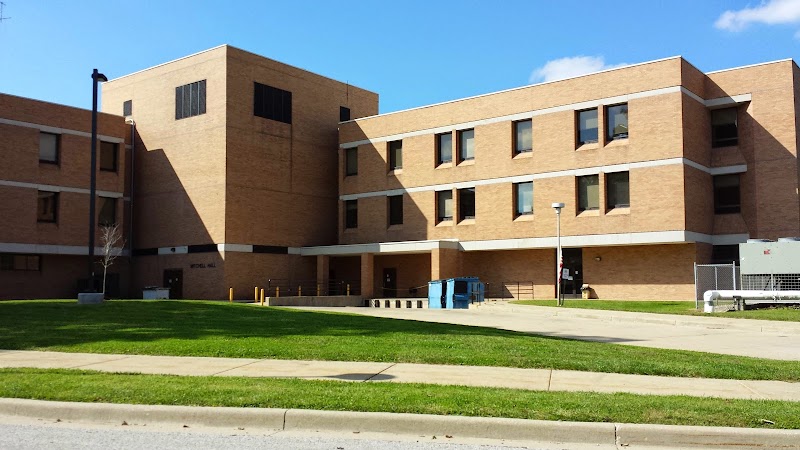
Who Owns and Operates Indiana Veterans Home?

INDIANA VETERANS HOME is owned by a government entity. Government-operated facilities are typically run by state, county, or municipal agencies. The facility operates independently rather than as part of a larger chain. With 212 certified beds and approximately 115 residents (about 54% occupancy), it is a large facility located in WEST LAFAYETTE, Indiana.
How Does Indiana Veterans Home Compare to Other Indiana Nursing Homes?

Compared to the 100 nursing homes in Indiana, INDIANA VETERANS HOME's overall rating (2 stars) is below the state average of 3.1, staff turnover (58%) is significantly higher than the state average of 46%, and health inspection rating (2 stars) is below the national benchmark.

What Should Families Ask When Visiting Indiana Veterans Home?

Based on this facility's data, families visiting should ask: "How do you ensure continuity of care given staff turnover, and what is your staff retention strategy?" "Can I visit during a mealtime to observe dining assistance and food quality?" "How do you handle medical emergencies, and what is your hospital transfer rate?" "Can I speak with family members of current residents about their experience?" These questions are particularly relevant given the facility's high staff turnover rate.

Is Indiana Veterans Home Safe?

Based on CMS inspection data, INDIANA VETERANS HOME has a clean safety record: no substantiated abuse findings (meaning no confirmed cases of resident harm), no Immediate Jeopardy citations (the most serious violation level indicating risk of serious injury or death), and is not on the Special Focus Facility watch list (a federal program monitoring the lowest-performing 1% of nursing homes). The facility has a 2-star overall rating and ranks #100 of 100 nursing homes in Indiana. While no facility is perfect, families should still ask about staff-to-resident ratios and recent inspection results during their visit.

Do Nurses at Indiana Veterans Home Stick Around?

Staff turnover at INDIANA VETERANS HOME is high. At 58%, the facility is 12 percentage points above the Indiana average of 46%. Registered Nurse turnover is particularly concerning at 65%. RNs handle complex medical decisions and coordinate care — frequent RN changes can directly impact care quality. High turnover means new staff may not know residents' individual needs, medications, or preferences. It can also be disorienting for residents, especially those with dementia who rely on familiar faces. Families should ask: What is causing the turnover? What retention programs are in place? How do you ensure care continuity during staff transitions?

Was Indiana Veterans Home Ever Fined?

INDIANA VETERANS HOME has no federal fines on record. CMS issues fines when nursing homes fail to meet care standards or don't correct problems found during inspections. The absence of fines suggests the facility has either maintained compliance or corrected any issues before penalties were assessed. This is a positive indicator, though families should still review recent inspection reports for the full picture.

Is Indiana Veterans Home on Any Federal Watch List?

INDIANA VETERANS HOME is not on any federal watch list. The most significant is the Special Focus Facility (SFF) program, which identifies the bottom 1% of nursing homes nationally based on persistent, serious quality problems. Not being on this list means the facility has avoided the pattern of deficiencies that triggers enhanced federal oversight. This is a positive indicator, though families should still review the facility's inspection history directly.