UNIVERSITY PLACE HEALTH CENTER AND ASSISTED LIVING
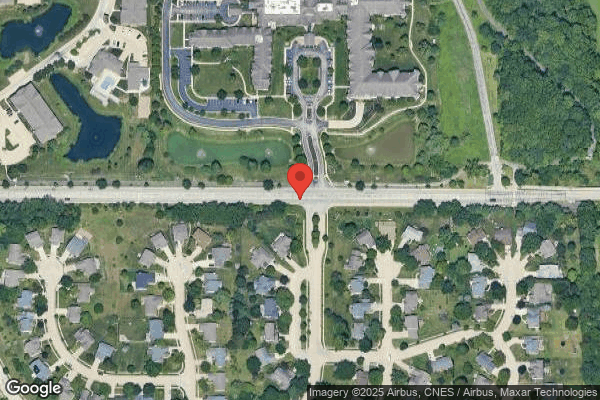
1750 LINDBERG RD, WEST LAFAYETTE, IN 47906 (765) 464-5600
Non profit - Church related 30 Beds FRANCISCAN COMMUNITIES Data: November 2025
Trust Grade
70/100
#195 of 505 in IN
Last Inspection: November 2024

Within standard 12-15 month inspection cycle. Federal law requires annual inspections.

Overview

University Place Health Center and Assisted Living has a Trust Grade of B, indicating it is a good choice among nursing homes. With a state rank of #195 out of 505, it is in the top half of facilities in Indiana, and it ranks #5 out of 11 in Tippecanoe County, suggesting only four other local options are better. The facility is improving, having reduced its issues from 9 in 2023 to 7 in 2024. Staffing is a strong point, earning a 5 out of 5 stars rating, though the turnover rate is average at 52%. There have been no fines, which is a positive sign, and the facility has more registered nurse coverage than 81% of Indiana facilities, helping ensure better care. However, there are some notable concerns. Recent inspections revealed that the facility failed to notify a physician about significant weight changes for multiple residents, which could affect their health management. Additionally, one resident was not assisted in a timely manner during mealtime, resulting in a long wait for food. Lastly, the facility did not submit a required mental health assessment after a resident received a new diagnosis, indicating potential gaps in their care protocols. Overall, while there are strong points, families should be aware of these issues when considering this nursing home.

Trust Score
B
70/100
In Indiana
#195/505
Top 38%
Safety Record
Low Risk
No red flags
Inspections
Getting Better
9 → 7 violations
Staff Stability
⚠ Watch
52% turnover. Above average. Higher turnover means staff may not know residents' routines.
Penalties
✓ Good
No fines on record. Clean compliance history, better than most Indiana facilities.
Skilled Nurses
✓ Good
Each resident gets 96 minutes of Registered Nurse (RN) attention daily — more than 97% of Indiana nursing homes. RNs are the most trained staff who catch health problems before they become serious.
Violations
⚠ Watch
21 deficiencies on record. Higher than average. Multiple issues found across inspections.
★★★★☆
4.0
Overall Rating
★★★★★
5.0
Staff Levels
★★★☆☆
3.0
Care Quality
★★★☆☆
3.0
Inspection Score
Stable
2023: 9 issues
2024: 7 issues

The Good

  • 5-Star Staffing Rating · Excellent nurse staffing levels
  • Full Sprinkler Coverage · Fire safety systems throughout facility
  • No fines on record

Facility shows strength in staffing levels, fire safety.

The Bad

Staff Turnover: 52%

Near Indiana avg (46%)

Higher turnover may affect care consistency

Chain: FRANCISCAN COMMUNITIES

Part of a multi-facility chain

Ask about local staffing decisions and management

The Ugly 21 deficiencies on record

Nov 2024 7 deficiencies
CONCERN (D)

Potential for Harm - no one hurt, but risky conditions existed

Resident Rights (Tag F0550)

Could have caused harm · This affected 1 resident

Based on observation, interview and record review, the facility failed to ensure a resident who needed assistance with eating was assisted timely for 1 of 11 residents observed in the dining room. (Re...

Read full inspector narrative →
Based on observation, interview and record review, the facility failed to ensure a resident who needed assistance with eating was assisted timely for 1 of 11 residents observed in the dining room. (Resident 10) Finding includes: During a continuous dining observation in the main dining room, on 11/21/24 from 11:34 a.m. to 12:41 p.m., the following was observed: At 11:40 a.m., the first food tray was delivered to a resident in the dining room. Resident 10 was at her table waiting for her tray. At 12:14 p.m., a resident was helped to the dining room by therapy. She was then served her food at 12:31 p.m. Resident 10 was still waiting for her food. At 12:20 p.m., the kitchen staff were picking up food trays for multiple residents who had received their meals and were done eating. The staff was returning the trays to the kitchen. Resident 10 was still waiting for her tray. At 12:32 p.m., CNA 7 indicated Resident 10 was a feed and needed help eating. They usually waited until a CNA was available to serve a resident who needed help eating. CNA 7 was not observed passing trays and could have helped the resident eat. Resident 10 was still waiting on her food tray. At 12:38 p.m., a male resident came to the dining room from his room. He originally had a room tray but then came to the main dining room to eat. He sat down and was delivered his tray. Resident 10 was still waiting for her food. At 12:39 p.m., the kitchen staff were picking up more food trays from several residents who were done eating. Resident 10 was still waiting on her tray. At 12:41 p.m., Resident 10 was finally served her tray. It was over an hour from the first tray being passed to when Resident 10 received her food tray. Resident 10 watched several residents come to the dining room after her and receive their trays before she did. The clinical record for Resident 10 was reviewed on 11/25/24 at 12:00 p.m. The diagnoses included, but were not limited to, unspecified dementia, dysphagia (difficulty swallowing), depression, and basal cell carcinoma. A care plan, initiated on 8/12/24 and last revised on 11/5/24, indicated Resident 10 had increased nutrient needs. Interventions included, but were not limited to, provide food and fluids and provide dining assistance as necessary. A physician's order, with a start date of 8/5/24, indicated general diet, puree texture, and thin liquid consistency. During an interview, on 11/22/24 at 2:50 p.m., the Executive Director (ED) indicated they usually served residents as they came to the dining room. They would serve independent residents first, then pass room trays, and then pass trays to the residents who needed fed so a CNA could be available. Residents should not have to wait an hour for their trays to be served. A current policy, titled DINING AND FOOD SERVICES EXPERIENCE, last reviewed on 5/18/21 and received from the ED on 11/25/24 at 2:12 p.m., indicated .A resident's quality of life may be enhanced through their dining and/or food experience. The dining and/or food service is provided to ensure that nourishing, palatable and attractive meals based on individual resident needs are served, and that both food service and facility staff assist and support residents during the dining and/or food experience .Residents shall be promptly assisted with eating and provide necessary cueing 3.1-3(t)
CONCERN (D)

Potential for Harm - no one hurt, but risky conditions existed

PASARR Coordination (Tag F0644)

Could have caused harm · This affected 1 resident

Based on interview and record review, the facility failed to ensure a revised Preadmission Screen and Resident Review (PASARR) Level I was submitted after a new mental health diagnoses was added and a...

Read full inspector narrative →
Based on interview and record review, the facility failed to ensure a revised Preadmission Screen and Resident Review (PASARR) Level I was submitted after a new mental health diagnoses was added and an antidepressant medication was prescribed for 1 of 1 resident reviewed for PASARR. (Resident 1) Finding includes: The clinical record for Resident 1 was reviewed on 11/22/24 at 12:16 p.m. The diagnoses included, but were not limited to, dementia without behavioral disturbances, cognitive communication deficit, major depressive disorder, and anxiety disorder. A PASARR level I, dated 5/28/24, indicated the resident had no mental health diagnosis, dementia or neurocognitive disorder and no mental health medication. A physician's order, dated 8/31/24, indicated to give sertraline (an antidepressant medication) 100 milligram (mg) daily. There was no PASARR level I completed when the resident was ordered sertraline. During an interview, on 11/25/24 at 3:37 p.m., the Social Service Director (SSD) indicated a new level I PASARR was not completed. The admission staff would be in charge of implementing the PASARR and missed completing a new level I when a new antidepressant medication was ordered. The new diagnosis for this medication was not added. A current facility policy, titled Preadmission Screening and Annual Resident Review [PASAR], Preadmission, Screening & Resident Review - SNF, dated 6/1/23 and received from the Director of Nursing (DON) on 11/25/24 at 4:09 p.m., indicated .PASRR requires that all people entering Medicaid-certified nursing communities are evaluated for: Serious Mental Illness (SMI); Intellectual Disability (ID); Developmental Disabilities (DD); are placed in the most appropriate setting, and receive assessments to identify their service needs regardless of (the individual's) method of payment .The community will ensure that all new admissions are appropriately screened prior to admission to determine that the individual requires nursing community level of care and to identify any specialized services that may be necessary .Any resident of the community who has a condition of MI/ID/DD/Related Conditions who experiences a significant change in condition requiring reassessment, this must also be reviewed by the state specific agency 3.1-16(d)(1)(A) 3.1-16(d)(1)(B)
CONCERN (D)

Potential for Harm - no one hurt, but risky conditions existed

Quality of Care (Tag F0684)

Could have caused harm · This affected 1 resident

Based on interview and record review, the facility failed to ensure a medication was held per the physician's order for 1 of 1 resident reviewed for quality of care. (Resident 131) Finding includes: T...

Read full inspector narrative →
Based on interview and record review, the facility failed to ensure a medication was held per the physician's order for 1 of 1 resident reviewed for quality of care. (Resident 131) Finding includes: The clinical record for Resident 131 was reviewed on 11/22/24 at 9:17 a.m. The diagnoses included, but were not limited to, essential hypertension, unspecified atrial fibrillation (a-fib), and transient cerebral ischemic attack (stroke). A physician's order, with a start date of 11/15/24, indicated Carvedilol (a medication to treat high blood pressure) oral tablet 6.25 milligrams. Give twice per day. Hold if the systolic blood pressure (SBP) was under 120. A review of the November Medication Administration Record (MAR) indicated: On 11/17/24, the systolic blood pressure was 117. Carvedilol was administered on the AM shift. On 11/17/24, the systolic blood pressure was 113. Carvedilol was administered on the PM shift. During an interview, on 11/25/24 at 9:41 a.m., RN 2 indicated the medication was not held and was given. The medication should have been held and a progress note should have been made. There was no progress note in the chart. During an interview, on 11/25/24 at 11:33 a.m., the Director of Nursing (DON) indicated the medication was administered on those shifts. A current facility policy, titled PREPERATION AND GENERAL GUIDELINES, dated as reviewed March 2021 and received from the Executive Director on 11/25/24 at 2:12 p.m., indicated .Medications are administered as prescribed in accordance with good nursing principles and only by persons legally authorized to do so .Medications are administered in accordance with written orders of the prescriber 3.1-37(a)
CONCERN (D)

Potential for Harm - no one hurt, but risky conditions existed

Deficiency F0692 (Tag F0692)

Could have caused harm · This affected 1 resident

Based on interview and record review, the facility failed to ensure staff obtained a follow-up weight and notified the physician of a weight gain for 1 of 1 resident reviewed for weight changes. (Resi...

Read full inspector narrative →
Based on interview and record review, the facility failed to ensure staff obtained a follow-up weight and notified the physician of a weight gain for 1 of 1 resident reviewed for weight changes. (Resident 1) Findings include: The clinical record for Resident 1 was reviewed on 11/22/24 at 12:16 p.m. The diagnoses included, but were not limited to, dementia without behavioral disturbances, cognitive communication deficit, major depressive disorder, and anxiety disorder. A physician's order, dated 6/21/24, indicated the resident was to receive Ensure (a dietary supplemental drink) three times a day. A care plan, revised on 8/28/24, indicated the resident had increased nutrient needs related to a wound to the coccyx. The interventions included, but were not limited to, diet as prescribed, monitor weight monthly, monitor oral intake of food and fluid, and to give a dietary supplement three times a day. The resident had the following weights: 1. On 11/4/24, the weight was 124.5 pounds. 2. On 11/11/24, the weight was 134.8 pounds. The resident had an 8.27% weight gain in 7 days. There was no documentation to indicate a new weight was obtained to verify the weight gain. There was no documentation of the physician being notified of the weight gain. During an interview, on 11/25/24 at 4:01 p.m., the Director of Nursing (DON) indicated when a resident had a weight loss or gain, she would discuss the weight with the dietitian. The residents with a weight loss or gain should be reweighed. During an interview, on 11/25/24 at 4:10 p.m., the Registered Dietician indicated she was in the building three days a week. The facility policy indicated when a resident had a weight gain or loss the resident should be weighed within 72 hours of the first weight. A current policy, titled Change of Condition, dated 12/1/23 and received from the Director of Nursing (DON) on 11/25/24 at 4:09 p.m., indicated .The Nurse will notify the resident's Attending Physician or On-Call Physician when there has been .A significant change in the resident's physical/emotional/mental condition .Unless otherwise instructed by the resident, the Nurse will notify the resident's family or representative when .There is a significant change in the resident's physical, mental, or psychosocial status A current policy, titled Weight Management in Health Care Center, dated 9/1/22 and received from the Director of Nursing (DON) on 11/25/24 at 4:09 p.m., indicated .The staff nurse will validate that the weight is within acceptable limits. If a resident has a gain or loss of 5 pounds from their previous weight, a new weight must be obtained within 48 hours .The Registered Dietician is responsible for monitoring all weight changes and documenting significant weight loss/gain 3.1-46(a)(1)
CONCERN (D)

Potential for Harm - no one hurt, but risky conditions existed

Deficiency F0700 (Tag F0700)

Could have caused harm · This affected 1 resident

Based on observation, interview and record review, the facility failed to ensure assessments were completed and consent was obtained prior to the use of side rails for 1 of 2 residents reviewed for ac...

Read full inspector narrative →
Based on observation, interview and record review, the facility failed to ensure assessments were completed and consent was obtained prior to the use of side rails for 1 of 2 residents reviewed for accident hazards. (Resident 21) Finding includes: During multiple observations, on 11/21/24 at 10:14 a.m., 11/22/24 at 9:13 a.m., and 11/25/24 at 10:47 a.m., a 1/4 side rail was raised and in use on Resident 21's bed. The clinical record for Resident 21 was reviewed on 11/22/24 at 12:36 p.m. The diagnoses included, but were not limited to, unspecified fracture of sacrum, low back pain, radiculopathy lumbar region, spinal stenosis, muscle weakness, diastolic congestive heart failure, cerebral infarction, and chronic pulmonary hypertension. A side rail assessment, completed on 11/1/24 at 4:17 p.m., indicated side rails were not indicated. The electronic record did not have documentation showing the risks and benefits of side rails were explained to Resident 21 or a consent was obtained prior to the use of side rails. During an interview, on 11/22/24 at 2:37 p.m., the Administrator indicated there was not a physician's order for side rails. A physician's order, dated 11/25/24 at 4:41 a.m., indicated to utilize 1/4 side rails to increase independence in bed mobility and in transfers. The physician's order was obtained after the side rails were on the resident's bed. During an interview, on 11/25/24 at 12:07 p.m., the Director of Nursing indicated the resident did not have a side rail assessment or consent completed until 11/25/24. The consent and assessment should have been completed when the side rails were applied. A current facility policy, titled Bed Safety and Bed Rails, last revised August 2022 and received from the Administrator on 11/22/24 at 3:10 p.m., indicated .The use of bed rails or side rails .is prohibited unless the criteria for use of bed rails have been met .including .resident assessment and informed consent .Before using bed rails for any reason, the staff shall inform the resident or representative about .the benefits and potential hazards associated with bed rails and obtain informed consent 3.1-45(a)(1)
CONCERN (D)

Potential for Harm - no one hurt, but risky conditions existed

Medication Errors (Tag F0758)

Could have caused harm · This affected 1 resident

Based on interview and record review, the facility failed to ensure the policy and procedure for conducting an Abnormal Involuntary Movement Scale (AIMS) assessment upon admission and quarterly was fo...

Read full inspector narrative →
Based on interview and record review, the facility failed to ensure the policy and procedure for conducting an Abnormal Involuntary Movement Scale (AIMS) assessment upon admission and quarterly was followed for a resident who received an antipsychotic medication for 1 of 5 residents reviewed for unnecessary medications. (Resident 16) Finding includes: The clinical record for Resident 16 was reviewed on 11/22/24 at 12:37 p.m. The diagnoses included, but were not limited to, Alzheimer's disease, unspecified dementia with psychotic disturbance, metabolic encephalopathy, chronic kidney disease, and unspecified convulsions. A physician's order, dated 11/27/23, indicated to give Seroquel (an antipsychotic) 50 milligrams two times a day for dementia with aggression. A care plan, revised on 5/14/24, indicated the resident used psychotropic medications related to dementia with aggression. An intervention indicated staff were to monitor and document any adverse reactions such as tardive dyskinesia. An AIMS assessment (a scale used to assess for tardive dyskinesia and its severity when prescribed antipsychotic medications) was completed on 10/16/24 at 6:03 p.m. During an interview, on 11/25/24 at 2:53 p.m., the Director of Nursing (DON) indicated an AIMS assessment was not completed for the resident until 10/16/24. This was the only AIMS assessment conducted for the resident. A current facility policy, titled Anti-psychotic Drug Use, dated 8/21/23 and provided by the DON on 11/25/24 at 4:06 p.m., indicated .The AIM's test should be completed upon beginning a new order for an anti-psychotic, and quarterly noting the appearance of any extra-pyramidal symptoms which previously were not present 3.1-48(a)(3)
CONCERN (D)

Potential for Harm - no one hurt, but risky conditions existed

Deficiency F0761 (Tag F0761)

Could have caused harm · This affected 1 resident

Based on observation, interview and record review, the facility failed to ensure medication carts were free from expired medications, medical supplies, and loose pills, and medications were properly l...

Read full inspector narrative →
Based on observation, interview and record review, the facility failed to ensure medication carts were free from expired medications, medical supplies, and loose pills, and medications were properly labeled after opening for 1 of 2 medication carts reviewed for medication storage and labeling. (Hall 1) Findings include: During a medication storage observation, on 11/22/24 at 10:14 a.m., the following was observed: 1. Drawer 1 of the medication cart had: a. One (1) Erythromycin Ophthalmic Ointment (an antibiotic ointment for the eye) 5 mg (milligram) opened and not dated. b. Six (6) SwabCaps (a disinfecting cap for peripherally inserted central catheter) were in the cart and passed the expiration date of 11/1/24. During an interview, on 11/22/24 at 10:25 a.m., LPN 4 indicated the SwabCaps were expired and should not have been in the medication cart. 2. Drawer 2 of the medication cart had: a. Famotidine (an acid reducing medication) 10 mg tablets with an expiration date of 11/22/24. b. Acetaminophen (a fever reducer/pain reliever) 325 mg tablets with an expiration date of 9/3/24. c. Loperamide (an anti-diarrheal medication) 2 mg tablets with an expiration date of 10/24. d. Acetaminophen 325 mg tablets with an expiration date 11/18/24. e. Docusate Sodium (a stool softener) 100 mg capsules with an expiration date of 10/2/24. f. Guaifenesin (a medication to relieve chest congestion) Extended Release 600 mg tablets with an expiration date of 11/14/24. g. Blood glucose test strips with an open date of 11/4/24 and an expiration date of 10/31/24, six test strips remained in the bottle. During an interview, on 11/22/24 at 10:31 a.m., QMA 4 indicated the Famotidine had been discontinued and should not have been in the medication cart. 3. Drawer 3 of the medication cart had: a. Acetaminophen 325 mg tablets with an expiration date of 11/18/24. b. One (1) loose pill, peach in color. 4. Drawer 4 of the medication cart had: a. Colace (a stool softener) 100 mg tablets opened with no open date. 5. Drawer 5 of the medication cart had: a. One (1) loose pill, yellow in color. During an interview, on 11/22/24 at 10:31 a.m., QMA 3 indicated the nurses with access to the medication carts were responsible for checking expiration dates and loose pills. Pharmacy performed audits on the medication carts and checked for expiration dates as well. When a medication was opened, the nurse was responsible for writing the date on the medication bottle. A current facility policy, titled MEDICATION STORAGE IN THE FACILITY, last revised January 2018 and received from the Administrator on 11/22/24 at 1:53 p.m., indicated .Medications and biologicals are stored safely, securely, and properly, following manufacturer's recommendations or those of the supplier .Outdated, contaminated, or deteriorated medications and those in containers that are cracked, soiled, or without secure closures are immediately removed from inventory .and reordered from the pharmacy .Certain medications or package types such as .blood sugar testing solutions and strips, once opened, require an expiration date shorter than the manufacturer's expiration date .The nurse will check the expiration date of each medication before administering it .No expired medication will be administered to a resident .All expired medications will be removed from the active supply and destroyed in the facility, regardless of amount remaining 3.1-25(j) 3.1-25(k)(6) 3.1-25(o)
Dec 2023 9 deficiencies
CONCERN (D)

Potential for Harm - no one hurt, but risky conditions existed

Deficiency F0558 (Tag F0558)

Could have caused harm · This affected 1 resident

Based on observation, interview and record review, the facility failed to ensure call lights were in reach and a bed was not in a high position for 1 of 1 resident reviewed for accommodation of needs....

Read full inspector narrative →
Based on observation, interview and record review, the facility failed to ensure call lights were in reach and a bed was not in a high position for 1 of 1 resident reviewed for accommodation of needs. (Resident 23) Finding includes: During an observation, on 11/30/23 at 12:17 p.m., the call light was laying on the left side of the resident. The resident was unable to use her left hand to push the call light button for assistance. The resident's bed was raised in the highest position. The record for Resident 23 was reviewed on 11/30/23 at 11:48 a.m. Diagnoses included, but were not limited to, cerebral infarction (disrupted blood flow to the brain), hemiplegia (paralysis of one side of the body) and hemiparesis (paralysis which could affect the arms, legs and facial muscles) following cerebral infarction affecting left non-dominant side, and muscle weakness. A care plan, dated 5/26/23, indicated the resident had a history of cerebral vascular accident (CVA) with left side hemiparesis. Interventions included, but were not limited to, monitor and document the resident's ability for activity of daily living (ADL) and assist resident as needed. A care plan, dated 11/10/22, indicated the resident was a high risk for falls. Interventions included, but were not limited to, be sure the resident's call light was within reach and encourage the resident to use it for assistance as needed. The resident needed prompt response to all requests for assistance. During an interview, on 11/30/23 at 12:50 p.m., CNA 2 indicated the facility had college students providing care to the resident. The students were the last ones in the resident's room. CNA 2 did not know when the students left or how long the bed was up in the highest position. The resident could not use her left arm and the call light should be on the right side where she could reach it. During an interview, on 11/30/23 at 12:57 p.m., CNA 2 indicated she was assigned to the resident and the bed should not be left up high and the call light should be placed on the resident's right side. During an interview, on 11/30/23 at 1:09 p.m., LPN 4 indicated the bed in the resident's room should never be left up high for safety reasons. The resident was not able to use her left arm to put her call light on and the resident needed the call light. A current policy, titled Answering the Call Light, dated 9/22 and received from the DON on 12/1/23 at 2:00 p.m., indicated .The purpose of this procedure is to ensure timely responses to the resident's request and needs .Ensure that the call light is accessible to the resident when in bed, from the toilet, from the shower or bathing facility and from the floor 3.1-3(v)(1)
CONCERN (D)

Potential for Harm - no one hurt, but risky conditions existed

PASARR Coordination (Tag F0644)

Could have caused harm · This affected 1 resident

Based on interview and record review, the facility failed to submit a revised Preadmission Screen and Resident Review (PASARR) Level I after a new mental health diagnoses and the resident was prescrib...

Read full inspector narrative →
Based on interview and record review, the facility failed to submit a revised Preadmission Screen and Resident Review (PASARR) Level I after a new mental health diagnoses and the resident was prescribed an antipsychotic and antianxiety medication for 1 of 1 resident reviewed for PASARR. (Resident B) Finding includes: The record for Resident B was reviewed on 11/30/22 at 10:46 a.m. Diagnoses included, but were not limited to, dementia with behavioral disturbances, Parkinson's disease, and bowel and bladder incontinence. A PASARR Level I, dated 7/24/23, indicated the resident had no mental health diagnoses, dementia, or neurocognitive disorder. The resident did not have an antianxiety or antipsychotic medications ordered. If changes occur or new information refutes these findings, a new screen must be submitted. A physician's order, dated 11/28/23, indicated lorazepam (an antianxiety medication) 0.5 milligram (mg) tablet by mouth three times a day. A physician's order, dated 11/28/23, indicated lorazepam (an antianxiety) 0.5 mg tablet by mouth every 6 hours when needed. A physician's order, dated 11/27/23, indicated Seroquel (an antipsychotic) 25 mg tablet by mouth three times a day. There was no PASARR Level I completed when the resident was ordered lorazepam and Seroquel. No diagnoses of anxiety or behaviors were added. During an interview, on 12/1/23 at 9:00 a.m., the Director of Nursing (DON) indicated a new Level I PASARR was not completed. The Social Services Director (SSD) would oversee implementing the PASARR. The SSD missed completing a new Level I PASARR when a new antipsychotic and antianxiety medication was ordered. The new diagnoses for these medications were not added to the resident's diagnoses list. A current policy, titled Preadmission Screening and Annual Resident Review [PASAR], Preadmission, Screening & Resident Review - SNF, dated 5/23/23 and received from the DON on 12/1/23 at 2:00 p.m., indicated .PASRR requires that all people entering Medicaid-certified nursing communities are evaluated for: Serious Mental Illness (SMI); Intellectual Disability (ID); Developmental Disabilities (DD); are placed in the most appropriate setting, and receive assessments to identify their service needs regardless of (the individual's) method of payment .The community will ensure that all new admissions are appropriately screened prior to admission to determine that the individual requires nursing community level of care and to identify any specialized services that may be necessary .Any resident of the community who has a condition of MI/ID/DD/Related Conditions who experiences a significant change in condition requiring reassessment, this must also be reviewed by the state specific agency 3.1-16(d)(1)(A) 3.1-16(d)(1)(B)
CONCERN (D)

Potential for Harm - no one hurt, but risky conditions existed

Deficiency F0657 (Tag F0657)

Could have caused harm · This affected 1 resident

Based on interview and record review, the facility failed to update care plans for an anticoagulant and a diuretic medication for 1 of 1 resident reviewed for care plans. (Resident 4) Finding includes...

Read full inspector narrative →
Based on interview and record review, the facility failed to update care plans for an anticoagulant and a diuretic medication for 1 of 1 resident reviewed for care plans. (Resident 4) Finding includes: 1. The record for Resident 4 was reviewed on 11/30/23 at 2:41 p.m. Diagnoses included, but were not limited to, retention of urine, atrial fibrillation, dementia, anxiety disorder, and cognitive communication deficit. A physician's order, dated 4/28/23, indicated Eliquis (an anticoagulant) 2.5 milligram (mg) tablet by mouth two times a day. A physician's order, dated 4/28/23, indicated Furosemide (a diuretic) 20 mg tablet by mouth two times a day. A care plan for the anticoagulant or diuretic medication was not located. During an interview, on 12/1/23 at 9:00 a.m., the Director of Nursing (DON) indicated there should be care plans for the anticoagulant and diuretic medication. The care plans sometimes would get deleted and the anticoagulant and diuretic medication should be monitored. A current policy, titled Resident Comprehensive Career Plans - Skilled Nursing Facility (SNF), dated 5/23/23 and received from the DON on 12/1/23 at 2:00 p.m., indicated .Review and revise the care plan after each assessment. After each assessment means after each assessment known as the Resident Assessment Instrument (RAI) or Minimum Data Set (MDS) as required, except discharge assessments .The baseline care plan must be based on the admission orders, information about the resident available from transferring provider, and discussion with the resident and resident representatives' participation in the care planning process 3.1-35(d)(2)(B)
CONCERN (D) 📢 Someone Reported This

A family member, employee, or ombudsman was alarmed enough to file a formal complaint

Potential for Harm - no one hurt, but risky conditions existed

ADL Care (Tag F0677)

Could have caused harm · This affected 1 resident

Based on observation, interview and record review, the facility failed to provide incontinence care for 1 of 3 residents reviewed for Activity of Daily Living (ADL). (Resident B) Finding includes: The...

Read full inspector narrative →
Based on observation, interview and record review, the facility failed to provide incontinence care for 1 of 3 residents reviewed for Activity of Daily Living (ADL). (Resident B) Finding includes: The record for Resident B was reviewed on 11/30/22 at 10:46 a.m. Diagnoses included, but were not limited to, dementia with behavioral disturbances, Parkinson's disease, and bowel and bladder incontinence. A care plan, dated as revised 8/2/23, indicated the resident was dependent on staff for most ADLs. Interventions included, but were not limited to, toileting, bowel and bladder incontinent, frequently check brief for soiling, personal hygiene, grooming and bathing the resident was dependent on staff assistance, utilize appropriate staff to assist the resident with ADLs. He was a maximum assist for most ADLs. During an observation, on 11/30/23 at 3:17 p.m., the hallway outside Resident B's room had a very strong odor. The resident was laying on his bed with a blanket covering his lower body. There was a soiled brief which contained urine and bowel movement along with a pair of pants pushed down toward the end of the bed and was dangling off the end of the mattress. During an interview, on 11/30/23 at 3:20 p.m., the Administrator entered the room and noticed the resident's pants and dirty brief. The Administrator told the resident she would get someone to assist him. During an observation, on 12/01/23 at 9:55 a.m., Resident B was sitting in the common area in front of the fireplace listening to Christmas music with a white sheet over his legs. During an observation, on 12/01/23 at 10:57 a.m., Resident B was being taken to his room by two CNAs for a shower. During an interview, on 12/01/23 at 10:57 a.m., CNA 4 indicated the last time the resident's brief was changed was at 7:00 a.m., when she got the resident up. During an interview, on 12/1/23 at 10:58 a.m., CNA 2 indicated she changed residents every two hours. Resident B had not been changed for almost four hours due to being busy with other residents. She had residents who required Hoyer lifts and a staff member called off today. Both CNA 4 and 2 indicated it was hard to get all their stuff done. The CNAs were observed to transfer the resident to the shower chair and pull down his brief and pants. His brief was wet, and his buttocks was red and pink in color. A current policy, titled Activities of Daily Living (ALDs), Supporting, dated 3/2018 and received by the Director of Nursing (DON) on 12/1/23 at 2:00 p.m., indicated .Residents will be provided with care, treatment and services as appropriate to maintain or improve their ability to carry out activities of daily living (ADLs). Residents who are unable to carry out activities of daily living independently will receive the services necessary to maintain good nutrition, grooming and personal and oral hygiene .Appropriate care and services will be provided for residents who are unable to carry out ADLs independently, with the consent of the resident and in accordance with the plan of care, including appropriate support and assistance with: hygiene (bathing, dressing, grooming, and oral care) .elimination (toileting) This Federal Tag relates to Complaint IN00406166. 3.1-38(a)(2)(C)
CONCERN (D)

Potential for Harm - no one hurt, but risky conditions existed

Incontinence Care (Tag F0690)

Could have caused harm · This affected 1 resident

Based on observation, interview and record review, the facility failed to keep a catheter bag from touching the ground for 1 of 2 residents reviewed for urinary catheter. (Resident 230) Finding inclu...

Read full inspector narrative →
Based on observation, interview and record review, the facility failed to keep a catheter bag from touching the ground for 1 of 2 residents reviewed for urinary catheter. (Resident 230) Finding includes: During an observation, on 11/27/23 at 2:53 p.m., Resident 230's catheter bag was touching the ground while he was lying in bed. During an observation, on 11/28/23 at 10:15 a.m., Resident 230's catheter bag was touching the ground while he was lying in bed. During an interview, on 11/28/23 at 11:10 a.m., RN 9 indicated the catheter bag should not be touching the ground. The record for Resident 230 was reviewed on 11/29/23 at 12:05 p.m. Diagnoses included, but were not limited to, encephalopathy (disease which caused confusion), cognitive communication deficit, benign prostatic hyperplasia (enlarged prostate glands), edema, history of a stroke, and type 2 diabetes. A physician's order, dated 11/27/23, indicated the resident had an indwelling 16 French size foley catheter. During an interview, on 11/28/23 at 3:25 p.m., the DON (Director of Nursing) indicated the catheter bag should not be touching the ground. A current policy, titled FOLEY CATHETER MANAGEMENT, dated as effective 9/1/23 and received from the DON on 11/30/23 at 4:10 p.m., indicated .Be sure the catheter tubing and drainage bag are kept off the floor 3.1-41(a)(2)
CONCERN (D)

Potential for Harm - no one hurt, but risky conditions existed

Deficiency F0757 (Tag F0757)

Could have caused harm · This affected 1 resident

2. The record for Resident 230 was reviewed on 11/29/23 at 12:05 p.m. Diagnoses included, but were not limited to, encephalopathy (disease which caused confusion), history of stroke, heart failure, an...

Read full inspector narrative →
2. The record for Resident 230 was reviewed on 11/29/23 at 12:05 p.m. Diagnoses included, but were not limited to, encephalopathy (disease which caused confusion), history of stroke, heart failure, and cognitive communication deficit. A physician's order, dated 11/17/23, indicated the resident was taking Eliquis 5 mg tablet twice per day. There was no physician's order or care plan to monitor for bleeding in the resident's record. During an interview, on 11/30/23 at 2:49 p.m., the DON (Director of Nursing) indicated if a resident was on an anticoagulant medication, then there should be monitoring for the risk of bleeding. A current policy, titled Anticoagulation - Clinical Protocol. dated as revised November 2018 and received from the DON on 11/20/23 at 4:00 p.m., indicated .Assess for any signs or symptoms related to adverse drug reactions due to the medication alone or in combination with other medications .If an individual on anticoagulation therapy shows signs of excessive bruising, hematuria, hemoptysis, or other evidence of bleeding, the nurse will discuss the situation with the physician before giving the next schedule dose of anticoagulation 3.1-48(a)(3) Based on record review and interview, the facility failed to ensure symptom monitoring was in place for the use of an anticoagulant and a diuretic medication prescribed for 2 of 5 residents reviewed for unnecessary medications. (Resident 4 and 230) Findings include: 1. The record for Resident 4 was reviewed on 11/30/23 at 2:41 p.m. Diagnoses included, but were not limited to, retention of urine, atrial fibrillation, dementia, anxiety disorder, and cognitive communication deficit. A physician's order, dated 4/28/23, indicated Eliquis (an anticoagulant) 2.5 milligram (mg) tablet by mouth two times a day. A physician's order, dated 4/28/23, indicated Furosemide (a diuretic) 20 mg tablet by mouth two times a day. There was no documentation, physician's order, or care plan for monitoring side effects for the use of an anticoagulant or a diuretic medication. During an interview, on 12/1/23 at 9:00 a.m., the Director of Nursing (DON) indicated there should be care plans for both the anticoagulant and diuretic medication. The care plans sometimes would get deleted. The anticoagulant and diuretic medications should be monitored for side effects.
CONCERN (D)

Potential for Harm - no one hurt, but risky conditions existed

Deficiency F0761 (Tag F0761)

Could have caused harm · This affected 1 resident

Based on observation, interview and record review, the facility failed to ensure supplements were secured in a resident's room for 1 of 1 resident reviewed for medication storage. (Resident 3) Findin...

Read full inspector narrative →
Based on observation, interview and record review, the facility failed to ensure supplements were secured in a resident's room for 1 of 1 resident reviewed for medication storage. (Resident 3) Finding includes: During an interview, on 11/27/23 at 12:33 p.m., Resident 3 had supplements all throughout his room, unsecured and in plain view. The resident indicated the facility did a self-administration assessment and allowed him to keep the supplements in his room. The record for Resident 3 was reviewed on 11/29/23 at 12:37 p.m. Diagnoses included, but were not limited to, type 2 diabetes, chronic kidney disease stage 3, and aneurysm (dilation of the wall of an artery) of an artery of the lower extremity. A physician's order, dated 8/8/22, indicated the resident could keep supplements and vitamins at bedside. During an observation, on 11/27/23 at 2:50 p.m., the resident was not in his room and his door was open with the supplements in view. During an observation, on 11/28/23 at 10:13 a.m., the resident was not in his room and his door was open with the supplements in view. During an observation, on 11/28/23 at 10:33 a.m., the resident was not in his room and his door was open with the supplements in view. During an observation, on 11/29/23 at 10:21 a.m., the resident was not in his room and his door was open with the supplements in view. During an interview, on 11/29/23 at 12:44 p.m., the DON (Director of Nursing) indicated their policy did not state supplements had to be locked up and secured. Some of the supplements the resident had, if ingested by other residents, could be dangerous. During an interview, on 12/2/23 at 4:55 p.m., the DON indicated the facility did not have a policy on medication storage which included storing supplements. 3.1-25(m)
CONCERN (E)

Potential for Harm - no one hurt, but risky conditions existed

Deficiency F0692 (Tag F0692)

Could have caused harm · This affected multiple residents

Based on observation, interview and record review, the facility failed to notify the physician of significant weight changes for 4 of 6 residents reviewed for nutrition. (Residents 24, 10, 14, and 18)...

Read full inspector narrative →
Based on observation, interview and record review, the facility failed to notify the physician of significant weight changes for 4 of 6 residents reviewed for nutrition. (Residents 24, 10, 14, and 18) Findings include: 1. The record for Resident 24 was reviewed on 11/29/23 at 2:08 p.m. Diagnoses included, but were not limited to, type 2 diabetes, cellulitis, morbid obesity, and chronic kidney disease stage 3. A weight log indicated the following: On 10/2/23, the resident weighed 317 pounds. On 10/9/23, the resident weighed 319.2 pounds. On 11/1/23, the resident weighed 329.4 pounds. On 11/22/23, the resident weighed 343.6 pound. There was a significant weight gain of 8.3%, from 10/2/23 to 11/22/23, in 51 days. There was no notification to the physician noted in the record about the significant weight gain. 2. The record for Resident 10 was reviewed on 11/29/23 at 4:09 p.m. Diagnoses included, but were not limited to, type 2 diabetes, cellulitis of left lower limb, obesity, and osteomyelitis. A weight log indicated the following: On 11/1/2022, the resident weighed 301.4 pounds. On 11/17/2022, the resident weighed 301.4 pounds. On 12/4/2022, the resident weighed 318.4 pounds. On 1/5/2023, the resident weighed 284.2 pounds. On 2/4/2023, the resident weighed 315.2 pounds. On 2/15/20, the resident weighed 315.2 pounds. The resident had a significant weight gain of 5.64% from 11/17/22 to 12/4/22, and a significant weight loss of 10.74% from 12/4/22 to 1/5/23. There was no notification to the physician noted in the record about the significant weight changes. 3. The record for Resident 14 was reviewed on 11/30/23 at 10:37 a.m. Diagnoses included, but were not limited to, fluid overload, type 2 diabetes, morbid obesity, and chronic kidney disease. A physician's order, with a start date of 10/3/23 and an end date of 10/31/23, indicated to weigh the resident one time a day for 4 weeks. A weight log indicated the following: On 10/9/2023, the resident weighed 262.4 pounds. On 10/19/2023, the resident weighed 310.6 pounds. On 10/20/2023, the resident weighed 310.9 pounds. On 10/22/2023, the resident weighed 229.0 pounds. There was an 18.37% weight gain from 10/9/23 to 10/19/23, and a 26.34% weight loss from 10/20/23 to 10/22/23. There was no notification to the physician noted in the record about the significant weight changes. During an interview, on 12/1/23 at 4:53 p.m., the DON (Director of Nursing) indicated the facility should report significant weight changes to the provider.4. The record for Resident 18 was reviewed on 12/1/23 at 10:46 a.m. Diagnoses included, but were not limited to, gastrostomy (an artificial external opening into the stomach for nutritional support), dysphagia (difficulty swallowing), and cognitive communication deficit. A physician's order, dated 11/2/23, indicated weights on Monday for four weeks. A care plan, dated as revised 11/13/23, indicated the resident was at risk for nutrition and hydration risk related to dysphagia. Interventions included, but were not limited to, monitor oral intake of food and fluids, monitor weights weekly, diet as prescribed, and supplement at meals. The resident had the following weights: a. On 11/2/23, the resident's weight was 159 pounds. The weight was listed as confirmed. b. On 11/27/23, the resident's weight was 140 pounds. The weight was listed as confirmed which was a 11.95% (significant) weight loss in 25 days. During an interview, on 11/30/23 at 2:58 p.m., the DON indicated there was no documentation for notifying the physician or family of the 11.95% decrease in 25 days, from 11/2/23 to 11/27/23, and both should have been made aware. The Dietitian focused mainly on malnutrition and not significant weight loss. They follow the facility policy, and it stated both the physician and the family needed to be notified of a significant weight loss. A current policy, titled Weight Assessment and Intervention, dated 3/22 and received from the DON on 11/30/23 at 4:10 p.m., indicated .Resident weights are monitored for undesirable or unintended weight loss or gain .Any weight change of 5% or more since the last weight assessment is retaken the next day for confirmation. If the weight is verified, nursing will immediately notify the dietitian in writing .The threshold for significant unplanned and undesired weight loss will be based on the following criteria .1 month - 5% weight loss is significant; greater than 5% is severe. 3 months - 7.5% weight loss is significant; greater than 7.5% is severe. 6 months - 10% weight loss is significant; greater than 10% is severe A current policy, titled Nutrition (Impaired)/Unplanned Weight Loss - Clinical Protocol, dated 9/2017 and received from the DON on 11/30/23 at 4:10 p.m., indicated .The nursing staff will monitor and document the weight and dietary intake of residents in a format which permits comparisons over time .The staff will report to the physician significant weight gains or losses or any abrupt or persistent change from baseline appetite or food intake .The physician and staff will monitor nutritional status, an individual's response to interventions, and possible complications of such interventions (for example, additional weight gain or loss 3.1-46(a)(1)
MINOR (C)

Minor Issue - procedural, no safety impact

Staffing Information (Tag F0732)

Minor procedural issue · This affected most or all residents

Based on observation, interview and record review, the facility failed to have nurse staffing posted and, in a location, where it could easily be viewed for 4 of the 5 days during the survey. (Novembe...

Read full inspector narrative →
Based on observation, interview and record review, the facility failed to have nurse staffing posted and, in a location, where it could easily be viewed for 4 of the 5 days during the survey. (November 27, 28, 29 and 30) Finding includes: During an observation, on 11/28/23 at 10:00 a.m., the surveyors could not locate the posted nurse staffing. During an interview, on 11/30/23 at 10:28 a.m., the Director of Nursing (DON) indicated the nurse staffing was not posted. The nurse staff posting needed to be written out and she did not have time to post the staffing. She knew the daily staffing needed to be displayed where everyone could see it. A current policy, titled, Posting Direct Care Daily Staffing Numbers, revised on 8/2022 and received from the Director of Nursing (DON) on 12/1/23 at 2:00 p.m., indicated, .Our facility will post on a daily basis for each shift nurse staffing data, including the number of nursing personnel responsible for providing direct care to residents .Within two (2) hours of the beginning of each shift, the number of licensed nurses (RN's, LPN's, and LVN's and the number of unlicensed nursing personnel (CNAs and NA's) directly responsible for resident care is posted in a prominent location (accessible to residents and visitors) and in a clear and readable format .Records of staffing information for each shift are kept for a minimum of eighteen (18) months or as required by state law (whichever is greater) 3.1-17(b)
Oct 2022 5 deficiencies
CONCERN (D)

Potential for Harm - no one hurt, but risky conditions existed

Deficiency F0552 (Tag F0552)

Could have caused harm · This affected 1 resident

**NOTE- TERMS IN BRACKETS HAVE BEEN EDITED TO PROTECT CONFIDENTIALITY** Based on interview and record review, the facility failed to ensure a resident could exercise the right to choose their own trea...

Read full inspector narrative →
**NOTE- TERMS IN BRACKETS HAVE BEEN EDITED TO PROTECT CONFIDENTIALITY** Based on interview and record review, the facility failed to ensure a resident could exercise the right to choose their own treatment without negative consequences for 1 of 1 resident reviewed for hospitalization. (Resident 30) Finding includes: The record for Resident 30 was reviewed on 10/24/22 at 1:56 p.m. Diagnoses included, but were not limited to, adult failure to thrive, type 2 diabetes mellitus, chronic obstructive pulmonary disease, atrial fibrillation, congestive heart failure and peripheral vascular disease. A behavior note, dated 10/6/22 at 1:45 a.m., indicated the resident wanted to go to the emergency room (ER) for a bruise he obtained on 9/21/22. Nurse Practitioner (NP) 7, who worked for Physician 6, was notified the resident requested to go to the ER. The NP was informed the bruise was healing and there was no need for the resident to be sent to the ER. The resident was informed Physician 6 would see him when he was at the facility and the bruise was not an issue to go to the ER. The resident had a caregiver on the phone who wanted the resident to go to the ER. A behavior note, dated 10/6/22 at 2:00 a.m., indicated the daughter was phoned and notified the caregiver was calling 911 for a bruise on the resident. The daughter agreed the resident should not go to the ER and was aware the resident would be against medical advice (AMA) if he went to the ER. The daughter was an emergency contact for the resident and was not a POA (power of attorney) or legal guardian. A progress note, dated 10/6/22 at 2:30 a.m., indicated the police arrived due to a call was dispatched to determine the need for the resident to have an ambulance. The resident told the police he wanted to go to the ER for the old bruise. A progress note, dated 10/6/22 at 4:00 p.m., indicated the daughter was talked to about the resident being AMA to the hospital. The daughter indicated the caregiver would need to take the resident upon his discharge from the hospital. A progress note, dated 10/6/22 at 4:29 p.m., indicated the ER triage nurse indicated the resident was there for a new bruise. The ER nurse was informed the resident was not able to return to the facility and would need to discharge with the caregiver. A Discharge summary, dated [DATE] at 5:18 p.m., indicated the resident went out of the facility against medical advice. The hospital was called and report was given. An AMA/Release from responsibility for discharge, dated 10/6/22 and not timed, indicated the resident understood the consequences and acknowledged leaving against the advice of the attending physician and facility administrator. The resident refused to sign the form. The form indicated authorization must be signed by the patient/resident, or by the nearest relative in the case of a minor: or when patient/resident was physically or mentally incompetent. A hospital note, dated 10/6/22, indicated the resident presented to the ER for complaints of bruising. Pre-arrival reports indicated the resident was pinched by the stand up lift. Per the nurse, the resident signed himself out AMA from the nursing home and the nursing home called and reported they would not take the resident back. The resident was positive for bruising. The preliminary diagnoses were chest wall contusion, inability to care for self and history of morbid obesity. The hospital note did not give a description of the bruising. A hospital note, dated 10/11/22, indicated the resident was evaluated by psychiatry services during the hospital admission and was determined to continue to have capacity for discharge planning. During an interview, on 10/24/22 at 3:33 p.m., the Director of Nursing (DON) indicated the resident's caregiver had wanted him to go to the hospital due to the bruise he had from the stand up lift strap. The day the resident discharged , the Nurse Practitioner (NP) was notified the caregiver wanted the resident to go to the ER due to the bruise from the lift. The NP indicated the resident did not need to go to the ER. The physician indicated the resident would have to go to the hospital AMA. A current policy, titled Resident Rights-Indiana, dated 3/1/2021 and received from the DON on 10/18/22 at 1:30 p.m., indicated .Residents have the right to have their rights recognized by the community .Residents have the right to a dignified existence, self-determination, and communication with and access to persons and services inside and outside the community .Residents have the right to exercise any or all of the following rights without .Restraint .Interference .Coercion .Discrimination .Threat of reprisal .These rights shall not be changed in any instance, except that, when the resident has been diagnoses as incompetent .Residents have the right to the following .Choose the attending physician and other providers of services, including arranging for on-site health care services unless contrary to community policy. Any limitation on the resident's right to choose the attending physician or service provider, or both, shall be clearly stated in the admission agreement .Residents have the right to choose with whom they associate .The community shall provide reasonable access to any residents, consistent with community policy, by any entity or individual that provides health, social, legal, and other services to any resident, subject to the resident's right to deny or withdraw consent at any time .Residents have the right to receive or reject medical care 3.1-3(a)(2)(A) 3.1-3(a)(2)(D) 3.1-3(n)(1) 3.1-3(n)(3)
CONCERN (D)

Potential for Harm - no one hurt, but risky conditions existed

PASARR Coordination (Tag F0644)

Could have caused harm · This affected 1 resident

Based on record review and interview, the facility failed to ensure a new preadmission screening and resident review (PASARR) was completed in 30-60 days for 1 of 1 resident reviewed for PASARR. (Resi...

Read full inspector narrative →
Based on record review and interview, the facility failed to ensure a new preadmission screening and resident review (PASARR) was completed in 30-60 days for 1 of 1 resident reviewed for PASARR. (Resident 24) Finding includes: The record for Resident 24 was reviewed on 10/20/22 at 10:09 a.m. Diagnoses included, but were not limited to, cognitive communication deficit, psychotic disorder with delusions, major depressive disorder, anxiety disorder, dementia without behavioral disturbance, psychotic disturbance, mood disturbance and anxiety. A PASARR, dated 8/5/22, indicated the level one screening showed low-level behavioral health symptoms which appeared to be situational. The nursing facility would watch the symptoms/behaviors to assess improvement or resolve in 30-60 days. The nursing facility would submit another level one for the status change. The status change would determine if a PASARR level 2 was needed. Another level one screening was not completed. During an interview, on 10/24/22 at 3:34 p.m., the Director of Nursing (DON) indicated a level one screening request was not submitted for the 30-60 day review. Upon exit, a policy for PASARR was not received from the facility. 3.1-16(d)(1)(A) 3.1-16(d)(1)(B)
CONCERN (D)

Potential for Harm - no one hurt, but risky conditions existed

Quality of Care (Tag F0684)

Could have caused harm · This affected 1 resident

Based on interview and record review, the facility failed to identify, assess and accurately document bruising for a resident who received anticoagulants for 1 of 3 residents reviewed for non pressure...

Read full inspector narrative →
Based on interview and record review, the facility failed to identify, assess and accurately document bruising for a resident who received anticoagulants for 1 of 3 residents reviewed for non pressure skin conditions. (Resident 30) Finding includes: The record for Resident 30 was reviewed on 10/24/22 at 1:56 p.m. Diagnoses included, but were not limited to, adult failure to thrive, type 2 diabetes mellitus, atrial fibrillation, acute embolism and thrombosis of deep veins of left lower extremity and peripheral vascular disease. A physician's order, dated 8/5/22, indicated to conduct a complete head to toe skin evaluation and document in the Skin Observation Tool every Tuesday. A physician's order, dated 8/17/22, indicated to monitor for bruising every shift related to anticoagulant medication. A progress note, dated 9/21/22 at 10:55 p.m., indicated during the resident's transfer to the toilet, the stand up lift shut down while putting the resident down and had an impact on both of his arms. The resident complained of pain although was able to move both arms. A Skin Observation Tool, dated 9/27/22 at 9:09 p.m., indicated the resident had no new skin issues. A progress note, dated 9/28/22 at 11:38 p.m., indicated the resident complained of abdominal pain and the abdomen was not distended. The progress note did not include any assessment of the skin condition of the abdomen. A progress note, dated 10/1/22 at 9:58 p.m., indicated there was purplish to yellowish bruising across the resident's lower chest including his upper abdomen related to the incident on 9/21/22 when the stand up lift shut down during the transfer. The resident complained of pain of a 3 on a scale of 1-10. The progress note did not include measurements of the bruising. The documentation for the bruising was 11 days after the incident with the Hoyer lift. A Skin Observation Tool, dated 10/1/22 at 10:13 p.m., indicated the resident had bruising on his chest and abdomen. There were no measurements for the bruising. The Skin Observation Tool did not include measurements for the bruising or the color of the bruising. A Long Term Care Evaluation note, dated 10/4/22 at 1:25 p.m., indicated the resident had a skin change since the last evaluation. The skin change was bruising in the chest. The note did not include measurements of the bruising or the color of the bruising. During an interview, on 10/24/22 at 3:33 p.m., the Director of Nursing (DON) indicated the resident was on blood thinners, had a bruise from the stand up lift strap which had pinched his skin. The strap of the stand up lift would go around his abdomen and the buckle pinched the resident. The bruising was yellow and green and spread to both sides of his abdomen. The staff were to document the bruising in the nurses notes, incident notes or skilled nurses notes. During an interview, on 10/25/22 at 4:16 p.m., the DON indicated she was not able to locate any documentation about the resident's bruising from the incident with the stand up lift until 10/1/22. A current policy, titled Weekly Head-to-Toe Skin Evaluation, dated as revised 5/5/2022 and received from the DON on 10/25/22 at 5:07 p.m., indicated .If a new skin alteration is identified, the skin and wound app would be initiated in PCC [point click care] and then follow the charting prompts. This documentation must start with the Staff Nurse and will continued by the Wound Nurse .Any identified alterations are reported to the physician and the responsible party within four hours, with documentation of this notification in the Nurse's Progress Note 3.1-37(a)
CONCERN (D)

Potential for Harm - no one hurt, but risky conditions existed

Deficiency F0744 (Tag F0744)

Could have caused harm · This affected 1 resident

Based on observation, interview and record review, the facility failed to provide a consistent program of cognitive stimulating activities for residents with dementia for 1 of 2 residents reviewed for...

Read full inspector narrative →
Based on observation, interview and record review, the facility failed to provide a consistent program of cognitive stimulating activities for residents with dementia for 1 of 2 residents reviewed for dementia care. (Resident 24) Finding includes: During an observation, on 10/20/22 at 12:35 p.m., the resident was sitting, in her room, in the recliner with her feet elevated. She indicated she felt she was on the last part. She was unable to verbalize what she meant, but became tearful. During an observation, on 10/20/22 at 1:00 p.m., the resident was in her room, in the recliner, with her feet elevated and her eyes closed, while an activity with other residents on the unit was occurring in the health care dining room. During an observation, on 10/21/22 at 3:36 p.m., the resident was sitting, in her room, with the door closed. She was sitting in the recliner with the foot of the chair elevated. She was wearing a blouse and no pants. She had a telfa dressing over a wound on her right lower leg, her skin was dry and scaly. During an observation, on 10/24/22 at 10:48 a.m., the resident was in her room, fully clothed, sitting in the recliner with the foot of the chair elevated. She was pulling at the dressing on her right ankle. The record for Resident 24 was reviewed on 10/20/22 10:09 a.m. Diagnoses included, but were not limited to, cognitive communication deficit, psychotic disorder with delusions, major depressive disorder, anxiety disorder, dementia without behavioral disturbance, psychotic disturbance, mood disturbance and anxiety. A care plan, dated 8/9/22, indicated the resident had little or no activity involvement related to the resident wished not to participate. The goal was for the resident to participate in activities of her choice independently in her room. Interventions included, but were not limited to, explain to the resident the importance of social interaction, leisure activity time and encourage to paticipate, remind the resident she may leave the activities at anytime. An activity log, dated October 2022, indicated the resident participated in 1:1 activities of daily chronicles and a facility news letter on 11 out of 25 days. There were no other activities documented. During an interview, on 10/21/22 at 3:40 p.m., RN 5 indicated it had been difficult to get the resident dressed and out of bed. She indicated the resident was not in a good mood. A current policy, titled Behavioral Health Services, dated 5/1/18 and received from the Director of Nursing, on 10/25/22 at 4:20 p.m., indicated .each resident recieves care and services to assist him or her to reach and maintain the highest leverl of mental and psychological functioning .residents who display or are diagnosed with mental disorders or psychosocial adjustment difficulty .will recieve aapropriate treatment and services to attain the highest practible mental and psychosocial well-being 3.1-37(a)
CONCERN (D)

Potential for Harm - no one hurt, but risky conditions existed

Medication Errors (Tag F0758)

Could have caused harm · This affected 1 resident

Based on record review and interview, the facility failed to enure residents with dementia related behaviors were free of antipsychotic medication use for 2 of 5 residents reviewed for unnecessary med...

Read full inspector narrative →
Based on record review and interview, the facility failed to enure residents with dementia related behaviors were free of antipsychotic medication use for 2 of 5 residents reviewed for unnecessary medications. (Residents 6 and 24) Findings include: 1. The record for Resident 6 was reviewed on 10/20/22 at 4:15 p.m. Diagnoses included, but were not limited to, major depressive disorder, anxiety, dementia with behavioral disturbance, hallucinations, cognitive communication deficit and vascular dementia with behavioral disturbance. A care plan, dated 2/16/22, indicated the resident frequently called out. Interventions included, but were not limited to, lorazepam (an anxiety medication) as ordered, administer medications as ordered and anticipate and meet the resident's needs. A care plan, dated 6/2/22, indicated the resident used antidepressant and antipsychotic medications related to hallucinations, mood and behavior changes secondary to dementia with behaviors. Interventions included, but were not limited to, administer psychotropic medications as ordered, administer Zyprexa (an antipsychotic) due to hallucinations, and discuss with the physician the need for ongoing use. A physician's order, dated 3/9/22, indicated to monitor behaviors and document in the nurses notes. A physician's order, dated 4/15/22, indicated Zyprexa ( 10 mg (milligram) at bedtime for hallucinations. A behavior note, dated 10/17/22 at 10:22 a.m., indicated the resident was attempting to get out of the chair unassisted. A behavior note, dated 10/17/22 at 3:22 p.m., indicated the resident was trying to get out of the chair. During an interview, on 10/24/22 at 4:21 p.m., Registered Nurse (RN) 5 indicated the resident's behaviors were crying and the resident would strike at staff when she was given showers. 2. The record for Resident 24 was reviewed on 10/20/22 at 10:09 a.m. Diagnoses included, but were not limited to, cognitive communication deficit, psychotic disorder with delusions, major depressive disorder, anxiety disorder, dementia without behavioral disturbance, psychotic disturbance, mood disturbance and anxiety. A care plan, dated 8/31/22, indicated the resident received antipsychotic medication, Seroquel, related to psychotic disorder and delusions. Interventions included, but were not limited to, administer psychotropic medications as ordered and monitor, document and report any adverse effects of the medications. A physician's order, dated 9/30/22, indicated Seroquel (an antipsychotic) 25 mg daily for delusions. A neurology note, dated 8/31/22 , indicated her cognitive decline started January 2022. Cognitive testing completed on the day of the visit was concerning for dementia, likely moderate stage. The dementia could be of Lewy body type due to delusions and possible visual hallucinations. A B 12 deficiency was also noted. The physician ordered B 12, Aricept and Seroquel. During an interview, on 10/21/22 at 3:40 p.m., RN 5 indicated it had been difficult to get the resident dressed and out of bed. She indicated the resident was not in a good mood. A recent publication of PDR.net indicated .Zyprexa (olanzapine) was indicated for the treatment of schizophrenia and manic or mixed episodes of bipolar 1 disorder .the black box warning indicates antipsychotics are not approved for the treatment of dementia-related psychosis in geriatric patients and the use of Zyprexa in this population should be avoided if possible due to an increase in morbidity and mortality A recent publication of PDR.net indicated .Seroquel (quetiapine) was indicated for the treatment of bipolar disorder, including mania, bipolar depression and major depressive disorder .the black box warning indicates antipsychotics are not approved for the treatment of dementia-related psychosis in geriatric patients and the use of Seroquel in this population should be avoided if possible due to an increase in morbidity and mortality A current policy, titled Use of Psychotropic Drugs, dated 10/10/22 and received from the Director of Nursing on 10/25/22 at 4:20 p.m., indicated .an evaluation is documented to determine the resident's expressions or indication are not due to .stressors, anxiety, or fear stemming from misunderstanding related to his or her cognitive impairment 3.1-48(a)(4)
Understanding Severity Codes (click to expand)
Life-Threatening (Immediate Jeopardy)
J - Isolated K - Pattern L - Widespread
Actual Harm
G - Isolated H - Pattern I - Widespread
Potential for Harm
D - Isolated E - Pattern F - Widespread
No Harm (Minor)
A - Isolated B - Pattern C - Widespread

Questions to Ask on Your Visit

  • "Can I speak with families of current residents?"
  • "What's your RN coverage like on weekends and overnight?"

Our Honest Assessment

Strengths
  • • No major safety red flags. No abuse findings, life-threatening violations, or SFF status.
  • • No fines on record. Clean compliance history, better than most Indiana facilities.
Concerns
  • • 21 deficiencies on record. Higher than average. Multiple issues found across inspections.
Bottom line: Mixed indicators with Trust Score of 70/100. Visit in person and ask pointed questions.

About This Facility

What is University Place And Assisted Living's CMS Rating?

CMS assigns UNIVERSITY PLACE HEALTH CENTER AND ASSISTED LIVING an overall rating of 4 out of 5 stars, which is considered above average nationally. Within Indiana, this rating places the facility higher than 99% of the state's 100 nursing homes. This rating reflects solid performance across the metrics CMS uses to evaluate nursing home quality.

How is University Place And Assisted Living Staffed?

CMS rates UNIVERSITY PLACE HEALTH CENTER AND ASSISTED LIVING's staffing level at 5 out of 5 stars, which is much above average compared to other nursing homes. Staff turnover is 52%, compared to the Indiana average of 46%.

What Have Inspectors Found at University Place And Assisted Living?

State health inspectors documented 21 deficiencies at UNIVERSITY PLACE HEALTH CENTER AND ASSISTED LIVING during 2022 to 2024. These included: 20 with potential for harm and 1 minor or isolated issues.

Who Owns and Operates University Place And Assisted Living?

UNIVERSITY PLACE HEALTH CENTER AND ASSISTED LIVING is owned by a non-profit organization. Non-profit facilities reinvest revenue into operations rather than distributing to shareholders. The facility is operated by FRANCISCAN COMMUNITIES, a chain that manages multiple nursing homes. With 30 certified beds and approximately 25 residents (about 83% occupancy), it is a smaller facility located in WEST LAFAYETTE, Indiana.

How Does University Place And Assisted Living Compare to Other Indiana Nursing Homes?

Compared to the 100 nursing homes in Indiana, UNIVERSITY PLACE HEALTH CENTER AND ASSISTED LIVING's overall rating (4 stars) is above the state average of 3.1, staff turnover (52%) is near the state average of 46%, and health inspection rating (3 stars) is at the national benchmark.

What Should Families Ask When Visiting University Place And Assisted Living?

Based on this facility's data, families visiting should ask: "Can I visit during a mealtime to observe dining assistance and food quality?" "How do you handle medical emergencies, and what is your hospital transfer rate?" "Can I speak with family members of current residents about their experience?"

Is University Place And Assisted Living Safe?

Based on CMS inspection data, UNIVERSITY PLACE HEALTH CENTER AND ASSISTED LIVING has a clean safety record: no substantiated abuse findings (meaning no confirmed cases of resident harm), no Immediate Jeopardy citations (the most serious violation level indicating risk of serious injury or death), and is not on the Special Focus Facility watch list (a federal program monitoring the lowest-performing 1% of nursing homes). The facility has a 4-star overall rating and ranks #1 of 100 nursing homes in Indiana. While no facility is perfect, families should still ask about staff-to-resident ratios and recent inspection results during their visit.

Do Nurses at University Place And Assisted Living Stick Around?

UNIVERSITY PLACE HEALTH CENTER AND ASSISTED LIVING has a staff turnover rate of 52%, which is 6 percentage points above the Indiana average of 46%. Moderate turnover is common in nursing homes, but families should still ask about staff tenure and how the facility maintains care continuity when employees leave.

Was University Place And Assisted Living Ever Fined?

UNIVERSITY PLACE HEALTH CENTER AND ASSISTED LIVING has no federal fines on record. CMS issues fines when nursing homes fail to meet care standards or don't correct problems found during inspections. The absence of fines suggests the facility has either maintained compliance or corrected any issues before penalties were assessed. This is a positive indicator, though families should still review recent inspection reports for the full picture.

Is University Place And Assisted Living on Any Federal Watch List?

UNIVERSITY PLACE HEALTH CENTER AND ASSISTED LIVING is not on any federal watch list. The most significant is the Special Focus Facility (SFF) program, which identifies the bottom 1% of nursing homes nationally based on persistent, serious quality problems. Not being on this list means the facility has avoided the pattern of deficiencies that triggers enhanced federal oversight. This is a positive indicator, though families should still review the facility's inspection history directly.