WESTMINSTER VILLAGE - WEST LAFAYETTE
2741 N SALISBURY ST, WEST LAFAYETTE, IN 47906 (765) 463-7546
Non profit - Corporation 72 Beds Independent Data: November 2025
Trust Grade
75/100
#207 of 505 in IN
Last Inspection: February 2025

Within standard 12-15 month inspection cycle. Federal law requires annual inspections.

Overview

Westminster Village in West Lafayette, Indiana, has a Trust Grade of B, indicating it is a good choice for families, but not the best option available. It ranks #207 out of 505 facilities in the state, placing it in the top half, and #6 out of 11 in Tippecanoe County, meaning there are only a few local facilities that perform better. However, the facility is experiencing a worsening trend, as the number of issues reported increased from 5 in 2024 to 6 in 2025. Staffing is a strong point, with a 5/5 star rating and a turnover rate of 38%, which is lower than the state average, suggesting that staff are experienced and familiar with residents. There have been no fines reported, which is a positive sign, but the RN coverage is only average. Some concerning findings include a failure to properly document monitoring for side effects of medications for several residents and inadequate wound care documentation, which could potentially lead to health risks. Overall, while there are strengths in staffing and a lack of fines, the increase in issues and specific care deficiencies are important factors to consider.

Trust Score
B
75/100
In Indiana
#207/505
Top 40%
Safety Record
Low Risk
No red flags
Inspections
Getting Worse
5 → 6 violations
Staff Stability
○ Average
38% turnover. Near Indiana's 48% average. Typical for the industry.
Penalties
✓ Good
No fines on record. Clean compliance history, better than most Indiana facilities.
Skilled Nurses
✓ Good
Each resident gets 59 minutes of Registered Nurse (RN) attention daily — more than average for Indiana. RNs are trained to catch health problems early.
Violations
⚠ Watch
18 deficiencies on record. Higher than average. Multiple issues found across inspections.
★★★★☆
4.0
Overall Rating
★★★★★
5.0
Staff Levels
★★★★☆
4.0
Care Quality
★★★☆☆
3.0
Inspection Score
Stable
2024: 5 issues
2025: 6 issues

The Good

  • 5-Star Staffing Rating · Excellent nurse staffing levels
  • 4-Star Quality Measures · Strong clinical quality outcomes
  • Full Sprinkler Coverage · Fire safety systems throughout facility
  • No fines on record
  • Staff turnover below average (38%)

    10 points below Indiana average of 48%

Facility shows strength in staffing levels, quality measures, fire safety.

The Bad

Staff Turnover: 38%

Near Indiana avg (46%)

Typical for the industry

The Ugly 18 deficiencies on record

Feb 2025 6 deficiencies
CONCERN (D)

Potential for Harm - no one hurt, but risky conditions existed

Quality of Care (Tag F0684)

Could have caused harm · This affected 1 resident

Based on interview and record review, the facility failed to ensure staff followed the physician's ordered medication parameters were followed for 2 of 5 residents reviewed for quality of care. (Resid...

Read full inspector narrative →
Based on interview and record review, the facility failed to ensure staff followed the physician's ordered medication parameters were followed for 2 of 5 residents reviewed for quality of care. (Residents 45 and 33) Findings include: 1. The clinical record for Resident 45 was reviewed on 2/24/25 at 11:46 a.m. The diagnoses included, but were not limited to, end stage renal disease, congestive heart failure, pulmonary edema and atrial fibrillation. A care plan, dated 7/17/24, indicated Resident 45 had a diagnosis of congestive heart failure and chronic end stage renal failure. Interventions included, but were not limited to, give medications as ordered. A physician's order, dated 7/22/24, indicated to give metoprolol (a blood pressure medication) 12.5 milligrams (mg) twice daily with instructions to hold the medication for a systolic blood pressure of less than 100 or a heart rate of less than 60. The Medication Administration Record (MAR), dated 11/1/24 through 11/30/24, indicated metoprolol was administered: a. On 11/7/24, in the morning with a heart rate of 56. b. On 11/15/24, in the evening with a systolic blood pressure of 97. The MAR, dated 12/1/24 through 12/31/24, indicated metoprolol was administered: a. On 12/2/24, with a heart rate of 58. b. On 12/5/24, with a heart rate of 54. c. On 12/16/24, with a heart rate of 50 and a systolic blood pressure of 90. The MAR, dated 1/1/25 through 1/31/25, indicated metoprolol was administered: a. On 1/18/25, in the morning with a systolic blood pressure of 91. A MAR, dated 2/1/25 through 2/28/25, indicated metoprolol was administered: a. On 2/14/25, in the evening with a systolic blood pressure of 90. During an interview, on 2/25/25 at 4:20 p.m., the Director of Nursing (DON) indicated Resident 45's metoprolol should not have been given outside of the parameters. She indicated a H in parenthesis meant the medication was held. 2. The clinical record for Resident 33 was reviewed on 2/20/25 at 11:15 a.m. The diagnoses included, but were not limited to, orthostatic hypotension (low blood pressure), Parkinson ' s disease, depression, dementia, and anxiety disorder. A physician's order, dated 2/20/24, indicated to give midodrine (used to treat low blood pressure) 5 mg tablet three times a day if the systolic blood pressure (SBP) was less than 130. The Medication Administration Record (MAR), for 2/1/25 to 2/28/25, indicated the 9:00 a.m. dose was given the following dates: a. On 2/1/25, midodrine was given when the systolic blood pressure was 142. b. On 2/2/25, midodrine was given when the systolic blood pressure was 142. c. On 2/6/25, midodrine was given when the systolic blood pressure was 185. d. On 2/8/25, midodrine was given when the systolic blood pressure was 146. e. On 2/9/25, midodrine was given when the systolic blood pressure was 149. f. On 2/12/25, midodrine was given when the systolic blood pressure was 194. g. On 2/13/25, midodrine was given when the systolic blood pressure was 146. h. On 2/16/25, midodrine was given when the systolic blood pressure was 159. i. On 2/18/25, midodrine was given when the systolic blood pressure was 142. j. On 2/21/25, midodrine was given when the systolic blood pressure was 142. k. On 2/23/25, midodrine was given when the systolic blood pressure was 143. l. On 2/25/25, midodrine was given when the systolic blood pressure was 144. The MAR, for 2/1/25 to 2/28/25, indicated the 1:00 p.m. dose was given the following dates: a. On 2/1/25, midodrine was given when the systolic blood pressure was 153. b. On 2/9/25, midodrine was given when the systolic blood pressure was 143. c. On 2/12/25, midodrine was given when the systolic blood pressure was 153. d. On 2/13/25, midodrine was given when the systolic blood pressure was 144. e. On 2/16/25, midodrine was given when the systolic blood pressure was 147. f. On 2/19/25, midodrine was given when the systolic blood pressure was 151. g. On 2/23/25, midodrine was given when the systolic blood pressure was 159. The MAR, for 2/1/25 to 2/28/25, indicated the 5:00 p.m. dose was given the following dates: a. On 2/8/25, midodrine was given when the systolic blood pressure was 155. b. On 2/12/25, midodrine was given when the systolic blood pressure was 140. c. On 2/18/25, midodrine was given when the systolic blood pressure was 167. d. On 2/23/25, midodrine was given when the systolic blood pressure was 141. During an interview, on 2/25/25 at 8:47 a.m., LPN 4 indicated if the resident ' s blood pressure was 130 or greater the medication should not have been given, and the physician should have been called. During an interview, on 2/25/25 at 4:36 p.m., the DON indicated there were several midodrine tablets given and she was not sure why they were given. A current facility policy, titled Administering Medication, dated as revised on 4/2019 and received from the Clinical Executive Director on 2/25/25 at 11:45 p.m., indicated .Medications are administered in a safe and timely manner, and as prescribed .Medications are administered in accordance with prescriber orders, including any required time frames A current facility policy, titled Charting and Documentation, dated as revised on 6/2017 and received from the Clinical Executive Director on 2/24/25 at 2:06 p.m., indicated .Documentation in the medical record may be electronic, manual or a combination .Medication administered .Treatments or services performed 3.1-37(a)
CONCERN (D)

Potential for Harm - no one hurt, but risky conditions existed

Deficiency F0688 (Tag F0688)

Could have caused harm · This affected 1 resident

Based on observation, interview and record review, the facility failed to ensure physician's orders were followed and therapy evaluations were completed in a timely manner for 2 of 4 residents review ...

Read full inspector narrative →
Based on observation, interview and record review, the facility failed to ensure physician's orders were followed and therapy evaluations were completed in a timely manner for 2 of 4 residents review for position and mobility. (Resident 51 and 9) Findings include: During an observation, on 2/19/25 at 12:09 p.m., Resident 51 was in the dining room with her wheelchair pushed away from the table. The resident was leaning forward with her left arm dangling below the wheelchair seat. During an observation, on 2/19/25 at 3:08 p.m., the resident was sitting next to the nurse's station with her eyes closed. The resident was leaning forward and sitting crooked in her wheelchair. During an observation, on 2/20/25 at 10:27 a.m., the resident was sitting next to the nurse's office in her wheelchair. The resident was leaning forward trying to touch her left shoe. The nurse was sitting at the desk in the nurse's office with her back facing the resident and the Certified Nursing Assistant (CNA) was assisting residents out of the dining room. During an observation, on 2/21/25 at 10:49 a.m., the resident was sitting in her wheelchair, leaning to the left and touching her left ankle. During an observation, on 2/21/25 at 12:30 p.m., Resident 51 was observed with several staff members surrounding the resident in the common room. The resident fell out of her wheelchair and was lying on the floor. The resident was on her left side. During an observation, on 2/24/25 at 9:11 a.m., the resident was sitting at a table with a visitor. The resident was leaning to the left side with her head down. The resident had her left wrist wrapped with a brown elastic wrap. During an observation, on 2/24/25 at 11:55 a.m., the resident was in the dining room eating her lunch. The resident had a white pillow propped under her left arm. The pillow was pushed down beside the resident and helping the resident sit up straight. The clinical record for Resident 51 was reviewed on 2/20/25 at 11:29 a.m. The diagnoses included, but were not limited to, left wrist fracture, hypertension, diabetes mellitus, dementia, and anxiety disorder. A care plan, dated 3/25/24, indicated the resident was at risk for injury related to falls. Interventions included, but were not limited to, therapy to screen and treat as needed. A care plan, dated 3/25/24, indicated the resident was at risk for decreased activities of daily living (ADL). Interventions included, but were not limited to, therapy to screen and treat as needed. A physician's order, dated 2/4/25, indicated physical therapy (PT) to evaluate and treat. A physician's order, dated 2/24/25, indicated occupational therapy (OT) to treat three times a week for eight weeks. Treatment may include self-care, therapy, and wheelchair management to increase independence in ADL's and facilitate optimal alignment in the wheelchair. The electronic health record did not have any documentation to indicate why it took the therapy department 17 days to complete a therapy evaluation and treatment. During an interview, on 2/24/25 at 12:15 p.m., CNA 6 indicated the resident leaned to the left and the staff propped the resident up on a pillow to keep her straight. She had noticed the resident leaning to the left multiple times and would assist her with positioning. During an interview, on 2/24/25 at 12:24 p.m., the Therapy Director indicated the resident was receiving therapy. The resident was seen on 2/21/25 after the resident fell out of her wheelchair. She did not know if the resident had a history of leaning in her wheelchair. A wheelchair cushion was ordered to assist her with positioning. The Therapy Director did not know why the resident was not seen on 2/4/24 when a physician's order was written for the resident to be evaluated and treated by physical therapy. Normally, residents were seen within 48 hours after the physician's order, and it should not have taken days before the resident was evaluated. 2. During an interview, on 2/20/25 at 11:11 a.m., the Resident 9's family member indicated he had to ask the staff to reposition the resident while she was sitting in her wheelchair as they did not do it on their own. The resident had wounds on her buttocks in the past, but they are healed. Resident 9 would usually lay down after lunch and would get up at 3:00 p.m. The clinical record for Resident 9 was reviewed on 2/20/25 at 11:29 a.m. The diagnoses included, but were not limited to, atrial fibrillation, age-related osteoporosis, Alzheimer's disease, dementia, hypertension, and anxiety disorder. A care plan, dated 8/12/16, indicated the resident had impaired ADL function. Interventions included, but were not limited to, therapy to screen and treat as needed. A care plan, dated 12/29/23, indicated the resident was at risk for further contractures. Interventions included, but were not limited to, notify the nurse of any decline in contractures or if any new contractures noted. A physician's telephone order, dated 2/4/25, indicated physical therapy (PT) and occupational therapy (OT) for evaluation and treatment with a diagnosis of contractures. The order was signed by the Director of Nursing (DON) and a LPN. The Nurse Practitioner signed the order on 2/9/25. A Physical Therapy (PT) evaluation and plan of treatment form, dated 2/20/25, indicated the resident would have therapy from 2/20/25 to 4/18/25, 3 times a week for 8 weeks. The electronic health record did not have any documentation to indicate why it took the therapy department 16 days to complete a PT evaluation and treatment. During an interview, on 2/24/25 at 4:30 p.m., the DON indicated she did not know why the resident was not evaluated on 2/4/25. During an interview, on 2/25/25 at 9:08 a.m., LPN 4 indicated when a physician gave a telephone order, staff would write it on a form, the white sheet went into the physician's folder and the yellow copy went in the Unit Manager folder. The Unit Manager took the order to the morning meeting. The order was reviewed in the meeting and two nurses signed off on the order. A separate order slip would be given to the therapy department. The therapy department was not supposed to take longer than 72 hours to do their evaluation on the resident. The resident was supposed to be seen for contractures. A current facility policy, titled Therapy Management Plan & Referral, dated as revised 2/2021 and received by the Unit Manager on 2/25/25 at 10:54 a.m., indicated .For each resident .receiving management of ordered prescribed treatments or therapy services, the community will prepare and include in the care plan a physician referral for therapy based on decline with ADLs .Referral Criteria includes residents .should be referred for therapy when one or more of the following criteria are met .Declining Function: Observable decline in physical, cognitive .impacting daily functioning .Safety Concerns: Issues with balance, coordination, or risk of falls .Referral Process .Identification of Need: Any healthcare provider .or IDT Team who identifies a potential need for therapy should promptly assess the patient's situation to determine if therapy is appropriate .Observing changes in function .Consulting with family or caregiver about concerns .A formal referral is initiated once the need for therapy is recognized .The referral with physician orders is submitted to the therapy department .Upon receiving the referral, a licensed therapist .conducts a comprehensive assessment to evaluate their needs A current facility policy, titled Charting and Documentation, dated as revised 7/2019 and received by the Clinical Executive Director on 2/24/25 at 2:06 p.m., indicated .The following information is to be documental in the resident medical record .Medication administered .Treatments or services performed .Changes in the resident's condition .Events, incidents or accidents involving the resident .Documentation of procedures and treatments .whether the resident refused the procedure/treatment .notification of family, physicians or other staff 3.1-42(a)(2)
CONCERN (D)

Potential for Harm - no one hurt, but risky conditions existed

Deficiency F0744 (Tag F0744)

Could have caused harm · This affected 1 resident

2. The clinical record for Resident C was reviewed on 2/21/25 at 4:33 p.m. The diagnoses included, but were not limited to, Alzheimer's disease, dementia with psychotic disturbance, delirium due to kn...

Read full inspector narrative →
2. The clinical record for Resident C was reviewed on 2/21/25 at 4:33 p.m. The diagnoses included, but were not limited to, Alzheimer's disease, dementia with psychotic disturbance, delirium due to known physiological condition, history of falling, and anxiety disorder. A care plan, dated 6/10/21, indicated the resident was at risk for leaving the facility unaccompanied due to wandering as evidenced by wandering through the hallways and attempting to exit seek and open doors. Interventions included, but were not limited to, wanderguard in place, assessing the area around wanderguard every shift for circulation, motion, skin integrity, and feeling. A physician's order, dated 6/7/21, indicated to check the wanderguard placement every shift and to complete a wanderguard function test every week. A Treatment Administration Record (TAR), dated 1/1/25 to 1/31/25, indicated: a. Documentation was missing on 1/6, 1/7, 1/11 and 1/26/25, for the wanderguard placement check on the day shift. b. Documentation was missing on 1/5, 1/13, 1/20 and 1/22/25, for the wanderguard placement check on the evening shift. c. Documentation was missing on 1/4, 1/5, 1/8, 1/18, 1/19, 1/24 and 1/25/25, for the wanderguard placement check on the night shift. A TAR, dated 2/1/25 to 2/28/25, indicated: a. Documentation was missing on 2/2, 2/3, 2/20, 2/21 and 2/23/25, for the wanderguard placement check on the night shift. During an interview, on 2/24/25 at 10:48 a.m., Licensed Practical Nurse (LPN) 4 indicated the wanderguard was to be checked every shift and documented. If it was not documented, then it was not checked. During an interview, on 2/24/25 at 12:01 p.m., Certified Nursing Assistant (CNA) 5 indicated Resident C did have a wanderguard. During an interview, on 2/24/25 at 4:45 p.m., the Director of Nursing (DON) indicated if the MAR/TAR was not signed, there was no way to prove the monitoring was done. The MAR/TAR should be signed off and not left blank. During an interview, on 2/24/25 at 4:50 p.m., the Clinical Executive Director indicated the wanderguard was checked by the nurses and they used a handheld device. The maintenance department checked the doors quarterly and logged them in a binder. During an interview, on 2/25/25 at 11:47 a.m., the DON indicated the facility did not have wanderguard consents. The facility discussed the wanderguard during care plan meetings with the resident and the resident's family. A current facility policy, titled Elopement Prevention Policy, dated as revised on 4/8/14 and received by the Clinical Executive Director on 2/25/25 at 1:38 p.m., indicated .The Purpose of this policy is to establish procedures for ensuring elopement prevention devices are used in accordance with identified risk, physician orders and to ensure the security system is inspected to identify malfunctions should they occur .It is the policy of this facility to use elopement alert systems and devices when an assessment has identified the risk of elopement .Battery operated transmitter bracelets The elopement alert exit door device will be inspected for proper working order monthly .recorded on the facility approved log .The anklet or bracelet device will be inspected by nursing personnel once each day A current facility policy, titled Charting and Documentation, dated as revised 7/2019 and received by the Clinical Executive Director on 2/24/25 at 2:06 p.m., indicated .The following information is to be documental in the resident medical record .Medication administered .Treatments or services performed .Changes in the resident's condition .Events, incidents or accidents involving the resident .Documentation of procedures and treatments .whether the resident refused the procedure/treatment .notification of family, physicians or other staff This citation relates to Complaint IN00441342. 3.1-37(a) Based on observation, interview and record review, the facility failed to ensure staff initiated new person-centered dementia care interventions for residents with wandering behaviors and to check wanderguard placement for 2 of 5 residents reviewed for dementia care. (Resident B and C) Findings include: 1. During an observation, on 2/19/25 at 1:35 p.m., Resident B was walking in the common area near the exit doors. During an observation, on 2/20/25 at 12:15 p.m., the resident was ambulating down the hall towards the exit doors. During an observation, on 2/21/25 at 1:54 p.m., the resident was ambulating back from the exit door on her unit. During an observation, on 2/24/25 at 9:06 a.m., the resident was sitting on the couch in the common area in front of the main entrance doors. During an observation, on 2/25/25 at 12:15 p.m., the resident was walking near the front entrance frequently looking at the doors. During an observation, on 2/25/25 at 2:05 p.m., the resident triggered the alarm on an exit door multiple times. The staff were redirecting her away from the door, but she returned to the door within minutes. The clinical record for Resident B was reviewed on 2/21/25 at 1:54 p.m. The diagnoses included, but were not limited to, dementia, history of falling, and insomnia. A care plan, dated 10/9/24, indicated the resident was at risk for leaving the facility by herself due to wandering. Interventions included, but were not limited to, a wanderguard was placed on her left ankle, and to remove her from potentially harmful situations. An Interdisciplinary note, dated 11/19/24 at 5:47 p.m., indicated the resident was wandering throughout the day and was at the exit door in the administration hallway. An Interdisciplinary note, dated 12/26/24 at 3:24 p.m., indicated the resident was restless, pacing, and had pushed on the door to the main building this morning and again around 3:20 p.m. A monthly summary report, dated 1/1/25 at 1:40 p.m., indicated the resident was confused with short and long-term memory problems, had moderately impaired decision making, and was able to walk steadily on her own. The report indicated there were no alarms present and no recorded behaviors. The monthly summary report did not indicate the resident had a wanderguard alarm ordered and had known wandering behaviors. An Interdisciplinary note, dated 1/3/25 at 1:19 a.m., indicated the resident wandered the unit continuously and was exit-seeking when awake. An Interdisciplinary note, dated 1/6/25 at 12:40 a.m., indicated the resident was confused, forgetful, wandered, and was exit-seeking. The resident also became combative with care during the night. An Interdisciplinary note, dated 1/6/25 at 12:31 p.m., indicated the resident had severely impaired decision making and cognitive abilities. The resident had a wanderguard in place due to continuous wandering and exit-seeking. An elopement risk assessment, dated 1/6/25 at 3:53 p.m., indicated the resident was at risk for elopement based on her wandering and pushing on exit doors. An Interdisciplinary note, dated 1/7/25 at 9:29 a.m., indicated Resident B wandered daily and resumed wandering with 5 minutes after redirection. A monthly summary report, dated 2/3/25 at 6:20 p.m., indicated the resident was confused with short and long-term memory problems, had moderately impaired decision making, and was able to walk steadily on her own. The report indicated the resident had a bracelet alarm and no behaviors were recorded. The monthly summary report did not indicate the resident had known wandering behaviors. A signed facility statement, dated 2/24/25, indicated the Social Services Coordinator followed up with Resident 6 and 53 regarding Resident B wandering into their rooms. Resident B had tried to take Resident 6's teddy bear, but staff had intervened quickly. Resident B lived on a different unit. A physician's order, dated 10/9/24, indicated to check the wanderguard placement every shift. a. The Treatment Administration Record (TAR), dated 1/2025, indicated the wanderguard placement was not checked every shift on 1/23/25. b. The TAR, dated 2/2025, indicated the wanderguard placement was not checked every shift on 2/1/25, 2/5/25, 2/6/25, 2/7/25, 2/8/25, 2/16/25, 2/18/25, 2/22/25, and 2/24/25. A physician's order, dated 1/28/25, indicated to monitor for behaviors daily on all shifts. a. The Medication Administration Record (MAR), dated 1/2025, indicated behavior management monitoring for behaviors was blocked out and not charted for all shifts during the entire month. b. The MAR, dated 2/2025, indicated behavior management monitoring for behaviors was blocked out and not charted for all shifts during the entire month.
CONCERN (D)

Potential for Harm - no one hurt, but risky conditions existed

Drug Regimen Review (Tag F0756)

Could have caused harm · This affected 1 resident

Based on interview and record review, the facility failed to ensure the pharmacy provided gradual dose reduction (GDR) requests to reduce or discontinue psychotropic medications for 2 of 5 residents r...

Read full inspector narrative →
Based on interview and record review, the facility failed to ensure the pharmacy provided gradual dose reduction (GDR) requests to reduce or discontinue psychotropic medications for 2 of 5 residents reviewed for unnecessary medications. (Resident 18, and 33) Findings include: 1. The clinical record for Resident 18 was reviewed on 2/24/25 at 10:17 a.m. The diagnoses included, but were not limited to, dementia with anxiety, mood disturbance, psychotic disturbance, generalized anxiety disorder, depression, and delusional disorder. a. A physician's order, with an original start date of 11/15/23, indicated to give buspirone (a medication used to treat anxiety) 10 milligrams (mg) three times per day. The clinical record did not include a GDR consideration for buspirone. The facility was unable to provide a GDR consideration for buspirone. b. A physician's order, with an original start date of 11/15/23, indicated to give duloxetine (a medication used to treat depression) 60 mg each day. A consultant pharmacist physician recommendation form, dated 5/16/24, indicated it was time to consider a GDR for duloxetine. The clinical record did not include the required second GDR consideration between 11/15/23 and 11/15/24. The facility was unable to provide a second GDR for duloxetine. c. A physician's order, with an original start date of 11/15/23, indicated to give Zyprexa (an antipsychotic medication) 5 mg nightly. A consultant pharmacist physician recommendation form, dated 12/18/24 and signed by the physician on 2/18/25, indicated it was time to consider a GDR for Zyprexa. The clinical record did not include the required two GDR considerations in separate quarters between 11/15/23 and 11/15/24. The facility was unable to provide additional GDR information. During an interview, on 2/25/25 at 4:00 p.m., the Director of Nursing (DON) indicated the facility had provided all the GDR documentation. 2. The clinical record for Resident 33 was reviewed on 2/20/25 at 11:15 a.m. The diagnoses included, but were not limited to, Parkinson's disease without dyskinesia, depression, dementia, and anxiety disorder. A physician's order, dated 1/9/24, indicated to give buspirone (a medication used to treat anxiety) 5 mg tablet two times a day. The clinical record did not include a GDR consideration for buspirone. On 2/25/25, a consultant pharmacist physician recommendation form, undated and not signed by the physician, which indicated it was time to consider a GDR for buspirone was provided by the facility. During an interview, on 2/25/25 at 4:38 p.m., the Clinical Executive Director indicated the facility received a GDR for buspirone on 2/25/25. It had been over a year since the last GDR for buspirone was done. A current facility policy, titled Tapering Medication and Gradual Drug Dose Reduction, dated as revised on 7/2022 and received from the DON on 2/26/25 at 1:38 p.m., indicated .Residents who use psychotropic medications shall receive gradual dose reductions and behavioral interventions .The staff and practitioner will consider tapering under certain circumstances .The physician will order appropriate tapering of medication .Within the first year after a resident is admitted on a psychotropic medication or after the resident has been started on a psychotropic medication, the staff and practitioner shall attempt a GDR in two separate quarters (with at least one month between the attempts) unless clinically contraindicated. After the first year, the facility shall attempt a GDR at least annually 3.1-48(b)(2)
CONCERN (D)

Potential for Harm - no one hurt, but risky conditions existed

Deficiency F0883 (Tag F0883)

Could have caused harm · This affected 1 resident

Based on interview and record review, the facility failed to ensure influenza and pneumococcal vaccinations were provided for 1 of 5 residents reviewed for immunizations. (Resident B) Findings include...

Read full inspector narrative →
Based on interview and record review, the facility failed to ensure influenza and pneumococcal vaccinations were provided for 1 of 5 residents reviewed for immunizations. (Resident B) Findings include: The clinical record for Resident B was reviewed on 2/21/25 at 1:54 p.m. The diagnoses included, but were not limited to, dementia, polyosteoarthritis, pure hyperglyceridemia, prediabetes, history of falling, and insomnia. An Informed Consent for Influenza Immunization, dated and signed on 10/9/24 at 4:43 p.m., indicated Resident B's representative gave permission for the influenza vaccination. An Informed Consent for Pneumococcal Immunization, dated and signed on 10/9/24 at 4:43 p.m., indicated Resident B's representative gave permission for the pneumococcal vaccination. An Immunization Report, dated 2/24/25, indicated the resident's last influenza vaccine was given on 9/27/23 and she had not received a pneumococcal vaccination. During an interview, on 2/25/25 at 4:20 p.m., Infection Preventionist (IP) 3 indicated the resident had received Tamiflu for an influenza exposure at the time of admission so she could not receive the vaccine right away. IP 3 indicated she did not know why the influenza vaccination was not given later or why the pneumococcal vaccination was not given. Resident B should have received both by now. A current facility policy, titled Influenza Vaccine, dated as reviewed on 6/25/24 and provided on admission, indicated .Between October 1st and March 31st each year, the influenza vaccine shall be offered to residents .Only inactivated influenza vaccine will be offered to residents A current policy titled Pneumococcal Vaccine, reviewed on 6/25/24 and provided on admission, indicated . upon admission, residents will be . offered the vaccine series within thirty (30) days of admission . Pneumococcal vaccines will be administered to residents Tamiflu Interactions: Alcohol, Medications, and Others. https://www.healthline.com/health/drugs/tamiflu-interactions. Accessed 2/25/25, indicated .Tamiflu and an inactivated flu vaccine will not interact. You should be able to receive an inactivated flu vaccine at any time before, during, or after Tamiflu treatment 3.1-18(b)(5)
CONCERN (E)

Potential for Harm - no one hurt, but risky conditions existed

Medical Records (Tag F0842)

Could have caused harm · This affected multiple residents

Based on interview and record review, the facility failed to ensure behavior and side effect monitoring for psychotropic medications, wound care treatments, and catheter care were documented for 4 of ...

Read full inspector narrative →
Based on interview and record review, the facility failed to ensure behavior and side effect monitoring for psychotropic medications, wound care treatments, and catheter care were documented for 4 of 4 residents reviewed for documentation. (Resident 18, 33, 20 and 12) Findings include: 1. The clinical record for Resident 18 was reviewed on 2/24/25 at 10:17 a.m. The diagnoses included, but were not limited to, dementia with anxiety, mood disturbance, psychotic disturbance, anxiety disorder, depression, and delusional disorder. A physician's order, dated 2/15/24, indicated to monitor for side effects of antianxiety medication three times a day. a. The Medication Administration Record (MAR), dated 1/2025, indicated antianxiety medication side effect monitoring was not documented each shift on 1/1/25, 1/9/25, 1/12/25, 1/24/25 and 1/29/25. b. The MAR, dated 2/2025, indicated anti-anxiety medication side effect monitoring was not documented each shift on 2/16/25 and 2/18/24. A physician's order, dated 2/15/24, indicated to monitor side effects of antidepressant medication three times a day. a. The MAR, dated 1/2025, indicated anti-depressant medication side effect monitoring was not documented each shift on 1/1/25, 1/9/25, 1/12/25, 1/24/25, and 1/29/25. b. The MAR, dated 2/2025, indicated anti-depressant medication side effect monitoring was not documented each shift on 2/16/25 and 2/18/25. A physician's order, dated 2/15/24, indicated to monitor for side effects of antipsychotic medication three times a day. a. The MAR, dated 1/2025, indicated antipsychotic medication side effect monitoring was not documented each shift on 1/1/25, 1/9/25, 1/12/25, 1/24/25, and 1/29/25. b. The MAR, dated 2/2025, indicated antipsychotic medication side effect monitoring was not documented each shift on 2/16/25 and 2/18/25. During an interview, on 2/24/25 at 2:46 p.m., Registered Nurse (RN) 1 indicated behavior monitoring and medication side effects should be monitored and documented in the medical record. 2. The clinical record for Resident 33 was reviewed on 2/20/25 at 11:15 a.m. The diagnoses included, but were not limited to, Parkinson's disease without dyskinesia, depression, dementia and anxiety disorder. A care plan, dated 12/22/21, indicated the resident was at risk for altered mood and behaviors. Interventions included, but were not limited to, observing signs and symptoms of behaviors, notifying social services of any changes in behaviors or an increase in signs and symptoms of hallucinations. A care plan, dated 2/15/24, indicated the resident was at risk for anxious moods. Interventions included, but were not limited to, notify social services of any changes in behavior and observe for signs and symptoms of anxiety. A physician's order, dated 5/17/22, indicated to monitor for side effects of antidepressant medication three times a day. a. The MAR, dated 1/2025, indicated anti-depressant medication side effect monitoring was not documented each shift on 1/5/25, 1/8/25, 1/10/25, 1/13/25, 1/18/25 and 1/19/25. b. The MAR, dated 2/2025, indicated anti-depressant medication side effect monitoring was not documented each shift on 2/13/25, 2/14/25 and 2/20/25. A physician's order, dated 9/12/23, indicated to monitor for side effects of antianxiety medication three times a day. a. The MAR, dated 1/2025, indicated antianxiety medication side effect monitoring was not documented each shift on 1/5/25, 1/8/25, 1/10/25, 1/13/25, 1/18/25 and 1/19/25. b. The MAR, dated 2/2025, indicated antianxiety medication side effect monitoring was not documented on the dayshift on 2/12/25. 3. The clinical record for Resident 20 was reviewed on 2/24/25 at 11:10 a.m. The diagnoses included, but were not limited to, Parkinson's disease, hypertension, fibromyalgia, rheumatoid arthritis, osteoarthritis, failure to thrive, anxiety, depression, and paroxysmal atrial fibrillation. A care plan, dated 7/30/23, indicated Resident 20 was at risk for pressure ulcers related to impaired mobility. Interventions included, but were not limited to, treatments if ordered. A physician's order, dated 2/4/24 to 2/18/25, indicated wound care was to be completed once a day to the right buttock. The Treatment Administration Record (TAR), dated 2/1/25 to 2/28/25, indicated wound care documentation was missing for 2/10, 2/12, 2/13, 2/14, and 2/17/25. During an interview, on 2/25/25 at 4:30 p.m., the Director of Nursing indicated the information should have been completed on the TAR. 4. The clinical record for Resident 12 was reviewed on 2/21/25 at 3:00 p.m. The diagnoses included, but were not limited to, diabetes mellitus, chronic kidney disease, urine retention, and traumatic brain injury. A care plan, dated 10/1/24, indicated Resident 12 had an indwelling catheter. Interventions included, but were not limited to, Foley catheter care every shift and as needed. A physician's order, dated 10/1/24, indicated catheter care every shift. The TAR, dated 1/1/25 to 1/31/25, indicated the following: a. There was documentation missing for the catheter care on the day shift for 1/2, 1/7, 1/10, 1/16, 1/22, 1/24, 1/26, 1/29, and 1/30/25. b. There was documentation missing for the catheter care on the evening shift for 1/3, 1,5, 1/6, 1/8, 1/10, 1/13, 1/16, 1/18, 1/19, 1/21, 1/23, and 1/28/25. c. There was documentation missing for the catheter care on the night shift for 1/5, 1/6, 1/8, 1/18, 1/19, 1/25, and 1/30/25. The TAR, dated 2/1/25 to 2/28/25, indicated the following: a. There was documentation missing for the catheter care on the day shift for 2/1, 2/4, 2/6, 2/7, 2/8, 2/10, 2/12, 2/13, 2/14, 2/15, 2/17, 2/18, 2/20, and 2/22/25. b. There was documentation missing for the catheter care on the evening shift for 2/6, 2/11, 2/13, 2/15, 2/16, and 2/22/25. c. There was documentation missing for the catheter care on the night shift for 2/2, 2/7, 2/8, 2/9, 2/12, 2/15, 2/16, 2/17, 2/19, 2/20, 2/21, and 2/22/25. During an interview, on 2/25/25 at 4:30 p.m., the Director of Nursing indicated the information should have been completed on the TAR. During an interview, on 2/25/25 at 8:47 a.m., Licensed Practical Nurse (LPN) 4 indicated the documentation should be completed on the treatment administration record and if the record was left blank it meant it was not completed. A current facility policy, titled Charting and Documentation, dated as revised on 6/2017 and received from the Clinical Executive Director on 2/24/25 at 2:06 p.m., indicated .Documentation in the medical record may be electronic, manual or a combination .Medication administered .Treatments or services performed A current facility policy, titled Psychotropic Medication Use, dated as revised on 7/2022 and received from the Director of Nursing (DON) on 2/26/25 at 1:38 p.m., indicated .A psychotropic medication is any medication that affects brain activity associated with mental process and behavior .Drugs in the following categories .Anti-psychotics, Anti-depressants, Anti-anxiety medication and Hypnotics .Consideration of the use of any psychotropic medication is based on comprehensive review of the resident. This includes evaluation of the resident's signs and symptoms in order to identify underlying causes .Residents receiving psychotropic medications are monitored for adverse consequences A current facility policy, titled Charting Errors and/or Omissions, dated as revised on 12/2006 and received from the Clinical Executive Director on 2/24/25 at 2:06 p.m., indicated .Late entries in the medical record shall be dated at the time of entry and notes as a late entry 3.1-50(a)(1) 3.1-50(a)(2)
Jan 2024 5 deficiencies
CONCERN (D)

Potential for Harm - no one hurt, but risky conditions existed

ADL Care (Tag F0677)

Could have caused harm · This affected 1 resident

Based on interview and record review, the facility failed to ensure a resident received mouth care twice daily for 1 of 2 residents reviewed for activities of daily living (ADL) care. (Resident 37) F...

Read full inspector narrative →
Based on interview and record review, the facility failed to ensure a resident received mouth care twice daily for 1 of 2 residents reviewed for activities of daily living (ADL) care. (Resident 37) Finding includes: During an interview, on 1/22/24 at 2:22 p.m., Resident 37's wife indicated the resident had full upper dentures and a partial bottom denture anchored to his remaining natural teeth. The staff would forget to brush his teeth, the toothbrush was dry when she checked it, and she had observed food and debris on natural teeth. The clinical record for Resident 37 was reviewed on 1/24/24 at 10:38 a.m. The diagnoses included, but were not limited to, hemiplegia (paralysis affecting one side of the body) following cerebral infarction, Alzheimer's disease, dysarthria (slurred speech) following cerebral infarction, and dysphagia (difficulty swallowing) following cerebral infarction. A care plan, dated 10/14/21, indicated the resident had a need for dental care related to having some permanent teeth, a lower partial, and full upper denture. The approaches included, but were not limited to, a need for dental care related to having some permanent teeth, a partial lower denture, and full upper denture, as the resident allowed. A physician's order, dated 4/6/23, indicated to assist the resident with brushing his teeth twice daily in the morning and in the evening. A Treatment Administration Record (TAR), dated November 1 through November 30, 2023, indicated mouth care was not documented as being completed on the following dates: a. On 11/22/23, for morning mouth care. b. On 11/3/23 and 11/17/23, for evening mouth care. A TAR, dated December 1, 2023, through December 31, 2023, indicated mouth care was not documented as being completed on the following dates: a. On 12/6/23, 12//7/23, 12/11/23 and 12/21/23, for morning mouth care. b. On 12/8/23, 12/9/23, 12/12/23, 12/15/23, 12/20/23, 12/21/23, 12/23/23, 12/25/23, 12/27/23, and 12/29/23, for evening mouth care. A TAR, dated January 1, 2024, through January 24, 2024, indicated mouth care was not documented as being completed on the following dates: a. On 1/14/24 and 1/22/24, for morning mouth care. b. On 1/4/24, 1/6/24, 1/7/24 and 1/9/24, for evening mouth care. During an interview, on 1/26/24 at 11:41 a.m., CNA 8 indicated the dentures were rinsed, adhesive was applied, and the resident was assisted with putting in his dentures. The resident did not have natural teeth, so they did not brush his teeth. Night shift removed the resident's dentures and put them in a cup with a denture tablet. A current policy, titled Activities of Daily Living [ ADL,s], Support, dated 7/13/20 and received from the Director of Nursing on 1/26/24 at 3:00 p.m, indicated .Residents will be provided with care, treatment and services as appropriate to maintain or improve their ability to carry out activities of daily living [ADLs] .Residents who are unable to carry out activities of daily living independently will receive the services necessary to maintain good nutrition, grooming, and personal hygiene .Appropriate care and services will be provided for residents who are unable to carry out ADLs independently, with consent of the resident and in accordance with the plan of care, including appropriate support and assistance with .Hygiene [bathing, dressing, grooming and oral care] 3.1-38 (a)(3)(C)
CONCERN (D)

Potential for Harm - no one hurt, but risky conditions existed

Deficiency F0919 (Tag F0919)

Could have caused harm · This affected 1 resident

**NOTE- TERMS IN BRACKETS HAVE BEEN EDITED TO PROTECT CONFIDENTIALITY** Based on observation, interview and record review, the facility failed to ensure all areas of the wireless call system were func...

Read full inspector narrative →
**NOTE- TERMS IN BRACKETS HAVE BEEN EDITED TO PROTECT CONFIDENTIALITY** Based on observation, interview and record review, the facility failed to ensure all areas of the wireless call system were functioning properly for 2 of 2 residents reviewed for call devices. (Residents 19 and 13) Findings include: 1. During an interview, on 1/22/24 at 1:14 p.m., Resident 19 indicated sometimes call lights were not answered or could take a long time to be answered. He used his call pendant around his neck as his call light. During an observation and interview, on 1/22/24 at 1:45 p.m., Resident 19 pressed his call pendant around his neck. During an observation and interview, on 1/22/24 at 1:56 p.m., RN 2 indicated she did not know the resident's call light was pressed. She did not have a notification to her Vocera (wireless communication system staff members wore to receive call light notifications and talk to other staff). There was no indication the resident's call light was pressed per the call light monitor screen out in the hall. During an interview, on 1/22/24 at 1:58 p.m., RN 2 indicated the resident's call pendant was not working. During an interview, on 1/26/24 at 4:10 p.m., the DON (Director of Nursing) indicated their [NAME] daily system status report (system for showing missing and low batteries) showed low batteries and missing batteries for the residents. Somehow Resident 19's call pendant got missed and they were working on figuring out why. The clinical record for Resident 19 was reviewed on 1/22/24 at 2:50 p.m. The diagnoses included, but were not limited to, unspecified paraplegia, pain in the lower left and right knee, and unspecified osteoarthritis. 2. During an interview, on 1/23/24 at 12:31 p.m., Resident 13 indicated the staff did not always answer the call lights and it took a long time after you press your call light for the staff to answer. During an observation, on 1/23/24 at 12:31 p.m., the resident pressed her pendant and the light on the pendant flashed red. The pendant did not make a sound when it was pressed. During an observation, on 1/23/24 at 12:42 p.m., the resident pressed the pendant again. During an observation, on 1/23/24 at 12:46 p.m., Unit Manager (UM) 7 walked by the room and did not look in the resident's room. The clinical record for Resident 13 was reviewed on 1/25/24 at 9:38 a.m. The diagnoses included, but were not limited to, atrial fibrillation, muscle weakness, pain right knee, cognitive impairment of uncertain or unknown etiology, pacemaker, epilepsy, congestive heart failure, cardiomegaly, depression, and history of (healed) traumatic fracture. A care plan, dated 2/6/23, indicated the resident was at risk for falls related to impaired mobility, history of falls, and history of a fractured left femur. Interventions included, but were not limited to, frequent visual checks, resident was not to be left unattended, and a 2-person maximum assist using a mechanical lift. A physician's order, dated 11/27/23, indicated the resident's activity level was weight bearing as tolerated. During an interview, on 1/23/24 at 12:58 p.m., QMA 3 indicated she knew the resident's call light was going off. During an interview, on 1/23/24 at 12:59 p.m., QMA 5 indicated she had a pager, but the battery was dead, and she probably should get a new one. During an interview, on 1/23/24 at 1:05 p.m., UM 7 indicated a pager would need to be replaced right away if the pager was not working properly. The screens with the call lights are on both ends of the halls and at the nurse's station. The devices the staff carry would beep and flash the room number when a call light was pressed. The staff could look at the screens to see who had their call light on. UM 7 saw Resident 13's call light when she walked by the room. She was too busy to answer the call light. During an interview, on 1/26/24 at 2:17 p.m., the DON indicated when a resident pressed their pendant or room call light the resident's room number would appear on the staff's vocera. The location of the resident would also appear on a wall computer screen. There were computer screens on each hallway and nurse's station. The screen would light up red and would indicate the location of the resident. The staff would have to search for the resident if they moved locations. The call light pendant the staff wore would beep when the devices battery was low and would inform the staff the battery was low. When the batteries were not replaced, the device would turn off. The extra batteries were stored at the nurse's station. When the batteries were dead then you would have to check the screens. A Qualified Medication Aide (QMA) position description indicated the QMA was to answer resident's calls promptly. A Certified Nurse Aide (CNA) position description indicated the CNA was to monitor residents through frequent rounds to ensure their personal care needs were being met and to answer resident's calls promptly. A current policy, titled Nurse Call System, dated as revised 4/29/19 and received from the Admissions Nurse on 1/26/24 at 3:40 p.m., indicated .If the Nurse Call System is temporarily out of service for more than thirty (30) minutes, the Charge Nurse will notify the Administrator and/or Designee 3.1-19(u)
CONCERN (D)

Potential for Harm - no one hurt, but risky conditions existed

Safe Environment (Tag F0921)

Could have caused harm · This affected 1 resident

Based on observation, interview and record review, the facility failed to ensure items were not stored on the floor in resident rooms, carpet squares edges were not peeling, and the walls were free of...

Read full inspector narrative →
Based on observation, interview and record review, the facility failed to ensure items were not stored on the floor in resident rooms, carpet squares edges were not peeling, and the walls were free of gouges for 4 of 4 rooms reviewed for environment. (Room A10, A9, A3 and C11D.) Findings include: 1a. During an observation, on 1/22/24 at 10:30 a.m., Room A10 had a small pile of magazines, two decorative boxes, and opened mail on the floor. 1b. During an observation, on 1/25/24 at 12:20 p.m., Room A10 had a large cardboard box with papers inside and opened mail stored on the floor. 2. During an observation, on 1/22/24 at 10:36 a.m., Room A9 had a grocery sack with the resident's personal items on the floor next to the window. 3. During an observation, on 1/22/24 at 2:51 p.m., Room A3 had four squares of carpet peeling up in the center of the four squares. 4. During an observation, on 1/22/24 at 3:49 p.m., Room C11D had a large area of gouges in the drywall and missing paint. During an interview, on 1/22/24 at 12:20 p.m., Certified Nurse Aide (CNA) 6 indicated the sack on the floor of A9, the boxes, and the opened mail should not be left on the floor. The items on the floor could make the residents fall or it could cause bugs. During an interview, on 1/22/24 at 3:39 p.m., the resident in Room C11D indicated the facility had made no attempts to repair the wall since the resident moved in on 7/28/23. During an interview, on 1/25/24 at 11:21 a.m., Unit Manager 7 indicated the boxes, mail on the resident's floor, and the carpet tiles peeling up could be a tripping hazard. The cardboard box and papers could be an infection control problem as they could attract bugs. During an interview, on 1/25/24 at 12:20 p.m., the Director of Nursing (DON) indicated the items should not be on the floor. A current policy, titled Homelike Environment, dated as revised 2/2021 and received from the Director of Nursing on 1/24/24 at 4:47 p.m., indicated .Residents are provided with a safe, clean, comfortable and homelike environment and encouraged to use their personnel belongings to the extent possible. Staff provides person-centered care that emphasizes the residents' comfort, independence and personal needs and preferences .clean, sanitary and orderly environment 3.1-19(f)(5)
CONCERN (E)

Potential for Harm - no one hurt, but risky conditions existed

Quality of Care (Tag F0684)

Could have caused harm · This affected multiple residents

4. During an observation, on 1/23/24 at 12:31 p.m., Resident 25 was observed, in her wheelchair, wearing open toe sandals with a small bandage on her left great toe. During an observation, on 1/26/24 ...

Read full inspector narrative →
4. During an observation, on 1/23/24 at 12:31 p.m., Resident 25 was observed, in her wheelchair, wearing open toe sandals with a small bandage on her left great toe. During an observation, on 1/26/24 at 11:17 a.m., the resident was sitting up, in her wheelchair, she had sandals on, and a small bandage was noted on her left great toe. The bandage was not dated and had some red drainage present. The clinical record for Resident 25 was reviewed on 1/26/24 at 10:50 a.m. The diagnosis included, but were not limited to, Alzheimer disease, type 1 diabetes mellitus with diabetic neuropathy, bell's palsy, osteoarthritis, and venous insufficiency. A physician's order, dated 1/18/24, indicated the resident may be seen by a wound doctor. A podiatrist note, dated 1/18/24, indicated the resident had non palpable pulses in her bilateral feet and edema was noted. The feet were dry, cool, rubor (red), and her nails were long, moderately thick, and discolored. There was no documentation of bleeding, or a small bandage being applied. A review of Resident 25's nursing progress notes, from 1/20/24 to 1/26/24 had no information about the small bandage on the residents left great toe or the visit with the podiatrist. During an interview, on 1/26/24 at 11:07 a.m., LPN 9 indicated the bandage on the left great toe was from a recent podiatry appointment. The podiatrist would have added the bandage if treatment caused bleeding. During an interview, on 1/26/24 at 1:59 p.m., LPN 10 indicated she would check the progress note from the podiatrist. If nothing was documented about the bandage, she would assess the toe, and then call the physician for a treatment order. A current policy, titled Heart Failure - Clinical Protocol, received from the DON on 1/25/24 at 11:00 a.m., indicated .The physician will review and make recommendations for relevant aspects of the nursing care plan; for example, what symptoms to expect, how often and what (weights, renal function, digoxin level, etc.) to monitor, when to report findings to the physician, etc A current policy, titled Glucose Monitoring, dated 3/20/14 and received from the DON on 1/26/24 at 12:42 p.m., indicated .The management of individuals with diabetes mellitus should follow relevant protocols and guidelines. The physician will order the frequency of glucose monitoring A current policy, titled Physician's Orders, dated 3/26/23 and received from the DON on 1/26/24 at 10:30 a.m., indicated .Physician Orders will be carried out as ordered A current policy, titled Non-Pressure Skin Wounds, dated 5/3/18 and received from Unit Manager on 1/26/24 at 3:30 p.m., indicated .Evaluate and document wound in resident medical records per facility protocol .Obtain a physicians order as needed 3.1-37(a) Based on observation, interview and record review, the facility failed to ensure residents with a diagnosis of congestive heart failure (CHF) were weighed as ordered by the physician, a resident had accu-checks completed as ordered by the physician and failed to assess and document a non-pressure skin impairment for 4 of 4 residents reviewed for quality of care. (Resident 2, 33, 30 and 25) Findings include: 1. The clinical record for Resident 2 was reviewed on 1/24/24 at 3:10 p.m. The diagnoses included, but were not limited to, heart failure, atrial fibrillation, cardiomegaly, Alzheimer's, dementia, depression, and anxiety disorder. A care plan, dated 1/3/24, indicated the resident had congestive heart failure. Interventions included, but were not limited to, obtain weights as ordered and to monitor and document edema. A physician's order, dated 7/19/22, indicated the resident had congestive heart failure, to monitor weights every other day, and notify the physician of a greater than 5-pound gain. A resident vital stats report, dated 9/1/23 through 1/25/24, indicated the following weights were missing: a. 9/7, 9/9, 9/21 and 9/23/23 b. 10/23, 10/27 and 10/30/23 c. 11/1, 11/3, 11/5, 11/9 and 11/11/23 d. 1/8, 1/10, 1/12, and 1/14/24 During an interview, on 1/26/24 at 12:20 p.m., Unit Manager (UM) 7 indicated she did not know why the resident was not weighed. During an interview, on 1/26/24 at 12:29 p.m., the Director of Nursing (DON) indicated weights should be followed by the physician's order. She did not know why the weights were missing. During an interview, on 1/26/24 at 12:40 p.m., the DON indicated there were no other weights for the resident. 2. The clinical record for Resident 33 was reviewed on 1/24/24 at 4:08 p.m. The diagnoses included, but were not limited to, aphasia (affects how you communicate), congestive heart failure, anxiety disorder, and depression. A care plan, dated 8/17/20, indicated the resident had a history of congestive heart failure. Interventions included, but were not limited to, evaluate extremities for edema (swelling), update the physician as needed, and administer medications as ordered. A physician's order, dated 11/16/22, indicated to obtain a daily weight first thing in the morning, post-void, in pajamas, and before breakfast. Notify the physician of a weight gain greater than 2 pounds in 24 hours and/or 5 pounds in 1 week. A resident weight tracking system report, dated 1/24/24, indicated the following weights were missing: a. 11/2, 11/3, 11/5, 11/6, 11/8, 11/9, 11/16 and 11/17/23 b. 12/8, 12/9, 12/16, 12/17 and 12/21/23 c. 1/2, 1/13, 1/14 and 1/15/24 During an interview, on 1/24/24 at 3:29 p.m., Resident 33 indicated the staff did weigh her this morning, but they did not always weigh her. During an interview, on 1/25/24 at 10:20 a.m., the DON indicated if a resident had a daily weight order her expectations was for the order to be followed and the resident should be weighed. The weighing of the resident was to be completed in the morning and after they void. The staff was to use the same scale. During an interview, on 1/25/24 at 10:32 a.m., CNA 6 indicated the residents with daily weights were weighed first thing in the morning and used the same scale. During an interview, on 1/25/24 at 10:34 a.m., CNA 4 indicated the daily weights should be done first thing when the resident got up for the day. During an interview, on 1/25/24 at 11:21 a.m., UM 7 indicated a daily weight was to be done in the morning and after the resident voided. The staff were required to use the same scale and approximately the same time every day. If the weight was not recorded, then it was not completed. During an interview, on 1/26/24 at 3:29 p.m., the DON indicated no additional weights could be found. 3. The clinical record for Resident 30 was reviewed on 1/25/24 at 6:32 a.m. The diagnoses included, but were not limited to, diabetes mellitus, Parkinson's disorder, and mild cognitive impairment. A physician's order, dated 9/22/23, indicated to check blood glucose levels twice a day. The Medication Administration Record, dated 12/1/23 through 1/26/24, indicated the following were missing: a. The 6:00 a.m., accu-check on 12/16/23 was missing. b. The 3:00 p.m., accu-checks on 12/9/23, 12/16/23, 12/27/23, 1/6/24, 1/7/24, 1/9/24, 1/15/24 and 1/19/24 were missing. During an interview, on 1/26/24 at 11:47 a.m., the DON indicated she was not aware of the missing accu-checks. The accu-checks should be documented. During an interview, on 1/26/24 at 3:37 p.m., UM 7 indicated the resident was missing accu checks. She did not notice the missing accu-checks and the physician was not notified.
MINOR (C)

Minor Issue - procedural, no safety impact

Staffing Information (Tag F0732)

Minor procedural issue · This affected most or all residents

Based on observation, interview and record review, the facility failed to ensure posted nurse staffing was up to date and had the correct hours of staff nurses for 2 of 2 posted nurse staffing lists. ...

Read full inspector narrative →
Based on observation, interview and record review, the facility failed to ensure posted nurse staffing was up to date and had the correct hours of staff nurses for 2 of 2 posted nurse staffing lists. (1/23/24 and 1/24/24) Finding includes: During an observation, on 1/24/24 at 3:25 p.m., the front door had staffing posted for 1/23/24. During an observation, on 1/24/24 at 3:40 p.m., the posted nurse staffing, dated 1/24/24, on the Terrace Unit indicated 2.5 nurses were scheduled for the 2:30 p.m., through 10:30 p.m., shift. During an interview, on 1/24/24 at 3:45 p.m., the Health Facility Administrator (HFA) indicated the staffing at the front door was not the correct date and the posted nurse staffing on the Terrace Unit did not have 2 and a half nurses working. There were 2 nurses working the entire shift and one nurse working a split shift. A current policy, titled Posting Direct Care Daily Staffing Numbers, dated as revised on August 2022 and received from the Director of Nursing on 1/26/24 at 3:20 p.m., indicated .Our facility will post on a daily basis for each shift nurse staffing data, including the number of nursing personnel responsible for providing direct care to residents .Within two [2] hours of the beginning of each shift, the number of licensed nurses .and the number of unlicensed nursing personnel .directly responsible for resident care is posted in a prominent location [accessible to residents and visitors] and in a clear and readable format .The information recorded on the form shall include the following .The current date .The actual time worked during that shift for each category and type of nursing staff 3.1-17(a)
Apr 2023 1 deficiency
CONCERN (D) 📢 Someone Reported This

A family member, employee, or ombudsman was alarmed enough to file a formal complaint

Potential for Harm - no one hurt, but risky conditions existed

Free from Abuse/Neglect (Tag F0600)

Could have caused harm · This affected 1 resident

Based on observation, interview and record review, the facility failed to ensure a resident was free from abuse when a staff member did not follow the facility's abuse policy or the employee handbook ...

Read full inspector narrative →
Based on observation, interview and record review, the facility failed to ensure a resident was free from abuse when a staff member did not follow the facility's abuse policy or the employee handbook for use of a phone in a work area and a second staff member did not follow the facility's abuse policy and report abuse for 1 of 1 resident reviewed for abuse through the use of phone technology. (Resident B) Findings include: A concern was received by email from former Staff Member 13 indicating a photo of a resident was sent to her from a former co-worker. She was not a current employee, but since she had worked at the facility in the past, she knew who the resident in the photo was and wanted to report the incident to the Indiana Department of Health. The concern indicated the resident in the photo was laying on the floor in a soiled gown, her sheets from her bed were sitting in the trash can and her bed was not made. There was no wheelchair by her bed. The photo was taken of an exposed resident laying on the floor and was sent to people. The photo of the resident was observed. The resident was laying on her left side between her bed and the wall in front of her nightstand, with her back to the camera. The back of her gown was open exposing her back and her brief. Her gown was laying under her left arm and had a brown substance on it. She was barefooted. The record for Resident B was reviewed on 4/27/23 at 11:45 a.m. Diagnoses included, but were not limited to, type 1 diabetes mellitus, osteoarthritis, hyperkalemia, cerebral ischemia, major depressive disorder, Alzheimer's Disease, chronic kidney disease, persistent mood disorder, and anxiety disorder. An Interdisciplinary Note, dated 4/23/23 at 1:04 p.m., indicated Resident B was found on the floor by her bed on her left side. She was assisted up by three staff members with a gait belt. She had originally refused to get up earlier in the morning and staff went to her room to check if she was ready to get up for lunch when they found her laying on the floor. She received a skin tear to her left forearm measuring 2.5 cm (centimeters) by 1.7 cm. A quarterly MDS (Minimum Data Set) assessment, dated 4/18/23, indicated Resident B's BIMS (Brief Interview for Mental Status) was scored at a 10 out of 15, which indicated she was moderately cognitively impaired. She required extensive assist of two person for bed mobility, transfers, dressing, and toilet use. Resident B had a care plan, which addressed the problem she had impaired cognition related to her diagnosis of dementia. Interventions included, but were not limited to, maintain daily schedule which she could depend on for increased comfort and familiarity. Started 8/9/21. Resident B had a care plan, which addressed the problem she was at risk for decreased activities of daily living abilities due to her cognitive impairment. She required assistance with bed mobility, transfers, toileting, eating, and other ADL's secondary to her diagnoses of type 1 diabetes mellitus with diabetic neuropathy, anxiety, Alzheimer's disease with dementia, osteoarthritis, venous insufficiency, pain in lower leg and right radial and ulna fractures. Interventions included, but were not limited to, provide privacy and dignity. Started 8/3/21. During an interview, on 4/26/23 at 11:02 a.m., the DON (Director of Nursing) was shown the photo of the resident laying on the floor, and she indicated she could identify the resident by the lamp sitting on her table. She was unaware the photo had been taken or which employee could have taken it. Resident B had a fall, on April 23, 2023, so she thought the picture was taken on that day. During an interview, on 4/26/23 at 11:57 a.m., RN 3 indicated Resident B refused to get out of bed or eat breakfast the morning of 4/23/23. She was found on the floor on 4/23/23 at 11:15 a.m., when two CNAs went into her room to check if she was ready to get up for the day. During an interview, on 4/26/23 at 12:41 p.m., CNA 6 indicated she and CNA 8 found Resident B on the floor on 4/23/23 at approximately 11:15 a.m., when they went into her room to see if she was ready to get up for the day. When CNA 8 went to get the Hoyer lift, she snapped the picture of Resident B laying on the floor and sent it to CNA 7 privately as a message via Snapchat (a social media communication application). When asked why she took the photo of Resident B, she indicated she was having a bad day. One of her favorite residents passed away, everyone left their work for her to do, and then Resident B fell. She took the picture to send to CNA 7, not as a malice intent, but to vent to her how her day was going. She did not think CNA 7 would share the picture with anyone else. During a phone interview, on 4/26/23 at 2:11 p.m., Former Staff Member 13 indicated CNA 7 sent the photo of Resident B to her. She knew the picture was a form of abuse, so she emailed the office of Indiana State Department of Health and reported it. During a phone interview, on 4/26/23 at 2:21 p.m., CNA 7 indicated CNA 6 sent her a picture of Resident B laying on the floor by the texting feature of Snapchat, after she asked how Resident B was doing. She had been off work on FMLA (Family Medical Leave of Absence) and wondered how some of the residents were doing while she was off work. She sent the picture of Resident B laying on the floor to Former Staff Member 13 who had been asking how Resident B was doing. A current policy, titled Cell Phone Usage, dated as revised 09/2008 and provided by the DON on 4/26/23 at 2:30 p.m., indicated .Procedure .unless properly authorized, employees will refrain from the use of any form of personal electronic communication device during normal work hours. These devices should be turned off during work hours and stored in a secure place such as a locker. Authorization from the supervisor must be obtained before an employee may carry a personal electronic communication device on their person on the work site. These devices may be used during breaks or when employees are at lunch. They must be used in employee break areas and not used in work areas, public hallways or resident common areas. Employees whose electronic communication devices are camera-enabled are restricted from using these devices anywhere in the building or on the company property at anytime. Further, employees who are found to have used these camera-enabled features will be subject to progressive discipline A current policy, titled Federal Resident Rights, dated 11/28/2016 and provided by the DON on 4/26/23 at 2:30 p.m., indicated .A facility must treat each resident with respect and dignity and care for each resident in a manner and in an environment that promotes maintenance or enhancement of his or her quality of life, recognizing each resident's individuality. The facility must protect and promote the rights of the resident .Respect and dignity. The resident has a right to be treated with respect and dignity A current policy, titled Abuse and Neglect, dated with a revision date of February 2021 and provided by the DON on 4/26/23 at 2:30 p.m., indicated Purpose .To ensure that each resident is free of .material exploitation. To ensure employees are monitored for signs or symptoms of stress that could lead to abuse and neglect .Policy .The safety and welfare of the residents entrusted to our care shall be maintained at all times. Definitions: Abuse-is the willfully [sic] infliction of injury, unreasonable confinement, intimidation, or punishment with resulting physical harm, pain or mental anguish .It includes verbal abuse, sexual abuse, physical abuse, and mental abuse including abuse facilitated or enabled through the use of technology. Willful, as used in this definition of abuse, means the individual must have acted deliberately, not that the individual must have intended to inflict injury or harm .MENTAL ABUSE includes, but is not limited to, humiliation, harassment, and threats of punishment or deprivation. The procedures for reporting and documenting mental abuse are the same as reporting physical abuse .TRAINING: Employees are monitored for signs or symptoms of stress that could lead to abuse/neglect such as: physical, i.e. headaches, chronic fatigue, nail biting, tense Emotional, i.e. anger, hostility, apathy, crying, irritability, depression, repeatedly speak of working short Intellectual, i.e. indecisive, preoccupied, forgetfulness, poor communication skills Social, i.e. withdrawn from others, criticism of others, dominating, stress in personal life, Spiritual, i.e. low self-esteem, lack of lack of commitment to values. The following strategies are encouraged when employees display signs or symptoms of stress such as: Remove yourself from the situation (if the resident is safe), Ask co-worker for assistance, count to ten and take deep, slow breaths, repeat a favorite saying or song in your mind, Schedule time off, and seek outside assistance. All information regarding employees, residents, and their families is confidential and is not to be discussed either inside or outside of the facility .REPORTING: 1. Any suspicion of abuse/neglect must be reported to the Charge Nurse, Administrator and Director of Nursing Services A current policy, titled Employee Handbook, dated as revised 2021 and provided by the DON on 4/26/23 at 2:30 p.m., indicated .Employee Use of Cell Phones .Employees are encouraged to use cell phones on personal break times or meal periods and encouraged to store phones in employee lockers. The use of cell phones includes but is not limited to: phone calls, texting, Internet, etc. Employees are not permitted to use cell phones while providing any service or care for residents or families, Employees should avoid the use personal or company cell phones in public view including but not limited to lobbies, corridors, dining rooms, etc .Blogging and Electronic Disclosure of Confidential Information .You may not take or post photos of Westminster Village and/or coworker, client, and/or community resident without the express written permission of Westminster Village, the coworker, client and/or community resident. You may not post personal information about the Company, coworkers, clients and/or community, residents, including general addresses or locations any information which would be construed by the coworker, client and/or community resident to be personal or an invasion of their privacy This Federal tag relates to Complaint IN00407001. 3.1-27(a)(1) 3.1-28(c)
Nov 2022 6 deficiencies
CONCERN (D)

Potential for Harm - no one hurt, but risky conditions existed

PASARR Coordination (Tag F0644)

Could have caused harm · This affected 1 resident

2. The record for Resident 12 was reviewed on 10/31/22 at 10:59 a.m. Diagnoses included, but were not limited to, Parkinson's disease (a disorder affecting movement), hypertension, dementia without be...

Read full inspector narrative →
2. The record for Resident 12 was reviewed on 10/31/22 at 10:59 a.m. Diagnoses included, but were not limited to, Parkinson's disease (a disorder affecting movement), hypertension, dementia without behaviors, psychotic disorder with hallucinations, Alzheimer's disease and depressive disorder. A diagnosis of psychotic disorder with hallucinations was added 1/11/19. A diagnosis of psychotic disorder with delusions was added 1/11/19 and dementia was added 4/12/21. A physician's order, dated 10/1/22, indicated to give Seroquel (an antipsychotic medication) 25 mg (milligram) 1 tablet twice a day related to a psychotic disorder with hallucinations. A PASARR level I, dated 3/8/18, indicated the resident had a diagnoses of major depressive disorder. A level II was not recommended. If changes occurred or new information refuted these findings, a new Level I screen must be submitted. During an interview, on 10/31/22 at 4:12 p.m., the Social Service Designee (SSD) indicated a new PASARR Level I should have been completed when the resident started an antipsychotic medication. During an interview, on 11/1/22 at 9:56 a.m., the SSD indicated Resident 12 did not have a Level I completed when Seroquel was started and should have had a new Level I completed. A current policy, titled Indiana PASRR Level I & Level of Care Screening Procedures for Long Term Care Services Provider Manual, dated as revised 4/29/20 and received from the Social Service Coordinator on 11/1/22 at 11:14 a.m., indicated .Identifies people who have or might have a serious mental illness (SMI), Intellectual disability (ID), or a condition related to intellectual disability .determine services and supports any person with MI/ID/RC need. The PASRR Level II evaluation identifies the rehabilitative or specialized services that the person needs. Nursing facilities must plan for and deliver or arrange for the delivery of all rehabilitative services that the PASRR Level II identifies .The Level I screen gathers information about people with SMIs. This information includes the person's mental health diagnoses, their symptoms and intensity, and how much the condition and its symptoms have impacted the person's life and well being .If a NF resident's behavioral or mental status significantly changes, the NF must submit a new Level I to report the change through the PASRR process 3.1-16(d)(1)(A) 3.1-16(d)(1)(B) Based on observation, interview and record review, the facility failed to ensure a PASARR (Preadmission Screening and Resident Review) was completed when a new mental health diagnosis and antipsychotic medication was prescribed for 2 of 3 residents reviewed for PASARR. (Resident 44 and 12) Findings include: 1. The record for Resident 44 was reviewed on 10/31/22 at 2:48 p.m. Diagnoses included, but were not limited to, dementia without behaviors, a psychotic disorder with delusions due to a known physiological condition and disorientation. A physician's order, dated 3/29/22, indicated to give Seroquel (an antipsychotic) 25 mg (milligram) twice daily for dementia with behavior disturbance and psychotic disorder with delusions due to known physiological conditions. A physician's order, dated 10/3/22, indicated to give Seroquel three times daily for a psychotic disorder with delusions. A PASARR Level I, dated 2/22/22, indicated the resident did not need a level II screen and had no evidence of a PASARR condition. The resident had anxiety and depression diagnoses and did not have a dementia diagnosis. There were no known mental health behaviors which affected interpersonal communications. The mental health medication was listed as buspirone (medication to treat anxiety disorders). If changes occurred or new information refuted these findings, a new Level I screen must be submitted. During an interview, on 10/31/22 at 4:15 p.m., the SSD (Social Services Designee) indicated there was not another PASARR after the resident was prescribed Seroquel and another PASARR level I should have been completed.
CONCERN (D)

Potential for Harm - no one hurt, but risky conditions existed

ADL Care (Tag F0677)

Could have caused harm · This affected 1 resident

Based on observation, interview and record review, the facility failed to ensure a resident needing assistance with ADL's (activity of daily living) was provided the scheduled showers for 2 of 2 resid...

Read full inspector narrative →
Based on observation, interview and record review, the facility failed to ensure a resident needing assistance with ADL's (activity of daily living) was provided the scheduled showers for 2 of 2 residents reviewed for activity of daily living. (Resident 4 and 45) Findings include: 1. During an observation, on 10/27/22 at 3:30 p.m., Resident 4's hair appeared greasy and uncombed. The resident indicated she did not always get a shower and it had been days since her hair was washed. During an interview, on 11/1/22 at 11:24 a.m., Resident 4 indicated she did not receive a shower on 10/27/22. The record for Resident 4 was reviewed on 10/28/22 at 4:33 p.m. Diagnoses included, but were not limited to, dementia, Parkinson's disease (a movement disorder), cognitive communication deficit, psychotic disorder with hallucinations and depression. The MDS (Minimum Data Set) assessment, dated 7/21/22, indicated the resident needed one person extensive assist with showers and bathing. A Shower Schedule, received on 11/1/22 at 3:46 p.m., by the Director of Nursing, indicated Resident 4 had showers scheduled on Wednesday and Saturday. A Shower Alert-Skin Alert indicated the resident missed the following showers: a. 7 showers in August. b. 6 showers in September. c. 9 showers in October. During an interview, on 11/2/22 at 1:56 p.m., CNA 5 indicated she was unaware if the resident refused showers. During an interview, on 11/2/22 at 2:28 p.m., CNA 5 indicated if the shower sheets were missing, the resident did not receive a shower. 2. During an observation, on 10/31/22 at 12:31 p.m., Resident 45 was sitting in her wheelchair, asleep. Her hair was greasy and uncombed. During an observation, on 11/01/22 at 10:30 a.m., the resident was sitting, in her wheelchair, with her eyes closed. Resident 45's hair was greasy. The record for Resident 45 was reviewed on 10/28/22 at 4:29 p.m. Diagnoses included, but were not limited to, dementia, Parkinson's disease, cognitive communication deficit, hallucinations and depression. The MDS assessment, dated 9/22/22, indicated the resident was a two person total assist with showers and bathing. A Shower Schedule, received on 11/1/22 at 3:46 p.m., by the Director of Nursing, indicated Resident 45 had showers scheduled on Tuesday, Friday and Sunday. A Shower Alert-Skin Alert indicated Resident 45 missed the following showers: a. 7 showers in August. b. 8 showers in September. c. 10 showers in October. A current policy, titled Activities of Daily Living (ADL's), Supporting, dated as revised 3/2018 and received from the Social Services Coordinator on 11/3/22 at 4:37 p.m., indicated .Residents will be provided with care, treatment and services as appropriate to maintain or improve their ability to carry out activities of daily living (ADLs). Residents who are unable to carry out activities of daily living independently will receive the services necessary to maintain good nutrition, grooming and personal and oral hygiene .Appropriate care and services will be provided for residents who are unable to carry out ADL's independently, with the consent of the resident and the accordance with the plan of care, including appropriate support and assistance with: Hygiene (bathing, dressing, grooming, and oral care) .If residents with cognitive impairment or dementia resist care, staff will attempt to identify underlying cause of the problem and not just assume the resident is refusing or declining care. Approaching the resident in a different way or at a different time, or having another staff member speak with the resident may be appropriate .The resident's response to interventions will be monitored, evaluated and revised as appropriate 3.1-38(a)(3)(B) 3.1-38-(b)(2)
CONCERN (D)

Potential for Harm - no one hurt, but risky conditions existed

Respiratory Care (Tag F0695)

Could have caused harm · This affected 1 resident

Based on observation, interview and record review, the facility failed to obtain complete physician's orders for the use of oxygen for 2 of 5 residents reviewed for oxygen. (Residents 33 and 214) Find...

Read full inspector narrative →
Based on observation, interview and record review, the facility failed to obtain complete physician's orders for the use of oxygen for 2 of 5 residents reviewed for oxygen. (Residents 33 and 214) Findings include: 1. The record for Resident 33 was reviewed on 11/01/22 12:23 p.m. Diagnoses included, but were not limited to, Alzheimer's terminal illness, anxiety, adult failure to thrive, depression, dementia, protein calorie malnutrition, restlessness and agitation. A physician's order, dated 6/7/21, indicated 2 to 4 liters of oxygen per nasal cannula as needed for comfort. The order did not indicate symptoms or parameters to titrate the oxygen from 2 to 4 liters. A care plan, dated 6/8/21, indicated the resident was receiving hospice care for end stage disease and terminal illness of Alzheimer's disease. She was to be supported to promote comfort and dignity through out her terminal illness. Interventions included, but were not limited to, if increased pain was noted notify hospice and comfort medications as ordered and needed. The interventions did not include oxygen for comfort. The electronic health record did not include a respiratory care plan. 2. The record for Resident 214 was reviewed on 11/01/22 at 9:43 a.m. Diagnoses included, but were not limited to, pneumonia, chronic obstructive pulmonary disease, acute and chronic respiratory failure with hypoxia/hypercapnia, and takotsubo syndrome. A physician's order, dated 10/28/22, indicated oxygen to maintain saturations between 92-94% for chronic obstructive pulmonary disease, acute and chronic respiratory failure with hypoxia and hypercapnia. The physician's order did not contain a liter flow or route of administration. The medication record for October 2022 indicated the resident's oxygen saturations ranged from 90% to 97% and the oxygen liter flow ranged from 2-5 liters. During an interview, Resident 214 indicated he would adjust the oxygen flow rate as he desired. He indicated he was not sure of the staff's capabilities to adjust the oxygen During an interview, on 11/03/22 at 2:12 p.m., Licensed Practical Nurse 2 indicated an order to adjust oxygen to maintain a saturation, should have included an oxygen liter flow and should have been titrated to meet the desired saturation. She would start with a low oxygen liter flow and increase if the oxygen saturation was not in range. If the resident was on hospice and the order read 2 to 4 liters per nasal cannula, she would start with a low oxygen liter flow and increase with symptoms. A current policy, titled Medication Orders, not dated and received from the Director of Nursing on 11/2/22 at 10:00 a.m., indicated .oxygen orders .when recording orders for oxygen, specify the rate of flow or titration goal, route and rationale A current policy, titled Oxygen Administration, dated 7/22/20 and received from the Director of Nursing on 11/2/22 at 10:00 a.m., indicated .check physician's order for liter and flow and method of administration .monitor flow of oxygen and oxygen saturations every shift and as needed 3.1-47(a)(6)
CONCERN (D)

Potential for Harm - no one hurt, but risky conditions existed

Deficiency F0757 (Tag F0757)

Could have caused harm · This affected 1 resident

2. The record for Resident 45 was reviewed on 10/28/22 at 4:29 p.m. Diagnoses included, but were not limited to, history of urinary tract infections (UTI), Alzheimer's disease, dementia and cystocele ...

Read full inspector narrative →
2. The record for Resident 45 was reviewed on 10/28/22 at 4:29 p.m. Diagnoses included, but were not limited to, history of urinary tract infections (UTI), Alzheimer's disease, dementia and cystocele (a bulge of the bladder into the vagina). A physician's order, dated 4/2/22, indicated Nitrofurantoin (an antibiotic) 50 mg to give 1 capsule by mouth at bedtime for history of UTI's. A care plan, dated 1/5/21, indicated the resident was at risk for incontinence related to impaired mobility and a history of UTI's. Interventions included, but were not limited to, peri care every shift and as needed, observe for signs and symptoms of infection, assist with fluid intake, follow up with urologist if ordered and medication as ordered. The care plan did not include the prophylactic antibiotic and monitoring for potential side effects. During an interview, on 11/3/22 at 12:20 p.m., the Infection Preventionist indicated the resident did not have a care plan for being on a prophylactic antibiotics for recurrent UTI's. The resident did not meet criteria for being on a monthly antibiotic. The Nursing Drug handbook indicated the potential side effects for Nitrofurantoin included, but were not limited to, nausea, vomiting, loss of appetite, headache, lung problems, cough, shortness of breath and chest pain. A current policy, titled Antibiotic Stewardship, not dated and received from the Director of Nursing on 11/2/22 at 10:00 a.m., indicated .Implementation an Antibiotic Stewardship Program (ASP) which will promote appropriate us of antibiotics while optimizing the treatment of infections, at the same time reducing the possible adverse events associated with antibiotic use. This policy has the potential to limit antibiotic resistance in the post-acute care setting, while improving treatment efficacy and resident safety, and reducing treatment-related costs .The medical directors will communicate the facility's expectations for antibiotic use to prescribing clinicians .Infection Preventionist will be responsible for infection surveillance and MDRO tracking .Infection Preventionist will collect and review data such as: Type of antibiotic ordered, route of administration .Whether appropriate tests such as cultures were obtained before ordering antibiotic .Whether the antibiotic was changed during the course of treatment .Educational opportunities as identified by the ASP Team, repeated regularly, should be provided for clinical staff as well as residents and their families on appropriate use of antibiotics .Inservicing for staff done by the Education Coordinator and Infections Preventionist 3.1-48(a)(3) Based on record review and interview, the facility failed to ensure residents who received prophylactic antibiotics on a long term basis were monitored for side effects for 2 of 2 residents reviewed for prophylactic antibiotic use. (Resident 61 and 45) Findings include: 1. The record for Resident 61 was reviewed on 11/1/22 at 1:05 p.m. Diagnoses included, but were not limited to, retention of urine, nodular prostate with lower urinary tract symptoms, urge incontinence and history of urinary tract infection. A physician order, dated 9/9/22 and no stop date, indicated trimethoprim (an antibiotic) 100 mg (milligram) once daily for a history of urinary tract infection (UTI). A care plan, dated 11/1/22, indicated the resident had an alteration in bladder elimination related to incontinence. The goal was to keep the resident without signs of a UTI. The approaches included, but were not limited to, observe the urine color, odor and frequency for signs of infection and to report symptoms of a UTI. The care plan did not include the use of a prophylactic antibiotic or to monitor for signs and symptoms of the antibiotic use. During an interview, on 11/3/22 at 12:05 p.m., the Infection Preventionist (IP) indicated the prophylactic antibiotic for Resident 61 did not meet the McGeer Criteria (to monitor appropriate antibiotic use). There was no care plan or instructions on the Medication Administration Record to monitor for the potential side effects of long term antibiotic use. The facility should be monitoring for the potential side effects. The Nursing Drug Handbook indicated the potential side effects of the antibiotic included, pseudomembranous colitis (an inflammation of the colon which could cause severe damage to the colon and even be fatal), diarrhea, abdominal pain, renal failure, hemolytic anemia, hepatic necrosis, myalgia and shortness of breath.
CONCERN (D)

Potential for Harm - no one hurt, but risky conditions existed

Deficiency F0804 (Tag F0804)

Could have caused harm · This affected 1 resident

Based on observation, interview and record review, the facility failed to ensure recipes were followed when staff prepared altered diets for 1 of 1 staff member observed preparing puree foods. (Chef 8...

Read full inspector narrative →
Based on observation, interview and record review, the facility failed to ensure recipes were followed when staff prepared altered diets for 1 of 1 staff member observed preparing puree foods. (Chef 8) Finding includes: During an observation, on 10/28/22 at 10:24 a.m., Chef 8 used a gloved left hand and placed 3 handfuls of mixed vegetables into the blender. He began to blend the vegetables and added an unmeasured amount of boiling water to the vegetables. Chef 8 cleaned the blender. He put on gloves and added 5 unmeasured pieces of salmon into the blender. He poured an unmeasured amount of hot water into the blender and started to blend the salmon. Chef 8 indicated he could have used broth instead of water. The chef used another blender and placed 7 unmeasured pieces of chicken into the blender. He added an unmeasured cup of chicken broth into the blender. The chicken was too thick and Chef 8 added an unmeasured amount of water into the blender to get the chicken a pudding consistency. The Chef 8 indicated the facility had a recipe book and he did not need to follow the recipe. During an interview, on 10/28/22 at 10:55 a.m., the Assistant Director of Culinary indicated the facility did not have a policy for preparing puree food. The staff would follow the Puree Procedures guide posted above the puree station. A current Puree Procedure guide, not dated, indicated the following: a. Measure 1 cup of vegetables or starch per serving for the number of servings needed. Puree to pudding consistency, add thickener or juice if needed. The serving size per resident was 1/2 cup. b. Measure 6 oz of meat per serving for the number of servings needed. Puree the meat to a pudding consistency by adding thickener or broth if needed. The serving size per resident was 1/2 cup. The guide did not include adding water to the pureed foods. The facility did not have a policy for preparing puree food. They followed the facility Puree Procedure guide. 3.1-21(a)(1)
CONCERN (E)

Potential for Harm - no one hurt, but risky conditions existed

Medication Errors (Tag F0758)

Could have caused harm · This affected multiple residents

6. The record for Resident 33 was reviewed on 11/01/22 at 12:23 p.m. Diagnoses included, but were not limited to, Alzheimer's disease, anxiety, adult failure to thrive, depression, dementia, and restl...

Read full inspector narrative →
6. The record for Resident 33 was reviewed on 11/01/22 at 12:23 p.m. Diagnoses included, but were not limited to, Alzheimer's disease, anxiety, adult failure to thrive, depression, dementia, and restlessness and agitation. A physician's order, dated 8/5/22, indicated Risperdal (an antipsychotic) 0.5 mg three times daily for restlessness and agitation. A physician's order, dated 5/26/22, indicated ABH (Ativan [antianxiety], Benadryl [antihistamine] and Haldol [antipsychotic]) 1 milligram/25 milligrams/1 milligram per 0.5 milliliter gel twice daily for restlessness and agitation. A physician's order, dated 8/5/22, indicated buspirone (an anxiety medication) 5 milligram twice daily for dementia with behavioral disturbance. A progress note, dated 12/20/21 at 12:22 p.m., indicated the resident was packing personal items to go to her mothers house, she was not distressed, and her mood was pleasant and cooperative. The staff provided interventions which included, 1:1, assisted with packing and frequent visual checks. The staff was unable to redirect her from packing. A progress note, dated 6/5/22 at 7:10 p.m., indicated the resident was intermittently agitated and requesting to check out of her room, the attempts to redirect were ineffective. She refused her pain medication at 2:00 p.m. and the resident indicated she did not need the medication. A progress note, dated 6/5/22 at 7:24 p.m., a late note for dayshift 6/3/22, indicated the resident was disoriented to situation and place. The routine Risperdal 1 mg bid and ABH gel 0.5 ml continue for dementia with behavioral disturbance. The resident was easily redirected during the shift. A progress note, dated 6/22/22 at 6:06 p.m., indicated the resident was worried about getting to the airport to pick up a friend. The interventions included, but were not limited to, allowed to vent, a snack and was pushed around the unit in her wheel chair, but the interventions were not successful. A consultant pharmacist physician recommendation, dated 5/12/22, indicated it was time for a gradual dose reduction for risperidone (Risperdal). The physician's rationale was to continue as is and defer to hospice in the future. A notation, per the interdisciplinary team, indicated the dose reduction was not indicated per hospice order. A consultant pharmacist physician recommendation, dated 9/7/22, indicated it was time to consider a gradual dose for buspirone for dementia with behaviors. A notation indicated to consider updating the diagnosis to anxiety if clinically indicated. The rationale for decline indicated the resident was comfortable and was on hospice. Her dosage and frequency had achieved the desired effects. A care plan, dated 10/3/19, indicated the resident was at risk for anxious mood related to room moves and adjusting to change. She believed people had stolen items when they were in her room. She received an antianxiety and antipsychotic for diagnoses of anxiety, restlessness and agitation. A care plan, dated 3/17/22, indicated the resident was at risk for anxious mood as evidenced by becoming fidgety, restless, irritable, anxious and agitated. At times, it was a result of hallucinations and delusions, such as packing items to leave and asking about her care or refusing care. Antipsychotic and antianxiety medications were used for diagnoses of dementia with behavioral disturbances, anxiety, restless and agitation. A care plan, dated 10/2/19, indicated the resident was at risk for adverse effects related to the use of routine antidepressants secondary to diagnoses of depression and adult failure to thrive. Interventions included, but were not limited to, assess, record and report to MD drug related cognitive or behavioral impairment, or change in ADL functioning, assess need for continued use. A care plan, dated 10/2/19, indicated the resident was at risk for adverse effects related to the use of antipsychotic medications secondary to agitation and restlessness related to Alzheimer's disease. During an interview, on 11/02/22 at 11:40 a.m., the nurse indicated the ABH gel was initiated due to the resident becoming upset and resistive to care. She would become angry and paranoid. She was looking for car keys and trying to leave and was difficult to redirect. During an interview, on 11/02/22 at 3:28 p.m., the Social Service Designee (SSD) indicated the resident became agitated and wanted to go home. She indicated she became distressed and would wheel towards doors and was not easily redirected. A recent publication of PDR.net indicated .Seroquel (quetiapine) was indicated for the treatment of bipolar disorder, including mania, bipolar depression and major depressive disorder .the black box warning indicated antipsychotic's are not approved for the treatment of dementia-related psychosis in geriatric patients and the use of Seroquel in this population should be avoided if possible due to an increase in morbidity and mortality A recent publication of PDR.net indicated .Depakote (Divalproex) was indicated for the treatment of bipolar disorder including mania .the black box warning indicated antipsychotic's are not approved for the treatment of dementia-related psychosis in geriatric patients and the use of Depakote in this population should be avoided if possible due to an increase in morbidity and mortality A recent publication of PDR.net indicated .risperidone (Risperdal) was indicated for the treatment of schizophrenia .the black box warning indicated antipsychotic's are not approved for the treatment of dementia-related psychosis in geriatric patients and the use of risperidone in this population should be avoided if possible due to an increase in morbidity and mortality A recent publication of PDR.net indicated .Haldol (haloperidol) was indicated for the treatment of schizophrenia .the black box warning indicated antipsychotic's are not approved for the treatment of dementia-related psychosis in geriatric patients and the use of Haldol in this population should be avoided if possible due to an increase in morbidity and mortality A current policy, titled Antipsychotic Medication Use, dated December 2016 and received from the Director of Nursing on 11/3/22 at 4:37 p.m., indicated .antipsychotic medications when necessary to treat specific conditions for which they are indicated and effective .diagnosis of a specific condition for which antipsychotic medications are necessary to treat will based on a comprehensive assessment of the resident .antipsychotic medications shall generally be used only for the following conditions/diagnoses as documented in the record .conditions included, but were not limited to, schizophrenia, schizoaffective disorder, schizophreniform disorder, delusional disorder, delusional disorder, mood disorder, psychosis in the absence of dementia A current policy, titled Medication Therapy, dated April 2007 and received from the Director of Nursing on 11/2/22 at 10:00 a.m., indicated .all decisions related to medications shall include appropriate elements of the care process such as principles of prescribing for the elderly .periodically and when circumstances are present that represent a greater risk for medication-related complications, the staff and practitioner will review the medication regimen for continued indication, proper dosage and duration, and possible adverse consequences 3.1-48(b)(1) 3.1-48(b)(2) 4. The record for Resident 4 was reviewed on 10/28/22 at 4:33 p.m. Diagnoses included, but were not limited to, dementia, Parkinson's disease (a movement disorder), cognitive communication deficit, psychotic disorder with hallucinations and depression. A Preadmission Screening and Resident Review (PASSAR), dated 7/26/21, indicated the resident was on Seroquel (an antipsychotic) 50 mg for a diagnoses of insomnia. A physician's order, dated 7/29/21, indicated Seroquel 25 mg at bedtime for a diagnoses of hallucinations. A care plan, dated 7/30/21, indicated the resident was at risk for potential drug related complications related to the use of an antipsychotic medication for hallucinations. Interventions included, but were not limited to, complete psychotropic medication alternatives and observe for antipsychotic side effects. 5. The record for Resident 12 was reviewed on 10/31/22 at 10:59 a.m. Diagnoses included, but were not limited to, Parkinson's disease (a disorder affecting movement), hypertension, dementia without behaviors, psychotic disorder with hallucinations, Alzheimer's disease and depressive disorder. A PASSAR level I, dated 3/8/18, indicated the resident did not have a diagnoses of psychotic disorder with hallucinations. A Psychology Progress note, dated 2/21/22, indicated the resident started Nuplazide 34 mg (an atypical antipsychotic) 1 daily on 6/10/22 and stopped on 7/21/20. On 5/2020, the residents hallucinations were reported as non-distressing. The resident was being treated for anxiety and depression. A physician's order, dated 10/1/22, indicated Seroquel 25 mg one tablet twice a day related to a psychotic disorder with hallucinations. A care plan, dated 1/11/19, indicated the resident was at risk for potential altered mood and behaviors having hallucinations (audio, visual and tactile) and delusions with history of thinking she had glue on her hands. Interventions included, but were not limited to, utilize gloves for hands, assist resident with calling her daughter(s) and offer activities. Based on observation, interview and record review, the facility failed to ensure psychotropic medications were prescribed for approved diagnoses and gradual dose reductions (GDRs) had an appropriate clinical rationale when declined for residents with dementia for 6 of 8 residents reviewed for unnecessary medications. (Resident 34, 44, 47, 4, 12 and 33) Findings include: 1. The record for Resident 34 was reviewed on 10/31/22 at 11:55 a.m. Diagnoses included, but were not limited to, Alzheimer's disease, generalized anxiety disorder, major depressive disorder, dementia with behavioral disturbance and a psychotic disorder with delusions due to known physiological conditions. A physician's order, dated 4/2/22, indicated to give divalproex (a medication for seizures, mania and migraines) 125 mg (milligram) two capsules once daily and one capsule in the evening for dementia with behavioral disturbance. A pharmacy recommendation, dated 10/5/22, indicated it was time to consider a GDR on divalproex 250 mg every morning and 125 mg in the evening for dementia with behaviors. The prescriber response indicated the resident was on hospice and the medication was providing comfort for the resident. The current dosage and frequency had the achieved desired effects. The pharmacy recommendation did not include the diagnosis of dementia with behaviors was not approved for the use of the divalproex. The prescriber response did not include what the desired effects included. A care plan, dated 6/19/2020, indicated the resident was at a risk for socially inappropriate behavior related to the diagnosis of dementia and Alzheimer's. The resident had been found attempting to get into bed with her roommates and entering other resident rooms. The approaches included, but were not limited to, medication as ordered. During an interview, on 11/3/22 at 3:30 p.m., the facility pharmacist indicated she had planned to address the diagnosis for the Depakote prescribed for dementia with behaviors if the prescriber had not approved the GDR. She indicated she did see a lot of facilities use divalproex for dementia with behaviors. 2. The record for Resident 44 was reviewed on 10/31/22 at 2:48 p.m. Diagnoses included, but were not limited to, dementia without behaviors, a psychotic disorder with delusions due to a known physiological condition, depression and anxiety disorder. A physician's order, dated 3/29/22, indicated Seroquel (an antipsychotic) 25 mg twice daily for dementia with behavioral disturbance and psychotic disorder with delusions due to known physiological condition. A physician's order, dated 10/3/22, indicated Seroquel 25 mg three times daily for psychotic disorder with delusions. The Treatment Administration Record (TAR), dated October 2022, indicated the resident's targeted behaviors were calling out, anxiety and restlessness. The TAR showed the only behaviors documented for October were on 10/6/22, on the evening shift. A care plan, dated 4/8/22, indicated the resident experienced hallucinations and delusions. She often said she was dying or called out for help because she was scared. The care plan did not include any resident specific hallucinations or delusions. 3. The record for Resident 47 was reviewed on 10/31/22 at 3:01 p.m. Diagnoses included, but were not limited to, unspecified dementia with behavioral disturbance, major depressive disorder, anxiety disorder and chronic pain. A physician's order, dated 9/22/22, indicated Depakote 250 mg at bedtime for dementia with behavioral disturbance. A care plan, dated 9/20/22, indicated the resident had impaired cognition related to the diagnosis of dementia with behaviors and was prescribed medication. A care plan, dated 9/20/22, indicated the resident had an anxious mood and was also at risk for behaviors related to advanced dementia. The resident's behavior was spitting on the floor. During an interview, on 11/2/22 at 3:20 p.m., the Social Services Designee (SSD) indicated the resident's behavior was spitting and it was more of a habit. He would spit on the table and the floor of his room and in the dining room. During an interview, on 11/3/22 at 3:45 p.m., the facility pharmacist indicated she had planned to ask for a clarification for the diagnosis for the divalproex prescribed for dementia with behaviors and had not yet.
Understanding Severity Codes (click to expand)
Life-Threatening (Immediate Jeopardy)
J - Isolated K - Pattern L - Widespread
Actual Harm
G - Isolated H - Pattern I - Widespread
Potential for Harm
D - Isolated E - Pattern F - Widespread
No Harm (Minor)
A - Isolated B - Pattern C - Widespread

Questions to Ask on Your Visit

  • "Can I speak with families of current residents?"
  • "What's your RN coverage like on weekends and overnight?"

Our Honest Assessment

Strengths
  • • No major safety red flags. No abuse findings, life-threatening violations, or SFF status.
  • • No fines on record. Clean compliance history, better than most Indiana facilities.
  • • 38% turnover. Below Indiana's 48% average. Good staff retention means consistent care.
Concerns
  • • 18 deficiencies on record. Higher than average. Multiple issues found across inspections.
Bottom line: Generally positive indicators. Standard due diligence and a personal visit recommended.

About This Facility

What is Westminster Village - West Lafayette's CMS Rating?

CMS assigns WESTMINSTER VILLAGE - WEST LAFAYETTE an overall rating of 4 out of 5 stars, which is considered above average nationally. Within Indiana, this rating places the facility higher than 99% of the state's 100 nursing homes. This rating reflects solid performance across the metrics CMS uses to evaluate nursing home quality.
How is Westminster Village - West Lafayette Staffed?

CMS rates WESTMINSTER VILLAGE - WEST LAFAYETTE's staffing level at 5 out of 5 stars, which is much above average compared to other nursing homes. Staff turnover is 38%, compared to the Indiana average of 46%. This relatively stable workforce can support continuity of care.

What Have Inspectors Found at Westminster Village - West Lafayette?

State health inspectors documented 18 deficiencies at WESTMINSTER VILLAGE - WEST LAFAYETTE during 2022 to 2025. These included: 17 with potential for harm and 1 minor or isolated issues.

Who Owns and Operates Westminster Village - West Lafayette?

WESTMINSTER VILLAGE - WEST LAFAYETTE is owned by a non-profit organization. Non-profit facilities reinvest revenue into operations rather than distributing to shareholders. The facility operates independently rather than as part of a larger chain. With 72 certified beds and approximately 59 residents (about 82% occupancy), it is a smaller facility located in WEST LAFAYETTE, Indiana.
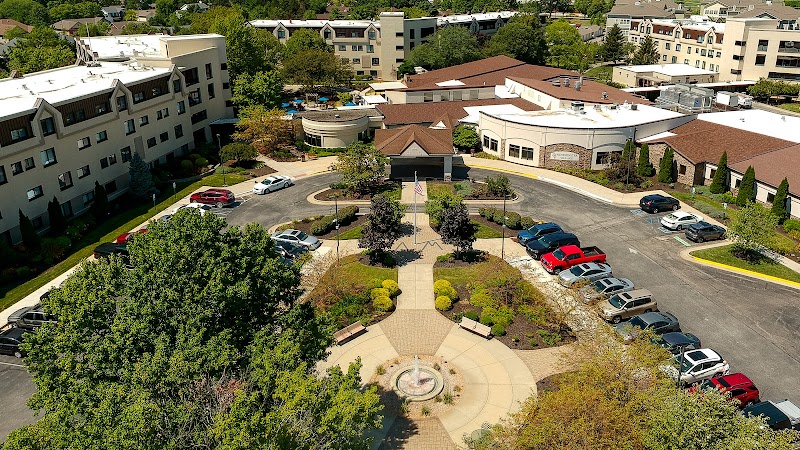
How Does Westminster Village - West Lafayette Compare to Other Indiana Nursing Homes?

Compared to the 100 nursing homes in Indiana, WESTMINSTER VILLAGE - WEST LAFAYETTE's overall rating (4 stars) is above the state average of 3.1, staff turnover (38%) is near the state average of 46%, and health inspection rating (3 stars) is at the national benchmark.

What Should Families Ask When Visiting Westminster Village - West Lafayette?

Based on this facility's data, families visiting should ask: "Can I visit during a mealtime to observe dining assistance and food quality?" "How do you handle medical emergencies, and what is your hospital transfer rate?" "Can I speak with family members of current residents about their experience?"

Is Westminster Village - West Lafayette Safe?

Based on CMS inspection data, WESTMINSTER VILLAGE - WEST LAFAYETTE has a clean safety record: no substantiated abuse findings (meaning no confirmed cases of resident harm), no Immediate Jeopardy citations (the most serious violation level indicating risk of serious injury or death), and is not on the Special Focus Facility watch list (a federal program monitoring the lowest-performing 1% of nursing homes). The facility has a 4-star overall rating and ranks #1 of 100 nursing homes in Indiana. While no facility is perfect, families should still ask about staff-to-resident ratios and recent inspection results during their visit.

Do Nurses at Westminster Village - West Lafayette Stick Around?

WESTMINSTER VILLAGE - WEST LAFAYETTE has a staff turnover rate of 38%, which is about average for Indiana nursing homes (state average: 46%). Moderate turnover is common in nursing homes, but families should still ask about staff tenure and how the facility maintains care continuity when employees leave.

Was Westminster Village - West Lafayette Ever Fined?

WESTMINSTER VILLAGE - WEST LAFAYETTE has no federal fines on record. CMS issues fines when nursing homes fail to meet care standards or don't correct problems found during inspections. The absence of fines suggests the facility has either maintained compliance or corrected any issues before penalties were assessed. This is a positive indicator, though families should still review recent inspection reports for the full picture.

Is Westminster Village - West Lafayette on Any Federal Watch List?

WESTMINSTER VILLAGE - WEST LAFAYETTE is not on any federal watch list. The most significant is the Special Focus Facility (SFF) program, which identifies the bottom 1% of nursing homes nationally based on persistent, serious quality problems. Not being on this list means the facility has avoided the pattern of deficiencies that triggers enhanced federal oversight. This is a positive indicator, though families should still review the facility's inspection history directly.