WILLIAMSPORT NURSING AND REHABILITATION


200 SHORT ST, WILLIAMSPORT, IN 47993 (765) 762-6111
Government - County 80 Beds AMERICAN SENIOR COMMUNITIES Data: November 2025
Trust Grade
50/100
#409 of 505 in IN
Last Inspection: June 2025

Inspected within the last 6 months. Data reflects current conditions.

Overview

Williamsport Nursing and Rehabilitation has a Trust Grade of C, which means it is average and sits in the middle of the pack compared to other facilities. It ranks #409 out of 505 in Indiana, placing it in the bottom half, but it is the only nursing home in Warren County. The facility's trend is stable, with 9 compliance issues noted in both 2024 and 2025. Staffing is a relative strength, earning 3 out of 5 stars with a turnover rate of 31%, which is better than the state average of 47%. Notably, the facility has not incurred any fines, which is a positive sign. However, there are some concerning findings. The kitchen was not maintained in a sanitary condition, with dirty surfaces and food particles noted, which could affect all residents using that kitchen. Additionally, residents reported being served unappetizing food that did not match the planned menu. Another issue involved dangerous hot water temperatures in resident bathrooms, which could lead to burns. Overall, while there are strengths in staffing and no fines, these health and safety concerns need to be addressed.

Trust Score
C
50/100
In Indiana
#409/505
Bottom 20%
Safety Record
Low Risk
No red flags
Inspections
Holding Steady
9 → 9 violations
Staff Stability
○ Average
31% turnover. Near Indiana's 48% average. Typical for the industry.
Penalties
✓ Good
No fines on record. Clean compliance history, better than most Indiana facilities.
Skilled Nurses
⚠ Watch
Each resident gets only 24 minutes of Registered Nurse (RN) attention daily — below average for Indiana. Fewer RN minutes means fewer trained eyes watching for problems.
Violations
⚠ Watch
27 deficiencies on record. Higher than average. Multiple issues found across inspections.
★★☆☆☆
2.0
Overall Rating
★★★☆☆
3.0
Staff Levels
★★★★☆
4.0
Care Quality
★★☆☆☆
2.0
Inspection Score
Stable
2024: 9 issues
2025: 9 issues

The Good

  • 4-Star Quality Measures · Strong clinical quality outcomes
  • Full Sprinkler Coverage · Fire safety systems throughout facility
  • No fines on record
  • Staff turnover below average (31%)

    17 points below Indiana average of 48%

Facility shows strength in quality measures, fire safety.

The Bad

2-Star Overall Rating

Below Indiana average (3.1)

Below average - review inspection findings carefully

Staff Turnover: 31%

15pts below Indiana avg (46%)

Typical for the industry

Chain: AMERICAN SENIOR COMMUNITIES

Part of a multi-facility chain

Ask about local staffing decisions and management

The Ugly 27 deficiencies on record

Jun 2025 9 deficiencies
CONCERN (D)

Potential for Harm - no one hurt, but risky conditions existed

Deficiency F0561 (Tag F0561)

Could have caused harm · This affected 1 resident

**NOTE- TERMS IN BRACKETS HAVE BEEN EDITED TO PROTECT CONFIDENTIALITY** Based on interview and record review, the facility failed to ensure a resident's shower preferences were upheld for 1 of 24 resi...

Read full inspector narrative →
**NOTE- TERMS IN BRACKETS HAVE BEEN EDITED TO PROTECT CONFIDENTIALITY** Based on interview and record review, the facility failed to ensure a resident's shower preferences were upheld for 1 of 24 residents reviewed for choices (Resident 54). Findings include: During an interview, on 6/9/25 at 11:16 a.m., Resident 54 indicated she wanted a shower every day but had never been asked how often she wanted one. Resident 54's record was reviewed on 6/12/25 at 11:08 a.m. Census information indicated the resident was admitted to the facility on [DATE]. An admission Minimum Data Set (MDS) assessment, dated 4/1/25, indicated the resident had a moderate cognitive impairment, it was very important for her to choose the type of bath she received, and she required partial/moderate staff assistance with bathing. A preferences for customary routines and activities observation, dated 4/8/25, indicated the resident was interviewed to obtain the information in the document. The resident indicated it was very important for her to choose the type of bath she received, and she preferred to be bathed more than twice per week in the AM. An undated shower schedule indicated the resident was scheduled for showers on evening shift twice weekly despite the resident's stated preference of showering more than twice per week in the morning. Shower reports, dated April, May, and June 2025, indicated the resident was offered a shower on 4/3/25, 4/5/25, 4/9/25, 4/10/25, 4/11/25, 4/15/25, 4/21/25, 4/24/25, 4/27/25, 4/28/25, 5/6/25, 5/9/25, 5/16/25, 5/20/25, 5/23/25, 5/27/25, 5/30/25, 5/31/25, and 6/10/25. Of those dates, the resident refused the offered showers on 4/3/25, 4/9/25, 4/10/25, 4/11/25, 5/16/25, 5/23/25, 5/27/25, 5/30/25, and 6/10/25. The shower reports lacked documentation the resident's shower preference was reassessed due to refusals or what shift the showers were offered on as the resident's stated time preference was morning, but she was scheduled for evening showers. Progress notes, dated May and June 2025, lacked documentation the resident was offered a shower daily or the resident's shower preference was reassessed. A care plan, goal target dated, 7/7/25, indicated the resident enjoyed spending time with animals and pets, crocheting, visiting with family and friends, reading, listening to music, and going outside. Interventions included, but were not limited to, the resident preferred to shower every day. During an interview, on 6/12/25 at 11:37 a.m., the Director of Nursing Services (DNS) indicated the Activity Director interviewed residents to determine their preferences and it was documented on the customary routines and activities observation. The resident's shower schedule should have been based on the resident's preference obtained from the customary routines and activities observation. If the resident stated she wanted to be showered more than twice per week then the Activity Director should have followed up to determine how many days a week she preferred to shower. Once the resident's shower preference was determined then the Activity Director should have communicated the preference to the scheduler to add to the resident's shower schedule. During an interview on 6/12/25 at 12:03 p.m., the DNS indicated the resident was scheduled for showers twice weekly. The resident refused showers, but showers should have been scheduled more than twice per week since that was her stated preference. Ideally, if the resident stated a preference, but then refused showers, the resident should have been re-interviewed or reassessed to determine if the resident wanted to be offered a shower daily. The DNS indicated she reviewed the resident's record but was unable to find documentation the resident's shower schedule or preferences had been reassessed or updated. On 6/12/25 at 12:07 p.m., the DNS provided a document titled, Preferences for Daily Routine, last revised in December 2015, and indicated it was the policy currently being used by the facility. The policy indicated, .Purpose: To identify and develop a plan of care that reflects the resident's past and current daily customary routines .Procedure: 1. Activity Director or designee will complete the Preferences for Daily Customary Routines worksheet upon admission of a new resident .3. The information from the worksheet will be shared with the interdisciplinary team so that each department can address the resident's preferences. 3.1-3(u)(1)
CONCERN (D)

Potential for Harm - no one hurt, but risky conditions existed

Assessment Accuracy (Tag F0641)

Could have caused harm · This affected 1 resident

Based on record review and interview, the facility failed to ensure the accurate coding of a Minimum Data Set (MDS) assessment for 1 of 22 residents reviewed for MDS assessment accuracy (Resident 55)....

Read full inspector narrative →
Based on record review and interview, the facility failed to ensure the accurate coding of a Minimum Data Set (MDS) assessment for 1 of 22 residents reviewed for MDS assessment accuracy (Resident 55). Findings include: Resident 55's record was reviewed on 6/11/25 at 11:58 a.m. A quarterly MDS assessment, dated 4/15/25, indicated the resident received an anticoagulant (blood thinner) medication during the look-back period. A Medication Administration Record (MAR), dated April 2025, lacked documentation the resident received an anticoagulant medication. During an interview, on 6/13/25 at 10:17 a.m., the Director of Nursing Services (DNS) indicated she reviewed the MDS assessment, dated 4/15/25, and the resident's record. At the time of the MDS assessment, the resident was not on an anticoagulant medication. He was on an anticoagulant previously, but it was discontinued prior to the MDS assessment's look-back period. The assessment was coded in error. On 6/13/25 at 10:16 a.m., the DNS provided the Centers for Medicare and Medicaid Services (CMS), Resident Assessment Instrument (RAI) manual, section N, and indicated it was the policy currently being used by the facility. The RAI manual indicated, .Steps for Assessment 1. Review the resident's medication administration records for the 7-day look-back period .N0415 High-Risk Drug Classes: Use and Indication: 1. Is taking: Check if the resident is taking any medications by pharmacological classification, not how it is used, during the last 7 days .E. Anticoagulant 3.1-31(c)(13)
CONCERN (D)

Potential for Harm - no one hurt, but risky conditions existed

Deficiency F0657 (Tag F0657)

Could have caused harm · This affected 1 resident

**NOTE- TERMS IN BRACKETS HAVE BEEN EDITED TO PROTECT CONFIDENTIALITY** 3. During an interview, on 6/9/25 at 2:15 p.m., Resident 31 indicated she did not remember being invited to or attending a care ...

Read full inspector narrative →
**NOTE- TERMS IN BRACKETS HAVE BEEN EDITED TO PROTECT CONFIDENTIALITY** 3. During an interview, on 6/9/25 at 2:15 p.m., Resident 31 indicated she did not remember being invited to or attending a care plan meeting regularly. She did not recall when the last one was. Resident 31's record was reviewed on 6/11/25 at 11:29 a.m. A quarterly Minimum Data Set (MDS) assessment, dated 4/30/25, indicated the resident was cognitively intact. Census information indicated the resident was admitted to the facility on [DATE]. A Care Plan Summary note, dated 12/12/24, indicated a care plan meeting was conducted on this day for Resident 31. A Care Plan Summary note, dated 6/13/24, indicated a care plan meeting was conducted on this day for Resident 31. Resident 31's record lacked documentation of a quarterly care plan meeting being conducted for the last year from June 2024 to June 2025. The resident had two care plan meetings for the entire year. During an interview, on 6/11/25 at 1:28 p.m., the Social Service Director (SSD) indicated she would document a care plan summary note in the residents' chart when the care plan meetings were conducted, and she would conduct a care plan meeting every 3 months with the resident and or resident representative. She was unable to provide documentation that care plan meetings were conducted quarterly for Resident 31. On 6/11/25 at 2:17 p.m., the Director of Nursing (DON) provided a document with a revised date of 8/23, titled, IDT Comprehensive Care Plan Policy, and indicated it was the policy currently being used by the facility. The policy indicated, .The care plan must include measurable goals and resident specific interventions based on resident needs and preferences to promote the resident's highest level of functioning including medical, nursing, mental, and psychosocial well-being .Resident, resident's representative, or others as designated by resident will be invited to care plan review. The care plan review may be conducted face to face, via phone conference, video conference, or through written communication per resident and/or representative preference. Care plan problems, goals, and interventions must be reviewed and revised by the interdisciplinary team periodically and following completion of each MDS assessment 3.1-35(a) 3.1-35(e) Based on record review and interview, the facility failed to develop a care plan for the long-term use of an antibiotic for 1 of 22 residents reviewed for care plans (Resident 55), and the facility failed to ensure care plan meetings were held and documented for 2 of 22 residents reviewed for care plan meetings (Residents 11 and 31). Findings include: 1. Resident 55's record was reviewed on 6/11/25 at 11:58 a.m. Diagnosis on the resident's profile included, but were not limited to, extended spectrum beta lactamase (ESBL) (multi-drug resistant organism). A quarterly Minimum Data Set (MDS) assessment, dated 4/15/25, indicated the resident had a moderate cognitive impairment, a UTI in the last 30 days, and received an antibiotic during the look-back period. A progress note, dated 3/26/25, indicated the Nurse Practitioner (NP) called about the resident potentially having a peripherally inserted central catheter (PICC) line placed for antibiotic treatment for ESBL. The NP wanted to talk with the resident's wife and the infectious disease doctor before making a decision. The resident had an appointment scheduled with infectious disease on 4/1/25. A written physician's order from the infectious disease doctor, dated 4/1/25, indicated continue Macrobid (antibiotic) twice daily until 4/5/25, and then start Macrobid daily from 4/6/25 for six months for urinary tract infection (UTI) prevention. A physician's order, dated 4/6/25, indicated Macrobid 100 milligrams (mg) by mouth daily for six months for prevention of UTI. The resident's comprehensive care plan lacked documentation a care plan was developed due to the resident's long-term use of the antibiotic for UTI prevention and the resident's history of UTIs and ESBL. During an interview, on 6/12/25 at 9:38 a.m., the Director of Nursing Services (DNS) indicated a care plan should have been developed related to the resident's long-term antibiotic use. 2. During an interview, on 6/9/25 at 11:03 a.m., Resident 11 indicated she did not remember having a care plan meeting. Resident 11's record was reviewed on 6/11/25 at 2:31 p.m. Census information indicated the resident was admitted to the facility on [DATE]. An annual Minimum Data Set (MDS) Assessment, dated 5/21/25, indicated the resident was cognitively intact. Progress Notes, dated 12/1/24 to 6/11/25, lacked documentation the resident or resident representative were invited to a care plan meeting, a response to any invitation, or a care plan meeting was held. On 6/12/25 at 10:40 a.m., the Social Services Director (SSD) provided copies of invitations for a care plan meeting on 5/21/25 at 10:30 a.m. One invitation was addressed to the resident's representative and one had the resident's name on it. The invitations did not indicate if the resident or the representative accepted the invitation, refused, or documentation the care plan meeting was held at the indicated time. During an interview, on 6/12/25 at 10:43 a.m., the SSD indicated she reviewed the resident's chart and was unable to find documentation the resident or the representative responded to the invitation or documentation the care plan meeting was held. She was only able to provide documentation an invitation was mailed. The SSD indicated the resident or representative's response to the invitation should have been documented. The care plan meeting should have been documented when it was completed.
CONCERN (D)

Potential for Harm - no one hurt, but risky conditions existed

ADL Care (Tag F0677)

Could have caused harm · This affected 1 resident

**NOTE- TERMS IN BRACKETS HAVE BEEN EDITED TO PROTECT CONFIDENTIALITY** Based on observations, interviews and record reviews, the facility failed to ensure residents were administered showers and shav...

Read full inspector narrative →
**NOTE- TERMS IN BRACKETS HAVE BEEN EDITED TO PROTECT CONFIDENTIALITY** Based on observations, interviews and record reviews, the facility failed to ensure residents were administered showers and shaved per resident preference for 2 of 24 residents reviewed for Activities of Daily Living (ADL), (Resident 50), (Resident 29). Findings include: 1. On 6/10/25 at 10:32 a.m., during initial observation and interview, Resident 50 observed to have extensive facial hair. The resident indicated he preferred to be shaved but the staff does not shave him, and due to poor vision he is unable to shave himself. The resident indicated he was scheduled to receive a shower on Monday and Friday, but he was not being administered regular showers. On 6/10/25 at 10:45 a.m., during an interview the Assistant Director of Nursing (ADON) indicated she was unsure how often the residents were shaved. On 6/10/25 at 10:46 a.m., during interview Certified Nurse Aide (CNA) 5, indicated residents were shaved on the days they received a shower. She indicated they record administered showers on a shower sheet. On 6/11/25 at 1:45 p.m., the medical record of Resident 50 was reviewed. The resident was admitted to the facility on [DATE]. Admitting diagnoses included but were not limited to Hypertension (high blood pressure), Diabetes (a disease that occurs when your blood glucose, also called blood sugar, is too high), and Hemiplegia (a loss of strength in the arm, leg, and sometimes face on one side of the body). A Minimum Data Assessment (MDS) dated [DATE] indicated the resident was cognitively intact and required assistance for Activities of Daily Living (ADL) (activities related to personal care such as bathing and grooming). A care plan dated 8/30/24 indicated the resident required assistance with ADLs including bed mobility, transfers, eating and toileting related to: CVA (stroke), and hemiplegia. Intervention included but were not limited to assist with bathing as needed per resident preference. Offer showers two times per week, partial bath in between. Current preference for bathing/shower/bed bath and AM/PM. The record indicated the resident was scheduled to be administered two showers per week, on Mondays and Fridays. The point of care documentation in the medical record (documentation recorded by the CNA indicating care that was provided to the resident), indicated the resident was scheduled to have 22 showers administered from 4/1/25 to 6/11/25. The record indicated the resident was administered a shower 10 times. The record lacked documentation the resident refused showers. On 6/12/25 at 10:45 a.m., during a routine observation the resident was laying down in his room. The resident indicated he still had not been shaved. Resident noted to have full beard facial hair. 2. On 6/9/25 at 10:15 a.m. during initial observation Resident 29 was sitting in a wheelchair in his room. The resident was dressed, and clothing was clean. The residents fingernails observed with brown debris under the nails, and a heavy beard growth. On 6/9/25 at 12:00 p.m., during a second observation, resident was in the assistant dining room. The resident had not been shaved, and brown debris were under the nails. On 6/10/25 at 11:30 during a third observation. Resident sitting in wheelchair in his room. The resident had not been shaved. On 6/11/25 at 2:00 pm the medical record of resident 29 was reviewed. The resident was admitted to the facility on [DATE]. Diagnoses included but not limited to Parkinsons disease (a brain disorder that causes unintended or uncontrollable movements, such as shaking, stiffness, and difficulty with balance and coordination), and diabetes (a disease that occurs when your blood glucose, also called blood sugar, is too high). A quarterly Minimum data set assessment dated [DATE] indicated the resident was not cognitively intact and was dependent for all personal care. A care plan dated 1/14/25 indicated the resident required assistance with ADLs including bed mobility, transfers, eating and toileting related to Parkinson's disease. Intervention included but was not limited to assist with bathing as needed per resident preference. Offer showers two times per week. Assist with dressing/grooming/hygiene as needed. The point of care documentation indicated the resident was scheduled to have been administered 22 showers from 4/1/25 to 6/11/25. The documentation indicated that the resident was administered 6 showers. The medical record lacked documentation of the resident refusing showers. On 6/11/25 at 2:30 p.m. the Director of Nursing (DON) provided copies of shower sheet records for the residents. She indicated the shower sheets were an internal document and were not retained as part of the medical record. She indicated the residents were scheduled for a shower two times weekly. On 6/12/25 at 10:40 a.m., during a fourth observation the resident observed sitting in a wheelchair in his room. The resident nails observed to have brown debris under nails and had not been shaved. On 6/12/2025 at 11:04 a.m., the Director of Nursing (DON) provided a document, titled, AM Care, dated, 3/2023 and indicated it was the policy currently being used by the facility. The policy indicated, .6. Assist resident to ash face, hands .8. Shave resident, if needed or requested On 6/12/2025 at 11:04 a.m., the DON provided a document, titled, Fingernail care, dated, 9/2023 and indicated it was the policy currently being used by the facility. The policy indicated, .9. Clean under nails with orange stick The DON did not provide a policy specific to administering showers or bathing. 3.1-38(a)(3)
CONCERN (D)

Potential for Harm - no one hurt, but risky conditions existed

Accident Prevention (Tag F0689)

Could have caused harm · This affected 1 resident

**NOTE- TERMS IN BRACKETS HAVE BEEN EDITED TO PROTECT CONFIDENTIALITY** Based on observation, record review, and interview, the facility failed to prevent potential accidents by ensuring medications w...

Read full inspector narrative →
**NOTE- TERMS IN BRACKETS HAVE BEEN EDITED TO PROTECT CONFIDENTIALITY** Based on observation, record review, and interview, the facility failed to prevent potential accidents by ensuring medications were administered and disposed of according to medication professional standards for 2 of 5 residents reviewed (Residents 8 and 20). Findings include: 1. On 6/9/25 at 11:15 a.m., during an initial observation and resident interview, Resident 8 sat on side of bed. Two plastic medication cups containing several pills were observed. The resident indicated she had a rough night, and the nurse did not want to wake her up and left her medications on her overbed table. On 6/10/25 at 2:33 p.m., the medical record of Resident 8 was reviewed. The resident was admitted to the facility on [DATE]. Admitting diagnoses included but not limited to chronic obstructive pulmonary disease (COPD) (a group of diseases that cause airflow blockage and breathing-related problems), alcoholic cirrhosis (a severe liver condition where healthy liver tissue is replaced by scar tissue due to long-term, excessive alcohol consumption), diabetes (a disease that occurs when your blood glucose, also called blood sugar, is too high), gastroesophageal reflux disease (GERD) (a condition where stomach contents flow back up into the esophagus, causing irritation and discomfort), and heart failure (a condition that develops when your heart doesn't pump enough blood for your body's needs). A physician order, dated 5/23/25, indicated to administer acetaminophen 1000 mg (milligrams), three times daily for pain. A physician order, dated 6/27/25, indicated to administer adult low does aspirin 81 mg, daily for aftercare. A physician order, dated 5/8/25, indicated to administer clopidogrel 75 mg daily for aftercare. A physician order, dated 4/21/25, indicated to administer docusate sodium 100 mg twice daily for aftercare. A physician order, dated 3/29/25, indicated to administer famotidine 20 mg twice daily for GERD. A physician order, dated 5/3/25, indicated to administer Jardiance 25 mg once daily for diabetes. A physician order, dated 3/29/25, indicated to administer Metoprolol ER 12.5 mg twice daily for hypertension. A physician order, dated 4/11/25, indicated to administer Omeprazole 20 mg once daily for GERD. A physician order, dated 4/18/25, indicated to administer Oxybutynin 5 mg twice daily for aftercare. A physician order, dated 4/30/25, indicated to administer Propranolol 10 mg twice daily for hypertension. A physician order, dated 5/8/25, indicated to administer Sertraline 100 mg once daily for depression. A physician order, dated 5/3/25, indicated to administer Spironolactone 25 mg once daily for hypertension. A Minimum Data Set assessment (MDS), dated [DATE], indicated the resident was cognitively intact. A care plan, dated 1/23/23, indicated the resident had behaviors which included rejection of medications and hiding medications in her top drawer. On 6/10/25 at 2:37 p.m., during an interview Registered Nurse (RN) 6, indicated she did not leave medications at a resident's bedside. She indicated if a resident refused to take medications she advised the resident she could not leave them and would bring them back later. On 6/10/25 at 2:43 p.m. during an interview, the Licensed Practical Nurse (LPN) 7 indicated she did not leave medications at a resident's bedside. She indicated she would explain to the resident she was unable to leave medications at the bedside and would bring them to the resident later. On 6/11/25 at 9:43 a.m., during an interview the Director of Nursing (DON) indicated the nurses were not permitted to leave medications at the residents' bedside. 2. On 6/11/25 at 9:20 a.m., observed medication administration with Licensed Practical Nurse LPN 17. The nurse attempted to administer Sertraline HCL 100 mg 2 tablets, Amlodipine 5 mg 1 tablet, Benazepril 10 mg 1 tablet, Centrum Silver Vitamin 1 tablet, Memantine HCL 10 mg 1 tablet, Senna tablet 8.6 mg 2 tablets to Resident 20. The resident refused to take the medications. The nurse disposed of medications into the sharps (used needles) container. On 6/11/25 at 9:30 a.m., during an interview Nurse 17 indicated she only disposed of narcotic medications in the Drug Buster disposal system (a solution to neutralize the active chemicals in medications). She acknowledged she should have disposed of refused medications into the disposal solution. On 6/11/2025 at 9:45 a.m., the DON provided a document, titled, Medication Pass Procedure, dated 4/2025, and indicated it was the policy currently being used by the facility. The policy indicated, .14. Wasted, dropped or discarded medications disposed of in Drug Buster disposal system 3.1-45
CONCERN (D)

Potential for Harm - no one hurt, but risky conditions existed

Deficiency F0697 (Tag F0697)

Could have caused harm · This affected 1 resident

Based on interview and record review, the facility failed to ensure a resident had received a requested medication for muscle spasms (sudden involuntary powerful contraction of a muscle or muscle grou...

Read full inspector narrative →
Based on interview and record review, the facility failed to ensure a resident had received a requested medication for muscle spasms (sudden involuntary powerful contraction of a muscle or muscle group) for 1 of 1 resident reviewed for pain management (Resident 112). Findings include: During the initial pool interview, on 6/9/25 at 2:22 p.m., Resident 112 indicated she had requested an as needed (PRN) dose of her tizanidine (medication to treat muscle spasms) earlier in the morning when she had been given her pain medication. The nurse asked if she would consider waiting until after lunch due to the high risk of falling as the medication was known to lower blood pressure. The resident was confused as to why the nurse was concerned about her falling as she was in a wheelchair and was non-weight bearing (when no weight should be placed on an affected limb, usually after a surgical procedure). She indicated she reluctantly agreed, and requested, and was given, a Xanax (anti-anxiety medication). The nurse had not returned, after lunch, to check on her and offer the tizanidine, and now her spasms were increasing, and she was in pain. She believed the nurse had already left for the day. At the same time, the resident was observed with facial grimacing and clutching at her lower back area. During a telephone interview, by the Director of Nursing (DON), on 6/10/25 at 2:38 p.m., Licensed Practical Nurse (LPN) 4, indicated after lunch, she went back to the resident and offered her the tizanidine. The resident did not want the tizanidine but wanted a Xanax instead. During an interview, on 6/11/25 at 9:39 a.m., the DON indicated she had placed a follow-up call to LPN 4 later in the afternoon of 6/10/25, because the LPN had told her when she initially spoke with her on the phone, she had a headache. During the follow-up call, the LPN admitted she had failed to return to the resident, on the date in question, to see if she had needed the tizanidine. At the same time, the DON indicated the expectation was, if a resident requested medication to help with muscle spasms causing pain, and the nurse didn't give it, the nurse should have come back to follow up to see if the resident still wanted the medication. LPN 4 should have followed up to see if the resident still wanted the tizanidine. Resident 112's record was reviewed on 6/11/25 at 10:05 a.m. The profile indicated the resident's diagnoses included, but were not limited to, stress fracture of right ankle (small crack in the bone due to repetitive stress or overuse) and stage 3 chronic kidney disease (moderate damage to the function of the kidneys). A care plan, dated 6/10/25, indicated the resident was at risk for pain. Interventions included, but were not limited to, administer medications as ordered and observe for non-verbal signs of pain. A care plan, dated 6/10/25, indicated the resident was non-weight bearing status due to stress fracture of right ankle. A physician's order, dated 6/6/25, indicated to administer 1 tablet of 5-325 milligram (mg) hydrocodone-acetaminophen (pain medication) every 4 hours PRN for moderate to severe pain. The June 2025 Medication Administration Record (MAR) indicated the resident had received her hydrocodone-acetaminophen tablet at 1:02 a.m., 8:44 a.m., and 6:07 p.m., on 6/9/25. A physician's order, dated 6/6/25, indicated to administer a 1 mg tablet of Xanax three times a day PRN, for anxiety. The June 2025 MAR indicated the resident had received her Xanax at 10:20 a.m., and 6:07 p.m., on 6/9/25. A physician's order, dated 6/6/25, indicated to administer one, 4 mg capsule of tizanidine every 8 hours PRN for muscle spasms/cramping. The June 2025 MAR indicated the resident had received a dose of tizanidine on 6/9/25 at 1:02 a.m., but lacked documentation that the resident had received any further doses of the medication on 6/9/25. A nurse progress note, dated 6/9/25 at 10:21 a.m., LPN 4 indicated the resident had requested a Xanax. The note lacked documentation of that the nurse had followed up with the resident on her need for the tizanidine. On 6/11/25 at 10:12 a.m., the DON provided a document, with a revision date of 7/2024, titled, Pain Management Policy, and indicated it was the policy currently being used by the facility. The policy indicated, .Procedure .3 .Pain medication will be .given based on the intensity of the pain .11. The licensed nurse will monitor the efficacy .as it relates to the resident's pain management 3.1-37(a)
CONCERN (D)

Potential for Harm - no one hurt, but risky conditions existed

Deficiency F0761 (Tag F0761)

Could have caused harm · This affected 1 resident

Based on observation and interviews, the facility failed to ensure medication was labeled properly for 1 of 2 medication storage rooms reviewed for medication storage. Findings include: On 6/11/25 a...

Read full inspector narrative →
Based on observation and interviews, the facility failed to ensure medication was labeled properly for 1 of 2 medication storage rooms reviewed for medication storage. Findings include: On 6/11/25 at 9:15 a.m., observed the North Hall medication storage room with Licensed Practical Nurse (LPN) 17. The refrigerator observed with an opened, undated vial of tuberculin solution. On 6/11/25 at 9:20 a.m., during an interview LPN 17 indicated medications must be dated when opened. On 6/11/25 at 11:30 a.m., during an interview the Director of Nurses (DON) indicated tuberculin solution must be dated when opened. On 6/11/2025 at 10:12 a.m., the DON provided a document, titled, Medication Storage and Expiration policy, dated 11/2024, and indicated it was the policy currently being used by the facility. The policy indicated, .9. Facility staff should record the date opened on the primary medication container (vial, bottle, inhaler) when the medication has a shortened expiration date once opened 3.1-25(j) 3.1-25(m) 3.1-25(n)
CONCERN (E)

Potential for Harm - no one hurt, but risky conditions existed

Deficiency F0804 (Tag F0804)

Could have caused harm · This affected multiple residents

**NOTE- TERMS IN BRACKETS HAVE BEEN EDITED TO PROTECT CONFIDENTIALITY** Based on observation, interview, and record review, the facility failed to provide food that was palatable and failed to serve f...

Read full inspector narrative →
**NOTE- TERMS IN BRACKETS HAVE BEEN EDITED TO PROTECT CONFIDENTIALITY** Based on observation, interview, and record review, the facility failed to provide food that was palatable and failed to serve food at the proper temperature for 1 of 1 test tray. This had the potential to affect all residents who received food from the kitchen. Findings include: 1. During an observation of the lunch service, on 6/9/25 at 11:50 a.m., The residents in the dining room were served a chicken salad sandwich, slice of lettuce, slice of tomato, beets, and sliced pears. This menu differed from what was to be served that day. The residents were to be served a bowl of tomato basil soup, hot tuna and cheese sandwich, pickled beets and sliced pears. During a dining room observation, on 6/9/24 at 12:27 p.m., Resident 31 was served her lunch tray, and she indicated she was tired of chicken salad, and they just had a chicken salad sandwich a couple of days ago. The resident also questioned the staff why they were also having chicken again for dinner. During an interview, on 6/10/25 at 2:44 p.m., the Dietary Manager was unsure why there were different foods served on the previous day's menus. She knew they were allowed to serve substitutes if necessary. The chicken salad sandwich, beets, and pears were not enough of a caloric intake for the residents that day, indicated by the manager. The dietary manager indicated she was still trying to get the food council up and running and she knew there were concerns about repeated items on the menu. During an interview, on 6/10/25 at 2:45 p.m., Culinary Aide 18 indicated she saw where soup was to be served with the sandwich, and she was told there was no soup to be served. 2. During an interview, on 6/9/25 at 2:17 p.m., Resident 31 indicated the food was often cold and they had a lot of repeated items on the menu and were not palatable. The resident indicated that she ate most of the time in the dining room and the food was even cold when served from there. During an interview, on 6/10/25 at 9:55 a.m., Resident 12 indicated the food served from the kitchen was the same items week after week and the food was often cold and not palatable. The resident indicated most of the time she ate in the dining room but not always. During an interview, on 6/10/25 at 10:25 a.m., Resident 50 indicated the food from the kitchen was always cold. The resident ate most of his meals in his room and received a hall tray. During an interview, on 6/12/25 at 11:11 a.m., the Dietary Manager indicated she was aware of the cold food complaints from the residents, and she had just started at the facility a few weeks before and was still trying to find out what the issue was. They do not have insulated food carts for the hall trays. A test tray was obtained on 6/12/25 at 1:10 p.m., the food temps were as follows: a. [NAME] dog 130.6 degrees F(Fahrenheit) b. Potato Wedges 113.4 degrees F c. [NAME] Slaw 49.6 degrees F d. Watermelon 48.4 degrees F The potato wedges were noted to not be cooked thoroughly and were crunchy in sections. The warm food was noted to be lukewarm. During an interview, on 6/12/25 at 1:10 p.m., the Dietary Manager indicated the food was not to the correct temperature and the warm food items were too cold and the cold items were too warm per state regulation. On 6/12/25 at 2:10 p.m., the Dietitian Assistant provided a document with a revised date of 5/25, titled, Food Temperatures, and indicated it was the policy currently being used by the facility. The policy indicated, .The facility will maintain proper food temperature control to prevent food borne illness .1. Hot foods will be held for service at or above 135F, and cold foods at or below 41F. 2. All hot and cold food items will be served to the resident at a temperature that is considered palatable at the time the resident receives the food .9. Hot food will be held at or above 135F. If minimum temperature requirements are not maintained, food will need to be reheated to a minimum of 165F for 15 seconds before serving .11. Cold food will be held at or below 41. If cold food temperature is not maintained food item will need to be chilled to less than 41F before serving 3.1-21(a)(1) 3.1-21(a)(2)
CONCERN (F)

Potential for Harm - no one hurt, but risky conditions existed

Food Safety (Tag F0812)

Could have caused harm · This affected most or all residents

Based on observation, interview, and record review, the facility failed to ensure the kitchen was in a sanitary condition and the facility failed to ensure cleaning logs were completed and kept up to ...

Read full inspector narrative →
Based on observation, interview, and record review, the facility failed to ensure the kitchen was in a sanitary condition and the facility failed to ensure cleaning logs were completed and kept up to date for 1 of 1 initial kitchen observations. This had the potential to affect 64 out of 64 people who consumed food out of the kitchen. Findings include: During the initial kitchen tour on 6/9/25 at 10:00 a.m., the Dietary Cooperate Consultant was present during the initial tour. The convention oven burners were noted to have dark/chard particles caked on them. The grill next to the convention oven had food particles all around the outside rim of the grill. There was no food currently being cooked on the grill or oven at the time. The piping and wall behind the convention oven appeared dirty with old grease. The kitchen floor was dirty with food crumbs and pieces of paper towel throughout. Walk-in freezer contained food crumb/particles on the floor and shelving. During an interview, on 6/9/25 at 10:10 a.m., the Dietary Cooperate Consultant indicated the kitchen had a new dietary manager and she was not aware if the kitchen staff had been following a cleaning schedule. The Consultant opened a binder that had the cleaning schedule logs in it. The logs were dated April 2025 and were completely blank. She was unable to provide documentation that the kitchen cleaning logs were completed for April, May, or June 2025. During an interview, on 6/10/25 at 2:44 p.m., the Dietary Manager indicated she was aware that there were no kitchen cleaning logs completed for the last few months. She started at the facility a few weeks ago and she was aware that some tasks were not being completed as they should have by staff. She was still learning where the breaks in the system were and what staff needed to be re-educated on the tasks. The dietary manager indicated she would just instruct staff to clean something when she noted it needed attention. They had not been following an actual daily or deep cleaning schedule. During an interview, on 6/11/25 at 1:21 p.m., the Director of Nursing (DON) indicated she was aware that the kitchen cleaning logs were not kept up to date and that they have had several changes in management during the last year in the kitchen. On 6/11/25 at 1:25 p.m., the Director of Nursing (DON) provided a document with a revised date of 5/24, titled, Cleaning Schedules, and indicated it was the policy currently being used by the facility. The policy indicated, .The culinary staff will maintain the sanitation of the culinary department through compliance with a written, comprehensive cleaning schedule .2. The cleaning schedule will be posted for all cleaning tasks, and employees will initial tasks as completed. 4. Cleaning schedules are kept on file for a minimum of twelve months but if the time between annual surveys is longer than 12 months, the cleaning schedules must be held until completion of annual survey 3.1-21(i)(3)
Nov 2024 1 deficiency
CONCERN (D) 📢 Someone Reported This

A family member, employee, or ombudsman was alarmed enough to file a formal complaint

Potential for Harm - no one hurt, but risky conditions existed

Quality of Care (Tag F0684)

Could have caused harm · This affected 1 resident

Based on record review and interview, the facility failed to ensure a wound vacuum-assisted closure (vac) was placed properly for 1 of 3 residents reviewed for wound treatment (Resident B). Findings i...

Read full inspector narrative →
Based on record review and interview, the facility failed to ensure a wound vacuum-assisted closure (vac) was placed properly for 1 of 3 residents reviewed for wound treatment (Resident B). Findings include: Resident B's closed record was reviewed on 11/21/24 at 11:53 a.m. The profile indicated the resident's diagnoses included, but were not limited to, acute osteomyelitis (a serious bone infection that occurs when bacteria or other infectious agents spread to the bone) of the left ankle and foot, type 2 diabetes (a chronic disease that causes high levels of blood sugar, because the body doesn't produce enough insulin or doesn't use it properly) and diabetic foot ulcer (an open sore or wound that develops on the foot of a person with diabetes). An admission Minimum Data Set (MDS) assessment, dated 10/18/24, indicated the resident had no cognitive deficit and required extensive assistance with daily living skills (the routine tasks that people perform to care for themselves and their surroundings). A care plan, dated 10/13/24, indicated the resident required implementation of services related to left toe amputations (surgical removal) and wound vac (a medical treatment device that uses negative pressure to help wounds heal). Interventions included, but were not limited to, provide special treatments or devices including wound care and devices. A physician's order, dated 10/11/24, with a discontinuation dated of 10/19/24, indicated the apply a wound vac to the resident's left bottom foot area. Set wound vac pressure setting to 125 millimeters of mercury (mmhg) (a standard suction pressure used in wound vac therapy to treat wounds) and check every shift for proper functioning. A physician's order, dated 10/11/24, with a discontinuation dated of 10/20/24, indicated to change the resident's wound vac dressings three times weekly and as needed for soilage or dislodgement. A physician's order, dated 10/21/24, with a discontinuation date of, 10/29/24, indicated per the physician, the wound vac was to be changed Wednesday and Sunday by the facility. The physician would change at the clinic appointment on Fridays. A wound clinic visit note, dated 10/18/24, indicated the resident's wound to his left plantar foot was a diabetic ulceration. The wound was not healed. The periwound area (the skin directly surrounding a wound) moisture and color were normal. The supplies for the wound treatment had been delivered to the resident's home. A wound clinic note, dated 10/25/24, indicated the resident's wound to his left plantar foot was not healed. The periwound area was macerated (skin that has softened and broken down due to prolonged exposure to moisture, such as water, urine, sweat, or other fluids) and moist which was not normal for the patient. The foot was macerated due to the wound vac foam was against the resident's skin. A Social Services progress note, dated 10/25/24 at 4:45 p.m., indicated the resident and his wife had returned from the wound clinic appointment and requested to discharge from the facility. The Podiatrist (a doctor who specializes in diagnosing and treating conditions affecting the foot, ankle, and lower leg) at the appointment had sent an order for the resident to discharge to home. The Social Services Director (SSD) and the Director of Nursing Services (DNS) explained to the resident and his wife that it would be considered discharging against medical advice (AMA) because the facility's Medical Director had not ordered the discharge. The resident and his wife were adamant about discharging back to his home. A progress note, dated 10/25/24 at 5:03 p.m., indicated the resident was discharged from the facility and the physician was notified. During an interview, on 11/21/24 at 1:01 p.m., the Medical Records Director indicated the resident had been admitted to the facility with the wound vac, orders for the wound vac, and supplies. The facility had all the supplies for the wound vac in stock, but they were not the same brand name as the original wound vac supplies. The supplies worked the same as the originals, but the resident's wife was concerned that because they were not the original brand, they would not work properly. The wound vac was hard to keep in place due to the area of the foot that it was placed on. The DNS had placed the wound vac when the resident arrived at the facility. There were orders to change the wound vac dressings three times a week and as needed if it came off or got dirty. Any nurse could change the dressings and replace the wound vac. No specific education had been provided, but if a nurse wanted education, the DNS would provide. She understood that education had been given to one nurse, who she believed was a new nurse. She had heard that the resident had gone to a wound clinic appointment at the end of October and the wound clinic staff had suspected the foam from the wound vac had not been properly placed and was touching the resident's skin. She had no further knowledge of the situation. During an interview, on 11/21/23 at 1:25 p.m., the Executive Director (ED) indicated she was aware of Resident B's wife's concern of the facility's lack of supplies. Her understanding was that the supplies that the facility had in stock worked fine with the wound vac. She was also aware that the DNS had re-educated Licensed Practical Nurse (LPN) 7 about proper placement of the wound vac. During a telephone interview with the DNS, on 11/21/24 at 1:39 p.m., she indicated due to Resident B's wife's concerns about the wound vac being placed improperly, she had re-educated LPN 7. She had not documented the education. She was unsure if the wound vac had been placed improperly or not. She checked the placement of the wound vac daily. During an interview, on 11/21/24 at 2:04 p.m., the MDS Coordinator indicated it was very important to ensure that the foam used in wound vacs was not left in contact with the skin, as it could cause skin breakdown. On 11/21/24 at 2:16 p.m., the Admissions Director provided a document, with a revision dated of 5/22, titled, Skin Management Program, and indicated it was the policy currently being used by the facility. The policy indicated, Policy: It is the policy .that each resident receives care, consistent with professional standards or practice .and a resident .receives necessary treatment and services, consistent with professional standards of practice, to promote healing, prevent infection and prevent new ulcers from developing This citation relates to complaint IN00446310. 3.1-37(a)
May 2024 8 deficiencies
CONCERN (D)

Potential for Harm - no one hurt, but risky conditions existed

Resident Rights (Tag F0550)

Could have caused harm · This affected 1 resident

Based on observation, record review, and interview, the facility failed to ensure residents were treated with dignity for 1 of 1 resident reviewed for dignity (Resident 4). Findings include: During ...

Read full inspector narrative →
Based on observation, record review, and interview, the facility failed to ensure residents were treated with dignity for 1 of 1 resident reviewed for dignity (Resident 4). Findings include: During a dining observation on 5/8/24 at 11:50 a.m., the Speech Language Pathologist (SLP) was observed to be standing at Resident 4's left side, assisting him with eating and drinking. She was not observed to sit down while assisting him. Resident 4's record was reviewed on 4/15/24 at 11:21 a.m. His diagnoses included, but were not limited to, paraplegia (loss of muscle function in the lower body), lack of coordination (poor muscle control), contracture of muscles (permanent shortening of a muscle causing deformity), abnormal posture (involuntary abnormal position of the body), and mild cognitive impairment (problems with a person's ability to think, learn, remember, use judgement, and make decisions). A comprehensive care plan, last reviewed 5/13/24, indicated resident had a problem with activities of daily living (ADL) that started 1/19/23 and needed assistance with ADL's, including eating, with an intervention approach to assist resident with eating as needed. During an interview on 5/15/24 at 11:50 a.m., the Director of Nursing (DON) indicated that on 5/8/24, during lunch, Resident 4 was receiving his quarterly screening to determine if there was a need for therapy services. When he was being assisted with eating it was not a swallow study and if anyone was assisting him with eating, she hoped that they would be sitting in a chair like they would with normal assisting. She indicated that the SLP answers should not be any different. During an interview on 5/15/24 at 1:15 p.m., the SLP indicated when she completed quarterly evaluations, she would occasionally assist residents with eating and drinking and she would be sitting down next to them while working with them. It was an evaluation just to lay eyes on them to see how they are doing and determine if there were any indicators that would warrant them to be picked up for therapy. On 5/15/24 at 1:51 p.m., the DON provided a document, updated 3/15/17, titled, Resident Rights, and indicated it was the policy currently being used by the facility. The policy indicated, .Respect and dignity. You have the right to be treated with respect and dignity, including . the right to reside and receive services in the facility with reasonable accommodation of your needs and preferences 3.1-3(v)(1)
CONCERN (D)

Potential for Harm - no one hurt, but risky conditions existed

Deficiency F0657 (Tag F0657)

Could have caused harm · This affected 1 resident

**NOTE- TERMS IN BRACKETS HAVE BEEN EDITED TO PROTECT CONFIDENTIALITY** 2. A. On 5/09/24 at 10:52 a.m., during an observation and interview, Resident 15 was sitting in a wheel chair in his room. The p...

Read full inspector narrative →
**NOTE- TERMS IN BRACKETS HAVE BEEN EDITED TO PROTECT CONFIDENTIALITY** 2. A. On 5/09/24 at 10:52 a.m., during an observation and interview, Resident 15 was sitting in a wheel chair in his room. The portable oxygen tank meter flow gauge was set on 2 liters (L) and being administered to the resident by a nasal canula (NC). The resident indicated it should have been on 3 L. On 05/13/24 at 11:30 a.m., during routine observation, the resident was sitting in the dining room. The portable oxygen tank meter flow gauge was set on 2L and being administered by a NC. On 5/14/24 at 10:19 a.m., during routine observation, the resident was sitting in his wheelchair in his room. The portable oxygen meter flow gauge was set on 2L and being administered through a NC. On 5/14/24 at 10:22 a.m., during an interview with LPN 9, the LPN indicated she was not sure what the oxygen should be set at. On 05/14/24 at 10:27 a.m., during an interview with the Director of Nurses (DON). The DON verified the oxygen for Resident 15 is ordered to be set on 3L per NC and administered continually. On 5/14/24 at 10:35 a.m., the medical record for Resident 15 was reviewed. Diagnoses included but were not limited to. Hypoxemia (low levels of oxygen in your body tissues. It causes symptoms like confusion, restlessness, difficulty breathing, rapid heart rate, and bluish skin) dated 2/28/24, Type 2 diabetes mellitus with hyperglycemia (a disease that occurs when your blood glucose, also called blood sugar, is too high) dated 2/24/24, Obstructive sleep apnea (a common condition in which your breathing stops and restarts many times while you sleep) dated 2/28/24. Physician orders included but were not limited to: Change oxygen tubing and humidity. Clean concentrator and filter. Once A Day on Sun dated 2/23/2024, oxygen at 3 liters per nasal cannula every shift dated 5/07/2024. An admission care plan dated 2/26/24 lacked documentation of a care plan for oxygen use. On 5/13/24 at 10:00 a., During an interview with Registered Nurse (RN) 23, she indicated the resident did not have a care plan for oxygen use or impaired gas exchange. An admission Minimum Data Set Assessment (MDS) dated [DATE] indicated the resident was on oxygen during the initial look back period. On 5/14/2024 at 1:26 p.m., the Director of Nursing (DON) provided a document titled, IDT Comprehensive Care Plan Policy, dated 8/23, and indicated it was the policy currently being used by the facility. The policy indicated, .Policy .It is the policy of this facility that each resident will have an interdisciplinary comprehensive person-centered care plan developed and implemented based on Resident Assessment Instrument (RAI) process .Purpose .Improve relationships between resident, families and or representative, and facility caregivers through understanding of resident's social history, culture and preferences to enhance the resident's life .Procedure .Resident, resident's representative, or others as designated by the resident will be invited to care plan review .Care plan problems, goals and interventions must be reviewed and revised by the interdisciplinary team periodically and following completion of each MDS assessment 3.1-35(d)(2)(B) Based on interview and record review, the facility failed to ensure care plan meetings were conducted quarterly for 1 of 3 residents reviewed for care plan meetings (Resident 7), and the facility failed to ensure an oxygen care plan was implemented for 1 of 3 residents reviewed for care plans (Resident 15). Findings include: 1. During an interview, on 5/10/24 at 10:22 a.m., Resident 7 indicated he did not remember being invited to or attending a care plan meeting. He did not recall when the last one was. Resident 7's record was reviewed on 5/14/24 at 9:45 a.m. A quarterly Minimum Data Set (MDS) assessment, dated 2/22/24, indicated the resident had moderate cognitive impairment. Census information indicated the resident was admitted to the facility on [DATE]. A Social Service Director (SSD) note, dated 8/29/23, indicated a care plan meeting was conducted on this day for Resident 7. A SSD note, dated 2/22/24, indicated a care plan meeting was conducted on this day for Resident 7. Resident 7's record lacked documentation of a quarterly care plan meeting being conducted for the last year from May 2023 to May 2024. The resident had two care plan meetings for the entire year. During an interview, on 5/14/24 at 10:33 a.m., the SSD indicated she could not find where Resident 7 had quarterly care plan meetings for the last year. She indicated they should be conducted quarterly, and she would normally send invites to the resident representatives via mail or by phone. During an interview, on 5/14/24 at 11:45 a.m., the Director of Nursing (DON) indicated care plan meetings should be conducted quarterly.
CONCERN (D)

Potential for Harm - no one hurt, but risky conditions existed

Incontinence Care (Tag F0690)

Could have caused harm · This affected 1 resident

**NOTE- TERMS IN BRACKETS HAVE BEEN EDITED TO PROTECT CONFIDENTIALITY** Based on observation, interview, and record review, the facility failed to ensure catheter care and placement of catheter equipm...

Read full inspector narrative →
**NOTE- TERMS IN BRACKETS HAVE BEEN EDITED TO PROTECT CONFIDENTIALITY** Based on observation, interview, and record review, the facility failed to ensure catheter care and placement of catheter equipment for 1 of 1 residents reviewed for catheter care. (Resident 15) Findings include: On 5/8/24 at 11:07 a.m., during main dining room meal observation, Resident 15 sat in his wheelchair. The catheter bag was completely in contact with floor touching wheel of wheelchair dignity bag (a cloth bag covering the urinary drainage bag) was not completely covering bag and urine was visible. On 5/08/24 at 11:21 a.m., during routine observation, observed catheter bag had continued to be in contact with the floor coming out of the dignity bag resident continues to pull on tubing causing bag to go up and down. touching the floor, his shoes, and wheel of wheelchair. On 5/08/24 at 11:28 a.m., during routine observation, observed Resident 15 pick up catheter bag and placed it in his lap. The resident continued to touch the drainage bag tubing with hands while in the drainage bag continued to be in his lap. On 5/08/24 at 11:34 a.m. during routine observation, Licensed Practical Nurse (LPN) 9 picked up the drainage bag from Resident 15's lap and placed drain bag into the dignity bag and left dining room with resident to fix the placement of the bag and tubing. On 5/13/24 at 11:43 a.m., observed Resident 15 sitting in dining room waiting on meal. The urinary drainage bag was within the dignity bag under the wheelchair. The dignity bag was touching floor. On 5/13/24 1:00 p.m., interview with the Director of Nurses (DON). She indicated the foley catheter drainage bag and tubing must not be touching the floor and the drainage dignity bag should be off the floor. On 5/14/24 at 10:00 a.m., during an observation and interview with Resident 15 noted he no longer had a urinary drainage bag. The resident indicated he had a urinary leg drainage bag, but he liked the other one better. He indicated he did not like the feeling of the straps from the leg bag around his leg. On 5/14/24 at 11:00 a.m., the medical record for Resident 15 was reviewed. Diagnosis included but were not limited to: Essential (primary) hypertension (high blood pressure) dated 2/23/24. Hypoxemia (low levels of oxygen in your body tissues. It causes symptoms like confusion, restlessness, difficulty breathing, rapid heart rate, and bluish skin) dated 2/28/24, Type 2 diabetes mellitus with hyperglycemia (a disease that occurs when your blood glucose, also called blood sugar, is too high) dated 2/24/24, Obstructive sleep apnea (a common condition in which your breathing stops and restarts many times while you sleep) dated 2/28/24. Physician orders included but were not limited to: 02/26/2024 Store collection bag inside a protective dignity pouch dated 2/26/24, Suprapubic Catheter dated 4/24/2024. Catheter orders: Change Super Pubic Foley catheter and urinary drainage bag as needed for dislodgement, leakage or occlusion dated 2/23/24, Cath orders: Foley catheter care, Catheter securement device in place, Every Shift dated 2/23/24. A care plan, dated 2/26/2024, indicated the Resident requires an indwelling urinary related to bladder/prostate mass. Interventions included but were not limited to: Do not allow tubing or any part of the drainage system to touch the floor dated 2/26/24. An admission Minimum Data Set Assessment (MDS), dated [DATE], indicated the resident had a foley catheter during the initial look back period. On 5/13/24 at 2:45 p.m., the DON provided a document titled, Suprapubic Catheter Care, dated, 12/2012 and indicated it was the policy currently being used by the facility. The policy indicated, .Established suprapubic catheter .6. Check drainage bag and tubing placement On 5/13/24 at 2:45 p.m., the DON provided a document titled, Catheter Care (Urinary), dated, 05/2023, and indicated it was the policy currently being used by the facility. The policy indicated, .Procedure steps .14. Replace catheter in securement device 3.1-41(a)(1)
CONCERN (D)

Potential for Harm - no one hurt, but risky conditions existed

Respiratory Care (Tag F0695)

Could have caused harm · This affected 1 resident

**NOTE- TERMS IN BRACKETS HAVE BEEN EDITED TO PROTECT CONFIDENTIALITY** Based on observation, interview, and record review, the facility failed to ensure respiratory services were provided to 2 of 2 r...

Read full inspector narrative →
**NOTE- TERMS IN BRACKETS HAVE BEEN EDITED TO PROTECT CONFIDENTIALITY** Based on observation, interview, and record review, the facility failed to ensure respiratory services were provided to 2 of 2 residents reviewed for respiratory services (Residents 15 and 8). Findings include: A. On 5/09/24 at 10:52 a.m., during an observation and interview, Resident 15 was sitting in a wheel chair in his room. The portable oxygen tank meter flow gauge was set on 2 L (Liters) and being administered to the resident by a nasal canula (NC). The resident indicated it should have been on 3 L. The resident indicated he was not getting any air. CNA 7 remove portable oxygen tank from the resident and failed to place resident on an oxygen concentrator (a device that converts ambient room air to a higher concentration of level of oxygen) that was in his room. Certified Nurse Aide (CNA) 7 spoke to Licensed Practical Nurse (LPN) 9. The CNA failed to inform the nurse the residents oxygen concentrator was not on. On 5/09/24 at 10:56 a.m., during an interview with CNA 7, she indicated she would normally not remove a resident from portable oxygen without placing the resident on an oxygen concentrator. She continued to proceed to fill station to refill portable oxygen tank. On 5/09/24 at 10:58 a.m., during an interview with LPN 9 she indicated CNA 7 did not inform her she had removed the portable oxygen tank from Resident 15. She indicated she observed the CNA with the portable tank, and she knew the resident would not be receiving oxygen until she turned the concentrator on. She indicated she was going to place Resident 15 on the concentrator, but she was busy with medication pass. She acknowledged a resident should be changed to a concentrator when the portable tank was removed. On 5/13/24 at 11:30 a.m., during a routine observation, the resident was sitting in the dining room. The portable oxygen tank meter flow gauge was set on 2L and being administered by a NC. On 5/14/24 at 10:19 a.m., during routine observation, the resident was sitting in his wheelchair in his room. The portable oxygen meter flow gauge was set on 2L and being administered through a NC. On 5/14/24 at 10:22 a.m., during an interview with LPN 9, the LPN indicated she was not sure what the oxygen should be set at. On 05/14/24 at 10:27 a.m., during an interview with the Director of Nurses (DON), the DON verified the oxygen for Resident 15 was ordered to be set on 3L per NC and administered continually. On 5/14/24 at 10:35 a.m., the medical record for Resident 15 was reviewed. Diagnoses included but were not limited to. Hypoxemia (low levels of oxygen in your body tissues. It causes symptoms like confusion, restlessness, difficulty breathing, rapid heart rate, and bluish skin) dated 2/28/24, Type 2 diabetes mellitus with hyperglycemia (a disease that occurs when your blood glucose, also called blood sugar, is too high) dated 2/24/24, Obstructive sleep apnea (a common condition in which your breathing stops and restarts many times while you sleep) dated 2/28/24. Physician orders included but were not limited to: Change oxygen tubing and humidity. Clean concentrator and filter. Once A Day on Sunday dated 2/23/2024, and oxygen at 3 liters per nasal cannula every shift dated 5/07/2024. admission care plan, dated 2/26/24, lacked documentation of a care plan for oxygen use. On 5/13/24 at 10:00 a.m., during an interview with Registered Nurse (RN) 23, she indicated the resident did not have a care plan for oxygen use or impaired gas exchange. An admission Minimum Data Set Assessment (MDS) dated [DATE] indicated the resident was on oxygen during the initial look back period. B. On 5/10/24 at 10:40 a.m., during an observation and interview with Resident 8, observed the resident lying in bed with head of bed elevated. Resident had removed nebulizer mask and laid it on the bed. LPN 6 removed the nebulizer treatment mask from the residents bed and placed it in a bag without cleaning the medication chamber. LPN 6 failed to assess the resident after the administration of the breathing treatment. The resident indicated the nurse did not assess her lungs before or after nebulizer treatment and indicated sometimes the nurses did assess and sometimes they did not. On 5/10/24 at 10:55 a.m., during an interview with LPN 6, she indicated she provided a nebulizer treatment to Resident 8 and indicated she did not assess the resident after the treatment. She did not wear personal protective equipment (PPE) to administer the treatment and she did not stay in the room during the treatment. On 5/13/24 at 11:46 a.m., during an interview with LPN 16 she indicated when nebulizer treatment completed she wiped out the nebulizer medication chamber with a paper towel and then placed it in a bag after it had dried. She indicated she assessed the resident before and after nebulizer treatment. On 5/13/24 at 11:57 a.m., during routine observation and interview with Resident 8, observed the resident lying down in bed. The nebulizer mask and medication chamber was laying on top of a dry paper towel. The nebulizer equipment was not bagged. The resident indicated the nurse did not assess her before or after nebulizer treatment today. On 5/13/24 at 1:00 p.m., the medical record for Resident 8 was reviewed. Diagnoses included but were not limited to: Chronic obstructive pulmonary disease (a group of diseases that cause airflow blockage and breathing-related problems). Dated 10/02/2018, pulmonary hypertension (a condition that affects the blood vessels in the lungs), Type 2 diabetes mellitus with unspecified complications (a disease that occurs when your blood glucose, also called blood sugar, is too high) dated 2/19/2024, Generalized anxiety disorder (a feeling of fear, dread, and uneasiness. It might cause you to sweat, feel restless and tense, and have a rapid heartbeat), Acute and chronic respiratory failure (a serious condition that makes it difficult to breathe on your own. Respiratory failure develops when the lungs can't get enough oxygen into the blood) dated 5/18/2023, and chronic pain syndrome dated 6/04/2020. Physician orders included but were not limited to: Albuterol sulfate solution for nebulization; 2.5 mg /3 mL (milliliters)(0.083 %); amount: 1 unit dose inhalation as needed at bedtime for shortness of breath or respiratory distress daily 2/01/2024, Ipratropium-albuterol solution for nebulization; 0.5 mg (milligrams)-3 mg (2.5 mg base)/3 mL; amount: 0.5 mg - 3 mg; inhalation, three Times A Day dated 2/01/2024, Change nebulizer tubing/set, Once A Day on Sunday dated 2/22/2022, Change oxygen tubing and humidity and clean concentrator and filter once a day on Sunday dated 4/09/2020. Oxygen at 5 liters per nasal cannula every shift dated 6/01/2023. A quarterly Minimum Data Set (MDS) assessment, dated 2/27/24, indicated the resident received oxygen and respiratory treatments during the look back period. A care plan, dated 10/4/18, indicated the resident has impaired gas exchange and received continual oxygen and nebulizer treatments as ordered. On 5/10/24 at 1:27 p.m., the Director of Nursing provided an undated document, titled, Oxygen Concentrator, and indicated it was the policy currently being used by the facility. The policy indicated, .Purpose .To provide oxygen for therapeutic use by utilizing a concentrator that converts ambient air to a higher concentration of level of oxygen. It is commonly used to provide oxygen therapy .Procedure .1. Verify and understand the physicians order .9. Adjust the flow meter control to the knob to the flow stetting prescribed by the physician On 5/10/24 at 1:27 p.m., the Director of Nursing (DON) provided a document, titled, Nebulizer (small volume Nebulizer-SVN Medicated Aerosol Therapy), dated 9/2023, and indicated it was the policy currently being used by the facility. The policy indicated, .Procedure steps .12. Stay with the resident during the entire medication administration .14 b. Rinse with saline or wipe with alcohol c. Air dry on paper towel d. Once dry, place in plastic bag 3.1-47(a)(4) 3.1-47(a)(5) 3.1-47(a)(6)
CONCERN (D)

Potential for Harm - no one hurt, but risky conditions existed

Deficiency F0740 (Tag F0740)

Could have caused harm · This affected 1 resident

Based on observations, interview, and record review, the facility failed to provide mental health services to 1 of 4 residents reviewed (Resident 48). Findings include: On 5/09/24 at 2:30 p.m., during...

Read full inspector narrative →
Based on observations, interview, and record review, the facility failed to provide mental health services to 1 of 4 residents reviewed (Resident 48). Findings include: On 5/09/24 at 2:30 p.m., during an observation and interview with Resident 48, the resident was very confused, crying indicated she was not supposed to be married to her husband and she wanted to leave the facility. The staff indicated she was an elopement risk and had been trying to leave the facility. She often went to the front but did not attempt to leave the exit next to her room. The resident became more agitated while interviewing and distressed about wanting to leave. Ended the interview due to evident distress of the resident. On 5/14/24 at 1:45 a.m., the medical record for Resident 48 was reviewed. Diagnoses included but were not limited to: Essential (primary) hypertension (high blood pressure) dated 9/19/2023, dementia, severe, with other behavioral disturbance (the loss of cognitive functioning thinking, remembering, and reasoning to such an extent that it interferes with a person's daily life and activities) dated 9/19/2023, Depression dated 9/19/2023, Hyperlipidemia (high cholesterol) dated 9/19/2023, Psychotic disorder with delusions due to known physiological condition (a collection of symptoms that affect the mind, where there has been some loss of contact with reality) dated 9/19/2023. Physician Orders included but were not limited to: Donepezil at Bedtime 9/19/2023, Sertraline tablet; 100 mg (milligrams); amount: 100 mg; oral Twice A Day 4/23/2024, Wander-guard- check every shift for placement and proper functioning. Check skin under wander guard every shift. A care plan, dated 2/13/2024, indicated behavioral symptoms. Resident experiences the following behavior expressions: tearfulness, paranoia, short temper, history of delusions, yelling at others, exit seeking. Resident has a diagnosis of depression with a treatment of psychoactive medication. A quarterly Minimum Data Set (MDS) assessment, dated 3/27/24, indicated the resident had not shown any behavior symptoms during the look back period. Documentation within the medical record indicated several entries of behaviors including agitation and exit seeking. On 5/14/24 at 1:16 p.m., during an interview with the Social Services Director, regarding Resident 48, she indicated the resident did not try to exit any of the side doors she only tries to go out the front door. She indicated the facility was in the process of getting her seen by Psychiatric Services. She indicated the primary physician was apprehensive about working with psychological medications and prefers psychiatric services to oversee the medications. She indicated the family has been reluctant to allow psychiatric services to see her. She acknowledged the resident needed to be seen but she did not have any documentation regarding discussion with the family about services. The medical record lacked documentation of consultation with family. On 5/15/2024 at 9:00 a.m., the Director of Nursing (DON) provided a document, titled, Behavioral Health, dated 10/22, and indicated it was the policy currently being used by the facility. The policy indicated, .Policy .It is the policy of this facility to ensure that each resident receive the necessary behavioral healthcare and services to attain or maintain the highest practicable physical, mental, and psychosocial well-being .Procedure .2. Residents will be assessed for Behavioral Health needs using Social Services Assessment, which is completed upon admission, annually and with significant change. Residents will be referred to Behavioral Health providers when needed for situations such as, mental health disorders, psychotropic medication management, behavior intervention development .and or adjustment or mood issues 3.1-37 3.1-43
CONCERN (D)

Potential for Harm - no one hurt, but risky conditions existed

Unnecessary Medications (Tag F0759)

Could have caused harm · This affected 1 resident

Based on observation, record review, and interview, the facility failed to ensure a medication error rate of less than 5%, related to not administering medications in a safe and sanitary manner and fa...

Read full inspector narrative →
Based on observation, record review, and interview, the facility failed to ensure a medication error rate of less than 5%, related to not administering medications in a safe and sanitary manner and failed to follow manufacturer's guidelines for 2 of 9 residents observed for medication administration (Residents 31 and 159), 2 errors were observed during 31 opportunities resulting in an error rate of 6.45%. Findings include: 1. On 5/13/24 at 12:50 p.m., Licensed Practical Nurse (LPN) 16 was observed administering medications to Resident 31. While dispensing the resident's Creon (a medication to assist with pancreatic enzyme [protein that help speed up metabolism, or the chemical reactions in the body] ) from the medication bottle, the LPN touched the capsule with her ungloved finger, and continued to administer the medication to the resident. On 5/14/24 at 1:13 p.m., Resident 31's record was reviewed. The profile indicated the resident's diagnoses included, but were not limited to, other chronic pancreatitis (a condition where the pancreas becomes permanently damaged from inflammation). A physician's order, dated 8/16/22, indicated Creon (lipase-protease-amylase-pancreatic enzymes) capsule, delayed release (DR) 12,000-38,000-60,000 units, 1 capsule by mouth three times a day. Special instruction: To be given with food. During an interview, on 5/14/24 at 1:09 p.m., the Director of Nursing (DON) indicated medications should never be administered if touched by the nurse with a bare hand. On 5/14/24 at 1:26 p.m., the DON provided a document, with a revision date of 7/2023, titled, Medication Administration (Medication Pass Procedure), and indicated it was the skills competency for the nurses currently being used by the facility. The skill competency indicated, .Procedure Steps: .5. Medications are opened without contaminating On 5/14/24 at 1:57 p.m., the DON provided a document, dated January 2022, titled, General Dose Preparation and Medication Administration. and indicated it was the policy currently being used by the facility. The policy indicated, .Procedure: .3 .3.4. Facility staff should not touch the medication when opening a bottle or unit dose package 2. On 5/14/24 at 11:00 a.m., Licensed Practical Nurse (LPN) 9 was observed performing a blood sugar reading on Resident 159. At the same time, the LPN indicated the resident blood sugar reading was 245 and per the physician's order, 3 units of insulin (a hormone that lowers the level of glucose [a type of sugar] in the blood) were to be administered. On 5/14/24 at 11:10 a.m., 3 units of insulin lispro (a rapid acting insulin) were verified and administered in the right upper arm to the resident by LPN 9. On 5/14/24 at 11:13 a.m., the resident was taken to the dining room for his lunch meal and provided a glass of water. A continuous meal service observation indicated the resident did not receive his lunch meal until 11:52 a.m. On 5/14/24 at 1:18 p.m., Resident 159's record was reviewed. The profile indicated the resident's diagnoses included, but were not limited to, type 2 diabetes (a disease that occurs when the blood glucose is too high) with hyperosmolarity (occurs in people with type 2 diabetes who experience very high blood glucose levels). A physician's order, dated 5/3/24, indicated insulin lispro solution; 100 units/milliliter (ml), administer subcutaneous (SQ-under all layers of the skin), four times daily, per sliding scale. If Blood Sugar is less than 70, call physician. If Blood Sugar is 161 to 200, give 1 Unit. If Blood Sugar is 201 to 240, give 2 Units. If Blood Sugar is 241 to 280, give 3 Units. If Blood Sugar is 281 to 320, give 4 Units. If Blood Sugar is 321 to 360, give 5 Units. If Blood Sugar is greater than 360, call physician. During an interview, on 5/14/24 at 1:09 p.m., the Director of Nursing (DON) indicated residents who receive fast-acting insulin should get their meal within 15 minutes of receipt of the insulin. On 5/14/24 at 1:26 p.m., the DON provided a document, with a revision date of 9/2023, titled, Highlights of Prescribing Information, and indicated it was the manufacture's guidelines for the insulin lispro solution. The guidelines indicated, .Dosage and Administration .Subcutaneous Injection: Administer Insulin Lispro by subcutaneous injection .within 15 minutes before a meal or immediately after a meal 3.1-48(c)(1)
CONCERN (E)

Potential for Harm - no one hurt, but risky conditions existed

Accident Prevention (Tag F0689)

Could have caused harm · This affected multiple residents

Based on observation and interview, the facility failed to ensure hot water temperatures were maintained within safe range for 5 of 7 residents reviewed for accidents (Resident 49, 36, 5, 29, and 208)...

Read full inspector narrative →
Based on observation and interview, the facility failed to ensure hot water temperatures were maintained within safe range for 5 of 7 residents reviewed for accidents (Resident 49, 36, 5, 29, and 208). Findings include: During random observation on 5/9/24 at 9:30 a.m., the public bathroom sink water was too hot to hold hands under for more than a few seconds without burning the skin. During random observation on 5/9/24 at 11:01 a.m., Residents 49's and 36's sink water was too hot to hold hands under for more than a few seconds without burning the skin. The water temperature after running at one and two minutes read 130.1 degrees Fahrenheit (F). During an interview on 5/9/24 at 11:19 a.m., Resident 5 indicated the water was too hot when she washed her hands. Residents 5's and 29's sink water was too hot to hold hands under for more than a few seconds without burning the skin. The water temperature after running one minute read 132.3 degrees F, and after running two minutes read 134.2 degrees F. During random observation on 5/9/24 at 11:31 a.m., Resident 208's sink water was too hot to hold hands under for more than a few seconds without burning the skin. The water temperature after running one minute read 128 degrees F, and after two minutes read 130 degrees F. During an interview on 5/9/24 at 11:55 a.m., the Administrator (ADM) indicated they recently had the water heater replaced that provided hot water to the Resident rooms and indicated they would need to adjust the hot water temperatures right away. She also indicated that their Maintenance Supervisor was new and had just started on 5/8/24. During an interview on 5/9/24 at 11:59 a.m., the Maintenance Supervisor indicated he was not able to locate temperature logs yet and indicated he had checked the water temperatures that morning, noticed they were running high but did not document them. He indicated there were two water heaters in the building, one for kitchen and laundry, one for resident rooms and the temperatures should read below 120 degrees F. During the interview, the ADM provided login information to access TELS (an online platform used to track maintenance tasks) to the Maintenance Supervisor. On 5/9/24 at 12:09 p.m., the faucet water temperatures were checked with the Maintenance Supervisor. He indicated he was not sure how to calibrate the thermometer and the water temperatures were to be between 100-120 degrees F. He read Residents 49's and 36's water temperature, in less than one minute, reached 134.4 degrees F. Resident 208's water temperature reached 129 degrees at one minute. On 5/14/24 at 11:52 a.m., the Maintenance Supervisor indicated he was still unable to locate temperature logs from before 5/8/24 but learned there were three hot water heaters in the building, one for each resident wing, after having a plumber come out the evening of 5/9/24. On 5/14/24 at 1:18 p.m., the Maintenance Supervisor provided water temperature logs for the last 30 days. No temperature logs were provided for between 4/23/24-5/9/24. During an interview on 5/14/24 at 1:50 p.m., the ADM indicated they did not have a policy related to monitoring water temperatures or temperature guidelines and that the TELS program notifies maintenance when temperatures should be checked weekly. During an interview on 5/15/24 at 10:27 a.m., the ADM indicated the former Maintenance Supervisors last day was 4/26/24 and that nobody had been checking the water temperatures after he left until the new Maintenance Supervisor started she was not sure how long the temperatures had been running high. 3.1-45 (a)(1) 3.1-45 (a)(2)
CONCERN (E)

Potential for Harm - no one hurt, but risky conditions existed

Food Safety (Tag F0812)

Could have caused harm · This affected multiple residents

**NOTE- TERMS IN BRACKETS HAVE BEEN EDITED TO PROTECT CONFIDENTIALITY** 2. On 5/08/24 at 11:37 a.m., during initial observation of the restorative dining room noon meal service. Observed Certified Nur...

Read full inspector narrative →
**NOTE- TERMS IN BRACKETS HAVE BEEN EDITED TO PROTECT CONFIDENTIALITY** 2. On 5/08/24 at 11:37 a.m., during initial observation of the restorative dining room noon meal service. Observed Certified Nurse Aide (CNA 3) assisting residents with repositioning and with feeding residents. Observed CNA 3 assisting resident 47 by repositioning her and her wheelchair and setting up meal. CNA 3 assisted Resident 21. She applied a clothing protector to the chest, repositioned the residents wheel chair and prepared meal tray. CNA 3 assisted resident 21 to eat and reached over with the same hand and continued to assist resident 47 by feeding the residents. She then placed a clothing protector over the residents chest and assisted the resident to eat. CNA 3 failed to sanitize her hands between residents. She continued to assist both residents to eat without sanitizing her hands between assisting each one and after repositioning each resident. On 5/08/24 at 11:46 a.m., during interview with CNA 4. She indicated she would sanitize her hands between residents while assisting them with their meal and when repositioning. On 5/08/24 at 12:10 p.m., observed CNA 5 deliver a meal tray to resident 18. The CNA failed to sanitize her hands prior to passing meal tray. On 5/13/2024 at 2:45 p.m., the Director of Nursing (DON) provided a document, titled, Hand Hygiene Policy, dated 12/2021, and indicated it was the policy currently being used by the facility. The policy indicated, .Definitions .Alcohol-based hand rub (ABHR) (hand rubbing)- alcohol-containing preparation based designed for application for the hands to reduce number of viable microorganisms .5. Moments of hand hygiene .After touching a resident .Healthcare personnel should use an alcohol based hand rub or wash with soap and water for the following clinical indications .Immediately before touching a resident .before having direct contact with a resident and or equipment .After each resident contact and after contact with a residents belongings, environmental surfaces, touching items on the floor, and resident care equipment .[NAME] touching self or clothing during meal service 3.1-21(i)(1) 3.1-21(i)(3) Based on observations, interview, and record review, the facility failed to ensure proper food handling for 1 of 2 dining observations and the facility failed to ensure proper hand sanitization was performed during meal service for of 1 of 2 dining observations. This had the potential to affect 50 out of 50 residents who ate meals from the kitchen. Findings include: 1a. During a dining observation, on 5/8/24 at 11:36 a.m., Certified Nurse's Aide (CNA) 12 was preparing drinks for the residents. She scooped the ice into 2 glasses and returned the ice scoop into the ice bucket. At 11:37 a.m., the Housekeeping Supervisor prepared a glass of fruit punch for a resident and placed the ice scoop back into the ice bucket that contained ice. At 11:56 a.m., the ice scoop remained in the ice bucket. At 11:57 a.m., another staff member approached the ice bucket and placed the ice scoop into an empty behind the ice bucket. 1b. During an observation of hall trays being served on 5/8/24 at 12:17 a.m., CNA 3 grabbed two empty plastic glasses off the cart and scooped ice into them. She obtained the ice from a plastic container that contained pitchers of water, milk, juice, and tea. The container of the pitchers was used to keep the drinks cold. The CNA served the two glasses to a resident with their lunch tray. During an interview, on 5/13/24 at 11:11 a.m., the Dietary Manager indicated the ice scoop was to be placed in the clear plastic container on the cart. The ice scoop should not be placed in the ice bucket when not in use. She indicated the staff should not use the ice from the container that had the pitchers in it. The ice in the containers was not for consumption and is only used to keep the drinks cold. She indicated staff had been educated before and the facility was working on a solution. On 5/13/24 at 2:05 p.m., the Administrator provided a document, dated 2/02 with a revised date 5/23, titled, Food Storage, and indicated it was the policy currently used by the facility. The policy indicated, .Scoops are not to be stored in the food. Scoops can be stored within the container using designated scoop storage space of they should be kept covered in a protected area near the containers
Mar 2023 9 deficiencies
CONCERN (D)

Potential for Harm - no one hurt, but risky conditions existed

Comprehensive Care Plan (Tag F0656)

Could have caused harm · This affected 1 resident

Based on interview and record review, the facility failed to ensure a care plan was developed for a resident who had no natural teeth for 1 of 17 residents' care plans reviewed (Resident 31). Finding ...

Read full inspector narrative →
Based on interview and record review, the facility failed to ensure a care plan was developed for a resident who had no natural teeth for 1 of 17 residents' care plans reviewed (Resident 31). Finding includes: During an interview, on 3/21/23 at 10:49 a.m., Resident 31 indicated, he had all his teeth pulled in 2015 and was edentulous (having no teeth). Resident 31's record was reviewed on 3/24/23 at 9:49 a.m. The census information indicated the resident had been admitted to the facility, on 11/23/22, with the diagnoses of hemiplegia and hemiparesis following cerebral infarction affecting right dominant side (a mini stroke caused by a temporary disruption in the blood supply to part of the brain) and chronic obstructive pulmonary disease (chronic inflammatory lung disease that causes obstructed airflow from the lungs). A significant change in status Minimum Data Set (MDS) assessment, dated 3/1/23, indicated the resident was cognitively intact, had no swallowing issues, received a mechanically altered diet, and was not edentulous. A care plan, started on 12/19/22, indicated the resident was at risk for impaired dental hygiene, interventions on the care plan included, but not limited to, natural teeth, assist resident with oral care, and observe document red/bleeding gums, lesions, loose teeth, and symptoms of pain with the goal target dated 5/24/23 of the resident will be free from mouth pain, red or bleeding gums or oral lesions. During an interview, on 3/24/23 at 11:06 a.m., the Director of Nursing (DON) indicated Resident 31's care plan was not correct. Resident 31 did not have any teeth and the care plan should have been individualized to reflect the resident was edentulous. On 3/24/23 at 11:28 a.m., the DON provided and identified a document as a current facility policy, titled IDT Comprehensive Care Plan Policy, dated 10/2019. The policy indicated, .Policy: It is the policy of this facility that each resident will have a comprehensive person-centered care plan developed based on comprehensive assessment. The care plan will include measurable goals and resident specific interventions based on resident needs and preferences to promote the resident's highest level of functioning including medical, nursing, mental, and psychosocial needs .Care plan problems, goals, and interventions will be updated based on changes in resident assessment/condition, resident preferences or family input 3.1-35(a) 3.1-35(b)(1) 3.1-35(b)(2)
CONCERN (D)

Potential for Harm - no one hurt, but risky conditions existed

Tube Feeding (Tag F0693)

Could have caused harm · This affected 1 resident

Based on observation, record review, and interview the facility failed to ensure the proper labeling of the tube feeding bag and the flush bag for 1 of 1 resident reviewed for tube feeding (Resident 3...

Read full inspector narrative →
Based on observation, record review, and interview the facility failed to ensure the proper labeling of the tube feeding bag and the flush bag for 1 of 1 resident reviewed for tube feeding (Resident 32). Findings include: On 3/20/2023 at 2:56 p.m., Resident 32 was observed resting in bed in her room. A clear bag of tube feeding was noted to be hanging from a pump and a red liquid substance was hanging in a clear bag on the opposite side of the tube feeding. Neither bag contained a date, time, or initials of when and who hung the bags. On 3/21/2023 at 10:41 a.m., Resident 32 was observed resting in her Broda chair (a type of chair that offers residents the ability to tilt and recline) in her room. A clear bag of tube feeding was noted to be hanging from a pump and a red liquid substance was hanging in a clear bag on the opposite side of the tube feeding. Neither bag contained a date, time, or initials of when and who hung the bags. On 3/22/2023 at 9:46 a.m., Resident 32 was observed resting in her Broda chair in her room. A clear bag of tube feeding was noted to be hanging from a pump and a red liquid substance was hanging in a clear bag on the opposite side of the tube feeding. Neither bag contained a time or initials of when and who hung the bags. There was a date of 3/22/2023 noted on both bags. On 3/22/2023 at 2:27 p.m., Resident 32 was observed resting in bed in her room. A clear bag of tube feeding was noted to be hanging from a pump and a red liquid substance was hanging in a clear bag on the opposite side of the tube feeding. Neither bag contained a time or initials of when and who hung the bags. There was a date of 3/22/2023 noted on both bags. On 3/23/2023 at 2:18 p.m., Resident 32 was observed resting in bed in her room. A clear bag of tube feeding was noted to be hanging from a pump and a red liquid substance was hanging in a clear bag on the opposite side of the tube feeding. Neither bag contained a time or initials of when and who hung the bags. There was a date of 3/22/2023 noted on both bags but the tube feeding bag had a date of 3/23/2023 on the backside of the bag as well. Resident 32's record was reviewed on 3/22/2023 at 9:45 a.m. The profile indicated the resident's diagnoses included, but were not limited to, gastrostomy tube (a tube inserted through the bely that brings nutrition directly to the stomach), unspecified dementia (a condition characterized by progressive or persistent loss if intellectual functioning) without behavioral disturbance, chronic respiratory failure with hypoxia ( a condition that occurs when the lungs cannot get enough oxygen into the blood or eliminate enough carbon dioxide from the body), unspecified glaucoma ( a group of eye conditions that can cause blindness), and dysphagia (difficulty swallowing foods or liquids), oral phase. A change of condition Minimum Data Set (MDS) assessment, dated 3/07/2023, indicated the resident had severe cognitive impairment and indicated the resident was receiving 51% or more of her nutrients through a feeding tube. A care plan, dated 3/10/2021 and revised on 3/10/2023, indicated the resident was at risk for altered nutritional status due to NPO (nothing by mouth), dementia, and required enteral feeding and flushes. Interventions included, but were not limited to, provide enteral feeding and flushes per MD orders and diet: NPO. A physician order, dated 2/02/2023, indicated to change feeding bag once a day on night shift from 10 p.m. to 6:00 a.m. A physician order, dated 2/28/2023, indicated enteral feeding of Jevity1.5 (type of tube feeding) at 20 ml (milliliter) per hour for 21 hours a day. A physician order, dated 3/21/2023, indicated flush with ensure clear at 30 ml per hour times 21 hours a day. Flush off daily from 8:00 a.m. to 11:00 a.m. During an interview, on 3/23/2023 at 2:19 p.m., Registered Nurse (RN) 5 indicated the tube feeding bags should be labeled with the formula name, date, and time when they are hung by the nurse. During an interview, on 3/24/2023 at 10:38 a.m., the Director of Nursing (DON) indicated staff should label the feeding and flush bags when they were hung by the nurse. On 3/24/2023 at 11:10 a.m., the DON provided a document, with revised date of 9/2012, titled, Enteral Nutrition-Gastrostomy or Jejunostomy tube, and indicated it was the policy currently being used by the facility. The policy indicated, . 22. Label feeding bag with date, time, and initials 3.1-44(a)(2)
CONCERN (D)

Potential for Harm - no one hurt, but risky conditions existed

Respiratory Care (Tag F0695)

Could have caused harm · This affected 1 resident

Based on observation, record review, and interview, the facility failed to ensure the proper storage of nebulizer equipment and failed to assess the residents before, during, and after their nebulizer...

Read full inspector narrative →
Based on observation, record review, and interview, the facility failed to ensure the proper storage of nebulizer equipment and failed to assess the residents before, during, and after their nebulizer treatment for 2 of 2 residents reviewed for respiratory services (Resident 32 and 31). Findings Include: 1. Resident 32's record was reviewed on 3/22/2023 at 9:45 a.m. The profile indicated the resident's diagnoses included, but were not limited to, gastrostomy tube (a tube inserted through the bely that brings nutrition directly to the stomach), unspecified dementia (a condition characterized by progressive or persistent loss if intellectual functioning) without behavioral disturbance, chronic respiratory failure with hypoxia (a condition that occurs when the lungs cannot get enough oxygen into the blood or eliminate enough carbon dioxide from the body), and unspecified glaucoma (a group of eye conditions that can cause blindness). A change of condition Minimum Data Set (MDS) assessment, dated 3/07/2023, indicated the resident had severe cognitive impairment and indicated the resident is on continuous oxygen. A care plan, dated 3/09/2021, and revised on 1/19/2023, indicated the resident was at risk for impaired gas exchange related to diagnosis of respiratory failure. Interventions included, but were not limited to, nebulizer treatments as ordered, assess vital signs and lung sounds as needed, and administer oxygen as needed. A physician's order, dated 1/19/2023, indicated observe pulse (heart rate), respirations and breath sounds before each nebulizer treatment every 6 hours at 12:00 a.m., 6:00 a.m., 12:00 p.m., and 6:00 p.m. The March 2023 medication administration record (MAR) lacked documentation of the assessment being completed on 3/4/2023 at 6:00 a.m., on 3/7/2023 at 12:00 a.m. or 6:00 a.m., on 3/11/2023 at 6:00 p.m., on 03/13/2023 at 12:00 a.m., on 3/17/2023 at 6:00 a.m., on 3/18/2023 at 12:00 a.m., on 3/21/2023 at 12:00 a.m. or 6:00 a.m., and 03/22/2023 at 12:00 p.m. The record lacked documentation of resident refusal. A physician's order, dated 1/19/2023, indicated observe pulse and respirations during each nebulizer treatment every 6 hours at 12:00 a.m., 6:00 a.m., 12:00 p.m., and 6:00 p.m. The March 2023 MAR lacked documentation of the assessment being completed on 3/04/2023 at 6:00 a.m., on 3/07/2023 at 12:00 a.m. and 6:00 a.m., on 3/11/2023 at 6:00 p.m., on 3/13/2023 at 12:00 a.m., on 3/17/2023 at 6:00 a.m., on 3/18/2023 at 12:00 a.m., on 3/21/2023 at 12:00 a.m., and on 3/22/2023 at 12:00 p.m. The record lacked documentation of resident refusal. A physician's order, dated 1/19/2023, indicated observe pulse, respirations, and breath sounds after each nebulizer treatment every 6 hours. The March 2023 MAR lacked documentation of the assessment being completed on 3/04/2023 at 6:00 a.m., on 3/07/2023 at 12:00 a.m. and 6:00 a.m., on 3/11/2023 at 6:00 p.m., on 3/13/2023 at 12:00 a.m., on 3/17/2023 at 6:00 a.m., on 3/18/2023 at 12:00 a.m., on 3/21/2023 at 12:00 a.m. and 6:00 a.m., and on 3/22/2023 at 12:00 p.m. The record lacked documentation of resident refusal. During an interview, on 3/23/2023 at 10:30 a.m., the Director of Nursing (DON) indicated the nursing staff should be documenting the resident's pulse, respirations, and breath sounds before, during and after a nebulizer treatment. This should be documented in the resident's MAR. 2. During an interview, on 3/21/23 at 10:57 a.m., Resident 31 indicated he used nebulizer treatments daily to help with his breathing. The nebulizer mask was observed unbagged and hanging on the nightstand drawer attached via tubing to nebulizer machine in the partially opened nightstand drawer. On 3/21/23 at 2:55 p.m., Resident 31's nightstand drawer was observed opened with the unbagged nebulizer mask sitting on top of the nebulizer machine in the partially opened nightstand drawer. On 3/23/23 at 11:49 a.m., Resident 31's nightstand drawer was observed opened with the unbagged nebulizer mask sitting on top of the nebulizer machine in the partially opened nightstand drawer. Resident 31's record was reviewed on 3/24/23 at 9:49 a.m. The census information indicated the resident had been admitted to the facility, on 11/23/22, with the diagnoses of hemiplegia and hemiparesis following cerebral infarction affecting right dominant side (a mini stroke caused by a temporary disruption in the blood supply to part of the brain) and chronic obstructive pulmonary disease (COPD) (chronic inflammatory lung disease that causes obstructed airflow from the lungs). A significant change in status Minimum Data Set (MDS) assessment, dated 3/1/23, indicated the resident was cognitively intact and experienced shortness of breath when lying flat. A care plan, dated 4/1/21, indicated the resident was at risk for impaired gas exchange related to acute and chronic respiratory failure with hypoxia (deficiency in the amount of oxygen reaching the tissues) and COPD. Interventions included, but were not limited to, nebulizer treatments as ordered, asses vital signs, lung sounds as needed, and administer oxygen as needed. A physician's order, dated 1/18/23, indicated albuterol sulfate solution for nebulization 2.5 milligrams (mg)/3 milliliters (mL) (0.083%) inhalation every 4 hours at 12:00 a.m., 4:00 a.m., 8:00 a.m., 12:00 p.m., 4:00 p.m., and 8:00 p.m. for the diagnoses of COPD. A physician's order, dated 1/18/23, indicated to observe pulse (heart rate), respirations, and breath sounds before each nebulizer treatment every 4 hours at 12:00 a.m., 4:00 a.m., 8:00 a.m., 12:00 p.m., 4:00 p.m., and 8:00 p.m. The March 2023 medication administration record lacked documentation of the assessment being completed on 3/3/23 at 12:00 a.m. and at 8:00 a.m., 3/4/23 at 8:00 p.m., 3/5/23 at 12:00 a.m. and at 8:00 a.m., 3/6/23 at 12:00 a.m., 3/12/23 at 8:00 p.m., 3/13/23 at 8:00 p.m., 3/14/23 at 12:00 a.m., and 3/16/23 at 8:00 p.m. A physician's order, dated 1/18/23, indicated to observe pulse (heart rate) and respirations during each nebulizer treatment every 4 hours at 12:00 a.m., 4:00 a.m., 8:00 a.m., 12:00 p.m., 4:00 p.m., and 8:00 p.m. The March 2023 medication administration record lacked documentation of the assessment being completed on 3/3/23 at 12:00 a.m. and at 8:00 a.m., 3/4/23 at 8:00 p.m., 3/5/23 at 12:00 a.m. and at 8:00 a.m., 3/6/23 at 12:00 a.m., 3/12/23 at 8:00 p.m., 3/13/23 at 8:00 p.m., 3/14/23 at 12:00 a.m., and 3/16/23 at 8:00 p.m. A physician's order, dated 1/18/23, indicated to observe pulse (heart rate), respirations, and breath sounds after each nebulizer treatment every 4 hours at 12:00 a.m., 4:00 a.m., 8:00 a.m., 12:00 p.m., 4:00 p.m., and 8:00 p.m. The March 2023 medication administration record lacked documentation of the assessment being completed on 3/3/23 at 12:00 a.m. and at 8:00 a.m., 3/4/23 at 8:00 p.m., 3/5/23 at 12:00 a.m. and at 8:00 a.m., 3/6/23 at 12:00 a.m., 3/12/23 at 8:00 p.m., 3/13/23 at 8:00 p.m., 3/14/23 at 12:00 a.m., and 3/16/23 at 8:00 p.m. During and interview, on 3/24/23 at 10:26 a.m., the Director of Nursing (DON) indicated staff should have completed and documented in the MAR Resident 31's assessments before, during and after each nebulizer treatment and staff should have cleaned and bagged the nebulizer equipment after each use. The DON provided and identified a document as a current facility policy, titled Nebulizer Treatment (Small Volume Nebulizer-SVN-Medicated Aerosol Therapy), dated 1/2015. The policy indicated, .Procedure Steps .6. Perform pre-assessment including pulse, respiration, and sounds .13. During procedure perform assessment including pulse and respiration .16. Perform post-assessment including pulse, respiration, and breath sounds .19. Documentation: Pertinent information on Medication Administration Record (MAR) and Nebulizer Treatment Flow Sheet 3.1-47(a)(4) 3.1-47(a)(5) 3.1-47(a)(6)
CONCERN (D)

Potential for Harm - no one hurt, but risky conditions existed

Pharmacy Services (Tag F0755)

Could have caused harm · This affected 1 resident

Based on observation, interview, and record review, the facility failed to timely re-order and provide a glaucoma eye drop for administration for 1 of 5 residents observed for unnecessary medication (...

Read full inspector narrative →
Based on observation, interview, and record review, the facility failed to timely re-order and provide a glaucoma eye drop for administration for 1 of 5 residents observed for unnecessary medication (Resident 32). Findings include: Resident 32's record was reviewed on 3/22/2023 at 9:45 a.m. The profile indicated the resident's diagnoses included, but were not limited to, gastrostomy tube (a tube inserted through the bely that brings nutrition directly to the stomach), unspecified dementia (a condition characterized by progressive or persistent loss if intellectual functioning) without behavioral disturbance, chronic respiratory failure with hypoxia (a condition that occurs when the lungs cannot get enough oxygen into the blood or eliminate enough carbon dioxide from the body), unspecified glaucoma (a group of eye conditions that can cause blindness), and dysphagia (difficulty swallowing foods or liquids), oral phase. A change of condition Minimum Data Set (MDS) assessment, dated 3/07/2023, indicated the resident had severe impaired vision. A physician order dated 1/19/2023, indicated brimonidine-timolol (used to treat increased eye pressure in the eye caused by glaucoma) drops 0.2-0.5% administer 1 gtt (drop) each eye three times a day at 6:00 a.m., 2:00 p.m., and 8:00 p.m. The March MAR (medication administration record) indicated the resident did not receive the eye gtt medication on 3/3/2023 at 6:00 a.m., on 3/4/2023 at 6:00 a.m., 2:00 p.m., and 8:00 p.m., on 3/6/2023 at 6:00 a.m., on 3/08/2023 at 6:00 a.m., on 3/09/2023 at 6:00 a.m., on 3/10/2023 at 6:00 a.m. The MAR was coded by nurse that resident 32 didn't receive the medication due to awaiting pharmacy delivery. During an interview on 3/23/2023 at 10:19 a.m., RN 5 indicated with the pharmacy they can stat (immediately, without delay) medications and would be delivered within 4 hours but if the pharmacy is unable to deliver a resident's medication stat, then they would use a nearby local pharmacy for a more immediate delivery. During an interview on 3/24/2023 at 9:39 a.m., the Director of Nursing (DON) indicated she spoke with the night shift nurse who had coded the MAR as awaiting pharmacy delivery, the nurse had not given the eye gtts because she was unable to locate the medication. The DON further indicated the nurse had not notified the pharmacy regarding this and no follow up was performed. On 3/24/2023 at 11:10 a.m., the DON provided a document, with a revised date of 1/10/2013, titled, 7.0 Medication Shortages/Unavailable Medications, and indicated it was the policy currently being used by the facility. The policy indicated, .3.2. If the ordered medication is not available in the emergency medication supply, the licensed facility nurse should call pharmacy's emergency answering service to request and speak with the registered pharmacist on duty to manage the plan of action 3.1-48(c)(1) 3.1-48(c)(2)
CONCERN (D)

Potential for Harm - no one hurt, but risky conditions existed

Deficiency F0757 (Tag F0757)

Could have caused harm · This affected 1 resident

**NOTE- TERMS IN BRACKETS HAVE BEEN EDITED TO PROTECT CONFIDENTIALITY** 3. Resident 26's record was reviewed on 3/21/2023 at 2:12 p.m. The profile indicated the residents' diagnoses included, but were...

Read full inspector narrative →
**NOTE- TERMS IN BRACKETS HAVE BEEN EDITED TO PROTECT CONFIDENTIALITY** 3. Resident 26's record was reviewed on 3/21/2023 at 2:12 p.m. The profile indicated the residents' diagnoses included, but were not limited to, Diabetes mellitus due to underlying condition with unspecified complications (a chronic condition that affects the way the body processes blood sugar), hypothyroidism (happens when the thyroid gland doesn't make enough thyroid hormone), essential hypertension ( high blood pressure), and major depressive disorder (a mood disorder that causes a persistent feeling of sadness and loss of interest). A quarterly Minimum Data Set (MDS) assessment, dated 2/14/2023, indicated the resident had a moderate cognitive deficit and received insulin injections (blood sugar lowering medication). A care plan, dated 1/08/2021, indicated the resident was at risk for adverse effects of hyperglycemia (elevated blood sugar level) or hypoglycemia (low blood sugar level) related to use of glucose lowering medication and or diagnosis of diabetes mellitus. Interventions included, but were not limited to, monitor blood sugars as ordered and administer medication as ordered. A physician order, dated 12/29/2022, indicated Accu check (blood sugar level) to be obtained four times daily at 7:00 a.m., 11:00 a.m., 4:00 p.m., and 9:00 p.m. The January 2023 medication administration record (MAR) lacked documentation of the blood sugar level was obtained at 9:00 p.m. on 1/04/2023. The MAR further lacked documentation of the blood sugar level was obtained at 7:00 a.m., 4:00 p.m., and 9:00 p.m. on 1/12/2023. The February MAR lacked documentation of the blood sugar level was obtained at 4:00 p.m., on 2/05/2023, 2/07/2023, 2/08/2023, and 2/18/2023. The record lacked documentation of resident refusal. A physician order dated 12/29/2022, indicated Insulin aspart (insulin medication) insulin pen 100 unit/ml (milliliter), by subcutaneous (under the skin) injection per sliding scale (based on level of blood sugar) four times daily at 7:00 a.m., 11:00 a.m., 4:00 p.m., and 9:00 p.m. The January 2023 MAR lacked documentation of the sliding scale medication was administered or needed to be administered at 9:00 p.m. on 1/04/2023. The MAR further lacked documentation of the blood sugar level was obtained at 7:00 a.m., 4:00 p.m., and 9:00 p.m., on 1/12/2023. The February MAR lacked documentation of the blood sugar level was obtained at 4:00 p.m., on 2/05/2023, 2/07/2023, 2/08/2023, and 2/18/2023. The record lacked documentation of resident refusal. During an interview, on 3/23/2023 at 10:08 a.m., the Director of Nursing (DON) indicated there were holes in Resident 26's MARs. There was a code that should be used if a resident refused the medication or was out of the facility and not available. The codes that were used would be on the MAR when documented properly. The DON indicated it was the expectation that the medication be documented at the time of administration by the nurse. She further indicated that was the policy of the facility. On 3/22/2023 at 2:10 p.m., the DON provided a document, with a revised date of 11/28/2016, titled, 9.1 Medication Regimen Review, and indicated it was the policy currently being used by the facility. The policy indicated, .1. The consultant pharmacist will conduct MRR (medication regimen review if required under a pharmacy consultant agreement and will make recommendations based on the information available in the resident's health record .6. The pharmacist will address copies of a residents' MRR to the DON or the attending physician and to the medical director. Facility staff should ensure that the attending physician, medical director, and DON are provided with copies of the MRR .7. Facility should encourage physician or other responsible parties receiving the MRR and the DON to act upon the recommendations contained in the MRR .7.2. The attending physician should document in the resident's health record that the identified irregularity has been reviewed and what, if any, action has been taken to address it .7.2.1. If the attending physician has decided to make no change in the mediation, the attending physician should document the rationale in the residents' health record .8. Facility should alert the medication director when MRR's are not addressed by the attending physician in a timely manner .10. If an irregularity does not require urgent action but should be addressed before the consultant pharmacist's next monthly MRR, the facility staff and the consultant pharmacist will confer on the timeliness of attending physician responses to identified irregularities based on the specific resident's clinical condition .11. The attending physician should address the consultant pharmacist's recommendation no later than their next scheduled visit to the facility to assess the resident, either 30 to 60 days per applicable regulation On 3/23/2023 at 10:50 a.m., the DON provided a document, with a revised date of 5/2021, titled, Blood Glucose Meter Cleaning/Disinfecting and Testing, and indicated it was the policy currently being used by the facility. The policy indicated, . Document result of blood glucose level in the clinical record 3.1-48(a)(3) 3.1-48(a)(4) Based on record review and interview, the facility failed to ensure the documentation of medications administered for 3 of 5 residents reviewed for unnecessary medication (Residents 17, 40, and 26), and pharmacy recommendations lacked documentation of physician's signature and date for 1 of 5 residents reviewed for unnecessary medication (Resident 40). Findings include: 1. Resident 17's record was reviewed on 03/22/23 at 9:39 a.m. The profile indicated the resident's diagnoses included, but were not limited to epilepsy (a group of disorders marked by problems in the normal functioning of the brain which can produce seizures, unusual body movements), Parkinson's disease (a brain disorder that causes unintended or uncontrollable movements, such as shaking, stiffness, and difficulty with balance and coordination), and Bell's palsy (a neurological disorder that causes paralysis or weakness on one side of the face). A significant change Minimum Data Set (MDS) assessment (part of the federally mandated process for clinical assessment of all residents in Medicare and Medicaid certified nursing homes), dated 2/16/23, indicated the resident was never/rarely understood and received routine pain medications. A physician's order, dated 10/11/19, indicated carbidopa-levodopa tablet (a medication used to treat Parkinson's disease) 25-100 milligrams (mg), two times daily. The resident's January 2023 MAR lacked documentation of the evening dose of the medication having been administered on 1/24/23. The MAR lacked documentation of resident refusal. A physician's order, dated 7/28/22, indicated gabapentin capsule (use to treat seizures by decreasing abnormal excitement in the brain) 100 mg, three times daily. The resident's January 2023 MAR lacked documentation of the medication having been administered on 1/6/23 at 10:00 p.m., 1/10/23 at 3:00 p.m., 1/13/23 at 8:00 a.m., and 1/18/23 at 10:00 p.m. The resident's February 2023 MAR lacked documentation of the medication having been administered on 2/8/23 at 3:00 p.m. The MARs lacked dcoumentation of resident refusal. A physician's order, dated 8/6/22, indicated phenytoin suspension (used to prevent and control seizures) 125 mg per 5 milliliters (ml). Administer 5 ml three times daily. The resident's January 2023 MAR lacked documentation of the medication having been administered on 1/13/23 at 8:00 a.m., and 1/24/23 at 7:00 p.m. The MAR lacked dcoumentation of resident refusal. A physician's order, dated 8/12/22, indicated Depakote Sprinkles (divalproex) capsule (anti-epileptic medication) 125 mg. Give 500 mg three times daily. The resident's January 2023 MAR lacked documentation of the medication having been administered on 1/13/23 at 8:00 a.m., and 1/24/23 at 8:00 p.m. The resident's February 2023 MAR lacked documentation of the medication having been administered on 2/8/23 at 2:00 p.m. The MARs lacked dcoumentation of resident refusal. A physician's order, dated 10/6/22, indicated Refresh Tears (carboxymethylcellulose sodium) (an eye lubricant or artificial tears used to relieve dry eyes) 0.5%. Administer 1 drop (gtt) three times daily. The resident's January 2023 MAR lacked documentation of the medication having been administered on 1/13/23 at 8:00 a.m., and 1/24/23 at 8:00 p.m. The resident's February 2023 MAR lacked documentation of the medication having been administered on 2/8/23 at 2:00 p.m. The MARs lacked dcoumentation of resident refusal. 2. Resident 40's record was reviewed on 3/21/23 at 2:15 p.m., diagnoses included, but were not limited to, hypertension (high blood pressure), chronic atrial fibrillation (longstanding chaotic and irregular heartbeat), hyperlipidemia (elevated concentrations of lipids or fats within the blood), unspecified dementia with behavioral disturbance (mental disorder with confusion and agitation including verbal and physical aggression, wandering, and hoarding), hypothyroidism (under active thyroid condition in which the thyroid gland does not produce enough thyroid hormone which can disrupt heart rate, body temperature and aspects of metabolism), and gastro-esophageal reflux disease (GERD a digestive disease in which stomach acid or bile flows into the food pipe and irritates the food pipe lining). A quarterly Minimum Data Set (MDS) assessment, dated 2/2/23, indicated the resident had a moderate cognitive impairment and received an anticoagulant (blood thinner) on a routine daily basis. A physician's order, dated 6/9/22 with a discontinued date of 6/16/22, indicated the resident received warfarin (anticoagulant medication used to prevent and treat blood clots in blood vessels and the heart, also called blood thinner) tablet 5 milligrams (mg) daily for the diagnosis of chronic atrial fibrillation. A pharmacy recommendation, dated 6/10/22, indicated Resident 40 was admitted on [DATE] and had an order for warfarin, but a PT/INR laboratory order (a test that helps evaluate the ability for a clot to form in a blood sample) was not found in the resident's medical record. Please consider monitoring an INR on the next convenient lab day and at least monthly thereafter. Rationale for recommendation: warfarin has a boxed warning describing the potential for major, sometimes fatal, bleeding. To avoid adverse consequences (e.g., bleeding, thrombosis), individuals should be closely and continually assessed both clinically and through appropriate INR monitoring. The Director of Nursing (DON) had documented, PT/INR order for 6/20/22, and signed the recommendation without a date. The physician had not dated nor signed the pharmacy recommendation. An active physician's order, started on 8/29/22, indicated the resident received donepezil (dementia medication) tablet 10 mg daily at bedtime. The January 2023 Medication Administration (MAR) lacked documentation the medication was administered on 1/24/23 and the March 2023 MAR lacked documentation the medication was administered on 3/13/23. An active physician's order, started on 8/29/22, indicated the resident received metoprolol tartrate (atrial fibrillation medication) tablet 25 mg twice a day. The January 2023 MAR lacked documentation the medication was administered the evening dose on 1/24/23. An active physician's order, started on 10/21/22, indicated the resident received atorvastatin (hyperlipidemia medication) 40 mg daily at bedtime. The January 2023 MAR lacked documentation the medication was administered to Resident 40 on 1/24/23. A physician's order, dated 12/10/22 to 2/1/23, indicated the resident received ascorbic acid (vitamin C supplement) 500 mg daily at bedtime. The January 2023 MAR lacked documentation of the medication administration on 1/24/23. A physician's order, dated 1/18/23 to 1/27/23, indicated the resident received doxycycline hyclate (medication used to treat a wide variety of bacterial infections) 100 mg every 12 hours at 8 a.m. and 8 p.m. The January 2023 MAR lacked documentation the medication was administered on 1/24/23 at 8 p.m. An active physician's order, started on 12/12/22, indicated the resident received levothyroxine (hypothyroidism medication) tablet 175 micrograms (mcg) daily. The February 2023 MAR lacked documentation of the medication administration on 2/13/23. An active physician's order, started on 12/1/22, indicated the resident received omeprazole (GERD medication) capsule 20 mg daily. The February 2023 MAR lacked documentation of the medication administration on 2/13/23. On 3/22/23 at 10:13 a.m., the DON indicated she had spoken to the physician on the telephone about the pharmacy recommendation and wrote the order on the pharmacy recommendation herself. The physician had not reviewed, dated, nor signed the pharmacy recommendation for Resident 40. Staff should administer and document on the medication administration record when the medication was given to the resident.
CONCERN (D)

Potential for Harm - no one hurt, but risky conditions existed

Medication Errors (Tag F0758)

Could have caused harm · This affected 1 resident

3. Resident 26's record was reviewed on 3/21/2023 at 2:12 p.m. The profile indicated the residents' diagnoses included, but were not limited to, Diabetes mellitus due to underlying condition with unsp...

Read full inspector narrative →
3. Resident 26's record was reviewed on 3/21/2023 at 2:12 p.m. The profile indicated the residents' diagnoses included, but were not limited to, Diabetes mellitus due to underlying condition with unspecified complications (a chronic condition that affects the way the body processes blood sugar), hypothyroidism (happens when the thyroid gland doesn't make enough thyroid hormone), essential hypertension ( high blood pressure), and major depressive disorder (a mood disorder that causes a persistent feeling of sadness and loss of interest). A quarterly MDS assessment, dated 2/14/2023, indicated the resident had a moderate cognitive deficit and received antidepressant medication. A care plan, dated 1/08/2021, indicated the resident was at risk for adverse side effects related to use of psychotropic medications: antidepressant. Interventions included, but were not limited to, administer mediation as ordered, observe for effectiveness, and pharmacist to review medications routinely. On 3/33/2023 at 9:05 a.m., the Director of Nursing (DON) provided pharmacy recommendations, for the resident, from April 1, 2022 through April 30, 2022. A pharmacy recommendation, dated 4/27/2022, indicated to consider a GDR (gradual dose reduction) of Zoloft (medication used to treat depression), 25mg (milligrams) by mouth daily from 50 mg by mouth daily. A nurse practitioner documented to continue current treatment at this time and indicated the resident had increased depression. The record lacked a physician signature and date. Review of social service progress note, dated 3/21/2022 at 8:58 a.m., indicated resident had no signs or symptoms of depression and had a PHQ9 (a questionnaire to assist in determination of depression severity) score of 0. During an interview, on 3/22/2023 at 11:06 a.m., the DON indicated when a resident was having increased depression/behaviors then it was to be documented in the progress note and or SBAR (situation, background, assessment, and recommendation) form in the resident's chart. The record lacked documentation of either. During an interview, on 3/23/2023 at 10:08 a.m., the DON indicated it was the expectation that the medication be documented at the time of administration by the nurse. She further indicated that was the policy of the facility. On 3/22/2023 at 2:10 p.m., the DON provided a document, with a revised date of 11/28/2016, titled, 9.1 Medication Regimen Review, and indicated it was the policy currently being used by the facility. The policy indicated, .1. The consultant pharmacist will conduct MRR (medication regimen review if required under a pharmacy consultant agreement and will make recommendations based on the information available in the resident's health record .6. The pharmacist will address copies of a residents' MRR to the DON or the attending physician and to the medical director. Facility staff should ensure that the attending physician, medical director, and DON are provided with copies of the MRR .7. Facility should encourage physician or other responsible parties receiving the MRR and the DON to act upon the recommendations contained in the MRR .7.2. The attending physician should document in the resident's health record that the identified irregularity has been reviewed and what, if any, action has been taken to address it .7.2.1. If the attending physician has decided to make no change in the mediation, the attending physician should document the rationale in the residents' health record .8. Facility should alert the medication director when MRR's are not addressed by the attending physician in a timely manner .10. If an irregularity does not require urgent action but should be addressed before the consultant pharmacist's next monthly MRR, the facility staff and the consultant pharmacist will confer on the timeliness of attending physician responses to identified irregularities based on the specific resident's clinical condition .11. The attending physician should address the consultant pharmacist's recommendation no later than their next scheduled visit to the facility to assess the resident, either 30 to 60 days per applicable regulation 3.1-48(b) 3.1-48(b)(1) 3.1-48(b)(2) Based on record review and interview, the facility failed to ensure the documentation of medications administered for 3 of 5 residents reviewed for unnecessary medication (Residents 17, 40, and 26), and pharmacy recommendations lacked documentation of physician rationale for 2 of 5 residents reviewed for unnecessary medication (Residents 17 and 40). Findings include: 1. Resident 17's record was reviewed on 3/22/23 at 9:39 a.m. The profile indicated the resident's diagnoses included, but were not limited to psychotic disorder with delusions (a person has an unshakeable belief in something implausible, bizarre, or obviously untrue) and generalized anxiety disorder (a mental health disorder that produces fear, worry, and a constant feeling of being overwhelmed). A significant change Minimum Data Set (MDS) assessment (part of the federally mandated process for clinical assessment of all residents in Medicare and Medicaid certified nursing homes), dated 2/16/23, indicated the resident was never/rarely understood and received antipsychotic medication (used to treat symptoms of psychosis) and antianxiety medication (used to treat symptoms of anxiety). A physician's order, dated 11/28/22, indicated lorazepam intensol concentrate (a high-strength concentrated liquid used to treat anxiety disorders) 2 milligrams (mg) per 0.5 milliliter (ml). Administer 0.5 ml three times daily. The resident's January 2023 medication administration record (MAR) lacked documentation of the medication having been administered on 1/6/23 at 10:00 p.m., 1/13/23 at 8:00 a.m., and 1/18/23 at 10:00 p.m. The resident's February 2023 MAR lacked documentation of the medication having been administered on 2/8/23 at 2:00 p.m. A pharmacy recommendation, dated 8/18/22, indicated the recommendation was a repeated request from 7/21/22. The document indicated the resident received three or more central nervous system (CNS) active medication (drugs that can slow brain activity, making them useful for treating anxiety, panic, acute stress reactions, and sleep disorders), which can cause an increase risk for falls and fractures. The medications included, but were not limited to, lorazepam (used to treat anxiety), seroquel (used to treat psychosis), buspar (used to treat anxiety), phenytoin (used to treat seizure disorders) and Depakote (used to treat seizure disorders). The recommendation was to evaluate the combination of medications and consider possible reducing the dosage of the lorazepam and to check the phenytoin and Depakote concentrations. The recommendation form lacked documentation of a physician response and or signature. A hand written note indicated to See facility GDR (Gradual Dose Reduction). During an interview, on 3/22/23 at 11:26 a.m., the Social Services Director (SSD) indicated she was the person who coordinated the GDR's in the facility. She was unable to located any GDR documentation related to the resident, or the medications listed, in the facility's GDR book. The facility had recognized there was an issue with the physician addressing the pharmacy recommendations, and had developed a Quality Assurance and Performance Improvement (QAPI-a data driven and proactive approach to quality improvement) plan to address the issue. 2. Resident 40's record was reviewed on 3/21/23 at 2:15 p.m., diagnoses included, but were not limited to, hypertension (high blood pressure) and unspecified dementia with behavioral disturbance (mental disorder with confusion and agitation including verbal and physical aggression, wandering, and hoarding), and anxiety (intense, excessive, and persistent worry and fear about everyday situations). A quarterly Minimum Data Set (MDS) assessment, dated 2/2/23, indicated the resident had a moderate cognitive impairment and received an antipsychotic (dementia) medication and an antianxiety medication on a routine basis. A physician's order, dated 6/9/22 with a discontinued date of 6/15/22, indicated the resident received haloperidol (antipsychotic medication) tablet 5 milligrams (mg) twice a day for the diagnosis of unspecified dementia with behavioral disturbance. A pharmacy recommendation, dated 6/10/22, indicated Resident 40 received an antipsychotic medication, Haloperidol without documentation of a diagnosis and adequate indication for use in the resident's medical record with the recommendation of if the antipsychotic order is to continue, please update the medical record to include, the specific diagnosis/indication requiring treatment that is based upon assessment of the resident's condition and therapeutic goals, a list of the symptoms or target behaviors (e.g., hallucinations) including the impact on the resident (e.g., increased distress, presents a danger to the resident or others, interferes with his/her ability to eat) and documentation that other causes (e.g., environmental) and medication have been considered, that individualized nonpharmacological interventions are in place, and that ongoing monitoring has been ordered. Rationale for recommendation: CMS requires the resident's medical record include documentation of adequate indications for medication use and the diagnosed condition for which a medication is prescribed. The Director of Nursing (DON) had documented on the recommendation to discontinue the medication on 6/15/23 and signed the recommendation without a date. The physician had not dated nor signed the pharmacy recommendation. A physician's order, dated 6/13/22 and discontinued on 6/23/22, indicated the resident received lorazepam (anxiolytic) tablet 0.5 mg every 4 hours prn (as needed) for unspecified dementia with behavioral disturbance. A pharmacy recommendation, dated 6/10/22, indicated Resident 40 had a prn order for an anxiolytic without a stop date for lorazepam 0.5 mg every 4 hours prn. Please discontinue prn lorazepam. If the medication cannot be discontinued at this time, current regulations require that the prescriber document the indication for use, the intended duration of therapy, and the rationale for the extended time period. The DON had documented on the recommendation of a stop date had been added and signed the recommendation without a date. The physician had not dated nor signed the pharmacy recommendation. On 3/22/23 at 10:13 a.m., the DON indicated she had spoken to the physician on the telephone about the pharmacy recommendations and wrote the orders on the pharmacy recommendations herself. The physician had not reviewed, dated, nor signed the pharmacy recommendation for Resident 40.
CONCERN (D)

Potential for Harm - no one hurt, but risky conditions existed

Unnecessary Medications (Tag F0759)

Could have caused harm · This affected 1 resident

**NOTE- TERMS IN BRACKETS HAVE BEEN EDITED TO PROTECT CONFIDENTIALITY** Based on observation, interview, and record review, the facility failed to ensure a medication error rate of less than 5%, relat...

Read full inspector narrative →
**NOTE- TERMS IN BRACKETS HAVE BEEN EDITED TO PROTECT CONFIDENTIALITY** Based on observation, interview, and record review, the facility failed to ensure a medication error rate of less than 5%, related to not administering medication in accordance with physician's orders and manufactures instructions for 2 of 3 residents observed for insulin administration, 2 errors were observed during 35 opportunities resulting in an error rate of 5.71% (Residents 19 and 27). Findings include: 1. During a random insulin administration observation for Resident 19 on 3/22/23 at 9:30 a.m., Licensed Practical Nurse (LPN) 7 was observed to check the blood glucose level with a result of 300 (normal 70 - 125). She then dialed up 8 units (U) of Novolog insulin, put the insulin needle into the abdomen, push in the plunger, and immediately pull the needle back out. She was observed to administer the insulin late, not prime the insulin pen and when she put the needle into the skin she pulled it back out in one fluid movement, not giving time for the insulin to administer. Resident 19's record was reviewed on 3/21/23 at 2:21 p.m. Diagnoses on Resident 19's profile included, but were not limited to, diabetes mellitus (a group of diseases that result in too much sugar in the blood) with diabetic neuropathy (nerve damage that occurs with diabetes that most often affects the legs and feet). A physician's order, dated 3/3/34, indicated diabetic order special instructions: notify the physician if Accu -Check (meter used to measure blood glucose) is below 70 or greater than 400, three times a day at 7:00 a.m., 11:00 a.m., and 5:00 p.m. A physician's order, dated 3/5/23, indicated Novolog Flex Pen U-100 Insulin, administer insulin subcutaneous per sliding scale according to blood glucose results three times daily at 8:00 a.m., 11:00 a.m., and 5:00 p.m. If Blood Sugar is less than 70, call the MD (physician). If Blood Sugar is 70 to 150, give 0 Units. If Blood Sugar is 151 to 200, give 3 Units. If Blood Sugar is 201 to 250, give 5 Units. If Blood Sugar is 251 to 300, give 8 Units. If Blood Sugar is 301 to 350, give 10 Units. If Blood Sugar is 351 to 400, give 12 Units. If Blood Sugar is greater than 400, give 15 Units. If Blood Sugar is greater than 400, call the MD. Blood sugar monitoring for Resident 19, dated 3/5/23 - 3/22/23, indicated his blood glucose levels were always documented as above normal, ranging from 145 - 348. A significant change Minimum Data Set (MDS) assessment (part of the federally mandated process for clinical assessment of all residents in Medicare and Medicaid certified nursing homes), completed on 2/13/23, assessed the resident as not receiving injections of any type during the last 7 days. The resident record lacked documentation of a care plan for the management of diabetes mellitus to include the use of insulin, parameters for calling the physician, or monitoring for signs and symptoms of hyperglycemia or hypoglycemia. 2. During a random insulin administration observation for Resident 27 on 3/22/23 at 11:48 a.m., Licensed Practical Nurse (LPN) 7 was observed to check the blood glucose level with a result of 245. She then primed the insulin pen, dialed up 4 U of Lispro insulin, put the insulin needle into the abdomen, push in the plunger, and immediately pull the needle back out. When the insulin was administered, she put the needle into the skin and pulled it back out in one fluid movement, not giving time for the insulin to administer. Resident 27's record was reviewed on 3/23/23 9:15 a.m. Diagnoses on Resident 27's profile included, but were not limited to, type 2 diabetes mellitus with diabetic neuropathy. A physician's order for Resident 27, dated 2/17/23, indicated glargine - [NAME] insulin pen (Lantus a synthetic long acting insulin used to improve and maintain glycemic control) give 12 U subcutaneous at bedtime. A physician's order for Resident 27, dated 2/26/23, indicated Lispro insulin, administer insulin subcutaneous per sliding scale according to blood glucose results four times daily at 7:00 a.m., 11:00 a.m., 4:00 p.m., and 8:00 p.m. If Blood Sugar is less than 70, call MD. If Blood Sugar is 0 to 140, give 0 Units. If Blood Sugar is 141 to 180, give 1 Units. If Blood Sugar is 181 to 220, give 2 Units. If Blood Sugar is 221 to 260, give 4 Units. If Blood Sugar is 261 to 300, give 6 Units. If Blood Sugar is 301 to 340, give 7 Units. If Blood Sugar is 341 to 380, give 8 Units. If Blood Sugar is 381 to 400, give 9 Units. If Blood Sugar is greater than 400, call MD. Blood sugar monitoring for Resident 27, dated 3/15/23 - 3/22/23, indicated his blood glucose levels were documented as ranging from 101 - 345, above normal 31 of 32 observations. A significant change MDS, completed on 3/17/23, assessed the resident as having received injections 7 of the last 7 days. The resident record lacked documentation of a care plan for the management of diabetes mellitus to include the use of insulin, parameters for calling the physician, or monitoring for signs and symptoms of hyperglycemia or hypoglycemia. During an interview with Registered Nurse (RN) 5 on 3/23/23 at 10:37 a.m., she indicated the correct procedure for administering insulin with an insulin pen included wipe the top of the insulin pen with an alcohol prep and allow to dry, attach a needle, remove cap, prime the pen, dial up the dose per MD order, choose a dose site per resident preference, clean the site with an alcohol wipe, gently grasping the area, insert the needle, inject the medication, count to 10 to assure insulin was in and done plunging, pull out the needle, dispose of the needle tip in a sharps container on the medication cart, remove gloves, hand hygiene, and document the insulin was administered. During an interview with the DON on 3/24/23 9:14 a.m., she indicated she was not sure if nursing staff had officially been educated on the proper use of insulin flex pens but would look. No further documentation was provided during the survey. On 3/23/23 at 10:50 a.m., the Director of Nursing (DON) provided a Nursing Skills Competency list, titled, Insulin Pen Administration, dated 10/2019, and indicated the competency was the one currently being used by the facility. The competency indicated, 8. Attach pen needle by twisting the needle onto end of insulin. 9. Pull off and remove outer pen needle protective cap and cover. 10. Prime the pen by dialing 2 units. 11. Push the end of the pen to push out the 2 units. [A small drop of insulin should be visible. If insulin does not appear, repeat]. 12. Dial desired insulin dosage to be administered to resident. 13. Choose an injection site. 14. Cleanse injection site with alcohol swab and allow to dry. 15. Grasp about one inch of skin between thumb and finger of non-dominant hand. 16. Insert pen needle at a 45 - 90 - degree angle into skin. 17. Push injection button down at end of pen completely to give insulin. 18. Wait 5 - 10 seconds while keeping insulin pen and pen needle in place, to ensure all insulin is given. 19. Pull the insulin pen and needle out from the injection site .
CONCERN (D)

Potential for Harm - no one hurt, but risky conditions existed

Deficiency F0761 (Tag F0761)

Could have caused harm · This affected 1 resident

Based on observation, and interview, the facility failed to ensure medications were stored properly for 1 of 2 medication refrigerators reviewed for medication storage (200 hallway). Findings include...

Read full inspector narrative →
Based on observation, and interview, the facility failed to ensure medications were stored properly for 1 of 2 medication refrigerators reviewed for medication storage (200 hallway). Findings include: On 3/24/23 at 10:45 a.m., the 200 hallway medication storage refrigerator was observed with Licensed Practical Nurse (LPN) 6. The refrigerator had 2 glass shelfs, the top shelf contained 3 clear plastic bags with insulin pens, one clear plastic bag containing suppositories and one clear plastic bag with narcotic medication. The second shelf was observed to have one clear plastic bag with an insulin pen. Both shelves and the outside of all the plastic bags were observed to have pooling water on the outside of the bags. LPN 6 indicated the refrigerator thermometer reading was currently 49 degrees F (Fahrenheit). She was not aware of what the medication refrigerator temperature should have been and was not aware of what the medication refrigerator temperature should have been for insulin storage, and she did not know why the refrigerator was dripping water on the medication bags. LPN 6 indicated the night nurse checked the medication refrigerator temperature nightly and recorded it. On 3/24/23 at 11:29 a.m., observation of the 200 hallway medication refrigerator with LPN 7. She indicated she was not aware of what the refrigerator temperature should have been and was not aware of what the temperature should have been for insulin storage. At the most the refrigerator temperature should have been 40 degrees F. A refrigerator temperature log observed taped to the front of the 200 hallway medication refrigerator, dated March 2023, indicated documentation of temperatures had been ranging between 32 degrees F - 40 degrees F. On 3/24/23 at 11:59 a.m., the Director of Nursing (DON) provided a Storage and Expiration of Medications, Biological's, Syringes and Needles policy, revision date 10/31/16, and indicated the policy was the one currently being used by the facility. The policy indicated, 11. Facility should ensure that medications and biological's are stored at their appropriate temperatures according to the United States Pharmacopeia guidelines for temperature ranges .11.2 Refrigeration: 36 degrees F - 46 degrees F [Fahrenheit] or 2 degrees C - 8 degrees C [centigrade] . 3.1-25(m)
CONCERN (E)

Potential for Harm - no one hurt, but risky conditions existed

Food Safety (Tag F0812)

Could have caused harm · This affected multiple residents

Based on observation, interview, and record review, the facility failed to ensure a scoop was not stored in the powdered thickener canister, expired food was not stored in the walk-in refrigerator, pu...

Read full inspector narrative →
Based on observation, interview, and record review, the facility failed to ensure a scoop was not stored in the powdered thickener canister, expired food was not stored in the walk-in refrigerator, pureed food items were prepared in a sanitary manner, and staff sanitized their hands appropriately for 2 of 2 kitchen observations with the potential to effect 6 of 6 residents who received pureed food from the kitchen. Findings include: 1. During the initial kitchen tour with the Dietary Manager (DM), on 3/20/23 at 10:29 a.m., a scoop was observed in the powdered thickener canister and in the walk-in refrigerator a large bag of diced potatoes was observed with an expiration date of 3/19/23. On 3/20/23 at 10:56 a.m., the DM indicated, a scoop should not have been stored in the thickener canister and the bag of diced potatoes was expired and should have been discarded into the garbage. 2. During an observation of pureed foods with the DM in the kitchen, on 3/23/23 at 10:18 a.m., Dietary Aide (DA) 10 indicated the facility had 6 residents who received pureed diets from the kitchen, as she was observed pureeing spiced peaches for dessert in the food processor. DA 10 wiped her hands with a paper towel, then wiped her hands onto her pants, grabbed the processor container and a scoop and dished the pureed peaches into dessert dishes. DA 10 then washed the processor container in the three-compartment sink, placed the processor container onto a drying rack, wiped her hands onto a large bath towel that was located on the food preparation counter. She then obtained a tray of clean cups, placed the cups onto a wheeled drink cart, pulled down her shirt with both hands, picked up a scoop and a pitcher, placed ice into the pitcher from the ice machine, pulled down her shirt with both hands, then grabbed a stack of cloth napkins, placed the napkins onto the front counter, wiped her hands onto her pants, then rolled silverware into the cloth napkins with no handwashing observed. On 3/23/23 at 10:28 a.m., [NAME] 9 placed chicken pot pie and broth into the food processor, pureed the pot pie, and then placed the pureed food into a pan. [NAME] 9 washed the processor container in the three-compartment sink, placed the processor container onto the drying rack, dried her hands with the same bath towel DA 10 had used which was located on the food preparation counter, then picked up the pan with the pureed pot pie and placed the pan onto the steam table. [NAME] 9 removed a pan of cooked cauliflower from the steamer, temped the cauliflower with a thermometer, wiped the thermometer with an alcohol wipe, then placed the pan of cauliflower onto the steam table, scooped some of the cauliflower into a pan, then pureed the cauliflower and powdered thickener in the food processor. She placed the pureed cauliflower into a pan, then washed the food processor container in the three-compartment sink, and wiped her hands on the same soiled large bath towel that was located on the food preparation counter with no handwashing observed. On 03/23/23 at 10:41 a.m., [NAME] 9 pureed breadcrumbs, powdered thickener, and oil in the food processor, washed the food processor container in the three-compartment sink and wiped her hands with the same soiled large bath towel that was located on the food preparation counter. On 3/23/23 at 11:01 a.m., DA 10 prepared orange juice at the sink into a gallon jug, wiped the jug off with the same soiled large bath towel that was located on the food preparation counter that had been used to dry hands, carried the jug against her clothing to the refrigerator, pulled out of the refrigerator three other gallon jugs, placed the three containers directly onto the floor, put the freshly made gallon jug into the refrigerator, then the three other jugs back into the refrigerator, and then wiped her hands on her pants without handwashing observed. Cook 9 temped the steam table food with a thermometer, wiped the thermometer off with an alcohol pad, and began plating the food. DA 10 pulled up her pants with her bare hands then placed lids onto the plated food. DA 10 then washed her hands for less than (<) 20 seconds, turned off the water faucet with her bare hand, pushed up her eyeglasses with her bare hand, pulled up her pants with her bare hands, and then retrieved a tray of dessert dishes from the refrigerator and placed the dessert dishes onto the trays with the plated food without handwashing observed. On 3/23/23 at 11:14 a.m., DA 11 entered the kitchen and washed her hands for <10 seconds, turned off the faucet with her bare hand, then went to the dishwasher area and grabbed clean dessert dishes and stacked the dishes onto other clean dessert dishes on a shelf. On 3/23/23 at 11:32 a.m., DM indicated staff were supposed to wash and dry their hands at the handwashing sink for a minimum of 20 seconds and dry their hands with a paper towel and turn off the faucet with a paper towel, when they are soiled, after washing items in the three-compartment sink, after touching their clothing or eyeglasses, and after temping the food with the thermometer. She was not sure why the bath towel was on the preparation counter. The bath towels were supposed to be used for the drink cart for condensation, not to dry or wipe their hands with nor wipe off the drink containers. Staff were not supposed to place the drink containers up against their bodies nor placed the containers onto the floor. Staff were not supposed to wash or dry their hands with a bath towel. The DM, on 3/23/23 at 12:15 p.m., provided and identified a document as a current facility policy, titled Food Storage, dated 11/22. The policy indicated, .Policy: Sufficient storage facilities are provided to keep foods safe, wholesome, and appetizing. Food is stored at an appropriate temperature and by methods designed to prevent contamination .Procedure: .4. Individual scoops must be provided for flour, sugar, cereals, and other dried food items. Scoops are not to be stored in the food .5. All stock must be rotated with each new order received. Rotation should be based on the First In, First Out method or rotated based on the product expiration date .6. Food is stored a minimum of 6 above the floor and 18 below the sprinkler heads on clean racks or other clean surfaces, and is protected from contamination .8. Refrigerated, ready-to-eat, potentially hazardous food purchased from approved vendors shall be clearly marked with the date the original container is opened and the date which the food shall be consumed or discarded .the date marked may not exceed the manufacturer's use-by date . On 3/23/23 at 12:15 p.m., DM provided and identified a document as a current facility policy, titled Hand Washing in the Kitchen, dated 11/22. The policy indicated, Policy .Culinary staff will wash hands after using the restroom, touching clothing, aprons, hair, face or body parts other than clean hands and clean, exposed portions of arms; after taking out the garbage; after clearing tables or busing dirty dishes .after handling soiled surfaces, equipment, or utensils .when returning to the kitchen/food prep area .and after engaging in other activities that contaminate the hands .Procedure .1. Turn on faucet .2. Wet hands with water and apply enough soap to cover all hand surfaces .4. Rinse hands with water .5. Dry hands with single use towel, turn off faucets with towel and discard .6. The entire process should take 40-60 seconds to complete 3.1-21(i)(1) 3.1-21(i)(3)
Understanding Severity Codes (click to expand)
Life-Threatening (Immediate Jeopardy)
J - Isolated K - Pattern L - Widespread
Actual Harm
G - Isolated H - Pattern I - Widespread
Potential for Harm
D - Isolated E - Pattern F - Widespread
No Harm (Minor)
A - Isolated B - Pattern C - Widespread

Questions to Ask on Your Visit

  • "Can I speak with families of current residents?"
  • "What's your RN coverage like on weekends and overnight?"

Our Honest Assessment

Strengths
  • • No major safety red flags. No abuse findings, life-threatening violations, or SFF status.
  • • No fines on record. Clean compliance history, better than most Indiana facilities.
  • • 31% turnover. Below Indiana's 48% average. Good staff retention means consistent care.
Concerns
  • • 27 deficiencies on record. Higher than average. Multiple issues found across inspections.
  • • Grade C (50/100). Below average facility with significant concerns.
Bottom line: Mixed indicators with Trust Score of 50/100. Visit in person and ask pointed questions.

About This Facility

What is Williamsport Nursing And Rehabilitation's CMS Rating?

CMS assigns WILLIAMSPORT NURSING AND REHABILITATION an overall rating of 2 out of 5 stars, which is considered below average nationally. Within Indiana, this rating places the facility higher than 0% of the state's 100 nursing homes. A rating at this level reflects concerns identified through health inspections, staffing assessments, or quality measures that families should carefully consider.
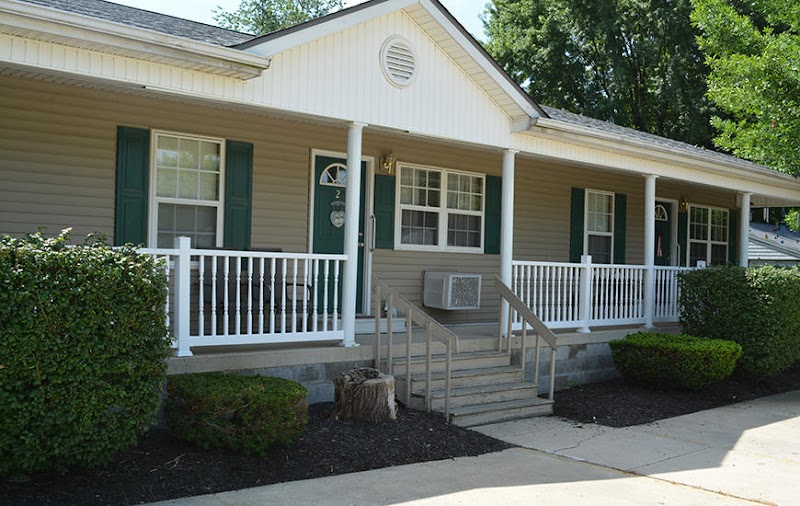
How is Williamsport Nursing And Rehabilitation Staffed?

CMS rates WILLIAMSPORT NURSING AND REHABILITATION's staffing level at 3 out of 5 stars, which is average compared to other nursing homes. Staff turnover is 31%, compared to the Indiana average of 46%. This relatively stable workforce can support continuity of care.

What Have Inspectors Found at Williamsport Nursing And Rehabilitation?

State health inspectors documented 27 deficiencies at WILLIAMSPORT NURSING AND REHABILITATION during 2023 to 2025. These included: 27 with potential for harm.

Who Owns and Operates Williamsport Nursing And Rehabilitation?

WILLIAMSPORT NURSING AND REHABILITATION is owned by a government entity. Government-operated facilities are typically run by state, county, or municipal agencies. The facility is operated by AMERICAN SENIOR COMMUNITIES, a chain that manages multiple nursing homes. With 80 certified beds and approximately 65 residents (about 81% occupancy), it is a smaller facility located in WILLIAMSPORT, Indiana.

How Does Williamsport Nursing And Rehabilitation Compare to Other Indiana Nursing Homes?

Compared to the 100 nursing homes in Indiana, WILLIAMSPORT NURSING AND REHABILITATION's overall rating (2 stars) is below the state average of 3.1, staff turnover (31%) is significantly lower than the state average of 46%, and health inspection rating (2 stars) is below the national benchmark.

What Should Families Ask When Visiting Williamsport Nursing And Rehabilitation?

Based on this facility's data, families visiting should ask: "Can I visit during a mealtime to observe dining assistance and food quality?" "How do you handle medical emergencies, and what is your hospital transfer rate?" "Can I speak with family members of current residents about their experience?"

Is Williamsport Nursing And Rehabilitation Safe?

Based on CMS inspection data, WILLIAMSPORT NURSING AND REHABILITATION has a clean safety record: no substantiated abuse findings (meaning no confirmed cases of resident harm), no Immediate Jeopardy citations (the most serious violation level indicating risk of serious injury or death), and is not on the Special Focus Facility watch list (a federal program monitoring the lowest-performing 1% of nursing homes). The facility has a 2-star overall rating and ranks #100 of 100 nursing homes in Indiana. While no facility is perfect, families should still ask about staff-to-resident ratios and recent inspection results during their visit.

Do Nurses at Williamsport Nursing And Rehabilitation Stick Around?

WILLIAMSPORT NURSING AND REHABILITATION has a staff turnover rate of 31%, which is about average for Indiana nursing homes (state average: 46%). Moderate turnover is common in nursing homes, but families should still ask about staff tenure and how the facility maintains care continuity when employees leave.

Was Williamsport Nursing And Rehabilitation Ever Fined?

WILLIAMSPORT NURSING AND REHABILITATION has no federal fines on record. CMS issues fines when nursing homes fail to meet care standards or don't correct problems found during inspections. The absence of fines suggests the facility has either maintained compliance or corrected any issues before penalties were assessed. This is a positive indicator, though families should still review recent inspection reports for the full picture.

Is Williamsport Nursing And Rehabilitation on Any Federal Watch List?

WILLIAMSPORT NURSING AND REHABILITATION is not on any federal watch list. The most significant is the Special Focus Facility (SFF) program, which identifies the bottom 1% of nursing homes nationally based on persistent, serious quality problems. Not being on this list means the facility has avoided the pattern of deficiencies that triggers enhanced federal oversight. This is a positive indicator, though families should still review the facility's inspection history directly.