Oakwood Specialty Care
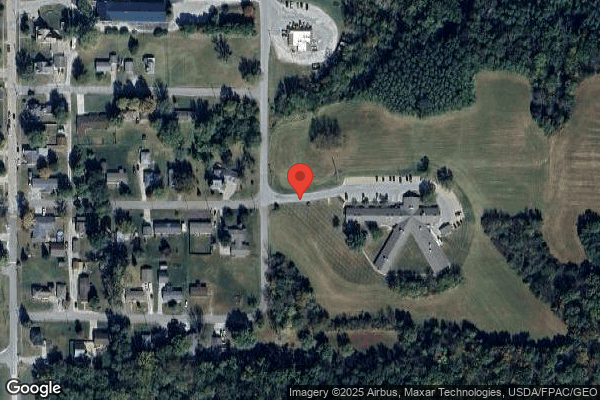
200 16TH AVENUE EAST, ALBIA, IA 52531 (641) 932-7105
Non profit - Corporation 54 Beds CARE INITIATIVES Data: November 2025 1 Immediate Jeopardy citation
Trust Grade
43/100
#218 of 392 in IA
Last Inspection: September 2025

Inspected within the last 6 months. Data reflects current conditions.

Overview

Oakwood Specialty Care has a Trust Grade of D, indicating it is below average with some concerns. It ranks #218 out of 392 nursing homes in Iowa, placing it in the bottom half of facilities, but it is the only option available in Monroe County. The facility's trend is improving, having reduced issues from seven in 2024 to just one in 2025. Staffing is rated average with a turnover rate of 37%, which is better than the state average, but RN coverage is only average as well. Notably, the facility has faced serious incidents, including a critical failure to provide appropriate tracheostomy care that required hospitalization and a serious case where one resident was not free from abuse, highlighting significant areas for improvement despite no fines being recorded.
Trust Score
D
43/100
In Iowa
#218/392
Bottom 45%
Safety Record
High Risk
Review needed
Inspections
Getting Better
7 → 1 violations
Staff Stability
○ Average
37% turnover. Near Iowa's 48% average. Typical for the industry.
Penalties
✓ Good
No fines on record. Clean compliance history, better than most Iowa facilities.
Skilled Nurses
○ Average
Each resident gets 41 minutes of Registered Nurse (RN) attention daily — about average for Iowa. RNs are the most trained staff who monitor for health changes.
Violations
⚠ Watch
22 deficiencies on record. Higher than average. Multiple issues found across inspections.
★★★☆☆
3.0
Overall Rating
★★★☆☆
3.0
Staff Levels
★★★★★
5.0
Care Quality
★★☆☆☆
2.0
Inspection Score
Stable
2024: 7 issues
2025: 1 issues

The Good

  • 5-Star Quality Measures · Strong clinical quality outcomes
  • Full Sprinkler Coverage · Fire safety systems throughout facility
  • No fines on record
  • Staff turnover below average (37%)

    11 points below Iowa average of 48%

Facility shows strength in quality measures, fire safety.

The Bad

3-Star Overall Rating

Near Iowa average (3.1)

Meets federal standards, typical of most facilities

Staff Turnover: 37%

Near Iowa avg (46%)

Typical for the industry

Chain: CARE INITIATIVES

Part of a multi-facility chain

Ask about local staffing decisions and management

The Ugly 22 deficiencies on record

1 life-threatening 1 actual harm
Sept 2025 1 deficiency
CONCERN (D)

Potential for Harm - no one hurt, but risky conditions existed

Infection Control (Tag F0880)

Could have caused harm · This affected 1 resident

Based on observation, clinical record review, staff interview, and facility policy review the facility failed to perform appropriate hand hygiene during personal cares for one of two residents observe...

Read full inspector narrative →
Based on observation, clinical record review, staff interview, and facility policy review the facility failed to perform appropriate hand hygiene during personal cares for one of two residents observed for toileting hygiene (Res #3). The facility reported a census of 50 residents.Findings include:The Minimum Data Set of Resident #3 dated 8/20/25 coded the resident dependent for toileting hygiene. The MDS reflected the resident always incontinent of urine and bowel. The MDS documented diagnoses that included non Alzheimer's dementia and Parkinson's Disease. The Care Plan of Resident #3 documented the resident to always have urinary incontinence and frequent bowel incontinence, dated 5/5/25. On 9/3/25 at 8:51 am, Resident #3 was in the dining room finishing breakfast. A puddle of urine was noted to be on the floor underneath his wheelchair.On 9/3/25 at 9:06 am, Staff A, Certified Nurse Aide (CNA) cued Resident #3 to put his feet up on his wheelchair foot pedals to take him to his room. When she noted the urine, she notified another staff member for it to be cleaned. Observation of incontinence cares began on 9/3/25 at 9:07 am. Staff A stated Staff B, CNA would also be assisting her as Resident #3 was a heavy assist to stand and transfer to bed. After pushing Resident #3 in his wheelchair into his room and closing the door, Staff A and Staff B both washed their hands and donned isolation gowns and disposable gloves. Staff A stated the resident required isolation gowns due to wounds on his legs. Staff A, wearing gloves, repositioned the wheelchair for a safe transfer as Staff B turned down the bedding on the bed. Staff B then removed the foot pedals from the wheelchair as Staff A locked the brakes on the wheelchair. Staff B then placed a gait belt (a belt worn around a patient's waist to assist with walking and transfers) around the resident's waist. Staff gave step by step instructions as his walker was placed in front of him. Staff stood on either side of Resident #3, holding the gait belt and guiding him safely to a standing position and transferring him to the bed. The wheelchair cushion was soiled with urine. The resident was positioned on the bed on top of a disposable bed pad. Staff A opened the closet and obtained a clean incontinence brief, wipes and clean clothing. With no glove changes or hand washing, Staff A assisted Res #3 to turn to his left side, and lowered his pants and pull up style incontinence brief, turned him to his right side to continue to lower his clothing. Staff B opened a plastic bag and Staff A placed his soiled clothing in the bag and tore the side of the incontinent brief to fully open the brief. Staff A then used disposable wipes to cleanse his abdomen and then groin area with separate wipes. On 9/3/25 at 9:18 am, staff assisted the resident to turn to his right side and then cleansed his buttocks and disposed of the soiled brief. Staff tucked the soiled under pad underneath the resident and placed a clean under pad in it's place. Staff turned the resident to assist in getting the pad in place. Staff B placed a clean pull up style brief over Res #3's feet and positioned it in place. Staff B then placed clean shorts on him and repeated the process until he was dressed. Staff B placed boundary identifying wedges on the bed near the resident and placed his sheets and blanket over him. She then used the remote control of the bed to place the bed in a safe position. Staff A then removed her gown and gloves and washed her hands. Staff B obtained the call light for the resident and placed it in his reach and then removed her gown and gloves and washed her hands.On 9/3/25 at 9:24 am Staff A placed clean gloves on her hands. She gathered the soiled clothing from the room and Staff B placed the soiled wheelchair in the bathroom and shut the bathroom door. She folded his walker and placed it near the bedside table. Staff A placed the garbage in the biohazard trash box in the room and placed a clean trash liner in the can. She then turned off the room light and exited the room. On 9/3/25 at 9:32 am, the Director of Nursing (DON) stated the resident's wheelchair should have been cleaned and staff should change gloves and wash hands between dirty and clean tasks. The facility policy Handwashing/Hand Hygiene, revision date August 2019 documented the following:Point 7: Use an alcohol-based hand rub containing at least 62% alcohol; or, alternatively, soap (antimicrobial or non-antimicrobial) and water for the following situations:a. Before and after coming on duty;b. Before and after direct contact with residents;c. Before preparing or handling medications;d. Before performing any non-surgical invasive procedures;e. Before and after handling an invasive device (e.g., urinary catheters, IV access sites);f. Before donning sterile gloves;g. Before handling clean or soiled dressings, gauze pads, etc.;h. Before moving from a contaminated body site to a clean body site during resident care;i. After contact with a resident's intact skin;j. After contact with blood or bodily fluids;k. After handling used dressings, contaminated equipment, etc.;l. After contact with objects (e.g., medical equipment) in the immediate vicinity of the resident;m. After removing gloves;n. Before and after entering isolation precaution settings;o. Before and after eating or handling food;p. Before and after assisting a resident with meals; andq. After personal use of the toilet or conducting your personal hygiene.
Sept 2024 6 deficiencies
CONCERN (D)

Potential for Harm - no one hurt, but risky conditions existed

Medical Records (Tag F0842)

Could have caused harm · This affected 1 resident

Based on clinical record review, staff interview and facility policy review, the facility failed to maintain accurate medical records for 1 of 18 residents (Res #26) reviewed. The facility reported a ...

Read full inspector narrative →
Based on clinical record review, staff interview and facility policy review, the facility failed to maintain accurate medical records for 1 of 18 residents (Res #26) reviewed. The facility reported a census of 50 residents. Findings include: The Minimum Data Set (MDS) Assessment of Resident #26 dated 9/20/23 identified a Brief Interview of Mental Status (BIMS) score of 6 which indicated severe cognitive impairment. The MDS documented the resident to have experienced hallucinations during the look back period. The MDS documented the resident exhibited verbal behaviors directed towards others during 4-6 days of the 7-day look back period and exhibited wandering behavior during 1-3 days of the 7-day look back period. The MDS documented diagnoses that included Non-Alzheimer's Dementia, seizure disorder, depression and bipolar disorder. The MDS failed to document the resident having a diagnosis of schizophrenia. The Medical Diagnosis section of the Electronic Health Record (EHR) of Resident #26 documented schizophrenia became an active diagnosis on 9/8/23 but was not added to the EHR until 5/2/24. The Note To Attending Physician documented the pharmacy requested to change the residents order for Olanzapine (also known as Zyprexa), an antipsychotic medication from 2.5 mg twice a day to 5 mg once a day due to insurance regulations. The physician signed agreement with this request on 9/5/23. The note failed to reveal a diagnosis related to this medication. The Medication Administration Record (MAR) for Resident #26 for Sept of 2023 revealed the order for Zyprexa/Olanzapine 2.5 mg twice daily was ordered as related to unspecified dementia, and bipolar disorder. This order was discontinued on 9/7/23. The MAR recorded the new order for Olanzapine, 5 mg once a day, start date of 9/8/23 was ordered as related to schizophrenia. The Order Details for the Olanzapine dated 9/7/23 was documented as being entered into the EHR by Staff H, Licensed Practical Nurse. The Nurses Note dated 9/7/23 at 2:37 pm documented a new order was received from the physician to change Olanzapine 2.5 mg twice daily to 5 mg daily. The Note documented this was related to insurance change. The Note failed to document the physician giving a diagnosis of schizophrenia related to this medication. The encounter note dated 10/6/23 by the Mental Health Nurse Practitioner (NP) documented this visit was the initial evaluation by the provider to begin services for Resident #26. The note documented the visit was for an initial psychiatric review of diagnostics and evaluation of current medications. The note documented the resident was receiving Olanzapine for the treatment of schizophrenia. The note additionally documented behaviors of combativeness, yelling out, pulling fire alarms, increased agitation, elopement attempts, and throwing furniture. Additional behaviors were documented including making repetitive statements, cursing, agitation and wanting to return to his home. The note recorded multiple diagnoses of past medical history, which did not include schizophrenia. The note listed the resident's medications, dosage and frequency was taken from the facility where the patient resided, and reflected the best information available at the time of the encounter. Each medication listed was linked to a diagnosis and an ICD-10 code (International Classification of Diseases, a global system for coding and classifying medical diagnoses, symptoms and procedures) except for the Olanzapine which only stated schizophrenia with no ICD-10 code. On 9/5/24 at 8:35 am, the Director of Nursing (DON) stated Staff H, LPN no longer worked for the facility. She stated Staff H had moved to a different state and the phone number the facility had on file for her was no longer active and they were unable to reach her. She stated the facility was unable to determine why Staff H had used the diagnosis of schizophrenia for the medication and was unable to locate any earlier record of Resident #26 having the diagnosis. She stated the diagnosis was free typed into the medication order and not linked to an active order in the resident's EHR. She stated the medication was for bipolar disorder on prior orders. The DON further stated that the pharmacy did request clarification from the Mental Health Nurse Practitioner (NP) recently on 6/11/24 and the NP did feel the diagnosis was accurate. On 9/5/24 at 11:23 am, the DON stated she would be speaking to her psychiatric provider and asking her to look at the diagnosis and address it formally. She stated her expectation is for a nurse to type a diagnosis if a physician gives a verbal order which includes that diagnosis, and a progress note should be made to link that diagnosis with the verbal order. She stated if a physician does not add a new diagnosis, the medication should be linked to an active diagnosis currently on the resident's record. The facility policy Electronic Medical Records, revised March 2014 failed to reflect an expectation of Medical Records to be accurate and complete.
CONCERN (D)

Potential for Harm - no one hurt, but risky conditions existed

Infection Control (Tag F0880)

Could have caused harm · This affected 1 resident

**NOTE- TERMS IN BRACKETS HAVE BEEN EDITED TO PROTECT CONFIDENTIALITY** Based on observation, record review, staff interview, and policy review, the facility failed to implement infection control prac...

Read full inspector narrative →
**NOTE- TERMS IN BRACKETS HAVE BEEN EDITED TO PROTECT CONFIDENTIALITY** Based on observation, record review, staff interview, and policy review, the facility failed to implement infection control practices to prevent cross contamination of invasive medical equipment for 1 of 1 resident reviewed (#12). The facility reported a census of 50 residents. Findings include: On 9/03/24 at 10:54 AM, Resident #12 was observed with a urinary catheter hung on the left side of the recliner with dependent loop. The Minimum Data Set (MDS) assessment dated [DATE] indicated the resident had a Brief Interview for Mental Status (BIMS) score of 99 which indicated the resident was not able to complete the interview. It included diagnoses of neurogenic bladder (lack of bladder control due to nerve damage), cerebral palsy, bipolar disorder, and need for assistance with personal cares. It also revealed the resident had an indwelling catheter and was dependent in all activities of daily living (ADLs). A Physician's Order included Enhanced Barrier Precautions (EBP) due to colostomy & suprapubic catheter every shift for infection control. A Progress Note dated 7/24/24 indicated the resident had a catheter and care was provided by staff. The Care Plan dated 1/03/22 indicated the resident was at risk for potential infection related to the catheter and directed staff to perform catheter care per facility protocol. It also included EBP when performing high-contact care activities. On 9/05/24 at 10:35 AM, Staff G, Certified Nurse Aide (CNA) emptied Resident #12's urinary catheter collection bag. During the procedure, Staff G performed hand hygiene with soap and water. She stated she was going to lay a clear, plastic trash bag on the floor to set the dirty container in. She donned gloves and grabbed the plastic bag and urine container. She placed the urine container in the plastic bag on the floor, obtained an alcohol swab off the bedside table, opened the package, removed the swab, and cleaned the catheter bag drain. She emptied the urine into the container, obtained another alcohol swab off the bedside table, opened it, removed the swab, and cleaned the catheter bag drain. She tucked the drain into the drain holder and emptied the urine into the toilet. At 10:05 am, Staff G stated that she forgot to put on the Personal Protective Equipment (PPE) gown for Enhanced Barrier Precautions (EBP). She also stated she should have performed hand hygiene between emptying the urine into the container and cleaning the drain. On 9/05/24 at 11:56 AM, the Director of Nursing (DON) stated staff should gown appropriately for resident care and should have had sanitizer set up and ready for a glove change between the two steps. A policy titled Enhanced Barrier Precautions dated 3/28/24 defined Enhanced Barrier Precautions as an infection control intervention designed to reduce transmission of multidrug-resistant organisms that employs targeted gown and gloves use during high contact resident care activities. It indicated PPE for enhanced barrier precautions is only necessary when performing high-contact care activities and may not need to be donned prior to entering the resident's room. High-contact care included device care or use of urinary catheters. A policy titled Handwashing/Hand Hygiene revised 8/2019, directed staff to perform hand hygiene before and after handling an invasive device (e.g. urinary catheters), after handling contaminated equipment, and before moving from a contaminated body site to a clean body site during resident care.
CONCERN (E)

Potential for Harm - no one hurt, but risky conditions existed

Menu Adequacy (Tag F0803)

Could have caused harm · This affected multiple residents

Based on observation, menu review, record review, and staff interviews, the facility failed to serve the appropriate portions for 4 of 4 residents who received pureed diets (Resident #9, #12, #27, and...

Read full inspector narrative →
Based on observation, menu review, record review, and staff interviews, the facility failed to serve the appropriate portions for 4 of 4 residents who received pureed diets (Resident #9, #12, #27, and #31) and 10 of 10 residents on a mechanical soft diet (Resident #4, #7, #18, #19, #25, #28, #30, #35, #37, and #47). The facility reported a census of 50 residents. Findings include: The facility's Week 3 menu for Tuesday lunch identified barbeque (BBQ) chicken to be served as part of the planned pureed textured diet for the lunch meal served on 09/03/24. The facility's Week 3 menu for Tuesday lunch identified a #8 scoop of BBQ chicken to be served as part of the planned mechanical soft textured diet for the lunch meal served on 09/03/24. The facility's Census Order -All Special Diet Report identified four (4) residents on a pureed texture diet, and ten (10) residents on a mechanical soft textured diet. During observation on 09/03/24 at 12:08 PM, Staff C, Dietary Manager, placed six (6) chicken breasts into a robot coupe container and blended the contents. Staff C took tongs and removed a large portion of chicken breast from the container, and placed it into a small metal pan. Staff C blended the remaining contents in the robot container, then poured the ground chicken into a different metal pan. At 12:12 PM, Staff C placed 4 more chicken breasts into the robot container, and blended the contents together. Staff C poured all of the ground meat into a measuring cup and reported a total of 6 cups. Staff C checked the serving chart on the wall and reported a #10 scoop and a #20 scoop would be used whenever the entrée served for residents on a ground/mechanical soft diet. The serving chart revealed a #10 scoop the equivalent of 3 ¼ ounces (oz.), and a #20 scoop the equivalent of 1 5/8 oz. At 12:16 PM, Staff C reported she planned to prepare five (5) pureed servings. Staff C placed 5 chicken breasts into a robot coupe container, added some BBQ sauce, and blended the contents together. Staff C poured the contents into a measuring cup and reported a total of 2 cups. Staff C checked the serving chart on the wall and reported a #8 scoop and a #20 scoop would be used when the entrée served to the residents on a pureed diet. The serving chart revealed a #8 scoop the equivalent of 4 oz., and a #20 scoop the equivalent of 1 5/8 oz. During the lunch meal service on 09/03/24, the Activities Director (AD) plated food for the residents on a pureed diet (Resident #9, #12, #27, and #31) and for the residents on a mechanical soft diet (Resident #4, #7, #18, #19, #25, #28, #30, #35, #37, and #47). During meal service a gray and yellow scoop fell onto the floor but the scoops were not replaced. The AD continued to plate the food. At 1:29 PM, the AD reported the last resident's food plated. The AD reported she used the following serving sizes: a. One #8 (gray) scoop of ground chicken, the equivalent of 4 oz. Residents on a mechanical soft diet were supposed to get a total of 4 7/8 oz. of ground chicken. b. One #16 (blue) scoop of pureed chicken, the equivalent of 2 oz. Residents on a pureed diet were supposed to get a total of 5 5/8 oz. of pureed chicken. During an interview on 09/04/24 at 10:05 AM, the consulting dietician reported she expected staff to follow the menu and serve the proper serving sizes. During an interview 09/04/24 at 10:10 AM, Staff C reported not enough serving utensils in the kitchen. She told the Administrator on 9/3/24 to order 4 of each serving utensil. During an interview 09/04/24 at 3:30 PM, the AD reported she looked at the menu book to know what serving size to serve on each entrée, then she looked at the colored chart to see which numbered scoop to use. The AD stated she didn't know she needed to use two different scoops when she served the pureed chicken and ground chicken, but confirmed a couple of scoops fell onto the floor during the lunch meal service on 09/03/24. On 09/05/24 at 7:25 AM, the Administrator showed the surveyor the documents that were laminated and posted in the kitchen on 09/04/24 for staff to reference regarding equivalent measurements and serving food.
CONCERN (E)

Potential for Harm - no one hurt, but risky conditions existed

Deficiency F0804 (Tag F0804)

Could have caused harm · This affected multiple residents

Based on observation, staff interview, and facility policy review the facility failed to prepare and serve all foods at a safe and palatable temperature in order to prevent foodborne illness for 1 of ...

Read full inspector narrative →
Based on observation, staff interview, and facility policy review the facility failed to prepare and serve all foods at a safe and palatable temperature in order to prevent foodborne illness for 1 of 1 meals observed. The facility reported a census of 50 residents. Findings include: During observation on 09/03/24 at 12:17 PM, four plates of lettuce salad with cut up pieces of ham, turkey, and boiled eggs, and twelve bowls of cottage cheese sat on the counter next to the stove. The plates of salad and the bowls of cottage cheese were not on ice or a cooling mechanism. During observation on 09/03/24 at 12:43 PM, the Activities Director (AD) checked and reported the food temperatures on the following entrees: a. Ground chicken at 162 degrees Fahrenheit (F) b. Pureed rice/broccoli casserole at 184 (F) c. Pureed chicken at 173.5 (F) At 12:53 PM, the AD began to plate food for the residents. At 12:59 PM, the Director of Nursing (DON) checked the temperatures on the following entrées: a. Lettuce salad at 54.1 (F) b. Cottage cheese at 49.6 (F) At 1:04 PM, a container of cheese slices sat on the counter and not on ice or a cooling mechanism. At 1:29 PM, the AD reported the last food plated for the residents. The AD checked the food temperatures of the remaining food which revealed the following: a. Ground chicken at 134 (F) b. Pureed rice/broccoli casserole at 136.8 (F) c. Pureed chicken at 163 (F) During meal service, the surveyor observed: A cheese slice placed on a hamburger patty for Resident #15, #17, and #39. Lettuce salads served to Resident #21, #41, and #50. Cottage cheese served to Resident #5 and #19. During an interview on 09/04/24 at 10:05 AM, the dietician consultant reported she expected the rice casserole at least 145 degrees (F), and chicken at least 165 degrees (F) whenever the entrees served. On 09/05/24 at 7:25 AM, the Administrator showed the surveyor documents that were laminated and posted in the kitchen on 09/04/24 for staff to reference regarding food temperatures and safe food service. A Preventing Foodborne Illness- Food Handling policy revised 7/2014 revealed food prepared and served to minimize the risk of foodborne illness. The critical factors implicated in foodborne illness are improper temperatures. An undated Food Temperature Chart revealed the minimum cooking temperature for poultry at 166 degrees (F) and casseroles at 165 degrees (F). A County Health Department Food Safety Program for Proper Food Storage revealed cold foods kept at 41 degrees (F) or below.
CONCERN (F)

Potential for Harm - no one hurt, but risky conditions existed

Deficiency F0725 (Tag F0725)

Could have caused harm · This affected most or all residents

**NOTE- TERMS IN BRACKETS HAVE BEEN EDITED TO PROTECT CONFIDENTIALITY** Based on record review, Facility Assessment and staff interviews, the facility failed to maintain an adequate number of staff fo...

Read full inspector narrative →
**NOTE- TERMS IN BRACKETS HAVE BEEN EDITED TO PROTECT CONFIDENTIALITY** Based on record review, Facility Assessment and staff interviews, the facility failed to maintain an adequate number of staff for the facility's census. The facility reported a census of 50 residents. Findings include: The Payroll Based Journal (PBJ) Staffing Data Report for the fiscal year's Quarter 2 (1/1/24 to 3/31/24) revealed the category for an excessively low weekend staffing triggered and the facility had a one-star staffing rating triggered. The Facility Assessment for 2024 provided by the Administrator to the survey team on 9/3/24 had a review date 7/26/24. The assessment revealed the following daily staffing pattern and total number of staff needed per day: Licensed Nurse providing direct care: 6-7 Certified Nursing Assistants ((CNA/ Restorative): 11-13 Certified Medication Aide (CMA): 0-2 The facility had an average daily census of 50.6 residents. The facility assessment revealed staffing based on the resident's acuity and staffing strengths. The assessment also revealed the facility provided a wide range of services and used a team approach to support and care for the residents. A Facility Assessment revised 5/5/22 provided by the survey team on 9/5/24 revealed an average daily census of 43 resident. The assessment documented the types of residents and the top 5 diagnoses as coded on the MDS (Minimum Data Set Assessment) as well as the facility's services and resources such as equipment. The facility assessment documented the facility had a total of 43 employees, but lacked a daily staffing pattern or the total number of staff needed to care for the residents each day. The facility's Nursing Schedules dated 1/1/24 - 3/31/24 had a total of 26 days on the weekend (Saturday/Sunday). The schedules revealed the following: a. Weekend staffing for Nursing: 26 of 26 day nursing shifts and 23 of 26 evening nursing shifts were insufficiently staffed. b. Weekend staffing for CNA's: 24 of 26 day shifts, 16 of 26 evening shifts, and 24 of 26 night shifts were insufficiently staffed. During an interview 9/4/24 at 9:45 AM, the DON confirmed the schedules dated 1/1/24 to 3/31/24 provided to the surveyor had the most up-to-date information and consistent with the staff who worked on those dates. During an interview 9/04/24 at 3:37 PM, Staff A, Certified Nursing Assistant (CNA) reported she worked the 2-10 PM shift. Staff A reported staffing could be better. The number of residents and what needed to be done for the residents was a lot to get done during her shift. Staff A reported only 1 CNA and 1 nurse assigned on each hall, but on the 6 AM - 2 PM shift there were 3 nurses and 6 CNA's assigned. There were 5 residents on Hall B and 5-8 residents on Hall C who required a mechanical lift and two staff assistance on transfers, and four to five residents required feeding assistance. During an interview 9/04/24 at 3:45 PM, Staff B, CNA, reported not enough CNA's are assigned to work on the 2-10 PM shift. Only 2 CNA's and 2 nurses assigned on the 2-10 PM shift typically. Staff B reported residents often got mad because they thought they had waited too long for someone to assist them. She tried to get to the residents as soon as she could but there was just one CNA on each hall (Hall B and Hall C). Staff B reported 25 residents on Hall C, and 3 residents required a mechanical lift and 2 staff for transfers, During an interview 9/05/24 at 7:55 AM, the Director of Nursing (DON) reported the number of staff scheduled each shift on Saturday and Sunday as follows: 6 AM - 2 PM: 4 nurses and 5 CNA's. Sometimes 1 nurse worked as a CNA when they didn't have enough CNA's 2 PM -10 PM: 3-4 nurses and 4 CNA's 10 PM -6 AM: 1 nurse and 3 CNA's The DON reported agency staff, the DON, Assistant DON, and the MDS nurse sometimes covered shifts whenever short-staffed. She took the resident's acuity into account for staffing when needed. The DON reported staffing numbers entered into Data Force, and Corporate entered the PBJ data. During an interview 9/05/24 at 12:27 PM, the DON reported the previous Administrator had worked on the facility assessment and the DON adjusted staffing numbers based on the PPD (per patient day). The staffing numbers in 1/2024 were different than the current staffing numbers needed. The average census 1/2024 to 3/2024 at 42, but the census currently at 50 and the resident acuity now higher. The DON and ADON worked the floor a lot during and had a high staff turnover during that time. The DON reported she took over updates on the facility assessment in 4/2024 after the prior administrator left. The facility assessment is a working document on her computer and unsure if she had prior versions of the facility assessment. On 9/05/24 at 12:49 PM, the DON provided a Facility assessment dated [DATE] from the Regional Nurse's computer. This assessment revealed the facility had an average census of 43 residents but had no daily staffing pattern listed. During an interview 9/05/24 at 1:15 PM, the Regional Nurse reported she did not have a copy of a Facility Assessment from 2023 but the prior survey team should have one because they requested this during the facility's survey last year. The Regional Nurse reported she planned to check through the survey folder from last year to see if the facility assessment was sent electronically. During an interview 9/05/24 at 1:50 PM, the Regional Nurse reported she would check to see if the prior administrator had a copy of the previous facility assessment but at this time the only facility assessments found are from 5/2022 and 2/2024.
CONCERN (F)

Potential for Harm - no one hurt, but risky conditions existed

Food Safety (Tag F0812)

Could have caused harm · This affected most or all residents

**NOTE- TERMS IN BRACKETS HAVE BEEN EDITED TO PROTECT CONFIDENTIALITY** Based on observations, staff interviews, and policy review the facility failed to maintain clean and sanitary conditions in the ...

Read full inspector narrative →
**NOTE- TERMS IN BRACKETS HAVE BEEN EDITED TO PROTECT CONFIDENTIALITY** Based on observations, staff interviews, and policy review the facility failed to maintain clean and sanitary conditions in the kitchen, failed to label and store food items and discard leftovers after 3 days in order to maintain food quality and reduce the risk of food-borne illness in the kitchen and the designated resident's refrigerator for one of one nursing units observed. Facility staff also failed to wash hands to prevent food borne illness. The facility reported a census of 50 residents. Findings include: 1. Initial kitchen observations on 09/03/24 starting at 9:40 AM revealed the following: a. The microwave had dried yellow debris splattered over the interior glass door and the glass plate inside the microwave, and splatters of food on the top and sides inside the microwave. b. A large frying pan had multiple scratches and the interior surface had peeled and missing Teflon coating. c. The [NAME] Cold Refrigerator had food particles on shelving, and a red liquid spillage on the bottom. The outside of the refrigerator and Victory freezer had splatters of dried liquid debris. d. Gray, fuzzy particles hung from the ceiling above the steam cart. e. The Arctic Air refrigerator had the following items: A box of prune juice without a lid, and dated 8/15. One quart of half & half had no open date. One open gallon of white whole milk had no open date. f. The [NAME] Cold refrigerator had containers of food not labeled or dated: A container of apple sauce A container of blue berries A container labeled saltine crackers had sliced tomatoes inside. A container with a green lid labeled pickles had what appeared to be cooked hamburger patties with broth and white particles floating inside. A large package of hot dogs with the top of the package open to air and undated when opened. Three cans of crescent rolls had a use by date 6/21/24. Two bags of chicken breasts and two rolls of uncooked hamburger not labeled or dated. The bags of chicken breasts were lying on top of the uncooked hamburger thawing on the bottom shelf of the refrigerator. g. The Victory Freezer had several bags of unlabeled and undated food including a bag of French fries, a bag of sausage links, and two bags of diced chicken. h. The dry storage area had a container labeled dry milk and a use by date 2/24. Observations during a follow-up visit to the kitchen on 09/03/24 revealed the following: a. At 11:33 AM, the garbage can located by the handwashing sink had trash heaped over the top and the garbage can lid propped open from the trash inside. b. At 12:02 PM Staff C, Dietary, placed an item into the overflowing trash, then proceeded to place utensils on the steam table. At 12:03 PM Staff C took dirty dishes to the dishwashing area after she prepared pureed rice and broccoli casserole in a robot coupe. At 12:08 PM Staff C blended chicken breasts in a robot container then poured the ground chicken into a metal pan. Staff C did not wash her hands. At 12:16 PM Staff C, prepared pureed chicken. At 12:22 PM Staff C washed her hands. c. At 12:34 PM, a staff member in the kitchen removed the bag of overflowing trash and placed the bag on the floor by the large mixer. A follow-up visit to the kitchen on 09/04/24 at 09:45 AM revealed the following: a. The ceiling above the steam table still had gray, fuzzy debris. b. Several items in the [NAME] Cold refrigerator remained unlabeled and undated including 1 quart half and half, 1 gallon of white milk, hot dogs in a Ziploc bag, and a roll of hamburger thawing on the bottom shelf. c. Three cans of outdated Crescent rolls (use by date 6/21/24). d. A large frying pan still scratched and had peeled up and missing protective coating. e. The Victory freezer continued to have items unlabeled and undated including the bag of French fries, sausage links, and two bags of diced chicken. The top of a box of uncooked hamburger patties was open and had food exposed to air. f. A container of dry milk remained on the shelf in the dry storage area and had a use by date 2/24. During an interview on 09/03/24 at 9:40 AM, the Activities Director (AD) reported the dietary manager (DM) quit that morning so other departments worked in the kitchen. In an interview on 09/03/24 at 10:25 AM, the Administrator reported the DM just quit on 09/03/24 AM. During an interview 09/03/24 at 1:37 PM, the Dietician reported staff had a daily cleaning checklist and items marked off on the checklist whenever the cleaning task completed. She expected staff labeled and dated food whenever food came into the facility, whenever food opened, as well as any left overs. The surveyor showed the dietician the unlabeled and undated food in the refrigerator. The dietician reported she was uncertain what some of the food were in the containers. During an interview 09/04/24 at 10:05 AM the Dietician reported she threw the containers of applesauce and hamburger patties away after the surveyor pointed it out to her. On 09/04/24 at 10:54 AM, the Regional Clinical Director reported the facility had no policy on maintenance of equipment or supplies such as pots and pans in the kitchen. On 09/05/24 at 7:25 AM, the Administrator showed the surveyor documents that were laminated and posted in the kitchen on 09/04/24 for staff to reference regarding proper food storage and safe food service. During an interview on 09/05/24 at 7:40 AM, and a tour of the kitchen with Staff C and the surveyor, Staff C reported the frying pan as not sanitizable and she planned to discard the pan. Staff C stated she would not use the pan in her kitchen. Staff C stated all food should be labeled and dated, including leftovers. The leftovers should be discarded after 3 days. Staff C confirmed the refrigerators had lots of spillage and food particles in them and the doors on the outside needed cleaned. At the time, Staff C stated she found some cleaning checklists dated 2023, but planned to look for cleaning checklists from 2024. On 09/05/24 at 9:20 AM, Staff C reported no cleaning schedules found except from 2023. She posted a Proper Food Storage policy and put together a log book with a cleaning schedule effective 09/05/24 for staff to complete and sign off tasks when completed. 2. On 09/05/24 at 10:35 AM, Staff D, Licensed Practical Nurse (LPN) reported the refrigerator for resident food and pop located in a locked room on Hall B. Observations of the residents' refrigerator with Staff D revealed the following: a. Brown, sticky spillage on the interior door shelf. b. A package of honey ham had a use by date of 8/14/24. c. Eight containers of Activia yogurt had a date of 8/11/24. d. A box had a resident's name wrote on it but no date listed. The box contained dried up pizza slices inside. e. A fast food bag labeled with a resident's name had a sandwich inside. The bag had a date 7/17/24. f. Fourteen mighty shakes had a use by 4/13/24. No thaw date listed on the shakes. g. A clear bowl had what appeared to be beef and noodles not dated or labeled. During an interview 09/05/24 at 10:35 AM, Staff D, LPN, reported she was unsure who cleaned the residents' refrigerator. She had only worked at the facility for a few months. During an interview 09/05/24 at 10:49 AM, Staff E, Housekeeper, reported she had never cleaned the residents' refrigerator but would have done it if someone told her it needed cleaned. During an interview 09/05/24 at 10:51 AM, Staff F, Certified Nursing Assistant (CNA) reported she was not sure who cleaned the residents' refrigerator. Staff F thought the night shift staff cleaned the refrigerator because they cleaned the staff breakroom refrigerator. During an interview 09/05/24 at 10:55 AM, the Director of Nursing (DON) reported the AD took care of the resident snack room and residents' refrigerator. The DON reported she thought pop mostly kept in the refrigerator. The DON confirmed no record of who cleaned the refrigerator or when the refrigerator had been cleaned out. At the time, the surveyor showed the DON the expired items, thawed mighty shakes, and unlabeled and undated food. During an interview 09/05/24 at 11:31 AM, the Regional Dietary Manager reported mighty shakes discarded after 7 days if thawed and not used. A Preventing Foodborne Illness- Food Handling policy revised 7/2014 revealed food stored, prepared, handled and served to minimize the risk of foodborne illness. The critical factors implicated in foodborne illness are poor personal hygiene of food service employees and contaminated equipment. All food service equipment and utensils sanitized according to current guidelines and manufacturers' recommendations. A Food Receiving and Storage policy revised 10/2017 revealed the following: a. Foods received and stored in a manner that complies with safe food handling practices. A clean food storage area maintained at all times. b. All foods stored in the refrigerator or freezer needed covered, labeled and dated. c. Refrigerated food must be stored below 41 degrees F and labeled with a use by date. d. Beverages dated when opened and discarded after 24 hours. e. Wrappers of frozen foods must stay intact until thawing. f. Uncooked and raw animal products needed stored separately in a drip-proof container and below fruits, vegetables and other ready-to-eat foods. g. Dry foods stored in bins removed from original packaging, labeled and dated (use by date). An undated Proper Food Storage Policy revealed the refrigerator and freezer should always be organized and clean and the bottoms and outside of them wiped clean daily. All food items labeled and dated, and food disposed of after 3 days of the marked date.
May 2024 1 deficiency
CONCERN (E) 📢 Someone Reported This

A family member, employee, or ombudsman was alarmed enough to file a formal complaint

Potential for Harm - no one hurt, but risky conditions existed

Deficiency F0809 (Tag F0809)

Could have caused harm · This affected multiple residents

Based on observations, staff interview and resident interviews, the facility failed to serve room trays at regular times comparable to normal mealtimes in the community or in accordance with resident ...

Read full inspector narrative →
Based on observations, staff interview and resident interviews, the facility failed to serve room trays at regular times comparable to normal mealtimes in the community or in accordance with resident needs, preferences, requests, and plan of care, by delaying room tray delivery for the lunch meal past 1:00 p.m. The facility reported a census of 48. Findings include: In an interview on 5/28/24 at 1:30 p.m. the Director of Nursing stated meal times are scheduled at 8:00 a.m., 12:00 p.m. and 5:45 p.m. During observations on 5/23/24 at 12:15 p.m. staff began serving individual meal plates to residents in the dining room at 12:15 p.m. and completed the serving in the dining room at 12:37 p.m. Room trays observed being prepared at 12:40 p.m. At 12:50 p.m. through 12:52 p.m. room trays delivered to hall 1. Room trays for hall 2 left the kitchen at 1:00 p.m. and the last tray served on hall 2 was at 1:11 p.m. Interviews of residents receiving food trays found some who expressed dissatisfaction with the late serving time. During observations on 5/28/24, staff began serving individual meal plates to residents in the dining room at 12:15 p.m. Room trays were observed being prepared and left the kitchen for hall 1 at 1:00 p.m. Room trays for hall 2 left the kitchen at 1:10 p.m. and the last tray served on hall 2 was at 1:18 p.m.
Oct 2023 2 deficiencies
CONCERN (E) 📢 Someone Reported This

A family member, employee, or ombudsman was alarmed enough to file a formal complaint

Potential for Harm - no one hurt, but risky conditions existed

ADL Care (Tag F0677)

Could have caused harm · This affected multiple residents

Based on observations, clinical record review, resident and staff interviews, the facility failed to ensure residents are provided bathing opportunities for 2 of 3 residents dependent on staff. (Resid...

Read full inspector narrative →
Based on observations, clinical record review, resident and staff interviews, the facility failed to ensure residents are provided bathing opportunities for 2 of 3 residents dependent on staff. (Residents #2, #6) The facility reported resident census of 48. Findings include: 1. The admission Minimum Data Set (MDS) with a reference date of 9/26/23, Resident #2 had a Brief Mental Status (BIMS) score of 15 out of 15 which indicated an intact cognitive status. Resident #2 required limited assistance with transfers, mobility, dressing, toilet use and personal hygiene needs. Resident #2's diagnosis included chronic obstructive pulmonary disease, diabetes mellitus and bipolar disorder. According to Resident #2's Care Plan dated 9/28/23, Resident #2 requires limited physical assistance with bathing. Review of Resident #2's bathing records for September and October 2023, found three occasions in which there was an excess of five days in between bathing opportunities (9/7-9/14/23, 9/15-9/21/23, and 9/25-10/2/23). According to Resident #2's Care Plan dated 9/28/23, the care plan lacked interventions related to the use and care of her catheter. During observations on 10/19/23, Resident #2 remained in her gown until 10:20 a.m. and indicated staff only dressed and groomed her and did not provide peri care or change her brief. Resident #2 stated staff had emptied her catheter bag, but did not clean the tubing. At 2:00 p.m. Resident #2 stated the day shift had not provided any catheter care or changed her brief throughout the day. On 10/19/23 at 2:39 p.m. Staff J, Certified Nurse Aide, stated she was working a double shift today and stated there was only her and another aide for both halls today until 11:00 a.m. Staff J stated she did not think resident needs could be met with only two staff and nearly 50 residents during the day. Staff J reported that two aides per hall is more reasonable. When asked Staff J what is expected with catheters she stated they are expected to empty the bag and clean the catheter tubing each shift. Staff J stated she did not clean Resident #2's catheter during the day shift. On 10/19/23 at 2:55 p.m. the Director of Nursing (DON) reported aides are expected to clean catheter tubing when they provide peri cares and empty the catheter bag each shift. She stated they are also expected to ensure the tubing is not kinked and report any concerns with the catheter and urine to the nurse. 2. The admission MDS with a reference date of 9/4/23, documented Resident #6 had a BIMS score of 15 out of 15 which indicated an intact cognitive status. Resident #6 required extensive assistance with transfers, mobility, dressing, toilet use and personal hygiene needs. Resident #6's diagnosis included coronary artery disease, congestive heart failure, renal failure, diabetes mellitus and bipolar arthritis. According to Resident #6's Care Plan dated 10/2/23, Resident #6 requires extensive physical assistance with bathing. Review of Resident #6's bathing records for September and October 2023, revealed two dates in which bathing was not offered (9/2, and 10/14/23) and three occasions in which there was an excess of five days in between bathing opportunities (9/20-9/28, 9/28-10/4, and 10/7-10/14/23).
CONCERN (E) 📢 Someone Reported This

A family member, employee, or ombudsman was alarmed enough to file a formal complaint

Potential for Harm - no one hurt, but risky conditions existed

Deficiency F0725 (Tag F0725)

Could have caused harm · This affected multiple residents

Based on observation, clinical record review, resident and staff interviews, the facility failed to answer call lights within a reasonable amount of time. (Residents #2, #6, #7, #8) The facility repor...

Read full inspector narrative →
Based on observation, clinical record review, resident and staff interviews, the facility failed to answer call lights within a reasonable amount of time. (Residents #2, #6, #7, #8) The facility reported resident census of 48. Findings include: 1. According to a Minimum Data Set (MDS) with a reference date of 9/26/23, Resident #2 had a Brief Mental Status (BIMS) score of 15 out of 15 indicating an intact cognitive status. Resident #2 required limited assistance with transfers, mobility, dressing, toilet use and personal hygiene needs. Resident #2's diagnosis included chronic obstructive pulmonary disease, diabetes mellitus and bipolar disorder. In an interview on 10/18/23 at 12:00 p.m. Resident #2 stated her only concern with the facility was not having enough staff, noting long call light wait times. 2. According to a MDS with a reference date of 9/26/23, Resident #6 had a BIMS score of 15 out of 15 indicating an intact cognitive status. Resident #6 required extensive assistance with transfers, mobility, dressing, toilet use and personal hygiene needs. Resident #6's diagnosis included congestive heart failure, diabetes mellitus, renal failure and arthritis. In an interview on 10/18/23 at 8:15 a.m. Resident #6 stated the facility did not have enough help noting she has waited two hours before getting removed from the dining room and an hour for call lights to get answered. 3. According to a MDS with a reference date of 10/9/23, Resident #7 had a Brief Mental Status BIMS score of 15 out of 15 indicating an intact cognitive status. Resident #8 required extensive assistance with transfers, mobility, dressing, toilet use and personal hygiene needs. Resident #7 was coded as frequently incontinent of bladder. Resident #7's diagnosis included cerebrovascular accident (stroke), aphasia and hemiplegia. During an observation on 10/18/23 at 8:30 a.m. Resident #7 observed sitting in her wheelchair. The resident asked this surveyor if he could hand her the call light, and stated she was sitting in urine. Observed the call light not accessible as it was draped over her recliner. 4. According to a MDS with a reference date of 7/13/23, Resident #8 had a BIMS score of 14 out of 15 indicating an intact cognitive status. Resident #8 required extensive assistance with transfers, mobility, dressing, toilet use and personal hygiene needs. Resident #8 is coded as frequently incontinent of bladder. Resident #8's diagnosis included cerebrovascular accident (stroke), aphasia and hemiplegia. During an observation on 10/19/23, at 11:50 a.m. observed Resident #8's call light activated. At 12:05 p.m. observed the call light turned off. This surveyor entered the resident's room and asked her what she needed. Resident #8 stated she needed to go to the bathroom and requested the call light be turned on again. At 12:07 p.m. staff responded to and provided assistance to the toilet. In an interview on 10/19/23 at 2:39 p.m. Staff J, Certified Nurse Aide, stated she was working a double shift today and stated there was only her and another aide for both halls today until 11:00 a.m. Staff J stated she doesn't think resident needs can be met with only two staff and nearly 50 residents during the day. Staff J thinks two aides per hall is more reasonable.
Jun 2023 8 deficiencies
CONCERN (D)

Potential for Harm - no one hurt, but risky conditions existed

Safe Environment (Tag F0584)

Could have caused harm · This affected 1 resident

Based on clinical record review, observations, staff interview and facility policy, the facility failed to provide clean bed linens for 1 of 16 residents reviewed for homelike environment (Resident #7...

Read full inspector narrative →
Based on clinical record review, observations, staff interview and facility policy, the facility failed to provide clean bed linens for 1 of 16 residents reviewed for homelike environment (Resident #7). Findings include: The Significant Change Minimum Data Set (MDS) for Resident#7 dated 1/3/23 identified a Brief Interview of Mental Status (BIMS) score of 3 which indicated severe cognitive impairment. The MDS revealed the resident required extensive physical assistance of 1 person for bed mobility and personal hygiene and extensive physical assistance of 2 persons for transfers. The Care Plan revised on 5/17/23 identified the resident required assistance for all activities of daily living. The Care Plan directed staff to transfer the resident with assistance of 2 using a Hoyer lift and needing assistance of 1 staff member for personal hygiene. On 6/12/23 at 2:14 pm, Resident #7 was observed lying in his bed. An odor was noted in the room. The fitted sheet was visibly soiled and was noted to only be partially on the mattress with one corner of the fitted sheet not under the mattress. Bathing documentation reflected Resident #7 received a bath on 6/13/23, documented at 11:25 am. On 6/13/23 at 11:44 am, Resident #7 was in the dining room being assisted by staff to lunch. No body odor was noted. On 6/13/23 at 12:57 pm, Resident #7 remained in his wheelchair in the common area of the facility. The soiled sheets were still on the bed and the room had a strong odor. On 6/13/23 at 1:07 pm, the Director of Nursing stated her expectation is for bed linens to be changed on the first shower day of the week for the resident. On 6/13/23 at 5:00 pm Resident #7 was in the dining room. The soiled sheets remained on his bed. On 6/14/23 at 9:24 am Staff A, Certified Medication Aide (CMA) stated there is an assignment book which has the assigned shower days. She stated bed linens are normally stripped before the shower and housekeeping wipes down the mattress while the resident is in the shower. She stated new sheets are provided after the shower. She also said that if sheets are stained or obviously dirty those are changed immediately regardless of whether or not it is a shower day. On 6/14/23 at 1:40 pm, Staff F, Certified Medication Aide (CMA) stated she assisted that morning in the Hoyer lift transfer of Resident #7 and she completed a full linen change that morning. She stated Resident #7 spits a lot and his flat sheet near the head of his bed was soiled with sputum. The Policy titled Laundry and Bedding, Soiled, with a revision date of October 2018 directed staff as follows: soiled laundry/bedding shall be handled, transported and processed according to best practices for infection prevention and control.
CONCERN (D)

Potential for Harm - no one hurt, but risky conditions existed

Comprehensive Assessments (Tag F0636)

Could have caused harm · This affected 1 resident

Based on record review, Resident Assessment Instrument (RAI) manual v1.17.1_October 2019, and staff interview, the facility failed to complete a comprehensive assessment of a resident's needs within 1...

Read full inspector narrative →
Based on record review, Resident Assessment Instrument (RAI) manual v1.17.1_October 2019, and staff interview, the facility failed to complete a comprehensive assessment of a resident's needs within 14 days of admission for 1 of 15 residents (Resident #38) for Minimum Data Set (MDS) requirements. Findings Include: The Entry Minimum Data Set (MDS) of Resident #38 dated 5/30/23 identified the resident had an admission date to the facility of 5/20/23. Section 2.5 of the RAI manual, dated October 2019, defines admission as the date a person enters the facility and is admitted as a resident. The RAI documented an admission assessment must occur in any of the following admission situations: · when the resident has never been admitted to this facility before; OR · when the resident has been in this facility previously and was discharged return not anticipated; OR · when the resident has been in this facility previously and was discharged return anticipated and did not return within 30 days of discharge. Section 2.6 of the RAI manual documented an admission Assessment must be completed no later than the 14th calendar day of the resident's admission (admission date plus 13 calendar days). On 6/14/23, admission date plus 25 calendar days, the admission Assessment of Resident #38 remained incomplete. On 6/15/23 at 8:24 am, the MDS Coordinator stated an admission assessment is to be completed within two weeks of a resident's admission. She stated she would complete the admission MDS for Resident #38 immediately. The Policy MDS Completion and Submission Timeframes, revision date July 2017, documented the Policy Statement of Our facility will conduct and submit resident assessments in accordance with current federal and state submission timeframes. The Policy documented : • The Assessment Coordinator or designee is responsible for ensuring that resident assessments are submittedto CMS ' QIES Assessment Submission and Processing (ASAP) system in accordance with current federaland state guidelines • Timeframes for completion and submission of assessments is based on the current requirements publishedin the Resident Assessment Instrument Manual.
CONCERN (D)

Potential for Harm - no one hurt, but risky conditions existed

Assessment Accuracy (Tag F0641)

Could have caused harm · This affected 1 resident

**NOTE- TERMS IN BRACKETS HAVE BEEN EDITED TO PROTECT CONFIDENTIALITY** Based on interview and record review the facility failed to accurately document the functional status and the anticoagulant medi...

Read full inspector narrative →
**NOTE- TERMS IN BRACKETS HAVE BEEN EDITED TO PROTECT CONFIDENTIALITY** Based on interview and record review the facility failed to accurately document the functional status and the anticoagulant medications on the MDS (Minimum Data Set) assessment for 2 of 15 residents reviewed (R# 16, R#23). The facility reported a census of 34. Findings Include: 1. The Annual MDS assessment dated [DATE] revealed Resident #23 scored 4 out of 15 on a Brief Interview for Mental Status (BIMS) exam, which indicated severely impaired. The MDS revealed medical diagnosis of non-traumatic brain dysfunction; unspecified dementia, unspecified severity, without behavioral disturbance, psychotic disturbance, mood disturbance, and anxiety; and unspecified lack of coordination. The MDS revealed the resident did not transfer between surfaces including to or from the bed, chair or wheelchair during the 7 day look back period. The Care Plan dated 4/20/23 revealed a focus problem of history of falling. Interventions dated 1/25/23 revealed using a one way slide to wheelchair. The Care Plan revealed a focus problem of required staff assistance for all ADLs (Activities of Daily Living). The interventions dated 1/25/23 included required assistance of two for transfers and the use of an EZ stand lift for transfers or the Hoyer lift when resident felt fatigued or uncooperative. During an observation on 6/12/23 at 3:18 PM, Resident #23 laid on his bed with the bed in the lowest position and the call light within reach. During an observation on 6/13/23 at 10:36 AM, Resident #23 sat in his wheelchair in dining room area engaging in an activity. 2. The Annual MDS assessment dated [DATE] revealed Resident #16 scored 15 out of 15 on a BIMS exam, which indicated cognitively intact. The MDS revealed medical diagnosis of Atrial Fibrillation (A-fib). The MDS lacked documentation the resident received an anticoagulant (blood thinner) in the 7 day look back period. The Electronic Medical Record (EMR) revealed Resident #16 medical diagnosis of unspecified A-fib and the presence of a cardiac pacemaker. The Physician Orders ordered on 4/21/22 revealed Resident #16 took Rivaroxaban (blood thinner) tablet 20 mg- give 1 tablet by mouth one time a day. The Care Plan dated 5/3/23 revealed a focus problem of Resident #16 being at risk for deep vein thrombosis and prescribed Rivaroxaban. Interventions dated 5/1/23 revealed administration of anticoagulant as ordered. The Care Plan revealed a focus problem of anticoagulant/blood thinning therapy rivaroxaban related to A-Fib. The interventions dated 4/21/22 indicated to monitor for side effects such as usual bruising, bleeding gums, purpura (a rash of purple spots), and changes in mental status which indicated hyper-coagulation and effectiveness. During an interview on 6/15/23 at 9:35 AM, Staff H, MDS coordinator queried if Resident #16 took an anticoagulant would it be addressed on the MDS and she stated yes and looked at the resident's file and stated yes it should have been there. Staff H asked why a transfer under the functional status revealed the activity didn't occur for Resident #23 and she stated he definitely transferred and reviewed his file and stated the MDS needed updated and coded as extensive assistance. During an interview on 6/15/23 at 10:07 AM, the DON (Director of Nursing) queried on the expectation of the MDS being coded correctly and she stated she expected the MDS to be coded correctly and to the RAI (Resident Assessment Instrument) guidelines. During an interview on 6/15/23 at 2:50 PM, the Nurse Consultant stated there wasn't a policy for MDS, they follow the RAI guidelines.
CONCERN (D)

Potential for Harm - no one hurt, but risky conditions existed

Deficiency F0692 (Tag F0692)

Could have caused harm · This affected 1 resident

Based on observation, clinical record review, policy review, and staff interview, the facility failed to provide care and services to maintain acceptable parameters of nutritional status for 1 of 3 re...

Read full inspector narrative →
Based on observation, clinical record review, policy review, and staff interview, the facility failed to provide care and services to maintain acceptable parameters of nutritional status for 1 of 3 residents reviewed for weight loss (Resident #24). The facility reported a census of 34 residents. Findings Include: 1. The Quarterly Minimum Data Set(MDS) assessment tool, dated 5/31/23, listed diagnoses for Resident #24 which included non-Alzheimer's dementia, seizure disorder, and moderate intellectual disabilities. The MDS stated the resident required extensive assistance of 1 staff for eating and listed the resident's Brief Interview for Mental Status(BIMS) as 0 out of 15, which indicated severely impaired cognition. During an observation on 6/14/23 at 8:09 a.m., the resident sat at breakfast and had a glass of red liquid and a water. The resident did not appear to have a nutritional supplement. The Weights and Vitals report revealed the following: The resident's weights of 124 lbs on 9/5/22 and 111.2 lbs on 3/1/23 calculated as a 10.32% loss. The report listed the following subsequent weights: 4/3/23 110.9 lbs 5/1/23 110.6 lbs 6/1/23 107.6 lbs A 1/11/23 Fax Notification of Risk Malnutrition to the physician stated the resident had weight loss and met the criteria for at risk for malnutrition. The Care Plan included the following entries: 2/23/21 The resident was at increased risk for impaired nutrition and would consume more than 50% of meals and staff would review her diet and weigh regularly. 3/31/21 The resident required the assistance of 1 staff for eating. 4/9/21 The resident used a lip plate while eating. 6/29/21 The resident received a pureed diet. 6/13/22 Staff to provide meals within diet and will monitor her diet tolerance and will provide a (Nutritional Intervention Program(NIP) program. 3/28/23 Staff to encourage resident to come to dining room for meals. The Care Plan lacked documentation of the resident's weight loss and lacked further interventions attempted. A 3/9/23 Dietary Note stated the resident's most recent weight was 111.2 lbs and stated the resident had a significant weight loss x 6 months. The note included a recommendation for a 4 ounce house supplement twice daily. The resident's June 2023 Medication Administration Record(MAR) lacked documentation of the administration of a house supplement twice daily. The facility lacked notification of a more recent physician notification of the resident's weight loss. The Diet Type Report, dated 6/12/23, stated the resident was on a Regular/No added salt(NAS) diet pureed consistency. The list lacked documentation of additional dietary interventions or supplements. The facility policy Resident Assessment Instrument, dated February 2016, stated the facility would calculate the resident's weight loss and the resident may potentially benefit from various nutritional approaches. On 6/14/23 at 10:10 a.m., the Director or Nursing(DON) stated the family and provider should be aware of a resident's weight loss and the facility should complete care planning. She stated the facility should complete more interventions and stated the nursing department administered the supplements and the documentation was located on the MAR. She stated weight losses should definitely be included on the care plan and they would send this information to the provider. She stated she would look for additional documentation related to the resident's weight loss. On 6/14/23 at 10:30 a.m. the DON stated she could not find anything additional after the January 2023 physician's notification related to the resident's weight loss.
CONCERN (D)

Potential for Harm - no one hurt, but risky conditions existed

Deficiency F0697 (Tag F0697)

Could have caused harm · This affected 1 resident

Based on observation, record review, and interviews, the facility failed to assess pain or carry out interventions to relieve pain for 1 of 2 residents reviewed for pain (Resident #11). The facility r...

Read full inspector narrative →
Based on observation, record review, and interviews, the facility failed to assess pain or carry out interventions to relieve pain for 1 of 2 residents reviewed for pain (Resident #11). The facility reported a census of 34 residents. Findings include: The Minimum Data Set (MDS) assessment tool, dated 5/24/23, listed diagnoses for Resident #11 which included chronic pain, other neurologic conditions, and spondylosis (degeneration of the spine) in the lumbar region. The MDS revealed the resident required extensive assistance of 1 for room mobility and toileting; limited assistance of 1 for transfers and corridor mobility; supervision for bed mobility and personal hygiene; and ate independently with set up. The MDS listed the resident's Brief Interview for Mental Status (BIMS) score as 15 out of 15, indicating intact cognition. During an observation on 06/12/23 at 11:09 am, Resident #11 propelled her wheelchair from the dining room to her room. The resident emitted groans, sighs, and grunts as she moved her chair forward. The resident displayed facial grimacing as she traveled down the hallway. During an observation on 06/14/23 at 09:04 am, Resident #11 groaned and moaned as she repositioned herself in her wheelchair. The resident frowned, grimaced, and sighed. The resident's June Medication Administration Record (MAR) listed an order for the following medications; 1. Acetaminophen (a non-narcotic pain reliever) 650 milligrams (mg) two times per day for chronic pain, documented ' E ' as effective for 15 of 27 administrations. Documentation did not list 'E' for 12 out of 27 administrations. 2. The MAR listed an order for Orphenadrine citrate extended release (skeletal muscle relaxant) 100 mg two times per day for chronic pain, indicated by 'E' as effective for 9 of 27 administrations. Documentation did not list 'E' for 18 out of 27 administrations. 3. The MAR listed an order for Duloxetine capsule delayed release particles (used for nerve pain) 60 mg one time per day for pain, documented 'E' as effective 8 of 14 administrations. Documentation did not list 'E' for 6 out of 14 administrations. 4. The MAR listed an order for Meloxicam (nonsteroidal anti-inflammatory drug) 15 mg one time per day for chronic pain, indicated 'E' as effective 8 of 14 administrations. Documentation did not list 'E' for 6 out of 14 administrations. The resident's June MAR indicated pain level scores of 5 or higher twice on 6/1/23, once on 6/2/23, once on 6/4/23, once on 6/6/23, once on 6/8/23, once on 6/9/23, once on 6/10/23, once on 6/13/23, and once on 6/14/23. Progress Notes on 6/1/23, 6/2/23, 6/4/23, 6/8/23, 6/9/23, 6/10/23, and 6/13/23 lacked documentation of follow-up interventions related to the resident's complaints of pain. A Progress Note dated 6/6/2023 listed orders for Hydrocodone-Acetaminophen (narcotic with non-narcotic pain reliever) 10-325 mg four times a day related to chronic pain, low back pain, and spondylosis (a type of arthritis). A Care Conference Note dated 6/8/23 lacked a review of therapy and chronic pain. The resident's Care Plan, intervention dated 4/4/18, specified that staff monitor, document, and report to nurse as needed any signs or symptoms of nonverbal pain: Changes in breathing (noisy, deep/shallow, labored, fast/slow); Vocalizations (grunting, moans, yelling out, silence); Mood/behavior (changes, more irritable, restless, aggressive, squirmy, constant motion); Eyes (wide open/narrow slits/shut, glazed, tearing, no focus); Face (sad, crying, worried, scared, clenched teeth, grimacing); Body (tense, rigid, rocking, curled up, thrashing), and notify physician if interventions are unsuccessful or if current complaint is a significant change. The resident's care plan, intervention dated 9/27/19, indicated repositioning, pain medication, and sleeping as interventions. The resident's care plan, intervention dated 3/31/23, indicated repositioning and ability to bear weight. The resident's care plan intervention, dated 5/5/23, identified therapy as an intervention. The care plan lacked more individualized interventions. During an interview on 06/12/23 at 11:09 am, Resident #11 reported that she had pain even with medication use and she had not seen a doctor yet. During an interview on 6/14/23 at 9:04 am, Resident #11 indicated she had pain in her lower back. During an interview on 06/14/23 at 09:16 am Staff B, Registered Nurse (RN), acknowledged the resident will sleep in her wheelchair with her head back and has chronic pain. Staff B stated they told the resident to reposition but she slid forward in the wheelchair. Staff B stated that nothing works so far and staff try the best they can. During an interview on 06/14/23 at 09:26 am, the Director of Nursing (DON) indicated the facility discussed pain management during weekly meetings. The DON reported the resident stated her pain was 10 to avoid being asked to do something, saying it hurts too much. The DON reported the resident does not have as needed (PRN) medication. During an interview on 6/14/23 at 2:30 pm, the DON confirmed the facility documents pain based on individual baselines. A pain level of 4 or 5 was flagged for someone without regular pain, and an individual with chronic pain had a baseline documented in the vitals section of the Electronic Health Record (EHR). The DON said current documentation lacked the location of the resident's pain and interventions provided at the time of disclosure. The DON stated when she reviewed pain, she looked for interventions like medication and time of delivery, non-medication diversion and interventions, repositioning, and therapy. She stated she planned an in-service for 6/27/23 to address missing information.
CONCERN (D)

Potential for Harm - no one hurt, but risky conditions existed

Deficiency F0868 (Tag F0868)

Could have caused harm · This affected 1 resident

Based on facility records, staff interview and policy review, the facility failed to ensure the Quality Assurance and Performance Improvement (QAPI) committee met on a quarterly basis. Findings inclu...

Read full inspector narrative →
Based on facility records, staff interview and policy review, the facility failed to ensure the Quality Assurance and Performance Improvement (QAPI) committee met on a quarterly basis. Findings include: Per sign in sheets provided by the facility, the facility held QAPI meetings on 7/14/22, 10/27/22 and 5/17/23. There was no meeting between October of 2022 and May of 2023. On 6/15/23 at 10:15 am, the Administrator stated no meeting was held in 2023 prior to May 17. The Administrator stated Past Non Compliance Education was provided to facility staff due to the missed meeting. The facility was in transition of change of leadership during the time the meeting was missed. One administrator served the building from March through October of 2022 and another from November of 2022 through March of 2023, with the current Administrator beginning in March of 2023. There were also four different Director of Nurses during this time frame. The Policy Quality Assurance and Performance Improvement - Governance and Leadership, revised March 2020, documented 'The Committee meets at least quarterly, or more often if necessary'.
CONCERN (E) 📢 Someone Reported This

A family member, employee, or ombudsman was alarmed enough to file a formal complaint

Potential for Harm - no one hurt, but risky conditions existed

Deficiency F0658 (Tag F0658)

Could have caused harm · This affected multiple residents

**NOTE- TERMS IN BRACKETS HAVE BEEN EDITED TO PROTECT CONFIDENTIALITY** 4. The Quarterly MDS assessment dated [DATE] revealed Resident #23 scored 4 out of 15 on a BIMS exam, which indicated severely i...

Read full inspector narrative →
**NOTE- TERMS IN BRACKETS HAVE BEEN EDITED TO PROTECT CONFIDENTIALITY** 4. The Quarterly MDS assessment dated [DATE] revealed Resident #23 scored 4 out of 15 on a BIMS exam, which indicated severely impaired. The MDS revealed medical diagnosis of a thyroid disorder. The Care Plan dated 4/20/23 revealed a focus problem of hypothyroidism related to thyroiditis (swelling of the thyroid). The interventions dated 2/7/23 included administering thyroid replacement therapy as ordered. The EMR (Electronic Medical Record) revealed a diagnosis of hypothyroidism, unspecified. The Physician Orders dated 2/8/23 for Levothyroxine Sodium oral tablet 25 mcg (microgram)- give 25 mcg by mouth one time a day. The MAR (Medication Administration Record) for March 2023 revealed a number 9 marked on the 7th, 8th, 9th, 10th. The number 9 charted meant other, see progress notes. The Progress notes dated 3/7/2023 at 11:20 AM revealed medication not available at this time for Levothyroxine 25 mcg tablet. The Progress notes dated 3/8/2023 at 9:16 AM revealed medication not available at this time for Levothyroxine 25 mcg tablet. The Progress notes dated 3/9/2023 at 9:46 AM revealed medication not available for Levothyroxine 25 mcg tablet. The Progress notes dated 3/10/2023 at 6:30 AM revealed the nurse called the pharmacy and the pharmacy stated the medication sent on the 3rd however they would send more to the facility. The Progress notes dated 3/10/2023 at 9:05 AM revealed medication not available at this time for Levothyroxine 25 mcg tablet. 5. The Annual MDS assessment dated [DATE] revealed the Resident #16 scored 15 out of 15 on a BIMS exam, which indicated cognitively intact. The MDS revealed Medical Diagnosis of Atrial Fibrillation (A-fib). The MDS revealed the resident received an anticoagulant 0 out of 7 days. The Electronic Medical Record (EMR) revealed Resident #16 medical diagnosis of unspecified A-fib and the presence of a cardiac pacemaker. The Physician Orders ordered on 4/21/22 Rivaroxaban tablet 20 mg (milligram) give 1 tablet by mouth one time a day. The Care Plan dated 5/3/23 revealed a focus problem of Resident #16 being at risk for deep vein thrombosis and prescribed Rivaroxaban. Interventions dated 5/1/23 revealed administration of anticoagulant (blood thinner) as ordered. The Care Plan revealed a focus problem of anticoagulant/blood thinning therapy Rivaroxaban related to A-Fib. The interventions dated 4/21/22 indicated to monitor for side effects such as usual bruising, bleeding gums, purpura (a rash of purple spots), and changes in mental status which indicated hyper-coagulation and effectiveness. The Progress Notes dated 2/28/2023 at 4:41 PM revealed medication unavailable for Rivaroxaban 20 mg tablet. The Progress Notes dated 3/1/2023 at 3:27 PM revealed medication unavailable for Rivaroxaban 20 mg tablet. The Progress Notes dated 3/16/2023 at 3:16 PM revealed medication unavailable and ordered from pharmacy for Rivaroxaban 20 mg tablet. The Progress Notes dated 3/17/2023 at 5:04 PM revealed medication unavailable and ordered from pharmacy for Rivaroxaban 20 mg tablet. During an interview on 6/12/23 at 12:48 PM, Resident #16 stated instances he didn't have the right medications. The resident stated about every month he went without his blood thinner for 2 or 3 days because they didn't have it. During an interview on 6/14/23 at 11:41 AM, Staff B, RN (Registered Nurse) queried why a resident's medication would not be available and she stated it was possible staff didn't order the medication. During an interview on 6/15/23 at 8:04 AM, Staff G, LPN (Licensed Practical Nurse), queried why a medication would not be available and she stated she wasn't sure and would assume if the medication wasn't located in the drawer they needed to check the emergency kit and if they didn't have it, they needed to call pharmacy. She stated pharmacy came every evening and they delivered STAT (immediately) orders too. Staff G stated the agency nurses might not known how to reorder medication on the computer. She stated Rivaroxaban came in short cycles and on day 5 the numbers changed on the card reminding them for reorder. During an interview on 6/15/23 at 10:07 AM, the DON queried on the expectations of medications being stocked and available for residents and she stated the medications should be available and when the medication is ordered before 5 PM the medication arrived that evening. She stated if the pharmacy couldn't fill it, the doctor was notified for new orders and the family notified if the medication wasn't given. The facility policy Administering Medications, revised April 2019, directed staff to administer medications in a timely manner as prescribed. The policy directed staff to administer medications in accordance with prescriber orders within the required time frame and to check the medication label 3 times to verify the right medication, dosage, and time. 2. The Quarterly MDS of Resident #1 dated 3/30/23 identified a (BIMS) score of 14 which indicated cognition intact. On 6/13/23 at 8:24 am Resident #1 received two morning medications. Staff A, Certified Medication Aide (CMA) stated the other medications she pulled from the drawer were not scheduled at that time. The MAR for June 2023 failed to reveal documentation of medications scheduled for 5:00 am on 6/13/23 being given. On 6/13/23 at 8:41 am, the (DON) stated Resident #1 normally took his 5:00 am medications anytime between 5:00 and 5:30 am. She stated the night shift had a busy night and may have failed to document the medications. She stated she would call the nurse and ask her if they were given. On 6/13/23 at 8:50 am, Resident #1 stated he had not received any medications that morning prior to the 2 medications given at 8:24 am. He stated the staff crush the medications and place them on his bedside table but he did not received them that morning. He stated he didn't know what happened why he didn't get them. Observation 6/13/23 at 8:55 am medications Sucralfate and Pantoprazole for the 13th of June were noted to still be in the medication blister packs. Both medications were scheduled to be given at 5:00 am on the MAR. Communication with Physician note dated 6/13/2023 at 9:03 am documented the Primary Care Physician for Resident #1 was informed of Resident #1 not receiving his 5:00 am medications on 6/13/23 and orders were received. On 6/13/23 at 4:50 pm the DON stated she spoke to the night shift nurse who verified the 5:00 am medications were not administered to Resident #1 on 6/13/23. She further stated the physician was notified of the error and gave an order to give the medications late. 3. The Entry MDS of Resident #38 dated 6/4/23 identified a (BIMS) score of 14 which indicated cognition intact. The MDS documented diagnoses that included severe protein calorie malnutrition and cerebral palsy. The MDS documented the presence of a feeding tube. The MDS recorded the resident received 50% or more of total calories through tube feeding and 501 cc/day (cubic centimeters per day) or more fluid in take per tube feeding. The Care Plan for Resident #38 revised 6/8/23 identified the resident required a percutaneous endoscopic gastrostomy (PEG) tube for adequate nutritional intake. The Care Plan also identified Resident #38 had orders for Jevity 1.2 cal tube feeding formula. On 6/12/23 at 11:50 am, Resident #38 was observed resting in bed with continuous tube feeding running through his PEG tube. The tube feeding formula being administered was observed to be Jevity 1.5 cal rather than the ordered formula of Jevity 1.2 cal. On 6/13/23 at 1:11 pm, Resident #38 was observed resting in bed with continuous tube feeding of Jevity 1.2 running through his PEG tube. On 6/13/23 at 4:55 pm, the Director of Nursing (DON) stated tube feeding supplies are kept in the closet of the resident's room and a new box had been opened on 6/12/23. She stated she was not aware of any Jevity 1.5 cal anywhere in the building and did not know where that would have come from. She also stated she would check other store rooms to see if she could discover how the incorrect feeding could have been hung. On 6/14/23 at 3:48 pm the DON stated she spoke to the nurse who had administered the incorrect tube feeding. The DON stated education had been provided to the nurse regarding double checking the formula bottle to verify it is the ordered formula prior to administration. The DON also stated she had notified the physician and the family of Resident #38 of the error. The Incident, Accident, Unusual Occurence Note dated 6/13/23 at 5:40 pm documented the Advanced Registered Nurse Practioner was notified of and received no new orders. The Note documented the Power of Attorney for Resident #38 was updated and Resident #38 was assessed and had no gastrointestinal upset. Based on observation, clinical record review, policy review, and staff interview, the facility failed to administer medications as ordered for 4 of 11 residents reviewed for medication administration (Residents #1, #14, #16, #23) and failed to administer the correct nutritional feeding for 1 of 1 residents reviewed with a Gastrostomy Tube(g-tube-a tube inserted into the stomach through the abdomen) (Resident #38). The facility reported a census of 34 residents. Findings include: 1. The Quarterly Minimum Data Set (MDS) assessment tool, dated 2/9/23, listed diagnoses for Resident #14 which included non-Alzheimer's dementia, anxiety, and bipolar disorder. The MDS listed the resident's Brief Interview for Mental Health (BIMS) score as 5 out of 15, which indicated severely impaired cognition. A 9/4/18 Care Plan entry stated the resident received Clonazepam (a medication used to treat anxiety) for anxiety. A 3/11/23 Incident, Accident, Unusual Occurrence Note stated the resident received 1 milligram (milligram) instead of 0.5 mg. The note did not include the name of the medication. A 3/29/22 Order Entry listed an order for Clonazepam 1 mg, give 0.5 mg by mouth two times a day and 1 tablet 1 time per day. The March 2023 Medication Administration Record (MAR) directed staff to administer Clonazepam 1 mg 0.5 tablets in the morning and midday and 1 tablet of clonazepam in the evening. On 6/15/23 at 9:05 a.m., the Director of Nursing (DON) stated she could not find any clarification in the record regarding which medication the error involved but deduced from the MAR it was the Clonazepam. She stated nurses should check the MAR and compare the dose with the medication card and stated the facility directed nurses to triple check medications.
CONCERN (E)

Potential for Harm - no one hurt, but risky conditions existed

Food Safety (Tag F0812)

Could have caused harm · This affected multiple residents

**NOTE- TERMS IN BRACKETS HAVE BEEN EDITED TO PROTECT CONFIDENTIALITY** Based on observation, policy review, and staff interview, the facility failed to follow proper sanitation and food handling prac...

Read full inspector narrative →
**NOTE- TERMS IN BRACKETS HAVE BEEN EDITED TO PROTECT CONFIDENTIALITY** Based on observation, policy review, and staff interview, the facility failed to follow proper sanitation and food handling practices during the initial pool and for 1 of 1 meal observed. The facility reported a census of 34 residents. Findings include: Observations during the initial tour on 6/12/23 at 9:45 a.m. revealed the following concerns: a. The hand washing sink had no paper towels and was located directly in front of a table which had a package of bread and other food items on top of it. The bread was less than 2 feet from the freezer. b. The fire prevention spigots had dust particles hanging down from them directly over the stove top. c. A fan with heavy dust particles clinging to the grill blew directly into the dish washing area. d. The [NAME] refrigerator contained 12 various type of juices which were not labeled with dates. e. A bag of corned beef hash was on the bottom shelf undated. f. A bag of ham was dated 6/2/23. g. A bag of lettuce was dated 6/4/23. h. There were multiple red splatters on the outside of the [NAME] refrigerator. i. The overhead fire prevention system had dust particles hanging down. j. A fan with dust particles on the grate blew into the dish washing room. During the lunch meal service/preparation on 6/13/23 at 11:30 a.m. the following concerns were identified: a. The paper towel dispenser near the hand washing sink near the dishwashing room was broken. During hand washing all of the paper towels fell out. The Administrator was in the kitchen and stated he would leave the kitchen to retrieve paper towels. b. A cart containing blue insulated cups was covered with brown splatters. c. The inside 6 walls of the microwave were covered with brown and yellow drips. The glass plate at the bottom was covered with dried, crusty, food. The outside of the microwave was covered with greasy looking smudges. d. The ceiling vent in front of the main kitchen door to the side of the milk cooler contained heavy string-like dust particles. e. The dust particles on the fire suppression system remained. f. Dust remained in the grates of the fan in the dish washing room. g. Staff C [NAME] wore gloves and touched the refrigerator door with his right hand and a bag of frozen chicken with his left hand. He then touched the insides of metal pan liners with his right hand. He later placed food he served to residents in the pans. h. At 6/13/23 at 11:44 a.m., Staff C left the kitchen and stated he was going to the restroom. Staff C returned shortly and touched his hair while putting his hair net on. He then donned gloves without washing his hands and with his gloved fingers, he touched his beard. Without changing gloves, he reached into a blue water bucket and retrieved a cloth which he used to wipe off a thermometer. He then used the thermometer to obtain a temperature on a hamburger. The blue bucket contained another cloth which was soiled with a brown substance. Staff C chewed gum during this time. i. At 11:53 a.m. Staff E Dietary Manager of a sister facility arrived in the kitchen and began to wash his hands at the sink near the break room door. There were no paper towels at that sink so Staff E shut off the water with his bare hands. There were still no paper towels near the hand washing sink near the dish washing room. j. The wall behind the stove was covered with brown splatters. k. Staff C wore gloves and touched the handle of the thermometer with his right hand. He then used the same gloved hand to touch baked fish he then placed in the steam table to serve to a resident. l. Staff C continued to chew gum as he obtained food temperatures and stood over the steam table. m. Staff C wore gloves and touched salad bowls, the pantry door knob, and his watch and then with the same gloves he touched multiple pieces of bread he then served to the residents. The facility policy Handwashing, dated February 2016, directed staff to wash hands in accordance with established procedures in order to prevent contagion and to protect residents from infections. The policy directed staff to wash hands in situations including the following: when leaving and returning to the kitchen area, after handling hair, after hand contact with unclean equipment and work surfaces. The policy Cleaning Instructions, dated February 2016, stated all kitchen areas and equipment would be maintained in a sanitary manner and be free of buildup of food, grease, or other soil. The facility policy Storage, dated February 2016, stated the facility would store food under sanitary conditions and stated staff would date food items. On 6/14/23 at 1:05 p.m., Staff D Dietary Manager of a sister facility stated there should be daily, weekly, and monthly cleaning lists which staff should sign off every day. She stated the microwave and walls needed to be cleaned daily and staff should check food dates. She stated staff should complete hand washing: between tasks, after using the restroom, after eating, if they dropped anything, and right before meals. She stated for ready-to-eat food, staff should use a utensil to serve and stated Staff C will complete additional training. During an interview on 6/15/23 at 11:04 a.m., the Corporate Nurse stated that the facility did not have a specific policy for glove use in the kitchen but she would look into this.
Jan 2023 4 deficiencies 1 IJ
CRITICAL (J) 📢 Someone Reported This

A family member, employee, or ombudsman was alarmed enough to file a formal complaint

Immediate Jeopardy (IJ) - the most serious Medicare violation

Respiratory Care (Tag F0695)

Someone could have died · This affected 1 resident

**NOTE- TERMS IN BRACKETS HAVE BEEN EDITED TO PROTECT CONFIDENTIALITY** Based on clinical record review, family and staff interviews and facility policy review, the facility failed to assure that staf...

Read full inspector narrative →
**NOTE- TERMS IN BRACKETS HAVE BEEN EDITED TO PROTECT CONFIDENTIALITY** Based on clinical record review, family and staff interviews and facility policy review, the facility failed to assure that staff provided appropriate tracheostomy care to include the assessment of respiratory failure and failed to provide appropriate training to nursing staff on procedures during an accidental extubation (tracheostomy tube fall out), tracheostomy care and suctioning for 1 of 1 resident (Resident #12). This failure resulted in the transport by MedAir to a hospital and placed on mechanical ventilation therefore causing an Immediate Jeopardy to the health, safety, and security of the resident. The facility identified a census of 36 residents. The State Agency informed the facility of the Immediate Jeopardy (IJ) that began as of July 27, 2022 on January 26, 2023 at 10:45 A.M. The facility staff removed the Immediate Jeopardy on January 26, 2023 through the following actions: a. Staff education provided regarding the location of the crash cart (stored behind the nurse's station in the CNA room. b. Staff education provided regarding on the equipment available to them on the crash cart for suctioning. c. Staff education will be completed prior to admitting residents with a tracheostomy tube regarding a tracheostomy course assigned in Relias with a course posttest, tracheal suctioning competency, tracheostomy cleaning, supplies readily available at bedside, humidification systems, tracheostomy assessments, how to handle extubation, and suctioning procedures for future emergency situations. d. Staff education regarding contacting the on-call nurse with any questions on equipment that cannot be located. e. Night nurse will review crash cart supply checklist and complete nightly. Measures or systemic changes made to ensure this will not recur and affect others: Nursing staff and Agency nursing staff will be educated regarding above plan of correction during orientation process. Facility will continue with current plan of correction to complete orientation checklists upon hire. Binder including above listed education will be placed at nurses' station with education sign off to assure that new nursing staff (Facility and agency) are educated appropriately. The scope lowered from J to D at the time of the survey after ensuring the facility implemented education and their policy and procedures. Findings Include: 1. The Quarterly Minimum Data Set (MDS) dated [DATE] documented Resident#12 had the diagnoses including diagnosis of heart failure, respiratory failure, tracheostomy, obesity and obstructive sleep apnea. The MDS documented that the resident required extensive assist with bed mobility, dressing and toilet use from 2 persons. Resident #12 had a Brief Interview for Mental Status (BIMS) of 15 out of 15 which suggested an intact cognition. The Care Plan dated 10/25/22 directed staff to administer oxygen as ordered, change the tubing as the protocol directs, provide humidification and suction as needed and monitor for changes that may indicate worsening respiratory status and report it to the physician. The care plan did not address the tracheostomy or care for tracheostomy. The physician order received by phone on 7/24/22, may suction trach every 4 hours and as needed every 4 hours. The physician order received on 7/27/22 directed staff to clean tracheostomy 1 time a week and prn, resident will clean tracheostomy other days, and change oxygen tubing weekly. The physician order received 10/21/22 directed staff to fill humidification chamber with distilled water every evening and as needed. On 11/19/22 Situation, Background, Assessment, Recommendation (SBAR) documentation at 8:20 AM, Staff B, Director of Nursing (DON) revealed a change of condition for Resident #12, shortness of breath, generalized weakness, skin discoloration, and an altered level of consciousness and reported vital signs of Blood pressure 128/88, pulse 75, respiration 20, temperature 98.9 and oxygen saturation 89% with recommendation of Emergency room. On 11/19/22 Focused Evaluation documentation at 5 PM Staff C, Registered Nurse (RN) revealed Resident #12 refused medication, experienced nausea, finger tips cyanotic (white color) and unable to obtain oxygen saturation, vital signs blood pressure 97/73, pulse 92, respiration 20, temperature 97.6, resident refused to have lung sound and abdomen assessed, notified physician, no new order, Resident #12 refused offer to go to the hospital during day shift 3 times. Document titled Mercy Medical Center Final Report dated 11/29/22 revealed Resident #12 with a chronic tracheostomy was treated in the [NAME] County emergency room for acute hypoxia (absence of enough oxygen in the tissues to sustain bodily functions), was suctioned and a large amount of tan secretions returned, WBC count 21.1 (normal 4.5 - 11), chest x-ray revealed pulmonary (lung) congestion with bilateral pleural effusions (buildup of fluid in the tissues that line the lungs). Resident #12 was transported by AirMed to Mercy Hospital for diagnosis of severe hypoxic respiratory failure where they removed the tracheostomy tube and replaced it, performed a bronchoscopy (a procedure that lets the doctor look at the lungs and air passages) which revealed thick secretions in both lungs that were removed with suctioning. Resident #12 was placed on mechanical ventilation and intravenous (IV) antibiotic. On 1/24/23 at 11:32 AM, a family of Resident #12 stated the resident was in the intensive care unit on a ventilator due to pneumonia that she acquired at the nursing facility and the nursing facility would not take her back unless Resident #12 signed a do not resuscitate (DNR) form, and Resident #12 was not going to sign a DNR form, she is still young and a fighter. During an interview on 1/25/23 at 3:08 PM Staff E, Licensed Practical Nurse (LPN), stated she worked the evening of 11/19/22 and did not receive information in report that Resident #12 was sick, a CNA reported Resident #12 was short of breath. Staff E stated found Resident #12's skin color to be ashen (gray), hypoxic and Resident #12 told Staff E she was afraid to go to the hospital. Staff E stated she looked for a nebulizer order and machine, could not find one and could not find suction catheters that were to be at bedside. Staff E stated, That was the #1 problem, it was a disaster. Staff E stated Staff H notified 911 and the physician while she brought the crash cart to the room for fear that the resident would code. Staff E stated, I'm an ER nurse and I had nothing to help her. During an interview on 1/25/23 at 4:25 PM Staff H, RN, stated she convinced Resident #12 to go to the hospital and called 911 on the evening of 11/19/22. Staff H stated she had knowledge of trach care before working at this facility and passed on several times in report that the trach needed to be plugged during the day time and open during the evening or more trach care would need to be done, and Resident #12 told her the day staff wouldn't plug it and the staff told her that Resident #12 refused to plug it. Staff H stated the obturator and tracheostomy cannula (tube) were not at bedside, as Staff M, Director of Nursing (DON) directed to have them kept in the crash cart which is in a closed room at the nurse's station. Staff H stated when the new DON came, that was not re-addressed. Staff H stated The other nurses were nervous to take care of the trach, they did not know enough about it. Staff H stated the inner cannula of the tracheostomy tube was to be cleansed every day and she was aware that the resident was not doing it. Staff H stated, She didn't have a mirror to suction or take it out, she wasn't doing it. Staff H stated she did not know who would place a new tracheostomy tube if it came but she had to do it one time for Resident #12 and the humidification container was empty several times when she came in to work. During an interview on 1/25/23 at 1:26 PM Staff N, LPN stated she did suction Resident #12's tracheostomy 1 time, because someone else didn't know how to. Staff N stated Resident #12 was to perform her own tracheostomy care and had not actually seen Resident #12 do her own tracheostomy care, I wasn't in her room much. During an interview on 1/25/23 at 12:30 PM, Staff B, (Interim DON #1), stated she had not performed tracheostomy care for Resident #12 while she was the DON at this facility and had not observed other nursing staff provide care for Resident #12. Staff B did not know what was at Resident #12's bedside for the tracheostomy care. During an interview on 1/24/23 at 2:55 PM Staff L, (interim DON) stated she started work at the facility a week after Resident #12 was transported to the hospital, had conversation with the hospital respiratory therapy department and Resident #12 was barley maintaining at 10 liters of oxygen and a full code status and had asked if Resident #12 could be weaned down to 7 or 8 liters of oxygen and was told it was not possible at that time. The DON stated a conversation with a female physician who asked if the facility would take Resident #12 if on a no code status, and the DON stated they would if a Do Not Resuscitate (DNR) status was obtained. The DON stated she had not spoken with family about the DNR status and it was not a mandate from her or corporate to make the resident a DNR. During an interview on 1/26/23 at 1:16 PM Staff O, LPN stated there was a lady who came in with the supplies the day before Resident #12 was admitted and she didn't get the training. Staff O stated Resident #12 would instruct how to do the care that she wanted, I had no idea how to do it. Oxygen Policy dated October 2010 revealed: Oxygen equipment #3. humidification bottle Assessment #2 signs and symptoms of hypoxia (lack of oxygen) Steps in procedure #9 check mask, tank and humidifying jar to be sure there is water in the humidifying jar and water level is high enough that the water bubbles as oxygen flows through #11 periodically re-check water level in the humidifying jar and document oxygen flow rate. Tracheostomy care dated 2013 revealed: General guidelines #2 gloves are to be clean and sterile #6 a replacement tracheostomy tube must be available at the bedside at all times #7 Suction machine and a supply of suction catheters, sterile gloves and flush solution must be at bed side at all times Procedure guidelines #7 listen to lung sounds with a stethoscope Site and Stoma Care #2 clean stoma site with peroxide-soaked solution, rinse with saline soaked gauze, and disinfect stoma with antiseptic gauze, single sweep for each side, air dry, apply gauze around stoma site. During an interview on 1/26/23 at 12:55 PM, Staff P, LPN stated she had been assigned to the Relias training for tracheostomy care, visualized the binder with the training, oriented to the crash cart and its contents and is aware of the on-call nurse schedule to call for assistance if needed. During an interview on 1/26/23 at 12:58 PM Staff E, LPN stated she has completed an orientation training, reviewed the tracheostomy training, visualized the binder with the training and was oriented to the crash cart and its content. During an interview on 1/26/23 at 12:50 PM the Regional Director of Clinical Services stated that the care plans for tracheostomy residents will include detailed directions for the nurses. Observation on 1/26/23 at 12:50 PM the training book for tracheostomy care, oxygen humidification set up and suction set up was complete and had descriptive pictures was located at the nurse station. The crash cart located in the room connected to the nurse station was stocked with tracheostomy and suction supplies and the crash cart check off list located on the top of the crash cart. During an interview on 1/26/23 at 1:46 PM the Administrator stated evaluation of nursing staff will be completed and was confident the staff will be capable to care for future residents with a tracheostomy as there will be a follow up with staff and resident to be sure. During an interview/observation on 1/25/23 at 3:20 p.m., Staff D Corporate Nurse pointed out a suction machine in room [ROOM NUMBER] which had Resident #12's name on it. The suction machine had a canister and tubing coming out of the canister but lacked a suction catheter.
SERIOUS (G) 📢 Someone Reported This

A family member, employee, or ombudsman was alarmed enough to file a formal complaint

Actual Harm - a resident was hurt due to facility failures

Free from Abuse/Neglect (Tag F0600)

A resident was harmed · This affected 1 resident

Based on observation, clinical record review, policy review, staff interview, and resident interview, the the facility failed to ensure 1 of 4 residents was free from abuse(Resident #4). The facility ...

Read full inspector narrative →
Based on observation, clinical record review, policy review, staff interview, and resident interview, the the facility failed to ensure 1 of 4 residents was free from abuse(Resident #4). The facility reported a census of 36 residents. Findings Include: 1. The Quarterly Minimum Data Set (MDS) assessment tool, dated 12/30/22, listed diagnoses for Resident #4 which included diabetes, pain in the right knee, and chronic pain syndrome. The MDS stated the resident required extensive assistance of 1 staff for personal hygiene, extensive assistance of 2 staff for bed mobility, transfers, dressing, and toilet use, and depended completely on 1 staff for bathing. The MDS listed the resident's BIMS(Brief Interview for Mental Status) score as 12 out of 15, which indicated moderately intact cognition. A Care Plan entry, dated 5/5/22, stated the resident utilized a Hoyer lift (a type of mechanical lift) with the assistance of 2 staff for transfers. Staff I's Employee Punch Report for January 2023 documented she worked 6:30 a.m. -12:00 p.m. on 1/9/23. The undated, untitled facility investigation stated the resident reported that staff dropped her in the Hoyer by pulling the emergency release and one staff laughed. During an interview on 1/24/23 at 9:03 a.m., Resident #4 stated 2 Certified Nursing Assistants(CNAs) had her up in the Hoyer lift and one of the aides pulled the emergency release and she landed in the recliner and it hurt her. During the interview, Resident #4's husband was present(Resident #5). Resident #5 stated that he observed this event and after it happened the aide threatened to do it again during subsequent transfers and placed her hand on the emergency release. Resident #5 stated that the aide thought it was funny. During an observation on 1/24/23 at 9:43 a.m., Staff L interim Director of Nursing(DON) and Staff K CNA transferred Resident #4 from her electric wheelchair into her bed using the EZ Lift(a type of mechanical lift). Staff F CNA then arrived and assisted with personal cares and then Staff K and Staff F transferred the resident back to the electric wheelchair using the lift. During an interview immediately after cares on 1/24/23 at 10:12 a.m., Staff F stated that the emergency release was located at the bottom of the center bar of the lift and in order to utilize it, one would pull it up. She stated when pulled, the resident would descend and it depended on the weight of the resident as to how fast this would happen. She stated this feature was not used a lot but staff may need to use it for example if the battery did not work. During an interview on 1/25/23 at 9:35 a.m., Staff F CNA stated she was getting ready to transfer Resident #4 out of bed and Staff I CNA went by the room and stated she would help with the transfer. After Staff I left the area, the resident stated to Staff F that she did not care for Staff I because during a transfer she pulled the emergency release on the mechanical lift and she fell into bed and it hurt her. Staff F stated the resident reported that after this incident during subsequent transfers, Staff I acted like she was going to pull the emergency release. After the resident reported this to Staff F, Staff I returned to the room to assist with the transfer. Staff F stated as they were pulling the resident in the mechanical lift from the bed over to the recliner, Staff I reached down and put her hand on the emergency release and before Staff F could say anything the resident told Staff I not to touch that. Staff F stated Staff I then said she wasn't going to and was kind of laughing. Staff F stated Staff I stated that she utilized the emergency release once with the resident and ever since then she(Staff I) acted like she was going to do it again to get a rise out of her. Staff F stated she told Staff I that the resident disliked her because of this. Staff F stated it did not cross her mind that this was abuse and she did not report it but stated about a half an hour later Staff J Assistant Director of Nursing(ADON) came and asked her about the incident. During an interview on 1/25/23 at 10:14 a.m., Staff G CNA stated Resident #4 told her she did not like Staff I. During an interview on 1/25/23 at 2:30 p.m., Resident #5 confirmed that it was Staff I who used the emergency release with Resident #4. He stated he did not feel like this act was mean spirited but stated it hurt Resident #4. Resident #4 arrived during the interview and stated when Staff I utilized the emergency release it made her mad and really upset her. Staff #4 stated it made her really mad because Staff I thought it was so funny. During an interview on 1/26/23 at 2:04 p.m., Staff I stated Resident #4 told her 2 months ago that another staff member utilized the emergency release on the lift and dropped her into bed. Staff I stated she(Staff I) joked around with everyone and told the resident that she was going to tease her about it. She stated after the resident told her that, every time she would go in there, she would move her hand down to the emergency release button but would not push it. Staff I stated she never used the emergency release button. She stated when she teased the resident and did this the resident would say don't you do that and they would both laugh(Staff I and the resident). Staff I stated she thought the resident mistakenly thought is was her(Staff I) who used the emergency release but it was not. Staff I stated Resident #4 and #5 were some of her favorite residents in the facility and that her father used to work for Resident #5. Staff I stated she thought maybe she just caught Resident #4 on a bad day and stated she would be scared if someone dropped her(Staff I) in the lift. She stated she would not go out of her way to make someone feel uncomfortable. The facility policy Lifting Machine, Using a Mechanical revised July of 2017, stated the purpose of the procedure was to establish the general principles of safe lifting using a mechanical lift. The policy directed staff to slowly lower the resident to the receiving surface. The facility policy Abuse, Neglect, Exploitation and Misappropriation Prevention Program, revised April 2021, stated residents had the right to be free from abuse which included corporal punishment, verbal abuse, mental abuse, and physical abuse. The policy stated if the alleged perpetrator was an employee or staff member, the individual was immediately reassigned to duties that did not involve residents. The policy defined abuse as the willful infliction of injury, unreasonable confinement, intimidation, or punishment with resulting physical harm, pain, or mental anguish. During an interview on 1/31/23 at 1:04 p.m., the Administrator stated he expected staff to treat residents with respect and dignity and stated staff was there for the residents. He stated Staff I admitted to him that she used the emergency release with Resident #4. The Administrator stated Staff I stated that she and the resident laughed about it and it was a running joke that she would put her hand by the emergency release button.
CONCERN (D) 📢 Someone Reported This

A family member, employee, or ombudsman was alarmed enough to file a formal complaint

Potential for Harm - no one hurt, but risky conditions existed

Report Alleged Abuse (Tag F0609)

Could have caused harm · This affected 1 resident

Based on observation, clinical record review, policy review, staff interview, and resident interview, the the facility failed to ensure staff reported an allegation of abuse to facility management in ...

Read full inspector narrative →
Based on observation, clinical record review, policy review, staff interview, and resident interview, the the facility failed to ensure staff reported an allegation of abuse to facility management in a timely manner for 1 of 1 residents reviewed for an allegation of abuse(Resident #4). The facility reported a census of 36 residents. Findings Include: 1. The Quarterly Minimum Data Set (MDS) assessment tool, dated 12/30/22, listed diagnoses for Resident #4 which included diabetes, pain in the right knee, and chronic pain syndrome. The MDS stated the resident required extensive assistance of 1 staff for personal hygiene, extensive assistance of 2 staff for bed mobility, transfers, dressing, and toilet use, and depended completely on 1 staff for bathing. The MDS listed the resident's BIMS(Brief Interview for Mental Status) score as 12 out of 15, indicating moderately intact cognition. A Care Plan entry, dated 5/5/22, stated the resident utilized a Hoyer lift(a type of mechanical lift) with the assistance of 2 staff for transfers. Staff I's Employee Punch Report for January 2023 documented she worked 6:30 a.m. -12:00 p.m. on 1/9/23. The undated, untitled facility investigation stated the resident reported that staff dropped her in the Hoyer by pulling the emergency release and one staff laughed. During an interview on 1/24/23 at 9:03 a.m., Resident #4 stated 2 Certified Nursing Assistants(CNAs) had her up in the Hoyer lift and one of the aides pulled the emergency release and she landed in the recliner and it hurt her. During the interview, Resident #4's husband was present (Resident #5). Resident #5 stated that he observed this event and after it happened the aide threatened to do it again during subsequent transfers and placed her hand on the emergency release. Resident #5 stated that the aide thought it was funny. During an observation on 1/24/23 at 9:43 a.m., Staff L interim Director of Nursing(DON) and Staff K CNA transferred Resident #4 from her electric wheelchair into her bed using the EZ Lift (a type of mechanical lift). Staff F CNA then arrived and assisted with personal cares and then Staff K and Staff F transferred the resident back to the electric wheelchair using the lift. During an interview immediately after cares on 1/24/23 at 10:12 a.m., Staff F stated that the emergency release was located at the bottom of the center bar of the lift and in order to utilize it, one would pull it up. She stated when pulled, the resident would descend and it depended on the weight of the resident as to how fast this would happen. She stated this feature was not used a lot but staff may need to use it for example if the battery did not work. During an interview on 1/25/23 at 9:35 a.m., Staff F CNA stated she was getting ready to transfer Resident #4 out of bed and Staff I CNA went by the room and stated she would help with the transfer. After Staff I left the area, the resident stated to Staff F that she did not care for Staff I because during a transfer she pulled the emergency release on the mechanical lift and she fell into bed and it hurt her. Staff F stated the resident reported that after this incident during subsequent transfers, Staff I acted like she was going to pull the emergency release. After the resident reported this to Staff F, Staff I returned to the room to assist with the transfer. Staff F stated as they were pulling the resident in the mechanical lift from the bed over to the recliner, Staff I reached down and put her hand on the emergency release and before Staff F could say anything the resident told Staff I not to touch that. Staff F stated Staff I then said she wasn't going to and was kind of laughing. Staff F stated Staff I stated that she utilized the emergency release once with the resident and ever since then she(Staff I) acted like she was going to do it again to get a rise out of her. Staff F stated she told Staff I that the resident disliked her because of this. Staff F stated it did not cross her mind that this was abuse and she did not report it but stated about a half an hour later Staff J Assistant Director of Nursing(ADON) came and asked her about the incident. During an interview on 1/25/23 at 10:14 a.m., Staff G CNA stated Resident #4 told her she did not like Staff I. During an interview on 1/25/23 at 2:30 p.m., Resident #5 confirmed that it was Staff I who used the emergency release with Resident #4. He stated he did not feel like this act was mean spirited but stated it hurt Resident #4. Resident #4 arrived during the interview and stated when Staff I utilized the emergency release it made her mad and really upset her. Staff #4 stated it made her really mad because Staff I thought it was so funny. During an interview on 1/26/23 at 2:04 p.m., Staff I stated Resident #4 told her 2 months ago that another staff member utilized the emergency release on the lift and dropped her into bed. Staff I stated she (Staff I) joked around with everyone and told the resident that she was going to tease her about it. She stated after the resident told her that, every time she would go in there, she would move her hand down to the emergency release button but would not push it. Staff I stated she never used the emergency release button. She stated when she teased the resident and did this the resident would say don't you do that and they would both laugh (Staff I and the resident). Staff I stated she thought the resident mistakenly thought is was her (Staff I) who used the emergency release but it was not. Staff I stated Resident #4 and #5 were some of her favorite residents in the facility and that her father used to work for Resident #5. Staff I stated she thought maybe she just caught Resident #4 on a bad day and stated she would be scared if someone dropped her(Staff I) in the lift. She stated she would not go out of her way to make someone feel uncomfortable. The facility policy Lifting Machine, Using a Mechanical revised July of 2017, stated the purpose of the procedure was to establish the general principles of safe lifting using a mechanical lift. The policy directed staff to slowly lower the resident to the receiving surface. The facility policy Abuse, Neglect, Exploitation and Misappropriation Prevention Program, revised April 2021, stated residents had the right to be free from abuse which included corporal punishment, verbal abuse, mental abuse, and physical abuse. The policy stated if the alleged perpetrator was an employee or staff member, the individual was immediately reassigned to duties that did not involve residents. The policy defined abuse as the willful infliction of injury, unreasonable confinement, intimidation, or punishment with resulting physical harm, pain, or mental anguish. The facility policy Timely Abuse Reporting, dated November 2019, stated all allegations of resident abuse should be reported immediately to the Charge Nurse. During an interview on 1/31/23 at 8:26 a.m., the Director of Nursing(DON) stated that if a resident informed a staff member that another staff member mistreated the resident, she expected the staff member to report it immediately and would not want the staff member to work with the resident again. During an interview on 1/31/23 at 1:04 p.m., the Administrator stated he expected staff to treat residents with respect and dignity and stated staff was there for the residents. He stated Staff I admitted to him that she used the emergency release with Resident #4. The Administrator stated Staff I stated that she and the resident laughed about it and it was a running joke that she would put her hand by the emergency release button.
CONCERN (D) 📢 Someone Reported This

A family member, employee, or ombudsman was alarmed enough to file a formal complaint

Potential for Harm - no one hurt, but risky conditions existed

Investigate Abuse (Tag F0610)

Could have caused harm · This affected 1 resident

Based on observation, clinical record review, policy review, staff interview, and resident interview, the the facility failed to ensure protection of a victim after an allegation of abuse for 1 of 1 r...

Read full inspector narrative →
Based on observation, clinical record review, policy review, staff interview, and resident interview, the the facility failed to ensure protection of a victim after an allegation of abuse for 1 of 1 residents reviewed for an allegation of abuse(Resident #4). The facility reported a census of 36 residents. Findings Include: 1. The MDS(Minimum Data Set) assessment tool, dated 12/30/22, listed diagnoses for Resident #4 which included diabetes, pain in the right knee, and chronic pain syndrome. The MDS stated the resident required extensive assistance of 1 staff for personal hygiene, extensive assistance of 2 staff for bed mobility, transfers, dressing, and toilet use, and depended completely on 1 staff for bathing. The MDS listed the resident's BIMS (Brief Interview for Mental Status) score as 12 out of 15, indicating moderately intact cognition. A Care Plan entry, dated 5/5/22, stated the resident utilized a hoyer lift(a type of mechanical lift) with the assistance of 2 staff for transfers. Staff I's Employee Punch Report for January 2023 documented she worked 6:30 a.m. -12:00 p.m. on 1/9/23. The undated, untitled facility investigation stated the resident reported that staff dropped her in the hoyer by pulling the emergency release and one staff laughed. During an interview on 1/24/23 at 9:03 a.m., Resident #4 stated 2 Certified Nursing Assistants (CNAs) had her up in the hoyer lift and one of the aides pulled the emergency release and she landed in the recliner and it hurt her. During the interview, Resident #4's husband was present (Resident #5). Resident #5 stated that he observed this event and after it happened the aide threatened to do it again during subsequent transfers and placed her hand on the emergency release. Resident #5 stated that the aide thought it was funny. During an observation on 1/24/23 at 9:43 a.m., Staff L interim Director of Nursing (DON) and Staff K CNA transferred Resident #4 from her electric wheelchair into her bed using the EZ Lift (a type of mechanical lift). Staff F CNA then arrived and assisted with personal cares and then Staff K and Staff F transferred the resident back to the electric wheelchair using the lift. During an interview immediately after cares on 1/24/23 at 10:12 a.m., Staff F stated that the emergency release was located at the bottom of the center bar of the lift and in order to utilize it, one would pull it up. She stated when pulled, the resident would descend and it depended on the weight of the resident as to how fast this would happen. She stated this feature was not used a lot but staff may need to use it for example if the battery did not work. During an interview on 1/25/23 at 9:35 a.m., Staff F CNA stated she was getting ready to transfer Resident #4 out of bed and Staff I CNA went by the room and stated she would help with the transfer. After Staff I left the area, the resident stated to Staff F that she did not care for Staff I because during a transfer she pulled the emergency release on the mechanical lift and she fell into bed and it hurt her. Staff F stated the resident reported that after this incident during subsequent transfers, Staff I acted like she was going to pull the emergency release. After the resident reported this to Staff F, Staff I returned to the room to assist with the transfer. Staff F stated as they were pulling the resident in the mechanical lift from the bed over to the recliner, Staff I reached down and put her hand on the emergency release and before Staff F could say anything the resident told Staff I not to touch that. Staff F stated Staff I then said she wasn't going to and was kind of laughing. Staff F stated Staff I stated that she utilized the emergency release once with the resident and ever since then she(Staff I) acted like she was going to do it again to get a rise out of her. Staff F stated she told Staff I that the resident disliked her because of this. Staff F stated it did not cross her mind that this was abuse and she did not report it but stated about a half an hour later Staff J Assistant Director of Nursing(ADON) came and asked her about the incident. During an interview on 1/25/23 at 10:14 a.m., Staff G CNA stated Resident #4 told her she did not like Staff I. During an interview on 1/25/23 at 2:30 p.m., Resident #5 confirmed that it was Staff I who used the emergency release with Resident #4. He stated he did not feel like this act was mean spirited but stated it hurt Resident #4. Resident #4 arrived during the interview and stated when Staff I utilized the emergency release it made her mad and really upset her. Staff #4 stated it made her really mad because Staff I thought it was so funny. During an interview on 1/26/23 at 2:04 p.m., Staff I stated Resident #4 told her 2 months ago that another staff member utilized the emergency release on the lift and dropped her into bed. Staff I stated she(Staff I) joked around with everyone and told the resident that she was going to tease her about it. She stated after the resident told her that, every time she would go in there, she would move her hand down to the emergency release button but would not push it. Staff I stated she never used the emergency release button. She stated when she teased the resident and did this the resident would say don't you do that and they would both laugh(Staff I and the resident). Staff I stated she thought the resident mistakenly thought is was her(Staff I) who used the emergency release but it was not. Staff I stated Resident #4 and #5 were some of her favorite residents in the facility and that her father used to work for Resident #5. Staff I stated she thought maybe she just caught Resident #4 on a bad day and stated she would be scared if someone dropped her(Staff I) in the lift. She stated she would not go out of her way to make someone feel uncomfortable. The facility policy Lifting Machine, Using a Mechanical revised July of 2017, stated the purpose of the procedure was to establish the general principles of safe lifting using a mechanical lift. The policy directed staff to slowly lower the resident to the receiving surface. The facility policy Abuse, Neglect, Exploitation and Misappropriation Prevention Program, revised April 2021, stated residents had the right to be free from abuse which included corporal punishment, verbal abuse, mental abuse, and physical abuse. The policy stated if the alleged perpetrator was an employee or staff member, the individual was immediately reassigned to duties that did not involve residents. The policy defined abuse as the willful infliction of injury, unreasonable confinement, intimidation, or punishment with resulting physical harm, pain, or mental anguish. During an interview on 1/31/23 at 8:26 a.m., the Director of Nursing(DON) stated that if a resident informed a staff member that another staff member mistreated the resident, she expected the staff member to report it immediately and would not want the staff member to work with the resident again. During an interview on 1/31/23 at 1:04 p.m., the Administrator stated he expected staff to treat residents with respect and dignity and stated staff was there for the residents. He stated Staff I admitted to him that she used the emergency release with Resident #4. The Administrator stated Staff I stated that she and the resident laughed about it and it was a running joke that she would put her hand by the emergency release button.
Understanding Severity Codes (click to expand)
Life-Threatening (Immediate Jeopardy)
J - Isolated K - Pattern L - Widespread
Actual Harm
G - Isolated H - Pattern I - Widespread
Potential for Harm
D - Isolated E - Pattern F - Widespread
No Harm (Minor)
A - Isolated B - Pattern C - Widespread

Questions to Ask on Your Visit

  • "What changes have you made since the serious inspection findings?"
  • "Can I speak with families of current residents?"
  • "What's your RN coverage like on weekends and overnight?"

Our Honest Assessment

Strengths
  • • No fines on record. Clean compliance history, better than most Iowa facilities.
  • • 37% turnover. Below Iowa's 48% average. Good staff retention means consistent care.
Concerns
  • • Multiple safety concerns identified: 1 life-threatening violation(s), 1 harm violation(s). Review inspection reports carefully.
  • • 22 deficiencies on record, including 1 critical (life-threatening) violation. These warrant careful review before choosing this facility.
  • • Grade D (43/100). Below average facility with significant concerns.
Bottom line: Trust Score of 43/100 indicates significant concerns. Thoroughly evaluate alternatives.

About This Facility

What is Oakwood Specialty Care's CMS Rating?

CMS assigns Oakwood Specialty Care an overall rating of 3 out of 5 stars, which is considered average nationally. Within Iowa, this rating places the facility higher than 0% of the state's 100 nursing homes. This mid-range rating indicates the facility meets federal standards but may have areas for improvement.
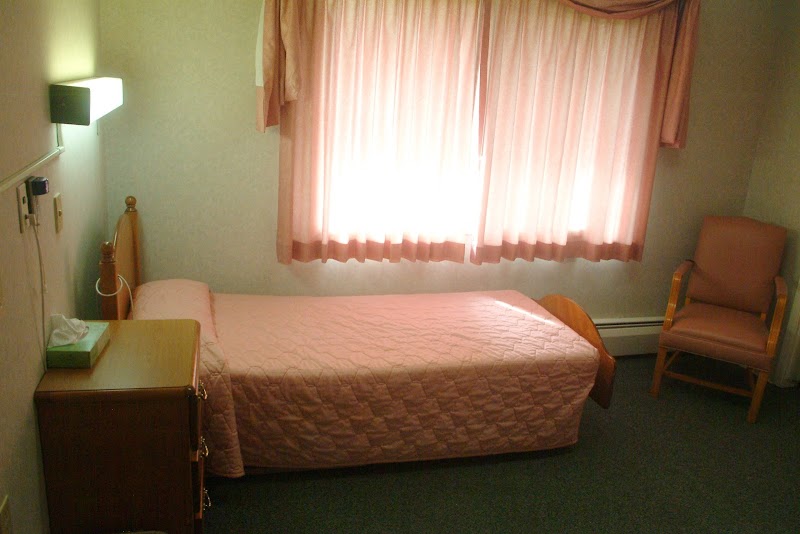
How is Oakwood Specialty Care Staffed?
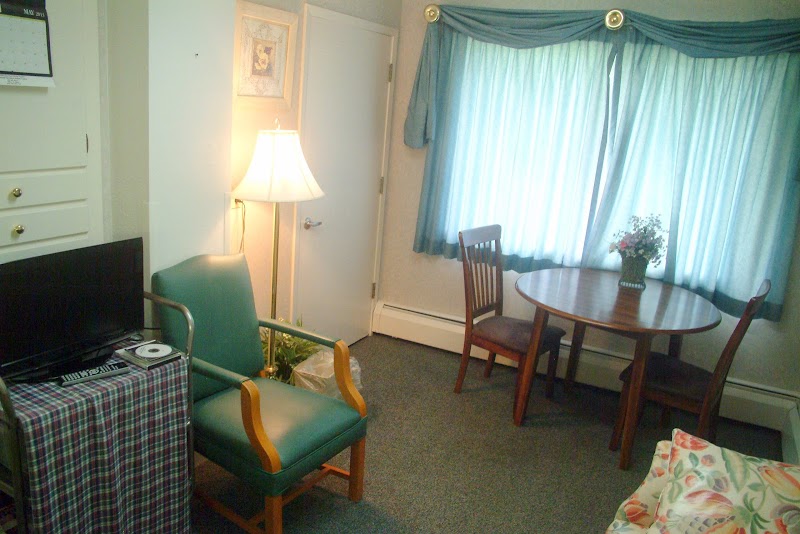
CMS rates Oakwood Specialty Care's staffing level at 3 out of 5 stars, which is average compared to other nursing homes. Staff turnover is 37%, compared to the Iowa average of 46%. This relatively stable workforce can support continuity of care.

What Have Inspectors Found at Oakwood Specialty Care?

State health inspectors documented 22 deficiencies at Oakwood Specialty Care during 2023 to 2025. These included: 1 Immediate Jeopardy (the most serious level, indicating potential for serious harm or death), 1 that caused actual resident harm, and 20 with potential for harm. Immediate Jeopardy findings are rare and represent the most serious regulatory concerns. They require immediate corrective action.

Who Owns and Operates Oakwood Specialty Care?

Oakwood Specialty Care is owned by a non-profit organization. Non-profit facilities reinvest revenue into operations rather than distributing to shareholders. The facility is operated by CARE INITIATIVES, a chain that manages multiple nursing homes. With 54 certified beds and approximately 49 residents (about 91% occupancy), it is a smaller facility located in ALBIA, Iowa.

How Does Oakwood Specialty Care Compare to Other Iowa Nursing Homes?

Compared to the 100 nursing homes in Iowa, Oakwood Specialty Care's overall rating (3 stars) is below the state average of 3.1, staff turnover (37%) is near the state average of 46%, and health inspection rating (2 stars) is below the national benchmark.

What Should Families Ask When Visiting Oakwood Specialty Care?

Based on this facility's data, families visiting should ask: "What changes have been made since the serious inspection findings, and how are you preventing similar issues?" "Can I visit during a mealtime to observe dining assistance and food quality?" "How do you handle medical emergencies, and what is your hospital transfer rate?" "Can I speak with family members of current residents about their experience?" These questions are particularly relevant given the facility's Immediate Jeopardy citations.

Is Oakwood Specialty Care Safe?

Based on CMS inspection data, Oakwood Specialty Care has documented safety concerns. Inspectors have issued 1 Immediate Jeopardy citation (the most serious violation level indicating risk of serious injury or death). The facility has a 3-star overall rating and ranks #100 of 100 nursing homes in Iowa. Families considering this facility should ask detailed questions about what corrective actions have been taken since these incidents.

Do Nurses at Oakwood Specialty Care Stick Around?

Oakwood Specialty Care has a staff turnover rate of 37%, which is about average for Iowa nursing homes (state average: 46%). Moderate turnover is common in nursing homes, but families should still ask about staff tenure and how the facility maintains care continuity when employees leave.

Was Oakwood Specialty Care Ever Fined?

Oakwood Specialty Care has no federal fines on record. CMS issues fines when nursing homes fail to meet care standards or don't correct problems found during inspections. The absence of fines suggests the facility has either maintained compliance or corrected any issues before penalties were assessed. This is a positive indicator, though families should still review recent inspection reports for the full picture.

Is Oakwood Specialty Care on Any Federal Watch List?

Oakwood Specialty Care is not on any federal watch list. The most significant is the Special Focus Facility (SFF) program, which identifies the bottom 1% of nursing homes nationally based on persistent, serious quality problems. Not being on this list means the facility has avoided the pattern of deficiencies that triggers enhanced federal oversight. This is a positive indicator, though families should still review the facility's inspection history directly.