Rehabilitation Center of Allison
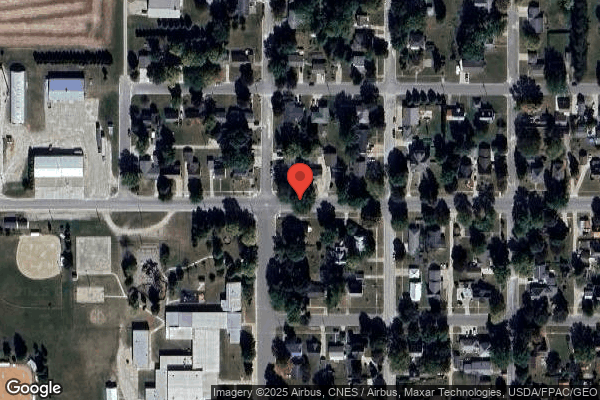
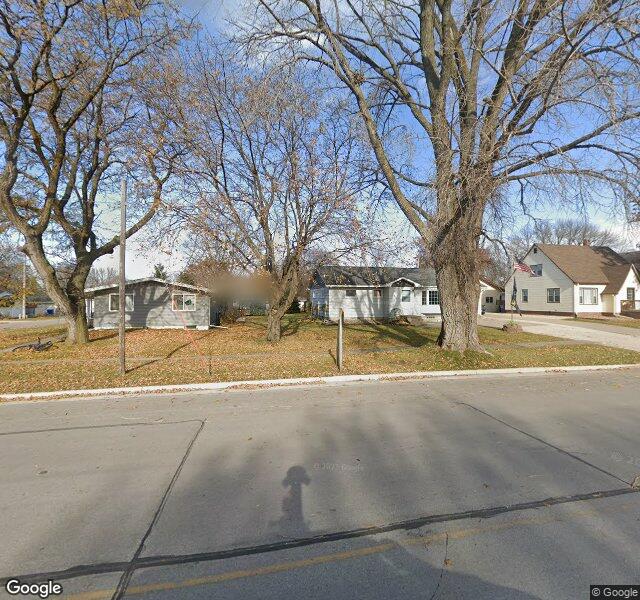
900 7TH STREET WEST, ALLISON, IA 50602 (319) 267-2791
For profit - Limited Liability company 54 Beds LEGACY HEALTHCARE Data: November 2025
Trust Grade
65/100
#222 of 392 in IA
Last Inspection: August 2024

Within standard 12-15 month inspection cycle. Federal law requires annual inspections.

Overview

The Rehabilitation Center of Allison has a Trust Grade of C+, which indicates it is slightly above average but not exceptional. It ranks #222 out of 392 nursing homes in Iowa, placing it in the bottom half, and #3 out of 5 in Butler County, suggesting only one local option is better. The facility's trend is stable, with 10 issues noted over the past two years, though there are concerns regarding staffing, with a 60% turnover rate that exceeds the state average of 44%. On a positive note, there have been no fines recorded, indicating compliance with regulations, but there are some significant incidents, such as failing to provide adequate Registered Nurse coverage on a required day and staff not properly handling food during meal service, which raises concerns about hygiene and resident care. Overall, while there are strengths in compliance and quality measures, issues with staffing and specific care deficiencies should be considered by families.

Trust Score
C+
65/100
In Iowa
#222/392
Bottom 44%
Safety Record
Low Risk
No red flags
Inspections
Holding Steady
5 → 5 violations
Staff Stability
⚠ Watch
60% turnover. Above average. Higher turnover means staff may not know residents' routines.
Penalties
✓ Good
No fines on record. Clean compliance history, better than most Iowa facilities.
Skilled Nurses
○ Average
Each resident gets 32 minutes of Registered Nurse (RN) attention daily — about average for Iowa. RNs are the most trained staff who monitor for health changes.
Violations
○ Average
10 deficiencies on record. Average for a facility this size. Mostly minor or procedural issues.
★★★☆☆
3.0
Overall Rating
★★★☆☆
3.0
Staff Levels
★★★★☆
4.0
Care Quality
★★★☆☆
3.0
Inspection Score
Stable
2024: 5 issues
2025: 5 issues

The Good

  • 4-Star Quality Measures · Strong clinical quality outcomes
  • Full Sprinkler Coverage · Fire safety systems throughout facility
  • No fines on record

Facility shows strength in quality measures, fire safety.

The Bad

3-Star Overall Rating

Near Iowa average (3.1)

Meets federal standards, typical of most facilities

Staff Turnover: 60%

14pts above Iowa avg (46%)

Frequent staff changes - ask about care continuity

Chain: LEGACY HEALTHCARE

Part of a multi-facility chain

Ask about local staffing decisions and management

Staff turnover is elevated (60%)

12 points above Iowa average of 48%

The Ugly 10 deficiencies on record

Jun 2025 3 deficiencies
CONCERN (D) 📢 Someone Reported This

A family member, employee, or ombudsman was alarmed enough to file a formal complaint

Potential for Harm - no one hurt, but risky conditions existed

Resident Rights (Tag F0550)

Could have caused harm · This affected 1 resident

**NOTE- TERMS IN BRACKETS HAVE BEEN EDITED TO PROTECT CONFIDENTIALITY** 2. On 6/24/25 at 9:28 AM Resident #143 was noted to have multiple days' worth of facial hair growth. At that time, he explained ...

Read full inspector narrative →
**NOTE- TERMS IN BRACKETS HAVE BEEN EDITED TO PROTECT CONFIDENTIALITY** 2. On 6/24/25 at 9:28 AM Resident #143 was noted to have multiple days' worth of facial hair growth. At that time, he explained he preferred to be clean shaven. Further explained he had a shower scheduled later that morning and would like to be shaven at that time. On 6/24/25 at 4:01 PM Resident #143 explained he did have his shower but the CNA failed to shave him. The Care Plan for interventions for Resident #143 included the information that historically he likes to be clean shaven. During an interview on 6/25/25 at 11:05 AM, Staff C explained men should be shaven daily. During observations on 6/25/25 at 10:22 AM and 6/26/25 at 8:51 AM the resident remained unshaven. During an interview on 6/26/25 at 10:24 AM Staff A explained men should be asked if they want to shave daily. On 6/26/25 at 10:26 AM, Staff A and the surveyor went to Resident #143's room. Staff A acknowledged the facial hair growth. She asked the Resident if he prefers to be clean shaven. He explained he asked to be shaved a couple days ago, but it didn't get done. He further explained he has his own razor but was told the facility had a razor they would use to shave him. Based on clinical record review, observation, resident and staff interviews, the facility failed to ensure residents are treated with dignity and respect for 2 of 2 residents reviewed (Residents #31 and #143). The facility reported a census of 39 residents. Findings include: 1. Resident #31's Minimum Data Set (MDS) assessment dated [DATE] identified a Brief Interview for Mental Status (BIMS) score 14 out of 15 indicating intact cognition. The MDS documented Resident #31 as independent (Resident completes the activity by themselves with no assistance from a helper for self-care.) for eating, oral hygiene, upper and lower body dressing, and mobility. The MDS documented Resident #31 required supervision or touching assistance (helper provides verbal cues and/or touching/steadying and /or contact guard assistance as resident completes activity. Assistance may be provided throughout the activity or intermittently) for shower/bathe self and tub/shower transfers. The MDS included diagnoses of coronary artery disease, diabetes mellitus, and leukemia. The Care Plan Focus identified Resident #31 has behavior problems related to becoming verbally aggressive towards staff and other residents. The following interventions directed staff to: a. Approach/speak in a calm manner. b. Assure the resident that concerns are validated and the staff is willing to address legitimate concerns. c. Communicate clearly and assertively what behaviors are unacceptable and inappropriate. d. Document behaviors and response to interventions. e. Intervene as necessary to protect the rights and safety of others. f. Monitor behavior episodes and attempt to determine underlying cause. A Progress Note dated 6/21/25 at 6:11 PM described an incident that occurred around lunch time between Staff M, Housekeeper and Resident #31. Resident #31 reported to Staff A, Licensed Practical Nurse (LPN) that Staff M would not leave her room. Staff M reported Resident #31 did not want the light on and stated she needed the light on to clean. Staff A directed Staff M to leave the room. Staff M failed to leave the room and continued dusting. When she finished, she left the room. Staff M failed to respect Resident #31's preferences to leave the light off and to leave the room when requested. In an interview on 6/24/25 at 9:31 AM Resident #31 reported she had been watching a movie and wanted to see the end of the movie when the incident with Staff M occurred. Resident #31 verbalized she asked Staff M to turn off the light when she was finished cleaning. She reported Staff M stepped out of the room and failed to turn the light off so she rose and turned off the light. Resident #31 reported Staff M re-entered the room to continue cleaning and turned the light back on. Resident #31 reported she did ask Staff M to come back later. In an interview on 6/24/25 at 11:40 AM, Staff M verbalized she recalled Resident #31 said it was okay to clean the room. Staff M revealed she had stepped out of the room to get a rag off of her cart. When she re-entered the room, the light had been turned off. Staff M reported she had turned the light back on. Resident #31 reacted by hollering at her that she did not want the light on. Staff M revealed if Resident would have asked, she would have come back at a later time to clean. Staff M acknowledged she had been trained on dependent adult abuse and resident rights. In an interview on 6/24/25 at 12:17 PM Staff A, LPN reported she had been called down to the resident's room on 6/21/25 at approximately 12:20 PM. Staff M and Resident #31 had not been heard talking when she entered the room. When Staff A informed Resident #31 that she had been called down to the room, Staff M and Resident #31 began bickering about the light being on/off. Staff A revealed to Staff M that she should have come back at a later time and directed Staff M to leave the room. In an interview on 6/24/25 at 12:51 PM with Staff N, Housekeeping Supervisor verbalized resident rooms are cleaned once per week unless the room needs it more often. On weekends resident rooms are vacuumed or mopped, check the garbage, restock bathroom and mop the bathroom floor. Staff N acknowledged the light should be on when cleaning. Staff N acknowledged if a resident did not want the room light on, the housekeeper should return at a later time. On 6/24/25 at 3:10 PM the Administrator acknowledged training videos had been assigned to review resident rights and abuse. Review of the Iowa Time Card report revealed Staff M had not punched out until 3:05 PM on 6/21/25. Review of the facility Patient Protection Guidelines, Abuse Prevention, Reporting and Investigation policy revised in May 2025 documented employees are educated upon hire and annually on the abuse prevention program including the immediate reporting of any suspicion of abuse, neglect, exploitation, mistreatment, misappropriation, patient rights, reporting reasonable suspicion of crime, and use of computers/phone/electronic devices specific to audio/video recordings.
CONCERN (D) 📢 Someone Reported This

A family member, employee, or ombudsman was alarmed enough to file a formal complaint

Potential for Harm - no one hurt, but risky conditions existed

Free from Abuse/Neglect (Tag F0600)

Could have caused harm · This affected 1 resident

**NOTE- TERMS IN BRACKETS HAVE BEEN EDITED TO PROTECT CONFIDENTIALITY** Based on record review, policy review, personnel files review, resident and staff interviews the facility failed to prevent a st...

Read full inspector narrative →
**NOTE- TERMS IN BRACKETS HAVE BEEN EDITED TO PROTECT CONFIDENTIALITY** Based on record review, policy review, personnel files review, resident and staff interviews the facility failed to prevent a staff member alleged of potential abuse of a resident (Resident #31) from contact with other residents. The facility reported a census of 39 residents. Findings include: Resident #31's Minimum Data Set (MDS) assessment dated [DATE] identified a Brief Interview for Mental Status (BIMS) score 14 out of 15 indicating intact cognition. The MDS documented Resident #31 as independent (Resident completes the activity by themselves with no assistance from a helper for self-care.) for eating, oral hygiene, upper and lower body dressing, and mobility. The MDS documented Resident #31 required supervision or touching assistance (helper provides verbal cues and/or touching/steadying and /or contact guard assistance as resident completes activity. Assistance may be provided throughout the activity or intermittently) for shower/bathe self and tub/shower transfers. The MDS included diagnoses of coronary artery disease, diabetes mellitus, and leukemia. The Care Plan Focus identified Resident #31 has behavior problems related to becoming verbally aggressive towards staff and other residents. The following interventions directed staff to: a. Approach/speak in a calm manner. b. Assure the resident that concerns are validated and the staff is willing to address legitimate concerns. c. Communicate clearly and assertively what behaviors are unacceptable and inappropriate. d. Document behaviors and response to interventions. e. Intervene as necessary to protect the rights and safety of others. f. Monitor behavior episodes and attempt to determine underlying cause. On 6/21/25 at 2:26 PM the Administrator contacted Iowa Department of Inspections, Appeals and Licensing to submit and initial report for potential dependent adult abuse. A review of the Progress Noted dated 6/21/25 at 6:11 PM documented an incident had occurred between Staff M, Housekeeper and Resident #31. The Progress Note revealed the nurse was paged by the housekeeper to the resident room. I got there, Resident #31 was pushing her lunch tray away and looked frazzled with flushed cheeks. I asked her if she was ok, she said yes I said I was asked to come down here she said yes, because she won't leave my room then the housekeeper said I paged because she put her hands on me I asked Resident #31 what happened as the housekeeper was dusting and said she didn't want the light on but I need the lights on to clean (Lights are off at this time) I said so she put her hands on you? The housekeeper said yes as Resident #31 yelled yes, because she pushed me! Then the housekeeper said because you grabbed me! I stopped them and asked the housekeeper to leave the room and told her when the resident says not right now then they need to come back at a later time. She continued dusting, finished, then left the room. I stayed and asked Resident #31 if she was ok, she stated no I said tell me what happened. She said the housekeeper came in and wanted to clean and I didn't want her to turn the light on to do the cleaning but she kept insisting that she had to have the lights on to clean and she couldn't see without the lights! She said I grabbed her to get her away from the light then the housekeeper pushed me I asked if I could see her skin, she said for what? I stated to see if it left any marks she said no, she didn't push me that hard she stated I just think when I ask if they can wait to do something than it can wait until later. I am in my room today because my teeth, bottom plate, is bothering me and it hurts to chew. I asked if she wanted something for the pain and she stated no, I don't like to take any more medications then what I have to I told her I could tell people to stay out of her room this weekend so she could rest if she would like and she said no, I don't mind if they come to do what they need to do just not when I don't want them in here. They can come back. I told her she is right, asked if she was ok again, she said she will be. Assessment of Resident including range of motion & Pain: within normal limits Vital Signs - If FALL include Ortho B/P: 130/79,80, 95%, 98.8, 18, no pain Describe Any Injury Noted: none noted at this time List Any Treatment Provided: emotional support List Relevant Interventions That Were In Place At The Time of The Incident: Removed the housekeeper from the situation Preliminary Recommendations, if any, for consideration as further preventative measures:: respect resident wishes List Responsible Party Notified: daughter Which Physician Was Notified - Include Date & Time of Notification: Primary Physician notified at 1822 During an interview on 6/24/25 at 9:31 AM Resident #31 recalled the incident from 6/21/25. Resident #31 revealed she had wanted to finish watching a movie and had the lights off in her room. Staff M, Housekeeper had wanted to clean the room. Resident #31 allowed Staff M to enter the room. Staff M left the room and had not shut the light off so Resident 31 shut the light off. Staff M re-entered the room and turned the light on. Resident #31 revealed she rose from her chair to go shut the light off. Staff M had been near the light switch. Resident stated she had reached over Staff M's right shoulder as she was reaching for the light. Resident #31 revealed Staff M had raised her hand up with fingers open, her elbows along her side. Resident #31 acknowledged staff did not extend her arms nor was any force or pressure felt as Resident #31 continued to move forward. Resident did not appear fearful, agitated or anxious as she recalled the incident. Resident acknowledged she had no injuries. During an interview on 6/24/25 at 11:40, Staff M recalled the incident. Staff M revealed as Resident #31 reached for the light the resident had grabbed her arm. Staff M acknowledged there had been no marks left on her arm. Staff M acknowledged she had raised her hands up as the resident was coming towards her. Staff M could not recall if her hands actually touched the resident. Staff M revealed when her hands were up the resident was less than 6 inches away from her. Staff M acknowledged when she left the residents room she continued cleaning other resident rooms. Staff M acknowledged she went in to approximately 18 (all of east hall way and approximately half of the south hallway rooms) rooms. Staff M revealed residents had been in all rooms but 2. Staff M acknowledged no other staff members had accompanied while she continued to clean resident rooms. During an interview on 6/24/25 at 12:17 PM, Staff A revealed she had directed Staff M to leave Resident #31's room. Staff A acknowledged she separated Staff M from the resident but failed to separate Staff M from all other residents. During an interview on 6/24/25 at 1:50 PM, Staff D, LPN acknowledged she had been the nurse on call on 6/21/25 and had received a call from Staff A. Staff D directed Staff A to get statements and to call the Administrator. Staff D acknowledged she failed to provide direction to remove Staff M from potential contact with all residents. During an interview on 6/24/25 at 3:10 PM, the Administrator acknowledged she had been notified around 1:00 PM on 6/21/25. When the Administrator returned the call to the facility, Staff A thought Staff M had already left the facility. Review of the Personnel File for Staff M revealed a Dependent Adult Abuse training certificate dated 12/30/22. Review of the Personnel File for Staff A revealed a Dependent Adult Abuse training certificate dated 4/6/25. Review of the facility policy Patient Protection Guidelines, Abuse Prevention, Reporting and Investigation with a revision date of May 2025 directed the following: Employees are educated upon hire and annually on the abuse prevention program including the immediate reporting of any suspicion of abuse, neglect, exploitation, mistreatment, misappropriation, patient rights, reporting reasonable suspicion of crime, and use of computers/phone/electronic devices specific to audio/video recordings. Protection Upon receiving a report of an allegation of resident abuse, neglect, exploitation, injuries of unknown origin or misappropriation, the facility shall immediately implement measures to prevent further potential abuse of resident from occurring while the facility investigation is in process. If this involves an allegation of abuse by an employee, this will be accomplished by separating the employee accused of abuse from all residents through the following or a combination of the following, if practicable: (1) suspending the employee; (2) segregating the employee by moving the employee to an area of the facility where there will be no contact with any residents of the facility; and in rare instances (3) separating the employee accused of abuse from the resident alleged to have been abused, but allowing the employee to care for and have contact with other residents, only if there is a second employee who remains with and accompanies the employee accused of abuse at all times to supervise all contacts and interactions with residents.
CONCERN (D) 📢 Someone Reported This

A family member, employee, or ombudsman was alarmed enough to file a formal complaint

Potential for Harm - no one hurt, but risky conditions existed

Investigate Abuse (Tag F0610)

Could have caused harm · This affected 1 resident

**NOTE- TERMS IN BRACKETS HAVE BEEN EDITED TO PROTECT CONFIDENTIALITY** Based on clinical record review, policy review, and staff interview the facility failed to thoroughly investigate an allegation ...

Read full inspector narrative →
**NOTE- TERMS IN BRACKETS HAVE BEEN EDITED TO PROTECT CONFIDENTIALITY** Based on clinical record review, policy review, and staff interview the facility failed to thoroughly investigate an allegation of abuse. The facility failed to conduct resident and staff interviews for the date of the incident to determine the extent of the allegation or determine if other residents had been affected. The facility reported a census of 39 residents. Findings include: Resident #31's Minimum Data Set (MDS) assessment dated [DATE] identified a Brief Interview for Mental Status (BIMS) score 14, indicating intact cognition. The MDS documented Resident #31 as independent (Resident completes the activity by themselves with no assistance from a helper for self-care.) for eating, oral hygiene, upper and lower body dressing, and mobility. The MDS documented Resident #31 required supervision or touching assistance (helper provides verbal cues and/or touching/steadying and /or contact guard assistance as resident completes activity. Assistance may be provided throughout the activity or intermittently) for shower/bathe self and tub/shower transfers. The MDS included diagnoses of coronary artery disease, diabetes mellitus, and leukemia. The Care Plan Focus identified Resident #31 has behavior problems related to becoming verbally aggressive towards staff and other residents. The following interventions directed staff to: a. Approach/speak in a calm manner. b. Assure the resident that concerns are validated and the staff is willing to address legitimate concerns. c. Communicate clearly and assertively what behaviors are unacceptable and inappropriate. d. Document behaviors and response to interventions. e. Intervene as necessary to protect the rights and safety of others. f. Monitor behavior episodes and attempt to determine underlying cause. The Progress Note Incident Report for 6/21/25 6:11 PM documented by Staff A, LPN revealed Resident #31 stated Staff M, Housekeeper had pushed her while in the residents' room. Staff A completed an assessment of Resident #31 including range of motion and pain and documented to be within normal limits. Vital signs - blood pressure: 130/79, pulse 80, O2 saturation 95%, temperature 98.8, and respirations 18, Resident had no pain. Describe any injury noted: none noted at this time List any treatment provided: emotional support List relevant interventions that were in place at the time of the incident: removed the housekeeper from the situation. Preliminary recommendations, if any, for consideration as further preventative measures: respect resident wishes. Staff A notified the resident representative and primary physician. The Investigation Report submitted by the facility had been received on 6/23/25. The facility investigation lacked documentation of interviews with other residents and staff. It further lacked documentation of investigation if Staff M had contact with other residents following the incident. Recommendations in the Investigation Report listed re-education for housekeeping and dietary employees but lacked training or re-education for other department employees. In an interview on 6/24/25 at 12:17 PM, Staff A reported she had notified the nurse manager on call for 6/21/25 at approximately 12:38 PM. Staff A had been directed to obtain written statements and to call the Administrator. Staff A revealed the Administrator had called back at approximately 2:30 PM and reported to the Administrator that Staff M had finished her shift and left the facility. Staff A acknowledged she failed to keep a potential abuser from contact with other residents. In an interview on 6/24/25 at 1:50 PM, Staff D, LPN acknowledged she had been the nurse manager on call for 6/21/25. Staff D verbalized she had directed Staff A to obtain written statements from everyone and disclosed it was a possible allegation of abuse that would need to be reported. Staff D sent a text message to the Administrator to inform her of the nurse calling in regards to the incident. In an interview on 6/24/25 at 3:00 PM, the Director of Nursing (DON) acknowledged she had been notified by the Administrator about the incident on 6/21/25 at approximately 2:30 PM. The DON reported she had been out of town and the Administrator did not direct her to do anything. The DON verbalized the Administrator had reported the incident to the Iowa Department of Inspections, Appeals and Licensing. In an interview on 6/24/25 at 3:10 PM, the Administrator reported she had called the Iowa Department of Inspections, Appeals and Licensing on 6/21/25 at 2:26 PM. The Administrator provided 2 hand written statements from Staff A and Staff M. The Administrator reported she had no other statements on file for the investigation of the incident. In an interview on 6/25/25 at 9:55 AM, the Administrator reported she had not interviewed any other residents as part of her investigation. The Administrator acknowledged she had spoken with Staff A, Staff M, Staff O, Laundry and Staff P, Dietary Manager and no other staff members that had worked on 6/21/25. The Administrator verbalized she had been continuing her investigation and reiterated she had 5 days to submit a summary. On 6/26/25 at 1:37 PM the Iowa Department of Inspections, Appeals and Licensing had received additional information to the facilities Investigation Report. The Investigation Reported included 1 additional staff statement and re-education of all staff on residents' rights, including the right to refuse care can control of their environment.
Mar 2025 2 deficiencies
CONCERN (D) 📢 Someone Reported This

A family member, employee, or ombudsman was alarmed enough to file a formal complaint

Potential for Harm - no one hurt, but risky conditions existed

Comprehensive Care Plan (Tag F0656)

Could have caused harm · This affected 1 resident

Based on clinical record review, staff interview and facility policy review the facility failed to implement Care Plans for two (2) of 3 residents reviewed (Residents #1 and #2). The facility reported...

Read full inspector narrative →
Based on clinical record review, staff interview and facility policy review the facility failed to implement Care Plans for two (2) of 3 residents reviewed (Residents #1 and #2). The facility reported a census of 40 residents. Findings include: 1. The Care Plan Focus with a target date of 4/25/25 identified Resident #1 required assistance with activities of daily living (ADLs). Resident #1 used a wheelchair for mobility and cognitive impairment. She liked to have her stuffed animals with her. Resident #1 chose to wear a pair of safety glasses that aren't prescription. She used a foot bolster on her wheelchair pedals to keep her feet up. a. Resident #1 transferred with assistance from 2 staff and a lift device for all transfers. On 3/14/25 at 1:03 PM observed with the Director of Nursing (DON), Staff A, Certified Nursing Assistant (CNA), and Staff B, CNA, as they placed a gait belt assistive device on Resident #1, then transferred her from the wheelchair to her bed with the assistance of 2 staff and no lift device. According to an email dated 3/21/25 at 1:18 PM the DON, present at the time of Resident #1's transfer, confirmed she observed the same transfer. 2. The Care Plan Focus with a target date of 5/19/25 indicated Resident #2 required assistance with ADLs related to impaired cognition and weakness. She used a wheelchair for mobility and wore glasses. Resident #2 wore socks with her sandals to protect her toes. a. Resident #2 used a mechanical lift device for all functional transfers. (not dated) An Incident Report form dated 3/17/25 at 1:30 AM indicated the staff found Resident #2 on the floor and assisted her from the floor to the bed with the assistance of (3) staff and a gait belt assistive device.
CONCERN (F) 📢 Someone Reported This

A family member, employee, or ombudsman was alarmed enough to file a formal complaint

Potential for Harm - no one hurt, but risky conditions existed

Deficiency F0727 (Tag F0727)

Could have caused harm · This affected most or all residents

Based on schedule review, time card review, staff interview, and facility policy review the facility failed to provide a Registered Nurse (RN) in the facility for eight (8) consecutive hours per day a...

Read full inspector narrative →
Based on schedule review, time card review, staff interview, and facility policy review the facility failed to provide a Registered Nurse (RN) in the facility for eight (8) consecutive hours per day as required by the Federal Regulations. The facility reported a census of 40 residents. Findings include: According to a calendar dated February 2025 compared to Attendance on Demand forms dated 2/1/25 through 2/28/25, the facility failed to staff an RN on 2/8/25 as required. During an interview 3/14/25 at 3:20 PM the Director of Nursing (DON) confirmed 2/8/25 as the only day she couldn't account for the required 8 hours of RN coverage.
Nov 2024 1 deficiency
CONCERN (D) 📢 Someone Reported This

A family member, employee, or ombudsman was alarmed enough to file a formal complaint

Potential for Harm - no one hurt, but risky conditions existed

Deficiency F0895 (Tag F0895)

Could have caused harm · This affected 1 resident

**NOTE- TERMS IN BRACKETS HAVE BEEN EDITED TO PROTECT CONFIDENTIALITY** Based on electronic health records (EHR) review, staff interview and facility policy review the facility failed to provide compl...

Read full inspector narrative →
**NOTE- TERMS IN BRACKETS HAVE BEEN EDITED TO PROTECT CONFIDENTIALITY** Based on electronic health records (EHR) review, staff interview and facility policy review the facility failed to provide complete and accurately documented electronic health records for 1 of 3 residents (Resident #2) reviewed. The facility reported a census of 28 residents. Findings include: A Controlled Medication Utilization Record form generated from the facilities pharmaceutical provider dated 9/30/24 indicated the facility received 60 Lorazepam/Ativan 0.25 milligram (mg) tablets (which were 30 - 0.5 mg tablets cut in half by the pharmacy) on 9/30/24. The order directed to administer twice daily (BID) and one (1) by mouth (po) every 12 hours as needed (PRN) for Resident #2. Further review of the form reflected an unknown staff member crossed off the number 30 in the quantity received section of the form and changed it to 60 1/2 tablets but failed to sign and date the change. In addition, the form included an entry on 10/1/24 at 10:17 AM that Staff B, Licensed Practical Nurse (LPN) administered 1 Lorazepam pill. During an interview on 10/30/24 at 4:00 PM the Director of Nursing (DON) confirmed the above stated signature as Staff A, LPN, and not Staff B. During an interview on 10/30/24 at 3:31 PM Staff A, confirmed she crossed off the documented 30 pills written on the sheet by the pharmacy and changed the count to 60 1/2 tablets, in addition to proceeding to sign/[NAME] the name of Staff B for the administration of the Lorazepam. During an interview on 11/7/24 at 11:24 AM Staff B confirmed Staff A signed/forged her signature on 10/1/24 at 10:17 AM on Resident #2's Ativan Controlled Medication Utilization Record form dated 9/30/24. According to an email on 11/7/24 at 2:24 PM the Administrator confirmed the nurses had the responsibility to report discrepancies to their supervisor. The facilities Controlled Medications policy last revised 6/16/16 explained the facility had systems which accounted for the receipt, usage, disposition and reconciliation of controlled medications. The Procedures included the following: If discrepancies are noted during the verification of the delivery from the pharmacy, the pharmacy, DON, and/or Administrator need contacted for further assistance. If discovered after normal working hours, the facility should contact the dispensing pharmacy's on-call pharmacist with the DON and/or Administrator. The staff would initiate a new MP5211 form (Individual Resident's Controlled Substance Record) for each controlled medication if the pharmacy failed in providing a controlled substance flow sheet. When using the MP5211 form, document the medication name, medication amount, dosage, method of administration, pharmacist name (may write the name of the pharmacy rather than the pharmacist's name), amount ordered, amount received, signature of nurse receiving medication, and date.
Aug 2024 2 deficiencies
CONCERN (D)

Potential for Harm - no one hurt, but risky conditions existed

Deficiency F0658 (Tag F0658)

Could have caused harm · This affected 1 resident

**NOTE- TERMS IN BRACKETS HAVE BEEN EDITED TO PROTECT CONFIDENTIALITY** Based on observation, clinical record review, staff interview and manufacturer ' s recommendations, the facility failed to admin...

Read full inspector narrative →
**NOTE- TERMS IN BRACKETS HAVE BEEN EDITED TO PROTECT CONFIDENTIALITY** Based on observation, clinical record review, staff interview and manufacturer ' s recommendations, the facility failed to administer insulin according to manufacturer ' s recommendations for 1 of 1 residents reviewed for administration of insulin utilizing an insulin pen (Resident #36). The facility reported a census of 45 residents. Findings include: The Minimum Data Set (MDS) dated [DATE] revealed Resident #36 had a Brief Interview for Mental Status (BIMS) of 6 indicating severe cognitive impairment. The MDS further revealed the resident had a diagnosis of diabetes mellitus. Review of the August 2024 Medication Administration Record for Resident #36 revealed an order to inject 6 units insulin Aspart solution subcutaneously three times a day. On 8/28/24 at 11:16 AM observed Staff B, Licensed Practical Nurse (LPN) prepare Resident #36 ' s insulin pen with 6 units of Aspart insulin. Staff B failed to prime the insulin pen. Following preparation of the insulin pen, observed Staff B administer 6 units of insulin subcutaneously into Resident #36 ' s stomach. Following administration of the insulin, Staff B immediately removed the insulin pen. Review of manufacturer ' s recommendation for the NovLog FlexPen provided by the Director of Nursing (DON) documented before each injection small amounts of air may collect in the cartridge during normal use. To avoid injecting air and to ensure proper dosing: a. Turn the dose selector to select 2 units. b. Hold the NovoLog FlexPen with the needle pointing up. Tap the cartridge gently with your finger a few times to make any air bubbles collect at the top of the cartridge. c. Keep the needle pointing upwards, press the push-button all the way in until the dose selector returns to 0. Further review of the manufacturer ' s recommendations for the NovLog FlexPen under giving the injection revealed the following: a.Insert the needle into the skin. b.Inject the dose by pressing the push-button all the way in until the 0 lines up with the pointer. c.Keep the needle in the skin for at least 6 seconds, and keep the push button pressed all the way in until the needle has been pulled out from the skin. This will make sure that the full dose has been given. During an interview 8/28/24 at 11:34 PM the DON acknowledged Staff B, LPN failed to prime the insulin pen and failed to keep the insulin pen in place for a period of time following administration as expected. On 8/28/24 at 3:55 PM, the Administrator revealed the facility did not have specific policies related to medication administration or insulin administration as they would follow professional nursing standards.
CONCERN (D)

Potential for Harm - no one hurt, but risky conditions existed

Deficiency F0698 (Tag F0698)

Could have caused harm · This affected 1 resident

**NOTE- TERMS IN BRACKETS HAVE BEEN EDITED TO PROTECT CONFIDENTIALITY** Based on observation, clinical record review and staff interview, the facility failed to complete pre and post dialysis assessme...

Read full inspector narrative →
**NOTE- TERMS IN BRACKETS HAVE BEEN EDITED TO PROTECT CONFIDENTIALITY** Based on observation, clinical record review and staff interview, the facility failed to complete pre and post dialysis assessments for 1 of 1 resident reviewed for dialysis (Resident #32). The facility reported a census of 45 residents. Findings include: The Minimum Data Set (MDS) dated [DATE] revealed Resident #32 had a Brief Interview for Metal Status (BIMS) of 99 indicating the resident was unable to complete the assessment. The MDS further revealed the resident had a diagnoses of stage 5 chronic kidney disease (kidney failure and end stage kidney disease) and had received dialysis in the last 14 days while a resident at the facility. Observation on 8/26/24 at 2:15 PM, Resident #32 was out of the facility at dialysis. A Physician's order dated as active 8/2/24 at 2:00 PM, directed staff to complete a dialysis assessment after dialysis one time a day every Monday, Wednesday, and Friday. A Physician's order dated as active on 8/2/24 at 6:00 AM, directed staff to complete the dialysis evaluation prior to dialysis and once daily on non-dialysis days one time a day. Resident #32's care plan directed the following: o Resident #32 received dialysis on Monday, Wednesday, and Friday. o Resident #32 will have no signs or symptoms (s/sx) of complications from dialysis with a target date of 10/13/2024. o Assessments, vital signs and weights, if abnormal or not normal limits, will be communicated to the dialysis center prior to and post dialysis. o Dialysis port located on upper chest. o Dialysis site care per provider recommendations. o Resident #32 scheduled to have hemodialysis treatment every Monday, Wednesday, and Friday at the dialysis center. o In the event of an emergency such as a power outage or inclement weather that prevents Resident #32 from receiving dialysis as scheduled, the residents providers instructions are to: (specify what the nephrologist/dialysis center instruction has been given example special diet, medication, transport to alternate dialysis site) o Monitor/document/report PRN any s/sx of infection to access site: redness, swelling, warmth or drainage. o Monitor/document/report PRN (as needed) for s/sx of renal insufficiency: changes in level of consciousness, changes in skin turgor, oral mucosa, changes in heart and lung sounds. Clinical record review revealed the following: 7/12/24- pre and post dialysis assessments not completed 7/15/24- pre-dialysis assessment not completed 7/22/24- pre-dialysis assessment not completed 7/24/24- pre and post dialysis assessments not completed 7/26/24- post dialysis assessment not completed 7/29/24- pre and post dialysis assessments not completed 8/2/24- post dialysis assessment not completed 8/5/24- pre-dialysis assessment not completed 8/9/24- post dialysis assessment not completed 8/12/24- post dialysis assessment not completed 8/16/24- pre and post dialysis assessments not completed During an interview 8/27/24 at 12:10 PM, the Director of Nursing (DON) acknowledged pre and post dialysis assessments for Resident #32 had not consistently been completed as expected and stated she and the Nurse Consultant had just looked at the resident's dialysis assessments. On 8/27/24 at 2:27 PM the Administrator revealed the facility did not have a specific policy for dialysis. The Administrator further revealed their Regulatory Nurse Consultant frequently referred to the pathway and sends it out when there are updates.
Mar 2024 2 deficiencies
CONCERN (D)

Potential for Harm - no one hurt, but risky conditions existed

Deficiency F0658 (Tag F0658)

Could have caused harm · This affected 1 resident

**NOTE- TERMS IN BRACKETS HAVE BEEN EDITED TO PROTECT CONFIDENTIALITY** Based on observation, clinical record review, policy review, and staff interview the facility failed to administer the appropria...

Read full inspector narrative →
**NOTE- TERMS IN BRACKETS HAVE BEEN EDITED TO PROTECT CONFIDENTIALITY** Based on observation, clinical record review, policy review, and staff interview the facility failed to administer the appropriate dose of medication to 1 of 8 residents reviewed (Resident #17). The facility reported a census of 42 residents. Findings include: The Minimum Data Set (MDS) dated [DATE] for Resident #17 documented a Brief Interview for Mental Status (BIMS) of 13/15 indicating no cognitive impairment. It further documented diagnoses including: hypertension, heart failure, coronary artery disease, cardiomyopathy (disease of the heart muscle), and intellectual disabilities. During an observation on 3/26/24 at 8:13 AM Staff E, Licensed Practical Nurse (LPN) administered a 10 mg tablet of Lisinopril (an anti-hypertensive medication to reduce blood pressure (BP)) to the resident. Physician orders dated 3/8/24 documented Lisinopril 5 mg daily for essential hypertension. The resident's Care Plan lacked direction for monitoring signs and symptoms of hypotension (low BP) and medication side effects of the anti-hypertensive medication. The Progress Note dated 3/08/24 at 10:52 AM documented the physician's verbal order to decrease the Lisinopril to 5 mg daily as the resident's BP was still dropping low. The Progress Note dated 3/08/24 at 10:53 AM documented the order for Lisinopril Oral Tablet 5 mg to be given daily. The resident's guardian was called and informed of the order. An incident note dated 3/14/24 at 10:10 PM documented the resident stood up from a sitting position on her bed and became tipsy. Staff assisted the resident to the floor and she was assessed by nursing. There was no injury. On 3/27/24 at 12:06 PM the Administrator explained the facility lacked a policy on medication administration. In an interview on 3/26/24 at 2:49 PM Staff E confirmed she gave the resident the whole 10 mg tablet of Lisinopril during the morning medication pass. She confirmed the order in the computer was dated 3/08/24 for 5 mg. She acknowledged she looked right at the order and still gave the 10 mg dose. She reported that the resident's medication had not been changed since the order was given and the resident had been receiving the 10 mg tablet daily from 3/9-3/26 for a total of 18 incorrect doses. The Director of Nursing (DON) confirmed the presence of the Progress Note indicating the verbal order was received. She reported the fax to the pharmacy for the new dose was never sent. She noted the facility would follow up with a medication error report and the pharmacy called for the new dose. During an interview on 3/27/24 at 12:37 PM the DON explained she expected staff to take their time and double check the following before passing medications: resident name, the order, the MAR, and the medication card. She expected staff to give the right drug at the right time to the right patient.
CONCERN (E)

Potential for Harm - no one hurt, but risky conditions existed

Food Safety (Tag F0812)

Could have caused harm · This affected multiple residents

Based on observation, policy review, and staff interview the facility failed to keep their hands off the drinking rim surfaces of the glasses and failed to cover foods for transport during meal servic...

Read full inspector narrative →
Based on observation, policy review, and staff interview the facility failed to keep their hands off the drinking rim surfaces of the glasses and failed to cover foods for transport during meal service. The facility reported a census of 42 residents. Findings include: During an observation of the noon meal on 3/25/24 from 11:27 AM to 12:30 PM Staff A Registered Nurse, Staff B Dietary Aide, Staff C Certified Nursing Aide (CNA), and Staff D Certified Medication Aide served 14 glasses to 14 residents in the dining area handling the cups with fingers on the drinking rim surface of the glasses. Staff also failed to completely cover 2 desserts and failed to cover 1 dessert at all when transporting them to resident rooms. On 3/27/24 at 10:12 AM the Administrator explained the facility lacked a policy on dining or food handling. On 3/27/24 at 10:35 AM the Food Service Supervisor reported she expected staff not to touch the food on the plates or bowls when serving, and not to touch the rims of glasses residents drink off of. She expected everything on the tray for in-room dining to be covered for transport. During an observation on 3/25/24 at 11:37 AM Staff F, door greeter, served 1 cup to a resident touching the drinking rim of the cup. Staff G, cook, served 1 cup to a resident touching the drinking rim of the cup. During an observation on 3/25/24 at 11:48 AM, Staff F delivered a room tray to Resident #8. The tray was taken from the dining room to his room with the milk and dessert not covered. During an observation on 3/25/24 at 12:00 PM, Staff H, CNA, served a coffee cup to a resident by placing their palm over open surface of cup with all fingers and thumb on drinking surface of the cup. During an observation on 3/25/24 at 12:06 PM, Staff G served a resident 2 cups by placing their palm over the open surface of cup with all fingers and thumb on drinking surface of the cups.
Understanding Severity Codes (click to expand)
Life-Threatening (Immediate Jeopardy)
J - Isolated K - Pattern L - Widespread
Actual Harm
G - Isolated H - Pattern I - Widespread
Potential for Harm
D - Isolated E - Pattern F - Widespread
No Harm (Minor)
A - Isolated B - Pattern C - Widespread

Questions to Ask on Your Visit

  • "Why is there high staff turnover? How do you retain staff?"
  • "Can I speak with families of current residents?"
  • "What's your RN coverage like on weekends and overnight?"

Our Honest Assessment

Strengths
  • • No major safety red flags. No abuse findings, life-threatening violations, or SFF status.
  • • No fines on record. Clean compliance history, better than most Iowa facilities.
Concerns
  • • 60% turnover. Above average. Higher turnover means staff may not know residents' routines.
Bottom line: Mixed indicators with Trust Score of 65/100. Visit in person and ask pointed questions.

About This Facility

What is Rehabilitation Center Of Allison's CMS Rating?

CMS assigns Rehabilitation Center of Allison an overall rating of 3 out of 5 stars, which is considered average nationally. Within Iowa, this rating places the facility higher than 0% of the state's 100 nursing homes. This mid-range rating indicates the facility meets federal standards but may have areas for improvement.

How is Rehabilitation Center Of Allison Staffed?

CMS rates Rehabilitation Center of Allison's staffing level at 3 out of 5 stars, which is average compared to other nursing homes. Staff turnover is 60%, which is 14 percentage points above the Iowa average of 46%. High turnover can affect care consistency as new staff learn residents' individual needs. RN turnover specifically is 56%, which is notably high. RNs provide skilled clinical oversight, so turnover in this role can affect medical care quality.

What Have Inspectors Found at Rehabilitation Center Of Allison?

State health inspectors documented 10 deficiencies at Rehabilitation Center of Allison during 2024 to 2025. These included: 10 with potential for harm.

Who Owns and Operates Rehabilitation Center Of Allison?

Rehabilitation Center of Allison is owned by a for-profit company. For-profit facilities operate as businesses with obligations to shareholders or private owners. The facility is operated by LEGACY HEALTHCARE, a chain that manages multiple nursing homes. With 54 certified beds and approximately 39 residents (about 72% occupancy), it is a smaller facility located in ALLISON, Iowa.

How Does Rehabilitation Center Of Allison Compare to Other Iowa Nursing Homes?

Compared to the 100 nursing homes in Iowa, Rehabilitation Center of Allison's overall rating (3 stars) is below the state average of 3.1, staff turnover (60%) is significantly higher than the state average of 46%, and health inspection rating (3 stars) is at the national benchmark.

What Should Families Ask When Visiting Rehabilitation Center Of Allison?

Based on this facility's data, families visiting should ask: "How do you ensure continuity of care given staff turnover, and what is your staff retention strategy?" "Can I visit during a mealtime to observe dining assistance and food quality?" "How do you handle medical emergencies, and what is your hospital transfer rate?" "Can I speak with family members of current residents about their experience?" These questions are particularly relevant given the facility's high staff turnover rate.

Is Rehabilitation Center Of Allison Safe?

Based on CMS inspection data, Rehabilitation Center of Allison has a clean safety record: no substantiated abuse findings (meaning no confirmed cases of resident harm), no Immediate Jeopardy citations (the most serious violation level indicating risk of serious injury or death), and is not on the Special Focus Facility watch list (a federal program monitoring the lowest-performing 1% of nursing homes). The facility has a 3-star overall rating and ranks #100 of 100 nursing homes in Iowa. While no facility is perfect, families should still ask about staff-to-resident ratios and recent inspection results during their visit.

Do Nurses at Rehabilitation Center Of Allison Stick Around?

Staff turnover at Rehabilitation Center of Allison is high. At 60%, the facility is 14 percentage points above the Iowa average of 46%. Registered Nurse turnover is particularly concerning at 56%. RNs handle complex medical decisions and coordinate care — frequent RN changes can directly impact care quality. High turnover means new staff may not know residents' individual needs, medications, or preferences. It can also be disorienting for residents, especially those with dementia who rely on familiar faces. Families should ask: What is causing the turnover? What retention programs are in place? How do you ensure care continuity during staff transitions?

Was Rehabilitation Center Of Allison Ever Fined?

Rehabilitation Center of Allison has no federal fines on record. CMS issues fines when nursing homes fail to meet care standards or don't correct problems found during inspections. The absence of fines suggests the facility has either maintained compliance or corrected any issues before penalties were assessed. This is a positive indicator, though families should still review recent inspection reports for the full picture.

Is Rehabilitation Center Of Allison on Any Federal Watch List?

Rehabilitation Center of Allison is not on any federal watch list. The most significant is the Special Focus Facility (SFF) program, which identifies the bottom 1% of nursing homes nationally based on persistent, serious quality problems. Not being on this list means the facility has avoided the pattern of deficiencies that triggers enhanced federal oversight. This is a positive indicator, though families should still review the facility's inspection history directly.